User login
SVS 2018 Vascular Annual Meeting to Host Vascular Teams
When: June 20-23
Where: Hynes Convention Center, Boston
Scientific Sessions: June 21-23
Exhibit Hall: June 21-22
Register: vsweb.org/VAM18
#VAM18
What’s happening this year at the Society for Vascular Surgery’s Vascular Annual Meeting?
- Enhanced online program planner that syncs with meeting app and makes it simple to plan your schedule. Follow this link to start now
- New opportunities for audience participation and discussion
- Programming aimed at physicians and the vascular team in all practice settings
- Cooperative scheduling with the Society for Vascular Nursing and physician assistants
- Great minds, stimulating discussions and events that include the entire vascular team
The 2018 VAM, sponsored by the SVS, will be at the Hynes Convention Center in Boston, Mass., June 20-23. The scientific sessions and exhibit hall open June 21. Registration numbers are already exceeding last year’s benchmarks, organizers said.
Abstracts for all the scientific sessions will be available in the June Journal of Vascular Surgery supplement.
Some of the highlights:
Inclusive. – This year’s meeting has a theme: The Vascular Team: Partners in Patient Care. Every member of the vascular team – surgeons, nurses, nurse practitioners, PAs – will find a reason to attend.
The meeting provides programming across all practice settings with an even stronger focus on practical, take-home information for all.
View Dr. Darling’s “wicked awesome” Welcome to VAM18 video
The Society for Vascular Nursing’s annual meeting will be in the same location June 20-21. Registration for the SVN meeting includes access to VAM.
This year, the newly established membership section for vascular PAs will present PA-focused education. Within just the past few months, more than 130 PAs joined SVS and many are expected to be at VAM.
An Intuitive Planner - VAM18 meeting will see a new online program planner that allows attendees to filter by session type, areas of interest, faculty, and more. Attendees can favorite a session to build their own meeting schedule. The online planner will sync with the new meeting mobile app, so that attendees can carry their schedule with them. The mobile app will be available through the SVS store in June.
Interactive sessions - Meeting organizers have added more opportunities for small group and audience interaction during and after sessions.
Industry’s best – This year’s Exhibit Hall will run for two days with longer hours each day than in previous years. It will feature the crowd-pleasing Vascular Live sessions each day, as well as exhibits showing off innovative devices and offering a chance to chat one-on-one with company representatives. To add to the festivities, a scavenger hunt will foster interaction.
Familiar favorites will be back – workshops, postgraduate courses, international sessions, posters, collaborative events with other societies and many, many chances to network and catch up with old friends. The essential VAM on Demand post-meeting slides, audio and video will help members revisit VAM anytime.
Learn more about the 2018 VAM here: All about VAM18
When: June 20-23
Where: Hynes Convention Center, Boston
Scientific Sessions: June 21-23
Exhibit Hall: June 21-22
Register: vsweb.org/VAM18
#VAM18
What’s happening this year at the Society for Vascular Surgery’s Vascular Annual Meeting?
- Enhanced online program planner that syncs with meeting app and makes it simple to plan your schedule. Follow this link to start now
- New opportunities for audience participation and discussion
- Programming aimed at physicians and the vascular team in all practice settings
- Cooperative scheduling with the Society for Vascular Nursing and physician assistants
- Great minds, stimulating discussions and events that include the entire vascular team
The 2018 VAM, sponsored by the SVS, will be at the Hynes Convention Center in Boston, Mass., June 20-23. The scientific sessions and exhibit hall open June 21. Registration numbers are already exceeding last year’s benchmarks, organizers said.
Abstracts for all the scientific sessions will be available in the June Journal of Vascular Surgery supplement.
Some of the highlights:
Inclusive. – This year’s meeting has a theme: The Vascular Team: Partners in Patient Care. Every member of the vascular team – surgeons, nurses, nurse practitioners, PAs – will find a reason to attend.
The meeting provides programming across all practice settings with an even stronger focus on practical, take-home information for all.
View Dr. Darling’s “wicked awesome” Welcome to VAM18 video
The Society for Vascular Nursing’s annual meeting will be in the same location June 20-21. Registration for the SVN meeting includes access to VAM.
This year, the newly established membership section for vascular PAs will present PA-focused education. Within just the past few months, more than 130 PAs joined SVS and many are expected to be at VAM.
An Intuitive Planner - VAM18 meeting will see a new online program planner that allows attendees to filter by session type, areas of interest, faculty, and more. Attendees can favorite a session to build their own meeting schedule. The online planner will sync with the new meeting mobile app, so that attendees can carry their schedule with them. The mobile app will be available through the SVS store in June.
Interactive sessions - Meeting organizers have added more opportunities for small group and audience interaction during and after sessions.
Industry’s best – This year’s Exhibit Hall will run for two days with longer hours each day than in previous years. It will feature the crowd-pleasing Vascular Live sessions each day, as well as exhibits showing off innovative devices and offering a chance to chat one-on-one with company representatives. To add to the festivities, a scavenger hunt will foster interaction.
Familiar favorites will be back – workshops, postgraduate courses, international sessions, posters, collaborative events with other societies and many, many chances to network and catch up with old friends. The essential VAM on Demand post-meeting slides, audio and video will help members revisit VAM anytime.
Learn more about the 2018 VAM here: All about VAM18
When: June 20-23
Where: Hynes Convention Center, Boston
Scientific Sessions: June 21-23
Exhibit Hall: June 21-22
Register: vsweb.org/VAM18
#VAM18
What’s happening this year at the Society for Vascular Surgery’s Vascular Annual Meeting?
- Enhanced online program planner that syncs with meeting app and makes it simple to plan your schedule. Follow this link to start now
- New opportunities for audience participation and discussion
- Programming aimed at physicians and the vascular team in all practice settings
- Cooperative scheduling with the Society for Vascular Nursing and physician assistants
- Great minds, stimulating discussions and events that include the entire vascular team
The 2018 VAM, sponsored by the SVS, will be at the Hynes Convention Center in Boston, Mass., June 20-23. The scientific sessions and exhibit hall open June 21. Registration numbers are already exceeding last year’s benchmarks, organizers said.
Abstracts for all the scientific sessions will be available in the June Journal of Vascular Surgery supplement.
Some of the highlights:
Inclusive. – This year’s meeting has a theme: The Vascular Team: Partners in Patient Care. Every member of the vascular team – surgeons, nurses, nurse practitioners, PAs – will find a reason to attend.
The meeting provides programming across all practice settings with an even stronger focus on practical, take-home information for all.
View Dr. Darling’s “wicked awesome” Welcome to VAM18 video
The Society for Vascular Nursing’s annual meeting will be in the same location June 20-21. Registration for the SVN meeting includes access to VAM.
This year, the newly established membership section for vascular PAs will present PA-focused education. Within just the past few months, more than 130 PAs joined SVS and many are expected to be at VAM.
An Intuitive Planner - VAM18 meeting will see a new online program planner that allows attendees to filter by session type, areas of interest, faculty, and more. Attendees can favorite a session to build their own meeting schedule. The online planner will sync with the new meeting mobile app, so that attendees can carry their schedule with them. The mobile app will be available through the SVS store in June.
Interactive sessions - Meeting organizers have added more opportunities for small group and audience interaction during and after sessions.
Industry’s best – This year’s Exhibit Hall will run for two days with longer hours each day than in previous years. It will feature the crowd-pleasing Vascular Live sessions each day, as well as exhibits showing off innovative devices and offering a chance to chat one-on-one with company representatives. To add to the festivities, a scavenger hunt will foster interaction.
Familiar favorites will be back – workshops, postgraduate courses, international sessions, posters, collaborative events with other societies and many, many chances to network and catch up with old friends. The essential VAM on Demand post-meeting slides, audio and video will help members revisit VAM anytime.
Learn more about the 2018 VAM here: All about VAM18
MDedge Daily News: Shingles boosts stroke risk
Herpes zoster boosts short-term stroke and TIA risk. Americans don’t know about cancer drug shortages – but they want to. Complication rates rise after uterine fibroid morcellation’s boxed warning. And marijuana use may spur change in safety-sensitive industries.
Listen to the MDedge Daily News podcast for all the details on today’s top news.
Herpes zoster boosts short-term stroke and TIA risk. Americans don’t know about cancer drug shortages – but they want to. Complication rates rise after uterine fibroid morcellation’s boxed warning. And marijuana use may spur change in safety-sensitive industries.
Listen to the MDedge Daily News podcast for all the details on today’s top news.
Herpes zoster boosts short-term stroke and TIA risk. Americans don’t know about cancer drug shortages – but they want to. Complication rates rise after uterine fibroid morcellation’s boxed warning. And marijuana use may spur change in safety-sensitive industries.
Listen to the MDedge Daily News podcast for all the details on today’s top news.

Smoking increases heart failure risk in blacks
Cigarette smoking is an important risk factor for heart failure in blacks, according to results of an investigation of patients in the Jackson Heart Study.
Current smoking among blacks was associated with higher mean left ventricular (LV) mass and lower mean LV systolic function, even after adjustment for confounding factors, authors of the analysis reported in the journal Circulation.

While blacks are known to have a higher incidence of heart failure than do whites, Hispanics, and Asians, this is believed to be the first prospective study of a large black cohort demonstrating a dose-response relationship between smoking and incident heart failure.
“Smoking cessation may be a potential strategy to attenuate the higher rate of heart failure in blacks,” wrote Dr. Kamimura and coauthors.
The published analysis included data on 4,129 participants in the Jackson Heart Study, a large, prospective, community-based observational study investigating cardiovascular risk factors in blacks.
That group, which was 63% female, included 503 current smokers, 742 former smokers, and 2,884 individuals who had never smoked.
At baseline, no patients had a history of heart failure or coronary heart disease, and over a median follow-up of 8.0 years, there were 147 hospitalizations for heart failure in the cohort, the investigators reported.
Current smoking, compared with never smoking, was significantly associated with incident heart failure hospitalization after adjusting for risk factors and coronary heart disease (hazard ratio, 2.82; 95% confidence interval, 1.71-4.64).
Likewise, smoking intensity of at least 20 cigarettes a day (HR, 3.48; 95% CI, 1.65-7.32) and smoking burden of at least 15 pack-years (HR, 2.06; 95% CI, 1.29-3.33) both were significantly associated with incident heart failure hospitalization .
Compared with never smoking, current smoking was significantly associated with higher mean LV mass index and lower mean LV circumferential strain, even after adjusting for confounding variables (P less than 0.05 for both comparisons).
Smoking status also was associated with higher mean levels of brain natriuretic peptide, as were smoking intensity and burden (P less than 0.05 for all three comparisons), data show.
While cigarette smoking is a well-known risk factor for cardiovascular disease, Dr. Kamimura and coauthors said the influences on cardiac structure and function may not be fully appreciated because of the strong association with coronary heart disease, a major cause of heart failure.
“These relationships were significant after adjustment for coronary heart disease, suggesting mechanisms beyond atherosclerosis probably contribute to myocardial dysfunction and increased risk of heart failure in smokers,” they wrote in a discussion of the results.
Authors reported that they had no conflicts of interest related to the study. The Jackson Heart Study is supported by Jackson (Miss.) State University, Tougaloo College, and the University of Mississippi Medical Center, all in Jackson, contracts from the National Heart, Lung, and Blood Institute and the National Institute for Minority Health and Health Disparities. This study was supported by the NHLBI. One author has also received support from the National Institute of Diabetes and Digestive and Kidney Diseases and The National Institute of General Medical Sciences.
SOURCE: Kamimura D et al. Circulation. 2018. doi: 10.1161/CIRCULATIONAHA.117.031912.
Cigarette smoking is an important risk factor for heart failure in blacks, according to results of an investigation of patients in the Jackson Heart Study.
Current smoking among blacks was associated with higher mean left ventricular (LV) mass and lower mean LV systolic function, even after adjustment for confounding factors, authors of the analysis reported in the journal Circulation.
While blacks are known to have a higher incidence of heart failure than do whites, Hispanics, and Asians, this is believed to be the first prospective study of a large black cohort demonstrating a dose-response relationship between smoking and incident heart failure.
“Smoking cessation may be a potential strategy to attenuate the higher rate of heart failure in blacks,” wrote Dr. Kamimura and coauthors.
The published analysis included data on 4,129 participants in the Jackson Heart Study, a large, prospective, community-based observational study investigating cardiovascular risk factors in blacks.
That group, which was 63% female, included 503 current smokers, 742 former smokers, and 2,884 individuals who had never smoked.
At baseline, no patients had a history of heart failure or coronary heart disease, and over a median follow-up of 8.0 years, there were 147 hospitalizations for heart failure in the cohort, the investigators reported.
Current smoking, compared with never smoking, was significantly associated with incident heart failure hospitalization after adjusting for risk factors and coronary heart disease (hazard ratio, 2.82; 95% confidence interval, 1.71-4.64).
Likewise, smoking intensity of at least 20 cigarettes a day (HR, 3.48; 95% CI, 1.65-7.32) and smoking burden of at least 15 pack-years (HR, 2.06; 95% CI, 1.29-3.33) both were significantly associated with incident heart failure hospitalization .
Compared with never smoking, current smoking was significantly associated with higher mean LV mass index and lower mean LV circumferential strain, even after adjusting for confounding variables (P less than 0.05 for both comparisons).
Smoking status also was associated with higher mean levels of brain natriuretic peptide, as were smoking intensity and burden (P less than 0.05 for all three comparisons), data show.
While cigarette smoking is a well-known risk factor for cardiovascular disease, Dr. Kamimura and coauthors said the influences on cardiac structure and function may not be fully appreciated because of the strong association with coronary heart disease, a major cause of heart failure.
“These relationships were significant after adjustment for coronary heart disease, suggesting mechanisms beyond atherosclerosis probably contribute to myocardial dysfunction and increased risk of heart failure in smokers,” they wrote in a discussion of the results.
Authors reported that they had no conflicts of interest related to the study. The Jackson Heart Study is supported by Jackson (Miss.) State University, Tougaloo College, and the University of Mississippi Medical Center, all in Jackson, contracts from the National Heart, Lung, and Blood Institute and the National Institute for Minority Health and Health Disparities. This study was supported by the NHLBI. One author has also received support from the National Institute of Diabetes and Digestive and Kidney Diseases and The National Institute of General Medical Sciences.
SOURCE: Kamimura D et al. Circulation. 2018. doi: 10.1161/CIRCULATIONAHA.117.031912.
Cigarette smoking is an important risk factor for heart failure in blacks, according to results of an investigation of patients in the Jackson Heart Study.
Current smoking among blacks was associated with higher mean left ventricular (LV) mass and lower mean LV systolic function, even after adjustment for confounding factors, authors of the analysis reported in the journal Circulation.
While blacks are known to have a higher incidence of heart failure than do whites, Hispanics, and Asians, this is believed to be the first prospective study of a large black cohort demonstrating a dose-response relationship between smoking and incident heart failure.
“Smoking cessation may be a potential strategy to attenuate the higher rate of heart failure in blacks,” wrote Dr. Kamimura and coauthors.
The published analysis included data on 4,129 participants in the Jackson Heart Study, a large, prospective, community-based observational study investigating cardiovascular risk factors in blacks.
That group, which was 63% female, included 503 current smokers, 742 former smokers, and 2,884 individuals who had never smoked.
At baseline, no patients had a history of heart failure or coronary heart disease, and over a median follow-up of 8.0 years, there were 147 hospitalizations for heart failure in the cohort, the investigators reported.
Current smoking, compared with never smoking, was significantly associated with incident heart failure hospitalization after adjusting for risk factors and coronary heart disease (hazard ratio, 2.82; 95% confidence interval, 1.71-4.64).
Likewise, smoking intensity of at least 20 cigarettes a day (HR, 3.48; 95% CI, 1.65-7.32) and smoking burden of at least 15 pack-years (HR, 2.06; 95% CI, 1.29-3.33) both were significantly associated with incident heart failure hospitalization .
Compared with never smoking, current smoking was significantly associated with higher mean LV mass index and lower mean LV circumferential strain, even after adjusting for confounding variables (P less than 0.05 for both comparisons).
Smoking status also was associated with higher mean levels of brain natriuretic peptide, as were smoking intensity and burden (P less than 0.05 for all three comparisons), data show.
While cigarette smoking is a well-known risk factor for cardiovascular disease, Dr. Kamimura and coauthors said the influences on cardiac structure and function may not be fully appreciated because of the strong association with coronary heart disease, a major cause of heart failure.
“These relationships were significant after adjustment for coronary heart disease, suggesting mechanisms beyond atherosclerosis probably contribute to myocardial dysfunction and increased risk of heart failure in smokers,” they wrote in a discussion of the results.
Authors reported that they had no conflicts of interest related to the study. The Jackson Heart Study is supported by Jackson (Miss.) State University, Tougaloo College, and the University of Mississippi Medical Center, all in Jackson, contracts from the National Heart, Lung, and Blood Institute and the National Institute for Minority Health and Health Disparities. This study was supported by the NHLBI. One author has also received support from the National Institute of Diabetes and Digestive and Kidney Diseases and The National Institute of General Medical Sciences.
SOURCE: Kamimura D et al. Circulation. 2018. doi: 10.1161/CIRCULATIONAHA.117.031912.
FROM CIRCULATION
Key clinical point: Major finding: Current smoking, cigarettes per day, and smoking burden in pack-years were all independently associated with incident heart failure hospitalization (hazard ratio 2.82, 3.48, and 2.06, respectively) even after adjusting for risk factors and coronary heart disease.
Study details: Analysis of 4,129 participants in the Jackson Heart Study, a large, prospective, community-based observational study investigating cardiovascular risk factors in blacks.
Disclosures: Authors reported that they had no conflicts of interest related to the study. The Jackson Heart Study is supported by Jackson (Miss.) State University; Tougaloo College, and the University of Mississippi Medical Center, all in Jackson, contracts from the National Heart, Lung, and Blood Institute and the National Institute for Minority Health and Health Disparities. This study was supported by the NHLBI. One author has received support from the National Institute of Diabetes and Digestive and Kidney Diseases and the National Institute of General Medical Sciences.
Source: Kamimura D et al. Circulation. 2018. doi: 10.1161/CIRCULATIONAHA.117.031912.

A Cluster of Idiopathic Pulmonary Fibrosis Cases
In 2016, a Virginia dentist who had been recently diagnosed with idiopathic pulmonary fibrosis (IPF) was being treated at a specialty clinic. The CDC was contacted to report concerns that IPF had been diagnosed in multiple dentists, also from Virginia, who had also sought treatment at the same specialty clinic.
CDC researchers reviewed medical records of 894 patients treated for IPF at the tertiary care center between 1996-2017. They found 8 patients were dentists and 1 was a dental technician. Seven of the patients had died.
Idiopathic pulmonary fibrosis is a chronic, progressive, fibrosing interstitial pneumonia. This is the first known described cluster of IPF among dental personnel, the CDC says. Although no clear etiology could be found, it is possible that occupational exposure contributed to the development of IPF. Viral infections, cigarette smoking, and exposure to dust, wood dust, and metal dust have been implicated. One of the surviving patients reported polishing dental appliances and preparing amalgams and impressions without respiratory protection, which could have exposed him to silica, alginate, and other compounds with known or potential respiratory toxicity.
The CDC researchers note that dental personnel are exposed to infectious agents, chemicals, airborne particulates, ionizing radiation, and other potentially hazardous materials. They cite the case of a dentist who died of respiratory failure. Postmortem analysis identified pneumoconiosis; examination of lung tissue revealed particles consistent with alginate impression powders.
Idiopathic pulmonary fibrosis has not previously been described among dental personnel, the researchers say. But when they queried the National Occupational Respiratory Mortality System for “other interstitial pulmonary diseases with fibrosis” listed as the underlying or contributing cause of death, they found 35 decedents categorized as having worked in dentists’ offices or as dentists. During 2016, dentists accounted for an estimated 0.038% of US residents, yet represented 0.893% of patients being treated for IPF at a tertiary care center—nearly a 23-fold difference. Those findings suggest, the researchers say, that a higher rate of IPF might occur among dental personnel than among the general population.
In 2016, a Virginia dentist who had been recently diagnosed with idiopathic pulmonary fibrosis (IPF) was being treated at a specialty clinic. The CDC was contacted to report concerns that IPF had been diagnosed in multiple dentists, also from Virginia, who had also sought treatment at the same specialty clinic.
CDC researchers reviewed medical records of 894 patients treated for IPF at the tertiary care center between 1996-2017. They found 8 patients were dentists and 1 was a dental technician. Seven of the patients had died.
Idiopathic pulmonary fibrosis is a chronic, progressive, fibrosing interstitial pneumonia. This is the first known described cluster of IPF among dental personnel, the CDC says. Although no clear etiology could be found, it is possible that occupational exposure contributed to the development of IPF. Viral infections, cigarette smoking, and exposure to dust, wood dust, and metal dust have been implicated. One of the surviving patients reported polishing dental appliances and preparing amalgams and impressions without respiratory protection, which could have exposed him to silica, alginate, and other compounds with known or potential respiratory toxicity.
The CDC researchers note that dental personnel are exposed to infectious agents, chemicals, airborne particulates, ionizing radiation, and other potentially hazardous materials. They cite the case of a dentist who died of respiratory failure. Postmortem analysis identified pneumoconiosis; examination of lung tissue revealed particles consistent with alginate impression powders.
Idiopathic pulmonary fibrosis has not previously been described among dental personnel, the researchers say. But when they queried the National Occupational Respiratory Mortality System for “other interstitial pulmonary diseases with fibrosis” listed as the underlying or contributing cause of death, they found 35 decedents categorized as having worked in dentists’ offices or as dentists. During 2016, dentists accounted for an estimated 0.038% of US residents, yet represented 0.893% of patients being treated for IPF at a tertiary care center—nearly a 23-fold difference. Those findings suggest, the researchers say, that a higher rate of IPF might occur among dental personnel than among the general population.
In 2016, a Virginia dentist who had been recently diagnosed with idiopathic pulmonary fibrosis (IPF) was being treated at a specialty clinic. The CDC was contacted to report concerns that IPF had been diagnosed in multiple dentists, also from Virginia, who had also sought treatment at the same specialty clinic.
CDC researchers reviewed medical records of 894 patients treated for IPF at the tertiary care center between 1996-2017. They found 8 patients were dentists and 1 was a dental technician. Seven of the patients had died.
Idiopathic pulmonary fibrosis is a chronic, progressive, fibrosing interstitial pneumonia. This is the first known described cluster of IPF among dental personnel, the CDC says. Although no clear etiology could be found, it is possible that occupational exposure contributed to the development of IPF. Viral infections, cigarette smoking, and exposure to dust, wood dust, and metal dust have been implicated. One of the surviving patients reported polishing dental appliances and preparing amalgams and impressions without respiratory protection, which could have exposed him to silica, alginate, and other compounds with known or potential respiratory toxicity.
The CDC researchers note that dental personnel are exposed to infectious agents, chemicals, airborne particulates, ionizing radiation, and other potentially hazardous materials. They cite the case of a dentist who died of respiratory failure. Postmortem analysis identified pneumoconiosis; examination of lung tissue revealed particles consistent with alginate impression powders.
Idiopathic pulmonary fibrosis has not previously been described among dental personnel, the researchers say. But when they queried the National Occupational Respiratory Mortality System for “other interstitial pulmonary diseases with fibrosis” listed as the underlying or contributing cause of death, they found 35 decedents categorized as having worked in dentists’ offices or as dentists. During 2016, dentists accounted for an estimated 0.038% of US residents, yet represented 0.893% of patients being treated for IPF at a tertiary care center—nearly a 23-fold difference. Those findings suggest, the researchers say, that a higher rate of IPF might occur among dental personnel than among the general population.
Esketamine nasal spray brings fast relief of depressive symptoms
Esketamine nasal spray, combined with standard-of-care treatment, quickly improved depression symptoms and suicidal ideation, according to results of a phase 2 study published April 16 in the American Journal of Psychiatry.
In a study of 68 patients randomly assigned to either esketamine or placebo with standard-of-care treatment, patients in the treatment group had a significantly greater improvement in scores on the Montgomery-Åsberg Depression Rating Scale (MADRS) at 4 hours’ and 24 hours’ follow-up after the first dose, reported Carla M. Canuso, MD, and her coauthors.
Esketamine, a more potent sibling of ketamine, is an N-methyl-D-aspartate receptor antagonist that modulates glutamatergic transmission. It is “being developed as an intranasal formulation for treatment-resistant depression and for rapid reduction of symptoms of major depressive disorder, including suicidal ideation, in patients at imminent risk for suicide,” Dr. Canuso and her coauthors reported.
In the study, participants were assigned randomly to twice-weekly treatment with either placebo or 84 mg of intranasal esketamine (or a reduced dose of 56 mg in the event of intolerance). The study included 4 weeks of double-blind treatment followed by 8 weeks of follow-up.
Depressive and suicidal symptoms were evaluated using MADRS criteria 4 hours and 24 hours after the initial dose, on day 25, and all visits during posttreatment follow-up. Severity of suicide risk was evaluated using the Suicide Ideation and Behavior Assessment Tool.
MADRS scores were significantly improved in the esketamine group, compared with the placebo group, both 4 hours and 24 hours after initial dosing, but not at 25 days, Dr. Canuso and her colleagues reported. The esketamine group also had significantly greater improvement on the MADRS suicidal thoughts item 4 hours after first dose (P = .002), but not 24 hours after the first dose (P = .129) or at day 25 (P = .143).
The analysis also showed that, 4 hours after the first dose, 21.2% of participants in the esketamine group achieved resolution of suicide risk, compared with 9.7% for placebo patients. At 24 hours’ follow-up, 40% of esketamine patients and 6.5% of placebo patients had achieved resolution of suicide risk.
Serious adverse events (including suicidal ideation and suicide attempts) occurred in four participants in the esketamine group during the double-blind study phase. During the follow-up period, serious adverse events occurred in one patient in the treatment group and five patients in the placebo group. Other adverse events included nausea, dizziness, dysgeusia, and dissociation.
The results “may reflect a promising breakthrough in the clinical management of a potentially lethal condition for which there are no approved pharmacotherapies,” Dr. Canuso and her colleagues wrote. However, future research still is needed to evaluate the risk of dependence, they cautioned.
“Further investigation is needed to determine the rapid effect of esketamine on measures of suicidal ideation as well as the benefit of repeated esketamine dosing on symptoms of depression in this acutely ill patient population,” the authors concluded.
The investigators reported that, in addition to Dr. Canuso, several of the other authors are employed by Janssen Research and Development – and hold stock and/or stock options in Johnson & Johnson. The study was funded by Janssen Research and Development.
SOURCE: Canuso CM et al. Am J Psychiatry. 2018. doi: 10.1176/appi.ajp.2018.17060720.
Before ketamine is offered as a treatment option for depression or suicidal ideation, the potential risks for dependence and abuse need to be carefully evaluated, wrote Robert Freedman, MD, professor and former chair of the department of psychiatry at the University of Colorado at Denver, Aurora, and his coauthors.
“In order to obtain FDA [Food and Drug Administration] approval for marketing, phase 3 trials need to include rigorous monitoring of patients’ craving after ketamine administration and urine monitoring before each subsequent administration to detect evidence of drug seeking from other sources,” he and his coauthors wrote.
Physicians have a responsibility to try to prevent epidemics such as the opioid crisis, and preemptive research into ketamine’s addictive properties may be one way to avoid another such crisis, he added.
“It would be wise for physicians, regulatory agencies, and the pharmaceutical industry to work together preemptively to establish a suitable framework for its therapeutic use,” he wrote. “Education of the public and physicians needs to balance both potential benefits and the risk of abuse.”
Dr. Freedman did not report any relevant disclosures.
Robert Freedman, MD, and his coauthors are members of the American Journal of Psychiatry’s editorial board. Their comments came in an editorial accompanying the study (Am J Psychiatry. 2018. doi: 10.1176/appi.ajp.2018.18030290).
Before ketamine is offered as a treatment option for depression or suicidal ideation, the potential risks for dependence and abuse need to be carefully evaluated, wrote Robert Freedman, MD, professor and former chair of the department of psychiatry at the University of Colorado at Denver, Aurora, and his coauthors.
“In order to obtain FDA [Food and Drug Administration] approval for marketing, phase 3 trials need to include rigorous monitoring of patients’ craving after ketamine administration and urine monitoring before each subsequent administration to detect evidence of drug seeking from other sources,” he and his coauthors wrote.
Physicians have a responsibility to try to prevent epidemics such as the opioid crisis, and preemptive research into ketamine’s addictive properties may be one way to avoid another such crisis, he added.
“It would be wise for physicians, regulatory agencies, and the pharmaceutical industry to work together preemptively to establish a suitable framework for its therapeutic use,” he wrote. “Education of the public and physicians needs to balance both potential benefits and the risk of abuse.”
Dr. Freedman did not report any relevant disclosures.
Robert Freedman, MD, and his coauthors are members of the American Journal of Psychiatry’s editorial board. Their comments came in an editorial accompanying the study (Am J Psychiatry. 2018. doi: 10.1176/appi.ajp.2018.18030290).
Before ketamine is offered as a treatment option for depression or suicidal ideation, the potential risks for dependence and abuse need to be carefully evaluated, wrote Robert Freedman, MD, professor and former chair of the department of psychiatry at the University of Colorado at Denver, Aurora, and his coauthors.
“In order to obtain FDA [Food and Drug Administration] approval for marketing, phase 3 trials need to include rigorous monitoring of patients’ craving after ketamine administration and urine monitoring before each subsequent administration to detect evidence of drug seeking from other sources,” he and his coauthors wrote.
Physicians have a responsibility to try to prevent epidemics such as the opioid crisis, and preemptive research into ketamine’s addictive properties may be one way to avoid another such crisis, he added.
“It would be wise for physicians, regulatory agencies, and the pharmaceutical industry to work together preemptively to establish a suitable framework for its therapeutic use,” he wrote. “Education of the public and physicians needs to balance both potential benefits and the risk of abuse.”
Dr. Freedman did not report any relevant disclosures.
Robert Freedman, MD, and his coauthors are members of the American Journal of Psychiatry’s editorial board. Their comments came in an editorial accompanying the study (Am J Psychiatry. 2018. doi: 10.1176/appi.ajp.2018.18030290).
Esketamine nasal spray, combined with standard-of-care treatment, quickly improved depression symptoms and suicidal ideation, according to results of a phase 2 study published April 16 in the American Journal of Psychiatry.
In a study of 68 patients randomly assigned to either esketamine or placebo with standard-of-care treatment, patients in the treatment group had a significantly greater improvement in scores on the Montgomery-Åsberg Depression Rating Scale (MADRS) at 4 hours’ and 24 hours’ follow-up after the first dose, reported Carla M. Canuso, MD, and her coauthors.
Esketamine, a more potent sibling of ketamine, is an N-methyl-D-aspartate receptor antagonist that modulates glutamatergic transmission. It is “being developed as an intranasal formulation for treatment-resistant depression and for rapid reduction of symptoms of major depressive disorder, including suicidal ideation, in patients at imminent risk for suicide,” Dr. Canuso and her coauthors reported.
In the study, participants were assigned randomly to twice-weekly treatment with either placebo or 84 mg of intranasal esketamine (or a reduced dose of 56 mg in the event of intolerance). The study included 4 weeks of double-blind treatment followed by 8 weeks of follow-up.
Depressive and suicidal symptoms were evaluated using MADRS criteria 4 hours and 24 hours after the initial dose, on day 25, and all visits during posttreatment follow-up. Severity of suicide risk was evaluated using the Suicide Ideation and Behavior Assessment Tool.
MADRS scores were significantly improved in the esketamine group, compared with the placebo group, both 4 hours and 24 hours after initial dosing, but not at 25 days, Dr. Canuso and her colleagues reported. The esketamine group also had significantly greater improvement on the MADRS suicidal thoughts item 4 hours after first dose (P = .002), but not 24 hours after the first dose (P = .129) or at day 25 (P = .143).
The analysis also showed that, 4 hours after the first dose, 21.2% of participants in the esketamine group achieved resolution of suicide risk, compared with 9.7% for placebo patients. At 24 hours’ follow-up, 40% of esketamine patients and 6.5% of placebo patients had achieved resolution of suicide risk.
Serious adverse events (including suicidal ideation and suicide attempts) occurred in four participants in the esketamine group during the double-blind study phase. During the follow-up period, serious adverse events occurred in one patient in the treatment group and five patients in the placebo group. Other adverse events included nausea, dizziness, dysgeusia, and dissociation.
The results “may reflect a promising breakthrough in the clinical management of a potentially lethal condition for which there are no approved pharmacotherapies,” Dr. Canuso and her colleagues wrote. However, future research still is needed to evaluate the risk of dependence, they cautioned.
“Further investigation is needed to determine the rapid effect of esketamine on measures of suicidal ideation as well as the benefit of repeated esketamine dosing on symptoms of depression in this acutely ill patient population,” the authors concluded.
The investigators reported that, in addition to Dr. Canuso, several of the other authors are employed by Janssen Research and Development – and hold stock and/or stock options in Johnson & Johnson. The study was funded by Janssen Research and Development.
SOURCE: Canuso CM et al. Am J Psychiatry. 2018. doi: 10.1176/appi.ajp.2018.17060720.
Esketamine nasal spray, combined with standard-of-care treatment, quickly improved depression symptoms and suicidal ideation, according to results of a phase 2 study published April 16 in the American Journal of Psychiatry.
In a study of 68 patients randomly assigned to either esketamine or placebo with standard-of-care treatment, patients in the treatment group had a significantly greater improvement in scores on the Montgomery-Åsberg Depression Rating Scale (MADRS) at 4 hours’ and 24 hours’ follow-up after the first dose, reported Carla M. Canuso, MD, and her coauthors.
Esketamine, a more potent sibling of ketamine, is an N-methyl-D-aspartate receptor antagonist that modulates glutamatergic transmission. It is “being developed as an intranasal formulation for treatment-resistant depression and for rapid reduction of symptoms of major depressive disorder, including suicidal ideation, in patients at imminent risk for suicide,” Dr. Canuso and her coauthors reported.
In the study, participants were assigned randomly to twice-weekly treatment with either placebo or 84 mg of intranasal esketamine (or a reduced dose of 56 mg in the event of intolerance). The study included 4 weeks of double-blind treatment followed by 8 weeks of follow-up.
Depressive and suicidal symptoms were evaluated using MADRS criteria 4 hours and 24 hours after the initial dose, on day 25, and all visits during posttreatment follow-up. Severity of suicide risk was evaluated using the Suicide Ideation and Behavior Assessment Tool.
MADRS scores were significantly improved in the esketamine group, compared with the placebo group, both 4 hours and 24 hours after initial dosing, but not at 25 days, Dr. Canuso and her colleagues reported. The esketamine group also had significantly greater improvement on the MADRS suicidal thoughts item 4 hours after first dose (P = .002), but not 24 hours after the first dose (P = .129) or at day 25 (P = .143).
The analysis also showed that, 4 hours after the first dose, 21.2% of participants in the esketamine group achieved resolution of suicide risk, compared with 9.7% for placebo patients. At 24 hours’ follow-up, 40% of esketamine patients and 6.5% of placebo patients had achieved resolution of suicide risk.
Serious adverse events (including suicidal ideation and suicide attempts) occurred in four participants in the esketamine group during the double-blind study phase. During the follow-up period, serious adverse events occurred in one patient in the treatment group and five patients in the placebo group. Other adverse events included nausea, dizziness, dysgeusia, and dissociation.
The results “may reflect a promising breakthrough in the clinical management of a potentially lethal condition for which there are no approved pharmacotherapies,” Dr. Canuso and her colleagues wrote. However, future research still is needed to evaluate the risk of dependence, they cautioned.
“Further investigation is needed to determine the rapid effect of esketamine on measures of suicidal ideation as well as the benefit of repeated esketamine dosing on symptoms of depression in this acutely ill patient population,” the authors concluded.
The investigators reported that, in addition to Dr. Canuso, several of the other authors are employed by Janssen Research and Development – and hold stock and/or stock options in Johnson & Johnson. The study was funded by Janssen Research and Development.
SOURCE: Canuso CM et al. Am J Psychiatry. 2018. doi: 10.1176/appi.ajp.2018.17060720.
FROM THE AMERICAN JOURNAL OF PSYCHIATRY
Key clinical point: Esketamine nasal spray, combined with standard-of-care treatment, quickly improved depression symptoms and suicidal ideation.
Major finding: Patients in the esketamine treatment group had a significantly greater improvement in scores on MADRS at 4 hours and 24 hours follow-up.
Study details: A double-blind, proof-of-concept, phase 2 study of 68 patients with major depressive disorder.
Disclosures: The study was funded by Janssen Research and Development.
Source: Canuso CM et al. Am J Psychiatry. 2018. doi: 10.1176/appi.ajp.2018.17060720.

Short Takes
Giving iron supplements every other day may be superior to daily divided doses
Serum hepcidin levels and iron absorption were compared in women given daily dosing of ferrous sulfate, women given alternate-day dosing, and women given two divided doses daily. Women on the alternate-day regimen and the single-day regimens had higher iron absorption and lower hepcidin levels than did the women on the split-dosing regimen; these findings need to be confirmed in patients with iron-deficiency anemia.

Immediate percutaneous coronary intervention (PCI) of the culprit lesion only in patients presenting with acute myocardial infarction and cardiogenic shock may lead to better outcomes, even in those with multivessel disease
A total of 706 patients with multivessel coronary artery disease who presented with acute MI and cardiogenic shock were randomized to either PCI of the culprit lesion only (followed by optional staged revascularization of nonculprit lesions) or to immediate multivessel PCI. Patients who received PCI of the culprit lesion only had a lower 30-day risk of death or severe renal failure leading to renal-replacement therapy than did those who underwent immediate multivessel PCI.
Citation: Thiele H et al. PCI strategies in patients with acute myocardial infarction and cardiogenic shock. N Engl J Med. 2017 Oct. doi: 10.1056/NEJMoa1710261 (epub ahead of print).
Giving iron supplements every other day may be superior to daily divided doses
Serum hepcidin levels and iron absorption were compared in women given daily dosing of ferrous sulfate, women given alternate-day dosing, and women given two divided doses daily. Women on the alternate-day regimen and the single-day regimens had higher iron absorption and lower hepcidin levels than did the women on the split-dosing regimen; these findings need to be confirmed in patients with iron-deficiency anemia.
Immediate percutaneous coronary intervention (PCI) of the culprit lesion only in patients presenting with acute myocardial infarction and cardiogenic shock may lead to better outcomes, even in those with multivessel disease
A total of 706 patients with multivessel coronary artery disease who presented with acute MI and cardiogenic shock were randomized to either PCI of the culprit lesion only (followed by optional staged revascularization of nonculprit lesions) or to immediate multivessel PCI. Patients who received PCI of the culprit lesion only had a lower 30-day risk of death or severe renal failure leading to renal-replacement therapy than did those who underwent immediate multivessel PCI.
Citation: Thiele H et al. PCI strategies in patients with acute myocardial infarction and cardiogenic shock. N Engl J Med. 2017 Oct. doi: 10.1056/NEJMoa1710261 (epub ahead of print).
Giving iron supplements every other day may be superior to daily divided doses
Serum hepcidin levels and iron absorption were compared in women given daily dosing of ferrous sulfate, women given alternate-day dosing, and women given two divided doses daily. Women on the alternate-day regimen and the single-day regimens had higher iron absorption and lower hepcidin levels than did the women on the split-dosing regimen; these findings need to be confirmed in patients with iron-deficiency anemia.
Immediate percutaneous coronary intervention (PCI) of the culprit lesion only in patients presenting with acute myocardial infarction and cardiogenic shock may lead to better outcomes, even in those with multivessel disease
A total of 706 patients with multivessel coronary artery disease who presented with acute MI and cardiogenic shock were randomized to either PCI of the culprit lesion only (followed by optional staged revascularization of nonculprit lesions) or to immediate multivessel PCI. Patients who received PCI of the culprit lesion only had a lower 30-day risk of death or severe renal failure leading to renal-replacement therapy than did those who underwent immediate multivessel PCI.
Citation: Thiele H et al. PCI strategies in patients with acute myocardial infarction and cardiogenic shock. N Engl J Med. 2017 Oct. doi: 10.1056/NEJMoa1710261 (epub ahead of print).

Robotic approach falls short for sleeve gastrectomy
SEATTLE – according to a review of 86,953 cases in the 2015 Metabolic and Bariatric Surgery Accreditation and Quality Improvement Program database.
“Robotic sleeve gastrectomy increases [use of] hospital resources. ... These findings may explain the low utilization rate of the robotic approach to sleeve gastrectomy,” said lead investigator Reza Alizadeh, MD, a surgery resident at the University of California, Irvine.
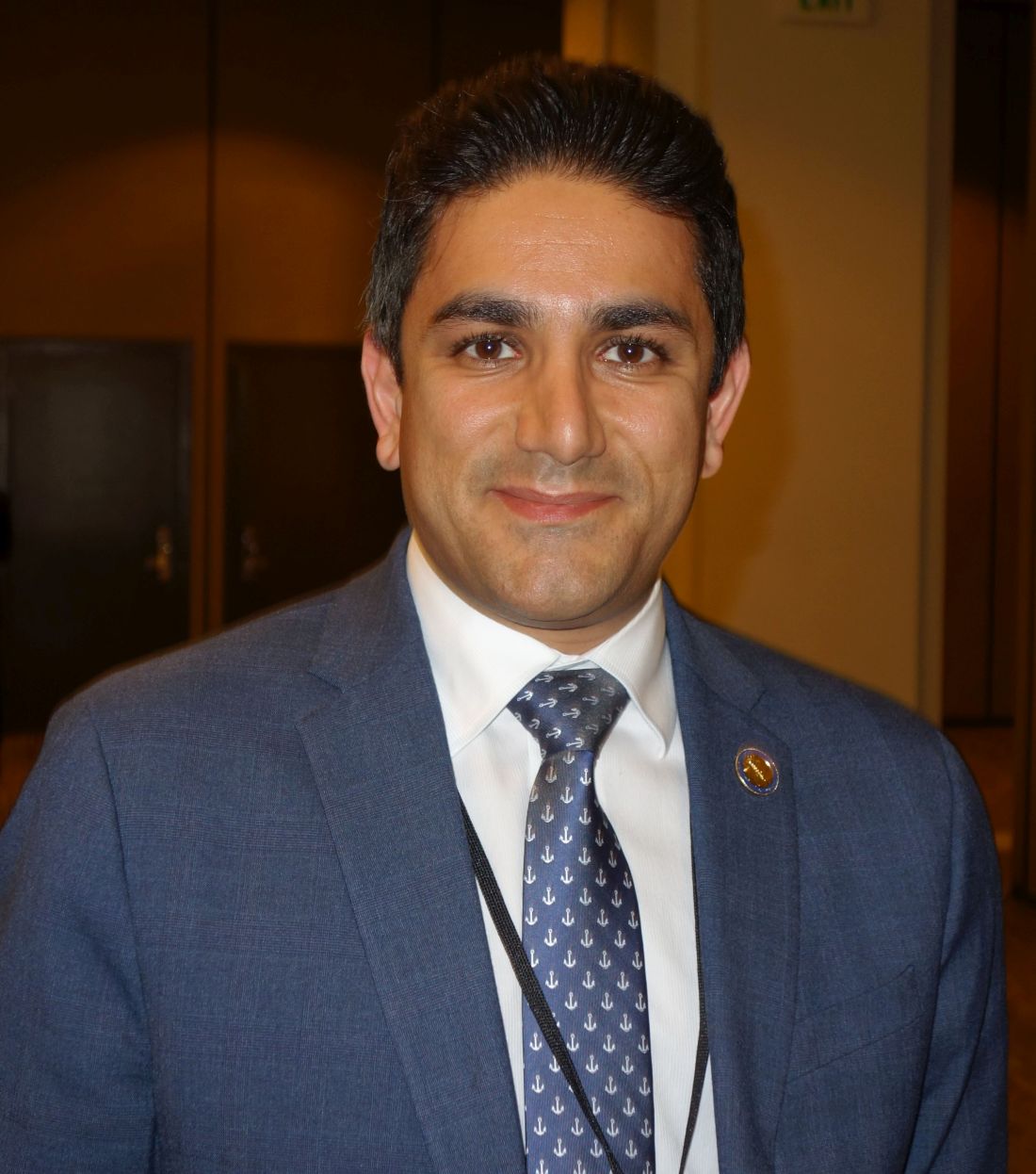
Sleeve gastrectomy has eclipsed gastric bypass as the most common weight loss surgery in United States. While most are done laparoscopically, the use of robots is becoming more common, so the investigators wanted to compare outcomes in a large number of cases. They turned to the metabolic and bariatric surgery database, which is jointly maintained by the American College of Surgeons and the American Society for Metabolic and Bariatric Surgery. Emergent, converted, and revision cases were excluded from the analysis to avoid confounding.
Almost 94% of the cases were done laparoscopically, with the rest done robotically. Mean operative time was 101 min in the robotic arm, and 1.5% of patients developed anastomotic leaks. Mean operative time in the laparoscopic group was 74 minutes, and 0.5% of patients developed leaks. After adjustment for potential confounders, leaks were 3.4 times more likely with the robotic approach (95% confidence interval, 2.47-4.0; P less than .01). It wasn’t possible to determine whether there were any differences in the type of stapling done in the two groups.
Meanwhile, 0.8% of robotic surgery patients developed surgical site infections versus 0.6% of the laparoscopic cases. After adjustment, infections were 38% more likely with the robot (95% CI, 1.01-1.89; P = 0.03). Dr. Alizadeh noted that the database only goes out to 30 days, so “the true complication rates may be underestimated.”
The findings are consistent with previous investigations. It’s unclear whether there’s something inherently riskier about robotic sleeve gastrectomy itself or whether surgeons haven’t quite got the knack of it yet. The higher leak rate with robotic surgery, “I believe, is mostly related to the small number of [robotic] cases being done. We are still in the beginning stages of utilizing the robotic approach. Maybe there’s a learning curve, and we need more experience and more practice,” Dr. Alizadeh said at the World Congress of Endoscopic Surgery hosted by SAGES & CAGS.
Indeed, others have reported that it takes more than two dozen cases to become proficient in another procedure, robotic esophagectomy.
The mean length of stay in the study was slightly, but not statistically significantly, longer in the robotic arm (1.8 vs. 1.7 days; P = 0.17). There was no statistically significant difference in in-hospital mortality.
The laparoscopic group had more men than did the robotic group (21.4% vs. 19.7%, respectively) and more chronic steroid use (1.7% vs. 1.3%), plus more patients were dependent on oxygen (0.7% vs. 0.3%). The robotic group had more obstructive sleep apnea than did the laparoscopic group (37.3% vs. 36% of cases) and a higher incidence of hypoalbuminemia (8.4% vs. 7%). The analysis adjusted for the differences.
The findings were pretty much the same when the team repeated their analysis with the 2016 database numbers, which were released while the SAGES presentation was being prepared. The only big difference was an increase in the number of robotic cases, up from 6.1% in 2015 to 6.6% of cases in 2016.
The was no external funding for the work, and the investigators had no relevant disclosures.
SOURCE: Alizadeh RF et al. SAGES 2018, Abstract S024.
SEATTLE – according to a review of 86,953 cases in the 2015 Metabolic and Bariatric Surgery Accreditation and Quality Improvement Program database.
“Robotic sleeve gastrectomy increases [use of] hospital resources. ... These findings may explain the low utilization rate of the robotic approach to sleeve gastrectomy,” said lead investigator Reza Alizadeh, MD, a surgery resident at the University of California, Irvine.
Sleeve gastrectomy has eclipsed gastric bypass as the most common weight loss surgery in United States. While most are done laparoscopically, the use of robots is becoming more common, so the investigators wanted to compare outcomes in a large number of cases. They turned to the metabolic and bariatric surgery database, which is jointly maintained by the American College of Surgeons and the American Society for Metabolic and Bariatric Surgery. Emergent, converted, and revision cases were excluded from the analysis to avoid confounding.
Almost 94% of the cases were done laparoscopically, with the rest done robotically. Mean operative time was 101 min in the robotic arm, and 1.5% of patients developed anastomotic leaks. Mean operative time in the laparoscopic group was 74 minutes, and 0.5% of patients developed leaks. After adjustment for potential confounders, leaks were 3.4 times more likely with the robotic approach (95% confidence interval, 2.47-4.0; P less than .01). It wasn’t possible to determine whether there were any differences in the type of stapling done in the two groups.
Meanwhile, 0.8% of robotic surgery patients developed surgical site infections versus 0.6% of the laparoscopic cases. After adjustment, infections were 38% more likely with the robot (95% CI, 1.01-1.89; P = 0.03). Dr. Alizadeh noted that the database only goes out to 30 days, so “the true complication rates may be underestimated.”
The findings are consistent with previous investigations. It’s unclear whether there’s something inherently riskier about robotic sleeve gastrectomy itself or whether surgeons haven’t quite got the knack of it yet. The higher leak rate with robotic surgery, “I believe, is mostly related to the small number of [robotic] cases being done. We are still in the beginning stages of utilizing the robotic approach. Maybe there’s a learning curve, and we need more experience and more practice,” Dr. Alizadeh said at the World Congress of Endoscopic Surgery hosted by SAGES & CAGS.
Indeed, others have reported that it takes more than two dozen cases to become proficient in another procedure, robotic esophagectomy.
The mean length of stay in the study was slightly, but not statistically significantly, longer in the robotic arm (1.8 vs. 1.7 days; P = 0.17). There was no statistically significant difference in in-hospital mortality.
The laparoscopic group had more men than did the robotic group (21.4% vs. 19.7%, respectively) and more chronic steroid use (1.7% vs. 1.3%), plus more patients were dependent on oxygen (0.7% vs. 0.3%). The robotic group had more obstructive sleep apnea than did the laparoscopic group (37.3% vs. 36% of cases) and a higher incidence of hypoalbuminemia (8.4% vs. 7%). The analysis adjusted for the differences.
The findings were pretty much the same when the team repeated their analysis with the 2016 database numbers, which were released while the SAGES presentation was being prepared. The only big difference was an increase in the number of robotic cases, up from 6.1% in 2015 to 6.6% of cases in 2016.
The was no external funding for the work, and the investigators had no relevant disclosures.
SOURCE: Alizadeh RF et al. SAGES 2018, Abstract S024.
SEATTLE – according to a review of 86,953 cases in the 2015 Metabolic and Bariatric Surgery Accreditation and Quality Improvement Program database.
“Robotic sleeve gastrectomy increases [use of] hospital resources. ... These findings may explain the low utilization rate of the robotic approach to sleeve gastrectomy,” said lead investigator Reza Alizadeh, MD, a surgery resident at the University of California, Irvine.
Sleeve gastrectomy has eclipsed gastric bypass as the most common weight loss surgery in United States. While most are done laparoscopically, the use of robots is becoming more common, so the investigators wanted to compare outcomes in a large number of cases. They turned to the metabolic and bariatric surgery database, which is jointly maintained by the American College of Surgeons and the American Society for Metabolic and Bariatric Surgery. Emergent, converted, and revision cases were excluded from the analysis to avoid confounding.
Almost 94% of the cases were done laparoscopically, with the rest done robotically. Mean operative time was 101 min in the robotic arm, and 1.5% of patients developed anastomotic leaks. Mean operative time in the laparoscopic group was 74 minutes, and 0.5% of patients developed leaks. After adjustment for potential confounders, leaks were 3.4 times more likely with the robotic approach (95% confidence interval, 2.47-4.0; P less than .01). It wasn’t possible to determine whether there were any differences in the type of stapling done in the two groups.
Meanwhile, 0.8% of robotic surgery patients developed surgical site infections versus 0.6% of the laparoscopic cases. After adjustment, infections were 38% more likely with the robot (95% CI, 1.01-1.89; P = 0.03). Dr. Alizadeh noted that the database only goes out to 30 days, so “the true complication rates may be underestimated.”
The findings are consistent with previous investigations. It’s unclear whether there’s something inherently riskier about robotic sleeve gastrectomy itself or whether surgeons haven’t quite got the knack of it yet. The higher leak rate with robotic surgery, “I believe, is mostly related to the small number of [robotic] cases being done. We are still in the beginning stages of utilizing the robotic approach. Maybe there’s a learning curve, and we need more experience and more practice,” Dr. Alizadeh said at the World Congress of Endoscopic Surgery hosted by SAGES & CAGS.
Indeed, others have reported that it takes more than two dozen cases to become proficient in another procedure, robotic esophagectomy.
The mean length of stay in the study was slightly, but not statistically significantly, longer in the robotic arm (1.8 vs. 1.7 days; P = 0.17). There was no statistically significant difference in in-hospital mortality.
The laparoscopic group had more men than did the robotic group (21.4% vs. 19.7%, respectively) and more chronic steroid use (1.7% vs. 1.3%), plus more patients were dependent on oxygen (0.7% vs. 0.3%). The robotic group had more obstructive sleep apnea than did the laparoscopic group (37.3% vs. 36% of cases) and a higher incidence of hypoalbuminemia (8.4% vs. 7%). The analysis adjusted for the differences.
The findings were pretty much the same when the team repeated their analysis with the 2016 database numbers, which were released while the SAGES presentation was being prepared. The only big difference was an increase in the number of robotic cases, up from 6.1% in 2015 to 6.6% of cases in 2016.
The was no external funding for the work, and the investigators had no relevant disclosures.
SOURCE: Alizadeh RF et al. SAGES 2018, Abstract S024.
REPORTING FROM SAGES 2018
Key clinical point: Operative times are longer, and leaks and surgical site infections more common, when surgeons opt for robotic instead of laparoscopic sleeve gastrectomy.
Major finding: Anastomotic leaks were 3.4 times more likely with the robotic approach (95% CI 2.47-4.0; P less than .01).
Study details: Review of 86,953 cases in the 2015 Metabolic and Bariatric Surgery Accreditation and Quality Improvement Program database
Disclosures: The was no external funding for the project, and the investigators had no relevant disclosures.
Source: Alizadeh RF et al. SAGES 2018, Abstract S024
SLE: Specialized lupus clinics may offer superior quality of care
Patients with systemic lupus erythematosus (SLE) more often received care consistent with quality measures when they were seen in a specialized lupus clinic than they did in a general rheumatology clinic, according to results of a recent single-center, retrospective study.
Compared with a general rheumatology clinic, the lupus clinic had superior quality measure performance overall and for specific measures related to testing, treatment, and counseling, study authors reported in Arthritis Care & Research.
“Providing quality care in SLE is challenging as patients require ongoing, time consuming, multidisciplinary care,” wrote Shilpa Arora, MD, of John H. Stroger Hospital in Chicago, and her coauthors.
Lupus clinics and other disease-focused clinics at academic centers may provide better patient care by leveraging subspecialists’ current knowledge, experience, care processes, and multidisciplinary networks, according to Dr. Arora and her colleagues.
To assess whether a lupus clinic makes any difference in quality of care, Dr. Arora and her coinvestigators conducted a cross-sectional, retrospective chart review including 150 consecutive patients who received care at Rush University in Chicago.
Of that group of patients, 77 had received care in a subspecialty lupus clinic, and 73 received care at the general rheumatology clinic, according to the report.
Looking at validated quality measures for SLE testing, treatment, and counseling, Dr. Arora and her colleagues found performance was significantly greater overall for the lupus clinic than it was for the general rheumatology clinic (85.8% vs. 70.2%; P = 0.001).
In particular, patients treated at the lupus clinic were significantly more likely to get antiphospholipid antibody testing and bone mineral density testing, they said.
Lupus clinic patients were also more likely to be offered preventive measures, such as sunscreen counseling, cardiovascular disease risk assessment, and prescription of an angiotensin converting enzyme inhibitor when appropriate, they added.
To see whether there was any relationship between patient volume and quality measures, the researchers also looked at the number of SLE patients seen by each rheumatologist.
Dr. Arora and her associates did find a moderate correlation between the number of patients seen per rheumatologist and quality measure performance (rho, 0.48; P less than 0.001).
While this small study suggests subspecialty clinics provide high quality care, the authors said multicenter, prospective studies are needed to evaluate whether they also improve patient outcomes.
“It would be pertinent to see if these efficiencies translate over time to measurable gains in health status and health resource utilizations,” Dr. Arora and her colleagues concluded in their report.
Dr. Arora and her associates said there were no relevant financial disclosures or funding.
SOURCE: Arora S et al. Arthritis Care Res (Hoboken). 2018 Apr 2. doi: 10.1002/acr.23569.
Patients with systemic lupus erythematosus (SLE) more often received care consistent with quality measures when they were seen in a specialized lupus clinic than they did in a general rheumatology clinic, according to results of a recent single-center, retrospective study.
Compared with a general rheumatology clinic, the lupus clinic had superior quality measure performance overall and for specific measures related to testing, treatment, and counseling, study authors reported in Arthritis Care & Research.
“Providing quality care in SLE is challenging as patients require ongoing, time consuming, multidisciplinary care,” wrote Shilpa Arora, MD, of John H. Stroger Hospital in Chicago, and her coauthors.
Lupus clinics and other disease-focused clinics at academic centers may provide better patient care by leveraging subspecialists’ current knowledge, experience, care processes, and multidisciplinary networks, according to Dr. Arora and her colleagues.
To assess whether a lupus clinic makes any difference in quality of care, Dr. Arora and her coinvestigators conducted a cross-sectional, retrospective chart review including 150 consecutive patients who received care at Rush University in Chicago.
Of that group of patients, 77 had received care in a subspecialty lupus clinic, and 73 received care at the general rheumatology clinic, according to the report.
Looking at validated quality measures for SLE testing, treatment, and counseling, Dr. Arora and her colleagues found performance was significantly greater overall for the lupus clinic than it was for the general rheumatology clinic (85.8% vs. 70.2%; P = 0.001).
In particular, patients treated at the lupus clinic were significantly more likely to get antiphospholipid antibody testing and bone mineral density testing, they said.
Lupus clinic patients were also more likely to be offered preventive measures, such as sunscreen counseling, cardiovascular disease risk assessment, and prescription of an angiotensin converting enzyme inhibitor when appropriate, they added.
To see whether there was any relationship between patient volume and quality measures, the researchers also looked at the number of SLE patients seen by each rheumatologist.
Dr. Arora and her associates did find a moderate correlation between the number of patients seen per rheumatologist and quality measure performance (rho, 0.48; P less than 0.001).
While this small study suggests subspecialty clinics provide high quality care, the authors said multicenter, prospective studies are needed to evaluate whether they also improve patient outcomes.
“It would be pertinent to see if these efficiencies translate over time to measurable gains in health status and health resource utilizations,” Dr. Arora and her colleagues concluded in their report.
Dr. Arora and her associates said there were no relevant financial disclosures or funding.
SOURCE: Arora S et al. Arthritis Care Res (Hoboken). 2018 Apr 2. doi: 10.1002/acr.23569.
Patients with systemic lupus erythematosus (SLE) more often received care consistent with quality measures when they were seen in a specialized lupus clinic than they did in a general rheumatology clinic, according to results of a recent single-center, retrospective study.
Compared with a general rheumatology clinic, the lupus clinic had superior quality measure performance overall and for specific measures related to testing, treatment, and counseling, study authors reported in Arthritis Care & Research.
“Providing quality care in SLE is challenging as patients require ongoing, time consuming, multidisciplinary care,” wrote Shilpa Arora, MD, of John H. Stroger Hospital in Chicago, and her coauthors.
Lupus clinics and other disease-focused clinics at academic centers may provide better patient care by leveraging subspecialists’ current knowledge, experience, care processes, and multidisciplinary networks, according to Dr. Arora and her colleagues.
To assess whether a lupus clinic makes any difference in quality of care, Dr. Arora and her coinvestigators conducted a cross-sectional, retrospective chart review including 150 consecutive patients who received care at Rush University in Chicago.
Of that group of patients, 77 had received care in a subspecialty lupus clinic, and 73 received care at the general rheumatology clinic, according to the report.
Looking at validated quality measures for SLE testing, treatment, and counseling, Dr. Arora and her colleagues found performance was significantly greater overall for the lupus clinic than it was for the general rheumatology clinic (85.8% vs. 70.2%; P = 0.001).
In particular, patients treated at the lupus clinic were significantly more likely to get antiphospholipid antibody testing and bone mineral density testing, they said.
Lupus clinic patients were also more likely to be offered preventive measures, such as sunscreen counseling, cardiovascular disease risk assessment, and prescription of an angiotensin converting enzyme inhibitor when appropriate, they added.
To see whether there was any relationship between patient volume and quality measures, the researchers also looked at the number of SLE patients seen by each rheumatologist.
Dr. Arora and her associates did find a moderate correlation between the number of patients seen per rheumatologist and quality measure performance (rho, 0.48; P less than 0.001).
While this small study suggests subspecialty clinics provide high quality care, the authors said multicenter, prospective studies are needed to evaluate whether they also improve patient outcomes.
“It would be pertinent to see if these efficiencies translate over time to measurable gains in health status and health resource utilizations,” Dr. Arora and her colleagues concluded in their report.
Dr. Arora and her associates said there were no relevant financial disclosures or funding.
SOURCE: Arora S et al. Arthritis Care Res (Hoboken). 2018 Apr 2. doi: 10.1002/acr.23569.
FROM ARTHRITIS CARE & RESEARCH
Key clinical point:
Major finding: Quality measure performance in the lupus clinic was superior to that in a general rheumatology clinic (85.8% vs. 70.2%; P = 0.001).
Study details: A cross-sectional, retrospective chart review including 150 consecutive patients who received care at Rush University in Chicago in either the subspecialty lupus clinic or the general rheumatology clinic.
Disclosures: Dr. Arora and her associates said there were no relevant disclosures or funding.
Source: Arora S et al. Arthritis Care Res (Hoboken). 2018 Apr 2. doi: 10.1002/acr.23569.

Healthy lifestyle linked to better colon cancer survival
Having a normal body mass index, being physically active, and eating abundant vegetables, fruits, and whole grains was linked to a significantly reduced risk of death during a prospective cohort study of 992 patients with stage III colon cancer.
After 7 years of median follow-up, patients who most closely followed American Cancer Society Nutrition and Physical Activity Guidelines for Cancer Survivors had a 5-year survival probability of 85%, compared with 76% for patients who were least adherent (absolute risk reduction, 9%). After adjustment for multiple potential confounders, high guideline concordance was associated with a 42% lower risk of death during follow-up, compared with low guideline concordance (hazard ratio, 0.58; 95% confidence interval, 0.34-0.99; P = .01).
The cohort study included individuals with stage 3 colon cancer enrolled in the Cancer and Leukemia Group B (CALGB) 89803 randomized adjuvant chemotherapy trial, which ran from 1999 through 2001. Dr. Van Blarigan and her coinvestigators surveyed and scored each patient according to the ACS guidelines for cancer survivors. Scores ranged from 0 to 6 and increased with healthier behavior. The survival analysis compared individuals scoring 5 or 6 (highest guideline concordance) with those scoring 0 or 1 (lowest guideline concordance).
The 91 patients with the highest guideline concordance typically had a BMI of 23 kg/m2 or less, exercised more than 30 metabolic equivalent task hours per week, consumed more than three daily servings of fruits and vegetables, and ate mostly whole (versus refined) grains. In contrast, the 262 patients with the lowest guideline concordance had a median BMI of 33 kg/m2, exercised a median of 2 metabolic equivalent task hours per week, consumed less than two daily servings of fruits and vegetables, and ate mostly refined grains.
A closer look at individual factors linked survival with BMI between 23 kg/m2 and 29.9 kg/m2, with engaging in at least 150 minutes of moderate exercise per week, with consuming at least five daily servings of fruits and vegetables, and with choosing whole grains over refined grains. Although the ACS recommends limiting red or processed meat, this behavior did not show a protective effect, which mirrors findings from a prior study (J Clin Oncol. 2013 Aug 1;31[22]:2773-82). “Higher protein intake may be beneficial for cancer survivors,” the investigators noted.
They also examined alcohol consumption, which the ACS guidelines did not address. Women who consumed more than one alcoholic drink per day and men who consumed more than two drinks per day had a nonsignificantly higher risk of death than abstainers (HR, 1.28; 95% CI, 0.81-2.01). Compared with abstention, low to moderate alcohol consumption was tied to a lower risk of death, but this link also did not reach significance (HR, 0.87; 95% CI, 0.66-1.14).
The National Cancer Institute funded the study. Pharmacia and Upjohn Company (now Pfizer Oncology) provided partial funding for the CALGB 89803/Alliance trial. Dr. Van Blarigan and several of the other investigators were supported by National Cancer Institute awards. No other disclosures were reported.
SOURCE: Van Blarigan EL et al. JAMA Oncol. 2018 Apr 12. doi: 10.1001/jamaoncol.2018.0126.
“If you previously gave [colorectal cancer survivors] vague recommendations about diet and exercise, now you can be more precise and recommend five to six servings per day of fruits and vegetables and 150 minutes per week of exercise,” Michael J. Fisch, MD, MPH; Lorna H. McNeill, PhD, MPH; and Karen M. Basen-Engquist, PhD, MPH, wrote in an accompanying editorial in JAMA Oncology.
Although this was an observational study, the size of the association between survival and high adherence to American Cancer Society Nutrition and Physical Activity Guidelines was “certainly striking,” they wrote.
However, few study patients were younger than 50 years, were nonwhite, or had poor performance status, they noted. Additionally, contemporary adjuvant regimens (FOLFOX and CAPEOX) include oxaliplatin, which can cause chronic neurotoxicities that undermine physical activity.
Nonetheless, the data “strengthen the call to focus on lifestyle changes to extend and improve the lives of cancer survivors,” the editorialists concluded. Although making such changes is “notoriously difficult,” clues may come from six ongoing trials of weight control and physical activity in cancer survivors.
Dr. Fisch, Dr. McNeill, and Dr. Basen-Engquist all are at the University of Texas MD Anderson Cancer Center, Houston. Dr. Fisch also is with AIM Specialty Health, Chicago, Ill.; AIM is a subsidiary of Anthem. No other disclosures were reported. This editorial accompanied the article by Van Blanigan et al. (JAMA Oncology. 2018 Apr 12. doi: 10.1001/jamaoncol.2018.0124 ).
“If you previously gave [colorectal cancer survivors] vague recommendations about diet and exercise, now you can be more precise and recommend five to six servings per day of fruits and vegetables and 150 minutes per week of exercise,” Michael J. Fisch, MD, MPH; Lorna H. McNeill, PhD, MPH; and Karen M. Basen-Engquist, PhD, MPH, wrote in an accompanying editorial in JAMA Oncology.
Although this was an observational study, the size of the association between survival and high adherence to American Cancer Society Nutrition and Physical Activity Guidelines was “certainly striking,” they wrote.
However, few study patients were younger than 50 years, were nonwhite, or had poor performance status, they noted. Additionally, contemporary adjuvant regimens (FOLFOX and CAPEOX) include oxaliplatin, which can cause chronic neurotoxicities that undermine physical activity.
Nonetheless, the data “strengthen the call to focus on lifestyle changes to extend and improve the lives of cancer survivors,” the editorialists concluded. Although making such changes is “notoriously difficult,” clues may come from six ongoing trials of weight control and physical activity in cancer survivors.
Dr. Fisch, Dr. McNeill, and Dr. Basen-Engquist all are at the University of Texas MD Anderson Cancer Center, Houston. Dr. Fisch also is with AIM Specialty Health, Chicago, Ill.; AIM is a subsidiary of Anthem. No other disclosures were reported. This editorial accompanied the article by Van Blanigan et al. (JAMA Oncology. 2018 Apr 12. doi: 10.1001/jamaoncol.2018.0124 ).
“If you previously gave [colorectal cancer survivors] vague recommendations about diet and exercise, now you can be more precise and recommend five to six servings per day of fruits and vegetables and 150 minutes per week of exercise,” Michael J. Fisch, MD, MPH; Lorna H. McNeill, PhD, MPH; and Karen M. Basen-Engquist, PhD, MPH, wrote in an accompanying editorial in JAMA Oncology.
Although this was an observational study, the size of the association between survival and high adherence to American Cancer Society Nutrition and Physical Activity Guidelines was “certainly striking,” they wrote.
However, few study patients were younger than 50 years, were nonwhite, or had poor performance status, they noted. Additionally, contemporary adjuvant regimens (FOLFOX and CAPEOX) include oxaliplatin, which can cause chronic neurotoxicities that undermine physical activity.
Nonetheless, the data “strengthen the call to focus on lifestyle changes to extend and improve the lives of cancer survivors,” the editorialists concluded. Although making such changes is “notoriously difficult,” clues may come from six ongoing trials of weight control and physical activity in cancer survivors.
Dr. Fisch, Dr. McNeill, and Dr. Basen-Engquist all are at the University of Texas MD Anderson Cancer Center, Houston. Dr. Fisch also is with AIM Specialty Health, Chicago, Ill.; AIM is a subsidiary of Anthem. No other disclosures were reported. This editorial accompanied the article by Van Blanigan et al. (JAMA Oncology. 2018 Apr 12. doi: 10.1001/jamaoncol.2018.0124 ).
Having a normal body mass index, being physically active, and eating abundant vegetables, fruits, and whole grains was linked to a significantly reduced risk of death during a prospective cohort study of 992 patients with stage III colon cancer.
After 7 years of median follow-up, patients who most closely followed American Cancer Society Nutrition and Physical Activity Guidelines for Cancer Survivors had a 5-year survival probability of 85%, compared with 76% for patients who were least adherent (absolute risk reduction, 9%). After adjustment for multiple potential confounders, high guideline concordance was associated with a 42% lower risk of death during follow-up, compared with low guideline concordance (hazard ratio, 0.58; 95% confidence interval, 0.34-0.99; P = .01).
The cohort study included individuals with stage 3 colon cancer enrolled in the Cancer and Leukemia Group B (CALGB) 89803 randomized adjuvant chemotherapy trial, which ran from 1999 through 2001. Dr. Van Blarigan and her coinvestigators surveyed and scored each patient according to the ACS guidelines for cancer survivors. Scores ranged from 0 to 6 and increased with healthier behavior. The survival analysis compared individuals scoring 5 or 6 (highest guideline concordance) with those scoring 0 or 1 (lowest guideline concordance).
The 91 patients with the highest guideline concordance typically had a BMI of 23 kg/m2 or less, exercised more than 30 metabolic equivalent task hours per week, consumed more than three daily servings of fruits and vegetables, and ate mostly whole (versus refined) grains. In contrast, the 262 patients with the lowest guideline concordance had a median BMI of 33 kg/m2, exercised a median of 2 metabolic equivalent task hours per week, consumed less than two daily servings of fruits and vegetables, and ate mostly refined grains.
A closer look at individual factors linked survival with BMI between 23 kg/m2 and 29.9 kg/m2, with engaging in at least 150 minutes of moderate exercise per week, with consuming at least five daily servings of fruits and vegetables, and with choosing whole grains over refined grains. Although the ACS recommends limiting red or processed meat, this behavior did not show a protective effect, which mirrors findings from a prior study (J Clin Oncol. 2013 Aug 1;31[22]:2773-82). “Higher protein intake may be beneficial for cancer survivors,” the investigators noted.
They also examined alcohol consumption, which the ACS guidelines did not address. Women who consumed more than one alcoholic drink per day and men who consumed more than two drinks per day had a nonsignificantly higher risk of death than abstainers (HR, 1.28; 95% CI, 0.81-2.01). Compared with abstention, low to moderate alcohol consumption was tied to a lower risk of death, but this link also did not reach significance (HR, 0.87; 95% CI, 0.66-1.14).
The National Cancer Institute funded the study. Pharmacia and Upjohn Company (now Pfizer Oncology) provided partial funding for the CALGB 89803/Alliance trial. Dr. Van Blarigan and several of the other investigators were supported by National Cancer Institute awards. No other disclosures were reported.
SOURCE: Van Blarigan EL et al. JAMA Oncol. 2018 Apr 12. doi: 10.1001/jamaoncol.2018.0126.
Having a normal body mass index, being physically active, and eating abundant vegetables, fruits, and whole grains was linked to a significantly reduced risk of death during a prospective cohort study of 992 patients with stage III colon cancer.
After 7 years of median follow-up, patients who most closely followed American Cancer Society Nutrition and Physical Activity Guidelines for Cancer Survivors had a 5-year survival probability of 85%, compared with 76% for patients who were least adherent (absolute risk reduction, 9%). After adjustment for multiple potential confounders, high guideline concordance was associated with a 42% lower risk of death during follow-up, compared with low guideline concordance (hazard ratio, 0.58; 95% confidence interval, 0.34-0.99; P = .01).
The cohort study included individuals with stage 3 colon cancer enrolled in the Cancer and Leukemia Group B (CALGB) 89803 randomized adjuvant chemotherapy trial, which ran from 1999 through 2001. Dr. Van Blarigan and her coinvestigators surveyed and scored each patient according to the ACS guidelines for cancer survivors. Scores ranged from 0 to 6 and increased with healthier behavior. The survival analysis compared individuals scoring 5 or 6 (highest guideline concordance) with those scoring 0 or 1 (lowest guideline concordance).
The 91 patients with the highest guideline concordance typically had a BMI of 23 kg/m2 or less, exercised more than 30 metabolic equivalent task hours per week, consumed more than three daily servings of fruits and vegetables, and ate mostly whole (versus refined) grains. In contrast, the 262 patients with the lowest guideline concordance had a median BMI of 33 kg/m2, exercised a median of 2 metabolic equivalent task hours per week, consumed less than two daily servings of fruits and vegetables, and ate mostly refined grains.
A closer look at individual factors linked survival with BMI between 23 kg/m2 and 29.9 kg/m2, with engaging in at least 150 minutes of moderate exercise per week, with consuming at least five daily servings of fruits and vegetables, and with choosing whole grains over refined grains. Although the ACS recommends limiting red or processed meat, this behavior did not show a protective effect, which mirrors findings from a prior study (J Clin Oncol. 2013 Aug 1;31[22]:2773-82). “Higher protein intake may be beneficial for cancer survivors,” the investigators noted.
They also examined alcohol consumption, which the ACS guidelines did not address. Women who consumed more than one alcoholic drink per day and men who consumed more than two drinks per day had a nonsignificantly higher risk of death than abstainers (HR, 1.28; 95% CI, 0.81-2.01). Compared with abstention, low to moderate alcohol consumption was tied to a lower risk of death, but this link also did not reach significance (HR, 0.87; 95% CI, 0.66-1.14).
The National Cancer Institute funded the study. Pharmacia and Upjohn Company (now Pfizer Oncology) provided partial funding for the CALGB 89803/Alliance trial. Dr. Van Blarigan and several of the other investigators were supported by National Cancer Institute awards. No other disclosures were reported.
SOURCE: Van Blarigan EL et al. JAMA Oncol. 2018 Apr 12. doi: 10.1001/jamaoncol.2018.0126.
FROM JAMA ONCOLOGY
Key clinical point:
Major finding: Five-year survival probability was 85% for highly guideline-adherent patients and 76% for patients with low adherence (absolute risk reduction, 9%).
Study details: Prospective cohort study of 992 patients with stage III colon cancer.
Disclosures: The National Cancer Institute funded the study. Pharmacia and Upjohn Company (now Pfizer Oncology) partially funded the CALGB 89803/Alliance trial. Dr. Van Blarigan and several of the other investigators were supported by National Cancer Institute awards. No other disclosures were reported.
Source: Van Blarigan EL et al. JAMA Oncol. 2018 Apr 12. doi: 10.1001/jamaoncol.2018.0126.

Advanced practice nurses and physician assistants are not the same
Looking across a hospital ward, emergency department, or primary care clinic aligned side by side, you may not see any differences between an advanced practice nurse (APN) or physician assistant (PA). However, if you took a closer look at their education programs and credentialing, you would find considerable differences.
Although both professions hold advanced degrees, the approach to patient care differs, as well as the training they receive, including different models of practice. The APN is trained according to the nursing model, while the PA attends programs that are more in line with the medical model. The APN has a patient-centered model, while the PA adheres to a disease-centered model. Consequently, their approach to caring for the same patient population differs in viewpoint and philosophy.

Entry into the APN programs requires a nursing degree or related field from an accredited college or university. The curriculum includes coursework in health care policy, advocacy, outcomes, advanced assessment, diagnosis, and practice skills as well as, pharmacology, pathophysiology, and a final capstone project.
There are six specialty APN tracks including pediatrics, women’s/gender health, family practice, adult-gerontology, psychiatric, and neonatal. Additionally, there are three additional advanced practice registered nurses tracks: certified nurse anesthesia, certified nurse midwife, and clinical nurse leader. In addition to academic hours, there is a minimum of 1,000 supervised, direct patient care clinical hours in a variety of locations covering all populations specific to the identified specialty.
The Bureau of Labor Statistics defines the role of physician assistant as follows: “Physician assistants practice medicine under the supervision of physicians and surgeons. PAs are formally trained to provide diagnostic, therapeutic, and preventive health care services, as delegated by a physician.” The physician assistant program is a master’s prepared education.
School requirements include completing 2 years of pre-physician assistant undergraduate studies prior to applying to the School of Biomedical Sciences. Many programs have a 200-hour health care experience requirement, which can be either paid or unpaid. However, unlike the APN program, this is not required by all PA programs, but it is strongly encouraged.
Accredited PA programs require completing a 3-year graduate program that includes clinical rotations and results in a Master of Science in Physician Assistant Studies. Physician assistant programs typically involve 1,000 classroom hours and 2,000 or more hours in a clinical setting. The course work focuses on biochemistry, pathology, anatomy and physiology, ethics, and biology.
Both the APN and PA practices are regulated by the state through licensure laws and policy that determine the scope of practice and allow prescriptive authority.
Both programs began in 1965 in response to a shortage of primary care physicians, yet each program took a different route to address this need. According to the May 2017 Bureau of Labor Statistics, there were more than 109,000 physician assistants and more than 166,000 nurse practitioners practicing in the United States.
With the enactment of the Affordable Care Act in 2010, the mandate for APN’s and PA’s to lead patient-centered medical homes continued to grow to meet the demand. Both roles provide direct patient care under the sponsorship of a physician, yet both roles have gained a greater level of independence as state and federal requirements have relaxed restrictive physician collaboration and oversight rules, which has allowed both roles to practice at the highest level of their training. These relaxed restrictions come at a time when a growing physician shortage is met by increased demands placed on the health care system.
Ms. Thew is a certified family nurse practitioner in the division of adolescent medicine at the Medical College of Wisconsin, Milwaukee. Email her at pdnews@mdedge.com
Looking across a hospital ward, emergency department, or primary care clinic aligned side by side, you may not see any differences between an advanced practice nurse (APN) or physician assistant (PA). However, if you took a closer look at their education programs and credentialing, you would find considerable differences.
Although both professions hold advanced degrees, the approach to patient care differs, as well as the training they receive, including different models of practice. The APN is trained according to the nursing model, while the PA attends programs that are more in line with the medical model. The APN has a patient-centered model, while the PA adheres to a disease-centered model. Consequently, their approach to caring for the same patient population differs in viewpoint and philosophy.
Entry into the APN programs requires a nursing degree or related field from an accredited college or university. The curriculum includes coursework in health care policy, advocacy, outcomes, advanced assessment, diagnosis, and practice skills as well as, pharmacology, pathophysiology, and a final capstone project.
There are six specialty APN tracks including pediatrics, women’s/gender health, family practice, adult-gerontology, psychiatric, and neonatal. Additionally, there are three additional advanced practice registered nurses tracks: certified nurse anesthesia, certified nurse midwife, and clinical nurse leader. In addition to academic hours, there is a minimum of 1,000 supervised, direct patient care clinical hours in a variety of locations covering all populations specific to the identified specialty.
The Bureau of Labor Statistics defines the role of physician assistant as follows: “Physician assistants practice medicine under the supervision of physicians and surgeons. PAs are formally trained to provide diagnostic, therapeutic, and preventive health care services, as delegated by a physician.” The physician assistant program is a master’s prepared education.
School requirements include completing 2 years of pre-physician assistant undergraduate studies prior to applying to the School of Biomedical Sciences. Many programs have a 200-hour health care experience requirement, which can be either paid or unpaid. However, unlike the APN program, this is not required by all PA programs, but it is strongly encouraged.
Accredited PA programs require completing a 3-year graduate program that includes clinical rotations and results in a Master of Science in Physician Assistant Studies. Physician assistant programs typically involve 1,000 classroom hours and 2,000 or more hours in a clinical setting. The course work focuses on biochemistry, pathology, anatomy and physiology, ethics, and biology.
Both the APN and PA practices are regulated by the state through licensure laws and policy that determine the scope of practice and allow prescriptive authority.
Both programs began in 1965 in response to a shortage of primary care physicians, yet each program took a different route to address this need. According to the May 2017 Bureau of Labor Statistics, there were more than 109,000 physician assistants and more than 166,000 nurse practitioners practicing in the United States.
With the enactment of the Affordable Care Act in 2010, the mandate for APN’s and PA’s to lead patient-centered medical homes continued to grow to meet the demand. Both roles provide direct patient care under the sponsorship of a physician, yet both roles have gained a greater level of independence as state and federal requirements have relaxed restrictive physician collaboration and oversight rules, which has allowed both roles to practice at the highest level of their training. These relaxed restrictions come at a time when a growing physician shortage is met by increased demands placed on the health care system.
Ms. Thew is a certified family nurse practitioner in the division of adolescent medicine at the Medical College of Wisconsin, Milwaukee. Email her at pdnews@mdedge.com
Looking across a hospital ward, emergency department, or primary care clinic aligned side by side, you may not see any differences between an advanced practice nurse (APN) or physician assistant (PA). However, if you took a closer look at their education programs and credentialing, you would find considerable differences.
Although both professions hold advanced degrees, the approach to patient care differs, as well as the training they receive, including different models of practice. The APN is trained according to the nursing model, while the PA attends programs that are more in line with the medical model. The APN has a patient-centered model, while the PA adheres to a disease-centered model. Consequently, their approach to caring for the same patient population differs in viewpoint and philosophy.
Entry into the APN programs requires a nursing degree or related field from an accredited college or university. The curriculum includes coursework in health care policy, advocacy, outcomes, advanced assessment, diagnosis, and practice skills as well as, pharmacology, pathophysiology, and a final capstone project.
There are six specialty APN tracks including pediatrics, women’s/gender health, family practice, adult-gerontology, psychiatric, and neonatal. Additionally, there are three additional advanced practice registered nurses tracks: certified nurse anesthesia, certified nurse midwife, and clinical nurse leader. In addition to academic hours, there is a minimum of 1,000 supervised, direct patient care clinical hours in a variety of locations covering all populations specific to the identified specialty.
The Bureau of Labor Statistics defines the role of physician assistant as follows: “Physician assistants practice medicine under the supervision of physicians and surgeons. PAs are formally trained to provide diagnostic, therapeutic, and preventive health care services, as delegated by a physician.” The physician assistant program is a master’s prepared education.
School requirements include completing 2 years of pre-physician assistant undergraduate studies prior to applying to the School of Biomedical Sciences. Many programs have a 200-hour health care experience requirement, which can be either paid or unpaid. However, unlike the APN program, this is not required by all PA programs, but it is strongly encouraged.
Accredited PA programs require completing a 3-year graduate program that includes clinical rotations and results in a Master of Science in Physician Assistant Studies. Physician assistant programs typically involve 1,000 classroom hours and 2,000 or more hours in a clinical setting. The course work focuses on biochemistry, pathology, anatomy and physiology, ethics, and biology.
Both the APN and PA practices are regulated by the state through licensure laws and policy that determine the scope of practice and allow prescriptive authority.
Both programs began in 1965 in response to a shortage of primary care physicians, yet each program took a different route to address this need. According to the May 2017 Bureau of Labor Statistics, there were more than 109,000 physician assistants and more than 166,000 nurse practitioners practicing in the United States.
With the enactment of the Affordable Care Act in 2010, the mandate for APN’s and PA’s to lead patient-centered medical homes continued to grow to meet the demand. Both roles provide direct patient care under the sponsorship of a physician, yet both roles have gained a greater level of independence as state and federal requirements have relaxed restrictive physician collaboration and oversight rules, which has allowed both roles to practice at the highest level of their training. These relaxed restrictions come at a time when a growing physician shortage is met by increased demands placed on the health care system.
Ms. Thew is a certified family nurse practitioner in the division of adolescent medicine at the Medical College of Wisconsin, Milwaukee. Email her at pdnews@mdedge.com