User login
FDA will strengthen heart attack, stroke risk warnings for all NSAIDs
The Food and Drug Administration has taken new action to strengthen existing warning labels about the increased risk of heart attack or stroke with the use of prescription and over-the-counter nonaspirin nonsteroidal anti-inflammatory drugs.
In a July 9 drug safety communication, the agency did not provide the exact language that will be used on NSAID labels, but said that they “will be revised to reflect” information describing that:
• The risk of heart attack or stroke can occur as early as the first weeks of using an NSAID.
• The risk may increase with longer use and at higher doses of the NSAID.

• The drugs can increase the risk of heart attack or stroke even in patients without heart disease or risk factors for heart disease, but patients with heart disease or risk factors for it have a greater likelihood of heart attack or stroke following NSAID use.
• Treatment with NSAIDs following a first heart attack increases the risk of death in the first year after the heart attack, compared with patients who were not treated with NSAIDs after their first heart attack.
• NSAID use increases the risk of heart failure.
The new wording will also note that although newer information may suggest that the risk for heart attack or stroke is not the same for all NSAIDs, it “is not sufficient for us to determine that the risk of any particular NSAID is definitely higher or lower than that of any other particular NSAID.”
*The update to NSAID labels follows the recommendations given by panel members from a joint meeting of the FDA’s Arthritis Advisory Committee and the Drug Safety and Risk Management Advisory Committee in February 2014 in which there was a split vote (14-11) that was slightly in favor of rewording the warning labeling for NSAIDs in regard to the drug class’s current labeling, which implies that the cardiovascular thrombotic risk is not substantial with short treatment courses. At that meeting, the panelists also voted 16-9 that there were not enough data to suggest that naproxen presented a substantially lower risk of CV events than did either ibuprofen or selective NSAIDs, such as cyclooxygenase-2 inhibitors.
The FDA made its decision based on a comprehensive review of the data presented during that meeting.
*Correction, 7/16/2015: An earlier version of this story misstated the FDA panels’ recommendation for labeling changes.
The Food and Drug Administration has taken new action to strengthen existing warning labels about the increased risk of heart attack or stroke with the use of prescription and over-the-counter nonaspirin nonsteroidal anti-inflammatory drugs.
In a July 9 drug safety communication, the agency did not provide the exact language that will be used on NSAID labels, but said that they “will be revised to reflect” information describing that:
• The risk of heart attack or stroke can occur as early as the first weeks of using an NSAID.
• The risk may increase with longer use and at higher doses of the NSAID.
• The drugs can increase the risk of heart attack or stroke even in patients without heart disease or risk factors for heart disease, but patients with heart disease or risk factors for it have a greater likelihood of heart attack or stroke following NSAID use.
• Treatment with NSAIDs following a first heart attack increases the risk of death in the first year after the heart attack, compared with patients who were not treated with NSAIDs after their first heart attack.
• NSAID use increases the risk of heart failure.
The new wording will also note that although newer information may suggest that the risk for heart attack or stroke is not the same for all NSAIDs, it “is not sufficient for us to determine that the risk of any particular NSAID is definitely higher or lower than that of any other particular NSAID.”
*The update to NSAID labels follows the recommendations given by panel members from a joint meeting of the FDA’s Arthritis Advisory Committee and the Drug Safety and Risk Management Advisory Committee in February 2014 in which there was a split vote (14-11) that was slightly in favor of rewording the warning labeling for NSAIDs in regard to the drug class’s current labeling, which implies that the cardiovascular thrombotic risk is not substantial with short treatment courses. At that meeting, the panelists also voted 16-9 that there were not enough data to suggest that naproxen presented a substantially lower risk of CV events than did either ibuprofen or selective NSAIDs, such as cyclooxygenase-2 inhibitors.
The FDA made its decision based on a comprehensive review of the data presented during that meeting.
*Correction, 7/16/2015: An earlier version of this story misstated the FDA panels’ recommendation for labeling changes.
The Food and Drug Administration has taken new action to strengthen existing warning labels about the increased risk of heart attack or stroke with the use of prescription and over-the-counter nonaspirin nonsteroidal anti-inflammatory drugs.
In a July 9 drug safety communication, the agency did not provide the exact language that will be used on NSAID labels, but said that they “will be revised to reflect” information describing that:
• The risk of heart attack or stroke can occur as early as the first weeks of using an NSAID.
• The risk may increase with longer use and at higher doses of the NSAID.
• The drugs can increase the risk of heart attack or stroke even in patients without heart disease or risk factors for heart disease, but patients with heart disease or risk factors for it have a greater likelihood of heart attack or stroke following NSAID use.
• Treatment with NSAIDs following a first heart attack increases the risk of death in the first year after the heart attack, compared with patients who were not treated with NSAIDs after their first heart attack.
• NSAID use increases the risk of heart failure.
The new wording will also note that although newer information may suggest that the risk for heart attack or stroke is not the same for all NSAIDs, it “is not sufficient for us to determine that the risk of any particular NSAID is definitely higher or lower than that of any other particular NSAID.”
*The update to NSAID labels follows the recommendations given by panel members from a joint meeting of the FDA’s Arthritis Advisory Committee and the Drug Safety and Risk Management Advisory Committee in February 2014 in which there was a split vote (14-11) that was slightly in favor of rewording the warning labeling for NSAIDs in regard to the drug class’s current labeling, which implies that the cardiovascular thrombotic risk is not substantial with short treatment courses. At that meeting, the panelists also voted 16-9 that there were not enough data to suggest that naproxen presented a substantially lower risk of CV events than did either ibuprofen or selective NSAIDs, such as cyclooxygenase-2 inhibitors.
The FDA made its decision based on a comprehensive review of the data presented during that meeting.
*Correction, 7/16/2015: An earlier version of this story misstated the FDA panels’ recommendation for labeling changes.

EULAR: Baricitinib shows RA efficacy in two trials
ROME – Baricitinib, a novel biologic drug that selectively inhibits certain janus kinases, showed safety and efficacy for treatment of rheumatoid arthritis in a two separate, multicenter, phase III trials that together involved more than 1,200 adult patients.
One study showed baricitinib’s efficacy for rheumatoid arthritis (RA), compared with placebo, in patients previously treated unsuccessfully with at least one tumor necrosis factor (TNF) inhibitor, while the second trial showed similar outcomes in RA patients never before treated with a TNF inhibitor or with any other biologic drug.

“The safety looks acceptable, and the ACR [American College of Rheumatology] 20, 50, and 70 responses look like it will be effective. It looks like a very promising drug that will be another addition to our armamentarium,” Dr. João Fonseca, professor of rheumatology at the University of Lisbon, said at the European Congress of Rheumatology.
But the data so far did not seem to distinguish baricitinib from a similar Janus kinase inhibitor already on the market in Europe and the United States, tofacitinib (Xeljanz), said Dr. Roy Fleischmann, a Dallas-based rheumatologist. “I’m not sure baricitinib is different from tofacitinib in terms of its clinical effect,” he said in an interview, though he hedged that so far results have been reported from just two of the four phase III trials run to date using baricitinib.

Results in patients with prior TNF inhibitor experience
One of the trials, RA-BEACON, enrolled 527 patients with moderate or severe RA at 103 sites in 21 countries including the United States. Patients had to have been treated with at least one TNF inhibitor and could also have been previously treated with other biologic disease-modifying antirheumatic drugs (DMARDs) with either an inadequate response or intolerance to the treatment. More than half the patients had received treatment with at least two biologic DMARDS, and about a quarter had previously been on at least three. Average age of the enrolled patients was 56 years, about 80% were women, and the average duration of RA was 14 years.
The researchers randomized a third of enrolled patients to receive 2 mg of oral baricitinib once daily, a third received 4 mg baricitinib once daily, and a third received placebo. The study’s primary end point was the percentage of patients who achieved an ACR20 response after 12 weeks of treatment, but patients remained on treatment for 24 weeks.
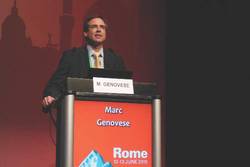
The primary endpoint occurred in 27% of patients on placebo, 49% of those on the 2-mg dose, and 55% of those on the 4-mg dose, statistically significant differences between placebo and each of the active-treatment arms, said Dr. Mark C. Genovese, professor of immunology and rheumatology at Stanford (Calif.) University. Increased ACR20 responses associated with baricitinib treatment first became discernible, compared with placebo, after 1 week on treatment, and after 4 weeks of treatment the impact of baricitinib treatment began to plateau, Dr. Genovese reported.
A notable secondary endpoint was the incidence of remission as measured by the percentage of patients achieving a disease activity score in 28 joints (DAS28) of less than 2.6. When calculated via C-reactive protein levels, remission occurred in 22% of patients after 24 weeks on the 4-mg daily dosage, compared with 6% of placebo patients. DAS28 calculations that used erythrocyte sedimentation rate showed that the rate of remission after 24 weeks among patients on the higher baricitinib dosage reached 9%, compared with a 3% rate among placebo patients.
The safety and tolerability of baricitinib appeared “satisfactory,” Dr. Genovese said. After 24 weeks, patients on the higher dosage had a 10% rate of serious adverse events, compared with a 7% rate in the placebo patients. The overall rate of serious infections was identical in the 4-mg/day group and the placebo patients; herpes zoster occurred in 4% of patients on the higher dosage after 24 weeks, compared with a 1% rate in the placebo group. The rate of grades 1 and 2 neutropenia were also somewhat elevated in patients on the higher dosage after 24 weeks, with a 7% rate of grade 1 neutropenia and a 4% rate of grade 2.
Results in patients without biologic DMARD experience
The RA-BUILD trial had a design very similar to that of RA-BEACON except it exclusively enrolled patients with no prior treatment with any biologic DMARD. The study enrolled 684 patients at 147 centers in 22 countries including the United States. The primary endpoint of the study, the rate of ACR20 responders after 12 weeks on treatment, occurred in 66% of patients randomized to receive 2 mg oral baricitinib daily, 62% of patients receiving 4 mg daily, and 40% of patients on placebo, reported Dr. Maxime Dougados, professor and chief of rheumatology at Cochin Hospital in Paris. The differences between each of the active-treatment groups and the control group were statistically significant.

The rate of patients achieving remission, measured by a clinical disease activity index of 2.8 or less, occurred in 15% of patients who received 2 mg baricitinib daily after 24 weeks as well as in 15% of patients who received the 4-mg dosage after 24 weeks, compared with a 4% rate among the placebo patients, and the comparisons between each of the active-treatment arms and the control group revealed statistically significant differences.
Dr. Dougados also reported data on rates of radiographic progression after 24 weeks, as measured by the van der Heijde modified Sharp score, which showed that treatment with the 4-mg/day dosage of baricitinib resulted in significant reductions in both erosions and joint space narrowing, compared with placebo patients.
Baricitinib treatment in the RA-BUILD study produced a safety profile similar to that seen in the RA-BEACON trial. Dr. Dougados called the safety and tolerability profiles seen in this study “satisfactory.”
RA-BEACON and RA-BUILD were sponsored by Eli Lilly, the company developing baricitinib. Dr. Genovese disclosed ties with Eli Lilly, AbbVie, Astellas, Galapagos, Pfizer, and Vertex. Dr. Dougados has ties with Eli Lilly, AbbVie, Bristol-Myers Squibb, Novartis, Pfizer, Roche, Sanofi, and UCB. Dr. Fonseca disclosed ties with 12 drug companies. Dr. Fleischmann has ties with many drug companies.
On Twitter @mitchelzoler
ROME – Baricitinib, a novel biologic drug that selectively inhibits certain janus kinases, showed safety and efficacy for treatment of rheumatoid arthritis in a two separate, multicenter, phase III trials that together involved more than 1,200 adult patients.
One study showed baricitinib’s efficacy for rheumatoid arthritis (RA), compared with placebo, in patients previously treated unsuccessfully with at least one tumor necrosis factor (TNF) inhibitor, while the second trial showed similar outcomes in RA patients never before treated with a TNF inhibitor or with any other biologic drug.
“The safety looks acceptable, and the ACR [American College of Rheumatology] 20, 50, and 70 responses look like it will be effective. It looks like a very promising drug that will be another addition to our armamentarium,” Dr. João Fonseca, professor of rheumatology at the University of Lisbon, said at the European Congress of Rheumatology.
But the data so far did not seem to distinguish baricitinib from a similar Janus kinase inhibitor already on the market in Europe and the United States, tofacitinib (Xeljanz), said Dr. Roy Fleischmann, a Dallas-based rheumatologist. “I’m not sure baricitinib is different from tofacitinib in terms of its clinical effect,” he said in an interview, though he hedged that so far results have been reported from just two of the four phase III trials run to date using baricitinib.
Results in patients with prior TNF inhibitor experience
One of the trials, RA-BEACON, enrolled 527 patients with moderate or severe RA at 103 sites in 21 countries including the United States. Patients had to have been treated with at least one TNF inhibitor and could also have been previously treated with other biologic disease-modifying antirheumatic drugs (DMARDs) with either an inadequate response or intolerance to the treatment. More than half the patients had received treatment with at least two biologic DMARDS, and about a quarter had previously been on at least three. Average age of the enrolled patients was 56 years, about 80% were women, and the average duration of RA was 14 years.
The researchers randomized a third of enrolled patients to receive 2 mg of oral baricitinib once daily, a third received 4 mg baricitinib once daily, and a third received placebo. The study’s primary end point was the percentage of patients who achieved an ACR20 response after 12 weeks of treatment, but patients remained on treatment for 24 weeks.
The primary endpoint occurred in 27% of patients on placebo, 49% of those on the 2-mg dose, and 55% of those on the 4-mg dose, statistically significant differences between placebo and each of the active-treatment arms, said Dr. Mark C. Genovese, professor of immunology and rheumatology at Stanford (Calif.) University. Increased ACR20 responses associated with baricitinib treatment first became discernible, compared with placebo, after 1 week on treatment, and after 4 weeks of treatment the impact of baricitinib treatment began to plateau, Dr. Genovese reported.
A notable secondary endpoint was the incidence of remission as measured by the percentage of patients achieving a disease activity score in 28 joints (DAS28) of less than 2.6. When calculated via C-reactive protein levels, remission occurred in 22% of patients after 24 weeks on the 4-mg daily dosage, compared with 6% of placebo patients. DAS28 calculations that used erythrocyte sedimentation rate showed that the rate of remission after 24 weeks among patients on the higher baricitinib dosage reached 9%, compared with a 3% rate among placebo patients.
The safety and tolerability of baricitinib appeared “satisfactory,” Dr. Genovese said. After 24 weeks, patients on the higher dosage had a 10% rate of serious adverse events, compared with a 7% rate in the placebo patients. The overall rate of serious infections was identical in the 4-mg/day group and the placebo patients; herpes zoster occurred in 4% of patients on the higher dosage after 24 weeks, compared with a 1% rate in the placebo group. The rate of grades 1 and 2 neutropenia were also somewhat elevated in patients on the higher dosage after 24 weeks, with a 7% rate of grade 1 neutropenia and a 4% rate of grade 2.
Results in patients without biologic DMARD experience
The RA-BUILD trial had a design very similar to that of RA-BEACON except it exclusively enrolled patients with no prior treatment with any biologic DMARD. The study enrolled 684 patients at 147 centers in 22 countries including the United States. The primary endpoint of the study, the rate of ACR20 responders after 12 weeks on treatment, occurred in 66% of patients randomized to receive 2 mg oral baricitinib daily, 62% of patients receiving 4 mg daily, and 40% of patients on placebo, reported Dr. Maxime Dougados, professor and chief of rheumatology at Cochin Hospital in Paris. The differences between each of the active-treatment groups and the control group were statistically significant.
The rate of patients achieving remission, measured by a clinical disease activity index of 2.8 or less, occurred in 15% of patients who received 2 mg baricitinib daily after 24 weeks as well as in 15% of patients who received the 4-mg dosage after 24 weeks, compared with a 4% rate among the placebo patients, and the comparisons between each of the active-treatment arms and the control group revealed statistically significant differences.
Dr. Dougados also reported data on rates of radiographic progression after 24 weeks, as measured by the van der Heijde modified Sharp score, which showed that treatment with the 4-mg/day dosage of baricitinib resulted in significant reductions in both erosions and joint space narrowing, compared with placebo patients.
Baricitinib treatment in the RA-BUILD study produced a safety profile similar to that seen in the RA-BEACON trial. Dr. Dougados called the safety and tolerability profiles seen in this study “satisfactory.”
RA-BEACON and RA-BUILD were sponsored by Eli Lilly, the company developing baricitinib. Dr. Genovese disclosed ties with Eli Lilly, AbbVie, Astellas, Galapagos, Pfizer, and Vertex. Dr. Dougados has ties with Eli Lilly, AbbVie, Bristol-Myers Squibb, Novartis, Pfizer, Roche, Sanofi, and UCB. Dr. Fonseca disclosed ties with 12 drug companies. Dr. Fleischmann has ties with many drug companies.
On Twitter @mitchelzoler
ROME – Baricitinib, a novel biologic drug that selectively inhibits certain janus kinases, showed safety and efficacy for treatment of rheumatoid arthritis in a two separate, multicenter, phase III trials that together involved more than 1,200 adult patients.
One study showed baricitinib’s efficacy for rheumatoid arthritis (RA), compared with placebo, in patients previously treated unsuccessfully with at least one tumor necrosis factor (TNF) inhibitor, while the second trial showed similar outcomes in RA patients never before treated with a TNF inhibitor or with any other biologic drug.
“The safety looks acceptable, and the ACR [American College of Rheumatology] 20, 50, and 70 responses look like it will be effective. It looks like a very promising drug that will be another addition to our armamentarium,” Dr. João Fonseca, professor of rheumatology at the University of Lisbon, said at the European Congress of Rheumatology.
But the data so far did not seem to distinguish baricitinib from a similar Janus kinase inhibitor already on the market in Europe and the United States, tofacitinib (Xeljanz), said Dr. Roy Fleischmann, a Dallas-based rheumatologist. “I’m not sure baricitinib is different from tofacitinib in terms of its clinical effect,” he said in an interview, though he hedged that so far results have been reported from just two of the four phase III trials run to date using baricitinib.
Results in patients with prior TNF inhibitor experience
One of the trials, RA-BEACON, enrolled 527 patients with moderate or severe RA at 103 sites in 21 countries including the United States. Patients had to have been treated with at least one TNF inhibitor and could also have been previously treated with other biologic disease-modifying antirheumatic drugs (DMARDs) with either an inadequate response or intolerance to the treatment. More than half the patients had received treatment with at least two biologic DMARDS, and about a quarter had previously been on at least three. Average age of the enrolled patients was 56 years, about 80% were women, and the average duration of RA was 14 years.
The researchers randomized a third of enrolled patients to receive 2 mg of oral baricitinib once daily, a third received 4 mg baricitinib once daily, and a third received placebo. The study’s primary end point was the percentage of patients who achieved an ACR20 response after 12 weeks of treatment, but patients remained on treatment for 24 weeks.
The primary endpoint occurred in 27% of patients on placebo, 49% of those on the 2-mg dose, and 55% of those on the 4-mg dose, statistically significant differences between placebo and each of the active-treatment arms, said Dr. Mark C. Genovese, professor of immunology and rheumatology at Stanford (Calif.) University. Increased ACR20 responses associated with baricitinib treatment first became discernible, compared with placebo, after 1 week on treatment, and after 4 weeks of treatment the impact of baricitinib treatment began to plateau, Dr. Genovese reported.
A notable secondary endpoint was the incidence of remission as measured by the percentage of patients achieving a disease activity score in 28 joints (DAS28) of less than 2.6. When calculated via C-reactive protein levels, remission occurred in 22% of patients after 24 weeks on the 4-mg daily dosage, compared with 6% of placebo patients. DAS28 calculations that used erythrocyte sedimentation rate showed that the rate of remission after 24 weeks among patients on the higher baricitinib dosage reached 9%, compared with a 3% rate among placebo patients.
The safety and tolerability of baricitinib appeared “satisfactory,” Dr. Genovese said. After 24 weeks, patients on the higher dosage had a 10% rate of serious adverse events, compared with a 7% rate in the placebo patients. The overall rate of serious infections was identical in the 4-mg/day group and the placebo patients; herpes zoster occurred in 4% of patients on the higher dosage after 24 weeks, compared with a 1% rate in the placebo group. The rate of grades 1 and 2 neutropenia were also somewhat elevated in patients on the higher dosage after 24 weeks, with a 7% rate of grade 1 neutropenia and a 4% rate of grade 2.
Results in patients without biologic DMARD experience
The RA-BUILD trial had a design very similar to that of RA-BEACON except it exclusively enrolled patients with no prior treatment with any biologic DMARD. The study enrolled 684 patients at 147 centers in 22 countries including the United States. The primary endpoint of the study, the rate of ACR20 responders after 12 weeks on treatment, occurred in 66% of patients randomized to receive 2 mg oral baricitinib daily, 62% of patients receiving 4 mg daily, and 40% of patients on placebo, reported Dr. Maxime Dougados, professor and chief of rheumatology at Cochin Hospital in Paris. The differences between each of the active-treatment groups and the control group were statistically significant.
The rate of patients achieving remission, measured by a clinical disease activity index of 2.8 or less, occurred in 15% of patients who received 2 mg baricitinib daily after 24 weeks as well as in 15% of patients who received the 4-mg dosage after 24 weeks, compared with a 4% rate among the placebo patients, and the comparisons between each of the active-treatment arms and the control group revealed statistically significant differences.
Dr. Dougados also reported data on rates of radiographic progression after 24 weeks, as measured by the van der Heijde modified Sharp score, which showed that treatment with the 4-mg/day dosage of baricitinib resulted in significant reductions in both erosions and joint space narrowing, compared with placebo patients.
Baricitinib treatment in the RA-BUILD study produced a safety profile similar to that seen in the RA-BEACON trial. Dr. Dougados called the safety and tolerability profiles seen in this study “satisfactory.”
RA-BEACON and RA-BUILD were sponsored by Eli Lilly, the company developing baricitinib. Dr. Genovese disclosed ties with Eli Lilly, AbbVie, Astellas, Galapagos, Pfizer, and Vertex. Dr. Dougados has ties with Eli Lilly, AbbVie, Bristol-Myers Squibb, Novartis, Pfizer, Roche, Sanofi, and UCB. Dr. Fonseca disclosed ties with 12 drug companies. Dr. Fleischmann has ties with many drug companies.
On Twitter @mitchelzoler
AT THE EULAR 2015 CONGRESS
Key clinical point: Baricitinib, a novel JAK inhibitor, showed safety and efficacy for rheumatoid arthritis in two separate phase III trials.
Major finding: Among patients who previously received a biologic, treatment with 4 mg baricitinib daily produced a 55% rate of ACR20 response after 12 weeks, compared with 27% in controls.
Data source: RA-BEACON and RA-BUILD, two separate, multicenter, phase III trials that enrolled a total of 1,211 patients with rheumatoid arthritis.
Disclosures: RA-BEACON and RA-BUILD were sponsored by Eli Lilly, the company developing baricitinib. Dr. Genovese disclosed ties with Eli Lilly, AbbVie, Astellas, Galapagos, Pfizer, and Vertex. Dr. Dougados has ties with Eli Lilly, AbbVie, Bristol-Myers Squibb, Novartis, Pfizer, Roche, Sanofi, and UCB. Dr. Fonseca disclosed ties with 12 drug companies. Dr. Fleischmann has ties with many drug companies.

Rheumatoid arthritis biologics populate a flat landscape
The past decade has seen several new classes of biologic drugs approved by the Food and Drug Administration for treating rheumatoid arthritis, but despite this cornucopia the field is in something of a holding pattern. None of the biologic options really stand out from the competition, said Dr. Roy Fleischmann, a Dallas-based rheumatologist with an active practice who has participated in countless new-drug trials over the years.
The best to be said for the wide variety of biologic treatment options available today is that they allow switching from one class to another to find what works best for each individual rheumatoid arthritis patient, Dr. Fleischmann told me when I spoke with him in June at the European Congress of Rheumatology.

“In my practice, I constantly change drugs,” and by doing so and finding what works he gets about half his patients into sustained remission, he said.
But when he looks at the range of biologics available today “it’s pretty clear that it makes no difference what you use. I could use a tumor necrosis factor [TNF] inhibitor, I could use abatacept [Orencia]. I could use tocilizumab [Actemra], Rituxan [rituximab], tofacitinib [Xeljanz]. I can use any of them. I can use them first-line or second-line, and I’ll probably see the same results.”
Rheumatologists in U.S. practice today generally turn to a TNF inhibitor first, but that’s “because of habit,” Dr. Fleischmann said. “They often say they have more experience with the TNF inhibitor,” but the safety of all the biologics approved for rheumatoid arthritis seems generally the same, he said. “The truth is you can use any of them.”
He also discounted the prospect that, someday, biosimilar TNF inhibitors may be on the U.S. market and edge the competition on price, saying that he remains skeptical and cautious about using a biosimilar infliximab or another biosimilar TNF inhibitor. Plus, as of now, no biosimilar suitable for treating rheumatoid arthritis has received U.S. approval.
Among the bio-originals with U.S. approval for rheumatoid arthritis, clinicians could start patients on whichever they want. “I don’t think it makes a difference which bio-original you use,” Dr. Fleischmann said.
Dr. Fleischmann said that he’s consulted for and has received research support from most of the companies that have developed and market biological drugs for rheumatoid arthritis.
On Twitter @mitchelzoler
The past decade has seen several new classes of biologic drugs approved by the Food and Drug Administration for treating rheumatoid arthritis, but despite this cornucopia the field is in something of a holding pattern. None of the biologic options really stand out from the competition, said Dr. Roy Fleischmann, a Dallas-based rheumatologist with an active practice who has participated in countless new-drug trials over the years.
The best to be said for the wide variety of biologic treatment options available today is that they allow switching from one class to another to find what works best for each individual rheumatoid arthritis patient, Dr. Fleischmann told me when I spoke with him in June at the European Congress of Rheumatology.
“In my practice, I constantly change drugs,” and by doing so and finding what works he gets about half his patients into sustained remission, he said.
But when he looks at the range of biologics available today “it’s pretty clear that it makes no difference what you use. I could use a tumor necrosis factor [TNF] inhibitor, I could use abatacept [Orencia]. I could use tocilizumab [Actemra], Rituxan [rituximab], tofacitinib [Xeljanz]. I can use any of them. I can use them first-line or second-line, and I’ll probably see the same results.”
Rheumatologists in U.S. practice today generally turn to a TNF inhibitor first, but that’s “because of habit,” Dr. Fleischmann said. “They often say they have more experience with the TNF inhibitor,” but the safety of all the biologics approved for rheumatoid arthritis seems generally the same, he said. “The truth is you can use any of them.”
He also discounted the prospect that, someday, biosimilar TNF inhibitors may be on the U.S. market and edge the competition on price, saying that he remains skeptical and cautious about using a biosimilar infliximab or another biosimilar TNF inhibitor. Plus, as of now, no biosimilar suitable for treating rheumatoid arthritis has received U.S. approval.
Among the bio-originals with U.S. approval for rheumatoid arthritis, clinicians could start patients on whichever they want. “I don’t think it makes a difference which bio-original you use,” Dr. Fleischmann said.
Dr. Fleischmann said that he’s consulted for and has received research support from most of the companies that have developed and market biological drugs for rheumatoid arthritis.
On Twitter @mitchelzoler
The past decade has seen several new classes of biologic drugs approved by the Food and Drug Administration for treating rheumatoid arthritis, but despite this cornucopia the field is in something of a holding pattern. None of the biologic options really stand out from the competition, said Dr. Roy Fleischmann, a Dallas-based rheumatologist with an active practice who has participated in countless new-drug trials over the years.
The best to be said for the wide variety of biologic treatment options available today is that they allow switching from one class to another to find what works best for each individual rheumatoid arthritis patient, Dr. Fleischmann told me when I spoke with him in June at the European Congress of Rheumatology.
“In my practice, I constantly change drugs,” and by doing so and finding what works he gets about half his patients into sustained remission, he said.
But when he looks at the range of biologics available today “it’s pretty clear that it makes no difference what you use. I could use a tumor necrosis factor [TNF] inhibitor, I could use abatacept [Orencia]. I could use tocilizumab [Actemra], Rituxan [rituximab], tofacitinib [Xeljanz]. I can use any of them. I can use them first-line or second-line, and I’ll probably see the same results.”
Rheumatologists in U.S. practice today generally turn to a TNF inhibitor first, but that’s “because of habit,” Dr. Fleischmann said. “They often say they have more experience with the TNF inhibitor,” but the safety of all the biologics approved for rheumatoid arthritis seems generally the same, he said. “The truth is you can use any of them.”
He also discounted the prospect that, someday, biosimilar TNF inhibitors may be on the U.S. market and edge the competition on price, saying that he remains skeptical and cautious about using a biosimilar infliximab or another biosimilar TNF inhibitor. Plus, as of now, no biosimilar suitable for treating rheumatoid arthritis has received U.S. approval.
Among the bio-originals with U.S. approval for rheumatoid arthritis, clinicians could start patients on whichever they want. “I don’t think it makes a difference which bio-original you use,” Dr. Fleischmann said.
Dr. Fleischmann said that he’s consulted for and has received research support from most of the companies that have developed and market biological drugs for rheumatoid arthritis.
On Twitter @mitchelzoler

Age drives miscarriage risk in RA patients
LISBON – Advanced age appears to trump disease activity or antirheumatic drug treatment as the driving force behind miscarriage in women with rheumatoid arthritis.
“The risk for miscarriage in rheumatoid arthritis is age dependent,” Dr. Jenny Brouwer said at the annual meeting of the European Society of Human Reproduction and Embryology.

She reported on 162 evaluable pregnancies in 239 Dutch women enrolled during 2002-2010 in the nationwide Pregnancy-Induced Amelioration of Rheumatoid Arthritis (PARA) study, the world’s largest prospective cohort of pregnant RA patients. They had a mean age of 32.3 years and a mean RA duration of 4.9 years. Overall, 49.4% were nulliparous and 13.6% had suffered a previous miscarriage.
Prednisone (37%), sulfasalazine (33%), and NSAIDs (29%) were most commonly used in the periconceptional period. Women eligible for PARA had to have stopped methotrexate for at least 3 months prior to attempting to conceive, a parameter included because it is an indicator for more severe disease.
Varying reports have shown no increased miscarriage rate in women with RA, while others have reported a significantly higher risk. These studies, however, were cross-sectional or retrospective in nature and lacked detailed information on preconception disease activity and antirheumatic drug use, observed Dr. Brouwer of Erasmus Medical Center, Rotterdam, the Netherlands.
Among the 162 pregnancies, 28 miscarriages occurred (17.3%), roughly half in weeks 5-9.
Reassuringly, the miscarriage rate is comparable with that in the general population, she said. Indeed, a recent study from the Nurses Health Study II also reported a miscarriage rate of 17.3%.
Disease Activity Score based on 28 joints (DAS28) was higher 6 and 12 weeks after miscarriage than before pregnancy, with 33% of women having a disease flare after miscarriage.
“This can be a sign that women who have more active disease have a higher risk for miscarriage and should be monitored more closely when their disease activity in the preconceptional period increases,” Dr. Brouwer said.
Women who miscarried were significantly older than were women with an ongoing pregnancy (mean 33.9 years vs. 32 years; P = .022). They also were more likely to be positive for anti-citrullinated protein antibodies (ACPA) (82% vs. 60%; P = .058), have higher DAS28 scores (3.92 vs. 3.59; P = .166), and have used methotrexate in the past (82% vs. 68%; P = .174).
No significant association was observed between miscarriage and corticosteroids, anti-inflammatories, or biological therapies, she said.
Because of the low frequency of miscarriages in the study, logistic regression showed only a trend toward higher miscarriage risk in association with increasing age (OR, 1.12; P = .065 per year of age increase) and ACPA positivity (OR, 2.47; P = .092), Dr. Brouwer said.
“Since the confidence interval is 0.99-1.25, there clearly seems to be a trend toward a higher risk for occurrence of miscarriage with increasing age, which is only logical since in the general population we also see an increase in miscarriage rate with increasing age,” she said in an interview. “My expectation is that, in a larger RA cohort, with a larger absolute number of miscarriages, the association will be significant.”
Follow-up revealed that, within 1 year of miscarriage, 68% of women became pregnant again, 14% stopped trying to conceive, and 11% were lost to follow-up. The live birth rate in the subsequent pregnancy was 90%. A follow-up study of these children did not find an increased rate of congenital malformations, despite the use of RA medications during pregnancy, Dr. Brouwer said.
The audience questioned whether the investigators are suggesting that rheumatoid arthritis has no role in miscarriage, observing that the study outcomes look very similar to patients without RA. Dr. Brouwer responded that there seems to be a higher sensitivity in patients with ACPA using methotrexate in the past but that this failed to reach significance.
“The results found in this study: some association with more severe disease – ACPA positivity and past methotrexate use – although not significant are a confirmation to us that extra care should be given to suppressing active disease already before actively trying to achieve a pregnancy,” she told this publication.
For more details, the full manuscript has been published (Arthritis Rheumatol. 2015;67:1738-43).
Reumafond, the Dutch Arthritis Foundation, funded the study. Dr. Brouwer reported no financial conflicts.
LISBON – Advanced age appears to trump disease activity or antirheumatic drug treatment as the driving force behind miscarriage in women with rheumatoid arthritis.
“The risk for miscarriage in rheumatoid arthritis is age dependent,” Dr. Jenny Brouwer said at the annual meeting of the European Society of Human Reproduction and Embryology.
She reported on 162 evaluable pregnancies in 239 Dutch women enrolled during 2002-2010 in the nationwide Pregnancy-Induced Amelioration of Rheumatoid Arthritis (PARA) study, the world’s largest prospective cohort of pregnant RA patients. They had a mean age of 32.3 years and a mean RA duration of 4.9 years. Overall, 49.4% were nulliparous and 13.6% had suffered a previous miscarriage.
Prednisone (37%), sulfasalazine (33%), and NSAIDs (29%) were most commonly used in the periconceptional period. Women eligible for PARA had to have stopped methotrexate for at least 3 months prior to attempting to conceive, a parameter included because it is an indicator for more severe disease.
Varying reports have shown no increased miscarriage rate in women with RA, while others have reported a significantly higher risk. These studies, however, were cross-sectional or retrospective in nature and lacked detailed information on preconception disease activity and antirheumatic drug use, observed Dr. Brouwer of Erasmus Medical Center, Rotterdam, the Netherlands.
Among the 162 pregnancies, 28 miscarriages occurred (17.3%), roughly half in weeks 5-9.
Reassuringly, the miscarriage rate is comparable with that in the general population, she said. Indeed, a recent study from the Nurses Health Study II also reported a miscarriage rate of 17.3%.
Disease Activity Score based on 28 joints (DAS28) was higher 6 and 12 weeks after miscarriage than before pregnancy, with 33% of women having a disease flare after miscarriage.
“This can be a sign that women who have more active disease have a higher risk for miscarriage and should be monitored more closely when their disease activity in the preconceptional period increases,” Dr. Brouwer said.
Women who miscarried were significantly older than were women with an ongoing pregnancy (mean 33.9 years vs. 32 years; P = .022). They also were more likely to be positive for anti-citrullinated protein antibodies (ACPA) (82% vs. 60%; P = .058), have higher DAS28 scores (3.92 vs. 3.59; P = .166), and have used methotrexate in the past (82% vs. 68%; P = .174).
No significant association was observed between miscarriage and corticosteroids, anti-inflammatories, or biological therapies, she said.
Because of the low frequency of miscarriages in the study, logistic regression showed only a trend toward higher miscarriage risk in association with increasing age (OR, 1.12; P = .065 per year of age increase) and ACPA positivity (OR, 2.47; P = .092), Dr. Brouwer said.
“Since the confidence interval is 0.99-1.25, there clearly seems to be a trend toward a higher risk for occurrence of miscarriage with increasing age, which is only logical since in the general population we also see an increase in miscarriage rate with increasing age,” she said in an interview. “My expectation is that, in a larger RA cohort, with a larger absolute number of miscarriages, the association will be significant.”
Follow-up revealed that, within 1 year of miscarriage, 68% of women became pregnant again, 14% stopped trying to conceive, and 11% were lost to follow-up. The live birth rate in the subsequent pregnancy was 90%. A follow-up study of these children did not find an increased rate of congenital malformations, despite the use of RA medications during pregnancy, Dr. Brouwer said.
The audience questioned whether the investigators are suggesting that rheumatoid arthritis has no role in miscarriage, observing that the study outcomes look very similar to patients without RA. Dr. Brouwer responded that there seems to be a higher sensitivity in patients with ACPA using methotrexate in the past but that this failed to reach significance.
“The results found in this study: some association with more severe disease – ACPA positivity and past methotrexate use – although not significant are a confirmation to us that extra care should be given to suppressing active disease already before actively trying to achieve a pregnancy,” she told this publication.
For more details, the full manuscript has been published (Arthritis Rheumatol. 2015;67:1738-43).
Reumafond, the Dutch Arthritis Foundation, funded the study. Dr. Brouwer reported no financial conflicts.
LISBON – Advanced age appears to trump disease activity or antirheumatic drug treatment as the driving force behind miscarriage in women with rheumatoid arthritis.
“The risk for miscarriage in rheumatoid arthritis is age dependent,” Dr. Jenny Brouwer said at the annual meeting of the European Society of Human Reproduction and Embryology.
She reported on 162 evaluable pregnancies in 239 Dutch women enrolled during 2002-2010 in the nationwide Pregnancy-Induced Amelioration of Rheumatoid Arthritis (PARA) study, the world’s largest prospective cohort of pregnant RA patients. They had a mean age of 32.3 years and a mean RA duration of 4.9 years. Overall, 49.4% were nulliparous and 13.6% had suffered a previous miscarriage.
Prednisone (37%), sulfasalazine (33%), and NSAIDs (29%) were most commonly used in the periconceptional period. Women eligible for PARA had to have stopped methotrexate for at least 3 months prior to attempting to conceive, a parameter included because it is an indicator for more severe disease.
Varying reports have shown no increased miscarriage rate in women with RA, while others have reported a significantly higher risk. These studies, however, were cross-sectional or retrospective in nature and lacked detailed information on preconception disease activity and antirheumatic drug use, observed Dr. Brouwer of Erasmus Medical Center, Rotterdam, the Netherlands.
Among the 162 pregnancies, 28 miscarriages occurred (17.3%), roughly half in weeks 5-9.
Reassuringly, the miscarriage rate is comparable with that in the general population, she said. Indeed, a recent study from the Nurses Health Study II also reported a miscarriage rate of 17.3%.
Disease Activity Score based on 28 joints (DAS28) was higher 6 and 12 weeks after miscarriage than before pregnancy, with 33% of women having a disease flare after miscarriage.
“This can be a sign that women who have more active disease have a higher risk for miscarriage and should be monitored more closely when their disease activity in the preconceptional period increases,” Dr. Brouwer said.
Women who miscarried were significantly older than were women with an ongoing pregnancy (mean 33.9 years vs. 32 years; P = .022). They also were more likely to be positive for anti-citrullinated protein antibodies (ACPA) (82% vs. 60%; P = .058), have higher DAS28 scores (3.92 vs. 3.59; P = .166), and have used methotrexate in the past (82% vs. 68%; P = .174).
No significant association was observed between miscarriage and corticosteroids, anti-inflammatories, or biological therapies, she said.
Because of the low frequency of miscarriages in the study, logistic regression showed only a trend toward higher miscarriage risk in association with increasing age (OR, 1.12; P = .065 per year of age increase) and ACPA positivity (OR, 2.47; P = .092), Dr. Brouwer said.
“Since the confidence interval is 0.99-1.25, there clearly seems to be a trend toward a higher risk for occurrence of miscarriage with increasing age, which is only logical since in the general population we also see an increase in miscarriage rate with increasing age,” she said in an interview. “My expectation is that, in a larger RA cohort, with a larger absolute number of miscarriages, the association will be significant.”
Follow-up revealed that, within 1 year of miscarriage, 68% of women became pregnant again, 14% stopped trying to conceive, and 11% were lost to follow-up. The live birth rate in the subsequent pregnancy was 90%. A follow-up study of these children did not find an increased rate of congenital malformations, despite the use of RA medications during pregnancy, Dr. Brouwer said.
The audience questioned whether the investigators are suggesting that rheumatoid arthritis has no role in miscarriage, observing that the study outcomes look very similar to patients without RA. Dr. Brouwer responded that there seems to be a higher sensitivity in patients with ACPA using methotrexate in the past but that this failed to reach significance.
“The results found in this study: some association with more severe disease – ACPA positivity and past methotrexate use – although not significant are a confirmation to us that extra care should be given to suppressing active disease already before actively trying to achieve a pregnancy,” she told this publication.
For more details, the full manuscript has been published (Arthritis Rheumatol. 2015;67:1738-43).
Reumafond, the Dutch Arthritis Foundation, funded the study. Dr. Brouwer reported no financial conflicts.
AT ESHRE 2015
Key clinical point: Miscarriage rates are comparable in patients with rheumatoid arthritis and the general public and are driven largely by advanced age.
Major finding: Women who miscarried had a mean age of 33.9 years vs. 32 years in those with an ongoing pregnancy (P = .022)
Data source: Analysis of 162 pregnancies in a Dutch prospective cohort study.
Disclosures: Reumafond, the Dutch Arthritis Foundation, funded the study. Dr. Brouwer reported no financial conflicts.

EULAR: Panel targets six rheumatic disease comorbidities
ROME – Clinicians who care for patients with chronic inflammatory rheumatic diseases should consider regularly assessing six potential comorbidities these patients might develop, according to a set of “points to consider” developed by a task force of the European League Against Rheumatism.
The six comorbidities the working group’s report cites are ischemic cardiovascular disease, malignancies, infections, peptic ulcer, osteoporosis, and depression, Dr. Maxime Dougados said at the European Congress of Rheumatology.

This is the “minimum list of comorbidities to systematically check” for patients with inflammatory rheumatic diseases, said Dr. Dougados, professor and chief of rheumatology at Cochin Hospital in Paris.
The task force he heads plans to soon make available on the EULAR Website screening questionnaires for assessing the status of each of these six comorbidities. “We hope you will consider this initiative and implement these points to consider in your practice,” he said.
A seventh comorbidity to potentially add to the list for regular assessment is hypertension, said Dr. Deborah P.M. Symmons, professor of rheumatology and musculoskeletal epidemiology at the University of Manchester (England), in a separate talk at the meeting. Roughly 80% of patients with rheumatoid arthritis (RA) have at least one comorbidity, she noted.
Recent study results have documented the prevalence of comorbidities in patients with RA, Dr. Symmons said. For example, an analysis of data collected during 2011 and 2012 from 3,920 RA patients in 17 countries, including 400 U.S. patients, showed that depression was the most common comorbidity, affecting 15% of patients; other comorbidities included ischemic cardiovascular disease in 6%, malignancy in 5%, and hypertension in 11% (Ann. Rheum. Dis. 2014;73:62-8). A separate survey of 9,874 RA patients from 34 countries also published last year found patients had a median of two comorbidities each. The most common were hypertension in 32% of patients, osteoporosis in 18%, and osteoarthritis in 16% (Clin. Exp. Rheum. 2014;32:869-77).

“Chronic diseases cluster together, more than you would expect by chance, perhaps because of shared risk factors such as genetic or environmental, the direct impact of inflammation, and because of treatment” patients receive for their rheumatic disease, Dr. Symmons said.
The consequence is that clinicians who manage patients with RA or other rheumatic disease must be on the lookout for comorbidities and take them into consideration when planning management strategies. A rheumatologist might be most concerned about how comobidities will affect the rheumatic disease, but for patients the overriding concern is how all their chronic diseases, not just their rheumatic disease, will affect their quality of life and physical function, she noted. “We must constantly ask ourselves whether treatment of the RA will worsen the comorbidities, or will treatment of the comorbidities worsen the RA?”
Knowledge of how RA treatments will affect comorbidities is often lacking because patients with comorbidities are usually not enrolled in clinical trials, Dr. Symmons said.
She recommended that rheumatologists systematically screen patients annually for comorbidities and discuss with each patient and with clinicians from other relevant specialties appropriate treatment based on the patient’s global status. Steroid treatment should be minimized because of the risk it poses for causing or exacerbating hypertension, hyperlipidemia, diabetes, osteoporosis, and infection.
The rheumatologist does not necessarily need to be the clinician who manages all of a patient’s comorbidities, which might be better done by a primary care physician, but the rheumatologist should know that a patient’s comorbidities are being managed by someone, and this fact should be documented in the rheumatologist’s records for each patient, she said.
Dr. Dougados and Dr. Symmons said they had no relevant financial disclosures.
On Twitter@mitchelzoler
ROME – Clinicians who care for patients with chronic inflammatory rheumatic diseases should consider regularly assessing six potential comorbidities these patients might develop, according to a set of “points to consider” developed by a task force of the European League Against Rheumatism.
The six comorbidities the working group’s report cites are ischemic cardiovascular disease, malignancies, infections, peptic ulcer, osteoporosis, and depression, Dr. Maxime Dougados said at the European Congress of Rheumatology.
This is the “minimum list of comorbidities to systematically check” for patients with inflammatory rheumatic diseases, said Dr. Dougados, professor and chief of rheumatology at Cochin Hospital in Paris.
The task force he heads plans to soon make available on the EULAR Website screening questionnaires for assessing the status of each of these six comorbidities. “We hope you will consider this initiative and implement these points to consider in your practice,” he said.
A seventh comorbidity to potentially add to the list for regular assessment is hypertension, said Dr. Deborah P.M. Symmons, professor of rheumatology and musculoskeletal epidemiology at the University of Manchester (England), in a separate talk at the meeting. Roughly 80% of patients with rheumatoid arthritis (RA) have at least one comorbidity, she noted.
Recent study results have documented the prevalence of comorbidities in patients with RA, Dr. Symmons said. For example, an analysis of data collected during 2011 and 2012 from 3,920 RA patients in 17 countries, including 400 U.S. patients, showed that depression was the most common comorbidity, affecting 15% of patients; other comorbidities included ischemic cardiovascular disease in 6%, malignancy in 5%, and hypertension in 11% (Ann. Rheum. Dis. 2014;73:62-8). A separate survey of 9,874 RA patients from 34 countries also published last year found patients had a median of two comorbidities each. The most common were hypertension in 32% of patients, osteoporosis in 18%, and osteoarthritis in 16% (Clin. Exp. Rheum. 2014;32:869-77).
“Chronic diseases cluster together, more than you would expect by chance, perhaps because of shared risk factors such as genetic or environmental, the direct impact of inflammation, and because of treatment” patients receive for their rheumatic disease, Dr. Symmons said.
The consequence is that clinicians who manage patients with RA or other rheumatic disease must be on the lookout for comorbidities and take them into consideration when planning management strategies. A rheumatologist might be most concerned about how comobidities will affect the rheumatic disease, but for patients the overriding concern is how all their chronic diseases, not just their rheumatic disease, will affect their quality of life and physical function, she noted. “We must constantly ask ourselves whether treatment of the RA will worsen the comorbidities, or will treatment of the comorbidities worsen the RA?”
Knowledge of how RA treatments will affect comorbidities is often lacking because patients with comorbidities are usually not enrolled in clinical trials, Dr. Symmons said.
She recommended that rheumatologists systematically screen patients annually for comorbidities and discuss with each patient and with clinicians from other relevant specialties appropriate treatment based on the patient’s global status. Steroid treatment should be minimized because of the risk it poses for causing or exacerbating hypertension, hyperlipidemia, diabetes, osteoporosis, and infection.
The rheumatologist does not necessarily need to be the clinician who manages all of a patient’s comorbidities, which might be better done by a primary care physician, but the rheumatologist should know that a patient’s comorbidities are being managed by someone, and this fact should be documented in the rheumatologist’s records for each patient, she said.
Dr. Dougados and Dr. Symmons said they had no relevant financial disclosures.
On Twitter@mitchelzoler
ROME – Clinicians who care for patients with chronic inflammatory rheumatic diseases should consider regularly assessing six potential comorbidities these patients might develop, according to a set of “points to consider” developed by a task force of the European League Against Rheumatism.
The six comorbidities the working group’s report cites are ischemic cardiovascular disease, malignancies, infections, peptic ulcer, osteoporosis, and depression, Dr. Maxime Dougados said at the European Congress of Rheumatology.
This is the “minimum list of comorbidities to systematically check” for patients with inflammatory rheumatic diseases, said Dr. Dougados, professor and chief of rheumatology at Cochin Hospital in Paris.
The task force he heads plans to soon make available on the EULAR Website screening questionnaires for assessing the status of each of these six comorbidities. “We hope you will consider this initiative and implement these points to consider in your practice,” he said.
A seventh comorbidity to potentially add to the list for regular assessment is hypertension, said Dr. Deborah P.M. Symmons, professor of rheumatology and musculoskeletal epidemiology at the University of Manchester (England), in a separate talk at the meeting. Roughly 80% of patients with rheumatoid arthritis (RA) have at least one comorbidity, she noted.
Recent study results have documented the prevalence of comorbidities in patients with RA, Dr. Symmons said. For example, an analysis of data collected during 2011 and 2012 from 3,920 RA patients in 17 countries, including 400 U.S. patients, showed that depression was the most common comorbidity, affecting 15% of patients; other comorbidities included ischemic cardiovascular disease in 6%, malignancy in 5%, and hypertension in 11% (Ann. Rheum. Dis. 2014;73:62-8). A separate survey of 9,874 RA patients from 34 countries also published last year found patients had a median of two comorbidities each. The most common were hypertension in 32% of patients, osteoporosis in 18%, and osteoarthritis in 16% (Clin. Exp. Rheum. 2014;32:869-77).
“Chronic diseases cluster together, more than you would expect by chance, perhaps because of shared risk factors such as genetic or environmental, the direct impact of inflammation, and because of treatment” patients receive for their rheumatic disease, Dr. Symmons said.
The consequence is that clinicians who manage patients with RA or other rheumatic disease must be on the lookout for comorbidities and take them into consideration when planning management strategies. A rheumatologist might be most concerned about how comobidities will affect the rheumatic disease, but for patients the overriding concern is how all their chronic diseases, not just their rheumatic disease, will affect their quality of life and physical function, she noted. “We must constantly ask ourselves whether treatment of the RA will worsen the comorbidities, or will treatment of the comorbidities worsen the RA?”
Knowledge of how RA treatments will affect comorbidities is often lacking because patients with comorbidities are usually not enrolled in clinical trials, Dr. Symmons said.
She recommended that rheumatologists systematically screen patients annually for comorbidities and discuss with each patient and with clinicians from other relevant specialties appropriate treatment based on the patient’s global status. Steroid treatment should be minimized because of the risk it poses for causing or exacerbating hypertension, hyperlipidemia, diabetes, osteoporosis, and infection.
The rheumatologist does not necessarily need to be the clinician who manages all of a patient’s comorbidities, which might be better done by a primary care physician, but the rheumatologist should know that a patient’s comorbidities are being managed by someone, and this fact should be documented in the rheumatologist’s records for each patient, she said.
Dr. Dougados and Dr. Symmons said they had no relevant financial disclosures.
On Twitter@mitchelzoler
AT THE EULAR 2015 CONGRESS

EULAR: Obesity linked with increased rheumatoid arthritis incidence
ROME – Obese people had a 50% increased rate of developing rheumatoid arthritis compared with normal or underweight people, in a case-control study of more than 2,000 Swedish residents for which researchers used prospectively collected data.
The increased rate of developing rheumatoid arthritis (RA) conferred by obesity occurred in both women and in men, it was greatest in the subgroup of people who developed RA symptoms when they were age 50 years or younger, and it was greatest in the subgroup of people seropositive for anti-citrullinated protein antibodies (ACPA), rheumatoid factor (RF), or both Dr. Lotta Ljung said at the European Congress of Rheumatology.
The findings add to the growing body of evidence documenting obesity as a risk factor for development of RA, said Dr. Ljung, a rheumatologist at Umeå (Sweden) University.
She and her associates used data collected in two Swedish population-based cohorts followed prospectively, the Västerbotten Intervention Programme and the Northern Sweden portion of the MONICA project. The two databases included baseline and long-term follow-up data during 1985-2013 from more than 110,000 Swedish citizens, average age 52 years at baseline, and average body mass index of 26 kg/m2. The databases included 557 patients with incident RA, which appeared an average of 6 years following entry into their database, with 83% of the cases showing seropositivity for ACPA, RF, or both. The researchers matched these cases on a 3:1 basis with 1,671 controls without RA by their sex, year of birth, cohort, examination year, and region of residence in Sweden.

In an analysis that controlled for both smoking and education level, people who entered one of the databases with a BMI of 30 kg/m2 or higher, defined as obesity, had a statistically significant 50% increased rate of developing RA during follow-up, compared with people who entered with a BMI of less than 25 kg/m2, which corresponded to normal- or under-weight. Those with a BMI of 25-29.99 kg/m2, the overweight group, had a borderline statistically significant 20% increased rate of developing RA during follow-up, compared with the reference group, Dr. Ljung reported.
An analysis that examined the link between incident RA and baseline BMI as a continuous variable showed a 2% increased rate of incident RA for each 1-unit increase in BMI, but this relationship fell short of statistical significance after adjustment for smoking and education level. A second analysis that looked at waist circumference as a continuous variable showed a statistically significant 2% rise in RA incidence for each 1-cm increase in waist circumference at baseline after adjustment.
On Twitter @mitchelzoler
*Correction, 7/7/15: An earlier version of this article misstated information in the Vitals section.
The new findings reported by Dr. Ljung that show obesity is a risk factor for developing rheumatoid arthritis are very consistent with what my associates and I reported last year using data collected in the Nurses Health Study (Ann. Rheum. Dis 2014;73:1914-22) as well as findings in several other recent reports (Ann. Rheum. Dis. 2014;73:1911-3). I think we can now say with confidence that obesity does increase a person’s risk for developing rheumatoid arthritis.

|
| Mitchel L. Zoler/Frontline Medical News Dr. Karen H. Costenbader |
This firm link is important because it gives us practical information we can give to family members of patients with rheumatoid arthritis (RA) with implications for disease prevention. First-degree relatives of patients with RA often ask me what they can do to try to prevent themselves from also developing RA. For many years we had to tell them we didn’t know what they could do, but recently that’s changed. I tell relatives that while they can’t change their genes they can lose weight or not gain weight and that will reduce their risk, as well as certain other preventive steps such as not smoking. Many rheumatologists have been advocating smoking cessation for several years as a way to prevent RA onset, but talking about the risk for RA posed by obesity is only now starting to gain a similar place in prevention counseling.
Unfortunately we don’t yet have clear evidence that by taking these steps relatives of RA patients will better avoid developing the disease themselves, but nevertheless it is something positive they can do that has a reasonably good chance for success.
My associates and I have launched a pilot trial in which we are evaluating a risk calculator designed to assess the RA risk faced by first-degree relatives of RA patients, and then we are studying the efficacy of different counseling approaches to convey information about this risk. Preventive rheumatology is an exciting new facet of our specialty.
Dr. Karen H. Costenbader is a rheumatologist at Brigham and Women’s Hospital in Boston. She had no disclosures. She made these comments in an interview.
The new findings reported by Dr. Ljung that show obesity is a risk factor for developing rheumatoid arthritis are very consistent with what my associates and I reported last year using data collected in the Nurses Health Study (Ann. Rheum. Dis 2014;73:1914-22) as well as findings in several other recent reports (Ann. Rheum. Dis. 2014;73:1911-3). I think we can now say with confidence that obesity does increase a person’s risk for developing rheumatoid arthritis.
|
|
| Mitchel L. Zoler/Frontline Medical News Dr. Karen H. Costenbader |
This firm link is important because it gives us practical information we can give to family members of patients with rheumatoid arthritis (RA) with implications for disease prevention. First-degree relatives of patients with RA often ask me what they can do to try to prevent themselves from also developing RA. For many years we had to tell them we didn’t know what they could do, but recently that’s changed. I tell relatives that while they can’t change their genes they can lose weight or not gain weight and that will reduce their risk, as well as certain other preventive steps such as not smoking. Many rheumatologists have been advocating smoking cessation for several years as a way to prevent RA onset, but talking about the risk for RA posed by obesity is only now starting to gain a similar place in prevention counseling.
Unfortunately we don’t yet have clear evidence that by taking these steps relatives of RA patients will better avoid developing the disease themselves, but nevertheless it is something positive they can do that has a reasonably good chance for success.
My associates and I have launched a pilot trial in which we are evaluating a risk calculator designed to assess the RA risk faced by first-degree relatives of RA patients, and then we are studying the efficacy of different counseling approaches to convey information about this risk. Preventive rheumatology is an exciting new facet of our specialty.
Dr. Karen H. Costenbader is a rheumatologist at Brigham and Women’s Hospital in Boston. She had no disclosures. She made these comments in an interview.
The new findings reported by Dr. Ljung that show obesity is a risk factor for developing rheumatoid arthritis are very consistent with what my associates and I reported last year using data collected in the Nurses Health Study (Ann. Rheum. Dis 2014;73:1914-22) as well as findings in several other recent reports (Ann. Rheum. Dis. 2014;73:1911-3). I think we can now say with confidence that obesity does increase a person’s risk for developing rheumatoid arthritis.
|
|
| Mitchel L. Zoler/Frontline Medical News Dr. Karen H. Costenbader |
This firm link is important because it gives us practical information we can give to family members of patients with rheumatoid arthritis (RA) with implications for disease prevention. First-degree relatives of patients with RA often ask me what they can do to try to prevent themselves from also developing RA. For many years we had to tell them we didn’t know what they could do, but recently that’s changed. I tell relatives that while they can’t change their genes they can lose weight or not gain weight and that will reduce their risk, as well as certain other preventive steps such as not smoking. Many rheumatologists have been advocating smoking cessation for several years as a way to prevent RA onset, but talking about the risk for RA posed by obesity is only now starting to gain a similar place in prevention counseling.
Unfortunately we don’t yet have clear evidence that by taking these steps relatives of RA patients will better avoid developing the disease themselves, but nevertheless it is something positive they can do that has a reasonably good chance for success.
My associates and I have launched a pilot trial in which we are evaluating a risk calculator designed to assess the RA risk faced by first-degree relatives of RA patients, and then we are studying the efficacy of different counseling approaches to convey information about this risk. Preventive rheumatology is an exciting new facet of our specialty.
Dr. Karen H. Costenbader is a rheumatologist at Brigham and Women’s Hospital in Boston. She had no disclosures. She made these comments in an interview.
ROME – Obese people had a 50% increased rate of developing rheumatoid arthritis compared with normal or underweight people, in a case-control study of more than 2,000 Swedish residents for which researchers used prospectively collected data.
The increased rate of developing rheumatoid arthritis (RA) conferred by obesity occurred in both women and in men, it was greatest in the subgroup of people who developed RA symptoms when they were age 50 years or younger, and it was greatest in the subgroup of people seropositive for anti-citrullinated protein antibodies (ACPA), rheumatoid factor (RF), or both Dr. Lotta Ljung said at the European Congress of Rheumatology.
The findings add to the growing body of evidence documenting obesity as a risk factor for development of RA, said Dr. Ljung, a rheumatologist at Umeå (Sweden) University.
She and her associates used data collected in two Swedish population-based cohorts followed prospectively, the Västerbotten Intervention Programme and the Northern Sweden portion of the MONICA project. The two databases included baseline and long-term follow-up data during 1985-2013 from more than 110,000 Swedish citizens, average age 52 years at baseline, and average body mass index of 26 kg/m2. The databases included 557 patients with incident RA, which appeared an average of 6 years following entry into their database, with 83% of the cases showing seropositivity for ACPA, RF, or both. The researchers matched these cases on a 3:1 basis with 1,671 controls without RA by their sex, year of birth, cohort, examination year, and region of residence in Sweden.
In an analysis that controlled for both smoking and education level, people who entered one of the databases with a BMI of 30 kg/m2 or higher, defined as obesity, had a statistically significant 50% increased rate of developing RA during follow-up, compared with people who entered with a BMI of less than 25 kg/m2, which corresponded to normal- or under-weight. Those with a BMI of 25-29.99 kg/m2, the overweight group, had a borderline statistically significant 20% increased rate of developing RA during follow-up, compared with the reference group, Dr. Ljung reported.
An analysis that examined the link between incident RA and baseline BMI as a continuous variable showed a 2% increased rate of incident RA for each 1-unit increase in BMI, but this relationship fell short of statistical significance after adjustment for smoking and education level. A second analysis that looked at waist circumference as a continuous variable showed a statistically significant 2% rise in RA incidence for each 1-cm increase in waist circumference at baseline after adjustment.
On Twitter @mitchelzoler
*Correction, 7/7/15: An earlier version of this article misstated information in the Vitals section.
ROME – Obese people had a 50% increased rate of developing rheumatoid arthritis compared with normal or underweight people, in a case-control study of more than 2,000 Swedish residents for which researchers used prospectively collected data.
The increased rate of developing rheumatoid arthritis (RA) conferred by obesity occurred in both women and in men, it was greatest in the subgroup of people who developed RA symptoms when they were age 50 years or younger, and it was greatest in the subgroup of people seropositive for anti-citrullinated protein antibodies (ACPA), rheumatoid factor (RF), or both Dr. Lotta Ljung said at the European Congress of Rheumatology.
The findings add to the growing body of evidence documenting obesity as a risk factor for development of RA, said Dr. Ljung, a rheumatologist at Umeå (Sweden) University.
She and her associates used data collected in two Swedish population-based cohorts followed prospectively, the Västerbotten Intervention Programme and the Northern Sweden portion of the MONICA project. The two databases included baseline and long-term follow-up data during 1985-2013 from more than 110,000 Swedish citizens, average age 52 years at baseline, and average body mass index of 26 kg/m2. The databases included 557 patients with incident RA, which appeared an average of 6 years following entry into their database, with 83% of the cases showing seropositivity for ACPA, RF, or both. The researchers matched these cases on a 3:1 basis with 1,671 controls without RA by their sex, year of birth, cohort, examination year, and region of residence in Sweden.
In an analysis that controlled for both smoking and education level, people who entered one of the databases with a BMI of 30 kg/m2 or higher, defined as obesity, had a statistically significant 50% increased rate of developing RA during follow-up, compared with people who entered with a BMI of less than 25 kg/m2, which corresponded to normal- or under-weight. Those with a BMI of 25-29.99 kg/m2, the overweight group, had a borderline statistically significant 20% increased rate of developing RA during follow-up, compared with the reference group, Dr. Ljung reported.
An analysis that examined the link between incident RA and baseline BMI as a continuous variable showed a 2% increased rate of incident RA for each 1-unit increase in BMI, but this relationship fell short of statistical significance after adjustment for smoking and education level. A second analysis that looked at waist circumference as a continuous variable showed a statistically significant 2% rise in RA incidence for each 1-cm increase in waist circumference at baseline after adjustment.
On Twitter @mitchelzoler
*Correction, 7/7/15: An earlier version of this article misstated information in the Vitals section.
AT THE EULAR 2015 CONGRESS
Key clinical point: Obese adults had a statistically significant increased rate of developing rheumatoid arthritis.
Major finding: Obese adults developed rheumatoid arthritis 50% more often than did similar normal or underweight adults in an adjusted analysis.
Data source: Case-control, prospective population study in Sweden with 557 people developing incident rheumatoid arthritis and 1,671 matched controls.
Disclosures: Dr. Ljung had no disclosures.

EULAR:‘COBRA Slim’ tops other combination strategies for early RA
ROME – Strategies that combine conventional synthetic disease-modifying antirheumatic drugs, such as methotrexate, sulfasalazine, or leflunomide, with a tapered glucocorticoid regimen to rapidly induce remission in early rheumatoid arthritis resulted in remission rates of 60% or higher after 1 year in a Belgian study.
“There is ample evidence that combination therapy for early rheumatoid arthritis (COBRA)-like remission-induction are both clinically and cost-effective, but unfortunately this type of therapy is not yet widely used in practice,” said lead study author Patrick Verschueren, a rheumatologist at the University Hospital in Leuven, Belgium, and professor at KU Leuven. The typical arguments that rheumatologists use against the strategy are that the dosages of prednisone used are unnecessarily high and that the combinations of disease-modifying antirheumatic drugs (DMARDs) are not ideal in terms of efficacy and safety, he said.
“We wanted to resolve the discussion about the ideal remission-induction regimen based on combinations of [conventional] synthetic DMARDs and glucocorticoids. We think this could lead to a wider use of COBRA-like strategies in daily practice.”
Dr. Verschueren presented some of the results of the CareRA [Care in early RA] study to support this view at the European Congress of Rheumatology. In this 2-year, prospective, multicenter, randomized, controlled trial, different intensive combination treatment strategies were compared over the course of 52 weeks in patients with previously untreated, early RA (<1 year).
Of 400 patients who were screened for entry into the trial, 379 were finally recruited and stratified into high- and low-risk groups based on the presence of the classic prognostic markers of joint erosions, rheumatoid factor, and anticitrullinated protein antibody status, and disease activity according to 28-joint disease activity score based on C-reactive protein (DAS28-CRP). In total, there were 289 patients classified as being at high risk and 90 patients classified as having low risk.
Dr. Verschueren reported on the 289 patients who were classified as being at high risk. These patients were randomized to one of three treatment strategies:
• COBRA Classic – methotrexate, sulfasalazine, and 60 mg of prednisone tapered weekly, starting at week 7, to 7.5 mg daily.
• COBRA Slim – methotrexate plus 30 mg of prednisone tapered, starting at week 6, to 5 mg daily.
• COBRA Avant-Garde – methotrexate, leflunomide, and 30 mg of prednisone tapered, starting at week 6, to 5 mg daily.
There were 98 patients in each of the first two treatment arms and 93 in the third. Glucocorticoids were tapered in all patients starting at week 28 and stopped at week 34. From week 40 onward, investigators aimed for DMARD monotherapy.
Remission rates, defined as achieving a DAS28-CRP score of less than 3.2, were 64.3%, 60.2%, and 62.8% of patients in the COBRA-Classic, Slim, and Avant-Garde groups, respectively (P = .840). Other efficacy outcomes, which included the percentage of patients achieving a good EULAR (European League Against Rheumatism) response and a clinically meaningful (score of zero) response using the Health Assessment Questionnaire, did not differ between groups. Changes in radiographic progression between the groups – measured using the Sharp van der Heijde (SvH) score – were also minimal. SvH scores were 1.3 ± 2.1, 1.3 ± 2.5, and 1.0 ± 1.4 at baseline, and these changed over 52 weeks by 0.3 ± 0.5, 0.4 ± 1.1, and 0.3 ± 0.6 in the Classic, Slim, and Avant-Garde groups (P = .581).
At the current time, the COBRA Slim regimen, which consists of methotrexate and tapered prednisone, could be regarded as the ideal remission-induction regimen for all early RA patients, regardless of their prognostic profile, Dr. Verschueren suggested. It had similar efficacy, but fewer adverse events, than did the more complex COBRA strategies, which used higher dosages of glucocorticoids and combinations of DMARDs and with clear advantages over the traditional step-up approach, he said.
There were similar percentages of patients in each of the three groups that experienced at least one adverse event, at 67.3% for the COBRA Classic strategy, 66.3% for the COBRA Slim regimen, and 76.3% for the COBRA Avant-Garde approach. “Certain patients might benefit from DMARD combinations plus step-down glucocorticoids if they can tolerate the treatment schedule and comply with it,” Dr. Verschueren proposed.
“We were surprised that the results of COBRA Slim were so good,” he said in an interview, adding that “there are certainly patients who would benefit more from the DMARD combination schemes, but unfortunately we have no biomarkers to identify these, and a ‘light’ version of the remission-induction scheme seems to have a better risk-benefit balance.”
Until better biomarkers are available, he said, “COBRA Slim seems an ideal one-size-fits-all option for initial treatment of all patients with early RA, provided they are tightly followed afterward and a treat-to-target approach is applied.”
Data on the 90 low-risk patients were presented separately in a poster at the meeting. Patients in this arm included 43 patients who were randomized to receive methotrexate following a tight “step-up” glucocorticoid regimen and 47 patients who were randomized to the COBRA Slim schedule. Results showed that high remission rates were achieved with both regimens, but that the remission-induction achieved with the COBRA Slim strategy was associated with more rapid and sustained disease control. The safety of the two regimens was again comparable.
Dr. Verschueren holds the Pfizer Chair for Early Rheumatoid Arthritis Management at the KU Leuven. The study was conducted in partnership with various rheumatology centers in Flanders (Belgium) and benefited from the support of a Flemish governmental grant provided by the IWT (Innovatie door Wetenschapen Technologie).
ROME – Strategies that combine conventional synthetic disease-modifying antirheumatic drugs, such as methotrexate, sulfasalazine, or leflunomide, with a tapered glucocorticoid regimen to rapidly induce remission in early rheumatoid arthritis resulted in remission rates of 60% or higher after 1 year in a Belgian study.
“There is ample evidence that combination therapy for early rheumatoid arthritis (COBRA)-like remission-induction are both clinically and cost-effective, but unfortunately this type of therapy is not yet widely used in practice,” said lead study author Patrick Verschueren, a rheumatologist at the University Hospital in Leuven, Belgium, and professor at KU Leuven. The typical arguments that rheumatologists use against the strategy are that the dosages of prednisone used are unnecessarily high and that the combinations of disease-modifying antirheumatic drugs (DMARDs) are not ideal in terms of efficacy and safety, he said.
“We wanted to resolve the discussion about the ideal remission-induction regimen based on combinations of [conventional] synthetic DMARDs and glucocorticoids. We think this could lead to a wider use of COBRA-like strategies in daily practice.”
Dr. Verschueren presented some of the results of the CareRA [Care in early RA] study to support this view at the European Congress of Rheumatology. In this 2-year, prospective, multicenter, randomized, controlled trial, different intensive combination treatment strategies were compared over the course of 52 weeks in patients with previously untreated, early RA (<1 year).
Of 400 patients who were screened for entry into the trial, 379 were finally recruited and stratified into high- and low-risk groups based on the presence of the classic prognostic markers of joint erosions, rheumatoid factor, and anticitrullinated protein antibody status, and disease activity according to 28-joint disease activity score based on C-reactive protein (DAS28-CRP). In total, there were 289 patients classified as being at high risk and 90 patients classified as having low risk.
Dr. Verschueren reported on the 289 patients who were classified as being at high risk. These patients were randomized to one of three treatment strategies:
• COBRA Classic – methotrexate, sulfasalazine, and 60 mg of prednisone tapered weekly, starting at week 7, to 7.5 mg daily.
• COBRA Slim – methotrexate plus 30 mg of prednisone tapered, starting at week 6, to 5 mg daily.
• COBRA Avant-Garde – methotrexate, leflunomide, and 30 mg of prednisone tapered, starting at week 6, to 5 mg daily.
There were 98 patients in each of the first two treatment arms and 93 in the third. Glucocorticoids were tapered in all patients starting at week 28 and stopped at week 34. From week 40 onward, investigators aimed for DMARD monotherapy.
Remission rates, defined as achieving a DAS28-CRP score of less than 3.2, were 64.3%, 60.2%, and 62.8% of patients in the COBRA-Classic, Slim, and Avant-Garde groups, respectively (P = .840). Other efficacy outcomes, which included the percentage of patients achieving a good EULAR (European League Against Rheumatism) response and a clinically meaningful (score of zero) response using the Health Assessment Questionnaire, did not differ between groups. Changes in radiographic progression between the groups – measured using the Sharp van der Heijde (SvH) score – were also minimal. SvH scores were 1.3 ± 2.1, 1.3 ± 2.5, and 1.0 ± 1.4 at baseline, and these changed over 52 weeks by 0.3 ± 0.5, 0.4 ± 1.1, and 0.3 ± 0.6 in the Classic, Slim, and Avant-Garde groups (P = .581).
At the current time, the COBRA Slim regimen, which consists of methotrexate and tapered prednisone, could be regarded as the ideal remission-induction regimen for all early RA patients, regardless of their prognostic profile, Dr. Verschueren suggested. It had similar efficacy, but fewer adverse events, than did the more complex COBRA strategies, which used higher dosages of glucocorticoids and combinations of DMARDs and with clear advantages over the traditional step-up approach, he said.
There were similar percentages of patients in each of the three groups that experienced at least one adverse event, at 67.3% for the COBRA Classic strategy, 66.3% for the COBRA Slim regimen, and 76.3% for the COBRA Avant-Garde approach. “Certain patients might benefit from DMARD combinations plus step-down glucocorticoids if they can tolerate the treatment schedule and comply with it,” Dr. Verschueren proposed.
“We were surprised that the results of COBRA Slim were so good,” he said in an interview, adding that “there are certainly patients who would benefit more from the DMARD combination schemes, but unfortunately we have no biomarkers to identify these, and a ‘light’ version of the remission-induction scheme seems to have a better risk-benefit balance.”
Until better biomarkers are available, he said, “COBRA Slim seems an ideal one-size-fits-all option for initial treatment of all patients with early RA, provided they are tightly followed afterward and a treat-to-target approach is applied.”
Data on the 90 low-risk patients were presented separately in a poster at the meeting. Patients in this arm included 43 patients who were randomized to receive methotrexate following a tight “step-up” glucocorticoid regimen and 47 patients who were randomized to the COBRA Slim schedule. Results showed that high remission rates were achieved with both regimens, but that the remission-induction achieved with the COBRA Slim strategy was associated with more rapid and sustained disease control. The safety of the two regimens was again comparable.
Dr. Verschueren holds the Pfizer Chair for Early Rheumatoid Arthritis Management at the KU Leuven. The study was conducted in partnership with various rheumatology centers in Flanders (Belgium) and benefited from the support of a Flemish governmental grant provided by the IWT (Innovatie door Wetenschapen Technologie).
ROME – Strategies that combine conventional synthetic disease-modifying antirheumatic drugs, such as methotrexate, sulfasalazine, or leflunomide, with a tapered glucocorticoid regimen to rapidly induce remission in early rheumatoid arthritis resulted in remission rates of 60% or higher after 1 year in a Belgian study.
“There is ample evidence that combination therapy for early rheumatoid arthritis (COBRA)-like remission-induction are both clinically and cost-effective, but unfortunately this type of therapy is not yet widely used in practice,” said lead study author Patrick Verschueren, a rheumatologist at the University Hospital in Leuven, Belgium, and professor at KU Leuven. The typical arguments that rheumatologists use against the strategy are that the dosages of prednisone used are unnecessarily high and that the combinations of disease-modifying antirheumatic drugs (DMARDs) are not ideal in terms of efficacy and safety, he said.
“We wanted to resolve the discussion about the ideal remission-induction regimen based on combinations of [conventional] synthetic DMARDs and glucocorticoids. We think this could lead to a wider use of COBRA-like strategies in daily practice.”
Dr. Verschueren presented some of the results of the CareRA [Care in early RA] study to support this view at the European Congress of Rheumatology. In this 2-year, prospective, multicenter, randomized, controlled trial, different intensive combination treatment strategies were compared over the course of 52 weeks in patients with previously untreated, early RA (<1 year).
Of 400 patients who were screened for entry into the trial, 379 were finally recruited and stratified into high- and low-risk groups based on the presence of the classic prognostic markers of joint erosions, rheumatoid factor, and anticitrullinated protein antibody status, and disease activity according to 28-joint disease activity score based on C-reactive protein (DAS28-CRP). In total, there were 289 patients classified as being at high risk and 90 patients classified as having low risk.
Dr. Verschueren reported on the 289 patients who were classified as being at high risk. These patients were randomized to one of three treatment strategies:
• COBRA Classic – methotrexate, sulfasalazine, and 60 mg of prednisone tapered weekly, starting at week 7, to 7.5 mg daily.
• COBRA Slim – methotrexate plus 30 mg of prednisone tapered, starting at week 6, to 5 mg daily.
• COBRA Avant-Garde – methotrexate, leflunomide, and 30 mg of prednisone tapered, starting at week 6, to 5 mg daily.
There were 98 patients in each of the first two treatment arms and 93 in the third. Glucocorticoids were tapered in all patients starting at week 28 and stopped at week 34. From week 40 onward, investigators aimed for DMARD monotherapy.
Remission rates, defined as achieving a DAS28-CRP score of less than 3.2, were 64.3%, 60.2%, and 62.8% of patients in the COBRA-Classic, Slim, and Avant-Garde groups, respectively (P = .840). Other efficacy outcomes, which included the percentage of patients achieving a good EULAR (European League Against Rheumatism) response and a clinically meaningful (score of zero) response using the Health Assessment Questionnaire, did not differ between groups. Changes in radiographic progression between the groups – measured using the Sharp van der Heijde (SvH) score – were also minimal. SvH scores were 1.3 ± 2.1, 1.3 ± 2.5, and 1.0 ± 1.4 at baseline, and these changed over 52 weeks by 0.3 ± 0.5, 0.4 ± 1.1, and 0.3 ± 0.6 in the Classic, Slim, and Avant-Garde groups (P = .581).
At the current time, the COBRA Slim regimen, which consists of methotrexate and tapered prednisone, could be regarded as the ideal remission-induction regimen for all early RA patients, regardless of their prognostic profile, Dr. Verschueren suggested. It had similar efficacy, but fewer adverse events, than did the more complex COBRA strategies, which used higher dosages of glucocorticoids and combinations of DMARDs and with clear advantages over the traditional step-up approach, he said.
There were similar percentages of patients in each of the three groups that experienced at least one adverse event, at 67.3% for the COBRA Classic strategy, 66.3% for the COBRA Slim regimen, and 76.3% for the COBRA Avant-Garde approach. “Certain patients might benefit from DMARD combinations plus step-down glucocorticoids if they can tolerate the treatment schedule and comply with it,” Dr. Verschueren proposed.
“We were surprised that the results of COBRA Slim were so good,” he said in an interview, adding that “there are certainly patients who would benefit more from the DMARD combination schemes, but unfortunately we have no biomarkers to identify these, and a ‘light’ version of the remission-induction scheme seems to have a better risk-benefit balance.”
Until better biomarkers are available, he said, “COBRA Slim seems an ideal one-size-fits-all option for initial treatment of all patients with early RA, provided they are tightly followed afterward and a treat-to-target approach is applied.”
Data on the 90 low-risk patients were presented separately in a poster at the meeting. Patients in this arm included 43 patients who were randomized to receive methotrexate following a tight “step-up” glucocorticoid regimen and 47 patients who were randomized to the COBRA Slim schedule. Results showed that high remission rates were achieved with both regimens, but that the remission-induction achieved with the COBRA Slim strategy was associated with more rapid and sustained disease control. The safety of the two regimens was again comparable.
Dr. Verschueren holds the Pfizer Chair for Early Rheumatoid Arthritis Management at the KU Leuven. The study was conducted in partnership with various rheumatology centers in Flanders (Belgium) and benefited from the support of a Flemish governmental grant provided by the IWT (Innovatie door Wetenschapen Technologie).
AT THE EULAR 2015 CONGRESS
Key clinical point: Combinations of conventional synthetic disease-modifying antirheumatic drugs plus tapered glucocorticoid regimens can achieve good remission rates in early RA.
Major finding: Achieved remission rates (defined as DAS28-CRP < 3.2) were 60% or higher with the three regimens tested.
Data source: The CareRA study, a multicenter, prospective, randomized, controlled trial of 379 patients with treatment-naive, early RA.
Disclosures: Dr. Verschueren holds the Pfizer Chair for Early Rheumatoid Arthritis Management at KU Leuven. The study was conducted in partnership with various rheumatology centers in Flanders (Belgium) and benefited from the support of a Flemish governmental grant provided by the IWT (Innovatie door Wetenschapen Technologie).
Counseling key to guiding rheumatic disease treatment during pregnancy
ROME – New therapies introduced over the past 15 years have vastly improved the lives of patients with rheumatic diseases but are also creating complex treatment scenarios as more female patients consider starting a family or become pregnant while taking medication. At the European Congress of Rheumatology, experts discussed the importance of contraceptive counseling, pregnancy planning, and how to treat pregnant women with rheumatic diseases.
“Nowadays we have such better treatments for our patients that sexuality and contraception is becoming more and more important,” said Dr. Eliza Chakravarty of the Oklahoma Medical Research Foundation in Oklahoma City. Yet contraception is “quite underused in our patients,” she observed.

Indeed, in one study looking at the risk of unintended pregnancy in women with lupus, over half (55%) of the 212 women surveyed admitted that they had unprotected sex at least once, with almost a quarter (23%) saying that this was usually in the preceding 3 months (Arthritis Care Res. 2008;59:863-6).
This underuse of contraception is not unique to lupus patients, and there are many reasons why women with rheumatic diseases who are sexually active may not always use adequate contraception. One of these reasons was the lack of time during consultations, which tend to focus on disease management rather than issues such as contraceptive counseling. Other reasons may be misconceptions on fertility or a lack of understanding of the teratogenicity of medications or the effect that hormones may have on disease activity. Women also may be reluctant to take additional medicines or feel uncomfortable discussing the topic with their rheumatologists.
“Patients see their rheumatologist more frequently than any other [health care] provider,” Dr. Chakravarty said, adding that continual follow-up appointments over time provide an opportunity to discuss fertility and changing contraception needs. “Contraception is a component of effective disease management for young women,” she said.
There are many contraceptive methods available, each with pros and cons and varying efficacy, so women have multiple options to choose from to suit their personal preferences and lifestyles. Dr. Chakravarty suggested that, of all the available methods, long-acting reversible contraceptive methods, such as the subdermal implant or intrauterine device, were perhaps the best choice for many women with rheumatic diseases since they are associated with a low rate of accidental pregnancy and after insertion there is little or nothing to do or remember until the devices needed replacing after 3-10 years.
Dr. Monika Østensen of the Norwegian National Advisory Unit on Pregnancy and Rheumatic Diseases at St. Olavs Hospital-Trondheim University Hospital, echoed the need for repeated family-planning advice. Of course, pregnancies occur even with the best planning, she said, and the question then is how to manage the rheumatic disease.
The need for treatment will depending on the type of disease, she said, noting that the need generally decreased during pregnancy in women with rheumatoid arthritis (RA) but increased in those with ankylosing spondylitis, most notably in the first and second trimesters (Ann. Rheum. Dis. 2004;63:1212-7). The ideal situation would be to adjust disease-directed therapy if needed before conception, although methotrexate is the only drug with proven teratogenicity that is used for RA and ankylosing spondylitis and that should definitely be stopped, she said.
There is a lot of evidence that methotrexate needs to be stopped before pregnancy. One recent prospective study (Arthritis Rheumatol. 2014;66:1101-10) looked at pregnancy outcomes and methotrexate use and found a high rate of spontaneous abortions if it was used within 10 weeks of conception (14.4%) or in the first trimester (42.5%). The rate of major birth defects was 6.6% if methotrexate was used in early pregnancy, versus 2.9% for women without rheumatic disease or 3.5% in women with rheumatic disease who were not taking the disease-modifying antirheumatic drug (DMARD).
Dr. Østensen advised that, when stopping methotrexate, women should be counseled to wait for one menstrual cycle before attempting to conceive and not to stop therapy without perhaps checking for fertility or switching to another pregnancy-compatible drug. She also stressed that patients who want to become pregnant or who do become pregnant should not immediately stop taking their medication without consulting a rheumatologist. Such an action could result in disease flares, and the aim of therapy should always be to keep the patient in remission or low disease activity and continue drugs that support remission while trying to minimize any likely effects on the fetus.
Leflunomide (Arava), rituximab (Rituxan), abatacept (Orencia), and newer biologics such as tocilizumab (Actemra), ustekinumab (Stelara), and tofacitinb (Xeljanz) are contraindicated because of lack of data on whether they are safe for the fetus. If a woman did become pregnant while taking any of these drugs or even methotrexate, then taking a careful history and performing fetal ultrasound and amniocentesis may be the best approach to determine what action to take and if pregnancy termination should be considered.
Tumor necrosis factor-alpha inhibitors (TNFi), the best-studied biologic DMARDs, can be given before conception and during the first and early second trimester; however, use in late pregnancy requires different considerations because transplacental passage varies based on differences related to their structure. Some TNFis, such as certolizumab pegol (Cimzia), have small affinity to the fetal Fc receptor or no Fc part and show low transplacental passage to the fetus. TNFis that possess an Fc part of immunoglobulin G1, however, allow high amounts of transfer and should be avoided in the third trimester whenever possible, Dr. Østensen said.
Data are sparse on human pregnancy exposure and fetal side effects and outcomes for most other biologics, so decisions to use biologics targeting B-cells, T-cell activation, or cytokines like interleukin (IL)-6, IL-23, IL-17, or IL-1beta must be based on the severity of maternal disease and reserved for cases in which no other safe options are available, Dr. Østensen cautioned.
So how can acute arthritis be treated during pregnancy? Options in RA include NSAIDs, short-term oral prednisone with rapid tapering or intramuscular injection of triamcinolone. Intra-articular steroid injection also might be considered, and TNFi in patients with severe polyarthritis. Spondyloarthritis might be treated with NSAIDs, intramuscular triamcinolone, or intra-articular steroid injection, with TNFi in severe cases.
Newer approaches to managing arthritis during pregnancy are to perhaps prescribe a TNFi with a low propensity for transplacental passage or to use a flexible regimen of TNFi by reducing the dose or prolonging the interval between administrations.
Continuing medications such as hydroxychloroquine, sulfasalazine, or azathioprine might be in some patients’ best interests to support remission and keep disease activity low, Dr. Østensen suggested. She noted that prednisone should be used at a low (5-7.5 mg) dose during pregnancy and that the aim should be to try to slowly reduce the use of pregnancy-compatible medications that are not necessary for continued remission, keeping a close eye on patients’ disease activity to ensure that no flares occur.
Dr. Chakravarty had no financial disclosures. Dr. Østensen reported receiving speaker fees and honoraria from UCB, Roche, AbbVie, MSD, Pfizer, and New Bridge.
ROME – New therapies introduced over the past 15 years have vastly improved the lives of patients with rheumatic diseases but are also creating complex treatment scenarios as more female patients consider starting a family or become pregnant while taking medication. At the European Congress of Rheumatology, experts discussed the importance of contraceptive counseling, pregnancy planning, and how to treat pregnant women with rheumatic diseases.
“Nowadays we have such better treatments for our patients that sexuality and contraception is becoming more and more important,” said Dr. Eliza Chakravarty of the Oklahoma Medical Research Foundation in Oklahoma City. Yet contraception is “quite underused in our patients,” she observed.
Indeed, in one study looking at the risk of unintended pregnancy in women with lupus, over half (55%) of the 212 women surveyed admitted that they had unprotected sex at least once, with almost a quarter (23%) saying that this was usually in the preceding 3 months (Arthritis Care Res. 2008;59:863-6).
This underuse of contraception is not unique to lupus patients, and there are many reasons why women with rheumatic diseases who are sexually active may not always use adequate contraception. One of these reasons was the lack of time during consultations, which tend to focus on disease management rather than issues such as contraceptive counseling. Other reasons may be misconceptions on fertility or a lack of understanding of the teratogenicity of medications or the effect that hormones may have on disease activity. Women also may be reluctant to take additional medicines or feel uncomfortable discussing the topic with their rheumatologists.
“Patients see their rheumatologist more frequently than any other [health care] provider,” Dr. Chakravarty said, adding that continual follow-up appointments over time provide an opportunity to discuss fertility and changing contraception needs. “Contraception is a component of effective disease management for young women,” she said.
There are many contraceptive methods available, each with pros and cons and varying efficacy, so women have multiple options to choose from to suit their personal preferences and lifestyles. Dr. Chakravarty suggested that, of all the available methods, long-acting reversible contraceptive methods, such as the subdermal implant or intrauterine device, were perhaps the best choice for many women with rheumatic diseases since they are associated with a low rate of accidental pregnancy and after insertion there is little or nothing to do or remember until the devices needed replacing after 3-10 years.
Dr. Monika Østensen of the Norwegian National Advisory Unit on Pregnancy and Rheumatic Diseases at St. Olavs Hospital-Trondheim University Hospital, echoed the need for repeated family-planning advice. Of course, pregnancies occur even with the best planning, she said, and the question then is how to manage the rheumatic disease.
The need for treatment will depending on the type of disease, she said, noting that the need generally decreased during pregnancy in women with rheumatoid arthritis (RA) but increased in those with ankylosing spondylitis, most notably in the first and second trimesters (Ann. Rheum. Dis. 2004;63:1212-7). The ideal situation would be to adjust disease-directed therapy if needed before conception, although methotrexate is the only drug with proven teratogenicity that is used for RA and ankylosing spondylitis and that should definitely be stopped, she said.
There is a lot of evidence that methotrexate needs to be stopped before pregnancy. One recent prospective study (Arthritis Rheumatol. 2014;66:1101-10) looked at pregnancy outcomes and methotrexate use and found a high rate of spontaneous abortions if it was used within 10 weeks of conception (14.4%) or in the first trimester (42.5%). The rate of major birth defects was 6.6% if methotrexate was used in early pregnancy, versus 2.9% for women without rheumatic disease or 3.5% in women with rheumatic disease who were not taking the disease-modifying antirheumatic drug (DMARD).
Dr. Østensen advised that, when stopping methotrexate, women should be counseled to wait for one menstrual cycle before attempting to conceive and not to stop therapy without perhaps checking for fertility or switching to another pregnancy-compatible drug. She also stressed that patients who want to become pregnant or who do become pregnant should not immediately stop taking their medication without consulting a rheumatologist. Such an action could result in disease flares, and the aim of therapy should always be to keep the patient in remission or low disease activity and continue drugs that support remission while trying to minimize any likely effects on the fetus.
Leflunomide (Arava), rituximab (Rituxan), abatacept (Orencia), and newer biologics such as tocilizumab (Actemra), ustekinumab (Stelara), and tofacitinb (Xeljanz) are contraindicated because of lack of data on whether they are safe for the fetus. If a woman did become pregnant while taking any of these drugs or even methotrexate, then taking a careful history and performing fetal ultrasound and amniocentesis may be the best approach to determine what action to take and if pregnancy termination should be considered.
Tumor necrosis factor-alpha inhibitors (TNFi), the best-studied biologic DMARDs, can be given before conception and during the first and early second trimester; however, use in late pregnancy requires different considerations because transplacental passage varies based on differences related to their structure. Some TNFis, such as certolizumab pegol (Cimzia), have small affinity to the fetal Fc receptor or no Fc part and show low transplacental passage to the fetus. TNFis that possess an Fc part of immunoglobulin G1, however, allow high amounts of transfer and should be avoided in the third trimester whenever possible, Dr. Østensen said.
Data are sparse on human pregnancy exposure and fetal side effects and outcomes for most other biologics, so decisions to use biologics targeting B-cells, T-cell activation, or cytokines like interleukin (IL)-6, IL-23, IL-17, or IL-1beta must be based on the severity of maternal disease and reserved for cases in which no other safe options are available, Dr. Østensen cautioned.
So how can acute arthritis be treated during pregnancy? Options in RA include NSAIDs, short-term oral prednisone with rapid tapering or intramuscular injection of triamcinolone. Intra-articular steroid injection also might be considered, and TNFi in patients with severe polyarthritis. Spondyloarthritis might be treated with NSAIDs, intramuscular triamcinolone, or intra-articular steroid injection, with TNFi in severe cases.
Newer approaches to managing arthritis during pregnancy are to perhaps prescribe a TNFi with a low propensity for transplacental passage or to use a flexible regimen of TNFi by reducing the dose or prolonging the interval between administrations.
Continuing medications such as hydroxychloroquine, sulfasalazine, or azathioprine might be in some patients’ best interests to support remission and keep disease activity low, Dr. Østensen suggested. She noted that prednisone should be used at a low (5-7.5 mg) dose during pregnancy and that the aim should be to try to slowly reduce the use of pregnancy-compatible medications that are not necessary for continued remission, keeping a close eye on patients’ disease activity to ensure that no flares occur.
Dr. Chakravarty had no financial disclosures. Dr. Østensen reported receiving speaker fees and honoraria from UCB, Roche, AbbVie, MSD, Pfizer, and New Bridge.
ROME – New therapies introduced over the past 15 years have vastly improved the lives of patients with rheumatic diseases but are also creating complex treatment scenarios as more female patients consider starting a family or become pregnant while taking medication. At the European Congress of Rheumatology, experts discussed the importance of contraceptive counseling, pregnancy planning, and how to treat pregnant women with rheumatic diseases.
“Nowadays we have such better treatments for our patients that sexuality and contraception is becoming more and more important,” said Dr. Eliza Chakravarty of the Oklahoma Medical Research Foundation in Oklahoma City. Yet contraception is “quite underused in our patients,” she observed.
Indeed, in one study looking at the risk of unintended pregnancy in women with lupus, over half (55%) of the 212 women surveyed admitted that they had unprotected sex at least once, with almost a quarter (23%) saying that this was usually in the preceding 3 months (Arthritis Care Res. 2008;59:863-6).
This underuse of contraception is not unique to lupus patients, and there are many reasons why women with rheumatic diseases who are sexually active may not always use adequate contraception. One of these reasons was the lack of time during consultations, which tend to focus on disease management rather than issues such as contraceptive counseling. Other reasons may be misconceptions on fertility or a lack of understanding of the teratogenicity of medications or the effect that hormones may have on disease activity. Women also may be reluctant to take additional medicines or feel uncomfortable discussing the topic with their rheumatologists.
“Patients see their rheumatologist more frequently than any other [health care] provider,” Dr. Chakravarty said, adding that continual follow-up appointments over time provide an opportunity to discuss fertility and changing contraception needs. “Contraception is a component of effective disease management for young women,” she said.
There are many contraceptive methods available, each with pros and cons and varying efficacy, so women have multiple options to choose from to suit their personal preferences and lifestyles. Dr. Chakravarty suggested that, of all the available methods, long-acting reversible contraceptive methods, such as the subdermal implant or intrauterine device, were perhaps the best choice for many women with rheumatic diseases since they are associated with a low rate of accidental pregnancy and after insertion there is little or nothing to do or remember until the devices needed replacing after 3-10 years.
Dr. Monika Østensen of the Norwegian National Advisory Unit on Pregnancy and Rheumatic Diseases at St. Olavs Hospital-Trondheim University Hospital, echoed the need for repeated family-planning advice. Of course, pregnancies occur even with the best planning, she said, and the question then is how to manage the rheumatic disease.
The need for treatment will depending on the type of disease, she said, noting that the need generally decreased during pregnancy in women with rheumatoid arthritis (RA) but increased in those with ankylosing spondylitis, most notably in the first and second trimesters (Ann. Rheum. Dis. 2004;63:1212-7). The ideal situation would be to adjust disease-directed therapy if needed before conception, although methotrexate is the only drug with proven teratogenicity that is used for RA and ankylosing spondylitis and that should definitely be stopped, she said.
There is a lot of evidence that methotrexate needs to be stopped before pregnancy. One recent prospective study (Arthritis Rheumatol. 2014;66:1101-10) looked at pregnancy outcomes and methotrexate use and found a high rate of spontaneous abortions if it was used within 10 weeks of conception (14.4%) or in the first trimester (42.5%). The rate of major birth defects was 6.6% if methotrexate was used in early pregnancy, versus 2.9% for women without rheumatic disease or 3.5% in women with rheumatic disease who were not taking the disease-modifying antirheumatic drug (DMARD).
Dr. Østensen advised that, when stopping methotrexate, women should be counseled to wait for one menstrual cycle before attempting to conceive and not to stop therapy without perhaps checking for fertility or switching to another pregnancy-compatible drug. She also stressed that patients who want to become pregnant or who do become pregnant should not immediately stop taking their medication without consulting a rheumatologist. Such an action could result in disease flares, and the aim of therapy should always be to keep the patient in remission or low disease activity and continue drugs that support remission while trying to minimize any likely effects on the fetus.
Leflunomide (Arava), rituximab (Rituxan), abatacept (Orencia), and newer biologics such as tocilizumab (Actemra), ustekinumab (Stelara), and tofacitinb (Xeljanz) are contraindicated because of lack of data on whether they are safe for the fetus. If a woman did become pregnant while taking any of these drugs or even methotrexate, then taking a careful history and performing fetal ultrasound and amniocentesis may be the best approach to determine what action to take and if pregnancy termination should be considered.
Tumor necrosis factor-alpha inhibitors (TNFi), the best-studied biologic DMARDs, can be given before conception and during the first and early second trimester; however, use in late pregnancy requires different considerations because transplacental passage varies based on differences related to their structure. Some TNFis, such as certolizumab pegol (Cimzia), have small affinity to the fetal Fc receptor or no Fc part and show low transplacental passage to the fetus. TNFis that possess an Fc part of immunoglobulin G1, however, allow high amounts of transfer and should be avoided in the third trimester whenever possible, Dr. Østensen said.
Data are sparse on human pregnancy exposure and fetal side effects and outcomes for most other biologics, so decisions to use biologics targeting B-cells, T-cell activation, or cytokines like interleukin (IL)-6, IL-23, IL-17, or IL-1beta must be based on the severity of maternal disease and reserved for cases in which no other safe options are available, Dr. Østensen cautioned.
So how can acute arthritis be treated during pregnancy? Options in RA include NSAIDs, short-term oral prednisone with rapid tapering or intramuscular injection of triamcinolone. Intra-articular steroid injection also might be considered, and TNFi in patients with severe polyarthritis. Spondyloarthritis might be treated with NSAIDs, intramuscular triamcinolone, or intra-articular steroid injection, with TNFi in severe cases.
Newer approaches to managing arthritis during pregnancy are to perhaps prescribe a TNFi with a low propensity for transplacental passage or to use a flexible regimen of TNFi by reducing the dose or prolonging the interval between administrations.
Continuing medications such as hydroxychloroquine, sulfasalazine, or azathioprine might be in some patients’ best interests to support remission and keep disease activity low, Dr. Østensen suggested. She noted that prednisone should be used at a low (5-7.5 mg) dose during pregnancy and that the aim should be to try to slowly reduce the use of pregnancy-compatible medications that are not necessary for continued remission, keeping a close eye on patients’ disease activity to ensure that no flares occur.
Dr. Chakravarty had no financial disclosures. Dr. Østensen reported receiving speaker fees and honoraria from UCB, Roche, AbbVie, MSD, Pfizer, and New Bridge.
EXPERT ANALYSIS FROM THE EULAR 2015 CONGRESS

EULAR: Anti-TNF therapy carries low congenital malformation risk
ROME – Reassuring new data from the German biologics registry RABBIT presented at the European Congress of Rheumatology indicate that exposure to biologic therapies around the time of conception does not increase the risk of malformations or other harmful neonatal consequences.
Observational studies suggest that biologic disease-modifying antirheumatic drugs (DMARDs) are safe to use in patients with rheumatoid arthritis until conception, but questions remain about their influence on birth outcomes, Dr. Anja Strangfeld of the German Rheumatism Research Center, Berlin, and one of the principal investigators for RABBIT (Rheumatoid Arthritis Observation of Biologic Therapy), said in a precongress interview. Dr. Strangfeld also noted that questions remained on the course of RA during pregnancy in women who stopped biologic therapy in the first trimester, and how to treat high disease activity, including the use of glucocorticoids.

Her coprincipal investigator, Dr. Angela Zink, also of the German Rheumatism Research Center, presented the new findings during the scientific sessions, which considered 106 pregnancies in 88 women aged 45 years or younger that had occurred between 2001 and the end of 2014. Of these, 42 had occurred in the preceding 3 years.
Among the 38 women who stopped biologics before conception, therapies included rituximab (n = 13), etanercept (n = 12), adalimumab (n = 9), tocilizumab (n = 2), and infliximab (n = 2). Etanercept and adalimumab were the most common therapies among those using biologics at conception, administered in 29 and 11 patients, respectively.
The study identified five spontaneous abortions in 38 pregnancies (13%) in which biologic DMARD infusions or injections were stopped at least 4 weeks before conception and 11 spontaneous abortions among 57 pregnancies (19%) exposed to biologic DMARDs at conception. A total of 11 patients were biologic naive, and no spontaneous abortions were observed. Reassuringly, the rates of spontaneous abortions were within the range of about 15%-20% observed in the general public.
Induced abortions were decided on in 4 of the 106 pregnancies. Three occurred in the 38 women who stopped biologic therapy before conception, including one abortion due to trisomy 21, and the other one was in a women who had been taking biologic DMARD therapy at conception.
The live birth rate was 100% for the biologic-naive women, and 79% for both women who stopped biologic DMARDs before conception and those who had been taking them at conception.

Four congenital defects were reported in live-born children: one anal atresia with urogenital malformation (last adalimumab injection 4 weeks before conception), one congenital nystagmus after preterm birth (last adalimumab injection > 6 months before conception), and one case of spina bifida (last etanercept injection > 9 months before conception). There was also one case of talipes in a child whose mother reported also having talipes and had been taking adalimumab at time of conception.
Although the analysis includes a limited sample of pregnancies, these data confirm previous reports and show no increased risk of major malformations or other harmful consequences in patients exposed to biologic therapy around conception.
“We found that, in patients with long-standing rheumatic disease, remission during pregnancy is rarely reached,” Dr. Zink observed. In fact, “disease activity increased during pregnancy in a considerable proportion of the patients,” she added. This is in contrast to other studies and experience, however, she acknowledged, where disease activity has been shown to reduce during pregnancy.
Of 23 patients who were in already in remission before conception, 10 (43%) remained in remission during their pregnancies. Of the 49 patients who had not been in remission before pregnancy, only seven (14%) went into remission during pregnancy.
Dr. Zink noted that a new German pregnancy registry, RHEKISS, will start recruitment in July 2015 to observe treatment needs from the first desire to conceive or early pregnancy (first trimester) until the child’s second birthday. This register will initially include women with any inflammatory rheumatic disease but will later also include male patients whose partner is pregnant.

In a separate presentation, Dr. John J. Cush of Baylor Research Institute and Baylor University Medical Center in Dallas reported other data on the safety of tumor necrosis factor inhibitors (TNFis) in pregnancy. He presented prospectively collected data on pregnancy outcomes in 78 women with rheumatic disease and 148 women with other inflammatory diseases, such as Crohn’s disease, who were exposed to certolizumab pegol (Cimzia) from the manufacturer UCB Pharma’s global safety database.
He observed that because certolizumab’s structure lacks an Fc region, it was potentially a more favorable anti-TNF therapy to use during pregnancy than etanercept, infliximab, adalimumab, or golimumab because it was thought to be less likely to cross the placental barrier and affect the developing fetus.
“Live births were reported for the majority of pregnancies of women with rheumatic diseases following maternal certolizumab exposure,” Dr. Cush said.
Almost three-quarters (73.1%) of the 78 women with rheumatic disease had a live birth with no congenital malformations. Around 5% of live births were associated with congenital malformations, and the rates of spontaneous and induced abortions were a respective 11.5% and 14.1%.
In the 132 women with nonrheumatic inflammatory diseases, there were 86.6% live births without and 4.4% with congenital abnormalities and 9.1% and 5.3% spontaneous and induced abortions.
For all indications, there were 12 congenital malformations from 254 live births. These included anal fistula, polydactyl left hand, posterior ankyloglossia, renal cyst for which no treatment was needed, pyloric stenosis, club foot, and left-sided vesicoureteral reflux.
Dr. Cush noted that one neonate in a set of premature twins delivered at 26 weeks died due to brain damage and pneumoperitoneum.
Importantly, the data were “encouraging” he said and “suggest that certolizumab exposure in utero, including the first trimester of exposure, does not adversely affect pregnancy outcome.”
The German biologics registry RABBIT is supported by grants from AbbVie, BMS, Celltrion, Hospira, MSD, Pfizer, Roche, and UCB. Dr. Strangfeld reported having no disclosures. Dr. Zink has received speaker fees from AbbVie, BMS, MSD, Pfizer, Sanofi Aventis, Roche and USB. Dr. Cush disclosed receiving research grants from Pfizer, Celgene, CORRONA, Amgen, the National Institutes of Health, Novartis, and UCB.
*Correction, 6/24/2015: An earlier version of this article contained a misspelled word in the headline.
ROME – Reassuring new data from the German biologics registry RABBIT presented at the European Congress of Rheumatology indicate that exposure to biologic therapies around the time of conception does not increase the risk of malformations or other harmful neonatal consequences.
Observational studies suggest that biologic disease-modifying antirheumatic drugs (DMARDs) are safe to use in patients with rheumatoid arthritis until conception, but questions remain about their influence on birth outcomes, Dr. Anja Strangfeld of the German Rheumatism Research Center, Berlin, and one of the principal investigators for RABBIT (Rheumatoid Arthritis Observation of Biologic Therapy), said in a precongress interview. Dr. Strangfeld also noted that questions remained on the course of RA during pregnancy in women who stopped biologic therapy in the first trimester, and how to treat high disease activity, including the use of glucocorticoids.
Her coprincipal investigator, Dr. Angela Zink, also of the German Rheumatism Research Center, presented the new findings during the scientific sessions, which considered 106 pregnancies in 88 women aged 45 years or younger that had occurred between 2001 and the end of 2014. Of these, 42 had occurred in the preceding 3 years.
Among the 38 women who stopped biologics before conception, therapies included rituximab (n = 13), etanercept (n = 12), adalimumab (n = 9), tocilizumab (n = 2), and infliximab (n = 2). Etanercept and adalimumab were the most common therapies among those using biologics at conception, administered in 29 and 11 patients, respectively.
The study identified five spontaneous abortions in 38 pregnancies (13%) in which biologic DMARD infusions or injections were stopped at least 4 weeks before conception and 11 spontaneous abortions among 57 pregnancies (19%) exposed to biologic DMARDs at conception. A total of 11 patients were biologic naive, and no spontaneous abortions were observed. Reassuringly, the rates of spontaneous abortions were within the range of about 15%-20% observed in the general public.
Induced abortions were decided on in 4 of the 106 pregnancies. Three occurred in the 38 women who stopped biologic therapy before conception, including one abortion due to trisomy 21, and the other one was in a women who had been taking biologic DMARD therapy at conception.
The live birth rate was 100% for the biologic-naive women, and 79% for both women who stopped biologic DMARDs before conception and those who had been taking them at conception.
Four congenital defects were reported in live-born children: one anal atresia with urogenital malformation (last adalimumab injection 4 weeks before conception), one congenital nystagmus after preterm birth (last adalimumab injection > 6 months before conception), and one case of spina bifida (last etanercept injection > 9 months before conception). There was also one case of talipes in a child whose mother reported also having talipes and had been taking adalimumab at time of conception.
Although the analysis includes a limited sample of pregnancies, these data confirm previous reports and show no increased risk of major malformations or other harmful consequences in patients exposed to biologic therapy around conception.
“We found that, in patients with long-standing rheumatic disease, remission during pregnancy is rarely reached,” Dr. Zink observed. In fact, “disease activity increased during pregnancy in a considerable proportion of the patients,” she added. This is in contrast to other studies and experience, however, she acknowledged, where disease activity has been shown to reduce during pregnancy.
Of 23 patients who were in already in remission before conception, 10 (43%) remained in remission during their pregnancies. Of the 49 patients who had not been in remission before pregnancy, only seven (14%) went into remission during pregnancy.
Dr. Zink noted that a new German pregnancy registry, RHEKISS, will start recruitment in July 2015 to observe treatment needs from the first desire to conceive or early pregnancy (first trimester) until the child’s second birthday. This register will initially include women with any inflammatory rheumatic disease but will later also include male patients whose partner is pregnant.
In a separate presentation, Dr. John J. Cush of Baylor Research Institute and Baylor University Medical Center in Dallas reported other data on the safety of tumor necrosis factor inhibitors (TNFis) in pregnancy. He presented prospectively collected data on pregnancy outcomes in 78 women with rheumatic disease and 148 women with other inflammatory diseases, such as Crohn’s disease, who were exposed to certolizumab pegol (Cimzia) from the manufacturer UCB Pharma’s global safety database.
He observed that because certolizumab’s structure lacks an Fc region, it was potentially a more favorable anti-TNF therapy to use during pregnancy than etanercept, infliximab, adalimumab, or golimumab because it was thought to be less likely to cross the placental barrier and affect the developing fetus.
“Live births were reported for the majority of pregnancies of women with rheumatic diseases following maternal certolizumab exposure,” Dr. Cush said.
Almost three-quarters (73.1%) of the 78 women with rheumatic disease had a live birth with no congenital malformations. Around 5% of live births were associated with congenital malformations, and the rates of spontaneous and induced abortions were a respective 11.5% and 14.1%.
In the 132 women with nonrheumatic inflammatory diseases, there were 86.6% live births without and 4.4% with congenital abnormalities and 9.1% and 5.3% spontaneous and induced abortions.
For all indications, there were 12 congenital malformations from 254 live births. These included anal fistula, polydactyl left hand, posterior ankyloglossia, renal cyst for which no treatment was needed, pyloric stenosis, club foot, and left-sided vesicoureteral reflux.
Dr. Cush noted that one neonate in a set of premature twins delivered at 26 weeks died due to brain damage and pneumoperitoneum.
Importantly, the data were “encouraging” he said and “suggest that certolizumab exposure in utero, including the first trimester of exposure, does not adversely affect pregnancy outcome.”
The German biologics registry RABBIT is supported by grants from AbbVie, BMS, Celltrion, Hospira, MSD, Pfizer, Roche, and UCB. Dr. Strangfeld reported having no disclosures. Dr. Zink has received speaker fees from AbbVie, BMS, MSD, Pfizer, Sanofi Aventis, Roche and USB. Dr. Cush disclosed receiving research grants from Pfizer, Celgene, CORRONA, Amgen, the National Institutes of Health, Novartis, and UCB.
*Correction, 6/24/2015: An earlier version of this article contained a misspelled word in the headline.
ROME – Reassuring new data from the German biologics registry RABBIT presented at the European Congress of Rheumatology indicate that exposure to biologic therapies around the time of conception does not increase the risk of malformations or other harmful neonatal consequences.
Observational studies suggest that biologic disease-modifying antirheumatic drugs (DMARDs) are safe to use in patients with rheumatoid arthritis until conception, but questions remain about their influence on birth outcomes, Dr. Anja Strangfeld of the German Rheumatism Research Center, Berlin, and one of the principal investigators for RABBIT (Rheumatoid Arthritis Observation of Biologic Therapy), said in a precongress interview. Dr. Strangfeld also noted that questions remained on the course of RA during pregnancy in women who stopped biologic therapy in the first trimester, and how to treat high disease activity, including the use of glucocorticoids.
Her coprincipal investigator, Dr. Angela Zink, also of the German Rheumatism Research Center, presented the new findings during the scientific sessions, which considered 106 pregnancies in 88 women aged 45 years or younger that had occurred between 2001 and the end of 2014. Of these, 42 had occurred in the preceding 3 years.
Among the 38 women who stopped biologics before conception, therapies included rituximab (n = 13), etanercept (n = 12), adalimumab (n = 9), tocilizumab (n = 2), and infliximab (n = 2). Etanercept and adalimumab were the most common therapies among those using biologics at conception, administered in 29 and 11 patients, respectively.
The study identified five spontaneous abortions in 38 pregnancies (13%) in which biologic DMARD infusions or injections were stopped at least 4 weeks before conception and 11 spontaneous abortions among 57 pregnancies (19%) exposed to biologic DMARDs at conception. A total of 11 patients were biologic naive, and no spontaneous abortions were observed. Reassuringly, the rates of spontaneous abortions were within the range of about 15%-20% observed in the general public.
Induced abortions were decided on in 4 of the 106 pregnancies. Three occurred in the 38 women who stopped biologic therapy before conception, including one abortion due to trisomy 21, and the other one was in a women who had been taking biologic DMARD therapy at conception.
The live birth rate was 100% for the biologic-naive women, and 79% for both women who stopped biologic DMARDs before conception and those who had been taking them at conception.
Four congenital defects were reported in live-born children: one anal atresia with urogenital malformation (last adalimumab injection 4 weeks before conception), one congenital nystagmus after preterm birth (last adalimumab injection > 6 months before conception), and one case of spina bifida (last etanercept injection > 9 months before conception). There was also one case of talipes in a child whose mother reported also having talipes and had been taking adalimumab at time of conception.
Although the analysis includes a limited sample of pregnancies, these data confirm previous reports and show no increased risk of major malformations or other harmful consequences in patients exposed to biologic therapy around conception.
“We found that, in patients with long-standing rheumatic disease, remission during pregnancy is rarely reached,” Dr. Zink observed. In fact, “disease activity increased during pregnancy in a considerable proportion of the patients,” she added. This is in contrast to other studies and experience, however, she acknowledged, where disease activity has been shown to reduce during pregnancy.
Of 23 patients who were in already in remission before conception, 10 (43%) remained in remission during their pregnancies. Of the 49 patients who had not been in remission before pregnancy, only seven (14%) went into remission during pregnancy.
Dr. Zink noted that a new German pregnancy registry, RHEKISS, will start recruitment in July 2015 to observe treatment needs from the first desire to conceive or early pregnancy (first trimester) until the child’s second birthday. This register will initially include women with any inflammatory rheumatic disease but will later also include male patients whose partner is pregnant.
In a separate presentation, Dr. John J. Cush of Baylor Research Institute and Baylor University Medical Center in Dallas reported other data on the safety of tumor necrosis factor inhibitors (TNFis) in pregnancy. He presented prospectively collected data on pregnancy outcomes in 78 women with rheumatic disease and 148 women with other inflammatory diseases, such as Crohn’s disease, who were exposed to certolizumab pegol (Cimzia) from the manufacturer UCB Pharma’s global safety database.
He observed that because certolizumab’s structure lacks an Fc region, it was potentially a more favorable anti-TNF therapy to use during pregnancy than etanercept, infliximab, adalimumab, or golimumab because it was thought to be less likely to cross the placental barrier and affect the developing fetus.
“Live births were reported for the majority of pregnancies of women with rheumatic diseases following maternal certolizumab exposure,” Dr. Cush said.
Almost three-quarters (73.1%) of the 78 women with rheumatic disease had a live birth with no congenital malformations. Around 5% of live births were associated with congenital malformations, and the rates of spontaneous and induced abortions were a respective 11.5% and 14.1%.
In the 132 women with nonrheumatic inflammatory diseases, there were 86.6% live births without and 4.4% with congenital abnormalities and 9.1% and 5.3% spontaneous and induced abortions.
For all indications, there were 12 congenital malformations from 254 live births. These included anal fistula, polydactyl left hand, posterior ankyloglossia, renal cyst for which no treatment was needed, pyloric stenosis, club foot, and left-sided vesicoureteral reflux.
Dr. Cush noted that one neonate in a set of premature twins delivered at 26 weeks died due to brain damage and pneumoperitoneum.
Importantly, the data were “encouraging” he said and “suggest that certolizumab exposure in utero, including the first trimester of exposure, does not adversely affect pregnancy outcome.”
The German biologics registry RABBIT is supported by grants from AbbVie, BMS, Celltrion, Hospira, MSD, Pfizer, Roche, and UCB. Dr. Strangfeld reported having no disclosures. Dr. Zink has received speaker fees from AbbVie, BMS, MSD, Pfizer, Sanofi Aventis, Roche and USB. Dr. Cush disclosed receiving research grants from Pfizer, Celgene, CORRONA, Amgen, the National Institutes of Health, Novartis, and UCB.
*Correction, 6/24/2015: An earlier version of this article contained a misspelled word in the headline.
AT THE EULAR 2015 CONGRESS
Key clinical point: Anti-TNF therapy carries a low risk of congenital malformations or other harmful neonatal outcomes.
Major finding: There was a low rate of congenital malformations, and rates of spontaneous abortions were within the range of about 15%-20% of that observed in the general public.
Data source: 106 pregnancies in 88 women registered in RABBIT – the German Biologics Registry – and 226 women exposed to certolizumab during pregnancy from UCB Pharma’s global safety database.
Disclosures: The German biologics registry RABBIT is supported by grants from AbbVie, BMS, Celltrion, Hospira, MSD, Pfizer, Roche, and UCB. Dr. Strangfeld reported having no disclosures. Dr. Zink has received speaker fees from AbbVie, BMS, MSD, Pfizer, Sanofi Aventis, Roche and USB. Dr. Cush disclosed receiving research grants from Pfizer, Celgene, CORRONA, Amgen, the National Institutes of Health, Novartis, and UCB.

EULAR: Biologic tapering in RA shows cost efficacy
ROME – Patients with rheumatoid arthritis in sustained remission on a biologic drug successfully remained in remission most of the time while gradually stepping down to a longer dosage interval or eventually going off the biologic entirely in a controlled, multicenter French trial with 98 patients followed for 18 months.

The results also showed that while patients who were maintained throughout 18 months on full biologic-drug dosage fared slightly better clinically, the taper-down strategy saved an average 53,417 euro (about $60,000 US) for each quality-adjusted life-year (QALY) decrement caused by the step-down treatment, Dr. Antoine Vanier reported at the European Congress of Rheumatology. The actual decrement in QALYs among the 44 patients randomized to the step-down arm during the 18 month study averaged 0.158 QALYs, compared with the 54 patients maintained on full dose. The actual cost savings over 18 months averaged 8,440 euro (about $9,500 US) per patient, said Dr. Vanier, a rheumatologist and biostatistician at Pierre and Marie Curie University in Paris.
In addition, a numerically larger percentage of patients in the step-down arm, 61%, rated their health status “acceptable,” compared with 44% among those in the maintenance arm, although this difference was not statistically significant.
The Spacing of TNF-blocker Injections in Rheumatoid Arthritis Study (STRASS) enrolled adult rheumatoid arthritis patients on subcutaneous treatment with either 40 mg adalimumab (Humira) every 14 days or 50 mg etanercept (Enbrel) every 7 days for at least a year and who maintained a 28-joint disease activity score (DAS28) of 2.6 or below for at least 6 months and had no radiographic joint progression for at least a year. Patients could be on either monotherapy with one of these biologic drugs or on a stable regimen that also included either methotrexate or leflunomide, and patients could also receive up to 5 mg/day prednisone.
The researchers randomized patients to either maintain their entry regimen or start on a program that serially increased the time between biologic injections every 3 months. The adalimumab dosing interval increased to a 40-mg injection every 21 days, 28 days, 42 days, and then patients who remained in remission with an injection every 42 days for 3 months stopped adalimumab treatment entirely. Among the etanercept patients, the between-dose intervals increased to 10 days, 14 days, 21 days, and then a complete stop. Patients who experienced a flare, with their DAS28 rising above 2.6, returned to a more frequent dosing interval able to lower their DAS28 to 2.6 or less once again and regain remission.
After 18 months, 8 (18%) patients in the step-down arm remained on their entry-dosage interval, 19 (43%) patients maintained remission on a lengthened-dosing interval, 15 (34%) patients completely stopped their biologic, and 2 (5%) patients had left the study. In the maintenance arm, all 54 patients remained in the study and in remission on their entry-dosage schedule.
A majority of the patients in the step-down arm remained on their reduced- or no-dose regimen after the trial completed, noted Dr. Bruno Fautrel, senior investigator of STRASS and professor of rheumatology at Pierre and Marie Curie University, Paris. The researchers have so far not been able to identify any patient-specific features to prospectively identify the patients most likely to successfully undergo biologic step-down, Dr. Fautrel added.
Despite this uncertainty as to which patients are best suited to a step-down strategy, the possibility of successfully stepping-down biologic treatment for most RA patients to save on drug costs without compromising patient outcomes makes it “worth considering” on a case-by-case basis, Dr. Vanier said.
On Twitter @mitchelzoler
Increasingly, the treatment model for rheumatoid arthritis patients in stable remission on treatment with a biologic drug includes considering an increase of the interval between doses. At the center where I work we already do this for a majority of our RA patients. Most patients are not able to completely stop their biologic, but they often can extend the dosing interval without flaring.
In my experience, many RA patients are savvy enough to gradually find their own biologic sweet spot, the between-dose time interval that leaves them feeling good and keep them in remission, while also cutting down on their drug expense. Roughly half the RA patients in my practice who are on a biologic drug take it at a prolonged interval, compared with the label’s dosage.
I’m not surprised that quality-adjusted life years were slightly reduced in this study among the patients randomized to the step-down arm because it is hard for each patient in a tightly structured trial to find their dosing-interval sweet spot, compared with patients in a routine-practice setting. The step-down strategy approach mandated in this study eliminated the flexibility that is possible in the real world because it applies a one-size-fits-all approach. It is much easier for patients and clinicians to find the optimal dosing interval for each individual patient when tweaking of the interval can be tailored individually.
Dr. James R. O’Dell is professor and chief of rheumatology at the University of Nebraska Medical Center in Omaha. He has been an advisor to Medac, Antares, AbbVie, Lilly, and Bristol-Myers Squibb. He made these comments in an interview.
Increasingly, the treatment model for rheumatoid arthritis patients in stable remission on treatment with a biologic drug includes considering an increase of the interval between doses. At the center where I work we already do this for a majority of our RA patients. Most patients are not able to completely stop their biologic, but they often can extend the dosing interval without flaring.
In my experience, many RA patients are savvy enough to gradually find their own biologic sweet spot, the between-dose time interval that leaves them feeling good and keep them in remission, while also cutting down on their drug expense. Roughly half the RA patients in my practice who are on a biologic drug take it at a prolonged interval, compared with the label’s dosage.
I’m not surprised that quality-adjusted life years were slightly reduced in this study among the patients randomized to the step-down arm because it is hard for each patient in a tightly structured trial to find their dosing-interval sweet spot, compared with patients in a routine-practice setting. The step-down strategy approach mandated in this study eliminated the flexibility that is possible in the real world because it applies a one-size-fits-all approach. It is much easier for patients and clinicians to find the optimal dosing interval for each individual patient when tweaking of the interval can be tailored individually.
Dr. James R. O’Dell is professor and chief of rheumatology at the University of Nebraska Medical Center in Omaha. He has been an advisor to Medac, Antares, AbbVie, Lilly, and Bristol-Myers Squibb. He made these comments in an interview.
Increasingly, the treatment model for rheumatoid arthritis patients in stable remission on treatment with a biologic drug includes considering an increase of the interval between doses. At the center where I work we already do this for a majority of our RA patients. Most patients are not able to completely stop their biologic, but they often can extend the dosing interval without flaring.
In my experience, many RA patients are savvy enough to gradually find their own biologic sweet spot, the between-dose time interval that leaves them feeling good and keep them in remission, while also cutting down on their drug expense. Roughly half the RA patients in my practice who are on a biologic drug take it at a prolonged interval, compared with the label’s dosage.
I’m not surprised that quality-adjusted life years were slightly reduced in this study among the patients randomized to the step-down arm because it is hard for each patient in a tightly structured trial to find their dosing-interval sweet spot, compared with patients in a routine-practice setting. The step-down strategy approach mandated in this study eliminated the flexibility that is possible in the real world because it applies a one-size-fits-all approach. It is much easier for patients and clinicians to find the optimal dosing interval for each individual patient when tweaking of the interval can be tailored individually.
Dr. James R. O’Dell is professor and chief of rheumatology at the University of Nebraska Medical Center in Omaha. He has been an advisor to Medac, Antares, AbbVie, Lilly, and Bristol-Myers Squibb. He made these comments in an interview.
ROME – Patients with rheumatoid arthritis in sustained remission on a biologic drug successfully remained in remission most of the time while gradually stepping down to a longer dosage interval or eventually going off the biologic entirely in a controlled, multicenter French trial with 98 patients followed for 18 months.
The results also showed that while patients who were maintained throughout 18 months on full biologic-drug dosage fared slightly better clinically, the taper-down strategy saved an average 53,417 euro (about $60,000 US) for each quality-adjusted life-year (QALY) decrement caused by the step-down treatment, Dr. Antoine Vanier reported at the European Congress of Rheumatology. The actual decrement in QALYs among the 44 patients randomized to the step-down arm during the 18 month study averaged 0.158 QALYs, compared with the 54 patients maintained on full dose. The actual cost savings over 18 months averaged 8,440 euro (about $9,500 US) per patient, said Dr. Vanier, a rheumatologist and biostatistician at Pierre and Marie Curie University in Paris.
In addition, a numerically larger percentage of patients in the step-down arm, 61%, rated their health status “acceptable,” compared with 44% among those in the maintenance arm, although this difference was not statistically significant.
The Spacing of TNF-blocker Injections in Rheumatoid Arthritis Study (STRASS) enrolled adult rheumatoid arthritis patients on subcutaneous treatment with either 40 mg adalimumab (Humira) every 14 days or 50 mg etanercept (Enbrel) every 7 days for at least a year and who maintained a 28-joint disease activity score (DAS28) of 2.6 or below for at least 6 months and had no radiographic joint progression for at least a year. Patients could be on either monotherapy with one of these biologic drugs or on a stable regimen that also included either methotrexate or leflunomide, and patients could also receive up to 5 mg/day prednisone.
The researchers randomized patients to either maintain their entry regimen or start on a program that serially increased the time between biologic injections every 3 months. The adalimumab dosing interval increased to a 40-mg injection every 21 days, 28 days, 42 days, and then patients who remained in remission with an injection every 42 days for 3 months stopped adalimumab treatment entirely. Among the etanercept patients, the between-dose intervals increased to 10 days, 14 days, 21 days, and then a complete stop. Patients who experienced a flare, with their DAS28 rising above 2.6, returned to a more frequent dosing interval able to lower their DAS28 to 2.6 or less once again and regain remission.
After 18 months, 8 (18%) patients in the step-down arm remained on their entry-dosage interval, 19 (43%) patients maintained remission on a lengthened-dosing interval, 15 (34%) patients completely stopped their biologic, and 2 (5%) patients had left the study. In the maintenance arm, all 54 patients remained in the study and in remission on their entry-dosage schedule.
A majority of the patients in the step-down arm remained on their reduced- or no-dose regimen after the trial completed, noted Dr. Bruno Fautrel, senior investigator of STRASS and professor of rheumatology at Pierre and Marie Curie University, Paris. The researchers have so far not been able to identify any patient-specific features to prospectively identify the patients most likely to successfully undergo biologic step-down, Dr. Fautrel added.
Despite this uncertainty as to which patients are best suited to a step-down strategy, the possibility of successfully stepping-down biologic treatment for most RA patients to save on drug costs without compromising patient outcomes makes it “worth considering” on a case-by-case basis, Dr. Vanier said.
On Twitter @mitchelzoler
ROME – Patients with rheumatoid arthritis in sustained remission on a biologic drug successfully remained in remission most of the time while gradually stepping down to a longer dosage interval or eventually going off the biologic entirely in a controlled, multicenter French trial with 98 patients followed for 18 months.
The results also showed that while patients who were maintained throughout 18 months on full biologic-drug dosage fared slightly better clinically, the taper-down strategy saved an average 53,417 euro (about $60,000 US) for each quality-adjusted life-year (QALY) decrement caused by the step-down treatment, Dr. Antoine Vanier reported at the European Congress of Rheumatology. The actual decrement in QALYs among the 44 patients randomized to the step-down arm during the 18 month study averaged 0.158 QALYs, compared with the 54 patients maintained on full dose. The actual cost savings over 18 months averaged 8,440 euro (about $9,500 US) per patient, said Dr. Vanier, a rheumatologist and biostatistician at Pierre and Marie Curie University in Paris.
In addition, a numerically larger percentage of patients in the step-down arm, 61%, rated their health status “acceptable,” compared with 44% among those in the maintenance arm, although this difference was not statistically significant.
The Spacing of TNF-blocker Injections in Rheumatoid Arthritis Study (STRASS) enrolled adult rheumatoid arthritis patients on subcutaneous treatment with either 40 mg adalimumab (Humira) every 14 days or 50 mg etanercept (Enbrel) every 7 days for at least a year and who maintained a 28-joint disease activity score (DAS28) of 2.6 or below for at least 6 months and had no radiographic joint progression for at least a year. Patients could be on either monotherapy with one of these biologic drugs or on a stable regimen that also included either methotrexate or leflunomide, and patients could also receive up to 5 mg/day prednisone.
The researchers randomized patients to either maintain their entry regimen or start on a program that serially increased the time between biologic injections every 3 months. The adalimumab dosing interval increased to a 40-mg injection every 21 days, 28 days, 42 days, and then patients who remained in remission with an injection every 42 days for 3 months stopped adalimumab treatment entirely. Among the etanercept patients, the between-dose intervals increased to 10 days, 14 days, 21 days, and then a complete stop. Patients who experienced a flare, with their DAS28 rising above 2.6, returned to a more frequent dosing interval able to lower their DAS28 to 2.6 or less once again and regain remission.
After 18 months, 8 (18%) patients in the step-down arm remained on their entry-dosage interval, 19 (43%) patients maintained remission on a lengthened-dosing interval, 15 (34%) patients completely stopped their biologic, and 2 (5%) patients had left the study. In the maintenance arm, all 54 patients remained in the study and in remission on their entry-dosage schedule.
A majority of the patients in the step-down arm remained on their reduced- or no-dose regimen after the trial completed, noted Dr. Bruno Fautrel, senior investigator of STRASS and professor of rheumatology at Pierre and Marie Curie University, Paris. The researchers have so far not been able to identify any patient-specific features to prospectively identify the patients most likely to successfully undergo biologic step-down, Dr. Fautrel added.
Despite this uncertainty as to which patients are best suited to a step-down strategy, the possibility of successfully stepping-down biologic treatment for most RA patients to save on drug costs without compromising patient outcomes makes it “worth considering” on a case-by-case basis, Dr. Vanier said.
On Twitter @mitchelzoler
AT THE EULAR 2015 CONGRESS
Key clinical point: Most rheumatoid arthritis patients successfully increased the interval between injections of a biologic drug resulting in cost savings without clinical consequence.
Major finding: Stepped-down biologic dosages maintained remission in 43% of patients, and 34% of patients completely stopped biologic treatment.
Data source: STRASS, a multicenter, controlled French study with 98 rheumatoid arthritis patients.
Disclosures: Dr. Vanier had no disclosures. Dr. Fautrel has been a consultant to nine drug companies.