User login
US Board Discloses Cheating, Grads Say Problem Is Rampant
The United States Medical Licensing Examination (USMLE) program is invalidating scores attained by some examinees after an investigation revealed a pattern of anomalous exam performance associated with test-takers from Nepal.
In a January 31 announcement, the USMLE program said that officials are in the process of notifying examinees with results in question and that the examinees will be required to take validation exams. The program did not offer further details about its investigation or how the questionable performance was identified.
“The USMLE program regularly monitors and analyzes examinees’ test performances for unusual score patterns or variations, and other information that could raise questions about the validity of an examinee’s results,” the program said in a statement. “Highly irregular patterns can be indicative of prior unauthorized access to secure exam content.”
Some medical graduates say the action against students cheating on the USMLE is long overdue.
, particularly by groups within the international medical graduate (IMG) community, according to multiple IMGs who shared their concerns with this news organization. Sellers operate under pseudonyms across social media platforms and charge anywhere from $300 to $2000 for questions, Medscape research shows.
Facebook posts often advertise questions for sale, said Saqib Gul, MD, an IMG from Pakistan who has voiced concerns about the practice on social media.
“People make up fake profiles and tell others to [direct message] them for recalls,” he told this news organization. “There was a dedicated Facebook page that was doing this. In other cases, a couple of friends that took the exam remember a certain number of questions and write them down after the test.”
Ahmad Ozair, MD, an IMG from Lucknow, Uttar Pradesh, India, said that he has come across many groups online sharing or selling USMLE recalls. He first became suspicious when he saw several students, all from a few medical schools in Nepal, posting on social media about scoring in the 270 and 280-plus range.
“The statistical probability that you would have three or more candidates in the same year, scoring in the 99th percentile worldwide, belonging to a small geographical area is extremely low.”
Dr. Ozair, who now is studying public health at Johns Hopkins University in Baltimore, said that the issue is important for “all stakeholders” who care about patient safety: “Would you want a doctor who has cheated on the medical licensing exam to take care of you?”
In an interview, USMLE program spokesman Joe Knickrehm said that the program relies on multiple processes to detect and respond to claims that exam integrity is being compromised. The process includes monitoring performance data, an anonymous tip line for reporting suspicious behavior, and a thorough investigative process.
“The USMLE program regularly monitors social media channels for comments relating to exam security and irregular behavior and will initiate an investigation if warranted,” Mr. Knickrehm told this news organization. “ The covert nature of this activity does not lend itself to a definitive statement regarding whether the problem has increased or decreased in recent years.”
Mr. Knickrehm said that the program’s STOPit app allows people to report suspicious behavior electronically to the USMLE program. Since its launch in 2021, the program has received more than 80 tips per year through the app, according to Mr. Knickrehm. Security violations are investigated by USMLE staff and reviewed by the USMLE Committee for Individualized Review (CIR). Anyone found to have engaged in irregular behavior by the CIR for activities undermining exam integrity are typically barred from access to the USMLE for multiple years.
How Easy Is It to Buy Recalls?
Two years ago, Dr B was approached by a former study partner who had just completed Step 2 of the USMLE. She asked whether Dr B wanted to buy recalled questions to help her pass.
“She paid this guy almost $2000 for recalls and told me if I pay this money, he’ll give me the recalls,” said Dr B, who asked to remain anonymous for fear of being associated with students cheating on the USMLE. “I told her I was not interested, and she said the guy would lower the price. I broke contact with her.”
Dr B, an IMG from Pakistan, was appalled. But she said that the episode was not the first time she has come across groups selling USMLE recalls or heard peers brag about having access to exam content.
“I am baffled at how many [groups] post on social media and brazenly advertise their ‘services,’” she told this news organization. “No one arrests them, their customers go on to score abnormally high on the boards, making it unachievable for people who take the honest route, plus giving IMGs a bad rep.”
Groups offering recalls are easily findable on sites such as Telegram and Signal. Telegram is a cloud-based messaging app that focuses on security, and Signal is an encrypted messaging service.
The website recallmastery.com purports to offer a range of USMLE recall packages, from a free, unsorted version to Step 1 and Step 2 packages that include “fresh updates,” and sections with “mostly repeated topics. Prices range from the free version to the $799 VIP package.
Another site called MedPox.com boasts 2024 Step 2 recalls, advertising “ actual exam questions to get HIGH scores.” The website’s owner states that the recalls were collected “by my friends,” and to message the them to be added to the “recalls group.”
A reporter was able to easily download a free version of alleged USMLE questions and answers from recallmastery.com. The document was a combination of typed and handwritten notes about medical questions, with red circles around recalled answers.
J. Bryan Carmody, MD, who blogs about medical education, reviewed a copy of the document. He said that the content appeared “credible” and was in fact recalled USMLE questions. However, the extent of which the question stem was recalled was incomplete at best, and there was little production value to the document, said Dr. Carmody, a nephrologist and associate professor of pediatrics at the Eastern Virgina Medical School in Norfolk.
The person selling the recall packages states on the website that the free version is not organized or sorted, but it allows viewers to “see how this works before paying for premium recalls.”
Mr. Knickrehm said that the program could not comment on the document, but that “whenever the USMLE program receives or locates information about a potential security violation, we investigate and take necessary action.”
When asked about the specific websites noted above, Knickrehm said that the program routinely monitors a wide array of websites, message boards, and chat rooms for USMLE-related materials. Though many sites advertise having USMLE recalls for sale, it’s more likely they are selling non-USMLE content, he said.
Using past content to cheat on medical exams is an old problem. In 2010, for example, the American Board of Internal Medicine suspended 139 physicians after they were caught cheating on the board exams. The scandal involved a vast cheating ring that included physicians memorizing questions and reproducing them after the tests. The board later sued a gastroenterologist for her part in the scandal.
In 2012, a CNN investigation exposed doctors who were memorizing test questions and creating sophisticated recall banks to cheat on radiology boards. The Association of American Medical Colleges sued a medical student in 2017 for attempting to secretly record content on the MCAT using spyglasses.
In recent years, Dr. Carmody said that he has received multiple messages and screenshots from concerned students and residents who were offered or encountered recalls.
“One thing that’s unclear is how legitimate the claims are,” he said. “Many of these recalls may be faulty or outdated. It could be someone who took the exam yesterday and has a photographic memory or it could be some sparsely recalled or mis-recalled information. Unless you’re willing to pay these people, you can’t inspect the quality, or even if you did, you wouldn’t know if the information was current or not.”
‘As an IMG, There Is So Much at Stake’
Whether recall sellers — and those buying them — are more frequently IMGs has fostered heated debate on social media.
On a Reddit thread devoted to IMG issues, posters expressed frustration about being bombarded with recall advertisements and unwanted messages about buying USMLE questions while trying to find study materials. One poster called the practices a “huge slap to all those IMGs who are struggling day and night, just to get a good score.”
In an X thread about the same subject, however, some self-described IMGs took offense to claims that IMGs might score higher because they have access to recalls. The allegations are “incendiary” and “malign hardworking IMGs,” posters wrote.
When Dr. Gul spoke out online about the “biopsy” culture, he received multiple private messages from fellow IMGs telling him to remove his comments, he said.
“I received a lot of backlash on social media,” he told this news organization. “Some IMGs asked me to take down my posts because they thought I was making IMGs look bad, and it might prompt authorities to take action or shut down international examination centers for IMGs.”
Most of the IMGs who spoke to this news organization were afraid to be publicly identified. Several IMG advocates and IMG associations contacted for the story did not respond. One medical education expert said that his institution advised him to “steer clear” of commenting because the issue was “controversial.”
“As an IMG, there is so much at stake,” Dr B said. “Any association with shady operations like these is an absolute suicide. I’m personally afraid of any repercussions of the sort.”
USMLE officials declined to comment on whether the buying or selling of recalls appears to be more prevalent among the IMG community, saying it is “difficult to generalize this behavior as ‘prevalent’ simply due to the clandestine nature of this activity.”
Cheat-Proofing the USMLE
The USMLE program has taken several steps intended to prevent cheating, but more needs to be done, medical education advocates say.
For example, Dr. Carmody called the recent change in the attempt limit for taking USMLE exams from six to four times a good move.
“The reality is, if you’re taking a USMLE exam five-plus times, you’re far more likely to be memorizing questions and selling them for shady test prep operations than you are to be legitimately pursuing U.S. residency training or licensure,” he wrote on X.
The 2022 move to make USMLE Step 1 pass or fail is another positive change, said Dr. Gul, who added that US programs should also put less weight on test scores and focus more on clinical experience.
“Many programs in the US prioritize scores rather than clinical experiences in home countries,” he said. “If program directors would remove these criteria, probably the cheating practices would stop. Clinical practice matters. When a doctor gets matched, they have to be good at seeing and treating patients, not just good at sitting in front of a screen and taking an exam.”
Turning over questions more rapidly would help curb the practices, Dr. Carmody said. Another strategy is using math techniques to identify unusual deviations that suggest cheating, he said.
A blueprint for the strategy was created after a cheating scandal involving Canada’s Medical Council of Canada Qualifying Examination (MCCQE) in 2004. After learning which questions were circulated, MCCQE administrators evaluated exams by comparing answers of compromised questions with the answers of noncompromised questions.
“For a person who was not cheating, the error of performance should be pretty similar on those two groups of questions,” Dr. Carmody said. “But if you were given the questions in advance, you might have very poor performance on questions that had not been compromised, and very high performance on those that had been compromised. That disparity is very unlikely to occur just by chance alone.”
Based on his research, Dr. Ozair is working on an academic review paper about cheating on the USMLE and on the Medical Council of Canada Qualification Examination. He said that he hopes the paper will raise more awareness about the problem and drive more action.
He and others interviewed for this story shared that the websites they’ve reported to the USMLE program are still active and offering recalls to buyers.
“Even if they are not actually offering something tangible or true, appearance matters,” Dr. Ozair said. “I think it’s worth the USMLE sending cease and desist letters and getting these websites taken down. This would restore faith in the process and underscore that this issue is being taken seriously.”
A version of this article appeared on Medscape.com.
The United States Medical Licensing Examination (USMLE) program is invalidating scores attained by some examinees after an investigation revealed a pattern of anomalous exam performance associated with test-takers from Nepal.
In a January 31 announcement, the USMLE program said that officials are in the process of notifying examinees with results in question and that the examinees will be required to take validation exams. The program did not offer further details about its investigation or how the questionable performance was identified.
“The USMLE program regularly monitors and analyzes examinees’ test performances for unusual score patterns or variations, and other information that could raise questions about the validity of an examinee’s results,” the program said in a statement. “Highly irregular patterns can be indicative of prior unauthorized access to secure exam content.”
Some medical graduates say the action against students cheating on the USMLE is long overdue.
, particularly by groups within the international medical graduate (IMG) community, according to multiple IMGs who shared their concerns with this news organization. Sellers operate under pseudonyms across social media platforms and charge anywhere from $300 to $2000 for questions, Medscape research shows.
Facebook posts often advertise questions for sale, said Saqib Gul, MD, an IMG from Pakistan who has voiced concerns about the practice on social media.
“People make up fake profiles and tell others to [direct message] them for recalls,” he told this news organization. “There was a dedicated Facebook page that was doing this. In other cases, a couple of friends that took the exam remember a certain number of questions and write them down after the test.”
Ahmad Ozair, MD, an IMG from Lucknow, Uttar Pradesh, India, said that he has come across many groups online sharing or selling USMLE recalls. He first became suspicious when he saw several students, all from a few medical schools in Nepal, posting on social media about scoring in the 270 and 280-plus range.
“The statistical probability that you would have three or more candidates in the same year, scoring in the 99th percentile worldwide, belonging to a small geographical area is extremely low.”
Dr. Ozair, who now is studying public health at Johns Hopkins University in Baltimore, said that the issue is important for “all stakeholders” who care about patient safety: “Would you want a doctor who has cheated on the medical licensing exam to take care of you?”
In an interview, USMLE program spokesman Joe Knickrehm said that the program relies on multiple processes to detect and respond to claims that exam integrity is being compromised. The process includes monitoring performance data, an anonymous tip line for reporting suspicious behavior, and a thorough investigative process.
“The USMLE program regularly monitors social media channels for comments relating to exam security and irregular behavior and will initiate an investigation if warranted,” Mr. Knickrehm told this news organization. “ The covert nature of this activity does not lend itself to a definitive statement regarding whether the problem has increased or decreased in recent years.”
Mr. Knickrehm said that the program’s STOPit app allows people to report suspicious behavior electronically to the USMLE program. Since its launch in 2021, the program has received more than 80 tips per year through the app, according to Mr. Knickrehm. Security violations are investigated by USMLE staff and reviewed by the USMLE Committee for Individualized Review (CIR). Anyone found to have engaged in irregular behavior by the CIR for activities undermining exam integrity are typically barred from access to the USMLE for multiple years.
How Easy Is It to Buy Recalls?
Two years ago, Dr B was approached by a former study partner who had just completed Step 2 of the USMLE. She asked whether Dr B wanted to buy recalled questions to help her pass.
“She paid this guy almost $2000 for recalls and told me if I pay this money, he’ll give me the recalls,” said Dr B, who asked to remain anonymous for fear of being associated with students cheating on the USMLE. “I told her I was not interested, and she said the guy would lower the price. I broke contact with her.”
Dr B, an IMG from Pakistan, was appalled. But she said that the episode was not the first time she has come across groups selling USMLE recalls or heard peers brag about having access to exam content.
“I am baffled at how many [groups] post on social media and brazenly advertise their ‘services,’” she told this news organization. “No one arrests them, their customers go on to score abnormally high on the boards, making it unachievable for people who take the honest route, plus giving IMGs a bad rep.”
Groups offering recalls are easily findable on sites such as Telegram and Signal. Telegram is a cloud-based messaging app that focuses on security, and Signal is an encrypted messaging service.
The website recallmastery.com purports to offer a range of USMLE recall packages, from a free, unsorted version to Step 1 and Step 2 packages that include “fresh updates,” and sections with “mostly repeated topics. Prices range from the free version to the $799 VIP package.
Another site called MedPox.com boasts 2024 Step 2 recalls, advertising “ actual exam questions to get HIGH scores.” The website’s owner states that the recalls were collected “by my friends,” and to message the them to be added to the “recalls group.”
A reporter was able to easily download a free version of alleged USMLE questions and answers from recallmastery.com. The document was a combination of typed and handwritten notes about medical questions, with red circles around recalled answers.
J. Bryan Carmody, MD, who blogs about medical education, reviewed a copy of the document. He said that the content appeared “credible” and was in fact recalled USMLE questions. However, the extent of which the question stem was recalled was incomplete at best, and there was little production value to the document, said Dr. Carmody, a nephrologist and associate professor of pediatrics at the Eastern Virgina Medical School in Norfolk.
The person selling the recall packages states on the website that the free version is not organized or sorted, but it allows viewers to “see how this works before paying for premium recalls.”
Mr. Knickrehm said that the program could not comment on the document, but that “whenever the USMLE program receives or locates information about a potential security violation, we investigate and take necessary action.”
When asked about the specific websites noted above, Knickrehm said that the program routinely monitors a wide array of websites, message boards, and chat rooms for USMLE-related materials. Though many sites advertise having USMLE recalls for sale, it’s more likely they are selling non-USMLE content, he said.
Using past content to cheat on medical exams is an old problem. In 2010, for example, the American Board of Internal Medicine suspended 139 physicians after they were caught cheating on the board exams. The scandal involved a vast cheating ring that included physicians memorizing questions and reproducing them after the tests. The board later sued a gastroenterologist for her part in the scandal.
In 2012, a CNN investigation exposed doctors who were memorizing test questions and creating sophisticated recall banks to cheat on radiology boards. The Association of American Medical Colleges sued a medical student in 2017 for attempting to secretly record content on the MCAT using spyglasses.
In recent years, Dr. Carmody said that he has received multiple messages and screenshots from concerned students and residents who were offered or encountered recalls.
“One thing that’s unclear is how legitimate the claims are,” he said. “Many of these recalls may be faulty or outdated. It could be someone who took the exam yesterday and has a photographic memory or it could be some sparsely recalled or mis-recalled information. Unless you’re willing to pay these people, you can’t inspect the quality, or even if you did, you wouldn’t know if the information was current or not.”
‘As an IMG, There Is So Much at Stake’
Whether recall sellers — and those buying them — are more frequently IMGs has fostered heated debate on social media.
On a Reddit thread devoted to IMG issues, posters expressed frustration about being bombarded with recall advertisements and unwanted messages about buying USMLE questions while trying to find study materials. One poster called the practices a “huge slap to all those IMGs who are struggling day and night, just to get a good score.”
In an X thread about the same subject, however, some self-described IMGs took offense to claims that IMGs might score higher because they have access to recalls. The allegations are “incendiary” and “malign hardworking IMGs,” posters wrote.
When Dr. Gul spoke out online about the “biopsy” culture, he received multiple private messages from fellow IMGs telling him to remove his comments, he said.
“I received a lot of backlash on social media,” he told this news organization. “Some IMGs asked me to take down my posts because they thought I was making IMGs look bad, and it might prompt authorities to take action or shut down international examination centers for IMGs.”
Most of the IMGs who spoke to this news organization were afraid to be publicly identified. Several IMG advocates and IMG associations contacted for the story did not respond. One medical education expert said that his institution advised him to “steer clear” of commenting because the issue was “controversial.”
“As an IMG, there is so much at stake,” Dr B said. “Any association with shady operations like these is an absolute suicide. I’m personally afraid of any repercussions of the sort.”
USMLE officials declined to comment on whether the buying or selling of recalls appears to be more prevalent among the IMG community, saying it is “difficult to generalize this behavior as ‘prevalent’ simply due to the clandestine nature of this activity.”
Cheat-Proofing the USMLE
The USMLE program has taken several steps intended to prevent cheating, but more needs to be done, medical education advocates say.
For example, Dr. Carmody called the recent change in the attempt limit for taking USMLE exams from six to four times a good move.
“The reality is, if you’re taking a USMLE exam five-plus times, you’re far more likely to be memorizing questions and selling them for shady test prep operations than you are to be legitimately pursuing U.S. residency training or licensure,” he wrote on X.
The 2022 move to make USMLE Step 1 pass or fail is another positive change, said Dr. Gul, who added that US programs should also put less weight on test scores and focus more on clinical experience.
“Many programs in the US prioritize scores rather than clinical experiences in home countries,” he said. “If program directors would remove these criteria, probably the cheating practices would stop. Clinical practice matters. When a doctor gets matched, they have to be good at seeing and treating patients, not just good at sitting in front of a screen and taking an exam.”
Turning over questions more rapidly would help curb the practices, Dr. Carmody said. Another strategy is using math techniques to identify unusual deviations that suggest cheating, he said.
A blueprint for the strategy was created after a cheating scandal involving Canada’s Medical Council of Canada Qualifying Examination (MCCQE) in 2004. After learning which questions were circulated, MCCQE administrators evaluated exams by comparing answers of compromised questions with the answers of noncompromised questions.
“For a person who was not cheating, the error of performance should be pretty similar on those two groups of questions,” Dr. Carmody said. “But if you were given the questions in advance, you might have very poor performance on questions that had not been compromised, and very high performance on those that had been compromised. That disparity is very unlikely to occur just by chance alone.”
Based on his research, Dr. Ozair is working on an academic review paper about cheating on the USMLE and on the Medical Council of Canada Qualification Examination. He said that he hopes the paper will raise more awareness about the problem and drive more action.
He and others interviewed for this story shared that the websites they’ve reported to the USMLE program are still active and offering recalls to buyers.
“Even if they are not actually offering something tangible or true, appearance matters,” Dr. Ozair said. “I think it’s worth the USMLE sending cease and desist letters and getting these websites taken down. This would restore faith in the process and underscore that this issue is being taken seriously.”
A version of this article appeared on Medscape.com.
The United States Medical Licensing Examination (USMLE) program is invalidating scores attained by some examinees after an investigation revealed a pattern of anomalous exam performance associated with test-takers from Nepal.
In a January 31 announcement, the USMLE program said that officials are in the process of notifying examinees with results in question and that the examinees will be required to take validation exams. The program did not offer further details about its investigation or how the questionable performance was identified.
“The USMLE program regularly monitors and analyzes examinees’ test performances for unusual score patterns or variations, and other information that could raise questions about the validity of an examinee’s results,” the program said in a statement. “Highly irregular patterns can be indicative of prior unauthorized access to secure exam content.”
Some medical graduates say the action against students cheating on the USMLE is long overdue.
, particularly by groups within the international medical graduate (IMG) community, according to multiple IMGs who shared their concerns with this news organization. Sellers operate under pseudonyms across social media platforms and charge anywhere from $300 to $2000 for questions, Medscape research shows.
Facebook posts often advertise questions for sale, said Saqib Gul, MD, an IMG from Pakistan who has voiced concerns about the practice on social media.
“People make up fake profiles and tell others to [direct message] them for recalls,” he told this news organization. “There was a dedicated Facebook page that was doing this. In other cases, a couple of friends that took the exam remember a certain number of questions and write them down after the test.”
Ahmad Ozair, MD, an IMG from Lucknow, Uttar Pradesh, India, said that he has come across many groups online sharing or selling USMLE recalls. He first became suspicious when he saw several students, all from a few medical schools in Nepal, posting on social media about scoring in the 270 and 280-plus range.
“The statistical probability that you would have three or more candidates in the same year, scoring in the 99th percentile worldwide, belonging to a small geographical area is extremely low.”
Dr. Ozair, who now is studying public health at Johns Hopkins University in Baltimore, said that the issue is important for “all stakeholders” who care about patient safety: “Would you want a doctor who has cheated on the medical licensing exam to take care of you?”
In an interview, USMLE program spokesman Joe Knickrehm said that the program relies on multiple processes to detect and respond to claims that exam integrity is being compromised. The process includes monitoring performance data, an anonymous tip line for reporting suspicious behavior, and a thorough investigative process.
“The USMLE program regularly monitors social media channels for comments relating to exam security and irregular behavior and will initiate an investigation if warranted,” Mr. Knickrehm told this news organization. “ The covert nature of this activity does not lend itself to a definitive statement regarding whether the problem has increased or decreased in recent years.”
Mr. Knickrehm said that the program’s STOPit app allows people to report suspicious behavior electronically to the USMLE program. Since its launch in 2021, the program has received more than 80 tips per year through the app, according to Mr. Knickrehm. Security violations are investigated by USMLE staff and reviewed by the USMLE Committee for Individualized Review (CIR). Anyone found to have engaged in irregular behavior by the CIR for activities undermining exam integrity are typically barred from access to the USMLE for multiple years.
How Easy Is It to Buy Recalls?
Two years ago, Dr B was approached by a former study partner who had just completed Step 2 of the USMLE. She asked whether Dr B wanted to buy recalled questions to help her pass.
“She paid this guy almost $2000 for recalls and told me if I pay this money, he’ll give me the recalls,” said Dr B, who asked to remain anonymous for fear of being associated with students cheating on the USMLE. “I told her I was not interested, and she said the guy would lower the price. I broke contact with her.”
Dr B, an IMG from Pakistan, was appalled. But she said that the episode was not the first time she has come across groups selling USMLE recalls or heard peers brag about having access to exam content.
“I am baffled at how many [groups] post on social media and brazenly advertise their ‘services,’” she told this news organization. “No one arrests them, their customers go on to score abnormally high on the boards, making it unachievable for people who take the honest route, plus giving IMGs a bad rep.”
Groups offering recalls are easily findable on sites such as Telegram and Signal. Telegram is a cloud-based messaging app that focuses on security, and Signal is an encrypted messaging service.
The website recallmastery.com purports to offer a range of USMLE recall packages, from a free, unsorted version to Step 1 and Step 2 packages that include “fresh updates,” and sections with “mostly repeated topics. Prices range from the free version to the $799 VIP package.
Another site called MedPox.com boasts 2024 Step 2 recalls, advertising “ actual exam questions to get HIGH scores.” The website’s owner states that the recalls were collected “by my friends,” and to message the them to be added to the “recalls group.”
A reporter was able to easily download a free version of alleged USMLE questions and answers from recallmastery.com. The document was a combination of typed and handwritten notes about medical questions, with red circles around recalled answers.
J. Bryan Carmody, MD, who blogs about medical education, reviewed a copy of the document. He said that the content appeared “credible” and was in fact recalled USMLE questions. However, the extent of which the question stem was recalled was incomplete at best, and there was little production value to the document, said Dr. Carmody, a nephrologist and associate professor of pediatrics at the Eastern Virgina Medical School in Norfolk.
The person selling the recall packages states on the website that the free version is not organized or sorted, but it allows viewers to “see how this works before paying for premium recalls.”
Mr. Knickrehm said that the program could not comment on the document, but that “whenever the USMLE program receives or locates information about a potential security violation, we investigate and take necessary action.”
When asked about the specific websites noted above, Knickrehm said that the program routinely monitors a wide array of websites, message boards, and chat rooms for USMLE-related materials. Though many sites advertise having USMLE recalls for sale, it’s more likely they are selling non-USMLE content, he said.
Using past content to cheat on medical exams is an old problem. In 2010, for example, the American Board of Internal Medicine suspended 139 physicians after they were caught cheating on the board exams. The scandal involved a vast cheating ring that included physicians memorizing questions and reproducing them after the tests. The board later sued a gastroenterologist for her part in the scandal.
In 2012, a CNN investigation exposed doctors who were memorizing test questions and creating sophisticated recall banks to cheat on radiology boards. The Association of American Medical Colleges sued a medical student in 2017 for attempting to secretly record content on the MCAT using spyglasses.
In recent years, Dr. Carmody said that he has received multiple messages and screenshots from concerned students and residents who were offered or encountered recalls.
“One thing that’s unclear is how legitimate the claims are,” he said. “Many of these recalls may be faulty or outdated. It could be someone who took the exam yesterday and has a photographic memory or it could be some sparsely recalled or mis-recalled information. Unless you’re willing to pay these people, you can’t inspect the quality, or even if you did, you wouldn’t know if the information was current or not.”
‘As an IMG, There Is So Much at Stake’
Whether recall sellers — and those buying them — are more frequently IMGs has fostered heated debate on social media.
On a Reddit thread devoted to IMG issues, posters expressed frustration about being bombarded with recall advertisements and unwanted messages about buying USMLE questions while trying to find study materials. One poster called the practices a “huge slap to all those IMGs who are struggling day and night, just to get a good score.”
In an X thread about the same subject, however, some self-described IMGs took offense to claims that IMGs might score higher because they have access to recalls. The allegations are “incendiary” and “malign hardworking IMGs,” posters wrote.
When Dr. Gul spoke out online about the “biopsy” culture, he received multiple private messages from fellow IMGs telling him to remove his comments, he said.
“I received a lot of backlash on social media,” he told this news organization. “Some IMGs asked me to take down my posts because they thought I was making IMGs look bad, and it might prompt authorities to take action or shut down international examination centers for IMGs.”
Most of the IMGs who spoke to this news organization were afraid to be publicly identified. Several IMG advocates and IMG associations contacted for the story did not respond. One medical education expert said that his institution advised him to “steer clear” of commenting because the issue was “controversial.”
“As an IMG, there is so much at stake,” Dr B said. “Any association with shady operations like these is an absolute suicide. I’m personally afraid of any repercussions of the sort.”
USMLE officials declined to comment on whether the buying or selling of recalls appears to be more prevalent among the IMG community, saying it is “difficult to generalize this behavior as ‘prevalent’ simply due to the clandestine nature of this activity.”
Cheat-Proofing the USMLE
The USMLE program has taken several steps intended to prevent cheating, but more needs to be done, medical education advocates say.
For example, Dr. Carmody called the recent change in the attempt limit for taking USMLE exams from six to four times a good move.
“The reality is, if you’re taking a USMLE exam five-plus times, you’re far more likely to be memorizing questions and selling them for shady test prep operations than you are to be legitimately pursuing U.S. residency training or licensure,” he wrote on X.
The 2022 move to make USMLE Step 1 pass or fail is another positive change, said Dr. Gul, who added that US programs should also put less weight on test scores and focus more on clinical experience.
“Many programs in the US prioritize scores rather than clinical experiences in home countries,” he said. “If program directors would remove these criteria, probably the cheating practices would stop. Clinical practice matters. When a doctor gets matched, they have to be good at seeing and treating patients, not just good at sitting in front of a screen and taking an exam.”
Turning over questions more rapidly would help curb the practices, Dr. Carmody said. Another strategy is using math techniques to identify unusual deviations that suggest cheating, he said.
A blueprint for the strategy was created after a cheating scandal involving Canada’s Medical Council of Canada Qualifying Examination (MCCQE) in 2004. After learning which questions were circulated, MCCQE administrators evaluated exams by comparing answers of compromised questions with the answers of noncompromised questions.
“For a person who was not cheating, the error of performance should be pretty similar on those two groups of questions,” Dr. Carmody said. “But if you were given the questions in advance, you might have very poor performance on questions that had not been compromised, and very high performance on those that had been compromised. That disparity is very unlikely to occur just by chance alone.”
Based on his research, Dr. Ozair is working on an academic review paper about cheating on the USMLE and on the Medical Council of Canada Qualification Examination. He said that he hopes the paper will raise more awareness about the problem and drive more action.
He and others interviewed for this story shared that the websites they’ve reported to the USMLE program are still active and offering recalls to buyers.
“Even if they are not actually offering something tangible or true, appearance matters,” Dr. Ozair said. “I think it’s worth the USMLE sending cease and desist letters and getting these websites taken down. This would restore faith in the process and underscore that this issue is being taken seriously.”
A version of this article appeared on Medscape.com.
Federal Bill Seeks AI Tools to Stop Medicare Fraud
A new Senate bill would require Medicare to test two tools routinely used by credit card companies to prevent fraud: Artificial intelligence (AI)-trained algorithms to detect suspicious activity and a system to quickly alert Medicare patients on whose behalf payment is being sought.
Senator Mike Braun (R-IN) recently introduced the Medicare Transaction Fraud Prevention Act, which calls for a 2-year test of this approach.
The experiment, targeted to start in 2025, would focus on durable medical equipment and clinical diagnostic laboratory tests and cover Medicare beneficiaries who receive electronic notices about claims.
The legislation would direct the Center for Medicare and Medicaid Services (CMS) to test the use of predictive risk-scoring algorithms in finding fraud. The program would be modeled on the systems that credit card companies already use. Transactions could be scored from 1 (least risky) to 99 (most risky).
CMS would then check directly by email or phone call with selected Medicare enrollees about transactions considered to present a high risk for fraud.
Many consumers have benefited from this approach when used to check for fraud on their credit cards, Braun noted during a November hearing of the Senate Special Committee on Aging. Credit card companies often can intervene before a fraudulent transaction is cleared.
“There’s no reason we wouldn’t want to minimally at least mimic that,” Braun said at the hearing.
Asking Medicare enrollees to verify certain purchases could give CMS increased access to vital predictive data, test proof of concept, and save hundreds of millions of dollars, Braun said.
Concerns Raised
So far, Braun has only one cosponsor for the bill, Senator Bill Cassidy, MD (R-LA), and the bill has drawn some criticism.
Brett Meeks, executive director of the Health Innovation Alliance, a trade group representing technology companies, insurers, and consumer organizations, objected to requiring Medicare enrollees to verify flagged orders. CMS should internally root out fraud through technology, not burden seniors, Meeks told this news organization.
Meeks said he has been following the discussion about the use of AI in addressing Medicare fraud. Had a bill broadly targeted Medicare fraud through AI, his alliance might have backed it, he said. But the current proposed legislation has a narrower focus.
Focusing on durable medical equipment, for example, could have unintended consequences like denying power wheelchairs to people with debilitating conditions like multiple sclerosis, Meeks said.
But Braun’s bill won a quick nod of approval from a researcher who studies the use of AI to detect Medicare fraud. Taghi M. Khoshgoftaar, PhD, director of the Data Mining and Machine Learning Lab at Florida Atlantic University, Boca Raton, Florida, said he sees an advantage to Braun’s approach of involving Medicare enrollees in the protection of their benefits.
The bill does not authorize funding for the pilot project, and it’s unclear what it would cost.
Detecting Medicare Fraud
The federal government has stepped up Medicare fraud investigations in recent years, and more doctors are getting caught.
A study published in 2018 examined cases of physicians excluded from Medicare using data from the US Office of Inspector General (OIG) at the Department of Health and Human Services.
The OIG has the right to exclude clinicians from Medicare for fraud or other reasons. Chen and coauthors looked at Medicare physician exclusions from 2007 to 2017. They found that exclusions due to fraud increased an estimated 14% per year on average from a base level of 139 exclusions in 2007.
In 2019, CMS sought feedback on new ways to use AI to detect fraud. In a public request for information, the agency said Medicare scrutinizes fewer claims for payment than commercial insurers do.
About 99.7% of Medicare fee-for-service claims are processed and paid within 17 days without any medical review, CMS said at the time.
A version of this article appeared on Medscape.com .
A new Senate bill would require Medicare to test two tools routinely used by credit card companies to prevent fraud: Artificial intelligence (AI)-trained algorithms to detect suspicious activity and a system to quickly alert Medicare patients on whose behalf payment is being sought.
Senator Mike Braun (R-IN) recently introduced the Medicare Transaction Fraud Prevention Act, which calls for a 2-year test of this approach.
The experiment, targeted to start in 2025, would focus on durable medical equipment and clinical diagnostic laboratory tests and cover Medicare beneficiaries who receive electronic notices about claims.
The legislation would direct the Center for Medicare and Medicaid Services (CMS) to test the use of predictive risk-scoring algorithms in finding fraud. The program would be modeled on the systems that credit card companies already use. Transactions could be scored from 1 (least risky) to 99 (most risky).
CMS would then check directly by email or phone call with selected Medicare enrollees about transactions considered to present a high risk for fraud.
Many consumers have benefited from this approach when used to check for fraud on their credit cards, Braun noted during a November hearing of the Senate Special Committee on Aging. Credit card companies often can intervene before a fraudulent transaction is cleared.
“There’s no reason we wouldn’t want to minimally at least mimic that,” Braun said at the hearing.
Asking Medicare enrollees to verify certain purchases could give CMS increased access to vital predictive data, test proof of concept, and save hundreds of millions of dollars, Braun said.
Concerns Raised
So far, Braun has only one cosponsor for the bill, Senator Bill Cassidy, MD (R-LA), and the bill has drawn some criticism.
Brett Meeks, executive director of the Health Innovation Alliance, a trade group representing technology companies, insurers, and consumer organizations, objected to requiring Medicare enrollees to verify flagged orders. CMS should internally root out fraud through technology, not burden seniors, Meeks told this news organization.
Meeks said he has been following the discussion about the use of AI in addressing Medicare fraud. Had a bill broadly targeted Medicare fraud through AI, his alliance might have backed it, he said. But the current proposed legislation has a narrower focus.
Focusing on durable medical equipment, for example, could have unintended consequences like denying power wheelchairs to people with debilitating conditions like multiple sclerosis, Meeks said.
But Braun’s bill won a quick nod of approval from a researcher who studies the use of AI to detect Medicare fraud. Taghi M. Khoshgoftaar, PhD, director of the Data Mining and Machine Learning Lab at Florida Atlantic University, Boca Raton, Florida, said he sees an advantage to Braun’s approach of involving Medicare enrollees in the protection of their benefits.
The bill does not authorize funding for the pilot project, and it’s unclear what it would cost.
Detecting Medicare Fraud
The federal government has stepped up Medicare fraud investigations in recent years, and more doctors are getting caught.
A study published in 2018 examined cases of physicians excluded from Medicare using data from the US Office of Inspector General (OIG) at the Department of Health and Human Services.
The OIG has the right to exclude clinicians from Medicare for fraud or other reasons. Chen and coauthors looked at Medicare physician exclusions from 2007 to 2017. They found that exclusions due to fraud increased an estimated 14% per year on average from a base level of 139 exclusions in 2007.
In 2019, CMS sought feedback on new ways to use AI to detect fraud. In a public request for information, the agency said Medicare scrutinizes fewer claims for payment than commercial insurers do.
About 99.7% of Medicare fee-for-service claims are processed and paid within 17 days without any medical review, CMS said at the time.
A version of this article appeared on Medscape.com .
A new Senate bill would require Medicare to test two tools routinely used by credit card companies to prevent fraud: Artificial intelligence (AI)-trained algorithms to detect suspicious activity and a system to quickly alert Medicare patients on whose behalf payment is being sought.
Senator Mike Braun (R-IN) recently introduced the Medicare Transaction Fraud Prevention Act, which calls for a 2-year test of this approach.
The experiment, targeted to start in 2025, would focus on durable medical equipment and clinical diagnostic laboratory tests and cover Medicare beneficiaries who receive electronic notices about claims.
The legislation would direct the Center for Medicare and Medicaid Services (CMS) to test the use of predictive risk-scoring algorithms in finding fraud. The program would be modeled on the systems that credit card companies already use. Transactions could be scored from 1 (least risky) to 99 (most risky).
CMS would then check directly by email or phone call with selected Medicare enrollees about transactions considered to present a high risk for fraud.
Many consumers have benefited from this approach when used to check for fraud on their credit cards, Braun noted during a November hearing of the Senate Special Committee on Aging. Credit card companies often can intervene before a fraudulent transaction is cleared.
“There’s no reason we wouldn’t want to minimally at least mimic that,” Braun said at the hearing.
Asking Medicare enrollees to verify certain purchases could give CMS increased access to vital predictive data, test proof of concept, and save hundreds of millions of dollars, Braun said.
Concerns Raised
So far, Braun has only one cosponsor for the bill, Senator Bill Cassidy, MD (R-LA), and the bill has drawn some criticism.
Brett Meeks, executive director of the Health Innovation Alliance, a trade group representing technology companies, insurers, and consumer organizations, objected to requiring Medicare enrollees to verify flagged orders. CMS should internally root out fraud through technology, not burden seniors, Meeks told this news organization.
Meeks said he has been following the discussion about the use of AI in addressing Medicare fraud. Had a bill broadly targeted Medicare fraud through AI, his alliance might have backed it, he said. But the current proposed legislation has a narrower focus.
Focusing on durable medical equipment, for example, could have unintended consequences like denying power wheelchairs to people with debilitating conditions like multiple sclerosis, Meeks said.
But Braun’s bill won a quick nod of approval from a researcher who studies the use of AI to detect Medicare fraud. Taghi M. Khoshgoftaar, PhD, director of the Data Mining and Machine Learning Lab at Florida Atlantic University, Boca Raton, Florida, said he sees an advantage to Braun’s approach of involving Medicare enrollees in the protection of their benefits.
The bill does not authorize funding for the pilot project, and it’s unclear what it would cost.
Detecting Medicare Fraud
The federal government has stepped up Medicare fraud investigations in recent years, and more doctors are getting caught.
A study published in 2018 examined cases of physicians excluded from Medicare using data from the US Office of Inspector General (OIG) at the Department of Health and Human Services.
The OIG has the right to exclude clinicians from Medicare for fraud or other reasons. Chen and coauthors looked at Medicare physician exclusions from 2007 to 2017. They found that exclusions due to fraud increased an estimated 14% per year on average from a base level of 139 exclusions in 2007.
In 2019, CMS sought feedback on new ways to use AI to detect fraud. In a public request for information, the agency said Medicare scrutinizes fewer claims for payment than commercial insurers do.
About 99.7% of Medicare fee-for-service claims are processed and paid within 17 days without any medical review, CMS said at the time.
A version of this article appeared on Medscape.com .
Working together
Dear Friends,
After 6 months in my first faculty position, I have come to appreciate the term “multidisciplinary approach” more than ever. Not only does this facilitate optimal patient care, but I have personally learned so much from experts in other fields. This theme resonates across this issue of The New Gastroenterologist, from treating complex gallbladder disease, to caring for sexual and gender minorities, and collaborating with the tech industry to advance patient care.
Our “In Focus” feature, written by Dr. Andrew Gilman and Dr. Todd Baron, is on endoscopic management of gallbladder disease. They review endoscopic treatment options in patients with benign gallbladder disease, with emphasis on working with surgical and interventional radiology colleagues, as well as relaying endoscopic tips and techniques to achieve success in these complicated procedures.
In the “Short Clinical Reviews” section, Dr. David Chiang and Dr. Victor Chedid highlight the gaps in research and clinical care and competency for sexual and gender minorities, particularly in patients with inflammatory bowel disease. They describe the creation of the Pride in IBD clinic at Mayo Clinic in Rochester, Minn., that creates a culturally sensitive space to care for this community.
As trainees transition to early faculty, becoming a mentor is a new role that can be very rewarding and daunting at the same time. Dr. Anna Lok, recipient of the AGA’s Distinguished Mentor Award, and Dr. Vincent Chen share invaluable experiences and advice on being a mentor from senior and early-career perspectives, respectively. Similarly in the transition to early faculty, Erin Anderson, CPA, answers five common financial questions that arise to better understand and manage a significant increase in salary.
Lastly, Dr. Shifa Umar describes her unique experience as part of the AGA’s annual Tech Summit Fellows Program, a cross-section of medicine, technology, and innovation.
If you are interested in contributing or have ideas for future TNG topics, please contact me (tjudy@wustl.edu), or Jillian Schweitzer (jschweitzer@gastro.org), managing editor of TNG.
Until next time, I leave you with a historical fun fact because we would not be where we are now without appreciating where we were: The concept of the clinicopathologic conference (CPC) was introduced by Dr. Walter B. Cannon as a medical student at Harvard Medical School.
Yours truly,
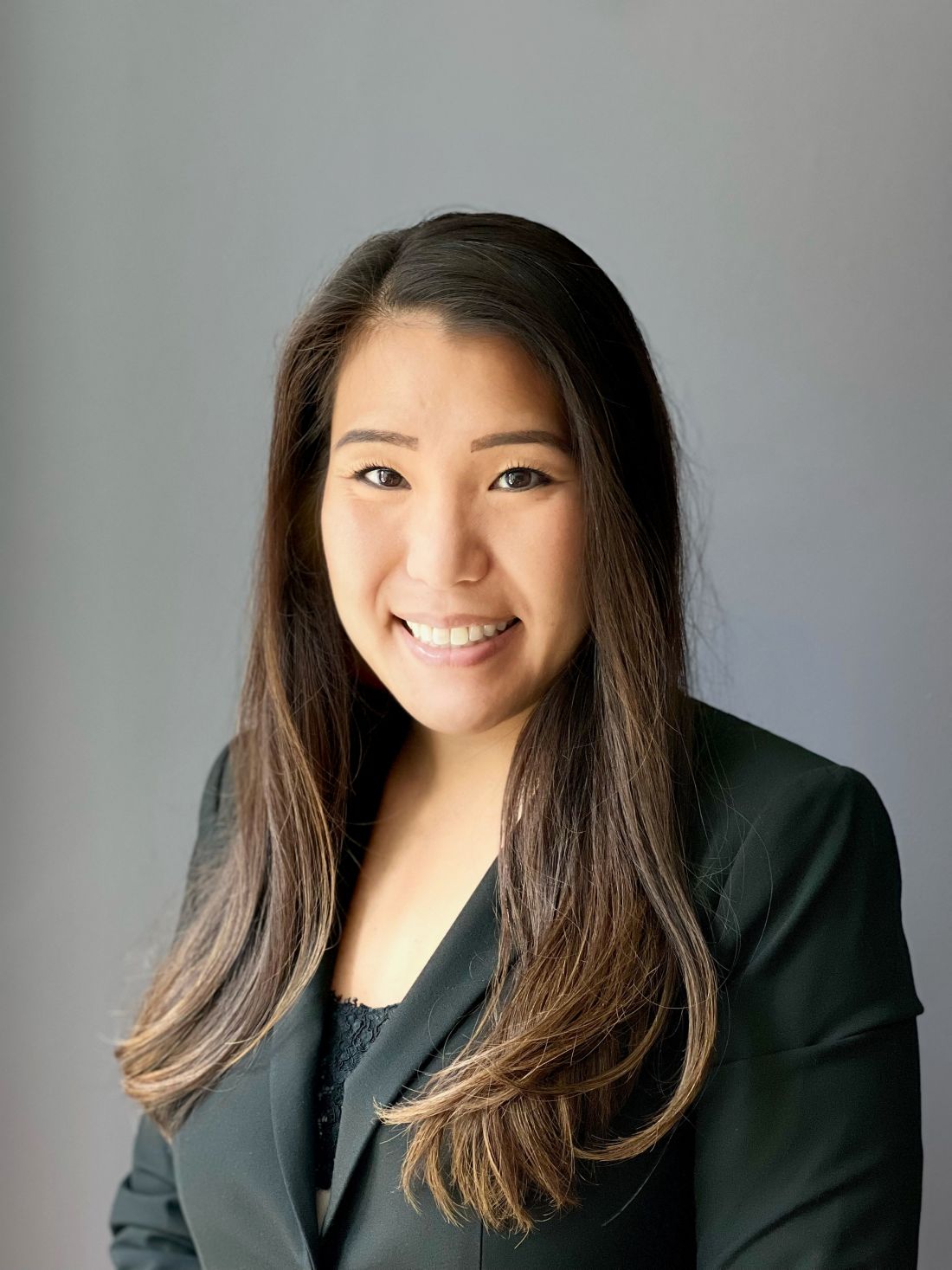
Judy A. Trieu, MD, MPH
Editor-in-Chief
Interventional Endoscopy, Division of Gastroenterology
Washington University in St. Louis
Dear Friends,
After 6 months in my first faculty position, I have come to appreciate the term “multidisciplinary approach” more than ever. Not only does this facilitate optimal patient care, but I have personally learned so much from experts in other fields. This theme resonates across this issue of The New Gastroenterologist, from treating complex gallbladder disease, to caring for sexual and gender minorities, and collaborating with the tech industry to advance patient care.
Our “In Focus” feature, written by Dr. Andrew Gilman and Dr. Todd Baron, is on endoscopic management of gallbladder disease. They review endoscopic treatment options in patients with benign gallbladder disease, with emphasis on working with surgical and interventional radiology colleagues, as well as relaying endoscopic tips and techniques to achieve success in these complicated procedures.
In the “Short Clinical Reviews” section, Dr. David Chiang and Dr. Victor Chedid highlight the gaps in research and clinical care and competency for sexual and gender minorities, particularly in patients with inflammatory bowel disease. They describe the creation of the Pride in IBD clinic at Mayo Clinic in Rochester, Minn., that creates a culturally sensitive space to care for this community.
As trainees transition to early faculty, becoming a mentor is a new role that can be very rewarding and daunting at the same time. Dr. Anna Lok, recipient of the AGA’s Distinguished Mentor Award, and Dr. Vincent Chen share invaluable experiences and advice on being a mentor from senior and early-career perspectives, respectively. Similarly in the transition to early faculty, Erin Anderson, CPA, answers five common financial questions that arise to better understand and manage a significant increase in salary.
Lastly, Dr. Shifa Umar describes her unique experience as part of the AGA’s annual Tech Summit Fellows Program, a cross-section of medicine, technology, and innovation.
If you are interested in contributing or have ideas for future TNG topics, please contact me (tjudy@wustl.edu), or Jillian Schweitzer (jschweitzer@gastro.org), managing editor of TNG.
Until next time, I leave you with a historical fun fact because we would not be where we are now without appreciating where we were: The concept of the clinicopathologic conference (CPC) was introduced by Dr. Walter B. Cannon as a medical student at Harvard Medical School.
Yours truly,
Judy A. Trieu, MD, MPH
Editor-in-Chief
Interventional Endoscopy, Division of Gastroenterology
Washington University in St. Louis
Dear Friends,
After 6 months in my first faculty position, I have come to appreciate the term “multidisciplinary approach” more than ever. Not only does this facilitate optimal patient care, but I have personally learned so much from experts in other fields. This theme resonates across this issue of The New Gastroenterologist, from treating complex gallbladder disease, to caring for sexual and gender minorities, and collaborating with the tech industry to advance patient care.
Our “In Focus” feature, written by Dr. Andrew Gilman and Dr. Todd Baron, is on endoscopic management of gallbladder disease. They review endoscopic treatment options in patients with benign gallbladder disease, with emphasis on working with surgical and interventional radiology colleagues, as well as relaying endoscopic tips and techniques to achieve success in these complicated procedures.
In the “Short Clinical Reviews” section, Dr. David Chiang and Dr. Victor Chedid highlight the gaps in research and clinical care and competency for sexual and gender minorities, particularly in patients with inflammatory bowel disease. They describe the creation of the Pride in IBD clinic at Mayo Clinic in Rochester, Minn., that creates a culturally sensitive space to care for this community.
As trainees transition to early faculty, becoming a mentor is a new role that can be very rewarding and daunting at the same time. Dr. Anna Lok, recipient of the AGA’s Distinguished Mentor Award, and Dr. Vincent Chen share invaluable experiences and advice on being a mentor from senior and early-career perspectives, respectively. Similarly in the transition to early faculty, Erin Anderson, CPA, answers five common financial questions that arise to better understand and manage a significant increase in salary.
Lastly, Dr. Shifa Umar describes her unique experience as part of the AGA’s annual Tech Summit Fellows Program, a cross-section of medicine, technology, and innovation.
If you are interested in contributing or have ideas for future TNG topics, please contact me (tjudy@wustl.edu), or Jillian Schweitzer (jschweitzer@gastro.org), managing editor of TNG.
Until next time, I leave you with a historical fun fact because we would not be where we are now without appreciating where we were: The concept of the clinicopathologic conference (CPC) was introduced by Dr. Walter B. Cannon as a medical student at Harvard Medical School.
Yours truly,
Judy A. Trieu, MD, MPH
Editor-in-Chief
Interventional Endoscopy, Division of Gastroenterology
Washington University in St. Louis
Gastroenterologist advocates for fair coverage, reduced physician burden
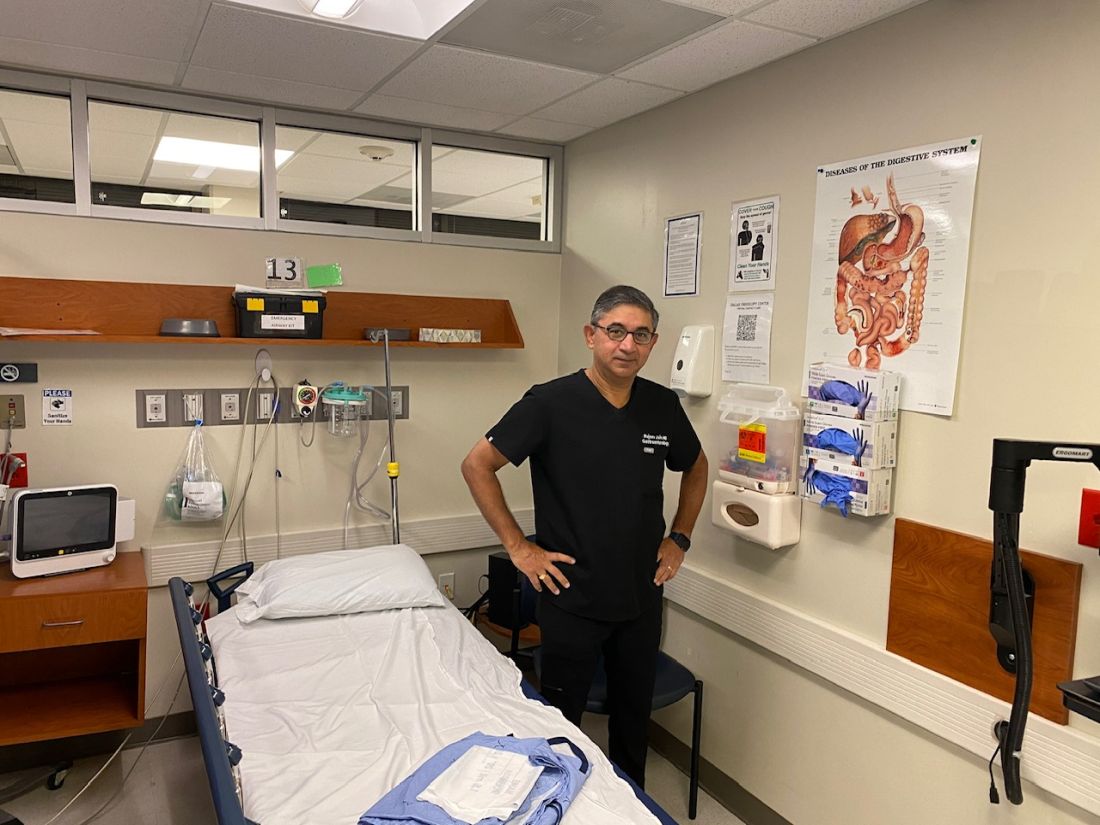
Faced with an opportunity to advocate for patients, Rajeev Jain, MD, AGAF, is never afraid to speak up. He recently spoke out publicly against a major payer’s new advance notification process for colonoscopy and endoscopy procedures, cautioning it was a glidepath toward far-reaching prior authorization requirements.
UnitedHealthcare plans to collect a larger scope of data for this new policy, “which I fear will disrupt and deny patients’ access to lifesaving care,” Dr. Jain, a gastroenterologist with Texas Digestive Disease Consultants and a member of the American Gastroenterological Association’s (AGA) Prior Authorization Reform Task Force, wrote in an opinion piece in the Dallas Morning News.
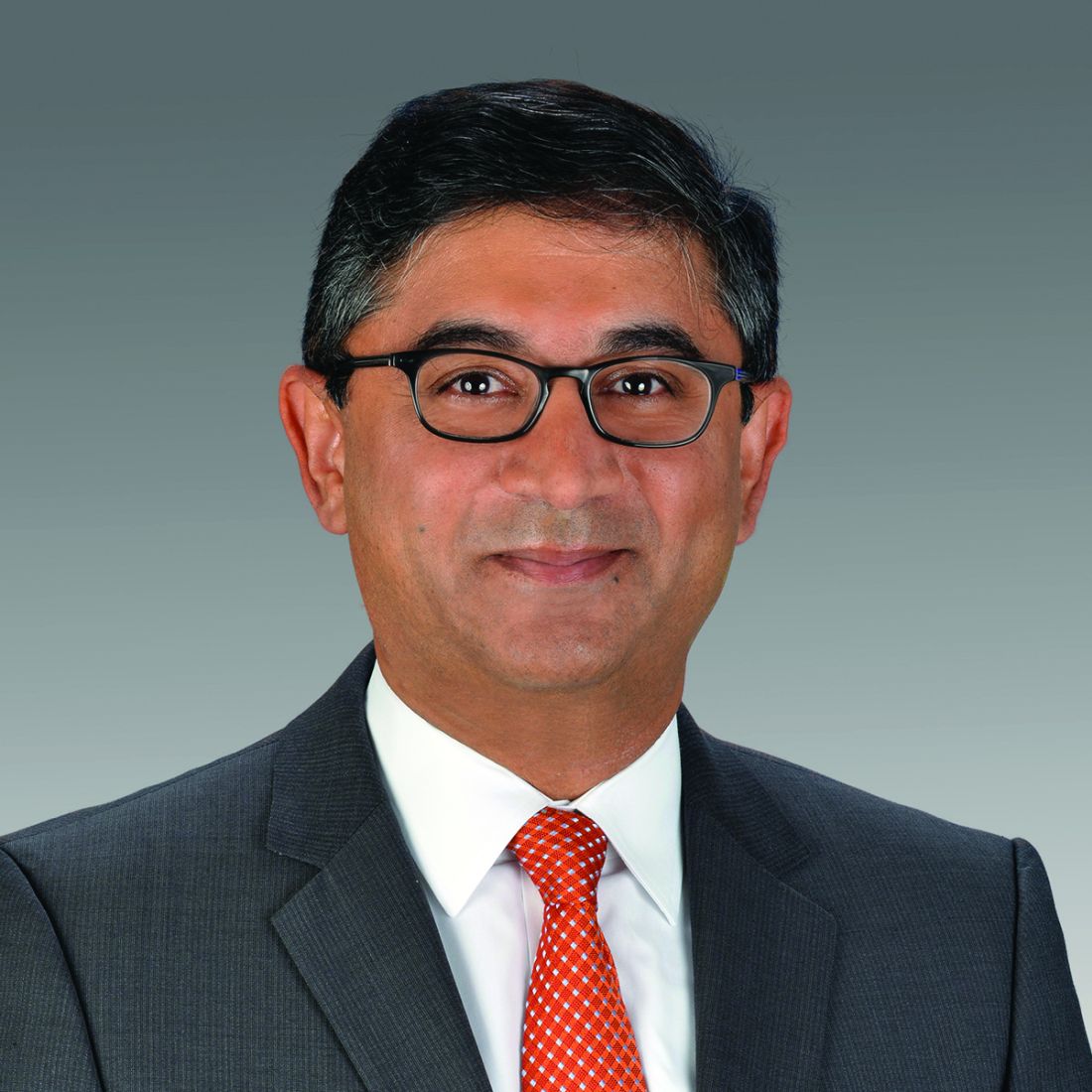
Insurance coverage should be fair to the end goal of taking good care of patients, said Dr. Jain. “And if they’re putting processes in place, which are solely to be an impediment to excellent care, then that’s not right.”
Through his extensive participation in AGA panels and other influential groups, Dr. Jain has sought to improve clinical practice and reduce physician burnout. As Director and now Chair of the Board of Directors” of the American Board of Internal Medicine, Dr. Jain participated in conversations to make the maintenance of certification (MOC) process more accessible and less burdensome for doctors.
People spent a lot of time studying for ABIM’s 10-year MOC exam, sometimes even taking a course to help them pass. Now, there’s an option in all specialties to take a 30-question exam every quarter.
On average, it takes someone roughly 2 minutes to answer each question on this short exam. “Per quarter, you’re roughly spending an hour to do that instead of taking a big 10-year exam, where people were spending money and missing work,” said Dr. Jain. This modality enables physicians to meet credentialing requirements “in a way that it meets many of the desires of our practitioners,” he added.
Dr. Jain expounded on his work to advocate for patients and physicians in an interview.
Q: I’d like to discuss your opinion piece on UnitedHealthcare’s advanced notification process. Where does that policy stand now? I’m wondering if your opinion piece led to any changes.
Dr. Jain: There’s not a metric I can use to measure its success. But I will tell you this: I’ve had numerous patients mention to me, “Hey, I saw your article in the Dallas Morning News. That was great.” And that would lead to a conversation.
Q: Why do you think UHC’s policy was a tool for prior authorization?
Dr. Jain: Imagine you go to see a gastroenterologist in clinic, and the GI believes you need a procedure for certain symptoms or abnormal laboratory tests or imaging. It’s not a screening procedure. It’s a diagnostic procedure. Now, the insurance company is going to say, “Well, we can’t schedule that until you do a preauthorization.”
That could take a day. It could take a week. It could take longer. And now, the patient has lost that moment where they can get this settled. It’s not just the schedule for the patient. They’re going to get anesthesia, be it conscious sedation or deeper sedation, and they’re going to need a ride home. They have to coordinate things with family members or friends. Those little logistics add up to a lot of times why patients cancel or don’t show up or don’t follow through, because we couldn’t get it scheduled at that moment.
I feel like we are trying to attack this problem from many different angles, and my opinion piece was one of those tactics. The patients and the rank-and-file gastroenterologists appreciate the AGA being at the forefront of this issue.
Q: Your interests range from colon cancer to Barrett’s esophagus and inflammatory bowel disease (IBD). Is there an area of focus you feel passionate about?
Dr. Jain: Through AGA, I was the cochair of the IBD Parenthood Project, which convened subject-matter experts outside of GI, including maternal-fetal medicine, lactation experts, and patients. We came up with a care pathway for women in their reproductive years who have inflammatory bowel disease, including how they should think about family planning and what they should do during pregnancy and then the postpartum. Those kinds of things have really kept me energized. It’s sort of an antidote to burnout.
Q: Who are your mentors?
Dr. Jain: I would say the late Dan Foster, MD, who was the chair of medicine at UT Southwestern, and Mark Feldman, MD, AGAF, who held leadership roles at the Dallas VA Medical Center and then Texas Health Dallas. He retired a few years ago. They both expected physicians to understand the knowledge of how we were taking care of the patient and our professionalism. There’s also my senior partner, Peter Loeb, MD, AGAF, who’s now retired. He had an insatiable appetite for knowledge. Every time I’d come back from a meeting, he’d say, “Rajeev, tell me three things you learned.” He always kept patients as the primary North Star; that whatever we did, we were thinking, “Is it best for the patient?”
Lightning Round:
Favorite type of music?
1980s alternative
Favorite movie genre?
Comedy
Cat person or dog person?
Dog
Favorite sport:
College football
What song do you have to sing along with when you hear it?
“I Ran,” by a Flock of Seagulls
Faced with an opportunity to advocate for patients, Rajeev Jain, MD, AGAF, is never afraid to speak up. He recently spoke out publicly against a major payer’s new advance notification process for colonoscopy and endoscopy procedures, cautioning it was a glidepath toward far-reaching prior authorization requirements.
UnitedHealthcare plans to collect a larger scope of data for this new policy, “which I fear will disrupt and deny patients’ access to lifesaving care,” Dr. Jain, a gastroenterologist with Texas Digestive Disease Consultants and a member of the American Gastroenterological Association’s (AGA) Prior Authorization Reform Task Force, wrote in an opinion piece in the Dallas Morning News.
Insurance coverage should be fair to the end goal of taking good care of patients, said Dr. Jain. “And if they’re putting processes in place, which are solely to be an impediment to excellent care, then that’s not right.”
Through his extensive participation in AGA panels and other influential groups, Dr. Jain has sought to improve clinical practice and reduce physician burnout. As Director and now Chair of the Board of Directors” of the American Board of Internal Medicine, Dr. Jain participated in conversations to make the maintenance of certification (MOC) process more accessible and less burdensome for doctors.
People spent a lot of time studying for ABIM’s 10-year MOC exam, sometimes even taking a course to help them pass. Now, there’s an option in all specialties to take a 30-question exam every quarter.
On average, it takes someone roughly 2 minutes to answer each question on this short exam. “Per quarter, you’re roughly spending an hour to do that instead of taking a big 10-year exam, where people were spending money and missing work,” said Dr. Jain. This modality enables physicians to meet credentialing requirements “in a way that it meets many of the desires of our practitioners,” he added.
Dr. Jain expounded on his work to advocate for patients and physicians in an interview.
Q: I’d like to discuss your opinion piece on UnitedHealthcare’s advanced notification process. Where does that policy stand now? I’m wondering if your opinion piece led to any changes.
Dr. Jain: There’s not a metric I can use to measure its success. But I will tell you this: I’ve had numerous patients mention to me, “Hey, I saw your article in the Dallas Morning News. That was great.” And that would lead to a conversation.
Q: Why do you think UHC’s policy was a tool for prior authorization?
Dr. Jain: Imagine you go to see a gastroenterologist in clinic, and the GI believes you need a procedure for certain symptoms or abnormal laboratory tests or imaging. It’s not a screening procedure. It’s a diagnostic procedure. Now, the insurance company is going to say, “Well, we can’t schedule that until you do a preauthorization.”
That could take a day. It could take a week. It could take longer. And now, the patient has lost that moment where they can get this settled. It’s not just the schedule for the patient. They’re going to get anesthesia, be it conscious sedation or deeper sedation, and they’re going to need a ride home. They have to coordinate things with family members or friends. Those little logistics add up to a lot of times why patients cancel or don’t show up or don’t follow through, because we couldn’t get it scheduled at that moment.
I feel like we are trying to attack this problem from many different angles, and my opinion piece was one of those tactics. The patients and the rank-and-file gastroenterologists appreciate the AGA being at the forefront of this issue.
Q: Your interests range from colon cancer to Barrett’s esophagus and inflammatory bowel disease (IBD). Is there an area of focus you feel passionate about?
Dr. Jain: Through AGA, I was the cochair of the IBD Parenthood Project, which convened subject-matter experts outside of GI, including maternal-fetal medicine, lactation experts, and patients. We came up with a care pathway for women in their reproductive years who have inflammatory bowel disease, including how they should think about family planning and what they should do during pregnancy and then the postpartum. Those kinds of things have really kept me energized. It’s sort of an antidote to burnout.
Q: Who are your mentors?
Dr. Jain: I would say the late Dan Foster, MD, who was the chair of medicine at UT Southwestern, and Mark Feldman, MD, AGAF, who held leadership roles at the Dallas VA Medical Center and then Texas Health Dallas. He retired a few years ago. They both expected physicians to understand the knowledge of how we were taking care of the patient and our professionalism. There’s also my senior partner, Peter Loeb, MD, AGAF, who’s now retired. He had an insatiable appetite for knowledge. Every time I’d come back from a meeting, he’d say, “Rajeev, tell me three things you learned.” He always kept patients as the primary North Star; that whatever we did, we were thinking, “Is it best for the patient?”
Lightning Round:
Favorite type of music?
1980s alternative
Favorite movie genre?
Comedy
Cat person or dog person?
Dog
Favorite sport:
College football
What song do you have to sing along with when you hear it?
“I Ran,” by a Flock of Seagulls
Faced with an opportunity to advocate for patients, Rajeev Jain, MD, AGAF, is never afraid to speak up. He recently spoke out publicly against a major payer’s new advance notification process for colonoscopy and endoscopy procedures, cautioning it was a glidepath toward far-reaching prior authorization requirements.
UnitedHealthcare plans to collect a larger scope of data for this new policy, “which I fear will disrupt and deny patients’ access to lifesaving care,” Dr. Jain, a gastroenterologist with Texas Digestive Disease Consultants and a member of the American Gastroenterological Association’s (AGA) Prior Authorization Reform Task Force, wrote in an opinion piece in the Dallas Morning News.
Insurance coverage should be fair to the end goal of taking good care of patients, said Dr. Jain. “And if they’re putting processes in place, which are solely to be an impediment to excellent care, then that’s not right.”
Through his extensive participation in AGA panels and other influential groups, Dr. Jain has sought to improve clinical practice and reduce physician burnout. As Director and now Chair of the Board of Directors” of the American Board of Internal Medicine, Dr. Jain participated in conversations to make the maintenance of certification (MOC) process more accessible and less burdensome for doctors.
People spent a lot of time studying for ABIM’s 10-year MOC exam, sometimes even taking a course to help them pass. Now, there’s an option in all specialties to take a 30-question exam every quarter.
On average, it takes someone roughly 2 minutes to answer each question on this short exam. “Per quarter, you’re roughly spending an hour to do that instead of taking a big 10-year exam, where people were spending money and missing work,” said Dr. Jain. This modality enables physicians to meet credentialing requirements “in a way that it meets many of the desires of our practitioners,” he added.
Dr. Jain expounded on his work to advocate for patients and physicians in an interview.
Q: I’d like to discuss your opinion piece on UnitedHealthcare’s advanced notification process. Where does that policy stand now? I’m wondering if your opinion piece led to any changes.
Dr. Jain: There’s not a metric I can use to measure its success. But I will tell you this: I’ve had numerous patients mention to me, “Hey, I saw your article in the Dallas Morning News. That was great.” And that would lead to a conversation.
Q: Why do you think UHC’s policy was a tool for prior authorization?
Dr. Jain: Imagine you go to see a gastroenterologist in clinic, and the GI believes you need a procedure for certain symptoms or abnormal laboratory tests or imaging. It’s not a screening procedure. It’s a diagnostic procedure. Now, the insurance company is going to say, “Well, we can’t schedule that until you do a preauthorization.”
That could take a day. It could take a week. It could take longer. And now, the patient has lost that moment where they can get this settled. It’s not just the schedule for the patient. They’re going to get anesthesia, be it conscious sedation or deeper sedation, and they’re going to need a ride home. They have to coordinate things with family members or friends. Those little logistics add up to a lot of times why patients cancel or don’t show up or don’t follow through, because we couldn’t get it scheduled at that moment.
I feel like we are trying to attack this problem from many different angles, and my opinion piece was one of those tactics. The patients and the rank-and-file gastroenterologists appreciate the AGA being at the forefront of this issue.
Q: Your interests range from colon cancer to Barrett’s esophagus and inflammatory bowel disease (IBD). Is there an area of focus you feel passionate about?
Dr. Jain: Through AGA, I was the cochair of the IBD Parenthood Project, which convened subject-matter experts outside of GI, including maternal-fetal medicine, lactation experts, and patients. We came up with a care pathway for women in their reproductive years who have inflammatory bowel disease, including how they should think about family planning and what they should do during pregnancy and then the postpartum. Those kinds of things have really kept me energized. It’s sort of an antidote to burnout.
Q: Who are your mentors?
Dr. Jain: I would say the late Dan Foster, MD, who was the chair of medicine at UT Southwestern, and Mark Feldman, MD, AGAF, who held leadership roles at the Dallas VA Medical Center and then Texas Health Dallas. He retired a few years ago. They both expected physicians to understand the knowledge of how we were taking care of the patient and our professionalism. There’s also my senior partner, Peter Loeb, MD, AGAF, who’s now retired. He had an insatiable appetite for knowledge. Every time I’d come back from a meeting, he’d say, “Rajeev, tell me three things you learned.” He always kept patients as the primary North Star; that whatever we did, we were thinking, “Is it best for the patient?”
Lightning Round:
Favorite type of music?
1980s alternative
Favorite movie genre?
Comedy
Cat person or dog person?
Dog
Favorite sport:
College football
What song do you have to sing along with when you hear it?
“I Ran,” by a Flock of Seagulls
Doctors With Limited Vacation Have Increased Burnout Risk
A recent study sheds light on the heightened risk for burnout among physicians who take infrequent vacations and engage in patient-related work during their time off.
Conducted by the American Medical Association (AMA), the study focuses on the United States, where labor regulations regarding vacation days and compensation differ from German norms. Despite this distinction, it provides valuable insights into the vacation behavior of doctors and its potential impact on burnout risk.
Christine A. Sinsky, MD, study author and senior physician advisor for physician satisfaction at the AMA, and her colleagues invited more than 90,000 physicians to participate in a survey that used postal and computer-based methods. In all, 3024 physicians, mainly those contacted by mail, filled out the questionnaire.
Limited Vacation Days
A significant proportion (59.6%) of respondents reported having taken fewer than 15 vacation days in the previous year, with nearly 20% taking fewer than 5 days off. Even when officially on vacation, most (70.4%) found themselves dealing with patient-related tasks. For one-third, these tasks consumed at least 30 minutes on a typical vacation day, often longer. This phenomenon was noted especially among female physicians.
Doctors who took less vacation and worked during their time off displayed higher emotional exhaustion and reported feeling less fulfilled in their profession.
Administrative Tasks
Administrative tasks, though no longer confined to paper, significantly influenced physicians’ vacation behavior. In the United States, handling messages from patients through the electronic health records (EHR) inbox demands a considerable amount of time.
Courses and tutorials on EHR inbox management are on the rise. A 2023 review linked electronic health records management to an increased burnout risk in the US medical community.
Lack of Coverage
Many physicians lack coverage for their EHR inbox during their absence. Less than half (49.1%) stated that someone else manages their inbox while they are on vacation.
Difficulty in finding coverage, whether for the EHR inbox or patient care, is a leading reason why many physicians seldom take more than 3 weeks of vacation per year. Financial considerations also contribute to this decision, as revealed in the survey.
Vacation Lowers Risk
Further analysis showed that doctors who took more than 3 weeks of vacation per year, which is not common, had a lower risk of developing burnout. Having coverage for vacation was also associated with reduced burnout risk and increased professional fulfillment.
However, these benefits applied only when physicians truly took a break during their vacation. Respondents who spent 30 minutes or more per day on patient-related work had a higher burnout risk. The risk was 1.58 times greater for 30-60 minutes, 1.97 times greater for 60-90 minutes, and 1.92 times greater for more than 90 minutes.
System-Level Interventions
The vacation behavior observed in this study likely exacerbates the effects of chronic workplace overload that are associated with long working hours, thus increasing the risk for burnout, according to the researchers.
“System-level measures must be implemented to ensure physicians take an appropriate number of vacation days,” wrote the researchers. “This includes having coverage available to handle clinical activities and administrative tasks, such as managing the EHR inbox. This could potentially reduce the burnout rate among physicians.”
This article was translated from the Medscape German edition. A version of this article appeared on Medscape.com.
A recent study sheds light on the heightened risk for burnout among physicians who take infrequent vacations and engage in patient-related work during their time off.
Conducted by the American Medical Association (AMA), the study focuses on the United States, where labor regulations regarding vacation days and compensation differ from German norms. Despite this distinction, it provides valuable insights into the vacation behavior of doctors and its potential impact on burnout risk.
Christine A. Sinsky, MD, study author and senior physician advisor for physician satisfaction at the AMA, and her colleagues invited more than 90,000 physicians to participate in a survey that used postal and computer-based methods. In all, 3024 physicians, mainly those contacted by mail, filled out the questionnaire.
Limited Vacation Days
A significant proportion (59.6%) of respondents reported having taken fewer than 15 vacation days in the previous year, with nearly 20% taking fewer than 5 days off. Even when officially on vacation, most (70.4%) found themselves dealing with patient-related tasks. For one-third, these tasks consumed at least 30 minutes on a typical vacation day, often longer. This phenomenon was noted especially among female physicians.
Doctors who took less vacation and worked during their time off displayed higher emotional exhaustion and reported feeling less fulfilled in their profession.
Administrative Tasks
Administrative tasks, though no longer confined to paper, significantly influenced physicians’ vacation behavior. In the United States, handling messages from patients through the electronic health records (EHR) inbox demands a considerable amount of time.
Courses and tutorials on EHR inbox management are on the rise. A 2023 review linked electronic health records management to an increased burnout risk in the US medical community.
Lack of Coverage
Many physicians lack coverage for their EHR inbox during their absence. Less than half (49.1%) stated that someone else manages their inbox while they are on vacation.
Difficulty in finding coverage, whether for the EHR inbox or patient care, is a leading reason why many physicians seldom take more than 3 weeks of vacation per year. Financial considerations also contribute to this decision, as revealed in the survey.
Vacation Lowers Risk
Further analysis showed that doctors who took more than 3 weeks of vacation per year, which is not common, had a lower risk of developing burnout. Having coverage for vacation was also associated with reduced burnout risk and increased professional fulfillment.
However, these benefits applied only when physicians truly took a break during their vacation. Respondents who spent 30 minutes or more per day on patient-related work had a higher burnout risk. The risk was 1.58 times greater for 30-60 minutes, 1.97 times greater for 60-90 minutes, and 1.92 times greater for more than 90 minutes.
System-Level Interventions
The vacation behavior observed in this study likely exacerbates the effects of chronic workplace overload that are associated with long working hours, thus increasing the risk for burnout, according to the researchers.
“System-level measures must be implemented to ensure physicians take an appropriate number of vacation days,” wrote the researchers. “This includes having coverage available to handle clinical activities and administrative tasks, such as managing the EHR inbox. This could potentially reduce the burnout rate among physicians.”
This article was translated from the Medscape German edition. A version of this article appeared on Medscape.com.
A recent study sheds light on the heightened risk for burnout among physicians who take infrequent vacations and engage in patient-related work during their time off.
Conducted by the American Medical Association (AMA), the study focuses on the United States, where labor regulations regarding vacation days and compensation differ from German norms. Despite this distinction, it provides valuable insights into the vacation behavior of doctors and its potential impact on burnout risk.
Christine A. Sinsky, MD, study author and senior physician advisor for physician satisfaction at the AMA, and her colleagues invited more than 90,000 physicians to participate in a survey that used postal and computer-based methods. In all, 3024 physicians, mainly those contacted by mail, filled out the questionnaire.
Limited Vacation Days
A significant proportion (59.6%) of respondents reported having taken fewer than 15 vacation days in the previous year, with nearly 20% taking fewer than 5 days off. Even when officially on vacation, most (70.4%) found themselves dealing with patient-related tasks. For one-third, these tasks consumed at least 30 minutes on a typical vacation day, often longer. This phenomenon was noted especially among female physicians.
Doctors who took less vacation and worked during their time off displayed higher emotional exhaustion and reported feeling less fulfilled in their profession.
Administrative Tasks
Administrative tasks, though no longer confined to paper, significantly influenced physicians’ vacation behavior. In the United States, handling messages from patients through the electronic health records (EHR) inbox demands a considerable amount of time.
Courses and tutorials on EHR inbox management are on the rise. A 2023 review linked electronic health records management to an increased burnout risk in the US medical community.
Lack of Coverage
Many physicians lack coverage for their EHR inbox during their absence. Less than half (49.1%) stated that someone else manages their inbox while they are on vacation.
Difficulty in finding coverage, whether for the EHR inbox or patient care, is a leading reason why many physicians seldom take more than 3 weeks of vacation per year. Financial considerations also contribute to this decision, as revealed in the survey.
Vacation Lowers Risk
Further analysis showed that doctors who took more than 3 weeks of vacation per year, which is not common, had a lower risk of developing burnout. Having coverage for vacation was also associated with reduced burnout risk and increased professional fulfillment.
However, these benefits applied only when physicians truly took a break during their vacation. Respondents who spent 30 minutes or more per day on patient-related work had a higher burnout risk. The risk was 1.58 times greater for 30-60 minutes, 1.97 times greater for 60-90 minutes, and 1.92 times greater for more than 90 minutes.
System-Level Interventions
The vacation behavior observed in this study likely exacerbates the effects of chronic workplace overload that are associated with long working hours, thus increasing the risk for burnout, according to the researchers.
“System-level measures must be implemented to ensure physicians take an appropriate number of vacation days,” wrote the researchers. “This includes having coverage available to handle clinical activities and administrative tasks, such as managing the EHR inbox. This could potentially reduce the burnout rate among physicians.”
This article was translated from the Medscape German edition. A version of this article appeared on Medscape.com.
Stockholm3 Prostate Test Bests PSA for Prostate Cancer Risk in North America
The Stockholm3 (A3P Biomedical) multiparametic blood test has shown accuracy in assessing the risk of prostate cancer, exceeding that of the standard prostate-specific antigen (PSA)-based test, in Swedish patients.
“The Stockholm3 outperformed the PSA test overall and in every subcohort, with an impressive reduction of unnecessary biopsies of 40% to 50%, while maintaining relative sensitivity,” first author Scott E. Eggener, MD, said in presenting the findings at the ASCO Genitourinary Cancers Symposium. The test “has attractive characteristics in a diverse cohort, including within various racial and ethnic subgroups,” added Dr. Eggener, professor of surgery and radiology at the University of Chicago.
While the PSA test, the standard-of-care in prostate cancer risk assessment, reduces mortality, the test is known to have a risk for false positive results, leading to unnecessary prostate biopsies, as well as overdiagnosis of low-risk prostate cancers, Dr. Eggener explained in his talk.
Randomized trials do show “fewer men die from prostate cancer with screening [with PSA testing], however, the likelihood of unnecessarily finding out about a cancer, undergoing treatment, and exposure to potential treatment-related side effects is significantly higher,” Dr. Eggener said in a interview.
The Stockholm3 clinical diagnostic prostate cancer test, which has been used in Sweden and Norway since 2017, was validated in a sample of nearly 60,000 men in the STHLM3 study (doi: 10.1016/S1470-2045[15]00361-7), which was published in The Lancet Oncology in December 2015. That study showed significant improvement over PSA alone detection of prostate cancers with a Gleason score of at least 7 (P < .0001), Dr. Eggener explained.
The test combines five plasma protein markers, including total and free PSA, PSP94, GDF-15 and KLK2, along with 101 genetic markers and clinical patient data, including age, previous biopsy results and family history.
Because the Stockholm3 test was validated in a Swedish population cohort, evidence on the accuracy of the test in other racial and ethnic populations is lacking, the authors noted in the abstract.
Study Methods and Results
To further investigate, Dr. Eggener and his colleagues conducted the prospective SEPTA trial, involving 2,129 men with no known prostate cancer but clinical indications for prostate biopsy, who were referred for prostate biopsy at 17 North American sites between 2019 and 2023.
Among the men, 24% were self-identified as African American/Black; 46% were White/Caucasian; 14% were Hispanic/Latina; and 16% were Asian. The men’s median age was 63; their median PSA value was 6.1 ng/mL, according to the abstract.
Of the patients, 16% received magnetic resonance imaging (MRI)-targeted biopsies and 20% had prior benign biopsies, the abstract notes.
Biopsy results showed that clinically significant prostate cancer, defined as International Society of Urological Pathology (ISUP) Gleason Grade group ≥ 2, was detected in 29% of patients, with 14% having ISUP 1 cancer and 57% of cases having been benign, according to the abstract.
Overall detection rates of grade 2 or higher were 37% for African American/Black, 28% for White/Caucasian, 29% for Hispanic/Latino, and 21% Asian.
In terms of sensitivity of the two tests, the Stockholm3 (cut-point of ≥ 15) was noninferior compared with the traditional PSA cut-point of ≥ 4 ng/mL (relative sensitivity 0.95).
Results were consistent across ethnic subgroups: noninferior sensitivity (0.91-0.98) and superior specificity (2.51-4.70), the abstract authors reported.
Compared with the use of the PSA test’s cut-point of ≥ 4 ng/mL, the use of Stockholm3’s cut-point of ≥ 15 or higher would have reduced unnecessary biopsies by 45% overall, including by 46% among Asian and Black/African American patients, by 53% in Hispanic patients and 42% in White patients, according to the abstract.
Overall, “utilization of Stockholm3 improves the net benefit:harm ratio of PSA screening by identifying nearly all men with Gleason Grade 2 or higher, while minimizing the number of men undergoing biopsy who show no cancer or an indolent cancer (Gleason Grade 1),” Dr. Eggener said in an interview.
Stockholm3 Expected to be Available in U.S. This Year
The test, which has been available in Sweden since 2018, is expected to become commercially available in the United States in early 2024. Dr. Eggener noted that “cost of the test hasn’t been finalized, but will be considerably more expensive than PSA, which is very cheap.”
Commenting on the findings, Bradley McGregor, MD, of the Dana Farber Cancer Institute and an ASCO oncology expert, noted that “ultimately, the goal [of prostate screening] is to be able to better decide when a biopsy is going to yield a clinically relevant prostate cancer, [and] this study gives us some insight of the use of the Stockholm3 tool in a more diverse population.
“How the tool will be utilized in the clinic and in guidelines is something that is a work in progress,” he added. “But I think this provides some reassurances that this will have implications beyond just the homogeneous populations in the original studies.”
Dr. McGregor noted that considerations of the issue of cost should be weighed against the potential costs involved in unnecessary biopsies and a host of other costs that can arise with an inaccurate risk assessment.
“If there is a way to avoid those costs and help us have more confidence in the prostate test results and intervene at an earlier stage, I think that’s exciting,” he said.
Dr. Eggener has consulted for A3P Biomedical but had no financial relationship with the company to disclose.
The Stockholm3 (A3P Biomedical) multiparametic blood test has shown accuracy in assessing the risk of prostate cancer, exceeding that of the standard prostate-specific antigen (PSA)-based test, in Swedish patients.
“The Stockholm3 outperformed the PSA test overall and in every subcohort, with an impressive reduction of unnecessary biopsies of 40% to 50%, while maintaining relative sensitivity,” first author Scott E. Eggener, MD, said in presenting the findings at the ASCO Genitourinary Cancers Symposium. The test “has attractive characteristics in a diverse cohort, including within various racial and ethnic subgroups,” added Dr. Eggener, professor of surgery and radiology at the University of Chicago.
While the PSA test, the standard-of-care in prostate cancer risk assessment, reduces mortality, the test is known to have a risk for false positive results, leading to unnecessary prostate biopsies, as well as overdiagnosis of low-risk prostate cancers, Dr. Eggener explained in his talk.
Randomized trials do show “fewer men die from prostate cancer with screening [with PSA testing], however, the likelihood of unnecessarily finding out about a cancer, undergoing treatment, and exposure to potential treatment-related side effects is significantly higher,” Dr. Eggener said in a interview.
The Stockholm3 clinical diagnostic prostate cancer test, which has been used in Sweden and Norway since 2017, was validated in a sample of nearly 60,000 men in the STHLM3 study (doi: 10.1016/S1470-2045[15]00361-7), which was published in The Lancet Oncology in December 2015. That study showed significant improvement over PSA alone detection of prostate cancers with a Gleason score of at least 7 (P < .0001), Dr. Eggener explained.
The test combines five plasma protein markers, including total and free PSA, PSP94, GDF-15 and KLK2, along with 101 genetic markers and clinical patient data, including age, previous biopsy results and family history.
Because the Stockholm3 test was validated in a Swedish population cohort, evidence on the accuracy of the test in other racial and ethnic populations is lacking, the authors noted in the abstract.
Study Methods and Results
To further investigate, Dr. Eggener and his colleagues conducted the prospective SEPTA trial, involving 2,129 men with no known prostate cancer but clinical indications for prostate biopsy, who were referred for prostate biopsy at 17 North American sites between 2019 and 2023.
Among the men, 24% were self-identified as African American/Black; 46% were White/Caucasian; 14% were Hispanic/Latina; and 16% were Asian. The men’s median age was 63; their median PSA value was 6.1 ng/mL, according to the abstract.
Of the patients, 16% received magnetic resonance imaging (MRI)-targeted biopsies and 20% had prior benign biopsies, the abstract notes.
Biopsy results showed that clinically significant prostate cancer, defined as International Society of Urological Pathology (ISUP) Gleason Grade group ≥ 2, was detected in 29% of patients, with 14% having ISUP 1 cancer and 57% of cases having been benign, according to the abstract.
Overall detection rates of grade 2 or higher were 37% for African American/Black, 28% for White/Caucasian, 29% for Hispanic/Latino, and 21% Asian.
In terms of sensitivity of the two tests, the Stockholm3 (cut-point of ≥ 15) was noninferior compared with the traditional PSA cut-point of ≥ 4 ng/mL (relative sensitivity 0.95).
Results were consistent across ethnic subgroups: noninferior sensitivity (0.91-0.98) and superior specificity (2.51-4.70), the abstract authors reported.
Compared with the use of the PSA test’s cut-point of ≥ 4 ng/mL, the use of Stockholm3’s cut-point of ≥ 15 or higher would have reduced unnecessary biopsies by 45% overall, including by 46% among Asian and Black/African American patients, by 53% in Hispanic patients and 42% in White patients, according to the abstract.
Overall, “utilization of Stockholm3 improves the net benefit:harm ratio of PSA screening by identifying nearly all men with Gleason Grade 2 or higher, while minimizing the number of men undergoing biopsy who show no cancer or an indolent cancer (Gleason Grade 1),” Dr. Eggener said in an interview.
Stockholm3 Expected to be Available in U.S. This Year
The test, which has been available in Sweden since 2018, is expected to become commercially available in the United States in early 2024. Dr. Eggener noted that “cost of the test hasn’t been finalized, but will be considerably more expensive than PSA, which is very cheap.”
Commenting on the findings, Bradley McGregor, MD, of the Dana Farber Cancer Institute and an ASCO oncology expert, noted that “ultimately, the goal [of prostate screening] is to be able to better decide when a biopsy is going to yield a clinically relevant prostate cancer, [and] this study gives us some insight of the use of the Stockholm3 tool in a more diverse population.
“How the tool will be utilized in the clinic and in guidelines is something that is a work in progress,” he added. “But I think this provides some reassurances that this will have implications beyond just the homogeneous populations in the original studies.”
Dr. McGregor noted that considerations of the issue of cost should be weighed against the potential costs involved in unnecessary biopsies and a host of other costs that can arise with an inaccurate risk assessment.
“If there is a way to avoid those costs and help us have more confidence in the prostate test results and intervene at an earlier stage, I think that’s exciting,” he said.
Dr. Eggener has consulted for A3P Biomedical but had no financial relationship with the company to disclose.
The Stockholm3 (A3P Biomedical) multiparametic blood test has shown accuracy in assessing the risk of prostate cancer, exceeding that of the standard prostate-specific antigen (PSA)-based test, in Swedish patients.
“The Stockholm3 outperformed the PSA test overall and in every subcohort, with an impressive reduction of unnecessary biopsies of 40% to 50%, while maintaining relative sensitivity,” first author Scott E. Eggener, MD, said in presenting the findings at the ASCO Genitourinary Cancers Symposium. The test “has attractive characteristics in a diverse cohort, including within various racial and ethnic subgroups,” added Dr. Eggener, professor of surgery and radiology at the University of Chicago.
While the PSA test, the standard-of-care in prostate cancer risk assessment, reduces mortality, the test is known to have a risk for false positive results, leading to unnecessary prostate biopsies, as well as overdiagnosis of low-risk prostate cancers, Dr. Eggener explained in his talk.
Randomized trials do show “fewer men die from prostate cancer with screening [with PSA testing], however, the likelihood of unnecessarily finding out about a cancer, undergoing treatment, and exposure to potential treatment-related side effects is significantly higher,” Dr. Eggener said in a interview.
The Stockholm3 clinical diagnostic prostate cancer test, which has been used in Sweden and Norway since 2017, was validated in a sample of nearly 60,000 men in the STHLM3 study (doi: 10.1016/S1470-2045[15]00361-7), which was published in The Lancet Oncology in December 2015. That study showed significant improvement over PSA alone detection of prostate cancers with a Gleason score of at least 7 (P < .0001), Dr. Eggener explained.
The test combines five plasma protein markers, including total and free PSA, PSP94, GDF-15 and KLK2, along with 101 genetic markers and clinical patient data, including age, previous biopsy results and family history.
Because the Stockholm3 test was validated in a Swedish population cohort, evidence on the accuracy of the test in other racial and ethnic populations is lacking, the authors noted in the abstract.
Study Methods and Results
To further investigate, Dr. Eggener and his colleagues conducted the prospective SEPTA trial, involving 2,129 men with no known prostate cancer but clinical indications for prostate biopsy, who were referred for prostate biopsy at 17 North American sites between 2019 and 2023.
Among the men, 24% were self-identified as African American/Black; 46% were White/Caucasian; 14% were Hispanic/Latina; and 16% were Asian. The men’s median age was 63; their median PSA value was 6.1 ng/mL, according to the abstract.
Of the patients, 16% received magnetic resonance imaging (MRI)-targeted biopsies and 20% had prior benign biopsies, the abstract notes.
Biopsy results showed that clinically significant prostate cancer, defined as International Society of Urological Pathology (ISUP) Gleason Grade group ≥ 2, was detected in 29% of patients, with 14% having ISUP 1 cancer and 57% of cases having been benign, according to the abstract.
Overall detection rates of grade 2 or higher were 37% for African American/Black, 28% for White/Caucasian, 29% for Hispanic/Latino, and 21% Asian.
In terms of sensitivity of the two tests, the Stockholm3 (cut-point of ≥ 15) was noninferior compared with the traditional PSA cut-point of ≥ 4 ng/mL (relative sensitivity 0.95).
Results were consistent across ethnic subgroups: noninferior sensitivity (0.91-0.98) and superior specificity (2.51-4.70), the abstract authors reported.
Compared with the use of the PSA test’s cut-point of ≥ 4 ng/mL, the use of Stockholm3’s cut-point of ≥ 15 or higher would have reduced unnecessary biopsies by 45% overall, including by 46% among Asian and Black/African American patients, by 53% in Hispanic patients and 42% in White patients, according to the abstract.
Overall, “utilization of Stockholm3 improves the net benefit:harm ratio of PSA screening by identifying nearly all men with Gleason Grade 2 or higher, while minimizing the number of men undergoing biopsy who show no cancer or an indolent cancer (Gleason Grade 1),” Dr. Eggener said in an interview.
Stockholm3 Expected to be Available in U.S. This Year
The test, which has been available in Sweden since 2018, is expected to become commercially available in the United States in early 2024. Dr. Eggener noted that “cost of the test hasn’t been finalized, but will be considerably more expensive than PSA, which is very cheap.”
Commenting on the findings, Bradley McGregor, MD, of the Dana Farber Cancer Institute and an ASCO oncology expert, noted that “ultimately, the goal [of prostate screening] is to be able to better decide when a biopsy is going to yield a clinically relevant prostate cancer, [and] this study gives us some insight of the use of the Stockholm3 tool in a more diverse population.
“How the tool will be utilized in the clinic and in guidelines is something that is a work in progress,” he added. “But I think this provides some reassurances that this will have implications beyond just the homogeneous populations in the original studies.”
Dr. McGregor noted that considerations of the issue of cost should be weighed against the potential costs involved in unnecessary biopsies and a host of other costs that can arise with an inaccurate risk assessment.
“If there is a way to avoid those costs and help us have more confidence in the prostate test results and intervene at an earlier stage, I think that’s exciting,” he said.
Dr. Eggener has consulted for A3P Biomedical but had no financial relationship with the company to disclose.
FROM ASCO GU 2024
The Emerging Physician-Scientist Crisis in America
Recent reporting has shown that That’s a problem, because physician-scientists are uniquely equipped to make scientific discoveries in the laboratory and translate them to the clinic. Indeed, many of the discoveries that have transformed medicine for the better were made by physician-scientists. For example, Jonas Salk developed the polio vaccine, Timothy Ley sequenced the first cancer genome, and Anthony Fauci coordinated public health responses to both the HIV/AIDS and COVID-19 pandemics. Indicative of their sheer impact, at least a third and as many as half of all Nobel Prizes and Lasker Awards in physiology/medicine have gone to physician-scientists.
So why is the supply of physician-scientists shrinking so precipitously at a time when medical discoveries are being made at a record-high rate? Immunotherapy and proton therapy are transforming cancer care; RNA technology led to COVID vaccines; CRISPR is facilitating gene editing and treatment of diseases like sickle cell anemia. Yet, as exciting as medical science has become, only 1.5% of American doctors work as physician-scientists, more than a threefold drop compared with 30 years ago when the figure was a more robust 4.7%. What’s going on?
Residency training programs at prestigious academic medical centers have standard infolded research years; for example, neurosurgery residents at academic medical centers will often get 2 years of protected research time. And the National Institutes of Health has training grants dedicated to physician-scientists, such as the K08 award program. Several foundations are also dedicated to supporting early-career physician-scientists. Yet, the number of physicians deciding to become physician-scientists remains low, and, more troubling, the attrition rate of those who do decide to go this route is quite high.
The underlying issue is multifold. First, funding rates from the federal government for grants have become competitive to the point of being unrealistic. For example, the current funding rate for the flagship R01 program from the National Cancer Institute is only 12%. Promotions are typically tied to these grant awards, which means physician-scientists who are unable to acquire substantial grant funding are unable to pay for their research or win promotion — and often exit the physician-scientist track altogether.
Compounding this issue is a lack of mentorship for early-career physician-scientists. With the rise of “careerism” in medicine, senior-level physician-scientists may have less incentive to mentor those who are earlier in their careers. Rather, there seems to be greater reward to “managing up” — that is, spending time to please hospital administrators and departmental leadership. Being involved in countless committees appears to carry more value in advancing an established investigator’s career than does mentorship.
Finally, physician-scientists typically earn less than their clinician colleagues, despite juggling both scientific and clinical responsibilities. While many are comfortable with this arrangement when embarking on this track, the disparity may become untenable after a while, especially as departmental leadership will often turn to physician-scientists to fill clinical coverage gaps when faculty leave the department, or as the medical center expands to satellite centers outside the primary hospital. Indeed, physician-scientists get pulled in several directions, which can lead to burnout and attrition, with many who are highly equipped for this track ultimately hanging up their cleats and seeking more clinical or private industry–oriented opportunities.
Every academic medical center operates differently. Some clearly have done a better job than others promoting and fostering physician-scientists. What we find in the centers that manage to retain physician-scientists is leadership plays a major role: If a medical center values the importance of physician-scientists, they will do things to foster the success of those people, such as assembling mentorship committees, establishing clear criteria for promotion and career advancement, protecting research time while maintaining some level of pay equity, advocating for team science approaches, and supporting investigators in cases of gaps in federal funding. Different countries also have different models for physician-scientist training, with Germany, for example, allowing medical residents to have 3 years of protected time to engage in research after their second year of residency.
The stakes here are high. If we can’t address the physician-scientist recruitment and retention crisis in America now, we risk falling behind other countries in our ability to innovate and deliver world-class care.
Dr Chaudhuri is a tenure-track physician-scientist at Washington University in St. Louis, a Paul and Daisy Soros Fellow, and a Public Voices Fellow of The OpEd Project.
Aadel Chaudhuri, MD, PhD, has disclosed no relevant financial relationships.
A version of this article appeared on Medscape.com.
Recent reporting has shown that That’s a problem, because physician-scientists are uniquely equipped to make scientific discoveries in the laboratory and translate them to the clinic. Indeed, many of the discoveries that have transformed medicine for the better were made by physician-scientists. For example, Jonas Salk developed the polio vaccine, Timothy Ley sequenced the first cancer genome, and Anthony Fauci coordinated public health responses to both the HIV/AIDS and COVID-19 pandemics. Indicative of their sheer impact, at least a third and as many as half of all Nobel Prizes and Lasker Awards in physiology/medicine have gone to physician-scientists.
So why is the supply of physician-scientists shrinking so precipitously at a time when medical discoveries are being made at a record-high rate? Immunotherapy and proton therapy are transforming cancer care; RNA technology led to COVID vaccines; CRISPR is facilitating gene editing and treatment of diseases like sickle cell anemia. Yet, as exciting as medical science has become, only 1.5% of American doctors work as physician-scientists, more than a threefold drop compared with 30 years ago when the figure was a more robust 4.7%. What’s going on?
Residency training programs at prestigious academic medical centers have standard infolded research years; for example, neurosurgery residents at academic medical centers will often get 2 years of protected research time. And the National Institutes of Health has training grants dedicated to physician-scientists, such as the K08 award program. Several foundations are also dedicated to supporting early-career physician-scientists. Yet, the number of physicians deciding to become physician-scientists remains low, and, more troubling, the attrition rate of those who do decide to go this route is quite high.
The underlying issue is multifold. First, funding rates from the federal government for grants have become competitive to the point of being unrealistic. For example, the current funding rate for the flagship R01 program from the National Cancer Institute is only 12%. Promotions are typically tied to these grant awards, which means physician-scientists who are unable to acquire substantial grant funding are unable to pay for their research or win promotion — and often exit the physician-scientist track altogether.
Compounding this issue is a lack of mentorship for early-career physician-scientists. With the rise of “careerism” in medicine, senior-level physician-scientists may have less incentive to mentor those who are earlier in their careers. Rather, there seems to be greater reward to “managing up” — that is, spending time to please hospital administrators and departmental leadership. Being involved in countless committees appears to carry more value in advancing an established investigator’s career than does mentorship.
Finally, physician-scientists typically earn less than their clinician colleagues, despite juggling both scientific and clinical responsibilities. While many are comfortable with this arrangement when embarking on this track, the disparity may become untenable after a while, especially as departmental leadership will often turn to physician-scientists to fill clinical coverage gaps when faculty leave the department, or as the medical center expands to satellite centers outside the primary hospital. Indeed, physician-scientists get pulled in several directions, which can lead to burnout and attrition, with many who are highly equipped for this track ultimately hanging up their cleats and seeking more clinical or private industry–oriented opportunities.
Every academic medical center operates differently. Some clearly have done a better job than others promoting and fostering physician-scientists. What we find in the centers that manage to retain physician-scientists is leadership plays a major role: If a medical center values the importance of physician-scientists, they will do things to foster the success of those people, such as assembling mentorship committees, establishing clear criteria for promotion and career advancement, protecting research time while maintaining some level of pay equity, advocating for team science approaches, and supporting investigators in cases of gaps in federal funding. Different countries also have different models for physician-scientist training, with Germany, for example, allowing medical residents to have 3 years of protected time to engage in research after their second year of residency.
The stakes here are high. If we can’t address the physician-scientist recruitment and retention crisis in America now, we risk falling behind other countries in our ability to innovate and deliver world-class care.
Dr Chaudhuri is a tenure-track physician-scientist at Washington University in St. Louis, a Paul and Daisy Soros Fellow, and a Public Voices Fellow of The OpEd Project.
Aadel Chaudhuri, MD, PhD, has disclosed no relevant financial relationships.
A version of this article appeared on Medscape.com.
Recent reporting has shown that That’s a problem, because physician-scientists are uniquely equipped to make scientific discoveries in the laboratory and translate them to the clinic. Indeed, many of the discoveries that have transformed medicine for the better were made by physician-scientists. For example, Jonas Salk developed the polio vaccine, Timothy Ley sequenced the first cancer genome, and Anthony Fauci coordinated public health responses to both the HIV/AIDS and COVID-19 pandemics. Indicative of their sheer impact, at least a third and as many as half of all Nobel Prizes and Lasker Awards in physiology/medicine have gone to physician-scientists.
So why is the supply of physician-scientists shrinking so precipitously at a time when medical discoveries are being made at a record-high rate? Immunotherapy and proton therapy are transforming cancer care; RNA technology led to COVID vaccines; CRISPR is facilitating gene editing and treatment of diseases like sickle cell anemia. Yet, as exciting as medical science has become, only 1.5% of American doctors work as physician-scientists, more than a threefold drop compared with 30 years ago when the figure was a more robust 4.7%. What’s going on?
Residency training programs at prestigious academic medical centers have standard infolded research years; for example, neurosurgery residents at academic medical centers will often get 2 years of protected research time. And the National Institutes of Health has training grants dedicated to physician-scientists, such as the K08 award program. Several foundations are also dedicated to supporting early-career physician-scientists. Yet, the number of physicians deciding to become physician-scientists remains low, and, more troubling, the attrition rate of those who do decide to go this route is quite high.
The underlying issue is multifold. First, funding rates from the federal government for grants have become competitive to the point of being unrealistic. For example, the current funding rate for the flagship R01 program from the National Cancer Institute is only 12%. Promotions are typically tied to these grant awards, which means physician-scientists who are unable to acquire substantial grant funding are unable to pay for their research or win promotion — and often exit the physician-scientist track altogether.
Compounding this issue is a lack of mentorship for early-career physician-scientists. With the rise of “careerism” in medicine, senior-level physician-scientists may have less incentive to mentor those who are earlier in their careers. Rather, there seems to be greater reward to “managing up” — that is, spending time to please hospital administrators and departmental leadership. Being involved in countless committees appears to carry more value in advancing an established investigator’s career than does mentorship.
Finally, physician-scientists typically earn less than their clinician colleagues, despite juggling both scientific and clinical responsibilities. While many are comfortable with this arrangement when embarking on this track, the disparity may become untenable after a while, especially as departmental leadership will often turn to physician-scientists to fill clinical coverage gaps when faculty leave the department, or as the medical center expands to satellite centers outside the primary hospital. Indeed, physician-scientists get pulled in several directions, which can lead to burnout and attrition, with many who are highly equipped for this track ultimately hanging up their cleats and seeking more clinical or private industry–oriented opportunities.
Every academic medical center operates differently. Some clearly have done a better job than others promoting and fostering physician-scientists. What we find in the centers that manage to retain physician-scientists is leadership plays a major role: If a medical center values the importance of physician-scientists, they will do things to foster the success of those people, such as assembling mentorship committees, establishing clear criteria for promotion and career advancement, protecting research time while maintaining some level of pay equity, advocating for team science approaches, and supporting investigators in cases of gaps in federal funding. Different countries also have different models for physician-scientist training, with Germany, for example, allowing medical residents to have 3 years of protected time to engage in research after their second year of residency.
The stakes here are high. If we can’t address the physician-scientist recruitment and retention crisis in America now, we risk falling behind other countries in our ability to innovate and deliver world-class care.
Dr Chaudhuri is a tenure-track physician-scientist at Washington University in St. Louis, a Paul and Daisy Soros Fellow, and a Public Voices Fellow of The OpEd Project.
Aadel Chaudhuri, MD, PhD, has disclosed no relevant financial relationships.
A version of this article appeared on Medscape.com.
Dana-Farber Moves to Retract, Correct Dozens of Cancer Papers Amid Allegations
News of the investigation follows a blog post by British molecular biologist Sholto David, MD, who flagged almost 60 papers published between 1997 and 2017 that contained image manipulation and other errors. Some of the papers were published by Dana-Farber’s chief executive officer, Laurie Glimcher, MD, and chief operating officer, William Hahn, MD, on topics including multiple myeloma and immune cells.
Mr. David, who blogs about research integrity, highlighted numerous errors and irregularities, including copying and pasting images across multiple experiments to represent different days within the same experiment, sometimes rotating or stretching images.
In one case, Mr. David equated the manipulation with tactics used by “hapless Chinese papermills” and concluded that “a swathe of research coming out of [Dana-Farber] authored by the most senior researchers and managers appears to be hopelessly corrupt with errors that are obvious from just a cursory reading the papers.”
“Imagine what mistakes might be found in the raw data if anyone was allowed to look!” he wrote.
Barrett Rollins, MD, PhD, Dana-Farber Cancer Institute’s research integrity officer, declined to comment on whether the errors represent scientific misconduct, according to STAT. Rollins told ScienceInsider that the “presence of image discrepancies in a paper is not evidence of an author’s intent to deceive.”
Access to new artificial intelligence tools is making it easier for data sleuths, like Mr. David, to unearth data manipulation and errors.
The current investigation closely follows two other investigations into the published work of Harvard University’s former president, Claudine Gay, and Stanford University’s former president, Marc Tessier-Lavigne, which led both to resign their posts.
A version of this article appeared on Medscape.com.
News of the investigation follows a blog post by British molecular biologist Sholto David, MD, who flagged almost 60 papers published between 1997 and 2017 that contained image manipulation and other errors. Some of the papers were published by Dana-Farber’s chief executive officer, Laurie Glimcher, MD, and chief operating officer, William Hahn, MD, on topics including multiple myeloma and immune cells.
Mr. David, who blogs about research integrity, highlighted numerous errors and irregularities, including copying and pasting images across multiple experiments to represent different days within the same experiment, sometimes rotating or stretching images.
In one case, Mr. David equated the manipulation with tactics used by “hapless Chinese papermills” and concluded that “a swathe of research coming out of [Dana-Farber] authored by the most senior researchers and managers appears to be hopelessly corrupt with errors that are obvious from just a cursory reading the papers.”
“Imagine what mistakes might be found in the raw data if anyone was allowed to look!” he wrote.
Barrett Rollins, MD, PhD, Dana-Farber Cancer Institute’s research integrity officer, declined to comment on whether the errors represent scientific misconduct, according to STAT. Rollins told ScienceInsider that the “presence of image discrepancies in a paper is not evidence of an author’s intent to deceive.”
Access to new artificial intelligence tools is making it easier for data sleuths, like Mr. David, to unearth data manipulation and errors.
The current investigation closely follows two other investigations into the published work of Harvard University’s former president, Claudine Gay, and Stanford University’s former president, Marc Tessier-Lavigne, which led both to resign their posts.
A version of this article appeared on Medscape.com.
News of the investigation follows a blog post by British molecular biologist Sholto David, MD, who flagged almost 60 papers published between 1997 and 2017 that contained image manipulation and other errors. Some of the papers were published by Dana-Farber’s chief executive officer, Laurie Glimcher, MD, and chief operating officer, William Hahn, MD, on topics including multiple myeloma and immune cells.
Mr. David, who blogs about research integrity, highlighted numerous errors and irregularities, including copying and pasting images across multiple experiments to represent different days within the same experiment, sometimes rotating or stretching images.
In one case, Mr. David equated the manipulation with tactics used by “hapless Chinese papermills” and concluded that “a swathe of research coming out of [Dana-Farber] authored by the most senior researchers and managers appears to be hopelessly corrupt with errors that are obvious from just a cursory reading the papers.”
“Imagine what mistakes might be found in the raw data if anyone was allowed to look!” he wrote.
Barrett Rollins, MD, PhD, Dana-Farber Cancer Institute’s research integrity officer, declined to comment on whether the errors represent scientific misconduct, according to STAT. Rollins told ScienceInsider that the “presence of image discrepancies in a paper is not evidence of an author’s intent to deceive.”
Access to new artificial intelligence tools is making it easier for data sleuths, like Mr. David, to unearth data manipulation and errors.
The current investigation closely follows two other investigations into the published work of Harvard University’s former president, Claudine Gay, and Stanford University’s former president, Marc Tessier-Lavigne, which led both to resign their posts.
A version of this article appeared on Medscape.com.
Why Don’t Physicians Call In Sick?
I began practicing medicine on July 1, 1981. In the 43-plus years since then,
There are several reasons, both good and bad, why this is so: (1) like most physicians, I am a terrible patient; (2) as a solo practitioner, there was (until recently — I’ll get to that in a minute) no one else to see an office full of patients who had waited significant amounts of time for their appointments and in many cases had taken off work themselves to keep them; and (3) there is an unspoken rule against it. Taking sick days is highly frowned upon in the medical world. As a medical student, intern, and resident I was told in so many words not to call in sick, no matter how serious the illness might be.

Apparently, I was not the only doctor-in-training to receive that message. In a survey reported in JAMA Pediatrics several years ago, 95% of the physicians and advanced practice clinicians (APCs) surveyed believed that working while sick put patients at risk — yet 83% reported working sick at least one time over the prior year. They understood the risks, but did it anyway.
There is no question that this practice does put patients’ health at risk. The JAMA study linked numerous reports of outbreaks traceable to symptomatic healthcare workers. Some outbreaks of flu, staph infections, norovirus, and pertussis were shown to originate from a sick physician or supporting staff member. These associations have led to increased morbidity and mortality, as well as excess costs. Those of us who treat immunocompromised patients on a regular basis risk inducing a life-threatening illness by unnecessarily exposing them to pathogens.
The JAMA survey results also confirmed my own observation that many physicians feel boxed in by their institutions or practice situations. “The study illustrates the complex social and logistic factors that cause this behavior,” the authors wrote. “These results may inform efforts to design systems at our hospital to provide support for attending physicians and APCs and help them make the right choice to keep their patients and colleagues safe while caring for themselves.”
What might those efforts look like? For one thing, we can take the obvious and necessary steps to avoid getting sick in the first place, such as staying fit and hydrated, and eating well. We can keep up with routine health visits and measures such as colorectal screening, pap smears, and mammograms, and stay up to date with flu shots and all other essential immunizations.
Next, we can minimize the risk of spreading any illnesses we encounter in the course of our work by practicing the basic infectious disease prevention measures driven home so forcefully by the recent COVID-19 pandemic — washing our hands, using hand sanitizers, and, when appropriate, wearing gloves and masks.
Finally, we can work to overcome this institutional taboo against staying home when we do get sick. Work out a system of mutual coverage for such situations. Two years ago, I merged my solo practice with a local, larger group. I did it for a variety of reasons, but a principal one was to assure that a partner could cover for me if I became ill. Practitioners who choose to remain solo or in small groups should contact colleagues and work out a coverage agreement.
Now, during flu season, it is especially important to resist the temptation to work while sick. The CDC has guidelines for employees specific for the flu, which notes that “persons with the flu are most contagious during the first 3 days of their illness,” and should remain at home until at least 24 hours after their fever subsides (without the use of fever-reducing medications) or after symptoms have improved (at least 4-5 days after they started) — or, if they do not have a fever, after symptoms improve “for at least 4-5 days after the onset of symptoms.”
Of course, we need to remember that COVID-19 is still with us. With the constant evolution of new strains, it is especially important to avoid exposing patients and colleagues to the disease should you become infected. The most recent advice from the CDC includes the recommendation that those who are mildly ill and not moderately or severely immunocompromised should isolate after SARS-CoV-2 infection for at least 5 days after symptom onset (day 0 is the day symptoms appeared, and day 1 is the next full day thereafter) if fever has resolved for at least 24 hours (without taking fever-reducing medications) and other symptoms are improving. In addition, “a high-quality mask should be worn around others at home and in public through day 10.”
We should also extend these rules to our support staff, starting with providing them with adequate sick leave and encouraging them to use it when necessary. Research has found a direct correlation between preventative health care and the number of paid sick leave days a worker gets. In a study of over 3000 US workers, those with 10 paid sick days or more annually accessed preventative care more frequently than those without paid sick days.
Dr. Eastern practices dermatology and dermatologic surgery in Belleville, N.J. He is the author of numerous articles and textbook chapters, and is a longtime monthly columnist for Dermatology News. Write to him at dermnews@mdedge.com.
I began practicing medicine on July 1, 1981. In the 43-plus years since then,
There are several reasons, both good and bad, why this is so: (1) like most physicians, I am a terrible patient; (2) as a solo practitioner, there was (until recently — I’ll get to that in a minute) no one else to see an office full of patients who had waited significant amounts of time for their appointments and in many cases had taken off work themselves to keep them; and (3) there is an unspoken rule against it. Taking sick days is highly frowned upon in the medical world. As a medical student, intern, and resident I was told in so many words not to call in sick, no matter how serious the illness might be.
Apparently, I was not the only doctor-in-training to receive that message. In a survey reported in JAMA Pediatrics several years ago, 95% of the physicians and advanced practice clinicians (APCs) surveyed believed that working while sick put patients at risk — yet 83% reported working sick at least one time over the prior year. They understood the risks, but did it anyway.
There is no question that this practice does put patients’ health at risk. The JAMA study linked numerous reports of outbreaks traceable to symptomatic healthcare workers. Some outbreaks of flu, staph infections, norovirus, and pertussis were shown to originate from a sick physician or supporting staff member. These associations have led to increased morbidity and mortality, as well as excess costs. Those of us who treat immunocompromised patients on a regular basis risk inducing a life-threatening illness by unnecessarily exposing them to pathogens.
The JAMA survey results also confirmed my own observation that many physicians feel boxed in by their institutions or practice situations. “The study illustrates the complex social and logistic factors that cause this behavior,” the authors wrote. “These results may inform efforts to design systems at our hospital to provide support for attending physicians and APCs and help them make the right choice to keep their patients and colleagues safe while caring for themselves.”
What might those efforts look like? For one thing, we can take the obvious and necessary steps to avoid getting sick in the first place, such as staying fit and hydrated, and eating well. We can keep up with routine health visits and measures such as colorectal screening, pap smears, and mammograms, and stay up to date with flu shots and all other essential immunizations.
Next, we can minimize the risk of spreading any illnesses we encounter in the course of our work by practicing the basic infectious disease prevention measures driven home so forcefully by the recent COVID-19 pandemic — washing our hands, using hand sanitizers, and, when appropriate, wearing gloves and masks.
Finally, we can work to overcome this institutional taboo against staying home when we do get sick. Work out a system of mutual coverage for such situations. Two years ago, I merged my solo practice with a local, larger group. I did it for a variety of reasons, but a principal one was to assure that a partner could cover for me if I became ill. Practitioners who choose to remain solo or in small groups should contact colleagues and work out a coverage agreement.
Now, during flu season, it is especially important to resist the temptation to work while sick. The CDC has guidelines for employees specific for the flu, which notes that “persons with the flu are most contagious during the first 3 days of their illness,” and should remain at home until at least 24 hours after their fever subsides (without the use of fever-reducing medications) or after symptoms have improved (at least 4-5 days after they started) — or, if they do not have a fever, after symptoms improve “for at least 4-5 days after the onset of symptoms.”
Of course, we need to remember that COVID-19 is still with us. With the constant evolution of new strains, it is especially important to avoid exposing patients and colleagues to the disease should you become infected. The most recent advice from the CDC includes the recommendation that those who are mildly ill and not moderately or severely immunocompromised should isolate after SARS-CoV-2 infection for at least 5 days after symptom onset (day 0 is the day symptoms appeared, and day 1 is the next full day thereafter) if fever has resolved for at least 24 hours (without taking fever-reducing medications) and other symptoms are improving. In addition, “a high-quality mask should be worn around others at home and in public through day 10.”
We should also extend these rules to our support staff, starting with providing them with adequate sick leave and encouraging them to use it when necessary. Research has found a direct correlation between preventative health care and the number of paid sick leave days a worker gets. In a study of over 3000 US workers, those with 10 paid sick days or more annually accessed preventative care more frequently than those without paid sick days.
Dr. Eastern practices dermatology and dermatologic surgery in Belleville, N.J. He is the author of numerous articles and textbook chapters, and is a longtime monthly columnist for Dermatology News. Write to him at dermnews@mdedge.com.
I began practicing medicine on July 1, 1981. In the 43-plus years since then,
There are several reasons, both good and bad, why this is so: (1) like most physicians, I am a terrible patient; (2) as a solo practitioner, there was (until recently — I’ll get to that in a minute) no one else to see an office full of patients who had waited significant amounts of time for their appointments and in many cases had taken off work themselves to keep them; and (3) there is an unspoken rule against it. Taking sick days is highly frowned upon in the medical world. As a medical student, intern, and resident I was told in so many words not to call in sick, no matter how serious the illness might be.
Apparently, I was not the only doctor-in-training to receive that message. In a survey reported in JAMA Pediatrics several years ago, 95% of the physicians and advanced practice clinicians (APCs) surveyed believed that working while sick put patients at risk — yet 83% reported working sick at least one time over the prior year. They understood the risks, but did it anyway.
There is no question that this practice does put patients’ health at risk. The JAMA study linked numerous reports of outbreaks traceable to symptomatic healthcare workers. Some outbreaks of flu, staph infections, norovirus, and pertussis were shown to originate from a sick physician or supporting staff member. These associations have led to increased morbidity and mortality, as well as excess costs. Those of us who treat immunocompromised patients on a regular basis risk inducing a life-threatening illness by unnecessarily exposing them to pathogens.
The JAMA survey results also confirmed my own observation that many physicians feel boxed in by their institutions or practice situations. “The study illustrates the complex social and logistic factors that cause this behavior,” the authors wrote. “These results may inform efforts to design systems at our hospital to provide support for attending physicians and APCs and help them make the right choice to keep their patients and colleagues safe while caring for themselves.”
What might those efforts look like? For one thing, we can take the obvious and necessary steps to avoid getting sick in the first place, such as staying fit and hydrated, and eating well. We can keep up with routine health visits and measures such as colorectal screening, pap smears, and mammograms, and stay up to date with flu shots and all other essential immunizations.
Next, we can minimize the risk of spreading any illnesses we encounter in the course of our work by practicing the basic infectious disease prevention measures driven home so forcefully by the recent COVID-19 pandemic — washing our hands, using hand sanitizers, and, when appropriate, wearing gloves and masks.
Finally, we can work to overcome this institutional taboo against staying home when we do get sick. Work out a system of mutual coverage for such situations. Two years ago, I merged my solo practice with a local, larger group. I did it for a variety of reasons, but a principal one was to assure that a partner could cover for me if I became ill. Practitioners who choose to remain solo or in small groups should contact colleagues and work out a coverage agreement.
Now, during flu season, it is especially important to resist the temptation to work while sick. The CDC has guidelines for employees specific for the flu, which notes that “persons with the flu are most contagious during the first 3 days of their illness,” and should remain at home until at least 24 hours after their fever subsides (without the use of fever-reducing medications) or after symptoms have improved (at least 4-5 days after they started) — or, if they do not have a fever, after symptoms improve “for at least 4-5 days after the onset of symptoms.”
Of course, we need to remember that COVID-19 is still with us. With the constant evolution of new strains, it is especially important to avoid exposing patients and colleagues to the disease should you become infected. The most recent advice from the CDC includes the recommendation that those who are mildly ill and not moderately or severely immunocompromised should isolate after SARS-CoV-2 infection for at least 5 days after symptom onset (day 0 is the day symptoms appeared, and day 1 is the next full day thereafter) if fever has resolved for at least 24 hours (without taking fever-reducing medications) and other symptoms are improving. In addition, “a high-quality mask should be worn around others at home and in public through day 10.”
We should also extend these rules to our support staff, starting with providing them with adequate sick leave and encouraging them to use it when necessary. Research has found a direct correlation between preventative health care and the number of paid sick leave days a worker gets. In a study of over 3000 US workers, those with 10 paid sick days or more annually accessed preventative care more frequently than those without paid sick days.
Dr. Eastern practices dermatology and dermatologic surgery in Belleville, N.J. He is the author of numerous articles and textbook chapters, and is a longtime monthly columnist for Dermatology News. Write to him at dermnews@mdedge.com.
Radiation Oncologists Fight for Payment Reform Amid Cuts
The American Society for Radiation Oncology (ASTRO) recently announced its partnership with three other groups — the American College of Radiation Oncology, the American College of Radiology, and the American Society of Clinical Oncology — to change how the specialty is paid for services.
Over the past decade, radiation oncologists have seen a 23% drop in Medicare reimbursement for radiation therapy services, with more cuts to come, according to a press release from ASTRO.
Traditionally, Medicare has reimbursed on the basis of the fraction of radiation delivered. But with moves toward hypofractionated regimens, deescalated therapy, and other changes in the field, reimbursement has continued to dwindle.
The cuts have led to practice consolidation and closures that threaten patient access especially in rural and underserved areas, a spokesperson for the group told this news organization.
To reverse this trend, ASTRO recently proposed the Radiation Oncology Case Rate program, a legislative initiative to base reimbursements on patient volumes instead of fractions delivered.
ASTRO is currently drafting a congressional bill to change the current payment structure, which “has become untenable,” the spokesperson said.
A version of this article appeared on Medscape.com.
The American Society for Radiation Oncology (ASTRO) recently announced its partnership with three other groups — the American College of Radiation Oncology, the American College of Radiology, and the American Society of Clinical Oncology — to change how the specialty is paid for services.
Over the past decade, radiation oncologists have seen a 23% drop in Medicare reimbursement for radiation therapy services, with more cuts to come, according to a press release from ASTRO.
Traditionally, Medicare has reimbursed on the basis of the fraction of radiation delivered. But with moves toward hypofractionated regimens, deescalated therapy, and other changes in the field, reimbursement has continued to dwindle.
The cuts have led to practice consolidation and closures that threaten patient access especially in rural and underserved areas, a spokesperson for the group told this news organization.
To reverse this trend, ASTRO recently proposed the Radiation Oncology Case Rate program, a legislative initiative to base reimbursements on patient volumes instead of fractions delivered.
ASTRO is currently drafting a congressional bill to change the current payment structure, which “has become untenable,” the spokesperson said.
A version of this article appeared on Medscape.com.
The American Society for Radiation Oncology (ASTRO) recently announced its partnership with three other groups — the American College of Radiation Oncology, the American College of Radiology, and the American Society of Clinical Oncology — to change how the specialty is paid for services.
Over the past decade, radiation oncologists have seen a 23% drop in Medicare reimbursement for radiation therapy services, with more cuts to come, according to a press release from ASTRO.
Traditionally, Medicare has reimbursed on the basis of the fraction of radiation delivered. But with moves toward hypofractionated regimens, deescalated therapy, and other changes in the field, reimbursement has continued to dwindle.
The cuts have led to practice consolidation and closures that threaten patient access especially in rural and underserved areas, a spokesperson for the group told this news organization.
To reverse this trend, ASTRO recently proposed the Radiation Oncology Case Rate program, a legislative initiative to base reimbursements on patient volumes instead of fractions delivered.
ASTRO is currently drafting a congressional bill to change the current payment structure, which “has become untenable,” the spokesperson said.
A version of this article appeared on Medscape.com.