User login
How to Optimize EHR Use in Gastroenterology Practices
, a new practice management article suggests.
Michelle Kang Kim, MD, PhD, AGAF, chair of gastroenterology at Cleveland Clinic, Ohio, and colleagues provide EHR improvement strategies and examples that can be adapted for use in a variety of gastroenterology clinic settings.
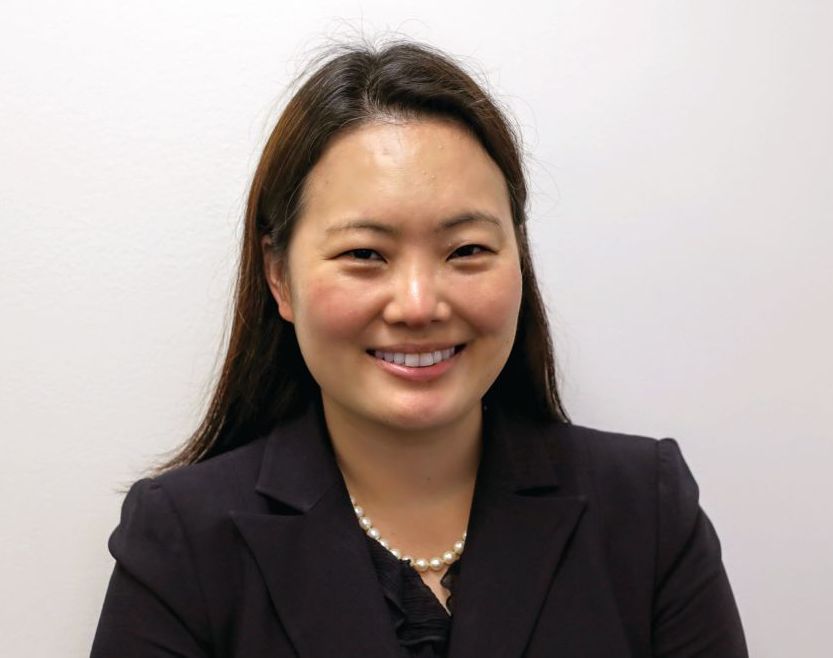
Their article, which was published online in Clinical Gastroenterology and Hepatology , includes the following suggestions, among others:
- Develop optimization teams. An example is SPRINT, a short, intensive team-based intervention at the University of Colorado Health, Aurora, Colorado, that developed specialty-specific tools, provided EHR efficiency training, and helped streamline workflows. The optimization project increased EHR satisfaction scores and reduced documentation time.
- Reroute low-acuity messages. Low-risk medication refills or appointment requests can be handled by nurses and medical assistants. This strategy has helped reduce the inbox burden.
- Create order sets for complex treatment dosing. One example is Cleveland Clinic’s Helicobacter pylori order set, which enables clinicians to quickly place orders with built-in dosages.
- Personalize EHR drop-down menus. Incorporate inflammatory bowel disease (IBD) severity scores, biopsy sampling, resection protocols, specimen container numbering, and other workflow-specific documentation into the EHR.
- Employ medical scribes. These professionals can serve as personal assistants, supporting care teams and reducing clinician documentation time. Alternatively, clinical support staff, such as nurses, can assist with documentation and messages, helping to reduce physician burnout. “These models could be particularly useful in GI specialties that require a multidisciplinary approach, for example, IBD and hepatology,” the authors write.
- Provide real-time training on best practices. There is no widely accepted EHR training curriculum for students, and experienced physicians face time constraints in learning new practices. Real-time training can help clinicians at all levels optimize their time outside the clinic.
In addition, the authors addressed novel tools and strategies that have been recently deployed and/or are in development, which are based largely on artificial intelligence (AI), natural language processing, and speech recognition. For now, these tools are digitizing data to help automate some EHR tasks, supporting communications with patients, and assisting in clinical decision making.
However, the authors note that although current optimization tools are promising, “there is still a lack of knowledge about their usability and effects on provider and patient well-being. More research is needed to evaluate current methodologies and design intelligent tools for the future that will help GI providers overcome the EHR-related obstacles specific to our field and harness the enormous potential of AI in optimizing the busy GI practice.”
This work received no external funding, and the authors disclosed no conflicts.
A version of this article appeared on Medscape.com.
, a new practice management article suggests.
Michelle Kang Kim, MD, PhD, AGAF, chair of gastroenterology at Cleveland Clinic, Ohio, and colleagues provide EHR improvement strategies and examples that can be adapted for use in a variety of gastroenterology clinic settings.
Their article, which was published online in Clinical Gastroenterology and Hepatology , includes the following suggestions, among others:
- Develop optimization teams. An example is SPRINT, a short, intensive team-based intervention at the University of Colorado Health, Aurora, Colorado, that developed specialty-specific tools, provided EHR efficiency training, and helped streamline workflows. The optimization project increased EHR satisfaction scores and reduced documentation time.
- Reroute low-acuity messages. Low-risk medication refills or appointment requests can be handled by nurses and medical assistants. This strategy has helped reduce the inbox burden.
- Create order sets for complex treatment dosing. One example is Cleveland Clinic’s Helicobacter pylori order set, which enables clinicians to quickly place orders with built-in dosages.
- Personalize EHR drop-down menus. Incorporate inflammatory bowel disease (IBD) severity scores, biopsy sampling, resection protocols, specimen container numbering, and other workflow-specific documentation into the EHR.
- Employ medical scribes. These professionals can serve as personal assistants, supporting care teams and reducing clinician documentation time. Alternatively, clinical support staff, such as nurses, can assist with documentation and messages, helping to reduce physician burnout. “These models could be particularly useful in GI specialties that require a multidisciplinary approach, for example, IBD and hepatology,” the authors write.
- Provide real-time training on best practices. There is no widely accepted EHR training curriculum for students, and experienced physicians face time constraints in learning new practices. Real-time training can help clinicians at all levels optimize their time outside the clinic.
In addition, the authors addressed novel tools and strategies that have been recently deployed and/or are in development, which are based largely on artificial intelligence (AI), natural language processing, and speech recognition. For now, these tools are digitizing data to help automate some EHR tasks, supporting communications with patients, and assisting in clinical decision making.
However, the authors note that although current optimization tools are promising, “there is still a lack of knowledge about their usability and effects on provider and patient well-being. More research is needed to evaluate current methodologies and design intelligent tools for the future that will help GI providers overcome the EHR-related obstacles specific to our field and harness the enormous potential of AI in optimizing the busy GI practice.”
This work received no external funding, and the authors disclosed no conflicts.
A version of this article appeared on Medscape.com.
, a new practice management article suggests.
Michelle Kang Kim, MD, PhD, AGAF, chair of gastroenterology at Cleveland Clinic, Ohio, and colleagues provide EHR improvement strategies and examples that can be adapted for use in a variety of gastroenterology clinic settings.
Their article, which was published online in Clinical Gastroenterology and Hepatology , includes the following suggestions, among others:
- Develop optimization teams. An example is SPRINT, a short, intensive team-based intervention at the University of Colorado Health, Aurora, Colorado, that developed specialty-specific tools, provided EHR efficiency training, and helped streamline workflows. The optimization project increased EHR satisfaction scores and reduced documentation time.
- Reroute low-acuity messages. Low-risk medication refills or appointment requests can be handled by nurses and medical assistants. This strategy has helped reduce the inbox burden.
- Create order sets for complex treatment dosing. One example is Cleveland Clinic’s Helicobacter pylori order set, which enables clinicians to quickly place orders with built-in dosages.
- Personalize EHR drop-down menus. Incorporate inflammatory bowel disease (IBD) severity scores, biopsy sampling, resection protocols, specimen container numbering, and other workflow-specific documentation into the EHR.
- Employ medical scribes. These professionals can serve as personal assistants, supporting care teams and reducing clinician documentation time. Alternatively, clinical support staff, such as nurses, can assist with documentation and messages, helping to reduce physician burnout. “These models could be particularly useful in GI specialties that require a multidisciplinary approach, for example, IBD and hepatology,” the authors write.
- Provide real-time training on best practices. There is no widely accepted EHR training curriculum for students, and experienced physicians face time constraints in learning new practices. Real-time training can help clinicians at all levels optimize their time outside the clinic.
In addition, the authors addressed novel tools and strategies that have been recently deployed and/or are in development, which are based largely on artificial intelligence (AI), natural language processing, and speech recognition. For now, these tools are digitizing data to help automate some EHR tasks, supporting communications with patients, and assisting in clinical decision making.
However, the authors note that although current optimization tools are promising, “there is still a lack of knowledge about their usability and effects on provider and patient well-being. More research is needed to evaluate current methodologies and design intelligent tools for the future that will help GI providers overcome the EHR-related obstacles specific to our field and harness the enormous potential of AI in optimizing the busy GI practice.”
This work received no external funding, and the authors disclosed no conflicts.
A version of this article appeared on Medscape.com.
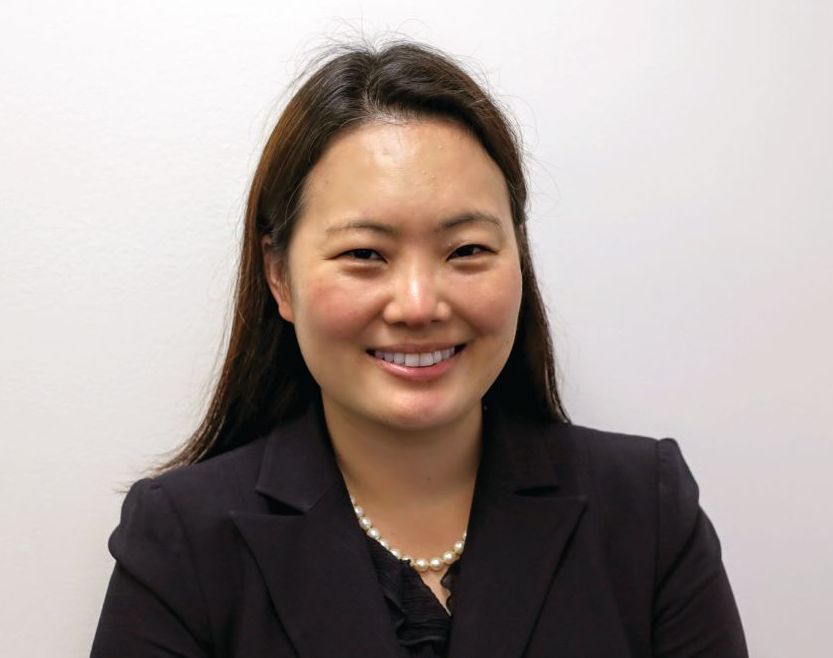
FDA Emphasizes Alternative Device Sterilization Strategies
The US Food and Drug Administration has expanded its guidance on medical device sterilization to include vaporized hydrogen peroxide, according to an agency press release issued on January 8.
The update is intended to promote wider use of vaporized hydrogen peroxide (VHP) as a viable alternative to ethylene oxide (EtO). The FDA guidance on sterile devices has been revised to include VHP.
The acceptance of VHP as an Established Category A method of sterilization is another step toward the FDA’s larger goal of reducing EtO, according to the release.
Sterilization is essential for certain medical devices, but the use of EtO, currently the most common method, involves the release of emissions that are potentially harmful to health, and the FDA seeks to identify safe and effective alternatives to reduce risk to the environment and communities where device sterilization occurs. Current Established Category A sterilization methods include moist heat, dry heat, EtO, and radiation.

“Vaporized hydrogen peroxide’s addition as an established sterilization method helps us build a more resilient supply chain for sterilized devices that can help prevent medical device shortages,” Suzanne Schwartz, MD, director of the Office of Strategic Partnerships and Technology Innovation in the FDA’s Center for Devices and Radiological Health, said in the press release. “As innovations in sterilization advance, the FDA will continue to seek additional modalities that deliver safe and effective sterilization methods that best protect public health,” she said.
The FDA has supported the development of EtO alternatives since 2019, and remains committed to reducing EtO emissions and also to avoiding potential device shortages, according to the release.
“Ethylene oxide is highly flammable and carcinogenic and poses exposure-related safety concerns for reprocessing staff, as well as environmental risks,” said Venkataraman R. Muthusamy, MD, AGAF, of the University of California, Los Angeles, in an interview. “These risks have led some states or regions to ban or limit its use, but despite these risks, it is currently the most commonly used sterilization technique for medical devices in the United States,” he said. Therefore, coming up with alternatives has been a high priority for the FDA, he added.
VHP has several advantages over EtO, Dr. Muthusamy said. VHP breaks down safely into water and oxygen, with low residual levels after exposure, and has no known oxidation or discoloration effects. In addition, VHP has a low temperature, and should theoretically be safe to use with endoscopes, although data are lacking, he said.
Dr. Muthusamy said that he was not yet too familiar with VHP as a technique, in part because most accessories in GI are single-use.
Primary issues to expanding the use of vaporized hydrogen peroxide as a sterilizing agent in GI clinical practice include availability and the cost of acquiring the devices needed, Dr. Muthusamy told GI & Hepatology News. “Also, the comparative efficacy of this technique in sterilizing GI endoscopes to ethylene oxide and the impact of VHP on scope durability and performance will need to be assessed, and the impact of VHP on the health and safety of reprocessing staff will need to be assessed and monitored,” he said.
There is an interest in the GI community in “green” endoscopy and reducing waste, Dr. Muthusamy said. If an inexpensive, safe, and cost-effective option for sterilization of other devices beyond endoscopes exists, “perhaps we could reduce our use of some disposables as well,” he said.
Dr. Muthusamy had no financial conflicts to disclose.
The US Food and Drug Administration has expanded its guidance on medical device sterilization to include vaporized hydrogen peroxide, according to an agency press release issued on January 8.
The update is intended to promote wider use of vaporized hydrogen peroxide (VHP) as a viable alternative to ethylene oxide (EtO). The FDA guidance on sterile devices has been revised to include VHP.
The acceptance of VHP as an Established Category A method of sterilization is another step toward the FDA’s larger goal of reducing EtO, according to the release.
Sterilization is essential for certain medical devices, but the use of EtO, currently the most common method, involves the release of emissions that are potentially harmful to health, and the FDA seeks to identify safe and effective alternatives to reduce risk to the environment and communities where device sterilization occurs. Current Established Category A sterilization methods include moist heat, dry heat, EtO, and radiation.
“Vaporized hydrogen peroxide’s addition as an established sterilization method helps us build a more resilient supply chain for sterilized devices that can help prevent medical device shortages,” Suzanne Schwartz, MD, director of the Office of Strategic Partnerships and Technology Innovation in the FDA’s Center for Devices and Radiological Health, said in the press release. “As innovations in sterilization advance, the FDA will continue to seek additional modalities that deliver safe and effective sterilization methods that best protect public health,” she said.
The FDA has supported the development of EtO alternatives since 2019, and remains committed to reducing EtO emissions and also to avoiding potential device shortages, according to the release.
“Ethylene oxide is highly flammable and carcinogenic and poses exposure-related safety concerns for reprocessing staff, as well as environmental risks,” said Venkataraman R. Muthusamy, MD, AGAF, of the University of California, Los Angeles, in an interview. “These risks have led some states or regions to ban or limit its use, but despite these risks, it is currently the most commonly used sterilization technique for medical devices in the United States,” he said. Therefore, coming up with alternatives has been a high priority for the FDA, he added.
VHP has several advantages over EtO, Dr. Muthusamy said. VHP breaks down safely into water and oxygen, with low residual levels after exposure, and has no known oxidation or discoloration effects. In addition, VHP has a low temperature, and should theoretically be safe to use with endoscopes, although data are lacking, he said.
Dr. Muthusamy said that he was not yet too familiar with VHP as a technique, in part because most accessories in GI are single-use.
Primary issues to expanding the use of vaporized hydrogen peroxide as a sterilizing agent in GI clinical practice include availability and the cost of acquiring the devices needed, Dr. Muthusamy told GI & Hepatology News. “Also, the comparative efficacy of this technique in sterilizing GI endoscopes to ethylene oxide and the impact of VHP on scope durability and performance will need to be assessed, and the impact of VHP on the health and safety of reprocessing staff will need to be assessed and monitored,” he said.
There is an interest in the GI community in “green” endoscopy and reducing waste, Dr. Muthusamy said. If an inexpensive, safe, and cost-effective option for sterilization of other devices beyond endoscopes exists, “perhaps we could reduce our use of some disposables as well,” he said.
Dr. Muthusamy had no financial conflicts to disclose.
The US Food and Drug Administration has expanded its guidance on medical device sterilization to include vaporized hydrogen peroxide, according to an agency press release issued on January 8.
The update is intended to promote wider use of vaporized hydrogen peroxide (VHP) as a viable alternative to ethylene oxide (EtO). The FDA guidance on sterile devices has been revised to include VHP.
The acceptance of VHP as an Established Category A method of sterilization is another step toward the FDA’s larger goal of reducing EtO, according to the release.
Sterilization is essential for certain medical devices, but the use of EtO, currently the most common method, involves the release of emissions that are potentially harmful to health, and the FDA seeks to identify safe and effective alternatives to reduce risk to the environment and communities where device sterilization occurs. Current Established Category A sterilization methods include moist heat, dry heat, EtO, and radiation.
“Vaporized hydrogen peroxide’s addition as an established sterilization method helps us build a more resilient supply chain for sterilized devices that can help prevent medical device shortages,” Suzanne Schwartz, MD, director of the Office of Strategic Partnerships and Technology Innovation in the FDA’s Center for Devices and Radiological Health, said in the press release. “As innovations in sterilization advance, the FDA will continue to seek additional modalities that deliver safe and effective sterilization methods that best protect public health,” she said.
The FDA has supported the development of EtO alternatives since 2019, and remains committed to reducing EtO emissions and also to avoiding potential device shortages, according to the release.
“Ethylene oxide is highly flammable and carcinogenic and poses exposure-related safety concerns for reprocessing staff, as well as environmental risks,” said Venkataraman R. Muthusamy, MD, AGAF, of the University of California, Los Angeles, in an interview. “These risks have led some states or regions to ban or limit its use, but despite these risks, it is currently the most commonly used sterilization technique for medical devices in the United States,” he said. Therefore, coming up with alternatives has been a high priority for the FDA, he added.
VHP has several advantages over EtO, Dr. Muthusamy said. VHP breaks down safely into water and oxygen, with low residual levels after exposure, and has no known oxidation or discoloration effects. In addition, VHP has a low temperature, and should theoretically be safe to use with endoscopes, although data are lacking, he said.
Dr. Muthusamy said that he was not yet too familiar with VHP as a technique, in part because most accessories in GI are single-use.
Primary issues to expanding the use of vaporized hydrogen peroxide as a sterilizing agent in GI clinical practice include availability and the cost of acquiring the devices needed, Dr. Muthusamy told GI & Hepatology News. “Also, the comparative efficacy of this technique in sterilizing GI endoscopes to ethylene oxide and the impact of VHP on scope durability and performance will need to be assessed, and the impact of VHP on the health and safety of reprocessing staff will need to be assessed and monitored,” he said.
There is an interest in the GI community in “green” endoscopy and reducing waste, Dr. Muthusamy said. If an inexpensive, safe, and cost-effective option for sterilization of other devices beyond endoscopes exists, “perhaps we could reduce our use of some disposables as well,” he said.
Dr. Muthusamy had no financial conflicts to disclose.
Healthcare Workers Face Increased Risks During the Pandemic
Healthcare workers have been at an increased risk for SARS-CoV-2 infection and mental distress such as anxiety and depression during the pandemic, according to new research.
The risk for infection was higher among healthcare workers in the first two waves of the pandemic and again during the fifth wave.
“Previous publications, including ours, suggested that the main problem was in the early weeks and months of the pandemic, but this paper shows that it continued until the later stages,” senior author Nicola Cherry, MD, an occupational epidemiologist at the University of Alberta in Edmonton, Canada, told this news organization.
The findings were published in the Canadian Journal of Public Health.
Wave Upon Wave
In the current study, the investigators sought to compare the risk for SARS-CoV-2 infection and mental distress among healthcare workers and among community referents (CRs). They examined the following waves of the COVID-19 pandemic:
- Wave 1: From March to June 2020 (4 months).
- Wave 2: From July 2020 to February 2021 (8 months).
- Wave 3: From March to June 2021 (4 months).
- Wave 4: From July to October 2021 (4 months).
- Wave 5 (Omicron): From November 2021 to March 2022 (5 months).
Healthcare workers in Alberta were asked at recruitment for consent to match their individual records to the Alberta Administrative Health Database. As the pandemic progressed, participants were also asked for consent to be linked to COVID-19 immunization records maintained by the provinces, as well as for the results of all polymerase chain reaction (PCR) testing for the SARS-CoV-2 virus.
The investigators matched 2959 healthcare workers to 14,546 CRs according to their age, sex, geographic location in Alberta, and number of physician claims from April 1, 2019, to March 31, 2020.
Incident SARS-CoV-2 infection was examined using PCR testing and the first date of a physician consultation at which the code for SARS-CoV-2 infection had been recorded. Mental health disorders were identified from physician records. They included anxiety disorders, stress and adjustment reactions, and depressive disorders.
Most (79.5%) of the healthcare workers were registered nurses, followed by physicians (16.1%), healthcare aides (2.4%), and licensed practical nurses (2.0%). Most participants (87.5%) were female. The median age at recruitment was 44 years.
Healthcare workers were at a greater risk for COVID-19 overall, with the first SARS-CoV-2 infection defined from either PCR tests (odds ratio [OR], 1.96) or from physician records (OR, 1.33). They were also at an increased risk for anxiety (adjusted OR, 1.25; P < .001), stress/adjustment reaction (adjusted OR, 1.52; P < .001), and depressive condition (adjusted OR, 1.39; P < .001). Moreover, the excess risks for stress/adjustment reactions and depressive conditions increased with successive waves during the pandemic, peaking in the fourth wave and continuing in the fifth wave.
“Although the increase was less in the middle of the phases of the pandemic, it came back with a vengeance during the last phase, which was the Omicron phase,” said Dr. Cherry.
“Employers of healthcare workers can’t assume that everything is now under control, that they know what they’re doing, and that there is no risk. We are now having some increases in COVID. It’s going to go on. The pandemic is not over in that sense, and infection control continues to be major,” she added.
The finding that mental health worsened among healthcare workers was not surprising, Dr. Cherry said. Even before the pandemic, studies had shown that healthcare workers were at a greater risk for depression than the population overall.
“There is a lot of need for care in mental health support of healthcare workers, whether during a pandemic or not,” said Dr. Cherry.
Nurses Are Suffering
Commenting on the research for this news organization, Farinaz Havaei, PhD, RN, assistant professor of nursing at the University of British Columbia in Vancouver, Canada, said, “This is a very important and timely study that draws on objective clinical and administrative data, as opposed to healthcare workers’ subjective reports.” Dr. Havaei did not participate in the research.
Overall, the findings are consistent with previous research that drew upon healthcare workers’ reports. They speak to the chronic and cumulative impact of COVID-19 and its associated stressors on the mental health and well-being of healthcare workers, said Dr. Havaei.
“The likelihood of stress/adjustment reaction and depression showed a relatively steady increase with increasing COVID-19 waves. This increase can likely be explained by healthcare workers’ depleting emotional reserves for coping with chronic workplace stressors such as concerns about exposure to COVID-19, inadequate staffing, and work overload,” she said. Witnessing the suffering and trauma of patients and their families likely added to this risk.
Dr. Havaei also pointed out that most of the study participants were nurses. The findings are consistent with prepandemic research that showed that the suboptimal conditions that nurses increasingly faced resulted in high levels of exhaustion and burnout.
“While I agree with the authors’ call for more mental health support for healthcare workers, I think prevention efforts that address the root cause of the problem should be prioritized,” she said.
From Heroes to Zeros
The same phenomena have been observed in the United States, said John Q. Young, MD, MPP, PhD, professor and chair of psychiatry at the Donald and Barbara Zucker School of Medicine at Hofstra/Northwell in Hempstead, New York. In various studies, Dr. Young and his colleagues have reported a strong association between exposure to the stressors of the pandemic and subsequent development of depression, anxiety, and posttraumatic stress disorder (PTSD) among healthcare workers.
“The findings from Alberta are remarkably consistent. In the beginning of the pandemic, there was a lot of acknowledgment of the work healthcare workers were doing. The fire department clapping as you leave work at night, being called heroes, even though a lot of healthcare workers feel uncomfortable with the hero language because they don’t feel like heroes. Yes, they’re afraid, but they are going to do what they need to do and help,” he said.
But as the pandemic continued, public sentiment changed, Dr. Young said. “They’ve gone from heroes to zeros. Now we are seeing the accumulated, chronic effects over months and years, and these are significant. Our healthcare workforce is vulnerable now. The reserves are low. There are serious shortages in nursing, with more retirements and more people leaving the field,” he said.
As part of a campaign to help healthcare workers cope, psychiatrists at Northwell Health have started a program called Stress First Aid at their Center for Traumatic Stress Response Resilience, where they train nurses, physicians, and other healthcare staff to use basic tools to recognize and respond to stress and distress in themselves and in their colleagues, said Dr. Young.
“For those healthcare workers who find that they are struggling and need more support, there is resilience coaching, which is one-on-one support. For those who need more clinical attention, there is a clinical program where our healthcare workers can meet with a psychologist, psychiatrist, or a therapist, to work through depression, PTSD, and anxiety. We didn’t have this before the pandemic, but it is now a big focus for our workforce,” he said. “We are trying to build resilience. The trauma is real.”
The study was supported by the College of Physicians and Surgeons of Alberta, the Canadian Institutes of Health Research, and the Canadian Immunology Task Force. Dr. Cherry and Dr. Havaei reported no relevant financial relationships. Dr. Young reported that he is senior vice president of behavioral health at Northwell.
A version of this article appeared on Medscape.com.
Healthcare workers have been at an increased risk for SARS-CoV-2 infection and mental distress such as anxiety and depression during the pandemic, according to new research.
The risk for infection was higher among healthcare workers in the first two waves of the pandemic and again during the fifth wave.
“Previous publications, including ours, suggested that the main problem was in the early weeks and months of the pandemic, but this paper shows that it continued until the later stages,” senior author Nicola Cherry, MD, an occupational epidemiologist at the University of Alberta in Edmonton, Canada, told this news organization.
The findings were published in the Canadian Journal of Public Health.
Wave Upon Wave
In the current study, the investigators sought to compare the risk for SARS-CoV-2 infection and mental distress among healthcare workers and among community referents (CRs). They examined the following waves of the COVID-19 pandemic:
- Wave 1: From March to June 2020 (4 months).
- Wave 2: From July 2020 to February 2021 (8 months).
- Wave 3: From March to June 2021 (4 months).
- Wave 4: From July to October 2021 (4 months).
- Wave 5 (Omicron): From November 2021 to March 2022 (5 months).
Healthcare workers in Alberta were asked at recruitment for consent to match their individual records to the Alberta Administrative Health Database. As the pandemic progressed, participants were also asked for consent to be linked to COVID-19 immunization records maintained by the provinces, as well as for the results of all polymerase chain reaction (PCR) testing for the SARS-CoV-2 virus.
The investigators matched 2959 healthcare workers to 14,546 CRs according to their age, sex, geographic location in Alberta, and number of physician claims from April 1, 2019, to March 31, 2020.
Incident SARS-CoV-2 infection was examined using PCR testing and the first date of a physician consultation at which the code for SARS-CoV-2 infection had been recorded. Mental health disorders were identified from physician records. They included anxiety disorders, stress and adjustment reactions, and depressive disorders.
Most (79.5%) of the healthcare workers were registered nurses, followed by physicians (16.1%), healthcare aides (2.4%), and licensed practical nurses (2.0%). Most participants (87.5%) were female. The median age at recruitment was 44 years.
Healthcare workers were at a greater risk for COVID-19 overall, with the first SARS-CoV-2 infection defined from either PCR tests (odds ratio [OR], 1.96) or from physician records (OR, 1.33). They were also at an increased risk for anxiety (adjusted OR, 1.25; P < .001), stress/adjustment reaction (adjusted OR, 1.52; P < .001), and depressive condition (adjusted OR, 1.39; P < .001). Moreover, the excess risks for stress/adjustment reactions and depressive conditions increased with successive waves during the pandemic, peaking in the fourth wave and continuing in the fifth wave.
“Although the increase was less in the middle of the phases of the pandemic, it came back with a vengeance during the last phase, which was the Omicron phase,” said Dr. Cherry.
“Employers of healthcare workers can’t assume that everything is now under control, that they know what they’re doing, and that there is no risk. We are now having some increases in COVID. It’s going to go on. The pandemic is not over in that sense, and infection control continues to be major,” she added.
The finding that mental health worsened among healthcare workers was not surprising, Dr. Cherry said. Even before the pandemic, studies had shown that healthcare workers were at a greater risk for depression than the population overall.
“There is a lot of need for care in mental health support of healthcare workers, whether during a pandemic or not,” said Dr. Cherry.
Nurses Are Suffering
Commenting on the research for this news organization, Farinaz Havaei, PhD, RN, assistant professor of nursing at the University of British Columbia in Vancouver, Canada, said, “This is a very important and timely study that draws on objective clinical and administrative data, as opposed to healthcare workers’ subjective reports.” Dr. Havaei did not participate in the research.
Overall, the findings are consistent with previous research that drew upon healthcare workers’ reports. They speak to the chronic and cumulative impact of COVID-19 and its associated stressors on the mental health and well-being of healthcare workers, said Dr. Havaei.
“The likelihood of stress/adjustment reaction and depression showed a relatively steady increase with increasing COVID-19 waves. This increase can likely be explained by healthcare workers’ depleting emotional reserves for coping with chronic workplace stressors such as concerns about exposure to COVID-19, inadequate staffing, and work overload,” she said. Witnessing the suffering and trauma of patients and their families likely added to this risk.
Dr. Havaei also pointed out that most of the study participants were nurses. The findings are consistent with prepandemic research that showed that the suboptimal conditions that nurses increasingly faced resulted in high levels of exhaustion and burnout.
“While I agree with the authors’ call for more mental health support for healthcare workers, I think prevention efforts that address the root cause of the problem should be prioritized,” she said.
From Heroes to Zeros
The same phenomena have been observed in the United States, said John Q. Young, MD, MPP, PhD, professor and chair of psychiatry at the Donald and Barbara Zucker School of Medicine at Hofstra/Northwell in Hempstead, New York. In various studies, Dr. Young and his colleagues have reported a strong association between exposure to the stressors of the pandemic and subsequent development of depression, anxiety, and posttraumatic stress disorder (PTSD) among healthcare workers.
“The findings from Alberta are remarkably consistent. In the beginning of the pandemic, there was a lot of acknowledgment of the work healthcare workers were doing. The fire department clapping as you leave work at night, being called heroes, even though a lot of healthcare workers feel uncomfortable with the hero language because they don’t feel like heroes. Yes, they’re afraid, but they are going to do what they need to do and help,” he said.
But as the pandemic continued, public sentiment changed, Dr. Young said. “They’ve gone from heroes to zeros. Now we are seeing the accumulated, chronic effects over months and years, and these are significant. Our healthcare workforce is vulnerable now. The reserves are low. There are serious shortages in nursing, with more retirements and more people leaving the field,” he said.
As part of a campaign to help healthcare workers cope, psychiatrists at Northwell Health have started a program called Stress First Aid at their Center for Traumatic Stress Response Resilience, where they train nurses, physicians, and other healthcare staff to use basic tools to recognize and respond to stress and distress in themselves and in their colleagues, said Dr. Young.
“For those healthcare workers who find that they are struggling and need more support, there is resilience coaching, which is one-on-one support. For those who need more clinical attention, there is a clinical program where our healthcare workers can meet with a psychologist, psychiatrist, or a therapist, to work through depression, PTSD, and anxiety. We didn’t have this before the pandemic, but it is now a big focus for our workforce,” he said. “We are trying to build resilience. The trauma is real.”
The study was supported by the College of Physicians and Surgeons of Alberta, the Canadian Institutes of Health Research, and the Canadian Immunology Task Force. Dr. Cherry and Dr. Havaei reported no relevant financial relationships. Dr. Young reported that he is senior vice president of behavioral health at Northwell.
A version of this article appeared on Medscape.com.
Healthcare workers have been at an increased risk for SARS-CoV-2 infection and mental distress such as anxiety and depression during the pandemic, according to new research.
The risk for infection was higher among healthcare workers in the first two waves of the pandemic and again during the fifth wave.
“Previous publications, including ours, suggested that the main problem was in the early weeks and months of the pandemic, but this paper shows that it continued until the later stages,” senior author Nicola Cherry, MD, an occupational epidemiologist at the University of Alberta in Edmonton, Canada, told this news organization.
The findings were published in the Canadian Journal of Public Health.
Wave Upon Wave
In the current study, the investigators sought to compare the risk for SARS-CoV-2 infection and mental distress among healthcare workers and among community referents (CRs). They examined the following waves of the COVID-19 pandemic:
- Wave 1: From March to June 2020 (4 months).
- Wave 2: From July 2020 to February 2021 (8 months).
- Wave 3: From March to June 2021 (4 months).
- Wave 4: From July to October 2021 (4 months).
- Wave 5 (Omicron): From November 2021 to March 2022 (5 months).
Healthcare workers in Alberta were asked at recruitment for consent to match their individual records to the Alberta Administrative Health Database. As the pandemic progressed, participants were also asked for consent to be linked to COVID-19 immunization records maintained by the provinces, as well as for the results of all polymerase chain reaction (PCR) testing for the SARS-CoV-2 virus.
The investigators matched 2959 healthcare workers to 14,546 CRs according to their age, sex, geographic location in Alberta, and number of physician claims from April 1, 2019, to March 31, 2020.
Incident SARS-CoV-2 infection was examined using PCR testing and the first date of a physician consultation at which the code for SARS-CoV-2 infection had been recorded. Mental health disorders were identified from physician records. They included anxiety disorders, stress and adjustment reactions, and depressive disorders.
Most (79.5%) of the healthcare workers were registered nurses, followed by physicians (16.1%), healthcare aides (2.4%), and licensed practical nurses (2.0%). Most participants (87.5%) were female. The median age at recruitment was 44 years.
Healthcare workers were at a greater risk for COVID-19 overall, with the first SARS-CoV-2 infection defined from either PCR tests (odds ratio [OR], 1.96) or from physician records (OR, 1.33). They were also at an increased risk for anxiety (adjusted OR, 1.25; P < .001), stress/adjustment reaction (adjusted OR, 1.52; P < .001), and depressive condition (adjusted OR, 1.39; P < .001). Moreover, the excess risks for stress/adjustment reactions and depressive conditions increased with successive waves during the pandemic, peaking in the fourth wave and continuing in the fifth wave.
“Although the increase was less in the middle of the phases of the pandemic, it came back with a vengeance during the last phase, which was the Omicron phase,” said Dr. Cherry.
“Employers of healthcare workers can’t assume that everything is now under control, that they know what they’re doing, and that there is no risk. We are now having some increases in COVID. It’s going to go on. The pandemic is not over in that sense, and infection control continues to be major,” she added.
The finding that mental health worsened among healthcare workers was not surprising, Dr. Cherry said. Even before the pandemic, studies had shown that healthcare workers were at a greater risk for depression than the population overall.
“There is a lot of need for care in mental health support of healthcare workers, whether during a pandemic or not,” said Dr. Cherry.
Nurses Are Suffering
Commenting on the research for this news organization, Farinaz Havaei, PhD, RN, assistant professor of nursing at the University of British Columbia in Vancouver, Canada, said, “This is a very important and timely study that draws on objective clinical and administrative data, as opposed to healthcare workers’ subjective reports.” Dr. Havaei did not participate in the research.
Overall, the findings are consistent with previous research that drew upon healthcare workers’ reports. They speak to the chronic and cumulative impact of COVID-19 and its associated stressors on the mental health and well-being of healthcare workers, said Dr. Havaei.
“The likelihood of stress/adjustment reaction and depression showed a relatively steady increase with increasing COVID-19 waves. This increase can likely be explained by healthcare workers’ depleting emotional reserves for coping with chronic workplace stressors such as concerns about exposure to COVID-19, inadequate staffing, and work overload,” she said. Witnessing the suffering and trauma of patients and their families likely added to this risk.
Dr. Havaei also pointed out that most of the study participants were nurses. The findings are consistent with prepandemic research that showed that the suboptimal conditions that nurses increasingly faced resulted in high levels of exhaustion and burnout.
“While I agree with the authors’ call for more mental health support for healthcare workers, I think prevention efforts that address the root cause of the problem should be prioritized,” she said.
From Heroes to Zeros
The same phenomena have been observed in the United States, said John Q. Young, MD, MPP, PhD, professor and chair of psychiatry at the Donald and Barbara Zucker School of Medicine at Hofstra/Northwell in Hempstead, New York. In various studies, Dr. Young and his colleagues have reported a strong association between exposure to the stressors of the pandemic and subsequent development of depression, anxiety, and posttraumatic stress disorder (PTSD) among healthcare workers.
“The findings from Alberta are remarkably consistent. In the beginning of the pandemic, there was a lot of acknowledgment of the work healthcare workers were doing. The fire department clapping as you leave work at night, being called heroes, even though a lot of healthcare workers feel uncomfortable with the hero language because they don’t feel like heroes. Yes, they’re afraid, but they are going to do what they need to do and help,” he said.
But as the pandemic continued, public sentiment changed, Dr. Young said. “They’ve gone from heroes to zeros. Now we are seeing the accumulated, chronic effects over months and years, and these are significant. Our healthcare workforce is vulnerable now. The reserves are low. There are serious shortages in nursing, with more retirements and more people leaving the field,” he said.
As part of a campaign to help healthcare workers cope, psychiatrists at Northwell Health have started a program called Stress First Aid at their Center for Traumatic Stress Response Resilience, where they train nurses, physicians, and other healthcare staff to use basic tools to recognize and respond to stress and distress in themselves and in their colleagues, said Dr. Young.
“For those healthcare workers who find that they are struggling and need more support, there is resilience coaching, which is one-on-one support. For those who need more clinical attention, there is a clinical program where our healthcare workers can meet with a psychologist, psychiatrist, or a therapist, to work through depression, PTSD, and anxiety. We didn’t have this before the pandemic, but it is now a big focus for our workforce,” he said. “We are trying to build resilience. The trauma is real.”
The study was supported by the College of Physicians and Surgeons of Alberta, the Canadian Institutes of Health Research, and the Canadian Immunology Task Force. Dr. Cherry and Dr. Havaei reported no relevant financial relationships. Dr. Young reported that he is senior vice president of behavioral health at Northwell.
A version of this article appeared on Medscape.com.
FROM THE CANADIAN JOURNAL OF PUBLIC HEALTH
How to Avoid the $400,000 Med School Debt Mistakes I Made
It’s not always great to be tops among your peers.
, according to Medscape Medical News’ 2023 Residents Salary and Debt Report.
I’m smack in that upper percentile. I amassed nearly a half million dollars in student debt and currently stand at roughly $400,000. Yay me.
As a naive twentysomething making a major life decision, I never thought my loans would amount to this inconceivable figure, the proverbial “mortgage without a roof” you hear student debt experts talk about.
This isn’t a story about how the student loan industry needs to be reformed or how education has become increasingly expensive or regrets about going to medical school.
It’s also not a story about how you should be handling basics like consolidating and refinancing and paying extra toward your principal.
It’s about my experience as a physician 13 years after signing that first promissory note. In short: I completely miscalculated the impact loans would have on my life.
I bought money to go to school. I can’t undo that. But over the past decade, I have learned a lot, particularly how those with their own mountain of debt — or who will inevitably wind up with one — can manage things better than I have.
Mistake #1: Loan Forgiveness Is More Complicated Than it Seems
My parents and I were aware of the Public Service Loan Forgiveness (PSLF) program which began in 2007 shortly before I started exploring medical school options. I wanted to help people, so working in the nonprofit sector sounded like a no-brainer. Making 120 payments while practicing at a qualifying institution didn’t sound hard.
Newsflash: Not all healthcare organizations are 501(c)3 programs that qualify as nonprofit for the PSLF program. You can’t just snap your fingers and land at one. I graduated from fellowship just as the COVID-19 pandemic began, which meant I was launching my medical career in the midst of hiring freezes and an overnight disappearance of job opportunities.
I had to take a 2-year hiatus from the nonprofit sector and found a part-time position with a local private practice group. It still stings. Had I been working for a qualified employer, I could have benefited from the student loan payment pause and been closer to applying for loan forgiveness.
Avoid it: Be brutally honest with yourself about what kind of medicine you want to practice — especially within the opportunities you have on hand. Private practice is very different from working for the nonprofit sector. I didn›t know that. When weighing career choices, immediately ask, “How will this impact how I pay my loans?” You may not like the answer, but you›ll always know where you stand financially.
Mistake #2: I Forgot to Factor in Life Goals
To be fair, some things were out of my control: Not getting into a state school with cheaper tuition rates, graduating at the start of a once-in-a-lifetime global pandemic. I wasn’t prepared for a changing job landscape. But there were also “expected” life events like getting married, developing a geographical preference, and having a child. I didn’t consider those either.
How about the “expected” goal of buying a home? For years I didn’t feel financially comfortable enough to take on a mortgage. For so long, my attitude has been don’t take on any more debt. (A special shout-out to my 6.8% interest rate which has contributed over a third of my total loan amount.)
This even affected how my husband and I would talk about what a future home might look like. There’s always a giant unwelcome guest casting a shadow over my thoughts.
Avoid it: Don’t compartmentalize your personal and professional lives. Your student loans will hang over both, and you need to be honest with yourself about what “upward mobility” really means to you while in debt. There’s a reason people say “live like a resident” until your loans are paid off. My husband and I finally worked our numbers to where we bought our first home this past year — a moment years in the making. I still drive around in my beloved Honda CR-V like it’s a Mercedes G-Wagon.
Mistake #3: I Didn’t Ask Questions
I regret not talking to a practicing physician about their experience with student loans. I didn’t know any. There weren’t any physicians in my extended family or my community network. I was a first-generation Pakistani American kid trying to figure it out.
It’s difficult because even today, many physicians aren’t comfortable discussing their financial circumstances. The lack of financial transparency and even financial literacy is astounding among young medical professionals. We live in a medical culture where no one talks about the money. I was too diffident and nervous to even try.
Avoid it: Don’t be afraid to have uncomfortable conversations about money. Don’t allow yourself to make even one passive decision. It’s your life.
If you can’t find someone in medicine to talk to about their financial journey, there are plenty of credible resources. Medscape Medical News has a Physician Business Academy with hot topics like personal finance. The White Coat Investor is literally bookmarked on all my electronic devices. KevinMD.com has a ton of resources and articles answering common financial questions about retirement, savings, and house buying. And Travis Hornsby with www.studentloanplanner.com has wonderful advice on all kinds of different loans.
There are no stupid questions. Just ask. You might be surprised by what people are willing to share.
Mistake #4: Playing it Casual With My Lenders
If $400,000 in debt doesn’t sound bad enough, imagine lots more. It turns out my loan carrier had me at a much higher loan balance because they’d inadvertently duplicated one of my loans in the total. I didn’t know that until I transferred my loans to another handler and it came to light.
Imagine my relief at having a lower total. Imagine my anger at myself for not checking sooner.
Avoid it: Do a thorough self-audit on all your loans more than once a year. Pretend they’re a patient with odd symptoms you can’t pin down and you have the luxury of doing every diagnostic test available. It’s not fun studying your own debt, but it’s the only way to really know how much you have.
Mistake #5: Not Leaving Room to Change My Mind
I underestimated how I would evolve and how my goals would change after having the letters “MD” after my name. I never dreamed that a nonprofit salary might not be enough.
A lot of us assume that the bedside is where we will find professional satisfaction. But you might be surprised. In a climate where we’re constantly being pushed to do more in a broken healthcare system, a landscape where misinformation and technology are forcing medicine to change, there might be little joy in working clinically full time. Then what do you do?
Because I elected to go the PSLF route, I’m tied to this decision. And while it still makes the most economic sense for me personally, it now limits my professional exploration and freedom.
Avoid it: Consider how much time you really want to spend in clinical medicine. Be mindful that you have to work at least 0.8 full time equivalent to qualify for the PSLF program. It’s very hard to predict the future, let alone your future, but just know you›ll have moments where you ask, “Do I really want to stay on this career track?” Will you be able to pivot? Can you live with it if the answer is no?
Looking Ahead
Let me be clear about one thing. Despite all the negativity I feel toward my student loans — guilt about the burden I brought to my marriage and my adult life, disappointment about the cost of becoming a successful physician, and frustration that this has turned out to be the most influential factor shaping my professional and personal choices — the one thing I don’t feel is shame.
I worked hard to get to this point in my life. I am proud of being a physician.
My student loan burden will follow me to the grave. But progress is also possible. I have friends that have paid their loans down by hustling, working hard, and dropping every penny toward them.
I also have friends that have had their loans forgiven. There are options. Everyone’s experience looks a little different. But don’t be naive: Student loans will color every financial decision you make.
I’m finding solace now in recently moving and finding work at a nonprofit institution. I’m back at it; 77 payments made, and 43 to go.
Well, technically I’ve made 93 payments. I’m still waiting for my loan servicer to get around to updating my account.
You really have to stay on top of those folks.
A version of this article appeared on Medscape.com.
It’s not always great to be tops among your peers.
, according to Medscape Medical News’ 2023 Residents Salary and Debt Report.
I’m smack in that upper percentile. I amassed nearly a half million dollars in student debt and currently stand at roughly $400,000. Yay me.
As a naive twentysomething making a major life decision, I never thought my loans would amount to this inconceivable figure, the proverbial “mortgage without a roof” you hear student debt experts talk about.
This isn’t a story about how the student loan industry needs to be reformed or how education has become increasingly expensive or regrets about going to medical school.
It’s also not a story about how you should be handling basics like consolidating and refinancing and paying extra toward your principal.
It’s about my experience as a physician 13 years after signing that first promissory note. In short: I completely miscalculated the impact loans would have on my life.
I bought money to go to school. I can’t undo that. But over the past decade, I have learned a lot, particularly how those with their own mountain of debt — or who will inevitably wind up with one — can manage things better than I have.
Mistake #1: Loan Forgiveness Is More Complicated Than it Seems
My parents and I were aware of the Public Service Loan Forgiveness (PSLF) program which began in 2007 shortly before I started exploring medical school options. I wanted to help people, so working in the nonprofit sector sounded like a no-brainer. Making 120 payments while practicing at a qualifying institution didn’t sound hard.
Newsflash: Not all healthcare organizations are 501(c)3 programs that qualify as nonprofit for the PSLF program. You can’t just snap your fingers and land at one. I graduated from fellowship just as the COVID-19 pandemic began, which meant I was launching my medical career in the midst of hiring freezes and an overnight disappearance of job opportunities.
I had to take a 2-year hiatus from the nonprofit sector and found a part-time position with a local private practice group. It still stings. Had I been working for a qualified employer, I could have benefited from the student loan payment pause and been closer to applying for loan forgiveness.
Avoid it: Be brutally honest with yourself about what kind of medicine you want to practice — especially within the opportunities you have on hand. Private practice is very different from working for the nonprofit sector. I didn›t know that. When weighing career choices, immediately ask, “How will this impact how I pay my loans?” You may not like the answer, but you›ll always know where you stand financially.
Mistake #2: I Forgot to Factor in Life Goals
To be fair, some things were out of my control: Not getting into a state school with cheaper tuition rates, graduating at the start of a once-in-a-lifetime global pandemic. I wasn’t prepared for a changing job landscape. But there were also “expected” life events like getting married, developing a geographical preference, and having a child. I didn’t consider those either.
How about the “expected” goal of buying a home? For years I didn’t feel financially comfortable enough to take on a mortgage. For so long, my attitude has been don’t take on any more debt. (A special shout-out to my 6.8% interest rate which has contributed over a third of my total loan amount.)
This even affected how my husband and I would talk about what a future home might look like. There’s always a giant unwelcome guest casting a shadow over my thoughts.
Avoid it: Don’t compartmentalize your personal and professional lives. Your student loans will hang over both, and you need to be honest with yourself about what “upward mobility” really means to you while in debt. There’s a reason people say “live like a resident” until your loans are paid off. My husband and I finally worked our numbers to where we bought our first home this past year — a moment years in the making. I still drive around in my beloved Honda CR-V like it’s a Mercedes G-Wagon.
Mistake #3: I Didn’t Ask Questions
I regret not talking to a practicing physician about their experience with student loans. I didn’t know any. There weren’t any physicians in my extended family or my community network. I was a first-generation Pakistani American kid trying to figure it out.
It’s difficult because even today, many physicians aren’t comfortable discussing their financial circumstances. The lack of financial transparency and even financial literacy is astounding among young medical professionals. We live in a medical culture where no one talks about the money. I was too diffident and nervous to even try.
Avoid it: Don’t be afraid to have uncomfortable conversations about money. Don’t allow yourself to make even one passive decision. It’s your life.
If you can’t find someone in medicine to talk to about their financial journey, there are plenty of credible resources. Medscape Medical News has a Physician Business Academy with hot topics like personal finance. The White Coat Investor is literally bookmarked on all my electronic devices. KevinMD.com has a ton of resources and articles answering common financial questions about retirement, savings, and house buying. And Travis Hornsby with www.studentloanplanner.com has wonderful advice on all kinds of different loans.
There are no stupid questions. Just ask. You might be surprised by what people are willing to share.
Mistake #4: Playing it Casual With My Lenders
If $400,000 in debt doesn’t sound bad enough, imagine lots more. It turns out my loan carrier had me at a much higher loan balance because they’d inadvertently duplicated one of my loans in the total. I didn’t know that until I transferred my loans to another handler and it came to light.
Imagine my relief at having a lower total. Imagine my anger at myself for not checking sooner.
Avoid it: Do a thorough self-audit on all your loans more than once a year. Pretend they’re a patient with odd symptoms you can’t pin down and you have the luxury of doing every diagnostic test available. It’s not fun studying your own debt, but it’s the only way to really know how much you have.
Mistake #5: Not Leaving Room to Change My Mind
I underestimated how I would evolve and how my goals would change after having the letters “MD” after my name. I never dreamed that a nonprofit salary might not be enough.
A lot of us assume that the bedside is where we will find professional satisfaction. But you might be surprised. In a climate where we’re constantly being pushed to do more in a broken healthcare system, a landscape where misinformation and technology are forcing medicine to change, there might be little joy in working clinically full time. Then what do you do?
Because I elected to go the PSLF route, I’m tied to this decision. And while it still makes the most economic sense for me personally, it now limits my professional exploration and freedom.
Avoid it: Consider how much time you really want to spend in clinical medicine. Be mindful that you have to work at least 0.8 full time equivalent to qualify for the PSLF program. It’s very hard to predict the future, let alone your future, but just know you›ll have moments where you ask, “Do I really want to stay on this career track?” Will you be able to pivot? Can you live with it if the answer is no?
Looking Ahead
Let me be clear about one thing. Despite all the negativity I feel toward my student loans — guilt about the burden I brought to my marriage and my adult life, disappointment about the cost of becoming a successful physician, and frustration that this has turned out to be the most influential factor shaping my professional and personal choices — the one thing I don’t feel is shame.
I worked hard to get to this point in my life. I am proud of being a physician.
My student loan burden will follow me to the grave. But progress is also possible. I have friends that have paid their loans down by hustling, working hard, and dropping every penny toward them.
I also have friends that have had their loans forgiven. There are options. Everyone’s experience looks a little different. But don’t be naive: Student loans will color every financial decision you make.
I’m finding solace now in recently moving and finding work at a nonprofit institution. I’m back at it; 77 payments made, and 43 to go.
Well, technically I’ve made 93 payments. I’m still waiting for my loan servicer to get around to updating my account.
You really have to stay on top of those folks.
A version of this article appeared on Medscape.com.
It’s not always great to be tops among your peers.
, according to Medscape Medical News’ 2023 Residents Salary and Debt Report.
I’m smack in that upper percentile. I amassed nearly a half million dollars in student debt and currently stand at roughly $400,000. Yay me.
As a naive twentysomething making a major life decision, I never thought my loans would amount to this inconceivable figure, the proverbial “mortgage without a roof” you hear student debt experts talk about.
This isn’t a story about how the student loan industry needs to be reformed or how education has become increasingly expensive or regrets about going to medical school.
It’s also not a story about how you should be handling basics like consolidating and refinancing and paying extra toward your principal.
It’s about my experience as a physician 13 years after signing that first promissory note. In short: I completely miscalculated the impact loans would have on my life.
I bought money to go to school. I can’t undo that. But over the past decade, I have learned a lot, particularly how those with their own mountain of debt — or who will inevitably wind up with one — can manage things better than I have.
Mistake #1: Loan Forgiveness Is More Complicated Than it Seems
My parents and I were aware of the Public Service Loan Forgiveness (PSLF) program which began in 2007 shortly before I started exploring medical school options. I wanted to help people, so working in the nonprofit sector sounded like a no-brainer. Making 120 payments while practicing at a qualifying institution didn’t sound hard.
Newsflash: Not all healthcare organizations are 501(c)3 programs that qualify as nonprofit for the PSLF program. You can’t just snap your fingers and land at one. I graduated from fellowship just as the COVID-19 pandemic began, which meant I was launching my medical career in the midst of hiring freezes and an overnight disappearance of job opportunities.
I had to take a 2-year hiatus from the nonprofit sector and found a part-time position with a local private practice group. It still stings. Had I been working for a qualified employer, I could have benefited from the student loan payment pause and been closer to applying for loan forgiveness.
Avoid it: Be brutally honest with yourself about what kind of medicine you want to practice — especially within the opportunities you have on hand. Private practice is very different from working for the nonprofit sector. I didn›t know that. When weighing career choices, immediately ask, “How will this impact how I pay my loans?” You may not like the answer, but you›ll always know where you stand financially.
Mistake #2: I Forgot to Factor in Life Goals
To be fair, some things were out of my control: Not getting into a state school with cheaper tuition rates, graduating at the start of a once-in-a-lifetime global pandemic. I wasn’t prepared for a changing job landscape. But there were also “expected” life events like getting married, developing a geographical preference, and having a child. I didn’t consider those either.
How about the “expected” goal of buying a home? For years I didn’t feel financially comfortable enough to take on a mortgage. For so long, my attitude has been don’t take on any more debt. (A special shout-out to my 6.8% interest rate which has contributed over a third of my total loan amount.)
This even affected how my husband and I would talk about what a future home might look like. There’s always a giant unwelcome guest casting a shadow over my thoughts.
Avoid it: Don’t compartmentalize your personal and professional lives. Your student loans will hang over both, and you need to be honest with yourself about what “upward mobility” really means to you while in debt. There’s a reason people say “live like a resident” until your loans are paid off. My husband and I finally worked our numbers to where we bought our first home this past year — a moment years in the making. I still drive around in my beloved Honda CR-V like it’s a Mercedes G-Wagon.
Mistake #3: I Didn’t Ask Questions
I regret not talking to a practicing physician about their experience with student loans. I didn’t know any. There weren’t any physicians in my extended family or my community network. I was a first-generation Pakistani American kid trying to figure it out.
It’s difficult because even today, many physicians aren’t comfortable discussing their financial circumstances. The lack of financial transparency and even financial literacy is astounding among young medical professionals. We live in a medical culture where no one talks about the money. I was too diffident and nervous to even try.
Avoid it: Don’t be afraid to have uncomfortable conversations about money. Don’t allow yourself to make even one passive decision. It’s your life.
If you can’t find someone in medicine to talk to about their financial journey, there are plenty of credible resources. Medscape Medical News has a Physician Business Academy with hot topics like personal finance. The White Coat Investor is literally bookmarked on all my electronic devices. KevinMD.com has a ton of resources and articles answering common financial questions about retirement, savings, and house buying. And Travis Hornsby with www.studentloanplanner.com has wonderful advice on all kinds of different loans.
There are no stupid questions. Just ask. You might be surprised by what people are willing to share.
Mistake #4: Playing it Casual With My Lenders
If $400,000 in debt doesn’t sound bad enough, imagine lots more. It turns out my loan carrier had me at a much higher loan balance because they’d inadvertently duplicated one of my loans in the total. I didn’t know that until I transferred my loans to another handler and it came to light.
Imagine my relief at having a lower total. Imagine my anger at myself for not checking sooner.
Avoid it: Do a thorough self-audit on all your loans more than once a year. Pretend they’re a patient with odd symptoms you can’t pin down and you have the luxury of doing every diagnostic test available. It’s not fun studying your own debt, but it’s the only way to really know how much you have.
Mistake #5: Not Leaving Room to Change My Mind
I underestimated how I would evolve and how my goals would change after having the letters “MD” after my name. I never dreamed that a nonprofit salary might not be enough.
A lot of us assume that the bedside is where we will find professional satisfaction. But you might be surprised. In a climate where we’re constantly being pushed to do more in a broken healthcare system, a landscape where misinformation and technology are forcing medicine to change, there might be little joy in working clinically full time. Then what do you do?
Because I elected to go the PSLF route, I’m tied to this decision. And while it still makes the most economic sense for me personally, it now limits my professional exploration and freedom.
Avoid it: Consider how much time you really want to spend in clinical medicine. Be mindful that you have to work at least 0.8 full time equivalent to qualify for the PSLF program. It’s very hard to predict the future, let alone your future, but just know you›ll have moments where you ask, “Do I really want to stay on this career track?” Will you be able to pivot? Can you live with it if the answer is no?
Looking Ahead
Let me be clear about one thing. Despite all the negativity I feel toward my student loans — guilt about the burden I brought to my marriage and my adult life, disappointment about the cost of becoming a successful physician, and frustration that this has turned out to be the most influential factor shaping my professional and personal choices — the one thing I don’t feel is shame.
I worked hard to get to this point in my life. I am proud of being a physician.
My student loan burden will follow me to the grave. But progress is also possible. I have friends that have paid their loans down by hustling, working hard, and dropping every penny toward them.
I also have friends that have had their loans forgiven. There are options. Everyone’s experience looks a little different. But don’t be naive: Student loans will color every financial decision you make.
I’m finding solace now in recently moving and finding work at a nonprofit institution. I’m back at it; 77 payments made, and 43 to go.
Well, technically I’ve made 93 payments. I’m still waiting for my loan servicer to get around to updating my account.
You really have to stay on top of those folks.
A version of this article appeared on Medscape.com.
Telephone Best for Switching Patients to New Colonoscopy Intervals
In an article published in Clinical Gastroenterology and Hepatology, a group led by Jeffrey K. Lee, MD, MPH, a gastroenterologist at Kaiser Permanente Medical Center in San Francisco, reported the following 60-day response rates for the three contact methods in potentially transitioning more than 600 post-polypectomy patients to the new interval:
- Telephone: 64.5%
- Secure messaging: 51.7%
- Mailed letter: 31.3%
Compared with letter outreach, overall rate differences were significant for telephone (18.1%) and secure message outreach (13.1%).
Such interventions are widely used, the authors noted , but have not been compared for efficacy terms of communicating updated colonoscopy intervals.

The trial’s aim was to inform low-risk patients of the recommended interval update from 5 years — used since the 1990s — to 7-10 years. Given a choice, more patients opted to transition to the 10-year surveillance interval in the telephone (37%) and secure messaging arms (32.%) compared with mailed-letter arm (18.9%).
In addition to telephone and secure messaging outreach, factors positively associated with adoption of the 10-year interval were a positive fecal immunochemical test–based index colonoscopy and increasing age. Patients with these characteristics may be biased toward avoiding colonoscopy if not medically necessary, the authors conjectured.
Inversely associated factors included Asian or Pacific Islander race (odds ratio .58), Hispanic ethnicity (OR .40), and a higher Charlson comorbidity score of 2 vs 0 (OR .43).
Possible explanations for the race and ethnicity associations include gaps in culturally component care, lack of engagement with the English-based outreach approaches, and medical mistrust, the authors said.
“In this study, we gave all our patients an option to either extend their surveillance interval to current guideline recommendations or continue with their old interval, and some chose to do that,” Dr. Lee said in an interview. “Patients really appreciated having a choice and to be informed about the latest guideline changes.”
“A critical challenge to health systems is how to effectively de-implement outdated surveillance recommendations for low-risk patients who have a 5-year follow-up interval and potentially transition them to the recommended 7- to 10-year interval,” Dr. Lee and colleagues wrote.
More than 5 million surveillance colonoscopies are performed annually in US patients with a history of adenomas, the main precursor lesion for colorectal cancer, the authors noted.
With the recent guidelines issued in 2020 by the US Multi-Society Task Force on Colorectal Cancer lengthening the follow-up interval to 7-10 years , physicians are being advised to reevaluate low-risk patients previously scheduled with 5-year surveillance and provide an updated recommendation for follow-up.
Study Details
The three-arm pragmatic randomized trial was conducted in low-risk patients 54-70 years of age with one or two small (< 10 mm) tubular adenomas at baseline colonoscopy. Participants due for 5-year surveillance in 2022 were randomly assigned to one of three outreach arms: telephone (n = 200], secure messaging (n = 203), and mailed letter (n = 201). Stratified by age, sex, race, and ethnicity, participants could change their assigned interval to 10 years or continue with their previously scheduled 5-year interval.
As to economic considerations, the authors said that telephone may be the costliest form of outreach in terms of staffing resources. “We don’t know because we did not conduct a formal cost-effectiveness analysis,” Dr. Lee said. “However, we do know phone outreach requires a lot of personnel effort, which is why we also explored the less costly option of secure messaging/email.”
But based on the findings, telephone outreach would be a reasonable approach to update patients on post-polypectomy surveillance guideline changes if secure messaging or text messaging isn’t available, he added.
Downsides to Retroactive Changes?
Commenting on the study but not involved in it, Nabil M. Mansour, MD, an assistant professor and director of the McNair General GI Clinic at Baylor College of Medicine in Houston, noted that unlike Kaiser Permanente, his center decided against an overall effort to switch patients colonoscopied before the release of the new guidelines over to the new interval.
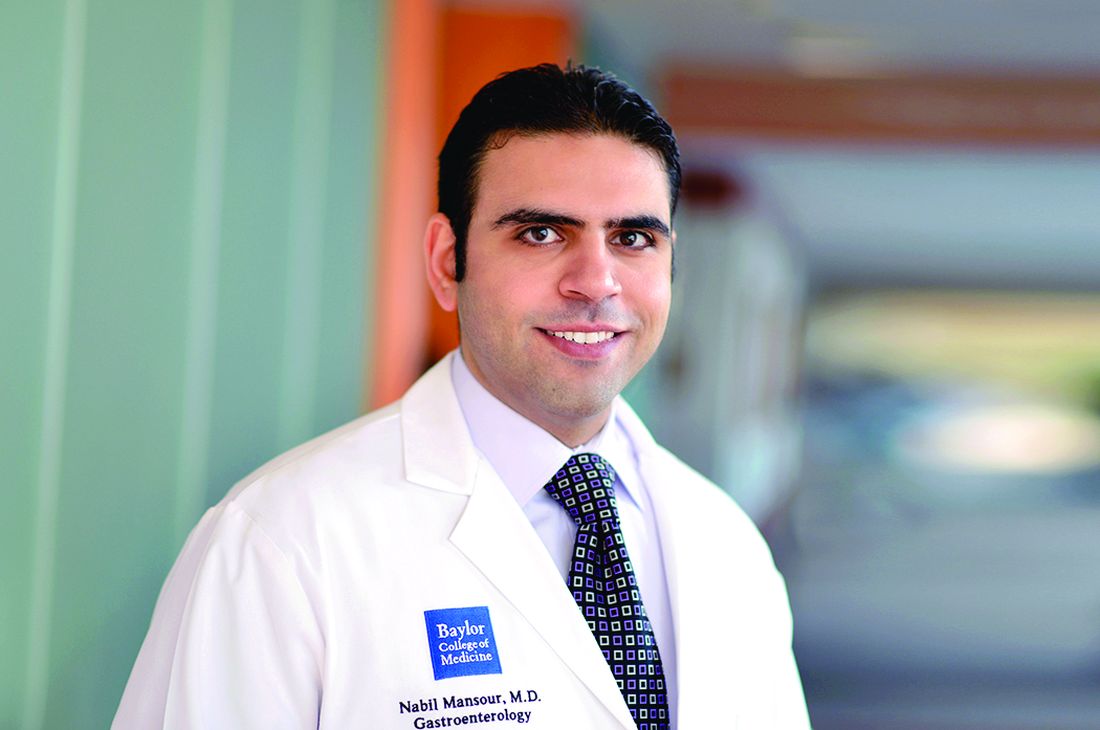
“Several of our physicians may have chosen to recommend a 5-year interval specifically for a variety of reasons and we felt going back, and making a blanket change to everyone’s interval retrospectively might create confusion and frustration and might actually delay the colonoscopies of some patients for which their doctors had a very good, legitimate reason to recommend a 5-year interval,” he said in an interview.
Dr. Mansour added that no difficulties were encountered in getting patients to agree to a 10-year interval. In his view telephone communication or in-person clinic visits are likely the most effective ways but both are more labor-intensive than automated patient portal messages. “I do not think traditional snail mail is effective.” His clinic uses automatic EMR reminders.
Offering another perspective on the study, Aditya Sreenivasan, MD, a gastroenterologist at Northwell Health in New York City, said his center has not reached out to correct the old intervals. “When I see a patient who previously had a colonoscopy with another physician, I always follow the previous recommendation for when the next colonoscopy should be, regardless of whether or not it technically meets guideline recommendations,” he told this news organization. “I do this because I was not there during the procedure and am not aware of any circumstances that would require a shorter interval that may not be apparent from the report.”
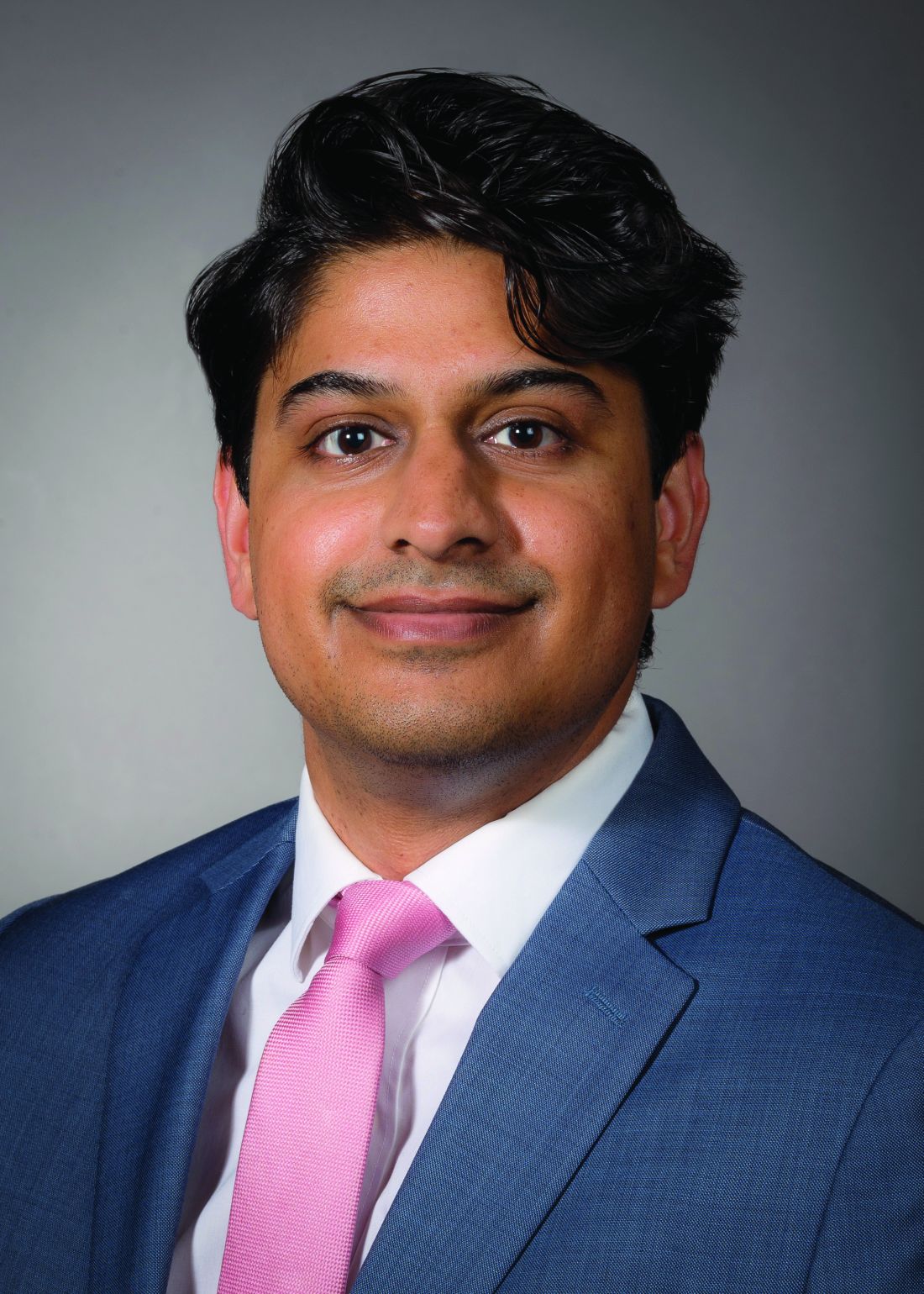
While he agrees with the new guidelines, Dr. Sreenivasan is “not sure if retroactively changing intervals is beneficial to patients, as the presence of guidelines may subconsciously influence the behavior of the endoscopist at the time of the procedure. For example, if a patient has a technically challenging colonoscopy and the endoscopist is running late, the endoscopist may drop their guard once they find a polyp and miss 1-2 additional small polyps that they would have spent more time looking for if they knew their next one would be in 10 years instead of 5.”
As for notification method, despite the logistical downside of taking dedicated staff time to make telephone calls, Dr. Sreenivasan said, “I think having a conversation with the patient directly is a much better way to communicate this information as it allows the patient to ask and answer questions. Things like tone of voice can provide reassurance that one cannot get via email.” Looking to the future, the study authors acknowledged that combinations of initial and reminder outreach approaches — for example, a mailed letter followed by secure message or telephone call — could potentially yield higher response rates and/or adoption rates than they observed. And a longer follow-up period with additional reminders may have produced higher yields. Additional studies are needed to optimize outreach approaches and to understand patient barriers to adopting the new guideline recommendations in different healthcare settings.
The study was supported by a Delivery Science grant from the Kaiser Permanente Northern California.
The authors disclosed no conflicts of interest. Dr. Mansour and Dr. Sreenivasan disclosed no conflicts of interest relevant to their comments.
In an article published in Clinical Gastroenterology and Hepatology, a group led by Jeffrey K. Lee, MD, MPH, a gastroenterologist at Kaiser Permanente Medical Center in San Francisco, reported the following 60-day response rates for the three contact methods in potentially transitioning more than 600 post-polypectomy patients to the new interval:
- Telephone: 64.5%
- Secure messaging: 51.7%
- Mailed letter: 31.3%
Compared with letter outreach, overall rate differences were significant for telephone (18.1%) and secure message outreach (13.1%).
Such interventions are widely used, the authors noted , but have not been compared for efficacy terms of communicating updated colonoscopy intervals.
The trial’s aim was to inform low-risk patients of the recommended interval update from 5 years — used since the 1990s — to 7-10 years. Given a choice, more patients opted to transition to the 10-year surveillance interval in the telephone (37%) and secure messaging arms (32.%) compared with mailed-letter arm (18.9%).
In addition to telephone and secure messaging outreach, factors positively associated with adoption of the 10-year interval were a positive fecal immunochemical test–based index colonoscopy and increasing age. Patients with these characteristics may be biased toward avoiding colonoscopy if not medically necessary, the authors conjectured.
Inversely associated factors included Asian or Pacific Islander race (odds ratio .58), Hispanic ethnicity (OR .40), and a higher Charlson comorbidity score of 2 vs 0 (OR .43).
Possible explanations for the race and ethnicity associations include gaps in culturally component care, lack of engagement with the English-based outreach approaches, and medical mistrust, the authors said.
“In this study, we gave all our patients an option to either extend their surveillance interval to current guideline recommendations or continue with their old interval, and some chose to do that,” Dr. Lee said in an interview. “Patients really appreciated having a choice and to be informed about the latest guideline changes.”
“A critical challenge to health systems is how to effectively de-implement outdated surveillance recommendations for low-risk patients who have a 5-year follow-up interval and potentially transition them to the recommended 7- to 10-year interval,” Dr. Lee and colleagues wrote.
More than 5 million surveillance colonoscopies are performed annually in US patients with a history of adenomas, the main precursor lesion for colorectal cancer, the authors noted.
With the recent guidelines issued in 2020 by the US Multi-Society Task Force on Colorectal Cancer lengthening the follow-up interval to 7-10 years , physicians are being advised to reevaluate low-risk patients previously scheduled with 5-year surveillance and provide an updated recommendation for follow-up.
Study Details
The three-arm pragmatic randomized trial was conducted in low-risk patients 54-70 years of age with one or two small (< 10 mm) tubular adenomas at baseline colonoscopy. Participants due for 5-year surveillance in 2022 were randomly assigned to one of three outreach arms: telephone (n = 200], secure messaging (n = 203), and mailed letter (n = 201). Stratified by age, sex, race, and ethnicity, participants could change their assigned interval to 10 years or continue with their previously scheduled 5-year interval.
As to economic considerations, the authors said that telephone may be the costliest form of outreach in terms of staffing resources. “We don’t know because we did not conduct a formal cost-effectiveness analysis,” Dr. Lee said. “However, we do know phone outreach requires a lot of personnel effort, which is why we also explored the less costly option of secure messaging/email.”
But based on the findings, telephone outreach would be a reasonable approach to update patients on post-polypectomy surveillance guideline changes if secure messaging or text messaging isn’t available, he added.
Downsides to Retroactive Changes?
Commenting on the study but not involved in it, Nabil M. Mansour, MD, an assistant professor and director of the McNair General GI Clinic at Baylor College of Medicine in Houston, noted that unlike Kaiser Permanente, his center decided against an overall effort to switch patients colonoscopied before the release of the new guidelines over to the new interval.
“Several of our physicians may have chosen to recommend a 5-year interval specifically for a variety of reasons and we felt going back, and making a blanket change to everyone’s interval retrospectively might create confusion and frustration and might actually delay the colonoscopies of some patients for which their doctors had a very good, legitimate reason to recommend a 5-year interval,” he said in an interview.
Dr. Mansour added that no difficulties were encountered in getting patients to agree to a 10-year interval. In his view telephone communication or in-person clinic visits are likely the most effective ways but both are more labor-intensive than automated patient portal messages. “I do not think traditional snail mail is effective.” His clinic uses automatic EMR reminders.
Offering another perspective on the study, Aditya Sreenivasan, MD, a gastroenterologist at Northwell Health in New York City, said his center has not reached out to correct the old intervals. “When I see a patient who previously had a colonoscopy with another physician, I always follow the previous recommendation for when the next colonoscopy should be, regardless of whether or not it technically meets guideline recommendations,” he told this news organization. “I do this because I was not there during the procedure and am not aware of any circumstances that would require a shorter interval that may not be apparent from the report.”
While he agrees with the new guidelines, Dr. Sreenivasan is “not sure if retroactively changing intervals is beneficial to patients, as the presence of guidelines may subconsciously influence the behavior of the endoscopist at the time of the procedure. For example, if a patient has a technically challenging colonoscopy and the endoscopist is running late, the endoscopist may drop their guard once they find a polyp and miss 1-2 additional small polyps that they would have spent more time looking for if they knew their next one would be in 10 years instead of 5.”
As for notification method, despite the logistical downside of taking dedicated staff time to make telephone calls, Dr. Sreenivasan said, “I think having a conversation with the patient directly is a much better way to communicate this information as it allows the patient to ask and answer questions. Things like tone of voice can provide reassurance that one cannot get via email.” Looking to the future, the study authors acknowledged that combinations of initial and reminder outreach approaches — for example, a mailed letter followed by secure message or telephone call — could potentially yield higher response rates and/or adoption rates than they observed. And a longer follow-up period with additional reminders may have produced higher yields. Additional studies are needed to optimize outreach approaches and to understand patient barriers to adopting the new guideline recommendations in different healthcare settings.
The study was supported by a Delivery Science grant from the Kaiser Permanente Northern California.
The authors disclosed no conflicts of interest. Dr. Mansour and Dr. Sreenivasan disclosed no conflicts of interest relevant to their comments.
In an article published in Clinical Gastroenterology and Hepatology, a group led by Jeffrey K. Lee, MD, MPH, a gastroenterologist at Kaiser Permanente Medical Center in San Francisco, reported the following 60-day response rates for the three contact methods in potentially transitioning more than 600 post-polypectomy patients to the new interval:
- Telephone: 64.5%
- Secure messaging: 51.7%
- Mailed letter: 31.3%
Compared with letter outreach, overall rate differences were significant for telephone (18.1%) and secure message outreach (13.1%).
Such interventions are widely used, the authors noted , but have not been compared for efficacy terms of communicating updated colonoscopy intervals.
The trial’s aim was to inform low-risk patients of the recommended interval update from 5 years — used since the 1990s — to 7-10 years. Given a choice, more patients opted to transition to the 10-year surveillance interval in the telephone (37%) and secure messaging arms (32.%) compared with mailed-letter arm (18.9%).
In addition to telephone and secure messaging outreach, factors positively associated with adoption of the 10-year interval were a positive fecal immunochemical test–based index colonoscopy and increasing age. Patients with these characteristics may be biased toward avoiding colonoscopy if not medically necessary, the authors conjectured.
Inversely associated factors included Asian or Pacific Islander race (odds ratio .58), Hispanic ethnicity (OR .40), and a higher Charlson comorbidity score of 2 vs 0 (OR .43).
Possible explanations for the race and ethnicity associations include gaps in culturally component care, lack of engagement with the English-based outreach approaches, and medical mistrust, the authors said.
“In this study, we gave all our patients an option to either extend their surveillance interval to current guideline recommendations or continue with their old interval, and some chose to do that,” Dr. Lee said in an interview. “Patients really appreciated having a choice and to be informed about the latest guideline changes.”
“A critical challenge to health systems is how to effectively de-implement outdated surveillance recommendations for low-risk patients who have a 5-year follow-up interval and potentially transition them to the recommended 7- to 10-year interval,” Dr. Lee and colleagues wrote.
More than 5 million surveillance colonoscopies are performed annually in US patients with a history of adenomas, the main precursor lesion for colorectal cancer, the authors noted.
With the recent guidelines issued in 2020 by the US Multi-Society Task Force on Colorectal Cancer lengthening the follow-up interval to 7-10 years , physicians are being advised to reevaluate low-risk patients previously scheduled with 5-year surveillance and provide an updated recommendation for follow-up.
Study Details
The three-arm pragmatic randomized trial was conducted in low-risk patients 54-70 years of age with one or two small (< 10 mm) tubular adenomas at baseline colonoscopy. Participants due for 5-year surveillance in 2022 were randomly assigned to one of three outreach arms: telephone (n = 200], secure messaging (n = 203), and mailed letter (n = 201). Stratified by age, sex, race, and ethnicity, participants could change their assigned interval to 10 years or continue with their previously scheduled 5-year interval.
As to economic considerations, the authors said that telephone may be the costliest form of outreach in terms of staffing resources. “We don’t know because we did not conduct a formal cost-effectiveness analysis,” Dr. Lee said. “However, we do know phone outreach requires a lot of personnel effort, which is why we also explored the less costly option of secure messaging/email.”
But based on the findings, telephone outreach would be a reasonable approach to update patients on post-polypectomy surveillance guideline changes if secure messaging or text messaging isn’t available, he added.
Downsides to Retroactive Changes?
Commenting on the study but not involved in it, Nabil M. Mansour, MD, an assistant professor and director of the McNair General GI Clinic at Baylor College of Medicine in Houston, noted that unlike Kaiser Permanente, his center decided against an overall effort to switch patients colonoscopied before the release of the new guidelines over to the new interval.
“Several of our physicians may have chosen to recommend a 5-year interval specifically for a variety of reasons and we felt going back, and making a blanket change to everyone’s interval retrospectively might create confusion and frustration and might actually delay the colonoscopies of some patients for which their doctors had a very good, legitimate reason to recommend a 5-year interval,” he said in an interview.
Dr. Mansour added that no difficulties were encountered in getting patients to agree to a 10-year interval. In his view telephone communication or in-person clinic visits are likely the most effective ways but both are more labor-intensive than automated patient portal messages. “I do not think traditional snail mail is effective.” His clinic uses automatic EMR reminders.
Offering another perspective on the study, Aditya Sreenivasan, MD, a gastroenterologist at Northwell Health in New York City, said his center has not reached out to correct the old intervals. “When I see a patient who previously had a colonoscopy with another physician, I always follow the previous recommendation for when the next colonoscopy should be, regardless of whether or not it technically meets guideline recommendations,” he told this news organization. “I do this because I was not there during the procedure and am not aware of any circumstances that would require a shorter interval that may not be apparent from the report.”
While he agrees with the new guidelines, Dr. Sreenivasan is “not sure if retroactively changing intervals is beneficial to patients, as the presence of guidelines may subconsciously influence the behavior of the endoscopist at the time of the procedure. For example, if a patient has a technically challenging colonoscopy and the endoscopist is running late, the endoscopist may drop their guard once they find a polyp and miss 1-2 additional small polyps that they would have spent more time looking for if they knew their next one would be in 10 years instead of 5.”
As for notification method, despite the logistical downside of taking dedicated staff time to make telephone calls, Dr. Sreenivasan said, “I think having a conversation with the patient directly is a much better way to communicate this information as it allows the patient to ask and answer questions. Things like tone of voice can provide reassurance that one cannot get via email.” Looking to the future, the study authors acknowledged that combinations of initial and reminder outreach approaches — for example, a mailed letter followed by secure message or telephone call — could potentially yield higher response rates and/or adoption rates than they observed. And a longer follow-up period with additional reminders may have produced higher yields. Additional studies are needed to optimize outreach approaches and to understand patient barriers to adopting the new guideline recommendations in different healthcare settings.
The study was supported by a Delivery Science grant from the Kaiser Permanente Northern California.
The authors disclosed no conflicts of interest. Dr. Mansour and Dr. Sreenivasan disclosed no conflicts of interest relevant to their comments.
FROM CLINICAL GASTROENTEROLOGY AND HEPATOLOGY
Physician Fined $25K Over Supervision of DNP Who Called Herself ‘Doctor’
The case highlights the liability concerns doctors face when they oversee NPs.
According to the complaint, ob.gyn. Anika Moore, MD, FACOP, agreed to pay the civil penalty but admitted no fault related to allegations of unlawful supervision of Sarah Erny, DNP. Dr. Moore did not respond to an emailed request for comment.
Ms. Erny was fined nearly $20,000 after an investigation in November by the San Luis Obispo County, California, district attorney found she had committed false advertising and fraud by regularly calling herself “Doctor” on social media and with patients.
A group of California DNPs, including Ms. Erny, pushed back against those regulations last year by suing the state, alleging a law restricting the use of the honorific title violates their right to free speech.
For collaborative agreements, California law requires physicians and the NPs they supervise to adhere to specific roles and prescribing privileges as outlined in the written document. Supervising physicians must routinely review the terms of the agreement and the nurse’s performance and skills.
Even as more states loosen supervision restrictions for NPs, physicians who still do so face added risks. Medical boards may sanction them for improper supervision, and the majority of patients who sue their NP for malpractice also sue the supervising doctor.
Dr. Moore lived in Massachusetts in 2018 when she entered the agreement with Ms. Erny, but she only skimmed the document and did no further research on her supervising responsibilities, court records said. Although Dr. Moore was not compensated for the oversight role, she said she made herself available over the next 2 years to answer Ms. Erny’s questions.
However, an investigation by the California Department of Consumer Affairs and the San Luis Obispo County District Attorney’s Office found that Dr. Moore never reviewed any physical medical records of Ms. Erny’s patients.
Instead, without Dr. Moore’s knowledge, Ms. Erny opened an independent medical practice near San Luis Obispo, called Holistic Women’s Health, where she provided medical services and drug supplements, including prescribing controlled substances like testosterone.
Meanwhile, Dr. Moore believed Ms. Erny was practicing in a clinical setting with other physicians, court documents said.
Ms. Erny and Dr. Moore agreed to terminate the collaborative agreement in March 2021.
“As a supervising physician, Dr. Moore accepted a professional commitment to collaborate and supervise Nurse Practitioner Erny,” Assistant District Attorney Eric Dobroth said in a statement.
“Our office seeks to ensure that every physician that consents to supervise a nurse will comply with California requirements and take great care to routinely evaluate whether the terms of the agreement are being met and to evaluate the nurse’s performance to ensure best patient care.”
A version of this article appeared on Medscape.com .
The case highlights the liability concerns doctors face when they oversee NPs.
According to the complaint, ob.gyn. Anika Moore, MD, FACOP, agreed to pay the civil penalty but admitted no fault related to allegations of unlawful supervision of Sarah Erny, DNP. Dr. Moore did not respond to an emailed request for comment.
Ms. Erny was fined nearly $20,000 after an investigation in November by the San Luis Obispo County, California, district attorney found she had committed false advertising and fraud by regularly calling herself “Doctor” on social media and with patients.
A group of California DNPs, including Ms. Erny, pushed back against those regulations last year by suing the state, alleging a law restricting the use of the honorific title violates their right to free speech.
For collaborative agreements, California law requires physicians and the NPs they supervise to adhere to specific roles and prescribing privileges as outlined in the written document. Supervising physicians must routinely review the terms of the agreement and the nurse’s performance and skills.
Even as more states loosen supervision restrictions for NPs, physicians who still do so face added risks. Medical boards may sanction them for improper supervision, and the majority of patients who sue their NP for malpractice also sue the supervising doctor.
Dr. Moore lived in Massachusetts in 2018 when she entered the agreement with Ms. Erny, but she only skimmed the document and did no further research on her supervising responsibilities, court records said. Although Dr. Moore was not compensated for the oversight role, she said she made herself available over the next 2 years to answer Ms. Erny’s questions.
However, an investigation by the California Department of Consumer Affairs and the San Luis Obispo County District Attorney’s Office found that Dr. Moore never reviewed any physical medical records of Ms. Erny’s patients.
Instead, without Dr. Moore’s knowledge, Ms. Erny opened an independent medical practice near San Luis Obispo, called Holistic Women’s Health, where she provided medical services and drug supplements, including prescribing controlled substances like testosterone.
Meanwhile, Dr. Moore believed Ms. Erny was practicing in a clinical setting with other physicians, court documents said.
Ms. Erny and Dr. Moore agreed to terminate the collaborative agreement in March 2021.
“As a supervising physician, Dr. Moore accepted a professional commitment to collaborate and supervise Nurse Practitioner Erny,” Assistant District Attorney Eric Dobroth said in a statement.
“Our office seeks to ensure that every physician that consents to supervise a nurse will comply with California requirements and take great care to routinely evaluate whether the terms of the agreement are being met and to evaluate the nurse’s performance to ensure best patient care.”
A version of this article appeared on Medscape.com .
The case highlights the liability concerns doctors face when they oversee NPs.
According to the complaint, ob.gyn. Anika Moore, MD, FACOP, agreed to pay the civil penalty but admitted no fault related to allegations of unlawful supervision of Sarah Erny, DNP. Dr. Moore did not respond to an emailed request for comment.
Ms. Erny was fined nearly $20,000 after an investigation in November by the San Luis Obispo County, California, district attorney found she had committed false advertising and fraud by regularly calling herself “Doctor” on social media and with patients.
A group of California DNPs, including Ms. Erny, pushed back against those regulations last year by suing the state, alleging a law restricting the use of the honorific title violates their right to free speech.
For collaborative agreements, California law requires physicians and the NPs they supervise to adhere to specific roles and prescribing privileges as outlined in the written document. Supervising physicians must routinely review the terms of the agreement and the nurse’s performance and skills.
Even as more states loosen supervision restrictions for NPs, physicians who still do so face added risks. Medical boards may sanction them for improper supervision, and the majority of patients who sue their NP for malpractice also sue the supervising doctor.
Dr. Moore lived in Massachusetts in 2018 when she entered the agreement with Ms. Erny, but she only skimmed the document and did no further research on her supervising responsibilities, court records said. Although Dr. Moore was not compensated for the oversight role, she said she made herself available over the next 2 years to answer Ms. Erny’s questions.
However, an investigation by the California Department of Consumer Affairs and the San Luis Obispo County District Attorney’s Office found that Dr. Moore never reviewed any physical medical records of Ms. Erny’s patients.
Instead, without Dr. Moore’s knowledge, Ms. Erny opened an independent medical practice near San Luis Obispo, called Holistic Women’s Health, where she provided medical services and drug supplements, including prescribing controlled substances like testosterone.
Meanwhile, Dr. Moore believed Ms. Erny was practicing in a clinical setting with other physicians, court documents said.
Ms. Erny and Dr. Moore agreed to terminate the collaborative agreement in March 2021.
“As a supervising physician, Dr. Moore accepted a professional commitment to collaborate and supervise Nurse Practitioner Erny,” Assistant District Attorney Eric Dobroth said in a statement.
“Our office seeks to ensure that every physician that consents to supervise a nurse will comply with California requirements and take great care to routinely evaluate whether the terms of the agreement are being met and to evaluate the nurse’s performance to ensure best patient care.”
A version of this article appeared on Medscape.com .
BCBSMA Rolls Back Restrictive Anesthesia Policy
In a significant victory for patients and healthcare providers, . The change is retroactive to Jan. 1, 2024, so no claims will be rejected for payment.
The decision follows intense advocacy efforts by a coalition that included AGA, the American Society of Anesthesiologists (ASA), and the American College of Surgeons (ACS), with the Massachusetts Gastroenterology Association demonstrating exceptional leadership and the Massachusetts Society of Anesthesiologists (MSA) persevering throughout the process. The BCBSMA heeded the coalition’s warnings about the potential impact on cancer screening access and patient choice in GI care.
Physician leaders representing the societies played a crucial role in meetings with BCBSMA, contributing to this positive outcome. Member engagement, including contacting legislators, media outreach, and participation in the #Noto154 campaign, had a substantial impact.
BCBSMA informed the societies that all claims will be paid; however, documentation will still be required for patients presenting with ASA 1 and ASA 2. Providers may download a list of commonly used diagnosis codes documented with the administration of propofol. The AGA encourages members to still be mindful that BCBSMA will be monitoring the use of these codes for propofol administration. Members can see BCBSMA policy 154 for the complete list of diagnosis codes that support use of MAC. The societies have requested that BCBSMA provide education to providers on this requirement.
The AGA intends to closely monitor developments to ensure similar policies are not introduced nationally.
In a significant victory for patients and healthcare providers, . The change is retroactive to Jan. 1, 2024, so no claims will be rejected for payment.
The decision follows intense advocacy efforts by a coalition that included AGA, the American Society of Anesthesiologists (ASA), and the American College of Surgeons (ACS), with the Massachusetts Gastroenterology Association demonstrating exceptional leadership and the Massachusetts Society of Anesthesiologists (MSA) persevering throughout the process. The BCBSMA heeded the coalition’s warnings about the potential impact on cancer screening access and patient choice in GI care.
Physician leaders representing the societies played a crucial role in meetings with BCBSMA, contributing to this positive outcome. Member engagement, including contacting legislators, media outreach, and participation in the #Noto154 campaign, had a substantial impact.
BCBSMA informed the societies that all claims will be paid; however, documentation will still be required for patients presenting with ASA 1 and ASA 2. Providers may download a list of commonly used diagnosis codes documented with the administration of propofol. The AGA encourages members to still be mindful that BCBSMA will be monitoring the use of these codes for propofol administration. Members can see BCBSMA policy 154 for the complete list of diagnosis codes that support use of MAC. The societies have requested that BCBSMA provide education to providers on this requirement.
The AGA intends to closely monitor developments to ensure similar policies are not introduced nationally.
In a significant victory for patients and healthcare providers, . The change is retroactive to Jan. 1, 2024, so no claims will be rejected for payment.
The decision follows intense advocacy efforts by a coalition that included AGA, the American Society of Anesthesiologists (ASA), and the American College of Surgeons (ACS), with the Massachusetts Gastroenterology Association demonstrating exceptional leadership and the Massachusetts Society of Anesthesiologists (MSA) persevering throughout the process. The BCBSMA heeded the coalition’s warnings about the potential impact on cancer screening access and patient choice in GI care.
Physician leaders representing the societies played a crucial role in meetings with BCBSMA, contributing to this positive outcome. Member engagement, including contacting legislators, media outreach, and participation in the #Noto154 campaign, had a substantial impact.
BCBSMA informed the societies that all claims will be paid; however, documentation will still be required for patients presenting with ASA 1 and ASA 2. Providers may download a list of commonly used diagnosis codes documented with the administration of propofol. The AGA encourages members to still be mindful that BCBSMA will be monitoring the use of these codes for propofol administration. Members can see BCBSMA policy 154 for the complete list of diagnosis codes that support use of MAC. The societies have requested that BCBSMA provide education to providers on this requirement.
The AGA intends to closely monitor developments to ensure similar policies are not introduced nationally.
Win! CMS reins in prior authorization
According to a rule issued by CMS, starting in 2026, health plans must decide on prior authorization requests within 72 hours for an expedited request or 7 days for non-urgent appeals.
The rule also requires plans to provide a detailed rationale for a denial and include metrics on denials and approvals.
AGA and our allies in the physician community have aggressively advocated that Congress and the Administration address prior auth, which slows patient access to care and contributes to physician burnout.
The rule applies to Medicare, Medicare Advantage (MA), Medicaid, Children’s Health Insurance Plans (CHIP), and qualified health plans on the exchange.
Thank you to our advocates who called on policymakers to take action to ensure patients receive care in a timely manner.
According to a rule issued by CMS, starting in 2026, health plans must decide on prior authorization requests within 72 hours for an expedited request or 7 days for non-urgent appeals.
The rule also requires plans to provide a detailed rationale for a denial and include metrics on denials and approvals.
AGA and our allies in the physician community have aggressively advocated that Congress and the Administration address prior auth, which slows patient access to care and contributes to physician burnout.
The rule applies to Medicare, Medicare Advantage (MA), Medicaid, Children’s Health Insurance Plans (CHIP), and qualified health plans on the exchange.
Thank you to our advocates who called on policymakers to take action to ensure patients receive care in a timely manner.
According to a rule issued by CMS, starting in 2026, health plans must decide on prior authorization requests within 72 hours for an expedited request or 7 days for non-urgent appeals.
The rule also requires plans to provide a detailed rationale for a denial and include metrics on denials and approvals.
AGA and our allies in the physician community have aggressively advocated that Congress and the Administration address prior auth, which slows patient access to care and contributes to physician burnout.
The rule applies to Medicare, Medicare Advantage (MA), Medicaid, Children’s Health Insurance Plans (CHIP), and qualified health plans on the exchange.
Thank you to our advocates who called on policymakers to take action to ensure patients receive care in a timely manner.
Doc Sues State Over ‘Antiquated’ Telehealth Rules
Telemedicine visits skyrocketed during the pandemic, but
In the complaint filed on December 13 in New Jersey District Court, plaintiff Shannon MacDonald, MD, radiation oncologist at Massachusetts General Hospital, Boston, said that New Jersey’s telehealth rules make it illegal for her and other out-of-state specialists to consult with and treat residents who could benefit from their unique expertise, unless they first obtain licensure through the medical board.
While she currently maintains licenses in six states, New Jersey’s application process can take several months and requires an initial fee of $550, plus additional expenses for a background check and fingerprinting, court documents said.
Physicians providing telehealth services to New Jersey residents without a state-authorized medical license are subject to up to 5 years in prison and criminal and civil fines exceeding $10,000.
“Every day, my ethical obligations to my patients are in direct conflict with the legal framework,” said Dr. MacDonald.
She and coplaintiff Paul Gardner, MD, neurosurgical codirector of the Center for Cranial Base Surgery at the University of Pittsburgh Medical Center, are represented by the public interest law firm Pacific Legal Foundation, which recently sued Louisiana’s governor over its medical board diversity rules.
The lawsuit names Otto Sabando, DO, president of the New Jersey State Board of Medical Examiners. Representatives for Dr. Sabando and the medical board did not respond to a request for comment.
The complaint describes the care Dr. MacDonald provided several years before the pandemic for an out-of-state patient, J.A., also named as a plaintiff, who was diagnosed with pineoblastoma at 18 months old.
After initially undergoing treatment in New York, court documents indicate that J.A.’s medical team referred him to Dr. MacDonald “because of her nationally recognized expertise in proton therapy” targeting rare childhood cancers. Dr. MacDonald remotely reviewed J.A.’s scans and discussed options before his family pursued treatment with her in Boston.
Dr. MacDonald said that allowing more patients like J.A. to use telehealth to access services when specialists are unavailable in their state would go a long way toward achieving health equity. She says it could reduce the financial burden of travel and lodging expenses and provide timely consultations and follow-up care.
Many states, including New Jersey, waived or eased licensing regulations during the pandemic so physicians could temporarily practice in other states. Since those emergency orders have ended, physicians must again seek licensure in the states where their patients are located or potentially be subjected to fines or other penalties by state medical boards.
New Jersey Governor Phil Murphy signed a law in 2022 joining the Interstate Medical Licensure Compact, an agreement that offers a streamlined process for physicians already licensed in their home states to obtain licensure in 37 other member states as well as the District of Columbia and Territory of Guam. However, the lawsuit alleges that applications still take weeks and pose significant administrative and financial barriers for physicians.
Telehealth in a Post-COVID World
“Until COVID, we didn’t realize that a telephone call really was practicing medicine,” said Dr. MacDonald. “After being allowed to do telemedicine consultations across state lines for a year and 2 years for follow-ups, I thought it would last forever, but it’s placed a spotlight on what we cannot do.”
Dr. MacDonald, who recently penned a related editorial in the Wall Street Journal, said laws regarding interstate practice are outdated.
“They made sense in the preindustrial era when you had to be in the same location as your patient, but they make little sense in the modern era when distance disappears over the Internet or telephone,” she said.
The issue isn’t unique to New Jersey. Caleb Trotter, JD, attorney for the Pacific Legal Foundation, said that 30 states prohibit doctors from conducting telemedicine services in states where they are not licensed.
“Some hospitals instruct doctors and administrators to ask the patient where they are physically located at the beginning of a telehealth appointment, and if it isn’t a state where the physician is licensed, they are instructed to end the appointment immediately,” Mr. Trotter said. “A win in New Jersey would solve a very real problem for these [patients] of not having convenient legal access to specialists.”
Neither Dr. MacDonald nor Dr. Gardner have had any enforcement actions taken against them, said Mr. Trotter. Still, he said the New Jersey attorney general’s office reminded physicians last year that state licensure rules apply to out-of-state doctors using telemedicine to conduct follow-up appointments.
In November, the Center for Health Law and Policy Innovation at Harvard Law School, Cambridge, Massachusetts, proposed telemedicine reforms, including exceptions for the care of established patients and screening for specialty referrals.
Dr. MacDonald hopes the lawsuit will increase awareness of telehealth laws and spur changes.
A version of this article appeared on Medscape.com.
Telemedicine visits skyrocketed during the pandemic, but
In the complaint filed on December 13 in New Jersey District Court, plaintiff Shannon MacDonald, MD, radiation oncologist at Massachusetts General Hospital, Boston, said that New Jersey’s telehealth rules make it illegal for her and other out-of-state specialists to consult with and treat residents who could benefit from their unique expertise, unless they first obtain licensure through the medical board.
While she currently maintains licenses in six states, New Jersey’s application process can take several months and requires an initial fee of $550, plus additional expenses for a background check and fingerprinting, court documents said.
Physicians providing telehealth services to New Jersey residents without a state-authorized medical license are subject to up to 5 years in prison and criminal and civil fines exceeding $10,000.
“Every day, my ethical obligations to my patients are in direct conflict with the legal framework,” said Dr. MacDonald.
She and coplaintiff Paul Gardner, MD, neurosurgical codirector of the Center for Cranial Base Surgery at the University of Pittsburgh Medical Center, are represented by the public interest law firm Pacific Legal Foundation, which recently sued Louisiana’s governor over its medical board diversity rules.
The lawsuit names Otto Sabando, DO, president of the New Jersey State Board of Medical Examiners. Representatives for Dr. Sabando and the medical board did not respond to a request for comment.
The complaint describes the care Dr. MacDonald provided several years before the pandemic for an out-of-state patient, J.A., also named as a plaintiff, who was diagnosed with pineoblastoma at 18 months old.
After initially undergoing treatment in New York, court documents indicate that J.A.’s medical team referred him to Dr. MacDonald “because of her nationally recognized expertise in proton therapy” targeting rare childhood cancers. Dr. MacDonald remotely reviewed J.A.’s scans and discussed options before his family pursued treatment with her in Boston.
Dr. MacDonald said that allowing more patients like J.A. to use telehealth to access services when specialists are unavailable in their state would go a long way toward achieving health equity. She says it could reduce the financial burden of travel and lodging expenses and provide timely consultations and follow-up care.
Many states, including New Jersey, waived or eased licensing regulations during the pandemic so physicians could temporarily practice in other states. Since those emergency orders have ended, physicians must again seek licensure in the states where their patients are located or potentially be subjected to fines or other penalties by state medical boards.
New Jersey Governor Phil Murphy signed a law in 2022 joining the Interstate Medical Licensure Compact, an agreement that offers a streamlined process for physicians already licensed in their home states to obtain licensure in 37 other member states as well as the District of Columbia and Territory of Guam. However, the lawsuit alleges that applications still take weeks and pose significant administrative and financial barriers for physicians.
Telehealth in a Post-COVID World
“Until COVID, we didn’t realize that a telephone call really was practicing medicine,” said Dr. MacDonald. “After being allowed to do telemedicine consultations across state lines for a year and 2 years for follow-ups, I thought it would last forever, but it’s placed a spotlight on what we cannot do.”
Dr. MacDonald, who recently penned a related editorial in the Wall Street Journal, said laws regarding interstate practice are outdated.
“They made sense in the preindustrial era when you had to be in the same location as your patient, but they make little sense in the modern era when distance disappears over the Internet or telephone,” she said.
The issue isn’t unique to New Jersey. Caleb Trotter, JD, attorney for the Pacific Legal Foundation, said that 30 states prohibit doctors from conducting telemedicine services in states where they are not licensed.
“Some hospitals instruct doctors and administrators to ask the patient where they are physically located at the beginning of a telehealth appointment, and if it isn’t a state where the physician is licensed, they are instructed to end the appointment immediately,” Mr. Trotter said. “A win in New Jersey would solve a very real problem for these [patients] of not having convenient legal access to specialists.”
Neither Dr. MacDonald nor Dr. Gardner have had any enforcement actions taken against them, said Mr. Trotter. Still, he said the New Jersey attorney general’s office reminded physicians last year that state licensure rules apply to out-of-state doctors using telemedicine to conduct follow-up appointments.
In November, the Center for Health Law and Policy Innovation at Harvard Law School, Cambridge, Massachusetts, proposed telemedicine reforms, including exceptions for the care of established patients and screening for specialty referrals.
Dr. MacDonald hopes the lawsuit will increase awareness of telehealth laws and spur changes.
A version of this article appeared on Medscape.com.
Telemedicine visits skyrocketed during the pandemic, but
In the complaint filed on December 13 in New Jersey District Court, plaintiff Shannon MacDonald, MD, radiation oncologist at Massachusetts General Hospital, Boston, said that New Jersey’s telehealth rules make it illegal for her and other out-of-state specialists to consult with and treat residents who could benefit from their unique expertise, unless they first obtain licensure through the medical board.
While she currently maintains licenses in six states, New Jersey’s application process can take several months and requires an initial fee of $550, plus additional expenses for a background check and fingerprinting, court documents said.
Physicians providing telehealth services to New Jersey residents without a state-authorized medical license are subject to up to 5 years in prison and criminal and civil fines exceeding $10,000.
“Every day, my ethical obligations to my patients are in direct conflict with the legal framework,” said Dr. MacDonald.
She and coplaintiff Paul Gardner, MD, neurosurgical codirector of the Center for Cranial Base Surgery at the University of Pittsburgh Medical Center, are represented by the public interest law firm Pacific Legal Foundation, which recently sued Louisiana’s governor over its medical board diversity rules.
The lawsuit names Otto Sabando, DO, president of the New Jersey State Board of Medical Examiners. Representatives for Dr. Sabando and the medical board did not respond to a request for comment.
The complaint describes the care Dr. MacDonald provided several years before the pandemic for an out-of-state patient, J.A., also named as a plaintiff, who was diagnosed with pineoblastoma at 18 months old.
After initially undergoing treatment in New York, court documents indicate that J.A.’s medical team referred him to Dr. MacDonald “because of her nationally recognized expertise in proton therapy” targeting rare childhood cancers. Dr. MacDonald remotely reviewed J.A.’s scans and discussed options before his family pursued treatment with her in Boston.
Dr. MacDonald said that allowing more patients like J.A. to use telehealth to access services when specialists are unavailable in their state would go a long way toward achieving health equity. She says it could reduce the financial burden of travel and lodging expenses and provide timely consultations and follow-up care.
Many states, including New Jersey, waived or eased licensing regulations during the pandemic so physicians could temporarily practice in other states. Since those emergency orders have ended, physicians must again seek licensure in the states where their patients are located or potentially be subjected to fines or other penalties by state medical boards.
New Jersey Governor Phil Murphy signed a law in 2022 joining the Interstate Medical Licensure Compact, an agreement that offers a streamlined process for physicians already licensed in their home states to obtain licensure in 37 other member states as well as the District of Columbia and Territory of Guam. However, the lawsuit alleges that applications still take weeks and pose significant administrative and financial barriers for physicians.
Telehealth in a Post-COVID World
“Until COVID, we didn’t realize that a telephone call really was practicing medicine,” said Dr. MacDonald. “After being allowed to do telemedicine consultations across state lines for a year and 2 years for follow-ups, I thought it would last forever, but it’s placed a spotlight on what we cannot do.”
Dr. MacDonald, who recently penned a related editorial in the Wall Street Journal, said laws regarding interstate practice are outdated.
“They made sense in the preindustrial era when you had to be in the same location as your patient, but they make little sense in the modern era when distance disappears over the Internet or telephone,” she said.
The issue isn’t unique to New Jersey. Caleb Trotter, JD, attorney for the Pacific Legal Foundation, said that 30 states prohibit doctors from conducting telemedicine services in states where they are not licensed.
“Some hospitals instruct doctors and administrators to ask the patient where they are physically located at the beginning of a telehealth appointment, and if it isn’t a state where the physician is licensed, they are instructed to end the appointment immediately,” Mr. Trotter said. “A win in New Jersey would solve a very real problem for these [patients] of not having convenient legal access to specialists.”
Neither Dr. MacDonald nor Dr. Gardner have had any enforcement actions taken against them, said Mr. Trotter. Still, he said the New Jersey attorney general’s office reminded physicians last year that state licensure rules apply to out-of-state doctors using telemedicine to conduct follow-up appointments.
In November, the Center for Health Law and Policy Innovation at Harvard Law School, Cambridge, Massachusetts, proposed telemedicine reforms, including exceptions for the care of established patients and screening for specialty referrals.
Dr. MacDonald hopes the lawsuit will increase awareness of telehealth laws and spur changes.
A version of this article appeared on Medscape.com.
Mega Malpractice Verdicts Against Physicians on the Rise
In December, in what’s known as the “Take Care of Maya” case, a Florida jury returned a record $261 million verdict against Johns Hopkins All Children’s Hospital, St. Petersburg, Florida, for its treatment of a young patient and her family after an emergency room visit.
A month earlier, in New York, a jury ordered Westchester Medical Center Health Network to pay $120 million to a patient and his family following delayed stroke care that resulted in brain damage.
Mega malpractice awards like these are rising against physicians and hospitals around the country, according to new data from TransRe, an international reinsurance company that tracks large verdicts.
“2023 blew away every record previously set among high medical malpractice verdicts,” said Richard Henderson, senior vice president for TransRe.
In 2023, there were 57 medical malpractice verdicts of $10 million or more in the United States, the data showed. Slightly more than half of those reached $25 million or more.
From 2012 to 2022, verdicts of $10 million or more ranged from 34 in 2013 to 52 in 2022, TransRe research found.
While New York, Illinois, and Florida typically saw the highest dollar verdicts in previous years, so-called “nuclear” verdicts now occur in states like Utah and Georgia where they once were uncommon, said Robert E. White Jr., president of TDC Group and The Doctors Company, a national medical liability insurer for physicians.
A rollback of tort reforms across the country is one contributor, he said. For example, Georgia’s cap on noneconomic damages is among those that have been ruled unconstitutional by courts. Utah’s cap on noneconomic damages still stands, but the limit was deemed unconstitutional in wrongful death cases. In 2019, a portion of Utah›s pre-litigation panel process was also struck down by the state’s Supreme Court.
“We used to be able to predict where these high verdicts would occur,” Mr. White said. “We can’t predict it anymore.”
Research shows a majority of malpractice cases are dropped or settled before trial, and claims that go before juries usually end in doctors’ favor. Plaintiffs’ attorneys cite large jury verdicts in similar cases to induce settlements and higher payouts, Mr. White said.
And while mega verdicts rarely stick, they can have lasting effects on future claims. The awards lead to larger settlement demands from plaintiffs and drive up the cost to resolve claims, according to Mr. Henderson and Mr. White.
“Verdicts are the yardstick by which all settlements are measured,” Mr. White said. “That’s where the damage is done.” The prospect of a mega verdict can make insurers leery of fighting some malpractice cases and motivate them to offer bigger settlements to stay out of the courtroom, he added.
Why Are Juries Awarding Higher Verdicts?
There’s no single reason for the rise in nuclear verdicts, Mr. Henderson said.
One theory is that plaintiffs’ attorneys held back on resolving high-dollar cases during the COVID pandemic and let loose with high-demand claims when courts returned to normal, he said.
Another theory is that people emerged from the pandemic angrier.
“Whether it was political dynamics, masking [mandates], or differences in opinions, people came out of it angry, and generally speaking, you don’t want an angry jury,” Mr. Henderson said. “For a while, there was the halo effect, where health professionals were seen as heroes. That went away, and all of a sudden [they] became ‘the bad guys.’ ”
“People are angry at the healthcare system, and this anger manifests itself in [liability] suits,” added Bill Burns, vice president of research for the Medical Professional Liability Association, an industry group for medical liability insurers.
Hospital and medical group consolidation also reduces the personal connection juries may have with healthcare providers, Mr. Burns said.
“Healthcare has become a big business, and the corporatization of medicine now puts companies on the stand and not your local community hospital or your family doctor that you have known since birth,” he said.
Plaintiffs’ attorneys also deploy tactics that can prompt higher verdicts, Mr. White said. They may tell a jury that the provider or hospital is a threat to the community and that awarding a large verdict will deter others in the healthcare community from repeating the same actions.
Juries may then want to punish the defendant in addition to assessing damages for economic harm or pain and suffering, Mr. White said.
“I am concerned that jurors are trying to right social wrongs rather than judging cases on the facts presented to them,” added Mike Stinson, vice president for policy and legal affairs for the Medical Professional Liability Association.
Third-party litigation financing also can lead to mega verdicts. That’s an emerging practice in which companies unrelated to a lawsuit provide capital to plaintiffs in return for a portion of any financial award. The firms essentially “invest” in the litigation.
“What this does is provide an additional financial backdrop for plaintiffs,” Mr. Henderson said. “It allows them to dig in harder on cases. They can hold out for higher numbers, and if nothing else, it can prolong litigation.”
Do High Awards Actually Stick?
Multimillion-dollar verdicts may grab headlines, but do plaintiffs actually receive them?
Rarely, said TransRe, which tracks the final outcomes of verdicts. In many cases, large verdicts are reduced on appeal.
In the Maya case, which involved child protection authorities, a judge later lowered the damages against Johns Hopkins All Children’s Hospital by $47.5 million.
A federal judge in October, for example, rejected a record $110 million medical malpractice award in Minnesota, reducing it to $10 million. The district judge ruled the award was “shockingly excessive” and that the plaintiff should either accept the $10 million award or retry the case.
After a verdict is awarded, the defendant typically challenges the award, and the case goes through the appellate pipeline, Mr. Henderson explained. A judge may reduce some elements of the verdict, he said, but more often, the plaintiff and defendant agree on a compromised figure.
Seattle medical liability defense attorney Jennifer Crisera has experienced this firsthand. She recalled a recent case where a plaintiff’s attorney demanded what she describes as an unreasonable amount to settle a claim. Ms. Crisera did not want to give exact numbers but said the plaintiff made an 8-figure demand and the defense offered a low 7-figure range.
“My impression was that plaintiff’s counsel believed that they could get a nuclear verdict from the jury, so they kept their settlement demand artificially high,” she said. “The division between the numbers was way too high. Ultimately, we had to let a jury decide the value.”
The plaintiff won the case, and the verdict was much less than the settlement demand, she said. Even so, the defense incurred trial costs, and the health provider was forced to endure the emotional stress of a trial that could have been avoided, Ms. Crisera said.
Higher medical malpractice premiums are another consequence of massive awards.
Premium rates are associated with how much insurers pay on average for cases and how frequently they are making payouts, Mr. White said.
Medical liability insurance premiums for physicians have steadily increased since 2019, according to data from the Medical Liability Monitor, a national publication that analyzes liability insurance premiums. The Monitor studies insurance premium data from insurers that cover internists, general surgeons, and obstetrician-gynecologists.
From 2019 to 2023, average premium rates for physicians increased between 1.1% and 3% each year in states without patient compensation funds, according to Monitor data.
“Nuclear verdicts are a real driver of the industry’s underwriting losses and remain top of mind for every malpractice insurance company,” said Michael Matray, editor for the Medical Liability Monitor. “Responses to this year’s rate survey questionnaire indicate that most responding companies have experienced an increase in claims greater than $1 million and claims greater than $5 million during the past 2 years.”
However, increases vary widely by region and among counties. In Montgomery County, Alabama, for instance, premiums for internists rose by 24% from 2022 to 2023, from $8,231 to $10,240. Premiums for Montgomery County general surgeons rose by 11.9% from 2022 to 2023, from $30,761 to $34,426, according to survey data.
In several counties in Illinois (Adams, Knox, Peoria, and Rock Island), premiums for some internists rose by 15% from $24,041 to $27,783, and premiums for some surgeons increased by 27% from $60,202 to $76,461, according to survey data. Some internists in Catoosa County, Georgia, meanwhile, paid $17,831 in 2023, up from $16,313 in 2022. Some surgeons in Catoosa County paid $65,616 in 2023, up from $60,032 in 2022. Inflation could be one factor behind higher liability premium rates. Claim severity is a key driver of higher premium rates, Mr. White added.
“We have not seen stability in claims severity,” he said. “It is continuing to go up and, in all likelihood, it will drive [premium] rates up further from this point.”
A version of this article appeared on Medscape.com.
In December, in what’s known as the “Take Care of Maya” case, a Florida jury returned a record $261 million verdict against Johns Hopkins All Children’s Hospital, St. Petersburg, Florida, for its treatment of a young patient and her family after an emergency room visit.
A month earlier, in New York, a jury ordered Westchester Medical Center Health Network to pay $120 million to a patient and his family following delayed stroke care that resulted in brain damage.
Mega malpractice awards like these are rising against physicians and hospitals around the country, according to new data from TransRe, an international reinsurance company that tracks large verdicts.
“2023 blew away every record previously set among high medical malpractice verdicts,” said Richard Henderson, senior vice president for TransRe.
In 2023, there were 57 medical malpractice verdicts of $10 million or more in the United States, the data showed. Slightly more than half of those reached $25 million or more.
From 2012 to 2022, verdicts of $10 million or more ranged from 34 in 2013 to 52 in 2022, TransRe research found.
While New York, Illinois, and Florida typically saw the highest dollar verdicts in previous years, so-called “nuclear” verdicts now occur in states like Utah and Georgia where they once were uncommon, said Robert E. White Jr., president of TDC Group and The Doctors Company, a national medical liability insurer for physicians.
A rollback of tort reforms across the country is one contributor, he said. For example, Georgia’s cap on noneconomic damages is among those that have been ruled unconstitutional by courts. Utah’s cap on noneconomic damages still stands, but the limit was deemed unconstitutional in wrongful death cases. In 2019, a portion of Utah›s pre-litigation panel process was also struck down by the state’s Supreme Court.
“We used to be able to predict where these high verdicts would occur,” Mr. White said. “We can’t predict it anymore.”
Research shows a majority of malpractice cases are dropped or settled before trial, and claims that go before juries usually end in doctors’ favor. Plaintiffs’ attorneys cite large jury verdicts in similar cases to induce settlements and higher payouts, Mr. White said.
And while mega verdicts rarely stick, they can have lasting effects on future claims. The awards lead to larger settlement demands from plaintiffs and drive up the cost to resolve claims, according to Mr. Henderson and Mr. White.
“Verdicts are the yardstick by which all settlements are measured,” Mr. White said. “That’s where the damage is done.” The prospect of a mega verdict can make insurers leery of fighting some malpractice cases and motivate them to offer bigger settlements to stay out of the courtroom, he added.
Why Are Juries Awarding Higher Verdicts?
There’s no single reason for the rise in nuclear verdicts, Mr. Henderson said.
One theory is that plaintiffs’ attorneys held back on resolving high-dollar cases during the COVID pandemic and let loose with high-demand claims when courts returned to normal, he said.
Another theory is that people emerged from the pandemic angrier.
“Whether it was political dynamics, masking [mandates], or differences in opinions, people came out of it angry, and generally speaking, you don’t want an angry jury,” Mr. Henderson said. “For a while, there was the halo effect, where health professionals were seen as heroes. That went away, and all of a sudden [they] became ‘the bad guys.’ ”
“People are angry at the healthcare system, and this anger manifests itself in [liability] suits,” added Bill Burns, vice president of research for the Medical Professional Liability Association, an industry group for medical liability insurers.
Hospital and medical group consolidation also reduces the personal connection juries may have with healthcare providers, Mr. Burns said.
“Healthcare has become a big business, and the corporatization of medicine now puts companies on the stand and not your local community hospital or your family doctor that you have known since birth,” he said.
Plaintiffs’ attorneys also deploy tactics that can prompt higher verdicts, Mr. White said. They may tell a jury that the provider or hospital is a threat to the community and that awarding a large verdict will deter others in the healthcare community from repeating the same actions.
Juries may then want to punish the defendant in addition to assessing damages for economic harm or pain and suffering, Mr. White said.
“I am concerned that jurors are trying to right social wrongs rather than judging cases on the facts presented to them,” added Mike Stinson, vice president for policy and legal affairs for the Medical Professional Liability Association.
Third-party litigation financing also can lead to mega verdicts. That’s an emerging practice in which companies unrelated to a lawsuit provide capital to plaintiffs in return for a portion of any financial award. The firms essentially “invest” in the litigation.
“What this does is provide an additional financial backdrop for plaintiffs,” Mr. Henderson said. “It allows them to dig in harder on cases. They can hold out for higher numbers, and if nothing else, it can prolong litigation.”
Do High Awards Actually Stick?
Multimillion-dollar verdicts may grab headlines, but do plaintiffs actually receive them?
Rarely, said TransRe, which tracks the final outcomes of verdicts. In many cases, large verdicts are reduced on appeal.
In the Maya case, which involved child protection authorities, a judge later lowered the damages against Johns Hopkins All Children’s Hospital by $47.5 million.
A federal judge in October, for example, rejected a record $110 million medical malpractice award in Minnesota, reducing it to $10 million. The district judge ruled the award was “shockingly excessive” and that the plaintiff should either accept the $10 million award or retry the case.
After a verdict is awarded, the defendant typically challenges the award, and the case goes through the appellate pipeline, Mr. Henderson explained. A judge may reduce some elements of the verdict, he said, but more often, the plaintiff and defendant agree on a compromised figure.
Seattle medical liability defense attorney Jennifer Crisera has experienced this firsthand. She recalled a recent case where a plaintiff’s attorney demanded what she describes as an unreasonable amount to settle a claim. Ms. Crisera did not want to give exact numbers but said the plaintiff made an 8-figure demand and the defense offered a low 7-figure range.
“My impression was that plaintiff’s counsel believed that they could get a nuclear verdict from the jury, so they kept their settlement demand artificially high,” she said. “The division between the numbers was way too high. Ultimately, we had to let a jury decide the value.”
The plaintiff won the case, and the verdict was much less than the settlement demand, she said. Even so, the defense incurred trial costs, and the health provider was forced to endure the emotional stress of a trial that could have been avoided, Ms. Crisera said.
Higher medical malpractice premiums are another consequence of massive awards.
Premium rates are associated with how much insurers pay on average for cases and how frequently they are making payouts, Mr. White said.
Medical liability insurance premiums for physicians have steadily increased since 2019, according to data from the Medical Liability Monitor, a national publication that analyzes liability insurance premiums. The Monitor studies insurance premium data from insurers that cover internists, general surgeons, and obstetrician-gynecologists.
From 2019 to 2023, average premium rates for physicians increased between 1.1% and 3% each year in states without patient compensation funds, according to Monitor data.
“Nuclear verdicts are a real driver of the industry’s underwriting losses and remain top of mind for every malpractice insurance company,” said Michael Matray, editor for the Medical Liability Monitor. “Responses to this year’s rate survey questionnaire indicate that most responding companies have experienced an increase in claims greater than $1 million and claims greater than $5 million during the past 2 years.”
However, increases vary widely by region and among counties. In Montgomery County, Alabama, for instance, premiums for internists rose by 24% from 2022 to 2023, from $8,231 to $10,240. Premiums for Montgomery County general surgeons rose by 11.9% from 2022 to 2023, from $30,761 to $34,426, according to survey data.
In several counties in Illinois (Adams, Knox, Peoria, and Rock Island), premiums for some internists rose by 15% from $24,041 to $27,783, and premiums for some surgeons increased by 27% from $60,202 to $76,461, according to survey data. Some internists in Catoosa County, Georgia, meanwhile, paid $17,831 in 2023, up from $16,313 in 2022. Some surgeons in Catoosa County paid $65,616 in 2023, up from $60,032 in 2022. Inflation could be one factor behind higher liability premium rates. Claim severity is a key driver of higher premium rates, Mr. White added.
“We have not seen stability in claims severity,” he said. “It is continuing to go up and, in all likelihood, it will drive [premium] rates up further from this point.”
A version of this article appeared on Medscape.com.
In December, in what’s known as the “Take Care of Maya” case, a Florida jury returned a record $261 million verdict against Johns Hopkins All Children’s Hospital, St. Petersburg, Florida, for its treatment of a young patient and her family after an emergency room visit.
A month earlier, in New York, a jury ordered Westchester Medical Center Health Network to pay $120 million to a patient and his family following delayed stroke care that resulted in brain damage.
Mega malpractice awards like these are rising against physicians and hospitals around the country, according to new data from TransRe, an international reinsurance company that tracks large verdicts.
“2023 blew away every record previously set among high medical malpractice verdicts,” said Richard Henderson, senior vice president for TransRe.
In 2023, there were 57 medical malpractice verdicts of $10 million or more in the United States, the data showed. Slightly more than half of those reached $25 million or more.
From 2012 to 2022, verdicts of $10 million or more ranged from 34 in 2013 to 52 in 2022, TransRe research found.
While New York, Illinois, and Florida typically saw the highest dollar verdicts in previous years, so-called “nuclear” verdicts now occur in states like Utah and Georgia where they once were uncommon, said Robert E. White Jr., president of TDC Group and The Doctors Company, a national medical liability insurer for physicians.
A rollback of tort reforms across the country is one contributor, he said. For example, Georgia’s cap on noneconomic damages is among those that have been ruled unconstitutional by courts. Utah’s cap on noneconomic damages still stands, but the limit was deemed unconstitutional in wrongful death cases. In 2019, a portion of Utah›s pre-litigation panel process was also struck down by the state’s Supreme Court.
“We used to be able to predict where these high verdicts would occur,” Mr. White said. “We can’t predict it anymore.”
Research shows a majority of malpractice cases are dropped or settled before trial, and claims that go before juries usually end in doctors’ favor. Plaintiffs’ attorneys cite large jury verdicts in similar cases to induce settlements and higher payouts, Mr. White said.
And while mega verdicts rarely stick, they can have lasting effects on future claims. The awards lead to larger settlement demands from plaintiffs and drive up the cost to resolve claims, according to Mr. Henderson and Mr. White.
“Verdicts are the yardstick by which all settlements are measured,” Mr. White said. “That’s where the damage is done.” The prospect of a mega verdict can make insurers leery of fighting some malpractice cases and motivate them to offer bigger settlements to stay out of the courtroom, he added.
Why Are Juries Awarding Higher Verdicts?
There’s no single reason for the rise in nuclear verdicts, Mr. Henderson said.
One theory is that plaintiffs’ attorneys held back on resolving high-dollar cases during the COVID pandemic and let loose with high-demand claims when courts returned to normal, he said.
Another theory is that people emerged from the pandemic angrier.
“Whether it was political dynamics, masking [mandates], or differences in opinions, people came out of it angry, and generally speaking, you don’t want an angry jury,” Mr. Henderson said. “For a while, there was the halo effect, where health professionals were seen as heroes. That went away, and all of a sudden [they] became ‘the bad guys.’ ”
“People are angry at the healthcare system, and this anger manifests itself in [liability] suits,” added Bill Burns, vice president of research for the Medical Professional Liability Association, an industry group for medical liability insurers.
Hospital and medical group consolidation also reduces the personal connection juries may have with healthcare providers, Mr. Burns said.
“Healthcare has become a big business, and the corporatization of medicine now puts companies on the stand and not your local community hospital or your family doctor that you have known since birth,” he said.
Plaintiffs’ attorneys also deploy tactics that can prompt higher verdicts, Mr. White said. They may tell a jury that the provider or hospital is a threat to the community and that awarding a large verdict will deter others in the healthcare community from repeating the same actions.
Juries may then want to punish the defendant in addition to assessing damages for economic harm or pain and suffering, Mr. White said.
“I am concerned that jurors are trying to right social wrongs rather than judging cases on the facts presented to them,” added Mike Stinson, vice president for policy and legal affairs for the Medical Professional Liability Association.
Third-party litigation financing also can lead to mega verdicts. That’s an emerging practice in which companies unrelated to a lawsuit provide capital to plaintiffs in return for a portion of any financial award. The firms essentially “invest” in the litigation.
“What this does is provide an additional financial backdrop for plaintiffs,” Mr. Henderson said. “It allows them to dig in harder on cases. They can hold out for higher numbers, and if nothing else, it can prolong litigation.”
Do High Awards Actually Stick?
Multimillion-dollar verdicts may grab headlines, but do plaintiffs actually receive them?
Rarely, said TransRe, which tracks the final outcomes of verdicts. In many cases, large verdicts are reduced on appeal.
In the Maya case, which involved child protection authorities, a judge later lowered the damages against Johns Hopkins All Children’s Hospital by $47.5 million.
A federal judge in October, for example, rejected a record $110 million medical malpractice award in Minnesota, reducing it to $10 million. The district judge ruled the award was “shockingly excessive” and that the plaintiff should either accept the $10 million award or retry the case.
After a verdict is awarded, the defendant typically challenges the award, and the case goes through the appellate pipeline, Mr. Henderson explained. A judge may reduce some elements of the verdict, he said, but more often, the plaintiff and defendant agree on a compromised figure.
Seattle medical liability defense attorney Jennifer Crisera has experienced this firsthand. She recalled a recent case where a plaintiff’s attorney demanded what she describes as an unreasonable amount to settle a claim. Ms. Crisera did not want to give exact numbers but said the plaintiff made an 8-figure demand and the defense offered a low 7-figure range.
“My impression was that plaintiff’s counsel believed that they could get a nuclear verdict from the jury, so they kept their settlement demand artificially high,” she said. “The division between the numbers was way too high. Ultimately, we had to let a jury decide the value.”
The plaintiff won the case, and the verdict was much less than the settlement demand, she said. Even so, the defense incurred trial costs, and the health provider was forced to endure the emotional stress of a trial that could have been avoided, Ms. Crisera said.
Higher medical malpractice premiums are another consequence of massive awards.
Premium rates are associated with how much insurers pay on average for cases and how frequently they are making payouts, Mr. White said.
Medical liability insurance premiums for physicians have steadily increased since 2019, according to data from the Medical Liability Monitor, a national publication that analyzes liability insurance premiums. The Monitor studies insurance premium data from insurers that cover internists, general surgeons, and obstetrician-gynecologists.
From 2019 to 2023, average premium rates for physicians increased between 1.1% and 3% each year in states without patient compensation funds, according to Monitor data.
“Nuclear verdicts are a real driver of the industry’s underwriting losses and remain top of mind for every malpractice insurance company,” said Michael Matray, editor for the Medical Liability Monitor. “Responses to this year’s rate survey questionnaire indicate that most responding companies have experienced an increase in claims greater than $1 million and claims greater than $5 million during the past 2 years.”
However, increases vary widely by region and among counties. In Montgomery County, Alabama, for instance, premiums for internists rose by 24% from 2022 to 2023, from $8,231 to $10,240. Premiums for Montgomery County general surgeons rose by 11.9% from 2022 to 2023, from $30,761 to $34,426, according to survey data.
In several counties in Illinois (Adams, Knox, Peoria, and Rock Island), premiums for some internists rose by 15% from $24,041 to $27,783, and premiums for some surgeons increased by 27% from $60,202 to $76,461, according to survey data. Some internists in Catoosa County, Georgia, meanwhile, paid $17,831 in 2023, up from $16,313 in 2022. Some surgeons in Catoosa County paid $65,616 in 2023, up from $60,032 in 2022. Inflation could be one factor behind higher liability premium rates. Claim severity is a key driver of higher premium rates, Mr. White added.
“We have not seen stability in claims severity,” he said. “It is continuing to go up and, in all likelihood, it will drive [premium] rates up further from this point.”
A version of this article appeared on Medscape.com.