User login
Atopic Dermatitis Treatments Moving Forward: Report From the AAD Meeting
Although psoriasis was once at the forefront of therapeutic advancements in dermatology, atopic dermatitis (AD) is now taking center stage with several new treatments in the pipeline. Dr. Emma Guttman-Yassky provides an overview of the future of AD treatment, which includes new topical and systemic agents that currently are moving forward in advanced clinical trials or are close to registration. She also discusses strategies for improving disease management in AD patients, noting that prevention and education of both patients and their caregivers are key to effective treatment.
Although psoriasis was once at the forefront of therapeutic advancements in dermatology, atopic dermatitis (AD) is now taking center stage with several new treatments in the pipeline. Dr. Emma Guttman-Yassky provides an overview of the future of AD treatment, which includes new topical and systemic agents that currently are moving forward in advanced clinical trials or are close to registration. She also discusses strategies for improving disease management in AD patients, noting that prevention and education of both patients and their caregivers are key to effective treatment.
Although psoriasis was once at the forefront of therapeutic advancements in dermatology, atopic dermatitis (AD) is now taking center stage with several new treatments in the pipeline. Dr. Emma Guttman-Yassky provides an overview of the future of AD treatment, which includes new topical and systemic agents that currently are moving forward in advanced clinical trials or are close to registration. She also discusses strategies for improving disease management in AD patients, noting that prevention and education of both patients and their caregivers are key to effective treatment.

Home infusion policies called out in ACR position statement
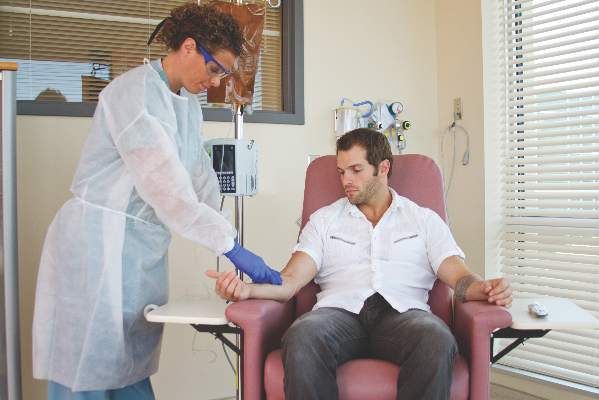
Proper administration of intravenous biologics should take place under the close supervision of a physician in a physician’s office, infusion center, or hospital rather than in a patient’s home in order to address potential infusion reactions that can range from mild to life threatening, according to a position statement issued by the American College of Rheumatology’s Committee on Rheumatologic Care.
The “Patient Safety and Site of Service for Infusible Biologics” statement, issued in late February, comes in opposition to “policies that require home infusion” that appear to seek potential cost savings with home infusions rather than meet the standard of care with on-site physician supervision.
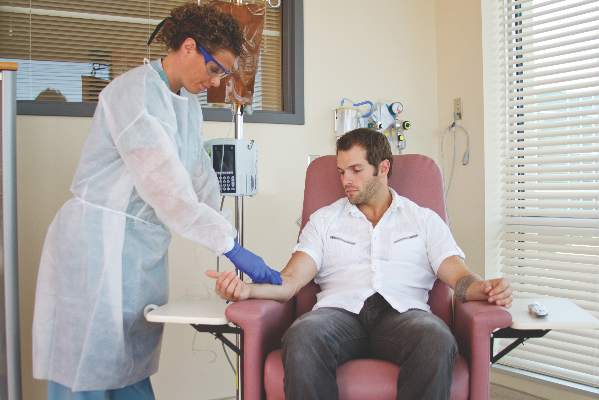
“One observation made by some but not all payers is that infusible biologics are about twice as expensive when infused in a hospital-based infusion center as compared to other locations, such as a clinic-based infusion center or the patient’s home. Thus, some payers are rolling out policies designed to shift patients from hospital-based infusion centers to less expensive sites. The ACR is opposed to policies that would force patients, solely for the purpose of cost containment, to receive infusible biologics in an improperly supervised setting. The purpose of the position statement is to outline that stance,” Dr. Douglas W. White, chair of the ACR’s Committee on Rheumatologic Care, said in an interview.
He noted that he’s “been in on conversations with two payers who are implementing policies to move patients away from hospital-based infusions, but we are aware that others are in various stages of implementing such policies, too. It’s not so much an issue of critical mass for us, rather we’re just trying to keep ahead of the trends, and we think this will be a big trend.”
The potential for adverse reactions is not uncommon during intravenous administration of biologics, the committee wrote, noting, for example, that 10% of patients given infliximab have acute infusion reactions. On-site physicians such as rheumatologists who have experience with the “tremendous heterogeneity of patients with autoimmune disease and the diversity of conditions treated with biologics” can determine the severity of infusion reactions and decide whether or not it is safe to continue a particular biologic agent, in addition to providing reassurance to patients during acute and potentially severe reactions, according to the ACR statement.
Infusion reactions can range in severity from a mild rash to life-threatening anaphylaxis that can involve multiple organ systems leading to respiratory and cardiovascular collapse and requiring immediate treatment with medications such as epinephrine or intravenous glucocorticoids.
The position statement recognizes unusual situations in which home infusion is necessary for a patient to receive treatment because of transportation problems to a medical facility or comorbid conditions in which the risk of no treatment may outweigh the risk of home infusion. In these circumstances, the ACR “encourages providers in such unusual and difficult situations to make the best medical decision based on the individual needs of the patient. Routine home infusion of biologics is considered an unnecessary and dangerous risk to patients and violates our current clinical standards of practice.”
Requirements for using home infusion also threaten “to reduce access to” intravenous biologics, the ACR contends, because “specially trained physicians are less likely to prescribe treatments that are not properly administered in the safest clinical setting [and] patient fear of biologic therapy may lead to noncompliance and inadequate control of disease.”
The ACR noted that home administration of subcutaneous biologics is medically appropriate and the injection site reactions that can occur with their use are often easily managed.
Proper administration of intravenous biologics should take place under the close supervision of a physician in a physician’s office, infusion center, or hospital rather than in a patient’s home in order to address potential infusion reactions that can range from mild to life threatening, according to a position statement issued by the American College of Rheumatology’s Committee on Rheumatologic Care.
The “Patient Safety and Site of Service for Infusible Biologics” statement, issued in late February, comes in opposition to “policies that require home infusion” that appear to seek potential cost savings with home infusions rather than meet the standard of care with on-site physician supervision.
“One observation made by some but not all payers is that infusible biologics are about twice as expensive when infused in a hospital-based infusion center as compared to other locations, such as a clinic-based infusion center or the patient’s home. Thus, some payers are rolling out policies designed to shift patients from hospital-based infusion centers to less expensive sites. The ACR is opposed to policies that would force patients, solely for the purpose of cost containment, to receive infusible biologics in an improperly supervised setting. The purpose of the position statement is to outline that stance,” Dr. Douglas W. White, chair of the ACR’s Committee on Rheumatologic Care, said in an interview.
He noted that he’s “been in on conversations with two payers who are implementing policies to move patients away from hospital-based infusions, but we are aware that others are in various stages of implementing such policies, too. It’s not so much an issue of critical mass for us, rather we’re just trying to keep ahead of the trends, and we think this will be a big trend.”
The potential for adverse reactions is not uncommon during intravenous administration of biologics, the committee wrote, noting, for example, that 10% of patients given infliximab have acute infusion reactions. On-site physicians such as rheumatologists who have experience with the “tremendous heterogeneity of patients with autoimmune disease and the diversity of conditions treated with biologics” can determine the severity of infusion reactions and decide whether or not it is safe to continue a particular biologic agent, in addition to providing reassurance to patients during acute and potentially severe reactions, according to the ACR statement.
Infusion reactions can range in severity from a mild rash to life-threatening anaphylaxis that can involve multiple organ systems leading to respiratory and cardiovascular collapse and requiring immediate treatment with medications such as epinephrine or intravenous glucocorticoids.
The position statement recognizes unusual situations in which home infusion is necessary for a patient to receive treatment because of transportation problems to a medical facility or comorbid conditions in which the risk of no treatment may outweigh the risk of home infusion. In these circumstances, the ACR “encourages providers in such unusual and difficult situations to make the best medical decision based on the individual needs of the patient. Routine home infusion of biologics is considered an unnecessary and dangerous risk to patients and violates our current clinical standards of practice.”
Requirements for using home infusion also threaten “to reduce access to” intravenous biologics, the ACR contends, because “specially trained physicians are less likely to prescribe treatments that are not properly administered in the safest clinical setting [and] patient fear of biologic therapy may lead to noncompliance and inadequate control of disease.”
The ACR noted that home administration of subcutaneous biologics is medically appropriate and the injection site reactions that can occur with their use are often easily managed.
Proper administration of intravenous biologics should take place under the close supervision of a physician in a physician’s office, infusion center, or hospital rather than in a patient’s home in order to address potential infusion reactions that can range from mild to life threatening, according to a position statement issued by the American College of Rheumatology’s Committee on Rheumatologic Care.
The “Patient Safety and Site of Service for Infusible Biologics” statement, issued in late February, comes in opposition to “policies that require home infusion” that appear to seek potential cost savings with home infusions rather than meet the standard of care with on-site physician supervision.
“One observation made by some but not all payers is that infusible biologics are about twice as expensive when infused in a hospital-based infusion center as compared to other locations, such as a clinic-based infusion center or the patient’s home. Thus, some payers are rolling out policies designed to shift patients from hospital-based infusion centers to less expensive sites. The ACR is opposed to policies that would force patients, solely for the purpose of cost containment, to receive infusible biologics in an improperly supervised setting. The purpose of the position statement is to outline that stance,” Dr. Douglas W. White, chair of the ACR’s Committee on Rheumatologic Care, said in an interview.
He noted that he’s “been in on conversations with two payers who are implementing policies to move patients away from hospital-based infusions, but we are aware that others are in various stages of implementing such policies, too. It’s not so much an issue of critical mass for us, rather we’re just trying to keep ahead of the trends, and we think this will be a big trend.”
The potential for adverse reactions is not uncommon during intravenous administration of biologics, the committee wrote, noting, for example, that 10% of patients given infliximab have acute infusion reactions. On-site physicians such as rheumatologists who have experience with the “tremendous heterogeneity of patients with autoimmune disease and the diversity of conditions treated with biologics” can determine the severity of infusion reactions and decide whether or not it is safe to continue a particular biologic agent, in addition to providing reassurance to patients during acute and potentially severe reactions, according to the ACR statement.
Infusion reactions can range in severity from a mild rash to life-threatening anaphylaxis that can involve multiple organ systems leading to respiratory and cardiovascular collapse and requiring immediate treatment with medications such as epinephrine or intravenous glucocorticoids.
The position statement recognizes unusual situations in which home infusion is necessary for a patient to receive treatment because of transportation problems to a medical facility or comorbid conditions in which the risk of no treatment may outweigh the risk of home infusion. In these circumstances, the ACR “encourages providers in such unusual and difficult situations to make the best medical decision based on the individual needs of the patient. Routine home infusion of biologics is considered an unnecessary and dangerous risk to patients and violates our current clinical standards of practice.”
Requirements for using home infusion also threaten “to reduce access to” intravenous biologics, the ACR contends, because “specially trained physicians are less likely to prescribe treatments that are not properly administered in the safest clinical setting [and] patient fear of biologic therapy may lead to noncompliance and inadequate control of disease.”
The ACR noted that home administration of subcutaneous biologics is medically appropriate and the injection site reactions that can occur with their use are often easily managed.
Condom use low among female teens using LARC
WASHINGTON – While use of long-acting reversible contraception (LARC) has steadily been increasing over recent years, a new study shows that adolescent females who use LARC might be neglecting to wear condoms when engaging in sexual intercourse, regardless of their number of partners, thus predisposing them to a high risk of contracting sexually transmitted infections (STIs).
“Like moderately effective methods of contraception, [LARC] does not protect against STIs, and so use of a condom in conjunction with [LARC] is recommended for STI prevention,” lead author Riley J. Steiner of the Centers for Disease Control and Prevention in Atlanta, explained at the annual meeting of the Society for Adolescent Health and Medicine. The study also was published in JAMA Pediatrics (2016 Mar 14. doi:10.1001/jamapediatrics.2016.0007)

She added that, “We really think that establishing a link between LARC and condom use early on, prior to widespread adolescent uptake of LARC, can help provide a useful reference point for future monitoring and, ultimately, inform STI prevention efforts as LARC is brought to scale.”
Ms. Steiner and her coinvestigators used data from the 2013 national Youth Risk Behavior Survey, a self-administered “paper and pencil” questionnaire conducted every 2 years for students in grades 9-12 in public and private high schools across the United States. Analysis of the data – which looked for age, race, and type of contraceptive used – was conducted in July and August of 2015.
Primary outcome of the analysis was to determine the contraceptive method used the most recent time a female had sexual intercourse: either LARC – via an intrauterine device or an implant – oral contraceptives, Depo-Provera, a patch, or a ring. In total, 2,288 females were included in the study; 41% used condoms, 22% used oral contraceptives, 16% used no contraceptive methods whatsoever, 12% used “withdrawal or other method,” 6% used either Depo-Provera, a patch, or a ring, 2% said they were unsure of what contraceptive, if any, they used, and only 2% of females used LARC.
However, of the 2% that used LARC, adjusted odds ratios revealed that they were significantly more likely not to use condoms (adjusted prevalence ratio [aPR], 0.42; 95% confidence interval, 0.21-0.84) as opposed to females on oral contraceptives. There was no significant difference found in condom use between females on LARC versus those on Depo-Provera, a patch, or a ring (aPR = 0.57; 95% CI, 0.26-1.25).
“Health care professionals may be more likely to offer LARC to adolescents who report not using condoms or using them infrequently, as LARC methods are particularly well suited for adolescents who have difficulty adhering to coitally dependent methods,” Ms. Steiner and her associates said, adding that it is currently unknown “whether the association varies by partnership type; it is possible that the observed differences occur largely among adolescents who consider themselves to be in committed partnerships and thus are less concerned about STIs.”
Females included in the study were 57% white, with just over a third of all 2,288 subjects being in the 12th grade. Condom use was most prevalent among 9th graders (47%), while non-Hispanic blacks and Hispanic females tended to use condoms the most (47% and 46%, respectively). LARC use, though low overall, was highest among 12th graders (3%) and non-Hispanic whites (2%).
The study was funded partly by grants from the National Institute of Allergy and Infectious Diseases, and the Centers for Disease Control and Prevention. Ms. Steiner did not report any relevant financial disclosures.
WASHINGTON – While use of long-acting reversible contraception (LARC) has steadily been increasing over recent years, a new study shows that adolescent females who use LARC might be neglecting to wear condoms when engaging in sexual intercourse, regardless of their number of partners, thus predisposing them to a high risk of contracting sexually transmitted infections (STIs).
“Like moderately effective methods of contraception, [LARC] does not protect against STIs, and so use of a condom in conjunction with [LARC] is recommended for STI prevention,” lead author Riley J. Steiner of the Centers for Disease Control and Prevention in Atlanta, explained at the annual meeting of the Society for Adolescent Health and Medicine. The study also was published in JAMA Pediatrics (2016 Mar 14. doi:10.1001/jamapediatrics.2016.0007)
She added that, “We really think that establishing a link between LARC and condom use early on, prior to widespread adolescent uptake of LARC, can help provide a useful reference point for future monitoring and, ultimately, inform STI prevention efforts as LARC is brought to scale.”
Ms. Steiner and her coinvestigators used data from the 2013 national Youth Risk Behavior Survey, a self-administered “paper and pencil” questionnaire conducted every 2 years for students in grades 9-12 in public and private high schools across the United States. Analysis of the data – which looked for age, race, and type of contraceptive used – was conducted in July and August of 2015.
Primary outcome of the analysis was to determine the contraceptive method used the most recent time a female had sexual intercourse: either LARC – via an intrauterine device or an implant – oral contraceptives, Depo-Provera, a patch, or a ring. In total, 2,288 females were included in the study; 41% used condoms, 22% used oral contraceptives, 16% used no contraceptive methods whatsoever, 12% used “withdrawal or other method,” 6% used either Depo-Provera, a patch, or a ring, 2% said they were unsure of what contraceptive, if any, they used, and only 2% of females used LARC.
However, of the 2% that used LARC, adjusted odds ratios revealed that they were significantly more likely not to use condoms (adjusted prevalence ratio [aPR], 0.42; 95% confidence interval, 0.21-0.84) as opposed to females on oral contraceptives. There was no significant difference found in condom use between females on LARC versus those on Depo-Provera, a patch, or a ring (aPR = 0.57; 95% CI, 0.26-1.25).
“Health care professionals may be more likely to offer LARC to adolescents who report not using condoms or using them infrequently, as LARC methods are particularly well suited for adolescents who have difficulty adhering to coitally dependent methods,” Ms. Steiner and her associates said, adding that it is currently unknown “whether the association varies by partnership type; it is possible that the observed differences occur largely among adolescents who consider themselves to be in committed partnerships and thus are less concerned about STIs.”
Females included in the study were 57% white, with just over a third of all 2,288 subjects being in the 12th grade. Condom use was most prevalent among 9th graders (47%), while non-Hispanic blacks and Hispanic females tended to use condoms the most (47% and 46%, respectively). LARC use, though low overall, was highest among 12th graders (3%) and non-Hispanic whites (2%).
The study was funded partly by grants from the National Institute of Allergy and Infectious Diseases, and the Centers for Disease Control and Prevention. Ms. Steiner did not report any relevant financial disclosures.
WASHINGTON – While use of long-acting reversible contraception (LARC) has steadily been increasing over recent years, a new study shows that adolescent females who use LARC might be neglecting to wear condoms when engaging in sexual intercourse, regardless of their number of partners, thus predisposing them to a high risk of contracting sexually transmitted infections (STIs).
“Like moderately effective methods of contraception, [LARC] does not protect against STIs, and so use of a condom in conjunction with [LARC] is recommended for STI prevention,” lead author Riley J. Steiner of the Centers for Disease Control and Prevention in Atlanta, explained at the annual meeting of the Society for Adolescent Health and Medicine. The study also was published in JAMA Pediatrics (2016 Mar 14. doi:10.1001/jamapediatrics.2016.0007)
She added that, “We really think that establishing a link between LARC and condom use early on, prior to widespread adolescent uptake of LARC, can help provide a useful reference point for future monitoring and, ultimately, inform STI prevention efforts as LARC is brought to scale.”
Ms. Steiner and her coinvestigators used data from the 2013 national Youth Risk Behavior Survey, a self-administered “paper and pencil” questionnaire conducted every 2 years for students in grades 9-12 in public and private high schools across the United States. Analysis of the data – which looked for age, race, and type of contraceptive used – was conducted in July and August of 2015.
Primary outcome of the analysis was to determine the contraceptive method used the most recent time a female had sexual intercourse: either LARC – via an intrauterine device or an implant – oral contraceptives, Depo-Provera, a patch, or a ring. In total, 2,288 females were included in the study; 41% used condoms, 22% used oral contraceptives, 16% used no contraceptive methods whatsoever, 12% used “withdrawal or other method,” 6% used either Depo-Provera, a patch, or a ring, 2% said they were unsure of what contraceptive, if any, they used, and only 2% of females used LARC.
However, of the 2% that used LARC, adjusted odds ratios revealed that they were significantly more likely not to use condoms (adjusted prevalence ratio [aPR], 0.42; 95% confidence interval, 0.21-0.84) as opposed to females on oral contraceptives. There was no significant difference found in condom use between females on LARC versus those on Depo-Provera, a patch, or a ring (aPR = 0.57; 95% CI, 0.26-1.25).
“Health care professionals may be more likely to offer LARC to adolescents who report not using condoms or using them infrequently, as LARC methods are particularly well suited for adolescents who have difficulty adhering to coitally dependent methods,” Ms. Steiner and her associates said, adding that it is currently unknown “whether the association varies by partnership type; it is possible that the observed differences occur largely among adolescents who consider themselves to be in committed partnerships and thus are less concerned about STIs.”
Females included in the study were 57% white, with just over a third of all 2,288 subjects being in the 12th grade. Condom use was most prevalent among 9th graders (47%), while non-Hispanic blacks and Hispanic females tended to use condoms the most (47% and 46%, respectively). LARC use, though low overall, was highest among 12th graders (3%) and non-Hispanic whites (2%).
The study was funded partly by grants from the National Institute of Allergy and Infectious Diseases, and the Centers for Disease Control and Prevention. Ms. Steiner did not report any relevant financial disclosures.
AT THE SAHM ANNUAL MEETING
Key clinical point: Adolescent females using LARC to prevent pregnancy often don’t use condoms, even if they have more than one sexual partner, leading to a high risk of contracting and transmitting STIs.
Major finding: 1.8% of sexually active females included in the study used LARC; however, these females were 60% less likely to use condoms, compared with females using oral contraceptives.
Data source: Cross-sectional analysis of data on 2,288 sexually active females from the 2013 national Youth Risk Behavior Survey of U.S. students in grades 9-12.
Disclosures: The study was funded partly by grants from the National Institute of Allergy and Infectious Diseases, and the CDC. Ms. Steiner did not report any relevant financial disclosures.

Psychiatric disorders prevalent in young transgender women
Young transgender women have a high prevalence of psychiatric disorders that is two to four times higher than that in the general population, according to a report published online March 21 in JAMA Pediatrics.
“Improving access to culturally competent primary care, diagnostic screening, psychotherapy, and pharmacologic treatments, and retention in care in clinical community-based pediatric and young-adult medicine settings, are urgently needed to address the adverse mental health and substance dependence disorders in this population,” said Sari L. Reisner, Sc.D., of Boston Children’s Hospital and Harvard Medical School, and his associates.
They assessed mental health using brief structured diagnostic interviews with 298 young transgender women participating in an HIV-prevention study in Boston and Chicago during a 3-year period. The study participants, all aged 16-29 years (mean age, 23 years), had been assigned male sex at birth but self-identified as woman, female, transgender woman, transfemale, male-to-female, or other identity on the transfeminine spectrum. All reported participating in high-risk sexual activity. The study population was urban and ethnically diverse: 49.0% black, 12.4% Latina, 25.5% white, and 13.1% other race/ethnicity. Seventy-two percent reported ever using cross-sex hormones and 21% had undergone gender-reassignment surgery.
A total of 42% of these study participants had at least one psychiatric disorder, and 20% had two or more mental health diagnoses. The prevalence of lifetime major depressive disorder was 35%, suicidality within the preceding month was 20.2%, generalized anxiety disorder during the preceding 6 months was 8%, PTSD during the preceding 6 months was 10%, alcohol dependence during the preceding year was 11%, and substance dependence during the preceding year was 15%.
These findings suggest that stressors that are unique to gender transition, such as adverse processes in identity development, “may affect psychiatric health and well-being across adolescence and young adulthood,” the investigators said (JAMA Pediatr. 2016 March 21 doi: 10.1001/jamapediatrics.2016.0067).
“Pediatric, adolescent, or young-adult primary-care providers may be a first resource for families needing education and support and play a critical role in supporting transgender youth, including screening for psychosocial problems and health risks, referring for gender-specific mental health and medical care, and providing advocacy and support,” Dr. Reisner and his associates said.
They added that clinicians “should familiarize themselves with current international guidelines for the provision of clinical care to transgender young people, to best meet both medical and mental health needs of this at-risk population.”
This study was supported by the National Institute of Mental Health. Dr. Reisner and his associates reported having no relevant financial disclosures.
Dr. Reisner and his associates confirm what has already been consistently reported in the research literature: The prevalence of mental health diagnoses among transgender adolescents and women is extraordinarily high, and timely, appropriate care is imperative to help them achieve health and wellness. What is different with this cohort is that the young transgender women were recruited from the community, rather than from a population of those with the resources to access transgender-specific health care.
It is clear that mental health services are lacking and inaccessible to much of the transgender population. This is due in part to the limited number of professionals who are experienced in working with transgender youth. But it can also be attributed to the lack of clarity, among both mental health professionals and the scientific and medical community in general, regarding the complex nature of the transgender experience.
Dr. Johanna Olson-Kennedy is with Children’s Hospital Los Angeles. She reported having no relevant financial disclosures. Dr. Olson-Kennedy made these remarks in an editorial accompanying Dr. Reisner’s report (JAMA Pediatr. 2016 Mar 21 doi: 10.1001/jamapediatrics.2016.0155).
Dr. Reisner and his associates confirm what has already been consistently reported in the research literature: The prevalence of mental health diagnoses among transgender adolescents and women is extraordinarily high, and timely, appropriate care is imperative to help them achieve health and wellness. What is different with this cohort is that the young transgender women were recruited from the community, rather than from a population of those with the resources to access transgender-specific health care.
It is clear that mental health services are lacking and inaccessible to much of the transgender population. This is due in part to the limited number of professionals who are experienced in working with transgender youth. But it can also be attributed to the lack of clarity, among both mental health professionals and the scientific and medical community in general, regarding the complex nature of the transgender experience.
Dr. Johanna Olson-Kennedy is with Children’s Hospital Los Angeles. She reported having no relevant financial disclosures. Dr. Olson-Kennedy made these remarks in an editorial accompanying Dr. Reisner’s report (JAMA Pediatr. 2016 Mar 21 doi: 10.1001/jamapediatrics.2016.0155).
Dr. Reisner and his associates confirm what has already been consistently reported in the research literature: The prevalence of mental health diagnoses among transgender adolescents and women is extraordinarily high, and timely, appropriate care is imperative to help them achieve health and wellness. What is different with this cohort is that the young transgender women were recruited from the community, rather than from a population of those with the resources to access transgender-specific health care.
It is clear that mental health services are lacking and inaccessible to much of the transgender population. This is due in part to the limited number of professionals who are experienced in working with transgender youth. But it can also be attributed to the lack of clarity, among both mental health professionals and the scientific and medical community in general, regarding the complex nature of the transgender experience.
Dr. Johanna Olson-Kennedy is with Children’s Hospital Los Angeles. She reported having no relevant financial disclosures. Dr. Olson-Kennedy made these remarks in an editorial accompanying Dr. Reisner’s report (JAMA Pediatr. 2016 Mar 21 doi: 10.1001/jamapediatrics.2016.0155).
Young transgender women have a high prevalence of psychiatric disorders that is two to four times higher than that in the general population, according to a report published online March 21 in JAMA Pediatrics.
“Improving access to culturally competent primary care, diagnostic screening, psychotherapy, and pharmacologic treatments, and retention in care in clinical community-based pediatric and young-adult medicine settings, are urgently needed to address the adverse mental health and substance dependence disorders in this population,” said Sari L. Reisner, Sc.D., of Boston Children’s Hospital and Harvard Medical School, and his associates.
They assessed mental health using brief structured diagnostic interviews with 298 young transgender women participating in an HIV-prevention study in Boston and Chicago during a 3-year period. The study participants, all aged 16-29 years (mean age, 23 years), had been assigned male sex at birth but self-identified as woman, female, transgender woman, transfemale, male-to-female, or other identity on the transfeminine spectrum. All reported participating in high-risk sexual activity. The study population was urban and ethnically diverse: 49.0% black, 12.4% Latina, 25.5% white, and 13.1% other race/ethnicity. Seventy-two percent reported ever using cross-sex hormones and 21% had undergone gender-reassignment surgery.
A total of 42% of these study participants had at least one psychiatric disorder, and 20% had two or more mental health diagnoses. The prevalence of lifetime major depressive disorder was 35%, suicidality within the preceding month was 20.2%, generalized anxiety disorder during the preceding 6 months was 8%, PTSD during the preceding 6 months was 10%, alcohol dependence during the preceding year was 11%, and substance dependence during the preceding year was 15%.
These findings suggest that stressors that are unique to gender transition, such as adverse processes in identity development, “may affect psychiatric health and well-being across adolescence and young adulthood,” the investigators said (JAMA Pediatr. 2016 March 21 doi: 10.1001/jamapediatrics.2016.0067).
“Pediatric, adolescent, or young-adult primary-care providers may be a first resource for families needing education and support and play a critical role in supporting transgender youth, including screening for psychosocial problems and health risks, referring for gender-specific mental health and medical care, and providing advocacy and support,” Dr. Reisner and his associates said.
They added that clinicians “should familiarize themselves with current international guidelines for the provision of clinical care to transgender young people, to best meet both medical and mental health needs of this at-risk population.”
This study was supported by the National Institute of Mental Health. Dr. Reisner and his associates reported having no relevant financial disclosures.
Young transgender women have a high prevalence of psychiatric disorders that is two to four times higher than that in the general population, according to a report published online March 21 in JAMA Pediatrics.
“Improving access to culturally competent primary care, diagnostic screening, psychotherapy, and pharmacologic treatments, and retention in care in clinical community-based pediatric and young-adult medicine settings, are urgently needed to address the adverse mental health and substance dependence disorders in this population,” said Sari L. Reisner, Sc.D., of Boston Children’s Hospital and Harvard Medical School, and his associates.
They assessed mental health using brief structured diagnostic interviews with 298 young transgender women participating in an HIV-prevention study in Boston and Chicago during a 3-year period. The study participants, all aged 16-29 years (mean age, 23 years), had been assigned male sex at birth but self-identified as woman, female, transgender woman, transfemale, male-to-female, or other identity on the transfeminine spectrum. All reported participating in high-risk sexual activity. The study population was urban and ethnically diverse: 49.0% black, 12.4% Latina, 25.5% white, and 13.1% other race/ethnicity. Seventy-two percent reported ever using cross-sex hormones and 21% had undergone gender-reassignment surgery.
A total of 42% of these study participants had at least one psychiatric disorder, and 20% had two or more mental health diagnoses. The prevalence of lifetime major depressive disorder was 35%, suicidality within the preceding month was 20.2%, generalized anxiety disorder during the preceding 6 months was 8%, PTSD during the preceding 6 months was 10%, alcohol dependence during the preceding year was 11%, and substance dependence during the preceding year was 15%.
These findings suggest that stressors that are unique to gender transition, such as adverse processes in identity development, “may affect psychiatric health and well-being across adolescence and young adulthood,” the investigators said (JAMA Pediatr. 2016 March 21 doi: 10.1001/jamapediatrics.2016.0067).
“Pediatric, adolescent, or young-adult primary-care providers may be a first resource for families needing education and support and play a critical role in supporting transgender youth, including screening for psychosocial problems and health risks, referring for gender-specific mental health and medical care, and providing advocacy and support,” Dr. Reisner and his associates said.
They added that clinicians “should familiarize themselves with current international guidelines for the provision of clinical care to transgender young people, to best meet both medical and mental health needs of this at-risk population.”
This study was supported by the National Institute of Mental Health. Dr. Reisner and his associates reported having no relevant financial disclosures.
FROM JAMA PEDIATRICS
Key clinical point: Young transgender women have a high prevalence of psychiatric disorders that is two to four times higher than that in the general population.
Major finding: 41.5% of the study participants had at least one psychiatric disorder, such as major depressive disorder, suicidality, generalized anxiety, PTSD, and alcohol or substance dependence.
Data source: An observational cohort study involving 298 transgender women aged 16-29 years residing in Chicago and Boston.
Disclosures: This study was supported by the National Institute of Mental Health. Dr. Reisner and his associates reported having no relevant financial disclosures.
VTEP Guidelines Can Be Systematically Implemented in Pediatric Inpatients
Clinical question: Can venous thromboembolism prophylaxis (VTEP) guidelines be systematically implemented in a pediatric inpatient population?
Background: VTEP for hospitalized adult medical patients has been characterized in the literature as being safe and efficacious, although mortality benefits are unclear.1 Systematic risk stratification based on electronic medical records (EMRs) with resultant implementation of pharmacologic and mechanical thromboprophylaxis has been shown to improve appropriate VTEP ordering in the adult inpatient population.2
Although the incidence of VTE is known to be increasing in the pediatric population, systematic VTEP implementation in hospitalized children is not well-described. Prior studies have shown the safety of systematic VTEP implementation through a protocol identifying high-risk pediatric inpatients with resultant initiation of appropriate VTEP. 3,4
Risk stratification in prior studies has taken into consideration risk factors such as altered mobility, presence of a central venous catheter (CVC), spinal cord injury (SCI), major lower-extremity orthopedic surgery, major trauma, active malignancy, acute infection, obesity, estrogen use, inflammatory bowel disease (IBD), prior VTE, and family history of VTE.4
Study design: Prospective cohort study using QI methodology.
Setting: A 455-bed, tertiary, freestanding children’s hospital.
Synopsis: After reviewing current literature for VTEP in adults and children and existing institutional pathways for VTEP in adults, traumatic brain injury, and SCI, a multidisciplinary committee formulated VTEP guidelines for 12- to 17-year-old patients. Pharmacologic prophylaxis was considered appropriate in the absence of contraindications and only if CVC and altered mobility were present as risk factors. Using a previously published logistic regression model evaluating VTE risk factors, patients were further categorized as high, moderate, or low risk.
Initial risk-factor categorization was via EMR-based order set, where risk factors were displayed, but subsequently was performed by an integrated tool based on an initial screening form completed by providers upon admission. Logic rules applied by the EMR led to specific VTEP recommendations, which were then selectable by the provider.
Over the first 17 months of EMR tool use, 148 patients on average were admitted each month. VTEP screening rates via the EMR tool increased from 48% in the first month to 81% in the final month. Despite EMR tool usage, VTEP orders did not always correlate with recommendations. Although not a stated objective of the study, none of the screened patients developed a VTE (compared to three cases of VTE in patients between 12 and 17 years of age the year prior).
Bottom line: VTEP guidelines can be systematically implemented via an EMR-based tool in a pediatric inpatient population.
Citation: Mahajerin A, Webber E, Morris J, Taylor K, Saysana M. Development and implementation results of a venous thromboembolism prophylaxis guideline in a tertiary care pediatric hospital. Hosp Pediatr. 2015;5(12):630-636.
References
- Spyropoulos AC, Mahan C. Venous thromboembolism prophylaxis in the medical patient: controversies and perspectives. Am J Med. 2009;122(12):1077-1084.
- Kahn SR, Morrison DR, Cohen JM, et al. Interventions for implementation of thromboprophylaxis in hospitalized medical and surgical patients at risk for venous thromboembolism. Cochrane Database Syst Rev. 2013;7:CD008201.
- Takemoto CM, Sohi S, Desai K, et al. Hospital-associated venous thromboembolism in children: incidence and clinical characteristics. J Pediatr. 2014;164(2):332-338.
- Raffini L, Trimarchi T, Beliveau J, Davis D. Thromboprophylaxis in a pediatric hospital: a patient-safety and quality-improvement initiative. Pediatrics. 2011;127(5):e1326-1332.

Clinical question: Can venous thromboembolism prophylaxis (VTEP) guidelines be systematically implemented in a pediatric inpatient population?
Background: VTEP for hospitalized adult medical patients has been characterized in the literature as being safe and efficacious, although mortality benefits are unclear.1 Systematic risk stratification based on electronic medical records (EMRs) with resultant implementation of pharmacologic and mechanical thromboprophylaxis has been shown to improve appropriate VTEP ordering in the adult inpatient population.2
Although the incidence of VTE is known to be increasing in the pediatric population, systematic VTEP implementation in hospitalized children is not well-described. Prior studies have shown the safety of systematic VTEP implementation through a protocol identifying high-risk pediatric inpatients with resultant initiation of appropriate VTEP. 3,4
Risk stratification in prior studies has taken into consideration risk factors such as altered mobility, presence of a central venous catheter (CVC), spinal cord injury (SCI), major lower-extremity orthopedic surgery, major trauma, active malignancy, acute infection, obesity, estrogen use, inflammatory bowel disease (IBD), prior VTE, and family history of VTE.4
Study design: Prospective cohort study using QI methodology.
Setting: A 455-bed, tertiary, freestanding children’s hospital.
Synopsis: After reviewing current literature for VTEP in adults and children and existing institutional pathways for VTEP in adults, traumatic brain injury, and SCI, a multidisciplinary committee formulated VTEP guidelines for 12- to 17-year-old patients. Pharmacologic prophylaxis was considered appropriate in the absence of contraindications and only if CVC and altered mobility were present as risk factors. Using a previously published logistic regression model evaluating VTE risk factors, patients were further categorized as high, moderate, or low risk.
Initial risk-factor categorization was via EMR-based order set, where risk factors were displayed, but subsequently was performed by an integrated tool based on an initial screening form completed by providers upon admission. Logic rules applied by the EMR led to specific VTEP recommendations, which were then selectable by the provider.
Over the first 17 months of EMR tool use, 148 patients on average were admitted each month. VTEP screening rates via the EMR tool increased from 48% in the first month to 81% in the final month. Despite EMR tool usage, VTEP orders did not always correlate with recommendations. Although not a stated objective of the study, none of the screened patients developed a VTE (compared to three cases of VTE in patients between 12 and 17 years of age the year prior).
Bottom line: VTEP guidelines can be systematically implemented via an EMR-based tool in a pediatric inpatient population.
Citation: Mahajerin A, Webber E, Morris J, Taylor K, Saysana M. Development and implementation results of a venous thromboembolism prophylaxis guideline in a tertiary care pediatric hospital. Hosp Pediatr. 2015;5(12):630-636.
References
- Spyropoulos AC, Mahan C. Venous thromboembolism prophylaxis in the medical patient: controversies and perspectives. Am J Med. 2009;122(12):1077-1084.
- Kahn SR, Morrison DR, Cohen JM, et al. Interventions for implementation of thromboprophylaxis in hospitalized medical and surgical patients at risk for venous thromboembolism. Cochrane Database Syst Rev. 2013;7:CD008201.
- Takemoto CM, Sohi S, Desai K, et al. Hospital-associated venous thromboembolism in children: incidence and clinical characteristics. J Pediatr. 2014;164(2):332-338.
- Raffini L, Trimarchi T, Beliveau J, Davis D. Thromboprophylaxis in a pediatric hospital: a patient-safety and quality-improvement initiative. Pediatrics. 2011;127(5):e1326-1332.
Clinical question: Can venous thromboembolism prophylaxis (VTEP) guidelines be systematically implemented in a pediatric inpatient population?
Background: VTEP for hospitalized adult medical patients has been characterized in the literature as being safe and efficacious, although mortality benefits are unclear.1 Systematic risk stratification based on electronic medical records (EMRs) with resultant implementation of pharmacologic and mechanical thromboprophylaxis has been shown to improve appropriate VTEP ordering in the adult inpatient population.2
Although the incidence of VTE is known to be increasing in the pediatric population, systematic VTEP implementation in hospitalized children is not well-described. Prior studies have shown the safety of systematic VTEP implementation through a protocol identifying high-risk pediatric inpatients with resultant initiation of appropriate VTEP. 3,4
Risk stratification in prior studies has taken into consideration risk factors such as altered mobility, presence of a central venous catheter (CVC), spinal cord injury (SCI), major lower-extremity orthopedic surgery, major trauma, active malignancy, acute infection, obesity, estrogen use, inflammatory bowel disease (IBD), prior VTE, and family history of VTE.4
Study design: Prospective cohort study using QI methodology.
Setting: A 455-bed, tertiary, freestanding children’s hospital.
Synopsis: After reviewing current literature for VTEP in adults and children and existing institutional pathways for VTEP in adults, traumatic brain injury, and SCI, a multidisciplinary committee formulated VTEP guidelines for 12- to 17-year-old patients. Pharmacologic prophylaxis was considered appropriate in the absence of contraindications and only if CVC and altered mobility were present as risk factors. Using a previously published logistic regression model evaluating VTE risk factors, patients were further categorized as high, moderate, or low risk.
Initial risk-factor categorization was via EMR-based order set, where risk factors were displayed, but subsequently was performed by an integrated tool based on an initial screening form completed by providers upon admission. Logic rules applied by the EMR led to specific VTEP recommendations, which were then selectable by the provider.
Over the first 17 months of EMR tool use, 148 patients on average were admitted each month. VTEP screening rates via the EMR tool increased from 48% in the first month to 81% in the final month. Despite EMR tool usage, VTEP orders did not always correlate with recommendations. Although not a stated objective of the study, none of the screened patients developed a VTE (compared to three cases of VTE in patients between 12 and 17 years of age the year prior).
Bottom line: VTEP guidelines can be systematically implemented via an EMR-based tool in a pediatric inpatient population.
Citation: Mahajerin A, Webber E, Morris J, Taylor K, Saysana M. Development and implementation results of a venous thromboembolism prophylaxis guideline in a tertiary care pediatric hospital. Hosp Pediatr. 2015;5(12):630-636.
References
- Spyropoulos AC, Mahan C. Venous thromboembolism prophylaxis in the medical patient: controversies and perspectives. Am J Med. 2009;122(12):1077-1084.
- Kahn SR, Morrison DR, Cohen JM, et al. Interventions for implementation of thromboprophylaxis in hospitalized medical and surgical patients at risk for venous thromboembolism. Cochrane Database Syst Rev. 2013;7:CD008201.
- Takemoto CM, Sohi S, Desai K, et al. Hospital-associated venous thromboembolism in children: incidence and clinical characteristics. J Pediatr. 2014;164(2):332-338.
- Raffini L, Trimarchi T, Beliveau J, Davis D. Thromboprophylaxis in a pediatric hospital: a patient-safety and quality-improvement initiative. Pediatrics. 2011;127(5):e1326-1332.
ACR’s 2016-2020 research agenda built through consensus
Therapeutic goals set the tone for the American College of Rheumatology National Research Agenda 2016-2020 by calling for the discovery and development of new therapies for rheumatic disease; finding predictors of response and nonresponse to, and adverse events from therapy; and improving the understanding of how therapies should be used.
Those are the top 3 out of 15 goals facilitated by the ACR’s Committee on Research, which finalized the agenda after seeking input from members of the ACR and Association of Rheumatology Health Professionals (ARHP) living in the United States, and going through several rounds of refining and prioritizing the importance of goals through the input of clinicians, researchers, patients, and stakeholders. The Committee on Research uses the agenda to “set the compass for the organization in terms of research initiatives and facilitate the ACR’s advocacy for the research goals identified.”

Dr. Alexis R. Ogdie-Beatty, who jointly led the development of the agenda for the Committee on Research along with Dr. S. Louis Bridges, said that while the goals for 2016-2020 had a great deal of overlap with those of 2011-2015, “some of the topics that came up were different. Some of the topics were more specific than in the previous agenda. We have some idea how important these issues were to rheumatologists, given that rheumatologists (and patients) rated the importance of the items. Defining new therapeutic targets and developing new therapies for rheumatic diseases was by far the most highly rated goal by rheumatologists. Next most highly rated was to advocate for increased support for rheumatology research and rheumatology investigators – this was included as a supplementary goal that supports the rest of the agenda. Other newer items were those around determining how the changing health care landscape affects rheumatology patients and clinicians. In addition, nonpharmacologic therapy, adult outcomes of pediatric disease, and optimizing patient engagement were topics that were felt to be important. I think these highlight the input of clinicians in identifying research objectives.”
The 2016-2020 agenda is the third set of goals developed by the committee since 2005, and the first to “crowdsource” the important questions to ACR and ARHP members rather than be assembled solely by the committee.

The agenda arose from a multistage process that began with a web-based survey to the ACR/ARHP membership that asked respondents to “list the five most important research questions that need to be addressed over the next 5 years in order to improve the care for patients with rheumatic disease.” A selected group of 100 individuals representing patients, clinicians (academic and community), research (all types with diverse areas/diseases of interest), allied health professionals, pediatric and adult rheumatology, men and women, all career stages, and all regions of the country, used a Delphi exercise to rate 30 statements generated from the survey on a scale from 1 (not important) to 10 (very important). They had the option to provide comments. At a Leadership Summit, stakeholders from various nonprofit foundations associated with rheumatic diseases, the National Institutes of Health, and the president of the Rheumatology Research Foundation gave comments on a draft agenda to the Committee on Research, after which the committee discussed the results and input and then solicited further 1-10 ratings and comments on preliminary agenda goals from the same group of 100 individuals as in the second phase, plus an additional 17 clinicians.
Up next in the rank-ordering after therapeutic goals were three goals about understanding:
• The etiology, pathogenesis, and genetic basis of rheumatic diseases.
• Early disease states to improve early diagnosis, develop biomarkers for early detection, and determine how earlier treatment changes outcomes.
• The immune system and autoimmunity by defining autoimmunity triggers and determining how epigenetics affect disease susceptibility and inflammation.
The 5-year plan proposed developing improved outcome measures that incorporate patient self-reports, imaging, and measures of clinical response and disease activity. The agenda also seeks to gain better understanding of how patients with rheumatic disease, rheumatologists, and rheumatology health professionals are being affected by the changing U.S. health care landscape.
The plan calls for determining the role of nonpharmacologic therapy in the management of rheumatic disease (promoting and improving adherence to physical activity, finding optimal exercise prescriptions, and determining the role of diet on disease activity), as well as evaluating the role of regenerative medicine.
The agenda spells out the need for better engagement of patients in their care as well as for understanding how comorbidities are influenced by rheumatic disease and how pain and fatigue arise in rheumatic disease.
In two separate goals, committee members listed the importance of determining adult outcomes of pediatric rheumatic diseases and the effect of aging on the development, progression, and management of rheumatic diseases.
The Committee on Research identified three supplemental goals that support the others:
• Advocating for increased support for rheumatology research and rheumatology investigators.
• Harmonizing data from existing cohorts and registries to optimize research capabilities.
• Improving patient research partner involvement in research protocols.
Therapeutic goals set the tone for the American College of Rheumatology National Research Agenda 2016-2020 by calling for the discovery and development of new therapies for rheumatic disease; finding predictors of response and nonresponse to, and adverse events from therapy; and improving the understanding of how therapies should be used.
Those are the top 3 out of 15 goals facilitated by the ACR’s Committee on Research, which finalized the agenda after seeking input from members of the ACR and Association of Rheumatology Health Professionals (ARHP) living in the United States, and going through several rounds of refining and prioritizing the importance of goals through the input of clinicians, researchers, patients, and stakeholders. The Committee on Research uses the agenda to “set the compass for the organization in terms of research initiatives and facilitate the ACR’s advocacy for the research goals identified.”
Dr. Alexis R. Ogdie-Beatty, who jointly led the development of the agenda for the Committee on Research along with Dr. S. Louis Bridges, said that while the goals for 2016-2020 had a great deal of overlap with those of 2011-2015, “some of the topics that came up were different. Some of the topics were more specific than in the previous agenda. We have some idea how important these issues were to rheumatologists, given that rheumatologists (and patients) rated the importance of the items. Defining new therapeutic targets and developing new therapies for rheumatic diseases was by far the most highly rated goal by rheumatologists. Next most highly rated was to advocate for increased support for rheumatology research and rheumatology investigators – this was included as a supplementary goal that supports the rest of the agenda. Other newer items were those around determining how the changing health care landscape affects rheumatology patients and clinicians. In addition, nonpharmacologic therapy, adult outcomes of pediatric disease, and optimizing patient engagement were topics that were felt to be important. I think these highlight the input of clinicians in identifying research objectives.”
The 2016-2020 agenda is the third set of goals developed by the committee since 2005, and the first to “crowdsource” the important questions to ACR and ARHP members rather than be assembled solely by the committee.
The agenda arose from a multistage process that began with a web-based survey to the ACR/ARHP membership that asked respondents to “list the five most important research questions that need to be addressed over the next 5 years in order to improve the care for patients with rheumatic disease.” A selected group of 100 individuals representing patients, clinicians (academic and community), research (all types with diverse areas/diseases of interest), allied health professionals, pediatric and adult rheumatology, men and women, all career stages, and all regions of the country, used a Delphi exercise to rate 30 statements generated from the survey on a scale from 1 (not important) to 10 (very important). They had the option to provide comments. At a Leadership Summit, stakeholders from various nonprofit foundations associated with rheumatic diseases, the National Institutes of Health, and the president of the Rheumatology Research Foundation gave comments on a draft agenda to the Committee on Research, after which the committee discussed the results and input and then solicited further 1-10 ratings and comments on preliminary agenda goals from the same group of 100 individuals as in the second phase, plus an additional 17 clinicians.
Up next in the rank-ordering after therapeutic goals were three goals about understanding:
• The etiology, pathogenesis, and genetic basis of rheumatic diseases.
• Early disease states to improve early diagnosis, develop biomarkers for early detection, and determine how earlier treatment changes outcomes.
• The immune system and autoimmunity by defining autoimmunity triggers and determining how epigenetics affect disease susceptibility and inflammation.
The 5-year plan proposed developing improved outcome measures that incorporate patient self-reports, imaging, and measures of clinical response and disease activity. The agenda also seeks to gain better understanding of how patients with rheumatic disease, rheumatologists, and rheumatology health professionals are being affected by the changing U.S. health care landscape.
The plan calls for determining the role of nonpharmacologic therapy in the management of rheumatic disease (promoting and improving adherence to physical activity, finding optimal exercise prescriptions, and determining the role of diet on disease activity), as well as evaluating the role of regenerative medicine.
The agenda spells out the need for better engagement of patients in their care as well as for understanding how comorbidities are influenced by rheumatic disease and how pain and fatigue arise in rheumatic disease.
In two separate goals, committee members listed the importance of determining adult outcomes of pediatric rheumatic diseases and the effect of aging on the development, progression, and management of rheumatic diseases.
The Committee on Research identified three supplemental goals that support the others:
• Advocating for increased support for rheumatology research and rheumatology investigators.
• Harmonizing data from existing cohorts and registries to optimize research capabilities.
• Improving patient research partner involvement in research protocols.
Therapeutic goals set the tone for the American College of Rheumatology National Research Agenda 2016-2020 by calling for the discovery and development of new therapies for rheumatic disease; finding predictors of response and nonresponse to, and adverse events from therapy; and improving the understanding of how therapies should be used.
Those are the top 3 out of 15 goals facilitated by the ACR’s Committee on Research, which finalized the agenda after seeking input from members of the ACR and Association of Rheumatology Health Professionals (ARHP) living in the United States, and going through several rounds of refining and prioritizing the importance of goals through the input of clinicians, researchers, patients, and stakeholders. The Committee on Research uses the agenda to “set the compass for the organization in terms of research initiatives and facilitate the ACR’s advocacy for the research goals identified.”
Dr. Alexis R. Ogdie-Beatty, who jointly led the development of the agenda for the Committee on Research along with Dr. S. Louis Bridges, said that while the goals for 2016-2020 had a great deal of overlap with those of 2011-2015, “some of the topics that came up were different. Some of the topics were more specific than in the previous agenda. We have some idea how important these issues were to rheumatologists, given that rheumatologists (and patients) rated the importance of the items. Defining new therapeutic targets and developing new therapies for rheumatic diseases was by far the most highly rated goal by rheumatologists. Next most highly rated was to advocate for increased support for rheumatology research and rheumatology investigators – this was included as a supplementary goal that supports the rest of the agenda. Other newer items were those around determining how the changing health care landscape affects rheumatology patients and clinicians. In addition, nonpharmacologic therapy, adult outcomes of pediatric disease, and optimizing patient engagement were topics that were felt to be important. I think these highlight the input of clinicians in identifying research objectives.”
The 2016-2020 agenda is the third set of goals developed by the committee since 2005, and the first to “crowdsource” the important questions to ACR and ARHP members rather than be assembled solely by the committee.
The agenda arose from a multistage process that began with a web-based survey to the ACR/ARHP membership that asked respondents to “list the five most important research questions that need to be addressed over the next 5 years in order to improve the care for patients with rheumatic disease.” A selected group of 100 individuals representing patients, clinicians (academic and community), research (all types with diverse areas/diseases of interest), allied health professionals, pediatric and adult rheumatology, men and women, all career stages, and all regions of the country, used a Delphi exercise to rate 30 statements generated from the survey on a scale from 1 (not important) to 10 (very important). They had the option to provide comments. At a Leadership Summit, stakeholders from various nonprofit foundations associated with rheumatic diseases, the National Institutes of Health, and the president of the Rheumatology Research Foundation gave comments on a draft agenda to the Committee on Research, after which the committee discussed the results and input and then solicited further 1-10 ratings and comments on preliminary agenda goals from the same group of 100 individuals as in the second phase, plus an additional 17 clinicians.
Up next in the rank-ordering after therapeutic goals were three goals about understanding:
• The etiology, pathogenesis, and genetic basis of rheumatic diseases.
• Early disease states to improve early diagnosis, develop biomarkers for early detection, and determine how earlier treatment changes outcomes.
• The immune system and autoimmunity by defining autoimmunity triggers and determining how epigenetics affect disease susceptibility and inflammation.
The 5-year plan proposed developing improved outcome measures that incorporate patient self-reports, imaging, and measures of clinical response and disease activity. The agenda also seeks to gain better understanding of how patients with rheumatic disease, rheumatologists, and rheumatology health professionals are being affected by the changing U.S. health care landscape.
The plan calls for determining the role of nonpharmacologic therapy in the management of rheumatic disease (promoting and improving adherence to physical activity, finding optimal exercise prescriptions, and determining the role of diet on disease activity), as well as evaluating the role of regenerative medicine.
The agenda spells out the need for better engagement of patients in their care as well as for understanding how comorbidities are influenced by rheumatic disease and how pain and fatigue arise in rheumatic disease.
In two separate goals, committee members listed the importance of determining adult outcomes of pediatric rheumatic diseases and the effect of aging on the development, progression, and management of rheumatic diseases.
The Committee on Research identified three supplemental goals that support the others:
• Advocating for increased support for rheumatology research and rheumatology investigators.
• Harmonizing data from existing cohorts and registries to optimize research capabilities.
• Improving patient research partner involvement in research protocols.

Risk factors identified for thrombosis in pediatric SLE
Pediatric patients with systemic lupus erythematosus may have greater odds for developing thrombosis if they have a history of vasculitis, antiphospholipid antibody positivity (aPL), and/or avascular necrosis (AVN), according to Dr. Kyla Driest and her associates.
Among 974 pediatric systemic lupus erythematosus (pSLE) patients in the CARRA (Childhood Arthritis & Rheumatology Research Alliance) registry cohort who had available data on thrombosis history, 24 (2.5%) had a history of arterial thrombosis and 35 (3.6%) had a history of venous thrombosis. The researchers conducted a multivariable analysis that found statistically higher odds of thrombosis (P less than .10) among patients with histories of AVN (odds ratio, 4.24; 95% confidence interval, 1.53-11.74), aPL (OR, 2.95; 95% CI, 1.38-6.28), and vasculitis (OR, 2.19; 95% CI, 1.03-4.77), whereas significantly lower odds occurred in patients with a history of renal disease (OR, 0.47; 95% CI, 0.24-0.92). Gender and body-mass index were not statistically significant.
“This study adds to our understanding of which pSLE patients are at the most risk for thrombosis,” the researchers concluded. “These results may prompt discussion concerning potential measures to prevent thrombosis in high-risk patients.”
Find the full study in Lupus (doi: 10.1177/0961203316638164).
Pediatric patients with systemic lupus erythematosus may have greater odds for developing thrombosis if they have a history of vasculitis, antiphospholipid antibody positivity (aPL), and/or avascular necrosis (AVN), according to Dr. Kyla Driest and her associates.
Among 974 pediatric systemic lupus erythematosus (pSLE) patients in the CARRA (Childhood Arthritis & Rheumatology Research Alliance) registry cohort who had available data on thrombosis history, 24 (2.5%) had a history of arterial thrombosis and 35 (3.6%) had a history of venous thrombosis. The researchers conducted a multivariable analysis that found statistically higher odds of thrombosis (P less than .10) among patients with histories of AVN (odds ratio, 4.24; 95% confidence interval, 1.53-11.74), aPL (OR, 2.95; 95% CI, 1.38-6.28), and vasculitis (OR, 2.19; 95% CI, 1.03-4.77), whereas significantly lower odds occurred in patients with a history of renal disease (OR, 0.47; 95% CI, 0.24-0.92). Gender and body-mass index were not statistically significant.
“This study adds to our understanding of which pSLE patients are at the most risk for thrombosis,” the researchers concluded. “These results may prompt discussion concerning potential measures to prevent thrombosis in high-risk patients.”
Find the full study in Lupus (doi: 10.1177/0961203316638164).
Pediatric patients with systemic lupus erythematosus may have greater odds for developing thrombosis if they have a history of vasculitis, antiphospholipid antibody positivity (aPL), and/or avascular necrosis (AVN), according to Dr. Kyla Driest and her associates.
Among 974 pediatric systemic lupus erythematosus (pSLE) patients in the CARRA (Childhood Arthritis & Rheumatology Research Alliance) registry cohort who had available data on thrombosis history, 24 (2.5%) had a history of arterial thrombosis and 35 (3.6%) had a history of venous thrombosis. The researchers conducted a multivariable analysis that found statistically higher odds of thrombosis (P less than .10) among patients with histories of AVN (odds ratio, 4.24; 95% confidence interval, 1.53-11.74), aPL (OR, 2.95; 95% CI, 1.38-6.28), and vasculitis (OR, 2.19; 95% CI, 1.03-4.77), whereas significantly lower odds occurred in patients with a history of renal disease (OR, 0.47; 95% CI, 0.24-0.92). Gender and body-mass index were not statistically significant.
“This study adds to our understanding of which pSLE patients are at the most risk for thrombosis,” the researchers concluded. “These results may prompt discussion concerning potential measures to prevent thrombosis in high-risk patients.”
Find the full study in Lupus (doi: 10.1177/0961203316638164).
FROM LUPUS
Among Recent US Measles Patients, 42% Intentionally Unvaccinated
In approximately 42% of recent cases of measles in the United States, the patients were intentionally unvaccinated for nonmedical reasons such as religious or philosophical objections to vaccines, according to a report published online March 15 in JAMA.
Vaccine refusal raised the risk of acquiring measles not only among unvaccinated individuals but also among fully vaccinated people living where the outbreaks occurred, said Dr. Varun K. Phadke of the division of infectious diseases, Emory University, Atlanta, and his associates.
To characterize the contribution of vaccine refusal to recent outbreaks of two vaccine-preventable diseases, the investigators reviewed 18 published studies involving 1,416 measles cases and 32 involving 10,609 pertussis cases. They found that 56.8% of the patients who acquired measles and 24%-45% of those who acquired pertussis were unvaccinated or undervaccinated (hadn’t received all the recommended doses of the vaccines).
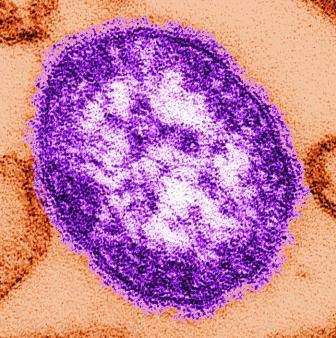
In 970 measles cases for which there were detailed data, 405 patients (42%) were intentionally unvaccinated without any medical indications for avoiding the vaccine; these patients avoided immunization against measles because of personal, philosophical, or religious beliefs or cultural norms. Unvaccinated people were up to 35 times more likely than were vaccinated people to acquire the infection. Nonetheless, a higher frequency of vaccine refusal in the geographic area of an outbreak also correlated with a higher measles incidence among the vaccinated people living there.
In eight of the largest pertussis outbreaks for which there were detailed data, 59%-93% of patients were intentionally unvaccinated for nonmedical reasons. Unvaccinated people were up to 20 times more likely than were vaccinated people to acquire the infection. And among people who hadn’t received all recommended the doses of pertussis vaccine, the risk of the infection was proportional to the number of doses they missed. As with measles, a higher frequency of refusal of the pertussis vaccine in the vicinity of a pertussis outbreak correlated with a higher incidence even among the vaccinated people living there. Waning immunity explained only some, not all, of the increased risk among vaccinated individuals, Dr. Phadke and his associates noted (JAMA 2016 March 15;315[11]:1149-58). These findings “have broad implications” for vaccine practice and policy. For example, to restrict peoples’ individual freedom by mandating vaccination, it must first be demonstrated that exemptions harm others living in the community.
To improve vaccine coverage, communities should strengthen state- or school-level enforcement of existing vaccine mandates, as well as increase the difficulty of obtaining a vaccine exemption. They also should “address the reasons for vaccine hesitancy, which may include parental perceptions regarding the risk and severity of vaccine-preventable diseases, the safety and effectiveness of routine immunizations, and confidence in medical professionals, corporations, and the health care system,” the investigators said.
This study was supported by the National Institute of Allergy and Infectious Diseases’ Emory Vaccinology Training Program. Dr. Phadke reported having no relevant financial disclosures; one of his associates reported ties to Crucell, Pfizer, Merck, and Parents of Kids with Infectious Diseases.
To improve vaccine coverage for these two preventable infections, states with permissive exemption regulations should adopt stricter approaches.
In addition, vaccine refusal among adults, not just children, must be addressed. Health care professionals can improve poor vaccine coverage in this age group by engaging their adult patients in discussion, querying any hesitancy to be immunized, and promoting adherence to vaccine recommendations.
The issue of waning immunity also must be addressed, by adjusting the recommended intervals between doses and developing vaccines with more durable immunity.
Dr. Matthew M. Davis is in the Child Health Evaluation and Research Unit and in the Institute for Healthcare Policy and Innovation at the University of Michigan, Ann Arbor. He reported having no relevant disclosures. Dr. Davis made these remarks in an editorial accompanying Dr. Phadke’s report (JAMA 2016, March 15;315[11]:1115-7).
To improve vaccine coverage for these two preventable infections, states with permissive exemption regulations should adopt stricter approaches.
In addition, vaccine refusal among adults, not just children, must be addressed. Health care professionals can improve poor vaccine coverage in this age group by engaging their adult patients in discussion, querying any hesitancy to be immunized, and promoting adherence to vaccine recommendations.
The issue of waning immunity also must be addressed, by adjusting the recommended intervals between doses and developing vaccines with more durable immunity.
Dr. Matthew M. Davis is in the Child Health Evaluation and Research Unit and in the Institute for Healthcare Policy and Innovation at the University of Michigan, Ann Arbor. He reported having no relevant disclosures. Dr. Davis made these remarks in an editorial accompanying Dr. Phadke’s report (JAMA 2016, March 15;315[11]:1115-7).
To improve vaccine coverage for these two preventable infections, states with permissive exemption regulations should adopt stricter approaches.
In addition, vaccine refusal among adults, not just children, must be addressed. Health care professionals can improve poor vaccine coverage in this age group by engaging their adult patients in discussion, querying any hesitancy to be immunized, and promoting adherence to vaccine recommendations.
The issue of waning immunity also must be addressed, by adjusting the recommended intervals between doses and developing vaccines with more durable immunity.
Dr. Matthew M. Davis is in the Child Health Evaluation and Research Unit and in the Institute for Healthcare Policy and Innovation at the University of Michigan, Ann Arbor. He reported having no relevant disclosures. Dr. Davis made these remarks in an editorial accompanying Dr. Phadke’s report (JAMA 2016, March 15;315[11]:1115-7).
In approximately 42% of recent cases of measles in the United States, the patients were intentionally unvaccinated for nonmedical reasons such as religious or philosophical objections to vaccines, according to a report published online March 15 in JAMA.
Vaccine refusal raised the risk of acquiring measles not only among unvaccinated individuals but also among fully vaccinated people living where the outbreaks occurred, said Dr. Varun K. Phadke of the division of infectious diseases, Emory University, Atlanta, and his associates.
To characterize the contribution of vaccine refusal to recent outbreaks of two vaccine-preventable diseases, the investigators reviewed 18 published studies involving 1,416 measles cases and 32 involving 10,609 pertussis cases. They found that 56.8% of the patients who acquired measles and 24%-45% of those who acquired pertussis were unvaccinated or undervaccinated (hadn’t received all the recommended doses of the vaccines).
In 970 measles cases for which there were detailed data, 405 patients (42%) were intentionally unvaccinated without any medical indications for avoiding the vaccine; these patients avoided immunization against measles because of personal, philosophical, or religious beliefs or cultural norms. Unvaccinated people were up to 35 times more likely than were vaccinated people to acquire the infection. Nonetheless, a higher frequency of vaccine refusal in the geographic area of an outbreak also correlated with a higher measles incidence among the vaccinated people living there.
In eight of the largest pertussis outbreaks for which there were detailed data, 59%-93% of patients were intentionally unvaccinated for nonmedical reasons. Unvaccinated people were up to 20 times more likely than were vaccinated people to acquire the infection. And among people who hadn’t received all recommended the doses of pertussis vaccine, the risk of the infection was proportional to the number of doses they missed. As with measles, a higher frequency of refusal of the pertussis vaccine in the vicinity of a pertussis outbreak correlated with a higher incidence even among the vaccinated people living there. Waning immunity explained only some, not all, of the increased risk among vaccinated individuals, Dr. Phadke and his associates noted (JAMA 2016 March 15;315[11]:1149-58). These findings “have broad implications” for vaccine practice and policy. For example, to restrict peoples’ individual freedom by mandating vaccination, it must first be demonstrated that exemptions harm others living in the community.
To improve vaccine coverage, communities should strengthen state- or school-level enforcement of existing vaccine mandates, as well as increase the difficulty of obtaining a vaccine exemption. They also should “address the reasons for vaccine hesitancy, which may include parental perceptions regarding the risk and severity of vaccine-preventable diseases, the safety and effectiveness of routine immunizations, and confidence in medical professionals, corporations, and the health care system,” the investigators said.
This study was supported by the National Institute of Allergy and Infectious Diseases’ Emory Vaccinology Training Program. Dr. Phadke reported having no relevant financial disclosures; one of his associates reported ties to Crucell, Pfizer, Merck, and Parents of Kids with Infectious Diseases.
In approximately 42% of recent cases of measles in the United States, the patients were intentionally unvaccinated for nonmedical reasons such as religious or philosophical objections to vaccines, according to a report published online March 15 in JAMA.
Vaccine refusal raised the risk of acquiring measles not only among unvaccinated individuals but also among fully vaccinated people living where the outbreaks occurred, said Dr. Varun K. Phadke of the division of infectious diseases, Emory University, Atlanta, and his associates.
To characterize the contribution of vaccine refusal to recent outbreaks of two vaccine-preventable diseases, the investigators reviewed 18 published studies involving 1,416 measles cases and 32 involving 10,609 pertussis cases. They found that 56.8% of the patients who acquired measles and 24%-45% of those who acquired pertussis were unvaccinated or undervaccinated (hadn’t received all the recommended doses of the vaccines).
In 970 measles cases for which there were detailed data, 405 patients (42%) were intentionally unvaccinated without any medical indications for avoiding the vaccine; these patients avoided immunization against measles because of personal, philosophical, or religious beliefs or cultural norms. Unvaccinated people were up to 35 times more likely than were vaccinated people to acquire the infection. Nonetheless, a higher frequency of vaccine refusal in the geographic area of an outbreak also correlated with a higher measles incidence among the vaccinated people living there.
In eight of the largest pertussis outbreaks for which there were detailed data, 59%-93% of patients were intentionally unvaccinated for nonmedical reasons. Unvaccinated people were up to 20 times more likely than were vaccinated people to acquire the infection. And among people who hadn’t received all recommended the doses of pertussis vaccine, the risk of the infection was proportional to the number of doses they missed. As with measles, a higher frequency of refusal of the pertussis vaccine in the vicinity of a pertussis outbreak correlated with a higher incidence even among the vaccinated people living there. Waning immunity explained only some, not all, of the increased risk among vaccinated individuals, Dr. Phadke and his associates noted (JAMA 2016 March 15;315[11]:1149-58). These findings “have broad implications” for vaccine practice and policy. For example, to restrict peoples’ individual freedom by mandating vaccination, it must first be demonstrated that exemptions harm others living in the community.
To improve vaccine coverage, communities should strengthen state- or school-level enforcement of existing vaccine mandates, as well as increase the difficulty of obtaining a vaccine exemption. They also should “address the reasons for vaccine hesitancy, which may include parental perceptions regarding the risk and severity of vaccine-preventable diseases, the safety and effectiveness of routine immunizations, and confidence in medical professionals, corporations, and the health care system,” the investigators said.
This study was supported by the National Institute of Allergy and Infectious Diseases’ Emory Vaccinology Training Program. Dr. Phadke reported having no relevant financial disclosures; one of his associates reported ties to Crucell, Pfizer, Merck, and Parents of Kids with Infectious Diseases.
FROM JAMA
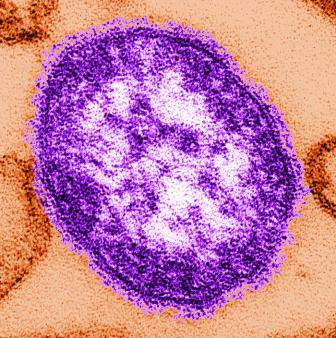
Among recent U.S. measles patients, 42% intentionally unvaccinated
In approximately 42% of recent cases of measles in the United States, the patients were intentionally unvaccinated for nonmedical reasons such as religious or philosophical objections to vaccines, according to a report published online March 15 in JAMA.
Vaccine refusal raised the risk of acquiring measles not only among unvaccinated individuals but also among fully vaccinated people living where the outbreaks occurred, said Dr. Varun K. Phadke of the division of infectious diseases, Emory University, Atlanta, and his associates.
To characterize the contribution of vaccine refusal to recent outbreaks of two vaccine-preventable diseases, the investigators reviewed 18 published studies involving 1,416 measles cases and 32 involving 10,609 pertussis cases. They found that 56.8% of the patients who acquired measles and 24%-45% of those who acquired pertussis were unvaccinated or undervaccinated (hadn’t received all the recommended doses of the vaccines).

In 970 measles cases for which there were detailed data, 405 patients (42%) were intentionally unvaccinated without any medical indications for avoiding the vaccine; these patients avoided immunization against measles because of personal, philosophical, or religious beliefs or cultural norms. Unvaccinated people were up to 35 times more likely than were vaccinated people to acquire the infection. Nonetheless, a higher frequency of vaccine refusal in the geographic area of an outbreak also correlated with a higher measles incidence among the vaccinated people living there.
In eight of the largest pertussis outbreaks for which there were detailed data, 59%-93% of patients were intentionally unvaccinated for nonmedical reasons. Unvaccinated people were up to 20 times more likely than were vaccinated people to acquire the infection. And among people who hadn’t received all recommended the doses of pertussis vaccine, the risk of the infection was proportional to the number of doses they missed. As with measles, a higher frequency of refusal of the pertussis vaccine in the vicinity of a pertussis outbreak correlated with a higher incidence even among the vaccinated people living there. Waning immunity explained only some, not all, of the increased risk among vaccinated individuals, Dr. Phadke and his associates noted (JAMA 2016 March 15;315[11]:1149-58). These findings “have broad implications” for vaccine practice and policy. For example, to restrict peoples’ individual freedom by mandating vaccination, it must first be demonstrated that exemptions harm others living in the community.
To improve vaccine coverage, communities should strengthen state- or school-level enforcement of existing vaccine mandates, as well as increase the difficulty of obtaining a vaccine exemption. They also should “address the reasons for vaccine hesitancy, which may include parental perceptions regarding the risk and severity of vaccine-preventable diseases, the safety and effectiveness of routine immunizations, and confidence in medical professionals, corporations, and the health care system,” the investigators said.
This study was supported by the National Institute of Allergy and Infectious Diseases’ Emory Vaccinology Training Program. Dr. Phadke reported having no relevant financial disclosures; one of his associates reported ties to Crucell, Pfizer, Merck, and Parents of Kids with Infectious Diseases.
To improve vaccine coverage for these two preventable infections, states with permissive exemption regulations should adopt stricter approaches.
In addition, vaccine refusal among adults, not just children, must be addressed. Health care professionals can improve poor vaccine coverage in this age group by engaging their adult patients in discussion, querying any hesitancy to be immunized, and promoting adherence to vaccine recommendations.
The issue of waning immunity also must be addressed, by adjusting the recommended intervals between doses and developing vaccines with more durable immunity.
Dr. Matthew M. Davis is in the Child Health Evaluation and Research Unit and in the Institute for Healthcare Policy and Innovation at the University of Michigan, Ann Arbor. He reported having no relevant disclosures. Dr. Davis made these remarks in an editorial accompanying Dr. Phadke’s report (JAMA 2016, March 15;315[11]:1115-7).
To improve vaccine coverage for these two preventable infections, states with permissive exemption regulations should adopt stricter approaches.
In addition, vaccine refusal among adults, not just children, must be addressed. Health care professionals can improve poor vaccine coverage in this age group by engaging their adult patients in discussion, querying any hesitancy to be immunized, and promoting adherence to vaccine recommendations.
The issue of waning immunity also must be addressed, by adjusting the recommended intervals between doses and developing vaccines with more durable immunity.
Dr. Matthew M. Davis is in the Child Health Evaluation and Research Unit and in the Institute for Healthcare Policy and Innovation at the University of Michigan, Ann Arbor. He reported having no relevant disclosures. Dr. Davis made these remarks in an editorial accompanying Dr. Phadke’s report (JAMA 2016, March 15;315[11]:1115-7).
To improve vaccine coverage for these two preventable infections, states with permissive exemption regulations should adopt stricter approaches.
In addition, vaccine refusal among adults, not just children, must be addressed. Health care professionals can improve poor vaccine coverage in this age group by engaging their adult patients in discussion, querying any hesitancy to be immunized, and promoting adherence to vaccine recommendations.
The issue of waning immunity also must be addressed, by adjusting the recommended intervals between doses and developing vaccines with more durable immunity.
Dr. Matthew M. Davis is in the Child Health Evaluation and Research Unit and in the Institute for Healthcare Policy and Innovation at the University of Michigan, Ann Arbor. He reported having no relevant disclosures. Dr. Davis made these remarks in an editorial accompanying Dr. Phadke’s report (JAMA 2016, March 15;315[11]:1115-7).
In approximately 42% of recent cases of measles in the United States, the patients were intentionally unvaccinated for nonmedical reasons such as religious or philosophical objections to vaccines, according to a report published online March 15 in JAMA.
Vaccine refusal raised the risk of acquiring measles not only among unvaccinated individuals but also among fully vaccinated people living where the outbreaks occurred, said Dr. Varun K. Phadke of the division of infectious diseases, Emory University, Atlanta, and his associates.
To characterize the contribution of vaccine refusal to recent outbreaks of two vaccine-preventable diseases, the investigators reviewed 18 published studies involving 1,416 measles cases and 32 involving 10,609 pertussis cases. They found that 56.8% of the patients who acquired measles and 24%-45% of those who acquired pertussis were unvaccinated or undervaccinated (hadn’t received all the recommended doses of the vaccines).
In 970 measles cases for which there were detailed data, 405 patients (42%) were intentionally unvaccinated without any medical indications for avoiding the vaccine; these patients avoided immunization against measles because of personal, philosophical, or religious beliefs or cultural norms. Unvaccinated people were up to 35 times more likely than were vaccinated people to acquire the infection. Nonetheless, a higher frequency of vaccine refusal in the geographic area of an outbreak also correlated with a higher measles incidence among the vaccinated people living there.
In eight of the largest pertussis outbreaks for which there were detailed data, 59%-93% of patients were intentionally unvaccinated for nonmedical reasons. Unvaccinated people were up to 20 times more likely than were vaccinated people to acquire the infection. And among people who hadn’t received all recommended the doses of pertussis vaccine, the risk of the infection was proportional to the number of doses they missed. As with measles, a higher frequency of refusal of the pertussis vaccine in the vicinity of a pertussis outbreak correlated with a higher incidence even among the vaccinated people living there. Waning immunity explained only some, not all, of the increased risk among vaccinated individuals, Dr. Phadke and his associates noted (JAMA 2016 March 15;315[11]:1149-58). These findings “have broad implications” for vaccine practice and policy. For example, to restrict peoples’ individual freedom by mandating vaccination, it must first be demonstrated that exemptions harm others living in the community.
To improve vaccine coverage, communities should strengthen state- or school-level enforcement of existing vaccine mandates, as well as increase the difficulty of obtaining a vaccine exemption. They also should “address the reasons for vaccine hesitancy, which may include parental perceptions regarding the risk and severity of vaccine-preventable diseases, the safety and effectiveness of routine immunizations, and confidence in medical professionals, corporations, and the health care system,” the investigators said.
This study was supported by the National Institute of Allergy and Infectious Diseases’ Emory Vaccinology Training Program. Dr. Phadke reported having no relevant financial disclosures; one of his associates reported ties to Crucell, Pfizer, Merck, and Parents of Kids with Infectious Diseases.
In approximately 42% of recent cases of measles in the United States, the patients were intentionally unvaccinated for nonmedical reasons such as religious or philosophical objections to vaccines, according to a report published online March 15 in JAMA.
Vaccine refusal raised the risk of acquiring measles not only among unvaccinated individuals but also among fully vaccinated people living where the outbreaks occurred, said Dr. Varun K. Phadke of the division of infectious diseases, Emory University, Atlanta, and his associates.
To characterize the contribution of vaccine refusal to recent outbreaks of two vaccine-preventable diseases, the investigators reviewed 18 published studies involving 1,416 measles cases and 32 involving 10,609 pertussis cases. They found that 56.8% of the patients who acquired measles and 24%-45% of those who acquired pertussis were unvaccinated or undervaccinated (hadn’t received all the recommended doses of the vaccines).
In 970 measles cases for which there were detailed data, 405 patients (42%) were intentionally unvaccinated without any medical indications for avoiding the vaccine; these patients avoided immunization against measles because of personal, philosophical, or religious beliefs or cultural norms. Unvaccinated people were up to 35 times more likely than were vaccinated people to acquire the infection. Nonetheless, a higher frequency of vaccine refusal in the geographic area of an outbreak also correlated with a higher measles incidence among the vaccinated people living there.
In eight of the largest pertussis outbreaks for which there were detailed data, 59%-93% of patients were intentionally unvaccinated for nonmedical reasons. Unvaccinated people were up to 20 times more likely than were vaccinated people to acquire the infection. And among people who hadn’t received all recommended the doses of pertussis vaccine, the risk of the infection was proportional to the number of doses they missed. As with measles, a higher frequency of refusal of the pertussis vaccine in the vicinity of a pertussis outbreak correlated with a higher incidence even among the vaccinated people living there. Waning immunity explained only some, not all, of the increased risk among vaccinated individuals, Dr. Phadke and his associates noted (JAMA 2016 March 15;315[11]:1149-58). These findings “have broad implications” for vaccine practice and policy. For example, to restrict peoples’ individual freedom by mandating vaccination, it must first be demonstrated that exemptions harm others living in the community.
To improve vaccine coverage, communities should strengthen state- or school-level enforcement of existing vaccine mandates, as well as increase the difficulty of obtaining a vaccine exemption. They also should “address the reasons for vaccine hesitancy, which may include parental perceptions regarding the risk and severity of vaccine-preventable diseases, the safety and effectiveness of routine immunizations, and confidence in medical professionals, corporations, and the health care system,” the investigators said.
This study was supported by the National Institute of Allergy and Infectious Diseases’ Emory Vaccinology Training Program. Dr. Phadke reported having no relevant financial disclosures; one of his associates reported ties to Crucell, Pfizer, Merck, and Parents of Kids with Infectious Diseases.
FROM JAMA
Key clinical point: In approximately 42% of recent U.S. measles cases, the patients were intentionally unvaccinated for nonmedical reasons.
Major finding: Of 970 measles patients, 405 (42%) were intentionally unvaccinated, and unvaccinated people were up to 35 times more likely than vaccinated people to acquire the infection.
Data source: A review of 18 studies (1,416 patients) of recent measles outbreaks and 32 studies (10,609 patients) of recent pertussis outbreaks.
Disclosures: This study was supported by the National Institute of Allergy and Infectious Diseases’ Emory Vaccinology Training Program. Dr. Phadke reported having no relevant disclosures; one of his associates reported ties to Crucell, Pfizer, Merck, and Parents of Kids with Infectious Diseases.
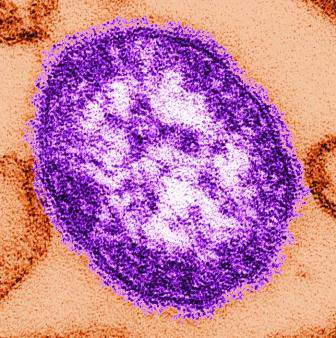
Intervention helps parents cope with kids’ HSCT

Photo by Chad McNeeley
A new social-cognitive intervention can reduce stress in parents of children undergoing hematopoietic stem cell transplant (HSCT), according to research published in the Journal of Consulting and Clinical Psychology.
In the short-term, the parent social-cognitive intervention program (P-SCIP) appeared more effective than the current best-practice psychosocial care (BPC) for reducing anxiety, depression, and traumatic distress.
However, there was not much difference between P-SCIP and BPC when it came to long-term results.
Certain subgroups of parents seemed to derive more benefit from P-SCIP than other parents.
“[P]revious research from our team and others has shown that between 20% and 66% of caregivers have elevated depression and/or anxiety prior to their child’s transplant procedure,” said study author Sharon Manne, PhD, of the Rutgers Cancer Institute of New Jersey in New Brunswick.
“It was our aim in this study to develop and test an individual intervention program that targets cognitive and social processing strategies associated with caregiver adjustment and compare that to available best-practice psychosocial care.”
Interventions
This study included 218 biological or foster parents of HSCT recipients under age 19. The parents were assigned to receive P-SCIP or BPC.
P-SCIP required parents to view an interactive CD-ROM for five 60-minute sessions over a 2- to 3-week period following the child’s transplant.
The CD-ROM addressed parents’ worries about their child, coping with solvable concerns related to HSCT, coping with unchangeable problems related to HSCT, and communication and the importance of expressing feelings and needs.
Parents receiving BPC viewed a 1-hour video guide to pediatric HSCT and received a pamphlet covering common caregiver issues. The parents were also given the option of having someone watch their child for up to 5 hours and the use of walkie-talkies so the parents could communicate with their child when they were not in the room.
All participants were asked to complete an in-person survey within a month’s time of their child receiving the transplant and to complete follow-up surveys by phone or mail at 1 month, 6 months, and 1 year post-HSCT.
One hundred and ten parents were randomized to P-SCIP and 108 to BPC. Sixty-six parents completed P-SCIP through the last follow-up, as did 72 parents assigned to BPC.
Results
The researchers found that P-SCIP could reduce anxiety, depression, and—to a marginal degree—traumatic distress more than BPC.
However, the beneficial effects of P-SCIP relative to BPC were only seen at the first follow-up. The overall psychological benefits of P-SCIP were no longer evident at the 6-month or 1-year follow ups.
Still, anxiety, depression, and traumatic distress declined among all the parents over the 1-year follow-up period, which is consistent with other research on caregiver distress after pediatric HSCT.
“Our study suggests that our intervention had an impact when primary caregivers were experiencing high levels of trauma and stress—during the time of the actual transplant and hospitalization—and that the intervention was more beneficial for specific subgroups of caregivers,” Dr Manne said.
P-SCIP had a stronger effect than BPC among parents who began the study reporting higher depression and anxiety and among parents whose children developed graft-versus-host disease.
Similarly, P-SCIP had long-term effects on traumatic distress among parents who reported higher anxiety pre-HSCT and among parents whose children had graft-versus-host disease at HSCT discharge.
“Our findings suggest that screening caregivers for elevations in anxiety and targeting interventions specifically to them may prove beneficial,” Dr Manne said.
She added that a next step for this research might be to examine possible differences between mothers and fathers in the caregiver role, as most of the primary caregivers in this study were mothers.
Additionally, if this intervention is carried into the clinical setting, methods of improving intervention attendance might be considered. Utilizing phone or web-based contact that would allow the parent to remain in the room with the child during hospitalization might help the caregivers more easily access the intervention. 
Photo by Chad McNeeley
A new social-cognitive intervention can reduce stress in parents of children undergoing hematopoietic stem cell transplant (HSCT), according to research published in the Journal of Consulting and Clinical Psychology.
In the short-term, the parent social-cognitive intervention program (P-SCIP) appeared more effective than the current best-practice psychosocial care (BPC) for reducing anxiety, depression, and traumatic distress.
However, there was not much difference between P-SCIP and BPC when it came to long-term results.
Certain subgroups of parents seemed to derive more benefit from P-SCIP than other parents.
“[P]revious research from our team and others has shown that between 20% and 66% of caregivers have elevated depression and/or anxiety prior to their child’s transplant procedure,” said study author Sharon Manne, PhD, of the Rutgers Cancer Institute of New Jersey in New Brunswick.
“It was our aim in this study to develop and test an individual intervention program that targets cognitive and social processing strategies associated with caregiver adjustment and compare that to available best-practice psychosocial care.”
Interventions
This study included 218 biological or foster parents of HSCT recipients under age 19. The parents were assigned to receive P-SCIP or BPC.
P-SCIP required parents to view an interactive CD-ROM for five 60-minute sessions over a 2- to 3-week period following the child’s transplant.
The CD-ROM addressed parents’ worries about their child, coping with solvable concerns related to HSCT, coping with unchangeable problems related to HSCT, and communication and the importance of expressing feelings and needs.
Parents receiving BPC viewed a 1-hour video guide to pediatric HSCT and received a pamphlet covering common caregiver issues. The parents were also given the option of having someone watch their child for up to 5 hours and the use of walkie-talkies so the parents could communicate with their child when they were not in the room.
All participants were asked to complete an in-person survey within a month’s time of their child receiving the transplant and to complete follow-up surveys by phone or mail at 1 month, 6 months, and 1 year post-HSCT.
One hundred and ten parents were randomized to P-SCIP and 108 to BPC. Sixty-six parents completed P-SCIP through the last follow-up, as did 72 parents assigned to BPC.
Results
The researchers found that P-SCIP could reduce anxiety, depression, and—to a marginal degree—traumatic distress more than BPC.
However, the beneficial effects of P-SCIP relative to BPC were only seen at the first follow-up. The overall psychological benefits of P-SCIP were no longer evident at the 6-month or 1-year follow ups.
Still, anxiety, depression, and traumatic distress declined among all the parents over the 1-year follow-up period, which is consistent with other research on caregiver distress after pediatric HSCT.
“Our study suggests that our intervention had an impact when primary caregivers were experiencing high levels of trauma and stress—during the time of the actual transplant and hospitalization—and that the intervention was more beneficial for specific subgroups of caregivers,” Dr Manne said.
P-SCIP had a stronger effect than BPC among parents who began the study reporting higher depression and anxiety and among parents whose children developed graft-versus-host disease.
Similarly, P-SCIP had long-term effects on traumatic distress among parents who reported higher anxiety pre-HSCT and among parents whose children had graft-versus-host disease at HSCT discharge.
“Our findings suggest that screening caregivers for elevations in anxiety and targeting interventions specifically to them may prove beneficial,” Dr Manne said.
She added that a next step for this research might be to examine possible differences between mothers and fathers in the caregiver role, as most of the primary caregivers in this study were mothers.
Additionally, if this intervention is carried into the clinical setting, methods of improving intervention attendance might be considered. Utilizing phone or web-based contact that would allow the parent to remain in the room with the child during hospitalization might help the caregivers more easily access the intervention.
Photo by Chad McNeeley
A new social-cognitive intervention can reduce stress in parents of children undergoing hematopoietic stem cell transplant (HSCT), according to research published in the Journal of Consulting and Clinical Psychology.
In the short-term, the parent social-cognitive intervention program (P-SCIP) appeared more effective than the current best-practice psychosocial care (BPC) for reducing anxiety, depression, and traumatic distress.
However, there was not much difference between P-SCIP and BPC when it came to long-term results.
Certain subgroups of parents seemed to derive more benefit from P-SCIP than other parents.
“[P]revious research from our team and others has shown that between 20% and 66% of caregivers have elevated depression and/or anxiety prior to their child’s transplant procedure,” said study author Sharon Manne, PhD, of the Rutgers Cancer Institute of New Jersey in New Brunswick.
“It was our aim in this study to develop and test an individual intervention program that targets cognitive and social processing strategies associated with caregiver adjustment and compare that to available best-practice psychosocial care.”
Interventions
This study included 218 biological or foster parents of HSCT recipients under age 19. The parents were assigned to receive P-SCIP or BPC.
P-SCIP required parents to view an interactive CD-ROM for five 60-minute sessions over a 2- to 3-week period following the child’s transplant.
The CD-ROM addressed parents’ worries about their child, coping with solvable concerns related to HSCT, coping with unchangeable problems related to HSCT, and communication and the importance of expressing feelings and needs.
Parents receiving BPC viewed a 1-hour video guide to pediatric HSCT and received a pamphlet covering common caregiver issues. The parents were also given the option of having someone watch their child for up to 5 hours and the use of walkie-talkies so the parents could communicate with their child when they were not in the room.
All participants were asked to complete an in-person survey within a month’s time of their child receiving the transplant and to complete follow-up surveys by phone or mail at 1 month, 6 months, and 1 year post-HSCT.
One hundred and ten parents were randomized to P-SCIP and 108 to BPC. Sixty-six parents completed P-SCIP through the last follow-up, as did 72 parents assigned to BPC.
Results
The researchers found that P-SCIP could reduce anxiety, depression, and—to a marginal degree—traumatic distress more than BPC.
However, the beneficial effects of P-SCIP relative to BPC were only seen at the first follow-up. The overall psychological benefits of P-SCIP were no longer evident at the 6-month or 1-year follow ups.
Still, anxiety, depression, and traumatic distress declined among all the parents over the 1-year follow-up period, which is consistent with other research on caregiver distress after pediatric HSCT.
“Our study suggests that our intervention had an impact when primary caregivers were experiencing high levels of trauma and stress—during the time of the actual transplant and hospitalization—and that the intervention was more beneficial for specific subgroups of caregivers,” Dr Manne said.
P-SCIP had a stronger effect than BPC among parents who began the study reporting higher depression and anxiety and among parents whose children developed graft-versus-host disease.
Similarly, P-SCIP had long-term effects on traumatic distress among parents who reported higher anxiety pre-HSCT and among parents whose children had graft-versus-host disease at HSCT discharge.
“Our findings suggest that screening caregivers for elevations in anxiety and targeting interventions specifically to them may prove beneficial,” Dr Manne said.
She added that a next step for this research might be to examine possible differences between mothers and fathers in the caregiver role, as most of the primary caregivers in this study were mothers.
Additionally, if this intervention is carried into the clinical setting, methods of improving intervention attendance might be considered. Utilizing phone or web-based contact that would allow the parent to remain in the room with the child during hospitalization might help the caregivers more easily access the intervention.