User login
MDedge conference coverage features onsite reporting of the latest study results and expert perspectives from leading researchers.
Three-step approach may help relieve one of the itchiest vulvar conditions
A three-step approach may help relieve itch in patients with lichen simplex chronicus, “one of the itchiest conditions that we ever see on the vulva,” an expert advised at the virtual conference on diseases of the vulva and vagina, hosted by the International Society for the Study of Vulvovaginal Disease.
For some patients, such as those with excessive sweating or underlying psoriasis, seeing a dermatologist may be beneficial, physicians at the meeting suggested.
Treatment should aim to optimize epithelial barrier function, reduce inflammation, and stop scratching, Lynette Margesson, MD, said in a lecture at the biennial meeting, which is held by the International Society for the Study of Vulvovaginal Disease (ISSVD). “With this condition, please look always for more than one problem.”
said Dr. Margesson, an obstetrician and gynecologist at Geisel School of Medicine at Dartmouth in Hanover, N.H. “It is because of chronic rubbing and scratching on top of something else.”
It may develop on top of atopic dermatitis, psoriasis, or contact dermatitis, as well as infection, lichen sclerosus, lichen planus, or neoplasia.
Lichen simplex chronicus is characterized by years of relentless itching, and patients may wake up at night scratching. The skin looks and feels leathery, and the condition can be localized or around the entire vulva. Heat, humidity, stress, and irritants may exacerbate the condition.
Patients often try to wash the rash away with scrubbers and cleansers, which only makes it worse, Dr. Margesson said.
To get patients better, improve barrier function, such as by controlling infections, reducing sweating, avoiding irritants, and stopping excessive hygiene. Immediate therapy may include soaks, cool compresses, and ointments.
A superpotent steroid taper (e.g., clobetasol 0.05% ointment), a prednisone taper, or intramuscular triamcinolone may reduce inflammation. Dr. Margesson usually uses clobetasol, although this treatment or halobetasol can burn if patients have open skin. In such cases, she uses prednisone or intramuscular triamcinolone.
Sedating medications may help patients stop scratching, especially at night. Hydroxyzine, doxepin, or amitriptyline 2-3 hours before bedtime can help. Scratching can be a form of obsessive-compulsive disorder, and a small dose of citalopram may help during the day. Patients with significant psychological factors can be difficult to manage and tend to relapse easily, Dr. Margesson said.
If lichen simplex chronicus recurs, test for infections and allergies. “Maybe they need a mild corticosteroid all the time, like 2.5% hydrocortisone to alternate with your superpotent steroid so you can use it longer without thinning the skin,” she suggested.
Although Dr. Margesson does not often treat hyperhidrosis, addressing excessive sweating can make a big difference for patients, she said.
If a gynecologist identifies a patient who may benefit from treatment of hyperhidrosis but has limited experience with medications for this condition, it might make sense to work with a dermatologist, Aruna Venkatesan, MD, chief of dermatology and director of the genital dermatology clinic at Santa Clara Valley Medical Center in San Jose, Calif., suggested during a panel discussion. Most dermatologists treat hyperhidrosis regularly, she said.
Dermatologists also may help treat patients with psoriasis who need systemic medication, Dr. Margesson said.
“In terms of ... doing the lab monitoring and knowing what side effects to look out for, your colleagues who use these medicines more are going to be more comfortable with that,” Dr. Venkatesan said. They also may have more experience navigating insurance denials to obtain a therapy. “Don’t think you are passing the buck to someone else. Sometimes that is the right thing to do, to get that help from someone else.”
Dr. Margesson is an author for UpToDate. Dr. Venkatesan had no conflicts of interest.
A three-step approach may help relieve itch in patients with lichen simplex chronicus, “one of the itchiest conditions that we ever see on the vulva,” an expert advised at the virtual conference on diseases of the vulva and vagina, hosted by the International Society for the Study of Vulvovaginal Disease.
For some patients, such as those with excessive sweating or underlying psoriasis, seeing a dermatologist may be beneficial, physicians at the meeting suggested.
Treatment should aim to optimize epithelial barrier function, reduce inflammation, and stop scratching, Lynette Margesson, MD, said in a lecture at the biennial meeting, which is held by the International Society for the Study of Vulvovaginal Disease (ISSVD). “With this condition, please look always for more than one problem.”
said Dr. Margesson, an obstetrician and gynecologist at Geisel School of Medicine at Dartmouth in Hanover, N.H. “It is because of chronic rubbing and scratching on top of something else.”
It may develop on top of atopic dermatitis, psoriasis, or contact dermatitis, as well as infection, lichen sclerosus, lichen planus, or neoplasia.
Lichen simplex chronicus is characterized by years of relentless itching, and patients may wake up at night scratching. The skin looks and feels leathery, and the condition can be localized or around the entire vulva. Heat, humidity, stress, and irritants may exacerbate the condition.
Patients often try to wash the rash away with scrubbers and cleansers, which only makes it worse, Dr. Margesson said.
To get patients better, improve barrier function, such as by controlling infections, reducing sweating, avoiding irritants, and stopping excessive hygiene. Immediate therapy may include soaks, cool compresses, and ointments.
A superpotent steroid taper (e.g., clobetasol 0.05% ointment), a prednisone taper, or intramuscular triamcinolone may reduce inflammation. Dr. Margesson usually uses clobetasol, although this treatment or halobetasol can burn if patients have open skin. In such cases, she uses prednisone or intramuscular triamcinolone.
Sedating medications may help patients stop scratching, especially at night. Hydroxyzine, doxepin, or amitriptyline 2-3 hours before bedtime can help. Scratching can be a form of obsessive-compulsive disorder, and a small dose of citalopram may help during the day. Patients with significant psychological factors can be difficult to manage and tend to relapse easily, Dr. Margesson said.
If lichen simplex chronicus recurs, test for infections and allergies. “Maybe they need a mild corticosteroid all the time, like 2.5% hydrocortisone to alternate with your superpotent steroid so you can use it longer without thinning the skin,” she suggested.
Although Dr. Margesson does not often treat hyperhidrosis, addressing excessive sweating can make a big difference for patients, she said.
If a gynecologist identifies a patient who may benefit from treatment of hyperhidrosis but has limited experience with medications for this condition, it might make sense to work with a dermatologist, Aruna Venkatesan, MD, chief of dermatology and director of the genital dermatology clinic at Santa Clara Valley Medical Center in San Jose, Calif., suggested during a panel discussion. Most dermatologists treat hyperhidrosis regularly, she said.
Dermatologists also may help treat patients with psoriasis who need systemic medication, Dr. Margesson said.
“In terms of ... doing the lab monitoring and knowing what side effects to look out for, your colleagues who use these medicines more are going to be more comfortable with that,” Dr. Venkatesan said. They also may have more experience navigating insurance denials to obtain a therapy. “Don’t think you are passing the buck to someone else. Sometimes that is the right thing to do, to get that help from someone else.”
Dr. Margesson is an author for UpToDate. Dr. Venkatesan had no conflicts of interest.
A three-step approach may help relieve itch in patients with lichen simplex chronicus, “one of the itchiest conditions that we ever see on the vulva,” an expert advised at the virtual conference on diseases of the vulva and vagina, hosted by the International Society for the Study of Vulvovaginal Disease.
For some patients, such as those with excessive sweating or underlying psoriasis, seeing a dermatologist may be beneficial, physicians at the meeting suggested.
Treatment should aim to optimize epithelial barrier function, reduce inflammation, and stop scratching, Lynette Margesson, MD, said in a lecture at the biennial meeting, which is held by the International Society for the Study of Vulvovaginal Disease (ISSVD). “With this condition, please look always for more than one problem.”
said Dr. Margesson, an obstetrician and gynecologist at Geisel School of Medicine at Dartmouth in Hanover, N.H. “It is because of chronic rubbing and scratching on top of something else.”
It may develop on top of atopic dermatitis, psoriasis, or contact dermatitis, as well as infection, lichen sclerosus, lichen planus, or neoplasia.
Lichen simplex chronicus is characterized by years of relentless itching, and patients may wake up at night scratching. The skin looks and feels leathery, and the condition can be localized or around the entire vulva. Heat, humidity, stress, and irritants may exacerbate the condition.
Patients often try to wash the rash away with scrubbers and cleansers, which only makes it worse, Dr. Margesson said.
To get patients better, improve barrier function, such as by controlling infections, reducing sweating, avoiding irritants, and stopping excessive hygiene. Immediate therapy may include soaks, cool compresses, and ointments.
A superpotent steroid taper (e.g., clobetasol 0.05% ointment), a prednisone taper, or intramuscular triamcinolone may reduce inflammation. Dr. Margesson usually uses clobetasol, although this treatment or halobetasol can burn if patients have open skin. In such cases, she uses prednisone or intramuscular triamcinolone.
Sedating medications may help patients stop scratching, especially at night. Hydroxyzine, doxepin, or amitriptyline 2-3 hours before bedtime can help. Scratching can be a form of obsessive-compulsive disorder, and a small dose of citalopram may help during the day. Patients with significant psychological factors can be difficult to manage and tend to relapse easily, Dr. Margesson said.
If lichen simplex chronicus recurs, test for infections and allergies. “Maybe they need a mild corticosteroid all the time, like 2.5% hydrocortisone to alternate with your superpotent steroid so you can use it longer without thinning the skin,” she suggested.
Although Dr. Margesson does not often treat hyperhidrosis, addressing excessive sweating can make a big difference for patients, she said.
If a gynecologist identifies a patient who may benefit from treatment of hyperhidrosis but has limited experience with medications for this condition, it might make sense to work with a dermatologist, Aruna Venkatesan, MD, chief of dermatology and director of the genital dermatology clinic at Santa Clara Valley Medical Center in San Jose, Calif., suggested during a panel discussion. Most dermatologists treat hyperhidrosis regularly, she said.
Dermatologists also may help treat patients with psoriasis who need systemic medication, Dr. Margesson said.
“In terms of ... doing the lab monitoring and knowing what side effects to look out for, your colleagues who use these medicines more are going to be more comfortable with that,” Dr. Venkatesan said. They also may have more experience navigating insurance denials to obtain a therapy. “Don’t think you are passing the buck to someone else. Sometimes that is the right thing to do, to get that help from someone else.”
Dr. Margesson is an author for UpToDate. Dr. Venkatesan had no conflicts of interest.
FROM ISSVD BIENNIAL CONFERENCE
Rheumatology feels impact of COVID-19 telehealth boom
Rheumatologists are seeing the number of telehealth visits skyrocket in their practices as the COVID-19 pandemic rages on and patients seek out alternatives to in-person visits. Telemedicine makes it easier for patients to connect with physicians, but not all patients have access to a computer or device. It also limits what a physician can do. Rheumatologists often rely on physical exams to make diagnoses and treatment decisions – an obstacle if you’re looking at patients through a computer screen.

Presenters at the 2020 Coalition of State Rheumatology Organizations’ state advocacy conference discussed the benefits and challenges of this mode of care in early September. Within weeks, the U.S. health system eliminated almost half of all medical care as the pandemic ramped up and things went virtual, said Larry Van Horn, PhD, MPH, a speaker at the CSRO conference. Still, “we are in uncharted territory with respect to how telehealth is being used. ... It’s being deployed everywhere, but it’s too early to tell how it’s affecting patient outcomes,” said Dr. Van Horn, founder and director of the Center of Health Care Market Innovation at Vanderbilt University, Nashville, Tenn.
Patients seem to like using telemedicine, observed New Jersey state Sen. Herb Conaway, MD, another presenter. “I think it’s here to stay, and it’s likely to expand going forward. But physicians and others are going to want to make sure it’s used appropriately.”
Some payers feel that telemedicine should be billed differently than brick and mortar visits, Dr. Conaway said. “Physicians feel differently about that, and so we’ll see how this goes, moving forward.”

Lately, there have been discussions of liability concerns associated with telemedicine, said CSRO President Madelaine A. Feldman, MD, who practices in New Orleans. “There are some things you can miss with virtual visits. Certain new patient visits may need to be done in person.”
The landscape of telehealth in rheumatology
Telehealth has directly affected the way rheumatologists do business. In a national survey of more than 1,100 adult patients, the American College of Rheumatology found that 66% are choosing telehealth for rheumatology visits, mainly to avoid exposure to the SARS-CoV-2 virus. This contrasts with a 52% decline in the percentage of patients who are currently seeing a rheumatologist since 2019. “The pandemic has altered almost every aspect of our rheumatology practices,” said ACR President Ellen Gravallese, MD in a statement. “It has impacted our patients’ lives significantly and required us to create new ways of delivering care through improved telehealth and other adaptations.”
While many rheumatologists have resumed in-person visits, “others, like myself, are doing a hybrid,” Dr. Feldman said.
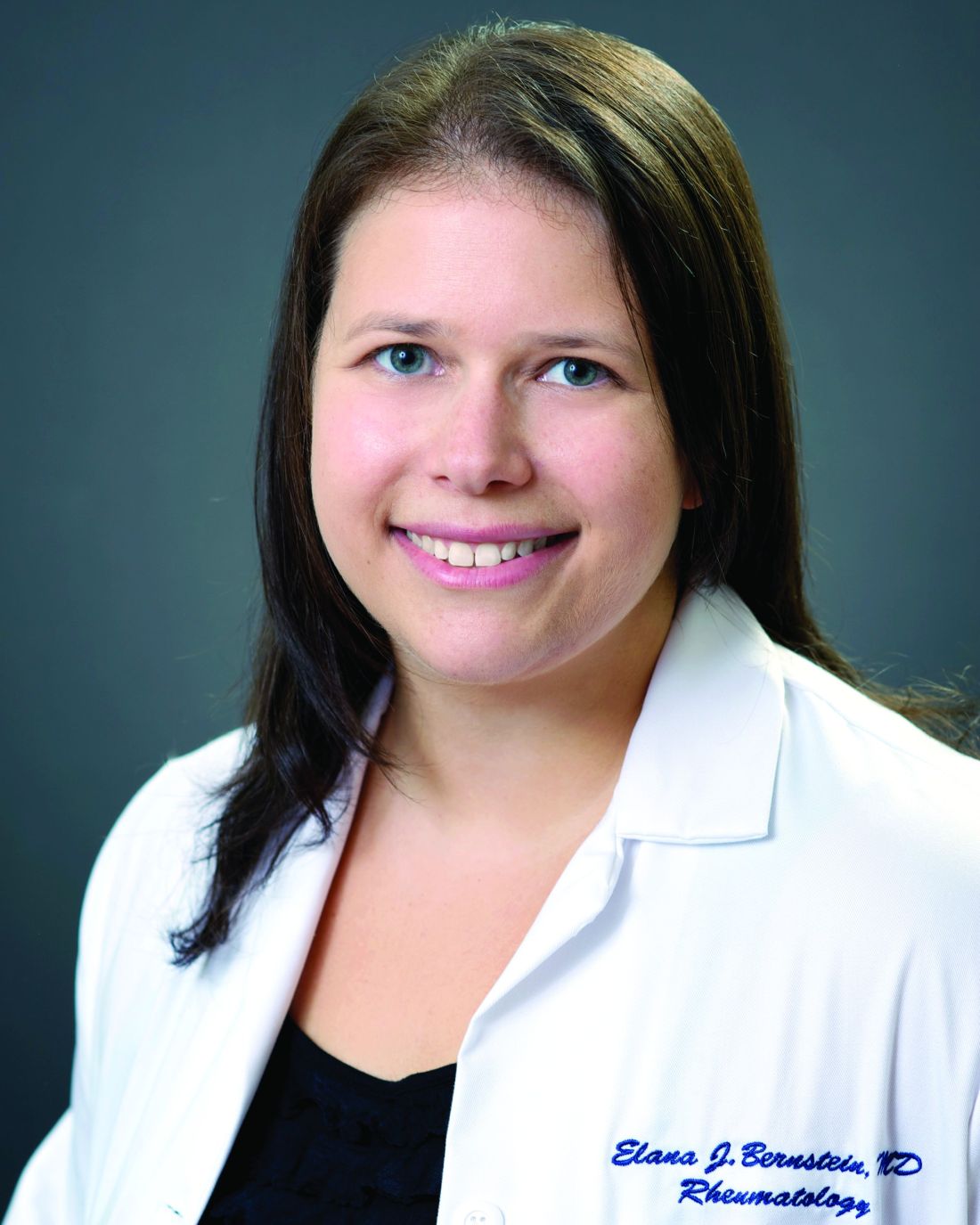
At the height of the pandemic in New York City, Elana J. Bernstein, MD’s practice relied entirely on telehealth visits. “We weren’t seeing any patients in the office for a couple of months. Now that things have reopened here, we’ve resumed face-to-face visits,” keeping some telehealth visits for patients who are still uncomfortable with in-person visits or who live far away, Dr. Bernstein, director of the scleroderma program at Columbia University, New York, said in an interview. She estimates that telehealth represents about 20%-30% of her practice right now.
Advantages, drawbacks of telehealth
For patients in underserved or geographically distant areas, telehealth means access to care, Kanika Monga, MD, of the University of Texas Health Science Center, Houston, said in an interview. During the COVID-19 public health crisis, “it has allowed the most vulnerable patient populations to continue receiving care at the click of a button.”

Virtual visits also improve patient care by improving follow-up and compliance, Dr. Monga continued. “For example, in our patient population, mobility can be a major issue because of the underlying disease. Telemedicine improves care for patients who struggle to make it to appointments.” It’s also more convenient for patients in her county that depend on arranged and/or public transportation and have to request a portion of their day off work for a doctor’s appointment.
But the virtual visit has its drawbacks. Different available platforms and their usability create challenges, Dr. Monga said. “Although some patients are tech-savvy, some are not. This is a challenge, especially when using platforms that have many steps involved.” Telemedicine also highlights general health inequities that already exist in some populations. Patients who are older, live in rural areas, are less educated, or are from a lower socioeconomic household might not have the technology or Internet connection available to enable telemedicine visits.
Telemedicine also complicates the physical examination, which is a central part of the diagnostic process, Dr. Bernstein said. Some components of the physical exam lend themselves to a video visit, such as evaluating for facial rashes or examining a patient’s digital ulcers. “But if you suspect the patient has rheumatoid arthritis, for example, you can’t examine the joints for swelling.” When seeing scleroderma patients over telemedicine, “I can’t perform the modified Rodnan skin score to assess for skin thickening, or auscultate the lungs for crackles. It’s also hard to assess a patient’s response to therapy over telemedicine,” Dr. Feldman added.
Some rheumatologists have sought out multiple pathways on telemedicine to provide more options for patients.
Christine Peoples, MD, clinical assistant professor of medicine at the University of Pittsburgh Medical Center, uses several telehealth options to reach patients that live in the largely rural area she serves. For her, telemedicine isn’t a novel concept. “I’ve been providing care through telemedicine for 6 years,” she said in an interview. Prior to COVID-19, her patients had gone to teleconsult centers for a telemedicine visit. With the onset of the COVID-19 pandemic, she expanded telehealth services to include more home video visits through the practice’s online medical record.

For care that can’t take place online, Dr. Peoples said she works with colleagues in orthopedics, which have far greater numbers than rheumatologists in Pennsylvania, to provide injections to patients. All of the teleconference centers are at local hospitals or outpatient community centers. Patients can go there to get an injection from another doctor, she said. Additionally, all of her practice’s locations at UPMC hospitals have infusion centers.
Adopting a ‘computer-side’ manner
Any practice offering telemedicine should be training their staff, as virtual meetings require certain skills, Dr. Peoples stressed. “You have to have experience as a rheumatologist, but you also have to have experience in telemedicine. Then it’s about merging those two skills.” Physicians need to be familiar with the technology and equipment. “I have a Bluetooth stethoscope that hears the heart and the lungs” of a patient during a virtual visit, she said.
Most importantly, physicians need to adopt a “computer-side” manner. “Make sure you have good eye contact on the screen, that you’re maintaining a good, professional relationship with the patient.” Training nurses to assist doctors during a telehealth visit is also key.
Dr. Peoples said UPMC has been training its fellows in telemedicine to adopt these skills.
Efforts to pay doctors for telehealth
As rheumatologists navigate the growing market for telehealth, questions remain about the long term payment outlook for these services.
For now, there appears to be reimbursement parity for telehealth visits, Dr. Feldman said. COVID-19’s public health emergency put into place certain flexibilities for telehealth. But some concerns remain about the commercial insurance sector. Whether private payers will continue paying the same amount as they do for in-person visits once the pandemic is over is unknown, Dr. Feldman added. “Insurance companies have had a boom in profits and should not be able to use ‘losses’ from COVID as an excuse for stopping pay parity for telehealth visits.”
David Allen, spokesperson for America’s Health Insurance Plans, said some plans are voluntarily offering telehealth payment parity during the public health emergency. “However, as a policy, AHIP does not support mandating that clinicians be paid the same amount for telehealth and in-person care,” Mr. Allen said, adding that AHIP hasn’t tallied how many insurance companies offer payment parity. “Too many variances exist between plans to make any kind of declarative statement on this.”
For her telemedicine visits at teleconsult centers, Dr. Peoples said compensation is comparable with traditional in-person visits. “Compensation is different for video visits where the patient is at home. However, these video visits are still reimbursed by most insurance plans.”
Federal payers and many states have taken actions on parity. Telehealth is seeing major legislative action at the state level, Kelly Hughes, a program director for the National Conference of State Legislatures, said during the CSRO meeting. All 50 states, the District of Columbia, and Puerto Rico have made revisions to telehealth policies during the COVID-19 pandemic to maintain access to health care services and to minimize potential exposure. Most of these are temporary modifications to address the pandemic, but some states are either adopting permanent changes or mulling over permanent changes to telehealth, Ms. Hughes said.
Modifications vary widely by state, but the top three trends include allowing reimbursement for phone calls (not requiring video), expanding the types of providers authorized to provide telehealth services, and allowing a relationship between a patient and provider to begin with a telehealth visit.
The Commonwealth Fund reports that at least 13 states have enacted payment parity laws in response to COVID-19. Another four had parity laws in place prior to the pandemic. “Many states have taken direct action via Medicaid policy; all but two issued specific guidance on the expansion or reimbursement of Medicaid-based telehealth services,” according to the Commonwealth Fund.
In Texas, where Dr. Monga practices. Gov. Greg Abbott (R) has temporarily waived regulations to lift certain telehealth restrictions. The Texas Department of Insurance under an emergency rule is directing state-regulated health plans to cover telemedicine visits at the same rate as in-person visits during the COVID-19 emergency declaration. “This has helped expand our telehealth options in Texas,” Dr. Monga said.
Medicare has also boosted coverage of telehealth services. “I appreciate that the Centers for Medicare & Medicaid Services has acknowledged the value of telehealth services by reimbursing for audio-only visits at the same rate as audiovisual and in-person evaluations during the public health emergency,” Dr. Monga said.
CMS has also proposed to expand telehealth access in its CY 2021 Physician Fee Schedule Proposed Rule. Additionally, the Department of Health & Human Services Office of Rights will not be penalizing physicians for HIPAA noncompliance for conducting visits through technologies such as FaceTime or Skype during COVID-19, she added.
While telehealth can’t replace all in-person visits in rheumatology, “it can certainly provide us with support during certain circumstances, as we have learned during the current health emergency,” Dr. Monga said. “I hope that even after this crisis has passed that parity for telehealth will be maintained and we can make permanent some of the current updates.”
Rheumatologists are seeing the number of telehealth visits skyrocket in their practices as the COVID-19 pandemic rages on and patients seek out alternatives to in-person visits. Telemedicine makes it easier for patients to connect with physicians, but not all patients have access to a computer or device. It also limits what a physician can do. Rheumatologists often rely on physical exams to make diagnoses and treatment decisions – an obstacle if you’re looking at patients through a computer screen.
Presenters at the 2020 Coalition of State Rheumatology Organizations’ state advocacy conference discussed the benefits and challenges of this mode of care in early September. Within weeks, the U.S. health system eliminated almost half of all medical care as the pandemic ramped up and things went virtual, said Larry Van Horn, PhD, MPH, a speaker at the CSRO conference. Still, “we are in uncharted territory with respect to how telehealth is being used. ... It’s being deployed everywhere, but it’s too early to tell how it’s affecting patient outcomes,” said Dr. Van Horn, founder and director of the Center of Health Care Market Innovation at Vanderbilt University, Nashville, Tenn.
Patients seem to like using telemedicine, observed New Jersey state Sen. Herb Conaway, MD, another presenter. “I think it’s here to stay, and it’s likely to expand going forward. But physicians and others are going to want to make sure it’s used appropriately.”
Some payers feel that telemedicine should be billed differently than brick and mortar visits, Dr. Conaway said. “Physicians feel differently about that, and so we’ll see how this goes, moving forward.”
Lately, there have been discussions of liability concerns associated with telemedicine, said CSRO President Madelaine A. Feldman, MD, who practices in New Orleans. “There are some things you can miss with virtual visits. Certain new patient visits may need to be done in person.”
The landscape of telehealth in rheumatology
Telehealth has directly affected the way rheumatologists do business. In a national survey of more than 1,100 adult patients, the American College of Rheumatology found that 66% are choosing telehealth for rheumatology visits, mainly to avoid exposure to the SARS-CoV-2 virus. This contrasts with a 52% decline in the percentage of patients who are currently seeing a rheumatologist since 2019. “The pandemic has altered almost every aspect of our rheumatology practices,” said ACR President Ellen Gravallese, MD in a statement. “It has impacted our patients’ lives significantly and required us to create new ways of delivering care through improved telehealth and other adaptations.”
While many rheumatologists have resumed in-person visits, “others, like myself, are doing a hybrid,” Dr. Feldman said.
At the height of the pandemic in New York City, Elana J. Bernstein, MD’s practice relied entirely on telehealth visits. “We weren’t seeing any patients in the office for a couple of months. Now that things have reopened here, we’ve resumed face-to-face visits,” keeping some telehealth visits for patients who are still uncomfortable with in-person visits or who live far away, Dr. Bernstein, director of the scleroderma program at Columbia University, New York, said in an interview. She estimates that telehealth represents about 20%-30% of her practice right now.
Advantages, drawbacks of telehealth
For patients in underserved or geographically distant areas, telehealth means access to care, Kanika Monga, MD, of the University of Texas Health Science Center, Houston, said in an interview. During the COVID-19 public health crisis, “it has allowed the most vulnerable patient populations to continue receiving care at the click of a button.”
Virtual visits also improve patient care by improving follow-up and compliance, Dr. Monga continued. “For example, in our patient population, mobility can be a major issue because of the underlying disease. Telemedicine improves care for patients who struggle to make it to appointments.” It’s also more convenient for patients in her county that depend on arranged and/or public transportation and have to request a portion of their day off work for a doctor’s appointment.
But the virtual visit has its drawbacks. Different available platforms and their usability create challenges, Dr. Monga said. “Although some patients are tech-savvy, some are not. This is a challenge, especially when using platforms that have many steps involved.” Telemedicine also highlights general health inequities that already exist in some populations. Patients who are older, live in rural areas, are less educated, or are from a lower socioeconomic household might not have the technology or Internet connection available to enable telemedicine visits.
Telemedicine also complicates the physical examination, which is a central part of the diagnostic process, Dr. Bernstein said. Some components of the physical exam lend themselves to a video visit, such as evaluating for facial rashes or examining a patient’s digital ulcers. “But if you suspect the patient has rheumatoid arthritis, for example, you can’t examine the joints for swelling.” When seeing scleroderma patients over telemedicine, “I can’t perform the modified Rodnan skin score to assess for skin thickening, or auscultate the lungs for crackles. It’s also hard to assess a patient’s response to therapy over telemedicine,” Dr. Feldman added.
Some rheumatologists have sought out multiple pathways on telemedicine to provide more options for patients.
Christine Peoples, MD, clinical assistant professor of medicine at the University of Pittsburgh Medical Center, uses several telehealth options to reach patients that live in the largely rural area she serves. For her, telemedicine isn’t a novel concept. “I’ve been providing care through telemedicine for 6 years,” she said in an interview. Prior to COVID-19, her patients had gone to teleconsult centers for a telemedicine visit. With the onset of the COVID-19 pandemic, she expanded telehealth services to include more home video visits through the practice’s online medical record.
For care that can’t take place online, Dr. Peoples said she works with colleagues in orthopedics, which have far greater numbers than rheumatologists in Pennsylvania, to provide injections to patients. All of the teleconference centers are at local hospitals or outpatient community centers. Patients can go there to get an injection from another doctor, she said. Additionally, all of her practice’s locations at UPMC hospitals have infusion centers.
Adopting a ‘computer-side’ manner
Any practice offering telemedicine should be training their staff, as virtual meetings require certain skills, Dr. Peoples stressed. “You have to have experience as a rheumatologist, but you also have to have experience in telemedicine. Then it’s about merging those two skills.” Physicians need to be familiar with the technology and equipment. “I have a Bluetooth stethoscope that hears the heart and the lungs” of a patient during a virtual visit, she said.
Most importantly, physicians need to adopt a “computer-side” manner. “Make sure you have good eye contact on the screen, that you’re maintaining a good, professional relationship with the patient.” Training nurses to assist doctors during a telehealth visit is also key.
Dr. Peoples said UPMC has been training its fellows in telemedicine to adopt these skills.
Efforts to pay doctors for telehealth
As rheumatologists navigate the growing market for telehealth, questions remain about the long term payment outlook for these services.
For now, there appears to be reimbursement parity for telehealth visits, Dr. Feldman said. COVID-19’s public health emergency put into place certain flexibilities for telehealth. But some concerns remain about the commercial insurance sector. Whether private payers will continue paying the same amount as they do for in-person visits once the pandemic is over is unknown, Dr. Feldman added. “Insurance companies have had a boom in profits and should not be able to use ‘losses’ from COVID as an excuse for stopping pay parity for telehealth visits.”
David Allen, spokesperson for America’s Health Insurance Plans, said some plans are voluntarily offering telehealth payment parity during the public health emergency. “However, as a policy, AHIP does not support mandating that clinicians be paid the same amount for telehealth and in-person care,” Mr. Allen said, adding that AHIP hasn’t tallied how many insurance companies offer payment parity. “Too many variances exist between plans to make any kind of declarative statement on this.”
For her telemedicine visits at teleconsult centers, Dr. Peoples said compensation is comparable with traditional in-person visits. “Compensation is different for video visits where the patient is at home. However, these video visits are still reimbursed by most insurance plans.”
Federal payers and many states have taken actions on parity. Telehealth is seeing major legislative action at the state level, Kelly Hughes, a program director for the National Conference of State Legislatures, said during the CSRO meeting. All 50 states, the District of Columbia, and Puerto Rico have made revisions to telehealth policies during the COVID-19 pandemic to maintain access to health care services and to minimize potential exposure. Most of these are temporary modifications to address the pandemic, but some states are either adopting permanent changes or mulling over permanent changes to telehealth, Ms. Hughes said.
Modifications vary widely by state, but the top three trends include allowing reimbursement for phone calls (not requiring video), expanding the types of providers authorized to provide telehealth services, and allowing a relationship between a patient and provider to begin with a telehealth visit.
The Commonwealth Fund reports that at least 13 states have enacted payment parity laws in response to COVID-19. Another four had parity laws in place prior to the pandemic. “Many states have taken direct action via Medicaid policy; all but two issued specific guidance on the expansion or reimbursement of Medicaid-based telehealth services,” according to the Commonwealth Fund.
In Texas, where Dr. Monga practices. Gov. Greg Abbott (R) has temporarily waived regulations to lift certain telehealth restrictions. The Texas Department of Insurance under an emergency rule is directing state-regulated health plans to cover telemedicine visits at the same rate as in-person visits during the COVID-19 emergency declaration. “This has helped expand our telehealth options in Texas,” Dr. Monga said.
Medicare has also boosted coverage of telehealth services. “I appreciate that the Centers for Medicare & Medicaid Services has acknowledged the value of telehealth services by reimbursing for audio-only visits at the same rate as audiovisual and in-person evaluations during the public health emergency,” Dr. Monga said.
CMS has also proposed to expand telehealth access in its CY 2021 Physician Fee Schedule Proposed Rule. Additionally, the Department of Health & Human Services Office of Rights will not be penalizing physicians for HIPAA noncompliance for conducting visits through technologies such as FaceTime or Skype during COVID-19, she added.
While telehealth can’t replace all in-person visits in rheumatology, “it can certainly provide us with support during certain circumstances, as we have learned during the current health emergency,” Dr. Monga said. “I hope that even after this crisis has passed that parity for telehealth will be maintained and we can make permanent some of the current updates.”
Rheumatologists are seeing the number of telehealth visits skyrocket in their practices as the COVID-19 pandemic rages on and patients seek out alternatives to in-person visits. Telemedicine makes it easier for patients to connect with physicians, but not all patients have access to a computer or device. It also limits what a physician can do. Rheumatologists often rely on physical exams to make diagnoses and treatment decisions – an obstacle if you’re looking at patients through a computer screen.
Presenters at the 2020 Coalition of State Rheumatology Organizations’ state advocacy conference discussed the benefits and challenges of this mode of care in early September. Within weeks, the U.S. health system eliminated almost half of all medical care as the pandemic ramped up and things went virtual, said Larry Van Horn, PhD, MPH, a speaker at the CSRO conference. Still, “we are in uncharted territory with respect to how telehealth is being used. ... It’s being deployed everywhere, but it’s too early to tell how it’s affecting patient outcomes,” said Dr. Van Horn, founder and director of the Center of Health Care Market Innovation at Vanderbilt University, Nashville, Tenn.
Patients seem to like using telemedicine, observed New Jersey state Sen. Herb Conaway, MD, another presenter. “I think it’s here to stay, and it’s likely to expand going forward. But physicians and others are going to want to make sure it’s used appropriately.”
Some payers feel that telemedicine should be billed differently than brick and mortar visits, Dr. Conaway said. “Physicians feel differently about that, and so we’ll see how this goes, moving forward.”
Lately, there have been discussions of liability concerns associated with telemedicine, said CSRO President Madelaine A. Feldman, MD, who practices in New Orleans. “There are some things you can miss with virtual visits. Certain new patient visits may need to be done in person.”
The landscape of telehealth in rheumatology
Telehealth has directly affected the way rheumatologists do business. In a national survey of more than 1,100 adult patients, the American College of Rheumatology found that 66% are choosing telehealth for rheumatology visits, mainly to avoid exposure to the SARS-CoV-2 virus. This contrasts with a 52% decline in the percentage of patients who are currently seeing a rheumatologist since 2019. “The pandemic has altered almost every aspect of our rheumatology practices,” said ACR President Ellen Gravallese, MD in a statement. “It has impacted our patients’ lives significantly and required us to create new ways of delivering care through improved telehealth and other adaptations.”
While many rheumatologists have resumed in-person visits, “others, like myself, are doing a hybrid,” Dr. Feldman said.
At the height of the pandemic in New York City, Elana J. Bernstein, MD’s practice relied entirely on telehealth visits. “We weren’t seeing any patients in the office for a couple of months. Now that things have reopened here, we’ve resumed face-to-face visits,” keeping some telehealth visits for patients who are still uncomfortable with in-person visits or who live far away, Dr. Bernstein, director of the scleroderma program at Columbia University, New York, said in an interview. She estimates that telehealth represents about 20%-30% of her practice right now.
Advantages, drawbacks of telehealth
For patients in underserved or geographically distant areas, telehealth means access to care, Kanika Monga, MD, of the University of Texas Health Science Center, Houston, said in an interview. During the COVID-19 public health crisis, “it has allowed the most vulnerable patient populations to continue receiving care at the click of a button.”
Virtual visits also improve patient care by improving follow-up and compliance, Dr. Monga continued. “For example, in our patient population, mobility can be a major issue because of the underlying disease. Telemedicine improves care for patients who struggle to make it to appointments.” It’s also more convenient for patients in her county that depend on arranged and/or public transportation and have to request a portion of their day off work for a doctor’s appointment.
But the virtual visit has its drawbacks. Different available platforms and their usability create challenges, Dr. Monga said. “Although some patients are tech-savvy, some are not. This is a challenge, especially when using platforms that have many steps involved.” Telemedicine also highlights general health inequities that already exist in some populations. Patients who are older, live in rural areas, are less educated, or are from a lower socioeconomic household might not have the technology or Internet connection available to enable telemedicine visits.
Telemedicine also complicates the physical examination, which is a central part of the diagnostic process, Dr. Bernstein said. Some components of the physical exam lend themselves to a video visit, such as evaluating for facial rashes or examining a patient’s digital ulcers. “But if you suspect the patient has rheumatoid arthritis, for example, you can’t examine the joints for swelling.” When seeing scleroderma patients over telemedicine, “I can’t perform the modified Rodnan skin score to assess for skin thickening, or auscultate the lungs for crackles. It’s also hard to assess a patient’s response to therapy over telemedicine,” Dr. Feldman added.
Some rheumatologists have sought out multiple pathways on telemedicine to provide more options for patients.
Christine Peoples, MD, clinical assistant professor of medicine at the University of Pittsburgh Medical Center, uses several telehealth options to reach patients that live in the largely rural area she serves. For her, telemedicine isn’t a novel concept. “I’ve been providing care through telemedicine for 6 years,” she said in an interview. Prior to COVID-19, her patients had gone to teleconsult centers for a telemedicine visit. With the onset of the COVID-19 pandemic, she expanded telehealth services to include more home video visits through the practice’s online medical record.
For care that can’t take place online, Dr. Peoples said she works with colleagues in orthopedics, which have far greater numbers than rheumatologists in Pennsylvania, to provide injections to patients. All of the teleconference centers are at local hospitals or outpatient community centers. Patients can go there to get an injection from another doctor, she said. Additionally, all of her practice’s locations at UPMC hospitals have infusion centers.
Adopting a ‘computer-side’ manner
Any practice offering telemedicine should be training their staff, as virtual meetings require certain skills, Dr. Peoples stressed. “You have to have experience as a rheumatologist, but you also have to have experience in telemedicine. Then it’s about merging those two skills.” Physicians need to be familiar with the technology and equipment. “I have a Bluetooth stethoscope that hears the heart and the lungs” of a patient during a virtual visit, she said.
Most importantly, physicians need to adopt a “computer-side” manner. “Make sure you have good eye contact on the screen, that you’re maintaining a good, professional relationship with the patient.” Training nurses to assist doctors during a telehealth visit is also key.
Dr. Peoples said UPMC has been training its fellows in telemedicine to adopt these skills.
Efforts to pay doctors for telehealth
As rheumatologists navigate the growing market for telehealth, questions remain about the long term payment outlook for these services.
For now, there appears to be reimbursement parity for telehealth visits, Dr. Feldman said. COVID-19’s public health emergency put into place certain flexibilities for telehealth. But some concerns remain about the commercial insurance sector. Whether private payers will continue paying the same amount as they do for in-person visits once the pandemic is over is unknown, Dr. Feldman added. “Insurance companies have had a boom in profits and should not be able to use ‘losses’ from COVID as an excuse for stopping pay parity for telehealth visits.”
David Allen, spokesperson for America’s Health Insurance Plans, said some plans are voluntarily offering telehealth payment parity during the public health emergency. “However, as a policy, AHIP does not support mandating that clinicians be paid the same amount for telehealth and in-person care,” Mr. Allen said, adding that AHIP hasn’t tallied how many insurance companies offer payment parity. “Too many variances exist between plans to make any kind of declarative statement on this.”
For her telemedicine visits at teleconsult centers, Dr. Peoples said compensation is comparable with traditional in-person visits. “Compensation is different for video visits where the patient is at home. However, these video visits are still reimbursed by most insurance plans.”
Federal payers and many states have taken actions on parity. Telehealth is seeing major legislative action at the state level, Kelly Hughes, a program director for the National Conference of State Legislatures, said during the CSRO meeting. All 50 states, the District of Columbia, and Puerto Rico have made revisions to telehealth policies during the COVID-19 pandemic to maintain access to health care services and to minimize potential exposure. Most of these are temporary modifications to address the pandemic, but some states are either adopting permanent changes or mulling over permanent changes to telehealth, Ms. Hughes said.
Modifications vary widely by state, but the top three trends include allowing reimbursement for phone calls (not requiring video), expanding the types of providers authorized to provide telehealth services, and allowing a relationship between a patient and provider to begin with a telehealth visit.
The Commonwealth Fund reports that at least 13 states have enacted payment parity laws in response to COVID-19. Another four had parity laws in place prior to the pandemic. “Many states have taken direct action via Medicaid policy; all but two issued specific guidance on the expansion or reimbursement of Medicaid-based telehealth services,” according to the Commonwealth Fund.
In Texas, where Dr. Monga practices. Gov. Greg Abbott (R) has temporarily waived regulations to lift certain telehealth restrictions. The Texas Department of Insurance under an emergency rule is directing state-regulated health plans to cover telemedicine visits at the same rate as in-person visits during the COVID-19 emergency declaration. “This has helped expand our telehealth options in Texas,” Dr. Monga said.
Medicare has also boosted coverage of telehealth services. “I appreciate that the Centers for Medicare & Medicaid Services has acknowledged the value of telehealth services by reimbursing for audio-only visits at the same rate as audiovisual and in-person evaluations during the public health emergency,” Dr. Monga said.
CMS has also proposed to expand telehealth access in its CY 2021 Physician Fee Schedule Proposed Rule. Additionally, the Department of Health & Human Services Office of Rights will not be penalizing physicians for HIPAA noncompliance for conducting visits through technologies such as FaceTime or Skype during COVID-19, she added.
While telehealth can’t replace all in-person visits in rheumatology, “it can certainly provide us with support during certain circumstances, as we have learned during the current health emergency,” Dr. Monga said. “I hope that even after this crisis has passed that parity for telehealth will be maintained and we can make permanent some of the current updates.”
No benefit with postoperative radiotherapy in stage IIIAN2 NSCLC
In patients with completely resected non–small cell lung cancer and proven N2 disease, postoperative radiotherapy (PORT) provided no significant improvement in disease-free survival (DFS) at 3 years, according to a phase 3 trial.

Investigator Cécile Le Péchoux, MD, a radiation oncologist from Institut Gustave Roussy in Paris, presented the results of the Lung ART trial at the European Society for Medical Oncology Virtual Congress 2020.
The results resolve what ESMO commentator Rafal Dziadziuszko, MD, PhD, of Medical University of Gdansk (Poland), called “perhaps the longest ongoing debate in thoracic oncology,” on whether or not to irradiate patients with mediastinal lymph node involvement after surgery.
Dr. Dziadziuszko noted that some past studies have suggested PORT may provide improved local control and a survival benefit, but other studies have shown no survival benefit and evidence of harm with PORT.
“So here is an academic study with the answer,” Dr. Dziadziuszko said.
Study details
The intention-to-treat population of Lung ART included 252 patients randomized to receive 5.5 weeks of PORT (54 Gy) and 249 patients randomized to the control arm without PORT.
The patients’ median age was 61 years, 66% were men, and adenocarcinoma was the predominant histology (76% of patients in the control arm and 70% in the PORT arm). All patients had received adjuvant or neoadjuvant chemotherapy.
The median follow-up was 4.8 years. The 3-year DFS rate was 47.1% in the PORT arm and 43.8% in the control arm (hazard ratio, 0.85; 95% confidence interval, 0.67-1.07, P = .16). The median DFS was 30.5 months with PORT and 22.8 months in the control group. As for DFS components, the rate for death as a first event was 14.6% in the PORT arm and 5.3% among controls.
The mediastinal relapse rate was higher among controls, at 46.1% versus 25.0% with PORT.
The 3-year overall survival rate was 66.5% among patients in the PORT arm and 68.5% in the control arm.
At least one grade 3-4 toxicity was reported in 23.7% of the PORT group and in 15.0% of controls. The grade 3-4 cardiopulmonary toxicity rate of 10.8% in the PORT arm and 4.9% in the control arm needs to be further explored, Dr. Le Péchoux said.
Applying the results to practice
In response to a question as to which patients might benefit from PORT, Dr. Le Péchoux pointed out that, among patients who have nodes in the inferior part of the mediastinum closer to the heart, PORT might be more toxic.
“For the moment, we did not see anything that would give us a clue,” Dr. Le Péchoux said. “We have a lot to investigate.”
Further analyses looking at patterns of failure, predictive factors of efficacy and toxicity, quality of radiotherapy, and quality of surgery are planned, she added.
Dr. Le Péchoux concluded: “Conformal PORT cannot be recommended as standard of care in all completely resected stage IIIAN2 [non–small cell lung cancer] patients.”
Dr. Dziadziuszko commented further: “For my practice, this is a clear message that routine PORT should not be used in these patients. We are looking for more effective systemic therapies.”
He added that “over 50% 5-year survival in these patients is a great result, and is made possible by modern staging and modern surgery.”
The Lung ART study was sponsored by Gustave Roussy and supported by the French National Cancer Institute, French Health Ministry, and a Cancer Research UK grant. Dr. Le Péchoux and Dr. Dziadziuszko reported no conflicts of interest related to the presentation.
SOURCE: Le Péchoux C et al. ESMO 2020, Abstract LBA3_PR.
In patients with completely resected non–small cell lung cancer and proven N2 disease, postoperative radiotherapy (PORT) provided no significant improvement in disease-free survival (DFS) at 3 years, according to a phase 3 trial.
Investigator Cécile Le Péchoux, MD, a radiation oncologist from Institut Gustave Roussy in Paris, presented the results of the Lung ART trial at the European Society for Medical Oncology Virtual Congress 2020.
The results resolve what ESMO commentator Rafal Dziadziuszko, MD, PhD, of Medical University of Gdansk (Poland), called “perhaps the longest ongoing debate in thoracic oncology,” on whether or not to irradiate patients with mediastinal lymph node involvement after surgery.
Dr. Dziadziuszko noted that some past studies have suggested PORT may provide improved local control and a survival benefit, but other studies have shown no survival benefit and evidence of harm with PORT.
“So here is an academic study with the answer,” Dr. Dziadziuszko said.
Study details
The intention-to-treat population of Lung ART included 252 patients randomized to receive 5.5 weeks of PORT (54 Gy) and 249 patients randomized to the control arm without PORT.
The patients’ median age was 61 years, 66% were men, and adenocarcinoma was the predominant histology (76% of patients in the control arm and 70% in the PORT arm). All patients had received adjuvant or neoadjuvant chemotherapy.
The median follow-up was 4.8 years. The 3-year DFS rate was 47.1% in the PORT arm and 43.8% in the control arm (hazard ratio, 0.85; 95% confidence interval, 0.67-1.07, P = .16). The median DFS was 30.5 months with PORT and 22.8 months in the control group. As for DFS components, the rate for death as a first event was 14.6% in the PORT arm and 5.3% among controls.
The mediastinal relapse rate was higher among controls, at 46.1% versus 25.0% with PORT.
The 3-year overall survival rate was 66.5% among patients in the PORT arm and 68.5% in the control arm.
At least one grade 3-4 toxicity was reported in 23.7% of the PORT group and in 15.0% of controls. The grade 3-4 cardiopulmonary toxicity rate of 10.8% in the PORT arm and 4.9% in the control arm needs to be further explored, Dr. Le Péchoux said.
Applying the results to practice
In response to a question as to which patients might benefit from PORT, Dr. Le Péchoux pointed out that, among patients who have nodes in the inferior part of the mediastinum closer to the heart, PORT might be more toxic.
“For the moment, we did not see anything that would give us a clue,” Dr. Le Péchoux said. “We have a lot to investigate.”
Further analyses looking at patterns of failure, predictive factors of efficacy and toxicity, quality of radiotherapy, and quality of surgery are planned, she added.
Dr. Le Péchoux concluded: “Conformal PORT cannot be recommended as standard of care in all completely resected stage IIIAN2 [non–small cell lung cancer] patients.”
Dr. Dziadziuszko commented further: “For my practice, this is a clear message that routine PORT should not be used in these patients. We are looking for more effective systemic therapies.”
He added that “over 50% 5-year survival in these patients is a great result, and is made possible by modern staging and modern surgery.”
The Lung ART study was sponsored by Gustave Roussy and supported by the French National Cancer Institute, French Health Ministry, and a Cancer Research UK grant. Dr. Le Péchoux and Dr. Dziadziuszko reported no conflicts of interest related to the presentation.
SOURCE: Le Péchoux C et al. ESMO 2020, Abstract LBA3_PR.
In patients with completely resected non–small cell lung cancer and proven N2 disease, postoperative radiotherapy (PORT) provided no significant improvement in disease-free survival (DFS) at 3 years, according to a phase 3 trial.
Investigator Cécile Le Péchoux, MD, a radiation oncologist from Institut Gustave Roussy in Paris, presented the results of the Lung ART trial at the European Society for Medical Oncology Virtual Congress 2020.
The results resolve what ESMO commentator Rafal Dziadziuszko, MD, PhD, of Medical University of Gdansk (Poland), called “perhaps the longest ongoing debate in thoracic oncology,” on whether or not to irradiate patients with mediastinal lymph node involvement after surgery.
Dr. Dziadziuszko noted that some past studies have suggested PORT may provide improved local control and a survival benefit, but other studies have shown no survival benefit and evidence of harm with PORT.
“So here is an academic study with the answer,” Dr. Dziadziuszko said.
Study details
The intention-to-treat population of Lung ART included 252 patients randomized to receive 5.5 weeks of PORT (54 Gy) and 249 patients randomized to the control arm without PORT.
The patients’ median age was 61 years, 66% were men, and adenocarcinoma was the predominant histology (76% of patients in the control arm and 70% in the PORT arm). All patients had received adjuvant or neoadjuvant chemotherapy.
The median follow-up was 4.8 years. The 3-year DFS rate was 47.1% in the PORT arm and 43.8% in the control arm (hazard ratio, 0.85; 95% confidence interval, 0.67-1.07, P = .16). The median DFS was 30.5 months with PORT and 22.8 months in the control group. As for DFS components, the rate for death as a first event was 14.6% in the PORT arm and 5.3% among controls.
The mediastinal relapse rate was higher among controls, at 46.1% versus 25.0% with PORT.
The 3-year overall survival rate was 66.5% among patients in the PORT arm and 68.5% in the control arm.
At least one grade 3-4 toxicity was reported in 23.7% of the PORT group and in 15.0% of controls. The grade 3-4 cardiopulmonary toxicity rate of 10.8% in the PORT arm and 4.9% in the control arm needs to be further explored, Dr. Le Péchoux said.
Applying the results to practice
In response to a question as to which patients might benefit from PORT, Dr. Le Péchoux pointed out that, among patients who have nodes in the inferior part of the mediastinum closer to the heart, PORT might be more toxic.
“For the moment, we did not see anything that would give us a clue,” Dr. Le Péchoux said. “We have a lot to investigate.”
Further analyses looking at patterns of failure, predictive factors of efficacy and toxicity, quality of radiotherapy, and quality of surgery are planned, she added.
Dr. Le Péchoux concluded: “Conformal PORT cannot be recommended as standard of care in all completely resected stage IIIAN2 [non–small cell lung cancer] patients.”
Dr. Dziadziuszko commented further: “For my practice, this is a clear message that routine PORT should not be used in these patients. We are looking for more effective systemic therapies.”
He added that “over 50% 5-year survival in these patients is a great result, and is made possible by modern staging and modern surgery.”
The Lung ART study was sponsored by Gustave Roussy and supported by the French National Cancer Institute, French Health Ministry, and a Cancer Research UK grant. Dr. Le Péchoux and Dr. Dziadziuszko reported no conflicts of interest related to the presentation.
SOURCE: Le Péchoux C et al. ESMO 2020, Abstract LBA3_PR.
FROM ESMO 2020
Survey quantifies COVID-19’s impact on oncology
An international survey provides new insights into how COVID-19 has affected, and may continue to affect, the field of oncology.
The survey showed that “COVID-19 has had a major impact on the organization of patient care, on the well-being of caregivers, on continued medical education, and on clinical trial activities in oncology,” stated Guy Jerusalem, MD, PhD, of Centre Hospitalier Universitaire de Liège (Belgium).
Dr. Jerusalem presented these findings at the European Society for Medical Oncology Virtual Congress 2020.
The survey was distributed by 20 oncologists from 10 of the countries most affected by COVID-19. Responses were obtained from 109 oncologists representing centers in 18 countries. The responses were recorded between June 17 and July 14, 2020.
The survey consisted of 95 items intended to evaluate the impact of COVID-19 on the organization of oncologic care. Questions encompassed the capacity and service offered at each center, the magnitude of COVID-19–based care interruptions and the reasons for them, the ensuing challenges faced, interventions implemented, and the estimated harms to patients during the pandemic.
The 109 oncologists surveyed had a median of 20 years of oncology experience. A majority of respondents were men (61.5%), and the median age was 48.5 years.
The respondents had worked predominantly (62.4%) at academic hospitals, with 29.6% at community hospitals. Most respondents worked at general hospitals with an oncology unit (66.1%) rather than a specialized separate cancer center (32.1%).
The most common specialty was breast cancer (60.6%), followed by gastrointestinal cancer (10.1%), urogenital cancer (9.2%), and lung cancer (8.3%).
Impact on treatment
The treatment modalities affected by the pandemic – through cancellations or delays in more than 10% of patients – included surgery (in 34% of centers), chemotherapy (22%), radiotherapy (13.7%), checkpoint inhibitor therapy (9.1%), monoclonal antibodies (9%), and oral targeted therapy (3.7%).
Among oncologists treating breast cancer, cancellations/delays in more than 10% of patients were reported for everolimus (18%), CDK4/6 inhibitors (8.9%), and endocrine therapy (2.2%).
Overall, 34.8% of respondents reported increased use of granulocyte colony–stimulating factor, and 6.4% reported increased use of erythropoietin.
On the other hand, 11.1% of respondents reported a decrease in the use of double immunotherapy, and 21.9% reported decreased use of corticosteroids.
Not only can the immunosuppressive effects of steroid use increase infection risks, Dr. Jerusalem noted, fever suppression can lead to a delayed diagnosis of COVID-19.
“To circumvent potential higher infection risks or greater disease severity, we use lower doses of steroids, but this is not based on studies,” he said.
“Previous exposure to steroids or being on steroids at the time of COVID-19 infection is a detrimental factor for complications and mortality,” commented ESMO President Solange Peters, MD, PhD, of Centre Hospitalier Universitaire Vaudois in Lausanne, Switzerland.
Dr. Peters noted that the observation was based on lung cancer registry findings. Furthermore, because data from smaller outbreaks of other coronavirus infections suggested worse prognosis and increased mortality, steroid use was already feared in the very early days of the COVID-19 pandemic.
Lastly, earlier cessation of palliative treatment was observed in 32.1% of centers, and 64.2% of respondents agreed that undertreatment because of COVID-19 is a major concern.
Dr. Jerusalem noted that the survey data do not explain the early cessation of palliative treatment. “I suspect that many patients died at home rather than alone in institutions because it was the only way they could die with their families around them.”
Telehealth, meetings, and trials
The survey also revealed rationales for the use of teleconsultation, including follow-up (94.5%), oral therapy (92.7%), immunotherapy (57.8%), and chemotherapy (55%).
Most respondents reported more frequent use of virtual meetings for continuing medical education (94%), oncologic team meetings (92%), and tumor boards (82%).
While about 82% of respondents said they were likely to continue the use of telemedicine, 45% said virtual conferences are not an acceptable alternative to live international conferences such as ESMO, Dr. Jerusalem said.
Finally, nearly three-quarters of respondents (72.5%) said all clinical trial activities are or will soon be activated, or never stopped, at their centers. On the other hand, 27.5% of respondents reported that their centers had major protocol violations or deviations, and 37% of respondents said they expect significant reductions in clinical trial activities this year.
Dr. Jerusalem concluded that COVID-19 is having a major, long-term impact on the organization of patient care, caregivers, continued medical education, and clinical trial activities in oncology.
He cautioned that “the risk of a delayed diagnosis of new cancers and economic consequences of COVID-19 on access to health care and cancer treatments have to be carefully evaluated.”
This research was funded by Fondation Léon Fredericq. Dr. Jerusalem disclosed relationships with Novartis, Roche, Lilly, Pfizer, Amgen, Bristol-Myers Squibb, AstraZeneca, Daiichi Sankyo, AbbVie, MedImmune, and Merck. Dr. Peters disclosed relationships with AbbVie, Amgen, AstraZeneca, and many other companies.
SOURCE: Jerusalem G et al. ESMO 2020, Abstract LBA76.
An international survey provides new insights into how COVID-19 has affected, and may continue to affect, the field of oncology.
The survey showed that “COVID-19 has had a major impact on the organization of patient care, on the well-being of caregivers, on continued medical education, and on clinical trial activities in oncology,” stated Guy Jerusalem, MD, PhD, of Centre Hospitalier Universitaire de Liège (Belgium).
Dr. Jerusalem presented these findings at the European Society for Medical Oncology Virtual Congress 2020.
The survey was distributed by 20 oncologists from 10 of the countries most affected by COVID-19. Responses were obtained from 109 oncologists representing centers in 18 countries. The responses were recorded between June 17 and July 14, 2020.
The survey consisted of 95 items intended to evaluate the impact of COVID-19 on the organization of oncologic care. Questions encompassed the capacity and service offered at each center, the magnitude of COVID-19–based care interruptions and the reasons for them, the ensuing challenges faced, interventions implemented, and the estimated harms to patients during the pandemic.
The 109 oncologists surveyed had a median of 20 years of oncology experience. A majority of respondents were men (61.5%), and the median age was 48.5 years.
The respondents had worked predominantly (62.4%) at academic hospitals, with 29.6% at community hospitals. Most respondents worked at general hospitals with an oncology unit (66.1%) rather than a specialized separate cancer center (32.1%).
The most common specialty was breast cancer (60.6%), followed by gastrointestinal cancer (10.1%), urogenital cancer (9.2%), and lung cancer (8.3%).
Impact on treatment
The treatment modalities affected by the pandemic – through cancellations or delays in more than 10% of patients – included surgery (in 34% of centers), chemotherapy (22%), radiotherapy (13.7%), checkpoint inhibitor therapy (9.1%), monoclonal antibodies (9%), and oral targeted therapy (3.7%).
Among oncologists treating breast cancer, cancellations/delays in more than 10% of patients were reported for everolimus (18%), CDK4/6 inhibitors (8.9%), and endocrine therapy (2.2%).
Overall, 34.8% of respondents reported increased use of granulocyte colony–stimulating factor, and 6.4% reported increased use of erythropoietin.
On the other hand, 11.1% of respondents reported a decrease in the use of double immunotherapy, and 21.9% reported decreased use of corticosteroids.
Not only can the immunosuppressive effects of steroid use increase infection risks, Dr. Jerusalem noted, fever suppression can lead to a delayed diagnosis of COVID-19.
“To circumvent potential higher infection risks or greater disease severity, we use lower doses of steroids, but this is not based on studies,” he said.
“Previous exposure to steroids or being on steroids at the time of COVID-19 infection is a detrimental factor for complications and mortality,” commented ESMO President Solange Peters, MD, PhD, of Centre Hospitalier Universitaire Vaudois in Lausanne, Switzerland.
Dr. Peters noted that the observation was based on lung cancer registry findings. Furthermore, because data from smaller outbreaks of other coronavirus infections suggested worse prognosis and increased mortality, steroid use was already feared in the very early days of the COVID-19 pandemic.
Lastly, earlier cessation of palliative treatment was observed in 32.1% of centers, and 64.2% of respondents agreed that undertreatment because of COVID-19 is a major concern.
Dr. Jerusalem noted that the survey data do not explain the early cessation of palliative treatment. “I suspect that many patients died at home rather than alone in institutions because it was the only way they could die with their families around them.”
Telehealth, meetings, and trials
The survey also revealed rationales for the use of teleconsultation, including follow-up (94.5%), oral therapy (92.7%), immunotherapy (57.8%), and chemotherapy (55%).
Most respondents reported more frequent use of virtual meetings for continuing medical education (94%), oncologic team meetings (92%), and tumor boards (82%).
While about 82% of respondents said they were likely to continue the use of telemedicine, 45% said virtual conferences are not an acceptable alternative to live international conferences such as ESMO, Dr. Jerusalem said.
Finally, nearly three-quarters of respondents (72.5%) said all clinical trial activities are or will soon be activated, or never stopped, at their centers. On the other hand, 27.5% of respondents reported that their centers had major protocol violations or deviations, and 37% of respondents said they expect significant reductions in clinical trial activities this year.
Dr. Jerusalem concluded that COVID-19 is having a major, long-term impact on the organization of patient care, caregivers, continued medical education, and clinical trial activities in oncology.
He cautioned that “the risk of a delayed diagnosis of new cancers and economic consequences of COVID-19 on access to health care and cancer treatments have to be carefully evaluated.”
This research was funded by Fondation Léon Fredericq. Dr. Jerusalem disclosed relationships with Novartis, Roche, Lilly, Pfizer, Amgen, Bristol-Myers Squibb, AstraZeneca, Daiichi Sankyo, AbbVie, MedImmune, and Merck. Dr. Peters disclosed relationships with AbbVie, Amgen, AstraZeneca, and many other companies.
SOURCE: Jerusalem G et al. ESMO 2020, Abstract LBA76.
An international survey provides new insights into how COVID-19 has affected, and may continue to affect, the field of oncology.
The survey showed that “COVID-19 has had a major impact on the organization of patient care, on the well-being of caregivers, on continued medical education, and on clinical trial activities in oncology,” stated Guy Jerusalem, MD, PhD, of Centre Hospitalier Universitaire de Liège (Belgium).
Dr. Jerusalem presented these findings at the European Society for Medical Oncology Virtual Congress 2020.
The survey was distributed by 20 oncologists from 10 of the countries most affected by COVID-19. Responses were obtained from 109 oncologists representing centers in 18 countries. The responses were recorded between June 17 and July 14, 2020.
The survey consisted of 95 items intended to evaluate the impact of COVID-19 on the organization of oncologic care. Questions encompassed the capacity and service offered at each center, the magnitude of COVID-19–based care interruptions and the reasons for them, the ensuing challenges faced, interventions implemented, and the estimated harms to patients during the pandemic.
The 109 oncologists surveyed had a median of 20 years of oncology experience. A majority of respondents were men (61.5%), and the median age was 48.5 years.
The respondents had worked predominantly (62.4%) at academic hospitals, with 29.6% at community hospitals. Most respondents worked at general hospitals with an oncology unit (66.1%) rather than a specialized separate cancer center (32.1%).
The most common specialty was breast cancer (60.6%), followed by gastrointestinal cancer (10.1%), urogenital cancer (9.2%), and lung cancer (8.3%).
Impact on treatment
The treatment modalities affected by the pandemic – through cancellations or delays in more than 10% of patients – included surgery (in 34% of centers), chemotherapy (22%), radiotherapy (13.7%), checkpoint inhibitor therapy (9.1%), monoclonal antibodies (9%), and oral targeted therapy (3.7%).
Among oncologists treating breast cancer, cancellations/delays in more than 10% of patients were reported for everolimus (18%), CDK4/6 inhibitors (8.9%), and endocrine therapy (2.2%).
Overall, 34.8% of respondents reported increased use of granulocyte colony–stimulating factor, and 6.4% reported increased use of erythropoietin.
On the other hand, 11.1% of respondents reported a decrease in the use of double immunotherapy, and 21.9% reported decreased use of corticosteroids.
Not only can the immunosuppressive effects of steroid use increase infection risks, Dr. Jerusalem noted, fever suppression can lead to a delayed diagnosis of COVID-19.
“To circumvent potential higher infection risks or greater disease severity, we use lower doses of steroids, but this is not based on studies,” he said.
“Previous exposure to steroids or being on steroids at the time of COVID-19 infection is a detrimental factor for complications and mortality,” commented ESMO President Solange Peters, MD, PhD, of Centre Hospitalier Universitaire Vaudois in Lausanne, Switzerland.
Dr. Peters noted that the observation was based on lung cancer registry findings. Furthermore, because data from smaller outbreaks of other coronavirus infections suggested worse prognosis and increased mortality, steroid use was already feared in the very early days of the COVID-19 pandemic.
Lastly, earlier cessation of palliative treatment was observed in 32.1% of centers, and 64.2% of respondents agreed that undertreatment because of COVID-19 is a major concern.
Dr. Jerusalem noted that the survey data do not explain the early cessation of palliative treatment. “I suspect that many patients died at home rather than alone in institutions because it was the only way they could die with their families around them.”
Telehealth, meetings, and trials
The survey also revealed rationales for the use of teleconsultation, including follow-up (94.5%), oral therapy (92.7%), immunotherapy (57.8%), and chemotherapy (55%).
Most respondents reported more frequent use of virtual meetings for continuing medical education (94%), oncologic team meetings (92%), and tumor boards (82%).
While about 82% of respondents said they were likely to continue the use of telemedicine, 45% said virtual conferences are not an acceptable alternative to live international conferences such as ESMO, Dr. Jerusalem said.
Finally, nearly three-quarters of respondents (72.5%) said all clinical trial activities are or will soon be activated, or never stopped, at their centers. On the other hand, 27.5% of respondents reported that their centers had major protocol violations or deviations, and 37% of respondents said they expect significant reductions in clinical trial activities this year.
Dr. Jerusalem concluded that COVID-19 is having a major, long-term impact on the organization of patient care, caregivers, continued medical education, and clinical trial activities in oncology.
He cautioned that “the risk of a delayed diagnosis of new cancers and economic consequences of COVID-19 on access to health care and cancer treatments have to be carefully evaluated.”
This research was funded by Fondation Léon Fredericq. Dr. Jerusalem disclosed relationships with Novartis, Roche, Lilly, Pfizer, Amgen, Bristol-Myers Squibb, AstraZeneca, Daiichi Sankyo, AbbVie, MedImmune, and Merck. Dr. Peters disclosed relationships with AbbVie, Amgen, AstraZeneca, and many other companies.
SOURCE: Jerusalem G et al. ESMO 2020, Abstract LBA76.
FROM ESMO 2020
Metformin may delay prostate cancer progression, randomized trial suggests
Adding metformin to standard care for advanced prostate cancer appeared to lengthen time to castration-resistant disease in a small, randomized trial.
“According to our data, metformin potentially prolongs the time to progression … when combined with androgen deprivation therapy,” said investigator Reham ALGhandour, MD, PhD, an assistant lecturer of medical oncology at Mansoura (Egypt) University.
Dr. ALGhandour presented the data at the European Society for Medical Oncology Virtual Congress 2020.
Prior observational studies have indicated that metformin may benefit patients with prostate cancer. A meta-analysis of cohort studies suggested metformin can significantly improve overall, cancer-specific, and recurrence-free survival in prostate cancer patients.
To explore this further, Dr. ALGhandour and colleagues conducted a randomized trial. They enrolled 124 men with high-risk locally advanced or metastatic hormone-sensitive prostate cancer.
The investigators randomized 62 patients to testosterone suppression with or without antiandrogen, and 62 others to a standard regimen plus metformin at 850 mg twice daily.
All patients had an Easter Cooperative Oncology Group performance score of 0-2, were set to receive androgen deprivation therapy long term, and had no prior metformin use. Docetaxel was permitted for metastatic patients, and external beam radiation therapy was used for localized and regional disease.
Results: ‘Dramatic’ but not ‘definitive’
At a median follow-up of 18 months, there was a significant difference in time to castration-resistant prostate cancer. The median time to progression was 29 months with metformin and 20 months with standard therapy alone (P = .01).
Subgroup analyses showed a benefit with metformin in men with N1 disease (P = .001) and men with localized disease/low tumor burden (P = .008).
There was no significant difference in overall survival between the treatment arms (P = .1). The median overall survival was not reached in either arm.
About 4% of metformin patients had grade 2 diarrhea, but adverse events were otherwise comparable between the arms and mostly related to androgen deprivation.
“The authors have got some pretty dramatic findings,” said Noel Clarke, MBBS, a consultant urologist at Salford Royal Hospital and The Christie, Manchester, England, who was a discussant for the study.
Dr. Clarke said the data are “hypothesis generating,” but, because of small numbers, the study “really falls well short of anything that is definitive.”
“We’ll have to wait for bigger studies,” Dr. Clarke said, adding that one arm of the STAMPEDE trial has recruited 2,200 prostate cancer patients to standard of care plus metformin.
“We will report on this trial presently,” he said. “Hopefully, this will add to the body of literature which will determine whether or not metformin is useful with standard of care in this disease.”
Dr. Clarke said the possible benefits of metformin are probably related to energetics in prostate cancer.
“AMPK [AMP-activated protein kinase] is the energy superhighway regulator,” he explained. “[I]t slows down the effects of cell proliferation and energy usage, and it promotes the use of energy storage mechanisms.
“Metformin, because it acts on AMPK to up-regulate it … enhances the effect of AMPK, shutting down the catabolic elements and impeding other elements of prostate cancer migration. So AMPK inhibits epithelial to mesenchymal transition, which is well known as a metastatic mechanism.”
There was no outside funding for this study, and the investigators didn’t report any disclosures. Dr. Clarke disclosed relationships with Janssen, Astellas, Sanofi, and AstraZeneca.
SOURCE: ALGhandour R et al. ESMO 2020, Abstract 617MO.
Adding metformin to standard care for advanced prostate cancer appeared to lengthen time to castration-resistant disease in a small, randomized trial.
“According to our data, metformin potentially prolongs the time to progression … when combined with androgen deprivation therapy,” said investigator Reham ALGhandour, MD, PhD, an assistant lecturer of medical oncology at Mansoura (Egypt) University.
Dr. ALGhandour presented the data at the European Society for Medical Oncology Virtual Congress 2020.
Prior observational studies have indicated that metformin may benefit patients with prostate cancer. A meta-analysis of cohort studies suggested metformin can significantly improve overall, cancer-specific, and recurrence-free survival in prostate cancer patients.
To explore this further, Dr. ALGhandour and colleagues conducted a randomized trial. They enrolled 124 men with high-risk locally advanced or metastatic hormone-sensitive prostate cancer.
The investigators randomized 62 patients to testosterone suppression with or without antiandrogen, and 62 others to a standard regimen plus metformin at 850 mg twice daily.
All patients had an Easter Cooperative Oncology Group performance score of 0-2, were set to receive androgen deprivation therapy long term, and had no prior metformin use. Docetaxel was permitted for metastatic patients, and external beam radiation therapy was used for localized and regional disease.
Results: ‘Dramatic’ but not ‘definitive’
At a median follow-up of 18 months, there was a significant difference in time to castration-resistant prostate cancer. The median time to progression was 29 months with metformin and 20 months with standard therapy alone (P = .01).
Subgroup analyses showed a benefit with metformin in men with N1 disease (P = .001) and men with localized disease/low tumor burden (P = .008).
There was no significant difference in overall survival between the treatment arms (P = .1). The median overall survival was not reached in either arm.
About 4% of metformin patients had grade 2 diarrhea, but adverse events were otherwise comparable between the arms and mostly related to androgen deprivation.
“The authors have got some pretty dramatic findings,” said Noel Clarke, MBBS, a consultant urologist at Salford Royal Hospital and The Christie, Manchester, England, who was a discussant for the study.
Dr. Clarke said the data are “hypothesis generating,” but, because of small numbers, the study “really falls well short of anything that is definitive.”
“We’ll have to wait for bigger studies,” Dr. Clarke said, adding that one arm of the STAMPEDE trial has recruited 2,200 prostate cancer patients to standard of care plus metformin.
“We will report on this trial presently,” he said. “Hopefully, this will add to the body of literature which will determine whether or not metformin is useful with standard of care in this disease.”
Dr. Clarke said the possible benefits of metformin are probably related to energetics in prostate cancer.
“AMPK [AMP-activated protein kinase] is the energy superhighway regulator,” he explained. “[I]t slows down the effects of cell proliferation and energy usage, and it promotes the use of energy storage mechanisms.
“Metformin, because it acts on AMPK to up-regulate it … enhances the effect of AMPK, shutting down the catabolic elements and impeding other elements of prostate cancer migration. So AMPK inhibits epithelial to mesenchymal transition, which is well known as a metastatic mechanism.”
There was no outside funding for this study, and the investigators didn’t report any disclosures. Dr. Clarke disclosed relationships with Janssen, Astellas, Sanofi, and AstraZeneca.
SOURCE: ALGhandour R et al. ESMO 2020, Abstract 617MO.
Adding metformin to standard care for advanced prostate cancer appeared to lengthen time to castration-resistant disease in a small, randomized trial.
“According to our data, metformin potentially prolongs the time to progression … when combined with androgen deprivation therapy,” said investigator Reham ALGhandour, MD, PhD, an assistant lecturer of medical oncology at Mansoura (Egypt) University.
Dr. ALGhandour presented the data at the European Society for Medical Oncology Virtual Congress 2020.
Prior observational studies have indicated that metformin may benefit patients with prostate cancer. A meta-analysis of cohort studies suggested metformin can significantly improve overall, cancer-specific, and recurrence-free survival in prostate cancer patients.
To explore this further, Dr. ALGhandour and colleagues conducted a randomized trial. They enrolled 124 men with high-risk locally advanced or metastatic hormone-sensitive prostate cancer.
The investigators randomized 62 patients to testosterone suppression with or without antiandrogen, and 62 others to a standard regimen plus metformin at 850 mg twice daily.
All patients had an Easter Cooperative Oncology Group performance score of 0-2, were set to receive androgen deprivation therapy long term, and had no prior metformin use. Docetaxel was permitted for metastatic patients, and external beam radiation therapy was used for localized and regional disease.
Results: ‘Dramatic’ but not ‘definitive’
At a median follow-up of 18 months, there was a significant difference in time to castration-resistant prostate cancer. The median time to progression was 29 months with metformin and 20 months with standard therapy alone (P = .01).
Subgroup analyses showed a benefit with metformin in men with N1 disease (P = .001) and men with localized disease/low tumor burden (P = .008).
There was no significant difference in overall survival between the treatment arms (P = .1). The median overall survival was not reached in either arm.
About 4% of metformin patients had grade 2 diarrhea, but adverse events were otherwise comparable between the arms and mostly related to androgen deprivation.
“The authors have got some pretty dramatic findings,” said Noel Clarke, MBBS, a consultant urologist at Salford Royal Hospital and The Christie, Manchester, England, who was a discussant for the study.
Dr. Clarke said the data are “hypothesis generating,” but, because of small numbers, the study “really falls well short of anything that is definitive.”
“We’ll have to wait for bigger studies,” Dr. Clarke said, adding that one arm of the STAMPEDE trial has recruited 2,200 prostate cancer patients to standard of care plus metformin.
“We will report on this trial presently,” he said. “Hopefully, this will add to the body of literature which will determine whether or not metformin is useful with standard of care in this disease.”
Dr. Clarke said the possible benefits of metformin are probably related to energetics in prostate cancer.
“AMPK [AMP-activated protein kinase] is the energy superhighway regulator,” he explained. “[I]t slows down the effects of cell proliferation and energy usage, and it promotes the use of energy storage mechanisms.
“Metformin, because it acts on AMPK to up-regulate it … enhances the effect of AMPK, shutting down the catabolic elements and impeding other elements of prostate cancer migration. So AMPK inhibits epithelial to mesenchymal transition, which is well known as a metastatic mechanism.”
There was no outside funding for this study, and the investigators didn’t report any disclosures. Dr. Clarke disclosed relationships with Janssen, Astellas, Sanofi, and AstraZeneca.
SOURCE: ALGhandour R et al. ESMO 2020, Abstract 617MO.
FROM ESMO 2020
ECG promising for predicting major depression, treatment response
Individuals with major depressive disorder (MDD) have an increased heart rate – a finding that may have the potential to identify individuals at risk for the disorder and predict treatment response, early research suggests.

Using the rapid-action of the novel antidepressant ketamine and the latest wearable 24-hour electrocardiogram (ECG) technology, investigators found that heart rate could distinguish MDD patients from healthy individuals.
They also found that patients with MDD with the highest resting heart rate had a greater treatment response. In fact, on average, depressed patients had a heart rate that was roughly 10-15 beats per minute higher than healthy controls.
The innovative design of the proof-of-concept study “allowed us to see that average resting heart rate may change quite suddenly to reflect the change in mood,” lead investigator Carmen Schiweck, PhD, Goethe University, Frankfurt am Main, Germany, said in an interview.
These results could have “exciting implications for treatment selection,” and the researchers plan to assess the potential for heart rate to act as an early warning system for depression, they noted.
The findings were presented at the 33rd European College of Neuropsychopharmacology (ECNP) Congress, which was held online this year because of the COVID-19 pandemic.
Identifying trait markers
There have been recent attempts to assess heart rate or heart rate variability (HRV) in patients with MDD to identify trait markers, which are present regardless of the disease phase, or state markers, which are present only during a depressive phase.
However, heart rate and HRV are “highly variable” over a 24-hour cycle, a fact that has been ignored by recent classification efforts, the researchers noted. Moreover, most commonly used antidepressants have a long onset of action, which makes studying their impact on the heart rate challenging.
The researchers’ goal was to determine whether heart rate and HRV could be used as trait markers to distinguish MDD patients from healthy individuals and, through the use of ketamine, whether they can also act as state markers for depression.
For the study, 16 treatment-resistant patients with MDD and 16 age- and sex-matched healthy controls wore a portable ECG device for 4 consecutive days and 3 nights. Heart rate and HRV data were subsequently averaged to obtain a 24-hour ECG.
Participants then received a single infusion of intravenous ketamine for 40 minutes. After waiting for 1 hour, the patients resumed ECG recording for an additional 4 days, with changes in mood assessed using the Hamilton Rating Scale for Depression (HAM-D).
Results showed that, compared with the control group, patients with MDD had a significantly higher 24-hour heart rate (P < .001) and a significantly lower HRV, as measured by the root mean square of successive differences (P < .001).
The investigators also found a reduction in heart rate amplitude, which indicates “significant blunting of circadian rhythm variation throughout the day and less recovery at night.”
Ninety percent accuracy
Harmonic and binary regression showed that heart rate was able to identify those with MDD versus those in the control group, particularly using nighttime readings, with 90.6% accuracy. The data correctly identified 14 (87.5%) patients and 15 (93.8%) members of the control group.
Following treatment, heart rate decreased significantly among the MDD group (P < .001), but there was no significant change in HRV (P = .295).
There was a significant positive association between baseline heart rate and response to treatment on the HAM-D (r = .55; P = .046), which suggested better outcomes in patients with a higher heart rate.
Interestingly, while heart rate was positively correlated with depression severity before treatment (r = .59; P = .03), this relationship disappeared following treatment (r = –0.04; P = .90), suggesting heart rate changes were not linked to depression states.
While heart rate levels may be useful as a trait marker and, potentially, for predicting response to antidepressant treatment, they did not show potential as a state marker, the investigators noted.
They suggested that, while the results need to be confirmed in longitudinal studies, approval of a ketamine nasal spray “may open up new avenues to conceive treatment paradigms, as explored in this study.”
However, “this is a small proof-of-concept study,” the investigators acknowledged. They also point out that only six of the patients with MDD had a reduction in HAM-D scores of at least 30% in response to treatment.
Future research plans
Dr. Schiweck said in an interview that her team was able to identify differences in heart rate and HRV in MDD patients that were not observed in other studies because portable at-home devices allowed them to monitor heart rate continuously over days.
The use of ketamine may also have been advantageous because the Netherlands Study of Depression and Anxiety (NESDA), which was published in 2010, clearly showed that “traditional antidepressants,” in particular tricyclic antidepressants, have a strong influence on heart rate and HRV, Dr. Schiweck said.
because most of the recent studies “just assess patients who are remitted and patients who are currently depressed, but it’s a cross-sectional study design,” said Schiweck.
“If we can follow up the same patients over time then we might really know if it is possible to use heart rate as a state marker for depression,” she added. “That’s what we tried to do with ketamine, but our study was very, very small.”
She noted that the investigators would also like to assess individuals who are “very stressed” and may show some depressive symptoms but don’t yet have a diagnosis of depression.
Mind-body link
Commenting on the findings, Brenda W.J.H. Penninx, MD, PhD, professor of psychiatric epidemiology at the VU University Medical Center in Amsterdam, said the concept of higher heart rate and lower HRV in depression “is indicative of more sympathetic drive and less parasympathetic drive of the autonomic nervous system.”
“That fits with the overall thought that depression is a state with more continuous exposure to stress overactivation of the body, which can be reflected in the [hypothalamic-pituitary-adrenal] axis, leading to higher levels of cortisol stress hormone. But it can also be reflected in the parasympathetic and sympathetic activation of the autonomic nervous system,” she said.
Dr. Penninx, who was also the principal investigator of the NESDA study, was not involved with the current research.
She noted that the NESDA study showed that, when patients with depressive disorder are compared with a healthy controls group, they have a higher heart rate and lower HRV. “But if we then divide people into medicated and nonmedicated people ... then we see that these deviations are only seen in people using medication,” she added.
“Our findings indicate that at least the use of antidepressants is having quite a large impact on autonomic nervous system dysregulation,” Dr. Penninx said. The difference with the current study, she pointed out, is that “it examines the problem over a completely different time scale.”
Although this offers advantages, the current study did not have the large patient numbers that were included in the NESDA study and “they were not clearly able to distinguish the effect of disease from medication,” noted Dr. Penninx.
In addition, this is not an easy area to investigate because there are multiple factors that can mitigate results, including the psychiatric state of the patient, use of medications for both mental illness and cardiometabolic disease, and a patient’s age and gender.
Still, the study clearly illustrates the importance of the interplay between mental health and somatic health and that there is “a very clear indication that we don’t need to separate those,” Dr. Penninx said.
The study was funded by a TGO-IWT Grant from Belgium. The study authors and Dr. Penninx have disclosed no relevant financial relationships.
A version of this article originally appeared on Medscape.com.
Individuals with major depressive disorder (MDD) have an increased heart rate – a finding that may have the potential to identify individuals at risk for the disorder and predict treatment response, early research suggests.
Using the rapid-action of the novel antidepressant ketamine and the latest wearable 24-hour electrocardiogram (ECG) technology, investigators found that heart rate could distinguish MDD patients from healthy individuals.
They also found that patients with MDD with the highest resting heart rate had a greater treatment response. In fact, on average, depressed patients had a heart rate that was roughly 10-15 beats per minute higher than healthy controls.
The innovative design of the proof-of-concept study “allowed us to see that average resting heart rate may change quite suddenly to reflect the change in mood,” lead investigator Carmen Schiweck, PhD, Goethe University, Frankfurt am Main, Germany, said in an interview.
These results could have “exciting implications for treatment selection,” and the researchers plan to assess the potential for heart rate to act as an early warning system for depression, they noted.
The findings were presented at the 33rd European College of Neuropsychopharmacology (ECNP) Congress, which was held online this year because of the COVID-19 pandemic.
Identifying trait markers
There have been recent attempts to assess heart rate or heart rate variability (HRV) in patients with MDD to identify trait markers, which are present regardless of the disease phase, or state markers, which are present only during a depressive phase.
However, heart rate and HRV are “highly variable” over a 24-hour cycle, a fact that has been ignored by recent classification efforts, the researchers noted. Moreover, most commonly used antidepressants have a long onset of action, which makes studying their impact on the heart rate challenging.
The researchers’ goal was to determine whether heart rate and HRV could be used as trait markers to distinguish MDD patients from healthy individuals and, through the use of ketamine, whether they can also act as state markers for depression.
For the study, 16 treatment-resistant patients with MDD and 16 age- and sex-matched healthy controls wore a portable ECG device for 4 consecutive days and 3 nights. Heart rate and HRV data were subsequently averaged to obtain a 24-hour ECG.
Participants then received a single infusion of intravenous ketamine for 40 minutes. After waiting for 1 hour, the patients resumed ECG recording for an additional 4 days, with changes in mood assessed using the Hamilton Rating Scale for Depression (HAM-D).
Results showed that, compared with the control group, patients with MDD had a significantly higher 24-hour heart rate (P < .001) and a significantly lower HRV, as measured by the root mean square of successive differences (P < .001).
The investigators also found a reduction in heart rate amplitude, which indicates “significant blunting of circadian rhythm variation throughout the day and less recovery at night.”
Ninety percent accuracy
Harmonic and binary regression showed that heart rate was able to identify those with MDD versus those in the control group, particularly using nighttime readings, with 90.6% accuracy. The data correctly identified 14 (87.5%) patients and 15 (93.8%) members of the control group.
Following treatment, heart rate decreased significantly among the MDD group (P < .001), but there was no significant change in HRV (P = .295).
There was a significant positive association between baseline heart rate and response to treatment on the HAM-D (r = .55; P = .046), which suggested better outcomes in patients with a higher heart rate.
Interestingly, while heart rate was positively correlated with depression severity before treatment (r = .59; P = .03), this relationship disappeared following treatment (r = –0.04; P = .90), suggesting heart rate changes were not linked to depression states.
While heart rate levels may be useful as a trait marker and, potentially, for predicting response to antidepressant treatment, they did not show potential as a state marker, the investigators noted.
They suggested that, while the results need to be confirmed in longitudinal studies, approval of a ketamine nasal spray “may open up new avenues to conceive treatment paradigms, as explored in this study.”
However, “this is a small proof-of-concept study,” the investigators acknowledged. They also point out that only six of the patients with MDD had a reduction in HAM-D scores of at least 30% in response to treatment.
Future research plans
Dr. Schiweck said in an interview that her team was able to identify differences in heart rate and HRV in MDD patients that were not observed in other studies because portable at-home devices allowed them to monitor heart rate continuously over days.
The use of ketamine may also have been advantageous because the Netherlands Study of Depression and Anxiety (NESDA), which was published in 2010, clearly showed that “traditional antidepressants,” in particular tricyclic antidepressants, have a strong influence on heart rate and HRV, Dr. Schiweck said.
because most of the recent studies “just assess patients who are remitted and patients who are currently depressed, but it’s a cross-sectional study design,” said Schiweck.
“If we can follow up the same patients over time then we might really know if it is possible to use heart rate as a state marker for depression,” she added. “That’s what we tried to do with ketamine, but our study was very, very small.”
She noted that the investigators would also like to assess individuals who are “very stressed” and may show some depressive symptoms but don’t yet have a diagnosis of depression.
Mind-body link
Commenting on the findings, Brenda W.J.H. Penninx, MD, PhD, professor of psychiatric epidemiology at the VU University Medical Center in Amsterdam, said the concept of higher heart rate and lower HRV in depression “is indicative of more sympathetic drive and less parasympathetic drive of the autonomic nervous system.”
“That fits with the overall thought that depression is a state with more continuous exposure to stress overactivation of the body, which can be reflected in the [hypothalamic-pituitary-adrenal] axis, leading to higher levels of cortisol stress hormone. But it can also be reflected in the parasympathetic and sympathetic activation of the autonomic nervous system,” she said.
Dr. Penninx, who was also the principal investigator of the NESDA study, was not involved with the current research.
She noted that the NESDA study showed that, when patients with depressive disorder are compared with a healthy controls group, they have a higher heart rate and lower HRV. “But if we then divide people into medicated and nonmedicated people ... then we see that these deviations are only seen in people using medication,” she added.
“Our findings indicate that at least the use of antidepressants is having quite a large impact on autonomic nervous system dysregulation,” Dr. Penninx said. The difference with the current study, she pointed out, is that “it examines the problem over a completely different time scale.”
Although this offers advantages, the current study did not have the large patient numbers that were included in the NESDA study and “they were not clearly able to distinguish the effect of disease from medication,” noted Dr. Penninx.
In addition, this is not an easy area to investigate because there are multiple factors that can mitigate results, including the psychiatric state of the patient, use of medications for both mental illness and cardiometabolic disease, and a patient’s age and gender.
Still, the study clearly illustrates the importance of the interplay between mental health and somatic health and that there is “a very clear indication that we don’t need to separate those,” Dr. Penninx said.
The study was funded by a TGO-IWT Grant from Belgium. The study authors and Dr. Penninx have disclosed no relevant financial relationships.
A version of this article originally appeared on Medscape.com.
Individuals with major depressive disorder (MDD) have an increased heart rate – a finding that may have the potential to identify individuals at risk for the disorder and predict treatment response, early research suggests.
Using the rapid-action of the novel antidepressant ketamine and the latest wearable 24-hour electrocardiogram (ECG) technology, investigators found that heart rate could distinguish MDD patients from healthy individuals.
They also found that patients with MDD with the highest resting heart rate had a greater treatment response. In fact, on average, depressed patients had a heart rate that was roughly 10-15 beats per minute higher than healthy controls.
The innovative design of the proof-of-concept study “allowed us to see that average resting heart rate may change quite suddenly to reflect the change in mood,” lead investigator Carmen Schiweck, PhD, Goethe University, Frankfurt am Main, Germany, said in an interview.
These results could have “exciting implications for treatment selection,” and the researchers plan to assess the potential for heart rate to act as an early warning system for depression, they noted.
The findings were presented at the 33rd European College of Neuropsychopharmacology (ECNP) Congress, which was held online this year because of the COVID-19 pandemic.
Identifying trait markers
There have been recent attempts to assess heart rate or heart rate variability (HRV) in patients with MDD to identify trait markers, which are present regardless of the disease phase, or state markers, which are present only during a depressive phase.
However, heart rate and HRV are “highly variable” over a 24-hour cycle, a fact that has been ignored by recent classification efforts, the researchers noted. Moreover, most commonly used antidepressants have a long onset of action, which makes studying their impact on the heart rate challenging.
The researchers’ goal was to determine whether heart rate and HRV could be used as trait markers to distinguish MDD patients from healthy individuals and, through the use of ketamine, whether they can also act as state markers for depression.
For the study, 16 treatment-resistant patients with MDD and 16 age- and sex-matched healthy controls wore a portable ECG device for 4 consecutive days and 3 nights. Heart rate and HRV data were subsequently averaged to obtain a 24-hour ECG.
Participants then received a single infusion of intravenous ketamine for 40 minutes. After waiting for 1 hour, the patients resumed ECG recording for an additional 4 days, with changes in mood assessed using the Hamilton Rating Scale for Depression (HAM-D).
Results showed that, compared with the control group, patients with MDD had a significantly higher 24-hour heart rate (P < .001) and a significantly lower HRV, as measured by the root mean square of successive differences (P < .001).
The investigators also found a reduction in heart rate amplitude, which indicates “significant blunting of circadian rhythm variation throughout the day and less recovery at night.”
Ninety percent accuracy
Harmonic and binary regression showed that heart rate was able to identify those with MDD versus those in the control group, particularly using nighttime readings, with 90.6% accuracy. The data correctly identified 14 (87.5%) patients and 15 (93.8%) members of the control group.
Following treatment, heart rate decreased significantly among the MDD group (P < .001), but there was no significant change in HRV (P = .295).
There was a significant positive association between baseline heart rate and response to treatment on the HAM-D (r = .55; P = .046), which suggested better outcomes in patients with a higher heart rate.
Interestingly, while heart rate was positively correlated with depression severity before treatment (r = .59; P = .03), this relationship disappeared following treatment (r = –0.04; P = .90), suggesting heart rate changes were not linked to depression states.
While heart rate levels may be useful as a trait marker and, potentially, for predicting response to antidepressant treatment, they did not show potential as a state marker, the investigators noted.
They suggested that, while the results need to be confirmed in longitudinal studies, approval of a ketamine nasal spray “may open up new avenues to conceive treatment paradigms, as explored in this study.”
However, “this is a small proof-of-concept study,” the investigators acknowledged. They also point out that only six of the patients with MDD had a reduction in HAM-D scores of at least 30% in response to treatment.
Future research plans
Dr. Schiweck said in an interview that her team was able to identify differences in heart rate and HRV in MDD patients that were not observed in other studies because portable at-home devices allowed them to monitor heart rate continuously over days.
The use of ketamine may also have been advantageous because the Netherlands Study of Depression and Anxiety (NESDA), which was published in 2010, clearly showed that “traditional antidepressants,” in particular tricyclic antidepressants, have a strong influence on heart rate and HRV, Dr. Schiweck said.
because most of the recent studies “just assess patients who are remitted and patients who are currently depressed, but it’s a cross-sectional study design,” said Schiweck.
“If we can follow up the same patients over time then we might really know if it is possible to use heart rate as a state marker for depression,” she added. “That’s what we tried to do with ketamine, but our study was very, very small.”
She noted that the investigators would also like to assess individuals who are “very stressed” and may show some depressive symptoms but don’t yet have a diagnosis of depression.
Mind-body link
Commenting on the findings, Brenda W.J.H. Penninx, MD, PhD, professor of psychiatric epidemiology at the VU University Medical Center in Amsterdam, said the concept of higher heart rate and lower HRV in depression “is indicative of more sympathetic drive and less parasympathetic drive of the autonomic nervous system.”
“That fits with the overall thought that depression is a state with more continuous exposure to stress overactivation of the body, which can be reflected in the [hypothalamic-pituitary-adrenal] axis, leading to higher levels of cortisol stress hormone. But it can also be reflected in the parasympathetic and sympathetic activation of the autonomic nervous system,” she said.
Dr. Penninx, who was also the principal investigator of the NESDA study, was not involved with the current research.
She noted that the NESDA study showed that, when patients with depressive disorder are compared with a healthy controls group, they have a higher heart rate and lower HRV. “But if we then divide people into medicated and nonmedicated people ... then we see that these deviations are only seen in people using medication,” she added.
“Our findings indicate that at least the use of antidepressants is having quite a large impact on autonomic nervous system dysregulation,” Dr. Penninx said. The difference with the current study, she pointed out, is that “it examines the problem over a completely different time scale.”
Although this offers advantages, the current study did not have the large patient numbers that were included in the NESDA study and “they were not clearly able to distinguish the effect of disease from medication,” noted Dr. Penninx.
In addition, this is not an easy area to investigate because there are multiple factors that can mitigate results, including the psychiatric state of the patient, use of medications for both mental illness and cardiometabolic disease, and a patient’s age and gender.
Still, the study clearly illustrates the importance of the interplay between mental health and somatic health and that there is “a very clear indication that we don’t need to separate those,” Dr. Penninx said.
The study was funded by a TGO-IWT Grant from Belgium. The study authors and Dr. Penninx have disclosed no relevant financial relationships.
A version of this article originally appeared on Medscape.com.
AML maintenance: It’s now a thing
Maintenance is a important component of therapy for acute lymphoblastic leukemia, but it’s still a relatively new concept in the treat of patients with acute myeloid leukemia (AML).
The topic of AML maintenance “has become quite hot actually, recently, after languishing for years behind ALL, a disease where maintenance is absolutely critical to overall survival; we haven’t had that much to talk about it in AML until recently,” said Gail J. Roboz, MD, from Weill Cornell Medicine and The New York Presbyterian Hospital, both in New York.
Dr. Roboz discussed her approach to AML maintenance during the virtual American Society of Hematology Meeting on Hematologic Malignancies.
The current AML treatment paradigm starts with remission induction via intensive or less-intensive therapies, followed by consolidation with chemotherapy or with autologous or allogeneic stem cell transplantation (SCT), with maintenance considered as a possibility for some patients.
“Strictly speaking, maintenance is the idea of keeping someone in remission, but we’ve gotten used to it that maintenance is postremission therapy that is different from what you had in your induction,” she noted. “That said, the exact nature of maintenance, while it most traditionally refers to an ongoing lower-intensity therapy, is a little bit complicated these days of what exactly constitutes maintenance.”
Current AML treatments generally fail to completely eliminate leukemic cells, so nearly all patients have remissions with minimal residual disease (MRD).
“You have a heterogeneous mix of leukemia stem cells, progenitors, blast cells, and you are in remission but there are still leftovers, and those leftovers result in disease relapse, and the goal of postremission therapy to basically target and hopefully eradicate the leftovers,” Dr. Roboz said.
Focusing on the postremission period is vital because most patients with AML will die within 1 year after disease relapse.
Many options, none great
National Comprehensive Cancer Network AML guidelines recommend a variety of approaches to postremission therapy for patients younger than 60 years with AML, including, depending on risk, either histone deacetylase inhibitors, gemtuzumab ozogamicin (Mylotarg), chemotherapy, and/or SCT, but none of these options, strictly speaking, is called maintenance, she noted.
For patients 60 years and older, “there’s also a likelihood of proceeding with hypomethylating [HMA]-based therapy in such a way that, if they’re responding to initial treatment, they get ongoing therapy with whatever HMA or hypomethylating-based regimen they’re responding to. So is that called maintenance? Is that called ongoing therapy? Continuing therapy? It’s a subject of some controversy,” she added.
For patients younger than 60, hematopoietic SCT has been the ultimate form of maintenance, and increasingly allogeneic SCT is being employed in the United States for patients older than 60 years, including those 70 years and older.
“That has been a good thing, because we’ve been able to offer more patients potentially curative therapy, but the problem is that allo transplant is not a free lunch either, and there are significant risks of nonrelapse mortality, especially for patients going into the transplant with other comorbidities,” Dr. Roboz said.
The majority of older patients may not be cured with transplant because of the use of reduced-intensity conditioning regimens with the result of extended disease-free survival but eventual relapse from residual disease.
“The question is, if you’re an older patient and you can’t get an ablative transplant and you do have residual disease, what’s the likelihood of actually being cured at 2 years, and do you really want to go through the headaches of having a transplant?” she said.
Nontransplant options
In the RATIFY trial, patients 60 years and younger with newly diagnosed AML with activating FLT3-mutations were randomized to induction chemotherapy with daunorubicin and cytarabine, consolidation with an histone deacetylase inhibitor, and then maintenance for up to 12 cycles with either midostaurin or placebo.
Although the trial met its primary endpoint of an improvement in overall survival with midostaurin (4-year overall survival, 51.4% vs. 44.3% with placebo), there is still uncertainty as to whether the observed survival benefit was caused by midostaurin or by something else, Dr. Roboz said.
“That said, it certainly has become common to use FLT3 inhibitors as postremission strategy for patients, with consolidation, with allo transplant, after allo transplant – wherever you can get the inhibitor in there,” she said.
The isocitrate dehydrogenase inhibitors ivosidenib (for IDH1) and enasidenib (IDH2) have also been tried in a postremission maintenance-like setting, but have thus far not been demonstrated in clinical trials to be effective in this setting, she added.
Gemtuzumab ozogamicin, an anti-CD33 antibody conjugated to calicheamicin, was approved in 2000 for adults 60 years and older with CD33+ AML in first remission, and in 2017 for adults with newly diagnosed CD33+ AML, as well as adults and children 2 years and older with relapsed or refractory CD33+ AML, but there are no data to show whether this antibody-drug conjugate could have benefit in a maintenance setting.
As previously reported, the combination of the BCL-2 inhibitor venetoclax (Venclexta) with azacitidine was associated with a significant improvement in overall survival, compared with azacitidine alone, in the VIALE-A trial.
“The question now is, in these studies most of the time patients are given a combination of aza and venetoclax that actually continues until they progress; is that called maintenance if you’re getting ongoing cycles? Not sure what to call it, but this is quite myelosuppressive, and there are many, many postremission modifications in dose and schedule that could take up a whole separate lecture,” Dr. Roboz commented.
She added, however, that the combination is effective across nearly all subgroups, and may be more generally applicable for maintenance-style therapy in older patients with AML.
Survival benefit
Dr. Roboz was a coinvestigator for the QUAZAR AML-001 trial (NCT01757535), results of which were reported at the 2019 ASH annual meeting. It was the first trial to show that a maintenance therapy with CC-486, an oral formulation of azacitidine, can improve overall survival in patients with AML in remission.
Among 472 patients with poor-risk AML in first complete remission who were not eligible for transplantation, median relapse-free survival was 10.2 months with CC-486 vs. 4.8 months with placebo plus best supportive care, and median overall survival with CC-486 was 24.7 months vs. 14.8 months, an absolute difference of 9.9 months.
This oral formulation of azacitidine was approved by U.S. Food and Drug Administration on Sept. 1, 2020 for use in adult patients with AML in complete remission or complete remission with incomplete blood count recovery following intensive induction chemotherapy and are not able to complete intensive curative therapy. It is sold under the trade name Onureg.
“This is likely to become now the standard of care for AML patients, for the group that was shown to benefit in the clinical trial,” Dr. Roboz said.
The drug was effective at prolonging relapse-free survival regardless of sex, age, remission status (complete remission or complete remission with incomplete blood count recovery) at randomization, cytogenetic risk category, or MRD status.
“We were very gratified to see that there was no reduction in health-related quality of life, which meant that the agent was tolerable, it could be continued for multiple cycles, and there are actually patients, including one of mine, who are many years out with ongoing therapy,” she said.
No funding source for the presentation was reported. Dr. Roboz disclosed consultancy/advisory board activity for multiple pharmaceutical companies; data safety and monitoring committee activity for MEI Pharma, Helsinn, and Takeda; and research funding from Cellectis.
Maintenance is a important component of therapy for acute lymphoblastic leukemia, but it’s still a relatively new concept in the treat of patients with acute myeloid leukemia (AML).
The topic of AML maintenance “has become quite hot actually, recently, after languishing for years behind ALL, a disease where maintenance is absolutely critical to overall survival; we haven’t had that much to talk about it in AML until recently,” said Gail J. Roboz, MD, from Weill Cornell Medicine and The New York Presbyterian Hospital, both in New York.
Dr. Roboz discussed her approach to AML maintenance during the virtual American Society of Hematology Meeting on Hematologic Malignancies.
The current AML treatment paradigm starts with remission induction via intensive or less-intensive therapies, followed by consolidation with chemotherapy or with autologous or allogeneic stem cell transplantation (SCT), with maintenance considered as a possibility for some patients.
“Strictly speaking, maintenance is the idea of keeping someone in remission, but we’ve gotten used to it that maintenance is postremission therapy that is different from what you had in your induction,” she noted. “That said, the exact nature of maintenance, while it most traditionally refers to an ongoing lower-intensity therapy, is a little bit complicated these days of what exactly constitutes maintenance.”
Current AML treatments generally fail to completely eliminate leukemic cells, so nearly all patients have remissions with minimal residual disease (MRD).
“You have a heterogeneous mix of leukemia stem cells, progenitors, blast cells, and you are in remission but there are still leftovers, and those leftovers result in disease relapse, and the goal of postremission therapy to basically target and hopefully eradicate the leftovers,” Dr. Roboz said.
Focusing on the postremission period is vital because most patients with AML will die within 1 year after disease relapse.
Many options, none great
National Comprehensive Cancer Network AML guidelines recommend a variety of approaches to postremission therapy for patients younger than 60 years with AML, including, depending on risk, either histone deacetylase inhibitors, gemtuzumab ozogamicin (Mylotarg), chemotherapy, and/or SCT, but none of these options, strictly speaking, is called maintenance, she noted.
For patients 60 years and older, “there’s also a likelihood of proceeding with hypomethylating [HMA]-based therapy in such a way that, if they’re responding to initial treatment, they get ongoing therapy with whatever HMA or hypomethylating-based regimen they’re responding to. So is that called maintenance? Is that called ongoing therapy? Continuing therapy? It’s a subject of some controversy,” she added.
For patients younger than 60, hematopoietic SCT has been the ultimate form of maintenance, and increasingly allogeneic SCT is being employed in the United States for patients older than 60 years, including those 70 years and older.
“That has been a good thing, because we’ve been able to offer more patients potentially curative therapy, but the problem is that allo transplant is not a free lunch either, and there are significant risks of nonrelapse mortality, especially for patients going into the transplant with other comorbidities,” Dr. Roboz said.
The majority of older patients may not be cured with transplant because of the use of reduced-intensity conditioning regimens with the result of extended disease-free survival but eventual relapse from residual disease.
“The question is, if you’re an older patient and you can’t get an ablative transplant and you do have residual disease, what’s the likelihood of actually being cured at 2 years, and do you really want to go through the headaches of having a transplant?” she said.
Nontransplant options
In the RATIFY trial, patients 60 years and younger with newly diagnosed AML with activating FLT3-mutations were randomized to induction chemotherapy with daunorubicin and cytarabine, consolidation with an histone deacetylase inhibitor, and then maintenance for up to 12 cycles with either midostaurin or placebo.
Although the trial met its primary endpoint of an improvement in overall survival with midostaurin (4-year overall survival, 51.4% vs. 44.3% with placebo), there is still uncertainty as to whether the observed survival benefit was caused by midostaurin or by something else, Dr. Roboz said.
“That said, it certainly has become common to use FLT3 inhibitors as postremission strategy for patients, with consolidation, with allo transplant, after allo transplant – wherever you can get the inhibitor in there,” she said.
The isocitrate dehydrogenase inhibitors ivosidenib (for IDH1) and enasidenib (IDH2) have also been tried in a postremission maintenance-like setting, but have thus far not been demonstrated in clinical trials to be effective in this setting, she added.
Gemtuzumab ozogamicin, an anti-CD33 antibody conjugated to calicheamicin, was approved in 2000 for adults 60 years and older with CD33+ AML in first remission, and in 2017 for adults with newly diagnosed CD33+ AML, as well as adults and children 2 years and older with relapsed or refractory CD33+ AML, but there are no data to show whether this antibody-drug conjugate could have benefit in a maintenance setting.
As previously reported, the combination of the BCL-2 inhibitor venetoclax (Venclexta) with azacitidine was associated with a significant improvement in overall survival, compared with azacitidine alone, in the VIALE-A trial.
“The question now is, in these studies most of the time patients are given a combination of aza and venetoclax that actually continues until they progress; is that called maintenance if you’re getting ongoing cycles? Not sure what to call it, but this is quite myelosuppressive, and there are many, many postremission modifications in dose and schedule that could take up a whole separate lecture,” Dr. Roboz commented.
She added, however, that the combination is effective across nearly all subgroups, and may be more generally applicable for maintenance-style therapy in older patients with AML.
Survival benefit
Dr. Roboz was a coinvestigator for the QUAZAR AML-001 trial (NCT01757535), results of which were reported at the 2019 ASH annual meeting. It was the first trial to show that a maintenance therapy with CC-486, an oral formulation of azacitidine, can improve overall survival in patients with AML in remission.
Among 472 patients with poor-risk AML in first complete remission who were not eligible for transplantation, median relapse-free survival was 10.2 months with CC-486 vs. 4.8 months with placebo plus best supportive care, and median overall survival with CC-486 was 24.7 months vs. 14.8 months, an absolute difference of 9.9 months.
This oral formulation of azacitidine was approved by U.S. Food and Drug Administration on Sept. 1, 2020 for use in adult patients with AML in complete remission or complete remission with incomplete blood count recovery following intensive induction chemotherapy and are not able to complete intensive curative therapy. It is sold under the trade name Onureg.
“This is likely to become now the standard of care for AML patients, for the group that was shown to benefit in the clinical trial,” Dr. Roboz said.
The drug was effective at prolonging relapse-free survival regardless of sex, age, remission status (complete remission or complete remission with incomplete blood count recovery) at randomization, cytogenetic risk category, or MRD status.
“We were very gratified to see that there was no reduction in health-related quality of life, which meant that the agent was tolerable, it could be continued for multiple cycles, and there are actually patients, including one of mine, who are many years out with ongoing therapy,” she said.
No funding source for the presentation was reported. Dr. Roboz disclosed consultancy/advisory board activity for multiple pharmaceutical companies; data safety and monitoring committee activity for MEI Pharma, Helsinn, and Takeda; and research funding from Cellectis.
Maintenance is a important component of therapy for acute lymphoblastic leukemia, but it’s still a relatively new concept in the treat of patients with acute myeloid leukemia (AML).
The topic of AML maintenance “has become quite hot actually, recently, after languishing for years behind ALL, a disease where maintenance is absolutely critical to overall survival; we haven’t had that much to talk about it in AML until recently,” said Gail J. Roboz, MD, from Weill Cornell Medicine and The New York Presbyterian Hospital, both in New York.
Dr. Roboz discussed her approach to AML maintenance during the virtual American Society of Hematology Meeting on Hematologic Malignancies.
The current AML treatment paradigm starts with remission induction via intensive or less-intensive therapies, followed by consolidation with chemotherapy or with autologous or allogeneic stem cell transplantation (SCT), with maintenance considered as a possibility for some patients.
“Strictly speaking, maintenance is the idea of keeping someone in remission, but we’ve gotten used to it that maintenance is postremission therapy that is different from what you had in your induction,” she noted. “That said, the exact nature of maintenance, while it most traditionally refers to an ongoing lower-intensity therapy, is a little bit complicated these days of what exactly constitutes maintenance.”
Current AML treatments generally fail to completely eliminate leukemic cells, so nearly all patients have remissions with minimal residual disease (MRD).
“You have a heterogeneous mix of leukemia stem cells, progenitors, blast cells, and you are in remission but there are still leftovers, and those leftovers result in disease relapse, and the goal of postremission therapy to basically target and hopefully eradicate the leftovers,” Dr. Roboz said.
Focusing on the postremission period is vital because most patients with AML will die within 1 year after disease relapse.
Many options, none great
National Comprehensive Cancer Network AML guidelines recommend a variety of approaches to postremission therapy for patients younger than 60 years with AML, including, depending on risk, either histone deacetylase inhibitors, gemtuzumab ozogamicin (Mylotarg), chemotherapy, and/or SCT, but none of these options, strictly speaking, is called maintenance, she noted.
For patients 60 years and older, “there’s also a likelihood of proceeding with hypomethylating [HMA]-based therapy in such a way that, if they’re responding to initial treatment, they get ongoing therapy with whatever HMA or hypomethylating-based regimen they’re responding to. So is that called maintenance? Is that called ongoing therapy? Continuing therapy? It’s a subject of some controversy,” she added.
For patients younger than 60, hematopoietic SCT has been the ultimate form of maintenance, and increasingly allogeneic SCT is being employed in the United States for patients older than 60 years, including those 70 years and older.
“That has been a good thing, because we’ve been able to offer more patients potentially curative therapy, but the problem is that allo transplant is not a free lunch either, and there are significant risks of nonrelapse mortality, especially for patients going into the transplant with other comorbidities,” Dr. Roboz said.
The majority of older patients may not be cured with transplant because of the use of reduced-intensity conditioning regimens with the result of extended disease-free survival but eventual relapse from residual disease.
“The question is, if you’re an older patient and you can’t get an ablative transplant and you do have residual disease, what’s the likelihood of actually being cured at 2 years, and do you really want to go through the headaches of having a transplant?” she said.
Nontransplant options
In the RATIFY trial, patients 60 years and younger with newly diagnosed AML with activating FLT3-mutations were randomized to induction chemotherapy with daunorubicin and cytarabine, consolidation with an histone deacetylase inhibitor, and then maintenance for up to 12 cycles with either midostaurin or placebo.
Although the trial met its primary endpoint of an improvement in overall survival with midostaurin (4-year overall survival, 51.4% vs. 44.3% with placebo), there is still uncertainty as to whether the observed survival benefit was caused by midostaurin or by something else, Dr. Roboz said.
“That said, it certainly has become common to use FLT3 inhibitors as postremission strategy for patients, with consolidation, with allo transplant, after allo transplant – wherever you can get the inhibitor in there,” she said.
The isocitrate dehydrogenase inhibitors ivosidenib (for IDH1) and enasidenib (IDH2) have also been tried in a postremission maintenance-like setting, but have thus far not been demonstrated in clinical trials to be effective in this setting, she added.
Gemtuzumab ozogamicin, an anti-CD33 antibody conjugated to calicheamicin, was approved in 2000 for adults 60 years and older with CD33+ AML in first remission, and in 2017 for adults with newly diagnosed CD33+ AML, as well as adults and children 2 years and older with relapsed or refractory CD33+ AML, but there are no data to show whether this antibody-drug conjugate could have benefit in a maintenance setting.
As previously reported, the combination of the BCL-2 inhibitor venetoclax (Venclexta) with azacitidine was associated with a significant improvement in overall survival, compared with azacitidine alone, in the VIALE-A trial.
“The question now is, in these studies most of the time patients are given a combination of aza and venetoclax that actually continues until they progress; is that called maintenance if you’re getting ongoing cycles? Not sure what to call it, but this is quite myelosuppressive, and there are many, many postremission modifications in dose and schedule that could take up a whole separate lecture,” Dr. Roboz commented.
She added, however, that the combination is effective across nearly all subgroups, and may be more generally applicable for maintenance-style therapy in older patients with AML.
Survival benefit
Dr. Roboz was a coinvestigator for the QUAZAR AML-001 trial (NCT01757535), results of which were reported at the 2019 ASH annual meeting. It was the first trial to show that a maintenance therapy with CC-486, an oral formulation of azacitidine, can improve overall survival in patients with AML in remission.
Among 472 patients with poor-risk AML in first complete remission who were not eligible for transplantation, median relapse-free survival was 10.2 months with CC-486 vs. 4.8 months with placebo plus best supportive care, and median overall survival with CC-486 was 24.7 months vs. 14.8 months, an absolute difference of 9.9 months.
This oral formulation of azacitidine was approved by U.S. Food and Drug Administration on Sept. 1, 2020 for use in adult patients with AML in complete remission or complete remission with incomplete blood count recovery following intensive induction chemotherapy and are not able to complete intensive curative therapy. It is sold under the trade name Onureg.
“This is likely to become now the standard of care for AML patients, for the group that was shown to benefit in the clinical trial,” Dr. Roboz said.
The drug was effective at prolonging relapse-free survival regardless of sex, age, remission status (complete remission or complete remission with incomplete blood count recovery) at randomization, cytogenetic risk category, or MRD status.
“We were very gratified to see that there was no reduction in health-related quality of life, which meant that the agent was tolerable, it could be continued for multiple cycles, and there are actually patients, including one of mine, who are many years out with ongoing therapy,” she said.
No funding source for the presentation was reported. Dr. Roboz disclosed consultancy/advisory board activity for multiple pharmaceutical companies; data safety and monitoring committee activity for MEI Pharma, Helsinn, and Takeda; and research funding from Cellectis.
FROM ASH HEMATOLOGIC MALIGNANCIES 2020
Treat-to-target strategy ‘not ready for primetime’ in osteoporosis
“A treat-to-target approach is useful in the management of osteoporosis” was the motion proposed in a debate during the recent virtual American Society of Bone and Mineral Research (ASBMR) 2020 annual meeting, and when the votes came in, Michael McClung, MD, who argued against the motion, carried the day.
Agreement with the motion dropped from 63%-46% after McClung, of the Oregon Osteoporosis Center, Portland, put his views forward in opposition to those of Celia L. Gregson, PhD, University of Bristol (England), who argued for the motion on behalf of the European Calcified Tissue Society (ECTS).
Disagreement with the statement rose from 37% predebate to 54% in the postdebate audience polls.
“The debate is part education and part entertainment,” said Dr. McClung, who represented the ASBMR. “I could just as easily have made a strong argument for the motion,” he emphasized in an interview.
On the other hand, “had I been in the audience, as a member of ASBMR relying on data and evidence to make clinical decisions, I would have voted against the motion. As appealing as the strategy sounds, we don’t yet have the hard evidence to support its use nor is there a consensus about what an appropriate target should be, he noted.
Similarly, the debate comoderator and incoming ASBMR President, Suzanne M. Jan de Beur, MD, from Johns Hopkins University, Baltimore, said that a treat-to-target strategy for osteoporosis is an attractive idea, but there is no consensus on how to apply it nor evidence that it improves clinical outcomes.
Treat to target to guide osteoporosis therapy is like going “backwards”
In treat to target, the target – such as bone mineral density (BMD) (the most common one) – is identified before treatment is started, Dr. McClung explained (and as stated in a review article in the New England Journal of Medicine he coauthored on the topic).
“While treat to target has appealing concepts, using risk factors to guide therapy is almost backwards,” he said. “We can’t change bone density very much.”
Treat to target is “not quite ready for prime time,” he concluded in his rebuttal.
Invited to speculate on which of Dr. McClung’s arguments swayed the audience, Dr. Gregson conceded that with a treat-to-target strategy “there is too much focus on getting one target for the whole global population with osteoporosis.”
“This is an oversimplification of a complex disease, and it misses the main message that the target should be decided with the patient not for the patient, which means one can’t just have one rule for everyone. There has to be scope to have different targets for different people so that we can deliver individualized care.”
Also, she noted, “generally people don’t vote to change familiar systems.”
Arguments for treat to target
Dr. Gregson began her argument, however, by stating that treat to target “is now a feasible and useful approach in osteoporosis care.”
The main reasons for adopting this treatment strategy are as follows:
- It provides a proactive approach with a clear goal.
- It includes periodic treatment reassessment, which allows for prompt revisions to treatment.
- It can use targets to guide treatment timing and patient monitoring.
- It includes shared decision-making, the preferred method of patient care.
- It could improve treatment adherence through patient “buy-in” of the target.
- It can use targets to address the risk of rare side effects.
- It allows for sequential treatments, especially for patients at highest risk of fracture.
- It can include more patient-centered outcomes such as reduced , restored range of movement, and ability to live independently.
“Patients are not interested in their T-score. They are interested in pain,” said Dr. Gregson.
“Reduced fracture risk is a very important goal,” she emphasized. Patients “with osteoporosis and a high fracture risk have the most to gain from a treat-to-target approach.”
“Improved access to anabolic osteoporosis treatments mean achieving those goals or targets are now more achievable than ever,” she concluded.
Arguments against treat to target
“Do we truly have an appropriate, meaningful target for osteoporosis?” Dr. McClung began in his counterargument, which cast a seed of doubt in the minds of the audience.
Targets such as no fractures, fracture risk (FRAX score), bone turnover markers, and bone strength have limitations.
Moreover, “do we have treatment strategies to move patients to the chosen target?” he continued. “What is the evidence that a treat-to-target strategy provides better outcomes than our current treatment paradigm?”
After pointing out a lack of evidence that treat to target leads to better outcomes in osteoporosis, he did allow that “recent data about the relationship between treatment-related BMD values and current fracture risk are appreciated and welcomed.”
“However, a treat-to-target strategy will only be successful if the targets are individualized for each patient, those targets are attainable for most patients, and we have evidence that adopting this strategy improves clinical outcomes,” he summarized.
He then quoted his late wife Betsy Love McClung, RN, MN, who had said, “We don’t treat osteoporosis; we treat patients with osteoporosis.”
Dr. McClung wrapped up by stressing: “We should not treat T-scores or any other specific target. We should individualize our therapy based upon the patient’s risk of fracture and other clinical factors.”
As members of the ECTS and ASBMR, and “proud of our reputation of our societies as being scientifically based and driven,” Dr. McClung concluded, “recognizing that a treat-to-target strategy has appeal, we should certainly encourage more research and be attentive to those results.
“But we must hold off on the adoption of the strategy until we have evidence convincing us of its clinical value.”
When to use a treat-to-target strategy
However, “there are some specific situations where I use something like a treat-to-target strategy,” Dr. McClung conceded. “That is, I make decisions and recommendations to the patients about one drug rather than another because I want to maximize the improvement in their bone density.”
For example, “We have known for 15 years that denosumab results in greater increases in bone density than do bisphosphonates,” he continued.
“So I have used that information to make treatment decisions long before the term ‘treat to target’ entered the vocabulary of osteoporosis experts. I simply wanted to induce the largest possible gains in bone density – but I didn’t have a ‘target’ in mind.”
But for most patients, treatment decisions are made based on other factors, such as their fracture risk, he added. BMD is an important risk factor for fracture, but not as important as having had a recent fracture or being old and frail.
“Unfortunately, in most of today’s health systems, decisions about treatment are made on the basis of cost,” he continued. “More often than not, the health plan rules rather than optimal medical practice are the main guides to treatment decisions.”
According to Dr. Gregson, “in some instances, treat to target would be very helpful. I don’t think it will suit everyone, but I think we should have it in our portfolio of management approaches, and we should as an osteoporosis community be trained in its use.”
“Attractive idea, but ...”
Invited to weigh in, Dr. Jan de Beur noted that A1c, blood pressure, and LDL cholesterol targets are used to improve clinical outcomes in patients with diabetes, hypertension, and hyperlipidemia, respectively.
However, “treat to target for the treatment of low BMD is controversial because it is an attractive idea but without consensus on what the target should be and without evidence that treat to target improves clinical outcomes,” she reiterated.
“The potential benefits of treat to target are proactive, clear goals to achieve, shared decision-making with the patient, the possibility for improved adherence, justification for sequence treatments, and balancing risk of rare side effects.”
On the other hand, “barriers to operationalizing the treat-to-target concept is that there is lack of consensus on the target to be achieved [as any specific target may minimize other important risk factors],” she noted.
There is also a “lack of evidence that demonstrates improved clinical outcomes over choosing therapy based on fracture risk, and lack of ability to achieve the target with available therapies in those with very-low bone density,” she concluded.
Dr. McClung has reported receiving consulting fees from Amgen and Myovant and speaker honoraria from Amgen. Dr. Gregson and Dr. Jan de Beur have reported no relevant financial relationships.
A version of this article originally appeared on Medscape.com.
“A treat-to-target approach is useful in the management of osteoporosis” was the motion proposed in a debate during the recent virtual American Society of Bone and Mineral Research (ASBMR) 2020 annual meeting, and when the votes came in, Michael McClung, MD, who argued against the motion, carried the day.
Agreement with the motion dropped from 63%-46% after McClung, of the Oregon Osteoporosis Center, Portland, put his views forward in opposition to those of Celia L. Gregson, PhD, University of Bristol (England), who argued for the motion on behalf of the European Calcified Tissue Society (ECTS).
Disagreement with the statement rose from 37% predebate to 54% in the postdebate audience polls.
“The debate is part education and part entertainment,” said Dr. McClung, who represented the ASBMR. “I could just as easily have made a strong argument for the motion,” he emphasized in an interview.
On the other hand, “had I been in the audience, as a member of ASBMR relying on data and evidence to make clinical decisions, I would have voted against the motion. As appealing as the strategy sounds, we don’t yet have the hard evidence to support its use nor is there a consensus about what an appropriate target should be, he noted.
Similarly, the debate comoderator and incoming ASBMR President, Suzanne M. Jan de Beur, MD, from Johns Hopkins University, Baltimore, said that a treat-to-target strategy for osteoporosis is an attractive idea, but there is no consensus on how to apply it nor evidence that it improves clinical outcomes.
Treat to target to guide osteoporosis therapy is like going “backwards”
In treat to target, the target – such as bone mineral density (BMD) (the most common one) – is identified before treatment is started, Dr. McClung explained (and as stated in a review article in the New England Journal of Medicine he coauthored on the topic).
“While treat to target has appealing concepts, using risk factors to guide therapy is almost backwards,” he said. “We can’t change bone density very much.”
Treat to target is “not quite ready for prime time,” he concluded in his rebuttal.
Invited to speculate on which of Dr. McClung’s arguments swayed the audience, Dr. Gregson conceded that with a treat-to-target strategy “there is too much focus on getting one target for the whole global population with osteoporosis.”
“This is an oversimplification of a complex disease, and it misses the main message that the target should be decided with the patient not for the patient, which means one can’t just have one rule for everyone. There has to be scope to have different targets for different people so that we can deliver individualized care.”
Also, she noted, “generally people don’t vote to change familiar systems.”
Arguments for treat to target
Dr. Gregson began her argument, however, by stating that treat to target “is now a feasible and useful approach in osteoporosis care.”
The main reasons for adopting this treatment strategy are as follows:
- It provides a proactive approach with a clear goal.
- It includes periodic treatment reassessment, which allows for prompt revisions to treatment.
- It can use targets to guide treatment timing and patient monitoring.
- It includes shared decision-making, the preferred method of patient care.
- It could improve treatment adherence through patient “buy-in” of the target.
- It can use targets to address the risk of rare side effects.
- It allows for sequential treatments, especially for patients at highest risk of fracture.
- It can include more patient-centered outcomes such as reduced , restored range of movement, and ability to live independently.
“Patients are not interested in their T-score. They are interested in pain,” said Dr. Gregson.
“Reduced fracture risk is a very important goal,” she emphasized. Patients “with osteoporosis and a high fracture risk have the most to gain from a treat-to-target approach.”
“Improved access to anabolic osteoporosis treatments mean achieving those goals or targets are now more achievable than ever,” she concluded.
Arguments against treat to target
“Do we truly have an appropriate, meaningful target for osteoporosis?” Dr. McClung began in his counterargument, which cast a seed of doubt in the minds of the audience.
Targets such as no fractures, fracture risk (FRAX score), bone turnover markers, and bone strength have limitations.
Moreover, “do we have treatment strategies to move patients to the chosen target?” he continued. “What is the evidence that a treat-to-target strategy provides better outcomes than our current treatment paradigm?”
After pointing out a lack of evidence that treat to target leads to better outcomes in osteoporosis, he did allow that “recent data about the relationship between treatment-related BMD values and current fracture risk are appreciated and welcomed.”
“However, a treat-to-target strategy will only be successful if the targets are individualized for each patient, those targets are attainable for most patients, and we have evidence that adopting this strategy improves clinical outcomes,” he summarized.
He then quoted his late wife Betsy Love McClung, RN, MN, who had said, “We don’t treat osteoporosis; we treat patients with osteoporosis.”
Dr. McClung wrapped up by stressing: “We should not treat T-scores or any other specific target. We should individualize our therapy based upon the patient’s risk of fracture and other clinical factors.”
As members of the ECTS and ASBMR, and “proud of our reputation of our societies as being scientifically based and driven,” Dr. McClung concluded, “recognizing that a treat-to-target strategy has appeal, we should certainly encourage more research and be attentive to those results.
“But we must hold off on the adoption of the strategy until we have evidence convincing us of its clinical value.”
When to use a treat-to-target strategy
However, “there are some specific situations where I use something like a treat-to-target strategy,” Dr. McClung conceded. “That is, I make decisions and recommendations to the patients about one drug rather than another because I want to maximize the improvement in their bone density.”
For example, “We have known for 15 years that denosumab results in greater increases in bone density than do bisphosphonates,” he continued.
“So I have used that information to make treatment decisions long before the term ‘treat to target’ entered the vocabulary of osteoporosis experts. I simply wanted to induce the largest possible gains in bone density – but I didn’t have a ‘target’ in mind.”
But for most patients, treatment decisions are made based on other factors, such as their fracture risk, he added. BMD is an important risk factor for fracture, but not as important as having had a recent fracture or being old and frail.
“Unfortunately, in most of today’s health systems, decisions about treatment are made on the basis of cost,” he continued. “More often than not, the health plan rules rather than optimal medical practice are the main guides to treatment decisions.”
According to Dr. Gregson, “in some instances, treat to target would be very helpful. I don’t think it will suit everyone, but I think we should have it in our portfolio of management approaches, and we should as an osteoporosis community be trained in its use.”
“Attractive idea, but ...”
Invited to weigh in, Dr. Jan de Beur noted that A1c, blood pressure, and LDL cholesterol targets are used to improve clinical outcomes in patients with diabetes, hypertension, and hyperlipidemia, respectively.
However, “treat to target for the treatment of low BMD is controversial because it is an attractive idea but without consensus on what the target should be and without evidence that treat to target improves clinical outcomes,” she reiterated.
“The potential benefits of treat to target are proactive, clear goals to achieve, shared decision-making with the patient, the possibility for improved adherence, justification for sequence treatments, and balancing risk of rare side effects.”
On the other hand, “barriers to operationalizing the treat-to-target concept is that there is lack of consensus on the target to be achieved [as any specific target may minimize other important risk factors],” she noted.
There is also a “lack of evidence that demonstrates improved clinical outcomes over choosing therapy based on fracture risk, and lack of ability to achieve the target with available therapies in those with very-low bone density,” she concluded.
Dr. McClung has reported receiving consulting fees from Amgen and Myovant and speaker honoraria from Amgen. Dr. Gregson and Dr. Jan de Beur have reported no relevant financial relationships.
A version of this article originally appeared on Medscape.com.
“A treat-to-target approach is useful in the management of osteoporosis” was the motion proposed in a debate during the recent virtual American Society of Bone and Mineral Research (ASBMR) 2020 annual meeting, and when the votes came in, Michael McClung, MD, who argued against the motion, carried the day.
Agreement with the motion dropped from 63%-46% after McClung, of the Oregon Osteoporosis Center, Portland, put his views forward in opposition to those of Celia L. Gregson, PhD, University of Bristol (England), who argued for the motion on behalf of the European Calcified Tissue Society (ECTS).
Disagreement with the statement rose from 37% predebate to 54% in the postdebate audience polls.
“The debate is part education and part entertainment,” said Dr. McClung, who represented the ASBMR. “I could just as easily have made a strong argument for the motion,” he emphasized in an interview.
On the other hand, “had I been in the audience, as a member of ASBMR relying on data and evidence to make clinical decisions, I would have voted against the motion. As appealing as the strategy sounds, we don’t yet have the hard evidence to support its use nor is there a consensus about what an appropriate target should be, he noted.
Similarly, the debate comoderator and incoming ASBMR President, Suzanne M. Jan de Beur, MD, from Johns Hopkins University, Baltimore, said that a treat-to-target strategy for osteoporosis is an attractive idea, but there is no consensus on how to apply it nor evidence that it improves clinical outcomes.
Treat to target to guide osteoporosis therapy is like going “backwards”
In treat to target, the target – such as bone mineral density (BMD) (the most common one) – is identified before treatment is started, Dr. McClung explained (and as stated in a review article in the New England Journal of Medicine he coauthored on the topic).
“While treat to target has appealing concepts, using risk factors to guide therapy is almost backwards,” he said. “We can’t change bone density very much.”
Treat to target is “not quite ready for prime time,” he concluded in his rebuttal.
Invited to speculate on which of Dr. McClung’s arguments swayed the audience, Dr. Gregson conceded that with a treat-to-target strategy “there is too much focus on getting one target for the whole global population with osteoporosis.”
“This is an oversimplification of a complex disease, and it misses the main message that the target should be decided with the patient not for the patient, which means one can’t just have one rule for everyone. There has to be scope to have different targets for different people so that we can deliver individualized care.”
Also, she noted, “generally people don’t vote to change familiar systems.”
Arguments for treat to target
Dr. Gregson began her argument, however, by stating that treat to target “is now a feasible and useful approach in osteoporosis care.”
The main reasons for adopting this treatment strategy are as follows:
- It provides a proactive approach with a clear goal.
- It includes periodic treatment reassessment, which allows for prompt revisions to treatment.
- It can use targets to guide treatment timing and patient monitoring.
- It includes shared decision-making, the preferred method of patient care.
- It could improve treatment adherence through patient “buy-in” of the target.
- It can use targets to address the risk of rare side effects.
- It allows for sequential treatments, especially for patients at highest risk of fracture.
- It can include more patient-centered outcomes such as reduced , restored range of movement, and ability to live independently.
“Patients are not interested in their T-score. They are interested in pain,” said Dr. Gregson.
“Reduced fracture risk is a very important goal,” she emphasized. Patients “with osteoporosis and a high fracture risk have the most to gain from a treat-to-target approach.”
“Improved access to anabolic osteoporosis treatments mean achieving those goals or targets are now more achievable than ever,” she concluded.
Arguments against treat to target
“Do we truly have an appropriate, meaningful target for osteoporosis?” Dr. McClung began in his counterargument, which cast a seed of doubt in the minds of the audience.
Targets such as no fractures, fracture risk (FRAX score), bone turnover markers, and bone strength have limitations.
Moreover, “do we have treatment strategies to move patients to the chosen target?” he continued. “What is the evidence that a treat-to-target strategy provides better outcomes than our current treatment paradigm?”
After pointing out a lack of evidence that treat to target leads to better outcomes in osteoporosis, he did allow that “recent data about the relationship between treatment-related BMD values and current fracture risk are appreciated and welcomed.”
“However, a treat-to-target strategy will only be successful if the targets are individualized for each patient, those targets are attainable for most patients, and we have evidence that adopting this strategy improves clinical outcomes,” he summarized.
He then quoted his late wife Betsy Love McClung, RN, MN, who had said, “We don’t treat osteoporosis; we treat patients with osteoporosis.”
Dr. McClung wrapped up by stressing: “We should not treat T-scores or any other specific target. We should individualize our therapy based upon the patient’s risk of fracture and other clinical factors.”
As members of the ECTS and ASBMR, and “proud of our reputation of our societies as being scientifically based and driven,” Dr. McClung concluded, “recognizing that a treat-to-target strategy has appeal, we should certainly encourage more research and be attentive to those results.
“But we must hold off on the adoption of the strategy until we have evidence convincing us of its clinical value.”
When to use a treat-to-target strategy
However, “there are some specific situations where I use something like a treat-to-target strategy,” Dr. McClung conceded. “That is, I make decisions and recommendations to the patients about one drug rather than another because I want to maximize the improvement in their bone density.”
For example, “We have known for 15 years that denosumab results in greater increases in bone density than do bisphosphonates,” he continued.
“So I have used that information to make treatment decisions long before the term ‘treat to target’ entered the vocabulary of osteoporosis experts. I simply wanted to induce the largest possible gains in bone density – but I didn’t have a ‘target’ in mind.”
But for most patients, treatment decisions are made based on other factors, such as their fracture risk, he added. BMD is an important risk factor for fracture, but not as important as having had a recent fracture or being old and frail.
“Unfortunately, in most of today’s health systems, decisions about treatment are made on the basis of cost,” he continued. “More often than not, the health plan rules rather than optimal medical practice are the main guides to treatment decisions.”
According to Dr. Gregson, “in some instances, treat to target would be very helpful. I don’t think it will suit everyone, but I think we should have it in our portfolio of management approaches, and we should as an osteoporosis community be trained in its use.”
“Attractive idea, but ...”
Invited to weigh in, Dr. Jan de Beur noted that A1c, blood pressure, and LDL cholesterol targets are used to improve clinical outcomes in patients with diabetes, hypertension, and hyperlipidemia, respectively.
However, “treat to target for the treatment of low BMD is controversial because it is an attractive idea but without consensus on what the target should be and without evidence that treat to target improves clinical outcomes,” she reiterated.
“The potential benefits of treat to target are proactive, clear goals to achieve, shared decision-making with the patient, the possibility for improved adherence, justification for sequence treatments, and balancing risk of rare side effects.”
On the other hand, “barriers to operationalizing the treat-to-target concept is that there is lack of consensus on the target to be achieved [as any specific target may minimize other important risk factors],” she noted.
There is also a “lack of evidence that demonstrates improved clinical outcomes over choosing therapy based on fracture risk, and lack of ability to achieve the target with available therapies in those with very-low bone density,” she concluded.
Dr. McClung has reported receiving consulting fees from Amgen and Myovant and speaker honoraria from Amgen. Dr. Gregson and Dr. Jan de Beur have reported no relevant financial relationships.
A version of this article originally appeared on Medscape.com.
FROM ASBMR 2020
Low vitamin D in COVID-19 predicts ICU admission, poor survival
Having low serum vitamin D levels was an independent risk factor for having symptomatic COVID-19 with respiratory distress requiring admission to intensive care – as opposed to having mild COVID-19 – and for not surviving, in a new study from Italy.
“Our data give strong observational support to previous suggestions that reduced vitamin D levels may favor the appearance of severe respiratory dysfunction and increase the mortality risk in patients affected with COVID-19,” the researchers report.
Luigi Gennari, MD, PhD, Department of Medicine, Surgery, and Neurosciences, University of Siena, Italy, presented these findings during the virtual American Society of Bone and Mineral Research (ASBMR) 2020 annual meeting.
Gennari told Medscape Medical News that this analysis suggests determining vitamin D levels (25 hydroxyvitamin D) in people testing positive for SARS-Cov-2 infection might help predict their risk of severe disease.
However, further research is needed to explore whether vitamin D supplements could prevent the risk of respiratory failure in patients with SARS-Cov-2 infection, he stressed.
In the meantime, Gennari said: “I believe that, particularly in the winter season (when the solar ultraviolet-B (UVB) radiation exposure does not allow the skin to synthesize vitamin D in most countries), the use of vitamin D supplementation and correction of vitamin D deficiency might be of major relevance for the reduction of the clinical burden of the ongoing and future outbreaks of SARS-CoV-2 infection.
Invited to comment, David Meltzer, MD, PhD, chief of hospital medicine at University of Chicago Medicine, Illinois, who was not involved with the study, agrees.
“I think this body of work suggests that people should be taking supplements if they cannot increase sun exposure on a sustained basis,” Meltzer said. “The abstract supports multiple prior findings that suggest that higher vitamin D levels are associated with improved outcomes.”
And JoAnn E. Manson, MD, DrPH, of Harvard Medical School and Brigham and Women’s Hospital, who was not involved with the research but has spoken about the topic in a video report for Medscape, said: “We know from several studies that a low vitamin D level is associated with a higher risk of having COVID-19 and severe illness, but correlation does not prove causation.”
“I think that improving vitamin D status is a promising way to reduce the risk of severe illness, but we need randomized controlled trials to prove cause and effect,” she told Medscape Medical News.
103 patients with severe COVID-19, 52 with mild COVID-19, 206 controls
Gennari said several lines of evidence suggest that vitamin D deficiency might be a risk factor for COVID-19 severity.
Countries with lower average levels of vitamin D or lower UVB radiation exposure have higher COVID-19 mortality, and “demographic groups known to be at higher risk of vitamin D deficiency (such as black individuals, the elderly, nursing home residents, and those with obesity and diabetes) are at high risk of COVID-19 hospitalization/mortality, he noted.
There is a high prevalence of vitamin D deficiency in Italy, where mortality rates from COVID-19 have been particularly high.
To examine the relationship between vitamin D levels and COVID-19 severity/mortality, the researchers studied three groups:
- 103 symptomatic patients with COVID-19 with respiratory insufficiency who were admitted to a Milan hospital from March 9 to April 30.
- 52 patients with mild COVID-19, recruited from patients and staff from a nearby nursing home who had a positive test for COVID-19.
- 206 healthy controls, matched 2:1 with symptomatic patients of the same age, weight, and gender, from 3174 patients who had vitamin D measured during a routine check-up from January to March 2020.
Patients in the hospitalized group had lower mean vitamin D levels (18.2 ng/mL) than those with mild COVID-19 (30.3 ng/mL) or those in the control group (25.4 ng/mL).
Patients with symptomatic versus mild COVID-19 were slightly older and more likely to have at least one comorbidity and less likely to be taking a vitamin D supplement at baseline (30% vs 79%).
Among symptomatic patients, mean vitamin D levels were inversely associated with interleukin (IL)-6 and C-reactive protein, “both of which are a direct expression of the inflammatory status,” Gennari noted.
About half of the hospitalized patients (49) were admitted to a ward and discharged after a mean stay of 16 days (none died).
The other 54 hospitalized patients were admitted to the intensive care unit with severe acute respiratory distress; 38 patients received continuous positive airway pressure (CPAP) and 16 patients received endotracheal intubation.
Of the 54 patients admitted to ICU, 19 patients died from respiratory distress after a mean of 19 days, “consistent with the literature,” and the other 35 patients were discharged after a mean of 21 days.
Patients with severe COVID-19 who were admitted to the ICU, as opposed to a ward, were more likely to be male, have at least one comorbidity, have higher baseline IL-6 levels and neutrophil counts, and lower lymphocyte and platelet counts.
They also had lower mean vitamin D levels (14.4 vs 22.4 ng/mL) and were more likely to have vitamin D deficiency (vitamin D <20 ng/mL; 80% vs. 45%).
Patients admitted to ICU who died had lower baseline vitamin D levels than those who survived (13.2 vs. 19.3 ng/mL).
Vitamin D levels were inversely associated with respiratory distress requiring ICU admission (odds ratio, 1.06; P = .038) and with mortality (OR, 1.18, P = 029), independent of IL-6 levels and other comorbidities.
“That vitamin D levels are associated with improved outcomes independent of IL-6 could reflect that IL-6 is an imperfect measure of the inflammatory process or that vitamin D is related to outcomes for other reasons, such as enhancement of innate or adaptive immunity,” said Meltzer.
He added that “this is not to exclude the possibility that vitamin D has important immunomodulatory effects.”
Gennari, Meltzer, and Manson have reported no relevant financial relationships.
This article first appeared on Medscape.com.
Having low serum vitamin D levels was an independent risk factor for having symptomatic COVID-19 with respiratory distress requiring admission to intensive care – as opposed to having mild COVID-19 – and for not surviving, in a new study from Italy.
“Our data give strong observational support to previous suggestions that reduced vitamin D levels may favor the appearance of severe respiratory dysfunction and increase the mortality risk in patients affected with COVID-19,” the researchers report.
Luigi Gennari, MD, PhD, Department of Medicine, Surgery, and Neurosciences, University of Siena, Italy, presented these findings during the virtual American Society of Bone and Mineral Research (ASBMR) 2020 annual meeting.
Gennari told Medscape Medical News that this analysis suggests determining vitamin D levels (25 hydroxyvitamin D) in people testing positive for SARS-Cov-2 infection might help predict their risk of severe disease.
However, further research is needed to explore whether vitamin D supplements could prevent the risk of respiratory failure in patients with SARS-Cov-2 infection, he stressed.
In the meantime, Gennari said: “I believe that, particularly in the winter season (when the solar ultraviolet-B (UVB) radiation exposure does not allow the skin to synthesize vitamin D in most countries), the use of vitamin D supplementation and correction of vitamin D deficiency might be of major relevance for the reduction of the clinical burden of the ongoing and future outbreaks of SARS-CoV-2 infection.
Invited to comment, David Meltzer, MD, PhD, chief of hospital medicine at University of Chicago Medicine, Illinois, who was not involved with the study, agrees.
“I think this body of work suggests that people should be taking supplements if they cannot increase sun exposure on a sustained basis,” Meltzer said. “The abstract supports multiple prior findings that suggest that higher vitamin D levels are associated with improved outcomes.”
And JoAnn E. Manson, MD, DrPH, of Harvard Medical School and Brigham and Women’s Hospital, who was not involved with the research but has spoken about the topic in a video report for Medscape, said: “We know from several studies that a low vitamin D level is associated with a higher risk of having COVID-19 and severe illness, but correlation does not prove causation.”
“I think that improving vitamin D status is a promising way to reduce the risk of severe illness, but we need randomized controlled trials to prove cause and effect,” she told Medscape Medical News.
103 patients with severe COVID-19, 52 with mild COVID-19, 206 controls
Gennari said several lines of evidence suggest that vitamin D deficiency might be a risk factor for COVID-19 severity.
Countries with lower average levels of vitamin D or lower UVB radiation exposure have higher COVID-19 mortality, and “demographic groups known to be at higher risk of vitamin D deficiency (such as black individuals, the elderly, nursing home residents, and those with obesity and diabetes) are at high risk of COVID-19 hospitalization/mortality, he noted.
There is a high prevalence of vitamin D deficiency in Italy, where mortality rates from COVID-19 have been particularly high.
To examine the relationship between vitamin D levels and COVID-19 severity/mortality, the researchers studied three groups:
- 103 symptomatic patients with COVID-19 with respiratory insufficiency who were admitted to a Milan hospital from March 9 to April 30.
- 52 patients with mild COVID-19, recruited from patients and staff from a nearby nursing home who had a positive test for COVID-19.
- 206 healthy controls, matched 2:1 with symptomatic patients of the same age, weight, and gender, from 3174 patients who had vitamin D measured during a routine check-up from January to March 2020.
Patients in the hospitalized group had lower mean vitamin D levels (18.2 ng/mL) than those with mild COVID-19 (30.3 ng/mL) or those in the control group (25.4 ng/mL).
Patients with symptomatic versus mild COVID-19 were slightly older and more likely to have at least one comorbidity and less likely to be taking a vitamin D supplement at baseline (30% vs 79%).
Among symptomatic patients, mean vitamin D levels were inversely associated with interleukin (IL)-6 and C-reactive protein, “both of which are a direct expression of the inflammatory status,” Gennari noted.
About half of the hospitalized patients (49) were admitted to a ward and discharged after a mean stay of 16 days (none died).
The other 54 hospitalized patients were admitted to the intensive care unit with severe acute respiratory distress; 38 patients received continuous positive airway pressure (CPAP) and 16 patients received endotracheal intubation.
Of the 54 patients admitted to ICU, 19 patients died from respiratory distress after a mean of 19 days, “consistent with the literature,” and the other 35 patients were discharged after a mean of 21 days.
Patients with severe COVID-19 who were admitted to the ICU, as opposed to a ward, were more likely to be male, have at least one comorbidity, have higher baseline IL-6 levels and neutrophil counts, and lower lymphocyte and platelet counts.
They also had lower mean vitamin D levels (14.4 vs 22.4 ng/mL) and were more likely to have vitamin D deficiency (vitamin D <20 ng/mL; 80% vs. 45%).
Patients admitted to ICU who died had lower baseline vitamin D levels than those who survived (13.2 vs. 19.3 ng/mL).
Vitamin D levels were inversely associated with respiratory distress requiring ICU admission (odds ratio, 1.06; P = .038) and with mortality (OR, 1.18, P = 029), independent of IL-6 levels and other comorbidities.
“That vitamin D levels are associated with improved outcomes independent of IL-6 could reflect that IL-6 is an imperfect measure of the inflammatory process or that vitamin D is related to outcomes for other reasons, such as enhancement of innate or adaptive immunity,” said Meltzer.
He added that “this is not to exclude the possibility that vitamin D has important immunomodulatory effects.”
Gennari, Meltzer, and Manson have reported no relevant financial relationships.
This article first appeared on Medscape.com.
Having low serum vitamin D levels was an independent risk factor for having symptomatic COVID-19 with respiratory distress requiring admission to intensive care – as opposed to having mild COVID-19 – and for not surviving, in a new study from Italy.
“Our data give strong observational support to previous suggestions that reduced vitamin D levels may favor the appearance of severe respiratory dysfunction and increase the mortality risk in patients affected with COVID-19,” the researchers report.
Luigi Gennari, MD, PhD, Department of Medicine, Surgery, and Neurosciences, University of Siena, Italy, presented these findings during the virtual American Society of Bone and Mineral Research (ASBMR) 2020 annual meeting.
Gennari told Medscape Medical News that this analysis suggests determining vitamin D levels (25 hydroxyvitamin D) in people testing positive for SARS-Cov-2 infection might help predict their risk of severe disease.
However, further research is needed to explore whether vitamin D supplements could prevent the risk of respiratory failure in patients with SARS-Cov-2 infection, he stressed.
In the meantime, Gennari said: “I believe that, particularly in the winter season (when the solar ultraviolet-B (UVB) radiation exposure does not allow the skin to synthesize vitamin D in most countries), the use of vitamin D supplementation and correction of vitamin D deficiency might be of major relevance for the reduction of the clinical burden of the ongoing and future outbreaks of SARS-CoV-2 infection.
Invited to comment, David Meltzer, MD, PhD, chief of hospital medicine at University of Chicago Medicine, Illinois, who was not involved with the study, agrees.
“I think this body of work suggests that people should be taking supplements if they cannot increase sun exposure on a sustained basis,” Meltzer said. “The abstract supports multiple prior findings that suggest that higher vitamin D levels are associated with improved outcomes.”
And JoAnn E. Manson, MD, DrPH, of Harvard Medical School and Brigham and Women’s Hospital, who was not involved with the research but has spoken about the topic in a video report for Medscape, said: “We know from several studies that a low vitamin D level is associated with a higher risk of having COVID-19 and severe illness, but correlation does not prove causation.”
“I think that improving vitamin D status is a promising way to reduce the risk of severe illness, but we need randomized controlled trials to prove cause and effect,” she told Medscape Medical News.
103 patients with severe COVID-19, 52 with mild COVID-19, 206 controls
Gennari said several lines of evidence suggest that vitamin D deficiency might be a risk factor for COVID-19 severity.
Countries with lower average levels of vitamin D or lower UVB radiation exposure have higher COVID-19 mortality, and “demographic groups known to be at higher risk of vitamin D deficiency (such as black individuals, the elderly, nursing home residents, and those with obesity and diabetes) are at high risk of COVID-19 hospitalization/mortality, he noted.
There is a high prevalence of vitamin D deficiency in Italy, where mortality rates from COVID-19 have been particularly high.
To examine the relationship between vitamin D levels and COVID-19 severity/mortality, the researchers studied three groups:
- 103 symptomatic patients with COVID-19 with respiratory insufficiency who were admitted to a Milan hospital from March 9 to April 30.
- 52 patients with mild COVID-19, recruited from patients and staff from a nearby nursing home who had a positive test for COVID-19.
- 206 healthy controls, matched 2:1 with symptomatic patients of the same age, weight, and gender, from 3174 patients who had vitamin D measured during a routine check-up from January to March 2020.
Patients in the hospitalized group had lower mean vitamin D levels (18.2 ng/mL) than those with mild COVID-19 (30.3 ng/mL) or those in the control group (25.4 ng/mL).
Patients with symptomatic versus mild COVID-19 were slightly older and more likely to have at least one comorbidity and less likely to be taking a vitamin D supplement at baseline (30% vs 79%).
Among symptomatic patients, mean vitamin D levels were inversely associated with interleukin (IL)-6 and C-reactive protein, “both of which are a direct expression of the inflammatory status,” Gennari noted.
About half of the hospitalized patients (49) were admitted to a ward and discharged after a mean stay of 16 days (none died).
The other 54 hospitalized patients were admitted to the intensive care unit with severe acute respiratory distress; 38 patients received continuous positive airway pressure (CPAP) and 16 patients received endotracheal intubation.
Of the 54 patients admitted to ICU, 19 patients died from respiratory distress after a mean of 19 days, “consistent with the literature,” and the other 35 patients were discharged after a mean of 21 days.
Patients with severe COVID-19 who were admitted to the ICU, as opposed to a ward, were more likely to be male, have at least one comorbidity, have higher baseline IL-6 levels and neutrophil counts, and lower lymphocyte and platelet counts.
They also had lower mean vitamin D levels (14.4 vs 22.4 ng/mL) and were more likely to have vitamin D deficiency (vitamin D <20 ng/mL; 80% vs. 45%).
Patients admitted to ICU who died had lower baseline vitamin D levels than those who survived (13.2 vs. 19.3 ng/mL).
Vitamin D levels were inversely associated with respiratory distress requiring ICU admission (odds ratio, 1.06; P = .038) and with mortality (OR, 1.18, P = 029), independent of IL-6 levels and other comorbidities.
“That vitamin D levels are associated with improved outcomes independent of IL-6 could reflect that IL-6 is an imperfect measure of the inflammatory process or that vitamin D is related to outcomes for other reasons, such as enhancement of innate or adaptive immunity,” said Meltzer.
He added that “this is not to exclude the possibility that vitamin D has important immunomodulatory effects.”
Gennari, Meltzer, and Manson have reported no relevant financial relationships.
This article first appeared on Medscape.com.
FROM ASBMR 2020
Noninvasive ventilation: Options and cautions for patients with COVID-19
Early on in the COVID-19 pandemic,

“We were concerned that, if we put them on high-flow nasal cannula or a noninvasive ventilation, that we would create aerosols that would then be a risk to clinicians,” Meghan Lane-Fall, MD, MSHP, FCCM, said at a Society for Critical Care Medicine virtual meeting called COVID-19: What’s Next. “However, we’ve gotten much more comfortable with infection control. We’ve gotten much more comfortable with controlling these aerosols, with making sure that our clinicians are protected with the appropriate protective equipment. We’ve also realized that patients who end up becoming intubated have really poor outcomes, so we’ve looked at our practice critically and tried to figure out how to support patients noninvasively when that’s possible.”
Respiratory support options
According to Dr. Lane-Fall, an associate professor of anesthesiology and critical care at the University of Pennsylvania, Philadelphia, there are two basic types of respiratory support in patients with moderate, severe, or critical COVID-19: noninvasive and invasive. Noninvasive options include CPAP or BiPAP which can be delivered through nasal pillows, masks, and helmets, as well as high-flow nasal oxygen. Invasive options include endotracheal intubation, tracheostomy, and extracorporeal membrane oxygenation (ECMO), usually the veno-venous (VV) form. “But it’s uncommon to need VV ECMO, even in patients who have critical COVID-19,” she said.
Factors that favor noninvasive ventilation include stably high oxygen requirements, normal mental status, ward location of care, and moderate to severe COVID-19. Factors that favor invasive ventilation include someone who’s deteriorating rapidly, “whose oxygen requirements aren’t stable or who is cardiopulmonary compromised,” said Dr. Lane-Fall, who is also co–medical director of the Trauma Surgery Intensive Care Unit at Penn Presbyterian Medical Center, also in Philadelphia. Other factors include the need for other invasive procedures such as surgery or if they have severe to critical COVID-19, “not just pneumonia, but [illness that’s] progressing into [acute respiratory distress syndrome],” she said.
Indications for urgent endotracheal intubation as opposed to giving a trial of noninvasive ventilation or high-flow nasal oxygen include altered mental status, inability to protect airway, copious amounts of secretions, a Glasgow Coma Scale score of less than 8, severe respiratory acidosis, hypopnea or apnea, shock, or an inability to tolerate noninvasive support. “This is a relative contraindication,” Dr. Lane-Fall said. “I’ve certainly talked people through the BiPAP mask or the helmet. If you tell a patient, ‘I don’t want to have to put in a breathing tube; I want to maintain you on this,’ often they’ll be able to work through it.”
Safety precautions
Aerosolizing procedures require attention to location, personnel, and equipment, including personal protective equipment (PPE), said Dr. Lane-Fall, who is an anesthesiologist by training. “When you are intubating someone, whether they have COVID-19 or not, you are sort of in the belly of the beast,” she said. “You are very exposed to secretions that occur at the time of endotracheal intubation. That’s why it’s important for us to have PPE and barriers to protect ourselves from potential exposure to aerosols during the care of patients with COVID-19.”
In February 2020, the non-for-profit Anesthesia Patient Safety Foundation published recommendations for airway management in patients with suspected COVID-19. A separate guidance was published the British Journal of Anaesthesiology based on emergency tracheal intubation in 202 patients with COVID-19 in Wuhan, China. “The idea here is that you want to intubate under controlled conditions,” said Dr. Lane-Fall, who is an author of the guidance. “You want to use the most experienced operator. You want to have full PPE, including an N95 mask, or something more protective like a powered air purifying respirator or an N95 mask with a face shield. You want the eyes, nose, and mouth of the operator covered completely.”
CPR, another aerosolizing procedure, requires vigilant safety precautions as well. “We struggled with this a little bit at our institution, because our inclination as intensivists when someone is pulseless is to run into the room and start chest compressions and to start resuscitation,” Dr. Lane-Fall said. “But the act of chest compression itself can create aerosols that can present risk to clinicians. We had to tell our clinicians that they have to put on PPE before they do CPR. The buzz phrase here is that there is no emergency in a pandemic. The idea here is that the good of that one patient is outweighed by the good of all the other patients that you could care for if you didn’t have COVID-19 as a clinician. So we have had to encourage our staff to put on PPE first before attending to patients first, even if it delays patient care. Once you have donned PPE, when you’re administering CPR, the number of staff should be minimized. You should have a compressor, and someone to relieve the compressor, and a code leader, someone tending to the airway. But in general, anyone who’s not actively involved should not be in the room.”
Risks during extubation
Extubation of COVID-19 patients is also an aerosolizing procedure not just because you’re pulling an endotracheal tube out of the airway but because coughing is a normal part of extubation. “We’ve had to be careful with how we approach extubation in COVID-19 patients,” Dr. Lane-Fall said. “Ideally you’re doing this in a negative pressure environment. We have also had to use full PPE, covering the eyes and face, and putting on a gown for precaution.”
Reintubation of COVID-19 patients is not uncommon. She and her colleagues at Penn Medicine created procedures for having intubators at the ready outside the room in case the patient were to decompensate clinically. “Another thing we learned is that it’s useful to do a leak test prior to extubation, because there may be airway edema related to prolonged intubation in these patients,” Dr. Lane-Fall said. “We found that, if a leak is absent on checking the cuff leak, the use of steroids for a day or 2 may help decrease airway edema. That improves the chances of extubation success.”
Strategies for aerosol containment
She concluded her remarks by reviewing airway control adjuncts and clinician safety. This includes physically isolating COVID-19 patients in negative pressure rooms and avoiding and minimizing aerosols, including the use of rapid intubation, “where we induce anesthesia for intubation but we don’t bag-mask the patient because that creates aerosols,” she said. The Anesthesia Patient Safety Foundation guidelines advocate for the use of video laryngoscopy so that you can visualize the glottis easily “and make sure that you successfully intubate the glottis and not the esophagus,” she said.
A smart strategy for aerosol containment is to use the most experienced laryngoscopist available. “If you are in a teaching program, ideally you’re using your most experienced resident, or you’re using fellows or attending physicians,” Dr. Lane-Fall said. “This is not the space for an inexperienced learner.”
Another way to make intubation faster and easier in COVID-19 patients is to use an intubation box, which features a plexiglass shield that enables the intubator to use their hands to get in the patient’s airway while being protected from viral droplets generated during intubation. The box can be cleaned after each use. Blueprints for an open source intubation box can be found at http://www.intubationbox.com.
Expert view on aerosol containment in COVID-19

“While there is a dearth of evidence from controlled trials, recommendations mentioned in this story are based on the best available evidence and are in agreement with guidelines from several expert groups,” said David L. Bowton, MD, FCCP, FCCM, of the department of anesthesiology at Wake Forest Baptist Health in Winston-Salem, NC. “The recommendation of Dr. Lane-Fall’s that is perhaps most controversial is the use of an intubation box. Multiple designs for these intubation/aerosol containment devices have been proposed, and the data supporting their ease of use and efficacy has been mixed [See Anaesthesia 2020;75(8):1014-21 and Anaesthesia. 2020. doi: 10.1111/anae.15188]. While bag valve mask ventilation should be avoided if possible, it may be a valuable rescue tool in the severely hypoxemic patient when used with two-person technique to achieve a tight seal and a PEEP valve and an HME over the exhalation port to minimize aerosol spread.
“It cannot be stressed enough that the most skilled individual should be tasked with intubating the patient and as few providers as possible [usually three] should be in the room and have donned full PPE. Negative pressure rooms should be used whenever feasible. Noninvasive ventilation appears safer from an infection control standpoint than initially feared and its use has become more widespread. However, noninvasive ventilation is not without its hazards, and Dr. Lane-Fall’s enumeration of the patient characteristics applicable to the selection of patients for noninvasive ventilation are extremely important. At our institution, the use of noninvasive ventilation and especially high-flow oxygen therapy has increased. Staff have become more comfortable with the donning and doffing of PPE.”
Dr. Lane-Fall reported having no financial disclosures.
Early on in the COVID-19 pandemic,
“We were concerned that, if we put them on high-flow nasal cannula or a noninvasive ventilation, that we would create aerosols that would then be a risk to clinicians,” Meghan Lane-Fall, MD, MSHP, FCCM, said at a Society for Critical Care Medicine virtual meeting called COVID-19: What’s Next. “However, we’ve gotten much more comfortable with infection control. We’ve gotten much more comfortable with controlling these aerosols, with making sure that our clinicians are protected with the appropriate protective equipment. We’ve also realized that patients who end up becoming intubated have really poor outcomes, so we’ve looked at our practice critically and tried to figure out how to support patients noninvasively when that’s possible.”
Respiratory support options
According to Dr. Lane-Fall, an associate professor of anesthesiology and critical care at the University of Pennsylvania, Philadelphia, there are two basic types of respiratory support in patients with moderate, severe, or critical COVID-19: noninvasive and invasive. Noninvasive options include CPAP or BiPAP which can be delivered through nasal pillows, masks, and helmets, as well as high-flow nasal oxygen. Invasive options include endotracheal intubation, tracheostomy, and extracorporeal membrane oxygenation (ECMO), usually the veno-venous (VV) form. “But it’s uncommon to need VV ECMO, even in patients who have critical COVID-19,” she said.
Factors that favor noninvasive ventilation include stably high oxygen requirements, normal mental status, ward location of care, and moderate to severe COVID-19. Factors that favor invasive ventilation include someone who’s deteriorating rapidly, “whose oxygen requirements aren’t stable or who is cardiopulmonary compromised,” said Dr. Lane-Fall, who is also co–medical director of the Trauma Surgery Intensive Care Unit at Penn Presbyterian Medical Center, also in Philadelphia. Other factors include the need for other invasive procedures such as surgery or if they have severe to critical COVID-19, “not just pneumonia, but [illness that’s] progressing into [acute respiratory distress syndrome],” she said.
Indications for urgent endotracheal intubation as opposed to giving a trial of noninvasive ventilation or high-flow nasal oxygen include altered mental status, inability to protect airway, copious amounts of secretions, a Glasgow Coma Scale score of less than 8, severe respiratory acidosis, hypopnea or apnea, shock, or an inability to tolerate noninvasive support. “This is a relative contraindication,” Dr. Lane-Fall said. “I’ve certainly talked people through the BiPAP mask or the helmet. If you tell a patient, ‘I don’t want to have to put in a breathing tube; I want to maintain you on this,’ often they’ll be able to work through it.”
Safety precautions
Aerosolizing procedures require attention to location, personnel, and equipment, including personal protective equipment (PPE), said Dr. Lane-Fall, who is an anesthesiologist by training. “When you are intubating someone, whether they have COVID-19 or not, you are sort of in the belly of the beast,” she said. “You are very exposed to secretions that occur at the time of endotracheal intubation. That’s why it’s important for us to have PPE and barriers to protect ourselves from potential exposure to aerosols during the care of patients with COVID-19.”
In February 2020, the non-for-profit Anesthesia Patient Safety Foundation published recommendations for airway management in patients with suspected COVID-19. A separate guidance was published the British Journal of Anaesthesiology based on emergency tracheal intubation in 202 patients with COVID-19 in Wuhan, China. “The idea here is that you want to intubate under controlled conditions,” said Dr. Lane-Fall, who is an author of the guidance. “You want to use the most experienced operator. You want to have full PPE, including an N95 mask, or something more protective like a powered air purifying respirator or an N95 mask with a face shield. You want the eyes, nose, and mouth of the operator covered completely.”
CPR, another aerosolizing procedure, requires vigilant safety precautions as well. “We struggled with this a little bit at our institution, because our inclination as intensivists when someone is pulseless is to run into the room and start chest compressions and to start resuscitation,” Dr. Lane-Fall said. “But the act of chest compression itself can create aerosols that can present risk to clinicians. We had to tell our clinicians that they have to put on PPE before they do CPR. The buzz phrase here is that there is no emergency in a pandemic. The idea here is that the good of that one patient is outweighed by the good of all the other patients that you could care for if you didn’t have COVID-19 as a clinician. So we have had to encourage our staff to put on PPE first before attending to patients first, even if it delays patient care. Once you have donned PPE, when you’re administering CPR, the number of staff should be minimized. You should have a compressor, and someone to relieve the compressor, and a code leader, someone tending to the airway. But in general, anyone who’s not actively involved should not be in the room.”
Risks during extubation
Extubation of COVID-19 patients is also an aerosolizing procedure not just because you’re pulling an endotracheal tube out of the airway but because coughing is a normal part of extubation. “We’ve had to be careful with how we approach extubation in COVID-19 patients,” Dr. Lane-Fall said. “Ideally you’re doing this in a negative pressure environment. We have also had to use full PPE, covering the eyes and face, and putting on a gown for precaution.”
Reintubation of COVID-19 patients is not uncommon. She and her colleagues at Penn Medicine created procedures for having intubators at the ready outside the room in case the patient were to decompensate clinically. “Another thing we learned is that it’s useful to do a leak test prior to extubation, because there may be airway edema related to prolonged intubation in these patients,” Dr. Lane-Fall said. “We found that, if a leak is absent on checking the cuff leak, the use of steroids for a day or 2 may help decrease airway edema. That improves the chances of extubation success.”
Strategies for aerosol containment
She concluded her remarks by reviewing airway control adjuncts and clinician safety. This includes physically isolating COVID-19 patients in negative pressure rooms and avoiding and minimizing aerosols, including the use of rapid intubation, “where we induce anesthesia for intubation but we don’t bag-mask the patient because that creates aerosols,” she said. The Anesthesia Patient Safety Foundation guidelines advocate for the use of video laryngoscopy so that you can visualize the glottis easily “and make sure that you successfully intubate the glottis and not the esophagus,” she said.
A smart strategy for aerosol containment is to use the most experienced laryngoscopist available. “If you are in a teaching program, ideally you’re using your most experienced resident, or you’re using fellows or attending physicians,” Dr. Lane-Fall said. “This is not the space for an inexperienced learner.”
Another way to make intubation faster and easier in COVID-19 patients is to use an intubation box, which features a plexiglass shield that enables the intubator to use their hands to get in the patient’s airway while being protected from viral droplets generated during intubation. The box can be cleaned after each use. Blueprints for an open source intubation box can be found at http://www.intubationbox.com.
Expert view on aerosol containment in COVID-19
“While there is a dearth of evidence from controlled trials, recommendations mentioned in this story are based on the best available evidence and are in agreement with guidelines from several expert groups,” said David L. Bowton, MD, FCCP, FCCM, of the department of anesthesiology at Wake Forest Baptist Health in Winston-Salem, NC. “The recommendation of Dr. Lane-Fall’s that is perhaps most controversial is the use of an intubation box. Multiple designs for these intubation/aerosol containment devices have been proposed, and the data supporting their ease of use and efficacy has been mixed [See Anaesthesia 2020;75(8):1014-21 and Anaesthesia. 2020. doi: 10.1111/anae.15188]. While bag valve mask ventilation should be avoided if possible, it may be a valuable rescue tool in the severely hypoxemic patient when used with two-person technique to achieve a tight seal and a PEEP valve and an HME over the exhalation port to minimize aerosol spread.
“It cannot be stressed enough that the most skilled individual should be tasked with intubating the patient and as few providers as possible [usually three] should be in the room and have donned full PPE. Negative pressure rooms should be used whenever feasible. Noninvasive ventilation appears safer from an infection control standpoint than initially feared and its use has become more widespread. However, noninvasive ventilation is not without its hazards, and Dr. Lane-Fall’s enumeration of the patient characteristics applicable to the selection of patients for noninvasive ventilation are extremely important. At our institution, the use of noninvasive ventilation and especially high-flow oxygen therapy has increased. Staff have become more comfortable with the donning and doffing of PPE.”
Dr. Lane-Fall reported having no financial disclosures.
Early on in the COVID-19 pandemic,
“We were concerned that, if we put them on high-flow nasal cannula or a noninvasive ventilation, that we would create aerosols that would then be a risk to clinicians,” Meghan Lane-Fall, MD, MSHP, FCCM, said at a Society for Critical Care Medicine virtual meeting called COVID-19: What’s Next. “However, we’ve gotten much more comfortable with infection control. We’ve gotten much more comfortable with controlling these aerosols, with making sure that our clinicians are protected with the appropriate protective equipment. We’ve also realized that patients who end up becoming intubated have really poor outcomes, so we’ve looked at our practice critically and tried to figure out how to support patients noninvasively when that’s possible.”
Respiratory support options
According to Dr. Lane-Fall, an associate professor of anesthesiology and critical care at the University of Pennsylvania, Philadelphia, there are two basic types of respiratory support in patients with moderate, severe, or critical COVID-19: noninvasive and invasive. Noninvasive options include CPAP or BiPAP which can be delivered through nasal pillows, masks, and helmets, as well as high-flow nasal oxygen. Invasive options include endotracheal intubation, tracheostomy, and extracorporeal membrane oxygenation (ECMO), usually the veno-venous (VV) form. “But it’s uncommon to need VV ECMO, even in patients who have critical COVID-19,” she said.
Factors that favor noninvasive ventilation include stably high oxygen requirements, normal mental status, ward location of care, and moderate to severe COVID-19. Factors that favor invasive ventilation include someone who’s deteriorating rapidly, “whose oxygen requirements aren’t stable or who is cardiopulmonary compromised,” said Dr. Lane-Fall, who is also co–medical director of the Trauma Surgery Intensive Care Unit at Penn Presbyterian Medical Center, also in Philadelphia. Other factors include the need for other invasive procedures such as surgery or if they have severe to critical COVID-19, “not just pneumonia, but [illness that’s] progressing into [acute respiratory distress syndrome],” she said.
Indications for urgent endotracheal intubation as opposed to giving a trial of noninvasive ventilation or high-flow nasal oxygen include altered mental status, inability to protect airway, copious amounts of secretions, a Glasgow Coma Scale score of less than 8, severe respiratory acidosis, hypopnea or apnea, shock, or an inability to tolerate noninvasive support. “This is a relative contraindication,” Dr. Lane-Fall said. “I’ve certainly talked people through the BiPAP mask or the helmet. If you tell a patient, ‘I don’t want to have to put in a breathing tube; I want to maintain you on this,’ often they’ll be able to work through it.”
Safety precautions
Aerosolizing procedures require attention to location, personnel, and equipment, including personal protective equipment (PPE), said Dr. Lane-Fall, who is an anesthesiologist by training. “When you are intubating someone, whether they have COVID-19 or not, you are sort of in the belly of the beast,” she said. “You are very exposed to secretions that occur at the time of endotracheal intubation. That’s why it’s important for us to have PPE and barriers to protect ourselves from potential exposure to aerosols during the care of patients with COVID-19.”
In February 2020, the non-for-profit Anesthesia Patient Safety Foundation published recommendations for airway management in patients with suspected COVID-19. A separate guidance was published the British Journal of Anaesthesiology based on emergency tracheal intubation in 202 patients with COVID-19 in Wuhan, China. “The idea here is that you want to intubate under controlled conditions,” said Dr. Lane-Fall, who is an author of the guidance. “You want to use the most experienced operator. You want to have full PPE, including an N95 mask, or something more protective like a powered air purifying respirator or an N95 mask with a face shield. You want the eyes, nose, and mouth of the operator covered completely.”
CPR, another aerosolizing procedure, requires vigilant safety precautions as well. “We struggled with this a little bit at our institution, because our inclination as intensivists when someone is pulseless is to run into the room and start chest compressions and to start resuscitation,” Dr. Lane-Fall said. “But the act of chest compression itself can create aerosols that can present risk to clinicians. We had to tell our clinicians that they have to put on PPE before they do CPR. The buzz phrase here is that there is no emergency in a pandemic. The idea here is that the good of that one patient is outweighed by the good of all the other patients that you could care for if you didn’t have COVID-19 as a clinician. So we have had to encourage our staff to put on PPE first before attending to patients first, even if it delays patient care. Once you have donned PPE, when you’re administering CPR, the number of staff should be minimized. You should have a compressor, and someone to relieve the compressor, and a code leader, someone tending to the airway. But in general, anyone who’s not actively involved should not be in the room.”
Risks during extubation
Extubation of COVID-19 patients is also an aerosolizing procedure not just because you’re pulling an endotracheal tube out of the airway but because coughing is a normal part of extubation. “We’ve had to be careful with how we approach extubation in COVID-19 patients,” Dr. Lane-Fall said. “Ideally you’re doing this in a negative pressure environment. We have also had to use full PPE, covering the eyes and face, and putting on a gown for precaution.”
Reintubation of COVID-19 patients is not uncommon. She and her colleagues at Penn Medicine created procedures for having intubators at the ready outside the room in case the patient were to decompensate clinically. “Another thing we learned is that it’s useful to do a leak test prior to extubation, because there may be airway edema related to prolonged intubation in these patients,” Dr. Lane-Fall said. “We found that, if a leak is absent on checking the cuff leak, the use of steroids for a day or 2 may help decrease airway edema. That improves the chances of extubation success.”
Strategies for aerosol containment
She concluded her remarks by reviewing airway control adjuncts and clinician safety. This includes physically isolating COVID-19 patients in negative pressure rooms and avoiding and minimizing aerosols, including the use of rapid intubation, “where we induce anesthesia for intubation but we don’t bag-mask the patient because that creates aerosols,” she said. The Anesthesia Patient Safety Foundation guidelines advocate for the use of video laryngoscopy so that you can visualize the glottis easily “and make sure that you successfully intubate the glottis and not the esophagus,” she said.
A smart strategy for aerosol containment is to use the most experienced laryngoscopist available. “If you are in a teaching program, ideally you’re using your most experienced resident, or you’re using fellows or attending physicians,” Dr. Lane-Fall said. “This is not the space for an inexperienced learner.”
Another way to make intubation faster and easier in COVID-19 patients is to use an intubation box, which features a plexiglass shield that enables the intubator to use their hands to get in the patient’s airway while being protected from viral droplets generated during intubation. The box can be cleaned after each use. Blueprints for an open source intubation box can be found at http://www.intubationbox.com.
Expert view on aerosol containment in COVID-19
“While there is a dearth of evidence from controlled trials, recommendations mentioned in this story are based on the best available evidence and are in agreement with guidelines from several expert groups,” said David L. Bowton, MD, FCCP, FCCM, of the department of anesthesiology at Wake Forest Baptist Health in Winston-Salem, NC. “The recommendation of Dr. Lane-Fall’s that is perhaps most controversial is the use of an intubation box. Multiple designs for these intubation/aerosol containment devices have been proposed, and the data supporting their ease of use and efficacy has been mixed [See Anaesthesia 2020;75(8):1014-21 and Anaesthesia. 2020. doi: 10.1111/anae.15188]. While bag valve mask ventilation should be avoided if possible, it may be a valuable rescue tool in the severely hypoxemic patient when used with two-person technique to achieve a tight seal and a PEEP valve and an HME over the exhalation port to minimize aerosol spread.
“It cannot be stressed enough that the most skilled individual should be tasked with intubating the patient and as few providers as possible [usually three] should be in the room and have donned full PPE. Negative pressure rooms should be used whenever feasible. Noninvasive ventilation appears safer from an infection control standpoint than initially feared and its use has become more widespread. However, noninvasive ventilation is not without its hazards, and Dr. Lane-Fall’s enumeration of the patient characteristics applicable to the selection of patients for noninvasive ventilation are extremely important. At our institution, the use of noninvasive ventilation and especially high-flow oxygen therapy has increased. Staff have become more comfortable with the donning and doffing of PPE.”
Dr. Lane-Fall reported having no financial disclosures.
FROM AN SCCM VIRTUAL MEETING