User login
MDedge conference coverage features onsite reporting of the latest study results and expert perspectives from leading researchers.
Survival after kidney transplantation lags in diabetes patients
Survival of U.S. patients who received a kidney transplant improved during 2000-2018, but the extent of improvement among patients whose end-stage kidney disease linked with diabetes lagged behind patients with renal disease unrelated to diabetes, based on a review of more than 250,000 U.S. renal transplant recipients from that period.

After adjustment for several demographic and clinical baseline differences, as well as for several characteristics of the organ donor, the analysis showed that patients with type 2 diabetes (T2D) had a significant 64% higher mortality rate following kidney transplant compared with patients without diabetes, while patients with type 1 diabetes (T1D) had a significant 94% increased relative rate of death, Jessica Harding, PhD, said at the virtual annual meeting of the European Association for the Study of Diabetes.
The analyses that Dr. Harding reported also showed that, throughout the period examined, mortality rates following kidney transplant remained several times greater than the death rate of similar Americans who did not undergo renal replacement. By 2017, the standardized mortality ratio for patients with T2D following a kidney transplant was roughly fourfold greater than in similarly aged Americans in the general population who did undergo a transplant, while for patients with T1D the standardized mortality ratio compared with the general population was about sevenfold higher.
“Important disparities” for survival following kidney transplantation based on a specific diabetes etiology exist among U.S. patients, and further research should examine ways to better reduce posttransplant mortality in patients with diabetes, especially those with T1D, concluded Dr. Harding, an epidemiologist in the division of transplantation, department of surgery, at Emory University, Atlanta.
Issues surrounding kidney transplantation and postsurgical survival among patients with diabetes are important because these patients remain very susceptible to developing end-stage kidney disease and need for renal replacement. Adequate management of hyperglycemia, hypertension, and the adverse cardiovascular effects of immunosuppressive drugs might provide effective strategies for further mortality reductions among patients with diabetes following kidney transplant, she suggested.
The study used data collected in the United States Renal Data System during January 2000–August 2018, and included 258,188 adults who underwent a first-time, single kidney transplant at a U.S. center. About 20,000 patients had T1D (8%), about 59,000 (23%) had T2D, and the remaining 69% had no diabetes diagnosis. The data allowed for survival monitoring during a median follow-up of just over 6 years, during which more than 72,000 of the tracked patients (28%) died. The Renal Data System entries for 2017 also showed that 47% of U.S. patients with new end-stage renal disease had a diabetes etiology, Dr. Harding said.
The study received no commercial funding. Dr. Harding had no disclosures.
SOURCE: Harding J. EASD 2020. Oral presentation 66.
Survival of U.S. patients who received a kidney transplant improved during 2000-2018, but the extent of improvement among patients whose end-stage kidney disease linked with diabetes lagged behind patients with renal disease unrelated to diabetes, based on a review of more than 250,000 U.S. renal transplant recipients from that period.
After adjustment for several demographic and clinical baseline differences, as well as for several characteristics of the organ donor, the analysis showed that patients with type 2 diabetes (T2D) had a significant 64% higher mortality rate following kidney transplant compared with patients without diabetes, while patients with type 1 diabetes (T1D) had a significant 94% increased relative rate of death, Jessica Harding, PhD, said at the virtual annual meeting of the European Association for the Study of Diabetes.
The analyses that Dr. Harding reported also showed that, throughout the period examined, mortality rates following kidney transplant remained several times greater than the death rate of similar Americans who did not undergo renal replacement. By 2017, the standardized mortality ratio for patients with T2D following a kidney transplant was roughly fourfold greater than in similarly aged Americans in the general population who did undergo a transplant, while for patients with T1D the standardized mortality ratio compared with the general population was about sevenfold higher.
“Important disparities” for survival following kidney transplantation based on a specific diabetes etiology exist among U.S. patients, and further research should examine ways to better reduce posttransplant mortality in patients with diabetes, especially those with T1D, concluded Dr. Harding, an epidemiologist in the division of transplantation, department of surgery, at Emory University, Atlanta.
Issues surrounding kidney transplantation and postsurgical survival among patients with diabetes are important because these patients remain very susceptible to developing end-stage kidney disease and need for renal replacement. Adequate management of hyperglycemia, hypertension, and the adverse cardiovascular effects of immunosuppressive drugs might provide effective strategies for further mortality reductions among patients with diabetes following kidney transplant, she suggested.
The study used data collected in the United States Renal Data System during January 2000–August 2018, and included 258,188 adults who underwent a first-time, single kidney transplant at a U.S. center. About 20,000 patients had T1D (8%), about 59,000 (23%) had T2D, and the remaining 69% had no diabetes diagnosis. The data allowed for survival monitoring during a median follow-up of just over 6 years, during which more than 72,000 of the tracked patients (28%) died. The Renal Data System entries for 2017 also showed that 47% of U.S. patients with new end-stage renal disease had a diabetes etiology, Dr. Harding said.
The study received no commercial funding. Dr. Harding had no disclosures.
SOURCE: Harding J. EASD 2020. Oral presentation 66.
Survival of U.S. patients who received a kidney transplant improved during 2000-2018, but the extent of improvement among patients whose end-stage kidney disease linked with diabetes lagged behind patients with renal disease unrelated to diabetes, based on a review of more than 250,000 U.S. renal transplant recipients from that period.
After adjustment for several demographic and clinical baseline differences, as well as for several characteristics of the organ donor, the analysis showed that patients with type 2 diabetes (T2D) had a significant 64% higher mortality rate following kidney transplant compared with patients without diabetes, while patients with type 1 diabetes (T1D) had a significant 94% increased relative rate of death, Jessica Harding, PhD, said at the virtual annual meeting of the European Association for the Study of Diabetes.
The analyses that Dr. Harding reported also showed that, throughout the period examined, mortality rates following kidney transplant remained several times greater than the death rate of similar Americans who did not undergo renal replacement. By 2017, the standardized mortality ratio for patients with T2D following a kidney transplant was roughly fourfold greater than in similarly aged Americans in the general population who did undergo a transplant, while for patients with T1D the standardized mortality ratio compared with the general population was about sevenfold higher.
“Important disparities” for survival following kidney transplantation based on a specific diabetes etiology exist among U.S. patients, and further research should examine ways to better reduce posttransplant mortality in patients with diabetes, especially those with T1D, concluded Dr. Harding, an epidemiologist in the division of transplantation, department of surgery, at Emory University, Atlanta.
Issues surrounding kidney transplantation and postsurgical survival among patients with diabetes are important because these patients remain very susceptible to developing end-stage kidney disease and need for renal replacement. Adequate management of hyperglycemia, hypertension, and the adverse cardiovascular effects of immunosuppressive drugs might provide effective strategies for further mortality reductions among patients with diabetes following kidney transplant, she suggested.
The study used data collected in the United States Renal Data System during January 2000–August 2018, and included 258,188 adults who underwent a first-time, single kidney transplant at a U.S. center. About 20,000 patients had T1D (8%), about 59,000 (23%) had T2D, and the remaining 69% had no diabetes diagnosis. The data allowed for survival monitoring during a median follow-up of just over 6 years, during which more than 72,000 of the tracked patients (28%) died. The Renal Data System entries for 2017 also showed that 47% of U.S. patients with new end-stage renal disease had a diabetes etiology, Dr. Harding said.
The study received no commercial funding. Dr. Harding had no disclosures.
SOURCE: Harding J. EASD 2020. Oral presentation 66.
FROM EASD 2020
Breathing enriched oxygen improves major depression
Maybe the hipsters patronizing trendy oxygen bars seeking elevation of mood back in the prepandemic era were actually onto something – because Israeli investigators have now shown in a pilot double-blind, placebo-controlled, randomized trial that breathing enriched oxygen on a nightly basis resulted in clinically meaningful symptomatic improvement in mild to moderate major depression.
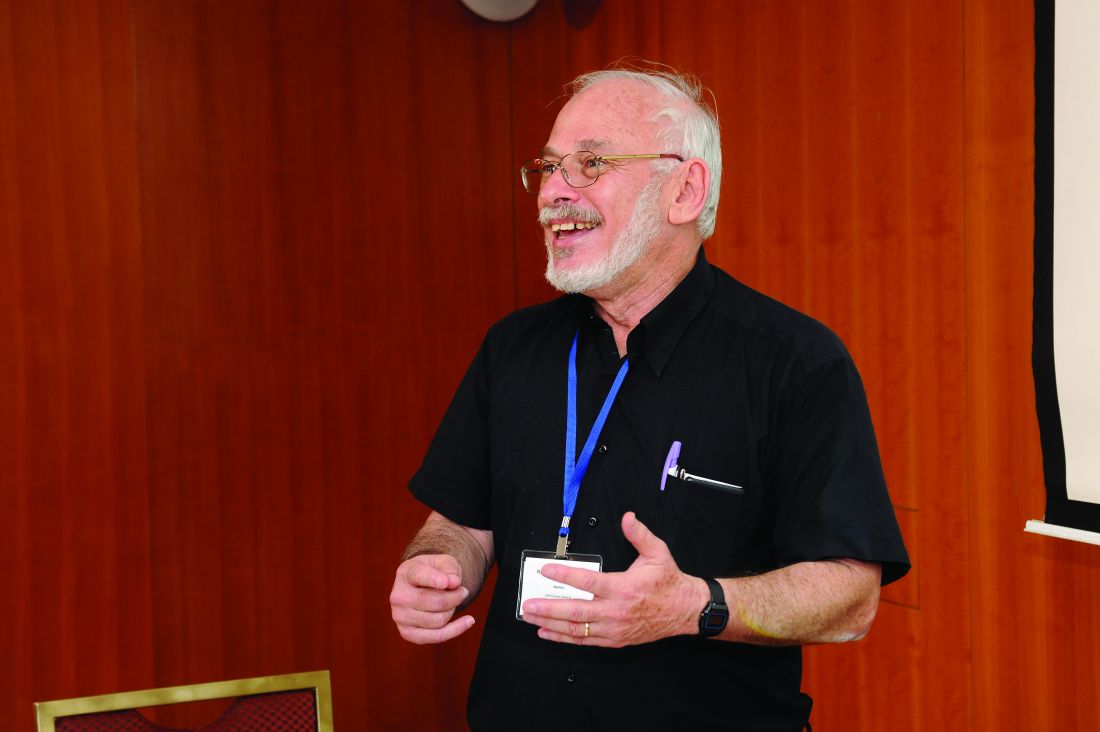
“We saw a highly significant effect of normobaric hyperoxia therapy in lowering Hamilton Rating Scale for Depression scores,” R. Haim Belmaker, MD, reported at the virtual congress of the European College of Neuropsychopharmacology.
In addition, the patients on enriched oxygen also showed statistically significant and clinically meaningful improvements relative to sham-treated controls on the secondary endpoints of Clinical Global Impressions Scale, the World Health Organization–Five Well-Being Index, the Sheehan Disability Scale, and the Sense of Coherence Scale, added Dr. Belmaker, professor emeritus of psychiatry at the Ben Gurion University of the Negev in Beersheva, Israel.
Numerous PET imaging studies have documented diminished brain mitochondrial function in patients with depression or schizophrenia. And mitochondria need oxygen to do their work. Yet, the idea of administering enriched oxygen in an effort to boost mitochondrial energy metabolism has long been viewed with skepticism – even though it’s a simple and well-tolerated intervention – because of the fact that 90%-95% of the oxygen supply is carried bound to hemoglobin, and oxygen enrichment doesn’t further increase hemoglobin saturation in individuals with normal lung function. However, recently it has been shown that inspired enriched oxygen roughly doubles arterial oxygen tension, and while this doesn’t translate into anything close to a doubled oxygen supply to tissues, it may result in increased oxygen diffusion into brain tissue, the psychiatrist explained.
Normobaric hyperoxia therapy is not to be confused with hyperbaric oxygen therapy, which requires a special chamber to handle markedly increased atmospheric pressures and has some inherent dangers. Mobile bedside oxygen generator units for oxygen enrichment are commercially available over the counter. Those used in the Israeli study were about the size of a vacuum cleaner and weighed a little more than 40 lb. Much smaller, more convenient units are available as well, but are costlier.
Dr. Belmaker reported on 51 adults with mild or moderate symptoms of major depressive disorder and a mean 11-year disease history who were randomized double blind to breathe either 35% oxygen or normal air – that is, 21% oxygen – at 1 atm pressure delivered from an investigator-supplied oxygen generator through standard plastic nasal prongs at a flow rate of 5 L/min for 7 hours nightly for 1 month.
“Controls heard the same flow and felt the same feeling on the face but were receiving 21% oxygen,” he noted.
Oxygen generator units are capable of enriching air to more than 90% oxygen; however, the investigators wanted to be cautious in a pilot study of an untested therapy, and they found evidence from both animal and human studies that 40% oxygen is reassuringly safe. Study exclusion criteria included obesity, acute or chronic respiratory disease, psychosis, and suicidality.
The primary study endpoint was the change in Hamilton Rating Scale for Depression score at 1 month. From a mean baseline of 14.6, the score in the normobaric hyperoxia group dropped by more than 4 points while remaining unchanged in controls. In a subscale analysis, it was apparent that most of the improvement occurred in the anxiety and cognitive disturbance subscale domains, according to Dr. Belmaker.
Of note, all patients rated by blinded investigators as much improved or very much improved on the Clinical Global Impression scale came from the enriched oxygen group.
No treatment-related adverse events occurred in the study.
“We don’t know the mechanism of the benefit of oxygen on the brain. It’s complex. In stroke and acute MI we used to think oxygen was beneficial, but scientists now feel that it’s not,” the psychiatrist said. “This early data deserve replication with higher concentrations of oxygen, different time periods of application, and in different patient groups.”
He emphasized that, since individuals with physical illnesses – including sleep apnea and chronic obstructive pulmonary disease – were excluded from the study, it’s not possible to say whether normobaric hyperoxia therapy would have an antidepressant effect in such patients.
“I would be especially careful with the normobaric oxygen in any patients with any cardiovascular or hypertensive disease because the increased oxygen pressure can have the side effect of contracting cardiac capillaries as a reflex action. So I certainly cannot recommend applying this study in any patients with a physical disease at this point,” Dr. Belmaker emphasized.
He reported having no financial conflicts regarding the study, funded by a grant from the Brain and Behavior Research Foundation.
SOURCE: Belmaker RH. ECNP 2020, Session S.12.
Maybe the hipsters patronizing trendy oxygen bars seeking elevation of mood back in the prepandemic era were actually onto something – because Israeli investigators have now shown in a pilot double-blind, placebo-controlled, randomized trial that breathing enriched oxygen on a nightly basis resulted in clinically meaningful symptomatic improvement in mild to moderate major depression.
“We saw a highly significant effect of normobaric hyperoxia therapy in lowering Hamilton Rating Scale for Depression scores,” R. Haim Belmaker, MD, reported at the virtual congress of the European College of Neuropsychopharmacology.
In addition, the patients on enriched oxygen also showed statistically significant and clinically meaningful improvements relative to sham-treated controls on the secondary endpoints of Clinical Global Impressions Scale, the World Health Organization–Five Well-Being Index, the Sheehan Disability Scale, and the Sense of Coherence Scale, added Dr. Belmaker, professor emeritus of psychiatry at the Ben Gurion University of the Negev in Beersheva, Israel.
Numerous PET imaging studies have documented diminished brain mitochondrial function in patients with depression or schizophrenia. And mitochondria need oxygen to do their work. Yet, the idea of administering enriched oxygen in an effort to boost mitochondrial energy metabolism has long been viewed with skepticism – even though it’s a simple and well-tolerated intervention – because of the fact that 90%-95% of the oxygen supply is carried bound to hemoglobin, and oxygen enrichment doesn’t further increase hemoglobin saturation in individuals with normal lung function. However, recently it has been shown that inspired enriched oxygen roughly doubles arterial oxygen tension, and while this doesn’t translate into anything close to a doubled oxygen supply to tissues, it may result in increased oxygen diffusion into brain tissue, the psychiatrist explained.
Normobaric hyperoxia therapy is not to be confused with hyperbaric oxygen therapy, which requires a special chamber to handle markedly increased atmospheric pressures and has some inherent dangers. Mobile bedside oxygen generator units for oxygen enrichment are commercially available over the counter. Those used in the Israeli study were about the size of a vacuum cleaner and weighed a little more than 40 lb. Much smaller, more convenient units are available as well, but are costlier.
Dr. Belmaker reported on 51 adults with mild or moderate symptoms of major depressive disorder and a mean 11-year disease history who were randomized double blind to breathe either 35% oxygen or normal air – that is, 21% oxygen – at 1 atm pressure delivered from an investigator-supplied oxygen generator through standard plastic nasal prongs at a flow rate of 5 L/min for 7 hours nightly for 1 month.
“Controls heard the same flow and felt the same feeling on the face but were receiving 21% oxygen,” he noted.
Oxygen generator units are capable of enriching air to more than 90% oxygen; however, the investigators wanted to be cautious in a pilot study of an untested therapy, and they found evidence from both animal and human studies that 40% oxygen is reassuringly safe. Study exclusion criteria included obesity, acute or chronic respiratory disease, psychosis, and suicidality.
The primary study endpoint was the change in Hamilton Rating Scale for Depression score at 1 month. From a mean baseline of 14.6, the score in the normobaric hyperoxia group dropped by more than 4 points while remaining unchanged in controls. In a subscale analysis, it was apparent that most of the improvement occurred in the anxiety and cognitive disturbance subscale domains, according to Dr. Belmaker.
Of note, all patients rated by blinded investigators as much improved or very much improved on the Clinical Global Impression scale came from the enriched oxygen group.
No treatment-related adverse events occurred in the study.
“We don’t know the mechanism of the benefit of oxygen on the brain. It’s complex. In stroke and acute MI we used to think oxygen was beneficial, but scientists now feel that it’s not,” the psychiatrist said. “This early data deserve replication with higher concentrations of oxygen, different time periods of application, and in different patient groups.”
He emphasized that, since individuals with physical illnesses – including sleep apnea and chronic obstructive pulmonary disease – were excluded from the study, it’s not possible to say whether normobaric hyperoxia therapy would have an antidepressant effect in such patients.
“I would be especially careful with the normobaric oxygen in any patients with any cardiovascular or hypertensive disease because the increased oxygen pressure can have the side effect of contracting cardiac capillaries as a reflex action. So I certainly cannot recommend applying this study in any patients with a physical disease at this point,” Dr. Belmaker emphasized.
He reported having no financial conflicts regarding the study, funded by a grant from the Brain and Behavior Research Foundation.
SOURCE: Belmaker RH. ECNP 2020, Session S.12.
Maybe the hipsters patronizing trendy oxygen bars seeking elevation of mood back in the prepandemic era were actually onto something – because Israeli investigators have now shown in a pilot double-blind, placebo-controlled, randomized trial that breathing enriched oxygen on a nightly basis resulted in clinically meaningful symptomatic improvement in mild to moderate major depression.
“We saw a highly significant effect of normobaric hyperoxia therapy in lowering Hamilton Rating Scale for Depression scores,” R. Haim Belmaker, MD, reported at the virtual congress of the European College of Neuropsychopharmacology.
In addition, the patients on enriched oxygen also showed statistically significant and clinically meaningful improvements relative to sham-treated controls on the secondary endpoints of Clinical Global Impressions Scale, the World Health Organization–Five Well-Being Index, the Sheehan Disability Scale, and the Sense of Coherence Scale, added Dr. Belmaker, professor emeritus of psychiatry at the Ben Gurion University of the Negev in Beersheva, Israel.
Numerous PET imaging studies have documented diminished brain mitochondrial function in patients with depression or schizophrenia. And mitochondria need oxygen to do their work. Yet, the idea of administering enriched oxygen in an effort to boost mitochondrial energy metabolism has long been viewed with skepticism – even though it’s a simple and well-tolerated intervention – because of the fact that 90%-95% of the oxygen supply is carried bound to hemoglobin, and oxygen enrichment doesn’t further increase hemoglobin saturation in individuals with normal lung function. However, recently it has been shown that inspired enriched oxygen roughly doubles arterial oxygen tension, and while this doesn’t translate into anything close to a doubled oxygen supply to tissues, it may result in increased oxygen diffusion into brain tissue, the psychiatrist explained.
Normobaric hyperoxia therapy is not to be confused with hyperbaric oxygen therapy, which requires a special chamber to handle markedly increased atmospheric pressures and has some inherent dangers. Mobile bedside oxygen generator units for oxygen enrichment are commercially available over the counter. Those used in the Israeli study were about the size of a vacuum cleaner and weighed a little more than 40 lb. Much smaller, more convenient units are available as well, but are costlier.
Dr. Belmaker reported on 51 adults with mild or moderate symptoms of major depressive disorder and a mean 11-year disease history who were randomized double blind to breathe either 35% oxygen or normal air – that is, 21% oxygen – at 1 atm pressure delivered from an investigator-supplied oxygen generator through standard plastic nasal prongs at a flow rate of 5 L/min for 7 hours nightly for 1 month.
“Controls heard the same flow and felt the same feeling on the face but were receiving 21% oxygen,” he noted.
Oxygen generator units are capable of enriching air to more than 90% oxygen; however, the investigators wanted to be cautious in a pilot study of an untested therapy, and they found evidence from both animal and human studies that 40% oxygen is reassuringly safe. Study exclusion criteria included obesity, acute or chronic respiratory disease, psychosis, and suicidality.
The primary study endpoint was the change in Hamilton Rating Scale for Depression score at 1 month. From a mean baseline of 14.6, the score in the normobaric hyperoxia group dropped by more than 4 points while remaining unchanged in controls. In a subscale analysis, it was apparent that most of the improvement occurred in the anxiety and cognitive disturbance subscale domains, according to Dr. Belmaker.
Of note, all patients rated by blinded investigators as much improved or very much improved on the Clinical Global Impression scale came from the enriched oxygen group.
No treatment-related adverse events occurred in the study.
“We don’t know the mechanism of the benefit of oxygen on the brain. It’s complex. In stroke and acute MI we used to think oxygen was beneficial, but scientists now feel that it’s not,” the psychiatrist said. “This early data deserve replication with higher concentrations of oxygen, different time periods of application, and in different patient groups.”
He emphasized that, since individuals with physical illnesses – including sleep apnea and chronic obstructive pulmonary disease – were excluded from the study, it’s not possible to say whether normobaric hyperoxia therapy would have an antidepressant effect in such patients.
“I would be especially careful with the normobaric oxygen in any patients with any cardiovascular or hypertensive disease because the increased oxygen pressure can have the side effect of contracting cardiac capillaries as a reflex action. So I certainly cannot recommend applying this study in any patients with a physical disease at this point,” Dr. Belmaker emphasized.
He reported having no financial conflicts regarding the study, funded by a grant from the Brain and Behavior Research Foundation.
SOURCE: Belmaker RH. ECNP 2020, Session S.12.
FROM ECNP 2020
Dr. Len Calabrese gives advice on vaccinating adult patients with rheumatic disease
When it comes to preventing infection in rheumatology patients, “vaccination is the best mode of infection protection” and works synergistically with masks and hand washing, according to Leonard H. Calabrese, DO.
“Patients with rheumatic diseases have increased morbidity and mortality [from infection] and a lot of risk factors, including age, comorbidities, cytopenias, and extra-articular disease immunosuppression,” he said in a virtual presentation at the annual Perspectives in Rheumatic Diseases held by Global Academy for Medical Education.
Unfortunately, vaccination uptake remains “much lower than we would like in this country,” he said. Notably, influenza vaccination remains well below the World Health Organization target of 75%, he said.
Influenza vaccination
Flu vaccination will be even more important this year in the context of the COVID-19 pandemic, said Dr. Calabrese, professor of medicine and the RJ Fasenmyer Chair of Clinical Immunology at the Cleveland Clinic in Ohio. “For everyone who comes in with a respiratory illness, we will have to figure out whether it is flu or COVID,” he emphasized.
The Centers for Disease Control and Prevention recommendations include a detailed special considerations section for patients with immunocompromising conditions; “the notes have everything you need to know” about advising rheumatology patients, most of whom can safely receive a flu vaccine, he said.
One concern that always comes up is whether an antibody response will be suppressed based on therapy, Dr. Calabrese noted. Two major drugs with the greatest ability to reduce response are methotrexate and rituximab, he said. His tip: “Withhold methotrexate for two doses following seasonal flu vaccination.” This advice stems from a series of “practice-changing” studies by Park et al. published in 2017, 2018, and 2019 that showed benefit in withholding methotrexate for two doses following vaccination.
In the past, high-dose trivalent flu vaccines have been more expensive, and not necessarily practice changing, with studies showing varying clinical effectiveness and cost-effectiveness, Dr. Calabrese said. This year, a high-dose quadrivalent vaccine should be available that showed a 24% improvement in protection from all strains of influenza, compared with the standard vaccine in a head-to-head, randomized, controlled trial, he noted.
“All patients in rheumatology practices should get a flu vaccine,” with a 2-week hold on methotrexate following vaccination, he advised, and those aged 65 years and older should receive the high-dose quadrivalent. Younger patients on immunosuppressive therapy also might be considered for the high-dose vaccine, he said.
Pneumococcal vaccination
Dr. Calabrese also emphasized the value of pneumococcal vaccines for rheumatology patients. “The mortality for invasive disease ranges from 5% to 32%, but patients with immunocompromising conditions are at increased risk.”
Dr. Calabrese added a note on safety: Patients with cryopyrin-associated periodic syndrome (CAPS), a rare hereditary inflammatory disorder with cutaneous, neurologic, ophthalmologic, and rheumatologic manifestations, may have severe local and systemic reactions to the 23-valent polysaccharide vaccine (PPSV23), he said.
However, immunization against pneumococcal disease is safe and effective for most patients with autoimmune and inflammatory disorders regardless of their current therapy, he said. As with influenza, the CDC’s vaccination recommendations provide details for special situations, including immunocompromised individuals, he noted.
Dr. Calabrese recommended the 13-valent pneumococcal conjugate vaccine (PCV13) as soon as possible for rheumatology patients who have never been vaccinated, with follow-up doses of the 23-valent polysaccharide vaccine (PPSV23) at least 8 weeks later, and a PPSV23 booster 5 years after the first PPSV23 dose.
Protecting against shingles
When it comes to managing the varicella zoster virus (VZV) in immunocompromised patients, “prevention is preferable to treatment, as our patients are particularly vulnerable because of age and declining immunity,” Dr. Calabrese said.
Prevention is important because “once herpes zoster develops, the available treatments, including antiviral therapy, do not prevent postherpetic neuralgia in all patients,” he emphasized. “The treatments are complicated and not always effective,” he added.
The complications of zoster are well known, but recent data show an increased risk of cardiovascular disease as well, Dr. Calabrese said. “All the more reason to protect rheumatology patients from incident zoster,” he said.
Currently, the nonlive recombinant subunit zoster vaccine (Shingrix) is the preferred option for VZV vaccination according to the CDC’s Advisory Committee on Immunization Practices, Dr. Calabrese said. The CDC initially recommended its use to prevent herpes zoster and related complications in all immunocompetent adults aged 50 years and older; in an update, a C-level recommendation extends to “all patients aged 50 with or without immunosuppressive illnesses regardless of previous Zostavax exposure,” Dr. Calabrese said. “All patients on or starting [Janus] kinase inhibitors, regardless of age, should be considered” to receive the herpes zoster vaccine, he noted.
In general, promoting vaccination for rheumatology patients and for all patients is a multipronged effort that might include reminders, rewards, education, and standing orders, Dr. Calabrese said. Clinicians must continue to educate patients not only by strongly recommending the appropriate vaccines, but dispelling myths about vaccination, addressing fears, and providing current and accurate information, he said.
Dr. Calabrese disclosed relationships with AbbVie, Bristol-Myers Squibb, Crescendo, Genentech, Gilead, GlaxoSmithKline, Janssen, Novartis, Pfizer, Sanofi-Regeneron, and UCB.
Global Academy for Medical Education and this news organization are owned by the same parent company.
When it comes to preventing infection in rheumatology patients, “vaccination is the best mode of infection protection” and works synergistically with masks and hand washing, according to Leonard H. Calabrese, DO.
“Patients with rheumatic diseases have increased morbidity and mortality [from infection] and a lot of risk factors, including age, comorbidities, cytopenias, and extra-articular disease immunosuppression,” he said in a virtual presentation at the annual Perspectives in Rheumatic Diseases held by Global Academy for Medical Education.
Unfortunately, vaccination uptake remains “much lower than we would like in this country,” he said. Notably, influenza vaccination remains well below the World Health Organization target of 75%, he said.
Influenza vaccination
Flu vaccination will be even more important this year in the context of the COVID-19 pandemic, said Dr. Calabrese, professor of medicine and the RJ Fasenmyer Chair of Clinical Immunology at the Cleveland Clinic in Ohio. “For everyone who comes in with a respiratory illness, we will have to figure out whether it is flu or COVID,” he emphasized.
The Centers for Disease Control and Prevention recommendations include a detailed special considerations section for patients with immunocompromising conditions; “the notes have everything you need to know” about advising rheumatology patients, most of whom can safely receive a flu vaccine, he said.
One concern that always comes up is whether an antibody response will be suppressed based on therapy, Dr. Calabrese noted. Two major drugs with the greatest ability to reduce response are methotrexate and rituximab, he said. His tip: “Withhold methotrexate for two doses following seasonal flu vaccination.” This advice stems from a series of “practice-changing” studies by Park et al. published in 2017, 2018, and 2019 that showed benefit in withholding methotrexate for two doses following vaccination.
In the past, high-dose trivalent flu vaccines have been more expensive, and not necessarily practice changing, with studies showing varying clinical effectiveness and cost-effectiveness, Dr. Calabrese said. This year, a high-dose quadrivalent vaccine should be available that showed a 24% improvement in protection from all strains of influenza, compared with the standard vaccine in a head-to-head, randomized, controlled trial, he noted.
“All patients in rheumatology practices should get a flu vaccine,” with a 2-week hold on methotrexate following vaccination, he advised, and those aged 65 years and older should receive the high-dose quadrivalent. Younger patients on immunosuppressive therapy also might be considered for the high-dose vaccine, he said.
Pneumococcal vaccination
Dr. Calabrese also emphasized the value of pneumococcal vaccines for rheumatology patients. “The mortality for invasive disease ranges from 5% to 32%, but patients with immunocompromising conditions are at increased risk.”
Dr. Calabrese added a note on safety: Patients with cryopyrin-associated periodic syndrome (CAPS), a rare hereditary inflammatory disorder with cutaneous, neurologic, ophthalmologic, and rheumatologic manifestations, may have severe local and systemic reactions to the 23-valent polysaccharide vaccine (PPSV23), he said.
However, immunization against pneumococcal disease is safe and effective for most patients with autoimmune and inflammatory disorders regardless of their current therapy, he said. As with influenza, the CDC’s vaccination recommendations provide details for special situations, including immunocompromised individuals, he noted.
Dr. Calabrese recommended the 13-valent pneumococcal conjugate vaccine (PCV13) as soon as possible for rheumatology patients who have never been vaccinated, with follow-up doses of the 23-valent polysaccharide vaccine (PPSV23) at least 8 weeks later, and a PPSV23 booster 5 years after the first PPSV23 dose.
Protecting against shingles
When it comes to managing the varicella zoster virus (VZV) in immunocompromised patients, “prevention is preferable to treatment, as our patients are particularly vulnerable because of age and declining immunity,” Dr. Calabrese said.
Prevention is important because “once herpes zoster develops, the available treatments, including antiviral therapy, do not prevent postherpetic neuralgia in all patients,” he emphasized. “The treatments are complicated and not always effective,” he added.
The complications of zoster are well known, but recent data show an increased risk of cardiovascular disease as well, Dr. Calabrese said. “All the more reason to protect rheumatology patients from incident zoster,” he said.
Currently, the nonlive recombinant subunit zoster vaccine (Shingrix) is the preferred option for VZV vaccination according to the CDC’s Advisory Committee on Immunization Practices, Dr. Calabrese said. The CDC initially recommended its use to prevent herpes zoster and related complications in all immunocompetent adults aged 50 years and older; in an update, a C-level recommendation extends to “all patients aged 50 with or without immunosuppressive illnesses regardless of previous Zostavax exposure,” Dr. Calabrese said. “All patients on or starting [Janus] kinase inhibitors, regardless of age, should be considered” to receive the herpes zoster vaccine, he noted.
In general, promoting vaccination for rheumatology patients and for all patients is a multipronged effort that might include reminders, rewards, education, and standing orders, Dr. Calabrese said. Clinicians must continue to educate patients not only by strongly recommending the appropriate vaccines, but dispelling myths about vaccination, addressing fears, and providing current and accurate information, he said.
Dr. Calabrese disclosed relationships with AbbVie, Bristol-Myers Squibb, Crescendo, Genentech, Gilead, GlaxoSmithKline, Janssen, Novartis, Pfizer, Sanofi-Regeneron, and UCB.
Global Academy for Medical Education and this news organization are owned by the same parent company.
When it comes to preventing infection in rheumatology patients, “vaccination is the best mode of infection protection” and works synergistically with masks and hand washing, according to Leonard H. Calabrese, DO.
“Patients with rheumatic diseases have increased morbidity and mortality [from infection] and a lot of risk factors, including age, comorbidities, cytopenias, and extra-articular disease immunosuppression,” he said in a virtual presentation at the annual Perspectives in Rheumatic Diseases held by Global Academy for Medical Education.
Unfortunately, vaccination uptake remains “much lower than we would like in this country,” he said. Notably, influenza vaccination remains well below the World Health Organization target of 75%, he said.
Influenza vaccination
Flu vaccination will be even more important this year in the context of the COVID-19 pandemic, said Dr. Calabrese, professor of medicine and the RJ Fasenmyer Chair of Clinical Immunology at the Cleveland Clinic in Ohio. “For everyone who comes in with a respiratory illness, we will have to figure out whether it is flu or COVID,” he emphasized.
The Centers for Disease Control and Prevention recommendations include a detailed special considerations section for patients with immunocompromising conditions; “the notes have everything you need to know” about advising rheumatology patients, most of whom can safely receive a flu vaccine, he said.
One concern that always comes up is whether an antibody response will be suppressed based on therapy, Dr. Calabrese noted. Two major drugs with the greatest ability to reduce response are methotrexate and rituximab, he said. His tip: “Withhold methotrexate for two doses following seasonal flu vaccination.” This advice stems from a series of “practice-changing” studies by Park et al. published in 2017, 2018, and 2019 that showed benefit in withholding methotrexate for two doses following vaccination.
In the past, high-dose trivalent flu vaccines have been more expensive, and not necessarily practice changing, with studies showing varying clinical effectiveness and cost-effectiveness, Dr. Calabrese said. This year, a high-dose quadrivalent vaccine should be available that showed a 24% improvement in protection from all strains of influenza, compared with the standard vaccine in a head-to-head, randomized, controlled trial, he noted.
“All patients in rheumatology practices should get a flu vaccine,” with a 2-week hold on methotrexate following vaccination, he advised, and those aged 65 years and older should receive the high-dose quadrivalent. Younger patients on immunosuppressive therapy also might be considered for the high-dose vaccine, he said.
Pneumococcal vaccination
Dr. Calabrese also emphasized the value of pneumococcal vaccines for rheumatology patients. “The mortality for invasive disease ranges from 5% to 32%, but patients with immunocompromising conditions are at increased risk.”
Dr. Calabrese added a note on safety: Patients with cryopyrin-associated periodic syndrome (CAPS), a rare hereditary inflammatory disorder with cutaneous, neurologic, ophthalmologic, and rheumatologic manifestations, may have severe local and systemic reactions to the 23-valent polysaccharide vaccine (PPSV23), he said.
However, immunization against pneumococcal disease is safe and effective for most patients with autoimmune and inflammatory disorders regardless of their current therapy, he said. As with influenza, the CDC’s vaccination recommendations provide details for special situations, including immunocompromised individuals, he noted.
Dr. Calabrese recommended the 13-valent pneumococcal conjugate vaccine (PCV13) as soon as possible for rheumatology patients who have never been vaccinated, with follow-up doses of the 23-valent polysaccharide vaccine (PPSV23) at least 8 weeks later, and a PPSV23 booster 5 years after the first PPSV23 dose.
Protecting against shingles
When it comes to managing the varicella zoster virus (VZV) in immunocompromised patients, “prevention is preferable to treatment, as our patients are particularly vulnerable because of age and declining immunity,” Dr. Calabrese said.
Prevention is important because “once herpes zoster develops, the available treatments, including antiviral therapy, do not prevent postherpetic neuralgia in all patients,” he emphasized. “The treatments are complicated and not always effective,” he added.
The complications of zoster are well known, but recent data show an increased risk of cardiovascular disease as well, Dr. Calabrese said. “All the more reason to protect rheumatology patients from incident zoster,” he said.
Currently, the nonlive recombinant subunit zoster vaccine (Shingrix) is the preferred option for VZV vaccination according to the CDC’s Advisory Committee on Immunization Practices, Dr. Calabrese said. The CDC initially recommended its use to prevent herpes zoster and related complications in all immunocompetent adults aged 50 years and older; in an update, a C-level recommendation extends to “all patients aged 50 with or without immunosuppressive illnesses regardless of previous Zostavax exposure,” Dr. Calabrese said. “All patients on or starting [Janus] kinase inhibitors, regardless of age, should be considered” to receive the herpes zoster vaccine, he noted.
In general, promoting vaccination for rheumatology patients and for all patients is a multipronged effort that might include reminders, rewards, education, and standing orders, Dr. Calabrese said. Clinicians must continue to educate patients not only by strongly recommending the appropriate vaccines, but dispelling myths about vaccination, addressing fears, and providing current and accurate information, he said.
Dr. Calabrese disclosed relationships with AbbVie, Bristol-Myers Squibb, Crescendo, Genentech, Gilead, GlaxoSmithKline, Janssen, Novartis, Pfizer, Sanofi-Regeneron, and UCB.
Global Academy for Medical Education and this news organization are owned by the same parent company.
FROM PRD 2020
Abemaciclib cuts early recurrence in high-risk breast cancer
First advance in 20 years
The research was presented Sept. 19 at the ESMO Virtual Congress 2020 and simultaneously published in the Journal of Clinical Oncology.
The monarchE trial compared 2 years of abemaciclib plus endocrine therapy vs endocrine therapy alone among 5,600 patients and found that the combination was associated with a 25% relative risk reduction in the primary endpoint – invasive disease-free survival (P =.0096; HR, 0.75; 95% CI, 0.60 - 0.93)
At 2 years, the rate of invasive disease-free survival was 92.2% in the abemaciclib arm vs 88.7% in the group that took endocrine therapy alone.
“This is the first time in more than 20 years that we have seen an advance in the adjuvant treatment of this form of breast cancer,” said lead investigator Stephen Johnston, MD, PhD, from the Royal Marsden Hospital NHS Foundation Trust in London, UK, in a meeting press release.
He told Medscape Medical News that the high-risk patients in their study “are predicted to relapse quite quickly” as a result of having a degree of endocrine resistance, “and by intervening early we are stopping these recurrences within the first 2 years.”
He continued: “The key issue ... is whether you need 2 years of treatment or perhaps even longer. One other trial is looking at 3 years with another drug, and we’ll just have to await further follow-up of the data to see if the [monarchE] curves continue to separate while on treatment.”
According to Giuseppe Curigliano, MD, PhD, head of the Division of Early Drug Development at the European Institute of Oncology, Milan, Italy, “This is a very important trial and the findings will change practice. Once approved for high risk HR+ HER2-negative early breast cancer, the new standard of care for these patients will be to add two years of abemaciclib to endocrine therapy.”
Curigliano, who was not involved with the study, further commented during a meeting press conference that a randomized trial will be needed to answer a new important question: Can these high-risk patients treated with a CDK4/6 inhibitor be spared chemotherapy?
Investigator Johnston pointed out that many patients diagnosed with HR+, HER2 breast cancer will not experience recurrence with standard-of-care therapies.
But he also explained “that up to 20% may develop recurrence or distant relapse in the first 10 years” and that the risk of recurrence is “much greater” for patients who have high-risk clinical or pathological features, “especially during the first few years on their adjuvant endocrine therapy.”
Study details
Abemaciclib was approved by the US Food and Drug Administration in 2017 and is approved in combination with the endocrine therapy fulvestrant for the treatment of HR+, HER2-negative advanced or metastatic breast cancer that has progressed after endocrine therapy.
The approval was, in part, based on data from the MONARCH-2 trial, which showed consistent overall survival benefits with the combination.
MonarchE, on the other hand, examined the impact of abemaciclib in the first-line adjuvant setting, enrolling patients with HR+, HER2-negative, node-positive early breast cancer who had a tumor size of ≥5 cm, histologic grade 3 disease, and/or Ki67 index of ≥20%.
They were randomly assigned in a 1:1 fashion to abemaciclib 150 mg twice daily for up to 2 years plus standard of care endocrine therapy or standard of care endocrine therapy alone.
The choice of endocrine therapy was left to the physician and was continued for 5-10 years, as clinically indicated.
The trial included 5,637 patients. An efficacy interim analysis was planned for when 75% of the estimated invasive disease-free survival events had occurred, which equated to 323 events in the intention-to-treat population.
This occurred after approximately 15.5 months of follow-up in each arm, when 12.5% of patients had completed the 2-year treatment period, leaving 70% still in treatment.
The intention-to-treat population included 2,808 patients from the abemaciclib plus endocrine therapy group and 2,829 in the group taking endocrine therapy alone.
The two groups were well balanced in terms of their baseline characteristics. The vast majority (approximately 85%) of patients were younger than 65 years, and 56.5% were postmenopausal.
Also, 37% had previously received neoadjuvant chemotherapy, and approximately 58% had adjuvant chemotherapy.
Distant relapse-free survival was significantly reduced with abemaciclib plus endocrine therapy vs endocrine therapy alone, at a hazard ratio of 0.72 (P = .0085), and a 2-year rate of 93.6% and 90.3%, respectively.
Johnston highlighted that not only was the number of patients with distant recurrences reduced with the combination therapy, at 92 vs 142 with endocrine therapy alone, but also the reductions were in key locations.
The number of patients with recurrences in the bone were 32 with abemaciclib and 81 with endocrine therapy alone; 29 patients with abemaciclib and 42 with endocrine therapy alone had recurrences in the liver.
The results show that the most frequent adverse events in the abemaciclib arm were diarrhea (82%), neutropenia (45%), and fatigue (38%), whereas arthralgia (31%), hot flush (21%), and fatigue (15%) were seen most often in the control group.
Venous thromboembolic events were recorded in 2.3% of patients in the abemaciclib group versus 0.5% of those on endocrine therapy alone; interstitial lung disease was seen in 2.7% and 1.2%, respectively.
Despite the protocol allowing dose reductions from 150 mg to 100 mg twice daily if required, 463 (16.6%) patients discontinued abemaciclib as a result of adverse events. Of those, 306 continued on endocrine therapy.
“Adherence to treatment will be an important issue to be considered in the real-life population of patients when this treatment is approved and used in clinical practice,” Johnston said.
Nevertheless, diarrhea frequency and severity decreased significantly over time, and only 4.8% of the abemaciclib group discontinued use as a result of this adverse event.
Questions remain
George W. Sledge Jr, MD, professor of medicine (oncology) at Stanford University Medical Center, Palo Alto, California, was the invited discussant after the presentation.
He said that “positive trials raise as many questions as they answer, and monarchE is no exception.”
For example, there is the conundrum posed by the negative results of the very similar PALLAS trial, which looked at the addition of palbociclib to adjuvant endocrine therapy for HR+, HER2-negative early breast cancer and was also presented at the ESMO meeting.
Returning to monarchE, Sledge asked what the ultimate increase in invasive disease- and distant relapse-free survival will be with the drug combination, noting that the trial has “very, very short follow-up.”
“Second, will the improvements seen in disease-free survival lead to what we really care about: improved overall survival? Again, time will tell, but health care systems and patients care deeply about the answer to this question.”
Sledge continued: “How about late recurrence? Do CDK4/6 inhibitors kill off dormant or slow-growing micro-mets that lead to recurrences 5 or more years out?”
He also asked what the optimum duration of therapy would be: “Is it more than we need, or not enough?”
Sledge wondered whether it is possible to determine who benefits “and why the drug fails some patients.”
Finally, Sledge said, “These drugs are expensive. ... 2 years of adjuvant therapy is simply out of reach for the majority of patients around the globe who might be candidates for adjuvant CDK4/6 inhibitor therapy.”
And he observed an important truism: “A patient cannot benefit from a drug she cannot take.”
The study was funded by Eli Lilly. Johnston, Sledge, and Curigliano have financial ties to Eli Lilly and multiple other drug companies.
This article first appeared on Medscape.com.
First advance in 20 years
First advance in 20 years
The research was presented Sept. 19 at the ESMO Virtual Congress 2020 and simultaneously published in the Journal of Clinical Oncology.
The monarchE trial compared 2 years of abemaciclib plus endocrine therapy vs endocrine therapy alone among 5,600 patients and found that the combination was associated with a 25% relative risk reduction in the primary endpoint – invasive disease-free survival (P =.0096; HR, 0.75; 95% CI, 0.60 - 0.93)
At 2 years, the rate of invasive disease-free survival was 92.2% in the abemaciclib arm vs 88.7% in the group that took endocrine therapy alone.
“This is the first time in more than 20 years that we have seen an advance in the adjuvant treatment of this form of breast cancer,” said lead investigator Stephen Johnston, MD, PhD, from the Royal Marsden Hospital NHS Foundation Trust in London, UK, in a meeting press release.
He told Medscape Medical News that the high-risk patients in their study “are predicted to relapse quite quickly” as a result of having a degree of endocrine resistance, “and by intervening early we are stopping these recurrences within the first 2 years.”
He continued: “The key issue ... is whether you need 2 years of treatment or perhaps even longer. One other trial is looking at 3 years with another drug, and we’ll just have to await further follow-up of the data to see if the [monarchE] curves continue to separate while on treatment.”
According to Giuseppe Curigliano, MD, PhD, head of the Division of Early Drug Development at the European Institute of Oncology, Milan, Italy, “This is a very important trial and the findings will change practice. Once approved for high risk HR+ HER2-negative early breast cancer, the new standard of care for these patients will be to add two years of abemaciclib to endocrine therapy.”
Curigliano, who was not involved with the study, further commented during a meeting press conference that a randomized trial will be needed to answer a new important question: Can these high-risk patients treated with a CDK4/6 inhibitor be spared chemotherapy?
Investigator Johnston pointed out that many patients diagnosed with HR+, HER2 breast cancer will not experience recurrence with standard-of-care therapies.
But he also explained “that up to 20% may develop recurrence or distant relapse in the first 10 years” and that the risk of recurrence is “much greater” for patients who have high-risk clinical or pathological features, “especially during the first few years on their adjuvant endocrine therapy.”
Study details
Abemaciclib was approved by the US Food and Drug Administration in 2017 and is approved in combination with the endocrine therapy fulvestrant for the treatment of HR+, HER2-negative advanced or metastatic breast cancer that has progressed after endocrine therapy.
The approval was, in part, based on data from the MONARCH-2 trial, which showed consistent overall survival benefits with the combination.
MonarchE, on the other hand, examined the impact of abemaciclib in the first-line adjuvant setting, enrolling patients with HR+, HER2-negative, node-positive early breast cancer who had a tumor size of ≥5 cm, histologic grade 3 disease, and/or Ki67 index of ≥20%.
They were randomly assigned in a 1:1 fashion to abemaciclib 150 mg twice daily for up to 2 years plus standard of care endocrine therapy or standard of care endocrine therapy alone.
The choice of endocrine therapy was left to the physician and was continued for 5-10 years, as clinically indicated.
The trial included 5,637 patients. An efficacy interim analysis was planned for when 75% of the estimated invasive disease-free survival events had occurred, which equated to 323 events in the intention-to-treat population.
This occurred after approximately 15.5 months of follow-up in each arm, when 12.5% of patients had completed the 2-year treatment period, leaving 70% still in treatment.
The intention-to-treat population included 2,808 patients from the abemaciclib plus endocrine therapy group and 2,829 in the group taking endocrine therapy alone.
The two groups were well balanced in terms of their baseline characteristics. The vast majority (approximately 85%) of patients were younger than 65 years, and 56.5% were postmenopausal.
Also, 37% had previously received neoadjuvant chemotherapy, and approximately 58% had adjuvant chemotherapy.
Distant relapse-free survival was significantly reduced with abemaciclib plus endocrine therapy vs endocrine therapy alone, at a hazard ratio of 0.72 (P = .0085), and a 2-year rate of 93.6% and 90.3%, respectively.
Johnston highlighted that not only was the number of patients with distant recurrences reduced with the combination therapy, at 92 vs 142 with endocrine therapy alone, but also the reductions were in key locations.
The number of patients with recurrences in the bone were 32 with abemaciclib and 81 with endocrine therapy alone; 29 patients with abemaciclib and 42 with endocrine therapy alone had recurrences in the liver.
The results show that the most frequent adverse events in the abemaciclib arm were diarrhea (82%), neutropenia (45%), and fatigue (38%), whereas arthralgia (31%), hot flush (21%), and fatigue (15%) were seen most often in the control group.
Venous thromboembolic events were recorded in 2.3% of patients in the abemaciclib group versus 0.5% of those on endocrine therapy alone; interstitial lung disease was seen in 2.7% and 1.2%, respectively.
Despite the protocol allowing dose reductions from 150 mg to 100 mg twice daily if required, 463 (16.6%) patients discontinued abemaciclib as a result of adverse events. Of those, 306 continued on endocrine therapy.
“Adherence to treatment will be an important issue to be considered in the real-life population of patients when this treatment is approved and used in clinical practice,” Johnston said.
Nevertheless, diarrhea frequency and severity decreased significantly over time, and only 4.8% of the abemaciclib group discontinued use as a result of this adverse event.
Questions remain
George W. Sledge Jr, MD, professor of medicine (oncology) at Stanford University Medical Center, Palo Alto, California, was the invited discussant after the presentation.
He said that “positive trials raise as many questions as they answer, and monarchE is no exception.”
For example, there is the conundrum posed by the negative results of the very similar PALLAS trial, which looked at the addition of palbociclib to adjuvant endocrine therapy for HR+, HER2-negative early breast cancer and was also presented at the ESMO meeting.
Returning to monarchE, Sledge asked what the ultimate increase in invasive disease- and distant relapse-free survival will be with the drug combination, noting that the trial has “very, very short follow-up.”
“Second, will the improvements seen in disease-free survival lead to what we really care about: improved overall survival? Again, time will tell, but health care systems and patients care deeply about the answer to this question.”
Sledge continued: “How about late recurrence? Do CDK4/6 inhibitors kill off dormant or slow-growing micro-mets that lead to recurrences 5 or more years out?”
He also asked what the optimum duration of therapy would be: “Is it more than we need, or not enough?”
Sledge wondered whether it is possible to determine who benefits “and why the drug fails some patients.”
Finally, Sledge said, “These drugs are expensive. ... 2 years of adjuvant therapy is simply out of reach for the majority of patients around the globe who might be candidates for adjuvant CDK4/6 inhibitor therapy.”
And he observed an important truism: “A patient cannot benefit from a drug she cannot take.”
The study was funded by Eli Lilly. Johnston, Sledge, and Curigliano have financial ties to Eli Lilly and multiple other drug companies.
This article first appeared on Medscape.com.
The research was presented Sept. 19 at the ESMO Virtual Congress 2020 and simultaneously published in the Journal of Clinical Oncology.
The monarchE trial compared 2 years of abemaciclib plus endocrine therapy vs endocrine therapy alone among 5,600 patients and found that the combination was associated with a 25% relative risk reduction in the primary endpoint – invasive disease-free survival (P =.0096; HR, 0.75; 95% CI, 0.60 - 0.93)
At 2 years, the rate of invasive disease-free survival was 92.2% in the abemaciclib arm vs 88.7% in the group that took endocrine therapy alone.
“This is the first time in more than 20 years that we have seen an advance in the adjuvant treatment of this form of breast cancer,” said lead investigator Stephen Johnston, MD, PhD, from the Royal Marsden Hospital NHS Foundation Trust in London, UK, in a meeting press release.
He told Medscape Medical News that the high-risk patients in their study “are predicted to relapse quite quickly” as a result of having a degree of endocrine resistance, “and by intervening early we are stopping these recurrences within the first 2 years.”
He continued: “The key issue ... is whether you need 2 years of treatment or perhaps even longer. One other trial is looking at 3 years with another drug, and we’ll just have to await further follow-up of the data to see if the [monarchE] curves continue to separate while on treatment.”
According to Giuseppe Curigliano, MD, PhD, head of the Division of Early Drug Development at the European Institute of Oncology, Milan, Italy, “This is a very important trial and the findings will change practice. Once approved for high risk HR+ HER2-negative early breast cancer, the new standard of care for these patients will be to add two years of abemaciclib to endocrine therapy.”
Curigliano, who was not involved with the study, further commented during a meeting press conference that a randomized trial will be needed to answer a new important question: Can these high-risk patients treated with a CDK4/6 inhibitor be spared chemotherapy?
Investigator Johnston pointed out that many patients diagnosed with HR+, HER2 breast cancer will not experience recurrence with standard-of-care therapies.
But he also explained “that up to 20% may develop recurrence or distant relapse in the first 10 years” and that the risk of recurrence is “much greater” for patients who have high-risk clinical or pathological features, “especially during the first few years on their adjuvant endocrine therapy.”
Study details
Abemaciclib was approved by the US Food and Drug Administration in 2017 and is approved in combination with the endocrine therapy fulvestrant for the treatment of HR+, HER2-negative advanced or metastatic breast cancer that has progressed after endocrine therapy.
The approval was, in part, based on data from the MONARCH-2 trial, which showed consistent overall survival benefits with the combination.
MonarchE, on the other hand, examined the impact of abemaciclib in the first-line adjuvant setting, enrolling patients with HR+, HER2-negative, node-positive early breast cancer who had a tumor size of ≥5 cm, histologic grade 3 disease, and/or Ki67 index of ≥20%.
They were randomly assigned in a 1:1 fashion to abemaciclib 150 mg twice daily for up to 2 years plus standard of care endocrine therapy or standard of care endocrine therapy alone.
The choice of endocrine therapy was left to the physician and was continued for 5-10 years, as clinically indicated.
The trial included 5,637 patients. An efficacy interim analysis was planned for when 75% of the estimated invasive disease-free survival events had occurred, which equated to 323 events in the intention-to-treat population.
This occurred after approximately 15.5 months of follow-up in each arm, when 12.5% of patients had completed the 2-year treatment period, leaving 70% still in treatment.
The intention-to-treat population included 2,808 patients from the abemaciclib plus endocrine therapy group and 2,829 in the group taking endocrine therapy alone.
The two groups were well balanced in terms of their baseline characteristics. The vast majority (approximately 85%) of patients were younger than 65 years, and 56.5% were postmenopausal.
Also, 37% had previously received neoadjuvant chemotherapy, and approximately 58% had adjuvant chemotherapy.
Distant relapse-free survival was significantly reduced with abemaciclib plus endocrine therapy vs endocrine therapy alone, at a hazard ratio of 0.72 (P = .0085), and a 2-year rate of 93.6% and 90.3%, respectively.
Johnston highlighted that not only was the number of patients with distant recurrences reduced with the combination therapy, at 92 vs 142 with endocrine therapy alone, but also the reductions were in key locations.
The number of patients with recurrences in the bone were 32 with abemaciclib and 81 with endocrine therapy alone; 29 patients with abemaciclib and 42 with endocrine therapy alone had recurrences in the liver.
The results show that the most frequent adverse events in the abemaciclib arm were diarrhea (82%), neutropenia (45%), and fatigue (38%), whereas arthralgia (31%), hot flush (21%), and fatigue (15%) were seen most often in the control group.
Venous thromboembolic events were recorded in 2.3% of patients in the abemaciclib group versus 0.5% of those on endocrine therapy alone; interstitial lung disease was seen in 2.7% and 1.2%, respectively.
Despite the protocol allowing dose reductions from 150 mg to 100 mg twice daily if required, 463 (16.6%) patients discontinued abemaciclib as a result of adverse events. Of those, 306 continued on endocrine therapy.
“Adherence to treatment will be an important issue to be considered in the real-life population of patients when this treatment is approved and used in clinical practice,” Johnston said.
Nevertheless, diarrhea frequency and severity decreased significantly over time, and only 4.8% of the abemaciclib group discontinued use as a result of this adverse event.
Questions remain
George W. Sledge Jr, MD, professor of medicine (oncology) at Stanford University Medical Center, Palo Alto, California, was the invited discussant after the presentation.
He said that “positive trials raise as many questions as they answer, and monarchE is no exception.”
For example, there is the conundrum posed by the negative results of the very similar PALLAS trial, which looked at the addition of palbociclib to adjuvant endocrine therapy for HR+, HER2-negative early breast cancer and was also presented at the ESMO meeting.
Returning to monarchE, Sledge asked what the ultimate increase in invasive disease- and distant relapse-free survival will be with the drug combination, noting that the trial has “very, very short follow-up.”
“Second, will the improvements seen in disease-free survival lead to what we really care about: improved overall survival? Again, time will tell, but health care systems and patients care deeply about the answer to this question.”
Sledge continued: “How about late recurrence? Do CDK4/6 inhibitors kill off dormant or slow-growing micro-mets that lead to recurrences 5 or more years out?”
He also asked what the optimum duration of therapy would be: “Is it more than we need, or not enough?”
Sledge wondered whether it is possible to determine who benefits “and why the drug fails some patients.”
Finally, Sledge said, “These drugs are expensive. ... 2 years of adjuvant therapy is simply out of reach for the majority of patients around the globe who might be candidates for adjuvant CDK4/6 inhibitor therapy.”
And he observed an important truism: “A patient cannot benefit from a drug she cannot take.”
The study was funded by Eli Lilly. Johnston, Sledge, and Curigliano have financial ties to Eli Lilly and multiple other drug companies.
This article first appeared on Medscape.com.
FROM ESMO 2020
Advocacy strategies: Leveraging patient testimonials, physician expertise, and Google
When an insurance coverage snafu threatened to take away a vital infusion drug for one of her patients, Julie Baak discovered that writing a letter wasn’t enough. Simponi Aria (golimumab) is the least expensive of all rheumatoid arthritis drugs for infusion, and at only six infusions a year offers a better experience for patients when compared with more expensive drugs like Humira (adalimumab), said Ms. Baak, practice manager at the Arthritis Center in St. Louis.

United Healthcare had drafted, then retracted, policy changes affecting and delaying access to RA drugs like Simponi Aria. Ms. Baak’s patient thrived on this drug after failing with others. UHC “kept pointing the finger at the employer, a self-funded plan,” she explained. Once correspondence efforts between the employer and payer fell through, she called a local news reporter, arranging an interview between Steven Baak, MD, the office’s medical director, and the patient, who was willing to go on the news. Through a 3-minute news segment, “we got that insurance company to allow us to get coverage for Simponi Aria on the medical side.”
Ms. Baak joined Karen Ferguson, Nilsa Cruz, and Madelaine A. Feldman, MD, at the Coalition of State Rheumatology Organizations 2020 State Society Advocacy Conference Virtual Meeting to discuss the power of advocacy in rheumatology, and impart strategies for enabling change. The Simponi Aria example underscores the importance of media and social media, Ms. Baak said. “When people do the wrong thing, you can bring light to others.”
The news spot on Dr. Baak and his patient mobilized Ms. Cruz to share it with others. “I took that interview and blasted it all over Wisconsin and to my colleagues because they needed to know what the options were for us in advocacy,” stressed Ms. Cruz, practice administrator of Milwaukee Rheumatology Center.

Rheumatologists are master problem solvers – the Sherlock Holmes’ of the medical industry, she continued. However, not many insurance companies understand the cognitive value of what they do. “There’s a lack of communication and education,” Ms. Cruz noted. Any advocacy measures calls for research on the topic, the panel stressed. It involves looking through medical and administrative insurance companies’ policies and using Google and social media, such as Twitter, to identify topics and key decision makers, a practice Ms. Cruz favors in particular.
Physicians as reliable sources
You need good documentation to support why you’re doing what you’re doing, advised Ms. Ferguson, practice administrator of Arthritis Northwest, Spokane, Wash. When an issue comes up, she always consults her doctors and her billing staff.

She recalled when biosimilars first came out, and one of them for Rituxan (rituximab) had not been indicated by the Food and Drug Administration for RA. “And yet, an insurance company was mandating that we use this nonindicated biosimilar,” said Ms. Ferguson, who learned about this from her billing staff. “I went immediately to the doctors and asked how they felt about this, and they said they were uncomfortable,” she continued. Ms. Ferguson found out that 45 states had legislation that prohibited interchangeability with non–FDA-indicated drugs. She was able to show this literature to the insurance company and get the mandate reversed. “One thing that’s so important is to be able to use your physicians’ knowledge and how they really feel and advocate based off of that,” using sound statutes to support your argument, she added.
“Ensuring that patients get the right medications that their physicians deem is important is critical for improved safety and efficacy,” Ms. Ferguson said. Yet, she acknowledged that facing off against an insurance company or a pharmacy benefit manager is often hard to do.
Many practices don’t have a Julie Baak or Karen Ferguson to fight on their behalf, Ms. Cruz noted. In this case, they should look within their state for high-profile advocates. “I guarantee you, every state has one. Practices should be able to reach out to those individuals, or respective state societies, or CSRO,” Ms. Cruz said. Best results are obtained when working through coalitions.
Patient testimony can make an impact
CSRO recently enacted a public relations campaign to shine a light on certain health plan policies that are harmful to patients. “We have been able to get the real impact of the policy on patients and their stories into the public eye,” Dr. Feldman, a rheumatologist in New Orleans and CSRO president, said in an interview. The group has spearheaded the effort to keep Stelara off of the Medicare self-administered drug list. CSRO has also built coalitions and provided testimony on several state step therapy and nonmedical switching bills. “When asked if these are pharma-backed bills, we say: ‘No, these are patient-backed bills,’ ” she added.

Patients act as powerful witnesses at hearings. “When legislation is being considered, it is important for both physicians and patients to be heard and to tell their stories,” Dr. Feldman said.
Ms. Cruz makes a point of getting involved with the payers themselves. As an example, she serves as a member on UHC’s National Steering Committee. “They know me to be very outspoken. Sometimes they listen, sometimes they don’t. Nevertheless, I consider it a compliment when they say they like that I hold them accountable. Every little thing that I can do to bring issues to the table,” filtering into their other divisions, is an accomplishment, she said.
When an insurance coverage snafu threatened to take away a vital infusion drug for one of her patients, Julie Baak discovered that writing a letter wasn’t enough. Simponi Aria (golimumab) is the least expensive of all rheumatoid arthritis drugs for infusion, and at only six infusions a year offers a better experience for patients when compared with more expensive drugs like Humira (adalimumab), said Ms. Baak, practice manager at the Arthritis Center in St. Louis.
United Healthcare had drafted, then retracted, policy changes affecting and delaying access to RA drugs like Simponi Aria. Ms. Baak’s patient thrived on this drug after failing with others. UHC “kept pointing the finger at the employer, a self-funded plan,” she explained. Once correspondence efforts between the employer and payer fell through, she called a local news reporter, arranging an interview between Steven Baak, MD, the office’s medical director, and the patient, who was willing to go on the news. Through a 3-minute news segment, “we got that insurance company to allow us to get coverage for Simponi Aria on the medical side.”
Ms. Baak joined Karen Ferguson, Nilsa Cruz, and Madelaine A. Feldman, MD, at the Coalition of State Rheumatology Organizations 2020 State Society Advocacy Conference Virtual Meeting to discuss the power of advocacy in rheumatology, and impart strategies for enabling change. The Simponi Aria example underscores the importance of media and social media, Ms. Baak said. “When people do the wrong thing, you can bring light to others.”
The news spot on Dr. Baak and his patient mobilized Ms. Cruz to share it with others. “I took that interview and blasted it all over Wisconsin and to my colleagues because they needed to know what the options were for us in advocacy,” stressed Ms. Cruz, practice administrator of Milwaukee Rheumatology Center.
Rheumatologists are master problem solvers – the Sherlock Holmes’ of the medical industry, she continued. However, not many insurance companies understand the cognitive value of what they do. “There’s a lack of communication and education,” Ms. Cruz noted. Any advocacy measures calls for research on the topic, the panel stressed. It involves looking through medical and administrative insurance companies’ policies and using Google and social media, such as Twitter, to identify topics and key decision makers, a practice Ms. Cruz favors in particular.
Physicians as reliable sources
You need good documentation to support why you’re doing what you’re doing, advised Ms. Ferguson, practice administrator of Arthritis Northwest, Spokane, Wash. When an issue comes up, she always consults her doctors and her billing staff.
She recalled when biosimilars first came out, and one of them for Rituxan (rituximab) had not been indicated by the Food and Drug Administration for RA. “And yet, an insurance company was mandating that we use this nonindicated biosimilar,” said Ms. Ferguson, who learned about this from her billing staff. “I went immediately to the doctors and asked how they felt about this, and they said they were uncomfortable,” she continued. Ms. Ferguson found out that 45 states had legislation that prohibited interchangeability with non–FDA-indicated drugs. She was able to show this literature to the insurance company and get the mandate reversed. “One thing that’s so important is to be able to use your physicians’ knowledge and how they really feel and advocate based off of that,” using sound statutes to support your argument, she added.
“Ensuring that patients get the right medications that their physicians deem is important is critical for improved safety and efficacy,” Ms. Ferguson said. Yet, she acknowledged that facing off against an insurance company or a pharmacy benefit manager is often hard to do.
Many practices don’t have a Julie Baak or Karen Ferguson to fight on their behalf, Ms. Cruz noted. In this case, they should look within their state for high-profile advocates. “I guarantee you, every state has one. Practices should be able to reach out to those individuals, or respective state societies, or CSRO,” Ms. Cruz said. Best results are obtained when working through coalitions.
Patient testimony can make an impact
CSRO recently enacted a public relations campaign to shine a light on certain health plan policies that are harmful to patients. “We have been able to get the real impact of the policy on patients and their stories into the public eye,” Dr. Feldman, a rheumatologist in New Orleans and CSRO president, said in an interview. The group has spearheaded the effort to keep Stelara off of the Medicare self-administered drug list. CSRO has also built coalitions and provided testimony on several state step therapy and nonmedical switching bills. “When asked if these are pharma-backed bills, we say: ‘No, these are patient-backed bills,’ ” she added.
Patients act as powerful witnesses at hearings. “When legislation is being considered, it is important for both physicians and patients to be heard and to tell their stories,” Dr. Feldman said.
Ms. Cruz makes a point of getting involved with the payers themselves. As an example, she serves as a member on UHC’s National Steering Committee. “They know me to be very outspoken. Sometimes they listen, sometimes they don’t. Nevertheless, I consider it a compliment when they say they like that I hold them accountable. Every little thing that I can do to bring issues to the table,” filtering into their other divisions, is an accomplishment, she said.
When an insurance coverage snafu threatened to take away a vital infusion drug for one of her patients, Julie Baak discovered that writing a letter wasn’t enough. Simponi Aria (golimumab) is the least expensive of all rheumatoid arthritis drugs for infusion, and at only six infusions a year offers a better experience for patients when compared with more expensive drugs like Humira (adalimumab), said Ms. Baak, practice manager at the Arthritis Center in St. Louis.
United Healthcare had drafted, then retracted, policy changes affecting and delaying access to RA drugs like Simponi Aria. Ms. Baak’s patient thrived on this drug after failing with others. UHC “kept pointing the finger at the employer, a self-funded plan,” she explained. Once correspondence efforts between the employer and payer fell through, she called a local news reporter, arranging an interview between Steven Baak, MD, the office’s medical director, and the patient, who was willing to go on the news. Through a 3-minute news segment, “we got that insurance company to allow us to get coverage for Simponi Aria on the medical side.”
Ms. Baak joined Karen Ferguson, Nilsa Cruz, and Madelaine A. Feldman, MD, at the Coalition of State Rheumatology Organizations 2020 State Society Advocacy Conference Virtual Meeting to discuss the power of advocacy in rheumatology, and impart strategies for enabling change. The Simponi Aria example underscores the importance of media and social media, Ms. Baak said. “When people do the wrong thing, you can bring light to others.”
The news spot on Dr. Baak and his patient mobilized Ms. Cruz to share it with others. “I took that interview and blasted it all over Wisconsin and to my colleagues because they needed to know what the options were for us in advocacy,” stressed Ms. Cruz, practice administrator of Milwaukee Rheumatology Center.
Rheumatologists are master problem solvers – the Sherlock Holmes’ of the medical industry, she continued. However, not many insurance companies understand the cognitive value of what they do. “There’s a lack of communication and education,” Ms. Cruz noted. Any advocacy measures calls for research on the topic, the panel stressed. It involves looking through medical and administrative insurance companies’ policies and using Google and social media, such as Twitter, to identify topics and key decision makers, a practice Ms. Cruz favors in particular.
Physicians as reliable sources
You need good documentation to support why you’re doing what you’re doing, advised Ms. Ferguson, practice administrator of Arthritis Northwest, Spokane, Wash. When an issue comes up, she always consults her doctors and her billing staff.
She recalled when biosimilars first came out, and one of them for Rituxan (rituximab) had not been indicated by the Food and Drug Administration for RA. “And yet, an insurance company was mandating that we use this nonindicated biosimilar,” said Ms. Ferguson, who learned about this from her billing staff. “I went immediately to the doctors and asked how they felt about this, and they said they were uncomfortable,” she continued. Ms. Ferguson found out that 45 states had legislation that prohibited interchangeability with non–FDA-indicated drugs. She was able to show this literature to the insurance company and get the mandate reversed. “One thing that’s so important is to be able to use your physicians’ knowledge and how they really feel and advocate based off of that,” using sound statutes to support your argument, she added.
“Ensuring that patients get the right medications that their physicians deem is important is critical for improved safety and efficacy,” Ms. Ferguson said. Yet, she acknowledged that facing off against an insurance company or a pharmacy benefit manager is often hard to do.
Many practices don’t have a Julie Baak or Karen Ferguson to fight on their behalf, Ms. Cruz noted. In this case, they should look within their state for high-profile advocates. “I guarantee you, every state has one. Practices should be able to reach out to those individuals, or respective state societies, or CSRO,” Ms. Cruz said. Best results are obtained when working through coalitions.
Patient testimony can make an impact
CSRO recently enacted a public relations campaign to shine a light on certain health plan policies that are harmful to patients. “We have been able to get the real impact of the policy on patients and their stories into the public eye,” Dr. Feldman, a rheumatologist in New Orleans and CSRO president, said in an interview. The group has spearheaded the effort to keep Stelara off of the Medicare self-administered drug list. CSRO has also built coalitions and provided testimony on several state step therapy and nonmedical switching bills. “When asked if these are pharma-backed bills, we say: ‘No, these are patient-backed bills,’ ” she added.
Patients act as powerful witnesses at hearings. “When legislation is being considered, it is important for both physicians and patients to be heard and to tell their stories,” Dr. Feldman said.
Ms. Cruz makes a point of getting involved with the payers themselves. As an example, she serves as a member on UHC’s National Steering Committee. “They know me to be very outspoken. Sometimes they listen, sometimes they don’t. Nevertheless, I consider it a compliment when they say they like that I hold them accountable. Every little thing that I can do to bring issues to the table,” filtering into their other divisions, is an accomplishment, she said.
FROM CSRO 2020
Sotorasib is a ‘triumph of drug discovery’ in cancer
KRAS, one of the most frequently mutated oncogenes in human cancer, has long been thought to be “undruggable,” but early results from a clinical trial of the experimental KRAS inhibitor sotorasib (Amgen) suggest that at least one KRAS mutation common in non–small cell lung cancers (NSCLC) has a soft underbelly.
In the phase 1 CodeBreaK 100 trial, sotorasib, an investigational first-in-class inhibitor of the KRAS p.G12C mutation, showed encouraging activity against advanced NSCLC and other solid tumors.
Among patients with NSCLC, 19 (32.2%) of 59 had a confirmed objective response to sotorasib monotherapy, and 52 (88.1%) had disease control, reported David S. Hong, MD, from the University of Texas MD Anderson Cancer Center, Houston.
“Sotorasib also demonstrated durable disease control in heavily pretreated patients with non–small cell lung cancer,” said Dr. Hong.
He presented secondary efficacy endpoint results from the trial in an online presentation during the European Society of Medical Oncology Virtual Congress 2020. The study was also published simultaneously online in the New England Journal of Medicine.
The trial met its primary endpoint of safety of sotorasib, with no dose-limiting toxicities or treatment-related fatal adverse events, and treatment-emergent grade 3 or higher adverse events occurring in less than 20% of patients.
“The safety profile is more favorable than that of other targeted agents, and I think the reason why you have a quite safe compound here is that sotorasib is very specific in its binding to KRAS G12C, and KRAS G12C is only present in the tumor,” coinvestigator Marwan G. Fakih, MD, a medical oncologist at City of Hope Comprehensive Cancer Center in Duarte, Calif., said in an interview. Fakih was co–lead author of the report in the New England Journal of Medicine.
A real “triumph”
Sotorasib is “a triumph of drug discovery,” commented Colin Lindsay, MD, from the University of Manchester (England), the invited discussant.
“We know that KRAS, over many years, over 3 decades, has been very difficult to target,” he said.
“The early development of KRAS G12C–targeted agents is just the beginning, lending hope that the ability to target not only other KRAS mutations but also other targets previously thought to be undruggable may be within reach,” write Patricia M. LoRusso, DO, from the Yale Cancer Center in New Haven, Conn., and Judith S. Sebolt-Leopold, PhD, from the University of Michigan Rogel Cancer Center, Ann Arbor, in an accompanying editorial.
The KRAS, which stands for Kristen rat sarcoma viral oncogene homologue, p.G12C mutation is a glycine-to-cysteine substitution that results in the oncogene being switched on in its active form. The mutation has been identified in approximately 13% of NSCLC tumors, in 1% to 7% of colorectal cancers, and in other solid tumors.
But the mutation has been considered too difficult to target because of KRAS’ strong binding affinity for guanosine triphosphate (GTP), an essential building block of RNA synthesis, and by a lack of accessible drug binding sites.
Sotorasib is a small-molecule, specific, and irreversible inhibitor of KRAS that interacts with a “pocket” on the gene’s surface that is present only in an inactive conformation of KRAS. The drug inhibits oncogenic signaling and tumorigenesis by preventing cycling of the oncogene into its active form, Dr. Fakih explained.
Study details
The CodeBreaK 100 investigators enrolled patients with 13 different locally advanced or metastatic solid tumor types, all bearing the KRAS p.G12C mutation.
The trial began with a dose-escalation phase, with two to four patients per cohort assigned to receive daily oral sotorasib at doses of 180, 360, 720, or 960 mg. The 960 mg dose was selected for expansion cohorts and for planned phase 2 studies, based on the safety profile and the lack of dose-limiting toxicities.
Hong and colleagues reported results for 129 patients treated in the dose-escalation and expansion cohorts, including 59 with NSCLC, 42 with colorectal cancer and 28 with other tumor types, but focused primarily on patients with NSCLC.
After a median follow-up of 11.7 months, 59 patients with NSCLC had been treated, 3 at the 180 mg dose, 16 at 360 mg, 6 at 720 mg, and 34 at 960 mg. At the time of data cutoff in June of this year, 14 patients were still on treatment and 45 had discontinued, either from disease progression (35 patients), death (5), patient request (4) or adverse events (1).
As noted, there were no dose-limiting toxicities or treatment-related fatalities reported.
Grade 3-4 treatment-related adverse events were reported in 18.6% of patients. The only grade 4 treatment-related event was diarrhea, in one patient. Grade 3 events included elevated liver transaminases in nine patients, increased alkaline phosphatase in two, anemia in one, and increased gamma-glutamyl transferase levels, decreased lymphocyte count, hepatitis, and hyponatremia in one patient each.
Dr. Fakih said that, given sotorasib’s high degree of specificity, it’s unclear what might be causing the observed adverse events.
Responses at all dose levels
The confirmed partial response rate was 32.2% for patients with NSCLC treated at all dose levels, and 35.3% for patients who received the 960 mg dose.
Among all NSCLC patients, and all treated at the highest 960-mg dose level, the stable disease rates were 55.9%. The respective disease control rates were 88.1% and 91.2%.
Tumor reductions occurred across all dose levels in patients with NSCLC. The median progression-free survival was 6.3 months.
Hong reported results for one patient, a 59-year-old man with the mutation who had experienced disease progression on five prior therapies including targeted agents, chemotherapy, and a checkpoint inhibitor, and had gamma-knife surgery for brain lesions.
This patient had a complete response in target lesions and a partial response overall, which included shrinkage of central nervous system metastases. He recently had progression in non-target lesions, after 1.5 years in response, Dr. Hong said.
The median duration of response was 10.9 months for patients with partial responses and 4 months for patients with stable disease.
Hong noted that response to sotorasib was seen across a range of co-mutational profiles, including several patients with four mutations in addition to KRAS p.G12C.
Other tumors, possible combinations
Among 42 patients with colorectal cancers bearing the KRAS p.G12C mutation, 3 (7.1%) had a partial response. There were also partial responses seen in one patient each with melanoma and with appendiceal, endometrial, and pancreatic tumors.
“Overall, the results of this trial are very encouraging, showing the first step in ‘drugging the undruggable,’ ” Dr. LoRusso and Dr. Sebolt-Leopold wrote in their editorial.
They suggested that therapy with sotorasib may be improved by combining it with other agents that could target resistance to KRAS inhibition.
“A recent study showed that KRAS G12C colorectal cancer cells have higher basal epidermal growth factor receptor (EGFR) activity than NSCLC cells, leading to a rapid rebound in mitogen-activated protein (MAP) kinase signaling and resistance to KRAS G12C inhibition,” the editorialists wrote. “This observation is consistent with the weaker observed clinical activity of sotorasib in patients with colorectal cancer, a problem that may be addressed by combining it with an EGFR inhibitor [e.g., cetuximab], as seen preclinically.”
“I think this drug is being positioned not only in refractory disease, but we’re hoping to see it move upfront in non–small cell lung cancer, and we’re hoping to improve its efficacy in colorectal cancer,” Dr. Fakih said in an interview.
The study was sponsored by Amgen and by grants from the National Institutes of Health. Dr. Hong disclosed research/grant funding and an advisory/consulting role with Amgen and others. Dr. Fakih disclosed a speaking engagement for Amgen and consulting for and grant support from others. Dr. Lindsay disclosed consulting for Amgen and institutional research funding from the company and others. Dr. LoRusso disclosed fees from multiple companies, not including Amgen. Dr. Sebolt-Leopold disclosed no relevant financial relationships.
This article first appeared on Medscape.com.
KRAS, one of the most frequently mutated oncogenes in human cancer, has long been thought to be “undruggable,” but early results from a clinical trial of the experimental KRAS inhibitor sotorasib (Amgen) suggest that at least one KRAS mutation common in non–small cell lung cancers (NSCLC) has a soft underbelly.
In the phase 1 CodeBreaK 100 trial, sotorasib, an investigational first-in-class inhibitor of the KRAS p.G12C mutation, showed encouraging activity against advanced NSCLC and other solid tumors.
Among patients with NSCLC, 19 (32.2%) of 59 had a confirmed objective response to sotorasib monotherapy, and 52 (88.1%) had disease control, reported David S. Hong, MD, from the University of Texas MD Anderson Cancer Center, Houston.
“Sotorasib also demonstrated durable disease control in heavily pretreated patients with non–small cell lung cancer,” said Dr. Hong.
He presented secondary efficacy endpoint results from the trial in an online presentation during the European Society of Medical Oncology Virtual Congress 2020. The study was also published simultaneously online in the New England Journal of Medicine.
The trial met its primary endpoint of safety of sotorasib, with no dose-limiting toxicities or treatment-related fatal adverse events, and treatment-emergent grade 3 or higher adverse events occurring in less than 20% of patients.
“The safety profile is more favorable than that of other targeted agents, and I think the reason why you have a quite safe compound here is that sotorasib is very specific in its binding to KRAS G12C, and KRAS G12C is only present in the tumor,” coinvestigator Marwan G. Fakih, MD, a medical oncologist at City of Hope Comprehensive Cancer Center in Duarte, Calif., said in an interview. Fakih was co–lead author of the report in the New England Journal of Medicine.
A real “triumph”
Sotorasib is “a triumph of drug discovery,” commented Colin Lindsay, MD, from the University of Manchester (England), the invited discussant.
“We know that KRAS, over many years, over 3 decades, has been very difficult to target,” he said.
“The early development of KRAS G12C–targeted agents is just the beginning, lending hope that the ability to target not only other KRAS mutations but also other targets previously thought to be undruggable may be within reach,” write Patricia M. LoRusso, DO, from the Yale Cancer Center in New Haven, Conn., and Judith S. Sebolt-Leopold, PhD, from the University of Michigan Rogel Cancer Center, Ann Arbor, in an accompanying editorial.
The KRAS, which stands for Kristen rat sarcoma viral oncogene homologue, p.G12C mutation is a glycine-to-cysteine substitution that results in the oncogene being switched on in its active form. The mutation has been identified in approximately 13% of NSCLC tumors, in 1% to 7% of colorectal cancers, and in other solid tumors.
But the mutation has been considered too difficult to target because of KRAS’ strong binding affinity for guanosine triphosphate (GTP), an essential building block of RNA synthesis, and by a lack of accessible drug binding sites.
Sotorasib is a small-molecule, specific, and irreversible inhibitor of KRAS that interacts with a “pocket” on the gene’s surface that is present only in an inactive conformation of KRAS. The drug inhibits oncogenic signaling and tumorigenesis by preventing cycling of the oncogene into its active form, Dr. Fakih explained.
Study details
The CodeBreaK 100 investigators enrolled patients with 13 different locally advanced or metastatic solid tumor types, all bearing the KRAS p.G12C mutation.
The trial began with a dose-escalation phase, with two to four patients per cohort assigned to receive daily oral sotorasib at doses of 180, 360, 720, or 960 mg. The 960 mg dose was selected for expansion cohorts and for planned phase 2 studies, based on the safety profile and the lack of dose-limiting toxicities.
Hong and colleagues reported results for 129 patients treated in the dose-escalation and expansion cohorts, including 59 with NSCLC, 42 with colorectal cancer and 28 with other tumor types, but focused primarily on patients with NSCLC.
After a median follow-up of 11.7 months, 59 patients with NSCLC had been treated, 3 at the 180 mg dose, 16 at 360 mg, 6 at 720 mg, and 34 at 960 mg. At the time of data cutoff in June of this year, 14 patients were still on treatment and 45 had discontinued, either from disease progression (35 patients), death (5), patient request (4) or adverse events (1).
As noted, there were no dose-limiting toxicities or treatment-related fatalities reported.
Grade 3-4 treatment-related adverse events were reported in 18.6% of patients. The only grade 4 treatment-related event was diarrhea, in one patient. Grade 3 events included elevated liver transaminases in nine patients, increased alkaline phosphatase in two, anemia in one, and increased gamma-glutamyl transferase levels, decreased lymphocyte count, hepatitis, and hyponatremia in one patient each.
Dr. Fakih said that, given sotorasib’s high degree of specificity, it’s unclear what might be causing the observed adverse events.
Responses at all dose levels
The confirmed partial response rate was 32.2% for patients with NSCLC treated at all dose levels, and 35.3% for patients who received the 960 mg dose.
Among all NSCLC patients, and all treated at the highest 960-mg dose level, the stable disease rates were 55.9%. The respective disease control rates were 88.1% and 91.2%.
Tumor reductions occurred across all dose levels in patients with NSCLC. The median progression-free survival was 6.3 months.
Hong reported results for one patient, a 59-year-old man with the mutation who had experienced disease progression on five prior therapies including targeted agents, chemotherapy, and a checkpoint inhibitor, and had gamma-knife surgery for brain lesions.
This patient had a complete response in target lesions and a partial response overall, which included shrinkage of central nervous system metastases. He recently had progression in non-target lesions, after 1.5 years in response, Dr. Hong said.
The median duration of response was 10.9 months for patients with partial responses and 4 months for patients with stable disease.
Hong noted that response to sotorasib was seen across a range of co-mutational profiles, including several patients with four mutations in addition to KRAS p.G12C.
Other tumors, possible combinations
Among 42 patients with colorectal cancers bearing the KRAS p.G12C mutation, 3 (7.1%) had a partial response. There were also partial responses seen in one patient each with melanoma and with appendiceal, endometrial, and pancreatic tumors.
“Overall, the results of this trial are very encouraging, showing the first step in ‘drugging the undruggable,’ ” Dr. LoRusso and Dr. Sebolt-Leopold wrote in their editorial.
They suggested that therapy with sotorasib may be improved by combining it with other agents that could target resistance to KRAS inhibition.
“A recent study showed that KRAS G12C colorectal cancer cells have higher basal epidermal growth factor receptor (EGFR) activity than NSCLC cells, leading to a rapid rebound in mitogen-activated protein (MAP) kinase signaling and resistance to KRAS G12C inhibition,” the editorialists wrote. “This observation is consistent with the weaker observed clinical activity of sotorasib in patients with colorectal cancer, a problem that may be addressed by combining it with an EGFR inhibitor [e.g., cetuximab], as seen preclinically.”
“I think this drug is being positioned not only in refractory disease, but we’re hoping to see it move upfront in non–small cell lung cancer, and we’re hoping to improve its efficacy in colorectal cancer,” Dr. Fakih said in an interview.
The study was sponsored by Amgen and by grants from the National Institutes of Health. Dr. Hong disclosed research/grant funding and an advisory/consulting role with Amgen and others. Dr. Fakih disclosed a speaking engagement for Amgen and consulting for and grant support from others. Dr. Lindsay disclosed consulting for Amgen and institutional research funding from the company and others. Dr. LoRusso disclosed fees from multiple companies, not including Amgen. Dr. Sebolt-Leopold disclosed no relevant financial relationships.
This article first appeared on Medscape.com.
KRAS, one of the most frequently mutated oncogenes in human cancer, has long been thought to be “undruggable,” but early results from a clinical trial of the experimental KRAS inhibitor sotorasib (Amgen) suggest that at least one KRAS mutation common in non–small cell lung cancers (NSCLC) has a soft underbelly.
In the phase 1 CodeBreaK 100 trial, sotorasib, an investigational first-in-class inhibitor of the KRAS p.G12C mutation, showed encouraging activity against advanced NSCLC and other solid tumors.
Among patients with NSCLC, 19 (32.2%) of 59 had a confirmed objective response to sotorasib monotherapy, and 52 (88.1%) had disease control, reported David S. Hong, MD, from the University of Texas MD Anderson Cancer Center, Houston.
“Sotorasib also demonstrated durable disease control in heavily pretreated patients with non–small cell lung cancer,” said Dr. Hong.
He presented secondary efficacy endpoint results from the trial in an online presentation during the European Society of Medical Oncology Virtual Congress 2020. The study was also published simultaneously online in the New England Journal of Medicine.
The trial met its primary endpoint of safety of sotorasib, with no dose-limiting toxicities or treatment-related fatal adverse events, and treatment-emergent grade 3 or higher adverse events occurring in less than 20% of patients.
“The safety profile is more favorable than that of other targeted agents, and I think the reason why you have a quite safe compound here is that sotorasib is very specific in its binding to KRAS G12C, and KRAS G12C is only present in the tumor,” coinvestigator Marwan G. Fakih, MD, a medical oncologist at City of Hope Comprehensive Cancer Center in Duarte, Calif., said in an interview. Fakih was co–lead author of the report in the New England Journal of Medicine.
A real “triumph”
Sotorasib is “a triumph of drug discovery,” commented Colin Lindsay, MD, from the University of Manchester (England), the invited discussant.
“We know that KRAS, over many years, over 3 decades, has been very difficult to target,” he said.
“The early development of KRAS G12C–targeted agents is just the beginning, lending hope that the ability to target not only other KRAS mutations but also other targets previously thought to be undruggable may be within reach,” write Patricia M. LoRusso, DO, from the Yale Cancer Center in New Haven, Conn., and Judith S. Sebolt-Leopold, PhD, from the University of Michigan Rogel Cancer Center, Ann Arbor, in an accompanying editorial.
The KRAS, which stands for Kristen rat sarcoma viral oncogene homologue, p.G12C mutation is a glycine-to-cysteine substitution that results in the oncogene being switched on in its active form. The mutation has been identified in approximately 13% of NSCLC tumors, in 1% to 7% of colorectal cancers, and in other solid tumors.
But the mutation has been considered too difficult to target because of KRAS’ strong binding affinity for guanosine triphosphate (GTP), an essential building block of RNA synthesis, and by a lack of accessible drug binding sites.
Sotorasib is a small-molecule, specific, and irreversible inhibitor of KRAS that interacts with a “pocket” on the gene’s surface that is present only in an inactive conformation of KRAS. The drug inhibits oncogenic signaling and tumorigenesis by preventing cycling of the oncogene into its active form, Dr. Fakih explained.
Study details
The CodeBreaK 100 investigators enrolled patients with 13 different locally advanced or metastatic solid tumor types, all bearing the KRAS p.G12C mutation.
The trial began with a dose-escalation phase, with two to four patients per cohort assigned to receive daily oral sotorasib at doses of 180, 360, 720, or 960 mg. The 960 mg dose was selected for expansion cohorts and for planned phase 2 studies, based on the safety profile and the lack of dose-limiting toxicities.
Hong and colleagues reported results for 129 patients treated in the dose-escalation and expansion cohorts, including 59 with NSCLC, 42 with colorectal cancer and 28 with other tumor types, but focused primarily on patients with NSCLC.
After a median follow-up of 11.7 months, 59 patients with NSCLC had been treated, 3 at the 180 mg dose, 16 at 360 mg, 6 at 720 mg, and 34 at 960 mg. At the time of data cutoff in June of this year, 14 patients were still on treatment and 45 had discontinued, either from disease progression (35 patients), death (5), patient request (4) or adverse events (1).
As noted, there were no dose-limiting toxicities or treatment-related fatalities reported.
Grade 3-4 treatment-related adverse events were reported in 18.6% of patients. The only grade 4 treatment-related event was diarrhea, in one patient. Grade 3 events included elevated liver transaminases in nine patients, increased alkaline phosphatase in two, anemia in one, and increased gamma-glutamyl transferase levels, decreased lymphocyte count, hepatitis, and hyponatremia in one patient each.
Dr. Fakih said that, given sotorasib’s high degree of specificity, it’s unclear what might be causing the observed adverse events.
Responses at all dose levels
The confirmed partial response rate was 32.2% for patients with NSCLC treated at all dose levels, and 35.3% for patients who received the 960 mg dose.
Among all NSCLC patients, and all treated at the highest 960-mg dose level, the stable disease rates were 55.9%. The respective disease control rates were 88.1% and 91.2%.
Tumor reductions occurred across all dose levels in patients with NSCLC. The median progression-free survival was 6.3 months.
Hong reported results for one patient, a 59-year-old man with the mutation who had experienced disease progression on five prior therapies including targeted agents, chemotherapy, and a checkpoint inhibitor, and had gamma-knife surgery for brain lesions.
This patient had a complete response in target lesions and a partial response overall, which included shrinkage of central nervous system metastases. He recently had progression in non-target lesions, after 1.5 years in response, Dr. Hong said.
The median duration of response was 10.9 months for patients with partial responses and 4 months for patients with stable disease.
Hong noted that response to sotorasib was seen across a range of co-mutational profiles, including several patients with four mutations in addition to KRAS p.G12C.
Other tumors, possible combinations
Among 42 patients with colorectal cancers bearing the KRAS p.G12C mutation, 3 (7.1%) had a partial response. There were also partial responses seen in one patient each with melanoma and with appendiceal, endometrial, and pancreatic tumors.
“Overall, the results of this trial are very encouraging, showing the first step in ‘drugging the undruggable,’ ” Dr. LoRusso and Dr. Sebolt-Leopold wrote in their editorial.
They suggested that therapy with sotorasib may be improved by combining it with other agents that could target resistance to KRAS inhibition.
“A recent study showed that KRAS G12C colorectal cancer cells have higher basal epidermal growth factor receptor (EGFR) activity than NSCLC cells, leading to a rapid rebound in mitogen-activated protein (MAP) kinase signaling and resistance to KRAS G12C inhibition,” the editorialists wrote. “This observation is consistent with the weaker observed clinical activity of sotorasib in patients with colorectal cancer, a problem that may be addressed by combining it with an EGFR inhibitor [e.g., cetuximab], as seen preclinically.”
“I think this drug is being positioned not only in refractory disease, but we’re hoping to see it move upfront in non–small cell lung cancer, and we’re hoping to improve its efficacy in colorectal cancer,” Dr. Fakih said in an interview.
The study was sponsored by Amgen and by grants from the National Institutes of Health. Dr. Hong disclosed research/grant funding and an advisory/consulting role with Amgen and others. Dr. Fakih disclosed a speaking engagement for Amgen and consulting for and grant support from others. Dr. Lindsay disclosed consulting for Amgen and institutional research funding from the company and others. Dr. LoRusso disclosed fees from multiple companies, not including Amgen. Dr. Sebolt-Leopold disclosed no relevant financial relationships.
This article first appeared on Medscape.com.
FROM ESMO 2020
Nivo-cabo combo joins advanced RCC treatment ranks
Promoting to the front line two drugs normally used in rearguard action to treat advanced renal cell carcinoma (RCC) – nivolumab (Opdivo) and cabozantinib (Cabometyx) – doubled overall response rates and progression-free survival (PFS) and significantly improved overall survival (OS), compared with first-line sunitinib (Sutent), investigators in the Checkmate 9ER trial reported.
Median PFS among patients with advanced RCC, which was the trial’s primary endpoint, was 16.6 months with nivolumab plus cabozantinib, compared with 8.3 months with sunitinib, translating into a hazard ratio of 0.51 for the combination (P < .0001). The median follow-up was 18.1 months.
Median OS had not been reached in either arm at the time of data cutoff, but the survival curves at the time of the analysis clearly favored nivolumab-cabozatinib, with an HR for death of .060 (P = .0010), said Tony K. Choueri, MD, from the Dana-Farber Cancer Institute in Boston.
“With expanding options in our patients with advanced RCC, the overall efficacy, safety, and quality-of-life benefit, as well as individual patient characteristics, are very important considerations when you select appropriate therapy,” he said in a press briefing prior to his presentation of the data in a presidential symposium at the European Society of Medical Oncology Virtual Congress 2020.
Although the nivolumab-cabozantinib combination therapy looks good, it’s late to the game, commented Dominik Berthold, MD, from the Centre Hospitalier Universitaire Vaudois, Lausanne, Switzerland, the invited discussant for the briefing.
“The question is, what’s the only drawback of this trial? It’s probably the fact that it’s not first in class in this situation,” he said.
Dr. Berthold noted that nivolumab-cabozantinib, if approved for the frontline setting, will join the combination of the tyrosine kinase inhibitor (TKI) axitinib (Inlyta) plus pembrolizumab (Keytruda), which, as previously reported, was associated with a nearly 50% reduction in the risk for death in the KEYNOTE-426 trial. This combination was approved by the Food and Drug Administration for the frontline setting in April 2019.
As shown in the CheckMate-214 study, the combination of the programmed cell death protein–1 (PD-1) inhibitor nivolumab with the CTLA-4 inhibitor ipilimumab (Yervoy) was associated with significantly higher objective response rates and OS rates compared with sunitinib. This combination was approved by the FDA in April 2018 as first-line therapy for patients with advanced intermediate- or poor-risk RCC.
CheckMate 9ER details
A total of 651 patients with previously untreated advanced or metastatic RCC that had a clear cell component in all International Metastatic RCC Database Consortium risk groups were enrolled and randomly assigned to receive either intravenous nivolumab at 240 mg every 2 weeks plus oral cabozantinib at 40 mg daily or oral sunitinib at 50 mg daily in cycles of 4 weeks on therapy/2 weeks off therapy. Patients were treated until disease progression or unacceptable toxicities occurred.
The primary PFS endpoint and the secondary OS endpoint both favored the combination, as did the objective response rate, which was 55.7% with nivolumab-cabozantinib versus 27.1% with sunitinib (P < .0001).
Complete responses were seen in 8% of patients who received the combination versus 4.6% with the patients who received sunitinib. Partial responses were seen in 47.7% and 22.6%, respectively.
Patients generally tolerated the combination. The incidence of the most common high-grade treatment-emergent adverse events and other adverse events of any grade was similar to that seen with sunitinib, Dr. Choueri said.
The rates of treatment-related events that led to discontinuation was 3.1% among patients who received the combination, 5.6% among patients who received the nivolumab component only, and 6.6% among patients who received cabozantinib only. It was 8.8% among patients who received sunitinib. More than 50% of patients in the combination arm needed a dose reduction of nivolumab-cabozantinib because of adverse events, however.
“Overall, it seems that the combination has a somewhat manageable safety profile in patients with advanced RCC,” Dr. Choueri said.
Patient-reported quality of life, as measured by the National Comprehensive Cancer Network/Functional Assessment of Cancer Therapy–Kidney Symptom Index 19 total score, was an exploratory endpoint. It was maintained over time with the combination but deteriorated over time with sunitinib, with statistically significant differences between the study arms at most time points to 91 weeks, he reported.
Making choices
Dr. Berthold acknowledged the benefit that having an additional therapy offers clinicians and patients.
“What we still need to learn here is, ‘Are there any patient populations who may benefit more on this combination compared with other combinations?’ ” he said. “Cabozantinib is quite a unique TKI which may target better bone metastases, for example, so I think there are things we need to learn from further data and longer follow-up.”
Camillo Porta, MD, from the University of Bari (Italy), the invited discussant for the presidential symposium, urged caution in comparing the three regimens, owing to differences in the drug used, study endpoints, baseline patient characteristics, and the distribution of patients among different prognostic groups.
When it comes to deciding between frontline regimens, “the only possible, though highly empiric, driver of our therapeutical choice should be the biological aggressiveness of the tumor,” he said.
For patients with highly aggressive disease, the use of an immune checkpoint inhibitor plus a vascular endothelial growth factor receptor (VEGFR)–directed TKI may help control disease long enough to give the checkpoint inhibitor time to work.
“Otherwise, one could head for the long-term benefit of the immune combo as well as for complete responses, trying to spare [patients] the additional toxicities deriving from the continuous use of the VEGFR TKI,” he added.
Dr. Porta noted that when considering the trade-off between efficacy and safety in the first-line setting, many patients are willing to accept more toxicities in exchange for clinical benefit.
The study was sponsored by Bristol-Myers Squibb. Dr. Choueri disclosed consultancy fees, advisory board activity, manuscript preparation, travel/lodging, honoraria, and grants for clinical trials from BMS and others. Dr. Berthold disclosed an advisory role for Ipsen, BMS, Merck, and Pfizer. Dr. Porta disclosed advisory/consulting activities and speakers bureau participation for BMS and others.
This article first appeared on Medscape.com.
Promoting to the front line two drugs normally used in rearguard action to treat advanced renal cell carcinoma (RCC) – nivolumab (Opdivo) and cabozantinib (Cabometyx) – doubled overall response rates and progression-free survival (PFS) and significantly improved overall survival (OS), compared with first-line sunitinib (Sutent), investigators in the Checkmate 9ER trial reported.
Median PFS among patients with advanced RCC, which was the trial’s primary endpoint, was 16.6 months with nivolumab plus cabozantinib, compared with 8.3 months with sunitinib, translating into a hazard ratio of 0.51 for the combination (P < .0001). The median follow-up was 18.1 months.
Median OS had not been reached in either arm at the time of data cutoff, but the survival curves at the time of the analysis clearly favored nivolumab-cabozatinib, with an HR for death of .060 (P = .0010), said Tony K. Choueri, MD, from the Dana-Farber Cancer Institute in Boston.
“With expanding options in our patients with advanced RCC, the overall efficacy, safety, and quality-of-life benefit, as well as individual patient characteristics, are very important considerations when you select appropriate therapy,” he said in a press briefing prior to his presentation of the data in a presidential symposium at the European Society of Medical Oncology Virtual Congress 2020.
Although the nivolumab-cabozantinib combination therapy looks good, it’s late to the game, commented Dominik Berthold, MD, from the Centre Hospitalier Universitaire Vaudois, Lausanne, Switzerland, the invited discussant for the briefing.
“The question is, what’s the only drawback of this trial? It’s probably the fact that it’s not first in class in this situation,” he said.
Dr. Berthold noted that nivolumab-cabozantinib, if approved for the frontline setting, will join the combination of the tyrosine kinase inhibitor (TKI) axitinib (Inlyta) plus pembrolizumab (Keytruda), which, as previously reported, was associated with a nearly 50% reduction in the risk for death in the KEYNOTE-426 trial. This combination was approved by the Food and Drug Administration for the frontline setting in April 2019.
As shown in the CheckMate-214 study, the combination of the programmed cell death protein–1 (PD-1) inhibitor nivolumab with the CTLA-4 inhibitor ipilimumab (Yervoy) was associated with significantly higher objective response rates and OS rates compared with sunitinib. This combination was approved by the FDA in April 2018 as first-line therapy for patients with advanced intermediate- or poor-risk RCC.
CheckMate 9ER details
A total of 651 patients with previously untreated advanced or metastatic RCC that had a clear cell component in all International Metastatic RCC Database Consortium risk groups were enrolled and randomly assigned to receive either intravenous nivolumab at 240 mg every 2 weeks plus oral cabozantinib at 40 mg daily or oral sunitinib at 50 mg daily in cycles of 4 weeks on therapy/2 weeks off therapy. Patients were treated until disease progression or unacceptable toxicities occurred.
The primary PFS endpoint and the secondary OS endpoint both favored the combination, as did the objective response rate, which was 55.7% with nivolumab-cabozantinib versus 27.1% with sunitinib (P < .0001).
Complete responses were seen in 8% of patients who received the combination versus 4.6% with the patients who received sunitinib. Partial responses were seen in 47.7% and 22.6%, respectively.
Patients generally tolerated the combination. The incidence of the most common high-grade treatment-emergent adverse events and other adverse events of any grade was similar to that seen with sunitinib, Dr. Choueri said.
The rates of treatment-related events that led to discontinuation was 3.1% among patients who received the combination, 5.6% among patients who received the nivolumab component only, and 6.6% among patients who received cabozantinib only. It was 8.8% among patients who received sunitinib. More than 50% of patients in the combination arm needed a dose reduction of nivolumab-cabozantinib because of adverse events, however.
“Overall, it seems that the combination has a somewhat manageable safety profile in patients with advanced RCC,” Dr. Choueri said.
Patient-reported quality of life, as measured by the National Comprehensive Cancer Network/Functional Assessment of Cancer Therapy–Kidney Symptom Index 19 total score, was an exploratory endpoint. It was maintained over time with the combination but deteriorated over time with sunitinib, with statistically significant differences between the study arms at most time points to 91 weeks, he reported.
Making choices
Dr. Berthold acknowledged the benefit that having an additional therapy offers clinicians and patients.
“What we still need to learn here is, ‘Are there any patient populations who may benefit more on this combination compared with other combinations?’ ” he said. “Cabozantinib is quite a unique TKI which may target better bone metastases, for example, so I think there are things we need to learn from further data and longer follow-up.”
Camillo Porta, MD, from the University of Bari (Italy), the invited discussant for the presidential symposium, urged caution in comparing the three regimens, owing to differences in the drug used, study endpoints, baseline patient characteristics, and the distribution of patients among different prognostic groups.
When it comes to deciding between frontline regimens, “the only possible, though highly empiric, driver of our therapeutical choice should be the biological aggressiveness of the tumor,” he said.
For patients with highly aggressive disease, the use of an immune checkpoint inhibitor plus a vascular endothelial growth factor receptor (VEGFR)–directed TKI may help control disease long enough to give the checkpoint inhibitor time to work.
“Otherwise, one could head for the long-term benefit of the immune combo as well as for complete responses, trying to spare [patients] the additional toxicities deriving from the continuous use of the VEGFR TKI,” he added.
Dr. Porta noted that when considering the trade-off between efficacy and safety in the first-line setting, many patients are willing to accept more toxicities in exchange for clinical benefit.
The study was sponsored by Bristol-Myers Squibb. Dr. Choueri disclosed consultancy fees, advisory board activity, manuscript preparation, travel/lodging, honoraria, and grants for clinical trials from BMS and others. Dr. Berthold disclosed an advisory role for Ipsen, BMS, Merck, and Pfizer. Dr. Porta disclosed advisory/consulting activities and speakers bureau participation for BMS and others.
This article first appeared on Medscape.com.
Promoting to the front line two drugs normally used in rearguard action to treat advanced renal cell carcinoma (RCC) – nivolumab (Opdivo) and cabozantinib (Cabometyx) – doubled overall response rates and progression-free survival (PFS) and significantly improved overall survival (OS), compared with first-line sunitinib (Sutent), investigators in the Checkmate 9ER trial reported.
Median PFS among patients with advanced RCC, which was the trial’s primary endpoint, was 16.6 months with nivolumab plus cabozantinib, compared with 8.3 months with sunitinib, translating into a hazard ratio of 0.51 for the combination (P < .0001). The median follow-up was 18.1 months.
Median OS had not been reached in either arm at the time of data cutoff, but the survival curves at the time of the analysis clearly favored nivolumab-cabozatinib, with an HR for death of .060 (P = .0010), said Tony K. Choueri, MD, from the Dana-Farber Cancer Institute in Boston.
“With expanding options in our patients with advanced RCC, the overall efficacy, safety, and quality-of-life benefit, as well as individual patient characteristics, are very important considerations when you select appropriate therapy,” he said in a press briefing prior to his presentation of the data in a presidential symposium at the European Society of Medical Oncology Virtual Congress 2020.
Although the nivolumab-cabozantinib combination therapy looks good, it’s late to the game, commented Dominik Berthold, MD, from the Centre Hospitalier Universitaire Vaudois, Lausanne, Switzerland, the invited discussant for the briefing.
“The question is, what’s the only drawback of this trial? It’s probably the fact that it’s not first in class in this situation,” he said.
Dr. Berthold noted that nivolumab-cabozantinib, if approved for the frontline setting, will join the combination of the tyrosine kinase inhibitor (TKI) axitinib (Inlyta) plus pembrolizumab (Keytruda), which, as previously reported, was associated with a nearly 50% reduction in the risk for death in the KEYNOTE-426 trial. This combination was approved by the Food and Drug Administration for the frontline setting in April 2019.
As shown in the CheckMate-214 study, the combination of the programmed cell death protein–1 (PD-1) inhibitor nivolumab with the CTLA-4 inhibitor ipilimumab (Yervoy) was associated with significantly higher objective response rates and OS rates compared with sunitinib. This combination was approved by the FDA in April 2018 as first-line therapy for patients with advanced intermediate- or poor-risk RCC.
CheckMate 9ER details
A total of 651 patients with previously untreated advanced or metastatic RCC that had a clear cell component in all International Metastatic RCC Database Consortium risk groups were enrolled and randomly assigned to receive either intravenous nivolumab at 240 mg every 2 weeks plus oral cabozantinib at 40 mg daily or oral sunitinib at 50 mg daily in cycles of 4 weeks on therapy/2 weeks off therapy. Patients were treated until disease progression or unacceptable toxicities occurred.
The primary PFS endpoint and the secondary OS endpoint both favored the combination, as did the objective response rate, which was 55.7% with nivolumab-cabozantinib versus 27.1% with sunitinib (P < .0001).
Complete responses were seen in 8% of patients who received the combination versus 4.6% with the patients who received sunitinib. Partial responses were seen in 47.7% and 22.6%, respectively.
Patients generally tolerated the combination. The incidence of the most common high-grade treatment-emergent adverse events and other adverse events of any grade was similar to that seen with sunitinib, Dr. Choueri said.
The rates of treatment-related events that led to discontinuation was 3.1% among patients who received the combination, 5.6% among patients who received the nivolumab component only, and 6.6% among patients who received cabozantinib only. It was 8.8% among patients who received sunitinib. More than 50% of patients in the combination arm needed a dose reduction of nivolumab-cabozantinib because of adverse events, however.
“Overall, it seems that the combination has a somewhat manageable safety profile in patients with advanced RCC,” Dr. Choueri said.
Patient-reported quality of life, as measured by the National Comprehensive Cancer Network/Functional Assessment of Cancer Therapy–Kidney Symptom Index 19 total score, was an exploratory endpoint. It was maintained over time with the combination but deteriorated over time with sunitinib, with statistically significant differences between the study arms at most time points to 91 weeks, he reported.
Making choices
Dr. Berthold acknowledged the benefit that having an additional therapy offers clinicians and patients.
“What we still need to learn here is, ‘Are there any patient populations who may benefit more on this combination compared with other combinations?’ ” he said. “Cabozantinib is quite a unique TKI which may target better bone metastases, for example, so I think there are things we need to learn from further data and longer follow-up.”
Camillo Porta, MD, from the University of Bari (Italy), the invited discussant for the presidential symposium, urged caution in comparing the three regimens, owing to differences in the drug used, study endpoints, baseline patient characteristics, and the distribution of patients among different prognostic groups.
When it comes to deciding between frontline regimens, “the only possible, though highly empiric, driver of our therapeutical choice should be the biological aggressiveness of the tumor,” he said.
For patients with highly aggressive disease, the use of an immune checkpoint inhibitor plus a vascular endothelial growth factor receptor (VEGFR)–directed TKI may help control disease long enough to give the checkpoint inhibitor time to work.
“Otherwise, one could head for the long-term benefit of the immune combo as well as for complete responses, trying to spare [patients] the additional toxicities deriving from the continuous use of the VEGFR TKI,” he added.
Dr. Porta noted that when considering the trade-off between efficacy and safety in the first-line setting, many patients are willing to accept more toxicities in exchange for clinical benefit.
The study was sponsored by Bristol-Myers Squibb. Dr. Choueri disclosed consultancy fees, advisory board activity, manuscript preparation, travel/lodging, honoraria, and grants for clinical trials from BMS and others. Dr. Berthold disclosed an advisory role for Ipsen, BMS, Merck, and Pfizer. Dr. Porta disclosed advisory/consulting activities and speakers bureau participation for BMS and others.
This article first appeared on Medscape.com.
FROM ESMO 2020
Lorlatinib: Another first-line option for ALK-positive NSCLC?
Lorlatinib also produced a higher overall and intracranial response rate, prolonging progression to CNS disease.
These findings “support the use of lorlatinib as a highly effective first-line therapy for patients with advanced ALK-positive NSCLC,” said Benjamin Solomon, MBBS, PhD, of the Peter MacCallum Cancer Centre in Melbourne.
“The CROWN study clearly establishes lorlatinib as another option” among other first-line ALK inhibitors, Dr. Solomon said when presenting the findings at the European Society for Medical Oncology Virtual Congress 2020.
“We now have multiple options for first-line treatment of patients with ALK-positive lung cancer,” noted study discussant Christine Lovly, MD, PhD, a medical oncologist and associate professor at Vanderbilt University Medical Center in Nashville, Tenn.
The question now, she said, is how to choose among these options. The drugs have all bested crizotinib in trials but haven’t gone head to head against one another.
Lorlatinib and CROWN
Lorlatinib is currently approved in the United States to treat ALK-positive metastatic NSCLC that has progressed on crizotinib and at least one other ALK inhibitor. Lorlatinib was granted accelerated approval for this indication based on response rate and duration.
The CROWN study was intended to support the conversion to full approval, according to Pfizer, which is developing both lorlatinib and crizotinib. Pfizer also plans to use the results of CROWN to seek a first-line indication for lorlatinib in NSCLC.
CROWN enrolled 296 patients with stage IIIB/IV ALK-positive NSCLC who had received no prior systemic treatment. Patients with asymptomatic treated or untreated CNS metastases were eligible.
There were 149 patients randomized to lorlatinib at 100 mg daily and 147 randomized to crizotinib at 250 mg twice daily. Five patients in the crizotinib arm were included in the analysis but were not treated, Dr. Solomon said.
The median age was 61 years in the lorlatinib arm and 56 years in the crizotinib arm. Nearly all patients were White (48% in the lorlatinib arm and 49% in the crizotinib arm) or Asian (44% in both arms). A majority of patients were women (56% in the lorlatinib arm and 62% in the crizotinib arm), and more than half said they never smoked (54% in the lorlatinib arm and 64% in the crizotinib arm).
Response and PFS
According to blinded independent central review, the objective response rate was 76% with lorlatinib (113/149) and 58% with crizotinib (85/147). There were four complete responses with lorlatinib and none with crizotinib.
Among patients who had measurable or nonmeasurable brain metastases at baseline, the intracranial ORR was 66% with lorlatinib (25/38) and 20% (8/40) with crizotinib. In patients with only measurable brain metastases at baseline, the intracranial ORR was 82% with lorlatinib (14/17) and 23% with crizotinib (3/13).
The 12-month PFS rate was 78% in the lorlatinib arm and 39% in the crizotinib arm. The median PFS was 9.3 months in the crizotinib arm but was not reached in the lorlatinib arm, which “corresponded to a 72% reduction in the risk of death or progression [hazard ratio, 0.21; P < .001],” Dr. Solomon said.
“[T]he PFS for alectinib in the first line is approximately 3 years,” Dr. Lovly noted. “We anxiously await additional data for lorlatinib to see how long the PFS will be.”
The median time to intracranial progression was 16.6 months in the crizotinib arm but was not reached in the lorlatinib arm (HR, 0.07; P < .001).
“These data indicate the ability of lorlatinib not only to delay the progression of existing brain metastases, but also to prevent the development of new brain metastases,” Dr. Solomon said.
Dr. Lovly noted that the efficacy of lorlatinib in the brain is “quite compelling,” but other ALK inhibitors have demonstrated similar results.
As for overall survival, the data are still immature. The median overall survival was not reached with lorlatinib or crizotinib (HR, 0.72).
Toxicity
Dr. Solomon noted that lorlatinib “does have a different toxicity profile, compared to other ALK inhibitors.” Specifically, lorlatinib is associated with hypercholesterolemia and hypertriglyceridemia, which have not been seen with other ALK inhibitors.
Lorlatinib is also associated with neurocognitive problems, including inattention, memory impairment, and mild confusion. Mood effects include emotional lability – “someone watching a movie might burst into tears when they wouldn’t have otherwise,” Dr. Solomon said – as well as anxiety and depression.
“So it’s important to tell not just the patient but their family about these things so that they identify when [the events] happen,” Dr. Solomon said. “That’s key because [the events are] completely reversible when you stop the drug. With dose interruption, those effects will resolve.”
Other adverse events that were more common with lorlatinib (a 10% or greater difference in frequency from crizotinib) included edema, weight gain, and peripheral neuropathy. Diarrhea, nausea, fatigue, vision disorders, constipation, and increased liver enzymes were more common with crizotinib. Grade 3-4 adverse events led to discontinuation in fewer than 10% of patients in each arm.
The study was funded by Pfizer, and the investigators included employees. Dr. Solomon is an adviser for Pfizer and other companies, and Dr. Lovly’s industry ties included being both an advisor and speaker for Pfizer.
SOURCE: Solomon B et al. ESMO 2020, Abstract LBA2.
Lorlatinib also produced a higher overall and intracranial response rate, prolonging progression to CNS disease.
These findings “support the use of lorlatinib as a highly effective first-line therapy for patients with advanced ALK-positive NSCLC,” said Benjamin Solomon, MBBS, PhD, of the Peter MacCallum Cancer Centre in Melbourne.
“The CROWN study clearly establishes lorlatinib as another option” among other first-line ALK inhibitors, Dr. Solomon said when presenting the findings at the European Society for Medical Oncology Virtual Congress 2020.
“We now have multiple options for first-line treatment of patients with ALK-positive lung cancer,” noted study discussant Christine Lovly, MD, PhD, a medical oncologist and associate professor at Vanderbilt University Medical Center in Nashville, Tenn.
The question now, she said, is how to choose among these options. The drugs have all bested crizotinib in trials but haven’t gone head to head against one another.
Lorlatinib and CROWN
Lorlatinib is currently approved in the United States to treat ALK-positive metastatic NSCLC that has progressed on crizotinib and at least one other ALK inhibitor. Lorlatinib was granted accelerated approval for this indication based on response rate and duration.
The CROWN study was intended to support the conversion to full approval, according to Pfizer, which is developing both lorlatinib and crizotinib. Pfizer also plans to use the results of CROWN to seek a first-line indication for lorlatinib in NSCLC.
CROWN enrolled 296 patients with stage IIIB/IV ALK-positive NSCLC who had received no prior systemic treatment. Patients with asymptomatic treated or untreated CNS metastases were eligible.
There were 149 patients randomized to lorlatinib at 100 mg daily and 147 randomized to crizotinib at 250 mg twice daily. Five patients in the crizotinib arm were included in the analysis but were not treated, Dr. Solomon said.
The median age was 61 years in the lorlatinib arm and 56 years in the crizotinib arm. Nearly all patients were White (48% in the lorlatinib arm and 49% in the crizotinib arm) or Asian (44% in both arms). A majority of patients were women (56% in the lorlatinib arm and 62% in the crizotinib arm), and more than half said they never smoked (54% in the lorlatinib arm and 64% in the crizotinib arm).
Response and PFS
According to blinded independent central review, the objective response rate was 76% with lorlatinib (113/149) and 58% with crizotinib (85/147). There were four complete responses with lorlatinib and none with crizotinib.
Among patients who had measurable or nonmeasurable brain metastases at baseline, the intracranial ORR was 66% with lorlatinib (25/38) and 20% (8/40) with crizotinib. In patients with only measurable brain metastases at baseline, the intracranial ORR was 82% with lorlatinib (14/17) and 23% with crizotinib (3/13).
The 12-month PFS rate was 78% in the lorlatinib arm and 39% in the crizotinib arm. The median PFS was 9.3 months in the crizotinib arm but was not reached in the lorlatinib arm, which “corresponded to a 72% reduction in the risk of death or progression [hazard ratio, 0.21; P < .001],” Dr. Solomon said.
“[T]he PFS for alectinib in the first line is approximately 3 years,” Dr. Lovly noted. “We anxiously await additional data for lorlatinib to see how long the PFS will be.”
The median time to intracranial progression was 16.6 months in the crizotinib arm but was not reached in the lorlatinib arm (HR, 0.07; P < .001).
“These data indicate the ability of lorlatinib not only to delay the progression of existing brain metastases, but also to prevent the development of new brain metastases,” Dr. Solomon said.
Dr. Lovly noted that the efficacy of lorlatinib in the brain is “quite compelling,” but other ALK inhibitors have demonstrated similar results.
As for overall survival, the data are still immature. The median overall survival was not reached with lorlatinib or crizotinib (HR, 0.72).
Toxicity
Dr. Solomon noted that lorlatinib “does have a different toxicity profile, compared to other ALK inhibitors.” Specifically, lorlatinib is associated with hypercholesterolemia and hypertriglyceridemia, which have not been seen with other ALK inhibitors.
Lorlatinib is also associated with neurocognitive problems, including inattention, memory impairment, and mild confusion. Mood effects include emotional lability – “someone watching a movie might burst into tears when they wouldn’t have otherwise,” Dr. Solomon said – as well as anxiety and depression.
“So it’s important to tell not just the patient but their family about these things so that they identify when [the events] happen,” Dr. Solomon said. “That’s key because [the events are] completely reversible when you stop the drug. With dose interruption, those effects will resolve.”
Other adverse events that were more common with lorlatinib (a 10% or greater difference in frequency from crizotinib) included edema, weight gain, and peripheral neuropathy. Diarrhea, nausea, fatigue, vision disorders, constipation, and increased liver enzymes were more common with crizotinib. Grade 3-4 adverse events led to discontinuation in fewer than 10% of patients in each arm.
The study was funded by Pfizer, and the investigators included employees. Dr. Solomon is an adviser for Pfizer and other companies, and Dr. Lovly’s industry ties included being both an advisor and speaker for Pfizer.
SOURCE: Solomon B et al. ESMO 2020, Abstract LBA2.
Lorlatinib also produced a higher overall and intracranial response rate, prolonging progression to CNS disease.
These findings “support the use of lorlatinib as a highly effective first-line therapy for patients with advanced ALK-positive NSCLC,” said Benjamin Solomon, MBBS, PhD, of the Peter MacCallum Cancer Centre in Melbourne.
“The CROWN study clearly establishes lorlatinib as another option” among other first-line ALK inhibitors, Dr. Solomon said when presenting the findings at the European Society for Medical Oncology Virtual Congress 2020.
“We now have multiple options for first-line treatment of patients with ALK-positive lung cancer,” noted study discussant Christine Lovly, MD, PhD, a medical oncologist and associate professor at Vanderbilt University Medical Center in Nashville, Tenn.
The question now, she said, is how to choose among these options. The drugs have all bested crizotinib in trials but haven’t gone head to head against one another.
Lorlatinib and CROWN
Lorlatinib is currently approved in the United States to treat ALK-positive metastatic NSCLC that has progressed on crizotinib and at least one other ALK inhibitor. Lorlatinib was granted accelerated approval for this indication based on response rate and duration.
The CROWN study was intended to support the conversion to full approval, according to Pfizer, which is developing both lorlatinib and crizotinib. Pfizer also plans to use the results of CROWN to seek a first-line indication for lorlatinib in NSCLC.
CROWN enrolled 296 patients with stage IIIB/IV ALK-positive NSCLC who had received no prior systemic treatment. Patients with asymptomatic treated or untreated CNS metastases were eligible.
There were 149 patients randomized to lorlatinib at 100 mg daily and 147 randomized to crizotinib at 250 mg twice daily. Five patients in the crizotinib arm were included in the analysis but were not treated, Dr. Solomon said.
The median age was 61 years in the lorlatinib arm and 56 years in the crizotinib arm. Nearly all patients were White (48% in the lorlatinib arm and 49% in the crizotinib arm) or Asian (44% in both arms). A majority of patients were women (56% in the lorlatinib arm and 62% in the crizotinib arm), and more than half said they never smoked (54% in the lorlatinib arm and 64% in the crizotinib arm).
Response and PFS
According to blinded independent central review, the objective response rate was 76% with lorlatinib (113/149) and 58% with crizotinib (85/147). There were four complete responses with lorlatinib and none with crizotinib.
Among patients who had measurable or nonmeasurable brain metastases at baseline, the intracranial ORR was 66% with lorlatinib (25/38) and 20% (8/40) with crizotinib. In patients with only measurable brain metastases at baseline, the intracranial ORR was 82% with lorlatinib (14/17) and 23% with crizotinib (3/13).
The 12-month PFS rate was 78% in the lorlatinib arm and 39% in the crizotinib arm. The median PFS was 9.3 months in the crizotinib arm but was not reached in the lorlatinib arm, which “corresponded to a 72% reduction in the risk of death or progression [hazard ratio, 0.21; P < .001],” Dr. Solomon said.
“[T]he PFS for alectinib in the first line is approximately 3 years,” Dr. Lovly noted. “We anxiously await additional data for lorlatinib to see how long the PFS will be.”
The median time to intracranial progression was 16.6 months in the crizotinib arm but was not reached in the lorlatinib arm (HR, 0.07; P < .001).
“These data indicate the ability of lorlatinib not only to delay the progression of existing brain metastases, but also to prevent the development of new brain metastases,” Dr. Solomon said.
Dr. Lovly noted that the efficacy of lorlatinib in the brain is “quite compelling,” but other ALK inhibitors have demonstrated similar results.
As for overall survival, the data are still immature. The median overall survival was not reached with lorlatinib or crizotinib (HR, 0.72).
Toxicity
Dr. Solomon noted that lorlatinib “does have a different toxicity profile, compared to other ALK inhibitors.” Specifically, lorlatinib is associated with hypercholesterolemia and hypertriglyceridemia, which have not been seen with other ALK inhibitors.
Lorlatinib is also associated with neurocognitive problems, including inattention, memory impairment, and mild confusion. Mood effects include emotional lability – “someone watching a movie might burst into tears when they wouldn’t have otherwise,” Dr. Solomon said – as well as anxiety and depression.
“So it’s important to tell not just the patient but their family about these things so that they identify when [the events] happen,” Dr. Solomon said. “That’s key because [the events are] completely reversible when you stop the drug. With dose interruption, those effects will resolve.”
Other adverse events that were more common with lorlatinib (a 10% or greater difference in frequency from crizotinib) included edema, weight gain, and peripheral neuropathy. Diarrhea, nausea, fatigue, vision disorders, constipation, and increased liver enzymes were more common with crizotinib. Grade 3-4 adverse events led to discontinuation in fewer than 10% of patients in each arm.
The study was funded by Pfizer, and the investigators included employees. Dr. Solomon is an adviser for Pfizer and other companies, and Dr. Lovly’s industry ties included being both an advisor and speaker for Pfizer.
SOURCE: Solomon B et al. ESMO 2020, Abstract LBA2.
FROM ESMO 2020
Longer bisphosphonate use ups AFF risk, but not all is tied to drug
In a national study of older Danes who had previously had a fracture and were taking bisphosphonates, the risk of having a serious though rare atypical femoral fracture (AFF) was greater after 3-5 years of bisphosphonate use.
The risk quickly dropped after patients stopped taking a bisphosphonate, which suggests that bisphosphonate “holidays” may be useful for some patients, the researchers said. These findings support previous work.
But the study also found that 34% of the AFFs occurred in patients who had not been taking a bisphosphonate. That rate is higher than the 6%-22% that has been reported by others.
Doug Bauer, MD, from the University of California, San Francisco, presented the new study findings during the virtual American Society of Bone and Mineral Research 2020 annual meeting.
“We found no clear risk factor that accounts for this increased risk [for AFFs] among those not exposed to bisphosphonates,” he said, “but we believe this was a real finding, as our study protocol ensured that the study radiologists were completely blinded to treatments received.”
Suzanne N. Morin, MD, who was not involved in this research, pointed out that the reported AFF risks related to bisphosphonate dose and cessation are in keeping with findings of other studies, including a recent large study by Dennis M. Black, MD, and colleagues that was published in the New England Journal of Medicine.
That study found that Asians are at higher risk for AFFs than White persons. Others have reported that specific femur geometry or physique and use of glucocorticoids increase AFF risk, Dr. Morin, from the Research Institute of the McGill University Health Center, Montreal, said in an interview.
The current study suggests that rheumatoid arthritis may be a risk factor, she added.
The fact that the rate of AFFs among patients who had not been exposed to bisphosphonates was higher than previously reported “may be due to differences in the method they used to ascertain the fractures or in medication use,” she speculated.
The clinical implications of research to date are that “the risk of AFF should not dissuade patients and providers from short-term use of bisphosphonates [3-5 years],” Dr. Bauer said. He noted that most patients should not take a bisphosphonate for longer than this unless they have a very high fracture risk.
Similarly, Dr. Morin said that clinicians “should consider initiating bisphosphonate in those at high risk for fractures and reevaluate their use after 3-6 years, depending on individual’s risk profile.”
AFF is serious but rare complication of bisphosphonate use
“Since first reported over 10 years ago, it has become clear that AFFs are a rare but serious complication of bisphosphonate therapy,” Dr. Bauer explained. However, there is still uncertainty about the magnitude of this risk, including the absolute risk for AFFs among adults who take bisphosphonates and those who do not.
To study this, the researchers analyzed data from national health care and pharmacy records and a radiology image database in Denmark. They identified almost 5,000 adults who were aged 50 years or older and who experienced a subtrochanteric and femoral shaft fracture during the period from 2010 to 2015. Two expert radiologists who were blinded to the patients’ clinical history or treatment identified AFF on the basis of ASBMR 2014 criteria.
The researchers compared three patient groups: 189 patients with AFF, 2,397 patients with typical subtrochanteric and femoral shaft fractures (no AFF), and35,946 adults aged older than 50 years (control persons).
Compared with patients with typical fractures, patients with AFF were younger (aged 71 vs. 77), more likely to be women (79% vs. 69%), and more likely to have RA (12% vs. 2.5%).
Compared with patients in the other two groups, those with AFF were more likely to use corticosteroids, proton pump inhibitors, statins, and hormone replacement therapy.
They were also more likely to use bisphosphonates (58%) than patients with typical subtrochanteric and femoral shaft fractures (19%) or control patients (10%).
The bisphosphonates used in Denmark at the time were mostly alendronate (85%) and rarely ibandronate (6%), intravenous zoledronic acid (5%), etidronate (3%), or risedronate (1%).
One-third of patients with AFFs had no bisphosphonate exposure
In this national cohort of adults aged older than 50 years, the absolute rates of AFF per 10,000 person-years were as follows: 0.07 in nonusers of bisphosphonates, 1.84 in those with 3-5 years of bisphosphonate use, and 4.63 in those with >7 years of bisphosphonate use. As a comparison, the rate of classic hip fracture was 43.8 per 10,000 person-years.
Compared with no bisphosphonate use, the relative risk for AFF was close to 40 times higher with more than 7 years of use, after adjusting for multiple confounders. The risk for AFF was also significantly higher among patients with RA or hypertension and for those who used proton pump inhibitors.
“Note that age, gender, and previous fracture were not associated with the risk of AFF” after controlling for multiple confounders, Dr. Bauer stressed.
The relative risk for AFF fell significantly after it had been withheld from use for more than 1 year.
Among the 189 patients with confirmed AFF, 64 patients (34%) had never taken a bisphosphonate.
Preliminary analysis showed that, among patients with AFF, those who had not been exposed to bisphosphonates were younger, more likely to be male, and less likely to have had a previous fracture, RA, or to have used corticosteroids, proton pump inhibitors, statins, or hormone-replacement therapy.
The study was funded by the National Institute of Arthritis and Musculoskeletal and Skin Diseases. Dr. Bauer and Dr. Morin disclosed no relevant financial relationships.
A version of this article originally appeared on Medscape.com.
In a national study of older Danes who had previously had a fracture and were taking bisphosphonates, the risk of having a serious though rare atypical femoral fracture (AFF) was greater after 3-5 years of bisphosphonate use.
The risk quickly dropped after patients stopped taking a bisphosphonate, which suggests that bisphosphonate “holidays” may be useful for some patients, the researchers said. These findings support previous work.
But the study also found that 34% of the AFFs occurred in patients who had not been taking a bisphosphonate. That rate is higher than the 6%-22% that has been reported by others.
Doug Bauer, MD, from the University of California, San Francisco, presented the new study findings during the virtual American Society of Bone and Mineral Research 2020 annual meeting.
“We found no clear risk factor that accounts for this increased risk [for AFFs] among those not exposed to bisphosphonates,” he said, “but we believe this was a real finding, as our study protocol ensured that the study radiologists were completely blinded to treatments received.”
Suzanne N. Morin, MD, who was not involved in this research, pointed out that the reported AFF risks related to bisphosphonate dose and cessation are in keeping with findings of other studies, including a recent large study by Dennis M. Black, MD, and colleagues that was published in the New England Journal of Medicine.
That study found that Asians are at higher risk for AFFs than White persons. Others have reported that specific femur geometry or physique and use of glucocorticoids increase AFF risk, Dr. Morin, from the Research Institute of the McGill University Health Center, Montreal, said in an interview.
The current study suggests that rheumatoid arthritis may be a risk factor, she added.
The fact that the rate of AFFs among patients who had not been exposed to bisphosphonates was higher than previously reported “may be due to differences in the method they used to ascertain the fractures or in medication use,” she speculated.
The clinical implications of research to date are that “the risk of AFF should not dissuade patients and providers from short-term use of bisphosphonates [3-5 years],” Dr. Bauer said. He noted that most patients should not take a bisphosphonate for longer than this unless they have a very high fracture risk.
Similarly, Dr. Morin said that clinicians “should consider initiating bisphosphonate in those at high risk for fractures and reevaluate their use after 3-6 years, depending on individual’s risk profile.”
AFF is serious but rare complication of bisphosphonate use
“Since first reported over 10 years ago, it has become clear that AFFs are a rare but serious complication of bisphosphonate therapy,” Dr. Bauer explained. However, there is still uncertainty about the magnitude of this risk, including the absolute risk for AFFs among adults who take bisphosphonates and those who do not.
To study this, the researchers analyzed data from national health care and pharmacy records and a radiology image database in Denmark. They identified almost 5,000 adults who were aged 50 years or older and who experienced a subtrochanteric and femoral shaft fracture during the period from 2010 to 2015. Two expert radiologists who were blinded to the patients’ clinical history or treatment identified AFF on the basis of ASBMR 2014 criteria.
The researchers compared three patient groups: 189 patients with AFF, 2,397 patients with typical subtrochanteric and femoral shaft fractures (no AFF), and35,946 adults aged older than 50 years (control persons).
Compared with patients with typical fractures, patients with AFF were younger (aged 71 vs. 77), more likely to be women (79% vs. 69%), and more likely to have RA (12% vs. 2.5%).
Compared with patients in the other two groups, those with AFF were more likely to use corticosteroids, proton pump inhibitors, statins, and hormone replacement therapy.
They were also more likely to use bisphosphonates (58%) than patients with typical subtrochanteric and femoral shaft fractures (19%) or control patients (10%).
The bisphosphonates used in Denmark at the time were mostly alendronate (85%) and rarely ibandronate (6%), intravenous zoledronic acid (5%), etidronate (3%), or risedronate (1%).
One-third of patients with AFFs had no bisphosphonate exposure
In this national cohort of adults aged older than 50 years, the absolute rates of AFF per 10,000 person-years were as follows: 0.07 in nonusers of bisphosphonates, 1.84 in those with 3-5 years of bisphosphonate use, and 4.63 in those with >7 years of bisphosphonate use. As a comparison, the rate of classic hip fracture was 43.8 per 10,000 person-years.
Compared with no bisphosphonate use, the relative risk for AFF was close to 40 times higher with more than 7 years of use, after adjusting for multiple confounders. The risk for AFF was also significantly higher among patients with RA or hypertension and for those who used proton pump inhibitors.
“Note that age, gender, and previous fracture were not associated with the risk of AFF” after controlling for multiple confounders, Dr. Bauer stressed.
The relative risk for AFF fell significantly after it had been withheld from use for more than 1 year.
Among the 189 patients with confirmed AFF, 64 patients (34%) had never taken a bisphosphonate.
Preliminary analysis showed that, among patients with AFF, those who had not been exposed to bisphosphonates were younger, more likely to be male, and less likely to have had a previous fracture, RA, or to have used corticosteroids, proton pump inhibitors, statins, or hormone-replacement therapy.
The study was funded by the National Institute of Arthritis and Musculoskeletal and Skin Diseases. Dr. Bauer and Dr. Morin disclosed no relevant financial relationships.
A version of this article originally appeared on Medscape.com.
In a national study of older Danes who had previously had a fracture and were taking bisphosphonates, the risk of having a serious though rare atypical femoral fracture (AFF) was greater after 3-5 years of bisphosphonate use.
The risk quickly dropped after patients stopped taking a bisphosphonate, which suggests that bisphosphonate “holidays” may be useful for some patients, the researchers said. These findings support previous work.
But the study also found that 34% of the AFFs occurred in patients who had not been taking a bisphosphonate. That rate is higher than the 6%-22% that has been reported by others.
Doug Bauer, MD, from the University of California, San Francisco, presented the new study findings during the virtual American Society of Bone and Mineral Research 2020 annual meeting.
“We found no clear risk factor that accounts for this increased risk [for AFFs] among those not exposed to bisphosphonates,” he said, “but we believe this was a real finding, as our study protocol ensured that the study radiologists were completely blinded to treatments received.”
Suzanne N. Morin, MD, who was not involved in this research, pointed out that the reported AFF risks related to bisphosphonate dose and cessation are in keeping with findings of other studies, including a recent large study by Dennis M. Black, MD, and colleagues that was published in the New England Journal of Medicine.
That study found that Asians are at higher risk for AFFs than White persons. Others have reported that specific femur geometry or physique and use of glucocorticoids increase AFF risk, Dr. Morin, from the Research Institute of the McGill University Health Center, Montreal, said in an interview.
The current study suggests that rheumatoid arthritis may be a risk factor, she added.
The fact that the rate of AFFs among patients who had not been exposed to bisphosphonates was higher than previously reported “may be due to differences in the method they used to ascertain the fractures or in medication use,” she speculated.
The clinical implications of research to date are that “the risk of AFF should not dissuade patients and providers from short-term use of bisphosphonates [3-5 years],” Dr. Bauer said. He noted that most patients should not take a bisphosphonate for longer than this unless they have a very high fracture risk.
Similarly, Dr. Morin said that clinicians “should consider initiating bisphosphonate in those at high risk for fractures and reevaluate their use after 3-6 years, depending on individual’s risk profile.”
AFF is serious but rare complication of bisphosphonate use
“Since first reported over 10 years ago, it has become clear that AFFs are a rare but serious complication of bisphosphonate therapy,” Dr. Bauer explained. However, there is still uncertainty about the magnitude of this risk, including the absolute risk for AFFs among adults who take bisphosphonates and those who do not.
To study this, the researchers analyzed data from national health care and pharmacy records and a radiology image database in Denmark. They identified almost 5,000 adults who were aged 50 years or older and who experienced a subtrochanteric and femoral shaft fracture during the period from 2010 to 2015. Two expert radiologists who were blinded to the patients’ clinical history or treatment identified AFF on the basis of ASBMR 2014 criteria.
The researchers compared three patient groups: 189 patients with AFF, 2,397 patients with typical subtrochanteric and femoral shaft fractures (no AFF), and35,946 adults aged older than 50 years (control persons).
Compared with patients with typical fractures, patients with AFF were younger (aged 71 vs. 77), more likely to be women (79% vs. 69%), and more likely to have RA (12% vs. 2.5%).
Compared with patients in the other two groups, those with AFF were more likely to use corticosteroids, proton pump inhibitors, statins, and hormone replacement therapy.
They were also more likely to use bisphosphonates (58%) than patients with typical subtrochanteric and femoral shaft fractures (19%) or control patients (10%).
The bisphosphonates used in Denmark at the time were mostly alendronate (85%) and rarely ibandronate (6%), intravenous zoledronic acid (5%), etidronate (3%), or risedronate (1%).
One-third of patients with AFFs had no bisphosphonate exposure
In this national cohort of adults aged older than 50 years, the absolute rates of AFF per 10,000 person-years were as follows: 0.07 in nonusers of bisphosphonates, 1.84 in those with 3-5 years of bisphosphonate use, and 4.63 in those with >7 years of bisphosphonate use. As a comparison, the rate of classic hip fracture was 43.8 per 10,000 person-years.
Compared with no bisphosphonate use, the relative risk for AFF was close to 40 times higher with more than 7 years of use, after adjusting for multiple confounders. The risk for AFF was also significantly higher among patients with RA or hypertension and for those who used proton pump inhibitors.
“Note that age, gender, and previous fracture were not associated with the risk of AFF” after controlling for multiple confounders, Dr. Bauer stressed.
The relative risk for AFF fell significantly after it had been withheld from use for more than 1 year.
Among the 189 patients with confirmed AFF, 64 patients (34%) had never taken a bisphosphonate.
Preliminary analysis showed that, among patients with AFF, those who had not been exposed to bisphosphonates were younger, more likely to be male, and less likely to have had a previous fracture, RA, or to have used corticosteroids, proton pump inhibitors, statins, or hormone-replacement therapy.
The study was funded by the National Institute of Arthritis and Musculoskeletal and Skin Diseases. Dr. Bauer and Dr. Morin disclosed no relevant financial relationships.
A version of this article originally appeared on Medscape.com.
FROM ASBMR 2020
First-in-class ADC ups survival in mTNBC
The first-in-class drug is directed at trophoblast cell surface antigen 2 (Trop-2), which is highly expressed in breast cancer. Research on the drug was presented at the European Society for Medical Oncology Virtual Congress 2020.
ASCENT randomly assigned more than 500 patients who had metastatic TNBC and who had experienced disease progression after a median of four lines of therapy to receive either SG or physician’s choice of chemotherapy. SG significantly improved median progression-free survival (5.6 vs 1.7 months; hazard ratio [HR], 0.41; P < .0001) and median overall survival (12.1 vs 6.7 months; HR, 0.48; P < .0001).
The response rate was 35% for SG vs 5% for chemotherapy (P < .0001).
The study was presented by Aditya Bardia, MD, MPH, a medical oncologist at Massachusetts General Hospital, Boston, Massachusetts.
He said that because the safety profile of SG is consistent with previous reports and the treatment discontinuation rate was low, the clinical benefit “confirms the use of sacituzumab govitecan” in metastatic TNBC. This was a reference to the fact that the drug previously received accelerated approval on the basis of early data.
Bardia added that ongoing studies are evaluating the use of SG in earlier lines of therapy, including neoadjuvant settings in combination with other targeted agents, as well as in hormone receptor–positive metastatic breast cancer. One such study is the phase 3 TROPiCS-02 study, which is actively accruing patients.
Invited discussant Fatima Cardoso, MD, director of the Breast Unit at Champalimaud Clinical Center, Lisbon, Portugal, said the treatment algorithm for the management of TNBC will need to be updated in light of these results.
“In my opinion, we should now add sacituzumab govitecan as a new treatment option for patients treated with two or more lines of therapy,” she said.
She noted that the study design raised some questions over the way such trials should be conducted and the future sequencing of treatments.
Objections to study design and execution
Discussant Cardoso said the choice of progression-free survival as the primary endpoint for the trial was not ideal.
“In the metastatic setting, and particularly for triple-negative breast cancer, where the median survival is quite low and where each line of treatment, particularly after the second line, has a short duration, the primary endpoint should have been overall survival,” she commented.
“Luckily, we saw some results, but we could have missed it,” Cardoso said. She made “a plea to make sure that overall survival is at least the co–primary endpoint” in the future.
Cardoso also said it was not clear to her why the trial had to be stopped. “For the current patients, if there is no crossover, there is no benefit in stopping the trial,” she said.
She went on: “For future patients, it’s better to have the final results sufficiently powered.” She noted that the benefit seen in ASCENT was “moderate” and “so not a substantial breakthrough.” She added that it was “important not to stop trials too early.”
On the positive side, Cardoso said the median number of previous lines of therapy was “quite remarkable for this subtype, and it is important then for us to discuss sequencing,” particularly given that so many patients received checkpoint inhibitors before entering the trial.
Safety and a focus on diarrhea
Investigator Bardia explained that SG is an antibody-drug conjugate directed at Trop-2, which is highly expressed in breast cancer.
The antibody is linked to SN-38, the active metabolite of irinotecan, via a hydrolyzable linker that makes internalization and enzymatic cleavage by tumor cells unnecessary.
Hydrolysis of the linker releases SN-38 both within the tumor cell and extracellularly to induce a so-called bystander effect, in which neighboring tumors cells may be killed even if they do not express Trop-2.
On the basis of positive results from phase 1/2 trial data, SG was granted accelerated approval by the US Food and Drug Administration for patients with metastatic TNBC who experience disease progression after at least two prior therapies.
ASCENT was therefore a phase 3 confirmatory study. Patients with metastatic TNBC who had received at least two prior chemotherapy regimens were randomly assigned in a 1:1 ratio to receive intravenous SG on days 1 and 8 of a 21-day cycle or to receive physician’s choice of treatment.
Physicians could choose eribulin, vinorelbine, gemcitabine, or capecitabine.
The patients continued receiving treatment until disease progression or unacceptable toxicity occurred. On the unanimous recommendation of the data safety monitoring committee, the trial was ended early because of “compelling evidence of efficacy.”
In all, 267 patients were randomly assigned to receive SG. Of those patients, 15 remain on treatment. Treatment was discontinued for 199 patients who experienced disease progression. In the control arm, 262 patients were included, none of whom are still on treatment; 166 discontinued because of disease progression.
The current analysis is limited to 235 patients in the SG group and, in the control arm, 233 patients who did not have brain metastases. Patients with brain metastases will be the subject of a later analysis.
All but one patient in both treatment groups were women. The median age was approximately 54 years. The median number of prior treatment regimens was four. All patients had previously received chemotherapy, and between 26% and 29% have taken checkpoint inhibitors.
By the data cutoff of March 11, 2020, patients had received a median of seven treatment cycles with SG. Progression-free survival was adjudicated by blind, independent central review. The median duration of response was of borderline significance, at 6.3 months vs 3.6 months (P = .057).
Bardia showed that the results were consistent among all subgroups, including subgroups determined on the basis of age, number of prior therapies, whether patients had received prior immune checkpoint therapy, and the presence of liver metastases.
With respect to safety, the important grade 3 or higher treatment-related adverse events were neutropenia (seen in 51% of SG patients vs 33% of patients in the control arm), diarrhea (10% vs <1%), leukopenia (10% vs 5%), anemia (8% vs 5%), and febrile neutropenia (6% vs 2%).
Despite the fact that the adverse event rate was higher with SG than with physician’s choice of chemotherapy, the percentage of such events that led to treatment discontinuation was numerically lower, at 4.7% vs 5.4%.
Cardoso highlighted the “substantial percentage” of patients with diarrhea and nausea in the trial and noted that “all grades” of these adverse events “affect quality of life.”
The focus therefore should be on patient education, prophylaxis, and “the early management of side effects,” she said.
This point was taken up in the postpresentation debate. Bardia said the high rate of diarrhea “likely relates to the toxic payload, which is SN-38, which is known to cause diarrhea.
“Loperamide or immodium prophylaxis can be used in patients who receive this drug, and in general, our experience with the use of sacituzumab govitecan is you can control the diarrhea,” Bardia said.
He added: “There is also a different side effect that occurs during the infusion of SG, which is abdominal cramping and diarrhea, and that’s more of a cholinergic reaction. For that, atropine is the best medication to use.”
The study was funded by Immunomedics Inc. Bardia has disclosed financial ties with Immunomedics and multiple other pharmaceutical companies. Cardoso has disclosed financial ties to multiple drug companies.
This article first appeared on Medscape.com.
The first-in-class drug is directed at trophoblast cell surface antigen 2 (Trop-2), which is highly expressed in breast cancer. Research on the drug was presented at the European Society for Medical Oncology Virtual Congress 2020.
ASCENT randomly assigned more than 500 patients who had metastatic TNBC and who had experienced disease progression after a median of four lines of therapy to receive either SG or physician’s choice of chemotherapy. SG significantly improved median progression-free survival (5.6 vs 1.7 months; hazard ratio [HR], 0.41; P < .0001) and median overall survival (12.1 vs 6.7 months; HR, 0.48; P < .0001).
The response rate was 35% for SG vs 5% for chemotherapy (P < .0001).
The study was presented by Aditya Bardia, MD, MPH, a medical oncologist at Massachusetts General Hospital, Boston, Massachusetts.
He said that because the safety profile of SG is consistent with previous reports and the treatment discontinuation rate was low, the clinical benefit “confirms the use of sacituzumab govitecan” in metastatic TNBC. This was a reference to the fact that the drug previously received accelerated approval on the basis of early data.
Bardia added that ongoing studies are evaluating the use of SG in earlier lines of therapy, including neoadjuvant settings in combination with other targeted agents, as well as in hormone receptor–positive metastatic breast cancer. One such study is the phase 3 TROPiCS-02 study, which is actively accruing patients.
Invited discussant Fatima Cardoso, MD, director of the Breast Unit at Champalimaud Clinical Center, Lisbon, Portugal, said the treatment algorithm for the management of TNBC will need to be updated in light of these results.
“In my opinion, we should now add sacituzumab govitecan as a new treatment option for patients treated with two or more lines of therapy,” she said.
She noted that the study design raised some questions over the way such trials should be conducted and the future sequencing of treatments.
Objections to study design and execution
Discussant Cardoso said the choice of progression-free survival as the primary endpoint for the trial was not ideal.
“In the metastatic setting, and particularly for triple-negative breast cancer, where the median survival is quite low and where each line of treatment, particularly after the second line, has a short duration, the primary endpoint should have been overall survival,” she commented.
“Luckily, we saw some results, but we could have missed it,” Cardoso said. She made “a plea to make sure that overall survival is at least the co–primary endpoint” in the future.
Cardoso also said it was not clear to her why the trial had to be stopped. “For the current patients, if there is no crossover, there is no benefit in stopping the trial,” she said.
She went on: “For future patients, it’s better to have the final results sufficiently powered.” She noted that the benefit seen in ASCENT was “moderate” and “so not a substantial breakthrough.” She added that it was “important not to stop trials too early.”
On the positive side, Cardoso said the median number of previous lines of therapy was “quite remarkable for this subtype, and it is important then for us to discuss sequencing,” particularly given that so many patients received checkpoint inhibitors before entering the trial.
Safety and a focus on diarrhea
Investigator Bardia explained that SG is an antibody-drug conjugate directed at Trop-2, which is highly expressed in breast cancer.
The antibody is linked to SN-38, the active metabolite of irinotecan, via a hydrolyzable linker that makes internalization and enzymatic cleavage by tumor cells unnecessary.
Hydrolysis of the linker releases SN-38 both within the tumor cell and extracellularly to induce a so-called bystander effect, in which neighboring tumors cells may be killed even if they do not express Trop-2.
On the basis of positive results from phase 1/2 trial data, SG was granted accelerated approval by the US Food and Drug Administration for patients with metastatic TNBC who experience disease progression after at least two prior therapies.
ASCENT was therefore a phase 3 confirmatory study. Patients with metastatic TNBC who had received at least two prior chemotherapy regimens were randomly assigned in a 1:1 ratio to receive intravenous SG on days 1 and 8 of a 21-day cycle or to receive physician’s choice of treatment.
Physicians could choose eribulin, vinorelbine, gemcitabine, or capecitabine.
The patients continued receiving treatment until disease progression or unacceptable toxicity occurred. On the unanimous recommendation of the data safety monitoring committee, the trial was ended early because of “compelling evidence of efficacy.”
In all, 267 patients were randomly assigned to receive SG. Of those patients, 15 remain on treatment. Treatment was discontinued for 199 patients who experienced disease progression. In the control arm, 262 patients were included, none of whom are still on treatment; 166 discontinued because of disease progression.
The current analysis is limited to 235 patients in the SG group and, in the control arm, 233 patients who did not have brain metastases. Patients with brain metastases will be the subject of a later analysis.
All but one patient in both treatment groups were women. The median age was approximately 54 years. The median number of prior treatment regimens was four. All patients had previously received chemotherapy, and between 26% and 29% have taken checkpoint inhibitors.
By the data cutoff of March 11, 2020, patients had received a median of seven treatment cycles with SG. Progression-free survival was adjudicated by blind, independent central review. The median duration of response was of borderline significance, at 6.3 months vs 3.6 months (P = .057).
Bardia showed that the results were consistent among all subgroups, including subgroups determined on the basis of age, number of prior therapies, whether patients had received prior immune checkpoint therapy, and the presence of liver metastases.
With respect to safety, the important grade 3 or higher treatment-related adverse events were neutropenia (seen in 51% of SG patients vs 33% of patients in the control arm), diarrhea (10% vs <1%), leukopenia (10% vs 5%), anemia (8% vs 5%), and febrile neutropenia (6% vs 2%).
Despite the fact that the adverse event rate was higher with SG than with physician’s choice of chemotherapy, the percentage of such events that led to treatment discontinuation was numerically lower, at 4.7% vs 5.4%.
Cardoso highlighted the “substantial percentage” of patients with diarrhea and nausea in the trial and noted that “all grades” of these adverse events “affect quality of life.”
The focus therefore should be on patient education, prophylaxis, and “the early management of side effects,” she said.
This point was taken up in the postpresentation debate. Bardia said the high rate of diarrhea “likely relates to the toxic payload, which is SN-38, which is known to cause diarrhea.
“Loperamide or immodium prophylaxis can be used in patients who receive this drug, and in general, our experience with the use of sacituzumab govitecan is you can control the diarrhea,” Bardia said.
He added: “There is also a different side effect that occurs during the infusion of SG, which is abdominal cramping and diarrhea, and that’s more of a cholinergic reaction. For that, atropine is the best medication to use.”
The study was funded by Immunomedics Inc. Bardia has disclosed financial ties with Immunomedics and multiple other pharmaceutical companies. Cardoso has disclosed financial ties to multiple drug companies.
This article first appeared on Medscape.com.
The first-in-class drug is directed at trophoblast cell surface antigen 2 (Trop-2), which is highly expressed in breast cancer. Research on the drug was presented at the European Society for Medical Oncology Virtual Congress 2020.
ASCENT randomly assigned more than 500 patients who had metastatic TNBC and who had experienced disease progression after a median of four lines of therapy to receive either SG or physician’s choice of chemotherapy. SG significantly improved median progression-free survival (5.6 vs 1.7 months; hazard ratio [HR], 0.41; P < .0001) and median overall survival (12.1 vs 6.7 months; HR, 0.48; P < .0001).
The response rate was 35% for SG vs 5% for chemotherapy (P < .0001).
The study was presented by Aditya Bardia, MD, MPH, a medical oncologist at Massachusetts General Hospital, Boston, Massachusetts.
He said that because the safety profile of SG is consistent with previous reports and the treatment discontinuation rate was low, the clinical benefit “confirms the use of sacituzumab govitecan” in metastatic TNBC. This was a reference to the fact that the drug previously received accelerated approval on the basis of early data.
Bardia added that ongoing studies are evaluating the use of SG in earlier lines of therapy, including neoadjuvant settings in combination with other targeted agents, as well as in hormone receptor–positive metastatic breast cancer. One such study is the phase 3 TROPiCS-02 study, which is actively accruing patients.
Invited discussant Fatima Cardoso, MD, director of the Breast Unit at Champalimaud Clinical Center, Lisbon, Portugal, said the treatment algorithm for the management of TNBC will need to be updated in light of these results.
“In my opinion, we should now add sacituzumab govitecan as a new treatment option for patients treated with two or more lines of therapy,” she said.
She noted that the study design raised some questions over the way such trials should be conducted and the future sequencing of treatments.
Objections to study design and execution
Discussant Cardoso said the choice of progression-free survival as the primary endpoint for the trial was not ideal.
“In the metastatic setting, and particularly for triple-negative breast cancer, where the median survival is quite low and where each line of treatment, particularly after the second line, has a short duration, the primary endpoint should have been overall survival,” she commented.
“Luckily, we saw some results, but we could have missed it,” Cardoso said. She made “a plea to make sure that overall survival is at least the co–primary endpoint” in the future.
Cardoso also said it was not clear to her why the trial had to be stopped. “For the current patients, if there is no crossover, there is no benefit in stopping the trial,” she said.
She went on: “For future patients, it’s better to have the final results sufficiently powered.” She noted that the benefit seen in ASCENT was “moderate” and “so not a substantial breakthrough.” She added that it was “important not to stop trials too early.”
On the positive side, Cardoso said the median number of previous lines of therapy was “quite remarkable for this subtype, and it is important then for us to discuss sequencing,” particularly given that so many patients received checkpoint inhibitors before entering the trial.
Safety and a focus on diarrhea
Investigator Bardia explained that SG is an antibody-drug conjugate directed at Trop-2, which is highly expressed in breast cancer.
The antibody is linked to SN-38, the active metabolite of irinotecan, via a hydrolyzable linker that makes internalization and enzymatic cleavage by tumor cells unnecessary.
Hydrolysis of the linker releases SN-38 both within the tumor cell and extracellularly to induce a so-called bystander effect, in which neighboring tumors cells may be killed even if they do not express Trop-2.
On the basis of positive results from phase 1/2 trial data, SG was granted accelerated approval by the US Food and Drug Administration for patients with metastatic TNBC who experience disease progression after at least two prior therapies.
ASCENT was therefore a phase 3 confirmatory study. Patients with metastatic TNBC who had received at least two prior chemotherapy regimens were randomly assigned in a 1:1 ratio to receive intravenous SG on days 1 and 8 of a 21-day cycle or to receive physician’s choice of treatment.
Physicians could choose eribulin, vinorelbine, gemcitabine, or capecitabine.
The patients continued receiving treatment until disease progression or unacceptable toxicity occurred. On the unanimous recommendation of the data safety monitoring committee, the trial was ended early because of “compelling evidence of efficacy.”
In all, 267 patients were randomly assigned to receive SG. Of those patients, 15 remain on treatment. Treatment was discontinued for 199 patients who experienced disease progression. In the control arm, 262 patients were included, none of whom are still on treatment; 166 discontinued because of disease progression.
The current analysis is limited to 235 patients in the SG group and, in the control arm, 233 patients who did not have brain metastases. Patients with brain metastases will be the subject of a later analysis.
All but one patient in both treatment groups were women. The median age was approximately 54 years. The median number of prior treatment regimens was four. All patients had previously received chemotherapy, and between 26% and 29% have taken checkpoint inhibitors.
By the data cutoff of March 11, 2020, patients had received a median of seven treatment cycles with SG. Progression-free survival was adjudicated by blind, independent central review. The median duration of response was of borderline significance, at 6.3 months vs 3.6 months (P = .057).
Bardia showed that the results were consistent among all subgroups, including subgroups determined on the basis of age, number of prior therapies, whether patients had received prior immune checkpoint therapy, and the presence of liver metastases.
With respect to safety, the important grade 3 or higher treatment-related adverse events were neutropenia (seen in 51% of SG patients vs 33% of patients in the control arm), diarrhea (10% vs <1%), leukopenia (10% vs 5%), anemia (8% vs 5%), and febrile neutropenia (6% vs 2%).
Despite the fact that the adverse event rate was higher with SG than with physician’s choice of chemotherapy, the percentage of such events that led to treatment discontinuation was numerically lower, at 4.7% vs 5.4%.
Cardoso highlighted the “substantial percentage” of patients with diarrhea and nausea in the trial and noted that “all grades” of these adverse events “affect quality of life.”
The focus therefore should be on patient education, prophylaxis, and “the early management of side effects,” she said.
This point was taken up in the postpresentation debate. Bardia said the high rate of diarrhea “likely relates to the toxic payload, which is SN-38, which is known to cause diarrhea.
“Loperamide or immodium prophylaxis can be used in patients who receive this drug, and in general, our experience with the use of sacituzumab govitecan is you can control the diarrhea,” Bardia said.
He added: “There is also a different side effect that occurs during the infusion of SG, which is abdominal cramping and diarrhea, and that’s more of a cholinergic reaction. For that, atropine is the best medication to use.”
The study was funded by Immunomedics Inc. Bardia has disclosed financial ties with Immunomedics and multiple other pharmaceutical companies. Cardoso has disclosed financial ties to multiple drug companies.
This article first appeared on Medscape.com.
FROM ESMO 2020