User login
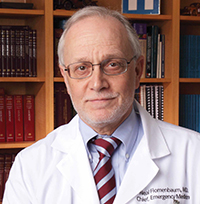
“Best ED”- News You Can Use*?
Among the many organizations that rate hospitals and medical care—CMS, JCAHO, and Consumer Reports, to name a few—one that has captured the public’s attention since 1990 is the US News & World Report (USNWR) annual list of best hospitals, which includes its “honor roll” of the 15 very best. Yet, emergency medicine (EM) has never been included among the ranked specialties, raising the question, should the “best hospitals” have the best EDs?
Formerly a weekly newsmagazine and now web-based, USNWR still publishes print editions of its popular annual best colleges and best hospitals listings. Widely read and widely reported in other media, the lists appear to resonate strongly with the public, as well as with college and hospital administrators. But what exactly is meant by best? In a press release accompanying its 2015-16 best hospitals list, USNWR describes the purpose of the list as “designed to help patients with life threatening or rare conditions identify hospitals that excel in treating the most difficult cases,” and its honor roll as a list that “highlights hospitals that are exceptional in 16 specialties” (http://www.usnews.com/info/blogs/press-room/2015/07/21/us-news-releases-201516-best-hospitals). Specialties not included, in addition to EM, are internal medicine and surgery, which are represented by subspecialties, or service lines. The ranked list includes cardiology and heart surgery; diabetes and endocrinology; gastroenterology and GI surgery; geriatrics; nephrology; neurology and neurosurgery; pulmonology; rheumatology; and urology. Presumably, like medicine and surgery, EM is too all-encompassing a discipline, but unlike the case for the other two specialties, the need for emergency care in most locations does not allow patients to select the “best” facility for their acute problem. Nevertheless, it is interesting to speculate about the effect inclusion of EM would have on the elite institutions vying for honor roll status, as well as on EM itself.
A July 15, 2015 report on USNWR methodology (http://www.usnews.com/pubfiles/BH2015-16MethodologyReport.pdf) (http://www.usnews.com/info/blogs/press-room/2015/07/21/us-news-releases-201516-best-hospitals) notes that rankings in 12 of the 16 specialties are based on data-driven analyses of volume; technology and other resources (derived principally from the American Hospital Association annual survey); reputation for developing and sustaining the delivery of high-quality care (derived from surveyed physicians); and outcomes-based mostly on CMS risk-adjusted mortality figures. Rankings in the remaining four specialties are based solely on physician surveys of hospital reputation. Hospitals eligible for inclusion on the best hospitals list must either be teaching hospitals, be affiliated with medical schools, or, generally, have 200 or more beds.
Most, if not all, of these criteria can be applied to ranking EDs, but would doing so provide a valid assessment of the best EDs, and if so, to what end? The first question is too complicated to answer here. As for the second, many have argued that the “best ED” isn’t a relevant concept, considering that standards of emergency care demanded of every ED and emergency physician by ABEM, ACEP, ABMS, JCAHO, and more recently, CMS, have been promulgated and implemented nationwide for over three-and-a-half decades. But for the select few hospitals competing for the title of “best,” inclusion of EM among ranked specialties would send a very powerful message and require increased resources to achieve and maintain top standing. Even if EM is not ranked as a discrete specialty, many of the features of a “best ED” can and should be included. Currently, hospitals receive 1 point for being a state-certified, level 1 or level 2 trauma center. Points for other ED “center” designations could also be applied to a hospital’s overall score.
In any case, should USNWR include EM in future best hospitals listings, perhaps many of the measures that will be taken by hospitals to claim the title of “best ED” could subsequently become standard operating procedure for all EDs. So, let the games begin.
*“News You Can Use” is a column that ran in USNWR beginning in 1952.
Among the many organizations that rate hospitals and medical care—CMS, JCAHO, and Consumer Reports, to name a few—one that has captured the public’s attention since 1990 is the US News & World Report (USNWR) annual list of best hospitals, which includes its “honor roll” of the 15 very best. Yet, emergency medicine (EM) has never been included among the ranked specialties, raising the question, should the “best hospitals” have the best EDs?
Formerly a weekly newsmagazine and now web-based, USNWR still publishes print editions of its popular annual best colleges and best hospitals listings. Widely read and widely reported in other media, the lists appear to resonate strongly with the public, as well as with college and hospital administrators. But what exactly is meant by best? In a press release accompanying its 2015-16 best hospitals list, USNWR describes the purpose of the list as “designed to help patients with life threatening or rare conditions identify hospitals that excel in treating the most difficult cases,” and its honor roll as a list that “highlights hospitals that are exceptional in 16 specialties” (http://www.usnews.com/info/blogs/press-room/2015/07/21/us-news-releases-201516-best-hospitals). Specialties not included, in addition to EM, are internal medicine and surgery, which are represented by subspecialties, or service lines. The ranked list includes cardiology and heart surgery; diabetes and endocrinology; gastroenterology and GI surgery; geriatrics; nephrology; neurology and neurosurgery; pulmonology; rheumatology; and urology. Presumably, like medicine and surgery, EM is too all-encompassing a discipline, but unlike the case for the other two specialties, the need for emergency care in most locations does not allow patients to select the “best” facility for their acute problem. Nevertheless, it is interesting to speculate about the effect inclusion of EM would have on the elite institutions vying for honor roll status, as well as on EM itself.
A July 15, 2015 report on USNWR methodology (http://www.usnews.com/pubfiles/BH2015-16MethodologyReport.pdf) (http://www.usnews.com/info/blogs/press-room/2015/07/21/us-news-releases-201516-best-hospitals) notes that rankings in 12 of the 16 specialties are based on data-driven analyses of volume; technology and other resources (derived principally from the American Hospital Association annual survey); reputation for developing and sustaining the delivery of high-quality care (derived from surveyed physicians); and outcomes-based mostly on CMS risk-adjusted mortality figures. Rankings in the remaining four specialties are based solely on physician surveys of hospital reputation. Hospitals eligible for inclusion on the best hospitals list must either be teaching hospitals, be affiliated with medical schools, or, generally, have 200 or more beds.
Most, if not all, of these criteria can be applied to ranking EDs, but would doing so provide a valid assessment of the best EDs, and if so, to what end? The first question is too complicated to answer here. As for the second, many have argued that the “best ED” isn’t a relevant concept, considering that standards of emergency care demanded of every ED and emergency physician by ABEM, ACEP, ABMS, JCAHO, and more recently, CMS, have been promulgated and implemented nationwide for over three-and-a-half decades. But for the select few hospitals competing for the title of “best,” inclusion of EM among ranked specialties would send a very powerful message and require increased resources to achieve and maintain top standing. Even if EM is not ranked as a discrete specialty, many of the features of a “best ED” can and should be included. Currently, hospitals receive 1 point for being a state-certified, level 1 or level 2 trauma center. Points for other ED “center” designations could also be applied to a hospital’s overall score.
In any case, should USNWR include EM in future best hospitals listings, perhaps many of the measures that will be taken by hospitals to claim the title of “best ED” could subsequently become standard operating procedure for all EDs. So, let the games begin.
*“News You Can Use” is a column that ran in USNWR beginning in 1952.
Among the many organizations that rate hospitals and medical care—CMS, JCAHO, and Consumer Reports, to name a few—one that has captured the public’s attention since 1990 is the US News & World Report (USNWR) annual list of best hospitals, which includes its “honor roll” of the 15 very best. Yet, emergency medicine (EM) has never been included among the ranked specialties, raising the question, should the “best hospitals” have the best EDs?
Formerly a weekly newsmagazine and now web-based, USNWR still publishes print editions of its popular annual best colleges and best hospitals listings. Widely read and widely reported in other media, the lists appear to resonate strongly with the public, as well as with college and hospital administrators. But what exactly is meant by best? In a press release accompanying its 2015-16 best hospitals list, USNWR describes the purpose of the list as “designed to help patients with life threatening or rare conditions identify hospitals that excel in treating the most difficult cases,” and its honor roll as a list that “highlights hospitals that are exceptional in 16 specialties” (http://www.usnews.com/info/blogs/press-room/2015/07/21/us-news-releases-201516-best-hospitals). Specialties not included, in addition to EM, are internal medicine and surgery, which are represented by subspecialties, or service lines. The ranked list includes cardiology and heart surgery; diabetes and endocrinology; gastroenterology and GI surgery; geriatrics; nephrology; neurology and neurosurgery; pulmonology; rheumatology; and urology. Presumably, like medicine and surgery, EM is too all-encompassing a discipline, but unlike the case for the other two specialties, the need for emergency care in most locations does not allow patients to select the “best” facility for their acute problem. Nevertheless, it is interesting to speculate about the effect inclusion of EM would have on the elite institutions vying for honor roll status, as well as on EM itself.
A July 15, 2015 report on USNWR methodology (http://www.usnews.com/pubfiles/BH2015-16MethodologyReport.pdf) (http://www.usnews.com/info/blogs/press-room/2015/07/21/us-news-releases-201516-best-hospitals) notes that rankings in 12 of the 16 specialties are based on data-driven analyses of volume; technology and other resources (derived principally from the American Hospital Association annual survey); reputation for developing and sustaining the delivery of high-quality care (derived from surveyed physicians); and outcomes-based mostly on CMS risk-adjusted mortality figures. Rankings in the remaining four specialties are based solely on physician surveys of hospital reputation. Hospitals eligible for inclusion on the best hospitals list must either be teaching hospitals, be affiliated with medical schools, or, generally, have 200 or more beds.
Most, if not all, of these criteria can be applied to ranking EDs, but would doing so provide a valid assessment of the best EDs, and if so, to what end? The first question is too complicated to answer here. As for the second, many have argued that the “best ED” isn’t a relevant concept, considering that standards of emergency care demanded of every ED and emergency physician by ABEM, ACEP, ABMS, JCAHO, and more recently, CMS, have been promulgated and implemented nationwide for over three-and-a-half decades. But for the select few hospitals competing for the title of “best,” inclusion of EM among ranked specialties would send a very powerful message and require increased resources to achieve and maintain top standing. Even if EM is not ranked as a discrete specialty, many of the features of a “best ED” can and should be included. Currently, hospitals receive 1 point for being a state-certified, level 1 or level 2 trauma center. Points for other ED “center” designations could also be applied to a hospital’s overall score.
In any case, should USNWR include EM in future best hospitals listings, perhaps many of the measures that will be taken by hospitals to claim the title of “best ED” could subsequently become standard operating procedure for all EDs. So, let the games begin.
*“News You Can Use” is a column that ran in USNWR beginning in 1952.
What does Liletta cost to non-340B providers?

“YOUR TEENAGE PATIENT AND CONTRACEPTION: THINK
‘LONG-ACTING’ FIRST”
DAVID R. KATTAN, MD, MPH, AND
RONALD T. BURKMAN, MD (SEPTEMBER 2015)
What does Liletta cost
to non-340B providers?
Drs. Kattan and Burkman state in their article: “For providers who practice in settings eligible for 340B pricing, Liletta costs $50, a fraction of the cost of alternative intrauterine devices (IUDs). The cost is slightly higher for non-340B providers but is still significantly lower than the cost of other IUDs.”
Could you provide a cost range and the source for the non-340B cost?
Sharon J. Hawthorne, MBA
St. Louis, Missouri
Drs. Kattan and Burkman respond:
Thank you for your question and for allowing us to clarify. The manufacturer of Liletta, Actavis, offers a Patient Savings Program for private insurance patients to limit their out-of-pocket cost to $75. This program will end on December 31, 2015. Information is available at http://www.lilettacard.com.
For non-340B providers, the cost per IUD is higher, although this should be reimbursed by the patient’s insurance program. After volume discounts, the price per device is as low as $537. Without volume discounts, the price per device is $600. For more information, visit: https://www.lilettahcp.com/content/pdf/LILETTA-Quick-Reference-Guide.pdf.
Medicines360, the nonprofit partner of Actavis, states the following on its Web site (http://medicines360.org/our-mission): “Through our pharmaceutical partnerships, commercial product sales help support an affordable price to public sector clinics. This allows low income women or those without insurance the opportunity to access more healthcare choices.”
“DOES PREOPERATIVE URODYNAMICS IMPROVE OUTCOMES FOR WOMEN UNDERGOING SURGERY FOR STRESS URINARY INCONTINENCE?”
CHARLES W. NAGER, MD
(EXAMINING THE EVIDENCE; AUGUST 2015)
Priorities for determining the etiology of incontinence
While I believe Dr. Nager’s approach accurately interprets current clinical evidence, it also reflects an inadequate paradigm. Whether or not incontinence surgery should be preceded by formal invasive urodynamic evaluation is not the question. As director of urodynamics at UConn, I understand that even the most advanced clinical urodynamics evaluation is limited in what it can measure. Nowhere in that data set is “determine the etiology of incontinence.” Therefore, the more appropriate question is: When should one consider
urodynamic evaluation before making a diagnosis requiring therapy? The answer: By prioritizing aspects of lower urinary tract function.
As recommended by the International Continence Society, the diagnosing physician actually must conduct the urodynamic testing. This physician’s first priority is to determine if the bladder can maintain low storage pressures. History and physical examination must include an acknowledgment of potential causes, including chronic urethral obstruction or failure of autonomic/sympathetic regulation. Yes, in an otherwise healthy 45-year-old vaginally parous woman with stress urinary incontinence (SUI) symptoms, it is unlikely that storage pressures aren’t normally regulated. It takes little office visit time to reach that conclusion.
The diagnosing physician’s second priority is to determine the actual functional size of the urinary reservoir. Only the bladder can expel urine actively. Is there a bladder diverticulum or reflux into the upper tracts augmenting the reservoir? Bladder/urethral function is about volume management, yet the sphincteric mechanism is not tolerant of very high volumes, even in “normal” patients. Knowing reservoir volumes when leakage occurs and the relationship of these volumes to perceptions of “empty” and “full” is critical to determining how to respond to sphincteric insufficiency that produces SUI symptoms. I agree that an otherwise healthy 45-year-old vaginally parous woman with SUI symptoms will have a problem here. However, if the diagnosing physician has any reason to doubt that the urinary reservoir has the same functionality as the bladder and that operational volumes are “normal,” then videourodynamic investigation is the most direct approach.
The third priority during evaluation is to determine how the reservoir empties. What is the source of the expulsive pressure of voiding? What is the interaction of the expulsive pressure and the urethral opening? How effectively does the bladder empty? In an otherwise healthy 45-year-old vaginally parous woman with SUI symptoms, it is unlikely that there is a problem, but if the physician doesn’t consider how this patient’s bladder empties, determining how the sphincter is stressed during storage and how the patient might respond to intervention is impossible. If normal efficient voiding by detrusor pressurization cannot be assured by office evaluation, then urodynamic examination, including a pressure/flow study, is necessary.
The last priority is to determine how the urine storage/emptying system is controlled. This is most important to the patient but least important for diagnosis. Often this can be deduced from a simple office evaluation that includes urinalysis, a voiding diary, standing stress test, possibly simple “office cystometry” (with a large Toomey syringe, a straight catheter, and saline solution), and the patient’s history. No aspect of this last priority requires invasive computerized urodynamics—unless the physician just cannot figure it out even after considering results of the first 3 steps.
Once these evaluative priorities have been completed, a diagnosis can be considered and treatment options determined. But only then.
Phillip P. Smith, MD
Farmington, Connecticut
Dr. Nager responds:
Dr. Smith provides a very nice review of what the bladder and urethra need to do. As he points out, the most appropriate question is: When should one consider urodynamic evaluation before making a diagnosis requiring therapy? Well, when a reliable diagnosis cannot be made by history, physical examination, and simple office tests.
The literature suggests that a neurologically normal woman without prolapse and without previous incontinence surgeries can receive a reliable diagnosis without urodynamic testing. If she demonstrates SUI on office stress testing, she is not storing urine normally and urodynamics will confirm urodynamic stress incontinence 97% of the time.1 If she voluntarily voids with a normal postvoid residual, her emptying function has been assessed and is normal.
I think Dr. Smith and I both agree that, “In an otherwise healthy 45-year-old vaginally parous woman with SUI symptoms, it is unlikely that there is a problem.” We also both agree that whenever the diagnosis is unclear, or the situation is complicated, urodynamic testing is a helpful tool to assess the bladder’s storage and emptying function. I perform urodynamics regularly in my practice; it just is not necessary before surgery in a woman without prolapse and without previous incontinence surgeries who demonstrates her SUI and has a normal urinalysis and normal postvoid residual. We seem to agree on that point also.
Reference
- Nager C, Brubaker L, Litman H, et al; Urinary Incontinence Treatment Network. A randomized trial of urodynamic testing before stress-incontinence surgery. N Engl J Med. 2012;366(21):1987–1997.
“UPDATE ON MENOPAUSE”
ANDREW M. KAUNITZ, MD (JUNE 2015)
Should Provera still be used?
Dr. Kaunitz provided an excellent review of the Women’s Health Initiative (WHI) study and a recent testosterone trial in women in his update on hormone therapy in menopause.
After the WHI revealed differences between the estrogen-alone and estrogen–progestin study arms, implicating medroxyprogesterone acetate for increased risk of breast cancer, why is Provera still being advocated by the American College of Obstetricians and Gynecologists as a progestin safe for use in menopause?
Kathleen Norman, MD
Phoenix, Arizona
Dr. Barbieri responds:
Many insurance formularies favor the use of Provera because it is inexpensive. I try to avoid using it in my practice. Many experts do not yet diligently avoid the use of Provera; some are worried about the cost impact for patients.
For additional information on reducing the use of Provera, see my July 2014 editorial, “Hormone therapy for menopausal vasomotor symptoms,” at obgmanagement.com.
Dr. Kaunitz responds:
My preference is to use micronized oral progesterone (formulated in peanut oil) for endometrial protection in menopausal women using estrogen. I use progesterone 100 mg nightly in women taking standard-dose estrogen (estradiol patch 0.05 mg, oral estradiol 1 mg, or conjugated equine estrogen 0.625 mg). However, some patients request generic medroxyprogesterone acetate because it is so inexpensive (often $4 each month).
Share your thoughts on this article! Send your Letter to the Editor to rbarbieri@frontlinemedcom.com. Please include your name and the city and state in which you practice.
“YOUR TEENAGE PATIENT AND CONTRACEPTION: THINK
‘LONG-ACTING’ FIRST”
DAVID R. KATTAN, MD, MPH, AND
RONALD T. BURKMAN, MD (SEPTEMBER 2015)
What does Liletta cost
to non-340B providers?
Drs. Kattan and Burkman state in their article: “For providers who practice in settings eligible for 340B pricing, Liletta costs $50, a fraction of the cost of alternative intrauterine devices (IUDs). The cost is slightly higher for non-340B providers but is still significantly lower than the cost of other IUDs.”
Could you provide a cost range and the source for the non-340B cost?
Sharon J. Hawthorne, MBA
St. Louis, Missouri
Drs. Kattan and Burkman respond:
Thank you for your question and for allowing us to clarify. The manufacturer of Liletta, Actavis, offers a Patient Savings Program for private insurance patients to limit their out-of-pocket cost to $75. This program will end on December 31, 2015. Information is available at http://www.lilettacard.com.
For non-340B providers, the cost per IUD is higher, although this should be reimbursed by the patient’s insurance program. After volume discounts, the price per device is as low as $537. Without volume discounts, the price per device is $600. For more information, visit: https://www.lilettahcp.com/content/pdf/LILETTA-Quick-Reference-Guide.pdf.
Medicines360, the nonprofit partner of Actavis, states the following on its Web site (http://medicines360.org/our-mission): “Through our pharmaceutical partnerships, commercial product sales help support an affordable price to public sector clinics. This allows low income women or those without insurance the opportunity to access more healthcare choices.”
“DOES PREOPERATIVE URODYNAMICS IMPROVE OUTCOMES FOR WOMEN UNDERGOING SURGERY FOR STRESS URINARY INCONTINENCE?”
CHARLES W. NAGER, MD
(EXAMINING THE EVIDENCE; AUGUST 2015)
Priorities for determining the etiology of incontinence
While I believe Dr. Nager’s approach accurately interprets current clinical evidence, it also reflects an inadequate paradigm. Whether or not incontinence surgery should be preceded by formal invasive urodynamic evaluation is not the question. As director of urodynamics at UConn, I understand that even the most advanced clinical urodynamics evaluation is limited in what it can measure. Nowhere in that data set is “determine the etiology of incontinence.” Therefore, the more appropriate question is: When should one consider
urodynamic evaluation before making a diagnosis requiring therapy? The answer: By prioritizing aspects of lower urinary tract function.
As recommended by the International Continence Society, the diagnosing physician actually must conduct the urodynamic testing. This physician’s first priority is to determine if the bladder can maintain low storage pressures. History and physical examination must include an acknowledgment of potential causes, including chronic urethral obstruction or failure of autonomic/sympathetic regulation. Yes, in an otherwise healthy 45-year-old vaginally parous woman with stress urinary incontinence (SUI) symptoms, it is unlikely that storage pressures aren’t normally regulated. It takes little office visit time to reach that conclusion.
The diagnosing physician’s second priority is to determine the actual functional size of the urinary reservoir. Only the bladder can expel urine actively. Is there a bladder diverticulum or reflux into the upper tracts augmenting the reservoir? Bladder/urethral function is about volume management, yet the sphincteric mechanism is not tolerant of very high volumes, even in “normal” patients. Knowing reservoir volumes when leakage occurs and the relationship of these volumes to perceptions of “empty” and “full” is critical to determining how to respond to sphincteric insufficiency that produces SUI symptoms. I agree that an otherwise healthy 45-year-old vaginally parous woman with SUI symptoms will have a problem here. However, if the diagnosing physician has any reason to doubt that the urinary reservoir has the same functionality as the bladder and that operational volumes are “normal,” then videourodynamic investigation is the most direct approach.
The third priority during evaluation is to determine how the reservoir empties. What is the source of the expulsive pressure of voiding? What is the interaction of the expulsive pressure and the urethral opening? How effectively does the bladder empty? In an otherwise healthy 45-year-old vaginally parous woman with SUI symptoms, it is unlikely that there is a problem, but if the physician doesn’t consider how this patient’s bladder empties, determining how the sphincter is stressed during storage and how the patient might respond to intervention is impossible. If normal efficient voiding by detrusor pressurization cannot be assured by office evaluation, then urodynamic examination, including a pressure/flow study, is necessary.
The last priority is to determine how the urine storage/emptying system is controlled. This is most important to the patient but least important for diagnosis. Often this can be deduced from a simple office evaluation that includes urinalysis, a voiding diary, standing stress test, possibly simple “office cystometry” (with a large Toomey syringe, a straight catheter, and saline solution), and the patient’s history. No aspect of this last priority requires invasive computerized urodynamics—unless the physician just cannot figure it out even after considering results of the first 3 steps.
Once these evaluative priorities have been completed, a diagnosis can be considered and treatment options determined. But only then.
Phillip P. Smith, MD
Farmington, Connecticut
Dr. Nager responds:
Dr. Smith provides a very nice review of what the bladder and urethra need to do. As he points out, the most appropriate question is: When should one consider urodynamic evaluation before making a diagnosis requiring therapy? Well, when a reliable diagnosis cannot be made by history, physical examination, and simple office tests.
The literature suggests that a neurologically normal woman without prolapse and without previous incontinence surgeries can receive a reliable diagnosis without urodynamic testing. If she demonstrates SUI on office stress testing, she is not storing urine normally and urodynamics will confirm urodynamic stress incontinence 97% of the time.1 If she voluntarily voids with a normal postvoid residual, her emptying function has been assessed and is normal.
I think Dr. Smith and I both agree that, “In an otherwise healthy 45-year-old vaginally parous woman with SUI symptoms, it is unlikely that there is a problem.” We also both agree that whenever the diagnosis is unclear, or the situation is complicated, urodynamic testing is a helpful tool to assess the bladder’s storage and emptying function. I perform urodynamics regularly in my practice; it just is not necessary before surgery in a woman without prolapse and without previous incontinence surgeries who demonstrates her SUI and has a normal urinalysis and normal postvoid residual. We seem to agree on that point also.
Reference
- Nager C, Brubaker L, Litman H, et al; Urinary Incontinence Treatment Network. A randomized trial of urodynamic testing before stress-incontinence surgery. N Engl J Med. 2012;366(21):1987–1997.
“UPDATE ON MENOPAUSE”
ANDREW M. KAUNITZ, MD (JUNE 2015)
Should Provera still be used?
Dr. Kaunitz provided an excellent review of the Women’s Health Initiative (WHI) study and a recent testosterone trial in women in his update on hormone therapy in menopause.
After the WHI revealed differences between the estrogen-alone and estrogen–progestin study arms, implicating medroxyprogesterone acetate for increased risk of breast cancer, why is Provera still being advocated by the American College of Obstetricians and Gynecologists as a progestin safe for use in menopause?
Kathleen Norman, MD
Phoenix, Arizona
Dr. Barbieri responds:
Many insurance formularies favor the use of Provera because it is inexpensive. I try to avoid using it in my practice. Many experts do not yet diligently avoid the use of Provera; some are worried about the cost impact for patients.
For additional information on reducing the use of Provera, see my July 2014 editorial, “Hormone therapy for menopausal vasomotor symptoms,” at obgmanagement.com.
Dr. Kaunitz responds:
My preference is to use micronized oral progesterone (formulated in peanut oil) for endometrial protection in menopausal women using estrogen. I use progesterone 100 mg nightly in women taking standard-dose estrogen (estradiol patch 0.05 mg, oral estradiol 1 mg, or conjugated equine estrogen 0.625 mg). However, some patients request generic medroxyprogesterone acetate because it is so inexpensive (often $4 each month).
Share your thoughts on this article! Send your Letter to the Editor to rbarbieri@frontlinemedcom.com. Please include your name and the city and state in which you practice.
“YOUR TEENAGE PATIENT AND CONTRACEPTION: THINK
‘LONG-ACTING’ FIRST”
DAVID R. KATTAN, MD, MPH, AND
RONALD T. BURKMAN, MD (SEPTEMBER 2015)
What does Liletta cost
to non-340B providers?
Drs. Kattan and Burkman state in their article: “For providers who practice in settings eligible for 340B pricing, Liletta costs $50, a fraction of the cost of alternative intrauterine devices (IUDs). The cost is slightly higher for non-340B providers but is still significantly lower than the cost of other IUDs.”
Could you provide a cost range and the source for the non-340B cost?
Sharon J. Hawthorne, MBA
St. Louis, Missouri
Drs. Kattan and Burkman respond:
Thank you for your question and for allowing us to clarify. The manufacturer of Liletta, Actavis, offers a Patient Savings Program for private insurance patients to limit their out-of-pocket cost to $75. This program will end on December 31, 2015. Information is available at http://www.lilettacard.com.
For non-340B providers, the cost per IUD is higher, although this should be reimbursed by the patient’s insurance program. After volume discounts, the price per device is as low as $537. Without volume discounts, the price per device is $600. For more information, visit: https://www.lilettahcp.com/content/pdf/LILETTA-Quick-Reference-Guide.pdf.
Medicines360, the nonprofit partner of Actavis, states the following on its Web site (http://medicines360.org/our-mission): “Through our pharmaceutical partnerships, commercial product sales help support an affordable price to public sector clinics. This allows low income women or those without insurance the opportunity to access more healthcare choices.”
“DOES PREOPERATIVE URODYNAMICS IMPROVE OUTCOMES FOR WOMEN UNDERGOING SURGERY FOR STRESS URINARY INCONTINENCE?”
CHARLES W. NAGER, MD
(EXAMINING THE EVIDENCE; AUGUST 2015)
Priorities for determining the etiology of incontinence
While I believe Dr. Nager’s approach accurately interprets current clinical evidence, it also reflects an inadequate paradigm. Whether or not incontinence surgery should be preceded by formal invasive urodynamic evaluation is not the question. As director of urodynamics at UConn, I understand that even the most advanced clinical urodynamics evaluation is limited in what it can measure. Nowhere in that data set is “determine the etiology of incontinence.” Therefore, the more appropriate question is: When should one consider
urodynamic evaluation before making a diagnosis requiring therapy? The answer: By prioritizing aspects of lower urinary tract function.
As recommended by the International Continence Society, the diagnosing physician actually must conduct the urodynamic testing. This physician’s first priority is to determine if the bladder can maintain low storage pressures. History and physical examination must include an acknowledgment of potential causes, including chronic urethral obstruction or failure of autonomic/sympathetic regulation. Yes, in an otherwise healthy 45-year-old vaginally parous woman with stress urinary incontinence (SUI) symptoms, it is unlikely that storage pressures aren’t normally regulated. It takes little office visit time to reach that conclusion.
The diagnosing physician’s second priority is to determine the actual functional size of the urinary reservoir. Only the bladder can expel urine actively. Is there a bladder diverticulum or reflux into the upper tracts augmenting the reservoir? Bladder/urethral function is about volume management, yet the sphincteric mechanism is not tolerant of very high volumes, even in “normal” patients. Knowing reservoir volumes when leakage occurs and the relationship of these volumes to perceptions of “empty” and “full” is critical to determining how to respond to sphincteric insufficiency that produces SUI symptoms. I agree that an otherwise healthy 45-year-old vaginally parous woman with SUI symptoms will have a problem here. However, if the diagnosing physician has any reason to doubt that the urinary reservoir has the same functionality as the bladder and that operational volumes are “normal,” then videourodynamic investigation is the most direct approach.
The third priority during evaluation is to determine how the reservoir empties. What is the source of the expulsive pressure of voiding? What is the interaction of the expulsive pressure and the urethral opening? How effectively does the bladder empty? In an otherwise healthy 45-year-old vaginally parous woman with SUI symptoms, it is unlikely that there is a problem, but if the physician doesn’t consider how this patient’s bladder empties, determining how the sphincter is stressed during storage and how the patient might respond to intervention is impossible. If normal efficient voiding by detrusor pressurization cannot be assured by office evaluation, then urodynamic examination, including a pressure/flow study, is necessary.
The last priority is to determine how the urine storage/emptying system is controlled. This is most important to the patient but least important for diagnosis. Often this can be deduced from a simple office evaluation that includes urinalysis, a voiding diary, standing stress test, possibly simple “office cystometry” (with a large Toomey syringe, a straight catheter, and saline solution), and the patient’s history. No aspect of this last priority requires invasive computerized urodynamics—unless the physician just cannot figure it out even after considering results of the first 3 steps.
Once these evaluative priorities have been completed, a diagnosis can be considered and treatment options determined. But only then.
Phillip P. Smith, MD
Farmington, Connecticut
Dr. Nager responds:
Dr. Smith provides a very nice review of what the bladder and urethra need to do. As he points out, the most appropriate question is: When should one consider urodynamic evaluation before making a diagnosis requiring therapy? Well, when a reliable diagnosis cannot be made by history, physical examination, and simple office tests.
The literature suggests that a neurologically normal woman without prolapse and without previous incontinence surgeries can receive a reliable diagnosis without urodynamic testing. If she demonstrates SUI on office stress testing, she is not storing urine normally and urodynamics will confirm urodynamic stress incontinence 97% of the time.1 If she voluntarily voids with a normal postvoid residual, her emptying function has been assessed and is normal.
I think Dr. Smith and I both agree that, “In an otherwise healthy 45-year-old vaginally parous woman with SUI symptoms, it is unlikely that there is a problem.” We also both agree that whenever the diagnosis is unclear, or the situation is complicated, urodynamic testing is a helpful tool to assess the bladder’s storage and emptying function. I perform urodynamics regularly in my practice; it just is not necessary before surgery in a woman without prolapse and without previous incontinence surgeries who demonstrates her SUI and has a normal urinalysis and normal postvoid residual. We seem to agree on that point also.
Reference
- Nager C, Brubaker L, Litman H, et al; Urinary Incontinence Treatment Network. A randomized trial of urodynamic testing before stress-incontinence surgery. N Engl J Med. 2012;366(21):1987–1997.
“UPDATE ON MENOPAUSE”
ANDREW M. KAUNITZ, MD (JUNE 2015)
Should Provera still be used?
Dr. Kaunitz provided an excellent review of the Women’s Health Initiative (WHI) study and a recent testosterone trial in women in his update on hormone therapy in menopause.
After the WHI revealed differences between the estrogen-alone and estrogen–progestin study arms, implicating medroxyprogesterone acetate for increased risk of breast cancer, why is Provera still being advocated by the American College of Obstetricians and Gynecologists as a progestin safe for use in menopause?
Kathleen Norman, MD
Phoenix, Arizona
Dr. Barbieri responds:
Many insurance formularies favor the use of Provera because it is inexpensive. I try to avoid using it in my practice. Many experts do not yet diligently avoid the use of Provera; some are worried about the cost impact for patients.
For additional information on reducing the use of Provera, see my July 2014 editorial, “Hormone therapy for menopausal vasomotor symptoms,” at obgmanagement.com.
Dr. Kaunitz responds:
My preference is to use micronized oral progesterone (formulated in peanut oil) for endometrial protection in menopausal women using estrogen. I use progesterone 100 mg nightly in women taking standard-dose estrogen (estradiol patch 0.05 mg, oral estradiol 1 mg, or conjugated equine estrogen 0.625 mg). However, some patients request generic medroxyprogesterone acetate because it is so inexpensive (often $4 each month).
Share your thoughts on this article! Send your Letter to the Editor to rbarbieri@frontlinemedcom.com. Please include your name and the city and state in which you practice.
ADHD in the elderly: An unexpected diagnosis
A 70-year-old patient with no psychiatric history presents to your office complaining of memory problems. The patient frequently misplaces items, forgets appointments, and has difficulty completing tasks. You observe that the patient interrupts you frequently and misinterprets your instructions during cognitive screening. The patient is concerned about having dementia. That’s on your differential, but could it be attention-deficit/hyperactivity disorder? Even in an older patient, it’s worth considering.
Until recently, attention-deficit/hyperactivity disorder (ADHD) was considered primarily a disorder of childhood and adolescence. The modern conceptualization of ADHD originated in the mid-19th century, largely because of political and societal changes that made formal, classroom-based schooling accessible to many more children (Atten Defic Hyperact Disord. 2014;6[3]:125-51). Although symptoms must cause dysfunction in two or more settings to meet DSM-5 criteria for the disorder, ADHD remains best understood as a classroom problem.

A growing body of evidence, however, reveals that ADHD symptoms persist into adulthood in two-thirds of cases (J Atten Disord. 2015 Sep 22. pil: 1087054715604360); (Psychol Med. 2015 Jan 23;1-12). Older adults might be especially prone to misdiagnosis given that they and their clinicians might be more concerned about the possibility of a neurodegenerative disorder.
The DSM-5 clearly defines ADHD as a neurodevelopmental disorder that begins in childhood. Nonetheless, the manual says that ADHD can be diagnosed retrospectively in adults who have at least five inattentive or hyperactive symptoms (compared with six or more for children) and who recall having “several” inattentive or hyperactive symptoms prior to age 12. ADHD symptoms attenuate in adulthood. Remission rates vary considerably across studies, but even among adults who no longer meet criteria for the diagnosis, residual symptoms are common and continue to interfere with functioning (Psychol Med. 2006;36:159-65); (Psychol Med. 2015;23:1-12); (J Atten Disord. 2015 Sep 22). Inattentive symptoms are more likely to persist than hyperactive-impulsive symptoms (Atten Def Hyperact Disord. 2015 Jun 12).
To date, little research has focused on ADHD symptoms in the geriatric population. Investigators of a recent cohort study of noninstitutionalized Dutch adults over 60 years old estimate that the prevalence of ADHD in this population is 2.8% with an additional 1.4% reporting functional impairment because of subsyndromal disease (Br J Psychiatry. 2012 Oct;201[4]:298-305).

Since attention is requisite to virtually all cognitive tasks, inattention can negatively affect functioning in a variety of ways. Patients and clinicians could easily misinterpret inattentive symptoms as deficits in other cognitive domains, such as memory. A thorough developmental history should clarify the diagnosis by identifying whether or not cognitive symptoms were present in childhood. Standardized scales, such as the Wender Utah Rating Scale and the Barkley Childhood Symptoms Scale, can help clinicians elicit a history of childhood ADHD symptoms and assess the validity of retrospective self-reports. Since inattention is a nonspecific symptom, the differential diagnosis also should include depression, anxiety, and delirium, among others.
Neuropsychological testing can clarify the diagnosis by quantifying patient performance across cognitive domains, comparing patient performance to normative data, and controlling for motivational factors. The pattern of cognitive deficits is well established and unique for most forms of dementia in their early stages. For example, rapid forgetting is the “first and worst” symptom of Alzheimer’s disease, the most common form of dementia. Attention typically is the next cognitive domain affected in Alzheimer’s disease, preceding visuospatial and language involvement (Brain. 1999 Mar;122[Pt. 3]:383-404). As dementias progress and more cognitive domains are affected, neuropsychological testing might be less helpful in differentiating dementias from each other and teasing out comorbidities such as ADHD, depression, anxiety, and substance use disorders. From another perspective, preexisting ADHD exacerbates cognitive deficits, impairing function and mimicking more advanced neurodegenerative disease. Therefore, identifying and treating comorbid ADHD may improve functioning in patients with dementia.
ADHD and Alzheimer’s disease might share some pathophysiologic mechanisms. Dysregulated cholinergic and noradrenergic activity have been observed in both conditions (Science. 2000 Dec 22;290[5500]:2315-9; (J Neuropathol Exp Neurol. 2011 Nov;70[11]:960-9). Research also suggests that cholinesterase inhibitors might disproportionately slow the decline of attention in Alzheimer’s disease, relative to their effects on disease progression in other cognitive domains (J Alzheimers Dis. 2014;40[3]:737-42). However, small case-control studies have not shown an association between ADHD and Alzheimer’s disease, and cohort studies in the elderly are lacking (Eur J Neurol. Jan;18[1]:78-84); (J Aging Res. 2011;2011. doi:10.4061/2011/729801).
Though ADHD affects a relatively small proportion of the elderly population, it presents a unique challenge when evaluating patients for suspected neurodegenerative disorders. Clinician awareness, detailed history-taking, and neuropsychological testing are essential to diagnosing ADHD in the geriatric population. Appropriate treatment of ADHD might improve functional outcomes for patients, including those with comorbid dementia. Although ADHD and Alzheimer’s disease have some neurobiologic similarities, further research is needed to clarify how these disorders interact, both biologically and clinically.
Dr. Vardi completed her General Psychiatry residency at Brown University, Providence, R.I., and obtained her medical degree from Vanderbilt University, Nashville, Tenn. Dr. Lee completed her General Psychiatry residency training at the University of Maryland/Sheppard Pratt program, Baltimore, and obtained her medical degree at Case Western Reserve University, Cleveland. Currently, they are both geropsychiatry fellows at the University of California, San Diego.
A 70-year-old patient with no psychiatric history presents to your office complaining of memory problems. The patient frequently misplaces items, forgets appointments, and has difficulty completing tasks. You observe that the patient interrupts you frequently and misinterprets your instructions during cognitive screening. The patient is concerned about having dementia. That’s on your differential, but could it be attention-deficit/hyperactivity disorder? Even in an older patient, it’s worth considering.
Until recently, attention-deficit/hyperactivity disorder (ADHD) was considered primarily a disorder of childhood and adolescence. The modern conceptualization of ADHD originated in the mid-19th century, largely because of political and societal changes that made formal, classroom-based schooling accessible to many more children (Atten Defic Hyperact Disord. 2014;6[3]:125-51). Although symptoms must cause dysfunction in two or more settings to meet DSM-5 criteria for the disorder, ADHD remains best understood as a classroom problem.
A growing body of evidence, however, reveals that ADHD symptoms persist into adulthood in two-thirds of cases (J Atten Disord. 2015 Sep 22. pil: 1087054715604360); (Psychol Med. 2015 Jan 23;1-12). Older adults might be especially prone to misdiagnosis given that they and their clinicians might be more concerned about the possibility of a neurodegenerative disorder.
The DSM-5 clearly defines ADHD as a neurodevelopmental disorder that begins in childhood. Nonetheless, the manual says that ADHD can be diagnosed retrospectively in adults who have at least five inattentive or hyperactive symptoms (compared with six or more for children) and who recall having “several” inattentive or hyperactive symptoms prior to age 12. ADHD symptoms attenuate in adulthood. Remission rates vary considerably across studies, but even among adults who no longer meet criteria for the diagnosis, residual symptoms are common and continue to interfere with functioning (Psychol Med. 2006;36:159-65); (Psychol Med. 2015;23:1-12); (J Atten Disord. 2015 Sep 22). Inattentive symptoms are more likely to persist than hyperactive-impulsive symptoms (Atten Def Hyperact Disord. 2015 Jun 12).
To date, little research has focused on ADHD symptoms in the geriatric population. Investigators of a recent cohort study of noninstitutionalized Dutch adults over 60 years old estimate that the prevalence of ADHD in this population is 2.8% with an additional 1.4% reporting functional impairment because of subsyndromal disease (Br J Psychiatry. 2012 Oct;201[4]:298-305).
Since attention is requisite to virtually all cognitive tasks, inattention can negatively affect functioning in a variety of ways. Patients and clinicians could easily misinterpret inattentive symptoms as deficits in other cognitive domains, such as memory. A thorough developmental history should clarify the diagnosis by identifying whether or not cognitive symptoms were present in childhood. Standardized scales, such as the Wender Utah Rating Scale and the Barkley Childhood Symptoms Scale, can help clinicians elicit a history of childhood ADHD symptoms and assess the validity of retrospective self-reports. Since inattention is a nonspecific symptom, the differential diagnosis also should include depression, anxiety, and delirium, among others.
Neuropsychological testing can clarify the diagnosis by quantifying patient performance across cognitive domains, comparing patient performance to normative data, and controlling for motivational factors. The pattern of cognitive deficits is well established and unique for most forms of dementia in their early stages. For example, rapid forgetting is the “first and worst” symptom of Alzheimer’s disease, the most common form of dementia. Attention typically is the next cognitive domain affected in Alzheimer’s disease, preceding visuospatial and language involvement (Brain. 1999 Mar;122[Pt. 3]:383-404). As dementias progress and more cognitive domains are affected, neuropsychological testing might be less helpful in differentiating dementias from each other and teasing out comorbidities such as ADHD, depression, anxiety, and substance use disorders. From another perspective, preexisting ADHD exacerbates cognitive deficits, impairing function and mimicking more advanced neurodegenerative disease. Therefore, identifying and treating comorbid ADHD may improve functioning in patients with dementia.
ADHD and Alzheimer’s disease might share some pathophysiologic mechanisms. Dysregulated cholinergic and noradrenergic activity have been observed in both conditions (Science. 2000 Dec 22;290[5500]:2315-9; (J Neuropathol Exp Neurol. 2011 Nov;70[11]:960-9). Research also suggests that cholinesterase inhibitors might disproportionately slow the decline of attention in Alzheimer’s disease, relative to their effects on disease progression in other cognitive domains (J Alzheimers Dis. 2014;40[3]:737-42). However, small case-control studies have not shown an association between ADHD and Alzheimer’s disease, and cohort studies in the elderly are lacking (Eur J Neurol. Jan;18[1]:78-84); (J Aging Res. 2011;2011. doi:10.4061/2011/729801).
Though ADHD affects a relatively small proportion of the elderly population, it presents a unique challenge when evaluating patients for suspected neurodegenerative disorders. Clinician awareness, detailed history-taking, and neuropsychological testing are essential to diagnosing ADHD in the geriatric population. Appropriate treatment of ADHD might improve functional outcomes for patients, including those with comorbid dementia. Although ADHD and Alzheimer’s disease have some neurobiologic similarities, further research is needed to clarify how these disorders interact, both biologically and clinically.
Dr. Vardi completed her General Psychiatry residency at Brown University, Providence, R.I., and obtained her medical degree from Vanderbilt University, Nashville, Tenn. Dr. Lee completed her General Psychiatry residency training at the University of Maryland/Sheppard Pratt program, Baltimore, and obtained her medical degree at Case Western Reserve University, Cleveland. Currently, they are both geropsychiatry fellows at the University of California, San Diego.
A 70-year-old patient with no psychiatric history presents to your office complaining of memory problems. The patient frequently misplaces items, forgets appointments, and has difficulty completing tasks. You observe that the patient interrupts you frequently and misinterprets your instructions during cognitive screening. The patient is concerned about having dementia. That’s on your differential, but could it be attention-deficit/hyperactivity disorder? Even in an older patient, it’s worth considering.
Until recently, attention-deficit/hyperactivity disorder (ADHD) was considered primarily a disorder of childhood and adolescence. The modern conceptualization of ADHD originated in the mid-19th century, largely because of political and societal changes that made formal, classroom-based schooling accessible to many more children (Atten Defic Hyperact Disord. 2014;6[3]:125-51). Although symptoms must cause dysfunction in two or more settings to meet DSM-5 criteria for the disorder, ADHD remains best understood as a classroom problem.
A growing body of evidence, however, reveals that ADHD symptoms persist into adulthood in two-thirds of cases (J Atten Disord. 2015 Sep 22. pil: 1087054715604360); (Psychol Med. 2015 Jan 23;1-12). Older adults might be especially prone to misdiagnosis given that they and their clinicians might be more concerned about the possibility of a neurodegenerative disorder.
The DSM-5 clearly defines ADHD as a neurodevelopmental disorder that begins in childhood. Nonetheless, the manual says that ADHD can be diagnosed retrospectively in adults who have at least five inattentive or hyperactive symptoms (compared with six or more for children) and who recall having “several” inattentive or hyperactive symptoms prior to age 12. ADHD symptoms attenuate in adulthood. Remission rates vary considerably across studies, but even among adults who no longer meet criteria for the diagnosis, residual symptoms are common and continue to interfere with functioning (Psychol Med. 2006;36:159-65); (Psychol Med. 2015;23:1-12); (J Atten Disord. 2015 Sep 22). Inattentive symptoms are more likely to persist than hyperactive-impulsive symptoms (Atten Def Hyperact Disord. 2015 Jun 12).
To date, little research has focused on ADHD symptoms in the geriatric population. Investigators of a recent cohort study of noninstitutionalized Dutch adults over 60 years old estimate that the prevalence of ADHD in this population is 2.8% with an additional 1.4% reporting functional impairment because of subsyndromal disease (Br J Psychiatry. 2012 Oct;201[4]:298-305).
Since attention is requisite to virtually all cognitive tasks, inattention can negatively affect functioning in a variety of ways. Patients and clinicians could easily misinterpret inattentive symptoms as deficits in other cognitive domains, such as memory. A thorough developmental history should clarify the diagnosis by identifying whether or not cognitive symptoms were present in childhood. Standardized scales, such as the Wender Utah Rating Scale and the Barkley Childhood Symptoms Scale, can help clinicians elicit a history of childhood ADHD symptoms and assess the validity of retrospective self-reports. Since inattention is a nonspecific symptom, the differential diagnosis also should include depression, anxiety, and delirium, among others.
Neuropsychological testing can clarify the diagnosis by quantifying patient performance across cognitive domains, comparing patient performance to normative data, and controlling for motivational factors. The pattern of cognitive deficits is well established and unique for most forms of dementia in their early stages. For example, rapid forgetting is the “first and worst” symptom of Alzheimer’s disease, the most common form of dementia. Attention typically is the next cognitive domain affected in Alzheimer’s disease, preceding visuospatial and language involvement (Brain. 1999 Mar;122[Pt. 3]:383-404). As dementias progress and more cognitive domains are affected, neuropsychological testing might be less helpful in differentiating dementias from each other and teasing out comorbidities such as ADHD, depression, anxiety, and substance use disorders. From another perspective, preexisting ADHD exacerbates cognitive deficits, impairing function and mimicking more advanced neurodegenerative disease. Therefore, identifying and treating comorbid ADHD may improve functioning in patients with dementia.
ADHD and Alzheimer’s disease might share some pathophysiologic mechanisms. Dysregulated cholinergic and noradrenergic activity have been observed in both conditions (Science. 2000 Dec 22;290[5500]:2315-9; (J Neuropathol Exp Neurol. 2011 Nov;70[11]:960-9). Research also suggests that cholinesterase inhibitors might disproportionately slow the decline of attention in Alzheimer’s disease, relative to their effects on disease progression in other cognitive domains (J Alzheimers Dis. 2014;40[3]:737-42). However, small case-control studies have not shown an association between ADHD and Alzheimer’s disease, and cohort studies in the elderly are lacking (Eur J Neurol. Jan;18[1]:78-84); (J Aging Res. 2011;2011. doi:10.4061/2011/729801).
Though ADHD affects a relatively small proportion of the elderly population, it presents a unique challenge when evaluating patients for suspected neurodegenerative disorders. Clinician awareness, detailed history-taking, and neuropsychological testing are essential to diagnosing ADHD in the geriatric population. Appropriate treatment of ADHD might improve functional outcomes for patients, including those with comorbid dementia. Although ADHD and Alzheimer’s disease have some neurobiologic similarities, further research is needed to clarify how these disorders interact, both biologically and clinically.
Dr. Vardi completed her General Psychiatry residency at Brown University, Providence, R.I., and obtained her medical degree from Vanderbilt University, Nashville, Tenn. Dr. Lee completed her General Psychiatry residency training at the University of Maryland/Sheppard Pratt program, Baltimore, and obtained her medical degree at Case Western Reserve University, Cleveland. Currently, they are both geropsychiatry fellows at the University of California, San Diego.

Professional Dissatisfaction: Are Orthopedic Surgeons Spoiled?
Several years ago, I was on the American Academy of Orthopaedic Surgeons leadership fellow committee, reviewing fellowship applications. The committee had been poised to very favorably rule on an application until a new member spoke up, stating that he had been in the applicant’s department and that points made in the recommending letter bore little resemblance to the person’s performance. Further study confirmed the dishonesty in the letter, and a more fit candidate was selected instead.
I was puzzled. Why would a leader in the field do such a thing? The question led me to a personal investigation into the monumental topic of professionalism and, more specifically, professionalism among orthopedic surgeons.
Physicians, Especially Orthopedists, Are Not Happy
Physicians, in general, are not a happy lot. According to a 2012 survey by the Physicians Foundation,1 77.4% of practicing physicians were pessimistic about the future of medicine, and 82% thought they had little ability to change the health care system. Sources of pessimism included “too much regulation/paperwork, loss of clinical autonomy, physicians not compensated for quality, erosion of physician/patient relationship, and money trumps patient care.” We are now in the age of “organizational physicians,” who, subject to institutional management, are experiencing a distressing loss of autonomy.
What sustains, or does not sustain, surgeons’ career satisfaction? Commonly stated positive factors include the ability to provide quality care, time with patients, income, and financial incentives2; reported negative factors include threat of malpractice, lack of autonomy, excessive administrative tasks, and high patient volume. Early-career physicians have the lowest career satisfaction, but physicians in mid-career have the highest rate of burnout and likelihood of leaving medical practice.3 Work–home conflict is most difficult in the early career, when families have young children, and the conflict generally goes unresolved. Burnout and low satisfaction with specialty choice are most common in mid-career.
Despite all the negative factors acting on medical practices, orthopedic surgeons have fared well financially, but not as well in career satisfaction. The Medscape Physician Compensation Report 20144 places orthopedics compensation first among 25 specialties listed, without a close second, but orthopedists rank 15th in thinking they are fairly compensated, and next to last in indicating they would choose medicine again as a career. A separate study of physician career satisfaction ranked orthopedics 32nd of 42 specialties studied.5
What is our problem, and what can we do about it? It’s hard to digest this information and not feel that orthopedists are, for lack of a better word, spoiled.
DeBotton6 wrote about status anxiety, which arises over and over again in daily life. Essentially, it is the envy or dissatisfaction one feels when a peer gets a better deal that does not seem just. A remarkable aspect of Medscape’s compensation report4 is that family medicine physicians, whose annual income was well under half that of orthopedic surgeons, were more likely to view themselves as fairly compensated. On this basis, we have to conclude that orthopedic surgeons have status anxiety. But why?
Humanism
Osler, the quintessential physician, counseled medical students: “Nothing will sustain you more potently in your humdrum routine … than the power to recognize the true poetry of life—the poetry of the commonplace, of the ordinary man, of the plain, toilworn woman, with their loves and their joys, their sorrows and their griefs.”7 In short, take the time to know your patients. In a study of physicians who were regarded as clinically excellent, several traits were noted: honest, nonjudgmental, genuinely caring, treating all patients equally, and constantly striving for excellence.8 A century after Osler, Stellato9 echoed the sentiment: “Listen to your patients, not just about their illness, but about their life.”
Humanism, then, is the trait underlying professionalism.10,11 Communication skills are essential to humanism.12 However, a study of specialty physicians in Spain “showed scarce empathic behaviours or behaviours that foster a shared decision making process.”13 In addition, a recent survey placed the communication skills of orthopedists last among 28 specialties.14 Assessment was based on how often a physician explains things, listens carefully, gives easy-to-understand instructions, shows respect, and spends enough time.
Could it be that orthopedists are not satisfied with their income because as a group they lack the communication skills and humanistic characteristics of lower-paid physicians?
Residency and the Academic Medical Center
The education of the orthopedic surgeon starts with the selection process. Simon15 noted that “the brightest, but not always the best” are selected largely because objective criteria are an excellent measure of cognitive achievement but not of character. Also noting that 10% of examinees pass part I of the board but fail part II, Simon opined that they “lack clinical judgment, communication skills, and, in some instances, ethics.” A 1999 team of authors found that 18% of research citations listed by orthopedic residency applicants were misrepresented, and a follow-up study by the same authors in 2007 noted a rate increase, to 20.6%.16 Both sets of authors wrote of a need for a better selection process and a better evaluative process during residency.
The residency process has been substantially altered by work-hour restrictions. The 20th-century residency, which emphasizes taking responsibility for the patient throughout a hospital stay, has now been dismissed as “nostalgic professionalism.” Residents are now advised to avoid such activities as checking laboratory results from home and coming to work when they are not feeling well.17 However, there has been considerable pushback against diminishing nostalgic professionalism, primarily from surgeons.18 “Teaching residents that they should go home to rest at the end of their shift without regard for the circumstances of their cases in progress is not an acceptable example for training.”19 Current promulgated restrictions on duty hours move concern for the “circumstances of their cases” to the back burner—the shift ends, the physician leaves. Residents are pulled one way by forces telling them to leave (Accreditation Council for Graduate Medical Education) and the other way by forces telling them to stay (their conscience).
How do residents develop their surgical identities and concepts of humanism and professionalism? There is a substantial body of evidence that the so-called hidden curriculum is the dominant factor: trainees emulate what their faculty say and do.20 As Gofton and Regehr21 noted, “It is vital for members of the surgical academic community to recognize [that] the attitudes, beliefs, and values implicit in every action, every word, every inaction, and every silence are not only shaping the attitudes, beliefs, and values of one’s protégés, but also are shaping the decisions of students who are considering the possibility of becoming one’s protégés.” It is not easy being a surgical role model given the conflicts affecting academic surgeons. For example, should a surgeon allot extra time so a trainee can do a case properly, or should the case be finished expeditiously in order to avoid canceling the next case, or to get to a committee meeting or a kid’s ballgame on time? Monetary pressures, along with the possibility of losing operative time because the schedule was not full, can influence the decision to operate or not.22 Trainees absorb what they hear and see.
In 2003, Inui23 published A Flag in the Wind: Educating for Professionalism in Medicine, in which he stated, “There can be little doubt that physicians in general as well as the leadership of the organization of medicine have been preoccupied with finances and the economics of medical care. … The topics and the language of academic leadership [have] shifted in the last twenty years. … Core functions of the academic medical center became ‘enterprises.’” He also noted, “The most difficult challenge of all may be the need to understand—and to be explicitly mindful of, and articulate about—medical education as a special form of personal and professional formation that is rooted in the daily activities of individuals and groups in academic medical communities.”23 In addition, the “institutional environment we create … [is] a reflection of the values we hold as a professional community.”23 In effect, the academic medical center is part of the hidden curriculum.
Curiously, academic institutions tend not to reward clinical excellence—a self-defeating measure for any institution that recognizes the importance of the hidden curriculum.24 A peer evaluation of hospitalists revealed that the most highly regarded were highly associated with humanism and a passion for clinical medicine.25 At a prominent institution, however, it was found that clinical educators were less likely than research faculty to hold a higher rank.26
Of the factors affecting physician dissatisfaction, workplace stress is predominant.27 In this age of organizational physicians, job satisfaction correlates with how a physician feels about his or her ability to function as a physician. In a study by Wai and colleagues,28 “surgical faculty reported low satisfaction with a number of questions about communication in their medical schools and their clinical practice locations.” The authors indicated that “medical school and department governance are critical determinants of faculty satisfaction within academic surgical centers.” Pololi and colleagues29 extensively studied the culture of academic medicine and summarized the sources of discontent: “competitive individualism, undervaluing of humanistic qualities, deprecation, and the erosion of trust.” In another study,30 they studied the incidence (~25%) of, and reasons for, considering to leave academic medicine. Reasons included feeling isolated in the department, lack of institutional support, poor communication with administrators, and a perceived difference between the stated culture of the institution and what was observed on a daily basis.30
What Can We Do?
The obvious starting point is the selection process—focusing more on finding the “best,” not necessarily the “brightest.”15 This is not easy. Recommendation letters are often based on limited contact and may or may not reflect applicants’ true character. Numerous websites advise resident applicants on what questions to expect and how to prepare and practice for them. I have found questions of current events very illuminating, as they can probe how applicants view the world. Given the high income of orthopedic surgeons, some applicants likely are attracted to that aspect of the specialty. These applicants are not the “best.”
Residents who exhibit questionable ethical reasoning or behavior must be identified and not be allowed to finish their program. It is the responsibility of the program, not the board, to ensure that those entering practice exhibit a high degree of professionalism. Faculty must seriously recognize, every day, that everything they do is part of the hidden curriculum.
As noted, the academic medical environment can be inimical. Faculty who experience dissonance must be able to effectively confront administrative leadership to express their concerns, and they need to feel their concerns are recognized. Leaders of academic medical centers must guide their institutions in such a way that the day-to-day functions are compatible with the stated mission and values.31
Chervenak and colleagues32 forcefully stated that “appropriate ethical values” are the core component that academic leadership needs in order to respond to the opposing forces of increasing pressures of patient satisfaction, compliance, liability, and other administrative demands on one hand and diminishing resources on the other hand. They listed 4 “professional virtues” that characterize responsible professional leadership: self-effacement, which obligates physician leaders to be unbiased; self-sacrifice, the willingness to risk individual and organizational self-interest, especially in the economic domain; compassion, or “What can I do to help?”; and integrity. The principles of effective leadership are not that complicated, but implementing them requires conviction and courage.33
Physicians increasingly are practicing in the organization setting. They need to increase their involvement in the organization in order to promulgate the needs of physicians. Organizational executive leadership is primarily driven by budgetary and capital planning processes; physician input is essential to ensure resources are directed toward better patient care. A feeling of loss of control over one’s practice is a primary cause of physician dissatisfaction. The schism between physicians and administrators traditionally has been characterized by a lack of trust; a more trusting relationship, reinforced by frequent constructive dialogue, will result in more physician control of the practice.34 This will be difficult, but it is necessary for improving professional satisfaction.
For practicing physicians, Wynia35 made the compelling case that professionalism demands self-regulation, which involves identifying and reporting impaired or incompetent physicians—another task that requires conviction and courage.
But the core issue is how an orthopedist regards the day-to-day aspects of his or her practice. Shanafelt and colleagues36 concluded that surgeons are not very good at assessing their own well-being and stress levels. Certainly high stress can affect well-being, which in turn can affect professionalism. West and Shanafelt37 uniquely described this relationship: “The effect of distress on professionalism in medicine has become clear in recent years. The well-documented decline of crucial elements of professionalism, including empathy and humanism, during medical training appears to be related in part to personal distress experienced during medical school and residency. Unfortunately, this decline continues as physicians move into practice, where distress also is associated with decreased compassion and empathy.” This description sounds completely synchronized with the current career dissatisfaction of orthopedic surgeons.
Improving orthopedists’ status requires ethical and involved leadership, both in academia and in our professional organizations, which too often seem mired in the (not so effective) status quo. Recognizing that the resident selection process is fallible is the first step in taking action—engaging in scrupulous role modeling and insisting that residents demonstrate professionalism and communication skills in their daily work. Becoming involved in organizational management is preferable to becoming angry and dissatisfied. Getting to know one’s patients is its own reward in terms of career satisfaction. Orthopedic surgeons have a well-earned macho image—that image can be enhanced with a dose of humanism. The result would be a true professional who enjoys his or her practice and has a satisfying career.
1. The Physicians Foundation. A Survey of America’s Physicians: Practice Patterns and Perspectives. An Examination of the Professional Morale, Practice Patterns, Career Plans, and Healthcare Perspectives of Today’s Physicians, Aggregated by Age, Gender, Primary Care/Specialists, and Practice Owners/Employees. http://www.physiciansfoundation.org/uploads/default/Physicians_Foundation_2012_Biennial_Survey.pdf. Published September 2012. Accessed September 26, 2015.
2. Deshpande SP, Deshpande SS. Career satisfaction of surgical specialties. Ann Surg. 2011;253(5):1011-1016.
3. Dyrbye LN, Varkey P, Boone SL, Satele DV, Sloan JA, Shanafelt TD. Physician satisfaction and burnout at different career stages. Mayo Clin Proc. 2013;88(12):1358-1367.
4. Medscape Physician Compensation Report 2014. New York, NY: Medscape; 2014.
5. Leigh JP, Tancredi DJ, Kravitz RL. Physician career satisfaction within specialties. BMC Health Serv Res. 2009;9:166.
6. deBotton A. Status Anxiety. New York, NY: Vintage Books; 2004.
7. Golden RL. William Osler at 150: an overview of a life. JAMA. 1999;282(23):2252-2258.
8. Christmas C, Kravet SJ, Durso SC, Wright SM. Clinical excellence in academia: perspectives from masterful academic clinicians. Mayo Clin Proc. 2008;83(9):989-994.
9. Stellato TA. Humanism and the art of surgery. Surgery. 2007;142(4):433-438.
10. Gold A, Gold S. Humanism in medicine from the perspective of the Arnold Gold Foundation: challenges to maintaining the care in health care. J Child Neurol. 2006;21(6):546-549.
11. Cohen JJ. Viewpoint: linking professionalism to humanism: what it means, why it matters. Acad Med. 2007;82(11):1029-1032.
12. Holt GR. Bioethics and humanism in head and neck cancer. Arch Facial Plast Surg. 2010;12(2):85-86.
13. Ruiz-Moral R, Pérez Rodríguez E, Pérula de Torres LA, de la Torre J. Physician–patient communication: a study on the observed behaviours of specialty physicians and the ways their patients perceive them. Patient Educ Couns. 2006;64(1-3):242-248.
14. Quigley DD, Elliott MN, Farley DO, Burkhart Q, Skootsky SA, Hays RD. Specialties differ in which aspects of doctor communication predict overall physician ratings. J Gen Intern Med. 2014;29(3):447-454.
15. Simon MA. The education of future orthopaedists—dèjá vu. J Bone Joint Surg Am. 2001;83(9):1416-1423.
16. Konstantakos EK, Laughlin RT, Markert RJ, Crosby LA. Follow-up on misrepresentation of research activity by orthopaedic residency applicants: has anything changed? J Bone Joint Surg Am. 2007;89(9):2084-2088.
17. Arora VM, Farnan JM, Humphrey HJ. Professionalism in the era of duty hours: time for a shift change? JAMA. 2012;308(21):2195-2196.
18. Corlew S, Lineaweaver W. New professionalism, nostalgic professionalism, pejoratives, and evidence-based persuasion. Ann Plast Surg. 2014;72(3):263-264.
19. Rohrich RJ, Persing JA, Phillips L. Mandating shorter work hours and enhancing patient safety: a new challenge for resident education. Plast Reconstr Surg. 2003;111(1):395-397.
20. Jin CJ, Martimianakis MA, Kitto S, Moulton CA. Pressures to “measure up” in surgery: managing your image and managing your patient. Ann Surg. 2012;256(6):989-993.
21. Gofton W, Regehr G. Factors in optimizing the learning environment for surgical training. Clin Orthop Relat Res. 2006;(449):100-107.
22. Leung A, Luu S, Regehr G, Murnaghan ML, Gallinger S, Moulton CA. “First, do no harm”: balancing competing priorities in surgical practice. Acad Med. 2012;87(10):1368-1374.
23. Inui TS. A Flag in the Wind: Educating for Professionalism in Medicine. Washington, DC: Association of American Medical Colleges; 2003. http://www.bumc.bu.edu/mec/files/2010/06/AAMC_Inui_2003.pdf. Accessed September 26, 2015.
24. Durso SC, Christmas C, Kravet SJ, Parsons G, Wright SM. Implications of academic medicine’s failure to recognize clinical excellence. Clin Med Res. 2009;7(4):127-133.
25. Bhogal HK, Howe E, Torok H, Knight AM, Howell E, Wright S. Peer assessment of professional performance by hospitalist physicians. South Med J. 2012;105(5):254-258.
26. Thomas PA, Diener-West M, Canto MI, Martin DR, Post WS, Streiff MB. Results of an academic promotion and career path survey of faculty at the Johns Hopkins University School of Medicine. Acad Med. 2004;79(3):258-264.
27. Williams ES, Konrad TR, Scheckler WE, et al. Understanding physicians’ intentions to withdraw from practice: the role of job satisfaction, job stress, mental and physical health. 2001. Health Care Manage Rev. 2010;35(2):105-115.
28. Wai PY, Dandar V, Radosevich DM, Brubaker L, Kuo PC. Engagement, workplace satisfaction, and retention of surgical specialists in academic medicine in the United States. J Am Coll Surg. 2014;219(1):31-42.
29. Pololi LH, Kern DE, Carr P, Conrad P, Knight S. The culture of academic medicine: faculty perceptions of the lack of alignment between individual and institutional values. J Gen Intern Med. 2009;24(12):1289-1295.
30. Pololi LH, Krupat E, Civian JT, Ash AS, Brennan RT. Why are a quarter of faculty considering leaving academic medicine? A study of their perceptions of institutional culture and intentions to leave at 26 representiative U.S. medical schools. Acad Med. 2012;87(7):859-869.
31. Beckerle MC, Reed KL, Scott RP, et al. Medical faculty development: a modern-day Odyssey. Sci Transl Med. 2011;3(104):104cm31.
32. Chervenak FA, McCullough LB, Brent RL. The professional responsibility model of physician leadership. Am J Obstet Gynecol. 2013;208(2):97-101.
33. Gross RH. The coaching model for educational leadership principles. J Bone Joint Surg Am. 2004;86(9):2082-2084.
34. Mullins LA. Hospital–physician relationships: a synergy that must work. Front Health Serv Manage. 2003;20(2):37-41.
35. Wynia MK. The role of professionalism and self-regulation in detecting impaired or incompetent physicians. JAMA. 2010;304(2):210-212.
36. Shanafelt TD, Kaups KL, Nelson H, et al. An interactive individualized intervention to promote behavioral change to increase personal well-being in US surgeons. Ann Surg. 2014;259(1):82-88.
37. West CP, Shanafelt TD. Physician well-being and professionalism. Minn Med. 2007;90(8):44-46.
Several years ago, I was on the American Academy of Orthopaedic Surgeons leadership fellow committee, reviewing fellowship applications. The committee had been poised to very favorably rule on an application until a new member spoke up, stating that he had been in the applicant’s department and that points made in the recommending letter bore little resemblance to the person’s performance. Further study confirmed the dishonesty in the letter, and a more fit candidate was selected instead.
I was puzzled. Why would a leader in the field do such a thing? The question led me to a personal investigation into the monumental topic of professionalism and, more specifically, professionalism among orthopedic surgeons.
Physicians, Especially Orthopedists, Are Not Happy
Physicians, in general, are not a happy lot. According to a 2012 survey by the Physicians Foundation,1 77.4% of practicing physicians were pessimistic about the future of medicine, and 82% thought they had little ability to change the health care system. Sources of pessimism included “too much regulation/paperwork, loss of clinical autonomy, physicians not compensated for quality, erosion of physician/patient relationship, and money trumps patient care.” We are now in the age of “organizational physicians,” who, subject to institutional management, are experiencing a distressing loss of autonomy.
What sustains, or does not sustain, surgeons’ career satisfaction? Commonly stated positive factors include the ability to provide quality care, time with patients, income, and financial incentives2; reported negative factors include threat of malpractice, lack of autonomy, excessive administrative tasks, and high patient volume. Early-career physicians have the lowest career satisfaction, but physicians in mid-career have the highest rate of burnout and likelihood of leaving medical practice.3 Work–home conflict is most difficult in the early career, when families have young children, and the conflict generally goes unresolved. Burnout and low satisfaction with specialty choice are most common in mid-career.
Despite all the negative factors acting on medical practices, orthopedic surgeons have fared well financially, but not as well in career satisfaction. The Medscape Physician Compensation Report 20144 places orthopedics compensation first among 25 specialties listed, without a close second, but orthopedists rank 15th in thinking they are fairly compensated, and next to last in indicating they would choose medicine again as a career. A separate study of physician career satisfaction ranked orthopedics 32nd of 42 specialties studied.5
What is our problem, and what can we do about it? It’s hard to digest this information and not feel that orthopedists are, for lack of a better word, spoiled.
DeBotton6 wrote about status anxiety, which arises over and over again in daily life. Essentially, it is the envy or dissatisfaction one feels when a peer gets a better deal that does not seem just. A remarkable aspect of Medscape’s compensation report4 is that family medicine physicians, whose annual income was well under half that of orthopedic surgeons, were more likely to view themselves as fairly compensated. On this basis, we have to conclude that orthopedic surgeons have status anxiety. But why?
Humanism
Osler, the quintessential physician, counseled medical students: “Nothing will sustain you more potently in your humdrum routine … than the power to recognize the true poetry of life—the poetry of the commonplace, of the ordinary man, of the plain, toilworn woman, with their loves and their joys, their sorrows and their griefs.”7 In short, take the time to know your patients. In a study of physicians who were regarded as clinically excellent, several traits were noted: honest, nonjudgmental, genuinely caring, treating all patients equally, and constantly striving for excellence.8 A century after Osler, Stellato9 echoed the sentiment: “Listen to your patients, not just about their illness, but about their life.”
Humanism, then, is the trait underlying professionalism.10,11 Communication skills are essential to humanism.12 However, a study of specialty physicians in Spain “showed scarce empathic behaviours or behaviours that foster a shared decision making process.”13 In addition, a recent survey placed the communication skills of orthopedists last among 28 specialties.14 Assessment was based on how often a physician explains things, listens carefully, gives easy-to-understand instructions, shows respect, and spends enough time.
Could it be that orthopedists are not satisfied with their income because as a group they lack the communication skills and humanistic characteristics of lower-paid physicians?
Residency and the Academic Medical Center
The education of the orthopedic surgeon starts with the selection process. Simon15 noted that “the brightest, but not always the best” are selected largely because objective criteria are an excellent measure of cognitive achievement but not of character. Also noting that 10% of examinees pass part I of the board but fail part II, Simon opined that they “lack clinical judgment, communication skills, and, in some instances, ethics.” A 1999 team of authors found that 18% of research citations listed by orthopedic residency applicants were misrepresented, and a follow-up study by the same authors in 2007 noted a rate increase, to 20.6%.16 Both sets of authors wrote of a need for a better selection process and a better evaluative process during residency.
The residency process has been substantially altered by work-hour restrictions. The 20th-century residency, which emphasizes taking responsibility for the patient throughout a hospital stay, has now been dismissed as “nostalgic professionalism.” Residents are now advised to avoid such activities as checking laboratory results from home and coming to work when they are not feeling well.17 However, there has been considerable pushback against diminishing nostalgic professionalism, primarily from surgeons.18 “Teaching residents that they should go home to rest at the end of their shift without regard for the circumstances of their cases in progress is not an acceptable example for training.”19 Current promulgated restrictions on duty hours move concern for the “circumstances of their cases” to the back burner—the shift ends, the physician leaves. Residents are pulled one way by forces telling them to leave (Accreditation Council for Graduate Medical Education) and the other way by forces telling them to stay (their conscience).
How do residents develop their surgical identities and concepts of humanism and professionalism? There is a substantial body of evidence that the so-called hidden curriculum is the dominant factor: trainees emulate what their faculty say and do.20 As Gofton and Regehr21 noted, “It is vital for members of the surgical academic community to recognize [that] the attitudes, beliefs, and values implicit in every action, every word, every inaction, and every silence are not only shaping the attitudes, beliefs, and values of one’s protégés, but also are shaping the decisions of students who are considering the possibility of becoming one’s protégés.” It is not easy being a surgical role model given the conflicts affecting academic surgeons. For example, should a surgeon allot extra time so a trainee can do a case properly, or should the case be finished expeditiously in order to avoid canceling the next case, or to get to a committee meeting or a kid’s ballgame on time? Monetary pressures, along with the possibility of losing operative time because the schedule was not full, can influence the decision to operate or not.22 Trainees absorb what they hear and see.
In 2003, Inui23 published A Flag in the Wind: Educating for Professionalism in Medicine, in which he stated, “There can be little doubt that physicians in general as well as the leadership of the organization of medicine have been preoccupied with finances and the economics of medical care. … The topics and the language of academic leadership [have] shifted in the last twenty years. … Core functions of the academic medical center became ‘enterprises.’” He also noted, “The most difficult challenge of all may be the need to understand—and to be explicitly mindful of, and articulate about—medical education as a special form of personal and professional formation that is rooted in the daily activities of individuals and groups in academic medical communities.”23 In addition, the “institutional environment we create … [is] a reflection of the values we hold as a professional community.”23 In effect, the academic medical center is part of the hidden curriculum.
Curiously, academic institutions tend not to reward clinical excellence—a self-defeating measure for any institution that recognizes the importance of the hidden curriculum.24 A peer evaluation of hospitalists revealed that the most highly regarded were highly associated with humanism and a passion for clinical medicine.25 At a prominent institution, however, it was found that clinical educators were less likely than research faculty to hold a higher rank.26
Of the factors affecting physician dissatisfaction, workplace stress is predominant.27 In this age of organizational physicians, job satisfaction correlates with how a physician feels about his or her ability to function as a physician. In a study by Wai and colleagues,28 “surgical faculty reported low satisfaction with a number of questions about communication in their medical schools and their clinical practice locations.” The authors indicated that “medical school and department governance are critical determinants of faculty satisfaction within academic surgical centers.” Pololi and colleagues29 extensively studied the culture of academic medicine and summarized the sources of discontent: “competitive individualism, undervaluing of humanistic qualities, deprecation, and the erosion of trust.” In another study,30 they studied the incidence (~25%) of, and reasons for, considering to leave academic medicine. Reasons included feeling isolated in the department, lack of institutional support, poor communication with administrators, and a perceived difference between the stated culture of the institution and what was observed on a daily basis.30
What Can We Do?
The obvious starting point is the selection process—focusing more on finding the “best,” not necessarily the “brightest.”15 This is not easy. Recommendation letters are often based on limited contact and may or may not reflect applicants’ true character. Numerous websites advise resident applicants on what questions to expect and how to prepare and practice for them. I have found questions of current events very illuminating, as they can probe how applicants view the world. Given the high income of orthopedic surgeons, some applicants likely are attracted to that aspect of the specialty. These applicants are not the “best.”
Residents who exhibit questionable ethical reasoning or behavior must be identified and not be allowed to finish their program. It is the responsibility of the program, not the board, to ensure that those entering practice exhibit a high degree of professionalism. Faculty must seriously recognize, every day, that everything they do is part of the hidden curriculum.
As noted, the academic medical environment can be inimical. Faculty who experience dissonance must be able to effectively confront administrative leadership to express their concerns, and they need to feel their concerns are recognized. Leaders of academic medical centers must guide their institutions in such a way that the day-to-day functions are compatible with the stated mission and values.31
Chervenak and colleagues32 forcefully stated that “appropriate ethical values” are the core component that academic leadership needs in order to respond to the opposing forces of increasing pressures of patient satisfaction, compliance, liability, and other administrative demands on one hand and diminishing resources on the other hand. They listed 4 “professional virtues” that characterize responsible professional leadership: self-effacement, which obligates physician leaders to be unbiased; self-sacrifice, the willingness to risk individual and organizational self-interest, especially in the economic domain; compassion, or “What can I do to help?”; and integrity. The principles of effective leadership are not that complicated, but implementing them requires conviction and courage.33
Physicians increasingly are practicing in the organization setting. They need to increase their involvement in the organization in order to promulgate the needs of physicians. Organizational executive leadership is primarily driven by budgetary and capital planning processes; physician input is essential to ensure resources are directed toward better patient care. A feeling of loss of control over one’s practice is a primary cause of physician dissatisfaction. The schism between physicians and administrators traditionally has been characterized by a lack of trust; a more trusting relationship, reinforced by frequent constructive dialogue, will result in more physician control of the practice.34 This will be difficult, but it is necessary for improving professional satisfaction.
For practicing physicians, Wynia35 made the compelling case that professionalism demands self-regulation, which involves identifying and reporting impaired or incompetent physicians—another task that requires conviction and courage.
But the core issue is how an orthopedist regards the day-to-day aspects of his or her practice. Shanafelt and colleagues36 concluded that surgeons are not very good at assessing their own well-being and stress levels. Certainly high stress can affect well-being, which in turn can affect professionalism. West and Shanafelt37 uniquely described this relationship: “The effect of distress on professionalism in medicine has become clear in recent years. The well-documented decline of crucial elements of professionalism, including empathy and humanism, during medical training appears to be related in part to personal distress experienced during medical school and residency. Unfortunately, this decline continues as physicians move into practice, where distress also is associated with decreased compassion and empathy.” This description sounds completely synchronized with the current career dissatisfaction of orthopedic surgeons.
Improving orthopedists’ status requires ethical and involved leadership, both in academia and in our professional organizations, which too often seem mired in the (not so effective) status quo. Recognizing that the resident selection process is fallible is the first step in taking action—engaging in scrupulous role modeling and insisting that residents demonstrate professionalism and communication skills in their daily work. Becoming involved in organizational management is preferable to becoming angry and dissatisfied. Getting to know one’s patients is its own reward in terms of career satisfaction. Orthopedic surgeons have a well-earned macho image—that image can be enhanced with a dose of humanism. The result would be a true professional who enjoys his or her practice and has a satisfying career.
Several years ago, I was on the American Academy of Orthopaedic Surgeons leadership fellow committee, reviewing fellowship applications. The committee had been poised to very favorably rule on an application until a new member spoke up, stating that he had been in the applicant’s department and that points made in the recommending letter bore little resemblance to the person’s performance. Further study confirmed the dishonesty in the letter, and a more fit candidate was selected instead.
I was puzzled. Why would a leader in the field do such a thing? The question led me to a personal investigation into the monumental topic of professionalism and, more specifically, professionalism among orthopedic surgeons.
Physicians, Especially Orthopedists, Are Not Happy
Physicians, in general, are not a happy lot. According to a 2012 survey by the Physicians Foundation,1 77.4% of practicing physicians were pessimistic about the future of medicine, and 82% thought they had little ability to change the health care system. Sources of pessimism included “too much regulation/paperwork, loss of clinical autonomy, physicians not compensated for quality, erosion of physician/patient relationship, and money trumps patient care.” We are now in the age of “organizational physicians,” who, subject to institutional management, are experiencing a distressing loss of autonomy.
What sustains, or does not sustain, surgeons’ career satisfaction? Commonly stated positive factors include the ability to provide quality care, time with patients, income, and financial incentives2; reported negative factors include threat of malpractice, lack of autonomy, excessive administrative tasks, and high patient volume. Early-career physicians have the lowest career satisfaction, but physicians in mid-career have the highest rate of burnout and likelihood of leaving medical practice.3 Work–home conflict is most difficult in the early career, when families have young children, and the conflict generally goes unresolved. Burnout and low satisfaction with specialty choice are most common in mid-career.
Despite all the negative factors acting on medical practices, orthopedic surgeons have fared well financially, but not as well in career satisfaction. The Medscape Physician Compensation Report 20144 places orthopedics compensation first among 25 specialties listed, without a close second, but orthopedists rank 15th in thinking they are fairly compensated, and next to last in indicating they would choose medicine again as a career. A separate study of physician career satisfaction ranked orthopedics 32nd of 42 specialties studied.5
What is our problem, and what can we do about it? It’s hard to digest this information and not feel that orthopedists are, for lack of a better word, spoiled.
DeBotton6 wrote about status anxiety, which arises over and over again in daily life. Essentially, it is the envy or dissatisfaction one feels when a peer gets a better deal that does not seem just. A remarkable aspect of Medscape’s compensation report4 is that family medicine physicians, whose annual income was well under half that of orthopedic surgeons, were more likely to view themselves as fairly compensated. On this basis, we have to conclude that orthopedic surgeons have status anxiety. But why?
Humanism
Osler, the quintessential physician, counseled medical students: “Nothing will sustain you more potently in your humdrum routine … than the power to recognize the true poetry of life—the poetry of the commonplace, of the ordinary man, of the plain, toilworn woman, with their loves and their joys, their sorrows and their griefs.”7 In short, take the time to know your patients. In a study of physicians who were regarded as clinically excellent, several traits were noted: honest, nonjudgmental, genuinely caring, treating all patients equally, and constantly striving for excellence.8 A century after Osler, Stellato9 echoed the sentiment: “Listen to your patients, not just about their illness, but about their life.”
Humanism, then, is the trait underlying professionalism.10,11 Communication skills are essential to humanism.12 However, a study of specialty physicians in Spain “showed scarce empathic behaviours or behaviours that foster a shared decision making process.”13 In addition, a recent survey placed the communication skills of orthopedists last among 28 specialties.14 Assessment was based on how often a physician explains things, listens carefully, gives easy-to-understand instructions, shows respect, and spends enough time.
Could it be that orthopedists are not satisfied with their income because as a group they lack the communication skills and humanistic characteristics of lower-paid physicians?
Residency and the Academic Medical Center
The education of the orthopedic surgeon starts with the selection process. Simon15 noted that “the brightest, but not always the best” are selected largely because objective criteria are an excellent measure of cognitive achievement but not of character. Also noting that 10% of examinees pass part I of the board but fail part II, Simon opined that they “lack clinical judgment, communication skills, and, in some instances, ethics.” A 1999 team of authors found that 18% of research citations listed by orthopedic residency applicants were misrepresented, and a follow-up study by the same authors in 2007 noted a rate increase, to 20.6%.16 Both sets of authors wrote of a need for a better selection process and a better evaluative process during residency.
The residency process has been substantially altered by work-hour restrictions. The 20th-century residency, which emphasizes taking responsibility for the patient throughout a hospital stay, has now been dismissed as “nostalgic professionalism.” Residents are now advised to avoid such activities as checking laboratory results from home and coming to work when they are not feeling well.17 However, there has been considerable pushback against diminishing nostalgic professionalism, primarily from surgeons.18 “Teaching residents that they should go home to rest at the end of their shift without regard for the circumstances of their cases in progress is not an acceptable example for training.”19 Current promulgated restrictions on duty hours move concern for the “circumstances of their cases” to the back burner—the shift ends, the physician leaves. Residents are pulled one way by forces telling them to leave (Accreditation Council for Graduate Medical Education) and the other way by forces telling them to stay (their conscience).
How do residents develop their surgical identities and concepts of humanism and professionalism? There is a substantial body of evidence that the so-called hidden curriculum is the dominant factor: trainees emulate what their faculty say and do.20 As Gofton and Regehr21 noted, “It is vital for members of the surgical academic community to recognize [that] the attitudes, beliefs, and values implicit in every action, every word, every inaction, and every silence are not only shaping the attitudes, beliefs, and values of one’s protégés, but also are shaping the decisions of students who are considering the possibility of becoming one’s protégés.” It is not easy being a surgical role model given the conflicts affecting academic surgeons. For example, should a surgeon allot extra time so a trainee can do a case properly, or should the case be finished expeditiously in order to avoid canceling the next case, or to get to a committee meeting or a kid’s ballgame on time? Monetary pressures, along with the possibility of losing operative time because the schedule was not full, can influence the decision to operate or not.22 Trainees absorb what they hear and see.
In 2003, Inui23 published A Flag in the Wind: Educating for Professionalism in Medicine, in which he stated, “There can be little doubt that physicians in general as well as the leadership of the organization of medicine have been preoccupied with finances and the economics of medical care. … The topics and the language of academic leadership [have] shifted in the last twenty years. … Core functions of the academic medical center became ‘enterprises.’” He also noted, “The most difficult challenge of all may be the need to understand—and to be explicitly mindful of, and articulate about—medical education as a special form of personal and professional formation that is rooted in the daily activities of individuals and groups in academic medical communities.”23 In addition, the “institutional environment we create … [is] a reflection of the values we hold as a professional community.”23 In effect, the academic medical center is part of the hidden curriculum.
Curiously, academic institutions tend not to reward clinical excellence—a self-defeating measure for any institution that recognizes the importance of the hidden curriculum.24 A peer evaluation of hospitalists revealed that the most highly regarded were highly associated with humanism and a passion for clinical medicine.25 At a prominent institution, however, it was found that clinical educators were less likely than research faculty to hold a higher rank.26
Of the factors affecting physician dissatisfaction, workplace stress is predominant.27 In this age of organizational physicians, job satisfaction correlates with how a physician feels about his or her ability to function as a physician. In a study by Wai and colleagues,28 “surgical faculty reported low satisfaction with a number of questions about communication in their medical schools and their clinical practice locations.” The authors indicated that “medical school and department governance are critical determinants of faculty satisfaction within academic surgical centers.” Pololi and colleagues29 extensively studied the culture of academic medicine and summarized the sources of discontent: “competitive individualism, undervaluing of humanistic qualities, deprecation, and the erosion of trust.” In another study,30 they studied the incidence (~25%) of, and reasons for, considering to leave academic medicine. Reasons included feeling isolated in the department, lack of institutional support, poor communication with administrators, and a perceived difference between the stated culture of the institution and what was observed on a daily basis.30
What Can We Do?
The obvious starting point is the selection process—focusing more on finding the “best,” not necessarily the “brightest.”15 This is not easy. Recommendation letters are often based on limited contact and may or may not reflect applicants’ true character. Numerous websites advise resident applicants on what questions to expect and how to prepare and practice for them. I have found questions of current events very illuminating, as they can probe how applicants view the world. Given the high income of orthopedic surgeons, some applicants likely are attracted to that aspect of the specialty. These applicants are not the “best.”
Residents who exhibit questionable ethical reasoning or behavior must be identified and not be allowed to finish their program. It is the responsibility of the program, not the board, to ensure that those entering practice exhibit a high degree of professionalism. Faculty must seriously recognize, every day, that everything they do is part of the hidden curriculum.
As noted, the academic medical environment can be inimical. Faculty who experience dissonance must be able to effectively confront administrative leadership to express their concerns, and they need to feel their concerns are recognized. Leaders of academic medical centers must guide their institutions in such a way that the day-to-day functions are compatible with the stated mission and values.31
Chervenak and colleagues32 forcefully stated that “appropriate ethical values” are the core component that academic leadership needs in order to respond to the opposing forces of increasing pressures of patient satisfaction, compliance, liability, and other administrative demands on one hand and diminishing resources on the other hand. They listed 4 “professional virtues” that characterize responsible professional leadership: self-effacement, which obligates physician leaders to be unbiased; self-sacrifice, the willingness to risk individual and organizational self-interest, especially in the economic domain; compassion, or “What can I do to help?”; and integrity. The principles of effective leadership are not that complicated, but implementing them requires conviction and courage.33
Physicians increasingly are practicing in the organization setting. They need to increase their involvement in the organization in order to promulgate the needs of physicians. Organizational executive leadership is primarily driven by budgetary and capital planning processes; physician input is essential to ensure resources are directed toward better patient care. A feeling of loss of control over one’s practice is a primary cause of physician dissatisfaction. The schism between physicians and administrators traditionally has been characterized by a lack of trust; a more trusting relationship, reinforced by frequent constructive dialogue, will result in more physician control of the practice.34 This will be difficult, but it is necessary for improving professional satisfaction.
For practicing physicians, Wynia35 made the compelling case that professionalism demands self-regulation, which involves identifying and reporting impaired or incompetent physicians—another task that requires conviction and courage.
But the core issue is how an orthopedist regards the day-to-day aspects of his or her practice. Shanafelt and colleagues36 concluded that surgeons are not very good at assessing their own well-being and stress levels. Certainly high stress can affect well-being, which in turn can affect professionalism. West and Shanafelt37 uniquely described this relationship: “The effect of distress on professionalism in medicine has become clear in recent years. The well-documented decline of crucial elements of professionalism, including empathy and humanism, during medical training appears to be related in part to personal distress experienced during medical school and residency. Unfortunately, this decline continues as physicians move into practice, where distress also is associated with decreased compassion and empathy.” This description sounds completely synchronized with the current career dissatisfaction of orthopedic surgeons.
Improving orthopedists’ status requires ethical and involved leadership, both in academia and in our professional organizations, which too often seem mired in the (not so effective) status quo. Recognizing that the resident selection process is fallible is the first step in taking action—engaging in scrupulous role modeling and insisting that residents demonstrate professionalism and communication skills in their daily work. Becoming involved in organizational management is preferable to becoming angry and dissatisfied. Getting to know one’s patients is its own reward in terms of career satisfaction. Orthopedic surgeons have a well-earned macho image—that image can be enhanced with a dose of humanism. The result would be a true professional who enjoys his or her practice and has a satisfying career.
1. The Physicians Foundation. A Survey of America’s Physicians: Practice Patterns and Perspectives. An Examination of the Professional Morale, Practice Patterns, Career Plans, and Healthcare Perspectives of Today’s Physicians, Aggregated by Age, Gender, Primary Care/Specialists, and Practice Owners/Employees. http://www.physiciansfoundation.org/uploads/default/Physicians_Foundation_2012_Biennial_Survey.pdf. Published September 2012. Accessed September 26, 2015.
2. Deshpande SP, Deshpande SS. Career satisfaction of surgical specialties. Ann Surg. 2011;253(5):1011-1016.
3. Dyrbye LN, Varkey P, Boone SL, Satele DV, Sloan JA, Shanafelt TD. Physician satisfaction and burnout at different career stages. Mayo Clin Proc. 2013;88(12):1358-1367.
4. Medscape Physician Compensation Report 2014. New York, NY: Medscape; 2014.
5. Leigh JP, Tancredi DJ, Kravitz RL. Physician career satisfaction within specialties. BMC Health Serv Res. 2009;9:166.
6. deBotton A. Status Anxiety. New York, NY: Vintage Books; 2004.
7. Golden RL. William Osler at 150: an overview of a life. JAMA. 1999;282(23):2252-2258.
8. Christmas C, Kravet SJ, Durso SC, Wright SM. Clinical excellence in academia: perspectives from masterful academic clinicians. Mayo Clin Proc. 2008;83(9):989-994.
9. Stellato TA. Humanism and the art of surgery. Surgery. 2007;142(4):433-438.
10. Gold A, Gold S. Humanism in medicine from the perspective of the Arnold Gold Foundation: challenges to maintaining the care in health care. J Child Neurol. 2006;21(6):546-549.
11. Cohen JJ. Viewpoint: linking professionalism to humanism: what it means, why it matters. Acad Med. 2007;82(11):1029-1032.
12. Holt GR. Bioethics and humanism in head and neck cancer. Arch Facial Plast Surg. 2010;12(2):85-86.
13. Ruiz-Moral R, Pérez Rodríguez E, Pérula de Torres LA, de la Torre J. Physician–patient communication: a study on the observed behaviours of specialty physicians and the ways their patients perceive them. Patient Educ Couns. 2006;64(1-3):242-248.
14. Quigley DD, Elliott MN, Farley DO, Burkhart Q, Skootsky SA, Hays RD. Specialties differ in which aspects of doctor communication predict overall physician ratings. J Gen Intern Med. 2014;29(3):447-454.
15. Simon MA. The education of future orthopaedists—dèjá vu. J Bone Joint Surg Am. 2001;83(9):1416-1423.
16. Konstantakos EK, Laughlin RT, Markert RJ, Crosby LA. Follow-up on misrepresentation of research activity by orthopaedic residency applicants: has anything changed? J Bone Joint Surg Am. 2007;89(9):2084-2088.
17. Arora VM, Farnan JM, Humphrey HJ. Professionalism in the era of duty hours: time for a shift change? JAMA. 2012;308(21):2195-2196.
18. Corlew S, Lineaweaver W. New professionalism, nostalgic professionalism, pejoratives, and evidence-based persuasion. Ann Plast Surg. 2014;72(3):263-264.
19. Rohrich RJ, Persing JA, Phillips L. Mandating shorter work hours and enhancing patient safety: a new challenge for resident education. Plast Reconstr Surg. 2003;111(1):395-397.
20. Jin CJ, Martimianakis MA, Kitto S, Moulton CA. Pressures to “measure up” in surgery: managing your image and managing your patient. Ann Surg. 2012;256(6):989-993.
21. Gofton W, Regehr G. Factors in optimizing the learning environment for surgical training. Clin Orthop Relat Res. 2006;(449):100-107.
22. Leung A, Luu S, Regehr G, Murnaghan ML, Gallinger S, Moulton CA. “First, do no harm”: balancing competing priorities in surgical practice. Acad Med. 2012;87(10):1368-1374.
23. Inui TS. A Flag in the Wind: Educating for Professionalism in Medicine. Washington, DC: Association of American Medical Colleges; 2003. http://www.bumc.bu.edu/mec/files/2010/06/AAMC_Inui_2003.pdf. Accessed September 26, 2015.
24. Durso SC, Christmas C, Kravet SJ, Parsons G, Wright SM. Implications of academic medicine’s failure to recognize clinical excellence. Clin Med Res. 2009;7(4):127-133.
25. Bhogal HK, Howe E, Torok H, Knight AM, Howell E, Wright S. Peer assessment of professional performance by hospitalist physicians. South Med J. 2012;105(5):254-258.
26. Thomas PA, Diener-West M, Canto MI, Martin DR, Post WS, Streiff MB. Results of an academic promotion and career path survey of faculty at the Johns Hopkins University School of Medicine. Acad Med. 2004;79(3):258-264.
27. Williams ES, Konrad TR, Scheckler WE, et al. Understanding physicians’ intentions to withdraw from practice: the role of job satisfaction, job stress, mental and physical health. 2001. Health Care Manage Rev. 2010;35(2):105-115.
28. Wai PY, Dandar V, Radosevich DM, Brubaker L, Kuo PC. Engagement, workplace satisfaction, and retention of surgical specialists in academic medicine in the United States. J Am Coll Surg. 2014;219(1):31-42.
29. Pololi LH, Kern DE, Carr P, Conrad P, Knight S. The culture of academic medicine: faculty perceptions of the lack of alignment between individual and institutional values. J Gen Intern Med. 2009;24(12):1289-1295.
30. Pololi LH, Krupat E, Civian JT, Ash AS, Brennan RT. Why are a quarter of faculty considering leaving academic medicine? A study of their perceptions of institutional culture and intentions to leave at 26 representiative U.S. medical schools. Acad Med. 2012;87(7):859-869.
31. Beckerle MC, Reed KL, Scott RP, et al. Medical faculty development: a modern-day Odyssey. Sci Transl Med. 2011;3(104):104cm31.
32. Chervenak FA, McCullough LB, Brent RL. The professional responsibility model of physician leadership. Am J Obstet Gynecol. 2013;208(2):97-101.
33. Gross RH. The coaching model for educational leadership principles. J Bone Joint Surg Am. 2004;86(9):2082-2084.
34. Mullins LA. Hospital–physician relationships: a synergy that must work. Front Health Serv Manage. 2003;20(2):37-41.
35. Wynia MK. The role of professionalism and self-regulation in detecting impaired or incompetent physicians. JAMA. 2010;304(2):210-212.
36. Shanafelt TD, Kaups KL, Nelson H, et al. An interactive individualized intervention to promote behavioral change to increase personal well-being in US surgeons. Ann Surg. 2014;259(1):82-88.
37. West CP, Shanafelt TD. Physician well-being and professionalism. Minn Med. 2007;90(8):44-46.
1. The Physicians Foundation. A Survey of America’s Physicians: Practice Patterns and Perspectives. An Examination of the Professional Morale, Practice Patterns, Career Plans, and Healthcare Perspectives of Today’s Physicians, Aggregated by Age, Gender, Primary Care/Specialists, and Practice Owners/Employees. http://www.physiciansfoundation.org/uploads/default/Physicians_Foundation_2012_Biennial_Survey.pdf. Published September 2012. Accessed September 26, 2015.
2. Deshpande SP, Deshpande SS. Career satisfaction of surgical specialties. Ann Surg. 2011;253(5):1011-1016.
3. Dyrbye LN, Varkey P, Boone SL, Satele DV, Sloan JA, Shanafelt TD. Physician satisfaction and burnout at different career stages. Mayo Clin Proc. 2013;88(12):1358-1367.
4. Medscape Physician Compensation Report 2014. New York, NY: Medscape; 2014.
5. Leigh JP, Tancredi DJ, Kravitz RL. Physician career satisfaction within specialties. BMC Health Serv Res. 2009;9:166.
6. deBotton A. Status Anxiety. New York, NY: Vintage Books; 2004.
7. Golden RL. William Osler at 150: an overview of a life. JAMA. 1999;282(23):2252-2258.
8. Christmas C, Kravet SJ, Durso SC, Wright SM. Clinical excellence in academia: perspectives from masterful academic clinicians. Mayo Clin Proc. 2008;83(9):989-994.
9. Stellato TA. Humanism and the art of surgery. Surgery. 2007;142(4):433-438.
10. Gold A, Gold S. Humanism in medicine from the perspective of the Arnold Gold Foundation: challenges to maintaining the care in health care. J Child Neurol. 2006;21(6):546-549.
11. Cohen JJ. Viewpoint: linking professionalism to humanism: what it means, why it matters. Acad Med. 2007;82(11):1029-1032.
12. Holt GR. Bioethics and humanism in head and neck cancer. Arch Facial Plast Surg. 2010;12(2):85-86.
13. Ruiz-Moral R, Pérez Rodríguez E, Pérula de Torres LA, de la Torre J. Physician–patient communication: a study on the observed behaviours of specialty physicians and the ways their patients perceive them. Patient Educ Couns. 2006;64(1-3):242-248.
14. Quigley DD, Elliott MN, Farley DO, Burkhart Q, Skootsky SA, Hays RD. Specialties differ in which aspects of doctor communication predict overall physician ratings. J Gen Intern Med. 2014;29(3):447-454.
15. Simon MA. The education of future orthopaedists—dèjá vu. J Bone Joint Surg Am. 2001;83(9):1416-1423.
16. Konstantakos EK, Laughlin RT, Markert RJ, Crosby LA. Follow-up on misrepresentation of research activity by orthopaedic residency applicants: has anything changed? J Bone Joint Surg Am. 2007;89(9):2084-2088.
17. Arora VM, Farnan JM, Humphrey HJ. Professionalism in the era of duty hours: time for a shift change? JAMA. 2012;308(21):2195-2196.
18. Corlew S, Lineaweaver W. New professionalism, nostalgic professionalism, pejoratives, and evidence-based persuasion. Ann Plast Surg. 2014;72(3):263-264.
19. Rohrich RJ, Persing JA, Phillips L. Mandating shorter work hours and enhancing patient safety: a new challenge for resident education. Plast Reconstr Surg. 2003;111(1):395-397.
20. Jin CJ, Martimianakis MA, Kitto S, Moulton CA. Pressures to “measure up” in surgery: managing your image and managing your patient. Ann Surg. 2012;256(6):989-993.
21. Gofton W, Regehr G. Factors in optimizing the learning environment for surgical training. Clin Orthop Relat Res. 2006;(449):100-107.
22. Leung A, Luu S, Regehr G, Murnaghan ML, Gallinger S, Moulton CA. “First, do no harm”: balancing competing priorities in surgical practice. Acad Med. 2012;87(10):1368-1374.
23. Inui TS. A Flag in the Wind: Educating for Professionalism in Medicine. Washington, DC: Association of American Medical Colleges; 2003. http://www.bumc.bu.edu/mec/files/2010/06/AAMC_Inui_2003.pdf. Accessed September 26, 2015.
24. Durso SC, Christmas C, Kravet SJ, Parsons G, Wright SM. Implications of academic medicine’s failure to recognize clinical excellence. Clin Med Res. 2009;7(4):127-133.
25. Bhogal HK, Howe E, Torok H, Knight AM, Howell E, Wright S. Peer assessment of professional performance by hospitalist physicians. South Med J. 2012;105(5):254-258.
26. Thomas PA, Diener-West M, Canto MI, Martin DR, Post WS, Streiff MB. Results of an academic promotion and career path survey of faculty at the Johns Hopkins University School of Medicine. Acad Med. 2004;79(3):258-264.
27. Williams ES, Konrad TR, Scheckler WE, et al. Understanding physicians’ intentions to withdraw from practice: the role of job satisfaction, job stress, mental and physical health. 2001. Health Care Manage Rev. 2010;35(2):105-115.
28. Wai PY, Dandar V, Radosevich DM, Brubaker L, Kuo PC. Engagement, workplace satisfaction, and retention of surgical specialists in academic medicine in the United States. J Am Coll Surg. 2014;219(1):31-42.
29. Pololi LH, Kern DE, Carr P, Conrad P, Knight S. The culture of academic medicine: faculty perceptions of the lack of alignment between individual and institutional values. J Gen Intern Med. 2009;24(12):1289-1295.
30. Pololi LH, Krupat E, Civian JT, Ash AS, Brennan RT. Why are a quarter of faculty considering leaving academic medicine? A study of their perceptions of institutional culture and intentions to leave at 26 representiative U.S. medical schools. Acad Med. 2012;87(7):859-869.
31. Beckerle MC, Reed KL, Scott RP, et al. Medical faculty development: a modern-day Odyssey. Sci Transl Med. 2011;3(104):104cm31.
32. Chervenak FA, McCullough LB, Brent RL. The professional responsibility model of physician leadership. Am J Obstet Gynecol. 2013;208(2):97-101.
33. Gross RH. The coaching model for educational leadership principles. J Bone Joint Surg Am. 2004;86(9):2082-2084.
34. Mullins LA. Hospital–physician relationships: a synergy that must work. Front Health Serv Manage. 2003;20(2):37-41.
35. Wynia MK. The role of professionalism and self-regulation in detecting impaired or incompetent physicians. JAMA. 2010;304(2):210-212.
36. Shanafelt TD, Kaups KL, Nelson H, et al. An interactive individualized intervention to promote behavioral change to increase personal well-being in US surgeons. Ann Surg. 2014;259(1):82-88.
37. West CP, Shanafelt TD. Physician well-being and professionalism. Minn Med. 2007;90(8):44-46.

Crisis in Medicine: Part 3. The Physician as the Captain—A Personal Touch
"Report to the Administrator’s Office for a discussion 7:00 am sharp,” reads the email on your phone. The phone log sheet from your administrator is handed to you as you are running to the operating room and reads, “Call back Mr. Smith’s health insurance company because your patient stayed overnight unexpectedly in the hospital, and if the return phone call is not received by 8:40 am the complete hospital stay will be disallowed.” The text message reads, “The head nurse from the emergency department wants to have a discussion with you tomorrow about what transpired in room 23 last night at 1:33 am.” Your physician assistant calls you because a recent history and physical examination from the out-of-state internist has not been cosigned by you, and, therefore, the patient is still in the admitting office; the admitting officer is waiting to go home and won’t accept the physician assistant’s signature.
This simple illustration of a surgeon’s typical morning is hardly hyperbole. Demands and finger-pointing are routine aspects of care, with a concurrent need to attribute blame and create a hostile work environment whether in the office, operating room, or floor of the hospital by anyone who can proudly say to the physician, “Gotcha!” The environment that produces this ethos is toxic and needs to be changed. While all members of a patient care team must be accountable, no member should be antagonistic toward another, and each member must feel a part of a working whole that is led by a competent, caring, and identifiable physician. Yes, the doctor must be the team captain; he or she must take back the reins of care immediately in order to provide the patient with the best possible outcome.
The loss of leadership can be traced back to the rise of regulatory controls put in place by government entities or local hospital administration to contain costs and limit liability. While the target goals of such measures are laudable, the negative impact on the doctor–patient relationship has been palpable and problematic and requires reassessment. The profession itself will be preserved by refocusing on the doctor–patient relationship and returning the physician to the role of team leader. Our patients deserve to feel as though their health care resides in the hands of the physician as the leader of a team that is pursuing a common goal: patient care with minimal distractions.
What, though, makes a great captain or leader? Sociologists have said that in a stable environment a “participatory model” of leadership is appropriate, while in a high-growth or changing environment, like the one in which we presently live, an “authoritative model” can be used to right the ship.1,2 Many types of leaders exist within both models. Leaders who are “innovators” will design and bring new ideas and original thought but may generate too many ideas that can’t be implemented practically in the hospital setting. Leaders who are “developers” will build and move forward to achieve challenging goals but may be impatient when ideas do not work and may be perceived in many interdisciplinary meetings as unruly. “Bureaucratic” leaders, presently seen in many leadership positions, can be classified as stabilizers and, while they may maintain equilibrium and keep things running smoothly, they often insist on a policy for every situation, resulting in stasis and sometimes even paralysis of the surgical center or hospital system.
I believe that health management and patient care require the simultaneous use of the authoritative and participatory models to encourage innovation, set attainable short- and long-term goals, and maintain the physician as the team leader. To lead effectively under this hybrid model, the physician must be accessible and fair, a teacher and a student, and a risk-taker, but, ultimately, at the end of every day, the physician must be accountable.
The time has come for physician leaders to assemble the troops: administrators, clinical providers, and nonclinical support staff. To paraphrase John Quincy Adams, in your actions inspire others to dream more and become more; then, and only then, are you an excellent leader. A secret to effective leadership is in finding one’s voice and acknowledging strengths and weaknesses. The leader must recruit other leaders who are very different from himself or herself and must listen to them deeply and trust them completely. One of our former first ladies said wisely, “A leader takes people where they want to go. A great leader takes people where they don’t necessarily want to go, but ought to be.” To truly find this leadership model, we as busy surgeons must spend some concentrated time away from our patients and exciting research to sit in the room with our nurses, administrators, and all other members of the health care community and listen to their thoughts and understand their concerns. We must understand policy to assess if it is reasonable and, if it is not, to reject it and propose more effective and appropriate rules for good care. We must remove from leadership positions those that do not have the interest of the patient as their primary concern. We must challenge any policy that does not have the patient’s interest and health as its raison d’etre. We must be proactive and not reactive. We must be ready to stand tall and politely question when dictated to unless evidence-based medical reasons can be presented.
You may ask, therefore, where should we lead? The answer is obvious! We need to be involved in every aspect of this great profession. We need to be the leaders of hospital systems, we need to be in charge of research institutions, and, as always, we need to be the chief of the operating room and the chief within each room as the team leader for the nurse, anesthesiologist, and nonclinical staff in order to safely guide our patients through the stress of a medical crisis or routine intervention. We need to find those of us with other degrees, whether MPH, MBA, MHA, or JD, and place those physicians in positions of business and political leadership as well as in leadership positions in hospitals and private practitioner offices. We need to encourage our medical students, residents, and fellows to continue their rigorous training to include an understanding of health care policy and economics so as to help manage and resolve the crisis at hand.
We must now navigate the sea of change to allow for continuity of care and not throw up our arms in despair. The role of physician as private practitioner or as full-time faculty member has its origins deeply imbedded in the roots of our profession, and this traditional role as caretaker and scientist must continue. But in this century, we need to be leaders in the political and business communities as well. This vision requires a new and fresh momentum. We cannot sit idly by as patient care becomes increasingly managed by nonphysicians. The time has come to use our unique position as doctors to frame the debate, participate in the discussion, and lead our profession and the management of health care toward calmer waters with compassion, science, and responsibility. To do this, we must demand transparency, proceed with respect, and require excellence from everyone around us and make sure it is demanded from all of us.◾
1. Morgan G. Developing the art of organizational analysis. In: Morgan G. Images of Organization. Beverly Hills, CA: Sage Publications; 1986:321-337.
2. Cherry KA. Leadership styles. About.com website. http://psychology.about.com/od/leadership/a/leadstyles.htm. Published 2006. Accessed October 20, 2015.
"Report to the Administrator’s Office for a discussion 7:00 am sharp,” reads the email on your phone. The phone log sheet from your administrator is handed to you as you are running to the operating room and reads, “Call back Mr. Smith’s health insurance company because your patient stayed overnight unexpectedly in the hospital, and if the return phone call is not received by 8:40 am the complete hospital stay will be disallowed.” The text message reads, “The head nurse from the emergency department wants to have a discussion with you tomorrow about what transpired in room 23 last night at 1:33 am.” Your physician assistant calls you because a recent history and physical examination from the out-of-state internist has not been cosigned by you, and, therefore, the patient is still in the admitting office; the admitting officer is waiting to go home and won’t accept the physician assistant’s signature.
This simple illustration of a surgeon’s typical morning is hardly hyperbole. Demands and finger-pointing are routine aspects of care, with a concurrent need to attribute blame and create a hostile work environment whether in the office, operating room, or floor of the hospital by anyone who can proudly say to the physician, “Gotcha!” The environment that produces this ethos is toxic and needs to be changed. While all members of a patient care team must be accountable, no member should be antagonistic toward another, and each member must feel a part of a working whole that is led by a competent, caring, and identifiable physician. Yes, the doctor must be the team captain; he or she must take back the reins of care immediately in order to provide the patient with the best possible outcome.
The loss of leadership can be traced back to the rise of regulatory controls put in place by government entities or local hospital administration to contain costs and limit liability. While the target goals of such measures are laudable, the negative impact on the doctor–patient relationship has been palpable and problematic and requires reassessment. The profession itself will be preserved by refocusing on the doctor–patient relationship and returning the physician to the role of team leader. Our patients deserve to feel as though their health care resides in the hands of the physician as the leader of a team that is pursuing a common goal: patient care with minimal distractions.
What, though, makes a great captain or leader? Sociologists have said that in a stable environment a “participatory model” of leadership is appropriate, while in a high-growth or changing environment, like the one in which we presently live, an “authoritative model” can be used to right the ship.1,2 Many types of leaders exist within both models. Leaders who are “innovators” will design and bring new ideas and original thought but may generate too many ideas that can’t be implemented practically in the hospital setting. Leaders who are “developers” will build and move forward to achieve challenging goals but may be impatient when ideas do not work and may be perceived in many interdisciplinary meetings as unruly. “Bureaucratic” leaders, presently seen in many leadership positions, can be classified as stabilizers and, while they may maintain equilibrium and keep things running smoothly, they often insist on a policy for every situation, resulting in stasis and sometimes even paralysis of the surgical center or hospital system.
I believe that health management and patient care require the simultaneous use of the authoritative and participatory models to encourage innovation, set attainable short- and long-term goals, and maintain the physician as the team leader. To lead effectively under this hybrid model, the physician must be accessible and fair, a teacher and a student, and a risk-taker, but, ultimately, at the end of every day, the physician must be accountable.
The time has come for physician leaders to assemble the troops: administrators, clinical providers, and nonclinical support staff. To paraphrase John Quincy Adams, in your actions inspire others to dream more and become more; then, and only then, are you an excellent leader. A secret to effective leadership is in finding one’s voice and acknowledging strengths and weaknesses. The leader must recruit other leaders who are very different from himself or herself and must listen to them deeply and trust them completely. One of our former first ladies said wisely, “A leader takes people where they want to go. A great leader takes people where they don’t necessarily want to go, but ought to be.” To truly find this leadership model, we as busy surgeons must spend some concentrated time away from our patients and exciting research to sit in the room with our nurses, administrators, and all other members of the health care community and listen to their thoughts and understand their concerns. We must understand policy to assess if it is reasonable and, if it is not, to reject it and propose more effective and appropriate rules for good care. We must remove from leadership positions those that do not have the interest of the patient as their primary concern. We must challenge any policy that does not have the patient’s interest and health as its raison d’etre. We must be proactive and not reactive. We must be ready to stand tall and politely question when dictated to unless evidence-based medical reasons can be presented.
You may ask, therefore, where should we lead? The answer is obvious! We need to be involved in every aspect of this great profession. We need to be the leaders of hospital systems, we need to be in charge of research institutions, and, as always, we need to be the chief of the operating room and the chief within each room as the team leader for the nurse, anesthesiologist, and nonclinical staff in order to safely guide our patients through the stress of a medical crisis or routine intervention. We need to find those of us with other degrees, whether MPH, MBA, MHA, or JD, and place those physicians in positions of business and political leadership as well as in leadership positions in hospitals and private practitioner offices. We need to encourage our medical students, residents, and fellows to continue their rigorous training to include an understanding of health care policy and economics so as to help manage and resolve the crisis at hand.
We must now navigate the sea of change to allow for continuity of care and not throw up our arms in despair. The role of physician as private practitioner or as full-time faculty member has its origins deeply imbedded in the roots of our profession, and this traditional role as caretaker and scientist must continue. But in this century, we need to be leaders in the political and business communities as well. This vision requires a new and fresh momentum. We cannot sit idly by as patient care becomes increasingly managed by nonphysicians. The time has come to use our unique position as doctors to frame the debate, participate in the discussion, and lead our profession and the management of health care toward calmer waters with compassion, science, and responsibility. To do this, we must demand transparency, proceed with respect, and require excellence from everyone around us and make sure it is demanded from all of us.◾
"Report to the Administrator’s Office for a discussion 7:00 am sharp,” reads the email on your phone. The phone log sheet from your administrator is handed to you as you are running to the operating room and reads, “Call back Mr. Smith’s health insurance company because your patient stayed overnight unexpectedly in the hospital, and if the return phone call is not received by 8:40 am the complete hospital stay will be disallowed.” The text message reads, “The head nurse from the emergency department wants to have a discussion with you tomorrow about what transpired in room 23 last night at 1:33 am.” Your physician assistant calls you because a recent history and physical examination from the out-of-state internist has not been cosigned by you, and, therefore, the patient is still in the admitting office; the admitting officer is waiting to go home and won’t accept the physician assistant’s signature.
This simple illustration of a surgeon’s typical morning is hardly hyperbole. Demands and finger-pointing are routine aspects of care, with a concurrent need to attribute blame and create a hostile work environment whether in the office, operating room, or floor of the hospital by anyone who can proudly say to the physician, “Gotcha!” The environment that produces this ethos is toxic and needs to be changed. While all members of a patient care team must be accountable, no member should be antagonistic toward another, and each member must feel a part of a working whole that is led by a competent, caring, and identifiable physician. Yes, the doctor must be the team captain; he or she must take back the reins of care immediately in order to provide the patient with the best possible outcome.
The loss of leadership can be traced back to the rise of regulatory controls put in place by government entities or local hospital administration to contain costs and limit liability. While the target goals of such measures are laudable, the negative impact on the doctor–patient relationship has been palpable and problematic and requires reassessment. The profession itself will be preserved by refocusing on the doctor–patient relationship and returning the physician to the role of team leader. Our patients deserve to feel as though their health care resides in the hands of the physician as the leader of a team that is pursuing a common goal: patient care with minimal distractions.
What, though, makes a great captain or leader? Sociologists have said that in a stable environment a “participatory model” of leadership is appropriate, while in a high-growth or changing environment, like the one in which we presently live, an “authoritative model” can be used to right the ship.1,2 Many types of leaders exist within both models. Leaders who are “innovators” will design and bring new ideas and original thought but may generate too many ideas that can’t be implemented practically in the hospital setting. Leaders who are “developers” will build and move forward to achieve challenging goals but may be impatient when ideas do not work and may be perceived in many interdisciplinary meetings as unruly. “Bureaucratic” leaders, presently seen in many leadership positions, can be classified as stabilizers and, while they may maintain equilibrium and keep things running smoothly, they often insist on a policy for every situation, resulting in stasis and sometimes even paralysis of the surgical center or hospital system.
I believe that health management and patient care require the simultaneous use of the authoritative and participatory models to encourage innovation, set attainable short- and long-term goals, and maintain the physician as the team leader. To lead effectively under this hybrid model, the physician must be accessible and fair, a teacher and a student, and a risk-taker, but, ultimately, at the end of every day, the physician must be accountable.
The time has come for physician leaders to assemble the troops: administrators, clinical providers, and nonclinical support staff. To paraphrase John Quincy Adams, in your actions inspire others to dream more and become more; then, and only then, are you an excellent leader. A secret to effective leadership is in finding one’s voice and acknowledging strengths and weaknesses. The leader must recruit other leaders who are very different from himself or herself and must listen to them deeply and trust them completely. One of our former first ladies said wisely, “A leader takes people where they want to go. A great leader takes people where they don’t necessarily want to go, but ought to be.” To truly find this leadership model, we as busy surgeons must spend some concentrated time away from our patients and exciting research to sit in the room with our nurses, administrators, and all other members of the health care community and listen to their thoughts and understand their concerns. We must understand policy to assess if it is reasonable and, if it is not, to reject it and propose more effective and appropriate rules for good care. We must remove from leadership positions those that do not have the interest of the patient as their primary concern. We must challenge any policy that does not have the patient’s interest and health as its raison d’etre. We must be proactive and not reactive. We must be ready to stand tall and politely question when dictated to unless evidence-based medical reasons can be presented.
You may ask, therefore, where should we lead? The answer is obvious! We need to be involved in every aspect of this great profession. We need to be the leaders of hospital systems, we need to be in charge of research institutions, and, as always, we need to be the chief of the operating room and the chief within each room as the team leader for the nurse, anesthesiologist, and nonclinical staff in order to safely guide our patients through the stress of a medical crisis or routine intervention. We need to find those of us with other degrees, whether MPH, MBA, MHA, or JD, and place those physicians in positions of business and political leadership as well as in leadership positions in hospitals and private practitioner offices. We need to encourage our medical students, residents, and fellows to continue their rigorous training to include an understanding of health care policy and economics so as to help manage and resolve the crisis at hand.
We must now navigate the sea of change to allow for continuity of care and not throw up our arms in despair. The role of physician as private practitioner or as full-time faculty member has its origins deeply imbedded in the roots of our profession, and this traditional role as caretaker and scientist must continue. But in this century, we need to be leaders in the political and business communities as well. This vision requires a new and fresh momentum. We cannot sit idly by as patient care becomes increasingly managed by nonphysicians. The time has come to use our unique position as doctors to frame the debate, participate in the discussion, and lead our profession and the management of health care toward calmer waters with compassion, science, and responsibility. To do this, we must demand transparency, proceed with respect, and require excellence from everyone around us and make sure it is demanded from all of us.◾
1. Morgan G. Developing the art of organizational analysis. In: Morgan G. Images of Organization. Beverly Hills, CA: Sage Publications; 1986:321-337.
2. Cherry KA. Leadership styles. About.com website. http://psychology.about.com/od/leadership/a/leadstyles.htm. Published 2006. Accessed October 20, 2015.
1. Morgan G. Developing the art of organizational analysis. In: Morgan G. Images of Organization. Beverly Hills, CA: Sage Publications; 1986:321-337.
2. Cherry KA. Leadership styles. About.com website. http://psychology.about.com/od/leadership/a/leadstyles.htm. Published 2006. Accessed October 20, 2015.

Caring for gender-nonconforming youth
As a member of a multidisciplinary clinic that cares for gender-nonconforming (GN) youth, I frequently field questions from providers about how to handle gender identity concerns in the primary care setting. The specific health care needs of these youth matter as GN youth are at increased risk of self-harm, suicide attempts, mood disorders, eating disorders, substance use, and low school performance.1, 2 These increased risks appear to be related to the rejection and stigma associated with gender nonconformity that can extend to the health care setting.

More than 50% of transgender adults report experiences of discrimination in health care.3 The literature suggests that creating a supportive and affirming environment for GN youth may decrease these risks. If we can do just that during their health care visits, we can make a positive impact on our patients.
Terminology
A review of terminology and clarification of the difference between biologic sex, gender identity, gender expression, and sexual orientation are necessary before discussing the care of GN youth. Biologic sex is typically assigned at birth and is determined by a person’s chromosomes, hormones, and anatomy. Sex most commonly is female or male. For a minority of the population, there may be disorders or differences of sex development in which the development of chromosomal, gonadal, or anatomic sex is atypical. Examples of these conditions are congenital adrenal hyperplasia and androgen insensitivity syndrome. Gender includes the behavioral, cultural, and psychological characteristics associated with femaleness or maleness.2 Gender identity is a person’s innate sense of feeling male, female, or somewhere in between. Individuals who have a gender identity that is congruent with their assigned sex are referred to as cisgender; those who have a gender identity that does not align with their birth sex are often referred to as transgender. Gender expression is how people choose to present themselves to the world. A person’s gender may or may not be consistent with his/her internal gender identity. For example, an individual may be female biologically (XX chromosomes, with a uterus, ovaries, and vagina) and self-identify as female, but express herself in a masculine way by having her hair cut short and wearing more masculine clothing.
Gender dysphoria occurs when an individual experiences psychological distress caused by the incongruence between his/her biologic sex and his/her internal gender identity, and this mismatch leads to clinically significant distress or impairment in daily functioning. Gender dysphoria is a diagnosis in the Diagnostic and Statistical Manual of Mental Disorders, Fifth Edition (DSM-5). It has replaced the earlier diagnosis of gender identity disorder in the DSM-IV. The new diagnosis focuses on the distress related to an incongruence between gender identity and biologic sex and does not label it as pathologic. Gender-nonconforming individuals do not follow other people’s ideas or stereotypes about how they should look or act based on the sex they were assigned at birth. It is important to note that an individual’s gender identity is separate from sexual orientation. Sexual orientation describes an individual’s pattern of sexual and physical attraction. An individual may be attracted to members of the same sex (homosexual, lesbian, gay), opposite sex (heterosexual), or both sexes (bisexual). Increasingly youth are using a variety of terms to describe their gender (for example, genderqueer, asexual, gender fluid) and sexual orientation (for example, pansexual, asexual). These terms may have different meanings for different youth, and it is important to respectfully ask and clarify what these terms mean to each individual patient.
Trajectory of gender identity
Experimenting with gender expression and gender roles is a normal part of childhood. The majority of young children with nonconforming gender identification will not persist with this identification through adolescence. Some of these children will go on to have a nonheterosexual sexual orientation when they are older. While it can be difficult to predict the trajectory of cross-gender identification in early childhood, those with a persistent, insistent, and consistent cross-gender identification in childhood are more likely to experience gender dysphoria and continue with a transgender identity into adulthood. Adolescence is a particularly difficult time for GN youth. The development of secondary sex characteristics that are not consistent with an individual’s identified gender, in addition to the psychosocial challenges of adolescent development, can lead to increased suicidal thoughts, self-harm behaviors, anxiety, isolation, and risk-taking behaviors. Gender dysphoria that increases with the onset of puberty rarely subsides with time.
Approach to GN patients in practice
Research is ongoing related to best practices for the care of GN youth. Clinical guidelines and standards of care have been published and endorsed by organizations including the Endocrine Society, Pediatric Endocrine Society, World Professional Association for Transgender Health, and the American Academy of Pediatrics. My recommendations for the care of GN youth are based on these guidelines.
Primary care providers are often the first place families turn when a child experiences gender identity concerns. Primary care providers can play an important role in providing a safe nonjudgmental environment for patients and families to discuss their concerns, and connecting patients and families to appropriate resources. Providers should first work to educate themselves and their staff about issues affecting GN youth and learn to provide culturally competent care to these youth. Asking youth their preferred names and preferred pronouns (for example, “he/him/his,” “she/her/hers,” “they/them/their,” or something else), documenting this in the medical record, and training clinic staff to use preferred names and pronouns creates an environment that validates, supports, and respects these youth.
It is important to ask all adolescents if they have questions or concerns about their gender identity, in addition to asking questions about sexual identity. It is important when asking these questions to avoid assumptions about an individual’s gender identity based on his or her gender expression. Providers also should familiarize themselves with local referral resources for these youth. As mentioned earlier, GN youth are at high risk for mental health complications including suicide, self-harm, and mood disorders. When referring patients for mental health services, you should be familiar with providers who have expertise in issues of gender identity. A recent report by the Substance Abuse and Mental Health Services Administration states that variations in gender identity are normal, and conversion therapies or other efforts to change gender identity are not effective, are harmful, and are not appropriate therapeutic practices.4
As increasing numbers of youth are identifying as transgender or gender nonconforming, the number of clinics that can coordinate with local providers to provide multidisciplinary care for GN patients is growing.
Resources for health care professionals
• National LGBT Health Education Center, the Fenway Institute. At its website, learning modules, webinars, and other educational resources are available for health care organizations.
• World Professional Association of Transgender Health. This website provides standards of care for transgender patients and a provider directory.
• The Genderbread Person. This website has a helpful infographic illustrating differences between biologic sex, gender identity, gender expression, and sexual orientation, which can be useful for education with patients, families, and trainees.
• Center of Excellence for Transgender Health. This organization works to increase access to comprehensive, effective, and affirming health care services for trans communities.
Resources for patients and families
• The Trevor Project. This website provides crisis intervention and suicide prevention services.
• National Center for Transgender Equality. This advocacy organization works to promote policy change to advance transgender equality.
• Family Acceptance Project. This research, intervention, education, and policy initiative works to prevent health and mental health risks for lesbian, gay, bisexual, and transgender children and youth, including suicide, homelessness, and HIV – in the context of their families, cultures, and faith communities.
References
1. Pediatrics. 2012 Mar;129(3):418-25.
2. Pediatrics. 2014 Dec;134(6):1184-92.
3. When Health Care Isn’t Caring: Lambda Legal’s Survey of Discrimination Against LGBT People and People with HIV, Lambda Legal, 2010. Available at www.lambdalegal.org/health-care-report.
4. Substance Abuse and Mental Health Services Administration. Ending Conversion Therapy: Supporting and Affirming LGBTQ Youth. HHS Publication No. (SMA) 15-4928. October 2015. Available at http://store.samhsa.gov/shin/content//SMA15-4928/SMA15-4928.pdf.
Dr. Chelvakumar is an attending physician in the division of adolescent medicine at Nationwide Children’s Hospital and an assistant professor of clinical pediatrics at the Ohio State University, both in Columbus.
As a member of a multidisciplinary clinic that cares for gender-nonconforming (GN) youth, I frequently field questions from providers about how to handle gender identity concerns in the primary care setting. The specific health care needs of these youth matter as GN youth are at increased risk of self-harm, suicide attempts, mood disorders, eating disorders, substance use, and low school performance.1, 2 These increased risks appear to be related to the rejection and stigma associated with gender nonconformity that can extend to the health care setting.
More than 50% of transgender adults report experiences of discrimination in health care.3 The literature suggests that creating a supportive and affirming environment for GN youth may decrease these risks. If we can do just that during their health care visits, we can make a positive impact on our patients.
Terminology
A review of terminology and clarification of the difference between biologic sex, gender identity, gender expression, and sexual orientation are necessary before discussing the care of GN youth. Biologic sex is typically assigned at birth and is determined by a person’s chromosomes, hormones, and anatomy. Sex most commonly is female or male. For a minority of the population, there may be disorders or differences of sex development in which the development of chromosomal, gonadal, or anatomic sex is atypical. Examples of these conditions are congenital adrenal hyperplasia and androgen insensitivity syndrome. Gender includes the behavioral, cultural, and psychological characteristics associated with femaleness or maleness.2 Gender identity is a person’s innate sense of feeling male, female, or somewhere in between. Individuals who have a gender identity that is congruent with their assigned sex are referred to as cisgender; those who have a gender identity that does not align with their birth sex are often referred to as transgender. Gender expression is how people choose to present themselves to the world. A person’s gender may or may not be consistent with his/her internal gender identity. For example, an individual may be female biologically (XX chromosomes, with a uterus, ovaries, and vagina) and self-identify as female, but express herself in a masculine way by having her hair cut short and wearing more masculine clothing.
Gender dysphoria occurs when an individual experiences psychological distress caused by the incongruence between his/her biologic sex and his/her internal gender identity, and this mismatch leads to clinically significant distress or impairment in daily functioning. Gender dysphoria is a diagnosis in the Diagnostic and Statistical Manual of Mental Disorders, Fifth Edition (DSM-5). It has replaced the earlier diagnosis of gender identity disorder in the DSM-IV. The new diagnosis focuses on the distress related to an incongruence between gender identity and biologic sex and does not label it as pathologic. Gender-nonconforming individuals do not follow other people’s ideas or stereotypes about how they should look or act based on the sex they were assigned at birth. It is important to note that an individual’s gender identity is separate from sexual orientation. Sexual orientation describes an individual’s pattern of sexual and physical attraction. An individual may be attracted to members of the same sex (homosexual, lesbian, gay), opposite sex (heterosexual), or both sexes (bisexual). Increasingly youth are using a variety of terms to describe their gender (for example, genderqueer, asexual, gender fluid) and sexual orientation (for example, pansexual, asexual). These terms may have different meanings for different youth, and it is important to respectfully ask and clarify what these terms mean to each individual patient.
Trajectory of gender identity
Experimenting with gender expression and gender roles is a normal part of childhood. The majority of young children with nonconforming gender identification will not persist with this identification through adolescence. Some of these children will go on to have a nonheterosexual sexual orientation when they are older. While it can be difficult to predict the trajectory of cross-gender identification in early childhood, those with a persistent, insistent, and consistent cross-gender identification in childhood are more likely to experience gender dysphoria and continue with a transgender identity into adulthood. Adolescence is a particularly difficult time for GN youth. The development of secondary sex characteristics that are not consistent with an individual’s identified gender, in addition to the psychosocial challenges of adolescent development, can lead to increased suicidal thoughts, self-harm behaviors, anxiety, isolation, and risk-taking behaviors. Gender dysphoria that increases with the onset of puberty rarely subsides with time.
Approach to GN patients in practice
Research is ongoing related to best practices for the care of GN youth. Clinical guidelines and standards of care have been published and endorsed by organizations including the Endocrine Society, Pediatric Endocrine Society, World Professional Association for Transgender Health, and the American Academy of Pediatrics. My recommendations for the care of GN youth are based on these guidelines.
Primary care providers are often the first place families turn when a child experiences gender identity concerns. Primary care providers can play an important role in providing a safe nonjudgmental environment for patients and families to discuss their concerns, and connecting patients and families to appropriate resources. Providers should first work to educate themselves and their staff about issues affecting GN youth and learn to provide culturally competent care to these youth. Asking youth their preferred names and preferred pronouns (for example, “he/him/his,” “she/her/hers,” “they/them/their,” or something else), documenting this in the medical record, and training clinic staff to use preferred names and pronouns creates an environment that validates, supports, and respects these youth.
It is important to ask all adolescents if they have questions or concerns about their gender identity, in addition to asking questions about sexual identity. It is important when asking these questions to avoid assumptions about an individual’s gender identity based on his or her gender expression. Providers also should familiarize themselves with local referral resources for these youth. As mentioned earlier, GN youth are at high risk for mental health complications including suicide, self-harm, and mood disorders. When referring patients for mental health services, you should be familiar with providers who have expertise in issues of gender identity. A recent report by the Substance Abuse and Mental Health Services Administration states that variations in gender identity are normal, and conversion therapies or other efforts to change gender identity are not effective, are harmful, and are not appropriate therapeutic practices.4
As increasing numbers of youth are identifying as transgender or gender nonconforming, the number of clinics that can coordinate with local providers to provide multidisciplinary care for GN patients is growing.
Resources for health care professionals
• National LGBT Health Education Center, the Fenway Institute. At its website, learning modules, webinars, and other educational resources are available for health care organizations.
• World Professional Association of Transgender Health. This website provides standards of care for transgender patients and a provider directory.
• The Genderbread Person. This website has a helpful infographic illustrating differences between biologic sex, gender identity, gender expression, and sexual orientation, which can be useful for education with patients, families, and trainees.
• Center of Excellence for Transgender Health. This organization works to increase access to comprehensive, effective, and affirming health care services for trans communities.
Resources for patients and families
• The Trevor Project. This website provides crisis intervention and suicide prevention services.
• National Center for Transgender Equality. This advocacy organization works to promote policy change to advance transgender equality.
• Family Acceptance Project. This research, intervention, education, and policy initiative works to prevent health and mental health risks for lesbian, gay, bisexual, and transgender children and youth, including suicide, homelessness, and HIV – in the context of their families, cultures, and faith communities.
References
1. Pediatrics. 2012 Mar;129(3):418-25.
2. Pediatrics. 2014 Dec;134(6):1184-92.
3. When Health Care Isn’t Caring: Lambda Legal’s Survey of Discrimination Against LGBT People and People with HIV, Lambda Legal, 2010. Available at www.lambdalegal.org/health-care-report.
4. Substance Abuse and Mental Health Services Administration. Ending Conversion Therapy: Supporting and Affirming LGBTQ Youth. HHS Publication No. (SMA) 15-4928. October 2015. Available at http://store.samhsa.gov/shin/content//SMA15-4928/SMA15-4928.pdf.
Dr. Chelvakumar is an attending physician in the division of adolescent medicine at Nationwide Children’s Hospital and an assistant professor of clinical pediatrics at the Ohio State University, both in Columbus.
As a member of a multidisciplinary clinic that cares for gender-nonconforming (GN) youth, I frequently field questions from providers about how to handle gender identity concerns in the primary care setting. The specific health care needs of these youth matter as GN youth are at increased risk of self-harm, suicide attempts, mood disorders, eating disorders, substance use, and low school performance.1, 2 These increased risks appear to be related to the rejection and stigma associated with gender nonconformity that can extend to the health care setting.
More than 50% of transgender adults report experiences of discrimination in health care.3 The literature suggests that creating a supportive and affirming environment for GN youth may decrease these risks. If we can do just that during their health care visits, we can make a positive impact on our patients.
Terminology
A review of terminology and clarification of the difference between biologic sex, gender identity, gender expression, and sexual orientation are necessary before discussing the care of GN youth. Biologic sex is typically assigned at birth and is determined by a person’s chromosomes, hormones, and anatomy. Sex most commonly is female or male. For a minority of the population, there may be disorders or differences of sex development in which the development of chromosomal, gonadal, or anatomic sex is atypical. Examples of these conditions are congenital adrenal hyperplasia and androgen insensitivity syndrome. Gender includes the behavioral, cultural, and psychological characteristics associated with femaleness or maleness.2 Gender identity is a person’s innate sense of feeling male, female, or somewhere in between. Individuals who have a gender identity that is congruent with their assigned sex are referred to as cisgender; those who have a gender identity that does not align with their birth sex are often referred to as transgender. Gender expression is how people choose to present themselves to the world. A person’s gender may or may not be consistent with his/her internal gender identity. For example, an individual may be female biologically (XX chromosomes, with a uterus, ovaries, and vagina) and self-identify as female, but express herself in a masculine way by having her hair cut short and wearing more masculine clothing.
Gender dysphoria occurs when an individual experiences psychological distress caused by the incongruence between his/her biologic sex and his/her internal gender identity, and this mismatch leads to clinically significant distress or impairment in daily functioning. Gender dysphoria is a diagnosis in the Diagnostic and Statistical Manual of Mental Disorders, Fifth Edition (DSM-5). It has replaced the earlier diagnosis of gender identity disorder in the DSM-IV. The new diagnosis focuses on the distress related to an incongruence between gender identity and biologic sex and does not label it as pathologic. Gender-nonconforming individuals do not follow other people’s ideas or stereotypes about how they should look or act based on the sex they were assigned at birth. It is important to note that an individual’s gender identity is separate from sexual orientation. Sexual orientation describes an individual’s pattern of sexual and physical attraction. An individual may be attracted to members of the same sex (homosexual, lesbian, gay), opposite sex (heterosexual), or both sexes (bisexual). Increasingly youth are using a variety of terms to describe their gender (for example, genderqueer, asexual, gender fluid) and sexual orientation (for example, pansexual, asexual). These terms may have different meanings for different youth, and it is important to respectfully ask and clarify what these terms mean to each individual patient.
Trajectory of gender identity
Experimenting with gender expression and gender roles is a normal part of childhood. The majority of young children with nonconforming gender identification will not persist with this identification through adolescence. Some of these children will go on to have a nonheterosexual sexual orientation when they are older. While it can be difficult to predict the trajectory of cross-gender identification in early childhood, those with a persistent, insistent, and consistent cross-gender identification in childhood are more likely to experience gender dysphoria and continue with a transgender identity into adulthood. Adolescence is a particularly difficult time for GN youth. The development of secondary sex characteristics that are not consistent with an individual’s identified gender, in addition to the psychosocial challenges of adolescent development, can lead to increased suicidal thoughts, self-harm behaviors, anxiety, isolation, and risk-taking behaviors. Gender dysphoria that increases with the onset of puberty rarely subsides with time.
Approach to GN patients in practice
Research is ongoing related to best practices for the care of GN youth. Clinical guidelines and standards of care have been published and endorsed by organizations including the Endocrine Society, Pediatric Endocrine Society, World Professional Association for Transgender Health, and the American Academy of Pediatrics. My recommendations for the care of GN youth are based on these guidelines.
Primary care providers are often the first place families turn when a child experiences gender identity concerns. Primary care providers can play an important role in providing a safe nonjudgmental environment for patients and families to discuss their concerns, and connecting patients and families to appropriate resources. Providers should first work to educate themselves and their staff about issues affecting GN youth and learn to provide culturally competent care to these youth. Asking youth their preferred names and preferred pronouns (for example, “he/him/his,” “she/her/hers,” “they/them/their,” or something else), documenting this in the medical record, and training clinic staff to use preferred names and pronouns creates an environment that validates, supports, and respects these youth.
It is important to ask all adolescents if they have questions or concerns about their gender identity, in addition to asking questions about sexual identity. It is important when asking these questions to avoid assumptions about an individual’s gender identity based on his or her gender expression. Providers also should familiarize themselves with local referral resources for these youth. As mentioned earlier, GN youth are at high risk for mental health complications including suicide, self-harm, and mood disorders. When referring patients for mental health services, you should be familiar with providers who have expertise in issues of gender identity. A recent report by the Substance Abuse and Mental Health Services Administration states that variations in gender identity are normal, and conversion therapies or other efforts to change gender identity are not effective, are harmful, and are not appropriate therapeutic practices.4
As increasing numbers of youth are identifying as transgender or gender nonconforming, the number of clinics that can coordinate with local providers to provide multidisciplinary care for GN patients is growing.
Resources for health care professionals
• National LGBT Health Education Center, the Fenway Institute. At its website, learning modules, webinars, and other educational resources are available for health care organizations.
• World Professional Association of Transgender Health. This website provides standards of care for transgender patients and a provider directory.
• The Genderbread Person. This website has a helpful infographic illustrating differences between biologic sex, gender identity, gender expression, and sexual orientation, which can be useful for education with patients, families, and trainees.
• Center of Excellence for Transgender Health. This organization works to increase access to comprehensive, effective, and affirming health care services for trans communities.
Resources for patients and families
• The Trevor Project. This website provides crisis intervention and suicide prevention services.
• National Center for Transgender Equality. This advocacy organization works to promote policy change to advance transgender equality.
• Family Acceptance Project. This research, intervention, education, and policy initiative works to prevent health and mental health risks for lesbian, gay, bisexual, and transgender children and youth, including suicide, homelessness, and HIV – in the context of their families, cultures, and faith communities.
References
1. Pediatrics. 2012 Mar;129(3):418-25.
2. Pediatrics. 2014 Dec;134(6):1184-92.
3. When Health Care Isn’t Caring: Lambda Legal’s Survey of Discrimination Against LGBT People and People with HIV, Lambda Legal, 2010. Available at www.lambdalegal.org/health-care-report.
4. Substance Abuse and Mental Health Services Administration. Ending Conversion Therapy: Supporting and Affirming LGBTQ Youth. HHS Publication No. (SMA) 15-4928. October 2015. Available at http://store.samhsa.gov/shin/content//SMA15-4928/SMA15-4928.pdf.
Dr. Chelvakumar is an attending physician in the division of adolescent medicine at Nationwide Children’s Hospital and an assistant professor of clinical pediatrics at the Ohio State University, both in Columbus.

Pearls from the ASDS meeting
The annual American Society for Dermatologic Surgery conference in Chicago Oct. 15-18 was one of the best attended meeting in years. From injectables to lasers to reconstruction, the newest information was distributed among the members.
Here are pearls gained from the ASDS conference that every dermatologist should know:

There are reports of temporary alopecia of the beard area in men after deoxycholic acid (Kybella) injections in the submentum. Patients should be counseled prior to injection. Deeper injections in males, pinching up the skin, and penetrating the needle to the hub are measures that have been suggested to help minimize the risk of this potential side effect.
More than 60 cases of blindness secondary to filler injections have been reported, but such cases are likely underreported. The majority of reports were from South Korea and most cases were due to autologous fat transfer. High risk areas include the glabella, nasal dorsum, and anteromedial cheek/tear trough due to retrograde flow of a filler embolus to the ophthalmic artery from anastomoses with the angular, dorsal nasal, and supratrochlear arteries. Cannulas are recommended as they are considered safer than needles, particularly when injecting either fat or fillers in the mid face area.
However, even cannulas are not foolproof. There are some areas where periosteal placement of filler is important and therefore the use of needles is required, such as the anterosuperior temple, zygomaticomalar cheek, and central chin. Expert knowledge of the vascular anatomy of the face, including location and depth of important vessels, is a must.

If a vascular occlusion occurs – particularly to the ophthalmic artery that can result in blindness – symptoms may include pain, visual disturbances, vomiting, and blanching/reticulation of blood vessels on the skin surface. Time is of the essence in preventing or reversing vision loss. If a hyaluronic acid filler was used, retrobulbar injection of at least 1,000 units of hyaluronidase and referral to an ophthalmologist should be done within minutes.
For body contouring and skin tightening, cryolipolysis and high-intensity focused ultrasound have shown results over the past several years. However, newer technologies including nonthermal focused ultrasound, multipolar radiofrequency, and fractional radiofrequency with microneedling, and a 1064 nm diode laser also show some promise.
The ablative fractional CO2 laser was shown to be helpful for hypopigmented scars.
Malpractice lawsuits against cosmetic procedures are highest among physician extenders (physician assistants, nurses, assistants, etc).
Dr. Wesley and Dr. Talakoub are co-contributors to a monthly Aesthetic Dermatology column in Dermatology News. Dr. Talakoub is in private practice in McLean, Va. Dr. Wesley practices dermatology in Beverly Hills, Calif. This month’s column is by Dr. Wesley.
This article was updated Nov. 16, 2015.
The annual American Society for Dermatologic Surgery conference in Chicago Oct. 15-18 was one of the best attended meeting in years. From injectables to lasers to reconstruction, the newest information was distributed among the members.
Here are pearls gained from the ASDS conference that every dermatologist should know:
There are reports of temporary alopecia of the beard area in men after deoxycholic acid (Kybella) injections in the submentum. Patients should be counseled prior to injection. Deeper injections in males, pinching up the skin, and penetrating the needle to the hub are measures that have been suggested to help minimize the risk of this potential side effect.
More than 60 cases of blindness secondary to filler injections have been reported, but such cases are likely underreported. The majority of reports were from South Korea and most cases were due to autologous fat transfer. High risk areas include the glabella, nasal dorsum, and anteromedial cheek/tear trough due to retrograde flow of a filler embolus to the ophthalmic artery from anastomoses with the angular, dorsal nasal, and supratrochlear arteries. Cannulas are recommended as they are considered safer than needles, particularly when injecting either fat or fillers in the mid face area.
However, even cannulas are not foolproof. There are some areas where periosteal placement of filler is important and therefore the use of needles is required, such as the anterosuperior temple, zygomaticomalar cheek, and central chin. Expert knowledge of the vascular anatomy of the face, including location and depth of important vessels, is a must.
If a vascular occlusion occurs – particularly to the ophthalmic artery that can result in blindness – symptoms may include pain, visual disturbances, vomiting, and blanching/reticulation of blood vessels on the skin surface. Time is of the essence in preventing or reversing vision loss. If a hyaluronic acid filler was used, retrobulbar injection of at least 1,000 units of hyaluronidase and referral to an ophthalmologist should be done within minutes.
For body contouring and skin tightening, cryolipolysis and high-intensity focused ultrasound have shown results over the past several years. However, newer technologies including nonthermal focused ultrasound, multipolar radiofrequency, and fractional radiofrequency with microneedling, and a 1064 nm diode laser also show some promise.
The ablative fractional CO2 laser was shown to be helpful for hypopigmented scars.
Malpractice lawsuits against cosmetic procedures are highest among physician extenders (physician assistants, nurses, assistants, etc).
Dr. Wesley and Dr. Talakoub are co-contributors to a monthly Aesthetic Dermatology column in Dermatology News. Dr. Talakoub is in private practice in McLean, Va. Dr. Wesley practices dermatology in Beverly Hills, Calif. This month’s column is by Dr. Wesley.
This article was updated Nov. 16, 2015.
The annual American Society for Dermatologic Surgery conference in Chicago Oct. 15-18 was one of the best attended meeting in years. From injectables to lasers to reconstruction, the newest information was distributed among the members.
Here are pearls gained from the ASDS conference that every dermatologist should know:
There are reports of temporary alopecia of the beard area in men after deoxycholic acid (Kybella) injections in the submentum. Patients should be counseled prior to injection. Deeper injections in males, pinching up the skin, and penetrating the needle to the hub are measures that have been suggested to help minimize the risk of this potential side effect.
More than 60 cases of blindness secondary to filler injections have been reported, but such cases are likely underreported. The majority of reports were from South Korea and most cases were due to autologous fat transfer. High risk areas include the glabella, nasal dorsum, and anteromedial cheek/tear trough due to retrograde flow of a filler embolus to the ophthalmic artery from anastomoses with the angular, dorsal nasal, and supratrochlear arteries. Cannulas are recommended as they are considered safer than needles, particularly when injecting either fat or fillers in the mid face area.
However, even cannulas are not foolproof. There are some areas where periosteal placement of filler is important and therefore the use of needles is required, such as the anterosuperior temple, zygomaticomalar cheek, and central chin. Expert knowledge of the vascular anatomy of the face, including location and depth of important vessels, is a must.
If a vascular occlusion occurs – particularly to the ophthalmic artery that can result in blindness – symptoms may include pain, visual disturbances, vomiting, and blanching/reticulation of blood vessels on the skin surface. Time is of the essence in preventing or reversing vision loss. If a hyaluronic acid filler was used, retrobulbar injection of at least 1,000 units of hyaluronidase and referral to an ophthalmologist should be done within minutes.
For body contouring and skin tightening, cryolipolysis and high-intensity focused ultrasound have shown results over the past several years. However, newer technologies including nonthermal focused ultrasound, multipolar radiofrequency, and fractional radiofrequency with microneedling, and a 1064 nm diode laser also show some promise.
The ablative fractional CO2 laser was shown to be helpful for hypopigmented scars.
Malpractice lawsuits against cosmetic procedures are highest among physician extenders (physician assistants, nurses, assistants, etc).
Dr. Wesley and Dr. Talakoub are co-contributors to a monthly Aesthetic Dermatology column in Dermatology News. Dr. Talakoub is in private practice in McLean, Va. Dr. Wesley practices dermatology in Beverly Hills, Calif. This month’s column is by Dr. Wesley.
This article was updated Nov. 16, 2015.

Teaching patients how to eat for 1.2 in pregnancy
The setting is a medical office with a newly pregnant couple and their doctor. There is a lot of discussion and counseling planned at this visit. Some patients are anxious, some are not, but always they have questions. This scene plays itself out in my office multiple times a day.
The order will vary with the practitioner, but is likely to include a review of medical symptoms of the pregnancy, such as nausea and fatigue, or abnormal bleeding. Additionally, we will explore medical questions including family history, medical history, medications, and any hereditary genetic risk. The couples’ list of questions will sometimes be short, sometimes extensive, and inevitably includes several of the following: Can I color my hair? Can I use self-tanner or teeth whitener? Can I get a bikini wax? Can I get a massage? Can I travel? Some come in with a bag of varying herbal or vitamin supplements that they want to know are safe during pregnancy.
While these questions are important, they often supersede questions about nutrition, exercise, and pregnancy weight gain, and we do need to address those before the visit is over.
Recommendations

With that in mind, here are the key messages related to exercise and nutrition that I proactively weave into my patients’ early pregnancy visits.
Continuing exercise in pregnancy is important to maintain cardiovascular health, muscle tone, and well-being. Just as when we are not pregnant, a sedentary lifestyle affects our overall health in a negative manner, unless avoiding exercise is recommended for a medical indication. Neither overdoing nor under exercising are a good way to achieve the body’s goals. Exercising to a conversational pace is a good measurement to achieve. For those who do not have a regular exercise routine, a good-paced walk several times a week or a prenatal fitness class can be a reasonable option.
The old adage of “eating for two” is one that we need to dispense with early in the process. In actuality, eating for “1.2” should be adequate for most patients. When starting a singleton pregnancy with a normal body mass index, only about 300 more calories a day should meet the new nutritional demands. Patients who are overweight or underweight need those guidelines adjusted and sometimes, in those situations, a nutritionist’s input can be a helpful addition.
Although the nutritional demands during pregnancy increase only a little bit, what we choose to eat while pregnant is important. While cravings influence our appetite, it continues to be important to pay attention to the variety of foods on our plate.
There is no specific pregnancy diet. Simply following the normal recommendations for healthy eating is the correct idea. Making sure to get adequate folic acid – at least 800 mcg daily – beginning preconceptionally to prevent neural tube defects, and then enough calcium to encourage healthy bone development – 1,000 mg per day either through supplements or food sources – is a good place to start.
Focusing on nutrient-dense foods such as lean proteins, low-fat dairy products, fruits, vegetables, and whole grains and incorporating a variety of these foods into the diet is ideal. That looks like this: Two to three servings of vegetables of different colors, two servings of fruit, three servings of whole grains, and two to three servings of lean protein sources on a daily basis.
Protein-rich foods should be varied to include seafood, lean meats, eggs, beans, nuts, and seed sources. Ideally, all women – especially those who are pregnant or breastfeeding – should incorporate two to three servings of a variety of seafood a week into this rotation to optimize the natural benefits of omega-3 fatty acids. The data suggest that this has not been the case, and it is important to emphasize these benefits to fetal and maternal well-being both for the short and long term.
Quite frankly, avoiding seafood is likely to pose more harm than otherwise. And there are only four types of fish that should be avoided during pregnancy: shark, swordfish, tilefish, and king mackerel. That leaves us with a long list of choices to fit varying tastes and budgets; everything from salmon and canned tuna to tilapia or cod and more can be safely enjoyed during pregnancy.
Managing the visit
This new pregnancy visit does take a long time. Our office has put together a folder that includes information and handouts on recommended genetic testing; good health and nutrition in pregnancy; a schedule of visits; information on nausea and vomiting symptoms; and testing done in routine prenatal care. This serves to help the physician remember the points to discuss, streamlines the visit, and allows the patient to take material home to review without having to commit the entire visit to memory.
We also have information on our website about medications that can be used in pregnancy and other common questions that patients and their spouses can use as a reference later.
There are many topics to discuss and multiple questions to be addressed, both medical and not. Getting the couple off to a good start and with a healthy plan will impact their pregnancy and baby’s development and outcome over the next 9 months, and hopefully, encourage these healthy habits to continue. Ultimately, I remind my patients that our goals are the same, and that these 40 weeks are just practice for the parenting ahead.
Dr. Siegel is an ob.gyn. at Atlanta Women’s Obstetrics & Gynecology in Georgia. She also consults with the National Fisheries Institute.
The setting is a medical office with a newly pregnant couple and their doctor. There is a lot of discussion and counseling planned at this visit. Some patients are anxious, some are not, but always they have questions. This scene plays itself out in my office multiple times a day.
The order will vary with the practitioner, but is likely to include a review of medical symptoms of the pregnancy, such as nausea and fatigue, or abnormal bleeding. Additionally, we will explore medical questions including family history, medical history, medications, and any hereditary genetic risk. The couples’ list of questions will sometimes be short, sometimes extensive, and inevitably includes several of the following: Can I color my hair? Can I use self-tanner or teeth whitener? Can I get a bikini wax? Can I get a massage? Can I travel? Some come in with a bag of varying herbal or vitamin supplements that they want to know are safe during pregnancy.
While these questions are important, they often supersede questions about nutrition, exercise, and pregnancy weight gain, and we do need to address those before the visit is over.
Recommendations
With that in mind, here are the key messages related to exercise and nutrition that I proactively weave into my patients’ early pregnancy visits.
Continuing exercise in pregnancy is important to maintain cardiovascular health, muscle tone, and well-being. Just as when we are not pregnant, a sedentary lifestyle affects our overall health in a negative manner, unless avoiding exercise is recommended for a medical indication. Neither overdoing nor under exercising are a good way to achieve the body’s goals. Exercising to a conversational pace is a good measurement to achieve. For those who do not have a regular exercise routine, a good-paced walk several times a week or a prenatal fitness class can be a reasonable option.
The old adage of “eating for two” is one that we need to dispense with early in the process. In actuality, eating for “1.2” should be adequate for most patients. When starting a singleton pregnancy with a normal body mass index, only about 300 more calories a day should meet the new nutritional demands. Patients who are overweight or underweight need those guidelines adjusted and sometimes, in those situations, a nutritionist’s input can be a helpful addition.
Although the nutritional demands during pregnancy increase only a little bit, what we choose to eat while pregnant is important. While cravings influence our appetite, it continues to be important to pay attention to the variety of foods on our plate.
There is no specific pregnancy diet. Simply following the normal recommendations for healthy eating is the correct idea. Making sure to get adequate folic acid – at least 800 mcg daily – beginning preconceptionally to prevent neural tube defects, and then enough calcium to encourage healthy bone development – 1,000 mg per day either through supplements or food sources – is a good place to start.
Focusing on nutrient-dense foods such as lean proteins, low-fat dairy products, fruits, vegetables, and whole grains and incorporating a variety of these foods into the diet is ideal. That looks like this: Two to three servings of vegetables of different colors, two servings of fruit, three servings of whole grains, and two to three servings of lean protein sources on a daily basis.
Protein-rich foods should be varied to include seafood, lean meats, eggs, beans, nuts, and seed sources. Ideally, all women – especially those who are pregnant or breastfeeding – should incorporate two to three servings of a variety of seafood a week into this rotation to optimize the natural benefits of omega-3 fatty acids. The data suggest that this has not been the case, and it is important to emphasize these benefits to fetal and maternal well-being both for the short and long term.
Quite frankly, avoiding seafood is likely to pose more harm than otherwise. And there are only four types of fish that should be avoided during pregnancy: shark, swordfish, tilefish, and king mackerel. That leaves us with a long list of choices to fit varying tastes and budgets; everything from salmon and canned tuna to tilapia or cod and more can be safely enjoyed during pregnancy.
Managing the visit
This new pregnancy visit does take a long time. Our office has put together a folder that includes information and handouts on recommended genetic testing; good health and nutrition in pregnancy; a schedule of visits; information on nausea and vomiting symptoms; and testing done in routine prenatal care. This serves to help the physician remember the points to discuss, streamlines the visit, and allows the patient to take material home to review without having to commit the entire visit to memory.
We also have information on our website about medications that can be used in pregnancy and other common questions that patients and their spouses can use as a reference later.
There are many topics to discuss and multiple questions to be addressed, both medical and not. Getting the couple off to a good start and with a healthy plan will impact their pregnancy and baby’s development and outcome over the next 9 months, and hopefully, encourage these healthy habits to continue. Ultimately, I remind my patients that our goals are the same, and that these 40 weeks are just practice for the parenting ahead.
Dr. Siegel is an ob.gyn. at Atlanta Women’s Obstetrics & Gynecology in Georgia. She also consults with the National Fisheries Institute.
The setting is a medical office with a newly pregnant couple and their doctor. There is a lot of discussion and counseling planned at this visit. Some patients are anxious, some are not, but always they have questions. This scene plays itself out in my office multiple times a day.
The order will vary with the practitioner, but is likely to include a review of medical symptoms of the pregnancy, such as nausea and fatigue, or abnormal bleeding. Additionally, we will explore medical questions including family history, medical history, medications, and any hereditary genetic risk. The couples’ list of questions will sometimes be short, sometimes extensive, and inevitably includes several of the following: Can I color my hair? Can I use self-tanner or teeth whitener? Can I get a bikini wax? Can I get a massage? Can I travel? Some come in with a bag of varying herbal or vitamin supplements that they want to know are safe during pregnancy.
While these questions are important, they often supersede questions about nutrition, exercise, and pregnancy weight gain, and we do need to address those before the visit is over.
Recommendations
With that in mind, here are the key messages related to exercise and nutrition that I proactively weave into my patients’ early pregnancy visits.
Continuing exercise in pregnancy is important to maintain cardiovascular health, muscle tone, and well-being. Just as when we are not pregnant, a sedentary lifestyle affects our overall health in a negative manner, unless avoiding exercise is recommended for a medical indication. Neither overdoing nor under exercising are a good way to achieve the body’s goals. Exercising to a conversational pace is a good measurement to achieve. For those who do not have a regular exercise routine, a good-paced walk several times a week or a prenatal fitness class can be a reasonable option.
The old adage of “eating for two” is one that we need to dispense with early in the process. In actuality, eating for “1.2” should be adequate for most patients. When starting a singleton pregnancy with a normal body mass index, only about 300 more calories a day should meet the new nutritional demands. Patients who are overweight or underweight need those guidelines adjusted and sometimes, in those situations, a nutritionist’s input can be a helpful addition.
Although the nutritional demands during pregnancy increase only a little bit, what we choose to eat while pregnant is important. While cravings influence our appetite, it continues to be important to pay attention to the variety of foods on our plate.
There is no specific pregnancy diet. Simply following the normal recommendations for healthy eating is the correct idea. Making sure to get adequate folic acid – at least 800 mcg daily – beginning preconceptionally to prevent neural tube defects, and then enough calcium to encourage healthy bone development – 1,000 mg per day either through supplements or food sources – is a good place to start.
Focusing on nutrient-dense foods such as lean proteins, low-fat dairy products, fruits, vegetables, and whole grains and incorporating a variety of these foods into the diet is ideal. That looks like this: Two to three servings of vegetables of different colors, two servings of fruit, three servings of whole grains, and two to three servings of lean protein sources on a daily basis.
Protein-rich foods should be varied to include seafood, lean meats, eggs, beans, nuts, and seed sources. Ideally, all women – especially those who are pregnant or breastfeeding – should incorporate two to three servings of a variety of seafood a week into this rotation to optimize the natural benefits of omega-3 fatty acids. The data suggest that this has not been the case, and it is important to emphasize these benefits to fetal and maternal well-being both for the short and long term.
Quite frankly, avoiding seafood is likely to pose more harm than otherwise. And there are only four types of fish that should be avoided during pregnancy: shark, swordfish, tilefish, and king mackerel. That leaves us with a long list of choices to fit varying tastes and budgets; everything from salmon and canned tuna to tilapia or cod and more can be safely enjoyed during pregnancy.
Managing the visit
This new pregnancy visit does take a long time. Our office has put together a folder that includes information and handouts on recommended genetic testing; good health and nutrition in pregnancy; a schedule of visits; information on nausea and vomiting symptoms; and testing done in routine prenatal care. This serves to help the physician remember the points to discuss, streamlines the visit, and allows the patient to take material home to review without having to commit the entire visit to memory.
We also have information on our website about medications that can be used in pregnancy and other common questions that patients and their spouses can use as a reference later.
There are many topics to discuss and multiple questions to be addressed, both medical and not. Getting the couple off to a good start and with a healthy plan will impact their pregnancy and baby’s development and outcome over the next 9 months, and hopefully, encourage these healthy habits to continue. Ultimately, I remind my patients that our goals are the same, and that these 40 weeks are just practice for the parenting ahead.
Dr. Siegel is an ob.gyn. at Atlanta Women’s Obstetrics & Gynecology in Georgia. She also consults with the National Fisheries Institute.

Fewer doses of PCV13 could save money – but at what cost?
Streptococcus pneumoniae is the most common bacterial cause of pneumonia, sinusitis, and acute otitis media (AOM). It also causes invasive pneumococcal disease (IPD), such as bacteremia and meningitis, and it is the leading cause of vaccine-preventable death in children younger than 5 years of age. Pneumococcal conjugate vaccines (PCVs) are effective in infants and young children against IPD, non-IPD, and the acquisition of vaccine serotype nasopharyngeal carriage (contagion). PCV7 was licensed and introduced in 2000 on a schedule that matched the schedule of other routine infant immunizations of three primary doses at 2, 4, and 6 months, and a booster at 12-15 months. Later in 2010, PCV13 was licensed on that same “3+1” schedule. Different pneumococcal vaccination schedules are recommended across Europe and other countries, after consideration of the epidemiology, disease burden, immunogenicity of the vaccine, its compatibility with other vaccines, and its cost. The World Health Organization recently updated its PCV policy to support the use of three doses on either 3+0 or 2+1 schedules. Most European countries have adopted the 2+1 schedule used for routine infant immunizations.
In light of the escalating costs of providing current vaccines, and the anticipated need for additional vaccines, the Centers for Disease Control and Prevention’s Advisory Committee on Immunization Practices (ACIP) has convened a working group to evaluate the transition from a 3+1 to a 2+1 schedule for PCV administration to infants and children. This is not a trivial decision. In the United States, cost must be considered in the context of an additional focus on non-IPD disease prevention, especially AOM, where serotypes and immune protection levels differ from IPD. A 2+1 schedule may be effective to prevent IPD, compared with a 3+1 schedule, but its impact on non-IPD may be compromised, especially for AOM, for some serotypes of pneumococci, and for control of nasopharyngeal carriage.
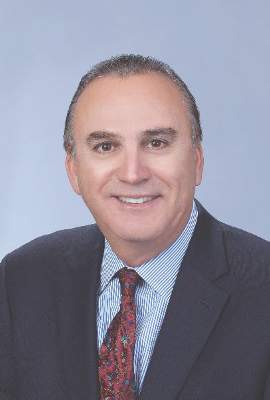
Immunogenicity studies show that antibody responses from a vaccine regimen consisting of two doses in the primary series are less immunogenic, compared with those for a three-dose regimen, yet both regimens are effective for the prevention of IPD. Immunogenicity data that support the use of reduced-dose schedules for most, but not all, vaccine serotypes, were based on IPD. The degree to which higher antibody concentrations are important for protecting against nonbacteremic pneumonia, sinusitis, and AOM, and for preventing nasopharyngeal carriage, is not established.
However, clinical outcomes since the introduction of PCVs indicate that the true threshold will vary by serotype and host and disease condition, with higher concentrations required for certain serotypes, in immunologically less mature hosts, and in mucosal infections like nonbacteremic pneumonia, sinusitis, and AOM, compared with IPD. Also, higher IgG levels clearly are important in protecting against nasopharyngeal colonization, thereby conferring herd immunity, prolonging individual protection, and possibly correlating at the individual level with disease protection. Studies that evaluated the correlation of antibody concentration and protection against nasopharyngeal colonization have shown that a greater than 10-fold higher antibody concentration is needed, compared with levels in blood, to protect against IPD. Similarly protection against AOM require higher levels of antibody than are needed to protect against IPD, as evidenced by the lower efficacy of PCVs against AOM, compared with IPD.
Epidemiology and risk factors differ among countries of the world. Therefore, even among developed countries, there is a need for caution in accepting that what works in one country will work as well in another. For example, attendance at day care is the highest risk factor for both IPD and non-IPD. In the United States, we have many types of day care, including relatively large day care centers, and many infants enter day care at 2 months of age. In other developed countries, the size of day care centers is much smaller, and children may not enter day care until 1 or even 2 years of age. Those differences may have implications for protective efficacy with a reduced-dose vaccine schedule.
Siblings under the age of 8 years are also at significant risk. Again, the family size may differ among developed countries. Breastfeeding is protective for pneumococcal infections. Breastfeeding duration may differ among countries. The theme of this concern is apparent: Even evidence of adequate protection with a reduced-dose schedule in Finland, France, Germany, the United Kingdom, or elsewhere should not be interpreted to be completely applicable to the United States.
Whether reduced-dose schedules can provide equivalent protection against vaccine type IPD equivalent to a 3+1 schedule for all serotypes and for non-IPD when introduced into a national immunization program is unclear. Do we have enough data to inform the decision process, and specifically do we have a clear understanding of the full impact of reduced-dose schedules on non-IPD relative to 3+1? How would you vote?
Dr. Pichichero, a specialist in pediatric infectious diseases, is director of the Research Institute, Rochester (N.Y.) General Hospital. He is also a pediatrician at Legacy Pediatrics in Rochester. Pfizer, which makes PCV vaccine, has funded an investigator-initiated grant and a postmarketing study to Dr. Pichichero’s institution, and he is the primary investigator of both grants.
Streptococcus pneumoniae is the most common bacterial cause of pneumonia, sinusitis, and acute otitis media (AOM). It also causes invasive pneumococcal disease (IPD), such as bacteremia and meningitis, and it is the leading cause of vaccine-preventable death in children younger than 5 years of age. Pneumococcal conjugate vaccines (PCVs) are effective in infants and young children against IPD, non-IPD, and the acquisition of vaccine serotype nasopharyngeal carriage (contagion). PCV7 was licensed and introduced in 2000 on a schedule that matched the schedule of other routine infant immunizations of three primary doses at 2, 4, and 6 months, and a booster at 12-15 months. Later in 2010, PCV13 was licensed on that same “3+1” schedule. Different pneumococcal vaccination schedules are recommended across Europe and other countries, after consideration of the epidemiology, disease burden, immunogenicity of the vaccine, its compatibility with other vaccines, and its cost. The World Health Organization recently updated its PCV policy to support the use of three doses on either 3+0 or 2+1 schedules. Most European countries have adopted the 2+1 schedule used for routine infant immunizations.
In light of the escalating costs of providing current vaccines, and the anticipated need for additional vaccines, the Centers for Disease Control and Prevention’s Advisory Committee on Immunization Practices (ACIP) has convened a working group to evaluate the transition from a 3+1 to a 2+1 schedule for PCV administration to infants and children. This is not a trivial decision. In the United States, cost must be considered in the context of an additional focus on non-IPD disease prevention, especially AOM, where serotypes and immune protection levels differ from IPD. A 2+1 schedule may be effective to prevent IPD, compared with a 3+1 schedule, but its impact on non-IPD may be compromised, especially for AOM, for some serotypes of pneumococci, and for control of nasopharyngeal carriage.
Immunogenicity studies show that antibody responses from a vaccine regimen consisting of two doses in the primary series are less immunogenic, compared with those for a three-dose regimen, yet both regimens are effective for the prevention of IPD. Immunogenicity data that support the use of reduced-dose schedules for most, but not all, vaccine serotypes, were based on IPD. The degree to which higher antibody concentrations are important for protecting against nonbacteremic pneumonia, sinusitis, and AOM, and for preventing nasopharyngeal carriage, is not established.
However, clinical outcomes since the introduction of PCVs indicate that the true threshold will vary by serotype and host and disease condition, with higher concentrations required for certain serotypes, in immunologically less mature hosts, and in mucosal infections like nonbacteremic pneumonia, sinusitis, and AOM, compared with IPD. Also, higher IgG levels clearly are important in protecting against nasopharyngeal colonization, thereby conferring herd immunity, prolonging individual protection, and possibly correlating at the individual level with disease protection. Studies that evaluated the correlation of antibody concentration and protection against nasopharyngeal colonization have shown that a greater than 10-fold higher antibody concentration is needed, compared with levels in blood, to protect against IPD. Similarly protection against AOM require higher levels of antibody than are needed to protect against IPD, as evidenced by the lower efficacy of PCVs against AOM, compared with IPD.
Epidemiology and risk factors differ among countries of the world. Therefore, even among developed countries, there is a need for caution in accepting that what works in one country will work as well in another. For example, attendance at day care is the highest risk factor for both IPD and non-IPD. In the United States, we have many types of day care, including relatively large day care centers, and many infants enter day care at 2 months of age. In other developed countries, the size of day care centers is much smaller, and children may not enter day care until 1 or even 2 years of age. Those differences may have implications for protective efficacy with a reduced-dose vaccine schedule.
Siblings under the age of 8 years are also at significant risk. Again, the family size may differ among developed countries. Breastfeeding is protective for pneumococcal infections. Breastfeeding duration may differ among countries. The theme of this concern is apparent: Even evidence of adequate protection with a reduced-dose schedule in Finland, France, Germany, the United Kingdom, or elsewhere should not be interpreted to be completely applicable to the United States.
Whether reduced-dose schedules can provide equivalent protection against vaccine type IPD equivalent to a 3+1 schedule for all serotypes and for non-IPD when introduced into a national immunization program is unclear. Do we have enough data to inform the decision process, and specifically do we have a clear understanding of the full impact of reduced-dose schedules on non-IPD relative to 3+1? How would you vote?
Dr. Pichichero, a specialist in pediatric infectious diseases, is director of the Research Institute, Rochester (N.Y.) General Hospital. He is also a pediatrician at Legacy Pediatrics in Rochester. Pfizer, which makes PCV vaccine, has funded an investigator-initiated grant and a postmarketing study to Dr. Pichichero’s institution, and he is the primary investigator of both grants.
Streptococcus pneumoniae is the most common bacterial cause of pneumonia, sinusitis, and acute otitis media (AOM). It also causes invasive pneumococcal disease (IPD), such as bacteremia and meningitis, and it is the leading cause of vaccine-preventable death in children younger than 5 years of age. Pneumococcal conjugate vaccines (PCVs) are effective in infants and young children against IPD, non-IPD, and the acquisition of vaccine serotype nasopharyngeal carriage (contagion). PCV7 was licensed and introduced in 2000 on a schedule that matched the schedule of other routine infant immunizations of three primary doses at 2, 4, and 6 months, and a booster at 12-15 months. Later in 2010, PCV13 was licensed on that same “3+1” schedule. Different pneumococcal vaccination schedules are recommended across Europe and other countries, after consideration of the epidemiology, disease burden, immunogenicity of the vaccine, its compatibility with other vaccines, and its cost. The World Health Organization recently updated its PCV policy to support the use of three doses on either 3+0 or 2+1 schedules. Most European countries have adopted the 2+1 schedule used for routine infant immunizations.
In light of the escalating costs of providing current vaccines, and the anticipated need for additional vaccines, the Centers for Disease Control and Prevention’s Advisory Committee on Immunization Practices (ACIP) has convened a working group to evaluate the transition from a 3+1 to a 2+1 schedule for PCV administration to infants and children. This is not a trivial decision. In the United States, cost must be considered in the context of an additional focus on non-IPD disease prevention, especially AOM, where serotypes and immune protection levels differ from IPD. A 2+1 schedule may be effective to prevent IPD, compared with a 3+1 schedule, but its impact on non-IPD may be compromised, especially for AOM, for some serotypes of pneumococci, and for control of nasopharyngeal carriage.
Immunogenicity studies show that antibody responses from a vaccine regimen consisting of two doses in the primary series are less immunogenic, compared with those for a three-dose regimen, yet both regimens are effective for the prevention of IPD. Immunogenicity data that support the use of reduced-dose schedules for most, but not all, vaccine serotypes, were based on IPD. The degree to which higher antibody concentrations are important for protecting against nonbacteremic pneumonia, sinusitis, and AOM, and for preventing nasopharyngeal carriage, is not established.
However, clinical outcomes since the introduction of PCVs indicate that the true threshold will vary by serotype and host and disease condition, with higher concentrations required for certain serotypes, in immunologically less mature hosts, and in mucosal infections like nonbacteremic pneumonia, sinusitis, and AOM, compared with IPD. Also, higher IgG levels clearly are important in protecting against nasopharyngeal colonization, thereby conferring herd immunity, prolonging individual protection, and possibly correlating at the individual level with disease protection. Studies that evaluated the correlation of antibody concentration and protection against nasopharyngeal colonization have shown that a greater than 10-fold higher antibody concentration is needed, compared with levels in blood, to protect against IPD. Similarly protection against AOM require higher levels of antibody than are needed to protect against IPD, as evidenced by the lower efficacy of PCVs against AOM, compared with IPD.
Epidemiology and risk factors differ among countries of the world. Therefore, even among developed countries, there is a need for caution in accepting that what works in one country will work as well in another. For example, attendance at day care is the highest risk factor for both IPD and non-IPD. In the United States, we have many types of day care, including relatively large day care centers, and many infants enter day care at 2 months of age. In other developed countries, the size of day care centers is much smaller, and children may not enter day care until 1 or even 2 years of age. Those differences may have implications for protective efficacy with a reduced-dose vaccine schedule.
Siblings under the age of 8 years are also at significant risk. Again, the family size may differ among developed countries. Breastfeeding is protective for pneumococcal infections. Breastfeeding duration may differ among countries. The theme of this concern is apparent: Even evidence of adequate protection with a reduced-dose schedule in Finland, France, Germany, the United Kingdom, or elsewhere should not be interpreted to be completely applicable to the United States.
Whether reduced-dose schedules can provide equivalent protection against vaccine type IPD equivalent to a 3+1 schedule for all serotypes and for non-IPD when introduced into a national immunization program is unclear. Do we have enough data to inform the decision process, and specifically do we have a clear understanding of the full impact of reduced-dose schedules on non-IPD relative to 3+1? How would you vote?
Dr. Pichichero, a specialist in pediatric infectious diseases, is director of the Research Institute, Rochester (N.Y.) General Hospital. He is also a pediatrician at Legacy Pediatrics in Rochester. Pfizer, which makes PCV vaccine, has funded an investigator-initiated grant and a postmarketing study to Dr. Pichichero’s institution, and he is the primary investigator of both grants.
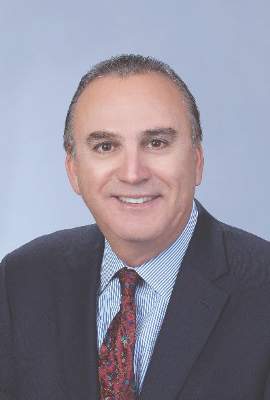
Midair medical emergencies
Question: One hour into an Air France international flight out of New York, Dr. Internist responded to a call for emergency medical assistance. A U.S. passenger had briefly passed out but then appeared to recover. Dr. Internist made a tentative diagnosis of a transient ischemic attack, but did not think an immediate divert was necessary. Based on the doctor’s assessment, the pilot continued on the previously scheduled flight path, landing several hours later in Paris. Meanwhile, the passenger’s condition worsened, and he expired shortly after arrival.
Which of the following statements is correct?
A. Under the common law, there is no legal duty to aid a stranger in distress; but under French law, a doctor is legally obligated to provide emergency assistance.
B. The U.S. federal Aviation Medical Assistance Act may immunize the doctor against liability for negligence during a midair medical emergency.
C. A tort action may still lie against the airline, notwithstanding the doctor’s advice not to divert.
D. Expect jurisdictional conflicts in the event there is a lawsuit.
E. All are correct.
Answer: E. Under the common law, there is no legal duty for anyone, even a doctor, to come to the aid of a stranger. However, doctors are generally held to have an ethical duty to offer emergency care. The American Medical Association’s Code of Medical Ethics states: “Physicians are free to choose whom they will serve. The physician should, however, respond to the best of his or her ability in cases of emergency where first aid treatment is essential.”1
In contrast, Australia and most civil law jurisdictions, e.g., many European countries, impose a legal obligation to render assistance. Under French law, for example, failure to render assistance to a person in urgent need of help can be met with fines of up to 75,000 euros and 5 years imprisonment.
Medical “emergencies” occur in roughly 1 of every 600 flights, which may be an underestimate because of underreporting. The most common medical reasons for aircraft diversion are cardiac, respiratory, and neurologic emergencies. According to a recent review in the New England Journal of Medicine, the decision to divert lies solely with the captain of the aircraft, who must also consider factors such as fuel, costs, the ability to land, and the medical resources available at that airport.2 The review also summarizes medical steps to be taken during midair medical emergencies.
Two related laws other than international aviation treaties govern medical liability during commercial flights: the generic “Good Samaritan” statute, which all 50 U.S. states have enacted, and the more specific federal Aviation Medical Assistance Act.
In 1959, California enacted the first Good Samaritan statute, whose intent is to encourage the helping of people in distress. In general, the law protects against liability arising out of nonreimbursed negligent rescue, but it does not affirmatively require doctors to come to the aid of strangers. Vermont, however, is an exception, and imposes a legal duty to assist a victim in need.
Typically, there is legal immunity against ordinary negligence but not gross misconduct, although California appears to excuse even gross negligence so long as the act was done in good faith. In a litigated case, a California court eloquently declared: “The goodness of the Samaritan is a description of the quality of his or her intention, not the quality of the aid delivered.”3
There is no universal definition of gross negligence, but the term frequently is equated with willful, wanton, or reckless conduct. One can think of gross negligence as aggravated negligence, involving more than mere mistake, inadvertence, or inattention, and representing highly unreasonable conduct or an extreme departure from ordinary care where a high degree of danger is apparent.4 An example may be an obviously inebriated physician attempting to provide treatment and causing harm to the victim.
However, the Good Samaritan statute, being state based, may not be applicable to scenarios with cross-border jurisdictional issues. The specific law that incorporates Good Samaritan assistance during commercial flights is the federal Aviation Medical Assistance Act (AMAA), which Congress enacted in 1998. In addition to Federal Aviation Administration mandates such as requisite medical supplies on board and training of flight crew, this federal law shields providers who respond to in-flight medical emergencies.
The AMAA covers claims arising from domestic flights and those arising from international flights involving U.S. carriers or residents, but it does not protect a provider who exhibits flagrant disregard for the patient’s health and safety. Liability is generally determined under the law of the country in which the aircraft is registered, but the citizenship status of the parties and where the incident occurs are also relevant.5
Under the facts of the hypothetical given above, one can expect jurisdictional conflicts in the event the plaintiff files a lawsuit, because it is unclear whether the AMAA is applicable where a foreign airline is on an international flight over the Atlantic, even one out of New York involving a U.S. citizen.
There does not appear to be an appellate court opinion on physician negligence during an in-flight medical emergency, but there have been lower court decisions and settlements adverse to the airline.6
For example, Northwest Airlines reportedly settled out of court following the death of a passenger on a flight from Manila to Tokyo, despite its claim that three doctors on board the aircraft did not feel an emergency landing was warranted. In a similar case, a Miami federal judge ordered Lufthansa German Airlines to pay damages of $2.7 million to a passenger having a heart attack during a 9-hour flight, after the captain heeded the recommendation from a doctor on board against diverting. In neither case were the doctors apparently named as defendants.
In summary, a doctor is ethically obligated to provide medical assistance in a midair emergency situation. It is highly unlikely that any adverse legal repercussion will ensue. Good Samaritan statutes and, more specifically, the AMAA, properly provide immunity against any allegation of ordinary negligence. Finally, one should be mindful of the need for the patient’s consent before examination and treatment, and, as always, keep written notes of what you have done.
References
1. AMA Code of Medical Ethics §8.11, 2012-2013 edition.
2. N Engl J Med. 2015 Sep 3;373(10):939-45.
3. Perkins v. Howard, 232 Cal.App.3d 708 (1991).
4. Prosser and Keeton on Torts, 5th ed. 1984, p. 211-4.
5. Aviation Medical Assistance Act of 1998, Pub L. No. 105-170. Washington, DC.
6. Aviat Space Environ Med. 1997 Dec;68(12):1134-8.
Dr. Tan is emeritus professor of medicine and former adjunct professor of law at the University of Hawaii, and currently directs the St. Francis International Center for Healthcare Ethics in Honolulu. This article is meant to be educational and does not constitute medical, ethical, or legal advice. Some of the articles in this series are adapted from the author’s 2006 book, “Medical Malpractice: Understanding the Law, Managing the Risk,” and his 2012 Halsbury treatise, “Medical Negligence and Professional Misconduct.” For additional information, readers may contact the author at siang@hawaii.edu.
Question: One hour into an Air France international flight out of New York, Dr. Internist responded to a call for emergency medical assistance. A U.S. passenger had briefly passed out but then appeared to recover. Dr. Internist made a tentative diagnosis of a transient ischemic attack, but did not think an immediate divert was necessary. Based on the doctor’s assessment, the pilot continued on the previously scheduled flight path, landing several hours later in Paris. Meanwhile, the passenger’s condition worsened, and he expired shortly after arrival.
Which of the following statements is correct?
A. Under the common law, there is no legal duty to aid a stranger in distress; but under French law, a doctor is legally obligated to provide emergency assistance.
B. The U.S. federal Aviation Medical Assistance Act may immunize the doctor against liability for negligence during a midair medical emergency.
C. A tort action may still lie against the airline, notwithstanding the doctor’s advice not to divert.
D. Expect jurisdictional conflicts in the event there is a lawsuit.
E. All are correct.
Answer: E. Under the common law, there is no legal duty for anyone, even a doctor, to come to the aid of a stranger. However, doctors are generally held to have an ethical duty to offer emergency care. The American Medical Association’s Code of Medical Ethics states: “Physicians are free to choose whom they will serve. The physician should, however, respond to the best of his or her ability in cases of emergency where first aid treatment is essential.”1
In contrast, Australia and most civil law jurisdictions, e.g., many European countries, impose a legal obligation to render assistance. Under French law, for example, failure to render assistance to a person in urgent need of help can be met with fines of up to 75,000 euros and 5 years imprisonment.
Medical “emergencies” occur in roughly 1 of every 600 flights, which may be an underestimate because of underreporting. The most common medical reasons for aircraft diversion are cardiac, respiratory, and neurologic emergencies. According to a recent review in the New England Journal of Medicine, the decision to divert lies solely with the captain of the aircraft, who must also consider factors such as fuel, costs, the ability to land, and the medical resources available at that airport.2 The review also summarizes medical steps to be taken during midair medical emergencies.
Two related laws other than international aviation treaties govern medical liability during commercial flights: the generic “Good Samaritan” statute, which all 50 U.S. states have enacted, and the more specific federal Aviation Medical Assistance Act.
In 1959, California enacted the first Good Samaritan statute, whose intent is to encourage the helping of people in distress. In general, the law protects against liability arising out of nonreimbursed negligent rescue, but it does not affirmatively require doctors to come to the aid of strangers. Vermont, however, is an exception, and imposes a legal duty to assist a victim in need.
Typically, there is legal immunity against ordinary negligence but not gross misconduct, although California appears to excuse even gross negligence so long as the act was done in good faith. In a litigated case, a California court eloquently declared: “The goodness of the Samaritan is a description of the quality of his or her intention, not the quality of the aid delivered.”3
There is no universal definition of gross negligence, but the term frequently is equated with willful, wanton, or reckless conduct. One can think of gross negligence as aggravated negligence, involving more than mere mistake, inadvertence, or inattention, and representing highly unreasonable conduct or an extreme departure from ordinary care where a high degree of danger is apparent.4 An example may be an obviously inebriated physician attempting to provide treatment and causing harm to the victim.
However, the Good Samaritan statute, being state based, may not be applicable to scenarios with cross-border jurisdictional issues. The specific law that incorporates Good Samaritan assistance during commercial flights is the federal Aviation Medical Assistance Act (AMAA), which Congress enacted in 1998. In addition to Federal Aviation Administration mandates such as requisite medical supplies on board and training of flight crew, this federal law shields providers who respond to in-flight medical emergencies.
The AMAA covers claims arising from domestic flights and those arising from international flights involving U.S. carriers or residents, but it does not protect a provider who exhibits flagrant disregard for the patient’s health and safety. Liability is generally determined under the law of the country in which the aircraft is registered, but the citizenship status of the parties and where the incident occurs are also relevant.5
Under the facts of the hypothetical given above, one can expect jurisdictional conflicts in the event the plaintiff files a lawsuit, because it is unclear whether the AMAA is applicable where a foreign airline is on an international flight over the Atlantic, even one out of New York involving a U.S. citizen.
There does not appear to be an appellate court opinion on physician negligence during an in-flight medical emergency, but there have been lower court decisions and settlements adverse to the airline.6
For example, Northwest Airlines reportedly settled out of court following the death of a passenger on a flight from Manila to Tokyo, despite its claim that three doctors on board the aircraft did not feel an emergency landing was warranted. In a similar case, a Miami federal judge ordered Lufthansa German Airlines to pay damages of $2.7 million to a passenger having a heart attack during a 9-hour flight, after the captain heeded the recommendation from a doctor on board against diverting. In neither case were the doctors apparently named as defendants.
In summary, a doctor is ethically obligated to provide medical assistance in a midair emergency situation. It is highly unlikely that any adverse legal repercussion will ensue. Good Samaritan statutes and, more specifically, the AMAA, properly provide immunity against any allegation of ordinary negligence. Finally, one should be mindful of the need for the patient’s consent before examination and treatment, and, as always, keep written notes of what you have done.
References
1. AMA Code of Medical Ethics §8.11, 2012-2013 edition.
2. N Engl J Med. 2015 Sep 3;373(10):939-45.
3. Perkins v. Howard, 232 Cal.App.3d 708 (1991).
4. Prosser and Keeton on Torts, 5th ed. 1984, p. 211-4.
5. Aviation Medical Assistance Act of 1998, Pub L. No. 105-170. Washington, DC.
6. Aviat Space Environ Med. 1997 Dec;68(12):1134-8.
Dr. Tan is emeritus professor of medicine and former adjunct professor of law at the University of Hawaii, and currently directs the St. Francis International Center for Healthcare Ethics in Honolulu. This article is meant to be educational and does not constitute medical, ethical, or legal advice. Some of the articles in this series are adapted from the author’s 2006 book, “Medical Malpractice: Understanding the Law, Managing the Risk,” and his 2012 Halsbury treatise, “Medical Negligence and Professional Misconduct.” For additional information, readers may contact the author at siang@hawaii.edu.
Question: One hour into an Air France international flight out of New York, Dr. Internist responded to a call for emergency medical assistance. A U.S. passenger had briefly passed out but then appeared to recover. Dr. Internist made a tentative diagnosis of a transient ischemic attack, but did not think an immediate divert was necessary. Based on the doctor’s assessment, the pilot continued on the previously scheduled flight path, landing several hours later in Paris. Meanwhile, the passenger’s condition worsened, and he expired shortly after arrival.
Which of the following statements is correct?
A. Under the common law, there is no legal duty to aid a stranger in distress; but under French law, a doctor is legally obligated to provide emergency assistance.
B. The U.S. federal Aviation Medical Assistance Act may immunize the doctor against liability for negligence during a midair medical emergency.
C. A tort action may still lie against the airline, notwithstanding the doctor’s advice not to divert.
D. Expect jurisdictional conflicts in the event there is a lawsuit.
E. All are correct.
Answer: E. Under the common law, there is no legal duty for anyone, even a doctor, to come to the aid of a stranger. However, doctors are generally held to have an ethical duty to offer emergency care. The American Medical Association’s Code of Medical Ethics states: “Physicians are free to choose whom they will serve. The physician should, however, respond to the best of his or her ability in cases of emergency where first aid treatment is essential.”1
In contrast, Australia and most civil law jurisdictions, e.g., many European countries, impose a legal obligation to render assistance. Under French law, for example, failure to render assistance to a person in urgent need of help can be met with fines of up to 75,000 euros and 5 years imprisonment.
Medical “emergencies” occur in roughly 1 of every 600 flights, which may be an underestimate because of underreporting. The most common medical reasons for aircraft diversion are cardiac, respiratory, and neurologic emergencies. According to a recent review in the New England Journal of Medicine, the decision to divert lies solely with the captain of the aircraft, who must also consider factors such as fuel, costs, the ability to land, and the medical resources available at that airport.2 The review also summarizes medical steps to be taken during midair medical emergencies.
Two related laws other than international aviation treaties govern medical liability during commercial flights: the generic “Good Samaritan” statute, which all 50 U.S. states have enacted, and the more specific federal Aviation Medical Assistance Act.
In 1959, California enacted the first Good Samaritan statute, whose intent is to encourage the helping of people in distress. In general, the law protects against liability arising out of nonreimbursed negligent rescue, but it does not affirmatively require doctors to come to the aid of strangers. Vermont, however, is an exception, and imposes a legal duty to assist a victim in need.
Typically, there is legal immunity against ordinary negligence but not gross misconduct, although California appears to excuse even gross negligence so long as the act was done in good faith. In a litigated case, a California court eloquently declared: “The goodness of the Samaritan is a description of the quality of his or her intention, not the quality of the aid delivered.”3
There is no universal definition of gross negligence, but the term frequently is equated with willful, wanton, or reckless conduct. One can think of gross negligence as aggravated negligence, involving more than mere mistake, inadvertence, or inattention, and representing highly unreasonable conduct or an extreme departure from ordinary care where a high degree of danger is apparent.4 An example may be an obviously inebriated physician attempting to provide treatment and causing harm to the victim.
However, the Good Samaritan statute, being state based, may not be applicable to scenarios with cross-border jurisdictional issues. The specific law that incorporates Good Samaritan assistance during commercial flights is the federal Aviation Medical Assistance Act (AMAA), which Congress enacted in 1998. In addition to Federal Aviation Administration mandates such as requisite medical supplies on board and training of flight crew, this federal law shields providers who respond to in-flight medical emergencies.
The AMAA covers claims arising from domestic flights and those arising from international flights involving U.S. carriers or residents, but it does not protect a provider who exhibits flagrant disregard for the patient’s health and safety. Liability is generally determined under the law of the country in which the aircraft is registered, but the citizenship status of the parties and where the incident occurs are also relevant.5
Under the facts of the hypothetical given above, one can expect jurisdictional conflicts in the event the plaintiff files a lawsuit, because it is unclear whether the AMAA is applicable where a foreign airline is on an international flight over the Atlantic, even one out of New York involving a U.S. citizen.
There does not appear to be an appellate court opinion on physician negligence during an in-flight medical emergency, but there have been lower court decisions and settlements adverse to the airline.6
For example, Northwest Airlines reportedly settled out of court following the death of a passenger on a flight from Manila to Tokyo, despite its claim that three doctors on board the aircraft did not feel an emergency landing was warranted. In a similar case, a Miami federal judge ordered Lufthansa German Airlines to pay damages of $2.7 million to a passenger having a heart attack during a 9-hour flight, after the captain heeded the recommendation from a doctor on board against diverting. In neither case were the doctors apparently named as defendants.
In summary, a doctor is ethically obligated to provide medical assistance in a midair emergency situation. It is highly unlikely that any adverse legal repercussion will ensue. Good Samaritan statutes and, more specifically, the AMAA, properly provide immunity against any allegation of ordinary negligence. Finally, one should be mindful of the need for the patient’s consent before examination and treatment, and, as always, keep written notes of what you have done.
References
1. AMA Code of Medical Ethics §8.11, 2012-2013 edition.
2. N Engl J Med. 2015 Sep 3;373(10):939-45.
3. Perkins v. Howard, 232 Cal.App.3d 708 (1991).
4. Prosser and Keeton on Torts, 5th ed. 1984, p. 211-4.
5. Aviation Medical Assistance Act of 1998, Pub L. No. 105-170. Washington, DC.
6. Aviat Space Environ Med. 1997 Dec;68(12):1134-8.
Dr. Tan is emeritus professor of medicine and former adjunct professor of law at the University of Hawaii, and currently directs the St. Francis International Center for Healthcare Ethics in Honolulu. This article is meant to be educational and does not constitute medical, ethical, or legal advice. Some of the articles in this series are adapted from the author’s 2006 book, “Medical Malpractice: Understanding the Law, Managing the Risk,” and his 2012 Halsbury treatise, “Medical Negligence and Professional Misconduct.” For additional information, readers may contact the author at siang@hawaii.edu.