User login
Objective studies help identify Parkinson’s patients at risk for falls
NEW YORK – There are numerous clinical factors and objective tools for identifying patients with Parkinson’s disease who have an increased risk of falls, according to data from a prospective study and an overview of this topic that was presented at the International Conference on Parkinson’s Disease and Movement Disorders

“Identifying risk of falls, which can produce complications beyond the acute injury, is one of the most important unmet needs in Parkinson’s disease,” reported A.V. Srinivasan, MD, PhD, DSc, of the Tamil Nadu Dr. MGR Medial University, Chennai, India.
Falls pose a risk of complications beyond acute injury because of the potential domino effect, according to Dr. Srinivasan. He maintained that when aging Parkinson’s disease patients are confined to bed for an extended period of recovery, a host of adverse health consequences can follow, including such life-threatening events as aspiration pneumonia.
“A serious fall can be the start of a downward clinical slope,” according to Dr. Srinivasan, who cited data suggesting that 40%-70% of Parkinson’s disease patients will have a serious fall at advanced stages of disease.
To identify those at greatest risk, a number of objective studies were shown to be useful in a study undertaken at the Institute of Neurology of Madras (India) Medical College, according to Dr. Srinivasan, where he was a professor when the study was conducted. In this study, 112 patients were evaluated with more than 15 months of follow-up. The 57 (51%) who experienced a fall were compared with the 55 who did not.
Between these groups, there was no difference in mean age (approximately 57 years in both) or in gender (approximately 70% male in both), according to Dr. Srinivasan. However, those who fell were significantly more likely to be obese (P = .009), to be on two or more anti-Parkinson’s medication (P = .01), and to be hypertensive (P = .018). Disease duration was significantly longer and disease severity significantly greater in those who fell relative to those who did not, according to Dr. Srinivasan.
However, Dr. Srinivasan placed particular emphasis on the objective studies that predicted risk of falls.
“When we compared baseline characteristics, Tinetti balance score, episodes of freezing gait, and the Get-Up-And-Go Test [GAGT], were all significant predictors of falls [all P less than .001],” Dr. Srinivasan said.
Of clinical studies, he suggested that GAGT is particularly simple and helpful. In GAGT, the time for a patient to rise from a chair, walk 10 feet, and return to their original sitting position, is timed. According to Dr. Srinivasan, an interval of 12 seconds or greater is a measure of impaired mobility and a signal for increased risk of falls.
Other patient characteristics or disease features that predicted increased risk of falls included the presence of dyskinesias and treatment with relatively high doses of levodopa. All of these factors should be considered when conducting a comprehensive risk assessment.
“A formal evaluation should be conducted routinely in all patients because there are a number of simple and effective strategies to reduce falls in patients at high risk,” Dr. Srinivasan said. These include teaching patients to avoid abrupt movements and modifying therapies to avoid gait freezing and other symptoms associated with falls. He cited a 2014 review article by Canning et al. (Neurodegen Dis Manag. 2014;4:203-21) as one source of clinically useful approaches.
“Early prevention is important. One of the most significant risks of falls is a previous fall. Control of disease symptoms lowers risk, but motor symptoms are not the only concern,” Dr. Srinivasan said. He suggested nonmotor issues, including inadequate sleep, impaired cognitive function, and attention deficits, can all be addressed in order to prevent falls and the risks they pose to quality of life and outcome.
NEW YORK – There are numerous clinical factors and objective tools for identifying patients with Parkinson’s disease who have an increased risk of falls, according to data from a prospective study and an overview of this topic that was presented at the International Conference on Parkinson’s Disease and Movement Disorders
“Identifying risk of falls, which can produce complications beyond the acute injury, is one of the most important unmet needs in Parkinson’s disease,” reported A.V. Srinivasan, MD, PhD, DSc, of the Tamil Nadu Dr. MGR Medial University, Chennai, India.
Falls pose a risk of complications beyond acute injury because of the potential domino effect, according to Dr. Srinivasan. He maintained that when aging Parkinson’s disease patients are confined to bed for an extended period of recovery, a host of adverse health consequences can follow, including such life-threatening events as aspiration pneumonia.
“A serious fall can be the start of a downward clinical slope,” according to Dr. Srinivasan, who cited data suggesting that 40%-70% of Parkinson’s disease patients will have a serious fall at advanced stages of disease.
To identify those at greatest risk, a number of objective studies were shown to be useful in a study undertaken at the Institute of Neurology of Madras (India) Medical College, according to Dr. Srinivasan, where he was a professor when the study was conducted. In this study, 112 patients were evaluated with more than 15 months of follow-up. The 57 (51%) who experienced a fall were compared with the 55 who did not.
Between these groups, there was no difference in mean age (approximately 57 years in both) or in gender (approximately 70% male in both), according to Dr. Srinivasan. However, those who fell were significantly more likely to be obese (P = .009), to be on two or more anti-Parkinson’s medication (P = .01), and to be hypertensive (P = .018). Disease duration was significantly longer and disease severity significantly greater in those who fell relative to those who did not, according to Dr. Srinivasan.
However, Dr. Srinivasan placed particular emphasis on the objective studies that predicted risk of falls.
“When we compared baseline characteristics, Tinetti balance score, episodes of freezing gait, and the Get-Up-And-Go Test [GAGT], were all significant predictors of falls [all P less than .001],” Dr. Srinivasan said.
Of clinical studies, he suggested that GAGT is particularly simple and helpful. In GAGT, the time for a patient to rise from a chair, walk 10 feet, and return to their original sitting position, is timed. According to Dr. Srinivasan, an interval of 12 seconds or greater is a measure of impaired mobility and a signal for increased risk of falls.
Other patient characteristics or disease features that predicted increased risk of falls included the presence of dyskinesias and treatment with relatively high doses of levodopa. All of these factors should be considered when conducting a comprehensive risk assessment.
“A formal evaluation should be conducted routinely in all patients because there are a number of simple and effective strategies to reduce falls in patients at high risk,” Dr. Srinivasan said. These include teaching patients to avoid abrupt movements and modifying therapies to avoid gait freezing and other symptoms associated with falls. He cited a 2014 review article by Canning et al. (Neurodegen Dis Manag. 2014;4:203-21) as one source of clinically useful approaches.
“Early prevention is important. One of the most significant risks of falls is a previous fall. Control of disease symptoms lowers risk, but motor symptoms are not the only concern,” Dr. Srinivasan said. He suggested nonmotor issues, including inadequate sleep, impaired cognitive function, and attention deficits, can all be addressed in order to prevent falls and the risks they pose to quality of life and outcome.
NEW YORK – There are numerous clinical factors and objective tools for identifying patients with Parkinson’s disease who have an increased risk of falls, according to data from a prospective study and an overview of this topic that was presented at the International Conference on Parkinson’s Disease and Movement Disorders
“Identifying risk of falls, which can produce complications beyond the acute injury, is one of the most important unmet needs in Parkinson’s disease,” reported A.V. Srinivasan, MD, PhD, DSc, of the Tamil Nadu Dr. MGR Medial University, Chennai, India.
Falls pose a risk of complications beyond acute injury because of the potential domino effect, according to Dr. Srinivasan. He maintained that when aging Parkinson’s disease patients are confined to bed for an extended period of recovery, a host of adverse health consequences can follow, including such life-threatening events as aspiration pneumonia.
“A serious fall can be the start of a downward clinical slope,” according to Dr. Srinivasan, who cited data suggesting that 40%-70% of Parkinson’s disease patients will have a serious fall at advanced stages of disease.
To identify those at greatest risk, a number of objective studies were shown to be useful in a study undertaken at the Institute of Neurology of Madras (India) Medical College, according to Dr. Srinivasan, where he was a professor when the study was conducted. In this study, 112 patients were evaluated with more than 15 months of follow-up. The 57 (51%) who experienced a fall were compared with the 55 who did not.
Between these groups, there was no difference in mean age (approximately 57 years in both) or in gender (approximately 70% male in both), according to Dr. Srinivasan. However, those who fell were significantly more likely to be obese (P = .009), to be on two or more anti-Parkinson’s medication (P = .01), and to be hypertensive (P = .018). Disease duration was significantly longer and disease severity significantly greater in those who fell relative to those who did not, according to Dr. Srinivasan.
However, Dr. Srinivasan placed particular emphasis on the objective studies that predicted risk of falls.
“When we compared baseline characteristics, Tinetti balance score, episodes of freezing gait, and the Get-Up-And-Go Test [GAGT], were all significant predictors of falls [all P less than .001],” Dr. Srinivasan said.
Of clinical studies, he suggested that GAGT is particularly simple and helpful. In GAGT, the time for a patient to rise from a chair, walk 10 feet, and return to their original sitting position, is timed. According to Dr. Srinivasan, an interval of 12 seconds or greater is a measure of impaired mobility and a signal for increased risk of falls.
Other patient characteristics or disease features that predicted increased risk of falls included the presence of dyskinesias and treatment with relatively high doses of levodopa. All of these factors should be considered when conducting a comprehensive risk assessment.
“A formal evaluation should be conducted routinely in all patients because there are a number of simple and effective strategies to reduce falls in patients at high risk,” Dr. Srinivasan said. These include teaching patients to avoid abrupt movements and modifying therapies to avoid gait freezing and other symptoms associated with falls. He cited a 2014 review article by Canning et al. (Neurodegen Dis Manag. 2014;4:203-21) as one source of clinically useful approaches.
“Early prevention is important. One of the most significant risks of falls is a previous fall. Control of disease symptoms lowers risk, but motor symptoms are not the only concern,” Dr. Srinivasan said. He suggested nonmotor issues, including inadequate sleep, impaired cognitive function, and attention deficits, can all be addressed in order to prevent falls and the risks they pose to quality of life and outcome.
REPORTING FROM ICPDMD 2018
Key clinical point: Patients with Parkinson’s disease at high risk for falls can be identified in order to initiate preventive strategies.
Major finding: For predicting falls, the Tinetti balance score and the Get-Up-And-Go test are both highly significant predictors (both P less than .001).
Study details: Observational study.
Disclosures: Dr. Srinivasan reports no financial relationships relevant to this study.

Inhibitor receives orphan designation for ITP
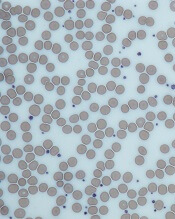
The U.S. Food and Drug Administration (FDA) has granted orphan drug designation to PRN1008 for the treatment of patients with immune thrombocytopenia (ITP).
PRN1008 is an oral, reversible, covalent Bruton’s tyrosine kinase (BTK) inhibitor being developed by Principia Biopharma, Inc.
Principia is conducting a phase 1/2 trial (NCT03395210) to evaluate the safety and efficacy of PRN1008 in patients with ITP.
Results of preclinical research with PRN1008 in ITP were presented at the 2017 ASH Annual Meeting.
There, researchers reported that PRN1008 significantly reduced platelet loss in a mouse model of ITP.
The team found the BTK inhibitor could diminish platelet loss in two ways:
- By reducing platelet destruction via inhibition of autoantibody/FcγR signaling in splenic macrophages
- By reducing autoantibody generation through inhibition of B-cell activation and maturation.
The researchers also assessed the effects of PRN1008 and ibrutinib on platelet function in samples from healthy volunteers and ITP patients.
Samples were treated with one of the two BTK inhibitors, and platelet aggregation was induced by platelet agonists.
Unlike ibrutinib, PRN1008 did not impact platelet aggregation in healthy volunteer or ITP patient samples.
About orphan designation
The FDA grants orphan designation to products intended to treat, diagnose, or prevent diseases/disorders that affect fewer than 200,000 people in the United States.
The designation provides incentives for sponsors to develop products for rare diseases. This may include tax credits toward the cost of clinical trials, prescription drug user fee waivers, and 7 years of market exclusivity if the product is approved.
The U.S. Food and Drug Administration (FDA) has granted orphan drug designation to PRN1008 for the treatment of patients with immune thrombocytopenia (ITP).
PRN1008 is an oral, reversible, covalent Bruton’s tyrosine kinase (BTK) inhibitor being developed by Principia Biopharma, Inc.
Principia is conducting a phase 1/2 trial (NCT03395210) to evaluate the safety and efficacy of PRN1008 in patients with ITP.
Results of preclinical research with PRN1008 in ITP were presented at the 2017 ASH Annual Meeting.
There, researchers reported that PRN1008 significantly reduced platelet loss in a mouse model of ITP.
The team found the BTK inhibitor could diminish platelet loss in two ways:
- By reducing platelet destruction via inhibition of autoantibody/FcγR signaling in splenic macrophages
- By reducing autoantibody generation through inhibition of B-cell activation and maturation.
The researchers also assessed the effects of PRN1008 and ibrutinib on platelet function in samples from healthy volunteers and ITP patients.
Samples were treated with one of the two BTK inhibitors, and platelet aggregation was induced by platelet agonists.
Unlike ibrutinib, PRN1008 did not impact platelet aggregation in healthy volunteer or ITP patient samples.
About orphan designation
The FDA grants orphan designation to products intended to treat, diagnose, or prevent diseases/disorders that affect fewer than 200,000 people in the United States.
The designation provides incentives for sponsors to develop products for rare diseases. This may include tax credits toward the cost of clinical trials, prescription drug user fee waivers, and 7 years of market exclusivity if the product is approved.
The U.S. Food and Drug Administration (FDA) has granted orphan drug designation to PRN1008 for the treatment of patients with immune thrombocytopenia (ITP).
PRN1008 is an oral, reversible, covalent Bruton’s tyrosine kinase (BTK) inhibitor being developed by Principia Biopharma, Inc.
Principia is conducting a phase 1/2 trial (NCT03395210) to evaluate the safety and efficacy of PRN1008 in patients with ITP.
Results of preclinical research with PRN1008 in ITP were presented at the 2017 ASH Annual Meeting.
There, researchers reported that PRN1008 significantly reduced platelet loss in a mouse model of ITP.
The team found the BTK inhibitor could diminish platelet loss in two ways:
- By reducing platelet destruction via inhibition of autoantibody/FcγR signaling in splenic macrophages
- By reducing autoantibody generation through inhibition of B-cell activation and maturation.
The researchers also assessed the effects of PRN1008 and ibrutinib on platelet function in samples from healthy volunteers and ITP patients.
Samples were treated with one of the two BTK inhibitors, and platelet aggregation was induced by platelet agonists.
Unlike ibrutinib, PRN1008 did not impact platelet aggregation in healthy volunteer or ITP patient samples.
About orphan designation
The FDA grants orphan designation to products intended to treat, diagnose, or prevent diseases/disorders that affect fewer than 200,000 people in the United States.
The designation provides incentives for sponsors to develop products for rare diseases. This may include tax credits toward the cost of clinical trials, prescription drug user fee waivers, and 7 years of market exclusivity if the product is approved.
Investigational BTK inhibitor for relapsing MS advances on positive phase 2 data
BERLIN – Evobrutinib, an investigational inhibitor of Bruton’s tyrosine kinase (BTK), significantly reduced the number of new T1 gadolinium-enhancing lesions at 24 weeks compared with placebo in patients with relapsing multiples sclerosis (MS).

However, the molecule was also associated with grade 3 and 4 elevations in alanine aminotransferase – a troubling finding, Xavier Montalban, MD, said at the annual congress of the European Committee for Treatment and Research in Multiple Sclerosis.
“Fortunately, all patients were asymptomatic, and the elevations were completely reversible. The results of this trial do support further development of this molecule,” said Dr. Montalban, director of the Multiple Sclerosis Centre of Catalonia at the Vall d’Hebron University Hospital in Barcelona.
Evobrutinib exerts a dual action in MS, Dr. Montalban said. By inhibiting BTK, the drug blocks B-cell activation and interaction between B and T cells. It also inhibits macrophage survival and dampens cytokine release, he said.
The study randomized 213 patients with relapsing MS to placebo or to evobrutinib in three daily doses: 25 mg, 75 mg, or 150 mg. A control arm of 54 additional patients received treatment with dimethyl fumarate. After 24 weeks of randomized treatment, patients who got placebo switched to 25 mg per day; everyone else continued in their assigned groups for another 24 weeks. The study concluded with an open-label extension phase during which everyone took 75 mg daily.
Dr. Montalban reported the primary 24-week analysis. The remainder of the data has not been analyzed yet, he said. The primary endpoint was the total number of T1 gadolinium-enhancing lesions at weeks 12, 16, 20, and 24. Secondary endpoints included the 24-week annualized relapse rate and safety signals. Patients were a mean of 41 years old, with a mean disease duration of 10 years. They had experienced a mean of two relapses in the prior 2 years. About 20% had gadolinium-enhancing lesions at baseline.
Compared with placebo and with the 25-mg dose, evobrutinib 75 mg and 150 mg significantly reduced the number of new enhancing lesions at 24 weeks. There was evidence of a dose-response effect, Dr. Montalban said. Patients taking placebo developed a mean of 3.8 new lesions, while those on 75 mg developed a mean of 1.69 and those taking 150 mg, a mean of 1.15. Patients in the 25-mg group developed a mean of four new lesions – not significantly different than placebo.
Both the 75-mg and 150-mg doses decreased the annualized relapse rate, compared with placebo but missed statistical significance, with P values of 0.90 and 0.63, respectively.
These two doses also conferred significant benefit on two other secondary endpoints, significantly reducing the number of new or enlarging T2 lesions and reducing the total T2 lesion volume, compared with placebo.
The safety profile was relatively benign, with no infections, including no opportunistic infections, and no neoplasms. About 7% of the highest-dose group experienced nausea, and the same number, arthralgia. Seven patients taking evobrutinib experienced grade 1 lymphopenia, compared with three patients taking placebo; grade 2 lymphopenia developed in one patient in the highest-dose group.
ALT elevation was the most concerning adverse event, Dr. Montalban said. Grade 1 elevations developed in 17% of the low-dose group and about 22% of the other two active groups (11 patients each), compared with 7% of the placebo group. Grade 2 elevations developed in three placebo patients and in two taking the highest dose of evobrutinib. There was one grade 3 elevation, which occurred in a patient in the highest-dose group. These were asymptomatic and resolved after discontinuing the medication. Lipase and aspartate transaminase elevations were also associated with evobrutinib, but Dr. Montalban did not provide these details.
He has been a paid consultant for Merck Serono, which is developing evobrutinib.
SOURCE: Montalban X et al. ECTRIMS 2018. Abstract 322.
BERLIN – Evobrutinib, an investigational inhibitor of Bruton’s tyrosine kinase (BTK), significantly reduced the number of new T1 gadolinium-enhancing lesions at 24 weeks compared with placebo in patients with relapsing multiples sclerosis (MS).
However, the molecule was also associated with grade 3 and 4 elevations in alanine aminotransferase – a troubling finding, Xavier Montalban, MD, said at the annual congress of the European Committee for Treatment and Research in Multiple Sclerosis.
“Fortunately, all patients were asymptomatic, and the elevations were completely reversible. The results of this trial do support further development of this molecule,” said Dr. Montalban, director of the Multiple Sclerosis Centre of Catalonia at the Vall d’Hebron University Hospital in Barcelona.
Evobrutinib exerts a dual action in MS, Dr. Montalban said. By inhibiting BTK, the drug blocks B-cell activation and interaction between B and T cells. It also inhibits macrophage survival and dampens cytokine release, he said.
The study randomized 213 patients with relapsing MS to placebo or to evobrutinib in three daily doses: 25 mg, 75 mg, or 150 mg. A control arm of 54 additional patients received treatment with dimethyl fumarate. After 24 weeks of randomized treatment, patients who got placebo switched to 25 mg per day; everyone else continued in their assigned groups for another 24 weeks. The study concluded with an open-label extension phase during which everyone took 75 mg daily.
Dr. Montalban reported the primary 24-week analysis. The remainder of the data has not been analyzed yet, he said. The primary endpoint was the total number of T1 gadolinium-enhancing lesions at weeks 12, 16, 20, and 24. Secondary endpoints included the 24-week annualized relapse rate and safety signals. Patients were a mean of 41 years old, with a mean disease duration of 10 years. They had experienced a mean of two relapses in the prior 2 years. About 20% had gadolinium-enhancing lesions at baseline.
Compared with placebo and with the 25-mg dose, evobrutinib 75 mg and 150 mg significantly reduced the number of new enhancing lesions at 24 weeks. There was evidence of a dose-response effect, Dr. Montalban said. Patients taking placebo developed a mean of 3.8 new lesions, while those on 75 mg developed a mean of 1.69 and those taking 150 mg, a mean of 1.15. Patients in the 25-mg group developed a mean of four new lesions – not significantly different than placebo.
Both the 75-mg and 150-mg doses decreased the annualized relapse rate, compared with placebo but missed statistical significance, with P values of 0.90 and 0.63, respectively.
These two doses also conferred significant benefit on two other secondary endpoints, significantly reducing the number of new or enlarging T2 lesions and reducing the total T2 lesion volume, compared with placebo.
The safety profile was relatively benign, with no infections, including no opportunistic infections, and no neoplasms. About 7% of the highest-dose group experienced nausea, and the same number, arthralgia. Seven patients taking evobrutinib experienced grade 1 lymphopenia, compared with three patients taking placebo; grade 2 lymphopenia developed in one patient in the highest-dose group.
ALT elevation was the most concerning adverse event, Dr. Montalban said. Grade 1 elevations developed in 17% of the low-dose group and about 22% of the other two active groups (11 patients each), compared with 7% of the placebo group. Grade 2 elevations developed in three placebo patients and in two taking the highest dose of evobrutinib. There was one grade 3 elevation, which occurred in a patient in the highest-dose group. These were asymptomatic and resolved after discontinuing the medication. Lipase and aspartate transaminase elevations were also associated with evobrutinib, but Dr. Montalban did not provide these details.
He has been a paid consultant for Merck Serono, which is developing evobrutinib.
SOURCE: Montalban X et al. ECTRIMS 2018. Abstract 322.
BERLIN – Evobrutinib, an investigational inhibitor of Bruton’s tyrosine kinase (BTK), significantly reduced the number of new T1 gadolinium-enhancing lesions at 24 weeks compared with placebo in patients with relapsing multiples sclerosis (MS).
However, the molecule was also associated with grade 3 and 4 elevations in alanine aminotransferase – a troubling finding, Xavier Montalban, MD, said at the annual congress of the European Committee for Treatment and Research in Multiple Sclerosis.
“Fortunately, all patients were asymptomatic, and the elevations were completely reversible. The results of this trial do support further development of this molecule,” said Dr. Montalban, director of the Multiple Sclerosis Centre of Catalonia at the Vall d’Hebron University Hospital in Barcelona.
Evobrutinib exerts a dual action in MS, Dr. Montalban said. By inhibiting BTK, the drug blocks B-cell activation and interaction between B and T cells. It also inhibits macrophage survival and dampens cytokine release, he said.
The study randomized 213 patients with relapsing MS to placebo or to evobrutinib in three daily doses: 25 mg, 75 mg, or 150 mg. A control arm of 54 additional patients received treatment with dimethyl fumarate. After 24 weeks of randomized treatment, patients who got placebo switched to 25 mg per day; everyone else continued in their assigned groups for another 24 weeks. The study concluded with an open-label extension phase during which everyone took 75 mg daily.
Dr. Montalban reported the primary 24-week analysis. The remainder of the data has not been analyzed yet, he said. The primary endpoint was the total number of T1 gadolinium-enhancing lesions at weeks 12, 16, 20, and 24. Secondary endpoints included the 24-week annualized relapse rate and safety signals. Patients were a mean of 41 years old, with a mean disease duration of 10 years. They had experienced a mean of two relapses in the prior 2 years. About 20% had gadolinium-enhancing lesions at baseline.
Compared with placebo and with the 25-mg dose, evobrutinib 75 mg and 150 mg significantly reduced the number of new enhancing lesions at 24 weeks. There was evidence of a dose-response effect, Dr. Montalban said. Patients taking placebo developed a mean of 3.8 new lesions, while those on 75 mg developed a mean of 1.69 and those taking 150 mg, a mean of 1.15. Patients in the 25-mg group developed a mean of four new lesions – not significantly different than placebo.
Both the 75-mg and 150-mg doses decreased the annualized relapse rate, compared with placebo but missed statistical significance, with P values of 0.90 and 0.63, respectively.
These two doses also conferred significant benefit on two other secondary endpoints, significantly reducing the number of new or enlarging T2 lesions and reducing the total T2 lesion volume, compared with placebo.
The safety profile was relatively benign, with no infections, including no opportunistic infections, and no neoplasms. About 7% of the highest-dose group experienced nausea, and the same number, arthralgia. Seven patients taking evobrutinib experienced grade 1 lymphopenia, compared with three patients taking placebo; grade 2 lymphopenia developed in one patient in the highest-dose group.
ALT elevation was the most concerning adverse event, Dr. Montalban said. Grade 1 elevations developed in 17% of the low-dose group and about 22% of the other two active groups (11 patients each), compared with 7% of the placebo group. Grade 2 elevations developed in three placebo patients and in two taking the highest dose of evobrutinib. There was one grade 3 elevation, which occurred in a patient in the highest-dose group. These were asymptomatic and resolved after discontinuing the medication. Lipase and aspartate transaminase elevations were also associated with evobrutinib, but Dr. Montalban did not provide these details.
He has been a paid consultant for Merck Serono, which is developing evobrutinib.
SOURCE: Montalban X et al. ECTRIMS 2018. Abstract 322.
REPORTING FROM ECTRIMS 2018
Key clinical point: Evobrutinib reduced the number of new T1 gadolinium-enhancing lesions.
Major finding: At 24 weeks, the 150-mg group had a mean of 1.15 new lesions vs. 3.8 in the placebo group.
Study details: The phase 2 study randomized 213 patients.
Disclosures: Dr. Montalban has been a paid consultant for Merck Serono, which is developing the molecule.
Source: Montalban X et al. ECTRIMS 2018.Abstract 322.

Physiologically functional organoid offers promise for rapid, realistic in vitro drug discovery
NEW YORK – A self-assembling model brain neurovascular unit showed that it emulated in vivo behavior of the human blood-brain barrier under a variety of conditions, including hypoxia and histamine exposure.
Goodwell Nzou, a doctoral student at Wake Forest University, Winston-Salem, N.C., discussed findings published earlier this year in Scientific Reports showing that the three-dimensional brain organoid has promise for rapid in vitro testing of central nervous system drugs.
The model contains all the primary cell types in the human brain cortex, said Mr. Nzou, speaking at the International Conference for Parkinson’s Disease and Movement Disorders. These include human brain microvascular endothelial cells, pericytes, astrocytes, microglia, oligodendrocytes, and neurons. Human endothelial cells enclose the parenchymal cells in the model.
The human neurovascular unit (NVU) organoid model was developed using induced pluripotent stem cells for the microglial, oligodendrocyte, and neuron cell components. Human primary cells were used for the remaining components.
First, Mr. Nzou and his collaborators constructed a four-cell model. By placing the cells in a hanging drop culture environment and culturing for 96 hours, the investigators were able to induce assembly of the organoids. Since the cells had been pretreated with a durable labeling dye, the investigators could confirm anatomically appropriate self-assembly using confocal microscopy. Blood-brain barrier (BBB) tight junctions were confirmed by testing for the tight junction protein ZO-1 via immunofluorescent labeling, said Mr. Nzou.
From this experience, they were able to conduct a staged assembly using all six cell types, yielding a neurovascular unit that was durable, maintaining “very high cell viability for up to 21 days in vitro,” Mr. Nzou said, with both core and outer cells showing good viability.
Mr. Nzou and his colleagues at the Wake Forest Institute for Regenerative Medicine tested the model’s function against several emulated physical states: In one, they flooded the field with histamine, finding that the junctions lost integrity, accurately mimicking the “leaky” tissue state that occurs in vivo with histamine release.
The histamine-treated organoids allowed IgG permeability that was largely absent in the control organoids. “In the control system we did not see much of the IgG going in. We did see a lot more going in after we treated the organoids with histamine,” said Mr. Nzou.
However, IgG is a large molecule, and much CNS drug discovery right now is focused on small molecules, so Mr. Nzou and his colleagues also wanted to see whether the NVU’s BBB integrity would hold up against a small molecule.
Using exposure to a molecule called MPTP, Mr. Nzou and his collaborators compared how much MPTP entered two different types of organoids: One was the six-cell organoid, and the other was made up of neurons only.
The neuron-only organoid would not be expected to prevent influx of MPTP since it lacked the BBB-like composition of the full organoid, explained Mr. Nzou. Once past the BBB, MPTP is converted to an active substance that interferes with adenosine triphosphate (ATP) production . The investigators did see a significant drop in APT production with MPTP exposure in the neuron-only, but not the full, organoid, said Mr. Nzou.
In another trial, they exposed the model to an atmosphere with lowered oxygen tension and saw resultant changes consistent with ischemia. The model “showed normal physiologic responses under hypoxic conditions,” they said. These included increased proinflammatory cytokine production and decreased integrity of the BBB.
The in vitro hypoxia was profound – oxygen exposure was dropped to 1% from normal atmospheric composition of 21%. Still, the organoids maintained good viability despite the hypoxia-induced changes in physiology, making them appropriate candidates for testing such hypoxic conditions as ischemic stroke and conditions that elevate intracranial pressure, Mr. Nzou said.
In addition to drug discovery uses, the model could allow for rapid and safe toxicology research and for accelerated investigation of neurologic diseases, including Parkinson’s disease, Alzheimer’s disease, and multiple sclerosis. The research group, said Mr. Nzou, has largely achieved its model of “forming a better blood-brain barrier–equivalent model through the concerted interactions of all cell types with the endothelial layer,” he said.
NEW YORK – A self-assembling model brain neurovascular unit showed that it emulated in vivo behavior of the human blood-brain barrier under a variety of conditions, including hypoxia and histamine exposure.
Goodwell Nzou, a doctoral student at Wake Forest University, Winston-Salem, N.C., discussed findings published earlier this year in Scientific Reports showing that the three-dimensional brain organoid has promise for rapid in vitro testing of central nervous system drugs.
The model contains all the primary cell types in the human brain cortex, said Mr. Nzou, speaking at the International Conference for Parkinson’s Disease and Movement Disorders. These include human brain microvascular endothelial cells, pericytes, astrocytes, microglia, oligodendrocytes, and neurons. Human endothelial cells enclose the parenchymal cells in the model.
The human neurovascular unit (NVU) organoid model was developed using induced pluripotent stem cells for the microglial, oligodendrocyte, and neuron cell components. Human primary cells were used for the remaining components.
First, Mr. Nzou and his collaborators constructed a four-cell model. By placing the cells in a hanging drop culture environment and culturing for 96 hours, the investigators were able to induce assembly of the organoids. Since the cells had been pretreated with a durable labeling dye, the investigators could confirm anatomically appropriate self-assembly using confocal microscopy. Blood-brain barrier (BBB) tight junctions were confirmed by testing for the tight junction protein ZO-1 via immunofluorescent labeling, said Mr. Nzou.
From this experience, they were able to conduct a staged assembly using all six cell types, yielding a neurovascular unit that was durable, maintaining “very high cell viability for up to 21 days in vitro,” Mr. Nzou said, with both core and outer cells showing good viability.
Mr. Nzou and his colleagues at the Wake Forest Institute for Regenerative Medicine tested the model’s function against several emulated physical states: In one, they flooded the field with histamine, finding that the junctions lost integrity, accurately mimicking the “leaky” tissue state that occurs in vivo with histamine release.
The histamine-treated organoids allowed IgG permeability that was largely absent in the control organoids. “In the control system we did not see much of the IgG going in. We did see a lot more going in after we treated the organoids with histamine,” said Mr. Nzou.
However, IgG is a large molecule, and much CNS drug discovery right now is focused on small molecules, so Mr. Nzou and his colleagues also wanted to see whether the NVU’s BBB integrity would hold up against a small molecule.
Using exposure to a molecule called MPTP, Mr. Nzou and his collaborators compared how much MPTP entered two different types of organoids: One was the six-cell organoid, and the other was made up of neurons only.
The neuron-only organoid would not be expected to prevent influx of MPTP since it lacked the BBB-like composition of the full organoid, explained Mr. Nzou. Once past the BBB, MPTP is converted to an active substance that interferes with adenosine triphosphate (ATP) production . The investigators did see a significant drop in APT production with MPTP exposure in the neuron-only, but not the full, organoid, said Mr. Nzou.
In another trial, they exposed the model to an atmosphere with lowered oxygen tension and saw resultant changes consistent with ischemia. The model “showed normal physiologic responses under hypoxic conditions,” they said. These included increased proinflammatory cytokine production and decreased integrity of the BBB.
The in vitro hypoxia was profound – oxygen exposure was dropped to 1% from normal atmospheric composition of 21%. Still, the organoids maintained good viability despite the hypoxia-induced changes in physiology, making them appropriate candidates for testing such hypoxic conditions as ischemic stroke and conditions that elevate intracranial pressure, Mr. Nzou said.
In addition to drug discovery uses, the model could allow for rapid and safe toxicology research and for accelerated investigation of neurologic diseases, including Parkinson’s disease, Alzheimer’s disease, and multiple sclerosis. The research group, said Mr. Nzou, has largely achieved its model of “forming a better blood-brain barrier–equivalent model through the concerted interactions of all cell types with the endothelial layer,” he said.
NEW YORK – A self-assembling model brain neurovascular unit showed that it emulated in vivo behavior of the human blood-brain barrier under a variety of conditions, including hypoxia and histamine exposure.
Goodwell Nzou, a doctoral student at Wake Forest University, Winston-Salem, N.C., discussed findings published earlier this year in Scientific Reports showing that the three-dimensional brain organoid has promise for rapid in vitro testing of central nervous system drugs.
The model contains all the primary cell types in the human brain cortex, said Mr. Nzou, speaking at the International Conference for Parkinson’s Disease and Movement Disorders. These include human brain microvascular endothelial cells, pericytes, astrocytes, microglia, oligodendrocytes, and neurons. Human endothelial cells enclose the parenchymal cells in the model.
The human neurovascular unit (NVU) organoid model was developed using induced pluripotent stem cells for the microglial, oligodendrocyte, and neuron cell components. Human primary cells were used for the remaining components.
First, Mr. Nzou and his collaborators constructed a four-cell model. By placing the cells in a hanging drop culture environment and culturing for 96 hours, the investigators were able to induce assembly of the organoids. Since the cells had been pretreated with a durable labeling dye, the investigators could confirm anatomically appropriate self-assembly using confocal microscopy. Blood-brain barrier (BBB) tight junctions were confirmed by testing for the tight junction protein ZO-1 via immunofluorescent labeling, said Mr. Nzou.
From this experience, they were able to conduct a staged assembly using all six cell types, yielding a neurovascular unit that was durable, maintaining “very high cell viability for up to 21 days in vitro,” Mr. Nzou said, with both core and outer cells showing good viability.
Mr. Nzou and his colleagues at the Wake Forest Institute for Regenerative Medicine tested the model’s function against several emulated physical states: In one, they flooded the field with histamine, finding that the junctions lost integrity, accurately mimicking the “leaky” tissue state that occurs in vivo with histamine release.
The histamine-treated organoids allowed IgG permeability that was largely absent in the control organoids. “In the control system we did not see much of the IgG going in. We did see a lot more going in after we treated the organoids with histamine,” said Mr. Nzou.
However, IgG is a large molecule, and much CNS drug discovery right now is focused on small molecules, so Mr. Nzou and his colleagues also wanted to see whether the NVU’s BBB integrity would hold up against a small molecule.
Using exposure to a molecule called MPTP, Mr. Nzou and his collaborators compared how much MPTP entered two different types of organoids: One was the six-cell organoid, and the other was made up of neurons only.
The neuron-only organoid would not be expected to prevent influx of MPTP since it lacked the BBB-like composition of the full organoid, explained Mr. Nzou. Once past the BBB, MPTP is converted to an active substance that interferes with adenosine triphosphate (ATP) production . The investigators did see a significant drop in APT production with MPTP exposure in the neuron-only, but not the full, organoid, said Mr. Nzou.
In another trial, they exposed the model to an atmosphere with lowered oxygen tension and saw resultant changes consistent with ischemia. The model “showed normal physiologic responses under hypoxic conditions,” they said. These included increased proinflammatory cytokine production and decreased integrity of the BBB.
The in vitro hypoxia was profound – oxygen exposure was dropped to 1% from normal atmospheric composition of 21%. Still, the organoids maintained good viability despite the hypoxia-induced changes in physiology, making them appropriate candidates for testing such hypoxic conditions as ischemic stroke and conditions that elevate intracranial pressure, Mr. Nzou said.
In addition to drug discovery uses, the model could allow for rapid and safe toxicology research and for accelerated investigation of neurologic diseases, including Parkinson’s disease, Alzheimer’s disease, and multiple sclerosis. The research group, said Mr. Nzou, has largely achieved its model of “forming a better blood-brain barrier–equivalent model through the concerted interactions of all cell types with the endothelial layer,” he said.
REPORTING FROM ICPDMD 2018
Imaging of child basal ganglion lesions yields useful clinical information
NEW YORK – When paraganglionic lesions are compared with isolated basal ganglionic lesions in children, important differences in clinical manifestations were identified, according to imaging-based findings presented at the International Conference on Parkinson’s Disease and Movement Disorders.

“The percentage of children with impaired cognitive function, motor weakness, and disturbed level of consciousness were all significantly higher among the paraganglionic group,” reported Hamada I. Zehry, MD, of Al-Azhar University, Cairo, Egypt.
Conversely, “the incidence of abnormal movements and rigidity were significantly higher among the group with basal ganglion lesions alone,” he said.
The findings were based on comparisons made after MRI imaging differentiated the 23 children with basal ganglionic lesions alone (IG) from 11 children with paraganglionic lesions (PG). About half of the PG group also had lesions involving the basal ganglion as well. All patients were 18 years of age or younger. The mean ages were 9 years in the IG group and 5.7 years in the PG group (P less than .04). Both groups contained approximately 55% males.
Both the IG and PG groups were stratified by ischemic, infectious, metabolic, and toxic etiologies. For the IG relative to the PG group, the ischemic (34.8% vs. 36.4%), infectious (26.1% vs. 36.4%), and metabolic (30.4% vs. 27.2%) etiologies had a relatively similar distribution. However, there was no patient in the PG group with a toxic etiology versus 8.7% (P = .003) in the IG group.
Neurologic symptoms by lesion site differed. Cognitive dysfunction (55% vs. 26%), seizures (64% vs. 43%), muscle weakness (45% vs. 30%), and changes in level of consciousness (82% vs. 22%) were all more common in the PG than the IG group according to Dr. Zehry. However, abnormal movements (30% vs. 9%) and rigidity (17% vs. 0%) were more common in the IG group.
These differences were all significant by conventional statistical analysis (P less than .05), according to Dr. Zehry, although he did not provide the specific P values for each of the comparisons.
There were also differences in the frequency of neurologic symptoms within groups when stratified by etiology. Of the biggest differences in the IG group, cognitive dysfunction was observed in 57% of those with a metabolic etiology but only 17% of those with an infectious etiology and 13% of those with an ischemic etiology. None of those with a toxic etiology had cognitive dysfunction.
In the PG group, the rates of cognitive dysfunction were 25%, 50%, and 100% for the ischemic, infectious, and metabolic etiologies, respectively. Changed levels of consciousness were observed in 75%, 100%, and 67% of these etiologies, respectively, in the PG group, but in only 13%, 33%, and 0%, respectively, in the IG group. In those with a toxic etiology in the IG group, a changed level of consciousness was observed in 100%.
Laboratory findings also were compared between groups and between etiologies within groups. It is notable that liver dysfunction and cytopenias were confined to those with metabolic infectious etiologies in both the IG and PG patients. However, Dr. Zehry suggested that the significance of these and other differences in laboratory findings deserve confirmation and further study in a larger study.
In this series, which excluded patients with a history of trauma or tumors, Dr. Zehry emphasized that bilateral lesions were commonly found in both groups. Overall, he cautioned that distinguishing IG and PG “is not straightforward.” In addition to MRI, he suggested additional imaging tools – such as MR angiography, MR venography, and CT scans – might be useful for evaluating children suspected of pathology in the basal ganglion.
Because there is often bilateral involvement, “the careful assessment of imaging abnormalities occurring simultaneously with bilateral ganglionic injury is recommended,” he said. He added that the diagnosis can also be facilitated by correlating imaging features with clinical and laboratory data.”
NEW YORK – When paraganglionic lesions are compared with isolated basal ganglionic lesions in children, important differences in clinical manifestations were identified, according to imaging-based findings presented at the International Conference on Parkinson’s Disease and Movement Disorders.
“The percentage of children with impaired cognitive function, motor weakness, and disturbed level of consciousness were all significantly higher among the paraganglionic group,” reported Hamada I. Zehry, MD, of Al-Azhar University, Cairo, Egypt.
Conversely, “the incidence of abnormal movements and rigidity were significantly higher among the group with basal ganglion lesions alone,” he said.
The findings were based on comparisons made after MRI imaging differentiated the 23 children with basal ganglionic lesions alone (IG) from 11 children with paraganglionic lesions (PG). About half of the PG group also had lesions involving the basal ganglion as well. All patients were 18 years of age or younger. The mean ages were 9 years in the IG group and 5.7 years in the PG group (P less than .04). Both groups contained approximately 55% males.
Both the IG and PG groups were stratified by ischemic, infectious, metabolic, and toxic etiologies. For the IG relative to the PG group, the ischemic (34.8% vs. 36.4%), infectious (26.1% vs. 36.4%), and metabolic (30.4% vs. 27.2%) etiologies had a relatively similar distribution. However, there was no patient in the PG group with a toxic etiology versus 8.7% (P = .003) in the IG group.
Neurologic symptoms by lesion site differed. Cognitive dysfunction (55% vs. 26%), seizures (64% vs. 43%), muscle weakness (45% vs. 30%), and changes in level of consciousness (82% vs. 22%) were all more common in the PG than the IG group according to Dr. Zehry. However, abnormal movements (30% vs. 9%) and rigidity (17% vs. 0%) were more common in the IG group.
These differences were all significant by conventional statistical analysis (P less than .05), according to Dr. Zehry, although he did not provide the specific P values for each of the comparisons.
There were also differences in the frequency of neurologic symptoms within groups when stratified by etiology. Of the biggest differences in the IG group, cognitive dysfunction was observed in 57% of those with a metabolic etiology but only 17% of those with an infectious etiology and 13% of those with an ischemic etiology. None of those with a toxic etiology had cognitive dysfunction.
In the PG group, the rates of cognitive dysfunction were 25%, 50%, and 100% for the ischemic, infectious, and metabolic etiologies, respectively. Changed levels of consciousness were observed in 75%, 100%, and 67% of these etiologies, respectively, in the PG group, but in only 13%, 33%, and 0%, respectively, in the IG group. In those with a toxic etiology in the IG group, a changed level of consciousness was observed in 100%.
Laboratory findings also were compared between groups and between etiologies within groups. It is notable that liver dysfunction and cytopenias were confined to those with metabolic infectious etiologies in both the IG and PG patients. However, Dr. Zehry suggested that the significance of these and other differences in laboratory findings deserve confirmation and further study in a larger study.
In this series, which excluded patients with a history of trauma or tumors, Dr. Zehry emphasized that bilateral lesions were commonly found in both groups. Overall, he cautioned that distinguishing IG and PG “is not straightforward.” In addition to MRI, he suggested additional imaging tools – such as MR angiography, MR venography, and CT scans – might be useful for evaluating children suspected of pathology in the basal ganglion.
Because there is often bilateral involvement, “the careful assessment of imaging abnormalities occurring simultaneously with bilateral ganglionic injury is recommended,” he said. He added that the diagnosis can also be facilitated by correlating imaging features with clinical and laboratory data.”
NEW YORK – When paraganglionic lesions are compared with isolated basal ganglionic lesions in children, important differences in clinical manifestations were identified, according to imaging-based findings presented at the International Conference on Parkinson’s Disease and Movement Disorders.
“The percentage of children with impaired cognitive function, motor weakness, and disturbed level of consciousness were all significantly higher among the paraganglionic group,” reported Hamada I. Zehry, MD, of Al-Azhar University, Cairo, Egypt.
Conversely, “the incidence of abnormal movements and rigidity were significantly higher among the group with basal ganglion lesions alone,” he said.
The findings were based on comparisons made after MRI imaging differentiated the 23 children with basal ganglionic lesions alone (IG) from 11 children with paraganglionic lesions (PG). About half of the PG group also had lesions involving the basal ganglion as well. All patients were 18 years of age or younger. The mean ages were 9 years in the IG group and 5.7 years in the PG group (P less than .04). Both groups contained approximately 55% males.
Both the IG and PG groups were stratified by ischemic, infectious, metabolic, and toxic etiologies. For the IG relative to the PG group, the ischemic (34.8% vs. 36.4%), infectious (26.1% vs. 36.4%), and metabolic (30.4% vs. 27.2%) etiologies had a relatively similar distribution. However, there was no patient in the PG group with a toxic etiology versus 8.7% (P = .003) in the IG group.
Neurologic symptoms by lesion site differed. Cognitive dysfunction (55% vs. 26%), seizures (64% vs. 43%), muscle weakness (45% vs. 30%), and changes in level of consciousness (82% vs. 22%) were all more common in the PG than the IG group according to Dr. Zehry. However, abnormal movements (30% vs. 9%) and rigidity (17% vs. 0%) were more common in the IG group.
These differences were all significant by conventional statistical analysis (P less than .05), according to Dr. Zehry, although he did not provide the specific P values for each of the comparisons.
There were also differences in the frequency of neurologic symptoms within groups when stratified by etiology. Of the biggest differences in the IG group, cognitive dysfunction was observed in 57% of those with a metabolic etiology but only 17% of those with an infectious etiology and 13% of those with an ischemic etiology. None of those with a toxic etiology had cognitive dysfunction.
In the PG group, the rates of cognitive dysfunction were 25%, 50%, and 100% for the ischemic, infectious, and metabolic etiologies, respectively. Changed levels of consciousness were observed in 75%, 100%, and 67% of these etiologies, respectively, in the PG group, but in only 13%, 33%, and 0%, respectively, in the IG group. In those with a toxic etiology in the IG group, a changed level of consciousness was observed in 100%.
Laboratory findings also were compared between groups and between etiologies within groups. It is notable that liver dysfunction and cytopenias were confined to those with metabolic infectious etiologies in both the IG and PG patients. However, Dr. Zehry suggested that the significance of these and other differences in laboratory findings deserve confirmation and further study in a larger study.
In this series, which excluded patients with a history of trauma or tumors, Dr. Zehry emphasized that bilateral lesions were commonly found in both groups. Overall, he cautioned that distinguishing IG and PG “is not straightforward.” In addition to MRI, he suggested additional imaging tools – such as MR angiography, MR venography, and CT scans – might be useful for evaluating children suspected of pathology in the basal ganglion.
Because there is often bilateral involvement, “the careful assessment of imaging abnormalities occurring simultaneously with bilateral ganglionic injury is recommended,” he said. He added that the diagnosis can also be facilitated by correlating imaging features with clinical and laboratory data.”
REPORTING FROM ICPDMD 2018
Key clinical point: In children with basal ganglion and paraganglion lesions, injury site on imaging yields clinical distinctions.
Major finding: Relative to isolated lesions, paraganglion lesions produce more neuropathy such as cognitive dysfunction (57% vs. 26%; P less than .05)
Study details: Cross-sectional observational study.
Disclosures: Dr. Zehry reports no financial relationships relevant to this study.

Novel imaging may differentiate dementia in Parkinson’s
NEW YORK – Making the clinical diagnosis of dementia in Parkinson’s patients has been confounding because of the difficulty of differentiating it from dementia in Alzheimer’s disease, but researchers have developed a novel imaging technique, known as single-scan dynamic molecular imaging, which uses positron emission tomography to identify the key differentiating factor between the two types of dementia, as reported at the International Conference on Parkinson’s Disease and Movement Disorders.

“We have a technique with which we can detect neurotransmitters in the brain, particularly in patients with dementia,” said Rajendra D. Badgaiyan, PhD, professor of psychiatry at the Icahn School of Medicine at Mount Sinai in New York. “This is important to not only understand the type of dementia you’re dealing with but also to understand the underlying neurocognitive problem.”
The technique is called single-scan dynamic molecular imaging technique (SDMIT) and uses PET to detect and measure dopamine release activity in the brain during cognitive or behavioral functioning, he said. After patients are placed in the PET scanner, they receive an IV injection of the radio-labeled ligand fallypride. While in the PET scanner, patients are asked to perform a cognitive task, and PET measures the ligand concentration before and after the task in the dorsal striatum of the brain. The rate of ligand displacement before and after the task are compared to determine the levels of dopamine activity in the brain.
A significant dysregulation of dopaminergic neurotransmission would indicate a diagnosis of Parkinson’s dementia, while dysregulation of acetylcholine neurotransmission is characteristic of Alzheimer’s dementia, Dr. Badgaiyan said.
He described the experimentation that went into developing SDMIT, including its use in patients with ADHD and how the technique evolved from obtaining two PET scans to measure dopamine levels. His research also found that fallypride was the most effective ligand because it has a high affinity for the dopamine-2 receptor.
“The bottom line is that this technique can be used to study those conditions that are dopamine dependent” Dr. Badgaiyan said. “We can also use this technique to study the neurocognitive basis of the clinical symptoms in dementia and other cognitive deficits.”
SDMIT can also help to identify novel therapeutics targets for dementia, he said. “Today there is no medication that can reverse dementia; all the drugs that we use can only reduce the progression,” he said. “But this technique can help us identify which area of the brain should be targeted and what symptoms should be targeted to reverse dementia, treat dementia, or to cure dementia.”
Dr. Badgaiyan disclosed receiving funding for his research from the National Institutes of Mental Health, Department of Veterans Affairs, the Dana Foundation and Shriners Foundation.
NEW YORK – Making the clinical diagnosis of dementia in Parkinson’s patients has been confounding because of the difficulty of differentiating it from dementia in Alzheimer’s disease, but researchers have developed a novel imaging technique, known as single-scan dynamic molecular imaging, which uses positron emission tomography to identify the key differentiating factor between the two types of dementia, as reported at the International Conference on Parkinson’s Disease and Movement Disorders.
“We have a technique with which we can detect neurotransmitters in the brain, particularly in patients with dementia,” said Rajendra D. Badgaiyan, PhD, professor of psychiatry at the Icahn School of Medicine at Mount Sinai in New York. “This is important to not only understand the type of dementia you’re dealing with but also to understand the underlying neurocognitive problem.”
The technique is called single-scan dynamic molecular imaging technique (SDMIT) and uses PET to detect and measure dopamine release activity in the brain during cognitive or behavioral functioning, he said. After patients are placed in the PET scanner, they receive an IV injection of the radio-labeled ligand fallypride. While in the PET scanner, patients are asked to perform a cognitive task, and PET measures the ligand concentration before and after the task in the dorsal striatum of the brain. The rate of ligand displacement before and after the task are compared to determine the levels of dopamine activity in the brain.
A significant dysregulation of dopaminergic neurotransmission would indicate a diagnosis of Parkinson’s dementia, while dysregulation of acetylcholine neurotransmission is characteristic of Alzheimer’s dementia, Dr. Badgaiyan said.
He described the experimentation that went into developing SDMIT, including its use in patients with ADHD and how the technique evolved from obtaining two PET scans to measure dopamine levels. His research also found that fallypride was the most effective ligand because it has a high affinity for the dopamine-2 receptor.
“The bottom line is that this technique can be used to study those conditions that are dopamine dependent” Dr. Badgaiyan said. “We can also use this technique to study the neurocognitive basis of the clinical symptoms in dementia and other cognitive deficits.”
SDMIT can also help to identify novel therapeutics targets for dementia, he said. “Today there is no medication that can reverse dementia; all the drugs that we use can only reduce the progression,” he said. “But this technique can help us identify which area of the brain should be targeted and what symptoms should be targeted to reverse dementia, treat dementia, or to cure dementia.”
Dr. Badgaiyan disclosed receiving funding for his research from the National Institutes of Mental Health, Department of Veterans Affairs, the Dana Foundation and Shriners Foundation.
NEW YORK – Making the clinical diagnosis of dementia in Parkinson’s patients has been confounding because of the difficulty of differentiating it from dementia in Alzheimer’s disease, but researchers have developed a novel imaging technique, known as single-scan dynamic molecular imaging, which uses positron emission tomography to identify the key differentiating factor between the two types of dementia, as reported at the International Conference on Parkinson’s Disease and Movement Disorders.
“We have a technique with which we can detect neurotransmitters in the brain, particularly in patients with dementia,” said Rajendra D. Badgaiyan, PhD, professor of psychiatry at the Icahn School of Medicine at Mount Sinai in New York. “This is important to not only understand the type of dementia you’re dealing with but also to understand the underlying neurocognitive problem.”
The technique is called single-scan dynamic molecular imaging technique (SDMIT) and uses PET to detect and measure dopamine release activity in the brain during cognitive or behavioral functioning, he said. After patients are placed in the PET scanner, they receive an IV injection of the radio-labeled ligand fallypride. While in the PET scanner, patients are asked to perform a cognitive task, and PET measures the ligand concentration before and after the task in the dorsal striatum of the brain. The rate of ligand displacement before and after the task are compared to determine the levels of dopamine activity in the brain.
A significant dysregulation of dopaminergic neurotransmission would indicate a diagnosis of Parkinson’s dementia, while dysregulation of acetylcholine neurotransmission is characteristic of Alzheimer’s dementia, Dr. Badgaiyan said.
He described the experimentation that went into developing SDMIT, including its use in patients with ADHD and how the technique evolved from obtaining two PET scans to measure dopamine levels. His research also found that fallypride was the most effective ligand because it has a high affinity for the dopamine-2 receptor.
“The bottom line is that this technique can be used to study those conditions that are dopamine dependent” Dr. Badgaiyan said. “We can also use this technique to study the neurocognitive basis of the clinical symptoms in dementia and other cognitive deficits.”
SDMIT can also help to identify novel therapeutics targets for dementia, he said. “Today there is no medication that can reverse dementia; all the drugs that we use can only reduce the progression,” he said. “But this technique can help us identify which area of the brain should be targeted and what symptoms should be targeted to reverse dementia, treat dementia, or to cure dementia.”
Dr. Badgaiyan disclosed receiving funding for his research from the National Institutes of Mental Health, Department of Veterans Affairs, the Dana Foundation and Shriners Foundation.
REPORTING FROM ICPDMD 2018
Key clinical point: A novel neuroimaging technique can differential dementia in Parkinson’s from that in Alzheimer’s disease.
Major finding: PET has been shown to detect dopamine levels in human brains.
Study details: Ongoing research involving humans at Icahn School of Medicine at Mount Sinai, N.Y.
Disclosures: Dr. Badgaiyan disclosed receiving funding for his research from the National Institutes of Mental Health, Department of Veterans Affairs, the Dana Foundation and Shriners Foundation.

CDK8 inhibitor shows activity against AML
DUBROVNIK, CROATIA – The (AML), but the agent’s mechanism of action is still unclear.
Researchers found that several AML cell lines were “highly sensitive” to SEL120, and the inhibitor was active in primary patient samples. SEL120 also reduced tumor growth in mouse models of AML and demonstrated synergy with venetoclax.
The researchers suggest that SEL120 works by affecting the maintenance of AML cells and leukemic stem cells (LSCs), inducing differentiation and, sometimes, apoptosis. However, the mechanism is not well defined.
Eliza Majewska, PhD, of Selvita S.A. in Krakow, Poland, discussed research on SEL120 at Leukemia and Lymphoma, a meeting jointly sponsored by the University of Texas MD Anderson Cancer Center and the School of Medicine at the University of Zagreb, Croatia.
Dr. Majewska explained that CDK8 is a transcriptional kinase working in the context of the Mediator complex, and previous research indicated that CDK8 drives oncogenic transcription in AML (Nature. 2015 Oct 8;526[7572]:273-6).
In a prior study, researchers found that SEL120 inhibits CDK8 activity in AML cells with high levels of STAT phosphorylation (Oncotarget. 2017 May 16;8[20]:33779-95).
Dr. Majewska said the MV4-11 cell line responds particularly well to SEL120, and other sensitive cell lines include SKNO-1, Oci-AML5, GDM-1, KG-1, MOLM-16, and Oci-AML3.
“The fact that STAT signaling was upregulated in those cell lines that were very sensitive to SEL120 gave us the hint that perhaps we are looking at a mechanism of action of the compound that has something to do with leukemic stem cells,” Dr. Majewska said.
In fact, she and her colleagues found that cell lines sensitive to SEL120 had upregulation of genes linked to LSCs and high levels of CD34 surface expression.
Experiments in CD34+ TEX cells showed that SEL120 specifically depletes CD34+ cells, leads to downregulation of stemness-related genes, and induces myeloid differentiation.
After 6 days of treatment with SEL120, TEX cells showed decreased expression of the LSC-linked genes MEIS1 and LILRB2, enrichment of gene sets downregulated in LSCs and linked to differentiation, and increased expression of differentiation markers and immune response genes.
SEL120 also demonstrated antileukemic activity in vivo. The researchers tested SEL120 in a CD34+ model of AML (KG-1) and a FLT3-ITD model of AML (MV4-11).
In both models, SEL120 induced “significant tumor regression” of about 80%. In some cases, the researchers observed apoptosis.
Toxicities observed in the mice included weight loss and upregulation of inflammation.
The researchers also found that SEL120 was synergistic with venetoclax. In fact, the combination of these drugs resulted in “almost complete remission cures” in the MV4-11 model, according to Dr. Majewska.
Finally, she and her colleagues discovered that SEL120 was active against primary patient cells. Samples from three of four patients had a significant reduction in cell numbers after 7 days of treatment with SEL120. For one patient, there were no viable cells on day 7.
Dr. Majewska said a phase 1 trial of SEL120 is planned for 2019 or 2020, and SEL120’s mechanism of action is still under investigation.
“The mechanism of action ... is, in our mind – at least in some cases – linked to the fact that CDK8 functions within the context of the Mediator complex, which contributes to gene expression related to leukemic stem cells,” Dr. Majewska said.
“And when we inhibit this specific transcription, of course, the Mediator complex still works because this is just one of the components of the complex. However, the function that it has is suddenly very different, and it’s actually linked to lack of maintenance of leukemic stem cells, resulting in differentiation [and], in some cases, the induction of apoptosis, but we do not fully understand the mechanism of this induction.”
Dr. Majewska works for Selvita, the company developing SEL120. This research was funded by Selvita, the Leukemia & Lymphoma Society, and the National Centre for Research and Development.
The Leukemia and Lymphoma meeting is organized by Jonathan Wood & Association, which is owned by the parent company of this news organization.
DUBROVNIK, CROATIA – The (AML), but the agent’s mechanism of action is still unclear.
Researchers found that several AML cell lines were “highly sensitive” to SEL120, and the inhibitor was active in primary patient samples. SEL120 also reduced tumor growth in mouse models of AML and demonstrated synergy with venetoclax.
The researchers suggest that SEL120 works by affecting the maintenance of AML cells and leukemic stem cells (LSCs), inducing differentiation and, sometimes, apoptosis. However, the mechanism is not well defined.
Eliza Majewska, PhD, of Selvita S.A. in Krakow, Poland, discussed research on SEL120 at Leukemia and Lymphoma, a meeting jointly sponsored by the University of Texas MD Anderson Cancer Center and the School of Medicine at the University of Zagreb, Croatia.
Dr. Majewska explained that CDK8 is a transcriptional kinase working in the context of the Mediator complex, and previous research indicated that CDK8 drives oncogenic transcription in AML (Nature. 2015 Oct 8;526[7572]:273-6).
In a prior study, researchers found that SEL120 inhibits CDK8 activity in AML cells with high levels of STAT phosphorylation (Oncotarget. 2017 May 16;8[20]:33779-95).
Dr. Majewska said the MV4-11 cell line responds particularly well to SEL120, and other sensitive cell lines include SKNO-1, Oci-AML5, GDM-1, KG-1, MOLM-16, and Oci-AML3.
“The fact that STAT signaling was upregulated in those cell lines that were very sensitive to SEL120 gave us the hint that perhaps we are looking at a mechanism of action of the compound that has something to do with leukemic stem cells,” Dr. Majewska said.
In fact, she and her colleagues found that cell lines sensitive to SEL120 had upregulation of genes linked to LSCs and high levels of CD34 surface expression.
Experiments in CD34+ TEX cells showed that SEL120 specifically depletes CD34+ cells, leads to downregulation of stemness-related genes, and induces myeloid differentiation.
After 6 days of treatment with SEL120, TEX cells showed decreased expression of the LSC-linked genes MEIS1 and LILRB2, enrichment of gene sets downregulated in LSCs and linked to differentiation, and increased expression of differentiation markers and immune response genes.
SEL120 also demonstrated antileukemic activity in vivo. The researchers tested SEL120 in a CD34+ model of AML (KG-1) and a FLT3-ITD model of AML (MV4-11).
In both models, SEL120 induced “significant tumor regression” of about 80%. In some cases, the researchers observed apoptosis.
Toxicities observed in the mice included weight loss and upregulation of inflammation.
The researchers also found that SEL120 was synergistic with venetoclax. In fact, the combination of these drugs resulted in “almost complete remission cures” in the MV4-11 model, according to Dr. Majewska.
Finally, she and her colleagues discovered that SEL120 was active against primary patient cells. Samples from three of four patients had a significant reduction in cell numbers after 7 days of treatment with SEL120. For one patient, there were no viable cells on day 7.
Dr. Majewska said a phase 1 trial of SEL120 is planned for 2019 or 2020, and SEL120’s mechanism of action is still under investigation.
“The mechanism of action ... is, in our mind – at least in some cases – linked to the fact that CDK8 functions within the context of the Mediator complex, which contributes to gene expression related to leukemic stem cells,” Dr. Majewska said.
“And when we inhibit this specific transcription, of course, the Mediator complex still works because this is just one of the components of the complex. However, the function that it has is suddenly very different, and it’s actually linked to lack of maintenance of leukemic stem cells, resulting in differentiation [and], in some cases, the induction of apoptosis, but we do not fully understand the mechanism of this induction.”
Dr. Majewska works for Selvita, the company developing SEL120. This research was funded by Selvita, the Leukemia & Lymphoma Society, and the National Centre for Research and Development.
The Leukemia and Lymphoma meeting is organized by Jonathan Wood & Association, which is owned by the parent company of this news organization.
DUBROVNIK, CROATIA – The (AML), but the agent’s mechanism of action is still unclear.
Researchers found that several AML cell lines were “highly sensitive” to SEL120, and the inhibitor was active in primary patient samples. SEL120 also reduced tumor growth in mouse models of AML and demonstrated synergy with venetoclax.
The researchers suggest that SEL120 works by affecting the maintenance of AML cells and leukemic stem cells (LSCs), inducing differentiation and, sometimes, apoptosis. However, the mechanism is not well defined.
Eliza Majewska, PhD, of Selvita S.A. in Krakow, Poland, discussed research on SEL120 at Leukemia and Lymphoma, a meeting jointly sponsored by the University of Texas MD Anderson Cancer Center and the School of Medicine at the University of Zagreb, Croatia.
Dr. Majewska explained that CDK8 is a transcriptional kinase working in the context of the Mediator complex, and previous research indicated that CDK8 drives oncogenic transcription in AML (Nature. 2015 Oct 8;526[7572]:273-6).
In a prior study, researchers found that SEL120 inhibits CDK8 activity in AML cells with high levels of STAT phosphorylation (Oncotarget. 2017 May 16;8[20]:33779-95).
Dr. Majewska said the MV4-11 cell line responds particularly well to SEL120, and other sensitive cell lines include SKNO-1, Oci-AML5, GDM-1, KG-1, MOLM-16, and Oci-AML3.
“The fact that STAT signaling was upregulated in those cell lines that were very sensitive to SEL120 gave us the hint that perhaps we are looking at a mechanism of action of the compound that has something to do with leukemic stem cells,” Dr. Majewska said.
In fact, she and her colleagues found that cell lines sensitive to SEL120 had upregulation of genes linked to LSCs and high levels of CD34 surface expression.
Experiments in CD34+ TEX cells showed that SEL120 specifically depletes CD34+ cells, leads to downregulation of stemness-related genes, and induces myeloid differentiation.
After 6 days of treatment with SEL120, TEX cells showed decreased expression of the LSC-linked genes MEIS1 and LILRB2, enrichment of gene sets downregulated in LSCs and linked to differentiation, and increased expression of differentiation markers and immune response genes.
SEL120 also demonstrated antileukemic activity in vivo. The researchers tested SEL120 in a CD34+ model of AML (KG-1) and a FLT3-ITD model of AML (MV4-11).
In both models, SEL120 induced “significant tumor regression” of about 80%. In some cases, the researchers observed apoptosis.
Toxicities observed in the mice included weight loss and upregulation of inflammation.
The researchers also found that SEL120 was synergistic with venetoclax. In fact, the combination of these drugs resulted in “almost complete remission cures” in the MV4-11 model, according to Dr. Majewska.
Finally, she and her colleagues discovered that SEL120 was active against primary patient cells. Samples from three of four patients had a significant reduction in cell numbers after 7 days of treatment with SEL120. For one patient, there were no viable cells on day 7.
Dr. Majewska said a phase 1 trial of SEL120 is planned for 2019 or 2020, and SEL120’s mechanism of action is still under investigation.
“The mechanism of action ... is, in our mind – at least in some cases – linked to the fact that CDK8 functions within the context of the Mediator complex, which contributes to gene expression related to leukemic stem cells,” Dr. Majewska said.
“And when we inhibit this specific transcription, of course, the Mediator complex still works because this is just one of the components of the complex. However, the function that it has is suddenly very different, and it’s actually linked to lack of maintenance of leukemic stem cells, resulting in differentiation [and], in some cases, the induction of apoptosis, but we do not fully understand the mechanism of this induction.”
Dr. Majewska works for Selvita, the company developing SEL120. This research was funded by Selvita, the Leukemia & Lymphoma Society, and the National Centre for Research and Development.
The Leukemia and Lymphoma meeting is organized by Jonathan Wood & Association, which is owned by the parent company of this news organization.
EXPERT ANALYSIS FROM LEUKEMIA AND LYMPHOMA 2018
Genotype-driven dosing reduces 5-FU, capecitabine toxicity
MUNICH – Pretreatment genotyping of patients for a key metabolizing enzyme prior to therapy with a fluoropyrimidine agent can be performed in routine clinical practice and can significantly improve safety of the drugs, investigators reported.
Among 1,103 patients scheduled for fluoropyrimidine-based therapy with either fluorouracil (5-FU) or capecitabine alone or in combination with other therapies, toxicities were highest among patients with two common variant alleles of DPYD, the gene encoding for the metabolizing enzyme dihydropyrimidine dehydrogenase (DPD). The risk for toxicity was “markedly reduced” when doses were reduced by 50% in patients carrying the alleles, reported Linda Henricks, PharmD, from the Netherlands Cancer Institute, Amsterdam, and her colleagues.
“Our study was done in a daily clinical care setting in regional general hospitals and a few academic centers, showing the feasibility of implementation of upfront DPYD screening. To make DPYD-guided dosing feasible in all hospitals, the turnaround time for DPYD genotyping must be short to prevent a delay in the start of treatment,” they wrote in a study published in The Lancet Oncology prior to presentation of these data at the European Society of Medical Oncology Congress.
The laboratories participating in their study had turnaround times ranging from a few days up to 1 week, they noted.
Fluoropyrimidines are the backbones of therapy for several different malignancies, but up to 30% of patients treated with these drugs can experience severe toxicities because of reduced DPD activity, primarily caused by genetic variants in DPYD.
The investigators conducted a prospective multicenter study to see whether screening for the four most common variants could help clinicians tailor treatment programs to improve tolerability of fluoropyrimidine-based therapies.
They looked at the incidence of toxicities between patients carrying DPYD variant alleles and DPYD wild-type carriers in an intention-to-treat analysis, and compared relative risks for severe toxicities among patients with those of historical controls – patients with DPYD variant alleles who had been treated with a full-dose fluoropyrimidine in previous studies.
They enrolled 1,181 patients during May 2015–December 2017, of whom 1,103 were evaluable. Of this group, 92% (1,018 patients) had wild-type DPYD, and 8% (85) were heterozygous variant allele carriers.
The four variant alleles the investigators genotyped for were: DPYD*2A, c.2846A>T, c.1679T>G, and c.1236G>A.
Patients who were heterozygous for c.2846A>T or c.1236G>A received doses reduced by 25%, and patients with DPYD*2A or c.1679T>G received doses reduced by 50%. Patients with DPYD wild-type were treated according to the current standard of care.
The incidence of severe fluoropyrimidine-related toxicity, the primary endpoint, was significantly higher among variant allele carriers compared with patients with wild-type DPYD (39% vs. 23%, respectively, P = .0013).
The relative risk for severe toxicity among patients with DPYD*2A treated in the current study with genotype-guided therapy was 1.31, compared with 2.87 for historical controls carrying the same variant.
Among c.1679T>G carriers, those treated with genotype-guided therapy had no severe toxicity, whereas the relative risk for historical controls was 4.30.
Respective relative risks for c.2846A>T carriers were 2.0 vs. 3.11, and for c.1236G>A carriers were 1.69 vs. 1.72.
“Although our study revealed that the applied approach of genotype-guided adaptive dosing significantly reduced severe fluoropyrimidine-induced toxicity and prevented treatment-related death, additional methods should be explored and prospectively tested to further reduce treatment-related toxicity, not only in DPYD variant allele carriers, but also in DPYD wild-type patients,” Dr. Henricks and her associates wrote.
The study was supported by the Dutch Cancer Society. Dr. Henricks and a coauthor report grants from the Society. One coauthor reported a prior unrestricted grant from Roche and one personal fee from Modra outside the submitted work.
SOURCE: Henricks LM et al. Lancet Oncol. 2018 Oct 19. doi: 10.1016/S1470-2045(18)30686-7.
Therapeutic drug monitoring provides an alternative to guide dose adaptations. For capecitabine, because of the intracellular conversion of this prodrug into fluorouracil (5-FU) and cytotoxic metabolites, the utility of therapeutic drug monitoring for dose optimization is unclear. By contrast, therapeutic drug monitoring is well established for infusional 5-FU, with defined target ranges and dosing algorithms available. Therefore, to prevent toxicities during dose escalation, dose titration in DPYD risk variant carriers could be done using infusional 5-FU with a starting dose of 50%, followed by therapeutic drug monitoring.
Prospective evaluation of genotype-guided dosing has been done for very few pharmacogenetic markers. With two prospective studies showing both feasibility and clinical benefit, DPYD genotyping provides a leading example of how prospective pharmacogenetic testing can result in benefits for patients by reducing morbidity and mortality associated with adverse drug effects. With fluoropyrimidines remaining a mainstay of cancer chemotherapy, these benefits will continue to be of relevance for the foreseeable future.
Ursula Amstutz, PhD, and Carlo R Largiadèr, PhD, are from the University Institute of Clinical Chemistry at the University of Bern, Switzerland. Their comments were adapted from an editorial accompanying the study in The Lancet: Oncology. They reported no competing interests.
Therapeutic drug monitoring provides an alternative to guide dose adaptations. For capecitabine, because of the intracellular conversion of this prodrug into fluorouracil (5-FU) and cytotoxic metabolites, the utility of therapeutic drug monitoring for dose optimization is unclear. By contrast, therapeutic drug monitoring is well established for infusional 5-FU, with defined target ranges and dosing algorithms available. Therefore, to prevent toxicities during dose escalation, dose titration in DPYD risk variant carriers could be done using infusional 5-FU with a starting dose of 50%, followed by therapeutic drug monitoring.
Prospective evaluation of genotype-guided dosing has been done for very few pharmacogenetic markers. With two prospective studies showing both feasibility and clinical benefit, DPYD genotyping provides a leading example of how prospective pharmacogenetic testing can result in benefits for patients by reducing morbidity and mortality associated with adverse drug effects. With fluoropyrimidines remaining a mainstay of cancer chemotherapy, these benefits will continue to be of relevance for the foreseeable future.
Ursula Amstutz, PhD, and Carlo R Largiadèr, PhD, are from the University Institute of Clinical Chemistry at the University of Bern, Switzerland. Their comments were adapted from an editorial accompanying the study in The Lancet: Oncology. They reported no competing interests.
Therapeutic drug monitoring provides an alternative to guide dose adaptations. For capecitabine, because of the intracellular conversion of this prodrug into fluorouracil (5-FU) and cytotoxic metabolites, the utility of therapeutic drug monitoring for dose optimization is unclear. By contrast, therapeutic drug monitoring is well established for infusional 5-FU, with defined target ranges and dosing algorithms available. Therefore, to prevent toxicities during dose escalation, dose titration in DPYD risk variant carriers could be done using infusional 5-FU with a starting dose of 50%, followed by therapeutic drug monitoring.
Prospective evaluation of genotype-guided dosing has been done for very few pharmacogenetic markers. With two prospective studies showing both feasibility and clinical benefit, DPYD genotyping provides a leading example of how prospective pharmacogenetic testing can result in benefits for patients by reducing morbidity and mortality associated with adverse drug effects. With fluoropyrimidines remaining a mainstay of cancer chemotherapy, these benefits will continue to be of relevance for the foreseeable future.
Ursula Amstutz, PhD, and Carlo R Largiadèr, PhD, are from the University Institute of Clinical Chemistry at the University of Bern, Switzerland. Their comments were adapted from an editorial accompanying the study in The Lancet: Oncology. They reported no competing interests.
MUNICH – Pretreatment genotyping of patients for a key metabolizing enzyme prior to therapy with a fluoropyrimidine agent can be performed in routine clinical practice and can significantly improve safety of the drugs, investigators reported.
Among 1,103 patients scheduled for fluoropyrimidine-based therapy with either fluorouracil (5-FU) or capecitabine alone or in combination with other therapies, toxicities were highest among patients with two common variant alleles of DPYD, the gene encoding for the metabolizing enzyme dihydropyrimidine dehydrogenase (DPD). The risk for toxicity was “markedly reduced” when doses were reduced by 50% in patients carrying the alleles, reported Linda Henricks, PharmD, from the Netherlands Cancer Institute, Amsterdam, and her colleagues.
“Our study was done in a daily clinical care setting in regional general hospitals and a few academic centers, showing the feasibility of implementation of upfront DPYD screening. To make DPYD-guided dosing feasible in all hospitals, the turnaround time for DPYD genotyping must be short to prevent a delay in the start of treatment,” they wrote in a study published in The Lancet Oncology prior to presentation of these data at the European Society of Medical Oncology Congress.
The laboratories participating in their study had turnaround times ranging from a few days up to 1 week, they noted.
Fluoropyrimidines are the backbones of therapy for several different malignancies, but up to 30% of patients treated with these drugs can experience severe toxicities because of reduced DPD activity, primarily caused by genetic variants in DPYD.
The investigators conducted a prospective multicenter study to see whether screening for the four most common variants could help clinicians tailor treatment programs to improve tolerability of fluoropyrimidine-based therapies.
They looked at the incidence of toxicities between patients carrying DPYD variant alleles and DPYD wild-type carriers in an intention-to-treat analysis, and compared relative risks for severe toxicities among patients with those of historical controls – patients with DPYD variant alleles who had been treated with a full-dose fluoropyrimidine in previous studies.
They enrolled 1,181 patients during May 2015–December 2017, of whom 1,103 were evaluable. Of this group, 92% (1,018 patients) had wild-type DPYD, and 8% (85) were heterozygous variant allele carriers.
The four variant alleles the investigators genotyped for were: DPYD*2A, c.2846A>T, c.1679T>G, and c.1236G>A.
Patients who were heterozygous for c.2846A>T or c.1236G>A received doses reduced by 25%, and patients with DPYD*2A or c.1679T>G received doses reduced by 50%. Patients with DPYD wild-type were treated according to the current standard of care.
The incidence of severe fluoropyrimidine-related toxicity, the primary endpoint, was significantly higher among variant allele carriers compared with patients with wild-type DPYD (39% vs. 23%, respectively, P = .0013).
The relative risk for severe toxicity among patients with DPYD*2A treated in the current study with genotype-guided therapy was 1.31, compared with 2.87 for historical controls carrying the same variant.
Among c.1679T>G carriers, those treated with genotype-guided therapy had no severe toxicity, whereas the relative risk for historical controls was 4.30.
Respective relative risks for c.2846A>T carriers were 2.0 vs. 3.11, and for c.1236G>A carriers were 1.69 vs. 1.72.
“Although our study revealed that the applied approach of genotype-guided adaptive dosing significantly reduced severe fluoropyrimidine-induced toxicity and prevented treatment-related death, additional methods should be explored and prospectively tested to further reduce treatment-related toxicity, not only in DPYD variant allele carriers, but also in DPYD wild-type patients,” Dr. Henricks and her associates wrote.
The study was supported by the Dutch Cancer Society. Dr. Henricks and a coauthor report grants from the Society. One coauthor reported a prior unrestricted grant from Roche and one personal fee from Modra outside the submitted work.
SOURCE: Henricks LM et al. Lancet Oncol. 2018 Oct 19. doi: 10.1016/S1470-2045(18)30686-7.
MUNICH – Pretreatment genotyping of patients for a key metabolizing enzyme prior to therapy with a fluoropyrimidine agent can be performed in routine clinical practice and can significantly improve safety of the drugs, investigators reported.
Among 1,103 patients scheduled for fluoropyrimidine-based therapy with either fluorouracil (5-FU) or capecitabine alone or in combination with other therapies, toxicities were highest among patients with two common variant alleles of DPYD, the gene encoding for the metabolizing enzyme dihydropyrimidine dehydrogenase (DPD). The risk for toxicity was “markedly reduced” when doses were reduced by 50% in patients carrying the alleles, reported Linda Henricks, PharmD, from the Netherlands Cancer Institute, Amsterdam, and her colleagues.
“Our study was done in a daily clinical care setting in regional general hospitals and a few academic centers, showing the feasibility of implementation of upfront DPYD screening. To make DPYD-guided dosing feasible in all hospitals, the turnaround time for DPYD genotyping must be short to prevent a delay in the start of treatment,” they wrote in a study published in The Lancet Oncology prior to presentation of these data at the European Society of Medical Oncology Congress.
The laboratories participating in their study had turnaround times ranging from a few days up to 1 week, they noted.
Fluoropyrimidines are the backbones of therapy for several different malignancies, but up to 30% of patients treated with these drugs can experience severe toxicities because of reduced DPD activity, primarily caused by genetic variants in DPYD.
The investigators conducted a prospective multicenter study to see whether screening for the four most common variants could help clinicians tailor treatment programs to improve tolerability of fluoropyrimidine-based therapies.
They looked at the incidence of toxicities between patients carrying DPYD variant alleles and DPYD wild-type carriers in an intention-to-treat analysis, and compared relative risks for severe toxicities among patients with those of historical controls – patients with DPYD variant alleles who had been treated with a full-dose fluoropyrimidine in previous studies.
They enrolled 1,181 patients during May 2015–December 2017, of whom 1,103 were evaluable. Of this group, 92% (1,018 patients) had wild-type DPYD, and 8% (85) were heterozygous variant allele carriers.
The four variant alleles the investigators genotyped for were: DPYD*2A, c.2846A>T, c.1679T>G, and c.1236G>A.
Patients who were heterozygous for c.2846A>T or c.1236G>A received doses reduced by 25%, and patients with DPYD*2A or c.1679T>G received doses reduced by 50%. Patients with DPYD wild-type were treated according to the current standard of care.
The incidence of severe fluoropyrimidine-related toxicity, the primary endpoint, was significantly higher among variant allele carriers compared with patients with wild-type DPYD (39% vs. 23%, respectively, P = .0013).
The relative risk for severe toxicity among patients with DPYD*2A treated in the current study with genotype-guided therapy was 1.31, compared with 2.87 for historical controls carrying the same variant.
Among c.1679T>G carriers, those treated with genotype-guided therapy had no severe toxicity, whereas the relative risk for historical controls was 4.30.
Respective relative risks for c.2846A>T carriers were 2.0 vs. 3.11, and for c.1236G>A carriers were 1.69 vs. 1.72.
“Although our study revealed that the applied approach of genotype-guided adaptive dosing significantly reduced severe fluoropyrimidine-induced toxicity and prevented treatment-related death, additional methods should be explored and prospectively tested to further reduce treatment-related toxicity, not only in DPYD variant allele carriers, but also in DPYD wild-type patients,” Dr. Henricks and her associates wrote.
The study was supported by the Dutch Cancer Society. Dr. Henricks and a coauthor report grants from the Society. One coauthor reported a prior unrestricted grant from Roche and one personal fee from Modra outside the submitted work.
SOURCE: Henricks LM et al. Lancet Oncol. 2018 Oct 19. doi: 10.1016/S1470-2045(18)30686-7.
AT ESMO 2018
Key clinical point: Variant alleles in the gene DPYD are associated with higher risk for fluoropyrimidine-associated toxicity.
Major finding: Genotype-guided adaptive dosing was associated with lower risk of severe toxicity, compared with historical controls.
Study details: Prospective multicenter study of 1,103 patients scheduled to be treated with fluorouracil or capecitabine as monotherapy or in combination.
Disclosures: The study was supported by the Dutch Cancer Society. Dr. Henricks and a coauthor reported grants from the Society. One coauthor reported a prior unrestricted grant from Roche and one personal fee from Modra outside the submitted work. The editorialists reported no competing interests.
Source: Henricks LM et al. Lancet Oncol. 2018 Oct 19. doi: 10.1016/S1470-2045(18)30686-7.
Blood test may obviate need for head CTs in brain trauma evaluation
SAN DIEGO – A biomarker test based on the presence of two proteins in the blood appears to be suitable for ruling out significant intracranial injuries in patients with a history of mild traumatic brain injury (TBI) without the need for a CT head scan, according to data presented at the annual meeting of the American College of Emergency Physicians.

according to Jeffrey J. Bazarian, MD, professor of emergency medicine, University of Rochester (New York).
In the ALERT-TBI study, which evaluated the biomarker test, 1,959 patients with suspected TBI at 22 participating EDs in the United States and Europe were enrolled and available for analysis. All had mild TBI as defined as a Glasgow Coma Scale (GCS) score of 13-15.
The treating ED physician’s decision to order a head CT scan was the major criterion for study entry. All enrolled patients had their blood drawn within 12 hours in order to quantify two biomarkers, C-terminal hydrolase-L1 (UCH-L1) and glial fibrillary acidic protein (GFAP).
The biomarker test for TBI was negative when the UCH-L1 value was less than 327 pg/mL and the GFAP was less than 22 pg/mL; the test was positive if either value was at this threshold or higher. To evaluate the sensitivity and specificity of this dual-biomarker test, results were correlated with head CT scans read by two neurologists blinded to the biomarker values.
The mean age of the study population was 48.8 years and slightly more than half were male. About half of the suspected TBI in these patients was attributed to falls and about one third to motor vehicle accidents.
Typical of TBI with GCS scores in the mild range, only 6% of the patients had a positive CT head scan. Of the 125 positive CT scans, the most common injury detected on CT scan was subarachnoid hemorrhage followed by subdural hematoma.
Of the 671 negative biomarker tests, 668 had normal head CT scans. Of the three false positives, one included a cavernous malformation that may have been present prior to the TBI. The others were a small subarachnoid hemorrhage and a small subdural hematoma. Overall the negative predictive value was 99.6% and the sensitivity was 97.6%.
Although the biomarker specificity was only 36% with an even-lower positive predictive value, the goal of the test was to rule out significant TBI to avoid the need for CT scan. On this basis, the biomarker test, which is being developed under the proprietary name Banyan BTI, appears to be promising. The data, according to Dr. Bazarian, have been submitted to the Food and Drug Administration.
“Head CT scans are the current standard for evaluating intracranial injuries after TBI, but they are overused, based on the high proportion that do not show an injury,” said Dr. Bazarian. Although he does not know the disposition of the FDA application, he said, based on these data, “I would definitely be using this test if it were available.”
SAN DIEGO – A biomarker test based on the presence of two proteins in the blood appears to be suitable for ruling out significant intracranial injuries in patients with a history of mild traumatic brain injury (TBI) without the need for a CT head scan, according to data presented at the annual meeting of the American College of Emergency Physicians.
according to Jeffrey J. Bazarian, MD, professor of emergency medicine, University of Rochester (New York).
In the ALERT-TBI study, which evaluated the biomarker test, 1,959 patients with suspected TBI at 22 participating EDs in the United States and Europe were enrolled and available for analysis. All had mild TBI as defined as a Glasgow Coma Scale (GCS) score of 13-15.
The treating ED physician’s decision to order a head CT scan was the major criterion for study entry. All enrolled patients had their blood drawn within 12 hours in order to quantify two biomarkers, C-terminal hydrolase-L1 (UCH-L1) and glial fibrillary acidic protein (GFAP).
The biomarker test for TBI was negative when the UCH-L1 value was less than 327 pg/mL and the GFAP was less than 22 pg/mL; the test was positive if either value was at this threshold or higher. To evaluate the sensitivity and specificity of this dual-biomarker test, results were correlated with head CT scans read by two neurologists blinded to the biomarker values.
The mean age of the study population was 48.8 years and slightly more than half were male. About half of the suspected TBI in these patients was attributed to falls and about one third to motor vehicle accidents.
Typical of TBI with GCS scores in the mild range, only 6% of the patients had a positive CT head scan. Of the 125 positive CT scans, the most common injury detected on CT scan was subarachnoid hemorrhage followed by subdural hematoma.
Of the 671 negative biomarker tests, 668 had normal head CT scans. Of the three false positives, one included a cavernous malformation that may have been present prior to the TBI. The others were a small subarachnoid hemorrhage and a small subdural hematoma. Overall the negative predictive value was 99.6% and the sensitivity was 97.6%.
Although the biomarker specificity was only 36% with an even-lower positive predictive value, the goal of the test was to rule out significant TBI to avoid the need for CT scan. On this basis, the biomarker test, which is being developed under the proprietary name Banyan BTI, appears to be promising. The data, according to Dr. Bazarian, have been submitted to the Food and Drug Administration.
“Head CT scans are the current standard for evaluating intracranial injuries after TBI, but they are overused, based on the high proportion that do not show an injury,” said Dr. Bazarian. Although he does not know the disposition of the FDA application, he said, based on these data, “I would definitely be using this test if it were available.”
SAN DIEGO – A biomarker test based on the presence of two proteins in the blood appears to be suitable for ruling out significant intracranial injuries in patients with a history of mild traumatic brain injury (TBI) without the need for a CT head scan, according to data presented at the annual meeting of the American College of Emergency Physicians.
according to Jeffrey J. Bazarian, MD, professor of emergency medicine, University of Rochester (New York).
In the ALERT-TBI study, which evaluated the biomarker test, 1,959 patients with suspected TBI at 22 participating EDs in the United States and Europe were enrolled and available for analysis. All had mild TBI as defined as a Glasgow Coma Scale (GCS) score of 13-15.
The treating ED physician’s decision to order a head CT scan was the major criterion for study entry. All enrolled patients had their blood drawn within 12 hours in order to quantify two biomarkers, C-terminal hydrolase-L1 (UCH-L1) and glial fibrillary acidic protein (GFAP).
The biomarker test for TBI was negative when the UCH-L1 value was less than 327 pg/mL and the GFAP was less than 22 pg/mL; the test was positive if either value was at this threshold or higher. To evaluate the sensitivity and specificity of this dual-biomarker test, results were correlated with head CT scans read by two neurologists blinded to the biomarker values.
The mean age of the study population was 48.8 years and slightly more than half were male. About half of the suspected TBI in these patients was attributed to falls and about one third to motor vehicle accidents.
Typical of TBI with GCS scores in the mild range, only 6% of the patients had a positive CT head scan. Of the 125 positive CT scans, the most common injury detected on CT scan was subarachnoid hemorrhage followed by subdural hematoma.
Of the 671 negative biomarker tests, 668 had normal head CT scans. Of the three false positives, one included a cavernous malformation that may have been present prior to the TBI. The others were a small subarachnoid hemorrhage and a small subdural hematoma. Overall the negative predictive value was 99.6% and the sensitivity was 97.6%.
Although the biomarker specificity was only 36% with an even-lower positive predictive value, the goal of the test was to rule out significant TBI to avoid the need for CT scan. On this basis, the biomarker test, which is being developed under the proprietary name Banyan BTI, appears to be promising. The data, according to Dr. Bazarian, have been submitted to the Food and Drug Administration.
“Head CT scans are the current standard for evaluating intracranial injuries after TBI, but they are overused, based on the high proportion that do not show an injury,” said Dr. Bazarian. Although he does not know the disposition of the FDA application, he said, based on these data, “I would definitely be using this test if it were available.”
FROM ACEP 2018
Key clinical point: In patients with mild head trauma, a simple blood test may eliminate need and cost for routine CT scans.
Major finding: In patients a history of head trauma, the biomarker test had a 99.6% negative predictive value in ruling out injury.
Study details: Prospective, controlled registration study.
Disclosures: Dr. Bazarian reported no financial relationships relevant to this study, which was in part funded by Banyan Biomarkers.

Antiepileptic drug shows neuroprotection in Parkinson’s
NEW YORK – The loss of dopaminergic neurons is known to be a pivotal mechanism in Parkinson’s disease (PD), but early research into the anticonvulsant drug valproic acid has found it may produce antioxidant and neuroprotective actions that enhance the effects of levodopa, as reported at the International Conference on Parkinson’s Disease and Movement Disorders.

“Levodopa had better activity than valproic aside, but when they are used together, they have really very effective results,” said Ece Genç, PhD, of Yeditepe University in Istanbul, who reported on the research conducted in her laboratory.
Dr. Genç noted her research in rats has focused on the possible mechanisms of neurodegeneration in Parkinson’s disease: mitochondrial dysfunction, oxidative stress and tissue damage, disruption in protein organization, and cell death caused by inflammatory changes. “Dopamine metabolism can itself be a toxic compound for the neurons,” she said, explaining that dopamine is critical for stabilizing nerve synapses, but its dysregulation can cause oxidative stress of the neurons, leading to cell death.
A key mechanism in the tremors PD patients experience is histone deacetylase, Dr. Genç said. “Histone acetylation and deacetylation are extremely important in these processes,” she said (Neurosci Lett. 2018 Feb 14;666:48-57). “Valproic acid is an antiepileptic drug; it is used in bipolar disorder and migraine complexes, but one of the major actions of valproic acid is that it caused histone deacetylase in the patients.”
Previous research that has shown the rotenone model of valproic acid provided neuroprotection helped drive her research, she said (Neurotox Res. 2010;17:130-41).
Future directions in her research would aim to synchronize cell cultures and in-vivo studies, and try to develop a method to measure alpha-synucleinopathy – abnormal levels of alpha-synuclein protein in the nerves of people with neurodegenerative diseases. “I think that alpha-synucleinopathy is the key word here,” Dr. Genç said. “We have to be very careful with alpha-synuclein proteins and their presence in individuals and, of course, with the successful use of valproic acid and histone deacetylase in patients, we can look for new drugs with less adverse effects.”
One of the drawbacks of valproic acid is that it affects so many different channels in the body. “We have to find some drugs with more targeted action.” Dr. Genç said.
Dr. Genç did not report any relevant disclosures.
NEW YORK – The loss of dopaminergic neurons is known to be a pivotal mechanism in Parkinson’s disease (PD), but early research into the anticonvulsant drug valproic acid has found it may produce antioxidant and neuroprotective actions that enhance the effects of levodopa, as reported at the International Conference on Parkinson’s Disease and Movement Disorders.
“Levodopa had better activity than valproic aside, but when they are used together, they have really very effective results,” said Ece Genç, PhD, of Yeditepe University in Istanbul, who reported on the research conducted in her laboratory.
Dr. Genç noted her research in rats has focused on the possible mechanisms of neurodegeneration in Parkinson’s disease: mitochondrial dysfunction, oxidative stress and tissue damage, disruption in protein organization, and cell death caused by inflammatory changes. “Dopamine metabolism can itself be a toxic compound for the neurons,” she said, explaining that dopamine is critical for stabilizing nerve synapses, but its dysregulation can cause oxidative stress of the neurons, leading to cell death.
A key mechanism in the tremors PD patients experience is histone deacetylase, Dr. Genç said. “Histone acetylation and deacetylation are extremely important in these processes,” she said (Neurosci Lett. 2018 Feb 14;666:48-57). “Valproic acid is an antiepileptic drug; it is used in bipolar disorder and migraine complexes, but one of the major actions of valproic acid is that it caused histone deacetylase in the patients.”
Previous research that has shown the rotenone model of valproic acid provided neuroprotection helped drive her research, she said (Neurotox Res. 2010;17:130-41).
Future directions in her research would aim to synchronize cell cultures and in-vivo studies, and try to develop a method to measure alpha-synucleinopathy – abnormal levels of alpha-synuclein protein in the nerves of people with neurodegenerative diseases. “I think that alpha-synucleinopathy is the key word here,” Dr. Genç said. “We have to be very careful with alpha-synuclein proteins and their presence in individuals and, of course, with the successful use of valproic acid and histone deacetylase in patients, we can look for new drugs with less adverse effects.”
One of the drawbacks of valproic acid is that it affects so many different channels in the body. “We have to find some drugs with more targeted action.” Dr. Genç said.
Dr. Genç did not report any relevant disclosures.
NEW YORK – The loss of dopaminergic neurons is known to be a pivotal mechanism in Parkinson’s disease (PD), but early research into the anticonvulsant drug valproic acid has found it may produce antioxidant and neuroprotective actions that enhance the effects of levodopa, as reported at the International Conference on Parkinson’s Disease and Movement Disorders.
“Levodopa had better activity than valproic aside, but when they are used together, they have really very effective results,” said Ece Genç, PhD, of Yeditepe University in Istanbul, who reported on the research conducted in her laboratory.
Dr. Genç noted her research in rats has focused on the possible mechanisms of neurodegeneration in Parkinson’s disease: mitochondrial dysfunction, oxidative stress and tissue damage, disruption in protein organization, and cell death caused by inflammatory changes. “Dopamine metabolism can itself be a toxic compound for the neurons,” she said, explaining that dopamine is critical for stabilizing nerve synapses, but its dysregulation can cause oxidative stress of the neurons, leading to cell death.
A key mechanism in the tremors PD patients experience is histone deacetylase, Dr. Genç said. “Histone acetylation and deacetylation are extremely important in these processes,” she said (Neurosci Lett. 2018 Feb 14;666:48-57). “Valproic acid is an antiepileptic drug; it is used in bipolar disorder and migraine complexes, but one of the major actions of valproic acid is that it caused histone deacetylase in the patients.”
Previous research that has shown the rotenone model of valproic acid provided neuroprotection helped drive her research, she said (Neurotox Res. 2010;17:130-41).
Future directions in her research would aim to synchronize cell cultures and in-vivo studies, and try to develop a method to measure alpha-synucleinopathy – abnormal levels of alpha-synuclein protein in the nerves of people with neurodegenerative diseases. “I think that alpha-synucleinopathy is the key word here,” Dr. Genç said. “We have to be very careful with alpha-synuclein proteins and their presence in individuals and, of course, with the successful use of valproic acid and histone deacetylase in patients, we can look for new drugs with less adverse effects.”
One of the drawbacks of valproic acid is that it affects so many different channels in the body. “We have to find some drugs with more targeted action.” Dr. Genç said.
Dr. Genç did not report any relevant disclosures.
REPORTING FROM ICPDMD 2018
Key clinical point: Valproic acid may complement levodopa in Parkinson’s treatment.
Major finding: Valproic acid was found to produce antioxidant and cell-preserving effects.
Study details: Early results of laboratory studies and review of previously published studies.
Disclosures: Dr. Genç did not report any relevant disclosures.