User login
Is this psychotherapy?
“Create a safe zone where anything can gain expression.”
– Carl Rogers, PhD
The patient
“I have no purpose,” Audrey said. She sat immobile, a woman of 45 who looked 10 years older. Audrey hated New York, the crowds, the weather. Her husband, a successful sales executive, supported her; a month earlier, they had moved from California to New York. Her depression and panic attacks dated back to childhood. She also suffered from arthritis, asthma, and lupus. Audrey told me that her parents, long dead, were dreadful. “My mother was the most abusive person. She put out cigarettes on my arm; beat the s*** out of me, my brother, and sister.” She said that in New York, she stayed in her apartment on her couch or shopped for clothes that, ultimately, remained in the closet.
According to Audrey, nothing helped. She was on psychoactive medications prescribed by her Beverly Hills psychiatrist – Cymbalta and Wellbutrin for depression, Klonopin for anxiety, Abilify for agitation. She also took Neurontin for nerve pain and opioids for arthritis, prescribed by a pain specialist.
The process
In residency and beyond, psychiatrists learn to develop a treatment plan based on the patient’s history and symptoms. Some individuals want to understand the origin of their suffering with a thrust toward recovery and independence. Others lack that capacity and need to shore up their defenses through supportive intervention. The direction of how to proceed is often a compromise between what the doctor sees as ideal and what the patient desires.
Outcome
All seemed stagnant for 2 years. Then, Audrey’s demeanor changed dramatically. She enjoyed walking her dog in Central Park; she reflected on her devoted husband, who encouraged her. Audrey’s transformation progressed.
Three months later, her husband took a position in Montreal. On a visit to New York, she told me that she no longer disliked the city, even the noise and the cold weather. I questioned what made the difference. “You saved my life,” Audrey said. I asked what she meant. “You were always there for me,” she said. “You made an effort to try to help me get better. ... You can be funny, witty.” She ventured that she had been through “a change of life, maybe a midlife crisis.” She made new friends in Montreal. “I’m getting rid of the negative people.” Audrey planned to continue psychiatric care in Montreal. In part, Audrey credited improvement to our sessions, and I told her I was grateful to be of help.
Another case
Arthur was a seriously ill, 88-year-old retired pulmonologist, so weak that he was being spoon-fed when I entered his room. He had a “fear of dying or living with disability” from diffuse lymphoma, complicated by tumor lysis syndrome after chemotherapy. “I don’t want to give up, for myself and my family,” he said.
Arthur told me about his struggles to achieve despite poverty in childhood. He needed a scholarship to attend a local college. There were trials at a medical school that failed out less capable students. He commuted and studied at the kitchen table until 3 a.m. Arthur’s mother-in-law had disapproved of him and wanted her daughter to marry a wealthy businessman. During their courtship, Arthur gave his girlfriend a gold bracelet, which he said she should keep it regardless of whether they broke up.
Arthur had a modest evaluation of his capabilities despite a good practice. Meanwhile, his home life progressed: Two of his three children became doctors; the third succeeded as an accountant. His marriage thrived.
At the end of our session, I expressed surprise that his mother-in-law had taken such a dim view of a suitor with determination, impressive credentials, and a future that would be a source of pride. I also assured him that he had chosen fine doctors for his care.
The next time I visited Arthur, he heaped praise on me for turning his life around. I had restored his hope. His daughter, who was visiting later, told me that, no matter how much the family and medical staff encouraged Arthur, “nothing happened until he met you.” I, of course, thanked Arthur for his gratitude and experienced amazement at the success of the talking cure.
Lessons learned
These examples fail to prove that the unraveling of psychodynamics has lost its place. And there is value in the variety of treatment and medications psychiatrists that can offer. But exceptions occur. Do they show there is magic in transference? Is there an ideal way for a therapist to behave? Should we influence the patient by giving advice or wait until he reaches conclusions? Psychiatrists try to free the patient from his suffering, enhancing his perspective, ultimately his independence. How often do we fail to understand how that happens when it does occur?
The flight into health
The early or sudden disappearance of symptoms is referred to as a flight into health, a perhaps-outdated concept that presents “a defense against the anxiety engendered by the prospect of further psychoanalytic exploration of the patient’s conflict” (Farlex Partner Medical Dictionary, 2012). Some patients settle for less. Either they reach their own conclusions, as did Audrey, or they unburden themselves to a compassionate listener, as did Arthur.
What to conclude
The methodical sometimes exists in psychiatric treatment but often not. The practice of medicine is based on science. As described by writer Lisa Randall in a review of the book “Reality Is Not What It Seems: The Journey to Quantum Gravity” (New York: Riverhead Books, 2017): “Science provides a systematic method of building up from the measured and tested … to realms that we don’t yet understand because measurements are not yet sufficiently precise or are too outside our limited perspective” (New York Times Book Review, March 5, 2017, p. 15). The author was describing physics, but her insight applies to medical specialties as well. It is alluring to try to understand our patients. The complexity of mental illness challenges psychiatrists to use science, compassion, and intuition.
Dr. Cohen is in private practice and is a clinical assistant professor of psychiatry at Weill Cornell Medical Center of New York-Presbyterian Hospital, and psychiatric consultant at the Hospital for Special Surgery, also in New York. She made changes to the patient narratives to protect their identities.
“Create a safe zone where anything can gain expression.”
– Carl Rogers, PhD
The patient
“I have no purpose,” Audrey said. She sat immobile, a woman of 45 who looked 10 years older. Audrey hated New York, the crowds, the weather. Her husband, a successful sales executive, supported her; a month earlier, they had moved from California to New York. Her depression and panic attacks dated back to childhood. She also suffered from arthritis, asthma, and lupus. Audrey told me that her parents, long dead, were dreadful. “My mother was the most abusive person. She put out cigarettes on my arm; beat the s*** out of me, my brother, and sister.” She said that in New York, she stayed in her apartment on her couch or shopped for clothes that, ultimately, remained in the closet.
According to Audrey, nothing helped. She was on psychoactive medications prescribed by her Beverly Hills psychiatrist – Cymbalta and Wellbutrin for depression, Klonopin for anxiety, Abilify for agitation. She also took Neurontin for nerve pain and opioids for arthritis, prescribed by a pain specialist.
The process
In residency and beyond, psychiatrists learn to develop a treatment plan based on the patient’s history and symptoms. Some individuals want to understand the origin of their suffering with a thrust toward recovery and independence. Others lack that capacity and need to shore up their defenses through supportive intervention. The direction of how to proceed is often a compromise between what the doctor sees as ideal and what the patient desires.
Outcome
All seemed stagnant for 2 years. Then, Audrey’s demeanor changed dramatically. She enjoyed walking her dog in Central Park; she reflected on her devoted husband, who encouraged her. Audrey’s transformation progressed.
Three months later, her husband took a position in Montreal. On a visit to New York, she told me that she no longer disliked the city, even the noise and the cold weather. I questioned what made the difference. “You saved my life,” Audrey said. I asked what she meant. “You were always there for me,” she said. “You made an effort to try to help me get better. ... You can be funny, witty.” She ventured that she had been through “a change of life, maybe a midlife crisis.” She made new friends in Montreal. “I’m getting rid of the negative people.” Audrey planned to continue psychiatric care in Montreal. In part, Audrey credited improvement to our sessions, and I told her I was grateful to be of help.
Another case
Arthur was a seriously ill, 88-year-old retired pulmonologist, so weak that he was being spoon-fed when I entered his room. He had a “fear of dying or living with disability” from diffuse lymphoma, complicated by tumor lysis syndrome after chemotherapy. “I don’t want to give up, for myself and my family,” he said.
Arthur told me about his struggles to achieve despite poverty in childhood. He needed a scholarship to attend a local college. There were trials at a medical school that failed out less capable students. He commuted and studied at the kitchen table until 3 a.m. Arthur’s mother-in-law had disapproved of him and wanted her daughter to marry a wealthy businessman. During their courtship, Arthur gave his girlfriend a gold bracelet, which he said she should keep it regardless of whether they broke up.
Arthur had a modest evaluation of his capabilities despite a good practice. Meanwhile, his home life progressed: Two of his three children became doctors; the third succeeded as an accountant. His marriage thrived.
At the end of our session, I expressed surprise that his mother-in-law had taken such a dim view of a suitor with determination, impressive credentials, and a future that would be a source of pride. I also assured him that he had chosen fine doctors for his care.
The next time I visited Arthur, he heaped praise on me for turning his life around. I had restored his hope. His daughter, who was visiting later, told me that, no matter how much the family and medical staff encouraged Arthur, “nothing happened until he met you.” I, of course, thanked Arthur for his gratitude and experienced amazement at the success of the talking cure.
Lessons learned
These examples fail to prove that the unraveling of psychodynamics has lost its place. And there is value in the variety of treatment and medications psychiatrists that can offer. But exceptions occur. Do they show there is magic in transference? Is there an ideal way for a therapist to behave? Should we influence the patient by giving advice or wait until he reaches conclusions? Psychiatrists try to free the patient from his suffering, enhancing his perspective, ultimately his independence. How often do we fail to understand how that happens when it does occur?
The flight into health
The early or sudden disappearance of symptoms is referred to as a flight into health, a perhaps-outdated concept that presents “a defense against the anxiety engendered by the prospect of further psychoanalytic exploration of the patient’s conflict” (Farlex Partner Medical Dictionary, 2012). Some patients settle for less. Either they reach their own conclusions, as did Audrey, or they unburden themselves to a compassionate listener, as did Arthur.
What to conclude
The methodical sometimes exists in psychiatric treatment but often not. The practice of medicine is based on science. As described by writer Lisa Randall in a review of the book “Reality Is Not What It Seems: The Journey to Quantum Gravity” (New York: Riverhead Books, 2017): “Science provides a systematic method of building up from the measured and tested … to realms that we don’t yet understand because measurements are not yet sufficiently precise or are too outside our limited perspective” (New York Times Book Review, March 5, 2017, p. 15). The author was describing physics, but her insight applies to medical specialties as well. It is alluring to try to understand our patients. The complexity of mental illness challenges psychiatrists to use science, compassion, and intuition.
Dr. Cohen is in private practice and is a clinical assistant professor of psychiatry at Weill Cornell Medical Center of New York-Presbyterian Hospital, and psychiatric consultant at the Hospital for Special Surgery, also in New York. She made changes to the patient narratives to protect their identities.
“Create a safe zone where anything can gain expression.”
– Carl Rogers, PhD
The patient
“I have no purpose,” Audrey said. She sat immobile, a woman of 45 who looked 10 years older. Audrey hated New York, the crowds, the weather. Her husband, a successful sales executive, supported her; a month earlier, they had moved from California to New York. Her depression and panic attacks dated back to childhood. She also suffered from arthritis, asthma, and lupus. Audrey told me that her parents, long dead, were dreadful. “My mother was the most abusive person. She put out cigarettes on my arm; beat the s*** out of me, my brother, and sister.” She said that in New York, she stayed in her apartment on her couch or shopped for clothes that, ultimately, remained in the closet.
According to Audrey, nothing helped. She was on psychoactive medications prescribed by her Beverly Hills psychiatrist – Cymbalta and Wellbutrin for depression, Klonopin for anxiety, Abilify for agitation. She also took Neurontin for nerve pain and opioids for arthritis, prescribed by a pain specialist.
The process
In residency and beyond, psychiatrists learn to develop a treatment plan based on the patient’s history and symptoms. Some individuals want to understand the origin of their suffering with a thrust toward recovery and independence. Others lack that capacity and need to shore up their defenses through supportive intervention. The direction of how to proceed is often a compromise between what the doctor sees as ideal and what the patient desires.
Outcome
All seemed stagnant for 2 years. Then, Audrey’s demeanor changed dramatically. She enjoyed walking her dog in Central Park; she reflected on her devoted husband, who encouraged her. Audrey’s transformation progressed.
Three months later, her husband took a position in Montreal. On a visit to New York, she told me that she no longer disliked the city, even the noise and the cold weather. I questioned what made the difference. “You saved my life,” Audrey said. I asked what she meant. “You were always there for me,” she said. “You made an effort to try to help me get better. ... You can be funny, witty.” She ventured that she had been through “a change of life, maybe a midlife crisis.” She made new friends in Montreal. “I’m getting rid of the negative people.” Audrey planned to continue psychiatric care in Montreal. In part, Audrey credited improvement to our sessions, and I told her I was grateful to be of help.
Another case
Arthur was a seriously ill, 88-year-old retired pulmonologist, so weak that he was being spoon-fed when I entered his room. He had a “fear of dying or living with disability” from diffuse lymphoma, complicated by tumor lysis syndrome after chemotherapy. “I don’t want to give up, for myself and my family,” he said.
Arthur told me about his struggles to achieve despite poverty in childhood. He needed a scholarship to attend a local college. There were trials at a medical school that failed out less capable students. He commuted and studied at the kitchen table until 3 a.m. Arthur’s mother-in-law had disapproved of him and wanted her daughter to marry a wealthy businessman. During their courtship, Arthur gave his girlfriend a gold bracelet, which he said she should keep it regardless of whether they broke up.
Arthur had a modest evaluation of his capabilities despite a good practice. Meanwhile, his home life progressed: Two of his three children became doctors; the third succeeded as an accountant. His marriage thrived.
At the end of our session, I expressed surprise that his mother-in-law had taken such a dim view of a suitor with determination, impressive credentials, and a future that would be a source of pride. I also assured him that he had chosen fine doctors for his care.
The next time I visited Arthur, he heaped praise on me for turning his life around. I had restored his hope. His daughter, who was visiting later, told me that, no matter how much the family and medical staff encouraged Arthur, “nothing happened until he met you.” I, of course, thanked Arthur for his gratitude and experienced amazement at the success of the talking cure.
Lessons learned
These examples fail to prove that the unraveling of psychodynamics has lost its place. And there is value in the variety of treatment and medications psychiatrists that can offer. But exceptions occur. Do they show there is magic in transference? Is there an ideal way for a therapist to behave? Should we influence the patient by giving advice or wait until he reaches conclusions? Psychiatrists try to free the patient from his suffering, enhancing his perspective, ultimately his independence. How often do we fail to understand how that happens when it does occur?
The flight into health
The early or sudden disappearance of symptoms is referred to as a flight into health, a perhaps-outdated concept that presents “a defense against the anxiety engendered by the prospect of further psychoanalytic exploration of the patient’s conflict” (Farlex Partner Medical Dictionary, 2012). Some patients settle for less. Either they reach their own conclusions, as did Audrey, or they unburden themselves to a compassionate listener, as did Arthur.
What to conclude
The methodical sometimes exists in psychiatric treatment but often not. The practice of medicine is based on science. As described by writer Lisa Randall in a review of the book “Reality Is Not What It Seems: The Journey to Quantum Gravity” (New York: Riverhead Books, 2017): “Science provides a systematic method of building up from the measured and tested … to realms that we don’t yet understand because measurements are not yet sufficiently precise or are too outside our limited perspective” (New York Times Book Review, March 5, 2017, p. 15). The author was describing physics, but her insight applies to medical specialties as well. It is alluring to try to understand our patients. The complexity of mental illness challenges psychiatrists to use science, compassion, and intuition.
Dr. Cohen is in private practice and is a clinical assistant professor of psychiatry at Weill Cornell Medical Center of New York-Presbyterian Hospital, and psychiatric consultant at the Hospital for Special Surgery, also in New York. She made changes to the patient narratives to protect their identities.
Stroke hospitals owe all patients rapid thrombolysis
The best way to minimize death and disability in most patients having an acute ischemic stroke is rapid thrombolysis by infusion of tissue plasminogen activator. Mechanical clot removal – thrombectomy – has recently been shown even better, but it’s applicable to just a fraction of these stroke patients, and even for them thrombolysis remains, for the time being, the recommended first step, with thrombectomy following soon after.
The good news is that more eligible U.S. stroke patients than ever before get this effective treatment. As I reported recently from the International Stroke Conference, as of mid-2016, 68% of U.S. acute ischemic stroke patients treated at about 2,000 of the largest and most focused U.S. stroke hospitals received thrombolytic treatment within 60 minutes of their hospital arrival. That’s up from 30% in late 2009. Hooray! The sad news is that many eligible stroke patients seen at these hospitals don’t get treated this way. Simple math puts that figure at 32%. In other words, last year, nearly a third of U.S. stroke patients who should have received quick thrombolysis didn’t, even though they were taken to the country’s top stroke hospitals.
How do I know that more universal rapid thrombolysis is possible? The 2016 numbers reported from the Get With the Guidelines (GWTG)–Stroke hospitals showed that roughly 2% of the 788 hospitals included in this analysis treated 90% or more of their eligible stroke patients with thrombolysis within an hour. That’s about 16 hospitals. Another 8%, upward of 60 hospitals, treated 80%-89% of their eligible stroke patients within this window. So a high level of thrombolysis treatment is possible. It just isn’t being done everywhere. About 20% of the hospitals in the program treated 40% or fewer of eligible patients they saw within the 60-minute window.
I have no idea why some hospitals do so well while others don’t, despite being in the GWTG-Stroke program that promotes excellence in stroke care delivery. In the most recent iteration of the GWTG–Stroke Target Stroke program, phase II, the organization promoted 11 steps for hospitals to take to optimize rapid delivery of thrombolysis. The obvious inference is that some hospitals are doing all 11 steps very well and consistently, and many others aren’t. Underperforming hospitals owe it to their patients to do a much better job; the top-performing hospitals show it’s possible.
I have heard a lot recently at meetings about how research has established that a range of medical treatments, if used diligently by patients as directed, will substantially improve and prolong their life. Patient compliance then becomes a big issue, and so now I’m hearing more about new approaches to improve compliance. But what about hospital compliance?
Treating acute ischemic stroke as well as possible is different from most disorders – it’s not about patient compliance. It’s about the ambulance that picks up the patient and the hospital where the patient gets taken. The success or failure of the acute treatment that the roughly 700,000 annual U.S. acute ischemic stroke patients receive lies entirely in the hands of the hospital staff. Fewer than 10% of U.S. stroke hospitals offer the vast majority of these patients the best care currently available. Many others don’t do as well, and a huge fraction remain woefully slow, even though everyone knows the pathway to doing better. Underperforming hospitals owe it to patients to up their game, and they need to start doing it now.
mzoler@frontlinemedcom.com
On Twitter @mitchelzoler
The best way to minimize death and disability in most patients having an acute ischemic stroke is rapid thrombolysis by infusion of tissue plasminogen activator. Mechanical clot removal – thrombectomy – has recently been shown even better, but it’s applicable to just a fraction of these stroke patients, and even for them thrombolysis remains, for the time being, the recommended first step, with thrombectomy following soon after.
The good news is that more eligible U.S. stroke patients than ever before get this effective treatment. As I reported recently from the International Stroke Conference, as of mid-2016, 68% of U.S. acute ischemic stroke patients treated at about 2,000 of the largest and most focused U.S. stroke hospitals received thrombolytic treatment within 60 minutes of their hospital arrival. That’s up from 30% in late 2009. Hooray! The sad news is that many eligible stroke patients seen at these hospitals don’t get treated this way. Simple math puts that figure at 32%. In other words, last year, nearly a third of U.S. stroke patients who should have received quick thrombolysis didn’t, even though they were taken to the country’s top stroke hospitals.
How do I know that more universal rapid thrombolysis is possible? The 2016 numbers reported from the Get With the Guidelines (GWTG)–Stroke hospitals showed that roughly 2% of the 788 hospitals included in this analysis treated 90% or more of their eligible stroke patients with thrombolysis within an hour. That’s about 16 hospitals. Another 8%, upward of 60 hospitals, treated 80%-89% of their eligible stroke patients within this window. So a high level of thrombolysis treatment is possible. It just isn’t being done everywhere. About 20% of the hospitals in the program treated 40% or fewer of eligible patients they saw within the 60-minute window.
I have no idea why some hospitals do so well while others don’t, despite being in the GWTG-Stroke program that promotes excellence in stroke care delivery. In the most recent iteration of the GWTG–Stroke Target Stroke program, phase II, the organization promoted 11 steps for hospitals to take to optimize rapid delivery of thrombolysis. The obvious inference is that some hospitals are doing all 11 steps very well and consistently, and many others aren’t. Underperforming hospitals owe it to their patients to do a much better job; the top-performing hospitals show it’s possible.
I have heard a lot recently at meetings about how research has established that a range of medical treatments, if used diligently by patients as directed, will substantially improve and prolong their life. Patient compliance then becomes a big issue, and so now I’m hearing more about new approaches to improve compliance. But what about hospital compliance?
Treating acute ischemic stroke as well as possible is different from most disorders – it’s not about patient compliance. It’s about the ambulance that picks up the patient and the hospital where the patient gets taken. The success or failure of the acute treatment that the roughly 700,000 annual U.S. acute ischemic stroke patients receive lies entirely in the hands of the hospital staff. Fewer than 10% of U.S. stroke hospitals offer the vast majority of these patients the best care currently available. Many others don’t do as well, and a huge fraction remain woefully slow, even though everyone knows the pathway to doing better. Underperforming hospitals owe it to patients to up their game, and they need to start doing it now.
mzoler@frontlinemedcom.com
On Twitter @mitchelzoler
The best way to minimize death and disability in most patients having an acute ischemic stroke is rapid thrombolysis by infusion of tissue plasminogen activator. Mechanical clot removal – thrombectomy – has recently been shown even better, but it’s applicable to just a fraction of these stroke patients, and even for them thrombolysis remains, for the time being, the recommended first step, with thrombectomy following soon after.
The good news is that more eligible U.S. stroke patients than ever before get this effective treatment. As I reported recently from the International Stroke Conference, as of mid-2016, 68% of U.S. acute ischemic stroke patients treated at about 2,000 of the largest and most focused U.S. stroke hospitals received thrombolytic treatment within 60 minutes of their hospital arrival. That’s up from 30% in late 2009. Hooray! The sad news is that many eligible stroke patients seen at these hospitals don’t get treated this way. Simple math puts that figure at 32%. In other words, last year, nearly a third of U.S. stroke patients who should have received quick thrombolysis didn’t, even though they were taken to the country’s top stroke hospitals.
How do I know that more universal rapid thrombolysis is possible? The 2016 numbers reported from the Get With the Guidelines (GWTG)–Stroke hospitals showed that roughly 2% of the 788 hospitals included in this analysis treated 90% or more of their eligible stroke patients with thrombolysis within an hour. That’s about 16 hospitals. Another 8%, upward of 60 hospitals, treated 80%-89% of their eligible stroke patients within this window. So a high level of thrombolysis treatment is possible. It just isn’t being done everywhere. About 20% of the hospitals in the program treated 40% or fewer of eligible patients they saw within the 60-minute window.
I have no idea why some hospitals do so well while others don’t, despite being in the GWTG-Stroke program that promotes excellence in stroke care delivery. In the most recent iteration of the GWTG–Stroke Target Stroke program, phase II, the organization promoted 11 steps for hospitals to take to optimize rapid delivery of thrombolysis. The obvious inference is that some hospitals are doing all 11 steps very well and consistently, and many others aren’t. Underperforming hospitals owe it to their patients to do a much better job; the top-performing hospitals show it’s possible.
I have heard a lot recently at meetings about how research has established that a range of medical treatments, if used diligently by patients as directed, will substantially improve and prolong their life. Patient compliance then becomes a big issue, and so now I’m hearing more about new approaches to improve compliance. But what about hospital compliance?
Treating acute ischemic stroke as well as possible is different from most disorders – it’s not about patient compliance. It’s about the ambulance that picks up the patient and the hospital where the patient gets taken. The success or failure of the acute treatment that the roughly 700,000 annual U.S. acute ischemic stroke patients receive lies entirely in the hands of the hospital staff. Fewer than 10% of U.S. stroke hospitals offer the vast majority of these patients the best care currently available. Many others don’t do as well, and a huge fraction remain woefully slow, even though everyone knows the pathway to doing better. Underperforming hospitals owe it to patients to up their game, and they need to start doing it now.
mzoler@frontlinemedcom.com
On Twitter @mitchelzoler
Update on the False Claims Act
Question: Which of the following is correct?
A. The False Claims Act dates back to the Civil War era.
B. The FCA covers only patently false statements.
C. Material misrepresentation is insufficient.
D. Negligence constitutes a violation.
E. A qui tam lawsuit under FCA refers to a third party who has suffered personal harm.
Answer: A. The False Claims Act (FCA) is an old law, enacted by Congress in 1863 to impose liability for submitting a payment demand to the federal government when there is actual or constructive knowledge that the claim is false.1 Many states now have their own versions of FCA.
Intent to defraud is not a required element, but knowing or reckless disregard of the truth or material misrepresentation are – whereas negligence is insufficient to constitute a violation.

In the health care field, FCA most commonly involves false claims made to Medicare or Medicaid. Pitfalls include billing for noncovered services such as experimental treatments, double billing, unnecessary services, billing the government as the primary payer when inappropriate, or regularly waiving deductibles and copayments.
Other activities that constitute wrongdoing in this context include knowingly using another patient’s name for purposes of federal drug coverage, billing for no-shows, and misrepresenting the diagnosis to justify services.
The electronic medical record enables easy check-offs as documentation of actual work done, and fraud is implicated if the information is deliberately misleading, as in the example of upcoding.
Importantly, physicians are liable for the actions of their office staff, so it is prudent to oversee and supervise all billing activities. Aggrieved or disgruntled employees or contractors, popularly known as whistle-blowers, can file a qui tam action. They stand to collect a substantial bounty, up to 30% of the proceeds. They do not have to show legal standing and need not sustain any personal injury.
FCA prosecutions are daily affairs, with egregious examples regularly making the news headlines. A few random pickings might give you an idea of the problem:
In 2015, in its largest case of health care fraud, the federal Department of Justice filed criminal charges against 243 individuals across the nation. Some of the violations included billings for intensive psychotherapy sessions for noncommunicative dementia patients, simply moving patients to different locations, and fraudulent prescriptions under Medicare Part D.
In 2016, a pain management clinic used “ill-equipped, desperate doctors in dire need of work” to write faked prescriptions for narcotics. The clinic owner, a doctor, was sentenced to 144 months in prison for running what was described as a “pill-mill zoo.”
Arguably, the most dramatic physician case occurred in 2017 and involved a Florida dermatologist who settled with the government for $18 million for treating patients for skin cancer they did not have. The action came from a qui tam lawsuit filed by another dermatologist.
A major development in the false claims law came with last year’s U.S. Supreme Court decision in Universal Health Services v. Escobar.2
This landmark case dealt with claims made by Arbour Counseling Services to the Massachusetts’ Medicaid program for mental health counseling and prescriptions, a satellite mental health facility of Universal Health Services. It turned out that relatively few Arbour employees were actually licensed to provide mental health counseling or authorized to prescribe medications. A death resulted from a reaction to an unlicensed prescription.
In a unanimous decision, the Supreme Court held that there can be FCA liability when a defendant submitting a claim makes specific representations about the goods or services provided but fails to disclose noncompliance with material statutory, regulatory, or contractual requirements. Technically referred to as “implied false certification,” such material omissions may amount to a misrepresentation and may be deemed fraudulent, even if the requirements were not expressly designated as conditions of payment.
In the words of the court, “Today’s decision holds that the claims at issue may be actionable because they do more than merely demand payment; they fall squarely within the rule that representations that state the truth only so far as it goes, while omitting critical qualifying information, can be actionable misrepresentations.”
The implied false certification, or implied fraud, ruling has widespread implications, as it does not require a patently false statement. A material misrepresentation or omission may suffice.
There is concern that this ruling will open the floodgates of FCA prosecution. However, the federal Ninth Circuit Court of Appeals has recently quashed an attempt to invoke the implied certification claim in an FCA suit against DJO Global and Biomet, brought by a medical device salesman and his private investigator. Their rejected whistle-blower suit alleged that the defendants were providing their spinal bone growth stimulation devices for use on the cervical spine, even though Food and Drug Administration approval was for use only on the lumbar spine.
Another concern is, can an alleged wrong prognosis regarding life expectancy amount to a false claim?
Under Medicare rules, a physician certifying that a patient is eligible for hospice care must attest that the condition is terminal, with death expected within 6 months.
AseraCare, a hospice company, was accused of knowingly submitting false claims to Medicare by certifying patients as eligible for hospice who did not have a life expectancy of 6 months or less. The government claimed that the medical records of the 123 patients at issue did not contain clinical information and other documentation that supported the medical prognosis. Thus, AseraCare’s claims for those patients were false.
The case brought out the conflicting views of physicians: Did the medical records supported AseraCare’s certifications that the patients were eligible? The defendants argued that, when hospice-certifying physicians and government medical experts look at the very same medical records and disagree about eligibility, the opinion of one medical expert alone cannot prove falsity without further evidence of an objective falsehood.
AseraCare won a summary judgment defending against the $200 million lawsuit in the U.S. District Court for the Northern District of Alabama.3 In a memorandum opinion, the court began with Blaise Pascal’s axiom that “Contradiction is not a sign of falsity, nor the lack of contradiction the sign of truth.” Federal prosecutors have appealed to the federal 11th Circuit Court of Appeals, which recently heard oral arguments. Its decision is pending.
In support of the hospice center physicians, the American Medical Association and other organizations have filed an amicus brief asserting that a physician’s opinion may be deemed false only if no reasonable physician could hold that opinion.
Dr. Tan is emeritus professor of medicine and former adjunct professor of law at the University of Hawaii, Honolulu. This article is meant to be educational and does not constitute medical, ethical, or legal advice. Some of the materials have been taken from earlier columns in Internal Medicine News. For additional information, readers may contact the author at siang@hawaii.edu.
References
1. 31 U.S. Code, Section 3729(a)(1)(A).
2. Universal Health Services v. United States ex rel. Escobar, 579 U.S. ____ (2016).
3. U.S. ex rel. Paradies et al. v. AseraCare Inc. et al., Case number 2:12-CV-245-KOB, in the U.S. District Court for the Northern District of Alabama.
Question: Which of the following is correct?
A. The False Claims Act dates back to the Civil War era.
B. The FCA covers only patently false statements.
C. Material misrepresentation is insufficient.
D. Negligence constitutes a violation.
E. A qui tam lawsuit under FCA refers to a third party who has suffered personal harm.
Answer: A. The False Claims Act (FCA) is an old law, enacted by Congress in 1863 to impose liability for submitting a payment demand to the federal government when there is actual or constructive knowledge that the claim is false.1 Many states now have their own versions of FCA.
Intent to defraud is not a required element, but knowing or reckless disregard of the truth or material misrepresentation are – whereas negligence is insufficient to constitute a violation.
In the health care field, FCA most commonly involves false claims made to Medicare or Medicaid. Pitfalls include billing for noncovered services such as experimental treatments, double billing, unnecessary services, billing the government as the primary payer when inappropriate, or regularly waiving deductibles and copayments.
Other activities that constitute wrongdoing in this context include knowingly using another patient’s name for purposes of federal drug coverage, billing for no-shows, and misrepresenting the diagnosis to justify services.
The electronic medical record enables easy check-offs as documentation of actual work done, and fraud is implicated if the information is deliberately misleading, as in the example of upcoding.
Importantly, physicians are liable for the actions of their office staff, so it is prudent to oversee and supervise all billing activities. Aggrieved or disgruntled employees or contractors, popularly known as whistle-blowers, can file a qui tam action. They stand to collect a substantial bounty, up to 30% of the proceeds. They do not have to show legal standing and need not sustain any personal injury.
FCA prosecutions are daily affairs, with egregious examples regularly making the news headlines. A few random pickings might give you an idea of the problem:
In 2015, in its largest case of health care fraud, the federal Department of Justice filed criminal charges against 243 individuals across the nation. Some of the violations included billings for intensive psychotherapy sessions for noncommunicative dementia patients, simply moving patients to different locations, and fraudulent prescriptions under Medicare Part D.
In 2016, a pain management clinic used “ill-equipped, desperate doctors in dire need of work” to write faked prescriptions for narcotics. The clinic owner, a doctor, was sentenced to 144 months in prison for running what was described as a “pill-mill zoo.”
Arguably, the most dramatic physician case occurred in 2017 and involved a Florida dermatologist who settled with the government for $18 million for treating patients for skin cancer they did not have. The action came from a qui tam lawsuit filed by another dermatologist.
A major development in the false claims law came with last year’s U.S. Supreme Court decision in Universal Health Services v. Escobar.2
This landmark case dealt with claims made by Arbour Counseling Services to the Massachusetts’ Medicaid program for mental health counseling and prescriptions, a satellite mental health facility of Universal Health Services. It turned out that relatively few Arbour employees were actually licensed to provide mental health counseling or authorized to prescribe medications. A death resulted from a reaction to an unlicensed prescription.
In a unanimous decision, the Supreme Court held that there can be FCA liability when a defendant submitting a claim makes specific representations about the goods or services provided but fails to disclose noncompliance with material statutory, regulatory, or contractual requirements. Technically referred to as “implied false certification,” such material omissions may amount to a misrepresentation and may be deemed fraudulent, even if the requirements were not expressly designated as conditions of payment.
In the words of the court, “Today’s decision holds that the claims at issue may be actionable because they do more than merely demand payment; they fall squarely within the rule that representations that state the truth only so far as it goes, while omitting critical qualifying information, can be actionable misrepresentations.”
The implied false certification, or implied fraud, ruling has widespread implications, as it does not require a patently false statement. A material misrepresentation or omission may suffice.
There is concern that this ruling will open the floodgates of FCA prosecution. However, the federal Ninth Circuit Court of Appeals has recently quashed an attempt to invoke the implied certification claim in an FCA suit against DJO Global and Biomet, brought by a medical device salesman and his private investigator. Their rejected whistle-blower suit alleged that the defendants were providing their spinal bone growth stimulation devices for use on the cervical spine, even though Food and Drug Administration approval was for use only on the lumbar spine.
Another concern is, can an alleged wrong prognosis regarding life expectancy amount to a false claim?
Under Medicare rules, a physician certifying that a patient is eligible for hospice care must attest that the condition is terminal, with death expected within 6 months.
AseraCare, a hospice company, was accused of knowingly submitting false claims to Medicare by certifying patients as eligible for hospice who did not have a life expectancy of 6 months or less. The government claimed that the medical records of the 123 patients at issue did not contain clinical information and other documentation that supported the medical prognosis. Thus, AseraCare’s claims for those patients were false.
The case brought out the conflicting views of physicians: Did the medical records supported AseraCare’s certifications that the patients were eligible? The defendants argued that, when hospice-certifying physicians and government medical experts look at the very same medical records and disagree about eligibility, the opinion of one medical expert alone cannot prove falsity without further evidence of an objective falsehood.
AseraCare won a summary judgment defending against the $200 million lawsuit in the U.S. District Court for the Northern District of Alabama.3 In a memorandum opinion, the court began with Blaise Pascal’s axiom that “Contradiction is not a sign of falsity, nor the lack of contradiction the sign of truth.” Federal prosecutors have appealed to the federal 11th Circuit Court of Appeals, which recently heard oral arguments. Its decision is pending.
In support of the hospice center physicians, the American Medical Association and other organizations have filed an amicus brief asserting that a physician’s opinion may be deemed false only if no reasonable physician could hold that opinion.
Dr. Tan is emeritus professor of medicine and former adjunct professor of law at the University of Hawaii, Honolulu. This article is meant to be educational and does not constitute medical, ethical, or legal advice. Some of the materials have been taken from earlier columns in Internal Medicine News. For additional information, readers may contact the author at siang@hawaii.edu.
References
1. 31 U.S. Code, Section 3729(a)(1)(A).
2. Universal Health Services v. United States ex rel. Escobar, 579 U.S. ____ (2016).
3. U.S. ex rel. Paradies et al. v. AseraCare Inc. et al., Case number 2:12-CV-245-KOB, in the U.S. District Court for the Northern District of Alabama.
Question: Which of the following is correct?
A. The False Claims Act dates back to the Civil War era.
B. The FCA covers only patently false statements.
C. Material misrepresentation is insufficient.
D. Negligence constitutes a violation.
E. A qui tam lawsuit under FCA refers to a third party who has suffered personal harm.
Answer: A. The False Claims Act (FCA) is an old law, enacted by Congress in 1863 to impose liability for submitting a payment demand to the federal government when there is actual or constructive knowledge that the claim is false.1 Many states now have their own versions of FCA.
Intent to defraud is not a required element, but knowing or reckless disregard of the truth or material misrepresentation are – whereas negligence is insufficient to constitute a violation.
In the health care field, FCA most commonly involves false claims made to Medicare or Medicaid. Pitfalls include billing for noncovered services such as experimental treatments, double billing, unnecessary services, billing the government as the primary payer when inappropriate, or regularly waiving deductibles and copayments.
Other activities that constitute wrongdoing in this context include knowingly using another patient’s name for purposes of federal drug coverage, billing for no-shows, and misrepresenting the diagnosis to justify services.
The electronic medical record enables easy check-offs as documentation of actual work done, and fraud is implicated if the information is deliberately misleading, as in the example of upcoding.
Importantly, physicians are liable for the actions of their office staff, so it is prudent to oversee and supervise all billing activities. Aggrieved or disgruntled employees or contractors, popularly known as whistle-blowers, can file a qui tam action. They stand to collect a substantial bounty, up to 30% of the proceeds. They do not have to show legal standing and need not sustain any personal injury.
FCA prosecutions are daily affairs, with egregious examples regularly making the news headlines. A few random pickings might give you an idea of the problem:
In 2015, in its largest case of health care fraud, the federal Department of Justice filed criminal charges against 243 individuals across the nation. Some of the violations included billings for intensive psychotherapy sessions for noncommunicative dementia patients, simply moving patients to different locations, and fraudulent prescriptions under Medicare Part D.
In 2016, a pain management clinic used “ill-equipped, desperate doctors in dire need of work” to write faked prescriptions for narcotics. The clinic owner, a doctor, was sentenced to 144 months in prison for running what was described as a “pill-mill zoo.”
Arguably, the most dramatic physician case occurred in 2017 and involved a Florida dermatologist who settled with the government for $18 million for treating patients for skin cancer they did not have. The action came from a qui tam lawsuit filed by another dermatologist.
A major development in the false claims law came with last year’s U.S. Supreme Court decision in Universal Health Services v. Escobar.2
This landmark case dealt with claims made by Arbour Counseling Services to the Massachusetts’ Medicaid program for mental health counseling and prescriptions, a satellite mental health facility of Universal Health Services. It turned out that relatively few Arbour employees were actually licensed to provide mental health counseling or authorized to prescribe medications. A death resulted from a reaction to an unlicensed prescription.
In a unanimous decision, the Supreme Court held that there can be FCA liability when a defendant submitting a claim makes specific representations about the goods or services provided but fails to disclose noncompliance with material statutory, regulatory, or contractual requirements. Technically referred to as “implied false certification,” such material omissions may amount to a misrepresentation and may be deemed fraudulent, even if the requirements were not expressly designated as conditions of payment.
In the words of the court, “Today’s decision holds that the claims at issue may be actionable because they do more than merely demand payment; they fall squarely within the rule that representations that state the truth only so far as it goes, while omitting critical qualifying information, can be actionable misrepresentations.”
The implied false certification, or implied fraud, ruling has widespread implications, as it does not require a patently false statement. A material misrepresentation or omission may suffice.
There is concern that this ruling will open the floodgates of FCA prosecution. However, the federal Ninth Circuit Court of Appeals has recently quashed an attempt to invoke the implied certification claim in an FCA suit against DJO Global and Biomet, brought by a medical device salesman and his private investigator. Their rejected whistle-blower suit alleged that the defendants were providing their spinal bone growth stimulation devices for use on the cervical spine, even though Food and Drug Administration approval was for use only on the lumbar spine.
Another concern is, can an alleged wrong prognosis regarding life expectancy amount to a false claim?
Under Medicare rules, a physician certifying that a patient is eligible for hospice care must attest that the condition is terminal, with death expected within 6 months.
AseraCare, a hospice company, was accused of knowingly submitting false claims to Medicare by certifying patients as eligible for hospice who did not have a life expectancy of 6 months or less. The government claimed that the medical records of the 123 patients at issue did not contain clinical information and other documentation that supported the medical prognosis. Thus, AseraCare’s claims for those patients were false.
The case brought out the conflicting views of physicians: Did the medical records supported AseraCare’s certifications that the patients were eligible? The defendants argued that, when hospice-certifying physicians and government medical experts look at the very same medical records and disagree about eligibility, the opinion of one medical expert alone cannot prove falsity without further evidence of an objective falsehood.
AseraCare won a summary judgment defending against the $200 million lawsuit in the U.S. District Court for the Northern District of Alabama.3 In a memorandum opinion, the court began with Blaise Pascal’s axiom that “Contradiction is not a sign of falsity, nor the lack of contradiction the sign of truth.” Federal prosecutors have appealed to the federal 11th Circuit Court of Appeals, which recently heard oral arguments. Its decision is pending.
In support of the hospice center physicians, the American Medical Association and other organizations have filed an amicus brief asserting that a physician’s opinion may be deemed false only if no reasonable physician could hold that opinion.
Dr. Tan is emeritus professor of medicine and former adjunct professor of law at the University of Hawaii, Honolulu. This article is meant to be educational and does not constitute medical, ethical, or legal advice. Some of the materials have been taken from earlier columns in Internal Medicine News. For additional information, readers may contact the author at siang@hawaii.edu.
References
1. 31 U.S. Code, Section 3729(a)(1)(A).
2. Universal Health Services v. United States ex rel. Escobar, 579 U.S. ____ (2016).
3. U.S. ex rel. Paradies et al. v. AseraCare Inc. et al., Case number 2:12-CV-245-KOB, in the U.S. District Court for the Northern District of Alabama.
Involuntary treatment symposia at APA
Involuntary treatment is an everyday event in the emergency department and on the inpatient unit, but, for both patients and advocates, it remains the most distressing and controversial aspect of psychiatric care. We all value medical autonomy, and, even when people may be too ill to make decisions about their own care, the issue of whether to force treatment gets sticky. On the other hand, the decision not to force someone to get care when they are very sick has its own risks and distresses, and sometimes groups clash.
If you don’t believe me, check outside the convention center during the upcoming American Psychiatric Association’s annual meeting in San Diego this May. Every year, there are protesters: antipsychiatry groups who feel our treatments offer more harm than good. For those who believe the field is sullied by the pharmaceutical companies and that the treatments are harmful, forcing those treatments upon people is all the more egregious. Most years, protesters come from the Church of Scientology and MindFreedom International to make their feelings known. The pitch of the protests varies, as does the length of time they stay, but, some years, there are marchers, megaphones, and jumbotrons.

“The Battle Over Involuntary Psychiatric Care” will be held Wednesday, May 24, from 2 to 5 p.m. As the title suggests, the “combatants” will represent all sides. Roger Peele, MD, has been part of the APA’s governance since 1975. He will be traveling from Maryland to discuss why involuntary treatment is a good thing, an option that should be used more liberally with legislation that should be less restrictive. Former APA President Paul Appelbaum, MD, a forensic psychiatrist, will be coming from Columbia University in New York to talk about the APA’s stance on involuntary treatment over time.
On the other side of the debate, Elyn Saks, JD, PhD, will be talking about patient rights. Dr. Saks is the author of “The Center Cannot Hold: My Journey Through Madness” (New York: Hyperion, 2007), a memoir of her own experiences with treatment for schizophrenia. She is the founder of the Saks Institute for Mental Health Law, Policy, and Ethics at the University of Southern California in Los Angeles.
Finally, Al Galves, PhD, is on the board of directors of MindFreedom International, one of the groups that traditionally has picketed our meeting. He will be traveling from New Mexico to represent that group’s viewpoint. Dr. Galves also has a fascinating background: He holds degrees in government administration, as well as a doctorate in clinical psychology. He is the author of “Harness Your Dark Side: Mastering Jealousy, Rage, Frustration, and Other Negative Emotions” (Falls Hills, N.J.: New Horizon Press, 2012), and he has a long history of treatment for depression. I believe this is the first time that a member of MFI has spoken at an APA meeting.
Dr. Hanson will be the discussant who sums up what we learn from these diverse and esteemed speakers. I invite you to come for what is certain to be a lively symposium, but please leave your picket signs at the door. Our hope is not to fuel the battle but to provide an arena where diverse viewpoints can be expressed and heard. In our increasingly polarized world, we’d like to think that it is still possible to consider a variety of ideas without firing any artillery.
To add to the controversy, outpatient civil commitment continues to be held out as a panacea to get people treatment before they become dangerous. Still, each state handles outpatient care differently, if at all, so a symposium, “Outpatient Commitment: A Tour Across the States,” will be held on Tuesday, May 23, from 8 to 11 a.m. Two speakers will be coming from New York state, Ryan Bell, JD, MD, and Kimberly Butler, LCSW, MS, to talk about their experiences running an assisted outpatient treatment program in Rochester, N.Y. Erin Klekot, MD, will be talking about her experiences in Ohio. Adam Nelson, MD, will discuss the programs in California that are starting to be implemented.
Finally, Mustafa Mufti, MD, will be talking about the experience in Delaware, where they have had a great deal of experience with outpatient commitment – not without some contention – and where the state hospital and outpatient programs have been investigated by the Department of Justice. Our discussant will be Marvin Swartz, MD, from North Carolina. Dr. Swartz has coauthored the seminal studies on outpatient civil commitment results from both New York City and North Carolina.
If you’re coming to the APA, do join us. If not, both sessions are slated to be part of APA’s Meeting On Demand. Dr. Hanson will try to stream parts of the Battleground session on Periscope (wifi permitting) – follow her on Twitter if you’re interested in updates.
Finally, if you’d like to look up any session, either by topic or by presenter, the APA has provided a useful search function.
See you in San Diego!
To learn more about the latest book by Dr. Miller and Dr. Hanson, “Committed: The Battle Over Involuntary Psychiatric Care,” visit https://jhupbooks.press.jhu.edu/content/committed.
Involuntary treatment is an everyday event in the emergency department and on the inpatient unit, but, for both patients and advocates, it remains the most distressing and controversial aspect of psychiatric care. We all value medical autonomy, and, even when people may be too ill to make decisions about their own care, the issue of whether to force treatment gets sticky. On the other hand, the decision not to force someone to get care when they are very sick has its own risks and distresses, and sometimes groups clash.
If you don’t believe me, check outside the convention center during the upcoming American Psychiatric Association’s annual meeting in San Diego this May. Every year, there are protesters: antipsychiatry groups who feel our treatments offer more harm than good. For those who believe the field is sullied by the pharmaceutical companies and that the treatments are harmful, forcing those treatments upon people is all the more egregious. Most years, protesters come from the Church of Scientology and MindFreedom International to make their feelings known. The pitch of the protests varies, as does the length of time they stay, but, some years, there are marchers, megaphones, and jumbotrons.
“The Battle Over Involuntary Psychiatric Care” will be held Wednesday, May 24, from 2 to 5 p.m. As the title suggests, the “combatants” will represent all sides. Roger Peele, MD, has been part of the APA’s governance since 1975. He will be traveling from Maryland to discuss why involuntary treatment is a good thing, an option that should be used more liberally with legislation that should be less restrictive. Former APA President Paul Appelbaum, MD, a forensic psychiatrist, will be coming from Columbia University in New York to talk about the APA’s stance on involuntary treatment over time.
On the other side of the debate, Elyn Saks, JD, PhD, will be talking about patient rights. Dr. Saks is the author of “The Center Cannot Hold: My Journey Through Madness” (New York: Hyperion, 2007), a memoir of her own experiences with treatment for schizophrenia. She is the founder of the Saks Institute for Mental Health Law, Policy, and Ethics at the University of Southern California in Los Angeles.
Finally, Al Galves, PhD, is on the board of directors of MindFreedom International, one of the groups that traditionally has picketed our meeting. He will be traveling from New Mexico to represent that group’s viewpoint. Dr. Galves also has a fascinating background: He holds degrees in government administration, as well as a doctorate in clinical psychology. He is the author of “Harness Your Dark Side: Mastering Jealousy, Rage, Frustration, and Other Negative Emotions” (Falls Hills, N.J.: New Horizon Press, 2012), and he has a long history of treatment for depression. I believe this is the first time that a member of MFI has spoken at an APA meeting.
Dr. Hanson will be the discussant who sums up what we learn from these diverse and esteemed speakers. I invite you to come for what is certain to be a lively symposium, but please leave your picket signs at the door. Our hope is not to fuel the battle but to provide an arena where diverse viewpoints can be expressed and heard. In our increasingly polarized world, we’d like to think that it is still possible to consider a variety of ideas without firing any artillery.
To add to the controversy, outpatient civil commitment continues to be held out as a panacea to get people treatment before they become dangerous. Still, each state handles outpatient care differently, if at all, so a symposium, “Outpatient Commitment: A Tour Across the States,” will be held on Tuesday, May 23, from 8 to 11 a.m. Two speakers will be coming from New York state, Ryan Bell, JD, MD, and Kimberly Butler, LCSW, MS, to talk about their experiences running an assisted outpatient treatment program in Rochester, N.Y. Erin Klekot, MD, will be talking about her experiences in Ohio. Adam Nelson, MD, will discuss the programs in California that are starting to be implemented.
Finally, Mustafa Mufti, MD, will be talking about the experience in Delaware, where they have had a great deal of experience with outpatient commitment – not without some contention – and where the state hospital and outpatient programs have been investigated by the Department of Justice. Our discussant will be Marvin Swartz, MD, from North Carolina. Dr. Swartz has coauthored the seminal studies on outpatient civil commitment results from both New York City and North Carolina.
If you’re coming to the APA, do join us. If not, both sessions are slated to be part of APA’s Meeting On Demand. Dr. Hanson will try to stream parts of the Battleground session on Periscope (wifi permitting) – follow her on Twitter if you’re interested in updates.
Finally, if you’d like to look up any session, either by topic or by presenter, the APA has provided a useful search function.
See you in San Diego!
To learn more about the latest book by Dr. Miller and Dr. Hanson, “Committed: The Battle Over Involuntary Psychiatric Care,” visit https://jhupbooks.press.jhu.edu/content/committed.
Involuntary treatment is an everyday event in the emergency department and on the inpatient unit, but, for both patients and advocates, it remains the most distressing and controversial aspect of psychiatric care. We all value medical autonomy, and, even when people may be too ill to make decisions about their own care, the issue of whether to force treatment gets sticky. On the other hand, the decision not to force someone to get care when they are very sick has its own risks and distresses, and sometimes groups clash.
If you don’t believe me, check outside the convention center during the upcoming American Psychiatric Association’s annual meeting in San Diego this May. Every year, there are protesters: antipsychiatry groups who feel our treatments offer more harm than good. For those who believe the field is sullied by the pharmaceutical companies and that the treatments are harmful, forcing those treatments upon people is all the more egregious. Most years, protesters come from the Church of Scientology and MindFreedom International to make their feelings known. The pitch of the protests varies, as does the length of time they stay, but, some years, there are marchers, megaphones, and jumbotrons.
“The Battle Over Involuntary Psychiatric Care” will be held Wednesday, May 24, from 2 to 5 p.m. As the title suggests, the “combatants” will represent all sides. Roger Peele, MD, has been part of the APA’s governance since 1975. He will be traveling from Maryland to discuss why involuntary treatment is a good thing, an option that should be used more liberally with legislation that should be less restrictive. Former APA President Paul Appelbaum, MD, a forensic psychiatrist, will be coming from Columbia University in New York to talk about the APA’s stance on involuntary treatment over time.
On the other side of the debate, Elyn Saks, JD, PhD, will be talking about patient rights. Dr. Saks is the author of “The Center Cannot Hold: My Journey Through Madness” (New York: Hyperion, 2007), a memoir of her own experiences with treatment for schizophrenia. She is the founder of the Saks Institute for Mental Health Law, Policy, and Ethics at the University of Southern California in Los Angeles.
Finally, Al Galves, PhD, is on the board of directors of MindFreedom International, one of the groups that traditionally has picketed our meeting. He will be traveling from New Mexico to represent that group’s viewpoint. Dr. Galves also has a fascinating background: He holds degrees in government administration, as well as a doctorate in clinical psychology. He is the author of “Harness Your Dark Side: Mastering Jealousy, Rage, Frustration, and Other Negative Emotions” (Falls Hills, N.J.: New Horizon Press, 2012), and he has a long history of treatment for depression. I believe this is the first time that a member of MFI has spoken at an APA meeting.
Dr. Hanson will be the discussant who sums up what we learn from these diverse and esteemed speakers. I invite you to come for what is certain to be a lively symposium, but please leave your picket signs at the door. Our hope is not to fuel the battle but to provide an arena where diverse viewpoints can be expressed and heard. In our increasingly polarized world, we’d like to think that it is still possible to consider a variety of ideas without firing any artillery.
To add to the controversy, outpatient civil commitment continues to be held out as a panacea to get people treatment before they become dangerous. Still, each state handles outpatient care differently, if at all, so a symposium, “Outpatient Commitment: A Tour Across the States,” will be held on Tuesday, May 23, from 8 to 11 a.m. Two speakers will be coming from New York state, Ryan Bell, JD, MD, and Kimberly Butler, LCSW, MS, to talk about their experiences running an assisted outpatient treatment program in Rochester, N.Y. Erin Klekot, MD, will be talking about her experiences in Ohio. Adam Nelson, MD, will discuss the programs in California that are starting to be implemented.
Finally, Mustafa Mufti, MD, will be talking about the experience in Delaware, where they have had a great deal of experience with outpatient commitment – not without some contention – and where the state hospital and outpatient programs have been investigated by the Department of Justice. Our discussant will be Marvin Swartz, MD, from North Carolina. Dr. Swartz has coauthored the seminal studies on outpatient civil commitment results from both New York City and North Carolina.
If you’re coming to the APA, do join us. If not, both sessions are slated to be part of APA’s Meeting On Demand. Dr. Hanson will try to stream parts of the Battleground session on Periscope (wifi permitting) – follow her on Twitter if you’re interested in updates.
Finally, if you’d like to look up any session, either by topic or by presenter, the APA has provided a useful search function.
See you in San Diego!
To learn more about the latest book by Dr. Miller and Dr. Hanson, “Committed: The Battle Over Involuntary Psychiatric Care,” visit https://jhupbooks.press.jhu.edu/content/committed.
Transitioning from your current medical practice: an abbreviated step-by-step guide
You have decided it is time to move on from your current hospital or medical group position and transition into a new role. While this decision is exciting and well-earned after years of hard work, it is critical that you make a plan and take specific steps to ensure that the transition is seamless.
The steps below are recommendations to make this process smoother.
Step 1: Determine how you are leaving the practice and your proposed timeline
Before anything else, you should decide how you are leaving your practice. Are you leaving the practice of medicine altogether, or are you simply leaving your current position for a different position elsewhere? This distinction will dictate what steps are necessary. Timing is also critical when leaving a practice, as it will dictate what steps should be taken and when. Having specific but realistic goals is imperative. Select a goal date for leaving the practice, but be aware that this goal may need to be adjusted.
Step 2: Create your team of advisers
Whether you are leaving your current practice or transitioning to a different position, it is extremely important to have the right individuals on your team. You should consider enlisting an attorney, a financial adviser, and an accountant to help facilitate the process. Enlisting lawyers with certain areas of expertise, such as in the areas of employment restrictive covenants, health care, or tax, may also be extremely beneficial and helpful throughout the process.
Step 3: Review your current employment agreement
It is quite likely that at the onset of your current employment arrangement, you signed an employment agreement with your hospital or group. You will want to carefully review this agreement, as it may contain provisions that can affect the steps you should take before you leave your current practice and work elsewhere. These provisions include the following:
a) Noncompetition provisions
It is critical to determine whether or not there are any restrictive covenants in your employment agreement that limit where you can work after you transition from your current practice into a new role. Restrictive covenants include noncompetition and nonsolicitation provisions, and prohibit employees from working at certain places or in certain geographic areas after they leave their current place of employment. Rules surrounding restrictive covenants vary from state to state. If there are restrictive covenants in your agreement, be sure to understand the scope of the covenant, including the geographic and temporal scope, as well as the types of medicine you are prohibited from practicing. If the covenants seem too broad or unnecessarily restrictive, consult with an attorney, as overly broad or unduly burdensome covenants are often unenforceable. However, a state-by-state analysis is required.
b) Notice and termination provisions
It is important to review whether or not there are any notice requirements in your employment agreement, which may require you to notify your employer in advance of a departure. Make sure to comply with the time requirements in the notice provision to avoid a breach of the agreement. It is also critical to determine whether terminating an agreement early will result in any termination penalties. At times, employers will impose a penalty if an employee prematurely terminates a working relationship. Understanding the penalties associated with terminating your agreement will allow you to decide whether you want to cancel the agreement and pay the penalty or push back your timeline until the end of the agreement’s term to avoid termination fees.
Step 4: Licensure obligations

Further, if your practice bills Medicare, you will want to file certain forms with Medicare to show that you are either changing your practice location or leaving medicine. For example, if you are leaving the hospital or group to practice elsewhere, you will need to fill out forms in order for your old group to submit claims and receive payments for Medicare services you provided while you were still part of that group. Furthermore, you will need to file reassignment forms to allow your new practice to bill on your behalf. Understanding which forms to complete can be confusing, so enlisting the help of a healthcare attorney may be worthwhile.
Step 5: Discuss your transition with your insurance representative
Even after you leave your current practice, you may be exposed to litigation for services you provided while you were employed or otherwise retained by such practice. To ensure that you are protected, discuss your insurance policy with your insurance representative. Review whether your insurance policy is “occurrence” or “claims-made.” If you have an occurrence policy, you are protected from covered incidents that occur during the policy period, regardless if your policy is still in existence. Claims-made policies only provide coverage for claims where both the incident and the claim occur during the policy period. For example, if you cancel your policy on March 1, and are sued on April 1 for an incident that allegedly occurred on Feb. 1, your claims-made insurance policy will not protect you. Therefore, it is important to analyze your policies to determine if tail insurance is needed.
There are a number of other issues you will want to address before you leave your practice, including financial responsibilities and medical record and privacy obligations. To ensure that you leave your practice properly, you should contact an experienced lawyer who can help you navigate this process.
Steven M. Harris is a nationally recognized health care attorney and a member of the law firm McDonald Hopkins LLC in Chicago. Write to him at sharris@mcdonaldhopkins.com.
You have decided it is time to move on from your current hospital or medical group position and transition into a new role. While this decision is exciting and well-earned after years of hard work, it is critical that you make a plan and take specific steps to ensure that the transition is seamless.
The steps below are recommendations to make this process smoother.
Step 1: Determine how you are leaving the practice and your proposed timeline
Before anything else, you should decide how you are leaving your practice. Are you leaving the practice of medicine altogether, or are you simply leaving your current position for a different position elsewhere? This distinction will dictate what steps are necessary. Timing is also critical when leaving a practice, as it will dictate what steps should be taken and when. Having specific but realistic goals is imperative. Select a goal date for leaving the practice, but be aware that this goal may need to be adjusted.
Step 2: Create your team of advisers
Whether you are leaving your current practice or transitioning to a different position, it is extremely important to have the right individuals on your team. You should consider enlisting an attorney, a financial adviser, and an accountant to help facilitate the process. Enlisting lawyers with certain areas of expertise, such as in the areas of employment restrictive covenants, health care, or tax, may also be extremely beneficial and helpful throughout the process.
Step 3: Review your current employment agreement
It is quite likely that at the onset of your current employment arrangement, you signed an employment agreement with your hospital or group. You will want to carefully review this agreement, as it may contain provisions that can affect the steps you should take before you leave your current practice and work elsewhere. These provisions include the following:
a) Noncompetition provisions
It is critical to determine whether or not there are any restrictive covenants in your employment agreement that limit where you can work after you transition from your current practice into a new role. Restrictive covenants include noncompetition and nonsolicitation provisions, and prohibit employees from working at certain places or in certain geographic areas after they leave their current place of employment. Rules surrounding restrictive covenants vary from state to state. If there are restrictive covenants in your agreement, be sure to understand the scope of the covenant, including the geographic and temporal scope, as well as the types of medicine you are prohibited from practicing. If the covenants seem too broad or unnecessarily restrictive, consult with an attorney, as overly broad or unduly burdensome covenants are often unenforceable. However, a state-by-state analysis is required.
b) Notice and termination provisions
It is important to review whether or not there are any notice requirements in your employment agreement, which may require you to notify your employer in advance of a departure. Make sure to comply with the time requirements in the notice provision to avoid a breach of the agreement. It is also critical to determine whether terminating an agreement early will result in any termination penalties. At times, employers will impose a penalty if an employee prematurely terminates a working relationship. Understanding the penalties associated with terminating your agreement will allow you to decide whether you want to cancel the agreement and pay the penalty or push back your timeline until the end of the agreement’s term to avoid termination fees.
Step 4: Licensure obligations
Further, if your practice bills Medicare, you will want to file certain forms with Medicare to show that you are either changing your practice location or leaving medicine. For example, if you are leaving the hospital or group to practice elsewhere, you will need to fill out forms in order for your old group to submit claims and receive payments for Medicare services you provided while you were still part of that group. Furthermore, you will need to file reassignment forms to allow your new practice to bill on your behalf. Understanding which forms to complete can be confusing, so enlisting the help of a healthcare attorney may be worthwhile.
Step 5: Discuss your transition with your insurance representative
Even after you leave your current practice, you may be exposed to litigation for services you provided while you were employed or otherwise retained by such practice. To ensure that you are protected, discuss your insurance policy with your insurance representative. Review whether your insurance policy is “occurrence” or “claims-made.” If you have an occurrence policy, you are protected from covered incidents that occur during the policy period, regardless if your policy is still in existence. Claims-made policies only provide coverage for claims where both the incident and the claim occur during the policy period. For example, if you cancel your policy on March 1, and are sued on April 1 for an incident that allegedly occurred on Feb. 1, your claims-made insurance policy will not protect you. Therefore, it is important to analyze your policies to determine if tail insurance is needed.
There are a number of other issues you will want to address before you leave your practice, including financial responsibilities and medical record and privacy obligations. To ensure that you leave your practice properly, you should contact an experienced lawyer who can help you navigate this process.
Steven M. Harris is a nationally recognized health care attorney and a member of the law firm McDonald Hopkins LLC in Chicago. Write to him at sharris@mcdonaldhopkins.com.
You have decided it is time to move on from your current hospital or medical group position and transition into a new role. While this decision is exciting and well-earned after years of hard work, it is critical that you make a plan and take specific steps to ensure that the transition is seamless.
The steps below are recommendations to make this process smoother.
Step 1: Determine how you are leaving the practice and your proposed timeline
Before anything else, you should decide how you are leaving your practice. Are you leaving the practice of medicine altogether, or are you simply leaving your current position for a different position elsewhere? This distinction will dictate what steps are necessary. Timing is also critical when leaving a practice, as it will dictate what steps should be taken and when. Having specific but realistic goals is imperative. Select a goal date for leaving the practice, but be aware that this goal may need to be adjusted.
Step 2: Create your team of advisers
Whether you are leaving your current practice or transitioning to a different position, it is extremely important to have the right individuals on your team. You should consider enlisting an attorney, a financial adviser, and an accountant to help facilitate the process. Enlisting lawyers with certain areas of expertise, such as in the areas of employment restrictive covenants, health care, or tax, may also be extremely beneficial and helpful throughout the process.
Step 3: Review your current employment agreement
It is quite likely that at the onset of your current employment arrangement, you signed an employment agreement with your hospital or group. You will want to carefully review this agreement, as it may contain provisions that can affect the steps you should take before you leave your current practice and work elsewhere. These provisions include the following:
a) Noncompetition provisions
It is critical to determine whether or not there are any restrictive covenants in your employment agreement that limit where you can work after you transition from your current practice into a new role. Restrictive covenants include noncompetition and nonsolicitation provisions, and prohibit employees from working at certain places or in certain geographic areas after they leave their current place of employment. Rules surrounding restrictive covenants vary from state to state. If there are restrictive covenants in your agreement, be sure to understand the scope of the covenant, including the geographic and temporal scope, as well as the types of medicine you are prohibited from practicing. If the covenants seem too broad or unnecessarily restrictive, consult with an attorney, as overly broad or unduly burdensome covenants are often unenforceable. However, a state-by-state analysis is required.
b) Notice and termination provisions
It is important to review whether or not there are any notice requirements in your employment agreement, which may require you to notify your employer in advance of a departure. Make sure to comply with the time requirements in the notice provision to avoid a breach of the agreement. It is also critical to determine whether terminating an agreement early will result in any termination penalties. At times, employers will impose a penalty if an employee prematurely terminates a working relationship. Understanding the penalties associated with terminating your agreement will allow you to decide whether you want to cancel the agreement and pay the penalty or push back your timeline until the end of the agreement’s term to avoid termination fees.
Step 4: Licensure obligations
Further, if your practice bills Medicare, you will want to file certain forms with Medicare to show that you are either changing your practice location or leaving medicine. For example, if you are leaving the hospital or group to practice elsewhere, you will need to fill out forms in order for your old group to submit claims and receive payments for Medicare services you provided while you were still part of that group. Furthermore, you will need to file reassignment forms to allow your new practice to bill on your behalf. Understanding which forms to complete can be confusing, so enlisting the help of a healthcare attorney may be worthwhile.
Step 5: Discuss your transition with your insurance representative
Even after you leave your current practice, you may be exposed to litigation for services you provided while you were employed or otherwise retained by such practice. To ensure that you are protected, discuss your insurance policy with your insurance representative. Review whether your insurance policy is “occurrence” or “claims-made.” If you have an occurrence policy, you are protected from covered incidents that occur during the policy period, regardless if your policy is still in existence. Claims-made policies only provide coverage for claims where both the incident and the claim occur during the policy period. For example, if you cancel your policy on March 1, and are sued on April 1 for an incident that allegedly occurred on Feb. 1, your claims-made insurance policy will not protect you. Therefore, it is important to analyze your policies to determine if tail insurance is needed.
There are a number of other issues you will want to address before you leave your practice, including financial responsibilities and medical record and privacy obligations. To ensure that you leave your practice properly, you should contact an experienced lawyer who can help you navigate this process.
Steven M. Harris is a nationally recognized health care attorney and a member of the law firm McDonald Hopkins LLC in Chicago. Write to him at sharris@mcdonaldhopkins.com.
Antibodies Part 3: In whose corner is genome editing’s best cut-man sitting?
We are in the midst of a revolution in genome editing. Science now exists in “AC,” or after CRISPR. Able to speedily and efficiently make genomic cuts with surgical precision, CRISPR/Cas9 is used almost ubiquitously now in the scientific community to study and alter DNA across fields ranging from medicine to agriculture to zoology. The possibilities of the biological and therapeutic implications are seemingly endless, as are the important ethical implications of their impact. Likely because of the latter, CRISPR technology has made its way from publications like Science and Nature into the lay public domains of Newsweek and NBC News.
In fact, CRISPR technology made its way into one of my favorite podcasts, WNYC’s “Radio Lab” in June 20151. The episode was entitled “Antibodies Part 1,” perhaps assuming that other technologies would also be discussed later although that has never happened. Actually, in an update early this year, the podcast jokingly addressed never moving on to “Part 2,” then followed with an update on how far CRISPR technology has progressed. Putting aside the technological advances and the early clinical applications, as well as the immense ethical considerations, CRISPR technology faces a new controversy, not one from a white coat but rather from a black robe.
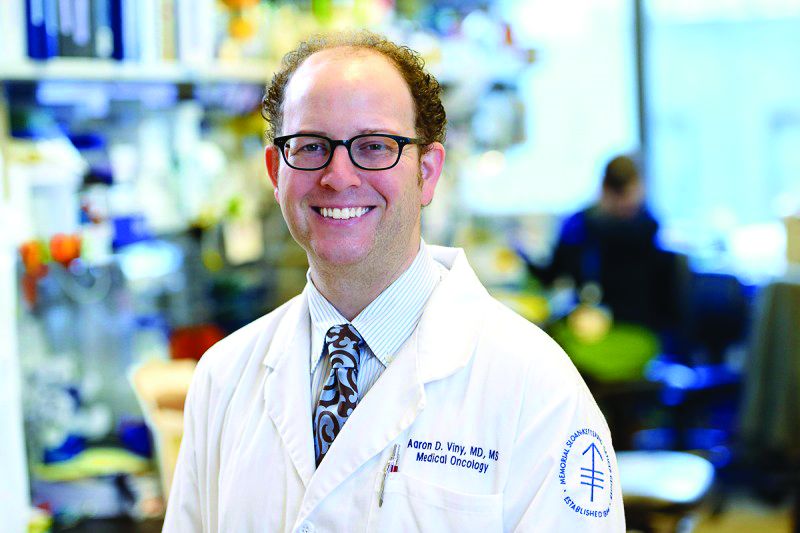
In her CommonHealth blog2, Carey Goldberg of WBUR Boston Public Radio compared the case with the bout between undefeated Muhammad Ali and undefeated Joe Frazier at New York’s Madison Square Garden. Both men had legitimate claims to the title of World Heavyweight Champion. What transpired is now known as the “Fight of the Century.”
The analogy is apt. Boxing is about speed and control. Ali dominated the first three rounds with his jab, a punch that is both offensive with its attack and defensive in keeping one’s opponent at a distance. Dr. Doudna and her collaborator Emmanuelle Charpentier, PhD, published their work first (Science. 2012 Aug 17;337[6096]:816-21)3. UC Berkeley filed their patent first in May 2012.
Boxing is about timing and opportunity. Under the barrage of Ali’s jabs, Frazier found an inside position and caught Ali with a left hook. Dr. Zhang’s work followed closely after but had previously applied the technology in murine and human cells (Science. 2013 Feb 15; 339[6121]:819-23)4. The Broad Institute used this key difference to apply for its own patents under expedited review, which were granted in April 2014.
Boxing is about a punch and a counterpunch. Though fatigued, Ali continued to connect with combination punches. Frazier’s left hook pummeled Ali’s jaw. UC Berkeley filed an interference motion to invalidate the Broad Institute patent claim on the basis that the extension to eukaryotic cells was “obvious” based on the published work by Dr. Doudna’s group. In February, USPTO ruled that the Broad patent application may proceed, citing “patentably distinct subject matter.” Initial reports had indicated that Berkeley may appeal the decision, but no official filings have been made public.
Like the Fight of the Century, this case may go the distance and be decided by the judges. In a unanimous decision, Joe Frazier won the first of three epic bouts. The final scorecard is not known in the patent disputes; on March 28, the European Patent Office announced it will grant the patent application on behalf of Dr. Doudna and Dr. Charpentier.
Much like a prizefight, Wall Street has also been taking bets on who will prevail, with CRISPR-based biotech backing both sides mirroring the mid-bout odds, just as Ali dominated early with the jab, until Frazier evened the match with a left hook to the jaw. Ali fell to his knee on the canvas in the 11th round; will the European Patent Office decision prove to be a slip or a decisive knockdown? With so much at stake, the only assurance is that, as with the Ali-Frazier bout, there is likely more fighting to be done.
References:
1. Radio Lab
2. CommonHealth blog
3. Jinek M, et al., A programmable dual-RNA-guided DNA endonuclease in adaptive bacterial immunity. Science. 2012 Aug 17;337(6096):816-21.
4. Le Cong et al., Multiplex genome engineering using CRISPR/Cas Systems. Science. 2013 Feb 15;339(6121):819-23. Multiplex genome engineering using CRISPR/Cas Systems.
Science. 2017 Feb 15: Round one of CRISPR patent legal battle goes to the Broad Institute.
StreetInsider.com: CRISPR Therapeutics (CRSP) says EPO to grant CRISPR/Cas gene editing patent.
vinya@mskcc.org
On Twitter @thedoctorisvin
Dr. Viny is with the Memorial Sloan-Kettering Cancer Center, N.Y., where he is a clinical instructor, is on the staff of the leukemia service, and is a clinical researcher in the Ross Levine Lab. Contact Dr. Viny at vinya@mskcc.org.
We are in the midst of a revolution in genome editing. Science now exists in “AC,” or after CRISPR. Able to speedily and efficiently make genomic cuts with surgical precision, CRISPR/Cas9 is used almost ubiquitously now in the scientific community to study and alter DNA across fields ranging from medicine to agriculture to zoology. The possibilities of the biological and therapeutic implications are seemingly endless, as are the important ethical implications of their impact. Likely because of the latter, CRISPR technology has made its way from publications like Science and Nature into the lay public domains of Newsweek and NBC News.
In fact, CRISPR technology made its way into one of my favorite podcasts, WNYC’s “Radio Lab” in June 20151. The episode was entitled “Antibodies Part 1,” perhaps assuming that other technologies would also be discussed later although that has never happened. Actually, in an update early this year, the podcast jokingly addressed never moving on to “Part 2,” then followed with an update on how far CRISPR technology has progressed. Putting aside the technological advances and the early clinical applications, as well as the immense ethical considerations, CRISPR technology faces a new controversy, not one from a white coat but rather from a black robe.
In her CommonHealth blog2, Carey Goldberg of WBUR Boston Public Radio compared the case with the bout between undefeated Muhammad Ali and undefeated Joe Frazier at New York’s Madison Square Garden. Both men had legitimate claims to the title of World Heavyweight Champion. What transpired is now known as the “Fight of the Century.”
The analogy is apt. Boxing is about speed and control. Ali dominated the first three rounds with his jab, a punch that is both offensive with its attack and defensive in keeping one’s opponent at a distance. Dr. Doudna and her collaborator Emmanuelle Charpentier, PhD, published their work first (Science. 2012 Aug 17;337[6096]:816-21)3. UC Berkeley filed their patent first in May 2012.
Boxing is about timing and opportunity. Under the barrage of Ali’s jabs, Frazier found an inside position and caught Ali with a left hook. Dr. Zhang’s work followed closely after but had previously applied the technology in murine and human cells (Science. 2013 Feb 15; 339[6121]:819-23)4. The Broad Institute used this key difference to apply for its own patents under expedited review, which were granted in April 2014.
Boxing is about a punch and a counterpunch. Though fatigued, Ali continued to connect with combination punches. Frazier’s left hook pummeled Ali’s jaw. UC Berkeley filed an interference motion to invalidate the Broad Institute patent claim on the basis that the extension to eukaryotic cells was “obvious” based on the published work by Dr. Doudna’s group. In February, USPTO ruled that the Broad patent application may proceed, citing “patentably distinct subject matter.” Initial reports had indicated that Berkeley may appeal the decision, but no official filings have been made public.
Like the Fight of the Century, this case may go the distance and be decided by the judges. In a unanimous decision, Joe Frazier won the first of three epic bouts. The final scorecard is not known in the patent disputes; on March 28, the European Patent Office announced it will grant the patent application on behalf of Dr. Doudna and Dr. Charpentier.
Much like a prizefight, Wall Street has also been taking bets on who will prevail, with CRISPR-based biotech backing both sides mirroring the mid-bout odds, just as Ali dominated early with the jab, until Frazier evened the match with a left hook to the jaw. Ali fell to his knee on the canvas in the 11th round; will the European Patent Office decision prove to be a slip or a decisive knockdown? With so much at stake, the only assurance is that, as with the Ali-Frazier bout, there is likely more fighting to be done.
References:
1. Radio Lab
2. CommonHealth blog
3. Jinek M, et al., A programmable dual-RNA-guided DNA endonuclease in adaptive bacterial immunity. Science. 2012 Aug 17;337(6096):816-21.
4. Le Cong et al., Multiplex genome engineering using CRISPR/Cas Systems. Science. 2013 Feb 15;339(6121):819-23. Multiplex genome engineering using CRISPR/Cas Systems.
Science. 2017 Feb 15: Round one of CRISPR patent legal battle goes to the Broad Institute.
StreetInsider.com: CRISPR Therapeutics (CRSP) says EPO to grant CRISPR/Cas gene editing patent.
vinya@mskcc.org
On Twitter @thedoctorisvin
Dr. Viny is with the Memorial Sloan-Kettering Cancer Center, N.Y., where he is a clinical instructor, is on the staff of the leukemia service, and is a clinical researcher in the Ross Levine Lab. Contact Dr. Viny at vinya@mskcc.org.
We are in the midst of a revolution in genome editing. Science now exists in “AC,” or after CRISPR. Able to speedily and efficiently make genomic cuts with surgical precision, CRISPR/Cas9 is used almost ubiquitously now in the scientific community to study and alter DNA across fields ranging from medicine to agriculture to zoology. The possibilities of the biological and therapeutic implications are seemingly endless, as are the important ethical implications of their impact. Likely because of the latter, CRISPR technology has made its way from publications like Science and Nature into the lay public domains of Newsweek and NBC News.
In fact, CRISPR technology made its way into one of my favorite podcasts, WNYC’s “Radio Lab” in June 20151. The episode was entitled “Antibodies Part 1,” perhaps assuming that other technologies would also be discussed later although that has never happened. Actually, in an update early this year, the podcast jokingly addressed never moving on to “Part 2,” then followed with an update on how far CRISPR technology has progressed. Putting aside the technological advances and the early clinical applications, as well as the immense ethical considerations, CRISPR technology faces a new controversy, not one from a white coat but rather from a black robe.
In her CommonHealth blog2, Carey Goldberg of WBUR Boston Public Radio compared the case with the bout between undefeated Muhammad Ali and undefeated Joe Frazier at New York’s Madison Square Garden. Both men had legitimate claims to the title of World Heavyweight Champion. What transpired is now known as the “Fight of the Century.”
The analogy is apt. Boxing is about speed and control. Ali dominated the first three rounds with his jab, a punch that is both offensive with its attack and defensive in keeping one’s opponent at a distance. Dr. Doudna and her collaborator Emmanuelle Charpentier, PhD, published their work first (Science. 2012 Aug 17;337[6096]:816-21)3. UC Berkeley filed their patent first in May 2012.
Boxing is about timing and opportunity. Under the barrage of Ali’s jabs, Frazier found an inside position and caught Ali with a left hook. Dr. Zhang’s work followed closely after but had previously applied the technology in murine and human cells (Science. 2013 Feb 15; 339[6121]:819-23)4. The Broad Institute used this key difference to apply for its own patents under expedited review, which were granted in April 2014.
Boxing is about a punch and a counterpunch. Though fatigued, Ali continued to connect with combination punches. Frazier’s left hook pummeled Ali’s jaw. UC Berkeley filed an interference motion to invalidate the Broad Institute patent claim on the basis that the extension to eukaryotic cells was “obvious” based on the published work by Dr. Doudna’s group. In February, USPTO ruled that the Broad patent application may proceed, citing “patentably distinct subject matter.” Initial reports had indicated that Berkeley may appeal the decision, but no official filings have been made public.
Like the Fight of the Century, this case may go the distance and be decided by the judges. In a unanimous decision, Joe Frazier won the first of three epic bouts. The final scorecard is not known in the patent disputes; on March 28, the European Patent Office announced it will grant the patent application on behalf of Dr. Doudna and Dr. Charpentier.
Much like a prizefight, Wall Street has also been taking bets on who will prevail, with CRISPR-based biotech backing both sides mirroring the mid-bout odds, just as Ali dominated early with the jab, until Frazier evened the match with a left hook to the jaw. Ali fell to his knee on the canvas in the 11th round; will the European Patent Office decision prove to be a slip or a decisive knockdown? With so much at stake, the only assurance is that, as with the Ali-Frazier bout, there is likely more fighting to be done.
References:
1. Radio Lab
2. CommonHealth blog
3. Jinek M, et al., A programmable dual-RNA-guided DNA endonuclease in adaptive bacterial immunity. Science. 2012 Aug 17;337(6096):816-21.
4. Le Cong et al., Multiplex genome engineering using CRISPR/Cas Systems. Science. 2013 Feb 15;339(6121):819-23. Multiplex genome engineering using CRISPR/Cas Systems.
Science. 2017 Feb 15: Round one of CRISPR patent legal battle goes to the Broad Institute.
StreetInsider.com: CRISPR Therapeutics (CRSP) says EPO to grant CRISPR/Cas gene editing patent.
vinya@mskcc.org
On Twitter @thedoctorisvin
Dr. Viny is with the Memorial Sloan-Kettering Cancer Center, N.Y., where he is a clinical instructor, is on the staff of the leukemia service, and is a clinical researcher in the Ross Levine Lab. Contact Dr. Viny at vinya@mskcc.org.
Defining high reliability
When the Joint Commission on Accreditation of Healthcare Organizations came to our hospital for a survey last fall, our administration was confident that the review would be favorable. The Joint Commission was stressing the reliability of hospitals and so were we. We had chartered a “High-Reliability Organization Enterprise Steering Committee” that was “empowered to make recommendations to the (executive board) on what is needed to achieve the goals of high reliability across the enterprise.” High reliability was a priority for our administration and for the Joint Commission. Unfortunately, nearly no one else knew what high reliability meant.
In 2001, Karl E. Weick and Kathleen M. Sutcliffe published their book, “Managing the Unexpected: Resilient Performance in an Age of Uncertainty,” (Hoboken, N.J.: Jossey-Bass, 2001), which defined high-reliability organizations as those that reliably prevent error. They included examples from the military and from aviation. They proffered five principles to guide those organizations wishing to become highly reliable:
1. Preoccupation with failure.
2. Reluctance to simplify interpretations.
3. Sensitivity to operations.
4. Commitment to resilience.
5. Deference to expertise.
In September 2005, the Agency for Healthcare Research and Quality created a document to adapt the concepts developed by Mr. Weick and Ms. Sutcliffe to the health care industry, where opportunities to avoid error and prevent catastrophe abound. The eventual result has been steady progress in measuring avoidable health care errors, such as avoiding central line–associated blood stream infections and holding health care organizations accountable for their reduction. However, organizational cultures are difficult to change, and there is still a long way to go.
In contrast to large systems, individual providers can change quickly, especially if there is incentive to do so. What principles would increase our own ability to become a high-reliability individuals (HRIs):
• Recognize failure as systemic, not personal. Health care providers are humans, and humans make mistakes. Unfortunately, we come from a tradition that rewards success and penalizes failure. Research shows that is better to recognize failure as something to be prevented next time rather than to be punished now. Admonitions to pay attention, focus more, and remember better rely on fallible humans and reliably fail. Systems solutions, such as checklists, timeouts, and hard stops reliably succeed. HRIs should blame error less often on people, and more often on system failures.
• Simple solutions are preferred to complex requirements. Chemotherapy was once calculated and written by hand. Every cancer center can recall tragic disasters that occurred as a result of errors either by the ordering physician or by interpretations made by pharmacists and nurses. The introduction of electronic chemotherapy ordering has nearly eliminated these mistakes. HRIs can initiate technology solutions to their work to help reduce the risk of errors.
• Sensitivity to patients. Patients often desire to be included as partners in their care. In addition to being present and attentive to patients, why not enlist them as colleagues in care? For example, the patient who has their own calendar of chemotherapy treatments – complete with agents, doses, and schedules – will be more likely to question perceived errors. HRIs are transparent.
• Resilience in character. Learning to accept the potential for error requires acceptance that others also are trying to prevent error and are not judging your competence. The physician who attacks those who are trying to help reduces the psychological safety required for colleagues to speak up when potential errors are identified. Physicians will become HRIs only when they lower their defenses and become more teammates rather than a soloists.
• Deference to evidence. The “way it has always been” must give way to the way things are. Anecdotes and personal conviction do not meet scientific standards and should be abandoned in the face of evidence. Yet, this seemingly obvious principle often is disregarded when clinicians are presented with standardized treatment pathways and limited formularies in the name of autonomy; autonomy is fine until patients are endangered by it. The HRI practices evidence-based medicine.
Marty Makary, MD, explores most of these principles in his book “Unaccountable: What Hospitals Won’t Tell You and How Transparency Can Revolutionize Health Care”(London: Bloomsbury Publishing, 2012). While written from a surgeon’s perspective, Dr. Makary exposes the dangerous state of modern medical care across all specialties. I recommend it as a sobering assessment of the way things are and as a prescription for health care systems and physicians to help them become more reliable.
How are you driving safety in your area? What are some best practices we can share with others? I invite you to reply to hematologynews@frontlinemedcom.com to initiate a broader discussion of patient safety and reliability. Responses will be posted to hematologynews.com.
Dr. Kalaycio is Editor in Chief of Hematology News. Dr. Kalaycio chairs the department of hematologic oncology and blood disorders at Cleveland Clinic Taussig Cancer Institute. Contact him at kalaycm@ccf.org.
When the Joint Commission on Accreditation of Healthcare Organizations came to our hospital for a survey last fall, our administration was confident that the review would be favorable. The Joint Commission was stressing the reliability of hospitals and so were we. We had chartered a “High-Reliability Organization Enterprise Steering Committee” that was “empowered to make recommendations to the (executive board) on what is needed to achieve the goals of high reliability across the enterprise.” High reliability was a priority for our administration and for the Joint Commission. Unfortunately, nearly no one else knew what high reliability meant.
In 2001, Karl E. Weick and Kathleen M. Sutcliffe published their book, “Managing the Unexpected: Resilient Performance in an Age of Uncertainty,” (Hoboken, N.J.: Jossey-Bass, 2001), which defined high-reliability organizations as those that reliably prevent error. They included examples from the military and from aviation. They proffered five principles to guide those organizations wishing to become highly reliable:
1. Preoccupation with failure.
2. Reluctance to simplify interpretations.
3. Sensitivity to operations.
4. Commitment to resilience.
5. Deference to expertise.
In September 2005, the Agency for Healthcare Research and Quality created a document to adapt the concepts developed by Mr. Weick and Ms. Sutcliffe to the health care industry, where opportunities to avoid error and prevent catastrophe abound. The eventual result has been steady progress in measuring avoidable health care errors, such as avoiding central line–associated blood stream infections and holding health care organizations accountable for their reduction. However, organizational cultures are difficult to change, and there is still a long way to go.
In contrast to large systems, individual providers can change quickly, especially if there is incentive to do so. What principles would increase our own ability to become a high-reliability individuals (HRIs):
• Recognize failure as systemic, not personal. Health care providers are humans, and humans make mistakes. Unfortunately, we come from a tradition that rewards success and penalizes failure. Research shows that is better to recognize failure as something to be prevented next time rather than to be punished now. Admonitions to pay attention, focus more, and remember better rely on fallible humans and reliably fail. Systems solutions, such as checklists, timeouts, and hard stops reliably succeed. HRIs should blame error less often on people, and more often on system failures.
• Simple solutions are preferred to complex requirements. Chemotherapy was once calculated and written by hand. Every cancer center can recall tragic disasters that occurred as a result of errors either by the ordering physician or by interpretations made by pharmacists and nurses. The introduction of electronic chemotherapy ordering has nearly eliminated these mistakes. HRIs can initiate technology solutions to their work to help reduce the risk of errors.
• Sensitivity to patients. Patients often desire to be included as partners in their care. In addition to being present and attentive to patients, why not enlist them as colleagues in care? For example, the patient who has their own calendar of chemotherapy treatments – complete with agents, doses, and schedules – will be more likely to question perceived errors. HRIs are transparent.
• Resilience in character. Learning to accept the potential for error requires acceptance that others also are trying to prevent error and are not judging your competence. The physician who attacks those who are trying to help reduces the psychological safety required for colleagues to speak up when potential errors are identified. Physicians will become HRIs only when they lower their defenses and become more teammates rather than a soloists.
• Deference to evidence. The “way it has always been” must give way to the way things are. Anecdotes and personal conviction do not meet scientific standards and should be abandoned in the face of evidence. Yet, this seemingly obvious principle often is disregarded when clinicians are presented with standardized treatment pathways and limited formularies in the name of autonomy; autonomy is fine until patients are endangered by it. The HRI practices evidence-based medicine.
Marty Makary, MD, explores most of these principles in his book “Unaccountable: What Hospitals Won’t Tell You and How Transparency Can Revolutionize Health Care”(London: Bloomsbury Publishing, 2012). While written from a surgeon’s perspective, Dr. Makary exposes the dangerous state of modern medical care across all specialties. I recommend it as a sobering assessment of the way things are and as a prescription for health care systems and physicians to help them become more reliable.
How are you driving safety in your area? What are some best practices we can share with others? I invite you to reply to hematologynews@frontlinemedcom.com to initiate a broader discussion of patient safety and reliability. Responses will be posted to hematologynews.com.
Dr. Kalaycio is Editor in Chief of Hematology News. Dr. Kalaycio chairs the department of hematologic oncology and blood disorders at Cleveland Clinic Taussig Cancer Institute. Contact him at kalaycm@ccf.org.
When the Joint Commission on Accreditation of Healthcare Organizations came to our hospital for a survey last fall, our administration was confident that the review would be favorable. The Joint Commission was stressing the reliability of hospitals and so were we. We had chartered a “High-Reliability Organization Enterprise Steering Committee” that was “empowered to make recommendations to the (executive board) on what is needed to achieve the goals of high reliability across the enterprise.” High reliability was a priority for our administration and for the Joint Commission. Unfortunately, nearly no one else knew what high reliability meant.
In 2001, Karl E. Weick and Kathleen M. Sutcliffe published their book, “Managing the Unexpected: Resilient Performance in an Age of Uncertainty,” (Hoboken, N.J.: Jossey-Bass, 2001), which defined high-reliability organizations as those that reliably prevent error. They included examples from the military and from aviation. They proffered five principles to guide those organizations wishing to become highly reliable:
1. Preoccupation with failure.
2. Reluctance to simplify interpretations.
3. Sensitivity to operations.
4. Commitment to resilience.
5. Deference to expertise.
In September 2005, the Agency for Healthcare Research and Quality created a document to adapt the concepts developed by Mr. Weick and Ms. Sutcliffe to the health care industry, where opportunities to avoid error and prevent catastrophe abound. The eventual result has been steady progress in measuring avoidable health care errors, such as avoiding central line–associated blood stream infections and holding health care organizations accountable for their reduction. However, organizational cultures are difficult to change, and there is still a long way to go.
In contrast to large systems, individual providers can change quickly, especially if there is incentive to do so. What principles would increase our own ability to become a high-reliability individuals (HRIs):
• Recognize failure as systemic, not personal. Health care providers are humans, and humans make mistakes. Unfortunately, we come from a tradition that rewards success and penalizes failure. Research shows that is better to recognize failure as something to be prevented next time rather than to be punished now. Admonitions to pay attention, focus more, and remember better rely on fallible humans and reliably fail. Systems solutions, such as checklists, timeouts, and hard stops reliably succeed. HRIs should blame error less often on people, and more often on system failures.
• Simple solutions are preferred to complex requirements. Chemotherapy was once calculated and written by hand. Every cancer center can recall tragic disasters that occurred as a result of errors either by the ordering physician or by interpretations made by pharmacists and nurses. The introduction of electronic chemotherapy ordering has nearly eliminated these mistakes. HRIs can initiate technology solutions to their work to help reduce the risk of errors.
• Sensitivity to patients. Patients often desire to be included as partners in their care. In addition to being present and attentive to patients, why not enlist them as colleagues in care? For example, the patient who has their own calendar of chemotherapy treatments – complete with agents, doses, and schedules – will be more likely to question perceived errors. HRIs are transparent.
• Resilience in character. Learning to accept the potential for error requires acceptance that others also are trying to prevent error and are not judging your competence. The physician who attacks those who are trying to help reduces the psychological safety required for colleagues to speak up when potential errors are identified. Physicians will become HRIs only when they lower their defenses and become more teammates rather than a soloists.
• Deference to evidence. The “way it has always been” must give way to the way things are. Anecdotes and personal conviction do not meet scientific standards and should be abandoned in the face of evidence. Yet, this seemingly obvious principle often is disregarded when clinicians are presented with standardized treatment pathways and limited formularies in the name of autonomy; autonomy is fine until patients are endangered by it. The HRI practices evidence-based medicine.
Marty Makary, MD, explores most of these principles in his book “Unaccountable: What Hospitals Won’t Tell You and How Transparency Can Revolutionize Health Care”(London: Bloomsbury Publishing, 2012). While written from a surgeon’s perspective, Dr. Makary exposes the dangerous state of modern medical care across all specialties. I recommend it as a sobering assessment of the way things are and as a prescription for health care systems and physicians to help them become more reliable.
How are you driving safety in your area? What are some best practices we can share with others? I invite you to reply to hematologynews@frontlinemedcom.com to initiate a broader discussion of patient safety and reliability. Responses will be posted to hematologynews.com.
Dr. Kalaycio is Editor in Chief of Hematology News. Dr. Kalaycio chairs the department of hematologic oncology and blood disorders at Cleveland Clinic Taussig Cancer Institute. Contact him at kalaycm@ccf.org.
Approach to covert recording by patients of encounters with gastroenterology providers
Last year, while sedated for colonoscopy, a patient covertly recorded conversations between endoscopy staff and providers. Comments about the patient were egregious and resulted in loss of employment for those involved and a large financial settlement. The reality of today’s world is that we all are subject to constant (real or potential) surveillance. Nothing is private and nothing recorded is temporary, yet physicians value private conversations with our patients. When a patient records a visit, either covertly or overtly, most physicians pause and have some emotional reaction (either positive or negative). Some welcome the ability to communicate accurately to a wider audience, while others believe the act of recording violates an interpersonal bond. In this month’s issue, Dr. Adams discusses the legal and ethical ramifications when a patient records our clinical interactions. She offers an excellent analysis and practical risk management strategies. Personally, I follow my wife’s dictum to act as if I am always on camera.
John I. Allen, MD, MBA, AGAF
Editor in Chief
Patients and physicians were collectively horrified last year when news broke of a Virginia man who recorded conversations between his gastroenterologist, his anesthesiologist, and other endoscopy unit staff, including a number of disparaging remarks about the patient, while sedated for his colonoscopy. Among other objectionable comments, providers mocked the patient for being demanding in the preprocedure area and for the amount of sedation he required, made comments implying that he had syphilis or tuberculosis, and discussed avoiding the patient following the procedure via an urgent “fake page.”1 The patient sued, resulting in a $500,000 judgment against the anesthesiologist for defamation and malpractice, including punitive damages. Although this case clearly represents an extreme example of unprofessional behavior, it also raises thought-provoking questions regarding the evolving relationship between patients and their physicians, as well as the legal and ethical implications of covert recording that deserve further discussion.
This article reviews the current state of knowledge regarding the frequency of and motivation for covert patient recording of medical encounters, and the legal and ethical principles informing this area. It concludes by proposing several strategies gastroenterologists can use to mitigate risk of liability while also preserving the patient-physician relationship and upholding professional autonomy.
Weighing the benefits and harms of patient electronic recording
Patient recording of medical encounters, whether covert or overt, presents both benefits and risks of harm. Theoretically, recording medical encounters could assist patients in remembering and/or better understanding recommendations provided by their physicians. It may also secondarily improve patient compliance and overall engagement in medical care and help patients accurately communicate recommendations to family members and other caregivers who are not immediately available during the clinical encounter. Patients may also view these recordings as a mechanism for empowerment, allowing them to shift the power dynamic between patient and provider.2,3 However, there is also the potential for recorded comments to be taken out of context or misinterpreted, leading to confusion on the part of the patient or family. Overt recording of medical encounters also may alter physician decision-making, leading to more aggressive testing and expense for the patient and the healthcare system. Even worse, covert recording of medical encounters (if discovered) may irreparably harm the physician-patient relationship by introducing distrust and causing the physician to take a more defensive posture in subsequent dealings with a given patient.
Recent research has shed new light on the potential frequency of patient covert recording of medical encounters, suggesting that it is alarmingly common. In a mixed-methods study of 130 patients in the United Kingdom who were recruited via radio and social media, 15% of respondents indicated that they had secretly recorded a clinical encounter, and an additional 11% personally knew someone who had covertly recorded.4 Those who reported having covertly recorded were significantly more likely to be less educated and male than those who had not. An additional 35% of respondents indicated that they would consider covertly recording a clinical encounter in the future. Although the generalizability of these results may be challenged based on the potential for sampling bias, the results suggest a shifting paradigm in the way in which patients view the physician-patient relationship and a fundamental breakdown in communication and erosion of trust.
The underlying motivations for patient recording of medical encounters are complex and multifaceted. These recordings seem to be a relatively new phenomenon and one that elicits strong reactions, positive and negative, on the part of patients, physicians, and society.2 Qualitative studies reveal that, whether covertly or overtly recording, most patients are driven by a common desire to replay, relisten, and/or share the recording with family, friends, and other caregivers.4 Indeed, the patient involved in the previously mentioned litigation purportedly intended to record the postcolonoscopy discharge instructions from his gastroenterologist, only to later discover much more. Patients who record covertly report being motivated by a fear of being denied permission to record or by prior experiences of poor quality care and the prospect of gathering verifiable evidence to support their experience. In contrast, patients who ask permission to record seem to be motivated primarily by a desire to preserve or enhance the physician-patient relationship.4 These insights are valuable in that they allow clinicians to view medical encounters from the perspective of patients, understand the power-dynamics at play, and ultimately, use this information to enlighten future care.
Legal guidance: “One-party” versus “all-party” consent
Although the prospect of covert patient recording may be unsettling to physicians, is it illegal? Because of a paucity of legal precedent in this area, the legal landscape is rather murky. Through the provisions of the Electronic Communications Privacy Act, federal law prohibits the interception and disclosure of wire, oral, or electronic communications without specific consent of at least one party to the conversation.5 This so-called “one-party” consent standard affords a baseline level of legal protection. A handful of states offer additional protection under state law by requiring all parties to the conversation to consent to the recording (so-called “all-party” consent). Virginia, where the audio recording of the previously mentioned colonoscopy took place, is a “one-party” consent state.6 In contrast, states such as California and Florida have adopted an “all-party” consent rule.7,8
However, uncertainty remains. For instance, if medical providers have a conversation in the same room as a sedated patient during a medical procedure on that patient, is the patient a “party” to the conversation? Furthermore, can such a conversation be considered private when held in front of a patient during a medical procedure? Is the patient in such a scenario “eavesdropping”? Given a lack of legal precedent in the form of case law and given the unique features of each clinical scenario, this is likely to remain an area of significant legal ambiguity. Although the possibility of covert patient recording may be unnerving for providers, the reality is that, in most cases, it is likely legally permissible.
Ethical principles: Navigating an evolving physician-patient relationship
The relationship between physician and patient, a core aspect of medical ethics, has evolved markedly over time. This relationship was historically paternalistic: The patient was seen to be dependent on the physician’s professional authority in determining the appropriateness of care, and patient’s preferences were seen as secondary to physician judgment. In recent years, however, the physician-patient relationship has evolved toward one privileging patient-centered care and shared decision-making based on a patient’s unique values, beliefs, and preferences.9,10
Concomitantly, the public’s view of doctoring has transitioned from “unquestioning acceptance of physician authority to a more ‘consumerist’ view accompanied by a questioning and bargaining approach to medicine, physicians and the medical encounter,” according to a 2001 study published in the Journal of Health and Social Behavior.11 In this context, many patients, attorneys, bioethicists, and patient advocates see patient recording of medical encounters as a legitimate check on the health care system, ensuring transparency and honesty and empowering patients to become more active participants in their medical care.2
Policy responses
Although recognition of patient recording of medical encounters has been growing, there have been few direct policy responses to date. One notable example was an effort by Wisconsin legislators in 2015 to mandate that any place where surgery is performed (including hospitals, ambulatory surgical centers, and other sites) offer patients the option to have their procedure videotaped and audiotaped.12 The proposed legislation was written broadly enough to include locations where gastroenterologists perform routine endoscopic procedures under sedation. Recordings would have been treated as part of the patient’s health care record and been admissible as evidence in subsequent legal proceedings relating to the medical care provided. Although this bill ultimately failed to pass pursuant to a Joint Resolution in the Wisconsin Senate in April 2016, it is a poignant example of the possible policy actions that may govern this area in the future.
In 2012, the National Institute for Health and Clinical Excellence, England, issued a guidance document focused on improving the patient care experience, which recommends that clinicians routinely ask patients if they would like to take notes and/or record the clinical encounter.13 Although not explicitly referencing covert recording, this guidance effectively aims to promote increased transparency by openly encouraging recording as a component of optimal medical practice. Although the American Medical Association Code of Ethics offers guidance regarding physicians recording patient encounters, it does not comment on patient-initiated recordings.14
Risk management strategies for gastroenterology providers
So, how can gastroenterologists and other providers protect themselves in a world of covert recording, while also preserving their relationships with patients and optimizing medical care? First, despite their harried days and varied responsibilities, gastroenterologists must recognize the possibility of covert recording and seek to maintain professionalism in all clinical environments, whether in an examination room or in an endoscopy suite with a sedated patient. Physicians set the tone for the entire team and also have an obligation to intervene if other members of the medical team are not adhering to professional standards. Although physicians and other medical providers often use cynical and derogatory humor as a coping mechanism given the heavy workload and amplified stressors of the clinical environment, it is important to be mindful of how such comments are perceived by patient bystanders.15,16 Although achieving a robust therapeutic alliance with a patient can take months, this trust can be easily broken by a single flippant remark by the physician.
Second, rather than assuming a defensive posture driven by fear of medical liability, it is vital for gastroenterologists to directly confront situations in which covert recording is suspected while also preserving the physician-patient relationship. In fact, by openly encouraging patient recording as a matter of routine practice, gastroenterologists can promote an environment of trust and transparency and bolster the therapeutic alliance between patient and provider.15 This approach also encourages providers to hone their communication skills and ensure they are communicating essential medical information clearly and succinctly and conveying medical nuance where appropriate. For example, in a clinic setting, a patient with inflammatory bowel disease who records might better remember or understand the risks and benefits of various treatment strategies and the common side effects of medications such as azathioprine and biologics. Patients recording medical encounters in the endoscopy suite might better recall postprocedure instructions, including recommended follow-up intervals and risks of postendoscopy complications. In this era of shared decision-making and patient-centered care, optimizing both physician delivery and patient understanding and recall of essential medical information is of critical importance.
Finally, although adoption of the above practices would serve the dual goals of enhancing patient-provider communication and mitigating legal risk, certain system interventions may further minimize the risk of covert recording. For instance, endoscopy units can store patients’ personal effects, including electronic devices, in a locker outside the endoscopy room rather than on the gurney. Retrieving patient belongings before postprocedure instructions are delivered would protect the patient’s ability to record this advice for future recall.
Conclusions
Recording by patients of clinical encounters, whether covert or overt, has become increasingly common as a result of the digital revolution. These recordings most often represent an attempt by the patient to gain more information relevant to their medical care. Rather than being threatened by this new reality, gastroenterologists should consider embracing this practice as an opportunity to enhance effective communication with patients, encourage shared decision making, and deliver truly patient-centered care.
Acknowledgments
This article is intended as general commentary and should not be interpreted as legal advice applicable to individual circumstances. Do not act or rely on information contained in this article without first seeking the advice of a personal attorney.
References
1. Washington Post. (2015 June 24). Audio: Anesthesiologist trashes sedated patient. Available at: https://youtu.be/Kar52idHgho. Accessed May 15, 2016.
2. Tsulukidze, M., Grande, S.W., Thompson, R., et al. Patients covertly recording clinical encounters: threat or opportunity? A qualitative analysis of online texts. PLoS One. 2015;10:e0125824.
3. Rodriguez, M., Morrow, J., Selfi, A. Ethical implications of patients and families secretly recording conversations with physicians. JAMA. 2015;313(16):1615-6.
4. Elwyn, G., Barr, P.J., Grande, S.W. Patients recording clinical encounters: a path to empowerment? Assessment by mixed methods. BMJ Open. 2015;5(8):e008566.
5. 18 U.S.C. §2511(2)(d).
6. VA Code §19.2-62.
7. Cal. Penal Code §632.
8. Fla. Stat. Ann. §934.03(3)(d).
9. Truog, R.D. Patients and doctors: the evolution of a relationship. N Engl J Med. 2012;366:581-5.
10. Barry, M.J., Edgman-Levitan, S. Shared decision making: the pinnacle of patient-centered care. N Engl J Med. 2012;366:780-1.
11. Pescosolido, B.A., Tuch, S.A., Martin, J.K. The profession of medicine and the public: examining Americans’ changing confidence in physician authority from the beginning of the ‘health care crisis’ to the era of health care reform. J Health Social Behavior. 2001;42(1):1-16.
12. Wisconsin Assembly Bill 255. (2015). Available at: https://docs.legis.wisconsin.gov/2015/proposals/ab255. Accessed June 29, 2016.
13. National Institute for Health and Clinical Excellence. (2012 Feb). Patient experience in adult NHS services: improving the experience of care for people using adult NHS service. Available at: https://www.nice.org.uk/guidance/cg138/chapter/1-guidance. Accessed June 29, 2016.
14. American Medical Association Code of Medical Ethics, Opinion 5.045 - Filming Patients in Health Care Settings. Updated June 2006. Available at: http://www.ama-assn.org/ama/pub/physician-resources/medical-ethics/code-medical-ethics/opinion5045.page? Accessed June 29, 2016.
15. Aultman, J.M. When humor in the hospital is no laughing matter. J Clin Ethics. 2009;20:227-35.
15. Sobel, R.K. Does laughter make good medicine? N Engl J Med. 2006;354:1114-5.
Dr. Adams is a clinical lecturer in the division of gastroenterology, University of Michigan, Ann Arbor, an investigator with the VA Center for Clinical Management Research, a staff physician in the VA Ann Arbor Healthcare System, and a member of the Institute for Healthcare Policy and Innovation, Ann Arbor. She has no conflicts of interest.
Last year, while sedated for colonoscopy, a patient covertly recorded conversations between endoscopy staff and providers. Comments about the patient were egregious and resulted in loss of employment for those involved and a large financial settlement. The reality of today’s world is that we all are subject to constant (real or potential) surveillance. Nothing is private and nothing recorded is temporary, yet physicians value private conversations with our patients. When a patient records a visit, either covertly or overtly, most physicians pause and have some emotional reaction (either positive or negative). Some welcome the ability to communicate accurately to a wider audience, while others believe the act of recording violates an interpersonal bond. In this month’s issue, Dr. Adams discusses the legal and ethical ramifications when a patient records our clinical interactions. She offers an excellent analysis and practical risk management strategies. Personally, I follow my wife’s dictum to act as if I am always on camera.
John I. Allen, MD, MBA, AGAF
Editor in Chief
Patients and physicians were collectively horrified last year when news broke of a Virginia man who recorded conversations between his gastroenterologist, his anesthesiologist, and other endoscopy unit staff, including a number of disparaging remarks about the patient, while sedated for his colonoscopy. Among other objectionable comments, providers mocked the patient for being demanding in the preprocedure area and for the amount of sedation he required, made comments implying that he had syphilis or tuberculosis, and discussed avoiding the patient following the procedure via an urgent “fake page.”1 The patient sued, resulting in a $500,000 judgment against the anesthesiologist for defamation and malpractice, including punitive damages. Although this case clearly represents an extreme example of unprofessional behavior, it also raises thought-provoking questions regarding the evolving relationship between patients and their physicians, as well as the legal and ethical implications of covert recording that deserve further discussion.
This article reviews the current state of knowledge regarding the frequency of and motivation for covert patient recording of medical encounters, and the legal and ethical principles informing this area. It concludes by proposing several strategies gastroenterologists can use to mitigate risk of liability while also preserving the patient-physician relationship and upholding professional autonomy.
Weighing the benefits and harms of patient electronic recording
Patient recording of medical encounters, whether covert or overt, presents both benefits and risks of harm. Theoretically, recording medical encounters could assist patients in remembering and/or better understanding recommendations provided by their physicians. It may also secondarily improve patient compliance and overall engagement in medical care and help patients accurately communicate recommendations to family members and other caregivers who are not immediately available during the clinical encounter. Patients may also view these recordings as a mechanism for empowerment, allowing them to shift the power dynamic between patient and provider.2,3 However, there is also the potential for recorded comments to be taken out of context or misinterpreted, leading to confusion on the part of the patient or family. Overt recording of medical encounters also may alter physician decision-making, leading to more aggressive testing and expense for the patient and the healthcare system. Even worse, covert recording of medical encounters (if discovered) may irreparably harm the physician-patient relationship by introducing distrust and causing the physician to take a more defensive posture in subsequent dealings with a given patient.
Recent research has shed new light on the potential frequency of patient covert recording of medical encounters, suggesting that it is alarmingly common. In a mixed-methods study of 130 patients in the United Kingdom who were recruited via radio and social media, 15% of respondents indicated that they had secretly recorded a clinical encounter, and an additional 11% personally knew someone who had covertly recorded.4 Those who reported having covertly recorded were significantly more likely to be less educated and male than those who had not. An additional 35% of respondents indicated that they would consider covertly recording a clinical encounter in the future. Although the generalizability of these results may be challenged based on the potential for sampling bias, the results suggest a shifting paradigm in the way in which patients view the physician-patient relationship and a fundamental breakdown in communication and erosion of trust.
The underlying motivations for patient recording of medical encounters are complex and multifaceted. These recordings seem to be a relatively new phenomenon and one that elicits strong reactions, positive and negative, on the part of patients, physicians, and society.2 Qualitative studies reveal that, whether covertly or overtly recording, most patients are driven by a common desire to replay, relisten, and/or share the recording with family, friends, and other caregivers.4 Indeed, the patient involved in the previously mentioned litigation purportedly intended to record the postcolonoscopy discharge instructions from his gastroenterologist, only to later discover much more. Patients who record covertly report being motivated by a fear of being denied permission to record or by prior experiences of poor quality care and the prospect of gathering verifiable evidence to support their experience. In contrast, patients who ask permission to record seem to be motivated primarily by a desire to preserve or enhance the physician-patient relationship.4 These insights are valuable in that they allow clinicians to view medical encounters from the perspective of patients, understand the power-dynamics at play, and ultimately, use this information to enlighten future care.
Legal guidance: “One-party” versus “all-party” consent
Although the prospect of covert patient recording may be unsettling to physicians, is it illegal? Because of a paucity of legal precedent in this area, the legal landscape is rather murky. Through the provisions of the Electronic Communications Privacy Act, federal law prohibits the interception and disclosure of wire, oral, or electronic communications without specific consent of at least one party to the conversation.5 This so-called “one-party” consent standard affords a baseline level of legal protection. A handful of states offer additional protection under state law by requiring all parties to the conversation to consent to the recording (so-called “all-party” consent). Virginia, where the audio recording of the previously mentioned colonoscopy took place, is a “one-party” consent state.6 In contrast, states such as California and Florida have adopted an “all-party” consent rule.7,8
However, uncertainty remains. For instance, if medical providers have a conversation in the same room as a sedated patient during a medical procedure on that patient, is the patient a “party” to the conversation? Furthermore, can such a conversation be considered private when held in front of a patient during a medical procedure? Is the patient in such a scenario “eavesdropping”? Given a lack of legal precedent in the form of case law and given the unique features of each clinical scenario, this is likely to remain an area of significant legal ambiguity. Although the possibility of covert patient recording may be unnerving for providers, the reality is that, in most cases, it is likely legally permissible.
Ethical principles: Navigating an evolving physician-patient relationship
The relationship between physician and patient, a core aspect of medical ethics, has evolved markedly over time. This relationship was historically paternalistic: The patient was seen to be dependent on the physician’s professional authority in determining the appropriateness of care, and patient’s preferences were seen as secondary to physician judgment. In recent years, however, the physician-patient relationship has evolved toward one privileging patient-centered care and shared decision-making based on a patient’s unique values, beliefs, and preferences.9,10
Concomitantly, the public’s view of doctoring has transitioned from “unquestioning acceptance of physician authority to a more ‘consumerist’ view accompanied by a questioning and bargaining approach to medicine, physicians and the medical encounter,” according to a 2001 study published in the Journal of Health and Social Behavior.11 In this context, many patients, attorneys, bioethicists, and patient advocates see patient recording of medical encounters as a legitimate check on the health care system, ensuring transparency and honesty and empowering patients to become more active participants in their medical care.2
Policy responses
Although recognition of patient recording of medical encounters has been growing, there have been few direct policy responses to date. One notable example was an effort by Wisconsin legislators in 2015 to mandate that any place where surgery is performed (including hospitals, ambulatory surgical centers, and other sites) offer patients the option to have their procedure videotaped and audiotaped.12 The proposed legislation was written broadly enough to include locations where gastroenterologists perform routine endoscopic procedures under sedation. Recordings would have been treated as part of the patient’s health care record and been admissible as evidence in subsequent legal proceedings relating to the medical care provided. Although this bill ultimately failed to pass pursuant to a Joint Resolution in the Wisconsin Senate in April 2016, it is a poignant example of the possible policy actions that may govern this area in the future.
In 2012, the National Institute for Health and Clinical Excellence, England, issued a guidance document focused on improving the patient care experience, which recommends that clinicians routinely ask patients if they would like to take notes and/or record the clinical encounter.13 Although not explicitly referencing covert recording, this guidance effectively aims to promote increased transparency by openly encouraging recording as a component of optimal medical practice. Although the American Medical Association Code of Ethics offers guidance regarding physicians recording patient encounters, it does not comment on patient-initiated recordings.14
Risk management strategies for gastroenterology providers
So, how can gastroenterologists and other providers protect themselves in a world of covert recording, while also preserving their relationships with patients and optimizing medical care? First, despite their harried days and varied responsibilities, gastroenterologists must recognize the possibility of covert recording and seek to maintain professionalism in all clinical environments, whether in an examination room or in an endoscopy suite with a sedated patient. Physicians set the tone for the entire team and also have an obligation to intervene if other members of the medical team are not adhering to professional standards. Although physicians and other medical providers often use cynical and derogatory humor as a coping mechanism given the heavy workload and amplified stressors of the clinical environment, it is important to be mindful of how such comments are perceived by patient bystanders.15,16 Although achieving a robust therapeutic alliance with a patient can take months, this trust can be easily broken by a single flippant remark by the physician.
Second, rather than assuming a defensive posture driven by fear of medical liability, it is vital for gastroenterologists to directly confront situations in which covert recording is suspected while also preserving the physician-patient relationship. In fact, by openly encouraging patient recording as a matter of routine practice, gastroenterologists can promote an environment of trust and transparency and bolster the therapeutic alliance between patient and provider.15 This approach also encourages providers to hone their communication skills and ensure they are communicating essential medical information clearly and succinctly and conveying medical nuance where appropriate. For example, in a clinic setting, a patient with inflammatory bowel disease who records might better remember or understand the risks and benefits of various treatment strategies and the common side effects of medications such as azathioprine and biologics. Patients recording medical encounters in the endoscopy suite might better recall postprocedure instructions, including recommended follow-up intervals and risks of postendoscopy complications. In this era of shared decision-making and patient-centered care, optimizing both physician delivery and patient understanding and recall of essential medical information is of critical importance.
Finally, although adoption of the above practices would serve the dual goals of enhancing patient-provider communication and mitigating legal risk, certain system interventions may further minimize the risk of covert recording. For instance, endoscopy units can store patients’ personal effects, including electronic devices, in a locker outside the endoscopy room rather than on the gurney. Retrieving patient belongings before postprocedure instructions are delivered would protect the patient’s ability to record this advice for future recall.
Conclusions
Recording by patients of clinical encounters, whether covert or overt, has become increasingly common as a result of the digital revolution. These recordings most often represent an attempt by the patient to gain more information relevant to their medical care. Rather than being threatened by this new reality, gastroenterologists should consider embracing this practice as an opportunity to enhance effective communication with patients, encourage shared decision making, and deliver truly patient-centered care.
Acknowledgments
This article is intended as general commentary and should not be interpreted as legal advice applicable to individual circumstances. Do not act or rely on information contained in this article without first seeking the advice of a personal attorney.
References
1. Washington Post. (2015 June 24). Audio: Anesthesiologist trashes sedated patient. Available at: https://youtu.be/Kar52idHgho. Accessed May 15, 2016.
2. Tsulukidze, M., Grande, S.W., Thompson, R., et al. Patients covertly recording clinical encounters: threat or opportunity? A qualitative analysis of online texts. PLoS One. 2015;10:e0125824.
3. Rodriguez, M., Morrow, J., Selfi, A. Ethical implications of patients and families secretly recording conversations with physicians. JAMA. 2015;313(16):1615-6.
4. Elwyn, G., Barr, P.J., Grande, S.W. Patients recording clinical encounters: a path to empowerment? Assessment by mixed methods. BMJ Open. 2015;5(8):e008566.
5. 18 U.S.C. §2511(2)(d).
6. VA Code §19.2-62.
7. Cal. Penal Code §632.
8. Fla. Stat. Ann. §934.03(3)(d).
9. Truog, R.D. Patients and doctors: the evolution of a relationship. N Engl J Med. 2012;366:581-5.
10. Barry, M.J., Edgman-Levitan, S. Shared decision making: the pinnacle of patient-centered care. N Engl J Med. 2012;366:780-1.
11. Pescosolido, B.A., Tuch, S.A., Martin, J.K. The profession of medicine and the public: examining Americans’ changing confidence in physician authority from the beginning of the ‘health care crisis’ to the era of health care reform. J Health Social Behavior. 2001;42(1):1-16.
12. Wisconsin Assembly Bill 255. (2015). Available at: https://docs.legis.wisconsin.gov/2015/proposals/ab255. Accessed June 29, 2016.
13. National Institute for Health and Clinical Excellence. (2012 Feb). Patient experience in adult NHS services: improving the experience of care for people using adult NHS service. Available at: https://www.nice.org.uk/guidance/cg138/chapter/1-guidance. Accessed June 29, 2016.
14. American Medical Association Code of Medical Ethics, Opinion 5.045 - Filming Patients in Health Care Settings. Updated June 2006. Available at: http://www.ama-assn.org/ama/pub/physician-resources/medical-ethics/code-medical-ethics/opinion5045.page? Accessed June 29, 2016.
15. Aultman, J.M. When humor in the hospital is no laughing matter. J Clin Ethics. 2009;20:227-35.
15. Sobel, R.K. Does laughter make good medicine? N Engl J Med. 2006;354:1114-5.
Dr. Adams is a clinical lecturer in the division of gastroenterology, University of Michigan, Ann Arbor, an investigator with the VA Center for Clinical Management Research, a staff physician in the VA Ann Arbor Healthcare System, and a member of the Institute for Healthcare Policy and Innovation, Ann Arbor. She has no conflicts of interest.
Last year, while sedated for colonoscopy, a patient covertly recorded conversations between endoscopy staff and providers. Comments about the patient were egregious and resulted in loss of employment for those involved and a large financial settlement. The reality of today’s world is that we all are subject to constant (real or potential) surveillance. Nothing is private and nothing recorded is temporary, yet physicians value private conversations with our patients. When a patient records a visit, either covertly or overtly, most physicians pause and have some emotional reaction (either positive or negative). Some welcome the ability to communicate accurately to a wider audience, while others believe the act of recording violates an interpersonal bond. In this month’s issue, Dr. Adams discusses the legal and ethical ramifications when a patient records our clinical interactions. She offers an excellent analysis and practical risk management strategies. Personally, I follow my wife’s dictum to act as if I am always on camera.
John I. Allen, MD, MBA, AGAF
Editor in Chief
Patients and physicians were collectively horrified last year when news broke of a Virginia man who recorded conversations between his gastroenterologist, his anesthesiologist, and other endoscopy unit staff, including a number of disparaging remarks about the patient, while sedated for his colonoscopy. Among other objectionable comments, providers mocked the patient for being demanding in the preprocedure area and for the amount of sedation he required, made comments implying that he had syphilis or tuberculosis, and discussed avoiding the patient following the procedure via an urgent “fake page.”1 The patient sued, resulting in a $500,000 judgment against the anesthesiologist for defamation and malpractice, including punitive damages. Although this case clearly represents an extreme example of unprofessional behavior, it also raises thought-provoking questions regarding the evolving relationship between patients and their physicians, as well as the legal and ethical implications of covert recording that deserve further discussion.
This article reviews the current state of knowledge regarding the frequency of and motivation for covert patient recording of medical encounters, and the legal and ethical principles informing this area. It concludes by proposing several strategies gastroenterologists can use to mitigate risk of liability while also preserving the patient-physician relationship and upholding professional autonomy.
Weighing the benefits and harms of patient electronic recording
Patient recording of medical encounters, whether covert or overt, presents both benefits and risks of harm. Theoretically, recording medical encounters could assist patients in remembering and/or better understanding recommendations provided by their physicians. It may also secondarily improve patient compliance and overall engagement in medical care and help patients accurately communicate recommendations to family members and other caregivers who are not immediately available during the clinical encounter. Patients may also view these recordings as a mechanism for empowerment, allowing them to shift the power dynamic between patient and provider.2,3 However, there is also the potential for recorded comments to be taken out of context or misinterpreted, leading to confusion on the part of the patient or family. Overt recording of medical encounters also may alter physician decision-making, leading to more aggressive testing and expense for the patient and the healthcare system. Even worse, covert recording of medical encounters (if discovered) may irreparably harm the physician-patient relationship by introducing distrust and causing the physician to take a more defensive posture in subsequent dealings with a given patient.
Recent research has shed new light on the potential frequency of patient covert recording of medical encounters, suggesting that it is alarmingly common. In a mixed-methods study of 130 patients in the United Kingdom who were recruited via radio and social media, 15% of respondents indicated that they had secretly recorded a clinical encounter, and an additional 11% personally knew someone who had covertly recorded.4 Those who reported having covertly recorded were significantly more likely to be less educated and male than those who had not. An additional 35% of respondents indicated that they would consider covertly recording a clinical encounter in the future. Although the generalizability of these results may be challenged based on the potential for sampling bias, the results suggest a shifting paradigm in the way in which patients view the physician-patient relationship and a fundamental breakdown in communication and erosion of trust.
The underlying motivations for patient recording of medical encounters are complex and multifaceted. These recordings seem to be a relatively new phenomenon and one that elicits strong reactions, positive and negative, on the part of patients, physicians, and society.2 Qualitative studies reveal that, whether covertly or overtly recording, most patients are driven by a common desire to replay, relisten, and/or share the recording with family, friends, and other caregivers.4 Indeed, the patient involved in the previously mentioned litigation purportedly intended to record the postcolonoscopy discharge instructions from his gastroenterologist, only to later discover much more. Patients who record covertly report being motivated by a fear of being denied permission to record or by prior experiences of poor quality care and the prospect of gathering verifiable evidence to support their experience. In contrast, patients who ask permission to record seem to be motivated primarily by a desire to preserve or enhance the physician-patient relationship.4 These insights are valuable in that they allow clinicians to view medical encounters from the perspective of patients, understand the power-dynamics at play, and ultimately, use this information to enlighten future care.
Legal guidance: “One-party” versus “all-party” consent
Although the prospect of covert patient recording may be unsettling to physicians, is it illegal? Because of a paucity of legal precedent in this area, the legal landscape is rather murky. Through the provisions of the Electronic Communications Privacy Act, federal law prohibits the interception and disclosure of wire, oral, or electronic communications without specific consent of at least one party to the conversation.5 This so-called “one-party” consent standard affords a baseline level of legal protection. A handful of states offer additional protection under state law by requiring all parties to the conversation to consent to the recording (so-called “all-party” consent). Virginia, where the audio recording of the previously mentioned colonoscopy took place, is a “one-party” consent state.6 In contrast, states such as California and Florida have adopted an “all-party” consent rule.7,8
However, uncertainty remains. For instance, if medical providers have a conversation in the same room as a sedated patient during a medical procedure on that patient, is the patient a “party” to the conversation? Furthermore, can such a conversation be considered private when held in front of a patient during a medical procedure? Is the patient in such a scenario “eavesdropping”? Given a lack of legal precedent in the form of case law and given the unique features of each clinical scenario, this is likely to remain an area of significant legal ambiguity. Although the possibility of covert patient recording may be unnerving for providers, the reality is that, in most cases, it is likely legally permissible.
Ethical principles: Navigating an evolving physician-patient relationship
The relationship between physician and patient, a core aspect of medical ethics, has evolved markedly over time. This relationship was historically paternalistic: The patient was seen to be dependent on the physician’s professional authority in determining the appropriateness of care, and patient’s preferences were seen as secondary to physician judgment. In recent years, however, the physician-patient relationship has evolved toward one privileging patient-centered care and shared decision-making based on a patient’s unique values, beliefs, and preferences.9,10
Concomitantly, the public’s view of doctoring has transitioned from “unquestioning acceptance of physician authority to a more ‘consumerist’ view accompanied by a questioning and bargaining approach to medicine, physicians and the medical encounter,” according to a 2001 study published in the Journal of Health and Social Behavior.11 In this context, many patients, attorneys, bioethicists, and patient advocates see patient recording of medical encounters as a legitimate check on the health care system, ensuring transparency and honesty and empowering patients to become more active participants in their medical care.2
Policy responses
Although recognition of patient recording of medical encounters has been growing, there have been few direct policy responses to date. One notable example was an effort by Wisconsin legislators in 2015 to mandate that any place where surgery is performed (including hospitals, ambulatory surgical centers, and other sites) offer patients the option to have their procedure videotaped and audiotaped.12 The proposed legislation was written broadly enough to include locations where gastroenterologists perform routine endoscopic procedures under sedation. Recordings would have been treated as part of the patient’s health care record and been admissible as evidence in subsequent legal proceedings relating to the medical care provided. Although this bill ultimately failed to pass pursuant to a Joint Resolution in the Wisconsin Senate in April 2016, it is a poignant example of the possible policy actions that may govern this area in the future.
In 2012, the National Institute for Health and Clinical Excellence, England, issued a guidance document focused on improving the patient care experience, which recommends that clinicians routinely ask patients if they would like to take notes and/or record the clinical encounter.13 Although not explicitly referencing covert recording, this guidance effectively aims to promote increased transparency by openly encouraging recording as a component of optimal medical practice. Although the American Medical Association Code of Ethics offers guidance regarding physicians recording patient encounters, it does not comment on patient-initiated recordings.14
Risk management strategies for gastroenterology providers
So, how can gastroenterologists and other providers protect themselves in a world of covert recording, while also preserving their relationships with patients and optimizing medical care? First, despite their harried days and varied responsibilities, gastroenterologists must recognize the possibility of covert recording and seek to maintain professionalism in all clinical environments, whether in an examination room or in an endoscopy suite with a sedated patient. Physicians set the tone for the entire team and also have an obligation to intervene if other members of the medical team are not adhering to professional standards. Although physicians and other medical providers often use cynical and derogatory humor as a coping mechanism given the heavy workload and amplified stressors of the clinical environment, it is important to be mindful of how such comments are perceived by patient bystanders.15,16 Although achieving a robust therapeutic alliance with a patient can take months, this trust can be easily broken by a single flippant remark by the physician.
Second, rather than assuming a defensive posture driven by fear of medical liability, it is vital for gastroenterologists to directly confront situations in which covert recording is suspected while also preserving the physician-patient relationship. In fact, by openly encouraging patient recording as a matter of routine practice, gastroenterologists can promote an environment of trust and transparency and bolster the therapeutic alliance between patient and provider.15 This approach also encourages providers to hone their communication skills and ensure they are communicating essential medical information clearly and succinctly and conveying medical nuance where appropriate. For example, in a clinic setting, a patient with inflammatory bowel disease who records might better remember or understand the risks and benefits of various treatment strategies and the common side effects of medications such as azathioprine and biologics. Patients recording medical encounters in the endoscopy suite might better recall postprocedure instructions, including recommended follow-up intervals and risks of postendoscopy complications. In this era of shared decision-making and patient-centered care, optimizing both physician delivery and patient understanding and recall of essential medical information is of critical importance.
Finally, although adoption of the above practices would serve the dual goals of enhancing patient-provider communication and mitigating legal risk, certain system interventions may further minimize the risk of covert recording. For instance, endoscopy units can store patients’ personal effects, including electronic devices, in a locker outside the endoscopy room rather than on the gurney. Retrieving patient belongings before postprocedure instructions are delivered would protect the patient’s ability to record this advice for future recall.
Conclusions
Recording by patients of clinical encounters, whether covert or overt, has become increasingly common as a result of the digital revolution. These recordings most often represent an attempt by the patient to gain more information relevant to their medical care. Rather than being threatened by this new reality, gastroenterologists should consider embracing this practice as an opportunity to enhance effective communication with patients, encourage shared decision making, and deliver truly patient-centered care.
Acknowledgments
This article is intended as general commentary and should not be interpreted as legal advice applicable to individual circumstances. Do not act or rely on information contained in this article without first seeking the advice of a personal attorney.
References
1. Washington Post. (2015 June 24). Audio: Anesthesiologist trashes sedated patient. Available at: https://youtu.be/Kar52idHgho. Accessed May 15, 2016.
2. Tsulukidze, M., Grande, S.W., Thompson, R., et al. Patients covertly recording clinical encounters: threat or opportunity? A qualitative analysis of online texts. PLoS One. 2015;10:e0125824.
3. Rodriguez, M., Morrow, J., Selfi, A. Ethical implications of patients and families secretly recording conversations with physicians. JAMA. 2015;313(16):1615-6.
4. Elwyn, G., Barr, P.J., Grande, S.W. Patients recording clinical encounters: a path to empowerment? Assessment by mixed methods. BMJ Open. 2015;5(8):e008566.
5. 18 U.S.C. §2511(2)(d).
6. VA Code §19.2-62.
7. Cal. Penal Code §632.
8. Fla. Stat. Ann. §934.03(3)(d).
9. Truog, R.D. Patients and doctors: the evolution of a relationship. N Engl J Med. 2012;366:581-5.
10. Barry, M.J., Edgman-Levitan, S. Shared decision making: the pinnacle of patient-centered care. N Engl J Med. 2012;366:780-1.
11. Pescosolido, B.A., Tuch, S.A., Martin, J.K. The profession of medicine and the public: examining Americans’ changing confidence in physician authority from the beginning of the ‘health care crisis’ to the era of health care reform. J Health Social Behavior. 2001;42(1):1-16.
12. Wisconsin Assembly Bill 255. (2015). Available at: https://docs.legis.wisconsin.gov/2015/proposals/ab255. Accessed June 29, 2016.
13. National Institute for Health and Clinical Excellence. (2012 Feb). Patient experience in adult NHS services: improving the experience of care for people using adult NHS service. Available at: https://www.nice.org.uk/guidance/cg138/chapter/1-guidance. Accessed June 29, 2016.
14. American Medical Association Code of Medical Ethics, Opinion 5.045 - Filming Patients in Health Care Settings. Updated June 2006. Available at: http://www.ama-assn.org/ama/pub/physician-resources/medical-ethics/code-medical-ethics/opinion5045.page? Accessed June 29, 2016.
15. Aultman, J.M. When humor in the hospital is no laughing matter. J Clin Ethics. 2009;20:227-35.
15. Sobel, R.K. Does laughter make good medicine? N Engl J Med. 2006;354:1114-5.
Dr. Adams is a clinical lecturer in the division of gastroenterology, University of Michigan, Ann Arbor, an investigator with the VA Center for Clinical Management Research, a staff physician in the VA Ann Arbor Healthcare System, and a member of the Institute for Healthcare Policy and Innovation, Ann Arbor. She has no conflicts of interest.
Hard road disproving that statins make you dumb
The impact of lipid-lowering drugs on patients’ mental states was on the minds of many attendees at the American College of Cardiology’s annual meeting in March.
The highest-profile report came from EBBINGHAUS (Evaluating PCSK9 Binding Antibody Influence on Cognitive Health in High Cardiovascular Risk Subjects), a substudy of the FOURIER (Further Cardiovascular Outcomes Research With PCSK9 Inhibition in Subjects With Elevated Risk) trial, the meeting’s blockbuster. For the first time, it proved that profoundly lowering low density lipoprotein cholesterol with the proprotein convertase subtilisin/kexin type 9 (PCSK9) inhibitor evolocumab led to a significant reduction in adverse clinical events. EBBINGHAUS focused on about 2,000 of the 27,000 FOURIER patients and subjected equal numbers of placebo and evolocumab patients to a battery of cognitive and memory tests over a median of 20 months. The results showed no hint of a decrement in brain function in the patients taking evolocumab, compared with either their baseline state or the controls who received placebo.
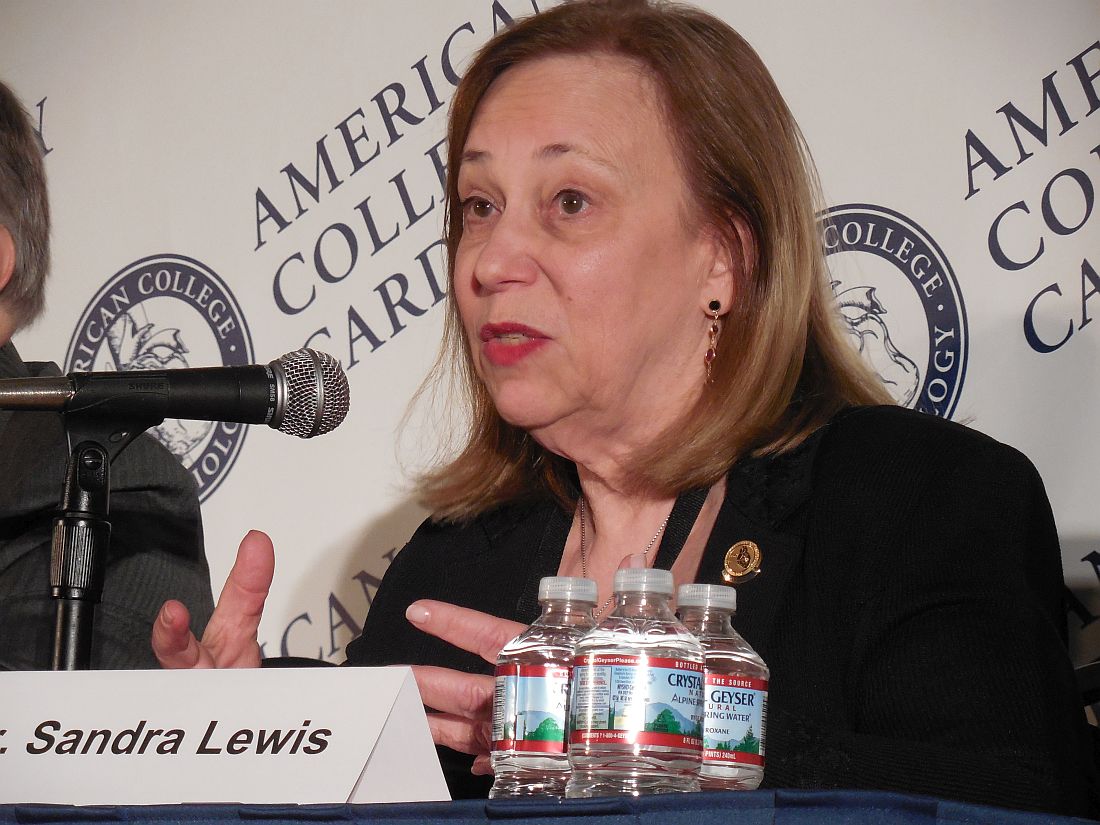
That perception wasn’t helped when, in 2012, the Food and Drug Administration required the labels of all statins to include a reference to postmarketing reports of cognitive side effects such as memory impairment and confusion. The current label for one statin says: “There have been rare postmarketing reports of cognitive impairment (e.g., memory loss, forgetfulness, amnesia, memory impairment, confusion) associated with statin use. These cognitive issues have been reported for all statins.”

Following the FDA’s action, a series of analyses appeared that reviewed the evidence and found nothing to substantiate the concern. For example, a 2012 review done in direct response to the FDA labeling change looked at case reports, observational studies, and randomized trials and found “no convincing evidence for change in cognitive function” with statin use (J Am Coll Cardiol. 2012 Sept 4;60[10]:875-81). A 2015 meta-analysis that reviewed 14 studies with cognitive testing on more than 27,000 people randomized to either a statin or placebo also found no evidence for a statin effect on mental function (J Gen Intern Med. 2015 March;30[3]:348-58). “Given these results, it is questionable whether the FDA class warning about potential cognitive adverse effects of statins is still warranted,” the meta-analysis authors concluded.
Despite this, concerns about the impact of statins on cognition and memory linger for many patients, witness the anecdotal experiences of clinicians at the meeting. This led a team of researchers at the University of Connecticut and Hartford Hospital to try to directly address the controversy. They also reported their findings at the ACC meeting.
They ran their study as part of a larger trial, STOMP (Effect of Statins on Skeletal Muscle Function and Performance), which randomized 420 healthy and statin-naive individuals to 6 months of treatment with 80 mg atorvastatin or placebo (Circulation. 2013 Jan 2;127[1]:96-103). Their memory substudy included 66 people from the atorvastatin group and 84 placebo-treated controls who averaged 49 years old. Participants underwent a battery of eight memory, cognitive, attention, and executive function tests after 6 months on treatment and again 2 months after statin treatment stopped.
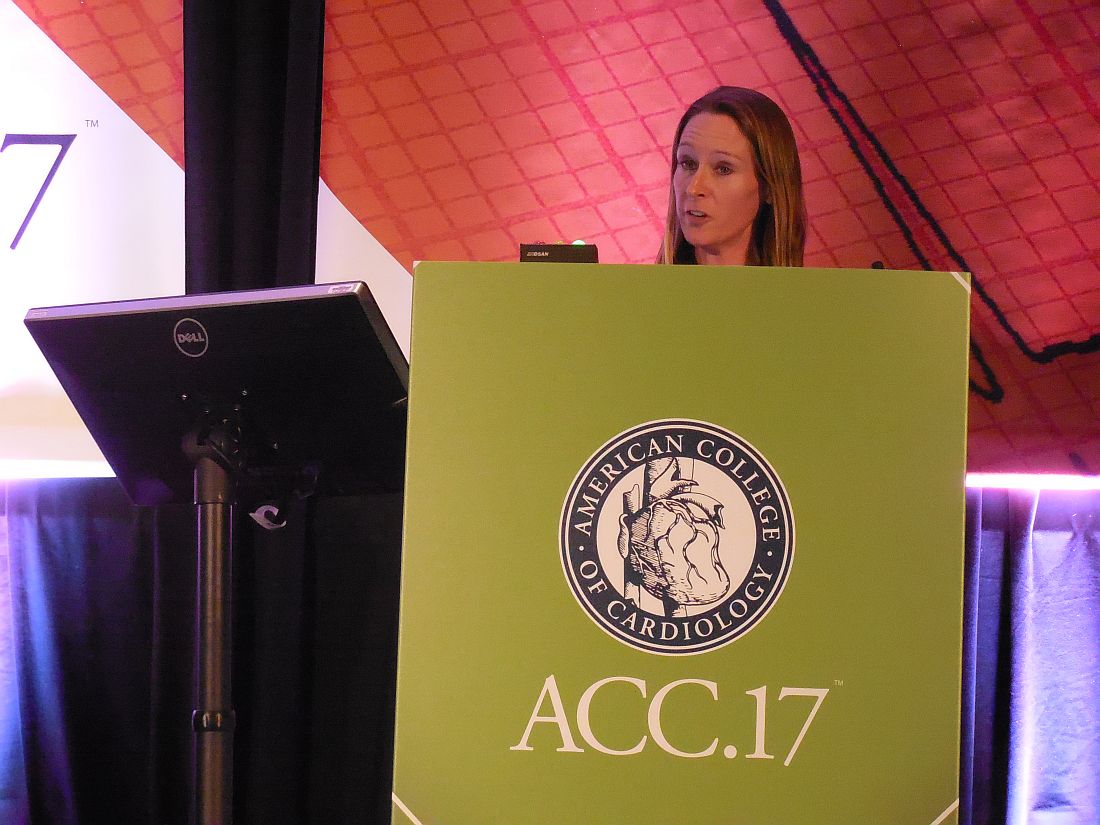
She and her associates took testing a step further and used an assessment never before applied to people taking statins. They ran functional MRIs on a subgroup of the participants while they took two additional memory tests at the end of 6 months on atorvastatin and again 2 months after atorvastatin stopped. They ran MRI scans during a figural memory task test on 42 placebo participants and 35 atorvastatin patients and during a Sternberg Task to test short-term memory on 68 people from the placebo group and 52 who received atorvastatin.
The functional MRI results showed some small but statistically significant changes during both tests in patterns of regional neural activation among those in the statin groups while on and off statins and also when compared with those who received placebo, but Dr. Taylor stressed that her group saw MRI differences between the statin and placebo subjects not only when people were on atorvastatin but also when they had been off the drug for 2 months. She also cautioned that “the clinical implications of the findings are unclear.”
Overall, the entire study’s results showed “no convincing evidence of measurable verbal or nonverbal memory dysfunction” linked with statin use, but Dr. Taylor also noted that the study was relatively small.

Proving the absence of a problem is always difficult. Adding Dr. Taylor’s new evidence to the case that statins really are safe when it comes to cognition and memory will undoubtedly fail to convince committed skeptics.
mzoler@frontlinemedcom.com
On Twitter @mitchelzoler
The impact of lipid-lowering drugs on patients’ mental states was on the minds of many attendees at the American College of Cardiology’s annual meeting in March.
The highest-profile report came from EBBINGHAUS (Evaluating PCSK9 Binding Antibody Influence on Cognitive Health in High Cardiovascular Risk Subjects), a substudy of the FOURIER (Further Cardiovascular Outcomes Research With PCSK9 Inhibition in Subjects With Elevated Risk) trial, the meeting’s blockbuster. For the first time, it proved that profoundly lowering low density lipoprotein cholesterol with the proprotein convertase subtilisin/kexin type 9 (PCSK9) inhibitor evolocumab led to a significant reduction in adverse clinical events. EBBINGHAUS focused on about 2,000 of the 27,000 FOURIER patients and subjected equal numbers of placebo and evolocumab patients to a battery of cognitive and memory tests over a median of 20 months. The results showed no hint of a decrement in brain function in the patients taking evolocumab, compared with either their baseline state or the controls who received placebo.
That perception wasn’t helped when, in 2012, the Food and Drug Administration required the labels of all statins to include a reference to postmarketing reports of cognitive side effects such as memory impairment and confusion. The current label for one statin says: “There have been rare postmarketing reports of cognitive impairment (e.g., memory loss, forgetfulness, amnesia, memory impairment, confusion) associated with statin use. These cognitive issues have been reported for all statins.”
Following the FDA’s action, a series of analyses appeared that reviewed the evidence and found nothing to substantiate the concern. For example, a 2012 review done in direct response to the FDA labeling change looked at case reports, observational studies, and randomized trials and found “no convincing evidence for change in cognitive function” with statin use (J Am Coll Cardiol. 2012 Sept 4;60[10]:875-81). A 2015 meta-analysis that reviewed 14 studies with cognitive testing on more than 27,000 people randomized to either a statin or placebo also found no evidence for a statin effect on mental function (J Gen Intern Med. 2015 March;30[3]:348-58). “Given these results, it is questionable whether the FDA class warning about potential cognitive adverse effects of statins is still warranted,” the meta-analysis authors concluded.
Despite this, concerns about the impact of statins on cognition and memory linger for many patients, witness the anecdotal experiences of clinicians at the meeting. This led a team of researchers at the University of Connecticut and Hartford Hospital to try to directly address the controversy. They also reported their findings at the ACC meeting.
They ran their study as part of a larger trial, STOMP (Effect of Statins on Skeletal Muscle Function and Performance), which randomized 420 healthy and statin-naive individuals to 6 months of treatment with 80 mg atorvastatin or placebo (Circulation. 2013 Jan 2;127[1]:96-103). Their memory substudy included 66 people from the atorvastatin group and 84 placebo-treated controls who averaged 49 years old. Participants underwent a battery of eight memory, cognitive, attention, and executive function tests after 6 months on treatment and again 2 months after statin treatment stopped.
She and her associates took testing a step further and used an assessment never before applied to people taking statins. They ran functional MRIs on a subgroup of the participants while they took two additional memory tests at the end of 6 months on atorvastatin and again 2 months after atorvastatin stopped. They ran MRI scans during a figural memory task test on 42 placebo participants and 35 atorvastatin patients and during a Sternberg Task to test short-term memory on 68 people from the placebo group and 52 who received atorvastatin.
The functional MRI results showed some small but statistically significant changes during both tests in patterns of regional neural activation among those in the statin groups while on and off statins and also when compared with those who received placebo, but Dr. Taylor stressed that her group saw MRI differences between the statin and placebo subjects not only when people were on atorvastatin but also when they had been off the drug for 2 months. She also cautioned that “the clinical implications of the findings are unclear.”
Overall, the entire study’s results showed “no convincing evidence of measurable verbal or nonverbal memory dysfunction” linked with statin use, but Dr. Taylor also noted that the study was relatively small.
Proving the absence of a problem is always difficult. Adding Dr. Taylor’s new evidence to the case that statins really are safe when it comes to cognition and memory will undoubtedly fail to convince committed skeptics.
mzoler@frontlinemedcom.com
On Twitter @mitchelzoler
The impact of lipid-lowering drugs on patients’ mental states was on the minds of many attendees at the American College of Cardiology’s annual meeting in March.
The highest-profile report came from EBBINGHAUS (Evaluating PCSK9 Binding Antibody Influence on Cognitive Health in High Cardiovascular Risk Subjects), a substudy of the FOURIER (Further Cardiovascular Outcomes Research With PCSK9 Inhibition in Subjects With Elevated Risk) trial, the meeting’s blockbuster. For the first time, it proved that profoundly lowering low density lipoprotein cholesterol with the proprotein convertase subtilisin/kexin type 9 (PCSK9) inhibitor evolocumab led to a significant reduction in adverse clinical events. EBBINGHAUS focused on about 2,000 of the 27,000 FOURIER patients and subjected equal numbers of placebo and evolocumab patients to a battery of cognitive and memory tests over a median of 20 months. The results showed no hint of a decrement in brain function in the patients taking evolocumab, compared with either their baseline state or the controls who received placebo.
That perception wasn’t helped when, in 2012, the Food and Drug Administration required the labels of all statins to include a reference to postmarketing reports of cognitive side effects such as memory impairment and confusion. The current label for one statin says: “There have been rare postmarketing reports of cognitive impairment (e.g., memory loss, forgetfulness, amnesia, memory impairment, confusion) associated with statin use. These cognitive issues have been reported for all statins.”
Following the FDA’s action, a series of analyses appeared that reviewed the evidence and found nothing to substantiate the concern. For example, a 2012 review done in direct response to the FDA labeling change looked at case reports, observational studies, and randomized trials and found “no convincing evidence for change in cognitive function” with statin use (J Am Coll Cardiol. 2012 Sept 4;60[10]:875-81). A 2015 meta-analysis that reviewed 14 studies with cognitive testing on more than 27,000 people randomized to either a statin or placebo also found no evidence for a statin effect on mental function (J Gen Intern Med. 2015 March;30[3]:348-58). “Given these results, it is questionable whether the FDA class warning about potential cognitive adverse effects of statins is still warranted,” the meta-analysis authors concluded.
Despite this, concerns about the impact of statins on cognition and memory linger for many patients, witness the anecdotal experiences of clinicians at the meeting. This led a team of researchers at the University of Connecticut and Hartford Hospital to try to directly address the controversy. They also reported their findings at the ACC meeting.
They ran their study as part of a larger trial, STOMP (Effect of Statins on Skeletal Muscle Function and Performance), which randomized 420 healthy and statin-naive individuals to 6 months of treatment with 80 mg atorvastatin or placebo (Circulation. 2013 Jan 2;127[1]:96-103). Their memory substudy included 66 people from the atorvastatin group and 84 placebo-treated controls who averaged 49 years old. Participants underwent a battery of eight memory, cognitive, attention, and executive function tests after 6 months on treatment and again 2 months after statin treatment stopped.
She and her associates took testing a step further and used an assessment never before applied to people taking statins. They ran functional MRIs on a subgroup of the participants while they took two additional memory tests at the end of 6 months on atorvastatin and again 2 months after atorvastatin stopped. They ran MRI scans during a figural memory task test on 42 placebo participants and 35 atorvastatin patients and during a Sternberg Task to test short-term memory on 68 people from the placebo group and 52 who received atorvastatin.
The functional MRI results showed some small but statistically significant changes during both tests in patterns of regional neural activation among those in the statin groups while on and off statins and also when compared with those who received placebo, but Dr. Taylor stressed that her group saw MRI differences between the statin and placebo subjects not only when people were on atorvastatin but also when they had been off the drug for 2 months. She also cautioned that “the clinical implications of the findings are unclear.”
Overall, the entire study’s results showed “no convincing evidence of measurable verbal or nonverbal memory dysfunction” linked with statin use, but Dr. Taylor also noted that the study was relatively small.
Proving the absence of a problem is always difficult. Adding Dr. Taylor’s new evidence to the case that statins really are safe when it comes to cognition and memory will undoubtedly fail to convince committed skeptics.
mzoler@frontlinemedcom.com
On Twitter @mitchelzoler
Evolution of a movement
One of the most enduring lessons I have learned during my time in hospital medicine is that hospitalists are always evolving, much like the specialty and healthcare system of which they are a part. And during my time as president of the Society of Hospital Medicine (SHM), I have come to realize how SHM provides its members with the resources to help us continue that evolution through our career journeys as a part of the hospital medicine movement.
Over a year ago, I ascended to president of SHM’s board of directors at HM16, the annual meeting in San Diego. Now, I am eagerly looking forward to HM17 next month, in Las Vegas, which we expect to be, yet again, the biggest, best, most innovative and most energetic gathering of hospitalists. As that meeting will mark the end of my tenure as president of the board, I’m also inclined to look back and survey what has happened over the last year, both personally and professionally.

The personal perspective is easy. I have a different position within my organization: president of Cleveland Clinic Akron General and the Southern Region, one which I would and could never have anticipated a year ago. It challenges, exhausts, exhilarates, and teaches me every day. I am also celebrating my 15th wedding anniversary and have three amazing children who seem to evolve in front of my eyes every day.
And, professionally, at HM16 (and on these pages a year ago), I framed what I felt were four critical directions for SHM and have a few thoughts on the work we have done over the last year.
1. Expand and engage SHM’s membership. SHM continues to be the envy of professional organizations, growing each year. More important than sole growth is our pursuit of connecting hospitalists to SHM’s resources and to each other; we have been incredibly active this past year. For instance, SHM is embarking on an engagement survey of HM groups, and is investing in new technologies to support membership. We are now a CME-accrediting organization and are moving the SHM Learning Portal to a new, enhanced platform. We launched a long-term communications strategy that is tied to engagement and a more nimble and mobile experience for our members. The SHM Leadership Academy sold out. HM17 is poised to be another success. And finally, we are increasingly appreciating that a strong SHM must have a vibrant chapter structure to ensure connections between our membership, staff, and board.
2. Focus on patient- and family-centered care. A look at the HM17 curriculum reinforces SHM’s awareness that patients and hospitalists must be more assertive in developing skills in communication and empathy. By doing so, they support a culture and environment wherein patients are active participants their care. Members of our Patient Experience Committee are presenting courses and workshops in Las Vegas, and last year’s annual meeting featured an entire pre-course on communication skills. Hospitalists play a signature role in the Cleveland Clinic’s national conference on improving the patient experience, and the committee has an advisory council of patients and advocates to guide their work.
3. Move assertively to define our role in an era of risk and reform. Last year’s national election will probably create policy upheavals that are difficult to either anticipate or plan for. However, the evolution of Medicare, Medicaid, and commercial payers toward passing risk (and reward) onto physicians, hospitals, and systems, likely is unstoppable. SHM held a board retreat with key hospital leaders (including Patrick Conway, MD, MSc, MHM, deputy administrator for Innovation and Quality at CMS and director of the Center for Medicare and Medicaid Innovation, and a keynote speaker at HM17) to outline a framework to engage and educate our membership by leveraging the work of our Public Policy, Education, and Practice Management committees.
4. Define our stance regarding specialty recognition: The complexities of this issue are political as well as logistical. SHM has continued to build out the infrastructure for Recognition of Focused Practice with the launch of SPARK ONE (our Focused Practice in Hospital Medicine exam preparation product), but the gaps between the curricula of internal medicine and family medicine residencies, and our daily clinical realities, will continue to exist for the foreseeable future. Pediatrics has established a board requirement for pediatric hospital medicine, but it is still unclear if this is the future of adult hospital medicine.
In sum
As I prepare to the pass to baton to Dr. Ron Greeno for 2017-18, I am reminded of one of the pearls of a former boss and mentor of mine who preached that career satisfaction comes from finding opportunities to achieve three goals: addressing meaningful challenges, working with compelling individuals, and learning something new every day. I would like to thank the board, SHM CEO Larry Wellikson, MD, MHM, and the society staff and volunteers, and, most of all, the many SHM members with whom I have met and spoken over the last year for providing me with exactly that opportunity.
I look forward to continuing to serve an active role in SHM, an organization that can provide you with those same opportunities and resources to help you grow, evolve and be an active participant in the hospital medicine movement.
One of the most enduring lessons I have learned during my time in hospital medicine is that hospitalists are always evolving, much like the specialty and healthcare system of which they are a part. And during my time as president of the Society of Hospital Medicine (SHM), I have come to realize how SHM provides its members with the resources to help us continue that evolution through our career journeys as a part of the hospital medicine movement.
Over a year ago, I ascended to president of SHM’s board of directors at HM16, the annual meeting in San Diego. Now, I am eagerly looking forward to HM17 next month, in Las Vegas, which we expect to be, yet again, the biggest, best, most innovative and most energetic gathering of hospitalists. As that meeting will mark the end of my tenure as president of the board, I’m also inclined to look back and survey what has happened over the last year, both personally and professionally.
The personal perspective is easy. I have a different position within my organization: president of Cleveland Clinic Akron General and the Southern Region, one which I would and could never have anticipated a year ago. It challenges, exhausts, exhilarates, and teaches me every day. I am also celebrating my 15th wedding anniversary and have three amazing children who seem to evolve in front of my eyes every day.
And, professionally, at HM16 (and on these pages a year ago), I framed what I felt were four critical directions for SHM and have a few thoughts on the work we have done over the last year.
1. Expand and engage SHM’s membership. SHM continues to be the envy of professional organizations, growing each year. More important than sole growth is our pursuit of connecting hospitalists to SHM’s resources and to each other; we have been incredibly active this past year. For instance, SHM is embarking on an engagement survey of HM groups, and is investing in new technologies to support membership. We are now a CME-accrediting organization and are moving the SHM Learning Portal to a new, enhanced platform. We launched a long-term communications strategy that is tied to engagement and a more nimble and mobile experience for our members. The SHM Leadership Academy sold out. HM17 is poised to be another success. And finally, we are increasingly appreciating that a strong SHM must have a vibrant chapter structure to ensure connections between our membership, staff, and board.
2. Focus on patient- and family-centered care. A look at the HM17 curriculum reinforces SHM’s awareness that patients and hospitalists must be more assertive in developing skills in communication and empathy. By doing so, they support a culture and environment wherein patients are active participants their care. Members of our Patient Experience Committee are presenting courses and workshops in Las Vegas, and last year’s annual meeting featured an entire pre-course on communication skills. Hospitalists play a signature role in the Cleveland Clinic’s national conference on improving the patient experience, and the committee has an advisory council of patients and advocates to guide their work.
3. Move assertively to define our role in an era of risk and reform. Last year’s national election will probably create policy upheavals that are difficult to either anticipate or plan for. However, the evolution of Medicare, Medicaid, and commercial payers toward passing risk (and reward) onto physicians, hospitals, and systems, likely is unstoppable. SHM held a board retreat with key hospital leaders (including Patrick Conway, MD, MSc, MHM, deputy administrator for Innovation and Quality at CMS and director of the Center for Medicare and Medicaid Innovation, and a keynote speaker at HM17) to outline a framework to engage and educate our membership by leveraging the work of our Public Policy, Education, and Practice Management committees.
4. Define our stance regarding specialty recognition: The complexities of this issue are political as well as logistical. SHM has continued to build out the infrastructure for Recognition of Focused Practice with the launch of SPARK ONE (our Focused Practice in Hospital Medicine exam preparation product), but the gaps between the curricula of internal medicine and family medicine residencies, and our daily clinical realities, will continue to exist for the foreseeable future. Pediatrics has established a board requirement for pediatric hospital medicine, but it is still unclear if this is the future of adult hospital medicine.
In sum
As I prepare to the pass to baton to Dr. Ron Greeno for 2017-18, I am reminded of one of the pearls of a former boss and mentor of mine who preached that career satisfaction comes from finding opportunities to achieve three goals: addressing meaningful challenges, working with compelling individuals, and learning something new every day. I would like to thank the board, SHM CEO Larry Wellikson, MD, MHM, and the society staff and volunteers, and, most of all, the many SHM members with whom I have met and spoken over the last year for providing me with exactly that opportunity.
I look forward to continuing to serve an active role in SHM, an organization that can provide you with those same opportunities and resources to help you grow, evolve and be an active participant in the hospital medicine movement.
One of the most enduring lessons I have learned during my time in hospital medicine is that hospitalists are always evolving, much like the specialty and healthcare system of which they are a part. And during my time as president of the Society of Hospital Medicine (SHM), I have come to realize how SHM provides its members with the resources to help us continue that evolution through our career journeys as a part of the hospital medicine movement.
Over a year ago, I ascended to president of SHM’s board of directors at HM16, the annual meeting in San Diego. Now, I am eagerly looking forward to HM17 next month, in Las Vegas, which we expect to be, yet again, the biggest, best, most innovative and most energetic gathering of hospitalists. As that meeting will mark the end of my tenure as president of the board, I’m also inclined to look back and survey what has happened over the last year, both personally and professionally.
The personal perspective is easy. I have a different position within my organization: president of Cleveland Clinic Akron General and the Southern Region, one which I would and could never have anticipated a year ago. It challenges, exhausts, exhilarates, and teaches me every day. I am also celebrating my 15th wedding anniversary and have three amazing children who seem to evolve in front of my eyes every day.
And, professionally, at HM16 (and on these pages a year ago), I framed what I felt were four critical directions for SHM and have a few thoughts on the work we have done over the last year.
1. Expand and engage SHM’s membership. SHM continues to be the envy of professional organizations, growing each year. More important than sole growth is our pursuit of connecting hospitalists to SHM’s resources and to each other; we have been incredibly active this past year. For instance, SHM is embarking on an engagement survey of HM groups, and is investing in new technologies to support membership. We are now a CME-accrediting organization and are moving the SHM Learning Portal to a new, enhanced platform. We launched a long-term communications strategy that is tied to engagement and a more nimble and mobile experience for our members. The SHM Leadership Academy sold out. HM17 is poised to be another success. And finally, we are increasingly appreciating that a strong SHM must have a vibrant chapter structure to ensure connections between our membership, staff, and board.
2. Focus on patient- and family-centered care. A look at the HM17 curriculum reinforces SHM’s awareness that patients and hospitalists must be more assertive in developing skills in communication and empathy. By doing so, they support a culture and environment wherein patients are active participants their care. Members of our Patient Experience Committee are presenting courses and workshops in Las Vegas, and last year’s annual meeting featured an entire pre-course on communication skills. Hospitalists play a signature role in the Cleveland Clinic’s national conference on improving the patient experience, and the committee has an advisory council of patients and advocates to guide their work.
3. Move assertively to define our role in an era of risk and reform. Last year’s national election will probably create policy upheavals that are difficult to either anticipate or plan for. However, the evolution of Medicare, Medicaid, and commercial payers toward passing risk (and reward) onto physicians, hospitals, and systems, likely is unstoppable. SHM held a board retreat with key hospital leaders (including Patrick Conway, MD, MSc, MHM, deputy administrator for Innovation and Quality at CMS and director of the Center for Medicare and Medicaid Innovation, and a keynote speaker at HM17) to outline a framework to engage and educate our membership by leveraging the work of our Public Policy, Education, and Practice Management committees.
4. Define our stance regarding specialty recognition: The complexities of this issue are political as well as logistical. SHM has continued to build out the infrastructure for Recognition of Focused Practice with the launch of SPARK ONE (our Focused Practice in Hospital Medicine exam preparation product), but the gaps between the curricula of internal medicine and family medicine residencies, and our daily clinical realities, will continue to exist for the foreseeable future. Pediatrics has established a board requirement for pediatric hospital medicine, but it is still unclear if this is the future of adult hospital medicine.
In sum
As I prepare to the pass to baton to Dr. Ron Greeno for 2017-18, I am reminded of one of the pearls of a former boss and mentor of mine who preached that career satisfaction comes from finding opportunities to achieve three goals: addressing meaningful challenges, working with compelling individuals, and learning something new every day. I would like to thank the board, SHM CEO Larry Wellikson, MD, MHM, and the society staff and volunteers, and, most of all, the many SHM members with whom I have met and spoken over the last year for providing me with exactly that opportunity.
I look forward to continuing to serve an active role in SHM, an organization that can provide you with those same opportunities and resources to help you grow, evolve and be an active participant in the hospital medicine movement.