User login
Honoring a physician who led by example
In July, mostly unnoticed by Americans, a remarkable physician died in Japan.
Dr. Shigeaki Hinohara was a young 105 years old at the end, still practicing medicine.
When he was born in 1911, the average Japanese lifespan was 40. Due in part to him, it’s now one of the longest on Earth.
No stranger to medical disasters, he cared for those injured in the 1945 firebombing of Tokyo. Fifty years later, still working, he treated 640 victims of the 1995 nerve gas terror attack on the city’s subway. Between them, he survived being taken hostage in a 4-day plane hijacking in 1970.
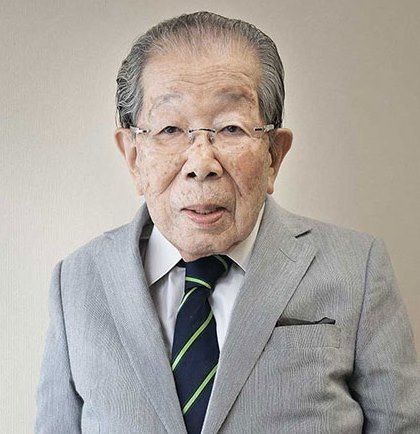
He didn’t believe in retirement, since keeping busy is good. At the same time he advocated for finding fun in what you were doing.
A staunch opponent of obesity, he advocated a spartan lifestyle. For breakfast he had coffee, milk, and orange juice (the last with a spoonful of olive oil mixed in). For lunch (if he didn’t skip it) hard biscuits and milk. Dinner was vegetables, rice, and a small amount of either beef or fish.
He believed in exercise, even if it was limited to your daily routine. Always take stairs. Carry your own bags and packages. Even in his last months, using a cane, he walked 2,000 steps per day.
At the end, unable to eat, he still led by example. He refused a feeding tube and opted to leave quietly, passing on at home.
Medicine today, including my own field, is full of gadgets. Amazing tests and treatments. I believe in them 100%, and use them, as we all do, to help alleviate suffering and help people live longer and better lives.
But at the same time, we need to keep in mind that prevention is the best treatment. Keeping your mind active is good. Palliative care doesn’t mean you gave up.
In a world of increasing obesity, diabetes, and vascular disease, his simple advice on exercise and eating modestly is a lesson for many, including myself.
Never underestimate the benefits of music and pets.
And always have fun.
Good night, good doctor.
Dr. Block has a solo neurology practice in Scottsdale, Ariz.
In July, mostly unnoticed by Americans, a remarkable physician died in Japan.
Dr. Shigeaki Hinohara was a young 105 years old at the end, still practicing medicine.
When he was born in 1911, the average Japanese lifespan was 40. Due in part to him, it’s now one of the longest on Earth.
No stranger to medical disasters, he cared for those injured in the 1945 firebombing of Tokyo. Fifty years later, still working, he treated 640 victims of the 1995 nerve gas terror attack on the city’s subway. Between them, he survived being taken hostage in a 4-day plane hijacking in 1970.
He didn’t believe in retirement, since keeping busy is good. At the same time he advocated for finding fun in what you were doing.
A staunch opponent of obesity, he advocated a spartan lifestyle. For breakfast he had coffee, milk, and orange juice (the last with a spoonful of olive oil mixed in). For lunch (if he didn’t skip it) hard biscuits and milk. Dinner was vegetables, rice, and a small amount of either beef or fish.
He believed in exercise, even if it was limited to your daily routine. Always take stairs. Carry your own bags and packages. Even in his last months, using a cane, he walked 2,000 steps per day.
At the end, unable to eat, he still led by example. He refused a feeding tube and opted to leave quietly, passing on at home.
Medicine today, including my own field, is full of gadgets. Amazing tests and treatments. I believe in them 100%, and use them, as we all do, to help alleviate suffering and help people live longer and better lives.
But at the same time, we need to keep in mind that prevention is the best treatment. Keeping your mind active is good. Palliative care doesn’t mean you gave up.
In a world of increasing obesity, diabetes, and vascular disease, his simple advice on exercise and eating modestly is a lesson for many, including myself.
Never underestimate the benefits of music and pets.
And always have fun.
Good night, good doctor.
Dr. Block has a solo neurology practice in Scottsdale, Ariz.
In July, mostly unnoticed by Americans, a remarkable physician died in Japan.
Dr. Shigeaki Hinohara was a young 105 years old at the end, still practicing medicine.
When he was born in 1911, the average Japanese lifespan was 40. Due in part to him, it’s now one of the longest on Earth.
No stranger to medical disasters, he cared for those injured in the 1945 firebombing of Tokyo. Fifty years later, still working, he treated 640 victims of the 1995 nerve gas terror attack on the city’s subway. Between them, he survived being taken hostage in a 4-day plane hijacking in 1970.
He didn’t believe in retirement, since keeping busy is good. At the same time he advocated for finding fun in what you were doing.
A staunch opponent of obesity, he advocated a spartan lifestyle. For breakfast he had coffee, milk, and orange juice (the last with a spoonful of olive oil mixed in). For lunch (if he didn’t skip it) hard biscuits and milk. Dinner was vegetables, rice, and a small amount of either beef or fish.
He believed in exercise, even if it was limited to your daily routine. Always take stairs. Carry your own bags and packages. Even in his last months, using a cane, he walked 2,000 steps per day.
At the end, unable to eat, he still led by example. He refused a feeding tube and opted to leave quietly, passing on at home.
Medicine today, including my own field, is full of gadgets. Amazing tests and treatments. I believe in them 100%, and use them, as we all do, to help alleviate suffering and help people live longer and better lives.
But at the same time, we need to keep in mind that prevention is the best treatment. Keeping your mind active is good. Palliative care doesn’t mean you gave up.
In a world of increasing obesity, diabetes, and vascular disease, his simple advice on exercise and eating modestly is a lesson for many, including myself.
Never underestimate the benefits of music and pets.
And always have fun.
Good night, good doctor.
Dr. Block has a solo neurology practice in Scottsdale, Ariz.
Hospital value-based purchasing is largely ineffective
Over the last 5 years, I’ve periodically devoted this column to providing updates to the Hospital Value-Based Purchasing program. HVBP launched in 2013 as a 5-year mixed upside/downside incentive program with mandatory participation for all U.S. acute care hospitals (critical access, acute inpatient rehabilitation, and long-term acute care hospitals are exempt). The program initially included process and patient experience measures. It later added measures for mortality, efficiency, and patient safety.
For the 2017 version of HVBP, the measures are allocated as follows: eight for patient experience, seven for patient safety (1 of which is a roll up of 11 claims-based measures), three for process, and three for mortality. HVBP uses a budget-neutral funding approach with some winners and some losers but overall net zero spending on the program. It initially put hospitals at risk for 1% of their Medicare inpatient payments (in 2013), with a progressive increase to 2% by this year. HVBP has used a complex approach to determining incentives and penalties, rewarding either improvement or achievement, depending on the baseline performance of the hospital.
Has HVBP improved quality? Two studies looking at the early period of HVBP failed to show improvements in process or patient experience measures and demonstrated no change in mortality for heart failure, pneumonia, or heart attack.1,2 Now that the program is in its 5th and final year, thanks to a recent study by Ryan et al., we have an idea if HVBP is associated with longer-term improvements in quality.3
In the study, Ryan et al. compared hospitals participating in HVBP with critical access hospitals, which are exempt from the program. The study yielded some disappointing, if not surprising, results. Improvements in process and patient experience measures for HVBP hospitals were no greater than those for the control group. HVBP was not associated with a significant reduction in mortality for heart failure or heart attack, but was associated with a mortality reduction for pneumonia. In sum, HVBP was not associated with improvements in process or patient experience, and was not associated with lower mortality, except in pneumonia.
As a program designed to incentivize better quality, where did HVBP go wrong? I believe HVBP simply had too many measures for the cognitive bandwidth of an individual or a team looking to improve quality. The total measure count for 2017 is 21! I submit that a hospitalist working to improve quality can keep top-of-mind one or two measures, possibly three at most. While others have postulated that the amount of dollars at risk are too small, I don’t think that’s the problem. Instead, my sense is that hospitalists and other members of the hospital team have quality improvement in their DNA and, regardless of the size of the financial incentives, will work to improve it as long as they have the right tools. Chief among these are good performance data and the time to focus on a finite number of projects.
What lessons can inform better design in the future? As of January 2017, the Medicare Access and CHIP Reauthorization Act of 2015 (MACRA) – representing the biggest change in reimbursement in a generation – progressively exposes doctors and other professionals to upside/downside incentives for quality, resource utilization, use of a certified electronic health record (hospitalists are exempt as they already use the hospital’s EHR), and practice improvement activities.
It would be wise to learn from the shortcomings of HVBP. Namely, if MACRA keeps on its course to incentivize physicians using a complicated formula based on four domains and many more subdomains, it will repeat the mistakes of HVBP and – while creating more administrative burden – likely improve quality very little, if at all. Instead, MACRA should delineate a simple measure set representing improvement activities that physicians and teams can incorporate into their regular work flow without more time taken away from patient care.
The reality is that complicated pay-for-performance programs divert limited available resources away from meaningful improvement activities in order to comply with onerous reporting requirements. As we gain a more nuanced understanding of how these programs work, policy makers should pay attention to the elements of “low-value” and “high-value” incentive systems and apply the “less is more” ethos of high-value care to the next generation of pay-for-performance programs.
Dr. Whitcomb is chief medical officer at Remedy Partners in Darien, Conn., and a cofounder and past president of SHM.
References
1. Ryan AM, Burgess JF, Pesko MF, Borden WB, Dimick JB. “The early effects of Medicare’s mandatory hospital pay-for-performance program” Health Serv Res. 2015;50:81-97.
2. Figueroa JF, Tsugawa Y, Zheng J, Orav EJ, Jha AK. “Association between the Value-Based Purchasing pay for performance program and patient mortality in US hospitals: observational study” BMJ. 2016;353:i2214.
3. Ryan AM, Krinsky S, Maurer KA, Dimick JB. “Changes in Hospital Quality Associated with Hospital Value-Based Purchasing” N Engl J Med. 2017;376:2358-66.
Over the last 5 years, I’ve periodically devoted this column to providing updates to the Hospital Value-Based Purchasing program. HVBP launched in 2013 as a 5-year mixed upside/downside incentive program with mandatory participation for all U.S. acute care hospitals (critical access, acute inpatient rehabilitation, and long-term acute care hospitals are exempt). The program initially included process and patient experience measures. It later added measures for mortality, efficiency, and patient safety.
For the 2017 version of HVBP, the measures are allocated as follows: eight for patient experience, seven for patient safety (1 of which is a roll up of 11 claims-based measures), three for process, and three for mortality. HVBP uses a budget-neutral funding approach with some winners and some losers but overall net zero spending on the program. It initially put hospitals at risk for 1% of their Medicare inpatient payments (in 2013), with a progressive increase to 2% by this year. HVBP has used a complex approach to determining incentives and penalties, rewarding either improvement or achievement, depending on the baseline performance of the hospital.
Has HVBP improved quality? Two studies looking at the early period of HVBP failed to show improvements in process or patient experience measures and demonstrated no change in mortality for heart failure, pneumonia, or heart attack.1,2 Now that the program is in its 5th and final year, thanks to a recent study by Ryan et al., we have an idea if HVBP is associated with longer-term improvements in quality.3
In the study, Ryan et al. compared hospitals participating in HVBP with critical access hospitals, which are exempt from the program. The study yielded some disappointing, if not surprising, results. Improvements in process and patient experience measures for HVBP hospitals were no greater than those for the control group. HVBP was not associated with a significant reduction in mortality for heart failure or heart attack, but was associated with a mortality reduction for pneumonia. In sum, HVBP was not associated with improvements in process or patient experience, and was not associated with lower mortality, except in pneumonia.
As a program designed to incentivize better quality, where did HVBP go wrong? I believe HVBP simply had too many measures for the cognitive bandwidth of an individual or a team looking to improve quality. The total measure count for 2017 is 21! I submit that a hospitalist working to improve quality can keep top-of-mind one or two measures, possibly three at most. While others have postulated that the amount of dollars at risk are too small, I don’t think that’s the problem. Instead, my sense is that hospitalists and other members of the hospital team have quality improvement in their DNA and, regardless of the size of the financial incentives, will work to improve it as long as they have the right tools. Chief among these are good performance data and the time to focus on a finite number of projects.
What lessons can inform better design in the future? As of January 2017, the Medicare Access and CHIP Reauthorization Act of 2015 (MACRA) – representing the biggest change in reimbursement in a generation – progressively exposes doctors and other professionals to upside/downside incentives for quality, resource utilization, use of a certified electronic health record (hospitalists are exempt as they already use the hospital’s EHR), and practice improvement activities.
It would be wise to learn from the shortcomings of HVBP. Namely, if MACRA keeps on its course to incentivize physicians using a complicated formula based on four domains and many more subdomains, it will repeat the mistakes of HVBP and – while creating more administrative burden – likely improve quality very little, if at all. Instead, MACRA should delineate a simple measure set representing improvement activities that physicians and teams can incorporate into their regular work flow without more time taken away from patient care.
The reality is that complicated pay-for-performance programs divert limited available resources away from meaningful improvement activities in order to comply with onerous reporting requirements. As we gain a more nuanced understanding of how these programs work, policy makers should pay attention to the elements of “low-value” and “high-value” incentive systems and apply the “less is more” ethos of high-value care to the next generation of pay-for-performance programs.
Dr. Whitcomb is chief medical officer at Remedy Partners in Darien, Conn., and a cofounder and past president of SHM.
References
1. Ryan AM, Burgess JF, Pesko MF, Borden WB, Dimick JB. “The early effects of Medicare’s mandatory hospital pay-for-performance program” Health Serv Res. 2015;50:81-97.
2. Figueroa JF, Tsugawa Y, Zheng J, Orav EJ, Jha AK. “Association between the Value-Based Purchasing pay for performance program and patient mortality in US hospitals: observational study” BMJ. 2016;353:i2214.
3. Ryan AM, Krinsky S, Maurer KA, Dimick JB. “Changes in Hospital Quality Associated with Hospital Value-Based Purchasing” N Engl J Med. 2017;376:2358-66.
Over the last 5 years, I’ve periodically devoted this column to providing updates to the Hospital Value-Based Purchasing program. HVBP launched in 2013 as a 5-year mixed upside/downside incentive program with mandatory participation for all U.S. acute care hospitals (critical access, acute inpatient rehabilitation, and long-term acute care hospitals are exempt). The program initially included process and patient experience measures. It later added measures for mortality, efficiency, and patient safety.
For the 2017 version of HVBP, the measures are allocated as follows: eight for patient experience, seven for patient safety (1 of which is a roll up of 11 claims-based measures), three for process, and three for mortality. HVBP uses a budget-neutral funding approach with some winners and some losers but overall net zero spending on the program. It initially put hospitals at risk for 1% of their Medicare inpatient payments (in 2013), with a progressive increase to 2% by this year. HVBP has used a complex approach to determining incentives and penalties, rewarding either improvement or achievement, depending on the baseline performance of the hospital.
Has HVBP improved quality? Two studies looking at the early period of HVBP failed to show improvements in process or patient experience measures and demonstrated no change in mortality for heart failure, pneumonia, or heart attack.1,2 Now that the program is in its 5th and final year, thanks to a recent study by Ryan et al., we have an idea if HVBP is associated with longer-term improvements in quality.3
In the study, Ryan et al. compared hospitals participating in HVBP with critical access hospitals, which are exempt from the program. The study yielded some disappointing, if not surprising, results. Improvements in process and patient experience measures for HVBP hospitals were no greater than those for the control group. HVBP was not associated with a significant reduction in mortality for heart failure or heart attack, but was associated with a mortality reduction for pneumonia. In sum, HVBP was not associated with improvements in process or patient experience, and was not associated with lower mortality, except in pneumonia.
As a program designed to incentivize better quality, where did HVBP go wrong? I believe HVBP simply had too many measures for the cognitive bandwidth of an individual or a team looking to improve quality. The total measure count for 2017 is 21! I submit that a hospitalist working to improve quality can keep top-of-mind one or two measures, possibly three at most. While others have postulated that the amount of dollars at risk are too small, I don’t think that’s the problem. Instead, my sense is that hospitalists and other members of the hospital team have quality improvement in their DNA and, regardless of the size of the financial incentives, will work to improve it as long as they have the right tools. Chief among these are good performance data and the time to focus on a finite number of projects.
What lessons can inform better design in the future? As of January 2017, the Medicare Access and CHIP Reauthorization Act of 2015 (MACRA) – representing the biggest change in reimbursement in a generation – progressively exposes doctors and other professionals to upside/downside incentives for quality, resource utilization, use of a certified electronic health record (hospitalists are exempt as they already use the hospital’s EHR), and practice improvement activities.
It would be wise to learn from the shortcomings of HVBP. Namely, if MACRA keeps on its course to incentivize physicians using a complicated formula based on four domains and many more subdomains, it will repeat the mistakes of HVBP and – while creating more administrative burden – likely improve quality very little, if at all. Instead, MACRA should delineate a simple measure set representing improvement activities that physicians and teams can incorporate into their regular work flow without more time taken away from patient care.
The reality is that complicated pay-for-performance programs divert limited available resources away from meaningful improvement activities in order to comply with onerous reporting requirements. As we gain a more nuanced understanding of how these programs work, policy makers should pay attention to the elements of “low-value” and “high-value” incentive systems and apply the “less is more” ethos of high-value care to the next generation of pay-for-performance programs.
Dr. Whitcomb is chief medical officer at Remedy Partners in Darien, Conn., and a cofounder and past president of SHM.
References
1. Ryan AM, Burgess JF, Pesko MF, Borden WB, Dimick JB. “The early effects of Medicare’s mandatory hospital pay-for-performance program” Health Serv Res. 2015;50:81-97.
2. Figueroa JF, Tsugawa Y, Zheng J, Orav EJ, Jha AK. “Association between the Value-Based Purchasing pay for performance program and patient mortality in US hospitals: observational study” BMJ. 2016;353:i2214.
3. Ryan AM, Krinsky S, Maurer KA, Dimick JB. “Changes in Hospital Quality Associated with Hospital Value-Based Purchasing” N Engl J Med. 2017;376:2358-66.
When the waters recede: Hurricane Harvey and PTSD through indirect trauma
It’s been 5 days since Texas came under siege from Hurricane Harvey and it left up to 51 inches of rain in its wake. Several Southern cities suffered almost complete loss of homes and businesses. The Houston metropolitan area reported 14 deaths, including one of a police officer who was trying to report for duty. Hundreds of thousands of homes have been damaged or lost, and thousands of people are now in makeshift shelters across the city. We have slowly begun the process of repair and rebuilding, and many Houstonians are returning to work. Many others, including well-known local celebrities like J.J. Watt and MattressMack, are volunteering their time and giving money to help those who were not so fortunate. The rescue and recovery efforts have been lauded for the absence of issues tied to politics, religion, or race.
Despite this, we must not forget that this was a natural disaster unlike anything that’s been seen in recent decades. Much like Katrina and Sandy, Hurricane Harvey brought to the people who have lived through the initial trauma the fear, nightmares, emotional distress, and sleep disturbances associated with posttraumatic stress disorder (PTSD). They will require significant support and monitoring to determine whether there is a need for medical intervention, such as cognitive-behavioral therapy, behavioral modification, or pharmacotherapy. However, we are also witnessing something psychiatrists are just becoming more knowledgeable about – PTSD due to indirect trauma.

Taking early warnings in stride
When the anchors and journalists began reporting about a tropical cyclone heading toward the Gulf of Mexico on Aug. 17, most Houstonians – myself included – flipped the channel. Living off the Southern Coast of the United States meant seeing more than our fair share of storm systems, including hurricanes. Each time, no matter the damage or the loss, Texans would pull themselves up by their bootstraps and band together to rebuild their beloved city.
So, it’s no surprise that even as Harvey was upgraded to a hurricane and prepared to breach land, we went about business as usual. However, less than a week later, countless residents of the Lone Star State prepared for what promised to be one of the worst storms in recent history.
Moving to Houston from Dallas for college back in 1998, I fell in love with the city and made it my home. I was here when Tropical Storm Allison made landfall in 2001, leaving up to 37 inches of rain and massive flooding in its wake. The Texas Medical Center, where I was working at the Baylor Human Genome Lab for the summer, suffered about $2 billion worth of damage.
I watched as the images and videos of the city under water splashed across my television screen. I witnessed the floodwaters firsthand as my friends and I carefully drove to an overpass and found a vast body of water where a convergence of three highways used to be visible. I was fortunate not to have been affected by the flood, but the fear of West Nile virus worried me for days because of the mosquito infestation that followed. Eventually, the city recovered, the water receded, and we persevered.
In 2005, in the wake of Katrina, Southern Texans were warned of an impending Category 3 hurricane named Rita. Having been inundated with local and national news coverage of the devastation, and hearing the personal stories of evacuees from New Orleans, Houstonians definitely took more notice this time. More than 3 million people from Houston and the surrounding areas evacuated inland before it arrived, but the chaos resulted in indirect deaths from panicked people trying to leave.
I, along with my two best friends and my boyfriend, were among the many who made the lengthy drive to Dallas, where my parents were anxiously waiting. What should have been a 4-hour drive turned into 10, and that was the result of all the back roads we took to get around the majority of the traffic. There were mass outages around the city, but within a few days, we were all back home. Rita left behind much less damage than predicted, and after the water receded, we persevered.
My third encounter with a hurricane was the Category 2 Ike 3 years later. There were mixed emotions going into this one, with many citizens split between evacuating and staying behind. I was in residency by then, and with only a voluntary evacuation for Houston (compared with a mandatory one in Galveston and the coastal cities), I opted to remain. I had already prepared for the worst by barricading all the glass and stocking up on supplies. In addition, I was living in a two-story townhome in an area considered part of a 200-year flood plain, so I figured I was safe. When Ike struck the city, I was up for several hours listening to the howl of the wind and the insistent smacks of rain against my windows. I left town once the coast was clear, not because of flooding, but because Ike knocked out power and water for much of Houston in the middle of a horridly hot September. I stayed with my parents for about a week until my complex had fixed everything, and seeing that the water had receded, I persevered.
Harvey’s vast destruction
This past week, when Category 4 Hurricane Harvey struck my beloved city, I could not have imagined the losses that were waiting for us. After finishing up a short workday on Friday, Aug. 25, I made my last run for supplies before the weekend. Like many others, I had been keeping an eye on the news as we heard about the destruction Harvey had wreaked on Rockport, South Padre, and Corpus Christi. We all knew that this one was the real deal, that Harvey was going to challenge us in every way possible. For the next 4 days I hunkered down in my house, waiting out the periods of torrential rain while keeping a close eye on the news. At worst, my neighborhood flooded up to the front sidewalk, but water never entered my home, as it did for so many unfortunate individuals. I never lost power, air conditioning, or Internet access. The most distressing thing to happen to me was the inability to leave my home for fear of being caught in the floodwater.

We are #The CityWithNoLimits.
We are #HoustonStrong.
We are #TexasStrong.
When the waters recede, we will persevere.
Jennifer Yen, MD, is a board-certified child, adolescent, and adult private practice psychiatrist in Houston. She also is a clinical assistant professor of psychiatry at Baylor College of Medicine and serves on the Consumers Issues Committee of the American Academy of Child and Adolescent Psychiatry.
It’s been 5 days since Texas came under siege from Hurricane Harvey and it left up to 51 inches of rain in its wake. Several Southern cities suffered almost complete loss of homes and businesses. The Houston metropolitan area reported 14 deaths, including one of a police officer who was trying to report for duty. Hundreds of thousands of homes have been damaged or lost, and thousands of people are now in makeshift shelters across the city. We have slowly begun the process of repair and rebuilding, and many Houstonians are returning to work. Many others, including well-known local celebrities like J.J. Watt and MattressMack, are volunteering their time and giving money to help those who were not so fortunate. The rescue and recovery efforts have been lauded for the absence of issues tied to politics, religion, or race.
Despite this, we must not forget that this was a natural disaster unlike anything that’s been seen in recent decades. Much like Katrina and Sandy, Hurricane Harvey brought to the people who have lived through the initial trauma the fear, nightmares, emotional distress, and sleep disturbances associated with posttraumatic stress disorder (PTSD). They will require significant support and monitoring to determine whether there is a need for medical intervention, such as cognitive-behavioral therapy, behavioral modification, or pharmacotherapy. However, we are also witnessing something psychiatrists are just becoming more knowledgeable about – PTSD due to indirect trauma.
Taking early warnings in stride
When the anchors and journalists began reporting about a tropical cyclone heading toward the Gulf of Mexico on Aug. 17, most Houstonians – myself included – flipped the channel. Living off the Southern Coast of the United States meant seeing more than our fair share of storm systems, including hurricanes. Each time, no matter the damage or the loss, Texans would pull themselves up by their bootstraps and band together to rebuild their beloved city.
So, it’s no surprise that even as Harvey was upgraded to a hurricane and prepared to breach land, we went about business as usual. However, less than a week later, countless residents of the Lone Star State prepared for what promised to be one of the worst storms in recent history.
Moving to Houston from Dallas for college back in 1998, I fell in love with the city and made it my home. I was here when Tropical Storm Allison made landfall in 2001, leaving up to 37 inches of rain and massive flooding in its wake. The Texas Medical Center, where I was working at the Baylor Human Genome Lab for the summer, suffered about $2 billion worth of damage.
I watched as the images and videos of the city under water splashed across my television screen. I witnessed the floodwaters firsthand as my friends and I carefully drove to an overpass and found a vast body of water where a convergence of three highways used to be visible. I was fortunate not to have been affected by the flood, but the fear of West Nile virus worried me for days because of the mosquito infestation that followed. Eventually, the city recovered, the water receded, and we persevered.
In 2005, in the wake of Katrina, Southern Texans were warned of an impending Category 3 hurricane named Rita. Having been inundated with local and national news coverage of the devastation, and hearing the personal stories of evacuees from New Orleans, Houstonians definitely took more notice this time. More than 3 million people from Houston and the surrounding areas evacuated inland before it arrived, but the chaos resulted in indirect deaths from panicked people trying to leave.
I, along with my two best friends and my boyfriend, were among the many who made the lengthy drive to Dallas, where my parents were anxiously waiting. What should have been a 4-hour drive turned into 10, and that was the result of all the back roads we took to get around the majority of the traffic. There were mass outages around the city, but within a few days, we were all back home. Rita left behind much less damage than predicted, and after the water receded, we persevered.
My third encounter with a hurricane was the Category 2 Ike 3 years later. There were mixed emotions going into this one, with many citizens split between evacuating and staying behind. I was in residency by then, and with only a voluntary evacuation for Houston (compared with a mandatory one in Galveston and the coastal cities), I opted to remain. I had already prepared for the worst by barricading all the glass and stocking up on supplies. In addition, I was living in a two-story townhome in an area considered part of a 200-year flood plain, so I figured I was safe. When Ike struck the city, I was up for several hours listening to the howl of the wind and the insistent smacks of rain against my windows. I left town once the coast was clear, not because of flooding, but because Ike knocked out power and water for much of Houston in the middle of a horridly hot September. I stayed with my parents for about a week until my complex had fixed everything, and seeing that the water had receded, I persevered.
Harvey’s vast destruction
This past week, when Category 4 Hurricane Harvey struck my beloved city, I could not have imagined the losses that were waiting for us. After finishing up a short workday on Friday, Aug. 25, I made my last run for supplies before the weekend. Like many others, I had been keeping an eye on the news as we heard about the destruction Harvey had wreaked on Rockport, South Padre, and Corpus Christi. We all knew that this one was the real deal, that Harvey was going to challenge us in every way possible. For the next 4 days I hunkered down in my house, waiting out the periods of torrential rain while keeping a close eye on the news. At worst, my neighborhood flooded up to the front sidewalk, but water never entered my home, as it did for so many unfortunate individuals. I never lost power, air conditioning, or Internet access. The most distressing thing to happen to me was the inability to leave my home for fear of being caught in the floodwater.
We are #The CityWithNoLimits.
We are #HoustonStrong.
We are #TexasStrong.
When the waters recede, we will persevere.
Jennifer Yen, MD, is a board-certified child, adolescent, and adult private practice psychiatrist in Houston. She also is a clinical assistant professor of psychiatry at Baylor College of Medicine and serves on the Consumers Issues Committee of the American Academy of Child and Adolescent Psychiatry.
It’s been 5 days since Texas came under siege from Hurricane Harvey and it left up to 51 inches of rain in its wake. Several Southern cities suffered almost complete loss of homes and businesses. The Houston metropolitan area reported 14 deaths, including one of a police officer who was trying to report for duty. Hundreds of thousands of homes have been damaged or lost, and thousands of people are now in makeshift shelters across the city. We have slowly begun the process of repair and rebuilding, and many Houstonians are returning to work. Many others, including well-known local celebrities like J.J. Watt and MattressMack, are volunteering their time and giving money to help those who were not so fortunate. The rescue and recovery efforts have been lauded for the absence of issues tied to politics, religion, or race.
Despite this, we must not forget that this was a natural disaster unlike anything that’s been seen in recent decades. Much like Katrina and Sandy, Hurricane Harvey brought to the people who have lived through the initial trauma the fear, nightmares, emotional distress, and sleep disturbances associated with posttraumatic stress disorder (PTSD). They will require significant support and monitoring to determine whether there is a need for medical intervention, such as cognitive-behavioral therapy, behavioral modification, or pharmacotherapy. However, we are also witnessing something psychiatrists are just becoming more knowledgeable about – PTSD due to indirect trauma.
Taking early warnings in stride
When the anchors and journalists began reporting about a tropical cyclone heading toward the Gulf of Mexico on Aug. 17, most Houstonians – myself included – flipped the channel. Living off the Southern Coast of the United States meant seeing more than our fair share of storm systems, including hurricanes. Each time, no matter the damage or the loss, Texans would pull themselves up by their bootstraps and band together to rebuild their beloved city.
So, it’s no surprise that even as Harvey was upgraded to a hurricane and prepared to breach land, we went about business as usual. However, less than a week later, countless residents of the Lone Star State prepared for what promised to be one of the worst storms in recent history.
Moving to Houston from Dallas for college back in 1998, I fell in love with the city and made it my home. I was here when Tropical Storm Allison made landfall in 2001, leaving up to 37 inches of rain and massive flooding in its wake. The Texas Medical Center, where I was working at the Baylor Human Genome Lab for the summer, suffered about $2 billion worth of damage.
I watched as the images and videos of the city under water splashed across my television screen. I witnessed the floodwaters firsthand as my friends and I carefully drove to an overpass and found a vast body of water where a convergence of three highways used to be visible. I was fortunate not to have been affected by the flood, but the fear of West Nile virus worried me for days because of the mosquito infestation that followed. Eventually, the city recovered, the water receded, and we persevered.
In 2005, in the wake of Katrina, Southern Texans were warned of an impending Category 3 hurricane named Rita. Having been inundated with local and national news coverage of the devastation, and hearing the personal stories of evacuees from New Orleans, Houstonians definitely took more notice this time. More than 3 million people from Houston and the surrounding areas evacuated inland before it arrived, but the chaos resulted in indirect deaths from panicked people trying to leave.
I, along with my two best friends and my boyfriend, were among the many who made the lengthy drive to Dallas, where my parents were anxiously waiting. What should have been a 4-hour drive turned into 10, and that was the result of all the back roads we took to get around the majority of the traffic. There were mass outages around the city, but within a few days, we were all back home. Rita left behind much less damage than predicted, and after the water receded, we persevered.
My third encounter with a hurricane was the Category 2 Ike 3 years later. There were mixed emotions going into this one, with many citizens split between evacuating and staying behind. I was in residency by then, and with only a voluntary evacuation for Houston (compared with a mandatory one in Galveston and the coastal cities), I opted to remain. I had already prepared for the worst by barricading all the glass and stocking up on supplies. In addition, I was living in a two-story townhome in an area considered part of a 200-year flood plain, so I figured I was safe. When Ike struck the city, I was up for several hours listening to the howl of the wind and the insistent smacks of rain against my windows. I left town once the coast was clear, not because of flooding, but because Ike knocked out power and water for much of Houston in the middle of a horridly hot September. I stayed with my parents for about a week until my complex had fixed everything, and seeing that the water had receded, I persevered.
Harvey’s vast destruction
This past week, when Category 4 Hurricane Harvey struck my beloved city, I could not have imagined the losses that were waiting for us. After finishing up a short workday on Friday, Aug. 25, I made my last run for supplies before the weekend. Like many others, I had been keeping an eye on the news as we heard about the destruction Harvey had wreaked on Rockport, South Padre, and Corpus Christi. We all knew that this one was the real deal, that Harvey was going to challenge us in every way possible. For the next 4 days I hunkered down in my house, waiting out the periods of torrential rain while keeping a close eye on the news. At worst, my neighborhood flooded up to the front sidewalk, but water never entered my home, as it did for so many unfortunate individuals. I never lost power, air conditioning, or Internet access. The most distressing thing to happen to me was the inability to leave my home for fear of being caught in the floodwater.
We are #The CityWithNoLimits.
We are #HoustonStrong.
We are #TexasStrong.
When the waters recede, we will persevere.
Jennifer Yen, MD, is a board-certified child, adolescent, and adult private practice psychiatrist in Houston. She also is a clinical assistant professor of psychiatry at Baylor College of Medicine and serves on the Consumers Issues Committee of the American Academy of Child and Adolescent Psychiatry.
The Disease for Which There Is No Cure and Not Enough Conversation
If I simply let the title of this column stand alone, I suspect most readers of Federal Practitioner would fill in the blank with diseases, such as cancer, HIV, or even devastating genetic conditions, just as I would if presented with the statement without explication.
I read the sentence several weeks ago on a website for caregivers of patients with dementia while browsing for quite a different purpose, and it has haunted me ever since. As a consultation psychiatrist who has spent my career as a VA hospitalist, I am well aware of the sad reality of dementia, but against the backdrop of the aging veteran population, the poignancy of the human tragedy overwhelmed me.
Almost every day on the medical and surgical wards of the VA hospital where I have worked for nearly 2 decades, I see an aging veteran population. There are days when the average age of inpatients is pushing 70 years, and there are many patients in their 80s and 90s. The statistics show that my facility is by no means unique in the VA. Data from the American Community Survey Profile of veterans in 2015 indicate that the median age of veterans is 64 years whereas that of nonveterans is 41.1 The survey emphasized that this age factor has a rippling effect on many other demographic parameters, such as disability, income, and employment, all, in turn, impact the epidemiology of health and illness.1
It is not just age that increases the likelihood that a veteran will develop dementia: Research has identified several aspects of military service that raise the risk of being diagnosed with major neurocognitive disorder, the Diagnostic and Statistical Manual of Mental Disorders, 5th Edition designation for dementia. Many families, patients, and even a few health care professionals may not realize that major neurocognitive disorder is the new neuropsychiatric term for dementia.
Also, many health care professionals do not realize that dementia is the sixth leading cause of death in the U.S.2 Traumatic brain injury, posttraumatic stress disorder, and depression are identified as potential contributors to a higher incidence of dementia in service men and women often with onset at an earlier age.3 Given the prevalence of these comorbidities in persons who were in the military, the VA and DoD will face the medical and psychosocial challenges of providing not only clinical treatment, but also a range of social services for military personnel and veterans. Indeed, federal institutions like the GRECC (Geriatric Research Education and Clinical Center) already are engaged in cutting edge research, delivering high-quality medical treatment, and specialized geriatric and dementia care education and support.
Despite these impressive efforts, too often families ask me 2 crucial questions when a patient is already at a moderate or severe stage of the disease: Is there a cure, and will they get better with or without treatment? This lack of knowledge and understanding is by no means confined to federal health care.
A 2015 report from the Alzheimer’s Association found that 45% of patients with Alzheimer disease or their caregivers were not told about the diagnosis by the doctor.2 Doctors reported that they were more likely to have informed the family of a cancer diagnosis at least in part because they felt there were treatments available and in some cases a cure.
Families ask these questions of me and other health care professionals in the hope of finding guidance. Often the veteran has been hospitalized after behavioral disturbances or wandering have made it impossible to care for the loved elder at home. The family is faced with a double blow: learning the patient has an incurable terminal disease and having to make the decision to place a grandmother or father in a nursing facility. Granted this woeful decision may have to be made even when the family has been fully informed at the time of diagnosis, but it is more distressing when the decision is needed immediately based on safety.
Husbands and wives of 50 years or more and adult children, graying themselves, often ask the second question about improvement. Although treatments exist that can help relieve symptoms and slow progression temporarily, the inexorable and tragic course of the wiping away of memory cannot be reversed or halted.
Not surprisingly, practitioners avoid telling patients and families about a dementia diagnosis because those conversations are painful and difficult. However, the news is much less agonizing to hear when there is time to enjoy the good days that remain and to make arrangements for finances and families. For these important reasons, VA emphasizes shared decision making as the cornerstone of geriatric care. Yet there can be no shared decisions without the compassionate and truthful telling about the diagnosis and the prognosis.
1. U.S. Department of Veterans Affairs National Ce- nter for Veterans Analytics and Statistics. Profile of veterans: 2015 data from the American Community Survey. https://www.va.gov/vetdata/docs/Specia lReports/Profile_of_Veterans_2015.pdf. Published March 2017. Accessed August 22, 2017.
2. Alzheimer’s Association. 2015 Alzheimer’s disease facts and figures. Alzheimers Dement. 2015;11(3):332-384.
3. Weiner MW, Friedl KE, Pacifico A, et al. Military risk factors for Alzheimer’s disease. Alzheimers Dement. 2013;9(4):445-451.
If I simply let the title of this column stand alone, I suspect most readers of Federal Practitioner would fill in the blank with diseases, such as cancer, HIV, or even devastating genetic conditions, just as I would if presented with the statement without explication.
I read the sentence several weeks ago on a website for caregivers of patients with dementia while browsing for quite a different purpose, and it has haunted me ever since. As a consultation psychiatrist who has spent my career as a VA hospitalist, I am well aware of the sad reality of dementia, but against the backdrop of the aging veteran population, the poignancy of the human tragedy overwhelmed me.
Almost every day on the medical and surgical wards of the VA hospital where I have worked for nearly 2 decades, I see an aging veteran population. There are days when the average age of inpatients is pushing 70 years, and there are many patients in their 80s and 90s. The statistics show that my facility is by no means unique in the VA. Data from the American Community Survey Profile of veterans in 2015 indicate that the median age of veterans is 64 years whereas that of nonveterans is 41.1 The survey emphasized that this age factor has a rippling effect on many other demographic parameters, such as disability, income, and employment, all, in turn, impact the epidemiology of health and illness.1
It is not just age that increases the likelihood that a veteran will develop dementia: Research has identified several aspects of military service that raise the risk of being diagnosed with major neurocognitive disorder, the Diagnostic and Statistical Manual of Mental Disorders, 5th Edition designation for dementia. Many families, patients, and even a few health care professionals may not realize that major neurocognitive disorder is the new neuropsychiatric term for dementia.
Also, many health care professionals do not realize that dementia is the sixth leading cause of death in the U.S.2 Traumatic brain injury, posttraumatic stress disorder, and depression are identified as potential contributors to a higher incidence of dementia in service men and women often with onset at an earlier age.3 Given the prevalence of these comorbidities in persons who were in the military, the VA and DoD will face the medical and psychosocial challenges of providing not only clinical treatment, but also a range of social services for military personnel and veterans. Indeed, federal institutions like the GRECC (Geriatric Research Education and Clinical Center) already are engaged in cutting edge research, delivering high-quality medical treatment, and specialized geriatric and dementia care education and support.
Despite these impressive efforts, too often families ask me 2 crucial questions when a patient is already at a moderate or severe stage of the disease: Is there a cure, and will they get better with or without treatment? This lack of knowledge and understanding is by no means confined to federal health care.
A 2015 report from the Alzheimer’s Association found that 45% of patients with Alzheimer disease or their caregivers were not told about the diagnosis by the doctor.2 Doctors reported that they were more likely to have informed the family of a cancer diagnosis at least in part because they felt there were treatments available and in some cases a cure.
Families ask these questions of me and other health care professionals in the hope of finding guidance. Often the veteran has been hospitalized after behavioral disturbances or wandering have made it impossible to care for the loved elder at home. The family is faced with a double blow: learning the patient has an incurable terminal disease and having to make the decision to place a grandmother or father in a nursing facility. Granted this woeful decision may have to be made even when the family has been fully informed at the time of diagnosis, but it is more distressing when the decision is needed immediately based on safety.
Husbands and wives of 50 years or more and adult children, graying themselves, often ask the second question about improvement. Although treatments exist that can help relieve symptoms and slow progression temporarily, the inexorable and tragic course of the wiping away of memory cannot be reversed or halted.
Not surprisingly, practitioners avoid telling patients and families about a dementia diagnosis because those conversations are painful and difficult. However, the news is much less agonizing to hear when there is time to enjoy the good days that remain and to make arrangements for finances and families. For these important reasons, VA emphasizes shared decision making as the cornerstone of geriatric care. Yet there can be no shared decisions without the compassionate and truthful telling about the diagnosis and the prognosis.
If I simply let the title of this column stand alone, I suspect most readers of Federal Practitioner would fill in the blank with diseases, such as cancer, HIV, or even devastating genetic conditions, just as I would if presented with the statement without explication.
I read the sentence several weeks ago on a website for caregivers of patients with dementia while browsing for quite a different purpose, and it has haunted me ever since. As a consultation psychiatrist who has spent my career as a VA hospitalist, I am well aware of the sad reality of dementia, but against the backdrop of the aging veteran population, the poignancy of the human tragedy overwhelmed me.
Almost every day on the medical and surgical wards of the VA hospital where I have worked for nearly 2 decades, I see an aging veteran population. There are days when the average age of inpatients is pushing 70 years, and there are many patients in their 80s and 90s. The statistics show that my facility is by no means unique in the VA. Data from the American Community Survey Profile of veterans in 2015 indicate that the median age of veterans is 64 years whereas that of nonveterans is 41.1 The survey emphasized that this age factor has a rippling effect on many other demographic parameters, such as disability, income, and employment, all, in turn, impact the epidemiology of health and illness.1
It is not just age that increases the likelihood that a veteran will develop dementia: Research has identified several aspects of military service that raise the risk of being diagnosed with major neurocognitive disorder, the Diagnostic and Statistical Manual of Mental Disorders, 5th Edition designation for dementia. Many families, patients, and even a few health care professionals may not realize that major neurocognitive disorder is the new neuropsychiatric term for dementia.
Also, many health care professionals do not realize that dementia is the sixth leading cause of death in the U.S.2 Traumatic brain injury, posttraumatic stress disorder, and depression are identified as potential contributors to a higher incidence of dementia in service men and women often with onset at an earlier age.3 Given the prevalence of these comorbidities in persons who were in the military, the VA and DoD will face the medical and psychosocial challenges of providing not only clinical treatment, but also a range of social services for military personnel and veterans. Indeed, federal institutions like the GRECC (Geriatric Research Education and Clinical Center) already are engaged in cutting edge research, delivering high-quality medical treatment, and specialized geriatric and dementia care education and support.
Despite these impressive efforts, too often families ask me 2 crucial questions when a patient is already at a moderate or severe stage of the disease: Is there a cure, and will they get better with or without treatment? This lack of knowledge and understanding is by no means confined to federal health care.
A 2015 report from the Alzheimer’s Association found that 45% of patients with Alzheimer disease or their caregivers were not told about the diagnosis by the doctor.2 Doctors reported that they were more likely to have informed the family of a cancer diagnosis at least in part because they felt there were treatments available and in some cases a cure.
Families ask these questions of me and other health care professionals in the hope of finding guidance. Often the veteran has been hospitalized after behavioral disturbances or wandering have made it impossible to care for the loved elder at home. The family is faced with a double blow: learning the patient has an incurable terminal disease and having to make the decision to place a grandmother or father in a nursing facility. Granted this woeful decision may have to be made even when the family has been fully informed at the time of diagnosis, but it is more distressing when the decision is needed immediately based on safety.
Husbands and wives of 50 years or more and adult children, graying themselves, often ask the second question about improvement. Although treatments exist that can help relieve symptoms and slow progression temporarily, the inexorable and tragic course of the wiping away of memory cannot be reversed or halted.
Not surprisingly, practitioners avoid telling patients and families about a dementia diagnosis because those conversations are painful and difficult. However, the news is much less agonizing to hear when there is time to enjoy the good days that remain and to make arrangements for finances and families. For these important reasons, VA emphasizes shared decision making as the cornerstone of geriatric care. Yet there can be no shared decisions without the compassionate and truthful telling about the diagnosis and the prognosis.
1. U.S. Department of Veterans Affairs National Ce- nter for Veterans Analytics and Statistics. Profile of veterans: 2015 data from the American Community Survey. https://www.va.gov/vetdata/docs/Specia lReports/Profile_of_Veterans_2015.pdf. Published March 2017. Accessed August 22, 2017.
2. Alzheimer’s Association. 2015 Alzheimer’s disease facts and figures. Alzheimers Dement. 2015;11(3):332-384.
3. Weiner MW, Friedl KE, Pacifico A, et al. Military risk factors for Alzheimer’s disease. Alzheimers Dement. 2013;9(4):445-451.
1. U.S. Department of Veterans Affairs National Ce- nter for Veterans Analytics and Statistics. Profile of veterans: 2015 data from the American Community Survey. https://www.va.gov/vetdata/docs/Specia lReports/Profile_of_Veterans_2015.pdf. Published March 2017. Accessed August 22, 2017.
2. Alzheimer’s Association. 2015 Alzheimer’s disease facts and figures. Alzheimers Dement. 2015;11(3):332-384.
3. Weiner MW, Friedl KE, Pacifico A, et al. Military risk factors for Alzheimer’s disease. Alzheimers Dement. 2013;9(4):445-451.
Bridging clinical medicine, research, and quality
Editor’s note: The Society of Hospital Medicine’s (SHM’s) Physician in Training Committee launched a scholarship program in 2015 for medical students to help transform health care and revolutionize patient care. The program has been expanded for the 2017-2018 year, offering two options for students to receive funding and engage in scholarly work during their first, second, and third years of medical school. As a part of the longitudinal (18-month) program, recipients are required to write about their experiences on a monthly basis.
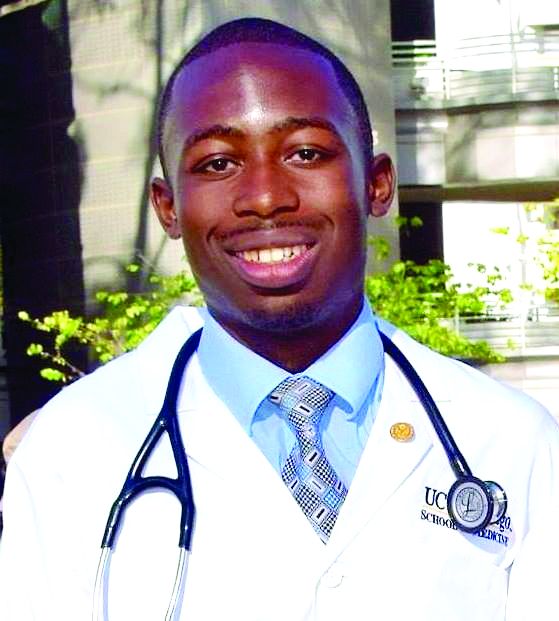
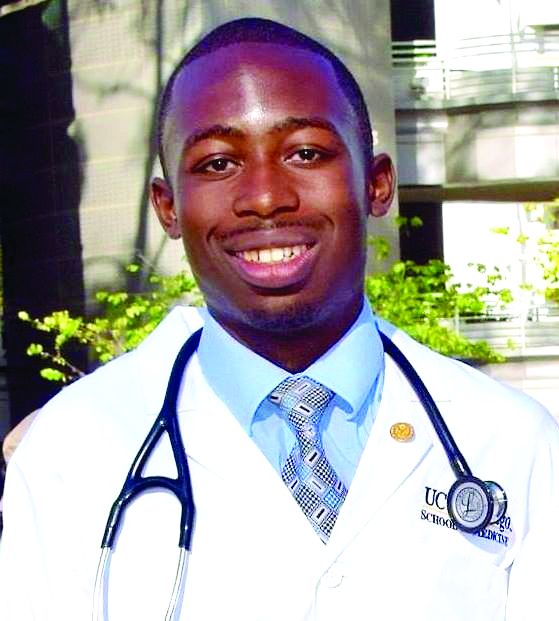
I am a third-year medical student at the University of California, San Diego, as well as a recipient of the SHM Longitudinal Scholar Grant. Ultimately, I intend to pursue a career in academic medicine as a clinician-scientist, where I hope to bridge my interests in neuroscience, research, and clinical medicine.
Prior to entering medical school, I participated in a wide array of basic science, translational, and clinical research projects, but none in the area of quality improvement (QI). Given the breadth of my previous research experiences, an attractive feature of the SHM Hospitalist grant was the opportunity to complement this breadth of research exposure with increasing depth by exploring a QI project.
This year, I’ll be getting my first exposure to a QI project under the fine mentorship of Ian Jenkins, MD, SFHM, an attending in the division of hospital medicine at UCSD, who is working on an ongoing effort to combat catheter–associated urinary tract infections (CAUTI). Methods for reducing CAUTI include reducing indwelling urinary catheter (IUC) placement, performing proper maintenance of IUCs, and ensuring prompt removal of unnecessary urinary catheters.
Our project aims to combine all three approaches, along with staff education on IUC management and IUC alternatives. We plan to perform a “measure-vention,” or real-time monitoring and correction of defects by examining the rate of CAUTI as well as the percentage IUC utilization rate in participating units. Ultimately, we hope to optimize patient comfort and publicize our experience to help other health care facilities reduce IUC use and CAUTI.
I am excited to see how basic interventions, such as education and measure-vention can drive the development of improved health outcomes and quality patient care.
Victor Ekuta is a third-year medical student at the University of California, San Diego.
Editor’s note: The Society of Hospital Medicine’s (SHM’s) Physician in Training Committee launched a scholarship program in 2015 for medical students to help transform health care and revolutionize patient care. The program has been expanded for the 2017-2018 year, offering two options for students to receive funding and engage in scholarly work during their first, second, and third years of medical school. As a part of the longitudinal (18-month) program, recipients are required to write about their experiences on a monthly basis.
I am a third-year medical student at the University of California, San Diego, as well as a recipient of the SHM Longitudinal Scholar Grant. Ultimately, I intend to pursue a career in academic medicine as a clinician-scientist, where I hope to bridge my interests in neuroscience, research, and clinical medicine.
Prior to entering medical school, I participated in a wide array of basic science, translational, and clinical research projects, but none in the area of quality improvement (QI). Given the breadth of my previous research experiences, an attractive feature of the SHM Hospitalist grant was the opportunity to complement this breadth of research exposure with increasing depth by exploring a QI project.
This year, I’ll be getting my first exposure to a QI project under the fine mentorship of Ian Jenkins, MD, SFHM, an attending in the division of hospital medicine at UCSD, who is working on an ongoing effort to combat catheter–associated urinary tract infections (CAUTI). Methods for reducing CAUTI include reducing indwelling urinary catheter (IUC) placement, performing proper maintenance of IUCs, and ensuring prompt removal of unnecessary urinary catheters.
Our project aims to combine all three approaches, along with staff education on IUC management and IUC alternatives. We plan to perform a “measure-vention,” or real-time monitoring and correction of defects by examining the rate of CAUTI as well as the percentage IUC utilization rate in participating units. Ultimately, we hope to optimize patient comfort and publicize our experience to help other health care facilities reduce IUC use and CAUTI.
I am excited to see how basic interventions, such as education and measure-vention can drive the development of improved health outcomes and quality patient care.
Victor Ekuta is a third-year medical student at the University of California, San Diego.
Editor’s note: The Society of Hospital Medicine’s (SHM’s) Physician in Training Committee launched a scholarship program in 2015 for medical students to help transform health care and revolutionize patient care. The program has been expanded for the 2017-2018 year, offering two options for students to receive funding and engage in scholarly work during their first, second, and third years of medical school. As a part of the longitudinal (18-month) program, recipients are required to write about their experiences on a monthly basis.
I am a third-year medical student at the University of California, San Diego, as well as a recipient of the SHM Longitudinal Scholar Grant. Ultimately, I intend to pursue a career in academic medicine as a clinician-scientist, where I hope to bridge my interests in neuroscience, research, and clinical medicine.
Prior to entering medical school, I participated in a wide array of basic science, translational, and clinical research projects, but none in the area of quality improvement (QI). Given the breadth of my previous research experiences, an attractive feature of the SHM Hospitalist grant was the opportunity to complement this breadth of research exposure with increasing depth by exploring a QI project.
This year, I’ll be getting my first exposure to a QI project under the fine mentorship of Ian Jenkins, MD, SFHM, an attending in the division of hospital medicine at UCSD, who is working on an ongoing effort to combat catheter–associated urinary tract infections (CAUTI). Methods for reducing CAUTI include reducing indwelling urinary catheter (IUC) placement, performing proper maintenance of IUCs, and ensuring prompt removal of unnecessary urinary catheters.
Our project aims to combine all three approaches, along with staff education on IUC management and IUC alternatives. We plan to perform a “measure-vention,” or real-time monitoring and correction of defects by examining the rate of CAUTI as well as the percentage IUC utilization rate in participating units. Ultimately, we hope to optimize patient comfort and publicize our experience to help other health care facilities reduce IUC use and CAUTI.
I am excited to see how basic interventions, such as education and measure-vention can drive the development of improved health outcomes and quality patient care.
Victor Ekuta is a third-year medical student at the University of California, San Diego.
Using EHR data to predict post-acute care placement
Editor’s Note: The Society of Hospital Medicine’s (SHM’s) Physician in Training Committee launched a scholarship program in 2015 for medical students to help transform health care and revolutionize patient care. The program has been expanded for the 2017-2018 year, offering two options for students to receive funding and engage in scholarly work during their first, second, and third years of medical school. As a part of the longitudinal (18-month) program, recipients are required to write about their experience on a monthly basis.
When patients are admitted to the hospital, the focus for the first 24 hours is on the work-up: What do the data point values tell you about how sick this patient is, and what will they need to get better? While the goal for this information is to develop the appropriate treatment and management for the patient’s acute problem, it could be leveraged to help with other parts of the patient’s hospital stay as well. In particular, it could help avoid unnecessarily long stays in the hospital caused by patients’ waiting for a bed at a lower level of care.

My research mentor, Eduard Vasilevskis, MD, created a rough scoring system for predicting post-acute care placement using admission data, just based on his clinical gestalt. Even at this preliminary stage, the model has already functioned well without much refinement; however a validated, statistically robust model could potentially transform the way that we initiate the discharge planning process. Jesse Ehrenfeld, MD has helped us develop it further by giving us access to a curated database of deidentified EHR data, which contains all of the variables we would like to assess.
The strengths of this potential model are manifold. First, it relies on data collected early in the patient’s hospital course. Second, it relies on routinely collected information (both at our home institution and elsewhere, making it potentially generalizable). And third, it relies on objective patient data rather than requiring providers use their impressions of the patients’ functional status to guess whether they will require discharge planning services. Although such prediction models have been generated before, this model would be among the first to incorporate information routinely collected by nursing staff, such as the Braden Scale, instead of relying on additional instruments or surveys. In addition to predicting placement destination, the model may also be predictive of in-hospital mortality.
With this information, we hope to give hospital teams an additional tool to help mobilize resources toward patients who need the most attention – not just while they’re in the hospital, but also on their way out.
Monisha Bhatia, a native of Nashville, Tenn., is a fourth-year medical student at Vanderbilt University in Nashville. She is hoping to pursue either a residency in internal medicine or a combined internal medicine/emergency medicine program. Prior to medical school, she completed a JD/MPH program at Boston University, and she hopes to use her legal training in working with regulatory authorities to improve access to health care for all Americans.
Editor’s Note: The Society of Hospital Medicine’s (SHM’s) Physician in Training Committee launched a scholarship program in 2015 for medical students to help transform health care and revolutionize patient care. The program has been expanded for the 2017-2018 year, offering two options for students to receive funding and engage in scholarly work during their first, second, and third years of medical school. As a part of the longitudinal (18-month) program, recipients are required to write about their experience on a monthly basis.
When patients are admitted to the hospital, the focus for the first 24 hours is on the work-up: What do the data point values tell you about how sick this patient is, and what will they need to get better? While the goal for this information is to develop the appropriate treatment and management for the patient’s acute problem, it could be leveraged to help with other parts of the patient’s hospital stay as well. In particular, it could help avoid unnecessarily long stays in the hospital caused by patients’ waiting for a bed at a lower level of care.
My research mentor, Eduard Vasilevskis, MD, created a rough scoring system for predicting post-acute care placement using admission data, just based on his clinical gestalt. Even at this preliminary stage, the model has already functioned well without much refinement; however a validated, statistically robust model could potentially transform the way that we initiate the discharge planning process. Jesse Ehrenfeld, MD has helped us develop it further by giving us access to a curated database of deidentified EHR data, which contains all of the variables we would like to assess.
The strengths of this potential model are manifold. First, it relies on data collected early in the patient’s hospital course. Second, it relies on routinely collected information (both at our home institution and elsewhere, making it potentially generalizable). And third, it relies on objective patient data rather than requiring providers use their impressions of the patients’ functional status to guess whether they will require discharge planning services. Although such prediction models have been generated before, this model would be among the first to incorporate information routinely collected by nursing staff, such as the Braden Scale, instead of relying on additional instruments or surveys. In addition to predicting placement destination, the model may also be predictive of in-hospital mortality.
With this information, we hope to give hospital teams an additional tool to help mobilize resources toward patients who need the most attention – not just while they’re in the hospital, but also on their way out.
Monisha Bhatia, a native of Nashville, Tenn., is a fourth-year medical student at Vanderbilt University in Nashville. She is hoping to pursue either a residency in internal medicine or a combined internal medicine/emergency medicine program. Prior to medical school, she completed a JD/MPH program at Boston University, and she hopes to use her legal training in working with regulatory authorities to improve access to health care for all Americans.
Editor’s Note: The Society of Hospital Medicine’s (SHM’s) Physician in Training Committee launched a scholarship program in 2015 for medical students to help transform health care and revolutionize patient care. The program has been expanded for the 2017-2018 year, offering two options for students to receive funding and engage in scholarly work during their first, second, and third years of medical school. As a part of the longitudinal (18-month) program, recipients are required to write about their experience on a monthly basis.
When patients are admitted to the hospital, the focus for the first 24 hours is on the work-up: What do the data point values tell you about how sick this patient is, and what will they need to get better? While the goal for this information is to develop the appropriate treatment and management for the patient’s acute problem, it could be leveraged to help with other parts of the patient’s hospital stay as well. In particular, it could help avoid unnecessarily long stays in the hospital caused by patients’ waiting for a bed at a lower level of care.
My research mentor, Eduard Vasilevskis, MD, created a rough scoring system for predicting post-acute care placement using admission data, just based on his clinical gestalt. Even at this preliminary stage, the model has already functioned well without much refinement; however a validated, statistically robust model could potentially transform the way that we initiate the discharge planning process. Jesse Ehrenfeld, MD has helped us develop it further by giving us access to a curated database of deidentified EHR data, which contains all of the variables we would like to assess.
The strengths of this potential model are manifold. First, it relies on data collected early in the patient’s hospital course. Second, it relies on routinely collected information (both at our home institution and elsewhere, making it potentially generalizable). And third, it relies on objective patient data rather than requiring providers use their impressions of the patients’ functional status to guess whether they will require discharge planning services. Although such prediction models have been generated before, this model would be among the first to incorporate information routinely collected by nursing staff, such as the Braden Scale, instead of relying on additional instruments or surveys. In addition to predicting placement destination, the model may also be predictive of in-hospital mortality.
With this information, we hope to give hospital teams an additional tool to help mobilize resources toward patients who need the most attention – not just while they’re in the hospital, but also on their way out.
Monisha Bhatia, a native of Nashville, Tenn., is a fourth-year medical student at Vanderbilt University in Nashville. She is hoping to pursue either a residency in internal medicine or a combined internal medicine/emergency medicine program. Prior to medical school, she completed a JD/MPH program at Boston University, and she hopes to use her legal training in working with regulatory authorities to improve access to health care for all Americans.
Letters to the Editor: 'Endo hubris' - We got letters
[Editor’s Note: Dr. Russell Samson’s June editorial, “Endo hubris,” discussed the balance between open and endovascular surgery. His article garnered the most reader comment we have yet received. The letters that follow carry on this important discussion with a variety of voices from across the vascular community.]
To the Editor:
Thank you for your article, “Endo Hubris.” Your observations raise many deeper issues in our specialty of vascular surgery. It appears we vascular surgeons may be among a dwindling few that actually consider vascular surgery a specialty. With so many other specialists performing endovascular procedures, what is so “special” about our “specialty?” It is a keen observation and one made even more odious when one considers the fact that we do not even have our own board.
I also attended the last SVS meeting in San Diego and was happy to see it well attended and full of interesting presentations and discussion topics. However, one subject noticeably absent was having vascular surgery mature into a separate specialty with its own board. I don’t understand why we as a specialty group don’t discuss this. To me it is the most important issue facing our specialty as it relates to other specialties now and the future. Please let me explain.
Wouldn’t it be ideal if all surgeons could be equally competent at all types of operations, in all body regions? We could have one board which would certify all surgeons, certainly this would save money and be more efficient. Also, any boarded surgeon would be able to provide all surgical procedures in any part of the country, which would improve our nation’s access to subspecialty care. Sound good?
Yes, it does, but in reality, this is not reasonable nor feasible. Neurosurgeons take 6-7 years to train in brain and spine surgery. Orthopedic surgeons train as long to become the skeletal experts they are. Urologists also train many long years to become the masters of the genitourinary system. Combine all of these training programs together to make the ultimate surgeon and we would have surgeons in their 50’s or 60’s before being able to start practice. Then they would require adequate numbers of all cases to maintain proficiencies and maintenance of certification. That doesn’t sound good, that sounds absurd.
So goes my argument for having vascular surgery be an independent specialty. We have separate boards for neurosurgery, orthopedics, and urology because it is clearly safer for patients and allows for more advancement in each specialty. At present, we vascular surgeons are considered a subspecialty of general surgery, though we do have a “primary certificate” which allows for the independent attainment of vascular surgery board certification. So why don’t we just have a separate board? This question came up many years ago and caused a civil war in the world of vascular surgery.
A strong case for the independence of vascular surgery was put forth by Dr. Frank Veith et al. over a decade ago. The goal then was to form the American Board of Vascular Surgery (ABVS), independent from the American Board of Surgery. At that time there was already much progress in vascular surgery, including an official Certificate of Added Qualifications for Vascular Surgery by the American Board of Surgery. Also, there were existing accredited training programs for vascular surgery in the form of fellowships. To make a long story short, this motion was defeated after a bitter feud within the leadership of vascular surgery societies. The motion was defeated despite the endovascular revolution and the clear differentiation of vascular surgeons from their general surgery colleagues. Even more remarkable, the motion was defeated despite a 1997 survey showing that 91% of boarded vascular surgeons favored the formation of the ABVS.
So why does it matter? After all, patients are not routinely aware of the various boards and their purveys. They only want good outcomes from their operations. Well, I would argue that it probably doesn’t matter much on the national level, although an argument could be made about representation of specialties for Medicare reimbursement rates. I would argue, however, that the defeat of the ABVS in 2005 had significant effects down at the hospital and practice level. Vascular surgeons face severe challenges today with representation in hospital administration, equitable allocation of hospital resources, work-life balance, competition from interventional cardiology and radiology, to just mention a few. Even having adequate public awareness for peripheral vascular disease and our specialty has been lacking. These adverse forces can collectively, negatively impact our patient outcomes.
In summary, many challenges as such could have been averted with the formation of the ABVS, simply because our interests at the local level would have been addressed by an authoritative board of vascular surgeons answering only to the American Board of Medical Specialties (ABMS). It stands to reason that hospitals organize service lines in at least some accordance with the ABMS represented specialties. Our defeat in 2005 was really a blow to our representation in local hospitals and multispecialty groups. Hopefully, we will rekindle this effort in the future for the sake of our specialty and the patients we serve.
Jeffrey H. Hsu, MD, FACS
Regional Chief of Vascular Surgery
Southern California Permanente Medical Group, Kaiser Permanente – Southern California
To the editor:
I always enjoy your editorials in Vascular Specialist, and I even agree with you, most of the time. But I think you hit a home run with the most recent editorial on endo hubris. I have long felt that the only thing that really separates us from the non-surgeon interventionists is that we can do the open surgical operations when they are either necessary or better. So thanks for bringing this issue to a broad audience.
Jerry Goldstone MD
Professor Emeritus, Surgery, Case Western Reserve University School of Medicine; Past president, International Society for Cardiovascular Surgery, North American Chapter
To the Editor:
Your recent editorial “Endo hubris” is completely on point. While it is certainly important that vascular surgeons continue to be leaders in endovascular innovation, it would be a big mistake for us to marginalize open surgical skills. We wrote about such endo-exuberance in the early days of EVAR, realizing that some patients were (and still are) best served by an expertly performed open vascular procedure. Sadly, that skill set for performing larger open vascular procedures is waning as the volume for teaching continues to decline.
The ability to perform open vascular procedures is THE differentiator that sets us apart from all others providing vascular services. Let’s hope that our specialty does not let it wither away.
W. Charles Sternbergh III, MD
Professor and Chief, Vascular and Endovascular Surgery,
Vice-Chair for Research, Department of Surgery
Ochsner Health System
New Orleans, La.
To the Editor:
I read your commentary today regarding open surgery with interest (“Endo hubris”). Based on my recent involvement with the Vascular Annual Meeting (VAM) as well as the Vascular Surgery Board and Residency Review Committee for Surgery, I feel compelled to respond to some of the points you raised.
On behalf of my colleagues on the program and related SVS Committees, we are pleased to learn that you enjoyed the San Diego meeting, marijuana aromas and all! However, the implication that the program was imbalanced or biased towards endovascular presentations and solutions deserves comment. As you know, the plenary sessions are composed of investigator-submitted abstracts, all original content, and the Program Committee builds the plenaries based on the quality and diversity of the submitted abstracts. So as a first clarification, the content of the program largely reflects the interest of members and others who submit abstracts to the VAM.
I assure you that high-quality, compelling abstracts regarding open surgical procedures and outcomes are not disadvantaged in the selection process, and a number (including presentations on carotid body tumors, cervical ribs, pediatric renovascular hypertension, removal of infected endografts, carotid endarterectomy with proximal intervention, and open reconstruction of SVC syndrome, among others) were included within each plenary session. Additionally, the videos selected for the program included a large number of unusual and relevant open procedures, including the NAIS procedure from Johns Hopkins in the opening plenary, as well as a number of excellent open surgical videos on the “How I do it” video session on Saturday.
Secondly, your anecdote regarding the “excellent surgical resident” and his comfort with open pararenal AAA repair deserves comment as well. As you know, formal vascular training does not and cannot convey mastery in the practice of surgery. Rather, the training and fellowship process is intended to produce safe and competent surgeons, individuals who will continue to grow in their confidence and ability through their first several years in practice. In reality we’d expect any trainee today, let alone 10 or 20 years ago, to anticipate the need for assistance in safely exposing and repairing a pararenal aortic aneurysm early in their practice experience, particularly in today’s environment of registries, OPPE, FPPE, and hypersurveillance of surgical outcomes. The resident’s response (a first-year fellow, actually) was absolutely the right one under the circumstances, and I’d expect a different answer after his first few years in practice, if not by the end of his fellowship.
As you may also know, there are proposals under consideration to require open procedure case minimums for board eligibility and continuing program accreditation. This process is controversial, as no clear guidelines exist regarding “how much is enough,” but efforts are underway to ensure that each trainee performs sufficient numbers of the open arterial reconstructive procedures that define our specialty. In the process of preparing for these discussions, we were pleased to learn that, from ACGME case log data, the average numbers of open arterial operations (abdominal, peripheral and cerebrovascular reconstructive) performed by trainees have not declined over the last several years, despite perceptions to the contrary.
As a parting comment, you may have also noticed that the entire first plenary session at VAM was thematically focused on the limitations of endovascular aortic disease management, with a number of late complications considered, along with their potential solutions. This was not coincidental, as with any maturing technology, the long-term consequences of the endo-adventurism of the last 15 years are only now becoming apparent. Throughout the meeting, we took every opportunity to contrast the potential of new technology with the unknown and potentially deleterious consequences associated with early adoption.
Regarding the importance of highlighting the advantages of open surgery to our patients and colleagues when appropriate, I couldn’t agree with you more.
Despite our best efforts, however, patients will always be attracted to “minimally invasive” solutions regardless of their limitations. In my opinion, our specialty has managed this transition relatively well in the endovascular era, constantly benchmarking new techniques against old standards, and embracing the new when proven to be most advantageous to patients.
Regarding the range of commercial exhibitors participating in this year’s VAM, it is incumbent upon us as SVS members to emphasize to our local vendors and contractors that their presence at the VAM is a significant draw for attendance at the meeting, and that we appreciate their continued support.
Thanks for continuing to produce such spirited and inspiring commentaries for the Specialist, as well as your overall capable editorial stewardship of this important publication.
Ron Dalman, MD
Program Chair Emeritus, SVS Vascular Annual Meeting, 2015-2017
Member, Vascular Surgery Board, American Board of Surgery
Member Emeritus, Residency Review Committee for Surgery, 2010-2016
Dr. Samson replies:
At the outset I would like to thank Dr. Dalman for taking the time to write this letter and for his words of support for my other editorials.
I understand that some may take offense at some of the possible inferences in my editorial. However, it was certainly not my intention to malign the meeting. On the contrary, as I stated at the outset of my editorial, the meeting was outstanding in every aspect and I commend his committee on producing the finest, all-encompassing meeting I have ever attended. I was extremely proud to be a member of a Society that could create such an event. Nor did my editorial suggest that there was bias in selection of endovascular subjects instead of open procedures. Rather, as Dr. Dalman writes, “the content of the program largely reflects the interest of members and others who submit abstracts to the VAM.” In other words, a society of members whose interests now are largely directed towards endovascular procedures. Further, having run multiple meetings in the past, I am aware of the need to incorporate commercial exhibitors and their importance to the meeting. I used the fact that the majority of exhibitors displayed endovascular equipment as another example of the burgeoning influence of endovascular therapies.
I must admit that I thought long and hard before using the paragraph about the excellent vascular fellow. [See my editorial on page 3.] I was impressed by his talk and by the quality of his presentation. I was also very impressed by his candor in answering the question put to him from the audience. From Dr. Dalman’s letter it is apparent that he deserves praise, as does his fellowship training. However, multiple surgeons who were in the audience came up to me afterwards and that was partly the impetus for the editorial. The fact remains that we have an identity problem. I myself suffer from “Endo hubris” and waning surgical expertise. How we address this “malady” may be fundamental to the future of vascular surgery.
[Editor’s Note: Dr. Russell Samson’s June editorial, “Endo hubris,” discussed the balance between open and endovascular surgery. His article garnered the most reader comment we have yet received. The letters that follow carry on this important discussion with a variety of voices from across the vascular community.]
To the Editor:
Thank you for your article, “Endo Hubris.” Your observations raise many deeper issues in our specialty of vascular surgery. It appears we vascular surgeons may be among a dwindling few that actually consider vascular surgery a specialty. With so many other specialists performing endovascular procedures, what is so “special” about our “specialty?” It is a keen observation and one made even more odious when one considers the fact that we do not even have our own board.
I also attended the last SVS meeting in San Diego and was happy to see it well attended and full of interesting presentations and discussion topics. However, one subject noticeably absent was having vascular surgery mature into a separate specialty with its own board. I don’t understand why we as a specialty group don’t discuss this. To me it is the most important issue facing our specialty as it relates to other specialties now and the future. Please let me explain.
Wouldn’t it be ideal if all surgeons could be equally competent at all types of operations, in all body regions? We could have one board which would certify all surgeons, certainly this would save money and be more efficient. Also, any boarded surgeon would be able to provide all surgical procedures in any part of the country, which would improve our nation’s access to subspecialty care. Sound good?
Yes, it does, but in reality, this is not reasonable nor feasible. Neurosurgeons take 6-7 years to train in brain and spine surgery. Orthopedic surgeons train as long to become the skeletal experts they are. Urologists also train many long years to become the masters of the genitourinary system. Combine all of these training programs together to make the ultimate surgeon and we would have surgeons in their 50’s or 60’s before being able to start practice. Then they would require adequate numbers of all cases to maintain proficiencies and maintenance of certification. That doesn’t sound good, that sounds absurd.
So goes my argument for having vascular surgery be an independent specialty. We have separate boards for neurosurgery, orthopedics, and urology because it is clearly safer for patients and allows for more advancement in each specialty. At present, we vascular surgeons are considered a subspecialty of general surgery, though we do have a “primary certificate” which allows for the independent attainment of vascular surgery board certification. So why don’t we just have a separate board? This question came up many years ago and caused a civil war in the world of vascular surgery.
A strong case for the independence of vascular surgery was put forth by Dr. Frank Veith et al. over a decade ago. The goal then was to form the American Board of Vascular Surgery (ABVS), independent from the American Board of Surgery. At that time there was already much progress in vascular surgery, including an official Certificate of Added Qualifications for Vascular Surgery by the American Board of Surgery. Also, there were existing accredited training programs for vascular surgery in the form of fellowships. To make a long story short, this motion was defeated after a bitter feud within the leadership of vascular surgery societies. The motion was defeated despite the endovascular revolution and the clear differentiation of vascular surgeons from their general surgery colleagues. Even more remarkable, the motion was defeated despite a 1997 survey showing that 91% of boarded vascular surgeons favored the formation of the ABVS.
So why does it matter? After all, patients are not routinely aware of the various boards and their purveys. They only want good outcomes from their operations. Well, I would argue that it probably doesn’t matter much on the national level, although an argument could be made about representation of specialties for Medicare reimbursement rates. I would argue, however, that the defeat of the ABVS in 2005 had significant effects down at the hospital and practice level. Vascular surgeons face severe challenges today with representation in hospital administration, equitable allocation of hospital resources, work-life balance, competition from interventional cardiology and radiology, to just mention a few. Even having adequate public awareness for peripheral vascular disease and our specialty has been lacking. These adverse forces can collectively, negatively impact our patient outcomes.
In summary, many challenges as such could have been averted with the formation of the ABVS, simply because our interests at the local level would have been addressed by an authoritative board of vascular surgeons answering only to the American Board of Medical Specialties (ABMS). It stands to reason that hospitals organize service lines in at least some accordance with the ABMS represented specialties. Our defeat in 2005 was really a blow to our representation in local hospitals and multispecialty groups. Hopefully, we will rekindle this effort in the future for the sake of our specialty and the patients we serve.
Jeffrey H. Hsu, MD, FACS
Regional Chief of Vascular Surgery
Southern California Permanente Medical Group, Kaiser Permanente – Southern California
To the editor:
I always enjoy your editorials in Vascular Specialist, and I even agree with you, most of the time. But I think you hit a home run with the most recent editorial on endo hubris. I have long felt that the only thing that really separates us from the non-surgeon interventionists is that we can do the open surgical operations when they are either necessary or better. So thanks for bringing this issue to a broad audience.
Jerry Goldstone MD
Professor Emeritus, Surgery, Case Western Reserve University School of Medicine; Past president, International Society for Cardiovascular Surgery, North American Chapter
To the Editor:
Your recent editorial “Endo hubris” is completely on point. While it is certainly important that vascular surgeons continue to be leaders in endovascular innovation, it would be a big mistake for us to marginalize open surgical skills. We wrote about such endo-exuberance in the early days of EVAR, realizing that some patients were (and still are) best served by an expertly performed open vascular procedure. Sadly, that skill set for performing larger open vascular procedures is waning as the volume for teaching continues to decline.
The ability to perform open vascular procedures is THE differentiator that sets us apart from all others providing vascular services. Let’s hope that our specialty does not let it wither away.
W. Charles Sternbergh III, MD
Professor and Chief, Vascular and Endovascular Surgery,
Vice-Chair for Research, Department of Surgery
Ochsner Health System
New Orleans, La.
To the Editor:
I read your commentary today regarding open surgery with interest (“Endo hubris”). Based on my recent involvement with the Vascular Annual Meeting (VAM) as well as the Vascular Surgery Board and Residency Review Committee for Surgery, I feel compelled to respond to some of the points you raised.
On behalf of my colleagues on the program and related SVS Committees, we are pleased to learn that you enjoyed the San Diego meeting, marijuana aromas and all! However, the implication that the program was imbalanced or biased towards endovascular presentations and solutions deserves comment. As you know, the plenary sessions are composed of investigator-submitted abstracts, all original content, and the Program Committee builds the plenaries based on the quality and diversity of the submitted abstracts. So as a first clarification, the content of the program largely reflects the interest of members and others who submit abstracts to the VAM.
I assure you that high-quality, compelling abstracts regarding open surgical procedures and outcomes are not disadvantaged in the selection process, and a number (including presentations on carotid body tumors, cervical ribs, pediatric renovascular hypertension, removal of infected endografts, carotid endarterectomy with proximal intervention, and open reconstruction of SVC syndrome, among others) were included within each plenary session. Additionally, the videos selected for the program included a large number of unusual and relevant open procedures, including the NAIS procedure from Johns Hopkins in the opening plenary, as well as a number of excellent open surgical videos on the “How I do it” video session on Saturday.
Secondly, your anecdote regarding the “excellent surgical resident” and his comfort with open pararenal AAA repair deserves comment as well. As you know, formal vascular training does not and cannot convey mastery in the practice of surgery. Rather, the training and fellowship process is intended to produce safe and competent surgeons, individuals who will continue to grow in their confidence and ability through their first several years in practice. In reality we’d expect any trainee today, let alone 10 or 20 years ago, to anticipate the need for assistance in safely exposing and repairing a pararenal aortic aneurysm early in their practice experience, particularly in today’s environment of registries, OPPE, FPPE, and hypersurveillance of surgical outcomes. The resident’s response (a first-year fellow, actually) was absolutely the right one under the circumstances, and I’d expect a different answer after his first few years in practice, if not by the end of his fellowship.
As you may also know, there are proposals under consideration to require open procedure case minimums for board eligibility and continuing program accreditation. This process is controversial, as no clear guidelines exist regarding “how much is enough,” but efforts are underway to ensure that each trainee performs sufficient numbers of the open arterial reconstructive procedures that define our specialty. In the process of preparing for these discussions, we were pleased to learn that, from ACGME case log data, the average numbers of open arterial operations (abdominal, peripheral and cerebrovascular reconstructive) performed by trainees have not declined over the last several years, despite perceptions to the contrary.
As a parting comment, you may have also noticed that the entire first plenary session at VAM was thematically focused on the limitations of endovascular aortic disease management, with a number of late complications considered, along with their potential solutions. This was not coincidental, as with any maturing technology, the long-term consequences of the endo-adventurism of the last 15 years are only now becoming apparent. Throughout the meeting, we took every opportunity to contrast the potential of new technology with the unknown and potentially deleterious consequences associated with early adoption.
Regarding the importance of highlighting the advantages of open surgery to our patients and colleagues when appropriate, I couldn’t agree with you more.
Despite our best efforts, however, patients will always be attracted to “minimally invasive” solutions regardless of their limitations. In my opinion, our specialty has managed this transition relatively well in the endovascular era, constantly benchmarking new techniques against old standards, and embracing the new when proven to be most advantageous to patients.
Regarding the range of commercial exhibitors participating in this year’s VAM, it is incumbent upon us as SVS members to emphasize to our local vendors and contractors that their presence at the VAM is a significant draw for attendance at the meeting, and that we appreciate their continued support.
Thanks for continuing to produce such spirited and inspiring commentaries for the Specialist, as well as your overall capable editorial stewardship of this important publication.
Ron Dalman, MD
Program Chair Emeritus, SVS Vascular Annual Meeting, 2015-2017
Member, Vascular Surgery Board, American Board of Surgery
Member Emeritus, Residency Review Committee for Surgery, 2010-2016
Dr. Samson replies:
At the outset I would like to thank Dr. Dalman for taking the time to write this letter and for his words of support for my other editorials.
I understand that some may take offense at some of the possible inferences in my editorial. However, it was certainly not my intention to malign the meeting. On the contrary, as I stated at the outset of my editorial, the meeting was outstanding in every aspect and I commend his committee on producing the finest, all-encompassing meeting I have ever attended. I was extremely proud to be a member of a Society that could create such an event. Nor did my editorial suggest that there was bias in selection of endovascular subjects instead of open procedures. Rather, as Dr. Dalman writes, “the content of the program largely reflects the interest of members and others who submit abstracts to the VAM.” In other words, a society of members whose interests now are largely directed towards endovascular procedures. Further, having run multiple meetings in the past, I am aware of the need to incorporate commercial exhibitors and their importance to the meeting. I used the fact that the majority of exhibitors displayed endovascular equipment as another example of the burgeoning influence of endovascular therapies.
I must admit that I thought long and hard before using the paragraph about the excellent vascular fellow. [See my editorial on page 3.] I was impressed by his talk and by the quality of his presentation. I was also very impressed by his candor in answering the question put to him from the audience. From Dr. Dalman’s letter it is apparent that he deserves praise, as does his fellowship training. However, multiple surgeons who were in the audience came up to me afterwards and that was partly the impetus for the editorial. The fact remains that we have an identity problem. I myself suffer from “Endo hubris” and waning surgical expertise. How we address this “malady” may be fundamental to the future of vascular surgery.
[Editor’s Note: Dr. Russell Samson’s June editorial, “Endo hubris,” discussed the balance between open and endovascular surgery. His article garnered the most reader comment we have yet received. The letters that follow carry on this important discussion with a variety of voices from across the vascular community.]
To the Editor:
Thank you for your article, “Endo Hubris.” Your observations raise many deeper issues in our specialty of vascular surgery. It appears we vascular surgeons may be among a dwindling few that actually consider vascular surgery a specialty. With so many other specialists performing endovascular procedures, what is so “special” about our “specialty?” It is a keen observation and one made even more odious when one considers the fact that we do not even have our own board.
I also attended the last SVS meeting in San Diego and was happy to see it well attended and full of interesting presentations and discussion topics. However, one subject noticeably absent was having vascular surgery mature into a separate specialty with its own board. I don’t understand why we as a specialty group don’t discuss this. To me it is the most important issue facing our specialty as it relates to other specialties now and the future. Please let me explain.
Wouldn’t it be ideal if all surgeons could be equally competent at all types of operations, in all body regions? We could have one board which would certify all surgeons, certainly this would save money and be more efficient. Also, any boarded surgeon would be able to provide all surgical procedures in any part of the country, which would improve our nation’s access to subspecialty care. Sound good?
Yes, it does, but in reality, this is not reasonable nor feasible. Neurosurgeons take 6-7 years to train in brain and spine surgery. Orthopedic surgeons train as long to become the skeletal experts they are. Urologists also train many long years to become the masters of the genitourinary system. Combine all of these training programs together to make the ultimate surgeon and we would have surgeons in their 50’s or 60’s before being able to start practice. Then they would require adequate numbers of all cases to maintain proficiencies and maintenance of certification. That doesn’t sound good, that sounds absurd.
So goes my argument for having vascular surgery be an independent specialty. We have separate boards for neurosurgery, orthopedics, and urology because it is clearly safer for patients and allows for more advancement in each specialty. At present, we vascular surgeons are considered a subspecialty of general surgery, though we do have a “primary certificate” which allows for the independent attainment of vascular surgery board certification. So why don’t we just have a separate board? This question came up many years ago and caused a civil war in the world of vascular surgery.
A strong case for the independence of vascular surgery was put forth by Dr. Frank Veith et al. over a decade ago. The goal then was to form the American Board of Vascular Surgery (ABVS), independent from the American Board of Surgery. At that time there was already much progress in vascular surgery, including an official Certificate of Added Qualifications for Vascular Surgery by the American Board of Surgery. Also, there were existing accredited training programs for vascular surgery in the form of fellowships. To make a long story short, this motion was defeated after a bitter feud within the leadership of vascular surgery societies. The motion was defeated despite the endovascular revolution and the clear differentiation of vascular surgeons from their general surgery colleagues. Even more remarkable, the motion was defeated despite a 1997 survey showing that 91% of boarded vascular surgeons favored the formation of the ABVS.
So why does it matter? After all, patients are not routinely aware of the various boards and their purveys. They only want good outcomes from their operations. Well, I would argue that it probably doesn’t matter much on the national level, although an argument could be made about representation of specialties for Medicare reimbursement rates. I would argue, however, that the defeat of the ABVS in 2005 had significant effects down at the hospital and practice level. Vascular surgeons face severe challenges today with representation in hospital administration, equitable allocation of hospital resources, work-life balance, competition from interventional cardiology and radiology, to just mention a few. Even having adequate public awareness for peripheral vascular disease and our specialty has been lacking. These adverse forces can collectively, negatively impact our patient outcomes.
In summary, many challenges as such could have been averted with the formation of the ABVS, simply because our interests at the local level would have been addressed by an authoritative board of vascular surgeons answering only to the American Board of Medical Specialties (ABMS). It stands to reason that hospitals organize service lines in at least some accordance with the ABMS represented specialties. Our defeat in 2005 was really a blow to our representation in local hospitals and multispecialty groups. Hopefully, we will rekindle this effort in the future for the sake of our specialty and the patients we serve.
Jeffrey H. Hsu, MD, FACS
Regional Chief of Vascular Surgery
Southern California Permanente Medical Group, Kaiser Permanente – Southern California
To the editor:
I always enjoy your editorials in Vascular Specialist, and I even agree with you, most of the time. But I think you hit a home run with the most recent editorial on endo hubris. I have long felt that the only thing that really separates us from the non-surgeon interventionists is that we can do the open surgical operations when they are either necessary or better. So thanks for bringing this issue to a broad audience.
Jerry Goldstone MD
Professor Emeritus, Surgery, Case Western Reserve University School of Medicine; Past president, International Society for Cardiovascular Surgery, North American Chapter
To the Editor:
Your recent editorial “Endo hubris” is completely on point. While it is certainly important that vascular surgeons continue to be leaders in endovascular innovation, it would be a big mistake for us to marginalize open surgical skills. We wrote about such endo-exuberance in the early days of EVAR, realizing that some patients were (and still are) best served by an expertly performed open vascular procedure. Sadly, that skill set for performing larger open vascular procedures is waning as the volume for teaching continues to decline.
The ability to perform open vascular procedures is THE differentiator that sets us apart from all others providing vascular services. Let’s hope that our specialty does not let it wither away.
W. Charles Sternbergh III, MD
Professor and Chief, Vascular and Endovascular Surgery,
Vice-Chair for Research, Department of Surgery
Ochsner Health System
New Orleans, La.
To the Editor:
I read your commentary today regarding open surgery with interest (“Endo hubris”). Based on my recent involvement with the Vascular Annual Meeting (VAM) as well as the Vascular Surgery Board and Residency Review Committee for Surgery, I feel compelled to respond to some of the points you raised.
On behalf of my colleagues on the program and related SVS Committees, we are pleased to learn that you enjoyed the San Diego meeting, marijuana aromas and all! However, the implication that the program was imbalanced or biased towards endovascular presentations and solutions deserves comment. As you know, the plenary sessions are composed of investigator-submitted abstracts, all original content, and the Program Committee builds the plenaries based on the quality and diversity of the submitted abstracts. So as a first clarification, the content of the program largely reflects the interest of members and others who submit abstracts to the VAM.
I assure you that high-quality, compelling abstracts regarding open surgical procedures and outcomes are not disadvantaged in the selection process, and a number (including presentations on carotid body tumors, cervical ribs, pediatric renovascular hypertension, removal of infected endografts, carotid endarterectomy with proximal intervention, and open reconstruction of SVC syndrome, among others) were included within each plenary session. Additionally, the videos selected for the program included a large number of unusual and relevant open procedures, including the NAIS procedure from Johns Hopkins in the opening plenary, as well as a number of excellent open surgical videos on the “How I do it” video session on Saturday.
Secondly, your anecdote regarding the “excellent surgical resident” and his comfort with open pararenal AAA repair deserves comment as well. As you know, formal vascular training does not and cannot convey mastery in the practice of surgery. Rather, the training and fellowship process is intended to produce safe and competent surgeons, individuals who will continue to grow in their confidence and ability through their first several years in practice. In reality we’d expect any trainee today, let alone 10 or 20 years ago, to anticipate the need for assistance in safely exposing and repairing a pararenal aortic aneurysm early in their practice experience, particularly in today’s environment of registries, OPPE, FPPE, and hypersurveillance of surgical outcomes. The resident’s response (a first-year fellow, actually) was absolutely the right one under the circumstances, and I’d expect a different answer after his first few years in practice, if not by the end of his fellowship.
As you may also know, there are proposals under consideration to require open procedure case minimums for board eligibility and continuing program accreditation. This process is controversial, as no clear guidelines exist regarding “how much is enough,” but efforts are underway to ensure that each trainee performs sufficient numbers of the open arterial reconstructive procedures that define our specialty. In the process of preparing for these discussions, we were pleased to learn that, from ACGME case log data, the average numbers of open arterial operations (abdominal, peripheral and cerebrovascular reconstructive) performed by trainees have not declined over the last several years, despite perceptions to the contrary.
As a parting comment, you may have also noticed that the entire first plenary session at VAM was thematically focused on the limitations of endovascular aortic disease management, with a number of late complications considered, along with their potential solutions. This was not coincidental, as with any maturing technology, the long-term consequences of the endo-adventurism of the last 15 years are only now becoming apparent. Throughout the meeting, we took every opportunity to contrast the potential of new technology with the unknown and potentially deleterious consequences associated with early adoption.
Regarding the importance of highlighting the advantages of open surgery to our patients and colleagues when appropriate, I couldn’t agree with you more.
Despite our best efforts, however, patients will always be attracted to “minimally invasive” solutions regardless of their limitations. In my opinion, our specialty has managed this transition relatively well in the endovascular era, constantly benchmarking new techniques against old standards, and embracing the new when proven to be most advantageous to patients.
Regarding the range of commercial exhibitors participating in this year’s VAM, it is incumbent upon us as SVS members to emphasize to our local vendors and contractors that their presence at the VAM is a significant draw for attendance at the meeting, and that we appreciate their continued support.
Thanks for continuing to produce such spirited and inspiring commentaries for the Specialist, as well as your overall capable editorial stewardship of this important publication.
Ron Dalman, MD
Program Chair Emeritus, SVS Vascular Annual Meeting, 2015-2017
Member, Vascular Surgery Board, American Board of Surgery
Member Emeritus, Residency Review Committee for Surgery, 2010-2016
Dr. Samson replies:
At the outset I would like to thank Dr. Dalman for taking the time to write this letter and for his words of support for my other editorials.
I understand that some may take offense at some of the possible inferences in my editorial. However, it was certainly not my intention to malign the meeting. On the contrary, as I stated at the outset of my editorial, the meeting was outstanding in every aspect and I commend his committee on producing the finest, all-encompassing meeting I have ever attended. I was extremely proud to be a member of a Society that could create such an event. Nor did my editorial suggest that there was bias in selection of endovascular subjects instead of open procedures. Rather, as Dr. Dalman writes, “the content of the program largely reflects the interest of members and others who submit abstracts to the VAM.” In other words, a society of members whose interests now are largely directed towards endovascular procedures. Further, having run multiple meetings in the past, I am aware of the need to incorporate commercial exhibitors and their importance to the meeting. I used the fact that the majority of exhibitors displayed endovascular equipment as another example of the burgeoning influence of endovascular therapies.
I must admit that I thought long and hard before using the paragraph about the excellent vascular fellow. [See my editorial on page 3.] I was impressed by his talk and by the quality of his presentation. I was also very impressed by his candor in answering the question put to him from the audience. From Dr. Dalman’s letter it is apparent that he deserves praise, as does his fellowship training. However, multiple surgeons who were in the audience came up to me afterwards and that was partly the impetus for the editorial. The fact remains that we have an identity problem. I myself suffer from “Endo hubris” and waning surgical expertise. How we address this “malady” may be fundamental to the future of vascular surgery.
Never too old
What are the age parameters for your practice? I suspect that at one end of the spectrum, you feel that a child is never too young to come to your practice. In fact you may even go out of your way to encourage expectant mothers to make a get-acquainted visit before they deliver because you know that a face-to-face encounter is very likely to make your job easier for the next decade or two.
On the other hand, I suspect that you have set an upper age limit above which you suggest that your patients transition to a physician whose practice is focused on adult care. Is this limit stated as a number – 18? 19? 21? Or are you so uncomfortable with the challenges of adolescent medicine that you urge the teenagers in your practice to find another medical home?
In my practice, I had a very simple and seldom-enforced upper age limit. A patient who was still a student, not even a full-time student, was welcome to keep coming to see me. This made us very popular with college students who knew that we would be there for them when they came home between semesters with a sore throat or needed a refill for their anxiety medicine. No long waits to see a customer-unfriendly internist. Of course, this meant that it was not unusual for me to see patients who were working on their master’s degree or just a few months short of their doctoral dissertation.
One of our exam rooms had large plywood cutouts of the number 1-10 on the walls, but otherwise I avoided large murals of jungle figures or cartoon characters. A checked shirt and a muted wine-red knit tie were about as wild and crazy as my professional wardrobe ever got. I never really bought into the notion that I could put a nervous young child at ease by dressing like a clown. In my experience, it was the personality and warmth radiating from the caregiver that set the tone of the visit, not what he or she was wearing.
Recently, the American Academy of Pediatrics published a recommendation discouraging pediatricians from setting upper age limits for their patients (Pediatrics. 2017;140[3]:e20172151). As someone who practiced most of his career with a very lenient age limit policy, I think this is an excellent and long overdue recommendation.
Patients in their older teens and early twenties seldom present with problems that are beyond our professional competency. Furthermore, one cannot underestimate the value that comes from the years of continuity we can fall back on, particularly for those patients with chronic and multiorgan system disease. But most of all, the chance to spend a few quiet minutes having an adult conversation and catching up with someone you have known since infancy can be a pleasant oasis in an otherwise hectic day spent seeing unappreciative, inarticulate infants and whining toddlers.
[polldaddy:{"method":"iframe","type":"survey","src":"//newspolls2017.polldaddy.com/s/never-too-old?iframe=1"}]
Dr. Wilkoff practiced primary care pediatrics in Brunswick, Maine, for nearly 40 years. He has authored several books on behavioral pediatrics, including “How to Say No to Your Toddler.”
What are the age parameters for your practice? I suspect that at one end of the spectrum, you feel that a child is never too young to come to your practice. In fact you may even go out of your way to encourage expectant mothers to make a get-acquainted visit before they deliver because you know that a face-to-face encounter is very likely to make your job easier for the next decade or two.
On the other hand, I suspect that you have set an upper age limit above which you suggest that your patients transition to a physician whose practice is focused on adult care. Is this limit stated as a number – 18? 19? 21? Or are you so uncomfortable with the challenges of adolescent medicine that you urge the teenagers in your practice to find another medical home?
In my practice, I had a very simple and seldom-enforced upper age limit. A patient who was still a student, not even a full-time student, was welcome to keep coming to see me. This made us very popular with college students who knew that we would be there for them when they came home between semesters with a sore throat or needed a refill for their anxiety medicine. No long waits to see a customer-unfriendly internist. Of course, this meant that it was not unusual for me to see patients who were working on their master’s degree or just a few months short of their doctoral dissertation.
One of our exam rooms had large plywood cutouts of the number 1-10 on the walls, but otherwise I avoided large murals of jungle figures or cartoon characters. A checked shirt and a muted wine-red knit tie were about as wild and crazy as my professional wardrobe ever got. I never really bought into the notion that I could put a nervous young child at ease by dressing like a clown. In my experience, it was the personality and warmth radiating from the caregiver that set the tone of the visit, not what he or she was wearing.
Recently, the American Academy of Pediatrics published a recommendation discouraging pediatricians from setting upper age limits for their patients (Pediatrics. 2017;140[3]:e20172151). As someone who practiced most of his career with a very lenient age limit policy, I think this is an excellent and long overdue recommendation.
Patients in their older teens and early twenties seldom present with problems that are beyond our professional competency. Furthermore, one cannot underestimate the value that comes from the years of continuity we can fall back on, particularly for those patients with chronic and multiorgan system disease. But most of all, the chance to spend a few quiet minutes having an adult conversation and catching up with someone you have known since infancy can be a pleasant oasis in an otherwise hectic day spent seeing unappreciative, inarticulate infants and whining toddlers.
[polldaddy:{"method":"iframe","type":"survey","src":"//newspolls2017.polldaddy.com/s/never-too-old?iframe=1"}]
Dr. Wilkoff practiced primary care pediatrics in Brunswick, Maine, for nearly 40 years. He has authored several books on behavioral pediatrics, including “How to Say No to Your Toddler.”
What are the age parameters for your practice? I suspect that at one end of the spectrum, you feel that a child is never too young to come to your practice. In fact you may even go out of your way to encourage expectant mothers to make a get-acquainted visit before they deliver because you know that a face-to-face encounter is very likely to make your job easier for the next decade or two.
On the other hand, I suspect that you have set an upper age limit above which you suggest that your patients transition to a physician whose practice is focused on adult care. Is this limit stated as a number – 18? 19? 21? Or are you so uncomfortable with the challenges of adolescent medicine that you urge the teenagers in your practice to find another medical home?
In my practice, I had a very simple and seldom-enforced upper age limit. A patient who was still a student, not even a full-time student, was welcome to keep coming to see me. This made us very popular with college students who knew that we would be there for them when they came home between semesters with a sore throat or needed a refill for their anxiety medicine. No long waits to see a customer-unfriendly internist. Of course, this meant that it was not unusual for me to see patients who were working on their master’s degree or just a few months short of their doctoral dissertation.
One of our exam rooms had large plywood cutouts of the number 1-10 on the walls, but otherwise I avoided large murals of jungle figures or cartoon characters. A checked shirt and a muted wine-red knit tie were about as wild and crazy as my professional wardrobe ever got. I never really bought into the notion that I could put a nervous young child at ease by dressing like a clown. In my experience, it was the personality and warmth radiating from the caregiver that set the tone of the visit, not what he or she was wearing.
Recently, the American Academy of Pediatrics published a recommendation discouraging pediatricians from setting upper age limits for their patients (Pediatrics. 2017;140[3]:e20172151). As someone who practiced most of his career with a very lenient age limit policy, I think this is an excellent and long overdue recommendation.
Patients in their older teens and early twenties seldom present with problems that are beyond our professional competency. Furthermore, one cannot underestimate the value that comes from the years of continuity we can fall back on, particularly for those patients with chronic and multiorgan system disease. But most of all, the chance to spend a few quiet minutes having an adult conversation and catching up with someone you have known since infancy can be a pleasant oasis in an otherwise hectic day spent seeing unappreciative, inarticulate infants and whining toddlers.
[polldaddy:{"method":"iframe","type":"survey","src":"//newspolls2017.polldaddy.com/s/never-too-old?iframe=1"}]
Dr. Wilkoff practiced primary care pediatrics in Brunswick, Maine, for nearly 40 years. He has authored several books on behavioral pediatrics, including “How to Say No to Your Toddler.”

The summer job
You probably aren’t surprised to learn that the jobless rate for young people aged 16-24 years has fallen to the lowest rate recorded since 1969. Those “Hiring” signs you see in every storefront tell the story. Although the jobless rate for young people is still twice that for adults, clearly there are jobs out there.
However, it appears that there are fewer young people looking for those jobs. In fact, the decline in what is referred to as the “labor force participation rate” is down significantly to 60.6% from a high point of 77.5% in 1989 (Summer Youth Unemployment Falls to Lowest Level Since 1969, by Eric Morath. Wall Street Journal. 2017 Aug 17).
But it may be that the concept of having a job, particularly a first job, lacks the appeal it did for my generation. While I’m sure my parents would have appreciated any financial contribution I could provide, I felt no direct pressure from them to get a summer job. My mother’s only concern was that without something to do, I would be getting into trouble or hanging around the house and getting in her way. She could easily find me work to do around the house that wasn’t going to be fun or pay me anything.
It was peer pressure that nudged me into working. I had watched my friends and their older siblings reaping the benefits of a summer job – disposable income. Money could buy an old car, pay for insurance and gas, fund dates, and buy 45 rpm records. The money provided some independence. Even the most menial job could allow you to feel a bit more like a grown-up.
While I don’t think it is our job as pediatricians to instill a work ethic in our patients, it doesn’t hurt to encourage those who seem to be at loose ends to consider getting a job. Unfortunately, many of the businesses hiring young people are offering hours that are certainly not schoolwork- and sleep-friendly. And we must caution our patients to avoid making bad compromises when facing the lure of a steady supply of spending money.
I would hate to see us return to the bad old days when children were enslaved in sweat shops, in dangerous and unhealthy working conditions. However, I fear that in some cases, in our zeal to protect young people from unsafe working conditions, we have made so many rules that we have seriously limited the opportunities for them to get a taste of the hands-on technical skills that our country desperately needs. Just try to get a plumber or electrician when you need one, and you will understand what I mean. A summer spent as an electrician’s gofer just might trigger a floundering 13-year-old to invest more energy in his studies when he sees them as a critical step to a well-paying job he would enjoy.
Dr. Wilkoff practiced primary care pediatrics in Brunswick, Maine, for nearly 40 years. He has authored several books on behavioral pediatrics, including “How to Say No to Your Toddler.”
You probably aren’t surprised to learn that the jobless rate for young people aged 16-24 years has fallen to the lowest rate recorded since 1969. Those “Hiring” signs you see in every storefront tell the story. Although the jobless rate for young people is still twice that for adults, clearly there are jobs out there.
However, it appears that there are fewer young people looking for those jobs. In fact, the decline in what is referred to as the “labor force participation rate” is down significantly to 60.6% from a high point of 77.5% in 1989 (Summer Youth Unemployment Falls to Lowest Level Since 1969, by Eric Morath. Wall Street Journal. 2017 Aug 17).
But it may be that the concept of having a job, particularly a first job, lacks the appeal it did for my generation. While I’m sure my parents would have appreciated any financial contribution I could provide, I felt no direct pressure from them to get a summer job. My mother’s only concern was that without something to do, I would be getting into trouble or hanging around the house and getting in her way. She could easily find me work to do around the house that wasn’t going to be fun or pay me anything.
It was peer pressure that nudged me into working. I had watched my friends and their older siblings reaping the benefits of a summer job – disposable income. Money could buy an old car, pay for insurance and gas, fund dates, and buy 45 rpm records. The money provided some independence. Even the most menial job could allow you to feel a bit more like a grown-up.
While I don’t think it is our job as pediatricians to instill a work ethic in our patients, it doesn’t hurt to encourage those who seem to be at loose ends to consider getting a job. Unfortunately, many of the businesses hiring young people are offering hours that are certainly not schoolwork- and sleep-friendly. And we must caution our patients to avoid making bad compromises when facing the lure of a steady supply of spending money.
I would hate to see us return to the bad old days when children were enslaved in sweat shops, in dangerous and unhealthy working conditions. However, I fear that in some cases, in our zeal to protect young people from unsafe working conditions, we have made so many rules that we have seriously limited the opportunities for them to get a taste of the hands-on technical skills that our country desperately needs. Just try to get a plumber or electrician when you need one, and you will understand what I mean. A summer spent as an electrician’s gofer just might trigger a floundering 13-year-old to invest more energy in his studies when he sees them as a critical step to a well-paying job he would enjoy.
Dr. Wilkoff practiced primary care pediatrics in Brunswick, Maine, for nearly 40 years. He has authored several books on behavioral pediatrics, including “How to Say No to Your Toddler.”
You probably aren’t surprised to learn that the jobless rate for young people aged 16-24 years has fallen to the lowest rate recorded since 1969. Those “Hiring” signs you see in every storefront tell the story. Although the jobless rate for young people is still twice that for adults, clearly there are jobs out there.
However, it appears that there are fewer young people looking for those jobs. In fact, the decline in what is referred to as the “labor force participation rate” is down significantly to 60.6% from a high point of 77.5% in 1989 (Summer Youth Unemployment Falls to Lowest Level Since 1969, by Eric Morath. Wall Street Journal. 2017 Aug 17).
But it may be that the concept of having a job, particularly a first job, lacks the appeal it did for my generation. While I’m sure my parents would have appreciated any financial contribution I could provide, I felt no direct pressure from them to get a summer job. My mother’s only concern was that without something to do, I would be getting into trouble or hanging around the house and getting in her way. She could easily find me work to do around the house that wasn’t going to be fun or pay me anything.
It was peer pressure that nudged me into working. I had watched my friends and their older siblings reaping the benefits of a summer job – disposable income. Money could buy an old car, pay for insurance and gas, fund dates, and buy 45 rpm records. The money provided some independence. Even the most menial job could allow you to feel a bit more like a grown-up.
While I don’t think it is our job as pediatricians to instill a work ethic in our patients, it doesn’t hurt to encourage those who seem to be at loose ends to consider getting a job. Unfortunately, many of the businesses hiring young people are offering hours that are certainly not schoolwork- and sleep-friendly. And we must caution our patients to avoid making bad compromises when facing the lure of a steady supply of spending money.
I would hate to see us return to the bad old days when children were enslaved in sweat shops, in dangerous and unhealthy working conditions. However, I fear that in some cases, in our zeal to protect young people from unsafe working conditions, we have made so many rules that we have seriously limited the opportunities for them to get a taste of the hands-on technical skills that our country desperately needs. Just try to get a plumber or electrician when you need one, and you will understand what I mean. A summer spent as an electrician’s gofer just might trigger a floundering 13-year-old to invest more energy in his studies when he sees them as a critical step to a well-paying job he would enjoy.
Dr. Wilkoff practiced primary care pediatrics in Brunswick, Maine, for nearly 40 years. He has authored several books on behavioral pediatrics, including “How to Say No to Your Toddler.”
Office-based tests can have questionable value
Office based-testing is convenient and often useful.
Often, but not always.
Sadly, a number of practices are increasingly turning to tests of questionable value as a way to make up for decreasing reimbursements. While I have nothing against making money, I have to question where this trend is going. I see many of them even being done by physicians outside of their fields.
I get ads all the time from companies selling gadgets to test balance (“Be the first in your area! Fully reimbursed!”). I see reports from family doctors with the results of a pseudo-EMG/NCV surface test done there by an assistant saying a patient with diabetes has a neuropathy (shocker!).
I have nothing against tests. Lord knows I order plenty of them. But I always try to ask myself if the results will change my management plan or answer another crucial question. If the answer is “no” to both, why bother?
Test are shiny. They impress patients and their families. They represent technological progress in medicine to many. But a lot of time we forget that clinical skills are pretty useful, too. If a diabetic patient comes in with numb feet and an exam that shows decreased distal sensation, do we really need a pseudo-surface EMG/NCV (especially when done by someone who isn’t a neurologist or physiatrist) or skin punch biopsy to tell us they have a neuropathy?
If the patient is stumbling all over and is clearly ataxic, do we need a machine to say, “Hey, you’re off balance. You could fall.”
An old mentor always told me “clinical correlation is advised.” (Al, I hated you then and miss you now.)
And convenience doesn’t always mean something is good. Remember Theranos?
Like all doctors, I worry about my bottom line and keeping my practice afloat. These tests are alluring in that they promise to increase practice revenue without much change in your overhead (if you believe that). But they can also be a siren song that lures you to put money ahead of what’s best for a patient. That’s never the right course.
Dr. Block has a solo neurology practice in Scottsdale, Ariz.
Office based-testing is convenient and often useful.
Often, but not always.
Sadly, a number of practices are increasingly turning to tests of questionable value as a way to make up for decreasing reimbursements. While I have nothing against making money, I have to question where this trend is going. I see many of them even being done by physicians outside of their fields.
I get ads all the time from companies selling gadgets to test balance (“Be the first in your area! Fully reimbursed!”). I see reports from family doctors with the results of a pseudo-EMG/NCV surface test done there by an assistant saying a patient with diabetes has a neuropathy (shocker!).
I have nothing against tests. Lord knows I order plenty of them. But I always try to ask myself if the results will change my management plan or answer another crucial question. If the answer is “no” to both, why bother?
Test are shiny. They impress patients and their families. They represent technological progress in medicine to many. But a lot of time we forget that clinical skills are pretty useful, too. If a diabetic patient comes in with numb feet and an exam that shows decreased distal sensation, do we really need a pseudo-surface EMG/NCV (especially when done by someone who isn’t a neurologist or physiatrist) or skin punch biopsy to tell us they have a neuropathy?
If the patient is stumbling all over and is clearly ataxic, do we need a machine to say, “Hey, you’re off balance. You could fall.”
An old mentor always told me “clinical correlation is advised.” (Al, I hated you then and miss you now.)
And convenience doesn’t always mean something is good. Remember Theranos?
Like all doctors, I worry about my bottom line and keeping my practice afloat. These tests are alluring in that they promise to increase practice revenue without much change in your overhead (if you believe that). But they can also be a siren song that lures you to put money ahead of what’s best for a patient. That’s never the right course.
Dr. Block has a solo neurology practice in Scottsdale, Ariz.
Office based-testing is convenient and often useful.
Often, but not always.
Sadly, a number of practices are increasingly turning to tests of questionable value as a way to make up for decreasing reimbursements. While I have nothing against making money, I have to question where this trend is going. I see many of them even being done by physicians outside of their fields.
I get ads all the time from companies selling gadgets to test balance (“Be the first in your area! Fully reimbursed!”). I see reports from family doctors with the results of a pseudo-EMG/NCV surface test done there by an assistant saying a patient with diabetes has a neuropathy (shocker!).
I have nothing against tests. Lord knows I order plenty of them. But I always try to ask myself if the results will change my management plan or answer another crucial question. If the answer is “no” to both, why bother?
Test are shiny. They impress patients and their families. They represent technological progress in medicine to many. But a lot of time we forget that clinical skills are pretty useful, too. If a diabetic patient comes in with numb feet and an exam that shows decreased distal sensation, do we really need a pseudo-surface EMG/NCV (especially when done by someone who isn’t a neurologist or physiatrist) or skin punch biopsy to tell us they have a neuropathy?
If the patient is stumbling all over and is clearly ataxic, do we need a machine to say, “Hey, you’re off balance. You could fall.”
An old mentor always told me “clinical correlation is advised.” (Al, I hated you then and miss you now.)
And convenience doesn’t always mean something is good. Remember Theranos?
Like all doctors, I worry about my bottom line and keeping my practice afloat. These tests are alluring in that they promise to increase practice revenue without much change in your overhead (if you believe that). But they can also be a siren song that lures you to put money ahead of what’s best for a patient. That’s never the right course.
Dr. Block has a solo neurology practice in Scottsdale, Ariz.