User login
Suicide: A surprisingly ambivalent topic
It’s National Suicide Prevention Week (Sept. 10-16, 2017) and few psychiatrists would disagree that suicide is a bad outcome, that it is often preventable, and that the loss and pain that follow an untimely act are nothing short of tragic.
It’s also an epidemic on the rise, with more than 40,000 deaths a year, half of those by self-inflicted gunshot. Because 90% of those who suicide suffer from mental illness, one target becomes clear: We need to identify those at risk and make it easy for them to get help. Still, treatment is not a clear panacea; in the decades since selective serotonin reuptake inhibitors have become so readily available, suicide rates have risen, and many who die have gotten help of some type. The issue is a complicated one that reaches well beyond the arena of mental health.
Paul Nestadt, MD, a postdoctoral fellow in the Johns Hopkins Psychiatric Epidemiology Training Program, is a researcher on a study that correlated rural suicide rates with the availability of firearms (Am J Public Health. 2017 Oct;107[10]:1548-53). “Suicide can happen when ambivalent suicidal thoughts dip over the threshold into behavior. In those key moments, the lethality of the nearest available method may determine whether someone dies, as illustrated in the United States by the predominance of firearms in the use of completed suicides.” Yet it is not unusual for those who are against gun control to note that most firearm deaths are suicides, and therefore unlikely to be changed with gun regulation; they believe that individuals who want to die will find another way, despite research that indicates otherwise. At moments, it feels like they are saying these deaths don’t count; people who have impulses to harm themselves will do so, and gun control is not an answer. Others, like Nestadt, contend otherwise, and say that limiting access to lethal means will make a difference.
Let’s also consider the words we use. While the familiar term is to “commit suicide,” the current thinking is that this is stigmatizing – people “commit” crimes – and family members of survivors often prefer the phrase “died of suicide.” Is the change necessary? It is true that people commit crimes, but they also commit to relationships, and to any number of positive activities. I had not previously associated the word with criminal behavior, and the now-favored term changes suicide from an active event to a passive one. If changing the words helps lessen the pain of the survivors, then I am all in favor, but the loss and shame remain regardless of the phrasing.
Stigma may be a mixed thing when it comes to ending one’s life. We would all like to see suicidal thoughts and intentions destigmatized so that those who suffer won’t hesitate to get help. It’s not clear, however, whether stigmatizing the completed suicide might serve as a deterrent to the behavior for some. When patients talk of wanting to die and are considering a method, they often add that they could not do this to their families. If suicide is just another nonstigmatized way to die and end an individual’s suffering, perhaps even more people would choose this option? And the question moves to media portrayals where suicide is not only not stigmatized, it is sometimes glamorized, and the deceased becomes the focus of positive attention, especially for young people, and inspires copycat deaths.
Anita Everett, MD, the chief medical officer of the Substance Abuse and Mental Health Services Administration and president of the American Psychiatric Association, notes, “Suicide is a significant problem of national concern that every part of the health care system can play a part in addressing.” Yet in our societal ambivalence, the topic of physician-assisted suicide has become a subject of much contention in our state legislatures. Six states and the District of Columbia allow for “physician-assisted suicide” – also called “aid in dying” or “death with dignity” – terms that distance the association with either suicide or euthanasia. It is available for people with terminal illnesses and a projected life expectancy of less than 6 months. In this scenario, a physician prescribes a lethal dose of medication at the patient’s request, and the patient then obtains the medication and self-administers it. The death is not reported as suicide, but rather as a consequence of the underlying disease, thereby eliminating any concerns with stigma for the family survivors. While this is not obviously an issue for psychiatry, members of our profession have been outspoken about it, and in one state, the issue came to such a head that two district branches of the American Psychiatric Association with differing views could no longer continue to employ a single lobbyist.
Ambivalence is not limited to the United States. Belgium and the Netherlands have extended physician-assisted suicide to include patients with psychiatric illnesses deemed to be intractable. In these countries, the patient may choose to have a psychiatrist administer a lethal injection.
Mark Komrad, MD, is the ethicist-in-residence at Sheppard Pratt Health Systems. Earlier this month, he visited Belgium to speak on the topic. Komrad noted: “The Belgian professionals were quite aware that the majority of the world disagrees with the euthanasia of psychiatric patients. It seemed almost a point of honor that they differed in this way, as if they are on higher moral ground in a bold new era of medical ethics.” It strikes me as tragically ironic that, as we struggle to prevent the blight of suicide, we have colleagues in Europe who are ushering it along and stretching the practice of euthanasia to what many of us might classify more simply as the murder of physically healthy patients who may not have exhausted every possible psychiatric treatment, or who may spontaneously recover in the future.
Finally, I wanted to touch on a rather unusual case of two teenagers in Massachusetts. Michelle Carter was 17 years old when her boyfriend died of suicide from carbon monoxide poisoning. Sometime after the young man’s death, it was discovered that Carter, a troubled young woman with her own psychiatric illnesses, had known of his suicide plans. By text and phone call, she encouraged him to go through with it, although she was never physically present at the scene of his death. The boyfriend had been suicidal prior to meeting Carter and had spoken to her about his wishes to die. The defense contended, unsuccessfully, that the young woman was propelled to such evil because she was taking antidepressants. Carter was convicted of involuntary manslaughter in a juvenile court and sentenced to 15 months in jail for her reckless conduct that was deemed to have caused the young man’s suicide. The case was obviously quite complicated, but I found it to be one more example of our society’s ambivalence about suicide, in that a teenager would be held responsible and incarcerated for inciting another person to die with her words alone.
As suicide rates rise, we are still finding our way here. We don’t know what propels it, and we don’t know how to cure it. We vacillate between trying not to stigmatize suicide and trying not to glamorize it. And we struggle with whether it is the role of the physician to prolong life and continue to proffer hope or to end life when suffering is deemed by the individual to be unbearable.
Dr. Miller is coauthor with Annette Hanson, MD, of “Committed: The Battle Over Involuntary Psychiatric Care” (Baltimore: Johns Hopkins University Press, 2016).
It’s National Suicide Prevention Week (Sept. 10-16, 2017) and few psychiatrists would disagree that suicide is a bad outcome, that it is often preventable, and that the loss and pain that follow an untimely act are nothing short of tragic.
It’s also an epidemic on the rise, with more than 40,000 deaths a year, half of those by self-inflicted gunshot. Because 90% of those who suicide suffer from mental illness, one target becomes clear: We need to identify those at risk and make it easy for them to get help. Still, treatment is not a clear panacea; in the decades since selective serotonin reuptake inhibitors have become so readily available, suicide rates have risen, and many who die have gotten help of some type. The issue is a complicated one that reaches well beyond the arena of mental health.
Paul Nestadt, MD, a postdoctoral fellow in the Johns Hopkins Psychiatric Epidemiology Training Program, is a researcher on a study that correlated rural suicide rates with the availability of firearms (Am J Public Health. 2017 Oct;107[10]:1548-53). “Suicide can happen when ambivalent suicidal thoughts dip over the threshold into behavior. In those key moments, the lethality of the nearest available method may determine whether someone dies, as illustrated in the United States by the predominance of firearms in the use of completed suicides.” Yet it is not unusual for those who are against gun control to note that most firearm deaths are suicides, and therefore unlikely to be changed with gun regulation; they believe that individuals who want to die will find another way, despite research that indicates otherwise. At moments, it feels like they are saying these deaths don’t count; people who have impulses to harm themselves will do so, and gun control is not an answer. Others, like Nestadt, contend otherwise, and say that limiting access to lethal means will make a difference.
Let’s also consider the words we use. While the familiar term is to “commit suicide,” the current thinking is that this is stigmatizing – people “commit” crimes – and family members of survivors often prefer the phrase “died of suicide.” Is the change necessary? It is true that people commit crimes, but they also commit to relationships, and to any number of positive activities. I had not previously associated the word with criminal behavior, and the now-favored term changes suicide from an active event to a passive one. If changing the words helps lessen the pain of the survivors, then I am all in favor, but the loss and shame remain regardless of the phrasing.
Stigma may be a mixed thing when it comes to ending one’s life. We would all like to see suicidal thoughts and intentions destigmatized so that those who suffer won’t hesitate to get help. It’s not clear, however, whether stigmatizing the completed suicide might serve as a deterrent to the behavior for some. When patients talk of wanting to die and are considering a method, they often add that they could not do this to their families. If suicide is just another nonstigmatized way to die and end an individual’s suffering, perhaps even more people would choose this option? And the question moves to media portrayals where suicide is not only not stigmatized, it is sometimes glamorized, and the deceased becomes the focus of positive attention, especially for young people, and inspires copycat deaths.
Anita Everett, MD, the chief medical officer of the Substance Abuse and Mental Health Services Administration and president of the American Psychiatric Association, notes, “Suicide is a significant problem of national concern that every part of the health care system can play a part in addressing.” Yet in our societal ambivalence, the topic of physician-assisted suicide has become a subject of much contention in our state legislatures. Six states and the District of Columbia allow for “physician-assisted suicide” – also called “aid in dying” or “death with dignity” – terms that distance the association with either suicide or euthanasia. It is available for people with terminal illnesses and a projected life expectancy of less than 6 months. In this scenario, a physician prescribes a lethal dose of medication at the patient’s request, and the patient then obtains the medication and self-administers it. The death is not reported as suicide, but rather as a consequence of the underlying disease, thereby eliminating any concerns with stigma for the family survivors. While this is not obviously an issue for psychiatry, members of our profession have been outspoken about it, and in one state, the issue came to such a head that two district branches of the American Psychiatric Association with differing views could no longer continue to employ a single lobbyist.
Ambivalence is not limited to the United States. Belgium and the Netherlands have extended physician-assisted suicide to include patients with psychiatric illnesses deemed to be intractable. In these countries, the patient may choose to have a psychiatrist administer a lethal injection.
Mark Komrad, MD, is the ethicist-in-residence at Sheppard Pratt Health Systems. Earlier this month, he visited Belgium to speak on the topic. Komrad noted: “The Belgian professionals were quite aware that the majority of the world disagrees with the euthanasia of psychiatric patients. It seemed almost a point of honor that they differed in this way, as if they are on higher moral ground in a bold new era of medical ethics.” It strikes me as tragically ironic that, as we struggle to prevent the blight of suicide, we have colleagues in Europe who are ushering it along and stretching the practice of euthanasia to what many of us might classify more simply as the murder of physically healthy patients who may not have exhausted every possible psychiatric treatment, or who may spontaneously recover in the future.
Finally, I wanted to touch on a rather unusual case of two teenagers in Massachusetts. Michelle Carter was 17 years old when her boyfriend died of suicide from carbon monoxide poisoning. Sometime after the young man’s death, it was discovered that Carter, a troubled young woman with her own psychiatric illnesses, had known of his suicide plans. By text and phone call, she encouraged him to go through with it, although she was never physically present at the scene of his death. The boyfriend had been suicidal prior to meeting Carter and had spoken to her about his wishes to die. The defense contended, unsuccessfully, that the young woman was propelled to such evil because she was taking antidepressants. Carter was convicted of involuntary manslaughter in a juvenile court and sentenced to 15 months in jail for her reckless conduct that was deemed to have caused the young man’s suicide. The case was obviously quite complicated, but I found it to be one more example of our society’s ambivalence about suicide, in that a teenager would be held responsible and incarcerated for inciting another person to die with her words alone.
As suicide rates rise, we are still finding our way here. We don’t know what propels it, and we don’t know how to cure it. We vacillate between trying not to stigmatize suicide and trying not to glamorize it. And we struggle with whether it is the role of the physician to prolong life and continue to proffer hope or to end life when suffering is deemed by the individual to be unbearable.
Dr. Miller is coauthor with Annette Hanson, MD, of “Committed: The Battle Over Involuntary Psychiatric Care” (Baltimore: Johns Hopkins University Press, 2016).
It’s National Suicide Prevention Week (Sept. 10-16, 2017) and few psychiatrists would disagree that suicide is a bad outcome, that it is often preventable, and that the loss and pain that follow an untimely act are nothing short of tragic.
It’s also an epidemic on the rise, with more than 40,000 deaths a year, half of those by self-inflicted gunshot. Because 90% of those who suicide suffer from mental illness, one target becomes clear: We need to identify those at risk and make it easy for them to get help. Still, treatment is not a clear panacea; in the decades since selective serotonin reuptake inhibitors have become so readily available, suicide rates have risen, and many who die have gotten help of some type. The issue is a complicated one that reaches well beyond the arena of mental health.
Paul Nestadt, MD, a postdoctoral fellow in the Johns Hopkins Psychiatric Epidemiology Training Program, is a researcher on a study that correlated rural suicide rates with the availability of firearms (Am J Public Health. 2017 Oct;107[10]:1548-53). “Suicide can happen when ambivalent suicidal thoughts dip over the threshold into behavior. In those key moments, the lethality of the nearest available method may determine whether someone dies, as illustrated in the United States by the predominance of firearms in the use of completed suicides.” Yet it is not unusual for those who are against gun control to note that most firearm deaths are suicides, and therefore unlikely to be changed with gun regulation; they believe that individuals who want to die will find another way, despite research that indicates otherwise. At moments, it feels like they are saying these deaths don’t count; people who have impulses to harm themselves will do so, and gun control is not an answer. Others, like Nestadt, contend otherwise, and say that limiting access to lethal means will make a difference.
Let’s also consider the words we use. While the familiar term is to “commit suicide,” the current thinking is that this is stigmatizing – people “commit” crimes – and family members of survivors often prefer the phrase “died of suicide.” Is the change necessary? It is true that people commit crimes, but they also commit to relationships, and to any number of positive activities. I had not previously associated the word with criminal behavior, and the now-favored term changes suicide from an active event to a passive one. If changing the words helps lessen the pain of the survivors, then I am all in favor, but the loss and shame remain regardless of the phrasing.
Stigma may be a mixed thing when it comes to ending one’s life. We would all like to see suicidal thoughts and intentions destigmatized so that those who suffer won’t hesitate to get help. It’s not clear, however, whether stigmatizing the completed suicide might serve as a deterrent to the behavior for some. When patients talk of wanting to die and are considering a method, they often add that they could not do this to their families. If suicide is just another nonstigmatized way to die and end an individual’s suffering, perhaps even more people would choose this option? And the question moves to media portrayals where suicide is not only not stigmatized, it is sometimes glamorized, and the deceased becomes the focus of positive attention, especially for young people, and inspires copycat deaths.
Anita Everett, MD, the chief medical officer of the Substance Abuse and Mental Health Services Administration and president of the American Psychiatric Association, notes, “Suicide is a significant problem of national concern that every part of the health care system can play a part in addressing.” Yet in our societal ambivalence, the topic of physician-assisted suicide has become a subject of much contention in our state legislatures. Six states and the District of Columbia allow for “physician-assisted suicide” – also called “aid in dying” or “death with dignity” – terms that distance the association with either suicide or euthanasia. It is available for people with terminal illnesses and a projected life expectancy of less than 6 months. In this scenario, a physician prescribes a lethal dose of medication at the patient’s request, and the patient then obtains the medication and self-administers it. The death is not reported as suicide, but rather as a consequence of the underlying disease, thereby eliminating any concerns with stigma for the family survivors. While this is not obviously an issue for psychiatry, members of our profession have been outspoken about it, and in one state, the issue came to such a head that two district branches of the American Psychiatric Association with differing views could no longer continue to employ a single lobbyist.
Ambivalence is not limited to the United States. Belgium and the Netherlands have extended physician-assisted suicide to include patients with psychiatric illnesses deemed to be intractable. In these countries, the patient may choose to have a psychiatrist administer a lethal injection.
Mark Komrad, MD, is the ethicist-in-residence at Sheppard Pratt Health Systems. Earlier this month, he visited Belgium to speak on the topic. Komrad noted: “The Belgian professionals were quite aware that the majority of the world disagrees with the euthanasia of psychiatric patients. It seemed almost a point of honor that they differed in this way, as if they are on higher moral ground in a bold new era of medical ethics.” It strikes me as tragically ironic that, as we struggle to prevent the blight of suicide, we have colleagues in Europe who are ushering it along and stretching the practice of euthanasia to what many of us might classify more simply as the murder of physically healthy patients who may not have exhausted every possible psychiatric treatment, or who may spontaneously recover in the future.
Finally, I wanted to touch on a rather unusual case of two teenagers in Massachusetts. Michelle Carter was 17 years old when her boyfriend died of suicide from carbon monoxide poisoning. Sometime after the young man’s death, it was discovered that Carter, a troubled young woman with her own psychiatric illnesses, had known of his suicide plans. By text and phone call, she encouraged him to go through with it, although she was never physically present at the scene of his death. The boyfriend had been suicidal prior to meeting Carter and had spoken to her about his wishes to die. The defense contended, unsuccessfully, that the young woman was propelled to such evil because she was taking antidepressants. Carter was convicted of involuntary manslaughter in a juvenile court and sentenced to 15 months in jail for her reckless conduct that was deemed to have caused the young man’s suicide. The case was obviously quite complicated, but I found it to be one more example of our society’s ambivalence about suicide, in that a teenager would be held responsible and incarcerated for inciting another person to die with her words alone.
As suicide rates rise, we are still finding our way here. We don’t know what propels it, and we don’t know how to cure it. We vacillate between trying not to stigmatize suicide and trying not to glamorize it. And we struggle with whether it is the role of the physician to prolong life and continue to proffer hope or to end life when suffering is deemed by the individual to be unbearable.
Dr. Miller is coauthor with Annette Hanson, MD, of “Committed: The Battle Over Involuntary Psychiatric Care” (Baltimore: Johns Hopkins University Press, 2016).
Acquiring a REDcap data entry skill set
Editor’s Note: The Society of Hospital Medicine’s (SHM’s) Physician in Training Committee launched a scholarship program in 2015 for medical students to help transform health care and revolutionize patient care. The program has been expanded for the 2017-2018 year, offering two options for students to receive funding and engage in scholarly work during their first, second, and third years of medical school. As a part of the program, recipients are required to write about their experience on a biweekly basis.
To give a status update on my project, I am almost finished collecting data for the Emergency ICU Transfer cases in Cincinnati Children’s Hospital. The project timeline is going as planned, and I should be finishing my data collection within the next week or so. I have begun to match control subjects by age strata, time of transfer and hospital unit to the Emergency ICU Transfer cases, and hope to finish that within the next week as well.

To streamline data collection and make it available for analysis in the near future, I set up a REDcap data entry form for my project. This was initially a challenge because even though I have entered data using this online tool before, I had no experience creating my own forms. With a lot of help from Google, people who worked around me, and our campus REDcap administrators, I was able to set this up pretty quickly and independently. I have noticed that this tool is widely used for clinical research, and am glad that being able create project instruments within REDcap is now part of my skill set. This was a unique learning experience for me that I wasn’t expecting to gain. It helped me understand what needs to be done specifically in order to execute a clinical research project, such as the one I’m working on alongside my mentor.
I have also learned a little medical knowledge from reading patient charts as I’m collecting data. For example, for procedures such as intubation, I have been seeing what specific medications are being administered for the pediatric patient. It has been interesting to learn some medical details behind lifesaving procedures, before even having clinical exposure in my medical training.
Farah Hussain is a 2nd-year medical student at University of Cincinnati College of Medicine and student researcher at Cincinnati Children’s Hospital Medical Center. Her research interests involve bettering patient care to vulnerable populations.
Editor’s Note: The Society of Hospital Medicine’s (SHM’s) Physician in Training Committee launched a scholarship program in 2015 for medical students to help transform health care and revolutionize patient care. The program has been expanded for the 2017-2018 year, offering two options for students to receive funding and engage in scholarly work during their first, second, and third years of medical school. As a part of the program, recipients are required to write about their experience on a biweekly basis.
To give a status update on my project, I am almost finished collecting data for the Emergency ICU Transfer cases in Cincinnati Children’s Hospital. The project timeline is going as planned, and I should be finishing my data collection within the next week or so. I have begun to match control subjects by age strata, time of transfer and hospital unit to the Emergency ICU Transfer cases, and hope to finish that within the next week as well.
To streamline data collection and make it available for analysis in the near future, I set up a REDcap data entry form for my project. This was initially a challenge because even though I have entered data using this online tool before, I had no experience creating my own forms. With a lot of help from Google, people who worked around me, and our campus REDcap administrators, I was able to set this up pretty quickly and independently. I have noticed that this tool is widely used for clinical research, and am glad that being able create project instruments within REDcap is now part of my skill set. This was a unique learning experience for me that I wasn’t expecting to gain. It helped me understand what needs to be done specifically in order to execute a clinical research project, such as the one I’m working on alongside my mentor.
I have also learned a little medical knowledge from reading patient charts as I’m collecting data. For example, for procedures such as intubation, I have been seeing what specific medications are being administered for the pediatric patient. It has been interesting to learn some medical details behind lifesaving procedures, before even having clinical exposure in my medical training.
Farah Hussain is a 2nd-year medical student at University of Cincinnati College of Medicine and student researcher at Cincinnati Children’s Hospital Medical Center. Her research interests involve bettering patient care to vulnerable populations.
Editor’s Note: The Society of Hospital Medicine’s (SHM’s) Physician in Training Committee launched a scholarship program in 2015 for medical students to help transform health care and revolutionize patient care. The program has been expanded for the 2017-2018 year, offering two options for students to receive funding and engage in scholarly work during their first, second, and third years of medical school. As a part of the program, recipients are required to write about their experience on a biweekly basis.
To give a status update on my project, I am almost finished collecting data for the Emergency ICU Transfer cases in Cincinnati Children’s Hospital. The project timeline is going as planned, and I should be finishing my data collection within the next week or so. I have begun to match control subjects by age strata, time of transfer and hospital unit to the Emergency ICU Transfer cases, and hope to finish that within the next week as well.
To streamline data collection and make it available for analysis in the near future, I set up a REDcap data entry form for my project. This was initially a challenge because even though I have entered data using this online tool before, I had no experience creating my own forms. With a lot of help from Google, people who worked around me, and our campus REDcap administrators, I was able to set this up pretty quickly and independently. I have noticed that this tool is widely used for clinical research, and am glad that being able create project instruments within REDcap is now part of my skill set. This was a unique learning experience for me that I wasn’t expecting to gain. It helped me understand what needs to be done specifically in order to execute a clinical research project, such as the one I’m working on alongside my mentor.
I have also learned a little medical knowledge from reading patient charts as I’m collecting data. For example, for procedures such as intubation, I have been seeing what specific medications are being administered for the pediatric patient. It has been interesting to learn some medical details behind lifesaving procedures, before even having clinical exposure in my medical training.
Farah Hussain is a 2nd-year medical student at University of Cincinnati College of Medicine and student researcher at Cincinnati Children’s Hospital Medical Center. Her research interests involve bettering patient care to vulnerable populations.
Identifying clinical pathways for injection drug–related infectious sequelae
Editor’s Note: The Society of Hospital Medicine’s (SHM’s) Physician in Training Committee launched a scholarship program in 2015 for medical students to help transform health care and revolutionize patient care. The program has been expanded for the 2017-18 year, offering two options for students to receive funding and engage in scholarly work during their first, second and third years of medical school. As a part of the longitudinal (18-month) program, recipients are required to write about their experience on a monthly basis.
It is not surprising that my medical school – home to a group of passionate thought leaders in health service and policy research, including the Dartmouth Atlas and Accountable Care Organization – required all first-year medical students to take a course called “health care delivery science.”
The course offered me the first glimpse into quality improvement. However, because of a lack of clinical context, much of the course remained theoretical until my clinical years. During the hospital medicine rotation, I took care of a 40-year old patient who was newly diagnosed with metastatic pancreatic cancer. It was challenging to deliver devastatingly bad news. The patient and family, however, were most confused and frustrated by the roles of different specialists and care providers, the purpose and scheduling of procedures, and diet arrangement. I wondered how I could make their experience better.
After several meetings with my mentor, Professor Jonathan Huntington, a hospitalist, MD-PhD researcher, and director of Care Coordination Center at Dartmouth-Hitchcock Medical Center (DHMC), we identified a research area that has rising interest, importance, and relevance to the rural New Hampshire population. It is about identifying a clinical pathway for injection drug–related infectious sequelae.
Because of the unique bio-socio-psycho needs of injection drug users, hospitalizations due to injection-related infection sequelae often contribute to increased length of stay, readmission rates, and expenses out of state and federal health care funding. Prolonged stays also result in the waste of tertiary care resources for nontertiary needs, underutilization of regional care resources such as community and critical access hospitals, and increased care burden, as most patients travel long distances to obtain care.
We will pilot and implement a clinical pathway in the medicine units and measure length of stay, readmission rate, patient satisfaction rating, infectious disease provider follow-up rate, and hospitalization cost. I appreciate the grant support from SHM, and am looking forward to working with Dr. Huntington and other providers at DHMC, as well as developing myself professionally.
Yun Li is an MD/MBA student attending Geisel School of Medicine and Tuck School of Business at Dartmouth, Hanover, N.H. She obtained her Bachelor of Arts degree from Hanover College double-majoring in Economics and Biological Chemistry. Ms. Li participated in research in injury epidemiology and genetics, and has conducted studies on traditional Tibetan medicine, rural health, health NGOs, and digital health. Her career interest is practicing hospital medicine and geriatrics as a clinician/administrator, either in the United States or China. Ms. Li is a student member of the Society of Hospital Medicine.
Editor’s Note: The Society of Hospital Medicine’s (SHM’s) Physician in Training Committee launched a scholarship program in 2015 for medical students to help transform health care and revolutionize patient care. The program has been expanded for the 2017-18 year, offering two options for students to receive funding and engage in scholarly work during their first, second and third years of medical school. As a part of the longitudinal (18-month) program, recipients are required to write about their experience on a monthly basis.
It is not surprising that my medical school – home to a group of passionate thought leaders in health service and policy research, including the Dartmouth Atlas and Accountable Care Organization – required all first-year medical students to take a course called “health care delivery science.”
The course offered me the first glimpse into quality improvement. However, because of a lack of clinical context, much of the course remained theoretical until my clinical years. During the hospital medicine rotation, I took care of a 40-year old patient who was newly diagnosed with metastatic pancreatic cancer. It was challenging to deliver devastatingly bad news. The patient and family, however, were most confused and frustrated by the roles of different specialists and care providers, the purpose and scheduling of procedures, and diet arrangement. I wondered how I could make their experience better.
After several meetings with my mentor, Professor Jonathan Huntington, a hospitalist, MD-PhD researcher, and director of Care Coordination Center at Dartmouth-Hitchcock Medical Center (DHMC), we identified a research area that has rising interest, importance, and relevance to the rural New Hampshire population. It is about identifying a clinical pathway for injection drug–related infectious sequelae.
Because of the unique bio-socio-psycho needs of injection drug users, hospitalizations due to injection-related infection sequelae often contribute to increased length of stay, readmission rates, and expenses out of state and federal health care funding. Prolonged stays also result in the waste of tertiary care resources for nontertiary needs, underutilization of regional care resources such as community and critical access hospitals, and increased care burden, as most patients travel long distances to obtain care.
We will pilot and implement a clinical pathway in the medicine units and measure length of stay, readmission rate, patient satisfaction rating, infectious disease provider follow-up rate, and hospitalization cost. I appreciate the grant support from SHM, and am looking forward to working with Dr. Huntington and other providers at DHMC, as well as developing myself professionally.
Yun Li is an MD/MBA student attending Geisel School of Medicine and Tuck School of Business at Dartmouth, Hanover, N.H. She obtained her Bachelor of Arts degree from Hanover College double-majoring in Economics and Biological Chemistry. Ms. Li participated in research in injury epidemiology and genetics, and has conducted studies on traditional Tibetan medicine, rural health, health NGOs, and digital health. Her career interest is practicing hospital medicine and geriatrics as a clinician/administrator, either in the United States or China. Ms. Li is a student member of the Society of Hospital Medicine.
Editor’s Note: The Society of Hospital Medicine’s (SHM’s) Physician in Training Committee launched a scholarship program in 2015 for medical students to help transform health care and revolutionize patient care. The program has been expanded for the 2017-18 year, offering two options for students to receive funding and engage in scholarly work during their first, second and third years of medical school. As a part of the longitudinal (18-month) program, recipients are required to write about their experience on a monthly basis.
It is not surprising that my medical school – home to a group of passionate thought leaders in health service and policy research, including the Dartmouth Atlas and Accountable Care Organization – required all first-year medical students to take a course called “health care delivery science.”
The course offered me the first glimpse into quality improvement. However, because of a lack of clinical context, much of the course remained theoretical until my clinical years. During the hospital medicine rotation, I took care of a 40-year old patient who was newly diagnosed with metastatic pancreatic cancer. It was challenging to deliver devastatingly bad news. The patient and family, however, were most confused and frustrated by the roles of different specialists and care providers, the purpose and scheduling of procedures, and diet arrangement. I wondered how I could make their experience better.
After several meetings with my mentor, Professor Jonathan Huntington, a hospitalist, MD-PhD researcher, and director of Care Coordination Center at Dartmouth-Hitchcock Medical Center (DHMC), we identified a research area that has rising interest, importance, and relevance to the rural New Hampshire population. It is about identifying a clinical pathway for injection drug–related infectious sequelae.
Because of the unique bio-socio-psycho needs of injection drug users, hospitalizations due to injection-related infection sequelae often contribute to increased length of stay, readmission rates, and expenses out of state and federal health care funding. Prolonged stays also result in the waste of tertiary care resources for nontertiary needs, underutilization of regional care resources such as community and critical access hospitals, and increased care burden, as most patients travel long distances to obtain care.
We will pilot and implement a clinical pathway in the medicine units and measure length of stay, readmission rate, patient satisfaction rating, infectious disease provider follow-up rate, and hospitalization cost. I appreciate the grant support from SHM, and am looking forward to working with Dr. Huntington and other providers at DHMC, as well as developing myself professionally.
Yun Li is an MD/MBA student attending Geisel School of Medicine and Tuck School of Business at Dartmouth, Hanover, N.H. She obtained her Bachelor of Arts degree from Hanover College double-majoring in Economics and Biological Chemistry. Ms. Li participated in research in injury epidemiology and genetics, and has conducted studies on traditional Tibetan medicine, rural health, health NGOs, and digital health. Her career interest is practicing hospital medicine and geriatrics as a clinician/administrator, either in the United States or China. Ms. Li is a student member of the Society of Hospital Medicine.
Student Hospitalist Scholars: The importance of shared mental models
Editor’s Note: The Society of Hospital Medicine’s (SHM’s) Physician in Training Committee launched a scholarship program in 2015 for medical students to help transform healthcare and revolutionize patient care. The program has been expanded for the 2017-18 year, offering two options for students to receive funding and engage in scholarly work during their first, second and third years of medical school. As a part of the program, recipients are required to write about their experience on a biweekly basis.
As I walk the University of Chicago Hospital observing various health care practitioners, I am continually impressed with the businesslike approach and productivity of each individual. The hospital staff is composed of highly intelligent, experienced, and talented physicians, but I have come to understand that in this large system it can be difficult to maintain quality patient care with both increased census and increased handoffs.
The research project I am working on focuses on shared mental models between the MICU and the general floor on what the most important factor of care is while they are on the floor, and to identify how prominent it is for shared mental models to be present between the transferring and receiving teams. After reading various papers, I am beginning to understand the various complexities present in translating information when transferring patients from any department onto the floor.
I continue to discuss these topics with my mentors, Dr. Vineet Arora and Dr. Juan Rojas, in order to appropriately categorize all survey responses and identify whether there is concordance between teams. I am glad to be able to rely on their insight concerning methods of coding the data, as well as what type of medical care each responding individual receives, and remaining on track with my estimated timeline of completion.
Past research supports the idea that increased times, distractions, and workloads in regard to handoffs result in potential errors, decreasing the quality of patient care and potentially resulting in worse patient outcomes. MICU patients are at a particular risk, since ineffective communication could lead to readmission, which could result in worsened health outcomes.
I believe that this current research project is highly significant since it highlights whether effective communication is occurring in the first place, and whether teams are appropriately communicating patient plans for this group of higher-acuity patients. As I continue my research at the university, I hope to further identify whether effective communication is taking place for this at-risk group of floor patients.
Anton Garazha is a medical student at Chicago Medical School at Rosalind Franklin University in North Chicago. He received his bachelor of science degree in biology from Loyola University in Chicago in 2015 and his master of biomedical science degree from Rosalind Franklin University in 2016. Anton is very interested in community outreach and quality improvement, and in his spare time tutors students in science-based subjects.
Editor’s Note: The Society of Hospital Medicine’s (SHM’s) Physician in Training Committee launched a scholarship program in 2015 for medical students to help transform healthcare and revolutionize patient care. The program has been expanded for the 2017-18 year, offering two options for students to receive funding and engage in scholarly work during their first, second and third years of medical school. As a part of the program, recipients are required to write about their experience on a biweekly basis.
As I walk the University of Chicago Hospital observing various health care practitioners, I am continually impressed with the businesslike approach and productivity of each individual. The hospital staff is composed of highly intelligent, experienced, and talented physicians, but I have come to understand that in this large system it can be difficult to maintain quality patient care with both increased census and increased handoffs.
The research project I am working on focuses on shared mental models between the MICU and the general floor on what the most important factor of care is while they are on the floor, and to identify how prominent it is for shared mental models to be present between the transferring and receiving teams. After reading various papers, I am beginning to understand the various complexities present in translating information when transferring patients from any department onto the floor.
I continue to discuss these topics with my mentors, Dr. Vineet Arora and Dr. Juan Rojas, in order to appropriately categorize all survey responses and identify whether there is concordance between teams. I am glad to be able to rely on their insight concerning methods of coding the data, as well as what type of medical care each responding individual receives, and remaining on track with my estimated timeline of completion.
Past research supports the idea that increased times, distractions, and workloads in regard to handoffs result in potential errors, decreasing the quality of patient care and potentially resulting in worse patient outcomes. MICU patients are at a particular risk, since ineffective communication could lead to readmission, which could result in worsened health outcomes.
I believe that this current research project is highly significant since it highlights whether effective communication is occurring in the first place, and whether teams are appropriately communicating patient plans for this group of higher-acuity patients. As I continue my research at the university, I hope to further identify whether effective communication is taking place for this at-risk group of floor patients.
Anton Garazha is a medical student at Chicago Medical School at Rosalind Franklin University in North Chicago. He received his bachelor of science degree in biology from Loyola University in Chicago in 2015 and his master of biomedical science degree from Rosalind Franklin University in 2016. Anton is very interested in community outreach and quality improvement, and in his spare time tutors students in science-based subjects.
Editor’s Note: The Society of Hospital Medicine’s (SHM’s) Physician in Training Committee launched a scholarship program in 2015 for medical students to help transform healthcare and revolutionize patient care. The program has been expanded for the 2017-18 year, offering two options for students to receive funding and engage in scholarly work during their first, second and third years of medical school. As a part of the program, recipients are required to write about their experience on a biweekly basis.
As I walk the University of Chicago Hospital observing various health care practitioners, I am continually impressed with the businesslike approach and productivity of each individual. The hospital staff is composed of highly intelligent, experienced, and talented physicians, but I have come to understand that in this large system it can be difficult to maintain quality patient care with both increased census and increased handoffs.
The research project I am working on focuses on shared mental models between the MICU and the general floor on what the most important factor of care is while they are on the floor, and to identify how prominent it is for shared mental models to be present between the transferring and receiving teams. After reading various papers, I am beginning to understand the various complexities present in translating information when transferring patients from any department onto the floor.
I continue to discuss these topics with my mentors, Dr. Vineet Arora and Dr. Juan Rojas, in order to appropriately categorize all survey responses and identify whether there is concordance between teams. I am glad to be able to rely on their insight concerning methods of coding the data, as well as what type of medical care each responding individual receives, and remaining on track with my estimated timeline of completion.
Past research supports the idea that increased times, distractions, and workloads in regard to handoffs result in potential errors, decreasing the quality of patient care and potentially resulting in worse patient outcomes. MICU patients are at a particular risk, since ineffective communication could lead to readmission, which could result in worsened health outcomes.
I believe that this current research project is highly significant since it highlights whether effective communication is occurring in the first place, and whether teams are appropriately communicating patient plans for this group of higher-acuity patients. As I continue my research at the university, I hope to further identify whether effective communication is taking place for this at-risk group of floor patients.
Anton Garazha is a medical student at Chicago Medical School at Rosalind Franklin University in North Chicago. He received his bachelor of science degree in biology from Loyola University in Chicago in 2015 and his master of biomedical science degree from Rosalind Franklin University in 2016. Anton is very interested in community outreach and quality improvement, and in his spare time tutors students in science-based subjects.
Climate change may lead to more cellulitis
As a follow-up to our previous column on the effects of climate change on the skin (Dermatology News, June 2016, p. 28), this month’s column will focus on a study recently published in Clinical Infectious Diseases that explores warmer weather as a possible risk factor for cellulitis.1 As the summer continues with sweltering weather, humidity, and the recent spate of hurricanes in North America, it’s interesting to think about how the climate affects our patients and puts them at risk.

Much attention has been given to global warming and climate change over the past several years. The results of this study demonstrate that, if temperatures consistently increase, the odds of cellulitis also may increase in regions exposed to warmer temperatures.
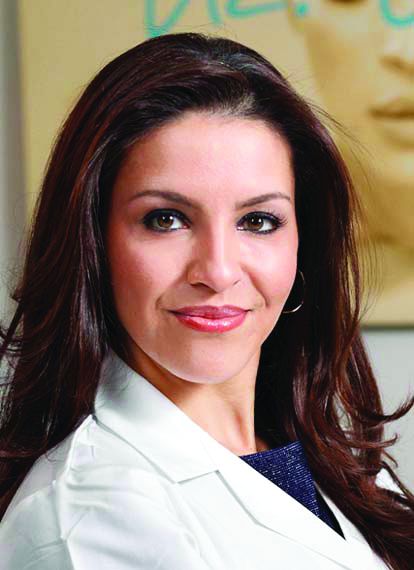
Dr. Wesley and Dr. Talakoub are cocontributors to this column. Dr. Wesley practices dermatology in Beverly Hills, Calif. Dr. Talakoub is in private practice in McLean, Va. This month’s column is by Dr. Wesley. Write to them at dermnews@frontlinemedcom.com. They had no relevant disclosures.
Reference
1. Clin Infect Dis. 2017 Jul 31. doi: 10.1093/cid/cix487.
As a follow-up to our previous column on the effects of climate change on the skin (Dermatology News, June 2016, p. 28), this month’s column will focus on a study recently published in Clinical Infectious Diseases that explores warmer weather as a possible risk factor for cellulitis.1 As the summer continues with sweltering weather, humidity, and the recent spate of hurricanes in North America, it’s interesting to think about how the climate affects our patients and puts them at risk.
Much attention has been given to global warming and climate change over the past several years. The results of this study demonstrate that, if temperatures consistently increase, the odds of cellulitis also may increase in regions exposed to warmer temperatures.
Dr. Wesley and Dr. Talakoub are cocontributors to this column. Dr. Wesley practices dermatology in Beverly Hills, Calif. Dr. Talakoub is in private practice in McLean, Va. This month’s column is by Dr. Wesley. Write to them at dermnews@frontlinemedcom.com. They had no relevant disclosures.
Reference
1. Clin Infect Dis. 2017 Jul 31. doi: 10.1093/cid/cix487.
As a follow-up to our previous column on the effects of climate change on the skin (Dermatology News, June 2016, p. 28), this month’s column will focus on a study recently published in Clinical Infectious Diseases that explores warmer weather as a possible risk factor for cellulitis.1 As the summer continues with sweltering weather, humidity, and the recent spate of hurricanes in North America, it’s interesting to think about how the climate affects our patients and puts them at risk.
Much attention has been given to global warming and climate change over the past several years. The results of this study demonstrate that, if temperatures consistently increase, the odds of cellulitis also may increase in regions exposed to warmer temperatures.
Dr. Wesley and Dr. Talakoub are cocontributors to this column. Dr. Wesley practices dermatology in Beverly Hills, Calif. Dr. Talakoub is in private practice in McLean, Va. This month’s column is by Dr. Wesley. Write to them at dermnews@frontlinemedcom.com. They had no relevant disclosures.
Reference
1. Clin Infect Dis. 2017 Jul 31. doi: 10.1093/cid/cix487.
Letter: Working together to empower our next generation of leaders
Editor:
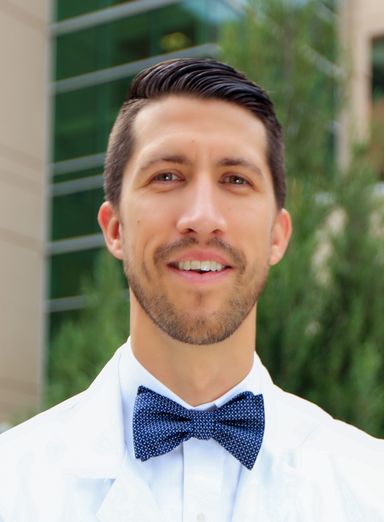
Dr. Nasim Afsar’s article of June 2, 2017 (“A case for building our leadership skills”) calls for the integration of leadership skills into medical training, and we at the University of Colorado wholeheartedly agree. There are several institutions around the country that are already addressing this problem head on, and we write this letter to highlight a few educational programs we’ve created that demonstrate the power of arming our trainees with this skill set. Furthermore, we wish to encourage collaboration between educators and institutions that are engaged in similar work in the hopes of moving this field forward.
Here at the University of Colorado, a team of Hospital Medicine faculty has created a number of programs to address the leadership education gap in learners at the undergraduate medical education,1 graduate medical education,2 and fellowship levels – creating a pipeline for developing leaders in hospital medicine. These programs include an immersive medical student elective, a dedicated leadership track in the Internal Medicine Residency Program, and a fellowship program in Hospital Medicine focused on Quality Improvement and Health Systems Leadership. Our goal in each of these programs to equip trainees across the spectrum of medical education with the knowledge, attitudes, and skills needed to lead high-functioning teams.
In our 5-year experience with our leadership training pipeline, we’ve learned a few important lessons. First, medical trainees are rarely exposed to the leadership skill set elsewhere in medical training, and are eager to learn new approaches to common problems that they encounter on a daily basis: How do I negotiate with a colleague? How can I motivate team members to change behavior to accomplish a goal? How can I use data to support requests for resources?
Secondly, trainees who are exposed to leadership concepts and who are given the opportunity to practice them through challenging project work in the live system routinely make meaningful changes to the health system. Our trainees have revamped our process of managing interhospital transfers, have decreased rates of inappropriate antibiotic usage, and have enhanced the patient experience in our stroke units. Further, our recent graduates have positioned themselves as leaders in health systems. Our graduates are leading a QI program at a major academic center, being promoted to educational leadership roles such as assistant program director within a residency training program, directing process improvement in a developing country, and leading the operations unit of a large physician group.
As Dr. Afsar highlights, there is much work to be done to better equip trainees with the skill set to lead. We strongly encourage other training programs to develop strategies to teach leadership and create forums for trainees to practice their burgeoning skill set. In addition to responding to Dr. Afsar’s call to develop programs, we should form collaborative working groups through our regional and national organizations to develop comprehensive leadership programs for medical trainees at all levels. Collaborating to empower the next generation of providers is critical to our future as hospitalists as we continue to take the lead in improving and shaping our health care systems.
Tyler Anstett, DO
Manuel Diaz, MD
Emily Gottenborg, MD
University of Colorado School of Medicine, Anschutz Medical Campus, Aurora, Colo.
References
1. Sweigart JR, Tad-Y D, Kneeland P, Williams MV, Glasheen JJ. Hospital Medicine Resident Training Tracks: Developing the Hospital Medicine Pipeline. J Hosp Med. 2017 Mar;12(3):173-176. doi: 10.12788/jhm.2703.
2. Tad-y D, Price L, Cumbler E, Levin D, Wald H, Glasheen J. An experiential quality improvement curriculum for the inpatient setting – part 1: design phase of a QI project. MedEdPORTAL Publications. 2014;10:9841. http://doi.org/10.15766/mep_2374-8265.9841.
Editor:
Dr. Nasim Afsar’s article of June 2, 2017 (“A case for building our leadership skills”) calls for the integration of leadership skills into medical training, and we at the University of Colorado wholeheartedly agree. There are several institutions around the country that are already addressing this problem head on, and we write this letter to highlight a few educational programs we’ve created that demonstrate the power of arming our trainees with this skill set. Furthermore, we wish to encourage collaboration between educators and institutions that are engaged in similar work in the hopes of moving this field forward.
Here at the University of Colorado, a team of Hospital Medicine faculty has created a number of programs to address the leadership education gap in learners at the undergraduate medical education,1 graduate medical education,2 and fellowship levels – creating a pipeline for developing leaders in hospital medicine. These programs include an immersive medical student elective, a dedicated leadership track in the Internal Medicine Residency Program, and a fellowship program in Hospital Medicine focused on Quality Improvement and Health Systems Leadership. Our goal in each of these programs to equip trainees across the spectrum of medical education with the knowledge, attitudes, and skills needed to lead high-functioning teams.
In our 5-year experience with our leadership training pipeline, we’ve learned a few important lessons. First, medical trainees are rarely exposed to the leadership skill set elsewhere in medical training, and are eager to learn new approaches to common problems that they encounter on a daily basis: How do I negotiate with a colleague? How can I motivate team members to change behavior to accomplish a goal? How can I use data to support requests for resources?
Secondly, trainees who are exposed to leadership concepts and who are given the opportunity to practice them through challenging project work in the live system routinely make meaningful changes to the health system. Our trainees have revamped our process of managing interhospital transfers, have decreased rates of inappropriate antibiotic usage, and have enhanced the patient experience in our stroke units. Further, our recent graduates have positioned themselves as leaders in health systems. Our graduates are leading a QI program at a major academic center, being promoted to educational leadership roles such as assistant program director within a residency training program, directing process improvement in a developing country, and leading the operations unit of a large physician group.
As Dr. Afsar highlights, there is much work to be done to better equip trainees with the skill set to lead. We strongly encourage other training programs to develop strategies to teach leadership and create forums for trainees to practice their burgeoning skill set. In addition to responding to Dr. Afsar’s call to develop programs, we should form collaborative working groups through our regional and national organizations to develop comprehensive leadership programs for medical trainees at all levels. Collaborating to empower the next generation of providers is critical to our future as hospitalists as we continue to take the lead in improving and shaping our health care systems.
Tyler Anstett, DO
Manuel Diaz, MD
Emily Gottenborg, MD
University of Colorado School of Medicine, Anschutz Medical Campus, Aurora, Colo.
References
1. Sweigart JR, Tad-Y D, Kneeland P, Williams MV, Glasheen JJ. Hospital Medicine Resident Training Tracks: Developing the Hospital Medicine Pipeline. J Hosp Med. 2017 Mar;12(3):173-176. doi: 10.12788/jhm.2703.
2. Tad-y D, Price L, Cumbler E, Levin D, Wald H, Glasheen J. An experiential quality improvement curriculum for the inpatient setting – part 1: design phase of a QI project. MedEdPORTAL Publications. 2014;10:9841. http://doi.org/10.15766/mep_2374-8265.9841.
Editor:
Dr. Nasim Afsar’s article of June 2, 2017 (“A case for building our leadership skills”) calls for the integration of leadership skills into medical training, and we at the University of Colorado wholeheartedly agree. There are several institutions around the country that are already addressing this problem head on, and we write this letter to highlight a few educational programs we’ve created that demonstrate the power of arming our trainees with this skill set. Furthermore, we wish to encourage collaboration between educators and institutions that are engaged in similar work in the hopes of moving this field forward.
Here at the University of Colorado, a team of Hospital Medicine faculty has created a number of programs to address the leadership education gap in learners at the undergraduate medical education,1 graduate medical education,2 and fellowship levels – creating a pipeline for developing leaders in hospital medicine. These programs include an immersive medical student elective, a dedicated leadership track in the Internal Medicine Residency Program, and a fellowship program in Hospital Medicine focused on Quality Improvement and Health Systems Leadership. Our goal in each of these programs to equip trainees across the spectrum of medical education with the knowledge, attitudes, and skills needed to lead high-functioning teams.
In our 5-year experience with our leadership training pipeline, we’ve learned a few important lessons. First, medical trainees are rarely exposed to the leadership skill set elsewhere in medical training, and are eager to learn new approaches to common problems that they encounter on a daily basis: How do I negotiate with a colleague? How can I motivate team members to change behavior to accomplish a goal? How can I use data to support requests for resources?
Secondly, trainees who are exposed to leadership concepts and who are given the opportunity to practice them through challenging project work in the live system routinely make meaningful changes to the health system. Our trainees have revamped our process of managing interhospital transfers, have decreased rates of inappropriate antibiotic usage, and have enhanced the patient experience in our stroke units. Further, our recent graduates have positioned themselves as leaders in health systems. Our graduates are leading a QI program at a major academic center, being promoted to educational leadership roles such as assistant program director within a residency training program, directing process improvement in a developing country, and leading the operations unit of a large physician group.
As Dr. Afsar highlights, there is much work to be done to better equip trainees with the skill set to lead. We strongly encourage other training programs to develop strategies to teach leadership and create forums for trainees to practice their burgeoning skill set. In addition to responding to Dr. Afsar’s call to develop programs, we should form collaborative working groups through our regional and national organizations to develop comprehensive leadership programs for medical trainees at all levels. Collaborating to empower the next generation of providers is critical to our future as hospitalists as we continue to take the lead in improving and shaping our health care systems.
Tyler Anstett, DO
Manuel Diaz, MD
Emily Gottenborg, MD
University of Colorado School of Medicine, Anschutz Medical Campus, Aurora, Colo.
References
1. Sweigart JR, Tad-Y D, Kneeland P, Williams MV, Glasheen JJ. Hospital Medicine Resident Training Tracks: Developing the Hospital Medicine Pipeline. J Hosp Med. 2017 Mar;12(3):173-176. doi: 10.12788/jhm.2703.
2. Tad-y D, Price L, Cumbler E, Levin D, Wald H, Glasheen J. An experiential quality improvement curriculum for the inpatient setting – part 1: design phase of a QI project. MedEdPORTAL Publications. 2014;10:9841. http://doi.org/10.15766/mep_2374-8265.9841.
Review of plant phenolics, Part 2: flavonoid compounds
This column picks up with a recent literature review suggesting potential benefits of topically applied or orally administered flavonoid polyphenolic substances. The discussion is based on at least one sample compound from each flavonoid category.
Flavonols: quercetin
Known to exert substantial antioxidant and anti-inflammatory activities, quercetin has been shown in various cellular and animal-based models to deliver photoprotection from UV and contribute to wound healing.1 In a single center, single-blind trial with 30 healthy volunteers, a 1% topical quercetin cream was found to be effective in reducing erythema, itching, and wheal diameter in experimentally-induced skin stress.2 Quercetin also has been reported to have the capacity to inhibit melanin production.3
Flavones: apigenin

Flavanones: naringenin
The citrus flavanone naringenin shows promise as a preventive agent against cutaneous aging as well as carcinogenesis. In a 2008 study, naringenin exerted an anti-apoptotic effect in UVB-damaged cells, significantly extending long-term cellular survival, and facilitating the removal of cyclobutane pyrimidine dimers from the genome.7 More recently, topical naringenin has been shown in mice to mitigate the cutaneous inflammation and oxidative stress caused by UVB irradiation,8 and, present in Lippia graveolens, to protect against chronic UVB-induced damage including phototumorigenesis.9
Isoflavones: red clover, genistein, and daidzein
Red clover, the isoflavones of which have been demonstrated – in high dietary concentrations – to contribute to low incidence of osteoporosis and menopausal symptoms, was shown in a 2006 study to exert anti-aging effects in mice, indicating potential for alleviating the cutaneous aging brought on by declines in estrogen.10 In 2011, Lipovac et al. showed that oral supplementation with red clover extract improved scalp hair and skin status as well as libido, mood, sleep, and fatigue in a study with 109 postmenopausal women.11
The topical application of the soy isoflavones genistein, daidzein, and glycitein has shown promise as a treatment for photoaging and photodamage.12 Genistein has been noted for its antioxidant and antibrowning activity, and has exhibited anti-aging properties in mouse studies and photoprotective activity in humans.13 A 2015 study by Zhao et al. in cultured skin fibroblasts and nude mouse skin indicated that daidzein treatment appears to increase skin collagen production and suppress collagen degradation.14
Flavan-3-ols (catechins): epigallocatechin 3-gallate
Already considered a potent antioxidant, epigallocatechin 3-gallate (EGCG) continues to receive attention for conferring an expanding range of health benefits. This catechin, which is the most abundant and potent of such compounds in green tea, has exhibited the capacity to hinder UVB-induced collagen-degrading matrix metalloproteinases (MMPs).15 EGCG also has been proposed as a preventive and therapeutic agent for keloids, given findings indicating that it hampered the proliferation and migration of keloid fibroblasts in vitro, as well as in vivo by interrupting the signal transducer and activator of transcription 3 (STAT3) signaling pathway.16 Further, EGCG has been suggested as a potential therapeutic approach to atopic dermatitis (AD) given success against AD-like skin lesions in a murine model.17 An investigation of the anti-aging cutaneous effects of EGCG on d-galactose-induced aging in mice revealed that subcutaneously injected EGCG yielded overall improvement in the structure and function of the skin.18 EGCG also is known to yield improvements in skin condition by providing DNA protection, reactivating damaged cells, and increasing cellular energy production.3
Perhaps most importantly, formulations containing green tea extracts have been shown in a small study of 20 volunteers to exert protection against photoaging and photoimmunosuppression, with the extract hindering the expression of MMP-9 and MMP-2.19 Wrinkle reduction also was observed in another clinical study involving topical green tea.20 The tea plant Camellia sinensis is one of the best sources of antioxidant catechins, particularly green tea (unfermented), but also white (unfermented), black (fermented), and oolong (semifermented) tea.21
Anthocyanins: cyanidin
A 2017 in vivo study in mice found that cyanidin hindered the binding of the cytokine interleukin-17A to the IL-17RA subunit to reduce inflammation.22 In a 2007 study, methanol extracts of black raspberries, strawberries, and blueberries were tested for the capacity to inhibit UV-induced activation of nuclear factor–kappa B (NF-kappaB) and activator protein–1 (AP-1) in mouse epidermal cells. The methanol fractions of black raspberries, which contain the anthocyanin cyanidin-3-rutinoside, were found to time- and dose-dependently inhibit the UV effects on NF-kappaB and AP-1, unlike the other berries, which do not contain cyanidin-3-rutinoside.23 The pretreatment of human keratinocytes with the anthocyanin cyanidin-3-O-glucoside also has been demonstrated to protect against a wide array of UVB-induced damage,24 and acai fruit–derived cyanidin and malvidin have been shown recently to thwart UVA-induced stress in immortalized fibroblasts.25 Further, cyanidin derived from elderberries has exhibited antiproliferative and apoptotic potential on melanoma cells in a 2017 mouse model, indicating a potential role in skin cancer treatment.26
Conclusion
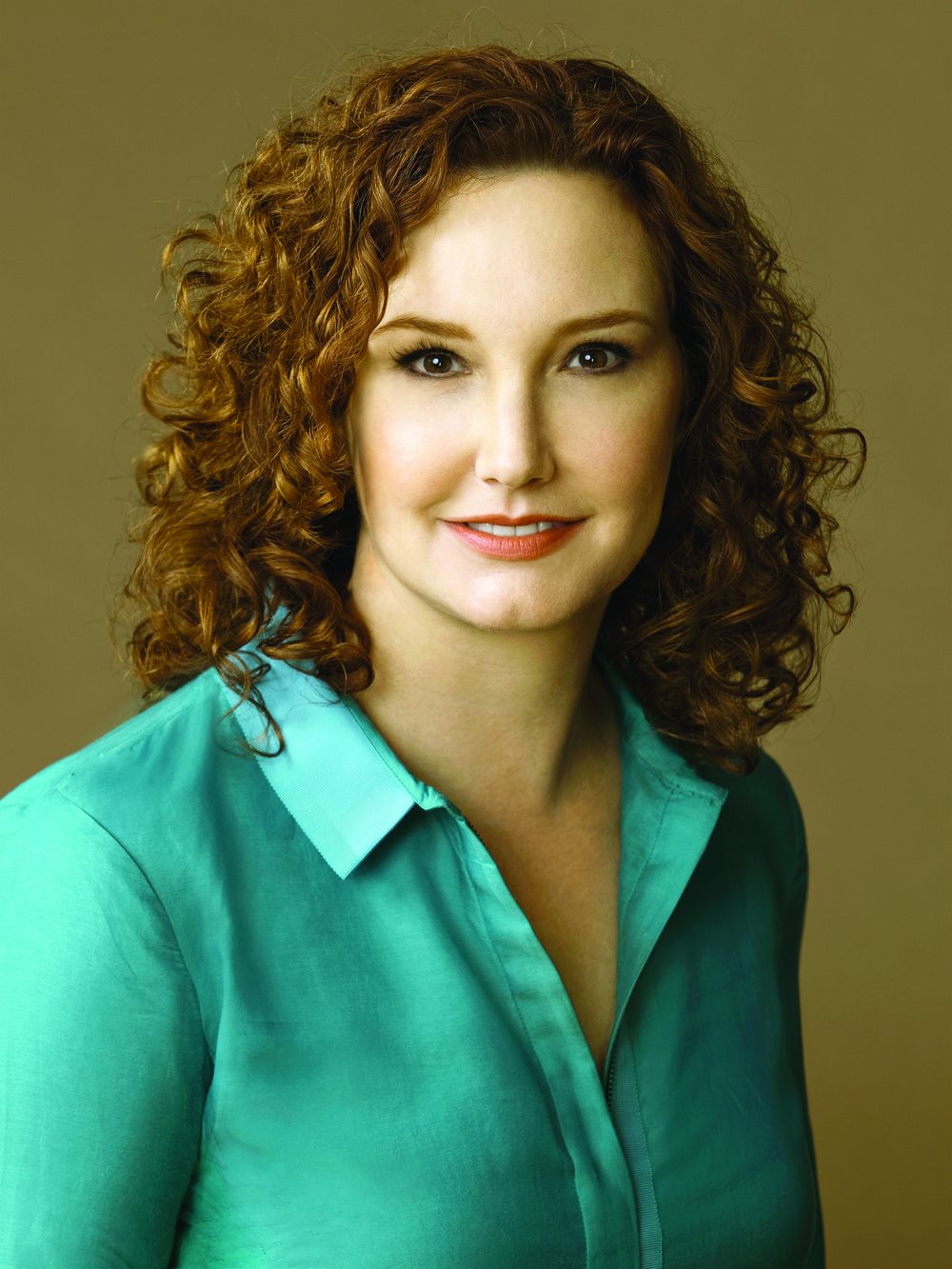
Dr. Baumann is a private practice dermatologist, researcher, author and entrepreneur who practices in Miami. She founded the Cosmetic Dermatology Center at the University of Miami in 1997. Dr. Baumann wrote two textbooks: “Cosmetic Dermatology: Principles and Practice” (New York: McGraw-Hill, 2002), and “Cosmeceuticals and Cosmetic Ingredients,” (New York: McGraw-Hill, 2014), and a New York Times Best Sellers book for consumers, “The Skin Type Solution” (New York: Bantam Dell, 2006). Dr. Baumann has received funding for advisory boards and/or clinical research trials from Allergan, Evolus, Galderma, and Revance. She is the founder and CEO of Skin Type Solutions Franchise Systems LLC.
References
1. Eur J Pharm Biopharm. 2016 Nov;108:41-53.
2. Clin Cosmet Investig Dermatol. 2016 Feb 26;9:55-62.
3. Int J Mol Sci. 2016 Feb 18;17(2):160-201.
4. Cancer Res. 2008 Apr 15:68(8):3057-65.
5. J Acupunct Meridian Stud. 2013 Oct;6(5):252-62.
6. Evid Based Complement Alternat Med. 2012;2012:912028.
7. Photochem Photobiol. 2008 Mar-Apr;84(2):307-16.
8. PLoS One. 2016 Jan 7;11(1):e0146296.
9. J Photochem Photobiol B. 2017 Feb;167:72-81.
10. Phytother Res. 2006 Dec;20(12):1096-9.
11. Obstet Gynecol Int. 2011;2011:949302.
12. Int J Pharm. 2008 Nov 19;364(1):36-44.
13. Biomed Pharmacother. 2016 Aug;82:379-92.
14. Australas J Dermatol. 2015 Feb;56(1):e7-14.
15. Food Chem Toxicol. 2008 Apr;46(4):1298-307.
16. J Invest Dermatol. 2008 Oct;128(10):2429-41.
17. Int Immunopharmacol. 2008 Sep;8(9):1172-82.
18. Mech Ageing Dev. 2017 Mar 24;164:1-7.
19. Skin Res Technol. 2009 Aug;15(3):338-45.
20. Int J Cosmet Sci. 2010 Apr;32(2):99-106.
21. Int J Cosmet Sci. 2015 Oct;37(5):455-64.
22. Sci Signal. 2017 Feb 21;10(467). eaaf8823.
23. Nutr Cancer. 2007;58(2):205-12.
24. J Agric Food Chem. 2006 May 31;54(11):4041-7.
25. J Photochem Photobiol B. 2017 Jul;172:42-51.
26. Int J Mol Sci. 2017 Apr 30;18(5):949.
This column picks up with a recent literature review suggesting potential benefits of topically applied or orally administered flavonoid polyphenolic substances. The discussion is based on at least one sample compound from each flavonoid category.
Flavonols: quercetin
Known to exert substantial antioxidant and anti-inflammatory activities, quercetin has been shown in various cellular and animal-based models to deliver photoprotection from UV and contribute to wound healing.1 In a single center, single-blind trial with 30 healthy volunteers, a 1% topical quercetin cream was found to be effective in reducing erythema, itching, and wheal diameter in experimentally-induced skin stress.2 Quercetin also has been reported to have the capacity to inhibit melanin production.3
Flavones: apigenin
Flavanones: naringenin
The citrus flavanone naringenin shows promise as a preventive agent against cutaneous aging as well as carcinogenesis. In a 2008 study, naringenin exerted an anti-apoptotic effect in UVB-damaged cells, significantly extending long-term cellular survival, and facilitating the removal of cyclobutane pyrimidine dimers from the genome.7 More recently, topical naringenin has been shown in mice to mitigate the cutaneous inflammation and oxidative stress caused by UVB irradiation,8 and, present in Lippia graveolens, to protect against chronic UVB-induced damage including phototumorigenesis.9
Isoflavones: red clover, genistein, and daidzein
Red clover, the isoflavones of which have been demonstrated – in high dietary concentrations – to contribute to low incidence of osteoporosis and menopausal symptoms, was shown in a 2006 study to exert anti-aging effects in mice, indicating potential for alleviating the cutaneous aging brought on by declines in estrogen.10 In 2011, Lipovac et al. showed that oral supplementation with red clover extract improved scalp hair and skin status as well as libido, mood, sleep, and fatigue in a study with 109 postmenopausal women.11
The topical application of the soy isoflavones genistein, daidzein, and glycitein has shown promise as a treatment for photoaging and photodamage.12 Genistein has been noted for its antioxidant and antibrowning activity, and has exhibited anti-aging properties in mouse studies and photoprotective activity in humans.13 A 2015 study by Zhao et al. in cultured skin fibroblasts and nude mouse skin indicated that daidzein treatment appears to increase skin collagen production and suppress collagen degradation.14
Flavan-3-ols (catechins): epigallocatechin 3-gallate
Already considered a potent antioxidant, epigallocatechin 3-gallate (EGCG) continues to receive attention for conferring an expanding range of health benefits. This catechin, which is the most abundant and potent of such compounds in green tea, has exhibited the capacity to hinder UVB-induced collagen-degrading matrix metalloproteinases (MMPs).15 EGCG also has been proposed as a preventive and therapeutic agent for keloids, given findings indicating that it hampered the proliferation and migration of keloid fibroblasts in vitro, as well as in vivo by interrupting the signal transducer and activator of transcription 3 (STAT3) signaling pathway.16 Further, EGCG has been suggested as a potential therapeutic approach to atopic dermatitis (AD) given success against AD-like skin lesions in a murine model.17 An investigation of the anti-aging cutaneous effects of EGCG on d-galactose-induced aging in mice revealed that subcutaneously injected EGCG yielded overall improvement in the structure and function of the skin.18 EGCG also is known to yield improvements in skin condition by providing DNA protection, reactivating damaged cells, and increasing cellular energy production.3
Perhaps most importantly, formulations containing green tea extracts have been shown in a small study of 20 volunteers to exert protection against photoaging and photoimmunosuppression, with the extract hindering the expression of MMP-9 and MMP-2.19 Wrinkle reduction also was observed in another clinical study involving topical green tea.20 The tea plant Camellia sinensis is one of the best sources of antioxidant catechins, particularly green tea (unfermented), but also white (unfermented), black (fermented), and oolong (semifermented) tea.21
Anthocyanins: cyanidin
A 2017 in vivo study in mice found that cyanidin hindered the binding of the cytokine interleukin-17A to the IL-17RA subunit to reduce inflammation.22 In a 2007 study, methanol extracts of black raspberries, strawberries, and blueberries were tested for the capacity to inhibit UV-induced activation of nuclear factor–kappa B (NF-kappaB) and activator protein–1 (AP-1) in mouse epidermal cells. The methanol fractions of black raspberries, which contain the anthocyanin cyanidin-3-rutinoside, were found to time- and dose-dependently inhibit the UV effects on NF-kappaB and AP-1, unlike the other berries, which do not contain cyanidin-3-rutinoside.23 The pretreatment of human keratinocytes with the anthocyanin cyanidin-3-O-glucoside also has been demonstrated to protect against a wide array of UVB-induced damage,24 and acai fruit–derived cyanidin and malvidin have been shown recently to thwart UVA-induced stress in immortalized fibroblasts.25 Further, cyanidin derived from elderberries has exhibited antiproliferative and apoptotic potential on melanoma cells in a 2017 mouse model, indicating a potential role in skin cancer treatment.26
Conclusion
Dr. Baumann is a private practice dermatologist, researcher, author and entrepreneur who practices in Miami. She founded the Cosmetic Dermatology Center at the University of Miami in 1997. Dr. Baumann wrote two textbooks: “Cosmetic Dermatology: Principles and Practice” (New York: McGraw-Hill, 2002), and “Cosmeceuticals and Cosmetic Ingredients,” (New York: McGraw-Hill, 2014), and a New York Times Best Sellers book for consumers, “The Skin Type Solution” (New York: Bantam Dell, 2006). Dr. Baumann has received funding for advisory boards and/or clinical research trials from Allergan, Evolus, Galderma, and Revance. She is the founder and CEO of Skin Type Solutions Franchise Systems LLC.
References
1. Eur J Pharm Biopharm. 2016 Nov;108:41-53.
2. Clin Cosmet Investig Dermatol. 2016 Feb 26;9:55-62.
3. Int J Mol Sci. 2016 Feb 18;17(2):160-201.
4. Cancer Res. 2008 Apr 15:68(8):3057-65.
5. J Acupunct Meridian Stud. 2013 Oct;6(5):252-62.
6. Evid Based Complement Alternat Med. 2012;2012:912028.
7. Photochem Photobiol. 2008 Mar-Apr;84(2):307-16.
8. PLoS One. 2016 Jan 7;11(1):e0146296.
9. J Photochem Photobiol B. 2017 Feb;167:72-81.
10. Phytother Res. 2006 Dec;20(12):1096-9.
11. Obstet Gynecol Int. 2011;2011:949302.
12. Int J Pharm. 2008 Nov 19;364(1):36-44.
13. Biomed Pharmacother. 2016 Aug;82:379-92.
14. Australas J Dermatol. 2015 Feb;56(1):e7-14.
15. Food Chem Toxicol. 2008 Apr;46(4):1298-307.
16. J Invest Dermatol. 2008 Oct;128(10):2429-41.
17. Int Immunopharmacol. 2008 Sep;8(9):1172-82.
18. Mech Ageing Dev. 2017 Mar 24;164:1-7.
19. Skin Res Technol. 2009 Aug;15(3):338-45.
20. Int J Cosmet Sci. 2010 Apr;32(2):99-106.
21. Int J Cosmet Sci. 2015 Oct;37(5):455-64.
22. Sci Signal. 2017 Feb 21;10(467). eaaf8823.
23. Nutr Cancer. 2007;58(2):205-12.
24. J Agric Food Chem. 2006 May 31;54(11):4041-7.
25. J Photochem Photobiol B. 2017 Jul;172:42-51.
26. Int J Mol Sci. 2017 Apr 30;18(5):949.
This column picks up with a recent literature review suggesting potential benefits of topically applied or orally administered flavonoid polyphenolic substances. The discussion is based on at least one sample compound from each flavonoid category.
Flavonols: quercetin
Known to exert substantial antioxidant and anti-inflammatory activities, quercetin has been shown in various cellular and animal-based models to deliver photoprotection from UV and contribute to wound healing.1 In a single center, single-blind trial with 30 healthy volunteers, a 1% topical quercetin cream was found to be effective in reducing erythema, itching, and wheal diameter in experimentally-induced skin stress.2 Quercetin also has been reported to have the capacity to inhibit melanin production.3
Flavones: apigenin
Flavanones: naringenin
The citrus flavanone naringenin shows promise as a preventive agent against cutaneous aging as well as carcinogenesis. In a 2008 study, naringenin exerted an anti-apoptotic effect in UVB-damaged cells, significantly extending long-term cellular survival, and facilitating the removal of cyclobutane pyrimidine dimers from the genome.7 More recently, topical naringenin has been shown in mice to mitigate the cutaneous inflammation and oxidative stress caused by UVB irradiation,8 and, present in Lippia graveolens, to protect against chronic UVB-induced damage including phototumorigenesis.9
Isoflavones: red clover, genistein, and daidzein
Red clover, the isoflavones of which have been demonstrated – in high dietary concentrations – to contribute to low incidence of osteoporosis and menopausal symptoms, was shown in a 2006 study to exert anti-aging effects in mice, indicating potential for alleviating the cutaneous aging brought on by declines in estrogen.10 In 2011, Lipovac et al. showed that oral supplementation with red clover extract improved scalp hair and skin status as well as libido, mood, sleep, and fatigue in a study with 109 postmenopausal women.11
The topical application of the soy isoflavones genistein, daidzein, and glycitein has shown promise as a treatment for photoaging and photodamage.12 Genistein has been noted for its antioxidant and antibrowning activity, and has exhibited anti-aging properties in mouse studies and photoprotective activity in humans.13 A 2015 study by Zhao et al. in cultured skin fibroblasts and nude mouse skin indicated that daidzein treatment appears to increase skin collagen production and suppress collagen degradation.14
Flavan-3-ols (catechins): epigallocatechin 3-gallate
Already considered a potent antioxidant, epigallocatechin 3-gallate (EGCG) continues to receive attention for conferring an expanding range of health benefits. This catechin, which is the most abundant and potent of such compounds in green tea, has exhibited the capacity to hinder UVB-induced collagen-degrading matrix metalloproteinases (MMPs).15 EGCG also has been proposed as a preventive and therapeutic agent for keloids, given findings indicating that it hampered the proliferation and migration of keloid fibroblasts in vitro, as well as in vivo by interrupting the signal transducer and activator of transcription 3 (STAT3) signaling pathway.16 Further, EGCG has been suggested as a potential therapeutic approach to atopic dermatitis (AD) given success against AD-like skin lesions in a murine model.17 An investigation of the anti-aging cutaneous effects of EGCG on d-galactose-induced aging in mice revealed that subcutaneously injected EGCG yielded overall improvement in the structure and function of the skin.18 EGCG also is known to yield improvements in skin condition by providing DNA protection, reactivating damaged cells, and increasing cellular energy production.3
Perhaps most importantly, formulations containing green tea extracts have been shown in a small study of 20 volunteers to exert protection against photoaging and photoimmunosuppression, with the extract hindering the expression of MMP-9 and MMP-2.19 Wrinkle reduction also was observed in another clinical study involving topical green tea.20 The tea plant Camellia sinensis is one of the best sources of antioxidant catechins, particularly green tea (unfermented), but also white (unfermented), black (fermented), and oolong (semifermented) tea.21
Anthocyanins: cyanidin
A 2017 in vivo study in mice found that cyanidin hindered the binding of the cytokine interleukin-17A to the IL-17RA subunit to reduce inflammation.22 In a 2007 study, methanol extracts of black raspberries, strawberries, and blueberries were tested for the capacity to inhibit UV-induced activation of nuclear factor–kappa B (NF-kappaB) and activator protein–1 (AP-1) in mouse epidermal cells. The methanol fractions of black raspberries, which contain the anthocyanin cyanidin-3-rutinoside, were found to time- and dose-dependently inhibit the UV effects on NF-kappaB and AP-1, unlike the other berries, which do not contain cyanidin-3-rutinoside.23 The pretreatment of human keratinocytes with the anthocyanin cyanidin-3-O-glucoside also has been demonstrated to protect against a wide array of UVB-induced damage,24 and acai fruit–derived cyanidin and malvidin have been shown recently to thwart UVA-induced stress in immortalized fibroblasts.25 Further, cyanidin derived from elderberries has exhibited antiproliferative and apoptotic potential on melanoma cells in a 2017 mouse model, indicating a potential role in skin cancer treatment.26
Conclusion
Dr. Baumann is a private practice dermatologist, researcher, author and entrepreneur who practices in Miami. She founded the Cosmetic Dermatology Center at the University of Miami in 1997. Dr. Baumann wrote two textbooks: “Cosmetic Dermatology: Principles and Practice” (New York: McGraw-Hill, 2002), and “Cosmeceuticals and Cosmetic Ingredients,” (New York: McGraw-Hill, 2014), and a New York Times Best Sellers book for consumers, “The Skin Type Solution” (New York: Bantam Dell, 2006). Dr. Baumann has received funding for advisory boards and/or clinical research trials from Allergan, Evolus, Galderma, and Revance. She is the founder and CEO of Skin Type Solutions Franchise Systems LLC.
References
1. Eur J Pharm Biopharm. 2016 Nov;108:41-53.
2. Clin Cosmet Investig Dermatol. 2016 Feb 26;9:55-62.
3. Int J Mol Sci. 2016 Feb 18;17(2):160-201.
4. Cancer Res. 2008 Apr 15:68(8):3057-65.
5. J Acupunct Meridian Stud. 2013 Oct;6(5):252-62.
6. Evid Based Complement Alternat Med. 2012;2012:912028.
7. Photochem Photobiol. 2008 Mar-Apr;84(2):307-16.
8. PLoS One. 2016 Jan 7;11(1):e0146296.
9. J Photochem Photobiol B. 2017 Feb;167:72-81.
10. Phytother Res. 2006 Dec;20(12):1096-9.
11. Obstet Gynecol Int. 2011;2011:949302.
12. Int J Pharm. 2008 Nov 19;364(1):36-44.
13. Biomed Pharmacother. 2016 Aug;82:379-92.
14. Australas J Dermatol. 2015 Feb;56(1):e7-14.
15. Food Chem Toxicol. 2008 Apr;46(4):1298-307.
16. J Invest Dermatol. 2008 Oct;128(10):2429-41.
17. Int Immunopharmacol. 2008 Sep;8(9):1172-82.
18. Mech Ageing Dev. 2017 Mar 24;164:1-7.
19. Skin Res Technol. 2009 Aug;15(3):338-45.
20. Int J Cosmet Sci. 2010 Apr;32(2):99-106.
21. Int J Cosmet Sci. 2015 Oct;37(5):455-64.
22. Sci Signal. 2017 Feb 21;10(467). eaaf8823.
23. Nutr Cancer. 2007;58(2):205-12.
24. J Agric Food Chem. 2006 May 31;54(11):4041-7.
25. J Photochem Photobiol B. 2017 Jul;172:42-51.
26. Int J Mol Sci. 2017 Apr 30;18(5):949.
AAP annual meeting sessions you won’t want to miss
- “The preconference program ‘Pediatricians Leading Change in Physician Health and Wellness’ will be something you don’t want to miss. Speakers will address topics such as burnout among physicians and residents, compassion fatigue, and approaches to wellness that target individuals, practices, organizations, and medical education. Physician wellness is essential if we want to provide excellent medical care.” Friday, Sept. 15, 11:30 a.m. – 5:30 p.m. at McCormick Place West, W375 E.
- “Monday’s plenary session, ‘The Heat Is On: Why Climate Change Advocacy Is Essential to Child Health’ by Jonathan Patz, MD, MPH, will be particularly relevant, given recent extreme weather events. Children also are affected by climate change, because infectious diseases patterns are altered and because of changes in plant growth and pollen production. Dr. Patz will discuss how pediatricians and physicians from other specialties need to join together to protect patients from further harm, through education and advocacy.” Monday, Sept. 18, at 12:10 p.m. – 12:30 p.m. at Skyline Ballroom.
- “Tics, CANS, PANS, and Other Movement Disorders” by Joanna Blackburn, MD. “When I was in training, these diagnoses were not really recognized; but from what I have seen in practice, they exist and require support from specialists who are hard to find. Having more knowledge of the disorders would benefit any primary care physician.” Saturday, Sept. 16, at 7:30 a.m. – 8:15 a.m. at McCormick Place West, W183 C, and Sunday, Sept. 17, at 8:30 a.m. – 9:15 a.m. at McCormick Place West, W185D.
- “Are Vaccines Safe?” by Paul Offit, MD. “As physicians, we know that vaccines are safe; but our patients are very skeptical about this and don’t believe us. I hope this lecture will give us statistics and studies to bring back to our patients.” Saturday, Sept. 16, at 4 p.m. – 4:45 p.m. at McCormick Place West, W183 B, and Sunday, Sept. 17, at 2 p.m. – 2:45 p.m. at McCormick Place West, W183 B.
- “The presentation ‘Bright Futures Update: What Has Changed and Why’ by Joseph Hagan Jr., MD, is always a good guide.” Saturday, Sept. 16, at 7:30 a.m. – 8:15 a.m. at McCormick Place West, W179, and Sunday, Sept. 17, at 9:30 a.m. – 10:15 a.m. at McCormick Place West, W187 A.
- “Integrating Mental Health Services in the Primary Care Office” by Jay Rabinowitz, MD. “Pediatricians are increasingly involved in dealing with children and adolescents who have mental health problems. Enhancing their ability to do so in their office can be very beneficial.” Saturday, Sept. 16, at 7:30 a.m. – 8:15 a.m. at McCormick Place West, W178 B, and Saturday, Sept. 16, at 5:00 p.m. – 5:45 p.m. at McCormick Place West, W176 C.
- “2017 AAP Guidelines for Childhood Hypertension: Highlights” by Joseph Flynn, MD, MS. “New guidelines for diagnosis, evaluation, and management of abnormal blood pressures in the ambulatory setting were issued by the AAP in September. Pediatricians need to be updated on this important disease and incorporate these into their practices.” Tuesday, Sept. 19, at 10:30 a.m. – 10:50 a.m. at Skyline Ballroom.
- “Meet the Redbook Committee.” “This session will include discussions of issues germane to infectious diseases in children. It always includes new information on important topics for practice, including immunizations.” Monday, Sept. 18, at 8 a.m. – 10 a.m. at McCormick Place West, W190 A.
- “Vaccine Update, What’s New and What’s Changed” by Mary Anne Jackson, MD. “Recommendations change yearly, so this session is always important.” Sunday, Sept. 17, at 7:30 a.m. – 8:15 a.m. at McCormick Place West, W183 A, and Sunday, Sept. 17, at 4 p.m. – 4:45 p.m. at McCormick Place West, W183 A.
- “The presentation ‘Bright Futures Update: What Has Changed and Why’ by Joseph Hagan Jr., MD, highlights the new recommendations for the new guidelines published this year. There are important changes for all who use Bright Futures for their preventive child health visits (well-child visits).” Saturday, Sept. 16, at 7:30 a.m. – 8:15 a.m. at McCormick Place West, W179, and Sunday, Sept. 17, at 9:30 a.m. – 10:15 a.m. at McCormick Place West, W187 A.
- “Children’s Health – What’s at Stake in the New Administration” by Lynda Young, MD. “Dr. Young has significant experience in the advocacy area, which started for her when she was a young practitioner in Massachusetts and became interested in learning about how to promote the health of her patients through legislative connections and actions. Lynda is now chair of the AAP Committee on Federal Government Affairs, and with the changes in Washington adversely affecting millions of children in our country, it will be crucial for individual pediatricians to advocate in their communities and beyond. This session will share key concepts and tools for child health advocacy.” Saturday, Sept. 16, at 8:30 a.m. – 10 a.m. at McCormick Place West, W181 A.
- “AAP President’s Address.” “The AAP is our voice, our tool to improve the lives of children. I want to know what the AAP thinks is important today, and AAP President Fernando Stein, MD, will provide an update on efforts by the academy to advance the Agenda for Children.” Saturday, Sept. 16, at 10:30 a.m. – 11:15 a.m. at Skyline Ballroom.
- “Antimicrobial Update.” “Infectious diseases is a big part of pediatrics. I need to stay current on the latest antibiotic tools.” Sunday, Sept. 17, at 8:30 a.m. – 10 a.m. at McCormick Place West, W179, and Monday, Sept. 18, at 8:30 a.m. – 10 a.m. at McCormick Place West, W180.
- “Teens Gone Wild: Advising Families on Parenting Adolescents.” “Working with parenting issues with teens is fun but complicated. I look forward to the refresher.” Sunday, Sept. 17, at 8:30 a.m. – 10 a.m. at McCormick Place West, W183 A.
- “Social Determinants of Health: Practical and Sensitive Identification and Strategies.” “Yes, but what is our responsibility as pediatricians? Hopefully, I can find out at this session.” Sunday, Sept. 17, at 8:30 a.m. – 10 a.m. at McCormick Place West, W181 A.
- “Council on Community Pediatrics Program. The Intersection of Housing, Neighborhood, and Child Health.” “We must never forget that the factors that impact the health and development of our patients often are not medical, but social and environmental. This should be an interesting session.” Monday, Sept. 18, at 8 a.m. – 12 p.m. at McCormick Place West, S105 A.
- “Bright Futures Update: What Has Changed and Why.” “There is nothing more complicated or important than the well-child care we provide. Bright Futures has come out with new changes, and I need to take advantage of having the editor, Joe Hagan, guide me through the changes.” Saturday, Sept. 16, at 7:30 a.m. – 8:15 a.m. at McCormick Place West, W179, and Sunday, Sept. 17, at 9:30 a.m. – 10:15 a.m. at McCormick Place West, W187 A.
- “Children’s Health: What’s at Stake in the New Administration.” “These are scary times for children, especially for those who come from disadvantaged backgrounds. I need to prioritize where to take action.” Saturday, Sept. 16, at 8:30 a.m. – 10 a.m. at McCormick Place West, W181 A.
- “Integrating Mental Health Services in the Primary Care Office.” “We see more and more children coming in the office with mental health issues, and I need new skill development to take care of them.” Saturday, Sept. 16, at 7:30 a.m. – 8:15 a.m. at McCormick Place West, W178 B, and Saturday, Sept. 16, at 5 p.m. – 5:45 p.m. at McCormick Place West, W176 C.
- “The preconference program ‘Pediatricians Leading Change in Physician Health and Wellness’ will be something you don’t want to miss. Speakers will address topics such as burnout among physicians and residents, compassion fatigue, and approaches to wellness that target individuals, practices, organizations, and medical education. Physician wellness is essential if we want to provide excellent medical care.” Friday, Sept. 15, 11:30 a.m. – 5:30 p.m. at McCormick Place West, W375 E.
- “Monday’s plenary session, ‘The Heat Is On: Why Climate Change Advocacy Is Essential to Child Health’ by Jonathan Patz, MD, MPH, will be particularly relevant, given recent extreme weather events. Children also are affected by climate change, because infectious diseases patterns are altered and because of changes in plant growth and pollen production. Dr. Patz will discuss how pediatricians and physicians from other specialties need to join together to protect patients from further harm, through education and advocacy.” Monday, Sept. 18, at 12:10 p.m. – 12:30 p.m. at Skyline Ballroom.
- “Tics, CANS, PANS, and Other Movement Disorders” by Joanna Blackburn, MD. “When I was in training, these diagnoses were not really recognized; but from what I have seen in practice, they exist and require support from specialists who are hard to find. Having more knowledge of the disorders would benefit any primary care physician.” Saturday, Sept. 16, at 7:30 a.m. – 8:15 a.m. at McCormick Place West, W183 C, and Sunday, Sept. 17, at 8:30 a.m. – 9:15 a.m. at McCormick Place West, W185D.
- “Are Vaccines Safe?” by Paul Offit, MD. “As physicians, we know that vaccines are safe; but our patients are very skeptical about this and don’t believe us. I hope this lecture will give us statistics and studies to bring back to our patients.” Saturday, Sept. 16, at 4 p.m. – 4:45 p.m. at McCormick Place West, W183 B, and Sunday, Sept. 17, at 2 p.m. – 2:45 p.m. at McCormick Place West, W183 B.
- “The presentation ‘Bright Futures Update: What Has Changed and Why’ by Joseph Hagan Jr., MD, is always a good guide.” Saturday, Sept. 16, at 7:30 a.m. – 8:15 a.m. at McCormick Place West, W179, and Sunday, Sept. 17, at 9:30 a.m. – 10:15 a.m. at McCormick Place West, W187 A.
- “Integrating Mental Health Services in the Primary Care Office” by Jay Rabinowitz, MD. “Pediatricians are increasingly involved in dealing with children and adolescents who have mental health problems. Enhancing their ability to do so in their office can be very beneficial.” Saturday, Sept. 16, at 7:30 a.m. – 8:15 a.m. at McCormick Place West, W178 B, and Saturday, Sept. 16, at 5:00 p.m. – 5:45 p.m. at McCormick Place West, W176 C.
- “2017 AAP Guidelines for Childhood Hypertension: Highlights” by Joseph Flynn, MD, MS. “New guidelines for diagnosis, evaluation, and management of abnormal blood pressures in the ambulatory setting were issued by the AAP in September. Pediatricians need to be updated on this important disease and incorporate these into their practices.” Tuesday, Sept. 19, at 10:30 a.m. – 10:50 a.m. at Skyline Ballroom.
- “Meet the Redbook Committee.” “This session will include discussions of issues germane to infectious diseases in children. It always includes new information on important topics for practice, including immunizations.” Monday, Sept. 18, at 8 a.m. – 10 a.m. at McCormick Place West, W190 A.
- “Vaccine Update, What’s New and What’s Changed” by Mary Anne Jackson, MD. “Recommendations change yearly, so this session is always important.” Sunday, Sept. 17, at 7:30 a.m. – 8:15 a.m. at McCormick Place West, W183 A, and Sunday, Sept. 17, at 4 p.m. – 4:45 p.m. at McCormick Place West, W183 A.
- “The presentation ‘Bright Futures Update: What Has Changed and Why’ by Joseph Hagan Jr., MD, highlights the new recommendations for the new guidelines published this year. There are important changes for all who use Bright Futures for their preventive child health visits (well-child visits).” Saturday, Sept. 16, at 7:30 a.m. – 8:15 a.m. at McCormick Place West, W179, and Sunday, Sept. 17, at 9:30 a.m. – 10:15 a.m. at McCormick Place West, W187 A.
- “Children’s Health – What’s at Stake in the New Administration” by Lynda Young, MD. “Dr. Young has significant experience in the advocacy area, which started for her when she was a young practitioner in Massachusetts and became interested in learning about how to promote the health of her patients through legislative connections and actions. Lynda is now chair of the AAP Committee on Federal Government Affairs, and with the changes in Washington adversely affecting millions of children in our country, it will be crucial for individual pediatricians to advocate in their communities and beyond. This session will share key concepts and tools for child health advocacy.” Saturday, Sept. 16, at 8:30 a.m. – 10 a.m. at McCormick Place West, W181 A.
- “AAP President’s Address.” “The AAP is our voice, our tool to improve the lives of children. I want to know what the AAP thinks is important today, and AAP President Fernando Stein, MD, will provide an update on efforts by the academy to advance the Agenda for Children.” Saturday, Sept. 16, at 10:30 a.m. – 11:15 a.m. at Skyline Ballroom.
- “Antimicrobial Update.” “Infectious diseases is a big part of pediatrics. I need to stay current on the latest antibiotic tools.” Sunday, Sept. 17, at 8:30 a.m. – 10 a.m. at McCormick Place West, W179, and Monday, Sept. 18, at 8:30 a.m. – 10 a.m. at McCormick Place West, W180.
- “Teens Gone Wild: Advising Families on Parenting Adolescents.” “Working with parenting issues with teens is fun but complicated. I look forward to the refresher.” Sunday, Sept. 17, at 8:30 a.m. – 10 a.m. at McCormick Place West, W183 A.
- “Social Determinants of Health: Practical and Sensitive Identification and Strategies.” “Yes, but what is our responsibility as pediatricians? Hopefully, I can find out at this session.” Sunday, Sept. 17, at 8:30 a.m. – 10 a.m. at McCormick Place West, W181 A.
- “Council on Community Pediatrics Program. The Intersection of Housing, Neighborhood, and Child Health.” “We must never forget that the factors that impact the health and development of our patients often are not medical, but social and environmental. This should be an interesting session.” Monday, Sept. 18, at 8 a.m. – 12 p.m. at McCormick Place West, S105 A.
- “Bright Futures Update: What Has Changed and Why.” “There is nothing more complicated or important than the well-child care we provide. Bright Futures has come out with new changes, and I need to take advantage of having the editor, Joe Hagan, guide me through the changes.” Saturday, Sept. 16, at 7:30 a.m. – 8:15 a.m. at McCormick Place West, W179, and Sunday, Sept. 17, at 9:30 a.m. – 10:15 a.m. at McCormick Place West, W187 A.
- “Children’s Health: What’s at Stake in the New Administration.” “These are scary times for children, especially for those who come from disadvantaged backgrounds. I need to prioritize where to take action.” Saturday, Sept. 16, at 8:30 a.m. – 10 a.m. at McCormick Place West, W181 A.
- “Integrating Mental Health Services in the Primary Care Office.” “We see more and more children coming in the office with mental health issues, and I need new skill development to take care of them.” Saturday, Sept. 16, at 7:30 a.m. – 8:15 a.m. at McCormick Place West, W178 B, and Saturday, Sept. 16, at 5 p.m. – 5:45 p.m. at McCormick Place West, W176 C.
- “The preconference program ‘Pediatricians Leading Change in Physician Health and Wellness’ will be something you don’t want to miss. Speakers will address topics such as burnout among physicians and residents, compassion fatigue, and approaches to wellness that target individuals, practices, organizations, and medical education. Physician wellness is essential if we want to provide excellent medical care.” Friday, Sept. 15, 11:30 a.m. – 5:30 p.m. at McCormick Place West, W375 E.
- “Monday’s plenary session, ‘The Heat Is On: Why Climate Change Advocacy Is Essential to Child Health’ by Jonathan Patz, MD, MPH, will be particularly relevant, given recent extreme weather events. Children also are affected by climate change, because infectious diseases patterns are altered and because of changes in plant growth and pollen production. Dr. Patz will discuss how pediatricians and physicians from other specialties need to join together to protect patients from further harm, through education and advocacy.” Monday, Sept. 18, at 12:10 p.m. – 12:30 p.m. at Skyline Ballroom.
- “Tics, CANS, PANS, and Other Movement Disorders” by Joanna Blackburn, MD. “When I was in training, these diagnoses were not really recognized; but from what I have seen in practice, they exist and require support from specialists who are hard to find. Having more knowledge of the disorders would benefit any primary care physician.” Saturday, Sept. 16, at 7:30 a.m. – 8:15 a.m. at McCormick Place West, W183 C, and Sunday, Sept. 17, at 8:30 a.m. – 9:15 a.m. at McCormick Place West, W185D.
- “Are Vaccines Safe?” by Paul Offit, MD. “As physicians, we know that vaccines are safe; but our patients are very skeptical about this and don’t believe us. I hope this lecture will give us statistics and studies to bring back to our patients.” Saturday, Sept. 16, at 4 p.m. – 4:45 p.m. at McCormick Place West, W183 B, and Sunday, Sept. 17, at 2 p.m. – 2:45 p.m. at McCormick Place West, W183 B.
- “The presentation ‘Bright Futures Update: What Has Changed and Why’ by Joseph Hagan Jr., MD, is always a good guide.” Saturday, Sept. 16, at 7:30 a.m. – 8:15 a.m. at McCormick Place West, W179, and Sunday, Sept. 17, at 9:30 a.m. – 10:15 a.m. at McCormick Place West, W187 A.
- “Integrating Mental Health Services in the Primary Care Office” by Jay Rabinowitz, MD. “Pediatricians are increasingly involved in dealing with children and adolescents who have mental health problems. Enhancing their ability to do so in their office can be very beneficial.” Saturday, Sept. 16, at 7:30 a.m. – 8:15 a.m. at McCormick Place West, W178 B, and Saturday, Sept. 16, at 5:00 p.m. – 5:45 p.m. at McCormick Place West, W176 C.
- “2017 AAP Guidelines for Childhood Hypertension: Highlights” by Joseph Flynn, MD, MS. “New guidelines for diagnosis, evaluation, and management of abnormal blood pressures in the ambulatory setting were issued by the AAP in September. Pediatricians need to be updated on this important disease and incorporate these into their practices.” Tuesday, Sept. 19, at 10:30 a.m. – 10:50 a.m. at Skyline Ballroom.
- “Meet the Redbook Committee.” “This session will include discussions of issues germane to infectious diseases in children. It always includes new information on important topics for practice, including immunizations.” Monday, Sept. 18, at 8 a.m. – 10 a.m. at McCormick Place West, W190 A.
- “Vaccine Update, What’s New and What’s Changed” by Mary Anne Jackson, MD. “Recommendations change yearly, so this session is always important.” Sunday, Sept. 17, at 7:30 a.m. – 8:15 a.m. at McCormick Place West, W183 A, and Sunday, Sept. 17, at 4 p.m. – 4:45 p.m. at McCormick Place West, W183 A.
- “The presentation ‘Bright Futures Update: What Has Changed and Why’ by Joseph Hagan Jr., MD, highlights the new recommendations for the new guidelines published this year. There are important changes for all who use Bright Futures for their preventive child health visits (well-child visits).” Saturday, Sept. 16, at 7:30 a.m. – 8:15 a.m. at McCormick Place West, W179, and Sunday, Sept. 17, at 9:30 a.m. – 10:15 a.m. at McCormick Place West, W187 A.
- “Children’s Health – What’s at Stake in the New Administration” by Lynda Young, MD. “Dr. Young has significant experience in the advocacy area, which started for her when she was a young practitioner in Massachusetts and became interested in learning about how to promote the health of her patients through legislative connections and actions. Lynda is now chair of the AAP Committee on Federal Government Affairs, and with the changes in Washington adversely affecting millions of children in our country, it will be crucial for individual pediatricians to advocate in their communities and beyond. This session will share key concepts and tools for child health advocacy.” Saturday, Sept. 16, at 8:30 a.m. – 10 a.m. at McCormick Place West, W181 A.
- “AAP President’s Address.” “The AAP is our voice, our tool to improve the lives of children. I want to know what the AAP thinks is important today, and AAP President Fernando Stein, MD, will provide an update on efforts by the academy to advance the Agenda for Children.” Saturday, Sept. 16, at 10:30 a.m. – 11:15 a.m. at Skyline Ballroom.
- “Antimicrobial Update.” “Infectious diseases is a big part of pediatrics. I need to stay current on the latest antibiotic tools.” Sunday, Sept. 17, at 8:30 a.m. – 10 a.m. at McCormick Place West, W179, and Monday, Sept. 18, at 8:30 a.m. – 10 a.m. at McCormick Place West, W180.
- “Teens Gone Wild: Advising Families on Parenting Adolescents.” “Working with parenting issues with teens is fun but complicated. I look forward to the refresher.” Sunday, Sept. 17, at 8:30 a.m. – 10 a.m. at McCormick Place West, W183 A.
- “Social Determinants of Health: Practical and Sensitive Identification and Strategies.” “Yes, but what is our responsibility as pediatricians? Hopefully, I can find out at this session.” Sunday, Sept. 17, at 8:30 a.m. – 10 a.m. at McCormick Place West, W181 A.
- “Council on Community Pediatrics Program. The Intersection of Housing, Neighborhood, and Child Health.” “We must never forget that the factors that impact the health and development of our patients often are not medical, but social and environmental. This should be an interesting session.” Monday, Sept. 18, at 8 a.m. – 12 p.m. at McCormick Place West, S105 A.
- “Bright Futures Update: What Has Changed and Why.” “There is nothing more complicated or important than the well-child care we provide. Bright Futures has come out with new changes, and I need to take advantage of having the editor, Joe Hagan, guide me through the changes.” Saturday, Sept. 16, at 7:30 a.m. – 8:15 a.m. at McCormick Place West, W179, and Sunday, Sept. 17, at 9:30 a.m. – 10:15 a.m. at McCormick Place West, W187 A.
- “Children’s Health: What’s at Stake in the New Administration.” “These are scary times for children, especially for those who come from disadvantaged backgrounds. I need to prioritize where to take action.” Saturday, Sept. 16, at 8:30 a.m. – 10 a.m. at McCormick Place West, W181 A.
- “Integrating Mental Health Services in the Primary Care Office.” “We see more and more children coming in the office with mental health issues, and I need new skill development to take care of them.” Saturday, Sept. 16, at 7:30 a.m. – 8:15 a.m. at McCormick Place West, W178 B, and Saturday, Sept. 16, at 5 p.m. – 5:45 p.m. at McCormick Place West, W176 C.
Ethics in compulsory treatment of patients with severe mental illness
“Ethics is knowing the difference between what you have a right to do and what is right to do.”
– Potter Stewart, U.S. Supreme Court Justice
An understanding of the difference between what is allowed or even recommended and what is ethical often is contemplated in the treatment of mental illness. Mental illnesses can impair judgment in patients confronted with complex decisions about their treatment. A provider, therefore, has to make a decision between respecting autonomy and/or engaging in what may be considered beneficent. While the line separating beneficent care and the respect for the autonomy of a patient may not be present, the question often arises – especially in inpatient care of patients with severe mental illness.
In the inpatient units, I was taught to justify and be mindful of any removal of someone’s right. I learned the responsibility of stripping someone’s freedom. Not only would I find myself preventing someone from going where they wanted or from talking to whomever they wanted, but frequently, we involuntary injected patients with neuroactive chemicals. Those measures are used only in extreme circumstances: In most states, one has to be unable to provide themselves with food, clothing, or shelter secondary to mental illness to be subjected to such aggressive treatment.
Currently, the United States is seeing an increase in the focus on providing more treatment: an emphasis on beneficence over autonomy. This change can be witnessed in the passage of compulsory outpatient treatment laws. Those rulings, such as Laura’s Law in California and Kendra’s Law in New York, have been promoted in response to an increased concern over the consequences of untreated mental illness in crime. In this commentary, I present a case where I felt that despite being given the right and expectation to involuntary treat someone, I did not feel that it was ethical to involuntarily medicate him. (I have made appropriate changes to the patient’s case to maintain confidentiality.)
Our facility
The Psychiatric Stabilization Unit (PSU) of the San Diego Jails is a 30-bed acute psychiatric unit. We serve the 4,500 male inmates and one of the largest mental health systems in the county. The vast majority (from 70% to 90% at any one time) of patients suffer from a psychotic illness, and more than 50% have a comorbid substance use disorder. Contrary to most inpatient units, we do not have pressure from insurance or utilization review to regularly change dosages or medications, and we do not have significant pressure to discharge patients within a certain time frame. The unit serves very disenfranchised patients with most being homeless prior to their arrest and many having no emergency contact or social support of any sort. The unit is staffed by one attending psychiatrist and two therapists. We are subjected to the same involuntary commitment and involuntary medication laws as are community psychiatric hospitals, but we get a significant number of patients under court orders.
The patient presented in this case came under such court order for restoration of his competency to stand trial. In the United States, one cannot stand trial unless competent. Competency is defined as one’s ability to take a meaningful or active part in a trial, the capacity to understand laws, the capacity to understand personal responsibility, the ability to express a plea, and the capability to instruct legal counsel. When patients are found incompetent, they commonly get court ordered to an unit like the PSU with a court order that they cannot understand the risk, benefits, and alternatives of psychotropic treatment and thus can be involuntarily medicated. Often, including in this case, the court order will mention that the patient will not become competent without treatment, including involuntary antipsychotics.
Overview of the case
George is a 50-year-old white male without psychiatric history. He had never been hospitalized psychiatrically voluntarily or involuntarily. He has never engaged in outpatient psychiatric care, has never taken psychotropic medication, and has never been diagnosed with mental illness. He mentions no prior episode of self-harm, suicidality, or suicide attempt. He occasionally drinks alcohol and has smoked marijuana on a few occasions. He despises other drugs, saying that they are “dangerous.” He mentions that his parents had “difficult personalities” but denies any knowledge of them having formal mental illness.
He was born in rural Louisiana to a British mother and an American father. His parents divorced while he was in preschool. His mother remarried, to a salesman, which required them to move frequently to different states for his work. He mentions having performed moderately in school, but poor grades were secondary to his “boredom.” He graduated high school and went to vocational school in technological manufacturing but was unable to graduate. He has since held a series of low-level jobs in retail and janitorial services. He mentions having been in romantic relationships, but when asked to elaborate, he is unable to name any past girlfriends or describe any past relationships. Nonetheless, he describes a wide array of social supports with many friends, though it must be noted that all of his friends have some form of mental illness or intellectual disability.
At this time, he lives with his friend Harry. Harry has a moderate form of autism. George helps him with everything from grocery shopping to financial matters to assistance in personal hygiene. In exchange, Harry provides him with housing that he inherited and financial assistance from his disability benefits. They have lived in the same home for 2 years, since Harry asked George to move in because of concern that he would lose his home over the unsanitary conditions that were present at that time.
George had never been arrested prior to this incarceration. The circumstances of his arrest are unusual. After a neighbor had made complaints that Harry and George were illegally lodging in Harry’s home, the city investigated the matter. George’s report was that Harry was unable to fill out the forms appropriately and was asked to present himself in court. George came along for moral support but became extremely upset when lawyers and judges asked his friend to answer questions he did not have the cognitive ability to answer. Without second thought, George voiced his anger but was asked to remain quiet while not on the stand. He was asked to remain seated and was demanded to follow orders. A few moments later, George was arrested for contempt of court and obstruction to an officer.
Once incarcerated, he declined having any mental illness or needing any treatment during the customary triage visit. He had no problem as an inmate and was never referred to psychiatric services. However, when meeting with his public defender, George derailed into delusions. He talked about how the cops had been conspiring against him all of his life, with his current incarceration as a culmination. He mentioned how the judge was purposely trying to get them evicted so that he could own the house himself. He asked his lawyer to countersue the judge for a violation of his rights. The public defender filed for a competency evaluation of his client.
The forensic psychiatrist evaluated the patient and had a similar interpretation. This was a patient who had delusions and was perseverating on them to the point of being unable to engage in meaningful work with his attorney. The psychiatrist recommended involuntary treatment with an antipsychotic after diagnosing the patient with a psychotic illness.
My interactions with George
George is a loud and bucolic man with an usual mix of Southern idioms, a slightly British accent, and East Coast humor. He insisted on telling me why he wanted the staff to refer to him by his Native American nickname prior to the start our interview. He then asked me to listen to his life story to understand why Harry meant so much to him. Despite recounting their truly meaningful relationship, his affect was odd with poor reactivity; he had an incongruent and somewhat ungenuine joyfulness.
Once I heard his account of their friendship, I asked him about his charges and the incident in the courtroom. His answer was a long diatribe about the wrongs that had been done to him, but most of his speech was a series of illogical delusions. I informed him of my thoughts about his fixed and false beliefs, but he was not able to understand my comments. Nonetheless, I felt that he related to me well and that we had established good rapport.
As I was informing him about the antipsychotic I had chosen for his involuntary treatment, he asked me to hold off. He asked me to consider working with him for some time without medications. After all, he did not believe that he had a mental illness and wanted to attempt to engage in the competency training with our therapist without being medicated.
My conceptualization of him
George is a peculiar case. Practically all patients who are committed to my unit for competency restoration are psychotic, and their psychosis prevents their engagement with their attorneys. They have poor insight into their illness, which leads to their commitment. On admission, I confirm the assessment of the forensic psychiatrist and start the ordered involuntary treatment on patients. Many of them are gravely disabled – making the ethical dilemma easier to navigate. For other patients, the idea that they will be kept incarcerated until found competent also makes the forced treatment a simpler decision.
George was different – his impeccable grooming, his dislike of jail food, and his request for appropriately fitting jail clothes were far from disorganized. More importantly, however, he had adequate shelter outside of jail, income for assisting Harry, and a rich network of friends. Despite being riddled with delusions, his thought process was linear, and he was redirectable – even when discussing his delusions. I conceptualized the ethical conflict as such: Not treating him might lead to a longer period of incompetence and a longer incarceration; treating him would go against his desire to remain untreated.
After contacting Harry, I was fairly certain that George had suffered from his delusions for at least a significant part of his adult life, if not in its entirety. However, Harry was infinitely thankful for George’s assistance and felt that George had a good life. This added another fundamental question: Would forcing George to engage in formal mental health treatment lead him to have a better life? He was happy, had meaningful relationships, and contributed to his life as well as his friends’ lives in a deep way.
I diagnosed him as having an unspecified psychotic disorder, likely schizophrenia; he had delusions and negative symptoms, like his impaired affect. Despite this diagnosis, I decided to hold off from using involuntary treatment. I met with him daily for more than 2 weeks, and we discussed his story, his feelings, and his beliefs. On occasion, it was hard to separate the delusions from justifiable anger at the system. He had felt that he and Harry had been wronged, when society should have protected their vulnerability. He learned to trust me, and his therapist taught him competency training. Despite a possible 1-year commitment, we declared him competent to stand trial in 2 weeks. He had learned and excelled in all facets of the training.
George still had delusions, but he understood his charges, that he had acted inappropriately in the courtroom, and how to discuss his case with his legal counsel. Harry found George to be at his baseline during visits. George acted appropriately; he followed the complex rules set on inmates and engaged in all groups that are held on the unit.
Discussion
I certainly do not question the value of involuntary psychiatric treatment for many patients with grave disabilities, violent tendencies, or incompetence. However, George’s case makes me wonder if many people living with schizophrenia can have rich and meaningful lives without ever being in contact with a mental health provider. I wonder if our almost-obsessive attention to antipsychotics makes us lose sight. Our biological reductionism may lead us to see patients such as George as someone with overactive dopaminergic pathways in need of antidopaminergic antipsychotic. Unfortunately for many, biological reductionism often is based on unsubstantiated evidence.
George reminds me that life, including schizophrenia, is more interesting and complicated than a set of genes, pathways, neurons, or neurotransmitters. Our patients’ lives may be convoluted with delusions, often stemming from truth or impaired affects, which are nonetheless genuine. I don’t know what will happen to George, but his past 50 years suggest that he will continue to have friends, and he will continue to live without being impaired by his delusions. Strangely, I worry less about him than many of my other patients.
Many mental health providers have advocated for a wider and easier access to involuntarily medicate our patients. I think that there is a misguided belief that involuntary antipsychotic treatment will lead to a rise in their use. However, if Carl Rogers, PhD, and others were right in stating that our relationship with our patients was the ultimate factor in their recovery, at what cost are we willing to jeopardize this? My fear is that this cost will be the loss of trust, which is so necessary in treatment. I hope that my short relationship with George did not scare him from ever seeing a psychiatrist again. In some ways, I suspect that by simply listening to George and withholding forced treatment, he will be more inclined to seek treatment in the future.
Take-home points
- Certain patients with psychosis have fairly high functioning.
- Milieu therapy is, in certain cases, able to assuage some symptoms of psychosis.
- Compulsory antipsychotic administration may not be ethical in certain cases of acute psychosis.
- Biological reductionism may undermine a complete ethical understanding of psychosis.
- Psychiatric disorders are etiologically complex and multifactorial.
- Involuntary treatment may provide short-term gains, but prevent long-term trust between patient and provider.
Dr. Badre is a forensic psychiatrist in San Diego and an expert in correctional mental health. He holds teaching positions at the University of California, San Diego, and the University of San Diego. He teaches medical education, psychopharmacology, ethics in psychiatry, and correctional care. Dr. Badre also mentors several residents on projects, including reduction in the use of solitary confinement of patients with mental illness, reduction in the use of involuntary treatment of the mentally ill, and examination of the mentally ill offender.
“Ethics is knowing the difference between what you have a right to do and what is right to do.”
– Potter Stewart, U.S. Supreme Court Justice
An understanding of the difference between what is allowed or even recommended and what is ethical often is contemplated in the treatment of mental illness. Mental illnesses can impair judgment in patients confronted with complex decisions about their treatment. A provider, therefore, has to make a decision between respecting autonomy and/or engaging in what may be considered beneficent. While the line separating beneficent care and the respect for the autonomy of a patient may not be present, the question often arises – especially in inpatient care of patients with severe mental illness.
In the inpatient units, I was taught to justify and be mindful of any removal of someone’s right. I learned the responsibility of stripping someone’s freedom. Not only would I find myself preventing someone from going where they wanted or from talking to whomever they wanted, but frequently, we involuntary injected patients with neuroactive chemicals. Those measures are used only in extreme circumstances: In most states, one has to be unable to provide themselves with food, clothing, or shelter secondary to mental illness to be subjected to such aggressive treatment.
Currently, the United States is seeing an increase in the focus on providing more treatment: an emphasis on beneficence over autonomy. This change can be witnessed in the passage of compulsory outpatient treatment laws. Those rulings, such as Laura’s Law in California and Kendra’s Law in New York, have been promoted in response to an increased concern over the consequences of untreated mental illness in crime. In this commentary, I present a case where I felt that despite being given the right and expectation to involuntary treat someone, I did not feel that it was ethical to involuntarily medicate him. (I have made appropriate changes to the patient’s case to maintain confidentiality.)
Our facility
The Psychiatric Stabilization Unit (PSU) of the San Diego Jails is a 30-bed acute psychiatric unit. We serve the 4,500 male inmates and one of the largest mental health systems in the county. The vast majority (from 70% to 90% at any one time) of patients suffer from a psychotic illness, and more than 50% have a comorbid substance use disorder. Contrary to most inpatient units, we do not have pressure from insurance or utilization review to regularly change dosages or medications, and we do not have significant pressure to discharge patients within a certain time frame. The unit serves very disenfranchised patients with most being homeless prior to their arrest and many having no emergency contact or social support of any sort. The unit is staffed by one attending psychiatrist and two therapists. We are subjected to the same involuntary commitment and involuntary medication laws as are community psychiatric hospitals, but we get a significant number of patients under court orders.
The patient presented in this case came under such court order for restoration of his competency to stand trial. In the United States, one cannot stand trial unless competent. Competency is defined as one’s ability to take a meaningful or active part in a trial, the capacity to understand laws, the capacity to understand personal responsibility, the ability to express a plea, and the capability to instruct legal counsel. When patients are found incompetent, they commonly get court ordered to an unit like the PSU with a court order that they cannot understand the risk, benefits, and alternatives of psychotropic treatment and thus can be involuntarily medicated. Often, including in this case, the court order will mention that the patient will not become competent without treatment, including involuntary antipsychotics.
Overview of the case
George is a 50-year-old white male without psychiatric history. He had never been hospitalized psychiatrically voluntarily or involuntarily. He has never engaged in outpatient psychiatric care, has never taken psychotropic medication, and has never been diagnosed with mental illness. He mentions no prior episode of self-harm, suicidality, or suicide attempt. He occasionally drinks alcohol and has smoked marijuana on a few occasions. He despises other drugs, saying that they are “dangerous.” He mentions that his parents had “difficult personalities” but denies any knowledge of them having formal mental illness.
He was born in rural Louisiana to a British mother and an American father. His parents divorced while he was in preschool. His mother remarried, to a salesman, which required them to move frequently to different states for his work. He mentions having performed moderately in school, but poor grades were secondary to his “boredom.” He graduated high school and went to vocational school in technological manufacturing but was unable to graduate. He has since held a series of low-level jobs in retail and janitorial services. He mentions having been in romantic relationships, but when asked to elaborate, he is unable to name any past girlfriends or describe any past relationships. Nonetheless, he describes a wide array of social supports with many friends, though it must be noted that all of his friends have some form of mental illness or intellectual disability.
At this time, he lives with his friend Harry. Harry has a moderate form of autism. George helps him with everything from grocery shopping to financial matters to assistance in personal hygiene. In exchange, Harry provides him with housing that he inherited and financial assistance from his disability benefits. They have lived in the same home for 2 years, since Harry asked George to move in because of concern that he would lose his home over the unsanitary conditions that were present at that time.
George had never been arrested prior to this incarceration. The circumstances of his arrest are unusual. After a neighbor had made complaints that Harry and George were illegally lodging in Harry’s home, the city investigated the matter. George’s report was that Harry was unable to fill out the forms appropriately and was asked to present himself in court. George came along for moral support but became extremely upset when lawyers and judges asked his friend to answer questions he did not have the cognitive ability to answer. Without second thought, George voiced his anger but was asked to remain quiet while not on the stand. He was asked to remain seated and was demanded to follow orders. A few moments later, George was arrested for contempt of court and obstruction to an officer.
Once incarcerated, he declined having any mental illness or needing any treatment during the customary triage visit. He had no problem as an inmate and was never referred to psychiatric services. However, when meeting with his public defender, George derailed into delusions. He talked about how the cops had been conspiring against him all of his life, with his current incarceration as a culmination. He mentioned how the judge was purposely trying to get them evicted so that he could own the house himself. He asked his lawyer to countersue the judge for a violation of his rights. The public defender filed for a competency evaluation of his client.
The forensic psychiatrist evaluated the patient and had a similar interpretation. This was a patient who had delusions and was perseverating on them to the point of being unable to engage in meaningful work with his attorney. The psychiatrist recommended involuntary treatment with an antipsychotic after diagnosing the patient with a psychotic illness.
My interactions with George
George is a loud and bucolic man with an usual mix of Southern idioms, a slightly British accent, and East Coast humor. He insisted on telling me why he wanted the staff to refer to him by his Native American nickname prior to the start our interview. He then asked me to listen to his life story to understand why Harry meant so much to him. Despite recounting their truly meaningful relationship, his affect was odd with poor reactivity; he had an incongruent and somewhat ungenuine joyfulness.
Once I heard his account of their friendship, I asked him about his charges and the incident in the courtroom. His answer was a long diatribe about the wrongs that had been done to him, but most of his speech was a series of illogical delusions. I informed him of my thoughts about his fixed and false beliefs, but he was not able to understand my comments. Nonetheless, I felt that he related to me well and that we had established good rapport.
As I was informing him about the antipsychotic I had chosen for his involuntary treatment, he asked me to hold off. He asked me to consider working with him for some time without medications. After all, he did not believe that he had a mental illness and wanted to attempt to engage in the competency training with our therapist without being medicated.
My conceptualization of him
George is a peculiar case. Practically all patients who are committed to my unit for competency restoration are psychotic, and their psychosis prevents their engagement with their attorneys. They have poor insight into their illness, which leads to their commitment. On admission, I confirm the assessment of the forensic psychiatrist and start the ordered involuntary treatment on patients. Many of them are gravely disabled – making the ethical dilemma easier to navigate. For other patients, the idea that they will be kept incarcerated until found competent also makes the forced treatment a simpler decision.
George was different – his impeccable grooming, his dislike of jail food, and his request for appropriately fitting jail clothes were far from disorganized. More importantly, however, he had adequate shelter outside of jail, income for assisting Harry, and a rich network of friends. Despite being riddled with delusions, his thought process was linear, and he was redirectable – even when discussing his delusions. I conceptualized the ethical conflict as such: Not treating him might lead to a longer period of incompetence and a longer incarceration; treating him would go against his desire to remain untreated.
After contacting Harry, I was fairly certain that George had suffered from his delusions for at least a significant part of his adult life, if not in its entirety. However, Harry was infinitely thankful for George’s assistance and felt that George had a good life. This added another fundamental question: Would forcing George to engage in formal mental health treatment lead him to have a better life? He was happy, had meaningful relationships, and contributed to his life as well as his friends’ lives in a deep way.
I diagnosed him as having an unspecified psychotic disorder, likely schizophrenia; he had delusions and negative symptoms, like his impaired affect. Despite this diagnosis, I decided to hold off from using involuntary treatment. I met with him daily for more than 2 weeks, and we discussed his story, his feelings, and his beliefs. On occasion, it was hard to separate the delusions from justifiable anger at the system. He had felt that he and Harry had been wronged, when society should have protected their vulnerability. He learned to trust me, and his therapist taught him competency training. Despite a possible 1-year commitment, we declared him competent to stand trial in 2 weeks. He had learned and excelled in all facets of the training.
George still had delusions, but he understood his charges, that he had acted inappropriately in the courtroom, and how to discuss his case with his legal counsel. Harry found George to be at his baseline during visits. George acted appropriately; he followed the complex rules set on inmates and engaged in all groups that are held on the unit.
Discussion
I certainly do not question the value of involuntary psychiatric treatment for many patients with grave disabilities, violent tendencies, or incompetence. However, George’s case makes me wonder if many people living with schizophrenia can have rich and meaningful lives without ever being in contact with a mental health provider. I wonder if our almost-obsessive attention to antipsychotics makes us lose sight. Our biological reductionism may lead us to see patients such as George as someone with overactive dopaminergic pathways in need of antidopaminergic antipsychotic. Unfortunately for many, biological reductionism often is based on unsubstantiated evidence.
George reminds me that life, including schizophrenia, is more interesting and complicated than a set of genes, pathways, neurons, or neurotransmitters. Our patients’ lives may be convoluted with delusions, often stemming from truth or impaired affects, which are nonetheless genuine. I don’t know what will happen to George, but his past 50 years suggest that he will continue to have friends, and he will continue to live without being impaired by his delusions. Strangely, I worry less about him than many of my other patients.
Many mental health providers have advocated for a wider and easier access to involuntarily medicate our patients. I think that there is a misguided belief that involuntary antipsychotic treatment will lead to a rise in their use. However, if Carl Rogers, PhD, and others were right in stating that our relationship with our patients was the ultimate factor in their recovery, at what cost are we willing to jeopardize this? My fear is that this cost will be the loss of trust, which is so necessary in treatment. I hope that my short relationship with George did not scare him from ever seeing a psychiatrist again. In some ways, I suspect that by simply listening to George and withholding forced treatment, he will be more inclined to seek treatment in the future.
Take-home points
- Certain patients with psychosis have fairly high functioning.
- Milieu therapy is, in certain cases, able to assuage some symptoms of psychosis.
- Compulsory antipsychotic administration may not be ethical in certain cases of acute psychosis.
- Biological reductionism may undermine a complete ethical understanding of psychosis.
- Psychiatric disorders are etiologically complex and multifactorial.
- Involuntary treatment may provide short-term gains, but prevent long-term trust between patient and provider.
Dr. Badre is a forensic psychiatrist in San Diego and an expert in correctional mental health. He holds teaching positions at the University of California, San Diego, and the University of San Diego. He teaches medical education, psychopharmacology, ethics in psychiatry, and correctional care. Dr. Badre also mentors several residents on projects, including reduction in the use of solitary confinement of patients with mental illness, reduction in the use of involuntary treatment of the mentally ill, and examination of the mentally ill offender.
“Ethics is knowing the difference between what you have a right to do and what is right to do.”
– Potter Stewart, U.S. Supreme Court Justice
An understanding of the difference between what is allowed or even recommended and what is ethical often is contemplated in the treatment of mental illness. Mental illnesses can impair judgment in patients confronted with complex decisions about their treatment. A provider, therefore, has to make a decision between respecting autonomy and/or engaging in what may be considered beneficent. While the line separating beneficent care and the respect for the autonomy of a patient may not be present, the question often arises – especially in inpatient care of patients with severe mental illness.
In the inpatient units, I was taught to justify and be mindful of any removal of someone’s right. I learned the responsibility of stripping someone’s freedom. Not only would I find myself preventing someone from going where they wanted or from talking to whomever they wanted, but frequently, we involuntary injected patients with neuroactive chemicals. Those measures are used only in extreme circumstances: In most states, one has to be unable to provide themselves with food, clothing, or shelter secondary to mental illness to be subjected to such aggressive treatment.
Currently, the United States is seeing an increase in the focus on providing more treatment: an emphasis on beneficence over autonomy. This change can be witnessed in the passage of compulsory outpatient treatment laws. Those rulings, such as Laura’s Law in California and Kendra’s Law in New York, have been promoted in response to an increased concern over the consequences of untreated mental illness in crime. In this commentary, I present a case where I felt that despite being given the right and expectation to involuntary treat someone, I did not feel that it was ethical to involuntarily medicate him. (I have made appropriate changes to the patient’s case to maintain confidentiality.)
Our facility
The Psychiatric Stabilization Unit (PSU) of the San Diego Jails is a 30-bed acute psychiatric unit. We serve the 4,500 male inmates and one of the largest mental health systems in the county. The vast majority (from 70% to 90% at any one time) of patients suffer from a psychotic illness, and more than 50% have a comorbid substance use disorder. Contrary to most inpatient units, we do not have pressure from insurance or utilization review to regularly change dosages or medications, and we do not have significant pressure to discharge patients within a certain time frame. The unit serves very disenfranchised patients with most being homeless prior to their arrest and many having no emergency contact or social support of any sort. The unit is staffed by one attending psychiatrist and two therapists. We are subjected to the same involuntary commitment and involuntary medication laws as are community psychiatric hospitals, but we get a significant number of patients under court orders.
The patient presented in this case came under such court order for restoration of his competency to stand trial. In the United States, one cannot stand trial unless competent. Competency is defined as one’s ability to take a meaningful or active part in a trial, the capacity to understand laws, the capacity to understand personal responsibility, the ability to express a plea, and the capability to instruct legal counsel. When patients are found incompetent, they commonly get court ordered to an unit like the PSU with a court order that they cannot understand the risk, benefits, and alternatives of psychotropic treatment and thus can be involuntarily medicated. Often, including in this case, the court order will mention that the patient will not become competent without treatment, including involuntary antipsychotics.
Overview of the case
George is a 50-year-old white male without psychiatric history. He had never been hospitalized psychiatrically voluntarily or involuntarily. He has never engaged in outpatient psychiatric care, has never taken psychotropic medication, and has never been diagnosed with mental illness. He mentions no prior episode of self-harm, suicidality, or suicide attempt. He occasionally drinks alcohol and has smoked marijuana on a few occasions. He despises other drugs, saying that they are “dangerous.” He mentions that his parents had “difficult personalities” but denies any knowledge of them having formal mental illness.
He was born in rural Louisiana to a British mother and an American father. His parents divorced while he was in preschool. His mother remarried, to a salesman, which required them to move frequently to different states for his work. He mentions having performed moderately in school, but poor grades were secondary to his “boredom.” He graduated high school and went to vocational school in technological manufacturing but was unable to graduate. He has since held a series of low-level jobs in retail and janitorial services. He mentions having been in romantic relationships, but when asked to elaborate, he is unable to name any past girlfriends or describe any past relationships. Nonetheless, he describes a wide array of social supports with many friends, though it must be noted that all of his friends have some form of mental illness or intellectual disability.
At this time, he lives with his friend Harry. Harry has a moderate form of autism. George helps him with everything from grocery shopping to financial matters to assistance in personal hygiene. In exchange, Harry provides him with housing that he inherited and financial assistance from his disability benefits. They have lived in the same home for 2 years, since Harry asked George to move in because of concern that he would lose his home over the unsanitary conditions that were present at that time.
George had never been arrested prior to this incarceration. The circumstances of his arrest are unusual. After a neighbor had made complaints that Harry and George were illegally lodging in Harry’s home, the city investigated the matter. George’s report was that Harry was unable to fill out the forms appropriately and was asked to present himself in court. George came along for moral support but became extremely upset when lawyers and judges asked his friend to answer questions he did not have the cognitive ability to answer. Without second thought, George voiced his anger but was asked to remain quiet while not on the stand. He was asked to remain seated and was demanded to follow orders. A few moments later, George was arrested for contempt of court and obstruction to an officer.
Once incarcerated, he declined having any mental illness or needing any treatment during the customary triage visit. He had no problem as an inmate and was never referred to psychiatric services. However, when meeting with his public defender, George derailed into delusions. He talked about how the cops had been conspiring against him all of his life, with his current incarceration as a culmination. He mentioned how the judge was purposely trying to get them evicted so that he could own the house himself. He asked his lawyer to countersue the judge for a violation of his rights. The public defender filed for a competency evaluation of his client.
The forensic psychiatrist evaluated the patient and had a similar interpretation. This was a patient who had delusions and was perseverating on them to the point of being unable to engage in meaningful work with his attorney. The psychiatrist recommended involuntary treatment with an antipsychotic after diagnosing the patient with a psychotic illness.
My interactions with George
George is a loud and bucolic man with an usual mix of Southern idioms, a slightly British accent, and East Coast humor. He insisted on telling me why he wanted the staff to refer to him by his Native American nickname prior to the start our interview. He then asked me to listen to his life story to understand why Harry meant so much to him. Despite recounting their truly meaningful relationship, his affect was odd with poor reactivity; he had an incongruent and somewhat ungenuine joyfulness.
Once I heard his account of their friendship, I asked him about his charges and the incident in the courtroom. His answer was a long diatribe about the wrongs that had been done to him, but most of his speech was a series of illogical delusions. I informed him of my thoughts about his fixed and false beliefs, but he was not able to understand my comments. Nonetheless, I felt that he related to me well and that we had established good rapport.
As I was informing him about the antipsychotic I had chosen for his involuntary treatment, he asked me to hold off. He asked me to consider working with him for some time without medications. After all, he did not believe that he had a mental illness and wanted to attempt to engage in the competency training with our therapist without being medicated.
My conceptualization of him
George is a peculiar case. Practically all patients who are committed to my unit for competency restoration are psychotic, and their psychosis prevents their engagement with their attorneys. They have poor insight into their illness, which leads to their commitment. On admission, I confirm the assessment of the forensic psychiatrist and start the ordered involuntary treatment on patients. Many of them are gravely disabled – making the ethical dilemma easier to navigate. For other patients, the idea that they will be kept incarcerated until found competent also makes the forced treatment a simpler decision.
George was different – his impeccable grooming, his dislike of jail food, and his request for appropriately fitting jail clothes were far from disorganized. More importantly, however, he had adequate shelter outside of jail, income for assisting Harry, and a rich network of friends. Despite being riddled with delusions, his thought process was linear, and he was redirectable – even when discussing his delusions. I conceptualized the ethical conflict as such: Not treating him might lead to a longer period of incompetence and a longer incarceration; treating him would go against his desire to remain untreated.
After contacting Harry, I was fairly certain that George had suffered from his delusions for at least a significant part of his adult life, if not in its entirety. However, Harry was infinitely thankful for George’s assistance and felt that George had a good life. This added another fundamental question: Would forcing George to engage in formal mental health treatment lead him to have a better life? He was happy, had meaningful relationships, and contributed to his life as well as his friends’ lives in a deep way.
I diagnosed him as having an unspecified psychotic disorder, likely schizophrenia; he had delusions and negative symptoms, like his impaired affect. Despite this diagnosis, I decided to hold off from using involuntary treatment. I met with him daily for more than 2 weeks, and we discussed his story, his feelings, and his beliefs. On occasion, it was hard to separate the delusions from justifiable anger at the system. He had felt that he and Harry had been wronged, when society should have protected their vulnerability. He learned to trust me, and his therapist taught him competency training. Despite a possible 1-year commitment, we declared him competent to stand trial in 2 weeks. He had learned and excelled in all facets of the training.
George still had delusions, but he understood his charges, that he had acted inappropriately in the courtroom, and how to discuss his case with his legal counsel. Harry found George to be at his baseline during visits. George acted appropriately; he followed the complex rules set on inmates and engaged in all groups that are held on the unit.
Discussion
I certainly do not question the value of involuntary psychiatric treatment for many patients with grave disabilities, violent tendencies, or incompetence. However, George’s case makes me wonder if many people living with schizophrenia can have rich and meaningful lives without ever being in contact with a mental health provider. I wonder if our almost-obsessive attention to antipsychotics makes us lose sight. Our biological reductionism may lead us to see patients such as George as someone with overactive dopaminergic pathways in need of antidopaminergic antipsychotic. Unfortunately for many, biological reductionism often is based on unsubstantiated evidence.
George reminds me that life, including schizophrenia, is more interesting and complicated than a set of genes, pathways, neurons, or neurotransmitters. Our patients’ lives may be convoluted with delusions, often stemming from truth or impaired affects, which are nonetheless genuine. I don’t know what will happen to George, but his past 50 years suggest that he will continue to have friends, and he will continue to live without being impaired by his delusions. Strangely, I worry less about him than many of my other patients.
Many mental health providers have advocated for a wider and easier access to involuntarily medicate our patients. I think that there is a misguided belief that involuntary antipsychotic treatment will lead to a rise in their use. However, if Carl Rogers, PhD, and others were right in stating that our relationship with our patients was the ultimate factor in their recovery, at what cost are we willing to jeopardize this? My fear is that this cost will be the loss of trust, which is so necessary in treatment. I hope that my short relationship with George did not scare him from ever seeing a psychiatrist again. In some ways, I suspect that by simply listening to George and withholding forced treatment, he will be more inclined to seek treatment in the future.
Take-home points
- Certain patients with psychosis have fairly high functioning.
- Milieu therapy is, in certain cases, able to assuage some symptoms of psychosis.
- Compulsory antipsychotic administration may not be ethical in certain cases of acute psychosis.
- Biological reductionism may undermine a complete ethical understanding of psychosis.
- Psychiatric disorders are etiologically complex and multifactorial.
- Involuntary treatment may provide short-term gains, but prevent long-term trust between patient and provider.
Dr. Badre is a forensic psychiatrist in San Diego and an expert in correctional mental health. He holds teaching positions at the University of California, San Diego, and the University of San Diego. He teaches medical education, psychopharmacology, ethics in psychiatry, and correctional care. Dr. Badre also mentors several residents on projects, including reduction in the use of solitary confinement of patients with mental illness, reduction in the use of involuntary treatment of the mentally ill, and examination of the mentally ill offender.
Shinal v. Toms: It’s Now Harder to Get Informed Consent
Question: Which of the following statements regarding Shinal v. Toms, a recent landmark decision on informed consent, is correct?:
A. The case was heard in the Pennsylvania Supreme Court and its decision is binding only in that state.
B. It held that obtaining informed consent is a doctor’s duty that is non-delegable.
C. The decision reversed the lower courts, which had held that the defendant’s qualified assistant could obtain consent.
D. An earlier case heard by the same court had ruled that doctors, not hospitals, owe the legal duty to obtain informed consent.
E. All are correct.
Answer: E.
On Nov. 26, 2007, Megan Shinal and Dr. Steven Toms met for a 20-minute initial consultation to discuss removing a recurrent craniopharyngioma.1 Years earlier, a surgeon had performed a transsphenoidal resection, but was unable to remove all of it. The residual portion of the tumor had increased in size and extended into vital structures of the brain, jeopardizing Mrs. Shinal’s eyesight and her carotid artery, causing headaches, and threatening to impact her pituitary function.
Dr. Toms testified that he reviewed with Mrs. Shinal the alternatives, risks, and benefits of total versus subtotal resection, and shared his opinion that, although a less aggressive approach to removing the tumor was safer in the short term, such an approach would increase the likelihood that the tumor would regrow. Dr. Toms was unable to recall many of the specifics, but he testified that he advised Mrs. Shinal that total surgical resection offered the highest chance for long-term survival. By the end of the visit, Mrs. Shinal had decided to undergo surgery. However, the type of surgery had not yet been determined.
Shortly thereafter, on Dec. 19, 2007, Mrs. Shinal had a telephone conversation with Dr. Toms’ physician assistant. Mrs. Shinal later testified that she asked the physician assistant about scarring that would likely result from surgery, whether radiation would be necessary, and about the date of surgery. The medical record of this telephone call indicated that Dr. Toms’ physician assistant also answered questions about the craniotomy incision. On Jan. 17, 2008, Mrs. Shinal met with the physician assistant at the Geisinger Medical Center’s neurosurgery clinic. The assistant obtained Mrs. Shinal’s medical history, conducted a physical, and provided Mrs. Shinal with information relating to the surgery. Mrs. Shinal signed an informed consent form.
On Jan. 31, 2008, Mrs. Shinal underwent an open craniotomy for a total resection of the pituitary tumor at Geisinger Medical Center. During the operation, Dr. Toms perforated Mrs. Shinal’s carotid artery, which resulted in hemorrhage, stroke, brain injury, and partial blindness.

According to the Shinals’ complaint, Dr. Toms failed to explain the risks of surgery to Mrs. Shinal or to offer her the lower-risk surgical alternative of subtotal resection of the benign tumor, followed by radiation. At trial, Mrs. Shinal was unable to recall being informed of the relative risks of the surgery, other than coma and death. She testified that, had she known the alternative approaches to surgery, i.e., total versus subtotal resection, she would have chosen subtotal resection as the safer, less aggressive alternative.
The trial court instructed the jury with regard to Dr. Toms’ duty to obtain informed consent from Mrs. Shinal as follows: “[I]n considering whether [Dr. Toms] provided consent to [Mrs. Shinal], you may consider any relevant information you find was communicated to [Mrs. Shinal] by any qualified person acting as an assistant to [Dr. Toms].”
On April 21, 2014, the jury returned a verdict in favor of Dr. Toms.
The plaintiffs appealed to the Pennsylvania Superior Court, which affirmed the trial court’s judgment. It rejected the Shinals’ argument that the trial court’s informed consent charge, which permitted the jury to consider information provided by Dr. Toms’ physician assistant to Mrs. Shinal, was erroneous and prejudicial. The Superior Court relied upon two of its prior cases to opine that a qualified professional acting under the attending doctor’s supervision may convey information communicated to a patient for purposes of obtaining informed consent.
The trial court initially instructed the jury that, in assessing whether Dr. Toms obtained Mrs. Shinal’s informed consent, it could consider relevant information communicated by “any qualified person acting as an assistant” to Dr. Toms. The defendant doctor argued that while it is the physician’s duty to obtain the patient’s informed consent, the physician is not required to supply all of the information personally. It is the information conveyed, rather than the person conveying it that determines informed consent. Dr. Toms cited several older Pennsylvania Superior Court cases, which permitted a physician to fulfill through an intermediary the duty to provide sufficient information to obtain a patient’s informed consent.
The plaintiffs then appealed to the Pennsylvania Supreme Court, which led to a reversal. In a 4-3 decision, the court disagreed, citing their ruling in the 2002 case of Valles v. Albert Einstein Medical Center,2 where they held that the duty to obtain informed consent could not be imputed to a hospital. In Valles, the court held that the duty to obtain a patient’s informed consent is a nondelegable duty owed by the physician conducting the surgery or treatment, because obtaining informed consent results directly from the duty of disclosure, which lies solely with the physician, and a hospital therefore cannot be liable for a physician’s failure to obtain informed consent.
Reasoning by extension, the court accordingly ruled that a physician may not delegate to others his or her obligation to provide sufficient information in order to obtain a patient’s informed consent. It declared: “Informed consent requires direct communication between physician and patient, and contemplates a back-and-forth, face-to-face exchange, which might include questions that the patient feels the physician must answer personally before the patient feels informed and becomes willing to consent. The duty to obtain the patient’s informed consent belongs solely to the physician.”
The court also held that “a physician cannot rely upon a subordinate to disclose the information required to obtain informed consent. Without direct dialogue and a two-way exchange between the physician and patient, the physician cannot be confident that the patient comprehends the risks, benefits, likelihood of success, and alternatives. ... Informed consent is a product of the physician-patient relationship.
"The patient is in the vulnerable position of entrusting his or her care and well being to the physician based upon the physician’s education, training, and expertise," the court added. "It is incumbent upon the physician to cultivate a relationship with the patient and to familiarize himself or herself with the patient’s understanding and expectations. Were the law to permit physicians to delegate the provision of critical information to staff, it would undermine patient autonomy and bodily integrity by depriving the patient of the opportunity to engage in a dialogue with his or her chosen health care provider. A regime that would countenance delegation of the informed consent process would undermine the primacy of the physician-patient relationship. Only by personally satisfying the duty of disclosure may the physician ensure that consent truly is informed.”
The facts of the case appear straightforward, and its legal conclusion clear. Whether one agrees with the court’s decision is, however, another matter. The American Medical Association and the Pennsylvania Medical Society (PAMED) had submitted an amicus brief supporting Dr. Toms’ position, arguing that he had fulfilled his obligations under Pennsylvania’s Medical Care Availability and Reduction of Error Act, as well as common law established in previous Pennsylvania court rulings. The final appellate decision therefore came as a big disappointment. The PAMED website notes that the decision “could have significant ramifications for Pennsylvania physicians” in that they can “seemingly no longer rely on the aid of their qualified staff in the informed consent process.”3
The urgent question now is whether other jurisdictions will adopt this Pennsylvania rule that drastically changes the way doctors obtain informed consent from their patients.
Dr. Tan is emeritus professor of medicine and former adjunct professor of law at the University of Hawaii, Honolulu. This article is meant to be educational and does not constitute medical, ethical, or legal advice. For additional information, readers may contact the author at siang@hawaii.edu.
References
1. Shinal v. Toms, J-106-2016, Supreme Court of Pennsylvania, Decided: June 20, 2017.
2. Valles v. Albert Einstein Medical Center, 805 A.2d (PA, 2002).
3. Informed-consent ruling may have “far-reaching, negative impact.” AMA Wire, Aug 8, 2017.
Question: Which of the following statements regarding Shinal v. Toms, a recent landmark decision on informed consent, is correct?:
A. The case was heard in the Pennsylvania Supreme Court and its decision is binding only in that state.
B. It held that obtaining informed consent is a doctor’s duty that is non-delegable.
C. The decision reversed the lower courts, which had held that the defendant’s qualified assistant could obtain consent.
D. An earlier case heard by the same court had ruled that doctors, not hospitals, owe the legal duty to obtain informed consent.
E. All are correct.
Answer: E.
On Nov. 26, 2007, Megan Shinal and Dr. Steven Toms met for a 20-minute initial consultation to discuss removing a recurrent craniopharyngioma.1 Years earlier, a surgeon had performed a transsphenoidal resection, but was unable to remove all of it. The residual portion of the tumor had increased in size and extended into vital structures of the brain, jeopardizing Mrs. Shinal’s eyesight and her carotid artery, causing headaches, and threatening to impact her pituitary function.
Dr. Toms testified that he reviewed with Mrs. Shinal the alternatives, risks, and benefits of total versus subtotal resection, and shared his opinion that, although a less aggressive approach to removing the tumor was safer in the short term, such an approach would increase the likelihood that the tumor would regrow. Dr. Toms was unable to recall many of the specifics, but he testified that he advised Mrs. Shinal that total surgical resection offered the highest chance for long-term survival. By the end of the visit, Mrs. Shinal had decided to undergo surgery. However, the type of surgery had not yet been determined.
Shortly thereafter, on Dec. 19, 2007, Mrs. Shinal had a telephone conversation with Dr. Toms’ physician assistant. Mrs. Shinal later testified that she asked the physician assistant about scarring that would likely result from surgery, whether radiation would be necessary, and about the date of surgery. The medical record of this telephone call indicated that Dr. Toms’ physician assistant also answered questions about the craniotomy incision. On Jan. 17, 2008, Mrs. Shinal met with the physician assistant at the Geisinger Medical Center’s neurosurgery clinic. The assistant obtained Mrs. Shinal’s medical history, conducted a physical, and provided Mrs. Shinal with information relating to the surgery. Mrs. Shinal signed an informed consent form.
On Jan. 31, 2008, Mrs. Shinal underwent an open craniotomy for a total resection of the pituitary tumor at Geisinger Medical Center. During the operation, Dr. Toms perforated Mrs. Shinal’s carotid artery, which resulted in hemorrhage, stroke, brain injury, and partial blindness.
According to the Shinals’ complaint, Dr. Toms failed to explain the risks of surgery to Mrs. Shinal or to offer her the lower-risk surgical alternative of subtotal resection of the benign tumor, followed by radiation. At trial, Mrs. Shinal was unable to recall being informed of the relative risks of the surgery, other than coma and death. She testified that, had she known the alternative approaches to surgery, i.e., total versus subtotal resection, she would have chosen subtotal resection as the safer, less aggressive alternative.
The trial court instructed the jury with regard to Dr. Toms’ duty to obtain informed consent from Mrs. Shinal as follows: “[I]n considering whether [Dr. Toms] provided consent to [Mrs. Shinal], you may consider any relevant information you find was communicated to [Mrs. Shinal] by any qualified person acting as an assistant to [Dr. Toms].”
On April 21, 2014, the jury returned a verdict in favor of Dr. Toms.
The plaintiffs appealed to the Pennsylvania Superior Court, which affirmed the trial court’s judgment. It rejected the Shinals’ argument that the trial court’s informed consent charge, which permitted the jury to consider information provided by Dr. Toms’ physician assistant to Mrs. Shinal, was erroneous and prejudicial. The Superior Court relied upon two of its prior cases to opine that a qualified professional acting under the attending doctor’s supervision may convey information communicated to a patient for purposes of obtaining informed consent.
The trial court initially instructed the jury that, in assessing whether Dr. Toms obtained Mrs. Shinal’s informed consent, it could consider relevant information communicated by “any qualified person acting as an assistant” to Dr. Toms. The defendant doctor argued that while it is the physician’s duty to obtain the patient’s informed consent, the physician is not required to supply all of the information personally. It is the information conveyed, rather than the person conveying it that determines informed consent. Dr. Toms cited several older Pennsylvania Superior Court cases, which permitted a physician to fulfill through an intermediary the duty to provide sufficient information to obtain a patient’s informed consent.
The plaintiffs then appealed to the Pennsylvania Supreme Court, which led to a reversal. In a 4-3 decision, the court disagreed, citing their ruling in the 2002 case of Valles v. Albert Einstein Medical Center,2 where they held that the duty to obtain informed consent could not be imputed to a hospital. In Valles, the court held that the duty to obtain a patient’s informed consent is a nondelegable duty owed by the physician conducting the surgery or treatment, because obtaining informed consent results directly from the duty of disclosure, which lies solely with the physician, and a hospital therefore cannot be liable for a physician’s failure to obtain informed consent.
Reasoning by extension, the court accordingly ruled that a physician may not delegate to others his or her obligation to provide sufficient information in order to obtain a patient’s informed consent. It declared: “Informed consent requires direct communication between physician and patient, and contemplates a back-and-forth, face-to-face exchange, which might include questions that the patient feels the physician must answer personally before the patient feels informed and becomes willing to consent. The duty to obtain the patient’s informed consent belongs solely to the physician.”
The court also held that “a physician cannot rely upon a subordinate to disclose the information required to obtain informed consent. Without direct dialogue and a two-way exchange between the physician and patient, the physician cannot be confident that the patient comprehends the risks, benefits, likelihood of success, and alternatives. ... Informed consent is a product of the physician-patient relationship.
"The patient is in the vulnerable position of entrusting his or her care and well being to the physician based upon the physician’s education, training, and expertise," the court added. "It is incumbent upon the physician to cultivate a relationship with the patient and to familiarize himself or herself with the patient’s understanding and expectations. Were the law to permit physicians to delegate the provision of critical information to staff, it would undermine patient autonomy and bodily integrity by depriving the patient of the opportunity to engage in a dialogue with his or her chosen health care provider. A regime that would countenance delegation of the informed consent process would undermine the primacy of the physician-patient relationship. Only by personally satisfying the duty of disclosure may the physician ensure that consent truly is informed.”
The facts of the case appear straightforward, and its legal conclusion clear. Whether one agrees with the court’s decision is, however, another matter. The American Medical Association and the Pennsylvania Medical Society (PAMED) had submitted an amicus brief supporting Dr. Toms’ position, arguing that he had fulfilled his obligations under Pennsylvania’s Medical Care Availability and Reduction of Error Act, as well as common law established in previous Pennsylvania court rulings. The final appellate decision therefore came as a big disappointment. The PAMED website notes that the decision “could have significant ramifications for Pennsylvania physicians” in that they can “seemingly no longer rely on the aid of their qualified staff in the informed consent process.”3
The urgent question now is whether other jurisdictions will adopt this Pennsylvania rule that drastically changes the way doctors obtain informed consent from their patients.
Dr. Tan is emeritus professor of medicine and former adjunct professor of law at the University of Hawaii, Honolulu. This article is meant to be educational and does not constitute medical, ethical, or legal advice. For additional information, readers may contact the author at siang@hawaii.edu.
References
1. Shinal v. Toms, J-106-2016, Supreme Court of Pennsylvania, Decided: June 20, 2017.
2. Valles v. Albert Einstein Medical Center, 805 A.2d (PA, 2002).
3. Informed-consent ruling may have “far-reaching, negative impact.” AMA Wire, Aug 8, 2017.
Question: Which of the following statements regarding Shinal v. Toms, a recent landmark decision on informed consent, is correct?:
A. The case was heard in the Pennsylvania Supreme Court and its decision is binding only in that state.
B. It held that obtaining informed consent is a doctor’s duty that is non-delegable.
C. The decision reversed the lower courts, which had held that the defendant’s qualified assistant could obtain consent.
D. An earlier case heard by the same court had ruled that doctors, not hospitals, owe the legal duty to obtain informed consent.
E. All are correct.
Answer: E.
On Nov. 26, 2007, Megan Shinal and Dr. Steven Toms met for a 20-minute initial consultation to discuss removing a recurrent craniopharyngioma.1 Years earlier, a surgeon had performed a transsphenoidal resection, but was unable to remove all of it. The residual portion of the tumor had increased in size and extended into vital structures of the brain, jeopardizing Mrs. Shinal’s eyesight and her carotid artery, causing headaches, and threatening to impact her pituitary function.
Dr. Toms testified that he reviewed with Mrs. Shinal the alternatives, risks, and benefits of total versus subtotal resection, and shared his opinion that, although a less aggressive approach to removing the tumor was safer in the short term, such an approach would increase the likelihood that the tumor would regrow. Dr. Toms was unable to recall many of the specifics, but he testified that he advised Mrs. Shinal that total surgical resection offered the highest chance for long-term survival. By the end of the visit, Mrs. Shinal had decided to undergo surgery. However, the type of surgery had not yet been determined.
Shortly thereafter, on Dec. 19, 2007, Mrs. Shinal had a telephone conversation with Dr. Toms’ physician assistant. Mrs. Shinal later testified that she asked the physician assistant about scarring that would likely result from surgery, whether radiation would be necessary, and about the date of surgery. The medical record of this telephone call indicated that Dr. Toms’ physician assistant also answered questions about the craniotomy incision. On Jan. 17, 2008, Mrs. Shinal met with the physician assistant at the Geisinger Medical Center’s neurosurgery clinic. The assistant obtained Mrs. Shinal’s medical history, conducted a physical, and provided Mrs. Shinal with information relating to the surgery. Mrs. Shinal signed an informed consent form.
On Jan. 31, 2008, Mrs. Shinal underwent an open craniotomy for a total resection of the pituitary tumor at Geisinger Medical Center. During the operation, Dr. Toms perforated Mrs. Shinal’s carotid artery, which resulted in hemorrhage, stroke, brain injury, and partial blindness.
According to the Shinals’ complaint, Dr. Toms failed to explain the risks of surgery to Mrs. Shinal or to offer her the lower-risk surgical alternative of subtotal resection of the benign tumor, followed by radiation. At trial, Mrs. Shinal was unable to recall being informed of the relative risks of the surgery, other than coma and death. She testified that, had she known the alternative approaches to surgery, i.e., total versus subtotal resection, she would have chosen subtotal resection as the safer, less aggressive alternative.
The trial court instructed the jury with regard to Dr. Toms’ duty to obtain informed consent from Mrs. Shinal as follows: “[I]n considering whether [Dr. Toms] provided consent to [Mrs. Shinal], you may consider any relevant information you find was communicated to [Mrs. Shinal] by any qualified person acting as an assistant to [Dr. Toms].”
On April 21, 2014, the jury returned a verdict in favor of Dr. Toms.
The plaintiffs appealed to the Pennsylvania Superior Court, which affirmed the trial court’s judgment. It rejected the Shinals’ argument that the trial court’s informed consent charge, which permitted the jury to consider information provided by Dr. Toms’ physician assistant to Mrs. Shinal, was erroneous and prejudicial. The Superior Court relied upon two of its prior cases to opine that a qualified professional acting under the attending doctor’s supervision may convey information communicated to a patient for purposes of obtaining informed consent.
The trial court initially instructed the jury that, in assessing whether Dr. Toms obtained Mrs. Shinal’s informed consent, it could consider relevant information communicated by “any qualified person acting as an assistant” to Dr. Toms. The defendant doctor argued that while it is the physician’s duty to obtain the patient’s informed consent, the physician is not required to supply all of the information personally. It is the information conveyed, rather than the person conveying it that determines informed consent. Dr. Toms cited several older Pennsylvania Superior Court cases, which permitted a physician to fulfill through an intermediary the duty to provide sufficient information to obtain a patient’s informed consent.
The plaintiffs then appealed to the Pennsylvania Supreme Court, which led to a reversal. In a 4-3 decision, the court disagreed, citing their ruling in the 2002 case of Valles v. Albert Einstein Medical Center,2 where they held that the duty to obtain informed consent could not be imputed to a hospital. In Valles, the court held that the duty to obtain a patient’s informed consent is a nondelegable duty owed by the physician conducting the surgery or treatment, because obtaining informed consent results directly from the duty of disclosure, which lies solely with the physician, and a hospital therefore cannot be liable for a physician’s failure to obtain informed consent.
Reasoning by extension, the court accordingly ruled that a physician may not delegate to others his or her obligation to provide sufficient information in order to obtain a patient’s informed consent. It declared: “Informed consent requires direct communication between physician and patient, and contemplates a back-and-forth, face-to-face exchange, which might include questions that the patient feels the physician must answer personally before the patient feels informed and becomes willing to consent. The duty to obtain the patient’s informed consent belongs solely to the physician.”
The court also held that “a physician cannot rely upon a subordinate to disclose the information required to obtain informed consent. Without direct dialogue and a two-way exchange between the physician and patient, the physician cannot be confident that the patient comprehends the risks, benefits, likelihood of success, and alternatives. ... Informed consent is a product of the physician-patient relationship.
"The patient is in the vulnerable position of entrusting his or her care and well being to the physician based upon the physician’s education, training, and expertise," the court added. "It is incumbent upon the physician to cultivate a relationship with the patient and to familiarize himself or herself with the patient’s understanding and expectations. Were the law to permit physicians to delegate the provision of critical information to staff, it would undermine patient autonomy and bodily integrity by depriving the patient of the opportunity to engage in a dialogue with his or her chosen health care provider. A regime that would countenance delegation of the informed consent process would undermine the primacy of the physician-patient relationship. Only by personally satisfying the duty of disclosure may the physician ensure that consent truly is informed.”
The facts of the case appear straightforward, and its legal conclusion clear. Whether one agrees with the court’s decision is, however, another matter. The American Medical Association and the Pennsylvania Medical Society (PAMED) had submitted an amicus brief supporting Dr. Toms’ position, arguing that he had fulfilled his obligations under Pennsylvania’s Medical Care Availability and Reduction of Error Act, as well as common law established in previous Pennsylvania court rulings. The final appellate decision therefore came as a big disappointment. The PAMED website notes that the decision “could have significant ramifications for Pennsylvania physicians” in that they can “seemingly no longer rely on the aid of their qualified staff in the informed consent process.”3
The urgent question now is whether other jurisdictions will adopt this Pennsylvania rule that drastically changes the way doctors obtain informed consent from their patients.
Dr. Tan is emeritus professor of medicine and former adjunct professor of law at the University of Hawaii, Honolulu. This article is meant to be educational and does not constitute medical, ethical, or legal advice. For additional information, readers may contact the author at siang@hawaii.edu.
References
1. Shinal v. Toms, J-106-2016, Supreme Court of Pennsylvania, Decided: June 20, 2017.
2. Valles v. Albert Einstein Medical Center, 805 A.2d (PA, 2002).
3. Informed-consent ruling may have “far-reaching, negative impact.” AMA Wire, Aug 8, 2017.