User login
Winds of change at the American Board of Surgery: An interview with Executive Director Jo Buyske, MD, FACS
Just as surgeons must maintain currency in their profession, the American Board of Surgery is doing the same: revising and reinventing the recertification process to better fulfill its mission. The ABS aims to make the recertification a lifelong learning activity that is more relevant to the way surgeons actually practice. The high-stakes exam taken every decade will be supplemented with other options for demonstrating competence and currency in various surgical specialties.
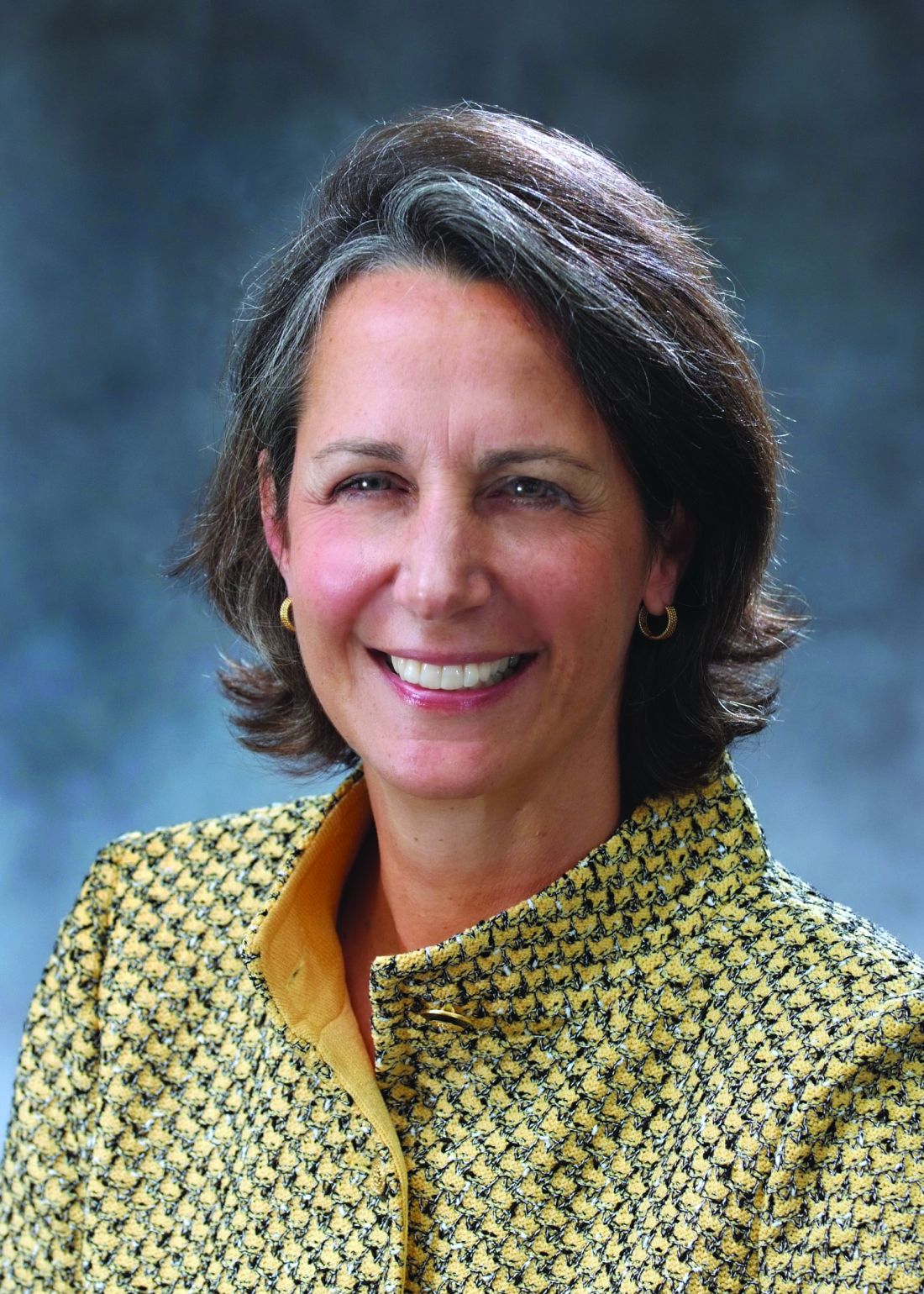
Dr. Buyske will be the first woman to assume the role of Executive Director of the ABS, and she will take the lead in implementing the overhaul of recertification.
We asked Dr. Buyske to share with us some of her insights on the new direction of the ABS, the challenges ahead, and her plans to carry out the mission.
Surgery News: The recent ABS announcement regarding a new direction for the program of recertification has come at a time when many medical specialties are facing challenges in the means by which practitioners are required to demonstrate currency in their fields. Is this initiative a response to complaints from surgeons about the Maintenance of Certification (MOC)?
Dr. Buyske: The ABS has been looking at options for the initiation and maintenance of certification for over 10 years. This effort isn’t really reactive but an ongoing process in the works for some time. This initial statement is a first swing at an attempt to better serve the profession. We all understand that it is necessary to stay up to date and demonstrate mastery.
SN: What has been the response from the Diplomates to the announcement?
Dr. Buyske: We haven’t gotten formal feedback yet, but all the response has been quite positive and, rightfully, conservative. People say, “That sounds good, but what does it really mean?” This is an entirely legitimate question, because all we really said is that we are going to change the process, make it more practice focused and less onerous. That sounds good to many. Diplomates want to know the practical implications of this approach.
SN: What happens now in this process of overhauling the recertification process?
Dr. Buyske: We have a hardworking, fast-moving task force that is taking up all the information we have gathered over the past months and years. We did a survey at this time last year that gave us a lot of information about what the Diplomates want. The concerns were on a more practice-focused recertification process, and also one that is less onerous in terms of cost and time away from practice for study and travel.
Right now, the task force is fanning out across the country to talk to state and local societies, regional representatives, and nominating societies to ask for time on their programs to meet with their members and leadership. The objective is feedback and input to help us get a handle on what people’s practices are really about.
Mary Klingensmith, MD, FACS, the Mary Culver Distinguished Professor and the vice chair of education in the department of surgery at Washington University in St. Louis, has been elected as the chair of the ABS. She will be leading a town hall at the American College of Surgeons Clinical Congress in October to discuss the process and get input.
The communications division will be recruiting additional staff and will be undertaking another survey. We will be asking ABS directors to be a presence in their regional societies and to listen to their members on behalf of the ABS. We also hope the directors will participate in the ACS Communities and be a part of a discussion on recertification.
The task force timeline will be to have a basic structure for 2018, but this will not be a final project set in granite. We will have more options available in 2018, and we will continue to roll out ever more options. This is a moving target and needs to be continually reassessed as technology improves and practice needs change. And we will get better as time goes on at understanding what practices are about and what the needs of recertification are.
SN: Many of our readers are general surgeons. What do you think the new approach to recertification will mean to general surgeons?
Dr. Buyske: General surgery is a large umbrella. I have thought for years that the MOC is a general surgery exam. It covers the entire waterfront of surgery, but it doesn’t represent how people actually practice. But the new approach will apply to the many ways that people practice general surgery.
We know from our research that most general surgeons perform about 10 different operations, depending on where they live and what their interests are. And each general surgeon has a different list of operations. We want the recertification process to reflect and be relevant to each surgeon’s list of around 10, although it may be too high an expectation to have this ready by 2018. But we will begin, and we will roll out more options as time goes on.
SN: Anti-MOC legislation has been initiated in several states recently, some of which involved laws that prevent hospitals, licensing boards, insurance companies, and health systems from requiring MOC. How is the ABS responding to this trend?
Dr. Buyske: When ABS becomes aware of a particular legislative movement along these lines, we reach out to directors and senior directors and ask them to write to their state legislators and to testify. What we really want is to be allowed to continue to self-regulate our profession. We don’t want the government to intervene with the process that hospitals and insurance companies use to hire staff and compensate surgeons. For legislation to dictate how hospitals hire is a slippery slope. I feel strongly that it is incumbent that we police our own standards.
It is a fair expectation of our patients that physicians in our field keep up to date and demonstrate this. I have to dispute the argument that patients should “just trust us.” The whole argument that being up to date is unnecessary and insulting is just off base. People from all lines of work are required to demonstrate that they are up to date on their profession. You can argue that the methods used in the surgical profession are currently not the best, but not that the principle of maintenance of currency in our field is invalid. I continue to believe in the value of certification.
SN: What would you like to tell us about ABS that surgeons may be unaware of or may not have a the complete picture of?
Dr. Buyske: I would like your readers to get a sense of how much volunteer effort goes into the certification process. We have 30+ volunteer directors that give 30 days per year of time – an amazing commitment. We invite local surgeons to give examinations with us. We also have a 200+ pool of surgeons who write questions for the exams and another pool of 600 surgeons who help out in a variety of ways. We work to make sure there is a great diversity of people who take part – from all over the country, from different points in the surgical career, specialists, fellowship and nonfellowship surgeons, etc. We have people from rural practices, from the military, and some just 1 year out of training. We also have a “standard setting” meeting where we revisit and review questions to make sure they are pertinent and to evaluate their difficulty. We invite surgeons who have never done any work for the board to help us review our examinations. These can be daylong events or 4-day–long events, and most of the work is done by volunteer surgeons as a contribution to their profession.
SN: How would you describe your leadership style, and how do you think it will play out in the reinvention of the certification process?Dr. Buyske: My leadership mode is collaborative. When it comes to the new look of recertification, I have my opinions about what I want it to look like, and I think they are in line with ideas of other ABS leaders, but I don’t want to hamstring the task force in advance, before it has had a chance to do its work. I have ideas, but I consider it my job to be convincing and persuasive and listen to other very smart and committed people on the board, and they have the opportunity to try to convince me. I am grateful every day for the quality of the people I work with, both here in the office and the volunteer directors, the leaders in surgical societies, and ABS leaders.
SN: Is there something in particular you would like to say to Diplomates who are reading this?Dr. Buyske: I would say to them that I feel in my heart that we are all on the same side: We all want to take good care of the patients. The charge of the board is to protect the public and enhance the profession, and both of those things are of great importance to me. I still take care of patients, I go to the hospital, I put on scrubs, I train with residents, and I deal with the electronic medical record. I really honor the hard work required to take care of patients. And I understand the gravity of the charge of the board, which is to protect the public and enhance the profession. We all want that and we are all on the same side.
Just as surgeons must maintain currency in their profession, the American Board of Surgery is doing the same: revising and reinventing the recertification process to better fulfill its mission. The ABS aims to make the recertification a lifelong learning activity that is more relevant to the way surgeons actually practice. The high-stakes exam taken every decade will be supplemented with other options for demonstrating competence and currency in various surgical specialties.
Dr. Buyske will be the first woman to assume the role of Executive Director of the ABS, and she will take the lead in implementing the overhaul of recertification.
We asked Dr. Buyske to share with us some of her insights on the new direction of the ABS, the challenges ahead, and her plans to carry out the mission.
Surgery News: The recent ABS announcement regarding a new direction for the program of recertification has come at a time when many medical specialties are facing challenges in the means by which practitioners are required to demonstrate currency in their fields. Is this initiative a response to complaints from surgeons about the Maintenance of Certification (MOC)?
Dr. Buyske: The ABS has been looking at options for the initiation and maintenance of certification for over 10 years. This effort isn’t really reactive but an ongoing process in the works for some time. This initial statement is a first swing at an attempt to better serve the profession. We all understand that it is necessary to stay up to date and demonstrate mastery.
SN: What has been the response from the Diplomates to the announcement?
Dr. Buyske: We haven’t gotten formal feedback yet, but all the response has been quite positive and, rightfully, conservative. People say, “That sounds good, but what does it really mean?” This is an entirely legitimate question, because all we really said is that we are going to change the process, make it more practice focused and less onerous. That sounds good to many. Diplomates want to know the practical implications of this approach.
SN: What happens now in this process of overhauling the recertification process?
Dr. Buyske: We have a hardworking, fast-moving task force that is taking up all the information we have gathered over the past months and years. We did a survey at this time last year that gave us a lot of information about what the Diplomates want. The concerns were on a more practice-focused recertification process, and also one that is less onerous in terms of cost and time away from practice for study and travel.
Right now, the task force is fanning out across the country to talk to state and local societies, regional representatives, and nominating societies to ask for time on their programs to meet with their members and leadership. The objective is feedback and input to help us get a handle on what people’s practices are really about.
Mary Klingensmith, MD, FACS, the Mary Culver Distinguished Professor and the vice chair of education in the department of surgery at Washington University in St. Louis, has been elected as the chair of the ABS. She will be leading a town hall at the American College of Surgeons Clinical Congress in October to discuss the process and get input.
The communications division will be recruiting additional staff and will be undertaking another survey. We will be asking ABS directors to be a presence in their regional societies and to listen to their members on behalf of the ABS. We also hope the directors will participate in the ACS Communities and be a part of a discussion on recertification.
The task force timeline will be to have a basic structure for 2018, but this will not be a final project set in granite. We will have more options available in 2018, and we will continue to roll out ever more options. This is a moving target and needs to be continually reassessed as technology improves and practice needs change. And we will get better as time goes on at understanding what practices are about and what the needs of recertification are.
SN: Many of our readers are general surgeons. What do you think the new approach to recertification will mean to general surgeons?
Dr. Buyske: General surgery is a large umbrella. I have thought for years that the MOC is a general surgery exam. It covers the entire waterfront of surgery, but it doesn’t represent how people actually practice. But the new approach will apply to the many ways that people practice general surgery.
We know from our research that most general surgeons perform about 10 different operations, depending on where they live and what their interests are. And each general surgeon has a different list of operations. We want the recertification process to reflect and be relevant to each surgeon’s list of around 10, although it may be too high an expectation to have this ready by 2018. But we will begin, and we will roll out more options as time goes on.
SN: Anti-MOC legislation has been initiated in several states recently, some of which involved laws that prevent hospitals, licensing boards, insurance companies, and health systems from requiring MOC. How is the ABS responding to this trend?
Dr. Buyske: When ABS becomes aware of a particular legislative movement along these lines, we reach out to directors and senior directors and ask them to write to their state legislators and to testify. What we really want is to be allowed to continue to self-regulate our profession. We don’t want the government to intervene with the process that hospitals and insurance companies use to hire staff and compensate surgeons. For legislation to dictate how hospitals hire is a slippery slope. I feel strongly that it is incumbent that we police our own standards.
It is a fair expectation of our patients that physicians in our field keep up to date and demonstrate this. I have to dispute the argument that patients should “just trust us.” The whole argument that being up to date is unnecessary and insulting is just off base. People from all lines of work are required to demonstrate that they are up to date on their profession. You can argue that the methods used in the surgical profession are currently not the best, but not that the principle of maintenance of currency in our field is invalid. I continue to believe in the value of certification.
SN: What would you like to tell us about ABS that surgeons may be unaware of or may not have a the complete picture of?
Dr. Buyske: I would like your readers to get a sense of how much volunteer effort goes into the certification process. We have 30+ volunteer directors that give 30 days per year of time – an amazing commitment. We invite local surgeons to give examinations with us. We also have a 200+ pool of surgeons who write questions for the exams and another pool of 600 surgeons who help out in a variety of ways. We work to make sure there is a great diversity of people who take part – from all over the country, from different points in the surgical career, specialists, fellowship and nonfellowship surgeons, etc. We have people from rural practices, from the military, and some just 1 year out of training. We also have a “standard setting” meeting where we revisit and review questions to make sure they are pertinent and to evaluate their difficulty. We invite surgeons who have never done any work for the board to help us review our examinations. These can be daylong events or 4-day–long events, and most of the work is done by volunteer surgeons as a contribution to their profession.
SN: How would you describe your leadership style, and how do you think it will play out in the reinvention of the certification process?Dr. Buyske: My leadership mode is collaborative. When it comes to the new look of recertification, I have my opinions about what I want it to look like, and I think they are in line with ideas of other ABS leaders, but I don’t want to hamstring the task force in advance, before it has had a chance to do its work. I have ideas, but I consider it my job to be convincing and persuasive and listen to other very smart and committed people on the board, and they have the opportunity to try to convince me. I am grateful every day for the quality of the people I work with, both here in the office and the volunteer directors, the leaders in surgical societies, and ABS leaders.
SN: Is there something in particular you would like to say to Diplomates who are reading this?Dr. Buyske: I would say to them that I feel in my heart that we are all on the same side: We all want to take good care of the patients. The charge of the board is to protect the public and enhance the profession, and both of those things are of great importance to me. I still take care of patients, I go to the hospital, I put on scrubs, I train with residents, and I deal with the electronic medical record. I really honor the hard work required to take care of patients. And I understand the gravity of the charge of the board, which is to protect the public and enhance the profession. We all want that and we are all on the same side.
Just as surgeons must maintain currency in their profession, the American Board of Surgery is doing the same: revising and reinventing the recertification process to better fulfill its mission. The ABS aims to make the recertification a lifelong learning activity that is more relevant to the way surgeons actually practice. The high-stakes exam taken every decade will be supplemented with other options for demonstrating competence and currency in various surgical specialties.
Dr. Buyske will be the first woman to assume the role of Executive Director of the ABS, and she will take the lead in implementing the overhaul of recertification.
We asked Dr. Buyske to share with us some of her insights on the new direction of the ABS, the challenges ahead, and her plans to carry out the mission.
Surgery News: The recent ABS announcement regarding a new direction for the program of recertification has come at a time when many medical specialties are facing challenges in the means by which practitioners are required to demonstrate currency in their fields. Is this initiative a response to complaints from surgeons about the Maintenance of Certification (MOC)?
Dr. Buyske: The ABS has been looking at options for the initiation and maintenance of certification for over 10 years. This effort isn’t really reactive but an ongoing process in the works for some time. This initial statement is a first swing at an attempt to better serve the profession. We all understand that it is necessary to stay up to date and demonstrate mastery.
SN: What has been the response from the Diplomates to the announcement?
Dr. Buyske: We haven’t gotten formal feedback yet, but all the response has been quite positive and, rightfully, conservative. People say, “That sounds good, but what does it really mean?” This is an entirely legitimate question, because all we really said is that we are going to change the process, make it more practice focused and less onerous. That sounds good to many. Diplomates want to know the practical implications of this approach.
SN: What happens now in this process of overhauling the recertification process?
Dr. Buyske: We have a hardworking, fast-moving task force that is taking up all the information we have gathered over the past months and years. We did a survey at this time last year that gave us a lot of information about what the Diplomates want. The concerns were on a more practice-focused recertification process, and also one that is less onerous in terms of cost and time away from practice for study and travel.
Right now, the task force is fanning out across the country to talk to state and local societies, regional representatives, and nominating societies to ask for time on their programs to meet with their members and leadership. The objective is feedback and input to help us get a handle on what people’s practices are really about.
Mary Klingensmith, MD, FACS, the Mary Culver Distinguished Professor and the vice chair of education in the department of surgery at Washington University in St. Louis, has been elected as the chair of the ABS. She will be leading a town hall at the American College of Surgeons Clinical Congress in October to discuss the process and get input.
The communications division will be recruiting additional staff and will be undertaking another survey. We will be asking ABS directors to be a presence in their regional societies and to listen to their members on behalf of the ABS. We also hope the directors will participate in the ACS Communities and be a part of a discussion on recertification.
The task force timeline will be to have a basic structure for 2018, but this will not be a final project set in granite. We will have more options available in 2018, and we will continue to roll out ever more options. This is a moving target and needs to be continually reassessed as technology improves and practice needs change. And we will get better as time goes on at understanding what practices are about and what the needs of recertification are.
SN: Many of our readers are general surgeons. What do you think the new approach to recertification will mean to general surgeons?
Dr. Buyske: General surgery is a large umbrella. I have thought for years that the MOC is a general surgery exam. It covers the entire waterfront of surgery, but it doesn’t represent how people actually practice. But the new approach will apply to the many ways that people practice general surgery.
We know from our research that most general surgeons perform about 10 different operations, depending on where they live and what their interests are. And each general surgeon has a different list of operations. We want the recertification process to reflect and be relevant to each surgeon’s list of around 10, although it may be too high an expectation to have this ready by 2018. But we will begin, and we will roll out more options as time goes on.
SN: Anti-MOC legislation has been initiated in several states recently, some of which involved laws that prevent hospitals, licensing boards, insurance companies, and health systems from requiring MOC. How is the ABS responding to this trend?
Dr. Buyske: When ABS becomes aware of a particular legislative movement along these lines, we reach out to directors and senior directors and ask them to write to their state legislators and to testify. What we really want is to be allowed to continue to self-regulate our profession. We don’t want the government to intervene with the process that hospitals and insurance companies use to hire staff and compensate surgeons. For legislation to dictate how hospitals hire is a slippery slope. I feel strongly that it is incumbent that we police our own standards.
It is a fair expectation of our patients that physicians in our field keep up to date and demonstrate this. I have to dispute the argument that patients should “just trust us.” The whole argument that being up to date is unnecessary and insulting is just off base. People from all lines of work are required to demonstrate that they are up to date on their profession. You can argue that the methods used in the surgical profession are currently not the best, but not that the principle of maintenance of currency in our field is invalid. I continue to believe in the value of certification.
SN: What would you like to tell us about ABS that surgeons may be unaware of or may not have a the complete picture of?
Dr. Buyske: I would like your readers to get a sense of how much volunteer effort goes into the certification process. We have 30+ volunteer directors that give 30 days per year of time – an amazing commitment. We invite local surgeons to give examinations with us. We also have a 200+ pool of surgeons who write questions for the exams and another pool of 600 surgeons who help out in a variety of ways. We work to make sure there is a great diversity of people who take part – from all over the country, from different points in the surgical career, specialists, fellowship and nonfellowship surgeons, etc. We have people from rural practices, from the military, and some just 1 year out of training. We also have a “standard setting” meeting where we revisit and review questions to make sure they are pertinent and to evaluate their difficulty. We invite surgeons who have never done any work for the board to help us review our examinations. These can be daylong events or 4-day–long events, and most of the work is done by volunteer surgeons as a contribution to their profession.
SN: How would you describe your leadership style, and how do you think it will play out in the reinvention of the certification process?Dr. Buyske: My leadership mode is collaborative. When it comes to the new look of recertification, I have my opinions about what I want it to look like, and I think they are in line with ideas of other ABS leaders, but I don’t want to hamstring the task force in advance, before it has had a chance to do its work. I have ideas, but I consider it my job to be convincing and persuasive and listen to other very smart and committed people on the board, and they have the opportunity to try to convince me. I am grateful every day for the quality of the people I work with, both here in the office and the volunteer directors, the leaders in surgical societies, and ABS leaders.
SN: Is there something in particular you would like to say to Diplomates who are reading this?Dr. Buyske: I would say to them that I feel in my heart that we are all on the same side: We all want to take good care of the patients. The charge of the board is to protect the public and enhance the profession, and both of those things are of great importance to me. I still take care of patients, I go to the hospital, I put on scrubs, I train with residents, and I deal with the electronic medical record. I really honor the hard work required to take care of patients. And I understand the gravity of the charge of the board, which is to protect the public and enhance the profession. We all want that and we are all on the same side.
Young Faculty Hot Topics: How to find mentors
As someone less than 1 year into practice, I believe mentorship is one of the most critical essentials as a trainee and a junior attending. I have been privileged to have excellent mentors throughout my training and now, in my first job. A lot of this is luck, but I also have always put mentorship at the top of my list when looking for fellowships and jobs. In fact, part of the reason I took the job I currently have is because the contract clearly stated who my clinical and academic mentors would be. This showed the department’s dedication to grooming junior staff appropriately. Below is my take on how to find mentors.

Have multiple mentors
It’s good to have multiple mentors, each of whom can provide a different kind of mentorship. For junior faculty, key areas of mentorship include:
- Building clinical volume.
- Establishing your reputation as a safe and competent clinician/surgeon.
- Designing your academic/research career.
- Planning your overall career.
- Solving any political/administrative issues.
Currently, my division chief is my clinical/general mentor, from whom I seek clinical advice, political advice should I find myself in a tough situation as a junior attending, and personal advice, as well. We meet monthly to go over various things including clinical/research projects and any clinical issues. I have an academic mentor, who is a basic scientist; we review research ideas together. He reads over and critiques my grants, and he picks apart my presentations. I also have a very senior mentor, a retired thoracic surgeon, whom I seek when I have a challenging case; it is crucial to identify a senior surgeon who has an abundance of experience so you can pick his or her brain – a true resource. This is in addition to the mentors I have from my training, with whom I am still in contact. I think it is important to have mentors outside of your current work for certain situations.
Mentors do not have to be in your discipline
It’s useful to have mentors from different fields. As I stated above, my academic mentor is a basic scientist. I am a thoracic surgeon, but I consider my general surgery residency chair, who is an accomplished surgical oncologist, and my residency program director, a general surgeon, to be two of my important mentors. I think it’s a good idea to have someone outside of your discipline as your mentor, even someone in a nonsurgical discipline, as long as she or he provides what you need, such as general career decisions and research mentorship. Having people from different disciplines adds more perspective and depth. For women, female mentors may provide input on career decisions at different life stages.
Do your homework about your would-be mentors
When deciding among different jobs, I did as much homework as possible in researching my would-be clinical mentors, who in most cases are also your senior partners. This included speaking with other junior faculty members within the division, people who had worked with the person in the past, and current mentors who may know them. In my mind, I found the most valuable resources to be people who had worked in the past with potential new mentors or senior partners. They can provide unbiased, sometimes negative, opinions that others might be less willing to provide. In fact, I probably spent more time trying to understand to the negative comments, since this provided valuable information, too.
I always asked questions specific to the mentorship. Were they around to help you in the OR when needed, or was it more of a verbal “I’ll be around”? Were they good about giving the juniors clinical volume and sharing OR time? Did you feel like you grew under his or her mentorship?
In conclusion, my advice about mentorship is to have multiple mentors, each for different purposes. For those looking for fellowships and jobs, learning all you can about your would-be mentors goes a long way toward ensuring an ideal position.
Dr. Suzuki is a general thoracic surgeon at Boston Medical Center.
As someone less than 1 year into practice, I believe mentorship is one of the most critical essentials as a trainee and a junior attending. I have been privileged to have excellent mentors throughout my training and now, in my first job. A lot of this is luck, but I also have always put mentorship at the top of my list when looking for fellowships and jobs. In fact, part of the reason I took the job I currently have is because the contract clearly stated who my clinical and academic mentors would be. This showed the department’s dedication to grooming junior staff appropriately. Below is my take on how to find mentors.
Have multiple mentors
It’s good to have multiple mentors, each of whom can provide a different kind of mentorship. For junior faculty, key areas of mentorship include:
- Building clinical volume.
- Establishing your reputation as a safe and competent clinician/surgeon.
- Designing your academic/research career.
- Planning your overall career.
- Solving any political/administrative issues.
Currently, my division chief is my clinical/general mentor, from whom I seek clinical advice, political advice should I find myself in a tough situation as a junior attending, and personal advice, as well. We meet monthly to go over various things including clinical/research projects and any clinical issues. I have an academic mentor, who is a basic scientist; we review research ideas together. He reads over and critiques my grants, and he picks apart my presentations. I also have a very senior mentor, a retired thoracic surgeon, whom I seek when I have a challenging case; it is crucial to identify a senior surgeon who has an abundance of experience so you can pick his or her brain – a true resource. This is in addition to the mentors I have from my training, with whom I am still in contact. I think it is important to have mentors outside of your current work for certain situations.
Mentors do not have to be in your discipline
It’s useful to have mentors from different fields. As I stated above, my academic mentor is a basic scientist. I am a thoracic surgeon, but I consider my general surgery residency chair, who is an accomplished surgical oncologist, and my residency program director, a general surgeon, to be two of my important mentors. I think it’s a good idea to have someone outside of your discipline as your mentor, even someone in a nonsurgical discipline, as long as she or he provides what you need, such as general career decisions and research mentorship. Having people from different disciplines adds more perspective and depth. For women, female mentors may provide input on career decisions at different life stages.
Do your homework about your would-be mentors
When deciding among different jobs, I did as much homework as possible in researching my would-be clinical mentors, who in most cases are also your senior partners. This included speaking with other junior faculty members within the division, people who had worked with the person in the past, and current mentors who may know them. In my mind, I found the most valuable resources to be people who had worked in the past with potential new mentors or senior partners. They can provide unbiased, sometimes negative, opinions that others might be less willing to provide. In fact, I probably spent more time trying to understand to the negative comments, since this provided valuable information, too.
I always asked questions specific to the mentorship. Were they around to help you in the OR when needed, or was it more of a verbal “I’ll be around”? Were they good about giving the juniors clinical volume and sharing OR time? Did you feel like you grew under his or her mentorship?
In conclusion, my advice about mentorship is to have multiple mentors, each for different purposes. For those looking for fellowships and jobs, learning all you can about your would-be mentors goes a long way toward ensuring an ideal position.
Dr. Suzuki is a general thoracic surgeon at Boston Medical Center.
As someone less than 1 year into practice, I believe mentorship is one of the most critical essentials as a trainee and a junior attending. I have been privileged to have excellent mentors throughout my training and now, in my first job. A lot of this is luck, but I also have always put mentorship at the top of my list when looking for fellowships and jobs. In fact, part of the reason I took the job I currently have is because the contract clearly stated who my clinical and academic mentors would be. This showed the department’s dedication to grooming junior staff appropriately. Below is my take on how to find mentors.
Have multiple mentors
It’s good to have multiple mentors, each of whom can provide a different kind of mentorship. For junior faculty, key areas of mentorship include:
- Building clinical volume.
- Establishing your reputation as a safe and competent clinician/surgeon.
- Designing your academic/research career.
- Planning your overall career.
- Solving any political/administrative issues.
Currently, my division chief is my clinical/general mentor, from whom I seek clinical advice, political advice should I find myself in a tough situation as a junior attending, and personal advice, as well. We meet monthly to go over various things including clinical/research projects and any clinical issues. I have an academic mentor, who is a basic scientist; we review research ideas together. He reads over and critiques my grants, and he picks apart my presentations. I also have a very senior mentor, a retired thoracic surgeon, whom I seek when I have a challenging case; it is crucial to identify a senior surgeon who has an abundance of experience so you can pick his or her brain – a true resource. This is in addition to the mentors I have from my training, with whom I am still in contact. I think it is important to have mentors outside of your current work for certain situations.
Mentors do not have to be in your discipline
It’s useful to have mentors from different fields. As I stated above, my academic mentor is a basic scientist. I am a thoracic surgeon, but I consider my general surgery residency chair, who is an accomplished surgical oncologist, and my residency program director, a general surgeon, to be two of my important mentors. I think it’s a good idea to have someone outside of your discipline as your mentor, even someone in a nonsurgical discipline, as long as she or he provides what you need, such as general career decisions and research mentorship. Having people from different disciplines adds more perspective and depth. For women, female mentors may provide input on career decisions at different life stages.
Do your homework about your would-be mentors
When deciding among different jobs, I did as much homework as possible in researching my would-be clinical mentors, who in most cases are also your senior partners. This included speaking with other junior faculty members within the division, people who had worked with the person in the past, and current mentors who may know them. In my mind, I found the most valuable resources to be people who had worked in the past with potential new mentors or senior partners. They can provide unbiased, sometimes negative, opinions that others might be less willing to provide. In fact, I probably spent more time trying to understand to the negative comments, since this provided valuable information, too.
I always asked questions specific to the mentorship. Were they around to help you in the OR when needed, or was it more of a verbal “I’ll be around”? Were they good about giving the juniors clinical volume and sharing OR time? Did you feel like you grew under his or her mentorship?
In conclusion, my advice about mentorship is to have multiple mentors, each for different purposes. For those looking for fellowships and jobs, learning all you can about your would-be mentors goes a long way toward ensuring an ideal position.
Dr. Suzuki is a general thoracic surgeon at Boston Medical Center.
Young Faculty Hot Topics: Saying “yes” or saying “no”
The vast majority of us did not end up where we are today by saying “no” to opportunities throughout medical school, surgical training and now early in our clinical practice. In fact, many of us likely said “yes” to just about everything that came our way, and this was reasonable as the number of opportunities was manageable. As you move along your career as a cardiothoracic surgeon, the opportunities increase, especially if you consistently turn in a high performance.
A discussion of what to say “yes” or “no” to would be remiss without considering your individual career goals and time management. You’ve heard it before and here it is again: Write down your 5- and 10-year career plan. If you do not know where you are heading, you cannot plot the course. Then, based on those long-term career goals, drill down to your annual goals. Begin by identifying deadlines on the academic calendar each year and then work backward to determine what needs to be done in the months prior to those deadlines. Once you have a clear idea of what needs to be done on a month-by-month basis, on the Sunday of each week, create a list of daily goals. This method turns your long-term career goals into doable-size pieces of a larger puzzle that will keep you on trajectory.
Once you have charted your course using the above methods or some variation of them, you will have a clear idea of what opportunities are aligned with your long-term career plan. For example, if your goals are to build your clinical practice and become a program director, you may prioritize attending a course to introduce a new surgical technique into your practice and becoming the clerkship director for medical students instead of serving on hospital committees. Solicit advice from mentors and colleagues regarding certain opportunities if you are unsure whether these will help you achieve your career goals. Furthermore, identify senior cardiothoracic surgeons who have achieved the goals you are aiming for and ask them how they arrived at their position.
Oftentimes, it’s not about saying “yes” or “no,” but rather seeking out opportunities. Saying “yes” to opportunities that are pertinent to your career goals is critical, but there are other factors to consider when deciding whether to accept an opportunity. A major factor is the ratio of benefit to time commitment; clearly, the greater the benefit and the lower the time commitment, the better. However, there may be some opportunities that are beneficial and require a fair amount of time. Only you can decide whether the time necessary to commit to an opportunity is worth the benefit. Another factor to consider is what academic milestones are necessary for promotion at your institution; this may also vary by academic track within an institution. Be familiar with these requirements, and factor them into your goals as they are the foundation upon which you climb the academic ladder within your department.
Lastly, consider all the potential advantages of certain opportunities. For example, every year the STS solicits self-nominations for committees: Are there any committees that pertain to your career goals that will allow you to network with other cardiothoracic surgeons who may then become a mentor, sponsor, or collaborator?
I’m going to state the obvious: Only you know how you are spending every minute of every hour of each day. Why do I mention this? If you have said “yes” to too many things and are stretched too thin, you are at risk of underperforming and may begin to feel underappreciated; nobody else may realize how many hours you are working, but they will notice if your performance is subpar. Not only that, but you may be at risk of burnout. Unlike residency training, where we sprinted every day (and sometimes all night) and the light at the end of the tunnel was within view, we are now in an endurance race and need to pace ourselves for long, successful, and fulfilling careers. Ideally, we deliver what we promise, but if that balance is tipped, err on the side of underpromising and overdelivering. That scenario is much better than overpromising and underdelivering since the latter not only leads to a performance that might be less than your best but also could decrease your future opportunities.
When offered an opportunity, do not say “yes” immediately; collect some intel regarding the time commitment, determine whether it is aligned with your career goals and, if need be, discuss it with mentors and trusted colleagues before you say “yes.” Once you decide to say “yes,” jump in and hit the ground running! The beginning of your career is an exciting time with some flexibility in terms of choosing your own career adventures. Always be realistic about your goals and time to ensure a long, rewarding career.
Dr. Brown is a general thoracic surgeon at UC Davis Medical Center, Calif.
The vast majority of us did not end up where we are today by saying “no” to opportunities throughout medical school, surgical training and now early in our clinical practice. In fact, many of us likely said “yes” to just about everything that came our way, and this was reasonable as the number of opportunities was manageable. As you move along your career as a cardiothoracic surgeon, the opportunities increase, especially if you consistently turn in a high performance.
A discussion of what to say “yes” or “no” to would be remiss without considering your individual career goals and time management. You’ve heard it before and here it is again: Write down your 5- and 10-year career plan. If you do not know where you are heading, you cannot plot the course. Then, based on those long-term career goals, drill down to your annual goals. Begin by identifying deadlines on the academic calendar each year and then work backward to determine what needs to be done in the months prior to those deadlines. Once you have a clear idea of what needs to be done on a month-by-month basis, on the Sunday of each week, create a list of daily goals. This method turns your long-term career goals into doable-size pieces of a larger puzzle that will keep you on trajectory.
Once you have charted your course using the above methods or some variation of them, you will have a clear idea of what opportunities are aligned with your long-term career plan. For example, if your goals are to build your clinical practice and become a program director, you may prioritize attending a course to introduce a new surgical technique into your practice and becoming the clerkship director for medical students instead of serving on hospital committees. Solicit advice from mentors and colleagues regarding certain opportunities if you are unsure whether these will help you achieve your career goals. Furthermore, identify senior cardiothoracic surgeons who have achieved the goals you are aiming for and ask them how they arrived at their position.
Oftentimes, it’s not about saying “yes” or “no,” but rather seeking out opportunities. Saying “yes” to opportunities that are pertinent to your career goals is critical, but there are other factors to consider when deciding whether to accept an opportunity. A major factor is the ratio of benefit to time commitment; clearly, the greater the benefit and the lower the time commitment, the better. However, there may be some opportunities that are beneficial and require a fair amount of time. Only you can decide whether the time necessary to commit to an opportunity is worth the benefit. Another factor to consider is what academic milestones are necessary for promotion at your institution; this may also vary by academic track within an institution. Be familiar with these requirements, and factor them into your goals as they are the foundation upon which you climb the academic ladder within your department.
Lastly, consider all the potential advantages of certain opportunities. For example, every year the STS solicits self-nominations for committees: Are there any committees that pertain to your career goals that will allow you to network with other cardiothoracic surgeons who may then become a mentor, sponsor, or collaborator?
I’m going to state the obvious: Only you know how you are spending every minute of every hour of each day. Why do I mention this? If you have said “yes” to too many things and are stretched too thin, you are at risk of underperforming and may begin to feel underappreciated; nobody else may realize how many hours you are working, but they will notice if your performance is subpar. Not only that, but you may be at risk of burnout. Unlike residency training, where we sprinted every day (and sometimes all night) and the light at the end of the tunnel was within view, we are now in an endurance race and need to pace ourselves for long, successful, and fulfilling careers. Ideally, we deliver what we promise, but if that balance is tipped, err on the side of underpromising and overdelivering. That scenario is much better than overpromising and underdelivering since the latter not only leads to a performance that might be less than your best but also could decrease your future opportunities.
When offered an opportunity, do not say “yes” immediately; collect some intel regarding the time commitment, determine whether it is aligned with your career goals and, if need be, discuss it with mentors and trusted colleagues before you say “yes.” Once you decide to say “yes,” jump in and hit the ground running! The beginning of your career is an exciting time with some flexibility in terms of choosing your own career adventures. Always be realistic about your goals and time to ensure a long, rewarding career.
Dr. Brown is a general thoracic surgeon at UC Davis Medical Center, Calif.
The vast majority of us did not end up where we are today by saying “no” to opportunities throughout medical school, surgical training and now early in our clinical practice. In fact, many of us likely said “yes” to just about everything that came our way, and this was reasonable as the number of opportunities was manageable. As you move along your career as a cardiothoracic surgeon, the opportunities increase, especially if you consistently turn in a high performance.
A discussion of what to say “yes” or “no” to would be remiss without considering your individual career goals and time management. You’ve heard it before and here it is again: Write down your 5- and 10-year career plan. If you do not know where you are heading, you cannot plot the course. Then, based on those long-term career goals, drill down to your annual goals. Begin by identifying deadlines on the academic calendar each year and then work backward to determine what needs to be done in the months prior to those deadlines. Once you have a clear idea of what needs to be done on a month-by-month basis, on the Sunday of each week, create a list of daily goals. This method turns your long-term career goals into doable-size pieces of a larger puzzle that will keep you on trajectory.
Once you have charted your course using the above methods or some variation of them, you will have a clear idea of what opportunities are aligned with your long-term career plan. For example, if your goals are to build your clinical practice and become a program director, you may prioritize attending a course to introduce a new surgical technique into your practice and becoming the clerkship director for medical students instead of serving on hospital committees. Solicit advice from mentors and colleagues regarding certain opportunities if you are unsure whether these will help you achieve your career goals. Furthermore, identify senior cardiothoracic surgeons who have achieved the goals you are aiming for and ask them how they arrived at their position.
Oftentimes, it’s not about saying “yes” or “no,” but rather seeking out opportunities. Saying “yes” to opportunities that are pertinent to your career goals is critical, but there are other factors to consider when deciding whether to accept an opportunity. A major factor is the ratio of benefit to time commitment; clearly, the greater the benefit and the lower the time commitment, the better. However, there may be some opportunities that are beneficial and require a fair amount of time. Only you can decide whether the time necessary to commit to an opportunity is worth the benefit. Another factor to consider is what academic milestones are necessary for promotion at your institution; this may also vary by academic track within an institution. Be familiar with these requirements, and factor them into your goals as they are the foundation upon which you climb the academic ladder within your department.
Lastly, consider all the potential advantages of certain opportunities. For example, every year the STS solicits self-nominations for committees: Are there any committees that pertain to your career goals that will allow you to network with other cardiothoracic surgeons who may then become a mentor, sponsor, or collaborator?
I’m going to state the obvious: Only you know how you are spending every minute of every hour of each day. Why do I mention this? If you have said “yes” to too many things and are stretched too thin, you are at risk of underperforming and may begin to feel underappreciated; nobody else may realize how many hours you are working, but they will notice if your performance is subpar. Not only that, but you may be at risk of burnout. Unlike residency training, where we sprinted every day (and sometimes all night) and the light at the end of the tunnel was within view, we are now in an endurance race and need to pace ourselves for long, successful, and fulfilling careers. Ideally, we deliver what we promise, but if that balance is tipped, err on the side of underpromising and overdelivering. That scenario is much better than overpromising and underdelivering since the latter not only leads to a performance that might be less than your best but also could decrease your future opportunities.
When offered an opportunity, do not say “yes” immediately; collect some intel regarding the time commitment, determine whether it is aligned with your career goals and, if need be, discuss it with mentors and trusted colleagues before you say “yes.” Once you decide to say “yes,” jump in and hit the ground running! The beginning of your career is an exciting time with some flexibility in terms of choosing your own career adventures. Always be realistic about your goals and time to ensure a long, rewarding career.
Dr. Brown is a general thoracic surgeon at UC Davis Medical Center, Calif.
Should you sell your dermatology practice?
There are about 16 existing dermatology groups, with about 700 dermatologists employed, backed by private equity money, that are eager to buy dermatology practices. They figure the market is highly fragmented, and they can bring efficiency and savings to make a profit. This is a highly complex topic, so bear with me; this may take a few columns. Entrepreneurial dermatologists initially set these groups up for practical reasons, such as bargaining power and cost efficiencies. Now, with low-cost money (look at interest rates) flooding the equity markets, large firms are looking to make a better, safe return on their money by buying these groups, and commoditizing them.
So who may this be a good deal for? Older physicians, say 5 years from retirement, may be able to capitalize on the value – usually calculated by EBITDA (a company’s earnings before interest, tax, depreciation, and amortization) – and sell their practices over time. EBITDA is a rough estimate of a practice’s profitability. Recall that a few years ago, some dermatologists were simply begging to find a buyer to get out or shuttering their offices and walking away into retirement.
Younger physicians usually have less to gain, since they may not have an equity stake in the practice being sold. Even the ones who do will be employed physicians for a longer time. Employees may have the opportunity to buy or bonus into an equity position later.
The buyout money is not a gift, and you will pay most of it back over the typical 5 years or more of minimum employment time specified in the sell contract. The equity firms estimate your salary at 40%, the overhead at 40%, and their profit at 20%.
What are the obvious disadvantages? You will not make as much in salary as you did before (recall that 20% profit above), you become an employee, and you lose control and flexibility. You must work as many days on average as you did in the 3-year period before your buyout, and you do not get to manage your employees as before. They will be managed by the buying company’s human resources department, which may make some things better.
You may have new employees assigned to you that you normally would not, and it is important in your negotiations that you spell out what kind and how many employees you are willing to supervise.
You will be strongly encouraged to send your pathology and Mohs cases to other members of the group, if available. You must justify major purchases (such as new lasers). The group will buy your existing equipment, hopefully for fair market value.
So is selling your practice a good deal for you? Obviously, it depends on many variables, which we will discuss further in future columns.
Dr. Coldiron is in private practice but maintains a clinical assistant professorship at the University of Cincinnati. He cares for patients, teaches medical students and residents, and has several active clinical research projects. Dr. Coldiron is the author of more than 80 scientific letters, papers, and several book chapters, and he speaks frequently on a variety of topics. He is a past president of the American Academy of Dermatology. Write to him at dermnews@frontlinemedcom.com.
There are about 16 existing dermatology groups, with about 700 dermatologists employed, backed by private equity money, that are eager to buy dermatology practices. They figure the market is highly fragmented, and they can bring efficiency and savings to make a profit. This is a highly complex topic, so bear with me; this may take a few columns. Entrepreneurial dermatologists initially set these groups up for practical reasons, such as bargaining power and cost efficiencies. Now, with low-cost money (look at interest rates) flooding the equity markets, large firms are looking to make a better, safe return on their money by buying these groups, and commoditizing them.
So who may this be a good deal for? Older physicians, say 5 years from retirement, may be able to capitalize on the value – usually calculated by EBITDA (a company’s earnings before interest, tax, depreciation, and amortization) – and sell their practices over time. EBITDA is a rough estimate of a practice’s profitability. Recall that a few years ago, some dermatologists were simply begging to find a buyer to get out or shuttering their offices and walking away into retirement.
Younger physicians usually have less to gain, since they may not have an equity stake in the practice being sold. Even the ones who do will be employed physicians for a longer time. Employees may have the opportunity to buy or bonus into an equity position later.
The buyout money is not a gift, and you will pay most of it back over the typical 5 years or more of minimum employment time specified in the sell contract. The equity firms estimate your salary at 40%, the overhead at 40%, and their profit at 20%.
What are the obvious disadvantages? You will not make as much in salary as you did before (recall that 20% profit above), you become an employee, and you lose control and flexibility. You must work as many days on average as you did in the 3-year period before your buyout, and you do not get to manage your employees as before. They will be managed by the buying company’s human resources department, which may make some things better.
You may have new employees assigned to you that you normally would not, and it is important in your negotiations that you spell out what kind and how many employees you are willing to supervise.
You will be strongly encouraged to send your pathology and Mohs cases to other members of the group, if available. You must justify major purchases (such as new lasers). The group will buy your existing equipment, hopefully for fair market value.
So is selling your practice a good deal for you? Obviously, it depends on many variables, which we will discuss further in future columns.
Dr. Coldiron is in private practice but maintains a clinical assistant professorship at the University of Cincinnati. He cares for patients, teaches medical students and residents, and has several active clinical research projects. Dr. Coldiron is the author of more than 80 scientific letters, papers, and several book chapters, and he speaks frequently on a variety of topics. He is a past president of the American Academy of Dermatology. Write to him at dermnews@frontlinemedcom.com.
There are about 16 existing dermatology groups, with about 700 dermatologists employed, backed by private equity money, that are eager to buy dermatology practices. They figure the market is highly fragmented, and they can bring efficiency and savings to make a profit. This is a highly complex topic, so bear with me; this may take a few columns. Entrepreneurial dermatologists initially set these groups up for practical reasons, such as bargaining power and cost efficiencies. Now, with low-cost money (look at interest rates) flooding the equity markets, large firms are looking to make a better, safe return on their money by buying these groups, and commoditizing them.
So who may this be a good deal for? Older physicians, say 5 years from retirement, may be able to capitalize on the value – usually calculated by EBITDA (a company’s earnings before interest, tax, depreciation, and amortization) – and sell their practices over time. EBITDA is a rough estimate of a practice’s profitability. Recall that a few years ago, some dermatologists were simply begging to find a buyer to get out or shuttering their offices and walking away into retirement.
Younger physicians usually have less to gain, since they may not have an equity stake in the practice being sold. Even the ones who do will be employed physicians for a longer time. Employees may have the opportunity to buy or bonus into an equity position later.
The buyout money is not a gift, and you will pay most of it back over the typical 5 years or more of minimum employment time specified in the sell contract. The equity firms estimate your salary at 40%, the overhead at 40%, and their profit at 20%.
What are the obvious disadvantages? You will not make as much in salary as you did before (recall that 20% profit above), you become an employee, and you lose control and flexibility. You must work as many days on average as you did in the 3-year period before your buyout, and you do not get to manage your employees as before. They will be managed by the buying company’s human resources department, which may make some things better.
You may have new employees assigned to you that you normally would not, and it is important in your negotiations that you spell out what kind and how many employees you are willing to supervise.
You will be strongly encouraged to send your pathology and Mohs cases to other members of the group, if available. You must justify major purchases (such as new lasers). The group will buy your existing equipment, hopefully for fair market value.
So is selling your practice a good deal for you? Obviously, it depends on many variables, which we will discuss further in future columns.
Dr. Coldiron is in private practice but maintains a clinical assistant professorship at the University of Cincinnati. He cares for patients, teaches medical students and residents, and has several active clinical research projects. Dr. Coldiron is the author of more than 80 scientific letters, papers, and several book chapters, and he speaks frequently on a variety of topics. He is a past president of the American Academy of Dermatology. Write to him at dermnews@frontlinemedcom.com.
In the wake of a federal lawsuit settlement, can you trust your EHR?
Who watches the watchers?
In a world where the majority of practices depend on electronic health record systems to care for patients, we also depend on the companies that make them. After all, the main (if not only) reason most practices jumped to them was to qualify for meaningful use payments.
In buying them, we’re trusting that the manufacturer is doing its best to keep them updated, operational, and compliant, right? Beyond people’s health, there’s also a lot of money at stake here.
Right? Right.
The alleged bones of the matter is that eClinicalWorks knowingly misrepresented its software to get certification in the EHR incentive program. The U.S. Department of Justice says the program was modified to retrieve only specific drugs and didn’t reliably record certain chart information (such as orders and drug interactions) or allow patient information to transfer to other systems.
I should note that, in settling this matter, eClinicalWorks did not admit wrongdoing. The company just agreed to pay that money to close the lawsuit.
Guess what? If your practice used eClinicalWorks, you’re no longer in compliance. So you could be penalized, too. Fortunately, the Centers for Medicare & Medicaid Services has recognized this and announced that practices won’t be held responsible for the vendor’s failings.
Perhaps eClinicalWorks meant no harm by these things. I understand that. Projects like this are complex. It’s easy for things to fall behind and slip through the cracks. With any software release there are always issues that aren’t recognized until it comes into widespread use. But this is patient health, not the latest version of Flappy Bird.
More worrisome is the other possibility: that eClinicalWorks was aware of the issues and covered them up so as not to affect sales. If this is the case, the company made a conscious decision to choose money over patient safety.
We’ll likely never know.
In its defense, eClinicalWorks states that most of these issues have been fixed, and the others are being actively corrected and tested. The company has agreed to do quality control oversight and to track, publish, and correct problems as they become apparent.
A decision many practices face now is whether or not to stay with the company. Can you trust eClinicalWorks from here on out? If so, how vigilant do you need to be? If not, how much time and money will a new EHR system cost to implement?
Not an easy choice for any practice trying to stay afloat these days.
Dr. Block has a solo neurology practice in Scottsdale, Ariz.
Who watches the watchers?
In a world where the majority of practices depend on electronic health record systems to care for patients, we also depend on the companies that make them. After all, the main (if not only) reason most practices jumped to them was to qualify for meaningful use payments.
In buying them, we’re trusting that the manufacturer is doing its best to keep them updated, operational, and compliant, right? Beyond people’s health, there’s also a lot of money at stake here.
Right? Right.
The alleged bones of the matter is that eClinicalWorks knowingly misrepresented its software to get certification in the EHR incentive program. The U.S. Department of Justice says the program was modified to retrieve only specific drugs and didn’t reliably record certain chart information (such as orders and drug interactions) or allow patient information to transfer to other systems.
I should note that, in settling this matter, eClinicalWorks did not admit wrongdoing. The company just agreed to pay that money to close the lawsuit.
Guess what? If your practice used eClinicalWorks, you’re no longer in compliance. So you could be penalized, too. Fortunately, the Centers for Medicare & Medicaid Services has recognized this and announced that practices won’t be held responsible for the vendor’s failings.
Perhaps eClinicalWorks meant no harm by these things. I understand that. Projects like this are complex. It’s easy for things to fall behind and slip through the cracks. With any software release there are always issues that aren’t recognized until it comes into widespread use. But this is patient health, not the latest version of Flappy Bird.
More worrisome is the other possibility: that eClinicalWorks was aware of the issues and covered them up so as not to affect sales. If this is the case, the company made a conscious decision to choose money over patient safety.
We’ll likely never know.
In its defense, eClinicalWorks states that most of these issues have been fixed, and the others are being actively corrected and tested. The company has agreed to do quality control oversight and to track, publish, and correct problems as they become apparent.
A decision many practices face now is whether or not to stay with the company. Can you trust eClinicalWorks from here on out? If so, how vigilant do you need to be? If not, how much time and money will a new EHR system cost to implement?
Not an easy choice for any practice trying to stay afloat these days.
Dr. Block has a solo neurology practice in Scottsdale, Ariz.
Who watches the watchers?
In a world where the majority of practices depend on electronic health record systems to care for patients, we also depend on the companies that make them. After all, the main (if not only) reason most practices jumped to them was to qualify for meaningful use payments.
In buying them, we’re trusting that the manufacturer is doing its best to keep them updated, operational, and compliant, right? Beyond people’s health, there’s also a lot of money at stake here.
Right? Right.
The alleged bones of the matter is that eClinicalWorks knowingly misrepresented its software to get certification in the EHR incentive program. The U.S. Department of Justice says the program was modified to retrieve only specific drugs and didn’t reliably record certain chart information (such as orders and drug interactions) or allow patient information to transfer to other systems.
I should note that, in settling this matter, eClinicalWorks did not admit wrongdoing. The company just agreed to pay that money to close the lawsuit.
Guess what? If your practice used eClinicalWorks, you’re no longer in compliance. So you could be penalized, too. Fortunately, the Centers for Medicare & Medicaid Services has recognized this and announced that practices won’t be held responsible for the vendor’s failings.
Perhaps eClinicalWorks meant no harm by these things. I understand that. Projects like this are complex. It’s easy for things to fall behind and slip through the cracks. With any software release there are always issues that aren’t recognized until it comes into widespread use. But this is patient health, not the latest version of Flappy Bird.
More worrisome is the other possibility: that eClinicalWorks was aware of the issues and covered them up so as not to affect sales. If this is the case, the company made a conscious decision to choose money over patient safety.
We’ll likely never know.
In its defense, eClinicalWorks states that most of these issues have been fixed, and the others are being actively corrected and tested. The company has agreed to do quality control oversight and to track, publish, and correct problems as they become apparent.
A decision many practices face now is whether or not to stay with the company. Can you trust eClinicalWorks from here on out? If so, how vigilant do you need to be? If not, how much time and money will a new EHR system cost to implement?
Not an easy choice for any practice trying to stay afloat these days.
Dr. Block has a solo neurology practice in Scottsdale, Ariz.
How to give a talk
I have to give a talk. Get this – the topic is how to give a good talk. Very meta.
I’ve given a hundred or so presentations in my career, including a couple of TEDx talks. With each one, I try to get a little better. Effective speaking is always simple but never easy. Let me share with you a few things I’ve learned.
Even if you don’t want to become a TEDMED phenom, you should know a few fundamentals. Giving good talks enhances your reputation and can jump-start your practice or career. For any talk, you must master three things: preparation, content, and delivery.
Just as we choose movies with actors we like, people choose speakers they want to see. Who you are matters. If you are introduced by an emcee, then be sure he or she bills you as a star. However, don’t try to be someone you aren’t – If I gave a talk on robotic prostate surgery, I’d be sure to lose no matter how witty I was. That’s why writing your own intro can sometimes be your best option.
Next up: content. It’s the king of speaking as well as marketing. Although you can pick up points for style, if you want to be remembered, you have to deliver something worth remembering. This starts with your preparation. Resist the temptation to focus exclusively on your slides. As in writing, it is best to brainstorm what you want to cover, then outline your ideas, then fill in content with slides.
Most presentations require visuals; however, there are times when you can do without. Go for it! Nothing is more freeing or more intimate than you one-on-one with your audience. If you must have slides, then follow the one-idea one-slide rule. Slides crammed with information actually detract from your presentation. Here’s a tip: Write only what you can fit with a marker on a Post-it pad. Then, laying out the Post-its, you can rearrange slides getting a feel for the flow or argument of the talk.
Did you ever wonder why headlines like, “Why I never use this suture” and “How I cut my EMR documentation time in half” work so well? They tap into a core human instinct: curiosity. Your opening should introduce some sense of wonder. What is she going to share? Really, how does he do that? Starting with a problem and taking them to a solution is also a great game plan that will often yield success.
When it comes to slides, be clean and concise. Taking a cue from wildly popular TED talks, use images and art instead of words. Use sentence fragments, not sentences, and limit content to the width of the slide (no easy feat). Sometimes you need the slide to prompt your talking point. Put only the data or fact you need and leave the rest at the bottom in your notes section.
Humor is almost always a good idea and more difficult to execute than most realize. Cartoons with captions don’t work. I know that’s hard for many of you to hear, but it’s true. Delete them from your decks. Go ahead, I’ll wait.
Instead, try finding something relevant to the audience that only they will find funny. Inside jokes not only have a higher chance of success, but will also help you bond with your audience. A joke about ICD10 as it relates to neurology is better than the funniest Calvin and Hobbes strip. Self-deprecating humor is always appreciated. I’m not among the gifted who can come up with a great one-liner on the spot. It’s OK to plan it ahead.
Once you’ve got your talk built, it’s time to run it. This is hard, as it requires planning to have your content done in time to rehearse. Find the discipline to do it. The first time you run it, you’ll likely realize that 1/3 of the content needs to be cut. Cut it. Indeed, plan to run 10% less than the time allotted. Leave your audience wanting for more rather than wishing for less.
As I’ve learned, your talking points and slides will always be most appreciated in your own head. Keeping to time shows your respect for your audience and makes you appear polished.
The day of, get to the venue well ahead of time and check the sound, lights, and temperature. All of your preparation will be for naught if they can’t hear you, see your slides, or feel their fingers due to the frigid AC.
One of the reasons I love giving talks is because they are live. You and your audience are intimately engaged, and like any conversation, you’ll sense how it’s going. Are they looking at you or at their phones? Do they seem bored? Do they laugh easily, even when you weren’t expecting them to? Observe what is happening and adjust your performance accordingly. Are you losing them? Pause. Let them catch up. Are you putting them to sleep? Pick up the pace. Try that bit of humor now.
Your delivery is critical to your success. If you’re on the dais and behind the podium of a large audience, then be big, Greek theatre big, which means bigger facial expressions and bigger arm and hand gestures. Vary the tone and pace of your voice. Speed it up to build excitement. Slow down and lower your pitch for gravity and authority. Pause for 3-4 seconds to create suspense and drama.
Leave time for discussion when possible. Invite the audience to engage by asking, What do you think? Finally, on the plane ride home, or even as you walk back from the auditorium to your clinic, think about your presentation: What worked? What fell flat? What roused the audience? How can you deliver it better next time?
Even if it didn’t go well, remember, there’s always next week. It’s on to Cincinnati.
Dr. Benabio is director of Healthcare Transformation and chief of dermatology at Kaiser Permanente San Diego. The opinions expressed in this column are his own and do not represent those of Kaiser Permanente. Dr. Benabio is @Dermdoc on Twitter. Write to him at dermnews@frontlinemedcom.com.
I have to give a talk. Get this – the topic is how to give a good talk. Very meta.
I’ve given a hundred or so presentations in my career, including a couple of TEDx talks. With each one, I try to get a little better. Effective speaking is always simple but never easy. Let me share with you a few things I’ve learned.
Even if you don’t want to become a TEDMED phenom, you should know a few fundamentals. Giving good talks enhances your reputation and can jump-start your practice or career. For any talk, you must master three things: preparation, content, and delivery.
Just as we choose movies with actors we like, people choose speakers they want to see. Who you are matters. If you are introduced by an emcee, then be sure he or she bills you as a star. However, don’t try to be someone you aren’t – If I gave a talk on robotic prostate surgery, I’d be sure to lose no matter how witty I was. That’s why writing your own intro can sometimes be your best option.
Next up: content. It’s the king of speaking as well as marketing. Although you can pick up points for style, if you want to be remembered, you have to deliver something worth remembering. This starts with your preparation. Resist the temptation to focus exclusively on your slides. As in writing, it is best to brainstorm what you want to cover, then outline your ideas, then fill in content with slides.
Most presentations require visuals; however, there are times when you can do without. Go for it! Nothing is more freeing or more intimate than you one-on-one with your audience. If you must have slides, then follow the one-idea one-slide rule. Slides crammed with information actually detract from your presentation. Here’s a tip: Write only what you can fit with a marker on a Post-it pad. Then, laying out the Post-its, you can rearrange slides getting a feel for the flow or argument of the talk.
Did you ever wonder why headlines like, “Why I never use this suture” and “How I cut my EMR documentation time in half” work so well? They tap into a core human instinct: curiosity. Your opening should introduce some sense of wonder. What is she going to share? Really, how does he do that? Starting with a problem and taking them to a solution is also a great game plan that will often yield success.
When it comes to slides, be clean and concise. Taking a cue from wildly popular TED talks, use images and art instead of words. Use sentence fragments, not sentences, and limit content to the width of the slide (no easy feat). Sometimes you need the slide to prompt your talking point. Put only the data or fact you need and leave the rest at the bottom in your notes section.
Humor is almost always a good idea and more difficult to execute than most realize. Cartoons with captions don’t work. I know that’s hard for many of you to hear, but it’s true. Delete them from your decks. Go ahead, I’ll wait.
Instead, try finding something relevant to the audience that only they will find funny. Inside jokes not only have a higher chance of success, but will also help you bond with your audience. A joke about ICD10 as it relates to neurology is better than the funniest Calvin and Hobbes strip. Self-deprecating humor is always appreciated. I’m not among the gifted who can come up with a great one-liner on the spot. It’s OK to plan it ahead.
Once you’ve got your talk built, it’s time to run it. This is hard, as it requires planning to have your content done in time to rehearse. Find the discipline to do it. The first time you run it, you’ll likely realize that 1/3 of the content needs to be cut. Cut it. Indeed, plan to run 10% less than the time allotted. Leave your audience wanting for more rather than wishing for less.
As I’ve learned, your talking points and slides will always be most appreciated in your own head. Keeping to time shows your respect for your audience and makes you appear polished.
The day of, get to the venue well ahead of time and check the sound, lights, and temperature. All of your preparation will be for naught if they can’t hear you, see your slides, or feel their fingers due to the frigid AC.
One of the reasons I love giving talks is because they are live. You and your audience are intimately engaged, and like any conversation, you’ll sense how it’s going. Are they looking at you or at their phones? Do they seem bored? Do they laugh easily, even when you weren’t expecting them to? Observe what is happening and adjust your performance accordingly. Are you losing them? Pause. Let them catch up. Are you putting them to sleep? Pick up the pace. Try that bit of humor now.
Your delivery is critical to your success. If you’re on the dais and behind the podium of a large audience, then be big, Greek theatre big, which means bigger facial expressions and bigger arm and hand gestures. Vary the tone and pace of your voice. Speed it up to build excitement. Slow down and lower your pitch for gravity and authority. Pause for 3-4 seconds to create suspense and drama.
Leave time for discussion when possible. Invite the audience to engage by asking, What do you think? Finally, on the plane ride home, or even as you walk back from the auditorium to your clinic, think about your presentation: What worked? What fell flat? What roused the audience? How can you deliver it better next time?
Even if it didn’t go well, remember, there’s always next week. It’s on to Cincinnati.
Dr. Benabio is director of Healthcare Transformation and chief of dermatology at Kaiser Permanente San Diego. The opinions expressed in this column are his own and do not represent those of Kaiser Permanente. Dr. Benabio is @Dermdoc on Twitter. Write to him at dermnews@frontlinemedcom.com.
I have to give a talk. Get this – the topic is how to give a good talk. Very meta.
I’ve given a hundred or so presentations in my career, including a couple of TEDx talks. With each one, I try to get a little better. Effective speaking is always simple but never easy. Let me share with you a few things I’ve learned.
Even if you don’t want to become a TEDMED phenom, you should know a few fundamentals. Giving good talks enhances your reputation and can jump-start your practice or career. For any talk, you must master three things: preparation, content, and delivery.
Just as we choose movies with actors we like, people choose speakers they want to see. Who you are matters. If you are introduced by an emcee, then be sure he or she bills you as a star. However, don’t try to be someone you aren’t – If I gave a talk on robotic prostate surgery, I’d be sure to lose no matter how witty I was. That’s why writing your own intro can sometimes be your best option.
Next up: content. It’s the king of speaking as well as marketing. Although you can pick up points for style, if you want to be remembered, you have to deliver something worth remembering. This starts with your preparation. Resist the temptation to focus exclusively on your slides. As in writing, it is best to brainstorm what you want to cover, then outline your ideas, then fill in content with slides.
Most presentations require visuals; however, there are times when you can do without. Go for it! Nothing is more freeing or more intimate than you one-on-one with your audience. If you must have slides, then follow the one-idea one-slide rule. Slides crammed with information actually detract from your presentation. Here’s a tip: Write only what you can fit with a marker on a Post-it pad. Then, laying out the Post-its, you can rearrange slides getting a feel for the flow or argument of the talk.
Did you ever wonder why headlines like, “Why I never use this suture” and “How I cut my EMR documentation time in half” work so well? They tap into a core human instinct: curiosity. Your opening should introduce some sense of wonder. What is she going to share? Really, how does he do that? Starting with a problem and taking them to a solution is also a great game plan that will often yield success.
When it comes to slides, be clean and concise. Taking a cue from wildly popular TED talks, use images and art instead of words. Use sentence fragments, not sentences, and limit content to the width of the slide (no easy feat). Sometimes you need the slide to prompt your talking point. Put only the data or fact you need and leave the rest at the bottom in your notes section.
Humor is almost always a good idea and more difficult to execute than most realize. Cartoons with captions don’t work. I know that’s hard for many of you to hear, but it’s true. Delete them from your decks. Go ahead, I’ll wait.
Instead, try finding something relevant to the audience that only they will find funny. Inside jokes not only have a higher chance of success, but will also help you bond with your audience. A joke about ICD10 as it relates to neurology is better than the funniest Calvin and Hobbes strip. Self-deprecating humor is always appreciated. I’m not among the gifted who can come up with a great one-liner on the spot. It’s OK to plan it ahead.
Once you’ve got your talk built, it’s time to run it. This is hard, as it requires planning to have your content done in time to rehearse. Find the discipline to do it. The first time you run it, you’ll likely realize that 1/3 of the content needs to be cut. Cut it. Indeed, plan to run 10% less than the time allotted. Leave your audience wanting for more rather than wishing for less.
As I’ve learned, your talking points and slides will always be most appreciated in your own head. Keeping to time shows your respect for your audience and makes you appear polished.
The day of, get to the venue well ahead of time and check the sound, lights, and temperature. All of your preparation will be for naught if they can’t hear you, see your slides, or feel their fingers due to the frigid AC.
One of the reasons I love giving talks is because they are live. You and your audience are intimately engaged, and like any conversation, you’ll sense how it’s going. Are they looking at you or at their phones? Do they seem bored? Do they laugh easily, even when you weren’t expecting them to? Observe what is happening and adjust your performance accordingly. Are you losing them? Pause. Let them catch up. Are you putting them to sleep? Pick up the pace. Try that bit of humor now.
Your delivery is critical to your success. If you’re on the dais and behind the podium of a large audience, then be big, Greek theatre big, which means bigger facial expressions and bigger arm and hand gestures. Vary the tone and pace of your voice. Speed it up to build excitement. Slow down and lower your pitch for gravity and authority. Pause for 3-4 seconds to create suspense and drama.
Leave time for discussion when possible. Invite the audience to engage by asking, What do you think? Finally, on the plane ride home, or even as you walk back from the auditorium to your clinic, think about your presentation: What worked? What fell flat? What roused the audience? How can you deliver it better next time?
Even if it didn’t go well, remember, there’s always next week. It’s on to Cincinnati.
Dr. Benabio is director of Healthcare Transformation and chief of dermatology at Kaiser Permanente San Diego. The opinions expressed in this column are his own and do not represent those of Kaiser Permanente. Dr. Benabio is @Dermdoc on Twitter. Write to him at dermnews@frontlinemedcom.com.
Changing the dance
I supervise the family clinic in the outpatient psychiatry resident-run clinic. The Suttons are a typical couple, encountered by the new resident, whom I will call Dr. Suraj. Initially, Dr. Suraj is enthusiastic in his meeting with the Suttons, but soon enters into a conundrum and brings the case to supervision. The couple has an intricate inexplicable dance, leaving the resident baffled. Let’s review the case. (I have changed several key details to protect the couple’s confidentiality.)
Ms. Sutton presents with complaints of “depression,” and slowly, it becomes clear that her complaints center on her spouse’s deficiencies. “He doesn’t understand me; he doesn’t know what it is like being depressed.”
Other complaints follow; some are practical, such as: “He doesn’t help around the house.” Ms. Sutton’s complaints mostly reflect her perception that either her spouse does not care for her adequately, he has lost interest in her, or he is fundamentally unable to respond adequately to her needs. “He says bad things to me, like ‘Just get over it,’ or ‘Don’t make such a fuss about things.’ ”
After three further sessions of listening to her complaints, and a general lack of response to prior and current medications, Dr. Suraj decides that Mr. Sutton needs to come in. Dr. Suraj follows what he has been taught so far: Get a history from the partner to validate symptoms, functioning, and quality of life. Mostly, the session goes as predicted, ending with Dr. Suraj’s attempt to educate Mr. Sutton about the signs and symptoms of depression. It doesn’t come out right, because the impression that Mr. Sutton gets is that Dr. Suraj is siding with his wife. This seems to make things worse, as Mr. Sutton then complains to his wife that “The doctor doesn’t know what he’s talking about,” “is too young to understand,” or a myriad of other put-downs. Ms. Sutton, of course, tells Dr. Suraj about all of this, following it up with “Don’t worry Doc; you are doing a great job.” Other comments are more in the way of commentary: “I told my husband what you said last week, and he disagrees with you.”
Dr. Suraj realizes that “something is amiss;” the case is stuck, and worse, he is stuck in the middle. The general impression, says Dr. Suraj, “is of a woman who feels victimized, neglected, or overlooked, but somehow, she has the power. She presents as the victim but also is the victimizer. He seems to be the victimizer and tormenter, but all in all, just as much the victim of her torments! I do not know how to think about this couple: They seem stuck, unhappily but inexorably stuck together in perpetuity.” Can anything be done to change this relationship?
Dr. Suraj’s uncensored thoughts: Perhaps they should break up or at least stop complaining. What is it that makes people keep complaining about their relationships? Either they accept it or they leave.
Initial areas of focus
Interpersonal violence. The archetypal extreme is that of an abusive relationship, where the victim is subjected to domestic violence. As I wrote in Advances in Psychiatric Treatment, many relationships where violence is present are bidirectional (2007;13[5]:376-83). Couples may not voice this concern for fear of the spouse being turned over to the police. I usually include a question such as: “How many times do your arguments include pushing or shoving or things like that?”
Asking about income, specifically, who controls the finances and how money is spent, clarifies whether one person feels that he or she has no option but to stay in the relationship.
If intimate partner violence (IPV) exists, there are typical protocols for helping the victim leave. When IPV is not a consideration, the resident wonders about the Suttons, when the victim and abuser change or share roles. Why do they keep up this struggle if they are unhappy?
Life expectations. Many couples do not discuss their expectations or what they imagine will happen when they get married. There may be unspoken fantasies such as “I always assumed that you would retire at 65, and we would go traveling together.” People may change their minds, or life circumstances change so that expectations and fantasies about their life together can no longer be sustained. Are there goals that have changed? Are there dependent relatives that prevent marital goals from being achieved? Is there a lack of agreement about what are important life goals?
Change! One spouse may try to make the other person change, according to his or her preferences. In the psychiatrist’s office, this can take the form of pathologizing: He just wasn’t brought up to talk about feelings, meaning he needs to talk about feelings. We hear questions such as: “Can you take him on in therapy?”; “He doesn’t listen ... can you check him for hearing loss?”; “She doesn’t remember what I said: Can you check her for dementia?” These complaints may come up at the beginning of a relationship or later in life, for example, after retirement when the couple is home together for extended periods of time. Is the expectation that each person should be able to fulfill the partner’s every wish and desire? Be all things? That is a tough order.
The Suttons report that change is the main thing they want from each other. After a full family assessment, it is clear that roles are evenly and acceptably shared; they have no differences in family rules; they both enjoy the same hobbies, care for each other, and work together to solve family crises. However, they cannot accept each other the way they are. When the children were young, she said: “I was too busy to get depressed.” Mr. Sutton states that she now wants him to be attentive to her but he is too tired after a lifetime of work, and anyway, she is so whiny he does not want to be around her. So they bicker back and forth, neither giving an inch.
Useful theories
A. Dr. Gottman’s typology. John Gottman, PhD, categorizes couples into five types: Conflict-Avoiding, Validating, Volatile, Hostile, and Hostile-Detached. The three happy couple types (Conflict-Avoiding, Validating, and Volatile) are very different from one another, and each type has its own benefits and risks. Of the two unhappy couple types, hostile couples stayed unhappily married. He derived this categorization from observations of couples in his lab (https://www.gottman.com).
Conflict-Avoiding: Conflict avoiders minimize persuasion attempts and instead emphasize their areas of common ground. They avoid conflict, avoid expressing what they need from one another, and congratulate their relationship for being generally happy. Conflict-avoiding couples balance independence and interdependence. They have clear boundaries, and are separate people with separate interests. They can be connected and caring in areas of overlap where they are interdependent. While they are minimally emotionally expressive, they maintain a ratio of positive-to-negative affect around 5 to 1. Their interaction is good enough for them.
Validating: The interaction of these couples is characterized by ease and calm. They are somewhat expressive but mostly neutral. They are intermediate between avoiders and the volatile couples. They put a lot of emphasis on supporting and understanding their partner’s point of view, and are often empathetic about their partner’s feelings. They will confront their differences, but only on some topics and not on others. They can become highly competitive on some issues, which can turn into a power struggle, but they usually calm down and compromise. The ratio of positive-to-negative comments is 5 to 1.
Volatile: Volatile couples are intensely emotional. During a conflict discussion, they begin persuasion immediately, and they debate with laughter and humor. They are not disrespectful or insulting. Their positive-to-negative comments ratio is 5 to 1. Anger and feelings of insecurity are expressed, but not contempt. They have no clear boundaries around their individual worlds. While they argue about their roles, they emphasize connection and honesty in their communication.
Hostile: Hostile couples are like validators, except there are high levels of defensiveness on the part of both partners. In Dr. Gottman’s lab, the husband was usually the validator and the wife was the avoider.
Hostile-Detached: These couples are like two armies engaged in a standoff. They snipe at one another during conflict, although the air is one of emotional detachment and resignation. In Dr. Gottman’s lab, usually there was a validator husband with a volatile wife. Escalating conflict will occur between two validators, but then one of them will back down. But the volatile will not let the validator withdraw. Dr. Gottman notes that there is a superiority involved in the woman: that the man needs to be taught the right way to be. The woman does not see the need to change.
B. The approach/avoidance dance
The approach/avoidance dance is based on the motivation of each person (Psychol Sci. 2008 Oct 19;[10]:1030-6). A partner with approach goals focuses on attaining positive outcomes, such as intimacy and growth. A partner with avoidance goals focuses away from negative outcomes, such as conflict and rejection (Educational Psychologist. 1999;34:169-89). For example, in a discussion about child care, a husband who has strong approach goals may be concerned with wanting the discussion to go smoothly and wanting both partners to be happy with the outcome. In contrast, a husband with strong avoidance goals may be more concerned with avoiding conflict about child care and preventing both partners from being unhappy with the outcome. People who are not motivated by approach goals are not particularly interested in pursuing positive experiences in their relationships, such as bonding, intimacy, or fun activities. In contrast, people who are motivated by avoidance goals are interested in avoiding negative experiences, such as conflict, betrayal, or rejection by a romantic partner.
C. Attachment
Both of the previously discussed theories have attachment theory at their core, and are organized around anxiety and avoidance. The anxiety would be tied to concern that the partner may not be available or supportive in times of need, and the avoidance piece would be tied to worry that the partner cannot be fully trusted (Fam Process. 2002 Fall;41[3]:546-50). A low score on both of these indices means a secure attachment style. For unhappy couples with cemented attachments, there is no thought that one would leave. They are bound together in unhappiness (Current Opin Psychol. 2017 Feb;13:60-4).
Nice guy husband/borderline wife relationship or hysterical wife/obsessive-compulsive husband: These relationship can be explained using an attachment framework. This male personality type truly enjoys giving and often finds that he needs nothing more in return than a feeling of being appreciated.
D. Emotionally focused therapy
Sue Johnson, EdD, has an evidence-based couples therapy called emotionally focused couples and family therapy. She would interpret the Suttons as a couple caught in a dance of negativity. The goal of therapy is to help couples let down defenses enough to be vulnerable and then to help them express emotional needs to each other. Dr. Johnson helps each person meet the emotional needs of the other. (See http://drsuejohnson.com/)
E. The game of struggle for power and control
In most relationships, there is a minimizer and a maximizer. The minimizer is more subdued within the relationship, while the maximizer is more evocative. When this turns into a game of “Who has the power,” then minimizing and maximizing turns into submission and dominance. Typically, the minimizer becomes dominant, and the maximizer becomes submissive. One partner can become parentalized and the other infantilized. Most often, the maximizer, being more emotional, tends to become infantilized and submissive for fear of angering or disappointing his or her partner. The minimizer, being more contained, tends to gather the power in the relationship, whether by intention or default, and, in this way, becomes parentalized.
Is this power struggle similar to the developmental challenges faced by toddlers? Being in a growth-supporting relationship means that the relationship helps people develop a more mature interpersonal relationship. It is this notion that supports the theory that people at the same developmental level find each other compatible, as they both face the same challenges in life.
So what happened to the Suttons? The resident referred the patient to the outpatient couples therapist, who treated them for six sessions. The assessment revealed that they had played this dance for decades, but it had intensified after Mr. Sutton retired and was available as a daily target for Ms. Sutton’s unhappiness with the way that life had treated her. The mutual negative impact of their interactions was ameliorated to some extent, by helping the couple develop individual interests. They moved from being hostile-detached to conflict-avoiding. The Suttons moved from waltzing to circle dancing.
Dr. Heru is professor of psychiatry at the University of Colorado Denver, Aurora. She is editor of “Working With Families in Medical Settings: A Multidisciplinary Guide for Psychiatrists and Other Health Professionals” (New York: Routledge, 2013). She has no conflicts of interest to disclose.
I supervise the family clinic in the outpatient psychiatry resident-run clinic. The Suttons are a typical couple, encountered by the new resident, whom I will call Dr. Suraj. Initially, Dr. Suraj is enthusiastic in his meeting with the Suttons, but soon enters into a conundrum and brings the case to supervision. The couple has an intricate inexplicable dance, leaving the resident baffled. Let’s review the case. (I have changed several key details to protect the couple’s confidentiality.)
Ms. Sutton presents with complaints of “depression,” and slowly, it becomes clear that her complaints center on her spouse’s deficiencies. “He doesn’t understand me; he doesn’t know what it is like being depressed.”
Other complaints follow; some are practical, such as: “He doesn’t help around the house.” Ms. Sutton’s complaints mostly reflect her perception that either her spouse does not care for her adequately, he has lost interest in her, or he is fundamentally unable to respond adequately to her needs. “He says bad things to me, like ‘Just get over it,’ or ‘Don’t make such a fuss about things.’ ”
After three further sessions of listening to her complaints, and a general lack of response to prior and current medications, Dr. Suraj decides that Mr. Sutton needs to come in. Dr. Suraj follows what he has been taught so far: Get a history from the partner to validate symptoms, functioning, and quality of life. Mostly, the session goes as predicted, ending with Dr. Suraj’s attempt to educate Mr. Sutton about the signs and symptoms of depression. It doesn’t come out right, because the impression that Mr. Sutton gets is that Dr. Suraj is siding with his wife. This seems to make things worse, as Mr. Sutton then complains to his wife that “The doctor doesn’t know what he’s talking about,” “is too young to understand,” or a myriad of other put-downs. Ms. Sutton, of course, tells Dr. Suraj about all of this, following it up with “Don’t worry Doc; you are doing a great job.” Other comments are more in the way of commentary: “I told my husband what you said last week, and he disagrees with you.”
Dr. Suraj realizes that “something is amiss;” the case is stuck, and worse, he is stuck in the middle. The general impression, says Dr. Suraj, “is of a woman who feels victimized, neglected, or overlooked, but somehow, she has the power. She presents as the victim but also is the victimizer. He seems to be the victimizer and tormenter, but all in all, just as much the victim of her torments! I do not know how to think about this couple: They seem stuck, unhappily but inexorably stuck together in perpetuity.” Can anything be done to change this relationship?
Dr. Suraj’s uncensored thoughts: Perhaps they should break up or at least stop complaining. What is it that makes people keep complaining about their relationships? Either they accept it or they leave.
Initial areas of focus
Interpersonal violence. The archetypal extreme is that of an abusive relationship, where the victim is subjected to domestic violence. As I wrote in Advances in Psychiatric Treatment, many relationships where violence is present are bidirectional (2007;13[5]:376-83). Couples may not voice this concern for fear of the spouse being turned over to the police. I usually include a question such as: “How many times do your arguments include pushing or shoving or things like that?”
Asking about income, specifically, who controls the finances and how money is spent, clarifies whether one person feels that he or she has no option but to stay in the relationship.
If intimate partner violence (IPV) exists, there are typical protocols for helping the victim leave. When IPV is not a consideration, the resident wonders about the Suttons, when the victim and abuser change or share roles. Why do they keep up this struggle if they are unhappy?
Life expectations. Many couples do not discuss their expectations or what they imagine will happen when they get married. There may be unspoken fantasies such as “I always assumed that you would retire at 65, and we would go traveling together.” People may change their minds, or life circumstances change so that expectations and fantasies about their life together can no longer be sustained. Are there goals that have changed? Are there dependent relatives that prevent marital goals from being achieved? Is there a lack of agreement about what are important life goals?
Change! One spouse may try to make the other person change, according to his or her preferences. In the psychiatrist’s office, this can take the form of pathologizing: He just wasn’t brought up to talk about feelings, meaning he needs to talk about feelings. We hear questions such as: “Can you take him on in therapy?”; “He doesn’t listen ... can you check him for hearing loss?”; “She doesn’t remember what I said: Can you check her for dementia?” These complaints may come up at the beginning of a relationship or later in life, for example, after retirement when the couple is home together for extended periods of time. Is the expectation that each person should be able to fulfill the partner’s every wish and desire? Be all things? That is a tough order.
The Suttons report that change is the main thing they want from each other. After a full family assessment, it is clear that roles are evenly and acceptably shared; they have no differences in family rules; they both enjoy the same hobbies, care for each other, and work together to solve family crises. However, they cannot accept each other the way they are. When the children were young, she said: “I was too busy to get depressed.” Mr. Sutton states that she now wants him to be attentive to her but he is too tired after a lifetime of work, and anyway, she is so whiny he does not want to be around her. So they bicker back and forth, neither giving an inch.
Useful theories
A. Dr. Gottman’s typology. John Gottman, PhD, categorizes couples into five types: Conflict-Avoiding, Validating, Volatile, Hostile, and Hostile-Detached. The three happy couple types (Conflict-Avoiding, Validating, and Volatile) are very different from one another, and each type has its own benefits and risks. Of the two unhappy couple types, hostile couples stayed unhappily married. He derived this categorization from observations of couples in his lab (https://www.gottman.com).
Conflict-Avoiding: Conflict avoiders minimize persuasion attempts and instead emphasize their areas of common ground. They avoid conflict, avoid expressing what they need from one another, and congratulate their relationship for being generally happy. Conflict-avoiding couples balance independence and interdependence. They have clear boundaries, and are separate people with separate interests. They can be connected and caring in areas of overlap where they are interdependent. While they are minimally emotionally expressive, they maintain a ratio of positive-to-negative affect around 5 to 1. Their interaction is good enough for them.
Validating: The interaction of these couples is characterized by ease and calm. They are somewhat expressive but mostly neutral. They are intermediate between avoiders and the volatile couples. They put a lot of emphasis on supporting and understanding their partner’s point of view, and are often empathetic about their partner’s feelings. They will confront their differences, but only on some topics and not on others. They can become highly competitive on some issues, which can turn into a power struggle, but they usually calm down and compromise. The ratio of positive-to-negative comments is 5 to 1.
Volatile: Volatile couples are intensely emotional. During a conflict discussion, they begin persuasion immediately, and they debate with laughter and humor. They are not disrespectful or insulting. Their positive-to-negative comments ratio is 5 to 1. Anger and feelings of insecurity are expressed, but not contempt. They have no clear boundaries around their individual worlds. While they argue about their roles, they emphasize connection and honesty in their communication.
Hostile: Hostile couples are like validators, except there are high levels of defensiveness on the part of both partners. In Dr. Gottman’s lab, the husband was usually the validator and the wife was the avoider.
Hostile-Detached: These couples are like two armies engaged in a standoff. They snipe at one another during conflict, although the air is one of emotional detachment and resignation. In Dr. Gottman’s lab, usually there was a validator husband with a volatile wife. Escalating conflict will occur between two validators, but then one of them will back down. But the volatile will not let the validator withdraw. Dr. Gottman notes that there is a superiority involved in the woman: that the man needs to be taught the right way to be. The woman does not see the need to change.
B. The approach/avoidance dance
The approach/avoidance dance is based on the motivation of each person (Psychol Sci. 2008 Oct 19;[10]:1030-6). A partner with approach goals focuses on attaining positive outcomes, such as intimacy and growth. A partner with avoidance goals focuses away from negative outcomes, such as conflict and rejection (Educational Psychologist. 1999;34:169-89). For example, in a discussion about child care, a husband who has strong approach goals may be concerned with wanting the discussion to go smoothly and wanting both partners to be happy with the outcome. In contrast, a husband with strong avoidance goals may be more concerned with avoiding conflict about child care and preventing both partners from being unhappy with the outcome. People who are not motivated by approach goals are not particularly interested in pursuing positive experiences in their relationships, such as bonding, intimacy, or fun activities. In contrast, people who are motivated by avoidance goals are interested in avoiding negative experiences, such as conflict, betrayal, or rejection by a romantic partner.
C. Attachment
Both of the previously discussed theories have attachment theory at their core, and are organized around anxiety and avoidance. The anxiety would be tied to concern that the partner may not be available or supportive in times of need, and the avoidance piece would be tied to worry that the partner cannot be fully trusted (Fam Process. 2002 Fall;41[3]:546-50). A low score on both of these indices means a secure attachment style. For unhappy couples with cemented attachments, there is no thought that one would leave. They are bound together in unhappiness (Current Opin Psychol. 2017 Feb;13:60-4).
Nice guy husband/borderline wife relationship or hysterical wife/obsessive-compulsive husband: These relationship can be explained using an attachment framework. This male personality type truly enjoys giving and often finds that he needs nothing more in return than a feeling of being appreciated.
D. Emotionally focused therapy
Sue Johnson, EdD, has an evidence-based couples therapy called emotionally focused couples and family therapy. She would interpret the Suttons as a couple caught in a dance of negativity. The goal of therapy is to help couples let down defenses enough to be vulnerable and then to help them express emotional needs to each other. Dr. Johnson helps each person meet the emotional needs of the other. (See http://drsuejohnson.com/)
E. The game of struggle for power and control
In most relationships, there is a minimizer and a maximizer. The minimizer is more subdued within the relationship, while the maximizer is more evocative. When this turns into a game of “Who has the power,” then minimizing and maximizing turns into submission and dominance. Typically, the minimizer becomes dominant, and the maximizer becomes submissive. One partner can become parentalized and the other infantilized. Most often, the maximizer, being more emotional, tends to become infantilized and submissive for fear of angering or disappointing his or her partner. The minimizer, being more contained, tends to gather the power in the relationship, whether by intention or default, and, in this way, becomes parentalized.
Is this power struggle similar to the developmental challenges faced by toddlers? Being in a growth-supporting relationship means that the relationship helps people develop a more mature interpersonal relationship. It is this notion that supports the theory that people at the same developmental level find each other compatible, as they both face the same challenges in life.
So what happened to the Suttons? The resident referred the patient to the outpatient couples therapist, who treated them for six sessions. The assessment revealed that they had played this dance for decades, but it had intensified after Mr. Sutton retired and was available as a daily target for Ms. Sutton’s unhappiness with the way that life had treated her. The mutual negative impact of their interactions was ameliorated to some extent, by helping the couple develop individual interests. They moved from being hostile-detached to conflict-avoiding. The Suttons moved from waltzing to circle dancing.
Dr. Heru is professor of psychiatry at the University of Colorado Denver, Aurora. She is editor of “Working With Families in Medical Settings: A Multidisciplinary Guide for Psychiatrists and Other Health Professionals” (New York: Routledge, 2013). She has no conflicts of interest to disclose.
I supervise the family clinic in the outpatient psychiatry resident-run clinic. The Suttons are a typical couple, encountered by the new resident, whom I will call Dr. Suraj. Initially, Dr. Suraj is enthusiastic in his meeting with the Suttons, but soon enters into a conundrum and brings the case to supervision. The couple has an intricate inexplicable dance, leaving the resident baffled. Let’s review the case. (I have changed several key details to protect the couple’s confidentiality.)
Ms. Sutton presents with complaints of “depression,” and slowly, it becomes clear that her complaints center on her spouse’s deficiencies. “He doesn’t understand me; he doesn’t know what it is like being depressed.”
Other complaints follow; some are practical, such as: “He doesn’t help around the house.” Ms. Sutton’s complaints mostly reflect her perception that either her spouse does not care for her adequately, he has lost interest in her, or he is fundamentally unable to respond adequately to her needs. “He says bad things to me, like ‘Just get over it,’ or ‘Don’t make such a fuss about things.’ ”
After three further sessions of listening to her complaints, and a general lack of response to prior and current medications, Dr. Suraj decides that Mr. Sutton needs to come in. Dr. Suraj follows what he has been taught so far: Get a history from the partner to validate symptoms, functioning, and quality of life. Mostly, the session goes as predicted, ending with Dr. Suraj’s attempt to educate Mr. Sutton about the signs and symptoms of depression. It doesn’t come out right, because the impression that Mr. Sutton gets is that Dr. Suraj is siding with his wife. This seems to make things worse, as Mr. Sutton then complains to his wife that “The doctor doesn’t know what he’s talking about,” “is too young to understand,” or a myriad of other put-downs. Ms. Sutton, of course, tells Dr. Suraj about all of this, following it up with “Don’t worry Doc; you are doing a great job.” Other comments are more in the way of commentary: “I told my husband what you said last week, and he disagrees with you.”
Dr. Suraj realizes that “something is amiss;” the case is stuck, and worse, he is stuck in the middle. The general impression, says Dr. Suraj, “is of a woman who feels victimized, neglected, or overlooked, but somehow, she has the power. She presents as the victim but also is the victimizer. He seems to be the victimizer and tormenter, but all in all, just as much the victim of her torments! I do not know how to think about this couple: They seem stuck, unhappily but inexorably stuck together in perpetuity.” Can anything be done to change this relationship?
Dr. Suraj’s uncensored thoughts: Perhaps they should break up or at least stop complaining. What is it that makes people keep complaining about their relationships? Either they accept it or they leave.
Initial areas of focus
Interpersonal violence. The archetypal extreme is that of an abusive relationship, where the victim is subjected to domestic violence. As I wrote in Advances in Psychiatric Treatment, many relationships where violence is present are bidirectional (2007;13[5]:376-83). Couples may not voice this concern for fear of the spouse being turned over to the police. I usually include a question such as: “How many times do your arguments include pushing or shoving or things like that?”
Asking about income, specifically, who controls the finances and how money is spent, clarifies whether one person feels that he or she has no option but to stay in the relationship.
If intimate partner violence (IPV) exists, there are typical protocols for helping the victim leave. When IPV is not a consideration, the resident wonders about the Suttons, when the victim and abuser change or share roles. Why do they keep up this struggle if they are unhappy?
Life expectations. Many couples do not discuss their expectations or what they imagine will happen when they get married. There may be unspoken fantasies such as “I always assumed that you would retire at 65, and we would go traveling together.” People may change their minds, or life circumstances change so that expectations and fantasies about their life together can no longer be sustained. Are there goals that have changed? Are there dependent relatives that prevent marital goals from being achieved? Is there a lack of agreement about what are important life goals?
Change! One spouse may try to make the other person change, according to his or her preferences. In the psychiatrist’s office, this can take the form of pathologizing: He just wasn’t brought up to talk about feelings, meaning he needs to talk about feelings. We hear questions such as: “Can you take him on in therapy?”; “He doesn’t listen ... can you check him for hearing loss?”; “She doesn’t remember what I said: Can you check her for dementia?” These complaints may come up at the beginning of a relationship or later in life, for example, after retirement when the couple is home together for extended periods of time. Is the expectation that each person should be able to fulfill the partner’s every wish and desire? Be all things? That is a tough order.
The Suttons report that change is the main thing they want from each other. After a full family assessment, it is clear that roles are evenly and acceptably shared; they have no differences in family rules; they both enjoy the same hobbies, care for each other, and work together to solve family crises. However, they cannot accept each other the way they are. When the children were young, she said: “I was too busy to get depressed.” Mr. Sutton states that she now wants him to be attentive to her but he is too tired after a lifetime of work, and anyway, she is so whiny he does not want to be around her. So they bicker back and forth, neither giving an inch.
Useful theories
A. Dr. Gottman’s typology. John Gottman, PhD, categorizes couples into five types: Conflict-Avoiding, Validating, Volatile, Hostile, and Hostile-Detached. The three happy couple types (Conflict-Avoiding, Validating, and Volatile) are very different from one another, and each type has its own benefits and risks. Of the two unhappy couple types, hostile couples stayed unhappily married. He derived this categorization from observations of couples in his lab (https://www.gottman.com).
Conflict-Avoiding: Conflict avoiders minimize persuasion attempts and instead emphasize their areas of common ground. They avoid conflict, avoid expressing what they need from one another, and congratulate their relationship for being generally happy. Conflict-avoiding couples balance independence and interdependence. They have clear boundaries, and are separate people with separate interests. They can be connected and caring in areas of overlap where they are interdependent. While they are minimally emotionally expressive, they maintain a ratio of positive-to-negative affect around 5 to 1. Their interaction is good enough for them.
Validating: The interaction of these couples is characterized by ease and calm. They are somewhat expressive but mostly neutral. They are intermediate between avoiders and the volatile couples. They put a lot of emphasis on supporting and understanding their partner’s point of view, and are often empathetic about their partner’s feelings. They will confront their differences, but only on some topics and not on others. They can become highly competitive on some issues, which can turn into a power struggle, but they usually calm down and compromise. The ratio of positive-to-negative comments is 5 to 1.
Volatile: Volatile couples are intensely emotional. During a conflict discussion, they begin persuasion immediately, and they debate with laughter and humor. They are not disrespectful or insulting. Their positive-to-negative comments ratio is 5 to 1. Anger and feelings of insecurity are expressed, but not contempt. They have no clear boundaries around their individual worlds. While they argue about their roles, they emphasize connection and honesty in their communication.
Hostile: Hostile couples are like validators, except there are high levels of defensiveness on the part of both partners. In Dr. Gottman’s lab, the husband was usually the validator and the wife was the avoider.
Hostile-Detached: These couples are like two armies engaged in a standoff. They snipe at one another during conflict, although the air is one of emotional detachment and resignation. In Dr. Gottman’s lab, usually there was a validator husband with a volatile wife. Escalating conflict will occur between two validators, but then one of them will back down. But the volatile will not let the validator withdraw. Dr. Gottman notes that there is a superiority involved in the woman: that the man needs to be taught the right way to be. The woman does not see the need to change.
B. The approach/avoidance dance
The approach/avoidance dance is based on the motivation of each person (Psychol Sci. 2008 Oct 19;[10]:1030-6). A partner with approach goals focuses on attaining positive outcomes, such as intimacy and growth. A partner with avoidance goals focuses away from negative outcomes, such as conflict and rejection (Educational Psychologist. 1999;34:169-89). For example, in a discussion about child care, a husband who has strong approach goals may be concerned with wanting the discussion to go smoothly and wanting both partners to be happy with the outcome. In contrast, a husband with strong avoidance goals may be more concerned with avoiding conflict about child care and preventing both partners from being unhappy with the outcome. People who are not motivated by approach goals are not particularly interested in pursuing positive experiences in their relationships, such as bonding, intimacy, or fun activities. In contrast, people who are motivated by avoidance goals are interested in avoiding negative experiences, such as conflict, betrayal, or rejection by a romantic partner.
C. Attachment
Both of the previously discussed theories have attachment theory at their core, and are organized around anxiety and avoidance. The anxiety would be tied to concern that the partner may not be available or supportive in times of need, and the avoidance piece would be tied to worry that the partner cannot be fully trusted (Fam Process. 2002 Fall;41[3]:546-50). A low score on both of these indices means a secure attachment style. For unhappy couples with cemented attachments, there is no thought that one would leave. They are bound together in unhappiness (Current Opin Psychol. 2017 Feb;13:60-4).
Nice guy husband/borderline wife relationship or hysterical wife/obsessive-compulsive husband: These relationship can be explained using an attachment framework. This male personality type truly enjoys giving and often finds that he needs nothing more in return than a feeling of being appreciated.
D. Emotionally focused therapy
Sue Johnson, EdD, has an evidence-based couples therapy called emotionally focused couples and family therapy. She would interpret the Suttons as a couple caught in a dance of negativity. The goal of therapy is to help couples let down defenses enough to be vulnerable and then to help them express emotional needs to each other. Dr. Johnson helps each person meet the emotional needs of the other. (See http://drsuejohnson.com/)
E. The game of struggle for power and control
In most relationships, there is a minimizer and a maximizer. The minimizer is more subdued within the relationship, while the maximizer is more evocative. When this turns into a game of “Who has the power,” then minimizing and maximizing turns into submission and dominance. Typically, the minimizer becomes dominant, and the maximizer becomes submissive. One partner can become parentalized and the other infantilized. Most often, the maximizer, being more emotional, tends to become infantilized and submissive for fear of angering or disappointing his or her partner. The minimizer, being more contained, tends to gather the power in the relationship, whether by intention or default, and, in this way, becomes parentalized.
Is this power struggle similar to the developmental challenges faced by toddlers? Being in a growth-supporting relationship means that the relationship helps people develop a more mature interpersonal relationship. It is this notion that supports the theory that people at the same developmental level find each other compatible, as they both face the same challenges in life.
So what happened to the Suttons? The resident referred the patient to the outpatient couples therapist, who treated them for six sessions. The assessment revealed that they had played this dance for decades, but it had intensified after Mr. Sutton retired and was available as a daily target for Ms. Sutton’s unhappiness with the way that life had treated her. The mutual negative impact of their interactions was ameliorated to some extent, by helping the couple develop individual interests. They moved from being hostile-detached to conflict-avoiding. The Suttons moved from waltzing to circle dancing.
Dr. Heru is professor of psychiatry at the University of Colorado Denver, Aurora. She is editor of “Working With Families in Medical Settings: A Multidisciplinary Guide for Psychiatrists and Other Health Professionals” (New York: Routledge, 2013). She has no conflicts of interest to disclose.
Do you answer patient emails?
Recently I received a lengthy email from a woman who claimed to have once been a patient, though her name did not come up in my EHR system. She asked numerous questions about a self-diagnosed skin disorder.
I was undecided on how to reply – or even whether to reply at all – so I queried several dozen dermatology colleagues around the country, as well as a few physician friends and acquaintances in other specialties.
Responses varied all over the map – from “I never answer patient emails” to “What harm could it do, she’s better off getting correct answers from you than incorrect answers from some ‘advocacy’ web site” – and everything in between. I decided to look at what has been published on the subject.
[polldaddy:{"method":"iframe","type":"survey","src":"//newspolls2017.polldaddy.com/s/do-you-answer-patient-emails-take-our-poll?iframe=1"}]It turns out that as early as 1998, a group of investigators asked this same question and designed a study to address it (JAMA. 1998 Oct 21;280[15]:1333-5). Posing as a fictitious patient, they sent emails to random dermatologists describing an acute dermatological problem, tallied the responses they received, and followed up with a questionnaire to responders and nonresponders alike.
As with my informal survey, the authors found what they termed “a striking lack of consensus” on how to deal with this situation: 50% responded to the fictitious patient’s email; of those, 31% refused to give advice without seeing the patient, but 59% offered a diagnosis, and a third of that group went on to provide specific advice about therapy. In response to the questionnaire, 28% said that they tended not to answer any patient emails, 24% said they usually replied with a standard message, and 24% said they answered each request individually. The authors concluded that “standards for physician response to unsolicited patient e-mail are needed.”
Indeed. But my own unscientific survey suggests that, almost 20 years later, there is still nothing resembling a consensus on this issue. In the interim, several groups, including the American Medical Informatics Association, Medem, and the American Medical Association have proposed guidelines; but none have been generally accepted. Until such time as that happens, it seems prudent for each individual practice to adopt its own. For ideas, take a look at the proposals from the groups I mentioned, plus any others you can find. When you’re done, consider running your list past your lawyer to make sure you haven’t forgotten anything, and that there are no unique requirements in your state.
Your guidelines may be very simple (if you decide never to answer any queries) or very complex, depending on your situation and personal philosophy; but all guidelines should cover such issues as authentication of correspondents, informed consent, licensing jurisdiction (if you receive e-mails from states in which you are not licensed), and of course, confidentiality.
Contrary to popular belief, the Health Insurance Portability and Accountability Act (HIPAA) does not prohibit email communication with patients, nor does it require that it be encrypted. The HIPAA website specifically says, “Patients may initiate communications with a provider using e-mail. If this situation occurs, the health care provider can assume (unless the patient has explicitly stated otherwise) that e-mail communications are acceptable to the individual.”
Still, if you are not comfortable with unencrypted communication, encryption software can be added to your practice’s email system. Enli, Sigaba, Tumbleweed, Zix, and many other vendors sell encryption packages. (As always, I have no financial interest in any product or enterprise mentioned in this column.)
Another option is web-based messaging: Patients enter your website and send a message using an electronic template that you design. A designated staffer will be notified by regular email when messages are received, and can post a reply on a page that can only be accessed by the patient. Besides enhancing privacy and security, you can state your guidelines in plain English to preclude any misunderstanding of what you will and will not address online.
Web-based messaging services can be freestanding or incorporated into existing secure web sites. Medfusion and RelayHealth are among the leading vendors of secure messaging services.

And now, I’m writing my guidelines.
Dr. Eastern practices dermatology and dermatologic surgery in Belleville, N.J. He is the author of numerous articles and textbook chapters, and is a longtime monthly columnist for Dermatology News. Write to him at dermnews@frontlinemedcom.com.
Recently I received a lengthy email from a woman who claimed to have once been a patient, though her name did not come up in my EHR system. She asked numerous questions about a self-diagnosed skin disorder.
I was undecided on how to reply – or even whether to reply at all – so I queried several dozen dermatology colleagues around the country, as well as a few physician friends and acquaintances in other specialties.
Responses varied all over the map – from “I never answer patient emails” to “What harm could it do, she’s better off getting correct answers from you than incorrect answers from some ‘advocacy’ web site” – and everything in between. I decided to look at what has been published on the subject.
[polldaddy:{"method":"iframe","type":"survey","src":"//newspolls2017.polldaddy.com/s/do-you-answer-patient-emails-take-our-poll?iframe=1"}]It turns out that as early as 1998, a group of investigators asked this same question and designed a study to address it (JAMA. 1998 Oct 21;280[15]:1333-5). Posing as a fictitious patient, they sent emails to random dermatologists describing an acute dermatological problem, tallied the responses they received, and followed up with a questionnaire to responders and nonresponders alike.
As with my informal survey, the authors found what they termed “a striking lack of consensus” on how to deal with this situation: 50% responded to the fictitious patient’s email; of those, 31% refused to give advice without seeing the patient, but 59% offered a diagnosis, and a third of that group went on to provide specific advice about therapy. In response to the questionnaire, 28% said that they tended not to answer any patient emails, 24% said they usually replied with a standard message, and 24% said they answered each request individually. The authors concluded that “standards for physician response to unsolicited patient e-mail are needed.”
Indeed. But my own unscientific survey suggests that, almost 20 years later, there is still nothing resembling a consensus on this issue. In the interim, several groups, including the American Medical Informatics Association, Medem, and the American Medical Association have proposed guidelines; but none have been generally accepted. Until such time as that happens, it seems prudent for each individual practice to adopt its own. For ideas, take a look at the proposals from the groups I mentioned, plus any others you can find. When you’re done, consider running your list past your lawyer to make sure you haven’t forgotten anything, and that there are no unique requirements in your state.
Your guidelines may be very simple (if you decide never to answer any queries) or very complex, depending on your situation and personal philosophy; but all guidelines should cover such issues as authentication of correspondents, informed consent, licensing jurisdiction (if you receive e-mails from states in which you are not licensed), and of course, confidentiality.
Contrary to popular belief, the Health Insurance Portability and Accountability Act (HIPAA) does not prohibit email communication with patients, nor does it require that it be encrypted. The HIPAA website specifically says, “Patients may initiate communications with a provider using e-mail. If this situation occurs, the health care provider can assume (unless the patient has explicitly stated otherwise) that e-mail communications are acceptable to the individual.”
Still, if you are not comfortable with unencrypted communication, encryption software can be added to your practice’s email system. Enli, Sigaba, Tumbleweed, Zix, and many other vendors sell encryption packages. (As always, I have no financial interest in any product or enterprise mentioned in this column.)
Another option is web-based messaging: Patients enter your website and send a message using an electronic template that you design. A designated staffer will be notified by regular email when messages are received, and can post a reply on a page that can only be accessed by the patient. Besides enhancing privacy and security, you can state your guidelines in plain English to preclude any misunderstanding of what you will and will not address online.
Web-based messaging services can be freestanding or incorporated into existing secure web sites. Medfusion and RelayHealth are among the leading vendors of secure messaging services.
And now, I’m writing my guidelines.
Dr. Eastern practices dermatology and dermatologic surgery in Belleville, N.J. He is the author of numerous articles and textbook chapters, and is a longtime monthly columnist for Dermatology News. Write to him at dermnews@frontlinemedcom.com.
Recently I received a lengthy email from a woman who claimed to have once been a patient, though her name did not come up in my EHR system. She asked numerous questions about a self-diagnosed skin disorder.
I was undecided on how to reply – or even whether to reply at all – so I queried several dozen dermatology colleagues around the country, as well as a few physician friends and acquaintances in other specialties.
Responses varied all over the map – from “I never answer patient emails” to “What harm could it do, she’s better off getting correct answers from you than incorrect answers from some ‘advocacy’ web site” – and everything in between. I decided to look at what has been published on the subject.
[polldaddy:{"method":"iframe","type":"survey","src":"//newspolls2017.polldaddy.com/s/do-you-answer-patient-emails-take-our-poll?iframe=1"}]It turns out that as early as 1998, a group of investigators asked this same question and designed a study to address it (JAMA. 1998 Oct 21;280[15]:1333-5). Posing as a fictitious patient, they sent emails to random dermatologists describing an acute dermatological problem, tallied the responses they received, and followed up with a questionnaire to responders and nonresponders alike.
As with my informal survey, the authors found what they termed “a striking lack of consensus” on how to deal with this situation: 50% responded to the fictitious patient’s email; of those, 31% refused to give advice without seeing the patient, but 59% offered a diagnosis, and a third of that group went on to provide specific advice about therapy. In response to the questionnaire, 28% said that they tended not to answer any patient emails, 24% said they usually replied with a standard message, and 24% said they answered each request individually. The authors concluded that “standards for physician response to unsolicited patient e-mail are needed.”
Indeed. But my own unscientific survey suggests that, almost 20 years later, there is still nothing resembling a consensus on this issue. In the interim, several groups, including the American Medical Informatics Association, Medem, and the American Medical Association have proposed guidelines; but none have been generally accepted. Until such time as that happens, it seems prudent for each individual practice to adopt its own. For ideas, take a look at the proposals from the groups I mentioned, plus any others you can find. When you’re done, consider running your list past your lawyer to make sure you haven’t forgotten anything, and that there are no unique requirements in your state.
Your guidelines may be very simple (if you decide never to answer any queries) or very complex, depending on your situation and personal philosophy; but all guidelines should cover such issues as authentication of correspondents, informed consent, licensing jurisdiction (if you receive e-mails from states in which you are not licensed), and of course, confidentiality.
Contrary to popular belief, the Health Insurance Portability and Accountability Act (HIPAA) does not prohibit email communication with patients, nor does it require that it be encrypted. The HIPAA website specifically says, “Patients may initiate communications with a provider using e-mail. If this situation occurs, the health care provider can assume (unless the patient has explicitly stated otherwise) that e-mail communications are acceptable to the individual.”
Still, if you are not comfortable with unencrypted communication, encryption software can be added to your practice’s email system. Enli, Sigaba, Tumbleweed, Zix, and many other vendors sell encryption packages. (As always, I have no financial interest in any product or enterprise mentioned in this column.)
Another option is web-based messaging: Patients enter your website and send a message using an electronic template that you design. A designated staffer will be notified by regular email when messages are received, and can post a reply on a page that can only be accessed by the patient. Besides enhancing privacy and security, you can state your guidelines in plain English to preclude any misunderstanding of what you will and will not address online.
Web-based messaging services can be freestanding or incorporated into existing secure web sites. Medfusion and RelayHealth are among the leading vendors of secure messaging services.
And now, I’m writing my guidelines.
Dr. Eastern practices dermatology and dermatologic surgery in Belleville, N.J. He is the author of numerous articles and textbook chapters, and is a longtime monthly columnist for Dermatology News. Write to him at dermnews@frontlinemedcom.com.
How would you treat ... recurrent pre-B ALL in a 24-year-old woman?
Welcome to our new online feature, "How would you treat?"
This new item seeks to stimulate a lively conversation around cases that address the "art of medicine," in which there are no right or wrong ways to treat a specific patient. Instead, we posit to you "if this was your patient, how would you treat her?" The goal is to offer each other our thoughts on how we view treatment options from the perspectives of potential for cure and quality of life for a specific patient given his or her unique treatment history.
Our first case for your consideration will examine perspectives on the treatment of recurrent acute lymphoblastic leukemia, a condition with increasing therapeutic options.
A 24-year-old female was diagnosed with pre-B Acute Lymphoblastic Leukemia. She achieved complete remission on a standard chemotherapy protocol that included L-asparaginase and completed maintenance therapy 1 year ago, but no tests for MRD were performed. Routine surveillance blood counts worsened and a bone marrow biopsy confirms relapse. She feels well. There is no detectable BCR/ABL, but the leukemic blasts express CD19, CD20, and CD22. She has an HLA-matched sibling donor. Her exam is normal with WBC 23,000 (76% Blasts), Hgb 10.3, Plt 32K.
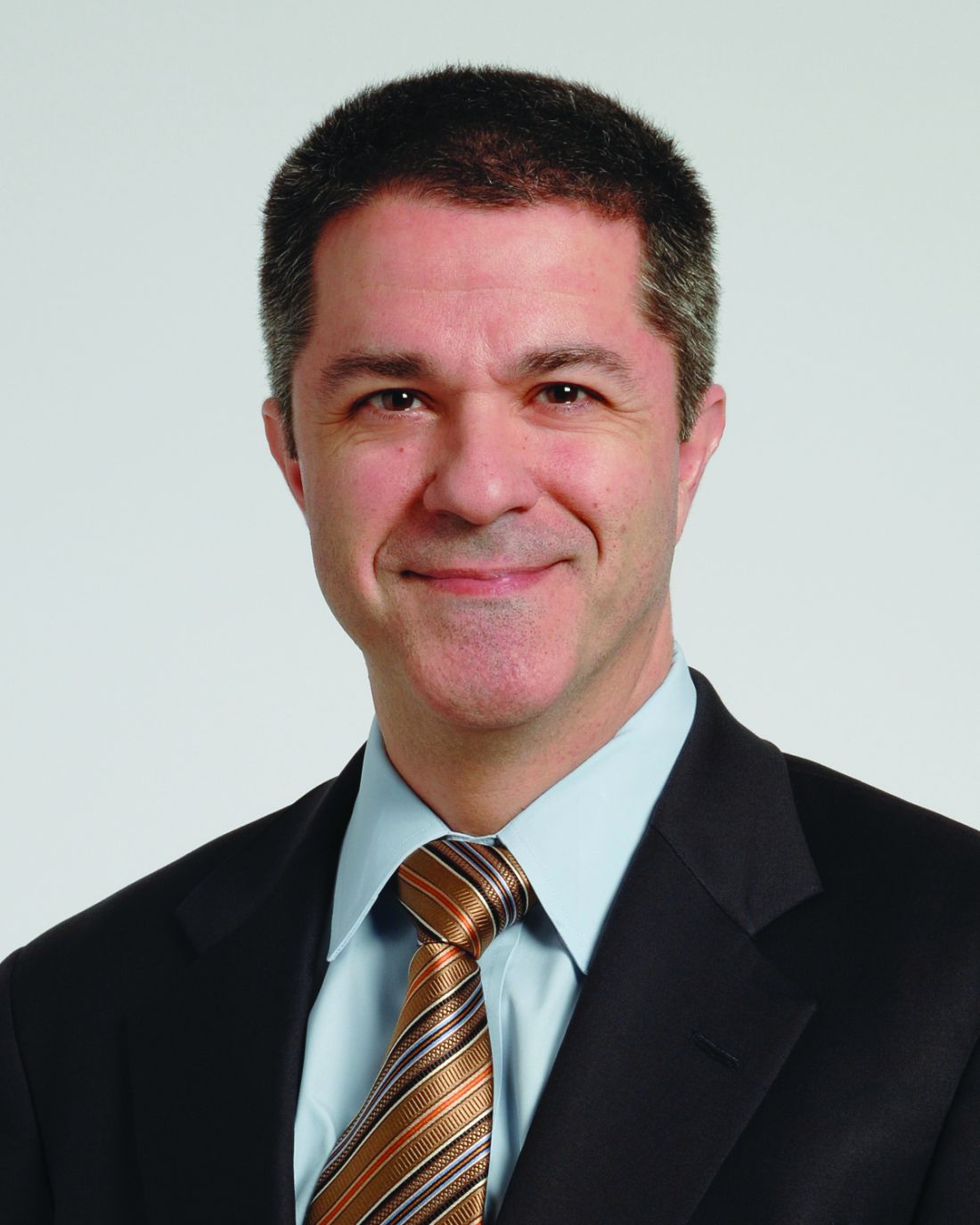
Welcome to our new online feature, "How would you treat?"
This new item seeks to stimulate a lively conversation around cases that address the "art of medicine," in which there are no right or wrong ways to treat a specific patient. Instead, we posit to you "if this was your patient, how would you treat her?" The goal is to offer each other our thoughts on how we view treatment options from the perspectives of potential for cure and quality of life for a specific patient given his or her unique treatment history.
Our first case for your consideration will examine perspectives on the treatment of recurrent acute lymphoblastic leukemia, a condition with increasing therapeutic options.
A 24-year-old female was diagnosed with pre-B Acute Lymphoblastic Leukemia. She achieved complete remission on a standard chemotherapy protocol that included L-asparaginase and completed maintenance therapy 1 year ago, but no tests for MRD were performed. Routine surveillance blood counts worsened and a bone marrow biopsy confirms relapse. She feels well. There is no detectable BCR/ABL, but the leukemic blasts express CD19, CD20, and CD22. She has an HLA-matched sibling donor. Her exam is normal with WBC 23,000 (76% Blasts), Hgb 10.3, Plt 32K.
Welcome to our new online feature, "How would you treat?"
This new item seeks to stimulate a lively conversation around cases that address the "art of medicine," in which there are no right or wrong ways to treat a specific patient. Instead, we posit to you "if this was your patient, how would you treat her?" The goal is to offer each other our thoughts on how we view treatment options from the perspectives of potential for cure and quality of life for a specific patient given his or her unique treatment history.
Our first case for your consideration will examine perspectives on the treatment of recurrent acute lymphoblastic leukemia, a condition with increasing therapeutic options.
A 24-year-old female was diagnosed with pre-B Acute Lymphoblastic Leukemia. She achieved complete remission on a standard chemotherapy protocol that included L-asparaginase and completed maintenance therapy 1 year ago, but no tests for MRD were performed. Routine surveillance blood counts worsened and a bone marrow biopsy confirms relapse. She feels well. There is no detectable BCR/ABL, but the leukemic blasts express CD19, CD20, and CD22. She has an HLA-matched sibling donor. Her exam is normal with WBC 23,000 (76% Blasts), Hgb 10.3, Plt 32K.
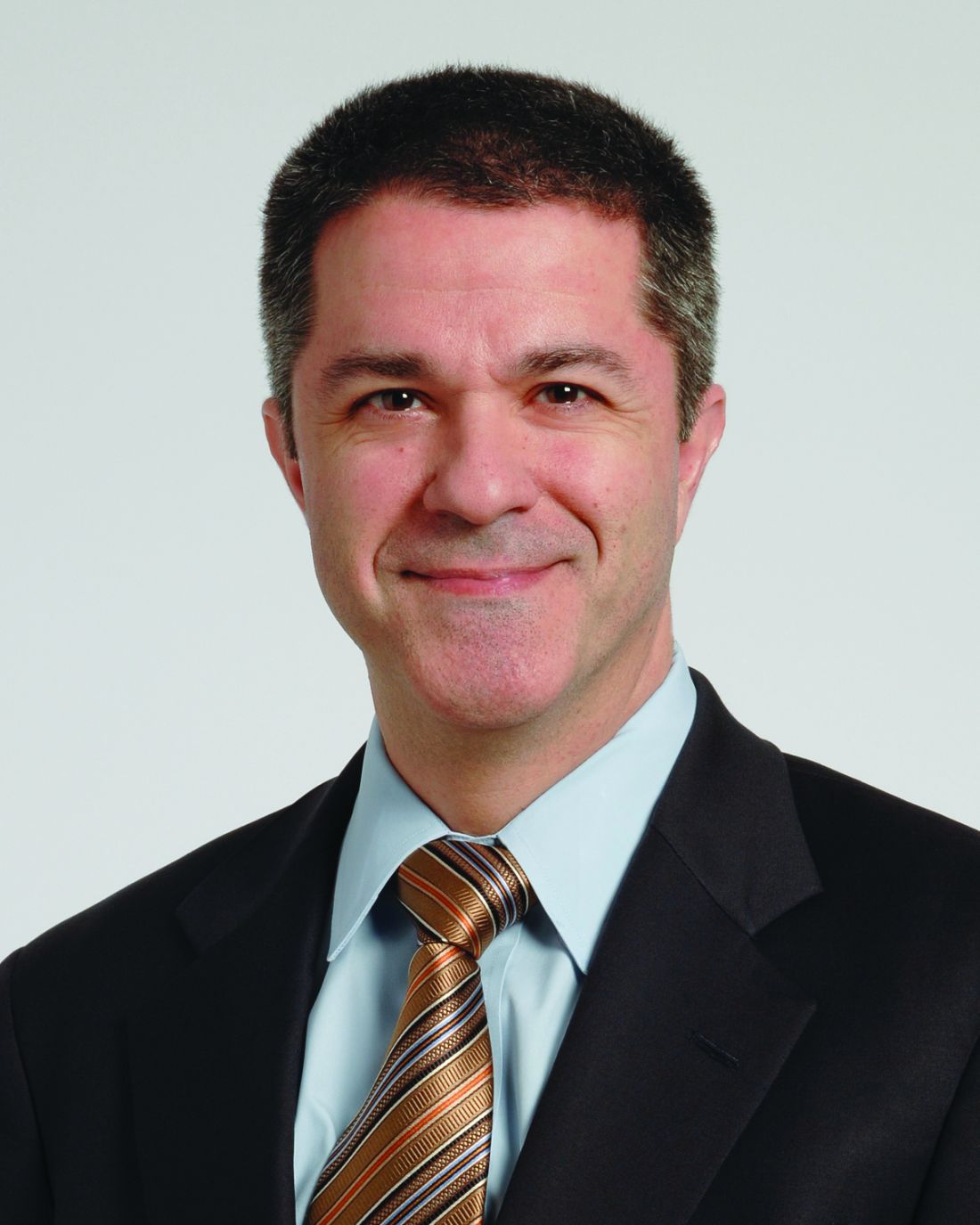
The Inflection Point
In the early 1600s, the French playwright Molière wrote one of the great satires of all time, “The Doctor in Spite of Himself.” In that play the main character, Sganarelle, is a woodcutter who wastes all his money on alcohol, so his wife Martine decides she will teach him a lesson. As she is plotting her revenge, Martine overhears two peasants discussing how they have been trying to find a doctor for their rich employer’s daughter, who has become suddenly mute. Martine seizes the opportunity to tell the peasants that her husband is a brilliant – though eccentric – doctor who usually hides his identity. Learning this, the peasants find Sganarelle and beg him to see their master’s daughter. Though he initially refuses, they berate him until he can take it no more, and he finally says that he is a doctor and agrees to assess the ill young woman.
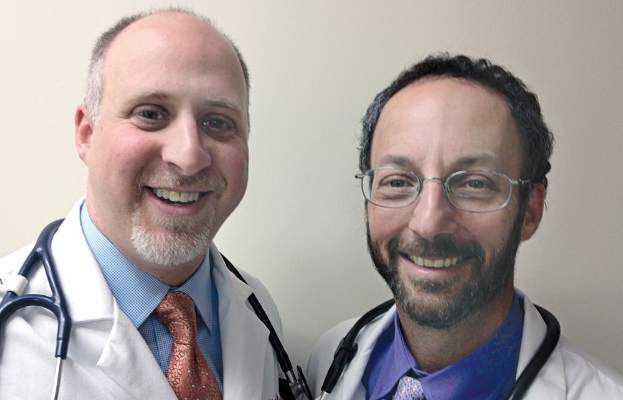
Sganarelle does his best to impersonate a doctor while examining the young woman, and as he is doing so it becomes apparent even to him that she is not truly ill. She is pretending to be mute because she’s being forced to marry a wealthy man she does not love. Sganarelle discusses the diagnosis with her father, stating, “this impediment to the action of the tongue is caused by certain humors.” He goes on to say that her muteness was triggered by, “the vapors that pass from the left side, where the liver resides, to the right side, where the heart dwells.” The rich aristocrat listens intently and accepts the diagnosis, though he seems puzzled about one thing. “Isn’t the heart on the left side of the chest?” he asks. To this insightful and obvious question Sganarelle replies, “Yes, that used to be true; but we’ve changed all that, and we practice medicine now according to a whole new method.”
It is astonishing that Molière, in a farcical comedy written in the 1600s, could have anticipated the dizzying rate of change in modern medicine. While the heart and liver have not changed sides, the ways we are practicing medicine have undergone landmark shifts over the past 10 years. Just look at the new ways in which we record documentation, learn new information, send in prescriptions, manage populations in addition to individual patients, and so many other aspects of care. At times this evolution has its own satirical feel to it. For example, the notion that refusing to refill an opioid prescription for a patient that broke their opioid contract could lead to a bad review on Yelp or points off on a Press Ganey satisfaction survey does not seem reasonable, but it is real.
When we started this column about 10 years ago, we regularly received emails (and even letters written in fine penmanship and mailed in envelopes) from physicians who felt that the EHR was ruining their practice and their lives. Many of the letters talked about early retirement. Some physicians ended up retiring early. Many of these physicians were smart, able people who we believe took great care of patients. But as Leon C. Megginson, interpreting the work of Darwin, observed, “It is not the strongest of the species that survives, nor the most intelligent, but the one most responsive to change.” Adaptability favors the young; the young have fewer habits to break, few preconceived ideas of how things should be, and perhaps more energy to give to new tasks.
We believe we have now reached the inflection point – a time in the history of an industry where an event (in this case the advent of the EHR) so fundamentally impacts the industry that the industry is changed from that point forward. The industry, and more importantly those who work in the industry, must adopt new approaches and attitudes in order to survive in the changed environment. Andrew Grove, the former CEO of Intel, talked about Strategic Inflection Points in a keynote address to the Academy of Management: “…what is common to [inflection points] and what is key is that they require a fundamental change in business strategy.” Grove also said, “That change can mean an opportunity to rise to new heights. But it may just as likely signal the beginning of the end.”
Up until recently, the introduction of the EHR lead to discussions about what was good and what was bad about the advent of EHRs. That time is past. We no longer receive letters from physicians expressing their concerns about the EHR, as many of those physicians have taken the change as a signal of the end of their careers, and chosen to retire. The rest have adapted to a new world. And in this new world we are certainly rising to new heights. We are forward-focused and looking at the multi-fold ways that our new technologies can accomplish their many missions – to improve the health of the population, to serve as a source of data to assess the real-world effectiveness of novel therapies, to evaluate and affect the quality of care given by practices and individual physicians, and to take excellent personalized care of individual patients. While we are physicians, not wood cutters as in Molière’s play, it remains incumbent upon us never to stop listening to our patients’ hearts, and to interpret their symptoms and signs with common sense, empathy and even humor when appropriate, all the while embracing approaches that move the health care of our patients forward to new heights.
Dr. Skolnik is professor of family and community medicine at Sidney Kimmel Medical College, Thomas Jefferson University, Philadelphia, and associate director of the family medicine residency program at Abington Jefferson Health. Dr. Notte is a family physician and clinical informaticist for Abington (Pa.) Memorial Hospital. He is also a partner in EHR Practice Consultants, a firm that aids physicians in adopting electronic health records.
In the early 1600s, the French playwright Molière wrote one of the great satires of all time, “The Doctor in Spite of Himself.” In that play the main character, Sganarelle, is a woodcutter who wastes all his money on alcohol, so his wife Martine decides she will teach him a lesson. As she is plotting her revenge, Martine overhears two peasants discussing how they have been trying to find a doctor for their rich employer’s daughter, who has become suddenly mute. Martine seizes the opportunity to tell the peasants that her husband is a brilliant – though eccentric – doctor who usually hides his identity. Learning this, the peasants find Sganarelle and beg him to see their master’s daughter. Though he initially refuses, they berate him until he can take it no more, and he finally says that he is a doctor and agrees to assess the ill young woman.
Sganarelle does his best to impersonate a doctor while examining the young woman, and as he is doing so it becomes apparent even to him that she is not truly ill. She is pretending to be mute because she’s being forced to marry a wealthy man she does not love. Sganarelle discusses the diagnosis with her father, stating, “this impediment to the action of the tongue is caused by certain humors.” He goes on to say that her muteness was triggered by, “the vapors that pass from the left side, where the liver resides, to the right side, where the heart dwells.” The rich aristocrat listens intently and accepts the diagnosis, though he seems puzzled about one thing. “Isn’t the heart on the left side of the chest?” he asks. To this insightful and obvious question Sganarelle replies, “Yes, that used to be true; but we’ve changed all that, and we practice medicine now according to a whole new method.”
It is astonishing that Molière, in a farcical comedy written in the 1600s, could have anticipated the dizzying rate of change in modern medicine. While the heart and liver have not changed sides, the ways we are practicing medicine have undergone landmark shifts over the past 10 years. Just look at the new ways in which we record documentation, learn new information, send in prescriptions, manage populations in addition to individual patients, and so many other aspects of care. At times this evolution has its own satirical feel to it. For example, the notion that refusing to refill an opioid prescription for a patient that broke their opioid contract could lead to a bad review on Yelp or points off on a Press Ganey satisfaction survey does not seem reasonable, but it is real.
When we started this column about 10 years ago, we regularly received emails (and even letters written in fine penmanship and mailed in envelopes) from physicians who felt that the EHR was ruining their practice and their lives. Many of the letters talked about early retirement. Some physicians ended up retiring early. Many of these physicians were smart, able people who we believe took great care of patients. But as Leon C. Megginson, interpreting the work of Darwin, observed, “It is not the strongest of the species that survives, nor the most intelligent, but the one most responsive to change.” Adaptability favors the young; the young have fewer habits to break, few preconceived ideas of how things should be, and perhaps more energy to give to new tasks.
We believe we have now reached the inflection point – a time in the history of an industry where an event (in this case the advent of the EHR) so fundamentally impacts the industry that the industry is changed from that point forward. The industry, and more importantly those who work in the industry, must adopt new approaches and attitudes in order to survive in the changed environment. Andrew Grove, the former CEO of Intel, talked about Strategic Inflection Points in a keynote address to the Academy of Management: “…what is common to [inflection points] and what is key is that they require a fundamental change in business strategy.” Grove also said, “That change can mean an opportunity to rise to new heights. But it may just as likely signal the beginning of the end.”
Up until recently, the introduction of the EHR lead to discussions about what was good and what was bad about the advent of EHRs. That time is past. We no longer receive letters from physicians expressing their concerns about the EHR, as many of those physicians have taken the change as a signal of the end of their careers, and chosen to retire. The rest have adapted to a new world. And in this new world we are certainly rising to new heights. We are forward-focused and looking at the multi-fold ways that our new technologies can accomplish their many missions – to improve the health of the population, to serve as a source of data to assess the real-world effectiveness of novel therapies, to evaluate and affect the quality of care given by practices and individual physicians, and to take excellent personalized care of individual patients. While we are physicians, not wood cutters as in Molière’s play, it remains incumbent upon us never to stop listening to our patients’ hearts, and to interpret their symptoms and signs with common sense, empathy and even humor when appropriate, all the while embracing approaches that move the health care of our patients forward to new heights.
Dr. Skolnik is professor of family and community medicine at Sidney Kimmel Medical College, Thomas Jefferson University, Philadelphia, and associate director of the family medicine residency program at Abington Jefferson Health. Dr. Notte is a family physician and clinical informaticist for Abington (Pa.) Memorial Hospital. He is also a partner in EHR Practice Consultants, a firm that aids physicians in adopting electronic health records.
In the early 1600s, the French playwright Molière wrote one of the great satires of all time, “The Doctor in Spite of Himself.” In that play the main character, Sganarelle, is a woodcutter who wastes all his money on alcohol, so his wife Martine decides she will teach him a lesson. As she is plotting her revenge, Martine overhears two peasants discussing how they have been trying to find a doctor for their rich employer’s daughter, who has become suddenly mute. Martine seizes the opportunity to tell the peasants that her husband is a brilliant – though eccentric – doctor who usually hides his identity. Learning this, the peasants find Sganarelle and beg him to see their master’s daughter. Though he initially refuses, they berate him until he can take it no more, and he finally says that he is a doctor and agrees to assess the ill young woman.
Sganarelle does his best to impersonate a doctor while examining the young woman, and as he is doing so it becomes apparent even to him that she is not truly ill. She is pretending to be mute because she’s being forced to marry a wealthy man she does not love. Sganarelle discusses the diagnosis with her father, stating, “this impediment to the action of the tongue is caused by certain humors.” He goes on to say that her muteness was triggered by, “the vapors that pass from the left side, where the liver resides, to the right side, where the heart dwells.” The rich aristocrat listens intently and accepts the diagnosis, though he seems puzzled about one thing. “Isn’t the heart on the left side of the chest?” he asks. To this insightful and obvious question Sganarelle replies, “Yes, that used to be true; but we’ve changed all that, and we practice medicine now according to a whole new method.”
It is astonishing that Molière, in a farcical comedy written in the 1600s, could have anticipated the dizzying rate of change in modern medicine. While the heart and liver have not changed sides, the ways we are practicing medicine have undergone landmark shifts over the past 10 years. Just look at the new ways in which we record documentation, learn new information, send in prescriptions, manage populations in addition to individual patients, and so many other aspects of care. At times this evolution has its own satirical feel to it. For example, the notion that refusing to refill an opioid prescription for a patient that broke their opioid contract could lead to a bad review on Yelp or points off on a Press Ganey satisfaction survey does not seem reasonable, but it is real.
When we started this column about 10 years ago, we regularly received emails (and even letters written in fine penmanship and mailed in envelopes) from physicians who felt that the EHR was ruining their practice and their lives. Many of the letters talked about early retirement. Some physicians ended up retiring early. Many of these physicians were smart, able people who we believe took great care of patients. But as Leon C. Megginson, interpreting the work of Darwin, observed, “It is not the strongest of the species that survives, nor the most intelligent, but the one most responsive to change.” Adaptability favors the young; the young have fewer habits to break, few preconceived ideas of how things should be, and perhaps more energy to give to new tasks.
We believe we have now reached the inflection point – a time in the history of an industry where an event (in this case the advent of the EHR) so fundamentally impacts the industry that the industry is changed from that point forward. The industry, and more importantly those who work in the industry, must adopt new approaches and attitudes in order to survive in the changed environment. Andrew Grove, the former CEO of Intel, talked about Strategic Inflection Points in a keynote address to the Academy of Management: “…what is common to [inflection points] and what is key is that they require a fundamental change in business strategy.” Grove also said, “That change can mean an opportunity to rise to new heights. But it may just as likely signal the beginning of the end.”
Up until recently, the introduction of the EHR lead to discussions about what was good and what was bad about the advent of EHRs. That time is past. We no longer receive letters from physicians expressing their concerns about the EHR, as many of those physicians have taken the change as a signal of the end of their careers, and chosen to retire. The rest have adapted to a new world. And in this new world we are certainly rising to new heights. We are forward-focused and looking at the multi-fold ways that our new technologies can accomplish their many missions – to improve the health of the population, to serve as a source of data to assess the real-world effectiveness of novel therapies, to evaluate and affect the quality of care given by practices and individual physicians, and to take excellent personalized care of individual patients. While we are physicians, not wood cutters as in Molière’s play, it remains incumbent upon us never to stop listening to our patients’ hearts, and to interpret their symptoms and signs with common sense, empathy and even humor when appropriate, all the while embracing approaches that move the health care of our patients forward to new heights.
Dr. Skolnik is professor of family and community medicine at Sidney Kimmel Medical College, Thomas Jefferson University, Philadelphia, and associate director of the family medicine residency program at Abington Jefferson Health. Dr. Notte is a family physician and clinical informaticist for Abington (Pa.) Memorial Hospital. He is also a partner in EHR Practice Consultants, a firm that aids physicians in adopting electronic health records.