User login
Abatacept autoinjector approved to treat rheumatoid arthritis
An autoinjector for subcutaneously administering abatacept (Orencia) has been approved by the Food and Drug Administration for the treatment of rheumatoid arthritis, making it the third delivery method available for patients to use the biologic.

Abatacept is also available for intravenous infusion and subcutaneous administration with a prefilled syringe. With a single button push, the new Orencia ClickJect autoinjector delivers 125 mg of the drug over the course of 15 seconds and also confirms the injection. The autoinjector’s design is meant to allow patients with rheumatoid arthritis to firmly hold, operate, and control the device, according to an announcement from the manufacturer, Bristol-Myers Squibb.
Although abatacept is approved to treat polyarticular juvenile idiopathic arthritis in patients aged 6 years and older, subcutaneous formulations of the drug have not been studied in patients younger than 18 years.
An autoinjector for subcutaneously administering abatacept (Orencia) has been approved by the Food and Drug Administration for the treatment of rheumatoid arthritis, making it the third delivery method available for patients to use the biologic.
Abatacept is also available for intravenous infusion and subcutaneous administration with a prefilled syringe. With a single button push, the new Orencia ClickJect autoinjector delivers 125 mg of the drug over the course of 15 seconds and also confirms the injection. The autoinjector’s design is meant to allow patients with rheumatoid arthritis to firmly hold, operate, and control the device, according to an announcement from the manufacturer, Bristol-Myers Squibb.
Although abatacept is approved to treat polyarticular juvenile idiopathic arthritis in patients aged 6 years and older, subcutaneous formulations of the drug have not been studied in patients younger than 18 years.
An autoinjector for subcutaneously administering abatacept (Orencia) has been approved by the Food and Drug Administration for the treatment of rheumatoid arthritis, making it the third delivery method available for patients to use the biologic.
Abatacept is also available for intravenous infusion and subcutaneous administration with a prefilled syringe. With a single button push, the new Orencia ClickJect autoinjector delivers 125 mg of the drug over the course of 15 seconds and also confirms the injection. The autoinjector’s design is meant to allow patients with rheumatoid arthritis to firmly hold, operate, and control the device, according to an announcement from the manufacturer, Bristol-Myers Squibb.
Although abatacept is approved to treat polyarticular juvenile idiopathic arthritis in patients aged 6 years and older, subcutaneous formulations of the drug have not been studied in patients younger than 18 years.

Hospitalization costs unaffected by Medicaid status for children with asthma
Medicaid status did not significantly affect costs for children who were hospitalized because of asthma, according to Jeffrey H. Silber, MD, and his associates.
In a study of 17,739 matched pairs of children with and without Medicaid who were hospitalized because of asthma, the median cost for Medicaid patients was $4,263; for non-Medicaid patients, it was $4,160. The median difference in cost between Medicaid and non-Medicaid patients was $84, and the mean difference in cost was $49.
Both Medicaid and non-Medicaid patients had similar lengths of stay, with a median of 1 day for both groups. Intensive care unit use was similar, with 10.1% of Medicaid patients visiting the ICU, compared with 10.6% of non-Medicaid patients.
“Our study should serve to provide potential benchmarks for use and reimbursement standards, with implications for care and payment even when children are hospitalized outside the [Pediatric Hospital Information System],” the investigators wrote.
Find the full study in Pediatrics (doi: 10.1542/peds.2016-0371).
Medicaid status did not significantly affect costs for children who were hospitalized because of asthma, according to Jeffrey H. Silber, MD, and his associates.
In a study of 17,739 matched pairs of children with and without Medicaid who were hospitalized because of asthma, the median cost for Medicaid patients was $4,263; for non-Medicaid patients, it was $4,160. The median difference in cost between Medicaid and non-Medicaid patients was $84, and the mean difference in cost was $49.
Both Medicaid and non-Medicaid patients had similar lengths of stay, with a median of 1 day for both groups. Intensive care unit use was similar, with 10.1% of Medicaid patients visiting the ICU, compared with 10.6% of non-Medicaid patients.
“Our study should serve to provide potential benchmarks for use and reimbursement standards, with implications for care and payment even when children are hospitalized outside the [Pediatric Hospital Information System],” the investigators wrote.
Find the full study in Pediatrics (doi: 10.1542/peds.2016-0371).
Medicaid status did not significantly affect costs for children who were hospitalized because of asthma, according to Jeffrey H. Silber, MD, and his associates.
In a study of 17,739 matched pairs of children with and without Medicaid who were hospitalized because of asthma, the median cost for Medicaid patients was $4,263; for non-Medicaid patients, it was $4,160. The median difference in cost between Medicaid and non-Medicaid patients was $84, and the mean difference in cost was $49.
Both Medicaid and non-Medicaid patients had similar lengths of stay, with a median of 1 day for both groups. Intensive care unit use was similar, with 10.1% of Medicaid patients visiting the ICU, compared with 10.6% of non-Medicaid patients.
“Our study should serve to provide potential benchmarks for use and reimbursement standards, with implications for care and payment even when children are hospitalized outside the [Pediatric Hospital Information System],” the investigators wrote.
Find the full study in Pediatrics (doi: 10.1542/peds.2016-0371).
FROM PEDIATRICS
AAP urges prioritization of sexuality education in well visits
Talk about sex with patients and their families, and have ongoing, age-appropriate discussions over the course of a patient’s development, urges an updated clinical report from the American Academy of Pediatrics.
Citing gaps in school-based sexuality education programs nationally, the report calls on you to do more to ensure patients have adequate information about preventing teen pregnancy, HIV, and other sexually transmitted diseases.

The report will be seen as good news by pediatricians and others, lead author and chairperson of the AAP Committee on Adolescence, Cora Collette Breuner, MD, said in an interview.
“Pediatricians, parents, and school administrators have been asking for this updated information,” Dr. Breuner said. “Pediatricians want more clarification, more resources, and more evidence for what they are already doing.”
The report, Sexuality Education for Children and Adolescents, is published online and is free to the general public. It is the AAP’s first update on sexuality education since 2001, and includes lists of resources specifically for clinicians, parents, and schools.
“We found that only one out of three adolescent patients receive any information on sexuality from their pediatrician, and if they did, the conversation lasted less than 40 seconds,” Dr. Breuner said, citing a review of health maintenance visits. Dr. Breuneris also a professor of adolescent medicine at the Seattle Children’s Hospital.
Even if less than a minute is all that you have to devote to discussing sexual health with a patient, Dr. Breuner said it’s well worth it, in part because it can help prevent teens from turning to often unreliable sources of information on the Internet, and because it can help fill the gap for teens whose families don’t want to address the topic, or whose schools do not offer programs to address it.
“The conversations should cover a range of aspects of sexual health, including healthy sexual development, interpersonal and consensual relationships, affection, intimacy, and body image,” Dr. Breuner said. “The research shows that just talking about abstinence is not enough.”
Such conversations also should address sexual anatomy and reproduction, sexually transmitted infections, sexual orientation, gender identity, abstinence, contraception, and reproductive rights and responsibilities, according to the report.
The report cites a meta-analysis finding that parents who were trained on how to effectively communicate about sex with their adolescents had better conversations on the subject than parents who were not. Such conversations correlated with a delay in teen sexual debut and an increased use of contraception and condoms.
Talking with young persons about their sexuality is also a way to help screen them for depression and suicidality, Dr. Breuner said. “These issues can often be uncovered when talking with kids about sexuality, particularly with those who are questioning their sexual identity.”
The report also suggests pediatricians discuss issues of physical, cognitive, and psychosexual development with parents of young children during well visits over time.
Earlier this year, in conjunction with the North American Society of Pediatric and Adolescent Gynecology, the AAP issued its first clinical guidance on addressing sexual health in adolescents with special needs (Pediatrics. 2006. doi: 10.1542/peds.2006-1115).
Neither Dr. Breuner nor the authors of the clinical report had any relevant financial disclosures.
On Twitter @whitneymcknight
Parents and their progeny often see their pediatric providers as coaches. The pediatrician, by design, likes to be in a dyad with the parent and patient, yet sexual education is a topic that we don’t cover in residency extensively so we are being asked to do this counseling with little support, and for some of us, talking about it with patients makes us uncomfortable.

|
Dr. M. Susan Jay |
Everyone would like to believe that the schools are taking care of all kids need to know about their sexuality, and that abstinence training is sufficient. This report shows that this is not the case. There is tremendous variability in what the schools are doing, and that’s not even considering parochial or charter schools.
Some of us might ask, “How the heck are we supposed to do all this?” in a short visit. But, much as immunizations have become linked to pediatric well visits, this review gives suggestions for how to provide serial “social immunization” messages using the resources provided. You can use these links to do much of the “talking,” and other resources can be put in the patient’s after-visit summary.
If you only get those 40 seconds to talk about sexuality and reproductive health with your patient, be sure you take that time to actually look not at the computer screen, but at your patient, and listen. You don’t have to be Freud. You just need to be open to listening.
M. Susan Jay, MD, is the program director of adolescent health and medicine at the Children’s Hospital of Wisconsin in Madison. She said she had no relevant financial disclosures.
Parents and their progeny often see their pediatric providers as coaches. The pediatrician, by design, likes to be in a dyad with the parent and patient, yet sexual education is a topic that we don’t cover in residency extensively so we are being asked to do this counseling with little support, and for some of us, talking about it with patients makes us uncomfortable.
|
|
Dr. M. Susan Jay |
Everyone would like to believe that the schools are taking care of all kids need to know about their sexuality, and that abstinence training is sufficient. This report shows that this is not the case. There is tremendous variability in what the schools are doing, and that’s not even considering parochial or charter schools.
Some of us might ask, “How the heck are we supposed to do all this?” in a short visit. But, much as immunizations have become linked to pediatric well visits, this review gives suggestions for how to provide serial “social immunization” messages using the resources provided. You can use these links to do much of the “talking,” and other resources can be put in the patient’s after-visit summary.
If you only get those 40 seconds to talk about sexuality and reproductive health with your patient, be sure you take that time to actually look not at the computer screen, but at your patient, and listen. You don’t have to be Freud. You just need to be open to listening.
M. Susan Jay, MD, is the program director of adolescent health and medicine at the Children’s Hospital of Wisconsin in Madison. She said she had no relevant financial disclosures.
Parents and their progeny often see their pediatric providers as coaches. The pediatrician, by design, likes to be in a dyad with the parent and patient, yet sexual education is a topic that we don’t cover in residency extensively so we are being asked to do this counseling with little support, and for some of us, talking about it with patients makes us uncomfortable.
|
|
Dr. M. Susan Jay |
Everyone would like to believe that the schools are taking care of all kids need to know about their sexuality, and that abstinence training is sufficient. This report shows that this is not the case. There is tremendous variability in what the schools are doing, and that’s not even considering parochial or charter schools.
Some of us might ask, “How the heck are we supposed to do all this?” in a short visit. But, much as immunizations have become linked to pediatric well visits, this review gives suggestions for how to provide serial “social immunization” messages using the resources provided. You can use these links to do much of the “talking,” and other resources can be put in the patient’s after-visit summary.
If you only get those 40 seconds to talk about sexuality and reproductive health with your patient, be sure you take that time to actually look not at the computer screen, but at your patient, and listen. You don’t have to be Freud. You just need to be open to listening.
M. Susan Jay, MD, is the program director of adolescent health and medicine at the Children’s Hospital of Wisconsin in Madison. She said she had no relevant financial disclosures.
Talk about sex with patients and their families, and have ongoing, age-appropriate discussions over the course of a patient’s development, urges an updated clinical report from the American Academy of Pediatrics.
Citing gaps in school-based sexuality education programs nationally, the report calls on you to do more to ensure patients have adequate information about preventing teen pregnancy, HIV, and other sexually transmitted diseases.
The report will be seen as good news by pediatricians and others, lead author and chairperson of the AAP Committee on Adolescence, Cora Collette Breuner, MD, said in an interview.
“Pediatricians, parents, and school administrators have been asking for this updated information,” Dr. Breuner said. “Pediatricians want more clarification, more resources, and more evidence for what they are already doing.”
The report, Sexuality Education for Children and Adolescents, is published online and is free to the general public. It is the AAP’s first update on sexuality education since 2001, and includes lists of resources specifically for clinicians, parents, and schools.
“We found that only one out of three adolescent patients receive any information on sexuality from their pediatrician, and if they did, the conversation lasted less than 40 seconds,” Dr. Breuner said, citing a review of health maintenance visits. Dr. Breuneris also a professor of adolescent medicine at the Seattle Children’s Hospital.
Even if less than a minute is all that you have to devote to discussing sexual health with a patient, Dr. Breuner said it’s well worth it, in part because it can help prevent teens from turning to often unreliable sources of information on the Internet, and because it can help fill the gap for teens whose families don’t want to address the topic, or whose schools do not offer programs to address it.
“The conversations should cover a range of aspects of sexual health, including healthy sexual development, interpersonal and consensual relationships, affection, intimacy, and body image,” Dr. Breuner said. “The research shows that just talking about abstinence is not enough.”
Such conversations also should address sexual anatomy and reproduction, sexually transmitted infections, sexual orientation, gender identity, abstinence, contraception, and reproductive rights and responsibilities, according to the report.
The report cites a meta-analysis finding that parents who were trained on how to effectively communicate about sex with their adolescents had better conversations on the subject than parents who were not. Such conversations correlated with a delay in teen sexual debut and an increased use of contraception and condoms.
Talking with young persons about their sexuality is also a way to help screen them for depression and suicidality, Dr. Breuner said. “These issues can often be uncovered when talking with kids about sexuality, particularly with those who are questioning their sexual identity.”
The report also suggests pediatricians discuss issues of physical, cognitive, and psychosexual development with parents of young children during well visits over time.
Earlier this year, in conjunction with the North American Society of Pediatric and Adolescent Gynecology, the AAP issued its first clinical guidance on addressing sexual health in adolescents with special needs (Pediatrics. 2006. doi: 10.1542/peds.2006-1115).
Neither Dr. Breuner nor the authors of the clinical report had any relevant financial disclosures.
On Twitter @whitneymcknight
Talk about sex with patients and their families, and have ongoing, age-appropriate discussions over the course of a patient’s development, urges an updated clinical report from the American Academy of Pediatrics.
Citing gaps in school-based sexuality education programs nationally, the report calls on you to do more to ensure patients have adequate information about preventing teen pregnancy, HIV, and other sexually transmitted diseases.
The report will be seen as good news by pediatricians and others, lead author and chairperson of the AAP Committee on Adolescence, Cora Collette Breuner, MD, said in an interview.
“Pediatricians, parents, and school administrators have been asking for this updated information,” Dr. Breuner said. “Pediatricians want more clarification, more resources, and more evidence for what they are already doing.”
The report, Sexuality Education for Children and Adolescents, is published online and is free to the general public. It is the AAP’s first update on sexuality education since 2001, and includes lists of resources specifically for clinicians, parents, and schools.
“We found that only one out of three adolescent patients receive any information on sexuality from their pediatrician, and if they did, the conversation lasted less than 40 seconds,” Dr. Breuner said, citing a review of health maintenance visits. Dr. Breuneris also a professor of adolescent medicine at the Seattle Children’s Hospital.
Even if less than a minute is all that you have to devote to discussing sexual health with a patient, Dr. Breuner said it’s well worth it, in part because it can help prevent teens from turning to often unreliable sources of information on the Internet, and because it can help fill the gap for teens whose families don’t want to address the topic, or whose schools do not offer programs to address it.
“The conversations should cover a range of aspects of sexual health, including healthy sexual development, interpersonal and consensual relationships, affection, intimacy, and body image,” Dr. Breuner said. “The research shows that just talking about abstinence is not enough.”
Such conversations also should address sexual anatomy and reproduction, sexually transmitted infections, sexual orientation, gender identity, abstinence, contraception, and reproductive rights and responsibilities, according to the report.
The report cites a meta-analysis finding that parents who were trained on how to effectively communicate about sex with their adolescents had better conversations on the subject than parents who were not. Such conversations correlated with a delay in teen sexual debut and an increased use of contraception and condoms.
Talking with young persons about their sexuality is also a way to help screen them for depression and suicidality, Dr. Breuner said. “These issues can often be uncovered when talking with kids about sexuality, particularly with those who are questioning their sexual identity.”
The report also suggests pediatricians discuss issues of physical, cognitive, and psychosexual development with parents of young children during well visits over time.
Earlier this year, in conjunction with the North American Society of Pediatric and Adolescent Gynecology, the AAP issued its first clinical guidance on addressing sexual health in adolescents with special needs (Pediatrics. 2006. doi: 10.1542/peds.2006-1115).
Neither Dr. Breuner nor the authors of the clinical report had any relevant financial disclosures.
On Twitter @whitneymcknight
FROM PEDIATRICS

Blood disorders prove costly for European economy
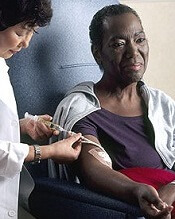
chemotherapy
Photo by Rhoda Baer
Malignant and non-malignant blood disorders cost 31 European countries a total of €23 billion in 2012, according to a pair of papers published in The Lancet Haematology.
Healthcare costs accounted for €16 billion of the total costs, with €7 billion for hospital inpatient care and €4 billion for medications.
Informal care (from friends and relatives) cost €1.6 billion, productivity losses due to mortality cost €2.5 billion, and morbidity cost €3 billion.
Researchers determined these figures by analyzing data from international health organizations (WHO and EUROSTAT), as well as national ministries of health and statistical institutes.
The team estimated the economic burden of malignant and non-malignant blood disorders in 2012 for all 28 countries in the European Union (EU), as well as Iceland, Norway, and Switzerland.
The costs considered were healthcare costs (primary care, accident and emergency care, hospital inpatient and outpatient care, and drugs), informal care costs (from friends and relatives), and productivity losses (due to premature death and people being unable to work due to illness).
Malignant blood disorders
In one paper, the researchers noted that the total economic cost of blood cancers to the 31 countries studied was €12 billion in 2012. Healthcare costs measured €7.3 billion (62% of total costs), productivity losses cost €3.6 billion (30%), and informal care cost €1 billion (8%).
In the 28 EU countries, blood cancers represented 8% of the total cancer costs (€143 billion), meaning that blood cancers are the fourth most expensive type of cancer after lung (15%), breast (12%), and colorectal (10%) cancers.
When considering healthcare costs alone, blood cancers were second only to breast cancers (12% vs 13% of healthcare costs for all cancers).
In 2012, blood cancers cost, on average, €14,674 per patient in the EU (€15,126 in all 31 countries), which is almost 2 times higher than the average cost per patient across all cancers (€7929 in the EU).
The researchers said this difference may be due to the longer length of hospital stay observed for patients with blood cancers (14 days, on average, compared to 8 days across all cancers).
Another potential reason is that blood cancers are increasingly treated with complex, long-term treatments (including stem cell transplants, multi-agent chemotherapy, and radiotherapy) and diagnosed via extensive procedures.
The costs of blood cancers varied widely between the countries studied, but the reasons for this were unclear. For instance, the average healthcare costs in Finland were nearly twice as high as in Belgium (€18,014 vs €9596), despite both countries having similar national income per capita.
Non-malignant blood disorders
In the other paper, the researchers said the total economic cost of non-malignant blood disorders to the 31 countries studied was €11 billion in 2012. Healthcare costs accounted for €8 billion (75% of total costs), productivity losses for €2 billion (19%), and informal care for €618 million (6%).
Averaged across the population studied, non-malignant blood disorders represented an annual healthcare cost of €159 per 10 citizens.
“Non-malignant blood disorders cost the European economy nearly as much as all blood cancers combined,” said Jose Leal, DPhil, of the University of Oxford in the UK.
“We found wide differences in the cost of treating blood disorders in different countries, likely linked to the significant differences in the access and delivery of care for patients with blood disorders. Our findings suggest there is a need to harmonize care of blood disorders across Europe in a cost-effective way.” 
chemotherapy
Photo by Rhoda Baer
Malignant and non-malignant blood disorders cost 31 European countries a total of €23 billion in 2012, according to a pair of papers published in The Lancet Haematology.
Healthcare costs accounted for €16 billion of the total costs, with €7 billion for hospital inpatient care and €4 billion for medications.
Informal care (from friends and relatives) cost €1.6 billion, productivity losses due to mortality cost €2.5 billion, and morbidity cost €3 billion.
Researchers determined these figures by analyzing data from international health organizations (WHO and EUROSTAT), as well as national ministries of health and statistical institutes.
The team estimated the economic burden of malignant and non-malignant blood disorders in 2012 for all 28 countries in the European Union (EU), as well as Iceland, Norway, and Switzerland.
The costs considered were healthcare costs (primary care, accident and emergency care, hospital inpatient and outpatient care, and drugs), informal care costs (from friends and relatives), and productivity losses (due to premature death and people being unable to work due to illness).
Malignant blood disorders
In one paper, the researchers noted that the total economic cost of blood cancers to the 31 countries studied was €12 billion in 2012. Healthcare costs measured €7.3 billion (62% of total costs), productivity losses cost €3.6 billion (30%), and informal care cost €1 billion (8%).
In the 28 EU countries, blood cancers represented 8% of the total cancer costs (€143 billion), meaning that blood cancers are the fourth most expensive type of cancer after lung (15%), breast (12%), and colorectal (10%) cancers.
When considering healthcare costs alone, blood cancers were second only to breast cancers (12% vs 13% of healthcare costs for all cancers).
In 2012, blood cancers cost, on average, €14,674 per patient in the EU (€15,126 in all 31 countries), which is almost 2 times higher than the average cost per patient across all cancers (€7929 in the EU).
The researchers said this difference may be due to the longer length of hospital stay observed for patients with blood cancers (14 days, on average, compared to 8 days across all cancers).
Another potential reason is that blood cancers are increasingly treated with complex, long-term treatments (including stem cell transplants, multi-agent chemotherapy, and radiotherapy) and diagnosed via extensive procedures.
The costs of blood cancers varied widely between the countries studied, but the reasons for this were unclear. For instance, the average healthcare costs in Finland were nearly twice as high as in Belgium (€18,014 vs €9596), despite both countries having similar national income per capita.
Non-malignant blood disorders
In the other paper, the researchers said the total economic cost of non-malignant blood disorders to the 31 countries studied was €11 billion in 2012. Healthcare costs accounted for €8 billion (75% of total costs), productivity losses for €2 billion (19%), and informal care for €618 million (6%).
Averaged across the population studied, non-malignant blood disorders represented an annual healthcare cost of €159 per 10 citizens.
“Non-malignant blood disorders cost the European economy nearly as much as all blood cancers combined,” said Jose Leal, DPhil, of the University of Oxford in the UK.
“We found wide differences in the cost of treating blood disorders in different countries, likely linked to the significant differences in the access and delivery of care for patients with blood disorders. Our findings suggest there is a need to harmonize care of blood disorders across Europe in a cost-effective way.”
chemotherapy
Photo by Rhoda Baer
Malignant and non-malignant blood disorders cost 31 European countries a total of €23 billion in 2012, according to a pair of papers published in The Lancet Haematology.
Healthcare costs accounted for €16 billion of the total costs, with €7 billion for hospital inpatient care and €4 billion for medications.
Informal care (from friends and relatives) cost €1.6 billion, productivity losses due to mortality cost €2.5 billion, and morbidity cost €3 billion.
Researchers determined these figures by analyzing data from international health organizations (WHO and EUROSTAT), as well as national ministries of health and statistical institutes.
The team estimated the economic burden of malignant and non-malignant blood disorders in 2012 for all 28 countries in the European Union (EU), as well as Iceland, Norway, and Switzerland.
The costs considered were healthcare costs (primary care, accident and emergency care, hospital inpatient and outpatient care, and drugs), informal care costs (from friends and relatives), and productivity losses (due to premature death and people being unable to work due to illness).
Malignant blood disorders
In one paper, the researchers noted that the total economic cost of blood cancers to the 31 countries studied was €12 billion in 2012. Healthcare costs measured €7.3 billion (62% of total costs), productivity losses cost €3.6 billion (30%), and informal care cost €1 billion (8%).
In the 28 EU countries, blood cancers represented 8% of the total cancer costs (€143 billion), meaning that blood cancers are the fourth most expensive type of cancer after lung (15%), breast (12%), and colorectal (10%) cancers.
When considering healthcare costs alone, blood cancers were second only to breast cancers (12% vs 13% of healthcare costs for all cancers).
In 2012, blood cancers cost, on average, €14,674 per patient in the EU (€15,126 in all 31 countries), which is almost 2 times higher than the average cost per patient across all cancers (€7929 in the EU).
The researchers said this difference may be due to the longer length of hospital stay observed for patients with blood cancers (14 days, on average, compared to 8 days across all cancers).
Another potential reason is that blood cancers are increasingly treated with complex, long-term treatments (including stem cell transplants, multi-agent chemotherapy, and radiotherapy) and diagnosed via extensive procedures.
The costs of blood cancers varied widely between the countries studied, but the reasons for this were unclear. For instance, the average healthcare costs in Finland were nearly twice as high as in Belgium (€18,014 vs €9596), despite both countries having similar national income per capita.
Non-malignant blood disorders
In the other paper, the researchers said the total economic cost of non-malignant blood disorders to the 31 countries studied was €11 billion in 2012. Healthcare costs accounted for €8 billion (75% of total costs), productivity losses for €2 billion (19%), and informal care for €618 million (6%).
Averaged across the population studied, non-malignant blood disorders represented an annual healthcare cost of €159 per 10 citizens.
“Non-malignant blood disorders cost the European economy nearly as much as all blood cancers combined,” said Jose Leal, DPhil, of the University of Oxford in the UK.
“We found wide differences in the cost of treating blood disorders in different countries, likely linked to the significant differences in the access and delivery of care for patients with blood disorders. Our findings suggest there is a need to harmonize care of blood disorders across Europe in a cost-effective way.”
Hepatitis C infection rates rising in women, young children
Rates of hepatitis C virus detection increased in U.S. women aged 15-44 years and in children less than 2 years old from 2011 to 2014, according to investigators from the Centers for Disease Control and Prevention.
A report published July 21 in Morbidity and Mortality Weekly Report revealed hepatitis C virus (HCV) detection rates (detection via antibody or RNA positivity) that were determined using data collected from Quest Diagnostics for Kentucky and for the United States. In Kentucky, the rate of HCV detection in women aged 15-44 increased 213% over the study period, from 275 to 862 cases per 100,000 people, and for the entire U.S., the rate of detection increased by 22% from 139 to 169 cases per 100,000 people (65[28]:705-10).

The rate of HCV testing for children under 2 years old in Kentucky increased 151% over the study period, rising from 403 to 1,011 per 100,000 people, and the rate of children born to HCV-positive mothers increased from 0.71% to 1.59%. Nationwide, the HCV testing rate for children under 2 years old increased 14% from 310 to 353 per 100,000, and the rate of children born to HCV-positive mothers increased from 0.19% to 0.32%.
“These findings underscore the importance of providing primary prevention services and following current recommendations to identify persons at risk for HCV infection and test accordingly; doing so among pregnant women would improve early identification of HCV-infected infants and linkage of the mother and infant to care and treatment,” the CDC investigators said.
Rates of hepatitis C virus detection increased in U.S. women aged 15-44 years and in children less than 2 years old from 2011 to 2014, according to investigators from the Centers for Disease Control and Prevention.
A report published July 21 in Morbidity and Mortality Weekly Report revealed hepatitis C virus (HCV) detection rates (detection via antibody or RNA positivity) that were determined using data collected from Quest Diagnostics for Kentucky and for the United States. In Kentucky, the rate of HCV detection in women aged 15-44 increased 213% over the study period, from 275 to 862 cases per 100,000 people, and for the entire U.S., the rate of detection increased by 22% from 139 to 169 cases per 100,000 people (65[28]:705-10).
The rate of HCV testing for children under 2 years old in Kentucky increased 151% over the study period, rising from 403 to 1,011 per 100,000 people, and the rate of children born to HCV-positive mothers increased from 0.71% to 1.59%. Nationwide, the HCV testing rate for children under 2 years old increased 14% from 310 to 353 per 100,000, and the rate of children born to HCV-positive mothers increased from 0.19% to 0.32%.
“These findings underscore the importance of providing primary prevention services and following current recommendations to identify persons at risk for HCV infection and test accordingly; doing so among pregnant women would improve early identification of HCV-infected infants and linkage of the mother and infant to care and treatment,” the CDC investigators said.
Rates of hepatitis C virus detection increased in U.S. women aged 15-44 years and in children less than 2 years old from 2011 to 2014, according to investigators from the Centers for Disease Control and Prevention.
A report published July 21 in Morbidity and Mortality Weekly Report revealed hepatitis C virus (HCV) detection rates (detection via antibody or RNA positivity) that were determined using data collected from Quest Diagnostics for Kentucky and for the United States. In Kentucky, the rate of HCV detection in women aged 15-44 increased 213% over the study period, from 275 to 862 cases per 100,000 people, and for the entire U.S., the rate of detection increased by 22% from 139 to 169 cases per 100,000 people (65[28]:705-10).
The rate of HCV testing for children under 2 years old in Kentucky increased 151% over the study period, rising from 403 to 1,011 per 100,000 people, and the rate of children born to HCV-positive mothers increased from 0.71% to 1.59%. Nationwide, the HCV testing rate for children under 2 years old increased 14% from 310 to 353 per 100,000, and the rate of children born to HCV-positive mothers increased from 0.19% to 0.32%.
“These findings underscore the importance of providing primary prevention services and following current recommendations to identify persons at risk for HCV infection and test accordingly; doing so among pregnant women would improve early identification of HCV-infected infants and linkage of the mother and infant to care and treatment,” the CDC investigators said.
FROM MMWR

Psoriasiform eruptions in Kawasaki disease reveal distinct phenotype
A comparison of psoriasis-like eruptions in Kawasaki disease (KD) with classic psoriasis shows a distinct phenotype with greater remission, report Ellen S. Haddock, AB, MBA and coauthors from the School of Medicine at the University of California, San Diego.
Investigators performed a retrospective study of 11 KD cases with a psoriasiform eruption matched by gender, age, and ethnicity with psoriasis-only and KD-only controls. Genotyping was performed in 10 cases for a deletion of two late cornified envelope genes associated with pediatric-onset psoriasis.
KD-associated eruptions were similar to classic psoriasis in presentation, but with less frequent diaper area involvement, more crust, more serious exudate, and significantly higher remission (91% vs. 23%; P less than .001), the authors noted.
The findings indicate that despite similarities to classic psoriasis, “this appears to be a distinct phenotype with significantly greater propensity for remission,” the authors concluded.
Read the full article in the Journal of the American Academy of Dermatology.
A comparison of psoriasis-like eruptions in Kawasaki disease (KD) with classic psoriasis shows a distinct phenotype with greater remission, report Ellen S. Haddock, AB, MBA and coauthors from the School of Medicine at the University of California, San Diego.
Investigators performed a retrospective study of 11 KD cases with a psoriasiform eruption matched by gender, age, and ethnicity with psoriasis-only and KD-only controls. Genotyping was performed in 10 cases for a deletion of two late cornified envelope genes associated with pediatric-onset psoriasis.
KD-associated eruptions were similar to classic psoriasis in presentation, but with less frequent diaper area involvement, more crust, more serious exudate, and significantly higher remission (91% vs. 23%; P less than .001), the authors noted.
The findings indicate that despite similarities to classic psoriasis, “this appears to be a distinct phenotype with significantly greater propensity for remission,” the authors concluded.
Read the full article in the Journal of the American Academy of Dermatology.
A comparison of psoriasis-like eruptions in Kawasaki disease (KD) with classic psoriasis shows a distinct phenotype with greater remission, report Ellen S. Haddock, AB, MBA and coauthors from the School of Medicine at the University of California, San Diego.
Investigators performed a retrospective study of 11 KD cases with a psoriasiform eruption matched by gender, age, and ethnicity with psoriasis-only and KD-only controls. Genotyping was performed in 10 cases for a deletion of two late cornified envelope genes associated with pediatric-onset psoriasis.
KD-associated eruptions were similar to classic psoriasis in presentation, but with less frequent diaper area involvement, more crust, more serious exudate, and significantly higher remission (91% vs. 23%; P less than .001), the authors noted.
The findings indicate that despite similarities to classic psoriasis, “this appears to be a distinct phenotype with significantly greater propensity for remission,” the authors concluded.
Read the full article in the Journal of the American Academy of Dermatology.
FROM THE JOURNAL OF THE AMERICAN ACADEMY OF DERMATOLOGY
New IDSA aspergillosis guidelines endorse galactomannan for diagnosis
New aspergillosis guidelines from the Infectious Diseases Society of America recommend serum and bronchoalveolar lavage galactomannan as a marker for the diagnosis of invasive Aspergillus in adult and pediatric patients who have hematologic malignancies or have undergone hematopoietic stem cell transplants.
Serial monitoring of serum galactomannan (GM) is also useful to monitor disease progression, therapeutic response, and prognosis in hematologic malignancy and hematopoietic stem cell transplant (HSCT) patients who have elevated baseline GM (Clin Infect Dis. 2016 Jun 29. doi: 10.1093/cid/ciw326).
Serum beta-D-glucan assays also are recommended for diagnosing invasive Aspergillus (IA) in high-risk hematologic malignancy and allogeneic HSCT patients, although these tests are not very specific for the infection.
The advice illustrates the Society’s emphasis on early diagnosis in its new guidelines, which supplant the group’s 2008 guidance. There are almost 100 recommendations covering – in depth – the management of invasive, allergic, and chronic Aspergillus infections in all their manifestations. It’s a step-by-step, how-to manual for handling the problem.

“Aspergillosis mortality rates have decreased significantly in recent years, but there is still significant mortality from the infection, and we have a ways to go. We felt that early diagnosis was key, which is why it’s such an important part of these guidelines,” said lead author Thomas Patterson, MD, chief of the Division of Infectious Diseases at the University of Texas Health Science Center, San Antonio. He highlighted the most important developments in a recent interview.
“We know a lot more since 2008 about the benefits of using biomarkers like GM in bronchoalveolar lavage samples, which could be highly useful for diagnosis. However, biomarkers have not been as well validated for biologic response and are not recommended” in most cases for monitoring how well patients are doing. Also, “biomarkers are not as useful in solid organ transplants; we discuss that” in the guidelines, Dr. Patterson said.
The society came out against routine polymerase chain reaction (PCR) testing of blood samples for diagnosis. Although there has been a lot of work on the technique, the evidence isn’t strong enough yet to establish overall clinical benefit, but there is emerging evidence for the diagnostic use of PCR in conjunction with radiologic findings.
For treatment, voriconazole remains the go-to drug, but the guidelines make room for more recently approved therapies. “We now have isavuconazole, which may be better tolerated,” but it’s recommended only as an alternative to voriconazole because evidence comes mostly from a single clinical trial, he said.
Posaconazole extended-release tablets are strongly recommended as prophylaxis based on high-quality evidence from studies in neutropenic patients. Posaconazole extended-release tablets result in significantly higher antifungal blood levels than those seen with voriconazole, and “it certainly has been useful in some patients”; however, posaconazole is not approved for primary therapy in the United States, Dr. Patterson said.
A large clinical trial that tested voriconazole plus an echinocandin against voriconazole alone found that in patients diagnosed using serum galactomannan – especially those with hematologic malignancies – outcomes were better with the combination. “The panel felt combinations could be considered in some patients” but didn’t recommend them for routine use because [again,] there’s not strong evidence,” he said.
For now, it seems that higher-risk patients with hematologic malignancies and those with more widespread disease might be the ones who benefit most from combination therapy.
“We also discussed allergic and saprophytic diseases. We know that some patients with allergic bronchopulmonary aspergillosis will respond to antifungal therapy, and perhaps reduce their need for steroids, so that’s now part of the suggestions, as well,” he said.
The IDSA funded the work. Dr. Patterson receives research funding from Astellas, Merck, and Revolution Medicines, and has been an adviser to numerous drug companies.
New aspergillosis guidelines from the Infectious Diseases Society of America recommend serum and bronchoalveolar lavage galactomannan as a marker for the diagnosis of invasive Aspergillus in adult and pediatric patients who have hematologic malignancies or have undergone hematopoietic stem cell transplants.
Serial monitoring of serum galactomannan (GM) is also useful to monitor disease progression, therapeutic response, and prognosis in hematologic malignancy and hematopoietic stem cell transplant (HSCT) patients who have elevated baseline GM (Clin Infect Dis. 2016 Jun 29. doi: 10.1093/cid/ciw326).
Serum beta-D-glucan assays also are recommended for diagnosing invasive Aspergillus (IA) in high-risk hematologic malignancy and allogeneic HSCT patients, although these tests are not very specific for the infection.
The advice illustrates the Society’s emphasis on early diagnosis in its new guidelines, which supplant the group’s 2008 guidance. There are almost 100 recommendations covering – in depth – the management of invasive, allergic, and chronic Aspergillus infections in all their manifestations. It’s a step-by-step, how-to manual for handling the problem.
“Aspergillosis mortality rates have decreased significantly in recent years, but there is still significant mortality from the infection, and we have a ways to go. We felt that early diagnosis was key, which is why it’s such an important part of these guidelines,” said lead author Thomas Patterson, MD, chief of the Division of Infectious Diseases at the University of Texas Health Science Center, San Antonio. He highlighted the most important developments in a recent interview.
“We know a lot more since 2008 about the benefits of using biomarkers like GM in bronchoalveolar lavage samples, which could be highly useful for diagnosis. However, biomarkers have not been as well validated for biologic response and are not recommended” in most cases for monitoring how well patients are doing. Also, “biomarkers are not as useful in solid organ transplants; we discuss that” in the guidelines, Dr. Patterson said.
The society came out against routine polymerase chain reaction (PCR) testing of blood samples for diagnosis. Although there has been a lot of work on the technique, the evidence isn’t strong enough yet to establish overall clinical benefit, but there is emerging evidence for the diagnostic use of PCR in conjunction with radiologic findings.
For treatment, voriconazole remains the go-to drug, but the guidelines make room for more recently approved therapies. “We now have isavuconazole, which may be better tolerated,” but it’s recommended only as an alternative to voriconazole because evidence comes mostly from a single clinical trial, he said.
Posaconazole extended-release tablets are strongly recommended as prophylaxis based on high-quality evidence from studies in neutropenic patients. Posaconazole extended-release tablets result in significantly higher antifungal blood levels than those seen with voriconazole, and “it certainly has been useful in some patients”; however, posaconazole is not approved for primary therapy in the United States, Dr. Patterson said.
A large clinical trial that tested voriconazole plus an echinocandin against voriconazole alone found that in patients diagnosed using serum galactomannan – especially those with hematologic malignancies – outcomes were better with the combination. “The panel felt combinations could be considered in some patients” but didn’t recommend them for routine use because [again,] there’s not strong evidence,” he said.
For now, it seems that higher-risk patients with hematologic malignancies and those with more widespread disease might be the ones who benefit most from combination therapy.
“We also discussed allergic and saprophytic diseases. We know that some patients with allergic bronchopulmonary aspergillosis will respond to antifungal therapy, and perhaps reduce their need for steroids, so that’s now part of the suggestions, as well,” he said.
The IDSA funded the work. Dr. Patterson receives research funding from Astellas, Merck, and Revolution Medicines, and has been an adviser to numerous drug companies.
New aspergillosis guidelines from the Infectious Diseases Society of America recommend serum and bronchoalveolar lavage galactomannan as a marker for the diagnosis of invasive Aspergillus in adult and pediatric patients who have hematologic malignancies or have undergone hematopoietic stem cell transplants.
Serial monitoring of serum galactomannan (GM) is also useful to monitor disease progression, therapeutic response, and prognosis in hematologic malignancy and hematopoietic stem cell transplant (HSCT) patients who have elevated baseline GM (Clin Infect Dis. 2016 Jun 29. doi: 10.1093/cid/ciw326).
Serum beta-D-glucan assays also are recommended for diagnosing invasive Aspergillus (IA) in high-risk hematologic malignancy and allogeneic HSCT patients, although these tests are not very specific for the infection.
The advice illustrates the Society’s emphasis on early diagnosis in its new guidelines, which supplant the group’s 2008 guidance. There are almost 100 recommendations covering – in depth – the management of invasive, allergic, and chronic Aspergillus infections in all their manifestations. It’s a step-by-step, how-to manual for handling the problem.
“Aspergillosis mortality rates have decreased significantly in recent years, but there is still significant mortality from the infection, and we have a ways to go. We felt that early diagnosis was key, which is why it’s such an important part of these guidelines,” said lead author Thomas Patterson, MD, chief of the Division of Infectious Diseases at the University of Texas Health Science Center, San Antonio. He highlighted the most important developments in a recent interview.
“We know a lot more since 2008 about the benefits of using biomarkers like GM in bronchoalveolar lavage samples, which could be highly useful for diagnosis. However, biomarkers have not been as well validated for biologic response and are not recommended” in most cases for monitoring how well patients are doing. Also, “biomarkers are not as useful in solid organ transplants; we discuss that” in the guidelines, Dr. Patterson said.
The society came out against routine polymerase chain reaction (PCR) testing of blood samples for diagnosis. Although there has been a lot of work on the technique, the evidence isn’t strong enough yet to establish overall clinical benefit, but there is emerging evidence for the diagnostic use of PCR in conjunction with radiologic findings.
For treatment, voriconazole remains the go-to drug, but the guidelines make room for more recently approved therapies. “We now have isavuconazole, which may be better tolerated,” but it’s recommended only as an alternative to voriconazole because evidence comes mostly from a single clinical trial, he said.
Posaconazole extended-release tablets are strongly recommended as prophylaxis based on high-quality evidence from studies in neutropenic patients. Posaconazole extended-release tablets result in significantly higher antifungal blood levels than those seen with voriconazole, and “it certainly has been useful in some patients”; however, posaconazole is not approved for primary therapy in the United States, Dr. Patterson said.
A large clinical trial that tested voriconazole plus an echinocandin against voriconazole alone found that in patients diagnosed using serum galactomannan – especially those with hematologic malignancies – outcomes were better with the combination. “The panel felt combinations could be considered in some patients” but didn’t recommend them for routine use because [again,] there’s not strong evidence,” he said.
For now, it seems that higher-risk patients with hematologic malignancies and those with more widespread disease might be the ones who benefit most from combination therapy.
“We also discussed allergic and saprophytic diseases. We know that some patients with allergic bronchopulmonary aspergillosis will respond to antifungal therapy, and perhaps reduce their need for steroids, so that’s now part of the suggestions, as well,” he said.
The IDSA funded the work. Dr. Patterson receives research funding from Astellas, Merck, and Revolution Medicines, and has been an adviser to numerous drug companies.
FROM CLINICAL INFECTIOUS DISEASES

FDA accepting comments on draft guidelines on compounding law
The Food and Drug Administration is currently accepting public comments on the agency’s proposed plans to implement a law that will restrict compounding of human drug products.
A statement issued by the FDA provides links to two draft guidances that describe how the agency “would implement provisions of federal law that restrict compounding human drug products that are essentially copies of commercially available or approved drug products.” One draft guidance and the legal restrictions referenced therein are relevant to physicians and pharmacists, as well as state-licensed pharmacies or federal facilities that compound drugs, according to the FDA. The other guidance applies to outsourcing facilities.

Although compounded drug products, such as a medication made without a dye for a patient allergic to that dye, or a medication made into liquid form for a patient who cannot swallow a pill, “may benefit certain patients whose medical needs cannot be met by a commercially available or an FDA-approved drug product,” the FDA statement said. “Taking compounded drug products that are essentially copies of a commercially available or approved drug needlessly exposes patients to drug products that FDA has not evaluated for safety, effectiveness, and quality. In addition, the compounded drugs may not have been produced according to appropriate quality standards. Such compounding would also undermine the new drug approval and over-the-counter drug monograph systems in the United States.”
The statement refers to serious adverse events, including infections and deaths that have resulted from “poor-quality” compounded drugs.
Written or electronic comments can be submitted until Oct. 11, and information on submitting comments is available at regulations.gov.
The Food and Drug Administration is currently accepting public comments on the agency’s proposed plans to implement a law that will restrict compounding of human drug products.
A statement issued by the FDA provides links to two draft guidances that describe how the agency “would implement provisions of federal law that restrict compounding human drug products that are essentially copies of commercially available or approved drug products.” One draft guidance and the legal restrictions referenced therein are relevant to physicians and pharmacists, as well as state-licensed pharmacies or federal facilities that compound drugs, according to the FDA. The other guidance applies to outsourcing facilities.
Although compounded drug products, such as a medication made without a dye for a patient allergic to that dye, or a medication made into liquid form for a patient who cannot swallow a pill, “may benefit certain patients whose medical needs cannot be met by a commercially available or an FDA-approved drug product,” the FDA statement said. “Taking compounded drug products that are essentially copies of a commercially available or approved drug needlessly exposes patients to drug products that FDA has not evaluated for safety, effectiveness, and quality. In addition, the compounded drugs may not have been produced according to appropriate quality standards. Such compounding would also undermine the new drug approval and over-the-counter drug monograph systems in the United States.”
The statement refers to serious adverse events, including infections and deaths that have resulted from “poor-quality” compounded drugs.
Written or electronic comments can be submitted until Oct. 11, and information on submitting comments is available at regulations.gov.
The Food and Drug Administration is currently accepting public comments on the agency’s proposed plans to implement a law that will restrict compounding of human drug products.
A statement issued by the FDA provides links to two draft guidances that describe how the agency “would implement provisions of federal law that restrict compounding human drug products that are essentially copies of commercially available or approved drug products.” One draft guidance and the legal restrictions referenced therein are relevant to physicians and pharmacists, as well as state-licensed pharmacies or federal facilities that compound drugs, according to the FDA. The other guidance applies to outsourcing facilities.
Although compounded drug products, such as a medication made without a dye for a patient allergic to that dye, or a medication made into liquid form for a patient who cannot swallow a pill, “may benefit certain patients whose medical needs cannot be met by a commercially available or an FDA-approved drug product,” the FDA statement said. “Taking compounded drug products that are essentially copies of a commercially available or approved drug needlessly exposes patients to drug products that FDA has not evaluated for safety, effectiveness, and quality. In addition, the compounded drugs may not have been produced according to appropriate quality standards. Such compounding would also undermine the new drug approval and over-the-counter drug monograph systems in the United States.”
The statement refers to serious adverse events, including infections and deaths that have resulted from “poor-quality” compounded drugs.
Written or electronic comments can be submitted until Oct. 11, and information on submitting comments is available at regulations.gov.

HPV vaccination rates not improved by increased awareness
Increased awareness did not increase adolescent HPV vaccination rates in a high-risk population, according to Jessica Fishman, PhD, of the University of Pennsylvania, Philadelphia, and her associates.
The study sample included 211 low-income adolescents, aged 13-18 years, and 149 parents of different adolescents, aged 9-18 years, who had not been vaccinated for HPV. In the adolescent group, 3% received an HPV vaccination after 3 months, 9% received a vaccination after 6 months, and 15% received a vaccination after 1 year. In the parent group, 5% had their daughters vaccinated after 3 months, 10% had their daughters vaccinated after 6 months, and 13% had their daughters vaccinated after 1 year.

Awareness was measured using a questionnaire asking about individual awareness of HPV, cervical cancer, HPV vaccination, and news or advertising about HPV vaccination. Both adolescents and parents were most aware of cervical cancer (73% and 94%, respectively) and least aware of news about HPV advertising (51% and 66%, respectively). A total of 14% of adolescents and 4% of parents had no awareness of any questionnaire item, while 32% of adolescents and 57% of parents had awareness of all items.
Probability of vaccination was less than 0.5 for all levels of awareness, and accuracy of HPV vaccination prediction models was poor, Dr. Fishman and her associates noted.
“For this high-risk population where vaccination is rare, evidence-based behavioral interventions are urgently needed. Ideally, interventions will target variables associated with vaccination. Interventions that do not target actual determinants can have no effect or even a ‘boomerang’ effect that increases unhealthy behavior,” the investigators concluded.
Find the full study in Pediatrics (doi: 10.1542/peds.2015-2048).
Increased awareness did not increase adolescent HPV vaccination rates in a high-risk population, according to Jessica Fishman, PhD, of the University of Pennsylvania, Philadelphia, and her associates.
The study sample included 211 low-income adolescents, aged 13-18 years, and 149 parents of different adolescents, aged 9-18 years, who had not been vaccinated for HPV. In the adolescent group, 3% received an HPV vaccination after 3 months, 9% received a vaccination after 6 months, and 15% received a vaccination after 1 year. In the parent group, 5% had their daughters vaccinated after 3 months, 10% had their daughters vaccinated after 6 months, and 13% had their daughters vaccinated after 1 year.
Awareness was measured using a questionnaire asking about individual awareness of HPV, cervical cancer, HPV vaccination, and news or advertising about HPV vaccination. Both adolescents and parents were most aware of cervical cancer (73% and 94%, respectively) and least aware of news about HPV advertising (51% and 66%, respectively). A total of 14% of adolescents and 4% of parents had no awareness of any questionnaire item, while 32% of adolescents and 57% of parents had awareness of all items.
Probability of vaccination was less than 0.5 for all levels of awareness, and accuracy of HPV vaccination prediction models was poor, Dr. Fishman and her associates noted.
“For this high-risk population where vaccination is rare, evidence-based behavioral interventions are urgently needed. Ideally, interventions will target variables associated with vaccination. Interventions that do not target actual determinants can have no effect or even a ‘boomerang’ effect that increases unhealthy behavior,” the investigators concluded.
Find the full study in Pediatrics (doi: 10.1542/peds.2015-2048).
Increased awareness did not increase adolescent HPV vaccination rates in a high-risk population, according to Jessica Fishman, PhD, of the University of Pennsylvania, Philadelphia, and her associates.
The study sample included 211 low-income adolescents, aged 13-18 years, and 149 parents of different adolescents, aged 9-18 years, who had not been vaccinated for HPV. In the adolescent group, 3% received an HPV vaccination after 3 months, 9% received a vaccination after 6 months, and 15% received a vaccination after 1 year. In the parent group, 5% had their daughters vaccinated after 3 months, 10% had their daughters vaccinated after 6 months, and 13% had their daughters vaccinated after 1 year.
Awareness was measured using a questionnaire asking about individual awareness of HPV, cervical cancer, HPV vaccination, and news or advertising about HPV vaccination. Both adolescents and parents were most aware of cervical cancer (73% and 94%, respectively) and least aware of news about HPV advertising (51% and 66%, respectively). A total of 14% of adolescents and 4% of parents had no awareness of any questionnaire item, while 32% of adolescents and 57% of parents had awareness of all items.
Probability of vaccination was less than 0.5 for all levels of awareness, and accuracy of HPV vaccination prediction models was poor, Dr. Fishman and her associates noted.
“For this high-risk population where vaccination is rare, evidence-based behavioral interventions are urgently needed. Ideally, interventions will target variables associated with vaccination. Interventions that do not target actual determinants can have no effect or even a ‘boomerang’ effect that increases unhealthy behavior,” the investigators concluded.
Find the full study in Pediatrics (doi: 10.1542/peds.2015-2048).
FROM PEDIATRICS
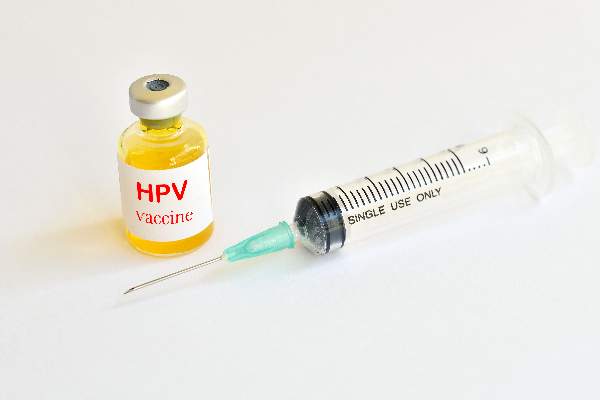
Treatment of posttraumatic stress disorder
Traumatic events are extremely common, with as many as 60% of children experiencing some trauma by age 18 years. About 15% of these children will develop posttraumatic stress disorder (PTSD).
Case summary
Jane is a 13-year-old girl who presented because of steadily escalating angry outbursts with her mother, irritable mood, and anxiety since her father went to jail 2 years previously. Prior to the father’s departure from the family, he drank heavily and had been physically violent to Jane’s mother through most of Jane’s life.

Since these events, Jane has been extremely angry and irritable, often fighting extensively with her younger sister. She has severe difficulty separating from her mother, often following her around or demanding to know everything that her mother is doing. Jane herself reports that she feels worried, irritable, and sad much of the time. She is especially angry when thinking about anything related to her father. Jane won’t talk about her father to anyone, except occasionally her mother and one friend. She has difficulty falling asleep and has nightmares. She never thinks about the future, and instead just lives day to day. Images from the past come vividly into her mind. She has highly negative, hopeless views of the world, and doesn’t trust people, so she is unwilling to consider any therapy. Jane’s mother also is highly irritable and snaps at Jane over small things while in the office.
Discussion
The DSM-5 diagnostic criteria for PTSD require that an individual has been exposed to a severe stressor that threatens death, serious injury, or sexual violence through direct experience, witnessing the event happening to others, or learning that the event happened to a close family member or friend. Not all people who experience such events will develop PTSD, however. Additional symptoms are grouped into four areas (rather than three as in the DSM-IV), and a diagnosis requires one or two symptoms in each area:
• Intrusive symptoms including intrusive distressing memories, recurrent dreams with content related to the event, dissociative reactions such as flashbacks, intense distress at exposure to triggers that remind individuals of the event, or marked physiologic reactions to triggers.
• Avoidance of stimuli associated with the event, either memories or thoughts or external reminders.
• Negative cognitions manifesting as changes in thoughts and mood beginning or worsening after the event. These are an inability to remember the event, persistent negative beliefs about oneself or the world, distorted thoughts about the cause or results of the event, persistent negative emotional states such as anger or guilt, decreased participation in activities, feelings of estrangement from others, or an inability to experience positive emotions.
• Changes in arousal and reactivity as shown by irritable behavior, reckless behavior, hypervigilance, an exaggerated startle response, concentration problems, or sleep disturbance.
There are several screening instruments for the presence of a history of traumatic events as well as for symptoms of PTSD. The Child PTSD Symptom Scale (CPSS) is one example of a simple, readily available screening tool. More extensive assessment is an important part of treatment by mental health clinicians.
Treatment
Psychotherapy interventions are the core of treatment for PTSD in young people. Interventions based on cognitive-behavioral therapy (CBT) are the most extensively researched, with trauma-focused CBT (TF-CBT) being the specific intervention with the most research (13 randomized controlled trials showing efficacy) for children and adolescents. There are several other approaches that have evidence of efficacy through randomized controlled trials, and have been specifically studied for different ages, cultural groups, and focus of intervention (group, family, classroom). Child-parent psychotherapy focuses on traumatized 3-to 5-year-olds and works with both parent and child. Eye movement desensitization and preprocessing therapy (EMDR), extensively studied for adults, has some randomized controlled trials in children. The National Child Traumatic Stress Network (NCTSN) has a website listing evidence-based interventions with descriptions of the extent of the evidence for these and other interventions, including the population for which the intervention was designed and information on training and dissemination.
A recent meta-analysis by Morina et al. identified 39 randomized controlled trials with psychological interventions targeting PTSD in children and youth and found a large (0.83) overall effect size vs. wait list control, and a moderate (0.41) effect size vs. an active control such as supportive therapy. There were enough randomized controlled trials to analyze the TF-CBT–based interventions as a group, and these had even larger effect sizes: 1.44 vs. wait list and 0.66 vs. active control. The non-CBT approaches did not have enough studies to be evaluated separately (Clin Psychol Rev. 2016 Jul;47:41-54).
It is important to know which available therapists are trained in specific interventions such as TF-CBT and review the evidence behind other interventions that therapists are using. Advocacy for the training of local therapists, particularly therapists who are affiliated with your practice, can increase these resources.
The evidence for pharmacologic treatment for PTSD in children and adolescents, in contrast to adults, is very thin. In adults, SSRIs have shown a significant benefit, but there have been three randomized controlled trials examining this question in young people with no significant difference shown for the SSRI. One of these compared TF-CBT alone to TF-CBT plus sertraline, with no added benefit for sertraline. A second compared sertraline to placebo and showed no difference, and the third was an extremely brief trial of 1 week of fluoxetine for children with burns, with no effect. There are open label studies of citalopram that have shown some benefit.
Prazosin is an alpha-1 antagonist that decreases the effect of peripheral norepinephrine, which has been shown to decrease reactivity in adults through two randomized controlled trials, but there are case reports in adolescents only. Guanfacine, an alpha-2 agonist that acts centrally to decrease norepinephrine release, has one open label study of the extended-release form in adolescents showing benefit, but there are two negative randomized controlled trials in adults. Other agents such as second-generation antipsychotics and mood stabilizers (specifically carbamazepine and valproic acid) have open label studies in children only and have the potential for significant side effects.
Psychotherapy is clearly the treatment of choice for children and adolescents with PTSD; the difficulty is that avoidance and difficulty trusting people are core symptoms of PTSD, and can lead patients to be extremely reluctant to try therapy. As a pediatrician, you likely already have a trusting relationship with your patient and parent(s), which can provide an opening for discussion.
Psychoeducation about trauma and the specific trauma a child has experienced is a core component and often the first step of PTSD treatment. The NCTSN website provides a goldmine of information about specific types of trauma (found under the tab labeled trauma types), including common symptoms at different developmental stages and specific resources. By providing information to families in a sensitive way, clinicians can help people understand that they are not alone, that their struggles are common reactions to the type of trauma they have experienced, and that people can recover with therapy so that the trauma does not have to go on negatively affecting their lives.
Finally, noting a parent’s possible trauma, and encouraging that parent to get his or her own treatment in order to help the child, can be a crucial first step.
General references
Dr. Hall is assistant professor of psychiatry and pediatrics at the University of Vermont, Burlington. She said she had no relevant financial disclosures.
Traumatic events are extremely common, with as many as 60% of children experiencing some trauma by age 18 years. About 15% of these children will develop posttraumatic stress disorder (PTSD).
Case summary
Jane is a 13-year-old girl who presented because of steadily escalating angry outbursts with her mother, irritable mood, and anxiety since her father went to jail 2 years previously. Prior to the father’s departure from the family, he drank heavily and had been physically violent to Jane’s mother through most of Jane’s life.
Since these events, Jane has been extremely angry and irritable, often fighting extensively with her younger sister. She has severe difficulty separating from her mother, often following her around or demanding to know everything that her mother is doing. Jane herself reports that she feels worried, irritable, and sad much of the time. She is especially angry when thinking about anything related to her father. Jane won’t talk about her father to anyone, except occasionally her mother and one friend. She has difficulty falling asleep and has nightmares. She never thinks about the future, and instead just lives day to day. Images from the past come vividly into her mind. She has highly negative, hopeless views of the world, and doesn’t trust people, so she is unwilling to consider any therapy. Jane’s mother also is highly irritable and snaps at Jane over small things while in the office.
Discussion
The DSM-5 diagnostic criteria for PTSD require that an individual has been exposed to a severe stressor that threatens death, serious injury, or sexual violence through direct experience, witnessing the event happening to others, or learning that the event happened to a close family member or friend. Not all people who experience such events will develop PTSD, however. Additional symptoms are grouped into four areas (rather than three as in the DSM-IV), and a diagnosis requires one or two symptoms in each area:
• Intrusive symptoms including intrusive distressing memories, recurrent dreams with content related to the event, dissociative reactions such as flashbacks, intense distress at exposure to triggers that remind individuals of the event, or marked physiologic reactions to triggers.
• Avoidance of stimuli associated with the event, either memories or thoughts or external reminders.
• Negative cognitions manifesting as changes in thoughts and mood beginning or worsening after the event. These are an inability to remember the event, persistent negative beliefs about oneself or the world, distorted thoughts about the cause or results of the event, persistent negative emotional states such as anger or guilt, decreased participation in activities, feelings of estrangement from others, or an inability to experience positive emotions.
• Changes in arousal and reactivity as shown by irritable behavior, reckless behavior, hypervigilance, an exaggerated startle response, concentration problems, or sleep disturbance.
There are several screening instruments for the presence of a history of traumatic events as well as for symptoms of PTSD. The Child PTSD Symptom Scale (CPSS) is one example of a simple, readily available screening tool. More extensive assessment is an important part of treatment by mental health clinicians.
Treatment
Psychotherapy interventions are the core of treatment for PTSD in young people. Interventions based on cognitive-behavioral therapy (CBT) are the most extensively researched, with trauma-focused CBT (TF-CBT) being the specific intervention with the most research (13 randomized controlled trials showing efficacy) for children and adolescents. There are several other approaches that have evidence of efficacy through randomized controlled trials, and have been specifically studied for different ages, cultural groups, and focus of intervention (group, family, classroom). Child-parent psychotherapy focuses on traumatized 3-to 5-year-olds and works with both parent and child. Eye movement desensitization and preprocessing therapy (EMDR), extensively studied for adults, has some randomized controlled trials in children. The National Child Traumatic Stress Network (NCTSN) has a website listing evidence-based interventions with descriptions of the extent of the evidence for these and other interventions, including the population for which the intervention was designed and information on training and dissemination.
A recent meta-analysis by Morina et al. identified 39 randomized controlled trials with psychological interventions targeting PTSD in children and youth and found a large (0.83) overall effect size vs. wait list control, and a moderate (0.41) effect size vs. an active control such as supportive therapy. There were enough randomized controlled trials to analyze the TF-CBT–based interventions as a group, and these had even larger effect sizes: 1.44 vs. wait list and 0.66 vs. active control. The non-CBT approaches did not have enough studies to be evaluated separately (Clin Psychol Rev. 2016 Jul;47:41-54).
It is important to know which available therapists are trained in specific interventions such as TF-CBT and review the evidence behind other interventions that therapists are using. Advocacy for the training of local therapists, particularly therapists who are affiliated with your practice, can increase these resources.
The evidence for pharmacologic treatment for PTSD in children and adolescents, in contrast to adults, is very thin. In adults, SSRIs have shown a significant benefit, but there have been three randomized controlled trials examining this question in young people with no significant difference shown for the SSRI. One of these compared TF-CBT alone to TF-CBT plus sertraline, with no added benefit for sertraline. A second compared sertraline to placebo and showed no difference, and the third was an extremely brief trial of 1 week of fluoxetine for children with burns, with no effect. There are open label studies of citalopram that have shown some benefit.
Prazosin is an alpha-1 antagonist that decreases the effect of peripheral norepinephrine, which has been shown to decrease reactivity in adults through two randomized controlled trials, but there are case reports in adolescents only. Guanfacine, an alpha-2 agonist that acts centrally to decrease norepinephrine release, has one open label study of the extended-release form in adolescents showing benefit, but there are two negative randomized controlled trials in adults. Other agents such as second-generation antipsychotics and mood stabilizers (specifically carbamazepine and valproic acid) have open label studies in children only and have the potential for significant side effects.
Psychotherapy is clearly the treatment of choice for children and adolescents with PTSD; the difficulty is that avoidance and difficulty trusting people are core symptoms of PTSD, and can lead patients to be extremely reluctant to try therapy. As a pediatrician, you likely already have a trusting relationship with your patient and parent(s), which can provide an opening for discussion.
Psychoeducation about trauma and the specific trauma a child has experienced is a core component and often the first step of PTSD treatment. The NCTSN website provides a goldmine of information about specific types of trauma (found under the tab labeled trauma types), including common symptoms at different developmental stages and specific resources. By providing information to families in a sensitive way, clinicians can help people understand that they are not alone, that their struggles are common reactions to the type of trauma they have experienced, and that people can recover with therapy so that the trauma does not have to go on negatively affecting their lives.
Finally, noting a parent’s possible trauma, and encouraging that parent to get his or her own treatment in order to help the child, can be a crucial first step.
General references
Dr. Hall is assistant professor of psychiatry and pediatrics at the University of Vermont, Burlington. She said she had no relevant financial disclosures.
Traumatic events are extremely common, with as many as 60% of children experiencing some trauma by age 18 years. About 15% of these children will develop posttraumatic stress disorder (PTSD).
Case summary
Jane is a 13-year-old girl who presented because of steadily escalating angry outbursts with her mother, irritable mood, and anxiety since her father went to jail 2 years previously. Prior to the father’s departure from the family, he drank heavily and had been physically violent to Jane’s mother through most of Jane’s life.
Since these events, Jane has been extremely angry and irritable, often fighting extensively with her younger sister. She has severe difficulty separating from her mother, often following her around or demanding to know everything that her mother is doing. Jane herself reports that she feels worried, irritable, and sad much of the time. She is especially angry when thinking about anything related to her father. Jane won’t talk about her father to anyone, except occasionally her mother and one friend. She has difficulty falling asleep and has nightmares. She never thinks about the future, and instead just lives day to day. Images from the past come vividly into her mind. She has highly negative, hopeless views of the world, and doesn’t trust people, so she is unwilling to consider any therapy. Jane’s mother also is highly irritable and snaps at Jane over small things while in the office.
Discussion
The DSM-5 diagnostic criteria for PTSD require that an individual has been exposed to a severe stressor that threatens death, serious injury, or sexual violence through direct experience, witnessing the event happening to others, or learning that the event happened to a close family member or friend. Not all people who experience such events will develop PTSD, however. Additional symptoms are grouped into four areas (rather than three as in the DSM-IV), and a diagnosis requires one or two symptoms in each area:
• Intrusive symptoms including intrusive distressing memories, recurrent dreams with content related to the event, dissociative reactions such as flashbacks, intense distress at exposure to triggers that remind individuals of the event, or marked physiologic reactions to triggers.
• Avoidance of stimuli associated with the event, either memories or thoughts or external reminders.
• Negative cognitions manifesting as changes in thoughts and mood beginning or worsening after the event. These are an inability to remember the event, persistent negative beliefs about oneself or the world, distorted thoughts about the cause or results of the event, persistent negative emotional states such as anger or guilt, decreased participation in activities, feelings of estrangement from others, or an inability to experience positive emotions.
• Changes in arousal and reactivity as shown by irritable behavior, reckless behavior, hypervigilance, an exaggerated startle response, concentration problems, or sleep disturbance.
There are several screening instruments for the presence of a history of traumatic events as well as for symptoms of PTSD. The Child PTSD Symptom Scale (CPSS) is one example of a simple, readily available screening tool. More extensive assessment is an important part of treatment by mental health clinicians.
Treatment
Psychotherapy interventions are the core of treatment for PTSD in young people. Interventions based on cognitive-behavioral therapy (CBT) are the most extensively researched, with trauma-focused CBT (TF-CBT) being the specific intervention with the most research (13 randomized controlled trials showing efficacy) for children and adolescents. There are several other approaches that have evidence of efficacy through randomized controlled trials, and have been specifically studied for different ages, cultural groups, and focus of intervention (group, family, classroom). Child-parent psychotherapy focuses on traumatized 3-to 5-year-olds and works with both parent and child. Eye movement desensitization and preprocessing therapy (EMDR), extensively studied for adults, has some randomized controlled trials in children. The National Child Traumatic Stress Network (NCTSN) has a website listing evidence-based interventions with descriptions of the extent of the evidence for these and other interventions, including the population for which the intervention was designed and information on training and dissemination.
A recent meta-analysis by Morina et al. identified 39 randomized controlled trials with psychological interventions targeting PTSD in children and youth and found a large (0.83) overall effect size vs. wait list control, and a moderate (0.41) effect size vs. an active control such as supportive therapy. There were enough randomized controlled trials to analyze the TF-CBT–based interventions as a group, and these had even larger effect sizes: 1.44 vs. wait list and 0.66 vs. active control. The non-CBT approaches did not have enough studies to be evaluated separately (Clin Psychol Rev. 2016 Jul;47:41-54).
It is important to know which available therapists are trained in specific interventions such as TF-CBT and review the evidence behind other interventions that therapists are using. Advocacy for the training of local therapists, particularly therapists who are affiliated with your practice, can increase these resources.
The evidence for pharmacologic treatment for PTSD in children and adolescents, in contrast to adults, is very thin. In adults, SSRIs have shown a significant benefit, but there have been three randomized controlled trials examining this question in young people with no significant difference shown for the SSRI. One of these compared TF-CBT alone to TF-CBT plus sertraline, with no added benefit for sertraline. A second compared sertraline to placebo and showed no difference, and the third was an extremely brief trial of 1 week of fluoxetine for children with burns, with no effect. There are open label studies of citalopram that have shown some benefit.
Prazosin is an alpha-1 antagonist that decreases the effect of peripheral norepinephrine, which has been shown to decrease reactivity in adults through two randomized controlled trials, but there are case reports in adolescents only. Guanfacine, an alpha-2 agonist that acts centrally to decrease norepinephrine release, has one open label study of the extended-release form in adolescents showing benefit, but there are two negative randomized controlled trials in adults. Other agents such as second-generation antipsychotics and mood stabilizers (specifically carbamazepine and valproic acid) have open label studies in children only and have the potential for significant side effects.
Psychotherapy is clearly the treatment of choice for children and adolescents with PTSD; the difficulty is that avoidance and difficulty trusting people are core symptoms of PTSD, and can lead patients to be extremely reluctant to try therapy. As a pediatrician, you likely already have a trusting relationship with your patient and parent(s), which can provide an opening for discussion.
Psychoeducation about trauma and the specific trauma a child has experienced is a core component and often the first step of PTSD treatment. The NCTSN website provides a goldmine of information about specific types of trauma (found under the tab labeled trauma types), including common symptoms at different developmental stages and specific resources. By providing information to families in a sensitive way, clinicians can help people understand that they are not alone, that their struggles are common reactions to the type of trauma they have experienced, and that people can recover with therapy so that the trauma does not have to go on negatively affecting their lives.
Finally, noting a parent’s possible trauma, and encouraging that parent to get his or her own treatment in order to help the child, can be a crucial first step.
General references
Dr. Hall is assistant professor of psychiatry and pediatrics at the University of Vermont, Burlington. She said she had no relevant financial disclosures.