User login
Little treatments show big promise for youth psychiatric problems
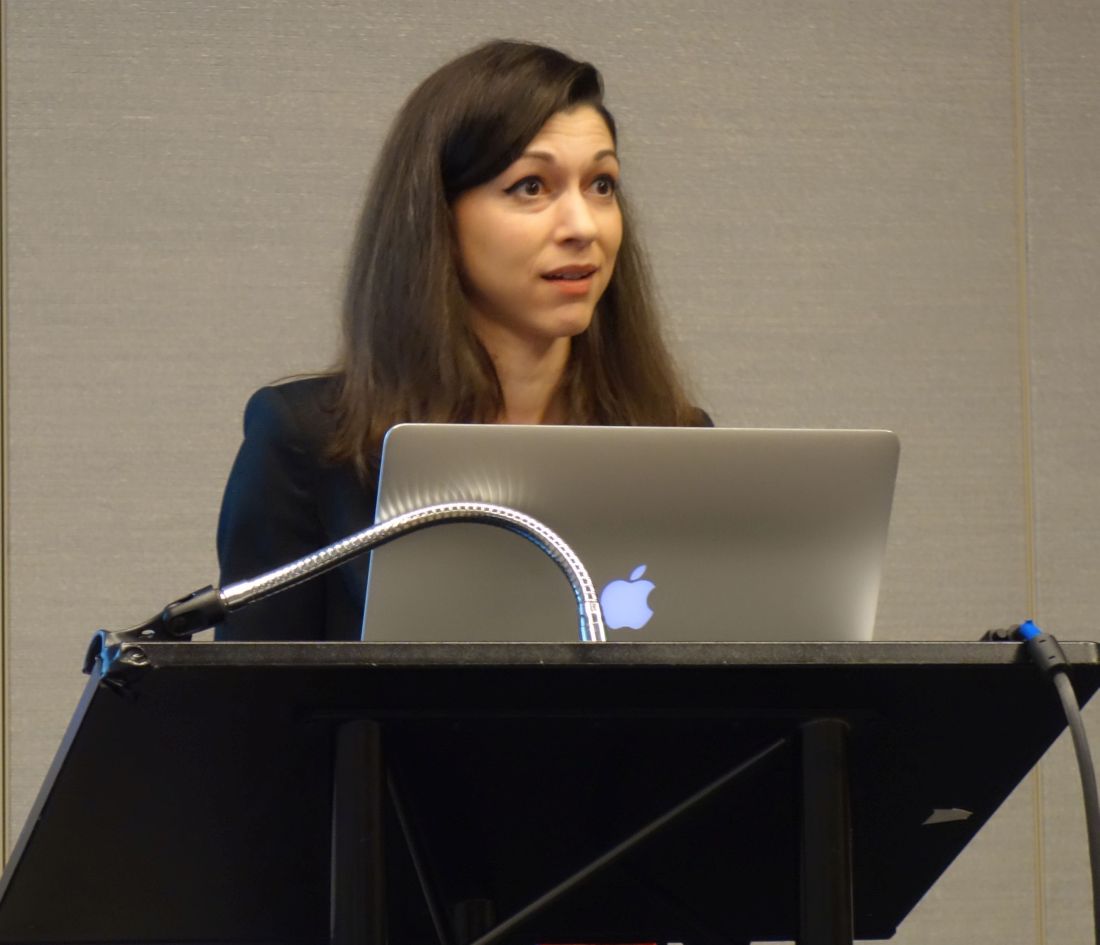
SAN FRANCISCO – Very brief, outside-the-box therapeutic interventions are racking up respectable efficacy scores in randomized, controlled trials addressing a variety of common psychiatric problems in youths, Jessica L. Schleider observed at the annual conference of the Anxiety and Depression Association of America.
The impetus for developing very brief interventions – or VBIs, as they are known in psychotherapy research parlance – is mounting recognition that conventional treatment approaches have by and large failed children and adolescents who have mental health problems, explained Ms. Schleider, a doctoral candidate in clinical psychology at Harvard University in Cambridge, Mass.
According to data from the Centers for Disease Control and Prevention and the Child Mind Institute, only 20% of American children and adolescents who have significant mental health problems access mental health services. And among those who do, only a minority complete their planned course of treatment.
Reimbursable treatment plans for youth mental health problems typically entail about 16 sessions. Yet national insurance reimbursement data indicate those youths who do access treatment attend on average fewer than four sessions.
“Given that the current model just doesn’t seem to be meeting the needs of kids and families across the country, novel approaches are going to be necessary to really reduce the burden of youth mental illness on a broad scale,” Ms. Schleider asserted.
She characterized VBIs as an example of what is often referred to in TED Talks as “disruptive innovation.” VBIs are intended to extend the reach of youth mental health services by offering interventions that are brief, affordable, accessible, and scalable. It’s a concept that has captured the imagination of officials at the National Institute of Mental Health, which is funding her VBI work and that of others under the institute’s experimental therapeutics initiative.
Ms. Schleider coauthored a recent meta-analysis of 50 randomized, controlled trials of single-session interventions (SSIs) for mental health problems in a collective 10,508 youths. The investigators found that the treatment effect size varied by the target problem. The largest effect size documented – 1.05, which is a strong benefit – was for SSIs targeting eating disorders. The weakest was for the 18 randomized trials addressing substance abuse, with an effect size of a mere 0.08 (J Am Acad Child Adolesc Psychiatry. 2017 Feb;56[2]:107-15).
“The mean effect size across all categories is 0.32, which is decent. It’s in the small-to-medium range,” she noted. “But if you zoom in on the most common types of youth mental health problems – anxiety, conduct, and depression – we see that the overall effect of those single-session programs compares surprisingly well to the full-length treatments that we have, further supporting a possible value as an element of our mental health system.”
For SSIs addressing anxiety, for example, the mean posttreatment effect size was 0.56, compared with 0.61 for conventional multisession programs. For conduct problems, SSIs produced a mean effect size of 0.54, versus 0.46 for full-length treatment programs. And while the effect size of SSIs for depression was small, at 0.18, the same might be said for the 0.28 mean effect size for standard depression therapy programs.
Mean SSI treatment effect sizes were larger for children than for adolescents, at 0.42, compared with 0.19.
Ms. Schleider also presented highlights of a published randomized, double-blind trial of a self-administered computer-guided SSI she and her coauthor have developed. That SSI is designed to briefly teach troubled adolescents a growth personality mindset: that is, the belief that personal traits such as shyness, sadness, and intelligence are malleable through effort and hard work, rather than static and unchangeable.
“Kids with fixed mindsets tend to fare worse than those with growth mindsets,” she said. “They give up prematurely in response to social and academic stress, and they engage in a lot more negative self talk.
The intervention borrows from the achievement motivation theory developed by Carol S. Dweck, Ph.D., professor of psychology at Stanford (Calif.) University and author of the book, “Mindset: the New Psychology of Success.”
The trial randomized 96 subjects aged 12-15 years to a half hour spent on a computer with the growth mindset intervention or a shared feelings control. These were teens with elevated levels of internalizing problems. Eighty-four percent of them met criteria for anxiety by the SCARED CHILD (Screen for Child Anxiety Related Disorders – Child Version) or for depression via the CDI (Children’s Depression Inventory). Subjects were followed up immediately post treatment and again at 3, 6, and 9 months, with 74% of the original group participating in the final follow-up.
The guided growth mindset group showed significant reductions from baseline in CDI and SCARED scores at every follow-up point, while the control group remained unchanged.
“What I see as the bottom line are the 9-month follow-up effects: All effect sizes for youth- and parent-reported outcomes of anxiety and depression are in the small-to-medium range,” Ms. Schleider said. “But this is quite promising, I think, for a 30-minute intervention that kids can complete on their own.”
Also, the mindset intervention strengthened postintervention measures of the adolescents’ perceived control. On a postintervention, laboratory-based, standardized social stress test, the mindset intervention group achieved physiologic recovery more than three times faster than did the controls, as assessed via electrodermal activity.
Ms. Schleider called the study results “promising and exciting.” She is now working with therapists at McLean Hospital, Belmont, Mass., to see whether administering the growth mindset intervention at the start of youth intensive cognitive-behavioral therapy for anxiety results in improved treatment outcomes.
“By teaching kids that change is possible, it might improve their engagement in CBT or reduce their dropout rates,” she noted.
Ms. Schleider is also pilot studying a parent-directed growth mindset intervention to learn whether it improves parents’ attitude toward psychotherapy and seeking services for a troubled child.
Her randomized trial was supported by the National Institute of Mental Health, the American Psychological Association, and the Harvard Center on the Developing Child. She reported having no financial conflicts.
SAN FRANCISCO – Very brief, outside-the-box therapeutic interventions are racking up respectable efficacy scores in randomized, controlled trials addressing a variety of common psychiatric problems in youths, Jessica L. Schleider observed at the annual conference of the Anxiety and Depression Association of America.
The impetus for developing very brief interventions – or VBIs, as they are known in psychotherapy research parlance – is mounting recognition that conventional treatment approaches have by and large failed children and adolescents who have mental health problems, explained Ms. Schleider, a doctoral candidate in clinical psychology at Harvard University in Cambridge, Mass.
According to data from the Centers for Disease Control and Prevention and the Child Mind Institute, only 20% of American children and adolescents who have significant mental health problems access mental health services. And among those who do, only a minority complete their planned course of treatment.
Reimbursable treatment plans for youth mental health problems typically entail about 16 sessions. Yet national insurance reimbursement data indicate those youths who do access treatment attend on average fewer than four sessions.
“Given that the current model just doesn’t seem to be meeting the needs of kids and families across the country, novel approaches are going to be necessary to really reduce the burden of youth mental illness on a broad scale,” Ms. Schleider asserted.
She characterized VBIs as an example of what is often referred to in TED Talks as “disruptive innovation.” VBIs are intended to extend the reach of youth mental health services by offering interventions that are brief, affordable, accessible, and scalable. It’s a concept that has captured the imagination of officials at the National Institute of Mental Health, which is funding her VBI work and that of others under the institute’s experimental therapeutics initiative.
Ms. Schleider coauthored a recent meta-analysis of 50 randomized, controlled trials of single-session interventions (SSIs) for mental health problems in a collective 10,508 youths. The investigators found that the treatment effect size varied by the target problem. The largest effect size documented – 1.05, which is a strong benefit – was for SSIs targeting eating disorders. The weakest was for the 18 randomized trials addressing substance abuse, with an effect size of a mere 0.08 (J Am Acad Child Adolesc Psychiatry. 2017 Feb;56[2]:107-15).
“The mean effect size across all categories is 0.32, which is decent. It’s in the small-to-medium range,” she noted. “But if you zoom in on the most common types of youth mental health problems – anxiety, conduct, and depression – we see that the overall effect of those single-session programs compares surprisingly well to the full-length treatments that we have, further supporting a possible value as an element of our mental health system.”
For SSIs addressing anxiety, for example, the mean posttreatment effect size was 0.56, compared with 0.61 for conventional multisession programs. For conduct problems, SSIs produced a mean effect size of 0.54, versus 0.46 for full-length treatment programs. And while the effect size of SSIs for depression was small, at 0.18, the same might be said for the 0.28 mean effect size for standard depression therapy programs.
Mean SSI treatment effect sizes were larger for children than for adolescents, at 0.42, compared with 0.19.
Ms. Schleider also presented highlights of a published randomized, double-blind trial of a self-administered computer-guided SSI she and her coauthor have developed. That SSI is designed to briefly teach troubled adolescents a growth personality mindset: that is, the belief that personal traits such as shyness, sadness, and intelligence are malleable through effort and hard work, rather than static and unchangeable.
“Kids with fixed mindsets tend to fare worse than those with growth mindsets,” she said. “They give up prematurely in response to social and academic stress, and they engage in a lot more negative self talk.
The intervention borrows from the achievement motivation theory developed by Carol S. Dweck, Ph.D., professor of psychology at Stanford (Calif.) University and author of the book, “Mindset: the New Psychology of Success.”
The trial randomized 96 subjects aged 12-15 years to a half hour spent on a computer with the growth mindset intervention or a shared feelings control. These were teens with elevated levels of internalizing problems. Eighty-four percent of them met criteria for anxiety by the SCARED CHILD (Screen for Child Anxiety Related Disorders – Child Version) or for depression via the CDI (Children’s Depression Inventory). Subjects were followed up immediately post treatment and again at 3, 6, and 9 months, with 74% of the original group participating in the final follow-up.
The guided growth mindset group showed significant reductions from baseline in CDI and SCARED scores at every follow-up point, while the control group remained unchanged.
“What I see as the bottom line are the 9-month follow-up effects: All effect sizes for youth- and parent-reported outcomes of anxiety and depression are in the small-to-medium range,” Ms. Schleider said. “But this is quite promising, I think, for a 30-minute intervention that kids can complete on their own.”
Also, the mindset intervention strengthened postintervention measures of the adolescents’ perceived control. On a postintervention, laboratory-based, standardized social stress test, the mindset intervention group achieved physiologic recovery more than three times faster than did the controls, as assessed via electrodermal activity.
Ms. Schleider called the study results “promising and exciting.” She is now working with therapists at McLean Hospital, Belmont, Mass., to see whether administering the growth mindset intervention at the start of youth intensive cognitive-behavioral therapy for anxiety results in improved treatment outcomes.
“By teaching kids that change is possible, it might improve their engagement in CBT or reduce their dropout rates,” she noted.
Ms. Schleider is also pilot studying a parent-directed growth mindset intervention to learn whether it improves parents’ attitude toward psychotherapy and seeking services for a troubled child.
Her randomized trial was supported by the National Institute of Mental Health, the American Psychological Association, and the Harvard Center on the Developing Child. She reported having no financial conflicts.
SAN FRANCISCO – Very brief, outside-the-box therapeutic interventions are racking up respectable efficacy scores in randomized, controlled trials addressing a variety of common psychiatric problems in youths, Jessica L. Schleider observed at the annual conference of the Anxiety and Depression Association of America.
The impetus for developing very brief interventions – or VBIs, as they are known in psychotherapy research parlance – is mounting recognition that conventional treatment approaches have by and large failed children and adolescents who have mental health problems, explained Ms. Schleider, a doctoral candidate in clinical psychology at Harvard University in Cambridge, Mass.
According to data from the Centers for Disease Control and Prevention and the Child Mind Institute, only 20% of American children and adolescents who have significant mental health problems access mental health services. And among those who do, only a minority complete their planned course of treatment.
Reimbursable treatment plans for youth mental health problems typically entail about 16 sessions. Yet national insurance reimbursement data indicate those youths who do access treatment attend on average fewer than four sessions.
“Given that the current model just doesn’t seem to be meeting the needs of kids and families across the country, novel approaches are going to be necessary to really reduce the burden of youth mental illness on a broad scale,” Ms. Schleider asserted.
She characterized VBIs as an example of what is often referred to in TED Talks as “disruptive innovation.” VBIs are intended to extend the reach of youth mental health services by offering interventions that are brief, affordable, accessible, and scalable. It’s a concept that has captured the imagination of officials at the National Institute of Mental Health, which is funding her VBI work and that of others under the institute’s experimental therapeutics initiative.
Ms. Schleider coauthored a recent meta-analysis of 50 randomized, controlled trials of single-session interventions (SSIs) for mental health problems in a collective 10,508 youths. The investigators found that the treatment effect size varied by the target problem. The largest effect size documented – 1.05, which is a strong benefit – was for SSIs targeting eating disorders. The weakest was for the 18 randomized trials addressing substance abuse, with an effect size of a mere 0.08 (J Am Acad Child Adolesc Psychiatry. 2017 Feb;56[2]:107-15).
“The mean effect size across all categories is 0.32, which is decent. It’s in the small-to-medium range,” she noted. “But if you zoom in on the most common types of youth mental health problems – anxiety, conduct, and depression – we see that the overall effect of those single-session programs compares surprisingly well to the full-length treatments that we have, further supporting a possible value as an element of our mental health system.”
For SSIs addressing anxiety, for example, the mean posttreatment effect size was 0.56, compared with 0.61 for conventional multisession programs. For conduct problems, SSIs produced a mean effect size of 0.54, versus 0.46 for full-length treatment programs. And while the effect size of SSIs for depression was small, at 0.18, the same might be said for the 0.28 mean effect size for standard depression therapy programs.
Mean SSI treatment effect sizes were larger for children than for adolescents, at 0.42, compared with 0.19.
Ms. Schleider also presented highlights of a published randomized, double-blind trial of a self-administered computer-guided SSI she and her coauthor have developed. That SSI is designed to briefly teach troubled adolescents a growth personality mindset: that is, the belief that personal traits such as shyness, sadness, and intelligence are malleable through effort and hard work, rather than static and unchangeable.
“Kids with fixed mindsets tend to fare worse than those with growth mindsets,” she said. “They give up prematurely in response to social and academic stress, and they engage in a lot more negative self talk.
The intervention borrows from the achievement motivation theory developed by Carol S. Dweck, Ph.D., professor of psychology at Stanford (Calif.) University and author of the book, “Mindset: the New Psychology of Success.”
The trial randomized 96 subjects aged 12-15 years to a half hour spent on a computer with the growth mindset intervention or a shared feelings control. These were teens with elevated levels of internalizing problems. Eighty-four percent of them met criteria for anxiety by the SCARED CHILD (Screen for Child Anxiety Related Disorders – Child Version) or for depression via the CDI (Children’s Depression Inventory). Subjects were followed up immediately post treatment and again at 3, 6, and 9 months, with 74% of the original group participating in the final follow-up.
The guided growth mindset group showed significant reductions from baseline in CDI and SCARED scores at every follow-up point, while the control group remained unchanged.
“What I see as the bottom line are the 9-month follow-up effects: All effect sizes for youth- and parent-reported outcomes of anxiety and depression are in the small-to-medium range,” Ms. Schleider said. “But this is quite promising, I think, for a 30-minute intervention that kids can complete on their own.”
Also, the mindset intervention strengthened postintervention measures of the adolescents’ perceived control. On a postintervention, laboratory-based, standardized social stress test, the mindset intervention group achieved physiologic recovery more than three times faster than did the controls, as assessed via electrodermal activity.
Ms. Schleider called the study results “promising and exciting.” She is now working with therapists at McLean Hospital, Belmont, Mass., to see whether administering the growth mindset intervention at the start of youth intensive cognitive-behavioral therapy for anxiety results in improved treatment outcomes.
“By teaching kids that change is possible, it might improve their engagement in CBT or reduce their dropout rates,” she noted.
Ms. Schleider is also pilot studying a parent-directed growth mindset intervention to learn whether it improves parents’ attitude toward psychotherapy and seeking services for a troubled child.
Her randomized trial was supported by the National Institute of Mental Health, the American Psychological Association, and the Harvard Center on the Developing Child. She reported having no financial conflicts.
EXPERT ANALYSIS FROM THE ANXIETY AND DEPRESSION CONFERENCE 2017
Many aspects to caring for epidermolysis bullosa patients
CHICAGO – Ask patients with recessive dystrophic epidermolysis bullosa (EB) to name their most bothersome symptom, and they’re likely to say itch, followed closely by pain, according to Jemima Mellerio, MD.
“We don’t really understand a lot about the mechanism of itch in patients with this disease, which is one of the reasons why we don’t have good treatments,” Prof. Mellerio said at the World Congress of Pediatric Dermatology.
A key resource for patients with EB and clinicians who care for them is Debra International, a network of national groups working on behalf of people with EB, which is undertaking a longterm initiative to develop clinical practice guidelines for the disorder. “This has been going on for about five years and is gathering momentum,” Prof. Mellerio said. “In the EB literature, there is very little that is good quality, evidence-based medicine.” Links to existing guidelines can be accessed DEBRA website.
She shared clinical tips for managing various aspects of EB, including pain, which was the subject of a recent 23-page clinical practice guideline (BMC Med. 2014;12:178). “It’s important to take a proper history: What kind of pain is it and when do they get it?” she commented. “Is there anything that is triggering it?” Basic treatment principles are to start with simple options like acetaminophen/NSAIDs and add in weak opiates as appropriate. Go a bit stronger if necessary, titrating to get the desired effect. “If you have specialist pain services, that can be extremely useful in some of the more complex cases,” she said.
Many EB patients are plagued by neuropathic pain that burns and stings. “For these cases, you might try tricyclic antidepressants or anticonvulsants like gabapentin and pregabalin,” she noted. Anxiolytics such as midazolam can be used to reduce anxiety during procedures, bathing, and dressings. A wide range of pain formulations exist to meet patient needs or preferences, including oral tablets or suspensions, lozenges, intranasal preparations, transdermal patches and intramuscular and intravenous injections.
Topical measures for isolated, painful wounds include ibuprofen-impregnated dressings such as Biatain Ibu and topical morphine gel. “You can get this made up by using morphine sulfate and mixing it in a hydrogel,” Prof. Mellerio said. “You apply that when you have a limited number of painful wounds, so you don’t get the systemic effects from having morphine but you get the local beneficial effects.” [This approach was described in Arch Dis Child. 2004;89:679-81.] Adding salt to a bath can also ameliorate pain for patients. She recommends adding 90g of salt to 10L bath water for a 0.9% solution, which translates into about 800g salt for a half-full tub of water.
Basic skin care is another challenge for EB patients. For those with extremely fragile skin, Prof. Mellerio recommends applying a primary layer of a soft silicone or lipidocolloid dressing under a secondary dressing layer. “There’s a whole range of soft silicone foam dressings or polymeric membrane, which is a nice soft dressing that can go over a primary dressing or directly on the skin if fragility is not a problem,” she said. “Really, it comes down to patient and carer choice as to what to use. It depends on many factors including site, exudate, pain, and dressing size. The frequency of wound changes will also vary. So, if you’ve got an infected, more heavily exuding wound, the dressing changes will be more frequent.”
Critical colonization and infection are significant problems for EB patients and are ideally managed with topical antimicrobials such as hydrogen peroxide cream, enzymatic antimicrobials, polyhexamethylene biguanide, and medical grade honey. “Topical antibiotics such as mupirocin can also be used, but there are problems with resistance if you’re using it long-term and potential for sensitization,” Prof. Mellerio said. “Other options include antimicrobial dressings such as polymeric membrane, polyhexamethylene biguanide, and silver. With silver dressings, there is the potential to absorb silver, so, if you’re a child and you have a lot of wounds on your skin, you can absorb silver at significant levels, which could be a problem.”
If patients don’t respond to topical measures, consider using oral antibiotics for 10-14 days, she said. Swab first for sensitivity and to look for Streptococcal carriage “because you can get a lot of problems like renal damage,” and use IV antibiotics only for severe infections, she said. “Best Practice Guidelines for Skin and Wound Care in Epidermolysis Bullosa,” supported by an award from the Urgo Foundation and produced by Wounds International/Wounds UK, are available.
Prof. Mellerio noted that EB can also adversely affect oral health and lead to the formation of painful blisters, scarring, microstomia, and ankyloglossia, which “can contribute to difficulties eating and speaking and make it hard to keep the teeth clean.” Analgesics can be helpful, as can an NSAID mouthwash or spray or mucoprotectants like Episil that coat the surface of lesions. “Alcohol-free chlorhexidine washes and fluoride mouth washes can help, as can high fluoride toothpaste and trying to limit the consumption of sugary foods and snacks,” she said. “You can adapt things like toothbrushes with a grip, which means that it’s a bit easier for somebody with EB to be able to keep their teeth clean.”
Keeping bones strong is also a concern, since osteopenia and osteoporosis are common in EB. “We’ve seen vertebral crush fractures in children as young as five years old,” Prof. Mellerio said. “Optimize calcium and vitamin D and mobility, which is important in helping people accrue their bone mineral density throughout life. Sometimes we have to use bisphosphonate therapies, but there isn’t a great deal in the literature to support what the best way of doing this is.”
Prof. Mellerio reported having no financial disclosures.
CHICAGO – Ask patients with recessive dystrophic epidermolysis bullosa (EB) to name their most bothersome symptom, and they’re likely to say itch, followed closely by pain, according to Jemima Mellerio, MD.
“We don’t really understand a lot about the mechanism of itch in patients with this disease, which is one of the reasons why we don’t have good treatments,” Prof. Mellerio said at the World Congress of Pediatric Dermatology.
A key resource for patients with EB and clinicians who care for them is Debra International, a network of national groups working on behalf of people with EB, which is undertaking a longterm initiative to develop clinical practice guidelines for the disorder. “This has been going on for about five years and is gathering momentum,” Prof. Mellerio said. “In the EB literature, there is very little that is good quality, evidence-based medicine.” Links to existing guidelines can be accessed DEBRA website.
She shared clinical tips for managing various aspects of EB, including pain, which was the subject of a recent 23-page clinical practice guideline (BMC Med. 2014;12:178). “It’s important to take a proper history: What kind of pain is it and when do they get it?” she commented. “Is there anything that is triggering it?” Basic treatment principles are to start with simple options like acetaminophen/NSAIDs and add in weak opiates as appropriate. Go a bit stronger if necessary, titrating to get the desired effect. “If you have specialist pain services, that can be extremely useful in some of the more complex cases,” she said.
Many EB patients are plagued by neuropathic pain that burns and stings. “For these cases, you might try tricyclic antidepressants or anticonvulsants like gabapentin and pregabalin,” she noted. Anxiolytics such as midazolam can be used to reduce anxiety during procedures, bathing, and dressings. A wide range of pain formulations exist to meet patient needs or preferences, including oral tablets or suspensions, lozenges, intranasal preparations, transdermal patches and intramuscular and intravenous injections.
Topical measures for isolated, painful wounds include ibuprofen-impregnated dressings such as Biatain Ibu and topical morphine gel. “You can get this made up by using morphine sulfate and mixing it in a hydrogel,” Prof. Mellerio said. “You apply that when you have a limited number of painful wounds, so you don’t get the systemic effects from having morphine but you get the local beneficial effects.” [This approach was described in Arch Dis Child. 2004;89:679-81.] Adding salt to a bath can also ameliorate pain for patients. She recommends adding 90g of salt to 10L bath water for a 0.9% solution, which translates into about 800g salt for a half-full tub of water.
Basic skin care is another challenge for EB patients. For those with extremely fragile skin, Prof. Mellerio recommends applying a primary layer of a soft silicone or lipidocolloid dressing under a secondary dressing layer. “There’s a whole range of soft silicone foam dressings or polymeric membrane, which is a nice soft dressing that can go over a primary dressing or directly on the skin if fragility is not a problem,” she said. “Really, it comes down to patient and carer choice as to what to use. It depends on many factors including site, exudate, pain, and dressing size. The frequency of wound changes will also vary. So, if you’ve got an infected, more heavily exuding wound, the dressing changes will be more frequent.”
Critical colonization and infection are significant problems for EB patients and are ideally managed with topical antimicrobials such as hydrogen peroxide cream, enzymatic antimicrobials, polyhexamethylene biguanide, and medical grade honey. “Topical antibiotics such as mupirocin can also be used, but there are problems with resistance if you’re using it long-term and potential for sensitization,” Prof. Mellerio said. “Other options include antimicrobial dressings such as polymeric membrane, polyhexamethylene biguanide, and silver. With silver dressings, there is the potential to absorb silver, so, if you’re a child and you have a lot of wounds on your skin, you can absorb silver at significant levels, which could be a problem.”
If patients don’t respond to topical measures, consider using oral antibiotics for 10-14 days, she said. Swab first for sensitivity and to look for Streptococcal carriage “because you can get a lot of problems like renal damage,” and use IV antibiotics only for severe infections, she said. “Best Practice Guidelines for Skin and Wound Care in Epidermolysis Bullosa,” supported by an award from the Urgo Foundation and produced by Wounds International/Wounds UK, are available.
Prof. Mellerio noted that EB can also adversely affect oral health and lead to the formation of painful blisters, scarring, microstomia, and ankyloglossia, which “can contribute to difficulties eating and speaking and make it hard to keep the teeth clean.” Analgesics can be helpful, as can an NSAID mouthwash or spray or mucoprotectants like Episil that coat the surface of lesions. “Alcohol-free chlorhexidine washes and fluoride mouth washes can help, as can high fluoride toothpaste and trying to limit the consumption of sugary foods and snacks,” she said. “You can adapt things like toothbrushes with a grip, which means that it’s a bit easier for somebody with EB to be able to keep their teeth clean.”
Keeping bones strong is also a concern, since osteopenia and osteoporosis are common in EB. “We’ve seen vertebral crush fractures in children as young as five years old,” Prof. Mellerio said. “Optimize calcium and vitamin D and mobility, which is important in helping people accrue their bone mineral density throughout life. Sometimes we have to use bisphosphonate therapies, but there isn’t a great deal in the literature to support what the best way of doing this is.”
Prof. Mellerio reported having no financial disclosures.
CHICAGO – Ask patients with recessive dystrophic epidermolysis bullosa (EB) to name their most bothersome symptom, and they’re likely to say itch, followed closely by pain, according to Jemima Mellerio, MD.
“We don’t really understand a lot about the mechanism of itch in patients with this disease, which is one of the reasons why we don’t have good treatments,” Prof. Mellerio said at the World Congress of Pediatric Dermatology.
A key resource for patients with EB and clinicians who care for them is Debra International, a network of national groups working on behalf of people with EB, which is undertaking a longterm initiative to develop clinical practice guidelines for the disorder. “This has been going on for about five years and is gathering momentum,” Prof. Mellerio said. “In the EB literature, there is very little that is good quality, evidence-based medicine.” Links to existing guidelines can be accessed DEBRA website.
She shared clinical tips for managing various aspects of EB, including pain, which was the subject of a recent 23-page clinical practice guideline (BMC Med. 2014;12:178). “It’s important to take a proper history: What kind of pain is it and when do they get it?” she commented. “Is there anything that is triggering it?” Basic treatment principles are to start with simple options like acetaminophen/NSAIDs and add in weak opiates as appropriate. Go a bit stronger if necessary, titrating to get the desired effect. “If you have specialist pain services, that can be extremely useful in some of the more complex cases,” she said.
Many EB patients are plagued by neuropathic pain that burns and stings. “For these cases, you might try tricyclic antidepressants or anticonvulsants like gabapentin and pregabalin,” she noted. Anxiolytics such as midazolam can be used to reduce anxiety during procedures, bathing, and dressings. A wide range of pain formulations exist to meet patient needs or preferences, including oral tablets or suspensions, lozenges, intranasal preparations, transdermal patches and intramuscular and intravenous injections.
Topical measures for isolated, painful wounds include ibuprofen-impregnated dressings such as Biatain Ibu and topical morphine gel. “You can get this made up by using morphine sulfate and mixing it in a hydrogel,” Prof. Mellerio said. “You apply that when you have a limited number of painful wounds, so you don’t get the systemic effects from having morphine but you get the local beneficial effects.” [This approach was described in Arch Dis Child. 2004;89:679-81.] Adding salt to a bath can also ameliorate pain for patients. She recommends adding 90g of salt to 10L bath water for a 0.9% solution, which translates into about 800g salt for a half-full tub of water.
Basic skin care is another challenge for EB patients. For those with extremely fragile skin, Prof. Mellerio recommends applying a primary layer of a soft silicone or lipidocolloid dressing under a secondary dressing layer. “There’s a whole range of soft silicone foam dressings or polymeric membrane, which is a nice soft dressing that can go over a primary dressing or directly on the skin if fragility is not a problem,” she said. “Really, it comes down to patient and carer choice as to what to use. It depends on many factors including site, exudate, pain, and dressing size. The frequency of wound changes will also vary. So, if you’ve got an infected, more heavily exuding wound, the dressing changes will be more frequent.”
Critical colonization and infection are significant problems for EB patients and are ideally managed with topical antimicrobials such as hydrogen peroxide cream, enzymatic antimicrobials, polyhexamethylene biguanide, and medical grade honey. “Topical antibiotics such as mupirocin can also be used, but there are problems with resistance if you’re using it long-term and potential for sensitization,” Prof. Mellerio said. “Other options include antimicrobial dressings such as polymeric membrane, polyhexamethylene biguanide, and silver. With silver dressings, there is the potential to absorb silver, so, if you’re a child and you have a lot of wounds on your skin, you can absorb silver at significant levels, which could be a problem.”
If patients don’t respond to topical measures, consider using oral antibiotics for 10-14 days, she said. Swab first for sensitivity and to look for Streptococcal carriage “because you can get a lot of problems like renal damage,” and use IV antibiotics only for severe infections, she said. “Best Practice Guidelines for Skin and Wound Care in Epidermolysis Bullosa,” supported by an award from the Urgo Foundation and produced by Wounds International/Wounds UK, are available.
Prof. Mellerio noted that EB can also adversely affect oral health and lead to the formation of painful blisters, scarring, microstomia, and ankyloglossia, which “can contribute to difficulties eating and speaking and make it hard to keep the teeth clean.” Analgesics can be helpful, as can an NSAID mouthwash or spray or mucoprotectants like Episil that coat the surface of lesions. “Alcohol-free chlorhexidine washes and fluoride mouth washes can help, as can high fluoride toothpaste and trying to limit the consumption of sugary foods and snacks,” she said. “You can adapt things like toothbrushes with a grip, which means that it’s a bit easier for somebody with EB to be able to keep their teeth clean.”
Keeping bones strong is also a concern, since osteopenia and osteoporosis are common in EB. “We’ve seen vertebral crush fractures in children as young as five years old,” Prof. Mellerio said. “Optimize calcium and vitamin D and mobility, which is important in helping people accrue their bone mineral density throughout life. Sometimes we have to use bisphosphonate therapies, but there isn’t a great deal in the literature to support what the best way of doing this is.”
Prof. Mellerio reported having no financial disclosures.
AT WCPD 2017
Student Hospitalist Scholars: Preventing unplanned PICU transfers
Editor’s Note: The Society of Hospital Medicine’s (SHM’s) Physician in Training Committee launched a scholarship program in 2015 for medical students to help transform health care and revolutionize patient care. The program has been expanded for the 2017-2018 year, offering two options for students to receive funding and engage in scholarly work during their first, second, and third years of medical school. As a part of the program, recipients are required to write about their experiences on a biweekly basis.
I’m a rising second year medical student working this summer on a project to determine predictors for pediatric clinical deterioration and unplanned transfers to the pediatric ICU.
We’re hoping to identify characteristics of the pediatric population that is more prone to these unplanned transfers, as well as determine what clinical signs serve as reliable warnings so that an intervention can be designed to prevent these emergency transfers.

So far, I have been searching the literature for what current interventions exist to prevent pediatric clinical deterioration. I have been reading about rapid response teams and their effectiveness in preventing codes, as well as what measures are used to evaluate the condition of a pediatric patient who is at risk for clinical deterioration. It is clear that more investigation is needed to identify reliable predictors that indicate a possible ICU transfer for the child patient.
I was interested in this project, and in quality improvement, because of its power to directly improve patient care and safety. It is vital to identify and fix problems that are preventable. It is directly related to the work of the physician, and the interprofessional collaboration aspect is key to improve communication that directly affects the patients’ outcomes.
I was introduced to the field during the past year in medical school, and this prompted me to start looking for research projects in the hospital medicine department at Cincinnati Children’s Hospital. I was connected with Patrick Brady, MD, an attending physician in the division of hospital medicine at Cincinnati Children’s, whose work involves studying patient safety. His goals of investigating how to prevent clinical deterioration in pediatric patients aligned with what I wanted to learn during my research experience.
After partnering with my primary mentor, Dr. Brady, we discussed how the Student Hospitalist Scholar Grant would be a good fit for me, so I decided to apply.
I am excited to continue this experience this summer, as I believe it would not only educate me about applying interventions to better patient care but also about medicine in general. I plan to carry on and apply these lessons learned during my third year of medical school for rotations.
Farah Hussain is a second year medical student at the University of Cincinnati and student researcher at Cincinnati Children’s Hospital Medical Center. Her research interests involve bettering patient care in vulnerable populations.
Editor’s Note: The Society of Hospital Medicine’s (SHM’s) Physician in Training Committee launched a scholarship program in 2015 for medical students to help transform health care and revolutionize patient care. The program has been expanded for the 2017-2018 year, offering two options for students to receive funding and engage in scholarly work during their first, second, and third years of medical school. As a part of the program, recipients are required to write about their experiences on a biweekly basis.
I’m a rising second year medical student working this summer on a project to determine predictors for pediatric clinical deterioration and unplanned transfers to the pediatric ICU.
We’re hoping to identify characteristics of the pediatric population that is more prone to these unplanned transfers, as well as determine what clinical signs serve as reliable warnings so that an intervention can be designed to prevent these emergency transfers.
So far, I have been searching the literature for what current interventions exist to prevent pediatric clinical deterioration. I have been reading about rapid response teams and their effectiveness in preventing codes, as well as what measures are used to evaluate the condition of a pediatric patient who is at risk for clinical deterioration. It is clear that more investigation is needed to identify reliable predictors that indicate a possible ICU transfer for the child patient.
I was interested in this project, and in quality improvement, because of its power to directly improve patient care and safety. It is vital to identify and fix problems that are preventable. It is directly related to the work of the physician, and the interprofessional collaboration aspect is key to improve communication that directly affects the patients’ outcomes.
I was introduced to the field during the past year in medical school, and this prompted me to start looking for research projects in the hospital medicine department at Cincinnati Children’s Hospital. I was connected with Patrick Brady, MD, an attending physician in the division of hospital medicine at Cincinnati Children’s, whose work involves studying patient safety. His goals of investigating how to prevent clinical deterioration in pediatric patients aligned with what I wanted to learn during my research experience.
After partnering with my primary mentor, Dr. Brady, we discussed how the Student Hospitalist Scholar Grant would be a good fit for me, so I decided to apply.
I am excited to continue this experience this summer, as I believe it would not only educate me about applying interventions to better patient care but also about medicine in general. I plan to carry on and apply these lessons learned during my third year of medical school for rotations.
Farah Hussain is a second year medical student at the University of Cincinnati and student researcher at Cincinnati Children’s Hospital Medical Center. Her research interests involve bettering patient care in vulnerable populations.
Editor’s Note: The Society of Hospital Medicine’s (SHM’s) Physician in Training Committee launched a scholarship program in 2015 for medical students to help transform health care and revolutionize patient care. The program has been expanded for the 2017-2018 year, offering two options for students to receive funding and engage in scholarly work during their first, second, and third years of medical school. As a part of the program, recipients are required to write about their experiences on a biweekly basis.
I’m a rising second year medical student working this summer on a project to determine predictors for pediatric clinical deterioration and unplanned transfers to the pediatric ICU.
We’re hoping to identify characteristics of the pediatric population that is more prone to these unplanned transfers, as well as determine what clinical signs serve as reliable warnings so that an intervention can be designed to prevent these emergency transfers.
So far, I have been searching the literature for what current interventions exist to prevent pediatric clinical deterioration. I have been reading about rapid response teams and their effectiveness in preventing codes, as well as what measures are used to evaluate the condition of a pediatric patient who is at risk for clinical deterioration. It is clear that more investigation is needed to identify reliable predictors that indicate a possible ICU transfer for the child patient.
I was interested in this project, and in quality improvement, because of its power to directly improve patient care and safety. It is vital to identify and fix problems that are preventable. It is directly related to the work of the physician, and the interprofessional collaboration aspect is key to improve communication that directly affects the patients’ outcomes.
I was introduced to the field during the past year in medical school, and this prompted me to start looking for research projects in the hospital medicine department at Cincinnati Children’s Hospital. I was connected with Patrick Brady, MD, an attending physician in the division of hospital medicine at Cincinnati Children’s, whose work involves studying patient safety. His goals of investigating how to prevent clinical deterioration in pediatric patients aligned with what I wanted to learn during my research experience.
After partnering with my primary mentor, Dr. Brady, we discussed how the Student Hospitalist Scholar Grant would be a good fit for me, so I decided to apply.
I am excited to continue this experience this summer, as I believe it would not only educate me about applying interventions to better patient care but also about medicine in general. I plan to carry on and apply these lessons learned during my third year of medical school for rotations.
Farah Hussain is a second year medical student at the University of Cincinnati and student researcher at Cincinnati Children’s Hospital Medical Center. Her research interests involve bettering patient care in vulnerable populations.
Minor measles vaccination decline could triple childhood cases
, based on data from a mathematical model published in JAMA Pediatrics.
Increased reluctance among parents to vaccinate children has led to calls for a government commission on vaccine safety, wrote Nathan C. Lo of Stanford (Calif.) University, and Peter J. Hotez, MD, PhD, of Baylor College of Medicine, Houston (JAMA Pediatr. 2017 Jul 24. doi: 10.1001/jamapediatrics.2017.1695).
The researchers sought to estimate the potential impact of reduced vaccination on public health and the economy, using the MMR vaccine as an example. They collected vaccination data from the Centers for Disease Control and Prevention, created a mathematical model, and estimated $20,000 per case of measles from a public health perspective. They simulated a measles outbreak following the importation of measles into a county in the United States, and estimated the size of an outbreak based on local vaccine coverage.
In the model population, the average baseline coverage for MMR vaccination was 93% prevalence (varying by state from 87% to 97%). The average prevalence of nonmedical exemptions was 2%; state prevalence ranged from 0.4% to 6.2%. The annual number of measles cases was 48.
Using the model, a drop in MMR vaccination as little as 5% “would result in a threefold increase in national measles cases in this age group, for a total of 150 cases and an additional $2.1 million in economic costs to the public sector,” the researchers said. By contrast, increasing national MMR coverage to 95% would reduce the number of cases by 20%, they predicted.
“These estimates would be substantially higher if unvaccinated infants, adolescents, and adult populations are also considered,” Mr. Lo and Dr. Hotez said.
The study findings were limited by the use of a model and simulation of vaccine coverage, and by restricting the study to children aged 2-11 years.
However, the results “directly confront the notion that measles is no longer a threat in the United States,” and suggest “substantial public health and economic consequences with even minor reductions in MMR coverage due to vaccine hesitancy,” they emphasized. “Removal of the nonmedical personal belief exemptions for childhood vaccination may mitigate these consequences.”
Mr. Lo disclosed funding from Stanford’s Medical Scientist Training Program; no financial conflicts were disclosed.
, based on data from a mathematical model published in JAMA Pediatrics.
Increased reluctance among parents to vaccinate children has led to calls for a government commission on vaccine safety, wrote Nathan C. Lo of Stanford (Calif.) University, and Peter J. Hotez, MD, PhD, of Baylor College of Medicine, Houston (JAMA Pediatr. 2017 Jul 24. doi: 10.1001/jamapediatrics.2017.1695).
The researchers sought to estimate the potential impact of reduced vaccination on public health and the economy, using the MMR vaccine as an example. They collected vaccination data from the Centers for Disease Control and Prevention, created a mathematical model, and estimated $20,000 per case of measles from a public health perspective. They simulated a measles outbreak following the importation of measles into a county in the United States, and estimated the size of an outbreak based on local vaccine coverage.
In the model population, the average baseline coverage for MMR vaccination was 93% prevalence (varying by state from 87% to 97%). The average prevalence of nonmedical exemptions was 2%; state prevalence ranged from 0.4% to 6.2%. The annual number of measles cases was 48.
Using the model, a drop in MMR vaccination as little as 5% “would result in a threefold increase in national measles cases in this age group, for a total of 150 cases and an additional $2.1 million in economic costs to the public sector,” the researchers said. By contrast, increasing national MMR coverage to 95% would reduce the number of cases by 20%, they predicted.
“These estimates would be substantially higher if unvaccinated infants, adolescents, and adult populations are also considered,” Mr. Lo and Dr. Hotez said.
The study findings were limited by the use of a model and simulation of vaccine coverage, and by restricting the study to children aged 2-11 years.
However, the results “directly confront the notion that measles is no longer a threat in the United States,” and suggest “substantial public health and economic consequences with even minor reductions in MMR coverage due to vaccine hesitancy,” they emphasized. “Removal of the nonmedical personal belief exemptions for childhood vaccination may mitigate these consequences.”
Mr. Lo disclosed funding from Stanford’s Medical Scientist Training Program; no financial conflicts were disclosed.
, based on data from a mathematical model published in JAMA Pediatrics.
Increased reluctance among parents to vaccinate children has led to calls for a government commission on vaccine safety, wrote Nathan C. Lo of Stanford (Calif.) University, and Peter J. Hotez, MD, PhD, of Baylor College of Medicine, Houston (JAMA Pediatr. 2017 Jul 24. doi: 10.1001/jamapediatrics.2017.1695).
The researchers sought to estimate the potential impact of reduced vaccination on public health and the economy, using the MMR vaccine as an example. They collected vaccination data from the Centers for Disease Control and Prevention, created a mathematical model, and estimated $20,000 per case of measles from a public health perspective. They simulated a measles outbreak following the importation of measles into a county in the United States, and estimated the size of an outbreak based on local vaccine coverage.
In the model population, the average baseline coverage for MMR vaccination was 93% prevalence (varying by state from 87% to 97%). The average prevalence of nonmedical exemptions was 2%; state prevalence ranged from 0.4% to 6.2%. The annual number of measles cases was 48.
Using the model, a drop in MMR vaccination as little as 5% “would result in a threefold increase in national measles cases in this age group, for a total of 150 cases and an additional $2.1 million in economic costs to the public sector,” the researchers said. By contrast, increasing national MMR coverage to 95% would reduce the number of cases by 20%, they predicted.
“These estimates would be substantially higher if unvaccinated infants, adolescents, and adult populations are also considered,” Mr. Lo and Dr. Hotez said.
The study findings were limited by the use of a model and simulation of vaccine coverage, and by restricting the study to children aged 2-11 years.
However, the results “directly confront the notion that measles is no longer a threat in the United States,” and suggest “substantial public health and economic consequences with even minor reductions in MMR coverage due to vaccine hesitancy,” they emphasized. “Removal of the nonmedical personal belief exemptions for childhood vaccination may mitigate these consequences.”
Mr. Lo disclosed funding from Stanford’s Medical Scientist Training Program; no financial conflicts were disclosed.
FROM JAMA PEDIATRICS
Key clinical point: Even a small reduction in vaccination rates has significant public health and economic implications.
Major finding: A 5% decline in MMR vaccine coverage among children aged 2-11 years in the United States would yield an additional 150 measles cases at an economic cost of $2.1 million.
Data source: The data come from an analysis of children aged 2-11 years based on a mathematical model of MMR vaccination.
Disclosures: Mr. Lo disclosed funding from Stanford’s Medical Scientist Training Program; no financial conflicts were disclosed.
Extreme caffeine use in early pregnancy risks offspring behavioral disorders
, Susanne Hvolgaard Mikkelsen, PhD, of Aarhus (Denmark) University and her associates said.
“Caffeine metabolism is delayed during pregnancy, allowing longer opportunities for absorption. Caffeine increases dopamine levels by slowing down the rate of dopamine reabsorption, and this dysfunction of the dopaminergic system is thought to explain part of the association between caffeine consumption and offspring behavioral disorders,” the investigators said.
From 1996 to 2002, Danish physicians recruited women during their first pregnancy visit to participate in a study evaluating daily coffee and tea consumption during pregnancy, with follow-up of the children at age 11 years using the Danish National Birth Cohort. A follow-up questionnaire, including the Strength and Difficulties Questionnaire, was completed by the children, their parents, and their teachers; the results were paired with data on coffee and tea consumption by the mothers of 47,491 children. At 15 weeks’ gestation, 12% of the women had consumed more than three cups/day of coffee, and 3% ingested eight or more cups/day of coffee; 19% of the women drank more than three cups/day of tea, and 4% drank eight or more cups/day of tea. The amount of coffee and tea consumed at 30 weeks’ gestation was only slightly less.
The percentage of children predicted to have “possible/probable” ADHD was 5%, conduct-oppositional disorders was 7%, anxiety-depressive disorders was 7%, and any psychiatric disorder was 14%.
A statistically significant association was found between maternal consumption of eight or more cups of coffee at 15 weeks’ gestation and greater risk of ADHD (a risk ratio [RR] of 1.47), conduct-oppositional disorder (RR, 1.22), and any psychiatric disorder (RR, 1.23). A statistically significant link was found between maternal consumption of eight or more cups of tea at 15 weeks’ gestation and greater risk of conduct-oppositional disorder (RR, 1.21). There was a statistically significant association between maternal consumption of eight or more cups of tea at 15 weeks’ gestation and a higher risk of anxiety-depressive disorder (RR, 1.28), but not for coffee. These significant relationships were not found again at 30 weeks’ gestation.
“The period of greatest prenatal brain development is 10-26 weeks after conception,which may explain our results suggesting the fetus to be more vulnerable to caffeine in first and second trimester, compared with the third trimester,” the researchers said.
There was no information available about caffeine consumption by chocolate, energy drinks, or medication; the measure of cola consumption also was not taken into account. Confounding by genetics or socioeconomic factors may affect these findings, Dr. Mikkelsen and her associates said.
Read more at (J Pediatr. 2017 Jul 18. doi: 10.1016/j.jpeds.2017.06.051).
, Susanne Hvolgaard Mikkelsen, PhD, of Aarhus (Denmark) University and her associates said.
“Caffeine metabolism is delayed during pregnancy, allowing longer opportunities for absorption. Caffeine increases dopamine levels by slowing down the rate of dopamine reabsorption, and this dysfunction of the dopaminergic system is thought to explain part of the association between caffeine consumption and offspring behavioral disorders,” the investigators said.
From 1996 to 2002, Danish physicians recruited women during their first pregnancy visit to participate in a study evaluating daily coffee and tea consumption during pregnancy, with follow-up of the children at age 11 years using the Danish National Birth Cohort. A follow-up questionnaire, including the Strength and Difficulties Questionnaire, was completed by the children, their parents, and their teachers; the results were paired with data on coffee and tea consumption by the mothers of 47,491 children. At 15 weeks’ gestation, 12% of the women had consumed more than three cups/day of coffee, and 3% ingested eight or more cups/day of coffee; 19% of the women drank more than three cups/day of tea, and 4% drank eight or more cups/day of tea. The amount of coffee and tea consumed at 30 weeks’ gestation was only slightly less.
The percentage of children predicted to have “possible/probable” ADHD was 5%, conduct-oppositional disorders was 7%, anxiety-depressive disorders was 7%, and any psychiatric disorder was 14%.
A statistically significant association was found between maternal consumption of eight or more cups of coffee at 15 weeks’ gestation and greater risk of ADHD (a risk ratio [RR] of 1.47), conduct-oppositional disorder (RR, 1.22), and any psychiatric disorder (RR, 1.23). A statistically significant link was found between maternal consumption of eight or more cups of tea at 15 weeks’ gestation and greater risk of conduct-oppositional disorder (RR, 1.21). There was a statistically significant association between maternal consumption of eight or more cups of tea at 15 weeks’ gestation and a higher risk of anxiety-depressive disorder (RR, 1.28), but not for coffee. These significant relationships were not found again at 30 weeks’ gestation.
“The period of greatest prenatal brain development is 10-26 weeks after conception,which may explain our results suggesting the fetus to be more vulnerable to caffeine in first and second trimester, compared with the third trimester,” the researchers said.
There was no information available about caffeine consumption by chocolate, energy drinks, or medication; the measure of cola consumption also was not taken into account. Confounding by genetics or socioeconomic factors may affect these findings, Dr. Mikkelsen and her associates said.
Read more at (J Pediatr. 2017 Jul 18. doi: 10.1016/j.jpeds.2017.06.051).
, Susanne Hvolgaard Mikkelsen, PhD, of Aarhus (Denmark) University and her associates said.
“Caffeine metabolism is delayed during pregnancy, allowing longer opportunities for absorption. Caffeine increases dopamine levels by slowing down the rate of dopamine reabsorption, and this dysfunction of the dopaminergic system is thought to explain part of the association between caffeine consumption and offspring behavioral disorders,” the investigators said.
From 1996 to 2002, Danish physicians recruited women during their first pregnancy visit to participate in a study evaluating daily coffee and tea consumption during pregnancy, with follow-up of the children at age 11 years using the Danish National Birth Cohort. A follow-up questionnaire, including the Strength and Difficulties Questionnaire, was completed by the children, their parents, and their teachers; the results were paired with data on coffee and tea consumption by the mothers of 47,491 children. At 15 weeks’ gestation, 12% of the women had consumed more than three cups/day of coffee, and 3% ingested eight or more cups/day of coffee; 19% of the women drank more than three cups/day of tea, and 4% drank eight or more cups/day of tea. The amount of coffee and tea consumed at 30 weeks’ gestation was only slightly less.
The percentage of children predicted to have “possible/probable” ADHD was 5%, conduct-oppositional disorders was 7%, anxiety-depressive disorders was 7%, and any psychiatric disorder was 14%.
A statistically significant association was found between maternal consumption of eight or more cups of coffee at 15 weeks’ gestation and greater risk of ADHD (a risk ratio [RR] of 1.47), conduct-oppositional disorder (RR, 1.22), and any psychiatric disorder (RR, 1.23). A statistically significant link was found between maternal consumption of eight or more cups of tea at 15 weeks’ gestation and greater risk of conduct-oppositional disorder (RR, 1.21). There was a statistically significant association between maternal consumption of eight or more cups of tea at 15 weeks’ gestation and a higher risk of anxiety-depressive disorder (RR, 1.28), but not for coffee. These significant relationships were not found again at 30 weeks’ gestation.
“The period of greatest prenatal brain development is 10-26 weeks after conception,which may explain our results suggesting the fetus to be more vulnerable to caffeine in first and second trimester, compared with the third trimester,” the researchers said.
There was no information available about caffeine consumption by chocolate, energy drinks, or medication; the measure of cola consumption also was not taken into account. Confounding by genetics or socioeconomic factors may affect these findings, Dr. Mikkelsen and her associates said.
Read more at (J Pediatr. 2017 Jul 18. doi: 10.1016/j.jpeds.2017.06.051).
FROM THE JOURNAL OF PEDIATRICS
Procalcitonin-guided decision making found best in neonatal suspected sepsis
, according to an investigator-initiated, superiority and noninferiority, multicenter, randomized controlled intervention study.
In the Neonatal Procalcitonin Intervention Study (NeoPInS) study aimed to reduce the duration of antibiotic treatment, 1,710 neonates who were already receiving antibiotic therapy were enrolled in 18 hospitals in Canada, the Czech Republic, the Netherlands, and Switzerland, and randomized to procalcitonin-guided decision making or standard care. Some patients were excluded from the larger initial population because of congenital malformation, surgery in the first week of life, or a lack of parental consent, among other reasons.
The intention-to-treat population included 866 neonates in the procalcitonin group whose median treatment duration was 55 hours (95% confidence interval [CI], 50.5-60.0) and 844 in the standard group whose median treatment duration was 65 hours (95% CI, 63.0-69.0; P less than .0001), with a median difference of –9.9. The per-protocol population saw an even greater median difference of –12.2, with a treatment duration of 52 hours in 745 neonates assigned to procalcitonin-guided decision making (95% CI, 48.2-56.0) and a duration of 64 hours in 663 neonates assigned to standard care (95% CI, 61.0-68.1; P less than .0001).
Length of hospital stay also was significantly shorter in both procalcitonin groups, according to the researchers.
One neonate in the standard group died from the consequences of severe perinatal asphyxia. In each procalcitonin group, five (0.6% and 0.7%, respectively) had a suspected reinfection, compared with three in each of the standard groups (0.5% and 0.6%, respectively). None of the neonates suspected of reinfection had a culture-proven bacteria infection.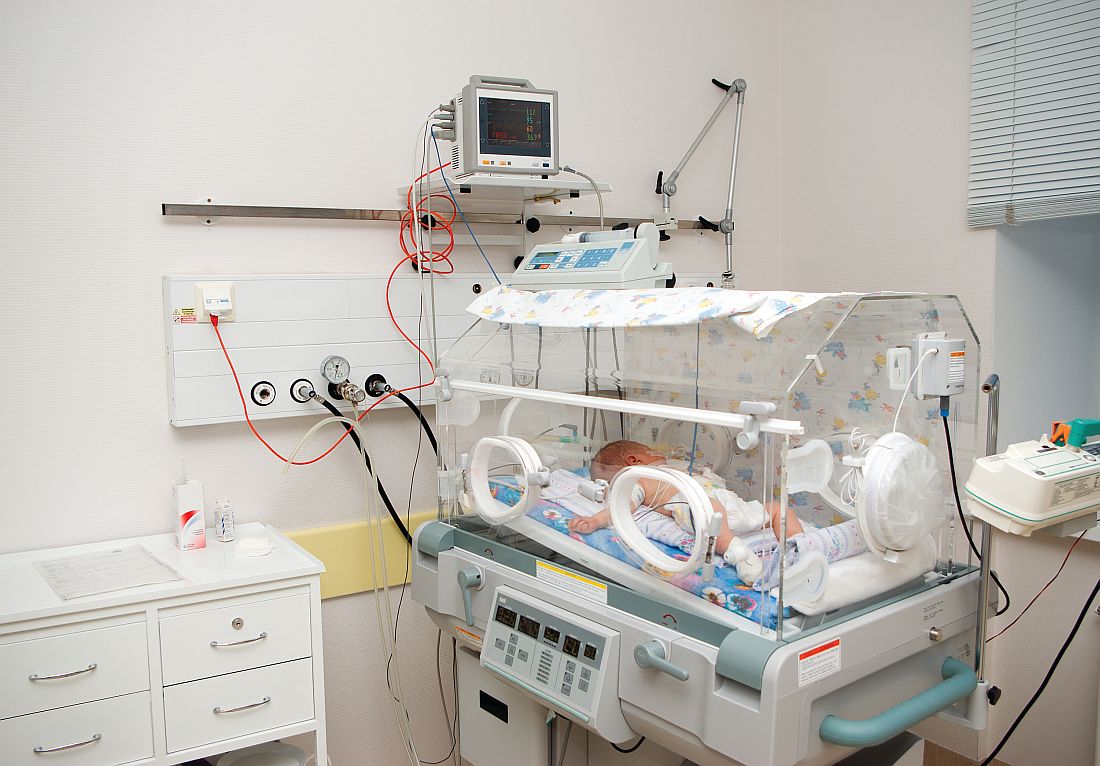
“In this era of globally increasing antibiotic resistance rates ... every dose of antimicrobial therapy counts in the emergence of antimicrobial resistance and in changing the human microbiome,” the investigators wrote, “and other evidence suggests that changes in the microbiome in early life are particularly important in shaping the individual’s immune system and future health.”
The primary outcomes of the study were duration of treatment and reinfection or death in the first month of life, with a secondary outcome of length of hospital stay. Noninferiority for reinfection and death could not be shown because there were too few of these events.
“Procalcitonin-guided decision making led to a significant reduction in duration of empirical antibiotic therapy and hospital stay in term and near-term neonates with suspected early-onset sepsis, with a low rate of reinfections and with no study-related mortality. Combining serial procalcitonin measurements with initial assessment based on perinatal risk factors, the neonate’s clinical signs and symptoms, and conventional laboratory variables support antimicrobial stewardship and help physicians to decide to discontinue antibiotic treatment sooner in neonates classified as having low or moderate risk of infection,” Dr. Stocker, Dr. van Herk, and their associates said.
A limitation was that results cannot be extrapolated to other populations. The neonates in this study all had easy and low-threshold access to care, so the results may not apply to low-income or low-access areas, they said.
Length of hospital stay results may be affected by other conditions developed by the neonates. “It would be interesting to analyze duration of hospital stay separately for neonates with or without other reasons for hospital admission, but this was not possible in our study design,” the investigators said.
The authors reported no relevant financial disclosures. The Thrasher Foundation, the NutsOhra Foundation, and the Sophia Foundation for Scientific Research funded the study.
Dr. Stocker, Dr. Herk, and their coauthors “are to be commended for conducting this pragmatic and international, multicenter trial.” When withholding antibiotics, especially from neonates who are susceptible to infection, safety is key. In this “landmark study done in neonates,” the authors determined that procalcitonin can be safely used to guide decision making in neonates at low risk of sepsis. Using procalcitonin in a clinical algorithm also was effective, reducing the duration of antibiotic therapy by around 20% and the length of hospital stay by around 5%.
Although the biomarker is the most accurate diagnostic tool currently available, it should be used with caution. On its own, it is not enough to determine if a neonate is in need of continued antibiotic therapy. It should be used in conjunction with clinical examination and reasoning on the part of the physician. In addition, the cutoffs that have been determined for adults are too low for neonates. “Nevertheless, if the cutoff is adapted accordingly and embedded in a reasonable clinical algorithm – as done in the NeoPInS study – procalcitonin can and should be used to improve antibiotic stewardship.
“Procalcitonin-guided antibiotic de-escalation therapy is evidence based and state of the art for antibiotic therapy for suspected and proven bacterial infection in different clinical settings and different acuity of infections.”
Philipp Schuetz, MD, and Beat Mueller, MD, are of the University of Basel, Aarau, Switzerland. Dr. Schuetz received support from BRAHMS/Thermofisher and bioMérieux to attend meetings, fulfill speaking engagements, and for unrestricted research grants related to procalcitonin. Dr. Mueller has received research support, as well as consulting fees and speakers’ honoraria, from BRAHMS/Thermofisher and bioMérieux, related to procalcitonin. They made these remarks in a commentary accompanying Dr. Stocker’s and Dr. van Herk’s report (Lancet. 2017 Jul 12. doi: 10.1016/S0140-6736[17]31628-8).
Dr. Stocker, Dr. Herk, and their coauthors “are to be commended for conducting this pragmatic and international, multicenter trial.” When withholding antibiotics, especially from neonates who are susceptible to infection, safety is key. In this “landmark study done in neonates,” the authors determined that procalcitonin can be safely used to guide decision making in neonates at low risk of sepsis. Using procalcitonin in a clinical algorithm also was effective, reducing the duration of antibiotic therapy by around 20% and the length of hospital stay by around 5%.
Although the biomarker is the most accurate diagnostic tool currently available, it should be used with caution. On its own, it is not enough to determine if a neonate is in need of continued antibiotic therapy. It should be used in conjunction with clinical examination and reasoning on the part of the physician. In addition, the cutoffs that have been determined for adults are too low for neonates. “Nevertheless, if the cutoff is adapted accordingly and embedded in a reasonable clinical algorithm – as done in the NeoPInS study – procalcitonin can and should be used to improve antibiotic stewardship.
“Procalcitonin-guided antibiotic de-escalation therapy is evidence based and state of the art for antibiotic therapy for suspected and proven bacterial infection in different clinical settings and different acuity of infections.”
Philipp Schuetz, MD, and Beat Mueller, MD, are of the University of Basel, Aarau, Switzerland. Dr. Schuetz received support from BRAHMS/Thermofisher and bioMérieux to attend meetings, fulfill speaking engagements, and for unrestricted research grants related to procalcitonin. Dr. Mueller has received research support, as well as consulting fees and speakers’ honoraria, from BRAHMS/Thermofisher and bioMérieux, related to procalcitonin. They made these remarks in a commentary accompanying Dr. Stocker’s and Dr. van Herk’s report (Lancet. 2017 Jul 12. doi: 10.1016/S0140-6736[17]31628-8).
Dr. Stocker, Dr. Herk, and their coauthors “are to be commended for conducting this pragmatic and international, multicenter trial.” When withholding antibiotics, especially from neonates who are susceptible to infection, safety is key. In this “landmark study done in neonates,” the authors determined that procalcitonin can be safely used to guide decision making in neonates at low risk of sepsis. Using procalcitonin in a clinical algorithm also was effective, reducing the duration of antibiotic therapy by around 20% and the length of hospital stay by around 5%.
Although the biomarker is the most accurate diagnostic tool currently available, it should be used with caution. On its own, it is not enough to determine if a neonate is in need of continued antibiotic therapy. It should be used in conjunction with clinical examination and reasoning on the part of the physician. In addition, the cutoffs that have been determined for adults are too low for neonates. “Nevertheless, if the cutoff is adapted accordingly and embedded in a reasonable clinical algorithm – as done in the NeoPInS study – procalcitonin can and should be used to improve antibiotic stewardship.
“Procalcitonin-guided antibiotic de-escalation therapy is evidence based and state of the art for antibiotic therapy for suspected and proven bacterial infection in different clinical settings and different acuity of infections.”
Philipp Schuetz, MD, and Beat Mueller, MD, are of the University of Basel, Aarau, Switzerland. Dr. Schuetz received support from BRAHMS/Thermofisher and bioMérieux to attend meetings, fulfill speaking engagements, and for unrestricted research grants related to procalcitonin. Dr. Mueller has received research support, as well as consulting fees and speakers’ honoraria, from BRAHMS/Thermofisher and bioMérieux, related to procalcitonin. They made these remarks in a commentary accompanying Dr. Stocker’s and Dr. van Herk’s report (Lancet. 2017 Jul 12. doi: 10.1016/S0140-6736[17]31628-8).
, according to an investigator-initiated, superiority and noninferiority, multicenter, randomized controlled intervention study.
In the Neonatal Procalcitonin Intervention Study (NeoPInS) study aimed to reduce the duration of antibiotic treatment, 1,710 neonates who were already receiving antibiotic therapy were enrolled in 18 hospitals in Canada, the Czech Republic, the Netherlands, and Switzerland, and randomized to procalcitonin-guided decision making or standard care. Some patients were excluded from the larger initial population because of congenital malformation, surgery in the first week of life, or a lack of parental consent, among other reasons.
The intention-to-treat population included 866 neonates in the procalcitonin group whose median treatment duration was 55 hours (95% confidence interval [CI], 50.5-60.0) and 844 in the standard group whose median treatment duration was 65 hours (95% CI, 63.0-69.0; P less than .0001), with a median difference of –9.9. The per-protocol population saw an even greater median difference of –12.2, with a treatment duration of 52 hours in 745 neonates assigned to procalcitonin-guided decision making (95% CI, 48.2-56.0) and a duration of 64 hours in 663 neonates assigned to standard care (95% CI, 61.0-68.1; P less than .0001).
Length of hospital stay also was significantly shorter in both procalcitonin groups, according to the researchers.
One neonate in the standard group died from the consequences of severe perinatal asphyxia. In each procalcitonin group, five (0.6% and 0.7%, respectively) had a suspected reinfection, compared with three in each of the standard groups (0.5% and 0.6%, respectively). None of the neonates suspected of reinfection had a culture-proven bacteria infection.
“In this era of globally increasing antibiotic resistance rates ... every dose of antimicrobial therapy counts in the emergence of antimicrobial resistance and in changing the human microbiome,” the investigators wrote, “and other evidence suggests that changes in the microbiome in early life are particularly important in shaping the individual’s immune system and future health.”
The primary outcomes of the study were duration of treatment and reinfection or death in the first month of life, with a secondary outcome of length of hospital stay. Noninferiority for reinfection and death could not be shown because there were too few of these events.
“Procalcitonin-guided decision making led to a significant reduction in duration of empirical antibiotic therapy and hospital stay in term and near-term neonates with suspected early-onset sepsis, with a low rate of reinfections and with no study-related mortality. Combining serial procalcitonin measurements with initial assessment based on perinatal risk factors, the neonate’s clinical signs and symptoms, and conventional laboratory variables support antimicrobial stewardship and help physicians to decide to discontinue antibiotic treatment sooner in neonates classified as having low or moderate risk of infection,” Dr. Stocker, Dr. van Herk, and their associates said.
A limitation was that results cannot be extrapolated to other populations. The neonates in this study all had easy and low-threshold access to care, so the results may not apply to low-income or low-access areas, they said.
Length of hospital stay results may be affected by other conditions developed by the neonates. “It would be interesting to analyze duration of hospital stay separately for neonates with or without other reasons for hospital admission, but this was not possible in our study design,” the investigators said.
The authors reported no relevant financial disclosures. The Thrasher Foundation, the NutsOhra Foundation, and the Sophia Foundation for Scientific Research funded the study.
, according to an investigator-initiated, superiority and noninferiority, multicenter, randomized controlled intervention study.
In the Neonatal Procalcitonin Intervention Study (NeoPInS) study aimed to reduce the duration of antibiotic treatment, 1,710 neonates who were already receiving antibiotic therapy were enrolled in 18 hospitals in Canada, the Czech Republic, the Netherlands, and Switzerland, and randomized to procalcitonin-guided decision making or standard care. Some patients were excluded from the larger initial population because of congenital malformation, surgery in the first week of life, or a lack of parental consent, among other reasons.
The intention-to-treat population included 866 neonates in the procalcitonin group whose median treatment duration was 55 hours (95% confidence interval [CI], 50.5-60.0) and 844 in the standard group whose median treatment duration was 65 hours (95% CI, 63.0-69.0; P less than .0001), with a median difference of –9.9. The per-protocol population saw an even greater median difference of –12.2, with a treatment duration of 52 hours in 745 neonates assigned to procalcitonin-guided decision making (95% CI, 48.2-56.0) and a duration of 64 hours in 663 neonates assigned to standard care (95% CI, 61.0-68.1; P less than .0001).
Length of hospital stay also was significantly shorter in both procalcitonin groups, according to the researchers.
One neonate in the standard group died from the consequences of severe perinatal asphyxia. In each procalcitonin group, five (0.6% and 0.7%, respectively) had a suspected reinfection, compared with three in each of the standard groups (0.5% and 0.6%, respectively). None of the neonates suspected of reinfection had a culture-proven bacteria infection.
“In this era of globally increasing antibiotic resistance rates ... every dose of antimicrobial therapy counts in the emergence of antimicrobial resistance and in changing the human microbiome,” the investigators wrote, “and other evidence suggests that changes in the microbiome in early life are particularly important in shaping the individual’s immune system and future health.”
The primary outcomes of the study were duration of treatment and reinfection or death in the first month of life, with a secondary outcome of length of hospital stay. Noninferiority for reinfection and death could not be shown because there were too few of these events.
“Procalcitonin-guided decision making led to a significant reduction in duration of empirical antibiotic therapy and hospital stay in term and near-term neonates with suspected early-onset sepsis, with a low rate of reinfections and with no study-related mortality. Combining serial procalcitonin measurements with initial assessment based on perinatal risk factors, the neonate’s clinical signs and symptoms, and conventional laboratory variables support antimicrobial stewardship and help physicians to decide to discontinue antibiotic treatment sooner in neonates classified as having low or moderate risk of infection,” Dr. Stocker, Dr. van Herk, and their associates said.
A limitation was that results cannot be extrapolated to other populations. The neonates in this study all had easy and low-threshold access to care, so the results may not apply to low-income or low-access areas, they said.
Length of hospital stay results may be affected by other conditions developed by the neonates. “It would be interesting to analyze duration of hospital stay separately for neonates with or without other reasons for hospital admission, but this was not possible in our study design,” the investigators said.
The authors reported no relevant financial disclosures. The Thrasher Foundation, the NutsOhra Foundation, and the Sophia Foundation for Scientific Research funded the study.
FROM THE LANCET
Key clinical point: Procalcitonin-guided decision making had a significant impact on duration of antibiotic treatment and hospital stay in pediatric patients with suspected early-onset sepsis.
Major finding: The median differences in antibiotic treatment duration between procalcitonin groups and standard care groups were –9.9 and –12.1 hours in intention-to-treat and per protocol study populations.
Data source: An investigator-initiated, superiority and noninferiority, multicenter, randomized controlled intervention study (NeoPInS) of 1,710 neonates with suspected early-stage sepsis.
Disclosures: The authors reported no relevant financial disclosures. The Thrasher Foundation, the NutsOhra Foundation, and the Sophia Foundation for Scientific Research funded the study.
Study finds family history, chocolate intake increases acne risk
Having two parents with a history of acne was associated with an eightfold higher risk of acne during adolescence and young adulthood, in a European study that surveyed people aged 15-24 years in seven European countries.
Researchers conducted an online population-based survey of 10,521 individuals aged 15-24 years in Belgium, Czech and Slovak republics, France, Italy, Poland, and Spain, with questions about the presence or absence of acne, sociodemographic characteristics, and lifestyle factors (such as diet, tobacco, cannabis or alcohol use, and family history). The results were published online on July 14.
The overall prevalence of self-reported acne was 57.8%, with the highest prevalence – 65.8% – found in the 15- to 17-years age group, and the lowest being 52.6% in the 21- to 24-years age group. Individuals who reported having one parent with a history of acne had a threefold greater incidence of acne compared to those without a history of paternal or maternal acne (P less than .0001 for both). Individuals whose parents both had acne had a nearly eightfold higher risk, which the authors noted was consistent with other studies showing a strong hereditary component of acne (J Eur Acad Dermatol Venereol. 2017 Jul 14. doi: 10.1111/jdv.14475).
“Previous studies have demonstrated an association between high glycemic index foods and acne, although in our study, only chocolate, and not pasta or sweets, was independently associated in multivariate analysis,” wrote Pierre Wolkenstein, MD, of the department of dermatology, Hôpital Henri Mondor, Créteil, France, and his coauthors.
“The relationship between smoking and acne is not clear. Some observational studies have found that smoking increases the prevalence of acne, others have found a negative association, and some have found no relationship,” they added.
The study also showed significant variation in the incidence of acne across different countries. Using Spain, which had a median prevalence of acne, as a reference point, the researchers found that respondents in the Czech and Slovak republics had a 96% higher incidence of acne, while those in Poland had a 55% lower incidence.
The authors cautioned that their results were based on self-report, rather than a physician diagnosis, but they noted that since acne is so common, false positive or false negative reports were unlikely. “An association between self-reported acne and chocolate consumption, and an apparent inverse relationship with smoking, need to be confirmed by additional studies,” they noted.
The survey was funded and supported by Pierre Fabre Dermatologie. Five authors declared fees as members of the European Severe Acne Board, supported by Pierre Fabre Dermatologie, and one author is an employee of the company.
Having two parents with a history of acne was associated with an eightfold higher risk of acne during adolescence and young adulthood, in a European study that surveyed people aged 15-24 years in seven European countries.
Researchers conducted an online population-based survey of 10,521 individuals aged 15-24 years in Belgium, Czech and Slovak republics, France, Italy, Poland, and Spain, with questions about the presence or absence of acne, sociodemographic characteristics, and lifestyle factors (such as diet, tobacco, cannabis or alcohol use, and family history). The results were published online on July 14.
The overall prevalence of self-reported acne was 57.8%, with the highest prevalence – 65.8% – found in the 15- to 17-years age group, and the lowest being 52.6% in the 21- to 24-years age group. Individuals who reported having one parent with a history of acne had a threefold greater incidence of acne compared to those without a history of paternal or maternal acne (P less than .0001 for both). Individuals whose parents both had acne had a nearly eightfold higher risk, which the authors noted was consistent with other studies showing a strong hereditary component of acne (J Eur Acad Dermatol Venereol. 2017 Jul 14. doi: 10.1111/jdv.14475).
“Previous studies have demonstrated an association between high glycemic index foods and acne, although in our study, only chocolate, and not pasta or sweets, was independently associated in multivariate analysis,” wrote Pierre Wolkenstein, MD, of the department of dermatology, Hôpital Henri Mondor, Créteil, France, and his coauthors.
“The relationship between smoking and acne is not clear. Some observational studies have found that smoking increases the prevalence of acne, others have found a negative association, and some have found no relationship,” they added.
The study also showed significant variation in the incidence of acne across different countries. Using Spain, which had a median prevalence of acne, as a reference point, the researchers found that respondents in the Czech and Slovak republics had a 96% higher incidence of acne, while those in Poland had a 55% lower incidence.
The authors cautioned that their results were based on self-report, rather than a physician diagnosis, but they noted that since acne is so common, false positive or false negative reports were unlikely. “An association between self-reported acne and chocolate consumption, and an apparent inverse relationship with smoking, need to be confirmed by additional studies,” they noted.
The survey was funded and supported by Pierre Fabre Dermatologie. Five authors declared fees as members of the European Severe Acne Board, supported by Pierre Fabre Dermatologie, and one author is an employee of the company.
Having two parents with a history of acne was associated with an eightfold higher risk of acne during adolescence and young adulthood, in a European study that surveyed people aged 15-24 years in seven European countries.
Researchers conducted an online population-based survey of 10,521 individuals aged 15-24 years in Belgium, Czech and Slovak republics, France, Italy, Poland, and Spain, with questions about the presence or absence of acne, sociodemographic characteristics, and lifestyle factors (such as diet, tobacco, cannabis or alcohol use, and family history). The results were published online on July 14.
The overall prevalence of self-reported acne was 57.8%, with the highest prevalence – 65.8% – found in the 15- to 17-years age group, and the lowest being 52.6% in the 21- to 24-years age group. Individuals who reported having one parent with a history of acne had a threefold greater incidence of acne compared to those without a history of paternal or maternal acne (P less than .0001 for both). Individuals whose parents both had acne had a nearly eightfold higher risk, which the authors noted was consistent with other studies showing a strong hereditary component of acne (J Eur Acad Dermatol Venereol. 2017 Jul 14. doi: 10.1111/jdv.14475).
“Previous studies have demonstrated an association between high glycemic index foods and acne, although in our study, only chocolate, and not pasta or sweets, was independently associated in multivariate analysis,” wrote Pierre Wolkenstein, MD, of the department of dermatology, Hôpital Henri Mondor, Créteil, France, and his coauthors.
“The relationship between smoking and acne is not clear. Some observational studies have found that smoking increases the prevalence of acne, others have found a negative association, and some have found no relationship,” they added.
The study also showed significant variation in the incidence of acne across different countries. Using Spain, which had a median prevalence of acne, as a reference point, the researchers found that respondents in the Czech and Slovak republics had a 96% higher incidence of acne, while those in Poland had a 55% lower incidence.
The authors cautioned that their results were based on self-report, rather than a physician diagnosis, but they noted that since acne is so common, false positive or false negative reports were unlikely. “An association between self-reported acne and chocolate consumption, and an apparent inverse relationship with smoking, need to be confirmed by additional studies,” they noted.
The survey was funded and supported by Pierre Fabre Dermatologie. Five authors declared fees as members of the European Severe Acne Board, supported by Pierre Fabre Dermatologie, and one author is an employee of the company.
FROM THE JOURNAL OF THE EUROPEAN ACADEMY OF DERMATOLOGY AND VENEREOLOGY
Key clinical point: A parental history of acne, higher levels of personal chocolate consumption, and younger age were significantly associated with an increased risk of acne.
Major finding: Adolescents and young adults with two parents with a history of acne have a nearly eightfold higher risk of the condition.
Data source: A population-based survey of 10,521 individuals aged 15-24 years in seven European countries.
Disclosures: Five authors declared fees as members of the European Severe Acne Board – supported by Pierre Fabre Dermatologie, which funded the survey – and one author is an employee of the company.
HHS eliminates funding for teen pregnancy prevention programs
The Trump administration’s sudden funding cut to the Teen Pregnancy Prevention Program will not only halt research and programming efforts at more than 80 institutions across the country, but also will likely unravel recent progress made in reducing teen pregnancies, physicians and program advocates say.
In early July, officials at the U.S. Department of Health & Human Services notified program grantees that the administration would be eliminating funding for the Teen Pregnancy Prevention Program (TPP Program) and that 5-year grants awarded under the Obama administration would be ending in June 2018, 2 years earlier than planned.
The TPP Program is a national, evidence-based initiative established in 2010 to fund medically accurate and age-appropriate programs that work to prevent teen pregnancy in the United States.
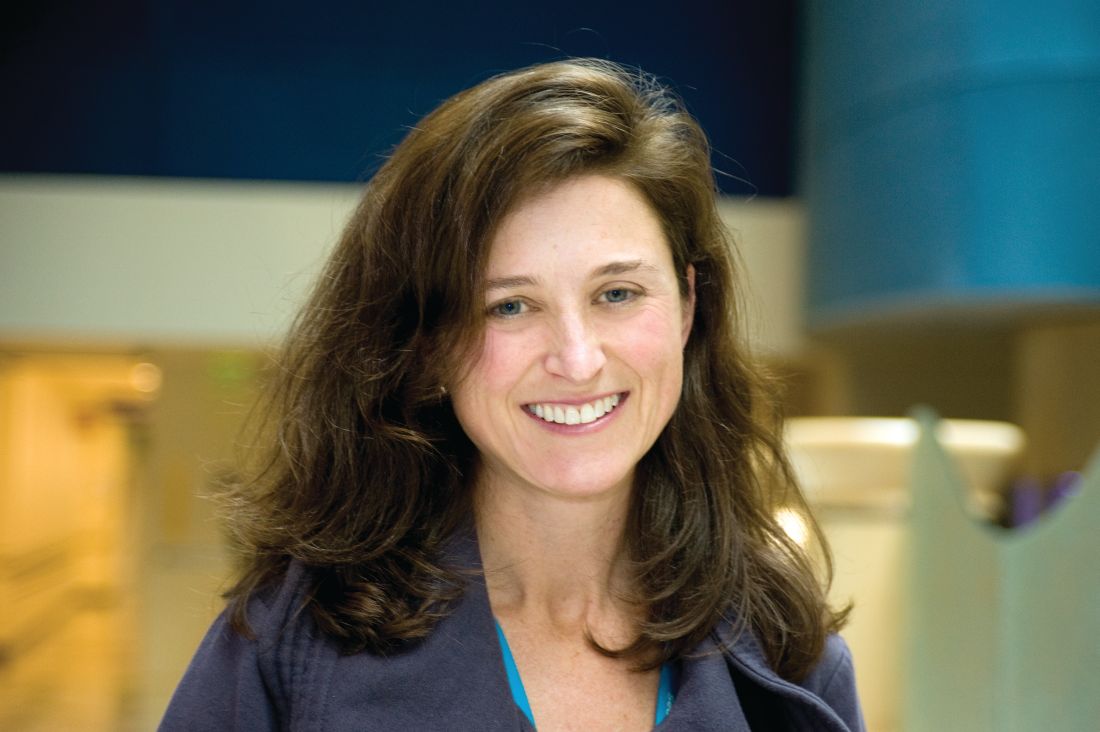
“Those programs serve many youth across the country, so of course the individuals in the programs are going to be impacted,” Dr. Oelschlager said in an interview. “It’s demoralizing for the educators, [and] the researchers, who are looking at innovative methods, to have their funding cut in the middle of evaluating whether their programs are effective.”
An HHS spokeswoman confirmed that on July 1, the agency informed TPP Program grantees that funding for the program would be eliminated as detailed in President Trump’s fiscal 2018 budget proposal. The HHS awarded 81 continuations for TPP Program Tier 1 and Tier 2 grant awards for a total of $89 million through June 30, 2018, according to the spokeswoman. The HHS informed the grantees of their June 30, 2018, end date “to give them an opportunity to adjust their programs and plan for an orderly closeout,” she said.
The University of Southern California, Los Angeles, is one of many institutions impacted by the funding cut. The primary objectives of the Keeping it Real Together project are to implement evidence-based sexual health education programs for youth in middle and alternative high schools and provide an education program for parents of middle school–aged youth, said Luanne Rohrbach, PhD, associate professor of clinical preventive medicine at the university’s Institute for Health Promotion & Disease Prevention and principal investigator for the program.
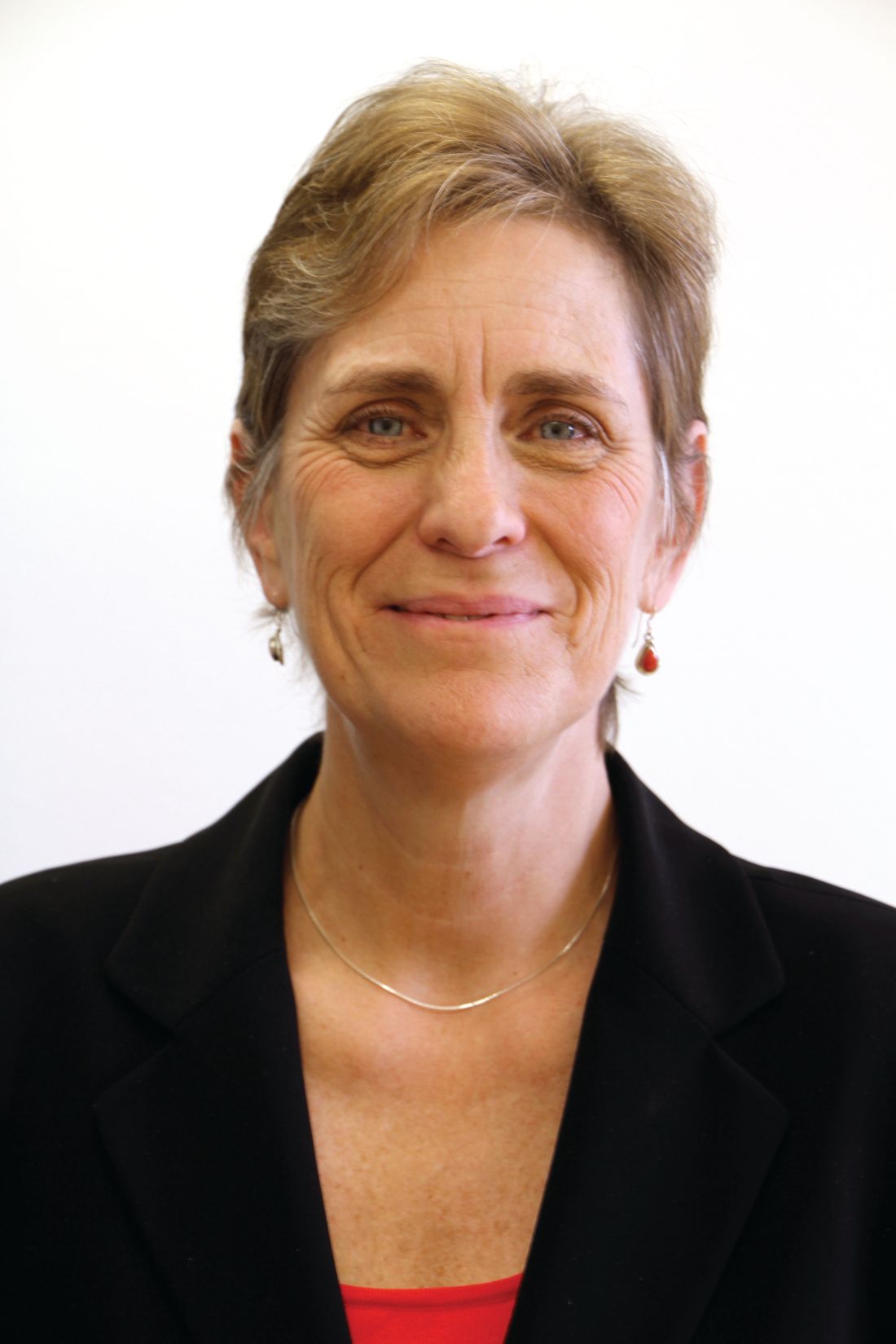
Dr. Rohrbach said she anticipated pushback from the new administration as far as receiving the full 5-year funding, but the sudden program elimination was unexpected.
In March, when President Trump announced his budget priorities for fiscal 2016 and 2017, it was clear that the TPP Program was on the chopping block, Dr. Rohrbach said. However, when Congress passed a continuing resolution for the remainder of fiscal 2016 and 2017, the program remained intact. In his budget recommendations for fiscal 2017 and 2018, the President proposed that the TPP Program be eliminated.
“Despite this recommendation, it was our understanding that the program would be debated in Congress as they developed their recommendations for FY 2017-18 funding,” she said. “That is, we expected there would at least be discussion about it in Congressional budget committees. We did not expect that the program would be eliminated by the Office of the Secretary of HHS.”
Haywood L. Brown, MD, president of the American Congress of Obstetricians and Gynecologists (ACOG) called the administration’s decision “highly unusual” and said it is a step backward for ensuring healthy moms and healthy babies.
“This program and others provide vital research and programming that successfully brought our nation to an all-time low rate of teen pregnancies – progress we cannot afford to jeopardize,” Dr. Brown said in a statement.
Federal data show that the teen pregnancy rate has steadily declined over the last decade. In 2015, the birth rate for girls and young women aged 15-19 years fell by nearly 8% from 2014, according to data from the National Center for Health Statistics. Since 1991, the rate has fallen by 64%. The rate for the younger half of the age group, girls aged 15-17 years, was down 9% from 2014.
Researchers attribute the decline to a combination of economic, cultural, and social factors, as well as a lower prevalence of sexual activity among youth, the use of more effective contraception, and the provision of more information about pregnancy prevention, Dr. Rohrbach said.
“The [TPP Program] has been focused on implementation of evidence-based, comprehensive sexual health education,” she said. “Elimination of these efforts endangers the progress that has been made in reducing teen pregnancies.”
Dr. Oelschlager noted that between 2008 and 2015, the teen birth rate in King County, Washington, declined by 55%. She attributed the reduction to multiple drivers, including a program called Flash, that incorporates a sexual health education curriculum in Seattle-area public schools. Some TPP programs in Northwest Seattle are using the FLASH curriculum, she said.
“This is a very comprehensive program, which includes discussion about reproductive health, sexual violence, prevention of teen pregnancy, sexually transmitted infections, [and] harm reduction,” she said. “That’s been a very effective method of educating our teens about these issues.”
agallegos@frontlinemedcom.com
On Twitter @legal_med
The Trump administration’s sudden funding cut to the Teen Pregnancy Prevention Program will not only halt research and programming efforts at more than 80 institutions across the country, but also will likely unravel recent progress made in reducing teen pregnancies, physicians and program advocates say.
In early July, officials at the U.S. Department of Health & Human Services notified program grantees that the administration would be eliminating funding for the Teen Pregnancy Prevention Program (TPP Program) and that 5-year grants awarded under the Obama administration would be ending in June 2018, 2 years earlier than planned.
The TPP Program is a national, evidence-based initiative established in 2010 to fund medically accurate and age-appropriate programs that work to prevent teen pregnancy in the United States.
“Those programs serve many youth across the country, so of course the individuals in the programs are going to be impacted,” Dr. Oelschlager said in an interview. “It’s demoralizing for the educators, [and] the researchers, who are looking at innovative methods, to have their funding cut in the middle of evaluating whether their programs are effective.”
An HHS spokeswoman confirmed that on July 1, the agency informed TPP Program grantees that funding for the program would be eliminated as detailed in President Trump’s fiscal 2018 budget proposal. The HHS awarded 81 continuations for TPP Program Tier 1 and Tier 2 grant awards for a total of $89 million through June 30, 2018, according to the spokeswoman. The HHS informed the grantees of their June 30, 2018, end date “to give them an opportunity to adjust their programs and plan for an orderly closeout,” she said.
The University of Southern California, Los Angeles, is one of many institutions impacted by the funding cut. The primary objectives of the Keeping it Real Together project are to implement evidence-based sexual health education programs for youth in middle and alternative high schools and provide an education program for parents of middle school–aged youth, said Luanne Rohrbach, PhD, associate professor of clinical preventive medicine at the university’s Institute for Health Promotion & Disease Prevention and principal investigator for the program.
Dr. Rohrbach said she anticipated pushback from the new administration as far as receiving the full 5-year funding, but the sudden program elimination was unexpected.
In March, when President Trump announced his budget priorities for fiscal 2016 and 2017, it was clear that the TPP Program was on the chopping block, Dr. Rohrbach said. However, when Congress passed a continuing resolution for the remainder of fiscal 2016 and 2017, the program remained intact. In his budget recommendations for fiscal 2017 and 2018, the President proposed that the TPP Program be eliminated.
“Despite this recommendation, it was our understanding that the program would be debated in Congress as they developed their recommendations for FY 2017-18 funding,” she said. “That is, we expected there would at least be discussion about it in Congressional budget committees. We did not expect that the program would be eliminated by the Office of the Secretary of HHS.”
Haywood L. Brown, MD, president of the American Congress of Obstetricians and Gynecologists (ACOG) called the administration’s decision “highly unusual” and said it is a step backward for ensuring healthy moms and healthy babies.
“This program and others provide vital research and programming that successfully brought our nation to an all-time low rate of teen pregnancies – progress we cannot afford to jeopardize,” Dr. Brown said in a statement.
Federal data show that the teen pregnancy rate has steadily declined over the last decade. In 2015, the birth rate for girls and young women aged 15-19 years fell by nearly 8% from 2014, according to data from the National Center for Health Statistics. Since 1991, the rate has fallen by 64%. The rate for the younger half of the age group, girls aged 15-17 years, was down 9% from 2014.
Researchers attribute the decline to a combination of economic, cultural, and social factors, as well as a lower prevalence of sexual activity among youth, the use of more effective contraception, and the provision of more information about pregnancy prevention, Dr. Rohrbach said.
“The [TPP Program] has been focused on implementation of evidence-based, comprehensive sexual health education,” she said. “Elimination of these efforts endangers the progress that has been made in reducing teen pregnancies.”
Dr. Oelschlager noted that between 2008 and 2015, the teen birth rate in King County, Washington, declined by 55%. She attributed the reduction to multiple drivers, including a program called Flash, that incorporates a sexual health education curriculum in Seattle-area public schools. Some TPP programs in Northwest Seattle are using the FLASH curriculum, she said.
“This is a very comprehensive program, which includes discussion about reproductive health, sexual violence, prevention of teen pregnancy, sexually transmitted infections, [and] harm reduction,” she said. “That’s been a very effective method of educating our teens about these issues.”
agallegos@frontlinemedcom.com
On Twitter @legal_med
The Trump administration’s sudden funding cut to the Teen Pregnancy Prevention Program will not only halt research and programming efforts at more than 80 institutions across the country, but also will likely unravel recent progress made in reducing teen pregnancies, physicians and program advocates say.
In early July, officials at the U.S. Department of Health & Human Services notified program grantees that the administration would be eliminating funding for the Teen Pregnancy Prevention Program (TPP Program) and that 5-year grants awarded under the Obama administration would be ending in June 2018, 2 years earlier than planned.
The TPP Program is a national, evidence-based initiative established in 2010 to fund medically accurate and age-appropriate programs that work to prevent teen pregnancy in the United States.
“Those programs serve many youth across the country, so of course the individuals in the programs are going to be impacted,” Dr. Oelschlager said in an interview. “It’s demoralizing for the educators, [and] the researchers, who are looking at innovative methods, to have their funding cut in the middle of evaluating whether their programs are effective.”
An HHS spokeswoman confirmed that on July 1, the agency informed TPP Program grantees that funding for the program would be eliminated as detailed in President Trump’s fiscal 2018 budget proposal. The HHS awarded 81 continuations for TPP Program Tier 1 and Tier 2 grant awards for a total of $89 million through June 30, 2018, according to the spokeswoman. The HHS informed the grantees of their June 30, 2018, end date “to give them an opportunity to adjust their programs and plan for an orderly closeout,” she said.
The University of Southern California, Los Angeles, is one of many institutions impacted by the funding cut. The primary objectives of the Keeping it Real Together project are to implement evidence-based sexual health education programs for youth in middle and alternative high schools and provide an education program for parents of middle school–aged youth, said Luanne Rohrbach, PhD, associate professor of clinical preventive medicine at the university’s Institute for Health Promotion & Disease Prevention and principal investigator for the program.
Dr. Rohrbach said she anticipated pushback from the new administration as far as receiving the full 5-year funding, but the sudden program elimination was unexpected.
In March, when President Trump announced his budget priorities for fiscal 2016 and 2017, it was clear that the TPP Program was on the chopping block, Dr. Rohrbach said. However, when Congress passed a continuing resolution for the remainder of fiscal 2016 and 2017, the program remained intact. In his budget recommendations for fiscal 2017 and 2018, the President proposed that the TPP Program be eliminated.
“Despite this recommendation, it was our understanding that the program would be debated in Congress as they developed their recommendations for FY 2017-18 funding,” she said. “That is, we expected there would at least be discussion about it in Congressional budget committees. We did not expect that the program would be eliminated by the Office of the Secretary of HHS.”
Haywood L. Brown, MD, president of the American Congress of Obstetricians and Gynecologists (ACOG) called the administration’s decision “highly unusual” and said it is a step backward for ensuring healthy moms and healthy babies.
“This program and others provide vital research and programming that successfully brought our nation to an all-time low rate of teen pregnancies – progress we cannot afford to jeopardize,” Dr. Brown said in a statement.
Federal data show that the teen pregnancy rate has steadily declined over the last decade. In 2015, the birth rate for girls and young women aged 15-19 years fell by nearly 8% from 2014, according to data from the National Center for Health Statistics. Since 1991, the rate has fallen by 64%. The rate for the younger half of the age group, girls aged 15-17 years, was down 9% from 2014.
Researchers attribute the decline to a combination of economic, cultural, and social factors, as well as a lower prevalence of sexual activity among youth, the use of more effective contraception, and the provision of more information about pregnancy prevention, Dr. Rohrbach said.
“The [TPP Program] has been focused on implementation of evidence-based, comprehensive sexual health education,” she said. “Elimination of these efforts endangers the progress that has been made in reducing teen pregnancies.”
Dr. Oelschlager noted that between 2008 and 2015, the teen birth rate in King County, Washington, declined by 55%. She attributed the reduction to multiple drivers, including a program called Flash, that incorporates a sexual health education curriculum in Seattle-area public schools. Some TPP programs in Northwest Seattle are using the FLASH curriculum, she said.
“This is a very comprehensive program, which includes discussion about reproductive health, sexual violence, prevention of teen pregnancy, sexually transmitted infections, [and] harm reduction,” she said. “That’s been a very effective method of educating our teens about these issues.”
agallegos@frontlinemedcom.com
On Twitter @legal_med
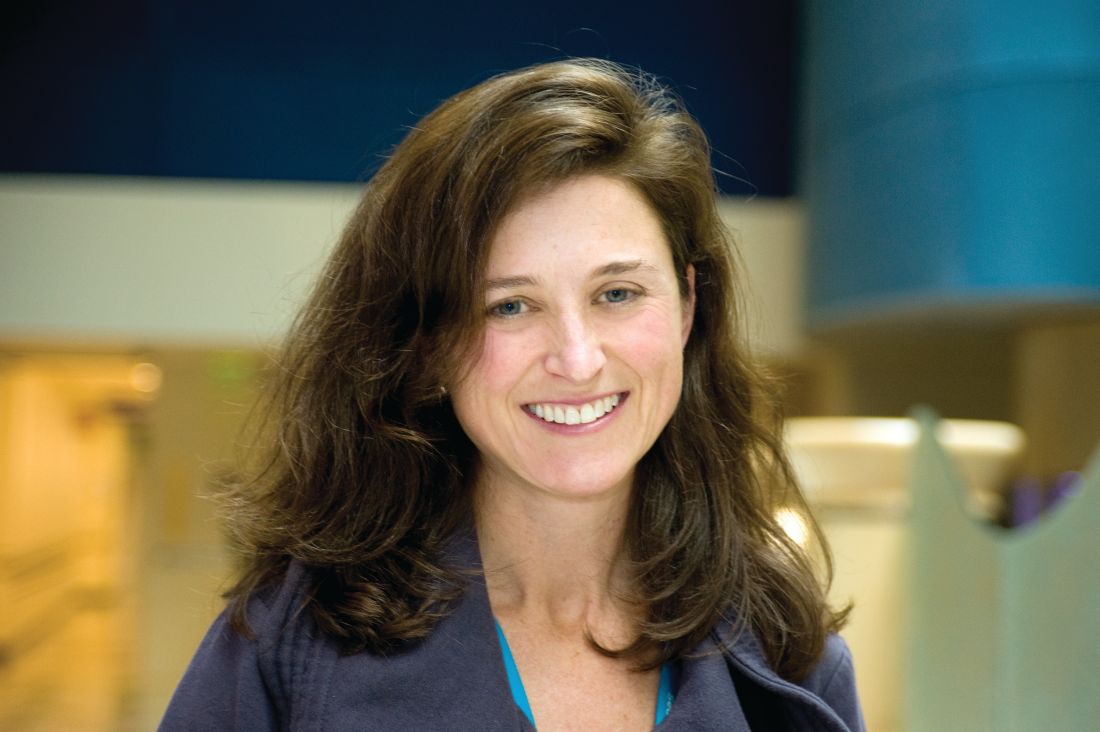
Online intervention aims to prevent teen depression
AT PAS 17
SAN FRANCISCO – One in eight teenagers experienced at least one major depressive episode in 2015, according to the National Institute for Mental Health. Yet the recent uptick in teen suicide rates suggests that U.S. mental health care services are not meeting their needs.
A team at the University of Illinois in Chicago, led by Benjamin Van Voorhees, MD, MPH, hopes so, and they have spent the past several years developing and testing such a program with a National Institute of Mental Health (NIMH) grant.
“Adolescents are in a really plastic moment in their psychobehavioral repertoire and brain development as they program themselves to adapt to adult life,” Dr. Van Voorhees said in an interview. “Right now we have nothing to offer those individuals other than an occasional referral to an overtaxed mental health system. The only rational strategy is a mass dissemination model, which is going to have to be technology.”
The CATCH-IT program is aimed at teens showing early signs of depression or predepressive symptoms as determined through screening during well checks or other visits for acute or chronic concerns. The study uses multiple screening tools in selecting participants, but Dr. Van Voorhees estimates that screening in practice would require about 1-2 minutes of a medical assistant’s or nurse’s time, followed by 1-2 minutes of the practitioner’s time for positive screens – “and one in five of those screens is going to be positive,” he said.
“The thing we want to convey to primary care practitioners is that these individuals are coming through your office every day, we’re doing nothing for them, and in some ways we are ignoring their enormous future potential adverse trajectory toward mental disorders,” he said.
The program includes 14 modules drawing on cognitive behavioral therapy, behavioral activation, interpersonal psychotherapy, and community resiliency. Six archetypal teens – such as teen living with a single mom or one whose parents are divorcing – are featured in each of the modules to demonstrate six ways of applying the strategies taught in that module. The archetypal teens are around 14-15 years old, but the program is aimed at teens aged 13-18 years, with a reading level at about grade 6, Dr. Van Voorhees said.
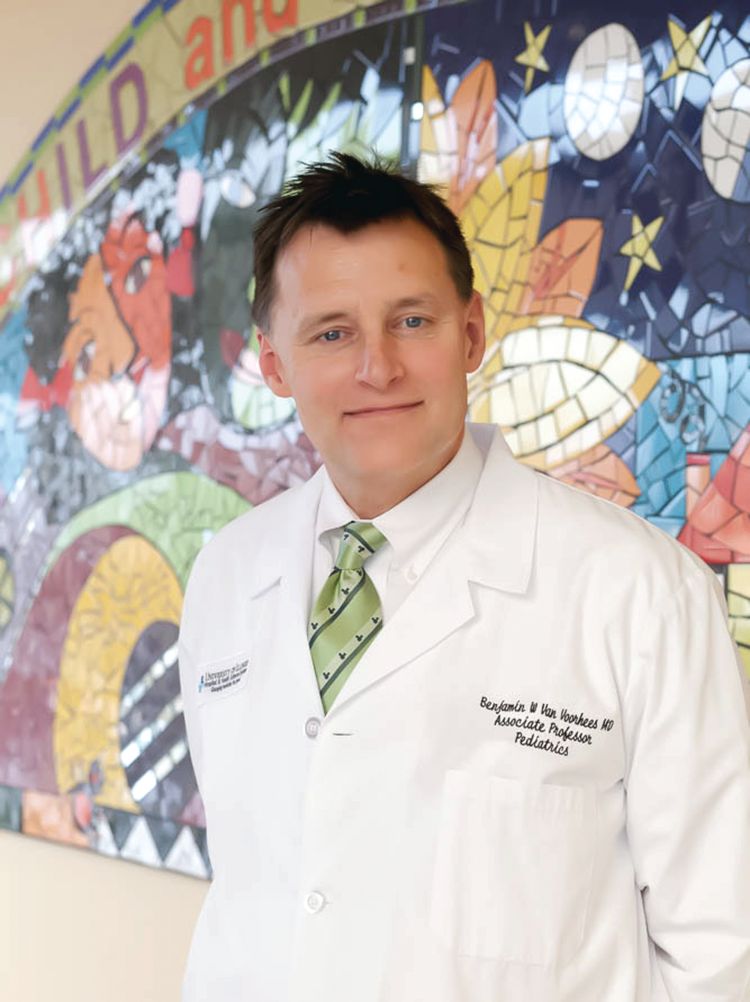
Two and a half years after those teens used the CATCH-IT intervention, they showed “a sustained reduction in automatic negative thoughts and educational impairment,” but no difference in their perceptions of support from family or friends. The lack of a control group in that pilot limits what conclusions can be drawn about the program’s effectiveness, but the researchers did learn that motivational interviewing led to greater engagement with the program, compared with teens who received a brief recommendation of it.
Therefore, in the subsequent – and still ongoing – study, physicians used motivational interviewing when offering teens the opportunity to join the program. That study does include a control group, in which participants are assigned a generic health education program online instead of CATCH-IT, and the randomized participants have been stratified by site, gender, and depression risk level.
The researchers first assessed the baseline characteristics of the population, recruited from 38 clinics in two cities. The study enrolled 369 teens aged 13-18 years – 248 in Chicago and 121 in Boston. All were identified as high risk for depression based on elevated scores on the Center for Epidemiological Studies Depression (CES-D) scale or the Kiddie Schedule for Affective Disorders Scale (K-SADS). Two thirds (68%) of participants are female, and most (63%) are in high school. About a third (34%) are in middle school. The racial/ethnic breakdown of the sample is 21% Hispanic, 26% black, 43% white, 4% Asian, 6% multiracial, and 1% other (which adds up to 101% due to rounding). More than half of the participants’ mothers (60%) and fathers (53%) were college graduates.
The teens completed the CES-D, the Screen for Child Related Anxiety Disorders (SCARED), the Beck Hopelessness Scale (BHS), the CRAFFT screening for adolescent substance misuse and the Disruptive Behaviors Disorder Scale (DBD-A). A parent of each teen also filled out the CES-D and DBD-A.
The baseline results did not suggest any concerns about substance use, hopelessness, or disruptive behaviors such as ADHD or conduct disorder. But the average scores on the CES-D and SCARED sat just at the threshold for a potential depressive or anxiety disorders. A CES-D score of at least 16 suggests a possible depressive disorder, and a SCARED score of at least 25 suggests a possible anxiety disorder. The mean scores on the teens’ CES-D were 17.7 in the Chicago cohort, 15.4 in the Boston cohort and 16.9 for the whole group. Similarly, the SCARED mean scores were 26.3 in the Chicago cohort, 23.5 in the Boston cohort and 25.3 overall.
Scores from K-SADS showed subthreshold levels of depressed mood in 36% of teens in both cities, and a nearly identical subthreshold level of irritability. Subthreshold anhedonia was identified in 20% of the overall population. One percent of the overall population had current suicidal ideation.
The next steps are to analyze outcomes among the participants, as the team is doing currently. They have just passed the 1-year anniversary of the trial and are analyzing the data they collected over the past year. The study will run an additional year for longer-term data collection.
One of the abstracts presented at PAS explored the economic implications of incorporating CATCH-IT in primary care.
“The cost for implementation is where the challenge is,” Dr. Van Voorhees said. “Screening takes time, and calling people takes time.” But when spread across a practice’s overall clientele in a year, the costs drop considerably, he said, and savings from effective identification and depression prevention may outweigh costs. The researchers have not yet conducted a cost-effectiveness study because they still are analyzing data on outcomes.
But Dr. Van Voorhees is optimistic about the possibilities of the program.
“What this entire model is about is, how do we understand what’s going on in the environment of the primary care clinic to find these people, identify them, and motivate them, and how can we give them something relevant enough to actually complete,” Dr. Van Voorhees said in the interview. “Then, let’s actually see if it changes their behavioral trajectory.”
The National Institute of Mental Health funded the research. Dr. Van Voorhees has consulted for Prevail Health Solutions, Mevident, Social Kinetics, and Hong Kong University on development of Internet-based interventions.
AT PAS 17
SAN FRANCISCO – One in eight teenagers experienced at least one major depressive episode in 2015, according to the National Institute for Mental Health. Yet the recent uptick in teen suicide rates suggests that U.S. mental health care services are not meeting their needs.
A team at the University of Illinois in Chicago, led by Benjamin Van Voorhees, MD, MPH, hopes so, and they have spent the past several years developing and testing such a program with a National Institute of Mental Health (NIMH) grant.
“Adolescents are in a really plastic moment in their psychobehavioral repertoire and brain development as they program themselves to adapt to adult life,” Dr. Van Voorhees said in an interview. “Right now we have nothing to offer those individuals other than an occasional referral to an overtaxed mental health system. The only rational strategy is a mass dissemination model, which is going to have to be technology.”
The CATCH-IT program is aimed at teens showing early signs of depression or predepressive symptoms as determined through screening during well checks or other visits for acute or chronic concerns. The study uses multiple screening tools in selecting participants, but Dr. Van Voorhees estimates that screening in practice would require about 1-2 minutes of a medical assistant’s or nurse’s time, followed by 1-2 minutes of the practitioner’s time for positive screens – “and one in five of those screens is going to be positive,” he said.
“The thing we want to convey to primary care practitioners is that these individuals are coming through your office every day, we’re doing nothing for them, and in some ways we are ignoring their enormous future potential adverse trajectory toward mental disorders,” he said.
The program includes 14 modules drawing on cognitive behavioral therapy, behavioral activation, interpersonal psychotherapy, and community resiliency. Six archetypal teens – such as teen living with a single mom or one whose parents are divorcing – are featured in each of the modules to demonstrate six ways of applying the strategies taught in that module. The archetypal teens are around 14-15 years old, but the program is aimed at teens aged 13-18 years, with a reading level at about grade 6, Dr. Van Voorhees said.
Two and a half years after those teens used the CATCH-IT intervention, they showed “a sustained reduction in automatic negative thoughts and educational impairment,” but no difference in their perceptions of support from family or friends. The lack of a control group in that pilot limits what conclusions can be drawn about the program’s effectiveness, but the researchers did learn that motivational interviewing led to greater engagement with the program, compared with teens who received a brief recommendation of it.
Therefore, in the subsequent – and still ongoing – study, physicians used motivational interviewing when offering teens the opportunity to join the program. That study does include a control group, in which participants are assigned a generic health education program online instead of CATCH-IT, and the randomized participants have been stratified by site, gender, and depression risk level.
The researchers first assessed the baseline characteristics of the population, recruited from 38 clinics in two cities. The study enrolled 369 teens aged 13-18 years – 248 in Chicago and 121 in Boston. All were identified as high risk for depression based on elevated scores on the Center for Epidemiological Studies Depression (CES-D) scale or the Kiddie Schedule for Affective Disorders Scale (K-SADS). Two thirds (68%) of participants are female, and most (63%) are in high school. About a third (34%) are in middle school. The racial/ethnic breakdown of the sample is 21% Hispanic, 26% black, 43% white, 4% Asian, 6% multiracial, and 1% other (which adds up to 101% due to rounding). More than half of the participants’ mothers (60%) and fathers (53%) were college graduates.
The teens completed the CES-D, the Screen for Child Related Anxiety Disorders (SCARED), the Beck Hopelessness Scale (BHS), the CRAFFT screening for adolescent substance misuse and the Disruptive Behaviors Disorder Scale (DBD-A). A parent of each teen also filled out the CES-D and DBD-A.
The baseline results did not suggest any concerns about substance use, hopelessness, or disruptive behaviors such as ADHD or conduct disorder. But the average scores on the CES-D and SCARED sat just at the threshold for a potential depressive or anxiety disorders. A CES-D score of at least 16 suggests a possible depressive disorder, and a SCARED score of at least 25 suggests a possible anxiety disorder. The mean scores on the teens’ CES-D were 17.7 in the Chicago cohort, 15.4 in the Boston cohort and 16.9 for the whole group. Similarly, the SCARED mean scores were 26.3 in the Chicago cohort, 23.5 in the Boston cohort and 25.3 overall.
Scores from K-SADS showed subthreshold levels of depressed mood in 36% of teens in both cities, and a nearly identical subthreshold level of irritability. Subthreshold anhedonia was identified in 20% of the overall population. One percent of the overall population had current suicidal ideation.
The next steps are to analyze outcomes among the participants, as the team is doing currently. They have just passed the 1-year anniversary of the trial and are analyzing the data they collected over the past year. The study will run an additional year for longer-term data collection.
One of the abstracts presented at PAS explored the economic implications of incorporating CATCH-IT in primary care.
“The cost for implementation is where the challenge is,” Dr. Van Voorhees said. “Screening takes time, and calling people takes time.” But when spread across a practice’s overall clientele in a year, the costs drop considerably, he said, and savings from effective identification and depression prevention may outweigh costs. The researchers have not yet conducted a cost-effectiveness study because they still are analyzing data on outcomes.
But Dr. Van Voorhees is optimistic about the possibilities of the program.
“What this entire model is about is, how do we understand what’s going on in the environment of the primary care clinic to find these people, identify them, and motivate them, and how can we give them something relevant enough to actually complete,” Dr. Van Voorhees said in the interview. “Then, let’s actually see if it changes their behavioral trajectory.”
The National Institute of Mental Health funded the research. Dr. Van Voorhees has consulted for Prevail Health Solutions, Mevident, Social Kinetics, and Hong Kong University on development of Internet-based interventions.
AT PAS 17
SAN FRANCISCO – One in eight teenagers experienced at least one major depressive episode in 2015, according to the National Institute for Mental Health. Yet the recent uptick in teen suicide rates suggests that U.S. mental health care services are not meeting their needs.
A team at the University of Illinois in Chicago, led by Benjamin Van Voorhees, MD, MPH, hopes so, and they have spent the past several years developing and testing such a program with a National Institute of Mental Health (NIMH) grant.
“Adolescents are in a really plastic moment in their psychobehavioral repertoire and brain development as they program themselves to adapt to adult life,” Dr. Van Voorhees said in an interview. “Right now we have nothing to offer those individuals other than an occasional referral to an overtaxed mental health system. The only rational strategy is a mass dissemination model, which is going to have to be technology.”
The CATCH-IT program is aimed at teens showing early signs of depression or predepressive symptoms as determined through screening during well checks or other visits for acute or chronic concerns. The study uses multiple screening tools in selecting participants, but Dr. Van Voorhees estimates that screening in practice would require about 1-2 minutes of a medical assistant’s or nurse’s time, followed by 1-2 minutes of the practitioner’s time for positive screens – “and one in five of those screens is going to be positive,” he said.
“The thing we want to convey to primary care practitioners is that these individuals are coming through your office every day, we’re doing nothing for them, and in some ways we are ignoring their enormous future potential adverse trajectory toward mental disorders,” he said.
The program includes 14 modules drawing on cognitive behavioral therapy, behavioral activation, interpersonal psychotherapy, and community resiliency. Six archetypal teens – such as teen living with a single mom or one whose parents are divorcing – are featured in each of the modules to demonstrate six ways of applying the strategies taught in that module. The archetypal teens are around 14-15 years old, but the program is aimed at teens aged 13-18 years, with a reading level at about grade 6, Dr. Van Voorhees said.
Two and a half years after those teens used the CATCH-IT intervention, they showed “a sustained reduction in automatic negative thoughts and educational impairment,” but no difference in their perceptions of support from family or friends. The lack of a control group in that pilot limits what conclusions can be drawn about the program’s effectiveness, but the researchers did learn that motivational interviewing led to greater engagement with the program, compared with teens who received a brief recommendation of it.
Therefore, in the subsequent – and still ongoing – study, physicians used motivational interviewing when offering teens the opportunity to join the program. That study does include a control group, in which participants are assigned a generic health education program online instead of CATCH-IT, and the randomized participants have been stratified by site, gender, and depression risk level.
The researchers first assessed the baseline characteristics of the population, recruited from 38 clinics in two cities. The study enrolled 369 teens aged 13-18 years – 248 in Chicago and 121 in Boston. All were identified as high risk for depression based on elevated scores on the Center for Epidemiological Studies Depression (CES-D) scale or the Kiddie Schedule for Affective Disorders Scale (K-SADS). Two thirds (68%) of participants are female, and most (63%) are in high school. About a third (34%) are in middle school. The racial/ethnic breakdown of the sample is 21% Hispanic, 26% black, 43% white, 4% Asian, 6% multiracial, and 1% other (which adds up to 101% due to rounding). More than half of the participants’ mothers (60%) and fathers (53%) were college graduates.
The teens completed the CES-D, the Screen for Child Related Anxiety Disorders (SCARED), the Beck Hopelessness Scale (BHS), the CRAFFT screening for adolescent substance misuse and the Disruptive Behaviors Disorder Scale (DBD-A). A parent of each teen also filled out the CES-D and DBD-A.
The baseline results did not suggest any concerns about substance use, hopelessness, or disruptive behaviors such as ADHD or conduct disorder. But the average scores on the CES-D and SCARED sat just at the threshold for a potential depressive or anxiety disorders. A CES-D score of at least 16 suggests a possible depressive disorder, and a SCARED score of at least 25 suggests a possible anxiety disorder. The mean scores on the teens’ CES-D were 17.7 in the Chicago cohort, 15.4 in the Boston cohort and 16.9 for the whole group. Similarly, the SCARED mean scores were 26.3 in the Chicago cohort, 23.5 in the Boston cohort and 25.3 overall.
Scores from K-SADS showed subthreshold levels of depressed mood in 36% of teens in both cities, and a nearly identical subthreshold level of irritability. Subthreshold anhedonia was identified in 20% of the overall population. One percent of the overall population had current suicidal ideation.
The next steps are to analyze outcomes among the participants, as the team is doing currently. They have just passed the 1-year anniversary of the trial and are analyzing the data they collected over the past year. The study will run an additional year for longer-term data collection.
One of the abstracts presented at PAS explored the economic implications of incorporating CATCH-IT in primary care.
“The cost for implementation is where the challenge is,” Dr. Van Voorhees said. “Screening takes time, and calling people takes time.” But when spread across a practice’s overall clientele in a year, the costs drop considerably, he said, and savings from effective identification and depression prevention may outweigh costs. The researchers have not yet conducted a cost-effectiveness study because they still are analyzing data on outcomes.
But Dr. Van Voorhees is optimistic about the possibilities of the program.
“What this entire model is about is, how do we understand what’s going on in the environment of the primary care clinic to find these people, identify them, and motivate them, and how can we give them something relevant enough to actually complete,” Dr. Van Voorhees said in the interview. “Then, let’s actually see if it changes their behavioral trajectory.”
The National Institute of Mental Health funded the research. Dr. Van Voorhees has consulted for Prevail Health Solutions, Mevident, Social Kinetics, and Hong Kong University on development of Internet-based interventions.
... The mother of direction
If you weren’t a young male living in the United States in the 1960s, it may be hard for you to understand my situation. It was a little more than 6 months from my college graduation. Because I couldn’t think of anything else to do, I had applied for and been accepted in a postgraduate fellowship in art history. However, it was clear that this country was becoming entangled in a confusing, unpopular – and from my personal perspective – a dangerous war.
While I was in college I was protected from the draft. But upon graduation, if I were to pursue my studies in something as unrelated to the war effort as art history, I would be ripe for the picking. I’m not sure why, but luckily I had been banking science credits for a rainy day. And in the winter of 1965-1966, it was raining big time.

I was not alone. Even if the term “gap year” had been coined, taking a year off to “find oneself” was not an option for young American males on the verge of high school or college graduation. I share this unflattering anecdote as evidence that there are times when circumstances can provide a floundering young person with a much needed sense of direction.
In May 2017, the Chicago Board of Education approved a plan sponsored by Mayor Rahm Emanuel that will require all high school students planning to graduate to provide evidence that they have secured a job or have been accepted by a college, trade apprenticeship, structured gap year program, or the military. (“Chicago won’t allow high school students to graduate without a plan for the future,” by Emma Brown, the Washington Post, July 3, 2017). Critics of the plan complain, probably with good reason, that the cash-strapped school system with more than 300,000 students doesn’t have the resources to provide its students with the counseling they will need to create the required post-graduation plans.
Even if there are too many devils in too many details in the Chicago plan, the principle underlying it is worth a try and deserves consideration by other school systems. It is not a universal military service requirement. Although, I wonder at times if this country should consider such a thing. It also is not a scheme cooked up by the business community to provide itself with cheap labor, although, it probably will.
In my mind, . Hopefully something that is productive or creative or at least something that improves your chances of living a life that is more likely to provide you with some degree of happiness. It offers a broad enough range of choices so that it is not overly prescriptive. If well administered, the plan would send the message to the graduating student that you must at least have a Plan A.
Regardless of whether a student’s patients come from affluent families with a myriad of post-graduation opportunities or from an economically challenged neighborhood in Chicago, I suspect that many of them would benefit from an artificial dose of necessity in the form of a message that doing nothing is not going to be an option.
Dr. Wilkoff practiced primary care pediatrics in Brunswick, Maine for nearly 40 years. He has authored several books on behavioral pediatrics, including “How to Say No to Your Toddler.” Email him at pdnews@frontlinemedcom.com.
If you weren’t a young male living in the United States in the 1960s, it may be hard for you to understand my situation. It was a little more than 6 months from my college graduation. Because I couldn’t think of anything else to do, I had applied for and been accepted in a postgraduate fellowship in art history. However, it was clear that this country was becoming entangled in a confusing, unpopular – and from my personal perspective – a dangerous war.
While I was in college I was protected from the draft. But upon graduation, if I were to pursue my studies in something as unrelated to the war effort as art history, I would be ripe for the picking. I’m not sure why, but luckily I had been banking science credits for a rainy day. And in the winter of 1965-1966, it was raining big time.
I was not alone. Even if the term “gap year” had been coined, taking a year off to “find oneself” was not an option for young American males on the verge of high school or college graduation. I share this unflattering anecdote as evidence that there are times when circumstances can provide a floundering young person with a much needed sense of direction.
In May 2017, the Chicago Board of Education approved a plan sponsored by Mayor Rahm Emanuel that will require all high school students planning to graduate to provide evidence that they have secured a job or have been accepted by a college, trade apprenticeship, structured gap year program, or the military. (“Chicago won’t allow high school students to graduate without a plan for the future,” by Emma Brown, the Washington Post, July 3, 2017). Critics of the plan complain, probably with good reason, that the cash-strapped school system with more than 300,000 students doesn’t have the resources to provide its students with the counseling they will need to create the required post-graduation plans.
Even if there are too many devils in too many details in the Chicago plan, the principle underlying it is worth a try and deserves consideration by other school systems. It is not a universal military service requirement. Although, I wonder at times if this country should consider such a thing. It also is not a scheme cooked up by the business community to provide itself with cheap labor, although, it probably will.
In my mind, . Hopefully something that is productive or creative or at least something that improves your chances of living a life that is more likely to provide you with some degree of happiness. It offers a broad enough range of choices so that it is not overly prescriptive. If well administered, the plan would send the message to the graduating student that you must at least have a Plan A.
Regardless of whether a student’s patients come from affluent families with a myriad of post-graduation opportunities or from an economically challenged neighborhood in Chicago, I suspect that many of them would benefit from an artificial dose of necessity in the form of a message that doing nothing is not going to be an option.
Dr. Wilkoff practiced primary care pediatrics in Brunswick, Maine for nearly 40 years. He has authored several books on behavioral pediatrics, including “How to Say No to Your Toddler.” Email him at pdnews@frontlinemedcom.com.
If you weren’t a young male living in the United States in the 1960s, it may be hard for you to understand my situation. It was a little more than 6 months from my college graduation. Because I couldn’t think of anything else to do, I had applied for and been accepted in a postgraduate fellowship in art history. However, it was clear that this country was becoming entangled in a confusing, unpopular – and from my personal perspective – a dangerous war.
While I was in college I was protected from the draft. But upon graduation, if I were to pursue my studies in something as unrelated to the war effort as art history, I would be ripe for the picking. I’m not sure why, but luckily I had been banking science credits for a rainy day. And in the winter of 1965-1966, it was raining big time.
I was not alone. Even if the term “gap year” had been coined, taking a year off to “find oneself” was not an option for young American males on the verge of high school or college graduation. I share this unflattering anecdote as evidence that there are times when circumstances can provide a floundering young person with a much needed sense of direction.
In May 2017, the Chicago Board of Education approved a plan sponsored by Mayor Rahm Emanuel that will require all high school students planning to graduate to provide evidence that they have secured a job or have been accepted by a college, trade apprenticeship, structured gap year program, or the military. (“Chicago won’t allow high school students to graduate without a plan for the future,” by Emma Brown, the Washington Post, July 3, 2017). Critics of the plan complain, probably with good reason, that the cash-strapped school system with more than 300,000 students doesn’t have the resources to provide its students with the counseling they will need to create the required post-graduation plans.
Even if there are too many devils in too many details in the Chicago plan, the principle underlying it is worth a try and deserves consideration by other school systems. It is not a universal military service requirement. Although, I wonder at times if this country should consider such a thing. It also is not a scheme cooked up by the business community to provide itself with cheap labor, although, it probably will.
In my mind, . Hopefully something that is productive or creative or at least something that improves your chances of living a life that is more likely to provide you with some degree of happiness. It offers a broad enough range of choices so that it is not overly prescriptive. If well administered, the plan would send the message to the graduating student that you must at least have a Plan A.
Regardless of whether a student’s patients come from affluent families with a myriad of post-graduation opportunities or from an economically challenged neighborhood in Chicago, I suspect that many of them would benefit from an artificial dose of necessity in the form of a message that doing nothing is not going to be an option.
Dr. Wilkoff practiced primary care pediatrics in Brunswick, Maine for nearly 40 years. He has authored several books on behavioral pediatrics, including “How to Say No to Your Toddler.” Email him at pdnews@frontlinemedcom.com.