User login
Skin of Color: Melasma Education for Patients
Melasma can be a distressing condition for our darker skinned patients. When educating them about sun protection, remind them that:
1. SPF only refers to protection against UVB radiation; it has no implication on the amount of protection against UVA. UVA is highly implicated in the progression of melasma. UVA even penetrates window glass so, if your patients drive, sit near a window, and/or are "never in the sun," remind them that they still need UVA and UVB protection every day.
2. Sunscreen needs to be applied 365 days a year. Ultraviolet light is present on cloudy, snowy, and rainy days.

3. "Broad spectrum" does not mean complete coverage. The two sunscreens that offer complete coverage against both UVA and UVB are Anthelios with Mexoryl and Neutrogena with Helioplex technology.
4. Heat can worsen melasma. If your patients work around heat, such as cooking by a hot stove or being around hot air, the heat can contribute to their melasma.
5. Computer monitors emit a small amount of UV. Suggest that melasma patients purchase a UV shield for their screens.
6. UV bracelets or beads help monitor the amount of UV in a given area. With the help of the devices, patients can monitor the amount of UV at home, at work, and in their car. Consider demonstrating the technology to your patients in the office to teach them about UV exposures in their daily environments.
7. Purchasing sunscreens with high SPF and broad spectrum coverage can be difficult. Most sunscreens leave a white or ashy residue on darker skin. Sunscreens with micronized titanium dioxide or zinc oxide can minimize the white residue and are more cosmetically appealing. Similarly, newer foundations and makeup products on the market have been developed that contain high SPF sunscreens in a tinted base. Some of my favorites include Laura Mercier tinted moisturizer and Revision Intellishade. Both have a small amount of tint to counteract the white appearance on darker skin.
8. Practice aggressive sun avoidance and protection before medical management. I don’t treat any patient with melasma unless they are vigilant about sun protection. The lasers, bleaching creams, medications (such as retinoids), and peels we use to treat melasma can make the skin more susceptible to UV radiation which can make melasma worse.
- Lily Talakoub, M.D.
Melasma can be a distressing condition for our darker skinned patients. When educating them about sun protection, remind them that:
1. SPF only refers to protection against UVB radiation; it has no implication on the amount of protection against UVA. UVA is highly implicated in the progression of melasma. UVA even penetrates window glass so, if your patients drive, sit near a window, and/or are "never in the sun," remind them that they still need UVA and UVB protection every day.
2. Sunscreen needs to be applied 365 days a year. Ultraviolet light is present on cloudy, snowy, and rainy days.
3. "Broad spectrum" does not mean complete coverage. The two sunscreens that offer complete coverage against both UVA and UVB are Anthelios with Mexoryl and Neutrogena with Helioplex technology.
4. Heat can worsen melasma. If your patients work around heat, such as cooking by a hot stove or being around hot air, the heat can contribute to their melasma.
5. Computer monitors emit a small amount of UV. Suggest that melasma patients purchase a UV shield for their screens.
6. UV bracelets or beads help monitor the amount of UV in a given area. With the help of the devices, patients can monitor the amount of UV at home, at work, and in their car. Consider demonstrating the technology to your patients in the office to teach them about UV exposures in their daily environments.
7. Purchasing sunscreens with high SPF and broad spectrum coverage can be difficult. Most sunscreens leave a white or ashy residue on darker skin. Sunscreens with micronized titanium dioxide or zinc oxide can minimize the white residue and are more cosmetically appealing. Similarly, newer foundations and makeup products on the market have been developed that contain high SPF sunscreens in a tinted base. Some of my favorites include Laura Mercier tinted moisturizer and Revision Intellishade. Both have a small amount of tint to counteract the white appearance on darker skin.
8. Practice aggressive sun avoidance and protection before medical management. I don’t treat any patient with melasma unless they are vigilant about sun protection. The lasers, bleaching creams, medications (such as retinoids), and peels we use to treat melasma can make the skin more susceptible to UV radiation which can make melasma worse.
- Lily Talakoub, M.D.
Melasma can be a distressing condition for our darker skinned patients. When educating them about sun protection, remind them that:
1. SPF only refers to protection against UVB radiation; it has no implication on the amount of protection against UVA. UVA is highly implicated in the progression of melasma. UVA even penetrates window glass so, if your patients drive, sit near a window, and/or are "never in the sun," remind them that they still need UVA and UVB protection every day.
2. Sunscreen needs to be applied 365 days a year. Ultraviolet light is present on cloudy, snowy, and rainy days.
3. "Broad spectrum" does not mean complete coverage. The two sunscreens that offer complete coverage against both UVA and UVB are Anthelios with Mexoryl and Neutrogena with Helioplex technology.
4. Heat can worsen melasma. If your patients work around heat, such as cooking by a hot stove or being around hot air, the heat can contribute to their melasma.
5. Computer monitors emit a small amount of UV. Suggest that melasma patients purchase a UV shield for their screens.
6. UV bracelets or beads help monitor the amount of UV in a given area. With the help of the devices, patients can monitor the amount of UV at home, at work, and in their car. Consider demonstrating the technology to your patients in the office to teach them about UV exposures in their daily environments.
7. Purchasing sunscreens with high SPF and broad spectrum coverage can be difficult. Most sunscreens leave a white or ashy residue on darker skin. Sunscreens with micronized titanium dioxide or zinc oxide can minimize the white residue and are more cosmetically appealing. Similarly, newer foundations and makeup products on the market have been developed that contain high SPF sunscreens in a tinted base. Some of my favorites include Laura Mercier tinted moisturizer and Revision Intellishade. Both have a small amount of tint to counteract the white appearance on darker skin.
8. Practice aggressive sun avoidance and protection before medical management. I don’t treat any patient with melasma unless they are vigilant about sun protection. The lasers, bleaching creams, medications (such as retinoids), and peels we use to treat melasma can make the skin more susceptible to UV radiation which can make melasma worse.
- Lily Talakoub, M.D.
Tanning Salons Mislead Teens, Congressional Probe Finds
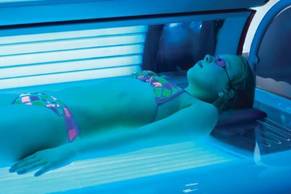
Many tanning salons are downplaying the health risks associated with indoor tanning while claiming that time in a tanning bed offers an array of health benefits, according to an investigative report from Democrats on the House Energy and Commerce Committee.
Committee investigators, posing as fair-skinned teenage girls, called 300 tanning salons across the country, and found that 90% said that the use of tanning beds did not pose a health risk. When pressed about skin cancer risks, some salon employees said the link to indoor tanning was "hype" or "a big myth."
"I think it validates what we’ve been saying as dermatologists for many years," said Dr. Bruce A. Brod of the University of Pennsylvania, Philadelphia. "Unfortunately, the indoor tanning industry does not responsibly regulate [itself]."
Dr. Brod said he’s not surprised by the report’s findings. "I hear those stories all the time" from patients who have used tanning salons, he said.
The American Academy of Dermatology Association called on Congress and the states to better regulate indoor tanning. In a statement, the AADA said states should follow California’s example and ban indoor tanning among young adults under the age of 18. The organization also urged Congress to pass H.R. 1676, the Tanning Bed Cancer Control Act, which instructs the Food and Drug Administration to reexamine the way it regulates tanning beds.
The congressional investigation was requested by Rep. Carolyn Maloney (D- N.Y.), sponsor of H.R. 1676, along with other top Democrats on the House Energy and Commerce Committee.
The Indoor Tanning Association (ITA) criticized the way the investigation was conducted. Association spokesman John Overstreet said the study was flawed because it was constructed by people who already have an unfavorable opinion of the industry. It was also "unfair" for committee investigators to rely on information given over the phone to undercover investigators.
The experience would be far different if a teenager came into a tanning salon accompanied by a parent, he said, adding that in such a situation the information provided likely would be much more comprehensive and would include a discussion about potential risks.
But while the ITA disputes the findings, the organization acknowledged the need to reevaluate how the tanning salon industry could better ensure that salons provide accurate and consistent information to all consumers.
Congressional investigators also found that 78% of the tanning salons they contacted touted some type of health benefits from indoor tanning, ranging from the treatment of depression to weight loss. Salon employees also told investigators that young people were not at risk for developing skin cancer and that the rising rates of cancer were linked to the increased use of sunscreen.
The report also took the tanning industry to task for targeting teenage girls in their marketing materials. The investigators found that tanning salons often offered student discounts or other promotions for prom, homecoming, and back-to-school.
Many tanning salons are downplaying the health risks associated with indoor tanning while claiming that time in a tanning bed offers an array of health benefits, according to an investigative report from Democrats on the House Energy and Commerce Committee.
Committee investigators, posing as fair-skinned teenage girls, called 300 tanning salons across the country, and found that 90% said that the use of tanning beds did not pose a health risk. When pressed about skin cancer risks, some salon employees said the link to indoor tanning was "hype" or "a big myth."
"I think it validates what we’ve been saying as dermatologists for many years," said Dr. Bruce A. Brod of the University of Pennsylvania, Philadelphia. "Unfortunately, the indoor tanning industry does not responsibly regulate [itself]."
Dr. Brod said he’s not surprised by the report’s findings. "I hear those stories all the time" from patients who have used tanning salons, he said.
The American Academy of Dermatology Association called on Congress and the states to better regulate indoor tanning. In a statement, the AADA said states should follow California’s example and ban indoor tanning among young adults under the age of 18. The organization also urged Congress to pass H.R. 1676, the Tanning Bed Cancer Control Act, which instructs the Food and Drug Administration to reexamine the way it regulates tanning beds.
The congressional investigation was requested by Rep. Carolyn Maloney (D- N.Y.), sponsor of H.R. 1676, along with other top Democrats on the House Energy and Commerce Committee.
The Indoor Tanning Association (ITA) criticized the way the investigation was conducted. Association spokesman John Overstreet said the study was flawed because it was constructed by people who already have an unfavorable opinion of the industry. It was also "unfair" for committee investigators to rely on information given over the phone to undercover investigators.
The experience would be far different if a teenager came into a tanning salon accompanied by a parent, he said, adding that in such a situation the information provided likely would be much more comprehensive and would include a discussion about potential risks.
But while the ITA disputes the findings, the organization acknowledged the need to reevaluate how the tanning salon industry could better ensure that salons provide accurate and consistent information to all consumers.
Congressional investigators also found that 78% of the tanning salons they contacted touted some type of health benefits from indoor tanning, ranging from the treatment of depression to weight loss. Salon employees also told investigators that young people were not at risk for developing skin cancer and that the rising rates of cancer were linked to the increased use of sunscreen.
The report also took the tanning industry to task for targeting teenage girls in their marketing materials. The investigators found that tanning salons often offered student discounts or other promotions for prom, homecoming, and back-to-school.
Many tanning salons are downplaying the health risks associated with indoor tanning while claiming that time in a tanning bed offers an array of health benefits, according to an investigative report from Democrats on the House Energy and Commerce Committee.
Committee investigators, posing as fair-skinned teenage girls, called 300 tanning salons across the country, and found that 90% said that the use of tanning beds did not pose a health risk. When pressed about skin cancer risks, some salon employees said the link to indoor tanning was "hype" or "a big myth."
"I think it validates what we’ve been saying as dermatologists for many years," said Dr. Bruce A. Brod of the University of Pennsylvania, Philadelphia. "Unfortunately, the indoor tanning industry does not responsibly regulate [itself]."
Dr. Brod said he’s not surprised by the report’s findings. "I hear those stories all the time" from patients who have used tanning salons, he said.
The American Academy of Dermatology Association called on Congress and the states to better regulate indoor tanning. In a statement, the AADA said states should follow California’s example and ban indoor tanning among young adults under the age of 18. The organization also urged Congress to pass H.R. 1676, the Tanning Bed Cancer Control Act, which instructs the Food and Drug Administration to reexamine the way it regulates tanning beds.
The congressional investigation was requested by Rep. Carolyn Maloney (D- N.Y.), sponsor of H.R. 1676, along with other top Democrats on the House Energy and Commerce Committee.
The Indoor Tanning Association (ITA) criticized the way the investigation was conducted. Association spokesman John Overstreet said the study was flawed because it was constructed by people who already have an unfavorable opinion of the industry. It was also "unfair" for committee investigators to rely on information given over the phone to undercover investigators.
The experience would be far different if a teenager came into a tanning salon accompanied by a parent, he said, adding that in such a situation the information provided likely would be much more comprehensive and would include a discussion about potential risks.
But while the ITA disputes the findings, the organization acknowledged the need to reevaluate how the tanning salon industry could better ensure that salons provide accurate and consistent information to all consumers.
Congressional investigators also found that 78% of the tanning salons they contacted touted some type of health benefits from indoor tanning, ranging from the treatment of depression to weight loss. Salon employees also told investigators that young people were not at risk for developing skin cancer and that the rising rates of cancer were linked to the increased use of sunscreen.
The report also took the tanning industry to task for targeting teenage girls in their marketing materials. The investigators found that tanning salons often offered student discounts or other promotions for prom, homecoming, and back-to-school.
Mole Picking Lorikeets: The Skinny Podcast
In this month's podcast, Reporter Naseem Miller talks with Dr. Terry Cronin about a research review of medical malpractice claims filed in Florida. The findings may surprise you.
Reporter Heidi Splete chats with Dr. Doris Hexel about why when it comes to injections, less is more in the lower face.

And Reporter Jeff Evans covers a shocking finding: many melanoma survivors aren't using sunscreen.
In this month's Cosmetic Counter segment, Dr. Lily Talakoub discusses the effectiveness of anti-aging products.
And last but not least, Dr. Alan Rockoff shares a story about mole picking lorikeets.
Don't miss another episode of The Skinny Podcast; subscribe on iTunes!
In this month's podcast, Reporter Naseem Miller talks with Dr. Terry Cronin about a research review of medical malpractice claims filed in Florida. The findings may surprise you.
Reporter Heidi Splete chats with Dr. Doris Hexel about why when it comes to injections, less is more in the lower face.
And Reporter Jeff Evans covers a shocking finding: many melanoma survivors aren't using sunscreen.
In this month's Cosmetic Counter segment, Dr. Lily Talakoub discusses the effectiveness of anti-aging products.
And last but not least, Dr. Alan Rockoff shares a story about mole picking lorikeets.
Don't miss another episode of The Skinny Podcast; subscribe on iTunes!
In this month's podcast, Reporter Naseem Miller talks with Dr. Terry Cronin about a research review of medical malpractice claims filed in Florida. The findings may surprise you.
Reporter Heidi Splete chats with Dr. Doris Hexel about why when it comes to injections, less is more in the lower face.
And Reporter Jeff Evans covers a shocking finding: many melanoma survivors aren't using sunscreen.
In this month's Cosmetic Counter segment, Dr. Lily Talakoub discusses the effectiveness of anti-aging products.
And last but not least, Dr. Alan Rockoff shares a story about mole picking lorikeets.
Don't miss another episode of The Skinny Podcast; subscribe on iTunes!
Vismodegib Receives FDA Approval for Metastatic BCC
The Food and Drug Administration has approved vismodegib, an oral, once-daily medication for adults with locally advanced and metastatic advanced basal cell carcinoma on Jan. 30.
Vismodegib (Erivedge) is the first medication approved for metastatic BCC and was approved ahead of its March 8 statutory review date, according to a statement from the FDA.
The drug works by inhibiting the hedgehog pathway, which is active in most BCCs. "Our understanding of molecular pathways involved in cancer, such as the hedgehog pathway, has enabled the development of targeted drugs for specific diseases," said Dr. Richard Pazdur, director of the FDA’s Office of Hematology and Oncology Products, in a statement.
"Today’s approval provides a new treatment for people with advanced basal cell carcinoma who, until now, had no approved medicines to help shrink disfiguring or potentially life-threatening lesions," Dr. Hal Barron, Genentech’s chief medical officer and head of global product development, said in a statement.
The FDA based its approval on a single-arm, multicenter phase II study, ERIVANCE BCC. The open-label study enrolled 104 patients with locally advanced or metastatic BCC but, according to the FDA, approval was based on evaluations of 96 patients. Study participants took 150 mg vismodegib once daily.
The primary end point was objective response rate, that is, the percentage of patients who experienced complete and partial shrinkage or disappearance of the cancerous lesions after treatment. A total of 43% of patients with locally advanced BCC had partial or complete response (27 of 63) and 30% with metastatic disease had a partial response (10 of 33), according to Genentech. The median duration of response was 7.6 months.
The most common side effects were muscle spasms, hair loss, weight loss, nausea, diarrhea, fatigue, distorted sense of taste or loss of taste, decreased appetite, constipation, vomiting, and aching joints.
Vismodegib will carry a boxed warning about a potential risk of death or severe birth effects to a fetus. The FDA is not requiring a birth defects risk management program for vismodegib, but Genentech is advising female patients to use "highly effective" birth control before, during, and for 7 months after the last dose of treatment. Men should use a condom with spermicide, even if they have had a vasectomy, during sex with female partners during treatment and for 2 months after the last dose.
The company said that pregnant women are being encouraged to participate in the Erivedge pregnancy pharmacovigilance program, which collects information about exposure to that drug during pregnancy and the effects on the mother and her unborn child.
Vismodegib will be available in the United States within a few weeks and will be distributed through specialty pharmacies, according to Genentech.
The Food and Drug Administration has approved vismodegib, an oral, once-daily medication for adults with locally advanced and metastatic advanced basal cell carcinoma on Jan. 30.
Vismodegib (Erivedge) is the first medication approved for metastatic BCC and was approved ahead of its March 8 statutory review date, according to a statement from the FDA.
The drug works by inhibiting the hedgehog pathway, which is active in most BCCs. "Our understanding of molecular pathways involved in cancer, such as the hedgehog pathway, has enabled the development of targeted drugs for specific diseases," said Dr. Richard Pazdur, director of the FDA’s Office of Hematology and Oncology Products, in a statement.
"Today’s approval provides a new treatment for people with advanced basal cell carcinoma who, until now, had no approved medicines to help shrink disfiguring or potentially life-threatening lesions," Dr. Hal Barron, Genentech’s chief medical officer and head of global product development, said in a statement.
The FDA based its approval on a single-arm, multicenter phase II study, ERIVANCE BCC. The open-label study enrolled 104 patients with locally advanced or metastatic BCC but, according to the FDA, approval was based on evaluations of 96 patients. Study participants took 150 mg vismodegib once daily.
The primary end point was objective response rate, that is, the percentage of patients who experienced complete and partial shrinkage or disappearance of the cancerous lesions after treatment. A total of 43% of patients with locally advanced BCC had partial or complete response (27 of 63) and 30% with metastatic disease had a partial response (10 of 33), according to Genentech. The median duration of response was 7.6 months.
The most common side effects were muscle spasms, hair loss, weight loss, nausea, diarrhea, fatigue, distorted sense of taste or loss of taste, decreased appetite, constipation, vomiting, and aching joints.
Vismodegib will carry a boxed warning about a potential risk of death or severe birth effects to a fetus. The FDA is not requiring a birth defects risk management program for vismodegib, but Genentech is advising female patients to use "highly effective" birth control before, during, and for 7 months after the last dose of treatment. Men should use a condom with spermicide, even if they have had a vasectomy, during sex with female partners during treatment and for 2 months after the last dose.
The company said that pregnant women are being encouraged to participate in the Erivedge pregnancy pharmacovigilance program, which collects information about exposure to that drug during pregnancy and the effects on the mother and her unborn child.
Vismodegib will be available in the United States within a few weeks and will be distributed through specialty pharmacies, according to Genentech.
The Food and Drug Administration has approved vismodegib, an oral, once-daily medication for adults with locally advanced and metastatic advanced basal cell carcinoma on Jan. 30.
Vismodegib (Erivedge) is the first medication approved for metastatic BCC and was approved ahead of its March 8 statutory review date, according to a statement from the FDA.
The drug works by inhibiting the hedgehog pathway, which is active in most BCCs. "Our understanding of molecular pathways involved in cancer, such as the hedgehog pathway, has enabled the development of targeted drugs for specific diseases," said Dr. Richard Pazdur, director of the FDA’s Office of Hematology and Oncology Products, in a statement.
"Today’s approval provides a new treatment for people with advanced basal cell carcinoma who, until now, had no approved medicines to help shrink disfiguring or potentially life-threatening lesions," Dr. Hal Barron, Genentech’s chief medical officer and head of global product development, said in a statement.
The FDA based its approval on a single-arm, multicenter phase II study, ERIVANCE BCC. The open-label study enrolled 104 patients with locally advanced or metastatic BCC but, according to the FDA, approval was based on evaluations of 96 patients. Study participants took 150 mg vismodegib once daily.
The primary end point was objective response rate, that is, the percentage of patients who experienced complete and partial shrinkage or disappearance of the cancerous lesions after treatment. A total of 43% of patients with locally advanced BCC had partial or complete response (27 of 63) and 30% with metastatic disease had a partial response (10 of 33), according to Genentech. The median duration of response was 7.6 months.
The most common side effects were muscle spasms, hair loss, weight loss, nausea, diarrhea, fatigue, distorted sense of taste or loss of taste, decreased appetite, constipation, vomiting, and aching joints.
Vismodegib will carry a boxed warning about a potential risk of death or severe birth effects to a fetus. The FDA is not requiring a birth defects risk management program for vismodegib, but Genentech is advising female patients to use "highly effective" birth control before, during, and for 7 months after the last dose of treatment. Men should use a condom with spermicide, even if they have had a vasectomy, during sex with female partners during treatment and for 2 months after the last dose.
The company said that pregnant women are being encouraged to participate in the Erivedge pregnancy pharmacovigilance program, which collects information about exposure to that drug during pregnancy and the effects on the mother and her unborn child.
Vismodegib will be available in the United States within a few weeks and will be distributed through specialty pharmacies, according to Genentech.
Picato Gel Approved to Treat Actinic Keratoses
The Food and Drug Administration approved two strengths of ingenol mebutate gel for the treatment of actinic keratoses Jan. 23.
The 0.015% formulation of ingenol mebutate gel (Picato) was approved for the treatment of lesions on the face and scalp once daily for 3 consecutive days; the 0.05% gel was cleared for once-daily treatment of the trunk and extremities for 3 consecutive days. The gel may be applied to the affected area, up to one contiguous skin area of about 25 cm2.
Ingenol mebutate is taken from the milky sap of a plant called radium weed – or Euphorbia peplus – which has been used traditionally as a treatment for skin conditions. It is thought that the treatment induces cell death, but the mechanism of action isn’t fully understood.
Approval was supported by four double-blind, vehicle (placebo)-controlled trials of about 1,000 patients, two of which were done in the trunk and extremities and the other two in the neck and scalp.
In the trunk and extremity studies, ingenol mebutate gel had a complete clearance rate (100% of lesions gone) of 28% and 42%, compared with 5% for the vehicle control in both studies. Partial clearance rates (at least 75% of lesions cleared) were 44% and 55%, vs. 7% for the vehicle control in both studies.
In the face and scalp studies, the complete clearance rates were 37% and 47%, vs. 2% and 5% for controls. Partial clearance rates came in at 60% and 68%, vs. 7% and 8% for vehicle controls.
The most common adverse events were local skin reactions, application site pain, and application site pruritus.
Manufacturer LEO Pharmaceuticals is planning to launch in the United States at the end of the first quarter or the beginning of the second quarter, President and CEO John Koconis said in an interview.
"The Pink Sheet" and this news organization are owned by Elsevier.
The Food and Drug Administration approved two strengths of ingenol mebutate gel for the treatment of actinic keratoses Jan. 23.
The 0.015% formulation of ingenol mebutate gel (Picato) was approved for the treatment of lesions on the face and scalp once daily for 3 consecutive days; the 0.05% gel was cleared for once-daily treatment of the trunk and extremities for 3 consecutive days. The gel may be applied to the affected area, up to one contiguous skin area of about 25 cm2.
Ingenol mebutate is taken from the milky sap of a plant called radium weed – or Euphorbia peplus – which has been used traditionally as a treatment for skin conditions. It is thought that the treatment induces cell death, but the mechanism of action isn’t fully understood.
Approval was supported by four double-blind, vehicle (placebo)-controlled trials of about 1,000 patients, two of which were done in the trunk and extremities and the other two in the neck and scalp.
In the trunk and extremity studies, ingenol mebutate gel had a complete clearance rate (100% of lesions gone) of 28% and 42%, compared with 5% for the vehicle control in both studies. Partial clearance rates (at least 75% of lesions cleared) were 44% and 55%, vs. 7% for the vehicle control in both studies.
In the face and scalp studies, the complete clearance rates were 37% and 47%, vs. 2% and 5% for controls. Partial clearance rates came in at 60% and 68%, vs. 7% and 8% for vehicle controls.
The most common adverse events were local skin reactions, application site pain, and application site pruritus.
Manufacturer LEO Pharmaceuticals is planning to launch in the United States at the end of the first quarter or the beginning of the second quarter, President and CEO John Koconis said in an interview.
"The Pink Sheet" and this news organization are owned by Elsevier.
The Food and Drug Administration approved two strengths of ingenol mebutate gel for the treatment of actinic keratoses Jan. 23.
The 0.015% formulation of ingenol mebutate gel (Picato) was approved for the treatment of lesions on the face and scalp once daily for 3 consecutive days; the 0.05% gel was cleared for once-daily treatment of the trunk and extremities for 3 consecutive days. The gel may be applied to the affected area, up to one contiguous skin area of about 25 cm2.
Ingenol mebutate is taken from the milky sap of a plant called radium weed – or Euphorbia peplus – which has been used traditionally as a treatment for skin conditions. It is thought that the treatment induces cell death, but the mechanism of action isn’t fully understood.
Approval was supported by four double-blind, vehicle (placebo)-controlled trials of about 1,000 patients, two of which were done in the trunk and extremities and the other two in the neck and scalp.
In the trunk and extremity studies, ingenol mebutate gel had a complete clearance rate (100% of lesions gone) of 28% and 42%, compared with 5% for the vehicle control in both studies. Partial clearance rates (at least 75% of lesions cleared) were 44% and 55%, vs. 7% for the vehicle control in both studies.
In the face and scalp studies, the complete clearance rates were 37% and 47%, vs. 2% and 5% for controls. Partial clearance rates came in at 60% and 68%, vs. 7% and 8% for vehicle controls.
The most common adverse events were local skin reactions, application site pain, and application site pruritus.
Manufacturer LEO Pharmaceuticals is planning to launch in the United States at the end of the first quarter or the beginning of the second quarter, President and CEO John Koconis said in an interview.
"The Pink Sheet" and this news organization are owned by Elsevier.
Malignancy Rates Remain Stable in Ustekinumab-Treated Patients
RIO GRANDE, P.R. – Malignancy rates in psoriasis patients treated with ustekinumab did not increase significantly over 4 years of follow-up, based on pooled data from 3,117 patients enrolled in ustekinumab clinical trials.
Ustekinumab has shown effectiveness for treating moderate to severe psoriasis, but due to the potential of increased risk for cancer associated with its use, patients from several clinical trials (including PHOENIX I, PHOENIX II, and ACCEPT) are still being followed, said Dr. Kim A. Papp, director of research at Probity Medical Research, Waterloo, Ont., and colleagues.
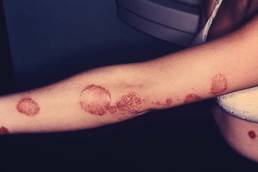
The cumulative rates for nonmelanoma skin cancer in patients treated with ustekinumab for psoriasis remained low and stable throughout the follow-up period. A total of 0.57 cancer events per 100 person-years were reported in 2009 and 0.62 cancer events per 100 person-years were reported in 2010. The findings were presented at the annual Caribbean Dermatology Symposium.
In the complete analysis that included 6,791 patient-years of follow-up, 41 patients treated with any dose of ustekinumab developed at least one nonmelanoma skin cancer, and 3 patients developed both basal cell carcinoma and squamous cell carcinoma.
Another 42 patients developed at least one other malignancy, including 4 patients with melanoma in situ. However, no cases of invasive melanoma were observed during the study period. The other most common malignancies were prostate cancer (12 patients), colorectal cancer (4 patients) and breast cancer (3 patients).
By comparison, 39 individuals in the general population (based on the National Cancer Institute’s Surveillance, Epidemiology, and End Results database) developed at least one malignancy.

The findings were limited by the inclusion of several studies of varying lengths and by the inclusion criteria that can make comparison with the general population difficult, the researchers noted. The results suggest that rates of nonmelanoma skin cancer and other malignancies in psoriasis patients taking ustekinumab do not increase over time.
However, "additional long term data from clinical trials, observational registries, and postmarketing reporting databases will continue to define the ustekinumab malignancy risk profile," they wrote.
The study was sponsored by Centocor, which manufactures ustekinmab.
RIO GRANDE, P.R. – Malignancy rates in psoriasis patients treated with ustekinumab did not increase significantly over 4 years of follow-up, based on pooled data from 3,117 patients enrolled in ustekinumab clinical trials.
Ustekinumab has shown effectiveness for treating moderate to severe psoriasis, but due to the potential of increased risk for cancer associated with its use, patients from several clinical trials (including PHOENIX I, PHOENIX II, and ACCEPT) are still being followed, said Dr. Kim A. Papp, director of research at Probity Medical Research, Waterloo, Ont., and colleagues.
The cumulative rates for nonmelanoma skin cancer in patients treated with ustekinumab for psoriasis remained low and stable throughout the follow-up period. A total of 0.57 cancer events per 100 person-years were reported in 2009 and 0.62 cancer events per 100 person-years were reported in 2010. The findings were presented at the annual Caribbean Dermatology Symposium.
In the complete analysis that included 6,791 patient-years of follow-up, 41 patients treated with any dose of ustekinumab developed at least one nonmelanoma skin cancer, and 3 patients developed both basal cell carcinoma and squamous cell carcinoma.
Another 42 patients developed at least one other malignancy, including 4 patients with melanoma in situ. However, no cases of invasive melanoma were observed during the study period. The other most common malignancies were prostate cancer (12 patients), colorectal cancer (4 patients) and breast cancer (3 patients).
By comparison, 39 individuals in the general population (based on the National Cancer Institute’s Surveillance, Epidemiology, and End Results database) developed at least one malignancy.
The findings were limited by the inclusion of several studies of varying lengths and by the inclusion criteria that can make comparison with the general population difficult, the researchers noted. The results suggest that rates of nonmelanoma skin cancer and other malignancies in psoriasis patients taking ustekinumab do not increase over time.
However, "additional long term data from clinical trials, observational registries, and postmarketing reporting databases will continue to define the ustekinumab malignancy risk profile," they wrote.
The study was sponsored by Centocor, which manufactures ustekinmab.
RIO GRANDE, P.R. – Malignancy rates in psoriasis patients treated with ustekinumab did not increase significantly over 4 years of follow-up, based on pooled data from 3,117 patients enrolled in ustekinumab clinical trials.
Ustekinumab has shown effectiveness for treating moderate to severe psoriasis, but due to the potential of increased risk for cancer associated with its use, patients from several clinical trials (including PHOENIX I, PHOENIX II, and ACCEPT) are still being followed, said Dr. Kim A. Papp, director of research at Probity Medical Research, Waterloo, Ont., and colleagues.
The cumulative rates for nonmelanoma skin cancer in patients treated with ustekinumab for psoriasis remained low and stable throughout the follow-up period. A total of 0.57 cancer events per 100 person-years were reported in 2009 and 0.62 cancer events per 100 person-years were reported in 2010. The findings were presented at the annual Caribbean Dermatology Symposium.
In the complete analysis that included 6,791 patient-years of follow-up, 41 patients treated with any dose of ustekinumab developed at least one nonmelanoma skin cancer, and 3 patients developed both basal cell carcinoma and squamous cell carcinoma.
Another 42 patients developed at least one other malignancy, including 4 patients with melanoma in situ. However, no cases of invasive melanoma were observed during the study period. The other most common malignancies were prostate cancer (12 patients), colorectal cancer (4 patients) and breast cancer (3 patients).
By comparison, 39 individuals in the general population (based on the National Cancer Institute’s Surveillance, Epidemiology, and End Results database) developed at least one malignancy.
The findings were limited by the inclusion of several studies of varying lengths and by the inclusion criteria that can make comparison with the general population difficult, the researchers noted. The results suggest that rates of nonmelanoma skin cancer and other malignancies in psoriasis patients taking ustekinumab do not increase over time.
However, "additional long term data from clinical trials, observational registries, and postmarketing reporting databases will continue to define the ustekinumab malignancy risk profile," they wrote.
The study was sponsored by Centocor, which manufactures ustekinmab.
FROM THE ANNUAL CARIBBEAN DERMATOLOGY SYMPOSIUM
Major Finding: A total of 0.57 cancer events per 100 person-years were reported in 2009 and 0.62 cancer events per 100 person-years were reported in 2010.
Data Source: A review of 3,117 adults with psoriasis who were enrolled in ustekinumab clinical trials.
Disclosures: The study was sponsored by Centocor, which manufactures ustekinumab.
Blog: Could Radiation Make a Comeback in Dermatology?
Could radiation therapy be making its way back to the dermatologists' toolbox for treating skin cancer? Maybe, said Dr. James M. Spencer.
The once gigantic machines used for radiation are being replaced by smaller ones, and treatment methods and calculations are getting simpler, said Dr. Spencer, at the Orlando Dermatology Aesthetic and Clinical Conference.
However, radiation therapy for skin cancer is somewhat of a paradox. It's cumbersome, expensive (J. Am. Acad. Dermatol. 2009:96-103), and has a rigorous treatment regimen.
On the other hand, it has an excellent 5-year cure rate for basal cell carcinoma (J. Dermatol. Surg. Oncol. 1989;15:315-28), said Dr. Spencer, conference chair, and professor of clinical dermatology at Mount Sinai School of Medicine, New York.
But the long-term consequences of radiation therapy can't be ignored. The cosmetic outcome for radiation therapy sites gets worse as each year passes, while surgery "scars get better every day of your life," said Dr. Spencer.
There is also an increased risk for BCC in patients who have had radiation therapy, especially during childhood. So, while it's an effective treatment method for nonmelanoma skin cancers, it’s not an appropriate treatment for younger patients.
It may, however, be a good option for older patients who are less concerned with cosmetic outcomes in the long run. In fact, radiation therapy yields great cosmetic outcomes in the first 3 to 4 years.
Radiation therapy can also be used as combination treatment for cancers such as Merkel cell carcinoma.
Today, radiation therapy is mainly the domain of radiation oncologists, said Dr. Spencer. For skin cancer therapy, the field of dermatology has turned its attention to surgery, and medical therapies such as topical imiquimod, while radiation is rarely used.
Dr. Spencer reported having no relevant financial conflicts.
-Naseem Miller (on Twitter @NaseemSMiller)
Could radiation therapy be making its way back to the dermatologists' toolbox for treating skin cancer? Maybe, said Dr. James M. Spencer.
The once gigantic machines used for radiation are being replaced by smaller ones, and treatment methods and calculations are getting simpler, said Dr. Spencer, at the Orlando Dermatology Aesthetic and Clinical Conference.
However, radiation therapy for skin cancer is somewhat of a paradox. It's cumbersome, expensive (J. Am. Acad. Dermatol. 2009:96-103), and has a rigorous treatment regimen.
On the other hand, it has an excellent 5-year cure rate for basal cell carcinoma (J. Dermatol. Surg. Oncol. 1989;15:315-28), said Dr. Spencer, conference chair, and professor of clinical dermatology at Mount Sinai School of Medicine, New York.
But the long-term consequences of radiation therapy can't be ignored. The cosmetic outcome for radiation therapy sites gets worse as each year passes, while surgery "scars get better every day of your life," said Dr. Spencer.
There is also an increased risk for BCC in patients who have had radiation therapy, especially during childhood. So, while it's an effective treatment method for nonmelanoma skin cancers, it’s not an appropriate treatment for younger patients.
It may, however, be a good option for older patients who are less concerned with cosmetic outcomes in the long run. In fact, radiation therapy yields great cosmetic outcomes in the first 3 to 4 years.
Radiation therapy can also be used as combination treatment for cancers such as Merkel cell carcinoma.
Today, radiation therapy is mainly the domain of radiation oncologists, said Dr. Spencer. For skin cancer therapy, the field of dermatology has turned its attention to surgery, and medical therapies such as topical imiquimod, while radiation is rarely used.
Dr. Spencer reported having no relevant financial conflicts.
-Naseem Miller (on Twitter @NaseemSMiller)
Could radiation therapy be making its way back to the dermatologists' toolbox for treating skin cancer? Maybe, said Dr. James M. Spencer.
The once gigantic machines used for radiation are being replaced by smaller ones, and treatment methods and calculations are getting simpler, said Dr. Spencer, at the Orlando Dermatology Aesthetic and Clinical Conference.
However, radiation therapy for skin cancer is somewhat of a paradox. It's cumbersome, expensive (J. Am. Acad. Dermatol. 2009:96-103), and has a rigorous treatment regimen.
On the other hand, it has an excellent 5-year cure rate for basal cell carcinoma (J. Dermatol. Surg. Oncol. 1989;15:315-28), said Dr. Spencer, conference chair, and professor of clinical dermatology at Mount Sinai School of Medicine, New York.
But the long-term consequences of radiation therapy can't be ignored. The cosmetic outcome for radiation therapy sites gets worse as each year passes, while surgery "scars get better every day of your life," said Dr. Spencer.
There is also an increased risk for BCC in patients who have had radiation therapy, especially during childhood. So, while it's an effective treatment method for nonmelanoma skin cancers, it’s not an appropriate treatment for younger patients.
It may, however, be a good option for older patients who are less concerned with cosmetic outcomes in the long run. In fact, radiation therapy yields great cosmetic outcomes in the first 3 to 4 years.
Radiation therapy can also be used as combination treatment for cancers such as Merkel cell carcinoma.
Today, radiation therapy is mainly the domain of radiation oncologists, said Dr. Spencer. For skin cancer therapy, the field of dermatology has turned its attention to surgery, and medical therapies such as topical imiquimod, while radiation is rarely used.
Dr. Spencer reported having no relevant financial conflicts.
-Naseem Miller (on Twitter @NaseemSMiller)
Sun Exposure Attitudes, Behaviors Change From Age 10 to 13
Attitudes toward sun exposure – and behaviors – change between childhood and adolescence, researchers have found, suggesting that children in this age bracket may be critical targets for physicians to advise.
Among children who were interviewed at age 10 years and again at 13, those in the elder group were only half as consistent in their sunscreen use as they had previously been, and were significantly more likely to report liking the appearance of a tan or seeking to become tan. Actual incidence of sunburn and tanning, meanwhile, remained high and largely unchanged between ages 10 and 13 years, with recent sunburns reported by more than half of children at both ages.
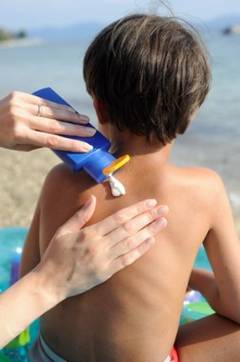
The findings, published online Jan. 23 in Pediatrics, were the first to examine sunburn and sun behaviors prospectively in this age group.
Stephen W. Dusza, Dr.P.H., of Memorial Sloan-Kettering Cancer Center in New York, led SONIC (Study of Nevi in Children), which used self-reported data from 360 students who were enrolled as fifth graders in Framingham, Mass., schools in 2004 and had complete data upon follow-up in 2007. High-resolution photography of the back was conducted for all subjects at both points. Almost three-fourths (74%) of the subjects analyzed were white, and males accounted for more than half the sample (62%).
At baseline in 2004, 53% of subjects reported having had a sunburn (defined as "pink or red skin") at least once the previous summer, and this proportion remained similar (55%) at follow-up, a nonsignificant difference. Actual incidence of tanning also changed little. At both baseline and follow-up, about 85% of students reported having gotten a tan the previous summer (Pediatrics 2012;129:309-17).
Sunscreen use, meanwhile, dropped sharply. In 2004, 50% of students reported that they used sunscreen "often or always" when outside for 6 or more hours in the summer. By 2007, only 25% reported the same, a significant difference.
The children in the study with the highest risk of developing skin cancer – those with pale skin – experienced the sharpest increase in reported sunburns, Dr. Dusza and his colleagues found. In 2007, fair-skinned children were 40% more likely to report two or more recent sunburns than in 2004. By contrast, children with light olive to black skin were 70% less likely to report two or more recent burns at follow-up, compared with baseline.
Some 53% of students reported "liking a tan" at age 10, but 66% did by age 13, a significant difference. And although 22% of 10-year-olds reported deliberately spending time in the sun to get a tan, a full 40% did so at follow up, also a significant difference. Girls were twice as likely to report liking a tan in 2007, compared with 2004 (odds ratio, 2.4). Boys also were more likely to report liking a tan when they reached age 13 (OR, 1.5).
The researchers acknowledged as weaknesses their study’s reliance on self-reported sun behaviors by children, noting that these reports have been shown to have "fair to moderate agreement" with direct observation.
Moreover, they said, nearly one-fourth of the children recruited in 2004 dropped out of the study because of relocation, and could not be included in the analysis. Among these were a disproportionate number of children with darker skins, an understudied group as far as sun behaviors are concerned. And finally, because the study did not seek reasons for sunscreen use or nonuse, "it was beyond the scope of this study to ascribe reasons for the drop in sunscreen use during these 3 years."
Despite these limitations, the findings strongly underscore the necessity of "new and creative messages" in both schools and physicians’ offices, with an aim to promote consistent sunscreen use and to deter tanning in this important age bracket, Dr. Dusza and his colleagues wrote in their analysis. In the United States, melanoma is reported to be one of the two most common cancers of young people, so it is important to encourage strong sun protection practices at young ages, the researchers noted.
In addition, "further studies are required to learn how to interweave enhanced sun-protection policies in settings such as beaches, after-school sites, and sporting events frequented by preadolescents and adolescents," the researchers wrote. Particular effort is needed to reach this group, they added, because adolescence "is a period of flexing independence, coupled with feelings of invincibility."
It also is important because the use of tanning beds, particularly for girls, is reported to begin at age 14, Dr. Dusza and his colleagues said.
Dr. Dusza and colleagues’ study was funded by the National Institutes of Health, as part of an ongoing study of nevi in children. Dr. Dusza and colleagues reported that they had no relevant financial disclosures.
Attitudes toward sun exposure – and behaviors – change between childhood and adolescence, researchers have found, suggesting that children in this age bracket may be critical targets for physicians to advise.
Among children who were interviewed at age 10 years and again at 13, those in the elder group were only half as consistent in their sunscreen use as they had previously been, and were significantly more likely to report liking the appearance of a tan or seeking to become tan. Actual incidence of sunburn and tanning, meanwhile, remained high and largely unchanged between ages 10 and 13 years, with recent sunburns reported by more than half of children at both ages.
The findings, published online Jan. 23 in Pediatrics, were the first to examine sunburn and sun behaviors prospectively in this age group.
Stephen W. Dusza, Dr.P.H., of Memorial Sloan-Kettering Cancer Center in New York, led SONIC (Study of Nevi in Children), which used self-reported data from 360 students who were enrolled as fifth graders in Framingham, Mass., schools in 2004 and had complete data upon follow-up in 2007. High-resolution photography of the back was conducted for all subjects at both points. Almost three-fourths (74%) of the subjects analyzed were white, and males accounted for more than half the sample (62%).
At baseline in 2004, 53% of subjects reported having had a sunburn (defined as "pink or red skin") at least once the previous summer, and this proportion remained similar (55%) at follow-up, a nonsignificant difference. Actual incidence of tanning also changed little. At both baseline and follow-up, about 85% of students reported having gotten a tan the previous summer (Pediatrics 2012;129:309-17).
Sunscreen use, meanwhile, dropped sharply. In 2004, 50% of students reported that they used sunscreen "often or always" when outside for 6 or more hours in the summer. By 2007, only 25% reported the same, a significant difference.
The children in the study with the highest risk of developing skin cancer – those with pale skin – experienced the sharpest increase in reported sunburns, Dr. Dusza and his colleagues found. In 2007, fair-skinned children were 40% more likely to report two or more recent sunburns than in 2004. By contrast, children with light olive to black skin were 70% less likely to report two or more recent burns at follow-up, compared with baseline.
Some 53% of students reported "liking a tan" at age 10, but 66% did by age 13, a significant difference. And although 22% of 10-year-olds reported deliberately spending time in the sun to get a tan, a full 40% did so at follow up, also a significant difference. Girls were twice as likely to report liking a tan in 2007, compared with 2004 (odds ratio, 2.4). Boys also were more likely to report liking a tan when they reached age 13 (OR, 1.5).
The researchers acknowledged as weaknesses their study’s reliance on self-reported sun behaviors by children, noting that these reports have been shown to have "fair to moderate agreement" with direct observation.
Moreover, they said, nearly one-fourth of the children recruited in 2004 dropped out of the study because of relocation, and could not be included in the analysis. Among these were a disproportionate number of children with darker skins, an understudied group as far as sun behaviors are concerned. And finally, because the study did not seek reasons for sunscreen use or nonuse, "it was beyond the scope of this study to ascribe reasons for the drop in sunscreen use during these 3 years."
Despite these limitations, the findings strongly underscore the necessity of "new and creative messages" in both schools and physicians’ offices, with an aim to promote consistent sunscreen use and to deter tanning in this important age bracket, Dr. Dusza and his colleagues wrote in their analysis. In the United States, melanoma is reported to be one of the two most common cancers of young people, so it is important to encourage strong sun protection practices at young ages, the researchers noted.
In addition, "further studies are required to learn how to interweave enhanced sun-protection policies in settings such as beaches, after-school sites, and sporting events frequented by preadolescents and adolescents," the researchers wrote. Particular effort is needed to reach this group, they added, because adolescence "is a period of flexing independence, coupled with feelings of invincibility."
It also is important because the use of tanning beds, particularly for girls, is reported to begin at age 14, Dr. Dusza and his colleagues said.
Dr. Dusza and colleagues’ study was funded by the National Institutes of Health, as part of an ongoing study of nevi in children. Dr. Dusza and colleagues reported that they had no relevant financial disclosures.
Attitudes toward sun exposure – and behaviors – change between childhood and adolescence, researchers have found, suggesting that children in this age bracket may be critical targets for physicians to advise.
Among children who were interviewed at age 10 years and again at 13, those in the elder group were only half as consistent in their sunscreen use as they had previously been, and were significantly more likely to report liking the appearance of a tan or seeking to become tan. Actual incidence of sunburn and tanning, meanwhile, remained high and largely unchanged between ages 10 and 13 years, with recent sunburns reported by more than half of children at both ages.
The findings, published online Jan. 23 in Pediatrics, were the first to examine sunburn and sun behaviors prospectively in this age group.
Stephen W. Dusza, Dr.P.H., of Memorial Sloan-Kettering Cancer Center in New York, led SONIC (Study of Nevi in Children), which used self-reported data from 360 students who were enrolled as fifth graders in Framingham, Mass., schools in 2004 and had complete data upon follow-up in 2007. High-resolution photography of the back was conducted for all subjects at both points. Almost three-fourths (74%) of the subjects analyzed were white, and males accounted for more than half the sample (62%).
At baseline in 2004, 53% of subjects reported having had a sunburn (defined as "pink or red skin") at least once the previous summer, and this proportion remained similar (55%) at follow-up, a nonsignificant difference. Actual incidence of tanning also changed little. At both baseline and follow-up, about 85% of students reported having gotten a tan the previous summer (Pediatrics 2012;129:309-17).
Sunscreen use, meanwhile, dropped sharply. In 2004, 50% of students reported that they used sunscreen "often or always" when outside for 6 or more hours in the summer. By 2007, only 25% reported the same, a significant difference.
The children in the study with the highest risk of developing skin cancer – those with pale skin – experienced the sharpest increase in reported sunburns, Dr. Dusza and his colleagues found. In 2007, fair-skinned children were 40% more likely to report two or more recent sunburns than in 2004. By contrast, children with light olive to black skin were 70% less likely to report two or more recent burns at follow-up, compared with baseline.
Some 53% of students reported "liking a tan" at age 10, but 66% did by age 13, a significant difference. And although 22% of 10-year-olds reported deliberately spending time in the sun to get a tan, a full 40% did so at follow up, also a significant difference. Girls were twice as likely to report liking a tan in 2007, compared with 2004 (odds ratio, 2.4). Boys also were more likely to report liking a tan when they reached age 13 (OR, 1.5).
The researchers acknowledged as weaknesses their study’s reliance on self-reported sun behaviors by children, noting that these reports have been shown to have "fair to moderate agreement" with direct observation.
Moreover, they said, nearly one-fourth of the children recruited in 2004 dropped out of the study because of relocation, and could not be included in the analysis. Among these were a disproportionate number of children with darker skins, an understudied group as far as sun behaviors are concerned. And finally, because the study did not seek reasons for sunscreen use or nonuse, "it was beyond the scope of this study to ascribe reasons for the drop in sunscreen use during these 3 years."
Despite these limitations, the findings strongly underscore the necessity of "new and creative messages" in both schools and physicians’ offices, with an aim to promote consistent sunscreen use and to deter tanning in this important age bracket, Dr. Dusza and his colleagues wrote in their analysis. In the United States, melanoma is reported to be one of the two most common cancers of young people, so it is important to encourage strong sun protection practices at young ages, the researchers noted.
In addition, "further studies are required to learn how to interweave enhanced sun-protection policies in settings such as beaches, after-school sites, and sporting events frequented by preadolescents and adolescents," the researchers wrote. Particular effort is needed to reach this group, they added, because adolescence "is a period of flexing independence, coupled with feelings of invincibility."
It also is important because the use of tanning beds, particularly for girls, is reported to begin at age 14, Dr. Dusza and his colleagues said.
Dr. Dusza and colleagues’ study was funded by the National Institutes of Health, as part of an ongoing study of nevi in children. Dr. Dusza and colleagues reported that they had no relevant financial disclosures.
FROM PEDIATRICS
Major finding: At baseline in 2004, 53% of subjects reported having had a sunburn at least once the previous summer, and this proportion remained similar (55%) at follow-up. In 2004, 50% of students reported that they used sunscreen "often or always" when outside for 6 or more hours in the summer. By 2007, only 25% reported the same, a significant difference.
Data Source: Linked data from 360 children interviewed at age 10 years and again at age 13 at schools in Framingham, Mass.
Disclosures: The study was funded by the National Institutes of Health, as part of an ongoing study of nevi in children. Dr. Dusza and colleagues reported that they had no relevant financial disclosures.
Skin Cancer Tops Malpractice Claims in Florida
ORLANDO – A higher than expected number of malpractice claims related to dermatologic surgery and treatment of psoriasis – as well as relatively few related to cosmetic dermatology were among the surprises revealed in a review of closed malpractice claims in Florida.
"There is a significant risk of malpractice actions in dermatology and dermatologic surgery," Dr. Ferdinand F. Becker said at the meeting. "Dermatologic surgeons would be well advised to be vigilant in diagnosis and appropriate treatment with the goal of avoiding complications at all cost."
General Dermatology Claims
Of 180 claims against dermatologists and dermatologic surgeons over a decade, 43 claims or 24% involved a general dermatology treatment. Of these, "44% were adjudicated or settled in favor of the plaintiff and 56% in favor of the defendant, so we came out better there," Dr. Becker said.
A total of 18 cases were adjudicated or settled in favor of the plaintiff – including 2 settled for an unknown amount. The largest settlement, $1 million, went to a patient who complained of meningoencephalitis and cerebral palsy secondary to failure to diagnose herpes simplex virus (conjunctival herpes simplex virus was the initial diagnosis). "This was the biggest claim in the whole shooting match," Dr. Becker said.
Another 25 of the general dermatology cases were decided or settled for the defendant physician, including 22 suits dropped by the plaintiff. Of the three remaining cases, two were summary judgments for the defendant and one judgment awarded the physician $50,000. In this case, the plaintiff had claimed avascular necrosis from treatment of chronic dermatitis with long-term steroid therapy.
Of note, a failure to diagnose Lyme disease when a patient presented with a rash of the axilla and groin resulted in a judgment for the plaintiff for $20,000, Dr. Becker said.
Psoriasis Claims
Dr. Becker identified seven claims involving psoriasis when he culled through the closed claims data from Florida’s Office of Insurance Regulation from January 2000 to December 2009. "I made a separate category for psoriasis because ... treatment of psoriasis is particularly problematic in general dermatology."
Four psoriasis treatment claims were settled in favor of the plaintiff from $500 to $250,000. The largest settlement involved a complaint of Stevens-Johnson syndrome with skin sloughing, oozing, and weeping sores resulting from methotrexate treatment. The defendant physician prevailed in three other cases – two dropped lawsuits and one summary judgment in which the patient had claimed steroids used to treat psoriasis had caused osteoporosis.
Cosmetic Dermatology Claims
A total of 28 claims or 16% involved cosmetic dermatology procedures. Outcomes were approximately split, with 54% adjudicated or settled in favor of the plaintiff and 46% in favor of the defendant.
"The majority were cases of laser hair removal," said Dr. Becker, a facial plastic surgeon and otolaryngologist in private practice in Vero Beach, Fla. Twelve of the 17 claims for laser hair removal were settled for the plaintiff for $2,500-$90,000. The biggest settlement followed a complaint of depigmentation and scarring related to laser hair removal. The remaining five laser cases involved complaints of burning, scarring, and/or pigmentary changes and were subsequently dropped by the plaintiff.
Dr, Becker found five suits involving Botox and filler treatments, each dropped by the plaintiff in favor of the defendant. Three plaintiffs claimed adverse reactions, one was unhappy with results, and one "patient left unattended after treatment, fell to the floor and broke three teeth, injured jaw, and cut lip."
Based on this lower number of malpractice claims, Botox and filler treatment "appears to be quite safe," Dr. Becker said.
The cosmetic dermatology category also included three claims involving liposuction, two settled in favor of the plaintiff and the other – a patient unhappy with abdominal liposuction results – dropped.
There was also a case involving sclerotherapy settled for $13,195 in favor of the plaintiff. The patient in this case claimed chronic ulceration resulting from treatment of spider veins.
A claim of pain, suffering, and a need for reconstructive surgery associated with a blepharoplasty resulted in a settlement of $100,000 for the plaintiff. Another suit, filed after a chemical facial peel, alleged facial burns and scarring ensued when the physician’s aesthetician acted outside the scope of her job.
Skin Cancer Claims
The highest percentage of claims in Florida (57%) involved skin cancer diagnosis and treatment. Of these, 57% were settled or adjudicated in favor of the plaintiff, 35% in favor of the defendant, and 8% were settled out of court for an unknown amount.
The greatest amount paid for non-melanoma skin cancer, $500,000, involved a patient treated with a biopsy and excision of a basal cell carcinoma on the upper lip. The patient filed suit, claiming they had to be referred for Mohs surgery and then experienced extensive scarring.
This and 19 other non-melanoma skin cancer malpractice claims were settled in favor of the plaintiff; 3 resulted in summary judgments for the defendant; 8 were settled out of court; and 15 suits were dropped by the plaintiff in favor of the physician defendant.
Melanoma diagnosis and/or treatment were cited in 17 malpractice cases. The second largest settlement to a plaintiff (out of the 180 cases reported) was $900,000 to a patient with malignant melanoma who had a biopsy but no pathology results or other follow-up. This and six other melanoma cases were settled in favor of the plaintiff. One case went to court and the plaintiff received $679,000 for severe scarring of his/her back related to malignant melanoma.
Another four melanoma cases were settled for an unknown amount and five claims were dropped by the plaintiff in favor of the defendant.
Mohs Surgery Claims
Mohs surgery comprised another major category with 29 malpractice claims. The largest settlement for a plaintiff was $875,000, stemming from Mohs surgery to remove a tumor from the arm. The patient lost the arm and claimed the dermatologic surgeon failed to diagnose malignant fibrous histiocytoma.
Two Mohs surgery claims were adjudicated as summary judgments for the defendant. Another ten cases were suits dropped by the plaintiff in favor of the defendant physician.
"This is the opposite of what I expected. I thought there would be more cases in the cosmetic derm area and less in derm surgery," Dr. Terry Cronin Jr., a private practice dermatologist in Melbourne, Fla., said during a Q and A session.
"I was surprised about this, too," Dr. Becker replied.
Overall, only 11 of the 180 closed claims actually went to court. Dr. Becker said, "The large majority [eight of these] were settled by the court with a summary judgment. This is the best news."
A meeting attendee asked if it is better to be direct with the patient or to call a lawyer if something does not go well. Dr. Becker replied: "Talking to your patient directly is a good idea and talking to your lawyer is also a good idea."
Dr. Becker said he had no relevant financial disclosures.
ORLANDO – A higher than expected number of malpractice claims related to dermatologic surgery and treatment of psoriasis – as well as relatively few related to cosmetic dermatology were among the surprises revealed in a review of closed malpractice claims in Florida.
"There is a significant risk of malpractice actions in dermatology and dermatologic surgery," Dr. Ferdinand F. Becker said at the meeting. "Dermatologic surgeons would be well advised to be vigilant in diagnosis and appropriate treatment with the goal of avoiding complications at all cost."
General Dermatology Claims
Of 180 claims against dermatologists and dermatologic surgeons over a decade, 43 claims or 24% involved a general dermatology treatment. Of these, "44% were adjudicated or settled in favor of the plaintiff and 56% in favor of the defendant, so we came out better there," Dr. Becker said.
A total of 18 cases were adjudicated or settled in favor of the plaintiff – including 2 settled for an unknown amount. The largest settlement, $1 million, went to a patient who complained of meningoencephalitis and cerebral palsy secondary to failure to diagnose herpes simplex virus (conjunctival herpes simplex virus was the initial diagnosis). "This was the biggest claim in the whole shooting match," Dr. Becker said.
Another 25 of the general dermatology cases were decided or settled for the defendant physician, including 22 suits dropped by the plaintiff. Of the three remaining cases, two were summary judgments for the defendant and one judgment awarded the physician $50,000. In this case, the plaintiff had claimed avascular necrosis from treatment of chronic dermatitis with long-term steroid therapy.
Of note, a failure to diagnose Lyme disease when a patient presented with a rash of the axilla and groin resulted in a judgment for the plaintiff for $20,000, Dr. Becker said.
Psoriasis Claims
Dr. Becker identified seven claims involving psoriasis when he culled through the closed claims data from Florida’s Office of Insurance Regulation from January 2000 to December 2009. "I made a separate category for psoriasis because ... treatment of psoriasis is particularly problematic in general dermatology."
Four psoriasis treatment claims were settled in favor of the plaintiff from $500 to $250,000. The largest settlement involved a complaint of Stevens-Johnson syndrome with skin sloughing, oozing, and weeping sores resulting from methotrexate treatment. The defendant physician prevailed in three other cases – two dropped lawsuits and one summary judgment in which the patient had claimed steroids used to treat psoriasis had caused osteoporosis.
Cosmetic Dermatology Claims
A total of 28 claims or 16% involved cosmetic dermatology procedures. Outcomes were approximately split, with 54% adjudicated or settled in favor of the plaintiff and 46% in favor of the defendant.
"The majority were cases of laser hair removal," said Dr. Becker, a facial plastic surgeon and otolaryngologist in private practice in Vero Beach, Fla. Twelve of the 17 claims for laser hair removal were settled for the plaintiff for $2,500-$90,000. The biggest settlement followed a complaint of depigmentation and scarring related to laser hair removal. The remaining five laser cases involved complaints of burning, scarring, and/or pigmentary changes and were subsequently dropped by the plaintiff.
Dr, Becker found five suits involving Botox and filler treatments, each dropped by the plaintiff in favor of the defendant. Three plaintiffs claimed adverse reactions, one was unhappy with results, and one "patient left unattended after treatment, fell to the floor and broke three teeth, injured jaw, and cut lip."
Based on this lower number of malpractice claims, Botox and filler treatment "appears to be quite safe," Dr. Becker said.
The cosmetic dermatology category also included three claims involving liposuction, two settled in favor of the plaintiff and the other – a patient unhappy with abdominal liposuction results – dropped.
There was also a case involving sclerotherapy settled for $13,195 in favor of the plaintiff. The patient in this case claimed chronic ulceration resulting from treatment of spider veins.
A claim of pain, suffering, and a need for reconstructive surgery associated with a blepharoplasty resulted in a settlement of $100,000 for the plaintiff. Another suit, filed after a chemical facial peel, alleged facial burns and scarring ensued when the physician’s aesthetician acted outside the scope of her job.
Skin Cancer Claims
The highest percentage of claims in Florida (57%) involved skin cancer diagnosis and treatment. Of these, 57% were settled or adjudicated in favor of the plaintiff, 35% in favor of the defendant, and 8% were settled out of court for an unknown amount.
The greatest amount paid for non-melanoma skin cancer, $500,000, involved a patient treated with a biopsy and excision of a basal cell carcinoma on the upper lip. The patient filed suit, claiming they had to be referred for Mohs surgery and then experienced extensive scarring.
This and 19 other non-melanoma skin cancer malpractice claims were settled in favor of the plaintiff; 3 resulted in summary judgments for the defendant; 8 were settled out of court; and 15 suits were dropped by the plaintiff in favor of the physician defendant.
Melanoma diagnosis and/or treatment were cited in 17 malpractice cases. The second largest settlement to a plaintiff (out of the 180 cases reported) was $900,000 to a patient with malignant melanoma who had a biopsy but no pathology results or other follow-up. This and six other melanoma cases were settled in favor of the plaintiff. One case went to court and the plaintiff received $679,000 for severe scarring of his/her back related to malignant melanoma.
Another four melanoma cases were settled for an unknown amount and five claims were dropped by the plaintiff in favor of the defendant.
Mohs Surgery Claims
Mohs surgery comprised another major category with 29 malpractice claims. The largest settlement for a plaintiff was $875,000, stemming from Mohs surgery to remove a tumor from the arm. The patient lost the arm and claimed the dermatologic surgeon failed to diagnose malignant fibrous histiocytoma.
Two Mohs surgery claims were adjudicated as summary judgments for the defendant. Another ten cases were suits dropped by the plaintiff in favor of the defendant physician.
"This is the opposite of what I expected. I thought there would be more cases in the cosmetic derm area and less in derm surgery," Dr. Terry Cronin Jr., a private practice dermatologist in Melbourne, Fla., said during a Q and A session.
"I was surprised about this, too," Dr. Becker replied.
Overall, only 11 of the 180 closed claims actually went to court. Dr. Becker said, "The large majority [eight of these] were settled by the court with a summary judgment. This is the best news."
A meeting attendee asked if it is better to be direct with the patient or to call a lawyer if something does not go well. Dr. Becker replied: "Talking to your patient directly is a good idea and talking to your lawyer is also a good idea."
Dr. Becker said he had no relevant financial disclosures.
ORLANDO – A higher than expected number of malpractice claims related to dermatologic surgery and treatment of psoriasis – as well as relatively few related to cosmetic dermatology were among the surprises revealed in a review of closed malpractice claims in Florida.
"There is a significant risk of malpractice actions in dermatology and dermatologic surgery," Dr. Ferdinand F. Becker said at the meeting. "Dermatologic surgeons would be well advised to be vigilant in diagnosis and appropriate treatment with the goal of avoiding complications at all cost."
General Dermatology Claims
Of 180 claims against dermatologists and dermatologic surgeons over a decade, 43 claims or 24% involved a general dermatology treatment. Of these, "44% were adjudicated or settled in favor of the plaintiff and 56% in favor of the defendant, so we came out better there," Dr. Becker said.
A total of 18 cases were adjudicated or settled in favor of the plaintiff – including 2 settled for an unknown amount. The largest settlement, $1 million, went to a patient who complained of meningoencephalitis and cerebral palsy secondary to failure to diagnose herpes simplex virus (conjunctival herpes simplex virus was the initial diagnosis). "This was the biggest claim in the whole shooting match," Dr. Becker said.
Another 25 of the general dermatology cases were decided or settled for the defendant physician, including 22 suits dropped by the plaintiff. Of the three remaining cases, two were summary judgments for the defendant and one judgment awarded the physician $50,000. In this case, the plaintiff had claimed avascular necrosis from treatment of chronic dermatitis with long-term steroid therapy.
Of note, a failure to diagnose Lyme disease when a patient presented with a rash of the axilla and groin resulted in a judgment for the plaintiff for $20,000, Dr. Becker said.
Psoriasis Claims
Dr. Becker identified seven claims involving psoriasis when he culled through the closed claims data from Florida’s Office of Insurance Regulation from January 2000 to December 2009. "I made a separate category for psoriasis because ... treatment of psoriasis is particularly problematic in general dermatology."
Four psoriasis treatment claims were settled in favor of the plaintiff from $500 to $250,000. The largest settlement involved a complaint of Stevens-Johnson syndrome with skin sloughing, oozing, and weeping sores resulting from methotrexate treatment. The defendant physician prevailed in three other cases – two dropped lawsuits and one summary judgment in which the patient had claimed steroids used to treat psoriasis had caused osteoporosis.
Cosmetic Dermatology Claims
A total of 28 claims or 16% involved cosmetic dermatology procedures. Outcomes were approximately split, with 54% adjudicated or settled in favor of the plaintiff and 46% in favor of the defendant.
"The majority were cases of laser hair removal," said Dr. Becker, a facial plastic surgeon and otolaryngologist in private practice in Vero Beach, Fla. Twelve of the 17 claims for laser hair removal were settled for the plaintiff for $2,500-$90,000. The biggest settlement followed a complaint of depigmentation and scarring related to laser hair removal. The remaining five laser cases involved complaints of burning, scarring, and/or pigmentary changes and were subsequently dropped by the plaintiff.
Dr, Becker found five suits involving Botox and filler treatments, each dropped by the plaintiff in favor of the defendant. Three plaintiffs claimed adverse reactions, one was unhappy with results, and one "patient left unattended after treatment, fell to the floor and broke three teeth, injured jaw, and cut lip."
Based on this lower number of malpractice claims, Botox and filler treatment "appears to be quite safe," Dr. Becker said.
The cosmetic dermatology category also included three claims involving liposuction, two settled in favor of the plaintiff and the other – a patient unhappy with abdominal liposuction results – dropped.
There was also a case involving sclerotherapy settled for $13,195 in favor of the plaintiff. The patient in this case claimed chronic ulceration resulting from treatment of spider veins.
A claim of pain, suffering, and a need for reconstructive surgery associated with a blepharoplasty resulted in a settlement of $100,000 for the plaintiff. Another suit, filed after a chemical facial peel, alleged facial burns and scarring ensued when the physician’s aesthetician acted outside the scope of her job.
Skin Cancer Claims
The highest percentage of claims in Florida (57%) involved skin cancer diagnosis and treatment. Of these, 57% were settled or adjudicated in favor of the plaintiff, 35% in favor of the defendant, and 8% were settled out of court for an unknown amount.
The greatest amount paid for non-melanoma skin cancer, $500,000, involved a patient treated with a biopsy and excision of a basal cell carcinoma on the upper lip. The patient filed suit, claiming they had to be referred for Mohs surgery and then experienced extensive scarring.
This and 19 other non-melanoma skin cancer malpractice claims were settled in favor of the plaintiff; 3 resulted in summary judgments for the defendant; 8 were settled out of court; and 15 suits were dropped by the plaintiff in favor of the physician defendant.
Melanoma diagnosis and/or treatment were cited in 17 malpractice cases. The second largest settlement to a plaintiff (out of the 180 cases reported) was $900,000 to a patient with malignant melanoma who had a biopsy but no pathology results or other follow-up. This and six other melanoma cases were settled in favor of the plaintiff. One case went to court and the plaintiff received $679,000 for severe scarring of his/her back related to malignant melanoma.
Another four melanoma cases were settled for an unknown amount and five claims were dropped by the plaintiff in favor of the defendant.
Mohs Surgery Claims
Mohs surgery comprised another major category with 29 malpractice claims. The largest settlement for a plaintiff was $875,000, stemming from Mohs surgery to remove a tumor from the arm. The patient lost the arm and claimed the dermatologic surgeon failed to diagnose malignant fibrous histiocytoma.
Two Mohs surgery claims were adjudicated as summary judgments for the defendant. Another ten cases were suits dropped by the plaintiff in favor of the defendant physician.
"This is the opposite of what I expected. I thought there would be more cases in the cosmetic derm area and less in derm surgery," Dr. Terry Cronin Jr., a private practice dermatologist in Melbourne, Fla., said during a Q and A session.
"I was surprised about this, too," Dr. Becker replied.
Overall, only 11 of the 180 closed claims actually went to court. Dr. Becker said, "The large majority [eight of these] were settled by the court with a summary judgment. This is the best news."
A meeting attendee asked if it is better to be direct with the patient or to call a lawyer if something does not go well. Dr. Becker replied: "Talking to your patient directly is a good idea and talking to your lawyer is also a good idea."
Dr. Becker said he had no relevant financial disclosures.
FROM THE ANNUAL MEETING OF THE FLORIDA SOCIETY OF DERMATOLOGIC SURGEONS
Major Finding: Skin cancer diagnosis and treatment led malpractice claims against dermatologists in Florida, accounting for 57% of 180 lawsuits.
Data Source: Review of malpractice claims reported to Florida’s Office of Insurance Regulation from January 2000 to December 2009.
Disclosures: Dr. Becker said that he had no relevant disclosures.
Blog: Top Five Most Watched Dermatology Videos
What were dermatologists watching from Skin & Allergy News in 2011? Here's the top five countdown.
5. New Drugs Help Melanoma Patients Live Longer: Dr. Lynn Schuchter puts the studies, which were presented at the 2011 ASCO Annual Meeting in Chicago, in perspective and offers advice to physicians.
4. Laviv May Offer Longer-Term Acne Scarring Tx: Azficel-T, an autologous cellular product, produced significant improvement in acne scarring, compared with placebo, according to study results reported at the annual meeting of the American Society for Dermatologic Surgery. Laviv was approved by the FDA earlier this year for treating wrinkles. We interviewed Dr. Girish Munavalli, a study investigator, at the meeting.
3. How to ID and Treat Fire Ant Bites: Dr. Ronald Rapini offered advice on recognizing and treating fire ant bites at the American Academy of Dermatology's Summer Academy meeting in New York.
2. Eczema and Food Allergies Often Go Hand and Hand: Dr. Lawrence Eichenfield talked about atopic dermatitis, food allergies, and national guidelines at the American Academy of Dermatology's Summer Academy meeting in New York.
Drum roll please…
1. Gel Nail Polish: The Painted Truth: Dr. Richard K. Scher discussed the dangers of gel nail polish, and also gave tips to share with patients on how to have a safe experience at the nail salon at the American Academy of Dermatology's Summer Academy meeting in New York.
What were dermatologists watching from Skin & Allergy News in 2011? Here's the top five countdown.
5. New Drugs Help Melanoma Patients Live Longer: Dr. Lynn Schuchter puts the studies, which were presented at the 2011 ASCO Annual Meeting in Chicago, in perspective and offers advice to physicians.
4. Laviv May Offer Longer-Term Acne Scarring Tx: Azficel-T, an autologous cellular product, produced significant improvement in acne scarring, compared with placebo, according to study results reported at the annual meeting of the American Society for Dermatologic Surgery. Laviv was approved by the FDA earlier this year for treating wrinkles. We interviewed Dr. Girish Munavalli, a study investigator, at the meeting.
3. How to ID and Treat Fire Ant Bites: Dr. Ronald Rapini offered advice on recognizing and treating fire ant bites at the American Academy of Dermatology's Summer Academy meeting in New York.
2. Eczema and Food Allergies Often Go Hand and Hand: Dr. Lawrence Eichenfield talked about atopic dermatitis, food allergies, and national guidelines at the American Academy of Dermatology's Summer Academy meeting in New York.
Drum roll please…
1. Gel Nail Polish: The Painted Truth: Dr. Richard K. Scher discussed the dangers of gel nail polish, and also gave tips to share with patients on how to have a safe experience at the nail salon at the American Academy of Dermatology's Summer Academy meeting in New York.
What were dermatologists watching from Skin & Allergy News in 2011? Here's the top five countdown.
5. New Drugs Help Melanoma Patients Live Longer: Dr. Lynn Schuchter puts the studies, which were presented at the 2011 ASCO Annual Meeting in Chicago, in perspective and offers advice to physicians.
4. Laviv May Offer Longer-Term Acne Scarring Tx: Azficel-T, an autologous cellular product, produced significant improvement in acne scarring, compared with placebo, according to study results reported at the annual meeting of the American Society for Dermatologic Surgery. Laviv was approved by the FDA earlier this year for treating wrinkles. We interviewed Dr. Girish Munavalli, a study investigator, at the meeting.
3. How to ID and Treat Fire Ant Bites: Dr. Ronald Rapini offered advice on recognizing and treating fire ant bites at the American Academy of Dermatology's Summer Academy meeting in New York.
2. Eczema and Food Allergies Often Go Hand and Hand: Dr. Lawrence Eichenfield talked about atopic dermatitis, food allergies, and national guidelines at the American Academy of Dermatology's Summer Academy meeting in New York.
Drum roll please…
1. Gel Nail Polish: The Painted Truth: Dr. Richard K. Scher discussed the dangers of gel nail polish, and also gave tips to share with patients on how to have a safe experience at the nail salon at the American Academy of Dermatology's Summer Academy meeting in New York.