User login
Immune checkpoint inhibition in SCLC: Modest outcomes, many questions
BARCELONA – Immune checkpoint inhibitors demonstrate activity in small cell lung cancer (SCLC), but achieving more durable disease control and better survival requires improved understanding of biomarkers and the immune microenvironment.
That was the overarching message from experts speaking at a minisymposium on immunotherapy in SCLC at the World Conference on Lung Cancer.
“None of us are disputing that immunotherapy is clearly active in this space, but I think that we can all agree that the outcomes have been somewhat modest in an unselected population, and there is certainly room to grow,” said Dr. Stephen V. Liu, MD. “Moving forward, while we will look for any advances we can, we also feel strongly that these incremental gains are probably not enough.”
The state of the art
Hints that immunotherapy could be clinically efficacious in SCLC emerged in 2016 when interim findings from the CheckMate 032 study showed that the programmed cell death-1 (PD-1) inhibitor nivolumab, either alone or in combination with the anti-CTLA4 antibody ipilimumab, had efficacy in recurrent SCLC. Efficacy was seen regardless of programmed death-ligand 1 (PD-L1) status, which is “a good thing since PD-L1 is expressed much less frequently in SCLC than in non-SCLC,” Scott J. Antonia, MD, of Duke Cancer Institute, Durham, N.C., who was the first author on that study, said during the symposium.
A particularly encouraging finding was that responders included patients with platinum-refractory SCLC for whom treatments in the relapse setting are lacking, Dr Antonia said.
An exploratory analysis of CheckMate 032 also showed better responses among patients in the highest tumor mutation burden (TMB) tertile, especially in the combination therapy group, leading to the hypothesis-generating finding that TMB may predict response, he said.
Another suggestion of nivolumab’s potential came from the randomized CheckMate 331 study comparing the checkpoint inhibitor with chemotherapy in relapsed SCLC patients. As reported in 2018 at the European Society for Medical Oncology (ESMO), no overall survival (OS) benefit was apparent at 12 months (37% vs. 34%), but a separation of the curves at 36 months suggested a possible OS benefit with nivolumab, Dr. Antonia noted, adding that the difference was “obviously small” and requires “a lot more work related to that.”
Subgroup analyses in that study also were “perhaps revealing” in that patients without liver metastases derived benefit (hazard ratio, 0.75), as did those who were platinum resistant (HR, 0.71), he said.
The phase 1b KEYNOTE-028 study showed that the anti–PD-1 monoclonal antibody pembrolizumab also has activity in PD-L1–positive SCLC patients in the relapsed setting, and pooled data from that study and KEYNOTE-158, which included both PD-L1–positive and –negative patients, showed promising antitumor activity and durable responses with pembrolizumab. The pooled data, as presented at the 2019 annual meeting of the American Association for Cancer Research, showed an objective response rate (ORR) of 19%, including complete and partial response rates of 2% and 17%, respectively.
“And there appears to be, at least preliminarily, some durability to the responses,” he said, noting that 9 of 16 patients experienced at least an 18-month response. “Progression-free survival was 2 months, and overall survival was 7.7 months.”
The IMpower133 study showed significantly longer OS and progression-free survival (PFS) with the addition of atezolizumab to chemotherapy in the first-line treatment of extensive-stage SCLC (HR, 0.70). Some late merging of the survival curves was apparent, but the data haven’t matured.
“Hopefully there will be some evidence of a lifting of the tail of the survival curve with some durability of responsiveness like we see in non–small cell lung cancer,” he said.
When it comes to “making the next leap” toward improved clinical efficacy with immunotherapy for SCLC, “we need to think about three general categories of how it is that tumors evade rejection by the immune system,” he said.
One category involves SCLC patients with an insufficient numbers of T cells generated within the lymphoid compartment; in those patients, an immunotherapeutic approach directed at the tumor microenvironment won’t lead to a response. Another category includes patients who generate enough T cells within the lymphoid compartment but in whom those cells aren’t driven into the tumor parenchyma. The third involves those whose T cells may make it into the tumor parenchyma, but are inhibited in the tumor microenvironment, he explained.
Strategies to increase the number of T cells generated in the lymphoid compartment – such as vaccines, radiation, adoptive cell therapy with chimeric antigen receptors, to name a few – were a focus of research efforts more than a decade ago, but the pendulum swung more toward addressing the tumor microenvironment.
“I think that the pendulum needs to swing back to the middle, and we do need to develop combination immunotherapies paying attention to the lymphoid compartment as well as the tumor microenvironment,” Dr. Antonia said, listing these “guiding principles” for the development of effective SCLC immunotherapy:
- Combination immunotherapy is necessary.
- Mechanisms exploited by SCLC to evade immune-mediated rejection need to be identified.
- Inclusion of strategies for driving tumor-reactive T cells into the tumor microenvironment should be considered.
- PD-1 blockade should continue.
- Biomarkers should be identified for selecting patients for tumor microenvironment–targeted agents.
Clinical and molecular biomarkers
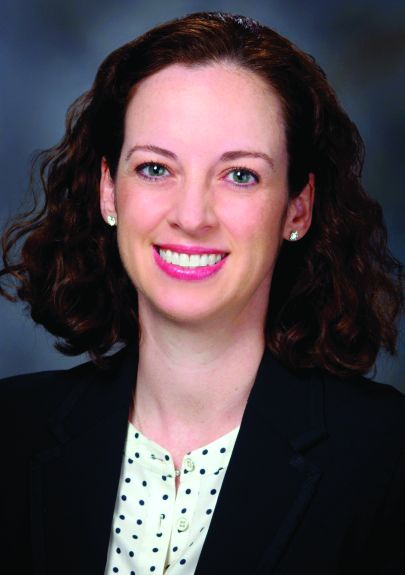
Indeed, there is much work to do with respect to biomarkers, but their use in the selection of SCLC patients for immunotherapy is “finally starting to evolve and evolve more rapidly,” according to Lauren Averett Byers, MD, of the University of Texas MD Anderson Cancer Center, Houston.
Numerous groups are identifying biomarkers for both targeted therapy and immunotherapy, Dr. Byers said, noting that “this has been a really incredible time for those of us who take care of small cell lung cancer patients.”
“It’s been many decades since we’ve had a new option for our patients ... and so I think with the landmark clinical trials ... we really do have a new option in terms of a new standard of care,” she said of immunotherapy. “But I think we also recognize that there is significant room for further improvement.”
Many patients don’t respond or don’t respond as well as hoped, and therefore an “incredible need” exists for personalized biomarker-driven therapy for SCLC and its distinct molecular subsets, she said.
Emerging and potential biomarkers and other factors to guide treatment decisions include TMB, PD-L1, clinical history/duration of response in immunotherapy-naive relapsed patients, gene expression profile–driven SCLC subgroup identification, and DNA damage response (DDR) inhibitors such as Chk1, PARP, and Wee1 inhibitors.
TMB, as described by Dr. Antonia with respect to the CheckMate 032 findings of improved outcomes in those in the highest TMB tertile, is one potentially helpful biomarker for response.
“In thinking about how we apply this, though, we have to think about what we’re deciding between,” Dr. Byers said, explaining that the responses in patients with medium or low TMB – between 0% and 10% in most studies in the relapsed SCLC setting – aren’t that different from those seen with other treatment options.
“Currently we’re not routinely ordering TMB to decide on immunotherapy because there are still patients that can be as likely to benefit from immunotherapy as they are from chemotherapy, and potentially with more durable responses,” she said. “But certainly, it is a way to potentially identify patients where immunotherapy alone may have very high rates of response.”
IMPower133 showed no difference in hazard ratios for death based on TMB detected in the blood in SCLC patients treated with first-line atezolizumab plus chemotherapy, but “this still supports using the immunotherapy/chemotherapy combination broadly, and also emphasizes the need for an improved – and probably expanded – look at other biomarkers that may help predict response,” she said.
PD-L1 appears to have a role as a biomarker in this setting as well, she said, citing the KEYNOTE-028 findings of numerically improved responses in PD-L1–positive SCLC patients treated with pembrolizumab.
“We should be looking at PD-L1 levels, but we need further information to know how we might use this,” she said.
In immunotherapy-naive patients who relapse after front-line chemotherapy, the most important biomarker is clinical history and duration of response to platinum, which helps guide second-line treatment, Dr. Byers said.
“I think there’s consensus among most of us that patients who have platinum-refractory disease and are unlikely to respond to further platinum therapy or other chemotherapy agents are patients who really should get immunotherapy,” she added, explaining that the available data suggest there is no cross-resistance and that there may actually be enhanced benefit with immunotherapy in such patients.
Using molecular data to identify SCLC subtypes based on gene expression profiles is another area of interest, she said.
In fact, new data presented at the WCLC conference by Carl Gay, MD, PhD, a former fellow in her lab and now a junior faculty member at MD Anderson, identified four specific SCLC subgroups; three were driven by activation of the known transcription factors ASCL1, NEUROD1, and POU2F3, but an additional “inflamed” group without expression of those three transcription factors was also identified.
That “triple-negative” group had significantly higher expression of human leukocyte antigen and very high T-cell activation with expression of multiple immune checkpoints representing candidate targets, she said, adding: “We hypothesize that this group may be the group in SCLC that gets relatively greater benefit from immune checkpoint blockade.”
DDR is also garnering attention.
“Since there was this signal that [patients with] DNA damage ... tend to be more sensitive to immunotherapy ... we looked at whether or not targeted agents that prevented repair of DNA damage and induced increased levels of DNA damage ... might activate the innate immune system through the STING pathway and if that could be a potential approach to enhance immunotherapy response,” she said.
The approach showed promise in cell lines in a mouse model and also in an immunocompetent SCLC mouse model.
“It was really interesting to see how these drugs might potentially enhance response to immunotherapy,” Dr. Byers said, noting that the same phenomenon has been seen with PARP inhibitors in breast and colon cancer models and in other solid tumors.
“So I think that there is something there, and fortunately we’re now at a point now where we can start looking at some of these combinations in the clinic across many different cancer types,” she said. “I think we’ll be learning a lot more about what’s happening with these patients.”
At present, however, “there is more that we don’t know about the immune landscape of small cell lung cancer than what we do know, and that’s a real opportunity where, over the next several years, we will gain a deeper understanding ... that will direct where we’re going in terms of translating that back into the clinic.”
The SCLC immune microenvironment
The immune microenvironment will be an integral part of that journey, according to Dr. Liu.
“We consider small cell lung cancer – a carcinogen-associated cancer – to be one that has a high somatic mutation rate, but what we’ve learned over the past few years is that tumor neoantigens are certainly necessary – but not sufficient,” he said, noting that mutational burden represents the potential for immune-mediated antitumor responses, but is not a guarantee.
“As a group, we need to develop strategies to overcome the powerful immunosuppressive microenvironment in small cell lung cancer,” he added.
Lessons learned from studying PD-L1 provided the first insight into the importance of the immune microenvironment: PD-L1 expression, as measured by tumor proportion score (TPS) holds predictive value in non–small cell lung cancer patients treated with PD-1 inhibitors, but the SCLC story is much more complex, he said.
Only 18% of SCLC patients in CheckMate 032 were PD-L1–positive, and “paradoxically, we see responses were better in the PD-L1–negative group,” he explained. The response rates for nivolumab/ipilimumab were 32% in the PD-L1–negative group and 10% in the PD-L1–positive group.
Recent findings regarding the use of the combined positive score (CPS), which unlike the TPS for determining PD-L1 status, includes PD-L1 expression on stromal cells, are also notable. In a phase 2 study of maintenance pembrolizumab in SCLC, for example, 3 of 30 patients were PD-L1 positive by TPS, and 8 of 20 were positive by CPS.
“And that did predict outcomes: We see a higher response rate [38% vs. 8%], better PFS [6.5 vs. 1.3 months], and better overall survival [13 months vs. 8 months] in pretreated small cell lung cancer,” he said.
Similarly, in KEYNOTE-158 when looking at pembrolizumab in previously treated SCLC, the overall response was modest at 18.7%, and median PFS was 2.0 months.
“Again, breaking it down by CPS, we see a different story,” Dr. Liu said. “We see better outcomes in the PD-L1–positive [group] if you’re factoring in expression in the microenvironment.” When assessed by CPS, 39% of patients were PD-L1 positive; those patients, when compared with PD-L1–negative patients, had improved 12-month PFS (28.5% vs. 8.2%, respectively), 12-month OS (53.3% vs. 30.7%), and median OS (14.9 vs. 5.9 months).
Checkpoint expression in tumor-infiltrating lymphocytes (TILs) also has been shown to vary when compared with tumor expression. SCLC tissue microarrays in a study presented at ASCO 2017 (Rivalland et al. Abstract 8569), for example, showed that tumor expression versus TIL expression of PD-L1, TIMS3, and LAG3 was 18% vs. 67%, 0% vs. 59%, and 0% vs. 45%, respectively, and the TIL expression correlated with survival, Dr. Liu said.
“So when we consider things like PD-L1 expression, looking at a narrow scope of just the tumor is not enough. We need to consider the stromal cells, the microenvironment,” he said. “And even larger than that, PD-1/PD-L1 interaction is but a fraction of powerful, dynamic, immunosuppressive factors in small cell lung cancer.
“All of these will need to be accounted for in various patients.”
These findings and others, like those from a recent study showing differentially expressed genes and pathways in the stromal cells of longer- versus shorter-term survivors, raise questions about whether the lymphoid compartment can be manipulated in SCLC to improve immune responses using the strategies discussed by Dr. Antonia and Dr. Byers, he said.
In “cold” tumor phenotypes, one hypothesis has tumor-associated macrophages (TAMs) preventing infiltration of the cytotoxic T lymphocytes, which raises the possibility that TAMs are a therapeutic target, he said.
“At this meeting and others we’ve heard of lurbinectedin as a possible active drug in SCLC,” he said, noting that preclinical data also demonstrate that lurbinectedin targets TAMs. Perhaps the agent’s future role will be that of an immune modulator rather than a cytotoxic agent, he suggested.
Regulatory T cells (Tregs) are another potential immunomodulatory target, but the problem is their redundancy and the lack of good models to identify which ones are active, he said.
“Myeloid-derived suppressor cells [MDSC] are another important part of the microenvironment and could be potential targets to restore immune responses,” he added.
But many questions remain, he said.
For example: How can we overcome an immunosuppressive tumor microenvironment? Can we inhibit arginine or adenosine? Can we restore interleukin-2? Can we target things like LAG3? Can we eliminate the Treg and MDSC population? Which strategies are appropriate? Are they the same in immunotherapy-naive vs. immunotherapy-experienced patients – is intrinsic resistance the same as acquired resistance? Are they the same in each patient, or even throughout each tumor?
And importantly, “how will we choose between these various molecules we have?” he asked.
“At this point we’ve learned that empiric strategies are unlikely to yield meaningful results. We’ve been through empiric strategies in SCLC for years, and it doesn’t work because of that heterogeneity – unless there’s a universal underlying mechanism,” he said. “I think more than likely the studies have to be enriched for the right patients; we need to apply everything we’ve learned from non–small cell lung cancer and apply the principles of targeted therapy to immunotherapy – and that requires the identification of predictive biomarkers.”
It’s a challenging task in SCLC, but “it still needs to be done,” he said, noting that the lack of “perfect models” means relying on cell lines in surgical specimens.
However, while surgical tissue banks are an important resource, there is doubt about whether the specimens are representative of patients in the clinic, he noted.
“At best need to confirm what we know; at worst we may need to rework a lot of the underlying maps,” he said.
Therefore, future SCLC studies “are simply going to need more biopsies,” and that is yet another challenge, he added, explaining that the largely central tumors and fairly aggressive, rapid course of disease in SCLC make it difficult to obtain meaningful biopsies.
“But it’s the only way to move forward,” he said. “As a community we have to stand up and obtain more biopsies and tissue for in-depth analysis.”
As much as that will advance the field, the greatest impact for SCLC will be through prevention, including by smoking cessation, he added.
“Our overarching goal for small cell lung cancer remains achieving durable disease control and long-term survival for our patients,” Dr. Liu said. “That certainly is a lofty goal, but those are probably the only goals worth having.”
Dr. Liu, Dr. Byers, and Dr. Antonia reported relationships with numerous pharmaceutical companies.
BARCELONA – Immune checkpoint inhibitors demonstrate activity in small cell lung cancer (SCLC), but achieving more durable disease control and better survival requires improved understanding of biomarkers and the immune microenvironment.
That was the overarching message from experts speaking at a minisymposium on immunotherapy in SCLC at the World Conference on Lung Cancer.
“None of us are disputing that immunotherapy is clearly active in this space, but I think that we can all agree that the outcomes have been somewhat modest in an unselected population, and there is certainly room to grow,” said Dr. Stephen V. Liu, MD. “Moving forward, while we will look for any advances we can, we also feel strongly that these incremental gains are probably not enough.”
The state of the art
Hints that immunotherapy could be clinically efficacious in SCLC emerged in 2016 when interim findings from the CheckMate 032 study showed that the programmed cell death-1 (PD-1) inhibitor nivolumab, either alone or in combination with the anti-CTLA4 antibody ipilimumab, had efficacy in recurrent SCLC. Efficacy was seen regardless of programmed death-ligand 1 (PD-L1) status, which is “a good thing since PD-L1 is expressed much less frequently in SCLC than in non-SCLC,” Scott J. Antonia, MD, of Duke Cancer Institute, Durham, N.C., who was the first author on that study, said during the symposium.
A particularly encouraging finding was that responders included patients with platinum-refractory SCLC for whom treatments in the relapse setting are lacking, Dr Antonia said.
An exploratory analysis of CheckMate 032 also showed better responses among patients in the highest tumor mutation burden (TMB) tertile, especially in the combination therapy group, leading to the hypothesis-generating finding that TMB may predict response, he said.
Another suggestion of nivolumab’s potential came from the randomized CheckMate 331 study comparing the checkpoint inhibitor with chemotherapy in relapsed SCLC patients. As reported in 2018 at the European Society for Medical Oncology (ESMO), no overall survival (OS) benefit was apparent at 12 months (37% vs. 34%), but a separation of the curves at 36 months suggested a possible OS benefit with nivolumab, Dr. Antonia noted, adding that the difference was “obviously small” and requires “a lot more work related to that.”
Subgroup analyses in that study also were “perhaps revealing” in that patients without liver metastases derived benefit (hazard ratio, 0.75), as did those who were platinum resistant (HR, 0.71), he said.
The phase 1b KEYNOTE-028 study showed that the anti–PD-1 monoclonal antibody pembrolizumab also has activity in PD-L1–positive SCLC patients in the relapsed setting, and pooled data from that study and KEYNOTE-158, which included both PD-L1–positive and –negative patients, showed promising antitumor activity and durable responses with pembrolizumab. The pooled data, as presented at the 2019 annual meeting of the American Association for Cancer Research, showed an objective response rate (ORR) of 19%, including complete and partial response rates of 2% and 17%, respectively.
“And there appears to be, at least preliminarily, some durability to the responses,” he said, noting that 9 of 16 patients experienced at least an 18-month response. “Progression-free survival was 2 months, and overall survival was 7.7 months.”
The IMpower133 study showed significantly longer OS and progression-free survival (PFS) with the addition of atezolizumab to chemotherapy in the first-line treatment of extensive-stage SCLC (HR, 0.70). Some late merging of the survival curves was apparent, but the data haven’t matured.
“Hopefully there will be some evidence of a lifting of the tail of the survival curve with some durability of responsiveness like we see in non–small cell lung cancer,” he said.
When it comes to “making the next leap” toward improved clinical efficacy with immunotherapy for SCLC, “we need to think about three general categories of how it is that tumors evade rejection by the immune system,” he said.
One category involves SCLC patients with an insufficient numbers of T cells generated within the lymphoid compartment; in those patients, an immunotherapeutic approach directed at the tumor microenvironment won’t lead to a response. Another category includes patients who generate enough T cells within the lymphoid compartment but in whom those cells aren’t driven into the tumor parenchyma. The third involves those whose T cells may make it into the tumor parenchyma, but are inhibited in the tumor microenvironment, he explained.
Strategies to increase the number of T cells generated in the lymphoid compartment – such as vaccines, radiation, adoptive cell therapy with chimeric antigen receptors, to name a few – were a focus of research efforts more than a decade ago, but the pendulum swung more toward addressing the tumor microenvironment.
“I think that the pendulum needs to swing back to the middle, and we do need to develop combination immunotherapies paying attention to the lymphoid compartment as well as the tumor microenvironment,” Dr. Antonia said, listing these “guiding principles” for the development of effective SCLC immunotherapy:
- Combination immunotherapy is necessary.
- Mechanisms exploited by SCLC to evade immune-mediated rejection need to be identified.
- Inclusion of strategies for driving tumor-reactive T cells into the tumor microenvironment should be considered.
- PD-1 blockade should continue.
- Biomarkers should be identified for selecting patients for tumor microenvironment–targeted agents.
Clinical and molecular biomarkers
Indeed, there is much work to do with respect to biomarkers, but their use in the selection of SCLC patients for immunotherapy is “finally starting to evolve and evolve more rapidly,” according to Lauren Averett Byers, MD, of the University of Texas MD Anderson Cancer Center, Houston.
Numerous groups are identifying biomarkers for both targeted therapy and immunotherapy, Dr. Byers said, noting that “this has been a really incredible time for those of us who take care of small cell lung cancer patients.”
“It’s been many decades since we’ve had a new option for our patients ... and so I think with the landmark clinical trials ... we really do have a new option in terms of a new standard of care,” she said of immunotherapy. “But I think we also recognize that there is significant room for further improvement.”
Many patients don’t respond or don’t respond as well as hoped, and therefore an “incredible need” exists for personalized biomarker-driven therapy for SCLC and its distinct molecular subsets, she said.
Emerging and potential biomarkers and other factors to guide treatment decisions include TMB, PD-L1, clinical history/duration of response in immunotherapy-naive relapsed patients, gene expression profile–driven SCLC subgroup identification, and DNA damage response (DDR) inhibitors such as Chk1, PARP, and Wee1 inhibitors.
TMB, as described by Dr. Antonia with respect to the CheckMate 032 findings of improved outcomes in those in the highest TMB tertile, is one potentially helpful biomarker for response.
“In thinking about how we apply this, though, we have to think about what we’re deciding between,” Dr. Byers said, explaining that the responses in patients with medium or low TMB – between 0% and 10% in most studies in the relapsed SCLC setting – aren’t that different from those seen with other treatment options.
“Currently we’re not routinely ordering TMB to decide on immunotherapy because there are still patients that can be as likely to benefit from immunotherapy as they are from chemotherapy, and potentially with more durable responses,” she said. “But certainly, it is a way to potentially identify patients where immunotherapy alone may have very high rates of response.”
IMPower133 showed no difference in hazard ratios for death based on TMB detected in the blood in SCLC patients treated with first-line atezolizumab plus chemotherapy, but “this still supports using the immunotherapy/chemotherapy combination broadly, and also emphasizes the need for an improved – and probably expanded – look at other biomarkers that may help predict response,” she said.
PD-L1 appears to have a role as a biomarker in this setting as well, she said, citing the KEYNOTE-028 findings of numerically improved responses in PD-L1–positive SCLC patients treated with pembrolizumab.
“We should be looking at PD-L1 levels, but we need further information to know how we might use this,” she said.
In immunotherapy-naive patients who relapse after front-line chemotherapy, the most important biomarker is clinical history and duration of response to platinum, which helps guide second-line treatment, Dr. Byers said.
“I think there’s consensus among most of us that patients who have platinum-refractory disease and are unlikely to respond to further platinum therapy or other chemotherapy agents are patients who really should get immunotherapy,” she added, explaining that the available data suggest there is no cross-resistance and that there may actually be enhanced benefit with immunotherapy in such patients.
Using molecular data to identify SCLC subtypes based on gene expression profiles is another area of interest, she said.
In fact, new data presented at the WCLC conference by Carl Gay, MD, PhD, a former fellow in her lab and now a junior faculty member at MD Anderson, identified four specific SCLC subgroups; three were driven by activation of the known transcription factors ASCL1, NEUROD1, and POU2F3, but an additional “inflamed” group without expression of those three transcription factors was also identified.
That “triple-negative” group had significantly higher expression of human leukocyte antigen and very high T-cell activation with expression of multiple immune checkpoints representing candidate targets, she said, adding: “We hypothesize that this group may be the group in SCLC that gets relatively greater benefit from immune checkpoint blockade.”
DDR is also garnering attention.
“Since there was this signal that [patients with] DNA damage ... tend to be more sensitive to immunotherapy ... we looked at whether or not targeted agents that prevented repair of DNA damage and induced increased levels of DNA damage ... might activate the innate immune system through the STING pathway and if that could be a potential approach to enhance immunotherapy response,” she said.
The approach showed promise in cell lines in a mouse model and also in an immunocompetent SCLC mouse model.
“It was really interesting to see how these drugs might potentially enhance response to immunotherapy,” Dr. Byers said, noting that the same phenomenon has been seen with PARP inhibitors in breast and colon cancer models and in other solid tumors.
“So I think that there is something there, and fortunately we’re now at a point now where we can start looking at some of these combinations in the clinic across many different cancer types,” she said. “I think we’ll be learning a lot more about what’s happening with these patients.”
At present, however, “there is more that we don’t know about the immune landscape of small cell lung cancer than what we do know, and that’s a real opportunity where, over the next several years, we will gain a deeper understanding ... that will direct where we’re going in terms of translating that back into the clinic.”
The SCLC immune microenvironment
The immune microenvironment will be an integral part of that journey, according to Dr. Liu.
“We consider small cell lung cancer – a carcinogen-associated cancer – to be one that has a high somatic mutation rate, but what we’ve learned over the past few years is that tumor neoantigens are certainly necessary – but not sufficient,” he said, noting that mutational burden represents the potential for immune-mediated antitumor responses, but is not a guarantee.
“As a group, we need to develop strategies to overcome the powerful immunosuppressive microenvironment in small cell lung cancer,” he added.
Lessons learned from studying PD-L1 provided the first insight into the importance of the immune microenvironment: PD-L1 expression, as measured by tumor proportion score (TPS) holds predictive value in non–small cell lung cancer patients treated with PD-1 inhibitors, but the SCLC story is much more complex, he said.
Only 18% of SCLC patients in CheckMate 032 were PD-L1–positive, and “paradoxically, we see responses were better in the PD-L1–negative group,” he explained. The response rates for nivolumab/ipilimumab were 32% in the PD-L1–negative group and 10% in the PD-L1–positive group.
Recent findings regarding the use of the combined positive score (CPS), which unlike the TPS for determining PD-L1 status, includes PD-L1 expression on stromal cells, are also notable. In a phase 2 study of maintenance pembrolizumab in SCLC, for example, 3 of 30 patients were PD-L1 positive by TPS, and 8 of 20 were positive by CPS.
“And that did predict outcomes: We see a higher response rate [38% vs. 8%], better PFS [6.5 vs. 1.3 months], and better overall survival [13 months vs. 8 months] in pretreated small cell lung cancer,” he said.
Similarly, in KEYNOTE-158 when looking at pembrolizumab in previously treated SCLC, the overall response was modest at 18.7%, and median PFS was 2.0 months.
“Again, breaking it down by CPS, we see a different story,” Dr. Liu said. “We see better outcomes in the PD-L1–positive [group] if you’re factoring in expression in the microenvironment.” When assessed by CPS, 39% of patients were PD-L1 positive; those patients, when compared with PD-L1–negative patients, had improved 12-month PFS (28.5% vs. 8.2%, respectively), 12-month OS (53.3% vs. 30.7%), and median OS (14.9 vs. 5.9 months).
Checkpoint expression in tumor-infiltrating lymphocytes (TILs) also has been shown to vary when compared with tumor expression. SCLC tissue microarrays in a study presented at ASCO 2017 (Rivalland et al. Abstract 8569), for example, showed that tumor expression versus TIL expression of PD-L1, TIMS3, and LAG3 was 18% vs. 67%, 0% vs. 59%, and 0% vs. 45%, respectively, and the TIL expression correlated with survival, Dr. Liu said.
“So when we consider things like PD-L1 expression, looking at a narrow scope of just the tumor is not enough. We need to consider the stromal cells, the microenvironment,” he said. “And even larger than that, PD-1/PD-L1 interaction is but a fraction of powerful, dynamic, immunosuppressive factors in small cell lung cancer.
“All of these will need to be accounted for in various patients.”
These findings and others, like those from a recent study showing differentially expressed genes and pathways in the stromal cells of longer- versus shorter-term survivors, raise questions about whether the lymphoid compartment can be manipulated in SCLC to improve immune responses using the strategies discussed by Dr. Antonia and Dr. Byers, he said.
In “cold” tumor phenotypes, one hypothesis has tumor-associated macrophages (TAMs) preventing infiltration of the cytotoxic T lymphocytes, which raises the possibility that TAMs are a therapeutic target, he said.
“At this meeting and others we’ve heard of lurbinectedin as a possible active drug in SCLC,” he said, noting that preclinical data also demonstrate that lurbinectedin targets TAMs. Perhaps the agent’s future role will be that of an immune modulator rather than a cytotoxic agent, he suggested.
Regulatory T cells (Tregs) are another potential immunomodulatory target, but the problem is their redundancy and the lack of good models to identify which ones are active, he said.
“Myeloid-derived suppressor cells [MDSC] are another important part of the microenvironment and could be potential targets to restore immune responses,” he added.
But many questions remain, he said.
For example: How can we overcome an immunosuppressive tumor microenvironment? Can we inhibit arginine or adenosine? Can we restore interleukin-2? Can we target things like LAG3? Can we eliminate the Treg and MDSC population? Which strategies are appropriate? Are they the same in immunotherapy-naive vs. immunotherapy-experienced patients – is intrinsic resistance the same as acquired resistance? Are they the same in each patient, or even throughout each tumor?
And importantly, “how will we choose between these various molecules we have?” he asked.
“At this point we’ve learned that empiric strategies are unlikely to yield meaningful results. We’ve been through empiric strategies in SCLC for years, and it doesn’t work because of that heterogeneity – unless there’s a universal underlying mechanism,” he said. “I think more than likely the studies have to be enriched for the right patients; we need to apply everything we’ve learned from non–small cell lung cancer and apply the principles of targeted therapy to immunotherapy – and that requires the identification of predictive biomarkers.”
It’s a challenging task in SCLC, but “it still needs to be done,” he said, noting that the lack of “perfect models” means relying on cell lines in surgical specimens.
However, while surgical tissue banks are an important resource, there is doubt about whether the specimens are representative of patients in the clinic, he noted.
“At best need to confirm what we know; at worst we may need to rework a lot of the underlying maps,” he said.
Therefore, future SCLC studies “are simply going to need more biopsies,” and that is yet another challenge, he added, explaining that the largely central tumors and fairly aggressive, rapid course of disease in SCLC make it difficult to obtain meaningful biopsies.
“But it’s the only way to move forward,” he said. “As a community we have to stand up and obtain more biopsies and tissue for in-depth analysis.”
As much as that will advance the field, the greatest impact for SCLC will be through prevention, including by smoking cessation, he added.
“Our overarching goal for small cell lung cancer remains achieving durable disease control and long-term survival for our patients,” Dr. Liu said. “That certainly is a lofty goal, but those are probably the only goals worth having.”
Dr. Liu, Dr. Byers, and Dr. Antonia reported relationships with numerous pharmaceutical companies.
BARCELONA – Immune checkpoint inhibitors demonstrate activity in small cell lung cancer (SCLC), but achieving more durable disease control and better survival requires improved understanding of biomarkers and the immune microenvironment.
That was the overarching message from experts speaking at a minisymposium on immunotherapy in SCLC at the World Conference on Lung Cancer.
“None of us are disputing that immunotherapy is clearly active in this space, but I think that we can all agree that the outcomes have been somewhat modest in an unselected population, and there is certainly room to grow,” said Dr. Stephen V. Liu, MD. “Moving forward, while we will look for any advances we can, we also feel strongly that these incremental gains are probably not enough.”
The state of the art
Hints that immunotherapy could be clinically efficacious in SCLC emerged in 2016 when interim findings from the CheckMate 032 study showed that the programmed cell death-1 (PD-1) inhibitor nivolumab, either alone or in combination with the anti-CTLA4 antibody ipilimumab, had efficacy in recurrent SCLC. Efficacy was seen regardless of programmed death-ligand 1 (PD-L1) status, which is “a good thing since PD-L1 is expressed much less frequently in SCLC than in non-SCLC,” Scott J. Antonia, MD, of Duke Cancer Institute, Durham, N.C., who was the first author on that study, said during the symposium.
A particularly encouraging finding was that responders included patients with platinum-refractory SCLC for whom treatments in the relapse setting are lacking, Dr Antonia said.
An exploratory analysis of CheckMate 032 also showed better responses among patients in the highest tumor mutation burden (TMB) tertile, especially in the combination therapy group, leading to the hypothesis-generating finding that TMB may predict response, he said.
Another suggestion of nivolumab’s potential came from the randomized CheckMate 331 study comparing the checkpoint inhibitor with chemotherapy in relapsed SCLC patients. As reported in 2018 at the European Society for Medical Oncology (ESMO), no overall survival (OS) benefit was apparent at 12 months (37% vs. 34%), but a separation of the curves at 36 months suggested a possible OS benefit with nivolumab, Dr. Antonia noted, adding that the difference was “obviously small” and requires “a lot more work related to that.”
Subgroup analyses in that study also were “perhaps revealing” in that patients without liver metastases derived benefit (hazard ratio, 0.75), as did those who were platinum resistant (HR, 0.71), he said.
The phase 1b KEYNOTE-028 study showed that the anti–PD-1 monoclonal antibody pembrolizumab also has activity in PD-L1–positive SCLC patients in the relapsed setting, and pooled data from that study and KEYNOTE-158, which included both PD-L1–positive and –negative patients, showed promising antitumor activity and durable responses with pembrolizumab. The pooled data, as presented at the 2019 annual meeting of the American Association for Cancer Research, showed an objective response rate (ORR) of 19%, including complete and partial response rates of 2% and 17%, respectively.
“And there appears to be, at least preliminarily, some durability to the responses,” he said, noting that 9 of 16 patients experienced at least an 18-month response. “Progression-free survival was 2 months, and overall survival was 7.7 months.”
The IMpower133 study showed significantly longer OS and progression-free survival (PFS) with the addition of atezolizumab to chemotherapy in the first-line treatment of extensive-stage SCLC (HR, 0.70). Some late merging of the survival curves was apparent, but the data haven’t matured.
“Hopefully there will be some evidence of a lifting of the tail of the survival curve with some durability of responsiveness like we see in non–small cell lung cancer,” he said.
When it comes to “making the next leap” toward improved clinical efficacy with immunotherapy for SCLC, “we need to think about three general categories of how it is that tumors evade rejection by the immune system,” he said.
One category involves SCLC patients with an insufficient numbers of T cells generated within the lymphoid compartment; in those patients, an immunotherapeutic approach directed at the tumor microenvironment won’t lead to a response. Another category includes patients who generate enough T cells within the lymphoid compartment but in whom those cells aren’t driven into the tumor parenchyma. The third involves those whose T cells may make it into the tumor parenchyma, but are inhibited in the tumor microenvironment, he explained.
Strategies to increase the number of T cells generated in the lymphoid compartment – such as vaccines, radiation, adoptive cell therapy with chimeric antigen receptors, to name a few – were a focus of research efforts more than a decade ago, but the pendulum swung more toward addressing the tumor microenvironment.
“I think that the pendulum needs to swing back to the middle, and we do need to develop combination immunotherapies paying attention to the lymphoid compartment as well as the tumor microenvironment,” Dr. Antonia said, listing these “guiding principles” for the development of effective SCLC immunotherapy:
- Combination immunotherapy is necessary.
- Mechanisms exploited by SCLC to evade immune-mediated rejection need to be identified.
- Inclusion of strategies for driving tumor-reactive T cells into the tumor microenvironment should be considered.
- PD-1 blockade should continue.
- Biomarkers should be identified for selecting patients for tumor microenvironment–targeted agents.
Clinical and molecular biomarkers
Indeed, there is much work to do with respect to biomarkers, but their use in the selection of SCLC patients for immunotherapy is “finally starting to evolve and evolve more rapidly,” according to Lauren Averett Byers, MD, of the University of Texas MD Anderson Cancer Center, Houston.
Numerous groups are identifying biomarkers for both targeted therapy and immunotherapy, Dr. Byers said, noting that “this has been a really incredible time for those of us who take care of small cell lung cancer patients.”
“It’s been many decades since we’ve had a new option for our patients ... and so I think with the landmark clinical trials ... we really do have a new option in terms of a new standard of care,” she said of immunotherapy. “But I think we also recognize that there is significant room for further improvement.”
Many patients don’t respond or don’t respond as well as hoped, and therefore an “incredible need” exists for personalized biomarker-driven therapy for SCLC and its distinct molecular subsets, she said.
Emerging and potential biomarkers and other factors to guide treatment decisions include TMB, PD-L1, clinical history/duration of response in immunotherapy-naive relapsed patients, gene expression profile–driven SCLC subgroup identification, and DNA damage response (DDR) inhibitors such as Chk1, PARP, and Wee1 inhibitors.
TMB, as described by Dr. Antonia with respect to the CheckMate 032 findings of improved outcomes in those in the highest TMB tertile, is one potentially helpful biomarker for response.
“In thinking about how we apply this, though, we have to think about what we’re deciding between,” Dr. Byers said, explaining that the responses in patients with medium or low TMB – between 0% and 10% in most studies in the relapsed SCLC setting – aren’t that different from those seen with other treatment options.
“Currently we’re not routinely ordering TMB to decide on immunotherapy because there are still patients that can be as likely to benefit from immunotherapy as they are from chemotherapy, and potentially with more durable responses,” she said. “But certainly, it is a way to potentially identify patients where immunotherapy alone may have very high rates of response.”
IMPower133 showed no difference in hazard ratios for death based on TMB detected in the blood in SCLC patients treated with first-line atezolizumab plus chemotherapy, but “this still supports using the immunotherapy/chemotherapy combination broadly, and also emphasizes the need for an improved – and probably expanded – look at other biomarkers that may help predict response,” she said.
PD-L1 appears to have a role as a biomarker in this setting as well, she said, citing the KEYNOTE-028 findings of numerically improved responses in PD-L1–positive SCLC patients treated with pembrolizumab.
“We should be looking at PD-L1 levels, but we need further information to know how we might use this,” she said.
In immunotherapy-naive patients who relapse after front-line chemotherapy, the most important biomarker is clinical history and duration of response to platinum, which helps guide second-line treatment, Dr. Byers said.
“I think there’s consensus among most of us that patients who have platinum-refractory disease and are unlikely to respond to further platinum therapy or other chemotherapy agents are patients who really should get immunotherapy,” she added, explaining that the available data suggest there is no cross-resistance and that there may actually be enhanced benefit with immunotherapy in such patients.
Using molecular data to identify SCLC subtypes based on gene expression profiles is another area of interest, she said.
In fact, new data presented at the WCLC conference by Carl Gay, MD, PhD, a former fellow in her lab and now a junior faculty member at MD Anderson, identified four specific SCLC subgroups; three were driven by activation of the known transcription factors ASCL1, NEUROD1, and POU2F3, but an additional “inflamed” group without expression of those three transcription factors was also identified.
That “triple-negative” group had significantly higher expression of human leukocyte antigen and very high T-cell activation with expression of multiple immune checkpoints representing candidate targets, she said, adding: “We hypothesize that this group may be the group in SCLC that gets relatively greater benefit from immune checkpoint blockade.”
DDR is also garnering attention.
“Since there was this signal that [patients with] DNA damage ... tend to be more sensitive to immunotherapy ... we looked at whether or not targeted agents that prevented repair of DNA damage and induced increased levels of DNA damage ... might activate the innate immune system through the STING pathway and if that could be a potential approach to enhance immunotherapy response,” she said.
The approach showed promise in cell lines in a mouse model and also in an immunocompetent SCLC mouse model.
“It was really interesting to see how these drugs might potentially enhance response to immunotherapy,” Dr. Byers said, noting that the same phenomenon has been seen with PARP inhibitors in breast and colon cancer models and in other solid tumors.
“So I think that there is something there, and fortunately we’re now at a point now where we can start looking at some of these combinations in the clinic across many different cancer types,” she said. “I think we’ll be learning a lot more about what’s happening with these patients.”
At present, however, “there is more that we don’t know about the immune landscape of small cell lung cancer than what we do know, and that’s a real opportunity where, over the next several years, we will gain a deeper understanding ... that will direct where we’re going in terms of translating that back into the clinic.”
The SCLC immune microenvironment
The immune microenvironment will be an integral part of that journey, according to Dr. Liu.
“We consider small cell lung cancer – a carcinogen-associated cancer – to be one that has a high somatic mutation rate, but what we’ve learned over the past few years is that tumor neoantigens are certainly necessary – but not sufficient,” he said, noting that mutational burden represents the potential for immune-mediated antitumor responses, but is not a guarantee.
“As a group, we need to develop strategies to overcome the powerful immunosuppressive microenvironment in small cell lung cancer,” he added.
Lessons learned from studying PD-L1 provided the first insight into the importance of the immune microenvironment: PD-L1 expression, as measured by tumor proportion score (TPS) holds predictive value in non–small cell lung cancer patients treated with PD-1 inhibitors, but the SCLC story is much more complex, he said.
Only 18% of SCLC patients in CheckMate 032 were PD-L1–positive, and “paradoxically, we see responses were better in the PD-L1–negative group,” he explained. The response rates for nivolumab/ipilimumab were 32% in the PD-L1–negative group and 10% in the PD-L1–positive group.
Recent findings regarding the use of the combined positive score (CPS), which unlike the TPS for determining PD-L1 status, includes PD-L1 expression on stromal cells, are also notable. In a phase 2 study of maintenance pembrolizumab in SCLC, for example, 3 of 30 patients were PD-L1 positive by TPS, and 8 of 20 were positive by CPS.
“And that did predict outcomes: We see a higher response rate [38% vs. 8%], better PFS [6.5 vs. 1.3 months], and better overall survival [13 months vs. 8 months] in pretreated small cell lung cancer,” he said.
Similarly, in KEYNOTE-158 when looking at pembrolizumab in previously treated SCLC, the overall response was modest at 18.7%, and median PFS was 2.0 months.
“Again, breaking it down by CPS, we see a different story,” Dr. Liu said. “We see better outcomes in the PD-L1–positive [group] if you’re factoring in expression in the microenvironment.” When assessed by CPS, 39% of patients were PD-L1 positive; those patients, when compared with PD-L1–negative patients, had improved 12-month PFS (28.5% vs. 8.2%, respectively), 12-month OS (53.3% vs. 30.7%), and median OS (14.9 vs. 5.9 months).
Checkpoint expression in tumor-infiltrating lymphocytes (TILs) also has been shown to vary when compared with tumor expression. SCLC tissue microarrays in a study presented at ASCO 2017 (Rivalland et al. Abstract 8569), for example, showed that tumor expression versus TIL expression of PD-L1, TIMS3, and LAG3 was 18% vs. 67%, 0% vs. 59%, and 0% vs. 45%, respectively, and the TIL expression correlated with survival, Dr. Liu said.
“So when we consider things like PD-L1 expression, looking at a narrow scope of just the tumor is not enough. We need to consider the stromal cells, the microenvironment,” he said. “And even larger than that, PD-1/PD-L1 interaction is but a fraction of powerful, dynamic, immunosuppressive factors in small cell lung cancer.
“All of these will need to be accounted for in various patients.”
These findings and others, like those from a recent study showing differentially expressed genes and pathways in the stromal cells of longer- versus shorter-term survivors, raise questions about whether the lymphoid compartment can be manipulated in SCLC to improve immune responses using the strategies discussed by Dr. Antonia and Dr. Byers, he said.
In “cold” tumor phenotypes, one hypothesis has tumor-associated macrophages (TAMs) preventing infiltration of the cytotoxic T lymphocytes, which raises the possibility that TAMs are a therapeutic target, he said.
“At this meeting and others we’ve heard of lurbinectedin as a possible active drug in SCLC,” he said, noting that preclinical data also demonstrate that lurbinectedin targets TAMs. Perhaps the agent’s future role will be that of an immune modulator rather than a cytotoxic agent, he suggested.
Regulatory T cells (Tregs) are another potential immunomodulatory target, but the problem is their redundancy and the lack of good models to identify which ones are active, he said.
“Myeloid-derived suppressor cells [MDSC] are another important part of the microenvironment and could be potential targets to restore immune responses,” he added.
But many questions remain, he said.
For example: How can we overcome an immunosuppressive tumor microenvironment? Can we inhibit arginine or adenosine? Can we restore interleukin-2? Can we target things like LAG3? Can we eliminate the Treg and MDSC population? Which strategies are appropriate? Are they the same in immunotherapy-naive vs. immunotherapy-experienced patients – is intrinsic resistance the same as acquired resistance? Are they the same in each patient, or even throughout each tumor?
And importantly, “how will we choose between these various molecules we have?” he asked.
“At this point we’ve learned that empiric strategies are unlikely to yield meaningful results. We’ve been through empiric strategies in SCLC for years, and it doesn’t work because of that heterogeneity – unless there’s a universal underlying mechanism,” he said. “I think more than likely the studies have to be enriched for the right patients; we need to apply everything we’ve learned from non–small cell lung cancer and apply the principles of targeted therapy to immunotherapy – and that requires the identification of predictive biomarkers.”
It’s a challenging task in SCLC, but “it still needs to be done,” he said, noting that the lack of “perfect models” means relying on cell lines in surgical specimens.
However, while surgical tissue banks are an important resource, there is doubt about whether the specimens are representative of patients in the clinic, he noted.
“At best need to confirm what we know; at worst we may need to rework a lot of the underlying maps,” he said.
Therefore, future SCLC studies “are simply going to need more biopsies,” and that is yet another challenge, he added, explaining that the largely central tumors and fairly aggressive, rapid course of disease in SCLC make it difficult to obtain meaningful biopsies.
“But it’s the only way to move forward,” he said. “As a community we have to stand up and obtain more biopsies and tissue for in-depth analysis.”
As much as that will advance the field, the greatest impact for SCLC will be through prevention, including by smoking cessation, he added.
“Our overarching goal for small cell lung cancer remains achieving durable disease control and long-term survival for our patients,” Dr. Liu said. “That certainly is a lofty goal, but those are probably the only goals worth having.”
Dr. Liu, Dr. Byers, and Dr. Antonia reported relationships with numerous pharmaceutical companies.
EXPERT ANALYSIS FROM WCLC 2019
Levofloxacin prophylaxis improves survival in newly diagnosed myeloma
Adding levofloxacin to antimyeloma therapy improved survival and reduced infections in patients with newly diagnosed myeloma, findings from a phase 3 trial suggest.
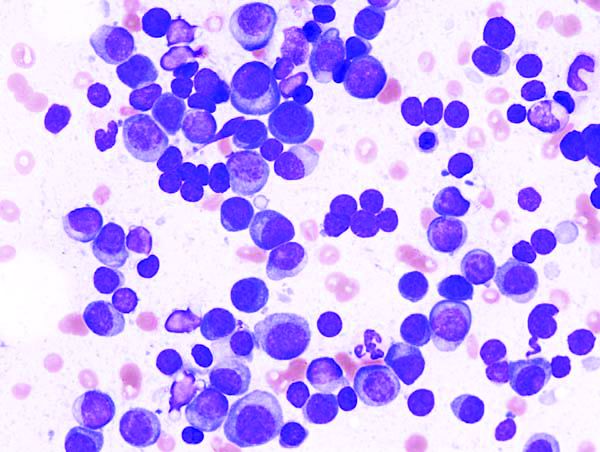
The advantages of levofloxacin prophylaxis appear to offset the potential risks in patients with newly diagnosed disease, explained Mark T. Drayson, MBChB, PhD, of the University of Birmingham (England) and colleagues. The study was published in the Lancet Oncology.
The randomized, placebo-controlled, phase 3 TEAMM study enrolled 977 patients with newly diagnosed myeloma. The effects of antimicrobial prophylaxis on infection risk and infection-related mortality were evaluated across 93 hospitals throughout the United Kingdom.
Study patients were randomly assigned to receive 500 mg of oral levofloxacin once daily or placebo for a total of 12 weeks. If applicable, dose adjustments were made based on estimated glomerular filtration rate.
At baseline, the team collected stool samples and nasal swabs, and follow-up assessment occurred every 4 weeks for up to 1 year. The primary endpoint was time to death (all causes) or first febrile event from the start of prophylactic therapy to 12 weeks.
After a median follow-up of 12 months, first febrile episodes or deaths were significantly lower for patients in the levofloxacin arm (19%), compared with the placebo arm (27%) for a hazard ratio for time to first event of 0.66 (95% confidence interval, 0.51-0.86; P = .0018).
With respect to safety, the rates of serious adverse events were similar between the study arms, with the exception of tendinitis in the levofloxacin group (1%). Among all patients, a total of 597 serious toxicities were observed from baseline to 16 weeks (52% in the levofloxacin arm vs. 48% in the placebo arm).
“To our knowledge, this is the first time that the use of prophylactic antibiotics has shown a survival benefit in patients with newly diagnosed myeloma,” the researchers reported.
One key limitation of the study was the younger patient population relative to the general population. As a result, differences in survival estimates could exist between the trial and real-world populations, they noted.
“Patients with newly diagnosed myeloma could benefit from levofloxacin prophylaxis, although local antibiotic resistance proportions must be considered,” the researchers cautioned.
The study was funded by the National Institute for Health Research in the United Kingdom. The authors reported financial affiliations with Actelion, Astellas, Celgene, Gilead, Janssen, Pfizer, Takeda, and other companies.
SOURCE: Drayson MT et al. Lancet Oncol. 2019 Oct 23. doi: 10.1016/S1470-2045(19)30506-6.
Adding levofloxacin to antimyeloma therapy improved survival and reduced infections in patients with newly diagnosed myeloma, findings from a phase 3 trial suggest.
The advantages of levofloxacin prophylaxis appear to offset the potential risks in patients with newly diagnosed disease, explained Mark T. Drayson, MBChB, PhD, of the University of Birmingham (England) and colleagues. The study was published in the Lancet Oncology.
The randomized, placebo-controlled, phase 3 TEAMM study enrolled 977 patients with newly diagnosed myeloma. The effects of antimicrobial prophylaxis on infection risk and infection-related mortality were evaluated across 93 hospitals throughout the United Kingdom.
Study patients were randomly assigned to receive 500 mg of oral levofloxacin once daily or placebo for a total of 12 weeks. If applicable, dose adjustments were made based on estimated glomerular filtration rate.
At baseline, the team collected stool samples and nasal swabs, and follow-up assessment occurred every 4 weeks for up to 1 year. The primary endpoint was time to death (all causes) or first febrile event from the start of prophylactic therapy to 12 weeks.
After a median follow-up of 12 months, first febrile episodes or deaths were significantly lower for patients in the levofloxacin arm (19%), compared with the placebo arm (27%) for a hazard ratio for time to first event of 0.66 (95% confidence interval, 0.51-0.86; P = .0018).
With respect to safety, the rates of serious adverse events were similar between the study arms, with the exception of tendinitis in the levofloxacin group (1%). Among all patients, a total of 597 serious toxicities were observed from baseline to 16 weeks (52% in the levofloxacin arm vs. 48% in the placebo arm).
“To our knowledge, this is the first time that the use of prophylactic antibiotics has shown a survival benefit in patients with newly diagnosed myeloma,” the researchers reported.
One key limitation of the study was the younger patient population relative to the general population. As a result, differences in survival estimates could exist between the trial and real-world populations, they noted.
“Patients with newly diagnosed myeloma could benefit from levofloxacin prophylaxis, although local antibiotic resistance proportions must be considered,” the researchers cautioned.
The study was funded by the National Institute for Health Research in the United Kingdom. The authors reported financial affiliations with Actelion, Astellas, Celgene, Gilead, Janssen, Pfizer, Takeda, and other companies.
SOURCE: Drayson MT et al. Lancet Oncol. 2019 Oct 23. doi: 10.1016/S1470-2045(19)30506-6.
Adding levofloxacin to antimyeloma therapy improved survival and reduced infections in patients with newly diagnosed myeloma, findings from a phase 3 trial suggest.
The advantages of levofloxacin prophylaxis appear to offset the potential risks in patients with newly diagnosed disease, explained Mark T. Drayson, MBChB, PhD, of the University of Birmingham (England) and colleagues. The study was published in the Lancet Oncology.
The randomized, placebo-controlled, phase 3 TEAMM study enrolled 977 patients with newly diagnosed myeloma. The effects of antimicrobial prophylaxis on infection risk and infection-related mortality were evaluated across 93 hospitals throughout the United Kingdom.
Study patients were randomly assigned to receive 500 mg of oral levofloxacin once daily or placebo for a total of 12 weeks. If applicable, dose adjustments were made based on estimated glomerular filtration rate.
At baseline, the team collected stool samples and nasal swabs, and follow-up assessment occurred every 4 weeks for up to 1 year. The primary endpoint was time to death (all causes) or first febrile event from the start of prophylactic therapy to 12 weeks.
After a median follow-up of 12 months, first febrile episodes or deaths were significantly lower for patients in the levofloxacin arm (19%), compared with the placebo arm (27%) for a hazard ratio for time to first event of 0.66 (95% confidence interval, 0.51-0.86; P = .0018).
With respect to safety, the rates of serious adverse events were similar between the study arms, with the exception of tendinitis in the levofloxacin group (1%). Among all patients, a total of 597 serious toxicities were observed from baseline to 16 weeks (52% in the levofloxacin arm vs. 48% in the placebo arm).
“To our knowledge, this is the first time that the use of prophylactic antibiotics has shown a survival benefit in patients with newly diagnosed myeloma,” the researchers reported.
One key limitation of the study was the younger patient population relative to the general population. As a result, differences in survival estimates could exist between the trial and real-world populations, they noted.
“Patients with newly diagnosed myeloma could benefit from levofloxacin prophylaxis, although local antibiotic resistance proportions must be considered,” the researchers cautioned.
The study was funded by the National Institute for Health Research in the United Kingdom. The authors reported financial affiliations with Actelion, Astellas, Celgene, Gilead, Janssen, Pfizer, Takeda, and other companies.
SOURCE: Drayson MT et al. Lancet Oncol. 2019 Oct 23. doi: 10.1016/S1470-2045(19)30506-6.
FROM LANCET ONCOLOGY
CBT and antidepressants have similar costs for major depressive disorder
according to a recent study published in Annals of Internal Medicine.

“In the absence of clear superiority of either treatment, shared decision making incorporating patient preferences is critical,” Eric L. Ross, MD, of Massachusetts General Hospital, Boston, and colleagues wrote in their study.
Dr. Ross and colleagues created a decision-analytic model for adults with major depressive disorder in the United States using age and gender data from the Sequenced Treatment Alternatives to Relieve Depression (STAR*D) trial, and simulated a cohort consisting of 62.2% women with a mean age of 40.7 years. Patients underwent cognitive behavioral therapy (CBT) or received a second-generation antidepressant (SGA) as first-line therapy, and the model calculated risks and benefits of each therapy as well as likelihood of remission and response using data from meta-analyses.
The researchers calculated the average quality-adjusted life-years (QALY) of both treatments at 1 years and 5 years. The incremental cost-effectiveness ratio (ICER) was set at $100,000 or less per QALY for cost effectiveness, and the results were adjusted to 2014 U.S. dollars. Researchers also calculated the net monetary benefit of each treatment based on health and economic outcomes.
At 1 year, Dr. Ross and colleagues found quality-adjusted survival in patients who received CBT increased by 3 days (QALY, 0.008; 95% confidence interval, 0.013-0.025) compared with SGA, but there was a higher mean cost to the health care sector ($900; 95% CI, $500-$1,400) and to society ($1,500; 95% CI, $500-$2,500). CBT was not cost effective at 1 year, with incremental cost-effectiveness ratios in the health care sector of $119,000 per QALY and $186,000 per QALY to society, but the net monetary benefit confidence intervals in the health care sector ($2,400-$1,600) and in society ($3,400-$1,600) appear to show some cost effectiveness for CBT at 1 year, the researchers said.
Compared with SGA, there was an increase of 20 quality-adjusted life days in patients who received CBT at 5 years (QALY, 0.055; 95% CI, 0.044-0.160), and the cost for CBT treatment was reduced by $2,000. While CBT appeared to be cost saving in the base-case analysis, the researchers said there was some uncertainty in the cost effectiveness of CBT when they calculated the incremental net monetary benefit of CBT for the health care sector ($8,100-$21,700) and to society ($10,400-$25,300). In a sensitivity analysis, preference for SGA as a first-line therapy at 1 year was between 64% and 77%, while CBT became more preferred between 1.5 and 2 years, and had between a 73% and 87% preference range at 5 years.
In a related editorial, Mark Sinyor, MD, of Sunnybrook Health Sciences Centre in Toronto, said that although more longitudinal data are needed comparing outcomes in patients with major depressive disorder undergoing treatment with psychotherapy or medication, clinicians should act on what the current evidence shows about the effectiveness of CBT and SGA.
“It is increasingly evident that differences in effectiveness between CBT and SGAs are not substantial and that CBT has some advantages, including potentially lower long-term costs. These must be balanced with the advantages of SGAs, such as potentially more rapid action as well as efficacy across the full [major depressive disorder] severity spectrum,” he said.
Dr. Sinyor also called for CBT and SGA to be made available to all patients with major depressive disorder.
“Antidepressants for [major depressive disorder] are widely accessible in developed countries and that is important for our patients. If we are serious about providing evidence-based care, CBT must become equally available,” he said.
Neil Skolnik, MD, professor of family and community medicine at Jefferson Medical College, Philadelphia, and an associate director of the family medicine residency program at Abington Jefferson Health, echoed the sentiment that CBT should be offered alongside antidepressants for treatment of major depressive disorder.

“CBT works as well or better than antidepressant medication, and since people learn skills that they can continue to use, it often has a long-lasting effect. In my experience, for people for whom CBT works – that is, for people who are seeing a therapist who use CBT as their technique and who are willing to put in the work it takes – CBT can be life changing,” he said in an interview. “So, I am not surprised, but I am happy to see the results of this study showing that CBT is cost effective.”
Dr. Skolnik emphasized that not every therapist offers CBT, so health care providers should be aware of the type of therapy they are referring their patients for and monitor that therapy when possible.
“We should talk to our patients, present them with options, and then decide together with our patients which approach is best for them,” Dr. Skolnik added. “Medications work, and for many this is a good choice. CBT works, and for many this is a good choice. For some patients, using both CBT and medications is the optimal choice. Both are about equally cost effective. We should discuss the options with our patients and decide the path forward together.”
This study was funded by grants from the U.S. Department of Veterans Affairs Health Services Research and Development and the National Institute of Mental Health. Dr. Ross reported receiving a grant from the National Institute of Mental Health. Two coauthors reported receiving grants from the Department of Veterans Affairs. Dr. Sinyor and Dr. Skolnik reported no conflicts of interest.
SOURCE: Ross EL et al. Ann Intern Med. 2019. doi: 10.7326/M18-1480.
according to a recent study published in Annals of Internal Medicine.
“In the absence of clear superiority of either treatment, shared decision making incorporating patient preferences is critical,” Eric L. Ross, MD, of Massachusetts General Hospital, Boston, and colleagues wrote in their study.
Dr. Ross and colleagues created a decision-analytic model for adults with major depressive disorder in the United States using age and gender data from the Sequenced Treatment Alternatives to Relieve Depression (STAR*D) trial, and simulated a cohort consisting of 62.2% women with a mean age of 40.7 years. Patients underwent cognitive behavioral therapy (CBT) or received a second-generation antidepressant (SGA) as first-line therapy, and the model calculated risks and benefits of each therapy as well as likelihood of remission and response using data from meta-analyses.
The researchers calculated the average quality-adjusted life-years (QALY) of both treatments at 1 years and 5 years. The incremental cost-effectiveness ratio (ICER) was set at $100,000 or less per QALY for cost effectiveness, and the results were adjusted to 2014 U.S. dollars. Researchers also calculated the net monetary benefit of each treatment based on health and economic outcomes.
At 1 year, Dr. Ross and colleagues found quality-adjusted survival in patients who received CBT increased by 3 days (QALY, 0.008; 95% confidence interval, 0.013-0.025) compared with SGA, but there was a higher mean cost to the health care sector ($900; 95% CI, $500-$1,400) and to society ($1,500; 95% CI, $500-$2,500). CBT was not cost effective at 1 year, with incremental cost-effectiveness ratios in the health care sector of $119,000 per QALY and $186,000 per QALY to society, but the net monetary benefit confidence intervals in the health care sector ($2,400-$1,600) and in society ($3,400-$1,600) appear to show some cost effectiveness for CBT at 1 year, the researchers said.
Compared with SGA, there was an increase of 20 quality-adjusted life days in patients who received CBT at 5 years (QALY, 0.055; 95% CI, 0.044-0.160), and the cost for CBT treatment was reduced by $2,000. While CBT appeared to be cost saving in the base-case analysis, the researchers said there was some uncertainty in the cost effectiveness of CBT when they calculated the incremental net monetary benefit of CBT for the health care sector ($8,100-$21,700) and to society ($10,400-$25,300). In a sensitivity analysis, preference for SGA as a first-line therapy at 1 year was between 64% and 77%, while CBT became more preferred between 1.5 and 2 years, and had between a 73% and 87% preference range at 5 years.
In a related editorial, Mark Sinyor, MD, of Sunnybrook Health Sciences Centre in Toronto, said that although more longitudinal data are needed comparing outcomes in patients with major depressive disorder undergoing treatment with psychotherapy or medication, clinicians should act on what the current evidence shows about the effectiveness of CBT and SGA.
“It is increasingly evident that differences in effectiveness between CBT and SGAs are not substantial and that CBT has some advantages, including potentially lower long-term costs. These must be balanced with the advantages of SGAs, such as potentially more rapid action as well as efficacy across the full [major depressive disorder] severity spectrum,” he said.
Dr. Sinyor also called for CBT and SGA to be made available to all patients with major depressive disorder.
“Antidepressants for [major depressive disorder] are widely accessible in developed countries and that is important for our patients. If we are serious about providing evidence-based care, CBT must become equally available,” he said.
Neil Skolnik, MD, professor of family and community medicine at Jefferson Medical College, Philadelphia, and an associate director of the family medicine residency program at Abington Jefferson Health, echoed the sentiment that CBT should be offered alongside antidepressants for treatment of major depressive disorder.
“CBT works as well or better than antidepressant medication, and since people learn skills that they can continue to use, it often has a long-lasting effect. In my experience, for people for whom CBT works – that is, for people who are seeing a therapist who use CBT as their technique and who are willing to put in the work it takes – CBT can be life changing,” he said in an interview. “So, I am not surprised, but I am happy to see the results of this study showing that CBT is cost effective.”
Dr. Skolnik emphasized that not every therapist offers CBT, so health care providers should be aware of the type of therapy they are referring their patients for and monitor that therapy when possible.
“We should talk to our patients, present them with options, and then decide together with our patients which approach is best for them,” Dr. Skolnik added. “Medications work, and for many this is a good choice. CBT works, and for many this is a good choice. For some patients, using both CBT and medications is the optimal choice. Both are about equally cost effective. We should discuss the options with our patients and decide the path forward together.”
This study was funded by grants from the U.S. Department of Veterans Affairs Health Services Research and Development and the National Institute of Mental Health. Dr. Ross reported receiving a grant from the National Institute of Mental Health. Two coauthors reported receiving grants from the Department of Veterans Affairs. Dr. Sinyor and Dr. Skolnik reported no conflicts of interest.
SOURCE: Ross EL et al. Ann Intern Med. 2019. doi: 10.7326/M18-1480.
according to a recent study published in Annals of Internal Medicine.
“In the absence of clear superiority of either treatment, shared decision making incorporating patient preferences is critical,” Eric L. Ross, MD, of Massachusetts General Hospital, Boston, and colleagues wrote in their study.
Dr. Ross and colleagues created a decision-analytic model for adults with major depressive disorder in the United States using age and gender data from the Sequenced Treatment Alternatives to Relieve Depression (STAR*D) trial, and simulated a cohort consisting of 62.2% women with a mean age of 40.7 years. Patients underwent cognitive behavioral therapy (CBT) or received a second-generation antidepressant (SGA) as first-line therapy, and the model calculated risks and benefits of each therapy as well as likelihood of remission and response using data from meta-analyses.
The researchers calculated the average quality-adjusted life-years (QALY) of both treatments at 1 years and 5 years. The incremental cost-effectiveness ratio (ICER) was set at $100,000 or less per QALY for cost effectiveness, and the results were adjusted to 2014 U.S. dollars. Researchers also calculated the net monetary benefit of each treatment based on health and economic outcomes.
At 1 year, Dr. Ross and colleagues found quality-adjusted survival in patients who received CBT increased by 3 days (QALY, 0.008; 95% confidence interval, 0.013-0.025) compared with SGA, but there was a higher mean cost to the health care sector ($900; 95% CI, $500-$1,400) and to society ($1,500; 95% CI, $500-$2,500). CBT was not cost effective at 1 year, with incremental cost-effectiveness ratios in the health care sector of $119,000 per QALY and $186,000 per QALY to society, but the net monetary benefit confidence intervals in the health care sector ($2,400-$1,600) and in society ($3,400-$1,600) appear to show some cost effectiveness for CBT at 1 year, the researchers said.
Compared with SGA, there was an increase of 20 quality-adjusted life days in patients who received CBT at 5 years (QALY, 0.055; 95% CI, 0.044-0.160), and the cost for CBT treatment was reduced by $2,000. While CBT appeared to be cost saving in the base-case analysis, the researchers said there was some uncertainty in the cost effectiveness of CBT when they calculated the incremental net monetary benefit of CBT for the health care sector ($8,100-$21,700) and to society ($10,400-$25,300). In a sensitivity analysis, preference for SGA as a first-line therapy at 1 year was between 64% and 77%, while CBT became more preferred between 1.5 and 2 years, and had between a 73% and 87% preference range at 5 years.
In a related editorial, Mark Sinyor, MD, of Sunnybrook Health Sciences Centre in Toronto, said that although more longitudinal data are needed comparing outcomes in patients with major depressive disorder undergoing treatment with psychotherapy or medication, clinicians should act on what the current evidence shows about the effectiveness of CBT and SGA.
“It is increasingly evident that differences in effectiveness between CBT and SGAs are not substantial and that CBT has some advantages, including potentially lower long-term costs. These must be balanced with the advantages of SGAs, such as potentially more rapid action as well as efficacy across the full [major depressive disorder] severity spectrum,” he said.
Dr. Sinyor also called for CBT and SGA to be made available to all patients with major depressive disorder.
“Antidepressants for [major depressive disorder] are widely accessible in developed countries and that is important for our patients. If we are serious about providing evidence-based care, CBT must become equally available,” he said.
Neil Skolnik, MD, professor of family and community medicine at Jefferson Medical College, Philadelphia, and an associate director of the family medicine residency program at Abington Jefferson Health, echoed the sentiment that CBT should be offered alongside antidepressants for treatment of major depressive disorder.
“CBT works as well or better than antidepressant medication, and since people learn skills that they can continue to use, it often has a long-lasting effect. In my experience, for people for whom CBT works – that is, for people who are seeing a therapist who use CBT as their technique and who are willing to put in the work it takes – CBT can be life changing,” he said in an interview. “So, I am not surprised, but I am happy to see the results of this study showing that CBT is cost effective.”
Dr. Skolnik emphasized that not every therapist offers CBT, so health care providers should be aware of the type of therapy they are referring their patients for and monitor that therapy when possible.
“We should talk to our patients, present them with options, and then decide together with our patients which approach is best for them,” Dr. Skolnik added. “Medications work, and for many this is a good choice. CBT works, and for many this is a good choice. For some patients, using both CBT and medications is the optimal choice. Both are about equally cost effective. We should discuss the options with our patients and decide the path forward together.”
This study was funded by grants from the U.S. Department of Veterans Affairs Health Services Research and Development and the National Institute of Mental Health. Dr. Ross reported receiving a grant from the National Institute of Mental Health. Two coauthors reported receiving grants from the Department of Veterans Affairs. Dr. Sinyor and Dr. Skolnik reported no conflicts of interest.
SOURCE: Ross EL et al. Ann Intern Med. 2019. doi: 10.7326/M18-1480.
FROM ANNALS OF INTERNAL MEDICINE
What’s the proper place of benzodiazepines in psychiatry?
Tread carefully, but do not eliminate them as an option, two experts advise.
SAN DIEGO – Not long before his presentation at Psych Congress 2019, psychiatrist Rakesh Jain, MD, MPH, chatted with a fellow attendee, a nurse practitioner from Tyler, Tex. As Dr. Jain recalled later, his fellow Texan told him that “it’s not unusual to see patients on three benzodiazepines.”
The nurse practitioner “talks to them about how they need to do things differently, and they forget,” Dr. Jain said. “He’s very worried about them.”
Dr. Jain is familiar with the feeling. Like many mental health professionals, he worries about the role of benzodiazepines, which seem to be both widely used and misused. Figuring out their proper place in psychiatry “may require us to raise our game,” said Dr. Jain, of Texas Tech University in Midland.
What to do? Dr. Jain and a colleague offered the same answer – tread carefully, but do not eliminate them as an option – in two separate sessions at the annual Psych Congress.
As Dr. Jain noted, benzodiazepines are popular, and for good reason. “There are many patients, perhaps hundreds of thousands, who are using benzodiazepines chronically, and they’re doing it right. There’s not a CVS in America where benzodiazepines aren’t well stocked. They’re very inexpensive, and the most costly benzodiazepine is still cheaper than Motrin.”
On the other hand, he said, the medications are linked to addiction and physical dependence. “Thirty percent of those who die of opioid overdoses may not have died if they didn’t have benzodiazepines [in their systems].”
In another presentation, psychiatrist Murray B. Stein, MD, MPH, of the University of California at San Diego and VA San Diego Healthcare System, offered these tips about prescribing benzodiazepines for patients with anxiety.
Be very cautious about prescribing as needed
“It’s rarely indicated to prescribe benzodiazepine [as needed] when you’re treating people with anxiety,” he said. “The main reason is patients don’t know when they need it. They take their pills either when they’re so anxious that they’ve already been freaking out for a long time, or they take it when they’re first starting to feel at least a bit anxious. That leads to taking it to prevent being anxious.”
Allow an as-needed approach in certain situations
However, he said, advise patients to try the medication beforehand so they understand its effects. “I’ve had one occasion where I thought we had a dose worked out well. Somebody had to do a work presentation, and he took the medicine and got up in front of the group. He wasn’t anxious at all. But he couldn’t remember a single thing.”
Don’t use them as patients start SSRIs
Patients can get anxious as they start SSRIs, especially for panic disorders, Dr. Stein said. So it might seem reasonable, as some psychiatrists believe, to add benzodiazepines on a short-term basis.
But Dr. Stein said he is not a fan of this approach. As he noted, benzodiazepines are hard to stop. He prefers to help patients understand possible side effects of SSRIs instead, and he emphasized the importance of being available to help patients get through them.
Dr. Jain and Dr. Stein each reported multiple relationships with industry.
Tread carefully, but do not eliminate them as an option, two experts advise.
Tread carefully, but do not eliminate them as an option, two experts advise.
SAN DIEGO – Not long before his presentation at Psych Congress 2019, psychiatrist Rakesh Jain, MD, MPH, chatted with a fellow attendee, a nurse practitioner from Tyler, Tex. As Dr. Jain recalled later, his fellow Texan told him that “it’s not unusual to see patients on three benzodiazepines.”
The nurse practitioner “talks to them about how they need to do things differently, and they forget,” Dr. Jain said. “He’s very worried about them.”
Dr. Jain is familiar with the feeling. Like many mental health professionals, he worries about the role of benzodiazepines, which seem to be both widely used and misused. Figuring out their proper place in psychiatry “may require us to raise our game,” said Dr. Jain, of Texas Tech University in Midland.
What to do? Dr. Jain and a colleague offered the same answer – tread carefully, but do not eliminate them as an option – in two separate sessions at the annual Psych Congress.
As Dr. Jain noted, benzodiazepines are popular, and for good reason. “There are many patients, perhaps hundreds of thousands, who are using benzodiazepines chronically, and they’re doing it right. There’s not a CVS in America where benzodiazepines aren’t well stocked. They’re very inexpensive, and the most costly benzodiazepine is still cheaper than Motrin.”
On the other hand, he said, the medications are linked to addiction and physical dependence. “Thirty percent of those who die of opioid overdoses may not have died if they didn’t have benzodiazepines [in their systems].”
In another presentation, psychiatrist Murray B. Stein, MD, MPH, of the University of California at San Diego and VA San Diego Healthcare System, offered these tips about prescribing benzodiazepines for patients with anxiety.
Be very cautious about prescribing as needed
“It’s rarely indicated to prescribe benzodiazepine [as needed] when you’re treating people with anxiety,” he said. “The main reason is patients don’t know when they need it. They take their pills either when they’re so anxious that they’ve already been freaking out for a long time, or they take it when they’re first starting to feel at least a bit anxious. That leads to taking it to prevent being anxious.”
Allow an as-needed approach in certain situations
However, he said, advise patients to try the medication beforehand so they understand its effects. “I’ve had one occasion where I thought we had a dose worked out well. Somebody had to do a work presentation, and he took the medicine and got up in front of the group. He wasn’t anxious at all. But he couldn’t remember a single thing.”
Don’t use them as patients start SSRIs
Patients can get anxious as they start SSRIs, especially for panic disorders, Dr. Stein said. So it might seem reasonable, as some psychiatrists believe, to add benzodiazepines on a short-term basis.
But Dr. Stein said he is not a fan of this approach. As he noted, benzodiazepines are hard to stop. He prefers to help patients understand possible side effects of SSRIs instead, and he emphasized the importance of being available to help patients get through them.
Dr. Jain and Dr. Stein each reported multiple relationships with industry.
SAN DIEGO – Not long before his presentation at Psych Congress 2019, psychiatrist Rakesh Jain, MD, MPH, chatted with a fellow attendee, a nurse practitioner from Tyler, Tex. As Dr. Jain recalled later, his fellow Texan told him that “it’s not unusual to see patients on three benzodiazepines.”
The nurse practitioner “talks to them about how they need to do things differently, and they forget,” Dr. Jain said. “He’s very worried about them.”
Dr. Jain is familiar with the feeling. Like many mental health professionals, he worries about the role of benzodiazepines, which seem to be both widely used and misused. Figuring out their proper place in psychiatry “may require us to raise our game,” said Dr. Jain, of Texas Tech University in Midland.
What to do? Dr. Jain and a colleague offered the same answer – tread carefully, but do not eliminate them as an option – in two separate sessions at the annual Psych Congress.
As Dr. Jain noted, benzodiazepines are popular, and for good reason. “There are many patients, perhaps hundreds of thousands, who are using benzodiazepines chronically, and they’re doing it right. There’s not a CVS in America where benzodiazepines aren’t well stocked. They’re very inexpensive, and the most costly benzodiazepine is still cheaper than Motrin.”
On the other hand, he said, the medications are linked to addiction and physical dependence. “Thirty percent of those who die of opioid overdoses may not have died if they didn’t have benzodiazepines [in their systems].”
In another presentation, psychiatrist Murray B. Stein, MD, MPH, of the University of California at San Diego and VA San Diego Healthcare System, offered these tips about prescribing benzodiazepines for patients with anxiety.
Be very cautious about prescribing as needed
“It’s rarely indicated to prescribe benzodiazepine [as needed] when you’re treating people with anxiety,” he said. “The main reason is patients don’t know when they need it. They take their pills either when they’re so anxious that they’ve already been freaking out for a long time, or they take it when they’re first starting to feel at least a bit anxious. That leads to taking it to prevent being anxious.”
Allow an as-needed approach in certain situations
However, he said, advise patients to try the medication beforehand so they understand its effects. “I’ve had one occasion where I thought we had a dose worked out well. Somebody had to do a work presentation, and he took the medicine and got up in front of the group. He wasn’t anxious at all. But he couldn’t remember a single thing.”
Don’t use them as patients start SSRIs
Patients can get anxious as they start SSRIs, especially for panic disorders, Dr. Stein said. So it might seem reasonable, as some psychiatrists believe, to add benzodiazepines on a short-term basis.
But Dr. Stein said he is not a fan of this approach. As he noted, benzodiazepines are hard to stop. He prefers to help patients understand possible side effects of SSRIs instead, and he emphasized the importance of being available to help patients get through them.
Dr. Jain and Dr. Stein each reported multiple relationships with industry.
REPORTING FROM PSYCH CONGRESS 2019
No infection increase seen with biologics in older psoriasis patients
MADRID – Psoriasis patients aged 65 years and older are at more than twice the risk of serious bacterial and opportunistic infections, compared with younger patients, but that risk is not further elevated by being on biologic agents, Joseph F. Merola, MD, reported at the annual congress of the European Academy of Dermatology and Venereology.

He presented a large, The study implications, he said, are clear: When moderate to severe psoriasis warrants consideration of highly effective biologic therapies, that therapeutic option shouldn’t be taken off the table on the basis of a mistaken belief that biologics pose a greater infection risk just because the affected patient is over age 65 years.
“We really think that older patients should be offered treatments at the same level of disease control as all the rest of our psoriasis patients, in the context of shared decision making,” said Dr. Merola, a dermatologist and rheumatologist who is the director of the Center for Skin and Related Musculoskeletal Diseases at Brigham and Women’s Hospital, Boston.
The study utilized longitudinal claims data from a very large U.S. database covering the years 2003-2017. Among the 185 million covered lives were 1.1 million individuals with psoriasis, including 150,000 aged 65 years or older. After excluding older psoriasis patients with comorbid cancer or autoimmune disease, the investigators were left with 11,218 older psoriasis patients initiating systemic therapy for the first time and therefore eligible for propensity score matching using a highly accurate proprietary platform. The final study population consisted of 2,795 older psoriasis patients newly initiating biologic therapy, 2,795 others newly initiating nonbiologic systemic agents, and 2,529 seniors starting phototherapy. The matching was based upon factors including age, sex, prior infections, comorbid psoriatic arthritis, diabetes, and obesity.
The primary study endpoint was the rate of serious bacterial or opportunistic infections requiring hospitalization during the first 6 months of treatment. The bottom line: The rates were closely similar across all three groups, with the most common serious infections being pneumonia and cellulitis.
In contrast, among a population of 115,047 senior psoriasis patients who never used systemic therapy, the risk of serious infection was 12.2 events per 1,000 patients over 6 months, compared with 5.3 events in 120,174 matched controls without psoriasis. That translates to a 2.24-fold increased risk.
One audience member commented that a limitation of the study was that all biologics were lumped together. He would expect that the tumor necrosis factor inhibitors, for example, would be associated with a significantly higher serious infection risk than biologics with other targets.
Dr. Merola conceded the point, adding that the investigators are trying to reanalyze the data in a more granular way to address that shortcoming. Other study limitations included an inability to access the specific doses of systemic treatments used or to stratify patients by disease severity.
Another audience member noted that dermatologists often reassure surgeons that there’s no increased risk of infection associated with psoriasis when in fact there is increased risk in older psoriasis patients, according to these new data.
“We’re not trying to send a message to surgeons to withhold a knee transplant because of a psoriasis plaque over the knee,” Dr. Merola replied. “I think we’ve all been there; we’ve all fought that battle.” Based on the data, he said, he would advise that “our patients who need to be on systemics should remain appropriately on systemics as we see fit.”
The study was entirely funded by Brigham and Women’s Hospital. Dr. Merola reported serving as a consultant to and/or recipient of research grants from nearly two dozen pharmaceutical companies.
MADRID – Psoriasis patients aged 65 years and older are at more than twice the risk of serious bacterial and opportunistic infections, compared with younger patients, but that risk is not further elevated by being on biologic agents, Joseph F. Merola, MD, reported at the annual congress of the European Academy of Dermatology and Venereology.
He presented a large, The study implications, he said, are clear: When moderate to severe psoriasis warrants consideration of highly effective biologic therapies, that therapeutic option shouldn’t be taken off the table on the basis of a mistaken belief that biologics pose a greater infection risk just because the affected patient is over age 65 years.
“We really think that older patients should be offered treatments at the same level of disease control as all the rest of our psoriasis patients, in the context of shared decision making,” said Dr. Merola, a dermatologist and rheumatologist who is the director of the Center for Skin and Related Musculoskeletal Diseases at Brigham and Women’s Hospital, Boston.
The study utilized longitudinal claims data from a very large U.S. database covering the years 2003-2017. Among the 185 million covered lives were 1.1 million individuals with psoriasis, including 150,000 aged 65 years or older. After excluding older psoriasis patients with comorbid cancer or autoimmune disease, the investigators were left with 11,218 older psoriasis patients initiating systemic therapy for the first time and therefore eligible for propensity score matching using a highly accurate proprietary platform. The final study population consisted of 2,795 older psoriasis patients newly initiating biologic therapy, 2,795 others newly initiating nonbiologic systemic agents, and 2,529 seniors starting phototherapy. The matching was based upon factors including age, sex, prior infections, comorbid psoriatic arthritis, diabetes, and obesity.
The primary study endpoint was the rate of serious bacterial or opportunistic infections requiring hospitalization during the first 6 months of treatment. The bottom line: The rates were closely similar across all three groups, with the most common serious infections being pneumonia and cellulitis.
In contrast, among a population of 115,047 senior psoriasis patients who never used systemic therapy, the risk of serious infection was 12.2 events per 1,000 patients over 6 months, compared with 5.3 events in 120,174 matched controls without psoriasis. That translates to a 2.24-fold increased risk.
One audience member commented that a limitation of the study was that all biologics were lumped together. He would expect that the tumor necrosis factor inhibitors, for example, would be associated with a significantly higher serious infection risk than biologics with other targets.
Dr. Merola conceded the point, adding that the investigators are trying to reanalyze the data in a more granular way to address that shortcoming. Other study limitations included an inability to access the specific doses of systemic treatments used or to stratify patients by disease severity.
Another audience member noted that dermatologists often reassure surgeons that there’s no increased risk of infection associated with psoriasis when in fact there is increased risk in older psoriasis patients, according to these new data.
“We’re not trying to send a message to surgeons to withhold a knee transplant because of a psoriasis plaque over the knee,” Dr. Merola replied. “I think we’ve all been there; we’ve all fought that battle.” Based on the data, he said, he would advise that “our patients who need to be on systemics should remain appropriately on systemics as we see fit.”
The study was entirely funded by Brigham and Women’s Hospital. Dr. Merola reported serving as a consultant to and/or recipient of research grants from nearly two dozen pharmaceutical companies.
MADRID – Psoriasis patients aged 65 years and older are at more than twice the risk of serious bacterial and opportunistic infections, compared with younger patients, but that risk is not further elevated by being on biologic agents, Joseph F. Merola, MD, reported at the annual congress of the European Academy of Dermatology and Venereology.
He presented a large, The study implications, he said, are clear: When moderate to severe psoriasis warrants consideration of highly effective biologic therapies, that therapeutic option shouldn’t be taken off the table on the basis of a mistaken belief that biologics pose a greater infection risk just because the affected patient is over age 65 years.
“We really think that older patients should be offered treatments at the same level of disease control as all the rest of our psoriasis patients, in the context of shared decision making,” said Dr. Merola, a dermatologist and rheumatologist who is the director of the Center for Skin and Related Musculoskeletal Diseases at Brigham and Women’s Hospital, Boston.
The study utilized longitudinal claims data from a very large U.S. database covering the years 2003-2017. Among the 185 million covered lives were 1.1 million individuals with psoriasis, including 150,000 aged 65 years or older. After excluding older psoriasis patients with comorbid cancer or autoimmune disease, the investigators were left with 11,218 older psoriasis patients initiating systemic therapy for the first time and therefore eligible for propensity score matching using a highly accurate proprietary platform. The final study population consisted of 2,795 older psoriasis patients newly initiating biologic therapy, 2,795 others newly initiating nonbiologic systemic agents, and 2,529 seniors starting phototherapy. The matching was based upon factors including age, sex, prior infections, comorbid psoriatic arthritis, diabetes, and obesity.
The primary study endpoint was the rate of serious bacterial or opportunistic infections requiring hospitalization during the first 6 months of treatment. The bottom line: The rates were closely similar across all three groups, with the most common serious infections being pneumonia and cellulitis.
In contrast, among a population of 115,047 senior psoriasis patients who never used systemic therapy, the risk of serious infection was 12.2 events per 1,000 patients over 6 months, compared with 5.3 events in 120,174 matched controls without psoriasis. That translates to a 2.24-fold increased risk.
One audience member commented that a limitation of the study was that all biologics were lumped together. He would expect that the tumor necrosis factor inhibitors, for example, would be associated with a significantly higher serious infection risk than biologics with other targets.
Dr. Merola conceded the point, adding that the investigators are trying to reanalyze the data in a more granular way to address that shortcoming. Other study limitations included an inability to access the specific doses of systemic treatments used or to stratify patients by disease severity.
Another audience member noted that dermatologists often reassure surgeons that there’s no increased risk of infection associated with psoriasis when in fact there is increased risk in older psoriasis patients, according to these new data.
“We’re not trying to send a message to surgeons to withhold a knee transplant because of a psoriasis plaque over the knee,” Dr. Merola replied. “I think we’ve all been there; we’ve all fought that battle.” Based on the data, he said, he would advise that “our patients who need to be on systemics should remain appropriately on systemics as we see fit.”
The study was entirely funded by Brigham and Women’s Hospital. Dr. Merola reported serving as a consultant to and/or recipient of research grants from nearly two dozen pharmaceutical companies.
REPORTING FROM EADV 2019
SUSTAIN 10: Weight loss, glycemic control better with semaglutide than liraglutide
BARCELONA – Patients with type 2 diabetes who were treated with semaglutide achieved greater reductions in glycated hemoglobin (HbA1c) levels and body weight, compared with those receiving liraglutide, according to results presented at the annual meeting of the European Association for the Study of Diabetes.

In the phase 3b SUSTAIN 10 trial, conducted in 11 European countries, mean glycated hemoglobin at 30 weeks decreased by 1.7% with once-weekly semaglutide and 1.0% for once-daily liraglutide, from the overall baseline level of 8.2%. The estimated treatment difference (ETD) between the two treatments was –0.69 percentage points (95% confidence interval, –0.82 to –0.56; P less than .0001).
Mean body weight decreased during the same period by 5.8 kg with semaglutide and 1.9 kg with liraglutide, from a baseline of 96.9 kg. The ETD was 3.83 kg (95% CI, –4.57 to –3.09; P less than .0001).
The doses of semaglutide and liraglutide used in the study were 1.0 mg and 1.2 mg, respectively, the latter being the dose that is used most commonly in clinical practice, study investigator Matthew Capehorn, MB, CAB, explained in an interview at the meeting.
“We know that at a dose of 1.8 mg, liraglutide is more effective than 1.2 mg, but it’s about whether it is deemed more cost effective,” said Dr. Capehorn, who is clinical manager at Rotherham (England) Institute for Obesity, Clifton Medical Centre. “Certainly, in the United Kingdom, we’re encouraged to use the 1.2-mg dose” according to guidance from the National Institute for Heath and Care Excellence, and “other European countries are the same.”
Dr. Capehorn noted that studies are being done with a higher dose of semaglutide to see if it has potential as a weight loss drug in its own right in patients who do not have type 2 diabetes. “I care as much about obesity and cardiovascular disease as I do about chasing the HbA1c level and getting that reduced, so I would rather pick an agent that covers all three [components], than just looking at the HbA1c,” he said.
In SUSTAIN 10,577 adults with type 2 diabetes and an HbA1c level of between 7.0% and 11.0% who were on stable doses of one to three oral antidiabetic drugs were randomized to receive semaglutide (n = 290) or liraglutide (n = 287) for 30 weeks.
The primary endpoint was the change in HbA1c from baseline to week 30, and the secondary confirmatory endpoint was change in body weight over the same period.
In presenting the findings, which were simultaneously published in Diabetes & Metabolism, Dr. Capehorn noted that the efficacy results were consistent with those of other SUSTAIN trials that compared semaglutide with other glucagonlike peptide–1 receptor antagonists, notably SUSTAIN 3 (with exenatide extended release) and SUSTAIN 7 (with dulaglutide).
Other efficacy findings from SUSTAIN 10 were that semaglutide produced greater mean changes than did liraglutide in both fasting plasma glucose and in a 7-point, self-monitoring of blood glucose profile.
A greater percentage of people treated with semaglutide, compared with liraglutide, also achieved their glycemic targets of less than 7.0% (80% vs. 46%, respectively) and of 6.5% or less (58% vs. 25%), and their weight loss targets of 5% or more (56% vs. 18%) and 10% or more (19% vs. 4%).
In addition, more semaglutide- than liraglutide-treated patients achieved an HbA1c target of less than 7.0% without severe or blood glucose–confirmed symptomatic hypoglycemia, with or without weight gain (76% vs. 37%; P less than .0001). There were also more semaglutide patients who achieved an HbA1c reduction of 1% or more and a weight loss reduction of 10% or more (17% vs. 4% for liraglutide, P less than .0001).
The safety profiles were similar for semaglutide and liraglutide, Dr. Capehorn noted, but gastrointestinal adverse events were more prevalent in patients receiving semaglutide, compared with liraglutide (43.9% vs. 38.3%), and more patients receiving semaglutide discontinued treatment prematurely because of those adverse events (11.4% vs. 6.6% for liraglutide).
Novo Nordisk sponsored the study. Dr. Capehorn reported receiving research funding from, providing advisory board support to, and speaker fees from Novo Nordisk and from several other companies.
SOURCE: Capehorn M et al. EASD 2019, Oral Presentation 53; Capehorn M et al. Diabetes Metab. 2019 Sep 17. doi: 10.1016/j.diabet.2019.101117.
BARCELONA – Patients with type 2 diabetes who were treated with semaglutide achieved greater reductions in glycated hemoglobin (HbA1c) levels and body weight, compared with those receiving liraglutide, according to results presented at the annual meeting of the European Association for the Study of Diabetes.
In the phase 3b SUSTAIN 10 trial, conducted in 11 European countries, mean glycated hemoglobin at 30 weeks decreased by 1.7% with once-weekly semaglutide and 1.0% for once-daily liraglutide, from the overall baseline level of 8.2%. The estimated treatment difference (ETD) between the two treatments was –0.69 percentage points (95% confidence interval, –0.82 to –0.56; P less than .0001).
Mean body weight decreased during the same period by 5.8 kg with semaglutide and 1.9 kg with liraglutide, from a baseline of 96.9 kg. The ETD was 3.83 kg (95% CI, –4.57 to –3.09; P less than .0001).
The doses of semaglutide and liraglutide used in the study were 1.0 mg and 1.2 mg, respectively, the latter being the dose that is used most commonly in clinical practice, study investigator Matthew Capehorn, MB, CAB, explained in an interview at the meeting.
“We know that at a dose of 1.8 mg, liraglutide is more effective than 1.2 mg, but it’s about whether it is deemed more cost effective,” said Dr. Capehorn, who is clinical manager at Rotherham (England) Institute for Obesity, Clifton Medical Centre. “Certainly, in the United Kingdom, we’re encouraged to use the 1.2-mg dose” according to guidance from the National Institute for Heath and Care Excellence, and “other European countries are the same.”
Dr. Capehorn noted that studies are being done with a higher dose of semaglutide to see if it has potential as a weight loss drug in its own right in patients who do not have type 2 diabetes. “I care as much about obesity and cardiovascular disease as I do about chasing the HbA1c level and getting that reduced, so I would rather pick an agent that covers all three [components], than just looking at the HbA1c,” he said.
In SUSTAIN 10,577 adults with type 2 diabetes and an HbA1c level of between 7.0% and 11.0% who were on stable doses of one to three oral antidiabetic drugs were randomized to receive semaglutide (n = 290) or liraglutide (n = 287) for 30 weeks.
The primary endpoint was the change in HbA1c from baseline to week 30, and the secondary confirmatory endpoint was change in body weight over the same period.
In presenting the findings, which were simultaneously published in Diabetes & Metabolism, Dr. Capehorn noted that the efficacy results were consistent with those of other SUSTAIN trials that compared semaglutide with other glucagonlike peptide–1 receptor antagonists, notably SUSTAIN 3 (with exenatide extended release) and SUSTAIN 7 (with dulaglutide).
Other efficacy findings from SUSTAIN 10 were that semaglutide produced greater mean changes than did liraglutide in both fasting plasma glucose and in a 7-point, self-monitoring of blood glucose profile.
A greater percentage of people treated with semaglutide, compared with liraglutide, also achieved their glycemic targets of less than 7.0% (80% vs. 46%, respectively) and of 6.5% or less (58% vs. 25%), and their weight loss targets of 5% or more (56% vs. 18%) and 10% or more (19% vs. 4%).
In addition, more semaglutide- than liraglutide-treated patients achieved an HbA1c target of less than 7.0% without severe or blood glucose–confirmed symptomatic hypoglycemia, with or without weight gain (76% vs. 37%; P less than .0001). There were also more semaglutide patients who achieved an HbA1c reduction of 1% or more and a weight loss reduction of 10% or more (17% vs. 4% for liraglutide, P less than .0001).
The safety profiles were similar for semaglutide and liraglutide, Dr. Capehorn noted, but gastrointestinal adverse events were more prevalent in patients receiving semaglutide, compared with liraglutide (43.9% vs. 38.3%), and more patients receiving semaglutide discontinued treatment prematurely because of those adverse events (11.4% vs. 6.6% for liraglutide).
Novo Nordisk sponsored the study. Dr. Capehorn reported receiving research funding from, providing advisory board support to, and speaker fees from Novo Nordisk and from several other companies.
SOURCE: Capehorn M et al. EASD 2019, Oral Presentation 53; Capehorn M et al. Diabetes Metab. 2019 Sep 17. doi: 10.1016/j.diabet.2019.101117.
BARCELONA – Patients with type 2 diabetes who were treated with semaglutide achieved greater reductions in glycated hemoglobin (HbA1c) levels and body weight, compared with those receiving liraglutide, according to results presented at the annual meeting of the European Association for the Study of Diabetes.
In the phase 3b SUSTAIN 10 trial, conducted in 11 European countries, mean glycated hemoglobin at 30 weeks decreased by 1.7% with once-weekly semaglutide and 1.0% for once-daily liraglutide, from the overall baseline level of 8.2%. The estimated treatment difference (ETD) between the two treatments was –0.69 percentage points (95% confidence interval, –0.82 to –0.56; P less than .0001).
Mean body weight decreased during the same period by 5.8 kg with semaglutide and 1.9 kg with liraglutide, from a baseline of 96.9 kg. The ETD was 3.83 kg (95% CI, –4.57 to –3.09; P less than .0001).
The doses of semaglutide and liraglutide used in the study were 1.0 mg and 1.2 mg, respectively, the latter being the dose that is used most commonly in clinical practice, study investigator Matthew Capehorn, MB, CAB, explained in an interview at the meeting.
“We know that at a dose of 1.8 mg, liraglutide is more effective than 1.2 mg, but it’s about whether it is deemed more cost effective,” said Dr. Capehorn, who is clinical manager at Rotherham (England) Institute for Obesity, Clifton Medical Centre. “Certainly, in the United Kingdom, we’re encouraged to use the 1.2-mg dose” according to guidance from the National Institute for Heath and Care Excellence, and “other European countries are the same.”
Dr. Capehorn noted that studies are being done with a higher dose of semaglutide to see if it has potential as a weight loss drug in its own right in patients who do not have type 2 diabetes. “I care as much about obesity and cardiovascular disease as I do about chasing the HbA1c level and getting that reduced, so I would rather pick an agent that covers all three [components], than just looking at the HbA1c,” he said.
In SUSTAIN 10,577 adults with type 2 diabetes and an HbA1c level of between 7.0% and 11.0% who were on stable doses of one to three oral antidiabetic drugs were randomized to receive semaglutide (n = 290) or liraglutide (n = 287) for 30 weeks.
The primary endpoint was the change in HbA1c from baseline to week 30, and the secondary confirmatory endpoint was change in body weight over the same period.
In presenting the findings, which were simultaneously published in Diabetes & Metabolism, Dr. Capehorn noted that the efficacy results were consistent with those of other SUSTAIN trials that compared semaglutide with other glucagonlike peptide–1 receptor antagonists, notably SUSTAIN 3 (with exenatide extended release) and SUSTAIN 7 (with dulaglutide).
Other efficacy findings from SUSTAIN 10 were that semaglutide produced greater mean changes than did liraglutide in both fasting plasma glucose and in a 7-point, self-monitoring of blood glucose profile.
A greater percentage of people treated with semaglutide, compared with liraglutide, also achieved their glycemic targets of less than 7.0% (80% vs. 46%, respectively) and of 6.5% or less (58% vs. 25%), and their weight loss targets of 5% or more (56% vs. 18%) and 10% or more (19% vs. 4%).
In addition, more semaglutide- than liraglutide-treated patients achieved an HbA1c target of less than 7.0% without severe or blood glucose–confirmed symptomatic hypoglycemia, with or without weight gain (76% vs. 37%; P less than .0001). There were also more semaglutide patients who achieved an HbA1c reduction of 1% or more and a weight loss reduction of 10% or more (17% vs. 4% for liraglutide, P less than .0001).
The safety profiles were similar for semaglutide and liraglutide, Dr. Capehorn noted, but gastrointestinal adverse events were more prevalent in patients receiving semaglutide, compared with liraglutide (43.9% vs. 38.3%), and more patients receiving semaglutide discontinued treatment prematurely because of those adverse events (11.4% vs. 6.6% for liraglutide).
Novo Nordisk sponsored the study. Dr. Capehorn reported receiving research funding from, providing advisory board support to, and speaker fees from Novo Nordisk and from several other companies.
SOURCE: Capehorn M et al. EASD 2019, Oral Presentation 53; Capehorn M et al. Diabetes Metab. 2019 Sep 17. doi: 10.1016/j.diabet.2019.101117.
REPORTING FROM EASD 2019

Pelosi drug pricing bill passes Ways and Means on party line vote
The House Ways and Means Committee is the latest to pass H.R. 3, a bill aimed at driving the price of prescription drugs down.

During an Oct. 22, 2019, markup of the bill, Republican members criticized committee leadership for abandoning bipartisan efforts to reign in drug prices in favor of a partisan bill that so far gained no support from the minority party. H.R. 3 was passed by the Ways and Means Committee on a 24-17 party line vote.
Both “Democrats and Republicans support lowering drug prices, cracking down on overpriced drugs, giving patients more power to choose affordable medicines, and removing the wrong incentives in federal health programs that reward bad actors for raising prices,” Committee Ranking Member Kevin Brady (R-Tex.) said in his opening statement. In fact, at the request of Committee Chairman Richard Neal (D-Mass.), “both parties in this committee were working together toward that important goal. At least until Speaker Nancy Pelosi (D-Calif.) trashed the bipartisan work and forced through a secretly written, deeply controversial, and highly partisan drug bill to cure political illnesses rather than real ones.”
H.R. 3, recently renamed the Elijah E. Cummings Lower Drug Costs Now Act of 2019, would give the secretary of the Department of Health & Human Services the ability to negotiate drug prices for Medicare Part D (something explicitly banned under current law), implement an excise tax on drugs that see price hikes above the rate of inflation, cap out-of-pocket expenditures annually for Medicare Part D beneficiaries at $2,000, and use an international pricing index to help bring prices for drugs sold in the United States more in line with the lower prices in foreign countries.
But panel Democrats praised the bill as a step forward in helping to lower the cost of prescription drugs.
“H.R. 3 levels the playing field for U.S. consumers who, on average, pay four times more than patients in other countries for the exact same drugs,” Chairman Neal said in a statement following the passage.
He highlighted specifically the provision that caps out-of-pocket expenses in Part D and the HHS’ negotiating power, noting that “more people will be able to afford the drugs they need that they may have previously forgone due to high costs. With more Americans taking the medicines they’re prescribed, families will be healthier, and premiums will go down.”
Republican committee members argued that these same provisions would stifle innovation and ultimately would reduce access to medicine. Most attempts at altering the provisions through amendments were met with strict party line rejection.
The House Ways and Means Committee is the latest to pass H.R. 3, a bill aimed at driving the price of prescription drugs down.
During an Oct. 22, 2019, markup of the bill, Republican members criticized committee leadership for abandoning bipartisan efforts to reign in drug prices in favor of a partisan bill that so far gained no support from the minority party. H.R. 3 was passed by the Ways and Means Committee on a 24-17 party line vote.
Both “Democrats and Republicans support lowering drug prices, cracking down on overpriced drugs, giving patients more power to choose affordable medicines, and removing the wrong incentives in federal health programs that reward bad actors for raising prices,” Committee Ranking Member Kevin Brady (R-Tex.) said in his opening statement. In fact, at the request of Committee Chairman Richard Neal (D-Mass.), “both parties in this committee were working together toward that important goal. At least until Speaker Nancy Pelosi (D-Calif.) trashed the bipartisan work and forced through a secretly written, deeply controversial, and highly partisan drug bill to cure political illnesses rather than real ones.”
H.R. 3, recently renamed the Elijah E. Cummings Lower Drug Costs Now Act of 2019, would give the secretary of the Department of Health & Human Services the ability to negotiate drug prices for Medicare Part D (something explicitly banned under current law), implement an excise tax on drugs that see price hikes above the rate of inflation, cap out-of-pocket expenditures annually for Medicare Part D beneficiaries at $2,000, and use an international pricing index to help bring prices for drugs sold in the United States more in line with the lower prices in foreign countries.
But panel Democrats praised the bill as a step forward in helping to lower the cost of prescription drugs.
“H.R. 3 levels the playing field for U.S. consumers who, on average, pay four times more than patients in other countries for the exact same drugs,” Chairman Neal said in a statement following the passage.
He highlighted specifically the provision that caps out-of-pocket expenses in Part D and the HHS’ negotiating power, noting that “more people will be able to afford the drugs they need that they may have previously forgone due to high costs. With more Americans taking the medicines they’re prescribed, families will be healthier, and premiums will go down.”
Republican committee members argued that these same provisions would stifle innovation and ultimately would reduce access to medicine. Most attempts at altering the provisions through amendments were met with strict party line rejection.
The House Ways and Means Committee is the latest to pass H.R. 3, a bill aimed at driving the price of prescription drugs down.
During an Oct. 22, 2019, markup of the bill, Republican members criticized committee leadership for abandoning bipartisan efforts to reign in drug prices in favor of a partisan bill that so far gained no support from the minority party. H.R. 3 was passed by the Ways and Means Committee on a 24-17 party line vote.
Both “Democrats and Republicans support lowering drug prices, cracking down on overpriced drugs, giving patients more power to choose affordable medicines, and removing the wrong incentives in federal health programs that reward bad actors for raising prices,” Committee Ranking Member Kevin Brady (R-Tex.) said in his opening statement. In fact, at the request of Committee Chairman Richard Neal (D-Mass.), “both parties in this committee were working together toward that important goal. At least until Speaker Nancy Pelosi (D-Calif.) trashed the bipartisan work and forced through a secretly written, deeply controversial, and highly partisan drug bill to cure political illnesses rather than real ones.”
H.R. 3, recently renamed the Elijah E. Cummings Lower Drug Costs Now Act of 2019, would give the secretary of the Department of Health & Human Services the ability to negotiate drug prices for Medicare Part D (something explicitly banned under current law), implement an excise tax on drugs that see price hikes above the rate of inflation, cap out-of-pocket expenditures annually for Medicare Part D beneficiaries at $2,000, and use an international pricing index to help bring prices for drugs sold in the United States more in line with the lower prices in foreign countries.
But panel Democrats praised the bill as a step forward in helping to lower the cost of prescription drugs.
“H.R. 3 levels the playing field for U.S. consumers who, on average, pay four times more than patients in other countries for the exact same drugs,” Chairman Neal said in a statement following the passage.
He highlighted specifically the provision that caps out-of-pocket expenses in Part D and the HHS’ negotiating power, noting that “more people will be able to afford the drugs they need that they may have previously forgone due to high costs. With more Americans taking the medicines they’re prescribed, families will be healthier, and premiums will go down.”
Republican committee members argued that these same provisions would stifle innovation and ultimately would reduce access to medicine. Most attempts at altering the provisions through amendments were met with strict party line rejection.
New drug improves sex drive, at least on paper
The novel drug bremelanotide shows promise in acquired female hypoactive sexual desire disorder, according to the results of two randomized, controlled trials and a 52-week open-label extension study published online in Obstetrics & Gynecology.
Bremelanotide, which received Food and Drug Administration approval for this indication in June 2019, is an analog of the endogenous neuropeptide alpha-melanocyte-stimulating hormone.
Two separate, identically designed phase 3 studies (RECONNECT) were performed by Sheryl Kingsburg, MD, of the Cleveland Medical Center, and associates. Combined, 1,267 premenopausal women in monogamous relationships with acquired hypoactive sexual desire disorder were randomized to bremelanotide or placebo. Women in the treatment arm had significant improvement in female sexual function index–desire domain (FSFI-D) scores from baseline to week 24 (integrated studies: 0.35; P less than .001; effect size, 0.39), compared with placebo. They also experienced significant improvement in the FSFI-desire/arousal/orgasm (FSFI-DAO) domain (integrated studies: –0.33; P less than .001; effect size, 0.27).
The most common adverse events were nausea (integrated: 40% versus 1% in placebo), flushing (20% versus 0.3%), and headache (11% versus 2%). Overall, 77% in the treatment group reported a treatment-emergent adverse event, compared with 58% in the placebo group.
The open-label follow-up study was led by James Simon, MD, of George Washington University and IntimMedicine Specialists, Washington. Of the 684 participants who opted to enter the extension study, 40% completed it. In those who received bremelanotide during the randomized trial, the change in FSFI-D scores from baseline to the end of the open-label study ranged from 1.25 to 1.30, while the change in FSFI-DAO ranged from –1.4 to –1.7. In patients originally on placebo, the changes were 0.70-0.77 and –0.9, respectively.
Both groups surpassed the minimally clinically important difference for the FSFI-D score, which is considered to be 0.6.
“Patients switching from placebo experienced a higher incidence of adverse events than those continuing on bremelanotide during the open-label extension (79% versus 63%, respectively),” Dr. Simon and associates said.
The treatment is subcutaneous and can be self-administered up to about 45 minutes before a sexual event, no more than once during a 24-hour period, and no more than 8 doses per month, according to an FDA press release. The drug is contraindicated for women with cardiovascular disease or uncontrolled hypertension due to observations of transiently, slightly increased blood pressure.
The trials were funded by Palatin Technologies and AMAG Pharmaceuticals. The authors and coauthors have extensive financial relationships with pharmaceutical companies. Dr. Carson reported no financial conflicts.
SOURCE: Obstet Gynecol. 2019 Oct 8. doi: 10.1097/AOG.0000000000003500; Obstet Gynecol. 2019 Oct 8. doi: 10.1097/AOG.0000000000003514.
The results indicate that sex is more satisfying in the treatment arm, but there is no evidence of an increase in the number of sexual events.
But the drug appears safe and offers a second option for women experiencing this concern.
Sandra Ann Carson, MD is in the departments of obstetrics, gynecology, and reproductive sciences, and reproductive endocrinology and infertility, at Yale University, New Haven, Conn. She made these comments in an editorial accompanying the articles by Kingsburg et al. and Simon et al. (Obstet Gynecol. 2019 Nov 134;[5]:897-8). Dr. Carson said she had no financial conflicts.
The results indicate that sex is more satisfying in the treatment arm, but there is no evidence of an increase in the number of sexual events.
But the drug appears safe and offers a second option for women experiencing this concern.
Sandra Ann Carson, MD is in the departments of obstetrics, gynecology, and reproductive sciences, and reproductive endocrinology and infertility, at Yale University, New Haven, Conn. She made these comments in an editorial accompanying the articles by Kingsburg et al. and Simon et al. (Obstet Gynecol. 2019 Nov 134;[5]:897-8). Dr. Carson said she had no financial conflicts.
The results indicate that sex is more satisfying in the treatment arm, but there is no evidence of an increase in the number of sexual events.
But the drug appears safe and offers a second option for women experiencing this concern.
Sandra Ann Carson, MD is in the departments of obstetrics, gynecology, and reproductive sciences, and reproductive endocrinology and infertility, at Yale University, New Haven, Conn. She made these comments in an editorial accompanying the articles by Kingsburg et al. and Simon et al. (Obstet Gynecol. 2019 Nov 134;[5]:897-8). Dr. Carson said she had no financial conflicts.
The novel drug bremelanotide shows promise in acquired female hypoactive sexual desire disorder, according to the results of two randomized, controlled trials and a 52-week open-label extension study published online in Obstetrics & Gynecology.
Bremelanotide, which received Food and Drug Administration approval for this indication in June 2019, is an analog of the endogenous neuropeptide alpha-melanocyte-stimulating hormone.
Two separate, identically designed phase 3 studies (RECONNECT) were performed by Sheryl Kingsburg, MD, of the Cleveland Medical Center, and associates. Combined, 1,267 premenopausal women in monogamous relationships with acquired hypoactive sexual desire disorder were randomized to bremelanotide or placebo. Women in the treatment arm had significant improvement in female sexual function index–desire domain (FSFI-D) scores from baseline to week 24 (integrated studies: 0.35; P less than .001; effect size, 0.39), compared with placebo. They also experienced significant improvement in the FSFI-desire/arousal/orgasm (FSFI-DAO) domain (integrated studies: –0.33; P less than .001; effect size, 0.27).
The most common adverse events were nausea (integrated: 40% versus 1% in placebo), flushing (20% versus 0.3%), and headache (11% versus 2%). Overall, 77% in the treatment group reported a treatment-emergent adverse event, compared with 58% in the placebo group.
The open-label follow-up study was led by James Simon, MD, of George Washington University and IntimMedicine Specialists, Washington. Of the 684 participants who opted to enter the extension study, 40% completed it. In those who received bremelanotide during the randomized trial, the change in FSFI-D scores from baseline to the end of the open-label study ranged from 1.25 to 1.30, while the change in FSFI-DAO ranged from –1.4 to –1.7. In patients originally on placebo, the changes were 0.70-0.77 and –0.9, respectively.
Both groups surpassed the minimally clinically important difference for the FSFI-D score, which is considered to be 0.6.
“Patients switching from placebo experienced a higher incidence of adverse events than those continuing on bremelanotide during the open-label extension (79% versus 63%, respectively),” Dr. Simon and associates said.
The treatment is subcutaneous and can be self-administered up to about 45 minutes before a sexual event, no more than once during a 24-hour period, and no more than 8 doses per month, according to an FDA press release. The drug is contraindicated for women with cardiovascular disease or uncontrolled hypertension due to observations of transiently, slightly increased blood pressure.
The trials were funded by Palatin Technologies and AMAG Pharmaceuticals. The authors and coauthors have extensive financial relationships with pharmaceutical companies. Dr. Carson reported no financial conflicts.
SOURCE: Obstet Gynecol. 2019 Oct 8. doi: 10.1097/AOG.0000000000003500; Obstet Gynecol. 2019 Oct 8. doi: 10.1097/AOG.0000000000003514.
The novel drug bremelanotide shows promise in acquired female hypoactive sexual desire disorder, according to the results of two randomized, controlled trials and a 52-week open-label extension study published online in Obstetrics & Gynecology.
Bremelanotide, which received Food and Drug Administration approval for this indication in June 2019, is an analog of the endogenous neuropeptide alpha-melanocyte-stimulating hormone.
Two separate, identically designed phase 3 studies (RECONNECT) were performed by Sheryl Kingsburg, MD, of the Cleveland Medical Center, and associates. Combined, 1,267 premenopausal women in monogamous relationships with acquired hypoactive sexual desire disorder were randomized to bremelanotide or placebo. Women in the treatment arm had significant improvement in female sexual function index–desire domain (FSFI-D) scores from baseline to week 24 (integrated studies: 0.35; P less than .001; effect size, 0.39), compared with placebo. They also experienced significant improvement in the FSFI-desire/arousal/orgasm (FSFI-DAO) domain (integrated studies: –0.33; P less than .001; effect size, 0.27).
The most common adverse events were nausea (integrated: 40% versus 1% in placebo), flushing (20% versus 0.3%), and headache (11% versus 2%). Overall, 77% in the treatment group reported a treatment-emergent adverse event, compared with 58% in the placebo group.
The open-label follow-up study was led by James Simon, MD, of George Washington University and IntimMedicine Specialists, Washington. Of the 684 participants who opted to enter the extension study, 40% completed it. In those who received bremelanotide during the randomized trial, the change in FSFI-D scores from baseline to the end of the open-label study ranged from 1.25 to 1.30, while the change in FSFI-DAO ranged from –1.4 to –1.7. In patients originally on placebo, the changes were 0.70-0.77 and –0.9, respectively.
Both groups surpassed the minimally clinically important difference for the FSFI-D score, which is considered to be 0.6.
“Patients switching from placebo experienced a higher incidence of adverse events than those continuing on bremelanotide during the open-label extension (79% versus 63%, respectively),” Dr. Simon and associates said.
The treatment is subcutaneous and can be self-administered up to about 45 minutes before a sexual event, no more than once during a 24-hour period, and no more than 8 doses per month, according to an FDA press release. The drug is contraindicated for women with cardiovascular disease or uncontrolled hypertension due to observations of transiently, slightly increased blood pressure.
The trials were funded by Palatin Technologies and AMAG Pharmaceuticals. The authors and coauthors have extensive financial relationships with pharmaceutical companies. Dr. Carson reported no financial conflicts.
SOURCE: Obstet Gynecol. 2019 Oct 8. doi: 10.1097/AOG.0000000000003500; Obstet Gynecol. 2019 Oct 8. doi: 10.1097/AOG.0000000000003514.
FROM OBSTETRICS & GYNECOLOGY
Trastuzumab benefit lasts long-term in HER2+ breast cancer
Among patients with human epidermal growth factor receptor 2–positive (HER2+) breast cancer, adding trastuzumab to adjuvant chemotherapy reduces risk of recurrence for at least 10 years, according to investigators.
The benefit of trastuzumab was greater among patients with hormone receptor–positive (HR+) disease than those with HR– disease until the 5-year timepoint, after which HR status had no significant impact on recurrence rates, reported lead author Saranya Chumsri, MD, of the Mayo Clinic in Jacksonville, Fla., and colleagues. This finding echoes a pattern similar to that of HER2– breast cancer, in which patients with HR+ disease have relatively consistent risk of recurrence over time, whereas patients with HR– disease have an early risk of recurrence that decreases after 5 years.
“To the best of our knowledge, this analysis is the first to address the risk of late relapses in subsets of HER2+ breast cancer patients who were treated with adjuvant trastuzumab,” the investigators wrote. Their report is in Journal of Clinical Oncology.
They drew data from 3,177 patients with HER2+ breast cancer who were involved in two phase 3 studies: the North Central Cancer Treatment Group N9831 and National Surgical Adjuvant Breast and Bowel Project B-31 trials. Patients involved in the analysis received either standard adjuvant chemotherapy with cyclophosphamide and doxorubicin followed by weekly paclitaxel or the same chemotherapy regimen plus concurrent trastuzumab. The primary outcome was recurrence-free survival, which was defined as time from randomization until local, regional, or distant recurrence of breast cancer or breast cancer–related death. Kaplan-Meier estimates were performed to determine recurrence-free survival, while Cox proportional hazards regression models were used to determine factors that predicted relapse.
Including a median follow-up of 8 years across all patients, the analysis showed that those with HR+ breast cancer had a significantly higher estimated rate of recurrence-free survival than that of those with HR– disease after 5 years (81.49% vs. 74.65%) and 10 years (73.84% vs. 69.22%). Overall, a comparable level of benefit was derived from adding trastuzumab regardless of HR status (interaction P = .87). However, during the first 5 years, HR positivity predicted greater benefit from adding trastuzumab, as patients with HR+ disease had a 40% lower risk of relapse than that of those with HR– disease (hazard ratio, 0.60; P less than .001). Between years 5 and 10, the statistical significance of HR status faded (P = .12), suggesting that HR status is not a predictor of long-term recurrence.
“Given concerning adverse effects and potentially smaller benefit of extended adjuvant endocrine therapy, particularly in patients with N0 or N1 disease, our findings highlight the need to develop better risk prediction models and biomarkers to identify which patients have sufficient risk for late relapse to warrant the use of extended endocrine therapy in HER2+ breast cancer,” the investigators concluded.
The study was funded by the National Institutes of Health, the Breast Cancer Research Foundation, Bankhead-Coley Research Program, the DONNA Foundation, and Genentech. Dr. Chumsri disclosed a financial relationship with Merck. Coauthors disclosed ties with Merck, Novartis, Genentech, and NanoString Technologies.
SOURCE: Chumsri et al. J Clin Oncol. 2019 Oct 17. doi: 10.1200/JCO.19.00443.
Among patients with human epidermal growth factor receptor 2–positive (HER2+) breast cancer, adding trastuzumab to adjuvant chemotherapy reduces risk of recurrence for at least 10 years, according to investigators.
The benefit of trastuzumab was greater among patients with hormone receptor–positive (HR+) disease than those with HR– disease until the 5-year timepoint, after which HR status had no significant impact on recurrence rates, reported lead author Saranya Chumsri, MD, of the Mayo Clinic in Jacksonville, Fla., and colleagues. This finding echoes a pattern similar to that of HER2– breast cancer, in which patients with HR+ disease have relatively consistent risk of recurrence over time, whereas patients with HR– disease have an early risk of recurrence that decreases after 5 years.
“To the best of our knowledge, this analysis is the first to address the risk of late relapses in subsets of HER2+ breast cancer patients who were treated with adjuvant trastuzumab,” the investigators wrote. Their report is in Journal of Clinical Oncology.
They drew data from 3,177 patients with HER2+ breast cancer who were involved in two phase 3 studies: the North Central Cancer Treatment Group N9831 and National Surgical Adjuvant Breast and Bowel Project B-31 trials. Patients involved in the analysis received either standard adjuvant chemotherapy with cyclophosphamide and doxorubicin followed by weekly paclitaxel or the same chemotherapy regimen plus concurrent trastuzumab. The primary outcome was recurrence-free survival, which was defined as time from randomization until local, regional, or distant recurrence of breast cancer or breast cancer–related death. Kaplan-Meier estimates were performed to determine recurrence-free survival, while Cox proportional hazards regression models were used to determine factors that predicted relapse.
Including a median follow-up of 8 years across all patients, the analysis showed that those with HR+ breast cancer had a significantly higher estimated rate of recurrence-free survival than that of those with HR– disease after 5 years (81.49% vs. 74.65%) and 10 years (73.84% vs. 69.22%). Overall, a comparable level of benefit was derived from adding trastuzumab regardless of HR status (interaction P = .87). However, during the first 5 years, HR positivity predicted greater benefit from adding trastuzumab, as patients with HR+ disease had a 40% lower risk of relapse than that of those with HR– disease (hazard ratio, 0.60; P less than .001). Between years 5 and 10, the statistical significance of HR status faded (P = .12), suggesting that HR status is not a predictor of long-term recurrence.
“Given concerning adverse effects and potentially smaller benefit of extended adjuvant endocrine therapy, particularly in patients with N0 or N1 disease, our findings highlight the need to develop better risk prediction models and biomarkers to identify which patients have sufficient risk for late relapse to warrant the use of extended endocrine therapy in HER2+ breast cancer,” the investigators concluded.
The study was funded by the National Institutes of Health, the Breast Cancer Research Foundation, Bankhead-Coley Research Program, the DONNA Foundation, and Genentech. Dr. Chumsri disclosed a financial relationship with Merck. Coauthors disclosed ties with Merck, Novartis, Genentech, and NanoString Technologies.
SOURCE: Chumsri et al. J Clin Oncol. 2019 Oct 17. doi: 10.1200/JCO.19.00443.
Among patients with human epidermal growth factor receptor 2–positive (HER2+) breast cancer, adding trastuzumab to adjuvant chemotherapy reduces risk of recurrence for at least 10 years, according to investigators.
The benefit of trastuzumab was greater among patients with hormone receptor–positive (HR+) disease than those with HR– disease until the 5-year timepoint, after which HR status had no significant impact on recurrence rates, reported lead author Saranya Chumsri, MD, of the Mayo Clinic in Jacksonville, Fla., and colleagues. This finding echoes a pattern similar to that of HER2– breast cancer, in which patients with HR+ disease have relatively consistent risk of recurrence over time, whereas patients with HR– disease have an early risk of recurrence that decreases after 5 years.
“To the best of our knowledge, this analysis is the first to address the risk of late relapses in subsets of HER2+ breast cancer patients who were treated with adjuvant trastuzumab,” the investigators wrote. Their report is in Journal of Clinical Oncology.
They drew data from 3,177 patients with HER2+ breast cancer who were involved in two phase 3 studies: the North Central Cancer Treatment Group N9831 and National Surgical Adjuvant Breast and Bowel Project B-31 trials. Patients involved in the analysis received either standard adjuvant chemotherapy with cyclophosphamide and doxorubicin followed by weekly paclitaxel or the same chemotherapy regimen plus concurrent trastuzumab. The primary outcome was recurrence-free survival, which was defined as time from randomization until local, regional, or distant recurrence of breast cancer or breast cancer–related death. Kaplan-Meier estimates were performed to determine recurrence-free survival, while Cox proportional hazards regression models were used to determine factors that predicted relapse.
Including a median follow-up of 8 years across all patients, the analysis showed that those with HR+ breast cancer had a significantly higher estimated rate of recurrence-free survival than that of those with HR– disease after 5 years (81.49% vs. 74.65%) and 10 years (73.84% vs. 69.22%). Overall, a comparable level of benefit was derived from adding trastuzumab regardless of HR status (interaction P = .87). However, during the first 5 years, HR positivity predicted greater benefit from adding trastuzumab, as patients with HR+ disease had a 40% lower risk of relapse than that of those with HR– disease (hazard ratio, 0.60; P less than .001). Between years 5 and 10, the statistical significance of HR status faded (P = .12), suggesting that HR status is not a predictor of long-term recurrence.
“Given concerning adverse effects and potentially smaller benefit of extended adjuvant endocrine therapy, particularly in patients with N0 or N1 disease, our findings highlight the need to develop better risk prediction models and biomarkers to identify which patients have sufficient risk for late relapse to warrant the use of extended endocrine therapy in HER2+ breast cancer,” the investigators concluded.
The study was funded by the National Institutes of Health, the Breast Cancer Research Foundation, Bankhead-Coley Research Program, the DONNA Foundation, and Genentech. Dr. Chumsri disclosed a financial relationship with Merck. Coauthors disclosed ties with Merck, Novartis, Genentech, and NanoString Technologies.
SOURCE: Chumsri et al. J Clin Oncol. 2019 Oct 17. doi: 10.1200/JCO.19.00443.
FROM THE JOURNAL OF CLINICAL ONCOLOGY
Will changing the names of psychiatric medications lead to better treatment?
Back in 1980, the American Psychiatric Association dropped the word “neurosis” from the DSM-III, so that if you had been neurotic, after 1980, you were neurotic no longer.
At the time, I discussed this on my daily radio show. For those folks who were nervous, worried, fearful, and full of anxieties about themselves, their families, welfare, health, and the environment around them, a new set of labels was introduced to more specifically describe one or more problems related to anxiety.
For codification, and at times, a clearer understanding of a specific problem, the change was made to be helpful. Certainly, for insurers and pharmacologic treatments, it worked. However, it’s interesting that the word and concept, neurosis, which still is used by some psychiatrists and psychologists – although not scientific – does offer a clear overall picture of a suffering, anxiety-ridden person who might have a combination of an anxiety disorder, panic attacks, somatic symptoms, and endless worry. This overlapping picture often is seen in clinical practice more than the multiple one-dimensional labels that are currently used. So be it.
This all leads me to what I’ve recently learned about the Neuroscience-based Nomenclature (NbN) Project. According to a recent article in the APA’s Psychiatric News, the group’s board of trustees has endorsed a proposal that would change or revise the names of psychiatric medications so that the names reflect their mechanism of action – a move seemingly focused on a pure biological model.
For example, according to the article, the medication perphenazine would be renamed a “D2 receptor antagonist” rather than an antipsychotic. For depression, we might have a serotonergic reuptake inhibitor, according to the report, and of course, the list of changes would go on – based on current knowledge of biological activity. It’s true that in general medicine, there are examples where mode of action is discussed. For example, in cardiology we have beta-blockers and alpha-blockers, which are descriptive of their actions. As doctors who have trained for years and know the mechanism of action of various medications, we will understand all this. But in patient care, both doctors and their patients often understand and feel comfortable using descriptive terms indicating the treatment modality, such as antibiotics, antivirals, antifungals, anti-inflammatory medications, as well as anti-itching, antiaging, and antispasmodic drugs.
So, I am concerned about these proposed changes. In an era focused on patient-centered care, where we seek to make it simpler for the patient/health care consumer, we might make it harder for the patient to grasp what’s going on.
It’s very important to keep in mind that we as physicians know the ins and outs of medications, and that even the most educated and bright patients who are not in medicine do not know what our education has taught us. For example, regardless of specialty, we all know the difference between left-sided and right-sided heart failure. Those outside of medicine, however, rarely know the difference. They understand heart disease as a rule. People in general might understand some general concepts, such as RBC, WBC, and platelets. A patient will speak of taking a blood thinner but rarely know or understand the differences between antiplatelets and anticoagulants. And why should they know this?

The point here is that I believe good patient care is keeping it simple and taking the time to explain what’s being treated, aiming to inform patients using down-to-earth, accessible language rather than the language of biochemistry.
It’s true that in psychiatry, wider use of certain medications than originally indicated has grown tremendously as well as off-label use. In light of that, the NbN idea is laudable. However, it would seem more practical to leave the traditional modes of action in place and expand our discussions with patients as to why we are using a specific medication. I have found a very simple and even rewarding way to explain to patients, for example, that yes, this is an antiseizure medication but it is now used in psychiatry as a mood stabilizer.
Another important point is the question of whether using nomenclature that describes the exact location of the problem is all that accurate. Currently, we know we still have a lot to learn about brain chemistry and neuronal transmission in mental disorders, just as in many medical disorders, there are gaps in our understanding of many illnesses and subsequent molecular changes.
Just as the DSM-III left behind the all-encompassing and descriptive word neurosis and the APA has changed labels in the DSM-IV and DSM-5, so the NbN project would change the nomenclature of current psychotropic medications. The intentions are good, but the idea that those changes will foster better patient understanding defies common sense. A better idea might be to continue use of both scientific names and names of commonly used actions of the medications, leaving both in place and letting clinicians decide what nomenclature best suits each patient.
It will be a sad day when psychiatrists become so medically and “scientifically” driven that we cannot explain to a patient, “I’m prescribing this antidepressant because it’s now used to treat anxiety,” or “Yes, this medicine is labeled ‘antipsychotic,’ but you’re not psychotic. It may help your mood swings and may even help you sleep better.” Now, is that hard? Is talking to a person and explaining the treatment no longer part of care? The take-home messages from the recent APA/Institute of Psychiatric Services meeting I attended seemed to suggest that human attention and care have great value. My father, a surgeon, always said that you learn a lot by simply talking to patients – and they learn from you.
Dr. London is a practicing psychiatrist and has been a newspaper columnist for 35 years, specializing in and writing about short-term therapy, including cognitive-behavioral therapy and guided imagery. He is author of “Find Freedom Fast” (New York: Kettlehole Publishing, 2019).
Back in 1980, the American Psychiatric Association dropped the word “neurosis” from the DSM-III, so that if you had been neurotic, after 1980, you were neurotic no longer.
At the time, I discussed this on my daily radio show. For those folks who were nervous, worried, fearful, and full of anxieties about themselves, their families, welfare, health, and the environment around them, a new set of labels was introduced to more specifically describe one or more problems related to anxiety.
For codification, and at times, a clearer understanding of a specific problem, the change was made to be helpful. Certainly, for insurers and pharmacologic treatments, it worked. However, it’s interesting that the word and concept, neurosis, which still is used by some psychiatrists and psychologists – although not scientific – does offer a clear overall picture of a suffering, anxiety-ridden person who might have a combination of an anxiety disorder, panic attacks, somatic symptoms, and endless worry. This overlapping picture often is seen in clinical practice more than the multiple one-dimensional labels that are currently used. So be it.
This all leads me to what I’ve recently learned about the Neuroscience-based Nomenclature (NbN) Project. According to a recent article in the APA’s Psychiatric News, the group’s board of trustees has endorsed a proposal that would change or revise the names of psychiatric medications so that the names reflect their mechanism of action – a move seemingly focused on a pure biological model.
For example, according to the article, the medication perphenazine would be renamed a “D2 receptor antagonist” rather than an antipsychotic. For depression, we might have a serotonergic reuptake inhibitor, according to the report, and of course, the list of changes would go on – based on current knowledge of biological activity. It’s true that in general medicine, there are examples where mode of action is discussed. For example, in cardiology we have beta-blockers and alpha-blockers, which are descriptive of their actions. As doctors who have trained for years and know the mechanism of action of various medications, we will understand all this. But in patient care, both doctors and their patients often understand and feel comfortable using descriptive terms indicating the treatment modality, such as antibiotics, antivirals, antifungals, anti-inflammatory medications, as well as anti-itching, antiaging, and antispasmodic drugs.
So, I am concerned about these proposed changes. In an era focused on patient-centered care, where we seek to make it simpler for the patient/health care consumer, we might make it harder for the patient to grasp what’s going on.
It’s very important to keep in mind that we as physicians know the ins and outs of medications, and that even the most educated and bright patients who are not in medicine do not know what our education has taught us. For example, regardless of specialty, we all know the difference between left-sided and right-sided heart failure. Those outside of medicine, however, rarely know the difference. They understand heart disease as a rule. People in general might understand some general concepts, such as RBC, WBC, and platelets. A patient will speak of taking a blood thinner but rarely know or understand the differences between antiplatelets and anticoagulants. And why should they know this?
The point here is that I believe good patient care is keeping it simple and taking the time to explain what’s being treated, aiming to inform patients using down-to-earth, accessible language rather than the language of biochemistry.
It’s true that in psychiatry, wider use of certain medications than originally indicated has grown tremendously as well as off-label use. In light of that, the NbN idea is laudable. However, it would seem more practical to leave the traditional modes of action in place and expand our discussions with patients as to why we are using a specific medication. I have found a very simple and even rewarding way to explain to patients, for example, that yes, this is an antiseizure medication but it is now used in psychiatry as a mood stabilizer.
Another important point is the question of whether using nomenclature that describes the exact location of the problem is all that accurate. Currently, we know we still have a lot to learn about brain chemistry and neuronal transmission in mental disorders, just as in many medical disorders, there are gaps in our understanding of many illnesses and subsequent molecular changes.
Just as the DSM-III left behind the all-encompassing and descriptive word neurosis and the APA has changed labels in the DSM-IV and DSM-5, so the NbN project would change the nomenclature of current psychotropic medications. The intentions are good, but the idea that those changes will foster better patient understanding defies common sense. A better idea might be to continue use of both scientific names and names of commonly used actions of the medications, leaving both in place and letting clinicians decide what nomenclature best suits each patient.
It will be a sad day when psychiatrists become so medically and “scientifically” driven that we cannot explain to a patient, “I’m prescribing this antidepressant because it’s now used to treat anxiety,” or “Yes, this medicine is labeled ‘antipsychotic,’ but you’re not psychotic. It may help your mood swings and may even help you sleep better.” Now, is that hard? Is talking to a person and explaining the treatment no longer part of care? The take-home messages from the recent APA/Institute of Psychiatric Services meeting I attended seemed to suggest that human attention and care have great value. My father, a surgeon, always said that you learn a lot by simply talking to patients – and they learn from you.
Dr. London is a practicing psychiatrist and has been a newspaper columnist for 35 years, specializing in and writing about short-term therapy, including cognitive-behavioral therapy and guided imagery. He is author of “Find Freedom Fast” (New York: Kettlehole Publishing, 2019).
Back in 1980, the American Psychiatric Association dropped the word “neurosis” from the DSM-III, so that if you had been neurotic, after 1980, you were neurotic no longer.
At the time, I discussed this on my daily radio show. For those folks who were nervous, worried, fearful, and full of anxieties about themselves, their families, welfare, health, and the environment around them, a new set of labels was introduced to more specifically describe one or more problems related to anxiety.
For codification, and at times, a clearer understanding of a specific problem, the change was made to be helpful. Certainly, for insurers and pharmacologic treatments, it worked. However, it’s interesting that the word and concept, neurosis, which still is used by some psychiatrists and psychologists – although not scientific – does offer a clear overall picture of a suffering, anxiety-ridden person who might have a combination of an anxiety disorder, panic attacks, somatic symptoms, and endless worry. This overlapping picture often is seen in clinical practice more than the multiple one-dimensional labels that are currently used. So be it.
This all leads me to what I’ve recently learned about the Neuroscience-based Nomenclature (NbN) Project. According to a recent article in the APA’s Psychiatric News, the group’s board of trustees has endorsed a proposal that would change or revise the names of psychiatric medications so that the names reflect their mechanism of action – a move seemingly focused on a pure biological model.
For example, according to the article, the medication perphenazine would be renamed a “D2 receptor antagonist” rather than an antipsychotic. For depression, we might have a serotonergic reuptake inhibitor, according to the report, and of course, the list of changes would go on – based on current knowledge of biological activity. It’s true that in general medicine, there are examples where mode of action is discussed. For example, in cardiology we have beta-blockers and alpha-blockers, which are descriptive of their actions. As doctors who have trained for years and know the mechanism of action of various medications, we will understand all this. But in patient care, both doctors and their patients often understand and feel comfortable using descriptive terms indicating the treatment modality, such as antibiotics, antivirals, antifungals, anti-inflammatory medications, as well as anti-itching, antiaging, and antispasmodic drugs.
So, I am concerned about these proposed changes. In an era focused on patient-centered care, where we seek to make it simpler for the patient/health care consumer, we might make it harder for the patient to grasp what’s going on.
It’s very important to keep in mind that we as physicians know the ins and outs of medications, and that even the most educated and bright patients who are not in medicine do not know what our education has taught us. For example, regardless of specialty, we all know the difference between left-sided and right-sided heart failure. Those outside of medicine, however, rarely know the difference. They understand heart disease as a rule. People in general might understand some general concepts, such as RBC, WBC, and platelets. A patient will speak of taking a blood thinner but rarely know or understand the differences between antiplatelets and anticoagulants. And why should they know this?
The point here is that I believe good patient care is keeping it simple and taking the time to explain what’s being treated, aiming to inform patients using down-to-earth, accessible language rather than the language of biochemistry.
It’s true that in psychiatry, wider use of certain medications than originally indicated has grown tremendously as well as off-label use. In light of that, the NbN idea is laudable. However, it would seem more practical to leave the traditional modes of action in place and expand our discussions with patients as to why we are using a specific medication. I have found a very simple and even rewarding way to explain to patients, for example, that yes, this is an antiseizure medication but it is now used in psychiatry as a mood stabilizer.
Another important point is the question of whether using nomenclature that describes the exact location of the problem is all that accurate. Currently, we know we still have a lot to learn about brain chemistry and neuronal transmission in mental disorders, just as in many medical disorders, there are gaps in our understanding of many illnesses and subsequent molecular changes.
Just as the DSM-III left behind the all-encompassing and descriptive word neurosis and the APA has changed labels in the DSM-IV and DSM-5, so the NbN project would change the nomenclature of current psychotropic medications. The intentions are good, but the idea that those changes will foster better patient understanding defies common sense. A better idea might be to continue use of both scientific names and names of commonly used actions of the medications, leaving both in place and letting clinicians decide what nomenclature best suits each patient.
It will be a sad day when psychiatrists become so medically and “scientifically” driven that we cannot explain to a patient, “I’m prescribing this antidepressant because it’s now used to treat anxiety,” or “Yes, this medicine is labeled ‘antipsychotic,’ but you’re not psychotic. It may help your mood swings and may even help you sleep better.” Now, is that hard? Is talking to a person and explaining the treatment no longer part of care? The take-home messages from the recent APA/Institute of Psychiatric Services meeting I attended seemed to suggest that human attention and care have great value. My father, a surgeon, always said that you learn a lot by simply talking to patients – and they learn from you.
Dr. London is a practicing psychiatrist and has been a newspaper columnist for 35 years, specializing in and writing about short-term therapy, including cognitive-behavioral therapy and guided imagery. He is author of “Find Freedom Fast” (New York: Kettlehole Publishing, 2019).