User login
MDedge conference coverage features onsite reporting of the latest study results and expert perspectives from leading researchers.
Cardiovascular disease deaths rise on and after high-pollution days
Cardiovascular disease deaths were significantly more common on days of high pollution and for the following 2 days, compared with other days, based on data from nearly 88,000 deaths over a 5-year period.
Previous research has shown the harmful effect of air pollution on human health in highly polluted areas, but Eastern Poland, a region with so-called “Polish smog” has exceptionally high levels of pollution. However, the specific impact of Polish smog, caused primarily by burning coal, on cardiovascular disease (CVD) mortality has not been well studied, said Michal Swieczkowski, MD, of the Medical University of Bialystok (Poland) in a presentation at the annual congress of the European Association of Preventive Cardiology.
Dr. Swieczkowski and colleagues reviewed all-cause deaths from five main cities in Eastern Poland during 2016-2020 for associations with pollution levels and days when deaths occurred. Mortality data were obtained from the Central Statistical Office. Air pollution concentrations for two types of particulate matter (PM2.5, PM10) and nitrogen oxide were collected from the Voivodeship Inspectorate for Environmental Protection. The main sources of the pollutants were road traffic and household heaters using coal or wood.
The final analysis included nearly 6 million person-years of follow-up. The researchers used a time-stratified case-crossover design. For each participant, the researchers compared levels of each pollutant on the day of the week a death occurred (such as a Wednesday) with pollutant levels on the same day of the week without any deaths in the same month (the remaining Wednesdays of that month). This design eliminated the potential confounding effects of participant characteristics, including other cardiovascular risk factors such as smoking and hyperlipidemia, and time trends. Essentially, participants “served as their own controls,” Dr. Swieczkowski said. The researchers conducted similar analyses for pollution levels 1 day and 2 days before a death occurred.
Overall, 87,990 deaths were identified during the study period; of these, 34,907 were from CVD, 9,688 from acute coronary syndromes, and 3,776 from ischemic stroke.
“Exposure to PM2.5 and PM10 was associated with increased mortality on the day of exposure, the next day, and up to 2 days after exposure,” said Dr. Swieczkowski.
Overall, an increase of 10 mcg/m3 in the three pollutants was significantly associated with increase in CVD mortality on the day of exposure to the increased pollution levels, with odds ratios of 1.034, 1.033, and 1.083 for PM2.5, PM10, and NO2, respectively (all P < .001).
The risks of dying from CVD were similar 1 and 2 days after the polluted day.

An increase in PM levels, but not NO2, was significantly associated with acute coronary syndrome (ACS) on the day of exposure to increased pollutants (ORs, 1.029 for PM2.5 [P = .002] and 1.015 [P = .049] for PM10). Both ischemic stroke and ACS mortality were significantly higher at 1 day after exposure, compared with other days. Ischemic stroke was associated with increases in PM2.5 and PM10, while ACS was associated with increases in PM2.5, PM10, and NO2.
When stratified by gender, the effects were more noticeable in women, Dr. Swieczkowski said. “Exposure to both types of particulate caused increased mortality due to acute coronary syndrome as well as ischemic stroke.” Among men, only death from acute coronary syndrome was significantly associated with exposure to increased particulate matter.
In a head-to-head comparison, women were more vulnerable to air pollution by up to 2.5%, he added.
When stratified by age, the effects of all three pollutants were associated with increased risk of death from ischemic stroke and ACS in participants older than 65 years. For those aged 65 years and younger, the only significant association was between ACS-associated mortality and ischemic stroke.
The results suggest “a special need for developing calculators to estimate the risk of CVD incidence depending on the place of residence that could be used for everyday practice,” said Dr. Swieczkowski. “Systemic changes should become a priority for policy makers, and, simultaneously, we as physicians should educate and protect our patients, especially those with high risk of cardiovascular disease,” he said.
Gender differences rooted in anatomy
When asked for an explanation of the difference in the impact of pollution on mortality between men and women, Dr. Swieczkowski explained that women are likely more vulnerable because of differences in anatomy of the pharynx and larynx, and breathing patterns. Previous studies have shown that air pollution causes more oxidative stress in women. Also, in the current study, the mean age of the women was 8 to 9 years older, he said.
The study design was an “elegant way to take away the impact of other cardiovascular risk factors,” noted session moderator Maryam Kavousi, MD, of Erasmus University Medical Center, Rotterdam, the Netherlands.
The study was supported by the National Science Centre, Poland. The researchers had no financial conflicts to disclose.
Cardiovascular disease deaths were significantly more common on days of high pollution and for the following 2 days, compared with other days, based on data from nearly 88,000 deaths over a 5-year period.
Previous research has shown the harmful effect of air pollution on human health in highly polluted areas, but Eastern Poland, a region with so-called “Polish smog” has exceptionally high levels of pollution. However, the specific impact of Polish smog, caused primarily by burning coal, on cardiovascular disease (CVD) mortality has not been well studied, said Michal Swieczkowski, MD, of the Medical University of Bialystok (Poland) in a presentation at the annual congress of the European Association of Preventive Cardiology.
Dr. Swieczkowski and colleagues reviewed all-cause deaths from five main cities in Eastern Poland during 2016-2020 for associations with pollution levels and days when deaths occurred. Mortality data were obtained from the Central Statistical Office. Air pollution concentrations for two types of particulate matter (PM2.5, PM10) and nitrogen oxide were collected from the Voivodeship Inspectorate for Environmental Protection. The main sources of the pollutants were road traffic and household heaters using coal or wood.
The final analysis included nearly 6 million person-years of follow-up. The researchers used a time-stratified case-crossover design. For each participant, the researchers compared levels of each pollutant on the day of the week a death occurred (such as a Wednesday) with pollutant levels on the same day of the week without any deaths in the same month (the remaining Wednesdays of that month). This design eliminated the potential confounding effects of participant characteristics, including other cardiovascular risk factors such as smoking and hyperlipidemia, and time trends. Essentially, participants “served as their own controls,” Dr. Swieczkowski said. The researchers conducted similar analyses for pollution levels 1 day and 2 days before a death occurred.
Overall, 87,990 deaths were identified during the study period; of these, 34,907 were from CVD, 9,688 from acute coronary syndromes, and 3,776 from ischemic stroke.
“Exposure to PM2.5 and PM10 was associated with increased mortality on the day of exposure, the next day, and up to 2 days after exposure,” said Dr. Swieczkowski.
Overall, an increase of 10 mcg/m3 in the three pollutants was significantly associated with increase in CVD mortality on the day of exposure to the increased pollution levels, with odds ratios of 1.034, 1.033, and 1.083 for PM2.5, PM10, and NO2, respectively (all P < .001).
The risks of dying from CVD were similar 1 and 2 days after the polluted day.
An increase in PM levels, but not NO2, was significantly associated with acute coronary syndrome (ACS) on the day of exposure to increased pollutants (ORs, 1.029 for PM2.5 [P = .002] and 1.015 [P = .049] for PM10). Both ischemic stroke and ACS mortality were significantly higher at 1 day after exposure, compared with other days. Ischemic stroke was associated with increases in PM2.5 and PM10, while ACS was associated with increases in PM2.5, PM10, and NO2.
When stratified by gender, the effects were more noticeable in women, Dr. Swieczkowski said. “Exposure to both types of particulate caused increased mortality due to acute coronary syndrome as well as ischemic stroke.” Among men, only death from acute coronary syndrome was significantly associated with exposure to increased particulate matter.
In a head-to-head comparison, women were more vulnerable to air pollution by up to 2.5%, he added.
When stratified by age, the effects of all three pollutants were associated with increased risk of death from ischemic stroke and ACS in participants older than 65 years. For those aged 65 years and younger, the only significant association was between ACS-associated mortality and ischemic stroke.
The results suggest “a special need for developing calculators to estimate the risk of CVD incidence depending on the place of residence that could be used for everyday practice,” said Dr. Swieczkowski. “Systemic changes should become a priority for policy makers, and, simultaneously, we as physicians should educate and protect our patients, especially those with high risk of cardiovascular disease,” he said.
Gender differences rooted in anatomy
When asked for an explanation of the difference in the impact of pollution on mortality between men and women, Dr. Swieczkowski explained that women are likely more vulnerable because of differences in anatomy of the pharynx and larynx, and breathing patterns. Previous studies have shown that air pollution causes more oxidative stress in women. Also, in the current study, the mean age of the women was 8 to 9 years older, he said.
The study design was an “elegant way to take away the impact of other cardiovascular risk factors,” noted session moderator Maryam Kavousi, MD, of Erasmus University Medical Center, Rotterdam, the Netherlands.
The study was supported by the National Science Centre, Poland. The researchers had no financial conflicts to disclose.
Cardiovascular disease deaths were significantly more common on days of high pollution and for the following 2 days, compared with other days, based on data from nearly 88,000 deaths over a 5-year period.
Previous research has shown the harmful effect of air pollution on human health in highly polluted areas, but Eastern Poland, a region with so-called “Polish smog” has exceptionally high levels of pollution. However, the specific impact of Polish smog, caused primarily by burning coal, on cardiovascular disease (CVD) mortality has not been well studied, said Michal Swieczkowski, MD, of the Medical University of Bialystok (Poland) in a presentation at the annual congress of the European Association of Preventive Cardiology.
Dr. Swieczkowski and colleagues reviewed all-cause deaths from five main cities in Eastern Poland during 2016-2020 for associations with pollution levels and days when deaths occurred. Mortality data were obtained from the Central Statistical Office. Air pollution concentrations for two types of particulate matter (PM2.5, PM10) and nitrogen oxide were collected from the Voivodeship Inspectorate for Environmental Protection. The main sources of the pollutants were road traffic and household heaters using coal or wood.
The final analysis included nearly 6 million person-years of follow-up. The researchers used a time-stratified case-crossover design. For each participant, the researchers compared levels of each pollutant on the day of the week a death occurred (such as a Wednesday) with pollutant levels on the same day of the week without any deaths in the same month (the remaining Wednesdays of that month). This design eliminated the potential confounding effects of participant characteristics, including other cardiovascular risk factors such as smoking and hyperlipidemia, and time trends. Essentially, participants “served as their own controls,” Dr. Swieczkowski said. The researchers conducted similar analyses for pollution levels 1 day and 2 days before a death occurred.
Overall, 87,990 deaths were identified during the study period; of these, 34,907 were from CVD, 9,688 from acute coronary syndromes, and 3,776 from ischemic stroke.
“Exposure to PM2.5 and PM10 was associated with increased mortality on the day of exposure, the next day, and up to 2 days after exposure,” said Dr. Swieczkowski.
Overall, an increase of 10 mcg/m3 in the three pollutants was significantly associated with increase in CVD mortality on the day of exposure to the increased pollution levels, with odds ratios of 1.034, 1.033, and 1.083 for PM2.5, PM10, and NO2, respectively (all P < .001).
The risks of dying from CVD were similar 1 and 2 days after the polluted day.
An increase in PM levels, but not NO2, was significantly associated with acute coronary syndrome (ACS) on the day of exposure to increased pollutants (ORs, 1.029 for PM2.5 [P = .002] and 1.015 [P = .049] for PM10). Both ischemic stroke and ACS mortality were significantly higher at 1 day after exposure, compared with other days. Ischemic stroke was associated with increases in PM2.5 and PM10, while ACS was associated with increases in PM2.5, PM10, and NO2.
When stratified by gender, the effects were more noticeable in women, Dr. Swieczkowski said. “Exposure to both types of particulate caused increased mortality due to acute coronary syndrome as well as ischemic stroke.” Among men, only death from acute coronary syndrome was significantly associated with exposure to increased particulate matter.
In a head-to-head comparison, women were more vulnerable to air pollution by up to 2.5%, he added.
When stratified by age, the effects of all three pollutants were associated with increased risk of death from ischemic stroke and ACS in participants older than 65 years. For those aged 65 years and younger, the only significant association was between ACS-associated mortality and ischemic stroke.
The results suggest “a special need for developing calculators to estimate the risk of CVD incidence depending on the place of residence that could be used for everyday practice,” said Dr. Swieczkowski. “Systemic changes should become a priority for policy makers, and, simultaneously, we as physicians should educate and protect our patients, especially those with high risk of cardiovascular disease,” he said.
Gender differences rooted in anatomy
When asked for an explanation of the difference in the impact of pollution on mortality between men and women, Dr. Swieczkowski explained that women are likely more vulnerable because of differences in anatomy of the pharynx and larynx, and breathing patterns. Previous studies have shown that air pollution causes more oxidative stress in women. Also, in the current study, the mean age of the women was 8 to 9 years older, he said.
The study design was an “elegant way to take away the impact of other cardiovascular risk factors,” noted session moderator Maryam Kavousi, MD, of Erasmus University Medical Center, Rotterdam, the Netherlands.
The study was supported by the National Science Centre, Poland. The researchers had no financial conflicts to disclose.
FROM ESC CONGRESS 2023
Exercise or neuromuscular stimulation in type 2 diabetes?
Studies indicate that physical activity improves glucose metabolism in patients with type 2 diabetes. In addition, other data suggest a decrease in cardiovascular morbidity and mortality through physical activity.
In the consensus report “Management of Hyperglycemia in Type 2 Diabetes, 2022,” the American Diabetes Association and the European Association for the Study of Diabetes, therefore, recommend at least 150 minutes per week of moderate- to vigorous-intensity aerobic activity, supplemented with two to three resistance, flexibility, or balance training sessions per week.
But even when such recommendations are integrated into a therapeutic education program, adherence is often transient or partial.
In this context, Michael Joubert, MD, PhD, and his team at Caen (France) University Hospital wondered about neuromuscular electrical stimulation (NMES), a physical treatment routinely used in functional rehabilitation to improve muscle strength and volume.
To answer this question, they conducted a crossover randomized controlled trial called ELECTRODIAB2. The results were presented at the 2023 Congress of the Francophone Diabetes Society.
A few small pilot studies found that NMES improved insulin sensitivity and glycemic control; therefore, it could indeed be an alternative. The metabolic effect of NMES, however, has not been widely studied.
A total of 40 patients were enrolled in ELECTRODIAB2. Of these participants, 35 were randomly assigned to one of three groups: 6 weeks without NMES (control, no intervention), electrostimulation on 3 days per week for 6 weeks (20-minute ambulatory biquadricipital electrostimulation sessions) (NMES3), and electrostimulation on 5 days per week for 6 weeks (20-minutes ambulatory biquadricipital electrostimulation sessions) (NMES5). The goal was to assess the glucose levels of sedentary patients with type 2 diabetes during these periods. At each session, NMES was applied at the maximum-tolerated intensity.
Data from 32 participants were analyzed. Mean age was 58 ± 10 years, and body mass index was 33.0 ± 4.3 kg/m2. Duration of diabetes was 8.6 ± 5.9 years. Regarding diabetes treatments, 47%, 31%, 9%, and 13% of the patients were taking 0, 1, 2, and 3 oral hypoglycemic agents or glucagonlike peptide–1 agonists, respectively.
No significant differences in glucose levels were observed between the three groups. The primary outcome was mean glucose level based on a 6-day continuous glucose monitoring (CGM) recording. Those levels were 181.4 ± 42.5 mg/dL (control, no intervention), 180.6 ± 45.8 mg/dL (NMES3), and 181.1 ± 48.9 mg/dL (NMES5).
Furthermore, secondary outcomes (rates of hyperglycemia and hypoglycemia) did not differ between the three groups.
The researchers concluded that, “with regard to the CGM criteria, this crossover randomized controlled trial did not show that the 6-week biquadricipital NMES sessions had any benefit. This finding conflicts with the results of preliminary pilot studies but it does not encourage further research on NMES in this population of patients with early-stage diabetes.”
Therefore, at this point, it does not look like NMES can be recommended as an alternative to physical activity for sedentary patients with type 2 diabetes.
This article was translated from the Medscape French edition. A version appeared on Medscape.com.
Studies indicate that physical activity improves glucose metabolism in patients with type 2 diabetes. In addition, other data suggest a decrease in cardiovascular morbidity and mortality through physical activity.
In the consensus report “Management of Hyperglycemia in Type 2 Diabetes, 2022,” the American Diabetes Association and the European Association for the Study of Diabetes, therefore, recommend at least 150 minutes per week of moderate- to vigorous-intensity aerobic activity, supplemented with two to three resistance, flexibility, or balance training sessions per week.
But even when such recommendations are integrated into a therapeutic education program, adherence is often transient or partial.
In this context, Michael Joubert, MD, PhD, and his team at Caen (France) University Hospital wondered about neuromuscular electrical stimulation (NMES), a physical treatment routinely used in functional rehabilitation to improve muscle strength and volume.
To answer this question, they conducted a crossover randomized controlled trial called ELECTRODIAB2. The results were presented at the 2023 Congress of the Francophone Diabetes Society.
A few small pilot studies found that NMES improved insulin sensitivity and glycemic control; therefore, it could indeed be an alternative. The metabolic effect of NMES, however, has not been widely studied.
A total of 40 patients were enrolled in ELECTRODIAB2. Of these participants, 35 were randomly assigned to one of three groups: 6 weeks without NMES (control, no intervention), electrostimulation on 3 days per week for 6 weeks (20-minute ambulatory biquadricipital electrostimulation sessions) (NMES3), and electrostimulation on 5 days per week for 6 weeks (20-minutes ambulatory biquadricipital electrostimulation sessions) (NMES5). The goal was to assess the glucose levels of sedentary patients with type 2 diabetes during these periods. At each session, NMES was applied at the maximum-tolerated intensity.
Data from 32 participants were analyzed. Mean age was 58 ± 10 years, and body mass index was 33.0 ± 4.3 kg/m2. Duration of diabetes was 8.6 ± 5.9 years. Regarding diabetes treatments, 47%, 31%, 9%, and 13% of the patients were taking 0, 1, 2, and 3 oral hypoglycemic agents or glucagonlike peptide–1 agonists, respectively.
No significant differences in glucose levels were observed between the three groups. The primary outcome was mean glucose level based on a 6-day continuous glucose monitoring (CGM) recording. Those levels were 181.4 ± 42.5 mg/dL (control, no intervention), 180.6 ± 45.8 mg/dL (NMES3), and 181.1 ± 48.9 mg/dL (NMES5).
Furthermore, secondary outcomes (rates of hyperglycemia and hypoglycemia) did not differ between the three groups.
The researchers concluded that, “with regard to the CGM criteria, this crossover randomized controlled trial did not show that the 6-week biquadricipital NMES sessions had any benefit. This finding conflicts with the results of preliminary pilot studies but it does not encourage further research on NMES in this population of patients with early-stage diabetes.”
Therefore, at this point, it does not look like NMES can be recommended as an alternative to physical activity for sedentary patients with type 2 diabetes.
This article was translated from the Medscape French edition. A version appeared on Medscape.com.
Studies indicate that physical activity improves glucose metabolism in patients with type 2 diabetes. In addition, other data suggest a decrease in cardiovascular morbidity and mortality through physical activity.
In the consensus report “Management of Hyperglycemia in Type 2 Diabetes, 2022,” the American Diabetes Association and the European Association for the Study of Diabetes, therefore, recommend at least 150 minutes per week of moderate- to vigorous-intensity aerobic activity, supplemented with two to three resistance, flexibility, or balance training sessions per week.
But even when such recommendations are integrated into a therapeutic education program, adherence is often transient or partial.
In this context, Michael Joubert, MD, PhD, and his team at Caen (France) University Hospital wondered about neuromuscular electrical stimulation (NMES), a physical treatment routinely used in functional rehabilitation to improve muscle strength and volume.
To answer this question, they conducted a crossover randomized controlled trial called ELECTRODIAB2. The results were presented at the 2023 Congress of the Francophone Diabetes Society.
A few small pilot studies found that NMES improved insulin sensitivity and glycemic control; therefore, it could indeed be an alternative. The metabolic effect of NMES, however, has not been widely studied.
A total of 40 patients were enrolled in ELECTRODIAB2. Of these participants, 35 were randomly assigned to one of three groups: 6 weeks without NMES (control, no intervention), electrostimulation on 3 days per week for 6 weeks (20-minute ambulatory biquadricipital electrostimulation sessions) (NMES3), and electrostimulation on 5 days per week for 6 weeks (20-minutes ambulatory biquadricipital electrostimulation sessions) (NMES5). The goal was to assess the glucose levels of sedentary patients with type 2 diabetes during these periods. At each session, NMES was applied at the maximum-tolerated intensity.
Data from 32 participants were analyzed. Mean age was 58 ± 10 years, and body mass index was 33.0 ± 4.3 kg/m2. Duration of diabetes was 8.6 ± 5.9 years. Regarding diabetes treatments, 47%, 31%, 9%, and 13% of the patients were taking 0, 1, 2, and 3 oral hypoglycemic agents or glucagonlike peptide–1 agonists, respectively.
No significant differences in glucose levels were observed between the three groups. The primary outcome was mean glucose level based on a 6-day continuous glucose monitoring (CGM) recording. Those levels were 181.4 ± 42.5 mg/dL (control, no intervention), 180.6 ± 45.8 mg/dL (NMES3), and 181.1 ± 48.9 mg/dL (NMES5).
Furthermore, secondary outcomes (rates of hyperglycemia and hypoglycemia) did not differ between the three groups.
The researchers concluded that, “with regard to the CGM criteria, this crossover randomized controlled trial did not show that the 6-week biquadricipital NMES sessions had any benefit. This finding conflicts with the results of preliminary pilot studies but it does not encourage further research on NMES in this population of patients with early-stage diabetes.”
Therefore, at this point, it does not look like NMES can be recommended as an alternative to physical activity for sedentary patients with type 2 diabetes.
This article was translated from the Medscape French edition. A version appeared on Medscape.com.
Study compares noninvasive treatments of cutaneous neurofibromas
PHOENIX – after only one treatment, according to preliminary results of an ongoing prospective trial that compared several treatment modalities.
“Neurofibromatosis type 1 is the most common single-gene disease of mankind, but there is so much we have yet to learn about it,” study author Patricia Richey, MD, who practices Mohs surgery and cosmetic dermatology in Washington, D.C., said in an interview in advance of the annual conference of the American Society for Laser Medicine and Surgery, where she presented the results during an abstract session. Dr. Richey also conducts research for the Wellman Center for Photomedicine and the Dermatology Laser and Cosmetic Center at Massachusetts General Hospital, Boston, and is working with R. Rox Anderson, MD, director of the Wellman Center, on this project. In his words, she said, “the lack of better treatments for cNF is a ‘problem worth solving.’ ”

“The accepted and widely available treatments for cNF result in scars and hypopigmentation. Our treatments do not,” she added. Since the epidermis overlying cNF is normal, “there is no reason to use nonselective or surgical methods and destroy a perfectly good epidermis when you don’t need to.”
Four treatments vs. controls
For the study, Dr. Richey and colleagues enrolled 19 adults with a total of 307 cNFs measuring 2-4 mm in size to receive one of four treatments: electrocautery with an insulated radiofrequency needle; 755-nm alexandrite laser with negative pressure (8-mm spot size, 100 J/cm2 fluence, 3-ms pulse duration); 980-nm diode laser (delivered via 8-mm sapphire skin-contact window), and intratumoral injection of 10 mg/mL deoxycholic acid at a volume approximately equal to that of the tumor. The average age of the participants was 49 years and 15 were female.
The investigators applied 5% lidocaine/prilocaine for 40 minutes to treatment sites before randomizing the tumors to treatment or to the control arm (no treatment). They compared safety, tolerability (including pain scores), and efficacy of each modality as measured by the change in cNF volume/height via three-dimensional imaging and clinical improvement via physician assessment at 6 months. All 19 participants have completed the 6-month assessment.
All modalities reduced or eliminated some of the cNFs by 6 months after treatment, with statistically significant reductions in height and volume across all four treatments. A wide variation of responses was observed. Specifically, the mean tumor volume changes for each modality, compared with controls, were –33.4% versus –5.1% among those treated with the 755-nm alexandrite laser; –24.9% versus –9.2% among those treated with the 980-nm diode laser, –23.3% versus –0.8% among those treated with insulated-needle radiofrequency coagulation, and –29.4% versus –3.7% among those treated with deoxycholic acid.
The variation in responses “may be due to histologic diversity of cNF or may indicate a need for more fine-tuned dosimetry, or a combination,” Dr. Richey said. “Our future trials will address this. We will also be treating all skin types in our upcoming trials.”
No adverse events categorized as higher than grade 2 occurred in any of the treatment groups, and no signs of regrowth or growth stimulation have been observed to date.
Tolerability of treatments
As for general tolerability, the 980-nm laser treatment caused moderate to severe pain; the alexandrite laser caused mild pain; insulated-needle radiofrequency coagulation caused mild pain, though more than deoxycholic acid injections or alexandrite laser, and pain associated with the deoxycholic acid injections was minimal.
When residual neurofibroma tumor was present histologically, its appearance was similar to that of untreated tumors in controls. There was no evidence of atypia, mitosis, or tumor inflammation, and mild fibrosis was present at the sites of prior tumor.
“It was surprising that all four modalities did work to some extent,” Dr. Richey said, noting that the lack of ulceration with deoxycholic acid injection “was pleasantly surprising.” Treatment with the 980-nm diode laser “was a bit more painful than we anticipated.”
The positive results of this trial has raised “more questions for us to answer. We have three additional trials in the works to fine tune these treatments and optimize dose/delivery, with the end goal of treating younger people.”
Dr. Richey said that she was “amazed” by how motivated the enrollees were to participate in the trial, noting that many patients with cNF undergo general anesthesia to have dozens of tumors surgically removed at once. “They pay $10,000-$20,000 on average out of pocket, as this surgery is considered cosmetic,” she said.

“This very important study could lead to effective, relatively noninvasive, therapy for small neurofibromas,” said Jeffrey S. Dover, MD, codirector of SkinCare Physicians in Chestnut Hill, Mass., who was not involved with the study and was asked to comment on the results.
“Remarkably, all four treatments worked to varying degrees, but of all the treatments, the selective alexandrite laser appeared to achieve the best results. Further study will be needed to see just how effective these treatments are, and to determine the best and safest treatment parameters. Given how common this autosomal dominant disease is, and how disfiguring neurofibromas become as they enlarge, a well-tolerated noninvasive nonsurgical treatment with limited side effects is highly sought after.”
The study, which was named the best clinical abstract at the meeting, was supported by the Neurofibromatosis Therapeutic Acceleration Program. Dr. Anderson is supported in part as the Lancer Endowed Chair in Dermatology at MGH. Dr. Dover reported having no relevant disclosures.
PHOENIX – after only one treatment, according to preliminary results of an ongoing prospective trial that compared several treatment modalities.
“Neurofibromatosis type 1 is the most common single-gene disease of mankind, but there is so much we have yet to learn about it,” study author Patricia Richey, MD, who practices Mohs surgery and cosmetic dermatology in Washington, D.C., said in an interview in advance of the annual conference of the American Society for Laser Medicine and Surgery, where she presented the results during an abstract session. Dr. Richey also conducts research for the Wellman Center for Photomedicine and the Dermatology Laser and Cosmetic Center at Massachusetts General Hospital, Boston, and is working with R. Rox Anderson, MD, director of the Wellman Center, on this project. In his words, she said, “the lack of better treatments for cNF is a ‘problem worth solving.’ ”
“The accepted and widely available treatments for cNF result in scars and hypopigmentation. Our treatments do not,” she added. Since the epidermis overlying cNF is normal, “there is no reason to use nonselective or surgical methods and destroy a perfectly good epidermis when you don’t need to.”
Four treatments vs. controls
For the study, Dr. Richey and colleagues enrolled 19 adults with a total of 307 cNFs measuring 2-4 mm in size to receive one of four treatments: electrocautery with an insulated radiofrequency needle; 755-nm alexandrite laser with negative pressure (8-mm spot size, 100 J/cm2 fluence, 3-ms pulse duration); 980-nm diode laser (delivered via 8-mm sapphire skin-contact window), and intratumoral injection of 10 mg/mL deoxycholic acid at a volume approximately equal to that of the tumor. The average age of the participants was 49 years and 15 were female.
The investigators applied 5% lidocaine/prilocaine for 40 minutes to treatment sites before randomizing the tumors to treatment or to the control arm (no treatment). They compared safety, tolerability (including pain scores), and efficacy of each modality as measured by the change in cNF volume/height via three-dimensional imaging and clinical improvement via physician assessment at 6 months. All 19 participants have completed the 6-month assessment.
All modalities reduced or eliminated some of the cNFs by 6 months after treatment, with statistically significant reductions in height and volume across all four treatments. A wide variation of responses was observed. Specifically, the mean tumor volume changes for each modality, compared with controls, were –33.4% versus –5.1% among those treated with the 755-nm alexandrite laser; –24.9% versus –9.2% among those treated with the 980-nm diode laser, –23.3% versus –0.8% among those treated with insulated-needle radiofrequency coagulation, and –29.4% versus –3.7% among those treated with deoxycholic acid.
The variation in responses “may be due to histologic diversity of cNF or may indicate a need for more fine-tuned dosimetry, or a combination,” Dr. Richey said. “Our future trials will address this. We will also be treating all skin types in our upcoming trials.”
No adverse events categorized as higher than grade 2 occurred in any of the treatment groups, and no signs of regrowth or growth stimulation have been observed to date.
Tolerability of treatments
As for general tolerability, the 980-nm laser treatment caused moderate to severe pain; the alexandrite laser caused mild pain; insulated-needle radiofrequency coagulation caused mild pain, though more than deoxycholic acid injections or alexandrite laser, and pain associated with the deoxycholic acid injections was minimal.
When residual neurofibroma tumor was present histologically, its appearance was similar to that of untreated tumors in controls. There was no evidence of atypia, mitosis, or tumor inflammation, and mild fibrosis was present at the sites of prior tumor.
“It was surprising that all four modalities did work to some extent,” Dr. Richey said, noting that the lack of ulceration with deoxycholic acid injection “was pleasantly surprising.” Treatment with the 980-nm diode laser “was a bit more painful than we anticipated.”
The positive results of this trial has raised “more questions for us to answer. We have three additional trials in the works to fine tune these treatments and optimize dose/delivery, with the end goal of treating younger people.”
Dr. Richey said that she was “amazed” by how motivated the enrollees were to participate in the trial, noting that many patients with cNF undergo general anesthesia to have dozens of tumors surgically removed at once. “They pay $10,000-$20,000 on average out of pocket, as this surgery is considered cosmetic,” she said.
“This very important study could lead to effective, relatively noninvasive, therapy for small neurofibromas,” said Jeffrey S. Dover, MD, codirector of SkinCare Physicians in Chestnut Hill, Mass., who was not involved with the study and was asked to comment on the results.
“Remarkably, all four treatments worked to varying degrees, but of all the treatments, the selective alexandrite laser appeared to achieve the best results. Further study will be needed to see just how effective these treatments are, and to determine the best and safest treatment parameters. Given how common this autosomal dominant disease is, and how disfiguring neurofibromas become as they enlarge, a well-tolerated noninvasive nonsurgical treatment with limited side effects is highly sought after.”
The study, which was named the best clinical abstract at the meeting, was supported by the Neurofibromatosis Therapeutic Acceleration Program. Dr. Anderson is supported in part as the Lancer Endowed Chair in Dermatology at MGH. Dr. Dover reported having no relevant disclosures.
PHOENIX – after only one treatment, according to preliminary results of an ongoing prospective trial that compared several treatment modalities.
“Neurofibromatosis type 1 is the most common single-gene disease of mankind, but there is so much we have yet to learn about it,” study author Patricia Richey, MD, who practices Mohs surgery and cosmetic dermatology in Washington, D.C., said in an interview in advance of the annual conference of the American Society for Laser Medicine and Surgery, where she presented the results during an abstract session. Dr. Richey also conducts research for the Wellman Center for Photomedicine and the Dermatology Laser and Cosmetic Center at Massachusetts General Hospital, Boston, and is working with R. Rox Anderson, MD, director of the Wellman Center, on this project. In his words, she said, “the lack of better treatments for cNF is a ‘problem worth solving.’ ”
“The accepted and widely available treatments for cNF result in scars and hypopigmentation. Our treatments do not,” she added. Since the epidermis overlying cNF is normal, “there is no reason to use nonselective or surgical methods and destroy a perfectly good epidermis when you don’t need to.”
Four treatments vs. controls
For the study, Dr. Richey and colleagues enrolled 19 adults with a total of 307 cNFs measuring 2-4 mm in size to receive one of four treatments: electrocautery with an insulated radiofrequency needle; 755-nm alexandrite laser with negative pressure (8-mm spot size, 100 J/cm2 fluence, 3-ms pulse duration); 980-nm diode laser (delivered via 8-mm sapphire skin-contact window), and intratumoral injection of 10 mg/mL deoxycholic acid at a volume approximately equal to that of the tumor. The average age of the participants was 49 years and 15 were female.
The investigators applied 5% lidocaine/prilocaine for 40 minutes to treatment sites before randomizing the tumors to treatment or to the control arm (no treatment). They compared safety, tolerability (including pain scores), and efficacy of each modality as measured by the change in cNF volume/height via three-dimensional imaging and clinical improvement via physician assessment at 6 months. All 19 participants have completed the 6-month assessment.
All modalities reduced or eliminated some of the cNFs by 6 months after treatment, with statistically significant reductions in height and volume across all four treatments. A wide variation of responses was observed. Specifically, the mean tumor volume changes for each modality, compared with controls, were –33.4% versus –5.1% among those treated with the 755-nm alexandrite laser; –24.9% versus –9.2% among those treated with the 980-nm diode laser, –23.3% versus –0.8% among those treated with insulated-needle radiofrequency coagulation, and –29.4% versus –3.7% among those treated with deoxycholic acid.
The variation in responses “may be due to histologic diversity of cNF or may indicate a need for more fine-tuned dosimetry, or a combination,” Dr. Richey said. “Our future trials will address this. We will also be treating all skin types in our upcoming trials.”
No adverse events categorized as higher than grade 2 occurred in any of the treatment groups, and no signs of regrowth or growth stimulation have been observed to date.
Tolerability of treatments
As for general tolerability, the 980-nm laser treatment caused moderate to severe pain; the alexandrite laser caused mild pain; insulated-needle radiofrequency coagulation caused mild pain, though more than deoxycholic acid injections or alexandrite laser, and pain associated with the deoxycholic acid injections was minimal.
When residual neurofibroma tumor was present histologically, its appearance was similar to that of untreated tumors in controls. There was no evidence of atypia, mitosis, or tumor inflammation, and mild fibrosis was present at the sites of prior tumor.
“It was surprising that all four modalities did work to some extent,” Dr. Richey said, noting that the lack of ulceration with deoxycholic acid injection “was pleasantly surprising.” Treatment with the 980-nm diode laser “was a bit more painful than we anticipated.”
The positive results of this trial has raised “more questions for us to answer. We have three additional trials in the works to fine tune these treatments and optimize dose/delivery, with the end goal of treating younger people.”
Dr. Richey said that she was “amazed” by how motivated the enrollees were to participate in the trial, noting that many patients with cNF undergo general anesthesia to have dozens of tumors surgically removed at once. “They pay $10,000-$20,000 on average out of pocket, as this surgery is considered cosmetic,” she said.
“This very important study could lead to effective, relatively noninvasive, therapy for small neurofibromas,” said Jeffrey S. Dover, MD, codirector of SkinCare Physicians in Chestnut Hill, Mass., who was not involved with the study and was asked to comment on the results.
“Remarkably, all four treatments worked to varying degrees, but of all the treatments, the selective alexandrite laser appeared to achieve the best results. Further study will be needed to see just how effective these treatments are, and to determine the best and safest treatment parameters. Given how common this autosomal dominant disease is, and how disfiguring neurofibromas become as they enlarge, a well-tolerated noninvasive nonsurgical treatment with limited side effects is highly sought after.”
The study, which was named the best clinical abstract at the meeting, was supported by the Neurofibromatosis Therapeutic Acceleration Program. Dr. Anderson is supported in part as the Lancer Endowed Chair in Dermatology at MGH. Dr. Dover reported having no relevant disclosures.
AT ASLMS 2023
Insurers refusing MRI for women at high risk for breast cancer
Women harboring BRCA1/2 gene mutations are at high risk for breast cancer, and thus it’s recommended they undergo annual breast MRI screening in addition to mammogram screening.
However, some women are finding that their insurer is refusing to cover the cost of the MRI.
A new study exploring this issue was presented at the Society of Gynecologic Oncology’s Annual Meeting on Women’s Cancer.
“Despite guidelines supporting annual breast MRI for screening in patients with gBRCA1/2, insurance denials were present in 11% of patients,” said lead author Sushmita Gordhandas, MD, a gynecologic oncology fellow at Memorial Sloan Kettering Cancer Center, New York. “In a high-resource setting, up to 14% of patients who were denied coverage did not undergo recommended MRI screening.”
She also pointed out that the rate of denials was rising. “Compared to 2020, there were significantly more denials, and denials on appeal, in 2021,” Dr. Gordhandas said. “This suggested worsening barriers and added burden on health care systems.”
The addition of MRI to mammography is a standard recommendation for women with BRCA mutations, she pointed out, as it has been shown improve detection of early disease and decrease interval cancer development.
An expert not involved in the study noted that the recommendation for annual MRI screening in women at high risk for breast cancer is “substantiated by many publications, including multiple prospective clinical trials.”
Linda Moy, MD, a radiologist at NYU Langone’s Perlmutter Cancer Center and professor of radiology at NYU Grossman School of Medicine, both in New York, noted that the American Cancer Society’s Guidelines for screening breast MRI recommends annual breast MRI in women with a lifetime risk of greater than 20% – which includes women who are BRCA carriers – and recommends the screening begins at age 30.
“The lifetime breast cancer risk is 72% among BRCA1 and 69% among BRCA2 carriers,” she said, adding that the “American College of Radiology also recommends for BRCA carriers to undergo annual screening MRI at age 30.”
The National Comprehensive Cancer Network recommends that women at high risk for breast cancer undergo a mammogram and breast MRI every year starting at age 25 to 40, depending on the type of gene mutation, noted Dr. Gordhandas. “These guidelines are consistent with those from American College of Obstetricians and Gynecologists, the American Cancer Society, and the American College of Radiology.”
Denials increased over time
For the study, Dr. Gordhandas and colleagues looked at the frequency of insurance denials for indicated breast MRI screening in women with germline BRCA1/2 pathogenic variants, and also looked at recent trends in denials over time.
The cohort comprised 682 women with BRCA1/2 gene mutations who were followed in a specialized high-risk breast cancer clinic, and who had breast MRIs ordered from 2020 to 2021. They were then cross-referenced with a database of insurance denials. Radiology records were also accessed to determine if screening breast MRIs had been performed in 2020 and 2021, and rates of MRI denials and results after appeals were determined. The rates between the 2 years were then compared.
The team found that overall, 73 women (11%) had an MRI denied. The median age of women who received a denial was 38 years, whereas those who had it approved was 44 years. “Patients with denials were significantly younger and more likely to be in the Medicaid population,” said Dr. Gordhandas.
In 2020, 29 breast MRIs (5%) were denied, and on appeal, 8 (28%) were denied and 21 (72%) approved. The number of denials rose in 2021 but approvals remained the same; 45 breast MRIs were denied (8%); on appeal, 23 (51%) were denied, and 22 (49%) approved.
Thus, noted the authors, there were significantly more denials in 2021 as compared with 2020 (P = .044), and the denials in 2021 denials were statistically more likely to be denied on appeal (P = .045).
Among the women whose coverage was denied, four (14%) in 2020 and five (11%) in 2021 did not have an MRI screening performed. And within this group, 17 women (2.5%) received a diagnosis of cancer; 12 (1.8%) had invasive carcinoma, and 5 (0.7%) had ductal carcinoma in situ (DCIS). One patient with DCIS had an MRI denial prior to receiving her diagnosis.
“The top reasons given for denials were that they were outside the approved time frame, authorization on file for a similar study, and that the clinician failed to show medical necessity,” she explained.
Additional data are needed to establish a trend. “We are working to increase the approval time frame, which is currently 45 days, and provide resources for the patient to deal with denials,” Dr. Gordhandas added. “We also have to advocate for updates to [U.S. Preventive Services Task Force] screening recommendations in high-risk patients.”
Dr. Gordhandas reported no relevant financial relationships.
A version of this article first appeared on Medscape.com.
Women harboring BRCA1/2 gene mutations are at high risk for breast cancer, and thus it’s recommended they undergo annual breast MRI screening in addition to mammogram screening.
However, some women are finding that their insurer is refusing to cover the cost of the MRI.
A new study exploring this issue was presented at the Society of Gynecologic Oncology’s Annual Meeting on Women’s Cancer.
“Despite guidelines supporting annual breast MRI for screening in patients with gBRCA1/2, insurance denials were present in 11% of patients,” said lead author Sushmita Gordhandas, MD, a gynecologic oncology fellow at Memorial Sloan Kettering Cancer Center, New York. “In a high-resource setting, up to 14% of patients who were denied coverage did not undergo recommended MRI screening.”
She also pointed out that the rate of denials was rising. “Compared to 2020, there were significantly more denials, and denials on appeal, in 2021,” Dr. Gordhandas said. “This suggested worsening barriers and added burden on health care systems.”
The addition of MRI to mammography is a standard recommendation for women with BRCA mutations, she pointed out, as it has been shown improve detection of early disease and decrease interval cancer development.
An expert not involved in the study noted that the recommendation for annual MRI screening in women at high risk for breast cancer is “substantiated by many publications, including multiple prospective clinical trials.”
Linda Moy, MD, a radiologist at NYU Langone’s Perlmutter Cancer Center and professor of radiology at NYU Grossman School of Medicine, both in New York, noted that the American Cancer Society’s Guidelines for screening breast MRI recommends annual breast MRI in women with a lifetime risk of greater than 20% – which includes women who are BRCA carriers – and recommends the screening begins at age 30.
“The lifetime breast cancer risk is 72% among BRCA1 and 69% among BRCA2 carriers,” she said, adding that the “American College of Radiology also recommends for BRCA carriers to undergo annual screening MRI at age 30.”
The National Comprehensive Cancer Network recommends that women at high risk for breast cancer undergo a mammogram and breast MRI every year starting at age 25 to 40, depending on the type of gene mutation, noted Dr. Gordhandas. “These guidelines are consistent with those from American College of Obstetricians and Gynecologists, the American Cancer Society, and the American College of Radiology.”
Denials increased over time
For the study, Dr. Gordhandas and colleagues looked at the frequency of insurance denials for indicated breast MRI screening in women with germline BRCA1/2 pathogenic variants, and also looked at recent trends in denials over time.
The cohort comprised 682 women with BRCA1/2 gene mutations who were followed in a specialized high-risk breast cancer clinic, and who had breast MRIs ordered from 2020 to 2021. They were then cross-referenced with a database of insurance denials. Radiology records were also accessed to determine if screening breast MRIs had been performed in 2020 and 2021, and rates of MRI denials and results after appeals were determined. The rates between the 2 years were then compared.
The team found that overall, 73 women (11%) had an MRI denied. The median age of women who received a denial was 38 years, whereas those who had it approved was 44 years. “Patients with denials were significantly younger and more likely to be in the Medicaid population,” said Dr. Gordhandas.
In 2020, 29 breast MRIs (5%) were denied, and on appeal, 8 (28%) were denied and 21 (72%) approved. The number of denials rose in 2021 but approvals remained the same; 45 breast MRIs were denied (8%); on appeal, 23 (51%) were denied, and 22 (49%) approved.
Thus, noted the authors, there were significantly more denials in 2021 as compared with 2020 (P = .044), and the denials in 2021 denials were statistically more likely to be denied on appeal (P = .045).
Among the women whose coverage was denied, four (14%) in 2020 and five (11%) in 2021 did not have an MRI screening performed. And within this group, 17 women (2.5%) received a diagnosis of cancer; 12 (1.8%) had invasive carcinoma, and 5 (0.7%) had ductal carcinoma in situ (DCIS). One patient with DCIS had an MRI denial prior to receiving her diagnosis.
“The top reasons given for denials were that they were outside the approved time frame, authorization on file for a similar study, and that the clinician failed to show medical necessity,” she explained.
Additional data are needed to establish a trend. “We are working to increase the approval time frame, which is currently 45 days, and provide resources for the patient to deal with denials,” Dr. Gordhandas added. “We also have to advocate for updates to [U.S. Preventive Services Task Force] screening recommendations in high-risk patients.”
Dr. Gordhandas reported no relevant financial relationships.
A version of this article first appeared on Medscape.com.
Women harboring BRCA1/2 gene mutations are at high risk for breast cancer, and thus it’s recommended they undergo annual breast MRI screening in addition to mammogram screening.
However, some women are finding that their insurer is refusing to cover the cost of the MRI.
A new study exploring this issue was presented at the Society of Gynecologic Oncology’s Annual Meeting on Women’s Cancer.
“Despite guidelines supporting annual breast MRI for screening in patients with gBRCA1/2, insurance denials were present in 11% of patients,” said lead author Sushmita Gordhandas, MD, a gynecologic oncology fellow at Memorial Sloan Kettering Cancer Center, New York. “In a high-resource setting, up to 14% of patients who were denied coverage did not undergo recommended MRI screening.”
She also pointed out that the rate of denials was rising. “Compared to 2020, there were significantly more denials, and denials on appeal, in 2021,” Dr. Gordhandas said. “This suggested worsening barriers and added burden on health care systems.”
The addition of MRI to mammography is a standard recommendation for women with BRCA mutations, she pointed out, as it has been shown improve detection of early disease and decrease interval cancer development.
An expert not involved in the study noted that the recommendation for annual MRI screening in women at high risk for breast cancer is “substantiated by many publications, including multiple prospective clinical trials.”
Linda Moy, MD, a radiologist at NYU Langone’s Perlmutter Cancer Center and professor of radiology at NYU Grossman School of Medicine, both in New York, noted that the American Cancer Society’s Guidelines for screening breast MRI recommends annual breast MRI in women with a lifetime risk of greater than 20% – which includes women who are BRCA carriers – and recommends the screening begins at age 30.
“The lifetime breast cancer risk is 72% among BRCA1 and 69% among BRCA2 carriers,” she said, adding that the “American College of Radiology also recommends for BRCA carriers to undergo annual screening MRI at age 30.”
The National Comprehensive Cancer Network recommends that women at high risk for breast cancer undergo a mammogram and breast MRI every year starting at age 25 to 40, depending on the type of gene mutation, noted Dr. Gordhandas. “These guidelines are consistent with those from American College of Obstetricians and Gynecologists, the American Cancer Society, and the American College of Radiology.”
Denials increased over time
For the study, Dr. Gordhandas and colleagues looked at the frequency of insurance denials for indicated breast MRI screening in women with germline BRCA1/2 pathogenic variants, and also looked at recent trends in denials over time.
The cohort comprised 682 women with BRCA1/2 gene mutations who were followed in a specialized high-risk breast cancer clinic, and who had breast MRIs ordered from 2020 to 2021. They were then cross-referenced with a database of insurance denials. Radiology records were also accessed to determine if screening breast MRIs had been performed in 2020 and 2021, and rates of MRI denials and results after appeals were determined. The rates between the 2 years were then compared.
The team found that overall, 73 women (11%) had an MRI denied. The median age of women who received a denial was 38 years, whereas those who had it approved was 44 years. “Patients with denials were significantly younger and more likely to be in the Medicaid population,” said Dr. Gordhandas.
In 2020, 29 breast MRIs (5%) were denied, and on appeal, 8 (28%) were denied and 21 (72%) approved. The number of denials rose in 2021 but approvals remained the same; 45 breast MRIs were denied (8%); on appeal, 23 (51%) were denied, and 22 (49%) approved.
Thus, noted the authors, there were significantly more denials in 2021 as compared with 2020 (P = .044), and the denials in 2021 denials were statistically more likely to be denied on appeal (P = .045).
Among the women whose coverage was denied, four (14%) in 2020 and five (11%) in 2021 did not have an MRI screening performed. And within this group, 17 women (2.5%) received a diagnosis of cancer; 12 (1.8%) had invasive carcinoma, and 5 (0.7%) had ductal carcinoma in situ (DCIS). One patient with DCIS had an MRI denial prior to receiving her diagnosis.
“The top reasons given for denials were that they were outside the approved time frame, authorization on file for a similar study, and that the clinician failed to show medical necessity,” she explained.
Additional data are needed to establish a trend. “We are working to increase the approval time frame, which is currently 45 days, and provide resources for the patient to deal with denials,” Dr. Gordhandas added. “We also have to advocate for updates to [U.S. Preventive Services Task Force] screening recommendations in high-risk patients.”
Dr. Gordhandas reported no relevant financial relationships.
A version of this article first appeared on Medscape.com.
FROM SGO 2023
Answers sought for mental health challenges in pediatric rheumatology patients
NEW ORLEANS – Pediatric patients with rheumatologic diseases experience a particularly high prevalence of psychological distress and depression and anxiety symptoms, according to research presented at the Pediatric Rheumatology Symposium. Although this finding is not necessarily surprising, the extent to which depression and psychological distress impacts these young patients’ quality of life has led to greater research and innovation in seeking ways to identify, address, and treat depression and anxiety in children and adolescents with diseases such as juvenile idiopathic arthritis (JIA) or systemic lupus erythematosus (SLE).
Accordingly, other studies presented at the conference examined more efficient ways to screen adolescent patients for depression and assessed programs designed to improve symptoms. In fact, the American College of Rheumatology award for the top Quality, Health Services, and Education Research abstract at this year’s symposium went to Lauren Harper, MD, a pediatric rheumatology fellow at Nationwide Children’s Hospital, Columbus, whose research examined the effects of automating depression screening during check-in for adolescent patients with SLE. Her findings revealed that automation of screening increased detection of depression and suicidality, thereby increasing interventions and ultimately resulting in a reduction in depression prevalence.
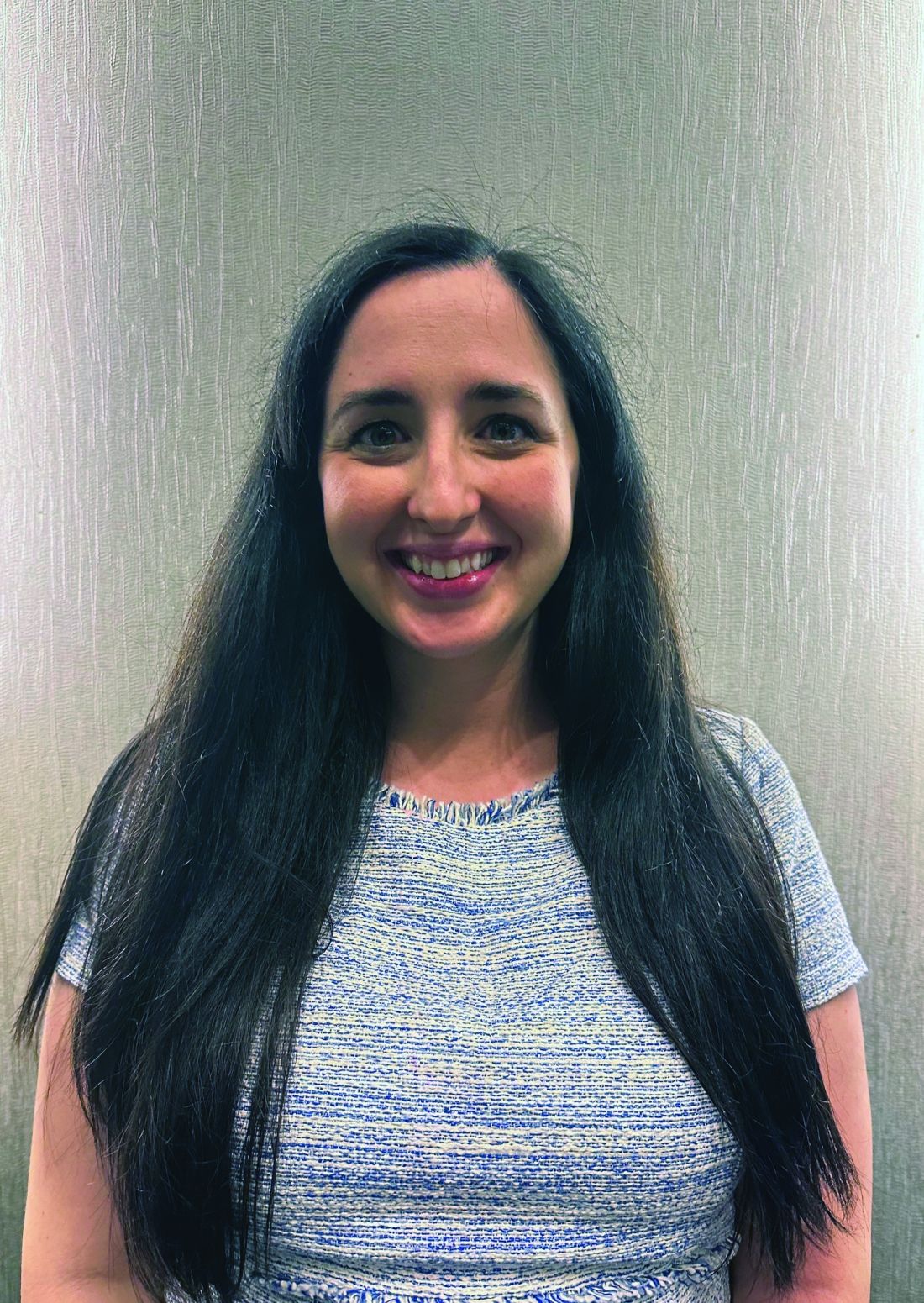
“The key clinical takeaway is that mental health screening is really important – it affects our patients in so many different ways – and it’s very doable in your rheumatology clinic,” Dr. Harper said in an interview. “It’s also important because they’re coming to us very frequently, but they don’t see their PCP [primary care provider] very often, so we can’t leave screening to the PCPs.”
Two other studies assessed the effectiveness of a 6-week cognitive-behavioral intervention for youth called Treatment and Education Approach for Childhood-Onset Lupus (TEACH). One study found that remote delivery of TEACH resulted in improved mood symptoms and reduced fatigue, and another found the program particularly effective in improving mood for patients deemed “high risk” because of greater depression and fatigue symptoms.
The impact of growing mental health problems has been enormous both in the pediatric rheumatology population and society at large, Daria Sosna, MSc, a research coordinator at the University of Calgary (Alta.), said in an interview as she visited the research posters related to psychological stress and depression.
“We need to do something,” said Ms. Sosna, whose department is currently applying for funding to develop a research project to improve mental health outcomes in adolescents with lupus. “This population, specifically, has higher numbers than anyone else does because they have chronic illness” – and those issues need to be addressed.
High psychological stress levels
The study looking at psychological stress in pediatric rheumatology patients, led by Natalie Rosenwasser, MD, of Seattle Children’s Hospital, relied on cross-sectional data from patients enrolled in two Childhood Arthritis and Rheumatology Research Alliance sites, one in Utah and one in Seattle. The average age of the 71 patients who completed the surveys was 13, and the researchers reported the findings in two separate age groups: those aged 13-17, who completed the surveys themselves, and those aged 8-12, whose parents completed the surveys. Nearly all the patients (94.4%) had JIA, but one had lupus and three had juvenile dermatomyositis.

The participants completed the Patient-Reported Outcomes Measurement Information System (PROMIS) for psychological stress, physical stress, and depressive symptoms. They also filled out the National Institutes of Health–Toolbox Perceived Stress survey, the 9-item Patient Health Questionnaire (PHQ-9), the Screen for Child Anxiety Related Disorders (SCARED), a visual analog scale for COVID-related distress, and a questionnaire asking about how receptive they were to mental health screening. The researchers determined that a score 1 standard deviation above the mean on the PROMIS and NIH-Toolbox assessments qualified as a high level of psychological stress.
“There are data that suggest that psychological stress can be a precursor to depression and anxiety, which raises the concern that not every patient who’s experiencing mental health symptoms is going to be picked up on traditional measures that meet that clinical threshold, but they may really need interventions to protect their mental health,” presenter Erin Treemarcki, DO, an assistant professor of pediatric rheumatology at the University of Utah, Salt Lake City, said in an interview. “Not every patient may necessarily need referral to a mental health specialist, but there are still potential interventions that we can do in the clinical setting to address mental health, which in turn can improve outcomes, including medication compliance and knowing how patients are feeling.”
More than one-third of the patients (39%) reported a high level of psychological stress, and 43% had elevated physical stress. Broken down by age, 26% of the teens and 15% of the younger patients reported high levels of perceived stress. The PROMIS only identified increased depressive symptoms in 26% of the participants, whereas more than half (54%) had a positive PHQ-9 depression screen. Furthermore, half the patients had SCARED scores (50%) that likely indicated anxiety disorder. Only 6% of patients reported severe stress specifically related to the pandemic, but most reported mild distress from the pandemic.
“Psychological stress was highly correlated with physical stress, perceived stress, depressive symptoms [PROMIS and PHQ-9], and anxiety,” the authors reported (P < .05). The authors next plan to expand their assessment to a third CARRA site and then explore the interaction between psychological distress and sociodemographic factors.
“There’s such an increase in mental health disorders right now, and we’re overwhelmed in general,” Ms. Sosna said in an interview. “There have to be interventions that approach this. We can use pharmacological approaches, we can use CBT, we can use a lot of these things that are very well established, and they’re absolutely fantastic, but we don’t necessarily have the resources or capabilities to do that all the time.”
Benefits of automated depression screening
To reduce the likelihood of depression screenings falling through the cracks during visits, Dr. Harper’s study assessed the impact of automating screens in an adolescent population. In her presentation, she noted previous research finding that nearly half of youth with lupus (47%) had depression, compared with 24% of adults with lupus. Pediatric patients have nearly three times the odds of depression and more than five times the odds of suicidal ideation, she told attendees. These mood disorders are correlated with greater physical disability, higher cardiovascular risk, more disease activity, higher risk of premature death, and decreased educational attainment, medication compliance, and quality of life.
Despite recommendations for depression screening from the U.S. Preventive Services Task Force and the American Academy of Pediatrics, only 2% of pediatric rheumatology patients are routinely screened for depression with a validated instrument, and only 7% of those with depressive symptoms are screened, according to a 2016 study that Dr. Harper cited. Yet the same study found that nearly all pediatric rheumatologists (95%) supported routine depression screening every 6-12 months. Hence her team’s decision to test whether automating screening improved their screening rates.
Their population included lupus patients aged 12 and older seen at Nationwide Children’s Hospital between 2014 and 2022. Initially, patients completed the PHQ-9 on paper, which was then transcribed into the electronic health record. The process became automated and administered on an iPad at every visit in 2022. Positive screens – those endorsing suicidality or with a score of at least 10 – caused an alert to pop up for clinicians during their workflow so that they would talk to the mental health team about the patient’s needs.
A total of 149 patients completed 529 screenings during the study’s 8 years. Only 1 patient completed a PHQ-9 in 2014, which increased to just 17 patients in 2017. Automation resulted in 225 screens (P < .01). Subsequently, positive screens increased from 0% in 2014 to 25%-30% in 2018-2021, but then fell to 12% in 2022 (P < .01). The median PHQ-9 score was 3; overall scores decreased as screening increased.
The overall incidence of positive screens during the study period was 20% and prevalence was 38%, the authors reported. Of the 10 automated alerts triggered by positive screens, 90% resulted in a meeting with a psychologist or social worker, and 90% completed a suicide risk assessment. The intrusive alert for clinicians requires them to acknowledge the alert, agreeing to initiate a risk assessment, before they can enter data into the patient’s chart.
The study findings reveal “that you can successfully screen a high-risk population using an automated, seamless process, and you can alert providers without too much disruption to their typical clinic flow,” Dr. Harper told attendees. “And all of these processes have led to sustainability for routine depression screening in our lupus clinic.”
Dr. Harper’s team next plans to expand the automated screenings to populations with other diseases, to add an automated screening for anxiety, and to explore how PHQ-9 scores correlate with disease activity.
Treating patients’ mental health
Another two other abstracts at the symposium looked at another option, the 6-week cognitive-behavioral TEACH program. Deborah Levy, MD, MS, an associate professor of pediatrics at the University of Toronto and the clinical director of rheumatology at The Hospital for Sick Children, and colleagues assessed the program’s success when delivered remotely to adolescent patients with lupus. Pilot testing with TEACH had already shown improvements in fatigue and mood, Dr. Levy told attendees, but barriers to in-person delivery limited its utility even before the pandemic, so this study aimed to determine a remote version’s feasibility and effects, compared with treatment as usual.
The randomized, controlled trial, led by Natoshia Cunningham, PhD, from Michigan State University, Grand Rapids, included 57 participants, aged 12-22, from seven U.S. and Canadian rheumatology sites. All had been diagnosed with childhood-onset SLE by age 18 and had elevated symptoms in fatigue, pain, or depression. A PROMIS Fatigue T score of 60 or greater indicated elevated fatigue scores, whereas a high pain score was at least a 3/10 on a visual analog scale, and a high depression T score was at least a 60 but not higher than 80 on the Children’s Depression Inventory–2 or the Beck Depression Inventory–II (depending on the patient’s age).
Patients with other chronic medical conditions, developmental delays, or untreated major psychiatric illness were excluded from the study, as were patients who were receiving overlapping treatment, such as cognitive-behavioral therapy for pain or mood. Thirty patients were randomly assigned to receive treatment as usual while 27 patients were assigned to participate in the remote TEACH program.
Nearly all the patients (94%) were female, but they were racially diverse, with 42% White, 28% Asian, 19% Black, 19% Hispanic, and 4% multiracial. The patients were an average 16 years old and had been diagnosed for a median 5 years. Three of the intervention’s six modules involved the caregivers or, for older patients, their partners if desired. The communication strategies taught in the program were also tailored to patients’ ages.
“All of these strategies are educational, cognitive, behavioral, mindfulness strategies that target fatigue [and] pain, and they also developed web content for participants to use on their own,” Dr. Levy told attendees.
The researchers had complete postassessment data from 88% of participants, but they also reported some of the statements made during qualitative interviews about the program’s feasibility.
“I think it makes people more aware of themselves to become a better version of themselves, whether that’s in their normal life or in handling a lupus kind of life,” one participant said about the program’s benefits. Another appreciated the “alternative ways of thinking,” including “being more mindful of my thoughts and how those kind of aggravate my stress.”
The quantitative findings revealed a statistically significant reduction in depressive symptoms and fatigue for TEACH participants, compared with treatment as usual. Mood scores fell by an average 13.7 points in the TEACH group, compared with a drop of 2.4 points in the treatment as usual group (P < .001). Scores for fatigue fell 9.16 points in the TEACH group and 2.93 in the control group (P = .003). No statistically significant difference showed up in pain scores between the groups, although pain, medication adherence, and disease activity did improve slightly more in the TEACH group.
In addition to the significant improvements in mood and fatigue, therefore, “completion of TEACH may be associated with improved medication adherence and disease activity versus treatment as usual,” Dr. Levy said.
A much smaller study authored by some of the same researchers also assessed TEACH’s impact not in remote form but in terms of its value specifically for adolescent patients with SLE and elevated depression and fatigue scores. Comparison of 6 high-risk patients with 10 low-risk patients who underwent TEACH suggested that the program was especially effective for improving depression in high-risk patients since these patients had a statistically significantly greater improvement in mood. Fatigue, pain, anxiety, quality of life, and disease activity scores did not statistically differ between the groups.
Authors of the automated depression screening study reported no disclosures or outside funding. The study assessing psychological distress was funded by a CARRA–Arthritis Foundation grant, and the authors reported no disclosures. The remote TEACH study was funded by a CARRA–Arthritis Foundation grant, and all but one author reported no disclosures. One author had disclosures with Janssen, Roche, and Sobi. The high-risk TEACH study was also funded by a CARRA grant, and the authors had no disclosures.
NEW ORLEANS – Pediatric patients with rheumatologic diseases experience a particularly high prevalence of psychological distress and depression and anxiety symptoms, according to research presented at the Pediatric Rheumatology Symposium. Although this finding is not necessarily surprising, the extent to which depression and psychological distress impacts these young patients’ quality of life has led to greater research and innovation in seeking ways to identify, address, and treat depression and anxiety in children and adolescents with diseases such as juvenile idiopathic arthritis (JIA) or systemic lupus erythematosus (SLE).
Accordingly, other studies presented at the conference examined more efficient ways to screen adolescent patients for depression and assessed programs designed to improve symptoms. In fact, the American College of Rheumatology award for the top Quality, Health Services, and Education Research abstract at this year’s symposium went to Lauren Harper, MD, a pediatric rheumatology fellow at Nationwide Children’s Hospital, Columbus, whose research examined the effects of automating depression screening during check-in for adolescent patients with SLE. Her findings revealed that automation of screening increased detection of depression and suicidality, thereby increasing interventions and ultimately resulting in a reduction in depression prevalence.
“The key clinical takeaway is that mental health screening is really important – it affects our patients in so many different ways – and it’s very doable in your rheumatology clinic,” Dr. Harper said in an interview. “It’s also important because they’re coming to us very frequently, but they don’t see their PCP [primary care provider] very often, so we can’t leave screening to the PCPs.”
Two other studies assessed the effectiveness of a 6-week cognitive-behavioral intervention for youth called Treatment and Education Approach for Childhood-Onset Lupus (TEACH). One study found that remote delivery of TEACH resulted in improved mood symptoms and reduced fatigue, and another found the program particularly effective in improving mood for patients deemed “high risk” because of greater depression and fatigue symptoms.
The impact of growing mental health problems has been enormous both in the pediatric rheumatology population and society at large, Daria Sosna, MSc, a research coordinator at the University of Calgary (Alta.), said in an interview as she visited the research posters related to psychological stress and depression.
“We need to do something,” said Ms. Sosna, whose department is currently applying for funding to develop a research project to improve mental health outcomes in adolescents with lupus. “This population, specifically, has higher numbers than anyone else does because they have chronic illness” – and those issues need to be addressed.
High psychological stress levels
The study looking at psychological stress in pediatric rheumatology patients, led by Natalie Rosenwasser, MD, of Seattle Children’s Hospital, relied on cross-sectional data from patients enrolled in two Childhood Arthritis and Rheumatology Research Alliance sites, one in Utah and one in Seattle. The average age of the 71 patients who completed the surveys was 13, and the researchers reported the findings in two separate age groups: those aged 13-17, who completed the surveys themselves, and those aged 8-12, whose parents completed the surveys. Nearly all the patients (94.4%) had JIA, but one had lupus and three had juvenile dermatomyositis.
The participants completed the Patient-Reported Outcomes Measurement Information System (PROMIS) for psychological stress, physical stress, and depressive symptoms. They also filled out the National Institutes of Health–Toolbox Perceived Stress survey, the 9-item Patient Health Questionnaire (PHQ-9), the Screen for Child Anxiety Related Disorders (SCARED), a visual analog scale for COVID-related distress, and a questionnaire asking about how receptive they were to mental health screening. The researchers determined that a score 1 standard deviation above the mean on the PROMIS and NIH-Toolbox assessments qualified as a high level of psychological stress.
“There are data that suggest that psychological stress can be a precursor to depression and anxiety, which raises the concern that not every patient who’s experiencing mental health symptoms is going to be picked up on traditional measures that meet that clinical threshold, but they may really need interventions to protect their mental health,” presenter Erin Treemarcki, DO, an assistant professor of pediatric rheumatology at the University of Utah, Salt Lake City, said in an interview. “Not every patient may necessarily need referral to a mental health specialist, but there are still potential interventions that we can do in the clinical setting to address mental health, which in turn can improve outcomes, including medication compliance and knowing how patients are feeling.”
More than one-third of the patients (39%) reported a high level of psychological stress, and 43% had elevated physical stress. Broken down by age, 26% of the teens and 15% of the younger patients reported high levels of perceived stress. The PROMIS only identified increased depressive symptoms in 26% of the participants, whereas more than half (54%) had a positive PHQ-9 depression screen. Furthermore, half the patients had SCARED scores (50%) that likely indicated anxiety disorder. Only 6% of patients reported severe stress specifically related to the pandemic, but most reported mild distress from the pandemic.
“Psychological stress was highly correlated with physical stress, perceived stress, depressive symptoms [PROMIS and PHQ-9], and anxiety,” the authors reported (P < .05). The authors next plan to expand their assessment to a third CARRA site and then explore the interaction between psychological distress and sociodemographic factors.
“There’s such an increase in mental health disorders right now, and we’re overwhelmed in general,” Ms. Sosna said in an interview. “There have to be interventions that approach this. We can use pharmacological approaches, we can use CBT, we can use a lot of these things that are very well established, and they’re absolutely fantastic, but we don’t necessarily have the resources or capabilities to do that all the time.”
Benefits of automated depression screening
To reduce the likelihood of depression screenings falling through the cracks during visits, Dr. Harper’s study assessed the impact of automating screens in an adolescent population. In her presentation, she noted previous research finding that nearly half of youth with lupus (47%) had depression, compared with 24% of adults with lupus. Pediatric patients have nearly three times the odds of depression and more than five times the odds of suicidal ideation, she told attendees. These mood disorders are correlated with greater physical disability, higher cardiovascular risk, more disease activity, higher risk of premature death, and decreased educational attainment, medication compliance, and quality of life.
Despite recommendations for depression screening from the U.S. Preventive Services Task Force and the American Academy of Pediatrics, only 2% of pediatric rheumatology patients are routinely screened for depression with a validated instrument, and only 7% of those with depressive symptoms are screened, according to a 2016 study that Dr. Harper cited. Yet the same study found that nearly all pediatric rheumatologists (95%) supported routine depression screening every 6-12 months. Hence her team’s decision to test whether automating screening improved their screening rates.
Their population included lupus patients aged 12 and older seen at Nationwide Children’s Hospital between 2014 and 2022. Initially, patients completed the PHQ-9 on paper, which was then transcribed into the electronic health record. The process became automated and administered on an iPad at every visit in 2022. Positive screens – those endorsing suicidality or with a score of at least 10 – caused an alert to pop up for clinicians during their workflow so that they would talk to the mental health team about the patient’s needs.
A total of 149 patients completed 529 screenings during the study’s 8 years. Only 1 patient completed a PHQ-9 in 2014, which increased to just 17 patients in 2017. Automation resulted in 225 screens (P < .01). Subsequently, positive screens increased from 0% in 2014 to 25%-30% in 2018-2021, but then fell to 12% in 2022 (P < .01). The median PHQ-9 score was 3; overall scores decreased as screening increased.
The overall incidence of positive screens during the study period was 20% and prevalence was 38%, the authors reported. Of the 10 automated alerts triggered by positive screens, 90% resulted in a meeting with a psychologist or social worker, and 90% completed a suicide risk assessment. The intrusive alert for clinicians requires them to acknowledge the alert, agreeing to initiate a risk assessment, before they can enter data into the patient’s chart.
The study findings reveal “that you can successfully screen a high-risk population using an automated, seamless process, and you can alert providers without too much disruption to their typical clinic flow,” Dr. Harper told attendees. “And all of these processes have led to sustainability for routine depression screening in our lupus clinic.”
Dr. Harper’s team next plans to expand the automated screenings to populations with other diseases, to add an automated screening for anxiety, and to explore how PHQ-9 scores correlate with disease activity.
Treating patients’ mental health
Another two other abstracts at the symposium looked at another option, the 6-week cognitive-behavioral TEACH program. Deborah Levy, MD, MS, an associate professor of pediatrics at the University of Toronto and the clinical director of rheumatology at The Hospital for Sick Children, and colleagues assessed the program’s success when delivered remotely to adolescent patients with lupus. Pilot testing with TEACH had already shown improvements in fatigue and mood, Dr. Levy told attendees, but barriers to in-person delivery limited its utility even before the pandemic, so this study aimed to determine a remote version’s feasibility and effects, compared with treatment as usual.
The randomized, controlled trial, led by Natoshia Cunningham, PhD, from Michigan State University, Grand Rapids, included 57 participants, aged 12-22, from seven U.S. and Canadian rheumatology sites. All had been diagnosed with childhood-onset SLE by age 18 and had elevated symptoms in fatigue, pain, or depression. A PROMIS Fatigue T score of 60 or greater indicated elevated fatigue scores, whereas a high pain score was at least a 3/10 on a visual analog scale, and a high depression T score was at least a 60 but not higher than 80 on the Children’s Depression Inventory–2 or the Beck Depression Inventory–II (depending on the patient’s age).
Patients with other chronic medical conditions, developmental delays, or untreated major psychiatric illness were excluded from the study, as were patients who were receiving overlapping treatment, such as cognitive-behavioral therapy for pain or mood. Thirty patients were randomly assigned to receive treatment as usual while 27 patients were assigned to participate in the remote TEACH program.
Nearly all the patients (94%) were female, but they were racially diverse, with 42% White, 28% Asian, 19% Black, 19% Hispanic, and 4% multiracial. The patients were an average 16 years old and had been diagnosed for a median 5 years. Three of the intervention’s six modules involved the caregivers or, for older patients, their partners if desired. The communication strategies taught in the program were also tailored to patients’ ages.
“All of these strategies are educational, cognitive, behavioral, mindfulness strategies that target fatigue [and] pain, and they also developed web content for participants to use on their own,” Dr. Levy told attendees.
The researchers had complete postassessment data from 88% of participants, but they also reported some of the statements made during qualitative interviews about the program’s feasibility.
“I think it makes people more aware of themselves to become a better version of themselves, whether that’s in their normal life or in handling a lupus kind of life,” one participant said about the program’s benefits. Another appreciated the “alternative ways of thinking,” including “being more mindful of my thoughts and how those kind of aggravate my stress.”
The quantitative findings revealed a statistically significant reduction in depressive symptoms and fatigue for TEACH participants, compared with treatment as usual. Mood scores fell by an average 13.7 points in the TEACH group, compared with a drop of 2.4 points in the treatment as usual group (P < .001). Scores for fatigue fell 9.16 points in the TEACH group and 2.93 in the control group (P = .003). No statistically significant difference showed up in pain scores between the groups, although pain, medication adherence, and disease activity did improve slightly more in the TEACH group.
In addition to the significant improvements in mood and fatigue, therefore, “completion of TEACH may be associated with improved medication adherence and disease activity versus treatment as usual,” Dr. Levy said.
A much smaller study authored by some of the same researchers also assessed TEACH’s impact not in remote form but in terms of its value specifically for adolescent patients with SLE and elevated depression and fatigue scores. Comparison of 6 high-risk patients with 10 low-risk patients who underwent TEACH suggested that the program was especially effective for improving depression in high-risk patients since these patients had a statistically significantly greater improvement in mood. Fatigue, pain, anxiety, quality of life, and disease activity scores did not statistically differ between the groups.
Authors of the automated depression screening study reported no disclosures or outside funding. The study assessing psychological distress was funded by a CARRA–Arthritis Foundation grant, and the authors reported no disclosures. The remote TEACH study was funded by a CARRA–Arthritis Foundation grant, and all but one author reported no disclosures. One author had disclosures with Janssen, Roche, and Sobi. The high-risk TEACH study was also funded by a CARRA grant, and the authors had no disclosures.
NEW ORLEANS – Pediatric patients with rheumatologic diseases experience a particularly high prevalence of psychological distress and depression and anxiety symptoms, according to research presented at the Pediatric Rheumatology Symposium. Although this finding is not necessarily surprising, the extent to which depression and psychological distress impacts these young patients’ quality of life has led to greater research and innovation in seeking ways to identify, address, and treat depression and anxiety in children and adolescents with diseases such as juvenile idiopathic arthritis (JIA) or systemic lupus erythematosus (SLE).
Accordingly, other studies presented at the conference examined more efficient ways to screen adolescent patients for depression and assessed programs designed to improve symptoms. In fact, the American College of Rheumatology award for the top Quality, Health Services, and Education Research abstract at this year’s symposium went to Lauren Harper, MD, a pediatric rheumatology fellow at Nationwide Children’s Hospital, Columbus, whose research examined the effects of automating depression screening during check-in for adolescent patients with SLE. Her findings revealed that automation of screening increased detection of depression and suicidality, thereby increasing interventions and ultimately resulting in a reduction in depression prevalence.
“The key clinical takeaway is that mental health screening is really important – it affects our patients in so many different ways – and it’s very doable in your rheumatology clinic,” Dr. Harper said in an interview. “It’s also important because they’re coming to us very frequently, but they don’t see their PCP [primary care provider] very often, so we can’t leave screening to the PCPs.”
Two other studies assessed the effectiveness of a 6-week cognitive-behavioral intervention for youth called Treatment and Education Approach for Childhood-Onset Lupus (TEACH). One study found that remote delivery of TEACH resulted in improved mood symptoms and reduced fatigue, and another found the program particularly effective in improving mood for patients deemed “high risk” because of greater depression and fatigue symptoms.
The impact of growing mental health problems has been enormous both in the pediatric rheumatology population and society at large, Daria Sosna, MSc, a research coordinator at the University of Calgary (Alta.), said in an interview as she visited the research posters related to psychological stress and depression.
“We need to do something,” said Ms. Sosna, whose department is currently applying for funding to develop a research project to improve mental health outcomes in adolescents with lupus. “This population, specifically, has higher numbers than anyone else does because they have chronic illness” – and those issues need to be addressed.
High psychological stress levels
The study looking at psychological stress in pediatric rheumatology patients, led by Natalie Rosenwasser, MD, of Seattle Children’s Hospital, relied on cross-sectional data from patients enrolled in two Childhood Arthritis and Rheumatology Research Alliance sites, one in Utah and one in Seattle. The average age of the 71 patients who completed the surveys was 13, and the researchers reported the findings in two separate age groups: those aged 13-17, who completed the surveys themselves, and those aged 8-12, whose parents completed the surveys. Nearly all the patients (94.4%) had JIA, but one had lupus and three had juvenile dermatomyositis.
The participants completed the Patient-Reported Outcomes Measurement Information System (PROMIS) for psychological stress, physical stress, and depressive symptoms. They also filled out the National Institutes of Health–Toolbox Perceived Stress survey, the 9-item Patient Health Questionnaire (PHQ-9), the Screen for Child Anxiety Related Disorders (SCARED), a visual analog scale for COVID-related distress, and a questionnaire asking about how receptive they were to mental health screening. The researchers determined that a score 1 standard deviation above the mean on the PROMIS and NIH-Toolbox assessments qualified as a high level of psychological stress.
“There are data that suggest that psychological stress can be a precursor to depression and anxiety, which raises the concern that not every patient who’s experiencing mental health symptoms is going to be picked up on traditional measures that meet that clinical threshold, but they may really need interventions to protect their mental health,” presenter Erin Treemarcki, DO, an assistant professor of pediatric rheumatology at the University of Utah, Salt Lake City, said in an interview. “Not every patient may necessarily need referral to a mental health specialist, but there are still potential interventions that we can do in the clinical setting to address mental health, which in turn can improve outcomes, including medication compliance and knowing how patients are feeling.”
More than one-third of the patients (39%) reported a high level of psychological stress, and 43% had elevated physical stress. Broken down by age, 26% of the teens and 15% of the younger patients reported high levels of perceived stress. The PROMIS only identified increased depressive symptoms in 26% of the participants, whereas more than half (54%) had a positive PHQ-9 depression screen. Furthermore, half the patients had SCARED scores (50%) that likely indicated anxiety disorder. Only 6% of patients reported severe stress specifically related to the pandemic, but most reported mild distress from the pandemic.
“Psychological stress was highly correlated with physical stress, perceived stress, depressive symptoms [PROMIS and PHQ-9], and anxiety,” the authors reported (P < .05). The authors next plan to expand their assessment to a third CARRA site and then explore the interaction between psychological distress and sociodemographic factors.
“There’s such an increase in mental health disorders right now, and we’re overwhelmed in general,” Ms. Sosna said in an interview. “There have to be interventions that approach this. We can use pharmacological approaches, we can use CBT, we can use a lot of these things that are very well established, and they’re absolutely fantastic, but we don’t necessarily have the resources or capabilities to do that all the time.”
Benefits of automated depression screening
To reduce the likelihood of depression screenings falling through the cracks during visits, Dr. Harper’s study assessed the impact of automating screens in an adolescent population. In her presentation, she noted previous research finding that nearly half of youth with lupus (47%) had depression, compared with 24% of adults with lupus. Pediatric patients have nearly three times the odds of depression and more than five times the odds of suicidal ideation, she told attendees. These mood disorders are correlated with greater physical disability, higher cardiovascular risk, more disease activity, higher risk of premature death, and decreased educational attainment, medication compliance, and quality of life.
Despite recommendations for depression screening from the U.S. Preventive Services Task Force and the American Academy of Pediatrics, only 2% of pediatric rheumatology patients are routinely screened for depression with a validated instrument, and only 7% of those with depressive symptoms are screened, according to a 2016 study that Dr. Harper cited. Yet the same study found that nearly all pediatric rheumatologists (95%) supported routine depression screening every 6-12 months. Hence her team’s decision to test whether automating screening improved their screening rates.
Their population included lupus patients aged 12 and older seen at Nationwide Children’s Hospital between 2014 and 2022. Initially, patients completed the PHQ-9 on paper, which was then transcribed into the electronic health record. The process became automated and administered on an iPad at every visit in 2022. Positive screens – those endorsing suicidality or with a score of at least 10 – caused an alert to pop up for clinicians during their workflow so that they would talk to the mental health team about the patient’s needs.
A total of 149 patients completed 529 screenings during the study’s 8 years. Only 1 patient completed a PHQ-9 in 2014, which increased to just 17 patients in 2017. Automation resulted in 225 screens (P < .01). Subsequently, positive screens increased from 0% in 2014 to 25%-30% in 2018-2021, but then fell to 12% in 2022 (P < .01). The median PHQ-9 score was 3; overall scores decreased as screening increased.
The overall incidence of positive screens during the study period was 20% and prevalence was 38%, the authors reported. Of the 10 automated alerts triggered by positive screens, 90% resulted in a meeting with a psychologist or social worker, and 90% completed a suicide risk assessment. The intrusive alert for clinicians requires them to acknowledge the alert, agreeing to initiate a risk assessment, before they can enter data into the patient’s chart.
The study findings reveal “that you can successfully screen a high-risk population using an automated, seamless process, and you can alert providers without too much disruption to their typical clinic flow,” Dr. Harper told attendees. “And all of these processes have led to sustainability for routine depression screening in our lupus clinic.”
Dr. Harper’s team next plans to expand the automated screenings to populations with other diseases, to add an automated screening for anxiety, and to explore how PHQ-9 scores correlate with disease activity.
Treating patients’ mental health
Another two other abstracts at the symposium looked at another option, the 6-week cognitive-behavioral TEACH program. Deborah Levy, MD, MS, an associate professor of pediatrics at the University of Toronto and the clinical director of rheumatology at The Hospital for Sick Children, and colleagues assessed the program’s success when delivered remotely to adolescent patients with lupus. Pilot testing with TEACH had already shown improvements in fatigue and mood, Dr. Levy told attendees, but barriers to in-person delivery limited its utility even before the pandemic, so this study aimed to determine a remote version’s feasibility and effects, compared with treatment as usual.
The randomized, controlled trial, led by Natoshia Cunningham, PhD, from Michigan State University, Grand Rapids, included 57 participants, aged 12-22, from seven U.S. and Canadian rheumatology sites. All had been diagnosed with childhood-onset SLE by age 18 and had elevated symptoms in fatigue, pain, or depression. A PROMIS Fatigue T score of 60 or greater indicated elevated fatigue scores, whereas a high pain score was at least a 3/10 on a visual analog scale, and a high depression T score was at least a 60 but not higher than 80 on the Children’s Depression Inventory–2 or the Beck Depression Inventory–II (depending on the patient’s age).
Patients with other chronic medical conditions, developmental delays, or untreated major psychiatric illness were excluded from the study, as were patients who were receiving overlapping treatment, such as cognitive-behavioral therapy for pain or mood. Thirty patients were randomly assigned to receive treatment as usual while 27 patients were assigned to participate in the remote TEACH program.
Nearly all the patients (94%) were female, but they were racially diverse, with 42% White, 28% Asian, 19% Black, 19% Hispanic, and 4% multiracial. The patients were an average 16 years old and had been diagnosed for a median 5 years. Three of the intervention’s six modules involved the caregivers or, for older patients, their partners if desired. The communication strategies taught in the program were also tailored to patients’ ages.
“All of these strategies are educational, cognitive, behavioral, mindfulness strategies that target fatigue [and] pain, and they also developed web content for participants to use on their own,” Dr. Levy told attendees.
The researchers had complete postassessment data from 88% of participants, but they also reported some of the statements made during qualitative interviews about the program’s feasibility.
“I think it makes people more aware of themselves to become a better version of themselves, whether that’s in their normal life or in handling a lupus kind of life,” one participant said about the program’s benefits. Another appreciated the “alternative ways of thinking,” including “being more mindful of my thoughts and how those kind of aggravate my stress.”
The quantitative findings revealed a statistically significant reduction in depressive symptoms and fatigue for TEACH participants, compared with treatment as usual. Mood scores fell by an average 13.7 points in the TEACH group, compared with a drop of 2.4 points in the treatment as usual group (P < .001). Scores for fatigue fell 9.16 points in the TEACH group and 2.93 in the control group (P = .003). No statistically significant difference showed up in pain scores between the groups, although pain, medication adherence, and disease activity did improve slightly more in the TEACH group.
In addition to the significant improvements in mood and fatigue, therefore, “completion of TEACH may be associated with improved medication adherence and disease activity versus treatment as usual,” Dr. Levy said.
A much smaller study authored by some of the same researchers also assessed TEACH’s impact not in remote form but in terms of its value specifically for adolescent patients with SLE and elevated depression and fatigue scores. Comparison of 6 high-risk patients with 10 low-risk patients who underwent TEACH suggested that the program was especially effective for improving depression in high-risk patients since these patients had a statistically significantly greater improvement in mood. Fatigue, pain, anxiety, quality of life, and disease activity scores did not statistically differ between the groups.
Authors of the automated depression screening study reported no disclosures or outside funding. The study assessing psychological distress was funded by a CARRA–Arthritis Foundation grant, and the authors reported no disclosures. The remote TEACH study was funded by a CARRA–Arthritis Foundation grant, and all but one author reported no disclosures. One author had disclosures with Janssen, Roche, and Sobi. The high-risk TEACH study was also funded by a CARRA grant, and the authors had no disclosures.
AT PRSYM 2023
What happens to melanocytic nevi during laser hair removal?
PHOENIX – , while common histologic changes include mild atypia and thermal damage, according to results from a systematic review of literature on the topic. To date, no severe cases of severe dysplasia or melanoma have been reported.
“That’s reassuring,” study author Ahuva Cices, MD, said in an interview at the annual conference of the American Society for Laser Medicine and Surgery, where she presented the results during an abstract session. “But, with that in mind, we want to avoid treating nevi with laser hair removal to avoid changes that could be concerning. We also recommend baseline skin exams so we know what we’re looking at before we start treating with lasers, and any changes can be recognized from that baseline status. It’s important to keep an eye out for changes and always be evaluating.”
In December of 2022, Dr. Cices, chief dermatology resident at Mount Sinai Health System, New York, searched PubMed for articles that evaluated changes in melanocytic nevi after laser hair removal procedures. She used the search terms “nevi laser hair removal,” “nevi diode,” “nevi long pulse alexandrite,” “nevi long pulse neodymium doped yttrium aluminum garnet,” and “melanoma laser hair removal,” and limited the analysis to English language patient-based reports that discussed incidental treatment of melanocytic nevi while undergoing hair removal with a laser.
Reports excluded from the analysis were those that focused on changes following hair removal with nonlaser devices such as intense pulsed light (IPL), those evaluating nonmelanocytic nevi such as Becker’s nevus or nevus of Ota, and those evaluating the intentional ablation or removal of melanocytic lesions.
The search yielded 10 relevant studies for systematic review: seven case reports or series and three observational trials, two of which were prospective and one retrospective.
The results of the review, according to Dr. Cices, revealed that clinical and dermoscopic changes were noted to present as early as 15 days after treatment and persist to the maximum follow up time, at 3 years. Commonly reported changes included regression, decreased size, laser-induced asymmetry, bleaching, darkening, and altered pattern on dermoscopy. Histologic changes included mild atypia, thermal damage, scar formation, and regression.
“Although some of the clinical and dermoscopic alterations may be concerning for malignancy, to our knowledge, there are no documented cases of malignant transformation of nevi following treatment with laser hair removal,” she wrote in the abstract.
Dr. Cices acknowledged certain limitations of the systematic review, including the low number of relevant reports and their generally small sample size, many of which were limited to single cases.
Omar A. Ibrahimi, MD, PhD, medical director of the Connecticut Skin Institute, Stamford, who was asked to comment on the review, characterized the findings as important because laser hair removal is such a commonly performed procedure.

While the study is limited by the small number of studies on the subject matter, “it brings up an important discussion,” Dr. Ibrahimi said in an interview. “Generally speaking, we know that most hair removal lasers do indeed target melanin pigment and can be absorbed by melanocytes. While the wavelengths used for LHR [laser hair removal] will not result in DNA damage or cause mutations that can lead to melanoma, they can sometimes alter the appearance of pigmented lesions and that may change the dermatologist’s ability to monitor them for atypia,” he noted.
“For that reason, I would recommend all patients see a dermatologist for evaluation of their nevi prior to any treatments and they consider very carefully where they get their laser treatments. If they have any atypical pigmented lesions, then that information should be disclosed with the person performing the laser hair removal procedure particularly if there are lesions that are being specifically monitored.”
Dr. Cices reported having no disclosures. Dr. Ibrahimi disclosed that he is a member of the advisory board for Accure Acne, AbbVie, Cutera, Lutronic, Blueberry Therapeutics, Cytrellis, and Quthero. He also holds stock in many device and pharmaceutical companies.
PHOENIX – , while common histologic changes include mild atypia and thermal damage, according to results from a systematic review of literature on the topic. To date, no severe cases of severe dysplasia or melanoma have been reported.
“That’s reassuring,” study author Ahuva Cices, MD, said in an interview at the annual conference of the American Society for Laser Medicine and Surgery, where she presented the results during an abstract session. “But, with that in mind, we want to avoid treating nevi with laser hair removal to avoid changes that could be concerning. We also recommend baseline skin exams so we know what we’re looking at before we start treating with lasers, and any changes can be recognized from that baseline status. It’s important to keep an eye out for changes and always be evaluating.”
In December of 2022, Dr. Cices, chief dermatology resident at Mount Sinai Health System, New York, searched PubMed for articles that evaluated changes in melanocytic nevi after laser hair removal procedures. She used the search terms “nevi laser hair removal,” “nevi diode,” “nevi long pulse alexandrite,” “nevi long pulse neodymium doped yttrium aluminum garnet,” and “melanoma laser hair removal,” and limited the analysis to English language patient-based reports that discussed incidental treatment of melanocytic nevi while undergoing hair removal with a laser.
Reports excluded from the analysis were those that focused on changes following hair removal with nonlaser devices such as intense pulsed light (IPL), those evaluating nonmelanocytic nevi such as Becker’s nevus or nevus of Ota, and those evaluating the intentional ablation or removal of melanocytic lesions.
The search yielded 10 relevant studies for systematic review: seven case reports or series and three observational trials, two of which were prospective and one retrospective.
The results of the review, according to Dr. Cices, revealed that clinical and dermoscopic changes were noted to present as early as 15 days after treatment and persist to the maximum follow up time, at 3 years. Commonly reported changes included regression, decreased size, laser-induced asymmetry, bleaching, darkening, and altered pattern on dermoscopy. Histologic changes included mild atypia, thermal damage, scar formation, and regression.
“Although some of the clinical and dermoscopic alterations may be concerning for malignancy, to our knowledge, there are no documented cases of malignant transformation of nevi following treatment with laser hair removal,” she wrote in the abstract.
Dr. Cices acknowledged certain limitations of the systematic review, including the low number of relevant reports and their generally small sample size, many of which were limited to single cases.
Omar A. Ibrahimi, MD, PhD, medical director of the Connecticut Skin Institute, Stamford, who was asked to comment on the review, characterized the findings as important because laser hair removal is such a commonly performed procedure.
While the study is limited by the small number of studies on the subject matter, “it brings up an important discussion,” Dr. Ibrahimi said in an interview. “Generally speaking, we know that most hair removal lasers do indeed target melanin pigment and can be absorbed by melanocytes. While the wavelengths used for LHR [laser hair removal] will not result in DNA damage or cause mutations that can lead to melanoma, they can sometimes alter the appearance of pigmented lesions and that may change the dermatologist’s ability to monitor them for atypia,” he noted.
“For that reason, I would recommend all patients see a dermatologist for evaluation of their nevi prior to any treatments and they consider very carefully where they get their laser treatments. If they have any atypical pigmented lesions, then that information should be disclosed with the person performing the laser hair removal procedure particularly if there are lesions that are being specifically monitored.”
Dr. Cices reported having no disclosures. Dr. Ibrahimi disclosed that he is a member of the advisory board for Accure Acne, AbbVie, Cutera, Lutronic, Blueberry Therapeutics, Cytrellis, and Quthero. He also holds stock in many device and pharmaceutical companies.
PHOENIX – , while common histologic changes include mild atypia and thermal damage, according to results from a systematic review of literature on the topic. To date, no severe cases of severe dysplasia or melanoma have been reported.
“That’s reassuring,” study author Ahuva Cices, MD, said in an interview at the annual conference of the American Society for Laser Medicine and Surgery, where she presented the results during an abstract session. “But, with that in mind, we want to avoid treating nevi with laser hair removal to avoid changes that could be concerning. We also recommend baseline skin exams so we know what we’re looking at before we start treating with lasers, and any changes can be recognized from that baseline status. It’s important to keep an eye out for changes and always be evaluating.”
In December of 2022, Dr. Cices, chief dermatology resident at Mount Sinai Health System, New York, searched PubMed for articles that evaluated changes in melanocytic nevi after laser hair removal procedures. She used the search terms “nevi laser hair removal,” “nevi diode,” “nevi long pulse alexandrite,” “nevi long pulse neodymium doped yttrium aluminum garnet,” and “melanoma laser hair removal,” and limited the analysis to English language patient-based reports that discussed incidental treatment of melanocytic nevi while undergoing hair removal with a laser.
Reports excluded from the analysis were those that focused on changes following hair removal with nonlaser devices such as intense pulsed light (IPL), those evaluating nonmelanocytic nevi such as Becker’s nevus or nevus of Ota, and those evaluating the intentional ablation or removal of melanocytic lesions.
The search yielded 10 relevant studies for systematic review: seven case reports or series and three observational trials, two of which were prospective and one retrospective.
The results of the review, according to Dr. Cices, revealed that clinical and dermoscopic changes were noted to present as early as 15 days after treatment and persist to the maximum follow up time, at 3 years. Commonly reported changes included regression, decreased size, laser-induced asymmetry, bleaching, darkening, and altered pattern on dermoscopy. Histologic changes included mild atypia, thermal damage, scar formation, and regression.
“Although some of the clinical and dermoscopic alterations may be concerning for malignancy, to our knowledge, there are no documented cases of malignant transformation of nevi following treatment with laser hair removal,” she wrote in the abstract.
Dr. Cices acknowledged certain limitations of the systematic review, including the low number of relevant reports and their generally small sample size, many of which were limited to single cases.
Omar A. Ibrahimi, MD, PhD, medical director of the Connecticut Skin Institute, Stamford, who was asked to comment on the review, characterized the findings as important because laser hair removal is such a commonly performed procedure.
While the study is limited by the small number of studies on the subject matter, “it brings up an important discussion,” Dr. Ibrahimi said in an interview. “Generally speaking, we know that most hair removal lasers do indeed target melanin pigment and can be absorbed by melanocytes. While the wavelengths used for LHR [laser hair removal] will not result in DNA damage or cause mutations that can lead to melanoma, they can sometimes alter the appearance of pigmented lesions and that may change the dermatologist’s ability to monitor them for atypia,” he noted.
“For that reason, I would recommend all patients see a dermatologist for evaluation of their nevi prior to any treatments and they consider very carefully where they get their laser treatments. If they have any atypical pigmented lesions, then that information should be disclosed with the person performing the laser hair removal procedure particularly if there are lesions that are being specifically monitored.”
Dr. Cices reported having no disclosures. Dr. Ibrahimi disclosed that he is a member of the advisory board for Accure Acne, AbbVie, Cutera, Lutronic, Blueberry Therapeutics, Cytrellis, and Quthero. He also holds stock in many device and pharmaceutical companies.
AT ASLMS 2023
Spinal cord stimulation may help diabetic neuropathy
according to research that released early, prior to its presentation at the annual meeting of the American Academy of Neurology.
The data represents the longest follow-up available for spinal cord stimulation at a frequency higher than the 60 Hz initially approved for diabetic neuropathy by the Food and Drug Administration, according to lead author Erika A. Petersen, MD, a professor of neurosurgery and the residency program director at the University of Arkansas for Medical Sciences, Little Rock.

“You would expect that somebody who continues to have diabetes for 24 months and has neuropathy would have worse neuropathy after 2 years, and what we’re seeing is that people were stable or better in terms of their nerve function at 2 years,” Dr. Petersen said in an interview. “So that’s really revolutionary.”
Encouraging preliminary findings
The findings are “promising and preliminary,” John D. Markman, MD, a professor in neurology and neurosurgery, vice chair for clinical research, and director of the Translational Pain Research Program at the University of Rochester (N.Y.) Medical Center, said in an interview. Dr. Markman, who was not involved in this study, said that, though the results are encouraging, it’s “less clear how much of [the pain improvement] is due to what we would consider to be on-target, pain-relieving benefit from stimulation versus other factors like expectation.” The crossover rate and amount of reduction in pain intensity are promising, but “I think that excitement is weighed against the fact that this is an open-label study.”
An underused treatment
Although spinal cord stimulation has been around since the late 1960s, its use only picked up steam in the 2000s, when it became more frequently used to treat chronic nerve damage related to neuropathic pain syndromes, Dr. Petersen explained. The FDA approved the treatment’s new indication for diabetic neuropathy in 2015, and data from Abbott and Medtronic have shown benefits from spinal cord stimulation at 60 Hz, but some patients are uncomfortable with the vibration or tingling feelings the devices can cause at that frequency.
“They describe creepy crawlies or ants crawling over the feet, or pins and needles, and painful sensitivity,” Dr. Petersen said. “You create a vibration feeling in the same zone where they already have those feelings of buzzing and pain and vibration, and it’s sometimes actually even more uncomfortable and less satisfying to them in terms of relief” with the spinal cord stimulation at 60 Hz, she said, “so there’s a lot of attrition in terms of who will actually use it.”
At 10 kHz, however, “people don’t feel any vibration or tingling associated with it; it just jams the signal of the pain,” she said. The difference between the frequencies is like that between “a lifeguard whistle and a dog whistle.”
Testing high-frequency stimulation
The new findings included the 24-month follow-up data from a randomized controlled trial that assessed the effectiveness of high-frequency spinal cord stimulation for painful diabetic neuropathy. The original 216 participants enrolled in the trial had diabetic neuropathy symptoms for at least 12 months and either could no not tolerate or did not respond to medications. Enrollment criteria also included lower-limb pain intensity of at least 5 on a 0-10 visual analogy scale and hemoglobin A1c of no more than 10%.
For the first 6 months of the trial – before crossover was offered – participants were randomly assigned to receive either 10 kHz of spinal cord stimulation along with conventional medical management or to receive conventional medical management alone. The 6-month data from 187 patients, as reported in April 2021 in JAMA Neurology, revealed that 79% of those receiving spinal cord stimulation experienced at least 50% improved pain relief without worsening of their baseline neurologic deficits, compared with only 5% of those receiving only conventional treatments.
Average pain levels increased 2% in the control participants compared with a decrease of 76% in those with the spinal cord stimulation devices. In addition, 62% of the patients receiving spinal cord stimulation demonstration neurologic improvement in reflexes, strength, movement and sensation, compared with 3% of those in the control group. The study’s findings led the FDA to approve the device using 10 kHz.
At 6 months, 93% of control patients crossed over to receiving spinal cord stimulation while none with the devices opted to stop their spinal cord stimulation. The 12-month data revealed that 85% of those receiving spinal cord stimulation experienced at least 50% pain relief, with the average pain relief at 74%. Patients also reported statistically significant improved quality of life as well as less interference with sleep, mood, and daily activities from pain.
Two years after baseline, patients’ pain relief was maintained with average 80% improvement, and 66% of patients showed neurologic improvement since baseline. Though no patients had devices removed because of ineffectiveness, five patients’ devices were removed because of infection while infections in three other patients resolved.
“Being able to offer something that is not a pharmaceutical, without the side effects, that shows an even longer durability to that response is a really important finding at this point,” Dr. Petersen said.
Surgical considerations
Among the estimated 37 million Americans with type 1 or 2 diabetes, approximately one quarter of them experience some level of painful diabetic neuropathy, but medication and other medical management strategies are not always adequate in treating their pain. After a 1-week trial of spinal cord stimulation, the devices are implanted under the skin and rechargeable through the skin for up to 10 years, after which they can be replaced.
An appropriate candidate for spinal cord stimulation would be someone for whom existing non-invasive pain relief options, including medications, are ineffective or intolerable, Dr. Petersen and Dr. Markman both said. An adequate trial of medication is not “one size fits all” and will vary by each patient, added Dr. Markman, who is also interested in whether this study’s participants were able to have a reduction in use of pain relief medications.
“I think there’s a significant number of patients out there who can benefit from this, so I think that’s why it’s promising and exciting,” Dr. Markman said. “I do think it’s important to see if this actually allows them to be on less medication or whether stimulation turns out to be another treatment in addition to their baseline treatments.” The challenge is identifying “which patients are most likely to be benefiting from this and which are most likely to be harmed.”
Aside from infection from implantation, other possible risks include pain at the battery site and, in rare cases, a need for reoperation because of migration of the leads, he said.
Improvement in symptom severity and quality of life
After the wound from the implant has completely healed, Dr. Petersen said patients using the devices do not have any activity restrictions outside of magnetic interference, such as MRIs. “I’ve had people go back-country kayaking, scuba diving, fishing with their grandkids, all sorts of all sorts of things. If patients need to go through a scanner of any kind, they should ask whether it’s safe for pacemakers since these devices are like a “pacemaker for pain.
“I had a patient bring solar chargers with him so that he could recharge his battery in the backwoods while kayaking because that’s the level of improvement in pain that he got – from barely being able to walk down the hall to feeling comfortable being off the grid and active again,” Dr. Petersen said. “Those kinds of improvements in quality of life are massive.”
The study findings may also suggest that spinal cord stimulation can benefit a broader population of patients experiencing neuropathic pain, Dr. Markman said.
“There’s an extraordinary unmet need for treatments for neuropathy, and one important question here is the extent to which diabetic peripheral neuropathy and the response that we’re seeing here is a proxy for a broader effect across many neuropathies that are caused by other conditions other than diabetes,” Dr. Markman said. “There’s a lot of reason to think that this will be helpful not just for diabetes-related neuropathic pain, but for other types of neuropathic pain that have similar clinical presentations or clinical symptom patterns to diabetic peripheral neuropathy.”
The study was funded by Nevro, who manufactures the devices. Dr. Petersen and Dr. Markman both reported consulting with, receiving support from, holding stock options with, and serving on the data safety monitoring boards and advisory boards of numerous pharmaceutical companies.
according to research that released early, prior to its presentation at the annual meeting of the American Academy of Neurology.
The data represents the longest follow-up available for spinal cord stimulation at a frequency higher than the 60 Hz initially approved for diabetic neuropathy by the Food and Drug Administration, according to lead author Erika A. Petersen, MD, a professor of neurosurgery and the residency program director at the University of Arkansas for Medical Sciences, Little Rock.
“You would expect that somebody who continues to have diabetes for 24 months and has neuropathy would have worse neuropathy after 2 years, and what we’re seeing is that people were stable or better in terms of their nerve function at 2 years,” Dr. Petersen said in an interview. “So that’s really revolutionary.”
Encouraging preliminary findings
The findings are “promising and preliminary,” John D. Markman, MD, a professor in neurology and neurosurgery, vice chair for clinical research, and director of the Translational Pain Research Program at the University of Rochester (N.Y.) Medical Center, said in an interview. Dr. Markman, who was not involved in this study, said that, though the results are encouraging, it’s “less clear how much of [the pain improvement] is due to what we would consider to be on-target, pain-relieving benefit from stimulation versus other factors like expectation.” The crossover rate and amount of reduction in pain intensity are promising, but “I think that excitement is weighed against the fact that this is an open-label study.”
An underused treatment
Although spinal cord stimulation has been around since the late 1960s, its use only picked up steam in the 2000s, when it became more frequently used to treat chronic nerve damage related to neuropathic pain syndromes, Dr. Petersen explained. The FDA approved the treatment’s new indication for diabetic neuropathy in 2015, and data from Abbott and Medtronic have shown benefits from spinal cord stimulation at 60 Hz, but some patients are uncomfortable with the vibration or tingling feelings the devices can cause at that frequency.
“They describe creepy crawlies or ants crawling over the feet, or pins and needles, and painful sensitivity,” Dr. Petersen said. “You create a vibration feeling in the same zone where they already have those feelings of buzzing and pain and vibration, and it’s sometimes actually even more uncomfortable and less satisfying to them in terms of relief” with the spinal cord stimulation at 60 Hz, she said, “so there’s a lot of attrition in terms of who will actually use it.”
At 10 kHz, however, “people don’t feel any vibration or tingling associated with it; it just jams the signal of the pain,” she said. The difference between the frequencies is like that between “a lifeguard whistle and a dog whistle.”
Testing high-frequency stimulation
The new findings included the 24-month follow-up data from a randomized controlled trial that assessed the effectiveness of high-frequency spinal cord stimulation for painful diabetic neuropathy. The original 216 participants enrolled in the trial had diabetic neuropathy symptoms for at least 12 months and either could no not tolerate or did not respond to medications. Enrollment criteria also included lower-limb pain intensity of at least 5 on a 0-10 visual analogy scale and hemoglobin A1c of no more than 10%.
For the first 6 months of the trial – before crossover was offered – participants were randomly assigned to receive either 10 kHz of spinal cord stimulation along with conventional medical management or to receive conventional medical management alone. The 6-month data from 187 patients, as reported in April 2021 in JAMA Neurology, revealed that 79% of those receiving spinal cord stimulation experienced at least 50% improved pain relief without worsening of their baseline neurologic deficits, compared with only 5% of those receiving only conventional treatments.
Average pain levels increased 2% in the control participants compared with a decrease of 76% in those with the spinal cord stimulation devices. In addition, 62% of the patients receiving spinal cord stimulation demonstration neurologic improvement in reflexes, strength, movement and sensation, compared with 3% of those in the control group. The study’s findings led the FDA to approve the device using 10 kHz.
At 6 months, 93% of control patients crossed over to receiving spinal cord stimulation while none with the devices opted to stop their spinal cord stimulation. The 12-month data revealed that 85% of those receiving spinal cord stimulation experienced at least 50% pain relief, with the average pain relief at 74%. Patients also reported statistically significant improved quality of life as well as less interference with sleep, mood, and daily activities from pain.
Two years after baseline, patients’ pain relief was maintained with average 80% improvement, and 66% of patients showed neurologic improvement since baseline. Though no patients had devices removed because of ineffectiveness, five patients’ devices were removed because of infection while infections in three other patients resolved.
“Being able to offer something that is not a pharmaceutical, without the side effects, that shows an even longer durability to that response is a really important finding at this point,” Dr. Petersen said.
Surgical considerations
Among the estimated 37 million Americans with type 1 or 2 diabetes, approximately one quarter of them experience some level of painful diabetic neuropathy, but medication and other medical management strategies are not always adequate in treating their pain. After a 1-week trial of spinal cord stimulation, the devices are implanted under the skin and rechargeable through the skin for up to 10 years, after which they can be replaced.
An appropriate candidate for spinal cord stimulation would be someone for whom existing non-invasive pain relief options, including medications, are ineffective or intolerable, Dr. Petersen and Dr. Markman both said. An adequate trial of medication is not “one size fits all” and will vary by each patient, added Dr. Markman, who is also interested in whether this study’s participants were able to have a reduction in use of pain relief medications.
“I think there’s a significant number of patients out there who can benefit from this, so I think that’s why it’s promising and exciting,” Dr. Markman said. “I do think it’s important to see if this actually allows them to be on less medication or whether stimulation turns out to be another treatment in addition to their baseline treatments.” The challenge is identifying “which patients are most likely to be benefiting from this and which are most likely to be harmed.”
Aside from infection from implantation, other possible risks include pain at the battery site and, in rare cases, a need for reoperation because of migration of the leads, he said.
Improvement in symptom severity and quality of life
After the wound from the implant has completely healed, Dr. Petersen said patients using the devices do not have any activity restrictions outside of magnetic interference, such as MRIs. “I’ve had people go back-country kayaking, scuba diving, fishing with their grandkids, all sorts of all sorts of things. If patients need to go through a scanner of any kind, they should ask whether it’s safe for pacemakers since these devices are like a “pacemaker for pain.
“I had a patient bring solar chargers with him so that he could recharge his battery in the backwoods while kayaking because that’s the level of improvement in pain that he got – from barely being able to walk down the hall to feeling comfortable being off the grid and active again,” Dr. Petersen said. “Those kinds of improvements in quality of life are massive.”
The study findings may also suggest that spinal cord stimulation can benefit a broader population of patients experiencing neuropathic pain, Dr. Markman said.
“There’s an extraordinary unmet need for treatments for neuropathy, and one important question here is the extent to which diabetic peripheral neuropathy and the response that we’re seeing here is a proxy for a broader effect across many neuropathies that are caused by other conditions other than diabetes,” Dr. Markman said. “There’s a lot of reason to think that this will be helpful not just for diabetes-related neuropathic pain, but for other types of neuropathic pain that have similar clinical presentations or clinical symptom patterns to diabetic peripheral neuropathy.”
The study was funded by Nevro, who manufactures the devices. Dr. Petersen and Dr. Markman both reported consulting with, receiving support from, holding stock options with, and serving on the data safety monitoring boards and advisory boards of numerous pharmaceutical companies.
according to research that released early, prior to its presentation at the annual meeting of the American Academy of Neurology.
The data represents the longest follow-up available for spinal cord stimulation at a frequency higher than the 60 Hz initially approved for diabetic neuropathy by the Food and Drug Administration, according to lead author Erika A. Petersen, MD, a professor of neurosurgery and the residency program director at the University of Arkansas for Medical Sciences, Little Rock.
“You would expect that somebody who continues to have diabetes for 24 months and has neuropathy would have worse neuropathy after 2 years, and what we’re seeing is that people were stable or better in terms of their nerve function at 2 years,” Dr. Petersen said in an interview. “So that’s really revolutionary.”
Encouraging preliminary findings
The findings are “promising and preliminary,” John D. Markman, MD, a professor in neurology and neurosurgery, vice chair for clinical research, and director of the Translational Pain Research Program at the University of Rochester (N.Y.) Medical Center, said in an interview. Dr. Markman, who was not involved in this study, said that, though the results are encouraging, it’s “less clear how much of [the pain improvement] is due to what we would consider to be on-target, pain-relieving benefit from stimulation versus other factors like expectation.” The crossover rate and amount of reduction in pain intensity are promising, but “I think that excitement is weighed against the fact that this is an open-label study.”
An underused treatment
Although spinal cord stimulation has been around since the late 1960s, its use only picked up steam in the 2000s, when it became more frequently used to treat chronic nerve damage related to neuropathic pain syndromes, Dr. Petersen explained. The FDA approved the treatment’s new indication for diabetic neuropathy in 2015, and data from Abbott and Medtronic have shown benefits from spinal cord stimulation at 60 Hz, but some patients are uncomfortable with the vibration or tingling feelings the devices can cause at that frequency.
“They describe creepy crawlies or ants crawling over the feet, or pins and needles, and painful sensitivity,” Dr. Petersen said. “You create a vibration feeling in the same zone where they already have those feelings of buzzing and pain and vibration, and it’s sometimes actually even more uncomfortable and less satisfying to them in terms of relief” with the spinal cord stimulation at 60 Hz, she said, “so there’s a lot of attrition in terms of who will actually use it.”
At 10 kHz, however, “people don’t feel any vibration or tingling associated with it; it just jams the signal of the pain,” she said. The difference between the frequencies is like that between “a lifeguard whistle and a dog whistle.”
Testing high-frequency stimulation
The new findings included the 24-month follow-up data from a randomized controlled trial that assessed the effectiveness of high-frequency spinal cord stimulation for painful diabetic neuropathy. The original 216 participants enrolled in the trial had diabetic neuropathy symptoms for at least 12 months and either could no not tolerate or did not respond to medications. Enrollment criteria also included lower-limb pain intensity of at least 5 on a 0-10 visual analogy scale and hemoglobin A1c of no more than 10%.
For the first 6 months of the trial – before crossover was offered – participants were randomly assigned to receive either 10 kHz of spinal cord stimulation along with conventional medical management or to receive conventional medical management alone. The 6-month data from 187 patients, as reported in April 2021 in JAMA Neurology, revealed that 79% of those receiving spinal cord stimulation experienced at least 50% improved pain relief without worsening of their baseline neurologic deficits, compared with only 5% of those receiving only conventional treatments.
Average pain levels increased 2% in the control participants compared with a decrease of 76% in those with the spinal cord stimulation devices. In addition, 62% of the patients receiving spinal cord stimulation demonstration neurologic improvement in reflexes, strength, movement and sensation, compared with 3% of those in the control group. The study’s findings led the FDA to approve the device using 10 kHz.
At 6 months, 93% of control patients crossed over to receiving spinal cord stimulation while none with the devices opted to stop their spinal cord stimulation. The 12-month data revealed that 85% of those receiving spinal cord stimulation experienced at least 50% pain relief, with the average pain relief at 74%. Patients also reported statistically significant improved quality of life as well as less interference with sleep, mood, and daily activities from pain.
Two years after baseline, patients’ pain relief was maintained with average 80% improvement, and 66% of patients showed neurologic improvement since baseline. Though no patients had devices removed because of ineffectiveness, five patients’ devices were removed because of infection while infections in three other patients resolved.
“Being able to offer something that is not a pharmaceutical, without the side effects, that shows an even longer durability to that response is a really important finding at this point,” Dr. Petersen said.
Surgical considerations
Among the estimated 37 million Americans with type 1 or 2 diabetes, approximately one quarter of them experience some level of painful diabetic neuropathy, but medication and other medical management strategies are not always adequate in treating their pain. After a 1-week trial of spinal cord stimulation, the devices are implanted under the skin and rechargeable through the skin for up to 10 years, after which they can be replaced.
An appropriate candidate for spinal cord stimulation would be someone for whom existing non-invasive pain relief options, including medications, are ineffective or intolerable, Dr. Petersen and Dr. Markman both said. An adequate trial of medication is not “one size fits all” and will vary by each patient, added Dr. Markman, who is also interested in whether this study’s participants were able to have a reduction in use of pain relief medications.
“I think there’s a significant number of patients out there who can benefit from this, so I think that’s why it’s promising and exciting,” Dr. Markman said. “I do think it’s important to see if this actually allows them to be on less medication or whether stimulation turns out to be another treatment in addition to their baseline treatments.” The challenge is identifying “which patients are most likely to be benefiting from this and which are most likely to be harmed.”
Aside from infection from implantation, other possible risks include pain at the battery site and, in rare cases, a need for reoperation because of migration of the leads, he said.
Improvement in symptom severity and quality of life
After the wound from the implant has completely healed, Dr. Petersen said patients using the devices do not have any activity restrictions outside of magnetic interference, such as MRIs. “I’ve had people go back-country kayaking, scuba diving, fishing with their grandkids, all sorts of all sorts of things. If patients need to go through a scanner of any kind, they should ask whether it’s safe for pacemakers since these devices are like a “pacemaker for pain.
“I had a patient bring solar chargers with him so that he could recharge his battery in the backwoods while kayaking because that’s the level of improvement in pain that he got – from barely being able to walk down the hall to feeling comfortable being off the grid and active again,” Dr. Petersen said. “Those kinds of improvements in quality of life are massive.”
The study findings may also suggest that spinal cord stimulation can benefit a broader population of patients experiencing neuropathic pain, Dr. Markman said.
“There’s an extraordinary unmet need for treatments for neuropathy, and one important question here is the extent to which diabetic peripheral neuropathy and the response that we’re seeing here is a proxy for a broader effect across many neuropathies that are caused by other conditions other than diabetes,” Dr. Markman said. “There’s a lot of reason to think that this will be helpful not just for diabetes-related neuropathic pain, but for other types of neuropathic pain that have similar clinical presentations or clinical symptom patterns to diabetic peripheral neuropathy.”
The study was funded by Nevro, who manufactures the devices. Dr. Petersen and Dr. Markman both reported consulting with, receiving support from, holding stock options with, and serving on the data safety monitoring boards and advisory boards of numerous pharmaceutical companies.
FROM AAN 2023
Anger in adults a red flag for childhood trauma
PARIS –
Investigators examined data on more than 2,250 individuals who were asked about trauma during childhood and a subsequent tendency toward anger or angry outbursts 4 years later.
Results showed that emotional neglect during childhood was associated with approximately a 40% increased likelihood of subsequent anger, while psychological abuse was linked to a 30% increased likelihood.
Childhood physical abuse was also significantly associated with anger in adults, with an increased risk of approximately 40%. The researchers found no link between childhood sexual abuse and adult anger.
“We can’t definitively say that the trauma causes the anger, but the link is clear,” study investigator Nienke De Bles, PhD student, department of psychiatry, Leiden (the Netherlands) University Medical Center, said in a news release.
“Being easily angered can have several consequences,” she continued. “It can make personal interactions more difficult, and it can have consequences for your mental health and well-being, but people who get angry easily also have a greater tendency to discontinue psychiatric treatment, so this anger may mean that it reduces their chances of a better life,” she added.
Ms. De Bles believes that “it should be standard practice to ask depression and anxiety sufferers about anger and past trauma, even if the patient is not exhibiting current anger.”
The findings were presented at the European Psychiatric Association 2023 Congress.
A ‘red flag’ for abuse
“Psychiatric treatments for past trauma may differ from treatments for depression, so psychiatrists need to try to understand the cause so that they can offer the correct treatment to each patient,” said Ms. De Bles.
Ms. De Bles noted that childhood trauma has many negative consequences later in life and that it is associated with a higher prevalence of adult depression and anxiety.
“There are several potential mechanisms for psychopathology in the context of childhood trauma, and emotion regulation seems to be one of the key mechanisms,” she said.
The researchers previously found that anger was highly prevalent among patients with affective disorders. It was present in 30% of those with current anxiety or depressive disorder and in 40% of those with comorbid depression and anxiety with a tendency toward anger versus 5% of healthy control persons.
Other studies have shown that anger is associated with poor treatment outcomes and dropping out of treatment.
To further investigate the link between childhood trauma and anger in adulthood, the researchers examined data on 2,271 participants in the Netherlands Study of Depression and Anxiety (NESDA).
Childhood trauma was assessed at baseline using the semistructured Childhood Trauma Interview. Anger was measured at a 4-year follow-up using the Spielberger Trait Anger Subscale, the Anger Attacks Questionnaire, and the borderline and antisocial subscales of the Personality Disorder Questionnaire 4 to identify cluster B personality traits.
Results showed that emotional neglect during childhood was significantly associated with trait anger in adulthood, at an adjusted odds ratio of 1.42 (P < .001), anger attacks (OR, 1.35; P = .004), and borderline (OR, 1.76; P < .001) and antisocial (OR, 1.88; P = .001) personality traits.
Childhood psychological abuse was also significantly associated with later trait anger (OR, 1.28; P = .002), anger attacks (OR, 1.31; P = .024), and borderline (OR, 1.77; P < .001) and antisocial (OR, 1.69; P = .011) traits.
There was also a significant association between childhood psychical abuse and trait anger in adulthood (OR, 1.37; P < .001), anger attacks (OR, 1.48; P = .004), and borderline (OR, 1.71; P < .001) and antisocial (OR, 1.98; P = .002) traits.
There was no significant association between sexual abuse experienced in childhood and later anger or personality traits.
Ms. De Bles said the findings suggest “there is indeed a relationship between childhood trauma and anger in adulthood, and this is something that might be interesting for clinicians, as anger could be a red flag for a history of childhood trauma.”
She said in an interview that anger is a “very normal human emotion” but that it has not been as widely studied as sadness and anxiety.
She suggested that future research could examine the use of trauma-based therapies for patients with a history of childhood trauma and anger.
Overlooked, neglected
Commenting on the findings, Nur Hani Zainal, PhD, department of healthcare policy, Harvard Medical School, Boston, said the findings are “very consistent with the current biopsychosocial models in psychiatry and clinical psychology.”

Dr. Zainal, who was coauthor of a recent study that showed that anger appears to mediate the relationship between childhood trauma and adult psychopathology, said the current study offers a “good, incremental contribution” to the literature.
She noted there are “good uses” for the emotion of anger, as “sometimes we need anger to set healthy boundaries for ourselves.” However, she agreed that, as an aspect of depression, anxiety, and posttraumatic stress disorder, it is often “overlooked.”
Dr. Zainal said that the findings reinforce the importance of thoroughly evaluating adult patients’ experiences during childhood.
Julian Beezhold, MD, secretary general of the EPA and a consultant psychiatrist with the Norwich (England) Medical School, University of East Anglia, commented in the release that anger is a “somewhat neglected symptom.
“The findings are in line with what we see in day-to-day clinical practice and will hopefully help increase the awareness of the importance of both anger and associated childhood trauma.”
The infrastructure for the NESDA study is funded through the Geestkracht program of the Netherlands Organization for Health Research and Development and financial contributions by participating universities and mental health care organizations. The authors disclosed no relevant financial relationships.
A version of this article first appeared on Medscape.com.
PARIS –
Investigators examined data on more than 2,250 individuals who were asked about trauma during childhood and a subsequent tendency toward anger or angry outbursts 4 years later.
Results showed that emotional neglect during childhood was associated with approximately a 40% increased likelihood of subsequent anger, while psychological abuse was linked to a 30% increased likelihood.
Childhood physical abuse was also significantly associated with anger in adults, with an increased risk of approximately 40%. The researchers found no link between childhood sexual abuse and adult anger.
“We can’t definitively say that the trauma causes the anger, but the link is clear,” study investigator Nienke De Bles, PhD student, department of psychiatry, Leiden (the Netherlands) University Medical Center, said in a news release.
“Being easily angered can have several consequences,” she continued. “It can make personal interactions more difficult, and it can have consequences for your mental health and well-being, but people who get angry easily also have a greater tendency to discontinue psychiatric treatment, so this anger may mean that it reduces their chances of a better life,” she added.
Ms. De Bles believes that “it should be standard practice to ask depression and anxiety sufferers about anger and past trauma, even if the patient is not exhibiting current anger.”
The findings were presented at the European Psychiatric Association 2023 Congress.
A ‘red flag’ for abuse
“Psychiatric treatments for past trauma may differ from treatments for depression, so psychiatrists need to try to understand the cause so that they can offer the correct treatment to each patient,” said Ms. De Bles.
Ms. De Bles noted that childhood trauma has many negative consequences later in life and that it is associated with a higher prevalence of adult depression and anxiety.
“There are several potential mechanisms for psychopathology in the context of childhood trauma, and emotion regulation seems to be one of the key mechanisms,” she said.
The researchers previously found that anger was highly prevalent among patients with affective disorders. It was present in 30% of those with current anxiety or depressive disorder and in 40% of those with comorbid depression and anxiety with a tendency toward anger versus 5% of healthy control persons.
Other studies have shown that anger is associated with poor treatment outcomes and dropping out of treatment.
To further investigate the link between childhood trauma and anger in adulthood, the researchers examined data on 2,271 participants in the Netherlands Study of Depression and Anxiety (NESDA).
Childhood trauma was assessed at baseline using the semistructured Childhood Trauma Interview. Anger was measured at a 4-year follow-up using the Spielberger Trait Anger Subscale, the Anger Attacks Questionnaire, and the borderline and antisocial subscales of the Personality Disorder Questionnaire 4 to identify cluster B personality traits.
Results showed that emotional neglect during childhood was significantly associated with trait anger in adulthood, at an adjusted odds ratio of 1.42 (P < .001), anger attacks (OR, 1.35; P = .004), and borderline (OR, 1.76; P < .001) and antisocial (OR, 1.88; P = .001) personality traits.
Childhood psychological abuse was also significantly associated with later trait anger (OR, 1.28; P = .002), anger attacks (OR, 1.31; P = .024), and borderline (OR, 1.77; P < .001) and antisocial (OR, 1.69; P = .011) traits.
There was also a significant association between childhood psychical abuse and trait anger in adulthood (OR, 1.37; P < .001), anger attacks (OR, 1.48; P = .004), and borderline (OR, 1.71; P < .001) and antisocial (OR, 1.98; P = .002) traits.
There was no significant association between sexual abuse experienced in childhood and later anger or personality traits.
Ms. De Bles said the findings suggest “there is indeed a relationship between childhood trauma and anger in adulthood, and this is something that might be interesting for clinicians, as anger could be a red flag for a history of childhood trauma.”
She said in an interview that anger is a “very normal human emotion” but that it has not been as widely studied as sadness and anxiety.
She suggested that future research could examine the use of trauma-based therapies for patients with a history of childhood trauma and anger.
Overlooked, neglected
Commenting on the findings, Nur Hani Zainal, PhD, department of healthcare policy, Harvard Medical School, Boston, said the findings are “very consistent with the current biopsychosocial models in psychiatry and clinical psychology.”
Dr. Zainal, who was coauthor of a recent study that showed that anger appears to mediate the relationship between childhood trauma and adult psychopathology, said the current study offers a “good, incremental contribution” to the literature.
She noted there are “good uses” for the emotion of anger, as “sometimes we need anger to set healthy boundaries for ourselves.” However, she agreed that, as an aspect of depression, anxiety, and posttraumatic stress disorder, it is often “overlooked.”
Dr. Zainal said that the findings reinforce the importance of thoroughly evaluating adult patients’ experiences during childhood.
Julian Beezhold, MD, secretary general of the EPA and a consultant psychiatrist with the Norwich (England) Medical School, University of East Anglia, commented in the release that anger is a “somewhat neglected symptom.
“The findings are in line with what we see in day-to-day clinical practice and will hopefully help increase the awareness of the importance of both anger and associated childhood trauma.”
The infrastructure for the NESDA study is funded through the Geestkracht program of the Netherlands Organization for Health Research and Development and financial contributions by participating universities and mental health care organizations. The authors disclosed no relevant financial relationships.
A version of this article first appeared on Medscape.com.
PARIS –
Investigators examined data on more than 2,250 individuals who were asked about trauma during childhood and a subsequent tendency toward anger or angry outbursts 4 years later.
Results showed that emotional neglect during childhood was associated with approximately a 40% increased likelihood of subsequent anger, while psychological abuse was linked to a 30% increased likelihood.
Childhood physical abuse was also significantly associated with anger in adults, with an increased risk of approximately 40%. The researchers found no link between childhood sexual abuse and adult anger.
“We can’t definitively say that the trauma causes the anger, but the link is clear,” study investigator Nienke De Bles, PhD student, department of psychiatry, Leiden (the Netherlands) University Medical Center, said in a news release.
“Being easily angered can have several consequences,” she continued. “It can make personal interactions more difficult, and it can have consequences for your mental health and well-being, but people who get angry easily also have a greater tendency to discontinue psychiatric treatment, so this anger may mean that it reduces their chances of a better life,” she added.
Ms. De Bles believes that “it should be standard practice to ask depression and anxiety sufferers about anger and past trauma, even if the patient is not exhibiting current anger.”
The findings were presented at the European Psychiatric Association 2023 Congress.
A ‘red flag’ for abuse
“Psychiatric treatments for past trauma may differ from treatments for depression, so psychiatrists need to try to understand the cause so that they can offer the correct treatment to each patient,” said Ms. De Bles.
Ms. De Bles noted that childhood trauma has many negative consequences later in life and that it is associated with a higher prevalence of adult depression and anxiety.
“There are several potential mechanisms for psychopathology in the context of childhood trauma, and emotion regulation seems to be one of the key mechanisms,” she said.
The researchers previously found that anger was highly prevalent among patients with affective disorders. It was present in 30% of those with current anxiety or depressive disorder and in 40% of those with comorbid depression and anxiety with a tendency toward anger versus 5% of healthy control persons.
Other studies have shown that anger is associated with poor treatment outcomes and dropping out of treatment.
To further investigate the link between childhood trauma and anger in adulthood, the researchers examined data on 2,271 participants in the Netherlands Study of Depression and Anxiety (NESDA).
Childhood trauma was assessed at baseline using the semistructured Childhood Trauma Interview. Anger was measured at a 4-year follow-up using the Spielberger Trait Anger Subscale, the Anger Attacks Questionnaire, and the borderline and antisocial subscales of the Personality Disorder Questionnaire 4 to identify cluster B personality traits.
Results showed that emotional neglect during childhood was significantly associated with trait anger in adulthood, at an adjusted odds ratio of 1.42 (P < .001), anger attacks (OR, 1.35; P = .004), and borderline (OR, 1.76; P < .001) and antisocial (OR, 1.88; P = .001) personality traits.
Childhood psychological abuse was also significantly associated with later trait anger (OR, 1.28; P = .002), anger attacks (OR, 1.31; P = .024), and borderline (OR, 1.77; P < .001) and antisocial (OR, 1.69; P = .011) traits.
There was also a significant association between childhood psychical abuse and trait anger in adulthood (OR, 1.37; P < .001), anger attacks (OR, 1.48; P = .004), and borderline (OR, 1.71; P < .001) and antisocial (OR, 1.98; P = .002) traits.
There was no significant association between sexual abuse experienced in childhood and later anger or personality traits.
Ms. De Bles said the findings suggest “there is indeed a relationship between childhood trauma and anger in adulthood, and this is something that might be interesting for clinicians, as anger could be a red flag for a history of childhood trauma.”
She said in an interview that anger is a “very normal human emotion” but that it has not been as widely studied as sadness and anxiety.
She suggested that future research could examine the use of trauma-based therapies for patients with a history of childhood trauma and anger.
Overlooked, neglected
Commenting on the findings, Nur Hani Zainal, PhD, department of healthcare policy, Harvard Medical School, Boston, said the findings are “very consistent with the current biopsychosocial models in psychiatry and clinical psychology.”
Dr. Zainal, who was coauthor of a recent study that showed that anger appears to mediate the relationship between childhood trauma and adult psychopathology, said the current study offers a “good, incremental contribution” to the literature.
She noted there are “good uses” for the emotion of anger, as “sometimes we need anger to set healthy boundaries for ourselves.” However, she agreed that, as an aspect of depression, anxiety, and posttraumatic stress disorder, it is often “overlooked.”
Dr. Zainal said that the findings reinforce the importance of thoroughly evaluating adult patients’ experiences during childhood.
Julian Beezhold, MD, secretary general of the EPA and a consultant psychiatrist with the Norwich (England) Medical School, University of East Anglia, commented in the release that anger is a “somewhat neglected symptom.
“The findings are in line with what we see in day-to-day clinical practice and will hopefully help increase the awareness of the importance of both anger and associated childhood trauma.”
The infrastructure for the NESDA study is funded through the Geestkracht program of the Netherlands Organization for Health Research and Development and financial contributions by participating universities and mental health care organizations. The authors disclosed no relevant financial relationships.
A version of this article first appeared on Medscape.com.
AT EPA 2023
Urban green and blue spaces linked to less psychological distress
The findings of the study, which was released ahead of its scheduled presentation at the annual meeting of the American Academy of Neurology, build on a growing understanding of the relationship between types and qualities of urban environments and dementia risk.

Adithya Vegaraju, a student at Washington State University, Spokane, led the study, which looked at data from the Washington State Behavioral Risk Factor Surveillance System to assess prevalence of serious psychological distress among 42,980 Washington state residents aged 65 and over.
The data, collected between 2011 and 2019, used a self-reported questionnaire to determine serious psychological distress, which is defined as a level of mental distress considered debilitating enough to warrant treatment.
Mr. Vegaraju and his coauthor Solmaz Amiri, DDes, also of Washington State University, used ZIP codes, along with U.S. census data, to approximate the urban adults’ proximity to green and blue spaces.
After controlling for potential confounders of age, sex, ethnicity, education, and marital status, the investigators found that people living within half a mile of green or blue spaces had a 17% lower risk of experiencing serious psychological distress, compared with people living farther from these spaces, the investigators said in a news release.
Implications for cognitive decline and dementia?
Psychological distress in adults has been linked in population-based longitudinal studies to later cognitive decline and dementia. One study in older adults found the risk of dementia to be more than 50% higher among adults aged 50-70 with persistent depression. Blue and green spaces have also been investigated in relation to neurodegenerative disease among older adults; a 2022 study looking at data from some 62 million Medicare beneficiaries found those living in areas with more vegetation saw lower risk of hospitalizations for Alzheimer’s disease and related dementias.
“Since we lack effective prevention methods or treatments for mild cognitive impairment and dementia, we need to get creative in how we look at these issues,” Dr. Amiri commented in a press statement about her and Mr. Vegaraju’s findings. “Our hope is that this study showing better mental health among people living close to parks and water will trigger other studies about how these benefits work and whether this proximity can help prevent or delay mild cognitive impairment and dementia.”
The investigators acknowledged that their findings were limited by reliance on a self-reported measure of psychological distress.
A bidirectional connection with depression and dementia
In a comment, Anjum Hajat, PhD, an epidemiologist at University of Washington School of Public Health in Seattle who has also studied the relationship between green space and dementia risk in older adults, noted some further apparent limitations of the new study, for which only an abstract was available at publication.

“It has been shown that people with depression are at higher risk for dementia, but the opposite is also true,” Dr. Hajat commented. “Those with dementia are more likely to develop depression. This bidirectionality makes this study abstract difficult to interpret since the study is based on cross-sectional data: Individuals are not followed over time to see which develops first, dementia or depression.”
Additionally, Dr. Hajat noted, the data used to determine proximity to green and blue spaces did not allow for the calculation of precise distances between subjects’ homes and these spaces.
Mr. Vegaraju and Dr. Amiri’s study had no outside support, and the investigators declared no conflicts of interest. Dr. Hajat declared no conflicts of interest.
The findings of the study, which was released ahead of its scheduled presentation at the annual meeting of the American Academy of Neurology, build on a growing understanding of the relationship between types and qualities of urban environments and dementia risk.
Adithya Vegaraju, a student at Washington State University, Spokane, led the study, which looked at data from the Washington State Behavioral Risk Factor Surveillance System to assess prevalence of serious psychological distress among 42,980 Washington state residents aged 65 and over.
The data, collected between 2011 and 2019, used a self-reported questionnaire to determine serious psychological distress, which is defined as a level of mental distress considered debilitating enough to warrant treatment.
Mr. Vegaraju and his coauthor Solmaz Amiri, DDes, also of Washington State University, used ZIP codes, along with U.S. census data, to approximate the urban adults’ proximity to green and blue spaces.
After controlling for potential confounders of age, sex, ethnicity, education, and marital status, the investigators found that people living within half a mile of green or blue spaces had a 17% lower risk of experiencing serious psychological distress, compared with people living farther from these spaces, the investigators said in a news release.
Implications for cognitive decline and dementia?
Psychological distress in adults has been linked in population-based longitudinal studies to later cognitive decline and dementia. One study in older adults found the risk of dementia to be more than 50% higher among adults aged 50-70 with persistent depression. Blue and green spaces have also been investigated in relation to neurodegenerative disease among older adults; a 2022 study looking at data from some 62 million Medicare beneficiaries found those living in areas with more vegetation saw lower risk of hospitalizations for Alzheimer’s disease and related dementias.
“Since we lack effective prevention methods or treatments for mild cognitive impairment and dementia, we need to get creative in how we look at these issues,” Dr. Amiri commented in a press statement about her and Mr. Vegaraju’s findings. “Our hope is that this study showing better mental health among people living close to parks and water will trigger other studies about how these benefits work and whether this proximity can help prevent or delay mild cognitive impairment and dementia.”
The investigators acknowledged that their findings were limited by reliance on a self-reported measure of psychological distress.
A bidirectional connection with depression and dementia
In a comment, Anjum Hajat, PhD, an epidemiologist at University of Washington School of Public Health in Seattle who has also studied the relationship between green space and dementia risk in older adults, noted some further apparent limitations of the new study, for which only an abstract was available at publication.
“It has been shown that people with depression are at higher risk for dementia, but the opposite is also true,” Dr. Hajat commented. “Those with dementia are more likely to develop depression. This bidirectionality makes this study abstract difficult to interpret since the study is based on cross-sectional data: Individuals are not followed over time to see which develops first, dementia or depression.”
Additionally, Dr. Hajat noted, the data used to determine proximity to green and blue spaces did not allow for the calculation of precise distances between subjects’ homes and these spaces.
Mr. Vegaraju and Dr. Amiri’s study had no outside support, and the investigators declared no conflicts of interest. Dr. Hajat declared no conflicts of interest.
The findings of the study, which was released ahead of its scheduled presentation at the annual meeting of the American Academy of Neurology, build on a growing understanding of the relationship between types and qualities of urban environments and dementia risk.
Adithya Vegaraju, a student at Washington State University, Spokane, led the study, which looked at data from the Washington State Behavioral Risk Factor Surveillance System to assess prevalence of serious psychological distress among 42,980 Washington state residents aged 65 and over.
The data, collected between 2011 and 2019, used a self-reported questionnaire to determine serious psychological distress, which is defined as a level of mental distress considered debilitating enough to warrant treatment.
Mr. Vegaraju and his coauthor Solmaz Amiri, DDes, also of Washington State University, used ZIP codes, along with U.S. census data, to approximate the urban adults’ proximity to green and blue spaces.
After controlling for potential confounders of age, sex, ethnicity, education, and marital status, the investigators found that people living within half a mile of green or blue spaces had a 17% lower risk of experiencing serious psychological distress, compared with people living farther from these spaces, the investigators said in a news release.
Implications for cognitive decline and dementia?
Psychological distress in adults has been linked in population-based longitudinal studies to later cognitive decline and dementia. One study in older adults found the risk of dementia to be more than 50% higher among adults aged 50-70 with persistent depression. Blue and green spaces have also been investigated in relation to neurodegenerative disease among older adults; a 2022 study looking at data from some 62 million Medicare beneficiaries found those living in areas with more vegetation saw lower risk of hospitalizations for Alzheimer’s disease and related dementias.
“Since we lack effective prevention methods or treatments for mild cognitive impairment and dementia, we need to get creative in how we look at these issues,” Dr. Amiri commented in a press statement about her and Mr. Vegaraju’s findings. “Our hope is that this study showing better mental health among people living close to parks and water will trigger other studies about how these benefits work and whether this proximity can help prevent or delay mild cognitive impairment and dementia.”
The investigators acknowledged that their findings were limited by reliance on a self-reported measure of psychological distress.
A bidirectional connection with depression and dementia
In a comment, Anjum Hajat, PhD, an epidemiologist at University of Washington School of Public Health in Seattle who has also studied the relationship between green space and dementia risk in older adults, noted some further apparent limitations of the new study, for which only an abstract was available at publication.
“It has been shown that people with depression are at higher risk for dementia, but the opposite is also true,” Dr. Hajat commented. “Those with dementia are more likely to develop depression. This bidirectionality makes this study abstract difficult to interpret since the study is based on cross-sectional data: Individuals are not followed over time to see which develops first, dementia or depression.”
Additionally, Dr. Hajat noted, the data used to determine proximity to green and blue spaces did not allow for the calculation of precise distances between subjects’ homes and these spaces.
Mr. Vegaraju and Dr. Amiri’s study had no outside support, and the investigators declared no conflicts of interest. Dr. Hajat declared no conflicts of interest.
FROM AAN 2023

Parents of patients with rheumatic disease, MIS-C strongly hesitant of COVID vaccination
NEW ORLEANS – Parents’ concerns about vaccinating their children against COVID-19 remain a substantial barrier to immunizing children against the disease, whether those children have chronic rheumatologic conditions or a history of multisystem inflammatory syndrome in children (MIS-C), according to two studies presented at the Pediatric Rheumatology Symposium.
Parents of children who developed MIS-C after a SARS-CoV-2 infection were particularly hesitant to vaccinate, despite strong encouragement from health care professionals at Baylor College of Medicine, Houston, said the presenter of one of the studies.
“Unfortunately, it remains unclear who is susceptible and what the mechanisms are” when it comes to MIS-C, Mariana Sanchez Villa, MS, a research coordinator at Baylor, told attendees. “Because of this, there is much hesitancy to vaccinate children with a history of MIS-C against COVID-19 out of a fear that hyperinflammation may occur.”
Ms. Sanchez Villa reported findings on the vaccination rate among patients who had been hospitalized with MIS-C. The researchers included all 295 patients who presented at the hospital with MIS-C between May 2020 and October 2022. Overall, 5% of these patients had been vaccinated against COVID-19 before they were diagnosed with MIS-C. When all these patients and their families came to outpatient follow-up appointments after discharge, the subspecialist clinicians recommended the children receive the COVID-19 vaccine 3 months after discharge. The researchers then reviewed the patients’ charts to see who did and did not receive the vaccine, which they confirmed through the state’s immunization registry.
Among the 295 patients with MIS-C, 1 died, and 99 (34%) received at least one COVID-19 vaccine dose after their diagnosis, including 7 of the 15 who had also been vaccinated prior to their MIS-C diagnosis. Just over half of the vaccinated patients (58%) were male. They received their vaccine an average 8.8 months after their hospitalization, when they were an average 10 years old, and all but one of the vaccine doses they received were the Pfizer/BioNTech mRNA vaccine.
Only 9 of the 99 vaccinated patients are fully vaccinated, defined as receiving the primary series plus the recommended boosters. Of the other patients, 13 received only one dose of the vaccine, 60 received two doses, and 17 received at least three doses of the primary series doses but no bivalent boosters. Over a subsequent average 11 months of follow-up, none of the vaccinated patients returned to the hospital with a recurrence of MIS-C or any other hyperinflammatory condition. The seven patients who had been vaccinated both before and after their MIS-C diagnosis have also not had any recurrence of a hyperinflammatory condition.
“SARS-CoV-2 vaccination is well-tolerated by children with a history of MIS-C,” the researchers concluded. Ms. Sanchez Villa referenced two other studies, in The Pediatric Infectious Disease Journal and in JAMA Network Open, with similar findings on the safety of COVID-19 vaccination in patients who have had MIS-C. “This is reassuring as SARS-CoV-2 becomes endemic and annual vaccination against SARS-CoV-2 is considered.”
Dilan Dissanayake, MD, PhD, a rheumatologist at The Hospital for Sick Children in Toronto, who attended the presentation, told this news organization that data increasingly show a “synergistic protective effect” from COVID-19 infection and vaccination. That is, “having COVID or having MIS-C once doesn’t necessarily preclude you from having it again,” thereby supporting the importance of vaccination after an MIS-C diagnosis. In talking to parents about vaccinating, he has found it most helpful for them to hear about rheumatologists’ experience regarding COVID-19 vaccination.
“Particularly as the pandemic went on, being able to comfortably say that we have this large patient group, as well as collaborators across the world who have been monitoring for any safety issues, and that all the data has been reassuring” has been most useful for parents to hear, Dr. Dissanayake said.
The other study, led by Beth Rutstein, MD, MSCE, an attending rheumatologist at Children’s Hospital of Philadelphia, focused on the population of pediatric rheumatology patients by surveying pediatric rheumatologists who were members of the Childhood Arthritis and Rheumatology Research Alliance. The survey, conducted from March to May 2022, included questions about the rheumatologists’ COVID-19 vaccination practices as well as perceptions of the vaccine by the parents of their patients.
The 219 respondents included 74% pediatric rheumatologists and 21% fellows. Nearly all the respondents (98%) believed that any disease flares after COVID-19 vaccination would be mild and/or rare, and nearly all (98%) recommend their patients be vaccinated against COVID-19.
The primary finding from the study was that “we [rheumatologists] have different concerns from the families,” coauthor and presenter Vidya Sivaraman, MD, a pediatric rheumatologist at Nationwide Children’s Hospital and the Ohio State University in Columbus, told this news organization. “We’re more worried about the efficacy of the vaccine on immunosuppressive medications,” such as rituximab, which depletes B cells, Dr. Sivaraman said, but concerns about the vaccine’s immunogenicity or efficacy were very low among parents.
Just over half the clinicians surveyed (59%) were concerned about how effective the vaccine would be for their patients, especially those receiving immunosuppressive therapy. Health care professionals were most concerned about patients on rituximab – all clinicians reported concerns about the vaccine’s effectiveness in these patients – followed by patients taking systemic corticosteroids (86%), mycophenolate mofetil (59%), and Janus kinase inhibitors (46%).
Most clinicians (88%) reported that they had temporarily modified a patient’s immunosuppressive therapy to allow for vaccination, following guidelines by the American College of Rheumatology. Aside from a small proportion of health care professionals who checked patients’ post-vaccination serology primarily for research purposes, most clinicians (82%) did not collect this serology.
In regard to adverse events, the concern cited most often by respondents was myocarditis (76%), followed by development of new autoimmune conditions (29%) and thrombosis (22%), but the clinicians ranked these adverse events as low risk.
Meanwhile, the top three concerns about vaccination among parents, as reported to physicians, were worries about side effects, lack of long-term safety data on the vaccine, and misinformation they had heard, such as anxiety about changes to their child’s genetics or vaccination causing a COVID-19 infection. “They’re seeing things on social media from other parents [saying that COVID-19 vaccines are] going to affect their fertility, so they don’t want their daughters to get it,” Dr. Sivaraman said as another example of commonly cited misinformation.
Nearly half of the respondents (47%) said more than half of their families had concerns about side effects and the lack of data on long-term outcomes after vaccination. Only 8.5% of physicians said that fewer than 10% of their families were anxious about side effects. In addition, 39% of physicians said more than half of their families had concerns about misinformation they had heard, and only 16% of physicians had heard about misinformation concerns from fewer than 10% of their patients.
Other concerns cited by parents included their child’s disease flaring; lack of data on how well the vaccine would stimulate their child’s immune system; their child having already had COVID-19; and not believing COVID-19 was a major health risk to their child. Nearly every respondent (98%) said they had parents who turned down COVID-19 vaccination, and a majority (75%) reported that more than 10% of their patients had parents who were hesitant about COVID-19 vaccination.
No external funding was noted for either study. Ms. Sanchez Villa had no relevant financial relationships, but two abstract coauthors reported financial relationships with Pfizer and Moderna, and one reported a financial relationship with Novartis. Dr. Rutstein, Dr. Sivaraman, and Dr. Dissanayake had no relevant financial relationships.
A version of this article first appeared on Medscape.com.
NEW ORLEANS – Parents’ concerns about vaccinating their children against COVID-19 remain a substantial barrier to immunizing children against the disease, whether those children have chronic rheumatologic conditions or a history of multisystem inflammatory syndrome in children (MIS-C), according to two studies presented at the Pediatric Rheumatology Symposium.
Parents of children who developed MIS-C after a SARS-CoV-2 infection were particularly hesitant to vaccinate, despite strong encouragement from health care professionals at Baylor College of Medicine, Houston, said the presenter of one of the studies.
“Unfortunately, it remains unclear who is susceptible and what the mechanisms are” when it comes to MIS-C, Mariana Sanchez Villa, MS, a research coordinator at Baylor, told attendees. “Because of this, there is much hesitancy to vaccinate children with a history of MIS-C against COVID-19 out of a fear that hyperinflammation may occur.”
Ms. Sanchez Villa reported findings on the vaccination rate among patients who had been hospitalized with MIS-C. The researchers included all 295 patients who presented at the hospital with MIS-C between May 2020 and October 2022. Overall, 5% of these patients had been vaccinated against COVID-19 before they were diagnosed with MIS-C. When all these patients and their families came to outpatient follow-up appointments after discharge, the subspecialist clinicians recommended the children receive the COVID-19 vaccine 3 months after discharge. The researchers then reviewed the patients’ charts to see who did and did not receive the vaccine, which they confirmed through the state’s immunization registry.
Among the 295 patients with MIS-C, 1 died, and 99 (34%) received at least one COVID-19 vaccine dose after their diagnosis, including 7 of the 15 who had also been vaccinated prior to their MIS-C diagnosis. Just over half of the vaccinated patients (58%) were male. They received their vaccine an average 8.8 months after their hospitalization, when they were an average 10 years old, and all but one of the vaccine doses they received were the Pfizer/BioNTech mRNA vaccine.
Only 9 of the 99 vaccinated patients are fully vaccinated, defined as receiving the primary series plus the recommended boosters. Of the other patients, 13 received only one dose of the vaccine, 60 received two doses, and 17 received at least three doses of the primary series doses but no bivalent boosters. Over a subsequent average 11 months of follow-up, none of the vaccinated patients returned to the hospital with a recurrence of MIS-C or any other hyperinflammatory condition. The seven patients who had been vaccinated both before and after their MIS-C diagnosis have also not had any recurrence of a hyperinflammatory condition.
“SARS-CoV-2 vaccination is well-tolerated by children with a history of MIS-C,” the researchers concluded. Ms. Sanchez Villa referenced two other studies, in The Pediatric Infectious Disease Journal and in JAMA Network Open, with similar findings on the safety of COVID-19 vaccination in patients who have had MIS-C. “This is reassuring as SARS-CoV-2 becomes endemic and annual vaccination against SARS-CoV-2 is considered.”
Dilan Dissanayake, MD, PhD, a rheumatologist at The Hospital for Sick Children in Toronto, who attended the presentation, told this news organization that data increasingly show a “synergistic protective effect” from COVID-19 infection and vaccination. That is, “having COVID or having MIS-C once doesn’t necessarily preclude you from having it again,” thereby supporting the importance of vaccination after an MIS-C diagnosis. In talking to parents about vaccinating, he has found it most helpful for them to hear about rheumatologists’ experience regarding COVID-19 vaccination.
“Particularly as the pandemic went on, being able to comfortably say that we have this large patient group, as well as collaborators across the world who have been monitoring for any safety issues, and that all the data has been reassuring” has been most useful for parents to hear, Dr. Dissanayake said.
The other study, led by Beth Rutstein, MD, MSCE, an attending rheumatologist at Children’s Hospital of Philadelphia, focused on the population of pediatric rheumatology patients by surveying pediatric rheumatologists who were members of the Childhood Arthritis and Rheumatology Research Alliance. The survey, conducted from March to May 2022, included questions about the rheumatologists’ COVID-19 vaccination practices as well as perceptions of the vaccine by the parents of their patients.
The 219 respondents included 74% pediatric rheumatologists and 21% fellows. Nearly all the respondents (98%) believed that any disease flares after COVID-19 vaccination would be mild and/or rare, and nearly all (98%) recommend their patients be vaccinated against COVID-19.
The primary finding from the study was that “we [rheumatologists] have different concerns from the families,” coauthor and presenter Vidya Sivaraman, MD, a pediatric rheumatologist at Nationwide Children’s Hospital and the Ohio State University in Columbus, told this news organization. “We’re more worried about the efficacy of the vaccine on immunosuppressive medications,” such as rituximab, which depletes B cells, Dr. Sivaraman said, but concerns about the vaccine’s immunogenicity or efficacy were very low among parents.
Just over half the clinicians surveyed (59%) were concerned about how effective the vaccine would be for their patients, especially those receiving immunosuppressive therapy. Health care professionals were most concerned about patients on rituximab – all clinicians reported concerns about the vaccine’s effectiveness in these patients – followed by patients taking systemic corticosteroids (86%), mycophenolate mofetil (59%), and Janus kinase inhibitors (46%).
Most clinicians (88%) reported that they had temporarily modified a patient’s immunosuppressive therapy to allow for vaccination, following guidelines by the American College of Rheumatology. Aside from a small proportion of health care professionals who checked patients’ post-vaccination serology primarily for research purposes, most clinicians (82%) did not collect this serology.
In regard to adverse events, the concern cited most often by respondents was myocarditis (76%), followed by development of new autoimmune conditions (29%) and thrombosis (22%), but the clinicians ranked these adverse events as low risk.
Meanwhile, the top three concerns about vaccination among parents, as reported to physicians, were worries about side effects, lack of long-term safety data on the vaccine, and misinformation they had heard, such as anxiety about changes to their child’s genetics or vaccination causing a COVID-19 infection. “They’re seeing things on social media from other parents [saying that COVID-19 vaccines are] going to affect their fertility, so they don’t want their daughters to get it,” Dr. Sivaraman said as another example of commonly cited misinformation.
Nearly half of the respondents (47%) said more than half of their families had concerns about side effects and the lack of data on long-term outcomes after vaccination. Only 8.5% of physicians said that fewer than 10% of their families were anxious about side effects. In addition, 39% of physicians said more than half of their families had concerns about misinformation they had heard, and only 16% of physicians had heard about misinformation concerns from fewer than 10% of their patients.
Other concerns cited by parents included their child’s disease flaring; lack of data on how well the vaccine would stimulate their child’s immune system; their child having already had COVID-19; and not believing COVID-19 was a major health risk to their child. Nearly every respondent (98%) said they had parents who turned down COVID-19 vaccination, and a majority (75%) reported that more than 10% of their patients had parents who were hesitant about COVID-19 vaccination.
No external funding was noted for either study. Ms. Sanchez Villa had no relevant financial relationships, but two abstract coauthors reported financial relationships with Pfizer and Moderna, and one reported a financial relationship with Novartis. Dr. Rutstein, Dr. Sivaraman, and Dr. Dissanayake had no relevant financial relationships.
A version of this article first appeared on Medscape.com.
NEW ORLEANS – Parents’ concerns about vaccinating their children against COVID-19 remain a substantial barrier to immunizing children against the disease, whether those children have chronic rheumatologic conditions or a history of multisystem inflammatory syndrome in children (MIS-C), according to two studies presented at the Pediatric Rheumatology Symposium.
Parents of children who developed MIS-C after a SARS-CoV-2 infection were particularly hesitant to vaccinate, despite strong encouragement from health care professionals at Baylor College of Medicine, Houston, said the presenter of one of the studies.
“Unfortunately, it remains unclear who is susceptible and what the mechanisms are” when it comes to MIS-C, Mariana Sanchez Villa, MS, a research coordinator at Baylor, told attendees. “Because of this, there is much hesitancy to vaccinate children with a history of MIS-C against COVID-19 out of a fear that hyperinflammation may occur.”
Ms. Sanchez Villa reported findings on the vaccination rate among patients who had been hospitalized with MIS-C. The researchers included all 295 patients who presented at the hospital with MIS-C between May 2020 and October 2022. Overall, 5% of these patients had been vaccinated against COVID-19 before they were diagnosed with MIS-C. When all these patients and their families came to outpatient follow-up appointments after discharge, the subspecialist clinicians recommended the children receive the COVID-19 vaccine 3 months after discharge. The researchers then reviewed the patients’ charts to see who did and did not receive the vaccine, which they confirmed through the state’s immunization registry.
Among the 295 patients with MIS-C, 1 died, and 99 (34%) received at least one COVID-19 vaccine dose after their diagnosis, including 7 of the 15 who had also been vaccinated prior to their MIS-C diagnosis. Just over half of the vaccinated patients (58%) were male. They received their vaccine an average 8.8 months after their hospitalization, when they were an average 10 years old, and all but one of the vaccine doses they received were the Pfizer/BioNTech mRNA vaccine.
Only 9 of the 99 vaccinated patients are fully vaccinated, defined as receiving the primary series plus the recommended boosters. Of the other patients, 13 received only one dose of the vaccine, 60 received two doses, and 17 received at least three doses of the primary series doses but no bivalent boosters. Over a subsequent average 11 months of follow-up, none of the vaccinated patients returned to the hospital with a recurrence of MIS-C or any other hyperinflammatory condition. The seven patients who had been vaccinated both before and after their MIS-C diagnosis have also not had any recurrence of a hyperinflammatory condition.
“SARS-CoV-2 vaccination is well-tolerated by children with a history of MIS-C,” the researchers concluded. Ms. Sanchez Villa referenced two other studies, in The Pediatric Infectious Disease Journal and in JAMA Network Open, with similar findings on the safety of COVID-19 vaccination in patients who have had MIS-C. “This is reassuring as SARS-CoV-2 becomes endemic and annual vaccination against SARS-CoV-2 is considered.”
Dilan Dissanayake, MD, PhD, a rheumatologist at The Hospital for Sick Children in Toronto, who attended the presentation, told this news organization that data increasingly show a “synergistic protective effect” from COVID-19 infection and vaccination. That is, “having COVID or having MIS-C once doesn’t necessarily preclude you from having it again,” thereby supporting the importance of vaccination after an MIS-C diagnosis. In talking to parents about vaccinating, he has found it most helpful for them to hear about rheumatologists’ experience regarding COVID-19 vaccination.
“Particularly as the pandemic went on, being able to comfortably say that we have this large patient group, as well as collaborators across the world who have been monitoring for any safety issues, and that all the data has been reassuring” has been most useful for parents to hear, Dr. Dissanayake said.
The other study, led by Beth Rutstein, MD, MSCE, an attending rheumatologist at Children’s Hospital of Philadelphia, focused on the population of pediatric rheumatology patients by surveying pediatric rheumatologists who were members of the Childhood Arthritis and Rheumatology Research Alliance. The survey, conducted from March to May 2022, included questions about the rheumatologists’ COVID-19 vaccination practices as well as perceptions of the vaccine by the parents of their patients.
The 219 respondents included 74% pediatric rheumatologists and 21% fellows. Nearly all the respondents (98%) believed that any disease flares after COVID-19 vaccination would be mild and/or rare, and nearly all (98%) recommend their patients be vaccinated against COVID-19.
The primary finding from the study was that “we [rheumatologists] have different concerns from the families,” coauthor and presenter Vidya Sivaraman, MD, a pediatric rheumatologist at Nationwide Children’s Hospital and the Ohio State University in Columbus, told this news organization. “We’re more worried about the efficacy of the vaccine on immunosuppressive medications,” such as rituximab, which depletes B cells, Dr. Sivaraman said, but concerns about the vaccine’s immunogenicity or efficacy were very low among parents.
Just over half the clinicians surveyed (59%) were concerned about how effective the vaccine would be for their patients, especially those receiving immunosuppressive therapy. Health care professionals were most concerned about patients on rituximab – all clinicians reported concerns about the vaccine’s effectiveness in these patients – followed by patients taking systemic corticosteroids (86%), mycophenolate mofetil (59%), and Janus kinase inhibitors (46%).
Most clinicians (88%) reported that they had temporarily modified a patient’s immunosuppressive therapy to allow for vaccination, following guidelines by the American College of Rheumatology. Aside from a small proportion of health care professionals who checked patients’ post-vaccination serology primarily for research purposes, most clinicians (82%) did not collect this serology.
In regard to adverse events, the concern cited most often by respondents was myocarditis (76%), followed by development of new autoimmune conditions (29%) and thrombosis (22%), but the clinicians ranked these adverse events as low risk.
Meanwhile, the top three concerns about vaccination among parents, as reported to physicians, were worries about side effects, lack of long-term safety data on the vaccine, and misinformation they had heard, such as anxiety about changes to their child’s genetics or vaccination causing a COVID-19 infection. “They’re seeing things on social media from other parents [saying that COVID-19 vaccines are] going to affect their fertility, so they don’t want their daughters to get it,” Dr. Sivaraman said as another example of commonly cited misinformation.
Nearly half of the respondents (47%) said more than half of their families had concerns about side effects and the lack of data on long-term outcomes after vaccination. Only 8.5% of physicians said that fewer than 10% of their families were anxious about side effects. In addition, 39% of physicians said more than half of their families had concerns about misinformation they had heard, and only 16% of physicians had heard about misinformation concerns from fewer than 10% of their patients.
Other concerns cited by parents included their child’s disease flaring; lack of data on how well the vaccine would stimulate their child’s immune system; their child having already had COVID-19; and not believing COVID-19 was a major health risk to their child. Nearly every respondent (98%) said they had parents who turned down COVID-19 vaccination, and a majority (75%) reported that more than 10% of their patients had parents who were hesitant about COVID-19 vaccination.
No external funding was noted for either study. Ms. Sanchez Villa had no relevant financial relationships, but two abstract coauthors reported financial relationships with Pfizer and Moderna, and one reported a financial relationship with Novartis. Dr. Rutstein, Dr. Sivaraman, and Dr. Dissanayake had no relevant financial relationships.
A version of this article first appeared on Medscape.com.
AT PRSYM 2023