User login
FDA made the right call on flibanserin
An article published on Feb. 29 in JAMA Internal Medicine and the associated editorial questioning the safety, efficacy, and approval of flibanserin are both factually inaccurate and misrepresent the large body of sound scientific data that led to approval by the Food and Drug Administration in August 2015.
Female sexual dysfunction is prevalent. About 40% of women experience low desire and 6%-10% meet criteria for the diagnosis of hypoactive sexual desire disorder (HSDD). The FDA established female sexual dysfunction as an area of unmet medical need. HSDD has a clear, scientifically proven biologic basis. It causes women distress, and often affects a woman’s quality of life and her relationships. We have tools to diagnose HSDD in our office, and finally, we have the first-ever, FDA-approved treatment option for women. The FDA made the correct decision to approve flibanserin based on a careful review of the scientific data.

Flibanserin was approved based on the results of three pivotal trials in more than 11,000 patients documenting statistically significant improvement in sexually satisfying events, improvement in desire, and decrease in distress. As with all FDA-approved medications, flibanserin has side effects and drug interactions, but these are similar to, and in fact less severe than the side effects and drug interactions of other medications, including commonly prescribed antidepressants. The authors correctly conclude that the adverse events in the trials are mild and “reflects positively on the safety of flibanserin” (JAMA Intern Med. 2016 Feb 29. doi: 10.1001/jamainternmed.2015.8565).
It should be noted that flibanserin is similar in effectiveness and side effects to many other FDA-approved medications that work on brain neurotransmitters, such as antidepressants. As with other antidepressants, flibanserin is not effective in all women. The editorial’s claim that 90% of treated patients do not respond is factually inaccurate. The data in the pivotal trials demonstrate that 40%-50% of women respond with on average 2.5-4 additional sexually satisfying events over placebo. More significantly, 25% of responders had more than four additional sexually satisfying events per month. The author’s statement that the increase in sexually satisfying events was 0.5 per month is misleading because it includes nonresponders, and data with lower doses of flibanserin that are not effective.
Women are smart and are capable of understanding scientific data about medications including potential risks and potential benefits and of making informed treatment decisions.
I direct a menopause and sexual health clinic, and have prescribed flibanserin to approximately 15 premenopausal women with diagnosed acquired, generalized HSDD over the last 4 months after discussion of the data, the interaction with alcohol, drug interactions, and potential side effects. Similar to the reported data, approximately half of those women have had a robust response. None of the women have had significant side effects. All of the responders have continued the medication. Nonresponders all discontinued the medication after 8 weeks with no untoward effects.
I continue to discuss risk and benefit, and potential adverse effects with all women who remain on the drug in the same way I discuss risk and benefit with ongoing hormone therapy in postmenopausal women.
Prior to the FDA approval of flibanserin, women suffering with HSDD had only untested, unstudied compounded and off-label treatment options with unproven benefits and uncertain risks. Now with an FDA-approved product, patients can be confident about the dose and purity of medication, and are fully informed about the possible side effects and drug interactions as documented in a package insert. For this reason, I view flibanserin as a safer alternative for my patients with HSDD.
Finally, I take issue with the statement in the editorial that “the FDA approved a marginally effective drug for a non–life-threatening condition in the face of substantial – and unnecessary – uncertainty about its dangers” (JAMA Intern Med. 2016 Feb 29. doi: 10.1001/jamainternmed.2016.0073). That statement is a gross misrepresentation of the data and the FDA approval process. I was at the FDA when flibanserin was approved, and the FDA approval came after a careful and exhaustive review of the data. Give the FDA the credit it is due for doing the right thing for women based on science, not politics.
Dr. Larkin is director of the UC Health Women’s Center, Cincinnati; advocacy chair and a board member of the International Society for the Study of Women’s Sexual Health; and scientific chair of Even the Score. She reported one-time advisory work in 2016 for Valeant, the manufacturer of flibanserin.
An article published on Feb. 29 in JAMA Internal Medicine and the associated editorial questioning the safety, efficacy, and approval of flibanserin are both factually inaccurate and misrepresent the large body of sound scientific data that led to approval by the Food and Drug Administration in August 2015.
Female sexual dysfunction is prevalent. About 40% of women experience low desire and 6%-10% meet criteria for the diagnosis of hypoactive sexual desire disorder (HSDD). The FDA established female sexual dysfunction as an area of unmet medical need. HSDD has a clear, scientifically proven biologic basis. It causes women distress, and often affects a woman’s quality of life and her relationships. We have tools to diagnose HSDD in our office, and finally, we have the first-ever, FDA-approved treatment option for women. The FDA made the correct decision to approve flibanserin based on a careful review of the scientific data.
Flibanserin was approved based on the results of three pivotal trials in more than 11,000 patients documenting statistically significant improvement in sexually satisfying events, improvement in desire, and decrease in distress. As with all FDA-approved medications, flibanserin has side effects and drug interactions, but these are similar to, and in fact less severe than the side effects and drug interactions of other medications, including commonly prescribed antidepressants. The authors correctly conclude that the adverse events in the trials are mild and “reflects positively on the safety of flibanserin” (JAMA Intern Med. 2016 Feb 29. doi: 10.1001/jamainternmed.2015.8565).
It should be noted that flibanserin is similar in effectiveness and side effects to many other FDA-approved medications that work on brain neurotransmitters, such as antidepressants. As with other antidepressants, flibanserin is not effective in all women. The editorial’s claim that 90% of treated patients do not respond is factually inaccurate. The data in the pivotal trials demonstrate that 40%-50% of women respond with on average 2.5-4 additional sexually satisfying events over placebo. More significantly, 25% of responders had more than four additional sexually satisfying events per month. The author’s statement that the increase in sexually satisfying events was 0.5 per month is misleading because it includes nonresponders, and data with lower doses of flibanserin that are not effective.
Women are smart and are capable of understanding scientific data about medications including potential risks and potential benefits and of making informed treatment decisions.
I direct a menopause and sexual health clinic, and have prescribed flibanserin to approximately 15 premenopausal women with diagnosed acquired, generalized HSDD over the last 4 months after discussion of the data, the interaction with alcohol, drug interactions, and potential side effects. Similar to the reported data, approximately half of those women have had a robust response. None of the women have had significant side effects. All of the responders have continued the medication. Nonresponders all discontinued the medication after 8 weeks with no untoward effects.
I continue to discuss risk and benefit, and potential adverse effects with all women who remain on the drug in the same way I discuss risk and benefit with ongoing hormone therapy in postmenopausal women.
Prior to the FDA approval of flibanserin, women suffering with HSDD had only untested, unstudied compounded and off-label treatment options with unproven benefits and uncertain risks. Now with an FDA-approved product, patients can be confident about the dose and purity of medication, and are fully informed about the possible side effects and drug interactions as documented in a package insert. For this reason, I view flibanserin as a safer alternative for my patients with HSDD.
Finally, I take issue with the statement in the editorial that “the FDA approved a marginally effective drug for a non–life-threatening condition in the face of substantial – and unnecessary – uncertainty about its dangers” (JAMA Intern Med. 2016 Feb 29. doi: 10.1001/jamainternmed.2016.0073). That statement is a gross misrepresentation of the data and the FDA approval process. I was at the FDA when flibanserin was approved, and the FDA approval came after a careful and exhaustive review of the data. Give the FDA the credit it is due for doing the right thing for women based on science, not politics.
Dr. Larkin is director of the UC Health Women’s Center, Cincinnati; advocacy chair and a board member of the International Society for the Study of Women’s Sexual Health; and scientific chair of Even the Score. She reported one-time advisory work in 2016 for Valeant, the manufacturer of flibanserin.
An article published on Feb. 29 in JAMA Internal Medicine and the associated editorial questioning the safety, efficacy, and approval of flibanserin are both factually inaccurate and misrepresent the large body of sound scientific data that led to approval by the Food and Drug Administration in August 2015.
Female sexual dysfunction is prevalent. About 40% of women experience low desire and 6%-10% meet criteria for the diagnosis of hypoactive sexual desire disorder (HSDD). The FDA established female sexual dysfunction as an area of unmet medical need. HSDD has a clear, scientifically proven biologic basis. It causes women distress, and often affects a woman’s quality of life and her relationships. We have tools to diagnose HSDD in our office, and finally, we have the first-ever, FDA-approved treatment option for women. The FDA made the correct decision to approve flibanserin based on a careful review of the scientific data.
Flibanserin was approved based on the results of three pivotal trials in more than 11,000 patients documenting statistically significant improvement in sexually satisfying events, improvement in desire, and decrease in distress. As with all FDA-approved medications, flibanserin has side effects and drug interactions, but these are similar to, and in fact less severe than the side effects and drug interactions of other medications, including commonly prescribed antidepressants. The authors correctly conclude that the adverse events in the trials are mild and “reflects positively on the safety of flibanserin” (JAMA Intern Med. 2016 Feb 29. doi: 10.1001/jamainternmed.2015.8565).
It should be noted that flibanserin is similar in effectiveness and side effects to many other FDA-approved medications that work on brain neurotransmitters, such as antidepressants. As with other antidepressants, flibanserin is not effective in all women. The editorial’s claim that 90% of treated patients do not respond is factually inaccurate. The data in the pivotal trials demonstrate that 40%-50% of women respond with on average 2.5-4 additional sexually satisfying events over placebo. More significantly, 25% of responders had more than four additional sexually satisfying events per month. The author’s statement that the increase in sexually satisfying events was 0.5 per month is misleading because it includes nonresponders, and data with lower doses of flibanserin that are not effective.
Women are smart and are capable of understanding scientific data about medications including potential risks and potential benefits and of making informed treatment decisions.
I direct a menopause and sexual health clinic, and have prescribed flibanserin to approximately 15 premenopausal women with diagnosed acquired, generalized HSDD over the last 4 months after discussion of the data, the interaction with alcohol, drug interactions, and potential side effects. Similar to the reported data, approximately half of those women have had a robust response. None of the women have had significant side effects. All of the responders have continued the medication. Nonresponders all discontinued the medication after 8 weeks with no untoward effects.
I continue to discuss risk and benefit, and potential adverse effects with all women who remain on the drug in the same way I discuss risk and benefit with ongoing hormone therapy in postmenopausal women.
Prior to the FDA approval of flibanserin, women suffering with HSDD had only untested, unstudied compounded and off-label treatment options with unproven benefits and uncertain risks. Now with an FDA-approved product, patients can be confident about the dose and purity of medication, and are fully informed about the possible side effects and drug interactions as documented in a package insert. For this reason, I view flibanserin as a safer alternative for my patients with HSDD.
Finally, I take issue with the statement in the editorial that “the FDA approved a marginally effective drug for a non–life-threatening condition in the face of substantial – and unnecessary – uncertainty about its dangers” (JAMA Intern Med. 2016 Feb 29. doi: 10.1001/jamainternmed.2016.0073). That statement is a gross misrepresentation of the data and the FDA approval process. I was at the FDA when flibanserin was approved, and the FDA approval came after a careful and exhaustive review of the data. Give the FDA the credit it is due for doing the right thing for women based on science, not politics.
Dr. Larkin is director of the UC Health Women’s Center, Cincinnati; advocacy chair and a board member of the International Society for the Study of Women’s Sexual Health; and scientific chair of Even the Score. She reported one-time advisory work in 2016 for Valeant, the manufacturer of flibanserin.

EHR Report: How Zika virus reveals the fault in our EHRs
It is always noteworthy when the headlines in the medical and mainstream media appear to be the same.
Typically, this means one of two things: 1) Sensationalism has propelled a minor issue into the common lexicon; or 2) a truly serious issue has grown to the point where the whole world is finally taking notice.
With the recent resurgence of Zika virus, something that initially seemed to be the former has unmistakably developed into the latter, and health care providers are again facing an age-old question: How do we adequately fight an evolving and serious illness in the midst of an ever-changing battlefield?
As has been the case countless times before, the answer to this question really lies in early identification. One might think that the advent of modern technology would make this a much easier proposition, but that has not exactly been the case.
In fact, recent Ebola and Zika outbreaks have actually served to demonstrate a big problem in many modern electronic health records: poor clinical decision support.
In this column, we felt it would be helpful to highlight this shortcoming, and make the suggestion that in the world of EHRs …
Change needs to be faster than Zika
Zika virus is not new (it was first identified in the Zika Forest of Uganda in 1947), and neither is the concept of serious mosquito-born illness. While the current Zika hot zones are South America, Central America, Mexico, and the Caribbean, case reports indicate the virus is quickly migrating. At the time of this writing, more than 150 travel-associated cases of Zika have been identified in the continental United States, and it is clear that the consequences of undiagnosed Zika in pregnancy can be devastating.
Furthermore, Zika is just the latest of many viruses to threaten the health and welfare of modern civilization (for example, Ebola, swine flu, SARS, and so on), so screening and prevention is far from a novel idea.
Unfortunately, electronic record vendors don’t seem to have gotten the message that the ability to adapt quickly to public health threats should be a core element of any modern EHR.
On the contrary, EHRs seem to be designed for fixed “best practice” workflows, and updates are often slow in coming (typically requiring a major upgrade or “patch”). This renders them fairly unable to react nimbly to change.
This fact became evident to us as we attempted to implement a reminder for staff members to perform a Zika-focused travel history on all patients. We felt it was critical for this reminder to be prominent, be easy to interact with, and appear at the most appropriate time for screening.
Despite multiple attempts, we discovered that our top-ranked, industry-leading EHR was unable to do this seemingly straightforward task, and eventually we reverted to the age-old practice of hanging signs in all of the exam rooms. These encouraged patients to inform their doctor “of worrisome symptoms or recent travel history to affected areas.”
We refuse to accept the inability of any modern electronic health record to create simple and flexible clinical support rules and improve on the efficacy of the paper sign. This, especially in light of the fact that one of the core requirements of the Meaningful Use (MU) program – for which all EHRs are certified – is clinical decision support!
Unfortunately, the MU guidelines are not specific, so most vendors choose to include a standard set of rules and don’t allow the ability for customization. That just isn’t good enough. If Ebola and Zika have taught the health information technology community one thing, it’s that …
It is time for smarter EHRs!
For many people, the notion of artificial intelligence seems to be science fiction, but they don’t realize they are carrying incredible “AI” devices with them everywhere they go. We are, of course, referring to our cell phones, which seem to be getting more intelligent all the time.
If you own an iPhone, you may have noticed it often seems to know where you are about to drive and how long it will take you to get there. This can be a bit creepy at first, until you realize how helpful – and smart – it actually is.
Essentially, our devices are constantly collecting data, reading the patterns of our lives, and learning ways to enhance them. Smartphones have revolutionized how we communicate, work, and play. Why, then, can’t our electronic health record software do the same?
It will surprise exactly none of our readers that the Meaningful Use program has fallen short of its goal of promoting the true benefits of electronic records. Many critics have suggested that the incentive program has faltered because EHRs have made physicians work harder, without helping them work smarter.
Zika virus proves the critics correct. Beyond creating just simple reminders as mentioned above, EHRs should be able to make intelligent suggestions based on patient data and current practice guidelines.
Some EHRs get it half correct. For example, they are “smart” enough to remind clinicians that women of a certain age should have mammograms, but they fall short in the ability to efficiently update those reminders when the U.S. Preventive Services Task Force updates the screening recommendation (as they did recently).
Other EHRs do allow you to customize preventative health reminders, but do not place them in a position of prominence – so they are easily overlooked by providers as they care for patients.
Few products seem to get it just right, and it’s time for this to change.
Simply put, as questions in the media loom about how to stop this rising threat, we as frontline health care providers should have the tools – and the decision support – required to provide meaningful answers.
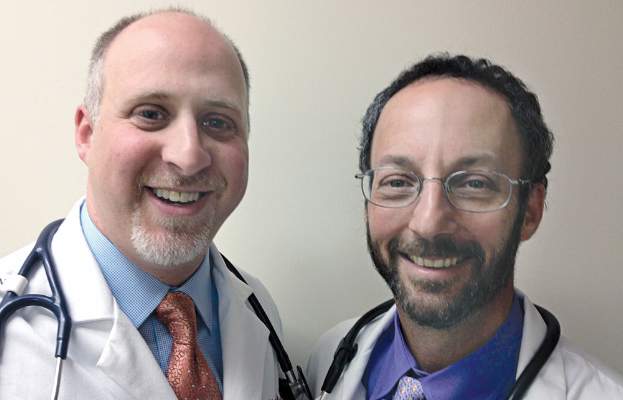
Dr. Notte is a family physician and clinical informaticist for Abington (Pa.) Memorial Hospital. He is a partner in EHR Practice Consultants, a firm that aids physicians in adopting electronic health records. Dr. Skolnik is associate director of the family medicine residency program at Abington Memorial Hospital and professor of family and community medicine at Temple University in Philadelphia.
It is always noteworthy when the headlines in the medical and mainstream media appear to be the same.
Typically, this means one of two things: 1) Sensationalism has propelled a minor issue into the common lexicon; or 2) a truly serious issue has grown to the point where the whole world is finally taking notice.
With the recent resurgence of Zika virus, something that initially seemed to be the former has unmistakably developed into the latter, and health care providers are again facing an age-old question: How do we adequately fight an evolving and serious illness in the midst of an ever-changing battlefield?
As has been the case countless times before, the answer to this question really lies in early identification. One might think that the advent of modern technology would make this a much easier proposition, but that has not exactly been the case.
In fact, recent Ebola and Zika outbreaks have actually served to demonstrate a big problem in many modern electronic health records: poor clinical decision support.
In this column, we felt it would be helpful to highlight this shortcoming, and make the suggestion that in the world of EHRs …
Change needs to be faster than Zika
Zika virus is not new (it was first identified in the Zika Forest of Uganda in 1947), and neither is the concept of serious mosquito-born illness. While the current Zika hot zones are South America, Central America, Mexico, and the Caribbean, case reports indicate the virus is quickly migrating. At the time of this writing, more than 150 travel-associated cases of Zika have been identified in the continental United States, and it is clear that the consequences of undiagnosed Zika in pregnancy can be devastating.
Furthermore, Zika is just the latest of many viruses to threaten the health and welfare of modern civilization (for example, Ebola, swine flu, SARS, and so on), so screening and prevention is far from a novel idea.
Unfortunately, electronic record vendors don’t seem to have gotten the message that the ability to adapt quickly to public health threats should be a core element of any modern EHR.
On the contrary, EHRs seem to be designed for fixed “best practice” workflows, and updates are often slow in coming (typically requiring a major upgrade or “patch”). This renders them fairly unable to react nimbly to change.
This fact became evident to us as we attempted to implement a reminder for staff members to perform a Zika-focused travel history on all patients. We felt it was critical for this reminder to be prominent, be easy to interact with, and appear at the most appropriate time for screening.
Despite multiple attempts, we discovered that our top-ranked, industry-leading EHR was unable to do this seemingly straightforward task, and eventually we reverted to the age-old practice of hanging signs in all of the exam rooms. These encouraged patients to inform their doctor “of worrisome symptoms or recent travel history to affected areas.”
We refuse to accept the inability of any modern electronic health record to create simple and flexible clinical support rules and improve on the efficacy of the paper sign. This, especially in light of the fact that one of the core requirements of the Meaningful Use (MU) program – for which all EHRs are certified – is clinical decision support!
Unfortunately, the MU guidelines are not specific, so most vendors choose to include a standard set of rules and don’t allow the ability for customization. That just isn’t good enough. If Ebola and Zika have taught the health information technology community one thing, it’s that …
It is time for smarter EHRs!
For many people, the notion of artificial intelligence seems to be science fiction, but they don’t realize they are carrying incredible “AI” devices with them everywhere they go. We are, of course, referring to our cell phones, which seem to be getting more intelligent all the time.
If you own an iPhone, you may have noticed it often seems to know where you are about to drive and how long it will take you to get there. This can be a bit creepy at first, until you realize how helpful – and smart – it actually is.
Essentially, our devices are constantly collecting data, reading the patterns of our lives, and learning ways to enhance them. Smartphones have revolutionized how we communicate, work, and play. Why, then, can’t our electronic health record software do the same?
It will surprise exactly none of our readers that the Meaningful Use program has fallen short of its goal of promoting the true benefits of electronic records. Many critics have suggested that the incentive program has faltered because EHRs have made physicians work harder, without helping them work smarter.
Zika virus proves the critics correct. Beyond creating just simple reminders as mentioned above, EHRs should be able to make intelligent suggestions based on patient data and current practice guidelines.
Some EHRs get it half correct. For example, they are “smart” enough to remind clinicians that women of a certain age should have mammograms, but they fall short in the ability to efficiently update those reminders when the U.S. Preventive Services Task Force updates the screening recommendation (as they did recently).
Other EHRs do allow you to customize preventative health reminders, but do not place them in a position of prominence – so they are easily overlooked by providers as they care for patients.
Few products seem to get it just right, and it’s time for this to change.
Simply put, as questions in the media loom about how to stop this rising threat, we as frontline health care providers should have the tools – and the decision support – required to provide meaningful answers.
Dr. Notte is a family physician and clinical informaticist for Abington (Pa.) Memorial Hospital. He is a partner in EHR Practice Consultants, a firm that aids physicians in adopting electronic health records. Dr. Skolnik is associate director of the family medicine residency program at Abington Memorial Hospital and professor of family and community medicine at Temple University in Philadelphia.
It is always noteworthy when the headlines in the medical and mainstream media appear to be the same.
Typically, this means one of two things: 1) Sensationalism has propelled a minor issue into the common lexicon; or 2) a truly serious issue has grown to the point where the whole world is finally taking notice.
With the recent resurgence of Zika virus, something that initially seemed to be the former has unmistakably developed into the latter, and health care providers are again facing an age-old question: How do we adequately fight an evolving and serious illness in the midst of an ever-changing battlefield?
As has been the case countless times before, the answer to this question really lies in early identification. One might think that the advent of modern technology would make this a much easier proposition, but that has not exactly been the case.
In fact, recent Ebola and Zika outbreaks have actually served to demonstrate a big problem in many modern electronic health records: poor clinical decision support.
In this column, we felt it would be helpful to highlight this shortcoming, and make the suggestion that in the world of EHRs …
Change needs to be faster than Zika
Zika virus is not new (it was first identified in the Zika Forest of Uganda in 1947), and neither is the concept of serious mosquito-born illness. While the current Zika hot zones are South America, Central America, Mexico, and the Caribbean, case reports indicate the virus is quickly migrating. At the time of this writing, more than 150 travel-associated cases of Zika have been identified in the continental United States, and it is clear that the consequences of undiagnosed Zika in pregnancy can be devastating.
Furthermore, Zika is just the latest of many viruses to threaten the health and welfare of modern civilization (for example, Ebola, swine flu, SARS, and so on), so screening and prevention is far from a novel idea.
Unfortunately, electronic record vendors don’t seem to have gotten the message that the ability to adapt quickly to public health threats should be a core element of any modern EHR.
On the contrary, EHRs seem to be designed for fixed “best practice” workflows, and updates are often slow in coming (typically requiring a major upgrade or “patch”). This renders them fairly unable to react nimbly to change.
This fact became evident to us as we attempted to implement a reminder for staff members to perform a Zika-focused travel history on all patients. We felt it was critical for this reminder to be prominent, be easy to interact with, and appear at the most appropriate time for screening.
Despite multiple attempts, we discovered that our top-ranked, industry-leading EHR was unable to do this seemingly straightforward task, and eventually we reverted to the age-old practice of hanging signs in all of the exam rooms. These encouraged patients to inform their doctor “of worrisome symptoms or recent travel history to affected areas.”
We refuse to accept the inability of any modern electronic health record to create simple and flexible clinical support rules and improve on the efficacy of the paper sign. This, especially in light of the fact that one of the core requirements of the Meaningful Use (MU) program – for which all EHRs are certified – is clinical decision support!
Unfortunately, the MU guidelines are not specific, so most vendors choose to include a standard set of rules and don’t allow the ability for customization. That just isn’t good enough. If Ebola and Zika have taught the health information technology community one thing, it’s that …
It is time for smarter EHRs!
For many people, the notion of artificial intelligence seems to be science fiction, but they don’t realize they are carrying incredible “AI” devices with them everywhere they go. We are, of course, referring to our cell phones, which seem to be getting more intelligent all the time.
If you own an iPhone, you may have noticed it often seems to know where you are about to drive and how long it will take you to get there. This can be a bit creepy at first, until you realize how helpful – and smart – it actually is.
Essentially, our devices are constantly collecting data, reading the patterns of our lives, and learning ways to enhance them. Smartphones have revolutionized how we communicate, work, and play. Why, then, can’t our electronic health record software do the same?
It will surprise exactly none of our readers that the Meaningful Use program has fallen short of its goal of promoting the true benefits of electronic records. Many critics have suggested that the incentive program has faltered because EHRs have made physicians work harder, without helping them work smarter.
Zika virus proves the critics correct. Beyond creating just simple reminders as mentioned above, EHRs should be able to make intelligent suggestions based on patient data and current practice guidelines.
Some EHRs get it half correct. For example, they are “smart” enough to remind clinicians that women of a certain age should have mammograms, but they fall short in the ability to efficiently update those reminders when the U.S. Preventive Services Task Force updates the screening recommendation (as they did recently).
Other EHRs do allow you to customize preventative health reminders, but do not place them in a position of prominence – so they are easily overlooked by providers as they care for patients.
Few products seem to get it just right, and it’s time for this to change.
Simply put, as questions in the media loom about how to stop this rising threat, we as frontline health care providers should have the tools – and the decision support – required to provide meaningful answers.
Dr. Notte is a family physician and clinical informaticist for Abington (Pa.) Memorial Hospital. He is a partner in EHR Practice Consultants, a firm that aids physicians in adopting electronic health records. Dr. Skolnik is associate director of the family medicine residency program at Abington Memorial Hospital and professor of family and community medicine at Temple University in Philadelphia.
Is It Possible to Be More Productive in Less Time?
Raise your hand if you join me in becoming increasingly annoyed at the following instruction: “Don’t work harder (or longer), work smarter.” Despite this admonition, I am working more intensively and spending more hours working than ever before. My friends in a variety of occupations and my colleagues at my institution are too. It is not just a mirage; from 1970 to 2000, average workers in the United States added nearly 200 hours of work per year to their schedules.1 That’s a whole extra month! And this is not just logging more hours at work. These hours also are more hectic with fewer breaks and many more demands. Unfortunately, more hours at work does not necessarily translate into getting more work done. There is good evidence to show that once our working day stretches beyond 8 hours, our cognitive performance and our productivity decline.2,3
I am feeling the squeeze, and I know you are too. Is it possible to be more productive in less time? In the reading I did to answer this question I found 4 major themes: (1) single task, (2) plan downtime, (3) schedule priorities, and (4) manage procrastination.
As a full-time clinician and a single mother with 4 children, a dog, 2 cats, and a house, I admire those who can multitask; however, experts now conclude that multitasking is not productive. People doing 2 tasks at once took up to 30% longer and made twice as many errors as those who completed the same tasks in sequence.4 Frequent interruptions had the same effect. A study found it took employees 15 minutes to fully regain their train of thought after they were interrupted by an email, even if they did not reply to the email.5 Instant messages produced a lag of 10 minutes. In addition, habitual multitaskers take longer to switch between tasks, probably because of losing the ability to focus.6 Those of us who think we are great multitaskers are the worst at it.7 The ping of the new email or text is exciting and can become addictive. To counteract the interruptions, batch up related tasks (eg, electronic medical records in-box, emails, telephone calls) and remove distractions. Smartphones can be programmed to announce loudly and specifically when our 12-year-old child texts but not announce other texts and calls that can be retrieved later. Slip a small notebook in your pocket or use your smartphone to record free-floating ideas to come back to at another time.
As soon as we wake up in the morning, we start making decisions. Some of the simple moment-to-moment choices have been automated; most of us rarely have to decide to brush our teeth or make coffee. Then a day of constant decision-making starts, which means finding options, evaluating the pros and cons, comparing the possible sequelae, and then determining a course of action. The more decisions we ask our brain to make, the less able we are to concentrate and make nuanced assessments, and the more our decisions exhibit less insight and forward thinking.8,9 However, rest periods improve task performance. As seen in brain imaging studies, rest allows the brain to continue processing and set up new connections.10 To prevent decision fatigue, plan downtime even if it is for just a few minutes of deep breathing or stretching against the wall every 90 minutes or less. An ideal time is between batches of tasks. Longer reflection time after a meeting is key before the next activity, solidifying the events of the meeting.
I know that on the occasions when I get up in the morning and focus on what is most important to do that day, I generally get it done, as well as other items on my to-do list. If I made prioritizing and planning a deliberate daily habit, it would allow for much greater productivity. It often is recommended that a list be made of all the activities and tasks to be done that day or week and then to compare it to a list of primary goals. Pay attention to the important items and not just the urgent ones. Urgent items can fill up the day but some of them may have little relationship to our primary goals. Those that are urgent but not important can be delegated, deferred, or even purged. Rank the important tasks and schedule the highest priority in defined blocks. This kind of deliberate prioritizing requires repeated monitoring and revisiting of goals and tasks but ensures that what is most important gets done.
Most physicians are perfectionists, which can be a good thing. I want my doctor to be a perfectionist when he/she is examining me or writing me a prescription. But perfectionism also has a high price. It makes delegation of a task difficult because of the perception that the other person might not do the task as well as you can. It also can cause us to put off doing a task because we do not have enough time now to do it well enough. Later we feel stressed because it is still undone, and then we panic and become overwhelmed at the thought of tackling this task, which now has an even bigger emotional load. Being productive means learning to manage procrastination. Brian Tracy has 21 great ways to stop procrastination in his book Eat That Frog,11 but you really only need 3 of his rules: (1) If you have to eat a frog, eat it first thing in the morning. (2) If you have to eat 2 frogs, eat the bigger one first. (3) If the frog is too big to eat, cut it into bite-size pieces.
Will it ever be possible for me to do the same amount of work in less time and feel good about it? I am not sure. However, I have become convinced that I can end each day satisfied with the tasks I was able to accomplish if I develop the habits of single tasking, planning downtime, scheduling priorities, and managing procrastination. I hope these tools will also help you find the same satisfaction.
1. Schor J. The (even more) overworked American. In: de Graaf J, ed. Take Back Your Time: Fighting Overwork and Time Poverty in America. San Francisco, CA: Berrett- Koehler; 2003:7.
2. Virtanen M, Singh-Manoux A, Ferrie JE, et al. Long working hours and cognitive function: the Whitehall II Study. Am J Epidemiol. 2009;169:596-605.
3. Labour productivity levels in the total economy. Organisation for Economic Co-operation and Development website. http://stats.oecd.org/Index.aspx?DatasetCode=LEVEL#. Accessed Feb 17, 2016.
4. Dux PE, Ivanoff J, Asplund CL, et al. Isolation of a central bottleneck of information processing with time-resolved FMRI. Neuron. 2006;52:1109-1120.
5. Iqbal ST, Horvitz E. Disruption and recovery of computing tasks: field study, analysis, and directions. Paper presented at: Computer/Human Interaction 2007 Conference; April 28-May 3, 2007; San Jose, CA.
6. Ophir E, Nass C, Wagner AD. Cognitive control in media multitaskers. Proc Natl Acad Sci U S A. 2009;106:15583-15587.
7. Sanbonmatsu DM, Strayer DL, Medeiros-Ward N, et al. Who multi-tasks and why? multi-tasking ability, perceived multi-tasking ability, impulsivity, and sensation seeking. PLoS One. 2013;8:e54402.
8. Danzinger S, Levav J, Avnaim-Pesso L. Extraneous factors in judicial decisions. Proc Natl Acad Sci U S A. 2011;108:6889-6892.
9. Dai H, Milkman KL, Hofmann DA, et al. The impact of time at work and time off from work on rule compliance: the case of hand hygiene in health care. J Appl Psychol. 2015;100:846-862.
10. Sami S, Robertson EM, Miall RC. The time course of task-specific memory consolidation effects in resting state networks. J Neurosci. 2014;34:3982-3992.
11. Tracy B. Eat That Frog! 21 Ways to Stop Procrastinating and Get More Done in Less Time. 2nd ed. San Francisco, CA: Berrett-Koehler Publishers; 2007.
Raise your hand if you join me in becoming increasingly annoyed at the following instruction: “Don’t work harder (or longer), work smarter.” Despite this admonition, I am working more intensively and spending more hours working than ever before. My friends in a variety of occupations and my colleagues at my institution are too. It is not just a mirage; from 1970 to 2000, average workers in the United States added nearly 200 hours of work per year to their schedules.1 That’s a whole extra month! And this is not just logging more hours at work. These hours also are more hectic with fewer breaks and many more demands. Unfortunately, more hours at work does not necessarily translate into getting more work done. There is good evidence to show that once our working day stretches beyond 8 hours, our cognitive performance and our productivity decline.2,3
I am feeling the squeeze, and I know you are too. Is it possible to be more productive in less time? In the reading I did to answer this question I found 4 major themes: (1) single task, (2) plan downtime, (3) schedule priorities, and (4) manage procrastination.
As a full-time clinician and a single mother with 4 children, a dog, 2 cats, and a house, I admire those who can multitask; however, experts now conclude that multitasking is not productive. People doing 2 tasks at once took up to 30% longer and made twice as many errors as those who completed the same tasks in sequence.4 Frequent interruptions had the same effect. A study found it took employees 15 minutes to fully regain their train of thought after they were interrupted by an email, even if they did not reply to the email.5 Instant messages produced a lag of 10 minutes. In addition, habitual multitaskers take longer to switch between tasks, probably because of losing the ability to focus.6 Those of us who think we are great multitaskers are the worst at it.7 The ping of the new email or text is exciting and can become addictive. To counteract the interruptions, batch up related tasks (eg, electronic medical records in-box, emails, telephone calls) and remove distractions. Smartphones can be programmed to announce loudly and specifically when our 12-year-old child texts but not announce other texts and calls that can be retrieved later. Slip a small notebook in your pocket or use your smartphone to record free-floating ideas to come back to at another time.
As soon as we wake up in the morning, we start making decisions. Some of the simple moment-to-moment choices have been automated; most of us rarely have to decide to brush our teeth or make coffee. Then a day of constant decision-making starts, which means finding options, evaluating the pros and cons, comparing the possible sequelae, and then determining a course of action. The more decisions we ask our brain to make, the less able we are to concentrate and make nuanced assessments, and the more our decisions exhibit less insight and forward thinking.8,9 However, rest periods improve task performance. As seen in brain imaging studies, rest allows the brain to continue processing and set up new connections.10 To prevent decision fatigue, plan downtime even if it is for just a few minutes of deep breathing or stretching against the wall every 90 minutes or less. An ideal time is between batches of tasks. Longer reflection time after a meeting is key before the next activity, solidifying the events of the meeting.
I know that on the occasions when I get up in the morning and focus on what is most important to do that day, I generally get it done, as well as other items on my to-do list. If I made prioritizing and planning a deliberate daily habit, it would allow for much greater productivity. It often is recommended that a list be made of all the activities and tasks to be done that day or week and then to compare it to a list of primary goals. Pay attention to the important items and not just the urgent ones. Urgent items can fill up the day but some of them may have little relationship to our primary goals. Those that are urgent but not important can be delegated, deferred, or even purged. Rank the important tasks and schedule the highest priority in defined blocks. This kind of deliberate prioritizing requires repeated monitoring and revisiting of goals and tasks but ensures that what is most important gets done.
Most physicians are perfectionists, which can be a good thing. I want my doctor to be a perfectionist when he/she is examining me or writing me a prescription. But perfectionism also has a high price. It makes delegation of a task difficult because of the perception that the other person might not do the task as well as you can. It also can cause us to put off doing a task because we do not have enough time now to do it well enough. Later we feel stressed because it is still undone, and then we panic and become overwhelmed at the thought of tackling this task, which now has an even bigger emotional load. Being productive means learning to manage procrastination. Brian Tracy has 21 great ways to stop procrastination in his book Eat That Frog,11 but you really only need 3 of his rules: (1) If you have to eat a frog, eat it first thing in the morning. (2) If you have to eat 2 frogs, eat the bigger one first. (3) If the frog is too big to eat, cut it into bite-size pieces.
Will it ever be possible for me to do the same amount of work in less time and feel good about it? I am not sure. However, I have become convinced that I can end each day satisfied with the tasks I was able to accomplish if I develop the habits of single tasking, planning downtime, scheduling priorities, and managing procrastination. I hope these tools will also help you find the same satisfaction.
Raise your hand if you join me in becoming increasingly annoyed at the following instruction: “Don’t work harder (or longer), work smarter.” Despite this admonition, I am working more intensively and spending more hours working than ever before. My friends in a variety of occupations and my colleagues at my institution are too. It is not just a mirage; from 1970 to 2000, average workers in the United States added nearly 200 hours of work per year to their schedules.1 That’s a whole extra month! And this is not just logging more hours at work. These hours also are more hectic with fewer breaks and many more demands. Unfortunately, more hours at work does not necessarily translate into getting more work done. There is good evidence to show that once our working day stretches beyond 8 hours, our cognitive performance and our productivity decline.2,3
I am feeling the squeeze, and I know you are too. Is it possible to be more productive in less time? In the reading I did to answer this question I found 4 major themes: (1) single task, (2) plan downtime, (3) schedule priorities, and (4) manage procrastination.
As a full-time clinician and a single mother with 4 children, a dog, 2 cats, and a house, I admire those who can multitask; however, experts now conclude that multitasking is not productive. People doing 2 tasks at once took up to 30% longer and made twice as many errors as those who completed the same tasks in sequence.4 Frequent interruptions had the same effect. A study found it took employees 15 minutes to fully regain their train of thought after they were interrupted by an email, even if they did not reply to the email.5 Instant messages produced a lag of 10 minutes. In addition, habitual multitaskers take longer to switch between tasks, probably because of losing the ability to focus.6 Those of us who think we are great multitaskers are the worst at it.7 The ping of the new email or text is exciting and can become addictive. To counteract the interruptions, batch up related tasks (eg, electronic medical records in-box, emails, telephone calls) and remove distractions. Smartphones can be programmed to announce loudly and specifically when our 12-year-old child texts but not announce other texts and calls that can be retrieved later. Slip a small notebook in your pocket or use your smartphone to record free-floating ideas to come back to at another time.
As soon as we wake up in the morning, we start making decisions. Some of the simple moment-to-moment choices have been automated; most of us rarely have to decide to brush our teeth or make coffee. Then a day of constant decision-making starts, which means finding options, evaluating the pros and cons, comparing the possible sequelae, and then determining a course of action. The more decisions we ask our brain to make, the less able we are to concentrate and make nuanced assessments, and the more our decisions exhibit less insight and forward thinking.8,9 However, rest periods improve task performance. As seen in brain imaging studies, rest allows the brain to continue processing and set up new connections.10 To prevent decision fatigue, plan downtime even if it is for just a few minutes of deep breathing or stretching against the wall every 90 minutes or less. An ideal time is between batches of tasks. Longer reflection time after a meeting is key before the next activity, solidifying the events of the meeting.
I know that on the occasions when I get up in the morning and focus on what is most important to do that day, I generally get it done, as well as other items on my to-do list. If I made prioritizing and planning a deliberate daily habit, it would allow for much greater productivity. It often is recommended that a list be made of all the activities and tasks to be done that day or week and then to compare it to a list of primary goals. Pay attention to the important items and not just the urgent ones. Urgent items can fill up the day but some of them may have little relationship to our primary goals. Those that are urgent but not important can be delegated, deferred, or even purged. Rank the important tasks and schedule the highest priority in defined blocks. This kind of deliberate prioritizing requires repeated monitoring and revisiting of goals and tasks but ensures that what is most important gets done.
Most physicians are perfectionists, which can be a good thing. I want my doctor to be a perfectionist when he/she is examining me or writing me a prescription. But perfectionism also has a high price. It makes delegation of a task difficult because of the perception that the other person might not do the task as well as you can. It also can cause us to put off doing a task because we do not have enough time now to do it well enough. Later we feel stressed because it is still undone, and then we panic and become overwhelmed at the thought of tackling this task, which now has an even bigger emotional load. Being productive means learning to manage procrastination. Brian Tracy has 21 great ways to stop procrastination in his book Eat That Frog,11 but you really only need 3 of his rules: (1) If you have to eat a frog, eat it first thing in the morning. (2) If you have to eat 2 frogs, eat the bigger one first. (3) If the frog is too big to eat, cut it into bite-size pieces.
Will it ever be possible for me to do the same amount of work in less time and feel good about it? I am not sure. However, I have become convinced that I can end each day satisfied with the tasks I was able to accomplish if I develop the habits of single tasking, planning downtime, scheduling priorities, and managing procrastination. I hope these tools will also help you find the same satisfaction.
1. Schor J. The (even more) overworked American. In: de Graaf J, ed. Take Back Your Time: Fighting Overwork and Time Poverty in America. San Francisco, CA: Berrett- Koehler; 2003:7.
2. Virtanen M, Singh-Manoux A, Ferrie JE, et al. Long working hours and cognitive function: the Whitehall II Study. Am J Epidemiol. 2009;169:596-605.
3. Labour productivity levels in the total economy. Organisation for Economic Co-operation and Development website. http://stats.oecd.org/Index.aspx?DatasetCode=LEVEL#. Accessed Feb 17, 2016.
4. Dux PE, Ivanoff J, Asplund CL, et al. Isolation of a central bottleneck of information processing with time-resolved FMRI. Neuron. 2006;52:1109-1120.
5. Iqbal ST, Horvitz E. Disruption and recovery of computing tasks: field study, analysis, and directions. Paper presented at: Computer/Human Interaction 2007 Conference; April 28-May 3, 2007; San Jose, CA.
6. Ophir E, Nass C, Wagner AD. Cognitive control in media multitaskers. Proc Natl Acad Sci U S A. 2009;106:15583-15587.
7. Sanbonmatsu DM, Strayer DL, Medeiros-Ward N, et al. Who multi-tasks and why? multi-tasking ability, perceived multi-tasking ability, impulsivity, and sensation seeking. PLoS One. 2013;8:e54402.
8. Danzinger S, Levav J, Avnaim-Pesso L. Extraneous factors in judicial decisions. Proc Natl Acad Sci U S A. 2011;108:6889-6892.
9. Dai H, Milkman KL, Hofmann DA, et al. The impact of time at work and time off from work on rule compliance: the case of hand hygiene in health care. J Appl Psychol. 2015;100:846-862.
10. Sami S, Robertson EM, Miall RC. The time course of task-specific memory consolidation effects in resting state networks. J Neurosci. 2014;34:3982-3992.
11. Tracy B. Eat That Frog! 21 Ways to Stop Procrastinating and Get More Done in Less Time. 2nd ed. San Francisco, CA: Berrett-Koehler Publishers; 2007.
1. Schor J. The (even more) overworked American. In: de Graaf J, ed. Take Back Your Time: Fighting Overwork and Time Poverty in America. San Francisco, CA: Berrett- Koehler; 2003:7.
2. Virtanen M, Singh-Manoux A, Ferrie JE, et al. Long working hours and cognitive function: the Whitehall II Study. Am J Epidemiol. 2009;169:596-605.
3. Labour productivity levels in the total economy. Organisation for Economic Co-operation and Development website. http://stats.oecd.org/Index.aspx?DatasetCode=LEVEL#. Accessed Feb 17, 2016.
4. Dux PE, Ivanoff J, Asplund CL, et al. Isolation of a central bottleneck of information processing with time-resolved FMRI. Neuron. 2006;52:1109-1120.
5. Iqbal ST, Horvitz E. Disruption and recovery of computing tasks: field study, analysis, and directions. Paper presented at: Computer/Human Interaction 2007 Conference; April 28-May 3, 2007; San Jose, CA.
6. Ophir E, Nass C, Wagner AD. Cognitive control in media multitaskers. Proc Natl Acad Sci U S A. 2009;106:15583-15587.
7. Sanbonmatsu DM, Strayer DL, Medeiros-Ward N, et al. Who multi-tasks and why? multi-tasking ability, perceived multi-tasking ability, impulsivity, and sensation seeking. PLoS One. 2013;8:e54402.
8. Danzinger S, Levav J, Avnaim-Pesso L. Extraneous factors in judicial decisions. Proc Natl Acad Sci U S A. 2011;108:6889-6892.
9. Dai H, Milkman KL, Hofmann DA, et al. The impact of time at work and time off from work on rule compliance: the case of hand hygiene in health care. J Appl Psychol. 2015;100:846-862.
10. Sami S, Robertson EM, Miall RC. The time course of task-specific memory consolidation effects in resting state networks. J Neurosci. 2014;34:3982-3992.
11. Tracy B. Eat That Frog! 21 Ways to Stop Procrastinating and Get More Done in Less Time. 2nd ed. San Francisco, CA: Berrett-Koehler Publishers; 2007.

Two new drugs
Two new drugs have arrived to challenge our prescription pad or electronic record, depending on which you use. Empagliflozin (Jardiance), a drug used to modify glucose metabolism in type 2 diabetes in patients with preexisting cardiovascular disease, demonstrated a decrease in cardiovascular mortality. The other drug, Entresto, appears to provide an added benefit in heart failure therapy and was compared with a standard ACE inhibitor.
The results of EMPA-REG OUTCOME, reported at the European Association for the Study of Diabetes meeting in Stockholm, showed empagliflozin to be the first drug to decrease the mortality and morbidity of cardiovascular disease in diabetes. It is one of a group of new sodium-glucose cotransporter 2 (SGLT-2) blockers being tested in type 2 diabetes with established cardiovascular disease. Patients were randomized to placebo or empagliflozin while receiving standard medical and cardiovascular medications. After 3 years of follow-up, patients receiving the drug experienced a lower cardiovascular mortality rate, compared with placebo patients (3.7% vs. 5.9%, a 38% reduction) in addition to a decrease in hospitalization for heart failure and death from any cause. No effect was observed on the incidence of myocardial infarction or stroke. In addition, the drug also lowered blood glucose and blood pressure and led to some significant weight loss. The drug also was shown to decrease vascular resistance and albuminuria (N Engl J Med. 2015. 373:2117-2).
Furthermore, an analysis of EMPA-REG OUTCOME presented in November at the American Society of Nephrology meeting in San Diego, showed a profound benefit on the new onset and progression of chronic renal disease in diabetes patients. The importance of these results needs emphasis. Up until recently, the Food and Drug Administration has given a pass to diabetes drugs in regard to cardiovascular endpoints; approval has been based on their primary effect on lowering blood glucose. Some drugs in the past, such as rosiglitazone, actually have shown an increase in mortality in some diabetes patients. At long last, FDA approval for diabetes drugs hinges on acceptable outcomes in cardiovascular endpoints. The addition of a drug that can actually affect cardiovascular mortality and morbidity, the major risk factor of diabetes, provides an important addition to therapy.
The other drug that provides a choice of drugs for the treatment of heart failure is Entresto, a combination of sacubitril, a neprilysin inhibitor, and the angiotensin receptor inhibitor valsartan, approved in July 2015. In PARADIGM-HF, the compound was compared to enalapril in the treatment of patients with class II, III, and IV heart failure who were also receiving beta-blockers. Entresto-treated patients reported a 21.8% incidence of the primary outcome measure, cardiovascular death and hospitalization for heart failure, compared with the enalapril alone incidence of 26.5% (P less than .001) (N Engl J Med. 2014;371:993-1004). Investigators initially excluded 11.4% of the recruited patients from the study who could not tolerate Entresto or enalapril therapy. The drugs were well tolerated without any adverse reactions during therapy. Entresto was more effective than enalapril in regards to the occurrence of heart failure and death from any cause over a 27-month average follow-up.
The observations in this study emphasize how much the mortality of heart failure has decreased over the last decade. Cardiovascular deaths have decreased to roughly 7% per year and rehospitalization occurs in about 8% in the first year. Both drugs provide an important incremental benefit in heart failure patients.
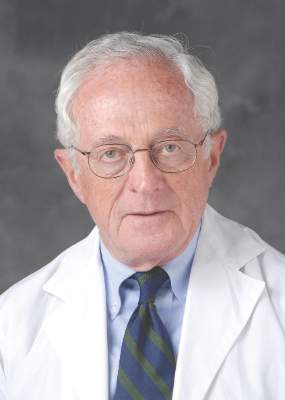
Dr. Goldstein, medical editor of Cardiology News, is professor of medicine at Wayne State University and division head emeritus of cardiovascular medicine at Henry Ford Hospital, both in Detroit. He is on data safety monitoring committees for the National Institutes of Health and several pharmaceutical companies.
Two new drugs have arrived to challenge our prescription pad or electronic record, depending on which you use. Empagliflozin (Jardiance), a drug used to modify glucose metabolism in type 2 diabetes in patients with preexisting cardiovascular disease, demonstrated a decrease in cardiovascular mortality. The other drug, Entresto, appears to provide an added benefit in heart failure therapy and was compared with a standard ACE inhibitor.
The results of EMPA-REG OUTCOME, reported at the European Association for the Study of Diabetes meeting in Stockholm, showed empagliflozin to be the first drug to decrease the mortality and morbidity of cardiovascular disease in diabetes. It is one of a group of new sodium-glucose cotransporter 2 (SGLT-2) blockers being tested in type 2 diabetes with established cardiovascular disease. Patients were randomized to placebo or empagliflozin while receiving standard medical and cardiovascular medications. After 3 years of follow-up, patients receiving the drug experienced a lower cardiovascular mortality rate, compared with placebo patients (3.7% vs. 5.9%, a 38% reduction) in addition to a decrease in hospitalization for heart failure and death from any cause. No effect was observed on the incidence of myocardial infarction or stroke. In addition, the drug also lowered blood glucose and blood pressure and led to some significant weight loss. The drug also was shown to decrease vascular resistance and albuminuria (N Engl J Med. 2015. 373:2117-2).
Furthermore, an analysis of EMPA-REG OUTCOME presented in November at the American Society of Nephrology meeting in San Diego, showed a profound benefit on the new onset and progression of chronic renal disease in diabetes patients. The importance of these results needs emphasis. Up until recently, the Food and Drug Administration has given a pass to diabetes drugs in regard to cardiovascular endpoints; approval has been based on their primary effect on lowering blood glucose. Some drugs in the past, such as rosiglitazone, actually have shown an increase in mortality in some diabetes patients. At long last, FDA approval for diabetes drugs hinges on acceptable outcomes in cardiovascular endpoints. The addition of a drug that can actually affect cardiovascular mortality and morbidity, the major risk factor of diabetes, provides an important addition to therapy.
The other drug that provides a choice of drugs for the treatment of heart failure is Entresto, a combination of sacubitril, a neprilysin inhibitor, and the angiotensin receptor inhibitor valsartan, approved in July 2015. In PARADIGM-HF, the compound was compared to enalapril in the treatment of patients with class II, III, and IV heart failure who were also receiving beta-blockers. Entresto-treated patients reported a 21.8% incidence of the primary outcome measure, cardiovascular death and hospitalization for heart failure, compared with the enalapril alone incidence of 26.5% (P less than .001) (N Engl J Med. 2014;371:993-1004). Investigators initially excluded 11.4% of the recruited patients from the study who could not tolerate Entresto or enalapril therapy. The drugs were well tolerated without any adverse reactions during therapy. Entresto was more effective than enalapril in regards to the occurrence of heart failure and death from any cause over a 27-month average follow-up.
The observations in this study emphasize how much the mortality of heart failure has decreased over the last decade. Cardiovascular deaths have decreased to roughly 7% per year and rehospitalization occurs in about 8% in the first year. Both drugs provide an important incremental benefit in heart failure patients.
Dr. Goldstein, medical editor of Cardiology News, is professor of medicine at Wayne State University and division head emeritus of cardiovascular medicine at Henry Ford Hospital, both in Detroit. He is on data safety monitoring committees for the National Institutes of Health and several pharmaceutical companies.
Two new drugs have arrived to challenge our prescription pad or electronic record, depending on which you use. Empagliflozin (Jardiance), a drug used to modify glucose metabolism in type 2 diabetes in patients with preexisting cardiovascular disease, demonstrated a decrease in cardiovascular mortality. The other drug, Entresto, appears to provide an added benefit in heart failure therapy and was compared with a standard ACE inhibitor.
The results of EMPA-REG OUTCOME, reported at the European Association for the Study of Diabetes meeting in Stockholm, showed empagliflozin to be the first drug to decrease the mortality and morbidity of cardiovascular disease in diabetes. It is one of a group of new sodium-glucose cotransporter 2 (SGLT-2) blockers being tested in type 2 diabetes with established cardiovascular disease. Patients were randomized to placebo or empagliflozin while receiving standard medical and cardiovascular medications. After 3 years of follow-up, patients receiving the drug experienced a lower cardiovascular mortality rate, compared with placebo patients (3.7% vs. 5.9%, a 38% reduction) in addition to a decrease in hospitalization for heart failure and death from any cause. No effect was observed on the incidence of myocardial infarction or stroke. In addition, the drug also lowered blood glucose and blood pressure and led to some significant weight loss. The drug also was shown to decrease vascular resistance and albuminuria (N Engl J Med. 2015. 373:2117-2).
Furthermore, an analysis of EMPA-REG OUTCOME presented in November at the American Society of Nephrology meeting in San Diego, showed a profound benefit on the new onset and progression of chronic renal disease in diabetes patients. The importance of these results needs emphasis. Up until recently, the Food and Drug Administration has given a pass to diabetes drugs in regard to cardiovascular endpoints; approval has been based on their primary effect on lowering blood glucose. Some drugs in the past, such as rosiglitazone, actually have shown an increase in mortality in some diabetes patients. At long last, FDA approval for diabetes drugs hinges on acceptable outcomes in cardiovascular endpoints. The addition of a drug that can actually affect cardiovascular mortality and morbidity, the major risk factor of diabetes, provides an important addition to therapy.
The other drug that provides a choice of drugs for the treatment of heart failure is Entresto, a combination of sacubitril, a neprilysin inhibitor, and the angiotensin receptor inhibitor valsartan, approved in July 2015. In PARADIGM-HF, the compound was compared to enalapril in the treatment of patients with class II, III, and IV heart failure who were also receiving beta-blockers. Entresto-treated patients reported a 21.8% incidence of the primary outcome measure, cardiovascular death and hospitalization for heart failure, compared with the enalapril alone incidence of 26.5% (P less than .001) (N Engl J Med. 2014;371:993-1004). Investigators initially excluded 11.4% of the recruited patients from the study who could not tolerate Entresto or enalapril therapy. The drugs were well tolerated without any adverse reactions during therapy. Entresto was more effective than enalapril in regards to the occurrence of heart failure and death from any cause over a 27-month average follow-up.
The observations in this study emphasize how much the mortality of heart failure has decreased over the last decade. Cardiovascular deaths have decreased to roughly 7% per year and rehospitalization occurs in about 8% in the first year. Both drugs provide an important incremental benefit in heart failure patients.
Dr. Goldstein, medical editor of Cardiology News, is professor of medicine at Wayne State University and division head emeritus of cardiovascular medicine at Henry Ford Hospital, both in Detroit. He is on data safety monitoring committees for the National Institutes of Health and several pharmaceutical companies.
Q.N.S.
In the early 1970’s, the three letters that a pediatric house officer hated to see on a slip returning from the lab were Q.N.S. Quality Not Sufficient meant that the minutes, which seemed like hours, you had invested torturing some poor sick child to obtain just a few cc’s of blood had been wasted. It also meant returning to the patient’s crib or bedside to explain to the child and her parents that the torture you had promised was over for the day was in fact not over.
Tourniquets were fished out of lapel buttonholes, and the search for a decent vein had to begin all over again. If the child was chubby or bloated with retained fluid, those veins were invisible. If the child had been ill for weeks – particularly if the patient had been on chemotherapy – all of the good veins had been blown or had clotted days ago.

Many of the patients were saintly and eerily cooperative despite your fumbling attempts at venipuncture, but most were not. Some parents were so supportive of your efforts that you wanted to hug them when the ordeal was over (and you did). A few parents amped up the tension at the bedside so much that you wanted to ask them to leave (but you didn’t). If a parent was understandably incapable of effectively restraining the child, you needed to find an experienced nurse to help. A few of the best nurses were so good that the house officer merely needed to hold the needle still, and the child was repositioned in just the right orientation so that the puncture occurred miraculously.
There were some last ditch efforts at phlebotomy that were so ghastly that you had to ask the parents to leave. I don’t know if the infamous internal jugular stick is still used, but it wasn’t pretty. And it was almost as frightening for the physician holding the needle as it was for the patient. Even in the big teaching hospitals, dedicated phlebotomists hadn’t been invented yet. A few nurses had earned reputations as good vein finders, but for the most part it was on-the-job training for the house officers.
It was not until 1973 that Dr. John Broviac’s central line catheters became available in some hospitals and 1979 until Dr. Robert Hickman’s version appeared. It took a few more years before techniques were perfected for safely drawing specimens from these lines that had been originally intended for infusion. But for me and my cohort of house officers and our unfortunate patients, it was years too late. I am sure that caring for hospitalized pediatric cancer patients today continues to be dominated by challenges. But for those of us tasked with drawing blood from patients without the benefit of central line catheters, it was gut wrenching.
Those battles for a few cc’s of blood left their scars. I have seldom ordered any blood test without asking myself whether there wasn’t a bloodless way of assessing the patient’s condition. Or couldn’t we just do the test on a drop or two of blood? Of course, as I as finishing my training, more tests were downsized so that they could be done “micro.” But as you know, getting enough blood from a heel stick or finger prick isn’t always as easy as it sounds. If the child is shocky or cold, a good blood flow is hard to obtain. Warming helps but squeezing doesn’t because tissue juices can dilute the sample, and the trauma of squeezing can contaminate the sample.
A study published in the American Journal of Clinical Pathology raises the question of how accurately even a single drop of blood reflects what is going on in the patient’s total blood pool (“Drop by drop variation in the cellular components of fingerprick blood: Implications for point-of-care diagnostic development” [Am J Clin Pathol. 2015 Dec;144(6):885-94]). Two bioengineers from Rice University discovered that six successive drops of blood from a single finger prick varied by a significant amount when analyzed for a variety of cellular components. For example, the drop-to-drop variability for hemoglobin was five times that of a sample collected by venipuncture.
You and I may dream of the day when just a drop will do it and we can put our needles away for good. Unfortunately, for now, the answer is that a single drop of blood is a Q.N.S.
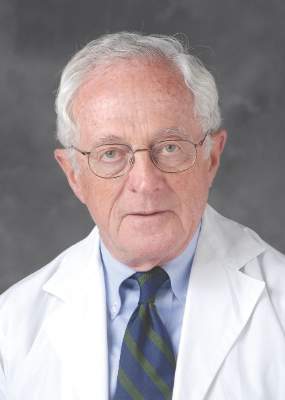
Dr. Wilkoff practiced primary care pediatrics in Brunswick, Maine, for nearly 40 years. He has authored several books on behavioral pediatrics including “How to Say No to Your Toddler.”
In the early 1970’s, the three letters that a pediatric house officer hated to see on a slip returning from the lab were Q.N.S. Quality Not Sufficient meant that the minutes, which seemed like hours, you had invested torturing some poor sick child to obtain just a few cc’s of blood had been wasted. It also meant returning to the patient’s crib or bedside to explain to the child and her parents that the torture you had promised was over for the day was in fact not over.
Tourniquets were fished out of lapel buttonholes, and the search for a decent vein had to begin all over again. If the child was chubby or bloated with retained fluid, those veins were invisible. If the child had been ill for weeks – particularly if the patient had been on chemotherapy – all of the good veins had been blown or had clotted days ago.
Many of the patients were saintly and eerily cooperative despite your fumbling attempts at venipuncture, but most were not. Some parents were so supportive of your efforts that you wanted to hug them when the ordeal was over (and you did). A few parents amped up the tension at the bedside so much that you wanted to ask them to leave (but you didn’t). If a parent was understandably incapable of effectively restraining the child, you needed to find an experienced nurse to help. A few of the best nurses were so good that the house officer merely needed to hold the needle still, and the child was repositioned in just the right orientation so that the puncture occurred miraculously.
There were some last ditch efforts at phlebotomy that were so ghastly that you had to ask the parents to leave. I don’t know if the infamous internal jugular stick is still used, but it wasn’t pretty. And it was almost as frightening for the physician holding the needle as it was for the patient. Even in the big teaching hospitals, dedicated phlebotomists hadn’t been invented yet. A few nurses had earned reputations as good vein finders, but for the most part it was on-the-job training for the house officers.
It was not until 1973 that Dr. John Broviac’s central line catheters became available in some hospitals and 1979 until Dr. Robert Hickman’s version appeared. It took a few more years before techniques were perfected for safely drawing specimens from these lines that had been originally intended for infusion. But for me and my cohort of house officers and our unfortunate patients, it was years too late. I am sure that caring for hospitalized pediatric cancer patients today continues to be dominated by challenges. But for those of us tasked with drawing blood from patients without the benefit of central line catheters, it was gut wrenching.
Those battles for a few cc’s of blood left their scars. I have seldom ordered any blood test without asking myself whether there wasn’t a bloodless way of assessing the patient’s condition. Or couldn’t we just do the test on a drop or two of blood? Of course, as I as finishing my training, more tests were downsized so that they could be done “micro.” But as you know, getting enough blood from a heel stick or finger prick isn’t always as easy as it sounds. If the child is shocky or cold, a good blood flow is hard to obtain. Warming helps but squeezing doesn’t because tissue juices can dilute the sample, and the trauma of squeezing can contaminate the sample.
A study published in the American Journal of Clinical Pathology raises the question of how accurately even a single drop of blood reflects what is going on in the patient’s total blood pool (“Drop by drop variation in the cellular components of fingerprick blood: Implications for point-of-care diagnostic development” [Am J Clin Pathol. 2015 Dec;144(6):885-94]). Two bioengineers from Rice University discovered that six successive drops of blood from a single finger prick varied by a significant amount when analyzed for a variety of cellular components. For example, the drop-to-drop variability for hemoglobin was five times that of a sample collected by venipuncture.
You and I may dream of the day when just a drop will do it and we can put our needles away for good. Unfortunately, for now, the answer is that a single drop of blood is a Q.N.S.
Dr. Wilkoff practiced primary care pediatrics in Brunswick, Maine, for nearly 40 years. He has authored several books on behavioral pediatrics including “How to Say No to Your Toddler.”
In the early 1970’s, the three letters that a pediatric house officer hated to see on a slip returning from the lab were Q.N.S. Quality Not Sufficient meant that the minutes, which seemed like hours, you had invested torturing some poor sick child to obtain just a few cc’s of blood had been wasted. It also meant returning to the patient’s crib or bedside to explain to the child and her parents that the torture you had promised was over for the day was in fact not over.
Tourniquets were fished out of lapel buttonholes, and the search for a decent vein had to begin all over again. If the child was chubby or bloated with retained fluid, those veins were invisible. If the child had been ill for weeks – particularly if the patient had been on chemotherapy – all of the good veins had been blown or had clotted days ago.
Many of the patients were saintly and eerily cooperative despite your fumbling attempts at venipuncture, but most were not. Some parents were so supportive of your efforts that you wanted to hug them when the ordeal was over (and you did). A few parents amped up the tension at the bedside so much that you wanted to ask them to leave (but you didn’t). If a parent was understandably incapable of effectively restraining the child, you needed to find an experienced nurse to help. A few of the best nurses were so good that the house officer merely needed to hold the needle still, and the child was repositioned in just the right orientation so that the puncture occurred miraculously.
There were some last ditch efforts at phlebotomy that were so ghastly that you had to ask the parents to leave. I don’t know if the infamous internal jugular stick is still used, but it wasn’t pretty. And it was almost as frightening for the physician holding the needle as it was for the patient. Even in the big teaching hospitals, dedicated phlebotomists hadn’t been invented yet. A few nurses had earned reputations as good vein finders, but for the most part it was on-the-job training for the house officers.
It was not until 1973 that Dr. John Broviac’s central line catheters became available in some hospitals and 1979 until Dr. Robert Hickman’s version appeared. It took a few more years before techniques were perfected for safely drawing specimens from these lines that had been originally intended for infusion. But for me and my cohort of house officers and our unfortunate patients, it was years too late. I am sure that caring for hospitalized pediatric cancer patients today continues to be dominated by challenges. But for those of us tasked with drawing blood from patients without the benefit of central line catheters, it was gut wrenching.
Those battles for a few cc’s of blood left their scars. I have seldom ordered any blood test without asking myself whether there wasn’t a bloodless way of assessing the patient’s condition. Or couldn’t we just do the test on a drop or two of blood? Of course, as I as finishing my training, more tests were downsized so that they could be done “micro.” But as you know, getting enough blood from a heel stick or finger prick isn’t always as easy as it sounds. If the child is shocky or cold, a good blood flow is hard to obtain. Warming helps but squeezing doesn’t because tissue juices can dilute the sample, and the trauma of squeezing can contaminate the sample.
A study published in the American Journal of Clinical Pathology raises the question of how accurately even a single drop of blood reflects what is going on in the patient’s total blood pool (“Drop by drop variation in the cellular components of fingerprick blood: Implications for point-of-care diagnostic development” [Am J Clin Pathol. 2015 Dec;144(6):885-94]). Two bioengineers from Rice University discovered that six successive drops of blood from a single finger prick varied by a significant amount when analyzed for a variety of cellular components. For example, the drop-to-drop variability for hemoglobin was five times that of a sample collected by venipuncture.
You and I may dream of the day when just a drop will do it and we can put our needles away for good. Unfortunately, for now, the answer is that a single drop of blood is a Q.N.S.
Dr. Wilkoff practiced primary care pediatrics in Brunswick, Maine, for nearly 40 years. He has authored several books on behavioral pediatrics including “How to Say No to Your Toddler.”

A Perfect Storm: Patterns of care
Editor’s Note: This is the third installment of a five-part monthly series that will discuss the pathologic, genomic, and health system factors that contribute to the racial survival disparity in breast cancer. The series, which is adapted from an article that originally appeared in CA: A Cancer Journal for Clinicians1, a journal of the American Cancer Society, will also review exciting and innovative interventions to close the survival gap. This month’s column reviews patterns of care – the second element in the perfect storm.
Mammography
Despite advances in breast cancer imaging technology, the mainstay of breast cancer screening has remained mammography. Chu et al.2 found that African American women have less early-stage disease in every age group for each hormone receptor status, and this raises the concern that mammography screening might be inadequate in this population. Although historically, African American women used mammography less than did white women, this difference has fortunately disappeared with time.3 According to results from the 2010 National Health Interview Survey, among women who were 40 years or older, 50.6% of non-Hispanic African Americans and 51.5% of non-Hispanic whites reported having had a mammogram within the past year.4
Although mammography uptake may be similar between these groups, there are still differences both in quality and in follow-up of abnormal imaging results. A study of mammography capacity and quality in a large urban setting found that the facilities that served predominantly minority women were more likely to be public institutions (31% vs. 0%) and less likely to be academic (27% vs. 71%), less likely to have digital mammography (18% vs. 71%), and less likely to have dedicated breast imaging specialists reading the films (23% vs. 87%). The authors concluded that the mammography process was broken, with quality differences in the manner in which the centers provided care and reported results.5

The accompanying graphic illustrates the disparities seen in breast cancer mammography and care for women in underserved communities on Chicago’s South Side. As the figure demonstrates, there are fewer mammography centers on the city’s South Side, with the concentration of breast cancer imaging and treatment resources localized in the more affluent communities of central and northern Chicago. A total of 300,000 women who were eligible for screening went unscreened because of improper management of resources.
Highlighting the importance of location in breast cancer care, Gehlert et al.6 asserted that ensuring that inner-city health facilities have up-to-date, well-maintained equipment and that mammographers have access to continuing training and opportunities for consultation should help reduce breast cancer mortality in African Americans.
With respect to follow-up of abnormal imaging results, a large retrospective cohort study of 6,722 women with abnormal mammogram results seen at a New York academic medical center from January 2002 through December 2002 found longer times to diagnostic follow-up for African American versus white women. The median number of days to diagnostic follow-up was 20 for African American patients versus 14 for white patients. In addition, racial disparities remained significant after the researchers controlled for age, Breast Imaging Reporting and Data System (BI-RADS) category, insurance status, provider practice location, and median household income. More important, in women with a BI-RADS classification of 4 or 5 – signifying a lesion seen on mammography that is either suspicious for or highly suggestive of malignancy, respectively – the median number of days to follow-up among those without same-day additional imaging was 26 for African Americans and 14 for whites (P < .05).7
Delays in treatment
A cascade of delays also has been documented in breast cancer care for African American women. Silber et al.8 investigated factors associated with differences in breast cancer outcomes in a large population-based study using Surveillance, Epidemiology, and End Results (SEER)-Medicare data. The mean time from diagnosis to treatment was 29.2 days for African Americans versus 22.5 days for whites (P < .001). The authors also found that African Americans were more likely to have very-long treatment delays. At least 6% of African Americans did not initiate treatment within the first 3 months of diagnosis, whereas only 3% of whites failed to start treatment (P < .001). Gwyn et al.9 also found potentially clinically significant treatment delays more often for African American women than for white women. The time from medical consultation to the initiation of treatment was longer than 3 months for 22.4% of African American women versus 14.3% of white women. Three months was chosen as a clinically significant time period, because Richards et al.10 demonstrated that a delay ≥ to 3 months affects survival. Thus, delays in the diagnosis and treatment of African American women are factors that worsen the survival gap.
Misuse of treatment
Once treatment is initiated, African Americans often receive inappropriate therapy, studies have demonstrated. In a prospective analysis of 957 patients in 101 oncology practices, Griggs et al.11 found more frequent use of non–guideline concordant adjuvant chemotherapy regimens in African American women. In a univariate analysis, African American patients were more likely than were whites to receive a nonstandard regimen (19% vs. 11%; P = .047). Although we will discuss further in this column whether guidelines based on clinical trials are appropriate for African American patients, the study demonstrates that these women are not uniformly receiving standard-of-care treatment.
Underuse of treatment
In addition to misuse of treatment, studies also have examined undertreatment of African American patients with breast cancer. One study investigated chemotherapy administration among African American patients with stage I-III breast cancer at 10 different treatment sites. Compared with white patients, African Americans received a lower dose proportion (actual vs. expected dose) and lower relative dose intensity.
The authors found that between-group differences in biological and medical characteristics, such as tolerance of therapy, comorbidities, and leukocyte counts, did not explain these variations in treatment. In fact, despite the association between lower leukocyte counts and African American ethnicity, there was no evidence that white blood cell levels accounted for the difference in dose proportion or relative dose intensity. Significantly, the authors discovered that more African Americans had chemotherapy dose reductions in the first cycle of treatment, perhaps indicating physician assumptions regarding African American patients’ ability to tolerate chemotherapy.12
Silber et al.8 also examined differences in the administration of chemotherapy between white and African American breast cancer patients. The authors found that 3.7% of African Americans received both an anthracycline and a taxane; that figure rose to 5.0% among whites who were matched to African Americans at presentation.
Bickell et al.13 explored further racial disparity in the underuse of adjuvant breast cancer treatment. The researchers examined the medical records of 677 women treated surgically for stage I or II breast cancer. The study defined underuse as omissions of radiotherapy after breast-conserving surgery, adjuvant chemotherapy after resection of hormone receptor–negative tumors ≥ 1 cm, or hormonal therapy for receptor-positive tumors ≥ 1 cm. Underuse of appropriate adjuvant treatment was found in 34% of African American patients versus 16% of white patients (P less than .001). There were racial disparities present in all three adjuvant therapies assessed.
Hormonal therapy has been shown effective in clinical trials for preventing breast cancer recurrence and death in women with early-stage breast cancer.14 The study by Bickell et al.13 documented underuse of this treatment in African American patients. Partridge et al.15 conducted the largest study of oral antineoplastic use outside of a clinical trial setting. Their study consisted of 2,378 primary breast cancer patients enrolled in New Jersey’s Medicaid or pharmaceutical assistance program; the main outcome was the number of days covered by filled tamoxifen prescriptions in the first year of therapy. The study found that nonwhite patients had significantly lower adherence rates than did whites. Although further investigation is needed to determine the drivers of this nonadherence in African American patients, medication cost has been proposed as a significant factor leading to underuse of these agents. Streeter et al.16 analyzed a nationally representative pharmacy claims database for oral antineoplastics and calculated abandonment rates for the initial claim. Not surprisingly, high cost sharing and low incomes were associated with a higher abandonment rate (P < .05). Despite being an important component of health equity research, treatment adherence has been identified by the Association of American Medical Colleges as a critically underrepresented area of disparities-focused health services research.17 More attention to this area is needed to understand the underuse of hormonal therapies in African American breast cancer patients.
The treatment strategies that have been shown to be delayed, underused, or misused in African American patients in the aforementioned studies have improved disease-free and overall survival in large randomized trials. Furthermore, diminished total dose and dose intensity of adjuvant chemotherapy both have been associated with lower breast cancer survival rates.18,19 These quality-of-care failures in breast cancer treatment for minority patients are thought to partially explain the survival disparity between African Americans and whites. It has been proposed that patients in both groups derive a similar benefit from systemic therapy when it is administered in accordance with their clinical and pathologic presentation,20 but that assumption becomes more nuanced when the clinical trial experience is reviewed.
Clinical trial experience
Dignam20 examined survival by race in several National Surgical Adjuvant Breast and Bowel Project trials. He found that the benefit from systemic adjuvant therapy for reductions in disease recurrence and mortality was comparable between African American and white patients. His survey of trials consistently indicated equivalent disease-free survival, but a mortality deficit for African Americans also was found consistently. Among African Americans, the excess risk of mortality was 21% for those who were lymph node–negative and 17% for those who were lymph node–positive. The excess mortality risk was thought to be attributable to greater mortality from noncancer causes among African American patients rather than a failure of African Americans to respond to breast cancer treatment.
In contrast to Dignam’s findings20, Hershman et al.21 assessed the association between race and treatment discontinuation/delay, white blood cell counts, and survival in women enrolled in the Southwest Oncology Group adjuvant breast cancer trials. The study found that African American women were significantly more likely to experience treatment discontinuation/delay than were white women (87% vs. 81%, respectively; P = .04). These delays were not accounted for by toxicities, which were experienced in similar proportions by race. African American women also were more likely to miss appointments (19% vs. 9%; P = .0002); perhaps, as Hassett and Griggs22 speculated, this finding speaks to economic barriers, including the inability to arrange alternate child care, miss work, or afford transportation to the clinic. Despite these barriers to care for African American patients, they still received the same mean relative dose intensity (87% vs. 86%).
In their survival analysis, Hershman et al.21 controlled for treatment-related factors such as dose reductions and delays, body surface area, baseline white blood cell counts, and other predictors of survival and still found that African Americans had worse disease-free and overall survival than did white women. The authors concluded that the study was “unable to demonstrate that any factor related to treatment quality or delivery contributed to racial differences in survival between the groups.”21 The study thus established two important findings related to the disparity gap. First, even in the controlled setting of a clinical trial, African American patients faced barriers to optimal treatment,22 and second, despite attempts to control for treatment quality and delivery, African American women still had worse outcomes. These findings suggest that tumor biology and genomics remain important.
In next month’s installment, we will discuss interventions aimed at closing the racial survival disparity in breast cancer. Eliminating racial disparities in cancer mortality through effective interventions has become an increasingly important imperative in federal, state, and community health care programs.
Other installments of this column can be found in the Related Content box.
1. Daly B, Olopade OI. A perfect storm: How tumor biology, genomics, and health care delivery patterns collide to create a racial survival disparity in breast cancer and proposed interventions for change. CA Cancer J Clin. 2015 May-Jun;65(3):221-38.
2. Chu KC, Lamar CA, Freeman HP. Racial disparities in breast carcinoma survival rates: Separating factors that affect diagnosis from factors that affect treatment. Cancer. 2003 Jun;97(11):2853-60.
3. DeLancey JO, Thun MJ, Jemal A, Ward EM. Recent trends in black-white disparities in cancer mortality. Cancer Epidemiol Biomarkers Prev. 2008 Nov;17(11):2908-12.
4. DeSantis C, Naishadham D, Jemal A. Cancer statistics for African Americans, 2013. CA Cancer J Clin. 2013 Nov;63(3):151-66.
5. Ansell D, Grabler P, Whitman S, et al. A community effort to reduce the black/white breast cancer mortality disparity in Chicago. Cancer Causes Control. 2009 Nov;20(9):1681-8.
6. Gehlert S, Sohmer D, Sacks T, Mininger C, McClintock M, Olopade O. Targeting health disparities: a model linking upstream determinants to downstream interventions. Health Aff (Millwood). 2008 Mar-Apr;27(2):339-49.
7. Press R, Carrasquillo O, Sciacca RR, Giardina EG. Racial/ethnic disparities in time to follow-up after an abnormal mammogram. J Womens Health (Larchmt). 2008 Jul;17(6):923-30.
8. Silber JH, Rosenbaum PR, Clark AS, et al. Characteristics associated with differences in survival among black and white women with breast cancer. JAMA. 2013 Jul;310(4):389-397.
9. Gwyn K, Bondy ML, Cohen DS, et al. Racial differences in diagnosis, treatment, and clinical delays in a population-based study of patients with newly diagnosed breast carcinoma. Cancer. 2004 Apr;100(8):1595-604.
10. Richards MA, Westcombe AM, Love SB, Littlejohns P, Ramirez AJ. Influence of delay on survival in patients with breast cancer: a systematic review. Lancet. 1999 Apr 3;353(9159):1119-26.
11. Griggs JJ, Culakova E, Sorbero ME, et al. Social and racial differences in selection of breast cancer adjuvant chemotherapy regimens. J Clin Oncol. 2007 Jun 20;25(18):2522-7.
12. Griggs JJ, Sorbero ME, Stark AT, Heininger SE, Dick AW. Racial disparity in the dose and dose intensity of breast cancer adjuvant chemotherapy. Breast Cancer Res Treat. 2003 Sep;81(1):21-31.
13. Bickell NA, Wang JJ, Oluwole S, et al. Missed opportunities: racial disparities in adjuvant breast cancer treatment. J Clin Oncol. 2006 Mar 20;24(9):1357-62. 14. Fisher B, Costantino J, Redmond C, et al. A randomized clinical trial evaluating tamoxifen in the treatment of patients with node-negative breast cancer who have estrogen-receptor-positive tumors. N Engl J Med. 1989 Feb 23;320(8):479-84.
15. Partridge AH, Wang PS, Winer EP, Avorn J. Nonadherence to adjuvant tamoxifen therapy in women with primary breast cancer. J Clin Oncol. 2003 Feb 15;21(4):602-6.
16. Streeter SB, Schwartzberg L, Husain N, Johnsrud M. Patient and plan characteristics affecting abandonment of oral oncolytic prescriptions. J Oncol Pract. 2011 Jul;7(3 Suppl):46s-51s.
17. Alberti PM KN, Sutton K, Johnson BH, Holve E. The state of health equity research: closing knowledge gaps to address inequities. ©2014 Association of American Medical Colleges. May not be reproduced or distributed without prior permission.
18. Wood WC, Budman DR, Korzun AH, et al. Dose and dose intensity of adjuvant chemotherapy for stage II, node-positive breast carcinoma. N Engl J Med. 1994 May 5;330(18):1253-9.
19. Budman DR, Berry DA, Cirrincione CT, et al. Dose and dose intensity as determinants of outcome in the adjuvant treatment of breast cancer. The Cancer and Leukemia Group B. J Natl Cancer Inst. 1998 Aug 19;90(16):1205-11.
20. Dignam JJ. Efficacy of systemic adjuvant therapy for breast cancer in African-American and Caucasian women. J Natl Cancer Inst Monogr. 2001(30):36-43.
21. Hershman DL, Unger JM, Barlow WE, et al. Treatment quality and outcomes of African American versus white breast cancer patients: retrospective analysis of Southwest Oncology studies S8814/S8897. J Clin Oncol. 2009 May;27(13):2157-62.
22. Hassett MJ, Griggs JJ. Disparities in breast cancer adjuvant chemotherapy: moving beyond yes or no. J Clin Oncol. 2009 May 1;27(13):2120-1.
Bobby Daly, MD, MBA, is the chief fellow in the section of hematology/oncology at the University of Chicago Medicine. His clinical focus is breast and thoracic oncology, and his research focus is health services. Specifically, Dr. Daly researches disparities in oncology care delivery, oncology health care utilization, aggressive end-of-life oncology care, and oncology payment models. He received his MD and MBA from Harvard Medical School and Harvard Business School, both in Boston, and a BA in Economics and History from Stanford (Calif.) University. He was the recipient of the Dean’s Award at Harvard Medical and Business Schools.
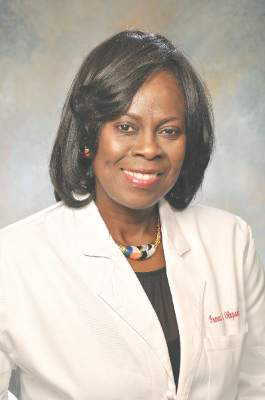
Olufunmilayo Olopade, MD, FACP, OON, is the Walter L. Palmer Distinguished Service Professor of Medicine and Human Genetics, and director, Center for Global Health at the University of Chicago. She is adopting emerging high throughput genomic and informatics strategies to identify genetic and nongenetic risk factors for breast cancer in order to implement precision health care in diverse populations. This innovative approach has the potential to improve the quality of care and reduce costs while saving more lives.
Disclosures: Dr. Olopade serves on the Medical Advisory Board for CancerIQ. Dr. Daly serves as a director of Quadrant Holdings Corporation and receives compensation from this entity. Frontline Medical Communications is a subsidiary of Quadrant Holdings Corporation.
Published in conjunction with Susan G. Komen®.
Editor’s Note: This is the third installment of a five-part monthly series that will discuss the pathologic, genomic, and health system factors that contribute to the racial survival disparity in breast cancer. The series, which is adapted from an article that originally appeared in CA: A Cancer Journal for Clinicians1, a journal of the American Cancer Society, will also review exciting and innovative interventions to close the survival gap. This month’s column reviews patterns of care – the second element in the perfect storm.
Mammography
Despite advances in breast cancer imaging technology, the mainstay of breast cancer screening has remained mammography. Chu et al.2 found that African American women have less early-stage disease in every age group for each hormone receptor status, and this raises the concern that mammography screening might be inadequate in this population. Although historically, African American women used mammography less than did white women, this difference has fortunately disappeared with time.3 According to results from the 2010 National Health Interview Survey, among women who were 40 years or older, 50.6% of non-Hispanic African Americans and 51.5% of non-Hispanic whites reported having had a mammogram within the past year.4
Although mammography uptake may be similar between these groups, there are still differences both in quality and in follow-up of abnormal imaging results. A study of mammography capacity and quality in a large urban setting found that the facilities that served predominantly minority women were more likely to be public institutions (31% vs. 0%) and less likely to be academic (27% vs. 71%), less likely to have digital mammography (18% vs. 71%), and less likely to have dedicated breast imaging specialists reading the films (23% vs. 87%). The authors concluded that the mammography process was broken, with quality differences in the manner in which the centers provided care and reported results.5
The accompanying graphic illustrates the disparities seen in breast cancer mammography and care for women in underserved communities on Chicago’s South Side. As the figure demonstrates, there are fewer mammography centers on the city’s South Side, with the concentration of breast cancer imaging and treatment resources localized in the more affluent communities of central and northern Chicago. A total of 300,000 women who were eligible for screening went unscreened because of improper management of resources.
Highlighting the importance of location in breast cancer care, Gehlert et al.6 asserted that ensuring that inner-city health facilities have up-to-date, well-maintained equipment and that mammographers have access to continuing training and opportunities for consultation should help reduce breast cancer mortality in African Americans.
With respect to follow-up of abnormal imaging results, a large retrospective cohort study of 6,722 women with abnormal mammogram results seen at a New York academic medical center from January 2002 through December 2002 found longer times to diagnostic follow-up for African American versus white women. The median number of days to diagnostic follow-up was 20 for African American patients versus 14 for white patients. In addition, racial disparities remained significant after the researchers controlled for age, Breast Imaging Reporting and Data System (BI-RADS) category, insurance status, provider practice location, and median household income. More important, in women with a BI-RADS classification of 4 or 5 – signifying a lesion seen on mammography that is either suspicious for or highly suggestive of malignancy, respectively – the median number of days to follow-up among those without same-day additional imaging was 26 for African Americans and 14 for whites (P < .05).7
Delays in treatment
A cascade of delays also has been documented in breast cancer care for African American women. Silber et al.8 investigated factors associated with differences in breast cancer outcomes in a large population-based study using Surveillance, Epidemiology, and End Results (SEER)-Medicare data. The mean time from diagnosis to treatment was 29.2 days for African Americans versus 22.5 days for whites (P < .001). The authors also found that African Americans were more likely to have very-long treatment delays. At least 6% of African Americans did not initiate treatment within the first 3 months of diagnosis, whereas only 3% of whites failed to start treatment (P < .001). Gwyn et al.9 also found potentially clinically significant treatment delays more often for African American women than for white women. The time from medical consultation to the initiation of treatment was longer than 3 months for 22.4% of African American women versus 14.3% of white women. Three months was chosen as a clinically significant time period, because Richards et al.10 demonstrated that a delay ≥ to 3 months affects survival. Thus, delays in the diagnosis and treatment of African American women are factors that worsen the survival gap.
Misuse of treatment
Once treatment is initiated, African Americans often receive inappropriate therapy, studies have demonstrated. In a prospective analysis of 957 patients in 101 oncology practices, Griggs et al.11 found more frequent use of non–guideline concordant adjuvant chemotherapy regimens in African American women. In a univariate analysis, African American patients were more likely than were whites to receive a nonstandard regimen (19% vs. 11%; P = .047). Although we will discuss further in this column whether guidelines based on clinical trials are appropriate for African American patients, the study demonstrates that these women are not uniformly receiving standard-of-care treatment.
Underuse of treatment
In addition to misuse of treatment, studies also have examined undertreatment of African American patients with breast cancer. One study investigated chemotherapy administration among African American patients with stage I-III breast cancer at 10 different treatment sites. Compared with white patients, African Americans received a lower dose proportion (actual vs. expected dose) and lower relative dose intensity.
The authors found that between-group differences in biological and medical characteristics, such as tolerance of therapy, comorbidities, and leukocyte counts, did not explain these variations in treatment. In fact, despite the association between lower leukocyte counts and African American ethnicity, there was no evidence that white blood cell levels accounted for the difference in dose proportion or relative dose intensity. Significantly, the authors discovered that more African Americans had chemotherapy dose reductions in the first cycle of treatment, perhaps indicating physician assumptions regarding African American patients’ ability to tolerate chemotherapy.12
Silber et al.8 also examined differences in the administration of chemotherapy between white and African American breast cancer patients. The authors found that 3.7% of African Americans received both an anthracycline and a taxane; that figure rose to 5.0% among whites who were matched to African Americans at presentation.
Bickell et al.13 explored further racial disparity in the underuse of adjuvant breast cancer treatment. The researchers examined the medical records of 677 women treated surgically for stage I or II breast cancer. The study defined underuse as omissions of radiotherapy after breast-conserving surgery, adjuvant chemotherapy after resection of hormone receptor–negative tumors ≥ 1 cm, or hormonal therapy for receptor-positive tumors ≥ 1 cm. Underuse of appropriate adjuvant treatment was found in 34% of African American patients versus 16% of white patients (P less than .001). There were racial disparities present in all three adjuvant therapies assessed.
Hormonal therapy has been shown effective in clinical trials for preventing breast cancer recurrence and death in women with early-stage breast cancer.14 The study by Bickell et al.13 documented underuse of this treatment in African American patients. Partridge et al.15 conducted the largest study of oral antineoplastic use outside of a clinical trial setting. Their study consisted of 2,378 primary breast cancer patients enrolled in New Jersey’s Medicaid or pharmaceutical assistance program; the main outcome was the number of days covered by filled tamoxifen prescriptions in the first year of therapy. The study found that nonwhite patients had significantly lower adherence rates than did whites. Although further investigation is needed to determine the drivers of this nonadherence in African American patients, medication cost has been proposed as a significant factor leading to underuse of these agents. Streeter et al.16 analyzed a nationally representative pharmacy claims database for oral antineoplastics and calculated abandonment rates for the initial claim. Not surprisingly, high cost sharing and low incomes were associated with a higher abandonment rate (P < .05). Despite being an important component of health equity research, treatment adherence has been identified by the Association of American Medical Colleges as a critically underrepresented area of disparities-focused health services research.17 More attention to this area is needed to understand the underuse of hormonal therapies in African American breast cancer patients.
The treatment strategies that have been shown to be delayed, underused, or misused in African American patients in the aforementioned studies have improved disease-free and overall survival in large randomized trials. Furthermore, diminished total dose and dose intensity of adjuvant chemotherapy both have been associated with lower breast cancer survival rates.18,19 These quality-of-care failures in breast cancer treatment for minority patients are thought to partially explain the survival disparity between African Americans and whites. It has been proposed that patients in both groups derive a similar benefit from systemic therapy when it is administered in accordance with their clinical and pathologic presentation,20 but that assumption becomes more nuanced when the clinical trial experience is reviewed.
Clinical trial experience
Dignam20 examined survival by race in several National Surgical Adjuvant Breast and Bowel Project trials. He found that the benefit from systemic adjuvant therapy for reductions in disease recurrence and mortality was comparable between African American and white patients. His survey of trials consistently indicated equivalent disease-free survival, but a mortality deficit for African Americans also was found consistently. Among African Americans, the excess risk of mortality was 21% for those who were lymph node–negative and 17% for those who were lymph node–positive. The excess mortality risk was thought to be attributable to greater mortality from noncancer causes among African American patients rather than a failure of African Americans to respond to breast cancer treatment.
In contrast to Dignam’s findings20, Hershman et al.21 assessed the association between race and treatment discontinuation/delay, white blood cell counts, and survival in women enrolled in the Southwest Oncology Group adjuvant breast cancer trials. The study found that African American women were significantly more likely to experience treatment discontinuation/delay than were white women (87% vs. 81%, respectively; P = .04). These delays were not accounted for by toxicities, which were experienced in similar proportions by race. African American women also were more likely to miss appointments (19% vs. 9%; P = .0002); perhaps, as Hassett and Griggs22 speculated, this finding speaks to economic barriers, including the inability to arrange alternate child care, miss work, or afford transportation to the clinic. Despite these barriers to care for African American patients, they still received the same mean relative dose intensity (87% vs. 86%).
In their survival analysis, Hershman et al.21 controlled for treatment-related factors such as dose reductions and delays, body surface area, baseline white blood cell counts, and other predictors of survival and still found that African Americans had worse disease-free and overall survival than did white women. The authors concluded that the study was “unable to demonstrate that any factor related to treatment quality or delivery contributed to racial differences in survival between the groups.”21 The study thus established two important findings related to the disparity gap. First, even in the controlled setting of a clinical trial, African American patients faced barriers to optimal treatment,22 and second, despite attempts to control for treatment quality and delivery, African American women still had worse outcomes. These findings suggest that tumor biology and genomics remain important.
In next month’s installment, we will discuss interventions aimed at closing the racial survival disparity in breast cancer. Eliminating racial disparities in cancer mortality through effective interventions has become an increasingly important imperative in federal, state, and community health care programs.
Other installments of this column can be found in the Related Content box.
1. Daly B, Olopade OI. A perfect storm: How tumor biology, genomics, and health care delivery patterns collide to create a racial survival disparity in breast cancer and proposed interventions for change. CA Cancer J Clin. 2015 May-Jun;65(3):221-38.
2. Chu KC, Lamar CA, Freeman HP. Racial disparities in breast carcinoma survival rates: Separating factors that affect diagnosis from factors that affect treatment. Cancer. 2003 Jun;97(11):2853-60.
3. DeLancey JO, Thun MJ, Jemal A, Ward EM. Recent trends in black-white disparities in cancer mortality. Cancer Epidemiol Biomarkers Prev. 2008 Nov;17(11):2908-12.
4. DeSantis C, Naishadham D, Jemal A. Cancer statistics for African Americans, 2013. CA Cancer J Clin. 2013 Nov;63(3):151-66.
5. Ansell D, Grabler P, Whitman S, et al. A community effort to reduce the black/white breast cancer mortality disparity in Chicago. Cancer Causes Control. 2009 Nov;20(9):1681-8.
6. Gehlert S, Sohmer D, Sacks T, Mininger C, McClintock M, Olopade O. Targeting health disparities: a model linking upstream determinants to downstream interventions. Health Aff (Millwood). 2008 Mar-Apr;27(2):339-49.
7. Press R, Carrasquillo O, Sciacca RR, Giardina EG. Racial/ethnic disparities in time to follow-up after an abnormal mammogram. J Womens Health (Larchmt). 2008 Jul;17(6):923-30.
8. Silber JH, Rosenbaum PR, Clark AS, et al. Characteristics associated with differences in survival among black and white women with breast cancer. JAMA. 2013 Jul;310(4):389-397.
9. Gwyn K, Bondy ML, Cohen DS, et al. Racial differences in diagnosis, treatment, and clinical delays in a population-based study of patients with newly diagnosed breast carcinoma. Cancer. 2004 Apr;100(8):1595-604.
10. Richards MA, Westcombe AM, Love SB, Littlejohns P, Ramirez AJ. Influence of delay on survival in patients with breast cancer: a systematic review. Lancet. 1999 Apr 3;353(9159):1119-26.
11. Griggs JJ, Culakova E, Sorbero ME, et al. Social and racial differences in selection of breast cancer adjuvant chemotherapy regimens. J Clin Oncol. 2007 Jun 20;25(18):2522-7.
12. Griggs JJ, Sorbero ME, Stark AT, Heininger SE, Dick AW. Racial disparity in the dose and dose intensity of breast cancer adjuvant chemotherapy. Breast Cancer Res Treat. 2003 Sep;81(1):21-31.
13. Bickell NA, Wang JJ, Oluwole S, et al. Missed opportunities: racial disparities in adjuvant breast cancer treatment. J Clin Oncol. 2006 Mar 20;24(9):1357-62. 14. Fisher B, Costantino J, Redmond C, et al. A randomized clinical trial evaluating tamoxifen in the treatment of patients with node-negative breast cancer who have estrogen-receptor-positive tumors. N Engl J Med. 1989 Feb 23;320(8):479-84.
15. Partridge AH, Wang PS, Winer EP, Avorn J. Nonadherence to adjuvant tamoxifen therapy in women with primary breast cancer. J Clin Oncol. 2003 Feb 15;21(4):602-6.
16. Streeter SB, Schwartzberg L, Husain N, Johnsrud M. Patient and plan characteristics affecting abandonment of oral oncolytic prescriptions. J Oncol Pract. 2011 Jul;7(3 Suppl):46s-51s.
17. Alberti PM KN, Sutton K, Johnson BH, Holve E. The state of health equity research: closing knowledge gaps to address inequities. ©2014 Association of American Medical Colleges. May not be reproduced or distributed without prior permission.
18. Wood WC, Budman DR, Korzun AH, et al. Dose and dose intensity of adjuvant chemotherapy for stage II, node-positive breast carcinoma. N Engl J Med. 1994 May 5;330(18):1253-9.
19. Budman DR, Berry DA, Cirrincione CT, et al. Dose and dose intensity as determinants of outcome in the adjuvant treatment of breast cancer. The Cancer and Leukemia Group B. J Natl Cancer Inst. 1998 Aug 19;90(16):1205-11.
20. Dignam JJ. Efficacy of systemic adjuvant therapy for breast cancer in African-American and Caucasian women. J Natl Cancer Inst Monogr. 2001(30):36-43.
21. Hershman DL, Unger JM, Barlow WE, et al. Treatment quality and outcomes of African American versus white breast cancer patients: retrospective analysis of Southwest Oncology studies S8814/S8897. J Clin Oncol. 2009 May;27(13):2157-62.
22. Hassett MJ, Griggs JJ. Disparities in breast cancer adjuvant chemotherapy: moving beyond yes or no. J Clin Oncol. 2009 May 1;27(13):2120-1.
Bobby Daly, MD, MBA, is the chief fellow in the section of hematology/oncology at the University of Chicago Medicine. His clinical focus is breast and thoracic oncology, and his research focus is health services. Specifically, Dr. Daly researches disparities in oncology care delivery, oncology health care utilization, aggressive end-of-life oncology care, and oncology payment models. He received his MD and MBA from Harvard Medical School and Harvard Business School, both in Boston, and a BA in Economics and History from Stanford (Calif.) University. He was the recipient of the Dean’s Award at Harvard Medical and Business Schools.
Olufunmilayo Olopade, MD, FACP, OON, is the Walter L. Palmer Distinguished Service Professor of Medicine and Human Genetics, and director, Center for Global Health at the University of Chicago. She is adopting emerging high throughput genomic and informatics strategies to identify genetic and nongenetic risk factors for breast cancer in order to implement precision health care in diverse populations. This innovative approach has the potential to improve the quality of care and reduce costs while saving more lives.
Disclosures: Dr. Olopade serves on the Medical Advisory Board for CancerIQ. Dr. Daly serves as a director of Quadrant Holdings Corporation and receives compensation from this entity. Frontline Medical Communications is a subsidiary of Quadrant Holdings Corporation.
Published in conjunction with Susan G. Komen®.
Editor’s Note: This is the third installment of a five-part monthly series that will discuss the pathologic, genomic, and health system factors that contribute to the racial survival disparity in breast cancer. The series, which is adapted from an article that originally appeared in CA: A Cancer Journal for Clinicians1, a journal of the American Cancer Society, will also review exciting and innovative interventions to close the survival gap. This month’s column reviews patterns of care – the second element in the perfect storm.
Mammography
Despite advances in breast cancer imaging technology, the mainstay of breast cancer screening has remained mammography. Chu et al.2 found that African American women have less early-stage disease in every age group for each hormone receptor status, and this raises the concern that mammography screening might be inadequate in this population. Although historically, African American women used mammography less than did white women, this difference has fortunately disappeared with time.3 According to results from the 2010 National Health Interview Survey, among women who were 40 years or older, 50.6% of non-Hispanic African Americans and 51.5% of non-Hispanic whites reported having had a mammogram within the past year.4
Although mammography uptake may be similar between these groups, there are still differences both in quality and in follow-up of abnormal imaging results. A study of mammography capacity and quality in a large urban setting found that the facilities that served predominantly minority women were more likely to be public institutions (31% vs. 0%) and less likely to be academic (27% vs. 71%), less likely to have digital mammography (18% vs. 71%), and less likely to have dedicated breast imaging specialists reading the films (23% vs. 87%). The authors concluded that the mammography process was broken, with quality differences in the manner in which the centers provided care and reported results.5
The accompanying graphic illustrates the disparities seen in breast cancer mammography and care for women in underserved communities on Chicago’s South Side. As the figure demonstrates, there are fewer mammography centers on the city’s South Side, with the concentration of breast cancer imaging and treatment resources localized in the more affluent communities of central and northern Chicago. A total of 300,000 women who were eligible for screening went unscreened because of improper management of resources.
Highlighting the importance of location in breast cancer care, Gehlert et al.6 asserted that ensuring that inner-city health facilities have up-to-date, well-maintained equipment and that mammographers have access to continuing training and opportunities for consultation should help reduce breast cancer mortality in African Americans.
With respect to follow-up of abnormal imaging results, a large retrospective cohort study of 6,722 women with abnormal mammogram results seen at a New York academic medical center from January 2002 through December 2002 found longer times to diagnostic follow-up for African American versus white women. The median number of days to diagnostic follow-up was 20 for African American patients versus 14 for white patients. In addition, racial disparities remained significant after the researchers controlled for age, Breast Imaging Reporting and Data System (BI-RADS) category, insurance status, provider practice location, and median household income. More important, in women with a BI-RADS classification of 4 or 5 – signifying a lesion seen on mammography that is either suspicious for or highly suggestive of malignancy, respectively – the median number of days to follow-up among those without same-day additional imaging was 26 for African Americans and 14 for whites (P < .05).7
Delays in treatment
A cascade of delays also has been documented in breast cancer care for African American women. Silber et al.8 investigated factors associated with differences in breast cancer outcomes in a large population-based study using Surveillance, Epidemiology, and End Results (SEER)-Medicare data. The mean time from diagnosis to treatment was 29.2 days for African Americans versus 22.5 days for whites (P < .001). The authors also found that African Americans were more likely to have very-long treatment delays. At least 6% of African Americans did not initiate treatment within the first 3 months of diagnosis, whereas only 3% of whites failed to start treatment (P < .001). Gwyn et al.9 also found potentially clinically significant treatment delays more often for African American women than for white women. The time from medical consultation to the initiation of treatment was longer than 3 months for 22.4% of African American women versus 14.3% of white women. Three months was chosen as a clinically significant time period, because Richards et al.10 demonstrated that a delay ≥ to 3 months affects survival. Thus, delays in the diagnosis and treatment of African American women are factors that worsen the survival gap.
Misuse of treatment
Once treatment is initiated, African Americans often receive inappropriate therapy, studies have demonstrated. In a prospective analysis of 957 patients in 101 oncology practices, Griggs et al.11 found more frequent use of non–guideline concordant adjuvant chemotherapy regimens in African American women. In a univariate analysis, African American patients were more likely than were whites to receive a nonstandard regimen (19% vs. 11%; P = .047). Although we will discuss further in this column whether guidelines based on clinical trials are appropriate for African American patients, the study demonstrates that these women are not uniformly receiving standard-of-care treatment.
Underuse of treatment
In addition to misuse of treatment, studies also have examined undertreatment of African American patients with breast cancer. One study investigated chemotherapy administration among African American patients with stage I-III breast cancer at 10 different treatment sites. Compared with white patients, African Americans received a lower dose proportion (actual vs. expected dose) and lower relative dose intensity.
The authors found that between-group differences in biological and medical characteristics, such as tolerance of therapy, comorbidities, and leukocyte counts, did not explain these variations in treatment. In fact, despite the association between lower leukocyte counts and African American ethnicity, there was no evidence that white blood cell levels accounted for the difference in dose proportion or relative dose intensity. Significantly, the authors discovered that more African Americans had chemotherapy dose reductions in the first cycle of treatment, perhaps indicating physician assumptions regarding African American patients’ ability to tolerate chemotherapy.12
Silber et al.8 also examined differences in the administration of chemotherapy between white and African American breast cancer patients. The authors found that 3.7% of African Americans received both an anthracycline and a taxane; that figure rose to 5.0% among whites who were matched to African Americans at presentation.
Bickell et al.13 explored further racial disparity in the underuse of adjuvant breast cancer treatment. The researchers examined the medical records of 677 women treated surgically for stage I or II breast cancer. The study defined underuse as omissions of radiotherapy after breast-conserving surgery, adjuvant chemotherapy after resection of hormone receptor–negative tumors ≥ 1 cm, or hormonal therapy for receptor-positive tumors ≥ 1 cm. Underuse of appropriate adjuvant treatment was found in 34% of African American patients versus 16% of white patients (P less than .001). There were racial disparities present in all three adjuvant therapies assessed.
Hormonal therapy has been shown effective in clinical trials for preventing breast cancer recurrence and death in women with early-stage breast cancer.14 The study by Bickell et al.13 documented underuse of this treatment in African American patients. Partridge et al.15 conducted the largest study of oral antineoplastic use outside of a clinical trial setting. Their study consisted of 2,378 primary breast cancer patients enrolled in New Jersey’s Medicaid or pharmaceutical assistance program; the main outcome was the number of days covered by filled tamoxifen prescriptions in the first year of therapy. The study found that nonwhite patients had significantly lower adherence rates than did whites. Although further investigation is needed to determine the drivers of this nonadherence in African American patients, medication cost has been proposed as a significant factor leading to underuse of these agents. Streeter et al.16 analyzed a nationally representative pharmacy claims database for oral antineoplastics and calculated abandonment rates for the initial claim. Not surprisingly, high cost sharing and low incomes were associated with a higher abandonment rate (P < .05). Despite being an important component of health equity research, treatment adherence has been identified by the Association of American Medical Colleges as a critically underrepresented area of disparities-focused health services research.17 More attention to this area is needed to understand the underuse of hormonal therapies in African American breast cancer patients.
The treatment strategies that have been shown to be delayed, underused, or misused in African American patients in the aforementioned studies have improved disease-free and overall survival in large randomized trials. Furthermore, diminished total dose and dose intensity of adjuvant chemotherapy both have been associated with lower breast cancer survival rates.18,19 These quality-of-care failures in breast cancer treatment for minority patients are thought to partially explain the survival disparity between African Americans and whites. It has been proposed that patients in both groups derive a similar benefit from systemic therapy when it is administered in accordance with their clinical and pathologic presentation,20 but that assumption becomes more nuanced when the clinical trial experience is reviewed.
Clinical trial experience
Dignam20 examined survival by race in several National Surgical Adjuvant Breast and Bowel Project trials. He found that the benefit from systemic adjuvant therapy for reductions in disease recurrence and mortality was comparable between African American and white patients. His survey of trials consistently indicated equivalent disease-free survival, but a mortality deficit for African Americans also was found consistently. Among African Americans, the excess risk of mortality was 21% for those who were lymph node–negative and 17% for those who were lymph node–positive. The excess mortality risk was thought to be attributable to greater mortality from noncancer causes among African American patients rather than a failure of African Americans to respond to breast cancer treatment.
In contrast to Dignam’s findings20, Hershman et al.21 assessed the association between race and treatment discontinuation/delay, white blood cell counts, and survival in women enrolled in the Southwest Oncology Group adjuvant breast cancer trials. The study found that African American women were significantly more likely to experience treatment discontinuation/delay than were white women (87% vs. 81%, respectively; P = .04). These delays were not accounted for by toxicities, which were experienced in similar proportions by race. African American women also were more likely to miss appointments (19% vs. 9%; P = .0002); perhaps, as Hassett and Griggs22 speculated, this finding speaks to economic barriers, including the inability to arrange alternate child care, miss work, or afford transportation to the clinic. Despite these barriers to care for African American patients, they still received the same mean relative dose intensity (87% vs. 86%).
In their survival analysis, Hershman et al.21 controlled for treatment-related factors such as dose reductions and delays, body surface area, baseline white blood cell counts, and other predictors of survival and still found that African Americans had worse disease-free and overall survival than did white women. The authors concluded that the study was “unable to demonstrate that any factor related to treatment quality or delivery contributed to racial differences in survival between the groups.”21 The study thus established two important findings related to the disparity gap. First, even in the controlled setting of a clinical trial, African American patients faced barriers to optimal treatment,22 and second, despite attempts to control for treatment quality and delivery, African American women still had worse outcomes. These findings suggest that tumor biology and genomics remain important.
In next month’s installment, we will discuss interventions aimed at closing the racial survival disparity in breast cancer. Eliminating racial disparities in cancer mortality through effective interventions has become an increasingly important imperative in federal, state, and community health care programs.
Other installments of this column can be found in the Related Content box.
1. Daly B, Olopade OI. A perfect storm: How tumor biology, genomics, and health care delivery patterns collide to create a racial survival disparity in breast cancer and proposed interventions for change. CA Cancer J Clin. 2015 May-Jun;65(3):221-38.
2. Chu KC, Lamar CA, Freeman HP. Racial disparities in breast carcinoma survival rates: Separating factors that affect diagnosis from factors that affect treatment. Cancer. 2003 Jun;97(11):2853-60.
3. DeLancey JO, Thun MJ, Jemal A, Ward EM. Recent trends in black-white disparities in cancer mortality. Cancer Epidemiol Biomarkers Prev. 2008 Nov;17(11):2908-12.
4. DeSantis C, Naishadham D, Jemal A. Cancer statistics for African Americans, 2013. CA Cancer J Clin. 2013 Nov;63(3):151-66.
5. Ansell D, Grabler P, Whitman S, et al. A community effort to reduce the black/white breast cancer mortality disparity in Chicago. Cancer Causes Control. 2009 Nov;20(9):1681-8.
6. Gehlert S, Sohmer D, Sacks T, Mininger C, McClintock M, Olopade O. Targeting health disparities: a model linking upstream determinants to downstream interventions. Health Aff (Millwood). 2008 Mar-Apr;27(2):339-49.
7. Press R, Carrasquillo O, Sciacca RR, Giardina EG. Racial/ethnic disparities in time to follow-up after an abnormal mammogram. J Womens Health (Larchmt). 2008 Jul;17(6):923-30.
8. Silber JH, Rosenbaum PR, Clark AS, et al. Characteristics associated with differences in survival among black and white women with breast cancer. JAMA. 2013 Jul;310(4):389-397.
9. Gwyn K, Bondy ML, Cohen DS, et al. Racial differences in diagnosis, treatment, and clinical delays in a population-based study of patients with newly diagnosed breast carcinoma. Cancer. 2004 Apr;100(8):1595-604.
10. Richards MA, Westcombe AM, Love SB, Littlejohns P, Ramirez AJ. Influence of delay on survival in patients with breast cancer: a systematic review. Lancet. 1999 Apr 3;353(9159):1119-26.
11. Griggs JJ, Culakova E, Sorbero ME, et al. Social and racial differences in selection of breast cancer adjuvant chemotherapy regimens. J Clin Oncol. 2007 Jun 20;25(18):2522-7.
12. Griggs JJ, Sorbero ME, Stark AT, Heininger SE, Dick AW. Racial disparity in the dose and dose intensity of breast cancer adjuvant chemotherapy. Breast Cancer Res Treat. 2003 Sep;81(1):21-31.
13. Bickell NA, Wang JJ, Oluwole S, et al. Missed opportunities: racial disparities in adjuvant breast cancer treatment. J Clin Oncol. 2006 Mar 20;24(9):1357-62. 14. Fisher B, Costantino J, Redmond C, et al. A randomized clinical trial evaluating tamoxifen in the treatment of patients with node-negative breast cancer who have estrogen-receptor-positive tumors. N Engl J Med. 1989 Feb 23;320(8):479-84.
15. Partridge AH, Wang PS, Winer EP, Avorn J. Nonadherence to adjuvant tamoxifen therapy in women with primary breast cancer. J Clin Oncol. 2003 Feb 15;21(4):602-6.
16. Streeter SB, Schwartzberg L, Husain N, Johnsrud M. Patient and plan characteristics affecting abandonment of oral oncolytic prescriptions. J Oncol Pract. 2011 Jul;7(3 Suppl):46s-51s.
17. Alberti PM KN, Sutton K, Johnson BH, Holve E. The state of health equity research: closing knowledge gaps to address inequities. ©2014 Association of American Medical Colleges. May not be reproduced or distributed without prior permission.
18. Wood WC, Budman DR, Korzun AH, et al. Dose and dose intensity of adjuvant chemotherapy for stage II, node-positive breast carcinoma. N Engl J Med. 1994 May 5;330(18):1253-9.
19. Budman DR, Berry DA, Cirrincione CT, et al. Dose and dose intensity as determinants of outcome in the adjuvant treatment of breast cancer. The Cancer and Leukemia Group B. J Natl Cancer Inst. 1998 Aug 19;90(16):1205-11.
20. Dignam JJ. Efficacy of systemic adjuvant therapy for breast cancer in African-American and Caucasian women. J Natl Cancer Inst Monogr. 2001(30):36-43.
21. Hershman DL, Unger JM, Barlow WE, et al. Treatment quality and outcomes of African American versus white breast cancer patients: retrospective analysis of Southwest Oncology studies S8814/S8897. J Clin Oncol. 2009 May;27(13):2157-62.
22. Hassett MJ, Griggs JJ. Disparities in breast cancer adjuvant chemotherapy: moving beyond yes or no. J Clin Oncol. 2009 May 1;27(13):2120-1.
Bobby Daly, MD, MBA, is the chief fellow in the section of hematology/oncology at the University of Chicago Medicine. His clinical focus is breast and thoracic oncology, and his research focus is health services. Specifically, Dr. Daly researches disparities in oncology care delivery, oncology health care utilization, aggressive end-of-life oncology care, and oncology payment models. He received his MD and MBA from Harvard Medical School and Harvard Business School, both in Boston, and a BA in Economics and History from Stanford (Calif.) University. He was the recipient of the Dean’s Award at Harvard Medical and Business Schools.
Olufunmilayo Olopade, MD, FACP, OON, is the Walter L. Palmer Distinguished Service Professor of Medicine and Human Genetics, and director, Center for Global Health at the University of Chicago. She is adopting emerging high throughput genomic and informatics strategies to identify genetic and nongenetic risk factors for breast cancer in order to implement precision health care in diverse populations. This innovative approach has the potential to improve the quality of care and reduce costs while saving more lives.
Disclosures: Dr. Olopade serves on the Medical Advisory Board for CancerIQ. Dr. Daly serves as a director of Quadrant Holdings Corporation and receives compensation from this entity. Frontline Medical Communications is a subsidiary of Quadrant Holdings Corporation.
Published in conjunction with Susan G. Komen®.

What Matters: What’s the magic behind successful bariatric patients?
A fair number of my patients have had or are undergoing bariatric surgery. Disconcertingly, a not insignificant number of them are regaining the weight after surgery. Weight regain will occur in 20% of patients undergoing bariatric surgery after initial weight loss.
When this occurs, not only do we have a patient with an altered gut putting them at risk for nutritional deficiencies if we are not fastidious in our follow-up, but they are discouraged and overweight again.
Add this to the concern that bariatric surgery has been associated with an increase in suicides (2.33-3.63 per 1000 patient-years), and we may have some cause for alarm.
So, what predicts success – and can we facilitate it?
Several factors have been shown to predict successful weight loss after bariatric surgery. An “active coping style” (that is, planning vs. denial) and adherence to follow-up after bariatric surgery have both been shown to be associated with a higher percentage of excess weight loss. Interestingly, psychological burden and motivation have not been associated with weight loss.
In a recent article, Lori Liebl, Ph.D., and her colleagues conducted a qualitative study of the experiences of adults who successfully maintained weight loss after bariatric surgery (J Clin Nurs. 2016 Feb 23. doi: 10.1111/jocn.13129). Success was defined as 50% or more of the excessive weight loss 24 months after bariatric surgery.
The voice of the successful bariatric patient is an interesting and important one. Several themes were identified: 1) taking life back (“I did it for myself”); 2) a new lease on life (“There are things I can do now that I am not exhausted”); 3) the importance of social support; 4) avoiding the negative (terminating unhealthy relationships in which “food is love”); 5) the void (food addiction and sense of loss); 6) fighting food demons; 7) finding the happy weight; and 8) a ripple effect (that is, if you don’t eat it, the rest of family doesn’t, either).
I was left wondering how I can best help my patients using this information.
First, I think the themes can mature our empathy for the struggles that these patients face, and perhaps help us combat bias. Second, I think this knowledge can inform early discussions around what sorts of things need to be lined up for after the procedure, such as social support.
Finally, I think the themes can be universalized and help us counsel patients who may be struggling with weight, but who are otherwise not candidates for bariatric surgery.
Dr. Ebbert is professor of medicine, a general internist at the Mayo Clinic in Rochester, Minn., and a diplomate of the American Board of Addiction Medicine. The opinions expressed are those of the author and do not necessarily represent the views and opinions of the Mayo Clinic. The opinions expressed in this article should not be used to diagnose or treat any medical condition nor should they be used as a substitute for medical advice from a qualified, board-certified practicing clinician. Dr. Ebbert has no relevant financial disclosures about this article.
A fair number of my patients have had or are undergoing bariatric surgery. Disconcertingly, a not insignificant number of them are regaining the weight after surgery. Weight regain will occur in 20% of patients undergoing bariatric surgery after initial weight loss.
When this occurs, not only do we have a patient with an altered gut putting them at risk for nutritional deficiencies if we are not fastidious in our follow-up, but they are discouraged and overweight again.
Add this to the concern that bariatric surgery has been associated with an increase in suicides (2.33-3.63 per 1000 patient-years), and we may have some cause for alarm.
So, what predicts success – and can we facilitate it?
Several factors have been shown to predict successful weight loss after bariatric surgery. An “active coping style” (that is, planning vs. denial) and adherence to follow-up after bariatric surgery have both been shown to be associated with a higher percentage of excess weight loss. Interestingly, psychological burden and motivation have not been associated with weight loss.
In a recent article, Lori Liebl, Ph.D., and her colleagues conducted a qualitative study of the experiences of adults who successfully maintained weight loss after bariatric surgery (J Clin Nurs. 2016 Feb 23. doi: 10.1111/jocn.13129). Success was defined as 50% or more of the excessive weight loss 24 months after bariatric surgery.
The voice of the successful bariatric patient is an interesting and important one. Several themes were identified: 1) taking life back (“I did it for myself”); 2) a new lease on life (“There are things I can do now that I am not exhausted”); 3) the importance of social support; 4) avoiding the negative (terminating unhealthy relationships in which “food is love”); 5) the void (food addiction and sense of loss); 6) fighting food demons; 7) finding the happy weight; and 8) a ripple effect (that is, if you don’t eat it, the rest of family doesn’t, either).
I was left wondering how I can best help my patients using this information.
First, I think the themes can mature our empathy for the struggles that these patients face, and perhaps help us combat bias. Second, I think this knowledge can inform early discussions around what sorts of things need to be lined up for after the procedure, such as social support.
Finally, I think the themes can be universalized and help us counsel patients who may be struggling with weight, but who are otherwise not candidates for bariatric surgery.
Dr. Ebbert is professor of medicine, a general internist at the Mayo Clinic in Rochester, Minn., and a diplomate of the American Board of Addiction Medicine. The opinions expressed are those of the author and do not necessarily represent the views and opinions of the Mayo Clinic. The opinions expressed in this article should not be used to diagnose or treat any medical condition nor should they be used as a substitute for medical advice from a qualified, board-certified practicing clinician. Dr. Ebbert has no relevant financial disclosures about this article.
A fair number of my patients have had or are undergoing bariatric surgery. Disconcertingly, a not insignificant number of them are regaining the weight after surgery. Weight regain will occur in 20% of patients undergoing bariatric surgery after initial weight loss.
When this occurs, not only do we have a patient with an altered gut putting them at risk for nutritional deficiencies if we are not fastidious in our follow-up, but they are discouraged and overweight again.
Add this to the concern that bariatric surgery has been associated with an increase in suicides (2.33-3.63 per 1000 patient-years), and we may have some cause for alarm.
So, what predicts success – and can we facilitate it?
Several factors have been shown to predict successful weight loss after bariatric surgery. An “active coping style” (that is, planning vs. denial) and adherence to follow-up after bariatric surgery have both been shown to be associated with a higher percentage of excess weight loss. Interestingly, psychological burden and motivation have not been associated with weight loss.
In a recent article, Lori Liebl, Ph.D., and her colleagues conducted a qualitative study of the experiences of adults who successfully maintained weight loss after bariatric surgery (J Clin Nurs. 2016 Feb 23. doi: 10.1111/jocn.13129). Success was defined as 50% or more of the excessive weight loss 24 months after bariatric surgery.
The voice of the successful bariatric patient is an interesting and important one. Several themes were identified: 1) taking life back (“I did it for myself”); 2) a new lease on life (“There are things I can do now that I am not exhausted”); 3) the importance of social support; 4) avoiding the negative (terminating unhealthy relationships in which “food is love”); 5) the void (food addiction and sense of loss); 6) fighting food demons; 7) finding the happy weight; and 8) a ripple effect (that is, if you don’t eat it, the rest of family doesn’t, either).
I was left wondering how I can best help my patients using this information.
First, I think the themes can mature our empathy for the struggles that these patients face, and perhaps help us combat bias. Second, I think this knowledge can inform early discussions around what sorts of things need to be lined up for after the procedure, such as social support.
Finally, I think the themes can be universalized and help us counsel patients who may be struggling with weight, but who are otherwise not candidates for bariatric surgery.
Dr. Ebbert is professor of medicine, a general internist at the Mayo Clinic in Rochester, Minn., and a diplomate of the American Board of Addiction Medicine. The opinions expressed are those of the author and do not necessarily represent the views and opinions of the Mayo Clinic. The opinions expressed in this article should not be used to diagnose or treat any medical condition nor should they be used as a substitute for medical advice from a qualified, board-certified practicing clinician. Dr. Ebbert has no relevant financial disclosures about this article.
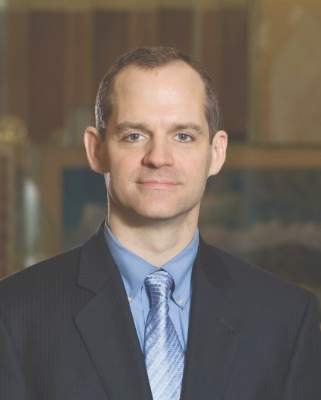
WHO’s psychosocial guidelines for Zika are a useful tool
As the Zika virus spreads across 31 countries in the Americas, bringing with it the threat of microcephaly seen in Brazil, local and international public health experts are scrambling to assess the extent of the threat. Systems for epidemiologic surveillance are emerging, as are guidelines for pregnant women and those of childbearing age.
Amid all of this is the World Health Organization’s recently released guidelines, “Psychosocial Support for Pregnant Women and for Families With Microcephaly and Other Neurological Complications in the Context of Zika Virus” (http://who.int/csr/resources/publications/zika/psychosocial-support/en). These guidelines, an adaptation of previous interventions used in disasters, are a helpful resource for physicians.
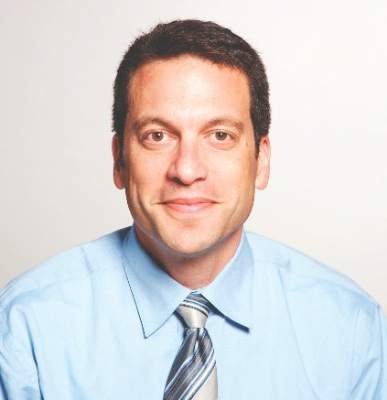
The guidelines emphasize eight areas: having accurate information, what information is conveyed, how that information is conveyed, understanding common distress reactions, providing basic support, strengthening social support, teaching stress reduction, and educating mothers about parenting children with microcephaly. Readers familiar with psychological first aid (PFA), used in disaster response to provide basic psychological support, will recognize these elements as distillations of PFA specifically for Zika.
PFA focuses on addressing peoples’ basic physiologic, safety, and social needs as a means of addressing their overall psychological needs. It has been promulgated as a best practice by the National Institute of Mental Health since the Sept. 11, 2001, terrorist attacks.
Another useful aspect of the guidelines is that they are aimed at health professionals in general, rather than mental health professionals in particular. This approach makes sense, because women concerned about potential infection with Zika, of course, are not going to go to a mental health professional to address their anxiety but to an internist, family physician, ob.gyn., or possibly a pediatrician. They are understandably focused on the distressing problem rather than on the distress itself.
Health care professionals now on the frontlines of the Zika public health response may naturally be following many of the principles in the psychosocial guidelines. Nevertheless, they probably would benefit from reviewing them in order to lend some more structure to the psychosocial soundness of their practice. In addition, becoming aware of the guidelines might help those health professionals deal with their own risk for burnout.
In discussing common distress reactions, the guidelines note that severely distressed individuals should be referred for “specialized care,” which means a mental health professional when psychosocial care is discussed in low-resource settings around the world. The overwhelming majority of countries in the Americas where Zika transmission has been reported are low- and middle-income countries, according to the World Bank’s ranking system. As such, they are surely the places where governments are most likely to devote the least amount of their health care budgets to mental health services.
And, even in high-income countries among the list of Zika-affected countries, it is not clear from consulting the World Health Organization’s 2014 Mental Health Atlas that even those countries fund anything more than inpatient psychiatric care (for example, information from Barbados lists only inpatient psychiatric resources). My point? The ranks of mental health professionals in Zika-affected countries who might benefit from the WHO’s Zika guidelines probably are few. Those who are there probably are overwhelmed tending to the preexisting (mostly inpatient) psychiatric needs of their countries.
Fortunately, the WHO’s Mental Health Atlas shows Brazil to be an exception with a comparatively robust outpatient as well as inpatient public mental health system. This is fortuitous given that Brazil for the moment is the center of the surge in microcephaly. Hopefully, the Northeastern region of Brazil, where that surge is highest, has a proportionate share of Brazil’s mental health resources. For mental health professionals there and potentially elsewhere in Zika-affected countries, the guidelines for psychosocial support can prove to be an essential tool.
To the extent that mental health professionals can and should provide support to their Zika-affected communities, these guidelines will help them to “stand down” from a traditional psychiatric model of care to a more normalizing one, where diagnoses and treatment are not the focus of attention. This was certainly the case in the comparable setting of post-Ebola Liberia, where mental health clinicians trained by the Carter Center found PFA central to what they could offer their devastated communities and to gaining unprecedented acceptance from those communities (unpublished observations).
As of this writing, the Zika virus has not spared the continental United States. Florida has been hit the hardest, followed by Texas, according to data from the Centers for Disease Control and Prevention. Those of us looking to help patients deal with the possibility of coming in contact with the Zika virus should remember the WHO psychosocial guidelines. They can help health professionals integrate mental health into their practices, and help mental health professionals transfer their skills and knowledge to their communities.
Dr. Katz is associate clinical professor of psychiatry and medical education, and director of the program in global mental health, at the Icahn School of Medicine at Mount Sinai, New York.
As the Zika virus spreads across 31 countries in the Americas, bringing with it the threat of microcephaly seen in Brazil, local and international public health experts are scrambling to assess the extent of the threat. Systems for epidemiologic surveillance are emerging, as are guidelines for pregnant women and those of childbearing age.
Amid all of this is the World Health Organization’s recently released guidelines, “Psychosocial Support for Pregnant Women and for Families With Microcephaly and Other Neurological Complications in the Context of Zika Virus” (http://who.int/csr/resources/publications/zika/psychosocial-support/en). These guidelines, an adaptation of previous interventions used in disasters, are a helpful resource for physicians.
The guidelines emphasize eight areas: having accurate information, what information is conveyed, how that information is conveyed, understanding common distress reactions, providing basic support, strengthening social support, teaching stress reduction, and educating mothers about parenting children with microcephaly. Readers familiar with psychological first aid (PFA), used in disaster response to provide basic psychological support, will recognize these elements as distillations of PFA specifically for Zika.
PFA focuses on addressing peoples’ basic physiologic, safety, and social needs as a means of addressing their overall psychological needs. It has been promulgated as a best practice by the National Institute of Mental Health since the Sept. 11, 2001, terrorist attacks.
Another useful aspect of the guidelines is that they are aimed at health professionals in general, rather than mental health professionals in particular. This approach makes sense, because women concerned about potential infection with Zika, of course, are not going to go to a mental health professional to address their anxiety but to an internist, family physician, ob.gyn., or possibly a pediatrician. They are understandably focused on the distressing problem rather than on the distress itself.
Health care professionals now on the frontlines of the Zika public health response may naturally be following many of the principles in the psychosocial guidelines. Nevertheless, they probably would benefit from reviewing them in order to lend some more structure to the psychosocial soundness of their practice. In addition, becoming aware of the guidelines might help those health professionals deal with their own risk for burnout.
In discussing common distress reactions, the guidelines note that severely distressed individuals should be referred for “specialized care,” which means a mental health professional when psychosocial care is discussed in low-resource settings around the world. The overwhelming majority of countries in the Americas where Zika transmission has been reported are low- and middle-income countries, according to the World Bank’s ranking system. As such, they are surely the places where governments are most likely to devote the least amount of their health care budgets to mental health services.
And, even in high-income countries among the list of Zika-affected countries, it is not clear from consulting the World Health Organization’s 2014 Mental Health Atlas that even those countries fund anything more than inpatient psychiatric care (for example, information from Barbados lists only inpatient psychiatric resources). My point? The ranks of mental health professionals in Zika-affected countries who might benefit from the WHO’s Zika guidelines probably are few. Those who are there probably are overwhelmed tending to the preexisting (mostly inpatient) psychiatric needs of their countries.
Fortunately, the WHO’s Mental Health Atlas shows Brazil to be an exception with a comparatively robust outpatient as well as inpatient public mental health system. This is fortuitous given that Brazil for the moment is the center of the surge in microcephaly. Hopefully, the Northeastern region of Brazil, where that surge is highest, has a proportionate share of Brazil’s mental health resources. For mental health professionals there and potentially elsewhere in Zika-affected countries, the guidelines for psychosocial support can prove to be an essential tool.
To the extent that mental health professionals can and should provide support to their Zika-affected communities, these guidelines will help them to “stand down” from a traditional psychiatric model of care to a more normalizing one, where diagnoses and treatment are not the focus of attention. This was certainly the case in the comparable setting of post-Ebola Liberia, where mental health clinicians trained by the Carter Center found PFA central to what they could offer their devastated communities and to gaining unprecedented acceptance from those communities (unpublished observations).
As of this writing, the Zika virus has not spared the continental United States. Florida has been hit the hardest, followed by Texas, according to data from the Centers for Disease Control and Prevention. Those of us looking to help patients deal with the possibility of coming in contact with the Zika virus should remember the WHO psychosocial guidelines. They can help health professionals integrate mental health into their practices, and help mental health professionals transfer their skills and knowledge to their communities.
Dr. Katz is associate clinical professor of psychiatry and medical education, and director of the program in global mental health, at the Icahn School of Medicine at Mount Sinai, New York.
As the Zika virus spreads across 31 countries in the Americas, bringing with it the threat of microcephaly seen in Brazil, local and international public health experts are scrambling to assess the extent of the threat. Systems for epidemiologic surveillance are emerging, as are guidelines for pregnant women and those of childbearing age.
Amid all of this is the World Health Organization’s recently released guidelines, “Psychosocial Support for Pregnant Women and for Families With Microcephaly and Other Neurological Complications in the Context of Zika Virus” (http://who.int/csr/resources/publications/zika/psychosocial-support/en). These guidelines, an adaptation of previous interventions used in disasters, are a helpful resource for physicians.
The guidelines emphasize eight areas: having accurate information, what information is conveyed, how that information is conveyed, understanding common distress reactions, providing basic support, strengthening social support, teaching stress reduction, and educating mothers about parenting children with microcephaly. Readers familiar with psychological first aid (PFA), used in disaster response to provide basic psychological support, will recognize these elements as distillations of PFA specifically for Zika.
PFA focuses on addressing peoples’ basic physiologic, safety, and social needs as a means of addressing their overall psychological needs. It has been promulgated as a best practice by the National Institute of Mental Health since the Sept. 11, 2001, terrorist attacks.
Another useful aspect of the guidelines is that they are aimed at health professionals in general, rather than mental health professionals in particular. This approach makes sense, because women concerned about potential infection with Zika, of course, are not going to go to a mental health professional to address their anxiety but to an internist, family physician, ob.gyn., or possibly a pediatrician. They are understandably focused on the distressing problem rather than on the distress itself.
Health care professionals now on the frontlines of the Zika public health response may naturally be following many of the principles in the psychosocial guidelines. Nevertheless, they probably would benefit from reviewing them in order to lend some more structure to the psychosocial soundness of their practice. In addition, becoming aware of the guidelines might help those health professionals deal with their own risk for burnout.
In discussing common distress reactions, the guidelines note that severely distressed individuals should be referred for “specialized care,” which means a mental health professional when psychosocial care is discussed in low-resource settings around the world. The overwhelming majority of countries in the Americas where Zika transmission has been reported are low- and middle-income countries, according to the World Bank’s ranking system. As such, they are surely the places where governments are most likely to devote the least amount of their health care budgets to mental health services.
And, even in high-income countries among the list of Zika-affected countries, it is not clear from consulting the World Health Organization’s 2014 Mental Health Atlas that even those countries fund anything more than inpatient psychiatric care (for example, information from Barbados lists only inpatient psychiatric resources). My point? The ranks of mental health professionals in Zika-affected countries who might benefit from the WHO’s Zika guidelines probably are few. Those who are there probably are overwhelmed tending to the preexisting (mostly inpatient) psychiatric needs of their countries.
Fortunately, the WHO’s Mental Health Atlas shows Brazil to be an exception with a comparatively robust outpatient as well as inpatient public mental health system. This is fortuitous given that Brazil for the moment is the center of the surge in microcephaly. Hopefully, the Northeastern region of Brazil, where that surge is highest, has a proportionate share of Brazil’s mental health resources. For mental health professionals there and potentially elsewhere in Zika-affected countries, the guidelines for psychosocial support can prove to be an essential tool.
To the extent that mental health professionals can and should provide support to their Zika-affected communities, these guidelines will help them to “stand down” from a traditional psychiatric model of care to a more normalizing one, where diagnoses and treatment are not the focus of attention. This was certainly the case in the comparable setting of post-Ebola Liberia, where mental health clinicians trained by the Carter Center found PFA central to what they could offer their devastated communities and to gaining unprecedented acceptance from those communities (unpublished observations).
As of this writing, the Zika virus has not spared the continental United States. Florida has been hit the hardest, followed by Texas, according to data from the Centers for Disease Control and Prevention. Those of us looking to help patients deal with the possibility of coming in contact with the Zika virus should remember the WHO psychosocial guidelines. They can help health professionals integrate mental health into their practices, and help mental health professionals transfer their skills and knowledge to their communities.
Dr. Katz is associate clinical professor of psychiatry and medical education, and director of the program in global mental health, at the Icahn School of Medicine at Mount Sinai, New York.
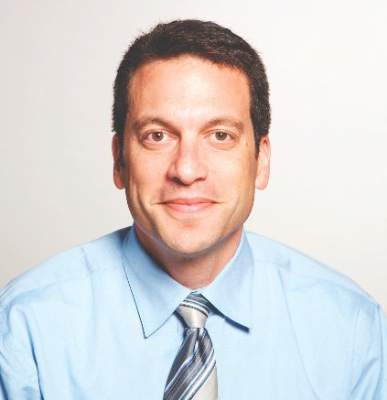
Vascular Surgery Chronicles: Charles Lindbergh and Alexis Carrel: Strange Bedfellows
How does one of the smartest and most well-known men of his time become almost forgotten in history? Dr. Alexis Carrel’s contributions to medicine brought him to the height of fame in the worlds of surgery and science. By designing a curved needle coated in Vaseline, Carrel developed a new method of blood-vessel anastomosis that created a new standard for vascular surgery. This development earned him the Nobel Prize in Medicine or Physiology in 1912, making Carrel the second surgeon and youngest scientist at that time to earn this recognition. The ability to repair, reconnect, or attach blood vessels to one another opened the door for open heart surgery, coronary artery bypass grafts, transplantation, and countless other procedures. He further gained respect while working with Henry Drysdale Dakin in the French Army Medical Corps by revolutionizing the treatment of major wounds with wound antisepsis in the form of Carrel-Dakin fluid. This contribution alone earned him the Cross of the Legion of Honor.
However, by the time of the 52nd Vascular Annual Meeting in 1998, Dr. William Abbott in his SVS Presidential Address would focus on Carrel as an example of a surgeon with vast achievements who had come to be underrecognized. Despite Carrel’s amazing accomplishments throughout his life, the choices he ultimately made later significantly affected his legacy. Dr. Abbott attributes this to Carrel’s “unfortunate leadership decisions, in both boldness and judgment.”
Similar issues affected the legacy of Carrel’s close friend and colleague, Charles Lindbergh. The relationship between these two legendary men demonstrates the serendipity of history, the power of partnerships, and the importance of one’s choices, as well as the fleeting nature of fame. Both men reached the heights of praise and public admiration, then tumbled in a downward spiral of public condemnation.
Lindbergh, America’s golden boy aviator, had won the hearts of the world after he became the first to fly solo from New York to Paris in 1927. On Nov. 28, 1930, the American hero met the pioneering scientist Carrel through the auspices of Dr. Charles Flagg, a caretaker for Elisabeth Morrow, Lindbergh’s chronically ill sister-in-law. He and Carrel met at the Rockefeller Institute for Medical Research and formed a quick bond of mutual respect and admiration. Lindbergh was interested in questioning Carrel on potential treatments for his sister-in-law’s diseased heart valves: “Why could not a part of the body be kept alive indefinitely if a mechanical heart was attached to it – an arm, or even a head?… Why would not a mechanical heart be valuable for certain surgical operations?”
For his part, Carrel, a firm believer in “physiognomy,” the assessment of a person’s character from their outer appearance, and eugenics, the science of improving a population through controlled breeding, viewed Lindbergh as the perfect human specimen.
He interpreted the tall and handsome American hero as one of the elite selected by nature to play a role in society by promoting the production of the fit.
It was after this meeting that Lindbergh was invited to work in Carrel’s lab at the Rockefeller Institute. Lindbergh was enthralled with Carrel’s intellect, stating that his friend’s “mind flashed with the speed of light in space between the logical world of science and the mystical world of God.” Through Carrel’s tutelage and supervision, Lindbergh became focused on research on organ preservation.
During the mid-1930s, Lindbergh’s contribution to Carrel’s laboratory culminated in the design and production of the first efficient perfusion pump. This pump was intended to perfuse organs with pulsatile flow while maintaining a sterile environment free from contamination. The two men coauthored a book, “The Culture of Organs,” which detailed the process and theories for allowing living organs to exist outside the body during surgery. Their combined work is said to have been a crucial step in the later development of open heart surgery and organ transplantation, as well as to have laid the groundwork for the development of the artificial heart. Their collaboration raised their combined fame to the point where both men appeared on the cover of Time magazine on June 13, 1938, highlighting their heart perfusion work.
However, the very ideas that bonded the two famed men in mutual admiration would come to be unpopular, if not reviled, and led to their mutual downfall. Carrel’s views stating the superiority of evolution, survival of the fittest, and thoughts of eugenics paralleled Lindbergh’s thoughts of heredity and evolution. Lindbergh grew up on a farm and knew about breeding livestock and was comfortable with Carrel’s philosophy of racial superiority.
Therefore, despite the incredible accomplishments of both men, these jointly held views and their later affiliation with Nazi Germany and its principles tarnished their legacy.
Lindbergh, one of the few men with his level of fame who had lived among people of all skin colors in many cultures, was constantly being charged with racism and antisemitism. And even though he had previously stated, “I can’t feel inferior or superior to another man because of race, or in any way antagonistic to him. I judge the individual not by his race, and have always done so,” he constantly spoke of the value of genetics in promoting individual importance. And this talk of race betterment was a concept synonymous with the growing Nazi movement in Germany.
To make matters worse, Lindbergh had openly admired the Third Reich after having received the German Medal of Honor in 1938, bestowed by Herman Goering. This combined with Lindbergh’s past appreciation of Germany and his well-known views on eugenics caused many to view him as a Nazi sympathizer. It didn’t help that Lindbergh was also a great isolationist during World War II and acted as a spokesperson for the “America First” committee, which believed that the United States should not intervene. The once great man was denounced within his own country in a manner that would parallel what would happen to Carrel.
During the same period, Carrel returned to France to display his patriotism. In support of the war effort, Carrel volunteered his time toward supporting and designing mobile military hospitals and combating malnutrition. However, in the early 1940s, Germany conquered France and set up a puppet French government at Vichy. The new government offered Carrel the opportunity to continue his research at his own “Institute of Man.” Because of his past sentiments and this relationship formed with the Nazi-supported Vichy government, Carrel would come to be seen as a Nazi collaborator as well.
After the liberation of France in 1944, Carrel was dismissed from the institute and placed under surveillance to investigate his collaboration with the Nazis. Although no conclusions were ever reached, Carrel’s reputation was further destroyed by the press; this left him depressed and ruined. He died later that year on Nov. 5 (J Vasc Surg. 1999;29[1]:1-7).
Through their similar political views, Lindbergh and Carrel became despised in their own countries. Lindbergh would later regain his stature as an American hero and icon after advising the Army and Navy in World War II and continuing his work in the aeronautics industry. But his reputation remained forever tarnished as a Nazi sympathizer, and he died with his legacy disgraced in the eyes of many.
Lindbergh and Carrel’s contributions, despite their personal choices and judgments throughout life, have not been forgotten. There are many who still appreciate and remember the advances that both brought to the fields of medicine and science. Their legacies remain linked through the Lindbergh-Carrel Prize, established at the Medical University of South Carolina in Charleston. The award celebrates their contributions to the “development of perfusion and bioreactor technologies for organ preservation and growth.”
Lindbergh and Carrel exemplify the idea that one must consider the legacy that individuals leave behind in the context of their overall interactions and influences on the society in which they lived. Both men had significant individual failings and made choices that tarnished their public image and affected their legacies. With regard to Carrel, his opinions regarding the superiority of the white man and his proclamation of his mystical views alienated him from the public and the scientific community. Lindbergh’s alleged racism and antisemitism tarnished his image as a true American hero. Whatever their personal failings, however, medicine was forever changed by the impact of the great surgeon and the pilot.
Sources:
Berg AS. Lindbergh, Putman Adult Press, 1998.
Friedman DM. The Immortalists: Charles Lindbergh, Dr. Alexis Carrel, and Their Daring Quest to Live Forever. Ecco Publishing, 2007.
Presidential address: Legend, leadership, legacy. Abbott WM. J Vasc Surg. 1999;29:1-7.
Chaudhuri J, Al-Rubeai M. Bioreactors for Tissue Engineering: Principles, Design and Operation. Springer Publishing, 2005.
Dr. Phair is at the Department of Cardiovascular and Thoracic Surgery, Division of Vascular and Endovascular Surgery, Montefiore Medical Center, Bronx, N.Y.
How does one of the smartest and most well-known men of his time become almost forgotten in history? Dr. Alexis Carrel’s contributions to medicine brought him to the height of fame in the worlds of surgery and science. By designing a curved needle coated in Vaseline, Carrel developed a new method of blood-vessel anastomosis that created a new standard for vascular surgery. This development earned him the Nobel Prize in Medicine or Physiology in 1912, making Carrel the second surgeon and youngest scientist at that time to earn this recognition. The ability to repair, reconnect, or attach blood vessels to one another opened the door for open heart surgery, coronary artery bypass grafts, transplantation, and countless other procedures. He further gained respect while working with Henry Drysdale Dakin in the French Army Medical Corps by revolutionizing the treatment of major wounds with wound antisepsis in the form of Carrel-Dakin fluid. This contribution alone earned him the Cross of the Legion of Honor.
However, by the time of the 52nd Vascular Annual Meeting in 1998, Dr. William Abbott in his SVS Presidential Address would focus on Carrel as an example of a surgeon with vast achievements who had come to be underrecognized. Despite Carrel’s amazing accomplishments throughout his life, the choices he ultimately made later significantly affected his legacy. Dr. Abbott attributes this to Carrel’s “unfortunate leadership decisions, in both boldness and judgment.”
Similar issues affected the legacy of Carrel’s close friend and colleague, Charles Lindbergh. The relationship between these two legendary men demonstrates the serendipity of history, the power of partnerships, and the importance of one’s choices, as well as the fleeting nature of fame. Both men reached the heights of praise and public admiration, then tumbled in a downward spiral of public condemnation.
Lindbergh, America’s golden boy aviator, had won the hearts of the world after he became the first to fly solo from New York to Paris in 1927. On Nov. 28, 1930, the American hero met the pioneering scientist Carrel through the auspices of Dr. Charles Flagg, a caretaker for Elisabeth Morrow, Lindbergh’s chronically ill sister-in-law. He and Carrel met at the Rockefeller Institute for Medical Research and formed a quick bond of mutual respect and admiration. Lindbergh was interested in questioning Carrel on potential treatments for his sister-in-law’s diseased heart valves: “Why could not a part of the body be kept alive indefinitely if a mechanical heart was attached to it – an arm, or even a head?… Why would not a mechanical heart be valuable for certain surgical operations?”
For his part, Carrel, a firm believer in “physiognomy,” the assessment of a person’s character from their outer appearance, and eugenics, the science of improving a population through controlled breeding, viewed Lindbergh as the perfect human specimen.
He interpreted the tall and handsome American hero as one of the elite selected by nature to play a role in society by promoting the production of the fit.
It was after this meeting that Lindbergh was invited to work in Carrel’s lab at the Rockefeller Institute. Lindbergh was enthralled with Carrel’s intellect, stating that his friend’s “mind flashed with the speed of light in space between the logical world of science and the mystical world of God.” Through Carrel’s tutelage and supervision, Lindbergh became focused on research on organ preservation.
During the mid-1930s, Lindbergh’s contribution to Carrel’s laboratory culminated in the design and production of the first efficient perfusion pump. This pump was intended to perfuse organs with pulsatile flow while maintaining a sterile environment free from contamination. The two men coauthored a book, “The Culture of Organs,” which detailed the process and theories for allowing living organs to exist outside the body during surgery. Their combined work is said to have been a crucial step in the later development of open heart surgery and organ transplantation, as well as to have laid the groundwork for the development of the artificial heart. Their collaboration raised their combined fame to the point where both men appeared on the cover of Time magazine on June 13, 1938, highlighting their heart perfusion work.
However, the very ideas that bonded the two famed men in mutual admiration would come to be unpopular, if not reviled, and led to their mutual downfall. Carrel’s views stating the superiority of evolution, survival of the fittest, and thoughts of eugenics paralleled Lindbergh’s thoughts of heredity and evolution. Lindbergh grew up on a farm and knew about breeding livestock and was comfortable with Carrel’s philosophy of racial superiority.
Therefore, despite the incredible accomplishments of both men, these jointly held views and their later affiliation with Nazi Germany and its principles tarnished their legacy.
Lindbergh, one of the few men with his level of fame who had lived among people of all skin colors in many cultures, was constantly being charged with racism and antisemitism. And even though he had previously stated, “I can’t feel inferior or superior to another man because of race, or in any way antagonistic to him. I judge the individual not by his race, and have always done so,” he constantly spoke of the value of genetics in promoting individual importance. And this talk of race betterment was a concept synonymous with the growing Nazi movement in Germany.
To make matters worse, Lindbergh had openly admired the Third Reich after having received the German Medal of Honor in 1938, bestowed by Herman Goering. This combined with Lindbergh’s past appreciation of Germany and his well-known views on eugenics caused many to view him as a Nazi sympathizer. It didn’t help that Lindbergh was also a great isolationist during World War II and acted as a spokesperson for the “America First” committee, which believed that the United States should not intervene. The once great man was denounced within his own country in a manner that would parallel what would happen to Carrel.
During the same period, Carrel returned to France to display his patriotism. In support of the war effort, Carrel volunteered his time toward supporting and designing mobile military hospitals and combating malnutrition. However, in the early 1940s, Germany conquered France and set up a puppet French government at Vichy. The new government offered Carrel the opportunity to continue his research at his own “Institute of Man.” Because of his past sentiments and this relationship formed with the Nazi-supported Vichy government, Carrel would come to be seen as a Nazi collaborator as well.
After the liberation of France in 1944, Carrel was dismissed from the institute and placed under surveillance to investigate his collaboration with the Nazis. Although no conclusions were ever reached, Carrel’s reputation was further destroyed by the press; this left him depressed and ruined. He died later that year on Nov. 5 (J Vasc Surg. 1999;29[1]:1-7).
Through their similar political views, Lindbergh and Carrel became despised in their own countries. Lindbergh would later regain his stature as an American hero and icon after advising the Army and Navy in World War II and continuing his work in the aeronautics industry. But his reputation remained forever tarnished as a Nazi sympathizer, and he died with his legacy disgraced in the eyes of many.
Lindbergh and Carrel’s contributions, despite their personal choices and judgments throughout life, have not been forgotten. There are many who still appreciate and remember the advances that both brought to the fields of medicine and science. Their legacies remain linked through the Lindbergh-Carrel Prize, established at the Medical University of South Carolina in Charleston. The award celebrates their contributions to the “development of perfusion and bioreactor technologies for organ preservation and growth.”
Lindbergh and Carrel exemplify the idea that one must consider the legacy that individuals leave behind in the context of their overall interactions and influences on the society in which they lived. Both men had significant individual failings and made choices that tarnished their public image and affected their legacies. With regard to Carrel, his opinions regarding the superiority of the white man and his proclamation of his mystical views alienated him from the public and the scientific community. Lindbergh’s alleged racism and antisemitism tarnished his image as a true American hero. Whatever their personal failings, however, medicine was forever changed by the impact of the great surgeon and the pilot.
Sources:
Berg AS. Lindbergh, Putman Adult Press, 1998.
Friedman DM. The Immortalists: Charles Lindbergh, Dr. Alexis Carrel, and Their Daring Quest to Live Forever. Ecco Publishing, 2007.
Presidential address: Legend, leadership, legacy. Abbott WM. J Vasc Surg. 1999;29:1-7.
Chaudhuri J, Al-Rubeai M. Bioreactors for Tissue Engineering: Principles, Design and Operation. Springer Publishing, 2005.
Dr. Phair is at the Department of Cardiovascular and Thoracic Surgery, Division of Vascular and Endovascular Surgery, Montefiore Medical Center, Bronx, N.Y.
How does one of the smartest and most well-known men of his time become almost forgotten in history? Dr. Alexis Carrel’s contributions to medicine brought him to the height of fame in the worlds of surgery and science. By designing a curved needle coated in Vaseline, Carrel developed a new method of blood-vessel anastomosis that created a new standard for vascular surgery. This development earned him the Nobel Prize in Medicine or Physiology in 1912, making Carrel the second surgeon and youngest scientist at that time to earn this recognition. The ability to repair, reconnect, or attach blood vessels to one another opened the door for open heart surgery, coronary artery bypass grafts, transplantation, and countless other procedures. He further gained respect while working with Henry Drysdale Dakin in the French Army Medical Corps by revolutionizing the treatment of major wounds with wound antisepsis in the form of Carrel-Dakin fluid. This contribution alone earned him the Cross of the Legion of Honor.
However, by the time of the 52nd Vascular Annual Meeting in 1998, Dr. William Abbott in his SVS Presidential Address would focus on Carrel as an example of a surgeon with vast achievements who had come to be underrecognized. Despite Carrel’s amazing accomplishments throughout his life, the choices he ultimately made later significantly affected his legacy. Dr. Abbott attributes this to Carrel’s “unfortunate leadership decisions, in both boldness and judgment.”
Similar issues affected the legacy of Carrel’s close friend and colleague, Charles Lindbergh. The relationship between these two legendary men demonstrates the serendipity of history, the power of partnerships, and the importance of one’s choices, as well as the fleeting nature of fame. Both men reached the heights of praise and public admiration, then tumbled in a downward spiral of public condemnation.
Lindbergh, America’s golden boy aviator, had won the hearts of the world after he became the first to fly solo from New York to Paris in 1927. On Nov. 28, 1930, the American hero met the pioneering scientist Carrel through the auspices of Dr. Charles Flagg, a caretaker for Elisabeth Morrow, Lindbergh’s chronically ill sister-in-law. He and Carrel met at the Rockefeller Institute for Medical Research and formed a quick bond of mutual respect and admiration. Lindbergh was interested in questioning Carrel on potential treatments for his sister-in-law’s diseased heart valves: “Why could not a part of the body be kept alive indefinitely if a mechanical heart was attached to it – an arm, or even a head?… Why would not a mechanical heart be valuable for certain surgical operations?”
For his part, Carrel, a firm believer in “physiognomy,” the assessment of a person’s character from their outer appearance, and eugenics, the science of improving a population through controlled breeding, viewed Lindbergh as the perfect human specimen.
He interpreted the tall and handsome American hero as one of the elite selected by nature to play a role in society by promoting the production of the fit.
It was after this meeting that Lindbergh was invited to work in Carrel’s lab at the Rockefeller Institute. Lindbergh was enthralled with Carrel’s intellect, stating that his friend’s “mind flashed with the speed of light in space between the logical world of science and the mystical world of God.” Through Carrel’s tutelage and supervision, Lindbergh became focused on research on organ preservation.
During the mid-1930s, Lindbergh’s contribution to Carrel’s laboratory culminated in the design and production of the first efficient perfusion pump. This pump was intended to perfuse organs with pulsatile flow while maintaining a sterile environment free from contamination. The two men coauthored a book, “The Culture of Organs,” which detailed the process and theories for allowing living organs to exist outside the body during surgery. Their combined work is said to have been a crucial step in the later development of open heart surgery and organ transplantation, as well as to have laid the groundwork for the development of the artificial heart. Their collaboration raised their combined fame to the point where both men appeared on the cover of Time magazine on June 13, 1938, highlighting their heart perfusion work.
However, the very ideas that bonded the two famed men in mutual admiration would come to be unpopular, if not reviled, and led to their mutual downfall. Carrel’s views stating the superiority of evolution, survival of the fittest, and thoughts of eugenics paralleled Lindbergh’s thoughts of heredity and evolution. Lindbergh grew up on a farm and knew about breeding livestock and was comfortable with Carrel’s philosophy of racial superiority.
Therefore, despite the incredible accomplishments of both men, these jointly held views and their later affiliation with Nazi Germany and its principles tarnished their legacy.
Lindbergh, one of the few men with his level of fame who had lived among people of all skin colors in many cultures, was constantly being charged with racism and antisemitism. And even though he had previously stated, “I can’t feel inferior or superior to another man because of race, or in any way antagonistic to him. I judge the individual not by his race, and have always done so,” he constantly spoke of the value of genetics in promoting individual importance. And this talk of race betterment was a concept synonymous with the growing Nazi movement in Germany.
To make matters worse, Lindbergh had openly admired the Third Reich after having received the German Medal of Honor in 1938, bestowed by Herman Goering. This combined with Lindbergh’s past appreciation of Germany and his well-known views on eugenics caused many to view him as a Nazi sympathizer. It didn’t help that Lindbergh was also a great isolationist during World War II and acted as a spokesperson for the “America First” committee, which believed that the United States should not intervene. The once great man was denounced within his own country in a manner that would parallel what would happen to Carrel.
During the same period, Carrel returned to France to display his patriotism. In support of the war effort, Carrel volunteered his time toward supporting and designing mobile military hospitals and combating malnutrition. However, in the early 1940s, Germany conquered France and set up a puppet French government at Vichy. The new government offered Carrel the opportunity to continue his research at his own “Institute of Man.” Because of his past sentiments and this relationship formed with the Nazi-supported Vichy government, Carrel would come to be seen as a Nazi collaborator as well.
After the liberation of France in 1944, Carrel was dismissed from the institute and placed under surveillance to investigate his collaboration with the Nazis. Although no conclusions were ever reached, Carrel’s reputation was further destroyed by the press; this left him depressed and ruined. He died later that year on Nov. 5 (J Vasc Surg. 1999;29[1]:1-7).
Through their similar political views, Lindbergh and Carrel became despised in their own countries. Lindbergh would later regain his stature as an American hero and icon after advising the Army and Navy in World War II and continuing his work in the aeronautics industry. But his reputation remained forever tarnished as a Nazi sympathizer, and he died with his legacy disgraced in the eyes of many.
Lindbergh and Carrel’s contributions, despite their personal choices and judgments throughout life, have not been forgotten. There are many who still appreciate and remember the advances that both brought to the fields of medicine and science. Their legacies remain linked through the Lindbergh-Carrel Prize, established at the Medical University of South Carolina in Charleston. The award celebrates their contributions to the “development of perfusion and bioreactor technologies for organ preservation and growth.”
Lindbergh and Carrel exemplify the idea that one must consider the legacy that individuals leave behind in the context of their overall interactions and influences on the society in which they lived. Both men had significant individual failings and made choices that tarnished their public image and affected their legacies. With regard to Carrel, his opinions regarding the superiority of the white man and his proclamation of his mystical views alienated him from the public and the scientific community. Lindbergh’s alleged racism and antisemitism tarnished his image as a true American hero. Whatever their personal failings, however, medicine was forever changed by the impact of the great surgeon and the pilot.
Sources:
Berg AS. Lindbergh, Putman Adult Press, 1998.
Friedman DM. The Immortalists: Charles Lindbergh, Dr. Alexis Carrel, and Their Daring Quest to Live Forever. Ecco Publishing, 2007.
Presidential address: Legend, leadership, legacy. Abbott WM. J Vasc Surg. 1999;29:1-7.
Chaudhuri J, Al-Rubeai M. Bioreactors for Tissue Engineering: Principles, Design and Operation. Springer Publishing, 2005.
Dr. Phair is at the Department of Cardiovascular and Thoracic Surgery, Division of Vascular and Endovascular Surgery, Montefiore Medical Center, Bronx, N.Y.

Elections?
The SVS is currently soliciting nominations for election to the positions of VP, Treasurer, and Secretary. Because this is an election year in the USA, I wonder how the current crop of Republican and Democratic candidates would campaign if they were vascular surgeons running for an Executive position in the SVS. As a corollary, I also question how they would be elected President of the nation if we use the format the SVS uses to elect its Executive. The following examples of what I think their platforms would be implies no resemblance to any current or past executive member. Rather, I use these candidates’ personalities to identify issues that may be of concern to the SVS and its members.

Dr. Bernie Sanders is horrified that most Medicare payments go to “the top 1%” of doctors, most of whom are doing unnecessary procedures like venous ablations for spider veins or angioplasties for 15-block claudication. He would support a move to a single payer “Medicare for all” to make sure that all vascular surgeons were compensated equitably for what they do, regardless of their form of employment. As someone who wants to limit wars, he would not get involved in any turf battles with cardiologists or interventional radiologists.
While Dr. Hilary Clinton has held many high office positions in the SVS, she would emphasize that there has been only one prior female President, Dr. Julie Freischlag, and so she would claim that it is certainly time for another woman to lead the organization. As a pragmatist, she would try to follow the leadership principles of past President Perler. However, Dr. Clinton has been accused of taking money from the Super PACS, such as the device manufacturers, and so would be indebted to Industry.
Dr. Martin O’Malley, a busy community practice vascular surgeon would have to drop out of the race. Unfortunately, because none of the voters had any idea what a vascular surgeon does, he would get very few votes. Most of the voters in his constituency think that cardiologists take care of vascular conditions so they would cast their vote for anyone other than a vascular surgeon.
Dr. Donald Trump, on the other hand, is a very rich private practice vascular surgeon who had his own medical show on national television. Accordingly, while he had achieved notoriety, he would probably be envied by academic vascular surgeons. Having accumulated so much money investing in angiosuites and medical real estate he even had his own plane to fly between hospitals (which he also owned!). His penchant for hiring only the most beautiful nurses is common knowledge. A drawback is that he had never served on any committee of the SVS exposing his lack of understanding of the organization’s function. But this shortcoming would not bother him as he would lead “by hiring really smart people.” He proclaimed, without substantive explanation, that he would make the SVS “great again.” His popularity would be based on his promise to “build a wall” to keep other specialists from being able to treat vascular patients.
Dr. Jeb Bush was well regarded by the established Executive, some of whom considered him “part of the family.” However, he would not acknowledge any relationship with these “relatives.” He would use his success as President of the Florida Vascular Society to support his candidacy. However, Dr. Marco Rubio, who had trained under him at Florida State Medical School in Tallahassee, would suggest that he had not done such a good job after all.
Dr. Marco Rubio, even as a young resident, had his sights set on the Presidency. However, although he succeeded in getting elected to many positions, even the Board, he had never really achieved anything substantial. He had not authored any major research or excelled in clinical practice. His campaign would consist of repeating derogatory remarks about the current President and Dr. Jeb Bush.
Dr. Ted Cruz had served on the Board but was not well liked. His views were very conservative. He was adamantly against a separate Board of Vascular Surgery. Therefore, he would solicit the votes of the “Evangelicals” consisting of older surgeons, many of whom still did General Surgery. He was also the most academic candidate having completed his fellowship at Harvard. He would insist that only academics with a strong conservative viewpoint deserve to be elected.
Dr. Chris Christie, on the other hand, favors splitting vascular surgery from general surgery. He will belligerently state that if a bridge is built to maintain the relationship he would make sure his officers make it impassable.
Dr. Carly Fiorina believes her prior experience running a major academic institution makes her the most qualified. However, the other candidates would be quick to point out that she had been fired! Like some other academics, she had been forced to take many positions around the country and so she did not have a local constituency to support her. On the other hand, having lectured all over the world she would have many international contacts including “knowing Vladimir Putin.” Of course, no one would know what that would offer the SVS.
Dr. Rand Paul, a Vascular Surgeon with a strong interest in Amaurosis Fugax, wants the SVS to save its money and not do anything. In fact, he thinks it should not be involved in any aspect of vascular surgery, leaving everything up to the individual practitioner or other specialties. His views are also held to a large degree by Dr. Ben Carson. As a retired pediatric neurosurgeon from Johns Hopkins, he would try to follow in the highly respected footsteps of presidents Perler and Freischlag, also from Hopkins. Since he believes brain surgeons are the smartest, he would claim that he could be the President of the SVS even with his eyes closed. To prove this, he would give most of his speeches with closed eyes.
Dr. Kasich was the President of the Ohio Vascular Society. He would argue that if voters only paid attention to what he has accomplished in Ohio, he would get everyone’s vote. But he would be concerned that since he had never published his results in any national journal, no one would respect him.
Well, that’s perhaps how the candidates would do their electioneering. But what if our national election were to be held in the manner we elect our SVS Executives? Rather than allowing the public to hear all the candidates express their viewpoints over and over in a multitude of televised debates, a small group would determine who should be nominated. According to the bylaws of the SVS, they would be the last two surviving ex-presidents (Bush and Clinton) as well one Governor elected by all the Governors, one Senator elected by the Senate and one person elected by the nation. This nominating committee would then invite the entire voting public to a luncheon on the Washington Mall, where the attendees would accept their recommendations voting by acclamation. Of course, most voters would not attend since it would be too inconvenient and expensive to make the trip to this luncheon.
After all, they would have to take time away from their jobs. As a result the vast majority of the “voting” public would in essence be excluded from the electoral process. Not very democratic – but certainly efficient. Further, who better to assess the candidates’ potential than these esteemed members of the nominating committee? But is it efficiency that we really need? Should we not rather have a fully open election in which potential candidates can express their goals for the SVS? This could be achieved by publishing their platforms in this Newspaper. This would enfranchise all of our members to participate in the election of candidates that represent their own goals for the Society.
To tell the truth, I am ambivalent as to which method is preferable, but it is at least worth discussion. Why don’t you use the “Letters to the Editor” section of this, our official newspaper, to make your viewpoint heard? If that is not possible in your schedule, then take a few minutes and click this link to take our poll and place your vote for the option you prefer.
Dr. Russell H. Samson is a physician in the practice of Samson, Showalter, Lepore, and Nair, and clinical professor of surgery, Florida State University, Tallahassee. He is also the medical editor of Vascular Specialist.
The SVS is currently soliciting nominations for election to the positions of VP, Treasurer, and Secretary. Because this is an election year in the USA, I wonder how the current crop of Republican and Democratic candidates would campaign if they were vascular surgeons running for an Executive position in the SVS. As a corollary, I also question how they would be elected President of the nation if we use the format the SVS uses to elect its Executive. The following examples of what I think their platforms would be implies no resemblance to any current or past executive member. Rather, I use these candidates’ personalities to identify issues that may be of concern to the SVS and its members.
Dr. Bernie Sanders is horrified that most Medicare payments go to “the top 1%” of doctors, most of whom are doing unnecessary procedures like venous ablations for spider veins or angioplasties for 15-block claudication. He would support a move to a single payer “Medicare for all” to make sure that all vascular surgeons were compensated equitably for what they do, regardless of their form of employment. As someone who wants to limit wars, he would not get involved in any turf battles with cardiologists or interventional radiologists.
While Dr. Hilary Clinton has held many high office positions in the SVS, she would emphasize that there has been only one prior female President, Dr. Julie Freischlag, and so she would claim that it is certainly time for another woman to lead the organization. As a pragmatist, she would try to follow the leadership principles of past President Perler. However, Dr. Clinton has been accused of taking money from the Super PACS, such as the device manufacturers, and so would be indebted to Industry.
Dr. Martin O’Malley, a busy community practice vascular surgeon would have to drop out of the race. Unfortunately, because none of the voters had any idea what a vascular surgeon does, he would get very few votes. Most of the voters in his constituency think that cardiologists take care of vascular conditions so they would cast their vote for anyone other than a vascular surgeon.
Dr. Donald Trump, on the other hand, is a very rich private practice vascular surgeon who had his own medical show on national television. Accordingly, while he had achieved notoriety, he would probably be envied by academic vascular surgeons. Having accumulated so much money investing in angiosuites and medical real estate he even had his own plane to fly between hospitals (which he also owned!). His penchant for hiring only the most beautiful nurses is common knowledge. A drawback is that he had never served on any committee of the SVS exposing his lack of understanding of the organization’s function. But this shortcoming would not bother him as he would lead “by hiring really smart people.” He proclaimed, without substantive explanation, that he would make the SVS “great again.” His popularity would be based on his promise to “build a wall” to keep other specialists from being able to treat vascular patients.
Dr. Jeb Bush was well regarded by the established Executive, some of whom considered him “part of the family.” However, he would not acknowledge any relationship with these “relatives.” He would use his success as President of the Florida Vascular Society to support his candidacy. However, Dr. Marco Rubio, who had trained under him at Florida State Medical School in Tallahassee, would suggest that he had not done such a good job after all.
Dr. Marco Rubio, even as a young resident, had his sights set on the Presidency. However, although he succeeded in getting elected to many positions, even the Board, he had never really achieved anything substantial. He had not authored any major research or excelled in clinical practice. His campaign would consist of repeating derogatory remarks about the current President and Dr. Jeb Bush.
Dr. Ted Cruz had served on the Board but was not well liked. His views were very conservative. He was adamantly against a separate Board of Vascular Surgery. Therefore, he would solicit the votes of the “Evangelicals” consisting of older surgeons, many of whom still did General Surgery. He was also the most academic candidate having completed his fellowship at Harvard. He would insist that only academics with a strong conservative viewpoint deserve to be elected.
Dr. Chris Christie, on the other hand, favors splitting vascular surgery from general surgery. He will belligerently state that if a bridge is built to maintain the relationship he would make sure his officers make it impassable.
Dr. Carly Fiorina believes her prior experience running a major academic institution makes her the most qualified. However, the other candidates would be quick to point out that she had been fired! Like some other academics, she had been forced to take many positions around the country and so she did not have a local constituency to support her. On the other hand, having lectured all over the world she would have many international contacts including “knowing Vladimir Putin.” Of course, no one would know what that would offer the SVS.
Dr. Rand Paul, a Vascular Surgeon with a strong interest in Amaurosis Fugax, wants the SVS to save its money and not do anything. In fact, he thinks it should not be involved in any aspect of vascular surgery, leaving everything up to the individual practitioner or other specialties. His views are also held to a large degree by Dr. Ben Carson. As a retired pediatric neurosurgeon from Johns Hopkins, he would try to follow in the highly respected footsteps of presidents Perler and Freischlag, also from Hopkins. Since he believes brain surgeons are the smartest, he would claim that he could be the President of the SVS even with his eyes closed. To prove this, he would give most of his speeches with closed eyes.
Dr. Kasich was the President of the Ohio Vascular Society. He would argue that if voters only paid attention to what he has accomplished in Ohio, he would get everyone’s vote. But he would be concerned that since he had never published his results in any national journal, no one would respect him.
Well, that’s perhaps how the candidates would do their electioneering. But what if our national election were to be held in the manner we elect our SVS Executives? Rather than allowing the public to hear all the candidates express their viewpoints over and over in a multitude of televised debates, a small group would determine who should be nominated. According to the bylaws of the SVS, they would be the last two surviving ex-presidents (Bush and Clinton) as well one Governor elected by all the Governors, one Senator elected by the Senate and one person elected by the nation. This nominating committee would then invite the entire voting public to a luncheon on the Washington Mall, where the attendees would accept their recommendations voting by acclamation. Of course, most voters would not attend since it would be too inconvenient and expensive to make the trip to this luncheon.
After all, they would have to take time away from their jobs. As a result the vast majority of the “voting” public would in essence be excluded from the electoral process. Not very democratic – but certainly efficient. Further, who better to assess the candidates’ potential than these esteemed members of the nominating committee? But is it efficiency that we really need? Should we not rather have a fully open election in which potential candidates can express their goals for the SVS? This could be achieved by publishing their platforms in this Newspaper. This would enfranchise all of our members to participate in the election of candidates that represent their own goals for the Society.
To tell the truth, I am ambivalent as to which method is preferable, but it is at least worth discussion. Why don’t you use the “Letters to the Editor” section of this, our official newspaper, to make your viewpoint heard? If that is not possible in your schedule, then take a few minutes and click this link to take our poll and place your vote for the option you prefer.
Dr. Russell H. Samson is a physician in the practice of Samson, Showalter, Lepore, and Nair, and clinical professor of surgery, Florida State University, Tallahassee. He is also the medical editor of Vascular Specialist.
The SVS is currently soliciting nominations for election to the positions of VP, Treasurer, and Secretary. Because this is an election year in the USA, I wonder how the current crop of Republican and Democratic candidates would campaign if they were vascular surgeons running for an Executive position in the SVS. As a corollary, I also question how they would be elected President of the nation if we use the format the SVS uses to elect its Executive. The following examples of what I think their platforms would be implies no resemblance to any current or past executive member. Rather, I use these candidates’ personalities to identify issues that may be of concern to the SVS and its members.
Dr. Bernie Sanders is horrified that most Medicare payments go to “the top 1%” of doctors, most of whom are doing unnecessary procedures like venous ablations for spider veins or angioplasties for 15-block claudication. He would support a move to a single payer “Medicare for all” to make sure that all vascular surgeons were compensated equitably for what they do, regardless of their form of employment. As someone who wants to limit wars, he would not get involved in any turf battles with cardiologists or interventional radiologists.
While Dr. Hilary Clinton has held many high office positions in the SVS, she would emphasize that there has been only one prior female President, Dr. Julie Freischlag, and so she would claim that it is certainly time for another woman to lead the organization. As a pragmatist, she would try to follow the leadership principles of past President Perler. However, Dr. Clinton has been accused of taking money from the Super PACS, such as the device manufacturers, and so would be indebted to Industry.
Dr. Martin O’Malley, a busy community practice vascular surgeon would have to drop out of the race. Unfortunately, because none of the voters had any idea what a vascular surgeon does, he would get very few votes. Most of the voters in his constituency think that cardiologists take care of vascular conditions so they would cast their vote for anyone other than a vascular surgeon.
Dr. Donald Trump, on the other hand, is a very rich private practice vascular surgeon who had his own medical show on national television. Accordingly, while he had achieved notoriety, he would probably be envied by academic vascular surgeons. Having accumulated so much money investing in angiosuites and medical real estate he even had his own plane to fly between hospitals (which he also owned!). His penchant for hiring only the most beautiful nurses is common knowledge. A drawback is that he had never served on any committee of the SVS exposing his lack of understanding of the organization’s function. But this shortcoming would not bother him as he would lead “by hiring really smart people.” He proclaimed, without substantive explanation, that he would make the SVS “great again.” His popularity would be based on his promise to “build a wall” to keep other specialists from being able to treat vascular patients.
Dr. Jeb Bush was well regarded by the established Executive, some of whom considered him “part of the family.” However, he would not acknowledge any relationship with these “relatives.” He would use his success as President of the Florida Vascular Society to support his candidacy. However, Dr. Marco Rubio, who had trained under him at Florida State Medical School in Tallahassee, would suggest that he had not done such a good job after all.
Dr. Marco Rubio, even as a young resident, had his sights set on the Presidency. However, although he succeeded in getting elected to many positions, even the Board, he had never really achieved anything substantial. He had not authored any major research or excelled in clinical practice. His campaign would consist of repeating derogatory remarks about the current President and Dr. Jeb Bush.
Dr. Ted Cruz had served on the Board but was not well liked. His views were very conservative. He was adamantly against a separate Board of Vascular Surgery. Therefore, he would solicit the votes of the “Evangelicals” consisting of older surgeons, many of whom still did General Surgery. He was also the most academic candidate having completed his fellowship at Harvard. He would insist that only academics with a strong conservative viewpoint deserve to be elected.
Dr. Chris Christie, on the other hand, favors splitting vascular surgery from general surgery. He will belligerently state that if a bridge is built to maintain the relationship he would make sure his officers make it impassable.
Dr. Carly Fiorina believes her prior experience running a major academic institution makes her the most qualified. However, the other candidates would be quick to point out that she had been fired! Like some other academics, she had been forced to take many positions around the country and so she did not have a local constituency to support her. On the other hand, having lectured all over the world she would have many international contacts including “knowing Vladimir Putin.” Of course, no one would know what that would offer the SVS.
Dr. Rand Paul, a Vascular Surgeon with a strong interest in Amaurosis Fugax, wants the SVS to save its money and not do anything. In fact, he thinks it should not be involved in any aspect of vascular surgery, leaving everything up to the individual practitioner or other specialties. His views are also held to a large degree by Dr. Ben Carson. As a retired pediatric neurosurgeon from Johns Hopkins, he would try to follow in the highly respected footsteps of presidents Perler and Freischlag, also from Hopkins. Since he believes brain surgeons are the smartest, he would claim that he could be the President of the SVS even with his eyes closed. To prove this, he would give most of his speeches with closed eyes.
Dr. Kasich was the President of the Ohio Vascular Society. He would argue that if voters only paid attention to what he has accomplished in Ohio, he would get everyone’s vote. But he would be concerned that since he had never published his results in any national journal, no one would respect him.
Well, that’s perhaps how the candidates would do their electioneering. But what if our national election were to be held in the manner we elect our SVS Executives? Rather than allowing the public to hear all the candidates express their viewpoints over and over in a multitude of televised debates, a small group would determine who should be nominated. According to the bylaws of the SVS, they would be the last two surviving ex-presidents (Bush and Clinton) as well one Governor elected by all the Governors, one Senator elected by the Senate and one person elected by the nation. This nominating committee would then invite the entire voting public to a luncheon on the Washington Mall, where the attendees would accept their recommendations voting by acclamation. Of course, most voters would not attend since it would be too inconvenient and expensive to make the trip to this luncheon.
After all, they would have to take time away from their jobs. As a result the vast majority of the “voting” public would in essence be excluded from the electoral process. Not very democratic – but certainly efficient. Further, who better to assess the candidates’ potential than these esteemed members of the nominating committee? But is it efficiency that we really need? Should we not rather have a fully open election in which potential candidates can express their goals for the SVS? This could be achieved by publishing their platforms in this Newspaper. This would enfranchise all of our members to participate in the election of candidates that represent their own goals for the Society.
To tell the truth, I am ambivalent as to which method is preferable, but it is at least worth discussion. Why don’t you use the “Letters to the Editor” section of this, our official newspaper, to make your viewpoint heard? If that is not possible in your schedule, then take a few minutes and click this link to take our poll and place your vote for the option you prefer.
Dr. Russell H. Samson is a physician in the practice of Samson, Showalter, Lepore, and Nair, and clinical professor of surgery, Florida State University, Tallahassee. He is also the medical editor of Vascular Specialist.