User login
How social drivers of health lead to physician burnout
The vast majority of U.S. physicians regularly treat patients with socioeconomic challenges – from financial instability and a lack of transportation to eviction threats and domestic problems – but are deeply frustrated by their inability to adequately address these issues, a new survey has found.
The survey, conducted in February by The Physicians Foundation, queried 1,502 doctors (500 primary care physicians and 1,002 specialists) about their experience with social drivers – also known as determinants – of health (SDOH). Among the key findings: More than 60% of respondents said they had little or no time to effectively address the SDOH needs of their patients, yet nearly 9 in 10 (87%) said they would like to be able to do so in the future.
Most (63%) said they feel burned out when they try to help patients with their SDOH needs; and nearly 7 in 10 (68%) said managing SDOH for their patients has a “major impact” on their mental health and well-being.
This news organization spoke with Gary Price, MD, president of The Physicians Foundation, about the findings.
Q: These issues aren’t new. Why did you undertake this survey now?
The Physicians Foundation has surveyed America’s physicians for a decade on their practice and the broader health care environment, which included questions on SDOH. However, this is the first one we’ve done that concentrated entirely on SDOH. We think it’s particularly timely now.
The COVID-19 pandemic focused a very harsh spotlight on the tremendous impact SDOH can have on patient health, care outcomes, costs, physician burden, and the physician-patient relationship. It’s become increasingly apparent that for our country to achieve health equity and improve our health care system, including physician satisfaction, we must address the impact of SDOH on patients and physicians.
Even before the pandemic, we had an epidemic of physician burnout. That was driven in large part by the huge amount of time being wasted on administrative tasks such as pre-approvals, insurance forms, and working with electronic medical records. Now we’re recognizing that the causes of physician burnout are much larger than that.
Q: The results of the survey show that physicians are seeing the effects of SDOH no matter where they practice – rural (81%), urban (81%), suburban (73%) – how old they are, or their own racial or ethnic heritage. Is that surprising?
I was, in fact, surprised by the pervasiveness. Every physician is seeing the impact of social drivers on their patients every day. For a long time, physicians tried to ignore these problems because they couldn’t deal with them at the practice level; it was too big a task. But if we’re going to decrease the cost of health care and increase the quality of outcomes and decrease the enormous disparities we see, we’re going to have to deal with these SDOH.
I think the problem is grim, but physicians recognize this issue. It’s not one that they traditionally are trained to deal with – and, more importantly, they are not reimbursed on these issues. But despite that, they all want to help.
Q: The survey found that 83% of physicians believed their inability to adequately deal with SDOH moderately (60%) or significantly (23%) contributed to their feelings of burnout. Why do you think physicians find these problems so frustrating and stressful?
The definition of burnout is feeling that you’re being held responsible for things you no longer have any control or authority over. A patient’s inability to find transportation to get to an appointment, or who has financial instability that can lead them to have to make a choice between buying medicine or buying food for their family, isn’t something a physician can change. The overwhelming majority of physicians in our survey not only recognize that their patients have needs in these areas, but they don’t have time to be able to deal with them the way that they’d like to – either the resources aren’t there, or they aren’t effective, or they simply don’t know where to turn.
This phenomenon has been quantified by research. A 2020 study in JAMA, by the Physicians Foundation Center for the Study of Physician Practice and Leadership at Weill Cornell Medicine, found that physicians who had a larger burden of patients with more social needs received lower quality scores from Medicare and were less likely to receive bonuses for the care they provided. But the lower scores were related to the patients’ socioeconomic environment and had nothing do with the quality of the care they received.
Q: Researchers have looked at the relationship between SDOH and burnout, and what happens when physicians incorporate resources to address social issues into their practice. And it seems that doing so can help ease burnout at least a little.
That makes perfect sense. You’re now giving them the ability to intervene and do something about a health-related issue that’s going to help their patients get better quicker. At the same time, addressing these social issues can reduce health care costs to the system while improving outcomes. For example, when a patient with diabetes who needs insulin has their electricity cut off, they can no longer refrigerate the insulin. So simply having their electricity restored could keep them from being hospitalized for a diabetic coma because they weren’t able to follow their treatment.
The Health Leads Grow and Catalyze project, which we helped fund in 2014-2018, trained college students to make lists of key resources patients might require – like food, electricity, or heat – and work with physicians in the emergency room to get a prescription for that need. We’ve seen a very excellent return on investment and it’s now in health systems all over the country.
Q: The survey does a good job of highlighting the nature and scope of the problem, but what about solutions? What, if anything, can physicians be doing now to reduce the burden of SDOH for their patients?
The most important thing we’re doing now is drawing attention to the problem, not only to the impact it’s having on patients’ health but the health and well-being of our physicians.
The greatest challenge physicians said they faced was not having enough time to address these issues in their practice, and that stems directly from a lot of time that gets wasted on other things – preapprovals, inefficient EHRs, checkboxes. Our doctors reported that even when they know where the resources exist, they are hard to access or unavailable when they want them.
Almost all these things are going to require innovative solutions, and in some cases might vary by the individual. With transportation, for example, maybe we need a system like Meals on Wheels, where part of the solution could be a system of volunteer drivers to take patients to appointments. Or we might need more funding for transportation directly aimed at people who don’t have access to a bus line. But when you think about how much a ride in an ambulance costs versus how much it would cost to get someone to the doctor before they got sick enough to require that ambulance, that kind of expenditure makes a lot of sense for driving down individual and system costs.
Q: The problem of unconscious bias in medicine has been receiving increasing attention. Do you think this bias is related to the issues of SDOH the new survey reveals?
Discrimination and racism are examples of SDOH. Implicit bias can happen in any aspect of our lives and interactions with others – so for physicians this can happen with our patients. Our survey didn’t specifically dive into how bias plays a role in addressing the impact of SDOH, but as a society we can no longer ignore any factor that hinders a person from accessing high-quality, cost-effective health care, including our own unconscious bias.
A version of this article first appeared on Medscape.com.
The vast majority of U.S. physicians regularly treat patients with socioeconomic challenges – from financial instability and a lack of transportation to eviction threats and domestic problems – but are deeply frustrated by their inability to adequately address these issues, a new survey has found.
The survey, conducted in February by The Physicians Foundation, queried 1,502 doctors (500 primary care physicians and 1,002 specialists) about their experience with social drivers – also known as determinants – of health (SDOH). Among the key findings: More than 60% of respondents said they had little or no time to effectively address the SDOH needs of their patients, yet nearly 9 in 10 (87%) said they would like to be able to do so in the future.
Most (63%) said they feel burned out when they try to help patients with their SDOH needs; and nearly 7 in 10 (68%) said managing SDOH for their patients has a “major impact” on their mental health and well-being.
This news organization spoke with Gary Price, MD, president of The Physicians Foundation, about the findings.
Q: These issues aren’t new. Why did you undertake this survey now?
The Physicians Foundation has surveyed America’s physicians for a decade on their practice and the broader health care environment, which included questions on SDOH. However, this is the first one we’ve done that concentrated entirely on SDOH. We think it’s particularly timely now.
The COVID-19 pandemic focused a very harsh spotlight on the tremendous impact SDOH can have on patient health, care outcomes, costs, physician burden, and the physician-patient relationship. It’s become increasingly apparent that for our country to achieve health equity and improve our health care system, including physician satisfaction, we must address the impact of SDOH on patients and physicians.
Even before the pandemic, we had an epidemic of physician burnout. That was driven in large part by the huge amount of time being wasted on administrative tasks such as pre-approvals, insurance forms, and working with electronic medical records. Now we’re recognizing that the causes of physician burnout are much larger than that.
Q: The results of the survey show that physicians are seeing the effects of SDOH no matter where they practice – rural (81%), urban (81%), suburban (73%) – how old they are, or their own racial or ethnic heritage. Is that surprising?
I was, in fact, surprised by the pervasiveness. Every physician is seeing the impact of social drivers on their patients every day. For a long time, physicians tried to ignore these problems because they couldn’t deal with them at the practice level; it was too big a task. But if we’re going to decrease the cost of health care and increase the quality of outcomes and decrease the enormous disparities we see, we’re going to have to deal with these SDOH.
I think the problem is grim, but physicians recognize this issue. It’s not one that they traditionally are trained to deal with – and, more importantly, they are not reimbursed on these issues. But despite that, they all want to help.
Q: The survey found that 83% of physicians believed their inability to adequately deal with SDOH moderately (60%) or significantly (23%) contributed to their feelings of burnout. Why do you think physicians find these problems so frustrating and stressful?
The definition of burnout is feeling that you’re being held responsible for things you no longer have any control or authority over. A patient’s inability to find transportation to get to an appointment, or who has financial instability that can lead them to have to make a choice between buying medicine or buying food for their family, isn’t something a physician can change. The overwhelming majority of physicians in our survey not only recognize that their patients have needs in these areas, but they don’t have time to be able to deal with them the way that they’d like to – either the resources aren’t there, or they aren’t effective, or they simply don’t know where to turn.
This phenomenon has been quantified by research. A 2020 study in JAMA, by the Physicians Foundation Center for the Study of Physician Practice and Leadership at Weill Cornell Medicine, found that physicians who had a larger burden of patients with more social needs received lower quality scores from Medicare and were less likely to receive bonuses for the care they provided. But the lower scores were related to the patients’ socioeconomic environment and had nothing do with the quality of the care they received.
Q: Researchers have looked at the relationship between SDOH and burnout, and what happens when physicians incorporate resources to address social issues into their practice. And it seems that doing so can help ease burnout at least a little.
That makes perfect sense. You’re now giving them the ability to intervene and do something about a health-related issue that’s going to help their patients get better quicker. At the same time, addressing these social issues can reduce health care costs to the system while improving outcomes. For example, when a patient with diabetes who needs insulin has their electricity cut off, they can no longer refrigerate the insulin. So simply having their electricity restored could keep them from being hospitalized for a diabetic coma because they weren’t able to follow their treatment.
The Health Leads Grow and Catalyze project, which we helped fund in 2014-2018, trained college students to make lists of key resources patients might require – like food, electricity, or heat – and work with physicians in the emergency room to get a prescription for that need. We’ve seen a very excellent return on investment and it’s now in health systems all over the country.
Q: The survey does a good job of highlighting the nature and scope of the problem, but what about solutions? What, if anything, can physicians be doing now to reduce the burden of SDOH for their patients?
The most important thing we’re doing now is drawing attention to the problem, not only to the impact it’s having on patients’ health but the health and well-being of our physicians.
The greatest challenge physicians said they faced was not having enough time to address these issues in their practice, and that stems directly from a lot of time that gets wasted on other things – preapprovals, inefficient EHRs, checkboxes. Our doctors reported that even when they know where the resources exist, they are hard to access or unavailable when they want them.
Almost all these things are going to require innovative solutions, and in some cases might vary by the individual. With transportation, for example, maybe we need a system like Meals on Wheels, where part of the solution could be a system of volunteer drivers to take patients to appointments. Or we might need more funding for transportation directly aimed at people who don’t have access to a bus line. But when you think about how much a ride in an ambulance costs versus how much it would cost to get someone to the doctor before they got sick enough to require that ambulance, that kind of expenditure makes a lot of sense for driving down individual and system costs.
Q: The problem of unconscious bias in medicine has been receiving increasing attention. Do you think this bias is related to the issues of SDOH the new survey reveals?
Discrimination and racism are examples of SDOH. Implicit bias can happen in any aspect of our lives and interactions with others – so for physicians this can happen with our patients. Our survey didn’t specifically dive into how bias plays a role in addressing the impact of SDOH, but as a society we can no longer ignore any factor that hinders a person from accessing high-quality, cost-effective health care, including our own unconscious bias.
A version of this article first appeared on Medscape.com.
The vast majority of U.S. physicians regularly treat patients with socioeconomic challenges – from financial instability and a lack of transportation to eviction threats and domestic problems – but are deeply frustrated by their inability to adequately address these issues, a new survey has found.
The survey, conducted in February by The Physicians Foundation, queried 1,502 doctors (500 primary care physicians and 1,002 specialists) about their experience with social drivers – also known as determinants – of health (SDOH). Among the key findings: More than 60% of respondents said they had little or no time to effectively address the SDOH needs of their patients, yet nearly 9 in 10 (87%) said they would like to be able to do so in the future.
Most (63%) said they feel burned out when they try to help patients with their SDOH needs; and nearly 7 in 10 (68%) said managing SDOH for their patients has a “major impact” on their mental health and well-being.
This news organization spoke with Gary Price, MD, president of The Physicians Foundation, about the findings.
Q: These issues aren’t new. Why did you undertake this survey now?
The Physicians Foundation has surveyed America’s physicians for a decade on their practice and the broader health care environment, which included questions on SDOH. However, this is the first one we’ve done that concentrated entirely on SDOH. We think it’s particularly timely now.
The COVID-19 pandemic focused a very harsh spotlight on the tremendous impact SDOH can have on patient health, care outcomes, costs, physician burden, and the physician-patient relationship. It’s become increasingly apparent that for our country to achieve health equity and improve our health care system, including physician satisfaction, we must address the impact of SDOH on patients and physicians.
Even before the pandemic, we had an epidemic of physician burnout. That was driven in large part by the huge amount of time being wasted on administrative tasks such as pre-approvals, insurance forms, and working with electronic medical records. Now we’re recognizing that the causes of physician burnout are much larger than that.
Q: The results of the survey show that physicians are seeing the effects of SDOH no matter where they practice – rural (81%), urban (81%), suburban (73%) – how old they are, or their own racial or ethnic heritage. Is that surprising?
I was, in fact, surprised by the pervasiveness. Every physician is seeing the impact of social drivers on their patients every day. For a long time, physicians tried to ignore these problems because they couldn’t deal with them at the practice level; it was too big a task. But if we’re going to decrease the cost of health care and increase the quality of outcomes and decrease the enormous disparities we see, we’re going to have to deal with these SDOH.
I think the problem is grim, but physicians recognize this issue. It’s not one that they traditionally are trained to deal with – and, more importantly, they are not reimbursed on these issues. But despite that, they all want to help.
Q: The survey found that 83% of physicians believed their inability to adequately deal with SDOH moderately (60%) or significantly (23%) contributed to their feelings of burnout. Why do you think physicians find these problems so frustrating and stressful?
The definition of burnout is feeling that you’re being held responsible for things you no longer have any control or authority over. A patient’s inability to find transportation to get to an appointment, or who has financial instability that can lead them to have to make a choice between buying medicine or buying food for their family, isn’t something a physician can change. The overwhelming majority of physicians in our survey not only recognize that their patients have needs in these areas, but they don’t have time to be able to deal with them the way that they’d like to – either the resources aren’t there, or they aren’t effective, or they simply don’t know where to turn.
This phenomenon has been quantified by research. A 2020 study in JAMA, by the Physicians Foundation Center for the Study of Physician Practice and Leadership at Weill Cornell Medicine, found that physicians who had a larger burden of patients with more social needs received lower quality scores from Medicare and were less likely to receive bonuses for the care they provided. But the lower scores were related to the patients’ socioeconomic environment and had nothing do with the quality of the care they received.
Q: Researchers have looked at the relationship between SDOH and burnout, and what happens when physicians incorporate resources to address social issues into their practice. And it seems that doing so can help ease burnout at least a little.
That makes perfect sense. You’re now giving them the ability to intervene and do something about a health-related issue that’s going to help their patients get better quicker. At the same time, addressing these social issues can reduce health care costs to the system while improving outcomes. For example, when a patient with diabetes who needs insulin has their electricity cut off, they can no longer refrigerate the insulin. So simply having their electricity restored could keep them from being hospitalized for a diabetic coma because they weren’t able to follow their treatment.
The Health Leads Grow and Catalyze project, which we helped fund in 2014-2018, trained college students to make lists of key resources patients might require – like food, electricity, or heat – and work with physicians in the emergency room to get a prescription for that need. We’ve seen a very excellent return on investment and it’s now in health systems all over the country.
Q: The survey does a good job of highlighting the nature and scope of the problem, but what about solutions? What, if anything, can physicians be doing now to reduce the burden of SDOH for their patients?
The most important thing we’re doing now is drawing attention to the problem, not only to the impact it’s having on patients’ health but the health and well-being of our physicians.
The greatest challenge physicians said they faced was not having enough time to address these issues in their practice, and that stems directly from a lot of time that gets wasted on other things – preapprovals, inefficient EHRs, checkboxes. Our doctors reported that even when they know where the resources exist, they are hard to access or unavailable when they want them.
Almost all these things are going to require innovative solutions, and in some cases might vary by the individual. With transportation, for example, maybe we need a system like Meals on Wheels, where part of the solution could be a system of volunteer drivers to take patients to appointments. Or we might need more funding for transportation directly aimed at people who don’t have access to a bus line. But when you think about how much a ride in an ambulance costs versus how much it would cost to get someone to the doctor before they got sick enough to require that ambulance, that kind of expenditure makes a lot of sense for driving down individual and system costs.
Q: The problem of unconscious bias in medicine has been receiving increasing attention. Do you think this bias is related to the issues of SDOH the new survey reveals?
Discrimination and racism are examples of SDOH. Implicit bias can happen in any aspect of our lives and interactions with others – so for physicians this can happen with our patients. Our survey didn’t specifically dive into how bias plays a role in addressing the impact of SDOH, but as a society we can no longer ignore any factor that hinders a person from accessing high-quality, cost-effective health care, including our own unconscious bias.
A version of this article first appeared on Medscape.com.
Family Physician: Abortion care is health and primary care
I am aware of how intersecting social, economic, familial, and environmental factors influence what is best for patient’s lives, and I consider having this awareness to be part of being a family medicine physician.
People being able to make choices about their reproductive health and their reproductive futures without unnecessary and harmful barriers is a part of a person’s overall health that family medicine physicians should recognize and prioritize. Helping people achieve their reproductive health care goals includes helping patients access abortion care if that is the care that they decide that they need.

According to the Guttmacher Institute, 2021 was “the worst year for abortion rights in almost half a century” as 108 abortion restrictions were enacted throughout the country. The most damaging restriction was introduced in Texas in the fall of 2021 called SB8, which has virtually stopped all abortion care in person for any person with a pregnancy greater than 6 weeks’ gestation. Now, in 2022 we are seeing several other states, including Idaho and Oklahoma, set to pass similar laws that will essentially halt most abortion care in the clinical setting in those states.
Abortion access had already been a problem in much of the country prior to 2021 because of burdensome and not medically necessary restrictions. Based on current political trends we are getting to a place where it is not hard to imagine that up to half of the states in this country will not allow their communities to access abortion care in the clinical setting at all in the very near future. This is not reproductive freedom, and I am outraged that people are being forced to travel hundreds of miles for their abortion care, forced to continue pregnancies that they don’t want, or forced to find other ways to obtain medication abortion pills.
While obtaining medication abortion pills online and managing the abortion process at home is safe and recognized as safe by the World Health Organization, no one should be forced to utilize a certain type of care based on their state of residence, in my opinion.
Providing evidence-based medicine to patients is ‘my duty’
Abortion care is health care and is primary care. One in four women will have an abortion by the age of 45, and we know that transgender, nonbinary, and gender-expansive people also have abortions. That means on any given day as family medicine physicians we are likely taking care of more than one person who has had an abortion, will have an abortion, and/or is considering an abortion. Therefore, all family medicine physicians need to be prepared to counsel patients about all of their pregnancy options, answer questions about pregnancy and abortion, and help people get the compassionate care that they deserve.
Our patients turn to us as trusted sources of information. When they reach out to us, I consider providing evidence-based medicine to patients – that includes factual information about abortion care if and when our patients need it – to be my duty as a family medicine physician.
Resources on abortion care for family medicine physicians
For family medicine physicians who did not have adequate exposure to abortion care during residency, there are many evidence-based resources to review in order to become more knowledgeable in abortion care.
In many areas of medicine, we have to continue to learn and seek out references, and abortion care is no different. One could argue that understanding abortion care and providing patients with factual information about their options and abortion care is even more important because of stigma surrounding abortion care and the rampant lies about abortion care that are easily accessible and that even other medical professionals and politicians spread. There are even fake clinics, often called “crisis pregnancy centers”, that intimidate, lie about abortion, and coerce patients to make decisions that are against their desires. Thus, being that trusted source of factual information about abortion care is even more important in the face of so many lies.
There are several organizations that are dedicated to education surrounding abortion care, in particular within the primary care setting. The Reproductive Health Access Project (RHAP), Reproductive Health Education in Family Medicine (RHEDI), and Training in Early Abortion for Comprehensive Healthcare (TEACH) all provide free resources on abortion care, how to incorporate abortion care into primary care, and how to teach medical students and residents about abortion care.
In addition, the National Network of Abortion Funds connects people to community-led organizations that provide assistance related to direct financial and logistical support for obtaining abortion care. I believe it is critical that we familiarize ourselves with our local abortion funds and share what we learn about these resources with our patients.
As abortion access continues to be further stripped away from many people that we take care of, I think standing up for what is right and what is our duty as physicians becomes more important. That duty is to provide our patients with evidence-based medicine and compassionate care so that our communities can obtain reproductive health outcomes and freedom that are best for their lives.
Dr. Lockley is a family physician currently living in Harlem, N.Y., and a member of the editorial advisory board of Family Practice News. She currently works for Public Health Solutions’ Sexual and Reproductive Health Centers in Brooklyn, providing primary care and reproductive health care services there, and as an abortion provider throughout the New York region. She completed both medical school and residency in Philadelphia and then did a fellowship in reproductive health care and advocacy through the Family Health Center of Harlem and the Reproductive Health Access Project. She can be reached at fpnews@mdedge.com.
I am aware of how intersecting social, economic, familial, and environmental factors influence what is best for patient’s lives, and I consider having this awareness to be part of being a family medicine physician.
People being able to make choices about their reproductive health and their reproductive futures without unnecessary and harmful barriers is a part of a person’s overall health that family medicine physicians should recognize and prioritize. Helping people achieve their reproductive health care goals includes helping patients access abortion care if that is the care that they decide that they need.
According to the Guttmacher Institute, 2021 was “the worst year for abortion rights in almost half a century” as 108 abortion restrictions were enacted throughout the country. The most damaging restriction was introduced in Texas in the fall of 2021 called SB8, which has virtually stopped all abortion care in person for any person with a pregnancy greater than 6 weeks’ gestation. Now, in 2022 we are seeing several other states, including Idaho and Oklahoma, set to pass similar laws that will essentially halt most abortion care in the clinical setting in those states.
Abortion access had already been a problem in much of the country prior to 2021 because of burdensome and not medically necessary restrictions. Based on current political trends we are getting to a place where it is not hard to imagine that up to half of the states in this country will not allow their communities to access abortion care in the clinical setting at all in the very near future. This is not reproductive freedom, and I am outraged that people are being forced to travel hundreds of miles for their abortion care, forced to continue pregnancies that they don’t want, or forced to find other ways to obtain medication abortion pills.
While obtaining medication abortion pills online and managing the abortion process at home is safe and recognized as safe by the World Health Organization, no one should be forced to utilize a certain type of care based on their state of residence, in my opinion.
Providing evidence-based medicine to patients is ‘my duty’
Abortion care is health care and is primary care. One in four women will have an abortion by the age of 45, and we know that transgender, nonbinary, and gender-expansive people also have abortions. That means on any given day as family medicine physicians we are likely taking care of more than one person who has had an abortion, will have an abortion, and/or is considering an abortion. Therefore, all family medicine physicians need to be prepared to counsel patients about all of their pregnancy options, answer questions about pregnancy and abortion, and help people get the compassionate care that they deserve.
Our patients turn to us as trusted sources of information. When they reach out to us, I consider providing evidence-based medicine to patients – that includes factual information about abortion care if and when our patients need it – to be my duty as a family medicine physician.
Resources on abortion care for family medicine physicians
For family medicine physicians who did not have adequate exposure to abortion care during residency, there are many evidence-based resources to review in order to become more knowledgeable in abortion care.
In many areas of medicine, we have to continue to learn and seek out references, and abortion care is no different. One could argue that understanding abortion care and providing patients with factual information about their options and abortion care is even more important because of stigma surrounding abortion care and the rampant lies about abortion care that are easily accessible and that even other medical professionals and politicians spread. There are even fake clinics, often called “crisis pregnancy centers”, that intimidate, lie about abortion, and coerce patients to make decisions that are against their desires. Thus, being that trusted source of factual information about abortion care is even more important in the face of so many lies.
There are several organizations that are dedicated to education surrounding abortion care, in particular within the primary care setting. The Reproductive Health Access Project (RHAP), Reproductive Health Education in Family Medicine (RHEDI), and Training in Early Abortion for Comprehensive Healthcare (TEACH) all provide free resources on abortion care, how to incorporate abortion care into primary care, and how to teach medical students and residents about abortion care.
In addition, the National Network of Abortion Funds connects people to community-led organizations that provide assistance related to direct financial and logistical support for obtaining abortion care. I believe it is critical that we familiarize ourselves with our local abortion funds and share what we learn about these resources with our patients.
As abortion access continues to be further stripped away from many people that we take care of, I think standing up for what is right and what is our duty as physicians becomes more important. That duty is to provide our patients with evidence-based medicine and compassionate care so that our communities can obtain reproductive health outcomes and freedom that are best for their lives.
Dr. Lockley is a family physician currently living in Harlem, N.Y., and a member of the editorial advisory board of Family Practice News. She currently works for Public Health Solutions’ Sexual and Reproductive Health Centers in Brooklyn, providing primary care and reproductive health care services there, and as an abortion provider throughout the New York region. She completed both medical school and residency in Philadelphia and then did a fellowship in reproductive health care and advocacy through the Family Health Center of Harlem and the Reproductive Health Access Project. She can be reached at fpnews@mdedge.com.
I am aware of how intersecting social, economic, familial, and environmental factors influence what is best for patient’s lives, and I consider having this awareness to be part of being a family medicine physician.
People being able to make choices about their reproductive health and their reproductive futures without unnecessary and harmful barriers is a part of a person’s overall health that family medicine physicians should recognize and prioritize. Helping people achieve their reproductive health care goals includes helping patients access abortion care if that is the care that they decide that they need.
According to the Guttmacher Institute, 2021 was “the worst year for abortion rights in almost half a century” as 108 abortion restrictions were enacted throughout the country. The most damaging restriction was introduced in Texas in the fall of 2021 called SB8, which has virtually stopped all abortion care in person for any person with a pregnancy greater than 6 weeks’ gestation. Now, in 2022 we are seeing several other states, including Idaho and Oklahoma, set to pass similar laws that will essentially halt most abortion care in the clinical setting in those states.
Abortion access had already been a problem in much of the country prior to 2021 because of burdensome and not medically necessary restrictions. Based on current political trends we are getting to a place where it is not hard to imagine that up to half of the states in this country will not allow their communities to access abortion care in the clinical setting at all in the very near future. This is not reproductive freedom, and I am outraged that people are being forced to travel hundreds of miles for their abortion care, forced to continue pregnancies that they don’t want, or forced to find other ways to obtain medication abortion pills.
While obtaining medication abortion pills online and managing the abortion process at home is safe and recognized as safe by the World Health Organization, no one should be forced to utilize a certain type of care based on their state of residence, in my opinion.
Providing evidence-based medicine to patients is ‘my duty’
Abortion care is health care and is primary care. One in four women will have an abortion by the age of 45, and we know that transgender, nonbinary, and gender-expansive people also have abortions. That means on any given day as family medicine physicians we are likely taking care of more than one person who has had an abortion, will have an abortion, and/or is considering an abortion. Therefore, all family medicine physicians need to be prepared to counsel patients about all of their pregnancy options, answer questions about pregnancy and abortion, and help people get the compassionate care that they deserve.
Our patients turn to us as trusted sources of information. When they reach out to us, I consider providing evidence-based medicine to patients – that includes factual information about abortion care if and when our patients need it – to be my duty as a family medicine physician.
Resources on abortion care for family medicine physicians
For family medicine physicians who did not have adequate exposure to abortion care during residency, there are many evidence-based resources to review in order to become more knowledgeable in abortion care.
In many areas of medicine, we have to continue to learn and seek out references, and abortion care is no different. One could argue that understanding abortion care and providing patients with factual information about their options and abortion care is even more important because of stigma surrounding abortion care and the rampant lies about abortion care that are easily accessible and that even other medical professionals and politicians spread. There are even fake clinics, often called “crisis pregnancy centers”, that intimidate, lie about abortion, and coerce patients to make decisions that are against their desires. Thus, being that trusted source of factual information about abortion care is even more important in the face of so many lies.
There are several organizations that are dedicated to education surrounding abortion care, in particular within the primary care setting. The Reproductive Health Access Project (RHAP), Reproductive Health Education in Family Medicine (RHEDI), and Training in Early Abortion for Comprehensive Healthcare (TEACH) all provide free resources on abortion care, how to incorporate abortion care into primary care, and how to teach medical students and residents about abortion care.
In addition, the National Network of Abortion Funds connects people to community-led organizations that provide assistance related to direct financial and logistical support for obtaining abortion care. I believe it is critical that we familiarize ourselves with our local abortion funds and share what we learn about these resources with our patients.
As abortion access continues to be further stripped away from many people that we take care of, I think standing up for what is right and what is our duty as physicians becomes more important. That duty is to provide our patients with evidence-based medicine and compassionate care so that our communities can obtain reproductive health outcomes and freedom that are best for their lives.
Dr. Lockley is a family physician currently living in Harlem, N.Y., and a member of the editorial advisory board of Family Practice News. She currently works for Public Health Solutions’ Sexual and Reproductive Health Centers in Brooklyn, providing primary care and reproductive health care services there, and as an abortion provider throughout the New York region. She completed both medical school and residency in Philadelphia and then did a fellowship in reproductive health care and advocacy through the Family Health Center of Harlem and the Reproductive Health Access Project. She can be reached at fpnews@mdedge.com.
Knowns and unknowns about SSRI use during pregnancy in 2022
The last 15-20 years have brought enormous attention to the relevant clinical issues regarding prescribing antidepressants during pregnancy. Concern about the effects of fetal exposure to selective serotonin reuptake inhibitors (SSRIs) is appropriate given the consistent data that approximately 7% of women use antidepressants during pregnancy, and that risk for relapse of depression during pregnancy in women who have stopped antidepressants during pregnancy is very high.
We have learned so much from studies of relevant questions regarding SSRI exposure. Concerns about increased risk for organ malformation have been set aside. An extraordinary number of studies across a broad range of patients around the globe looked at the issue of risk for organ malformation following in utero SSRI exposure – even looking specifically at risk for cardiac malformations, which had been an earlier concern in the literature – with the evidence supporting absence of increased risk. Also clarified has been, first, the absence of risk of complications such as persistent pulmonary hypertension of the newborn (PPHN) and, second, a delineation of the prevalence and clinical implications of transient neonatal symptoms such as jitteriness and tachypnea in offspring of women who used antidepressants during pregnancy – so-called “poor neonatal adaptation syndrome.”

However, for so many clinicians and for patients, the missing piece in the risk-benefit equation has been the issue of long-term neurodevelopmental sequelae in children whose mothers used antidepressants during pregnancy. While the accumulated data have shown sparse evidence linking SSRI exposure with autism or attention-deficit/hyperactivity disorder (ADHD), the evidence has been mixed regarding neurobehavioral sequelae associated with fetal exposure using developmental outcomes such as language ability, cognition, academic performance, language, math, and other cognitive outcomes. As far back as the 1990s, colleagues in Canada failed to show a difference in neurobehavioral outcomes in 5- to 7-year-old children whose mothers used SSRIs or older tricyclic antidepressants during pregnancy compared to nonexposed women (N Engl J Med. 1997 Jan 23;336[4]:258-62). Even early on, it was noted that one of the strongest predictors of neurodevelopmental outcome was untreated maternal psychiatric illness.
Since those early studies and over the last decade, there have been numerous small studies with conflicting data regarding a whole host of neurodevelopmental outcomes with inconsistent methodologies, different assessments, and failure to control for the presence or absence of maternal psychiatric illness during pregnancy – one of the most critical predictors of neurodevelopmental outcome and one we are beginning to appreciate plays a very significant role.
Most recently, the authors of a very large population-based retrospective cohort study in Denmark linked population-based registries with obstetrical data and examined language and math performance among 575,369 public schoolchildren whose mothers used or didn’t use antidepressants during pregnancy (JAMA. 2021 Nov 2;326[17]:1725-35). These investigators found a decrease in mean test scores for language (53.4 vs. 56.6) and math (52.1 vs. 57.4) in children whose mothers received antidepressant prescriptions during pregnancy compared with children who did not have that exposure. However, when they adjusted for maternal psychiatric illness and other relevant confounders, the finding went to null for language (adjusted difference, –0.1; 95% confidence interval, –0.6 to 0.3), but did not for math (adjusted difference, −2.2; 95% CI, −2.7 to −1.6). The results ultimately showed a modest finding for exposure and a small decrement in mathematical performance. The takeaway is that antidepressant use may be a proxy for neurodevelopmental deficit but is unlikely to be the etiology or direct cause of that deficit.
With that said, patients and their doctors can be reassured with respect to how much we have learned about SSRIs during pregnancy across the last decade. Yet there are appropriate concerns about long-term neurodevelopmental sequelae in this patient population. I think that what we can say in 2022 is that there is a growing appreciation for the effect of maternal psychiatric illness on long-term outcomes in children and the effect of maternal psychiatric illness on risk for postpartum depression, which we know influences long-term neurodevelopmental outcomes in children. Perhaps more than in years past, there is now also an appreciation of the effect of a dysregulated stress axis on the intrauterine fetal neuronal programming, which is perhaps the newest frontier, and which may hold the answers with respect to how to weigh the effect of maternal psychiatric illness on decisions about psychotropic use during pregnancy. But for today, there is an appreciation that exposure to maternal psychopathology is not a benign exposure.
Although some of the data remain incomplete, in 2022, patients will continue to make individual decisions based on the available data, factoring in the effect of maternal adversity in a more deliberate way and with a refined lens through with which to see their options with respect to using or not using SSRIs during pregnancy.
Dr. Cohen is the director of the Ammon-Pinizzotto Center for Women’s Mental Health at Massachusetts General Hospital in Boston, which provides information resources and conducts clinical care and research in reproductive mental health. He has been a consultant to manufacturers of psychiatric medications. Email Dr. Cohen at obnews@mdedge.com.
The last 15-20 years have brought enormous attention to the relevant clinical issues regarding prescribing antidepressants during pregnancy. Concern about the effects of fetal exposure to selective serotonin reuptake inhibitors (SSRIs) is appropriate given the consistent data that approximately 7% of women use antidepressants during pregnancy, and that risk for relapse of depression during pregnancy in women who have stopped antidepressants during pregnancy is very high.
We have learned so much from studies of relevant questions regarding SSRI exposure. Concerns about increased risk for organ malformation have been set aside. An extraordinary number of studies across a broad range of patients around the globe looked at the issue of risk for organ malformation following in utero SSRI exposure – even looking specifically at risk for cardiac malformations, which had been an earlier concern in the literature – with the evidence supporting absence of increased risk. Also clarified has been, first, the absence of risk of complications such as persistent pulmonary hypertension of the newborn (PPHN) and, second, a delineation of the prevalence and clinical implications of transient neonatal symptoms such as jitteriness and tachypnea in offspring of women who used antidepressants during pregnancy – so-called “poor neonatal adaptation syndrome.”
However, for so many clinicians and for patients, the missing piece in the risk-benefit equation has been the issue of long-term neurodevelopmental sequelae in children whose mothers used antidepressants during pregnancy. While the accumulated data have shown sparse evidence linking SSRI exposure with autism or attention-deficit/hyperactivity disorder (ADHD), the evidence has been mixed regarding neurobehavioral sequelae associated with fetal exposure using developmental outcomes such as language ability, cognition, academic performance, language, math, and other cognitive outcomes. As far back as the 1990s, colleagues in Canada failed to show a difference in neurobehavioral outcomes in 5- to 7-year-old children whose mothers used SSRIs or older tricyclic antidepressants during pregnancy compared to nonexposed women (N Engl J Med. 1997 Jan 23;336[4]:258-62). Even early on, it was noted that one of the strongest predictors of neurodevelopmental outcome was untreated maternal psychiatric illness.
Since those early studies and over the last decade, there have been numerous small studies with conflicting data regarding a whole host of neurodevelopmental outcomes with inconsistent methodologies, different assessments, and failure to control for the presence or absence of maternal psychiatric illness during pregnancy – one of the most critical predictors of neurodevelopmental outcome and one we are beginning to appreciate plays a very significant role.
Most recently, the authors of a very large population-based retrospective cohort study in Denmark linked population-based registries with obstetrical data and examined language and math performance among 575,369 public schoolchildren whose mothers used or didn’t use antidepressants during pregnancy (JAMA. 2021 Nov 2;326[17]:1725-35). These investigators found a decrease in mean test scores for language (53.4 vs. 56.6) and math (52.1 vs. 57.4) in children whose mothers received antidepressant prescriptions during pregnancy compared with children who did not have that exposure. However, when they adjusted for maternal psychiatric illness and other relevant confounders, the finding went to null for language (adjusted difference, –0.1; 95% confidence interval, –0.6 to 0.3), but did not for math (adjusted difference, −2.2; 95% CI, −2.7 to −1.6). The results ultimately showed a modest finding for exposure and a small decrement in mathematical performance. The takeaway is that antidepressant use may be a proxy for neurodevelopmental deficit but is unlikely to be the etiology or direct cause of that deficit.
With that said, patients and their doctors can be reassured with respect to how much we have learned about SSRIs during pregnancy across the last decade. Yet there are appropriate concerns about long-term neurodevelopmental sequelae in this patient population. I think that what we can say in 2022 is that there is a growing appreciation for the effect of maternal psychiatric illness on long-term outcomes in children and the effect of maternal psychiatric illness on risk for postpartum depression, which we know influences long-term neurodevelopmental outcomes in children. Perhaps more than in years past, there is now also an appreciation of the effect of a dysregulated stress axis on the intrauterine fetal neuronal programming, which is perhaps the newest frontier, and which may hold the answers with respect to how to weigh the effect of maternal psychiatric illness on decisions about psychotropic use during pregnancy. But for today, there is an appreciation that exposure to maternal psychopathology is not a benign exposure.
Although some of the data remain incomplete, in 2022, patients will continue to make individual decisions based on the available data, factoring in the effect of maternal adversity in a more deliberate way and with a refined lens through with which to see their options with respect to using or not using SSRIs during pregnancy.
Dr. Cohen is the director of the Ammon-Pinizzotto Center for Women’s Mental Health at Massachusetts General Hospital in Boston, which provides information resources and conducts clinical care and research in reproductive mental health. He has been a consultant to manufacturers of psychiatric medications. Email Dr. Cohen at obnews@mdedge.com.
The last 15-20 years have brought enormous attention to the relevant clinical issues regarding prescribing antidepressants during pregnancy. Concern about the effects of fetal exposure to selective serotonin reuptake inhibitors (SSRIs) is appropriate given the consistent data that approximately 7% of women use antidepressants during pregnancy, and that risk for relapse of depression during pregnancy in women who have stopped antidepressants during pregnancy is very high.
We have learned so much from studies of relevant questions regarding SSRI exposure. Concerns about increased risk for organ malformation have been set aside. An extraordinary number of studies across a broad range of patients around the globe looked at the issue of risk for organ malformation following in utero SSRI exposure – even looking specifically at risk for cardiac malformations, which had been an earlier concern in the literature – with the evidence supporting absence of increased risk. Also clarified has been, first, the absence of risk of complications such as persistent pulmonary hypertension of the newborn (PPHN) and, second, a delineation of the prevalence and clinical implications of transient neonatal symptoms such as jitteriness and tachypnea in offspring of women who used antidepressants during pregnancy – so-called “poor neonatal adaptation syndrome.”
However, for so many clinicians and for patients, the missing piece in the risk-benefit equation has been the issue of long-term neurodevelopmental sequelae in children whose mothers used antidepressants during pregnancy. While the accumulated data have shown sparse evidence linking SSRI exposure with autism or attention-deficit/hyperactivity disorder (ADHD), the evidence has been mixed regarding neurobehavioral sequelae associated with fetal exposure using developmental outcomes such as language ability, cognition, academic performance, language, math, and other cognitive outcomes. As far back as the 1990s, colleagues in Canada failed to show a difference in neurobehavioral outcomes in 5- to 7-year-old children whose mothers used SSRIs or older tricyclic antidepressants during pregnancy compared to nonexposed women (N Engl J Med. 1997 Jan 23;336[4]:258-62). Even early on, it was noted that one of the strongest predictors of neurodevelopmental outcome was untreated maternal psychiatric illness.
Since those early studies and over the last decade, there have been numerous small studies with conflicting data regarding a whole host of neurodevelopmental outcomes with inconsistent methodologies, different assessments, and failure to control for the presence or absence of maternal psychiatric illness during pregnancy – one of the most critical predictors of neurodevelopmental outcome and one we are beginning to appreciate plays a very significant role.
Most recently, the authors of a very large population-based retrospective cohort study in Denmark linked population-based registries with obstetrical data and examined language and math performance among 575,369 public schoolchildren whose mothers used or didn’t use antidepressants during pregnancy (JAMA. 2021 Nov 2;326[17]:1725-35). These investigators found a decrease in mean test scores for language (53.4 vs. 56.6) and math (52.1 vs. 57.4) in children whose mothers received antidepressant prescriptions during pregnancy compared with children who did not have that exposure. However, when they adjusted for maternal psychiatric illness and other relevant confounders, the finding went to null for language (adjusted difference, –0.1; 95% confidence interval, –0.6 to 0.3), but did not for math (adjusted difference, −2.2; 95% CI, −2.7 to −1.6). The results ultimately showed a modest finding for exposure and a small decrement in mathematical performance. The takeaway is that antidepressant use may be a proxy for neurodevelopmental deficit but is unlikely to be the etiology or direct cause of that deficit.
With that said, patients and their doctors can be reassured with respect to how much we have learned about SSRIs during pregnancy across the last decade. Yet there are appropriate concerns about long-term neurodevelopmental sequelae in this patient population. I think that what we can say in 2022 is that there is a growing appreciation for the effect of maternal psychiatric illness on long-term outcomes in children and the effect of maternal psychiatric illness on risk for postpartum depression, which we know influences long-term neurodevelopmental outcomes in children. Perhaps more than in years past, there is now also an appreciation of the effect of a dysregulated stress axis on the intrauterine fetal neuronal programming, which is perhaps the newest frontier, and which may hold the answers with respect to how to weigh the effect of maternal psychiatric illness on decisions about psychotropic use during pregnancy. But for today, there is an appreciation that exposure to maternal psychopathology is not a benign exposure.
Although some of the data remain incomplete, in 2022, patients will continue to make individual decisions based on the available data, factoring in the effect of maternal adversity in a more deliberate way and with a refined lens through with which to see their options with respect to using or not using SSRIs during pregnancy.
Dr. Cohen is the director of the Ammon-Pinizzotto Center for Women’s Mental Health at Massachusetts General Hospital in Boston, which provides information resources and conducts clinical care and research in reproductive mental health. He has been a consultant to manufacturers of psychiatric medications. Email Dr. Cohen at obnews@mdedge.com.
Yes, Russian docs should be shut out of medical associations, says ethicist
This transcript has been edited for clarity.
Hi. I’m Art Caplan. I’m at the division of medical ethics at the NYU Grossman School of Medicine.
There are many difficult moral issues that are being fueled by the terrible war that Russia is waging against Ukraine. I think there is no way to justify anything that the Russians are doing. Ukraine did not do anything to violate Russian integrity, Russian territorial integrity, or anything by way of being aggressive toward Russia.
Russia decided at some point it wanted the Ukraine back. Putin has a dream, as the long-standing leader of Russia, to restore the Soviet empire, and Ukraine is top of the list of the places that he wants back for a variety of reasons.
We’re not here to debate the merits and demerits of this terrible act of war.
The European Society of Cardiology made a decision very recently to drop, as members, both Russia and Belarus, Russia’s ally in this aggressive war against Ukraine. They basically found it intolerable to have business as usual with these subsidiary cardiology societies as part of the ongoing activities of the European group.
The sole goal of this overarching European group is to reduce the health burden of cardiovascular disease. It doesn’t have political goals. It doesn’t have much to say about anything other than, “Let’s get evidence-based medicine used to try and prevent heart disease or treat heart disease.” So there’s noble intent.
Many of its members asked, “What are we doing in politics? Why are we punishing Russian and Belarussian cardiologists, acting as if somehow they are responsible for what the Russian army is doing or for what Putin has decided to do? Why are we acting against them? They are just trying to fight heart disease. That’s a legitimate goal for any doctor, public health official, or scientist.” They didn’t see, as members, why this exclusion had taken place.
I believe the exclusion is appropriate and some of the membership, obviously, in the European Society of Cardiology, agrees. It’s not because they’re holding doctors or scientists directly accountable for Putin’s war crimes, ethnic cleansing assault, or bombing and shelling of hospitals, maternity hospitals, and civilians.
They understand that these scientists and doctors have little to do with such things, but we are in a new form of warfare, and that warfare is basically economic and sociologic: turning Russia, as an inexcusably aggressive state, into a pariah.
The reason to break the ties is that that is the way to bring pressure upon Putin and his kleptocratic, oligarchic advisers to stop the attack, to try and bring down their economy, to say, “Business is not going to go on as usual. You will be excluded from normal scientific and medical commerce. We’re not going to be holding conferences or exchanging ideas,” and in my view, extending it to say, “We’re not taking your papers, we’re not publishing anything you do. We’re not even having you speak at our meetings until this war, this aggressive invasion, and these war crimes come to a halt.”
There is actually a basis for this action. It isn’t in the organization’s own bylaws, which as I said, are very simple — reduce cardiovascular disease burden — but they are a member of a broader group, the Biomedical Alliance in Europe, which does have a very explicit code of ethics.
I’m going to read you a little bit from that code. It says healthcare organizations should uphold and promote equality, diversity and inclusion, accountability, transparency, and equality. They also say that all members, including the European Society of Cardiology, should be committed both to the Declaration of Helsinki, a fundamental medical ethics document, and the Declaration of Geneva. These rules refer to the highest respect of human beings, responsible resource allocation, and preservation of the environment, among other things.
What the organization is doing is consistent with the code of ethics that the broader organization of all the medical societies of Europe say that these individual groups should be doing. You can’t collaborate with war criminals. You can’t act as if business as usual is going on. That’s not inclusive. That’s not respect for diversity.
I think the Ukrainian medical societies of cardiology and other specialties would find it grimly ironic to say that keeping Russian and Belarus members makes sense, given what’s going on in their country and what is happening to them. They’re under attack. They’re being killed. Their healthcare institutions are being indiscriminately shelled and bombed.
It’s very hard — and I understand that — to say we’re going to punish scientists. We’re going to, perhaps, even cause public health problems in Russia because we’re not going to collaborate right now with doctors and scientists in cardiology or any other medical specialty. I think it’s what has to be done.
We’re in a new era of trying to combat what is basically organized, international ethnic terrorism, complete with war crimes. We fight financially. We fight by isolating. We fight by excluding. It’s painful. It’s difficult. It’s somewhat unfair to individuals.
Only through that kind of pain are we going to get the kind of pressure that will achieve justice. I think that is a goal that we have to commend the European Society of Cardiology for honoring.
Dr. Caplan is director of the division of medical ethics at New York University. He is the author or editor of 35 books and 750 peer-reviewed articles as well as a frequent commentator in the media on bioethical issues. He has served as a director, officer, partner, employee, adviser, consultant, or trustee for Johnson & Johnson’s Panel for Compassionate Drug Use (an unpaid position), and is a contributing author and adviser for Medscape. A version of this article first appeared on Medscape.com.
This transcript has been edited for clarity.
Hi. I’m Art Caplan. I’m at the division of medical ethics at the NYU Grossman School of Medicine.
There are many difficult moral issues that are being fueled by the terrible war that Russia is waging against Ukraine. I think there is no way to justify anything that the Russians are doing. Ukraine did not do anything to violate Russian integrity, Russian territorial integrity, or anything by way of being aggressive toward Russia.
Russia decided at some point it wanted the Ukraine back. Putin has a dream, as the long-standing leader of Russia, to restore the Soviet empire, and Ukraine is top of the list of the places that he wants back for a variety of reasons.
We’re not here to debate the merits and demerits of this terrible act of war.
The European Society of Cardiology made a decision very recently to drop, as members, both Russia and Belarus, Russia’s ally in this aggressive war against Ukraine. They basically found it intolerable to have business as usual with these subsidiary cardiology societies as part of the ongoing activities of the European group.
The sole goal of this overarching European group is to reduce the health burden of cardiovascular disease. It doesn’t have political goals. It doesn’t have much to say about anything other than, “Let’s get evidence-based medicine used to try and prevent heart disease or treat heart disease.” So there’s noble intent.
Many of its members asked, “What are we doing in politics? Why are we punishing Russian and Belarussian cardiologists, acting as if somehow they are responsible for what the Russian army is doing or for what Putin has decided to do? Why are we acting against them? They are just trying to fight heart disease. That’s a legitimate goal for any doctor, public health official, or scientist.” They didn’t see, as members, why this exclusion had taken place.
I believe the exclusion is appropriate and some of the membership, obviously, in the European Society of Cardiology, agrees. It’s not because they’re holding doctors or scientists directly accountable for Putin’s war crimes, ethnic cleansing assault, or bombing and shelling of hospitals, maternity hospitals, and civilians.
They understand that these scientists and doctors have little to do with such things, but we are in a new form of warfare, and that warfare is basically economic and sociologic: turning Russia, as an inexcusably aggressive state, into a pariah.
The reason to break the ties is that that is the way to bring pressure upon Putin and his kleptocratic, oligarchic advisers to stop the attack, to try and bring down their economy, to say, “Business is not going to go on as usual. You will be excluded from normal scientific and medical commerce. We’re not going to be holding conferences or exchanging ideas,” and in my view, extending it to say, “We’re not taking your papers, we’re not publishing anything you do. We’re not even having you speak at our meetings until this war, this aggressive invasion, and these war crimes come to a halt.”
There is actually a basis for this action. It isn’t in the organization’s own bylaws, which as I said, are very simple — reduce cardiovascular disease burden — but they are a member of a broader group, the Biomedical Alliance in Europe, which does have a very explicit code of ethics.
I’m going to read you a little bit from that code. It says healthcare organizations should uphold and promote equality, diversity and inclusion, accountability, transparency, and equality. They also say that all members, including the European Society of Cardiology, should be committed both to the Declaration of Helsinki, a fundamental medical ethics document, and the Declaration of Geneva. These rules refer to the highest respect of human beings, responsible resource allocation, and preservation of the environment, among other things.
What the organization is doing is consistent with the code of ethics that the broader organization of all the medical societies of Europe say that these individual groups should be doing. You can’t collaborate with war criminals. You can’t act as if business as usual is going on. That’s not inclusive. That’s not respect for diversity.
I think the Ukrainian medical societies of cardiology and other specialties would find it grimly ironic to say that keeping Russian and Belarus members makes sense, given what’s going on in their country and what is happening to them. They’re under attack. They’re being killed. Their healthcare institutions are being indiscriminately shelled and bombed.
It’s very hard — and I understand that — to say we’re going to punish scientists. We’re going to, perhaps, even cause public health problems in Russia because we’re not going to collaborate right now with doctors and scientists in cardiology or any other medical specialty. I think it’s what has to be done.
We’re in a new era of trying to combat what is basically organized, international ethnic terrorism, complete with war crimes. We fight financially. We fight by isolating. We fight by excluding. It’s painful. It’s difficult. It’s somewhat unfair to individuals.
Only through that kind of pain are we going to get the kind of pressure that will achieve justice. I think that is a goal that we have to commend the European Society of Cardiology for honoring.
Dr. Caplan is director of the division of medical ethics at New York University. He is the author or editor of 35 books and 750 peer-reviewed articles as well as a frequent commentator in the media on bioethical issues. He has served as a director, officer, partner, employee, adviser, consultant, or trustee for Johnson & Johnson’s Panel for Compassionate Drug Use (an unpaid position), and is a contributing author and adviser for Medscape. A version of this article first appeared on Medscape.com.
This transcript has been edited for clarity.
Hi. I’m Art Caplan. I’m at the division of medical ethics at the NYU Grossman School of Medicine.
There are many difficult moral issues that are being fueled by the terrible war that Russia is waging against Ukraine. I think there is no way to justify anything that the Russians are doing. Ukraine did not do anything to violate Russian integrity, Russian territorial integrity, or anything by way of being aggressive toward Russia.
Russia decided at some point it wanted the Ukraine back. Putin has a dream, as the long-standing leader of Russia, to restore the Soviet empire, and Ukraine is top of the list of the places that he wants back for a variety of reasons.
We’re not here to debate the merits and demerits of this terrible act of war.
The European Society of Cardiology made a decision very recently to drop, as members, both Russia and Belarus, Russia’s ally in this aggressive war against Ukraine. They basically found it intolerable to have business as usual with these subsidiary cardiology societies as part of the ongoing activities of the European group.
The sole goal of this overarching European group is to reduce the health burden of cardiovascular disease. It doesn’t have political goals. It doesn’t have much to say about anything other than, “Let’s get evidence-based medicine used to try and prevent heart disease or treat heart disease.” So there’s noble intent.
Many of its members asked, “What are we doing in politics? Why are we punishing Russian and Belarussian cardiologists, acting as if somehow they are responsible for what the Russian army is doing or for what Putin has decided to do? Why are we acting against them? They are just trying to fight heart disease. That’s a legitimate goal for any doctor, public health official, or scientist.” They didn’t see, as members, why this exclusion had taken place.
I believe the exclusion is appropriate and some of the membership, obviously, in the European Society of Cardiology, agrees. It’s not because they’re holding doctors or scientists directly accountable for Putin’s war crimes, ethnic cleansing assault, or bombing and shelling of hospitals, maternity hospitals, and civilians.
They understand that these scientists and doctors have little to do with such things, but we are in a new form of warfare, and that warfare is basically economic and sociologic: turning Russia, as an inexcusably aggressive state, into a pariah.
The reason to break the ties is that that is the way to bring pressure upon Putin and his kleptocratic, oligarchic advisers to stop the attack, to try and bring down their economy, to say, “Business is not going to go on as usual. You will be excluded from normal scientific and medical commerce. We’re not going to be holding conferences or exchanging ideas,” and in my view, extending it to say, “We’re not taking your papers, we’re not publishing anything you do. We’re not even having you speak at our meetings until this war, this aggressive invasion, and these war crimes come to a halt.”
There is actually a basis for this action. It isn’t in the organization’s own bylaws, which as I said, are very simple — reduce cardiovascular disease burden — but they are a member of a broader group, the Biomedical Alliance in Europe, which does have a very explicit code of ethics.
I’m going to read you a little bit from that code. It says healthcare organizations should uphold and promote equality, diversity and inclusion, accountability, transparency, and equality. They also say that all members, including the European Society of Cardiology, should be committed both to the Declaration of Helsinki, a fundamental medical ethics document, and the Declaration of Geneva. These rules refer to the highest respect of human beings, responsible resource allocation, and preservation of the environment, among other things.
What the organization is doing is consistent with the code of ethics that the broader organization of all the medical societies of Europe say that these individual groups should be doing. You can’t collaborate with war criminals. You can’t act as if business as usual is going on. That’s not inclusive. That’s not respect for diversity.
I think the Ukrainian medical societies of cardiology and other specialties would find it grimly ironic to say that keeping Russian and Belarus members makes sense, given what’s going on in their country and what is happening to them. They’re under attack. They’re being killed. Their healthcare institutions are being indiscriminately shelled and bombed.
It’s very hard — and I understand that — to say we’re going to punish scientists. We’re going to, perhaps, even cause public health problems in Russia because we’re not going to collaborate right now with doctors and scientists in cardiology or any other medical specialty. I think it’s what has to be done.
We’re in a new era of trying to combat what is basically organized, international ethnic terrorism, complete with war crimes. We fight financially. We fight by isolating. We fight by excluding. It’s painful. It’s difficult. It’s somewhat unfair to individuals.
Only through that kind of pain are we going to get the kind of pressure that will achieve justice. I think that is a goal that we have to commend the European Society of Cardiology for honoring.
Dr. Caplan is director of the division of medical ethics at New York University. He is the author or editor of 35 books and 750 peer-reviewed articles as well as a frequent commentator in the media on bioethical issues. He has served as a director, officer, partner, employee, adviser, consultant, or trustee for Johnson & Johnson’s Panel for Compassionate Drug Use (an unpaid position), and is a contributing author and adviser for Medscape. A version of this article first appeared on Medscape.com.
Get the science right
Get the science right. I have spent years researching and reflecting on what makes the best physicians, the best medicine, the optimal organized medical system, and the best medical ethics and law to support all of it. I have traveled to almost innumerable conferences to discuss these topics with colleagues who have similar goals. Time and time again, I come back to the conclusion that, in the modern era, the second-most important thing to do is to get the science right.
The practice of medicine in my Western world can be traced back to Hippocrates and earlier. The practice of nursing has other milestones. The healing arts have different points of origin in other cultures, such as China. In a modern world of mass communication, these various historical paths are converging on scientific evidence. The science to support medicine has always had flaws, but it has fared better than the other options. Sometimes, the science was so sketchy that the key was to believe in whatever the shaman was providing. But for the past 100 years, science, rather than tradition and hierarchy, has been relied upon to guide policy and action. For the past 50 years, evidence-based medicine has ascended. Have we become better than the snake oil salesmen of the late 19th century?

Modern health care is far from perfect. The pandemic has been a major stressor to the health care system. The pandemic has revealed flaws and weaknesses, including inequity in access to care, health illiteracy, and a shaky moral compass balancing individual liberty and social good. Overall, despite multiple mistakes dealing with a novel threat, I think the institutions promoting science have performed well during the pandemic, especially when compared with the moral and governmental institutions encouraging ethical behavior and making policies to promote justice.
My highest praise would be for the professionalism of health care workers. Nurses and physicians have staffed the hospitals and clinics caring for people when the hallways were overflowing for days without end. Without the commitment, the teamwork, and the courage to provide that care, the death toll would have been much higher and the suffering unimaginable. My observation is that these people were not motivated by an abstract primum non nocere, first do no harm. It was the commitment to love one’s neighbor and care for the sick. This dedication is the first most important thing in professionalism.
Part of what fuels that commitment is a belief that what they are doing makes a difference. The belief is stronger when there is measurable, scientific evidence that a difference is being made. The scientific decisions have not been perfect, but at this point the evidence is clear that the shutdown flattened the curve. Vaccines saved lives and will continue to do so. Masks saved lives. Nursing care, particularly intensive care, reduced the case fatality rate and assuaged suffering and grief.
What lessons about training new providers can be gleaned from the past 2 years? Those who teach professionalism for physicians, nurses, and other health care workers should strengthen the common value systems that undergird the commitment people have to the patients and the professions. In the face of postmodern nihilism and relativism, virtues need to be clarified and reinforced. In the face of political polarization which seeks to make a political affiliation the locus of loyalty and commitment, emphasize the fellowship of the health care professions.
To me as a scientist, a key lesson is that we need to be better at getting the science right. Two years ago I was wiping some groceries with alcohol and quarantining cans in shopping bags in the corner of the kitchen for 24 hours before shelving them. I still push elevator buttons with my knuckles. The Centers for Disease Control and Prevention needs to revamp their policy making procedures.
Institutions must work to reestablish the public trust in science. That is a challenge because while many amazing scientific advances have occurred (i.e., my MRI last week showed far more going on than my orthopedist and physical therapist detected based on clinical exam). Imaging such as MR and ultrasound have been major advances in diagnostic medicine, but there are also repeated examples demonstrating where medicine has been wrong. In the past 6 months I have read new guidelines for ear tubes, for neonatal jaundice, for newborn sepsis, and for newborn hypoglycemia. All indicate to me that my training 30 years ago was on target and the interval “improvements” in practice have been worthless Brownian motion based on false scientific discoveries. My recommendation would be that pediatrics do one-third as much research but do that research three times better and get it right.
Dr. Powell is a retired pediatric hospitalist and clinical ethics consultant living in St. Louis. Email him at pdnews@mdedge.com.
Get the science right. I have spent years researching and reflecting on what makes the best physicians, the best medicine, the optimal organized medical system, and the best medical ethics and law to support all of it. I have traveled to almost innumerable conferences to discuss these topics with colleagues who have similar goals. Time and time again, I come back to the conclusion that, in the modern era, the second-most important thing to do is to get the science right.
The practice of medicine in my Western world can be traced back to Hippocrates and earlier. The practice of nursing has other milestones. The healing arts have different points of origin in other cultures, such as China. In a modern world of mass communication, these various historical paths are converging on scientific evidence. The science to support medicine has always had flaws, but it has fared better than the other options. Sometimes, the science was so sketchy that the key was to believe in whatever the shaman was providing. But for the past 100 years, science, rather than tradition and hierarchy, has been relied upon to guide policy and action. For the past 50 years, evidence-based medicine has ascended. Have we become better than the snake oil salesmen of the late 19th century?
Modern health care is far from perfect. The pandemic has been a major stressor to the health care system. The pandemic has revealed flaws and weaknesses, including inequity in access to care, health illiteracy, and a shaky moral compass balancing individual liberty and social good. Overall, despite multiple mistakes dealing with a novel threat, I think the institutions promoting science have performed well during the pandemic, especially when compared with the moral and governmental institutions encouraging ethical behavior and making policies to promote justice.
My highest praise would be for the professionalism of health care workers. Nurses and physicians have staffed the hospitals and clinics caring for people when the hallways were overflowing for days without end. Without the commitment, the teamwork, and the courage to provide that care, the death toll would have been much higher and the suffering unimaginable. My observation is that these people were not motivated by an abstract primum non nocere, first do no harm. It was the commitment to love one’s neighbor and care for the sick. This dedication is the first most important thing in professionalism.
Part of what fuels that commitment is a belief that what they are doing makes a difference. The belief is stronger when there is measurable, scientific evidence that a difference is being made. The scientific decisions have not been perfect, but at this point the evidence is clear that the shutdown flattened the curve. Vaccines saved lives and will continue to do so. Masks saved lives. Nursing care, particularly intensive care, reduced the case fatality rate and assuaged suffering and grief.
What lessons about training new providers can be gleaned from the past 2 years? Those who teach professionalism for physicians, nurses, and other health care workers should strengthen the common value systems that undergird the commitment people have to the patients and the professions. In the face of postmodern nihilism and relativism, virtues need to be clarified and reinforced. In the face of political polarization which seeks to make a political affiliation the locus of loyalty and commitment, emphasize the fellowship of the health care professions.
To me as a scientist, a key lesson is that we need to be better at getting the science right. Two years ago I was wiping some groceries with alcohol and quarantining cans in shopping bags in the corner of the kitchen for 24 hours before shelving them. I still push elevator buttons with my knuckles. The Centers for Disease Control and Prevention needs to revamp their policy making procedures.
Institutions must work to reestablish the public trust in science. That is a challenge because while many amazing scientific advances have occurred (i.e., my MRI last week showed far more going on than my orthopedist and physical therapist detected based on clinical exam). Imaging such as MR and ultrasound have been major advances in diagnostic medicine, but there are also repeated examples demonstrating where medicine has been wrong. In the past 6 months I have read new guidelines for ear tubes, for neonatal jaundice, for newborn sepsis, and for newborn hypoglycemia. All indicate to me that my training 30 years ago was on target and the interval “improvements” in practice have been worthless Brownian motion based on false scientific discoveries. My recommendation would be that pediatrics do one-third as much research but do that research three times better and get it right.
Dr. Powell is a retired pediatric hospitalist and clinical ethics consultant living in St. Louis. Email him at pdnews@mdedge.com.
Get the science right. I have spent years researching and reflecting on what makes the best physicians, the best medicine, the optimal organized medical system, and the best medical ethics and law to support all of it. I have traveled to almost innumerable conferences to discuss these topics with colleagues who have similar goals. Time and time again, I come back to the conclusion that, in the modern era, the second-most important thing to do is to get the science right.
The practice of medicine in my Western world can be traced back to Hippocrates and earlier. The practice of nursing has other milestones. The healing arts have different points of origin in other cultures, such as China. In a modern world of mass communication, these various historical paths are converging on scientific evidence. The science to support medicine has always had flaws, but it has fared better than the other options. Sometimes, the science was so sketchy that the key was to believe in whatever the shaman was providing. But for the past 100 years, science, rather than tradition and hierarchy, has been relied upon to guide policy and action. For the past 50 years, evidence-based medicine has ascended. Have we become better than the snake oil salesmen of the late 19th century?
Modern health care is far from perfect. The pandemic has been a major stressor to the health care system. The pandemic has revealed flaws and weaknesses, including inequity in access to care, health illiteracy, and a shaky moral compass balancing individual liberty and social good. Overall, despite multiple mistakes dealing with a novel threat, I think the institutions promoting science have performed well during the pandemic, especially when compared with the moral and governmental institutions encouraging ethical behavior and making policies to promote justice.
My highest praise would be for the professionalism of health care workers. Nurses and physicians have staffed the hospitals and clinics caring for people when the hallways were overflowing for days without end. Without the commitment, the teamwork, and the courage to provide that care, the death toll would have been much higher and the suffering unimaginable. My observation is that these people were not motivated by an abstract primum non nocere, first do no harm. It was the commitment to love one’s neighbor and care for the sick. This dedication is the first most important thing in professionalism.
Part of what fuels that commitment is a belief that what they are doing makes a difference. The belief is stronger when there is measurable, scientific evidence that a difference is being made. The scientific decisions have not been perfect, but at this point the evidence is clear that the shutdown flattened the curve. Vaccines saved lives and will continue to do so. Masks saved lives. Nursing care, particularly intensive care, reduced the case fatality rate and assuaged suffering and grief.
What lessons about training new providers can be gleaned from the past 2 years? Those who teach professionalism for physicians, nurses, and other health care workers should strengthen the common value systems that undergird the commitment people have to the patients and the professions. In the face of postmodern nihilism and relativism, virtues need to be clarified and reinforced. In the face of political polarization which seeks to make a political affiliation the locus of loyalty and commitment, emphasize the fellowship of the health care professions.
To me as a scientist, a key lesson is that we need to be better at getting the science right. Two years ago I was wiping some groceries with alcohol and quarantining cans in shopping bags in the corner of the kitchen for 24 hours before shelving them. I still push elevator buttons with my knuckles. The Centers for Disease Control and Prevention needs to revamp their policy making procedures.
Institutions must work to reestablish the public trust in science. That is a challenge because while many amazing scientific advances have occurred (i.e., my MRI last week showed far more going on than my orthopedist and physical therapist detected based on clinical exam). Imaging such as MR and ultrasound have been major advances in diagnostic medicine, but there are also repeated examples demonstrating where medicine has been wrong. In the past 6 months I have read new guidelines for ear tubes, for neonatal jaundice, for newborn sepsis, and for newborn hypoglycemia. All indicate to me that my training 30 years ago was on target and the interval “improvements” in practice have been worthless Brownian motion based on false scientific discoveries. My recommendation would be that pediatrics do one-third as much research but do that research three times better and get it right.
Dr. Powell is a retired pediatric hospitalist and clinical ethics consultant living in St. Louis. Email him at pdnews@mdedge.com.
Walking 10,000 steps a day: Desirable goal or urban myth?
Some myths never die. The idea of taking 10,000 steps a day is one of them. What started as a catchy marketing slogan has become a mantra for anyone promoting physical activity.
It all began in 1965 when the Japanese company Yamasa Tokei began selling a new step-counter which they called manpo-kei (ten-thousand steps meter). They coupled the product launch with an ad campaign – “Let’s walk 10,000 steps a day!” – in a bid to encourage physical activity. The threshold was always somewhat arbitrary, but the idea of 10,000 steps cemented itself in the public consciousness from that point forward.

To be fair, there is nothing wrong with taking 10,000 steps a day, and it does roughly correlate with the generally recommended amount of physical activity. Most people will take somewhere between 5,000 and 7,500 steps a day even if they lead largely sedentary lives. If you add 30 minutes of walking to your daily routine, that will account for an extra 3,000-4,000 steps and bring you close to that 10,000-step threshold. As such, setting a 10,000-step target is a potentially useful shorthand for people aspiring to achieve ideal levels of physical activity.
But walking fewer steps still has a benefit. A study in JAMA Network Open followed a cohort of 2,110 adults from the CARDIA study and found, rather unsurprisingly, that those with more steps per day had lower rates of all-cause mortality. But interestingly, those who averaged 7,000-10,000 steps per day did just as well as those who walked more than 10,000 steps, suggesting that the lower threshold was probably the inflection point.
Other research has shown that improving your step count is probably more important than achieving any specific threshold. In one Canadian study, patients with diabetes were randomized to usual care or to an exercise prescription from their physicians. The intervention group improved their daily step count from around 5,000 steps per day to about 6,200 steps per day. While the increase was less than the researchers had hoped for, it still resulted in improvements in blood sugar control. In another study, a 24-week walking program reduced blood pressure by 11 points in postmenopausal women, even though their increased daily step counts fell shy of the 10,000 goal at about 9,000 steps. Similarly, a small Japanese study found that enrolling postmenopausal women in a weekly exercise program helped improve their lipid profile even though they only increased their daily step count from 6,800 to 8,500 steps per day. And an analysis of U.S. NHANES data showed a mortality benefit when individuals taking more than 8,000 steps were compared with those taking fewer than 4,000 steps per day. The benefits largely plateaued beyond 9,000-10,000 steps.
The reality is that walking 10,000 steps a day is a laudable goal and is almost certainly beneficial. But even lower levels of physical activity have benefits. The trick is not so much to aim for some theoretical ideal but to improve upon your current baseline. Encouraging patients to get into the habit of taking a daily walk (be it in the morning, during lunchtime, or in the evening) is going to pay dividends regardless of their daily step count. The point is that when it comes to physical activity, the greatest benefit seems to be when we go from doing nothing to doing something.
Dr. Labos is a cardiologist at Queen Elizabeth Health Complex, Montreal. He reported no conflicts of interest.
A version of this article first appeared on Medscape.com.
Some myths never die. The idea of taking 10,000 steps a day is one of them. What started as a catchy marketing slogan has become a mantra for anyone promoting physical activity.
It all began in 1965 when the Japanese company Yamasa Tokei began selling a new step-counter which they called manpo-kei (ten-thousand steps meter). They coupled the product launch with an ad campaign – “Let’s walk 10,000 steps a day!” – in a bid to encourage physical activity. The threshold was always somewhat arbitrary, but the idea of 10,000 steps cemented itself in the public consciousness from that point forward.
To be fair, there is nothing wrong with taking 10,000 steps a day, and it does roughly correlate with the generally recommended amount of physical activity. Most people will take somewhere between 5,000 and 7,500 steps a day even if they lead largely sedentary lives. If you add 30 minutes of walking to your daily routine, that will account for an extra 3,000-4,000 steps and bring you close to that 10,000-step threshold. As such, setting a 10,000-step target is a potentially useful shorthand for people aspiring to achieve ideal levels of physical activity.
But walking fewer steps still has a benefit. A study in JAMA Network Open followed a cohort of 2,110 adults from the CARDIA study and found, rather unsurprisingly, that those with more steps per day had lower rates of all-cause mortality. But interestingly, those who averaged 7,000-10,000 steps per day did just as well as those who walked more than 10,000 steps, suggesting that the lower threshold was probably the inflection point.
Other research has shown that improving your step count is probably more important than achieving any specific threshold. In one Canadian study, patients with diabetes were randomized to usual care or to an exercise prescription from their physicians. The intervention group improved their daily step count from around 5,000 steps per day to about 6,200 steps per day. While the increase was less than the researchers had hoped for, it still resulted in improvements in blood sugar control. In another study, a 24-week walking program reduced blood pressure by 11 points in postmenopausal women, even though their increased daily step counts fell shy of the 10,000 goal at about 9,000 steps. Similarly, a small Japanese study found that enrolling postmenopausal women in a weekly exercise program helped improve their lipid profile even though they only increased their daily step count from 6,800 to 8,500 steps per day. And an analysis of U.S. NHANES data showed a mortality benefit when individuals taking more than 8,000 steps were compared with those taking fewer than 4,000 steps per day. The benefits largely plateaued beyond 9,000-10,000 steps.
The reality is that walking 10,000 steps a day is a laudable goal and is almost certainly beneficial. But even lower levels of physical activity have benefits. The trick is not so much to aim for some theoretical ideal but to improve upon your current baseline. Encouraging patients to get into the habit of taking a daily walk (be it in the morning, during lunchtime, or in the evening) is going to pay dividends regardless of their daily step count. The point is that when it comes to physical activity, the greatest benefit seems to be when we go from doing nothing to doing something.
Dr. Labos is a cardiologist at Queen Elizabeth Health Complex, Montreal. He reported no conflicts of interest.
A version of this article first appeared on Medscape.com.
Some myths never die. The idea of taking 10,000 steps a day is one of them. What started as a catchy marketing slogan has become a mantra for anyone promoting physical activity.
It all began in 1965 when the Japanese company Yamasa Tokei began selling a new step-counter which they called manpo-kei (ten-thousand steps meter). They coupled the product launch with an ad campaign – “Let’s walk 10,000 steps a day!” – in a bid to encourage physical activity. The threshold was always somewhat arbitrary, but the idea of 10,000 steps cemented itself in the public consciousness from that point forward.
To be fair, there is nothing wrong with taking 10,000 steps a day, and it does roughly correlate with the generally recommended amount of physical activity. Most people will take somewhere between 5,000 and 7,500 steps a day even if they lead largely sedentary lives. If you add 30 minutes of walking to your daily routine, that will account for an extra 3,000-4,000 steps and bring you close to that 10,000-step threshold. As such, setting a 10,000-step target is a potentially useful shorthand for people aspiring to achieve ideal levels of physical activity.
But walking fewer steps still has a benefit. A study in JAMA Network Open followed a cohort of 2,110 adults from the CARDIA study and found, rather unsurprisingly, that those with more steps per day had lower rates of all-cause mortality. But interestingly, those who averaged 7,000-10,000 steps per day did just as well as those who walked more than 10,000 steps, suggesting that the lower threshold was probably the inflection point.
Other research has shown that improving your step count is probably more important than achieving any specific threshold. In one Canadian study, patients with diabetes were randomized to usual care or to an exercise prescription from their physicians. The intervention group improved their daily step count from around 5,000 steps per day to about 6,200 steps per day. While the increase was less than the researchers had hoped for, it still resulted in improvements in blood sugar control. In another study, a 24-week walking program reduced blood pressure by 11 points in postmenopausal women, even though their increased daily step counts fell shy of the 10,000 goal at about 9,000 steps. Similarly, a small Japanese study found that enrolling postmenopausal women in a weekly exercise program helped improve their lipid profile even though they only increased their daily step count from 6,800 to 8,500 steps per day. And an analysis of U.S. NHANES data showed a mortality benefit when individuals taking more than 8,000 steps were compared with those taking fewer than 4,000 steps per day. The benefits largely plateaued beyond 9,000-10,000 steps.
The reality is that walking 10,000 steps a day is a laudable goal and is almost certainly beneficial. But even lower levels of physical activity have benefits. The trick is not so much to aim for some theoretical ideal but to improve upon your current baseline. Encouraging patients to get into the habit of taking a daily walk (be it in the morning, during lunchtime, or in the evening) is going to pay dividends regardless of their daily step count. The point is that when it comes to physical activity, the greatest benefit seems to be when we go from doing nothing to doing something.
Dr. Labos is a cardiologist at Queen Elizabeth Health Complex, Montreal. He reported no conflicts of interest.
A version of this article first appeared on Medscape.com.
‘We don’t want to be an inspiration’
Over 2.5 million people have fled the ghastly war in Ukraine for safety. But, not everyone is trying to leave. Shockingly, hundreds of thousands are actually flocking toward the danger in Ukraine right now. Many of them are women.
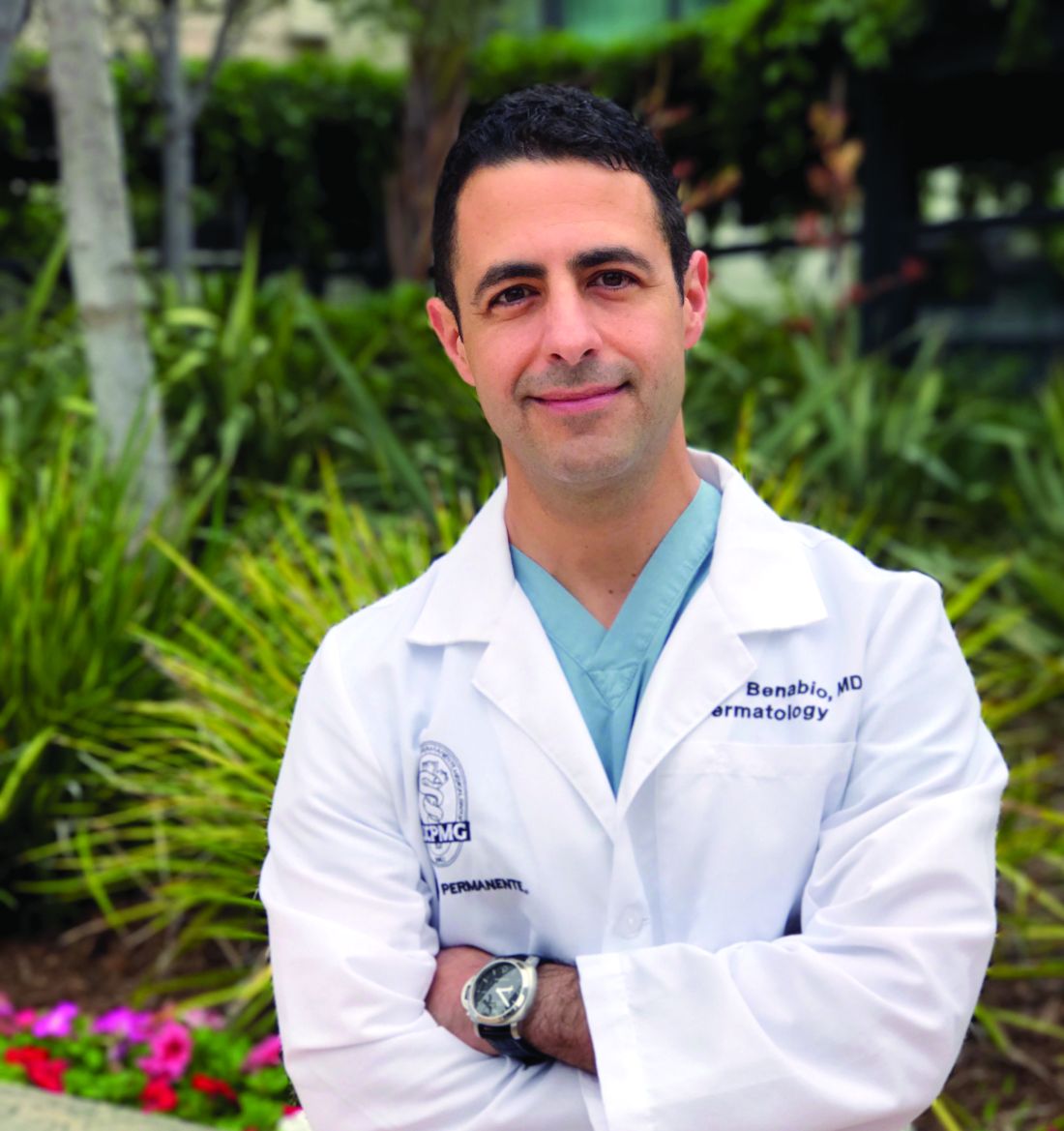
I was commuting to work when I first heard this story on a podcast. In astonishing numbers, women have chosen to return to or stay in Ukraine because they’re needed to fight and to protect their families. My reaction, like yours, was to be inspired. What amazing courage! Twitter and Instagram will swell with images of their balaclava masked faces standing in the breach once more. Like the women in medicine who armed themselves with surgical masks and face shields and babies on their backs to join the fight against COVID-19. They will be poster girls, blue sleeves rolled up and red polka dotted bandanas covering their hair.
But that’s not what they want. “We don’t want to be an inspiration,” said one fearless Ukrainian fighter in the story, “we want to be alive.”
At the time of this writing as we celebrate the brilliant accomplishments of women on March 8, International Women’s Day, I wonder if we don’t have it slightly wrong.
Although acknowledgment is appreciated, the women I work alongside don’t need me to be inspired by them. They need me to stand with them, to help them. . The “she-session” it’s been called, refers to the million women who have not rejoined the workforce since COVID-19. This is especially acute for us in medicine where women are significantly more likely than are men to report not working full time, or not working at all.
The truth is that even in 2022, the burdens of family life are still not borne equally. Bias against mothers in particular can be insidious. Take academia, where there is little sympathy for not publishing on schedule. Perhaps there are unexplained gaps, but where exactly on a CV does one put “recurrent pregnancy loss?” Do you know how many clinics or ORs a woman must cancel to attempt maddeningly unpredictable egg retrievals and embryo transfers? A lot. Not to mention the financial burden of doing so.
During the pandemic, female physicians were more likely to manage child care, schooling, and household duties, compared to male physicians.
And yet (perhaps even because of that?) women in medicine make less money. How much? About $80,000 less on average in dermatology. Inspired? Indeed. No thanks. Let’s #BreakTheBias rather.
I’m not a policy expert nor a sociologist. I don’t know what advice might be helpful here. I’d say raising our collective consciousness of the unfairness, highlighting discrepancies, and advocating for equality are good starts. But, International Women’s Day isn’t new. It’s old. Like over a hundred years old (since 1909 to be exact). We don’t just need a better hashtag, we need to do something. Give equity in pay. Offer opportunities for leadership that accommodate the extra duty women might have outside work. Create flexibility in schedules and without the penalty of having to pump at work or leave early to pick up a child. Not to mention all the opportunities we men have to do more of the household work that women currently do.
The gallant women of Ukraine don’t need our approbation. They need our aid and our prayers. Like the women in my department, at my medical center, in my community, they aren’t posing to be made into posters. There’s work to be done and they are flocking toward it right now.
Dr. Benabio is director of Healthcare Transformation and chief of dermatology at Kaiser Permanente San Diego. The opinions expressed in this column are his own and do not represent those of Kaiser Permanente. Dr. Benabio is @Dermdoc on Twitter. Write to him at dermnews@mdedge.com.
Over 2.5 million people have fled the ghastly war in Ukraine for safety. But, not everyone is trying to leave. Shockingly, hundreds of thousands are actually flocking toward the danger in Ukraine right now. Many of them are women.
I was commuting to work when I first heard this story on a podcast. In astonishing numbers, women have chosen to return to or stay in Ukraine because they’re needed to fight and to protect their families. My reaction, like yours, was to be inspired. What amazing courage! Twitter and Instagram will swell with images of their balaclava masked faces standing in the breach once more. Like the women in medicine who armed themselves with surgical masks and face shields and babies on their backs to join the fight against COVID-19. They will be poster girls, blue sleeves rolled up and red polka dotted bandanas covering their hair.
But that’s not what they want. “We don’t want to be an inspiration,” said one fearless Ukrainian fighter in the story, “we want to be alive.”
At the time of this writing as we celebrate the brilliant accomplishments of women on March 8, International Women’s Day, I wonder if we don’t have it slightly wrong.
Although acknowledgment is appreciated, the women I work alongside don’t need me to be inspired by them. They need me to stand with them, to help them. . The “she-session” it’s been called, refers to the million women who have not rejoined the workforce since COVID-19. This is especially acute for us in medicine where women are significantly more likely than are men to report not working full time, or not working at all.
The truth is that even in 2022, the burdens of family life are still not borne equally. Bias against mothers in particular can be insidious. Take academia, where there is little sympathy for not publishing on schedule. Perhaps there are unexplained gaps, but where exactly on a CV does one put “recurrent pregnancy loss?” Do you know how many clinics or ORs a woman must cancel to attempt maddeningly unpredictable egg retrievals and embryo transfers? A lot. Not to mention the financial burden of doing so.
During the pandemic, female physicians were more likely to manage child care, schooling, and household duties, compared to male physicians.
And yet (perhaps even because of that?) women in medicine make less money. How much? About $80,000 less on average in dermatology. Inspired? Indeed. No thanks. Let’s #BreakTheBias rather.
I’m not a policy expert nor a sociologist. I don’t know what advice might be helpful here. I’d say raising our collective consciousness of the unfairness, highlighting discrepancies, and advocating for equality are good starts. But, International Women’s Day isn’t new. It’s old. Like over a hundred years old (since 1909 to be exact). We don’t just need a better hashtag, we need to do something. Give equity in pay. Offer opportunities for leadership that accommodate the extra duty women might have outside work. Create flexibility in schedules and without the penalty of having to pump at work or leave early to pick up a child. Not to mention all the opportunities we men have to do more of the household work that women currently do.
The gallant women of Ukraine don’t need our approbation. They need our aid and our prayers. Like the women in my department, at my medical center, in my community, they aren’t posing to be made into posters. There’s work to be done and they are flocking toward it right now.
Dr. Benabio is director of Healthcare Transformation and chief of dermatology at Kaiser Permanente San Diego. The opinions expressed in this column are his own and do not represent those of Kaiser Permanente. Dr. Benabio is @Dermdoc on Twitter. Write to him at dermnews@mdedge.com.
Over 2.5 million people have fled the ghastly war in Ukraine for safety. But, not everyone is trying to leave. Shockingly, hundreds of thousands are actually flocking toward the danger in Ukraine right now. Many of them are women.
I was commuting to work when I first heard this story on a podcast. In astonishing numbers, women have chosen to return to or stay in Ukraine because they’re needed to fight and to protect their families. My reaction, like yours, was to be inspired. What amazing courage! Twitter and Instagram will swell with images of their balaclava masked faces standing in the breach once more. Like the women in medicine who armed themselves with surgical masks and face shields and babies on their backs to join the fight against COVID-19. They will be poster girls, blue sleeves rolled up and red polka dotted bandanas covering their hair.
But that’s not what they want. “We don’t want to be an inspiration,” said one fearless Ukrainian fighter in the story, “we want to be alive.”
At the time of this writing as we celebrate the brilliant accomplishments of women on March 8, International Women’s Day, I wonder if we don’t have it slightly wrong.
Although acknowledgment is appreciated, the women I work alongside don’t need me to be inspired by them. They need me to stand with them, to help them. . The “she-session” it’s been called, refers to the million women who have not rejoined the workforce since COVID-19. This is especially acute for us in medicine where women are significantly more likely than are men to report not working full time, or not working at all.
The truth is that even in 2022, the burdens of family life are still not borne equally. Bias against mothers in particular can be insidious. Take academia, where there is little sympathy for not publishing on schedule. Perhaps there are unexplained gaps, but where exactly on a CV does one put “recurrent pregnancy loss?” Do you know how many clinics or ORs a woman must cancel to attempt maddeningly unpredictable egg retrievals and embryo transfers? A lot. Not to mention the financial burden of doing so.
During the pandemic, female physicians were more likely to manage child care, schooling, and household duties, compared to male physicians.
And yet (perhaps even because of that?) women in medicine make less money. How much? About $80,000 less on average in dermatology. Inspired? Indeed. No thanks. Let’s #BreakTheBias rather.
I’m not a policy expert nor a sociologist. I don’t know what advice might be helpful here. I’d say raising our collective consciousness of the unfairness, highlighting discrepancies, and advocating for equality are good starts. But, International Women’s Day isn’t new. It’s old. Like over a hundred years old (since 1909 to be exact). We don’t just need a better hashtag, we need to do something. Give equity in pay. Offer opportunities for leadership that accommodate the extra duty women might have outside work. Create flexibility in schedules and without the penalty of having to pump at work or leave early to pick up a child. Not to mention all the opportunities we men have to do more of the household work that women currently do.
The gallant women of Ukraine don’t need our approbation. They need our aid and our prayers. Like the women in my department, at my medical center, in my community, they aren’t posing to be made into posters. There’s work to be done and they are flocking toward it right now.
Dr. Benabio is director of Healthcare Transformation and chief of dermatology at Kaiser Permanente San Diego. The opinions expressed in this column are his own and do not represent those of Kaiser Permanente. Dr. Benabio is @Dermdoc on Twitter. Write to him at dermnews@mdedge.com.
Waiting for the under-5 COVID-19 vaccine
In February, citing the need for more data, Pfizer and BioNTech announced that they were delaying the application for their COVID-19 vaccine for children under the age of 5. Earlier evidence suggests that two doses may not provide adequate protection in the 2- to 4-year old age group. With the larger number of infections and illness in the younger age group from the Omicron variant, Pfizer and BioNTech felt they needed more data on the effectiveness of a third dose.
This delay came as a disappointment to parents of children under 5 who have been eager to have them receive the vaccination. However, Peter Marks, MD, director of the Center for Biologics Evaluation and Research at the Food and Drug Administration, told parents that this delay should be reassuring – that the companies were doing important due diligence before releasing a product that is both safe and effective. The American Academy of Pediatrics wisely released a similar statement of reassurance and support.

It is difficult to know how many parents will eventually immunize their young children once the vaccine is approved. Any survey done more than a few weeks ago must be viewed cautiously as “the COVID numbers” around the country continue to improve and parental attitudes are likely to change.
There will always remain subgroups of parents on either extreme of the bell-shaped curve. Some will reject the under-5 vaccine simply because it is a vaccine. Some parents are so anxious to vaccinate that they will want to be first in line even if waiting is the more prudent approach. In a recent opinion piece appearing in the New York Times, a statistician writes that he is so eager to have his young children immunized that he is encouraging the FDA to replace its traditional reliance on “statistical significance” with a less rigid and binary method such as one based on Bayesian theory (Aubrey Carlton, “I’m a parent and a statistician. There’s a smarter way to think about the under-5 vaccine.” The New York Times. 2022 Mar 1.). However, what this statistician misses in his haste to vaccinate his own children is that we are dealing with an entire population with varying levels of scientific sophistication and appetite for risk. While “statistical significance” may no longer be cutting edge to some statisticians, most of the rest of the country finds the term reassuring.
It will be interesting to see what happens if and when the vaccine is approved. Will the American Academy of Pediatrics come out with a strong recommendation? I hope they are careful and provide a sufficient number of caveats, otherwise we in the trenches will again be left to provide more nuanced advice to families who are both anxious and hesitant.
Despite the recent surge in cases among young children, apparently as a result of the Omicron variant, the disease continues to cause less and milder disease among young children than it does in adults. And the degree to which illness in the pediatric population contributes to the health of the general population appears to still be a matter of debate. This may be yet another instance of when the crafty COVID-19 has moved with a pace that will make an under–age-5 vaccine of relatively little value.
First, we must be careful to assure ourselves that any side effects the vaccine might generate are well within an even more restricted acceptable range. Second, we must be careful not to squander our persuasive currency by promoting a vaccine that in retrospect may turn out to be of relatively little value.
Although there is ample evidence that education often fails to convince the committed anti-vaxxers, pediatricians continue to be held in high regard by most parents, many of whom are understandably confused by the tsunami of health information of mixed quality generated by the pandemic. We must be cautious not to cast ourselves as a group whose knee-jerk reaction is to recommend every vaccine with equal vigor. All vaccines are not created equal. We must be patient and prepared to adjust the level of our enthusiasm. We must continue to tailor our advice based on the hard data. Otherwise, parents will stop asking for our advice because they will believe that they already know what we’re going to say.
Dr. Wilkoff practiced primary care pediatrics in Brunswick, Maine, for nearly 40 years. He has authored several books on behavioral pediatrics, including “How to Say No to Your Toddler.” Other than a Littman stethoscope he accepted as a first-year medical student in 1966, Dr. Wilkoff reports having nothing to disclose. Email him at pdnews@mdedge.com.
In February, citing the need for more data, Pfizer and BioNTech announced that they were delaying the application for their COVID-19 vaccine for children under the age of 5. Earlier evidence suggests that two doses may not provide adequate protection in the 2- to 4-year old age group. With the larger number of infections and illness in the younger age group from the Omicron variant, Pfizer and BioNTech felt they needed more data on the effectiveness of a third dose.
This delay came as a disappointment to parents of children under 5 who have been eager to have them receive the vaccination. However, Peter Marks, MD, director of the Center for Biologics Evaluation and Research at the Food and Drug Administration, told parents that this delay should be reassuring – that the companies were doing important due diligence before releasing a product that is both safe and effective. The American Academy of Pediatrics wisely released a similar statement of reassurance and support.
It is difficult to know how many parents will eventually immunize their young children once the vaccine is approved. Any survey done more than a few weeks ago must be viewed cautiously as “the COVID numbers” around the country continue to improve and parental attitudes are likely to change.
There will always remain subgroups of parents on either extreme of the bell-shaped curve. Some will reject the under-5 vaccine simply because it is a vaccine. Some parents are so anxious to vaccinate that they will want to be first in line even if waiting is the more prudent approach. In a recent opinion piece appearing in the New York Times, a statistician writes that he is so eager to have his young children immunized that he is encouraging the FDA to replace its traditional reliance on “statistical significance” with a less rigid and binary method such as one based on Bayesian theory (Aubrey Carlton, “I’m a parent and a statistician. There’s a smarter way to think about the under-5 vaccine.” The New York Times. 2022 Mar 1.). However, what this statistician misses in his haste to vaccinate his own children is that we are dealing with an entire population with varying levels of scientific sophistication and appetite for risk. While “statistical significance” may no longer be cutting edge to some statisticians, most of the rest of the country finds the term reassuring.
It will be interesting to see what happens if and when the vaccine is approved. Will the American Academy of Pediatrics come out with a strong recommendation? I hope they are careful and provide a sufficient number of caveats, otherwise we in the trenches will again be left to provide more nuanced advice to families who are both anxious and hesitant.
Despite the recent surge in cases among young children, apparently as a result of the Omicron variant, the disease continues to cause less and milder disease among young children than it does in adults. And the degree to which illness in the pediatric population contributes to the health of the general population appears to still be a matter of debate. This may be yet another instance of when the crafty COVID-19 has moved with a pace that will make an under–age-5 vaccine of relatively little value.
First, we must be careful to assure ourselves that any side effects the vaccine might generate are well within an even more restricted acceptable range. Second, we must be careful not to squander our persuasive currency by promoting a vaccine that in retrospect may turn out to be of relatively little value.
Although there is ample evidence that education often fails to convince the committed anti-vaxxers, pediatricians continue to be held in high regard by most parents, many of whom are understandably confused by the tsunami of health information of mixed quality generated by the pandemic. We must be cautious not to cast ourselves as a group whose knee-jerk reaction is to recommend every vaccine with equal vigor. All vaccines are not created equal. We must be patient and prepared to adjust the level of our enthusiasm. We must continue to tailor our advice based on the hard data. Otherwise, parents will stop asking for our advice because they will believe that they already know what we’re going to say.
Dr. Wilkoff practiced primary care pediatrics in Brunswick, Maine, for nearly 40 years. He has authored several books on behavioral pediatrics, including “How to Say No to Your Toddler.” Other than a Littman stethoscope he accepted as a first-year medical student in 1966, Dr. Wilkoff reports having nothing to disclose. Email him at pdnews@mdedge.com.
In February, citing the need for more data, Pfizer and BioNTech announced that they were delaying the application for their COVID-19 vaccine for children under the age of 5. Earlier evidence suggests that two doses may not provide adequate protection in the 2- to 4-year old age group. With the larger number of infections and illness in the younger age group from the Omicron variant, Pfizer and BioNTech felt they needed more data on the effectiveness of a third dose.
This delay came as a disappointment to parents of children under 5 who have been eager to have them receive the vaccination. However, Peter Marks, MD, director of the Center for Biologics Evaluation and Research at the Food and Drug Administration, told parents that this delay should be reassuring – that the companies were doing important due diligence before releasing a product that is both safe and effective. The American Academy of Pediatrics wisely released a similar statement of reassurance and support.
It is difficult to know how many parents will eventually immunize their young children once the vaccine is approved. Any survey done more than a few weeks ago must be viewed cautiously as “the COVID numbers” around the country continue to improve and parental attitudes are likely to change.
There will always remain subgroups of parents on either extreme of the bell-shaped curve. Some will reject the under-5 vaccine simply because it is a vaccine. Some parents are so anxious to vaccinate that they will want to be first in line even if waiting is the more prudent approach. In a recent opinion piece appearing in the New York Times, a statistician writes that he is so eager to have his young children immunized that he is encouraging the FDA to replace its traditional reliance on “statistical significance” with a less rigid and binary method such as one based on Bayesian theory (Aubrey Carlton, “I’m a parent and a statistician. There’s a smarter way to think about the under-5 vaccine.” The New York Times. 2022 Mar 1.). However, what this statistician misses in his haste to vaccinate his own children is that we are dealing with an entire population with varying levels of scientific sophistication and appetite for risk. While “statistical significance” may no longer be cutting edge to some statisticians, most of the rest of the country finds the term reassuring.
It will be interesting to see what happens if and when the vaccine is approved. Will the American Academy of Pediatrics come out with a strong recommendation? I hope they are careful and provide a sufficient number of caveats, otherwise we in the trenches will again be left to provide more nuanced advice to families who are both anxious and hesitant.
Despite the recent surge in cases among young children, apparently as a result of the Omicron variant, the disease continues to cause less and milder disease among young children than it does in adults. And the degree to which illness in the pediatric population contributes to the health of the general population appears to still be a matter of debate. This may be yet another instance of when the crafty COVID-19 has moved with a pace that will make an under–age-5 vaccine of relatively little value.
First, we must be careful to assure ourselves that any side effects the vaccine might generate are well within an even more restricted acceptable range. Second, we must be careful not to squander our persuasive currency by promoting a vaccine that in retrospect may turn out to be of relatively little value.
Although there is ample evidence that education often fails to convince the committed anti-vaxxers, pediatricians continue to be held in high regard by most parents, many of whom are understandably confused by the tsunami of health information of mixed quality generated by the pandemic. We must be cautious not to cast ourselves as a group whose knee-jerk reaction is to recommend every vaccine with equal vigor. All vaccines are not created equal. We must be patient and prepared to adjust the level of our enthusiasm. We must continue to tailor our advice based on the hard data. Otherwise, parents will stop asking for our advice because they will believe that they already know what we’re going to say.
Dr. Wilkoff practiced primary care pediatrics in Brunswick, Maine, for nearly 40 years. He has authored several books on behavioral pediatrics, including “How to Say No to Your Toddler.” Other than a Littman stethoscope he accepted as a first-year medical student in 1966, Dr. Wilkoff reports having nothing to disclose. Email him at pdnews@mdedge.com.
Answering parents’ questions about Cronobacter and powdered formula
A 6-month-old boy presented with 2 days of looser-than-normal stools without blood or mucous. Before the onset of diarrhea, he had been fed at least two bottles of an infant formula identified in a national recall. His mom requested testing for Cronobacter sakazakii.
In mid-February, Abbott Nutrition recalled specific lots of powdered formula produced at one Michigan manufacturing facility because of possible Cronobacter contamination. To date, a public health investigation has identified four infants in three states who developed Cronobacter infection after consuming formula that was part of the recall. Two of the infants died.

As media reports urged families to search their kitchens for containers of the implicated formula and return them for a refund, worried parents reached out to pediatric care providers for advice.
Cronobacter sakazakii and other Cronobacter species are Gram-negative environmental organisms that occasionally cause bacteremia and meningitis in young infants. Although these infections are not subject to mandatory reporting in most states, laboratory-based surveillance suggests that 18 cases occur annually in the United States (0.49 cases/100,00 infants).
While early reports in the literature described cases in hospitalized, preterm infants, infections also occur in the community and in children born at or near term. A Centers for Disease Control and Prevention review of domestic and international cases identified 183 children <12 months of age between 1961 and 2018 described as diagnosed with Cronobacter bacteremia or meningitis.1 Of the 79 U.S. cases, 34 occurred in term infants and 50 were community onset. Most cases occurred in the first month of life; the oldest child was 35 days of age at the onset of symptoms. Meningitis was more likely in infants born close to term and who were not hospitalized at the time of infection. The majority of infants for whom a feeding history was available had consumed powdered formula.
Back in the exam room, the 6-month-old was examined and found to be vigorous and well-appearing with normal vital signs and no signs of dehydration. The infant’s pediatrician found no clinical indication to perform a blood culture or lumbar puncture, the tests used to diagnose invasive Cronobacter infection. She explained that stool cultures are not recommended, as Cronobacter does not usually cause diarrhea in infants and finding the bacteria in the stool may represent colonization rather than infection.
The pediatrician did take the opportunity to talk to the mom about her formula preparation practices and shared a handout. Powdered formula isn’t sterile, but it is safe for most infants when prepared according to manufacturer’s directions. Contamination of formula during or after preparation can also result in Cronobacter infection in vulnerable infants.
The mom was surprised – and unhappy – to learn that Cronobacter could be lurking in her kitchen. More than a decade ago, investigators visited 78 households in Tennessee and cultured multiple kitchen surfaces.2C. sakazakii was recovered from 21 homes. Most of the positive cultures were from sinks, counter tops, and used dishcloths. Cronobacter has also been cultured from a variety of dried food items, including powdered milk, herbal tea, and starches.
According to the CDC, liquid formula, a product that is sterile until opened, is a safer choice for formula-fed infants who are less than 3 months of age, were born prematurely, or have a compromised immune system. When these infants must be fed powdered formula, preparing it with water heated to at least 158°F or 70°C can kill Cronobacter organisms. Parents should be instructed to boil water and let it cool for about 5 minutes before using it to mix formula.
While most cases of Cronobacter in infants have been epidemiologically linked to consumption of powdered formula, sporadic case reports describe infection in infants fed expressed breast milk. In one report, identical bacterial isolates were recovered from expressed milk fed to an infected infant and the breast pump used to express the milk.3
Moms who express milk should be instructed in proper breast pump hygiene, including washing hands thoroughly before handling breast pumps; disassembling and cleaning breast pumps kits after each use, either in hot soapy water with a dedicated brush and basin or in the dishwasher; air drying on a clean surface; and sanitizing at least daily by boiling, steaming, or using a dishwasher’s sanitize cycle.
Health care providers are encouraged to report Cronobacter cases to their state or local health departments.
Dr. Bryant is a pediatrician specializing in infectious diseases at the University of Louisville (Ky.) and Norton Children’s Hospital, also in Louisville. She said she had no relevant financial disclosures. Email her at pdnews@mdedge.com.
References
1. Strysko J et al. Emerg Infect Dis. 2020;26(5):857-65.
2. Kilonzo-Nthenge A et al. J Food Protect 2012;75(8):1512-7.
3. Bowen A et al. MMWR Morb Mortal Wkly Rep. 2017;66:761-2.
A 6-month-old boy presented with 2 days of looser-than-normal stools without blood or mucous. Before the onset of diarrhea, he had been fed at least two bottles of an infant formula identified in a national recall. His mom requested testing for Cronobacter sakazakii.
In mid-February, Abbott Nutrition recalled specific lots of powdered formula produced at one Michigan manufacturing facility because of possible Cronobacter contamination. To date, a public health investigation has identified four infants in three states who developed Cronobacter infection after consuming formula that was part of the recall. Two of the infants died.
As media reports urged families to search their kitchens for containers of the implicated formula and return them for a refund, worried parents reached out to pediatric care providers for advice.
Cronobacter sakazakii and other Cronobacter species are Gram-negative environmental organisms that occasionally cause bacteremia and meningitis in young infants. Although these infections are not subject to mandatory reporting in most states, laboratory-based surveillance suggests that 18 cases occur annually in the United States (0.49 cases/100,00 infants).
While early reports in the literature described cases in hospitalized, preterm infants, infections also occur in the community and in children born at or near term. A Centers for Disease Control and Prevention review of domestic and international cases identified 183 children <12 months of age between 1961 and 2018 described as diagnosed with Cronobacter bacteremia or meningitis.1 Of the 79 U.S. cases, 34 occurred in term infants and 50 were community onset. Most cases occurred in the first month of life; the oldest child was 35 days of age at the onset of symptoms. Meningitis was more likely in infants born close to term and who were not hospitalized at the time of infection. The majority of infants for whom a feeding history was available had consumed powdered formula.
Back in the exam room, the 6-month-old was examined and found to be vigorous and well-appearing with normal vital signs and no signs of dehydration. The infant’s pediatrician found no clinical indication to perform a blood culture or lumbar puncture, the tests used to diagnose invasive Cronobacter infection. She explained that stool cultures are not recommended, as Cronobacter does not usually cause diarrhea in infants and finding the bacteria in the stool may represent colonization rather than infection.
The pediatrician did take the opportunity to talk to the mom about her formula preparation practices and shared a handout. Powdered formula isn’t sterile, but it is safe for most infants when prepared according to manufacturer’s directions. Contamination of formula during or after preparation can also result in Cronobacter infection in vulnerable infants.
The mom was surprised – and unhappy – to learn that Cronobacter could be lurking in her kitchen. More than a decade ago, investigators visited 78 households in Tennessee and cultured multiple kitchen surfaces.2C. sakazakii was recovered from 21 homes. Most of the positive cultures were from sinks, counter tops, and used dishcloths. Cronobacter has also been cultured from a variety of dried food items, including powdered milk, herbal tea, and starches.
According to the CDC, liquid formula, a product that is sterile until opened, is a safer choice for formula-fed infants who are less than 3 months of age, were born prematurely, or have a compromised immune system. When these infants must be fed powdered formula, preparing it with water heated to at least 158°F or 70°C can kill Cronobacter organisms. Parents should be instructed to boil water and let it cool for about 5 minutes before using it to mix formula.
While most cases of Cronobacter in infants have been epidemiologically linked to consumption of powdered formula, sporadic case reports describe infection in infants fed expressed breast milk. In one report, identical bacterial isolates were recovered from expressed milk fed to an infected infant and the breast pump used to express the milk.3
Moms who express milk should be instructed in proper breast pump hygiene, including washing hands thoroughly before handling breast pumps; disassembling and cleaning breast pumps kits after each use, either in hot soapy water with a dedicated brush and basin or in the dishwasher; air drying on a clean surface; and sanitizing at least daily by boiling, steaming, or using a dishwasher’s sanitize cycle.
Health care providers are encouraged to report Cronobacter cases to their state or local health departments.
Dr. Bryant is a pediatrician specializing in infectious diseases at the University of Louisville (Ky.) and Norton Children’s Hospital, also in Louisville. She said she had no relevant financial disclosures. Email her at pdnews@mdedge.com.
References
1. Strysko J et al. Emerg Infect Dis. 2020;26(5):857-65.
2. Kilonzo-Nthenge A et al. J Food Protect 2012;75(8):1512-7.
3. Bowen A et al. MMWR Morb Mortal Wkly Rep. 2017;66:761-2.
A 6-month-old boy presented with 2 days of looser-than-normal stools without blood or mucous. Before the onset of diarrhea, he had been fed at least two bottles of an infant formula identified in a national recall. His mom requested testing for Cronobacter sakazakii.
In mid-February, Abbott Nutrition recalled specific lots of powdered formula produced at one Michigan manufacturing facility because of possible Cronobacter contamination. To date, a public health investigation has identified four infants in three states who developed Cronobacter infection after consuming formula that was part of the recall. Two of the infants died.
As media reports urged families to search their kitchens for containers of the implicated formula and return them for a refund, worried parents reached out to pediatric care providers for advice.
Cronobacter sakazakii and other Cronobacter species are Gram-negative environmental organisms that occasionally cause bacteremia and meningitis in young infants. Although these infections are not subject to mandatory reporting in most states, laboratory-based surveillance suggests that 18 cases occur annually in the United States (0.49 cases/100,00 infants).
While early reports in the literature described cases in hospitalized, preterm infants, infections also occur in the community and in children born at or near term. A Centers for Disease Control and Prevention review of domestic and international cases identified 183 children <12 months of age between 1961 and 2018 described as diagnosed with Cronobacter bacteremia or meningitis.1 Of the 79 U.S. cases, 34 occurred in term infants and 50 were community onset. Most cases occurred in the first month of life; the oldest child was 35 days of age at the onset of symptoms. Meningitis was more likely in infants born close to term and who were not hospitalized at the time of infection. The majority of infants for whom a feeding history was available had consumed powdered formula.
Back in the exam room, the 6-month-old was examined and found to be vigorous and well-appearing with normal vital signs and no signs of dehydration. The infant’s pediatrician found no clinical indication to perform a blood culture or lumbar puncture, the tests used to diagnose invasive Cronobacter infection. She explained that stool cultures are not recommended, as Cronobacter does not usually cause diarrhea in infants and finding the bacteria in the stool may represent colonization rather than infection.
The pediatrician did take the opportunity to talk to the mom about her formula preparation practices and shared a handout. Powdered formula isn’t sterile, but it is safe for most infants when prepared according to manufacturer’s directions. Contamination of formula during or after preparation can also result in Cronobacter infection in vulnerable infants.
The mom was surprised – and unhappy – to learn that Cronobacter could be lurking in her kitchen. More than a decade ago, investigators visited 78 households in Tennessee and cultured multiple kitchen surfaces.2C. sakazakii was recovered from 21 homes. Most of the positive cultures were from sinks, counter tops, and used dishcloths. Cronobacter has also been cultured from a variety of dried food items, including powdered milk, herbal tea, and starches.
According to the CDC, liquid formula, a product that is sterile until opened, is a safer choice for formula-fed infants who are less than 3 months of age, were born prematurely, or have a compromised immune system. When these infants must be fed powdered formula, preparing it with water heated to at least 158°F or 70°C can kill Cronobacter organisms. Parents should be instructed to boil water and let it cool for about 5 minutes before using it to mix formula.
While most cases of Cronobacter in infants have been epidemiologically linked to consumption of powdered formula, sporadic case reports describe infection in infants fed expressed breast milk. In one report, identical bacterial isolates were recovered from expressed milk fed to an infected infant and the breast pump used to express the milk.3
Moms who express milk should be instructed in proper breast pump hygiene, including washing hands thoroughly before handling breast pumps; disassembling and cleaning breast pumps kits after each use, either in hot soapy water with a dedicated brush and basin or in the dishwasher; air drying on a clean surface; and sanitizing at least daily by boiling, steaming, or using a dishwasher’s sanitize cycle.
Health care providers are encouraged to report Cronobacter cases to their state or local health departments.
Dr. Bryant is a pediatrician specializing in infectious diseases at the University of Louisville (Ky.) and Norton Children’s Hospital, also in Louisville. She said she had no relevant financial disclosures. Email her at pdnews@mdedge.com.
References
1. Strysko J et al. Emerg Infect Dis. 2020;26(5):857-65.
2. Kilonzo-Nthenge A et al. J Food Protect 2012;75(8):1512-7.
3. Bowen A et al. MMWR Morb Mortal Wkly Rep. 2017;66:761-2.
Mercury and other risks of cosmetic skin lighteners
Skin hyperpigmentation – whether it is caused by postinflammatory hyperpigmentation from acne or trauma to the skin, melasma, autoimmune disorders, or disorders of pigmentation – is a condition where treatment is commonly sought after in dermatology offices. Topical products used to fade hyperpigmented areas of the skin have long been used around the world, and because of safety concerns, regulations aimed at reducing potential harm or adverse effects caused by certain ingredients in these products are increasing in different countries.
For example, while extremely effective at treating most forms of hyperpigmentation, hydroquinone has been definitively linked to ochronosis, kojic acid has been linked to contact dermatitis in humans, and acid peels and retinoids are associated with irritant dermatitis, disruption of the skin barrier, and photosensitivity. In animal studies, licorice root extract has been linked to endocrine and other organ system irregularities.
Kojic acid was banned in Japan in 2003, and subsequently in South Korea and Switzerland because of concerns over animal studies indicating that its fungal metabolite might be carcinogenic (. Hydroquinone is classified as a drug and has been banned for use in cosmetic products in Japan, the European Union, Australia, and several African nations since at least 2006 because of concerns over adrenal gland dysregulation and high levels of mercury in hydroquinone products in those countries. In Africa specifically, South Africa banned all but 2% hydroquinone in 1983, the Ivory Coast banned all skin whitening creams in 2015, and in 2016, Ghana initiated a ban on certain skin products containing hydroquinone.
The United States followed suit in February 2020 with the Food and Drug Administration introducing a ban on all OTC hydroquinone-containing products because of concerns over carcinogenicity in animal studies (which has not been shown in human studies to date). The “Coronavirus Aid, Relief, and Economic Security” (CARES) Act signed in March 2020 then made the changes effective by halting the sale of OTC hydroquinone products in the United States as of September 2020.
Mercury concerns
Despite these bans, hydroquinone continues to be sold in cosmetics and OTC products around the world and online. And despite being banned or limited in these products, in particular. Mercury has been used in cosmetic products as a skin lightening agent (on its own) and as a preservative.

Mercury has been shown to be carcinogenic, neurotoxic, as well as cytotoxic to the renal and endocrine systems, causes reproductive toxicity, and may be bioaccumulative in wildlife and humans. There is particular concern regarding the risks of exposure in pregnant women and babies because of potential harm to the developing brain and nervous system. Initial signs and symptoms of mercury poisoning include irritability, shyness, tremors, changes in vision or hearing, memory problems, depression, numbness and tingling in the hands, feet, or around the mouth.
Organizations such as the Zero Mercury Working Group (ZMWG) – an international coalition of public interest environmental and health nongovernmental organizations from more than 55 countries, focused on eliminating the use, release, and exposure to mercury – have been working to help ensure safety and mercury levels are below the threshold deemed allowable in hydroquinone-containing products.
On March 10, the ZMWG published the results of a new study demonstrating that skin lighteners containing mercury are still being sold online, despite bans and safety concerns. Ebay, Amazon, Shopee, Jiji, and Flipkart are among the websites still selling high mercury–containing skin lightener products. Some of them were the same offenders selling the banned products in 2019. Of the 271 online products tested from 17 countries, nearly half contained over 1 ppm of mercury, which is the legal limit that has been established by most governments and the Minamata Convention on Mercury. Based on their packaging, the majority of these products were manufactured in Asia, most often in Pakistan (43%), Thailand (8%), China (6%), and Taiwan (4%), according to the report.

In ZMWG’s prior publications, mercury concentrations reported in some of these products ranged from 93 ppm to over 16,000 ppm. Even higher concentrations have been reported by other entities. And according to a World Health Organization November 2019 report, mercury-containing skin lightening products have been manufactured in many countries and areas, including Bangladesh, China, Dominican Republic Hong Kong SAR (China), Jamaica, Lebanon, Malaysia, Mexico, Pakistan, Philippines, Republic of Korea, Thailand, and the United States. According to the ZMWG, 137 countries have committed to the Minamata Convention to phase out and limit mercury, including in cosmetics.
Despite bans on some of these products, consumers in the United States and other countries with bans and restrictions are still at risk of exposure to mercury-containing skin lighteners because of online sales. Hopefully, the work of the ZMWG and similar entities will continue to help limit potentially harmful exposures to mercury, while maintaining access to safe and effective methods to treat hyperpigmentation.
Dr. Wesley and Dr. Lily Talakoub are cocontributors to this column. Dr. Wesley practices dermatology in Beverly Hills, Calif. Dr. Talakoub is in private practice in McLean, Va. This month’s column is by Dr. Wesley. Write to them at dermnews@mdedge.com. They had no relevant disclosures.
Skin hyperpigmentation – whether it is caused by postinflammatory hyperpigmentation from acne or trauma to the skin, melasma, autoimmune disorders, or disorders of pigmentation – is a condition where treatment is commonly sought after in dermatology offices. Topical products used to fade hyperpigmented areas of the skin have long been used around the world, and because of safety concerns, regulations aimed at reducing potential harm or adverse effects caused by certain ingredients in these products are increasing in different countries.
For example, while extremely effective at treating most forms of hyperpigmentation, hydroquinone has been definitively linked to ochronosis, kojic acid has been linked to contact dermatitis in humans, and acid peels and retinoids are associated with irritant dermatitis, disruption of the skin barrier, and photosensitivity. In animal studies, licorice root extract has been linked to endocrine and other organ system irregularities.
Kojic acid was banned in Japan in 2003, and subsequently in South Korea and Switzerland because of concerns over animal studies indicating that its fungal metabolite might be carcinogenic (. Hydroquinone is classified as a drug and has been banned for use in cosmetic products in Japan, the European Union, Australia, and several African nations since at least 2006 because of concerns over adrenal gland dysregulation and high levels of mercury in hydroquinone products in those countries. In Africa specifically, South Africa banned all but 2% hydroquinone in 1983, the Ivory Coast banned all skin whitening creams in 2015, and in 2016, Ghana initiated a ban on certain skin products containing hydroquinone.
The United States followed suit in February 2020 with the Food and Drug Administration introducing a ban on all OTC hydroquinone-containing products because of concerns over carcinogenicity in animal studies (which has not been shown in human studies to date). The “Coronavirus Aid, Relief, and Economic Security” (CARES) Act signed in March 2020 then made the changes effective by halting the sale of OTC hydroquinone products in the United States as of September 2020.
Mercury concerns
Despite these bans, hydroquinone continues to be sold in cosmetics and OTC products around the world and online. And despite being banned or limited in these products, in particular. Mercury has been used in cosmetic products as a skin lightening agent (on its own) and as a preservative.
Mercury has been shown to be carcinogenic, neurotoxic, as well as cytotoxic to the renal and endocrine systems, causes reproductive toxicity, and may be bioaccumulative in wildlife and humans. There is particular concern regarding the risks of exposure in pregnant women and babies because of potential harm to the developing brain and nervous system. Initial signs and symptoms of mercury poisoning include irritability, shyness, tremors, changes in vision or hearing, memory problems, depression, numbness and tingling in the hands, feet, or around the mouth.
Organizations such as the Zero Mercury Working Group (ZMWG) – an international coalition of public interest environmental and health nongovernmental organizations from more than 55 countries, focused on eliminating the use, release, and exposure to mercury – have been working to help ensure safety and mercury levels are below the threshold deemed allowable in hydroquinone-containing products.
On March 10, the ZMWG published the results of a new study demonstrating that skin lighteners containing mercury are still being sold online, despite bans and safety concerns. Ebay, Amazon, Shopee, Jiji, and Flipkart are among the websites still selling high mercury–containing skin lightener products. Some of them were the same offenders selling the banned products in 2019. Of the 271 online products tested from 17 countries, nearly half contained over 1 ppm of mercury, which is the legal limit that has been established by most governments and the Minamata Convention on Mercury. Based on their packaging, the majority of these products were manufactured in Asia, most often in Pakistan (43%), Thailand (8%), China (6%), and Taiwan (4%), according to the report.
In ZMWG’s prior publications, mercury concentrations reported in some of these products ranged from 93 ppm to over 16,000 ppm. Even higher concentrations have been reported by other entities. And according to a World Health Organization November 2019 report, mercury-containing skin lightening products have been manufactured in many countries and areas, including Bangladesh, China, Dominican Republic Hong Kong SAR (China), Jamaica, Lebanon, Malaysia, Mexico, Pakistan, Philippines, Republic of Korea, Thailand, and the United States. According to the ZMWG, 137 countries have committed to the Minamata Convention to phase out and limit mercury, including in cosmetics.
Despite bans on some of these products, consumers in the United States and other countries with bans and restrictions are still at risk of exposure to mercury-containing skin lighteners because of online sales. Hopefully, the work of the ZMWG and similar entities will continue to help limit potentially harmful exposures to mercury, while maintaining access to safe and effective methods to treat hyperpigmentation.
Dr. Wesley and Dr. Lily Talakoub are cocontributors to this column. Dr. Wesley practices dermatology in Beverly Hills, Calif. Dr. Talakoub is in private practice in McLean, Va. This month’s column is by Dr. Wesley. Write to them at dermnews@mdedge.com. They had no relevant disclosures.
Skin hyperpigmentation – whether it is caused by postinflammatory hyperpigmentation from acne or trauma to the skin, melasma, autoimmune disorders, or disorders of pigmentation – is a condition where treatment is commonly sought after in dermatology offices. Topical products used to fade hyperpigmented areas of the skin have long been used around the world, and because of safety concerns, regulations aimed at reducing potential harm or adverse effects caused by certain ingredients in these products are increasing in different countries.
For example, while extremely effective at treating most forms of hyperpigmentation, hydroquinone has been definitively linked to ochronosis, kojic acid has been linked to contact dermatitis in humans, and acid peels and retinoids are associated with irritant dermatitis, disruption of the skin barrier, and photosensitivity. In animal studies, licorice root extract has been linked to endocrine and other organ system irregularities.
Kojic acid was banned in Japan in 2003, and subsequently in South Korea and Switzerland because of concerns over animal studies indicating that its fungal metabolite might be carcinogenic (. Hydroquinone is classified as a drug and has been banned for use in cosmetic products in Japan, the European Union, Australia, and several African nations since at least 2006 because of concerns over adrenal gland dysregulation and high levels of mercury in hydroquinone products in those countries. In Africa specifically, South Africa banned all but 2% hydroquinone in 1983, the Ivory Coast banned all skin whitening creams in 2015, and in 2016, Ghana initiated a ban on certain skin products containing hydroquinone.
The United States followed suit in February 2020 with the Food and Drug Administration introducing a ban on all OTC hydroquinone-containing products because of concerns over carcinogenicity in animal studies (which has not been shown in human studies to date). The “Coronavirus Aid, Relief, and Economic Security” (CARES) Act signed in March 2020 then made the changes effective by halting the sale of OTC hydroquinone products in the United States as of September 2020.
Mercury concerns
Despite these bans, hydroquinone continues to be sold in cosmetics and OTC products around the world and online. And despite being banned or limited in these products, in particular. Mercury has been used in cosmetic products as a skin lightening agent (on its own) and as a preservative.
Mercury has been shown to be carcinogenic, neurotoxic, as well as cytotoxic to the renal and endocrine systems, causes reproductive toxicity, and may be bioaccumulative in wildlife and humans. There is particular concern regarding the risks of exposure in pregnant women and babies because of potential harm to the developing brain and nervous system. Initial signs and symptoms of mercury poisoning include irritability, shyness, tremors, changes in vision or hearing, memory problems, depression, numbness and tingling in the hands, feet, or around the mouth.
Organizations such as the Zero Mercury Working Group (ZMWG) – an international coalition of public interest environmental and health nongovernmental organizations from more than 55 countries, focused on eliminating the use, release, and exposure to mercury – have been working to help ensure safety and mercury levels are below the threshold deemed allowable in hydroquinone-containing products.
On March 10, the ZMWG published the results of a new study demonstrating that skin lighteners containing mercury are still being sold online, despite bans and safety concerns. Ebay, Amazon, Shopee, Jiji, and Flipkart are among the websites still selling high mercury–containing skin lightener products. Some of them were the same offenders selling the banned products in 2019. Of the 271 online products tested from 17 countries, nearly half contained over 1 ppm of mercury, which is the legal limit that has been established by most governments and the Minamata Convention on Mercury. Based on their packaging, the majority of these products were manufactured in Asia, most often in Pakistan (43%), Thailand (8%), China (6%), and Taiwan (4%), according to the report.
In ZMWG’s prior publications, mercury concentrations reported in some of these products ranged from 93 ppm to over 16,000 ppm. Even higher concentrations have been reported by other entities. And according to a World Health Organization November 2019 report, mercury-containing skin lightening products have been manufactured in many countries and areas, including Bangladesh, China, Dominican Republic Hong Kong SAR (China), Jamaica, Lebanon, Malaysia, Mexico, Pakistan, Philippines, Republic of Korea, Thailand, and the United States. According to the ZMWG, 137 countries have committed to the Minamata Convention to phase out and limit mercury, including in cosmetics.
Despite bans on some of these products, consumers in the United States and other countries with bans and restrictions are still at risk of exposure to mercury-containing skin lighteners because of online sales. Hopefully, the work of the ZMWG and similar entities will continue to help limit potentially harmful exposures to mercury, while maintaining access to safe and effective methods to treat hyperpigmentation.
Dr. Wesley and Dr. Lily Talakoub are cocontributors to this column. Dr. Wesley practices dermatology in Beverly Hills, Calif. Dr. Talakoub is in private practice in McLean, Va. This month’s column is by Dr. Wesley. Write to them at dermnews@mdedge.com. They had no relevant disclosures.