User login
Chronic Headache Persists in Children With Head Injury
In a study of children who had traumatic brain injury, almost half of them experienced chronic headache months later.
Moreover, adolescents and girls are particularly likely to develop posttraumatic chronic headache, an "intriguing" pattern which parallels that for migraine and lends "support to the theory that the pathophysiology of posttraumatic headaches after TBI [traumatic brain injury] may share similarities with the pathophysiology" of primary headache disorders such as migraine, said Dr. Heidi K. Blume of the division of pediatric neurology at the University of Washington, Seattle, and her associates.
Given that more than 500,000 children and adolescents are assessed for TBI in hospitals every year in the United States, the study findings indicate that many pediatric patients suffer from TBI-associated chronic headaches, they noted in the report published online Dec. 5 in Pediatrics.
Chronic headaches that affect children "interfere with school, social function, [and] parental productivity, and are associated with poor quality of life," the researchers said.
Until now, little has been known about posttraumatic headache in children because most studies in the pediatric population have been small, retrospective, lacking a control population, or of short duration. Dr. Blume and her colleagues addressed these issues by analyzing data from the Child Health After Injury Study, a large, prospective study with 12 months of follow-up that included a control group of children who had sustained arm injuries (Pediatrics 2011 Dec. 5 [doi:10.1542/peds.2011-1742]).
The investigators determined the prevalence of chronic headache at 3 months and 12 months following mild, moderate, or severe TBI in 512 study subjects and 137 controls aged 5-17 years who were treated in the emergency departments at nine hospitals during an 18-month period. The facilities included two children’s, two university, and six community hospitals.
Postconcussive symptoms were common among children, and women are at higher risk of posttraumatic chronic headache than are men.
The researchers used the Centers for Disease Control and Prevention’s definition of TBI (a blunt or penetrating injury to the head that was documented in the medical record and was associated with a decreased level of consciousness, amnesia, an objective neurologic or neuropsychological abnormality, and/or an intracranial lesion).
Most TBIs in this study were sustained either in a fall or when the head struck an object; most of the moderate or severe TBIs were sustained in falls or in motor vehicle or bicycle accidents. Similarly, most arm injuries in the control group were sustained in falls.
At 3 months and 12 months after TBI, the subjects’ head pain during the preceding week was assessed by questioning the parents as well as the subjects themselves if they were aged 14 years or older and able to complete a short survey.
At 3 months, the overall prevalence of headache was 43% among children with mild TBI and 37% among those with moderate or severe TBI, compared with 26% among the control subjects.
At 3 months, chronic headache also was significantly more likely to affect adolescents than younger children, and to affect girls rather than boys. The frequency of headache also was elevated in children of all ages in the TBI group at 3 months, but was significantly elevated only in adolescents.
Similarly, serious headache was more common in children of all ages in the mild TBI group than it was in controls at 3 months, but only significantly so in girls, and it became more prevalent with increasing age. For example, the prevalence of serious headache among girls with mild TBI was 7% at age 5-7 years, 20% at age 8-10 years, 29% at age 11-13 years, and 45% at age 14-18 years, the investigators said. The prevalence of serious headache after moderate/severe TBI was significantly greater only for younger children, at 32%.
The findings were different at 12 months after TBI, with chronic headache reported in 41% of children with mild TBI, 34% of those with moderate or severe TBI, and 34% in the control group, which were nonsignificant differences. Girls were found to have a higher prevalence of headache (52%) than were boys (36%), but this difference did not reach statistical significance.
The subgroup of girls with mild TBI had a higher prevalence of severe headache (27%) than did controls (10%) at 12 months. Adolescent girls also reported more frequent headaches and more severe headaches than did adolescent control subjects, but although these differences were "substantial," they did not reach statistical significance because of small sample sizes in these subgroups.
Overall, the study results accord with those of other recent studies reporting that postconcussive symptoms were common among children and that women are at higher risk of posttraumatic chronic headache than are men.
"Although only a fraction of children and adolescents with TBI develop chronic headaches related to their injury, because thousands of children sustain TBI each year, our findings indicate that many children and adolescents suffer from TBI-associated headaches each year," Dr. Blume and her associates said.
This study was limited in that it could not account for the possibility that because of anxiety or cultural expectations about head injuries, parents of children with TBI might be more likely to report headaches – and to rate them as severe or frequent – than were parents of children with arm injuries. In addition, the survey in this study asked about headaches during the preceding week, and may have missed important information about less-frequent but more-significant headaches that occurred outside that 7-day window, the researchers noted.
Dr. Blume and her associates said they had no relevant financial disclosures.
In a study of children who had traumatic brain injury, almost half of them experienced chronic headache months later.
Moreover, adolescents and girls are particularly likely to develop posttraumatic chronic headache, an "intriguing" pattern which parallels that for migraine and lends "support to the theory that the pathophysiology of posttraumatic headaches after TBI [traumatic brain injury] may share similarities with the pathophysiology" of primary headache disorders such as migraine, said Dr. Heidi K. Blume of the division of pediatric neurology at the University of Washington, Seattle, and her associates.
Given that more than 500,000 children and adolescents are assessed for TBI in hospitals every year in the United States, the study findings indicate that many pediatric patients suffer from TBI-associated chronic headaches, they noted in the report published online Dec. 5 in Pediatrics.
Chronic headaches that affect children "interfere with school, social function, [and] parental productivity, and are associated with poor quality of life," the researchers said.
Until now, little has been known about posttraumatic headache in children because most studies in the pediatric population have been small, retrospective, lacking a control population, or of short duration. Dr. Blume and her colleagues addressed these issues by analyzing data from the Child Health After Injury Study, a large, prospective study with 12 months of follow-up that included a control group of children who had sustained arm injuries (Pediatrics 2011 Dec. 5 [doi:10.1542/peds.2011-1742]).
The investigators determined the prevalence of chronic headache at 3 months and 12 months following mild, moderate, or severe TBI in 512 study subjects and 137 controls aged 5-17 years who were treated in the emergency departments at nine hospitals during an 18-month period. The facilities included two children’s, two university, and six community hospitals.
Postconcussive symptoms were common among children, and women are at higher risk of posttraumatic chronic headache than are men.
The researchers used the Centers for Disease Control and Prevention’s definition of TBI (a blunt or penetrating injury to the head that was documented in the medical record and was associated with a decreased level of consciousness, amnesia, an objective neurologic or neuropsychological abnormality, and/or an intracranial lesion).
Most TBIs in this study were sustained either in a fall or when the head struck an object; most of the moderate or severe TBIs were sustained in falls or in motor vehicle or bicycle accidents. Similarly, most arm injuries in the control group were sustained in falls.
At 3 months and 12 months after TBI, the subjects’ head pain during the preceding week was assessed by questioning the parents as well as the subjects themselves if they were aged 14 years or older and able to complete a short survey.
At 3 months, the overall prevalence of headache was 43% among children with mild TBI and 37% among those with moderate or severe TBI, compared with 26% among the control subjects.
At 3 months, chronic headache also was significantly more likely to affect adolescents than younger children, and to affect girls rather than boys. The frequency of headache also was elevated in children of all ages in the TBI group at 3 months, but was significantly elevated only in adolescents.
Similarly, serious headache was more common in children of all ages in the mild TBI group than it was in controls at 3 months, but only significantly so in girls, and it became more prevalent with increasing age. For example, the prevalence of serious headache among girls with mild TBI was 7% at age 5-7 years, 20% at age 8-10 years, 29% at age 11-13 years, and 45% at age 14-18 years, the investigators said. The prevalence of serious headache after moderate/severe TBI was significantly greater only for younger children, at 32%.
The findings were different at 12 months after TBI, with chronic headache reported in 41% of children with mild TBI, 34% of those with moderate or severe TBI, and 34% in the control group, which were nonsignificant differences. Girls were found to have a higher prevalence of headache (52%) than were boys (36%), but this difference did not reach statistical significance.
The subgroup of girls with mild TBI had a higher prevalence of severe headache (27%) than did controls (10%) at 12 months. Adolescent girls also reported more frequent headaches and more severe headaches than did adolescent control subjects, but although these differences were "substantial," they did not reach statistical significance because of small sample sizes in these subgroups.
Overall, the study results accord with those of other recent studies reporting that postconcussive symptoms were common among children and that women are at higher risk of posttraumatic chronic headache than are men.
"Although only a fraction of children and adolescents with TBI develop chronic headaches related to their injury, because thousands of children sustain TBI each year, our findings indicate that many children and adolescents suffer from TBI-associated headaches each year," Dr. Blume and her associates said.
This study was limited in that it could not account for the possibility that because of anxiety or cultural expectations about head injuries, parents of children with TBI might be more likely to report headaches – and to rate them as severe or frequent – than were parents of children with arm injuries. In addition, the survey in this study asked about headaches during the preceding week, and may have missed important information about less-frequent but more-significant headaches that occurred outside that 7-day window, the researchers noted.
Dr. Blume and her associates said they had no relevant financial disclosures.
In a study of children who had traumatic brain injury, almost half of them experienced chronic headache months later.
Moreover, adolescents and girls are particularly likely to develop posttraumatic chronic headache, an "intriguing" pattern which parallels that for migraine and lends "support to the theory that the pathophysiology of posttraumatic headaches after TBI [traumatic brain injury] may share similarities with the pathophysiology" of primary headache disorders such as migraine, said Dr. Heidi K. Blume of the division of pediatric neurology at the University of Washington, Seattle, and her associates.
Given that more than 500,000 children and adolescents are assessed for TBI in hospitals every year in the United States, the study findings indicate that many pediatric patients suffer from TBI-associated chronic headaches, they noted in the report published online Dec. 5 in Pediatrics.
Chronic headaches that affect children "interfere with school, social function, [and] parental productivity, and are associated with poor quality of life," the researchers said.
Until now, little has been known about posttraumatic headache in children because most studies in the pediatric population have been small, retrospective, lacking a control population, or of short duration. Dr. Blume and her colleagues addressed these issues by analyzing data from the Child Health After Injury Study, a large, prospective study with 12 months of follow-up that included a control group of children who had sustained arm injuries (Pediatrics 2011 Dec. 5 [doi:10.1542/peds.2011-1742]).
The investigators determined the prevalence of chronic headache at 3 months and 12 months following mild, moderate, or severe TBI in 512 study subjects and 137 controls aged 5-17 years who were treated in the emergency departments at nine hospitals during an 18-month period. The facilities included two children’s, two university, and six community hospitals.
Postconcussive symptoms were common among children, and women are at higher risk of posttraumatic chronic headache than are men.
The researchers used the Centers for Disease Control and Prevention’s definition of TBI (a blunt or penetrating injury to the head that was documented in the medical record and was associated with a decreased level of consciousness, amnesia, an objective neurologic or neuropsychological abnormality, and/or an intracranial lesion).
Most TBIs in this study were sustained either in a fall or when the head struck an object; most of the moderate or severe TBIs were sustained in falls or in motor vehicle or bicycle accidents. Similarly, most arm injuries in the control group were sustained in falls.
At 3 months and 12 months after TBI, the subjects’ head pain during the preceding week was assessed by questioning the parents as well as the subjects themselves if they were aged 14 years or older and able to complete a short survey.
At 3 months, the overall prevalence of headache was 43% among children with mild TBI and 37% among those with moderate or severe TBI, compared with 26% among the control subjects.
At 3 months, chronic headache also was significantly more likely to affect adolescents than younger children, and to affect girls rather than boys. The frequency of headache also was elevated in children of all ages in the TBI group at 3 months, but was significantly elevated only in adolescents.
Similarly, serious headache was more common in children of all ages in the mild TBI group than it was in controls at 3 months, but only significantly so in girls, and it became more prevalent with increasing age. For example, the prevalence of serious headache among girls with mild TBI was 7% at age 5-7 years, 20% at age 8-10 years, 29% at age 11-13 years, and 45% at age 14-18 years, the investigators said. The prevalence of serious headache after moderate/severe TBI was significantly greater only for younger children, at 32%.
The findings were different at 12 months after TBI, with chronic headache reported in 41% of children with mild TBI, 34% of those with moderate or severe TBI, and 34% in the control group, which were nonsignificant differences. Girls were found to have a higher prevalence of headache (52%) than were boys (36%), but this difference did not reach statistical significance.
The subgroup of girls with mild TBI had a higher prevalence of severe headache (27%) than did controls (10%) at 12 months. Adolescent girls also reported more frequent headaches and more severe headaches than did adolescent control subjects, but although these differences were "substantial," they did not reach statistical significance because of small sample sizes in these subgroups.
Overall, the study results accord with those of other recent studies reporting that postconcussive symptoms were common among children and that women are at higher risk of posttraumatic chronic headache than are men.
"Although only a fraction of children and adolescents with TBI develop chronic headaches related to their injury, because thousands of children sustain TBI each year, our findings indicate that many children and adolescents suffer from TBI-associated headaches each year," Dr. Blume and her associates said.
This study was limited in that it could not account for the possibility that because of anxiety or cultural expectations about head injuries, parents of children with TBI might be more likely to report headaches – and to rate them as severe or frequent – than were parents of children with arm injuries. In addition, the survey in this study asked about headaches during the preceding week, and may have missed important information about less-frequent but more-significant headaches that occurred outside that 7-day window, the researchers noted.
Dr. Blume and her associates said they had no relevant financial disclosures.
FROM PEDIATRICS
Major Finding: At 3 months after injury, the prevalence of chronic headache was 43% in children with mild TBI and 37% in those with moderate or severe TBI, compared with 26% in those with arm injuries.
Data Source: The Child Health After Injury Study is a prospective cohort study assessing health outcomes after pediatric TBI (512 subjects), compared with a control group of children who sustained arm injuries (137 subjects).
Disclosures: Dr. Blume and her associates said they had no relevant financial disclosures.
Exporting Science
On a recent visit to the campus of my alma mater, I had a chance to visit some of the biomedical research laboratories. One of those is under the direction of a tenured professor who is making new biodegradable blood vessels the size of a coronary artery that will last long enough to allow for new fibrous tissue to form and replace the degrading substance. Even more exciting is the fact that the new vessel does not initiate an inflammatory reaction, since the vessel lumen will not be a site for platelet activation and in-situ thrombosis.
The professor was just as excited that a venture capitalist had just obtained the license to develop the technology and was about to begin human testing of the vessel in Asia.
Unfortunately, that is where a host of new devices and drugs are being tested.
Compared with the pharmaceutical industry trials, which have used a mixture of domestic and international sites for new drugs research, device trials have used international and particularly European sites for the development of new products. The development of new stents, for instance, was almost exclusive to Europe, and provided this therapy to Europeans far earlier than to Americans. This migration is a result of a more-receptive approval environment and the fact that human testing in Europe and Asia is recruitment for trials is faster and less expensive.
Since 1999, the number of new Premarket Approvals (PMAs) – the Food and Drug Administration’s regulatory process that is required before a novel device with significant patient health risks can get to market – has decrease significantly. In 2000, the FDA approved approximately 60 PMAs; by 2009, the number of approvals had decreased to 15. According to a device industry–supported survey of 176 of 750 potential medical technology companies (FDA Impact on U.S. Medical Technology Innovation, November 2010), the approval process for a PMA was 54 months in the United States and 11 months in Europe. The survey enumerates a number of process problems that confront the FDA, but the major issue noted by the companies surveyed was that the FDA has become much more risk averse and concerned about safety.
The rush to market, of course, is the driving force behind the increased concern of these delays. Venture capitalists that provide the resources for many small device companies see time as money. They are driven more by their desire to get their product to market quickly and they have a limited concern or appreciation for patient safety. Despite the spate of recent safety problems both in cardiology and orthopedics, they tend to minimize the importance of those problems. The safety aspects of many devices may not, of course, be knowable in the short term and not be measurable in the time frame of an 18- or 24-month clinical trial, but may lie in the distant future.
Much of this overseas migration of science is a result of the significantly lower infrastructure costs in Europe and – especially – in Asia. The per-patient costs in India, for instance, are a fraction of what they are in the United States, and the access to patients who can participate in trials is much more easily obtained. This is largely a result of closer physician involvement in the recruiting of patients, and the reluctance of both patients and doctors in the United States to participate in the clinical research trials. Patients hesitate because of a suspicious environment about clinical trials, and doctors are reluctant because they are too busy and are underpaid for their participation. The paradox of this process is that devices and drugs that are tested outside the United States may, because of their cost, be available only to U.S. patients. Whether clinical data obtained in foreign populations are applicable to the U.S. population is also uncertain.
A recent letter from 41 members of Congress, including 6 from Minnesota (which is the U.S. capital of new device companies), has placed increased pressure on the FDA to expedite the approval process and to bring the testing home to the United States ("Members of Minn. delegation urge FDA to speed medical device approvals," Minnesota Independent, Nov. 8, 2011). Of course the return of testing to our shores would be very advantageous to the approval process, but that same acceleration of the process could result in significant patient hazards. The balance between expeditious approval and safety has been an issue that has been going back and forth for the last 20 years, and will continue to be played out in the future.
On a recent visit to the campus of my alma mater, I had a chance to visit some of the biomedical research laboratories. One of those is under the direction of a tenured professor who is making new biodegradable blood vessels the size of a coronary artery that will last long enough to allow for new fibrous tissue to form and replace the degrading substance. Even more exciting is the fact that the new vessel does not initiate an inflammatory reaction, since the vessel lumen will not be a site for platelet activation and in-situ thrombosis.
The professor was just as excited that a venture capitalist had just obtained the license to develop the technology and was about to begin human testing of the vessel in Asia.
Unfortunately, that is where a host of new devices and drugs are being tested.
Compared with the pharmaceutical industry trials, which have used a mixture of domestic and international sites for new drugs research, device trials have used international and particularly European sites for the development of new products. The development of new stents, for instance, was almost exclusive to Europe, and provided this therapy to Europeans far earlier than to Americans. This migration is a result of a more-receptive approval environment and the fact that human testing in Europe and Asia is recruitment for trials is faster and less expensive.
Since 1999, the number of new Premarket Approvals (PMAs) – the Food and Drug Administration’s regulatory process that is required before a novel device with significant patient health risks can get to market – has decrease significantly. In 2000, the FDA approved approximately 60 PMAs; by 2009, the number of approvals had decreased to 15. According to a device industry–supported survey of 176 of 750 potential medical technology companies (FDA Impact on U.S. Medical Technology Innovation, November 2010), the approval process for a PMA was 54 months in the United States and 11 months in Europe. The survey enumerates a number of process problems that confront the FDA, but the major issue noted by the companies surveyed was that the FDA has become much more risk averse and concerned about safety.
The rush to market, of course, is the driving force behind the increased concern of these delays. Venture capitalists that provide the resources for many small device companies see time as money. They are driven more by their desire to get their product to market quickly and they have a limited concern or appreciation for patient safety. Despite the spate of recent safety problems both in cardiology and orthopedics, they tend to minimize the importance of those problems. The safety aspects of many devices may not, of course, be knowable in the short term and not be measurable in the time frame of an 18- or 24-month clinical trial, but may lie in the distant future.
Much of this overseas migration of science is a result of the significantly lower infrastructure costs in Europe and – especially – in Asia. The per-patient costs in India, for instance, are a fraction of what they are in the United States, and the access to patients who can participate in trials is much more easily obtained. This is largely a result of closer physician involvement in the recruiting of patients, and the reluctance of both patients and doctors in the United States to participate in the clinical research trials. Patients hesitate because of a suspicious environment about clinical trials, and doctors are reluctant because they are too busy and are underpaid for their participation. The paradox of this process is that devices and drugs that are tested outside the United States may, because of their cost, be available only to U.S. patients. Whether clinical data obtained in foreign populations are applicable to the U.S. population is also uncertain.
A recent letter from 41 members of Congress, including 6 from Minnesota (which is the U.S. capital of new device companies), has placed increased pressure on the FDA to expedite the approval process and to bring the testing home to the United States ("Members of Minn. delegation urge FDA to speed medical device approvals," Minnesota Independent, Nov. 8, 2011). Of course the return of testing to our shores would be very advantageous to the approval process, but that same acceleration of the process could result in significant patient hazards. The balance between expeditious approval and safety has been an issue that has been going back and forth for the last 20 years, and will continue to be played out in the future.
On a recent visit to the campus of my alma mater, I had a chance to visit some of the biomedical research laboratories. One of those is under the direction of a tenured professor who is making new biodegradable blood vessels the size of a coronary artery that will last long enough to allow for new fibrous tissue to form and replace the degrading substance. Even more exciting is the fact that the new vessel does not initiate an inflammatory reaction, since the vessel lumen will not be a site for platelet activation and in-situ thrombosis.
The professor was just as excited that a venture capitalist had just obtained the license to develop the technology and was about to begin human testing of the vessel in Asia.
Unfortunately, that is where a host of new devices and drugs are being tested.
Compared with the pharmaceutical industry trials, which have used a mixture of domestic and international sites for new drugs research, device trials have used international and particularly European sites for the development of new products. The development of new stents, for instance, was almost exclusive to Europe, and provided this therapy to Europeans far earlier than to Americans. This migration is a result of a more-receptive approval environment and the fact that human testing in Europe and Asia is recruitment for trials is faster and less expensive.
Since 1999, the number of new Premarket Approvals (PMAs) – the Food and Drug Administration’s regulatory process that is required before a novel device with significant patient health risks can get to market – has decrease significantly. In 2000, the FDA approved approximately 60 PMAs; by 2009, the number of approvals had decreased to 15. According to a device industry–supported survey of 176 of 750 potential medical technology companies (FDA Impact on U.S. Medical Technology Innovation, November 2010), the approval process for a PMA was 54 months in the United States and 11 months in Europe. The survey enumerates a number of process problems that confront the FDA, but the major issue noted by the companies surveyed was that the FDA has become much more risk averse and concerned about safety.
The rush to market, of course, is the driving force behind the increased concern of these delays. Venture capitalists that provide the resources for many small device companies see time as money. They are driven more by their desire to get their product to market quickly and they have a limited concern or appreciation for patient safety. Despite the spate of recent safety problems both in cardiology and orthopedics, they tend to minimize the importance of those problems. The safety aspects of many devices may not, of course, be knowable in the short term and not be measurable in the time frame of an 18- or 24-month clinical trial, but may lie in the distant future.
Much of this overseas migration of science is a result of the significantly lower infrastructure costs in Europe and – especially – in Asia. The per-patient costs in India, for instance, are a fraction of what they are in the United States, and the access to patients who can participate in trials is much more easily obtained. This is largely a result of closer physician involvement in the recruiting of patients, and the reluctance of both patients and doctors in the United States to participate in the clinical research trials. Patients hesitate because of a suspicious environment about clinical trials, and doctors are reluctant because they are too busy and are underpaid for their participation. The paradox of this process is that devices and drugs that are tested outside the United States may, because of their cost, be available only to U.S. patients. Whether clinical data obtained in foreign populations are applicable to the U.S. population is also uncertain.
A recent letter from 41 members of Congress, including 6 from Minnesota (which is the U.S. capital of new device companies), has placed increased pressure on the FDA to expedite the approval process and to bring the testing home to the United States ("Members of Minn. delegation urge FDA to speed medical device approvals," Minnesota Independent, Nov. 8, 2011). Of course the return of testing to our shores would be very advantageous to the approval process, but that same acceleration of the process could result in significant patient hazards. The balance between expeditious approval and safety has been an issue that has been going back and forth for the last 20 years, and will continue to be played out in the future.
HL drug demonstrates activity and toxicity
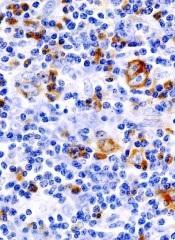
A novel agent has shown activity in relapsed or refractory Hodgkin lymphoma (HL), but it can cause severe adverse events and even death at a high dosage.
Researchers found that mocetinostat, an oral isotype-selective histone deacetylase inhibitor, was somewhat effective against HL when given at 85 mg or 110 mg.
However, patients in both treatment arms experienced adverse events, some of which led to treatment discontinuation. And 2 of the 4 deaths that occurred in the 110-mg arm could be attributed to treatment.
Anas Younes, MD, of M.D. Anderson Cancer Center in Houston, and his colleagues reported these results in the December print issue of The Lancet Oncology.
Dr Younes’s team began this study by enrolling 51 patients with relapsed or refractory classical HL who were 18 years of age or older. Patients received mocetinostat orally 3 times a week, in 28-day cycles.
Twenty-three patients received 110 mg of the drug, and 28 patients received 85 mg.
The study’s primary outcome was disease control rate. This was defined as complete response, partial response, or stable disease for at least 6 treatment cycles.
In the 110-mg arm, 35% of patients (8/23) met the disease control criteria. In the 85-mg arm, the disease control rate was 25% (7/28).
A total of 12 patients (24%) discontinued treatment due to adverse events. Nine patients discontinued in the 85-mg cohort, as did 3 patients in the 110-mg cohort.
The most frequent grade 3 and 4 adverse events were neutropenia, fatigue, and pneumonia. In the 110-mg arm, 4 patients experienced neutropenia, 5 reported fatigue, and 4 developed pneumonia. In the 85-mg group, 3 patients experienced neutropenia, 3 reported fatigue, and 2 developed pneumonia.
Four patients in the 110-mg arm died, and the researchers said 2 of these deaths may have been related to treatment.
The team therefore concluded that 85 mg of mocetinostat 3 times per week could be a promising treatment option for patients with relapsed or refractory HL.
The researchers received funding from the maker of mocetinostat, MethylGene Inc., of Montreal, Canada, as well as Celgene Corporation, of Summit, New Jersey. 
A novel agent has shown activity in relapsed or refractory Hodgkin lymphoma (HL), but it can cause severe adverse events and even death at a high dosage.
Researchers found that mocetinostat, an oral isotype-selective histone deacetylase inhibitor, was somewhat effective against HL when given at 85 mg or 110 mg.
However, patients in both treatment arms experienced adverse events, some of which led to treatment discontinuation. And 2 of the 4 deaths that occurred in the 110-mg arm could be attributed to treatment.
Anas Younes, MD, of M.D. Anderson Cancer Center in Houston, and his colleagues reported these results in the December print issue of The Lancet Oncology.
Dr Younes’s team began this study by enrolling 51 patients with relapsed or refractory classical HL who were 18 years of age or older. Patients received mocetinostat orally 3 times a week, in 28-day cycles.
Twenty-three patients received 110 mg of the drug, and 28 patients received 85 mg.
The study’s primary outcome was disease control rate. This was defined as complete response, partial response, or stable disease for at least 6 treatment cycles.
In the 110-mg arm, 35% of patients (8/23) met the disease control criteria. In the 85-mg arm, the disease control rate was 25% (7/28).
A total of 12 patients (24%) discontinued treatment due to adverse events. Nine patients discontinued in the 85-mg cohort, as did 3 patients in the 110-mg cohort.
The most frequent grade 3 and 4 adverse events were neutropenia, fatigue, and pneumonia. In the 110-mg arm, 4 patients experienced neutropenia, 5 reported fatigue, and 4 developed pneumonia. In the 85-mg group, 3 patients experienced neutropenia, 3 reported fatigue, and 2 developed pneumonia.
Four patients in the 110-mg arm died, and the researchers said 2 of these deaths may have been related to treatment.
The team therefore concluded that 85 mg of mocetinostat 3 times per week could be a promising treatment option for patients with relapsed or refractory HL.
The researchers received funding from the maker of mocetinostat, MethylGene Inc., of Montreal, Canada, as well as Celgene Corporation, of Summit, New Jersey.
A novel agent has shown activity in relapsed or refractory Hodgkin lymphoma (HL), but it can cause severe adverse events and even death at a high dosage.
Researchers found that mocetinostat, an oral isotype-selective histone deacetylase inhibitor, was somewhat effective against HL when given at 85 mg or 110 mg.
However, patients in both treatment arms experienced adverse events, some of which led to treatment discontinuation. And 2 of the 4 deaths that occurred in the 110-mg arm could be attributed to treatment.
Anas Younes, MD, of M.D. Anderson Cancer Center in Houston, and his colleagues reported these results in the December print issue of The Lancet Oncology.
Dr Younes’s team began this study by enrolling 51 patients with relapsed or refractory classical HL who were 18 years of age or older. Patients received mocetinostat orally 3 times a week, in 28-day cycles.
Twenty-three patients received 110 mg of the drug, and 28 patients received 85 mg.
The study’s primary outcome was disease control rate. This was defined as complete response, partial response, or stable disease for at least 6 treatment cycles.
In the 110-mg arm, 35% of patients (8/23) met the disease control criteria. In the 85-mg arm, the disease control rate was 25% (7/28).
A total of 12 patients (24%) discontinued treatment due to adverse events. Nine patients discontinued in the 85-mg cohort, as did 3 patients in the 110-mg cohort.
The most frequent grade 3 and 4 adverse events were neutropenia, fatigue, and pneumonia. In the 110-mg arm, 4 patients experienced neutropenia, 5 reported fatigue, and 4 developed pneumonia. In the 85-mg group, 3 patients experienced neutropenia, 3 reported fatigue, and 2 developed pneumonia.
Four patients in the 110-mg arm died, and the researchers said 2 of these deaths may have been related to treatment.
The team therefore concluded that 85 mg of mocetinostat 3 times per week could be a promising treatment option for patients with relapsed or refractory HL.
The researchers received funding from the maker of mocetinostat, MethylGene Inc., of Montreal, Canada, as well as Celgene Corporation, of Summit, New Jersey.
Health literacy and medication understanding among hospitalized adults
If you wish to receive credit for this activity, please refer to the website:
Accreditation and Designation Statement
Blackwell Futura Media Services designates this journal‐based CME activity for a maximum of 1 AMA PRA Category 1 Credit. Physicians should only claim credit commensurate with the extent of their participation in the activity.
Blackwell Futura Media Services is accredited by the Accreditation Council for Continuing Medical Education to provide continuing medical education for physicians.
Educational Objectives
Upon completion of this activity, participants will be better able to:
-
Assess the factors associated with reduced medication adherence.
-
Distinguish which components of medication understanding are assessed by the Medication Understanding Questionnaire.
This manuscript underwent peer review in line with the standards of editorial integrity and publication ethics maintained by Journal of Hospital Medicine. The peer reviewers have no relevant financial relationships. The peer review process for Journal of Hospital Medicine is single‐blinded. As such, the identities of the reviewers are not disclosed in line with the standard accepted practices of medical journal peer review.
Conflicts of interest have been identified and resolved in accordance with Blackwell Futura Media Services's Policy on Activity Disclosure and Conflict of Interest. The primary resolution method used was peer review and review by a non‐conflicted expert.
Instructions on Receiving Credit
For information on applicability and acceptance of CME credit for this activity, please consult your professional licensing board.
This activity is designed to be completed within an hour; physicians should claim only those credits that reflect the time actually spent in the activity. To successfully earn credit, participants must complete the activity during the valid credit period, which is up to two years from initial publication.
Follow these steps to earn credit:
-
Log on to www.wileyblackwellcme.com
-
Read the target audience, learning objectives, and author disclosures.
-
Read the article in print or online format.
-
Reflect on the article.
-
Access the CME Exam, and choose the best answer to each question.
-
Complete the required evaluation component of the activity.
This activity will be available for CME credit for twelve months following its publication date. At that time, it will be reviewed and potentially updated and extended for an additional twelve months.
If you wish to receive credit for this activity, please refer to the website:
Accreditation and Designation Statement
Blackwell Futura Media Services designates this journal‐based CME activity for a maximum of 1 AMA PRA Category 1 Credit. Physicians should only claim credit commensurate with the extent of their participation in the activity.
Blackwell Futura Media Services is accredited by the Accreditation Council for Continuing Medical Education to provide continuing medical education for physicians.
Educational Objectives
Upon completion of this activity, participants will be better able to:
-
Assess the factors associated with reduced medication adherence.
-
Distinguish which components of medication understanding are assessed by the Medication Understanding Questionnaire.
This manuscript underwent peer review in line with the standards of editorial integrity and publication ethics maintained by Journal of Hospital Medicine. The peer reviewers have no relevant financial relationships. The peer review process for Journal of Hospital Medicine is single‐blinded. As such, the identities of the reviewers are not disclosed in line with the standard accepted practices of medical journal peer review.
Conflicts of interest have been identified and resolved in accordance with Blackwell Futura Media Services's Policy on Activity Disclosure and Conflict of Interest. The primary resolution method used was peer review and review by a non‐conflicted expert.
Instructions on Receiving Credit
For information on applicability and acceptance of CME credit for this activity, please consult your professional licensing board.
This activity is designed to be completed within an hour; physicians should claim only those credits that reflect the time actually spent in the activity. To successfully earn credit, participants must complete the activity during the valid credit period, which is up to two years from initial publication.
Follow these steps to earn credit:
-
Log on to www.wileyblackwellcme.com
-
Read the target audience, learning objectives, and author disclosures.
-
Read the article in print or online format.
-
Reflect on the article.
-
Access the CME Exam, and choose the best answer to each question.
-
Complete the required evaluation component of the activity.
This activity will be available for CME credit for twelve months following its publication date. At that time, it will be reviewed and potentially updated and extended for an additional twelve months.
If you wish to receive credit for this activity, please refer to the website:
Accreditation and Designation Statement
Blackwell Futura Media Services designates this journal‐based CME activity for a maximum of 1 AMA PRA Category 1 Credit. Physicians should only claim credit commensurate with the extent of their participation in the activity.
Blackwell Futura Media Services is accredited by the Accreditation Council for Continuing Medical Education to provide continuing medical education for physicians.
Educational Objectives
Upon completion of this activity, participants will be better able to:
-
Assess the factors associated with reduced medication adherence.
-
Distinguish which components of medication understanding are assessed by the Medication Understanding Questionnaire.
This manuscript underwent peer review in line with the standards of editorial integrity and publication ethics maintained by Journal of Hospital Medicine. The peer reviewers have no relevant financial relationships. The peer review process for Journal of Hospital Medicine is single‐blinded. As such, the identities of the reviewers are not disclosed in line with the standard accepted practices of medical journal peer review.
Conflicts of interest have been identified and resolved in accordance with Blackwell Futura Media Services's Policy on Activity Disclosure and Conflict of Interest. The primary resolution method used was peer review and review by a non‐conflicted expert.
Instructions on Receiving Credit
For information on applicability and acceptance of CME credit for this activity, please consult your professional licensing board.
This activity is designed to be completed within an hour; physicians should claim only those credits that reflect the time actually spent in the activity. To successfully earn credit, participants must complete the activity during the valid credit period, which is up to two years from initial publication.
Follow these steps to earn credit:
-
Log on to www.wileyblackwellcme.com
-
Read the target audience, learning objectives, and author disclosures.
-
Read the article in print or online format.
-
Reflect on the article.
-
Access the CME Exam, and choose the best answer to each question.
-
Complete the required evaluation component of the activity.
This activity will be available for CME credit for twelve months following its publication date. At that time, it will be reviewed and potentially updated and extended for an additional twelve months.
Editor Transition/Williams
Beginning in January 2012, version 2.0 of the Journal of Hospital Medicine will begin with the talented and capable Andrew Auerbach, MD, MPH taking over as Editor‐in‐Chief. A premier hospital medicine researcher, he possesses experience as a journal editor and practicing hospitalist. With Andy at the helm, JHM will certainly get an upgrade. As my 7‐year tenure comes to an end, I look forward to moving on to new activities, but will dally a bit and reflect on this wonderful opportunity provided to me by the leadership of the Society of Hospital Medicine.
Undertaking with trepidation my role as the founding Editor‐in‐Chief in 2005, I recognized that a talented team of editors would be needed to achieve the expected goals for JHMindexing in MEDLINE (Medical Literature Analysis and Retrieval System Online) and selection for impact factor coverage by Thomson's Institute of Scientific Information (ISI) services. Thankfully, I learned from George Thibault, my egalitarian and brilliant residency program director at Massachusetts General Hospital, that successful leaders succeed by recruiting colleagues smarter than them. With no experience in journal editing beyond writing and reviewing articles, I leaned on numerous people more clever than me. Guided by Kathy Alexander and Vickie Thaw at Wiley‐Blackwell, we put together the framework for the journal. Fortunately, remarkable people agreed to serve as the founding Associate Editors. The abilities of Scott Flanders, Karen Hauer, Jean Kutner, James Pile, and Kaveh Shojania are reflected in their subsequent selection for leadership positions at their institutions and internationally.
JHM's leadership team evolved with replacements and the addition of superbly talented members: Thomas Baudendistel, Daniel Brotman, Vincent Chiang, Lakshmi Halasyamani, Brian Harte, Daniel Hunt, and Sunil Kripalani joined Jim Pile as Deputy Editors. Numerous Associate and Assistant Editors listed on our masthead also contributed their time and thoughtful reviews. Integral to our efforts, the exceptional Managing Editor Phaedra Cress kept us organized, cajoled everyone to meet deadlines, and offered a responsive and affable face to authors.
And succeed this team did! Midway through its second year of publication, JHM was selected for indexing and inclusion in the National Library of Medicine's MEDLINE. After just 2 years of publication, Thomson's ISI services selected JHM for impact factor coverage, and the journal received its first impact factor (3.163) in 2009. The nearly 100,000 article downloads this past year reflect JHM's acceptance beyond hospital medicine, becoming a valuable and respected resource across medicine.
In my first editorial, I remarked that the goal is for JHM to become the premier forum for peer‐reviewed research articles and evidence‐based reviews in the specialty of hospital medicine.1 This journal is on its way to achieving this ambition, possibly further and faster than expected, thanks to all the authors who confidently selected JHM as the publication venue for their scholarly work, the innumerable hours contributed by reviewers who volunteered their time and diligently evaluated thousands of manuscripts, and the terrific work by all the Deputy, Associate, and Assistant Editors. JHM never would have succeeded without their contributions, and I never will be able to thank them enough. Now trusted colleagues and lifelong friends, they deserve the bulk of the credit for JHM's success.
In my life, any accomplishments I achieve stem from the values and work ethic my father inculcated in me. Reportedly known as Bucket Seats by his Army Air Force colleagues because of his muscular size, required of a B‐24 bomber pilot who flew in World War II as a member of the 8th Army Air Force in Europe, a description of the B‐24 by Stephen Ambrose in The Blue Yonder aptly described my father's demeanor and power. It could be sternly unforgiving. It always required, and sometimes demanded, almost superhuman strength to fly. My siblings and I knew him as Smoky, a nickname attached to him by his military buddies after he fell asleep in bed with a cigarette setting his mattress on fire. Sadly, though he miraculously survived fighter plane bullets, flak and fire, unlike many of his fellow pilots and crew, kidney cancer ended his life before age 60, just after I finished my first year of medical school. The attentive and considerate hospital care he received, as well as compassionate care from my mother, who previously worked as a nurse and attended to him at home in his final months, influenced me throughout my career. I hope hospitalists everywhere never forget that patients and their caregivers should remain the primary focus of all our efforts. Document your work and share it with your colleagues through JHM, and all of us will benefit.
A 7‐year journey now ends for me, and I hope much less time sitting on the couch, as I will no longer be spending chunks of my weekends and evenings assigning work to the tireless editors of JHM, reviewing manuscripts, and editing articles. Coincidentally, our youngest child Caroline moved out this autumn, joining her older brothers Stephen and Jason to pursue their dreams. With an empty nest, my wife Karee and I look forward to exploring more of the world.
Lastly, I thank the members of the Society of Hospital Medicine and the readers of JHM, whose kind and frequent compliments provided the fuel for my efforts. Always grateful for this opportunity, I will never forget the unique and indescribable experience of serving as the founding editor of the Journal of Hospital Medicine. Take care, and best wishes to the new leadership as they upgrade the journal to the next level. Out the door I go, on to other endeavors.
- .Hospital medicine's evolution—the next step.J Hosp Med.2006;1:1–2.
Beginning in January 2012, version 2.0 of the Journal of Hospital Medicine will begin with the talented and capable Andrew Auerbach, MD, MPH taking over as Editor‐in‐Chief. A premier hospital medicine researcher, he possesses experience as a journal editor and practicing hospitalist. With Andy at the helm, JHM will certainly get an upgrade. As my 7‐year tenure comes to an end, I look forward to moving on to new activities, but will dally a bit and reflect on this wonderful opportunity provided to me by the leadership of the Society of Hospital Medicine.
Undertaking with trepidation my role as the founding Editor‐in‐Chief in 2005, I recognized that a talented team of editors would be needed to achieve the expected goals for JHMindexing in MEDLINE (Medical Literature Analysis and Retrieval System Online) and selection for impact factor coverage by Thomson's Institute of Scientific Information (ISI) services. Thankfully, I learned from George Thibault, my egalitarian and brilliant residency program director at Massachusetts General Hospital, that successful leaders succeed by recruiting colleagues smarter than them. With no experience in journal editing beyond writing and reviewing articles, I leaned on numerous people more clever than me. Guided by Kathy Alexander and Vickie Thaw at Wiley‐Blackwell, we put together the framework for the journal. Fortunately, remarkable people agreed to serve as the founding Associate Editors. The abilities of Scott Flanders, Karen Hauer, Jean Kutner, James Pile, and Kaveh Shojania are reflected in their subsequent selection for leadership positions at their institutions and internationally.
JHM's leadership team evolved with replacements and the addition of superbly talented members: Thomas Baudendistel, Daniel Brotman, Vincent Chiang, Lakshmi Halasyamani, Brian Harte, Daniel Hunt, and Sunil Kripalani joined Jim Pile as Deputy Editors. Numerous Associate and Assistant Editors listed on our masthead also contributed their time and thoughtful reviews. Integral to our efforts, the exceptional Managing Editor Phaedra Cress kept us organized, cajoled everyone to meet deadlines, and offered a responsive and affable face to authors.
And succeed this team did! Midway through its second year of publication, JHM was selected for indexing and inclusion in the National Library of Medicine's MEDLINE. After just 2 years of publication, Thomson's ISI services selected JHM for impact factor coverage, and the journal received its first impact factor (3.163) in 2009. The nearly 100,000 article downloads this past year reflect JHM's acceptance beyond hospital medicine, becoming a valuable and respected resource across medicine.
In my first editorial, I remarked that the goal is for JHM to become the premier forum for peer‐reviewed research articles and evidence‐based reviews in the specialty of hospital medicine.1 This journal is on its way to achieving this ambition, possibly further and faster than expected, thanks to all the authors who confidently selected JHM as the publication venue for their scholarly work, the innumerable hours contributed by reviewers who volunteered their time and diligently evaluated thousands of manuscripts, and the terrific work by all the Deputy, Associate, and Assistant Editors. JHM never would have succeeded without their contributions, and I never will be able to thank them enough. Now trusted colleagues and lifelong friends, they deserve the bulk of the credit for JHM's success.
In my life, any accomplishments I achieve stem from the values and work ethic my father inculcated in me. Reportedly known as Bucket Seats by his Army Air Force colleagues because of his muscular size, required of a B‐24 bomber pilot who flew in World War II as a member of the 8th Army Air Force in Europe, a description of the B‐24 by Stephen Ambrose in The Blue Yonder aptly described my father's demeanor and power. It could be sternly unforgiving. It always required, and sometimes demanded, almost superhuman strength to fly. My siblings and I knew him as Smoky, a nickname attached to him by his military buddies after he fell asleep in bed with a cigarette setting his mattress on fire. Sadly, though he miraculously survived fighter plane bullets, flak and fire, unlike many of his fellow pilots and crew, kidney cancer ended his life before age 60, just after I finished my first year of medical school. The attentive and considerate hospital care he received, as well as compassionate care from my mother, who previously worked as a nurse and attended to him at home in his final months, influenced me throughout my career. I hope hospitalists everywhere never forget that patients and their caregivers should remain the primary focus of all our efforts. Document your work and share it with your colleagues through JHM, and all of us will benefit.
A 7‐year journey now ends for me, and I hope much less time sitting on the couch, as I will no longer be spending chunks of my weekends and evenings assigning work to the tireless editors of JHM, reviewing manuscripts, and editing articles. Coincidentally, our youngest child Caroline moved out this autumn, joining her older brothers Stephen and Jason to pursue their dreams. With an empty nest, my wife Karee and I look forward to exploring more of the world.
Lastly, I thank the members of the Society of Hospital Medicine and the readers of JHM, whose kind and frequent compliments provided the fuel for my efforts. Always grateful for this opportunity, I will never forget the unique and indescribable experience of serving as the founding editor of the Journal of Hospital Medicine. Take care, and best wishes to the new leadership as they upgrade the journal to the next level. Out the door I go, on to other endeavors.
Beginning in January 2012, version 2.0 of the Journal of Hospital Medicine will begin with the talented and capable Andrew Auerbach, MD, MPH taking over as Editor‐in‐Chief. A premier hospital medicine researcher, he possesses experience as a journal editor and practicing hospitalist. With Andy at the helm, JHM will certainly get an upgrade. As my 7‐year tenure comes to an end, I look forward to moving on to new activities, but will dally a bit and reflect on this wonderful opportunity provided to me by the leadership of the Society of Hospital Medicine.
Undertaking with trepidation my role as the founding Editor‐in‐Chief in 2005, I recognized that a talented team of editors would be needed to achieve the expected goals for JHMindexing in MEDLINE (Medical Literature Analysis and Retrieval System Online) and selection for impact factor coverage by Thomson's Institute of Scientific Information (ISI) services. Thankfully, I learned from George Thibault, my egalitarian and brilliant residency program director at Massachusetts General Hospital, that successful leaders succeed by recruiting colleagues smarter than them. With no experience in journal editing beyond writing and reviewing articles, I leaned on numerous people more clever than me. Guided by Kathy Alexander and Vickie Thaw at Wiley‐Blackwell, we put together the framework for the journal. Fortunately, remarkable people agreed to serve as the founding Associate Editors. The abilities of Scott Flanders, Karen Hauer, Jean Kutner, James Pile, and Kaveh Shojania are reflected in their subsequent selection for leadership positions at their institutions and internationally.
JHM's leadership team evolved with replacements and the addition of superbly talented members: Thomas Baudendistel, Daniel Brotman, Vincent Chiang, Lakshmi Halasyamani, Brian Harte, Daniel Hunt, and Sunil Kripalani joined Jim Pile as Deputy Editors. Numerous Associate and Assistant Editors listed on our masthead also contributed their time and thoughtful reviews. Integral to our efforts, the exceptional Managing Editor Phaedra Cress kept us organized, cajoled everyone to meet deadlines, and offered a responsive and affable face to authors.
And succeed this team did! Midway through its second year of publication, JHM was selected for indexing and inclusion in the National Library of Medicine's MEDLINE. After just 2 years of publication, Thomson's ISI services selected JHM for impact factor coverage, and the journal received its first impact factor (3.163) in 2009. The nearly 100,000 article downloads this past year reflect JHM's acceptance beyond hospital medicine, becoming a valuable and respected resource across medicine.
In my first editorial, I remarked that the goal is for JHM to become the premier forum for peer‐reviewed research articles and evidence‐based reviews in the specialty of hospital medicine.1 This journal is on its way to achieving this ambition, possibly further and faster than expected, thanks to all the authors who confidently selected JHM as the publication venue for their scholarly work, the innumerable hours contributed by reviewers who volunteered their time and diligently evaluated thousands of manuscripts, and the terrific work by all the Deputy, Associate, and Assistant Editors. JHM never would have succeeded without their contributions, and I never will be able to thank them enough. Now trusted colleagues and lifelong friends, they deserve the bulk of the credit for JHM's success.
In my life, any accomplishments I achieve stem from the values and work ethic my father inculcated in me. Reportedly known as Bucket Seats by his Army Air Force colleagues because of his muscular size, required of a B‐24 bomber pilot who flew in World War II as a member of the 8th Army Air Force in Europe, a description of the B‐24 by Stephen Ambrose in The Blue Yonder aptly described my father's demeanor and power. It could be sternly unforgiving. It always required, and sometimes demanded, almost superhuman strength to fly. My siblings and I knew him as Smoky, a nickname attached to him by his military buddies after he fell asleep in bed with a cigarette setting his mattress on fire. Sadly, though he miraculously survived fighter plane bullets, flak and fire, unlike many of his fellow pilots and crew, kidney cancer ended his life before age 60, just after I finished my first year of medical school. The attentive and considerate hospital care he received, as well as compassionate care from my mother, who previously worked as a nurse and attended to him at home in his final months, influenced me throughout my career. I hope hospitalists everywhere never forget that patients and their caregivers should remain the primary focus of all our efforts. Document your work and share it with your colleagues through JHM, and all of us will benefit.
A 7‐year journey now ends for me, and I hope much less time sitting on the couch, as I will no longer be spending chunks of my weekends and evenings assigning work to the tireless editors of JHM, reviewing manuscripts, and editing articles. Coincidentally, our youngest child Caroline moved out this autumn, joining her older brothers Stephen and Jason to pursue their dreams. With an empty nest, my wife Karee and I look forward to exploring more of the world.
Lastly, I thank the members of the Society of Hospital Medicine and the readers of JHM, whose kind and frequent compliments provided the fuel for my efforts. Always grateful for this opportunity, I will never forget the unique and indescribable experience of serving as the founding editor of the Journal of Hospital Medicine. Take care, and best wishes to the new leadership as they upgrade the journal to the next level. Out the door I go, on to other endeavors.
- .Hospital medicine's evolution—the next step.J Hosp Med.2006;1:1–2.
- .Hospital medicine's evolution—the next step.J Hosp Med.2006;1:1–2.
ONLINE EXCLUSIVE: San Fran General’s Transitional Care Clinic Undergoes Transition
San Francisco General Hospital opened its post-discharge transitional care clinic for many of the same reasons as other safety net hospitals, but through staff transitions a new role has emerged: the training of medicine residents. A nurse practitioner (NP), hired in 2007, first identified the large number of patients who either did not have a primary care physician (PCP) or hadn’t seen one in a while, “but had a lot of complex care transition issues and were falling through the cracks,” explains Michelle Schneidermann, MD, hospitalist at SFGH.
—Larissa Thomas, MD, MPH, San Francisco General Hospital.
In 2009, the NP established a “bridge clinic” five half-days a week within an existing hospital-based general medicine clinic. She encouraged referrals of any patients who needed post-discharge services and then triaged those at greatest risk into available clinic slots. But when she went on maternity leave, the clinic’s presence shrank to one half-day per week.
“It really made us take a step back and think philosophically about whether this was a necessary Band-Aid, or whether the system had changed enough that we no longer needed it,” Dr. Schneidermann says. “We found out through our assessment that things, unfortunately, hadn’t changed that much, and the need was still there for a bridge clinic.”
The “mini” bridge clinic collaborates with a new cadre of care coordinators working on discharge planning and with a new group of hospitalists to create an opportunity for medical residents to learn the challenges of care transitions hands-on. “What’s been interesting about this scaled-down version, which we call the mini-bridge clinic, is that it has made us more resourceful,” says SFGH’s Larissa Thomas, MD, MPH.
Dr. Schneidermann says the NP is planning to return in January, which will mean a new set of challenges. “We’ll need to coordinate with her around how to integrate these two approaches. But we find this is an incredible opportunity to teach future physicians about care transitions,” she says.
The challenge now, Dr. Thomas says, is to view transitional medicine in the 30 days following hospital discharge as an essential part of HM, and then build that into the training of residents. “We’re trying to reframe how we think about medicine and looking to create an integrated curriculum,” she says. “Not only will residents have the experience of the transitional care clinic, but when they’re on an inpatient rotation, they’ll be more mindful of the things that affect patient well-being after discharge.”
Larry Beresford is a freelance writer based in Oakland, Calif.
San Francisco General Hospital opened its post-discharge transitional care clinic for many of the same reasons as other safety net hospitals, but through staff transitions a new role has emerged: the training of medicine residents. A nurse practitioner (NP), hired in 2007, first identified the large number of patients who either did not have a primary care physician (PCP) or hadn’t seen one in a while, “but had a lot of complex care transition issues and were falling through the cracks,” explains Michelle Schneidermann, MD, hospitalist at SFGH.
—Larissa Thomas, MD, MPH, San Francisco General Hospital.
In 2009, the NP established a “bridge clinic” five half-days a week within an existing hospital-based general medicine clinic. She encouraged referrals of any patients who needed post-discharge services and then triaged those at greatest risk into available clinic slots. But when she went on maternity leave, the clinic’s presence shrank to one half-day per week.
“It really made us take a step back and think philosophically about whether this was a necessary Band-Aid, or whether the system had changed enough that we no longer needed it,” Dr. Schneidermann says. “We found out through our assessment that things, unfortunately, hadn’t changed that much, and the need was still there for a bridge clinic.”
The “mini” bridge clinic collaborates with a new cadre of care coordinators working on discharge planning and with a new group of hospitalists to create an opportunity for medical residents to learn the challenges of care transitions hands-on. “What’s been interesting about this scaled-down version, which we call the mini-bridge clinic, is that it has made us more resourceful,” says SFGH’s Larissa Thomas, MD, MPH.
Dr. Schneidermann says the NP is planning to return in January, which will mean a new set of challenges. “We’ll need to coordinate with her around how to integrate these two approaches. But we find this is an incredible opportunity to teach future physicians about care transitions,” she says.
The challenge now, Dr. Thomas says, is to view transitional medicine in the 30 days following hospital discharge as an essential part of HM, and then build that into the training of residents. “We’re trying to reframe how we think about medicine and looking to create an integrated curriculum,” she says. “Not only will residents have the experience of the transitional care clinic, but when they’re on an inpatient rotation, they’ll be more mindful of the things that affect patient well-being after discharge.”
Larry Beresford is a freelance writer based in Oakland, Calif.
San Francisco General Hospital opened its post-discharge transitional care clinic for many of the same reasons as other safety net hospitals, but through staff transitions a new role has emerged: the training of medicine residents. A nurse practitioner (NP), hired in 2007, first identified the large number of patients who either did not have a primary care physician (PCP) or hadn’t seen one in a while, “but had a lot of complex care transition issues and were falling through the cracks,” explains Michelle Schneidermann, MD, hospitalist at SFGH.
—Larissa Thomas, MD, MPH, San Francisco General Hospital.
In 2009, the NP established a “bridge clinic” five half-days a week within an existing hospital-based general medicine clinic. She encouraged referrals of any patients who needed post-discharge services and then triaged those at greatest risk into available clinic slots. But when she went on maternity leave, the clinic’s presence shrank to one half-day per week.
“It really made us take a step back and think philosophically about whether this was a necessary Band-Aid, or whether the system had changed enough that we no longer needed it,” Dr. Schneidermann says. “We found out through our assessment that things, unfortunately, hadn’t changed that much, and the need was still there for a bridge clinic.”
The “mini” bridge clinic collaborates with a new cadre of care coordinators working on discharge planning and with a new group of hospitalists to create an opportunity for medical residents to learn the challenges of care transitions hands-on. “What’s been interesting about this scaled-down version, which we call the mini-bridge clinic, is that it has made us more resourceful,” says SFGH’s Larissa Thomas, MD, MPH.
Dr. Schneidermann says the NP is planning to return in January, which will mean a new set of challenges. “We’ll need to coordinate with her around how to integrate these two approaches. But we find this is an incredible opportunity to teach future physicians about care transitions,” she says.
The challenge now, Dr. Thomas says, is to view transitional medicine in the 30 days following hospital discharge as an essential part of HM, and then build that into the training of residents. “We’re trying to reframe how we think about medicine and looking to create an integrated curriculum,” she says. “Not only will residents have the experience of the transitional care clinic, but when they’re on an inpatient rotation, they’ll be more mindful of the things that affect patient well-being after discharge.”
Larry Beresford is a freelance writer based in Oakland, Calif.
NICE Expands Chemotherapy Options with Rituximab
The National Institute for Health and Clinical Excellence says that it will recommend rituximab in combination with several chemotherapy regimens as first-line treatments for people with advanced follicular lymphoma.
Current NICE guidance recommends rituximab in combination with cyclophosphamide, vincristine and prednisolone (CVP) for this patient group.
In final draft guidance issued Dec. 1, the agency, which makes cost- and clinical-effectiveness decisions for England and Wales, said that rituximab (MabThera, Roche) could also be used in combination with chlorambucil or the following chemotherapy regimens:
– Cyclophosphamide, doxorubicin, vincristine, and prednisolone (CHOP).
– Mitoxantrone, chlorambucil, and prednisolone (MCP).
– Cyclophosphamide, doxorubicin, etoposide, prednisolone, and interferon-alpha (CHVPi).
All recommended regimens are authorized in Europe, are commonly used in the United Kingdom, and have been evaluated with and without rituximab in open-label clinical trials in patients with stage III and IV follicular lymphoma. For all, addition of rituximab was shown to correspond with a significant survival benefit compared with the chemotherapy-alone groups.
Having a range of chemotherapy options available is important, NICE said, due to differences in patients’ fitness as they age. Chlorambucil is seen as an option mainly for older patients, or patients with a lower performance status.
Rituximab is a genetically engineered chimeric monoclonal antibody that targets cells bearing the CD20 surface marker. For follicular lymphoma, dosage is 375 mg/m2 body surface area for up to eight cycles, administered on day 1 of the chemotherapy cycle. Each 10-mL (100-mg) vial costs £174.63, or £873.15 for 500 mL.
Current NICE guidance also recommends rituximab monotherapy as a maintenance treatment immediately following first-line treatment with rituximab-containing chemotherapy regimens. While most patients presenting with advanced follicular lymphoma are treatment-naive, rituximab plus chemotherapy is also recommended by NICE for relapsed or refractory advanced follicular lymphoma.
The NICE reviewers found all of the rituximab-plus-chemotherapy regimens to be well within NICE’s cost-effectiveness parameters, with an estimated incremental cost effectiveness ratio of £7,720 per quality-adjusted life year for rituximab plus CVP; £10,800 per QALY gained for rituximab plus CHOP; and £9,320 per QALY gained for rituximab plus MCP. For CHVPi, the cost-effectiveness estimates remained uncertain. However, the agency felt it was unlikely that estimates would exceed its "threshold range" of between £20,000 and £30,000 per QALY.
The National Institute for Health and Clinical Excellence says that it will recommend rituximab in combination with several chemotherapy regimens as first-line treatments for people with advanced follicular lymphoma.
Current NICE guidance recommends rituximab in combination with cyclophosphamide, vincristine and prednisolone (CVP) for this patient group.
In final draft guidance issued Dec. 1, the agency, which makes cost- and clinical-effectiveness decisions for England and Wales, said that rituximab (MabThera, Roche) could also be used in combination with chlorambucil or the following chemotherapy regimens:
– Cyclophosphamide, doxorubicin, vincristine, and prednisolone (CHOP).
– Mitoxantrone, chlorambucil, and prednisolone (MCP).
– Cyclophosphamide, doxorubicin, etoposide, prednisolone, and interferon-alpha (CHVPi).
All recommended regimens are authorized in Europe, are commonly used in the United Kingdom, and have been evaluated with and without rituximab in open-label clinical trials in patients with stage III and IV follicular lymphoma. For all, addition of rituximab was shown to correspond with a significant survival benefit compared with the chemotherapy-alone groups.
Having a range of chemotherapy options available is important, NICE said, due to differences in patients’ fitness as they age. Chlorambucil is seen as an option mainly for older patients, or patients with a lower performance status.
Rituximab is a genetically engineered chimeric monoclonal antibody that targets cells bearing the CD20 surface marker. For follicular lymphoma, dosage is 375 mg/m2 body surface area for up to eight cycles, administered on day 1 of the chemotherapy cycle. Each 10-mL (100-mg) vial costs £174.63, or £873.15 for 500 mL.
Current NICE guidance also recommends rituximab monotherapy as a maintenance treatment immediately following first-line treatment with rituximab-containing chemotherapy regimens. While most patients presenting with advanced follicular lymphoma are treatment-naive, rituximab plus chemotherapy is also recommended by NICE for relapsed or refractory advanced follicular lymphoma.
The NICE reviewers found all of the rituximab-plus-chemotherapy regimens to be well within NICE’s cost-effectiveness parameters, with an estimated incremental cost effectiveness ratio of £7,720 per quality-adjusted life year for rituximab plus CVP; £10,800 per QALY gained for rituximab plus CHOP; and £9,320 per QALY gained for rituximab plus MCP. For CHVPi, the cost-effectiveness estimates remained uncertain. However, the agency felt it was unlikely that estimates would exceed its "threshold range" of between £20,000 and £30,000 per QALY.
The National Institute for Health and Clinical Excellence says that it will recommend rituximab in combination with several chemotherapy regimens as first-line treatments for people with advanced follicular lymphoma.
Current NICE guidance recommends rituximab in combination with cyclophosphamide, vincristine and prednisolone (CVP) for this patient group.
In final draft guidance issued Dec. 1, the agency, which makes cost- and clinical-effectiveness decisions for England and Wales, said that rituximab (MabThera, Roche) could also be used in combination with chlorambucil or the following chemotherapy regimens:
– Cyclophosphamide, doxorubicin, vincristine, and prednisolone (CHOP).
– Mitoxantrone, chlorambucil, and prednisolone (MCP).
– Cyclophosphamide, doxorubicin, etoposide, prednisolone, and interferon-alpha (CHVPi).
All recommended regimens are authorized in Europe, are commonly used in the United Kingdom, and have been evaluated with and without rituximab in open-label clinical trials in patients with stage III and IV follicular lymphoma. For all, addition of rituximab was shown to correspond with a significant survival benefit compared with the chemotherapy-alone groups.
Having a range of chemotherapy options available is important, NICE said, due to differences in patients’ fitness as they age. Chlorambucil is seen as an option mainly for older patients, or patients with a lower performance status.
Rituximab is a genetically engineered chimeric monoclonal antibody that targets cells bearing the CD20 surface marker. For follicular lymphoma, dosage is 375 mg/m2 body surface area for up to eight cycles, administered on day 1 of the chemotherapy cycle. Each 10-mL (100-mg) vial costs £174.63, or £873.15 for 500 mL.
Current NICE guidance also recommends rituximab monotherapy as a maintenance treatment immediately following first-line treatment with rituximab-containing chemotherapy regimens. While most patients presenting with advanced follicular lymphoma are treatment-naive, rituximab plus chemotherapy is also recommended by NICE for relapsed or refractory advanced follicular lymphoma.
The NICE reviewers found all of the rituximab-plus-chemotherapy regimens to be well within NICE’s cost-effectiveness parameters, with an estimated incremental cost effectiveness ratio of £7,720 per quality-adjusted life year for rituximab plus CVP; £10,800 per QALY gained for rituximab plus CHOP; and £9,320 per QALY gained for rituximab plus MCP. For CHVPi, the cost-effectiveness estimates remained uncertain. However, the agency felt it was unlikely that estimates would exceed its "threshold range" of between £20,000 and £30,000 per QALY.
Undiagnosed Diabetes Common in Women With Acute MI
ORLANDO – A fifth of women with an acute myocardial infarction have previously undiagnosed diabetes, according to results from a German registry that included 706 women.
The registry analysis also showed that prevalence of previously undiagnosed diabetes in women with a recent MI significantly exceeded the rate in men, Dr. Anselm K. Gitt said at the annual scientific sessions of the American Heart Association. And the 3-year outcome of women with an acute MI and newly diagnosed diabetes closely tracked the outcomes of women who survived an acute MI and had previously diagnosed diabetes. The 3-year mortality rate in both groups of women was about 30%, reported Dr. Gitt, a cardiologist at the Heart Center in Ludwigshafen, Germany, and vice director of the Myocardial Infarction Research Institute in Ludwigshafen.

Guidelines issued in 2007 by the European Society of Cardiology and the European Association for the Study of Diabetes recommended that physicians routinely perform an oral glucose tolerance test on patients following a MI who had not previously been diagnosed with diabetes (Eur. Heart J. 2007;28:88-136). "We started this study to see whether the recommendation had value in clinical practice. I think our new data confirm the recommendation," Dr. Gitt said.
However, because of results from the Action to Control Cardiovascular Risk in Diabetes (ACCORD) trial and the Action in Diabetes and Vascular Disease: Preterax and Diamicron MR Controlled Evaluation (ADVANCE) trial, simply focusing on intensive glycemic control in post-MI patients with newly diagnosed diabetes is probably not an ideal management approach, he acknowledged. Although study results have not clearly established an optimal strategy, he suggested "good glycemic control with attention to avoiding hypoglycemia, along with aggressively treating cardiovascular risk factors such as lipids and hypertension."
Dr. Gitt and his associates tallied the prevalence of diabetes in acute MI patients with data collected in the SWEETHEART registry, which enrolled 2,767 patients within 24 hours of either an ST-elevation MI or non ST-elevation MI at 30 German centers, and then followed the patients for 3 years. The group included 706 women (26%), with an average age of 71 years, compared with an average age of 64 among the 2,061 enrolled men. The prevalence of previously diagnosed diabetes was 30% among the women, and 23% among the men.
All patients without a prior diagnosis of diabetes underwent assessment with an oral glucose tolerance test, following the recommendation made by the ESC and EASD in 2007. This identified an additional 20% of the women and 15% of the men with diabetes (a blood glucose level greater than 200 mg/dL 2 hours following the oral glucose challenge), as well as 18% of the women and 23% of the men with impaired glucose tolerance. The total 50% prevalence of both newly and previously diagnosed diabetes among the women who entered the study was significantly higher than the combined 38% prevalence rate among the men, Dr. Gitt said.
During hospitalization for the index acute MI, the mortality rate among both the women and men newly diagnosed with diabetes was about 3%, similar to the rate among those with previously diagnosed diabetes. Mortality among the women and men with newly identified impaired glucose tolerance ran 0.8% and 0.4%, respectively, while mortality among those with no diabetes or glucose impairment was 1.2% among women and 1.3% among men.
During the 3-year follow-up, mortality in the newly diagnosed women was 31%, and it was 22% among the men. This finding is "important," because it shows that once physicians diagnose diabetes in a recent MI patient "their risk is very high," Dr. Gitt said. In women with a prior diabetes diagnosis the 3-year mortality rate was 30%, while in men with previously identified diabetes the mortality rate was 35%. Men and women with either impaired glucose tolerance or no identified glucose metabolism disorder had substantially lower 3-year mortality rates than ranged from 11% to 13%.
Dr. Gitt has received research grants from, and has been a consultant to or served on the speakers bureau for, AstraZeneca, Bristol Myers Squibb, Essex, GlaxoSmithKline, Merck, MSD, Pfizer, Roche, Eli Lilly, Sanofi-Aventis, Schering Plough, and Servier. He said that he has received research grants from Abbott and Hexal, and that he has been a consultant to or served on a speakers bureau for Amgen, Daiichi Sankyo, Iroko, and Novo Nordisk.
ORLANDO – A fifth of women with an acute myocardial infarction have previously undiagnosed diabetes, according to results from a German registry that included 706 women.
The registry analysis also showed that prevalence of previously undiagnosed diabetes in women with a recent MI significantly exceeded the rate in men, Dr. Anselm K. Gitt said at the annual scientific sessions of the American Heart Association. And the 3-year outcome of women with an acute MI and newly diagnosed diabetes closely tracked the outcomes of women who survived an acute MI and had previously diagnosed diabetes. The 3-year mortality rate in both groups of women was about 30%, reported Dr. Gitt, a cardiologist at the Heart Center in Ludwigshafen, Germany, and vice director of the Myocardial Infarction Research Institute in Ludwigshafen.
Guidelines issued in 2007 by the European Society of Cardiology and the European Association for the Study of Diabetes recommended that physicians routinely perform an oral glucose tolerance test on patients following a MI who had not previously been diagnosed with diabetes (Eur. Heart J. 2007;28:88-136). "We started this study to see whether the recommendation had value in clinical practice. I think our new data confirm the recommendation," Dr. Gitt said.
However, because of results from the Action to Control Cardiovascular Risk in Diabetes (ACCORD) trial and the Action in Diabetes and Vascular Disease: Preterax and Diamicron MR Controlled Evaluation (ADVANCE) trial, simply focusing on intensive glycemic control in post-MI patients with newly diagnosed diabetes is probably not an ideal management approach, he acknowledged. Although study results have not clearly established an optimal strategy, he suggested "good glycemic control with attention to avoiding hypoglycemia, along with aggressively treating cardiovascular risk factors such as lipids and hypertension."
Dr. Gitt and his associates tallied the prevalence of diabetes in acute MI patients with data collected in the SWEETHEART registry, which enrolled 2,767 patients within 24 hours of either an ST-elevation MI or non ST-elevation MI at 30 German centers, and then followed the patients for 3 years. The group included 706 women (26%), with an average age of 71 years, compared with an average age of 64 among the 2,061 enrolled men. The prevalence of previously diagnosed diabetes was 30% among the women, and 23% among the men.
All patients without a prior diagnosis of diabetes underwent assessment with an oral glucose tolerance test, following the recommendation made by the ESC and EASD in 2007. This identified an additional 20% of the women and 15% of the men with diabetes (a blood glucose level greater than 200 mg/dL 2 hours following the oral glucose challenge), as well as 18% of the women and 23% of the men with impaired glucose tolerance. The total 50% prevalence of both newly and previously diagnosed diabetes among the women who entered the study was significantly higher than the combined 38% prevalence rate among the men, Dr. Gitt said.
During hospitalization for the index acute MI, the mortality rate among both the women and men newly diagnosed with diabetes was about 3%, similar to the rate among those with previously diagnosed diabetes. Mortality among the women and men with newly identified impaired glucose tolerance ran 0.8% and 0.4%, respectively, while mortality among those with no diabetes or glucose impairment was 1.2% among women and 1.3% among men.
During the 3-year follow-up, mortality in the newly diagnosed women was 31%, and it was 22% among the men. This finding is "important," because it shows that once physicians diagnose diabetes in a recent MI patient "their risk is very high," Dr. Gitt said. In women with a prior diabetes diagnosis the 3-year mortality rate was 30%, while in men with previously identified diabetes the mortality rate was 35%. Men and women with either impaired glucose tolerance or no identified glucose metabolism disorder had substantially lower 3-year mortality rates than ranged from 11% to 13%.
Dr. Gitt has received research grants from, and has been a consultant to or served on the speakers bureau for, AstraZeneca, Bristol Myers Squibb, Essex, GlaxoSmithKline, Merck, MSD, Pfizer, Roche, Eli Lilly, Sanofi-Aventis, Schering Plough, and Servier. He said that he has received research grants from Abbott and Hexal, and that he has been a consultant to or served on a speakers bureau for Amgen, Daiichi Sankyo, Iroko, and Novo Nordisk.
ORLANDO – A fifth of women with an acute myocardial infarction have previously undiagnosed diabetes, according to results from a German registry that included 706 women.
The registry analysis also showed that prevalence of previously undiagnosed diabetes in women with a recent MI significantly exceeded the rate in men, Dr. Anselm K. Gitt said at the annual scientific sessions of the American Heart Association. And the 3-year outcome of women with an acute MI and newly diagnosed diabetes closely tracked the outcomes of women who survived an acute MI and had previously diagnosed diabetes. The 3-year mortality rate in both groups of women was about 30%, reported Dr. Gitt, a cardiologist at the Heart Center in Ludwigshafen, Germany, and vice director of the Myocardial Infarction Research Institute in Ludwigshafen.
Guidelines issued in 2007 by the European Society of Cardiology and the European Association for the Study of Diabetes recommended that physicians routinely perform an oral glucose tolerance test on patients following a MI who had not previously been diagnosed with diabetes (Eur. Heart J. 2007;28:88-136). "We started this study to see whether the recommendation had value in clinical practice. I think our new data confirm the recommendation," Dr. Gitt said.
However, because of results from the Action to Control Cardiovascular Risk in Diabetes (ACCORD) trial and the Action in Diabetes and Vascular Disease: Preterax and Diamicron MR Controlled Evaluation (ADVANCE) trial, simply focusing on intensive glycemic control in post-MI patients with newly diagnosed diabetes is probably not an ideal management approach, he acknowledged. Although study results have not clearly established an optimal strategy, he suggested "good glycemic control with attention to avoiding hypoglycemia, along with aggressively treating cardiovascular risk factors such as lipids and hypertension."
Dr. Gitt and his associates tallied the prevalence of diabetes in acute MI patients with data collected in the SWEETHEART registry, which enrolled 2,767 patients within 24 hours of either an ST-elevation MI or non ST-elevation MI at 30 German centers, and then followed the patients for 3 years. The group included 706 women (26%), with an average age of 71 years, compared with an average age of 64 among the 2,061 enrolled men. The prevalence of previously diagnosed diabetes was 30% among the women, and 23% among the men.
All patients without a prior diagnosis of diabetes underwent assessment with an oral glucose tolerance test, following the recommendation made by the ESC and EASD in 2007. This identified an additional 20% of the women and 15% of the men with diabetes (a blood glucose level greater than 200 mg/dL 2 hours following the oral glucose challenge), as well as 18% of the women and 23% of the men with impaired glucose tolerance. The total 50% prevalence of both newly and previously diagnosed diabetes among the women who entered the study was significantly higher than the combined 38% prevalence rate among the men, Dr. Gitt said.
During hospitalization for the index acute MI, the mortality rate among both the women and men newly diagnosed with diabetes was about 3%, similar to the rate among those with previously diagnosed diabetes. Mortality among the women and men with newly identified impaired glucose tolerance ran 0.8% and 0.4%, respectively, while mortality among those with no diabetes or glucose impairment was 1.2% among women and 1.3% among men.
During the 3-year follow-up, mortality in the newly diagnosed women was 31%, and it was 22% among the men. This finding is "important," because it shows that once physicians diagnose diabetes in a recent MI patient "their risk is very high," Dr. Gitt said. In women with a prior diabetes diagnosis the 3-year mortality rate was 30%, while in men with previously identified diabetes the mortality rate was 35%. Men and women with either impaired glucose tolerance or no identified glucose metabolism disorder had substantially lower 3-year mortality rates than ranged from 11% to 13%.
Dr. Gitt has received research grants from, and has been a consultant to or served on the speakers bureau for, AstraZeneca, Bristol Myers Squibb, Essex, GlaxoSmithKline, Merck, MSD, Pfizer, Roche, Eli Lilly, Sanofi-Aventis, Schering Plough, and Servier. He said that he has received research grants from Abbott and Hexal, and that he has been a consultant to or served on a speakers bureau for Amgen, Daiichi Sankyo, Iroko, and Novo Nordisk.
FROM THE ANNUAL SCIENTIFIC SESSIONS OF THE AMERICAN HEART ASSOCIATION
Major Finding: Following an acute myocardial infarction, the prevalence of previously undiagnosed diabetes was 20% in women, 15% in men.
Data Source: Review of 706 women and 2,061 men with an acute myocardial infarction enrolled into the SWEETHEART registry at 30 centers in Germany.
Disclosures: Dr. Gitt has received research grants from, and has been a consultant to or served on the speakers bureau for, AstraZeneca, Bristol Myers Squibb, Essex, GlaxoSmithKline, Merck, MSD, Pfizer, Roche, Eli Lilly, Sanofi-Aventis, Schering Plough, and Servier. He said that he has received research grants from Abbott and Hexal, and that he has been a consultant to or served on a speakers bureau for Amgen, Daiichi Sankyo, Iroko, and Novo Nordisk.
Dabigatran
To the Editor: The article “Dabigatran: Will it change clinical practice”1 has a dangerous error. In its Key Points, it says “dabigatran is a potent, reversible direct thrombin inhibitor.” In fact, it is not reversible.2
Shamefully poor editing.
- Wartak SA, Bartholomew JR. Dabigatran: Will it change clinical practice? Cleve Clin J Med 2011; 78:657–664.
- Antithrombotic drugs. Treat Guidel Met Lett 2011; 9:61–66.
To the Editor: The article “Dabigatran: Will it change clinical practice”1 has a dangerous error. In its Key Points, it says “dabigatran is a potent, reversible direct thrombin inhibitor.” In fact, it is not reversible.2
Shamefully poor editing.
To the Editor: The article “Dabigatran: Will it change clinical practice”1 has a dangerous error. In its Key Points, it says “dabigatran is a potent, reversible direct thrombin inhibitor.” In fact, it is not reversible.2
Shamefully poor editing.
- Wartak SA, Bartholomew JR. Dabigatran: Will it change clinical practice? Cleve Clin J Med 2011; 78:657–664.
- Antithrombotic drugs. Treat Guidel Met Lett 2011; 9:61–66.
- Wartak SA, Bartholomew JR. Dabigatran: Will it change clinical practice? Cleve Clin J Med 2011; 78:657–664.
- Antithrombotic drugs. Treat Guidel Met Lett 2011; 9:61–66.
In reply: Dabigatran
In Reply: This is not an error. When we1 and others2 said that dabigatran is a reversible direct thrombin inhibitor, we were referring to its effect at the molecular level, the appropriate description of its mechanism of action. However, we suspect that Dr. Smith means that there is no antidote to give in cases of bleeding or overdose. We share his concern and we discussed this in our article.
Unlike heparin, direct thrombin inhibitors act independently of antithrombin and inhibit thrombin bound to fibrin or fibrin degradation products. There are two types of direct thrombin inhibitors: bivalent (eg, hirudin) and univalent (eg, argatroban, ximelagatran, and dabigatran). The bivalent ones block thrombin at its active site and at an exosite and form an irreversible complex with it. The univalent ones interact with only the active site and reversibly inhibit thrombin, eventually dissociating from it and leaving a small amount of free, enzymatically active thrombin available for hemostatic interactions. Therefore, in contrast to the hirudins, they produce relatively transient thrombin inhibition.2–4
As we pointed out in our article, the lack of an antidote for dabigatran and the lack of experience in treating bleeding complications are major concerns. Fortunately, the drug has a short half-life (12–14 hours) so that the treatment is to withhold the next dose while maintaining adequate diuresis and giving transfusions as indicated. Activated charcoal, given orally to reduce absorption, is under evaluation but must be given within 1 or 2 hours after the dabigatran dose.1 Dabigatran can be removed by dialysis (in part because it is a reversible inhibitor), a measure that may be necessary in life-threatening cases. Recombinant activated factor VII or prothrombin complex concentrates may be additional treatment options.1,4 With time will come experience and, we hope, evidence-based guidelines.
- Wartak SA, Bartholomew JR. Dabigatran: Will it change clinical practice? Cleve Clin J Med 2011; 78:657–664.
- van Ryn J, Stangier J, Haertter S, et al. Dabigatran etexilate—a novel, reversible, oral direct thrombin inhibitor: interpretation of coagulation assays and reversal of anticoagulant activity. Thromb Haemost 2010; 103:1116–1127.
- Di Nisio M, Middeldorp S, Büller HR. Direct thrombin inhibitors. N Engl J Med 2005; 353:1028–1040.
- Stangier J, Clemens A. Pharmacology, pharmacokinetics, and pharmacodynamics of dabigatran etexilate, an oral direct thrombin inhibitor. Clin Appl Thromb Hemost 2009; 15(suppl 1):9S–16S.
In Reply: This is not an error. When we1 and others2 said that dabigatran is a reversible direct thrombin inhibitor, we were referring to its effect at the molecular level, the appropriate description of its mechanism of action. However, we suspect that Dr. Smith means that there is no antidote to give in cases of bleeding or overdose. We share his concern and we discussed this in our article.
Unlike heparin, direct thrombin inhibitors act independently of antithrombin and inhibit thrombin bound to fibrin or fibrin degradation products. There are two types of direct thrombin inhibitors: bivalent (eg, hirudin) and univalent (eg, argatroban, ximelagatran, and dabigatran). The bivalent ones block thrombin at its active site and at an exosite and form an irreversible complex with it. The univalent ones interact with only the active site and reversibly inhibit thrombin, eventually dissociating from it and leaving a small amount of free, enzymatically active thrombin available for hemostatic interactions. Therefore, in contrast to the hirudins, they produce relatively transient thrombin inhibition.2–4
As we pointed out in our article, the lack of an antidote for dabigatran and the lack of experience in treating bleeding complications are major concerns. Fortunately, the drug has a short half-life (12–14 hours) so that the treatment is to withhold the next dose while maintaining adequate diuresis and giving transfusions as indicated. Activated charcoal, given orally to reduce absorption, is under evaluation but must be given within 1 or 2 hours after the dabigatran dose.1 Dabigatran can be removed by dialysis (in part because it is a reversible inhibitor), a measure that may be necessary in life-threatening cases. Recombinant activated factor VII or prothrombin complex concentrates may be additional treatment options.1,4 With time will come experience and, we hope, evidence-based guidelines.
In Reply: This is not an error. When we1 and others2 said that dabigatran is a reversible direct thrombin inhibitor, we were referring to its effect at the molecular level, the appropriate description of its mechanism of action. However, we suspect that Dr. Smith means that there is no antidote to give in cases of bleeding or overdose. We share his concern and we discussed this in our article.
Unlike heparin, direct thrombin inhibitors act independently of antithrombin and inhibit thrombin bound to fibrin or fibrin degradation products. There are two types of direct thrombin inhibitors: bivalent (eg, hirudin) and univalent (eg, argatroban, ximelagatran, and dabigatran). The bivalent ones block thrombin at its active site and at an exosite and form an irreversible complex with it. The univalent ones interact with only the active site and reversibly inhibit thrombin, eventually dissociating from it and leaving a small amount of free, enzymatically active thrombin available for hemostatic interactions. Therefore, in contrast to the hirudins, they produce relatively transient thrombin inhibition.2–4
As we pointed out in our article, the lack of an antidote for dabigatran and the lack of experience in treating bleeding complications are major concerns. Fortunately, the drug has a short half-life (12–14 hours) so that the treatment is to withhold the next dose while maintaining adequate diuresis and giving transfusions as indicated. Activated charcoal, given orally to reduce absorption, is under evaluation but must be given within 1 or 2 hours after the dabigatran dose.1 Dabigatran can be removed by dialysis (in part because it is a reversible inhibitor), a measure that may be necessary in life-threatening cases. Recombinant activated factor VII or prothrombin complex concentrates may be additional treatment options.1,4 With time will come experience and, we hope, evidence-based guidelines.
- Wartak SA, Bartholomew JR. Dabigatran: Will it change clinical practice? Cleve Clin J Med 2011; 78:657–664.
- van Ryn J, Stangier J, Haertter S, et al. Dabigatran etexilate—a novel, reversible, oral direct thrombin inhibitor: interpretation of coagulation assays and reversal of anticoagulant activity. Thromb Haemost 2010; 103:1116–1127.
- Di Nisio M, Middeldorp S, Büller HR. Direct thrombin inhibitors. N Engl J Med 2005; 353:1028–1040.
- Stangier J, Clemens A. Pharmacology, pharmacokinetics, and pharmacodynamics of dabigatran etexilate, an oral direct thrombin inhibitor. Clin Appl Thromb Hemost 2009; 15(suppl 1):9S–16S.
- Wartak SA, Bartholomew JR. Dabigatran: Will it change clinical practice? Cleve Clin J Med 2011; 78:657–664.
- van Ryn J, Stangier J, Haertter S, et al. Dabigatran etexilate—a novel, reversible, oral direct thrombin inhibitor: interpretation of coagulation assays and reversal of anticoagulant activity. Thromb Haemost 2010; 103:1116–1127.
- Di Nisio M, Middeldorp S, Büller HR. Direct thrombin inhibitors. N Engl J Med 2005; 353:1028–1040.
- Stangier J, Clemens A. Pharmacology, pharmacokinetics, and pharmacodynamics of dabigatran etexilate, an oral direct thrombin inhibitor. Clin Appl Thromb Hemost 2009; 15(suppl 1):9S–16S.