User login
Complete blood cell count
To the Editor: The review by May et al1 of 3 neglected numbers in the complete blood cell count (CBC) was a good reminder to look more closely at the results of the CBCs we often order in primary care. I was surprised to see no mention of the red cell distribution width in relation to another cardiovascular disorder—obstructive sleep apnea.2,3 I wonder if the authors would comment on this association?
- May JE, Marques MB, Reddy VVB, Gangaraju R. Three neglected numbers in the CBC: The RDW, MPV, and NRBC count. Cleve Clin J Med 2019; 86(3):167–172. doi:10.3949/ccjm.86a.18072
- Sökücü SN, Karasulu L, Dalar L, Seyhan EC, Altın S. Can red blood cell distribution width predict severity of obstructive sleep apnea syndrome? J Clin Sleep Med 2012; 8(5):521–525. doi:10.5664/jcsm.2146
- Yousef AM, Alkhiary W. The severity of obstructive sleep apnea syndrome is related to red cell distribution width and hematocrit values. J Sleep Disord Ther 2015; 4(2):1000192. doi:10.4172/2167-0277.1000192
To the Editor: The review by May et al1 of 3 neglected numbers in the complete blood cell count (CBC) was a good reminder to look more closely at the results of the CBCs we often order in primary care. I was surprised to see no mention of the red cell distribution width in relation to another cardiovascular disorder—obstructive sleep apnea.2,3 I wonder if the authors would comment on this association?
To the Editor: The review by May et al1 of 3 neglected numbers in the complete blood cell count (CBC) was a good reminder to look more closely at the results of the CBCs we often order in primary care. I was surprised to see no mention of the red cell distribution width in relation to another cardiovascular disorder—obstructive sleep apnea.2,3 I wonder if the authors would comment on this association?
- May JE, Marques MB, Reddy VVB, Gangaraju R. Three neglected numbers in the CBC: The RDW, MPV, and NRBC count. Cleve Clin J Med 2019; 86(3):167–172. doi:10.3949/ccjm.86a.18072
- Sökücü SN, Karasulu L, Dalar L, Seyhan EC, Altın S. Can red blood cell distribution width predict severity of obstructive sleep apnea syndrome? J Clin Sleep Med 2012; 8(5):521–525. doi:10.5664/jcsm.2146
- Yousef AM, Alkhiary W. The severity of obstructive sleep apnea syndrome is related to red cell distribution width and hematocrit values. J Sleep Disord Ther 2015; 4(2):1000192. doi:10.4172/2167-0277.1000192
- May JE, Marques MB, Reddy VVB, Gangaraju R. Three neglected numbers in the CBC: The RDW, MPV, and NRBC count. Cleve Clin J Med 2019; 86(3):167–172. doi:10.3949/ccjm.86a.18072
- Sökücü SN, Karasulu L, Dalar L, Seyhan EC, Altın S. Can red blood cell distribution width predict severity of obstructive sleep apnea syndrome? J Clin Sleep Med 2012; 8(5):521–525. doi:10.5664/jcsm.2146
- Yousef AM, Alkhiary W. The severity of obstructive sleep apnea syndrome is related to red cell distribution width and hematocrit values. J Sleep Disord Ther 2015; 4(2):1000192. doi:10.4172/2167-0277.1000192

In reply: Complete blood cell count
In Reply: We thank Dr. Homler for his question and for highlighting another important disease state, obstructive sleep apnea, in which a high red cell distribution width (RDW) has correlated with disease severity.1,2 The 2 retrospective studies he mentioned indicated that RDW is negatively correlated with metrics such as oxygen saturation, sleep time, and sleep quality. Interestingly, another retrospective study showed that RDW was significantly higher in patients with concurrent obstructive sleep apnea and cardiovascular disease than in patients with obstructive sleep apnea alone, suggesting that the presence of anisocytosis in obstructive sleep apnea may be due to its link to cardiovascular disease.3
Although we focused on cardiovascular disease in our review, RDW has also shown prognostic significance in many other disorders including ischemic stroke,4 pneumonia,5,6 chronic kidney disease,7 and gastrointestinal disorders.8 Collectively, these studies indicate that RDW may serve as a red flag for clinicians, raising concern for increased disease severity and potential adverse outcomes. However, further research is needed to determine if and how RDW monitoring should be used to prompt interventions to improve patient outcomes.
- Sökücü SN, Karasulu L, Dalar L, Seyhan EC, Altın S. Can red blood cell distribution width predict severity of obstructive sleep apnea syndrome? J Clin Sleep Med 2012; 8(5):521–525. doi:10.5664/jcsm.2146
- Yousef AM, Alkhiary W. The severity of obstructive sleep apnea syndrome is related to red cell distribution width and hematocrit values. J Sleep Disord Ther 2015; 4(2):1000192. doi:10.4172/2167-0277.1000192
- Sunnetcioglu A, Gunbatar H, Yildiz H. Red cell distribution width and uric acid in patients with obstructive sleep apnea. Clin Respir J 2018; 12(3):1046–1052. doi:10.1111/crj.12626
- Feng G-H, Li H-P, Li Q-L, Fu Y, Huang R-B. Red blood cell distribution width and ischaemic stroke. Stroke Vasc Neurol 2017; 2(3):172-175. doi:10.1136/svn-2017-000071
- Lee JH, Chung HJ, Kim K, et al. Red cell distribution width as a prognostic marker in patients with community-acquired pneumonia. Am J Emerg Med 2013; 31:72–79. doi:10.1016/j.ajem.2012.06.004
- Miranda SJ. Validity of red cell distribution width as a predictor of clinical outcomes in pediatric patients diagnosed with pneumonia [abstract]. Chest 2017; 152(4 suppl):A843. doi:10.1016/j.chest.2017.08.877
- Kor CT, Hsieh YP, Chang CC, Chiu PF. The prognostic value of interaction between mean corpuscular volume and red cell distribution width in mortality in chronic kidney disease. Sci Rep 2018; 8(1):11870. doi:10.1038/s41598-018-19881-2
- Goyal H, Lippi G, Gjymishka A, et al. Prognostic significance of red blood cell distribution width in gastrointestinal disorders. World J Gastroenterol 2017; 23(27):4879–4891. doi:10.3748/wjg.v23.i27.4879
In Reply: We thank Dr. Homler for his question and for highlighting another important disease state, obstructive sleep apnea, in which a high red cell distribution width (RDW) has correlated with disease severity.1,2 The 2 retrospective studies he mentioned indicated that RDW is negatively correlated with metrics such as oxygen saturation, sleep time, and sleep quality. Interestingly, another retrospective study showed that RDW was significantly higher in patients with concurrent obstructive sleep apnea and cardiovascular disease than in patients with obstructive sleep apnea alone, suggesting that the presence of anisocytosis in obstructive sleep apnea may be due to its link to cardiovascular disease.3
Although we focused on cardiovascular disease in our review, RDW has also shown prognostic significance in many other disorders including ischemic stroke,4 pneumonia,5,6 chronic kidney disease,7 and gastrointestinal disorders.8 Collectively, these studies indicate that RDW may serve as a red flag for clinicians, raising concern for increased disease severity and potential adverse outcomes. However, further research is needed to determine if and how RDW monitoring should be used to prompt interventions to improve patient outcomes.
In Reply: We thank Dr. Homler for his question and for highlighting another important disease state, obstructive sleep apnea, in which a high red cell distribution width (RDW) has correlated with disease severity.1,2 The 2 retrospective studies he mentioned indicated that RDW is negatively correlated with metrics such as oxygen saturation, sleep time, and sleep quality. Interestingly, another retrospective study showed that RDW was significantly higher in patients with concurrent obstructive sleep apnea and cardiovascular disease than in patients with obstructive sleep apnea alone, suggesting that the presence of anisocytosis in obstructive sleep apnea may be due to its link to cardiovascular disease.3
Although we focused on cardiovascular disease in our review, RDW has also shown prognostic significance in many other disorders including ischemic stroke,4 pneumonia,5,6 chronic kidney disease,7 and gastrointestinal disorders.8 Collectively, these studies indicate that RDW may serve as a red flag for clinicians, raising concern for increased disease severity and potential adverse outcomes. However, further research is needed to determine if and how RDW monitoring should be used to prompt interventions to improve patient outcomes.
- Sökücü SN, Karasulu L, Dalar L, Seyhan EC, Altın S. Can red blood cell distribution width predict severity of obstructive sleep apnea syndrome? J Clin Sleep Med 2012; 8(5):521–525. doi:10.5664/jcsm.2146
- Yousef AM, Alkhiary W. The severity of obstructive sleep apnea syndrome is related to red cell distribution width and hematocrit values. J Sleep Disord Ther 2015; 4(2):1000192. doi:10.4172/2167-0277.1000192
- Sunnetcioglu A, Gunbatar H, Yildiz H. Red cell distribution width and uric acid in patients with obstructive sleep apnea. Clin Respir J 2018; 12(3):1046–1052. doi:10.1111/crj.12626
- Feng G-H, Li H-P, Li Q-L, Fu Y, Huang R-B. Red blood cell distribution width and ischaemic stroke. Stroke Vasc Neurol 2017; 2(3):172-175. doi:10.1136/svn-2017-000071
- Lee JH, Chung HJ, Kim K, et al. Red cell distribution width as a prognostic marker in patients with community-acquired pneumonia. Am J Emerg Med 2013; 31:72–79. doi:10.1016/j.ajem.2012.06.004
- Miranda SJ. Validity of red cell distribution width as a predictor of clinical outcomes in pediatric patients diagnosed with pneumonia [abstract]. Chest 2017; 152(4 suppl):A843. doi:10.1016/j.chest.2017.08.877
- Kor CT, Hsieh YP, Chang CC, Chiu PF. The prognostic value of interaction between mean corpuscular volume and red cell distribution width in mortality in chronic kidney disease. Sci Rep 2018; 8(1):11870. doi:10.1038/s41598-018-19881-2
- Goyal H, Lippi G, Gjymishka A, et al. Prognostic significance of red blood cell distribution width in gastrointestinal disorders. World J Gastroenterol 2017; 23(27):4879–4891. doi:10.3748/wjg.v23.i27.4879
- Sökücü SN, Karasulu L, Dalar L, Seyhan EC, Altın S. Can red blood cell distribution width predict severity of obstructive sleep apnea syndrome? J Clin Sleep Med 2012; 8(5):521–525. doi:10.5664/jcsm.2146
- Yousef AM, Alkhiary W. The severity of obstructive sleep apnea syndrome is related to red cell distribution width and hematocrit values. J Sleep Disord Ther 2015; 4(2):1000192. doi:10.4172/2167-0277.1000192
- Sunnetcioglu A, Gunbatar H, Yildiz H. Red cell distribution width and uric acid in patients with obstructive sleep apnea. Clin Respir J 2018; 12(3):1046–1052. doi:10.1111/crj.12626
- Feng G-H, Li H-P, Li Q-L, Fu Y, Huang R-B. Red blood cell distribution width and ischaemic stroke. Stroke Vasc Neurol 2017; 2(3):172-175. doi:10.1136/svn-2017-000071
- Lee JH, Chung HJ, Kim K, et al. Red cell distribution width as a prognostic marker in patients with community-acquired pneumonia. Am J Emerg Med 2013; 31:72–79. doi:10.1016/j.ajem.2012.06.004
- Miranda SJ. Validity of red cell distribution width as a predictor of clinical outcomes in pediatric patients diagnosed with pneumonia [abstract]. Chest 2017; 152(4 suppl):A843. doi:10.1016/j.chest.2017.08.877
- Kor CT, Hsieh YP, Chang CC, Chiu PF. The prognostic value of interaction between mean corpuscular volume and red cell distribution width in mortality in chronic kidney disease. Sci Rep 2018; 8(1):11870. doi:10.1038/s41598-018-19881-2
- Goyal H, Lippi G, Gjymishka A, et al. Prognostic significance of red blood cell distribution width in gastrointestinal disorders. World J Gastroenterol 2017; 23(27):4879–4891. doi:10.3748/wjg.v23.i27.4879

Correction: Subclinical hypothyroidism
In Azim S, Nasr C, “Subclinical hypothyroidism: When to treat,” Cleve Clin J Med 2019; 86(2):101–110, on page 103, in the section “Subclinical hypothyroidism can resolve or progress,” the sentence “The rate of progression to overt hypothyroidism is estimated to be 33% to 35% over 10 to 20 years of follow-up” contained an error. The correct rate of progression is 33% to 55%. This error has been corrected online.
In Azim S, Nasr C, “Subclinical hypothyroidism: When to treat,” Cleve Clin J Med 2019; 86(2):101–110, on page 103, in the section “Subclinical hypothyroidism can resolve or progress,” the sentence “The rate of progression to overt hypothyroidism is estimated to be 33% to 35% over 10 to 20 years of follow-up” contained an error. The correct rate of progression is 33% to 55%. This error has been corrected online.
In Azim S, Nasr C, “Subclinical hypothyroidism: When to treat,” Cleve Clin J Med 2019; 86(2):101–110, on page 103, in the section “Subclinical hypothyroidism can resolve or progress,” the sentence “The rate of progression to overt hypothyroidism is estimated to be 33% to 35% over 10 to 20 years of follow-up” contained an error. The correct rate of progression is 33% to 55%. This error has been corrected online.
Steroids May Not Benefit Patients With Mild Asthma
The gold-standard treatment is no more effective than placebo for patients with mild persistent asthma, say researchers from the Steroids in Eosinophil Negative Asthma (SIENA) study, funded by the National Heart, Lung, and Blood Institute.
The researchers divided 295 participants into groups based on low- or high-sputum eosinophil levels and assigned them randomly to each of 3 treatment groups for 12-week periods: inhaled steroids (mometasone), a long-acting muscarinic antagonist (LAMA) (tiotropium), or placebo.
Surprisingly, 221 participants—nearly 73%—were classified as having low-sputum eosinophils (< 2%), a much higher frequency than the researchers expected. And of those, the number who responded better to steroids was no different from the number responding to placebo. Of the Eos-low group, 60% had better symptom control with LAMA; 40% had better symptom control with placebo.
By contrast, patients classified as “Eos-high” were nearly 3 times as likely to respond to inhaled steroids compared with placebo.
Other research has indicated that about half the population with mild persistent asthma have < 2% sputum eosinophils and are not likely to respond well to steroids. But laboratory tests to measure sputum eosinophils are not routinely used in most clinics, the researchers say.
The difference between the groups is not large enough to conclude that patients are more likely to do better on LAMA drugs, the researchers say, but their study highlights the need to look for alternatives to inhaled steroids for patients with mild asthma.
The research underscores the value of customizing treatments to help people with asthma, said James Kiley, PhD, director of the Division of Lung Diseases at NHLBI. “This study adds to a growing body of evidence that different patients with mild asthma should be treated differently, perhaps using biomarkers like sputum eosinophils to select which drugs should be used—a precision medicine approach.”
The gold-standard treatment is no more effective than placebo for patients with mild persistent asthma, say researchers from the Steroids in Eosinophil Negative Asthma (SIENA) study, funded by the National Heart, Lung, and Blood Institute.
The researchers divided 295 participants into groups based on low- or high-sputum eosinophil levels and assigned them randomly to each of 3 treatment groups for 12-week periods: inhaled steroids (mometasone), a long-acting muscarinic antagonist (LAMA) (tiotropium), or placebo.
Surprisingly, 221 participants—nearly 73%—were classified as having low-sputum eosinophils (< 2%), a much higher frequency than the researchers expected. And of those, the number who responded better to steroids was no different from the number responding to placebo. Of the Eos-low group, 60% had better symptom control with LAMA; 40% had better symptom control with placebo.
By contrast, patients classified as “Eos-high” were nearly 3 times as likely to respond to inhaled steroids compared with placebo.
Other research has indicated that about half the population with mild persistent asthma have < 2% sputum eosinophils and are not likely to respond well to steroids. But laboratory tests to measure sputum eosinophils are not routinely used in most clinics, the researchers say.
The difference between the groups is not large enough to conclude that patients are more likely to do better on LAMA drugs, the researchers say, but their study highlights the need to look for alternatives to inhaled steroids for patients with mild asthma.
The research underscores the value of customizing treatments to help people with asthma, said James Kiley, PhD, director of the Division of Lung Diseases at NHLBI. “This study adds to a growing body of evidence that different patients with mild asthma should be treated differently, perhaps using biomarkers like sputum eosinophils to select which drugs should be used—a precision medicine approach.”
The gold-standard treatment is no more effective than placebo for patients with mild persistent asthma, say researchers from the Steroids in Eosinophil Negative Asthma (SIENA) study, funded by the National Heart, Lung, and Blood Institute.
The researchers divided 295 participants into groups based on low- or high-sputum eosinophil levels and assigned them randomly to each of 3 treatment groups for 12-week periods: inhaled steroids (mometasone), a long-acting muscarinic antagonist (LAMA) (tiotropium), or placebo.
Surprisingly, 221 participants—nearly 73%—were classified as having low-sputum eosinophils (< 2%), a much higher frequency than the researchers expected. And of those, the number who responded better to steroids was no different from the number responding to placebo. Of the Eos-low group, 60% had better symptom control with LAMA; 40% had better symptom control with placebo.
By contrast, patients classified as “Eos-high” were nearly 3 times as likely to respond to inhaled steroids compared with placebo.
Other research has indicated that about half the population with mild persistent asthma have < 2% sputum eosinophils and are not likely to respond well to steroids. But laboratory tests to measure sputum eosinophils are not routinely used in most clinics, the researchers say.
The difference between the groups is not large enough to conclude that patients are more likely to do better on LAMA drugs, the researchers say, but their study highlights the need to look for alternatives to inhaled steroids for patients with mild asthma.
The research underscores the value of customizing treatments to help people with asthma, said James Kiley, PhD, director of the Division of Lung Diseases at NHLBI. “This study adds to a growing body of evidence that different patients with mild asthma should be treated differently, perhaps using biomarkers like sputum eosinophils to select which drugs should be used—a precision medicine approach.”
Click for Credit: Biomarkers for VTE risk; Exercise & concussion recovery; more
Here are 5 articles from the June issue of Clinician Reviews (individual articles are valid for one year from date of publication—expiration dates below):
1. Expert: There’s no single treatment for fibromyalgia
To take the posttest, go to: https://bit.ly/2EAI5v1
Expires February 3, 2020
2. Mood and behavior are different targets for irritability in children
To take the posttest, go to: https://bit.ly/2wpLS9X
Expires February 6, 2020
3. Biomarkers predict VTE risk with menopausal oral hormone therapy
To take the posttest, go to: https://bit.ly/2JKEQFC
Expires February 6, 2020
4. Mild aerobic exercise speeds sports concussion recovery
To take the posttest, go to: https://bit.ly/30RuYiE
Expires February 4, 2020
5. For CABG, multiple and single arterial grafts show no survival difference
To take the posttest, go to: https://bit.ly/2wtiCiF
Expires January 31, 2020
Here are 5 articles from the June issue of Clinician Reviews (individual articles are valid for one year from date of publication—expiration dates below):
1. Expert: There’s no single treatment for fibromyalgia
To take the posttest, go to: https://bit.ly/2EAI5v1
Expires February 3, 2020
2. Mood and behavior are different targets for irritability in children
To take the posttest, go to: https://bit.ly/2wpLS9X
Expires February 6, 2020
3. Biomarkers predict VTE risk with menopausal oral hormone therapy
To take the posttest, go to: https://bit.ly/2JKEQFC
Expires February 6, 2020
4. Mild aerobic exercise speeds sports concussion recovery
To take the posttest, go to: https://bit.ly/30RuYiE
Expires February 4, 2020
5. For CABG, multiple and single arterial grafts show no survival difference
To take the posttest, go to: https://bit.ly/2wtiCiF
Expires January 31, 2020
Here are 5 articles from the June issue of Clinician Reviews (individual articles are valid for one year from date of publication—expiration dates below):
1. Expert: There’s no single treatment for fibromyalgia
To take the posttest, go to: https://bit.ly/2EAI5v1
Expires February 3, 2020
2. Mood and behavior are different targets for irritability in children
To take the posttest, go to: https://bit.ly/2wpLS9X
Expires February 6, 2020
3. Biomarkers predict VTE risk with menopausal oral hormone therapy
To take the posttest, go to: https://bit.ly/2JKEQFC
Expires February 6, 2020
4. Mild aerobic exercise speeds sports concussion recovery
To take the posttest, go to: https://bit.ly/30RuYiE
Expires February 4, 2020
5. For CABG, multiple and single arterial grafts show no survival difference
To take the posttest, go to: https://bit.ly/2wtiCiF
Expires January 31, 2020

STIs may be overlooked if you fail to ask this question
Reference
Johnson Jones ML, Chapin-Bardales J, Bizune D. Extragenital chlamydia and gonorrhea among community venue – attending men who have sex with men – Five cities, United States, 2017. MMWR Morb Mortal Wkly Rep. 2019;68:321-325. https://www.cdc.gov/mmwr/volumes/68/wr/mm6814a1.htm?s_cid=mm6814a1_w. Accessed May 23, 2019.
Reference
Johnson Jones ML, Chapin-Bardales J, Bizune D. Extragenital chlamydia and gonorrhea among community venue – attending men who have sex with men – Five cities, United States, 2017. MMWR Morb Mortal Wkly Rep. 2019;68:321-325. https://www.cdc.gov/mmwr/volumes/68/wr/mm6814a1.htm?s_cid=mm6814a1_w. Accessed May 23, 2019.
Reference
Johnson Jones ML, Chapin-Bardales J, Bizune D. Extragenital chlamydia and gonorrhea among community venue – attending men who have sex with men – Five cities, United States, 2017. MMWR Morb Mortal Wkly Rep. 2019;68:321-325. https://www.cdc.gov/mmwr/volumes/68/wr/mm6814a1.htm?s_cid=mm6814a1_w. Accessed May 23, 2019.

Ado-trastuzumab highly efficacious for rare HER2-amplified SGCs
CHICAGO – Ado-trastuzumab emtansine, previously known as T-DM1, is highly efficacious in patients with HER2-amplified salivary gland cancers, according to findings from an ongoing phase 2 multi-histology basket trial.
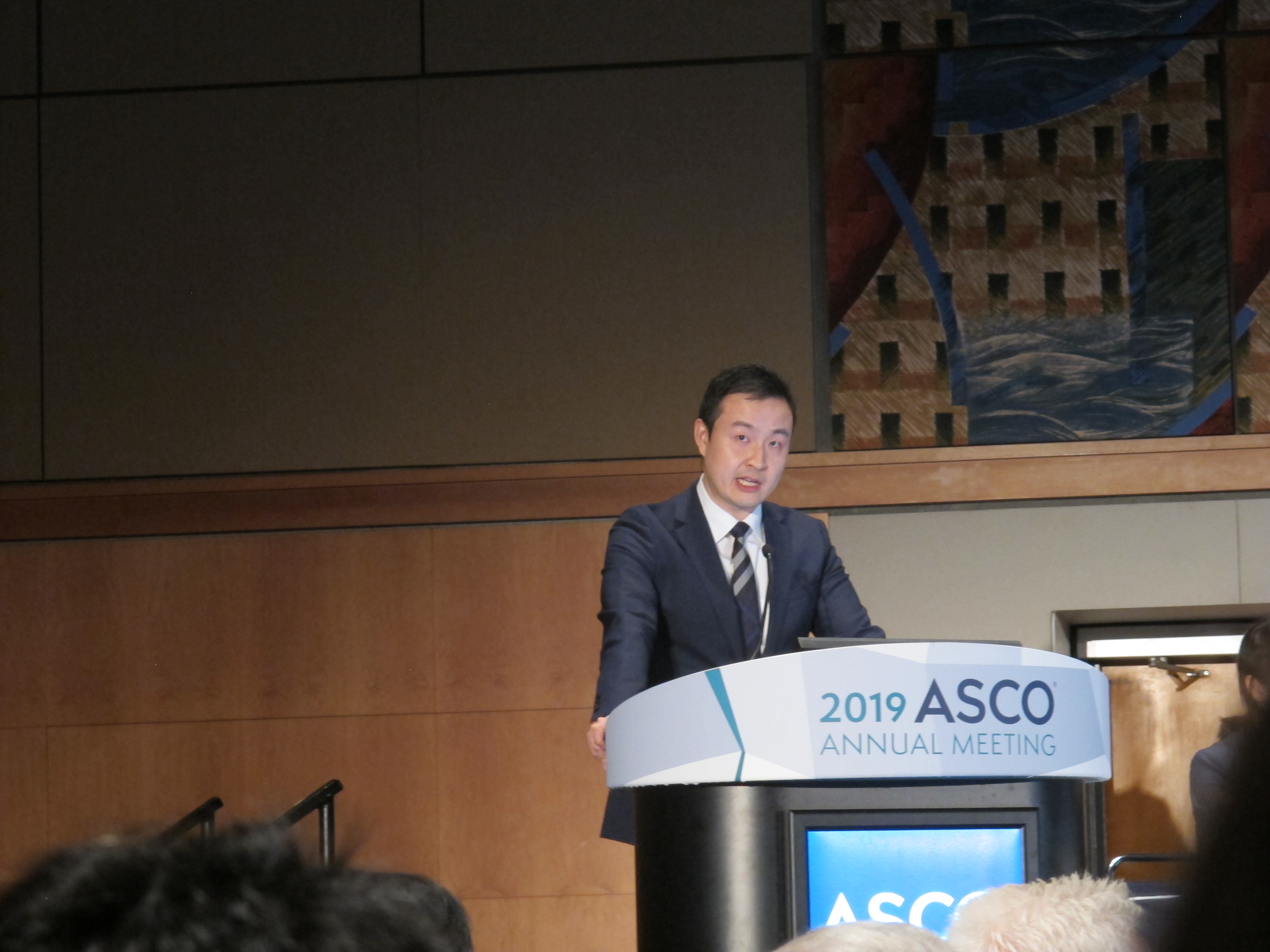
In fact, nine of 10 patients with this rare tumor responded to treatment with the HER2-targeted antibody drug conjugate after prior trastuzumab, pertuzumab, and anti-androgen therapy, and 5 of those had a complete response, Bob T. Li, MD, said at the annual meeting of the American Society of Clinical Oncology.
“We are reporting this study early because it has already met its primary endpoint,” said Dr. Li of Memorial Sloan Kettering Cancer Center, N.Y.
The 90% response rate was based on either Response Evaluation Criteria in Solid Tumors (RECIST) v1.1 or Positron Emission Tomography Response Criteria in Solid Tumors (PERCIST) criteria; the latter was used because many patients with HER-amplified salivary gland cancer aren’t “RECIST measurable” due to presentation with only lymph node- and bone-only metastasis, he explained, adding that “many of the responses were quite durable, with some lasting 2 years.”
Even at a median of 12 months, neither duration of response nor median progression-free survival have been reached, he said.
Study subjects included nine men and one woman with salivary gland cancers (SGCs) and HER2 amplification identified by next-generation sequencing (NGS). They had a median age of 65 years and a median of 2 prior lines of systemic therapy.
Dr. Li described one patient who had bone and vertebral metastases.
“After just two doses, he had a complete metabolic response,” he said. “His symptoms improved, his pain went away, he feels well, and just recently he celebrated his 92nd birthday.”
Treatment, which included 3.6 mg/kg delivered intravenously every 3 weeks until disease progression or unacceptable toxicity, was well tolerated; toxicities included grade 1 or 2 infusion reactions, thrombocytopenia, and transaminitis. Two dose reductions were required, but no treatment-related deaths occurred, Dr. Li said.
SGCs are rare tumors accounting for only about 0.8% of malignancies. There is no approved therapy for metastatic disease, and due to the rarity of the disease there is no established standard of care, he said, noting, however, that chemotherapy and anti-androgen therapy are considered treatment options based on some retrospective case series.
“Now, coming in from a molecular angle, HER2 amplification turns out to be very common in this rare tumor,” he said.
In fact, NGS of more than 40,000 tumors using the MSK-IMPACT 468-gene oncopanel showed that HER2 amplification occurs in 8% of all SGC histologies, and additional published data show that it occurs in about 30% of those with “the very aggressive salivary duct carcinoma histologic subtype,” he said, adding that case reports and a phase 2 study reported at ASCO 2018 showed encouraging response rates with chemotherapy plus trastuzumab.
Ado-trastuzumab emtansine is a Food and Drug Administration-approved agent for the treatment HER2-positive breast cancer.
“It’s got the trastuzumab antibody, it has a linker which attaches the highly toxic DM1 chemotherapy to it, and ... it binds to the over-expressed HER2 receptor and uses that receptor to internalize the drug into the cancer cell and by lysosome deregulation release the highly toxic DM1 into the cell to cause cancer cell kill,” he explained. “We hypothesized that this drug, as a single agent, would be efficacious in HER2-amplified SGC tumors, and it turns out [that] recently there was a nice case series published from the University of Pennsylvania supporting this hypothesis in a group of patients.”
Indeed, the findings are encouraging and warrant cohort expansion to confirm the results, he said.
Of note, HER2 amplification by NGS (fold change 2.8 to 22.8) correlated with findings on fluorescence in situ hybridization (FISH) in 8 of 8 patients tested, and with immunohistochemistry (IHC) 3+ in 10 of 10 patients tested, thereby confirming the validity of this testing method for the biomarker and as a study entry criterion, he said, adding that ongoing correlative analyses are focusing on cell-free DNA NGS to look for acquired resistance, quantitative HER2 protein analysis by mass spectrometry, and also a dimerization assay looking at the degree of HER2-HER3 dimerization, which leads to receptor internalization that may predict response to HER2 antibody drug conjugates.
“We wanted to see why [HER2-amplified SGC patients] respond so well in contrast to the other diseases in the basket trial,” Dr. Li said, explaining that the trial also includes lung, bladder and urinary tract, endometrial, and colorectal cancer cohorts.
“However, to me as an oncologist, the most pressing thing is that with these kind of results and with this kind of response rate and progression-free survival ... there are patients in need of this treatment, so that is certainly the priority–to further accrue patients, complete the trial, publish the data, and hopefully have this new treatment approved to benefit all patients,” he concluded.
Discussant Vanita Noronha, MD, noted that the survival data are immature but “very clinically relevant and clinically significant,” and that they fulfill an unmet need.
“As much as we would like to have randomized trial, this is really a challenge in these kind of rare tumors,” said Dr. Noronha, a professor in the Department of Medical Oncology at Tata Memorial Hospital in Mumbai, India. “So my take-home message ... is that HER2neu is an important molecule driver in salivary gland tumors [and] all patients with salivary gland cancers should be tested for HER2neu amplification.”
Ado trastuzumab emtansine appears to be a good treatment option in those with HER2 amplified SGC, she added.
“Is this a practice changing study? Yes, potentially it is,” she said, noting that in patients with recurrent/metastatic SGC not amenable to radical therapy who are found to have HER2neu amplification, treatment options include either ado trastuzumab emtansine or the combination of trastuzumab and chemotherapy.
Dr. Li reported consulting or advisory roles with Biosceptre International, Guardant Health, Hengrui Therapeutics, Mersana, Roche, and Thermo Fisher Scientific. He reported research funding to his institution from AstraZeneca, BioMed Valley Discoveries, Daiichi Sankyo, GRAIL, Guardant Health, Hengrui Therapeutics, Illumina, and Roche/Genentech. Dr. Noronha has received research funding (to her institution) from Amgen,and Sanofi Aventis.
SOURCE: Li B et al., ASCO 2019: Abstract 6001.
CHICAGO – Ado-trastuzumab emtansine, previously known as T-DM1, is highly efficacious in patients with HER2-amplified salivary gland cancers, according to findings from an ongoing phase 2 multi-histology basket trial.
In fact, nine of 10 patients with this rare tumor responded to treatment with the HER2-targeted antibody drug conjugate after prior trastuzumab, pertuzumab, and anti-androgen therapy, and 5 of those had a complete response, Bob T. Li, MD, said at the annual meeting of the American Society of Clinical Oncology.
“We are reporting this study early because it has already met its primary endpoint,” said Dr. Li of Memorial Sloan Kettering Cancer Center, N.Y.
The 90% response rate was based on either Response Evaluation Criteria in Solid Tumors (RECIST) v1.1 or Positron Emission Tomography Response Criteria in Solid Tumors (PERCIST) criteria; the latter was used because many patients with HER-amplified salivary gland cancer aren’t “RECIST measurable” due to presentation with only lymph node- and bone-only metastasis, he explained, adding that “many of the responses were quite durable, with some lasting 2 years.”
Even at a median of 12 months, neither duration of response nor median progression-free survival have been reached, he said.
Study subjects included nine men and one woman with salivary gland cancers (SGCs) and HER2 amplification identified by next-generation sequencing (NGS). They had a median age of 65 years and a median of 2 prior lines of systemic therapy.
Dr. Li described one patient who had bone and vertebral metastases.
“After just two doses, he had a complete metabolic response,” he said. “His symptoms improved, his pain went away, he feels well, and just recently he celebrated his 92nd birthday.”
Treatment, which included 3.6 mg/kg delivered intravenously every 3 weeks until disease progression or unacceptable toxicity, was well tolerated; toxicities included grade 1 or 2 infusion reactions, thrombocytopenia, and transaminitis. Two dose reductions were required, but no treatment-related deaths occurred, Dr. Li said.
SGCs are rare tumors accounting for only about 0.8% of malignancies. There is no approved therapy for metastatic disease, and due to the rarity of the disease there is no established standard of care, he said, noting, however, that chemotherapy and anti-androgen therapy are considered treatment options based on some retrospective case series.
“Now, coming in from a molecular angle, HER2 amplification turns out to be very common in this rare tumor,” he said.
In fact, NGS of more than 40,000 tumors using the MSK-IMPACT 468-gene oncopanel showed that HER2 amplification occurs in 8% of all SGC histologies, and additional published data show that it occurs in about 30% of those with “the very aggressive salivary duct carcinoma histologic subtype,” he said, adding that case reports and a phase 2 study reported at ASCO 2018 showed encouraging response rates with chemotherapy plus trastuzumab.
Ado-trastuzumab emtansine is a Food and Drug Administration-approved agent for the treatment HER2-positive breast cancer.
“It’s got the trastuzumab antibody, it has a linker which attaches the highly toxic DM1 chemotherapy to it, and ... it binds to the over-expressed HER2 receptor and uses that receptor to internalize the drug into the cancer cell and by lysosome deregulation release the highly toxic DM1 into the cell to cause cancer cell kill,” he explained. “We hypothesized that this drug, as a single agent, would be efficacious in HER2-amplified SGC tumors, and it turns out [that] recently there was a nice case series published from the University of Pennsylvania supporting this hypothesis in a group of patients.”
Indeed, the findings are encouraging and warrant cohort expansion to confirm the results, he said.
Of note, HER2 amplification by NGS (fold change 2.8 to 22.8) correlated with findings on fluorescence in situ hybridization (FISH) in 8 of 8 patients tested, and with immunohistochemistry (IHC) 3+ in 10 of 10 patients tested, thereby confirming the validity of this testing method for the biomarker and as a study entry criterion, he said, adding that ongoing correlative analyses are focusing on cell-free DNA NGS to look for acquired resistance, quantitative HER2 protein analysis by mass spectrometry, and also a dimerization assay looking at the degree of HER2-HER3 dimerization, which leads to receptor internalization that may predict response to HER2 antibody drug conjugates.
“We wanted to see why [HER2-amplified SGC patients] respond so well in contrast to the other diseases in the basket trial,” Dr. Li said, explaining that the trial also includes lung, bladder and urinary tract, endometrial, and colorectal cancer cohorts.
“However, to me as an oncologist, the most pressing thing is that with these kind of results and with this kind of response rate and progression-free survival ... there are patients in need of this treatment, so that is certainly the priority–to further accrue patients, complete the trial, publish the data, and hopefully have this new treatment approved to benefit all patients,” he concluded.
Discussant Vanita Noronha, MD, noted that the survival data are immature but “very clinically relevant and clinically significant,” and that they fulfill an unmet need.
“As much as we would like to have randomized trial, this is really a challenge in these kind of rare tumors,” said Dr. Noronha, a professor in the Department of Medical Oncology at Tata Memorial Hospital in Mumbai, India. “So my take-home message ... is that HER2neu is an important molecule driver in salivary gland tumors [and] all patients with salivary gland cancers should be tested for HER2neu amplification.”
Ado trastuzumab emtansine appears to be a good treatment option in those with HER2 amplified SGC, she added.
“Is this a practice changing study? Yes, potentially it is,” she said, noting that in patients with recurrent/metastatic SGC not amenable to radical therapy who are found to have HER2neu amplification, treatment options include either ado trastuzumab emtansine or the combination of trastuzumab and chemotherapy.
Dr. Li reported consulting or advisory roles with Biosceptre International, Guardant Health, Hengrui Therapeutics, Mersana, Roche, and Thermo Fisher Scientific. He reported research funding to his institution from AstraZeneca, BioMed Valley Discoveries, Daiichi Sankyo, GRAIL, Guardant Health, Hengrui Therapeutics, Illumina, and Roche/Genentech. Dr. Noronha has received research funding (to her institution) from Amgen,and Sanofi Aventis.
SOURCE: Li B et al., ASCO 2019: Abstract 6001.
CHICAGO – Ado-trastuzumab emtansine, previously known as T-DM1, is highly efficacious in patients with HER2-amplified salivary gland cancers, according to findings from an ongoing phase 2 multi-histology basket trial.
In fact, nine of 10 patients with this rare tumor responded to treatment with the HER2-targeted antibody drug conjugate after prior trastuzumab, pertuzumab, and anti-androgen therapy, and 5 of those had a complete response, Bob T. Li, MD, said at the annual meeting of the American Society of Clinical Oncology.
“We are reporting this study early because it has already met its primary endpoint,” said Dr. Li of Memorial Sloan Kettering Cancer Center, N.Y.
The 90% response rate was based on either Response Evaluation Criteria in Solid Tumors (RECIST) v1.1 or Positron Emission Tomography Response Criteria in Solid Tumors (PERCIST) criteria; the latter was used because many patients with HER-amplified salivary gland cancer aren’t “RECIST measurable” due to presentation with only lymph node- and bone-only metastasis, he explained, adding that “many of the responses were quite durable, with some lasting 2 years.”
Even at a median of 12 months, neither duration of response nor median progression-free survival have been reached, he said.
Study subjects included nine men and one woman with salivary gland cancers (SGCs) and HER2 amplification identified by next-generation sequencing (NGS). They had a median age of 65 years and a median of 2 prior lines of systemic therapy.
Dr. Li described one patient who had bone and vertebral metastases.
“After just two doses, he had a complete metabolic response,” he said. “His symptoms improved, his pain went away, he feels well, and just recently he celebrated his 92nd birthday.”
Treatment, which included 3.6 mg/kg delivered intravenously every 3 weeks until disease progression or unacceptable toxicity, was well tolerated; toxicities included grade 1 or 2 infusion reactions, thrombocytopenia, and transaminitis. Two dose reductions were required, but no treatment-related deaths occurred, Dr. Li said.
SGCs are rare tumors accounting for only about 0.8% of malignancies. There is no approved therapy for metastatic disease, and due to the rarity of the disease there is no established standard of care, he said, noting, however, that chemotherapy and anti-androgen therapy are considered treatment options based on some retrospective case series.
“Now, coming in from a molecular angle, HER2 amplification turns out to be very common in this rare tumor,” he said.
In fact, NGS of more than 40,000 tumors using the MSK-IMPACT 468-gene oncopanel showed that HER2 amplification occurs in 8% of all SGC histologies, and additional published data show that it occurs in about 30% of those with “the very aggressive salivary duct carcinoma histologic subtype,” he said, adding that case reports and a phase 2 study reported at ASCO 2018 showed encouraging response rates with chemotherapy plus trastuzumab.
Ado-trastuzumab emtansine is a Food and Drug Administration-approved agent for the treatment HER2-positive breast cancer.
“It’s got the trastuzumab antibody, it has a linker which attaches the highly toxic DM1 chemotherapy to it, and ... it binds to the over-expressed HER2 receptor and uses that receptor to internalize the drug into the cancer cell and by lysosome deregulation release the highly toxic DM1 into the cell to cause cancer cell kill,” he explained. “We hypothesized that this drug, as a single agent, would be efficacious in HER2-amplified SGC tumors, and it turns out [that] recently there was a nice case series published from the University of Pennsylvania supporting this hypothesis in a group of patients.”
Indeed, the findings are encouraging and warrant cohort expansion to confirm the results, he said.
Of note, HER2 amplification by NGS (fold change 2.8 to 22.8) correlated with findings on fluorescence in situ hybridization (FISH) in 8 of 8 patients tested, and with immunohistochemistry (IHC) 3+ in 10 of 10 patients tested, thereby confirming the validity of this testing method for the biomarker and as a study entry criterion, he said, adding that ongoing correlative analyses are focusing on cell-free DNA NGS to look for acquired resistance, quantitative HER2 protein analysis by mass spectrometry, and also a dimerization assay looking at the degree of HER2-HER3 dimerization, which leads to receptor internalization that may predict response to HER2 antibody drug conjugates.
“We wanted to see why [HER2-amplified SGC patients] respond so well in contrast to the other diseases in the basket trial,” Dr. Li said, explaining that the trial also includes lung, bladder and urinary tract, endometrial, and colorectal cancer cohorts.
“However, to me as an oncologist, the most pressing thing is that with these kind of results and with this kind of response rate and progression-free survival ... there are patients in need of this treatment, so that is certainly the priority–to further accrue patients, complete the trial, publish the data, and hopefully have this new treatment approved to benefit all patients,” he concluded.
Discussant Vanita Noronha, MD, noted that the survival data are immature but “very clinically relevant and clinically significant,” and that they fulfill an unmet need.
“As much as we would like to have randomized trial, this is really a challenge in these kind of rare tumors,” said Dr. Noronha, a professor in the Department of Medical Oncology at Tata Memorial Hospital in Mumbai, India. “So my take-home message ... is that HER2neu is an important molecule driver in salivary gland tumors [and] all patients with salivary gland cancers should be tested for HER2neu amplification.”
Ado trastuzumab emtansine appears to be a good treatment option in those with HER2 amplified SGC, she added.
“Is this a practice changing study? Yes, potentially it is,” she said, noting that in patients with recurrent/metastatic SGC not amenable to radical therapy who are found to have HER2neu amplification, treatment options include either ado trastuzumab emtansine or the combination of trastuzumab and chemotherapy.
Dr. Li reported consulting or advisory roles with Biosceptre International, Guardant Health, Hengrui Therapeutics, Mersana, Roche, and Thermo Fisher Scientific. He reported research funding to his institution from AstraZeneca, BioMed Valley Discoveries, Daiichi Sankyo, GRAIL, Guardant Health, Hengrui Therapeutics, Illumina, and Roche/Genentech. Dr. Noronha has received research funding (to her institution) from Amgen,and Sanofi Aventis.
SOURCE: Li B et al., ASCO 2019: Abstract 6001.
REPORTING FROM ASCO 2019
Maintenance olaparib extends PFS in pancreatic cancer with BRCA mutation
CHICAGO – In patients with metastatic pancreatic cancer and a germline BRCA mutation, maintenance treatment with olaparib resulted in significant and clinically meaningful improvements in progression-free survival in a phase 3 trial, an investigator reported.
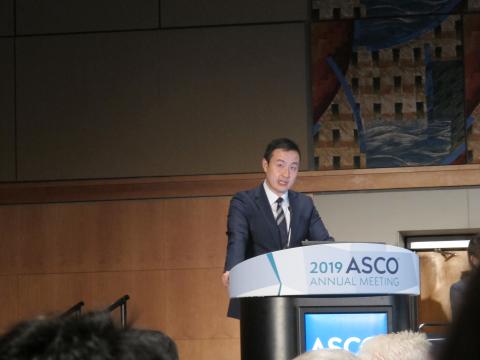
For patients who completed chemotherapy and went on to receive the PARP inhibitor, median progression-free survival was 7.4 months, versus just 3.8 months for placebo-treated patients in the phase 3 POLO study, said Hedy L. Kindler, MD, professor of medicine with University of Chicago Medicine.
“A strategic approach of first-line platinum based chemo followed by maintenance olaparib treatment should become a new standard of care for patients with metastatic pancreatic cancer who have a germ line BRCA mutation,” Dr. Kindler said here in a press conference at the annual meeting of the American Society of Clinical Oncology.
This phase 3 study is the first to show that treatment of metastatic pancreatic cancer can be tailored based on a biomarker, highlights the importance of germline BRCA mutation testing, according to ASCO expert Suzanne Cole, MD.
“I think this is practice-changing for people who have BRCA mutations,” Dr. Cole said in the press conference. “I can’t wait to go back to clinic on Tuesday and look for it in my own patients.”
Four to seven percent of patients with pancreatic cancer harbor a germline BRCA1 or BRCA2 mutation, according to Dr. Kindler, lead author of the POLO trial.
The phase 3 study by Dr. Kindler and colleagues included 247 patients with metastatic pancreatic cancer and germline BRCA1/BRCA2 mutations who received at least 16 weeks of platinum-based chemotherapy.
Thirty-eight percent of enrolled patients had disease progression, declined randomization, or were ineligible to continue, Dr. Kindler said. The remaining 154 patients were randomized 3:2 to receive olaparib 300 mg twice daily or placebo.
The primary end point of the study was progression-free survival measured from the time of randomization. The median progression-free survival of 7.4 versus 3.8 months for olaparib and placebo, respectively, represented a 47% decrease in risk of progression or death (HR, 0.53; P = .0038), Dr. Kindler reported at the meeting.
“What is truly remarkable is that the median duration of response to olaparib in these patients who had metastatic pancreatic cancer was more than 2 years,” she said in the press conference. Specifically, median duration of response was 24.9 months and 3.7 months for olaparib and placebo arms, respectively.
There was no difference in overall survival between olaparib and placebo arms in the interim analysis. Final overall survival results will be evaluated when the data are more mature, Dr. Kindler said.
Olaparib treatment was well tolerated and had an adverse event profile similar to what has been observed in other tumor types, according to Dr. Kindler, who added that health-related quality of life was not different between the PARP inhibitor and placebo arms of the trial.
While longer-term data are awaited to understand the full impact of the results, the POLO study already represents a “huge step forward” in the treatment of metastatic pancreatic cancer, said Dr. Cole, the ASCO expert.
“It is our duty to search for this genetic mutation in all patients with metastatic pancreatic cancer, so we can identify those people who have the BRCA mutation and can benefit from being treated with an oral agent that can extend their life,” she said at the press conference.
Funding for the study came from AstraZeneca and Merck Sharp & Dohme Corp. Dr. Kindler provided disclosures related to Aduro Biotech, Aldeyra Therapeutics, Astellas Pharma, AstraZeneca, Bayer, Boehringer Ingelheim, Bristol-Myers Squibb, Deciphera, ERYTECH Pharma, Five Prime Therapeutics, GlaxoSmithKline, Inhibrx, ipsen, Kyowa Hakko Kirin, Lilly, MedImmune, Merck, Paradox Therapeutics, Polaris, Roche/Genentech, and Verastem.
SOURCE: Kindler HL, et al. ASCO 2019. Abstract LBA4.
CHICAGO – In patients with metastatic pancreatic cancer and a germline BRCA mutation, maintenance treatment with olaparib resulted in significant and clinically meaningful improvements in progression-free survival in a phase 3 trial, an investigator reported.
For patients who completed chemotherapy and went on to receive the PARP inhibitor, median progression-free survival was 7.4 months, versus just 3.8 months for placebo-treated patients in the phase 3 POLO study, said Hedy L. Kindler, MD, professor of medicine with University of Chicago Medicine.
“A strategic approach of first-line platinum based chemo followed by maintenance olaparib treatment should become a new standard of care for patients with metastatic pancreatic cancer who have a germ line BRCA mutation,” Dr. Kindler said here in a press conference at the annual meeting of the American Society of Clinical Oncology.
This phase 3 study is the first to show that treatment of metastatic pancreatic cancer can be tailored based on a biomarker, highlights the importance of germline BRCA mutation testing, according to ASCO expert Suzanne Cole, MD.
“I think this is practice-changing for people who have BRCA mutations,” Dr. Cole said in the press conference. “I can’t wait to go back to clinic on Tuesday and look for it in my own patients.”
Four to seven percent of patients with pancreatic cancer harbor a germline BRCA1 or BRCA2 mutation, according to Dr. Kindler, lead author of the POLO trial.
The phase 3 study by Dr. Kindler and colleagues included 247 patients with metastatic pancreatic cancer and germline BRCA1/BRCA2 mutations who received at least 16 weeks of platinum-based chemotherapy.
Thirty-eight percent of enrolled patients had disease progression, declined randomization, or were ineligible to continue, Dr. Kindler said. The remaining 154 patients were randomized 3:2 to receive olaparib 300 mg twice daily or placebo.
The primary end point of the study was progression-free survival measured from the time of randomization. The median progression-free survival of 7.4 versus 3.8 months for olaparib and placebo, respectively, represented a 47% decrease in risk of progression or death (HR, 0.53; P = .0038), Dr. Kindler reported at the meeting.
“What is truly remarkable is that the median duration of response to olaparib in these patients who had metastatic pancreatic cancer was more than 2 years,” she said in the press conference. Specifically, median duration of response was 24.9 months and 3.7 months for olaparib and placebo arms, respectively.
There was no difference in overall survival between olaparib and placebo arms in the interim analysis. Final overall survival results will be evaluated when the data are more mature, Dr. Kindler said.
Olaparib treatment was well tolerated and had an adverse event profile similar to what has been observed in other tumor types, according to Dr. Kindler, who added that health-related quality of life was not different between the PARP inhibitor and placebo arms of the trial.
While longer-term data are awaited to understand the full impact of the results, the POLO study already represents a “huge step forward” in the treatment of metastatic pancreatic cancer, said Dr. Cole, the ASCO expert.
“It is our duty to search for this genetic mutation in all patients with metastatic pancreatic cancer, so we can identify those people who have the BRCA mutation and can benefit from being treated with an oral agent that can extend their life,” she said at the press conference.
Funding for the study came from AstraZeneca and Merck Sharp & Dohme Corp. Dr. Kindler provided disclosures related to Aduro Biotech, Aldeyra Therapeutics, Astellas Pharma, AstraZeneca, Bayer, Boehringer Ingelheim, Bristol-Myers Squibb, Deciphera, ERYTECH Pharma, Five Prime Therapeutics, GlaxoSmithKline, Inhibrx, ipsen, Kyowa Hakko Kirin, Lilly, MedImmune, Merck, Paradox Therapeutics, Polaris, Roche/Genentech, and Verastem.
SOURCE: Kindler HL, et al. ASCO 2019. Abstract LBA4.
CHICAGO – In patients with metastatic pancreatic cancer and a germline BRCA mutation, maintenance treatment with olaparib resulted in significant and clinically meaningful improvements in progression-free survival in a phase 3 trial, an investigator reported.
For patients who completed chemotherapy and went on to receive the PARP inhibitor, median progression-free survival was 7.4 months, versus just 3.8 months for placebo-treated patients in the phase 3 POLO study, said Hedy L. Kindler, MD, professor of medicine with University of Chicago Medicine.
“A strategic approach of first-line platinum based chemo followed by maintenance olaparib treatment should become a new standard of care for patients with metastatic pancreatic cancer who have a germ line BRCA mutation,” Dr. Kindler said here in a press conference at the annual meeting of the American Society of Clinical Oncology.
This phase 3 study is the first to show that treatment of metastatic pancreatic cancer can be tailored based on a biomarker, highlights the importance of germline BRCA mutation testing, according to ASCO expert Suzanne Cole, MD.
“I think this is practice-changing for people who have BRCA mutations,” Dr. Cole said in the press conference. “I can’t wait to go back to clinic on Tuesday and look for it in my own patients.”
Four to seven percent of patients with pancreatic cancer harbor a germline BRCA1 or BRCA2 mutation, according to Dr. Kindler, lead author of the POLO trial.
The phase 3 study by Dr. Kindler and colleagues included 247 patients with metastatic pancreatic cancer and germline BRCA1/BRCA2 mutations who received at least 16 weeks of platinum-based chemotherapy.
Thirty-eight percent of enrolled patients had disease progression, declined randomization, or were ineligible to continue, Dr. Kindler said. The remaining 154 patients were randomized 3:2 to receive olaparib 300 mg twice daily or placebo.
The primary end point of the study was progression-free survival measured from the time of randomization. The median progression-free survival of 7.4 versus 3.8 months for olaparib and placebo, respectively, represented a 47% decrease in risk of progression or death (HR, 0.53; P = .0038), Dr. Kindler reported at the meeting.
“What is truly remarkable is that the median duration of response to olaparib in these patients who had metastatic pancreatic cancer was more than 2 years,” she said in the press conference. Specifically, median duration of response was 24.9 months and 3.7 months for olaparib and placebo arms, respectively.
There was no difference in overall survival between olaparib and placebo arms in the interim analysis. Final overall survival results will be evaluated when the data are more mature, Dr. Kindler said.
Olaparib treatment was well tolerated and had an adverse event profile similar to what has been observed in other tumor types, according to Dr. Kindler, who added that health-related quality of life was not different between the PARP inhibitor and placebo arms of the trial.
While longer-term data are awaited to understand the full impact of the results, the POLO study already represents a “huge step forward” in the treatment of metastatic pancreatic cancer, said Dr. Cole, the ASCO expert.
“It is our duty to search for this genetic mutation in all patients with metastatic pancreatic cancer, so we can identify those people who have the BRCA mutation and can benefit from being treated with an oral agent that can extend their life,” she said at the press conference.
Funding for the study came from AstraZeneca and Merck Sharp & Dohme Corp. Dr. Kindler provided disclosures related to Aduro Biotech, Aldeyra Therapeutics, Astellas Pharma, AstraZeneca, Bayer, Boehringer Ingelheim, Bristol-Myers Squibb, Deciphera, ERYTECH Pharma, Five Prime Therapeutics, GlaxoSmithKline, Inhibrx, ipsen, Kyowa Hakko Kirin, Lilly, MedImmune, Merck, Paradox Therapeutics, Polaris, Roche/Genentech, and Verastem.
SOURCE: Kindler HL, et al. ASCO 2019. Abstract LBA4.
REPORTING FROM ASCO 2019
TITAN trial yields big survival benefits in mCSPC
CHICAGO – Adding the androgen-binding inhibitor apalutamide to androgen deprivation therapy (ADT) significantly increased radiographic progression-free survival and overall survival in men with metastatic castration-sensitive prostate cancer (mCSPC) compared with ADT alone in the phase 3 TITAN trial.
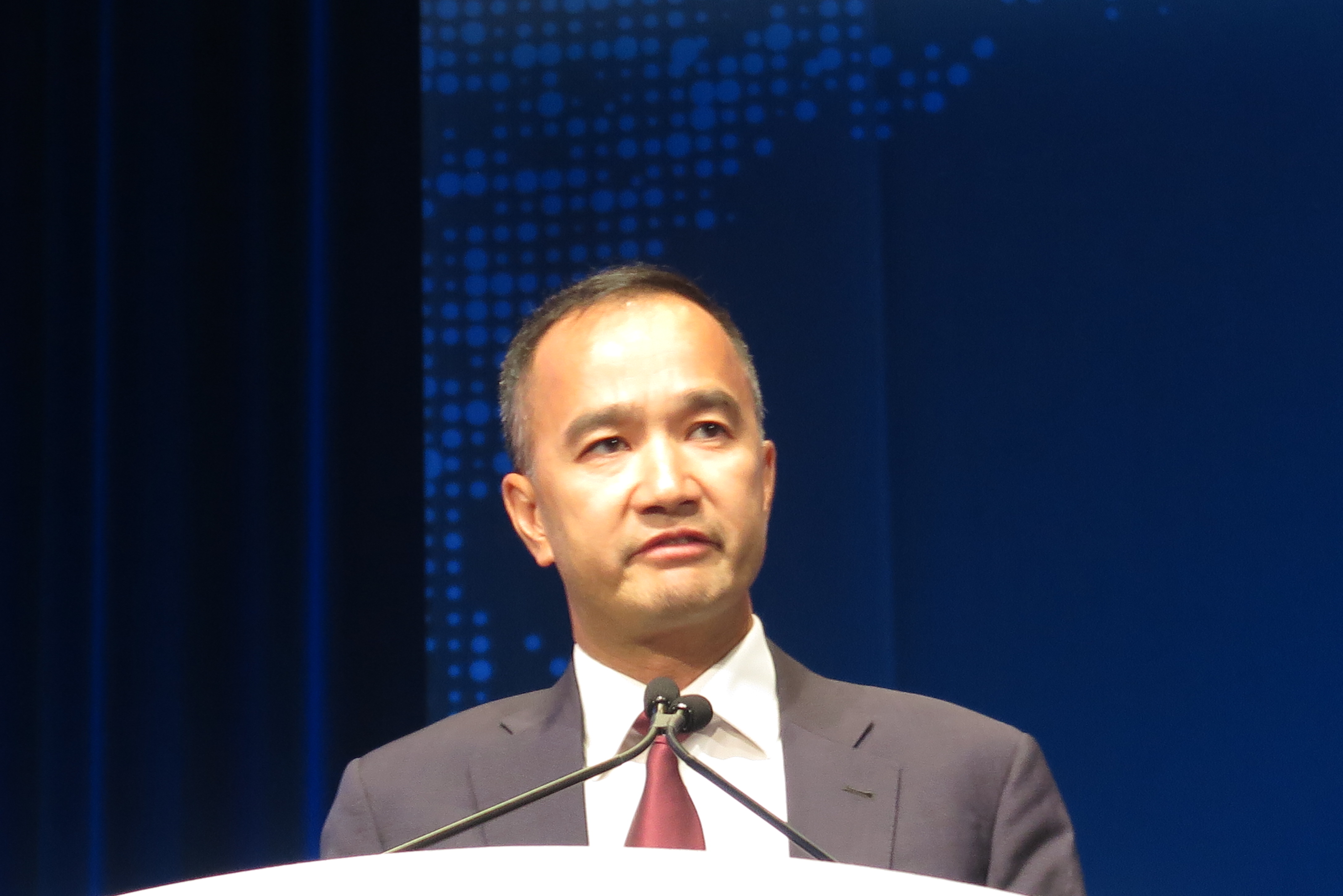
Among 1052 patients randomized to apalutamide (Erleada) plus either ADT or placebo, the overall survival rate at 24 months was 82.4% in the apalutamide group, compared with 73.5% in the placebo group, translating into a hazard ratio for death with apalutamide of 0.67 (P = .005), reported Kim N. Chi, MD, from the BC Cancer and Vancouver Prostate Centre in Vancouver, British Columbia, Canada.
“The TITAN study met its dual primary end points, demonstrating significant benefits with apalutamide plus ADT in an all-comer mCSPC population. There were significant improvements in overall survival with a 33% reduction in the risk of death. There was also a significant improvement in radiographic progression-free survival with a 52% reduction in the risk of progression or death,” he said at the American Society of Clinical Oncology annual meeting.
The study was also published online in the New England Journal of Medicine to coincide with Dr. Chi’s presentation.
The TITAN (Targeted Investigational Treatment Analysis of Novel Anti-androgen) study was designed to evaluate apalutamide vs. placebo in a broad population of patients with mCSPC treated with continuous ADT.
“The rationale behind the TITAN study was that direct inhibition of the androgen receptor by apalutamide will provide a more complete reduction of androgen signaling than ADT alone, leading to improved clinical outcomes,” Dr. Chi said.
The investigators enrolled a total of 1052 men with castration-sensitive prostate cancer, distant metastatic disease manifested as one or more lesions on bone scans, and Eastern Cooperative Oncology Group (ECOG) performance status of 0 or 1.
All patients were on continuous ADT. Prior therapies allowed under the protocol included docetaxel for a maximum of 6 cycles with no evidence of progression during treatment or before randomization, ADT for not more than 6 months for mCSPC or not more than 3 years for localized prostate cancer, one course of radiation of surgery for symptoms associated with metastatic disease, or other localized treatments completed at least 1 year before randomization.
The median patient age was 68 years. In all 62.7% of patients had high-volume disease, and the remainder had low-volume disease.
In this, the first interim analysis conducted at a median follow-up of 22.7 months, the 68.2% of patients in the apalutamide group had radiographic PFS, compared with 47.5% in the placebo group. The hazard ratio for progression or death with apalutamide was 0.48 (P less than .001).
As noted before, 24-month overall survival rates were 82.4% vs. 73.5%, respectively.
The secondary endpoint of median time to cytotoxic chemotherapy also significantly favored apalutamide, with a hazard ratio of 0.39 (P less than .0001). Other secondary endpoints, including median time to pain progression, median time to chronic opioid use, and median time to skeletal-related events trended in favor of apalutamide but were not statistically significant.
Grade 3 or 4 adverse events occurred in 42.2% of patients in the apalutamide arm and 40.8% in the placebo arm. The incidence of any serious adverse event was 19.8% with apalutamide and 20.3% with placebo. Adverse events leading to discontinuation occurred in 8% and 5.3%, respectively, and adverse events leading to death occurred in 1.9% vs. 3.0%.
Apalutamide was associated with higher incidences of rash, fatigue, hypothyroidism, and fracture.
The study results show that “androgen deprivation therapy and apalutamide for metastatic hormone-sensitive prostate cancer improves survival, and thus reinforces the current practice of ADT plus a single agent, whether it be docetaxel, abiraterone, enzalutamide, and now apalutamide,” commented Michael A. Carducci, MD, from the Johns Hopkins Sidney Kimmel Cancer Center in Baltimore, the invited discussant.

Metastatic castration-sensitive prostate cancer is a broadly heterogeneous disease state, and the treatment benefits offered with various drugs is not consistent in subsets of patients. Investigators need to develop better molecularly based methods, combined with cliniopathologic factors, to better determine which subgroups of patients can benefit from specific drugs, he said.
The TITAN trial was supported by Aragon Pharmaceuticals. Dr. Chi disclosed grants and personal fees from multiple companies, not including Aragon. Dr. Carducci disclosed consulting or advisory roles and institutional research funding from multiple companies, not including Aragon.
SOURCE: Chi KN, ASCO 2019 Abstract 5006. N Engl J Med doi: 10.1056/NEJMoa1903307 .
CHICAGO – Adding the androgen-binding inhibitor apalutamide to androgen deprivation therapy (ADT) significantly increased radiographic progression-free survival and overall survival in men with metastatic castration-sensitive prostate cancer (mCSPC) compared with ADT alone in the phase 3 TITAN trial.
Among 1052 patients randomized to apalutamide (Erleada) plus either ADT or placebo, the overall survival rate at 24 months was 82.4% in the apalutamide group, compared with 73.5% in the placebo group, translating into a hazard ratio for death with apalutamide of 0.67 (P = .005), reported Kim N. Chi, MD, from the BC Cancer and Vancouver Prostate Centre in Vancouver, British Columbia, Canada.
“The TITAN study met its dual primary end points, demonstrating significant benefits with apalutamide plus ADT in an all-comer mCSPC population. There were significant improvements in overall survival with a 33% reduction in the risk of death. There was also a significant improvement in radiographic progression-free survival with a 52% reduction in the risk of progression or death,” he said at the American Society of Clinical Oncology annual meeting.
The study was also published online in the New England Journal of Medicine to coincide with Dr. Chi’s presentation.
The TITAN (Targeted Investigational Treatment Analysis of Novel Anti-androgen) study was designed to evaluate apalutamide vs. placebo in a broad population of patients with mCSPC treated with continuous ADT.
“The rationale behind the TITAN study was that direct inhibition of the androgen receptor by apalutamide will provide a more complete reduction of androgen signaling than ADT alone, leading to improved clinical outcomes,” Dr. Chi said.
The investigators enrolled a total of 1052 men with castration-sensitive prostate cancer, distant metastatic disease manifested as one or more lesions on bone scans, and Eastern Cooperative Oncology Group (ECOG) performance status of 0 or 1.
All patients were on continuous ADT. Prior therapies allowed under the protocol included docetaxel for a maximum of 6 cycles with no evidence of progression during treatment or before randomization, ADT for not more than 6 months for mCSPC or not more than 3 years for localized prostate cancer, one course of radiation of surgery for symptoms associated with metastatic disease, or other localized treatments completed at least 1 year before randomization.
The median patient age was 68 years. In all 62.7% of patients had high-volume disease, and the remainder had low-volume disease.
In this, the first interim analysis conducted at a median follow-up of 22.7 months, the 68.2% of patients in the apalutamide group had radiographic PFS, compared with 47.5% in the placebo group. The hazard ratio for progression or death with apalutamide was 0.48 (P less than .001).
As noted before, 24-month overall survival rates were 82.4% vs. 73.5%, respectively.
The secondary endpoint of median time to cytotoxic chemotherapy also significantly favored apalutamide, with a hazard ratio of 0.39 (P less than .0001). Other secondary endpoints, including median time to pain progression, median time to chronic opioid use, and median time to skeletal-related events trended in favor of apalutamide but were not statistically significant.
Grade 3 or 4 adverse events occurred in 42.2% of patients in the apalutamide arm and 40.8% in the placebo arm. The incidence of any serious adverse event was 19.8% with apalutamide and 20.3% with placebo. Adverse events leading to discontinuation occurred in 8% and 5.3%, respectively, and adverse events leading to death occurred in 1.9% vs. 3.0%.
Apalutamide was associated with higher incidences of rash, fatigue, hypothyroidism, and fracture.
The study results show that “androgen deprivation therapy and apalutamide for metastatic hormone-sensitive prostate cancer improves survival, and thus reinforces the current practice of ADT plus a single agent, whether it be docetaxel, abiraterone, enzalutamide, and now apalutamide,” commented Michael A. Carducci, MD, from the Johns Hopkins Sidney Kimmel Cancer Center in Baltimore, the invited discussant.
Metastatic castration-sensitive prostate cancer is a broadly heterogeneous disease state, and the treatment benefits offered with various drugs is not consistent in subsets of patients. Investigators need to develop better molecularly based methods, combined with cliniopathologic factors, to better determine which subgroups of patients can benefit from specific drugs, he said.
The TITAN trial was supported by Aragon Pharmaceuticals. Dr. Chi disclosed grants and personal fees from multiple companies, not including Aragon. Dr. Carducci disclosed consulting or advisory roles and institutional research funding from multiple companies, not including Aragon.
SOURCE: Chi KN, ASCO 2019 Abstract 5006. N Engl J Med doi: 10.1056/NEJMoa1903307 .
CHICAGO – Adding the androgen-binding inhibitor apalutamide to androgen deprivation therapy (ADT) significantly increased radiographic progression-free survival and overall survival in men with metastatic castration-sensitive prostate cancer (mCSPC) compared with ADT alone in the phase 3 TITAN trial.
Among 1052 patients randomized to apalutamide (Erleada) plus either ADT or placebo, the overall survival rate at 24 months was 82.4% in the apalutamide group, compared with 73.5% in the placebo group, translating into a hazard ratio for death with apalutamide of 0.67 (P = .005), reported Kim N. Chi, MD, from the BC Cancer and Vancouver Prostate Centre in Vancouver, British Columbia, Canada.
“The TITAN study met its dual primary end points, demonstrating significant benefits with apalutamide plus ADT in an all-comer mCSPC population. There were significant improvements in overall survival with a 33% reduction in the risk of death. There was also a significant improvement in radiographic progression-free survival with a 52% reduction in the risk of progression or death,” he said at the American Society of Clinical Oncology annual meeting.
The study was also published online in the New England Journal of Medicine to coincide with Dr. Chi’s presentation.
The TITAN (Targeted Investigational Treatment Analysis of Novel Anti-androgen) study was designed to evaluate apalutamide vs. placebo in a broad population of patients with mCSPC treated with continuous ADT.
“The rationale behind the TITAN study was that direct inhibition of the androgen receptor by apalutamide will provide a more complete reduction of androgen signaling than ADT alone, leading to improved clinical outcomes,” Dr. Chi said.
The investigators enrolled a total of 1052 men with castration-sensitive prostate cancer, distant metastatic disease manifested as one or more lesions on bone scans, and Eastern Cooperative Oncology Group (ECOG) performance status of 0 or 1.
All patients were on continuous ADT. Prior therapies allowed under the protocol included docetaxel for a maximum of 6 cycles with no evidence of progression during treatment or before randomization, ADT for not more than 6 months for mCSPC or not more than 3 years for localized prostate cancer, one course of radiation of surgery for symptoms associated with metastatic disease, or other localized treatments completed at least 1 year before randomization.
The median patient age was 68 years. In all 62.7% of patients had high-volume disease, and the remainder had low-volume disease.
In this, the first interim analysis conducted at a median follow-up of 22.7 months, the 68.2% of patients in the apalutamide group had radiographic PFS, compared with 47.5% in the placebo group. The hazard ratio for progression or death with apalutamide was 0.48 (P less than .001).
As noted before, 24-month overall survival rates were 82.4% vs. 73.5%, respectively.
The secondary endpoint of median time to cytotoxic chemotherapy also significantly favored apalutamide, with a hazard ratio of 0.39 (P less than .0001). Other secondary endpoints, including median time to pain progression, median time to chronic opioid use, and median time to skeletal-related events trended in favor of apalutamide but were not statistically significant.
Grade 3 or 4 adverse events occurred in 42.2% of patients in the apalutamide arm and 40.8% in the placebo arm. The incidence of any serious adverse event was 19.8% with apalutamide and 20.3% with placebo. Adverse events leading to discontinuation occurred in 8% and 5.3%, respectively, and adverse events leading to death occurred in 1.9% vs. 3.0%.
Apalutamide was associated with higher incidences of rash, fatigue, hypothyroidism, and fracture.
The study results show that “androgen deprivation therapy and apalutamide for metastatic hormone-sensitive prostate cancer improves survival, and thus reinforces the current practice of ADT plus a single agent, whether it be docetaxel, abiraterone, enzalutamide, and now apalutamide,” commented Michael A. Carducci, MD, from the Johns Hopkins Sidney Kimmel Cancer Center in Baltimore, the invited discussant.
Metastatic castration-sensitive prostate cancer is a broadly heterogeneous disease state, and the treatment benefits offered with various drugs is not consistent in subsets of patients. Investigators need to develop better molecularly based methods, combined with cliniopathologic factors, to better determine which subgroups of patients can benefit from specific drugs, he said.
The TITAN trial was supported by Aragon Pharmaceuticals. Dr. Chi disclosed grants and personal fees from multiple companies, not including Aragon. Dr. Carducci disclosed consulting or advisory roles and institutional research funding from multiple companies, not including Aragon.
SOURCE: Chi KN, ASCO 2019 Abstract 5006. N Engl J Med doi: 10.1056/NEJMoa1903307 .
REPORTING FROM ASCO 2019

Ribociclib/ET improves OS in premenopausal women with HR+/HER2- breast cancer
CHICAGO – Adding ribociclib to endocrine therapy significantly improved overall survival of premenopausal women with advanced hormone receptor positive, HER2-negative breast cancer, results of the randomized phase 3 MONALEESA-7 trial showed.
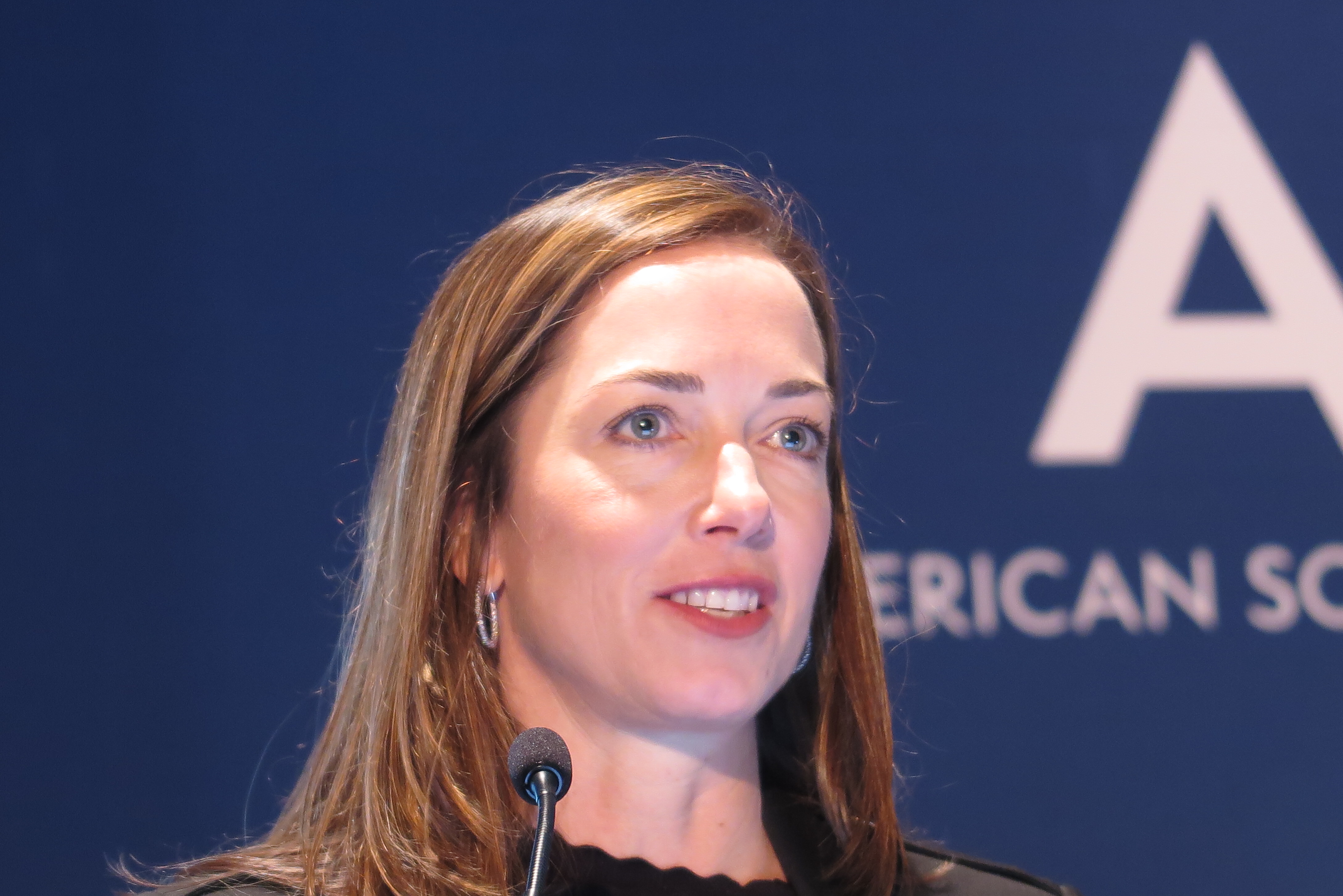
A landmark analysis conducted at 42 months showed that the overall survival rate for women randomized to receive endocrine therapy with either a nonsteroidal aromatase inhibitor (AI) or tamoxifen plus the cyclin-dependent kinase 4/6 (CDK4/6) inhibitor ribociclib was 70%, compared with 46% for women randomized to endocrine therapy alone, reported Sara A Hurvitz, MD, of the University of California Los Angeles Jonsson Comprehensive Cancer Center
“This is the first time a statistically significant improvement in overall survival has been observed with a CDK4/6 inhibitor in combination with endocrine therapy in patients with hormone receptor-positive advanced disease,” she said at a briefing prior to her presentation of the data in an oral abstract session at the American Society of Clinical Oncology annual meeting.
“This is an important study, because it shows that the class of drugs, CDK4/6 inhibitors, which we are widely using, has been shown to delay the time to progression, delay the time to need for chemotherapy for advanced breast cancer, and really doubled the effectiveness of endocrine therapy, now also translates into a significant survival benefit for women who ER-positive metastatic breast cancer,” commented Harold J. Burstein, MD, PhD, an ASCO expert from the Dana-Farber Cancer Institute in Boston.

In the trial, 672 pre- or perimenopausal women with HR+/HER2– advanced breast cancer with no prior endocrine therapy for advanced disease and no more than one line of chemotherapy for advanced disease were enrolled. The patients were stratified by the presence of liver/lung metastases, prior chemotherapy, and prior endocrine partner, tamoxifen or nonsteroidal AI, and then randomly assigned to ribociclib 600 mg/day for 3 weeks, followed by 1-week off, plus tamoxifen or AI and goserelin, or the same combination and schedule with placebo.
Of the 672 patients enrolled, a total of 335 patients assigned to ribociclib and 337 assigned to placebo received treatment. The majority of patients – 495 – received an AI, either letrozole (Femara) or anastrozole (Arimidex). Dr. Hurvitz noted that after the initiation of MONALEESA-7, the combination of a CDK4/6 inhibitor and tamoxifen was found to prolong the QT interval and increase risk for cardiac arrhythmias, and is now contraindicated.
As previously reported , results of the primary MONALEESA-7 endpoint of progression-free survival favored the combination, with a median PFS of 23.8 months, compared with 13 months for women treated with endocrine therapy alone. The hazard ratio for progression with the ribociclib-based combination was 0.553 ( P less than .0001), and the treatment benefit of the CDK4/6 inhibitor was seen across all patients subgroups and regardless of the endocrine partner.
At ASCO 2019, Dr. Hurvitz reported on the key secondary endpoint of overall survival. At a median follow-up duration of 34.6 months, with an additional 15 months beyond the initial analysis, the median OS for the ribociclib arm was not reached, compared with 40.9 months in the placebo arm. The hazard ratio for death with ribociclib was 0.712 ( P = .00973). An analysis of OS by endocrine partner subgroup showed no significant differences between AIs or tamoxifen.
At the time of the data cutoff, 35% of patients in the ribociclib arm were still on therapy.
The safety and tolerability of the combination were consistent with those previously reported, Dr. Hurvitz said.
“In an era when we are thinking about value in oncology care, a demonstration of a robust sutvival difference I think substantially adds to a value proposition for products like ribociclib that were discussed here,” Dr. Burstein said.
“Hopefully, these data will enable access to this product to more women around the world, particularly in health care systems that assess value rigorously as part of their decisions for national access to drugs,” he added.
The MONALEESA-7 trial is supported by Novartis. Dr. Hurvitz reported travel and accommodation expenses from Novartis. Dr. Burstein reported no relevant disclosures.
SOURCE: Hurvitz SA et al. ASCO 2019. Abstract LBA1008 .
CHICAGO – Adding ribociclib to endocrine therapy significantly improved overall survival of premenopausal women with advanced hormone receptor positive, HER2-negative breast cancer, results of the randomized phase 3 MONALEESA-7 trial showed.
A landmark analysis conducted at 42 months showed that the overall survival rate for women randomized to receive endocrine therapy with either a nonsteroidal aromatase inhibitor (AI) or tamoxifen plus the cyclin-dependent kinase 4/6 (CDK4/6) inhibitor ribociclib was 70%, compared with 46% for women randomized to endocrine therapy alone, reported Sara A Hurvitz, MD, of the University of California Los Angeles Jonsson Comprehensive Cancer Center
“This is the first time a statistically significant improvement in overall survival has been observed with a CDK4/6 inhibitor in combination with endocrine therapy in patients with hormone receptor-positive advanced disease,” she said at a briefing prior to her presentation of the data in an oral abstract session at the American Society of Clinical Oncology annual meeting.
“This is an important study, because it shows that the class of drugs, CDK4/6 inhibitors, which we are widely using, has been shown to delay the time to progression, delay the time to need for chemotherapy for advanced breast cancer, and really doubled the effectiveness of endocrine therapy, now also translates into a significant survival benefit for women who ER-positive metastatic breast cancer,” commented Harold J. Burstein, MD, PhD, an ASCO expert from the Dana-Farber Cancer Institute in Boston.
In the trial, 672 pre- or perimenopausal women with HR+/HER2– advanced breast cancer with no prior endocrine therapy for advanced disease and no more than one line of chemotherapy for advanced disease were enrolled. The patients were stratified by the presence of liver/lung metastases, prior chemotherapy, and prior endocrine partner, tamoxifen or nonsteroidal AI, and then randomly assigned to ribociclib 600 mg/day for 3 weeks, followed by 1-week off, plus tamoxifen or AI and goserelin, or the same combination and schedule with placebo.
Of the 672 patients enrolled, a total of 335 patients assigned to ribociclib and 337 assigned to placebo received treatment. The majority of patients – 495 – received an AI, either letrozole (Femara) or anastrozole (Arimidex). Dr. Hurvitz noted that after the initiation of MONALEESA-7, the combination of a CDK4/6 inhibitor and tamoxifen was found to prolong the QT interval and increase risk for cardiac arrhythmias, and is now contraindicated.
As previously reported , results of the primary MONALEESA-7 endpoint of progression-free survival favored the combination, with a median PFS of 23.8 months, compared with 13 months for women treated with endocrine therapy alone. The hazard ratio for progression with the ribociclib-based combination was 0.553 ( P less than .0001), and the treatment benefit of the CDK4/6 inhibitor was seen across all patients subgroups and regardless of the endocrine partner.
At ASCO 2019, Dr. Hurvitz reported on the key secondary endpoint of overall survival. At a median follow-up duration of 34.6 months, with an additional 15 months beyond the initial analysis, the median OS for the ribociclib arm was not reached, compared with 40.9 months in the placebo arm. The hazard ratio for death with ribociclib was 0.712 ( P = .00973). An analysis of OS by endocrine partner subgroup showed no significant differences between AIs or tamoxifen.
At the time of the data cutoff, 35% of patients in the ribociclib arm were still on therapy.
The safety and tolerability of the combination were consistent with those previously reported, Dr. Hurvitz said.
“In an era when we are thinking about value in oncology care, a demonstration of a robust sutvival difference I think substantially adds to a value proposition for products like ribociclib that were discussed here,” Dr. Burstein said.
“Hopefully, these data will enable access to this product to more women around the world, particularly in health care systems that assess value rigorously as part of their decisions for national access to drugs,” he added.
The MONALEESA-7 trial is supported by Novartis. Dr. Hurvitz reported travel and accommodation expenses from Novartis. Dr. Burstein reported no relevant disclosures.
SOURCE: Hurvitz SA et al. ASCO 2019. Abstract LBA1008 .
CHICAGO – Adding ribociclib to endocrine therapy significantly improved overall survival of premenopausal women with advanced hormone receptor positive, HER2-negative breast cancer, results of the randomized phase 3 MONALEESA-7 trial showed.
A landmark analysis conducted at 42 months showed that the overall survival rate for women randomized to receive endocrine therapy with either a nonsteroidal aromatase inhibitor (AI) or tamoxifen plus the cyclin-dependent kinase 4/6 (CDK4/6) inhibitor ribociclib was 70%, compared with 46% for women randomized to endocrine therapy alone, reported Sara A Hurvitz, MD, of the University of California Los Angeles Jonsson Comprehensive Cancer Center
“This is the first time a statistically significant improvement in overall survival has been observed with a CDK4/6 inhibitor in combination with endocrine therapy in patients with hormone receptor-positive advanced disease,” she said at a briefing prior to her presentation of the data in an oral abstract session at the American Society of Clinical Oncology annual meeting.
“This is an important study, because it shows that the class of drugs, CDK4/6 inhibitors, which we are widely using, has been shown to delay the time to progression, delay the time to need for chemotherapy for advanced breast cancer, and really doubled the effectiveness of endocrine therapy, now also translates into a significant survival benefit for women who ER-positive metastatic breast cancer,” commented Harold J. Burstein, MD, PhD, an ASCO expert from the Dana-Farber Cancer Institute in Boston.
In the trial, 672 pre- or perimenopausal women with HR+/HER2– advanced breast cancer with no prior endocrine therapy for advanced disease and no more than one line of chemotherapy for advanced disease were enrolled. The patients were stratified by the presence of liver/lung metastases, prior chemotherapy, and prior endocrine partner, tamoxifen or nonsteroidal AI, and then randomly assigned to ribociclib 600 mg/day for 3 weeks, followed by 1-week off, plus tamoxifen or AI and goserelin, or the same combination and schedule with placebo.
Of the 672 patients enrolled, a total of 335 patients assigned to ribociclib and 337 assigned to placebo received treatment. The majority of patients – 495 – received an AI, either letrozole (Femara) or anastrozole (Arimidex). Dr. Hurvitz noted that after the initiation of MONALEESA-7, the combination of a CDK4/6 inhibitor and tamoxifen was found to prolong the QT interval and increase risk for cardiac arrhythmias, and is now contraindicated.
As previously reported , results of the primary MONALEESA-7 endpoint of progression-free survival favored the combination, with a median PFS of 23.8 months, compared with 13 months for women treated with endocrine therapy alone. The hazard ratio for progression with the ribociclib-based combination was 0.553 ( P less than .0001), and the treatment benefit of the CDK4/6 inhibitor was seen across all patients subgroups and regardless of the endocrine partner.
At ASCO 2019, Dr. Hurvitz reported on the key secondary endpoint of overall survival. At a median follow-up duration of 34.6 months, with an additional 15 months beyond the initial analysis, the median OS for the ribociclib arm was not reached, compared with 40.9 months in the placebo arm. The hazard ratio for death with ribociclib was 0.712 ( P = .00973). An analysis of OS by endocrine partner subgroup showed no significant differences between AIs or tamoxifen.
At the time of the data cutoff, 35% of patients in the ribociclib arm were still on therapy.
The safety and tolerability of the combination were consistent with those previously reported, Dr. Hurvitz said.
“In an era when we are thinking about value in oncology care, a demonstration of a robust sutvival difference I think substantially adds to a value proposition for products like ribociclib that were discussed here,” Dr. Burstein said.
“Hopefully, these data will enable access to this product to more women around the world, particularly in health care systems that assess value rigorously as part of their decisions for national access to drugs,” he added.
The MONALEESA-7 trial is supported by Novartis. Dr. Hurvitz reported travel and accommodation expenses from Novartis. Dr. Burstein reported no relevant disclosures.
SOURCE: Hurvitz SA et al. ASCO 2019. Abstract LBA1008 .
REPORTING FROM ASCO 2019