User login
Commentary: Postpartum hemorrhage and acute chest pain obstetric emergencies, October 2022

The three PPH articles examine the use of preventive B-Lynch suture, risk factors for failure of intrauterine tamponade, and trend changes in risk factors for PPH. Kuwabara and colleagues looked at the effectiveness of preventative B-Lynch sutures in patients at high risk for PPH. Their retrospective observational study included 38 of 663 patients who underwent cesarean section (CS) who received the B-Lynch procedure at their tertiary perinatal medical center in Gifu, Japan, between January 2019 and May 2021. Overall, 92% of patients who received the B-Lynch suture showed no apparent postoperative bleeding within 2 hours after the CS. A total of 24 patients required blood transfusion, none required hysterectomy, and only one patient with a twin pregnancy required additional treatment because of secondary PPH 5 days after the CS. This suggests that earlier use of B-Lynch sutures could be considered in patients at high risk for atony.
Gibier and colleagues examined risk factors for uterine tamponade failure in women with PPH. This was a population-based retrospective cohort study of 1761 women with deliveries complicated by PPH who underwent intrauterine tamponade within 24 hours of PPH to manage persistent bleeding. They noted that the intrauterine tamponade failure rate was 11.1%. Risk for intrauterine tamponade failure was higher in women with CS (adjusted odds ratio [aOR] 4.2; 95% CI 2.9-6.0), preeclampsia (aOR 2.3; 95% CI 1.3-3.9), and uterine rupture (aOR 14.1; 95% CI 2.4-83.0). They concluded that CS, preeclampsia, and uterine rupture were significant risk factors for failures in this procedure.
Sade and colleagues examined trend changes in the individual contribution of risk factors for PPH over more than two decades. Their population-based, retrospective, nested, case-control study included 285,992 pregnancies and suggested that, in their hospital setting in Israel, risks from perineal or vaginal tears were increasing while large-for-gestational-age fetuses decreased and other risk factors remained stable.
Finally, Wu and colleagues examined incidence and outcomes of AHRCP diseases during pregnancy and the puerperium. This observational analysis examined 41,174,101 patients hospitalized for pregnancy and during the puerperium in the National Inpatient Sample (NIS) database from January 1, 2008, to December 31, 2017. The study noted that 40,285 patients were diagnosed with AHRCP diseases during this period. The NIS is the largest publicly available all-payer database in the United States. The investigators found that the incidence of AHRCP diseases increased significantly between 2002 and 2017, especially pulmonary embolism in the puerperium. Although mortality showed a downward trend, it is still at a high level. They suggested that we should strengthen monitoring and management of AHRCP in pregnancy and puerperium, especially for Black women, those in the lowest-income households, and parturients over 35 years of age.
The three PPH articles examine the use of preventive B-Lynch suture, risk factors for failure of intrauterine tamponade, and trend changes in risk factors for PPH. Kuwabara and colleagues looked at the effectiveness of preventative B-Lynch sutures in patients at high risk for PPH. Their retrospective observational study included 38 of 663 patients who underwent cesarean section (CS) who received the B-Lynch procedure at their tertiary perinatal medical center in Gifu, Japan, between January 2019 and May 2021. Overall, 92% of patients who received the B-Lynch suture showed no apparent postoperative bleeding within 2 hours after the CS. A total of 24 patients required blood transfusion, none required hysterectomy, and only one patient with a twin pregnancy required additional treatment because of secondary PPH 5 days after the CS. This suggests that earlier use of B-Lynch sutures could be considered in patients at high risk for atony.
Gibier and colleagues examined risk factors for uterine tamponade failure in women with PPH. This was a population-based retrospective cohort study of 1761 women with deliveries complicated by PPH who underwent intrauterine tamponade within 24 hours of PPH to manage persistent bleeding. They noted that the intrauterine tamponade failure rate was 11.1%. Risk for intrauterine tamponade failure was higher in women with CS (adjusted odds ratio [aOR] 4.2; 95% CI 2.9-6.0), preeclampsia (aOR 2.3; 95% CI 1.3-3.9), and uterine rupture (aOR 14.1; 95% CI 2.4-83.0). They concluded that CS, preeclampsia, and uterine rupture were significant risk factors for failures in this procedure.
Sade and colleagues examined trend changes in the individual contribution of risk factors for PPH over more than two decades. Their population-based, retrospective, nested, case-control study included 285,992 pregnancies and suggested that, in their hospital setting in Israel, risks from perineal or vaginal tears were increasing while large-for-gestational-age fetuses decreased and other risk factors remained stable.
Finally, Wu and colleagues examined incidence and outcomes of AHRCP diseases during pregnancy and the puerperium. This observational analysis examined 41,174,101 patients hospitalized for pregnancy and during the puerperium in the National Inpatient Sample (NIS) database from January 1, 2008, to December 31, 2017. The study noted that 40,285 patients were diagnosed with AHRCP diseases during this period. The NIS is the largest publicly available all-payer database in the United States. The investigators found that the incidence of AHRCP diseases increased significantly between 2002 and 2017, especially pulmonary embolism in the puerperium. Although mortality showed a downward trend, it is still at a high level. They suggested that we should strengthen monitoring and management of AHRCP in pregnancy and puerperium, especially for Black women, those in the lowest-income households, and parturients over 35 years of age.
The three PPH articles examine the use of preventive B-Lynch suture, risk factors for failure of intrauterine tamponade, and trend changes in risk factors for PPH. Kuwabara and colleagues looked at the effectiveness of preventative B-Lynch sutures in patients at high risk for PPH. Their retrospective observational study included 38 of 663 patients who underwent cesarean section (CS) who received the B-Lynch procedure at their tertiary perinatal medical center in Gifu, Japan, between January 2019 and May 2021. Overall, 92% of patients who received the B-Lynch suture showed no apparent postoperative bleeding within 2 hours after the CS. A total of 24 patients required blood transfusion, none required hysterectomy, and only one patient with a twin pregnancy required additional treatment because of secondary PPH 5 days after the CS. This suggests that earlier use of B-Lynch sutures could be considered in patients at high risk for atony.
Gibier and colleagues examined risk factors for uterine tamponade failure in women with PPH. This was a population-based retrospective cohort study of 1761 women with deliveries complicated by PPH who underwent intrauterine tamponade within 24 hours of PPH to manage persistent bleeding. They noted that the intrauterine tamponade failure rate was 11.1%. Risk for intrauterine tamponade failure was higher in women with CS (adjusted odds ratio [aOR] 4.2; 95% CI 2.9-6.0), preeclampsia (aOR 2.3; 95% CI 1.3-3.9), and uterine rupture (aOR 14.1; 95% CI 2.4-83.0). They concluded that CS, preeclampsia, and uterine rupture were significant risk factors for failures in this procedure.
Sade and colleagues examined trend changes in the individual contribution of risk factors for PPH over more than two decades. Their population-based, retrospective, nested, case-control study included 285,992 pregnancies and suggested that, in their hospital setting in Israel, risks from perineal or vaginal tears were increasing while large-for-gestational-age fetuses decreased and other risk factors remained stable.
Finally, Wu and colleagues examined incidence and outcomes of AHRCP diseases during pregnancy and the puerperium. This observational analysis examined 41,174,101 patients hospitalized for pregnancy and during the puerperium in the National Inpatient Sample (NIS) database from January 1, 2008, to December 31, 2017. The study noted that 40,285 patients were diagnosed with AHRCP diseases during this period. The NIS is the largest publicly available all-payer database in the United States. The investigators found that the incidence of AHRCP diseases increased significantly between 2002 and 2017, especially pulmonary embolism in the puerperium. Although mortality showed a downward trend, it is still at a high level. They suggested that we should strengthen monitoring and management of AHRCP in pregnancy and puerperium, especially for Black women, those in the lowest-income households, and parturients over 35 years of age.
The ‘root cause’ visit
“How did we miss out on that?” “What?” my physician friend replied as we stood in line at the coffee cart. “Root cause. I mean, we invented this idea and now all these naturopaths and functional medicine quacks are gettin’ rich off it.” “Take it easy,” he says. “Just order a coffee.”
It’s hard not to be indignant. I had a morning clinic with three patients insisting I find the “root cause” of their problem. Now, if one had flagellate dermatitis after eating Asian mushroom soup, I’d have said “Root cause? Shiitake mushrooms!” and walked out like Costanza in Seinfeld, “All right, that’s it for me! Be good everybody!”
Alas no. They had perioral dermatitis, alopecia areata, eczema – no satisfying “roots” for walk-off answers.
There is a universal desire to find the proximal cause for problems. Patients often want to know it so that we address the root of their trouble and not just cut off the branches. This is deeply gratifying for those who want not only to know why, but also to have agency in how to control their disease. For example, if they believe the root cause of perioral dermatitis was excess yeast, then eating a “candida diet’’ should do the trick! Food sensitivities, hormones, and heavy metals round out the top suspects that root cause patients want to talk about.
Of course, patients have been asking about this for a long time, but lately, the root cause visit seems to be on trend. Check out any hip primary care start-up such as One Medical or any hot direct-to-consumer virtual offering such as ParsleyHealth and you will see root-cause everywhere. Our patients are expecting us to address it, or it seems they will find someone cooler who will.
Yet, it wasn’t the slick marketing team at ParsleyHeath who invented the “root cause doctor visit.” We did. It’s an idea that started with our Greek physician ancestors. Breaking from the diviners and priests, we were the first “naturalists” positing that there was a natural, not a divine cause for illness. The cardinal concept in the Hippocratic Corpus was that health was an equilibrium and illness an imbalance. They didn’t have dehydroepiandrosterone tests or mercury levels, but did have bodily fluids. Yellow bile, black bile, blood, and phlegm, were the root of all root causes. A physician simply had to identify which was in excess or deficient and fix that to cure the disease. Interestingly, the word “diagnosis” appears only once in the Corpus. The word “Diagignoskein” appears occasionally but this describes studying thoroughly, not naming a diagnosis as we understand it.
Advances in chemistry in the 17th century meant physicians could add new theories, and new root causes. Now alkaline or other chemical elixirs were added to cure at the source. Since there was no verifiable evidence to prove causes, theories were adopted to provide some rational direction to treatment. In the 18th century, physicians such as Dr. Benjamin Rush, one of the original faculty at the University of Pennsylvania school of medicine, taught that spasms of the arteries were the root cause of illnesses. “Heroic” treatments such as extreme bloodletting were the cure. (Note, those patients who survived us kept coming back to us for more).
Scientific knowledge and diagnostic technologies led to more and more complex and abstruse causes. Yet, as we became more precise and effective, our explanations became less satisfying to our patients. I can diagnose and readily treat perioral dermatitis, yet I’m hard pressed to give an answer to its root cause. “Root cause? Yes. Just apply this pimecrolimus cream for a couple of weeks and it’ll be better! All right, that’s it for me! Be good everybody!”
You’ll have to do better, George.
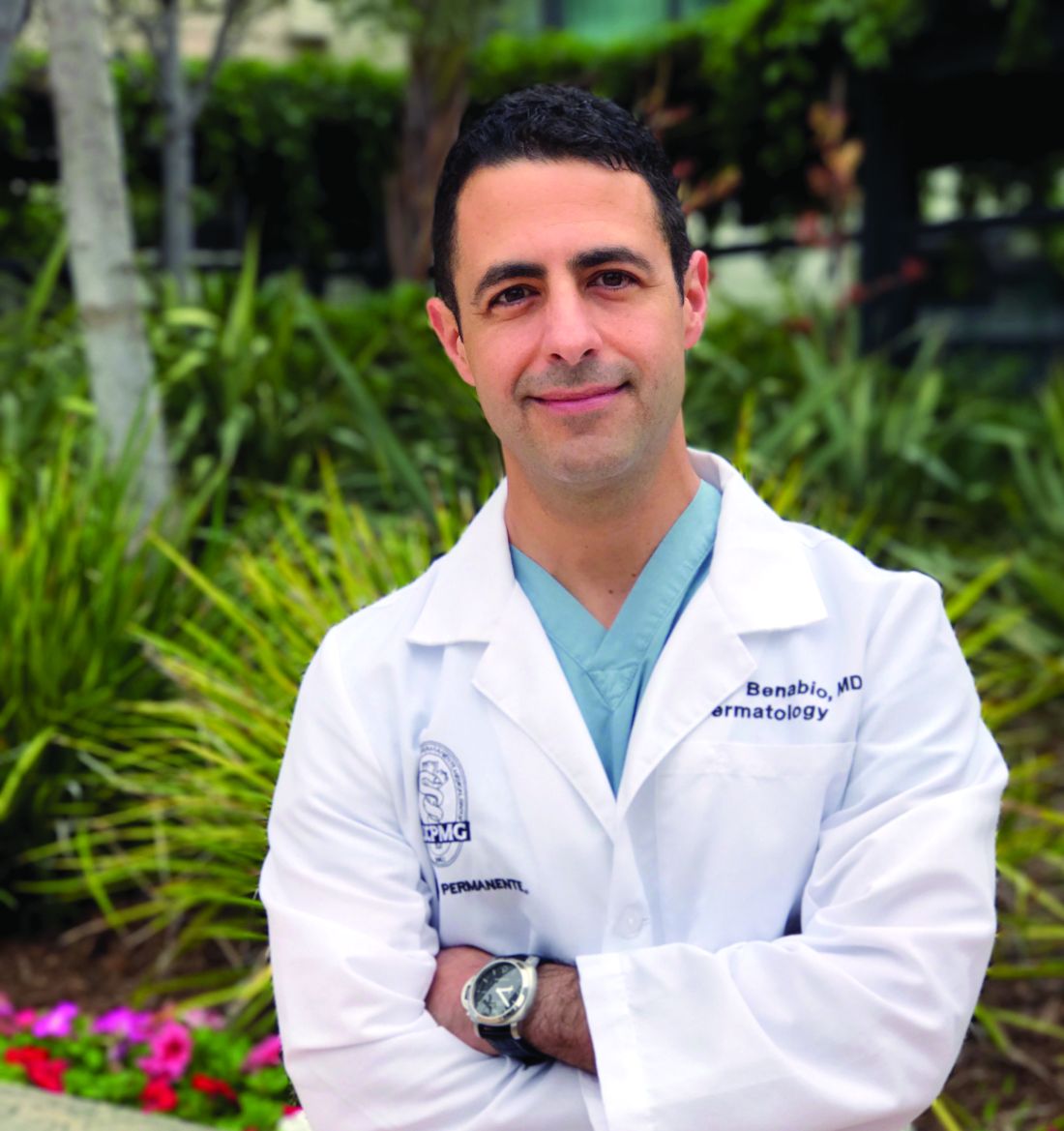
Dr. Benabio is director of Healthcare Transformation and chief of dermatology at Kaiser Permanente San Diego. The opinions expressed in this column are his own and do not represent those of Kaiser Permanente. Dr. Benabio is @Dermdoc on Twitter. Write to him at dermnews@mdedge.com
“How did we miss out on that?” “What?” my physician friend replied as we stood in line at the coffee cart. “Root cause. I mean, we invented this idea and now all these naturopaths and functional medicine quacks are gettin’ rich off it.” “Take it easy,” he says. “Just order a coffee.”
It’s hard not to be indignant. I had a morning clinic with three patients insisting I find the “root cause” of their problem. Now, if one had flagellate dermatitis after eating Asian mushroom soup, I’d have said “Root cause? Shiitake mushrooms!” and walked out like Costanza in Seinfeld, “All right, that’s it for me! Be good everybody!”
Alas no. They had perioral dermatitis, alopecia areata, eczema – no satisfying “roots” for walk-off answers.
There is a universal desire to find the proximal cause for problems. Patients often want to know it so that we address the root of their trouble and not just cut off the branches. This is deeply gratifying for those who want not only to know why, but also to have agency in how to control their disease. For example, if they believe the root cause of perioral dermatitis was excess yeast, then eating a “candida diet’’ should do the trick! Food sensitivities, hormones, and heavy metals round out the top suspects that root cause patients want to talk about.
Of course, patients have been asking about this for a long time, but lately, the root cause visit seems to be on trend. Check out any hip primary care start-up such as One Medical or any hot direct-to-consumer virtual offering such as ParsleyHealth and you will see root-cause everywhere. Our patients are expecting us to address it, or it seems they will find someone cooler who will.
Yet, it wasn’t the slick marketing team at ParsleyHeath who invented the “root cause doctor visit.” We did. It’s an idea that started with our Greek physician ancestors. Breaking from the diviners and priests, we were the first “naturalists” positing that there was a natural, not a divine cause for illness. The cardinal concept in the Hippocratic Corpus was that health was an equilibrium and illness an imbalance. They didn’t have dehydroepiandrosterone tests or mercury levels, but did have bodily fluids. Yellow bile, black bile, blood, and phlegm, were the root of all root causes. A physician simply had to identify which was in excess or deficient and fix that to cure the disease. Interestingly, the word “diagnosis” appears only once in the Corpus. The word “Diagignoskein” appears occasionally but this describes studying thoroughly, not naming a diagnosis as we understand it.
Advances in chemistry in the 17th century meant physicians could add new theories, and new root causes. Now alkaline or other chemical elixirs were added to cure at the source. Since there was no verifiable evidence to prove causes, theories were adopted to provide some rational direction to treatment. In the 18th century, physicians such as Dr. Benjamin Rush, one of the original faculty at the University of Pennsylvania school of medicine, taught that spasms of the arteries were the root cause of illnesses. “Heroic” treatments such as extreme bloodletting were the cure. (Note, those patients who survived us kept coming back to us for more).
Scientific knowledge and diagnostic technologies led to more and more complex and abstruse causes. Yet, as we became more precise and effective, our explanations became less satisfying to our patients. I can diagnose and readily treat perioral dermatitis, yet I’m hard pressed to give an answer to its root cause. “Root cause? Yes. Just apply this pimecrolimus cream for a couple of weeks and it’ll be better! All right, that’s it for me! Be good everybody!”
You’ll have to do better, George.
Dr. Benabio is director of Healthcare Transformation and chief of dermatology at Kaiser Permanente San Diego. The opinions expressed in this column are his own and do not represent those of Kaiser Permanente. Dr. Benabio is @Dermdoc on Twitter. Write to him at dermnews@mdedge.com
“How did we miss out on that?” “What?” my physician friend replied as we stood in line at the coffee cart. “Root cause. I mean, we invented this idea and now all these naturopaths and functional medicine quacks are gettin’ rich off it.” “Take it easy,” he says. “Just order a coffee.”
It’s hard not to be indignant. I had a morning clinic with three patients insisting I find the “root cause” of their problem. Now, if one had flagellate dermatitis after eating Asian mushroom soup, I’d have said “Root cause? Shiitake mushrooms!” and walked out like Costanza in Seinfeld, “All right, that’s it for me! Be good everybody!”
Alas no. They had perioral dermatitis, alopecia areata, eczema – no satisfying “roots” for walk-off answers.
There is a universal desire to find the proximal cause for problems. Patients often want to know it so that we address the root of their trouble and not just cut off the branches. This is deeply gratifying for those who want not only to know why, but also to have agency in how to control their disease. For example, if they believe the root cause of perioral dermatitis was excess yeast, then eating a “candida diet’’ should do the trick! Food sensitivities, hormones, and heavy metals round out the top suspects that root cause patients want to talk about.
Of course, patients have been asking about this for a long time, but lately, the root cause visit seems to be on trend. Check out any hip primary care start-up such as One Medical or any hot direct-to-consumer virtual offering such as ParsleyHealth and you will see root-cause everywhere. Our patients are expecting us to address it, or it seems they will find someone cooler who will.
Yet, it wasn’t the slick marketing team at ParsleyHeath who invented the “root cause doctor visit.” We did. It’s an idea that started with our Greek physician ancestors. Breaking from the diviners and priests, we were the first “naturalists” positing that there was a natural, not a divine cause for illness. The cardinal concept in the Hippocratic Corpus was that health was an equilibrium and illness an imbalance. They didn’t have dehydroepiandrosterone tests or mercury levels, but did have bodily fluids. Yellow bile, black bile, blood, and phlegm, were the root of all root causes. A physician simply had to identify which was in excess or deficient and fix that to cure the disease. Interestingly, the word “diagnosis” appears only once in the Corpus. The word “Diagignoskein” appears occasionally but this describes studying thoroughly, not naming a diagnosis as we understand it.
Advances in chemistry in the 17th century meant physicians could add new theories, and new root causes. Now alkaline or other chemical elixirs were added to cure at the source. Since there was no verifiable evidence to prove causes, theories were adopted to provide some rational direction to treatment. In the 18th century, physicians such as Dr. Benjamin Rush, one of the original faculty at the University of Pennsylvania school of medicine, taught that spasms of the arteries were the root cause of illnesses. “Heroic” treatments such as extreme bloodletting were the cure. (Note, those patients who survived us kept coming back to us for more).
Scientific knowledge and diagnostic technologies led to more and more complex and abstruse causes. Yet, as we became more precise and effective, our explanations became less satisfying to our patients. I can diagnose and readily treat perioral dermatitis, yet I’m hard pressed to give an answer to its root cause. “Root cause? Yes. Just apply this pimecrolimus cream for a couple of weeks and it’ll be better! All right, that’s it for me! Be good everybody!”
You’ll have to do better, George.
Dr. Benabio is director of Healthcare Transformation and chief of dermatology at Kaiser Permanente San Diego. The opinions expressed in this column are his own and do not represent those of Kaiser Permanente. Dr. Benabio is @Dermdoc on Twitter. Write to him at dermnews@mdedge.com
FMT in IBS: ‘We’ve been targeting the wrong part of the intestine’
VIENNA – , vs. it being administered into the large intestine, according to a new study.
Patients also reported an improvement in symptoms and quality of life with repeated doses of FMT (two doses, given 1 week apart), compared with a single dose in the small intestine, although statistical significance was not met.
“Administering a fecal transplant to the small intestine leads to long-term – up to 1 year in this analysis – colonization of beneficial bacteria, whereas administrating the fecal transplant to the large intestine results in the effect only lasting for the first 3 months,” said Magdy El-Salhy, MD, from the University of Bergen, Norway.
Dr. El-Salhy presented the results at the annual United European Gastroenterology Week meeting.
“It seems that bacteria in the small intestine play a more central role in IBS, as well as its associated fatigue, than bacteria in the large intestine,” Dr. El-Salhy said in an interview.
“Until now, we’ve been targeting the wrong part of the intestine,” he said.
The findings are the first to show that the small intestine is a more effective location for administering FMT than the large intestine for IBS. “It would be worthwhile doing similar [studies] in other diseases, especially in inflammatory bowel diseases,” said Dr. El-Salhy.
Researchers also didn’t expect the repeated dose to improve symptoms for a longer duration. “It really was revolutionary to see,” he added.
Some of Dr. El-Salhy’s patients have had up to 5 years of follow-up, although these results were not presented at this year’s UEG, he said.
“Around 75% of my patients have shown duration of response up to 3 years, and a few up to 5 years, on a 60-g dose from an earlier study group,” he said. “It’s an incredible result after a 10-minute treatment.”
In Dr. El-Salhy’s previous work, he found that increasing the dose from 30 g to 60 g increased the response from about 75% to about 90%. However, in this study presented, he found that increasing the dose to 90 g did not further increase the response. He also noted that while repeating the FMT dose improved symptoms and quality of life more than a single transplantation, it did not increase the response.
Targeting the small intestine
FMT has been widely investigated for the treatment of such conditions as psoriatic arthritis, Clostridioides difficile infection, and ulcerative colitis.
In this study, Dr. El-Salhy built on prior work (seven randomized controlled studies with varied outcomes) by asking whether the transplant dose increases FMT efficacy, which route of administration is more effective, and whether repeating FMT increases efficacy in patients with IBS.
A total of 186 patients were randomized to one of three groups: 90 g of frozen transplant into the large intestine (n = 62), 90 g of frozen transplant into the small intestine (n = 62), or 90 g of frozen transplant into the small intestine twice (with a 1-week interval; n = 62). FMT was administered via nasoduodenal tube and colonoscopy into the small and large intestines, respectively.
Outcomes were measured at 3, 6, and 12 months. The 12-month analysis of outcomes via patient questionnaire included 60, 61, and 60 patients, respectively.
The patient questionnaires included in the study were the IBS-SSS (a composite score of abdominal pain, duration of abdominal pain, bloating/distention, satisfaction with bowel habits, and IBS-related quality of life), the Birmingham IBS Symptom questionnaire, the Fatigue Assessment Scale questionnaire, the IBS-Quality of Life assessment, and the Short-Form Nepean Dyspepsia Index.
Fecal samples were taken and tested for bacterial loads. The bacterial profile and dysbiosis index were determined using the 16S rRNA gene.
At 3 months, patients had similar response rates, around 80%, across single dose in large intestine, single dose in small intestine, and repeat doses in small intestine.
At 6 months, the differences in response rates started to become noticeable, with 67.9% for single dose in large intestine, 71.4% for single dose in small intestine, and 86% for repeat doses in small intestine.
By 12 months, the difference in response rate between the single dose in the large and small intestines was statistically significant at 51.9% and 75.5%, respectively. The response rate to the repeat doses in the small intestine at 12 months (80.9%) was similar to that at 3 months (80.8%).
Side effects, including mild abdominal pain, diarrhea, and constipation, after FMT were seen for the first 5 days after treatment. “People who generally suffer from constipation get diarrhea after FMT and vice versa,” Dr. El-Salhy reported.
“Long-term side effects, as monitored up to 3 years, were not observed,” he added.
Treatment reduced IBS symptoms in all patient groups as measured by IBS-SSS scores. By 12 months, the score fell from around 350 to around 220 in patients who received a single dose in the large intestine, from around 300 to around 200 in patients who received a single dose in the small intestine, and from around 350 to around 170 in patients who received repeat doses in the small intestine.
Quality of life showed a statistically significant difference at 3 months between single and repeated doses in the small intestine and similarly at 6 and 12 months.
Chronic fatigue, experienced by many patients with IBS, was substantially reduced after FMT, Dr. El-Salhy noted. “This surge in energy is often more important to them than the gastrointestinal symptoms.”
Location affects bacterial success
Certain beneficial bacteria were found to thrive more when the donor transplant was administered to the small intestine than to the large intestine.
Of note, Lactobacillus species and Holdemanella biformis grew and then dropped off sharply after 3 months in patients who received a single-dose fecal transplant in the large intestine, while they grew after 3 months and continued to grow after 6 and 12 months in the groups who received a fecal transplant in the small intestine.
“We think bacteria in the small intestine have different characteristics to those in the large intestine,” Dr. El-Salhy said. “This is relatively new, because many years ago it was thought that bile acids prevented bacterial survival. Now we know lots can thrive in the small intestine.”
“It might be viral or some other component that is most effective here. We don’t know yet, but so far we have identified 11 bacteria of interest,” he added.
Broader questions
“Rather than focusing on a specific, single strain microbe as a predictor of success in a disease, the global equilibrium of microbiota is more important, and microbial ecology parameters would be interesting to assess,” remarked Gianluca Ianiro, MD, from the Università Cattolica del Sacro Cuore, Rome, who comoderated the session. “Selected survival of some bacteria through the gut may be the response.”
FMT emerged in response to the challenges posed by recurrent C. difficile infections, noted Alexander Khoruts, MD, a professor of medicine in the division of gastroenterology, hepatology, and nutrition at the University of Minnesota, Minneapolis, who was not involved in the research.
“It is much harder to achieve remodeling of the gut microbiome in non–C. difficile conditions where there is an intact and resilient indigenous microbiota,” he said in an interview. “Therefore, regimens using antibiotic preconditioning and repeated administrations of microbiota are generally more efficacious in achieving this objective.”
The specificity of the bacteria according to disease type targeted was important, said Dr. Khoruts, who has a special interest in gut microbiota.
“The big question in non–C. difficile indications is the composition of donor microbiota. It is critical that we understand the mechanisms involved in each target disease to design appropriate microbiota-based therapeutics,” he said.
Dr. Khoruts sounded a note of caution with respect to establishing the pharmacokinetic and dynamic data related to FMT, which is classified as a drug in the United States.
“It’s imperative that we develop the pharmacology discipline appropriate for this class of therapeutics, including their pharmacokinetics and pharmacodynamics, and an understanding of their potential toxicity and drug-drug interactions,” he said.
Drug distribution data are needed to determine host-microbiota interactions.
“This includes the small bowel microbiome, which continues to be woefully understudied,” Dr. Khoruts said.
Dr. El-Salhy reports no relevant financial relationships. Dr. Ianiro reports receiving personal fees for acting as speaker for Biocodex, Sofar, Malesci, and Tillotts Pharma, and for acting as consultant/advisor for Ferring Therapeutics, Biocodex, Tillotts Pharma, and Zambon. Dr. Khoruts reports he has patents pertaining to fecal microbiota separation from stool and their cryopreservation and lyopreservation.
A version of this article first appeared on Medscape.com.
VIENNA – , vs. it being administered into the large intestine, according to a new study.
Patients also reported an improvement in symptoms and quality of life with repeated doses of FMT (two doses, given 1 week apart), compared with a single dose in the small intestine, although statistical significance was not met.
“Administering a fecal transplant to the small intestine leads to long-term – up to 1 year in this analysis – colonization of beneficial bacteria, whereas administrating the fecal transplant to the large intestine results in the effect only lasting for the first 3 months,” said Magdy El-Salhy, MD, from the University of Bergen, Norway.
Dr. El-Salhy presented the results at the annual United European Gastroenterology Week meeting.
“It seems that bacteria in the small intestine play a more central role in IBS, as well as its associated fatigue, than bacteria in the large intestine,” Dr. El-Salhy said in an interview.
“Until now, we’ve been targeting the wrong part of the intestine,” he said.
The findings are the first to show that the small intestine is a more effective location for administering FMT than the large intestine for IBS. “It would be worthwhile doing similar [studies] in other diseases, especially in inflammatory bowel diseases,” said Dr. El-Salhy.
Researchers also didn’t expect the repeated dose to improve symptoms for a longer duration. “It really was revolutionary to see,” he added.
Some of Dr. El-Salhy’s patients have had up to 5 years of follow-up, although these results were not presented at this year’s UEG, he said.
“Around 75% of my patients have shown duration of response up to 3 years, and a few up to 5 years, on a 60-g dose from an earlier study group,” he said. “It’s an incredible result after a 10-minute treatment.”
In Dr. El-Salhy’s previous work, he found that increasing the dose from 30 g to 60 g increased the response from about 75% to about 90%. However, in this study presented, he found that increasing the dose to 90 g did not further increase the response. He also noted that while repeating the FMT dose improved symptoms and quality of life more than a single transplantation, it did not increase the response.
Targeting the small intestine
FMT has been widely investigated for the treatment of such conditions as psoriatic arthritis, Clostridioides difficile infection, and ulcerative colitis.
In this study, Dr. El-Salhy built on prior work (seven randomized controlled studies with varied outcomes) by asking whether the transplant dose increases FMT efficacy, which route of administration is more effective, and whether repeating FMT increases efficacy in patients with IBS.
A total of 186 patients were randomized to one of three groups: 90 g of frozen transplant into the large intestine (n = 62), 90 g of frozen transplant into the small intestine (n = 62), or 90 g of frozen transplant into the small intestine twice (with a 1-week interval; n = 62). FMT was administered via nasoduodenal tube and colonoscopy into the small and large intestines, respectively.
Outcomes were measured at 3, 6, and 12 months. The 12-month analysis of outcomes via patient questionnaire included 60, 61, and 60 patients, respectively.
The patient questionnaires included in the study were the IBS-SSS (a composite score of abdominal pain, duration of abdominal pain, bloating/distention, satisfaction with bowel habits, and IBS-related quality of life), the Birmingham IBS Symptom questionnaire, the Fatigue Assessment Scale questionnaire, the IBS-Quality of Life assessment, and the Short-Form Nepean Dyspepsia Index.
Fecal samples were taken and tested for bacterial loads. The bacterial profile and dysbiosis index were determined using the 16S rRNA gene.
At 3 months, patients had similar response rates, around 80%, across single dose in large intestine, single dose in small intestine, and repeat doses in small intestine.
At 6 months, the differences in response rates started to become noticeable, with 67.9% for single dose in large intestine, 71.4% for single dose in small intestine, and 86% for repeat doses in small intestine.
By 12 months, the difference in response rate between the single dose in the large and small intestines was statistically significant at 51.9% and 75.5%, respectively. The response rate to the repeat doses in the small intestine at 12 months (80.9%) was similar to that at 3 months (80.8%).
Side effects, including mild abdominal pain, diarrhea, and constipation, after FMT were seen for the first 5 days after treatment. “People who generally suffer from constipation get diarrhea after FMT and vice versa,” Dr. El-Salhy reported.
“Long-term side effects, as monitored up to 3 years, were not observed,” he added.
Treatment reduced IBS symptoms in all patient groups as measured by IBS-SSS scores. By 12 months, the score fell from around 350 to around 220 in patients who received a single dose in the large intestine, from around 300 to around 200 in patients who received a single dose in the small intestine, and from around 350 to around 170 in patients who received repeat doses in the small intestine.
Quality of life showed a statistically significant difference at 3 months between single and repeated doses in the small intestine and similarly at 6 and 12 months.
Chronic fatigue, experienced by many patients with IBS, was substantially reduced after FMT, Dr. El-Salhy noted. “This surge in energy is often more important to them than the gastrointestinal symptoms.”
Location affects bacterial success
Certain beneficial bacteria were found to thrive more when the donor transplant was administered to the small intestine than to the large intestine.
Of note, Lactobacillus species and Holdemanella biformis grew and then dropped off sharply after 3 months in patients who received a single-dose fecal transplant in the large intestine, while they grew after 3 months and continued to grow after 6 and 12 months in the groups who received a fecal transplant in the small intestine.
“We think bacteria in the small intestine have different characteristics to those in the large intestine,” Dr. El-Salhy said. “This is relatively new, because many years ago it was thought that bile acids prevented bacterial survival. Now we know lots can thrive in the small intestine.”
“It might be viral or some other component that is most effective here. We don’t know yet, but so far we have identified 11 bacteria of interest,” he added.
Broader questions
“Rather than focusing on a specific, single strain microbe as a predictor of success in a disease, the global equilibrium of microbiota is more important, and microbial ecology parameters would be interesting to assess,” remarked Gianluca Ianiro, MD, from the Università Cattolica del Sacro Cuore, Rome, who comoderated the session. “Selected survival of some bacteria through the gut may be the response.”
FMT emerged in response to the challenges posed by recurrent C. difficile infections, noted Alexander Khoruts, MD, a professor of medicine in the division of gastroenterology, hepatology, and nutrition at the University of Minnesota, Minneapolis, who was not involved in the research.
“It is much harder to achieve remodeling of the gut microbiome in non–C. difficile conditions where there is an intact and resilient indigenous microbiota,” he said in an interview. “Therefore, regimens using antibiotic preconditioning and repeated administrations of microbiota are generally more efficacious in achieving this objective.”
The specificity of the bacteria according to disease type targeted was important, said Dr. Khoruts, who has a special interest in gut microbiota.
“The big question in non–C. difficile indications is the composition of donor microbiota. It is critical that we understand the mechanisms involved in each target disease to design appropriate microbiota-based therapeutics,” he said.
Dr. Khoruts sounded a note of caution with respect to establishing the pharmacokinetic and dynamic data related to FMT, which is classified as a drug in the United States.
“It’s imperative that we develop the pharmacology discipline appropriate for this class of therapeutics, including their pharmacokinetics and pharmacodynamics, and an understanding of their potential toxicity and drug-drug interactions,” he said.
Drug distribution data are needed to determine host-microbiota interactions.
“This includes the small bowel microbiome, which continues to be woefully understudied,” Dr. Khoruts said.
Dr. El-Salhy reports no relevant financial relationships. Dr. Ianiro reports receiving personal fees for acting as speaker for Biocodex, Sofar, Malesci, and Tillotts Pharma, and for acting as consultant/advisor for Ferring Therapeutics, Biocodex, Tillotts Pharma, and Zambon. Dr. Khoruts reports he has patents pertaining to fecal microbiota separation from stool and their cryopreservation and lyopreservation.
A version of this article first appeared on Medscape.com.
VIENNA – , vs. it being administered into the large intestine, according to a new study.
Patients also reported an improvement in symptoms and quality of life with repeated doses of FMT (two doses, given 1 week apart), compared with a single dose in the small intestine, although statistical significance was not met.
“Administering a fecal transplant to the small intestine leads to long-term – up to 1 year in this analysis – colonization of beneficial bacteria, whereas administrating the fecal transplant to the large intestine results in the effect only lasting for the first 3 months,” said Magdy El-Salhy, MD, from the University of Bergen, Norway.
Dr. El-Salhy presented the results at the annual United European Gastroenterology Week meeting.
“It seems that bacteria in the small intestine play a more central role in IBS, as well as its associated fatigue, than bacteria in the large intestine,” Dr. El-Salhy said in an interview.
“Until now, we’ve been targeting the wrong part of the intestine,” he said.
The findings are the first to show that the small intestine is a more effective location for administering FMT than the large intestine for IBS. “It would be worthwhile doing similar [studies] in other diseases, especially in inflammatory bowel diseases,” said Dr. El-Salhy.
Researchers also didn’t expect the repeated dose to improve symptoms for a longer duration. “It really was revolutionary to see,” he added.
Some of Dr. El-Salhy’s patients have had up to 5 years of follow-up, although these results were not presented at this year’s UEG, he said.
“Around 75% of my patients have shown duration of response up to 3 years, and a few up to 5 years, on a 60-g dose from an earlier study group,” he said. “It’s an incredible result after a 10-minute treatment.”
In Dr. El-Salhy’s previous work, he found that increasing the dose from 30 g to 60 g increased the response from about 75% to about 90%. However, in this study presented, he found that increasing the dose to 90 g did not further increase the response. He also noted that while repeating the FMT dose improved symptoms and quality of life more than a single transplantation, it did not increase the response.
Targeting the small intestine
FMT has been widely investigated for the treatment of such conditions as psoriatic arthritis, Clostridioides difficile infection, and ulcerative colitis.
In this study, Dr. El-Salhy built on prior work (seven randomized controlled studies with varied outcomes) by asking whether the transplant dose increases FMT efficacy, which route of administration is more effective, and whether repeating FMT increases efficacy in patients with IBS.
A total of 186 patients were randomized to one of three groups: 90 g of frozen transplant into the large intestine (n = 62), 90 g of frozen transplant into the small intestine (n = 62), or 90 g of frozen transplant into the small intestine twice (with a 1-week interval; n = 62). FMT was administered via nasoduodenal tube and colonoscopy into the small and large intestines, respectively.
Outcomes were measured at 3, 6, and 12 months. The 12-month analysis of outcomes via patient questionnaire included 60, 61, and 60 patients, respectively.
The patient questionnaires included in the study were the IBS-SSS (a composite score of abdominal pain, duration of abdominal pain, bloating/distention, satisfaction with bowel habits, and IBS-related quality of life), the Birmingham IBS Symptom questionnaire, the Fatigue Assessment Scale questionnaire, the IBS-Quality of Life assessment, and the Short-Form Nepean Dyspepsia Index.
Fecal samples were taken and tested for bacterial loads. The bacterial profile and dysbiosis index were determined using the 16S rRNA gene.
At 3 months, patients had similar response rates, around 80%, across single dose in large intestine, single dose in small intestine, and repeat doses in small intestine.
At 6 months, the differences in response rates started to become noticeable, with 67.9% for single dose in large intestine, 71.4% for single dose in small intestine, and 86% for repeat doses in small intestine.
By 12 months, the difference in response rate between the single dose in the large and small intestines was statistically significant at 51.9% and 75.5%, respectively. The response rate to the repeat doses in the small intestine at 12 months (80.9%) was similar to that at 3 months (80.8%).
Side effects, including mild abdominal pain, diarrhea, and constipation, after FMT were seen for the first 5 days after treatment. “People who generally suffer from constipation get diarrhea after FMT and vice versa,” Dr. El-Salhy reported.
“Long-term side effects, as monitored up to 3 years, were not observed,” he added.
Treatment reduced IBS symptoms in all patient groups as measured by IBS-SSS scores. By 12 months, the score fell from around 350 to around 220 in patients who received a single dose in the large intestine, from around 300 to around 200 in patients who received a single dose in the small intestine, and from around 350 to around 170 in patients who received repeat doses in the small intestine.
Quality of life showed a statistically significant difference at 3 months between single and repeated doses in the small intestine and similarly at 6 and 12 months.
Chronic fatigue, experienced by many patients with IBS, was substantially reduced after FMT, Dr. El-Salhy noted. “This surge in energy is often more important to them than the gastrointestinal symptoms.”
Location affects bacterial success
Certain beneficial bacteria were found to thrive more when the donor transplant was administered to the small intestine than to the large intestine.
Of note, Lactobacillus species and Holdemanella biformis grew and then dropped off sharply after 3 months in patients who received a single-dose fecal transplant in the large intestine, while they grew after 3 months and continued to grow after 6 and 12 months in the groups who received a fecal transplant in the small intestine.
“We think bacteria in the small intestine have different characteristics to those in the large intestine,” Dr. El-Salhy said. “This is relatively new, because many years ago it was thought that bile acids prevented bacterial survival. Now we know lots can thrive in the small intestine.”
“It might be viral or some other component that is most effective here. We don’t know yet, but so far we have identified 11 bacteria of interest,” he added.
Broader questions
“Rather than focusing on a specific, single strain microbe as a predictor of success in a disease, the global equilibrium of microbiota is more important, and microbial ecology parameters would be interesting to assess,” remarked Gianluca Ianiro, MD, from the Università Cattolica del Sacro Cuore, Rome, who comoderated the session. “Selected survival of some bacteria through the gut may be the response.”
FMT emerged in response to the challenges posed by recurrent C. difficile infections, noted Alexander Khoruts, MD, a professor of medicine in the division of gastroenterology, hepatology, and nutrition at the University of Minnesota, Minneapolis, who was not involved in the research.
“It is much harder to achieve remodeling of the gut microbiome in non–C. difficile conditions where there is an intact and resilient indigenous microbiota,” he said in an interview. “Therefore, regimens using antibiotic preconditioning and repeated administrations of microbiota are generally more efficacious in achieving this objective.”
The specificity of the bacteria according to disease type targeted was important, said Dr. Khoruts, who has a special interest in gut microbiota.
“The big question in non–C. difficile indications is the composition of donor microbiota. It is critical that we understand the mechanisms involved in each target disease to design appropriate microbiota-based therapeutics,” he said.
Dr. Khoruts sounded a note of caution with respect to establishing the pharmacokinetic and dynamic data related to FMT, which is classified as a drug in the United States.
“It’s imperative that we develop the pharmacology discipline appropriate for this class of therapeutics, including their pharmacokinetics and pharmacodynamics, and an understanding of their potential toxicity and drug-drug interactions,” he said.
Drug distribution data are needed to determine host-microbiota interactions.
“This includes the small bowel microbiome, which continues to be woefully understudied,” Dr. Khoruts said.
Dr. El-Salhy reports no relevant financial relationships. Dr. Ianiro reports receiving personal fees for acting as speaker for Biocodex, Sofar, Malesci, and Tillotts Pharma, and for acting as consultant/advisor for Ferring Therapeutics, Biocodex, Tillotts Pharma, and Zambon. Dr. Khoruts reports he has patents pertaining to fecal microbiota separation from stool and their cryopreservation and lyopreservation.
A version of this article first appeared on Medscape.com.
AT UEG WEEK 2022
Apixaban outmatches rivaroxaban in patients with AFib and valvular heart disease
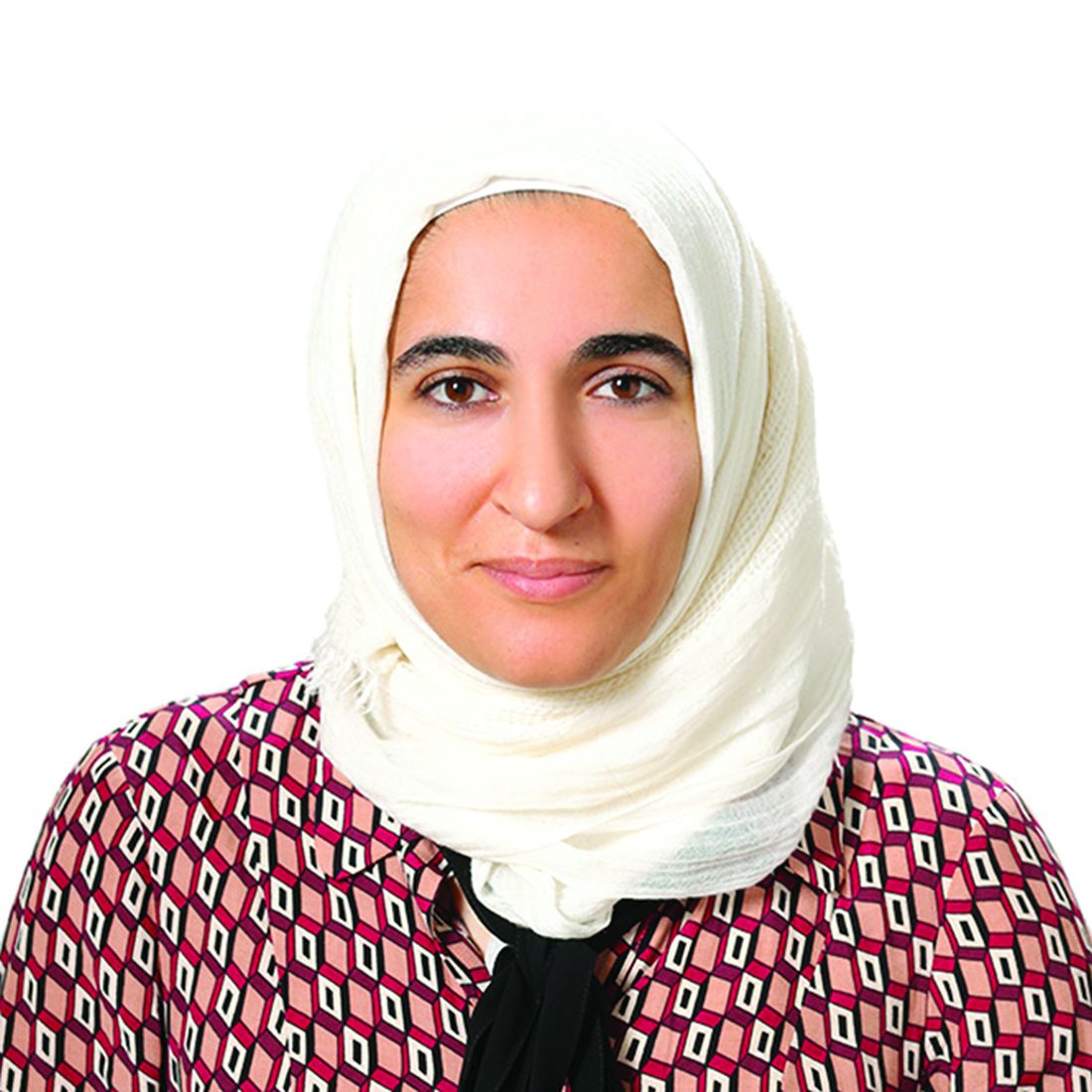
Compared with rivaroxaban, apixaban cut risks nearly in half, suggesting that clinicians should consider these new data when choosing an anticoagulant, reported lead author Ghadeer K. Dawwas, PhD, of the University of Pennsylvania, Philadelphia, and colleagues.
In the new retrospective study involving almost 20,000 patients, Dr. Dawwas and her colleagues “emulated a target trial” using private insurance claims from Optum’s deidentified Clinformatics Data Mart Database. The cohort was narrowed from a screened population of 58,210 patients with concurrent AFib and VHD to 9,947 new apixaban users who could be closely matched with 9,947 new rivaroxaban users. Covariates included provider specialty, type of VHD, demographic characteristics, measures of health care use, baseline use of medications, and baseline comorbidities.
The primary effectiveness outcome was a composite of systemic embolism and ischemic stroke, while the primary safety outcome was a composite of intracranial or gastrointestinal bleeding.
“Although several ongoing trials aim to compare apixaban with warfarin in patients with AFib and VHD, none of these trials will directly compare apixaban and rivaroxaban,” the investigators wrote. Their report is in Annals of Internal Medicine.
Dr. Dawwas and colleagues previously showed that direct oral anticoagulants (DOACs) were safer and more effective than warfarin in the same patient population. Comparing apixaban and rivaroxaban – the two most common DOACs – was the next logical step, Dr. Dawwas said in an interview.
Study results
Compared with rivaroxaban, patients who received apixaban had a 43% reduced risk of stroke or embolism (hazard ratio [HR], 0.57; 95% confidence interval [CI], 0.40-0.80). Apixaban’s ability to protect against bleeding appeared even more pronounced, with a 49% reduced risk over rivaroxaban (HR, 0.51; 95% CI, 0.41-0.62).
Comparing the two agents on an absolute basis, apixaban reduced risk of embolism or stroke by 0.2% within the first 6 months of treatment initiation, and 1.1% within the first year of initiation. At the same time points, absolute risk reductions for bleeding were 1.2% and 1.9%, respectively.
The investigators noted that their results held consistent in an alternative analysis that considered separate types of VHD.
“Based on the results from our analysis, we showed that apixaban is effective and safe in patients with atrial fibrillation and valvular heart diseases,” Dr. Dawwas said.
Head-to-head trial needed to change practice
Christopher M. Bianco, DO, associate professor of medicine at West Virginia University Heart and Vascular Institute, Morgantown, said the findings “add to the growing body of literature,” but “a head-to-head trial would be necessary to make a definitive change to clinical practice.”
Dr. Bianco, who recently conducted a retrospective analysis of apixaban and rivaroxaban that found no difference in safety and efficacy among a different patient population, said these kinds of studies are helpful in generating hypotheses, but they can’t account for all relevant clinical factors.
“There are just so many things that go into the decision-making process of [prescribing] apixaban and rivaroxaban,” he said. “Even though [Dr. Dawwas and colleagues] used propensity matching, you’re never going to be able to sort that out with a retrospective analysis.”
Specifically, Dr. Bianco noted that the findings did not include dose data. This is a key gap, he said, considering how often real-world datasets have shown that providers underdose DOACs for a number of unaccountable reasons, and how frequently patients exhibit poor adherence.
The study also lacked detail concerning the degree of renal dysfunction, which can determine drug eligibility, Dr. Bianco said. Furthermore, attempts to stratify patients based on thrombosis and bleeding risk were likely “insufficient,” he added.
Dr. Bianco also cautioned that the investigators defined valvular heart disease as any valve-related disease of any severity. In contrast, previous studies have generally restricted valvular heart disease to patients with mitral stenosis or prosthetic valves.
“This is definitely not the traditional definition of valvular heart disease, so the title is a little bit misleading in that sense, although they certainly do disclose that in the methods,” Dr. Bianco said.
On a more positive note, he highlighted the size of the patient population, and the real-world data, which included many patients who would be excluded from clinical trials.
More broadly, the study helps drive research forward, Dr. Bianco concluded; namely, by attracting financial support for a more powerful head-to-head trial that drug makers are unlikely to fund due to inherent market risk.
This study was supported by the National Institutes of Health. The investigators disclosed additional relationships with Takeda, Spark, Sanofi, and others. Dr. Bianco disclosed no conflicts of interest.
Compared with rivaroxaban, apixaban cut risks nearly in half, suggesting that clinicians should consider these new data when choosing an anticoagulant, reported lead author Ghadeer K. Dawwas, PhD, of the University of Pennsylvania, Philadelphia, and colleagues.
In the new retrospective study involving almost 20,000 patients, Dr. Dawwas and her colleagues “emulated a target trial” using private insurance claims from Optum’s deidentified Clinformatics Data Mart Database. The cohort was narrowed from a screened population of 58,210 patients with concurrent AFib and VHD to 9,947 new apixaban users who could be closely matched with 9,947 new rivaroxaban users. Covariates included provider specialty, type of VHD, demographic characteristics, measures of health care use, baseline use of medications, and baseline comorbidities.
The primary effectiveness outcome was a composite of systemic embolism and ischemic stroke, while the primary safety outcome was a composite of intracranial or gastrointestinal bleeding.
“Although several ongoing trials aim to compare apixaban with warfarin in patients with AFib and VHD, none of these trials will directly compare apixaban and rivaroxaban,” the investigators wrote. Their report is in Annals of Internal Medicine.
Dr. Dawwas and colleagues previously showed that direct oral anticoagulants (DOACs) were safer and more effective than warfarin in the same patient population. Comparing apixaban and rivaroxaban – the two most common DOACs – was the next logical step, Dr. Dawwas said in an interview.
Study results
Compared with rivaroxaban, patients who received apixaban had a 43% reduced risk of stroke or embolism (hazard ratio [HR], 0.57; 95% confidence interval [CI], 0.40-0.80). Apixaban’s ability to protect against bleeding appeared even more pronounced, with a 49% reduced risk over rivaroxaban (HR, 0.51; 95% CI, 0.41-0.62).
Comparing the two agents on an absolute basis, apixaban reduced risk of embolism or stroke by 0.2% within the first 6 months of treatment initiation, and 1.1% within the first year of initiation. At the same time points, absolute risk reductions for bleeding were 1.2% and 1.9%, respectively.
The investigators noted that their results held consistent in an alternative analysis that considered separate types of VHD.
“Based on the results from our analysis, we showed that apixaban is effective and safe in patients with atrial fibrillation and valvular heart diseases,” Dr. Dawwas said.
Head-to-head trial needed to change practice
Christopher M. Bianco, DO, associate professor of medicine at West Virginia University Heart and Vascular Institute, Morgantown, said the findings “add to the growing body of literature,” but “a head-to-head trial would be necessary to make a definitive change to clinical practice.”
Dr. Bianco, who recently conducted a retrospective analysis of apixaban and rivaroxaban that found no difference in safety and efficacy among a different patient population, said these kinds of studies are helpful in generating hypotheses, but they can’t account for all relevant clinical factors.
“There are just so many things that go into the decision-making process of [prescribing] apixaban and rivaroxaban,” he said. “Even though [Dr. Dawwas and colleagues] used propensity matching, you’re never going to be able to sort that out with a retrospective analysis.”
Specifically, Dr. Bianco noted that the findings did not include dose data. This is a key gap, he said, considering how often real-world datasets have shown that providers underdose DOACs for a number of unaccountable reasons, and how frequently patients exhibit poor adherence.
The study also lacked detail concerning the degree of renal dysfunction, which can determine drug eligibility, Dr. Bianco said. Furthermore, attempts to stratify patients based on thrombosis and bleeding risk were likely “insufficient,” he added.
Dr. Bianco also cautioned that the investigators defined valvular heart disease as any valve-related disease of any severity. In contrast, previous studies have generally restricted valvular heart disease to patients with mitral stenosis or prosthetic valves.
“This is definitely not the traditional definition of valvular heart disease, so the title is a little bit misleading in that sense, although they certainly do disclose that in the methods,” Dr. Bianco said.
On a more positive note, he highlighted the size of the patient population, and the real-world data, which included many patients who would be excluded from clinical trials.
More broadly, the study helps drive research forward, Dr. Bianco concluded; namely, by attracting financial support for a more powerful head-to-head trial that drug makers are unlikely to fund due to inherent market risk.
This study was supported by the National Institutes of Health. The investigators disclosed additional relationships with Takeda, Spark, Sanofi, and others. Dr. Bianco disclosed no conflicts of interest.
Compared with rivaroxaban, apixaban cut risks nearly in half, suggesting that clinicians should consider these new data when choosing an anticoagulant, reported lead author Ghadeer K. Dawwas, PhD, of the University of Pennsylvania, Philadelphia, and colleagues.
In the new retrospective study involving almost 20,000 patients, Dr. Dawwas and her colleagues “emulated a target trial” using private insurance claims from Optum’s deidentified Clinformatics Data Mart Database. The cohort was narrowed from a screened population of 58,210 patients with concurrent AFib and VHD to 9,947 new apixaban users who could be closely matched with 9,947 new rivaroxaban users. Covariates included provider specialty, type of VHD, demographic characteristics, measures of health care use, baseline use of medications, and baseline comorbidities.
The primary effectiveness outcome was a composite of systemic embolism and ischemic stroke, while the primary safety outcome was a composite of intracranial or gastrointestinal bleeding.
“Although several ongoing trials aim to compare apixaban with warfarin in patients with AFib and VHD, none of these trials will directly compare apixaban and rivaroxaban,” the investigators wrote. Their report is in Annals of Internal Medicine.
Dr. Dawwas and colleagues previously showed that direct oral anticoagulants (DOACs) were safer and more effective than warfarin in the same patient population. Comparing apixaban and rivaroxaban – the two most common DOACs – was the next logical step, Dr. Dawwas said in an interview.
Study results
Compared with rivaroxaban, patients who received apixaban had a 43% reduced risk of stroke or embolism (hazard ratio [HR], 0.57; 95% confidence interval [CI], 0.40-0.80). Apixaban’s ability to protect against bleeding appeared even more pronounced, with a 49% reduced risk over rivaroxaban (HR, 0.51; 95% CI, 0.41-0.62).
Comparing the two agents on an absolute basis, apixaban reduced risk of embolism or stroke by 0.2% within the first 6 months of treatment initiation, and 1.1% within the first year of initiation. At the same time points, absolute risk reductions for bleeding were 1.2% and 1.9%, respectively.
The investigators noted that their results held consistent in an alternative analysis that considered separate types of VHD.
“Based on the results from our analysis, we showed that apixaban is effective and safe in patients with atrial fibrillation and valvular heart diseases,” Dr. Dawwas said.
Head-to-head trial needed to change practice
Christopher M. Bianco, DO, associate professor of medicine at West Virginia University Heart and Vascular Institute, Morgantown, said the findings “add to the growing body of literature,” but “a head-to-head trial would be necessary to make a definitive change to clinical practice.”
Dr. Bianco, who recently conducted a retrospective analysis of apixaban and rivaroxaban that found no difference in safety and efficacy among a different patient population, said these kinds of studies are helpful in generating hypotheses, but they can’t account for all relevant clinical factors.
“There are just so many things that go into the decision-making process of [prescribing] apixaban and rivaroxaban,” he said. “Even though [Dr. Dawwas and colleagues] used propensity matching, you’re never going to be able to sort that out with a retrospective analysis.”
Specifically, Dr. Bianco noted that the findings did not include dose data. This is a key gap, he said, considering how often real-world datasets have shown that providers underdose DOACs for a number of unaccountable reasons, and how frequently patients exhibit poor adherence.
The study also lacked detail concerning the degree of renal dysfunction, which can determine drug eligibility, Dr. Bianco said. Furthermore, attempts to stratify patients based on thrombosis and bleeding risk were likely “insufficient,” he added.
Dr. Bianco also cautioned that the investigators defined valvular heart disease as any valve-related disease of any severity. In contrast, previous studies have generally restricted valvular heart disease to patients with mitral stenosis or prosthetic valves.
“This is definitely not the traditional definition of valvular heart disease, so the title is a little bit misleading in that sense, although they certainly do disclose that in the methods,” Dr. Bianco said.
On a more positive note, he highlighted the size of the patient population, and the real-world data, which included many patients who would be excluded from clinical trials.
More broadly, the study helps drive research forward, Dr. Bianco concluded; namely, by attracting financial support for a more powerful head-to-head trial that drug makers are unlikely to fund due to inherent market risk.
This study was supported by the National Institutes of Health. The investigators disclosed additional relationships with Takeda, Spark, Sanofi, and others. Dr. Bianco disclosed no conflicts of interest.
FROM ANNALS OF INTERNAL MEDICINE
Instagram may make new moms feel inadequate: Study
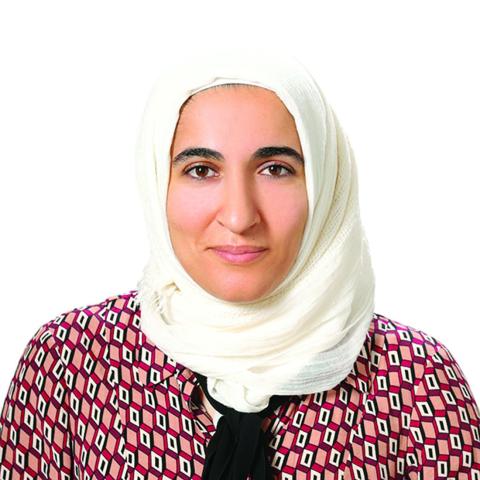
Does Instagram make new moms feel inadequate? Yes, suggests a new study that warns images of new mothers on social media may drive body dissatisfaction and feelings of not being good enough.
Lead researcher Megan Gow, PhD, a National Health and Medical Research Council early career fellow at the University of Sydney Children’s Hospital Westmead Clinical School, says she wanted to find out if Instagram images reflected the actual population of postpartum women.
“We were concerned images would be idealized, placing postpartum women, who are already a vulnerable group, at increased risk,” she says.
The findings, published recently in the journal Healthcare, suggest social media may not be the right platform to target health messages to new moms.
A vulnerable time
The months after an infant’s birth are a vulnerable time for new moms. Women contend with huge hormone shifts, sleep deprivation, and a major life change – all while caring for a new child.
A 2021 Nestle study found 32% of parents feel isolated, while a 2017 online poll in the United Kingdom found 54% of new moms felt “friendless.” And according to the American Psychological Association, up to one in seven new mothers will face postpartum depression, while 9% will have posttraumatic stress disorder, according to Postpartum Support International.
The pandemic may have worsened the isolation new mothers feel. A May 2022 study in the Journal of Psychiatric Research found U.S. rates of postpartum depression rose in the first year of the COVID-19 pandemic.
While new motherhood was stressful enough in the analog age, women today must contend with social media, which increases feelings of isolation. A June 2021 study published in Frontiers in Psychology said social media users between the ages of 26 and 35 reported higher rates of loneliness. That’s in line with Dr. Gow’s study, which noted 39% of Instagram’s monthly active users are women between the ages of 18 and 44. And nearly two-thirds of them – 63% – log onto the platform daily.
“The postpartum phase can feel very isolated, and being vocal about the postpartum shifts that all mothers go through helps set expectations and normalize the experience for those of us who are post partum,” says Catie de Montille, 36, a mother of two in Washington, D.C.
Instagram sets the wrong expectations
Instagram sets unreasonable expectations for new mothers, Dr. Gow and her colleagues found in their study.
She and her fellow researchers analyzed 600 posts that used #postpartumbody, a hashtag that had been posted on Instagram more than 2 million times by October 2022. Other hashtags like #mombod and #postbabybody have been used 1.9 million and 320,000 times, respectively.
Of the 600 posts, 409 (68%) focused on a woman as the central image. The researchers analyzed those 409 posts to find out if they reflected women’s post-childbirth reality.
They found that more than 9 in 10 posts (91%) showed women who appeared to have low body fat (37%) or average body fat (54%). Only 9% showed women who seemed to be overweight. And the researchers also found just 5% of images showed features commonly associated with a postpartum body, like stretch marks or scars from cesarean sections.
Women need to be aware that “what is posted on Instagram may not be realistic and is not representative of the vast majority of women in the postpartum period,” Dr. Gow says.
The images also did not portray women as physically strong.
Dr. Gow’s team examined 250 images for signs of muscularity. More than half, 52%, showed few or no defined muscles. That finding came even though more than half of the original 409 images showed women in fitness attire (40%), underwear (8%), or a bathing suit (5%).
According to Emily Fortney, PsyD, a licensed clinical psychologist in Sacramento, Calif., the study shows that health care workers must work harder to set expectations for new moms.
“This is a deeper issue of how women are overall portrayed in the media and the pressure we face to return to some unrealistic size,” she says. “We need to be encouraging women to not focus on photos, but to focus on the postpartum experience in an all-encompassing way that includes both physical and mental health.”
Childbirth as an illness to overcome?
While retail brands from Nike to Versace have begun to show a wider range of female shapes in advertisements and on the runway, postpartum women seem to be left out of this movement. Dr. Gow and her fellow researchers referred to a 2012 study that examined images in popular Australian magazines and concluded these photos likened the pregnant body to an illness from which women needed to recover.
The images posted on Instagram indicate that belief is still pervasive. The images of postpartum women in fitness clothes suggest “that women want to be seen to be exercising as a means of breaking the ‘hold’ that pregnancy had on them or ‘repairing’ their postpartum body,” Dr. Gow and her fellow researchers say.
New Orleans resident Sydney Neal, 32, a mother of two who gave birth to her youngest child in November 2021, said social media helped shape her view of what “recovery” would be like.
While Ms. Neal said some celebrities like Chrissy Teigen, a mother of two, have “kept it very real” on Instagram, she also “saw a lot of women on social media drop [their weight] quickly and post as if they were back to normal much faster than 6 months.”
Body-positive tools for new moms
Dr. Gow is continuing to study this topic. Her team is currently doing a study that will ask women about social media use, how they feel about their bodies, and how their beliefs change after viewing images tagged with #postpartumbody. (Women with children under the age of 2 can access the survey here.)
Because of the unrealistic images, Dr. Gow and her team said Instagram may not be a good tool for sharing health information with new moms.
But there are other options.
Ms. de Montille, whose children were born in 2020 and 2022, used apps like Back to You and Expectful, and she follows Karrie Locher, a postpartum and neonatal nurse and certified lactation counselor, on Instagram. She said these tools focus on the mind/body connection, which “is better than focusing on the size of your jeans.”
Women also should be able to turn to trusted health care professionals.
“Providers can start speaking about the romanticization of pregnancy and motherhood starting in prenatal care, and they can start speaking more about social media use and the pros and cons of use specifically in the perinatal period,” says Dr. Fortney. “This opens the door to a discussion on a wide range of issues that can actually help assess, prevent, and treat perinatal mood and anxiety disorders.”
Ms. Neal, the mother of two in New Orleans, said she wished her doctor had talked to her more about what to expect after giving birth.
“I don’t really know how to crack the body image nut, but I think starting in a medical setting might be helpful,” she says.
A version of this article first appeared on WebMD.com.
Does Instagram make new moms feel inadequate? Yes, suggests a new study that warns images of new mothers on social media may drive body dissatisfaction and feelings of not being good enough.
Lead researcher Megan Gow, PhD, a National Health and Medical Research Council early career fellow at the University of Sydney Children’s Hospital Westmead Clinical School, says she wanted to find out if Instagram images reflected the actual population of postpartum women.
“We were concerned images would be idealized, placing postpartum women, who are already a vulnerable group, at increased risk,” she says.
The findings, published recently in the journal Healthcare, suggest social media may not be the right platform to target health messages to new moms.
A vulnerable time
The months after an infant’s birth are a vulnerable time for new moms. Women contend with huge hormone shifts, sleep deprivation, and a major life change – all while caring for a new child.
A 2021 Nestle study found 32% of parents feel isolated, while a 2017 online poll in the United Kingdom found 54% of new moms felt “friendless.” And according to the American Psychological Association, up to one in seven new mothers will face postpartum depression, while 9% will have posttraumatic stress disorder, according to Postpartum Support International.
The pandemic may have worsened the isolation new mothers feel. A May 2022 study in the Journal of Psychiatric Research found U.S. rates of postpartum depression rose in the first year of the COVID-19 pandemic.
While new motherhood was stressful enough in the analog age, women today must contend with social media, which increases feelings of isolation. A June 2021 study published in Frontiers in Psychology said social media users between the ages of 26 and 35 reported higher rates of loneliness. That’s in line with Dr. Gow’s study, which noted 39% of Instagram’s monthly active users are women between the ages of 18 and 44. And nearly two-thirds of them – 63% – log onto the platform daily.
“The postpartum phase can feel very isolated, and being vocal about the postpartum shifts that all mothers go through helps set expectations and normalize the experience for those of us who are post partum,” says Catie de Montille, 36, a mother of two in Washington, D.C.
Instagram sets the wrong expectations
Instagram sets unreasonable expectations for new mothers, Dr. Gow and her colleagues found in their study.
She and her fellow researchers analyzed 600 posts that used #postpartumbody, a hashtag that had been posted on Instagram more than 2 million times by October 2022. Other hashtags like #mombod and #postbabybody have been used 1.9 million and 320,000 times, respectively.
Of the 600 posts, 409 (68%) focused on a woman as the central image. The researchers analyzed those 409 posts to find out if they reflected women’s post-childbirth reality.
They found that more than 9 in 10 posts (91%) showed women who appeared to have low body fat (37%) or average body fat (54%). Only 9% showed women who seemed to be overweight. And the researchers also found just 5% of images showed features commonly associated with a postpartum body, like stretch marks or scars from cesarean sections.
Women need to be aware that “what is posted on Instagram may not be realistic and is not representative of the vast majority of women in the postpartum period,” Dr. Gow says.
The images also did not portray women as physically strong.
Dr. Gow’s team examined 250 images for signs of muscularity. More than half, 52%, showed few or no defined muscles. That finding came even though more than half of the original 409 images showed women in fitness attire (40%), underwear (8%), or a bathing suit (5%).
According to Emily Fortney, PsyD, a licensed clinical psychologist in Sacramento, Calif., the study shows that health care workers must work harder to set expectations for new moms.
“This is a deeper issue of how women are overall portrayed in the media and the pressure we face to return to some unrealistic size,” she says. “We need to be encouraging women to not focus on photos, but to focus on the postpartum experience in an all-encompassing way that includes both physical and mental health.”
Childbirth as an illness to overcome?
While retail brands from Nike to Versace have begun to show a wider range of female shapes in advertisements and on the runway, postpartum women seem to be left out of this movement. Dr. Gow and her fellow researchers referred to a 2012 study that examined images in popular Australian magazines and concluded these photos likened the pregnant body to an illness from which women needed to recover.
The images posted on Instagram indicate that belief is still pervasive. The images of postpartum women in fitness clothes suggest “that women want to be seen to be exercising as a means of breaking the ‘hold’ that pregnancy had on them or ‘repairing’ their postpartum body,” Dr. Gow and her fellow researchers say.
New Orleans resident Sydney Neal, 32, a mother of two who gave birth to her youngest child in November 2021, said social media helped shape her view of what “recovery” would be like.
While Ms. Neal said some celebrities like Chrissy Teigen, a mother of two, have “kept it very real” on Instagram, she also “saw a lot of women on social media drop [their weight] quickly and post as if they were back to normal much faster than 6 months.”
Body-positive tools for new moms
Dr. Gow is continuing to study this topic. Her team is currently doing a study that will ask women about social media use, how they feel about their bodies, and how their beliefs change after viewing images tagged with #postpartumbody. (Women with children under the age of 2 can access the survey here.)
Because of the unrealistic images, Dr. Gow and her team said Instagram may not be a good tool for sharing health information with new moms.
But there are other options.
Ms. de Montille, whose children were born in 2020 and 2022, used apps like Back to You and Expectful, and she follows Karrie Locher, a postpartum and neonatal nurse and certified lactation counselor, on Instagram. She said these tools focus on the mind/body connection, which “is better than focusing on the size of your jeans.”
Women also should be able to turn to trusted health care professionals.
“Providers can start speaking about the romanticization of pregnancy and motherhood starting in prenatal care, and they can start speaking more about social media use and the pros and cons of use specifically in the perinatal period,” says Dr. Fortney. “This opens the door to a discussion on a wide range of issues that can actually help assess, prevent, and treat perinatal mood and anxiety disorders.”
Ms. Neal, the mother of two in New Orleans, said she wished her doctor had talked to her more about what to expect after giving birth.
“I don’t really know how to crack the body image nut, but I think starting in a medical setting might be helpful,” she says.
A version of this article first appeared on WebMD.com.
Does Instagram make new moms feel inadequate? Yes, suggests a new study that warns images of new mothers on social media may drive body dissatisfaction and feelings of not being good enough.
Lead researcher Megan Gow, PhD, a National Health and Medical Research Council early career fellow at the University of Sydney Children’s Hospital Westmead Clinical School, says she wanted to find out if Instagram images reflected the actual population of postpartum women.
“We were concerned images would be idealized, placing postpartum women, who are already a vulnerable group, at increased risk,” she says.
The findings, published recently in the journal Healthcare, suggest social media may not be the right platform to target health messages to new moms.
A vulnerable time
The months after an infant’s birth are a vulnerable time for new moms. Women contend with huge hormone shifts, sleep deprivation, and a major life change – all while caring for a new child.
A 2021 Nestle study found 32% of parents feel isolated, while a 2017 online poll in the United Kingdom found 54% of new moms felt “friendless.” And according to the American Psychological Association, up to one in seven new mothers will face postpartum depression, while 9% will have posttraumatic stress disorder, according to Postpartum Support International.
The pandemic may have worsened the isolation new mothers feel. A May 2022 study in the Journal of Psychiatric Research found U.S. rates of postpartum depression rose in the first year of the COVID-19 pandemic.
While new motherhood was stressful enough in the analog age, women today must contend with social media, which increases feelings of isolation. A June 2021 study published in Frontiers in Psychology said social media users between the ages of 26 and 35 reported higher rates of loneliness. That’s in line with Dr. Gow’s study, which noted 39% of Instagram’s monthly active users are women between the ages of 18 and 44. And nearly two-thirds of them – 63% – log onto the platform daily.
“The postpartum phase can feel very isolated, and being vocal about the postpartum shifts that all mothers go through helps set expectations and normalize the experience for those of us who are post partum,” says Catie de Montille, 36, a mother of two in Washington, D.C.
Instagram sets the wrong expectations
Instagram sets unreasonable expectations for new mothers, Dr. Gow and her colleagues found in their study.
She and her fellow researchers analyzed 600 posts that used #postpartumbody, a hashtag that had been posted on Instagram more than 2 million times by October 2022. Other hashtags like #mombod and #postbabybody have been used 1.9 million and 320,000 times, respectively.
Of the 600 posts, 409 (68%) focused on a woman as the central image. The researchers analyzed those 409 posts to find out if they reflected women’s post-childbirth reality.
They found that more than 9 in 10 posts (91%) showed women who appeared to have low body fat (37%) or average body fat (54%). Only 9% showed women who seemed to be overweight. And the researchers also found just 5% of images showed features commonly associated with a postpartum body, like stretch marks or scars from cesarean sections.
Women need to be aware that “what is posted on Instagram may not be realistic and is not representative of the vast majority of women in the postpartum period,” Dr. Gow says.
The images also did not portray women as physically strong.
Dr. Gow’s team examined 250 images for signs of muscularity. More than half, 52%, showed few or no defined muscles. That finding came even though more than half of the original 409 images showed women in fitness attire (40%), underwear (8%), or a bathing suit (5%).
According to Emily Fortney, PsyD, a licensed clinical psychologist in Sacramento, Calif., the study shows that health care workers must work harder to set expectations for new moms.
“This is a deeper issue of how women are overall portrayed in the media and the pressure we face to return to some unrealistic size,” she says. “We need to be encouraging women to not focus on photos, but to focus on the postpartum experience in an all-encompassing way that includes both physical and mental health.”
Childbirth as an illness to overcome?
While retail brands from Nike to Versace have begun to show a wider range of female shapes in advertisements and on the runway, postpartum women seem to be left out of this movement. Dr. Gow and her fellow researchers referred to a 2012 study that examined images in popular Australian magazines and concluded these photos likened the pregnant body to an illness from which women needed to recover.
The images posted on Instagram indicate that belief is still pervasive. The images of postpartum women in fitness clothes suggest “that women want to be seen to be exercising as a means of breaking the ‘hold’ that pregnancy had on them or ‘repairing’ their postpartum body,” Dr. Gow and her fellow researchers say.
New Orleans resident Sydney Neal, 32, a mother of two who gave birth to her youngest child in November 2021, said social media helped shape her view of what “recovery” would be like.
While Ms. Neal said some celebrities like Chrissy Teigen, a mother of two, have “kept it very real” on Instagram, she also “saw a lot of women on social media drop [their weight] quickly and post as if they were back to normal much faster than 6 months.”
Body-positive tools for new moms
Dr. Gow is continuing to study this topic. Her team is currently doing a study that will ask women about social media use, how they feel about their bodies, and how their beliefs change after viewing images tagged with #postpartumbody. (Women with children under the age of 2 can access the survey here.)
Because of the unrealistic images, Dr. Gow and her team said Instagram may not be a good tool for sharing health information with new moms.
But there are other options.
Ms. de Montille, whose children were born in 2020 and 2022, used apps like Back to You and Expectful, and she follows Karrie Locher, a postpartum and neonatal nurse and certified lactation counselor, on Instagram. She said these tools focus on the mind/body connection, which “is better than focusing on the size of your jeans.”
Women also should be able to turn to trusted health care professionals.
“Providers can start speaking about the romanticization of pregnancy and motherhood starting in prenatal care, and they can start speaking more about social media use and the pros and cons of use specifically in the perinatal period,” says Dr. Fortney. “This opens the door to a discussion on a wide range of issues that can actually help assess, prevent, and treat perinatal mood and anxiety disorders.”
Ms. Neal, the mother of two in New Orleans, said she wished her doctor had talked to her more about what to expect after giving birth.
“I don’t really know how to crack the body image nut, but I think starting in a medical setting might be helpful,” she says.
A version of this article first appeared on WebMD.com.
FROM HEALTHCARE
‘Too good to be true’? Ultrasound safely treats kidney stones
Treatment with transcutaneous, focused ultrasound safely led to the repositioning and rupture of a majority of stones in the ureter when tested in 29 people at two U.S. centers in the first human feasibility study of the technology.*
potentially relieving pain and facilitating passage in awake patients,” write M. Kennedy Hall, MD, an emergency medicine physician at the University of Washington School of Medicine, Seattle, and co-authors in a report published in the Journal of Urology.
“This is the first human trial in awake subjects” of this method for nonsurgically facilitating ureteral stone clearance, and the results of limited patient discomfort and stone motion in 66% of treated patients seem “almost too good to be true,” comments Karen L. Stern, MD, a urologist at the Mayo Clinic, Phoenix, in an accompanying editorial.
However, Dr. Stern notes two study limitations. First, to correctly target the focused ultrasound clinicians first need to visualize a stone with ultrasound. However, “most urologists are not experienced in ultrasound,” a limitation that could mean the treatment may be more likely performed by emergency physicians or radiologists in the future.
Second, the study had no control patients, and Dr. Stern cautions that the clinical significance of BWL cannot be definitively assessed without a randomized trial that directly compares the new method with either spontaneous stone passage or medical expulsion therapy.
“The authors showed a distal ureteral stone passage [rate] of 81%, but those stones passed within days, not minutes, of the procedure, and that rate is not too far off published data on spontaneous passage,” Dr. Stern notes in her editorial.*
Despite these caveats, Dr. Stern calls the potential for BWL “immense.”
Ultrasound for 10 minutes or less
The study enrolled adults who presented to the University of Washington emergency department or endo-urology clinic with a proximal or distal ureteral stone. Twenty-nine awake, unanesthetized patients in whom clinicians had an unobstructed view of a stone in the focal zone received ultrasound treatment performed by trained personnel.
Treatment involved ultrasound bursts of up to 3 seconds for stone propulsion and 30 seconds at a time for BWL. Total ultrasound exposure could not exceed 10 minutes, and no patient underwent more than one treatment. Sixteen patients received treatment for propulsion only, and 13 received both propulsion and BWL treatments.
The primary outcome was stone motion, which occurred in 19 of the 29 patients (66%). A prespecified secondary outcome was passage of the stone in the 26 patients with distal stones. Among the 21 patients with at least 14 days of follow-up, passage occurred in 18 (86%) after an average of 3.9 days following treatment. The researchers also confirmed stone fragmentation in five of the 13 patients (38%) who received BWL treatment.
The researchers infer that ultrasound treatment facilitated stone passage by stone propulsion, fragmentation, and peristalsis.
Mathew D. Sorensen, MD, a study co-investigator, likened the effect of ultrasound on the stones to a leaf blower on garden debris.
“Essentially, we use the acoustic energy of ultrasound, which gets focused on the stone and creates movement, like a blower,” said Dr. Sorensen, a urologist at the University of Washington School of Medicine. “A push of energy lasts a second or two, sort of a sweeping movement to try to get fragments to move out of what’s usually the bottom of the kidney, toward the exit. Because the energy moves in one way, away from the probe, it’s sort of like playing pool,” he explained.
All 29 treated patients in the current study tolerated the procedure, and none experienced unanticipated events. No patients needed to visit the emergency department or an intervention because of the treatment, and there were no observed ureter injuries.
Pain scores dropped significantly, procedure is ‘nearly painless’
Assessment of pain scores by each patient before and after treatment showed overall significant decreases in both mean and median scores, with 10 patients reporting decreased pain and two reporting increased pain.
When discomfort occurred during the procedure it was described by patients as either similar to a pinprick or as a referred sensation to pass urine and the stone. These effects occurred during 18 of 820 (2%) total propulsive bursts of ultrasound administered.
“It’s nearly painless, and you can do it while the patient is awake, and without sedation, which is critical,” said Dr. Hall in a statement from the University of Washington School of Medicine. He envisions eventually performing the procedure in a clinic or emergency department setting.
All three patients with a proximal stone and three patients with a distal stone who did not pass their stone after treatment underwent surgical stone removal.
The researchers acknowledge that a lack of a control group was a study limitation. They cite a historical, spontaneous stone passage rate of 54% included in a 2016 guideline from the American Urological Association and based on a meta-analysis of 27 studies with 1,205 total patients.
The study was funded by the United States National Aeronautics and Space Administration, which is interested in having a technology available to treat ureteral stones that may develop during prolonged space travel.
The study received no commercial funding. Four of the study’s 23 authors, including Dr. Sorensen, are consultants to and hold equity in SonoMotion, a company that has licensed the tested technology from the University of Washington for commercial development. The report did not identify a specific manufacturer of the ultrasound equipment used for treatment.
A version of this article first appeared on Medscape.com.
*Correction, 10/21/22: An earlier version of this article misstated the location of the stones. They were in the ureter.
Treatment with transcutaneous, focused ultrasound safely led to the repositioning and rupture of a majority of stones in the ureter when tested in 29 people at two U.S. centers in the first human feasibility study of the technology.*
potentially relieving pain and facilitating passage in awake patients,” write M. Kennedy Hall, MD, an emergency medicine physician at the University of Washington School of Medicine, Seattle, and co-authors in a report published in the Journal of Urology.
“This is the first human trial in awake subjects” of this method for nonsurgically facilitating ureteral stone clearance, and the results of limited patient discomfort and stone motion in 66% of treated patients seem “almost too good to be true,” comments Karen L. Stern, MD, a urologist at the Mayo Clinic, Phoenix, in an accompanying editorial.
However, Dr. Stern notes two study limitations. First, to correctly target the focused ultrasound clinicians first need to visualize a stone with ultrasound. However, “most urologists are not experienced in ultrasound,” a limitation that could mean the treatment may be more likely performed by emergency physicians or radiologists in the future.
Second, the study had no control patients, and Dr. Stern cautions that the clinical significance of BWL cannot be definitively assessed without a randomized trial that directly compares the new method with either spontaneous stone passage or medical expulsion therapy.
“The authors showed a distal ureteral stone passage [rate] of 81%, but those stones passed within days, not minutes, of the procedure, and that rate is not too far off published data on spontaneous passage,” Dr. Stern notes in her editorial.*
Despite these caveats, Dr. Stern calls the potential for BWL “immense.”
Ultrasound for 10 minutes or less
The study enrolled adults who presented to the University of Washington emergency department or endo-urology clinic with a proximal or distal ureteral stone. Twenty-nine awake, unanesthetized patients in whom clinicians had an unobstructed view of a stone in the focal zone received ultrasound treatment performed by trained personnel.
Treatment involved ultrasound bursts of up to 3 seconds for stone propulsion and 30 seconds at a time for BWL. Total ultrasound exposure could not exceed 10 minutes, and no patient underwent more than one treatment. Sixteen patients received treatment for propulsion only, and 13 received both propulsion and BWL treatments.
The primary outcome was stone motion, which occurred in 19 of the 29 patients (66%). A prespecified secondary outcome was passage of the stone in the 26 patients with distal stones. Among the 21 patients with at least 14 days of follow-up, passage occurred in 18 (86%) after an average of 3.9 days following treatment. The researchers also confirmed stone fragmentation in five of the 13 patients (38%) who received BWL treatment.
The researchers infer that ultrasound treatment facilitated stone passage by stone propulsion, fragmentation, and peristalsis.
Mathew D. Sorensen, MD, a study co-investigator, likened the effect of ultrasound on the stones to a leaf blower on garden debris.
“Essentially, we use the acoustic energy of ultrasound, which gets focused on the stone and creates movement, like a blower,” said Dr. Sorensen, a urologist at the University of Washington School of Medicine. “A push of energy lasts a second or two, sort of a sweeping movement to try to get fragments to move out of what’s usually the bottom of the kidney, toward the exit. Because the energy moves in one way, away from the probe, it’s sort of like playing pool,” he explained.
All 29 treated patients in the current study tolerated the procedure, and none experienced unanticipated events. No patients needed to visit the emergency department or an intervention because of the treatment, and there were no observed ureter injuries.
Pain scores dropped significantly, procedure is ‘nearly painless’
Assessment of pain scores by each patient before and after treatment showed overall significant decreases in both mean and median scores, with 10 patients reporting decreased pain and two reporting increased pain.
When discomfort occurred during the procedure it was described by patients as either similar to a pinprick or as a referred sensation to pass urine and the stone. These effects occurred during 18 of 820 (2%) total propulsive bursts of ultrasound administered.
“It’s nearly painless, and you can do it while the patient is awake, and without sedation, which is critical,” said Dr. Hall in a statement from the University of Washington School of Medicine. He envisions eventually performing the procedure in a clinic or emergency department setting.
All three patients with a proximal stone and three patients with a distal stone who did not pass their stone after treatment underwent surgical stone removal.
The researchers acknowledge that a lack of a control group was a study limitation. They cite a historical, spontaneous stone passage rate of 54% included in a 2016 guideline from the American Urological Association and based on a meta-analysis of 27 studies with 1,205 total patients.
The study was funded by the United States National Aeronautics and Space Administration, which is interested in having a technology available to treat ureteral stones that may develop during prolonged space travel.
The study received no commercial funding. Four of the study’s 23 authors, including Dr. Sorensen, are consultants to and hold equity in SonoMotion, a company that has licensed the tested technology from the University of Washington for commercial development. The report did not identify a specific manufacturer of the ultrasound equipment used for treatment.
A version of this article first appeared on Medscape.com.
*Correction, 10/21/22: An earlier version of this article misstated the location of the stones. They were in the ureter.
Treatment with transcutaneous, focused ultrasound safely led to the repositioning and rupture of a majority of stones in the ureter when tested in 29 people at two U.S. centers in the first human feasibility study of the technology.*
potentially relieving pain and facilitating passage in awake patients,” write M. Kennedy Hall, MD, an emergency medicine physician at the University of Washington School of Medicine, Seattle, and co-authors in a report published in the Journal of Urology.
“This is the first human trial in awake subjects” of this method for nonsurgically facilitating ureteral stone clearance, and the results of limited patient discomfort and stone motion in 66% of treated patients seem “almost too good to be true,” comments Karen L. Stern, MD, a urologist at the Mayo Clinic, Phoenix, in an accompanying editorial.
However, Dr. Stern notes two study limitations. First, to correctly target the focused ultrasound clinicians first need to visualize a stone with ultrasound. However, “most urologists are not experienced in ultrasound,” a limitation that could mean the treatment may be more likely performed by emergency physicians or radiologists in the future.
Second, the study had no control patients, and Dr. Stern cautions that the clinical significance of BWL cannot be definitively assessed without a randomized trial that directly compares the new method with either spontaneous stone passage or medical expulsion therapy.
“The authors showed a distal ureteral stone passage [rate] of 81%, but those stones passed within days, not minutes, of the procedure, and that rate is not too far off published data on spontaneous passage,” Dr. Stern notes in her editorial.*
Despite these caveats, Dr. Stern calls the potential for BWL “immense.”
Ultrasound for 10 minutes or less
The study enrolled adults who presented to the University of Washington emergency department or endo-urology clinic with a proximal or distal ureteral stone. Twenty-nine awake, unanesthetized patients in whom clinicians had an unobstructed view of a stone in the focal zone received ultrasound treatment performed by trained personnel.
Treatment involved ultrasound bursts of up to 3 seconds for stone propulsion and 30 seconds at a time for BWL. Total ultrasound exposure could not exceed 10 minutes, and no patient underwent more than one treatment. Sixteen patients received treatment for propulsion only, and 13 received both propulsion and BWL treatments.
The primary outcome was stone motion, which occurred in 19 of the 29 patients (66%). A prespecified secondary outcome was passage of the stone in the 26 patients with distal stones. Among the 21 patients with at least 14 days of follow-up, passage occurred in 18 (86%) after an average of 3.9 days following treatment. The researchers also confirmed stone fragmentation in five of the 13 patients (38%) who received BWL treatment.
The researchers infer that ultrasound treatment facilitated stone passage by stone propulsion, fragmentation, and peristalsis.
Mathew D. Sorensen, MD, a study co-investigator, likened the effect of ultrasound on the stones to a leaf blower on garden debris.
“Essentially, we use the acoustic energy of ultrasound, which gets focused on the stone and creates movement, like a blower,” said Dr. Sorensen, a urologist at the University of Washington School of Medicine. “A push of energy lasts a second or two, sort of a sweeping movement to try to get fragments to move out of what’s usually the bottom of the kidney, toward the exit. Because the energy moves in one way, away from the probe, it’s sort of like playing pool,” he explained.
All 29 treated patients in the current study tolerated the procedure, and none experienced unanticipated events. No patients needed to visit the emergency department or an intervention because of the treatment, and there were no observed ureter injuries.
Pain scores dropped significantly, procedure is ‘nearly painless’
Assessment of pain scores by each patient before and after treatment showed overall significant decreases in both mean and median scores, with 10 patients reporting decreased pain and two reporting increased pain.
When discomfort occurred during the procedure it was described by patients as either similar to a pinprick or as a referred sensation to pass urine and the stone. These effects occurred during 18 of 820 (2%) total propulsive bursts of ultrasound administered.
“It’s nearly painless, and you can do it while the patient is awake, and without sedation, which is critical,” said Dr. Hall in a statement from the University of Washington School of Medicine. He envisions eventually performing the procedure in a clinic or emergency department setting.
All three patients with a proximal stone and three patients with a distal stone who did not pass their stone after treatment underwent surgical stone removal.
The researchers acknowledge that a lack of a control group was a study limitation. They cite a historical, spontaneous stone passage rate of 54% included in a 2016 guideline from the American Urological Association and based on a meta-analysis of 27 studies with 1,205 total patients.
The study was funded by the United States National Aeronautics and Space Administration, which is interested in having a technology available to treat ureteral stones that may develop during prolonged space travel.
The study received no commercial funding. Four of the study’s 23 authors, including Dr. Sorensen, are consultants to and hold equity in SonoMotion, a company that has licensed the tested technology from the University of Washington for commercial development. The report did not identify a specific manufacturer of the ultrasound equipment used for treatment.
A version of this article first appeared on Medscape.com.
*Correction, 10/21/22: An earlier version of this article misstated the location of the stones. They were in the ureter.
FROM THE JOURNAL OF UROLOGY
Screening gaps miss childhood heart problems
People with a rare genetic condition that causes extremely elevated levels of low-density lipoprotein cholesterol (LDL-C) may miss out on decades of treatment because of a lack of lipid screening in childhood, researchers reported at the annual meeting of the American Academy of Pediatrics.
The condition, homozygous familial hypercholesterolemia (FH), raises the risk for atherosclerotic cardiovascular disease (ASCVD) as early as the first decade of life.
Routine screening for FH is uncommon, however, the researchers said. Lack of familiarity with guidelines and limited access to lipid specialists have been cited as possible reasons for inconsistent screening practices.
“These findings and recent improvement in lipid lowering therapies make a compelling case for rigorous compliance with AAP’s guidelines on lipid screening for children with a family history of FH or ASCVD at age 2,” study coauthor Mary P. McGowan, MD, chief medical officer of the Family Heart Foundation, said in a statement about the new study.
Early consequences
To characterize patients with homozygous FH, Dr. McGowan and her colleagues examined data from 67 participants in the CASCADE-FH registry. The Family Heart Foundation created the registry in 2013, and 40 medical centers in the United States contribute data to the repository. The researchers had access to data about patients with homozygous FH from 20 centers in the registry.
Dr. McGowan’s group compared 16 patients with homozygous FH who enrolled in the registry when they were children and 51 patients who were adults at the time of their enrollment.
Patients enrolled as children had a median age at diagnosis of 2 years (interquartile range [IQR], 2-3.5), whereas patients enrolled as adults had a median age at diagnosis of 12.6 years (IQR, 4.1-26.5).
The median untreated level of LDL-C in those enrolled as children was 776 mg/dL (IQR, 704-892). Among those enrolled as adults, it was 533 mg/dL (IQR, 467-702).
Approximately 19% of those enrolled as children had evidence of aortic valve stenosis, and 43.8% had evidence of ASCVD. The median age at onset of ASCVD was 8.9 years. One child was diagnosed with ASCVD at age 2 years and underwent liver transplant at age 4 years. Another was diagnosed with the condition at age 3 years and underwent liver transplant at age 8 years. Two children underwent coronary artery bypass grafting at ages 6 years and 14 years. Five participants underwent liver transplant before age 18 years.
About 56% of participants who enrolled as children had xanthomas, or fat deposits in tendons, and none had corneal arcus — a gray-white line of fat deposits around the edge of the cornea, both of which can indicate homozygous FH in children.
Treatment reduced LDL-C substantially, but only 25% of children achieved goal levels of cholesterol, the researchers reported. Patients who received more lipid-lowering therapies had a better chance of reaching their target levels, they found.
The data raise “the possibility that only children with the most severe phenotypes are diagnosed before adulthood,” the researchers said.
Clinical diagnosis of homozygous FH can be based on LDL-C levels, family history, and the presence of xanthomas, the researchers noted. Many children do not have physical findings, however, and a lipid panel or genetic testing may be necessary.
“There is a clear need to implement universal screening” to identify all children with homozygous FH and heterozygous FH, a less severe and more common form of FH, Dr. McGowan said.
Possible missed cases
As many as 1 in 250 people may have heterozygous FH, and 1 in 300,000 people may have homozygous FH, according to estimates. Patients with homozygous FH have two FH genes, one from each parent. In patients with homozygous FH, levels of LDL-C levels typically range between 400 and 1,000 mg/dL without treatment, which is four to 10 times higher than normal concentrations of the blood fat, according to the Family Heart Foundation.
“This study adds to a growing body of literature – including our own work – demonstrating that recommended universal screening occurs in barely 1 in 5 children. This means some patients are not being recognized as having treatable diseases,” said Justin H. Berger, MD, PhD, a pediatric cardiologist at Children’s Hospital of Philadelphia.
Even among children who are at the highest risk for early onset adult-type heart disease, only a quarter to two-thirds receive recommended screening, said Dr. Berger, who was not a member of the study team.
While Dr. Berger advocates universal lipid screening, improving screening rates in practice probably isn’t as simple as telling clinicians to screen more, he said. “Increasing testing will increase health care spending and the burden on busy primary care providers without addressing who will subsequently evaluate and manage children with abnormal lipid screening results,” Dr. Berger said.
Instead, clinicians may want to focus on screening patients who are at risk, which “could have dramatic benefits for their life-long cardiovascular health,” he said.
Dr. McGowan disclosed ties to Abbott and Regeneron, and her coauthors disclosed ties to Esperion Therapeutics and research funding from Regeneron and REGENXBIO. Dr. Berger disclosed no relevant financial relationships.
A version of this article first appeared on Medscape.com.
People with a rare genetic condition that causes extremely elevated levels of low-density lipoprotein cholesterol (LDL-C) may miss out on decades of treatment because of a lack of lipid screening in childhood, researchers reported at the annual meeting of the American Academy of Pediatrics.
The condition, homozygous familial hypercholesterolemia (FH), raises the risk for atherosclerotic cardiovascular disease (ASCVD) as early as the first decade of life.
Routine screening for FH is uncommon, however, the researchers said. Lack of familiarity with guidelines and limited access to lipid specialists have been cited as possible reasons for inconsistent screening practices.
“These findings and recent improvement in lipid lowering therapies make a compelling case for rigorous compliance with AAP’s guidelines on lipid screening for children with a family history of FH or ASCVD at age 2,” study coauthor Mary P. McGowan, MD, chief medical officer of the Family Heart Foundation, said in a statement about the new study.
Early consequences
To characterize patients with homozygous FH, Dr. McGowan and her colleagues examined data from 67 participants in the CASCADE-FH registry. The Family Heart Foundation created the registry in 2013, and 40 medical centers in the United States contribute data to the repository. The researchers had access to data about patients with homozygous FH from 20 centers in the registry.
Dr. McGowan’s group compared 16 patients with homozygous FH who enrolled in the registry when they were children and 51 patients who were adults at the time of their enrollment.
Patients enrolled as children had a median age at diagnosis of 2 years (interquartile range [IQR], 2-3.5), whereas patients enrolled as adults had a median age at diagnosis of 12.6 years (IQR, 4.1-26.5).
The median untreated level of LDL-C in those enrolled as children was 776 mg/dL (IQR, 704-892). Among those enrolled as adults, it was 533 mg/dL (IQR, 467-702).
Approximately 19% of those enrolled as children had evidence of aortic valve stenosis, and 43.8% had evidence of ASCVD. The median age at onset of ASCVD was 8.9 years. One child was diagnosed with ASCVD at age 2 years and underwent liver transplant at age 4 years. Another was diagnosed with the condition at age 3 years and underwent liver transplant at age 8 years. Two children underwent coronary artery bypass grafting at ages 6 years and 14 years. Five participants underwent liver transplant before age 18 years.
About 56% of participants who enrolled as children had xanthomas, or fat deposits in tendons, and none had corneal arcus — a gray-white line of fat deposits around the edge of the cornea, both of which can indicate homozygous FH in children.
Treatment reduced LDL-C substantially, but only 25% of children achieved goal levels of cholesterol, the researchers reported. Patients who received more lipid-lowering therapies had a better chance of reaching their target levels, they found.
The data raise “the possibility that only children with the most severe phenotypes are diagnosed before adulthood,” the researchers said.
Clinical diagnosis of homozygous FH can be based on LDL-C levels, family history, and the presence of xanthomas, the researchers noted. Many children do not have physical findings, however, and a lipid panel or genetic testing may be necessary.
“There is a clear need to implement universal screening” to identify all children with homozygous FH and heterozygous FH, a less severe and more common form of FH, Dr. McGowan said.
Possible missed cases
As many as 1 in 250 people may have heterozygous FH, and 1 in 300,000 people may have homozygous FH, according to estimates. Patients with homozygous FH have two FH genes, one from each parent. In patients with homozygous FH, levels of LDL-C levels typically range between 400 and 1,000 mg/dL without treatment, which is four to 10 times higher than normal concentrations of the blood fat, according to the Family Heart Foundation.
“This study adds to a growing body of literature – including our own work – demonstrating that recommended universal screening occurs in barely 1 in 5 children. This means some patients are not being recognized as having treatable diseases,” said Justin H. Berger, MD, PhD, a pediatric cardiologist at Children’s Hospital of Philadelphia.
Even among children who are at the highest risk for early onset adult-type heart disease, only a quarter to two-thirds receive recommended screening, said Dr. Berger, who was not a member of the study team.
While Dr. Berger advocates universal lipid screening, improving screening rates in practice probably isn’t as simple as telling clinicians to screen more, he said. “Increasing testing will increase health care spending and the burden on busy primary care providers without addressing who will subsequently evaluate and manage children with abnormal lipid screening results,” Dr. Berger said.
Instead, clinicians may want to focus on screening patients who are at risk, which “could have dramatic benefits for their life-long cardiovascular health,” he said.
Dr. McGowan disclosed ties to Abbott and Regeneron, and her coauthors disclosed ties to Esperion Therapeutics and research funding from Regeneron and REGENXBIO. Dr. Berger disclosed no relevant financial relationships.
A version of this article first appeared on Medscape.com.
People with a rare genetic condition that causes extremely elevated levels of low-density lipoprotein cholesterol (LDL-C) may miss out on decades of treatment because of a lack of lipid screening in childhood, researchers reported at the annual meeting of the American Academy of Pediatrics.
The condition, homozygous familial hypercholesterolemia (FH), raises the risk for atherosclerotic cardiovascular disease (ASCVD) as early as the first decade of life.
Routine screening for FH is uncommon, however, the researchers said. Lack of familiarity with guidelines and limited access to lipid specialists have been cited as possible reasons for inconsistent screening practices.
“These findings and recent improvement in lipid lowering therapies make a compelling case for rigorous compliance with AAP’s guidelines on lipid screening for children with a family history of FH or ASCVD at age 2,” study coauthor Mary P. McGowan, MD, chief medical officer of the Family Heart Foundation, said in a statement about the new study.
Early consequences
To characterize patients with homozygous FH, Dr. McGowan and her colleagues examined data from 67 participants in the CASCADE-FH registry. The Family Heart Foundation created the registry in 2013, and 40 medical centers in the United States contribute data to the repository. The researchers had access to data about patients with homozygous FH from 20 centers in the registry.
Dr. McGowan’s group compared 16 patients with homozygous FH who enrolled in the registry when they were children and 51 patients who were adults at the time of their enrollment.
Patients enrolled as children had a median age at diagnosis of 2 years (interquartile range [IQR], 2-3.5), whereas patients enrolled as adults had a median age at diagnosis of 12.6 years (IQR, 4.1-26.5).
The median untreated level of LDL-C in those enrolled as children was 776 mg/dL (IQR, 704-892). Among those enrolled as adults, it was 533 mg/dL (IQR, 467-702).
Approximately 19% of those enrolled as children had evidence of aortic valve stenosis, and 43.8% had evidence of ASCVD. The median age at onset of ASCVD was 8.9 years. One child was diagnosed with ASCVD at age 2 years and underwent liver transplant at age 4 years. Another was diagnosed with the condition at age 3 years and underwent liver transplant at age 8 years. Two children underwent coronary artery bypass grafting at ages 6 years and 14 years. Five participants underwent liver transplant before age 18 years.
About 56% of participants who enrolled as children had xanthomas, or fat deposits in tendons, and none had corneal arcus — a gray-white line of fat deposits around the edge of the cornea, both of which can indicate homozygous FH in children.
Treatment reduced LDL-C substantially, but only 25% of children achieved goal levels of cholesterol, the researchers reported. Patients who received more lipid-lowering therapies had a better chance of reaching their target levels, they found.
The data raise “the possibility that only children with the most severe phenotypes are diagnosed before adulthood,” the researchers said.
Clinical diagnosis of homozygous FH can be based on LDL-C levels, family history, and the presence of xanthomas, the researchers noted. Many children do not have physical findings, however, and a lipid panel or genetic testing may be necessary.
“There is a clear need to implement universal screening” to identify all children with homozygous FH and heterozygous FH, a less severe and more common form of FH, Dr. McGowan said.
Possible missed cases
As many as 1 in 250 people may have heterozygous FH, and 1 in 300,000 people may have homozygous FH, according to estimates. Patients with homozygous FH have two FH genes, one from each parent. In patients with homozygous FH, levels of LDL-C levels typically range between 400 and 1,000 mg/dL without treatment, which is four to 10 times higher than normal concentrations of the blood fat, according to the Family Heart Foundation.
“This study adds to a growing body of literature – including our own work – demonstrating that recommended universal screening occurs in barely 1 in 5 children. This means some patients are not being recognized as having treatable diseases,” said Justin H. Berger, MD, PhD, a pediatric cardiologist at Children’s Hospital of Philadelphia.
Even among children who are at the highest risk for early onset adult-type heart disease, only a quarter to two-thirds receive recommended screening, said Dr. Berger, who was not a member of the study team.
While Dr. Berger advocates universal lipid screening, improving screening rates in practice probably isn’t as simple as telling clinicians to screen more, he said. “Increasing testing will increase health care spending and the burden on busy primary care providers without addressing who will subsequently evaluate and manage children with abnormal lipid screening results,” Dr. Berger said.
Instead, clinicians may want to focus on screening patients who are at risk, which “could have dramatic benefits for their life-long cardiovascular health,” he said.
Dr. McGowan disclosed ties to Abbott and Regeneron, and her coauthors disclosed ties to Esperion Therapeutics and research funding from Regeneron and REGENXBIO. Dr. Berger disclosed no relevant financial relationships.
A version of this article first appeared on Medscape.com.
FROM AAP 2022
Sleep kits help foster children manage effects of trauma
A stuffed animal, aromatherapy, a night light. A kit containing these and other items can help children in foster care who have experienced trauma sleep more soundly, a critical step in helping them cope with their emotional distress.
In a new study, researchers at the Children’s Hospital of Philadelphia reported that sleep kits specially tailored to foster children appeared to be helpful in most cases. The kits can be distributed by pediatricians in the office or clinic setting.
“Children who have experienced trauma can have issues with behavior, it can impact their school, and they have difficulties sleeping,” said Kristine Fortin, MD, MPH, director of the fostering health program at Safe Place: Center for Child Protection and Health at CHOP. “I thought, what could a pediatrician do in the office in one visit to help children with sleep?”
Dr. Fortin and colleagues designed sleep kits for both younger children and adolescents.
The version for teenagers contained a sound machine, aromatherapy spray, and a sleep mask. The kits for younger children contained matching stuffed toys to share with someone they felt connected to, and a rechargeable night-light. All kits included written materials about sleep hygiene, a journal, and directions for downloading a free age-appropriate relaxation app for belly breathing or a PTSD Coach app from the Department of Veterans Affairs to manage symptoms of trauma.
In a pilot study presented at the annual meeting of the American Academy of Pediatrics, Dr. Fortin and colleagues surveyed caregivers in foster homes about their use of the kits.
Of the 20 foster parents who responded to the survey, 11 said the kits helped “very much,” 5 others reported they helped “somewhat,” another 2 reported no improvements in sleep, and 2 said they didn’t know the effect. The children for whom results were unknown moved from the home without the sleep kit or had difficulties communicating with the foster parents, resulting in incomplete assessment, according to the researchers.
Night-lights were used most in the kits, followed by the stuffed toys, sound machines, and sleep journals.
Dr. Fortin said existing resources like sleep therapy or medication can be costly or difficult to find, and many pediatricians don’t have enough time during wellness visits to address symptoms like sleep deprivation. She said the sleep kits could be an alternative to other forms of sleep therapy. “If these sleep kits were effective, and could really help them sleep, then maybe less children would need something like medication.”
Dr. Fortin said the kits her group has designed are tailored specifically for children with symptoms of trauma, or with difficult emotions associated with foster care.
“We’ve tried to design something that can be really practical and easy to use in a pediatric visit, where there’s a lot of written information that can be discussed with the child and their family,” Dr. Fortin said.
She added that she would like to see clinicians give out the sleep kits during in-office visits.
“These sleep issues are common in foster children,” she said. “We felt it was important to do an intervention.”
Kristina Lenker, PhD, a sleep psychologist at Penn State Health, Hershey, said children in foster care often struggle with falling or staying asleep, an inability to sleep alone, nightmares, and bed wetting.
“Sleep kits can be particularly helpful for these children, given how they can help caregivers to provide a safe sleep environment and predictable routine, and send messages of safety and comfort at bedtime, with tangible objects, and enable children to feel a sense of control,” she said.
Charitable organizations like Pajama Program and Sleeping Children Around the World provide sleep kits to children from underserved backgrounds. But Candice Alfano, PhD, director of the University of Houston’s Sleep and Anxiety Center of Houston, said the CHOP kits are the first to specifically target sleeping difficulties in foster children.
“Sleep is a largely neglected yet essential area of health, development, and well-being in this highly-vulnerable population of youth, so I am very excited to see this work being done,” Dr. Alfano said in an interview.
Dr. Fortin and Dr. Lenker reported no relevant financial relationships.
A version of this article first appeared on Medscape.com.
A stuffed animal, aromatherapy, a night light. A kit containing these and other items can help children in foster care who have experienced trauma sleep more soundly, a critical step in helping them cope with their emotional distress.
In a new study, researchers at the Children’s Hospital of Philadelphia reported that sleep kits specially tailored to foster children appeared to be helpful in most cases. The kits can be distributed by pediatricians in the office or clinic setting.
“Children who have experienced trauma can have issues with behavior, it can impact their school, and they have difficulties sleeping,” said Kristine Fortin, MD, MPH, director of the fostering health program at Safe Place: Center for Child Protection and Health at CHOP. “I thought, what could a pediatrician do in the office in one visit to help children with sleep?”
Dr. Fortin and colleagues designed sleep kits for both younger children and adolescents.
The version for teenagers contained a sound machine, aromatherapy spray, and a sleep mask. The kits for younger children contained matching stuffed toys to share with someone they felt connected to, and a rechargeable night-light. All kits included written materials about sleep hygiene, a journal, and directions for downloading a free age-appropriate relaxation app for belly breathing or a PTSD Coach app from the Department of Veterans Affairs to manage symptoms of trauma.
In a pilot study presented at the annual meeting of the American Academy of Pediatrics, Dr. Fortin and colleagues surveyed caregivers in foster homes about their use of the kits.
Of the 20 foster parents who responded to the survey, 11 said the kits helped “very much,” 5 others reported they helped “somewhat,” another 2 reported no improvements in sleep, and 2 said they didn’t know the effect. The children for whom results were unknown moved from the home without the sleep kit or had difficulties communicating with the foster parents, resulting in incomplete assessment, according to the researchers.
Night-lights were used most in the kits, followed by the stuffed toys, sound machines, and sleep journals.
Dr. Fortin said existing resources like sleep therapy or medication can be costly or difficult to find, and many pediatricians don’t have enough time during wellness visits to address symptoms like sleep deprivation. She said the sleep kits could be an alternative to other forms of sleep therapy. “If these sleep kits were effective, and could really help them sleep, then maybe less children would need something like medication.”
Dr. Fortin said the kits her group has designed are tailored specifically for children with symptoms of trauma, or with difficult emotions associated with foster care.
“We’ve tried to design something that can be really practical and easy to use in a pediatric visit, where there’s a lot of written information that can be discussed with the child and their family,” Dr. Fortin said.
She added that she would like to see clinicians give out the sleep kits during in-office visits.
“These sleep issues are common in foster children,” she said. “We felt it was important to do an intervention.”
Kristina Lenker, PhD, a sleep psychologist at Penn State Health, Hershey, said children in foster care often struggle with falling or staying asleep, an inability to sleep alone, nightmares, and bed wetting.
“Sleep kits can be particularly helpful for these children, given how they can help caregivers to provide a safe sleep environment and predictable routine, and send messages of safety and comfort at bedtime, with tangible objects, and enable children to feel a sense of control,” she said.
Charitable organizations like Pajama Program and Sleeping Children Around the World provide sleep kits to children from underserved backgrounds. But Candice Alfano, PhD, director of the University of Houston’s Sleep and Anxiety Center of Houston, said the CHOP kits are the first to specifically target sleeping difficulties in foster children.
“Sleep is a largely neglected yet essential area of health, development, and well-being in this highly-vulnerable population of youth, so I am very excited to see this work being done,” Dr. Alfano said in an interview.
Dr. Fortin and Dr. Lenker reported no relevant financial relationships.
A version of this article first appeared on Medscape.com.
A stuffed animal, aromatherapy, a night light. A kit containing these and other items can help children in foster care who have experienced trauma sleep more soundly, a critical step in helping them cope with their emotional distress.
In a new study, researchers at the Children’s Hospital of Philadelphia reported that sleep kits specially tailored to foster children appeared to be helpful in most cases. The kits can be distributed by pediatricians in the office or clinic setting.
“Children who have experienced trauma can have issues with behavior, it can impact their school, and they have difficulties sleeping,” said Kristine Fortin, MD, MPH, director of the fostering health program at Safe Place: Center for Child Protection and Health at CHOP. “I thought, what could a pediatrician do in the office in one visit to help children with sleep?”
Dr. Fortin and colleagues designed sleep kits for both younger children and adolescents.
The version for teenagers contained a sound machine, aromatherapy spray, and a sleep mask. The kits for younger children contained matching stuffed toys to share with someone they felt connected to, and a rechargeable night-light. All kits included written materials about sleep hygiene, a journal, and directions for downloading a free age-appropriate relaxation app for belly breathing or a PTSD Coach app from the Department of Veterans Affairs to manage symptoms of trauma.
In a pilot study presented at the annual meeting of the American Academy of Pediatrics, Dr. Fortin and colleagues surveyed caregivers in foster homes about their use of the kits.
Of the 20 foster parents who responded to the survey, 11 said the kits helped “very much,” 5 others reported they helped “somewhat,” another 2 reported no improvements in sleep, and 2 said they didn’t know the effect. The children for whom results were unknown moved from the home without the sleep kit or had difficulties communicating with the foster parents, resulting in incomplete assessment, according to the researchers.
Night-lights were used most in the kits, followed by the stuffed toys, sound machines, and sleep journals.
Dr. Fortin said existing resources like sleep therapy or medication can be costly or difficult to find, and many pediatricians don’t have enough time during wellness visits to address symptoms like sleep deprivation. She said the sleep kits could be an alternative to other forms of sleep therapy. “If these sleep kits were effective, and could really help them sleep, then maybe less children would need something like medication.”
Dr. Fortin said the kits her group has designed are tailored specifically for children with symptoms of trauma, or with difficult emotions associated with foster care.
“We’ve tried to design something that can be really practical and easy to use in a pediatric visit, where there’s a lot of written information that can be discussed with the child and their family,” Dr. Fortin said.
She added that she would like to see clinicians give out the sleep kits during in-office visits.
“These sleep issues are common in foster children,” she said. “We felt it was important to do an intervention.”
Kristina Lenker, PhD, a sleep psychologist at Penn State Health, Hershey, said children in foster care often struggle with falling or staying asleep, an inability to sleep alone, nightmares, and bed wetting.
“Sleep kits can be particularly helpful for these children, given how they can help caregivers to provide a safe sleep environment and predictable routine, and send messages of safety and comfort at bedtime, with tangible objects, and enable children to feel a sense of control,” she said.
Charitable organizations like Pajama Program and Sleeping Children Around the World provide sleep kits to children from underserved backgrounds. But Candice Alfano, PhD, director of the University of Houston’s Sleep and Anxiety Center of Houston, said the CHOP kits are the first to specifically target sleeping difficulties in foster children.
“Sleep is a largely neglected yet essential area of health, development, and well-being in this highly-vulnerable population of youth, so I am very excited to see this work being done,” Dr. Alfano said in an interview.
Dr. Fortin and Dr. Lenker reported no relevant financial relationships.
A version of this article first appeared on Medscape.com.
FROM AAP 2022
Connected: Preterm infant program makes progress
Martha Welch, MD, spent the better part of three decades in private practice treating children with emotional, behavioral, and developmental disorders before accepting a job on the faculty of Columbia University, New York, in 1997.
She took the position, she said, with a mission: to find evidence to support what she’d observed in her practice – that parents could, by making stronger emotional connections, change the trajectory of development for preemie infants.
With that understanding, Dr. Welch created Family Nurture Intervention (FNI), which has been shown to improve the development of premature babies.
“We saw that no matter what happened to the baby, no matter how avoidant the baby might be, we’re able to overcome this with emotional expression,” Dr. Welch said.
Over the course of the intervention, families work with a specialist who helps bring mother and baby together – both physically and emotionally – until both are calm, which can initially take several hours and over time, minutes.
FNI appears to help families – especially mothers – re-establish an emotional connection often interrupted by their babies’ stressful and uncertain stay in a neonatal intensive care unit (NICU). In turn, both the infant and maternal nervous systems become better regulated, according to researchers.
Early challenges
Babies born preterm can face a range of short-term and long-term challenges, such as breathing problems due to an underdeveloped respiratory system, an increased risk of infection from an underdeveloped immune system, and learning difficulties, according to the Mayo Clinic.
Many aspects of FNI are not new: The neonatal intensive care unit has long incorporated activities such as scent cloth exchanges, talking to the baby, and skin-to-skin contact. But the approach Dr. Welch and her colleagues advocate emphasizes building a bond between the mother and the infant.
Mounting evidence shows that FNI can improve a wide range of outcomes for premature babies. In a 2021 study, for example, Dr. Welch’s group showed that FNI was associated with lower heart rates among preemies in the NICU. A 2016 study linked the intervention to reduced depression and anxiety symptoms in mothers of preterm infants. And a 2015 randomized controlled trial showed FNI improved development and behavioral outcomes in infants up to 18 months.
A new study published in Science Translational Medicine showed that the intervention led to a greater likelihood that babies had improved cognitive development later on, narrowing the developmental gap between healthy, full-term babies.
Dr. Welch and her colleagues tested to see if FNI measurably changed brain development in preterm infants who were born at 26-34 weeks of a pregnancy.
“We were blown away by the strength of the effect,” said Pauliina Yrjölä, MSc, a doctoral student and medical physicist at the University of Helsinki, who led the study on which Dr. Welch is a co-author.
Mothers in the intervention group made as much eye contact with the infants as possible and spoke with infants about their feelings.
Intimate sensory interactions between mothers and infants physically altered infants’ cortical networks in the brain and was later correlated to improved neurocognitive performance, according to the researchers.
“I was convinced there were physiological changes; I knew that from my clinical work,” Dr. Welch said. “I wanted to show it in this concrete, scientific way.”
Preterm babies face many hurdles
“If we can prevent problems in brain network organization to the extent that’s shown in this study and improve their outcomes, this is worth millions of dollars in terms of cost to society, schooling, health care, especially education, and families,” said Ruth Grunau, PhD, a professor in the Division of Neonatology in the department of pediatrics at the University of British Columbia, Vancouver, who was not involved with the most recent study but has worked with Dr. Welch previously.
Babies born too early, especially before 32 weeks, have higher rates of death and disability, according to the Centers for Disease Control and Prevention.
And preterm babies overall may experience breathing problems and feeding difficulties almost immediately following birth. They may also experience long-term problems such as developmental delays, vision problems, and hearing problems.
Dr. Grunau said that while many other programs and interventions have been used in the neonatal intensive care unit to help infants and mothers, the results from FNI stand out.
Ms. Yrjölä said she was surprised by the strength of the correlation as the infants continued to develop. The infants receiving the Family Nurture Intervention showed brain development close to the control group, which was infants born at full-term.
“Emotional connection is a state, not a trait – and a state can be changed,” said Dr. Welch. “And in this case, it can be changed by the parent through emotional expression.”
Steps clinicians can take
Dr. Welch said the approach is highly scalable, and two NICUs that participated in the FNI studies have implemented the program as standard care.
The approach is also gaining interest outside of the clinical setting, as preschool partners have expressed interest in implementing some of the methods to promote development.
Parents, family members, and teachers can use many of the FNI techniques – such as eye contact and emotional expression – to continue to develop and strengthen connection.
For clinicians who want to implement parts of the intervention on their own, Dr. Welch said doctors can observe if the baby looks at or turns toward their mother.
Clinicians can encourage mothers to express deep, emotional feelings toward the infant. Dr. Welch stressed that feelings don’t have to be positive, as many mothers with babies in the NICU have a hard time expressing positive emotions. Crying or talking about the difficulties of their childbirth experience count as expressing emotion. The important part is that the baby hears emotion, of any kind, in the mother’s voice, Dr. Welch said.
As the connection develops, it will eventually take less time for the mother and the baby to form a bond, and eventually the pair will become autonomically regulated.
“This is what gives us hope,” she said. “We affect each other in our autonomic nervous systems. It’s why this treatment works.”
The study was funded by the Finnish Pediatric Foundation, The Finnish Academy, the Juselius Foundation, Aivosäätiö, Neuroscience Center at University of Helsinki and Helsinki University Central Hospital, gifts from the Einhorn Family Charitable Trust, the Fleur Fairman Family, M. D. Stephenson, and The National Health and Medical Research Council of Australia. The authors have disclosed no relevant financial relationships.
A version of this article first appeared on Medscape.com.
Martha Welch, MD, spent the better part of three decades in private practice treating children with emotional, behavioral, and developmental disorders before accepting a job on the faculty of Columbia University, New York, in 1997.
She took the position, she said, with a mission: to find evidence to support what she’d observed in her practice – that parents could, by making stronger emotional connections, change the trajectory of development for preemie infants.
With that understanding, Dr. Welch created Family Nurture Intervention (FNI), which has been shown to improve the development of premature babies.
“We saw that no matter what happened to the baby, no matter how avoidant the baby might be, we’re able to overcome this with emotional expression,” Dr. Welch said.
Over the course of the intervention, families work with a specialist who helps bring mother and baby together – both physically and emotionally – until both are calm, which can initially take several hours and over time, minutes.
FNI appears to help families – especially mothers – re-establish an emotional connection often interrupted by their babies’ stressful and uncertain stay in a neonatal intensive care unit (NICU). In turn, both the infant and maternal nervous systems become better regulated, according to researchers.
Early challenges
Babies born preterm can face a range of short-term and long-term challenges, such as breathing problems due to an underdeveloped respiratory system, an increased risk of infection from an underdeveloped immune system, and learning difficulties, according to the Mayo Clinic.
Many aspects of FNI are not new: The neonatal intensive care unit has long incorporated activities such as scent cloth exchanges, talking to the baby, and skin-to-skin contact. But the approach Dr. Welch and her colleagues advocate emphasizes building a bond between the mother and the infant.
Mounting evidence shows that FNI can improve a wide range of outcomes for premature babies. In a 2021 study, for example, Dr. Welch’s group showed that FNI was associated with lower heart rates among preemies in the NICU. A 2016 study linked the intervention to reduced depression and anxiety symptoms in mothers of preterm infants. And a 2015 randomized controlled trial showed FNI improved development and behavioral outcomes in infants up to 18 months.
A new study published in Science Translational Medicine showed that the intervention led to a greater likelihood that babies had improved cognitive development later on, narrowing the developmental gap between healthy, full-term babies.
Dr. Welch and her colleagues tested to see if FNI measurably changed brain development in preterm infants who were born at 26-34 weeks of a pregnancy.
“We were blown away by the strength of the effect,” said Pauliina Yrjölä, MSc, a doctoral student and medical physicist at the University of Helsinki, who led the study on which Dr. Welch is a co-author.
Mothers in the intervention group made as much eye contact with the infants as possible and spoke with infants about their feelings.
Intimate sensory interactions between mothers and infants physically altered infants’ cortical networks in the brain and was later correlated to improved neurocognitive performance, according to the researchers.
“I was convinced there were physiological changes; I knew that from my clinical work,” Dr. Welch said. “I wanted to show it in this concrete, scientific way.”
Preterm babies face many hurdles
“If we can prevent problems in brain network organization to the extent that’s shown in this study and improve their outcomes, this is worth millions of dollars in terms of cost to society, schooling, health care, especially education, and families,” said Ruth Grunau, PhD, a professor in the Division of Neonatology in the department of pediatrics at the University of British Columbia, Vancouver, who was not involved with the most recent study but has worked with Dr. Welch previously.
Babies born too early, especially before 32 weeks, have higher rates of death and disability, according to the Centers for Disease Control and Prevention.
And preterm babies overall may experience breathing problems and feeding difficulties almost immediately following birth. They may also experience long-term problems such as developmental delays, vision problems, and hearing problems.
Dr. Grunau said that while many other programs and interventions have been used in the neonatal intensive care unit to help infants and mothers, the results from FNI stand out.
Ms. Yrjölä said she was surprised by the strength of the correlation as the infants continued to develop. The infants receiving the Family Nurture Intervention showed brain development close to the control group, which was infants born at full-term.
“Emotional connection is a state, not a trait – and a state can be changed,” said Dr. Welch. “And in this case, it can be changed by the parent through emotional expression.”
Steps clinicians can take
Dr. Welch said the approach is highly scalable, and two NICUs that participated in the FNI studies have implemented the program as standard care.
The approach is also gaining interest outside of the clinical setting, as preschool partners have expressed interest in implementing some of the methods to promote development.
Parents, family members, and teachers can use many of the FNI techniques – such as eye contact and emotional expression – to continue to develop and strengthen connection.
For clinicians who want to implement parts of the intervention on their own, Dr. Welch said doctors can observe if the baby looks at or turns toward their mother.
Clinicians can encourage mothers to express deep, emotional feelings toward the infant. Dr. Welch stressed that feelings don’t have to be positive, as many mothers with babies in the NICU have a hard time expressing positive emotions. Crying or talking about the difficulties of their childbirth experience count as expressing emotion. The important part is that the baby hears emotion, of any kind, in the mother’s voice, Dr. Welch said.
As the connection develops, it will eventually take less time for the mother and the baby to form a bond, and eventually the pair will become autonomically regulated.
“This is what gives us hope,” she said. “We affect each other in our autonomic nervous systems. It’s why this treatment works.”
The study was funded by the Finnish Pediatric Foundation, The Finnish Academy, the Juselius Foundation, Aivosäätiö, Neuroscience Center at University of Helsinki and Helsinki University Central Hospital, gifts from the Einhorn Family Charitable Trust, the Fleur Fairman Family, M. D. Stephenson, and The National Health and Medical Research Council of Australia. The authors have disclosed no relevant financial relationships.
A version of this article first appeared on Medscape.com.
Martha Welch, MD, spent the better part of three decades in private practice treating children with emotional, behavioral, and developmental disorders before accepting a job on the faculty of Columbia University, New York, in 1997.
She took the position, she said, with a mission: to find evidence to support what she’d observed in her practice – that parents could, by making stronger emotional connections, change the trajectory of development for preemie infants.
With that understanding, Dr. Welch created Family Nurture Intervention (FNI), which has been shown to improve the development of premature babies.
“We saw that no matter what happened to the baby, no matter how avoidant the baby might be, we’re able to overcome this with emotional expression,” Dr. Welch said.
Over the course of the intervention, families work with a specialist who helps bring mother and baby together – both physically and emotionally – until both are calm, which can initially take several hours and over time, minutes.
FNI appears to help families – especially mothers – re-establish an emotional connection often interrupted by their babies’ stressful and uncertain stay in a neonatal intensive care unit (NICU). In turn, both the infant and maternal nervous systems become better regulated, according to researchers.
Early challenges
Babies born preterm can face a range of short-term and long-term challenges, such as breathing problems due to an underdeveloped respiratory system, an increased risk of infection from an underdeveloped immune system, and learning difficulties, according to the Mayo Clinic.
Many aspects of FNI are not new: The neonatal intensive care unit has long incorporated activities such as scent cloth exchanges, talking to the baby, and skin-to-skin contact. But the approach Dr. Welch and her colleagues advocate emphasizes building a bond between the mother and the infant.
Mounting evidence shows that FNI can improve a wide range of outcomes for premature babies. In a 2021 study, for example, Dr. Welch’s group showed that FNI was associated with lower heart rates among preemies in the NICU. A 2016 study linked the intervention to reduced depression and anxiety symptoms in mothers of preterm infants. And a 2015 randomized controlled trial showed FNI improved development and behavioral outcomes in infants up to 18 months.
A new study published in Science Translational Medicine showed that the intervention led to a greater likelihood that babies had improved cognitive development later on, narrowing the developmental gap between healthy, full-term babies.
Dr. Welch and her colleagues tested to see if FNI measurably changed brain development in preterm infants who were born at 26-34 weeks of a pregnancy.
“We were blown away by the strength of the effect,” said Pauliina Yrjölä, MSc, a doctoral student and medical physicist at the University of Helsinki, who led the study on which Dr. Welch is a co-author.
Mothers in the intervention group made as much eye contact with the infants as possible and spoke with infants about their feelings.
Intimate sensory interactions between mothers and infants physically altered infants’ cortical networks in the brain and was later correlated to improved neurocognitive performance, according to the researchers.
“I was convinced there were physiological changes; I knew that from my clinical work,” Dr. Welch said. “I wanted to show it in this concrete, scientific way.”
Preterm babies face many hurdles
“If we can prevent problems in brain network organization to the extent that’s shown in this study and improve their outcomes, this is worth millions of dollars in terms of cost to society, schooling, health care, especially education, and families,” said Ruth Grunau, PhD, a professor in the Division of Neonatology in the department of pediatrics at the University of British Columbia, Vancouver, who was not involved with the most recent study but has worked with Dr. Welch previously.
Babies born too early, especially before 32 weeks, have higher rates of death and disability, according to the Centers for Disease Control and Prevention.
And preterm babies overall may experience breathing problems and feeding difficulties almost immediately following birth. They may also experience long-term problems such as developmental delays, vision problems, and hearing problems.
Dr. Grunau said that while many other programs and interventions have been used in the neonatal intensive care unit to help infants and mothers, the results from FNI stand out.
Ms. Yrjölä said she was surprised by the strength of the correlation as the infants continued to develop. The infants receiving the Family Nurture Intervention showed brain development close to the control group, which was infants born at full-term.
“Emotional connection is a state, not a trait – and a state can be changed,” said Dr. Welch. “And in this case, it can be changed by the parent through emotional expression.”
Steps clinicians can take
Dr. Welch said the approach is highly scalable, and two NICUs that participated in the FNI studies have implemented the program as standard care.
The approach is also gaining interest outside of the clinical setting, as preschool partners have expressed interest in implementing some of the methods to promote development.
Parents, family members, and teachers can use many of the FNI techniques – such as eye contact and emotional expression – to continue to develop and strengthen connection.
For clinicians who want to implement parts of the intervention on their own, Dr. Welch said doctors can observe if the baby looks at or turns toward their mother.
Clinicians can encourage mothers to express deep, emotional feelings toward the infant. Dr. Welch stressed that feelings don’t have to be positive, as many mothers with babies in the NICU have a hard time expressing positive emotions. Crying or talking about the difficulties of their childbirth experience count as expressing emotion. The important part is that the baby hears emotion, of any kind, in the mother’s voice, Dr. Welch said.
As the connection develops, it will eventually take less time for the mother and the baby to form a bond, and eventually the pair will become autonomically regulated.
“This is what gives us hope,” she said. “We affect each other in our autonomic nervous systems. It’s why this treatment works.”
The study was funded by the Finnish Pediatric Foundation, The Finnish Academy, the Juselius Foundation, Aivosäätiö, Neuroscience Center at University of Helsinki and Helsinki University Central Hospital, gifts from the Einhorn Family Charitable Trust, the Fleur Fairman Family, M. D. Stephenson, and The National Health and Medical Research Council of Australia. The authors have disclosed no relevant financial relationships.
A version of this article first appeared on Medscape.com.
No effect of diet on dementia risk?
Contrary to some prior studies,
After adjusting for relevant demographic and other lifestyle measures, there was no association between adherence to healthy dietary advice or the Mediterranean diet on the future risk of dementia or amyloid-beta (Abeta) accumulation.
“While our study does not rule out a possible association between diet and dementia, we did not find a link in our study, which had a long follow-up period, included younger participants than some other studies and did not require people to remember what foods they had eaten regularly years before,” study investigator Isabelle Glans, MD, of Lund (Sweden) University, said in a news release.
The findings were published online in Neurology.
No risk reduction
Several studies have investigated how dietary habits affect dementia risk, with inconsistent results.
The new findings are based on 28,025 adults (61% women; mean age, 58 years at baseline) who were free of dementia at baseline and were followed over a 20-year period as part of the Swedish Malmö Diet and Cancer Study. Dietary habits were assessed with a 7-day food diary, detailed food frequency questionnaire, and in-person interview.
During follow-up, 1,943 individuals (6.9%) developed dementia.
Compared with those who did not develop dementia, those who did develop dementia during follow-up were older and had a lower level of education and more cardiovascular risk factors and comorbidities at baseline.
Individuals who adhered to conventional healthy dietary recommendations did not have a lower risk of developing all-cause dementia (hazard ratio comparing worst with best adherence, 0.93; 95% confidence interval, 0.81-1.08), Alzheimer’s disease (HR, 1.03; 95% CI, 0.85-1.23) or vascular dementia (HR, 0.93; 95% CI, 0.69-1.26).
Adherence to the modified Mediterranean diet also did not appear to lower the risk of all-cause dementia (HR, 0.93; 95% CI, 0.75-1.15), Alzheimer’s disease (HR, 0.90; 95% CI, 0.68-1.19), or vascular dementia (HR, 1.00; 95% CI, 0.65-1.55).
There was also no significant association between diet and Alzheimer’s disease–related pathology, as measured by cerebrospinal fluid analysis of Abeta42 in a subgroup of 738 participants. Various sensitivity analyses yielded similar results.
Diet still matters
The authors of an accompanying editorial noted that diet as a “singular factor may not have a strong enough effect on cognition, but is more likely to be considered as one factor embedded with various others, the sum of which may influence the course of cognitive function (diet, regular exercise, vascular risk factor control, avoiding cigarette smoking, drinking alcohol in moderation, etc).
“Diet should not be forgotten and it still matters” but should be regarded as “one part of a multidomain intervention with respect to cognitive performance,” wrote Nils Peters, MD, with the University of Basel (Switzerland), and Benedetta Nacmias, PhD, with the University of Florence (Italy)).
“Key questions that remain include how to provide evidence for promoting the implications of dietary habits on cognition? Overall, dietary strategies will most likely be implicated either in order to reduce the increasing number of older subjects with dementia, or to extend healthy life expectancy, or both,” Dr. Peters and Dr. Nacmias said.
The study had no commercial funding. Dr. Glans, Dr. Peters, and Dr. Nacmias disclosed no relevant financial relationships.
A version of this article first appeared on Medscape.com.
Contrary to some prior studies,
After adjusting for relevant demographic and other lifestyle measures, there was no association between adherence to healthy dietary advice or the Mediterranean diet on the future risk of dementia or amyloid-beta (Abeta) accumulation.
“While our study does not rule out a possible association between diet and dementia, we did not find a link in our study, which had a long follow-up period, included younger participants than some other studies and did not require people to remember what foods they had eaten regularly years before,” study investigator Isabelle Glans, MD, of Lund (Sweden) University, said in a news release.
The findings were published online in Neurology.
No risk reduction
Several studies have investigated how dietary habits affect dementia risk, with inconsistent results.
The new findings are based on 28,025 adults (61% women; mean age, 58 years at baseline) who were free of dementia at baseline and were followed over a 20-year period as part of the Swedish Malmö Diet and Cancer Study. Dietary habits were assessed with a 7-day food diary, detailed food frequency questionnaire, and in-person interview.
During follow-up, 1,943 individuals (6.9%) developed dementia.
Compared with those who did not develop dementia, those who did develop dementia during follow-up were older and had a lower level of education and more cardiovascular risk factors and comorbidities at baseline.
Individuals who adhered to conventional healthy dietary recommendations did not have a lower risk of developing all-cause dementia (hazard ratio comparing worst with best adherence, 0.93; 95% confidence interval, 0.81-1.08), Alzheimer’s disease (HR, 1.03; 95% CI, 0.85-1.23) or vascular dementia (HR, 0.93; 95% CI, 0.69-1.26).
Adherence to the modified Mediterranean diet also did not appear to lower the risk of all-cause dementia (HR, 0.93; 95% CI, 0.75-1.15), Alzheimer’s disease (HR, 0.90; 95% CI, 0.68-1.19), or vascular dementia (HR, 1.00; 95% CI, 0.65-1.55).
There was also no significant association between diet and Alzheimer’s disease–related pathology, as measured by cerebrospinal fluid analysis of Abeta42 in a subgroup of 738 participants. Various sensitivity analyses yielded similar results.
Diet still matters
The authors of an accompanying editorial noted that diet as a “singular factor may not have a strong enough effect on cognition, but is more likely to be considered as one factor embedded with various others, the sum of which may influence the course of cognitive function (diet, regular exercise, vascular risk factor control, avoiding cigarette smoking, drinking alcohol in moderation, etc).
“Diet should not be forgotten and it still matters” but should be regarded as “one part of a multidomain intervention with respect to cognitive performance,” wrote Nils Peters, MD, with the University of Basel (Switzerland), and Benedetta Nacmias, PhD, with the University of Florence (Italy)).
“Key questions that remain include how to provide evidence for promoting the implications of dietary habits on cognition? Overall, dietary strategies will most likely be implicated either in order to reduce the increasing number of older subjects with dementia, or to extend healthy life expectancy, or both,” Dr. Peters and Dr. Nacmias said.
The study had no commercial funding. Dr. Glans, Dr. Peters, and Dr. Nacmias disclosed no relevant financial relationships.
A version of this article first appeared on Medscape.com.
Contrary to some prior studies,
After adjusting for relevant demographic and other lifestyle measures, there was no association between adherence to healthy dietary advice or the Mediterranean diet on the future risk of dementia or amyloid-beta (Abeta) accumulation.
“While our study does not rule out a possible association between diet and dementia, we did not find a link in our study, which had a long follow-up period, included younger participants than some other studies and did not require people to remember what foods they had eaten regularly years before,” study investigator Isabelle Glans, MD, of Lund (Sweden) University, said in a news release.
The findings were published online in Neurology.
No risk reduction
Several studies have investigated how dietary habits affect dementia risk, with inconsistent results.
The new findings are based on 28,025 adults (61% women; mean age, 58 years at baseline) who were free of dementia at baseline and were followed over a 20-year period as part of the Swedish Malmö Diet and Cancer Study. Dietary habits were assessed with a 7-day food diary, detailed food frequency questionnaire, and in-person interview.
During follow-up, 1,943 individuals (6.9%) developed dementia.
Compared with those who did not develop dementia, those who did develop dementia during follow-up were older and had a lower level of education and more cardiovascular risk factors and comorbidities at baseline.
Individuals who adhered to conventional healthy dietary recommendations did not have a lower risk of developing all-cause dementia (hazard ratio comparing worst with best adherence, 0.93; 95% confidence interval, 0.81-1.08), Alzheimer’s disease (HR, 1.03; 95% CI, 0.85-1.23) or vascular dementia (HR, 0.93; 95% CI, 0.69-1.26).
Adherence to the modified Mediterranean diet also did not appear to lower the risk of all-cause dementia (HR, 0.93; 95% CI, 0.75-1.15), Alzheimer’s disease (HR, 0.90; 95% CI, 0.68-1.19), or vascular dementia (HR, 1.00; 95% CI, 0.65-1.55).
There was also no significant association between diet and Alzheimer’s disease–related pathology, as measured by cerebrospinal fluid analysis of Abeta42 in a subgroup of 738 participants. Various sensitivity analyses yielded similar results.
Diet still matters
The authors of an accompanying editorial noted that diet as a “singular factor may not have a strong enough effect on cognition, but is more likely to be considered as one factor embedded with various others, the sum of which may influence the course of cognitive function (diet, regular exercise, vascular risk factor control, avoiding cigarette smoking, drinking alcohol in moderation, etc).
“Diet should not be forgotten and it still matters” but should be regarded as “one part of a multidomain intervention with respect to cognitive performance,” wrote Nils Peters, MD, with the University of Basel (Switzerland), and Benedetta Nacmias, PhD, with the University of Florence (Italy)).
“Key questions that remain include how to provide evidence for promoting the implications of dietary habits on cognition? Overall, dietary strategies will most likely be implicated either in order to reduce the increasing number of older subjects with dementia, or to extend healthy life expectancy, or both,” Dr. Peters and Dr. Nacmias said.
The study had no commercial funding. Dr. Glans, Dr. Peters, and Dr. Nacmias disclosed no relevant financial relationships.
A version of this article first appeared on Medscape.com.
FROM NEUROLOGY