User login
Sharon Worcester is an award-winning medical journalist for MDedge News. She has been with the company since 1996, first as the Southeast Bureau Chief (1996-2009) when the company was known as International Medical News Group, then as a freelance writer (2010-2015) before returning as a reporter in 2015. She previously worked as a daily newspaper reporter covering health and local government. Sharon currently reports primarily on oncology and hematology. She has a BA from Eckerd College and an MA in Mass Communication/Print Journalism from the University of Florida. Connect with her via LinkedIn and follow her on twitter @SW_MedReporter.
Underlying Health Conditions May Boost C. difficile Risk in Kids
ATLANTA – The incidence of Clostridium difficile infection in children in Monroe County, N.Y., was low, and most cases were mild and community acquired during 2009-2011, but a high proportion of children affected had underlying chronic medical conditions, surveillance data show.
Many cases in children followed exposure to traditional risk factors in the 2 weeks preceding C. difficile infection, including use of antibiotics in 48% of cases, and exposure to proton pump inhibitors in 15% of cases, Rebecca C. Smith reported in a poster at the International Conference on Emerging Infectious Diseases.

Surveillance for C. difficile infection in Monroe County was part of a Centers for Disease Control and Prevention Emerging Infections Program project initiated because of an increase in infections in hospitalized children, as well as increases of severe disease acquired in the community in individuals with no known exposures to risk factors such as health care and antibiotics. These increases occurred following emergence of the highly toxic, epidemic BI/NAP1/027 strain of C. difficile, said Ms. Smith of the University of Rochester (N.Y.).
Of 3,351 cases of C. difficile infection identified during the 2-year surveillance conducted between October 2009, and October 2011, 115 (3%) were in children, for a yearly incidence of 33.5 cases per 100,000 population. The median age of pediatric patients in this study was 5 years, with those aged 12-23 months comprising 24% of cases, she noted.
Most pediatric cases (71%) were community acquired, and 4 (3%) of the 115 children were hospitalized for the C. difficile infection.
Stool samples were collected in 31 children, and of these 90% grew C. difficile, and 26% of those were NAP1, Ms. Smith said.
Recurrences occurred in 23% of cases, which was a rate similar to that seen in the adult population with C. difficile infection, she noted.
Importantly, 64% of the children had an underlying medical condition. The underlying medical conditions in children with C. difficile infection included asthma, malignancy, presence of a G-tube, or failure to thrive, and these conditions may have increased the likelihood of having true disease, Ms. Smith said.
The findings suggest that further investigation of the risk of C. difficile infection in children with no traditional risk factors is warranted, she concluded.
Ms. Smith said she had had no relevant financial disclosures.
ATLANTA – The incidence of Clostridium difficile infection in children in Monroe County, N.Y., was low, and most cases were mild and community acquired during 2009-2011, but a high proportion of children affected had underlying chronic medical conditions, surveillance data show.
Many cases in children followed exposure to traditional risk factors in the 2 weeks preceding C. difficile infection, including use of antibiotics in 48% of cases, and exposure to proton pump inhibitors in 15% of cases, Rebecca C. Smith reported in a poster at the International Conference on Emerging Infectious Diseases.
Surveillance for C. difficile infection in Monroe County was part of a Centers for Disease Control and Prevention Emerging Infections Program project initiated because of an increase in infections in hospitalized children, as well as increases of severe disease acquired in the community in individuals with no known exposures to risk factors such as health care and antibiotics. These increases occurred following emergence of the highly toxic, epidemic BI/NAP1/027 strain of C. difficile, said Ms. Smith of the University of Rochester (N.Y.).
Of 3,351 cases of C. difficile infection identified during the 2-year surveillance conducted between October 2009, and October 2011, 115 (3%) were in children, for a yearly incidence of 33.5 cases per 100,000 population. The median age of pediatric patients in this study was 5 years, with those aged 12-23 months comprising 24% of cases, she noted.
Most pediatric cases (71%) were community acquired, and 4 (3%) of the 115 children were hospitalized for the C. difficile infection.
Stool samples were collected in 31 children, and of these 90% grew C. difficile, and 26% of those were NAP1, Ms. Smith said.
Recurrences occurred in 23% of cases, which was a rate similar to that seen in the adult population with C. difficile infection, she noted.
Importantly, 64% of the children had an underlying medical condition. The underlying medical conditions in children with C. difficile infection included asthma, malignancy, presence of a G-tube, or failure to thrive, and these conditions may have increased the likelihood of having true disease, Ms. Smith said.
The findings suggest that further investigation of the risk of C. difficile infection in children with no traditional risk factors is warranted, she concluded.
Ms. Smith said she had had no relevant financial disclosures.
ATLANTA – The incidence of Clostridium difficile infection in children in Monroe County, N.Y., was low, and most cases were mild and community acquired during 2009-2011, but a high proportion of children affected had underlying chronic medical conditions, surveillance data show.
Many cases in children followed exposure to traditional risk factors in the 2 weeks preceding C. difficile infection, including use of antibiotics in 48% of cases, and exposure to proton pump inhibitors in 15% of cases, Rebecca C. Smith reported in a poster at the International Conference on Emerging Infectious Diseases.
Surveillance for C. difficile infection in Monroe County was part of a Centers for Disease Control and Prevention Emerging Infections Program project initiated because of an increase in infections in hospitalized children, as well as increases of severe disease acquired in the community in individuals with no known exposures to risk factors such as health care and antibiotics. These increases occurred following emergence of the highly toxic, epidemic BI/NAP1/027 strain of C. difficile, said Ms. Smith of the University of Rochester (N.Y.).
Of 3,351 cases of C. difficile infection identified during the 2-year surveillance conducted between October 2009, and October 2011, 115 (3%) were in children, for a yearly incidence of 33.5 cases per 100,000 population. The median age of pediatric patients in this study was 5 years, with those aged 12-23 months comprising 24% of cases, she noted.
Most pediatric cases (71%) were community acquired, and 4 (3%) of the 115 children were hospitalized for the C. difficile infection.
Stool samples were collected in 31 children, and of these 90% grew C. difficile, and 26% of those were NAP1, Ms. Smith said.
Recurrences occurred in 23% of cases, which was a rate similar to that seen in the adult population with C. difficile infection, she noted.
Importantly, 64% of the children had an underlying medical condition. The underlying medical conditions in children with C. difficile infection included asthma, malignancy, presence of a G-tube, or failure to thrive, and these conditions may have increased the likelihood of having true disease, Ms. Smith said.
The findings suggest that further investigation of the risk of C. difficile infection in children with no traditional risk factors is warranted, she concluded.
Ms. Smith said she had had no relevant financial disclosures.
FROM THE INTERNATIONAL CONFERENCE ON EMERGING INFECTIOUS DISEASES
Major Finding: Of 115 cases of C. difficile infection in children, most cases (71%) were community acquired, and 64% of children affected had an underlying medical condition.
Data Source: Data during 2-year surveillance between October 2009, and October 2011, identified 3,351 cases of C. difficile infection, and 115 (3%) were in children, for a yearly incidence of 33.5 cases per 100,000 population.
Disclosures: Ms. Smith said she had had no relevant financial disclosures.
Indocyanine Green-Augmented Laser Therapy Is Shrinking Vessels
KISSIMMEE, FLA. – Indocyanine green-augmented diode laser treatment appears promising for the treatment of both port wine stains and telangiectatic leg veins, preliminary data have shown.
This novel treatment involves an off-label use of the water-soluble indocyanine green fluorescent dye commonly used in medical diagnostics and approved by the Food and Drug Administration for determining cardiac output, hepatic function, and liver blood flow, and for ophthalmic angiography. Indocyanine green has a peak spectral absorption of 800 nm.
Port Wine Stains
A randomized, controlled pilot study compared indocyanine green-augmented diode laser (ICG+DL) treatment with standard flashlamp-pumped pulsed dye laser (FPDL) treatment in split-face fashion in 31 patients with port wine stains. After one treatment, two blinded investigators rated ICG+DL treatment as slightly, though not significantly, better than FPDL with respect to clearance rates and cosmetic appearance at 12 weeks’ follow-up (Br. J. Dermatol. 2012[doi:10.1111/j.1365-2133.2012.10950.x]). The patients rated the ICG+DL treatment as significantly superior to FPDL on these measures, Dr. Philipp Babilas reported at the annual meeting of the American Society for Laser Medicine and Surgery.
ICG+DL was applied at 810 nm with a fluence of 20-50 J/cm2, a spot size of 7 mm, a pulse duration of 10-25 milliseconds, and an ICG concentration of 2 mg/kg of body weight; FPDL was applied at 585 nm with a fluence of 6 J/cm2 and a pulse duration of 0.45 milliseconds, he said noting that the treatments were well tolerated.
Complete clearance of port wine stains is rarely achieved, largely because of the resistance of small blood vessels to laser irradiation. Prior studies suggested that the use of ICG with diode laser treatment could overcome this resistance, but in this study, histology revealed that the approach provided photocoagulation only of blood vessels larger than 20 mcm in diameter with collateral damage of surrounding dermal tissue, said Dr. Babilas of University Hospital Regensburg (Germany).
The results were nonetheless intriguing, he said, noting that histology also showed that there was no epidermal damage at 1 week and that complete remodeling of dermal tissue had occurred by 3 months.
Many smaller blood vessels replaced the larger blood vessels, which could be one reason the treatment was not as effective as expected, he said.
The findings, including the patient assessments of outcomes, suggest ICG+DL represents a promising treatment modality for port wine stains – a treatment that may prove even more effective as laser parameters and ICG concentrations undergo further study and optimization. Such studies, including one that is evaluating an increased concentration of indocyanine green, are underway in an effort to enhance results, he added.
The search for improved treatments for port wine stains is important given that available treatments typically provide only partial clearing, that about 20% of cases are resistant to FPDL treatment, and that port wine stains can be associated with significant adverse psychological effects, he said.
Leg Veins
In a separate proof-of-concept study, Dr. Babilas and his colleagues also evaluated ICG+DL for telangiectatic leg veins, which, like port wine stains, are rarely completely cleared.
The treatment was evaluated in 15 women with skin types II or III and telangiectatic leg veins of 0.25-3 mm in diameter. After intravenous administration of ICG, diode laser pulses were applied as a single treatment. The treatment was safe, with no persistent side effects, Dr. Annette Klein, also of University Hospital of Regensburg, reported.
ICG+DL in this study was applied at 808 nm, with a fluence of 50-110 J/cm2 and an ICG concentration of 2 mg/kg of body weight (Lasers Surg. Med. 2012[doi:10.1002/lsm.22022]).
Vessel clearance was dose-dependent, with "good" (40%-50%) vessel clearance in those receiving a radiant exposure of 100-110 J/cm2 and "excellent" (greater than 50%) clearance when double pulses of the diode laser were used, Dr. Klein said, noting that vessel clearance was rated only as "poor" or "moderate" (only up to 25%) with pulsed dye laser, which was used in this study as a reference treatment.
"We conclude that ICG-augmented diode laser therapy is a safe and effective new therapy option for the treatment of spider leg veins, and double pulses improved our results," she said, noting that follow-up studies to identify the optimal ICG concentration and laser parameters are underway.
Neither Dr. Babilas nor Dr. Klein reported any relevant financial disclosures.
KISSIMMEE, FLA. – Indocyanine green-augmented diode laser treatment appears promising for the treatment of both port wine stains and telangiectatic leg veins, preliminary data have shown.
This novel treatment involves an off-label use of the water-soluble indocyanine green fluorescent dye commonly used in medical diagnostics and approved by the Food and Drug Administration for determining cardiac output, hepatic function, and liver blood flow, and for ophthalmic angiography. Indocyanine green has a peak spectral absorption of 800 nm.
Port Wine Stains
A randomized, controlled pilot study compared indocyanine green-augmented diode laser (ICG+DL) treatment with standard flashlamp-pumped pulsed dye laser (FPDL) treatment in split-face fashion in 31 patients with port wine stains. After one treatment, two blinded investigators rated ICG+DL treatment as slightly, though not significantly, better than FPDL with respect to clearance rates and cosmetic appearance at 12 weeks’ follow-up (Br. J. Dermatol. 2012[doi:10.1111/j.1365-2133.2012.10950.x]). The patients rated the ICG+DL treatment as significantly superior to FPDL on these measures, Dr. Philipp Babilas reported at the annual meeting of the American Society for Laser Medicine and Surgery.
ICG+DL was applied at 810 nm with a fluence of 20-50 J/cm2, a spot size of 7 mm, a pulse duration of 10-25 milliseconds, and an ICG concentration of 2 mg/kg of body weight; FPDL was applied at 585 nm with a fluence of 6 J/cm2 and a pulse duration of 0.45 milliseconds, he said noting that the treatments were well tolerated.
Complete clearance of port wine stains is rarely achieved, largely because of the resistance of small blood vessels to laser irradiation. Prior studies suggested that the use of ICG with diode laser treatment could overcome this resistance, but in this study, histology revealed that the approach provided photocoagulation only of blood vessels larger than 20 mcm in diameter with collateral damage of surrounding dermal tissue, said Dr. Babilas of University Hospital Regensburg (Germany).
The results were nonetheless intriguing, he said, noting that histology also showed that there was no epidermal damage at 1 week and that complete remodeling of dermal tissue had occurred by 3 months.
Many smaller blood vessels replaced the larger blood vessels, which could be one reason the treatment was not as effective as expected, he said.
The findings, including the patient assessments of outcomes, suggest ICG+DL represents a promising treatment modality for port wine stains – a treatment that may prove even more effective as laser parameters and ICG concentrations undergo further study and optimization. Such studies, including one that is evaluating an increased concentration of indocyanine green, are underway in an effort to enhance results, he added.
The search for improved treatments for port wine stains is important given that available treatments typically provide only partial clearing, that about 20% of cases are resistant to FPDL treatment, and that port wine stains can be associated with significant adverse psychological effects, he said.
Leg Veins
In a separate proof-of-concept study, Dr. Babilas and his colleagues also evaluated ICG+DL for telangiectatic leg veins, which, like port wine stains, are rarely completely cleared.
The treatment was evaluated in 15 women with skin types II or III and telangiectatic leg veins of 0.25-3 mm in diameter. After intravenous administration of ICG, diode laser pulses were applied as a single treatment. The treatment was safe, with no persistent side effects, Dr. Annette Klein, also of University Hospital of Regensburg, reported.
ICG+DL in this study was applied at 808 nm, with a fluence of 50-110 J/cm2 and an ICG concentration of 2 mg/kg of body weight (Lasers Surg. Med. 2012[doi:10.1002/lsm.22022]).
Vessel clearance was dose-dependent, with "good" (40%-50%) vessel clearance in those receiving a radiant exposure of 100-110 J/cm2 and "excellent" (greater than 50%) clearance when double pulses of the diode laser were used, Dr. Klein said, noting that vessel clearance was rated only as "poor" or "moderate" (only up to 25%) with pulsed dye laser, which was used in this study as a reference treatment.
"We conclude that ICG-augmented diode laser therapy is a safe and effective new therapy option for the treatment of spider leg veins, and double pulses improved our results," she said, noting that follow-up studies to identify the optimal ICG concentration and laser parameters are underway.
Neither Dr. Babilas nor Dr. Klein reported any relevant financial disclosures.
KISSIMMEE, FLA. – Indocyanine green-augmented diode laser treatment appears promising for the treatment of both port wine stains and telangiectatic leg veins, preliminary data have shown.
This novel treatment involves an off-label use of the water-soluble indocyanine green fluorescent dye commonly used in medical diagnostics and approved by the Food and Drug Administration for determining cardiac output, hepatic function, and liver blood flow, and for ophthalmic angiography. Indocyanine green has a peak spectral absorption of 800 nm.
Port Wine Stains
A randomized, controlled pilot study compared indocyanine green-augmented diode laser (ICG+DL) treatment with standard flashlamp-pumped pulsed dye laser (FPDL) treatment in split-face fashion in 31 patients with port wine stains. After one treatment, two blinded investigators rated ICG+DL treatment as slightly, though not significantly, better than FPDL with respect to clearance rates and cosmetic appearance at 12 weeks’ follow-up (Br. J. Dermatol. 2012[doi:10.1111/j.1365-2133.2012.10950.x]). The patients rated the ICG+DL treatment as significantly superior to FPDL on these measures, Dr. Philipp Babilas reported at the annual meeting of the American Society for Laser Medicine and Surgery.
ICG+DL was applied at 810 nm with a fluence of 20-50 J/cm2, a spot size of 7 mm, a pulse duration of 10-25 milliseconds, and an ICG concentration of 2 mg/kg of body weight; FPDL was applied at 585 nm with a fluence of 6 J/cm2 and a pulse duration of 0.45 milliseconds, he said noting that the treatments were well tolerated.
Complete clearance of port wine stains is rarely achieved, largely because of the resistance of small blood vessels to laser irradiation. Prior studies suggested that the use of ICG with diode laser treatment could overcome this resistance, but in this study, histology revealed that the approach provided photocoagulation only of blood vessels larger than 20 mcm in diameter with collateral damage of surrounding dermal tissue, said Dr. Babilas of University Hospital Regensburg (Germany).
The results were nonetheless intriguing, he said, noting that histology also showed that there was no epidermal damage at 1 week and that complete remodeling of dermal tissue had occurred by 3 months.
Many smaller blood vessels replaced the larger blood vessels, which could be one reason the treatment was not as effective as expected, he said.
The findings, including the patient assessments of outcomes, suggest ICG+DL represents a promising treatment modality for port wine stains – a treatment that may prove even more effective as laser parameters and ICG concentrations undergo further study and optimization. Such studies, including one that is evaluating an increased concentration of indocyanine green, are underway in an effort to enhance results, he added.
The search for improved treatments for port wine stains is important given that available treatments typically provide only partial clearing, that about 20% of cases are resistant to FPDL treatment, and that port wine stains can be associated with significant adverse psychological effects, he said.
Leg Veins
In a separate proof-of-concept study, Dr. Babilas and his colleagues also evaluated ICG+DL for telangiectatic leg veins, which, like port wine stains, are rarely completely cleared.
The treatment was evaluated in 15 women with skin types II or III and telangiectatic leg veins of 0.25-3 mm in diameter. After intravenous administration of ICG, diode laser pulses were applied as a single treatment. The treatment was safe, with no persistent side effects, Dr. Annette Klein, also of University Hospital of Regensburg, reported.
ICG+DL in this study was applied at 808 nm, with a fluence of 50-110 J/cm2 and an ICG concentration of 2 mg/kg of body weight (Lasers Surg. Med. 2012[doi:10.1002/lsm.22022]).
Vessel clearance was dose-dependent, with "good" (40%-50%) vessel clearance in those receiving a radiant exposure of 100-110 J/cm2 and "excellent" (greater than 50%) clearance when double pulses of the diode laser were used, Dr. Klein said, noting that vessel clearance was rated only as "poor" or "moderate" (only up to 25%) with pulsed dye laser, which was used in this study as a reference treatment.
"We conclude that ICG-augmented diode laser therapy is a safe and effective new therapy option for the treatment of spider leg veins, and double pulses improved our results," she said, noting that follow-up studies to identify the optimal ICG concentration and laser parameters are underway.
Neither Dr. Babilas nor Dr. Klein reported any relevant financial disclosures.
FROM THE ANNUAL MEETING OF THE AMERICAN SOCIETY FOR LASER MEDICINE AND SURGERY
Major Finding: For port wine stains, ICG+DL treatment was slightly, though not significantly, better than FPDL with respect to clearance rates and cosmetic appearance at 12 weeks. For leg veins, vessel clearance was dose dependent, with "good" (40%-50%) vessel clearance in those receiving a radiant exposure of 100-110 J/cm2, and "excellent" (greater than 50%) clearance when double pulses were used.
Data Source: A pilot study of 31 patients with port wine stains and a proof of concept study of 15 women with leg veins.
Disclosures: The presenters said they had no relevant financial disclosures to report.
Survey Data Characterize Predictors of Rotavirus Vaccination
ATLANTA – Rotavirus vaccination is significantly decreased among children without health insurance and among those whose parents did not graduate from college, according to data from the National Immunization Survey 2009.
The 2,174 children in the survey who did not have health insurance were 12% more likely to not be vaccinated than the 14,761 children in the survey who had health insurance, and the 9,322 children with a parent who did not graduate from college were 21% more likely to not be vaccinated than the 7,731 with a parent who did graduate from college, Koya C. Allen reported in a poster at the International Conference on Emerging Infectious Diseases.

The findings underscore the importance of developing educational strategies for improving access to health care among parents with lower income and lower educational attainment, said Ms. Allen, a PhD candidate at Kent (Ohio) State University.
The National Immunization Survey 2009 included more than 25,000 households. Of those, about 17,000 provided adequate data for this study, and those data indicated that rotavirus coverage among children aged 19-35 months between Jan. 6, 2009, and Feb. 10, 2010, was only 72%. Despite the unanticipated benefits of vaccination, including some herd immunity that reduced transmission and conferred protection to the unvaccinated population including older children not eligible for vaccination, it is necessary to ensure increased access to vaccine for age-appropriate children to reduce transmission rates even further, and to eliminate disparities in vaccine distribution, Ms. Allen noted.
In addition to insurance and education, the child’s age group, ethnicity, geographical region, and type of health care provider were found to be significantly associated with vaccination coverage. For example, children aged 24-29 months and 30-35 months were significantly more likely to not be vaccinated than those aged 19-23 months (odds ratios, 3.05 and 1.56, respectively), and non-Hispanic blacks, non-Hispanic whites, and multirace children all were significantly more likely to not be vaccinated than Hispanic children (OR, 1.21, 1.22, and 1.38, respectively). Those living in the South were significantly less likely to not be vaccinated than those in the Northeast (OR, 0.80), and those whose provider worked at a private facility were significantly less likely to not be vaccinated than those whose provider worked at a public facility (OR, 0.77).
The increased vaccination rate among Hispanics may be explained by geographic region or the way the categories for ethnicity were made for this study, Ms. Allen noted, adding, "The geographical region and age group associations both have plausible explanations to explain the increased probability for vaccination in the South and in younger children. The age restrictions on eligibility to receive the vaccine, in addition to introduction of the vaccine in 2006, make the highest likelihood for vaccination expected in the youngest age group. The increased probability of receiving the vaccine in the South during this time may be explained by an apparent increased incidence of rotavirus transmission in the South during the 2008-2009 seasons."
That outbreak in the South may have increased the probability of vaccination there, she explained.
This study also demonstrated interactions between the type of provider, income, and vaccination rates.
For example, individuals whose provider was at a hospital were 36% less likely to not have had insurance than those whose provider was a public facility, and individuals who had a private care provider were 52% less likely to not have insurance than those whose provider was a public facility.
"So, children whose health care provider is a public facility are more likely to have insurance and, therefore, more likely to receive the vaccination," she noted.
Also, insurance was associated with income level. Those from families making $75,000 or less per year were 4.6 times more likely not to have had insurance, compared with those making more than that, and those with an income below the poverty level were nearly 5.5 times more likely not to have had insurance than those with an income of more than $75,000 per year.
"Insurance proved to be a significant determinant of receiving vaccination, with income as a partial mediator when accounted for with other significant predictors. Further analysis should be conducted to see if this trend exists in the National Immunization Survey 2010," Ms. Allen wrote.
Further study should also look at the impact in the changing health insurance coverage for the United States on distribution of vaccine and alleviation of disparities in insurance type and access to vaccinations, she added.
In light of the Centers for Disease Control and Prevention’s recommendations that continued surveillance be conducted to determine the effects of rotavirus vaccine on rotavirus infection and disease in the United States, these findings are important, because in order to maintain adequate surveillance and to understand the effect of the vaccine, it is necessary to determine predictors for receiving the vaccine, she noted.
Ms. Allen said she had no relevant financial disclosures to report.
ATLANTA – Rotavirus vaccination is significantly decreased among children without health insurance and among those whose parents did not graduate from college, according to data from the National Immunization Survey 2009.
The 2,174 children in the survey who did not have health insurance were 12% more likely to not be vaccinated than the 14,761 children in the survey who had health insurance, and the 9,322 children with a parent who did not graduate from college were 21% more likely to not be vaccinated than the 7,731 with a parent who did graduate from college, Koya C. Allen reported in a poster at the International Conference on Emerging Infectious Diseases.
The findings underscore the importance of developing educational strategies for improving access to health care among parents with lower income and lower educational attainment, said Ms. Allen, a PhD candidate at Kent (Ohio) State University.
The National Immunization Survey 2009 included more than 25,000 households. Of those, about 17,000 provided adequate data for this study, and those data indicated that rotavirus coverage among children aged 19-35 months between Jan. 6, 2009, and Feb. 10, 2010, was only 72%. Despite the unanticipated benefits of vaccination, including some herd immunity that reduced transmission and conferred protection to the unvaccinated population including older children not eligible for vaccination, it is necessary to ensure increased access to vaccine for age-appropriate children to reduce transmission rates even further, and to eliminate disparities in vaccine distribution, Ms. Allen noted.
In addition to insurance and education, the child’s age group, ethnicity, geographical region, and type of health care provider were found to be significantly associated with vaccination coverage. For example, children aged 24-29 months and 30-35 months were significantly more likely to not be vaccinated than those aged 19-23 months (odds ratios, 3.05 and 1.56, respectively), and non-Hispanic blacks, non-Hispanic whites, and multirace children all were significantly more likely to not be vaccinated than Hispanic children (OR, 1.21, 1.22, and 1.38, respectively). Those living in the South were significantly less likely to not be vaccinated than those in the Northeast (OR, 0.80), and those whose provider worked at a private facility were significantly less likely to not be vaccinated than those whose provider worked at a public facility (OR, 0.77).
The increased vaccination rate among Hispanics may be explained by geographic region or the way the categories for ethnicity were made for this study, Ms. Allen noted, adding, "The geographical region and age group associations both have plausible explanations to explain the increased probability for vaccination in the South and in younger children. The age restrictions on eligibility to receive the vaccine, in addition to introduction of the vaccine in 2006, make the highest likelihood for vaccination expected in the youngest age group. The increased probability of receiving the vaccine in the South during this time may be explained by an apparent increased incidence of rotavirus transmission in the South during the 2008-2009 seasons."
That outbreak in the South may have increased the probability of vaccination there, she explained.
This study also demonstrated interactions between the type of provider, income, and vaccination rates.
For example, individuals whose provider was at a hospital were 36% less likely to not have had insurance than those whose provider was a public facility, and individuals who had a private care provider were 52% less likely to not have insurance than those whose provider was a public facility.
"So, children whose health care provider is a public facility are more likely to have insurance and, therefore, more likely to receive the vaccination," she noted.
Also, insurance was associated with income level. Those from families making $75,000 or less per year were 4.6 times more likely not to have had insurance, compared with those making more than that, and those with an income below the poverty level were nearly 5.5 times more likely not to have had insurance than those with an income of more than $75,000 per year.
"Insurance proved to be a significant determinant of receiving vaccination, with income as a partial mediator when accounted for with other significant predictors. Further analysis should be conducted to see if this trend exists in the National Immunization Survey 2010," Ms. Allen wrote.
Further study should also look at the impact in the changing health insurance coverage for the United States on distribution of vaccine and alleviation of disparities in insurance type and access to vaccinations, she added.
In light of the Centers for Disease Control and Prevention’s recommendations that continued surveillance be conducted to determine the effects of rotavirus vaccine on rotavirus infection and disease in the United States, these findings are important, because in order to maintain adequate surveillance and to understand the effect of the vaccine, it is necessary to determine predictors for receiving the vaccine, she noted.
Ms. Allen said she had no relevant financial disclosures to report.
ATLANTA – Rotavirus vaccination is significantly decreased among children without health insurance and among those whose parents did not graduate from college, according to data from the National Immunization Survey 2009.
The 2,174 children in the survey who did not have health insurance were 12% more likely to not be vaccinated than the 14,761 children in the survey who had health insurance, and the 9,322 children with a parent who did not graduate from college were 21% more likely to not be vaccinated than the 7,731 with a parent who did graduate from college, Koya C. Allen reported in a poster at the International Conference on Emerging Infectious Diseases.
The findings underscore the importance of developing educational strategies for improving access to health care among parents with lower income and lower educational attainment, said Ms. Allen, a PhD candidate at Kent (Ohio) State University.
The National Immunization Survey 2009 included more than 25,000 households. Of those, about 17,000 provided adequate data for this study, and those data indicated that rotavirus coverage among children aged 19-35 months between Jan. 6, 2009, and Feb. 10, 2010, was only 72%. Despite the unanticipated benefits of vaccination, including some herd immunity that reduced transmission and conferred protection to the unvaccinated population including older children not eligible for vaccination, it is necessary to ensure increased access to vaccine for age-appropriate children to reduce transmission rates even further, and to eliminate disparities in vaccine distribution, Ms. Allen noted.
In addition to insurance and education, the child’s age group, ethnicity, geographical region, and type of health care provider were found to be significantly associated with vaccination coverage. For example, children aged 24-29 months and 30-35 months were significantly more likely to not be vaccinated than those aged 19-23 months (odds ratios, 3.05 and 1.56, respectively), and non-Hispanic blacks, non-Hispanic whites, and multirace children all were significantly more likely to not be vaccinated than Hispanic children (OR, 1.21, 1.22, and 1.38, respectively). Those living in the South were significantly less likely to not be vaccinated than those in the Northeast (OR, 0.80), and those whose provider worked at a private facility were significantly less likely to not be vaccinated than those whose provider worked at a public facility (OR, 0.77).
The increased vaccination rate among Hispanics may be explained by geographic region or the way the categories for ethnicity were made for this study, Ms. Allen noted, adding, "The geographical region and age group associations both have plausible explanations to explain the increased probability for vaccination in the South and in younger children. The age restrictions on eligibility to receive the vaccine, in addition to introduction of the vaccine in 2006, make the highest likelihood for vaccination expected in the youngest age group. The increased probability of receiving the vaccine in the South during this time may be explained by an apparent increased incidence of rotavirus transmission in the South during the 2008-2009 seasons."
That outbreak in the South may have increased the probability of vaccination there, she explained.
This study also demonstrated interactions between the type of provider, income, and vaccination rates.
For example, individuals whose provider was at a hospital were 36% less likely to not have had insurance than those whose provider was a public facility, and individuals who had a private care provider were 52% less likely to not have insurance than those whose provider was a public facility.
"So, children whose health care provider is a public facility are more likely to have insurance and, therefore, more likely to receive the vaccination," she noted.
Also, insurance was associated with income level. Those from families making $75,000 or less per year were 4.6 times more likely not to have had insurance, compared with those making more than that, and those with an income below the poverty level were nearly 5.5 times more likely not to have had insurance than those with an income of more than $75,000 per year.
"Insurance proved to be a significant determinant of receiving vaccination, with income as a partial mediator when accounted for with other significant predictors. Further analysis should be conducted to see if this trend exists in the National Immunization Survey 2010," Ms. Allen wrote.
Further study should also look at the impact in the changing health insurance coverage for the United States on distribution of vaccine and alleviation of disparities in insurance type and access to vaccinations, she added.
In light of the Centers for Disease Control and Prevention’s recommendations that continued surveillance be conducted to determine the effects of rotavirus vaccine on rotavirus infection and disease in the United States, these findings are important, because in order to maintain adequate surveillance and to understand the effect of the vaccine, it is necessary to determine predictors for receiving the vaccine, she noted.
Ms. Allen said she had no relevant financial disclosures to report.
FROM THE INTERNATIONAL CONFERENCE ON EMERGING INFECTIOUS DISEASES
Major Finding: The 2,174 children in the survey without health insurance were 12% more likely to not be vaccinated than the 14,761 children in the survey who had health insurance, and the 9,322 children with a parent who did not graduate from college were 21% more likely to not be vaccinated than the 7,731 with a parent who did graduate from college.
Data Source: Data are from the National Immunization Survey 2009.
Disclosures: Ms. Allen said she had no relevant financial disclosures to report.
Initiate Interferon Beta-1a Early to Delay Progression to MS
Patients with an apparent first demyelinating event who are treated early with subcutaneous interferon beta-1a experience a significantly longer time until progression to multiple sclerosis, compared with those whose treatment is initiated after diagnosis with clinically definite MS, according to 3-year results from the ongoing phase III, double-blind REFLEX extension trial.
The best results from the REFLEXION trial occurred in those treated early with a 44-mcg dose given three times weekly.
The findings provide additional evidence that treating early makes a difference in the long run, lead investigator Dr. Mark Freedman said in an interview. Dr. Freedman will present the results April 25 at the annual meeting of the American Academy of Neurology.
"What we saw at 2 years [in the REFLEXION trial] is definitely still there at 3 years. Treating early is the best opportunity for getting control of the disease," he said.
Not only do the findings show that early treatment matters, they show that the dose matters – even at the start of treatment, said Dr. Freedman, director of the multiple sclerosis research unit at the Ottawa (Ont.) Hospital and professor of neurology at the University of Ottawa. "The one question that remained after all the other interferon trials was the question about the dose," and now the answer is 44 mcg three times weekly.
In the REFLEX trial, 517 patients with a first demyelinating event were randomized to receive placebo; 44-mcg of interferon beta-1a three times weekly; or an off-label, 44-mcg dose of interferon beta-1a once weekly. They received treatment for 24 months or until they were diagnosed with clinically definite multiple sclerosis (CDMS), at which time they were switched to the three-times-weekly interferon dose. Both doses of interferon, when given early, significantly delayed CDMS and MS based on the more MRI-dependent McDonald criteria, compared with placebo. For MS diagnosed with the McDonald criteria, the three-times-weekly interferon dose was associated with significantly greater delay than the once-weekly dose.
All patients from the REFLEX trial were eligible for REFLEXION; 402 (78%) participated. All those originally on placebo who did not reach CDMS were switched to interferon three times weekly, and those in the initial interferon once- or three-times-weekly groups who did not reach CDMS remained in their original treatment group.
Integrated data from the two trials, analyzed by original group, showed that the 36-month cumulative probability of CDMS was 41.3% for the placebo/delayed-treatment group, 27.6% for the once-weekly interferon group, and 27.1% for the three-times-weekly interferon group. The 36-month probability of McDonald-criteria MS was 87% for placebo/delayed treatment, 79% for the once-weekly interferon group, and 67% for the three times weekly interferon group.
As in the REFLEX trial, the difference in time to progression was statistically significant for both interferon groups compared with placebo based on both clinical and MRI-based criteria, and for the three-times-weekly interferon group compared with the once-weekly interferon group based on McDonald criteria, Dr. Freedman said.
The REFLEX and REFLEXION trials were conducted using a human serum albumin-free formulation of interferon beta-1a that is available in numerous countries worldwide but not in the United States. Participants had a first clinical episode suggestive of a demyelinating event, including symptoms such as tingling, numbness, muscle weakness, or balance problems. They also had at least two clinically silent brain lesions detected on MRI.
CDMS was diagnosed in those experiencing a second clinical attack or a sustained increase of more than 1.5 in the Expanded Disability Status Scale score. Those who initially received placebo but who did not develop CDMS – and who therefore switched to interferon only after entering the REFLEXION trial – started interferon treatment an average of 58 days following their initial symptoms.
An added benefit of starting with this higher dose is that, compared with the lower dose, it was associated with a reduction in the persistent flulike symptoms known to be associated with interferon beta-1a, Dr. Freedman said.
The REFLEXION trial, which is sponsored by Merck Serono S.A., will continue for a total of 5 years, he said.
Dr. Freedman had no other disclosures to report.
Patients with an apparent first demyelinating event who are treated early with subcutaneous interferon beta-1a experience a significantly longer time until progression to multiple sclerosis, compared with those whose treatment is initiated after diagnosis with clinically definite MS, according to 3-year results from the ongoing phase III, double-blind REFLEX extension trial.
The best results from the REFLEXION trial occurred in those treated early with a 44-mcg dose given three times weekly.
The findings provide additional evidence that treating early makes a difference in the long run, lead investigator Dr. Mark Freedman said in an interview. Dr. Freedman will present the results April 25 at the annual meeting of the American Academy of Neurology.
"What we saw at 2 years [in the REFLEXION trial] is definitely still there at 3 years. Treating early is the best opportunity for getting control of the disease," he said.
Not only do the findings show that early treatment matters, they show that the dose matters – even at the start of treatment, said Dr. Freedman, director of the multiple sclerosis research unit at the Ottawa (Ont.) Hospital and professor of neurology at the University of Ottawa. "The one question that remained after all the other interferon trials was the question about the dose," and now the answer is 44 mcg three times weekly.
In the REFLEX trial, 517 patients with a first demyelinating event were randomized to receive placebo; 44-mcg of interferon beta-1a three times weekly; or an off-label, 44-mcg dose of interferon beta-1a once weekly. They received treatment for 24 months or until they were diagnosed with clinically definite multiple sclerosis (CDMS), at which time they were switched to the three-times-weekly interferon dose. Both doses of interferon, when given early, significantly delayed CDMS and MS based on the more MRI-dependent McDonald criteria, compared with placebo. For MS diagnosed with the McDonald criteria, the three-times-weekly interferon dose was associated with significantly greater delay than the once-weekly dose.
All patients from the REFLEX trial were eligible for REFLEXION; 402 (78%) participated. All those originally on placebo who did not reach CDMS were switched to interferon three times weekly, and those in the initial interferon once- or three-times-weekly groups who did not reach CDMS remained in their original treatment group.
Integrated data from the two trials, analyzed by original group, showed that the 36-month cumulative probability of CDMS was 41.3% for the placebo/delayed-treatment group, 27.6% for the once-weekly interferon group, and 27.1% for the three-times-weekly interferon group. The 36-month probability of McDonald-criteria MS was 87% for placebo/delayed treatment, 79% for the once-weekly interferon group, and 67% for the three times weekly interferon group.
As in the REFLEX trial, the difference in time to progression was statistically significant for both interferon groups compared with placebo based on both clinical and MRI-based criteria, and for the three-times-weekly interferon group compared with the once-weekly interferon group based on McDonald criteria, Dr. Freedman said.
The REFLEX and REFLEXION trials were conducted using a human serum albumin-free formulation of interferon beta-1a that is available in numerous countries worldwide but not in the United States. Participants had a first clinical episode suggestive of a demyelinating event, including symptoms such as tingling, numbness, muscle weakness, or balance problems. They also had at least two clinically silent brain lesions detected on MRI.
CDMS was diagnosed in those experiencing a second clinical attack or a sustained increase of more than 1.5 in the Expanded Disability Status Scale score. Those who initially received placebo but who did not develop CDMS – and who therefore switched to interferon only after entering the REFLEXION trial – started interferon treatment an average of 58 days following their initial symptoms.
An added benefit of starting with this higher dose is that, compared with the lower dose, it was associated with a reduction in the persistent flulike symptoms known to be associated with interferon beta-1a, Dr. Freedman said.
The REFLEXION trial, which is sponsored by Merck Serono S.A., will continue for a total of 5 years, he said.
Dr. Freedman had no other disclosures to report.
Patients with an apparent first demyelinating event who are treated early with subcutaneous interferon beta-1a experience a significantly longer time until progression to multiple sclerosis, compared with those whose treatment is initiated after diagnosis with clinically definite MS, according to 3-year results from the ongoing phase III, double-blind REFLEX extension trial.
The best results from the REFLEXION trial occurred in those treated early with a 44-mcg dose given three times weekly.
The findings provide additional evidence that treating early makes a difference in the long run, lead investigator Dr. Mark Freedman said in an interview. Dr. Freedman will present the results April 25 at the annual meeting of the American Academy of Neurology.
"What we saw at 2 years [in the REFLEXION trial] is definitely still there at 3 years. Treating early is the best opportunity for getting control of the disease," he said.
Not only do the findings show that early treatment matters, they show that the dose matters – even at the start of treatment, said Dr. Freedman, director of the multiple sclerosis research unit at the Ottawa (Ont.) Hospital and professor of neurology at the University of Ottawa. "The one question that remained after all the other interferon trials was the question about the dose," and now the answer is 44 mcg three times weekly.
In the REFLEX trial, 517 patients with a first demyelinating event were randomized to receive placebo; 44-mcg of interferon beta-1a three times weekly; or an off-label, 44-mcg dose of interferon beta-1a once weekly. They received treatment for 24 months or until they were diagnosed with clinically definite multiple sclerosis (CDMS), at which time they were switched to the three-times-weekly interferon dose. Both doses of interferon, when given early, significantly delayed CDMS and MS based on the more MRI-dependent McDonald criteria, compared with placebo. For MS diagnosed with the McDonald criteria, the three-times-weekly interferon dose was associated with significantly greater delay than the once-weekly dose.
All patients from the REFLEX trial were eligible for REFLEXION; 402 (78%) participated. All those originally on placebo who did not reach CDMS were switched to interferon three times weekly, and those in the initial interferon once- or three-times-weekly groups who did not reach CDMS remained in their original treatment group.
Integrated data from the two trials, analyzed by original group, showed that the 36-month cumulative probability of CDMS was 41.3% for the placebo/delayed-treatment group, 27.6% for the once-weekly interferon group, and 27.1% for the three-times-weekly interferon group. The 36-month probability of McDonald-criteria MS was 87% for placebo/delayed treatment, 79% for the once-weekly interferon group, and 67% for the three times weekly interferon group.
As in the REFLEX trial, the difference in time to progression was statistically significant for both interferon groups compared with placebo based on both clinical and MRI-based criteria, and for the three-times-weekly interferon group compared with the once-weekly interferon group based on McDonald criteria, Dr. Freedman said.
The REFLEX and REFLEXION trials were conducted using a human serum albumin-free formulation of interferon beta-1a that is available in numerous countries worldwide but not in the United States. Participants had a first clinical episode suggestive of a demyelinating event, including symptoms such as tingling, numbness, muscle weakness, or balance problems. They also had at least two clinically silent brain lesions detected on MRI.
CDMS was diagnosed in those experiencing a second clinical attack or a sustained increase of more than 1.5 in the Expanded Disability Status Scale score. Those who initially received placebo but who did not develop CDMS – and who therefore switched to interferon only after entering the REFLEXION trial – started interferon treatment an average of 58 days following their initial symptoms.
An added benefit of starting with this higher dose is that, compared with the lower dose, it was associated with a reduction in the persistent flulike symptoms known to be associated with interferon beta-1a, Dr. Freedman said.
The REFLEXION trial, which is sponsored by Merck Serono S.A., will continue for a total of 5 years, he said.
Dr. Freedman had no other disclosures to report.
FROM THE ANNUAL MEETING OF THE AMERICAN ACADEMY OF NEUROLOGY
Major Finding: The 36-month cumulative probability of clinically definite MS was 41.3% for the placebo/delayed-treatment group, 27.6% for the once-weekly interferon group, and 27.1% for the three-times-weekly interferon group.
Data Source: The 3-year results of the phase III, randomized REFLEX extension trial involved 402 patients.
Disclosures: The REFLEXION trial is sponsored by Merck Serono S.A. Dr. Freedman had no other disclosures to report.
Combine Sources of Information for Schizophrenia Symptom Assessment
Direct structured interviews are reliable for assessing negative schizophrenia symptoms, but combining information from both direct interviews and medical records will reduce the risk of missing important positive symptoms, findings from the Irish Case-Control Study of Schizophrenia suggest.
An evaluation of the level of agreement between symptom ratings derived using direct structured interviews and by a review of case notes for 1,021 subjects with schizophrenia showed that 14 of 20 symptoms evaluated were significantly correlated for method of assessment, including all negative symptoms.
The six that did not correlate – thought insertion, thought withdrawal, somatic delusions, voices speaking in sentences, visual hallucinations, and somatic hallucinations – all were positive symptoms, Dr. Ayman H. Fanous of the Washington (D.C.) VA Medical Center and his colleagues reported in the April issue of Comprehensive Psychiatry (Compr. Psychiatry 2012;53:275-9).
Exploratory factor analysis using the mean of the interview and case note ratings for each symptom were used to examine the factor structure of signs and symptoms of psychotic illness in the sample. This identified three main factors: positive symptoms (including grandiose delusions, somatic delusions, religious delusions, visual hallucinations, and somatic hallucinations); negative symptoms (including affective flattening, alogia, avolition, anhedonia, attentional disturbance, inappropriate affect, and thought disorder); and Schneiderian symptoms (including thought insertion, thought withdrawal, thought broadcasting, voices discussing, and voices commenting).
"Of the 3 factors, negative symptoms clearly were most strongly correlated across method of assessment. All negative symptoms were significantly correlated, with a mean r of +0.34. This was followed by positive symptoms, with 2 of 5 symptoms significantly correlated and mean r of +0.27," the investigators wrote. The least correlated factors across modes of assessment were the Schneiderian symptoms, with 3 of 5 significantly correlated and a mean r of +0.19, they noted.
The findings, which are among the first to assess correlation of symptom-assessment methods in schizophrenia, show that, for most symptoms, reasonable concordance exists between direct structured interviews and case notes review – particularly for negative symptoms, which are more stable over time and are directly observable and thus do not require a patient to divulge thought content.
The positive symptoms that did not correlate across assessment method (including two classic Schneiderian delusions – thought insertion and thought withdrawal) reflect delusional or hallucinatory experiences that would require the patients to divulge their presence to an interviewer and are thus likely to be underreported.
These symptoms also might go undetected for other reasons, such as less frequent probing about them by clinicians, inadequacy of interview phraseology for capturing the experience of the symptoms for some patients, and difficulty with the abstract thinking needed to convey some of the symptoms as concepts, Dr. Fanous and his associates said.
"Overall, our results suggest that single sources of information may have a significant risk of missing important positive symptoms such as Schneiderian delusions and hallucinations, as well as less prevalent positive symptoms such as somatic hallucinations," the investigators said, adding that the findings highlight the importance of combining information from chart review and informant interview, as well as case notes.
Participants in the Irish Case-Control Study of Schizophrenia were enrolled from inpatient and outpatient psychiatric facilities in the Republic of Ireland and Northern Ireland. All had a diagnosis of schizophrenia or poor-outcome schizoaffective disorder by DSM-III-R criteria. "This was done to maintain consistency with our previous studies in this population," they wrote.
All of the participants also were assessed using a modified version of the Structured Clinical Interview for DSM-III-R. Symptom ratings were derived from the interview by the interviewer, who assessed the severity of all symptoms. Case notes were reviewed by a specially trained rater who reviewed case records, including admission mental status and discharge summaries as well as scanned psychiatrists’ and nurses’ progress notes, and who rated case notes using the Casenote Rating Scale.
Dr. Fanous was supported by a grant from the Department of Veterans Affairs Merit Review Program. Dr. Kenneth S. Kendler, another author of the study, was supported by grants from the National Institute of Mental Health.
Direct structured interviews are reliable for assessing negative schizophrenia symptoms, but combining information from both direct interviews and medical records will reduce the risk of missing important positive symptoms, findings from the Irish Case-Control Study of Schizophrenia suggest.
An evaluation of the level of agreement between symptom ratings derived using direct structured interviews and by a review of case notes for 1,021 subjects with schizophrenia showed that 14 of 20 symptoms evaluated were significantly correlated for method of assessment, including all negative symptoms.
The six that did not correlate – thought insertion, thought withdrawal, somatic delusions, voices speaking in sentences, visual hallucinations, and somatic hallucinations – all were positive symptoms, Dr. Ayman H. Fanous of the Washington (D.C.) VA Medical Center and his colleagues reported in the April issue of Comprehensive Psychiatry (Compr. Psychiatry 2012;53:275-9).
Exploratory factor analysis using the mean of the interview and case note ratings for each symptom were used to examine the factor structure of signs and symptoms of psychotic illness in the sample. This identified three main factors: positive symptoms (including grandiose delusions, somatic delusions, religious delusions, visual hallucinations, and somatic hallucinations); negative symptoms (including affective flattening, alogia, avolition, anhedonia, attentional disturbance, inappropriate affect, and thought disorder); and Schneiderian symptoms (including thought insertion, thought withdrawal, thought broadcasting, voices discussing, and voices commenting).
"Of the 3 factors, negative symptoms clearly were most strongly correlated across method of assessment. All negative symptoms were significantly correlated, with a mean r of +0.34. This was followed by positive symptoms, with 2 of 5 symptoms significantly correlated and mean r of +0.27," the investigators wrote. The least correlated factors across modes of assessment were the Schneiderian symptoms, with 3 of 5 significantly correlated and a mean r of +0.19, they noted.
The findings, which are among the first to assess correlation of symptom-assessment methods in schizophrenia, show that, for most symptoms, reasonable concordance exists between direct structured interviews and case notes review – particularly for negative symptoms, which are more stable over time and are directly observable and thus do not require a patient to divulge thought content.
The positive symptoms that did not correlate across assessment method (including two classic Schneiderian delusions – thought insertion and thought withdrawal) reflect delusional or hallucinatory experiences that would require the patients to divulge their presence to an interviewer and are thus likely to be underreported.
These symptoms also might go undetected for other reasons, such as less frequent probing about them by clinicians, inadequacy of interview phraseology for capturing the experience of the symptoms for some patients, and difficulty with the abstract thinking needed to convey some of the symptoms as concepts, Dr. Fanous and his associates said.
"Overall, our results suggest that single sources of information may have a significant risk of missing important positive symptoms such as Schneiderian delusions and hallucinations, as well as less prevalent positive symptoms such as somatic hallucinations," the investigators said, adding that the findings highlight the importance of combining information from chart review and informant interview, as well as case notes.
Participants in the Irish Case-Control Study of Schizophrenia were enrolled from inpatient and outpatient psychiatric facilities in the Republic of Ireland and Northern Ireland. All had a diagnosis of schizophrenia or poor-outcome schizoaffective disorder by DSM-III-R criteria. "This was done to maintain consistency with our previous studies in this population," they wrote.
All of the participants also were assessed using a modified version of the Structured Clinical Interview for DSM-III-R. Symptom ratings were derived from the interview by the interviewer, who assessed the severity of all symptoms. Case notes were reviewed by a specially trained rater who reviewed case records, including admission mental status and discharge summaries as well as scanned psychiatrists’ and nurses’ progress notes, and who rated case notes using the Casenote Rating Scale.
Dr. Fanous was supported by a grant from the Department of Veterans Affairs Merit Review Program. Dr. Kenneth S. Kendler, another author of the study, was supported by grants from the National Institute of Mental Health.
Direct structured interviews are reliable for assessing negative schizophrenia symptoms, but combining information from both direct interviews and medical records will reduce the risk of missing important positive symptoms, findings from the Irish Case-Control Study of Schizophrenia suggest.
An evaluation of the level of agreement between symptom ratings derived using direct structured interviews and by a review of case notes for 1,021 subjects with schizophrenia showed that 14 of 20 symptoms evaluated were significantly correlated for method of assessment, including all negative symptoms.
The six that did not correlate – thought insertion, thought withdrawal, somatic delusions, voices speaking in sentences, visual hallucinations, and somatic hallucinations – all were positive symptoms, Dr. Ayman H. Fanous of the Washington (D.C.) VA Medical Center and his colleagues reported in the April issue of Comprehensive Psychiatry (Compr. Psychiatry 2012;53:275-9).
Exploratory factor analysis using the mean of the interview and case note ratings for each symptom were used to examine the factor structure of signs and symptoms of psychotic illness in the sample. This identified three main factors: positive symptoms (including grandiose delusions, somatic delusions, religious delusions, visual hallucinations, and somatic hallucinations); negative symptoms (including affective flattening, alogia, avolition, anhedonia, attentional disturbance, inappropriate affect, and thought disorder); and Schneiderian symptoms (including thought insertion, thought withdrawal, thought broadcasting, voices discussing, and voices commenting).
"Of the 3 factors, negative symptoms clearly were most strongly correlated across method of assessment. All negative symptoms were significantly correlated, with a mean r of +0.34. This was followed by positive symptoms, with 2 of 5 symptoms significantly correlated and mean r of +0.27," the investigators wrote. The least correlated factors across modes of assessment were the Schneiderian symptoms, with 3 of 5 significantly correlated and a mean r of +0.19, they noted.
The findings, which are among the first to assess correlation of symptom-assessment methods in schizophrenia, show that, for most symptoms, reasonable concordance exists between direct structured interviews and case notes review – particularly for negative symptoms, which are more stable over time and are directly observable and thus do not require a patient to divulge thought content.
The positive symptoms that did not correlate across assessment method (including two classic Schneiderian delusions – thought insertion and thought withdrawal) reflect delusional or hallucinatory experiences that would require the patients to divulge their presence to an interviewer and are thus likely to be underreported.
These symptoms also might go undetected for other reasons, such as less frequent probing about them by clinicians, inadequacy of interview phraseology for capturing the experience of the symptoms for some patients, and difficulty with the abstract thinking needed to convey some of the symptoms as concepts, Dr. Fanous and his associates said.
"Overall, our results suggest that single sources of information may have a significant risk of missing important positive symptoms such as Schneiderian delusions and hallucinations, as well as less prevalent positive symptoms such as somatic hallucinations," the investigators said, adding that the findings highlight the importance of combining information from chart review and informant interview, as well as case notes.
Participants in the Irish Case-Control Study of Schizophrenia were enrolled from inpatient and outpatient psychiatric facilities in the Republic of Ireland and Northern Ireland. All had a diagnosis of schizophrenia or poor-outcome schizoaffective disorder by DSM-III-R criteria. "This was done to maintain consistency with our previous studies in this population," they wrote.
All of the participants also were assessed using a modified version of the Structured Clinical Interview for DSM-III-R. Symptom ratings were derived from the interview by the interviewer, who assessed the severity of all symptoms. Case notes were reviewed by a specially trained rater who reviewed case records, including admission mental status and discharge summaries as well as scanned psychiatrists’ and nurses’ progress notes, and who rated case notes using the Casenote Rating Scale.
Dr. Fanous was supported by a grant from the Department of Veterans Affairs Merit Review Program. Dr. Kenneth S. Kendler, another author of the study, was supported by grants from the National Institute of Mental Health.
FROM COMPREHENSIVE PSYCHIATRY
Major Finding: A review of case notes for 1,021 subjects with schizophrenia showed that 14 of 20 symptoms evaluated were significantly correlated for method of assessment, including all negative symptoms.
Data Source: The findings come from the Irish Case-Control Study of Schizophrenia.
Disclosures: Dr. Fanous was supported by a grant from the Department of Veterans Affairs Merit Review Program. Dr. Kenneth S. Kendler, another author of the study, was supported by grants from the National Institute of Mental Health.
AAGL Promotes Centers of Excellence for Minimally Invasive Gynecologic Surgery
A minimally invasive approach is increasingly accepted as the standard of care when it comes to gynecologic surgery, and insurance payers, who were slow to accept this approach, now recognize its value for improving outcomes and lowering costs, according to Dr. Steven F. Palter.
Enter COEMIG – the Center of Excellence in Minimally Invasive Gynecology Program.
"COEMIG is a revolution in minimally invasive gynecology. Instead of focusing on a single operation or doctor, it ensures an entire system is in place to deliver the highest quality of care," said Dr. Palter, medical and scientific director at Gold Coast IVF in Syosset, New York.

COEMIG was officially launched in November 2011 by the AAGL to establish a comprehensive network of surgeons, hospitals, and ambulatory care centers that have demonstrated excellence in advanced minimally invasive techniques. The program, administered by the nonprofit Surgical Review Corporation (SRC), also provides a central outcomes database known as the Bariatric Outcomes Longitudinal Database (BOLD), which is designed to advance the delivery of evidence-based medicine. The database is accessible by all COEMIG surgeons for use in clinical decision-making.
For years, the AAGL has worked to promote its vision of "serving women by advancing the safest and most efficacious diagnostic and therapeutic techniques that afford less invasive treatments for gynecologic conditions through integration of clinical practice, research, innovation, and dialogue," but acceptance of minimally invasive approaches was limited, and patients were too often unaware that such approaches even existed, said Dr. Palter, who founded and directs the COEMIG program and chairs the program’s outcomes committee.
"We know the minimally invasive approach results in a quicker recovery, lower morbidity, and lower costs. Now that insurance companies are also recognizing this, we are in a position to create a network of Centers of Excellence based on the highest quality of care," he said in an interview.
Questions have been raised about if and how the Center of Excellence model will change the landscape for minimally invasive gynecologic surgeons, and the answers, Dr. Palter said, are yes – and in potentially very beneficial ways.
The scenario has played out in several other specialties, which have had great success with Centers of Excellence programs, he said. In fact, the field joins more than half a dozen other specialties in pursuing this model as a means of raising the level of care in the specialty and verifying those centers that perform at the highest level. Those in the program generate and own the evidence and data needed to answer the most pressing clinical questions in the debate about the value and benefits of minimally invasive procedures. As a result, care will improve, patients will benefit, and participating surgeons will have improved access to patients and improved levels of reimbursement, he added.
Ultimately, COEMIG is about bringing patients and surgeons together, and improving outcomes, he said, providing the field of bariatric surgery as a classic example of this.
Bariatric surgery moved to this model beginning in 2003, as procedures for obesity increased and a need for the development of benchmarks for quality and patient safety was recognized. In fact, SRC was founded to administer center of excellence programs for this purpose.
Additionally, the BOLD database for bariatric and metabolic surgery, launched in 2007, is the world’s largest and most comprehensive repository of related clinical bariatric surgery patient information. Data are included from more than 500,000 patients, allowing surgeons to obtain meaningful data through daily reports based on individual practice and national data summaries. BOLD data also provide an "unmatched infrastructure for clinical studies," according to information from SRC, which works with investigators to design such studies in addition to administering and supporting the Center of Excellence programs.
The experience of bariatric surgeons has been that participation in a Center of Excellence program leads to greater patient access and the highest levels of reimbursement, SRC reports.
COEMIG will do the same for minimally invasive gynecologic surgery, Dr. Palter predicted.
"COEMIG is meant to be inclusionary, not exclusionary," he said, noting that the designation of Center of Excellence is open to any surgeon, hospital, or ambulatory surgery center performing minimally invasive surgery. Certainly there are quality standards and infrastructure requirements, and there is particular emphasis on the entire team, but the AAGL and SRC will work with those who don’t currently meet the guidelines to improve.
Participation is meant to allow those surgeons to have continued access to patients who might otherwise be steered away by insurance companies that will mandate care through approved centers in a network. For the first time, centers around the world will be able to share and learn from each other’s best clinical pathways and raise their performance to the highest possible level, he said.
Rather than serving as a "rubber stamp" program, COEMIG promotes an ongoing, interactive process for achieving and maintaining excellence, he added.
To date, more than 150 programs have registered for the designation and are in various stages of application completion. The process involves:
• Registration and account creation. This is done at the SRC website (www.surgicalreview.org) or through the AAGL website (www.aagl.org).
• Achieving provisional status. This is done by linking accounts of related registrants (surgeons, facilities, and so on) that together comprise the "center," by submitting an application that indicates provisional qualifications are met or exceeded, and paying the fees associated with the application process (currently $7,500 for a facility; $650 for individual surgeons).
• Earning COEMIG designation. This means a site visit by SRC administrators (materials are sent upon receipt of the application to assist with preparation for the site inspection; the site inspection fee is $1,850) and by meeting all qualifications. There are particular qualifications for the individual surgeons and facilities.
Once all applicants for a given center are approved, the surgeons and facilities may publicly announce and market their designation. The annual participation fee is $3,975 for a facility and $650 for individual surgeons.
Designation maintenance requires good standing and verifiable compliance with requirements. Verification is completed approximately every 3 years as part of a designation renewal process; support is provided by SRC as needed.
Dr. Iris Orbuch, a New York–based surgeon who specializes in robotic and minimally invasive surgery for benign gynecologic conditions – particularly endometriosis – is currently in the process of certification for the COEMIG designation.
After hearing a talk about the future of the specialty a couple of years ago – and about the benefits achieved through Center of Excellence programs in other specialties – she was intrigued by the concept. The potential for improved patient outcomes through outcomes data collection was a major selling point, and it didn’t take much convincing before New York’s Beth Israel Medical Center, one of the facilities with which she is affiliated, was on board as well, she said in an interview.
After several months of meetings and preparation, including the creation of planning committees, collection of data, and training of staff, both she and the facility have applied for the COEMIG designation.
Dr. Orbuch, director of the Advanced Gynecologic Laparoscopy Center in New York, said she sees the process – and the designation – as a way not only to promote the value of minimally invasive gynecologic surgery and to plan for an uncertain future in the best way possible, but, most importantly, to improve outcomes for patients by ensuring that they are in the hands of those with the most experience and the greatest skill.
"The direction of medicine is changing, insurance companies are changing, and they may eventually demand that surgeons be part of a Center of Excellence," she said.
Indeed, it’s a pattern that has played out in bariatrics, and there is no reason to think the same won’t be true for gynecology, Dr. Palter agreed.
Neither Dr. Palter nor Dr. Orbuch had conflicts of interest to disclose.
COEMIG REQUIREMENTS
Designation requirements for surgeons include:
1. Experience. This includes at least 50 qualifying laparoscopic procedures and/or 25 qualifying hysteroscopic cases performed in the preceding 23 months.
2. A physician program director. This is a minimally invasive gynecologic surgeon at the surgeon’s facility who is also designated, or in the process of becoming designated, as a COEMIG surgeon.
3. Surgeon experience and qualified call coverage. This means the surgeon must be board certified and spend a significant portion of their efforts on minimally invasive gynecologic surgery, and must have qualified coverage for postoperative patient care.
4. Informed patient decision-making and consent. This includes established procedures for providing patient education and obtaining informed consent.
5. Continuous quality assessment. This includes a willingness to share surgical outcomes data.
Designation requirements for facilities include:
1. Commitment to excellence.
2. Surgical experience and volumes. This means a minimum of 75 qualifying procedures in the preceding 12 months.
3. A designated physician program director.
4. Consultative staff. This means a full complement of consultative services is required for the care of minimally invasive gynecologic surgery patients.
5. Board-certified surgeons and qualified call coverage.
6. Appropriate equipment and instruments. This includes a full line of surgical instruments and related equipment for providing appropriate perioperative care, and also documented training for staff in the safe operation of the equipment.
7. Clinical pathways and standard operating procedures. Eight specific pathways are recommended by SRC.
8. A designated surgical team and support staff.
9. Processes for informed patient decision-making and consent, and continuous quality assessment.
Source: Dr. Palter
A minimally invasive approach is increasingly accepted as the standard of care when it comes to gynecologic surgery, and insurance payers, who were slow to accept this approach, now recognize its value for improving outcomes and lowering costs, according to Dr. Steven F. Palter.
Enter COEMIG – the Center of Excellence in Minimally Invasive Gynecology Program.
"COEMIG is a revolution in minimally invasive gynecology. Instead of focusing on a single operation or doctor, it ensures an entire system is in place to deliver the highest quality of care," said Dr. Palter, medical and scientific director at Gold Coast IVF in Syosset, New York.
COEMIG was officially launched in November 2011 by the AAGL to establish a comprehensive network of surgeons, hospitals, and ambulatory care centers that have demonstrated excellence in advanced minimally invasive techniques. The program, administered by the nonprofit Surgical Review Corporation (SRC), also provides a central outcomes database known as the Bariatric Outcomes Longitudinal Database (BOLD), which is designed to advance the delivery of evidence-based medicine. The database is accessible by all COEMIG surgeons for use in clinical decision-making.
For years, the AAGL has worked to promote its vision of "serving women by advancing the safest and most efficacious diagnostic and therapeutic techniques that afford less invasive treatments for gynecologic conditions through integration of clinical practice, research, innovation, and dialogue," but acceptance of minimally invasive approaches was limited, and patients were too often unaware that such approaches even existed, said Dr. Palter, who founded and directs the COEMIG program and chairs the program’s outcomes committee.
"We know the minimally invasive approach results in a quicker recovery, lower morbidity, and lower costs. Now that insurance companies are also recognizing this, we are in a position to create a network of Centers of Excellence based on the highest quality of care," he said in an interview.
Questions have been raised about if and how the Center of Excellence model will change the landscape for minimally invasive gynecologic surgeons, and the answers, Dr. Palter said, are yes – and in potentially very beneficial ways.
The scenario has played out in several other specialties, which have had great success with Centers of Excellence programs, he said. In fact, the field joins more than half a dozen other specialties in pursuing this model as a means of raising the level of care in the specialty and verifying those centers that perform at the highest level. Those in the program generate and own the evidence and data needed to answer the most pressing clinical questions in the debate about the value and benefits of minimally invasive procedures. As a result, care will improve, patients will benefit, and participating surgeons will have improved access to patients and improved levels of reimbursement, he added.
Ultimately, COEMIG is about bringing patients and surgeons together, and improving outcomes, he said, providing the field of bariatric surgery as a classic example of this.
Bariatric surgery moved to this model beginning in 2003, as procedures for obesity increased and a need for the development of benchmarks for quality and patient safety was recognized. In fact, SRC was founded to administer center of excellence programs for this purpose.
Additionally, the BOLD database for bariatric and metabolic surgery, launched in 2007, is the world’s largest and most comprehensive repository of related clinical bariatric surgery patient information. Data are included from more than 500,000 patients, allowing surgeons to obtain meaningful data through daily reports based on individual practice and national data summaries. BOLD data also provide an "unmatched infrastructure for clinical studies," according to information from SRC, which works with investigators to design such studies in addition to administering and supporting the Center of Excellence programs.
The experience of bariatric surgeons has been that participation in a Center of Excellence program leads to greater patient access and the highest levels of reimbursement, SRC reports.
COEMIG will do the same for minimally invasive gynecologic surgery, Dr. Palter predicted.
"COEMIG is meant to be inclusionary, not exclusionary," he said, noting that the designation of Center of Excellence is open to any surgeon, hospital, or ambulatory surgery center performing minimally invasive surgery. Certainly there are quality standards and infrastructure requirements, and there is particular emphasis on the entire team, but the AAGL and SRC will work with those who don’t currently meet the guidelines to improve.
Participation is meant to allow those surgeons to have continued access to patients who might otherwise be steered away by insurance companies that will mandate care through approved centers in a network. For the first time, centers around the world will be able to share and learn from each other’s best clinical pathways and raise their performance to the highest possible level, he said.
Rather than serving as a "rubber stamp" program, COEMIG promotes an ongoing, interactive process for achieving and maintaining excellence, he added.
To date, more than 150 programs have registered for the designation and are in various stages of application completion. The process involves:
• Registration and account creation. This is done at the SRC website (www.surgicalreview.org) or through the AAGL website (www.aagl.org).
• Achieving provisional status. This is done by linking accounts of related registrants (surgeons, facilities, and so on) that together comprise the "center," by submitting an application that indicates provisional qualifications are met or exceeded, and paying the fees associated with the application process (currently $7,500 for a facility; $650 for individual surgeons).
• Earning COEMIG designation. This means a site visit by SRC administrators (materials are sent upon receipt of the application to assist with preparation for the site inspection; the site inspection fee is $1,850) and by meeting all qualifications. There are particular qualifications for the individual surgeons and facilities.
Once all applicants for a given center are approved, the surgeons and facilities may publicly announce and market their designation. The annual participation fee is $3,975 for a facility and $650 for individual surgeons.
Designation maintenance requires good standing and verifiable compliance with requirements. Verification is completed approximately every 3 years as part of a designation renewal process; support is provided by SRC as needed.
Dr. Iris Orbuch, a New York–based surgeon who specializes in robotic and minimally invasive surgery for benign gynecologic conditions – particularly endometriosis – is currently in the process of certification for the COEMIG designation.
After hearing a talk about the future of the specialty a couple of years ago – and about the benefits achieved through Center of Excellence programs in other specialties – she was intrigued by the concept. The potential for improved patient outcomes through outcomes data collection was a major selling point, and it didn’t take much convincing before New York’s Beth Israel Medical Center, one of the facilities with which she is affiliated, was on board as well, she said in an interview.
After several months of meetings and preparation, including the creation of planning committees, collection of data, and training of staff, both she and the facility have applied for the COEMIG designation.
Dr. Orbuch, director of the Advanced Gynecologic Laparoscopy Center in New York, said she sees the process – and the designation – as a way not only to promote the value of minimally invasive gynecologic surgery and to plan for an uncertain future in the best way possible, but, most importantly, to improve outcomes for patients by ensuring that they are in the hands of those with the most experience and the greatest skill.
"The direction of medicine is changing, insurance companies are changing, and they may eventually demand that surgeons be part of a Center of Excellence," she said.
Indeed, it’s a pattern that has played out in bariatrics, and there is no reason to think the same won’t be true for gynecology, Dr. Palter agreed.
Neither Dr. Palter nor Dr. Orbuch had conflicts of interest to disclose.
COEMIG REQUIREMENTS
Designation requirements for surgeons include:
1. Experience. This includes at least 50 qualifying laparoscopic procedures and/or 25 qualifying hysteroscopic cases performed in the preceding 23 months.
2. A physician program director. This is a minimally invasive gynecologic surgeon at the surgeon’s facility who is also designated, or in the process of becoming designated, as a COEMIG surgeon.
3. Surgeon experience and qualified call coverage. This means the surgeon must be board certified and spend a significant portion of their efforts on minimally invasive gynecologic surgery, and must have qualified coverage for postoperative patient care.
4. Informed patient decision-making and consent. This includes established procedures for providing patient education and obtaining informed consent.
5. Continuous quality assessment. This includes a willingness to share surgical outcomes data.
Designation requirements for facilities include:
1. Commitment to excellence.
2. Surgical experience and volumes. This means a minimum of 75 qualifying procedures in the preceding 12 months.
3. A designated physician program director.
4. Consultative staff. This means a full complement of consultative services is required for the care of minimally invasive gynecologic surgery patients.
5. Board-certified surgeons and qualified call coverage.
6. Appropriate equipment and instruments. This includes a full line of surgical instruments and related equipment for providing appropriate perioperative care, and also documented training for staff in the safe operation of the equipment.
7. Clinical pathways and standard operating procedures. Eight specific pathways are recommended by SRC.
8. A designated surgical team and support staff.
9. Processes for informed patient decision-making and consent, and continuous quality assessment.
Source: Dr. Palter
A minimally invasive approach is increasingly accepted as the standard of care when it comes to gynecologic surgery, and insurance payers, who were slow to accept this approach, now recognize its value for improving outcomes and lowering costs, according to Dr. Steven F. Palter.
Enter COEMIG – the Center of Excellence in Minimally Invasive Gynecology Program.
"COEMIG is a revolution in minimally invasive gynecology. Instead of focusing on a single operation or doctor, it ensures an entire system is in place to deliver the highest quality of care," said Dr. Palter, medical and scientific director at Gold Coast IVF in Syosset, New York.
COEMIG was officially launched in November 2011 by the AAGL to establish a comprehensive network of surgeons, hospitals, and ambulatory care centers that have demonstrated excellence in advanced minimally invasive techniques. The program, administered by the nonprofit Surgical Review Corporation (SRC), also provides a central outcomes database known as the Bariatric Outcomes Longitudinal Database (BOLD), which is designed to advance the delivery of evidence-based medicine. The database is accessible by all COEMIG surgeons for use in clinical decision-making.
For years, the AAGL has worked to promote its vision of "serving women by advancing the safest and most efficacious diagnostic and therapeutic techniques that afford less invasive treatments for gynecologic conditions through integration of clinical practice, research, innovation, and dialogue," but acceptance of minimally invasive approaches was limited, and patients were too often unaware that such approaches even existed, said Dr. Palter, who founded and directs the COEMIG program and chairs the program’s outcomes committee.
"We know the minimally invasive approach results in a quicker recovery, lower morbidity, and lower costs. Now that insurance companies are also recognizing this, we are in a position to create a network of Centers of Excellence based on the highest quality of care," he said in an interview.
Questions have been raised about if and how the Center of Excellence model will change the landscape for minimally invasive gynecologic surgeons, and the answers, Dr. Palter said, are yes – and in potentially very beneficial ways.
The scenario has played out in several other specialties, which have had great success with Centers of Excellence programs, he said. In fact, the field joins more than half a dozen other specialties in pursuing this model as a means of raising the level of care in the specialty and verifying those centers that perform at the highest level. Those in the program generate and own the evidence and data needed to answer the most pressing clinical questions in the debate about the value and benefits of minimally invasive procedures. As a result, care will improve, patients will benefit, and participating surgeons will have improved access to patients and improved levels of reimbursement, he added.
Ultimately, COEMIG is about bringing patients and surgeons together, and improving outcomes, he said, providing the field of bariatric surgery as a classic example of this.
Bariatric surgery moved to this model beginning in 2003, as procedures for obesity increased and a need for the development of benchmarks for quality and patient safety was recognized. In fact, SRC was founded to administer center of excellence programs for this purpose.
Additionally, the BOLD database for bariatric and metabolic surgery, launched in 2007, is the world’s largest and most comprehensive repository of related clinical bariatric surgery patient information. Data are included from more than 500,000 patients, allowing surgeons to obtain meaningful data through daily reports based on individual practice and national data summaries. BOLD data also provide an "unmatched infrastructure for clinical studies," according to information from SRC, which works with investigators to design such studies in addition to administering and supporting the Center of Excellence programs.
The experience of bariatric surgeons has been that participation in a Center of Excellence program leads to greater patient access and the highest levels of reimbursement, SRC reports.
COEMIG will do the same for minimally invasive gynecologic surgery, Dr. Palter predicted.
"COEMIG is meant to be inclusionary, not exclusionary," he said, noting that the designation of Center of Excellence is open to any surgeon, hospital, or ambulatory surgery center performing minimally invasive surgery. Certainly there are quality standards and infrastructure requirements, and there is particular emphasis on the entire team, but the AAGL and SRC will work with those who don’t currently meet the guidelines to improve.
Participation is meant to allow those surgeons to have continued access to patients who might otherwise be steered away by insurance companies that will mandate care through approved centers in a network. For the first time, centers around the world will be able to share and learn from each other’s best clinical pathways and raise their performance to the highest possible level, he said.
Rather than serving as a "rubber stamp" program, COEMIG promotes an ongoing, interactive process for achieving and maintaining excellence, he added.
To date, more than 150 programs have registered for the designation and are in various stages of application completion. The process involves:
• Registration and account creation. This is done at the SRC website (www.surgicalreview.org) or through the AAGL website (www.aagl.org).
• Achieving provisional status. This is done by linking accounts of related registrants (surgeons, facilities, and so on) that together comprise the "center," by submitting an application that indicates provisional qualifications are met or exceeded, and paying the fees associated with the application process (currently $7,500 for a facility; $650 for individual surgeons).
• Earning COEMIG designation. This means a site visit by SRC administrators (materials are sent upon receipt of the application to assist with preparation for the site inspection; the site inspection fee is $1,850) and by meeting all qualifications. There are particular qualifications for the individual surgeons and facilities.
Once all applicants for a given center are approved, the surgeons and facilities may publicly announce and market their designation. The annual participation fee is $3,975 for a facility and $650 for individual surgeons.
Designation maintenance requires good standing and verifiable compliance with requirements. Verification is completed approximately every 3 years as part of a designation renewal process; support is provided by SRC as needed.
Dr. Iris Orbuch, a New York–based surgeon who specializes in robotic and minimally invasive surgery for benign gynecologic conditions – particularly endometriosis – is currently in the process of certification for the COEMIG designation.
After hearing a talk about the future of the specialty a couple of years ago – and about the benefits achieved through Center of Excellence programs in other specialties – she was intrigued by the concept. The potential for improved patient outcomes through outcomes data collection was a major selling point, and it didn’t take much convincing before New York’s Beth Israel Medical Center, one of the facilities with which she is affiliated, was on board as well, she said in an interview.
After several months of meetings and preparation, including the creation of planning committees, collection of data, and training of staff, both she and the facility have applied for the COEMIG designation.
Dr. Orbuch, director of the Advanced Gynecologic Laparoscopy Center in New York, said she sees the process – and the designation – as a way not only to promote the value of minimally invasive gynecologic surgery and to plan for an uncertain future in the best way possible, but, most importantly, to improve outcomes for patients by ensuring that they are in the hands of those with the most experience and the greatest skill.
"The direction of medicine is changing, insurance companies are changing, and they may eventually demand that surgeons be part of a Center of Excellence," she said.
Indeed, it’s a pattern that has played out in bariatrics, and there is no reason to think the same won’t be true for gynecology, Dr. Palter agreed.
Neither Dr. Palter nor Dr. Orbuch had conflicts of interest to disclose.
COEMIG REQUIREMENTS
Designation requirements for surgeons include:
1. Experience. This includes at least 50 qualifying laparoscopic procedures and/or 25 qualifying hysteroscopic cases performed in the preceding 23 months.
2. A physician program director. This is a minimally invasive gynecologic surgeon at the surgeon’s facility who is also designated, or in the process of becoming designated, as a COEMIG surgeon.
3. Surgeon experience and qualified call coverage. This means the surgeon must be board certified and spend a significant portion of their efforts on minimally invasive gynecologic surgery, and must have qualified coverage for postoperative patient care.
4. Informed patient decision-making and consent. This includes established procedures for providing patient education and obtaining informed consent.
5. Continuous quality assessment. This includes a willingness to share surgical outcomes data.
Designation requirements for facilities include:
1. Commitment to excellence.
2. Surgical experience and volumes. This means a minimum of 75 qualifying procedures in the preceding 12 months.
3. A designated physician program director.
4. Consultative staff. This means a full complement of consultative services is required for the care of minimally invasive gynecologic surgery patients.
5. Board-certified surgeons and qualified call coverage.
6. Appropriate equipment and instruments. This includes a full line of surgical instruments and related equipment for providing appropriate perioperative care, and also documented training for staff in the safe operation of the equipment.
7. Clinical pathways and standard operating procedures. Eight specific pathways are recommended by SRC.
8. A designated surgical team and support staff.
9. Processes for informed patient decision-making and consent, and continuous quality assessment.
Source: Dr. Palter
Flu Rates Decline in Wake of Connecticut's Vaccine Rule
ATLANTA – Vaccination rates increased dramatically and influenza rates decreased dramatically in children aged 6 months to 4 years in Connecticut following institution of a 2011 influenza vaccination requirement for children enrolled in day care, according to surveillance data.
Vaccination rates in this age group during the 2010-2011 influenza season, which was an H3N2-dominant season, were 85%, compared with 54% in 2009-2010, Kimberly Yousey-Hindes reported in a poster at the International Conference on Emerging Infectious Diseases.

Also, the proportion of all emergency department visits for influenza and influenzalike illness was 30% in 2011, compared with 34% in 2008 (the most recent prior H3N2 dominant influenza season), representing a significant decrease, said Ms. Yousey-Hindes, influenza program coordinator for the Connecticut Emerging Infectious Program at Yale University.
"When compared to the 2007-2008 season, among those hospitalized with influenza, the proportion of patients 6 months to 4 years decreased as well (13% vs. 10%)," she wrote, noting that the proportion of laboratory-confirmed influenza cases also decreased ... during the same time period. Both declines were statistically significant.
Vaccination was required effective Jan. 1, 2011, for all children aged 6 months to 59 months who were enrolled in a licensed Connecticut day care. This study used data from the Connecticut Hospital Emergency Department Syndromic Surveillance system, the Connecticut Emerging Infectious Programs’ Influenza-Associated Hospitalization Surveillance system, and influenza reports to the state reportable disease database to measure the impact of the new rule.
An estimated 60% of preschool-age children receive nonparental care each week, mostly in child care centers, suggesting that vaccination of these children could have population-level effects, Ms. Yousey-Hindes noted.
Ms. Yousey-Hindes had no conflicts of interest to report.
ATLANTA – Vaccination rates increased dramatically and influenza rates decreased dramatically in children aged 6 months to 4 years in Connecticut following institution of a 2011 influenza vaccination requirement for children enrolled in day care, according to surveillance data.
Vaccination rates in this age group during the 2010-2011 influenza season, which was an H3N2-dominant season, were 85%, compared with 54% in 2009-2010, Kimberly Yousey-Hindes reported in a poster at the International Conference on Emerging Infectious Diseases.
Also, the proportion of all emergency department visits for influenza and influenzalike illness was 30% in 2011, compared with 34% in 2008 (the most recent prior H3N2 dominant influenza season), representing a significant decrease, said Ms. Yousey-Hindes, influenza program coordinator for the Connecticut Emerging Infectious Program at Yale University.
"When compared to the 2007-2008 season, among those hospitalized with influenza, the proportion of patients 6 months to 4 years decreased as well (13% vs. 10%)," she wrote, noting that the proportion of laboratory-confirmed influenza cases also decreased ... during the same time period. Both declines were statistically significant.
Vaccination was required effective Jan. 1, 2011, for all children aged 6 months to 59 months who were enrolled in a licensed Connecticut day care. This study used data from the Connecticut Hospital Emergency Department Syndromic Surveillance system, the Connecticut Emerging Infectious Programs’ Influenza-Associated Hospitalization Surveillance system, and influenza reports to the state reportable disease database to measure the impact of the new rule.
An estimated 60% of preschool-age children receive nonparental care each week, mostly in child care centers, suggesting that vaccination of these children could have population-level effects, Ms. Yousey-Hindes noted.
Ms. Yousey-Hindes had no conflicts of interest to report.
ATLANTA – Vaccination rates increased dramatically and influenza rates decreased dramatically in children aged 6 months to 4 years in Connecticut following institution of a 2011 influenza vaccination requirement for children enrolled in day care, according to surveillance data.
Vaccination rates in this age group during the 2010-2011 influenza season, which was an H3N2-dominant season, were 85%, compared with 54% in 2009-2010, Kimberly Yousey-Hindes reported in a poster at the International Conference on Emerging Infectious Diseases.
Also, the proportion of all emergency department visits for influenza and influenzalike illness was 30% in 2011, compared with 34% in 2008 (the most recent prior H3N2 dominant influenza season), representing a significant decrease, said Ms. Yousey-Hindes, influenza program coordinator for the Connecticut Emerging Infectious Program at Yale University.
"When compared to the 2007-2008 season, among those hospitalized with influenza, the proportion of patients 6 months to 4 years decreased as well (13% vs. 10%)," she wrote, noting that the proportion of laboratory-confirmed influenza cases also decreased ... during the same time period. Both declines were statistically significant.
Vaccination was required effective Jan. 1, 2011, for all children aged 6 months to 59 months who were enrolled in a licensed Connecticut day care. This study used data from the Connecticut Hospital Emergency Department Syndromic Surveillance system, the Connecticut Emerging Infectious Programs’ Influenza-Associated Hospitalization Surveillance system, and influenza reports to the state reportable disease database to measure the impact of the new rule.
An estimated 60% of preschool-age children receive nonparental care each week, mostly in child care centers, suggesting that vaccination of these children could have population-level effects, Ms. Yousey-Hindes noted.
Ms. Yousey-Hindes had no conflicts of interest to report.
FROM THE INTERNATIONAL CONFERENCE ON EMERGING INFECTIOUS DISEASES
Major Finding: Vaccination rates in day care–age children during the 2010-2011 influenza season were 85%, compared with 54% in 2009-2010. The proportion of all ED visits for influenza and influenzalike illness was 30% in 2011, compared with 34% in 2008.
Data Source: Data were obtained from Connecticut infectious disease surveillance programs.
Disclosures: Ms. Yousey-Hindes had no disclosures to report.
Cognitive Therapy Plus Active Monitoring Benefits People at Risk of Psychosis
Cognitive therapy in help-seeking young people at risk for psychosis did not reduce the likelihood of transitioning to psychosis, but it did reduce the frequency and intensity of symptoms in those who transitioned during the course of a multisite, randomized controlled trial.
The findings suggest that antipsychotics should not be used first line for those in an at-risk mental state, and they have important implications for a proposal, currently under consideration, to incorporate a new psychosis risk syndrome into the fifth edition of the Diagnostic and Statistical Manual of Mental Disorders (DSM-5) scheduled for publication in May 2013, according to Anthony P. Morrison, Ph.D., professor of clinical psychology at the University of Manchester (England), and his colleagues.
The findings were reported April 5 online in the British Medical Journal.
The overall rate of transition to psychosis among 288 study participants was 8% within 12 months. The rate was about 7% among 144 patients randomized to receive cognitive therapy and monitoring and 9% for 144 patients randomized to receive monitoring alone. The treatment effect was shown on logistic regression to be nonsignificant (continuation odds ratio, 0.73).
The severity of psychotic symptoms in those in the cognitive therapy group who transitioned was significantly reduced, compared with those in the control group who transitioned (estimated between-group effect size, -3.67), based on the Comprehensive Assessment of At-Risk Mental States (CAARMS) scores, the investigators said (BMJ 2012 April 5 [doi:10.1136/bmj.e2233]).
CAARMS scores indicated there was no significant difference between the groups in the level of distress associated with psychotic symptoms, nor was any difference seen between the groups with respect to secondary outcomes – including depression, social anxiety, and quality of life – as measured using the global assessment of functioning. The rates of these outcomes did, however, decline over time in both groups.
Study participants included patients aged 14-35 years who were enrolled at five sites throughout the United Kingdom after CAARMS scores indicated that they had an at-risk mental state because of brief limited intermittent psychotic symptoms, attenuated psychotic symptoms, or state plus trait factors. About two-thirds of the participants had at least one DSM-IV diagnosis at study entry, including major depressive disorder in 33.7%, dysthymic disorder in 7.5%, panic disorder with agoraphobia in 6.4%, panic disorder without agoraphobia in 13.5%, social phobia in 11.2%, specific phobia in 10.9%, generalized anxiety disorder in 8.6%, obsessive compulsive disorder in 7.5%, and posttraumatic stress disorder in 2.2%.
Those allocated to receive cognitive therapy were offered weekly sessions over the course of 26 weeks, with up to four booster sessions provided during 12-24 months of follow-up. These patients received a mean of 9.11 sessions lasting an average of 1 hour each.
Both the treatment group and control group received monitoring that represented "an enhancement over routine care since it aimed to provide warm, empathic, and non-judgmental face to face contact and supportive listening; signposting to appropriate local services for unmet needs and crisis management when required," Dr. Morrison and his fellow investigators noted.
The findings are consistent with those from other clinical trials involving people in an at-risk mental state, and they show that cognitive therapy results in statistically and clinically meaningful improvement in severity of psychosis symptoms in those who transitioned, they said.
The findings, including the low overall transition rate, raise important questions about incorporating a psychosis risk syndrome into the DSM-5, including questions about its utility as a predictive concept and also about the likely cost-benefit ratio of providing treatment for this group, Dr. Morrison and his associates argued, adding that, while the at-risk mental state paradigm has been of great benefit in developing thinking about prevention, the current findings suggest that more research and refinement are needed.
Future research should examine the developmental processes involved in both transition to psychosis and resilience within populations in an at-risk mental state; it seems "highly premature" to introduce a diagnostic category into the DSM-5 on the basis of risk of psychosis, they said.
This is particularly true given the low transition rate and high potential for natural recovery demonstrated in this study, they added.
"This population is clearly help seeking and distressed, with the majority meeting criteria for a diagnosable emotional disorder. Therefore, future clinical trials should consider provision of problem led, benign, and parsimonious interventions that target presenting difficulties (be they anxiety disorders, depression, or distressing attenuated psychotic experiences) rather than prevention of transition to first episode psychosis in itself," Dr. Morrison and his associates wrote.
As for immediate clinical implications, the findings highlight the benefits of cognitive therapy for reducing the severity of psychotic experiences – without the use of antipsychotic drugs.
The low rate of transition to psychosis in both the treatment and control groups in this study – and the recovery from psychosis and affective symptoms among those in both groups, is "clearly an important and optimistic message to convey; both for young help seeking people meeting the criteria for being in an at risk mental state and for clinicians in contact with this population.
"It should encourage a normalizing, non-catastrophic perception on their psychotic experiences, and any treatment should largely be needs driven on the basis of what problems are presented and prioritized by service users; this is something that cognitive therapy is suited to, given its collaborative, problem oriented nature," they said.
Active monitoring also might be of benefit and would be benign, easy to implement, and consistent with guidelines, Dr. Morrison and his coworkers added.
Given the findings of this study, and given the adverse effects associated with antipsychotics, the investigators suggest that antipsychotics not be delivered as a first-line treatment for those meeting the criteria for being in an at-risk mental state.
This study was supported by the UK Medical Research Council and the UK Department of Health. None of the authors had disclosures to report.
Cognitive therapy in help-seeking young people at risk for psychosis did not reduce the likelihood of transitioning to psychosis, but it did reduce the frequency and intensity of symptoms in those who transitioned during the course of a multisite, randomized controlled trial.
The findings suggest that antipsychotics should not be used first line for those in an at-risk mental state, and they have important implications for a proposal, currently under consideration, to incorporate a new psychosis risk syndrome into the fifth edition of the Diagnostic and Statistical Manual of Mental Disorders (DSM-5) scheduled for publication in May 2013, according to Anthony P. Morrison, Ph.D., professor of clinical psychology at the University of Manchester (England), and his colleagues.
The findings were reported April 5 online in the British Medical Journal.
The overall rate of transition to psychosis among 288 study participants was 8% within 12 months. The rate was about 7% among 144 patients randomized to receive cognitive therapy and monitoring and 9% for 144 patients randomized to receive monitoring alone. The treatment effect was shown on logistic regression to be nonsignificant (continuation odds ratio, 0.73).
The severity of psychotic symptoms in those in the cognitive therapy group who transitioned was significantly reduced, compared with those in the control group who transitioned (estimated between-group effect size, -3.67), based on the Comprehensive Assessment of At-Risk Mental States (CAARMS) scores, the investigators said (BMJ 2012 April 5 [doi:10.1136/bmj.e2233]).
CAARMS scores indicated there was no significant difference between the groups in the level of distress associated with psychotic symptoms, nor was any difference seen between the groups with respect to secondary outcomes – including depression, social anxiety, and quality of life – as measured using the global assessment of functioning. The rates of these outcomes did, however, decline over time in both groups.
Study participants included patients aged 14-35 years who were enrolled at five sites throughout the United Kingdom after CAARMS scores indicated that they had an at-risk mental state because of brief limited intermittent psychotic symptoms, attenuated psychotic symptoms, or state plus trait factors. About two-thirds of the participants had at least one DSM-IV diagnosis at study entry, including major depressive disorder in 33.7%, dysthymic disorder in 7.5%, panic disorder with agoraphobia in 6.4%, panic disorder without agoraphobia in 13.5%, social phobia in 11.2%, specific phobia in 10.9%, generalized anxiety disorder in 8.6%, obsessive compulsive disorder in 7.5%, and posttraumatic stress disorder in 2.2%.
Those allocated to receive cognitive therapy were offered weekly sessions over the course of 26 weeks, with up to four booster sessions provided during 12-24 months of follow-up. These patients received a mean of 9.11 sessions lasting an average of 1 hour each.
Both the treatment group and control group received monitoring that represented "an enhancement over routine care since it aimed to provide warm, empathic, and non-judgmental face to face contact and supportive listening; signposting to appropriate local services for unmet needs and crisis management when required," Dr. Morrison and his fellow investigators noted.
The findings are consistent with those from other clinical trials involving people in an at-risk mental state, and they show that cognitive therapy results in statistically and clinically meaningful improvement in severity of psychosis symptoms in those who transitioned, they said.
The findings, including the low overall transition rate, raise important questions about incorporating a psychosis risk syndrome into the DSM-5, including questions about its utility as a predictive concept and also about the likely cost-benefit ratio of providing treatment for this group, Dr. Morrison and his associates argued, adding that, while the at-risk mental state paradigm has been of great benefit in developing thinking about prevention, the current findings suggest that more research and refinement are needed.
Future research should examine the developmental processes involved in both transition to psychosis and resilience within populations in an at-risk mental state; it seems "highly premature" to introduce a diagnostic category into the DSM-5 on the basis of risk of psychosis, they said.
This is particularly true given the low transition rate and high potential for natural recovery demonstrated in this study, they added.
"This population is clearly help seeking and distressed, with the majority meeting criteria for a diagnosable emotional disorder. Therefore, future clinical trials should consider provision of problem led, benign, and parsimonious interventions that target presenting difficulties (be they anxiety disorders, depression, or distressing attenuated psychotic experiences) rather than prevention of transition to first episode psychosis in itself," Dr. Morrison and his associates wrote.
As for immediate clinical implications, the findings highlight the benefits of cognitive therapy for reducing the severity of psychotic experiences – without the use of antipsychotic drugs.
The low rate of transition to psychosis in both the treatment and control groups in this study – and the recovery from psychosis and affective symptoms among those in both groups, is "clearly an important and optimistic message to convey; both for young help seeking people meeting the criteria for being in an at risk mental state and for clinicians in contact with this population.
"It should encourage a normalizing, non-catastrophic perception on their psychotic experiences, and any treatment should largely be needs driven on the basis of what problems are presented and prioritized by service users; this is something that cognitive therapy is suited to, given its collaborative, problem oriented nature," they said.
Active monitoring also might be of benefit and would be benign, easy to implement, and consistent with guidelines, Dr. Morrison and his coworkers added.
Given the findings of this study, and given the adverse effects associated with antipsychotics, the investigators suggest that antipsychotics not be delivered as a first-line treatment for those meeting the criteria for being in an at-risk mental state.
This study was supported by the UK Medical Research Council and the UK Department of Health. None of the authors had disclosures to report.
Cognitive therapy in help-seeking young people at risk for psychosis did not reduce the likelihood of transitioning to psychosis, but it did reduce the frequency and intensity of symptoms in those who transitioned during the course of a multisite, randomized controlled trial.
The findings suggest that antipsychotics should not be used first line for those in an at-risk mental state, and they have important implications for a proposal, currently under consideration, to incorporate a new psychosis risk syndrome into the fifth edition of the Diagnostic and Statistical Manual of Mental Disorders (DSM-5) scheduled for publication in May 2013, according to Anthony P. Morrison, Ph.D., professor of clinical psychology at the University of Manchester (England), and his colleagues.
The findings were reported April 5 online in the British Medical Journal.
The overall rate of transition to psychosis among 288 study participants was 8% within 12 months. The rate was about 7% among 144 patients randomized to receive cognitive therapy and monitoring and 9% for 144 patients randomized to receive monitoring alone. The treatment effect was shown on logistic regression to be nonsignificant (continuation odds ratio, 0.73).
The severity of psychotic symptoms in those in the cognitive therapy group who transitioned was significantly reduced, compared with those in the control group who transitioned (estimated between-group effect size, -3.67), based on the Comprehensive Assessment of At-Risk Mental States (CAARMS) scores, the investigators said (BMJ 2012 April 5 [doi:10.1136/bmj.e2233]).
CAARMS scores indicated there was no significant difference between the groups in the level of distress associated with psychotic symptoms, nor was any difference seen between the groups with respect to secondary outcomes – including depression, social anxiety, and quality of life – as measured using the global assessment of functioning. The rates of these outcomes did, however, decline over time in both groups.
Study participants included patients aged 14-35 years who were enrolled at five sites throughout the United Kingdom after CAARMS scores indicated that they had an at-risk mental state because of brief limited intermittent psychotic symptoms, attenuated psychotic symptoms, or state plus trait factors. About two-thirds of the participants had at least one DSM-IV diagnosis at study entry, including major depressive disorder in 33.7%, dysthymic disorder in 7.5%, panic disorder with agoraphobia in 6.4%, panic disorder without agoraphobia in 13.5%, social phobia in 11.2%, specific phobia in 10.9%, generalized anxiety disorder in 8.6%, obsessive compulsive disorder in 7.5%, and posttraumatic stress disorder in 2.2%.
Those allocated to receive cognitive therapy were offered weekly sessions over the course of 26 weeks, with up to four booster sessions provided during 12-24 months of follow-up. These patients received a mean of 9.11 sessions lasting an average of 1 hour each.
Both the treatment group and control group received monitoring that represented "an enhancement over routine care since it aimed to provide warm, empathic, and non-judgmental face to face contact and supportive listening; signposting to appropriate local services for unmet needs and crisis management when required," Dr. Morrison and his fellow investigators noted.
The findings are consistent with those from other clinical trials involving people in an at-risk mental state, and they show that cognitive therapy results in statistically and clinically meaningful improvement in severity of psychosis symptoms in those who transitioned, they said.
The findings, including the low overall transition rate, raise important questions about incorporating a psychosis risk syndrome into the DSM-5, including questions about its utility as a predictive concept and also about the likely cost-benefit ratio of providing treatment for this group, Dr. Morrison and his associates argued, adding that, while the at-risk mental state paradigm has been of great benefit in developing thinking about prevention, the current findings suggest that more research and refinement are needed.
Future research should examine the developmental processes involved in both transition to psychosis and resilience within populations in an at-risk mental state; it seems "highly premature" to introduce a diagnostic category into the DSM-5 on the basis of risk of psychosis, they said.
This is particularly true given the low transition rate and high potential for natural recovery demonstrated in this study, they added.
"This population is clearly help seeking and distressed, with the majority meeting criteria for a diagnosable emotional disorder. Therefore, future clinical trials should consider provision of problem led, benign, and parsimonious interventions that target presenting difficulties (be they anxiety disorders, depression, or distressing attenuated psychotic experiences) rather than prevention of transition to first episode psychosis in itself," Dr. Morrison and his associates wrote.
As for immediate clinical implications, the findings highlight the benefits of cognitive therapy for reducing the severity of psychotic experiences – without the use of antipsychotic drugs.
The low rate of transition to psychosis in both the treatment and control groups in this study – and the recovery from psychosis and affective symptoms among those in both groups, is "clearly an important and optimistic message to convey; both for young help seeking people meeting the criteria for being in an at risk mental state and for clinicians in contact with this population.
"It should encourage a normalizing, non-catastrophic perception on their psychotic experiences, and any treatment should largely be needs driven on the basis of what problems are presented and prioritized by service users; this is something that cognitive therapy is suited to, given its collaborative, problem oriented nature," they said.
Active monitoring also might be of benefit and would be benign, easy to implement, and consistent with guidelines, Dr. Morrison and his coworkers added.
Given the findings of this study, and given the adverse effects associated with antipsychotics, the investigators suggest that antipsychotics not be delivered as a first-line treatment for those meeting the criteria for being in an at-risk mental state.
This study was supported by the UK Medical Research Council and the UK Department of Health. None of the authors had disclosures to report.
FROM THE BRITISH MEDICAL JOURNAL
Major Finding: The severity of psychotic symptoms in those in the cognitive therapy group who transitioned was significantly reduced, compared with those in the control group who transitioned (estimated between-group effect size, -3.67), based on comprehensive assessment of at risk mental state (CAARMS) scores.
Data Source: This multisite, randomized controlled trial involved 288 patients.
Disclosures: This study was supported by the Medical Research Council and the Department of Health. None of the authors had disclosures to report.
Ocular Tremor a Possible Biomarker for Early Parkinson's Disease
Ocular fixation instability, also known as ocular tremor, is a pervasive and highly specific feature among patients with Parkinson’s disease, according to findings from a study involving 112 patients and 60 controls.
The findings suggest that modern, precise eye tracking technology for assessing oculomotor parameters could facilitate diagnosis of Parkinson’s disease at an early stage, according to George T. Gitchel of Hunter Holmes McGuire Veterans Affairs Medical Center, Richmond, Va., and his colleagues. The report was published online April 9 in Archives of Neurology.
All of the 112 Parkinson’s disease patients in the study showed persistent oscillatory fixation instability during testing with a video-based binocular eye tracker, compared with only 2 control subjects – including 1 control subject with "apparently presymptomatic Parkinson disease." Both medicated and nonmedicated patients had the abnormality.
The current findings are the first to thoroughly describe and confirm the pervasiveness of fixation instability in Parkinson’s disease patients, they said.
"The fact that this behavior was universally observed in every tested patient with Parkinson’s disease, including nonmedicated patients, suggests that ocular tremor is a function of the disease process and not induced by medication," they added.
The mean fundamental frequency of the oscillatory behavior was 5.7 Hz; the mean amplitude of the fixation instability in patients was 0.27 degrees horizontally and 0.33 degrees vertically (Arch. Neurol. 2012 April 9 [doi:10.1001/archneurol.2012.70]).
"In 71 subjects, the maximum amplitude of the instability at times reached the 0.5 degree estimated threshold for obscuring foveal vision," the investigators said, noting that magnetic head tracking in a subset of patients affirmed that head movements did not contribute to the instability.
The investigators measured significant differences between the Parkinson’s disease group and the control group in the mean root mean square (RMS) velocity during fixation (5.72 degrees per second vs. 3.07 degrees per second, respectively), as well as in the absolute mean velocity (3.11 degrees per second vs. 1.80 degrees per second).
None of the measured fixation parameters correlated with Unified Parkinson’s Disease Rating Scale part III examination scores, tremor subscores, or disease duration, and no differences were seen between 94 medicated and 18 nonmedicated patients with respect to fundamental frequency, magnitude, or RMS velocity of ocular tremor. Saccadic latency to step-displaced random targets and saccadic amplitude, velocity, and duration also did not differ between the Parkinson’s disease patients and the controls.
The mean age of patients in this study, who were recruited from the Southeast Parkinson’s Disease Research, Education, and Clinical Center at the Richmond Veterans Affairs Medical Center, was 66.2 years, and mean duration of symptoms was 5.5 years. Control subjects were recruited among the spouses, relatives, and friends of patients.
Although previous studies have shown that neurodegenerative changes in the brain in patients with Parkinson’s disease affect the oculomotor control system, conflicts regarding findings of specific deficits have remained unresolved.
"Some investigators have suggested that the principle abnormalities are reduced velocity and increased duration of saccades, while others have suggested that the frequency of square wave jerks (brief, conjugate, random movements away from the target that interrupt stable fixations) are increased," the investigators wrote. While deficits in ocular fixation have been subjectively described in Parkinson’s disease, they have not been systematically quantified, they said.
The findings also indicate that the fixation instability seen in Parkinson’s disease patients does not represent pendular nystagmus, although the instability associated with each condition shares some features. Notable differences, however, include greater complexity and smaller magnitude of the waveforms in Parkinson’s disease, compared with the general characteristics of pendular nystagmus, and more chaotic instability with multiple sinusoid frequency components in Parkinson’s disease, compared with the typically purely sinusoidal pendular nystagmus.
The findings are limited by an inability to determine the extent to which individual medication might have influenced the findings and by the lack of a formal objective test of visual acuity, which curtailed the investigators’ ability to directly correlate the extent of fixation instability with actual visual function.
This study was supported by the Department of Veterans Affairs. The authors had no disclosures to report.
Ocular fixation instability, also known as ocular tremor, is a pervasive and highly specific feature among patients with Parkinson’s disease, according to findings from a study involving 112 patients and 60 controls.
The findings suggest that modern, precise eye tracking technology for assessing oculomotor parameters could facilitate diagnosis of Parkinson’s disease at an early stage, according to George T. Gitchel of Hunter Holmes McGuire Veterans Affairs Medical Center, Richmond, Va., and his colleagues. The report was published online April 9 in Archives of Neurology.
All of the 112 Parkinson’s disease patients in the study showed persistent oscillatory fixation instability during testing with a video-based binocular eye tracker, compared with only 2 control subjects – including 1 control subject with "apparently presymptomatic Parkinson disease." Both medicated and nonmedicated patients had the abnormality.
The current findings are the first to thoroughly describe and confirm the pervasiveness of fixation instability in Parkinson’s disease patients, they said.
"The fact that this behavior was universally observed in every tested patient with Parkinson’s disease, including nonmedicated patients, suggests that ocular tremor is a function of the disease process and not induced by medication," they added.
The mean fundamental frequency of the oscillatory behavior was 5.7 Hz; the mean amplitude of the fixation instability in patients was 0.27 degrees horizontally and 0.33 degrees vertically (Arch. Neurol. 2012 April 9 [doi:10.1001/archneurol.2012.70]).
"In 71 subjects, the maximum amplitude of the instability at times reached the 0.5 degree estimated threshold for obscuring foveal vision," the investigators said, noting that magnetic head tracking in a subset of patients affirmed that head movements did not contribute to the instability.
The investigators measured significant differences between the Parkinson’s disease group and the control group in the mean root mean square (RMS) velocity during fixation (5.72 degrees per second vs. 3.07 degrees per second, respectively), as well as in the absolute mean velocity (3.11 degrees per second vs. 1.80 degrees per second).
None of the measured fixation parameters correlated with Unified Parkinson’s Disease Rating Scale part III examination scores, tremor subscores, or disease duration, and no differences were seen between 94 medicated and 18 nonmedicated patients with respect to fundamental frequency, magnitude, or RMS velocity of ocular tremor. Saccadic latency to step-displaced random targets and saccadic amplitude, velocity, and duration also did not differ between the Parkinson’s disease patients and the controls.
The mean age of patients in this study, who were recruited from the Southeast Parkinson’s Disease Research, Education, and Clinical Center at the Richmond Veterans Affairs Medical Center, was 66.2 years, and mean duration of symptoms was 5.5 years. Control subjects were recruited among the spouses, relatives, and friends of patients.
Although previous studies have shown that neurodegenerative changes in the brain in patients with Parkinson’s disease affect the oculomotor control system, conflicts regarding findings of specific deficits have remained unresolved.
"Some investigators have suggested that the principle abnormalities are reduced velocity and increased duration of saccades, while others have suggested that the frequency of square wave jerks (brief, conjugate, random movements away from the target that interrupt stable fixations) are increased," the investigators wrote. While deficits in ocular fixation have been subjectively described in Parkinson’s disease, they have not been systematically quantified, they said.
The findings also indicate that the fixation instability seen in Parkinson’s disease patients does not represent pendular nystagmus, although the instability associated with each condition shares some features. Notable differences, however, include greater complexity and smaller magnitude of the waveforms in Parkinson’s disease, compared with the general characteristics of pendular nystagmus, and more chaotic instability with multiple sinusoid frequency components in Parkinson’s disease, compared with the typically purely sinusoidal pendular nystagmus.
The findings are limited by an inability to determine the extent to which individual medication might have influenced the findings and by the lack of a formal objective test of visual acuity, which curtailed the investigators’ ability to directly correlate the extent of fixation instability with actual visual function.
This study was supported by the Department of Veterans Affairs. The authors had no disclosures to report.
Ocular fixation instability, also known as ocular tremor, is a pervasive and highly specific feature among patients with Parkinson’s disease, according to findings from a study involving 112 patients and 60 controls.
The findings suggest that modern, precise eye tracking technology for assessing oculomotor parameters could facilitate diagnosis of Parkinson’s disease at an early stage, according to George T. Gitchel of Hunter Holmes McGuire Veterans Affairs Medical Center, Richmond, Va., and his colleagues. The report was published online April 9 in Archives of Neurology.
All of the 112 Parkinson’s disease patients in the study showed persistent oscillatory fixation instability during testing with a video-based binocular eye tracker, compared with only 2 control subjects – including 1 control subject with "apparently presymptomatic Parkinson disease." Both medicated and nonmedicated patients had the abnormality.
The current findings are the first to thoroughly describe and confirm the pervasiveness of fixation instability in Parkinson’s disease patients, they said.
"The fact that this behavior was universally observed in every tested patient with Parkinson’s disease, including nonmedicated patients, suggests that ocular tremor is a function of the disease process and not induced by medication," they added.
The mean fundamental frequency of the oscillatory behavior was 5.7 Hz; the mean amplitude of the fixation instability in patients was 0.27 degrees horizontally and 0.33 degrees vertically (Arch. Neurol. 2012 April 9 [doi:10.1001/archneurol.2012.70]).
"In 71 subjects, the maximum amplitude of the instability at times reached the 0.5 degree estimated threshold for obscuring foveal vision," the investigators said, noting that magnetic head tracking in a subset of patients affirmed that head movements did not contribute to the instability.
The investigators measured significant differences between the Parkinson’s disease group and the control group in the mean root mean square (RMS) velocity during fixation (5.72 degrees per second vs. 3.07 degrees per second, respectively), as well as in the absolute mean velocity (3.11 degrees per second vs. 1.80 degrees per second).
None of the measured fixation parameters correlated with Unified Parkinson’s Disease Rating Scale part III examination scores, tremor subscores, or disease duration, and no differences were seen between 94 medicated and 18 nonmedicated patients with respect to fundamental frequency, magnitude, or RMS velocity of ocular tremor. Saccadic latency to step-displaced random targets and saccadic amplitude, velocity, and duration also did not differ between the Parkinson’s disease patients and the controls.
The mean age of patients in this study, who were recruited from the Southeast Parkinson’s Disease Research, Education, and Clinical Center at the Richmond Veterans Affairs Medical Center, was 66.2 years, and mean duration of symptoms was 5.5 years. Control subjects were recruited among the spouses, relatives, and friends of patients.
Although previous studies have shown that neurodegenerative changes in the brain in patients with Parkinson’s disease affect the oculomotor control system, conflicts regarding findings of specific deficits have remained unresolved.
"Some investigators have suggested that the principle abnormalities are reduced velocity and increased duration of saccades, while others have suggested that the frequency of square wave jerks (brief, conjugate, random movements away from the target that interrupt stable fixations) are increased," the investigators wrote. While deficits in ocular fixation have been subjectively described in Parkinson’s disease, they have not been systematically quantified, they said.
The findings also indicate that the fixation instability seen in Parkinson’s disease patients does not represent pendular nystagmus, although the instability associated with each condition shares some features. Notable differences, however, include greater complexity and smaller magnitude of the waveforms in Parkinson’s disease, compared with the general characteristics of pendular nystagmus, and more chaotic instability with multiple sinusoid frequency components in Parkinson’s disease, compared with the typically purely sinusoidal pendular nystagmus.
The findings are limited by an inability to determine the extent to which individual medication might have influenced the findings and by the lack of a formal objective test of visual acuity, which curtailed the investigators’ ability to directly correlate the extent of fixation instability with actual visual function.
This study was supported by the Department of Veterans Affairs. The authors had no disclosures to report.
FROM ARCHIVES OF NEUROLOGY
Major Finding: 100% of Parkinson’s disease patients but only 3% of control subjects showed persistent oscillatory fixation instability during testing with a video-based binocular eye tracker.
Data Source: This was a case-control study of 112 Parkinson’s disease patients and 60 control subjects.
Disclosures: This study was supported by the Department of Veterans Affairs. The authors had no disclosures to report.
HPV Coverage Low Among U.S. Servicewomen
ATLANTA – Initiation and completion of the human papillomavirus quadrivalent vaccination series is very low among active servicewomen in the United States Armed Forces, according to findings from the Defense Medical Surveillance System.
The findings are concerning, because HPV is the most common sexually transmitted infection among U.S. service members, Dr. Hala Nsouli-Maktabi reported in a poster at the International Conference on Emerging Infectious Diseases.
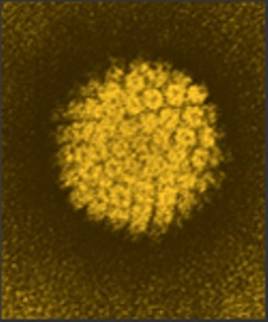
Of 270,257 active servicewoman who were eligible for vaccination between January, 2006 and June, 2011, only 60,807 (22.5%) initiated the vaccination series, receiving at least one of three doses. Of the 51,924 who remained active and eligible for vaccination at least 6 months after the initial dose, 31.8% received only the first dose, 22.7% received only two doses and 45.5% completed the series, said Dr. Nsouli-Maktabi of the Henry M. Jackson Foundation, Bethesda, Md.
Of those who did not complete the series by 6 months, 47,250 (16.8%) did complete it at 1 year. Those most likely to complete the series, either at 6 months or at 1 year, included Hispanics, blacks, never-married women, officers, younger women, women with higher education, and women with fewer sexually transmitted infections, she noted.
"Consistent with the Centers for Disease Control and Prevention’s Advisory Committee on Immunization Practices recommendations, the Department of Defense recommends routine HPV vaccination of eligible service members aged 17-26 years with the three-dose series administered over 6 months," Dr. Nsouli-Maktabi wrote.
This study was undertaken in response to anecdotal reports that vaccination remained low despite the availability of HPV4 vaccine, and the findings confirm these reports, she said, concluding that the findings indicate a need for increased education of servicewomen and providers about the benefits of vaccination.
Such education may increase HPV4 coverage and enhance series completion, she concluded.
ATLANTA – Initiation and completion of the human papillomavirus quadrivalent vaccination series is very low among active servicewomen in the United States Armed Forces, according to findings from the Defense Medical Surveillance System.
The findings are concerning, because HPV is the most common sexually transmitted infection among U.S. service members, Dr. Hala Nsouli-Maktabi reported in a poster at the International Conference on Emerging Infectious Diseases.
Of 270,257 active servicewoman who were eligible for vaccination between January, 2006 and June, 2011, only 60,807 (22.5%) initiated the vaccination series, receiving at least one of three doses. Of the 51,924 who remained active and eligible for vaccination at least 6 months after the initial dose, 31.8% received only the first dose, 22.7% received only two doses and 45.5% completed the series, said Dr. Nsouli-Maktabi of the Henry M. Jackson Foundation, Bethesda, Md.
Of those who did not complete the series by 6 months, 47,250 (16.8%) did complete it at 1 year. Those most likely to complete the series, either at 6 months or at 1 year, included Hispanics, blacks, never-married women, officers, younger women, women with higher education, and women with fewer sexually transmitted infections, she noted.
"Consistent with the Centers for Disease Control and Prevention’s Advisory Committee on Immunization Practices recommendations, the Department of Defense recommends routine HPV vaccination of eligible service members aged 17-26 years with the three-dose series administered over 6 months," Dr. Nsouli-Maktabi wrote.
This study was undertaken in response to anecdotal reports that vaccination remained low despite the availability of HPV4 vaccine, and the findings confirm these reports, she said, concluding that the findings indicate a need for increased education of servicewomen and providers about the benefits of vaccination.
Such education may increase HPV4 coverage and enhance series completion, she concluded.
ATLANTA – Initiation and completion of the human papillomavirus quadrivalent vaccination series is very low among active servicewomen in the United States Armed Forces, according to findings from the Defense Medical Surveillance System.
The findings are concerning, because HPV is the most common sexually transmitted infection among U.S. service members, Dr. Hala Nsouli-Maktabi reported in a poster at the International Conference on Emerging Infectious Diseases.
Of 270,257 active servicewoman who were eligible for vaccination between January, 2006 and June, 2011, only 60,807 (22.5%) initiated the vaccination series, receiving at least one of three doses. Of the 51,924 who remained active and eligible for vaccination at least 6 months after the initial dose, 31.8% received only the first dose, 22.7% received only two doses and 45.5% completed the series, said Dr. Nsouli-Maktabi of the Henry M. Jackson Foundation, Bethesda, Md.
Of those who did not complete the series by 6 months, 47,250 (16.8%) did complete it at 1 year. Those most likely to complete the series, either at 6 months or at 1 year, included Hispanics, blacks, never-married women, officers, younger women, women with higher education, and women with fewer sexually transmitted infections, she noted.
"Consistent with the Centers for Disease Control and Prevention’s Advisory Committee on Immunization Practices recommendations, the Department of Defense recommends routine HPV vaccination of eligible service members aged 17-26 years with the three-dose series administered over 6 months," Dr. Nsouli-Maktabi wrote.
This study was undertaken in response to anecdotal reports that vaccination remained low despite the availability of HPV4 vaccine, and the findings confirm these reports, she said, concluding that the findings indicate a need for increased education of servicewomen and providers about the benefits of vaccination.
Such education may increase HPV4 coverage and enhance series completion, she concluded.
FROM THE INTERNATIONAL CONFERENCE ON EMERGING INFECTIOUS DISEASES
Major Finding: Of 270,257 active servicewoman who were eligible for vaccination between January 2006 and June 2011, only 60,807 (22.5%) initiated the vaccination series, receiving at least one of three doses. Of the 51,924 who remained active and eligible for vaccination at least 6 months after the initial dose, 31.8% received only the first dose, 22.7% received two doses, and 45.5% completed the series.
Data Source: The findings are based on an analysis of surveillance data.
Disclosures: Dr. Nsouli-Maktabi reported having no disclosures.