User login
A minimally invasive approach is increasingly accepted as the standard of care when it comes to gynecologic surgery, and insurance payers, who were slow to accept this approach, now recognize its value for improving outcomes and lowering costs, according to Dr. Steven F. Palter.
Enter COEMIG – the Center of Excellence in Minimally Invasive Gynecology Program.
"COEMIG is a revolution in minimally invasive gynecology. Instead of focusing on a single operation or doctor, it ensures an entire system is in place to deliver the highest quality of care," said Dr. Palter, medical and scientific director at Gold Coast IVF in Syosset, New York.
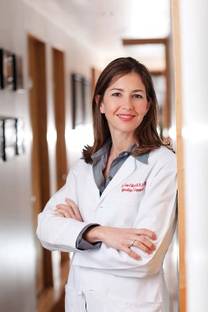
COEMIG was officially launched in November 2011 by the AAGL to establish a comprehensive network of surgeons, hospitals, and ambulatory care centers that have demonstrated excellence in advanced minimally invasive techniques. The program, administered by the nonprofit Surgical Review Corporation (SRC), also provides a central outcomes database known as the Bariatric Outcomes Longitudinal Database (BOLD), which is designed to advance the delivery of evidence-based medicine. The database is accessible by all COEMIG surgeons for use in clinical decision-making.
For years, the AAGL has worked to promote its vision of "serving women by advancing the safest and most efficacious diagnostic and therapeutic techniques that afford less invasive treatments for gynecologic conditions through integration of clinical practice, research, innovation, and dialogue," but acceptance of minimally invasive approaches was limited, and patients were too often unaware that such approaches even existed, said Dr. Palter, who founded and directs the COEMIG program and chairs the program’s outcomes committee.
"We know the minimally invasive approach results in a quicker recovery, lower morbidity, and lower costs. Now that insurance companies are also recognizing this, we are in a position to create a network of Centers of Excellence based on the highest quality of care," he said in an interview.
Questions have been raised about if and how the Center of Excellence model will change the landscape for minimally invasive gynecologic surgeons, and the answers, Dr. Palter said, are yes – and in potentially very beneficial ways.
The scenario has played out in several other specialties, which have had great success with Centers of Excellence programs, he said. In fact, the field joins more than half a dozen other specialties in pursuing this model as a means of raising the level of care in the specialty and verifying those centers that perform at the highest level. Those in the program generate and own the evidence and data needed to answer the most pressing clinical questions in the debate about the value and benefits of minimally invasive procedures. As a result, care will improve, patients will benefit, and participating surgeons will have improved access to patients and improved levels of reimbursement, he added.
Ultimately, COEMIG is about bringing patients and surgeons together, and improving outcomes, he said, providing the field of bariatric surgery as a classic example of this.
Bariatric surgery moved to this model beginning in 2003, as procedures for obesity increased and a need for the development of benchmarks for quality and patient safety was recognized. In fact, SRC was founded to administer center of excellence programs for this purpose.
Additionally, the BOLD database for bariatric and metabolic surgery, launched in 2007, is the world’s largest and most comprehensive repository of related clinical bariatric surgery patient information. Data are included from more than 500,000 patients, allowing surgeons to obtain meaningful data through daily reports based on individual practice and national data summaries. BOLD data also provide an "unmatched infrastructure for clinical studies," according to information from SRC, which works with investigators to design such studies in addition to administering and supporting the Center of Excellence programs.
The experience of bariatric surgeons has been that participation in a Center of Excellence program leads to greater patient access and the highest levels of reimbursement, SRC reports.
COEMIG will do the same for minimally invasive gynecologic surgery, Dr. Palter predicted.
"COEMIG is meant to be inclusionary, not exclusionary," he said, noting that the designation of Center of Excellence is open to any surgeon, hospital, or ambulatory surgery center performing minimally invasive surgery. Certainly there are quality standards and infrastructure requirements, and there is particular emphasis on the entire team, but the AAGL and SRC will work with those who don’t currently meet the guidelines to improve.
Participation is meant to allow those surgeons to have continued access to patients who might otherwise be steered away by insurance companies that will mandate care through approved centers in a network. For the first time, centers around the world will be able to share and learn from each other’s best clinical pathways and raise their performance to the highest possible level, he said.
Rather than serving as a "rubber stamp" program, COEMIG promotes an ongoing, interactive process for achieving and maintaining excellence, he added.
To date, more than 150 programs have registered for the designation and are in various stages of application completion. The process involves:
• Registration and account creation. This is done at the SRC website (www.surgicalreview.org) or through the AAGL website (www.aagl.org).
• Achieving provisional status. This is done by linking accounts of related registrants (surgeons, facilities, and so on) that together comprise the "center," by submitting an application that indicates provisional qualifications are met or exceeded, and paying the fees associated with the application process (currently $7,500 for a facility; $650 for individual surgeons).
• Earning COEMIG designation. This means a site visit by SRC administrators (materials are sent upon receipt of the application to assist with preparation for the site inspection; the site inspection fee is $1,850) and by meeting all qualifications. There are particular qualifications for the individual surgeons and facilities.
Once all applicants for a given center are approved, the surgeons and facilities may publicly announce and market their designation. The annual participation fee is $3,975 for a facility and $650 for individual surgeons.
Designation maintenance requires good standing and verifiable compliance with requirements. Verification is completed approximately every 3 years as part of a designation renewal process; support is provided by SRC as needed.
Dr. Iris Orbuch, a New York–based surgeon who specializes in robotic and minimally invasive surgery for benign gynecologic conditions – particularly endometriosis – is currently in the process of certification for the COEMIG designation.
After hearing a talk about the future of the specialty a couple of years ago – and about the benefits achieved through Center of Excellence programs in other specialties – she was intrigued by the concept. The potential for improved patient outcomes through outcomes data collection was a major selling point, and it didn’t take much convincing before New York’s Beth Israel Medical Center, one of the facilities with which she is affiliated, was on board as well, she said in an interview.
After several months of meetings and preparation, including the creation of planning committees, collection of data, and training of staff, both she and the facility have applied for the COEMIG designation.
Dr. Orbuch, director of the Advanced Gynecologic Laparoscopy Center in New York, said she sees the process – and the designation – as a way not only to promote the value of minimally invasive gynecologic surgery and to plan for an uncertain future in the best way possible, but, most importantly, to improve outcomes for patients by ensuring that they are in the hands of those with the most experience and the greatest skill.
"The direction of medicine is changing, insurance companies are changing, and they may eventually demand that surgeons be part of a Center of Excellence," she said.
Indeed, it’s a pattern that has played out in bariatrics, and there is no reason to think the same won’t be true for gynecology, Dr. Palter agreed.
Neither Dr. Palter nor Dr. Orbuch had conflicts of interest to disclose.
COEMIG REQUIREMENTS
Designation requirements for surgeons include:
1. Experience. This includes at least 50 qualifying laparoscopic procedures and/or 25 qualifying hysteroscopic cases performed in the preceding 23 months.
2. A physician program director. This is a minimally invasive gynecologic surgeon at the surgeon’s facility who is also designated, or in the process of becoming designated, as a COEMIG surgeon.
3. Surgeon experience and qualified call coverage. This means the surgeon must be board certified and spend a significant portion of their efforts on minimally invasive gynecologic surgery, and must have qualified coverage for postoperative patient care.
4. Informed patient decision-making and consent. This includes established procedures for providing patient education and obtaining informed consent.
5. Continuous quality assessment. This includes a willingness to share surgical outcomes data.
Designation requirements for facilities include:
1. Commitment to excellence.
2. Surgical experience and volumes. This means a minimum of 75 qualifying procedures in the preceding 12 months.
3. A designated physician program director.
4. Consultative staff. This means a full complement of consultative services is required for the care of minimally invasive gynecologic surgery patients.
5. Board-certified surgeons and qualified call coverage.
6. Appropriate equipment and instruments. This includes a full line of surgical instruments and related equipment for providing appropriate perioperative care, and also documented training for staff in the safe operation of the equipment.
7. Clinical pathways and standard operating procedures. Eight specific pathways are recommended by SRC.
8. A designated surgical team and support staff.
9. Processes for informed patient decision-making and consent, and continuous quality assessment.
Source: Dr. Palter
A minimally invasive approach is increasingly accepted as the standard of care when it comes to gynecologic surgery, and insurance payers, who were slow to accept this approach, now recognize its value for improving outcomes and lowering costs, according to Dr. Steven F. Palter.
Enter COEMIG – the Center of Excellence in Minimally Invasive Gynecology Program.
"COEMIG is a revolution in minimally invasive gynecology. Instead of focusing on a single operation or doctor, it ensures an entire system is in place to deliver the highest quality of care," said Dr. Palter, medical and scientific director at Gold Coast IVF in Syosset, New York.
COEMIG was officially launched in November 2011 by the AAGL to establish a comprehensive network of surgeons, hospitals, and ambulatory care centers that have demonstrated excellence in advanced minimally invasive techniques. The program, administered by the nonprofit Surgical Review Corporation (SRC), also provides a central outcomes database known as the Bariatric Outcomes Longitudinal Database (BOLD), which is designed to advance the delivery of evidence-based medicine. The database is accessible by all COEMIG surgeons for use in clinical decision-making.
For years, the AAGL has worked to promote its vision of "serving women by advancing the safest and most efficacious diagnostic and therapeutic techniques that afford less invasive treatments for gynecologic conditions through integration of clinical practice, research, innovation, and dialogue," but acceptance of minimally invasive approaches was limited, and patients were too often unaware that such approaches even existed, said Dr. Palter, who founded and directs the COEMIG program and chairs the program’s outcomes committee.
"We know the minimally invasive approach results in a quicker recovery, lower morbidity, and lower costs. Now that insurance companies are also recognizing this, we are in a position to create a network of Centers of Excellence based on the highest quality of care," he said in an interview.
Questions have been raised about if and how the Center of Excellence model will change the landscape for minimally invasive gynecologic surgeons, and the answers, Dr. Palter said, are yes – and in potentially very beneficial ways.
The scenario has played out in several other specialties, which have had great success with Centers of Excellence programs, he said. In fact, the field joins more than half a dozen other specialties in pursuing this model as a means of raising the level of care in the specialty and verifying those centers that perform at the highest level. Those in the program generate and own the evidence and data needed to answer the most pressing clinical questions in the debate about the value and benefits of minimally invasive procedures. As a result, care will improve, patients will benefit, and participating surgeons will have improved access to patients and improved levels of reimbursement, he added.
Ultimately, COEMIG is about bringing patients and surgeons together, and improving outcomes, he said, providing the field of bariatric surgery as a classic example of this.
Bariatric surgery moved to this model beginning in 2003, as procedures for obesity increased and a need for the development of benchmarks for quality and patient safety was recognized. In fact, SRC was founded to administer center of excellence programs for this purpose.
Additionally, the BOLD database for bariatric and metabolic surgery, launched in 2007, is the world’s largest and most comprehensive repository of related clinical bariatric surgery patient information. Data are included from more than 500,000 patients, allowing surgeons to obtain meaningful data through daily reports based on individual practice and national data summaries. BOLD data also provide an "unmatched infrastructure for clinical studies," according to information from SRC, which works with investigators to design such studies in addition to administering and supporting the Center of Excellence programs.
The experience of bariatric surgeons has been that participation in a Center of Excellence program leads to greater patient access and the highest levels of reimbursement, SRC reports.
COEMIG will do the same for minimally invasive gynecologic surgery, Dr. Palter predicted.
"COEMIG is meant to be inclusionary, not exclusionary," he said, noting that the designation of Center of Excellence is open to any surgeon, hospital, or ambulatory surgery center performing minimally invasive surgery. Certainly there are quality standards and infrastructure requirements, and there is particular emphasis on the entire team, but the AAGL and SRC will work with those who don’t currently meet the guidelines to improve.
Participation is meant to allow those surgeons to have continued access to patients who might otherwise be steered away by insurance companies that will mandate care through approved centers in a network. For the first time, centers around the world will be able to share and learn from each other’s best clinical pathways and raise their performance to the highest possible level, he said.
Rather than serving as a "rubber stamp" program, COEMIG promotes an ongoing, interactive process for achieving and maintaining excellence, he added.
To date, more than 150 programs have registered for the designation and are in various stages of application completion. The process involves:
• Registration and account creation. This is done at the SRC website (www.surgicalreview.org) or through the AAGL website (www.aagl.org).
• Achieving provisional status. This is done by linking accounts of related registrants (surgeons, facilities, and so on) that together comprise the "center," by submitting an application that indicates provisional qualifications are met or exceeded, and paying the fees associated with the application process (currently $7,500 for a facility; $650 for individual surgeons).
• Earning COEMIG designation. This means a site visit by SRC administrators (materials are sent upon receipt of the application to assist with preparation for the site inspection; the site inspection fee is $1,850) and by meeting all qualifications. There are particular qualifications for the individual surgeons and facilities.
Once all applicants for a given center are approved, the surgeons and facilities may publicly announce and market their designation. The annual participation fee is $3,975 for a facility and $650 for individual surgeons.
Designation maintenance requires good standing and verifiable compliance with requirements. Verification is completed approximately every 3 years as part of a designation renewal process; support is provided by SRC as needed.
Dr. Iris Orbuch, a New York–based surgeon who specializes in robotic and minimally invasive surgery for benign gynecologic conditions – particularly endometriosis – is currently in the process of certification for the COEMIG designation.
After hearing a talk about the future of the specialty a couple of years ago – and about the benefits achieved through Center of Excellence programs in other specialties – she was intrigued by the concept. The potential for improved patient outcomes through outcomes data collection was a major selling point, and it didn’t take much convincing before New York’s Beth Israel Medical Center, one of the facilities with which she is affiliated, was on board as well, she said in an interview.
After several months of meetings and preparation, including the creation of planning committees, collection of data, and training of staff, both she and the facility have applied for the COEMIG designation.
Dr. Orbuch, director of the Advanced Gynecologic Laparoscopy Center in New York, said she sees the process – and the designation – as a way not only to promote the value of minimally invasive gynecologic surgery and to plan for an uncertain future in the best way possible, but, most importantly, to improve outcomes for patients by ensuring that they are in the hands of those with the most experience and the greatest skill.
"The direction of medicine is changing, insurance companies are changing, and they may eventually demand that surgeons be part of a Center of Excellence," she said.
Indeed, it’s a pattern that has played out in bariatrics, and there is no reason to think the same won’t be true for gynecology, Dr. Palter agreed.
Neither Dr. Palter nor Dr. Orbuch had conflicts of interest to disclose.
COEMIG REQUIREMENTS
Designation requirements for surgeons include:
1. Experience. This includes at least 50 qualifying laparoscopic procedures and/or 25 qualifying hysteroscopic cases performed in the preceding 23 months.
2. A physician program director. This is a minimally invasive gynecologic surgeon at the surgeon’s facility who is also designated, or in the process of becoming designated, as a COEMIG surgeon.
3. Surgeon experience and qualified call coverage. This means the surgeon must be board certified and spend a significant portion of their efforts on minimally invasive gynecologic surgery, and must have qualified coverage for postoperative patient care.
4. Informed patient decision-making and consent. This includes established procedures for providing patient education and obtaining informed consent.
5. Continuous quality assessment. This includes a willingness to share surgical outcomes data.
Designation requirements for facilities include:
1. Commitment to excellence.
2. Surgical experience and volumes. This means a minimum of 75 qualifying procedures in the preceding 12 months.
3. A designated physician program director.
4. Consultative staff. This means a full complement of consultative services is required for the care of minimally invasive gynecologic surgery patients.
5. Board-certified surgeons and qualified call coverage.
6. Appropriate equipment and instruments. This includes a full line of surgical instruments and related equipment for providing appropriate perioperative care, and also documented training for staff in the safe operation of the equipment.
7. Clinical pathways and standard operating procedures. Eight specific pathways are recommended by SRC.
8. A designated surgical team and support staff.
9. Processes for informed patient decision-making and consent, and continuous quality assessment.
Source: Dr. Palter
A minimally invasive approach is increasingly accepted as the standard of care when it comes to gynecologic surgery, and insurance payers, who were slow to accept this approach, now recognize its value for improving outcomes and lowering costs, according to Dr. Steven F. Palter.
Enter COEMIG – the Center of Excellence in Minimally Invasive Gynecology Program.
"COEMIG is a revolution in minimally invasive gynecology. Instead of focusing on a single operation or doctor, it ensures an entire system is in place to deliver the highest quality of care," said Dr. Palter, medical and scientific director at Gold Coast IVF in Syosset, New York.
COEMIG was officially launched in November 2011 by the AAGL to establish a comprehensive network of surgeons, hospitals, and ambulatory care centers that have demonstrated excellence in advanced minimally invasive techniques. The program, administered by the nonprofit Surgical Review Corporation (SRC), also provides a central outcomes database known as the Bariatric Outcomes Longitudinal Database (BOLD), which is designed to advance the delivery of evidence-based medicine. The database is accessible by all COEMIG surgeons for use in clinical decision-making.
For years, the AAGL has worked to promote its vision of "serving women by advancing the safest and most efficacious diagnostic and therapeutic techniques that afford less invasive treatments for gynecologic conditions through integration of clinical practice, research, innovation, and dialogue," but acceptance of minimally invasive approaches was limited, and patients were too often unaware that such approaches even existed, said Dr. Palter, who founded and directs the COEMIG program and chairs the program’s outcomes committee.
"We know the minimally invasive approach results in a quicker recovery, lower morbidity, and lower costs. Now that insurance companies are also recognizing this, we are in a position to create a network of Centers of Excellence based on the highest quality of care," he said in an interview.
Questions have been raised about if and how the Center of Excellence model will change the landscape for minimally invasive gynecologic surgeons, and the answers, Dr. Palter said, are yes – and in potentially very beneficial ways.
The scenario has played out in several other specialties, which have had great success with Centers of Excellence programs, he said. In fact, the field joins more than half a dozen other specialties in pursuing this model as a means of raising the level of care in the specialty and verifying those centers that perform at the highest level. Those in the program generate and own the evidence and data needed to answer the most pressing clinical questions in the debate about the value and benefits of minimally invasive procedures. As a result, care will improve, patients will benefit, and participating surgeons will have improved access to patients and improved levels of reimbursement, he added.
Ultimately, COEMIG is about bringing patients and surgeons together, and improving outcomes, he said, providing the field of bariatric surgery as a classic example of this.
Bariatric surgery moved to this model beginning in 2003, as procedures for obesity increased and a need for the development of benchmarks for quality and patient safety was recognized. In fact, SRC was founded to administer center of excellence programs for this purpose.
Additionally, the BOLD database for bariatric and metabolic surgery, launched in 2007, is the world’s largest and most comprehensive repository of related clinical bariatric surgery patient information. Data are included from more than 500,000 patients, allowing surgeons to obtain meaningful data through daily reports based on individual practice and national data summaries. BOLD data also provide an "unmatched infrastructure for clinical studies," according to information from SRC, which works with investigators to design such studies in addition to administering and supporting the Center of Excellence programs.
The experience of bariatric surgeons has been that participation in a Center of Excellence program leads to greater patient access and the highest levels of reimbursement, SRC reports.
COEMIG will do the same for minimally invasive gynecologic surgery, Dr. Palter predicted.
"COEMIG is meant to be inclusionary, not exclusionary," he said, noting that the designation of Center of Excellence is open to any surgeon, hospital, or ambulatory surgery center performing minimally invasive surgery. Certainly there are quality standards and infrastructure requirements, and there is particular emphasis on the entire team, but the AAGL and SRC will work with those who don’t currently meet the guidelines to improve.
Participation is meant to allow those surgeons to have continued access to patients who might otherwise be steered away by insurance companies that will mandate care through approved centers in a network. For the first time, centers around the world will be able to share and learn from each other’s best clinical pathways and raise their performance to the highest possible level, he said.
Rather than serving as a "rubber stamp" program, COEMIG promotes an ongoing, interactive process for achieving and maintaining excellence, he added.
To date, more than 150 programs have registered for the designation and are in various stages of application completion. The process involves:
• Registration and account creation. This is done at the SRC website (www.surgicalreview.org) or through the AAGL website (www.aagl.org).
• Achieving provisional status. This is done by linking accounts of related registrants (surgeons, facilities, and so on) that together comprise the "center," by submitting an application that indicates provisional qualifications are met or exceeded, and paying the fees associated with the application process (currently $7,500 for a facility; $650 for individual surgeons).
• Earning COEMIG designation. This means a site visit by SRC administrators (materials are sent upon receipt of the application to assist with preparation for the site inspection; the site inspection fee is $1,850) and by meeting all qualifications. There are particular qualifications for the individual surgeons and facilities.
Once all applicants for a given center are approved, the surgeons and facilities may publicly announce and market their designation. The annual participation fee is $3,975 for a facility and $650 for individual surgeons.
Designation maintenance requires good standing and verifiable compliance with requirements. Verification is completed approximately every 3 years as part of a designation renewal process; support is provided by SRC as needed.
Dr. Iris Orbuch, a New York–based surgeon who specializes in robotic and minimally invasive surgery for benign gynecologic conditions – particularly endometriosis – is currently in the process of certification for the COEMIG designation.
After hearing a talk about the future of the specialty a couple of years ago – and about the benefits achieved through Center of Excellence programs in other specialties – she was intrigued by the concept. The potential for improved patient outcomes through outcomes data collection was a major selling point, and it didn’t take much convincing before New York’s Beth Israel Medical Center, one of the facilities with which she is affiliated, was on board as well, she said in an interview.
After several months of meetings and preparation, including the creation of planning committees, collection of data, and training of staff, both she and the facility have applied for the COEMIG designation.
Dr. Orbuch, director of the Advanced Gynecologic Laparoscopy Center in New York, said she sees the process – and the designation – as a way not only to promote the value of minimally invasive gynecologic surgery and to plan for an uncertain future in the best way possible, but, most importantly, to improve outcomes for patients by ensuring that they are in the hands of those with the most experience and the greatest skill.
"The direction of medicine is changing, insurance companies are changing, and they may eventually demand that surgeons be part of a Center of Excellence," she said.
Indeed, it’s a pattern that has played out in bariatrics, and there is no reason to think the same won’t be true for gynecology, Dr. Palter agreed.
Neither Dr. Palter nor Dr. Orbuch had conflicts of interest to disclose.
COEMIG REQUIREMENTS
Designation requirements for surgeons include:
1. Experience. This includes at least 50 qualifying laparoscopic procedures and/or 25 qualifying hysteroscopic cases performed in the preceding 23 months.
2. A physician program director. This is a minimally invasive gynecologic surgeon at the surgeon’s facility who is also designated, or in the process of becoming designated, as a COEMIG surgeon.
3. Surgeon experience and qualified call coverage. This means the surgeon must be board certified and spend a significant portion of their efforts on minimally invasive gynecologic surgery, and must have qualified coverage for postoperative patient care.
4. Informed patient decision-making and consent. This includes established procedures for providing patient education and obtaining informed consent.
5. Continuous quality assessment. This includes a willingness to share surgical outcomes data.
Designation requirements for facilities include:
1. Commitment to excellence.
2. Surgical experience and volumes. This means a minimum of 75 qualifying procedures in the preceding 12 months.
3. A designated physician program director.
4. Consultative staff. This means a full complement of consultative services is required for the care of minimally invasive gynecologic surgery patients.
5. Board-certified surgeons and qualified call coverage.
6. Appropriate equipment and instruments. This includes a full line of surgical instruments and related equipment for providing appropriate perioperative care, and also documented training for staff in the safe operation of the equipment.
7. Clinical pathways and standard operating procedures. Eight specific pathways are recommended by SRC.
8. A designated surgical team and support staff.
9. Processes for informed patient decision-making and consent, and continuous quality assessment.
Source: Dr. Palter