User login
Higher hospital mortality in pediatric emergency transfer patients
Editor’s Note: The Society of Hospital Medicine’s (SHM’s) Physician in Training Committee launched a scholarship program in 2015 for medical students to help transform health care and revolutionize patient care. The program has been expanded for the 2017-2018 year, offering two options for students to receive funding and engage in scholarly work during their first, second, and third years of medical school. As a part of the program, recipients are required to write about their experience on a biweekly basis.
I’ve learned so much this summer from working with Dr. Patrick Brady to better understand characteristics of pediatric patients who undergo clinical deterioration and unplanned transfers to the ICU. I’m very grateful to have spent my summer with a mentor who really cared about my growth as a student, and a fantastic group of physicians in the Division of Hospital Medicine at Cincinnati Children’s Hospital Medical Center.

After data analysis, we discovered that children who have had an emergency transfer event spend a longer time in the ICU and in the hospital. After comparing hospital mortality, we can conclude that emergency transfer patients have a higher likelihood of hospital mortality.
From this preliminary research, the emergency transfer metric in children’s hospitals has the potential to enable more rapid learning and systems improvement. We have a few next steps to investigate these next couple months as well. We want to compare medical diagnoses and complex chronic conditions between the emergency transfer cases and controls. We also hope to describe the incidence using a patient-days denominator. Finally, our long term goals are to identify predictors for an emergency transfer event in children.
Farah Hussain is a 2nd-year medical student at University of Cincinnati College of Medicine and student researcher at Cincinnati Children’s Hospital Medical Center. Her research interests involve bettering patient care to vulnerable populations.
Editor’s Note: The Society of Hospital Medicine’s (SHM’s) Physician in Training Committee launched a scholarship program in 2015 for medical students to help transform health care and revolutionize patient care. The program has been expanded for the 2017-2018 year, offering two options for students to receive funding and engage in scholarly work during their first, second, and third years of medical school. As a part of the program, recipients are required to write about their experience on a biweekly basis.
I’ve learned so much this summer from working with Dr. Patrick Brady to better understand characteristics of pediatric patients who undergo clinical deterioration and unplanned transfers to the ICU. I’m very grateful to have spent my summer with a mentor who really cared about my growth as a student, and a fantastic group of physicians in the Division of Hospital Medicine at Cincinnati Children’s Hospital Medical Center.
After data analysis, we discovered that children who have had an emergency transfer event spend a longer time in the ICU and in the hospital. After comparing hospital mortality, we can conclude that emergency transfer patients have a higher likelihood of hospital mortality.
From this preliminary research, the emergency transfer metric in children’s hospitals has the potential to enable more rapid learning and systems improvement. We have a few next steps to investigate these next couple months as well. We want to compare medical diagnoses and complex chronic conditions between the emergency transfer cases and controls. We also hope to describe the incidence using a patient-days denominator. Finally, our long term goals are to identify predictors for an emergency transfer event in children.
Farah Hussain is a 2nd-year medical student at University of Cincinnati College of Medicine and student researcher at Cincinnati Children’s Hospital Medical Center. Her research interests involve bettering patient care to vulnerable populations.
Editor’s Note: The Society of Hospital Medicine’s (SHM’s) Physician in Training Committee launched a scholarship program in 2015 for medical students to help transform health care and revolutionize patient care. The program has been expanded for the 2017-2018 year, offering two options for students to receive funding and engage in scholarly work during their first, second, and third years of medical school. As a part of the program, recipients are required to write about their experience on a biweekly basis.
I’ve learned so much this summer from working with Dr. Patrick Brady to better understand characteristics of pediatric patients who undergo clinical deterioration and unplanned transfers to the ICU. I’m very grateful to have spent my summer with a mentor who really cared about my growth as a student, and a fantastic group of physicians in the Division of Hospital Medicine at Cincinnati Children’s Hospital Medical Center.
After data analysis, we discovered that children who have had an emergency transfer event spend a longer time in the ICU and in the hospital. After comparing hospital mortality, we can conclude that emergency transfer patients have a higher likelihood of hospital mortality.
From this preliminary research, the emergency transfer metric in children’s hospitals has the potential to enable more rapid learning and systems improvement. We have a few next steps to investigate these next couple months as well. We want to compare medical diagnoses and complex chronic conditions between the emergency transfer cases and controls. We also hope to describe the incidence using a patient-days denominator. Finally, our long term goals are to identify predictors for an emergency transfer event in children.
Farah Hussain is a 2nd-year medical student at University of Cincinnati College of Medicine and student researcher at Cincinnati Children’s Hospital Medical Center. Her research interests involve bettering patient care to vulnerable populations.
Understanding patient process flow
Editor’s note: The Society of Hospital Medicine’s (SHM’s) Physician in Training Committee launched a scholarship program in 2015 for medical students to help transform health care and revolutionize patient care. The program has been expanded for the 2017-18 year, offering two options for students to receive funding and engage in scholarly work during their first, second and third years of medical school. As a part of the longitudinal (18-month) program, recipients are required to write about their experience on a monthly basis.
This phase of the QI project aims at a thorough understanding of the process flow of a patient, from being transferred from outside the hospital, receiving tertiary care services at Dartmouth-Hitchcock Medical Center, to being discharged to a rehabilitation facility/skilled nursing facility.
I am conducting interviews with key stakeholders to understand the current processes and needs for improvement. The key stakeholders include but are not limited to infectious disease, hospital medicine, nursing, case management, and psychiatry services.
I have developed an interview guide to facilitate the interviews. Based on a framework similar to SWOT analysis, the key questions include: (1) what makes this patient population particularly difficult to receive appropriate care/support? (2) What makes them difficult to be discharged when tertiary service is completed? (3) What can help them stay longer in the community and delay/prevent readmission?
I am working on retrieving clinical data from medical records and an infectious disease service database, and am going to analyze current patient status. Key metrics will include but not limited to length of stay, 30‐day readmission rate, patient satisfaction rating, infectious disease provider follow-up rate, and hospitalization cost.
A challenge I foresee I will encounter is deciding on a focused area for the improvement project. The constraints may be coming from clinical data availability or the willingness for the stakeholder to participate. For this purpose, I am going to ask each stakeholder about their priorities, and what they view as the most urgent or important aspects to improve. I also hope to identify stakeholders who might already have been thinking or working on improving care for this patient population.
I will address the data availability issue by following up closely with the infectious disease service. After I develop a general sense of the data, I will work with the interdisciplinary team to decide on a focused area for improvement.
One unexpected thing I learned during the last month was project planning. Initially, I was struggling with putting the details of the project together. I recalled later that at business school we often use timelines to facilitate project planning. I carved out two hours of my time. On a piece of paper, I wrote down one-by-one the tasks I need to accomplish for each phase of the study. I also set up an internal deadline for communications and deliverables with my advisor. Now I can track my progress much better and am confident that the project will move towards its landmarks.
Yun Li is an MD/MBA student attending Geisel School of Medicine and Tuck School of Business at Dartmouth. She obtained her Bachelor of Arts degree from Hanover College double-majoring in Economics and Biological Chemistry. Ms. Li participated in research in injury epidemiology and genetics, and has conducted studies on traditional Tibetan medicine, rural health, health NGOs, and digital health. Her career interest is practicing hospital medicine and geriatrics as a clinician/administrator, either in the US or China. Ms. Li is a student member of the Society of Hospital Medicine.
Editor’s note: The Society of Hospital Medicine’s (SHM’s) Physician in Training Committee launched a scholarship program in 2015 for medical students to help transform health care and revolutionize patient care. The program has been expanded for the 2017-18 year, offering two options for students to receive funding and engage in scholarly work during their first, second and third years of medical school. As a part of the longitudinal (18-month) program, recipients are required to write about their experience on a monthly basis.
This phase of the QI project aims at a thorough understanding of the process flow of a patient, from being transferred from outside the hospital, receiving tertiary care services at Dartmouth-Hitchcock Medical Center, to being discharged to a rehabilitation facility/skilled nursing facility.
I am conducting interviews with key stakeholders to understand the current processes and needs for improvement. The key stakeholders include but are not limited to infectious disease, hospital medicine, nursing, case management, and psychiatry services.
I have developed an interview guide to facilitate the interviews. Based on a framework similar to SWOT analysis, the key questions include: (1) what makes this patient population particularly difficult to receive appropriate care/support? (2) What makes them difficult to be discharged when tertiary service is completed? (3) What can help them stay longer in the community and delay/prevent readmission?
I am working on retrieving clinical data from medical records and an infectious disease service database, and am going to analyze current patient status. Key metrics will include but not limited to length of stay, 30‐day readmission rate, patient satisfaction rating, infectious disease provider follow-up rate, and hospitalization cost.
A challenge I foresee I will encounter is deciding on a focused area for the improvement project. The constraints may be coming from clinical data availability or the willingness for the stakeholder to participate. For this purpose, I am going to ask each stakeholder about their priorities, and what they view as the most urgent or important aspects to improve. I also hope to identify stakeholders who might already have been thinking or working on improving care for this patient population.
I will address the data availability issue by following up closely with the infectious disease service. After I develop a general sense of the data, I will work with the interdisciplinary team to decide on a focused area for improvement.
One unexpected thing I learned during the last month was project planning. Initially, I was struggling with putting the details of the project together. I recalled later that at business school we often use timelines to facilitate project planning. I carved out two hours of my time. On a piece of paper, I wrote down one-by-one the tasks I need to accomplish for each phase of the study. I also set up an internal deadline for communications and deliverables with my advisor. Now I can track my progress much better and am confident that the project will move towards its landmarks.
Yun Li is an MD/MBA student attending Geisel School of Medicine and Tuck School of Business at Dartmouth. She obtained her Bachelor of Arts degree from Hanover College double-majoring in Economics and Biological Chemistry. Ms. Li participated in research in injury epidemiology and genetics, and has conducted studies on traditional Tibetan medicine, rural health, health NGOs, and digital health. Her career interest is practicing hospital medicine and geriatrics as a clinician/administrator, either in the US or China. Ms. Li is a student member of the Society of Hospital Medicine.
Editor’s note: The Society of Hospital Medicine’s (SHM’s) Physician in Training Committee launched a scholarship program in 2015 for medical students to help transform health care and revolutionize patient care. The program has been expanded for the 2017-18 year, offering two options for students to receive funding and engage in scholarly work during their first, second and third years of medical school. As a part of the longitudinal (18-month) program, recipients are required to write about their experience on a monthly basis.
This phase of the QI project aims at a thorough understanding of the process flow of a patient, from being transferred from outside the hospital, receiving tertiary care services at Dartmouth-Hitchcock Medical Center, to being discharged to a rehabilitation facility/skilled nursing facility.
I am conducting interviews with key stakeholders to understand the current processes and needs for improvement. The key stakeholders include but are not limited to infectious disease, hospital medicine, nursing, case management, and psychiatry services.
I have developed an interview guide to facilitate the interviews. Based on a framework similar to SWOT analysis, the key questions include: (1) what makes this patient population particularly difficult to receive appropriate care/support? (2) What makes them difficult to be discharged when tertiary service is completed? (3) What can help them stay longer in the community and delay/prevent readmission?
I am working on retrieving clinical data from medical records and an infectious disease service database, and am going to analyze current patient status. Key metrics will include but not limited to length of stay, 30‐day readmission rate, patient satisfaction rating, infectious disease provider follow-up rate, and hospitalization cost.
A challenge I foresee I will encounter is deciding on a focused area for the improvement project. The constraints may be coming from clinical data availability or the willingness for the stakeholder to participate. For this purpose, I am going to ask each stakeholder about their priorities, and what they view as the most urgent or important aspects to improve. I also hope to identify stakeholders who might already have been thinking or working on improving care for this patient population.
I will address the data availability issue by following up closely with the infectious disease service. After I develop a general sense of the data, I will work with the interdisciplinary team to decide on a focused area for improvement.
One unexpected thing I learned during the last month was project planning. Initially, I was struggling with putting the details of the project together. I recalled later that at business school we often use timelines to facilitate project planning. I carved out two hours of my time. On a piece of paper, I wrote down one-by-one the tasks I need to accomplish for each phase of the study. I also set up an internal deadline for communications and deliverables with my advisor. Now I can track my progress much better and am confident that the project will move towards its landmarks.
Yun Li is an MD/MBA student attending Geisel School of Medicine and Tuck School of Business at Dartmouth. She obtained her Bachelor of Arts degree from Hanover College double-majoring in Economics and Biological Chemistry. Ms. Li participated in research in injury epidemiology and genetics, and has conducted studies on traditional Tibetan medicine, rural health, health NGOs, and digital health. Her career interest is practicing hospital medicine and geriatrics as a clinician/administrator, either in the US or China. Ms. Li is a student member of the Society of Hospital Medicine.
Personality disorders and the court system
As forensic psychiatrists, one of our main roles is to apply the Dusky standard to assess competency. In this regard, multiple times a week, we see pretrial defendants who wait weeks, sometimes months, in jail, for their competency evaluations. Will they be permitted to attend court and continue with their legal proceedings, or will a judge remand them into an involuntary treatment unit to restore their competency? The number of defendants referred for competency evaluation is formally not measured, but estimates suggest it almost doubled from 19731 till 2000.2
The intent of ensuring the competency of the accused is fundamentally fair. While all would agree that only those who are convicted of committing crimes be found guilty, not every culture has paid attention to the question of whether those found guilty understand how and why that happened.
The Dusky standards come from the landmark U.S. Supreme Court case of Dusky v. United States in 1960. Milton Dusky faced charges of kidnapping an underage female across state lines and raping her. Despite psychiatric testimony that the defendant could not “properly assist” his counsel because of a delusion that he was framed, the court found him competent and convicted him to a 45-year sentence. The case was appealed all the way to the Supreme Court, which held that the fact that Dusky was oriented and remembered the events was not enough to establish competency. The Supreme Court stated that the test for competency was the ability to consult with a lawyer with “a reasonable degree of rational understanding” and a “factual as well as rational understanding of the proceedings.” The Dusky ruling did not comment on what conditions may make a person incompetent to stand trial.3
With the increase in referrals for competency, we have noted an expansion in the kind of referrals we receive. In a hospital setting, physicians often comment that referrals for capacity evaluations stem from the patient’s disagreement with her/his attending physician about treatment, not a lack of understanding of the treatment options. Similarly, many referrals we receive for evaluation of competency to stand trial seem generated by interpersonal difficulties rather than insufficient rational and factual knowledge. In this article, we will review a case seen in our clinic five times over a period of 7 years. Over that time frame, the defendant was incarcerated 10 times and referred 5 times for a competency evaluation. We have changed key facts about the defendant and his case to protect his confidentiality.
Defendant’s background
The defendant is a 40-something-year-old man who vacillates between homelessness and living with friends who partake in his penchant for alcohol. He has committed various crimes, including thefts, disorderly conduct, and possession of controlled substances. He went to prison once for selling narcotics but quickly retorts: “I don’t sell … . This [expletive] cop came and asked if I had any. She was hot. What did you want me to say? It was entrapment.”
However, to get this defendant to have a conversation is no simple task. On his way to the professional visit area, he was livid with a deputy about not receiving an entire breakfast tray earlier in the morning. When he sat down for the interview, he initially yelled for 10 minutes without interruption. His speech was full of profanities and demeaning comments about our ethnic background, education, and expertise. After about 15 minutes and numerous attempts at inserting a question or a comment, I said: “I do not think that you have evidenced a lack of competency, and you are not engaging with me. I am leaving. Thank you for your time.” He shouted two more times, then stopped, smiled, and said: “I was just testing you. Relax, doc.” He subsequently answered all of my questions with his usual jokes and a calm demeanor.
Once he engaged in the interview, he was able to provide a factual and rational description of his charge, which was, “criminal threat.” “I was at the bus station with my knife; I was playing with it; I was not threatening anyone. Then this [racial expletive] cop comes and tells me that I am under arrest.”
Challenging behavior continues
During the course of the interview, he was able to demonstrate that he understands the meaning of making a threat, of committing a crime, and of the roles of the different courtroom personnel. However, the stress of court highlights his interpersonal problems. In this particular case, he recounts: “Court had not yet started; I was talking to my lawyer, and the judge interrupted me, so I answered: Wait your turn [expletive] … not my greatest idea.” When asked about his past referral for competency, he mentions it was in response to trying to fire a public defender because “she was Mexican. I don’t work with those.”
Given his behavior, it is unclear how else a judge or a lawyer could have acted. One could argue that it would be a mistake not to refer this defendant for a competency evaluation, considering his outbursts. On the other hand, he had been evaluated many times before, and the opinion of well-respected forensic psychiatrists was that he did not have a mental illness.
While we reflect on our experience with this defendant, we are unsure of the lessons to be learned. We ponder whether psychiatry does a disservice when not being clearer about what constitutes a serious mental illness. We wonder if we exacerbated the confusion by the removal of “Axis II” categories from the DSM, implying that severe personality disorders are no longer different from, say, schizophrenia and bipolar disorder. Rarely do we hear psychiatrists point out that unusual behaviors do not equal mental illness. We are often too pleased in advocating for more resources by saying that all crimes, all substance misuses, and all annoying behaviors are forms of mental illness when, in reality, the criminal4, the addictive5, and the less common6 are not always biologically based mental disorders or even the real problem, for that matter.
This defendant is difficult. He argues, he yells, he provokes, and he hurts others physically as well as emotionally. While many psychiatrists have decided to codify this pattern of behavior within the B cluster of personality traits, have we misled the public into thinking that patients with personality disorders require the same attention and care as patients with other forms of mental illness, like schizophrenia? Often, we see patients with schizophrenia, bipolar depression, or major depression, who even at their best, are too impaired to file their taxes, apply for an identity card, or understand the complexity of the legal system.
Psychiatry’s difficulty in verbalizing the difference between those disorders harms the public perception of mental disorders. As a result, we have a forensic system similar to the rest of the community health care system – with an abundance of individuals with severe mental illness not referred for treatment or evaluation, and several patients with personality disorders bogging down a system with very limited resources. It is our responsibility not only to educate the public on how to manage and contain the emotions that patients with personality disorders engender in us, but also to educate the public on how to recognize patients with profound mentally ill patients who are quietly suffering.
Dr. Badre is affiliated with the county of San Diego, the University of California at San Diego, and the University of San Diego. Dr. Rao is a San Diego–based board-certified psychiatrist with expertise in forensic psychiatry, correctional psychiatry, telepsychiatry, and inpatient psychiatry.
References
1. Competency to Stand Trial and Mental Illness: Final Report. Rockville, Md.: National Institute of Mental Health, 1973.
2. Youth on Trial: A Developmental Perspective on Juvenile Justice. Chicago: University of Chicago Press, 2000.
3. J Am Acad Psychiatry Law. 2007;35(4 Suppl):S3-72.
4. Clin Psychiatry News. 2017;45(8):5.
5. Law and Philosophy. 1999;18(6):589-610.
6. Am J Psychiatry. 1981 Feb;138(2):210-5.
As forensic psychiatrists, one of our main roles is to apply the Dusky standard to assess competency. In this regard, multiple times a week, we see pretrial defendants who wait weeks, sometimes months, in jail, for their competency evaluations. Will they be permitted to attend court and continue with their legal proceedings, or will a judge remand them into an involuntary treatment unit to restore their competency? The number of defendants referred for competency evaluation is formally not measured, but estimates suggest it almost doubled from 19731 till 2000.2
The intent of ensuring the competency of the accused is fundamentally fair. While all would agree that only those who are convicted of committing crimes be found guilty, not every culture has paid attention to the question of whether those found guilty understand how and why that happened.
The Dusky standards come from the landmark U.S. Supreme Court case of Dusky v. United States in 1960. Milton Dusky faced charges of kidnapping an underage female across state lines and raping her. Despite psychiatric testimony that the defendant could not “properly assist” his counsel because of a delusion that he was framed, the court found him competent and convicted him to a 45-year sentence. The case was appealed all the way to the Supreme Court, which held that the fact that Dusky was oriented and remembered the events was not enough to establish competency. The Supreme Court stated that the test for competency was the ability to consult with a lawyer with “a reasonable degree of rational understanding” and a “factual as well as rational understanding of the proceedings.” The Dusky ruling did not comment on what conditions may make a person incompetent to stand trial.3
With the increase in referrals for competency, we have noted an expansion in the kind of referrals we receive. In a hospital setting, physicians often comment that referrals for capacity evaluations stem from the patient’s disagreement with her/his attending physician about treatment, not a lack of understanding of the treatment options. Similarly, many referrals we receive for evaluation of competency to stand trial seem generated by interpersonal difficulties rather than insufficient rational and factual knowledge. In this article, we will review a case seen in our clinic five times over a period of 7 years. Over that time frame, the defendant was incarcerated 10 times and referred 5 times for a competency evaluation. We have changed key facts about the defendant and his case to protect his confidentiality.
Defendant’s background
The defendant is a 40-something-year-old man who vacillates between homelessness and living with friends who partake in his penchant for alcohol. He has committed various crimes, including thefts, disorderly conduct, and possession of controlled substances. He went to prison once for selling narcotics but quickly retorts: “I don’t sell … . This [expletive] cop came and asked if I had any. She was hot. What did you want me to say? It was entrapment.”
However, to get this defendant to have a conversation is no simple task. On his way to the professional visit area, he was livid with a deputy about not receiving an entire breakfast tray earlier in the morning. When he sat down for the interview, he initially yelled for 10 minutes without interruption. His speech was full of profanities and demeaning comments about our ethnic background, education, and expertise. After about 15 minutes and numerous attempts at inserting a question or a comment, I said: “I do not think that you have evidenced a lack of competency, and you are not engaging with me. I am leaving. Thank you for your time.” He shouted two more times, then stopped, smiled, and said: “I was just testing you. Relax, doc.” He subsequently answered all of my questions with his usual jokes and a calm demeanor.
Once he engaged in the interview, he was able to provide a factual and rational description of his charge, which was, “criminal threat.” “I was at the bus station with my knife; I was playing with it; I was not threatening anyone. Then this [racial expletive] cop comes and tells me that I am under arrest.”
Challenging behavior continues
During the course of the interview, he was able to demonstrate that he understands the meaning of making a threat, of committing a crime, and of the roles of the different courtroom personnel. However, the stress of court highlights his interpersonal problems. In this particular case, he recounts: “Court had not yet started; I was talking to my lawyer, and the judge interrupted me, so I answered: Wait your turn [expletive] … not my greatest idea.” When asked about his past referral for competency, he mentions it was in response to trying to fire a public defender because “she was Mexican. I don’t work with those.”
Given his behavior, it is unclear how else a judge or a lawyer could have acted. One could argue that it would be a mistake not to refer this defendant for a competency evaluation, considering his outbursts. On the other hand, he had been evaluated many times before, and the opinion of well-respected forensic psychiatrists was that he did not have a mental illness.
While we reflect on our experience with this defendant, we are unsure of the lessons to be learned. We ponder whether psychiatry does a disservice when not being clearer about what constitutes a serious mental illness. We wonder if we exacerbated the confusion by the removal of “Axis II” categories from the DSM, implying that severe personality disorders are no longer different from, say, schizophrenia and bipolar disorder. Rarely do we hear psychiatrists point out that unusual behaviors do not equal mental illness. We are often too pleased in advocating for more resources by saying that all crimes, all substance misuses, and all annoying behaviors are forms of mental illness when, in reality, the criminal4, the addictive5, and the less common6 are not always biologically based mental disorders or even the real problem, for that matter.
This defendant is difficult. He argues, he yells, he provokes, and he hurts others physically as well as emotionally. While many psychiatrists have decided to codify this pattern of behavior within the B cluster of personality traits, have we misled the public into thinking that patients with personality disorders require the same attention and care as patients with other forms of mental illness, like schizophrenia? Often, we see patients with schizophrenia, bipolar depression, or major depression, who even at their best, are too impaired to file their taxes, apply for an identity card, or understand the complexity of the legal system.
Psychiatry’s difficulty in verbalizing the difference between those disorders harms the public perception of mental disorders. As a result, we have a forensic system similar to the rest of the community health care system – with an abundance of individuals with severe mental illness not referred for treatment or evaluation, and several patients with personality disorders bogging down a system with very limited resources. It is our responsibility not only to educate the public on how to manage and contain the emotions that patients with personality disorders engender in us, but also to educate the public on how to recognize patients with profound mentally ill patients who are quietly suffering.
Dr. Badre is affiliated with the county of San Diego, the University of California at San Diego, and the University of San Diego. Dr. Rao is a San Diego–based board-certified psychiatrist with expertise in forensic psychiatry, correctional psychiatry, telepsychiatry, and inpatient psychiatry.
References
1. Competency to Stand Trial and Mental Illness: Final Report. Rockville, Md.: National Institute of Mental Health, 1973.
2. Youth on Trial: A Developmental Perspective on Juvenile Justice. Chicago: University of Chicago Press, 2000.
3. J Am Acad Psychiatry Law. 2007;35(4 Suppl):S3-72.
4. Clin Psychiatry News. 2017;45(8):5.
5. Law and Philosophy. 1999;18(6):589-610.
6. Am J Psychiatry. 1981 Feb;138(2):210-5.
As forensic psychiatrists, one of our main roles is to apply the Dusky standard to assess competency. In this regard, multiple times a week, we see pretrial defendants who wait weeks, sometimes months, in jail, for their competency evaluations. Will they be permitted to attend court and continue with their legal proceedings, or will a judge remand them into an involuntary treatment unit to restore their competency? The number of defendants referred for competency evaluation is formally not measured, but estimates suggest it almost doubled from 19731 till 2000.2
The intent of ensuring the competency of the accused is fundamentally fair. While all would agree that only those who are convicted of committing crimes be found guilty, not every culture has paid attention to the question of whether those found guilty understand how and why that happened.
The Dusky standards come from the landmark U.S. Supreme Court case of Dusky v. United States in 1960. Milton Dusky faced charges of kidnapping an underage female across state lines and raping her. Despite psychiatric testimony that the defendant could not “properly assist” his counsel because of a delusion that he was framed, the court found him competent and convicted him to a 45-year sentence. The case was appealed all the way to the Supreme Court, which held that the fact that Dusky was oriented and remembered the events was not enough to establish competency. The Supreme Court stated that the test for competency was the ability to consult with a lawyer with “a reasonable degree of rational understanding” and a “factual as well as rational understanding of the proceedings.” The Dusky ruling did not comment on what conditions may make a person incompetent to stand trial.3
With the increase in referrals for competency, we have noted an expansion in the kind of referrals we receive. In a hospital setting, physicians often comment that referrals for capacity evaluations stem from the patient’s disagreement with her/his attending physician about treatment, not a lack of understanding of the treatment options. Similarly, many referrals we receive for evaluation of competency to stand trial seem generated by interpersonal difficulties rather than insufficient rational and factual knowledge. In this article, we will review a case seen in our clinic five times over a period of 7 years. Over that time frame, the defendant was incarcerated 10 times and referred 5 times for a competency evaluation. We have changed key facts about the defendant and his case to protect his confidentiality.
Defendant’s background
The defendant is a 40-something-year-old man who vacillates between homelessness and living with friends who partake in his penchant for alcohol. He has committed various crimes, including thefts, disorderly conduct, and possession of controlled substances. He went to prison once for selling narcotics but quickly retorts: “I don’t sell … . This [expletive] cop came and asked if I had any. She was hot. What did you want me to say? It was entrapment.”
However, to get this defendant to have a conversation is no simple task. On his way to the professional visit area, he was livid with a deputy about not receiving an entire breakfast tray earlier in the morning. When he sat down for the interview, he initially yelled for 10 minutes without interruption. His speech was full of profanities and demeaning comments about our ethnic background, education, and expertise. After about 15 minutes and numerous attempts at inserting a question or a comment, I said: “I do not think that you have evidenced a lack of competency, and you are not engaging with me. I am leaving. Thank you for your time.” He shouted two more times, then stopped, smiled, and said: “I was just testing you. Relax, doc.” He subsequently answered all of my questions with his usual jokes and a calm demeanor.
Once he engaged in the interview, he was able to provide a factual and rational description of his charge, which was, “criminal threat.” “I was at the bus station with my knife; I was playing with it; I was not threatening anyone. Then this [racial expletive] cop comes and tells me that I am under arrest.”
Challenging behavior continues
During the course of the interview, he was able to demonstrate that he understands the meaning of making a threat, of committing a crime, and of the roles of the different courtroom personnel. However, the stress of court highlights his interpersonal problems. In this particular case, he recounts: “Court had not yet started; I was talking to my lawyer, and the judge interrupted me, so I answered: Wait your turn [expletive] … not my greatest idea.” When asked about his past referral for competency, he mentions it was in response to trying to fire a public defender because “she was Mexican. I don’t work with those.”
Given his behavior, it is unclear how else a judge or a lawyer could have acted. One could argue that it would be a mistake not to refer this defendant for a competency evaluation, considering his outbursts. On the other hand, he had been evaluated many times before, and the opinion of well-respected forensic psychiatrists was that he did not have a mental illness.
While we reflect on our experience with this defendant, we are unsure of the lessons to be learned. We ponder whether psychiatry does a disservice when not being clearer about what constitutes a serious mental illness. We wonder if we exacerbated the confusion by the removal of “Axis II” categories from the DSM, implying that severe personality disorders are no longer different from, say, schizophrenia and bipolar disorder. Rarely do we hear psychiatrists point out that unusual behaviors do not equal mental illness. We are often too pleased in advocating for more resources by saying that all crimes, all substance misuses, and all annoying behaviors are forms of mental illness when, in reality, the criminal4, the addictive5, and the less common6 are not always biologically based mental disorders or even the real problem, for that matter.
This defendant is difficult. He argues, he yells, he provokes, and he hurts others physically as well as emotionally. While many psychiatrists have decided to codify this pattern of behavior within the B cluster of personality traits, have we misled the public into thinking that patients with personality disorders require the same attention and care as patients with other forms of mental illness, like schizophrenia? Often, we see patients with schizophrenia, bipolar depression, or major depression, who even at their best, are too impaired to file their taxes, apply for an identity card, or understand the complexity of the legal system.
Psychiatry’s difficulty in verbalizing the difference between those disorders harms the public perception of mental disorders. As a result, we have a forensic system similar to the rest of the community health care system – with an abundance of individuals with severe mental illness not referred for treatment or evaluation, and several patients with personality disorders bogging down a system with very limited resources. It is our responsibility not only to educate the public on how to manage and contain the emotions that patients with personality disorders engender in us, but also to educate the public on how to recognize patients with profound mentally ill patients who are quietly suffering.
Dr. Badre is affiliated with the county of San Diego, the University of California at San Diego, and the University of San Diego. Dr. Rao is a San Diego–based board-certified psychiatrist with expertise in forensic psychiatry, correctional psychiatry, telepsychiatry, and inpatient psychiatry.
References
1. Competency to Stand Trial and Mental Illness: Final Report. Rockville, Md.: National Institute of Mental Health, 1973.
2. Youth on Trial: A Developmental Perspective on Juvenile Justice. Chicago: University of Chicago Press, 2000.
3. J Am Acad Psychiatry Law. 2007;35(4 Suppl):S3-72.
4. Clin Psychiatry News. 2017;45(8):5.
5. Law and Philosophy. 1999;18(6):589-610.
6. Am J Psychiatry. 1981 Feb;138(2):210-5.
Burnout
My chest and back are sore this week because I was on call last week. It’s my secret to beating burnout. Just keep reading.
The phrase “dermatologist burnout” may seem as oxymoronic as jumbo shrimp, yet both are real. Our work is easier than some other physicians’. Dermatologists don’t sleep in the hospital, and we have many fewer dope-seeking or dying patients. Yet we suffer the same EHR frustrations as any physician. We struggle with an ever-increasing volume of patients and regulations which stultify our ability to care for patients.
[polldaddy:9875293]
According to a recent Mayo Clinic Proceedings study, dermatologists had the highest increase in burnout from 32% to 57% (Mayo Clin Proc. 2015 Dec;90[12]:1600-13). Although some have it worse than others, all physicians today are at high risk. Changing external factors is difficult, but modifying internal aspects of burnout can help.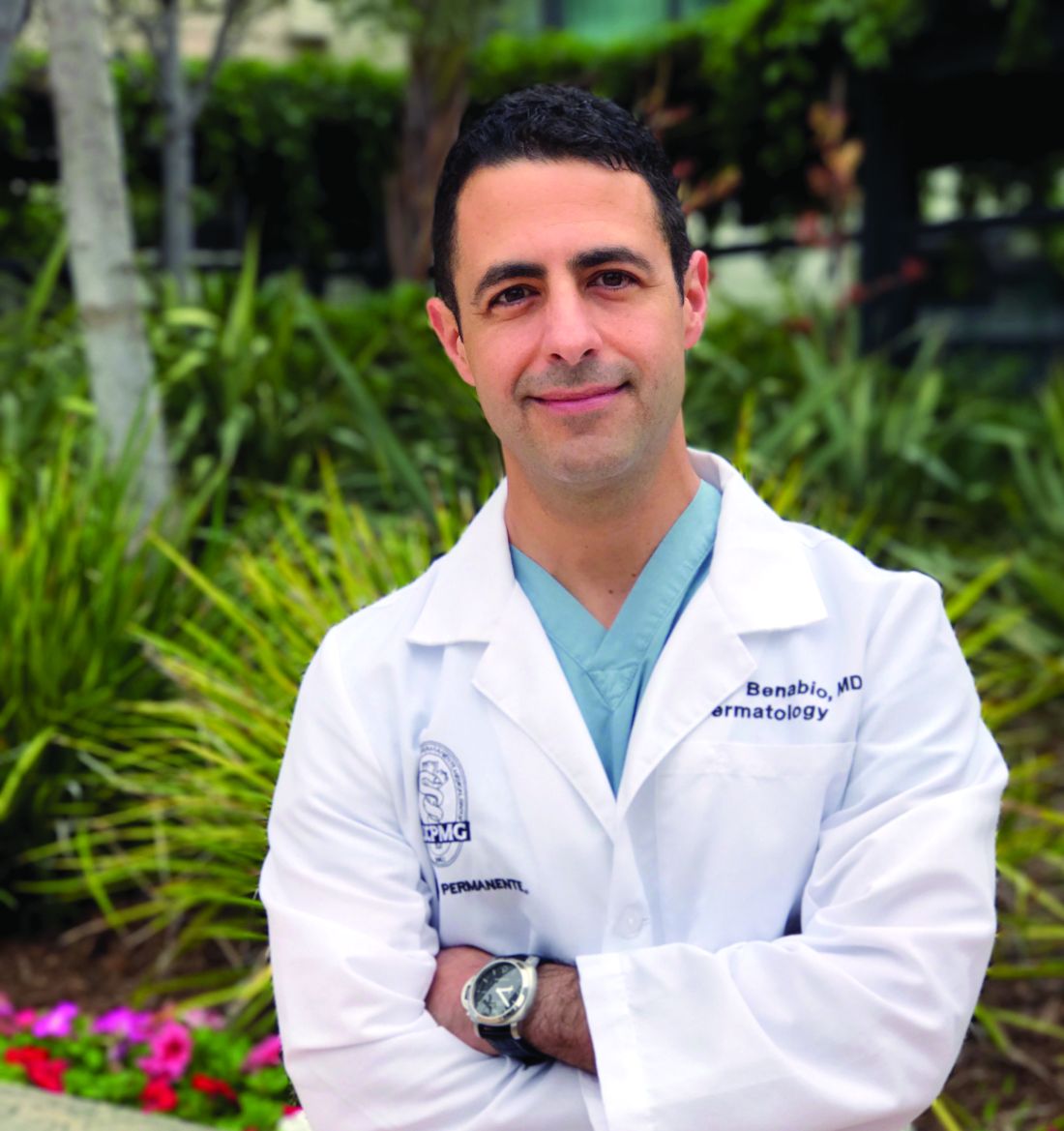
Challenges
First, I mark difficult weeks on my calendar in red. Do I have extra clinics? Is it post vacation? Am I giving a talk? Then, I set up challenges. For example, I knew last week’s call was going to be tough. So, each morning I challenged myself to do 100 push-ups in 2 minutes, 12 pull-ups, and run 2 miles. I also set goals of plowing through my backlog of journals and upgrading my EHR shortcuts and order sets.
Colleagues
A Navy SEAL training instructor once told me the key to success in BUD/S (the grueling 6-month SEAL training course), is to take care of your teammates:“When you’re focused on the guy to your right and the guy to your left, you find inner strength to endure suffering.” No matter how busy I am, when my phone rings or I get a text, I think to myself, Good, one of my partners needs my help. Framing it that way makes any added work feel lighter.
(Re)Charging
Lastly, I schedule time to recharge and recover. For example, this morning instead of going to the gym, I had a cappuccino and read the entire Sunday New York Times. Later today, my wife and I are going to see Thor: Ragnarok. In reclining seats. With a craft beer.
My call week was sometimes easy and occasionally arduous. Yet, I taught an ER resident how to recognize zoster in its very early stages. I learned the difference between erythema multiforme major and mycoplasma-induced rash with mucositis, and I reassured a family that their hospitalized 9-year-old was going to be just fine. I didn’t miss a workout (however, no SEAL instructor would have credited my pathetic pull-ups #11 and #12).
My next call isn’t long off, and soon, I must work on a big presentation. Medicine is a marathon, punctuated by sprinting. During stressful periods, I challenge myself physically and mentally, focus on helping others, and take the time to rest and recharge after. I think it has helped me beat burnout, I hope it helps you too.
Dr. Benabio is director of Healthcare Transformation and chief of dermatology at Kaiser Permanente San Diego. The opinions expressed in this column are his own and do not represent those of Kaiser Permanente. Dr. Benabio is @Dermdoc on Twitter. Write to him at dermnews@frontlinemedcom.com
My chest and back are sore this week because I was on call last week. It’s my secret to beating burnout. Just keep reading.
The phrase “dermatologist burnout” may seem as oxymoronic as jumbo shrimp, yet both are real. Our work is easier than some other physicians’. Dermatologists don’t sleep in the hospital, and we have many fewer dope-seeking or dying patients. Yet we suffer the same EHR frustrations as any physician. We struggle with an ever-increasing volume of patients and regulations which stultify our ability to care for patients.
[polldaddy:9875293]
According to a recent Mayo Clinic Proceedings study, dermatologists had the highest increase in burnout from 32% to 57% (Mayo Clin Proc. 2015 Dec;90[12]:1600-13). Although some have it worse than others, all physicians today are at high risk. Changing external factors is difficult, but modifying internal aspects of burnout can help.
Challenges
First, I mark difficult weeks on my calendar in red. Do I have extra clinics? Is it post vacation? Am I giving a talk? Then, I set up challenges. For example, I knew last week’s call was going to be tough. So, each morning I challenged myself to do 100 push-ups in 2 minutes, 12 pull-ups, and run 2 miles. I also set goals of plowing through my backlog of journals and upgrading my EHR shortcuts and order sets.
Colleagues
A Navy SEAL training instructor once told me the key to success in BUD/S (the grueling 6-month SEAL training course), is to take care of your teammates:“When you’re focused on the guy to your right and the guy to your left, you find inner strength to endure suffering.” No matter how busy I am, when my phone rings or I get a text, I think to myself, Good, one of my partners needs my help. Framing it that way makes any added work feel lighter.
(Re)Charging
Lastly, I schedule time to recharge and recover. For example, this morning instead of going to the gym, I had a cappuccino and read the entire Sunday New York Times. Later today, my wife and I are going to see Thor: Ragnarok. In reclining seats. With a craft beer.
My call week was sometimes easy and occasionally arduous. Yet, I taught an ER resident how to recognize zoster in its very early stages. I learned the difference between erythema multiforme major and mycoplasma-induced rash with mucositis, and I reassured a family that their hospitalized 9-year-old was going to be just fine. I didn’t miss a workout (however, no SEAL instructor would have credited my pathetic pull-ups #11 and #12).
My next call isn’t long off, and soon, I must work on a big presentation. Medicine is a marathon, punctuated by sprinting. During stressful periods, I challenge myself physically and mentally, focus on helping others, and take the time to rest and recharge after. I think it has helped me beat burnout, I hope it helps you too.
Dr. Benabio is director of Healthcare Transformation and chief of dermatology at Kaiser Permanente San Diego. The opinions expressed in this column are his own and do not represent those of Kaiser Permanente. Dr. Benabio is @Dermdoc on Twitter. Write to him at dermnews@frontlinemedcom.com
My chest and back are sore this week because I was on call last week. It’s my secret to beating burnout. Just keep reading.
The phrase “dermatologist burnout” may seem as oxymoronic as jumbo shrimp, yet both are real. Our work is easier than some other physicians’. Dermatologists don’t sleep in the hospital, and we have many fewer dope-seeking or dying patients. Yet we suffer the same EHR frustrations as any physician. We struggle with an ever-increasing volume of patients and regulations which stultify our ability to care for patients.
[polldaddy:9875293]
According to a recent Mayo Clinic Proceedings study, dermatologists had the highest increase in burnout from 32% to 57% (Mayo Clin Proc. 2015 Dec;90[12]:1600-13). Although some have it worse than others, all physicians today are at high risk. Changing external factors is difficult, but modifying internal aspects of burnout can help.
Challenges
First, I mark difficult weeks on my calendar in red. Do I have extra clinics? Is it post vacation? Am I giving a talk? Then, I set up challenges. For example, I knew last week’s call was going to be tough. So, each morning I challenged myself to do 100 push-ups in 2 minutes, 12 pull-ups, and run 2 miles. I also set goals of plowing through my backlog of journals and upgrading my EHR shortcuts and order sets.
Colleagues
A Navy SEAL training instructor once told me the key to success in BUD/S (the grueling 6-month SEAL training course), is to take care of your teammates:“When you’re focused on the guy to your right and the guy to your left, you find inner strength to endure suffering.” No matter how busy I am, when my phone rings or I get a text, I think to myself, Good, one of my partners needs my help. Framing it that way makes any added work feel lighter.
(Re)Charging
Lastly, I schedule time to recharge and recover. For example, this morning instead of going to the gym, I had a cappuccino and read the entire Sunday New York Times. Later today, my wife and I are going to see Thor: Ragnarok. In reclining seats. With a craft beer.
My call week was sometimes easy and occasionally arduous. Yet, I taught an ER resident how to recognize zoster in its very early stages. I learned the difference between erythema multiforme major and mycoplasma-induced rash with mucositis, and I reassured a family that their hospitalized 9-year-old was going to be just fine. I didn’t miss a workout (however, no SEAL instructor would have credited my pathetic pull-ups #11 and #12).
My next call isn’t long off, and soon, I must work on a big presentation. Medicine is a marathon, punctuated by sprinting. During stressful periods, I challenge myself physically and mentally, focus on helping others, and take the time to rest and recharge after. I think it has helped me beat burnout, I hope it helps you too.
Dr. Benabio is director of Healthcare Transformation and chief of dermatology at Kaiser Permanente San Diego. The opinions expressed in this column are his own and do not represent those of Kaiser Permanente. Dr. Benabio is @Dermdoc on Twitter. Write to him at dermnews@frontlinemedcom.com
Recommending efficacious cleansers for your patients
Cleansing is one of the most important steps in any skin care routine, but the surfeit of products on the market can lead to patients selecting an inappropriate cleanser for their skin type. This can engender various adverse cutaneous effects, including xerosis, flaking, acne, and flare-ups of chronic skin conditions such as eczema and rosacea. For example, acne medications are better tolerated when the proper cleanser is used. Cleanser choice is particularly important for individuals with dry skin who have an impaired barrier and those with sensitive skin who are susceptible to inflammation. The following discussion focuses on the factors that practitioners should address with patients when recommending cleansing products to help them maximize their outcomes and maintain clear, healthy-looking skin.
TYPES OF CLEANSERS
Foaming agents
Anionic surface acting agents (surfactants or detergents) produce foam and display the greatest cleansing potency. (Table 1). Because these detergents remove lipids from the skin’s surface and protective bilayer membrane barrier, they should only be used only by individuals with increased sebum production. Ingredients in this category injure the skin barrier and make the skin more susceptible to irritant reactions.1 For example, the widely used compound sodium lauryl sulfate (SLS), which strips lipids from the skin, irritates the skin to such an extent that it is used in research labs to hinder the skin barrier to test “barrier repair products.” The “sulfate- free” trend originates from the irritation caused by SLS. The barrier disruption caused by SLS can be used to intentionally damage the skin barrier to allow increased penetration of chemical peeling products and other therapeutic agents. An alternative to SLS is sodium laureth sulfate (or sodium lauryl ether sulfate, also known as SLES), which exhibits foaming attributes but is less likely than SLS to cause irritation. We often use a foaming cleanser in our practice prior to injectable procedures to ensure that makeup and debris are removed from the skin, and to decrease the time needed for topical lidocaine to penetrate into the skin. If you adopt this strategy, you should follow the injectable procedure with a barrier repair moisturizer.
Nonfoaming agents
These agents were developed through efforts to reduce detergent irritancy. This class of cleansers includes superfatted soaps, combination bars (“combars”), syndet bars (composed of synthetic surfactants) and compounds that deposit lipids on the skin, such as creams, lotions and oils. Cream, milk, cold creams, and oil cleansers fall into this category. These products usually have a neutral pH, and include ingredients such as alkyl glyceryl, ether sulfonate, alpha olefin sulfonates, betaines, sulfosuccinates, sodium cocoyl monoglyceride sulfate, and sodium cocoyl isethionate. Organic nonfoaming agents are also available, and may include saponins, a large family of structurally related compounds derived from plant, and sucrose laurate. Nonfoaming cleansers are most appropriate for dry skin types. Oily skin types often report that they “do not feel clean” when they use these cleansers.
Hydroxy acid cleansers
Alpha hydroxy acids (AHAs) are well suited for use by individuals with dry skin because hydroxy acids act as humectants (water-soluble materials with high water absorption capabilities). These hydrophilic cleansers provide exfoliation, and are appropriate for individuals with dry skin and acne because their low pH contributes to an inhospitable microbiome for Propionibacterium acnes, making it harder for the bacteria to thrive. Importantly, the exfoliating activity imparted by hydroxy acids sets the stage for better penetration into the stratum corneum by ingredients applied subsequent to the cleanser. Alpha hydroxy acid cleansers do not dry out the skin the way that salicylic acid cleansers do because their hydrophilic nature makes them unable to penetrate through sebum.
Salicylic acid (SA) cleansers are a member of the aspirin family and therefore confer anti-inflammatory properties. Salicylic acid is lipophilic and can penetrate through the sebum derived lipids into pores. They are the most effective cleansers to unclog pores. Therefore, SA cleansers are ideal for use by individuals with oily, sensitive skin prone to acne, seborrheic dermatitis, or rosacea. The exfoliation yielded by salicylic acid also enhances skin barrier penetration by ingredients applied after its use and is well tolerated by individuals with oily skin. Dry skin types, especially those on retinoids and benzoyl peroxide, will not tolerate SA as well as they will AHA cleansers.
Antibacterial cleansers
Antibacterial cleansers contain ingredients that reduce P. acnes and other types of bacteria on the skin. These products include benzoyl peroxide (BP), silver, hypochlorous acid, and sodium hypochlorite. Benzoyl peroxide can be highly irritating and is not well tolerated by patients with dry skin. Silver has a long history, having been used as an antibacterial agent since the times of King Herod. On the other hand, hypochlorous acid and sodium hypochlorite are novel entrants in the cleansing realm, particularly for individuals with acne. In fact, sodium hypochlorite is formulated to be mild enough for daily use while still sufficiently effective for acne-prone skin.
CLEANSER CHOICE BY SKIN ISSUE
Acne
Recommending the right cleanser for acne-prone skin first depends on whether the patient has oily or dry skin. Individuals with dry skin and acne cannot tolerate drying acne medications. Choosing the correct cleanser and moisturizer can help acne patients be more compliant with the acne treatment plan because of fewer side effects. Dry skin acne types often need two different cleansers. For the morning cleanser, AHA cleansers such as glycolic acid are effective at managing dry. acne-prone skin because glycolic acid has a relatively low pH. P. acnes is less likely to grow on skin with a lower pH.
Hydroxy acids help prevent clogged pores and exfoliate dead skin, which helps prevent acne comedones. Glycolic acid also serves as a humectant ingredient. Creamy cleansers should be used once daily, preferably at night for patients who use makeup since these products are effective at makeup removal. Foaming cleansers should never be used on dry, acne-prone skin. Individuals with the acne subtype of sensitive skin should avoid using scrubs, loofahs, and other forms of mechanical exfoliation.
Patients with oily skin and acne are easier to treat than are dry types because they can better tolerate acne medications. I recommend a salicylic acid cleanser in the morning to unclog pores. The anti-inflammatory properties of salicylic acid help prevent the formation of papules and pustules that characterize acne. Twice-daily use of salicylic acid by patients with oily skin and acne may feel too drying when combined with acne medications such as a retinoid and benzoyl peroxide. If this is the case, a foaming cleanser can be used in the evening to remove dirt, makeup, sunscreen, and debris that can clog pores and exacerbate acne.
Rosacea
Most dry skin type rosacea patients flush red when they wash their face, even if they only use water. The friction alone is enough to cause them to react. Rosacea patients can skip the morning cleanse to help reduce this skin irritation and flushing. Instead they should apply their a.m. anti-redness products followed by a sunscreen appropriate for their skin type. In the evening, a soothing, nonfoaming cleanser with anti-inflammatory ingredients is the best choice to remove makeup, sunscreen, and any built-up dirt or bacteria from the skin’s surface. This should be followed by an anti-redness product that targets the inflammation caused by rosacea.
Anti-inflammatory ingredients that can be found in soothing cleansers and moisturizers for rosacea prone skin include argan oil, green tea, feverfew, chamomile, licorice extract, and aloe.
Patients with very oily skin who have rosacea need to cleanse twice daily to remove excess oil to prevent comedones and acne lesions. A foaming cleanser that contains anti-inflammatory ingredients such as green tea, feverfew, licorice extract, aloe, niacinamide, green tea, and salicylic acid are a good choice for oily rosacea prone skin types.
All rosacea patients should be counseled to avoid mechanical exfoliation, including cleansing scrubs, chemical exfoliants, and abrasive loofahs or cloths.
Eczema
Patients with eczema should choose the same nonfoaming cleansers recommended for dry skin. For patients with frequent skin infections, hypochlorite and silver are beneficial ingredients found in cleansers to help decrease skin bacteria and prevent infections. Foaming cleansers should never be used in eczema prone types.
Conclusion
Cleansers play an important role in skin care because they affect the skin barrier, pH of the skin, presence of bacteria, condition of the pores, and penetration of the post cleanser–applied ingredients. Knowing which cleansing product to use based on a patient’s skin type is critical to recommending the proper ingredients so that patients can achieve and maintain healthy skin.
Table 1. Ingredients used in foaming cleansers
Acyl glycinates
Acylglutamates
Alkyl acyl isethionates
Alkyl carboxylates
Alkyl ether sulfates
Alkyl ethoxy sulfates
Alkyl phosphates
Alkyl sulfates
Alkyl sulfonates
Alkyl sulfosuccinates
Alkyl taurates
Reference
Cleansing is one of the most important steps in any skin care routine, but the surfeit of products on the market can lead to patients selecting an inappropriate cleanser for their skin type. This can engender various adverse cutaneous effects, including xerosis, flaking, acne, and flare-ups of chronic skin conditions such as eczema and rosacea. For example, acne medications are better tolerated when the proper cleanser is used. Cleanser choice is particularly important for individuals with dry skin who have an impaired barrier and those with sensitive skin who are susceptible to inflammation. The following discussion focuses on the factors that practitioners should address with patients when recommending cleansing products to help them maximize their outcomes and maintain clear, healthy-looking skin.
TYPES OF CLEANSERS
Foaming agents
Anionic surface acting agents (surfactants or detergents) produce foam and display the greatest cleansing potency. (Table 1). Because these detergents remove lipids from the skin’s surface and protective bilayer membrane barrier, they should only be used only by individuals with increased sebum production. Ingredients in this category injure the skin barrier and make the skin more susceptible to irritant reactions.1 For example, the widely used compound sodium lauryl sulfate (SLS), which strips lipids from the skin, irritates the skin to such an extent that it is used in research labs to hinder the skin barrier to test “barrier repair products.” The “sulfate- free” trend originates from the irritation caused by SLS. The barrier disruption caused by SLS can be used to intentionally damage the skin barrier to allow increased penetration of chemical peeling products and other therapeutic agents. An alternative to SLS is sodium laureth sulfate (or sodium lauryl ether sulfate, also known as SLES), which exhibits foaming attributes but is less likely than SLS to cause irritation. We often use a foaming cleanser in our practice prior to injectable procedures to ensure that makeup and debris are removed from the skin, and to decrease the time needed for topical lidocaine to penetrate into the skin. If you adopt this strategy, you should follow the injectable procedure with a barrier repair moisturizer.
Nonfoaming agents
These agents were developed through efforts to reduce detergent irritancy. This class of cleansers includes superfatted soaps, combination bars (“combars”), syndet bars (composed of synthetic surfactants) and compounds that deposit lipids on the skin, such as creams, lotions and oils. Cream, milk, cold creams, and oil cleansers fall into this category. These products usually have a neutral pH, and include ingredients such as alkyl glyceryl, ether sulfonate, alpha olefin sulfonates, betaines, sulfosuccinates, sodium cocoyl monoglyceride sulfate, and sodium cocoyl isethionate. Organic nonfoaming agents are also available, and may include saponins, a large family of structurally related compounds derived from plant, and sucrose laurate. Nonfoaming cleansers are most appropriate for dry skin types. Oily skin types often report that they “do not feel clean” when they use these cleansers.
Hydroxy acid cleansers
Alpha hydroxy acids (AHAs) are well suited for use by individuals with dry skin because hydroxy acids act as humectants (water-soluble materials with high water absorption capabilities). These hydrophilic cleansers provide exfoliation, and are appropriate for individuals with dry skin and acne because their low pH contributes to an inhospitable microbiome for Propionibacterium acnes, making it harder for the bacteria to thrive. Importantly, the exfoliating activity imparted by hydroxy acids sets the stage for better penetration into the stratum corneum by ingredients applied subsequent to the cleanser. Alpha hydroxy acid cleansers do not dry out the skin the way that salicylic acid cleansers do because their hydrophilic nature makes them unable to penetrate through sebum.
Salicylic acid (SA) cleansers are a member of the aspirin family and therefore confer anti-inflammatory properties. Salicylic acid is lipophilic and can penetrate through the sebum derived lipids into pores. They are the most effective cleansers to unclog pores. Therefore, SA cleansers are ideal for use by individuals with oily, sensitive skin prone to acne, seborrheic dermatitis, or rosacea. The exfoliation yielded by salicylic acid also enhances skin barrier penetration by ingredients applied after its use and is well tolerated by individuals with oily skin. Dry skin types, especially those on retinoids and benzoyl peroxide, will not tolerate SA as well as they will AHA cleansers.
Antibacterial cleansers
Antibacterial cleansers contain ingredients that reduce P. acnes and other types of bacteria on the skin. These products include benzoyl peroxide (BP), silver, hypochlorous acid, and sodium hypochlorite. Benzoyl peroxide can be highly irritating and is not well tolerated by patients with dry skin. Silver has a long history, having been used as an antibacterial agent since the times of King Herod. On the other hand, hypochlorous acid and sodium hypochlorite are novel entrants in the cleansing realm, particularly for individuals with acne. In fact, sodium hypochlorite is formulated to be mild enough for daily use while still sufficiently effective for acne-prone skin.
CLEANSER CHOICE BY SKIN ISSUE
Acne
Recommending the right cleanser for acne-prone skin first depends on whether the patient has oily or dry skin. Individuals with dry skin and acne cannot tolerate drying acne medications. Choosing the correct cleanser and moisturizer can help acne patients be more compliant with the acne treatment plan because of fewer side effects. Dry skin acne types often need two different cleansers. For the morning cleanser, AHA cleansers such as glycolic acid are effective at managing dry. acne-prone skin because glycolic acid has a relatively low pH. P. acnes is less likely to grow on skin with a lower pH.
Hydroxy acids help prevent clogged pores and exfoliate dead skin, which helps prevent acne comedones. Glycolic acid also serves as a humectant ingredient. Creamy cleansers should be used once daily, preferably at night for patients who use makeup since these products are effective at makeup removal. Foaming cleansers should never be used on dry, acne-prone skin. Individuals with the acne subtype of sensitive skin should avoid using scrubs, loofahs, and other forms of mechanical exfoliation.
Patients with oily skin and acne are easier to treat than are dry types because they can better tolerate acne medications. I recommend a salicylic acid cleanser in the morning to unclog pores. The anti-inflammatory properties of salicylic acid help prevent the formation of papules and pustules that characterize acne. Twice-daily use of salicylic acid by patients with oily skin and acne may feel too drying when combined with acne medications such as a retinoid and benzoyl peroxide. If this is the case, a foaming cleanser can be used in the evening to remove dirt, makeup, sunscreen, and debris that can clog pores and exacerbate acne.
Rosacea
Most dry skin type rosacea patients flush red when they wash their face, even if they only use water. The friction alone is enough to cause them to react. Rosacea patients can skip the morning cleanse to help reduce this skin irritation and flushing. Instead they should apply their a.m. anti-redness products followed by a sunscreen appropriate for their skin type. In the evening, a soothing, nonfoaming cleanser with anti-inflammatory ingredients is the best choice to remove makeup, sunscreen, and any built-up dirt or bacteria from the skin’s surface. This should be followed by an anti-redness product that targets the inflammation caused by rosacea.
Anti-inflammatory ingredients that can be found in soothing cleansers and moisturizers for rosacea prone skin include argan oil, green tea, feverfew, chamomile, licorice extract, and aloe.
Patients with very oily skin who have rosacea need to cleanse twice daily to remove excess oil to prevent comedones and acne lesions. A foaming cleanser that contains anti-inflammatory ingredients such as green tea, feverfew, licorice extract, aloe, niacinamide, green tea, and salicylic acid are a good choice for oily rosacea prone skin types.
All rosacea patients should be counseled to avoid mechanical exfoliation, including cleansing scrubs, chemical exfoliants, and abrasive loofahs or cloths.
Eczema
Patients with eczema should choose the same nonfoaming cleansers recommended for dry skin. For patients with frequent skin infections, hypochlorite and silver are beneficial ingredients found in cleansers to help decrease skin bacteria and prevent infections. Foaming cleansers should never be used in eczema prone types.
Conclusion
Cleansers play an important role in skin care because they affect the skin barrier, pH of the skin, presence of bacteria, condition of the pores, and penetration of the post cleanser–applied ingredients. Knowing which cleansing product to use based on a patient’s skin type is critical to recommending the proper ingredients so that patients can achieve and maintain healthy skin.
Table 1. Ingredients used in foaming cleansers
Acyl glycinates
Acylglutamates
Alkyl acyl isethionates
Alkyl carboxylates
Alkyl ether sulfates
Alkyl ethoxy sulfates
Alkyl phosphates
Alkyl sulfates
Alkyl sulfonates
Alkyl sulfosuccinates
Alkyl taurates
Reference
Cleansing is one of the most important steps in any skin care routine, but the surfeit of products on the market can lead to patients selecting an inappropriate cleanser for their skin type. This can engender various adverse cutaneous effects, including xerosis, flaking, acne, and flare-ups of chronic skin conditions such as eczema and rosacea. For example, acne medications are better tolerated when the proper cleanser is used. Cleanser choice is particularly important for individuals with dry skin who have an impaired barrier and those with sensitive skin who are susceptible to inflammation. The following discussion focuses on the factors that practitioners should address with patients when recommending cleansing products to help them maximize their outcomes and maintain clear, healthy-looking skin.
TYPES OF CLEANSERS
Foaming agents
Anionic surface acting agents (surfactants or detergents) produce foam and display the greatest cleansing potency. (Table 1). Because these detergents remove lipids from the skin’s surface and protective bilayer membrane barrier, they should only be used only by individuals with increased sebum production. Ingredients in this category injure the skin barrier and make the skin more susceptible to irritant reactions.1 For example, the widely used compound sodium lauryl sulfate (SLS), which strips lipids from the skin, irritates the skin to such an extent that it is used in research labs to hinder the skin barrier to test “barrier repair products.” The “sulfate- free” trend originates from the irritation caused by SLS. The barrier disruption caused by SLS can be used to intentionally damage the skin barrier to allow increased penetration of chemical peeling products and other therapeutic agents. An alternative to SLS is sodium laureth sulfate (or sodium lauryl ether sulfate, also known as SLES), which exhibits foaming attributes but is less likely than SLS to cause irritation. We often use a foaming cleanser in our practice prior to injectable procedures to ensure that makeup and debris are removed from the skin, and to decrease the time needed for topical lidocaine to penetrate into the skin. If you adopt this strategy, you should follow the injectable procedure with a barrier repair moisturizer.
Nonfoaming agents
These agents were developed through efforts to reduce detergent irritancy. This class of cleansers includes superfatted soaps, combination bars (“combars”), syndet bars (composed of synthetic surfactants) and compounds that deposit lipids on the skin, such as creams, lotions and oils. Cream, milk, cold creams, and oil cleansers fall into this category. These products usually have a neutral pH, and include ingredients such as alkyl glyceryl, ether sulfonate, alpha olefin sulfonates, betaines, sulfosuccinates, sodium cocoyl monoglyceride sulfate, and sodium cocoyl isethionate. Organic nonfoaming agents are also available, and may include saponins, a large family of structurally related compounds derived from plant, and sucrose laurate. Nonfoaming cleansers are most appropriate for dry skin types. Oily skin types often report that they “do not feel clean” when they use these cleansers.
Hydroxy acid cleansers
Alpha hydroxy acids (AHAs) are well suited for use by individuals with dry skin because hydroxy acids act as humectants (water-soluble materials with high water absorption capabilities). These hydrophilic cleansers provide exfoliation, and are appropriate for individuals with dry skin and acne because their low pH contributes to an inhospitable microbiome for Propionibacterium acnes, making it harder for the bacteria to thrive. Importantly, the exfoliating activity imparted by hydroxy acids sets the stage for better penetration into the stratum corneum by ingredients applied subsequent to the cleanser. Alpha hydroxy acid cleansers do not dry out the skin the way that salicylic acid cleansers do because their hydrophilic nature makes them unable to penetrate through sebum.
Salicylic acid (SA) cleansers are a member of the aspirin family and therefore confer anti-inflammatory properties. Salicylic acid is lipophilic and can penetrate through the sebum derived lipids into pores. They are the most effective cleansers to unclog pores. Therefore, SA cleansers are ideal for use by individuals with oily, sensitive skin prone to acne, seborrheic dermatitis, or rosacea. The exfoliation yielded by salicylic acid also enhances skin barrier penetration by ingredients applied after its use and is well tolerated by individuals with oily skin. Dry skin types, especially those on retinoids and benzoyl peroxide, will not tolerate SA as well as they will AHA cleansers.
Antibacterial cleansers
Antibacterial cleansers contain ingredients that reduce P. acnes and other types of bacteria on the skin. These products include benzoyl peroxide (BP), silver, hypochlorous acid, and sodium hypochlorite. Benzoyl peroxide can be highly irritating and is not well tolerated by patients with dry skin. Silver has a long history, having been used as an antibacterial agent since the times of King Herod. On the other hand, hypochlorous acid and sodium hypochlorite are novel entrants in the cleansing realm, particularly for individuals with acne. In fact, sodium hypochlorite is formulated to be mild enough for daily use while still sufficiently effective for acne-prone skin.
CLEANSER CHOICE BY SKIN ISSUE
Acne
Recommending the right cleanser for acne-prone skin first depends on whether the patient has oily or dry skin. Individuals with dry skin and acne cannot tolerate drying acne medications. Choosing the correct cleanser and moisturizer can help acne patients be more compliant with the acne treatment plan because of fewer side effects. Dry skin acne types often need two different cleansers. For the morning cleanser, AHA cleansers such as glycolic acid are effective at managing dry. acne-prone skin because glycolic acid has a relatively low pH. P. acnes is less likely to grow on skin with a lower pH.
Hydroxy acids help prevent clogged pores and exfoliate dead skin, which helps prevent acne comedones. Glycolic acid also serves as a humectant ingredient. Creamy cleansers should be used once daily, preferably at night for patients who use makeup since these products are effective at makeup removal. Foaming cleansers should never be used on dry, acne-prone skin. Individuals with the acne subtype of sensitive skin should avoid using scrubs, loofahs, and other forms of mechanical exfoliation.
Patients with oily skin and acne are easier to treat than are dry types because they can better tolerate acne medications. I recommend a salicylic acid cleanser in the morning to unclog pores. The anti-inflammatory properties of salicylic acid help prevent the formation of papules and pustules that characterize acne. Twice-daily use of salicylic acid by patients with oily skin and acne may feel too drying when combined with acne medications such as a retinoid and benzoyl peroxide. If this is the case, a foaming cleanser can be used in the evening to remove dirt, makeup, sunscreen, and debris that can clog pores and exacerbate acne.
Rosacea
Most dry skin type rosacea patients flush red when they wash their face, even if they only use water. The friction alone is enough to cause them to react. Rosacea patients can skip the morning cleanse to help reduce this skin irritation and flushing. Instead they should apply their a.m. anti-redness products followed by a sunscreen appropriate for their skin type. In the evening, a soothing, nonfoaming cleanser with anti-inflammatory ingredients is the best choice to remove makeup, sunscreen, and any built-up dirt or bacteria from the skin’s surface. This should be followed by an anti-redness product that targets the inflammation caused by rosacea.
Anti-inflammatory ingredients that can be found in soothing cleansers and moisturizers for rosacea prone skin include argan oil, green tea, feverfew, chamomile, licorice extract, and aloe.
Patients with very oily skin who have rosacea need to cleanse twice daily to remove excess oil to prevent comedones and acne lesions. A foaming cleanser that contains anti-inflammatory ingredients such as green tea, feverfew, licorice extract, aloe, niacinamide, green tea, and salicylic acid are a good choice for oily rosacea prone skin types.
All rosacea patients should be counseled to avoid mechanical exfoliation, including cleansing scrubs, chemical exfoliants, and abrasive loofahs or cloths.
Eczema
Patients with eczema should choose the same nonfoaming cleansers recommended for dry skin. For patients with frequent skin infections, hypochlorite and silver are beneficial ingredients found in cleansers to help decrease skin bacteria and prevent infections. Foaming cleansers should never be used in eczema prone types.
Conclusion
Cleansers play an important role in skin care because they affect the skin barrier, pH of the skin, presence of bacteria, condition of the pores, and penetration of the post cleanser–applied ingredients. Knowing which cleansing product to use based on a patient’s skin type is critical to recommending the proper ingredients so that patients can achieve and maintain healthy skin.
Table 1. Ingredients used in foaming cleansers
Acyl glycinates
Acylglutamates
Alkyl acyl isethionates
Alkyl carboxylates
Alkyl ether sulfates
Alkyl ethoxy sulfates
Alkyl phosphates
Alkyl sulfates
Alkyl sulfonates
Alkyl sulfosuccinates
Alkyl taurates
Reference
Barnacles that come with wisdom
One of the most common reasons for visits to the dermatologist is a brown or flesh-colored lesion on the face or body that is concerning to the patient either because it’s changing; it’s scabbing or bleeding; it feels rough on the surface, and they can’t stand touching it – or because the patient just thinks they’re plain unsightly. After assessing and ruling out a malignant skin cancer or precancerous lesion clinically, the good news is that, in most cases, these turn out to be seborrheic keratoses (SK), benign growths. Patients are often reassured and relieved when we tell them we nickname SKs “barnacles that come with wisdom.” But then they often ask, “can I get rid of them?”
The answer is yes. There are many ways to rid people of these pesky lesions, but the reality is that, even with coding and documentation of an irritated SK, they are rarely covered by insurance. This leaves patients with the choice of whether to pay out of pocket for a cosmetic procedure and puts the dermatologist in a position of either charging the patient for a cosmetic procedure or treating to make the patient happy and not getting compensated for their services. For the cosmetic dermatologist, discussing cosmetic procedures with patients is an easy transition, but for the dermatologist who does not regularly practice cosmetic or fee-for-service dermatology – the majority of dermatologists in the United States – this can put them in an awkward position. According to a 2013 workforce survey, 20% of the dermatology market is cosmetic, while 80% is medical, surgical, and dermatopathology.1
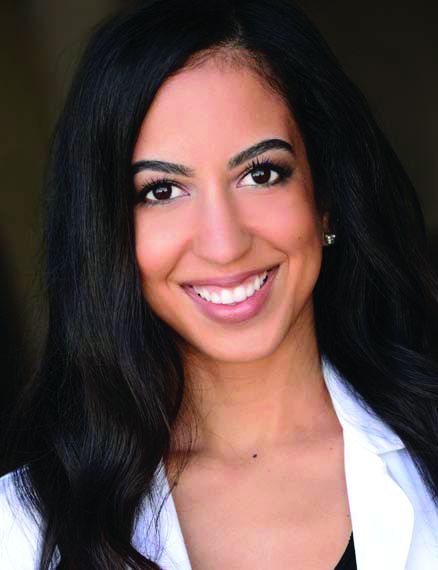
Given the clinically verrucous nature of SKs, a viral etiology, particularly human papilloma virus (HPV), has often been sought. HPV subtypes have been seen in genital “SKs” and HPV-23 has been associated with stucco keratoses, which often resemble the SK family and are found on the legs of aging patients. However, multiple reports have refuted the presence of HPV in nongenital SK lesions.3
Until a potential gene therapy is available, current treatment options for patients who want to have their SKs treated include cryotherapy, electrodesiccation, curettage, or laser therapy with a KTP (potassium titanyl phosphate) laser or an ablative laser, such as a CO2 laser. Cryotherapy, curettage, and electrodesiccation, while effective, run a risk of dyspigmentation, especially hypopigmentation in Fitzpatrick Skin Types III-VI. KTP and ablative lasers can be effective, but are often less cost-effective methods to achieve similar results as cryotherapy or electrodesiccation. Clinical trial data have been published on a topical hydrogen peroxide–based solution, A-101, which is not currently approved by the Food and Drug Administration. In a recently published study, 68% of patients were clear or near clear of SKs on the face with the 40% A-101 solution after up to two treatments.4
SKs are a part of a cosmetic dermatology practice that arises on a daily basis and are often a concern for patients. Discussion of their management, coverage, and treatment options will resonate with every practicing dermatologist.
Dr. Wesley and Dr. Talakoub are cocontributors to this column. Dr. Wesley practices dermatology in Beverly Hills, Calif. Dr. Talakoub is in private practice in McLean, Va. This month’s column is by Dr. Wesley. Dr. Wesley has served on an advisory board panel for Aclaris, which is developing A-101. Write to them at dermnews@frontlinemedcom.com.
References:
1: www.harriswilliams.com/system/files/industry_update/dermatology_market_overview.pdf
2: Am J Dermatopathol. 2014 Aug;36(8):635-42.
3: Indian J Dermatol. 2013 Jul;58(4):326.
4. Dermatol Surg. 2017 Sep 4. doi: 10.1097/DSS.0000000000001302..
One of the most common reasons for visits to the dermatologist is a brown or flesh-colored lesion on the face or body that is concerning to the patient either because it’s changing; it’s scabbing or bleeding; it feels rough on the surface, and they can’t stand touching it – or because the patient just thinks they’re plain unsightly. After assessing and ruling out a malignant skin cancer or precancerous lesion clinically, the good news is that, in most cases, these turn out to be seborrheic keratoses (SK), benign growths. Patients are often reassured and relieved when we tell them we nickname SKs “barnacles that come with wisdom.” But then they often ask, “can I get rid of them?”
The answer is yes. There are many ways to rid people of these pesky lesions, but the reality is that, even with coding and documentation of an irritated SK, they are rarely covered by insurance. This leaves patients with the choice of whether to pay out of pocket for a cosmetic procedure and puts the dermatologist in a position of either charging the patient for a cosmetic procedure or treating to make the patient happy and not getting compensated for their services. For the cosmetic dermatologist, discussing cosmetic procedures with patients is an easy transition, but for the dermatologist who does not regularly practice cosmetic or fee-for-service dermatology – the majority of dermatologists in the United States – this can put them in an awkward position. According to a 2013 workforce survey, 20% of the dermatology market is cosmetic, while 80% is medical, surgical, and dermatopathology.1
Given the clinically verrucous nature of SKs, a viral etiology, particularly human papilloma virus (HPV), has often been sought. HPV subtypes have been seen in genital “SKs” and HPV-23 has been associated with stucco keratoses, which often resemble the SK family and are found on the legs of aging patients. However, multiple reports have refuted the presence of HPV in nongenital SK lesions.3
Until a potential gene therapy is available, current treatment options for patients who want to have their SKs treated include cryotherapy, electrodesiccation, curettage, or laser therapy with a KTP (potassium titanyl phosphate) laser or an ablative laser, such as a CO2 laser. Cryotherapy, curettage, and electrodesiccation, while effective, run a risk of dyspigmentation, especially hypopigmentation in Fitzpatrick Skin Types III-VI. KTP and ablative lasers can be effective, but are often less cost-effective methods to achieve similar results as cryotherapy or electrodesiccation. Clinical trial data have been published on a topical hydrogen peroxide–based solution, A-101, which is not currently approved by the Food and Drug Administration. In a recently published study, 68% of patients were clear or near clear of SKs on the face with the 40% A-101 solution after up to two treatments.4
SKs are a part of a cosmetic dermatology practice that arises on a daily basis and are often a concern for patients. Discussion of their management, coverage, and treatment options will resonate with every practicing dermatologist.
Dr. Wesley and Dr. Talakoub are cocontributors to this column. Dr. Wesley practices dermatology in Beverly Hills, Calif. Dr. Talakoub is in private practice in McLean, Va. This month’s column is by Dr. Wesley. Dr. Wesley has served on an advisory board panel for Aclaris, which is developing A-101. Write to them at dermnews@frontlinemedcom.com.
References:
1: www.harriswilliams.com/system/files/industry_update/dermatology_market_overview.pdf
2: Am J Dermatopathol. 2014 Aug;36(8):635-42.
3: Indian J Dermatol. 2013 Jul;58(4):326.
4. Dermatol Surg. 2017 Sep 4. doi: 10.1097/DSS.0000000000001302..
One of the most common reasons for visits to the dermatologist is a brown or flesh-colored lesion on the face or body that is concerning to the patient either because it’s changing; it’s scabbing or bleeding; it feels rough on the surface, and they can’t stand touching it – or because the patient just thinks they’re plain unsightly. After assessing and ruling out a malignant skin cancer or precancerous lesion clinically, the good news is that, in most cases, these turn out to be seborrheic keratoses (SK), benign growths. Patients are often reassured and relieved when we tell them we nickname SKs “barnacles that come with wisdom.” But then they often ask, “can I get rid of them?”
The answer is yes. There are many ways to rid people of these pesky lesions, but the reality is that, even with coding and documentation of an irritated SK, they are rarely covered by insurance. This leaves patients with the choice of whether to pay out of pocket for a cosmetic procedure and puts the dermatologist in a position of either charging the patient for a cosmetic procedure or treating to make the patient happy and not getting compensated for their services. For the cosmetic dermatologist, discussing cosmetic procedures with patients is an easy transition, but for the dermatologist who does not regularly practice cosmetic or fee-for-service dermatology – the majority of dermatologists in the United States – this can put them in an awkward position. According to a 2013 workforce survey, 20% of the dermatology market is cosmetic, while 80% is medical, surgical, and dermatopathology.1
Given the clinically verrucous nature of SKs, a viral etiology, particularly human papilloma virus (HPV), has often been sought. HPV subtypes have been seen in genital “SKs” and HPV-23 has been associated with stucco keratoses, which often resemble the SK family and are found on the legs of aging patients. However, multiple reports have refuted the presence of HPV in nongenital SK lesions.3
Until a potential gene therapy is available, current treatment options for patients who want to have their SKs treated include cryotherapy, electrodesiccation, curettage, or laser therapy with a KTP (potassium titanyl phosphate) laser or an ablative laser, such as a CO2 laser. Cryotherapy, curettage, and electrodesiccation, while effective, run a risk of dyspigmentation, especially hypopigmentation in Fitzpatrick Skin Types III-VI. KTP and ablative lasers can be effective, but are often less cost-effective methods to achieve similar results as cryotherapy or electrodesiccation. Clinical trial data have been published on a topical hydrogen peroxide–based solution, A-101, which is not currently approved by the Food and Drug Administration. In a recently published study, 68% of patients were clear or near clear of SKs on the face with the 40% A-101 solution after up to two treatments.4
SKs are a part of a cosmetic dermatology practice that arises on a daily basis and are often a concern for patients. Discussion of their management, coverage, and treatment options will resonate with every practicing dermatologist.
Dr. Wesley and Dr. Talakoub are cocontributors to this column. Dr. Wesley practices dermatology in Beverly Hills, Calif. Dr. Talakoub is in private practice in McLean, Va. This month’s column is by Dr. Wesley. Dr. Wesley has served on an advisory board panel for Aclaris, which is developing A-101. Write to them at dermnews@frontlinemedcom.com.
References:
1: www.harriswilliams.com/system/files/industry_update/dermatology_market_overview.pdf
2: Am J Dermatopathol. 2014 Aug;36(8):635-42.
3: Indian J Dermatol. 2013 Jul;58(4):326.
4. Dermatol Surg. 2017 Sep 4. doi: 10.1097/DSS.0000000000001302..
Medical malpractice and the hospitalist: Reasons for optimism
Fear of malpractice litigation weighs on many physicians, including hospitalists. Specific concerns that physicians have about facing a malpractice claim include stigmatization, loss of confidence in one’s own clinical skills, and a possible personal financial toll if an award exceeds the limit of one’s malpractice insurance.
Physician worries about malpractice are increasingly being raised during discussions of burnout, with a recent National Academy of Medicine discussion paper listing malpractice concerns as a possible factor that could contribute to physician burnout.1
Malpractice fears also influence physician behavior generally, leading to defensive medicine, though the actual costs of defensive medicine are debated. A national survey of physicians by Bishop and colleagues found that 91% felt that physicians order more tests and procedures than patients require in order to try to avoid malpractice claims.3 A survey of 1,020 hospitalists asked what testing they would undertake when provided clinical vignettes involving preoperative evaluation and syncope.4 Overuse of testing was common among hospitalists, and most hospitalists who overused testing specified that a desire to reassure either themselves or the patient or patient’s family was the reason for ordering the unnecessary testing.
The extent to which this overuse was driven by liability fears specifically is not clear. Overuse of testing was less common among physicians associated with Veterans Affairs Hospitals, who generally are not subject to personal medical malpractice liability. But a history of a prior malpractice claim was not associated with significantly greater overuse in the survey.
Hospitalists’ concerns about medical liability notwithstanding, data on the absolute malpractice risk of hospitalists and current trends in medical liability are both encouraging. An important source of our understanding about the national medical malpractice landscape is CRICO Strategies National Comparative Benchmarking System (CBS), which includes the malpractice experience from multiple insurers and represents 400 hospitals and 165,000 physicians. A December 2014 analysis of cases involving hospitalists from the CBS database showed that the malpractice claims rate for hospitalists was lower than those for other comparable groups of physicians.5 Hospitalists (in internal medicine) had a claims rate of 0.52 claims per 100 physician coverage years, which was significantly lower than the claims rate for nonhospitalist internal medicine physicians (with a rate of 1.91 claims per 100 physician-coverage years) and for emergency medicine physicians (with a rate of 3.50 claims per 100 physician-coverage years).

A remarkable national trend in medical malpractice, based on an analysis of data supplied by the National Practitioner Data Bank, is that the overall rate of paid claims is decreasing. From 1992 to 2014, the overall rate of paid claims dropped 55.7%.7 To varying degrees, the drop in paid claims has occurred across all specialties, with internal medicine in particular dropping 46.1%. The reason for this decrease in paid claims is not clear. Improvements in patient safety are one possible explanation, with tort reforms also possibly contributing to this trend. An additional potential factor, which will likely become more important as it becomes more widespread, is the advent of communication and resolution programs (also known as disclosure, apology, and offer programs).
In communication and resolution programs, the response to a malpractice claim is to investigate the circumstances surrounding the adverse event underlying the claim to determine if it was the result of medical error. When the investigation finds no medical error, then the claim is defended. However, in cases in which there was a medical error leading to patient harm, then the error is disclosed to the patient and family, and an offer of compensation is made.
One of the most prominent communication and resolution programs exists at the University of Michigan, and published experience from this program shows that, after implementation of the program, significant drops were seen in the number of malpractice lawsuits, the time it took to resolve malpractice claims, the amount paid in patient compensation on malpractice claims, and the costs involved with litigating malpractice claims.8 One of the goals of communication and resolution programs is to utilize the information from the investigations of whether medical errors occurred to find areas where patient safety systems can be improved, thereby using the medical malpractice system to promote patient safety. Although the University of Michigan’s experience with its communication and resolution program is very encouraging, it remains to be seen how widely such programs will be adopted. Medical malpractice is primarily governed at the state level, and the liability laws of some states are more conducive than others to the implementation of these programs.
Hospitalist concerns about medical malpractice are likely to persist, as being named in a malpractice lawsuit is stressful, regardless of the outcome of the case. Contributing to the stress of facing a malpractice claim, cases typically take 3-5 years to be resolved. However, the risk for hospitalists of facing a medical malpractice claim is relatively low. Moreover, given national trends, hospitalists’ liability risk would be expected to remain low or decrease moving forward.
Dr. Schaffer is an attending physician in the Hospital Medicine Unit at Brigham and Women’s Hospital, an instructor at Harvard Medical School, and a senior clinical analytics specialist at CRICO/Risk Management Foundation of the Harvard Medical Institutions, all in Boston. Dr. Kachalia is an attending physician in the Hospital Medicine Unit at Brigham and Women’s Hospital, an associate professor at Harvard Medical School, and the chief quality officer at Brigham and Women’s Hospital.
References
1. Dyrbye LN et al. Burnout among health care professionals: A call to explore and address this underrecognized threat to safe, high-quality care. National Academy of Medicine Perspectives. 2017 Jul 5.
2. Helland E et al. Bargaining in the shadow of the website: Disclosure’s impact on medical malpractice litigation. American Law and Economics Review. 2010;12(2):423-61.
3. Bishop TF et al. Physicians’ views on defensive medicine: A national survey. Arch Intern Med. Jun 28 2010;170(12):1081-3.
4. Kachalia A et al. Overuse of testing in preoperative evaluation and syncope: A survey of hospitalists. Ann Intern Med. 2015 Jan 20;162(2):100-8.
5. Schaffer AC et al. Liability impact of the hospitalist model of care. J Hosp Med. Dec 2014;9(12):750-5.
6. CRICO Strategies. Medication-related malpractice risks: 2016 CBS Benchmarking Report. Boston. The Risk Management Foundation of Harvard Medical Institutions; 2016. Available at: www.rmf.harvard.edu/cbsreport (accessed Sept. 14, 2017).
7. Schaffer AC et al. Rates and characteristics of paid malpractice claims among US physicians by specialty, 1992-2014. JAMA Intern Med. May 2017;177(5):710-8.
8. Kachalia A et al. Liability claims and costs before and after implementation of a medical error disclosure program. Ann Intern Med. Aug 17 2010;153(4):213-21.
Fear of malpractice litigation weighs on many physicians, including hospitalists. Specific concerns that physicians have about facing a malpractice claim include stigmatization, loss of confidence in one’s own clinical skills, and a possible personal financial toll if an award exceeds the limit of one’s malpractice insurance.
Physician worries about malpractice are increasingly being raised during discussions of burnout, with a recent National Academy of Medicine discussion paper listing malpractice concerns as a possible factor that could contribute to physician burnout.1
Malpractice fears also influence physician behavior generally, leading to defensive medicine, though the actual costs of defensive medicine are debated. A national survey of physicians by Bishop and colleagues found that 91% felt that physicians order more tests and procedures than patients require in order to try to avoid malpractice claims.3 A survey of 1,020 hospitalists asked what testing they would undertake when provided clinical vignettes involving preoperative evaluation and syncope.4 Overuse of testing was common among hospitalists, and most hospitalists who overused testing specified that a desire to reassure either themselves or the patient or patient’s family was the reason for ordering the unnecessary testing.
The extent to which this overuse was driven by liability fears specifically is not clear. Overuse of testing was less common among physicians associated with Veterans Affairs Hospitals, who generally are not subject to personal medical malpractice liability. But a history of a prior malpractice claim was not associated with significantly greater overuse in the survey.
Hospitalists’ concerns about medical liability notwithstanding, data on the absolute malpractice risk of hospitalists and current trends in medical liability are both encouraging. An important source of our understanding about the national medical malpractice landscape is CRICO Strategies National Comparative Benchmarking System (CBS), which includes the malpractice experience from multiple insurers and represents 400 hospitals and 165,000 physicians. A December 2014 analysis of cases involving hospitalists from the CBS database showed that the malpractice claims rate for hospitalists was lower than those for other comparable groups of physicians.5 Hospitalists (in internal medicine) had a claims rate of 0.52 claims per 100 physician coverage years, which was significantly lower than the claims rate for nonhospitalist internal medicine physicians (with a rate of 1.91 claims per 100 physician-coverage years) and for emergency medicine physicians (with a rate of 3.50 claims per 100 physician-coverage years).
A remarkable national trend in medical malpractice, based on an analysis of data supplied by the National Practitioner Data Bank, is that the overall rate of paid claims is decreasing. From 1992 to 2014, the overall rate of paid claims dropped 55.7%.7 To varying degrees, the drop in paid claims has occurred across all specialties, with internal medicine in particular dropping 46.1%. The reason for this decrease in paid claims is not clear. Improvements in patient safety are one possible explanation, with tort reforms also possibly contributing to this trend. An additional potential factor, which will likely become more important as it becomes more widespread, is the advent of communication and resolution programs (also known as disclosure, apology, and offer programs).
In communication and resolution programs, the response to a malpractice claim is to investigate the circumstances surrounding the adverse event underlying the claim to determine if it was the result of medical error. When the investigation finds no medical error, then the claim is defended. However, in cases in which there was a medical error leading to patient harm, then the error is disclosed to the patient and family, and an offer of compensation is made.
One of the most prominent communication and resolution programs exists at the University of Michigan, and published experience from this program shows that, after implementation of the program, significant drops were seen in the number of malpractice lawsuits, the time it took to resolve malpractice claims, the amount paid in patient compensation on malpractice claims, and the costs involved with litigating malpractice claims.8 One of the goals of communication and resolution programs is to utilize the information from the investigations of whether medical errors occurred to find areas where patient safety systems can be improved, thereby using the medical malpractice system to promote patient safety. Although the University of Michigan’s experience with its communication and resolution program is very encouraging, it remains to be seen how widely such programs will be adopted. Medical malpractice is primarily governed at the state level, and the liability laws of some states are more conducive than others to the implementation of these programs.
Hospitalist concerns about medical malpractice are likely to persist, as being named in a malpractice lawsuit is stressful, regardless of the outcome of the case. Contributing to the stress of facing a malpractice claim, cases typically take 3-5 years to be resolved. However, the risk for hospitalists of facing a medical malpractice claim is relatively low. Moreover, given national trends, hospitalists’ liability risk would be expected to remain low or decrease moving forward.
Dr. Schaffer is an attending physician in the Hospital Medicine Unit at Brigham and Women’s Hospital, an instructor at Harvard Medical School, and a senior clinical analytics specialist at CRICO/Risk Management Foundation of the Harvard Medical Institutions, all in Boston. Dr. Kachalia is an attending physician in the Hospital Medicine Unit at Brigham and Women’s Hospital, an associate professor at Harvard Medical School, and the chief quality officer at Brigham and Women’s Hospital.
References
1. Dyrbye LN et al. Burnout among health care professionals: A call to explore and address this underrecognized threat to safe, high-quality care. National Academy of Medicine Perspectives. 2017 Jul 5.
2. Helland E et al. Bargaining in the shadow of the website: Disclosure’s impact on medical malpractice litigation. American Law and Economics Review. 2010;12(2):423-61.
3. Bishop TF et al. Physicians’ views on defensive medicine: A national survey. Arch Intern Med. Jun 28 2010;170(12):1081-3.
4. Kachalia A et al. Overuse of testing in preoperative evaluation and syncope: A survey of hospitalists. Ann Intern Med. 2015 Jan 20;162(2):100-8.
5. Schaffer AC et al. Liability impact of the hospitalist model of care. J Hosp Med. Dec 2014;9(12):750-5.
6. CRICO Strategies. Medication-related malpractice risks: 2016 CBS Benchmarking Report. Boston. The Risk Management Foundation of Harvard Medical Institutions; 2016. Available at: www.rmf.harvard.edu/cbsreport (accessed Sept. 14, 2017).
7. Schaffer AC et al. Rates and characteristics of paid malpractice claims among US physicians by specialty, 1992-2014. JAMA Intern Med. May 2017;177(5):710-8.
8. Kachalia A et al. Liability claims and costs before and after implementation of a medical error disclosure program. Ann Intern Med. Aug 17 2010;153(4):213-21.
Fear of malpractice litigation weighs on many physicians, including hospitalists. Specific concerns that physicians have about facing a malpractice claim include stigmatization, loss of confidence in one’s own clinical skills, and a possible personal financial toll if an award exceeds the limit of one’s malpractice insurance.
Physician worries about malpractice are increasingly being raised during discussions of burnout, with a recent National Academy of Medicine discussion paper listing malpractice concerns as a possible factor that could contribute to physician burnout.1
Malpractice fears also influence physician behavior generally, leading to defensive medicine, though the actual costs of defensive medicine are debated. A national survey of physicians by Bishop and colleagues found that 91% felt that physicians order more tests and procedures than patients require in order to try to avoid malpractice claims.3 A survey of 1,020 hospitalists asked what testing they would undertake when provided clinical vignettes involving preoperative evaluation and syncope.4 Overuse of testing was common among hospitalists, and most hospitalists who overused testing specified that a desire to reassure either themselves or the patient or patient’s family was the reason for ordering the unnecessary testing.
The extent to which this overuse was driven by liability fears specifically is not clear. Overuse of testing was less common among physicians associated with Veterans Affairs Hospitals, who generally are not subject to personal medical malpractice liability. But a history of a prior malpractice claim was not associated with significantly greater overuse in the survey.
Hospitalists’ concerns about medical liability notwithstanding, data on the absolute malpractice risk of hospitalists and current trends in medical liability are both encouraging. An important source of our understanding about the national medical malpractice landscape is CRICO Strategies National Comparative Benchmarking System (CBS), which includes the malpractice experience from multiple insurers and represents 400 hospitals and 165,000 physicians. A December 2014 analysis of cases involving hospitalists from the CBS database showed that the malpractice claims rate for hospitalists was lower than those for other comparable groups of physicians.5 Hospitalists (in internal medicine) had a claims rate of 0.52 claims per 100 physician coverage years, which was significantly lower than the claims rate for nonhospitalist internal medicine physicians (with a rate of 1.91 claims per 100 physician-coverage years) and for emergency medicine physicians (with a rate of 3.50 claims per 100 physician-coverage years).
A remarkable national trend in medical malpractice, based on an analysis of data supplied by the National Practitioner Data Bank, is that the overall rate of paid claims is decreasing. From 1992 to 2014, the overall rate of paid claims dropped 55.7%.7 To varying degrees, the drop in paid claims has occurred across all specialties, with internal medicine in particular dropping 46.1%. The reason for this decrease in paid claims is not clear. Improvements in patient safety are one possible explanation, with tort reforms also possibly contributing to this trend. An additional potential factor, which will likely become more important as it becomes more widespread, is the advent of communication and resolution programs (also known as disclosure, apology, and offer programs).
In communication and resolution programs, the response to a malpractice claim is to investigate the circumstances surrounding the adverse event underlying the claim to determine if it was the result of medical error. When the investigation finds no medical error, then the claim is defended. However, in cases in which there was a medical error leading to patient harm, then the error is disclosed to the patient and family, and an offer of compensation is made.
One of the most prominent communication and resolution programs exists at the University of Michigan, and published experience from this program shows that, after implementation of the program, significant drops were seen in the number of malpractice lawsuits, the time it took to resolve malpractice claims, the amount paid in patient compensation on malpractice claims, and the costs involved with litigating malpractice claims.8 One of the goals of communication and resolution programs is to utilize the information from the investigations of whether medical errors occurred to find areas where patient safety systems can be improved, thereby using the medical malpractice system to promote patient safety. Although the University of Michigan’s experience with its communication and resolution program is very encouraging, it remains to be seen how widely such programs will be adopted. Medical malpractice is primarily governed at the state level, and the liability laws of some states are more conducive than others to the implementation of these programs.
Hospitalist concerns about medical malpractice are likely to persist, as being named in a malpractice lawsuit is stressful, regardless of the outcome of the case. Contributing to the stress of facing a malpractice claim, cases typically take 3-5 years to be resolved. However, the risk for hospitalists of facing a medical malpractice claim is relatively low. Moreover, given national trends, hospitalists’ liability risk would be expected to remain low or decrease moving forward.
Dr. Schaffer is an attending physician in the Hospital Medicine Unit at Brigham and Women’s Hospital, an instructor at Harvard Medical School, and a senior clinical analytics specialist at CRICO/Risk Management Foundation of the Harvard Medical Institutions, all in Boston. Dr. Kachalia is an attending physician in the Hospital Medicine Unit at Brigham and Women’s Hospital, an associate professor at Harvard Medical School, and the chief quality officer at Brigham and Women’s Hospital.
References
1. Dyrbye LN et al. Burnout among health care professionals: A call to explore and address this underrecognized threat to safe, high-quality care. National Academy of Medicine Perspectives. 2017 Jul 5.
2. Helland E et al. Bargaining in the shadow of the website: Disclosure’s impact on medical malpractice litigation. American Law and Economics Review. 2010;12(2):423-61.
3. Bishop TF et al. Physicians’ views on defensive medicine: A national survey. Arch Intern Med. Jun 28 2010;170(12):1081-3.
4. Kachalia A et al. Overuse of testing in preoperative evaluation and syncope: A survey of hospitalists. Ann Intern Med. 2015 Jan 20;162(2):100-8.
5. Schaffer AC et al. Liability impact of the hospitalist model of care. J Hosp Med. Dec 2014;9(12):750-5.
6. CRICO Strategies. Medication-related malpractice risks: 2016 CBS Benchmarking Report. Boston. The Risk Management Foundation of Harvard Medical Institutions; 2016. Available at: www.rmf.harvard.edu/cbsreport (accessed Sept. 14, 2017).
7. Schaffer AC et al. Rates and characteristics of paid malpractice claims among US physicians by specialty, 1992-2014. JAMA Intern Med. May 2017;177(5):710-8.
8. Kachalia A et al. Liability claims and costs before and after implementation of a medical error disclosure program. Ann Intern Med. Aug 17 2010;153(4):213-21.
DACA: Time to act
President Trump recently announced his decision to officially end the Deferred Action for Childhood Arrivals program, also known as DACA. The program has been controversial since its inception, almost as controversial as the decision to end it. What impact has DACA had on the medical community, including hospitalists, and what are the implications of ending it?
DACA is a program started in 2012 by an executive action under the Obama administration. The program currently protects approximately 800,000 undocumented immigrants in the United States from being deported. All DACA recipients were brought to this country illegally as children. When the DACA program began, in order to enroll, recipients had to prove that they had arrived to here before age 16, and that they had been living in the United States continuously since 2007. Once enrolled, the protections they receive from the program include the ability to legally work and to go to school, as well as obtain a social security number and driver’s license. These protections are then afforded for renewable 2-year periods of time.1
When Trump was elected, the controversy over continuing the DACA program accelerated. Understandably, the volume of applications rose substantially, with some estimating ~8,000 renewal requests being filed each week since the election. As such, many estimate the number of illegal immigrants affected by DACA has reached almost 1 million.1
One of the reasons the Trump administration feels compelled to dismantle the program is they contend that DACA is unconstitutional, as it was established purely by executive order. In the meantime, Trump is urging Congress to replace DACA with some type of equivalent legislation. According to his staffers, the dismantling of DACA means:
- No new applications will be accepted.
- All existing permits will be honored until they expire.
- All applications in process will continue to be processed.
They contend that no current DACA recipients will be affected before March 2018. Unfortunately for the Trump administration, this has been a very unpopular move, as two-thirds of Americans support allowing the Dreamers to stay in the United States.1
Impact on health care
The concern for the medical industry is that a “dismantling” of DACA could exacerbate an already existing physician shortage in the United States. For example, the Association of American Medical Colleges estimates the physician shortage will rise as the population ages and medical access increases; they currently estimate a physician shortage of approximately 40,000-104,000 by 2030.

But objectively evaluating the impact of the DACA program on the medical industry is difficult. We do know that most of the DACA recipients arrived from Mexico, El Salvador, Guatemala, and Honduras, as well as from Asia (primarily South Korea and the Philippines). We also know they reside in every state, with the largest numbers in California (222,795), Texas (124,300), New York (41,970), Illinois (42,376), and Florida (32,795). Most appear to be using DACA to work and to go to school; in a recent survey, 91% were employed, and 45% were enrolled in school.1
Pertaining specifically to medical school, during the 2016-2017 school year, there were 113 DACA applicants to U.S. medical schools, 65 of which were accepted and enrolled. The AAMC expects the 2017-2018 enrollment to be even higher. Almost half of medical school enrollees attend Loyola University Chicago, Maywood, Ill.; this year alone, Loyola Stritch Medical School enrolled 32 DACA medical students. This is because, in 2013, Loyola was the first medical school nationwide to openly accept students with DACA status. They did this by creating a mechanism for DACA medical students to get student loans.
One of the biggest challenges for DACA students is paying for school, as they are not eligible for federal student loans. To remove this barrier, Loyola created a loan program through the Illinois Finance Authority, which offers interest-free loans to DACA students if they commit to paying back the principal and working after medical school for 4 years in an underserved area in Illinois. It is clear that no medical school in the country will feel the effects of the DACA dismantling more than will Loyola.3
Another unintended issue that the dismantling of DACA can have on the medical industry is the temptation for undocumented immigrants to avoid seeking medical care, for fear of being discovered and deported. Such delays in seeking care can result in these patients presenting with significant and expensive medical issues.
So what are the options for Congress and what is the likely fate of these DACA recipients whose lives have been placed in limbo? Proposals introduced to date include:
- The Bridge Act, which effectively extends the present DACA program by 3 years.
- Recognizing America’s Children Act, which would allow people who meet DACA eligibility criteria to apply for conditional permanent residence with a path toward citizenship.
- The American Hope Act and updated DREAM Act, both of which propose broader eligibility criteria and faster pathways to citizenship.4
There is great hope that some definitive action can be employed by Congress, as most legislators on both sides of the aisle have expressed some support for at least one of the proposed policies (although that certainly does not guarantee sufficient votes to pass). There also is support from many Americans, given that most DACA recipients have been productive members of society, and most Americans believe that DACA recipients should not be held accountable “for the sins of their parents.”4
It appears that the dismantling of DACA would be quite unsettling and certainly would affect some areas of the country more severely than others. Regardless of political stance, everyone can agree that Congress needs to do something, as the ambiguity and uncertainty caused by a million undocumented immigrants living and working in the United States cannot be ignored or indefinitely deferred. Any of the above options that offer a pathway to citizenship would be welcomed by most Americans. Having Dreamers in limbo is bad for everyone; the time to act is now.
Dr. Scheurer is a hospitalist and chief quality officer at the Medical University of South Carolina in Charleston. She is physician editor of The Hospitalist. Email her at scheured@musc.edu.
References
1. http://www.npr.org/2017/09/05/548754723/5-things-you-should-know-about-daca
2. https://www.forbes.com/sites/brucejapsen/2017/09/05/how-trumps-move-to-end-daca-worsens-the-doctor-shortage/#5143320d5b06
3. http://www.chicagomag.com/city-life/September-2017/DACA-Stritch-Medical-School/
4. http://www.nejm.org/doi/full/10.1056/NEJMp1711416?query=TOC
President Trump recently announced his decision to officially end the Deferred Action for Childhood Arrivals program, also known as DACA. The program has been controversial since its inception, almost as controversial as the decision to end it. What impact has DACA had on the medical community, including hospitalists, and what are the implications of ending it?
DACA is a program started in 2012 by an executive action under the Obama administration. The program currently protects approximately 800,000 undocumented immigrants in the United States from being deported. All DACA recipients were brought to this country illegally as children. When the DACA program began, in order to enroll, recipients had to prove that they had arrived to here before age 16, and that they had been living in the United States continuously since 2007. Once enrolled, the protections they receive from the program include the ability to legally work and to go to school, as well as obtain a social security number and driver’s license. These protections are then afforded for renewable 2-year periods of time.1
When Trump was elected, the controversy over continuing the DACA program accelerated. Understandably, the volume of applications rose substantially, with some estimating ~8,000 renewal requests being filed each week since the election. As such, many estimate the number of illegal immigrants affected by DACA has reached almost 1 million.1
One of the reasons the Trump administration feels compelled to dismantle the program is they contend that DACA is unconstitutional, as it was established purely by executive order. In the meantime, Trump is urging Congress to replace DACA with some type of equivalent legislation. According to his staffers, the dismantling of DACA means:
- No new applications will be accepted.
- All existing permits will be honored until they expire.
- All applications in process will continue to be processed.
They contend that no current DACA recipients will be affected before March 2018. Unfortunately for the Trump administration, this has been a very unpopular move, as two-thirds of Americans support allowing the Dreamers to stay in the United States.1
Impact on health care
The concern for the medical industry is that a “dismantling” of DACA could exacerbate an already existing physician shortage in the United States. For example, the Association of American Medical Colleges estimates the physician shortage will rise as the population ages and medical access increases; they currently estimate a physician shortage of approximately 40,000-104,000 by 2030.
But objectively evaluating the impact of the DACA program on the medical industry is difficult. We do know that most of the DACA recipients arrived from Mexico, El Salvador, Guatemala, and Honduras, as well as from Asia (primarily South Korea and the Philippines). We also know they reside in every state, with the largest numbers in California (222,795), Texas (124,300), New York (41,970), Illinois (42,376), and Florida (32,795). Most appear to be using DACA to work and to go to school; in a recent survey, 91% were employed, and 45% were enrolled in school.1
Pertaining specifically to medical school, during the 2016-2017 school year, there were 113 DACA applicants to U.S. medical schools, 65 of which were accepted and enrolled. The AAMC expects the 2017-2018 enrollment to be even higher. Almost half of medical school enrollees attend Loyola University Chicago, Maywood, Ill.; this year alone, Loyola Stritch Medical School enrolled 32 DACA medical students. This is because, in 2013, Loyola was the first medical school nationwide to openly accept students with DACA status. They did this by creating a mechanism for DACA medical students to get student loans.
One of the biggest challenges for DACA students is paying for school, as they are not eligible for federal student loans. To remove this barrier, Loyola created a loan program through the Illinois Finance Authority, which offers interest-free loans to DACA students if they commit to paying back the principal and working after medical school for 4 years in an underserved area in Illinois. It is clear that no medical school in the country will feel the effects of the DACA dismantling more than will Loyola.3
Another unintended issue that the dismantling of DACA can have on the medical industry is the temptation for undocumented immigrants to avoid seeking medical care, for fear of being discovered and deported. Such delays in seeking care can result in these patients presenting with significant and expensive medical issues.
So what are the options for Congress and what is the likely fate of these DACA recipients whose lives have been placed in limbo? Proposals introduced to date include:
- The Bridge Act, which effectively extends the present DACA program by 3 years.
- Recognizing America’s Children Act, which would allow people who meet DACA eligibility criteria to apply for conditional permanent residence with a path toward citizenship.
- The American Hope Act and updated DREAM Act, both of which propose broader eligibility criteria and faster pathways to citizenship.4
There is great hope that some definitive action can be employed by Congress, as most legislators on both sides of the aisle have expressed some support for at least one of the proposed policies (although that certainly does not guarantee sufficient votes to pass). There also is support from many Americans, given that most DACA recipients have been productive members of society, and most Americans believe that DACA recipients should not be held accountable “for the sins of their parents.”4
It appears that the dismantling of DACA would be quite unsettling and certainly would affect some areas of the country more severely than others. Regardless of political stance, everyone can agree that Congress needs to do something, as the ambiguity and uncertainty caused by a million undocumented immigrants living and working in the United States cannot be ignored or indefinitely deferred. Any of the above options that offer a pathway to citizenship would be welcomed by most Americans. Having Dreamers in limbo is bad for everyone; the time to act is now.
Dr. Scheurer is a hospitalist and chief quality officer at the Medical University of South Carolina in Charleston. She is physician editor of The Hospitalist. Email her at scheured@musc.edu.
References
1. http://www.npr.org/2017/09/05/548754723/5-things-you-should-know-about-daca
2. https://www.forbes.com/sites/brucejapsen/2017/09/05/how-trumps-move-to-end-daca-worsens-the-doctor-shortage/#5143320d5b06
3. http://www.chicagomag.com/city-life/September-2017/DACA-Stritch-Medical-School/
4. http://www.nejm.org/doi/full/10.1056/NEJMp1711416?query=TOC
President Trump recently announced his decision to officially end the Deferred Action for Childhood Arrivals program, also known as DACA. The program has been controversial since its inception, almost as controversial as the decision to end it. What impact has DACA had on the medical community, including hospitalists, and what are the implications of ending it?
DACA is a program started in 2012 by an executive action under the Obama administration. The program currently protects approximately 800,000 undocumented immigrants in the United States from being deported. All DACA recipients were brought to this country illegally as children. When the DACA program began, in order to enroll, recipients had to prove that they had arrived to here before age 16, and that they had been living in the United States continuously since 2007. Once enrolled, the protections they receive from the program include the ability to legally work and to go to school, as well as obtain a social security number and driver’s license. These protections are then afforded for renewable 2-year periods of time.1
When Trump was elected, the controversy over continuing the DACA program accelerated. Understandably, the volume of applications rose substantially, with some estimating ~8,000 renewal requests being filed each week since the election. As such, many estimate the number of illegal immigrants affected by DACA has reached almost 1 million.1
One of the reasons the Trump administration feels compelled to dismantle the program is they contend that DACA is unconstitutional, as it was established purely by executive order. In the meantime, Trump is urging Congress to replace DACA with some type of equivalent legislation. According to his staffers, the dismantling of DACA means:
- No new applications will be accepted.
- All existing permits will be honored until they expire.
- All applications in process will continue to be processed.
They contend that no current DACA recipients will be affected before March 2018. Unfortunately for the Trump administration, this has been a very unpopular move, as two-thirds of Americans support allowing the Dreamers to stay in the United States.1
Impact on health care
The concern for the medical industry is that a “dismantling” of DACA could exacerbate an already existing physician shortage in the United States. For example, the Association of American Medical Colleges estimates the physician shortage will rise as the population ages and medical access increases; they currently estimate a physician shortage of approximately 40,000-104,000 by 2030.
But objectively evaluating the impact of the DACA program on the medical industry is difficult. We do know that most of the DACA recipients arrived from Mexico, El Salvador, Guatemala, and Honduras, as well as from Asia (primarily South Korea and the Philippines). We also know they reside in every state, with the largest numbers in California (222,795), Texas (124,300), New York (41,970), Illinois (42,376), and Florida (32,795). Most appear to be using DACA to work and to go to school; in a recent survey, 91% were employed, and 45% were enrolled in school.1
Pertaining specifically to medical school, during the 2016-2017 school year, there were 113 DACA applicants to U.S. medical schools, 65 of which were accepted and enrolled. The AAMC expects the 2017-2018 enrollment to be even higher. Almost half of medical school enrollees attend Loyola University Chicago, Maywood, Ill.; this year alone, Loyola Stritch Medical School enrolled 32 DACA medical students. This is because, in 2013, Loyola was the first medical school nationwide to openly accept students with DACA status. They did this by creating a mechanism for DACA medical students to get student loans.
One of the biggest challenges for DACA students is paying for school, as they are not eligible for federal student loans. To remove this barrier, Loyola created a loan program through the Illinois Finance Authority, which offers interest-free loans to DACA students if they commit to paying back the principal and working after medical school for 4 years in an underserved area in Illinois. It is clear that no medical school in the country will feel the effects of the DACA dismantling more than will Loyola.3
Another unintended issue that the dismantling of DACA can have on the medical industry is the temptation for undocumented immigrants to avoid seeking medical care, for fear of being discovered and deported. Such delays in seeking care can result in these patients presenting with significant and expensive medical issues.
So what are the options for Congress and what is the likely fate of these DACA recipients whose lives have been placed in limbo? Proposals introduced to date include:
- The Bridge Act, which effectively extends the present DACA program by 3 years.
- Recognizing America’s Children Act, which would allow people who meet DACA eligibility criteria to apply for conditional permanent residence with a path toward citizenship.
- The American Hope Act and updated DREAM Act, both of which propose broader eligibility criteria and faster pathways to citizenship.4
There is great hope that some definitive action can be employed by Congress, as most legislators on both sides of the aisle have expressed some support for at least one of the proposed policies (although that certainly does not guarantee sufficient votes to pass). There also is support from many Americans, given that most DACA recipients have been productive members of society, and most Americans believe that DACA recipients should not be held accountable “for the sins of their parents.”4
It appears that the dismantling of DACA would be quite unsettling and certainly would affect some areas of the country more severely than others. Regardless of political stance, everyone can agree that Congress needs to do something, as the ambiguity and uncertainty caused by a million undocumented immigrants living and working in the United States cannot be ignored or indefinitely deferred. Any of the above options that offer a pathway to citizenship would be welcomed by most Americans. Having Dreamers in limbo is bad for everyone; the time to act is now.
Dr. Scheurer is a hospitalist and chief quality officer at the Medical University of South Carolina in Charleston. She is physician editor of The Hospitalist. Email her at scheured@musc.edu.
References
1. http://www.npr.org/2017/09/05/548754723/5-things-you-should-know-about-daca
2. https://www.forbes.com/sites/brucejapsen/2017/09/05/how-trumps-move-to-end-daca-worsens-the-doctor-shortage/#5143320d5b06
3. http://www.chicagomag.com/city-life/September-2017/DACA-Stritch-Medical-School/
4. http://www.nejm.org/doi/full/10.1056/NEJMp1711416?query=TOC
State legislative update: Maternal mortality tops concerns
The American Congress of Obstetricians and Gynecologists held its State Legislative Roundtable in late October in Arlington, Va., with ob.gyns. and their lobbyists from 46 states. This is the largest number of states ever represented at the roundtable event, and it reflects the increased participation and engagement in policy making by women’s health care providers.
Attendees also discussed an increasing number of policies that focused on the exclusion of family planning providers from Medicaid. Some states have passed legislation that excludes Planned Parenthood and other qualified providers from participating in state-funded programs. These efforts raise serious concerns about access to care.
Susan Stone, DNSc, the president-elect of the American College of Nurse-Midwives (ACNM) – who was a guest at the meeting – discussed midwifery issues and shared the group’s top legislative priorities with a focus on issues and states in which there could be collaboration between ACOG and the ACNM. This discussion was continued in the breakout sessions, where a smaller group of attendees discussed a variety of issues including oversight, licensing requirements, and collaborative practices.
Another topic for the breakout sessions was the Maternal Mortality Review Committees. With an estimated 700 women dying of pregnancy-related causes in the United States every year and an additional 65,000 women experiencing serious health complications, the creation of a Maternal Mortality Review Committee in each state is a top priority. State representatives discussed this legislation and reviewed how to work with state medical societies, other medical organizations, and advocacy groups to enact this legislation. ACOG has written a proposal that will be presented to the American Medical Association in order to get their support for the passage of state legislation to create Maternal Mortality Review Committees.
Contraception and abortion access continued to be hot topics of discussion. Some states have passed laws that would protect or expand contraceptive coverage and access to abortion regardless of changes that may occur at the federal level. A few states have passed legislation that allows pharmacists to prescribe hormonal contraception. Over-the-counter access to long-term hormonal contraception has not been approved by the Food and Drug Administration and is not currently available.
Many ACOG advocates are lobbying to block state efforts to restrict abortion access, such as laws that ban abortion after 20 weeks, which have been passed in many states. A few states have passed bills that criminalize physicians who perform abortions after 20 weeks. Some states have passed or are considering legislation that defines life as beginning at conception, also referred to as “personhood” legislation. However, other states have blocked bills that would have forced physicians to tell women that a medication abortion can be “reversed.”
During a media workshop, attendees discussed interactions with the media and the use of digital media to advance legislative issues. Throughout the Roundtable, attendees tweeted using the hashtag #ACOGLegWork. The success of #ACOGLegWork resulted in the hashtag trending on Twitter. Ob.gyns. were urged to follow @ACOGAction, ACOG’s advocacy Twitter account, and to try Twitter on their own.
The next meeting of the ACOG State Legislative Roundtable will be Oct. 27-28, 2018, in Nashville, Tenn.
Dr. Bohon is an ob.gyn. in private practice in Washington. She is an ACOG state legislative chair from the District of Columbia and a member of the Ob.Gyn. News Editorial Advisory Board. She reported having no relevant financial disclosures.
The American Congress of Obstetricians and Gynecologists held its State Legislative Roundtable in late October in Arlington, Va., with ob.gyns. and their lobbyists from 46 states. This is the largest number of states ever represented at the roundtable event, and it reflects the increased participation and engagement in policy making by women’s health care providers.
Attendees also discussed an increasing number of policies that focused on the exclusion of family planning providers from Medicaid. Some states have passed legislation that excludes Planned Parenthood and other qualified providers from participating in state-funded programs. These efforts raise serious concerns about access to care.
Susan Stone, DNSc, the president-elect of the American College of Nurse-Midwives (ACNM) – who was a guest at the meeting – discussed midwifery issues and shared the group’s top legislative priorities with a focus on issues and states in which there could be collaboration between ACOG and the ACNM. This discussion was continued in the breakout sessions, where a smaller group of attendees discussed a variety of issues including oversight, licensing requirements, and collaborative practices.
Another topic for the breakout sessions was the Maternal Mortality Review Committees. With an estimated 700 women dying of pregnancy-related causes in the United States every year and an additional 65,000 women experiencing serious health complications, the creation of a Maternal Mortality Review Committee in each state is a top priority. State representatives discussed this legislation and reviewed how to work with state medical societies, other medical organizations, and advocacy groups to enact this legislation. ACOG has written a proposal that will be presented to the American Medical Association in order to get their support for the passage of state legislation to create Maternal Mortality Review Committees.
Contraception and abortion access continued to be hot topics of discussion. Some states have passed laws that would protect or expand contraceptive coverage and access to abortion regardless of changes that may occur at the federal level. A few states have passed legislation that allows pharmacists to prescribe hormonal contraception. Over-the-counter access to long-term hormonal contraception has not been approved by the Food and Drug Administration and is not currently available.
Many ACOG advocates are lobbying to block state efforts to restrict abortion access, such as laws that ban abortion after 20 weeks, which have been passed in many states. A few states have passed bills that criminalize physicians who perform abortions after 20 weeks. Some states have passed or are considering legislation that defines life as beginning at conception, also referred to as “personhood” legislation. However, other states have blocked bills that would have forced physicians to tell women that a medication abortion can be “reversed.”
During a media workshop, attendees discussed interactions with the media and the use of digital media to advance legislative issues. Throughout the Roundtable, attendees tweeted using the hashtag #ACOGLegWork. The success of #ACOGLegWork resulted in the hashtag trending on Twitter. Ob.gyns. were urged to follow @ACOGAction, ACOG’s advocacy Twitter account, and to try Twitter on their own.
The next meeting of the ACOG State Legislative Roundtable will be Oct. 27-28, 2018, in Nashville, Tenn.
Dr. Bohon is an ob.gyn. in private practice in Washington. She is an ACOG state legislative chair from the District of Columbia and a member of the Ob.Gyn. News Editorial Advisory Board. She reported having no relevant financial disclosures.
The American Congress of Obstetricians and Gynecologists held its State Legislative Roundtable in late October in Arlington, Va., with ob.gyns. and their lobbyists from 46 states. This is the largest number of states ever represented at the roundtable event, and it reflects the increased participation and engagement in policy making by women’s health care providers.
Attendees also discussed an increasing number of policies that focused on the exclusion of family planning providers from Medicaid. Some states have passed legislation that excludes Planned Parenthood and other qualified providers from participating in state-funded programs. These efforts raise serious concerns about access to care.
Susan Stone, DNSc, the president-elect of the American College of Nurse-Midwives (ACNM) – who was a guest at the meeting – discussed midwifery issues and shared the group’s top legislative priorities with a focus on issues and states in which there could be collaboration between ACOG and the ACNM. This discussion was continued in the breakout sessions, where a smaller group of attendees discussed a variety of issues including oversight, licensing requirements, and collaborative practices.
Another topic for the breakout sessions was the Maternal Mortality Review Committees. With an estimated 700 women dying of pregnancy-related causes in the United States every year and an additional 65,000 women experiencing serious health complications, the creation of a Maternal Mortality Review Committee in each state is a top priority. State representatives discussed this legislation and reviewed how to work with state medical societies, other medical organizations, and advocacy groups to enact this legislation. ACOG has written a proposal that will be presented to the American Medical Association in order to get their support for the passage of state legislation to create Maternal Mortality Review Committees.
Contraception and abortion access continued to be hot topics of discussion. Some states have passed laws that would protect or expand contraceptive coverage and access to abortion regardless of changes that may occur at the federal level. A few states have passed legislation that allows pharmacists to prescribe hormonal contraception. Over-the-counter access to long-term hormonal contraception has not been approved by the Food and Drug Administration and is not currently available.
Many ACOG advocates are lobbying to block state efforts to restrict abortion access, such as laws that ban abortion after 20 weeks, which have been passed in many states. A few states have passed bills that criminalize physicians who perform abortions after 20 weeks. Some states have passed or are considering legislation that defines life as beginning at conception, also referred to as “personhood” legislation. However, other states have blocked bills that would have forced physicians to tell women that a medication abortion can be “reversed.”
During a media workshop, attendees discussed interactions with the media and the use of digital media to advance legislative issues. Throughout the Roundtable, attendees tweeted using the hashtag #ACOGLegWork. The success of #ACOGLegWork resulted in the hashtag trending on Twitter. Ob.gyns. were urged to follow @ACOGAction, ACOG’s advocacy Twitter account, and to try Twitter on their own.
The next meeting of the ACOG State Legislative Roundtable will be Oct. 27-28, 2018, in Nashville, Tenn.
Dr. Bohon is an ob.gyn. in private practice in Washington. She is an ACOG state legislative chair from the District of Columbia and a member of the Ob.Gyn. News Editorial Advisory Board. She reported having no relevant financial disclosures.
Apple pie and ...
How do you feel about apple pie? Is it a concept that evokes a positive feeling for you? Even if you prefer pumpkin or blueberry? Although your attitude toward apple pie may be relevant as we approach the holidays, is it a topic worthy of discussion in a publication devoted to pediatrics?
Certainly not, but what about motherhood? How do you feel about motherhood? As someone who is devoting his or her professional energies to the health of children, you must have formed some opinions about motherhood. Although your patients are children, it is their parents – and more often their mothers – with whom you communicate, particularly in the first several years of life. 
You may never have been asked that question in exactly that way before, but I suspect you have thought about it both professionally and personally. You may have considered the answer as you were deciding if, when, and how you were going to return to work after maternity leave. Or you may have been forced to consider the question in formulating an opinion in a case of contested child custody.
An opinion piece in the Wall Street Journal (“The Politicization of Motherhood,” by James Taranto, Oct. 27, 2017) suggests that how you answer my question about the biological necessity of motherhood will determine your position on one of our nation’s political divides. The article focuses on Erica Komisar, who has written a book in which she lays out evidence from the fields of neuroscience, psychology, and epigenetics supporting her view that a mother is biologically equipped to provide for the emotional development of her child (“Being There: Why Prioritizing Motherhood in the First Three Years Matters,” New York: TarcherPerigee, 2017).

I haven’t read Ms. Komisar’s book, nor am I aware of the studies she cites, but reading the article prompted me to think a bit more deeply regarding how I feel about motherhood. I guess I always have felt that there is something special that a mother can provide her children, particularly during the first 3 years of life. I don’t know whether there is a neurobiological basis for this special something, but if it is missing, the child’s emotional development can suffer. Are there situations where another person(s) can provide a substitute for this special maternal sauce? Of course, but it doesn’t always work as well as the real thing. And not every mother has an adequate amount of that certain maternal something.
As pediatricians, we are faced with two challenges. The first is to help families cope with situations in which that special maternal ingredient is absent or in short supply. Our second challenge is to help mothers who believe there is something special they can offer their children but feel guilty because, for whatever reason, they can’t be there to provide it.
I am interested to hear how you feel about motherhood ... and apple pie.
Dr. Wilkoff practiced primary care pediatrics in Brunswick, Maine, for nearly 40 years. He has authored several books on behavioral pediatrics, including “How to Say No to Your Toddler.”
Email him at pdnews@frontlinemedcom.com.
How do you feel about apple pie? Is it a concept that evokes a positive feeling for you? Even if you prefer pumpkin or blueberry? Although your attitude toward apple pie may be relevant as we approach the holidays, is it a topic worthy of discussion in a publication devoted to pediatrics?
Certainly not, but what about motherhood? How do you feel about motherhood? As someone who is devoting his or her professional energies to the health of children, you must have formed some opinions about motherhood. Although your patients are children, it is their parents – and more often their mothers – with whom you communicate, particularly in the first several years of life.
You may never have been asked that question in exactly that way before, but I suspect you have thought about it both professionally and personally. You may have considered the answer as you were deciding if, when, and how you were going to return to work after maternity leave. Or you may have been forced to consider the question in formulating an opinion in a case of contested child custody.
An opinion piece in the Wall Street Journal (“The Politicization of Motherhood,” by James Taranto, Oct. 27, 2017) suggests that how you answer my question about the biological necessity of motherhood will determine your position on one of our nation’s political divides. The article focuses on Erica Komisar, who has written a book in which she lays out evidence from the fields of neuroscience, psychology, and epigenetics supporting her view that a mother is biologically equipped to provide for the emotional development of her child (“Being There: Why Prioritizing Motherhood in the First Three Years Matters,” New York: TarcherPerigee, 2017).
I haven’t read Ms. Komisar’s book, nor am I aware of the studies she cites, but reading the article prompted me to think a bit more deeply regarding how I feel about motherhood. I guess I always have felt that there is something special that a mother can provide her children, particularly during the first 3 years of life. I don’t know whether there is a neurobiological basis for this special something, but if it is missing, the child’s emotional development can suffer. Are there situations where another person(s) can provide a substitute for this special maternal sauce? Of course, but it doesn’t always work as well as the real thing. And not every mother has an adequate amount of that certain maternal something.
As pediatricians, we are faced with two challenges. The first is to help families cope with situations in which that special maternal ingredient is absent or in short supply. Our second challenge is to help mothers who believe there is something special they can offer their children but feel guilty because, for whatever reason, they can’t be there to provide it.
I am interested to hear how you feel about motherhood ... and apple pie.
Dr. Wilkoff practiced primary care pediatrics in Brunswick, Maine, for nearly 40 years. He has authored several books on behavioral pediatrics, including “How to Say No to Your Toddler.”
Email him at pdnews@frontlinemedcom.com.
How do you feel about apple pie? Is it a concept that evokes a positive feeling for you? Even if you prefer pumpkin or blueberry? Although your attitude toward apple pie may be relevant as we approach the holidays, is it a topic worthy of discussion in a publication devoted to pediatrics?
Certainly not, but what about motherhood? How do you feel about motherhood? As someone who is devoting his or her professional energies to the health of children, you must have formed some opinions about motherhood. Although your patients are children, it is their parents – and more often their mothers – with whom you communicate, particularly in the first several years of life.
You may never have been asked that question in exactly that way before, but I suspect you have thought about it both professionally and personally. You may have considered the answer as you were deciding if, when, and how you were going to return to work after maternity leave. Or you may have been forced to consider the question in formulating an opinion in a case of contested child custody.
An opinion piece in the Wall Street Journal (“The Politicization of Motherhood,” by James Taranto, Oct. 27, 2017) suggests that how you answer my question about the biological necessity of motherhood will determine your position on one of our nation’s political divides. The article focuses on Erica Komisar, who has written a book in which she lays out evidence from the fields of neuroscience, psychology, and epigenetics supporting her view that a mother is biologically equipped to provide for the emotional development of her child (“Being There: Why Prioritizing Motherhood in the First Three Years Matters,” New York: TarcherPerigee, 2017).
I haven’t read Ms. Komisar’s book, nor am I aware of the studies she cites, but reading the article prompted me to think a bit more deeply regarding how I feel about motherhood. I guess I always have felt that there is something special that a mother can provide her children, particularly during the first 3 years of life. I don’t know whether there is a neurobiological basis for this special something, but if it is missing, the child’s emotional development can suffer. Are there situations where another person(s) can provide a substitute for this special maternal sauce? Of course, but it doesn’t always work as well as the real thing. And not every mother has an adequate amount of that certain maternal something.
As pediatricians, we are faced with two challenges. The first is to help families cope with situations in which that special maternal ingredient is absent or in short supply. Our second challenge is to help mothers who believe there is something special they can offer their children but feel guilty because, for whatever reason, they can’t be there to provide it.
I am interested to hear how you feel about motherhood ... and apple pie.
Dr. Wilkoff practiced primary care pediatrics in Brunswick, Maine, for nearly 40 years. He has authored several books on behavioral pediatrics, including “How to Say No to Your Toddler.”
Email him at pdnews@frontlinemedcom.com.