User login
No new cardiovascular warnings needed for NSAIDs say FDA advisers
SILVER SPRING, MD. – There do not need to be major changes to the warning labels on prescription and over-the-counter nonsteroidal anti-inflammatory medications, said a group of federal advisers on Feb. 12.
The members of the Arthritis Advisory Committee and the Drug Safety and Risk Management Advisory Committee said that the evidence that had been presented to them over the 2-day meeting about potentially new cardiovascular (CV) risks with drugs in the class was not sufficient to change labeling.

And, in a 16-9 vote, they said there were not enough data to suggest that naproxen presented a substantially lower risk of CV events than did either ibuprofen or selective NSAIDs, such as cyclooxygenase-2 inhibitors.
But some panelists said that even without a label change, the evidence on naproxen – which showed a trend toward a better safety profile – would probably sway them to prescribe or recommend it more often, especially in patients at risk for CV side effects. "The preponderance of evidence pushes me to the conclusion that I’m personally switching to naproxen and I’ll be pushing my patients to it," said Dr. Peter Kaboli, an internist at the Iowa City Veterans Affairs Medical Center and a member of the drug safety advisory panel.
There was a particular concern for patients with rheumatic diseases, who are considered to be at higher risk for CV events. Dr. Robert Lahita, an arthritis committee member and a professor of medicine at Rutgers Biomedical and Health Sciences, Newark, N.J., said that his rheumatoid patients "take NSAIDs like candy," and rarely follow his directions for dose or duration. "How do we address that?" he asked.
Dr. Irwin J. Russell, a fibromyalgia researcher at the Arthritis and Osteoporosis Center of South Texas, San Antonio, said that the data on NSAIDs should prompt inquiries into whether the elevated cardiovascular disease risk in rheumatic patients might be linked to their chronic use of the medications.
To get more answers on NSAID safety, the FDA advisers urged the agency to allow the PRECISION (Prospective Randomized Evaluation of Celecoxib Integrated Safety vs. Ibuprofen or Naproxen) trial to continue. That study, sponsored by Pfizer, began in the wake of a joint meeting of the same panels in 2005. It is directed by an independent academic committee and is expected to be completed by late 2015.
In June 2005, the FDA required all prescription NSAIDs to have a boxed warning on the potential for serious adverse CV events. NSAIDs also carry a warning on the potential for gastrointestinal adverse events. A Medication Guide was developed for patients to inform them of the risk of CV events and gastrointestinal bleeding with all NSAIDs.
The latest panel meeting was held because "9 years later, there are more data available and questions still remain," said Dr. John Jenkins, director of the FDA’s Center for Drug Evaluation and Research. That new data primarily came from a study authored by the Coxib and traditional NSAID Trialists’ Collaboration at Oxford (England) University (Lancet 2013:382;769-79). Most of the FDA advisers said that the data from that study were less than satisfactory, in part because they mashed together trials of different NSAIDs taken at different dosage levels.
The committee did say that it would like to see clearer warnings on over-the-counter (OTC) NSAIDs, especially emphasizing that patients should take the lowest possible dose for the shortest period of time. "Many patients are taking above what the OTC label" recommends, said Dr. Tuhina Neogi, chair of the joint committees and a rheumatologist at Boston University.
Some data presented at the meeting suggested that patients have many areas of misunderstanding when it comes to OTC NSAIDs. Dr. Byron Cryer, chairman of the Alliance for Rational Use of NSAIDs, said that a recent survey conducted by his nonprofit group found that less than half of those taking an OTC formulation said they pay attention to potential interactions or side effects. Thirty-six percent were not sure what an NSAID was, and 18% said they’d used OTC and prescription NSAIDs concomitantly.
The FDA usually follows the advice of its advisory panels.
On Twitter @aliciaault
SILVER SPRING, MD. – There do not need to be major changes to the warning labels on prescription and over-the-counter nonsteroidal anti-inflammatory medications, said a group of federal advisers on Feb. 12.
The members of the Arthritis Advisory Committee and the Drug Safety and Risk Management Advisory Committee said that the evidence that had been presented to them over the 2-day meeting about potentially new cardiovascular (CV) risks with drugs in the class was not sufficient to change labeling.
And, in a 16-9 vote, they said there were not enough data to suggest that naproxen presented a substantially lower risk of CV events than did either ibuprofen or selective NSAIDs, such as cyclooxygenase-2 inhibitors.
But some panelists said that even without a label change, the evidence on naproxen – which showed a trend toward a better safety profile – would probably sway them to prescribe or recommend it more often, especially in patients at risk for CV side effects. "The preponderance of evidence pushes me to the conclusion that I’m personally switching to naproxen and I’ll be pushing my patients to it," said Dr. Peter Kaboli, an internist at the Iowa City Veterans Affairs Medical Center and a member of the drug safety advisory panel.
There was a particular concern for patients with rheumatic diseases, who are considered to be at higher risk for CV events. Dr. Robert Lahita, an arthritis committee member and a professor of medicine at Rutgers Biomedical and Health Sciences, Newark, N.J., said that his rheumatoid patients "take NSAIDs like candy," and rarely follow his directions for dose or duration. "How do we address that?" he asked.
Dr. Irwin J. Russell, a fibromyalgia researcher at the Arthritis and Osteoporosis Center of South Texas, San Antonio, said that the data on NSAIDs should prompt inquiries into whether the elevated cardiovascular disease risk in rheumatic patients might be linked to their chronic use of the medications.
To get more answers on NSAID safety, the FDA advisers urged the agency to allow the PRECISION (Prospective Randomized Evaluation of Celecoxib Integrated Safety vs. Ibuprofen or Naproxen) trial to continue. That study, sponsored by Pfizer, began in the wake of a joint meeting of the same panels in 2005. It is directed by an independent academic committee and is expected to be completed by late 2015.
In June 2005, the FDA required all prescription NSAIDs to have a boxed warning on the potential for serious adverse CV events. NSAIDs also carry a warning on the potential for gastrointestinal adverse events. A Medication Guide was developed for patients to inform them of the risk of CV events and gastrointestinal bleeding with all NSAIDs.
The latest panel meeting was held because "9 years later, there are more data available and questions still remain," said Dr. John Jenkins, director of the FDA’s Center for Drug Evaluation and Research. That new data primarily came from a study authored by the Coxib and traditional NSAID Trialists’ Collaboration at Oxford (England) University (Lancet 2013:382;769-79). Most of the FDA advisers said that the data from that study were less than satisfactory, in part because they mashed together trials of different NSAIDs taken at different dosage levels.
The committee did say that it would like to see clearer warnings on over-the-counter (OTC) NSAIDs, especially emphasizing that patients should take the lowest possible dose for the shortest period of time. "Many patients are taking above what the OTC label" recommends, said Dr. Tuhina Neogi, chair of the joint committees and a rheumatologist at Boston University.
Some data presented at the meeting suggested that patients have many areas of misunderstanding when it comes to OTC NSAIDs. Dr. Byron Cryer, chairman of the Alliance for Rational Use of NSAIDs, said that a recent survey conducted by his nonprofit group found that less than half of those taking an OTC formulation said they pay attention to potential interactions or side effects. Thirty-six percent were not sure what an NSAID was, and 18% said they’d used OTC and prescription NSAIDs concomitantly.
The FDA usually follows the advice of its advisory panels.
On Twitter @aliciaault
SILVER SPRING, MD. – There do not need to be major changes to the warning labels on prescription and over-the-counter nonsteroidal anti-inflammatory medications, said a group of federal advisers on Feb. 12.
The members of the Arthritis Advisory Committee and the Drug Safety and Risk Management Advisory Committee said that the evidence that had been presented to them over the 2-day meeting about potentially new cardiovascular (CV) risks with drugs in the class was not sufficient to change labeling.
And, in a 16-9 vote, they said there were not enough data to suggest that naproxen presented a substantially lower risk of CV events than did either ibuprofen or selective NSAIDs, such as cyclooxygenase-2 inhibitors.
But some panelists said that even without a label change, the evidence on naproxen – which showed a trend toward a better safety profile – would probably sway them to prescribe or recommend it more often, especially in patients at risk for CV side effects. "The preponderance of evidence pushes me to the conclusion that I’m personally switching to naproxen and I’ll be pushing my patients to it," said Dr. Peter Kaboli, an internist at the Iowa City Veterans Affairs Medical Center and a member of the drug safety advisory panel.
There was a particular concern for patients with rheumatic diseases, who are considered to be at higher risk for CV events. Dr. Robert Lahita, an arthritis committee member and a professor of medicine at Rutgers Biomedical and Health Sciences, Newark, N.J., said that his rheumatoid patients "take NSAIDs like candy," and rarely follow his directions for dose or duration. "How do we address that?" he asked.
Dr. Irwin J. Russell, a fibromyalgia researcher at the Arthritis and Osteoporosis Center of South Texas, San Antonio, said that the data on NSAIDs should prompt inquiries into whether the elevated cardiovascular disease risk in rheumatic patients might be linked to their chronic use of the medications.
To get more answers on NSAID safety, the FDA advisers urged the agency to allow the PRECISION (Prospective Randomized Evaluation of Celecoxib Integrated Safety vs. Ibuprofen or Naproxen) trial to continue. That study, sponsored by Pfizer, began in the wake of a joint meeting of the same panels in 2005. It is directed by an independent academic committee and is expected to be completed by late 2015.
In June 2005, the FDA required all prescription NSAIDs to have a boxed warning on the potential for serious adverse CV events. NSAIDs also carry a warning on the potential for gastrointestinal adverse events. A Medication Guide was developed for patients to inform them of the risk of CV events and gastrointestinal bleeding with all NSAIDs.
The latest panel meeting was held because "9 years later, there are more data available and questions still remain," said Dr. John Jenkins, director of the FDA’s Center for Drug Evaluation and Research. That new data primarily came from a study authored by the Coxib and traditional NSAID Trialists’ Collaboration at Oxford (England) University (Lancet 2013:382;769-79). Most of the FDA advisers said that the data from that study were less than satisfactory, in part because they mashed together trials of different NSAIDs taken at different dosage levels.
The committee did say that it would like to see clearer warnings on over-the-counter (OTC) NSAIDs, especially emphasizing that patients should take the lowest possible dose for the shortest period of time. "Many patients are taking above what the OTC label" recommends, said Dr. Tuhina Neogi, chair of the joint committees and a rheumatologist at Boston University.
Some data presented at the meeting suggested that patients have many areas of misunderstanding when it comes to OTC NSAIDs. Dr. Byron Cryer, chairman of the Alliance for Rational Use of NSAIDs, said that a recent survey conducted by his nonprofit group found that less than half of those taking an OTC formulation said they pay attention to potential interactions or side effects. Thirty-six percent were not sure what an NSAID was, and 18% said they’d used OTC and prescription NSAIDs concomitantly.
The FDA usually follows the advice of its advisory panels.
On Twitter @aliciaault
AT AN FDA ADVISORY COMMITTEE MEETING

Shift in approach needed for managing inflammatory arthritis in pregnancy
SNOWMASS, COLO. – The common strategy of managing inflammatory arthritis during pregnancy by stopping all prepregnancy medications and prescribing prednisone is counterproductive, Dr. Megan E.B. Clowse said at the Winter Rheumatology Symposium sponsored by the American College of Rheumatology.
"This sort of safe approach is actually not the safest or best approach. We all need to shift our attitude and get comfortable with at least a couple of other medications in order to help our patients have better outcomes," asserted Dr. Clowse, director of the Duke Autoimmunity in Pregnancy (DAP) Registry at Duke University, Durham, N.C.

It’s often true that rheumatoid arthritis (RA) tends to get better in pregnancy. Nonetheless, pregnancy may not be enough to control disease activity in many women, as illustrated by a nationwide Dutch study in which half of RA patients had moderate to severe disease activity by their third trimester (Arthritis Rheum. 2008;59:1241-8).
"In my experience, the patients who were on tumor necrosis factor inhibitors prepregnancy do not do as well when they come off them. So pregnancy might be good for RA disease activity, but it’s definitely not as good as a tumor necrosis factor inhibitor," according to the rheumatologist.
Roughly one-quarter of the more than 230 prospectively studied pregnancies in the DAP Registry have been in women with RA or other inflammatory arthritides. The preterm birth rate in RA patients in DAP, as in other RA registries, is higher than in the general population. Notably, all of the DAP patients with RA who had preterm birth had moderate to severe disease activity in the first and second trimesters, compared with just a single RA patient with a term delivery.
"Allowing disease to flare may actually harm the pregnancy," Dr. Clowse commented.
Her two top recommendations for nonbiologic treatment of inflammatory arthritis during pregnancy are hydroxychloroquine and sulfasalazine. Hydroxychloroquine is effective for mild arthritis, and it’s rated by the Food and Drug Administration as Pregnancy Category C, with no reports of human toxicity. Sulfasalazine has a good safety profile in pregnancy – it is Pregnancy Category B – and has good efficacy for peripheral arthritis.
"These are two very important medications that are much better – and definitely much safer – options than prednisone. These are just great options, and I try to encourage patients to take them. It’s definitely better than letting patients flare while off methotrexate before they deliver," she continued.
"TNF [tumor necrosis factor] inhibitors are, I think, another reasonable option, particularly in the population with moderate to severe disease activity. If any of these medications help you avoid prednisone, then I think you come out ahead," Dr. Clowse said.
Reassuring data regarding the safety of anti-TNF biologics in pregnancy comes from several sources. A systematic literature review by Dr. Evelyne Vinet and her coworkers at McGill University, Montreal, found no evidence of excess risk of adverse pregnancy or fetal outcomes in women exposed to etanercept (Enbrel), infliximab (Remicade), or adalimumab (Humira) during pregnancy (Arthritis Rheum. 2009;61:587-92). A report from the Organization of Teratology Information Specialists (OTIS) Registry, presented at the 2012 annual meeting of the American College of Rheumatology, found no significant difference between RA patients exposed to adalimumab in pregnancy and RA controls in rates of live birth, miscarriage, stillbirth, congenital abnormalities, or serious infections in the first year of life.
Moreover, DAP Registry data support the notion that for some patients, anti-TNF biologics during pregnancy may be a good option. In Dr. Clowse’s series of 29 RA patients, disease activity during the first trimester neatly delineated three distinct groups. Eleven patients who had a 28-joint Disease Activity Score using C-reactive protein (DAS28-CRP) averaging 1.5 in the first trimester required neither TNF inhibitors nor prednisone during their pregnancy, and they had no abnormal outcomes. Seven patients with significant first-trimester disease activity as defined by an average DAS28-CRP score of 3.4 went back on their TNF inhibitor during pregnancy, and their disease essentially went into remission, with only one preterm birth. In contrast, 11 other patients with significant first-trimester disease activity went on prednisone because they rejected TNF inhibitor therapy; their disease activity remained substantial, and 6 of the 11 had a preterm birth and/or preeclampsia.
"All of the preeclampsia occurred in the prednisone group. They also had a lot of disease activity postpartum," Dr. Clowse observed.
Infliximab and adalimumab freely pass across the placenta; etanercept and certolizumab pegol (Cimzia) do not. Regardless, no infant exposed in utero to a TNF inhibitor should receive the rotavirus vaccine during the first 5 months of life. That’s the only live-virus vaccine given during infancy in the United States; all the other vaccines can safely be given according to schedule.
Dr. Clowse said there is essentially no published literature regarding psoriatic arthritis in pregnancy. The DAP registry experience includes seven pregnancies in women with psoriatic arthritis. There were no pregnancy losses, one preterm birth, and two cases of preeclampsia.
"What I see is dramatically increased disease activity when women with psoriatic arthritis stop their TNF inhibitor. The worst psoriasis I’ve ever seen is in pregnant patients; they are really miserable off their TNF inhibitors," she said.
There is also very little in the literature about axial spondyloarthritis in pregnancy. The DAP registry’s 10 cases constitute one of the largest series. There were no pregnancy losses, no preeclampsia, and one preterm birth. Eight of the women were delivered by C-section.
"That reflects my personal bias, which is that the position required for vaginal delivery is pretty horrible for sacroiliac joint pain and leads to significant flares postpartum. That’s particularly true if the patient has an epidural and doesn’t know how hard she’s pushing on those SI joints," according to the rheumatologist.
Dr. Clowse reported serving as a consultant to UCB, which markets certolizumab pegol.
SNOWMASS, COLO. – The common strategy of managing inflammatory arthritis during pregnancy by stopping all prepregnancy medications and prescribing prednisone is counterproductive, Dr. Megan E.B. Clowse said at the Winter Rheumatology Symposium sponsored by the American College of Rheumatology.
"This sort of safe approach is actually not the safest or best approach. We all need to shift our attitude and get comfortable with at least a couple of other medications in order to help our patients have better outcomes," asserted Dr. Clowse, director of the Duke Autoimmunity in Pregnancy (DAP) Registry at Duke University, Durham, N.C.
It’s often true that rheumatoid arthritis (RA) tends to get better in pregnancy. Nonetheless, pregnancy may not be enough to control disease activity in many women, as illustrated by a nationwide Dutch study in which half of RA patients had moderate to severe disease activity by their third trimester (Arthritis Rheum. 2008;59:1241-8).
"In my experience, the patients who were on tumor necrosis factor inhibitors prepregnancy do not do as well when they come off them. So pregnancy might be good for RA disease activity, but it’s definitely not as good as a tumor necrosis factor inhibitor," according to the rheumatologist.
Roughly one-quarter of the more than 230 prospectively studied pregnancies in the DAP Registry have been in women with RA or other inflammatory arthritides. The preterm birth rate in RA patients in DAP, as in other RA registries, is higher than in the general population. Notably, all of the DAP patients with RA who had preterm birth had moderate to severe disease activity in the first and second trimesters, compared with just a single RA patient with a term delivery.
"Allowing disease to flare may actually harm the pregnancy," Dr. Clowse commented.
Her two top recommendations for nonbiologic treatment of inflammatory arthritis during pregnancy are hydroxychloroquine and sulfasalazine. Hydroxychloroquine is effective for mild arthritis, and it’s rated by the Food and Drug Administration as Pregnancy Category C, with no reports of human toxicity. Sulfasalazine has a good safety profile in pregnancy – it is Pregnancy Category B – and has good efficacy for peripheral arthritis.
"These are two very important medications that are much better – and definitely much safer – options than prednisone. These are just great options, and I try to encourage patients to take them. It’s definitely better than letting patients flare while off methotrexate before they deliver," she continued.
"TNF [tumor necrosis factor] inhibitors are, I think, another reasonable option, particularly in the population with moderate to severe disease activity. If any of these medications help you avoid prednisone, then I think you come out ahead," Dr. Clowse said.
Reassuring data regarding the safety of anti-TNF biologics in pregnancy comes from several sources. A systematic literature review by Dr. Evelyne Vinet and her coworkers at McGill University, Montreal, found no evidence of excess risk of adverse pregnancy or fetal outcomes in women exposed to etanercept (Enbrel), infliximab (Remicade), or adalimumab (Humira) during pregnancy (Arthritis Rheum. 2009;61:587-92). A report from the Organization of Teratology Information Specialists (OTIS) Registry, presented at the 2012 annual meeting of the American College of Rheumatology, found no significant difference between RA patients exposed to adalimumab in pregnancy and RA controls in rates of live birth, miscarriage, stillbirth, congenital abnormalities, or serious infections in the first year of life.
Moreover, DAP Registry data support the notion that for some patients, anti-TNF biologics during pregnancy may be a good option. In Dr. Clowse’s series of 29 RA patients, disease activity during the first trimester neatly delineated three distinct groups. Eleven patients who had a 28-joint Disease Activity Score using C-reactive protein (DAS28-CRP) averaging 1.5 in the first trimester required neither TNF inhibitors nor prednisone during their pregnancy, and they had no abnormal outcomes. Seven patients with significant first-trimester disease activity as defined by an average DAS28-CRP score of 3.4 went back on their TNF inhibitor during pregnancy, and their disease essentially went into remission, with only one preterm birth. In contrast, 11 other patients with significant first-trimester disease activity went on prednisone because they rejected TNF inhibitor therapy; their disease activity remained substantial, and 6 of the 11 had a preterm birth and/or preeclampsia.
"All of the preeclampsia occurred in the prednisone group. They also had a lot of disease activity postpartum," Dr. Clowse observed.
Infliximab and adalimumab freely pass across the placenta; etanercept and certolizumab pegol (Cimzia) do not. Regardless, no infant exposed in utero to a TNF inhibitor should receive the rotavirus vaccine during the first 5 months of life. That’s the only live-virus vaccine given during infancy in the United States; all the other vaccines can safely be given according to schedule.
Dr. Clowse said there is essentially no published literature regarding psoriatic arthritis in pregnancy. The DAP registry experience includes seven pregnancies in women with psoriatic arthritis. There were no pregnancy losses, one preterm birth, and two cases of preeclampsia.
"What I see is dramatically increased disease activity when women with psoriatic arthritis stop their TNF inhibitor. The worst psoriasis I’ve ever seen is in pregnant patients; they are really miserable off their TNF inhibitors," she said.
There is also very little in the literature about axial spondyloarthritis in pregnancy. The DAP registry’s 10 cases constitute one of the largest series. There were no pregnancy losses, no preeclampsia, and one preterm birth. Eight of the women were delivered by C-section.
"That reflects my personal bias, which is that the position required for vaginal delivery is pretty horrible for sacroiliac joint pain and leads to significant flares postpartum. That’s particularly true if the patient has an epidural and doesn’t know how hard she’s pushing on those SI joints," according to the rheumatologist.
Dr. Clowse reported serving as a consultant to UCB, which markets certolizumab pegol.
SNOWMASS, COLO. – The common strategy of managing inflammatory arthritis during pregnancy by stopping all prepregnancy medications and prescribing prednisone is counterproductive, Dr. Megan E.B. Clowse said at the Winter Rheumatology Symposium sponsored by the American College of Rheumatology.
"This sort of safe approach is actually not the safest or best approach. We all need to shift our attitude and get comfortable with at least a couple of other medications in order to help our patients have better outcomes," asserted Dr. Clowse, director of the Duke Autoimmunity in Pregnancy (DAP) Registry at Duke University, Durham, N.C.
It’s often true that rheumatoid arthritis (RA) tends to get better in pregnancy. Nonetheless, pregnancy may not be enough to control disease activity in many women, as illustrated by a nationwide Dutch study in which half of RA patients had moderate to severe disease activity by their third trimester (Arthritis Rheum. 2008;59:1241-8).
"In my experience, the patients who were on tumor necrosis factor inhibitors prepregnancy do not do as well when they come off them. So pregnancy might be good for RA disease activity, but it’s definitely not as good as a tumor necrosis factor inhibitor," according to the rheumatologist.
Roughly one-quarter of the more than 230 prospectively studied pregnancies in the DAP Registry have been in women with RA or other inflammatory arthritides. The preterm birth rate in RA patients in DAP, as in other RA registries, is higher than in the general population. Notably, all of the DAP patients with RA who had preterm birth had moderate to severe disease activity in the first and second trimesters, compared with just a single RA patient with a term delivery.
"Allowing disease to flare may actually harm the pregnancy," Dr. Clowse commented.
Her two top recommendations for nonbiologic treatment of inflammatory arthritis during pregnancy are hydroxychloroquine and sulfasalazine. Hydroxychloroquine is effective for mild arthritis, and it’s rated by the Food and Drug Administration as Pregnancy Category C, with no reports of human toxicity. Sulfasalazine has a good safety profile in pregnancy – it is Pregnancy Category B – and has good efficacy for peripheral arthritis.
"These are two very important medications that are much better – and definitely much safer – options than prednisone. These are just great options, and I try to encourage patients to take them. It’s definitely better than letting patients flare while off methotrexate before they deliver," she continued.
"TNF [tumor necrosis factor] inhibitors are, I think, another reasonable option, particularly in the population with moderate to severe disease activity. If any of these medications help you avoid prednisone, then I think you come out ahead," Dr. Clowse said.
Reassuring data regarding the safety of anti-TNF biologics in pregnancy comes from several sources. A systematic literature review by Dr. Evelyne Vinet and her coworkers at McGill University, Montreal, found no evidence of excess risk of adverse pregnancy or fetal outcomes in women exposed to etanercept (Enbrel), infliximab (Remicade), or adalimumab (Humira) during pregnancy (Arthritis Rheum. 2009;61:587-92). A report from the Organization of Teratology Information Specialists (OTIS) Registry, presented at the 2012 annual meeting of the American College of Rheumatology, found no significant difference between RA patients exposed to adalimumab in pregnancy and RA controls in rates of live birth, miscarriage, stillbirth, congenital abnormalities, or serious infections in the first year of life.
Moreover, DAP Registry data support the notion that for some patients, anti-TNF biologics during pregnancy may be a good option. In Dr. Clowse’s series of 29 RA patients, disease activity during the first trimester neatly delineated three distinct groups. Eleven patients who had a 28-joint Disease Activity Score using C-reactive protein (DAS28-CRP) averaging 1.5 in the first trimester required neither TNF inhibitors nor prednisone during their pregnancy, and they had no abnormal outcomes. Seven patients with significant first-trimester disease activity as defined by an average DAS28-CRP score of 3.4 went back on their TNF inhibitor during pregnancy, and their disease essentially went into remission, with only one preterm birth. In contrast, 11 other patients with significant first-trimester disease activity went on prednisone because they rejected TNF inhibitor therapy; their disease activity remained substantial, and 6 of the 11 had a preterm birth and/or preeclampsia.
"All of the preeclampsia occurred in the prednisone group. They also had a lot of disease activity postpartum," Dr. Clowse observed.
Infliximab and adalimumab freely pass across the placenta; etanercept and certolizumab pegol (Cimzia) do not. Regardless, no infant exposed in utero to a TNF inhibitor should receive the rotavirus vaccine during the first 5 months of life. That’s the only live-virus vaccine given during infancy in the United States; all the other vaccines can safely be given according to schedule.
Dr. Clowse said there is essentially no published literature regarding psoriatic arthritis in pregnancy. The DAP registry experience includes seven pregnancies in women with psoriatic arthritis. There were no pregnancy losses, one preterm birth, and two cases of preeclampsia.
"What I see is dramatically increased disease activity when women with psoriatic arthritis stop their TNF inhibitor. The worst psoriasis I’ve ever seen is in pregnant patients; they are really miserable off their TNF inhibitors," she said.
There is also very little in the literature about axial spondyloarthritis in pregnancy. The DAP registry’s 10 cases constitute one of the largest series. There were no pregnancy losses, no preeclampsia, and one preterm birth. Eight of the women were delivered by C-section.
"That reflects my personal bias, which is that the position required for vaginal delivery is pretty horrible for sacroiliac joint pain and leads to significant flares postpartum. That’s particularly true if the patient has an epidural and doesn’t know how hard she’s pushing on those SI joints," according to the rheumatologist.
Dr. Clowse reported serving as a consultant to UCB, which markets certolizumab pegol.
EXPERT ANALYSIS FROM THE WINTER RHEUMATOLOGY SYMPOSIUM

New quality indicator for rheumatologists: vaccination rates
SNOWMASS, COLO. – Most rheumatologists view their patients’ vaccination status as a matter within the sphere of primary care medicine, but payers and health policy makers see things otherwise.
"You and I will soon be judged as to whether we’re good rheumatologists on the basis of whether our patients have gotten vaccinated, with almost complete certainty in my mind. This as a quality measure – ‘Are your patients getting vaccinated?’ – is undergoing measure-specification testing now by the American College of Rheumatology," Dr. Jeffrey R. Curtis said at the Winter Rheumatology Symposium sponsored by the ACR.
Flu, pneumococcal, HPV vaccines underused
Vaccination rates in patients with rheumatic diseases are unacceptably low, as highlighted in a study by Dr. Curtis and coinvestigators. They looked retrospectively at vaccination rates over a 5-year period in 141,140 rheumatoid arthritis (RA) patients, 6,300 others with psoriatic arthritis, and 770,520 osteoarthritis patients. Only 19%-22% of patients in the three groups received the influenza vaccine in all 5 years, and 29%-33% were vaccinated against pneumococcus.

Patients with RA or systemic lupus erythematosus (SLE) have been shown to be at 1.5-fold increased risk of high-grade cervical dysplasia, compared with the general population, yet less than 14% of females and less than 1% of males with autoimmune diseases have received the three-dose recombinant human papillomavirus (HPV) vaccine, as reported by Dr. Seoyoung C. Kim of Brigham and Women’s Hospital, Boston, and coworkers at the ACR 2013 annual meeting.
"My point is that we keep seeing this recurring theme: Our patients are at higher risk for infections and cervical cancer, we have vaccines that work to prevent those things, but we’re not using them and in most cases neither is primary care," said Dr. Curtis, director of the arthritis clinical intervention program and associate director of the Center for Education and Research on Therapeutics of Musculoskeletal Disorders at the University of Alabama, Birmingham.
"Regardless of whether you say this is a primary care thing and work with primary care to make sure it gets done, or you help enfranchise patients so they take control over this, or you’re going to do it your own self, you and I are going to be judged on this. It will be part of the new quality measures. This is happening," he emphasized.
One strategy Dr. Curtis said has been shown to be "reasonably effective" in several studies is to delegate responsibility for vaccinations to a mid-level practitioner, not on a patient-by-patient basis, but for the whole rheumatology practice.
Most studies indicate that long-term efficacy of vaccines is generally adequate in patients on methotrexate and/or biologics, albeit not as good as in the general population. The exception is rituximab (Rituxan): Patients on this drug have a greatly diminished humoral response to the PPSV-23 pneumococcal vaccine (Pneumovax) as well as to trivalent influenza vaccine. However, Dutch investigators showed that while the humoral response was seriously reduced in RA patients who got the flu vaccine 4-8 weeks after receiving rituximab, the immune response was modestly better when patients got the vaccine 6-10 months post rituximab (Arthritis Rheum. 2010;62:75-81).
"It matters when you got rituximab. If a patient got it a month or two ago, I wouldn’t bother vaccinating against influenza. Patients will have no response. But if it has been 6 or more months, it probably is worth doing," Dr. Curtis said.
Herpes zoster vaccination
RA patients are at 1.5- to 2-fold increased risk for herpes zoster, compared with the age-matched general population. The risk in lupus patients is even greater. Yet very few patients with these diseases get the live-virus herpes zoster vaccine.
The jury is still out as to whether anti–tumor necrosis factor therapies further raise that risk; the evidence is mixed. However, a particularly large study conducted by Dr. Curtis and coworkers in 24,000 older RA patients who were new users of anti-TNF biologics and nearly 12,000 who were new users of methotrexate and other nonbiologic DMARDs found that the rate of herpes zoster in the new users was 12.6 cases per 1,000 person-years, no higher than in those starting on nonbiologic DMARDs (JAMA 2013;309:887-95).
In contrast, a consistent finding in multiple studies is that the risk of herpes zoster is nearly twofold greater in RA patients receiving prednisone at greater than 7.5-10 mg/day. For example, the JAMA study by Dr. Curtis and coinvestigators found that baseline use of prednisone at more than 10 mg/day was independently associated with a 1.87-fold increased risk of zoster.
Tofacitinib (Xeljanz) clearly confers an increased risk of herpes zoster. At last fall’s annual ACR meeting, Dr. Curtis presented highlights of the worldwide clinical trial experience with tofacitinib in RA, totaling five phase III and six phase II randomized trials as well as two long-term extension studies. Tofacitinib was associated with a herpes zoster rate of 40-50 cases per 1,000 person-years, which is more than threefold higher than the rate with any anti-TNF agent.
"I think from a clinical perspective this definitely needs to be on our radar screen. Hopefully it makes the case that vaccination with the live-virus zoster vaccine, Zostavax, is compelling. I suspect that it’s not tofacitinib in particular, because early data for some of the other janus kinase inhibitors has suggested this problem is a class effect," Dr. Curtis said.
In vaccinating patients with RA and other rheumatic diseases, the recommended approach is whenever possible to give the vaccines before starting methotrexate or a biologic agent. That’s going to result in the greatest possible protection. The humoral response won’t be as robust if vaccines are given to patients already on treatment, but it’s still probably worth doing, except if they’ve recently received rituximab, he continued.
Vaccination guidelines not necessarily correct
Dr. Curtis cautioned that the major guidelines regarding vaccination of adults with rheumatic diseases should not automatically be taken as truth. For example, the ACR recommends against giving the live-virus herpes zoster vaccine to patients who are taking a biologic agent (Arthritis Care Res. 2012;64:625-39). But the European League Against Rheumatism (EULAR) guidelines state that the vaccine "may be considered" in such patients (Ann. Rheum. Dis. 2011;70:414-22).
Consistent with the EULAR stance, a study conducted by Dr. Curtis and coworkers in more than 463,000 elderly patients with RA or one of four other autoimmune diseases found that no safety issues arose in patients who were given the herpes zoster vaccine while on a TNF antagonist, a non-TNF biologic, or a nonbiologic DMARD. Moreover, the vaccine’s protective effect in RA patients on an anti-TNF biologic was similar to that seen in individuals without RA, with a 39% relative risk reduction, compared with unvaccinated individuals (JAMA 2012;308:43-9).
Here’s another point of contention regarding major practice guidelines: Recommendations from the Centers for Disease Control and Prevention state that glucocorticoid therapy is not a contraindication to administering live-virus vaccine to immunocompromised patients provided they are on low- to moderate-dose prednisone, which the CDC defines as less than 20 mg/day of prednisone for less than 14 days. Dr. Curtis disagrees.
"I consider 15 mg of prednisone more immunosuppressive than the biologics that we give," he said.
Dr. Curtis reported receiving funding from the National Institutes of Health, the Agency for Healthcare Research and Quality, and 10 pharmaceutical companies.
SNOWMASS, COLO. – Most rheumatologists view their patients’ vaccination status as a matter within the sphere of primary care medicine, but payers and health policy makers see things otherwise.
"You and I will soon be judged as to whether we’re good rheumatologists on the basis of whether our patients have gotten vaccinated, with almost complete certainty in my mind. This as a quality measure – ‘Are your patients getting vaccinated?’ – is undergoing measure-specification testing now by the American College of Rheumatology," Dr. Jeffrey R. Curtis said at the Winter Rheumatology Symposium sponsored by the ACR.
Flu, pneumococcal, HPV vaccines underused
Vaccination rates in patients with rheumatic diseases are unacceptably low, as highlighted in a study by Dr. Curtis and coinvestigators. They looked retrospectively at vaccination rates over a 5-year period in 141,140 rheumatoid arthritis (RA) patients, 6,300 others with psoriatic arthritis, and 770,520 osteoarthritis patients. Only 19%-22% of patients in the three groups received the influenza vaccine in all 5 years, and 29%-33% were vaccinated against pneumococcus.
Patients with RA or systemic lupus erythematosus (SLE) have been shown to be at 1.5-fold increased risk of high-grade cervical dysplasia, compared with the general population, yet less than 14% of females and less than 1% of males with autoimmune diseases have received the three-dose recombinant human papillomavirus (HPV) vaccine, as reported by Dr. Seoyoung C. Kim of Brigham and Women’s Hospital, Boston, and coworkers at the ACR 2013 annual meeting.
"My point is that we keep seeing this recurring theme: Our patients are at higher risk for infections and cervical cancer, we have vaccines that work to prevent those things, but we’re not using them and in most cases neither is primary care," said Dr. Curtis, director of the arthritis clinical intervention program and associate director of the Center for Education and Research on Therapeutics of Musculoskeletal Disorders at the University of Alabama, Birmingham.
"Regardless of whether you say this is a primary care thing and work with primary care to make sure it gets done, or you help enfranchise patients so they take control over this, or you’re going to do it your own self, you and I are going to be judged on this. It will be part of the new quality measures. This is happening," he emphasized.
One strategy Dr. Curtis said has been shown to be "reasonably effective" in several studies is to delegate responsibility for vaccinations to a mid-level practitioner, not on a patient-by-patient basis, but for the whole rheumatology practice.
Most studies indicate that long-term efficacy of vaccines is generally adequate in patients on methotrexate and/or biologics, albeit not as good as in the general population. The exception is rituximab (Rituxan): Patients on this drug have a greatly diminished humoral response to the PPSV-23 pneumococcal vaccine (Pneumovax) as well as to trivalent influenza vaccine. However, Dutch investigators showed that while the humoral response was seriously reduced in RA patients who got the flu vaccine 4-8 weeks after receiving rituximab, the immune response was modestly better when patients got the vaccine 6-10 months post rituximab (Arthritis Rheum. 2010;62:75-81).
"It matters when you got rituximab. If a patient got it a month or two ago, I wouldn’t bother vaccinating against influenza. Patients will have no response. But if it has been 6 or more months, it probably is worth doing," Dr. Curtis said.
Herpes zoster vaccination
RA patients are at 1.5- to 2-fold increased risk for herpes zoster, compared with the age-matched general population. The risk in lupus patients is even greater. Yet very few patients with these diseases get the live-virus herpes zoster vaccine.
The jury is still out as to whether anti–tumor necrosis factor therapies further raise that risk; the evidence is mixed. However, a particularly large study conducted by Dr. Curtis and coworkers in 24,000 older RA patients who were new users of anti-TNF biologics and nearly 12,000 who were new users of methotrexate and other nonbiologic DMARDs found that the rate of herpes zoster in the new users was 12.6 cases per 1,000 person-years, no higher than in those starting on nonbiologic DMARDs (JAMA 2013;309:887-95).
In contrast, a consistent finding in multiple studies is that the risk of herpes zoster is nearly twofold greater in RA patients receiving prednisone at greater than 7.5-10 mg/day. For example, the JAMA study by Dr. Curtis and coinvestigators found that baseline use of prednisone at more than 10 mg/day was independently associated with a 1.87-fold increased risk of zoster.
Tofacitinib (Xeljanz) clearly confers an increased risk of herpes zoster. At last fall’s annual ACR meeting, Dr. Curtis presented highlights of the worldwide clinical trial experience with tofacitinib in RA, totaling five phase III and six phase II randomized trials as well as two long-term extension studies. Tofacitinib was associated with a herpes zoster rate of 40-50 cases per 1,000 person-years, which is more than threefold higher than the rate with any anti-TNF agent.
"I think from a clinical perspective this definitely needs to be on our radar screen. Hopefully it makes the case that vaccination with the live-virus zoster vaccine, Zostavax, is compelling. I suspect that it’s not tofacitinib in particular, because early data for some of the other janus kinase inhibitors has suggested this problem is a class effect," Dr. Curtis said.
In vaccinating patients with RA and other rheumatic diseases, the recommended approach is whenever possible to give the vaccines before starting methotrexate or a biologic agent. That’s going to result in the greatest possible protection. The humoral response won’t be as robust if vaccines are given to patients already on treatment, but it’s still probably worth doing, except if they’ve recently received rituximab, he continued.
Vaccination guidelines not necessarily correct
Dr. Curtis cautioned that the major guidelines regarding vaccination of adults with rheumatic diseases should not automatically be taken as truth. For example, the ACR recommends against giving the live-virus herpes zoster vaccine to patients who are taking a biologic agent (Arthritis Care Res. 2012;64:625-39). But the European League Against Rheumatism (EULAR) guidelines state that the vaccine "may be considered" in such patients (Ann. Rheum. Dis. 2011;70:414-22).
Consistent with the EULAR stance, a study conducted by Dr. Curtis and coworkers in more than 463,000 elderly patients with RA or one of four other autoimmune diseases found that no safety issues arose in patients who were given the herpes zoster vaccine while on a TNF antagonist, a non-TNF biologic, or a nonbiologic DMARD. Moreover, the vaccine’s protective effect in RA patients on an anti-TNF biologic was similar to that seen in individuals without RA, with a 39% relative risk reduction, compared with unvaccinated individuals (JAMA 2012;308:43-9).
Here’s another point of contention regarding major practice guidelines: Recommendations from the Centers for Disease Control and Prevention state that glucocorticoid therapy is not a contraindication to administering live-virus vaccine to immunocompromised patients provided they are on low- to moderate-dose prednisone, which the CDC defines as less than 20 mg/day of prednisone for less than 14 days. Dr. Curtis disagrees.
"I consider 15 mg of prednisone more immunosuppressive than the biologics that we give," he said.
Dr. Curtis reported receiving funding from the National Institutes of Health, the Agency for Healthcare Research and Quality, and 10 pharmaceutical companies.
SNOWMASS, COLO. – Most rheumatologists view their patients’ vaccination status as a matter within the sphere of primary care medicine, but payers and health policy makers see things otherwise.
"You and I will soon be judged as to whether we’re good rheumatologists on the basis of whether our patients have gotten vaccinated, with almost complete certainty in my mind. This as a quality measure – ‘Are your patients getting vaccinated?’ – is undergoing measure-specification testing now by the American College of Rheumatology," Dr. Jeffrey R. Curtis said at the Winter Rheumatology Symposium sponsored by the ACR.
Flu, pneumococcal, HPV vaccines underused
Vaccination rates in patients with rheumatic diseases are unacceptably low, as highlighted in a study by Dr. Curtis and coinvestigators. They looked retrospectively at vaccination rates over a 5-year period in 141,140 rheumatoid arthritis (RA) patients, 6,300 others with psoriatic arthritis, and 770,520 osteoarthritis patients. Only 19%-22% of patients in the three groups received the influenza vaccine in all 5 years, and 29%-33% were vaccinated against pneumococcus.
Patients with RA or systemic lupus erythematosus (SLE) have been shown to be at 1.5-fold increased risk of high-grade cervical dysplasia, compared with the general population, yet less than 14% of females and less than 1% of males with autoimmune diseases have received the three-dose recombinant human papillomavirus (HPV) vaccine, as reported by Dr. Seoyoung C. Kim of Brigham and Women’s Hospital, Boston, and coworkers at the ACR 2013 annual meeting.
"My point is that we keep seeing this recurring theme: Our patients are at higher risk for infections and cervical cancer, we have vaccines that work to prevent those things, but we’re not using them and in most cases neither is primary care," said Dr. Curtis, director of the arthritis clinical intervention program and associate director of the Center for Education and Research on Therapeutics of Musculoskeletal Disorders at the University of Alabama, Birmingham.
"Regardless of whether you say this is a primary care thing and work with primary care to make sure it gets done, or you help enfranchise patients so they take control over this, or you’re going to do it your own self, you and I are going to be judged on this. It will be part of the new quality measures. This is happening," he emphasized.
One strategy Dr. Curtis said has been shown to be "reasonably effective" in several studies is to delegate responsibility for vaccinations to a mid-level practitioner, not on a patient-by-patient basis, but for the whole rheumatology practice.
Most studies indicate that long-term efficacy of vaccines is generally adequate in patients on methotrexate and/or biologics, albeit not as good as in the general population. The exception is rituximab (Rituxan): Patients on this drug have a greatly diminished humoral response to the PPSV-23 pneumococcal vaccine (Pneumovax) as well as to trivalent influenza vaccine. However, Dutch investigators showed that while the humoral response was seriously reduced in RA patients who got the flu vaccine 4-8 weeks after receiving rituximab, the immune response was modestly better when patients got the vaccine 6-10 months post rituximab (Arthritis Rheum. 2010;62:75-81).
"It matters when you got rituximab. If a patient got it a month or two ago, I wouldn’t bother vaccinating against influenza. Patients will have no response. But if it has been 6 or more months, it probably is worth doing," Dr. Curtis said.
Herpes zoster vaccination
RA patients are at 1.5- to 2-fold increased risk for herpes zoster, compared with the age-matched general population. The risk in lupus patients is even greater. Yet very few patients with these diseases get the live-virus herpes zoster vaccine.
The jury is still out as to whether anti–tumor necrosis factor therapies further raise that risk; the evidence is mixed. However, a particularly large study conducted by Dr. Curtis and coworkers in 24,000 older RA patients who were new users of anti-TNF biologics and nearly 12,000 who were new users of methotrexate and other nonbiologic DMARDs found that the rate of herpes zoster in the new users was 12.6 cases per 1,000 person-years, no higher than in those starting on nonbiologic DMARDs (JAMA 2013;309:887-95).
In contrast, a consistent finding in multiple studies is that the risk of herpes zoster is nearly twofold greater in RA patients receiving prednisone at greater than 7.5-10 mg/day. For example, the JAMA study by Dr. Curtis and coinvestigators found that baseline use of prednisone at more than 10 mg/day was independently associated with a 1.87-fold increased risk of zoster.
Tofacitinib (Xeljanz) clearly confers an increased risk of herpes zoster. At last fall’s annual ACR meeting, Dr. Curtis presented highlights of the worldwide clinical trial experience with tofacitinib in RA, totaling five phase III and six phase II randomized trials as well as two long-term extension studies. Tofacitinib was associated with a herpes zoster rate of 40-50 cases per 1,000 person-years, which is more than threefold higher than the rate with any anti-TNF agent.
"I think from a clinical perspective this definitely needs to be on our radar screen. Hopefully it makes the case that vaccination with the live-virus zoster vaccine, Zostavax, is compelling. I suspect that it’s not tofacitinib in particular, because early data for some of the other janus kinase inhibitors has suggested this problem is a class effect," Dr. Curtis said.
In vaccinating patients with RA and other rheumatic diseases, the recommended approach is whenever possible to give the vaccines before starting methotrexate or a biologic agent. That’s going to result in the greatest possible protection. The humoral response won’t be as robust if vaccines are given to patients already on treatment, but it’s still probably worth doing, except if they’ve recently received rituximab, he continued.
Vaccination guidelines not necessarily correct
Dr. Curtis cautioned that the major guidelines regarding vaccination of adults with rheumatic diseases should not automatically be taken as truth. For example, the ACR recommends against giving the live-virus herpes zoster vaccine to patients who are taking a biologic agent (Arthritis Care Res. 2012;64:625-39). But the European League Against Rheumatism (EULAR) guidelines state that the vaccine "may be considered" in such patients (Ann. Rheum. Dis. 2011;70:414-22).
Consistent with the EULAR stance, a study conducted by Dr. Curtis and coworkers in more than 463,000 elderly patients with RA or one of four other autoimmune diseases found that no safety issues arose in patients who were given the herpes zoster vaccine while on a TNF antagonist, a non-TNF biologic, or a nonbiologic DMARD. Moreover, the vaccine’s protective effect in RA patients on an anti-TNF biologic was similar to that seen in individuals without RA, with a 39% relative risk reduction, compared with unvaccinated individuals (JAMA 2012;308:43-9).
Here’s another point of contention regarding major practice guidelines: Recommendations from the Centers for Disease Control and Prevention state that glucocorticoid therapy is not a contraindication to administering live-virus vaccine to immunocompromised patients provided they are on low- to moderate-dose prednisone, which the CDC defines as less than 20 mg/day of prednisone for less than 14 days. Dr. Curtis disagrees.
"I consider 15 mg of prednisone more immunosuppressive than the biologics that we give," he said.
Dr. Curtis reported receiving funding from the National Institutes of Health, the Agency for Healthcare Research and Quality, and 10 pharmaceutical companies.
EXPERT ANALYSIS FROM THE ACR WINTER RHEUMATOLOGY SYMPOSIUM

Skin cancer risk stands out in anti-TNF biologics use
SNOWMASS, COLO. – The use of anti–tumor necrosis factor biologics in patients with rheumatoid arthritis, psoriasis, and other serious autoimmune diseases is not associated with increased risk of most forms of cancer, with two highly visible and important exceptions: nonmelanoma skin cancer and malignant melanoma.
That’s the largely reassuring conclusion to be drawn from two large studies conducted by researchers at Stockholm’s Karolinska Institute, according to Dr. Jeffrey R. Curtis, director of the arthritis clinical intervention program at the University of Alabama, Birmingham.

The Swedish group conducted a comprehensive meta-analysis of all 74 pharmaceutical company–sponsored randomized controlled trials of anti-TNF biologics lasting at least 4 weeks. The investigators used individual patient data for 15,418 anti-TNF recipients and 7,486 subjects randomized to methotrexate and other comparators. About half of the randomized trials focused on rheumatoid arthritis (RA) patients; the other half involved patients with the other approved indications for anti-TNF therapy.
The use of individual patient data was a nuance of the meta-analysis that wowed Dr. Curtis.
"This is a really great paper. One of the reasons I was very impressed with it is that getting drug companies to give up any raw person-level data to anybody is difficult. The European Medicines Agency requested it, and that’s probably the only reason it happened," Dr. Curtis observed at the Winter Rheumatology symposium sponsored by the American College of Rheumatology.
The overall relative risk for all forms of cancer, excluding nonmelanoma skin cancer, in patients on anti-TNF biologics was 0.99. Their cancer rate was 641 per 100,000 person-years (Pharmacoepidemiol. Drug Saf. 2011;20:119-30).
"You can tell your patients the risk for cancer is less than 1 in 100 – it’s about 6 per 1,000 – and it’s not increased compared to background therapy," the rheumatologist said.
The exception was nonmelanoma skin cancer. The relative risk for this malignancy among users of all anti-TNF biologics was increased twofold.
In a separate study, the same group used prospectively recorded data from Swedish national registries to investigate the association between anti-TNF therapy and melanoma. This analysis involved 10,878 RA patients treated with anti-TNF biologics, 42,198 others who were not, and 162,743 matched controls from the general population.
Compared with controls, RA patients not on anti-TNF biologics did not have a significantly increased risk of malignant melanoma. However, the 38 first invasive melanomas that occurred in RA patients taking a TNF antagonist signified a 1.5-fold increased risk of this malignancy compared to the general population. This 50% increase in relative risk was statistically significant. The absolute increase in risk was quite small: 20 additional cases per 100,000 person-years. The number needed to harm – that is, the number of patients who needed to be treated with an anti-TNF biologic to cause one additional case of melanoma – was 50,000 (BMJ 2013;346:f1939 [doi: 10.1136/bmj.f1939]).
Dr. Curtis noted that patients who have been urged to consider going on a TNF antagonist often return to the office waving a printout of the product labeling that warns of the possibility of malignancy.
"The bottom line: I tell patients that based on the data that there doesn’t appear to be an increased risk for all types of cancer, including hematologic, with the exceptions of nonmelanoma skin cancer and melanoma. Those are the two we need to advise patients about," he said.
Dr. Curtis reported receiving funding from the National Institutes of Health, the Agency for Healthcare Research and Quality, and 10 pharmaceutical companies.
SNOWMASS, COLO. – The use of anti–tumor necrosis factor biologics in patients with rheumatoid arthritis, psoriasis, and other serious autoimmune diseases is not associated with increased risk of most forms of cancer, with two highly visible and important exceptions: nonmelanoma skin cancer and malignant melanoma.
That’s the largely reassuring conclusion to be drawn from two large studies conducted by researchers at Stockholm’s Karolinska Institute, according to Dr. Jeffrey R. Curtis, director of the arthritis clinical intervention program at the University of Alabama, Birmingham.
The Swedish group conducted a comprehensive meta-analysis of all 74 pharmaceutical company–sponsored randomized controlled trials of anti-TNF biologics lasting at least 4 weeks. The investigators used individual patient data for 15,418 anti-TNF recipients and 7,486 subjects randomized to methotrexate and other comparators. About half of the randomized trials focused on rheumatoid arthritis (RA) patients; the other half involved patients with the other approved indications for anti-TNF therapy.
The use of individual patient data was a nuance of the meta-analysis that wowed Dr. Curtis.
"This is a really great paper. One of the reasons I was very impressed with it is that getting drug companies to give up any raw person-level data to anybody is difficult. The European Medicines Agency requested it, and that’s probably the only reason it happened," Dr. Curtis observed at the Winter Rheumatology symposium sponsored by the American College of Rheumatology.
The overall relative risk for all forms of cancer, excluding nonmelanoma skin cancer, in patients on anti-TNF biologics was 0.99. Their cancer rate was 641 per 100,000 person-years (Pharmacoepidemiol. Drug Saf. 2011;20:119-30).
"You can tell your patients the risk for cancer is less than 1 in 100 – it’s about 6 per 1,000 – and it’s not increased compared to background therapy," the rheumatologist said.
The exception was nonmelanoma skin cancer. The relative risk for this malignancy among users of all anti-TNF biologics was increased twofold.
In a separate study, the same group used prospectively recorded data from Swedish national registries to investigate the association between anti-TNF therapy and melanoma. This analysis involved 10,878 RA patients treated with anti-TNF biologics, 42,198 others who were not, and 162,743 matched controls from the general population.
Compared with controls, RA patients not on anti-TNF biologics did not have a significantly increased risk of malignant melanoma. However, the 38 first invasive melanomas that occurred in RA patients taking a TNF antagonist signified a 1.5-fold increased risk of this malignancy compared to the general population. This 50% increase in relative risk was statistically significant. The absolute increase in risk was quite small: 20 additional cases per 100,000 person-years. The number needed to harm – that is, the number of patients who needed to be treated with an anti-TNF biologic to cause one additional case of melanoma – was 50,000 (BMJ 2013;346:f1939 [doi: 10.1136/bmj.f1939]).
Dr. Curtis noted that patients who have been urged to consider going on a TNF antagonist often return to the office waving a printout of the product labeling that warns of the possibility of malignancy.
"The bottom line: I tell patients that based on the data that there doesn’t appear to be an increased risk for all types of cancer, including hematologic, with the exceptions of nonmelanoma skin cancer and melanoma. Those are the two we need to advise patients about," he said.
Dr. Curtis reported receiving funding from the National Institutes of Health, the Agency for Healthcare Research and Quality, and 10 pharmaceutical companies.
SNOWMASS, COLO. – The use of anti–tumor necrosis factor biologics in patients with rheumatoid arthritis, psoriasis, and other serious autoimmune diseases is not associated with increased risk of most forms of cancer, with two highly visible and important exceptions: nonmelanoma skin cancer and malignant melanoma.
That’s the largely reassuring conclusion to be drawn from two large studies conducted by researchers at Stockholm’s Karolinska Institute, according to Dr. Jeffrey R. Curtis, director of the arthritis clinical intervention program at the University of Alabama, Birmingham.
The Swedish group conducted a comprehensive meta-analysis of all 74 pharmaceutical company–sponsored randomized controlled trials of anti-TNF biologics lasting at least 4 weeks. The investigators used individual patient data for 15,418 anti-TNF recipients and 7,486 subjects randomized to methotrexate and other comparators. About half of the randomized trials focused on rheumatoid arthritis (RA) patients; the other half involved patients with the other approved indications for anti-TNF therapy.
The use of individual patient data was a nuance of the meta-analysis that wowed Dr. Curtis.
"This is a really great paper. One of the reasons I was very impressed with it is that getting drug companies to give up any raw person-level data to anybody is difficult. The European Medicines Agency requested it, and that’s probably the only reason it happened," Dr. Curtis observed at the Winter Rheumatology symposium sponsored by the American College of Rheumatology.
The overall relative risk for all forms of cancer, excluding nonmelanoma skin cancer, in patients on anti-TNF biologics was 0.99. Their cancer rate was 641 per 100,000 person-years (Pharmacoepidemiol. Drug Saf. 2011;20:119-30).
"You can tell your patients the risk for cancer is less than 1 in 100 – it’s about 6 per 1,000 – and it’s not increased compared to background therapy," the rheumatologist said.
The exception was nonmelanoma skin cancer. The relative risk for this malignancy among users of all anti-TNF biologics was increased twofold.
In a separate study, the same group used prospectively recorded data from Swedish national registries to investigate the association between anti-TNF therapy and melanoma. This analysis involved 10,878 RA patients treated with anti-TNF biologics, 42,198 others who were not, and 162,743 matched controls from the general population.
Compared with controls, RA patients not on anti-TNF biologics did not have a significantly increased risk of malignant melanoma. However, the 38 first invasive melanomas that occurred in RA patients taking a TNF antagonist signified a 1.5-fold increased risk of this malignancy compared to the general population. This 50% increase in relative risk was statistically significant. The absolute increase in risk was quite small: 20 additional cases per 100,000 person-years. The number needed to harm – that is, the number of patients who needed to be treated with an anti-TNF biologic to cause one additional case of melanoma – was 50,000 (BMJ 2013;346:f1939 [doi: 10.1136/bmj.f1939]).
Dr. Curtis noted that patients who have been urged to consider going on a TNF antagonist often return to the office waving a printout of the product labeling that warns of the possibility of malignancy.
"The bottom line: I tell patients that based on the data that there doesn’t appear to be an increased risk for all types of cancer, including hematologic, with the exceptions of nonmelanoma skin cancer and melanoma. Those are the two we need to advise patients about," he said.
Dr. Curtis reported receiving funding from the National Institutes of Health, the Agency for Healthcare Research and Quality, and 10 pharmaceutical companies.
EXPERT ANALYSIS FROM THE ACR WINTER RHEUMATOLOGY SYMPOSIUM

Consider rituximab when RA patients fail their first TNF inhibitor
Rheumatoid arthritis patients who fail initial tumor necrosis factor–inhibitor treatment may do a bit better when switched to rituximab instead of another anti-tumor necrosis factor agent, according to findings from an open-label, prospective study.
In the SWITCH-RA trial, investigators enrolled 405 rheumatoid arthritis (RA) patients who switched to the anti-CD20 B-cell-depleting drug rituximab (Rituxan) after they didn’t respond to or couldn’t tolerate their first tumor necrosis factor inhibitor (TNFi) and 323 RA patients in the same situation who switched instead to a second TNFi (Ann. Rheum. Dis. 2014 Jan. 17 [doi:10.1136/annrheumdis-2013-203993]).

After 6 months, the rituximab group had a mean improvement of –1.5 points on the 10-point and 28-joint RA Disease Activity Score, calculated with erythrocyte sedimentation rate (DAS28-3–ESR), after controlling for baseline characteristics and disease activity.
The group that switched to a second TNFi improved by a mean of –1.1 points (P = .007). The patients who received rituximab were sicker at baseline than those who started a second TNFi (mean DAS28-3–ESR of 5.2 vs. 4.8 points, respectively). The investigators didn’t name the TNFi agents to which patients were switched.
The results "provide evidence from real-world practice" that patients "achieve significantly better clinical responses over 6 months if they receive rituximab rather than an alternative TNF inhibitor as their second biological therapy," said Dr. Paul Emery of the University of Leeds (England) and his associates.
The findings support rituximab’s current Food and Drug Administration RA indication for use with methotrexate in adults who don’t do well on TNF inhibitors.
In a subanalysis of the data, rituximab kept its statistical edge only when used in seropositive subjects, who made up about 80% of the study population. Although seronegative patients showed improvements at 6 months, "there was no significant difference between the rituximab and alternative TNF inhibitor groups." Due to the low number of seronegative patients, the project was "underpowered to detect small differences," but the findings also jibe with "recent studies reporting enhancement of clinical responsiveness to rituximab in seropositive" patients, the investigators said.
In a second subanalysis, rituximab kept its edge only in those who quit initial TNFi therapy because it didn’t work and not in those who couldn’t tolerate it.
That makes sense because, when the first TNFi doesn’t work, it’s probably because patients don’t have TNF-alpha–mediated disease. When its power fades over time, most likely it means that patients have developed antibodies to it. In both situations, a biologic with a different mechanism of action, like rituximab, is probably the best choice, Dr. Emery and his associates said.
Study subjects were from Europe, South America, and Canada. Most were middle-aged women with RA for about 8 years who had been on their first TNFi for about 2 years.
Pneumonia was diagnosed in 0.7% of rituximab and 0.2% of second-TNFi patients. Urinary tract infections were diagnosed in 0.7% of rituximab patients but no second-TNFi patients. One TNFi patient tested positive for tuberculosis but did fine with prophylactic treatment, they noted.
Two TNFi patients were diagnosed with new-onset squamous cell carcinomas. One rituximab patient developed prostate cancer and another Waldenstrom’s macroglobulinemia.
Hoffmann-La Roche makes rituximab and paid a third party to write up the results. Dr. Emery advises and runs studies for Roche and other companies marketing drugs for RA. Three of the other 14 investigators are Roche employees, and most of the rest have financial ties to the company.
Rheumatoid arthritis patients who fail initial tumor necrosis factor–inhibitor treatment may do a bit better when switched to rituximab instead of another anti-tumor necrosis factor agent, according to findings from an open-label, prospective study.
In the SWITCH-RA trial, investigators enrolled 405 rheumatoid arthritis (RA) patients who switched to the anti-CD20 B-cell-depleting drug rituximab (Rituxan) after they didn’t respond to or couldn’t tolerate their first tumor necrosis factor inhibitor (TNFi) and 323 RA patients in the same situation who switched instead to a second TNFi (Ann. Rheum. Dis. 2014 Jan. 17 [doi:10.1136/annrheumdis-2013-203993]).
After 6 months, the rituximab group had a mean improvement of –1.5 points on the 10-point and 28-joint RA Disease Activity Score, calculated with erythrocyte sedimentation rate (DAS28-3–ESR), after controlling for baseline characteristics and disease activity.
The group that switched to a second TNFi improved by a mean of –1.1 points (P = .007). The patients who received rituximab were sicker at baseline than those who started a second TNFi (mean DAS28-3–ESR of 5.2 vs. 4.8 points, respectively). The investigators didn’t name the TNFi agents to which patients were switched.
The results "provide evidence from real-world practice" that patients "achieve significantly better clinical responses over 6 months if they receive rituximab rather than an alternative TNF inhibitor as their second biological therapy," said Dr. Paul Emery of the University of Leeds (England) and his associates.
The findings support rituximab’s current Food and Drug Administration RA indication for use with methotrexate in adults who don’t do well on TNF inhibitors.
In a subanalysis of the data, rituximab kept its statistical edge only when used in seropositive subjects, who made up about 80% of the study population. Although seronegative patients showed improvements at 6 months, "there was no significant difference between the rituximab and alternative TNF inhibitor groups." Due to the low number of seronegative patients, the project was "underpowered to detect small differences," but the findings also jibe with "recent studies reporting enhancement of clinical responsiveness to rituximab in seropositive" patients, the investigators said.
In a second subanalysis, rituximab kept its edge only in those who quit initial TNFi therapy because it didn’t work and not in those who couldn’t tolerate it.
That makes sense because, when the first TNFi doesn’t work, it’s probably because patients don’t have TNF-alpha–mediated disease. When its power fades over time, most likely it means that patients have developed antibodies to it. In both situations, a biologic with a different mechanism of action, like rituximab, is probably the best choice, Dr. Emery and his associates said.
Study subjects were from Europe, South America, and Canada. Most were middle-aged women with RA for about 8 years who had been on their first TNFi for about 2 years.
Pneumonia was diagnosed in 0.7% of rituximab and 0.2% of second-TNFi patients. Urinary tract infections were diagnosed in 0.7% of rituximab patients but no second-TNFi patients. One TNFi patient tested positive for tuberculosis but did fine with prophylactic treatment, they noted.
Two TNFi patients were diagnosed with new-onset squamous cell carcinomas. One rituximab patient developed prostate cancer and another Waldenstrom’s macroglobulinemia.
Hoffmann-La Roche makes rituximab and paid a third party to write up the results. Dr. Emery advises and runs studies for Roche and other companies marketing drugs for RA. Three of the other 14 investigators are Roche employees, and most of the rest have financial ties to the company.
Rheumatoid arthritis patients who fail initial tumor necrosis factor–inhibitor treatment may do a bit better when switched to rituximab instead of another anti-tumor necrosis factor agent, according to findings from an open-label, prospective study.
In the SWITCH-RA trial, investigators enrolled 405 rheumatoid arthritis (RA) patients who switched to the anti-CD20 B-cell-depleting drug rituximab (Rituxan) after they didn’t respond to or couldn’t tolerate their first tumor necrosis factor inhibitor (TNFi) and 323 RA patients in the same situation who switched instead to a second TNFi (Ann. Rheum. Dis. 2014 Jan. 17 [doi:10.1136/annrheumdis-2013-203993]).
After 6 months, the rituximab group had a mean improvement of –1.5 points on the 10-point and 28-joint RA Disease Activity Score, calculated with erythrocyte sedimentation rate (DAS28-3–ESR), after controlling for baseline characteristics and disease activity.
The group that switched to a second TNFi improved by a mean of –1.1 points (P = .007). The patients who received rituximab were sicker at baseline than those who started a second TNFi (mean DAS28-3–ESR of 5.2 vs. 4.8 points, respectively). The investigators didn’t name the TNFi agents to which patients were switched.
The results "provide evidence from real-world practice" that patients "achieve significantly better clinical responses over 6 months if they receive rituximab rather than an alternative TNF inhibitor as their second biological therapy," said Dr. Paul Emery of the University of Leeds (England) and his associates.
The findings support rituximab’s current Food and Drug Administration RA indication for use with methotrexate in adults who don’t do well on TNF inhibitors.
In a subanalysis of the data, rituximab kept its statistical edge only when used in seropositive subjects, who made up about 80% of the study population. Although seronegative patients showed improvements at 6 months, "there was no significant difference between the rituximab and alternative TNF inhibitor groups." Due to the low number of seronegative patients, the project was "underpowered to detect small differences," but the findings also jibe with "recent studies reporting enhancement of clinical responsiveness to rituximab in seropositive" patients, the investigators said.
In a second subanalysis, rituximab kept its edge only in those who quit initial TNFi therapy because it didn’t work and not in those who couldn’t tolerate it.
That makes sense because, when the first TNFi doesn’t work, it’s probably because patients don’t have TNF-alpha–mediated disease. When its power fades over time, most likely it means that patients have developed antibodies to it. In both situations, a biologic with a different mechanism of action, like rituximab, is probably the best choice, Dr. Emery and his associates said.
Study subjects were from Europe, South America, and Canada. Most were middle-aged women with RA for about 8 years who had been on their first TNFi for about 2 years.
Pneumonia was diagnosed in 0.7% of rituximab and 0.2% of second-TNFi patients. Urinary tract infections were diagnosed in 0.7% of rituximab patients but no second-TNFi patients. One TNFi patient tested positive for tuberculosis but did fine with prophylactic treatment, they noted.
Two TNFi patients were diagnosed with new-onset squamous cell carcinomas. One rituximab patient developed prostate cancer and another Waldenstrom’s macroglobulinemia.
Hoffmann-La Roche makes rituximab and paid a third party to write up the results. Dr. Emery advises and runs studies for Roche and other companies marketing drugs for RA. Three of the other 14 investigators are Roche employees, and most of the rest have financial ties to the company.
FROM ANNALS OF THE RHEUMATIC DISEASES
Major finding: RA patients who failed their first TNF inhibitor dropped 1.5 points on the 10-point DAS28 after 6 months of treatment. Those who switched to another TNF inhibitor dropped 1.1 points.
Data Source: A prospective, open-label, observational study in over 700 RA patients.
Disclosures: Most of the investigators have financial ties to rituximab’s maker, Hoffmann-La Roche, which provided funding for third-party manuscript writing assistance.

Microbiomes assessed as autoimmune triggers for RA
The autoimmunity that causes rheumatoid arthritis needs to start somewhere in the body, and prime candidates include mucosal surfaces, like the mouth, gut, and lungs. The idea is that various microbes that colonize or infect these surfaces and form local microbiomes may trigger pathophysiologic processes that end up causing an autoimmune reaction, which results in rheumatoid arthritis.
Perhaps the most advanced research along these lines has looked at the links between rheumatoid arthritis (RA) and periodontitis, and particularly links between RA and infection with Porphyromonas gingivalis, a periodontitis pathogen. Evidence accumulated from several different research groups worldwide points to ways by which periodontal infection or P. gingivalis could produce autoimmune reactions, and the case has become compelling enough to launch a clinical intervention study that tries to interrupt this etiology.

"There is a good deal of evidence that the pattern of microbial colonization on mucosal surfaces contributes to autoimmunity, which probably also depends on underlying genetic predispositions," said Dr. Jerry A. Molitor, a rheumatologist at the University of Minnesota in Minneapolis. "I’m convinced there is a risk from periodontal infection for subsequent development of RA. Our data and multiple other data sets suggest that."
Dr. Molitor referred to epidemiologic data that he and his associates have analyzed from the nearly 16,000 Americans enrolled in Atherosclerosis Risk in Communities (ARIC), a cardiovascular-disease study that also collected data on RA and periodontitis as well as serum specimens. Their studies showed associations between periodontitis, development of antibodies to cyclic citrullinated peptides (CCPs), and later development of RA.
P. gingivalis is unique among oral bacteria in producing an enzyme capable of citrullinating human peptides and proteins.
"We see a very interesting association of immune responses to P. gingivalis and autoantibody expression" both in patients with RA and in those at high risk for developing RA, said Dr. Ted R. Mikuls, a rheumatologist at the University of Nebraska in Omaha. "We know that citrullinated proteins serve as targets for the autoimmunity that characterizes RA, so it’s very strong circumstantial evidence" for an etiologic relationship between P. gingivalis and RA, he said in an interview.
Results from a case-control study with 332 people that he published in 2012 showed that in those at high risk for developing RA, immunity to P. gingivalis was significantly associated with the presence of RA-related autoantibodies (Arthritis Rheum. 2012;64:3522-30).
A study of 31 new-onset RA patients, 34 chronic RA patients, and 18 healthy controls by a team of researchers at New York University showed that 62% of new-onset patients and 53% with chronic RA had severe periodontal disease, compared with 22% of the healthy controls (Arthritis Rheum. 2012;64:3083-94). Although indicators of exposure to P. gingivalis were similar in the new-onset RA patients and the other two subgroups, the new-onset patients showed unique exposures to Prevotella and Leptotrichia genuses, evidence implicating these bacteria as potential RA triggers.

A study of 50 patients with recently-diagnosed RA showed that 34% had immunoglobulin G antibody to P. gingivalis, often as anti-CCP antibody (Arthritis Res. Ther. 2013;15:R109). This subgroup also had significantly elevated levels of rheumatoid factor, a higher erythrocyte sedimentation rate, and a trend toward greater disease activity, reported Dr. Sheila L. Arvikar and her associates in a 2013 paper.
"Our work and those of others demonstrate that P. gingivalis seems to play a role in RA pathogenesis," said Dr. Arvikar, a rheumatologist at Massachusetts General Hospital in Boston. "I emphasize that it may only be important in a subset of patients. P. gingivalis antibodies and periodontal disease are not universal findings among RA patients. In other patients, different microbial pathogens and other sites may play more of a role, such as gut pathogens like Prevotella copri, or pathogens in the lungs and airways," she said in an interview.
Others agree that while the most study so far has been done on periodontitis and P. gingivalis, the range of other microbes that might be involved at mucosal sites in the mouth or elsewhere remains mostly unexamined.
"Is periodontitis the only risk factor? No. It’s probably a major player for a subset of patients, but RA is very heterogeneous," said Dr. Mikuls. "There are multiple pathways to the disease. Periodontitis is along at least one of those paths, but there are others."

Evidence implicating P. copri came from a study with 114 people: 44 patients with new-onset and untreated RA, 26 with chronic RA, 16 with psoriatic arthritis, and 28 healthy controls (eLife 2013;2:e01202). Researchers used stool specimens to assess each person’s intestinal microbiome and found a high prevalence of Prevotella species in general and P. copri specifically in the patients with new-onset RA. Presence of P. copri linked with reduced levels of other bacterial types, including beneficial microbes, and results from a mouse study suggested that P. copri exerts proinflammatory effects.
The intestinal microbiome "is vast and diverse. It contains 100 times more protein-coding genes than the human genome, and harbors 100 trillion cells, 10-fold the amount of total host human cells," wrote New York University researchers Dr. Jose U. Scher and Dr. Steven B. Abramson recently (Arthritis Res. Ther. 2013;15:122). "Virtually all studies consistently report only a small fraction of RA patients as being exposed to P. gingivalis." It is "plausible" that changes in the microbial composition at several mucosal sites is required for progression to RA, they wrote.
"The largest amount of recent evidence related to a specific species of bacteria and the etiology of RA has been for periodontal disease and P. gingivalis, but there have been many other investigations that focused on other factors and other mucosal sites, including the lung, gastrointestinal, and genitourinary mucosal surfaces," said Dr. M. Kristen Demoruelle, a rheumatologist at the University of Colorado in Aurora. "There are some very interesting data for P. gingivalis, especially the finding that it has an enzyme capable of citrullinating human proteins. However, other findings showed P. gingivalis was not specifically associated with RA, and studies of other mucosa sites such as the GI tract found other bacteria – not P. gingivalis – associated with RA. Overall, P. gingivalis and the gingival mucosa may play an important role in the etiology of RA in some people, but in many other people, other factors and other musocal sites are likely involved," she said in an interview.

The field "is still in its infancy and struggling to figure out the best way forward," cautioned Dr. Molitor. The range of possible mucosal sites and their microbiome diversity produce findings that are "complex and confusing," he said. "I am almost certain that no single study will provide a giant breakthrough, that this is the one bacterial species that is the major risk for RA and all we need to do is use one antibiotic to prevent it." Despite that, "the driving force behind this research remains the idea of preventing RA."
"I’d like to have a better understanding of the complex environment [of the oral mucosa] and the mechanisms involved in RA association, but early studies of intervention are probably warranted," said Dr. Mikuls.
"I think there is sufficient evidence to support" an intervention trial, agreed Dr. Arvikar. "Treatment of periodontal disease does not carry much risk, and it arguably is the standard of care."
She cited a periodontal disease intervention trial launched in France that enrolled 40 patients with RA and periodontal disease that was designed to assess the impact of periodontal treatment on RA. Another intervention run by Dr. Scher and Dr. Abramson from NYU randomized about 180 people with RA, psoriatic arthritis, or controls without arthritis to treatment with doxycycline, vancomycin, or placebo. Both studies were scheduled for completion during 2013.

"A key question is whether bacteria such as P. gingivalis are a cause or effect of RA. The main clinical application will be if a specific bacterium is identified to be causal. Then it could be directly targeted in treatment. And if a specific bacterium is associated with development of preclinical RA-related autoimmunity it may be a biomarker to identify future RA risk," Dr. Demoruelle said. "We still need to know the best time to target these bacteria. If bacteria trigger disease prior to the first symptoms, we’ll need to have ways to find these people."
With a deeper understanding of mucosal-surface microbiomes as well as contributing genetic factors "we may be able to design a reasonable, pre-disease intervention trial for people at very high risk, see if we can step in early and stop progression before it gets to where it results in full-blown RA," said Dr. Molitor.
Dr. Molitor, Dr. Mikuls, Dr. Arvikar, and Dr. Demoruelle said that they had no disclosures.
On Twitter @mitchelzoler
The autoimmunity that causes rheumatoid arthritis needs to start somewhere in the body, and prime candidates include mucosal surfaces, like the mouth, gut, and lungs. The idea is that various microbes that colonize or infect these surfaces and form local microbiomes may trigger pathophysiologic processes that end up causing an autoimmune reaction, which results in rheumatoid arthritis.
Perhaps the most advanced research along these lines has looked at the links between rheumatoid arthritis (RA) and periodontitis, and particularly links between RA and infection with Porphyromonas gingivalis, a periodontitis pathogen. Evidence accumulated from several different research groups worldwide points to ways by which periodontal infection or P. gingivalis could produce autoimmune reactions, and the case has become compelling enough to launch a clinical intervention study that tries to interrupt this etiology.
"There is a good deal of evidence that the pattern of microbial colonization on mucosal surfaces contributes to autoimmunity, which probably also depends on underlying genetic predispositions," said Dr. Jerry A. Molitor, a rheumatologist at the University of Minnesota in Minneapolis. "I’m convinced there is a risk from periodontal infection for subsequent development of RA. Our data and multiple other data sets suggest that."
Dr. Molitor referred to epidemiologic data that he and his associates have analyzed from the nearly 16,000 Americans enrolled in Atherosclerosis Risk in Communities (ARIC), a cardiovascular-disease study that also collected data on RA and periodontitis as well as serum specimens. Their studies showed associations between periodontitis, development of antibodies to cyclic citrullinated peptides (CCPs), and later development of RA.
P. gingivalis is unique among oral bacteria in producing an enzyme capable of citrullinating human peptides and proteins.
"We see a very interesting association of immune responses to P. gingivalis and autoantibody expression" both in patients with RA and in those at high risk for developing RA, said Dr. Ted R. Mikuls, a rheumatologist at the University of Nebraska in Omaha. "We know that citrullinated proteins serve as targets for the autoimmunity that characterizes RA, so it’s very strong circumstantial evidence" for an etiologic relationship between P. gingivalis and RA, he said in an interview.
Results from a case-control study with 332 people that he published in 2012 showed that in those at high risk for developing RA, immunity to P. gingivalis was significantly associated with the presence of RA-related autoantibodies (Arthritis Rheum. 2012;64:3522-30).
A study of 31 new-onset RA patients, 34 chronic RA patients, and 18 healthy controls by a team of researchers at New York University showed that 62% of new-onset patients and 53% with chronic RA had severe periodontal disease, compared with 22% of the healthy controls (Arthritis Rheum. 2012;64:3083-94). Although indicators of exposure to P. gingivalis were similar in the new-onset RA patients and the other two subgroups, the new-onset patients showed unique exposures to Prevotella and Leptotrichia genuses, evidence implicating these bacteria as potential RA triggers.
A study of 50 patients with recently-diagnosed RA showed that 34% had immunoglobulin G antibody to P. gingivalis, often as anti-CCP antibody (Arthritis Res. Ther. 2013;15:R109). This subgroup also had significantly elevated levels of rheumatoid factor, a higher erythrocyte sedimentation rate, and a trend toward greater disease activity, reported Dr. Sheila L. Arvikar and her associates in a 2013 paper.
"Our work and those of others demonstrate that P. gingivalis seems to play a role in RA pathogenesis," said Dr. Arvikar, a rheumatologist at Massachusetts General Hospital in Boston. "I emphasize that it may only be important in a subset of patients. P. gingivalis antibodies and periodontal disease are not universal findings among RA patients. In other patients, different microbial pathogens and other sites may play more of a role, such as gut pathogens like Prevotella copri, or pathogens in the lungs and airways," she said in an interview.
Others agree that while the most study so far has been done on periodontitis and P. gingivalis, the range of other microbes that might be involved at mucosal sites in the mouth or elsewhere remains mostly unexamined.
"Is periodontitis the only risk factor? No. It’s probably a major player for a subset of patients, but RA is very heterogeneous," said Dr. Mikuls. "There are multiple pathways to the disease. Periodontitis is along at least one of those paths, but there are others."
Evidence implicating P. copri came from a study with 114 people: 44 patients with new-onset and untreated RA, 26 with chronic RA, 16 with psoriatic arthritis, and 28 healthy controls (eLife 2013;2:e01202). Researchers used stool specimens to assess each person’s intestinal microbiome and found a high prevalence of Prevotella species in general and P. copri specifically in the patients with new-onset RA. Presence of P. copri linked with reduced levels of other bacterial types, including beneficial microbes, and results from a mouse study suggested that P. copri exerts proinflammatory effects.
The intestinal microbiome "is vast and diverse. It contains 100 times more protein-coding genes than the human genome, and harbors 100 trillion cells, 10-fold the amount of total host human cells," wrote New York University researchers Dr. Jose U. Scher and Dr. Steven B. Abramson recently (Arthritis Res. Ther. 2013;15:122). "Virtually all studies consistently report only a small fraction of RA patients as being exposed to P. gingivalis." It is "plausible" that changes in the microbial composition at several mucosal sites is required for progression to RA, they wrote.
"The largest amount of recent evidence related to a specific species of bacteria and the etiology of RA has been for periodontal disease and P. gingivalis, but there have been many other investigations that focused on other factors and other mucosal sites, including the lung, gastrointestinal, and genitourinary mucosal surfaces," said Dr. M. Kristen Demoruelle, a rheumatologist at the University of Colorado in Aurora. "There are some very interesting data for P. gingivalis, especially the finding that it has an enzyme capable of citrullinating human proteins. However, other findings showed P. gingivalis was not specifically associated with RA, and studies of other mucosa sites such as the GI tract found other bacteria – not P. gingivalis – associated with RA. Overall, P. gingivalis and the gingival mucosa may play an important role in the etiology of RA in some people, but in many other people, other factors and other musocal sites are likely involved," she said in an interview.
The field "is still in its infancy and struggling to figure out the best way forward," cautioned Dr. Molitor. The range of possible mucosal sites and their microbiome diversity produce findings that are "complex and confusing," he said. "I am almost certain that no single study will provide a giant breakthrough, that this is the one bacterial species that is the major risk for RA and all we need to do is use one antibiotic to prevent it." Despite that, "the driving force behind this research remains the idea of preventing RA."
"I’d like to have a better understanding of the complex environment [of the oral mucosa] and the mechanisms involved in RA association, but early studies of intervention are probably warranted," said Dr. Mikuls.
"I think there is sufficient evidence to support" an intervention trial, agreed Dr. Arvikar. "Treatment of periodontal disease does not carry much risk, and it arguably is the standard of care."
She cited a periodontal disease intervention trial launched in France that enrolled 40 patients with RA and periodontal disease that was designed to assess the impact of periodontal treatment on RA. Another intervention run by Dr. Scher and Dr. Abramson from NYU randomized about 180 people with RA, psoriatic arthritis, or controls without arthritis to treatment with doxycycline, vancomycin, or placebo. Both studies were scheduled for completion during 2013.
"A key question is whether bacteria such as P. gingivalis are a cause or effect of RA. The main clinical application will be if a specific bacterium is identified to be causal. Then it could be directly targeted in treatment. And if a specific bacterium is associated with development of preclinical RA-related autoimmunity it may be a biomarker to identify future RA risk," Dr. Demoruelle said. "We still need to know the best time to target these bacteria. If bacteria trigger disease prior to the first symptoms, we’ll need to have ways to find these people."
With a deeper understanding of mucosal-surface microbiomes as well as contributing genetic factors "we may be able to design a reasonable, pre-disease intervention trial for people at very high risk, see if we can step in early and stop progression before it gets to where it results in full-blown RA," said Dr. Molitor.
Dr. Molitor, Dr. Mikuls, Dr. Arvikar, and Dr. Demoruelle said that they had no disclosures.
On Twitter @mitchelzoler
The autoimmunity that causes rheumatoid arthritis needs to start somewhere in the body, and prime candidates include mucosal surfaces, like the mouth, gut, and lungs. The idea is that various microbes that colonize or infect these surfaces and form local microbiomes may trigger pathophysiologic processes that end up causing an autoimmune reaction, which results in rheumatoid arthritis.
Perhaps the most advanced research along these lines has looked at the links between rheumatoid arthritis (RA) and periodontitis, and particularly links between RA and infection with Porphyromonas gingivalis, a periodontitis pathogen. Evidence accumulated from several different research groups worldwide points to ways by which periodontal infection or P. gingivalis could produce autoimmune reactions, and the case has become compelling enough to launch a clinical intervention study that tries to interrupt this etiology.
"There is a good deal of evidence that the pattern of microbial colonization on mucosal surfaces contributes to autoimmunity, which probably also depends on underlying genetic predispositions," said Dr. Jerry A. Molitor, a rheumatologist at the University of Minnesota in Minneapolis. "I’m convinced there is a risk from periodontal infection for subsequent development of RA. Our data and multiple other data sets suggest that."
Dr. Molitor referred to epidemiologic data that he and his associates have analyzed from the nearly 16,000 Americans enrolled in Atherosclerosis Risk in Communities (ARIC), a cardiovascular-disease study that also collected data on RA and periodontitis as well as serum specimens. Their studies showed associations between periodontitis, development of antibodies to cyclic citrullinated peptides (CCPs), and later development of RA.
P. gingivalis is unique among oral bacteria in producing an enzyme capable of citrullinating human peptides and proteins.
"We see a very interesting association of immune responses to P. gingivalis and autoantibody expression" both in patients with RA and in those at high risk for developing RA, said Dr. Ted R. Mikuls, a rheumatologist at the University of Nebraska in Omaha. "We know that citrullinated proteins serve as targets for the autoimmunity that characterizes RA, so it’s very strong circumstantial evidence" for an etiologic relationship between P. gingivalis and RA, he said in an interview.
Results from a case-control study with 332 people that he published in 2012 showed that in those at high risk for developing RA, immunity to P. gingivalis was significantly associated with the presence of RA-related autoantibodies (Arthritis Rheum. 2012;64:3522-30).
A study of 31 new-onset RA patients, 34 chronic RA patients, and 18 healthy controls by a team of researchers at New York University showed that 62% of new-onset patients and 53% with chronic RA had severe periodontal disease, compared with 22% of the healthy controls (Arthritis Rheum. 2012;64:3083-94). Although indicators of exposure to P. gingivalis were similar in the new-onset RA patients and the other two subgroups, the new-onset patients showed unique exposures to Prevotella and Leptotrichia genuses, evidence implicating these bacteria as potential RA triggers.
A study of 50 patients with recently-diagnosed RA showed that 34% had immunoglobulin G antibody to P. gingivalis, often as anti-CCP antibody (Arthritis Res. Ther. 2013;15:R109). This subgroup also had significantly elevated levels of rheumatoid factor, a higher erythrocyte sedimentation rate, and a trend toward greater disease activity, reported Dr. Sheila L. Arvikar and her associates in a 2013 paper.
"Our work and those of others demonstrate that P. gingivalis seems to play a role in RA pathogenesis," said Dr. Arvikar, a rheumatologist at Massachusetts General Hospital in Boston. "I emphasize that it may only be important in a subset of patients. P. gingivalis antibodies and periodontal disease are not universal findings among RA patients. In other patients, different microbial pathogens and other sites may play more of a role, such as gut pathogens like Prevotella copri, or pathogens in the lungs and airways," she said in an interview.
Others agree that while the most study so far has been done on periodontitis and P. gingivalis, the range of other microbes that might be involved at mucosal sites in the mouth or elsewhere remains mostly unexamined.
"Is periodontitis the only risk factor? No. It’s probably a major player for a subset of patients, but RA is very heterogeneous," said Dr. Mikuls. "There are multiple pathways to the disease. Periodontitis is along at least one of those paths, but there are others."
Evidence implicating P. copri came from a study with 114 people: 44 patients with new-onset and untreated RA, 26 with chronic RA, 16 with psoriatic arthritis, and 28 healthy controls (eLife 2013;2:e01202). Researchers used stool specimens to assess each person’s intestinal microbiome and found a high prevalence of Prevotella species in general and P. copri specifically in the patients with new-onset RA. Presence of P. copri linked with reduced levels of other bacterial types, including beneficial microbes, and results from a mouse study suggested that P. copri exerts proinflammatory effects.
The intestinal microbiome "is vast and diverse. It contains 100 times more protein-coding genes than the human genome, and harbors 100 trillion cells, 10-fold the amount of total host human cells," wrote New York University researchers Dr. Jose U. Scher and Dr. Steven B. Abramson recently (Arthritis Res. Ther. 2013;15:122). "Virtually all studies consistently report only a small fraction of RA patients as being exposed to P. gingivalis." It is "plausible" that changes in the microbial composition at several mucosal sites is required for progression to RA, they wrote.
"The largest amount of recent evidence related to a specific species of bacteria and the etiology of RA has been for periodontal disease and P. gingivalis, but there have been many other investigations that focused on other factors and other mucosal sites, including the lung, gastrointestinal, and genitourinary mucosal surfaces," said Dr. M. Kristen Demoruelle, a rheumatologist at the University of Colorado in Aurora. "There are some very interesting data for P. gingivalis, especially the finding that it has an enzyme capable of citrullinating human proteins. However, other findings showed P. gingivalis was not specifically associated with RA, and studies of other mucosa sites such as the GI tract found other bacteria – not P. gingivalis – associated with RA. Overall, P. gingivalis and the gingival mucosa may play an important role in the etiology of RA in some people, but in many other people, other factors and other musocal sites are likely involved," she said in an interview.
The field "is still in its infancy and struggling to figure out the best way forward," cautioned Dr. Molitor. The range of possible mucosal sites and their microbiome diversity produce findings that are "complex and confusing," he said. "I am almost certain that no single study will provide a giant breakthrough, that this is the one bacterial species that is the major risk for RA and all we need to do is use one antibiotic to prevent it." Despite that, "the driving force behind this research remains the idea of preventing RA."
"I’d like to have a better understanding of the complex environment [of the oral mucosa] and the mechanisms involved in RA association, but early studies of intervention are probably warranted," said Dr. Mikuls.
"I think there is sufficient evidence to support" an intervention trial, agreed Dr. Arvikar. "Treatment of periodontal disease does not carry much risk, and it arguably is the standard of care."
She cited a periodontal disease intervention trial launched in France that enrolled 40 patients with RA and periodontal disease that was designed to assess the impact of periodontal treatment on RA. Another intervention run by Dr. Scher and Dr. Abramson from NYU randomized about 180 people with RA, psoriatic arthritis, or controls without arthritis to treatment with doxycycline, vancomycin, or placebo. Both studies were scheduled for completion during 2013.
"A key question is whether bacteria such as P. gingivalis are a cause or effect of RA. The main clinical application will be if a specific bacterium is identified to be causal. Then it could be directly targeted in treatment. And if a specific bacterium is associated with development of preclinical RA-related autoimmunity it may be a biomarker to identify future RA risk," Dr. Demoruelle said. "We still need to know the best time to target these bacteria. If bacteria trigger disease prior to the first symptoms, we’ll need to have ways to find these people."
With a deeper understanding of mucosal-surface microbiomes as well as contributing genetic factors "we may be able to design a reasonable, pre-disease intervention trial for people at very high risk, see if we can step in early and stop progression before it gets to where it results in full-blown RA," said Dr. Molitor.
Dr. Molitor, Dr. Mikuls, Dr. Arvikar, and Dr. Demoruelle said that they had no disclosures.
On Twitter @mitchelzoler
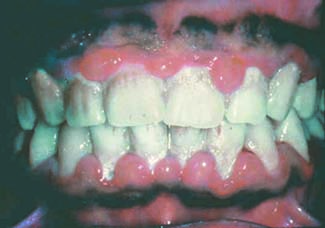
Surgeon General report links smoking to diseases beyond cancer
While smoking rates have dropped precipitously since the landmark 1964 Surgeon General’s report, "Smoking and Health," smoking is still the leading cause of preventable disease and death in the United States and is now causally linked to additional diseases and conditions across most organ systems.
A new Surgeon General's report, "The Health Consequences of Smoking – 50 Years of Progress," released at a White House event Jan. 17, synthesizes original and review evidence in an effort to further federal antismoking efforts.

The report causally links cigarette smoking to type 2 diabetes, rheumatoid arthritis, ectopic pregnancy, and erectile dysfunction. Secondhand smoke is now causally linked to cancers, respiratory diseases, and cardiovascular diseases, as well as adverse effects on the health of children, the authors wrote.
In addition, the 980-page report establishes that secondhand smoke is a cause of stroke, and that smoking increases the risk of dying in cancer patients and cancer survivors.
Another finding: Cigarette smokers today have a higher risk of lung cancer than did those who smoked in 1964, because of the higher number of chemical additives now used.
Women smokers now have the same risk of death from lung cancer as that of men and a higher relative risk of dying from coronary heart disease than that of men. Because of smoking, the number of women dying from chronic obstructive pulmonary disease (COPD) is now higher than in men.
With this report, the federal government is launching a new effort to prevent children from using tobacco.

"Today, we’re asking Americans to join a sustained effort to make the next generation a tobacco-free generation," Health and Human Services Secretary Kathleen Sebelius said in a statement. "This is not something the federal government can do alone. We need to partner with the business community, local elected officials, schools and universities, the medical community, the faith community, and committed citizens in communities across the country to make the next generation tobacco free."
The report finds that youth smoking rates declined by 50% between 1997 and 2011, but 3,200 children under age 18 still start smoking each day, and an additional 2,100 youth and young adults become daily smokers. The report places most of the blame for continued interest in smoking on the tobacco industry, saying it has used "aggressive strategies" to deliberately mislead the public about the harms of smoking.
Acting Surgeon General Boris Lushniak noted that smoking rates are disproportionately higher among people with less education and lower incomes, among the mentally ill, and among gay, lesbian, bisexual, and transgender individuals.
Dr. Lushniak and other officials at the White House event called for greater tobacco control efforts, including stricter regulation. The Food and Drug Administration was given the power to regulate tobacco through the 2009 Family Smoking Prevention and Tobacco Control Act.

FDA Commissioner Margaret Hamburg said that the agency is ready to take action.
"The FDA is funding and conducting regulatory science research on tobacco products, enforcing the laws that reduce the access and attractiveness of tobacco products to young people, and preparing to launch an unprecedented national public education campaign to prevent youth tobacco use," Dr. Hamburg said in a statement.
Dr. Thomas R. Frieden, director of the Centers for Disease Control and Prevention, noted that while states collect some $80 per person a year in tobacco taxes and payments from the 1998 tobacco industry master settlement agreement, they spend an average of $1.50 per person on control.
The CDC has urged states to spend $12 per person on control, Dr. Frieden said.
Dr. Lushniak noted that for current and about-to-start smokers, "the clock is ticking – they can’t wait for slow and steady progress to end the epidemic. Enough is enough."
On Twitter @aliciaault
While smoking rates have dropped precipitously since the landmark 1964 Surgeon General’s report, "Smoking and Health," smoking is still the leading cause of preventable disease and death in the United States and is now causally linked to additional diseases and conditions across most organ systems.
A new Surgeon General's report, "The Health Consequences of Smoking – 50 Years of Progress," released at a White House event Jan. 17, synthesizes original and review evidence in an effort to further federal antismoking efforts.
The report causally links cigarette smoking to type 2 diabetes, rheumatoid arthritis, ectopic pregnancy, and erectile dysfunction. Secondhand smoke is now causally linked to cancers, respiratory diseases, and cardiovascular diseases, as well as adverse effects on the health of children, the authors wrote.
In addition, the 980-page report establishes that secondhand smoke is a cause of stroke, and that smoking increases the risk of dying in cancer patients and cancer survivors.
Another finding: Cigarette smokers today have a higher risk of lung cancer than did those who smoked in 1964, because of the higher number of chemical additives now used.
Women smokers now have the same risk of death from lung cancer as that of men and a higher relative risk of dying from coronary heart disease than that of men. Because of smoking, the number of women dying from chronic obstructive pulmonary disease (COPD) is now higher than in men.
With this report, the federal government is launching a new effort to prevent children from using tobacco.
"Today, we’re asking Americans to join a sustained effort to make the next generation a tobacco-free generation," Health and Human Services Secretary Kathleen Sebelius said in a statement. "This is not something the federal government can do alone. We need to partner with the business community, local elected officials, schools and universities, the medical community, the faith community, and committed citizens in communities across the country to make the next generation tobacco free."
The report finds that youth smoking rates declined by 50% between 1997 and 2011, but 3,200 children under age 18 still start smoking each day, and an additional 2,100 youth and young adults become daily smokers. The report places most of the blame for continued interest in smoking on the tobacco industry, saying it has used "aggressive strategies" to deliberately mislead the public about the harms of smoking.
Acting Surgeon General Boris Lushniak noted that smoking rates are disproportionately higher among people with less education and lower incomes, among the mentally ill, and among gay, lesbian, bisexual, and transgender individuals.
Dr. Lushniak and other officials at the White House event called for greater tobacco control efforts, including stricter regulation. The Food and Drug Administration was given the power to regulate tobacco through the 2009 Family Smoking Prevention and Tobacco Control Act.
FDA Commissioner Margaret Hamburg said that the agency is ready to take action.
"The FDA is funding and conducting regulatory science research on tobacco products, enforcing the laws that reduce the access and attractiveness of tobacco products to young people, and preparing to launch an unprecedented national public education campaign to prevent youth tobacco use," Dr. Hamburg said in a statement.
Dr. Thomas R. Frieden, director of the Centers for Disease Control and Prevention, noted that while states collect some $80 per person a year in tobacco taxes and payments from the 1998 tobacco industry master settlement agreement, they spend an average of $1.50 per person on control.
The CDC has urged states to spend $12 per person on control, Dr. Frieden said.
Dr. Lushniak noted that for current and about-to-start smokers, "the clock is ticking – they can’t wait for slow and steady progress to end the epidemic. Enough is enough."
On Twitter @aliciaault
While smoking rates have dropped precipitously since the landmark 1964 Surgeon General’s report, "Smoking and Health," smoking is still the leading cause of preventable disease and death in the United States and is now causally linked to additional diseases and conditions across most organ systems.
A new Surgeon General's report, "The Health Consequences of Smoking – 50 Years of Progress," released at a White House event Jan. 17, synthesizes original and review evidence in an effort to further federal antismoking efforts.
The report causally links cigarette smoking to type 2 diabetes, rheumatoid arthritis, ectopic pregnancy, and erectile dysfunction. Secondhand smoke is now causally linked to cancers, respiratory diseases, and cardiovascular diseases, as well as adverse effects on the health of children, the authors wrote.
In addition, the 980-page report establishes that secondhand smoke is a cause of stroke, and that smoking increases the risk of dying in cancer patients and cancer survivors.
Another finding: Cigarette smokers today have a higher risk of lung cancer than did those who smoked in 1964, because of the higher number of chemical additives now used.
Women smokers now have the same risk of death from lung cancer as that of men and a higher relative risk of dying from coronary heart disease than that of men. Because of smoking, the number of women dying from chronic obstructive pulmonary disease (COPD) is now higher than in men.
With this report, the federal government is launching a new effort to prevent children from using tobacco.
"Today, we’re asking Americans to join a sustained effort to make the next generation a tobacco-free generation," Health and Human Services Secretary Kathleen Sebelius said in a statement. "This is not something the federal government can do alone. We need to partner with the business community, local elected officials, schools and universities, the medical community, the faith community, and committed citizens in communities across the country to make the next generation tobacco free."
The report finds that youth smoking rates declined by 50% between 1997 and 2011, but 3,200 children under age 18 still start smoking each day, and an additional 2,100 youth and young adults become daily smokers. The report places most of the blame for continued interest in smoking on the tobacco industry, saying it has used "aggressive strategies" to deliberately mislead the public about the harms of smoking.
Acting Surgeon General Boris Lushniak noted that smoking rates are disproportionately higher among people with less education and lower incomes, among the mentally ill, and among gay, lesbian, bisexual, and transgender individuals.
Dr. Lushniak and other officials at the White House event called for greater tobacco control efforts, including stricter regulation. The Food and Drug Administration was given the power to regulate tobacco through the 2009 Family Smoking Prevention and Tobacco Control Act.
FDA Commissioner Margaret Hamburg said that the agency is ready to take action.
"The FDA is funding and conducting regulatory science research on tobacco products, enforcing the laws that reduce the access and attractiveness of tobacco products to young people, and preparing to launch an unprecedented national public education campaign to prevent youth tobacco use," Dr. Hamburg said in a statement.
Dr. Thomas R. Frieden, director of the Centers for Disease Control and Prevention, noted that while states collect some $80 per person a year in tobacco taxes and payments from the 1998 tobacco industry master settlement agreement, they spend an average of $1.50 per person on control.
The CDC has urged states to spend $12 per person on control, Dr. Frieden said.
Dr. Lushniak noted that for current and about-to-start smokers, "the clock is ticking – they can’t wait for slow and steady progress to end the epidemic. Enough is enough."
On Twitter @aliciaault

Dental infection didn’t raise rheumatoid arthritis risk
Arthralgia patients who later developed rheumatoid arthritis were no more likely to show signs of dental infection with Porphyromonas gingivalis than were those who didn’t develop the disease, according to a small case-control study.
Previous studies have suggested an association between periodontitis and rheumatoid arthritis (RA), which has been theorized to occur potentially through the ability of P. gingivalis to convert the amino acid arginine to citrulline. This interaction might thereby lead to the production of anticitrullinated protein antibodies (ACPA), which are known to precede the development of RA.
Dr. Menke de Smit of the Center for Dentistry and Oral Hygiene at the University of Groningen, the Netherlands, and associates studied the prognostic potential of using anti–P. gingivalis antibody levels to predict the development of RA in a cohort of 289 adults with a mean age of 50 years (79% women) who were at risk for RA by virtue of having arthralgia with seropositivity for immunoglobulin M–rheumatoid factor (IgM-RF) and/or ACPA. They had a median follow-up period of 30 months (Ann. Rheum. Dis. 2014 Jan. 13 [doi:10.1136/annrheumdis-2013-204594]).
The investigators used reference groups for anti–P. gingivalis antibody levels, including 36 healthy control patients and 117 severe periodontitis patients without systemic disease. Cultures for P. gingivalis tested positive in 42% of the reference group patients with periodontitis, but in none of the healthy controls. IgM levels of anti–P. gingivalis did not differ between the two reference groups, but culture-positive patients with periodontitis had significantly higher levels of IgA and IgG anti–P. gingivalis than did healthy controls and culture-negative patients with periodontitis.
The 33% of seropositive arthralgia patients who developed RA after a follow-up period of 12 months did not have higher anti–P. gingivalis levels than seropositive arthralgia patients who didn’t develop the disease.
Significantly more seropositive arthralgia patients who did not develop RA had elevated levels of IgA (25%) and IgG anti–P. gingivalis (37%), based on a cut-off value of twice the standard deviation of levels found in healthy controls, compared with those who did have RA (11% and 26%, respectively).
However, there was a weak yet statistically significant correlation (r = .23) between IgM anti–P. gingivalis and ACPA levels in seropositive arthralgia patients who later developed RA.
In all seropositive arthralgia patients combined, IgA and IgG anti–P. gingivalis levels were higher than in healthy controls, but were lower than in patients with periodontitis. IgM anti–P. gingivalis levels were similar across all three groups. In the seropositive arthralgia patients, none of the anti–P. gingivalis immunoglobulin levels differed according to ACPA status.
Positivity for anti–P. gingivalis did not significantly predict the development of RA in a multivariate Cox proportional hazards model, but ACPA positivity, IgM-RF positivity, number of tender joints, and HLA-DRB1 SE carrier status all were independent predictors of RA.
"Within the limitations of this study, we conclude that anti–P. gingivalis antibody levels are not prognostic for development of RA," they wrote.
The study was funded by the authors’ institutions. The authors had no financial conflicts of interest to disclose.
Arthralgia patients who later developed rheumatoid arthritis were no more likely to show signs of dental infection with Porphyromonas gingivalis than were those who didn’t develop the disease, according to a small case-control study.
Previous studies have suggested an association between periodontitis and rheumatoid arthritis (RA), which has been theorized to occur potentially through the ability of P. gingivalis to convert the amino acid arginine to citrulline. This interaction might thereby lead to the production of anticitrullinated protein antibodies (ACPA), which are known to precede the development of RA.
Dr. Menke de Smit of the Center for Dentistry and Oral Hygiene at the University of Groningen, the Netherlands, and associates studied the prognostic potential of using anti–P. gingivalis antibody levels to predict the development of RA in a cohort of 289 adults with a mean age of 50 years (79% women) who were at risk for RA by virtue of having arthralgia with seropositivity for immunoglobulin M–rheumatoid factor (IgM-RF) and/or ACPA. They had a median follow-up period of 30 months (Ann. Rheum. Dis. 2014 Jan. 13 [doi:10.1136/annrheumdis-2013-204594]).
The investigators used reference groups for anti–P. gingivalis antibody levels, including 36 healthy control patients and 117 severe periodontitis patients without systemic disease. Cultures for P. gingivalis tested positive in 42% of the reference group patients with periodontitis, but in none of the healthy controls. IgM levels of anti–P. gingivalis did not differ between the two reference groups, but culture-positive patients with periodontitis had significantly higher levels of IgA and IgG anti–P. gingivalis than did healthy controls and culture-negative patients with periodontitis.
The 33% of seropositive arthralgia patients who developed RA after a follow-up period of 12 months did not have higher anti–P. gingivalis levels than seropositive arthralgia patients who didn’t develop the disease.
Significantly more seropositive arthralgia patients who did not develop RA had elevated levels of IgA (25%) and IgG anti–P. gingivalis (37%), based on a cut-off value of twice the standard deviation of levels found in healthy controls, compared with those who did have RA (11% and 26%, respectively).
However, there was a weak yet statistically significant correlation (r = .23) between IgM anti–P. gingivalis and ACPA levels in seropositive arthralgia patients who later developed RA.
In all seropositive arthralgia patients combined, IgA and IgG anti–P. gingivalis levels were higher than in healthy controls, but were lower than in patients with periodontitis. IgM anti–P. gingivalis levels were similar across all three groups. In the seropositive arthralgia patients, none of the anti–P. gingivalis immunoglobulin levels differed according to ACPA status.
Positivity for anti–P. gingivalis did not significantly predict the development of RA in a multivariate Cox proportional hazards model, but ACPA positivity, IgM-RF positivity, number of tender joints, and HLA-DRB1 SE carrier status all were independent predictors of RA.
"Within the limitations of this study, we conclude that anti–P. gingivalis antibody levels are not prognostic for development of RA," they wrote.
The study was funded by the authors’ institutions. The authors had no financial conflicts of interest to disclose.
Arthralgia patients who later developed rheumatoid arthritis were no more likely to show signs of dental infection with Porphyromonas gingivalis than were those who didn’t develop the disease, according to a small case-control study.
Previous studies have suggested an association between periodontitis and rheumatoid arthritis (RA), which has been theorized to occur potentially through the ability of P. gingivalis to convert the amino acid arginine to citrulline. This interaction might thereby lead to the production of anticitrullinated protein antibodies (ACPA), which are known to precede the development of RA.
Dr. Menke de Smit of the Center for Dentistry and Oral Hygiene at the University of Groningen, the Netherlands, and associates studied the prognostic potential of using anti–P. gingivalis antibody levels to predict the development of RA in a cohort of 289 adults with a mean age of 50 years (79% women) who were at risk for RA by virtue of having arthralgia with seropositivity for immunoglobulin M–rheumatoid factor (IgM-RF) and/or ACPA. They had a median follow-up period of 30 months (Ann. Rheum. Dis. 2014 Jan. 13 [doi:10.1136/annrheumdis-2013-204594]).
The investigators used reference groups for anti–P. gingivalis antibody levels, including 36 healthy control patients and 117 severe periodontitis patients without systemic disease. Cultures for P. gingivalis tested positive in 42% of the reference group patients with periodontitis, but in none of the healthy controls. IgM levels of anti–P. gingivalis did not differ between the two reference groups, but culture-positive patients with periodontitis had significantly higher levels of IgA and IgG anti–P. gingivalis than did healthy controls and culture-negative patients with periodontitis.
The 33% of seropositive arthralgia patients who developed RA after a follow-up period of 12 months did not have higher anti–P. gingivalis levels than seropositive arthralgia patients who didn’t develop the disease.
Significantly more seropositive arthralgia patients who did not develop RA had elevated levels of IgA (25%) and IgG anti–P. gingivalis (37%), based on a cut-off value of twice the standard deviation of levels found in healthy controls, compared with those who did have RA (11% and 26%, respectively).
However, there was a weak yet statistically significant correlation (r = .23) between IgM anti–P. gingivalis and ACPA levels in seropositive arthralgia patients who later developed RA.
In all seropositive arthralgia patients combined, IgA and IgG anti–P. gingivalis levels were higher than in healthy controls, but were lower than in patients with periodontitis. IgM anti–P. gingivalis levels were similar across all three groups. In the seropositive arthralgia patients, none of the anti–P. gingivalis immunoglobulin levels differed according to ACPA status.
Positivity for anti–P. gingivalis did not significantly predict the development of RA in a multivariate Cox proportional hazards model, but ACPA positivity, IgM-RF positivity, number of tender joints, and HLA-DRB1 SE carrier status all were independent predictors of RA.
"Within the limitations of this study, we conclude that anti–P. gingivalis antibody levels are not prognostic for development of RA," they wrote.
The study was funded by the authors’ institutions. The authors had no financial conflicts of interest to disclose.
FROM ANNALS OF THE RHEUMATIC DISEASES
Major finding: Significantly more seropositive arthralgia patients who did not develop rheumatoid arthritis had elevated levels of IgA (25%) and IgG anti-P. gingivalis (37%), compared with those who did have RA (11% and 26%, respectively).
Data source: A case-control study of 289 patients who were at risk for RA.
Disclosures: The study was funded by the authors’ institutions. The authors had no financial conflicts of interest to disclose.
Methotrexate less risky for lungs in RA than previously thought
Methotrexate poses only a slight risk of pulmonary complications in rheumatoid arthritis patients, according to a meta-analysis of 22 double-blind, randomized trials comparing methotrexate to other drugs.
Physicians have worried for years that methotrexate might damage the already-frail lungs of RA patients, but the results suggest "the risk may be lower than previously believed," said the Irish investigators, led by Dr. Richard Conway, a senior research fellow in the department of rheumatology at Galway (Ireland) University Hospitals (Arthritis Rheum. 2013 Dec. 24 [doi: 10.1002/art.38322]).

Previous reports estimated that the incidence of methotrexate-induced lung disease was as high as 7.6% in RA patients, but the team found a modest increase in the risk of overall respiratory adverse events (relative risk, 1.10; 95% confidence interval, 1.02-1.19) and respiratory infections (RR, 1.11; 95% CI, 1.02-1.21), and no increase in noninfectious respiratory events (RR, 1.02; 95% CI, 0.65-1.60) and pulmonary deaths (RR, 1.53; 95% CI, 0.46-5.01).
The meta-analysis pooled trial results from as far back as 1990. Overall, 4,544 patients were treated with methotrexate, and 4,040 with active comparators. The studies ranged from 6 to 24 months in duration.
The findings matter because "the suspicion of methotrexate-induced lung injury frequently leads to the cessation of methotrexate in patients who may otherwise be benefiting from the treatment. It is ... of vital importance not to implicate methotrexate as a causative agent in adverse events with insufficient evidence, as the drug may save the patient’s life," the investigators wrote.
"In our experience, many cases of lung disease initially attributed to methotrexate are due to other causative factors including, but not limited to, rheumatoid interstitial lung disease and opportunistic infections, with some experiencing worsening lung disease following cessation of their methotrexate," they noted.
However, the team found that methotrexate users had an increased risk of pneumonitis in the studies that specifically reported pneumonitis rates (RR, 7.81; 95% CI, 1.76-34.72); one case was fatal.
But the finding "must be interpreted with caution due to the reduced number of patients in each group." Also, none of the 13 trials published after 2001 reported pneumonitis. Perhaps methotrexate complications were less well understood in the 1990s, so earlier trials included patients at higher risk for pulmonary problems. Also, investigators may have been more likely to pin pulmonary issues on methotrexate, the authors said.
The mean age in the studies that reported pneumonitis was 54.3 years, and 28% of the subjects were men, whereas the mean age in studies that did not report pneumonitis was 50.7 years and 22% of the patients were men.
"Historically, intramuscular gold and sulfasalazine, and more recently disease-modifying antirheumatic drugs such as leflunomide have [also] been linked to the development of interstitial lung disease. In recent times, a possible link has emerged with the use of a number of the biologic agents, initially anti-TNF-alpha agents and more recently rituximab and tocilizumab," the investigators wrote. All of those agents were among the comparators in the pooled trials.
"Rather than each single drug causing interstitial lung disease ... it is perhaps more likely that if a link is present, it involves the modification of the underlying pulmonary disease process in rheumatoid arthritis by the implicated agents," they suggested.
Dr. Conway and his colleagues had no external funding for the study, but he and three of the other four investigators reported grants and payments from almost 20 companies, including Roche, UCB, and Merck.
Methotrexate poses only a slight risk of pulmonary complications in rheumatoid arthritis patients, according to a meta-analysis of 22 double-blind, randomized trials comparing methotrexate to other drugs.
Physicians have worried for years that methotrexate might damage the already-frail lungs of RA patients, but the results suggest "the risk may be lower than previously believed," said the Irish investigators, led by Dr. Richard Conway, a senior research fellow in the department of rheumatology at Galway (Ireland) University Hospitals (Arthritis Rheum. 2013 Dec. 24 [doi: 10.1002/art.38322]).
Previous reports estimated that the incidence of methotrexate-induced lung disease was as high as 7.6% in RA patients, but the team found a modest increase in the risk of overall respiratory adverse events (relative risk, 1.10; 95% confidence interval, 1.02-1.19) and respiratory infections (RR, 1.11; 95% CI, 1.02-1.21), and no increase in noninfectious respiratory events (RR, 1.02; 95% CI, 0.65-1.60) and pulmonary deaths (RR, 1.53; 95% CI, 0.46-5.01).
The meta-analysis pooled trial results from as far back as 1990. Overall, 4,544 patients were treated with methotrexate, and 4,040 with active comparators. The studies ranged from 6 to 24 months in duration.
The findings matter because "the suspicion of methotrexate-induced lung injury frequently leads to the cessation of methotrexate in patients who may otherwise be benefiting from the treatment. It is ... of vital importance not to implicate methotrexate as a causative agent in adverse events with insufficient evidence, as the drug may save the patient’s life," the investigators wrote.
"In our experience, many cases of lung disease initially attributed to methotrexate are due to other causative factors including, but not limited to, rheumatoid interstitial lung disease and opportunistic infections, with some experiencing worsening lung disease following cessation of their methotrexate," they noted.
However, the team found that methotrexate users had an increased risk of pneumonitis in the studies that specifically reported pneumonitis rates (RR, 7.81; 95% CI, 1.76-34.72); one case was fatal.
But the finding "must be interpreted with caution due to the reduced number of patients in each group." Also, none of the 13 trials published after 2001 reported pneumonitis. Perhaps methotrexate complications were less well understood in the 1990s, so earlier trials included patients at higher risk for pulmonary problems. Also, investigators may have been more likely to pin pulmonary issues on methotrexate, the authors said.
The mean age in the studies that reported pneumonitis was 54.3 years, and 28% of the subjects were men, whereas the mean age in studies that did not report pneumonitis was 50.7 years and 22% of the patients were men.
"Historically, intramuscular gold and sulfasalazine, and more recently disease-modifying antirheumatic drugs such as leflunomide have [also] been linked to the development of interstitial lung disease. In recent times, a possible link has emerged with the use of a number of the biologic agents, initially anti-TNF-alpha agents and more recently rituximab and tocilizumab," the investigators wrote. All of those agents were among the comparators in the pooled trials.
"Rather than each single drug causing interstitial lung disease ... it is perhaps more likely that if a link is present, it involves the modification of the underlying pulmonary disease process in rheumatoid arthritis by the implicated agents," they suggested.
Dr. Conway and his colleagues had no external funding for the study, but he and three of the other four investigators reported grants and payments from almost 20 companies, including Roche, UCB, and Merck.
Methotrexate poses only a slight risk of pulmonary complications in rheumatoid arthritis patients, according to a meta-analysis of 22 double-blind, randomized trials comparing methotrexate to other drugs.
Physicians have worried for years that methotrexate might damage the already-frail lungs of RA patients, but the results suggest "the risk may be lower than previously believed," said the Irish investigators, led by Dr. Richard Conway, a senior research fellow in the department of rheumatology at Galway (Ireland) University Hospitals (Arthritis Rheum. 2013 Dec. 24 [doi: 10.1002/art.38322]).
Previous reports estimated that the incidence of methotrexate-induced lung disease was as high as 7.6% in RA patients, but the team found a modest increase in the risk of overall respiratory adverse events (relative risk, 1.10; 95% confidence interval, 1.02-1.19) and respiratory infections (RR, 1.11; 95% CI, 1.02-1.21), and no increase in noninfectious respiratory events (RR, 1.02; 95% CI, 0.65-1.60) and pulmonary deaths (RR, 1.53; 95% CI, 0.46-5.01).
The meta-analysis pooled trial results from as far back as 1990. Overall, 4,544 patients were treated with methotrexate, and 4,040 with active comparators. The studies ranged from 6 to 24 months in duration.
The findings matter because "the suspicion of methotrexate-induced lung injury frequently leads to the cessation of methotrexate in patients who may otherwise be benefiting from the treatment. It is ... of vital importance not to implicate methotrexate as a causative agent in adverse events with insufficient evidence, as the drug may save the patient’s life," the investigators wrote.
"In our experience, many cases of lung disease initially attributed to methotrexate are due to other causative factors including, but not limited to, rheumatoid interstitial lung disease and opportunistic infections, with some experiencing worsening lung disease following cessation of their methotrexate," they noted.
However, the team found that methotrexate users had an increased risk of pneumonitis in the studies that specifically reported pneumonitis rates (RR, 7.81; 95% CI, 1.76-34.72); one case was fatal.
But the finding "must be interpreted with caution due to the reduced number of patients in each group." Also, none of the 13 trials published after 2001 reported pneumonitis. Perhaps methotrexate complications were less well understood in the 1990s, so earlier trials included patients at higher risk for pulmonary problems. Also, investigators may have been more likely to pin pulmonary issues on methotrexate, the authors said.
The mean age in the studies that reported pneumonitis was 54.3 years, and 28% of the subjects were men, whereas the mean age in studies that did not report pneumonitis was 50.7 years and 22% of the patients were men.
"Historically, intramuscular gold and sulfasalazine, and more recently disease-modifying antirheumatic drugs such as leflunomide have [also] been linked to the development of interstitial lung disease. In recent times, a possible link has emerged with the use of a number of the biologic agents, initially anti-TNF-alpha agents and more recently rituximab and tocilizumab," the investigators wrote. All of those agents were among the comparators in the pooled trials.
"Rather than each single drug causing interstitial lung disease ... it is perhaps more likely that if a link is present, it involves the modification of the underlying pulmonary disease process in rheumatoid arthritis by the implicated agents," they suggested.
Dr. Conway and his colleagues had no external funding for the study, but he and three of the other four investigators reported grants and payments from almost 20 companies, including Roche, UCB, and Merck.
FROM ARTHRITIS & RHEUMATISM
Major finding: Methotrexate only slightly increases the risk for overall respiratory adverse events (RR, 1.10; 95% CI, 1.02-1.19) and respiratory infections (RR, 1.11; 95% CI, 1.02-1.21) in RA patients, and does not increase the risk of noninfectious respiratory events (RR, 1.02; 95% CI, 0.65-1.60) or pulmonary death (RR, 1.53; 95% CI, 0.46-5.01).
Data Source: A meta-analysis of 22 double-blind, randomized trials comparing methotrexate to other drugs in 8,584 RA patients.
Disclosures: Dr. Conway and his colleagues had no external funding for the study, but he and three of the other four investigators reported grants and payments from almost 20 companies, including Roche, UCB, and Merck.

Standard cardiovascular risk models no good in rheumatoid arthritis
Established cardiovascular risk models such as the Systematic Coronary Risk Evaluation and the Framingham risk score either underestimated or overestimated the risk of cardiovascular events in a retrospective analysis of prospectively collected data from a cohort of patients with early rheumatoid arthritis.
These findings illustrate that what is needed is an RA-specific CV risk model whose performance "should be compared with the performance of the current risk algorithms," according to lead investigator Elke E.A. Arts of Radboud University Nijmegen (Netherlands) Medical Centre and her colleagues.

The four different risk algorithms that failed to correctly estimate the 10-year risk of a CV event were the Framingham risk score, the Systematic Coronary Risk Evaluation (SCORE), the Reynolds risk score, and the QRisk II risk score.
Proposals to fix to these models suggest that patients at risk might be better identified by adjusting the cutoff points in CV risk that are used as indications for primary prevention for RA patients, but "this could also lead to overtreatment, as the majority of patients in the lower risk group do not develop events," cautioned Ms. Arts, a PhD student at the university, and her associates.
They noted that "alternatively, a correction factor could be used to adjust the CV risk in patients with RA, as was suggested by the European League Against Rheumatism (EULAR) recommendations for CV risk management," they added. The EULAR recommendations advise multiplying the results of the SCORE risk algorithm by 1.5 for RA patients when they fulfill two out of the following three criteria: disease duration greater than 10 years, rheumatoid factor or anti–cyclic citrullinated peptide positivity, and extra-articular manifestations. However, "there are no data supporting such a multiplicator; it was based on expert opinion," they wrote.
In the current study, the investigators applied the four risk algorithms to data from 1,050 patients who were originally enrolled in the Nijmegen Early RA Inception cohort. Patients with preexisting CV disease were excluded, and in cases with less than 10 years of follow-up, risk scores were "adjusted proportionally according to the length of actual follow-up and calculated as a proportion of 10 years" (Ann. Rheum. Dis. 2014 Jan. 3 [doi: 10.1136/annrheumdis-2013-204024]).
Overall, over the course of 9,957 patient-years available for analysis, there were 149 episodes of a first CV event, the primary endpoint of the study (1.14 events per 100 patient-years). This total included 67 cases of acute/unstable coronary syndrome (myocardial infarction or unstable angina), 24 cases of stable angina, 26 cerebrovascular accidents, 10 transient ischemic attacks, 18 cases of peripheral vascular disease, and 4 cases of heart failure. A total of 15 of these events were fatal.
The sensitivity of the models was 68%-87% for the risk score cutoff value of 10% (marking the difference between low risk and intermediate to high risk) and 40%-65% for the risk score cutoff value of 20% (marking the difference between low- to intermediate-risk and high-risk patients). The corresponding specificity ranges were 55%-76% and 77%-88%, respectively. Those cutoff points are recommended to be used as indicators for CV preventive treatment such as lifestyle adjustments and drug therapy interventions.
For the SCORE risk model, the researchers found that CV risk predictions deviated from observed CV events in all risk deciles, but especially in the middle and top deciles. Indeed, tests of the fit of the SCORE model to the data with the Hosmer-Lemeshow (H-L) test yielded a P value of less than .001, indicating poor model fit (where good fit corresponds to P values greater than .05).
Looking at the Framingham model, the number of CV events predicted was similar to the observed number of CV events, showing a modest difference in predicted and observed CV risk in the lower- and middle-risk deciles, according to the authors. However, the top two deciles decidedly under- and overestimated risk, respectively, with an H-L test indicating poor fit for the whole model (P =.024).
The next tested model, the Reynolds risk score, underestimated the number of CV events, with an overall P value of .020 on the H-L test.
The QRisk II had a moderately good fit on the H-L test (P = .20) but still mainly overestimated the observed CV risk.
Ms. Arts stated in an e-mail that this study was originally presented at the 2013 American College of Rheumatology annual meeting. She added that she is currently collaborating with a group on an RA-specific CV risk model.
Ms. Arts disclosed that the study was partially funded by the Rheumatology Research University Nijmegen foundation. Three of her coauthors disclosed financial relationships with multiple pharmaceutical companies, including the makers of drugs and therapies for RA.
Established cardiovascular risk models such as the Systematic Coronary Risk Evaluation and the Framingham risk score either underestimated or overestimated the risk of cardiovascular events in a retrospective analysis of prospectively collected data from a cohort of patients with early rheumatoid arthritis.
These findings illustrate that what is needed is an RA-specific CV risk model whose performance "should be compared with the performance of the current risk algorithms," according to lead investigator Elke E.A. Arts of Radboud University Nijmegen (Netherlands) Medical Centre and her colleagues.
The four different risk algorithms that failed to correctly estimate the 10-year risk of a CV event were the Framingham risk score, the Systematic Coronary Risk Evaluation (SCORE), the Reynolds risk score, and the QRisk II risk score.
Proposals to fix to these models suggest that patients at risk might be better identified by adjusting the cutoff points in CV risk that are used as indications for primary prevention for RA patients, but "this could also lead to overtreatment, as the majority of patients in the lower risk group do not develop events," cautioned Ms. Arts, a PhD student at the university, and her associates.
They noted that "alternatively, a correction factor could be used to adjust the CV risk in patients with RA, as was suggested by the European League Against Rheumatism (EULAR) recommendations for CV risk management," they added. The EULAR recommendations advise multiplying the results of the SCORE risk algorithm by 1.5 for RA patients when they fulfill two out of the following three criteria: disease duration greater than 10 years, rheumatoid factor or anti–cyclic citrullinated peptide positivity, and extra-articular manifestations. However, "there are no data supporting such a multiplicator; it was based on expert opinion," they wrote.
In the current study, the investigators applied the four risk algorithms to data from 1,050 patients who were originally enrolled in the Nijmegen Early RA Inception cohort. Patients with preexisting CV disease were excluded, and in cases with less than 10 years of follow-up, risk scores were "adjusted proportionally according to the length of actual follow-up and calculated as a proportion of 10 years" (Ann. Rheum. Dis. 2014 Jan. 3 [doi: 10.1136/annrheumdis-2013-204024]).
Overall, over the course of 9,957 patient-years available for analysis, there were 149 episodes of a first CV event, the primary endpoint of the study (1.14 events per 100 patient-years). This total included 67 cases of acute/unstable coronary syndrome (myocardial infarction or unstable angina), 24 cases of stable angina, 26 cerebrovascular accidents, 10 transient ischemic attacks, 18 cases of peripheral vascular disease, and 4 cases of heart failure. A total of 15 of these events were fatal.
The sensitivity of the models was 68%-87% for the risk score cutoff value of 10% (marking the difference between low risk and intermediate to high risk) and 40%-65% for the risk score cutoff value of 20% (marking the difference between low- to intermediate-risk and high-risk patients). The corresponding specificity ranges were 55%-76% and 77%-88%, respectively. Those cutoff points are recommended to be used as indicators for CV preventive treatment such as lifestyle adjustments and drug therapy interventions.
For the SCORE risk model, the researchers found that CV risk predictions deviated from observed CV events in all risk deciles, but especially in the middle and top deciles. Indeed, tests of the fit of the SCORE model to the data with the Hosmer-Lemeshow (H-L) test yielded a P value of less than .001, indicating poor model fit (where good fit corresponds to P values greater than .05).
Looking at the Framingham model, the number of CV events predicted was similar to the observed number of CV events, showing a modest difference in predicted and observed CV risk in the lower- and middle-risk deciles, according to the authors. However, the top two deciles decidedly under- and overestimated risk, respectively, with an H-L test indicating poor fit for the whole model (P =.024).
The next tested model, the Reynolds risk score, underestimated the number of CV events, with an overall P value of .020 on the H-L test.
The QRisk II had a moderately good fit on the H-L test (P = .20) but still mainly overestimated the observed CV risk.
Ms. Arts stated in an e-mail that this study was originally presented at the 2013 American College of Rheumatology annual meeting. She added that she is currently collaborating with a group on an RA-specific CV risk model.
Ms. Arts disclosed that the study was partially funded by the Rheumatology Research University Nijmegen foundation. Three of her coauthors disclosed financial relationships with multiple pharmaceutical companies, including the makers of drugs and therapies for RA.
Established cardiovascular risk models such as the Systematic Coronary Risk Evaluation and the Framingham risk score either underestimated or overestimated the risk of cardiovascular events in a retrospective analysis of prospectively collected data from a cohort of patients with early rheumatoid arthritis.
These findings illustrate that what is needed is an RA-specific CV risk model whose performance "should be compared with the performance of the current risk algorithms," according to lead investigator Elke E.A. Arts of Radboud University Nijmegen (Netherlands) Medical Centre and her colleagues.
The four different risk algorithms that failed to correctly estimate the 10-year risk of a CV event were the Framingham risk score, the Systematic Coronary Risk Evaluation (SCORE), the Reynolds risk score, and the QRisk II risk score.
Proposals to fix to these models suggest that patients at risk might be better identified by adjusting the cutoff points in CV risk that are used as indications for primary prevention for RA patients, but "this could also lead to overtreatment, as the majority of patients in the lower risk group do not develop events," cautioned Ms. Arts, a PhD student at the university, and her associates.
They noted that "alternatively, a correction factor could be used to adjust the CV risk in patients with RA, as was suggested by the European League Against Rheumatism (EULAR) recommendations for CV risk management," they added. The EULAR recommendations advise multiplying the results of the SCORE risk algorithm by 1.5 for RA patients when they fulfill two out of the following three criteria: disease duration greater than 10 years, rheumatoid factor or anti–cyclic citrullinated peptide positivity, and extra-articular manifestations. However, "there are no data supporting such a multiplicator; it was based on expert opinion," they wrote.
In the current study, the investigators applied the four risk algorithms to data from 1,050 patients who were originally enrolled in the Nijmegen Early RA Inception cohort. Patients with preexisting CV disease were excluded, and in cases with less than 10 years of follow-up, risk scores were "adjusted proportionally according to the length of actual follow-up and calculated as a proportion of 10 years" (Ann. Rheum. Dis. 2014 Jan. 3 [doi: 10.1136/annrheumdis-2013-204024]).
Overall, over the course of 9,957 patient-years available for analysis, there were 149 episodes of a first CV event, the primary endpoint of the study (1.14 events per 100 patient-years). This total included 67 cases of acute/unstable coronary syndrome (myocardial infarction or unstable angina), 24 cases of stable angina, 26 cerebrovascular accidents, 10 transient ischemic attacks, 18 cases of peripheral vascular disease, and 4 cases of heart failure. A total of 15 of these events were fatal.
The sensitivity of the models was 68%-87% for the risk score cutoff value of 10% (marking the difference between low risk and intermediate to high risk) and 40%-65% for the risk score cutoff value of 20% (marking the difference between low- to intermediate-risk and high-risk patients). The corresponding specificity ranges were 55%-76% and 77%-88%, respectively. Those cutoff points are recommended to be used as indicators for CV preventive treatment such as lifestyle adjustments and drug therapy interventions.
For the SCORE risk model, the researchers found that CV risk predictions deviated from observed CV events in all risk deciles, but especially in the middle and top deciles. Indeed, tests of the fit of the SCORE model to the data with the Hosmer-Lemeshow (H-L) test yielded a P value of less than .001, indicating poor model fit (where good fit corresponds to P values greater than .05).
Looking at the Framingham model, the number of CV events predicted was similar to the observed number of CV events, showing a modest difference in predicted and observed CV risk in the lower- and middle-risk deciles, according to the authors. However, the top two deciles decidedly under- and overestimated risk, respectively, with an H-L test indicating poor fit for the whole model (P =.024).
The next tested model, the Reynolds risk score, underestimated the number of CV events, with an overall P value of .020 on the H-L test.
The QRisk II had a moderately good fit on the H-L test (P = .20) but still mainly overestimated the observed CV risk.
Ms. Arts stated in an e-mail that this study was originally presented at the 2013 American College of Rheumatology annual meeting. She added that she is currently collaborating with a group on an RA-specific CV risk model.
Ms. Arts disclosed that the study was partially funded by the Rheumatology Research University Nijmegen foundation. Three of her coauthors disclosed financial relationships with multiple pharmaceutical companies, including the makers of drugs and therapies for RA.
FROM ANNALS OF THE RHEUMATIC DISEASES
Major finding: The sensitivity of the models were 68%-87% for the risk score cut-off value of 10% (marking the difference between low-risk and intermediate-to-high risk) and 40%-65% for the risk score cut-off value of 20% (marking the difference between low-intermediate risk and high-risk patients). The corresponding specificity ranges were 55%-76% and 77%-88%, respectively.
Data source: A retrospective analysis of prospectively collected data from 1,050 patients in the Nijmegen Early RA Inception cohort.
Disclosures: Ms. Arts disclosed that the study was partially funded by the Rheumatology Research University Nijmegen foundation. Three of her coauthors disclosed financial relationships with multiple pharmaceutical companies, including the makers of drugs and therapies for RA.