User login
Ipilimumab or High-Dose Interferon Alfa-2b in Treating Patients With High-Risk Stage III or Stage IV Melanoma That Has Been Removed by Surgery
Objectives: Ipilimumab (Yervoy), an FDA-approved monoclonal antibody against CTLA-4, is the first treatment proven to improve melanoma survival. This randomized, phase III trial asks whether it can improve recurrence-free and/or overall survival if used in the adjuvant setting.
Key entry or exclusion criteria: Patients must have stage IIIB, IIIC, or IV (M1a or M1b) disease (including recurrent disease) that has been completely resected within the previous 12 weeks.
Locations: 67 sites.
Goal: 1,500 patients.
Study sponsor: Eastern Cooperative Oncology Group in collaboration with the National Cancer Institute.
Links for more information: clinicaltrials.gov/ct2/show/NCT01274338
NIH clinical trials identifier: NCT01274338
Objectives: Ipilimumab (Yervoy), an FDA-approved monoclonal antibody against CTLA-4, is the first treatment proven to improve melanoma survival. This randomized, phase III trial asks whether it can improve recurrence-free and/or overall survival if used in the adjuvant setting.
Key entry or exclusion criteria: Patients must have stage IIIB, IIIC, or IV (M1a or M1b) disease (including recurrent disease) that has been completely resected within the previous 12 weeks.
Locations: 67 sites.
Goal: 1,500 patients.
Study sponsor: Eastern Cooperative Oncology Group in collaboration with the National Cancer Institute.
Links for more information: clinicaltrials.gov/ct2/show/NCT01274338
NIH clinical trials identifier: NCT01274338
Objectives: Ipilimumab (Yervoy), an FDA-approved monoclonal antibody against CTLA-4, is the first treatment proven to improve melanoma survival. This randomized, phase III trial asks whether it can improve recurrence-free and/or overall survival if used in the adjuvant setting.
Key entry or exclusion criteria: Patients must have stage IIIB, IIIC, or IV (M1a or M1b) disease (including recurrent disease) that has been completely resected within the previous 12 weeks.
Locations: 67 sites.
Goal: 1,500 patients.
Study sponsor: Eastern Cooperative Oncology Group in collaboration with the National Cancer Institute.
Links for more information: clinicaltrials.gov/ct2/show/NCT01274338
NIH clinical trials identifier: NCT01274338
Tanning Bed Risks Not Communicated to 73% of Germans
Four out of 10 people in Germany reported ever using a tanning bed, according to the results of a recent population-based survey published online Oct. 15 in Archives of Dermatology.
The overall prevalence of tanning bed use was 39.2%, "and every seventh person ... had used a sunbed during the last 12 months," reported Sven Schneider, Ph.D., of the Mannheim Institute of Public Health, Heidelberg University (Germany), and his associates. "These findings emphasize the urgent need for standardized education of sunbed personnel by independent (not sunbed industry-associated) institutions."
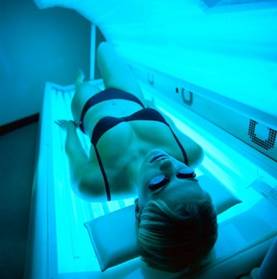
Data on the prevalence of tanning bed use and on the behavior patterns associated with its use are "unavailable or limited," which is surprising because the prevalence and behavior patterns associated with exposure to other known carcinogens, such as tobacco and alcohol, "are studied and monitored extensively," reported Dr. Schneider and his colleagues. They sought "to obtain a more comprehensive overview of the current state of sunbed use in Germany."
They assessed 4,851 people aged 14-45 years using an anonymous telephone survey during both summer and winter months. The study population was equally divided between males and females, and the mean study patient age was 31 years. Of the participants, 32% reported having Fitzpatrick skin type I or II, 35% reported a Fitzpatrick skin type of III, and 28% reported having skin type IV. Skin types V and VI are rare in Germany, the researchers noted.
Tanning bed use was more common in people aged 18-25 years (mean prevalence, 21.4%) than in other age groups (mean prevalence, 12.6%). And women were more likely than were men to have ever used a tanning bed (49% vs 29.8%) or to be using tanning beds currently (17.7% vs 11.7%).
People used tanning beds predominantly in tanning salons (74.9%), fitness centers (10.1%), or at swimming pools/sauna facilities (7.9%). They were less likely to use tanning beds at home (3.8%), in hotels (1.5%), beauty salons (0.7%), or medical facilities (0.6%).
Among current users, 68.2% said that "advisory personnel" were present at their most recent visit. Only 41% of users reported use of protective goggles at their most recent visit, and 40% said they had never been advised to wear protective goggles.
Over 40% of current tanning bed users said they had never been given advice about skin type, and approximately 73% said they had never been informed about the potential health risks of tanning bed use. More than one-third of respondents who had Fitzpatrick type I or II skin had used a tanning bed at least once.
Seventy percent said they had not been asked by personnel about medications, skin care products, or skin disorders that may have contraindicated the use of a tanning bed. And nearly 78% of users said they had not received an individual tanning plan based on their skin type.
The most important reasons given for using tanning beds were for relaxation, to improve physical attractiveness, to "pretan" before vacation, and "the desire for a feeling of warmth." Other reasons given somewhat frequently were "for health care" and "vitamin D supplementation." Tanning bed personnel routinely failed to inform clients that these reasons "are not medically sound," Dr. Schneider and his associates reported (Arch. Dermatol. 2012 Oct. 15 [doi:10.1001/2013.jamadermatol.562]).
The study population may have been unusual in that a large proportion of the tanning bed users already had somewhat dark skin (Fitzgerald types III or higher). Also, results of the study showed that immigrants were more likely to use tanning beds. "This association might be explained by beauty ideals of users with a Turkish heritage: Turks represent the largest group of immigrants in Germany," wrote Dr. Schneider and colleagues.
The study was supported by the German Cancer Aid. No financial conflicts of interest were reported.
Four out of 10 people in Germany reported ever using a tanning bed, according to the results of a recent population-based survey published online Oct. 15 in Archives of Dermatology.
The overall prevalence of tanning bed use was 39.2%, "and every seventh person ... had used a sunbed during the last 12 months," reported Sven Schneider, Ph.D., of the Mannheim Institute of Public Health, Heidelberg University (Germany), and his associates. "These findings emphasize the urgent need for standardized education of sunbed personnel by independent (not sunbed industry-associated) institutions."
Data on the prevalence of tanning bed use and on the behavior patterns associated with its use are "unavailable or limited," which is surprising because the prevalence and behavior patterns associated with exposure to other known carcinogens, such as tobacco and alcohol, "are studied and monitored extensively," reported Dr. Schneider and his colleagues. They sought "to obtain a more comprehensive overview of the current state of sunbed use in Germany."
They assessed 4,851 people aged 14-45 years using an anonymous telephone survey during both summer and winter months. The study population was equally divided between males and females, and the mean study patient age was 31 years. Of the participants, 32% reported having Fitzpatrick skin type I or II, 35% reported a Fitzpatrick skin type of III, and 28% reported having skin type IV. Skin types V and VI are rare in Germany, the researchers noted.
Tanning bed use was more common in people aged 18-25 years (mean prevalence, 21.4%) than in other age groups (mean prevalence, 12.6%). And women were more likely than were men to have ever used a tanning bed (49% vs 29.8%) or to be using tanning beds currently (17.7% vs 11.7%).
People used tanning beds predominantly in tanning salons (74.9%), fitness centers (10.1%), or at swimming pools/sauna facilities (7.9%). They were less likely to use tanning beds at home (3.8%), in hotels (1.5%), beauty salons (0.7%), or medical facilities (0.6%).
Among current users, 68.2% said that "advisory personnel" were present at their most recent visit. Only 41% of users reported use of protective goggles at their most recent visit, and 40% said they had never been advised to wear protective goggles.
Over 40% of current tanning bed users said they had never been given advice about skin type, and approximately 73% said they had never been informed about the potential health risks of tanning bed use. More than one-third of respondents who had Fitzpatrick type I or II skin had used a tanning bed at least once.
Seventy percent said they had not been asked by personnel about medications, skin care products, or skin disorders that may have contraindicated the use of a tanning bed. And nearly 78% of users said they had not received an individual tanning plan based on their skin type.
The most important reasons given for using tanning beds were for relaxation, to improve physical attractiveness, to "pretan" before vacation, and "the desire for a feeling of warmth." Other reasons given somewhat frequently were "for health care" and "vitamin D supplementation." Tanning bed personnel routinely failed to inform clients that these reasons "are not medically sound," Dr. Schneider and his associates reported (Arch. Dermatol. 2012 Oct. 15 [doi:10.1001/2013.jamadermatol.562]).
The study population may have been unusual in that a large proportion of the tanning bed users already had somewhat dark skin (Fitzgerald types III or higher). Also, results of the study showed that immigrants were more likely to use tanning beds. "This association might be explained by beauty ideals of users with a Turkish heritage: Turks represent the largest group of immigrants in Germany," wrote Dr. Schneider and colleagues.
The study was supported by the German Cancer Aid. No financial conflicts of interest were reported.
Four out of 10 people in Germany reported ever using a tanning bed, according to the results of a recent population-based survey published online Oct. 15 in Archives of Dermatology.
The overall prevalence of tanning bed use was 39.2%, "and every seventh person ... had used a sunbed during the last 12 months," reported Sven Schneider, Ph.D., of the Mannheim Institute of Public Health, Heidelberg University (Germany), and his associates. "These findings emphasize the urgent need for standardized education of sunbed personnel by independent (not sunbed industry-associated) institutions."
Data on the prevalence of tanning bed use and on the behavior patterns associated with its use are "unavailable or limited," which is surprising because the prevalence and behavior patterns associated with exposure to other known carcinogens, such as tobacco and alcohol, "are studied and monitored extensively," reported Dr. Schneider and his colleagues. They sought "to obtain a more comprehensive overview of the current state of sunbed use in Germany."
They assessed 4,851 people aged 14-45 years using an anonymous telephone survey during both summer and winter months. The study population was equally divided between males and females, and the mean study patient age was 31 years. Of the participants, 32% reported having Fitzpatrick skin type I or II, 35% reported a Fitzpatrick skin type of III, and 28% reported having skin type IV. Skin types V and VI are rare in Germany, the researchers noted.
Tanning bed use was more common in people aged 18-25 years (mean prevalence, 21.4%) than in other age groups (mean prevalence, 12.6%). And women were more likely than were men to have ever used a tanning bed (49% vs 29.8%) or to be using tanning beds currently (17.7% vs 11.7%).
People used tanning beds predominantly in tanning salons (74.9%), fitness centers (10.1%), or at swimming pools/sauna facilities (7.9%). They were less likely to use tanning beds at home (3.8%), in hotels (1.5%), beauty salons (0.7%), or medical facilities (0.6%).
Among current users, 68.2% said that "advisory personnel" were present at their most recent visit. Only 41% of users reported use of protective goggles at their most recent visit, and 40% said they had never been advised to wear protective goggles.
Over 40% of current tanning bed users said they had never been given advice about skin type, and approximately 73% said they had never been informed about the potential health risks of tanning bed use. More than one-third of respondents who had Fitzpatrick type I or II skin had used a tanning bed at least once.
Seventy percent said they had not been asked by personnel about medications, skin care products, or skin disorders that may have contraindicated the use of a tanning bed. And nearly 78% of users said they had not received an individual tanning plan based on their skin type.
The most important reasons given for using tanning beds were for relaxation, to improve physical attractiveness, to "pretan" before vacation, and "the desire for a feeling of warmth." Other reasons given somewhat frequently were "for health care" and "vitamin D supplementation." Tanning bed personnel routinely failed to inform clients that these reasons "are not medically sound," Dr. Schneider and his associates reported (Arch. Dermatol. 2012 Oct. 15 [doi:10.1001/2013.jamadermatol.562]).
The study population may have been unusual in that a large proportion of the tanning bed users already had somewhat dark skin (Fitzgerald types III or higher). Also, results of the study showed that immigrants were more likely to use tanning beds. "This association might be explained by beauty ideals of users with a Turkish heritage: Turks represent the largest group of immigrants in Germany," wrote Dr. Schneider and colleagues.
The study was supported by the German Cancer Aid. No financial conflicts of interest were reported.
FROM ARCHIVES OF DERMATOLOGY
Major Finding: The overall prevalence of tanning bed use was nearly 40%, with most users being aged 18-25 years (mean prevalence, 21.4%).
Data Source: Investigators assessed 4,851 people aged 14-45 years using an anonymous telephone survey during both summer and winter months in Germany.
Disclosures: This study was supported by the German Cancer Aid. No financial conflicts of interest were reported.

Cutaneous Oncology, Pruritus Top Derm Research Agenda
A diverse group of dermatologists, patient advocates, and industry and government representatives, led by the American Academy of Dermatology, have identified cutaneous oncology, pruritus, and performance outcomes and measurement as the most critical research needs in the field of dermatology.
The consensus research agenda was hammered out during a 2-day conference in Washington, D.C., in June. Over the next few months, small groups of conference participants will formulate ideas for how to carry out the research plan, with the goal of bringing their recommendations to the AAD’s annual meeting in March 2013.

The AAD and its partners came up with the research topics after surveying 20 dermatology societies and 15 patient advocacy groups about their research priorities. Conference participants then narrowed the list of possible research areas down to three. Some of the areas that didn’t make the cut included drug reactions, pediatric vascular anomalies, and wound care, according to Dr. Henry W. Lim, chair of the Research Agenda Committee and professor and chairman of dermatology at Henry Ford Hospital in Detroit.
Some of the proposed areas already had robust research efforts underway, while others could fit under the broader topics of cutaneous oncology, pruritus, and performance measurement, Dr. Lim said.
Pruritus and cutaneous oncology rose to the top of the list because the conditions are common, yet have significant gaps in both basic and clinical research. "We all felt that there was a significant knowledge and research gap in these areas," Dr. Lim said. For example, even though pruritus is a condition that dermatologists see every day, there is not a uniform scoring system for ranking the severity of the condition.
The gaps in classification affect not only day-to-day treatment, but also drug evaluation efforts at the Food and Drug Administration, Dr. Lim said.
The group also saw a need for more cutaneous oncology research, ranging from treatment to public education. "Clearly a lot of research has been done, but it is one of the most common and one of the most expensive conditions that we deal with," Dr. Lim said. "There are still a lot of areas that we need to cover."
The group included the final topic – performance outcomes and measurement – because of the growing pressure from the federal government and other payers to measure health care quality, said AAD President Daniel M. Siegel.

But making performance measurement a focus of research will also support data collection in other research areas and the movement toward electronic health records, Dr. Lim said.
The AAD, which is spearheading efforts to create a dermatology research agenda, does not fund research. However, Dr. Siegel said the AAD can do a lot to promote the agenda. For instance, the AAD will consider these research priorities when developing clinical guidelines, patient care guidelines, and continuing medical education. And, the AAD can highlight the research gaps in hopes of getting more scientists interested in the topics.
Even if researchers don’t immediately begin studies on these topics, that is alright, Dr. Siegel said, because advances that benefit dermatology can certainly come from other areas of medicine.
"The goal that I think most of us have ... is that we want to see research," Dr. Siegel said. "We want to see everything funded. You just never know where the benefits are."
A diverse group of dermatologists, patient advocates, and industry and government representatives, led by the American Academy of Dermatology, have identified cutaneous oncology, pruritus, and performance outcomes and measurement as the most critical research needs in the field of dermatology.
The consensus research agenda was hammered out during a 2-day conference in Washington, D.C., in June. Over the next few months, small groups of conference participants will formulate ideas for how to carry out the research plan, with the goal of bringing their recommendations to the AAD’s annual meeting in March 2013.
The AAD and its partners came up with the research topics after surveying 20 dermatology societies and 15 patient advocacy groups about their research priorities. Conference participants then narrowed the list of possible research areas down to three. Some of the areas that didn’t make the cut included drug reactions, pediatric vascular anomalies, and wound care, according to Dr. Henry W. Lim, chair of the Research Agenda Committee and professor and chairman of dermatology at Henry Ford Hospital in Detroit.
Some of the proposed areas already had robust research efforts underway, while others could fit under the broader topics of cutaneous oncology, pruritus, and performance measurement, Dr. Lim said.
Pruritus and cutaneous oncology rose to the top of the list because the conditions are common, yet have significant gaps in both basic and clinical research. "We all felt that there was a significant knowledge and research gap in these areas," Dr. Lim said. For example, even though pruritus is a condition that dermatologists see every day, there is not a uniform scoring system for ranking the severity of the condition.
The gaps in classification affect not only day-to-day treatment, but also drug evaluation efforts at the Food and Drug Administration, Dr. Lim said.
The group also saw a need for more cutaneous oncology research, ranging from treatment to public education. "Clearly a lot of research has been done, but it is one of the most common and one of the most expensive conditions that we deal with," Dr. Lim said. "There are still a lot of areas that we need to cover."
The group included the final topic – performance outcomes and measurement – because of the growing pressure from the federal government and other payers to measure health care quality, said AAD President Daniel M. Siegel.
But making performance measurement a focus of research will also support data collection in other research areas and the movement toward electronic health records, Dr. Lim said.
The AAD, which is spearheading efforts to create a dermatology research agenda, does not fund research. However, Dr. Siegel said the AAD can do a lot to promote the agenda. For instance, the AAD will consider these research priorities when developing clinical guidelines, patient care guidelines, and continuing medical education. And, the AAD can highlight the research gaps in hopes of getting more scientists interested in the topics.
Even if researchers don’t immediately begin studies on these topics, that is alright, Dr. Siegel said, because advances that benefit dermatology can certainly come from other areas of medicine.
"The goal that I think most of us have ... is that we want to see research," Dr. Siegel said. "We want to see everything funded. You just never know where the benefits are."
A diverse group of dermatologists, patient advocates, and industry and government representatives, led by the American Academy of Dermatology, have identified cutaneous oncology, pruritus, and performance outcomes and measurement as the most critical research needs in the field of dermatology.
The consensus research agenda was hammered out during a 2-day conference in Washington, D.C., in June. Over the next few months, small groups of conference participants will formulate ideas for how to carry out the research plan, with the goal of bringing their recommendations to the AAD’s annual meeting in March 2013.
The AAD and its partners came up with the research topics after surveying 20 dermatology societies and 15 patient advocacy groups about their research priorities. Conference participants then narrowed the list of possible research areas down to three. Some of the areas that didn’t make the cut included drug reactions, pediatric vascular anomalies, and wound care, according to Dr. Henry W. Lim, chair of the Research Agenda Committee and professor and chairman of dermatology at Henry Ford Hospital in Detroit.
Some of the proposed areas already had robust research efforts underway, while others could fit under the broader topics of cutaneous oncology, pruritus, and performance measurement, Dr. Lim said.
Pruritus and cutaneous oncology rose to the top of the list because the conditions are common, yet have significant gaps in both basic and clinical research. "We all felt that there was a significant knowledge and research gap in these areas," Dr. Lim said. For example, even though pruritus is a condition that dermatologists see every day, there is not a uniform scoring system for ranking the severity of the condition.
The gaps in classification affect not only day-to-day treatment, but also drug evaluation efforts at the Food and Drug Administration, Dr. Lim said.
The group also saw a need for more cutaneous oncology research, ranging from treatment to public education. "Clearly a lot of research has been done, but it is one of the most common and one of the most expensive conditions that we deal with," Dr. Lim said. "There are still a lot of areas that we need to cover."
The group included the final topic – performance outcomes and measurement – because of the growing pressure from the federal government and other payers to measure health care quality, said AAD President Daniel M. Siegel.
But making performance measurement a focus of research will also support data collection in other research areas and the movement toward electronic health records, Dr. Lim said.
The AAD, which is spearheading efforts to create a dermatology research agenda, does not fund research. However, Dr. Siegel said the AAD can do a lot to promote the agenda. For instance, the AAD will consider these research priorities when developing clinical guidelines, patient care guidelines, and continuing medical education. And, the AAD can highlight the research gaps in hopes of getting more scientists interested in the topics.
Even if researchers don’t immediately begin studies on these topics, that is alright, Dr. Siegel said, because advances that benefit dermatology can certainly come from other areas of medicine.
"The goal that I think most of us have ... is that we want to see research," Dr. Siegel said. "We want to see everything funded. You just never know where the benefits are."

More Evidence Links Tanning Beds to Skin Cancer
Indoor tanning is strongly associated with the development of both basal and squamous cell carcinoma, according to a recent meta-analysis.
Indoor tanning – the use of a sun bed, sun lamp, tanning booth, or solarium – was related to a 29% higher risk for basal cell carcinoma and a 67% higher risk for squamous cell carcinoma, compared with no such exposure, according to a meta-analysis of 12 studies that reported effect estimates.

This translates to nearly 171,000 cases of nonmelanoma skin cancer each year that are attributable to indoor tanning in the United States alone, reported Mackenzie R. Wehner, a medical student at Stanford (Calif.) University, and her associates.
Several studies have examined a potential link between indoor tanning and nonmelanoma skin cancers, but the study populations have been small and the results have not been consistent. Therefore, Ms. Wehner and her colleagues performed a systematic review and meta-analysis of 10 case-control studies, 1 nested case-control study, and 1 cohort study for a combined population of 80,661 patients, in which there were 9,328 cases of nonmelanoma skin cancer. The studies were conducted in six countries from 1985 to 2012.
The investigators found summary relative risks of 1.29 for basal cell carcinoma and 1.67 for squamous cell carcinoma. These findings did not change appreciably in sensitivity analyses (BMJ 2012;345:e5909 [doi:10.1136/bmj.e5909]).
To examine whether a dose-response effect was present, the researchers performed an additional analysis on the studies that included effect estimates for frequent or multiple exposures to indoor tanning. Such high-dose exposure was associated with an increased risk of basal cell carcinoma, but the increase was not statistically significant.
To examine whether exposure to indoor tanning at a young age was especially high risk, Ms. Wehner and her colleagues performed an additional analysis of studies that included effect estimates for exposure before age 25. They found that such exposure was associated with a relative risk of 1.40 for basal cell carcinoma and of 2.02 for squamous cell carcinoma. "This suggests a critical period for exposure during early life," they wrote.
"Applying our summary risk estimates to the prevalence of exposure to indoor tanning in the United States, we calculated the population attributable risk fraction at 3.7% for basal cell carcinoma and at 8.2% for squamous cell carcinoma. This corresponds to 98,408 cases of basal cell carcinoma and 72,244 cases of squamous cell carcinoma, making 170,652 cases of nonmelanoma skin cancer each year attributable to indoor tanning," the researchers noted.
The study results are consistent with those of a previous meta-analysis that pooled the results of five studies. "Our findings add to the growing body of evidence on the harms of indoor tanning," Ms. Wehner and her colleagues said. "We hope that these findings can support public health campaigns and motivate increased regulation to reduce exposure to this carcinogen, especially during early life."
The study was supported by the National Center for Research Resources and the National Institute of Arthritis and Musculoskeletal and Skin Diseases. One of the study investigators reported ties to Genentech. No other conflicts of interest were reported.
This study provides convincing evidence that exposure to artificial ultraviolet radiation is a cause of three main skin cancers, noted Catherine M. Olsen and Adèle C. Green.
Indoor tanning is already known to cause melanoma, and for that reason is classified as a group 1 carcinogen by the Word Health Organization, along with asbestos exposure and tobacco smoking. Now indoor tanning has been shown to have a strong positive association with basal and squamous cell cancers, with some evidence of a dose-response relationship, and confirmation that the risks are higher with earlier exposure.
The morbidity related to treatment of basal and squamous cell cancers, as well as the avoidable costs to the health care system, are substantial.
Ms. Olsen is a senior research officer and Ms. Green is head of cancer and population studies at the Queensland Institute of Medical Research, Australia. They reported no potential conflicts of interest. These remarks were taken from their editorial accompanying Ms. Wehner’s report (BMJ 2012;345:e6101 [doi:10.1136/bmj.e6101]).
This study provides convincing evidence that exposure to artificial ultraviolet radiation is a cause of three main skin cancers, noted Catherine M. Olsen and Adèle C. Green.
Indoor tanning is already known to cause melanoma, and for that reason is classified as a group 1 carcinogen by the Word Health Organization, along with asbestos exposure and tobacco smoking. Now indoor tanning has been shown to have a strong positive association with basal and squamous cell cancers, with some evidence of a dose-response relationship, and confirmation that the risks are higher with earlier exposure.
The morbidity related to treatment of basal and squamous cell cancers, as well as the avoidable costs to the health care system, are substantial.
Ms. Olsen is a senior research officer and Ms. Green is head of cancer and population studies at the Queensland Institute of Medical Research, Australia. They reported no potential conflicts of interest. These remarks were taken from their editorial accompanying Ms. Wehner’s report (BMJ 2012;345:e6101 [doi:10.1136/bmj.e6101]).
This study provides convincing evidence that exposure to artificial ultraviolet radiation is a cause of three main skin cancers, noted Catherine M. Olsen and Adèle C. Green.
Indoor tanning is already known to cause melanoma, and for that reason is classified as a group 1 carcinogen by the Word Health Organization, along with asbestos exposure and tobacco smoking. Now indoor tanning has been shown to have a strong positive association with basal and squamous cell cancers, with some evidence of a dose-response relationship, and confirmation that the risks are higher with earlier exposure.
The morbidity related to treatment of basal and squamous cell cancers, as well as the avoidable costs to the health care system, are substantial.
Ms. Olsen is a senior research officer and Ms. Green is head of cancer and population studies at the Queensland Institute of Medical Research, Australia. They reported no potential conflicts of interest. These remarks were taken from their editorial accompanying Ms. Wehner’s report (BMJ 2012;345:e6101 [doi:10.1136/bmj.e6101]).
Indoor tanning is strongly associated with the development of both basal and squamous cell carcinoma, according to a recent meta-analysis.
Indoor tanning – the use of a sun bed, sun lamp, tanning booth, or solarium – was related to a 29% higher risk for basal cell carcinoma and a 67% higher risk for squamous cell carcinoma, compared with no such exposure, according to a meta-analysis of 12 studies that reported effect estimates.
This translates to nearly 171,000 cases of nonmelanoma skin cancer each year that are attributable to indoor tanning in the United States alone, reported Mackenzie R. Wehner, a medical student at Stanford (Calif.) University, and her associates.
Several studies have examined a potential link between indoor tanning and nonmelanoma skin cancers, but the study populations have been small and the results have not been consistent. Therefore, Ms. Wehner and her colleagues performed a systematic review and meta-analysis of 10 case-control studies, 1 nested case-control study, and 1 cohort study for a combined population of 80,661 patients, in which there were 9,328 cases of nonmelanoma skin cancer. The studies were conducted in six countries from 1985 to 2012.
The investigators found summary relative risks of 1.29 for basal cell carcinoma and 1.67 for squamous cell carcinoma. These findings did not change appreciably in sensitivity analyses (BMJ 2012;345:e5909 [doi:10.1136/bmj.e5909]).
To examine whether a dose-response effect was present, the researchers performed an additional analysis on the studies that included effect estimates for frequent or multiple exposures to indoor tanning. Such high-dose exposure was associated with an increased risk of basal cell carcinoma, but the increase was not statistically significant.
To examine whether exposure to indoor tanning at a young age was especially high risk, Ms. Wehner and her colleagues performed an additional analysis of studies that included effect estimates for exposure before age 25. They found that such exposure was associated with a relative risk of 1.40 for basal cell carcinoma and of 2.02 for squamous cell carcinoma. "This suggests a critical period for exposure during early life," they wrote.
"Applying our summary risk estimates to the prevalence of exposure to indoor tanning in the United States, we calculated the population attributable risk fraction at 3.7% for basal cell carcinoma and at 8.2% for squamous cell carcinoma. This corresponds to 98,408 cases of basal cell carcinoma and 72,244 cases of squamous cell carcinoma, making 170,652 cases of nonmelanoma skin cancer each year attributable to indoor tanning," the researchers noted.
The study results are consistent with those of a previous meta-analysis that pooled the results of five studies. "Our findings add to the growing body of evidence on the harms of indoor tanning," Ms. Wehner and her colleagues said. "We hope that these findings can support public health campaigns and motivate increased regulation to reduce exposure to this carcinogen, especially during early life."
The study was supported by the National Center for Research Resources and the National Institute of Arthritis and Musculoskeletal and Skin Diseases. One of the study investigators reported ties to Genentech. No other conflicts of interest were reported.
Indoor tanning is strongly associated with the development of both basal and squamous cell carcinoma, according to a recent meta-analysis.
Indoor tanning – the use of a sun bed, sun lamp, tanning booth, or solarium – was related to a 29% higher risk for basal cell carcinoma and a 67% higher risk for squamous cell carcinoma, compared with no such exposure, according to a meta-analysis of 12 studies that reported effect estimates.
This translates to nearly 171,000 cases of nonmelanoma skin cancer each year that are attributable to indoor tanning in the United States alone, reported Mackenzie R. Wehner, a medical student at Stanford (Calif.) University, and her associates.
Several studies have examined a potential link between indoor tanning and nonmelanoma skin cancers, but the study populations have been small and the results have not been consistent. Therefore, Ms. Wehner and her colleagues performed a systematic review and meta-analysis of 10 case-control studies, 1 nested case-control study, and 1 cohort study for a combined population of 80,661 patients, in which there were 9,328 cases of nonmelanoma skin cancer. The studies were conducted in six countries from 1985 to 2012.
The investigators found summary relative risks of 1.29 for basal cell carcinoma and 1.67 for squamous cell carcinoma. These findings did not change appreciably in sensitivity analyses (BMJ 2012;345:e5909 [doi:10.1136/bmj.e5909]).
To examine whether a dose-response effect was present, the researchers performed an additional analysis on the studies that included effect estimates for frequent or multiple exposures to indoor tanning. Such high-dose exposure was associated with an increased risk of basal cell carcinoma, but the increase was not statistically significant.
To examine whether exposure to indoor tanning at a young age was especially high risk, Ms. Wehner and her colleagues performed an additional analysis of studies that included effect estimates for exposure before age 25. They found that such exposure was associated with a relative risk of 1.40 for basal cell carcinoma and of 2.02 for squamous cell carcinoma. "This suggests a critical period for exposure during early life," they wrote.
"Applying our summary risk estimates to the prevalence of exposure to indoor tanning in the United States, we calculated the population attributable risk fraction at 3.7% for basal cell carcinoma and at 8.2% for squamous cell carcinoma. This corresponds to 98,408 cases of basal cell carcinoma and 72,244 cases of squamous cell carcinoma, making 170,652 cases of nonmelanoma skin cancer each year attributable to indoor tanning," the researchers noted.
The study results are consistent with those of a previous meta-analysis that pooled the results of five studies. "Our findings add to the growing body of evidence on the harms of indoor tanning," Ms. Wehner and her colleagues said. "We hope that these findings can support public health campaigns and motivate increased regulation to reduce exposure to this carcinogen, especially during early life."
The study was supported by the National Center for Research Resources and the National Institute of Arthritis and Musculoskeletal and Skin Diseases. One of the study investigators reported ties to Genentech. No other conflicts of interest were reported.
FROM THE BRITISH MEDICAL JOURNAL
Major Finding: Exposure to indoor tanning was associated with a 29% higher risk for basal cell carcinoma and a 67% higher risk for squamous cell carcinoma.
Data Source: A systematic review and meta-analysis of 12 observational studies for a combined population of 80,661 patients that provided effect estimates for exposure to indoor tanning.
Disclosures: The study was supported by the National Center for Research Resources and the National Institute of Arthritis and Musculoskeletal and Skin Diseases. One of the study investigators reported ties to Genentech. No other conflicts of interest were reported.

Health Care Professionals Tank in Cancer Survey
VIENNA – Nearly one in five persons believes that their lifetime risk of cancer is nonmodifiable, a survey found.
"That’s clearly worrying," medical oncologist Dr. Derek Power said at the European Society for Medical Oncology Congress.

Equally disconcerting was the finding that 52% of survey respondents had a college degree and that 17% were health care professionals.
The 48-question, online survey was distributed to 748 people through the Irish Cancer Society.
The majority of the public (80%) and health care professionals (78%) were concerned about developing cancer, but only a small minority (20% and 10%) knew that cancer risk increases with age.
Smoking was ranked as the No. 1 risk factor for cancer by 87% of the cohort. Many overestimated the risk of cancer attributable to genetics, environment, and stress, however, and underestimated the cancer risks associated with age, obesity, and sunlight, said Dr. Power of Mercy University Hospital in Cork, Ireland.
In all, 47% of respondents thought cancer was caused by genetics, specifically family history genetics.
"That’s a huge overestimate," Dr. Power said at a press briefing. "Only about 20% of cancers are hereditary and significant numbers less than that are known to be caused by specific genes, about 5%-8%."
The World Health Organization estimates that about one-third of cancers are preventable by following a sensible diet, maintaining a normal body weight, and exercising, Dr. Power observed.
When the respondents were probed on specific aspects of diet, large knowledge gaps emerged. A significant proportion of respondents reported that "detox" diets (35%) and organic foods (61%) could reduce their cancer risk, but only 46% were aware that salt is a risk factor for cancer.
Vitamin and mineral supplements were also thought to be protective by 51% of the public and 54% of health care professionals, with less than half (40% and 28%) aware that red meat is a risk factor.
Despite years of evidence, only 27% of respondents were unaware that breast-feeding can help reduce breast cancer risk – a finding that has clear implications for any national health promotion strategy, Dr. Power said.
Similarly, only 42% of the public and 46% of health care professionals identified alcohol as cancer risk factor, despite its association with a number of cancers including esophageal, mouth, breast, and colorectal.
Interestingly, 63% of the public and 82% of health care professionals thought certain drinks were more dangerous than others, when in reality it is the quantity of alcohol consumed that is important, said Dr. Power. In addition, 39% of the respondents believed red wine was protective, although there is no data to support this.
Only 32% of the public and 41% of health care professionals were aware that obesity is a cancer risk factor, with 33% and 24%, respectively, unaware that the location of body fat is important.
When given a list of potential behaviors relevant to cancer risk, a stunning 48% of respondents thought that a blow to the breast could increase a woman’s risk of cancer, whereas 29% said wearing a tight bra could do so.
Other "cancer myths" about risks for which there is little supportive data were cell phone use (68%), aerosol use (71%), eating genetically modified foods (81%), and the effects of stress (94%).
"What we found is that a sizeable proportion of the population is misinformed about cancer risk," Dr. Power said.
One explanation for the poor knowledge of cancer risk factors, particularly in a cohort of so many college graduates and health care professionals, is that the cancer prevention message has been too narrow.
"A lot of national programs are very good at disseminating information on cardiovascular risk and diet through healthy eating and exercise, but for cancer prevention, what gets out there is really ‘Don’t smoke,’ " he said. "That’s the biggest thing the public was aware of, as you saw from our figures, but – in terms of lifestyle choices like obesity, healthy eating, physical exercise – that just doesn’t get out there amongst cancer prevention strategies."
Dr. Power said he hopes that the results of the survey will be used to highlight cancer risk misperceptions and that there will be more emphasis in national cancer prevention campaigns on lifestyle choices, particularly in light of the obesity epidemic and increasingly sedentary lifestyle of children.
He highlighted a recent report by the World Cancer Research Fund/American Institute for Cancer Research that grades the current evidence on the relationship between food, nutrition, and physical exercise for 17 cancer sites and offers 10 recommendations to reduce the risk of developing cancer (J. Fam. Health Care 2010;20:100-2).
As to whether the survey results were unique to Ireland, Dr. Power said the data are relatively consistent among Western countries, but that the perception of cancer risk does vary among regions. For example, HPV-associated cancers and environmental factors weigh heavily in Japan, whereas obesity is more of a concern in Western countries.
The cohort included 648 women and 100 men. Their average age was 37 years (range, 18-74 years). The investigators did not ascertain how many of the health care professionals were physicians.
Dr. Power reported no conflicts of interest.
VIENNA – Nearly one in five persons believes that their lifetime risk of cancer is nonmodifiable, a survey found.
"That’s clearly worrying," medical oncologist Dr. Derek Power said at the European Society for Medical Oncology Congress.
Equally disconcerting was the finding that 52% of survey respondents had a college degree and that 17% were health care professionals.
The 48-question, online survey was distributed to 748 people through the Irish Cancer Society.
The majority of the public (80%) and health care professionals (78%) were concerned about developing cancer, but only a small minority (20% and 10%) knew that cancer risk increases with age.
Smoking was ranked as the No. 1 risk factor for cancer by 87% of the cohort. Many overestimated the risk of cancer attributable to genetics, environment, and stress, however, and underestimated the cancer risks associated with age, obesity, and sunlight, said Dr. Power of Mercy University Hospital in Cork, Ireland.
In all, 47% of respondents thought cancer was caused by genetics, specifically family history genetics.
"That’s a huge overestimate," Dr. Power said at a press briefing. "Only about 20% of cancers are hereditary and significant numbers less than that are known to be caused by specific genes, about 5%-8%."
The World Health Organization estimates that about one-third of cancers are preventable by following a sensible diet, maintaining a normal body weight, and exercising, Dr. Power observed.
When the respondents were probed on specific aspects of diet, large knowledge gaps emerged. A significant proportion of respondents reported that "detox" diets (35%) and organic foods (61%) could reduce their cancer risk, but only 46% were aware that salt is a risk factor for cancer.
Vitamin and mineral supplements were also thought to be protective by 51% of the public and 54% of health care professionals, with less than half (40% and 28%) aware that red meat is a risk factor.
Despite years of evidence, only 27% of respondents were unaware that breast-feeding can help reduce breast cancer risk – a finding that has clear implications for any national health promotion strategy, Dr. Power said.
Similarly, only 42% of the public and 46% of health care professionals identified alcohol as cancer risk factor, despite its association with a number of cancers including esophageal, mouth, breast, and colorectal.
Interestingly, 63% of the public and 82% of health care professionals thought certain drinks were more dangerous than others, when in reality it is the quantity of alcohol consumed that is important, said Dr. Power. In addition, 39% of the respondents believed red wine was protective, although there is no data to support this.
Only 32% of the public and 41% of health care professionals were aware that obesity is a cancer risk factor, with 33% and 24%, respectively, unaware that the location of body fat is important.
When given a list of potential behaviors relevant to cancer risk, a stunning 48% of respondents thought that a blow to the breast could increase a woman’s risk of cancer, whereas 29% said wearing a tight bra could do so.
Other "cancer myths" about risks for which there is little supportive data were cell phone use (68%), aerosol use (71%), eating genetically modified foods (81%), and the effects of stress (94%).
"What we found is that a sizeable proportion of the population is misinformed about cancer risk," Dr. Power said.
One explanation for the poor knowledge of cancer risk factors, particularly in a cohort of so many college graduates and health care professionals, is that the cancer prevention message has been too narrow.
"A lot of national programs are very good at disseminating information on cardiovascular risk and diet through healthy eating and exercise, but for cancer prevention, what gets out there is really ‘Don’t smoke,’ " he said. "That’s the biggest thing the public was aware of, as you saw from our figures, but – in terms of lifestyle choices like obesity, healthy eating, physical exercise – that just doesn’t get out there amongst cancer prevention strategies."
Dr. Power said he hopes that the results of the survey will be used to highlight cancer risk misperceptions and that there will be more emphasis in national cancer prevention campaigns on lifestyle choices, particularly in light of the obesity epidemic and increasingly sedentary lifestyle of children.
He highlighted a recent report by the World Cancer Research Fund/American Institute for Cancer Research that grades the current evidence on the relationship between food, nutrition, and physical exercise for 17 cancer sites and offers 10 recommendations to reduce the risk of developing cancer (J. Fam. Health Care 2010;20:100-2).
As to whether the survey results were unique to Ireland, Dr. Power said the data are relatively consistent among Western countries, but that the perception of cancer risk does vary among regions. For example, HPV-associated cancers and environmental factors weigh heavily in Japan, whereas obesity is more of a concern in Western countries.
The cohort included 648 women and 100 men. Their average age was 37 years (range, 18-74 years). The investigators did not ascertain how many of the health care professionals were physicians.
Dr. Power reported no conflicts of interest.
VIENNA – Nearly one in five persons believes that their lifetime risk of cancer is nonmodifiable, a survey found.
"That’s clearly worrying," medical oncologist Dr. Derek Power said at the European Society for Medical Oncology Congress.
Equally disconcerting was the finding that 52% of survey respondents had a college degree and that 17% were health care professionals.
The 48-question, online survey was distributed to 748 people through the Irish Cancer Society.
The majority of the public (80%) and health care professionals (78%) were concerned about developing cancer, but only a small minority (20% and 10%) knew that cancer risk increases with age.
Smoking was ranked as the No. 1 risk factor for cancer by 87% of the cohort. Many overestimated the risk of cancer attributable to genetics, environment, and stress, however, and underestimated the cancer risks associated with age, obesity, and sunlight, said Dr. Power of Mercy University Hospital in Cork, Ireland.
In all, 47% of respondents thought cancer was caused by genetics, specifically family history genetics.
"That’s a huge overestimate," Dr. Power said at a press briefing. "Only about 20% of cancers are hereditary and significant numbers less than that are known to be caused by specific genes, about 5%-8%."
The World Health Organization estimates that about one-third of cancers are preventable by following a sensible diet, maintaining a normal body weight, and exercising, Dr. Power observed.
When the respondents were probed on specific aspects of diet, large knowledge gaps emerged. A significant proportion of respondents reported that "detox" diets (35%) and organic foods (61%) could reduce their cancer risk, but only 46% were aware that salt is a risk factor for cancer.
Vitamin and mineral supplements were also thought to be protective by 51% of the public and 54% of health care professionals, with less than half (40% and 28%) aware that red meat is a risk factor.
Despite years of evidence, only 27% of respondents were unaware that breast-feeding can help reduce breast cancer risk – a finding that has clear implications for any national health promotion strategy, Dr. Power said.
Similarly, only 42% of the public and 46% of health care professionals identified alcohol as cancer risk factor, despite its association with a number of cancers including esophageal, mouth, breast, and colorectal.
Interestingly, 63% of the public and 82% of health care professionals thought certain drinks were more dangerous than others, when in reality it is the quantity of alcohol consumed that is important, said Dr. Power. In addition, 39% of the respondents believed red wine was protective, although there is no data to support this.
Only 32% of the public and 41% of health care professionals were aware that obesity is a cancer risk factor, with 33% and 24%, respectively, unaware that the location of body fat is important.
When given a list of potential behaviors relevant to cancer risk, a stunning 48% of respondents thought that a blow to the breast could increase a woman’s risk of cancer, whereas 29% said wearing a tight bra could do so.
Other "cancer myths" about risks for which there is little supportive data were cell phone use (68%), aerosol use (71%), eating genetically modified foods (81%), and the effects of stress (94%).
"What we found is that a sizeable proportion of the population is misinformed about cancer risk," Dr. Power said.
One explanation for the poor knowledge of cancer risk factors, particularly in a cohort of so many college graduates and health care professionals, is that the cancer prevention message has been too narrow.
"A lot of national programs are very good at disseminating information on cardiovascular risk and diet through healthy eating and exercise, but for cancer prevention, what gets out there is really ‘Don’t smoke,’ " he said. "That’s the biggest thing the public was aware of, as you saw from our figures, but – in terms of lifestyle choices like obesity, healthy eating, physical exercise – that just doesn’t get out there amongst cancer prevention strategies."
Dr. Power said he hopes that the results of the survey will be used to highlight cancer risk misperceptions and that there will be more emphasis in national cancer prevention campaigns on lifestyle choices, particularly in light of the obesity epidemic and increasingly sedentary lifestyle of children.
He highlighted a recent report by the World Cancer Research Fund/American Institute for Cancer Research that grades the current evidence on the relationship between food, nutrition, and physical exercise for 17 cancer sites and offers 10 recommendations to reduce the risk of developing cancer (J. Fam. Health Care 2010;20:100-2).
As to whether the survey results were unique to Ireland, Dr. Power said the data are relatively consistent among Western countries, but that the perception of cancer risk does vary among regions. For example, HPV-associated cancers and environmental factors weigh heavily in Japan, whereas obesity is more of a concern in Western countries.
The cohort included 648 women and 100 men. Their average age was 37 years (range, 18-74 years). The investigators did not ascertain how many of the health care professionals were physicians.
Dr. Power reported no conflicts of interest.
AT THE EUROPEAN SOCIETY FOR MEDICAL ONCOLOGY CONGRESS
Major Finding: Only 10% of health professionals and 20% of the public knew that cancer risk increases with age, but while 41% and 32% knew that obesity is a cancer risk factor, only 24% and 33% were aware that the location of body fat is important.
Data Source: Results were taken from an online survey of 748 persons, of which 17% were health care professionals.
Disclosures: Dr. Power reported no conflicts of interest.

Dual Kinase Therapy Slows BRAF-Mutated Metastatic Melanoma
VIENNA – Combination therapy with a BRAF inhibitor and a MEK inhibitor extended progression-free survival by more than 3 months in patients with BRAF V600 mutated metastatic melanoma, early clinical findings suggest.
"This is the first kinase-kinase combination to show enhanced antitumor activity over the single agent," and the first to show that specific oncogenic toxicities may be reduced with combination therapy, said Dr. Georgina Long of the Melanoma Institute Australia in Sydney.
In a phase II randomized trial, progression-free survival (PFS) was nearly 9 months when the BRAF inhibitor dabrafenib was given at the same time as the MEK inhibitor trametinib, as compared to about 6 months with dabrafenib monotherapy. Overall response rates (ORR) were significantly higher at 76% with the combination therapy and 54% with dabrafenib monotherapy; the duration of response also longer, at 10.5 months for combination therapy and 5.6 months for monotherapy. The proportion of patients with PFS at 12 months was 41%, 26%, and 9%, respectively. Overall survival at 12 months was 79%, 68%, and 70%, although 80% of patients from the monotherapy arm crossed over to the full-dose combination.
The findings were published online, Sept. 29, in the New England Journal of Medicine (doi:10.1056/NEJMoa1210093) to coincide with their release at the European Multidisciplinary Cancer Congress.
As single agents, BRAF inhibitors and MEK inhibitors have been shown to improve PFS vs. standard chemotherapy, but the results can be relatively short lived, Dr. Long said.
There is a strong rationale for combining the two classes of drugs, she said. "The MAPK [mitogen-activated protein kinase] pathway is constituently and aberrantly activated in the vast majority of melanomas." The BRAF protein is mutated in approximately 50% of melanoma cases.
Preclinical data have already shown that combining the two classes of drugs can possibly overcome drug resistance and may also decrease the incidence of some adverse events that have been seen with single-agent therapy.
In the phase II study, Dr. Long and her colleagues randomized 162 patients with BRAF V600-mutated metastatic melanoma to receive either dabrafenib monotherapy, 150 mg twice daily, or the same dose of dabrafenib plus either trametinib, 2 mg twice daily or 1 mg twice daily.
Baseline patient characteristics were broadly similar among the three treatment groups, although patients in the full-dose combination arm were about 8 years older on average than were those in the half-dose combination arm or monotherapy groups. The majority (83%-87%) of patients in each group had the V600E mutation, with the remainder having the V600K mutation.
After a median follow-up to 14 months, the primary end point of PFS was 5.8 months with dabrafenib monotherapy, as compared with 9.4 months (P less than .0001) with the higher dose of combination therapy and 9.2 months (P = .005) with the lower dose.
The ORR was 76% with the higher-dose combination as compared with 54% with dabrafenib monotherapy (P = .026); the duration of response also was longer, 10.5 months vs. 5.6 months, respectively.
Pyrexia, defined as a fever of more than 38.5 C, was significantly more likely to be associated with combination therapy. Pyrexia occurred in 67% and 63% of those on combination therapies and in 23% on monotherapy.
"In all three arms, the median time to first fever was less than 6 weeks," Dr. Long said. "Corticosteroids were an effective prophylactic to prevent fever in these patients."
Nausea and vomiting also were more common in the combination arms. Alopecia and skin-related events including squamous cell carcinoma, hyperkeratosis, and papilloma were less frequent with combination therapy.
Two phase III studies will now investigate the use of the 2-mg dose combination with dabrafenib (COMB-d) or vemurafenib (COMBI-v) versus monotherapy in the first line treatment of advanced melanoma.
Vemurafenib/GDC-0973 Combination Tested
In a separate open-label, phase IB study presented at ESMO, the safety and tolerability of a different BRAF/MEK inhibitor combination – vemurafenib (Zelboraf) and the investigational compound GDC-0973 – was investigated.
The BRIM7 study involved 70 patients with BRAF V600-mutated metastatic melanoma. Since one of the aims of the trial was to identify a dose that could move forward into phase II and III trials if no unforeseen toxicity occurred, several doses and schedules of vemurafenib and GDC-0973 were evaluated, according to study investigator Dr. Rene Gonzalez of the University of Colorado Cancer Center in Denver.
Nearly all – 67 of the 70 patients, experienced a possible treatment-related adverse event. However, the events were grade 3 or 4 in only 20 patients; the most common grade 3 or 4 adverse effects were non–acneiform rash (5 or 7.1% of patients) and diarrhea (4 or 5.7%). Fatigue occurred in one patient and nausea was seen in one patient (1.4% of patients).
Treatment was temporarily interrupted in 13 patients (18.5%) given the vemurafenib and GDC-0973 combination, and 2 patients (2.9%) required a dose reduction.
Preliminary antitumor activity in vemurafenib-naive patients (n = 25) was particularly encouraging, with all patients seemingly responding to varying degrees, with reductions in tumor size from baseline ranging from 30% to 60%.
The meeting was a joint congress of the European Cancer Organization, the European Society for Medical Oncology, and the European Society for Radiotherapy and Oncology.
GSK provided research funding for both studies. Dr. Long has participated in advisory boards for GSK, Roche, and Bristol-Myers Squibb, and received honoraria and research funding from Roche. Dr. Gonzalez has received research support, advisory board, and consulting fees from Roche/Genentech and GSK. Dr. Dummer made no disclosures.
VIENNA – Combination therapy with a BRAF inhibitor and a MEK inhibitor extended progression-free survival by more than 3 months in patients with BRAF V600 mutated metastatic melanoma, early clinical findings suggest.
"This is the first kinase-kinase combination to show enhanced antitumor activity over the single agent," and the first to show that specific oncogenic toxicities may be reduced with combination therapy, said Dr. Georgina Long of the Melanoma Institute Australia in Sydney.
In a phase II randomized trial, progression-free survival (PFS) was nearly 9 months when the BRAF inhibitor dabrafenib was given at the same time as the MEK inhibitor trametinib, as compared to about 6 months with dabrafenib monotherapy. Overall response rates (ORR) were significantly higher at 76% with the combination therapy and 54% with dabrafenib monotherapy; the duration of response also longer, at 10.5 months for combination therapy and 5.6 months for monotherapy. The proportion of patients with PFS at 12 months was 41%, 26%, and 9%, respectively. Overall survival at 12 months was 79%, 68%, and 70%, although 80% of patients from the monotherapy arm crossed over to the full-dose combination.
The findings were published online, Sept. 29, in the New England Journal of Medicine (doi:10.1056/NEJMoa1210093) to coincide with their release at the European Multidisciplinary Cancer Congress.
As single agents, BRAF inhibitors and MEK inhibitors have been shown to improve PFS vs. standard chemotherapy, but the results can be relatively short lived, Dr. Long said.
There is a strong rationale for combining the two classes of drugs, she said. "The MAPK [mitogen-activated protein kinase] pathway is constituently and aberrantly activated in the vast majority of melanomas." The BRAF protein is mutated in approximately 50% of melanoma cases.
Preclinical data have already shown that combining the two classes of drugs can possibly overcome drug resistance and may also decrease the incidence of some adverse events that have been seen with single-agent therapy.
In the phase II study, Dr. Long and her colleagues randomized 162 patients with BRAF V600-mutated metastatic melanoma to receive either dabrafenib monotherapy, 150 mg twice daily, or the same dose of dabrafenib plus either trametinib, 2 mg twice daily or 1 mg twice daily.
Baseline patient characteristics were broadly similar among the three treatment groups, although patients in the full-dose combination arm were about 8 years older on average than were those in the half-dose combination arm or monotherapy groups. The majority (83%-87%) of patients in each group had the V600E mutation, with the remainder having the V600K mutation.
After a median follow-up to 14 months, the primary end point of PFS was 5.8 months with dabrafenib monotherapy, as compared with 9.4 months (P less than .0001) with the higher dose of combination therapy and 9.2 months (P = .005) with the lower dose.
The ORR was 76% with the higher-dose combination as compared with 54% with dabrafenib monotherapy (P = .026); the duration of response also was longer, 10.5 months vs. 5.6 months, respectively.
Pyrexia, defined as a fever of more than 38.5 C, was significantly more likely to be associated with combination therapy. Pyrexia occurred in 67% and 63% of those on combination therapies and in 23% on monotherapy.
"In all three arms, the median time to first fever was less than 6 weeks," Dr. Long said. "Corticosteroids were an effective prophylactic to prevent fever in these patients."
Nausea and vomiting also were more common in the combination arms. Alopecia and skin-related events including squamous cell carcinoma, hyperkeratosis, and papilloma were less frequent with combination therapy.
Two phase III studies will now investigate the use of the 2-mg dose combination with dabrafenib (COMB-d) or vemurafenib (COMBI-v) versus monotherapy in the first line treatment of advanced melanoma.
Vemurafenib/GDC-0973 Combination Tested
In a separate open-label, phase IB study presented at ESMO, the safety and tolerability of a different BRAF/MEK inhibitor combination – vemurafenib (Zelboraf) and the investigational compound GDC-0973 – was investigated.
The BRIM7 study involved 70 patients with BRAF V600-mutated metastatic melanoma. Since one of the aims of the trial was to identify a dose that could move forward into phase II and III trials if no unforeseen toxicity occurred, several doses and schedules of vemurafenib and GDC-0973 were evaluated, according to study investigator Dr. Rene Gonzalez of the University of Colorado Cancer Center in Denver.
Nearly all – 67 of the 70 patients, experienced a possible treatment-related adverse event. However, the events were grade 3 or 4 in only 20 patients; the most common grade 3 or 4 adverse effects were non–acneiform rash (5 or 7.1% of patients) and diarrhea (4 or 5.7%). Fatigue occurred in one patient and nausea was seen in one patient (1.4% of patients).
Treatment was temporarily interrupted in 13 patients (18.5%) given the vemurafenib and GDC-0973 combination, and 2 patients (2.9%) required a dose reduction.
Preliminary antitumor activity in vemurafenib-naive patients (n = 25) was particularly encouraging, with all patients seemingly responding to varying degrees, with reductions in tumor size from baseline ranging from 30% to 60%.
The meeting was a joint congress of the European Cancer Organization, the European Society for Medical Oncology, and the European Society for Radiotherapy and Oncology.
GSK provided research funding for both studies. Dr. Long has participated in advisory boards for GSK, Roche, and Bristol-Myers Squibb, and received honoraria and research funding from Roche. Dr. Gonzalez has received research support, advisory board, and consulting fees from Roche/Genentech and GSK. Dr. Dummer made no disclosures.
VIENNA – Combination therapy with a BRAF inhibitor and a MEK inhibitor extended progression-free survival by more than 3 months in patients with BRAF V600 mutated metastatic melanoma, early clinical findings suggest.
"This is the first kinase-kinase combination to show enhanced antitumor activity over the single agent," and the first to show that specific oncogenic toxicities may be reduced with combination therapy, said Dr. Georgina Long of the Melanoma Institute Australia in Sydney.
In a phase II randomized trial, progression-free survival (PFS) was nearly 9 months when the BRAF inhibitor dabrafenib was given at the same time as the MEK inhibitor trametinib, as compared to about 6 months with dabrafenib monotherapy. Overall response rates (ORR) were significantly higher at 76% with the combination therapy and 54% with dabrafenib monotherapy; the duration of response also longer, at 10.5 months for combination therapy and 5.6 months for monotherapy. The proportion of patients with PFS at 12 months was 41%, 26%, and 9%, respectively. Overall survival at 12 months was 79%, 68%, and 70%, although 80% of patients from the monotherapy arm crossed over to the full-dose combination.
The findings were published online, Sept. 29, in the New England Journal of Medicine (doi:10.1056/NEJMoa1210093) to coincide with their release at the European Multidisciplinary Cancer Congress.
As single agents, BRAF inhibitors and MEK inhibitors have been shown to improve PFS vs. standard chemotherapy, but the results can be relatively short lived, Dr. Long said.
There is a strong rationale for combining the two classes of drugs, she said. "The MAPK [mitogen-activated protein kinase] pathway is constituently and aberrantly activated in the vast majority of melanomas." The BRAF protein is mutated in approximately 50% of melanoma cases.
Preclinical data have already shown that combining the two classes of drugs can possibly overcome drug resistance and may also decrease the incidence of some adverse events that have been seen with single-agent therapy.
In the phase II study, Dr. Long and her colleagues randomized 162 patients with BRAF V600-mutated metastatic melanoma to receive either dabrafenib monotherapy, 150 mg twice daily, or the same dose of dabrafenib plus either trametinib, 2 mg twice daily or 1 mg twice daily.
Baseline patient characteristics were broadly similar among the three treatment groups, although patients in the full-dose combination arm were about 8 years older on average than were those in the half-dose combination arm or monotherapy groups. The majority (83%-87%) of patients in each group had the V600E mutation, with the remainder having the V600K mutation.
After a median follow-up to 14 months, the primary end point of PFS was 5.8 months with dabrafenib monotherapy, as compared with 9.4 months (P less than .0001) with the higher dose of combination therapy and 9.2 months (P = .005) with the lower dose.
The ORR was 76% with the higher-dose combination as compared with 54% with dabrafenib monotherapy (P = .026); the duration of response also was longer, 10.5 months vs. 5.6 months, respectively.
Pyrexia, defined as a fever of more than 38.5 C, was significantly more likely to be associated with combination therapy. Pyrexia occurred in 67% and 63% of those on combination therapies and in 23% on monotherapy.
"In all three arms, the median time to first fever was less than 6 weeks," Dr. Long said. "Corticosteroids were an effective prophylactic to prevent fever in these patients."
Nausea and vomiting also were more common in the combination arms. Alopecia and skin-related events including squamous cell carcinoma, hyperkeratosis, and papilloma were less frequent with combination therapy.
Two phase III studies will now investigate the use of the 2-mg dose combination with dabrafenib (COMB-d) or vemurafenib (COMBI-v) versus monotherapy in the first line treatment of advanced melanoma.
Vemurafenib/GDC-0973 Combination Tested
In a separate open-label, phase IB study presented at ESMO, the safety and tolerability of a different BRAF/MEK inhibitor combination – vemurafenib (Zelboraf) and the investigational compound GDC-0973 – was investigated.
The BRIM7 study involved 70 patients with BRAF V600-mutated metastatic melanoma. Since one of the aims of the trial was to identify a dose that could move forward into phase II and III trials if no unforeseen toxicity occurred, several doses and schedules of vemurafenib and GDC-0973 were evaluated, according to study investigator Dr. Rene Gonzalez of the University of Colorado Cancer Center in Denver.
Nearly all – 67 of the 70 patients, experienced a possible treatment-related adverse event. However, the events were grade 3 or 4 in only 20 patients; the most common grade 3 or 4 adverse effects were non–acneiform rash (5 or 7.1% of patients) and diarrhea (4 or 5.7%). Fatigue occurred in one patient and nausea was seen in one patient (1.4% of patients).
Treatment was temporarily interrupted in 13 patients (18.5%) given the vemurafenib and GDC-0973 combination, and 2 patients (2.9%) required a dose reduction.
Preliminary antitumor activity in vemurafenib-naive patients (n = 25) was particularly encouraging, with all patients seemingly responding to varying degrees, with reductions in tumor size from baseline ranging from 30% to 60%.
The meeting was a joint congress of the European Cancer Organization, the European Society for Medical Oncology, and the European Society for Radiotherapy and Oncology.
GSK provided research funding for both studies. Dr. Long has participated in advisory boards for GSK, Roche, and Bristol-Myers Squibb, and received honoraria and research funding from Roche. Dr. Gonzalez has received research support, advisory board, and consulting fees from Roche/Genentech and GSK. Dr. Dummer made no disclosures.
AT THE EUROPEAN SOCIETY FOR MEDICAL ONCOLOGY CONGRESS
Major Findings: Progression-free survival was 9.4 months using a combination of dabrafenib 150 mg and trametinib 2 mg as compared with 5.8 months with dabrafenib alone (P less than .0001) in the phase II trial.
Data Source: Results were taken from two randomized clinical studies: a phase II trial comparing dabrafenib/trametinib vs. dabrafenib alone; BRIM7, a phase IB study comparing different two doses of vemurafenib in combination with different dosing schedules of GDC-0973 in patients with BRAF V600-mutated metastatic melanoma.
Disclosures: GSK provided research funding for both studies. Dr. Long has participated in advisory boards for GSK, Roche, and Bristol-Myers Squibb, and received honoraria and research funding from Roche. Dr. Gonzalez has received research support, advisory board and consulting fees from Roche/Genentech and GSK. Dr. Dummer made no disclosures.
Clinical Application and Limitations of the Fluorescence In Situ Hybridization (FISH) Assay in the Diagnosis and Management of Melanocytic Lesions: A Report of 3 Cases
What Is Your Diagnosis? Spitzoid Melanoma
Kaposi's Sarcoma Returns: The Skinny Vodcast
Skin & Allergy News Managing Editor Amy Pfeiffer and Senior Editor Terry Rudd review hot news in dermatology with the experts in this month's newscast.
Highlights include an interview with Dr. Daniel M. Siegel about the AAD's political action committee, SkinPAC. And, Sherry Boschert talks to an HIV expert about the return of Kaposi's sarcoma.
Lastly, Dr. Lily Talakoub shares her best practices for treating adult acne.
Skin & Allergy News Managing Editor Amy Pfeiffer and Senior Editor Terry Rudd review hot news in dermatology with the experts in this month's newscast.
Highlights include an interview with Dr. Daniel M. Siegel about the AAD's political action committee, SkinPAC. And, Sherry Boschert talks to an HIV expert about the return of Kaposi's sarcoma.
Lastly, Dr. Lily Talakoub shares her best practices for treating adult acne.
Skin & Allergy News Managing Editor Amy Pfeiffer and Senior Editor Terry Rudd review hot news in dermatology with the experts in this month's newscast.
Highlights include an interview with Dr. Daniel M. Siegel about the AAD's political action committee, SkinPAC. And, Sherry Boschert talks to an HIV expert about the return of Kaposi's sarcoma.
Lastly, Dr. Lily Talakoub shares her best practices for treating adult acne.
SPECT/CT Before SLN Excision Improves Melanoma Survival
Single-photon emission computed tomography/computed tomography imaging before sentinel lymph node excision was associated with significantly higher disease-free survival rates in melanoma patients, according to the results of a new study published in JAMA Sept. 12.
In addition to less local relapse and a better 4-year progression-free survival, SPECT/CT was associated with the detection of more positive nodes, more sentinel lymph node-excision (SLNE) procedures performed in the head and neck area, and improved detection of positive nodes in obese patients than standard SLNE (JAMA 2012;308:1007-14).

SPECT/CT offers "the preoperative possibility of determining the exact location and visualization of the SLN, especially if the tracer signal is too weak for detection by the handheld gamma probe alone or the SLN is in the immediate vicinity of the remaining tracer depot," Dr. Ingo Stoffels and colleagues wrote. They noted that for 33 patients in the SPECT/CT cohort, the surgical approach was changed based on SPECT/CT findings.
Dr. Stoffels, of the University of Essen-Duisburg, Germany, and colleagues, analyzed a cohort of 403 patients with clinically negative lymph nodes. All patients underwent SLNE with (149) or without (254) preoperative SPECT/CT between 2003 and 2011 at a skin cancer treatment facility where, after 2008, preoperative SPECT/CT became the standard of care.
Dr. Stoffels and colleagues found that SPECT/CT allowed SLNEs in the head and neck more frequently (23.5% for SPECT/CT, compared with 2% for standard care). Also, more SLNs per patient were detected in the SPECT/CT cohort than in the SLNE alone cohort (2.40 vs. 1.87, respectively), and the number of positive SLNs per patient was also higher in the SPECT/CT cohort (0.34 vs. 0.21). The false-negative SLN rate was 6.8% in the SPECT/CT cohort and 23.8% in the SLNE alone cohort.
Importantly, the local relapse rate in the SPECT/CT cohort was lower than in the SLNE alone cohort (6.8% vs. 23.8%, respectively), and 4-year disease-free survival was higher in the SPECT/CT cohort than in the SLNE alone cohort (93.9% vs. 79.2%, respectively). However, overall survival did not differ between the cohorts.
Dr. Stoffels and colleagues also found that SPECT/CT improved detection of positive SLNs among patients with a body mass index of 30 or higher; 5 positive SLNs out of 20 were detected (25%) in 7 obese patients in the SPECT/CT cohort, compared with 4 positive SLNs out of 44 (9.1%) in 24 obese patients in the SLNE alone cohort.
"Our results demonstrate clear advantages of adding the described preoperative SLN imaging by SPECT/CT to the current practice of preoperative lymphoscintigraphy in patients with melanoma," the investigators wrote.
They acknowledged that the temporal separation of the two cohorts was a limitation of the study as it "could lead to a bias for the time-dependent end points."
The investigators received no outside funding for their research. A coauthor, Dr. Dirk Schadendorf, disclosed receiving consultancy fees, board membership, and lecture fees from Amgen, Bristol-Myers Squibb, Genentech, GlaxoSmithKline, MSD, Novartis, and Roche.
The study by Dr. Stoffels and colleagues has several limitations worth mentioning, beginning with the inherent limitation in looking at groups undergoing procedures during two different time periods during which there may have been slight variations in surgical technique.
Second, the median follow-up was shorter in the SPECT/CT cohort (11 months), versus the standard lymphoscintigraphy cohort (35 months). Third, there were significant differences in patient characteristics between the two cohorts, such as fewer patients with head and neck primaries in the standard cohort than in the SPECT/CT cohort (6 vs. 32, respectively), and fewer obese patients in the SPECT/CT cohort. Finally, vital blue dye – routinely used by many centers internationally in conjunction with radioactive colloid dye for SLN localization – was not used by the investigators. Therefore, it is difficult to determine how the use of this second dye may have impacted the results.
These limitations aside, there is the strong suggestion from the data that the use of SPECT/CT –particularly in obese patients or in those with head and neck primaries – may help in the identification of sentinel nodes and, therefore, more accurately stage patients with melanoma.
Moreover, this technology may assist in surgical planning, allowing for more directed, and potentially smaller, surgical incisions. Further studies with larger patient numbers will be needed to further corroborate the findings.
Giorgos C. Karakousis, M.D., is an assistant professor of surgery at the Abramson Cancer Center, Perelman Center for Advanced Medicine, University of Pennsylvania, Philadelphia. He had no relevant conflicts of interest to disclose.
The study by Dr. Stoffels and colleagues has several limitations worth mentioning, beginning with the inherent limitation in looking at groups undergoing procedures during two different time periods during which there may have been slight variations in surgical technique.
Second, the median follow-up was shorter in the SPECT/CT cohort (11 months), versus the standard lymphoscintigraphy cohort (35 months). Third, there were significant differences in patient characteristics between the two cohorts, such as fewer patients with head and neck primaries in the standard cohort than in the SPECT/CT cohort (6 vs. 32, respectively), and fewer obese patients in the SPECT/CT cohort. Finally, vital blue dye – routinely used by many centers internationally in conjunction with radioactive colloid dye for SLN localization – was not used by the investigators. Therefore, it is difficult to determine how the use of this second dye may have impacted the results.
These limitations aside, there is the strong suggestion from the data that the use of SPECT/CT –particularly in obese patients or in those with head and neck primaries – may help in the identification of sentinel nodes and, therefore, more accurately stage patients with melanoma.
Moreover, this technology may assist in surgical planning, allowing for more directed, and potentially smaller, surgical incisions. Further studies with larger patient numbers will be needed to further corroborate the findings.
Giorgos C. Karakousis, M.D., is an assistant professor of surgery at the Abramson Cancer Center, Perelman Center for Advanced Medicine, University of Pennsylvania, Philadelphia. He had no relevant conflicts of interest to disclose.
The study by Dr. Stoffels and colleagues has several limitations worth mentioning, beginning with the inherent limitation in looking at groups undergoing procedures during two different time periods during which there may have been slight variations in surgical technique.
Second, the median follow-up was shorter in the SPECT/CT cohort (11 months), versus the standard lymphoscintigraphy cohort (35 months). Third, there were significant differences in patient characteristics between the two cohorts, such as fewer patients with head and neck primaries in the standard cohort than in the SPECT/CT cohort (6 vs. 32, respectively), and fewer obese patients in the SPECT/CT cohort. Finally, vital blue dye – routinely used by many centers internationally in conjunction with radioactive colloid dye for SLN localization – was not used by the investigators. Therefore, it is difficult to determine how the use of this second dye may have impacted the results.
These limitations aside, there is the strong suggestion from the data that the use of SPECT/CT –particularly in obese patients or in those with head and neck primaries – may help in the identification of sentinel nodes and, therefore, more accurately stage patients with melanoma.
Moreover, this technology may assist in surgical planning, allowing for more directed, and potentially smaller, surgical incisions. Further studies with larger patient numbers will be needed to further corroborate the findings.
Giorgos C. Karakousis, M.D., is an assistant professor of surgery at the Abramson Cancer Center, Perelman Center for Advanced Medicine, University of Pennsylvania, Philadelphia. He had no relevant conflicts of interest to disclose.
Single-photon emission computed tomography/computed tomography imaging before sentinel lymph node excision was associated with significantly higher disease-free survival rates in melanoma patients, according to the results of a new study published in JAMA Sept. 12.
In addition to less local relapse and a better 4-year progression-free survival, SPECT/CT was associated with the detection of more positive nodes, more sentinel lymph node-excision (SLNE) procedures performed in the head and neck area, and improved detection of positive nodes in obese patients than standard SLNE (JAMA 2012;308:1007-14).
SPECT/CT offers "the preoperative possibility of determining the exact location and visualization of the SLN, especially if the tracer signal is too weak for detection by the handheld gamma probe alone or the SLN is in the immediate vicinity of the remaining tracer depot," Dr. Ingo Stoffels and colleagues wrote. They noted that for 33 patients in the SPECT/CT cohort, the surgical approach was changed based on SPECT/CT findings.
Dr. Stoffels, of the University of Essen-Duisburg, Germany, and colleagues, analyzed a cohort of 403 patients with clinically negative lymph nodes. All patients underwent SLNE with (149) or without (254) preoperative SPECT/CT between 2003 and 2011 at a skin cancer treatment facility where, after 2008, preoperative SPECT/CT became the standard of care.
Dr. Stoffels and colleagues found that SPECT/CT allowed SLNEs in the head and neck more frequently (23.5% for SPECT/CT, compared with 2% for standard care). Also, more SLNs per patient were detected in the SPECT/CT cohort than in the SLNE alone cohort (2.40 vs. 1.87, respectively), and the number of positive SLNs per patient was also higher in the SPECT/CT cohort (0.34 vs. 0.21). The false-negative SLN rate was 6.8% in the SPECT/CT cohort and 23.8% in the SLNE alone cohort.
Importantly, the local relapse rate in the SPECT/CT cohort was lower than in the SLNE alone cohort (6.8% vs. 23.8%, respectively), and 4-year disease-free survival was higher in the SPECT/CT cohort than in the SLNE alone cohort (93.9% vs. 79.2%, respectively). However, overall survival did not differ between the cohorts.
Dr. Stoffels and colleagues also found that SPECT/CT improved detection of positive SLNs among patients with a body mass index of 30 or higher; 5 positive SLNs out of 20 were detected (25%) in 7 obese patients in the SPECT/CT cohort, compared with 4 positive SLNs out of 44 (9.1%) in 24 obese patients in the SLNE alone cohort.
"Our results demonstrate clear advantages of adding the described preoperative SLN imaging by SPECT/CT to the current practice of preoperative lymphoscintigraphy in patients with melanoma," the investigators wrote.
They acknowledged that the temporal separation of the two cohorts was a limitation of the study as it "could lead to a bias for the time-dependent end points."
The investigators received no outside funding for their research. A coauthor, Dr. Dirk Schadendorf, disclosed receiving consultancy fees, board membership, and lecture fees from Amgen, Bristol-Myers Squibb, Genentech, GlaxoSmithKline, MSD, Novartis, and Roche.
Single-photon emission computed tomography/computed tomography imaging before sentinel lymph node excision was associated with significantly higher disease-free survival rates in melanoma patients, according to the results of a new study published in JAMA Sept. 12.
In addition to less local relapse and a better 4-year progression-free survival, SPECT/CT was associated with the detection of more positive nodes, more sentinel lymph node-excision (SLNE) procedures performed in the head and neck area, and improved detection of positive nodes in obese patients than standard SLNE (JAMA 2012;308:1007-14).
SPECT/CT offers "the preoperative possibility of determining the exact location and visualization of the SLN, especially if the tracer signal is too weak for detection by the handheld gamma probe alone or the SLN is in the immediate vicinity of the remaining tracer depot," Dr. Ingo Stoffels and colleagues wrote. They noted that for 33 patients in the SPECT/CT cohort, the surgical approach was changed based on SPECT/CT findings.
Dr. Stoffels, of the University of Essen-Duisburg, Germany, and colleagues, analyzed a cohort of 403 patients with clinically negative lymph nodes. All patients underwent SLNE with (149) or without (254) preoperative SPECT/CT between 2003 and 2011 at a skin cancer treatment facility where, after 2008, preoperative SPECT/CT became the standard of care.
Dr. Stoffels and colleagues found that SPECT/CT allowed SLNEs in the head and neck more frequently (23.5% for SPECT/CT, compared with 2% for standard care). Also, more SLNs per patient were detected in the SPECT/CT cohort than in the SLNE alone cohort (2.40 vs. 1.87, respectively), and the number of positive SLNs per patient was also higher in the SPECT/CT cohort (0.34 vs. 0.21). The false-negative SLN rate was 6.8% in the SPECT/CT cohort and 23.8% in the SLNE alone cohort.
Importantly, the local relapse rate in the SPECT/CT cohort was lower than in the SLNE alone cohort (6.8% vs. 23.8%, respectively), and 4-year disease-free survival was higher in the SPECT/CT cohort than in the SLNE alone cohort (93.9% vs. 79.2%, respectively). However, overall survival did not differ between the cohorts.
Dr. Stoffels and colleagues also found that SPECT/CT improved detection of positive SLNs among patients with a body mass index of 30 or higher; 5 positive SLNs out of 20 were detected (25%) in 7 obese patients in the SPECT/CT cohort, compared with 4 positive SLNs out of 44 (9.1%) in 24 obese patients in the SLNE alone cohort.
"Our results demonstrate clear advantages of adding the described preoperative SLN imaging by SPECT/CT to the current practice of preoperative lymphoscintigraphy in patients with melanoma," the investigators wrote.
They acknowledged that the temporal separation of the two cohorts was a limitation of the study as it "could lead to a bias for the time-dependent end points."
The investigators received no outside funding for their research. A coauthor, Dr. Dirk Schadendorf, disclosed receiving consultancy fees, board membership, and lecture fees from Amgen, Bristol-Myers Squibb, Genentech, GlaxoSmithKline, MSD, Novartis, and Roche.
FROM JAMA
Major Finding: The local relapse rate in the SPECT/CT cohort was lower than in the SLNE alone cohort (6.8% vs. 23.8%, respectively).
Data Source: A cohort of 403 patients with clinically negative lymph nodes who underwent SLNE with (149) or without (254) preoperative SPECT/CT between 2003 and 2011.
Disclosures: The investigators received no outside funding for their research. A coauthor, Dr. Dirk Schadendorf, disclosed receiving consultancy fees, board membership, and lecture fees from Amgen, Bristol-Myers Squibb, Genentech, GlaxoSmithKline, MSD, Novartis, and Roche.
