User login
Virtual Consultations
Telemedicine links increasingly extend scarce neurologic services to underserved areas. Given the urgency of administering the FDA-approved clot-busting drug intravenous recombinant tissue plasminogen activator (t-PA) to reduce long-term, disabling effects of acute ischemic strokes, for hospitalists working in settings without timely inpatient access to stroke specialists, these arrangements can be lifesavers.
A telestroke system implemented by Dallas-based hospitalist company Eagle Hospital Physicians at South Fulton Medical Center in East Point, Ga., has enabled that hospital to achieve certification as a primary stroke center using coverage from remotely based "teleneurologists." But onsite presence of hospitalists and their integration into the stroke service are keys to its success, says Karim Godamunne, MD, MBA, FHM, FPHM, director of the hospitalist service at South Fulton and founder of the stroke program.
"My responsibility is for overall quality of the program, use of guidelines, tracking quality measures, and the like," Dr. Godamunne explains.
Around-the-clock coverage is provided by four board-certified vascular neurologists who work at other Atlanta-area hospitals and can "beam in" electronically upon request within 15 minutes of admission to consult on a stroke case. Typically, the teleneurologists are accessed by physicians in the ED or by hospitalists. South Fulton has one part-time neurologist on staff and a neurologic nurse practitioner who coordinates the stroke service. "All of the stroke patients get oversight and daily visits from the hospitalists to maintain quality," he says.
Eagle manages hospitalist programs in 25 hospitals in 10 primarily southeastern states. Dr. Godamunne also serves as hosting faculty for a remotely broadcast medical workshop on leveraging remote presence to meet inpatient needs, offered by Eagle's Remote Presence University.
Telemedicine links increasingly extend scarce neurologic services to underserved areas. Given the urgency of administering the FDA-approved clot-busting drug intravenous recombinant tissue plasminogen activator (t-PA) to reduce long-term, disabling effects of acute ischemic strokes, for hospitalists working in settings without timely inpatient access to stroke specialists, these arrangements can be lifesavers.
A telestroke system implemented by Dallas-based hospitalist company Eagle Hospital Physicians at South Fulton Medical Center in East Point, Ga., has enabled that hospital to achieve certification as a primary stroke center using coverage from remotely based "teleneurologists." But onsite presence of hospitalists and their integration into the stroke service are keys to its success, says Karim Godamunne, MD, MBA, FHM, FPHM, director of the hospitalist service at South Fulton and founder of the stroke program.
"My responsibility is for overall quality of the program, use of guidelines, tracking quality measures, and the like," Dr. Godamunne explains.
Around-the-clock coverage is provided by four board-certified vascular neurologists who work at other Atlanta-area hospitals and can "beam in" electronically upon request within 15 minutes of admission to consult on a stroke case. Typically, the teleneurologists are accessed by physicians in the ED or by hospitalists. South Fulton has one part-time neurologist on staff and a neurologic nurse practitioner who coordinates the stroke service. "All of the stroke patients get oversight and daily visits from the hospitalists to maintain quality," he says.
Eagle manages hospitalist programs in 25 hospitals in 10 primarily southeastern states. Dr. Godamunne also serves as hosting faculty for a remotely broadcast medical workshop on leveraging remote presence to meet inpatient needs, offered by Eagle's Remote Presence University.
Telemedicine links increasingly extend scarce neurologic services to underserved areas. Given the urgency of administering the FDA-approved clot-busting drug intravenous recombinant tissue plasminogen activator (t-PA) to reduce long-term, disabling effects of acute ischemic strokes, for hospitalists working in settings without timely inpatient access to stroke specialists, these arrangements can be lifesavers.
A telestroke system implemented by Dallas-based hospitalist company Eagle Hospital Physicians at South Fulton Medical Center in East Point, Ga., has enabled that hospital to achieve certification as a primary stroke center using coverage from remotely based "teleneurologists." But onsite presence of hospitalists and their integration into the stroke service are keys to its success, says Karim Godamunne, MD, MBA, FHM, FPHM, director of the hospitalist service at South Fulton and founder of the stroke program.
"My responsibility is for overall quality of the program, use of guidelines, tracking quality measures, and the like," Dr. Godamunne explains.
Around-the-clock coverage is provided by four board-certified vascular neurologists who work at other Atlanta-area hospitals and can "beam in" electronically upon request within 15 minutes of admission to consult on a stroke case. Typically, the teleneurologists are accessed by physicians in the ED or by hospitalists. South Fulton has one part-time neurologist on staff and a neurologic nurse practitioner who coordinates the stroke service. "All of the stroke patients get oversight and daily visits from the hospitalists to maintain quality," he says.
Eagle manages hospitalist programs in 25 hospitals in 10 primarily southeastern states. Dr. Godamunne also serves as hosting faculty for a remotely broadcast medical workshop on leveraging remote presence to meet inpatient needs, offered by Eagle's Remote Presence University.
New Kids on the Block

As director of the hospitalist program at University of Utah Healthcare and the medical director of the University of Utah Health Care Thrombosis Service, Robert Pendleton, MD, closely monitored the progress of the anticoagulant dabigatran as it marched toward regulatory approval in the U.S. Developed by Boehringer Ingelheim and marketed as Pradaxa, the drug is a big deal.
“We were sort of primed and poised and anticipating that dabigatran would be approved,” Dr. Pendleton says. The FDA approved dabigatran in October for stroke prevention in nonvalvular atrial fibrillation patients. It is the first new oral anticoagulant approved in 50 years and the first of three drugs expected to mount a challenge to the longtime standard of care, warfarin (Coumadin).
When Dr. Pendleton’s hospital got ready to add the drug to its formulary, though, the process had to slow down. The hospital wasn’t quite ready for dabigatran.
“The first thing we did is sent out an institution-wide survey to get some understanding of baseline knowledge of practitioners who might be prescribing dabigatran … and found an enormous educational need,” Dr. Pendleton explains, but “most people who we anticipated would have been prescribing dabigatran, such as our cardiologists, had a very poor understanding of the clinical data and the drug itself.”
So University of Utah Healthcare developed an education plan for providers, made resources available so that providers could easily get information about the drug, and developed institutional guidelines on appropriate use, how they would handle off-label uses, and managing urgent situations. The drug was added to the formulary in February, and the change has been working out well, with “an exponential increase in prescribing,” Dr. Pendleton says.
The challenges at University of Utah Healthcare are being experienced—or probably soon will be—by hospitalists around the country as new oral anticoagulants become available for use. Experts say hospitalists need to take a keen interest in the new drugs, given the large number of CVT, VTE, atrial fibrillation, and other patients who are at an increased risk of clotting.
Most hospitalists see anticoagulated patients on a daily or weekly basis, experts say. Dr. Pendleton estimates that if you include patients who are on a preventive dose (e.g. to prevent DVT), as many as 80% or more of HM patients use anticoagulants.

“Anticoagulants are dangerous and they are often a bit tricky to use,” says Gregory Maynard, MD, MSc, SFHM, chief of the Division of Hospital Medicine at the University of California at San Diego, where he has won awards for their DVT prevention program. “If you look at the top three or four adverse drug events that occur, usually warfarin is one of those. … It’s common, it’s a safety issue, it’s tricky to use—all of those things add up to something that hospitalists need to pay attention to.”
New Options, New Challenges, New Costs
Dabigatran, which inhibits thrombin, is part of a new anticoagulant parade, along with rivaroxaban (Xarelto) and apixaban, both of which inhibit Factor Xa. They offer patients attractive anticoagulant options that, unlike warfarin, don’t require blood draws for monitoring every few weeks. The new options also omit the lengthy list of drug and food contraindications of warfarin.
But questions about the ability to reverse bleeds while patients are on the new drugs, as well as concerns about their costs, are forcing hospitalists to evaluate carefully. So far, dabigatran is the only one approved in the U.S., and only for one indication.
The intention in development was to create “drugs that don’t require monitoring, drugs that have very little drug-drug interaction, and drugs that have no food interaction; a drug where you give a fixed dose and the patients get the same effect anticoagulation-wise,” says Geno Merli, MD, FHM, director of the Jefferson Center for Vascular Disease and CMO at Thomas Jefferson University Hospital in Philadelphia. “When you look at the studies, actually they do reasonably well. It’s a pretty big step.” (For a list of major anticoagulant studies, see Figure 1, below.)
Story continues below...
Rivaroxaban, being developed jointly by Bayer Healthcare and Johnson & Johnson, has been submitted to the FDA for approval for stroke prevention in nonvalvular atrial fibrillation patients, which would put it in direct competition with dabigatran. And apixaban, being co-developed by the global alliance of Bristol-Myers Squibb and Pfizer, expects to submit for the same indication approval this year, Bristol-Myers Squibb spokeswoman Christina Trank says. (updated June 16)
All three are under study for other indications, including VTE prevention after hip and knee replacement surgeries, and clot prevention in the acutely ill.
The stakes are high for the companies: Manufacturers and analysts estimate that the market for anticoagulants will top $10 billion by 2015, with some estimates even higher. Dabigatran has been in development by Boehringer for about 15 years and studied in more than 19,000 patients, spokeswoman Anna Moses says.
Bayer Healthcare says rivaroxaban’s development costs amount to more than $1.5 billion.
“I think all of them are promising,” says Shaun Mickus, a Johnson & Johnson spokesman. “We’re looking at meeting unmet medical needs. We have patients who, for one reason or another, are having blood clots in these indicated areas, and some of them are doing fine and getting the help they need, and others may not be.”
Boehringer spokeswoman Anna Moses said dabigatran is on formulary with 70% of the top 1,600 hospitals in the U.S.
“Our current focus is on efforts to educate physicians and payors about the product, including its efficacy, safety, and appropriate use,” Moses said in an email.

Warfarin’s Way Out?
Data on Pradaxa for stroke prevention in nonvalvular atrial fibrillation might be encouraging, but to some experts, it’s not automatically going to prove to be a superior alternative to warfarin, says Ian Jenkins, MD, assistant professor in the Division of Hospital Medicine and part of the VTE prevention team at UC San Diego.
“It is, statistically, significantly better than warfarin for nonvalvular atrial fibrillation when you look at the stroke rate, but the number needed to treat is not small—it’s 172 patients a year,” Dr. Jenkins says. “So, as far as looking at an individual patient and saying, ‘Am I going to prevent a stroke in this person by switching them to dabigatran?’ it’s actually unlikely that you would. And depending on the type of institution you’re at and how good they are at managing warfarin, you might be able to get a similar improvement in their stroke risk by, say, improving the quality practices for warfarin use at your hospital.”
“I think a lot of people are reluctant to start it on people who are doing well on warfarin,” Dr. Maynard adds. “There’s a lot of people who have been fine for many years on warfarin, even though it’s a tricky drug.”
At Thomas Jefferson, Pradaxa’s use is restricted to cardiologists, hematologists, and the hospital’s vascular anticoagulation service, and a doctor outside those categories has to get a consult first, Dr. Merli says. At University of Utah Healthcare, off-label uses have to be funneled through the thrombosis service, Dr. Pendleton says.
Story continues below...
Warfarin’s Many Medical Contributions Have Strange Origins

The standard in anticoagulation therapy for 50 years, warfarin might not have been discovered if a farmer hadn’t sought help for his dying cattle.
In February 1933, farmer Ed Carlson drove through a blizzard to Madison, Wis., stopped biochemist Karl Paul Link on the campus of the University of Wisconsin, and told him that sweet clover hay disease was causing his cattle to bleed to death. Link’s advice was perfunctory: have the cattle avoid eating spoiled hay.
But after the farmer’s visit, Link’s “senior student” persuaded him to try to find the agent within spoiled sweet clover hay that was causing the hemorrhaging effects. Link’s work eventually led to warfarin, a derivative of Coumadin, the substance that gives sweet clover its sweet smell. The name is a combination of WARF, which stands for Wisconsin Alumni Research Foundation, and coumarin. It was first used as a rodenticide.
Faith grew that the compound would not be fatal to people when, in 1951, an army inductee tried to commit suicide using the rat-killing compound. But he was unsuccessful, and his bleeding was reversed with doses of vitamin K.
By then, Link had perfected warfarin sodium and it was first made available for widespread clinical use under the trade name Coumadin sodium.
Howard Bremer, a retired patent attorney for WARF who still does consulting work for the foundation, says warfarin made $4 million for the foundation during the patent period from 1952 to 1972 (about $20 million in today’s dollars).
Money isn’t the main point, though, he says. “All the inventors are dead, the royalties long since ceased to flow to WARF with the expiration of the patents that were licensed,” Bremer says. “And here it still is the number-one anticoagulant utilized in cardiovascular programs worldwide.”
Thrombosis experts say that warfarin will still play a big role in anticoagulation treatment even as new drugs hit the market, in part because of familiarity and because some indications will not be studied right away.
“For all of its limitations and complexities, it has absolutely and markedly improved healthcare for patients with those disorders,” Dr. Pendleton says. “It took a long period of time to understand how to use warfarin appropriately and in what patients and at what dose. I think there will be—although different—similar challenges with the new drugs.”—TC
“Our concern was that our clinicians may use the drug for off-label indications and not for atrial fibrillation, as approved by the FDA,” says Dr. Merli, whose job as chief medical officer includes overseeing patient safety. “We felt that Pradaxa’s a good drug, has a good track record, but our fear was, how do we control the doctors who may want to use Pradaxa for other indications that have never been studied?”
Pradaxa also is considered for use in especially complicated cases that might be unsuitable for warfarin, he says.
A major consideration for the new drugs is that, unlike warfarin, they have no proven antidote should a patient have a bleeding episode while taking them. Warfarin patients are given vitamin K to ease the bleeding, but it’s not so simple with the new medications.
Dr. Merli expects those concerns will have a “big impact on physician utilization of these new agents.”
Experts say the main option in the event of a bleed on the new agents, at least for now, is to simply wait it out while giving the patient fresh frozen plasma.
“What if you fall down and hit your head and you bleed into your brain?” Dr. Merli asks. “I’m waiting for our first patient to come in, you know, with a massive brain bleed on Pradaxa.” The hospital, he notes, probably would treat with fresh frozen plasma, but then resort to Factor VII, which costs $10,000 to $12,000 per treatment.
Dr. Merli also says that the test recommended by Boehringer for assessing the degree of anticoagulation (the ecarin test) is not widely available. “That test is not available even at our hospital in Philadelphia,” he says. “The companies that make them tell us that in the case of Pradaxa, you can use the [activated] partial thromboplastin time as a measure of the degree of anticoagulation, but in the studies, there was no correlation.”

Then there is the cost hurdle. Warfarin, even with one or two blood tests a month to monitor international normalized ratio (INR) and assess its effectiveness, costs patients a total of $15 to $50 a month out of pocket. Paying cash for dabigatran is about $200 a month.
“Some sites haven’t added it to their formulary because they were concerned that it could get started in the hospital and then the patient might not be able to obtain it outside of the hospital, and then they would end up on no anticoagulation for a period of time,” Dr. Jenkins says.
On the flipside, dabigatran use could shorten hospital stays, saving costs. Patients on warfarin typically have to be weaned off faster-acting IV heparin first, then weaned onto warfarin. It also can take time to make sure anticoagulation is at the proper level, also extending the stay.
Boehringer Ingelheim spokeswoman Moses notes that the company is taking steps to address the cost. “Pradaxa is now included at the lowest branded copay level on formularies that insure about 35 percent of NVAF patients [Irregular heartbeat in a patient without a diseased, repaired, or replaced mitral heart valve] in the U.S.,” she wrote in an email. “For those patients who may not otherwise be able to afford treatment, BIPI [Boehring Ingelheim] offers patients assistance programs to help provide coverage for the cost of their medications.”
Dr. Merli expects the majority of physicians will take a wait-and-see approach to the new anticoagulants.
“I think 20 percent will adopt the drug early,” he says. “Then there’s that big group in the middle, 60 percent, that will wait and see and they’ll start using it. And then there’s that end group of 20 percent that will never use the drug.” TH
Thomas R. Collins is a freelance writer based in Florida.
As director of the hospitalist program at University of Utah Healthcare and the medical director of the University of Utah Health Care Thrombosis Service, Robert Pendleton, MD, closely monitored the progress of the anticoagulant dabigatran as it marched toward regulatory approval in the U.S. Developed by Boehringer Ingelheim and marketed as Pradaxa, the drug is a big deal.
“We were sort of primed and poised and anticipating that dabigatran would be approved,” Dr. Pendleton says. The FDA approved dabigatran in October for stroke prevention in nonvalvular atrial fibrillation patients. It is the first new oral anticoagulant approved in 50 years and the first of three drugs expected to mount a challenge to the longtime standard of care, warfarin (Coumadin).
When Dr. Pendleton’s hospital got ready to add the drug to its formulary, though, the process had to slow down. The hospital wasn’t quite ready for dabigatran.
“The first thing we did is sent out an institution-wide survey to get some understanding of baseline knowledge of practitioners who might be prescribing dabigatran … and found an enormous educational need,” Dr. Pendleton explains, but “most people who we anticipated would have been prescribing dabigatran, such as our cardiologists, had a very poor understanding of the clinical data and the drug itself.”
So University of Utah Healthcare developed an education plan for providers, made resources available so that providers could easily get information about the drug, and developed institutional guidelines on appropriate use, how they would handle off-label uses, and managing urgent situations. The drug was added to the formulary in February, and the change has been working out well, with “an exponential increase in prescribing,” Dr. Pendleton says.
The challenges at University of Utah Healthcare are being experienced—or probably soon will be—by hospitalists around the country as new oral anticoagulants become available for use. Experts say hospitalists need to take a keen interest in the new drugs, given the large number of CVT, VTE, atrial fibrillation, and other patients who are at an increased risk of clotting.
Most hospitalists see anticoagulated patients on a daily or weekly basis, experts say. Dr. Pendleton estimates that if you include patients who are on a preventive dose (e.g. to prevent DVT), as many as 80% or more of HM patients use anticoagulants.
“Anticoagulants are dangerous and they are often a bit tricky to use,” says Gregory Maynard, MD, MSc, SFHM, chief of the Division of Hospital Medicine at the University of California at San Diego, where he has won awards for their DVT prevention program. “If you look at the top three or four adverse drug events that occur, usually warfarin is one of those. … It’s common, it’s a safety issue, it’s tricky to use—all of those things add up to something that hospitalists need to pay attention to.”
New Options, New Challenges, New Costs
Dabigatran, which inhibits thrombin, is part of a new anticoagulant parade, along with rivaroxaban (Xarelto) and apixaban, both of which inhibit Factor Xa. They offer patients attractive anticoagulant options that, unlike warfarin, don’t require blood draws for monitoring every few weeks. The new options also omit the lengthy list of drug and food contraindications of warfarin.
But questions about the ability to reverse bleeds while patients are on the new drugs, as well as concerns about their costs, are forcing hospitalists to evaluate carefully. So far, dabigatran is the only one approved in the U.S., and only for one indication.
The intention in development was to create “drugs that don’t require monitoring, drugs that have very little drug-drug interaction, and drugs that have no food interaction; a drug where you give a fixed dose and the patients get the same effect anticoagulation-wise,” says Geno Merli, MD, FHM, director of the Jefferson Center for Vascular Disease and CMO at Thomas Jefferson University Hospital in Philadelphia. “When you look at the studies, actually they do reasonably well. It’s a pretty big step.” (For a list of major anticoagulant studies, see Figure 1, below.)
Story continues below...
Rivaroxaban, being developed jointly by Bayer Healthcare and Johnson & Johnson, has been submitted to the FDA for approval for stroke prevention in nonvalvular atrial fibrillation patients, which would put it in direct competition with dabigatran. And apixaban, being co-developed by the global alliance of Bristol-Myers Squibb and Pfizer, expects to submit for the same indication approval this year, Bristol-Myers Squibb spokeswoman Christina Trank says. (updated June 16)
All three are under study for other indications, including VTE prevention after hip and knee replacement surgeries, and clot prevention in the acutely ill.
The stakes are high for the companies: Manufacturers and analysts estimate that the market for anticoagulants will top $10 billion by 2015, with some estimates even higher. Dabigatran has been in development by Boehringer for about 15 years and studied in more than 19,000 patients, spokeswoman Anna Moses says.
Bayer Healthcare says rivaroxaban’s development costs amount to more than $1.5 billion.
“I think all of them are promising,” says Shaun Mickus, a Johnson & Johnson spokesman. “We’re looking at meeting unmet medical needs. We have patients who, for one reason or another, are having blood clots in these indicated areas, and some of them are doing fine and getting the help they need, and others may not be.”
Boehringer spokeswoman Anna Moses said dabigatran is on formulary with 70% of the top 1,600 hospitals in the U.S.
“Our current focus is on efforts to educate physicians and payors about the product, including its efficacy, safety, and appropriate use,” Moses said in an email.
Warfarin’s Way Out?
Data on Pradaxa for stroke prevention in nonvalvular atrial fibrillation might be encouraging, but to some experts, it’s not automatically going to prove to be a superior alternative to warfarin, says Ian Jenkins, MD, assistant professor in the Division of Hospital Medicine and part of the VTE prevention team at UC San Diego.
“It is, statistically, significantly better than warfarin for nonvalvular atrial fibrillation when you look at the stroke rate, but the number needed to treat is not small—it’s 172 patients a year,” Dr. Jenkins says. “So, as far as looking at an individual patient and saying, ‘Am I going to prevent a stroke in this person by switching them to dabigatran?’ it’s actually unlikely that you would. And depending on the type of institution you’re at and how good they are at managing warfarin, you might be able to get a similar improvement in their stroke risk by, say, improving the quality practices for warfarin use at your hospital.”
“I think a lot of people are reluctant to start it on people who are doing well on warfarin,” Dr. Maynard adds. “There’s a lot of people who have been fine for many years on warfarin, even though it’s a tricky drug.”
At Thomas Jefferson, Pradaxa’s use is restricted to cardiologists, hematologists, and the hospital’s vascular anticoagulation service, and a doctor outside those categories has to get a consult first, Dr. Merli says. At University of Utah Healthcare, off-label uses have to be funneled through the thrombosis service, Dr. Pendleton says.
Story continues below...
Warfarin’s Many Medical Contributions Have Strange Origins
The standard in anticoagulation therapy for 50 years, warfarin might not have been discovered if a farmer hadn’t sought help for his dying cattle.
In February 1933, farmer Ed Carlson drove through a blizzard to Madison, Wis., stopped biochemist Karl Paul Link on the campus of the University of Wisconsin, and told him that sweet clover hay disease was causing his cattle to bleed to death. Link’s advice was perfunctory: have the cattle avoid eating spoiled hay.
But after the farmer’s visit, Link’s “senior student” persuaded him to try to find the agent within spoiled sweet clover hay that was causing the hemorrhaging effects. Link’s work eventually led to warfarin, a derivative of Coumadin, the substance that gives sweet clover its sweet smell. The name is a combination of WARF, which stands for Wisconsin Alumni Research Foundation, and coumarin. It was first used as a rodenticide.
Faith grew that the compound would not be fatal to people when, in 1951, an army inductee tried to commit suicide using the rat-killing compound. But he was unsuccessful, and his bleeding was reversed with doses of vitamin K.
By then, Link had perfected warfarin sodium and it was first made available for widespread clinical use under the trade name Coumadin sodium.
Howard Bremer, a retired patent attorney for WARF who still does consulting work for the foundation, says warfarin made $4 million for the foundation during the patent period from 1952 to 1972 (about $20 million in today’s dollars).
Money isn’t the main point, though, he says. “All the inventors are dead, the royalties long since ceased to flow to WARF with the expiration of the patents that were licensed,” Bremer says. “And here it still is the number-one anticoagulant utilized in cardiovascular programs worldwide.”
Thrombosis experts say that warfarin will still play a big role in anticoagulation treatment even as new drugs hit the market, in part because of familiarity and because some indications will not be studied right away.
“For all of its limitations and complexities, it has absolutely and markedly improved healthcare for patients with those disorders,” Dr. Pendleton says. “It took a long period of time to understand how to use warfarin appropriately and in what patients and at what dose. I think there will be—although different—similar challenges with the new drugs.”—TC
“Our concern was that our clinicians may use the drug for off-label indications and not for atrial fibrillation, as approved by the FDA,” says Dr. Merli, whose job as chief medical officer includes overseeing patient safety. “We felt that Pradaxa’s a good drug, has a good track record, but our fear was, how do we control the doctors who may want to use Pradaxa for other indications that have never been studied?”
Pradaxa also is considered for use in especially complicated cases that might be unsuitable for warfarin, he says.
A major consideration for the new drugs is that, unlike warfarin, they have no proven antidote should a patient have a bleeding episode while taking them. Warfarin patients are given vitamin K to ease the bleeding, but it’s not so simple with the new medications.
Dr. Merli expects those concerns will have a “big impact on physician utilization of these new agents.”
Experts say the main option in the event of a bleed on the new agents, at least for now, is to simply wait it out while giving the patient fresh frozen plasma.
“What if you fall down and hit your head and you bleed into your brain?” Dr. Merli asks. “I’m waiting for our first patient to come in, you know, with a massive brain bleed on Pradaxa.” The hospital, he notes, probably would treat with fresh frozen plasma, but then resort to Factor VII, which costs $10,000 to $12,000 per treatment.
Dr. Merli also says that the test recommended by Boehringer for assessing the degree of anticoagulation (the ecarin test) is not widely available. “That test is not available even at our hospital in Philadelphia,” he says. “The companies that make them tell us that in the case of Pradaxa, you can use the [activated] partial thromboplastin time as a measure of the degree of anticoagulation, but in the studies, there was no correlation.”
Then there is the cost hurdle. Warfarin, even with one or two blood tests a month to monitor international normalized ratio (INR) and assess its effectiveness, costs patients a total of $15 to $50 a month out of pocket. Paying cash for dabigatran is about $200 a month.
“Some sites haven’t added it to their formulary because they were concerned that it could get started in the hospital and then the patient might not be able to obtain it outside of the hospital, and then they would end up on no anticoagulation for a period of time,” Dr. Jenkins says.
On the flipside, dabigatran use could shorten hospital stays, saving costs. Patients on warfarin typically have to be weaned off faster-acting IV heparin first, then weaned onto warfarin. It also can take time to make sure anticoagulation is at the proper level, also extending the stay.
Boehringer Ingelheim spokeswoman Moses notes that the company is taking steps to address the cost. “Pradaxa is now included at the lowest branded copay level on formularies that insure about 35 percent of NVAF patients [Irregular heartbeat in a patient without a diseased, repaired, or replaced mitral heart valve] in the U.S.,” she wrote in an email. “For those patients who may not otherwise be able to afford treatment, BIPI [Boehring Ingelheim] offers patients assistance programs to help provide coverage for the cost of their medications.”
Dr. Merli expects the majority of physicians will take a wait-and-see approach to the new anticoagulants.
“I think 20 percent will adopt the drug early,” he says. “Then there’s that big group in the middle, 60 percent, that will wait and see and they’ll start using it. And then there’s that end group of 20 percent that will never use the drug.” TH
Thomas R. Collins is a freelance writer based in Florida.
As director of the hospitalist program at University of Utah Healthcare and the medical director of the University of Utah Health Care Thrombosis Service, Robert Pendleton, MD, closely monitored the progress of the anticoagulant dabigatran as it marched toward regulatory approval in the U.S. Developed by Boehringer Ingelheim and marketed as Pradaxa, the drug is a big deal.
“We were sort of primed and poised and anticipating that dabigatran would be approved,” Dr. Pendleton says. The FDA approved dabigatran in October for stroke prevention in nonvalvular atrial fibrillation patients. It is the first new oral anticoagulant approved in 50 years and the first of three drugs expected to mount a challenge to the longtime standard of care, warfarin (Coumadin).
When Dr. Pendleton’s hospital got ready to add the drug to its formulary, though, the process had to slow down. The hospital wasn’t quite ready for dabigatran.
“The first thing we did is sent out an institution-wide survey to get some understanding of baseline knowledge of practitioners who might be prescribing dabigatran … and found an enormous educational need,” Dr. Pendleton explains, but “most people who we anticipated would have been prescribing dabigatran, such as our cardiologists, had a very poor understanding of the clinical data and the drug itself.”
So University of Utah Healthcare developed an education plan for providers, made resources available so that providers could easily get information about the drug, and developed institutional guidelines on appropriate use, how they would handle off-label uses, and managing urgent situations. The drug was added to the formulary in February, and the change has been working out well, with “an exponential increase in prescribing,” Dr. Pendleton says.
The challenges at University of Utah Healthcare are being experienced—or probably soon will be—by hospitalists around the country as new oral anticoagulants become available for use. Experts say hospitalists need to take a keen interest in the new drugs, given the large number of CVT, VTE, atrial fibrillation, and other patients who are at an increased risk of clotting.
Most hospitalists see anticoagulated patients on a daily or weekly basis, experts say. Dr. Pendleton estimates that if you include patients who are on a preventive dose (e.g. to prevent DVT), as many as 80% or more of HM patients use anticoagulants.
“Anticoagulants are dangerous and they are often a bit tricky to use,” says Gregory Maynard, MD, MSc, SFHM, chief of the Division of Hospital Medicine at the University of California at San Diego, where he has won awards for their DVT prevention program. “If you look at the top three or four adverse drug events that occur, usually warfarin is one of those. … It’s common, it’s a safety issue, it’s tricky to use—all of those things add up to something that hospitalists need to pay attention to.”
New Options, New Challenges, New Costs
Dabigatran, which inhibits thrombin, is part of a new anticoagulant parade, along with rivaroxaban (Xarelto) and apixaban, both of which inhibit Factor Xa. They offer patients attractive anticoagulant options that, unlike warfarin, don’t require blood draws for monitoring every few weeks. The new options also omit the lengthy list of drug and food contraindications of warfarin.
But questions about the ability to reverse bleeds while patients are on the new drugs, as well as concerns about their costs, are forcing hospitalists to evaluate carefully. So far, dabigatran is the only one approved in the U.S., and only for one indication.
The intention in development was to create “drugs that don’t require monitoring, drugs that have very little drug-drug interaction, and drugs that have no food interaction; a drug where you give a fixed dose and the patients get the same effect anticoagulation-wise,” says Geno Merli, MD, FHM, director of the Jefferson Center for Vascular Disease and CMO at Thomas Jefferson University Hospital in Philadelphia. “When you look at the studies, actually they do reasonably well. It’s a pretty big step.” (For a list of major anticoagulant studies, see Figure 1, below.)
Story continues below...
Rivaroxaban, being developed jointly by Bayer Healthcare and Johnson & Johnson, has been submitted to the FDA for approval for stroke prevention in nonvalvular atrial fibrillation patients, which would put it in direct competition with dabigatran. And apixaban, being co-developed by the global alliance of Bristol-Myers Squibb and Pfizer, expects to submit for the same indication approval this year, Bristol-Myers Squibb spokeswoman Christina Trank says. (updated June 16)
All three are under study for other indications, including VTE prevention after hip and knee replacement surgeries, and clot prevention in the acutely ill.
The stakes are high for the companies: Manufacturers and analysts estimate that the market for anticoagulants will top $10 billion by 2015, with some estimates even higher. Dabigatran has been in development by Boehringer for about 15 years and studied in more than 19,000 patients, spokeswoman Anna Moses says.
Bayer Healthcare says rivaroxaban’s development costs amount to more than $1.5 billion.
“I think all of them are promising,” says Shaun Mickus, a Johnson & Johnson spokesman. “We’re looking at meeting unmet medical needs. We have patients who, for one reason or another, are having blood clots in these indicated areas, and some of them are doing fine and getting the help they need, and others may not be.”
Boehringer spokeswoman Anna Moses said dabigatran is on formulary with 70% of the top 1,600 hospitals in the U.S.
“Our current focus is on efforts to educate physicians and payors about the product, including its efficacy, safety, and appropriate use,” Moses said in an email.
Warfarin’s Way Out?
Data on Pradaxa for stroke prevention in nonvalvular atrial fibrillation might be encouraging, but to some experts, it’s not automatically going to prove to be a superior alternative to warfarin, says Ian Jenkins, MD, assistant professor in the Division of Hospital Medicine and part of the VTE prevention team at UC San Diego.
“It is, statistically, significantly better than warfarin for nonvalvular atrial fibrillation when you look at the stroke rate, but the number needed to treat is not small—it’s 172 patients a year,” Dr. Jenkins says. “So, as far as looking at an individual patient and saying, ‘Am I going to prevent a stroke in this person by switching them to dabigatran?’ it’s actually unlikely that you would. And depending on the type of institution you’re at and how good they are at managing warfarin, you might be able to get a similar improvement in their stroke risk by, say, improving the quality practices for warfarin use at your hospital.”
“I think a lot of people are reluctant to start it on people who are doing well on warfarin,” Dr. Maynard adds. “There’s a lot of people who have been fine for many years on warfarin, even though it’s a tricky drug.”
At Thomas Jefferson, Pradaxa’s use is restricted to cardiologists, hematologists, and the hospital’s vascular anticoagulation service, and a doctor outside those categories has to get a consult first, Dr. Merli says. At University of Utah Healthcare, off-label uses have to be funneled through the thrombosis service, Dr. Pendleton says.
Story continues below...
Warfarin’s Many Medical Contributions Have Strange Origins
The standard in anticoagulation therapy for 50 years, warfarin might not have been discovered if a farmer hadn’t sought help for his dying cattle.
In February 1933, farmer Ed Carlson drove through a blizzard to Madison, Wis., stopped biochemist Karl Paul Link on the campus of the University of Wisconsin, and told him that sweet clover hay disease was causing his cattle to bleed to death. Link’s advice was perfunctory: have the cattle avoid eating spoiled hay.
But after the farmer’s visit, Link’s “senior student” persuaded him to try to find the agent within spoiled sweet clover hay that was causing the hemorrhaging effects. Link’s work eventually led to warfarin, a derivative of Coumadin, the substance that gives sweet clover its sweet smell. The name is a combination of WARF, which stands for Wisconsin Alumni Research Foundation, and coumarin. It was first used as a rodenticide.
Faith grew that the compound would not be fatal to people when, in 1951, an army inductee tried to commit suicide using the rat-killing compound. But he was unsuccessful, and his bleeding was reversed with doses of vitamin K.
By then, Link had perfected warfarin sodium and it was first made available for widespread clinical use under the trade name Coumadin sodium.
Howard Bremer, a retired patent attorney for WARF who still does consulting work for the foundation, says warfarin made $4 million for the foundation during the patent period from 1952 to 1972 (about $20 million in today’s dollars).
Money isn’t the main point, though, he says. “All the inventors are dead, the royalties long since ceased to flow to WARF with the expiration of the patents that were licensed,” Bremer says. “And here it still is the number-one anticoagulant utilized in cardiovascular programs worldwide.”
Thrombosis experts say that warfarin will still play a big role in anticoagulation treatment even as new drugs hit the market, in part because of familiarity and because some indications will not be studied right away.
“For all of its limitations and complexities, it has absolutely and markedly improved healthcare for patients with those disorders,” Dr. Pendleton says. “It took a long period of time to understand how to use warfarin appropriately and in what patients and at what dose. I think there will be—although different—similar challenges with the new drugs.”—TC
“Our concern was that our clinicians may use the drug for off-label indications and not for atrial fibrillation, as approved by the FDA,” says Dr. Merli, whose job as chief medical officer includes overseeing patient safety. “We felt that Pradaxa’s a good drug, has a good track record, but our fear was, how do we control the doctors who may want to use Pradaxa for other indications that have never been studied?”
Pradaxa also is considered for use in especially complicated cases that might be unsuitable for warfarin, he says.
A major consideration for the new drugs is that, unlike warfarin, they have no proven antidote should a patient have a bleeding episode while taking them. Warfarin patients are given vitamin K to ease the bleeding, but it’s not so simple with the new medications.
Dr. Merli expects those concerns will have a “big impact on physician utilization of these new agents.”
Experts say the main option in the event of a bleed on the new agents, at least for now, is to simply wait it out while giving the patient fresh frozen plasma.
“What if you fall down and hit your head and you bleed into your brain?” Dr. Merli asks. “I’m waiting for our first patient to come in, you know, with a massive brain bleed on Pradaxa.” The hospital, he notes, probably would treat with fresh frozen plasma, but then resort to Factor VII, which costs $10,000 to $12,000 per treatment.
Dr. Merli also says that the test recommended by Boehringer for assessing the degree of anticoagulation (the ecarin test) is not widely available. “That test is not available even at our hospital in Philadelphia,” he says. “The companies that make them tell us that in the case of Pradaxa, you can use the [activated] partial thromboplastin time as a measure of the degree of anticoagulation, but in the studies, there was no correlation.”
Then there is the cost hurdle. Warfarin, even with one or two blood tests a month to monitor international normalized ratio (INR) and assess its effectiveness, costs patients a total of $15 to $50 a month out of pocket. Paying cash for dabigatran is about $200 a month.
“Some sites haven’t added it to their formulary because they were concerned that it could get started in the hospital and then the patient might not be able to obtain it outside of the hospital, and then they would end up on no anticoagulation for a period of time,” Dr. Jenkins says.
On the flipside, dabigatran use could shorten hospital stays, saving costs. Patients on warfarin typically have to be weaned off faster-acting IV heparin first, then weaned onto warfarin. It also can take time to make sure anticoagulation is at the proper level, also extending the stay.
Boehringer Ingelheim spokeswoman Moses notes that the company is taking steps to address the cost. “Pradaxa is now included at the lowest branded copay level on formularies that insure about 35 percent of NVAF patients [Irregular heartbeat in a patient without a diseased, repaired, or replaced mitral heart valve] in the U.S.,” she wrote in an email. “For those patients who may not otherwise be able to afford treatment, BIPI [Boehring Ingelheim] offers patients assistance programs to help provide coverage for the cost of their medications.”
Dr. Merli expects the majority of physicians will take a wait-and-see approach to the new anticoagulants.
“I think 20 percent will adopt the drug early,” he says. “Then there’s that big group in the middle, 60 percent, that will wait and see and they’ll start using it. And then there’s that end group of 20 percent that will never use the drug.” TH
Thomas R. Collins is a freelance writer based in Florida.
Texas-Sized Excitement
SHM’s annual meeting was a Texas-sized birthday party for a teenager. Fifteen years after the term “hospitalist” was coined, more than 2,500 hospitalists, residents, nonphysician providers, and at least one pharmacist attended HM11 May 10-13 at the Gaylord Texan Resort and Convention Center in Grapevine, Texas.
The four-day celebration of all things HM drew arguably its most impressive batch of speakers, including AMA President Cecil Wilson, MD, and Robert
Kocher, MD, a former special assistant to President Obama. Robert Wachter, MD, MHM, who coauthored the term “hospitalist,” gave the penultimate address.
But attendees say the value of the meeting wasn’t the speeches, the more than 100 breakout sessions, or the endless networking opportunities. It was all of it.
“People talking about how excited they are about hospitalized medicine, you’re like, ‘Yeah, let’s do this,’ ” said first-time attendee Randa Perkins, MD, chief resident at Tallahassee Memorial’s Family Medicine Residency Program in Florida. “You feel like it is ‘Braveheart’!”
SHM’s annual meeting was a Texas-sized birthday party for a teenager. Fifteen years after the term “hospitalist” was coined, more than 2,500 hospitalists, residents, nonphysician providers, and at least one pharmacist attended HM11 May 10-13 at the Gaylord Texan Resort and Convention Center in Grapevine, Texas.
The four-day celebration of all things HM drew arguably its most impressive batch of speakers, including AMA President Cecil Wilson, MD, and Robert
Kocher, MD, a former special assistant to President Obama. Robert Wachter, MD, MHM, who coauthored the term “hospitalist,” gave the penultimate address.
But attendees say the value of the meeting wasn’t the speeches, the more than 100 breakout sessions, or the endless networking opportunities. It was all of it.
“People talking about how excited they are about hospitalized medicine, you’re like, ‘Yeah, let’s do this,’ ” said first-time attendee Randa Perkins, MD, chief resident at Tallahassee Memorial’s Family Medicine Residency Program in Florida. “You feel like it is ‘Braveheart’!”
SHM’s annual meeting was a Texas-sized birthday party for a teenager. Fifteen years after the term “hospitalist” was coined, more than 2,500 hospitalists, residents, nonphysician providers, and at least one pharmacist attended HM11 May 10-13 at the Gaylord Texan Resort and Convention Center in Grapevine, Texas.
The four-day celebration of all things HM drew arguably its most impressive batch of speakers, including AMA President Cecil Wilson, MD, and Robert
Kocher, MD, a former special assistant to President Obama. Robert Wachter, MD, MHM, who coauthored the term “hospitalist,” gave the penultimate address.
But attendees say the value of the meeting wasn’t the speeches, the more than 100 breakout sessions, or the endless networking opportunities. It was all of it.
“People talking about how excited they are about hospitalized medicine, you’re like, ‘Yeah, let’s do this,’ ” said first-time attendee Randa Perkins, MD, chief resident at Tallahassee Memorial’s Family Medicine Residency Program in Florida. “You feel like it is ‘Braveheart’!”
Hospitalist Pat Conways Named CMO at Centers for Medicare & Medicaid Services (CMS)
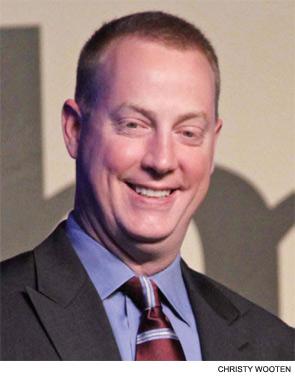
Patrick Conway, MD, MSc, SFHM, a pediatric hospitalist and director of hospital medicine at Cincinnati Children’s Hospital Medical Center, has been appointed chief medical officer of the Centers for Medicare & Medicaid Services (CMS). Dr. Conway’s key responsibilities will be administering federal healthcare quality initiatives and setting the government’s quality agenda in an era of massive changes resulting from the Patient Protection and Accountable Care Act of 2010 (ACA).
Dr. Conway, who previously served as CMO of the Policy Division of the Office of Secretary of Health and Human Services and was a 2007-2008 White House fellow assigned to the Agency for Healthcare Research and Quality (AHRQ), is a leader in safety, quality, and outcomes initiatives at Cincinnati Children’s, and is the immediate past chair of SHM’s Public Policy Committee. He also served on the Federal Coordinating Council for Comparative Effectiveness Research. In his new job, which he started May 9, he is directing CMS’ Office of Clinical Standards and Quality, which coordinates development and implementation of a CMS-wide approach to promoting health quality.
“Patrick Conway’s appointment represents a major milestone for hospitalists and patients alike,” says Larry Wellikson, MD, SFHM, CEO of SHM. “As hospitalists approach the 15th anniversary of the specialty, it is fitting that one of our own takes on the considerable responsibility of caring for millions of Americans through Medicare and Medicaid. Dr. Conway and thousands of other hospitalists have been on the front lines of systematically improving patient care for more than a decade; his sound judgment and compassion as a clinician are now a major national asset.”
Dr. Conway maintains his associate professorship at the University of Cincinnati and will work some weekends seeing patients at Children’s National Medical Center in Washington, D.C. “I love patient care, so I don’t want to stop doing that. Plus, it helps me connect to the front lines of providing medical care,” he says.
“Dr. Conway’s passion for improving healthcare delivery systems, his day-to-day experience as a hospitalist physician, and his accomplishments in quality-improvement research, such as implementing evidence-based healthcare for all children, provide a strong background for his critical role at CMS as chief medical officer,” says Arnold W. Strauss, MD, chair of pediatrics at the University of Cincinnati, where many of the pediatric physicians at Children’s Hospital hold academic appointments. “Dr. Conway and our colleagues at Cincinnati Children’s have demonstrated that improving patient outcomes at lower cost—the goal of healthcare reform—is feasible.”
Dr. Conway’s role at CMS will include major components of surveys, certification, and accreditation issues for hospitals and other Medicare providers; healthcare information technology; and hospital value-based purchasing initiatives (see “Value-Based Purchasing Raises the Stakes,” The Hospitalist, May 2011, p. 1).
But his initial priorities will focus on quality-measures development, illustrated by CMS’ Hospital Compare website (www.hospitalcompare.hhs.gov), and quality improvement. Another major issue involves care transitions and readmissions, “which I try to frame positively—how can we have the most effective care transitions possible?” he says. “SHM and its publications have done a good job of stressing how hospitals and hospitalists can add value.”
Emphasizing his own experience directing an HM department for a health system that admits 7,000 pediatric patients per year, Dr. Conway says other hospitalists can take a similar lead in embracing quality measurement in their hospitals. “I may be working on quality measures for fiscal years 2013 and 2014, but you already know what will be measured in 2012. Don’t wait until September 2012 to get started,” he explains. “Hospitalists can help their institution pose the question: ‘What do we want to get better at in the next year?’ Then you test. Understand your current performance, set a goal, compare benchmarks with other hospitals, and keep working on improvement.”
Over the course of a year, he adds, quality will improve, and then your HM group will have “something to talk about with hospital administrators.”
Married with two children, says his experience at both the macro and micro levels of healthcare will benefit the overall system. “I actually think if we realign incentives, the system can perform better,” he says. “So I see it as an opportunity to perform a public service. But we also need front-line clinicians, including hospitalists, working to improve our healthcare system. … We need frontline providers that are measuring the quality of their care and improving it.” TH
Larry Beresford is a freelance writer based in California.
Patrick Conway, MD, MSc, SFHM, a pediatric hospitalist and director of hospital medicine at Cincinnati Children’s Hospital Medical Center, has been appointed chief medical officer of the Centers for Medicare & Medicaid Services (CMS). Dr. Conway’s key responsibilities will be administering federal healthcare quality initiatives and setting the government’s quality agenda in an era of massive changes resulting from the Patient Protection and Accountable Care Act of 2010 (ACA).
Dr. Conway, who previously served as CMO of the Policy Division of the Office of Secretary of Health and Human Services and was a 2007-2008 White House fellow assigned to the Agency for Healthcare Research and Quality (AHRQ), is a leader in safety, quality, and outcomes initiatives at Cincinnati Children’s, and is the immediate past chair of SHM’s Public Policy Committee. He also served on the Federal Coordinating Council for Comparative Effectiveness Research. In his new job, which he started May 9, he is directing CMS’ Office of Clinical Standards and Quality, which coordinates development and implementation of a CMS-wide approach to promoting health quality.
“Patrick Conway’s appointment represents a major milestone for hospitalists and patients alike,” says Larry Wellikson, MD, SFHM, CEO of SHM. “As hospitalists approach the 15th anniversary of the specialty, it is fitting that one of our own takes on the considerable responsibility of caring for millions of Americans through Medicare and Medicaid. Dr. Conway and thousands of other hospitalists have been on the front lines of systematically improving patient care for more than a decade; his sound judgment and compassion as a clinician are now a major national asset.”
Dr. Conway maintains his associate professorship at the University of Cincinnati and will work some weekends seeing patients at Children’s National Medical Center in Washington, D.C. “I love patient care, so I don’t want to stop doing that. Plus, it helps me connect to the front lines of providing medical care,” he says.
“Dr. Conway’s passion for improving healthcare delivery systems, his day-to-day experience as a hospitalist physician, and his accomplishments in quality-improvement research, such as implementing evidence-based healthcare for all children, provide a strong background for his critical role at CMS as chief medical officer,” says Arnold W. Strauss, MD, chair of pediatrics at the University of Cincinnati, where many of the pediatric physicians at Children’s Hospital hold academic appointments. “Dr. Conway and our colleagues at Cincinnati Children’s have demonstrated that improving patient outcomes at lower cost—the goal of healthcare reform—is feasible.”
Dr. Conway’s role at CMS will include major components of surveys, certification, and accreditation issues for hospitals and other Medicare providers; healthcare information technology; and hospital value-based purchasing initiatives (see “Value-Based Purchasing Raises the Stakes,” The Hospitalist, May 2011, p. 1).
But his initial priorities will focus on quality-measures development, illustrated by CMS’ Hospital Compare website (www.hospitalcompare.hhs.gov), and quality improvement. Another major issue involves care transitions and readmissions, “which I try to frame positively—how can we have the most effective care transitions possible?” he says. “SHM and its publications have done a good job of stressing how hospitals and hospitalists can add value.”
Emphasizing his own experience directing an HM department for a health system that admits 7,000 pediatric patients per year, Dr. Conway says other hospitalists can take a similar lead in embracing quality measurement in their hospitals. “I may be working on quality measures for fiscal years 2013 and 2014, but you already know what will be measured in 2012. Don’t wait until September 2012 to get started,” he explains. “Hospitalists can help their institution pose the question: ‘What do we want to get better at in the next year?’ Then you test. Understand your current performance, set a goal, compare benchmarks with other hospitals, and keep working on improvement.”
Over the course of a year, he adds, quality will improve, and then your HM group will have “something to talk about with hospital administrators.”
Married with two children, says his experience at both the macro and micro levels of healthcare will benefit the overall system. “I actually think if we realign incentives, the system can perform better,” he says. “So I see it as an opportunity to perform a public service. But we also need front-line clinicians, including hospitalists, working to improve our healthcare system. … We need frontline providers that are measuring the quality of their care and improving it.” TH
Larry Beresford is a freelance writer based in California.
Patrick Conway, MD, MSc, SFHM, a pediatric hospitalist and director of hospital medicine at Cincinnati Children’s Hospital Medical Center, has been appointed chief medical officer of the Centers for Medicare & Medicaid Services (CMS). Dr. Conway’s key responsibilities will be administering federal healthcare quality initiatives and setting the government’s quality agenda in an era of massive changes resulting from the Patient Protection and Accountable Care Act of 2010 (ACA).
Dr. Conway, who previously served as CMO of the Policy Division of the Office of Secretary of Health and Human Services and was a 2007-2008 White House fellow assigned to the Agency for Healthcare Research and Quality (AHRQ), is a leader in safety, quality, and outcomes initiatives at Cincinnati Children’s, and is the immediate past chair of SHM’s Public Policy Committee. He also served on the Federal Coordinating Council for Comparative Effectiveness Research. In his new job, which he started May 9, he is directing CMS’ Office of Clinical Standards and Quality, which coordinates development and implementation of a CMS-wide approach to promoting health quality.
“Patrick Conway’s appointment represents a major milestone for hospitalists and patients alike,” says Larry Wellikson, MD, SFHM, CEO of SHM. “As hospitalists approach the 15th anniversary of the specialty, it is fitting that one of our own takes on the considerable responsibility of caring for millions of Americans through Medicare and Medicaid. Dr. Conway and thousands of other hospitalists have been on the front lines of systematically improving patient care for more than a decade; his sound judgment and compassion as a clinician are now a major national asset.”
Dr. Conway maintains his associate professorship at the University of Cincinnati and will work some weekends seeing patients at Children’s National Medical Center in Washington, D.C. “I love patient care, so I don’t want to stop doing that. Plus, it helps me connect to the front lines of providing medical care,” he says.
“Dr. Conway’s passion for improving healthcare delivery systems, his day-to-day experience as a hospitalist physician, and his accomplishments in quality-improvement research, such as implementing evidence-based healthcare for all children, provide a strong background for his critical role at CMS as chief medical officer,” says Arnold W. Strauss, MD, chair of pediatrics at the University of Cincinnati, where many of the pediatric physicians at Children’s Hospital hold academic appointments. “Dr. Conway and our colleagues at Cincinnati Children’s have demonstrated that improving patient outcomes at lower cost—the goal of healthcare reform—is feasible.”
Dr. Conway’s role at CMS will include major components of surveys, certification, and accreditation issues for hospitals and other Medicare providers; healthcare information technology; and hospital value-based purchasing initiatives (see “Value-Based Purchasing Raises the Stakes,” The Hospitalist, May 2011, p. 1).
But his initial priorities will focus on quality-measures development, illustrated by CMS’ Hospital Compare website (www.hospitalcompare.hhs.gov), and quality improvement. Another major issue involves care transitions and readmissions, “which I try to frame positively—how can we have the most effective care transitions possible?” he says. “SHM and its publications have done a good job of stressing how hospitals and hospitalists can add value.”
Emphasizing his own experience directing an HM department for a health system that admits 7,000 pediatric patients per year, Dr. Conway says other hospitalists can take a similar lead in embracing quality measurement in their hospitals. “I may be working on quality measures for fiscal years 2013 and 2014, but you already know what will be measured in 2012. Don’t wait until September 2012 to get started,” he explains. “Hospitalists can help their institution pose the question: ‘What do we want to get better at in the next year?’ Then you test. Understand your current performance, set a goal, compare benchmarks with other hospitals, and keep working on improvement.”
Over the course of a year, he adds, quality will improve, and then your HM group will have “something to talk about with hospital administrators.”
Married with two children, says his experience at both the macro and micro levels of healthcare will benefit the overall system. “I actually think if we realign incentives, the system can perform better,” he says. “So I see it as an opportunity to perform a public service. But we also need front-line clinicians, including hospitalists, working to improve our healthcare system. … We need frontline providers that are measuring the quality of their care and improving it.” TH
Larry Beresford is a freelance writer based in California.
In the Literature: HM-Related Research You Need to Know
In This Edition
Literature at a Glance
A guide to this month’s studies
- Eplerenone and heart failure mortality
- Fidaxomicin for C. difficile diarrhea
- Guidelines for intensive insulin therapy
- Benefits of hospitalist comanagement
- Peritoneal dialysis versus hemodialysis
- Pneumococcal urinary antigen to guide CAP treatment
- Race and readmission rate
- Factors associated with readmission
- Unplanned transfers to the ICU
Eplerenone Improves Mortality in Patients with Systolic Heart Failure and Mild Symptoms
Clinical question: Does the selective mineralocorticoid antagonist eplerenone improve outcomes in patients with chronic heart failure and mild symptoms?
Background: In prior studies of miner alocorticoid antagonists in systolic heart failure, spironolactone reduced mortality in patients with moderate to severe heart failure symptoms, and eplerenone reduced mortality in patients with acute myocardial infarction complicated by left ventricular dysfunction. The use of eplerenone in patients with systolic heart failure and mild symptoms has not previously been examined.
Study design: Randomized, double-blind, multicenter, placebo-controlled trial.
Setting: Two hundred seventy-eight centers in 29 countries.
Synopsis: The study authors randomized 2,737 patients with New York Heart Association Class II heart failure and an ejection fraction of no more than 35% to either eplerenone (up to 50 mg daily) or placebo, in addition to recommended therapy. Patients with baseline potassium levels >5 mmol/L or estimated GFR <30 were excluded. The primary outcome was a composite of death from cardiovascular causes or hospitalization for heart failure.
The trial was stopped early, after a median follow-up period of 21 months, when an interim analysis showed significant benefit with eplerenone. The primary outcome occurred in 18.3% of patients in the eplerenone group and 25.9% in the placebo group (hazard ratio [HR], 0.63; 95% CI, 0.54 to 0.74; P<0.001). All-cause mortality was 12.5% in the eplerenone group and 15.5% in the placebo group (HR 0.76; 95% CI, 0.62 to 0.93; P=0.008). A serum potassium level exceeding 5.5 mmol/L occurred in 11.8% of patients in the eplerenone group and 7.2% of those in the placebo group (P<0.001).
Bottom line: Eplerenone reduces both the risk of death and the risk of hospitalization in patients with systolic heart failure and mild symptoms.
Citation: Zannad F, McMurray JJ, Krum H, et al. Eplerenone in patients with systolic heart failure and mild symptoms. N Engl J Med. 2011;364(1):11-21.
Fidaxomicin Noninferior to Vancomycin for C. Difficile Treatment
Clinical question: What is the safety and efficacy of fidaxomicin compared to vancomycin in the treatment of patients with C. difficile infection?
Background: Fidaxomicin, a new macrocyclic antibiotic, has shown high efficacy in vitro against C. diff, minimal systemic absorption, and a narrow-spectrum profile. In previously published Phase 2 trials of fidaxomicin for the treatment of C. diff, it has been associated with good clinical response and low recurrence rates.
Study design: Prospective, multicenter, double-blind, randomized trial.
Setting: Fifty-two sites in the United States and 15 in Canada.
Synopsis: The study included 629 adults with acute symptoms of C. diff and a positive stool toxin test. The patients were randomly assigned to 200-mg twice-daily fidaxomicin or 125-mg four-times-daily vancomycin for a course of 10 days. The primary endpoint was rate of clinical cure (resolution of diarrhea), and secondary endpoints were recurrence of C. diff and global cure (clinical cure and lack of relapse within four weeks of cessation of therapy).
The rate of clinical cure associated with fidaxomicin was noninferior to that associated with vancomycin (88.2% vs. 85.8%, respectively). Patients receiving fidaxomicin had a lower rate of relapse than those receiving vancomycin (15.4% vs. 25.3%, respectively, P=0.005) and a higher global cure rate (74.6 vs. 61.1%, P=0.006). In subgroup analysis, the lower rate of recurrence was seen in patients with non-North American pulsed-field Type 1 strain (NAP1/BI/027 strain), while in patients with the NAP1/BI/027 strain, the recurrence rate was similar for both drugs. There was no difference in adverse event rates.
Bottom line: Clinical cure rates of C. diff with fidaxomicin are noninferior to those with vancomycin; however, fidaxomicin is associated with a significantly lower rate of recurrence among those infected with the non-NAP1/BI/027 strain.
Citation: Louie TJ, Miller MA, Mullane KM, et al. Fidaxomicin versus vancomycin for Clostridium difficile infection. N Engl J Med. 2011;364(5):422-431.
ACP Guideline Discourages Use of Intensive Insulin Therapy in Hospitalized Patients
Clinical question: Does the use of intensive insulin therapy (IIT) to achieve tight glycemic control in hospitalized patients (whether in the SICU, MICU, or on the general medicine floor) improve important health outcomes?
Background: Hyperglycemia is a common finding in hospitalized patients and is associated with prolonged length of stay (LOS), death, and worsening health outcomes. Despite this, prospective studies have yet to provide consistent evidence that using IIT to achieve strict glycemic control (80 mg/dL-110 mg/dL) improves outcomes in hospitalized patients.
Study design: Systematic review of MEDLINE and the Cochrane Database of Systematic Reviews from 1950 to January 2010.
Setting: Trials included subjects with myocardial infarction, stroke, and brain injury, as well as those in perioperative settings and ICUs.
Synopsis: The review informing this guideline meta-analyzed 21 trials and found that IIT did not improve short-term mortality, long-term mortality, infection rates, LOS, or the need for renal replacement therapy. Furthermore, IIT was associated with a sixfold increase in risk for severe hypoglycemia in all hospital settings.
Based on these findings, the American College of Physicians (ACP) issued three recommendations:
- To not use IIT to strictly control blood glucose in non-SICU/non-MICU patients with or without diabetes (strong recommendation, moderate-quality evidence);
- To not use IIT to normalize blood glucose in SICU or MICU patients with or without diabetes (strong recommendation, high-quality evidence); and
- To consider a target blood glucose level of 140 mg to 200 mg if insulin therapy is used in SICU or MICU patients (weak recommendation, moderate-quality evidence).
Bottom line: The ACP recommends against using IIT to strictly control blood glucose (80 mg/dL-180 mg/dL) in hospitalized patients, whether in the SICU, MICU, or on the general medicine floor.
Citation: Qaseem A, Humphrey LL, Chou R, Snow V, Shekelle P. Use of intensive insulin therapy for the management of glycemic control in hospitalized patients: a clinical practice guideline from the American College of Physicians. Ann Intern Med. 2011;154(4):260-267.
Limited Benefits Seen with Hospitalist-Neurosurgeon Comanagement
Clinical question: Does hospitalist-neurosurgeon comanagement improve patient outcomes?
Background: The shared management of surgical patients between surgeons and hospitalists is increasingly common despite limited data supporting its effectiveness in reducing costs or improving patient outcomes.
Study design: Single-center, retrospective study.
Setting: Tertiary-care academic medical center.
Synopsis: Data were collected on the 7,596 patients who were admitted to the neurosurgical service of the University of California San Francisco Medical Center from June 1, 2005, to December 31, 2008. The study looked at 4,203 patients (55.3%) admitted before July 1, 2007, when hospitalist comanagement was implemented, and 3,393 patients (44.7%) after comanagement began. Of those admitted during the post-implementation period, 988 (29.1%) were comanaged.
After adjusting for patient characteristics and background trends, and accounting for clustering at the physician level, no differences were found in patient mortality rate, readmissions, or LOS after implementation of comanagement. No consistent improvements were seen in patient satisfaction.
However, physician and staff perceptions of safety and quality of care were significantly better after comanagement. There was a moderate decrease in adjusted hospital costs after implementation (adjusted cost ratio 0.94, range 0.88-1.00) equivalent to a cost savings of about $1,439 per hospitalization.
Bottom line: The implementation of a hospitalist-neurosurgery comanagement service did not improve patient outcomes or satisfaction, but it did appear to improve providers’ perception of care quality and reduce hospital costs.
Citation: Auerbach AD, Wachter RM, Cheng HQ, et al. Comanagement of surgical patients between neurosurgeons and hospitalists. Arch Intern Med. 2010;170(22):2004-2010.
Comparable Mortality Between Hemodialysis and Peritoneal Dialysis
Clinical question: What effect does the initial dialysis modality used have on mortality for patients with end-stage renal disease (ESRD)?
Background: Despite the substantially lower annual per-person costs of peritoneal dialysis (PD) as compared with hemodialysis (HD), only 7% of dialysis patients were treated with PD in 2008. It is unknown whether there are differences in mortality between those using PD and HD when examined in contemporary cohorts.
Study design: Retrospective cohort study.
Setting: National cohort.
Synopsis: Data for patients with incident ESRD over a nine-year period were obtained from the U.S. Renal Data Systems (USRDS), a national registry of all patients with ESRD. Initial dialysis modality was defined as the dialysis modality used 90 days after initiation of dialysis. Patients were divided into three three-year cohorts (1996-1998, 1999-2001, and 2002-2004) based on the date dialysis was initiated and followed for up to five years.
A substantial and consistent reduction in mortality was seen for PD patients across the three time periods. No such improvements were observed across the time periods for the HD patients. PD patients were, on average, younger, healthier, and more likely to be white. In an analysis of the most recent cohort adjusting for these factors, there was no significant difference in the risk of death between HD and PD patients. The median life expectancy of HD and PD patients was 38.4 and 36.6 months, respectively.
Limitations of the study include a lack of randomization and failure to consider switches from one dialysis modality to the other.
Bottom line: Patients beginning their renal replacement therapy with PD had similar mortality after five years compared to patients using in-center HD.
Citation: Mehrotra R, Chiu YW, Kalantar-Zadeh K, Bargman J, Vonesh E. Similar outcomes with hemodialysis and peritoneal dialysis in patients with end-stage renal disease. Arch Intern Med. 2011;171(2):110-118.
Pneumococcal Urinary Antigen Test Might Guide Community-Acquired Pneumonia Treatment
Clinical question: What is the diagnostic accuracy and clinical utility of pneumococcal urinary antigen testing in adult patients hospitalized with community-acquired pneumonia (CAP)?
Background: Although CAP is common, our ability to determine its etiology is limited, and empirical broad-spectrum antibiotic therapy is the norm. Pneumococcal urinary antigen testing could allow for the more frequent use of narrow-spectrum pathogen-focused antibiotic therapy.
Study design: Prospective cohort study.
Setting: University-affiliated hospital in Spain.
Synopsis: This study included consecutive adult patients hospitalized with CAP from February 2007 though January 2008. A total of 464 patients with 474 episodes of CAP were included. Pneumococcal urinary antigen testing was performed in 383 (80.8%) episodes of CAP. Streptococcus pneumoniae was felt to be the causative pathogen in 171 cases (36.1%). It was detected exclusively by urinary antigen test in 75 of those cases (43.8%).
For the urine antigen test, specificity was 96% (95% CI, 86.5 to 99.5), and the positive predictive value was 96.5% (95% CI, 87.9 to 99.5). The results of the test led clinicians to reduce the spectrum of antibiotics in 41 patients, and pneumonia was cured in all 41 of these patients. Treatment was not modified despite positive antigen test results in 89 patients.
Limitations of this study include a lack of complete microbiological data for all patients. The study also highlighted the difficulty in changing clinicians’ prescribing patterns, even when test results indicate the need for treatment modification.
Bottom line: A positive pneumococcal urinary antigen test result in adult patients hospitalized with CAP can help clinicians narrow antimicrobial therapy with good clinical outcomes.
Citation: Sordé R, Falcó V, Lowak M, et al. Current and potential usefulness of pneumococcal urinary antigen detection in hospitalized patients with community-acquired pneumonia to guide antimicrobial therapy. Arch Intern Med. 2011;171(2):166-172.
Racial Disparities Detected in Hospital Readmission Rates
Clinical question: Do black patients have higher odds of readmission than white patients, and, if so, are these disparities related to where black patients receive care?
Background: Racial disparities in healthcare are well documented. Understanding and eliminating those disparities remains a national priority. Reducing hospital readmissions also is a policy focus, as it represents an opportunity to improve quality while reducing costs. Whether there are racial disparities in hospital readmissions at the national level is unknown.
Study design: Retrospective cohort study.
Setting: Medicare fee-for-service beneficiaries from 2006 to 2008.
Synopsis: Medicare discharge data for more than 3 million Medicare fee-for-service beneficiaries aged 65 years or older discharged from January 1, 2006, to November 30, 2008, with the primary discharge diagnosis of acute myocardial infarction (MI), congestive heart failure, or pneumonia were used to calculate risk-adjusted odds of readmission within 30 days of discharge. Hospitals in the highest decile of proportion of black patients were categorized as minority-serving.
Overall, black patients had 13% higher odds of all-cause 30-day readmission than white patients (24.8% vs. 22.6%, OR 1.13, 95% CI, 1.11-1.14), and patients discharged from minority-serving hospitals had 23% higher odds of readmission than patients from non-minority-serving hospitals (25.5% vs. 22.0%, OR 1.23, 95% CI, 1.20-1.27). Among those with acute MI, black patients had 13% higher odds of readmission (OR 1.13, 95% CI, 1.10-1.16), irrespective of the site of care, while patients from minority-serving hospitals had 22% higher odds of readmissions (OR 1.22, 95% CI, 1.17-1.27), even after adjusting for patient race. Similar disparities were seen for CHF and pneumonia. Results were unchanged after adjusting for hospital characteristics, including markers of caring for poor patients.
Bottom line: Compared with white patients, elderly black Medicare patients have a higher 30-day hospital readmission rate for MI, CHF, and pneumonia that is not fully explained by the higher readmission rates seen among hospitals that disproportionately care for black patients.
Citation: Joynt KE, Orav EJ, Jha AK. Thirty-day readmission rates for Medicare beneficiaries by race and site of care. JAMA. 2011;305(7):675-681.
Easily Identifiable Clinical and Demographic Factors Associated with Hospital Readmission
Clinical question: Which clinical, operational, or demographic factors are associated with 30-day readmission for general medicine patients?
Background: While a few clinical risk factors for hospital readmission have been well defined in subgroups of inpatients, there are still limited data regarding readmission risk that might be associated with a broad range of operational, demographic, and clinical factors in a heterogeneous population of general medicine patients.
Study design: Retrospective observational study.
Setting: Single academic medical center.
Synopsis: The study examined more than 10,300 consecutive admissions (6,805 patients) discharged over a two-year period from 2006 to 2008 from the general medicine service of an urban academic medical center. The 30-day readmission rate was 17.0%.
In multivariate analysis, factors associated with readmission included black race (OR 1.43, 95% CI, 1.24-1.65), inpatient use of narcotics (OR 1.33, 95% CI, 1.16-1.53) and corticosteroids (OR 1.24, 95% CI, 1.09-1.42), and the disease states of cancer (with metastasis 1.61, 95% CI, 1.33-1.95; without metastasis 1.95, 95% CI 1.54-2.47), renal failure (OR 1.19, 95% CI 1.05-1.36), congestive heart failure (OR 1.30, 95% CI, 1.09-1.56), and weight loss (OR 1.26, 95% CI, 1.09-1.47). Medicaid payor status (OR 1.15, 95% CI, 0.97-1.36) had a trend toward readmission. None of the operational factors were significantly associated with readmission, including discharge to skilled nursing facility or weekend discharge.
A major limitation of the study was its inability to capture readmissions to hospitals other than the study hospital, which, based on prior studies, could have accounted for nearly a quarter of readmissions.
Bottom line: Readmission of general medicine patients within 30 days is common and associated with several easily identifiable clinical and nonclinical factors.
Citation: Allaudeen N, Vidyarthi A, Maselli J, Auerbach A. Redefining readmission risk factors for general medicine patients. J Hosp Med. 2011;6(2):54-60.
Unplanned Medical ICU Transfers Tied to Preventable Errors
Clinical question: What fraction of unplanned medical ICU (MICU) transfers result from errors in care and why do they occur?
Background: Prior studies have suggested that 14% to 28% of patients admitted to the MICU are unplanned transfers. It is not known what fraction of these transfers result from errors in care, and whether these transfers could be prevented.
Study design: Retrospective cohort study.
Setting: University-affiliated academic medical center.
Synopsis: All unplanned transfers to the MICU from June 1, 2005, to May 30, 2006, were included in the study. Three independent observers, all hospitalists for more than three years, reviewed patient records to determine the cause of unplanned transfers according to a taxonomy the researchers developed for classifying the transfers. They also determined whether the transfer could have been prevented.
Of the 4,468 general medicine admissions during the study period, 152 met inclusion criteria for an unplanned MICU transfer. Errors in care were judged to account for 19% (n=29) of unplanned transfers, 15 of which were due to incorrect triage at admission and 14 to iatrogenic errors, such as opiate overdose during pain treatment or delayed treatment. All 15 triage errors were considered preventable. Of the iatrogenic errors, eight were considered preventable through an earlier intervention. Overall, 23 errors (15%) were thought to be preventable. Observer agreement was moderate to almost perfect (κ0.55-0.90).
Bottom line: Nearly 1 in 7 unplanned transfers to the medical ICU are associated with preventable errors in care, with the most common error being inappropriate admission triage.
Citation: Bapoje SR, Gaudiani JL, Narayanan V, Albert RK. Unplanned transfers to a medical intensive care unit: causes and relationship to preventable errors in care. J Hosp Med. 2011;6(2):68-72. TH
Pediatric HM Literature
Well Visits Prevent Ambulatory-Care-Sensitive Hospitalizations

Clinical question: Is routine well-child care visit adherence associated with a decreased risk of ambulatory-care-sensitive hospitalizations?
Background: Ambulatory-care-sensitive hospitalizations (ACSHs) represent admissions that might have been prevented by quality outpatient care. They are an improvement opportunity for healthcare systems; thus, it is important to characterize factors associated with increased ACSH. Although continuity of care (COC) with the same provider has been associated with reduced hospitalizations, the relationship between regularly scheduled well-child care (WCC) and ACSH is less clear.
Study design: Population-based, retrospective cohort study.
Setting: Hawaii’s largest health insurer.
Synopsis: Young children with the highest likelihood of ACSH (two months to 3.5 years old) who were continuously enrolled in coverage by Hawaii’s largest health insurer (representing 70% of the civilian population) were included. Ultimately, administrative data on 36,944 children were analyzed for WCC adherence rate and a nonlinear COC index, both of which were modeled as time-varying categorical variables.
ACSH were defined by conditions, and notably included acute respiratory-tract infections. Both high WCC visit adherence and COC index were independently associated with decreased risk of ACSH and were modified significantly by chronic-disease status.
This study examines a somewhat unique population: insured children in Hawaii with a relatively high degree of consistency in care. Thus, it is not applicable to the most vulnerable Medicaid and uninsured groups of children. In addition, the relationship between WCC visit adherence and ACSH seemed to disappear in healthy children, further limiting generalizability. Nevertheless, it appears that WCC visits without provider continuity might still be protective for ACSH. It will be important to replicate these findings in a population served by safety-net clinics: children who most often have WCC without continuity.
Bottom line: WCC visit adherence in insured patients with chronic disease reduces the risk of ACSH.
Citation: Tom JO, Tseng CW, Davis J, Solomon C, Zhou C, Mangione-Smith R. Missed well-child care visits, low continuity of care, and risk of ambulatory care-sensitive hospitalizations in young children. Arch Pediatr Adolesc Med. 2010;164(11):1052-1058.
In This Edition
Literature at a Glance
A guide to this month’s studies
- Eplerenone and heart failure mortality
- Fidaxomicin for C. difficile diarrhea
- Guidelines for intensive insulin therapy
- Benefits of hospitalist comanagement
- Peritoneal dialysis versus hemodialysis
- Pneumococcal urinary antigen to guide CAP treatment
- Race and readmission rate
- Factors associated with readmission
- Unplanned transfers to the ICU
Eplerenone Improves Mortality in Patients with Systolic Heart Failure and Mild Symptoms
Clinical question: Does the selective mineralocorticoid antagonist eplerenone improve outcomes in patients with chronic heart failure and mild symptoms?
Background: In prior studies of miner alocorticoid antagonists in systolic heart failure, spironolactone reduced mortality in patients with moderate to severe heart failure symptoms, and eplerenone reduced mortality in patients with acute myocardial infarction complicated by left ventricular dysfunction. The use of eplerenone in patients with systolic heart failure and mild symptoms has not previously been examined.
Study design: Randomized, double-blind, multicenter, placebo-controlled trial.
Setting: Two hundred seventy-eight centers in 29 countries.
Synopsis: The study authors randomized 2,737 patients with New York Heart Association Class II heart failure and an ejection fraction of no more than 35% to either eplerenone (up to 50 mg daily) or placebo, in addition to recommended therapy. Patients with baseline potassium levels >5 mmol/L or estimated GFR <30 were excluded. The primary outcome was a composite of death from cardiovascular causes or hospitalization for heart failure.
The trial was stopped early, after a median follow-up period of 21 months, when an interim analysis showed significant benefit with eplerenone. The primary outcome occurred in 18.3% of patients in the eplerenone group and 25.9% in the placebo group (hazard ratio [HR], 0.63; 95% CI, 0.54 to 0.74; P<0.001). All-cause mortality was 12.5% in the eplerenone group and 15.5% in the placebo group (HR 0.76; 95% CI, 0.62 to 0.93; P=0.008). A serum potassium level exceeding 5.5 mmol/L occurred in 11.8% of patients in the eplerenone group and 7.2% of those in the placebo group (P<0.001).
Bottom line: Eplerenone reduces both the risk of death and the risk of hospitalization in patients with systolic heart failure and mild symptoms.
Citation: Zannad F, McMurray JJ, Krum H, et al. Eplerenone in patients with systolic heart failure and mild symptoms. N Engl J Med. 2011;364(1):11-21.
Fidaxomicin Noninferior to Vancomycin for C. Difficile Treatment
Clinical question: What is the safety and efficacy of fidaxomicin compared to vancomycin in the treatment of patients with C. difficile infection?
Background: Fidaxomicin, a new macrocyclic antibiotic, has shown high efficacy in vitro against C. diff, minimal systemic absorption, and a narrow-spectrum profile. In previously published Phase 2 trials of fidaxomicin for the treatment of C. diff, it has been associated with good clinical response and low recurrence rates.
Study design: Prospective, multicenter, double-blind, randomized trial.
Setting: Fifty-two sites in the United States and 15 in Canada.
Synopsis: The study included 629 adults with acute symptoms of C. diff and a positive stool toxin test. The patients were randomly assigned to 200-mg twice-daily fidaxomicin or 125-mg four-times-daily vancomycin for a course of 10 days. The primary endpoint was rate of clinical cure (resolution of diarrhea), and secondary endpoints were recurrence of C. diff and global cure (clinical cure and lack of relapse within four weeks of cessation of therapy).
The rate of clinical cure associated with fidaxomicin was noninferior to that associated with vancomycin (88.2% vs. 85.8%, respectively). Patients receiving fidaxomicin had a lower rate of relapse than those receiving vancomycin (15.4% vs. 25.3%, respectively, P=0.005) and a higher global cure rate (74.6 vs. 61.1%, P=0.006). In subgroup analysis, the lower rate of recurrence was seen in patients with non-North American pulsed-field Type 1 strain (NAP1/BI/027 strain), while in patients with the NAP1/BI/027 strain, the recurrence rate was similar for both drugs. There was no difference in adverse event rates.
Bottom line: Clinical cure rates of C. diff with fidaxomicin are noninferior to those with vancomycin; however, fidaxomicin is associated with a significantly lower rate of recurrence among those infected with the non-NAP1/BI/027 strain.
Citation: Louie TJ, Miller MA, Mullane KM, et al. Fidaxomicin versus vancomycin for Clostridium difficile infection. N Engl J Med. 2011;364(5):422-431.
ACP Guideline Discourages Use of Intensive Insulin Therapy in Hospitalized Patients
Clinical question: Does the use of intensive insulin therapy (IIT) to achieve tight glycemic control in hospitalized patients (whether in the SICU, MICU, or on the general medicine floor) improve important health outcomes?
Background: Hyperglycemia is a common finding in hospitalized patients and is associated with prolonged length of stay (LOS), death, and worsening health outcomes. Despite this, prospective studies have yet to provide consistent evidence that using IIT to achieve strict glycemic control (80 mg/dL-110 mg/dL) improves outcomes in hospitalized patients.
Study design: Systematic review of MEDLINE and the Cochrane Database of Systematic Reviews from 1950 to January 2010.
Setting: Trials included subjects with myocardial infarction, stroke, and brain injury, as well as those in perioperative settings and ICUs.
Synopsis: The review informing this guideline meta-analyzed 21 trials and found that IIT did not improve short-term mortality, long-term mortality, infection rates, LOS, or the need for renal replacement therapy. Furthermore, IIT was associated with a sixfold increase in risk for severe hypoglycemia in all hospital settings.
Based on these findings, the American College of Physicians (ACP) issued three recommendations:
- To not use IIT to strictly control blood glucose in non-SICU/non-MICU patients with or without diabetes (strong recommendation, moderate-quality evidence);
- To not use IIT to normalize blood glucose in SICU or MICU patients with or without diabetes (strong recommendation, high-quality evidence); and
- To consider a target blood glucose level of 140 mg to 200 mg if insulin therapy is used in SICU or MICU patients (weak recommendation, moderate-quality evidence).
Bottom line: The ACP recommends against using IIT to strictly control blood glucose (80 mg/dL-180 mg/dL) in hospitalized patients, whether in the SICU, MICU, or on the general medicine floor.
Citation: Qaseem A, Humphrey LL, Chou R, Snow V, Shekelle P. Use of intensive insulin therapy for the management of glycemic control in hospitalized patients: a clinical practice guideline from the American College of Physicians. Ann Intern Med. 2011;154(4):260-267.
Limited Benefits Seen with Hospitalist-Neurosurgeon Comanagement
Clinical question: Does hospitalist-neurosurgeon comanagement improve patient outcomes?
Background: The shared management of surgical patients between surgeons and hospitalists is increasingly common despite limited data supporting its effectiveness in reducing costs or improving patient outcomes.
Study design: Single-center, retrospective study.
Setting: Tertiary-care academic medical center.
Synopsis: Data were collected on the 7,596 patients who were admitted to the neurosurgical service of the University of California San Francisco Medical Center from June 1, 2005, to December 31, 2008. The study looked at 4,203 patients (55.3%) admitted before July 1, 2007, when hospitalist comanagement was implemented, and 3,393 patients (44.7%) after comanagement began. Of those admitted during the post-implementation period, 988 (29.1%) were comanaged.
After adjusting for patient characteristics and background trends, and accounting for clustering at the physician level, no differences were found in patient mortality rate, readmissions, or LOS after implementation of comanagement. No consistent improvements were seen in patient satisfaction.
However, physician and staff perceptions of safety and quality of care were significantly better after comanagement. There was a moderate decrease in adjusted hospital costs after implementation (adjusted cost ratio 0.94, range 0.88-1.00) equivalent to a cost savings of about $1,439 per hospitalization.
Bottom line: The implementation of a hospitalist-neurosurgery comanagement service did not improve patient outcomes or satisfaction, but it did appear to improve providers’ perception of care quality and reduce hospital costs.
Citation: Auerbach AD, Wachter RM, Cheng HQ, et al. Comanagement of surgical patients between neurosurgeons and hospitalists. Arch Intern Med. 2010;170(22):2004-2010.
Comparable Mortality Between Hemodialysis and Peritoneal Dialysis
Clinical question: What effect does the initial dialysis modality used have on mortality for patients with end-stage renal disease (ESRD)?
Background: Despite the substantially lower annual per-person costs of peritoneal dialysis (PD) as compared with hemodialysis (HD), only 7% of dialysis patients were treated with PD in 2008. It is unknown whether there are differences in mortality between those using PD and HD when examined in contemporary cohorts.
Study design: Retrospective cohort study.
Setting: National cohort.
Synopsis: Data for patients with incident ESRD over a nine-year period were obtained from the U.S. Renal Data Systems (USRDS), a national registry of all patients with ESRD. Initial dialysis modality was defined as the dialysis modality used 90 days after initiation of dialysis. Patients were divided into three three-year cohorts (1996-1998, 1999-2001, and 2002-2004) based on the date dialysis was initiated and followed for up to five years.
A substantial and consistent reduction in mortality was seen for PD patients across the three time periods. No such improvements were observed across the time periods for the HD patients. PD patients were, on average, younger, healthier, and more likely to be white. In an analysis of the most recent cohort adjusting for these factors, there was no significant difference in the risk of death between HD and PD patients. The median life expectancy of HD and PD patients was 38.4 and 36.6 months, respectively.
Limitations of the study include a lack of randomization and failure to consider switches from one dialysis modality to the other.
Bottom line: Patients beginning their renal replacement therapy with PD had similar mortality after five years compared to patients using in-center HD.
Citation: Mehrotra R, Chiu YW, Kalantar-Zadeh K, Bargman J, Vonesh E. Similar outcomes with hemodialysis and peritoneal dialysis in patients with end-stage renal disease. Arch Intern Med. 2011;171(2):110-118.
Pneumococcal Urinary Antigen Test Might Guide Community-Acquired Pneumonia Treatment
Clinical question: What is the diagnostic accuracy and clinical utility of pneumococcal urinary antigen testing in adult patients hospitalized with community-acquired pneumonia (CAP)?
Background: Although CAP is common, our ability to determine its etiology is limited, and empirical broad-spectrum antibiotic therapy is the norm. Pneumococcal urinary antigen testing could allow for the more frequent use of narrow-spectrum pathogen-focused antibiotic therapy.
Study design: Prospective cohort study.
Setting: University-affiliated hospital in Spain.
Synopsis: This study included consecutive adult patients hospitalized with CAP from February 2007 though January 2008. A total of 464 patients with 474 episodes of CAP were included. Pneumococcal urinary antigen testing was performed in 383 (80.8%) episodes of CAP. Streptococcus pneumoniae was felt to be the causative pathogen in 171 cases (36.1%). It was detected exclusively by urinary antigen test in 75 of those cases (43.8%).
For the urine antigen test, specificity was 96% (95% CI, 86.5 to 99.5), and the positive predictive value was 96.5% (95% CI, 87.9 to 99.5). The results of the test led clinicians to reduce the spectrum of antibiotics in 41 patients, and pneumonia was cured in all 41 of these patients. Treatment was not modified despite positive antigen test results in 89 patients.
Limitations of this study include a lack of complete microbiological data for all patients. The study also highlighted the difficulty in changing clinicians’ prescribing patterns, even when test results indicate the need for treatment modification.
Bottom line: A positive pneumococcal urinary antigen test result in adult patients hospitalized with CAP can help clinicians narrow antimicrobial therapy with good clinical outcomes.
Citation: Sordé R, Falcó V, Lowak M, et al. Current and potential usefulness of pneumococcal urinary antigen detection in hospitalized patients with community-acquired pneumonia to guide antimicrobial therapy. Arch Intern Med. 2011;171(2):166-172.
Racial Disparities Detected in Hospital Readmission Rates
Clinical question: Do black patients have higher odds of readmission than white patients, and, if so, are these disparities related to where black patients receive care?
Background: Racial disparities in healthcare are well documented. Understanding and eliminating those disparities remains a national priority. Reducing hospital readmissions also is a policy focus, as it represents an opportunity to improve quality while reducing costs. Whether there are racial disparities in hospital readmissions at the national level is unknown.
Study design: Retrospective cohort study.
Setting: Medicare fee-for-service beneficiaries from 2006 to 2008.
Synopsis: Medicare discharge data for more than 3 million Medicare fee-for-service beneficiaries aged 65 years or older discharged from January 1, 2006, to November 30, 2008, with the primary discharge diagnosis of acute myocardial infarction (MI), congestive heart failure, or pneumonia were used to calculate risk-adjusted odds of readmission within 30 days of discharge. Hospitals in the highest decile of proportion of black patients were categorized as minority-serving.
Overall, black patients had 13% higher odds of all-cause 30-day readmission than white patients (24.8% vs. 22.6%, OR 1.13, 95% CI, 1.11-1.14), and patients discharged from minority-serving hospitals had 23% higher odds of readmission than patients from non-minority-serving hospitals (25.5% vs. 22.0%, OR 1.23, 95% CI, 1.20-1.27). Among those with acute MI, black patients had 13% higher odds of readmission (OR 1.13, 95% CI, 1.10-1.16), irrespective of the site of care, while patients from minority-serving hospitals had 22% higher odds of readmissions (OR 1.22, 95% CI, 1.17-1.27), even after adjusting for patient race. Similar disparities were seen for CHF and pneumonia. Results were unchanged after adjusting for hospital characteristics, including markers of caring for poor patients.
Bottom line: Compared with white patients, elderly black Medicare patients have a higher 30-day hospital readmission rate for MI, CHF, and pneumonia that is not fully explained by the higher readmission rates seen among hospitals that disproportionately care for black patients.
Citation: Joynt KE, Orav EJ, Jha AK. Thirty-day readmission rates for Medicare beneficiaries by race and site of care. JAMA. 2011;305(7):675-681.
Easily Identifiable Clinical and Demographic Factors Associated with Hospital Readmission
Clinical question: Which clinical, operational, or demographic factors are associated with 30-day readmission for general medicine patients?
Background: While a few clinical risk factors for hospital readmission have been well defined in subgroups of inpatients, there are still limited data regarding readmission risk that might be associated with a broad range of operational, demographic, and clinical factors in a heterogeneous population of general medicine patients.
Study design: Retrospective observational study.
Setting: Single academic medical center.
Synopsis: The study examined more than 10,300 consecutive admissions (6,805 patients) discharged over a two-year period from 2006 to 2008 from the general medicine service of an urban academic medical center. The 30-day readmission rate was 17.0%.
In multivariate analysis, factors associated with readmission included black race (OR 1.43, 95% CI, 1.24-1.65), inpatient use of narcotics (OR 1.33, 95% CI, 1.16-1.53) and corticosteroids (OR 1.24, 95% CI, 1.09-1.42), and the disease states of cancer (with metastasis 1.61, 95% CI, 1.33-1.95; without metastasis 1.95, 95% CI 1.54-2.47), renal failure (OR 1.19, 95% CI 1.05-1.36), congestive heart failure (OR 1.30, 95% CI, 1.09-1.56), and weight loss (OR 1.26, 95% CI, 1.09-1.47). Medicaid payor status (OR 1.15, 95% CI, 0.97-1.36) had a trend toward readmission. None of the operational factors were significantly associated with readmission, including discharge to skilled nursing facility or weekend discharge.
A major limitation of the study was its inability to capture readmissions to hospitals other than the study hospital, which, based on prior studies, could have accounted for nearly a quarter of readmissions.
Bottom line: Readmission of general medicine patients within 30 days is common and associated with several easily identifiable clinical and nonclinical factors.
Citation: Allaudeen N, Vidyarthi A, Maselli J, Auerbach A. Redefining readmission risk factors for general medicine patients. J Hosp Med. 2011;6(2):54-60.
Unplanned Medical ICU Transfers Tied to Preventable Errors
Clinical question: What fraction of unplanned medical ICU (MICU) transfers result from errors in care and why do they occur?
Background: Prior studies have suggested that 14% to 28% of patients admitted to the MICU are unplanned transfers. It is not known what fraction of these transfers result from errors in care, and whether these transfers could be prevented.
Study design: Retrospective cohort study.
Setting: University-affiliated academic medical center.
Synopsis: All unplanned transfers to the MICU from June 1, 2005, to May 30, 2006, were included in the study. Three independent observers, all hospitalists for more than three years, reviewed patient records to determine the cause of unplanned transfers according to a taxonomy the researchers developed for classifying the transfers. They also determined whether the transfer could have been prevented.
Of the 4,468 general medicine admissions during the study period, 152 met inclusion criteria for an unplanned MICU transfer. Errors in care were judged to account for 19% (n=29) of unplanned transfers, 15 of which were due to incorrect triage at admission and 14 to iatrogenic errors, such as opiate overdose during pain treatment or delayed treatment. All 15 triage errors were considered preventable. Of the iatrogenic errors, eight were considered preventable through an earlier intervention. Overall, 23 errors (15%) were thought to be preventable. Observer agreement was moderate to almost perfect (κ0.55-0.90).
Bottom line: Nearly 1 in 7 unplanned transfers to the medical ICU are associated with preventable errors in care, with the most common error being inappropriate admission triage.
Citation: Bapoje SR, Gaudiani JL, Narayanan V, Albert RK. Unplanned transfers to a medical intensive care unit: causes and relationship to preventable errors in care. J Hosp Med. 2011;6(2):68-72. TH
Pediatric HM Literature
Well Visits Prevent Ambulatory-Care-Sensitive Hospitalizations
Clinical question: Is routine well-child care visit adherence associated with a decreased risk of ambulatory-care-sensitive hospitalizations?
Background: Ambulatory-care-sensitive hospitalizations (ACSHs) represent admissions that might have been prevented by quality outpatient care. They are an improvement opportunity for healthcare systems; thus, it is important to characterize factors associated with increased ACSH. Although continuity of care (COC) with the same provider has been associated with reduced hospitalizations, the relationship between regularly scheduled well-child care (WCC) and ACSH is less clear.
Study design: Population-based, retrospective cohort study.
Setting: Hawaii’s largest health insurer.
Synopsis: Young children with the highest likelihood of ACSH (two months to 3.5 years old) who were continuously enrolled in coverage by Hawaii’s largest health insurer (representing 70% of the civilian population) were included. Ultimately, administrative data on 36,944 children were analyzed for WCC adherence rate and a nonlinear COC index, both of which were modeled as time-varying categorical variables.
ACSH were defined by conditions, and notably included acute respiratory-tract infections. Both high WCC visit adherence and COC index were independently associated with decreased risk of ACSH and were modified significantly by chronic-disease status.
This study examines a somewhat unique population: insured children in Hawaii with a relatively high degree of consistency in care. Thus, it is not applicable to the most vulnerable Medicaid and uninsured groups of children. In addition, the relationship between WCC visit adherence and ACSH seemed to disappear in healthy children, further limiting generalizability. Nevertheless, it appears that WCC visits without provider continuity might still be protective for ACSH. It will be important to replicate these findings in a population served by safety-net clinics: children who most often have WCC without continuity.
Bottom line: WCC visit adherence in insured patients with chronic disease reduces the risk of ACSH.
Citation: Tom JO, Tseng CW, Davis J, Solomon C, Zhou C, Mangione-Smith R. Missed well-child care visits, low continuity of care, and risk of ambulatory care-sensitive hospitalizations in young children. Arch Pediatr Adolesc Med. 2010;164(11):1052-1058.
In This Edition
Literature at a Glance
A guide to this month’s studies
- Eplerenone and heart failure mortality
- Fidaxomicin for C. difficile diarrhea
- Guidelines for intensive insulin therapy
- Benefits of hospitalist comanagement
- Peritoneal dialysis versus hemodialysis
- Pneumococcal urinary antigen to guide CAP treatment
- Race and readmission rate
- Factors associated with readmission
- Unplanned transfers to the ICU
Eplerenone Improves Mortality in Patients with Systolic Heart Failure and Mild Symptoms
Clinical question: Does the selective mineralocorticoid antagonist eplerenone improve outcomes in patients with chronic heart failure and mild symptoms?
Background: In prior studies of miner alocorticoid antagonists in systolic heart failure, spironolactone reduced mortality in patients with moderate to severe heart failure symptoms, and eplerenone reduced mortality in patients with acute myocardial infarction complicated by left ventricular dysfunction. The use of eplerenone in patients with systolic heart failure and mild symptoms has not previously been examined.
Study design: Randomized, double-blind, multicenter, placebo-controlled trial.
Setting: Two hundred seventy-eight centers in 29 countries.
Synopsis: The study authors randomized 2,737 patients with New York Heart Association Class II heart failure and an ejection fraction of no more than 35% to either eplerenone (up to 50 mg daily) or placebo, in addition to recommended therapy. Patients with baseline potassium levels >5 mmol/L or estimated GFR <30 were excluded. The primary outcome was a composite of death from cardiovascular causes or hospitalization for heart failure.
The trial was stopped early, after a median follow-up period of 21 months, when an interim analysis showed significant benefit with eplerenone. The primary outcome occurred in 18.3% of patients in the eplerenone group and 25.9% in the placebo group (hazard ratio [HR], 0.63; 95% CI, 0.54 to 0.74; P<0.001). All-cause mortality was 12.5% in the eplerenone group and 15.5% in the placebo group (HR 0.76; 95% CI, 0.62 to 0.93; P=0.008). A serum potassium level exceeding 5.5 mmol/L occurred in 11.8% of patients in the eplerenone group and 7.2% of those in the placebo group (P<0.001).
Bottom line: Eplerenone reduces both the risk of death and the risk of hospitalization in patients with systolic heart failure and mild symptoms.
Citation: Zannad F, McMurray JJ, Krum H, et al. Eplerenone in patients with systolic heart failure and mild symptoms. N Engl J Med. 2011;364(1):11-21.
Fidaxomicin Noninferior to Vancomycin for C. Difficile Treatment
Clinical question: What is the safety and efficacy of fidaxomicin compared to vancomycin in the treatment of patients with C. difficile infection?
Background: Fidaxomicin, a new macrocyclic antibiotic, has shown high efficacy in vitro against C. diff, minimal systemic absorption, and a narrow-spectrum profile. In previously published Phase 2 trials of fidaxomicin for the treatment of C. diff, it has been associated with good clinical response and low recurrence rates.
Study design: Prospective, multicenter, double-blind, randomized trial.
Setting: Fifty-two sites in the United States and 15 in Canada.
Synopsis: The study included 629 adults with acute symptoms of C. diff and a positive stool toxin test. The patients were randomly assigned to 200-mg twice-daily fidaxomicin or 125-mg four-times-daily vancomycin for a course of 10 days. The primary endpoint was rate of clinical cure (resolution of diarrhea), and secondary endpoints were recurrence of C. diff and global cure (clinical cure and lack of relapse within four weeks of cessation of therapy).
The rate of clinical cure associated with fidaxomicin was noninferior to that associated with vancomycin (88.2% vs. 85.8%, respectively). Patients receiving fidaxomicin had a lower rate of relapse than those receiving vancomycin (15.4% vs. 25.3%, respectively, P=0.005) and a higher global cure rate (74.6 vs. 61.1%, P=0.006). In subgroup analysis, the lower rate of recurrence was seen in patients with non-North American pulsed-field Type 1 strain (NAP1/BI/027 strain), while in patients with the NAP1/BI/027 strain, the recurrence rate was similar for both drugs. There was no difference in adverse event rates.
Bottom line: Clinical cure rates of C. diff with fidaxomicin are noninferior to those with vancomycin; however, fidaxomicin is associated with a significantly lower rate of recurrence among those infected with the non-NAP1/BI/027 strain.
Citation: Louie TJ, Miller MA, Mullane KM, et al. Fidaxomicin versus vancomycin for Clostridium difficile infection. N Engl J Med. 2011;364(5):422-431.
ACP Guideline Discourages Use of Intensive Insulin Therapy in Hospitalized Patients
Clinical question: Does the use of intensive insulin therapy (IIT) to achieve tight glycemic control in hospitalized patients (whether in the SICU, MICU, or on the general medicine floor) improve important health outcomes?
Background: Hyperglycemia is a common finding in hospitalized patients and is associated with prolonged length of stay (LOS), death, and worsening health outcomes. Despite this, prospective studies have yet to provide consistent evidence that using IIT to achieve strict glycemic control (80 mg/dL-110 mg/dL) improves outcomes in hospitalized patients.
Study design: Systematic review of MEDLINE and the Cochrane Database of Systematic Reviews from 1950 to January 2010.
Setting: Trials included subjects with myocardial infarction, stroke, and brain injury, as well as those in perioperative settings and ICUs.
Synopsis: The review informing this guideline meta-analyzed 21 trials and found that IIT did not improve short-term mortality, long-term mortality, infection rates, LOS, or the need for renal replacement therapy. Furthermore, IIT was associated with a sixfold increase in risk for severe hypoglycemia in all hospital settings.
Based on these findings, the American College of Physicians (ACP) issued three recommendations:
- To not use IIT to strictly control blood glucose in non-SICU/non-MICU patients with or without diabetes (strong recommendation, moderate-quality evidence);
- To not use IIT to normalize blood glucose in SICU or MICU patients with or without diabetes (strong recommendation, high-quality evidence); and
- To consider a target blood glucose level of 140 mg to 200 mg if insulin therapy is used in SICU or MICU patients (weak recommendation, moderate-quality evidence).
Bottom line: The ACP recommends against using IIT to strictly control blood glucose (80 mg/dL-180 mg/dL) in hospitalized patients, whether in the SICU, MICU, or on the general medicine floor.
Citation: Qaseem A, Humphrey LL, Chou R, Snow V, Shekelle P. Use of intensive insulin therapy for the management of glycemic control in hospitalized patients: a clinical practice guideline from the American College of Physicians. Ann Intern Med. 2011;154(4):260-267.
Limited Benefits Seen with Hospitalist-Neurosurgeon Comanagement
Clinical question: Does hospitalist-neurosurgeon comanagement improve patient outcomes?
Background: The shared management of surgical patients between surgeons and hospitalists is increasingly common despite limited data supporting its effectiveness in reducing costs or improving patient outcomes.
Study design: Single-center, retrospective study.
Setting: Tertiary-care academic medical center.
Synopsis: Data were collected on the 7,596 patients who were admitted to the neurosurgical service of the University of California San Francisco Medical Center from June 1, 2005, to December 31, 2008. The study looked at 4,203 patients (55.3%) admitted before July 1, 2007, when hospitalist comanagement was implemented, and 3,393 patients (44.7%) after comanagement began. Of those admitted during the post-implementation period, 988 (29.1%) were comanaged.
After adjusting for patient characteristics and background trends, and accounting for clustering at the physician level, no differences were found in patient mortality rate, readmissions, or LOS after implementation of comanagement. No consistent improvements were seen in patient satisfaction.
However, physician and staff perceptions of safety and quality of care were significantly better after comanagement. There was a moderate decrease in adjusted hospital costs after implementation (adjusted cost ratio 0.94, range 0.88-1.00) equivalent to a cost savings of about $1,439 per hospitalization.
Bottom line: The implementation of a hospitalist-neurosurgery comanagement service did not improve patient outcomes or satisfaction, but it did appear to improve providers’ perception of care quality and reduce hospital costs.
Citation: Auerbach AD, Wachter RM, Cheng HQ, et al. Comanagement of surgical patients between neurosurgeons and hospitalists. Arch Intern Med. 2010;170(22):2004-2010.
Comparable Mortality Between Hemodialysis and Peritoneal Dialysis
Clinical question: What effect does the initial dialysis modality used have on mortality for patients with end-stage renal disease (ESRD)?
Background: Despite the substantially lower annual per-person costs of peritoneal dialysis (PD) as compared with hemodialysis (HD), only 7% of dialysis patients were treated with PD in 2008. It is unknown whether there are differences in mortality between those using PD and HD when examined in contemporary cohorts.
Study design: Retrospective cohort study.
Setting: National cohort.
Synopsis: Data for patients with incident ESRD over a nine-year period were obtained from the U.S. Renal Data Systems (USRDS), a national registry of all patients with ESRD. Initial dialysis modality was defined as the dialysis modality used 90 days after initiation of dialysis. Patients were divided into three three-year cohorts (1996-1998, 1999-2001, and 2002-2004) based on the date dialysis was initiated and followed for up to five years.
A substantial and consistent reduction in mortality was seen for PD patients across the three time periods. No such improvements were observed across the time periods for the HD patients. PD patients were, on average, younger, healthier, and more likely to be white. In an analysis of the most recent cohort adjusting for these factors, there was no significant difference in the risk of death between HD and PD patients. The median life expectancy of HD and PD patients was 38.4 and 36.6 months, respectively.
Limitations of the study include a lack of randomization and failure to consider switches from one dialysis modality to the other.
Bottom line: Patients beginning their renal replacement therapy with PD had similar mortality after five years compared to patients using in-center HD.
Citation: Mehrotra R, Chiu YW, Kalantar-Zadeh K, Bargman J, Vonesh E. Similar outcomes with hemodialysis and peritoneal dialysis in patients with end-stage renal disease. Arch Intern Med. 2011;171(2):110-118.
Pneumococcal Urinary Antigen Test Might Guide Community-Acquired Pneumonia Treatment
Clinical question: What is the diagnostic accuracy and clinical utility of pneumococcal urinary antigen testing in adult patients hospitalized with community-acquired pneumonia (CAP)?
Background: Although CAP is common, our ability to determine its etiology is limited, and empirical broad-spectrum antibiotic therapy is the norm. Pneumococcal urinary antigen testing could allow for the more frequent use of narrow-spectrum pathogen-focused antibiotic therapy.
Study design: Prospective cohort study.
Setting: University-affiliated hospital in Spain.
Synopsis: This study included consecutive adult patients hospitalized with CAP from February 2007 though January 2008. A total of 464 patients with 474 episodes of CAP were included. Pneumococcal urinary antigen testing was performed in 383 (80.8%) episodes of CAP. Streptococcus pneumoniae was felt to be the causative pathogen in 171 cases (36.1%). It was detected exclusively by urinary antigen test in 75 of those cases (43.8%).
For the urine antigen test, specificity was 96% (95% CI, 86.5 to 99.5), and the positive predictive value was 96.5% (95% CI, 87.9 to 99.5). The results of the test led clinicians to reduce the spectrum of antibiotics in 41 patients, and pneumonia was cured in all 41 of these patients. Treatment was not modified despite positive antigen test results in 89 patients.
Limitations of this study include a lack of complete microbiological data for all patients. The study also highlighted the difficulty in changing clinicians’ prescribing patterns, even when test results indicate the need for treatment modification.
Bottom line: A positive pneumococcal urinary antigen test result in adult patients hospitalized with CAP can help clinicians narrow antimicrobial therapy with good clinical outcomes.
Citation: Sordé R, Falcó V, Lowak M, et al. Current and potential usefulness of pneumococcal urinary antigen detection in hospitalized patients with community-acquired pneumonia to guide antimicrobial therapy. Arch Intern Med. 2011;171(2):166-172.
Racial Disparities Detected in Hospital Readmission Rates
Clinical question: Do black patients have higher odds of readmission than white patients, and, if so, are these disparities related to where black patients receive care?
Background: Racial disparities in healthcare are well documented. Understanding and eliminating those disparities remains a national priority. Reducing hospital readmissions also is a policy focus, as it represents an opportunity to improve quality while reducing costs. Whether there are racial disparities in hospital readmissions at the national level is unknown.
Study design: Retrospective cohort study.
Setting: Medicare fee-for-service beneficiaries from 2006 to 2008.
Synopsis: Medicare discharge data for more than 3 million Medicare fee-for-service beneficiaries aged 65 years or older discharged from January 1, 2006, to November 30, 2008, with the primary discharge diagnosis of acute myocardial infarction (MI), congestive heart failure, or pneumonia were used to calculate risk-adjusted odds of readmission within 30 days of discharge. Hospitals in the highest decile of proportion of black patients were categorized as minority-serving.
Overall, black patients had 13% higher odds of all-cause 30-day readmission than white patients (24.8% vs. 22.6%, OR 1.13, 95% CI, 1.11-1.14), and patients discharged from minority-serving hospitals had 23% higher odds of readmission than patients from non-minority-serving hospitals (25.5% vs. 22.0%, OR 1.23, 95% CI, 1.20-1.27). Among those with acute MI, black patients had 13% higher odds of readmission (OR 1.13, 95% CI, 1.10-1.16), irrespective of the site of care, while patients from minority-serving hospitals had 22% higher odds of readmissions (OR 1.22, 95% CI, 1.17-1.27), even after adjusting for patient race. Similar disparities were seen for CHF and pneumonia. Results were unchanged after adjusting for hospital characteristics, including markers of caring for poor patients.
Bottom line: Compared with white patients, elderly black Medicare patients have a higher 30-day hospital readmission rate for MI, CHF, and pneumonia that is not fully explained by the higher readmission rates seen among hospitals that disproportionately care for black patients.
Citation: Joynt KE, Orav EJ, Jha AK. Thirty-day readmission rates for Medicare beneficiaries by race and site of care. JAMA. 2011;305(7):675-681.
Easily Identifiable Clinical and Demographic Factors Associated with Hospital Readmission
Clinical question: Which clinical, operational, or demographic factors are associated with 30-day readmission for general medicine patients?
Background: While a few clinical risk factors for hospital readmission have been well defined in subgroups of inpatients, there are still limited data regarding readmission risk that might be associated with a broad range of operational, demographic, and clinical factors in a heterogeneous population of general medicine patients.
Study design: Retrospective observational study.
Setting: Single academic medical center.
Synopsis: The study examined more than 10,300 consecutive admissions (6,805 patients) discharged over a two-year period from 2006 to 2008 from the general medicine service of an urban academic medical center. The 30-day readmission rate was 17.0%.
In multivariate analysis, factors associated with readmission included black race (OR 1.43, 95% CI, 1.24-1.65), inpatient use of narcotics (OR 1.33, 95% CI, 1.16-1.53) and corticosteroids (OR 1.24, 95% CI, 1.09-1.42), and the disease states of cancer (with metastasis 1.61, 95% CI, 1.33-1.95; without metastasis 1.95, 95% CI 1.54-2.47), renal failure (OR 1.19, 95% CI 1.05-1.36), congestive heart failure (OR 1.30, 95% CI, 1.09-1.56), and weight loss (OR 1.26, 95% CI, 1.09-1.47). Medicaid payor status (OR 1.15, 95% CI, 0.97-1.36) had a trend toward readmission. None of the operational factors were significantly associated with readmission, including discharge to skilled nursing facility or weekend discharge.
A major limitation of the study was its inability to capture readmissions to hospitals other than the study hospital, which, based on prior studies, could have accounted for nearly a quarter of readmissions.
Bottom line: Readmission of general medicine patients within 30 days is common and associated with several easily identifiable clinical and nonclinical factors.
Citation: Allaudeen N, Vidyarthi A, Maselli J, Auerbach A. Redefining readmission risk factors for general medicine patients. J Hosp Med. 2011;6(2):54-60.
Unplanned Medical ICU Transfers Tied to Preventable Errors
Clinical question: What fraction of unplanned medical ICU (MICU) transfers result from errors in care and why do they occur?
Background: Prior studies have suggested that 14% to 28% of patients admitted to the MICU are unplanned transfers. It is not known what fraction of these transfers result from errors in care, and whether these transfers could be prevented.
Study design: Retrospective cohort study.
Setting: University-affiliated academic medical center.
Synopsis: All unplanned transfers to the MICU from June 1, 2005, to May 30, 2006, were included in the study. Three independent observers, all hospitalists for more than three years, reviewed patient records to determine the cause of unplanned transfers according to a taxonomy the researchers developed for classifying the transfers. They also determined whether the transfer could have been prevented.
Of the 4,468 general medicine admissions during the study period, 152 met inclusion criteria for an unplanned MICU transfer. Errors in care were judged to account for 19% (n=29) of unplanned transfers, 15 of which were due to incorrect triage at admission and 14 to iatrogenic errors, such as opiate overdose during pain treatment or delayed treatment. All 15 triage errors were considered preventable. Of the iatrogenic errors, eight were considered preventable through an earlier intervention. Overall, 23 errors (15%) were thought to be preventable. Observer agreement was moderate to almost perfect (κ0.55-0.90).
Bottom line: Nearly 1 in 7 unplanned transfers to the medical ICU are associated with preventable errors in care, with the most common error being inappropriate admission triage.
Citation: Bapoje SR, Gaudiani JL, Narayanan V, Albert RK. Unplanned transfers to a medical intensive care unit: causes and relationship to preventable errors in care. J Hosp Med. 2011;6(2):68-72. TH
Pediatric HM Literature
Well Visits Prevent Ambulatory-Care-Sensitive Hospitalizations
Clinical question: Is routine well-child care visit adherence associated with a decreased risk of ambulatory-care-sensitive hospitalizations?
Background: Ambulatory-care-sensitive hospitalizations (ACSHs) represent admissions that might have been prevented by quality outpatient care. They are an improvement opportunity for healthcare systems; thus, it is important to characterize factors associated with increased ACSH. Although continuity of care (COC) with the same provider has been associated with reduced hospitalizations, the relationship between regularly scheduled well-child care (WCC) and ACSH is less clear.
Study design: Population-based, retrospective cohort study.
Setting: Hawaii’s largest health insurer.
Synopsis: Young children with the highest likelihood of ACSH (two months to 3.5 years old) who were continuously enrolled in coverage by Hawaii’s largest health insurer (representing 70% of the civilian population) were included. Ultimately, administrative data on 36,944 children were analyzed for WCC adherence rate and a nonlinear COC index, both of which were modeled as time-varying categorical variables.
ACSH were defined by conditions, and notably included acute respiratory-tract infections. Both high WCC visit adherence and COC index were independently associated with decreased risk of ACSH and were modified significantly by chronic-disease status.
This study examines a somewhat unique population: insured children in Hawaii with a relatively high degree of consistency in care. Thus, it is not applicable to the most vulnerable Medicaid and uninsured groups of children. In addition, the relationship between WCC visit adherence and ACSH seemed to disappear in healthy children, further limiting generalizability. Nevertheless, it appears that WCC visits without provider continuity might still be protective for ACSH. It will be important to replicate these findings in a population served by safety-net clinics: children who most often have WCC without continuity.
Bottom line: WCC visit adherence in insured patients with chronic disease reduces the risk of ACSH.
Citation: Tom JO, Tseng CW, Davis J, Solomon C, Zhou C, Mangione-Smith R. Missed well-child care visits, low continuity of care, and risk of ambulatory care-sensitive hospitalizations in young children. Arch Pediatr Adolesc Med. 2010;164(11):1052-1058.
Marriage of Necessity
Doctors and hospitals need each other. Healthcare reform is requiring hospitals to rely more heavily on physicians to help them meet quality, safety, and efficiency goals. But in return, doctors are demanding more financial security and a larger role in hospital leadership.
Just how far are they willing to take their mutual relationship to meet their individual needs? A new report by professional services company PwC (formerly PricewaterhouseCoopers) examines the mindsets of potential partners, including an online survey of more than 1,000 doctors and in-depth interviews with 28 healthcare executives. The results suggest plenty of opportunities for alignment, though perhaps also the need for serious pre-marriage counseling.
“From Courtship to Marriage Part II” (www.PwC.com/us/PhysicianHospitalAlignment) follows an initial report that emphasizes the element of trust that’s necessary for any doctor-hospital alignment to succeed. This time around, the sequel is focusing on more concrete steps needed to take the budding relationship to the next level and sustain it. In particular, the new report focuses on sharing power (governance), sharing resources (compensation), and sharing outcomes (guidelines).
The PwC report preempts the naysayers by acknowledging at the outset that “hospitals and physicians have been to the altar before, but many of those marriages ended in divorce.” So what’s different from the 1990s, that decade of broken marriages doomed by the irreconcilable differences over capitation?
“Number one is that back in the ’90s, there wasn’t a clear consensus in defining and determining what is quality,” says Warren Skea, a director in the PwC Health Enterprise Growth Practice. In the intervening years, he says, membership societies—SHM among them—and nonprofit organizations, such as the National Quality Forum, have helped address the need to define and measure healthcare quality. The Centers for Medicare & Medicaid Services (CMS) followed up by adopting and implementing some of those measures in programs, including hospital value-based purchasing (see “Value-Based Purchasing Raises the Stakes,” May 2011, p. 1).
Another missing component in the ’90s, Skea says, was an adequate set of tools for gauging quality. “Even if we did agree what quality was, we couldn’t go back in there and measure it in a valid way,” he explains. “We just didn’t have that capacity.”
A third lesson learned the hard way is that decision-making should involve all physicians, from primary-care doctors to specialists. That power-sharing will be critical, Skea says, as reimbursement models move away from fee-for-service, transaction-based compensation methods and toward paying for outcomes and quality. Silos of care are out, and transitioning patients across a continuum of care is definitely in.
Sound familiar? It should, and the similarity to the hospitalist job description isn’t lost on Skea. “I think hospitalists have served as a very good illustrative example of how physicians can add value to that efficiency equation, improve quality, increase [good] outcomes—all of those things,” he says. In fact, Skea says, the question now is how the quarterback role assumed by hospitalists can be translated or projected to the larger industry and other settings (e.g. outpatient clinics, home care rehabilitation, and continuing care facilities).
Accountable-care organizations (ACOs) are a hot topic in any discussion of better patient transitions and closer doctor-hospital alignments, but they’re hardly the only wedding chapels in town. The new report sketches out the corresponding amenities of a comanagement model and provider-owned plan, and Skea notes that part of the new Center for Medicare & Medicaid Innovation’s mandate will be to investigate other promising methods for encouraging providers to work together.
Leaders, Partners
For most doctors, according to the survey, working together means making joint decisions. More than 90% said they should be involved in “hospital governance activities such as serving on boards, being in management, and taking part in performance.”
“That didn’t surprise me at all; there’s a huge appetite for physicians to be involved in strategic governance and oversight,” Skea says. “That’s where hospitalists have been really good: taking it to that next level of strategy and leadership.”
Next to compensation, he says, governance is the biggest issue for many hospital-affiliated physicians. One wrinkle, however, is what the report’s authors heard from hospital executives. “There’s a recognition by hospital executives that they need those physicians in those governance roles,” Skea says. But the executives felt that more physicians should be trained and educated in business and financial decision-making.
Some of the training strategies, he says, are homegrown. One hospital client, for example, is providing its physicians with courses in statistical analysis, financial modeling, and change management, and referring to the educational package as “MBA in a box.” Other hospitals are steering their physicians toward outside sources of instruction. SHM’s four-day Leadership Academy (www.hospitalmedicine.org/leadership) offers another resource for hospitalists seeking more prominent roles within their institutions.
Along with a desire for more power-sharing, doctors looking to a hospital setting have clearly indicated that they expect to hold their own financially. According to the survey, 83% of doctors considering hospital employment expect to be paid as much as or more than they are currently earning.
And therein lies another potential sticking point. Based on past experience, doctors might expect that hospitals’ financial resources will still allow them to maximize their compensation. But as health reform plays out, Skea cautions, “everybody is going to have to do more with less.”
Compromise Ahead
But other survey results hint at the potential for compromise. According to the report, physicians agreed that half of their compensation should be a fixed salary, while the remaining half could be based on meeting productivity, quality, patient satisfaction, and cost-of-care goals, with the potential for performance rewards. “This shows that physicians realize the health system is changing to track and reward performance and that they can influence the quality and cost of care delivery at the institutional level,” the report states.
And as for the guidelines doctors follow while delivering healthcare, 62% of those surveyed believe nationally accepted guidelines should guide the way they practice medicine; 30% prefer local guidelines.
Skea says he was a bit surprised that nearly 1 in 3 doctors are still resistant to national guidelines, though he believes that number is on the wane. After an initial pushback, he says, doctors seem to be gravitating toward the national standards, due in part to physician societies taking active roles in the discussions.
So what should hospitalists take away from all of this? Skea says they should continue to highlight and demonstrate the value they provide in standardizing care, measuring quality, and improving efficiencies in the four walls of the hospital. “They’ve had a track record, I think they have the mindset, and they’ve had the relationship with hospital executives,” he says.
Hospitalists likely will be called upon to help educate their physician colleagues in other specialties. Because of their background and history of success, Skea says, “they could be one of the real leaders and catalysts for change within an ACO or some of these other more integrated and aligned delivery models, and then move into governance.”
With a little assistance, perhaps this marriage might work after all. TH
Bryn Nelson is a freelance medical writer based in Seattle.
Doctors and hospitals need each other. Healthcare reform is requiring hospitals to rely more heavily on physicians to help them meet quality, safety, and efficiency goals. But in return, doctors are demanding more financial security and a larger role in hospital leadership.
Just how far are they willing to take their mutual relationship to meet their individual needs? A new report by professional services company PwC (formerly PricewaterhouseCoopers) examines the mindsets of potential partners, including an online survey of more than 1,000 doctors and in-depth interviews with 28 healthcare executives. The results suggest plenty of opportunities for alignment, though perhaps also the need for serious pre-marriage counseling.
“From Courtship to Marriage Part II” (www.PwC.com/us/PhysicianHospitalAlignment) follows an initial report that emphasizes the element of trust that’s necessary for any doctor-hospital alignment to succeed. This time around, the sequel is focusing on more concrete steps needed to take the budding relationship to the next level and sustain it. In particular, the new report focuses on sharing power (governance), sharing resources (compensation), and sharing outcomes (guidelines).
The PwC report preempts the naysayers by acknowledging at the outset that “hospitals and physicians have been to the altar before, but many of those marriages ended in divorce.” So what’s different from the 1990s, that decade of broken marriages doomed by the irreconcilable differences over capitation?
“Number one is that back in the ’90s, there wasn’t a clear consensus in defining and determining what is quality,” says Warren Skea, a director in the PwC Health Enterprise Growth Practice. In the intervening years, he says, membership societies—SHM among them—and nonprofit organizations, such as the National Quality Forum, have helped address the need to define and measure healthcare quality. The Centers for Medicare & Medicaid Services (CMS) followed up by adopting and implementing some of those measures in programs, including hospital value-based purchasing (see “Value-Based Purchasing Raises the Stakes,” May 2011, p. 1).
Another missing component in the ’90s, Skea says, was an adequate set of tools for gauging quality. “Even if we did agree what quality was, we couldn’t go back in there and measure it in a valid way,” he explains. “We just didn’t have that capacity.”
A third lesson learned the hard way is that decision-making should involve all physicians, from primary-care doctors to specialists. That power-sharing will be critical, Skea says, as reimbursement models move away from fee-for-service, transaction-based compensation methods and toward paying for outcomes and quality. Silos of care are out, and transitioning patients across a continuum of care is definitely in.
Sound familiar? It should, and the similarity to the hospitalist job description isn’t lost on Skea. “I think hospitalists have served as a very good illustrative example of how physicians can add value to that efficiency equation, improve quality, increase [good] outcomes—all of those things,” he says. In fact, Skea says, the question now is how the quarterback role assumed by hospitalists can be translated or projected to the larger industry and other settings (e.g. outpatient clinics, home care rehabilitation, and continuing care facilities).
Accountable-care organizations (ACOs) are a hot topic in any discussion of better patient transitions and closer doctor-hospital alignments, but they’re hardly the only wedding chapels in town. The new report sketches out the corresponding amenities of a comanagement model and provider-owned plan, and Skea notes that part of the new Center for Medicare & Medicaid Innovation’s mandate will be to investigate other promising methods for encouraging providers to work together.
Leaders, Partners
For most doctors, according to the survey, working together means making joint decisions. More than 90% said they should be involved in “hospital governance activities such as serving on boards, being in management, and taking part in performance.”
“That didn’t surprise me at all; there’s a huge appetite for physicians to be involved in strategic governance and oversight,” Skea says. “That’s where hospitalists have been really good: taking it to that next level of strategy and leadership.”
Next to compensation, he says, governance is the biggest issue for many hospital-affiliated physicians. One wrinkle, however, is what the report’s authors heard from hospital executives. “There’s a recognition by hospital executives that they need those physicians in those governance roles,” Skea says. But the executives felt that more physicians should be trained and educated in business and financial decision-making.
Some of the training strategies, he says, are homegrown. One hospital client, for example, is providing its physicians with courses in statistical analysis, financial modeling, and change management, and referring to the educational package as “MBA in a box.” Other hospitals are steering their physicians toward outside sources of instruction. SHM’s four-day Leadership Academy (www.hospitalmedicine.org/leadership) offers another resource for hospitalists seeking more prominent roles within their institutions.
Along with a desire for more power-sharing, doctors looking to a hospital setting have clearly indicated that they expect to hold their own financially. According to the survey, 83% of doctors considering hospital employment expect to be paid as much as or more than they are currently earning.
And therein lies another potential sticking point. Based on past experience, doctors might expect that hospitals’ financial resources will still allow them to maximize their compensation. But as health reform plays out, Skea cautions, “everybody is going to have to do more with less.”
Compromise Ahead
But other survey results hint at the potential for compromise. According to the report, physicians agreed that half of their compensation should be a fixed salary, while the remaining half could be based on meeting productivity, quality, patient satisfaction, and cost-of-care goals, with the potential for performance rewards. “This shows that physicians realize the health system is changing to track and reward performance and that they can influence the quality and cost of care delivery at the institutional level,” the report states.
And as for the guidelines doctors follow while delivering healthcare, 62% of those surveyed believe nationally accepted guidelines should guide the way they practice medicine; 30% prefer local guidelines.
Skea says he was a bit surprised that nearly 1 in 3 doctors are still resistant to national guidelines, though he believes that number is on the wane. After an initial pushback, he says, doctors seem to be gravitating toward the national standards, due in part to physician societies taking active roles in the discussions.
So what should hospitalists take away from all of this? Skea says they should continue to highlight and demonstrate the value they provide in standardizing care, measuring quality, and improving efficiencies in the four walls of the hospital. “They’ve had a track record, I think they have the mindset, and they’ve had the relationship with hospital executives,” he says.
Hospitalists likely will be called upon to help educate their physician colleagues in other specialties. Because of their background and history of success, Skea says, “they could be one of the real leaders and catalysts for change within an ACO or some of these other more integrated and aligned delivery models, and then move into governance.”
With a little assistance, perhaps this marriage might work after all. TH
Bryn Nelson is a freelance medical writer based in Seattle.
Doctors and hospitals need each other. Healthcare reform is requiring hospitals to rely more heavily on physicians to help them meet quality, safety, and efficiency goals. But in return, doctors are demanding more financial security and a larger role in hospital leadership.
Just how far are they willing to take their mutual relationship to meet their individual needs? A new report by professional services company PwC (formerly PricewaterhouseCoopers) examines the mindsets of potential partners, including an online survey of more than 1,000 doctors and in-depth interviews with 28 healthcare executives. The results suggest plenty of opportunities for alignment, though perhaps also the need for serious pre-marriage counseling.
“From Courtship to Marriage Part II” (www.PwC.com/us/PhysicianHospitalAlignment) follows an initial report that emphasizes the element of trust that’s necessary for any doctor-hospital alignment to succeed. This time around, the sequel is focusing on more concrete steps needed to take the budding relationship to the next level and sustain it. In particular, the new report focuses on sharing power (governance), sharing resources (compensation), and sharing outcomes (guidelines).
The PwC report preempts the naysayers by acknowledging at the outset that “hospitals and physicians have been to the altar before, but many of those marriages ended in divorce.” So what’s different from the 1990s, that decade of broken marriages doomed by the irreconcilable differences over capitation?
“Number one is that back in the ’90s, there wasn’t a clear consensus in defining and determining what is quality,” says Warren Skea, a director in the PwC Health Enterprise Growth Practice. In the intervening years, he says, membership societies—SHM among them—and nonprofit organizations, such as the National Quality Forum, have helped address the need to define and measure healthcare quality. The Centers for Medicare & Medicaid Services (CMS) followed up by adopting and implementing some of those measures in programs, including hospital value-based purchasing (see “Value-Based Purchasing Raises the Stakes,” May 2011, p. 1).
Another missing component in the ’90s, Skea says, was an adequate set of tools for gauging quality. “Even if we did agree what quality was, we couldn’t go back in there and measure it in a valid way,” he explains. “We just didn’t have that capacity.”
A third lesson learned the hard way is that decision-making should involve all physicians, from primary-care doctors to specialists. That power-sharing will be critical, Skea says, as reimbursement models move away from fee-for-service, transaction-based compensation methods and toward paying for outcomes and quality. Silos of care are out, and transitioning patients across a continuum of care is definitely in.
Sound familiar? It should, and the similarity to the hospitalist job description isn’t lost on Skea. “I think hospitalists have served as a very good illustrative example of how physicians can add value to that efficiency equation, improve quality, increase [good] outcomes—all of those things,” he says. In fact, Skea says, the question now is how the quarterback role assumed by hospitalists can be translated or projected to the larger industry and other settings (e.g. outpatient clinics, home care rehabilitation, and continuing care facilities).
Accountable-care organizations (ACOs) are a hot topic in any discussion of better patient transitions and closer doctor-hospital alignments, but they’re hardly the only wedding chapels in town. The new report sketches out the corresponding amenities of a comanagement model and provider-owned plan, and Skea notes that part of the new Center for Medicare & Medicaid Innovation’s mandate will be to investigate other promising methods for encouraging providers to work together.
Leaders, Partners
For most doctors, according to the survey, working together means making joint decisions. More than 90% said they should be involved in “hospital governance activities such as serving on boards, being in management, and taking part in performance.”
“That didn’t surprise me at all; there’s a huge appetite for physicians to be involved in strategic governance and oversight,” Skea says. “That’s where hospitalists have been really good: taking it to that next level of strategy and leadership.”
Next to compensation, he says, governance is the biggest issue for many hospital-affiliated physicians. One wrinkle, however, is what the report’s authors heard from hospital executives. “There’s a recognition by hospital executives that they need those physicians in those governance roles,” Skea says. But the executives felt that more physicians should be trained and educated in business and financial decision-making.
Some of the training strategies, he says, are homegrown. One hospital client, for example, is providing its physicians with courses in statistical analysis, financial modeling, and change management, and referring to the educational package as “MBA in a box.” Other hospitals are steering their physicians toward outside sources of instruction. SHM’s four-day Leadership Academy (www.hospitalmedicine.org/leadership) offers another resource for hospitalists seeking more prominent roles within their institutions.
Along with a desire for more power-sharing, doctors looking to a hospital setting have clearly indicated that they expect to hold their own financially. According to the survey, 83% of doctors considering hospital employment expect to be paid as much as or more than they are currently earning.
And therein lies another potential sticking point. Based on past experience, doctors might expect that hospitals’ financial resources will still allow them to maximize their compensation. But as health reform plays out, Skea cautions, “everybody is going to have to do more with less.”
Compromise Ahead
But other survey results hint at the potential for compromise. According to the report, physicians agreed that half of their compensation should be a fixed salary, while the remaining half could be based on meeting productivity, quality, patient satisfaction, and cost-of-care goals, with the potential for performance rewards. “This shows that physicians realize the health system is changing to track and reward performance and that they can influence the quality and cost of care delivery at the institutional level,” the report states.
And as for the guidelines doctors follow while delivering healthcare, 62% of those surveyed believe nationally accepted guidelines should guide the way they practice medicine; 30% prefer local guidelines.
Skea says he was a bit surprised that nearly 1 in 3 doctors are still resistant to national guidelines, though he believes that number is on the wane. After an initial pushback, he says, doctors seem to be gravitating toward the national standards, due in part to physician societies taking active roles in the discussions.
So what should hospitalists take away from all of this? Skea says they should continue to highlight and demonstrate the value they provide in standardizing care, measuring quality, and improving efficiencies in the four walls of the hospital. “They’ve had a track record, I think they have the mindset, and they’ve had the relationship with hospital executives,” he says.
Hospitalists likely will be called upon to help educate their physician colleagues in other specialties. Because of their background and history of success, Skea says, “they could be one of the real leaders and catalysts for change within an ACO or some of these other more integrated and aligned delivery models, and then move into governance.”
With a little assistance, perhaps this marriage might work after all. TH
Bryn Nelson is a freelance medical writer based in Seattle.
Medical Industry Takes Notice of Social Media

Most companies recognize that social media have become established as viable business tools. Many leaders are using sites like Facebook, Twitter, and LinkedIn to connect to their customers, recruit followers, and promote their services in real time. But the opportunity to connect the dots and utilize social media in a safe and meaningful way has yet to be fully realized. Whoever gets there first has the opportunity to revolutionize and forever change the medical industry.
The Current Situation
Social media sites for the medical industry range from broad, open platforms to niche, narrowly concentrated forums. Facebook, Twitter, and YouTube are broad platforms for individuals and corporations alike to broadcast experiences and opinions large and small. CancerDoc, HealthLine, and RevolutionHealth are more narrowly targeted places for rapidly communicating and connecting to those who are sharing similar experiences, communicating information, and sharing ideas amongst patients and medical industry peers. Expert Q&A sites, such as WebMD and AskDrWiki, are popular with patients who can find credible answers to their health-related questions. Physician networks (e.g. Sermo and Ozmosis) serve as “virtual water coolers” where physicians can collaborate in real time.
But no matter what portal is being used by patient or provider, the single most beneficial aspect of social media is the collaboration enabled by the openness of vast numbers. Most are trying to get their message out, educate, inform, and simply share. The portals themselves, empowered by the strength of their members, are positioning themselves as the source of true, real-time data and insight. Many healthcare facilities use social media to crowdsource, or basically ask for input from users to help develop or improve products and services quickly and efficiently. Others are enabling real-time learning through podcasts of surgeries, which medical students can attend remotely.
In 2010 specifically, we saw a significant jump in medical companies utilizing social media tools. The Mayo Clinic has gained more than 33,000 Facebook fans in a little more than a year. The Mayo “wall” is filled with patients’ thanks, interviews, advice, industry news, and nearly 150 videos. Its presence in this space has strengthened the Mayo name as a thought leader in medical care and innovation.
Future Opportunities
While all this is important to building relationships and brands, these building blocks could be the source for more revolutionary advancements. Over time, the intimate knowledge of a contributor, a regional demographic, or an international group of sufferers could be used as proactive triggers for action. Imagine a device that collects signs of your general well-being, then the data from this blends with your Facebook postings on location, time, diet, and feeling while aggregating information from other users and facilities. When linked to your medical facility and medication status, your pharmacy, your caregiver, or your gym could generate guidance and suggestions, which are sent back to you daily. If a hazardous situation is suspected by auto-analysis of the data, then this could directly alert your doctor to provide personal, quick advice and instructions. The potential to use social media and connected, aware devices for well-being and preventative care is huge, as are the possibilities for predicting and tracking patterns in health globally.
Social media offer unique opportunities for scalable interaction and collaboration, a key reason medical and lifestyle device manufacturers have much opportunity ahead of them. By developing products that become part of the user’s daily lives (think how important your smartphone is to you now), manufacturers will find themselves building a loyal customer base that is not only using their device, but is also interacting with them and providing unparalleled insight into their habits in real time.
Nike is one company that has been quick to the punch. The NikePlus Running Monitor is an application that meshes telehealth devices with social media, monitoring and posting running information on Facebook. All of this tracking and communication serves as a great promoter of the manufacturer, as it’s advertised every time the user posts a status update.
Despite all the progress, challenges remain for medical companies when diving into social media. It remains a very new horizon for an industry that faces hurdles posed by the traditions of the medical and insurance industries. Companies who are agile and able to pivot likely will be the winners. It’s easy to imagine Google as the CDC’s biggest information source in the future, aggregating and reporting clusters of users searching for key disease symptoms through an app portal or tweeting about illnesses. Used as tools for triggers, social media can take the temperature of societal health, allowing the medical community to watch population density or pollution patterns unfold.
If device manufacturers and the medical community figure out how to harness and leverage the power of people’s desire to connect and share, they could achieve groundbreaking contributions to healthcare and the connected world as a whole in the coming years.
Tim Morton,
design director,
Product Development Technologies,
Lake Zurich, Ill.
Journal Venues for Safety and Quality-Improvement Publications

The message is clear: Conducting business as usual is no longer tenable, nor the “right thing to do” for our patients. In a recent survey of departments of medicine chairs, Staiger et al summarize: “Top-performing academic institutions have recognized that quality improvement/patient safety (QI/PS) activities, leading to improved and measurable patient outcomes, are imperative for strategic survival.”1
Long before this report, the Society of General Internal Medicine’s Academic Hospitalist Task Force provided a framework to document the scholarship for promotion in academic medical centers and to document improvement activities.2 Since then, major academic institutions have incorporated such principles to support academic promotion.
Table 1 (see p. 6) provides venues for publication to advance the science of safety and QI; each is Medline-indexed. The list is not exhaustive and is meant to serve as a starting point of reference. We have not included many other excellent clinical journals that publish QI and patient safety work. When conducting improvement studies, we encourage hospitalists to use the Standards for Quality Improvement Reporting Excellence (SQUIRE) guidelines for publication of quality-improvement articles.3,4,5
Enjoy a new era in academic medical centers.
Adolfo Peña, MD,
hospitalist,
Saint Joseph Hospital,
London, Ky.;
Benjamin Taylor, MD, MPH,
chief quality officer,
University Hospital,
The University of Alabama at Birmingham,
SGIM Academic Hospitalist Task Force member;
Pat Patrician, RN, PhD,
senior scholar,
Birmingham VA Quality Scholars Program;
Carlos A. Estrada, MD, MS,
senior scholar,
Birmingham VA Quality Scholars Program
References
- Staiger TO, Wong EY, Schleyer AM, Martin DP, Levinson W, Bremner WJ. The role of quality improvement and patient safety in academic promotion: results of a survey of chairs of departments of internal medicine in North America. Am J Med. 2011;124:277-280.
- Society of General Internal Medicine (SGIM) Academic Hospitalist Task Force. Quality Portfolio. SGIM website. Available at: www.sgim.org/index.cfm?pageId=844. Accessed May 3, 2011.
- Davidoff D, Batalden P, Stevens D, Ogrinc D, Mooney S. Publication guidelines for quality improvement in health care: evolution of the SQUIRE project. Qual Saf Health Care. 2008;17 Suppl 1:i3-i9.
- Ogrinc G, Mooney S, Estrada C, et al. The SQUIRE (Standards for QUality Improvement Reporting Excellence) guidelines for quality improvement reporting: explanation and elaboration. Qual Saf Health Care. 2008;17 Suppl 1:i13-i32.
- Standards for Quality Improvement Reporting Excellence (SQUIRE) guidelines for publication of quality improvement articles. SQUIRE website. Available at: http://squire-statement.org. Accessed May 3, 2011.
Most companies recognize that social media have become established as viable business tools. Many leaders are using sites like Facebook, Twitter, and LinkedIn to connect to their customers, recruit followers, and promote their services in real time. But the opportunity to connect the dots and utilize social media in a safe and meaningful way has yet to be fully realized. Whoever gets there first has the opportunity to revolutionize and forever change the medical industry.
The Current Situation
Social media sites for the medical industry range from broad, open platforms to niche, narrowly concentrated forums. Facebook, Twitter, and YouTube are broad platforms for individuals and corporations alike to broadcast experiences and opinions large and small. CancerDoc, HealthLine, and RevolutionHealth are more narrowly targeted places for rapidly communicating and connecting to those who are sharing similar experiences, communicating information, and sharing ideas amongst patients and medical industry peers. Expert Q&A sites, such as WebMD and AskDrWiki, are popular with patients who can find credible answers to their health-related questions. Physician networks (e.g. Sermo and Ozmosis) serve as “virtual water coolers” where physicians can collaborate in real time.
But no matter what portal is being used by patient or provider, the single most beneficial aspect of social media is the collaboration enabled by the openness of vast numbers. Most are trying to get their message out, educate, inform, and simply share. The portals themselves, empowered by the strength of their members, are positioning themselves as the source of true, real-time data and insight. Many healthcare facilities use social media to crowdsource, or basically ask for input from users to help develop or improve products and services quickly and efficiently. Others are enabling real-time learning through podcasts of surgeries, which medical students can attend remotely.
In 2010 specifically, we saw a significant jump in medical companies utilizing social media tools. The Mayo Clinic has gained more than 33,000 Facebook fans in a little more than a year. The Mayo “wall” is filled with patients’ thanks, interviews, advice, industry news, and nearly 150 videos. Its presence in this space has strengthened the Mayo name as a thought leader in medical care and innovation.
Future Opportunities
While all this is important to building relationships and brands, these building blocks could be the source for more revolutionary advancements. Over time, the intimate knowledge of a contributor, a regional demographic, or an international group of sufferers could be used as proactive triggers for action. Imagine a device that collects signs of your general well-being, then the data from this blends with your Facebook postings on location, time, diet, and feeling while aggregating information from other users and facilities. When linked to your medical facility and medication status, your pharmacy, your caregiver, or your gym could generate guidance and suggestions, which are sent back to you daily. If a hazardous situation is suspected by auto-analysis of the data, then this could directly alert your doctor to provide personal, quick advice and instructions. The potential to use social media and connected, aware devices for well-being and preventative care is huge, as are the possibilities for predicting and tracking patterns in health globally.
Social media offer unique opportunities for scalable interaction and collaboration, a key reason medical and lifestyle device manufacturers have much opportunity ahead of them. By developing products that become part of the user’s daily lives (think how important your smartphone is to you now), manufacturers will find themselves building a loyal customer base that is not only using their device, but is also interacting with them and providing unparalleled insight into their habits in real time.
Nike is one company that has been quick to the punch. The NikePlus Running Monitor is an application that meshes telehealth devices with social media, monitoring and posting running information on Facebook. All of this tracking and communication serves as a great promoter of the manufacturer, as it’s advertised every time the user posts a status update.
Despite all the progress, challenges remain for medical companies when diving into social media. It remains a very new horizon for an industry that faces hurdles posed by the traditions of the medical and insurance industries. Companies who are agile and able to pivot likely will be the winners. It’s easy to imagine Google as the CDC’s biggest information source in the future, aggregating and reporting clusters of users searching for key disease symptoms through an app portal or tweeting about illnesses. Used as tools for triggers, social media can take the temperature of societal health, allowing the medical community to watch population density or pollution patterns unfold.
If device manufacturers and the medical community figure out how to harness and leverage the power of people’s desire to connect and share, they could achieve groundbreaking contributions to healthcare and the connected world as a whole in the coming years.
Tim Morton,
design director,
Product Development Technologies,
Lake Zurich, Ill.
Journal Venues for Safety and Quality-Improvement Publications
The message is clear: Conducting business as usual is no longer tenable, nor the “right thing to do” for our patients. In a recent survey of departments of medicine chairs, Staiger et al summarize: “Top-performing academic institutions have recognized that quality improvement/patient safety (QI/PS) activities, leading to improved and measurable patient outcomes, are imperative for strategic survival.”1
Long before this report, the Society of General Internal Medicine’s Academic Hospitalist Task Force provided a framework to document the scholarship for promotion in academic medical centers and to document improvement activities.2 Since then, major academic institutions have incorporated such principles to support academic promotion.
Table 1 (see p. 6) provides venues for publication to advance the science of safety and QI; each is Medline-indexed. The list is not exhaustive and is meant to serve as a starting point of reference. We have not included many other excellent clinical journals that publish QI and patient safety work. When conducting improvement studies, we encourage hospitalists to use the Standards for Quality Improvement Reporting Excellence (SQUIRE) guidelines for publication of quality-improvement articles.3,4,5
Enjoy a new era in academic medical centers.
Adolfo Peña, MD,
hospitalist,
Saint Joseph Hospital,
London, Ky.;
Benjamin Taylor, MD, MPH,
chief quality officer,
University Hospital,
The University of Alabama at Birmingham,
SGIM Academic Hospitalist Task Force member;
Pat Patrician, RN, PhD,
senior scholar,
Birmingham VA Quality Scholars Program;
Carlos A. Estrada, MD, MS,
senior scholar,
Birmingham VA Quality Scholars Program
References
- Staiger TO, Wong EY, Schleyer AM, Martin DP, Levinson W, Bremner WJ. The role of quality improvement and patient safety in academic promotion: results of a survey of chairs of departments of internal medicine in North America. Am J Med. 2011;124:277-280.
- Society of General Internal Medicine (SGIM) Academic Hospitalist Task Force. Quality Portfolio. SGIM website. Available at: www.sgim.org/index.cfm?pageId=844. Accessed May 3, 2011.
- Davidoff D, Batalden P, Stevens D, Ogrinc D, Mooney S. Publication guidelines for quality improvement in health care: evolution of the SQUIRE project. Qual Saf Health Care. 2008;17 Suppl 1:i3-i9.
- Ogrinc G, Mooney S, Estrada C, et al. The SQUIRE (Standards for QUality Improvement Reporting Excellence) guidelines for quality improvement reporting: explanation and elaboration. Qual Saf Health Care. 2008;17 Suppl 1:i13-i32.
- Standards for Quality Improvement Reporting Excellence (SQUIRE) guidelines for publication of quality improvement articles. SQUIRE website. Available at: http://squire-statement.org. Accessed May 3, 2011.
Most companies recognize that social media have become established as viable business tools. Many leaders are using sites like Facebook, Twitter, and LinkedIn to connect to their customers, recruit followers, and promote their services in real time. But the opportunity to connect the dots and utilize social media in a safe and meaningful way has yet to be fully realized. Whoever gets there first has the opportunity to revolutionize and forever change the medical industry.
The Current Situation
Social media sites for the medical industry range from broad, open platforms to niche, narrowly concentrated forums. Facebook, Twitter, and YouTube are broad platforms for individuals and corporations alike to broadcast experiences and opinions large and small. CancerDoc, HealthLine, and RevolutionHealth are more narrowly targeted places for rapidly communicating and connecting to those who are sharing similar experiences, communicating information, and sharing ideas amongst patients and medical industry peers. Expert Q&A sites, such as WebMD and AskDrWiki, are popular with patients who can find credible answers to their health-related questions. Physician networks (e.g. Sermo and Ozmosis) serve as “virtual water coolers” where physicians can collaborate in real time.
But no matter what portal is being used by patient or provider, the single most beneficial aspect of social media is the collaboration enabled by the openness of vast numbers. Most are trying to get their message out, educate, inform, and simply share. The portals themselves, empowered by the strength of their members, are positioning themselves as the source of true, real-time data and insight. Many healthcare facilities use social media to crowdsource, or basically ask for input from users to help develop or improve products and services quickly and efficiently. Others are enabling real-time learning through podcasts of surgeries, which medical students can attend remotely.
In 2010 specifically, we saw a significant jump in medical companies utilizing social media tools. The Mayo Clinic has gained more than 33,000 Facebook fans in a little more than a year. The Mayo “wall” is filled with patients’ thanks, interviews, advice, industry news, and nearly 150 videos. Its presence in this space has strengthened the Mayo name as a thought leader in medical care and innovation.
Future Opportunities
While all this is important to building relationships and brands, these building blocks could be the source for more revolutionary advancements. Over time, the intimate knowledge of a contributor, a regional demographic, or an international group of sufferers could be used as proactive triggers for action. Imagine a device that collects signs of your general well-being, then the data from this blends with your Facebook postings on location, time, diet, and feeling while aggregating information from other users and facilities. When linked to your medical facility and medication status, your pharmacy, your caregiver, or your gym could generate guidance and suggestions, which are sent back to you daily. If a hazardous situation is suspected by auto-analysis of the data, then this could directly alert your doctor to provide personal, quick advice and instructions. The potential to use social media and connected, aware devices for well-being and preventative care is huge, as are the possibilities for predicting and tracking patterns in health globally.
Social media offer unique opportunities for scalable interaction and collaboration, a key reason medical and lifestyle device manufacturers have much opportunity ahead of them. By developing products that become part of the user’s daily lives (think how important your smartphone is to you now), manufacturers will find themselves building a loyal customer base that is not only using their device, but is also interacting with them and providing unparalleled insight into their habits in real time.
Nike is one company that has been quick to the punch. The NikePlus Running Monitor is an application that meshes telehealth devices with social media, monitoring and posting running information on Facebook. All of this tracking and communication serves as a great promoter of the manufacturer, as it’s advertised every time the user posts a status update.
Despite all the progress, challenges remain for medical companies when diving into social media. It remains a very new horizon for an industry that faces hurdles posed by the traditions of the medical and insurance industries. Companies who are agile and able to pivot likely will be the winners. It’s easy to imagine Google as the CDC’s biggest information source in the future, aggregating and reporting clusters of users searching for key disease symptoms through an app portal or tweeting about illnesses. Used as tools for triggers, social media can take the temperature of societal health, allowing the medical community to watch population density or pollution patterns unfold.
If device manufacturers and the medical community figure out how to harness and leverage the power of people’s desire to connect and share, they could achieve groundbreaking contributions to healthcare and the connected world as a whole in the coming years.
Tim Morton,
design director,
Product Development Technologies,
Lake Zurich, Ill.
Journal Venues for Safety and Quality-Improvement Publications
The message is clear: Conducting business as usual is no longer tenable, nor the “right thing to do” for our patients. In a recent survey of departments of medicine chairs, Staiger et al summarize: “Top-performing academic institutions have recognized that quality improvement/patient safety (QI/PS) activities, leading to improved and measurable patient outcomes, are imperative for strategic survival.”1
Long before this report, the Society of General Internal Medicine’s Academic Hospitalist Task Force provided a framework to document the scholarship for promotion in academic medical centers and to document improvement activities.2 Since then, major academic institutions have incorporated such principles to support academic promotion.
Table 1 (see p. 6) provides venues for publication to advance the science of safety and QI; each is Medline-indexed. The list is not exhaustive and is meant to serve as a starting point of reference. We have not included many other excellent clinical journals that publish QI and patient safety work. When conducting improvement studies, we encourage hospitalists to use the Standards for Quality Improvement Reporting Excellence (SQUIRE) guidelines for publication of quality-improvement articles.3,4,5
Enjoy a new era in academic medical centers.
Adolfo Peña, MD,
hospitalist,
Saint Joseph Hospital,
London, Ky.;
Benjamin Taylor, MD, MPH,
chief quality officer,
University Hospital,
The University of Alabama at Birmingham,
SGIM Academic Hospitalist Task Force member;
Pat Patrician, RN, PhD,
senior scholar,
Birmingham VA Quality Scholars Program;
Carlos A. Estrada, MD, MS,
senior scholar,
Birmingham VA Quality Scholars Program
References
- Staiger TO, Wong EY, Schleyer AM, Martin DP, Levinson W, Bremner WJ. The role of quality improvement and patient safety in academic promotion: results of a survey of chairs of departments of internal medicine in North America. Am J Med. 2011;124:277-280.
- Society of General Internal Medicine (SGIM) Academic Hospitalist Task Force. Quality Portfolio. SGIM website. Available at: www.sgim.org/index.cfm?pageId=844. Accessed May 3, 2011.
- Davidoff D, Batalden P, Stevens D, Ogrinc D, Mooney S. Publication guidelines for quality improvement in health care: evolution of the SQUIRE project. Qual Saf Health Care. 2008;17 Suppl 1:i3-i9.
- Ogrinc G, Mooney S, Estrada C, et al. The SQUIRE (Standards for QUality Improvement Reporting Excellence) guidelines for quality improvement reporting: explanation and elaboration. Qual Saf Health Care. 2008;17 Suppl 1:i13-i32.
- Standards for Quality Improvement Reporting Excellence (SQUIRE) guidelines for publication of quality improvement articles. SQUIRE website. Available at: http://squire-statement.org. Accessed May 3, 2011.
Virtual Mentorship
With more than 250 hospitals adopting them in the last three years, SHM’s mentored implementation programs make a compelling case for the need to address care transitions, improve the management of diabetes, and prevent VTEs in hospitalized patients. And early results from the sites show that the mentored implementation model, with its combination of a best-practices toolkit and individualized support from national experts, can make a real difference.
“Quality improvement (QI) is the niche of hospital medicine; our mentored implementation programs have achieved both the goals of improving care in a clinical area nationwide as well as creating quality improvement leaders within our ranks,” says Kendall M. Rogers, MD, CPE, FACP, SFHM, associate professor of medicine and hospital medicine section chief at the University of New Mexico Health Sciences Center’s Department of Internal Medicine.
That’s the reasoning behind SHM’s new eQUIPS program. In essence, eQUIPS (Electronic Quality Improvement Programs) is SHM’s proven mentored implementation program, but without the mentor. Participants can access the same educational tools and resources, the same data center for tracking performance, and participate in the same online collaborative available to mentored implementation sites.

“SHM’s eQUIPS program takes the collective knowledge from the programs and offers it as a self-guided program that includes robust data collection and display programs,” Dr. Rogers says. “It will allow hospital quality-improvement teams more time to focus on driving change through the effective use of data, rather than spending their time trying to get the data.”
eQUIPS empowers hospitalists to move forward on valuable QI programs at their own pace, at any time. Hospitalists begin with the confidence that an entire community of likeminded physicians is supporting them, sharing their information, challenges, and successes.
Now, hospitalists can bring best practices to their hospitals and show their directors and executive leadership that they are on the cutting edge of addressing some of the most pervasive challenges in today’s hospitals.
Although they share a similar approach, each of eQUIPS’ three programs tackles the individual challenges of care transitions, VTE, and glycemic control separately. Hospitals can subscribe to any combination of the three topics.
Because eQUIPS is meant for year-after-year use and designed so that its utility grows along with its user base, access to eQUIPS is based on a yearly subscription model. The first year of access to eQUIPS is $2,500, which includes a one-time technology start-up fee. Each following year’s subscription is $1,500.
Hospitalists can apply for eQUIPS at www.hospitalmedicine.org/equips.
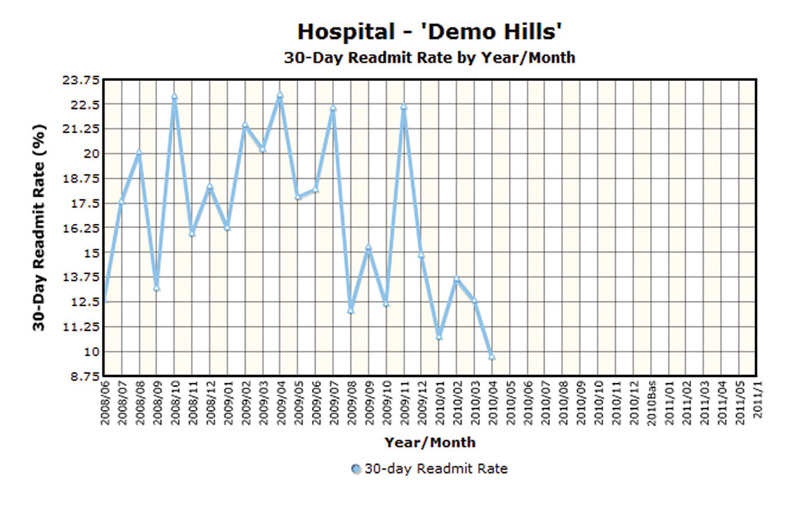
Educational Resources Get eQUIPS Users Started
Regardless of how far a hospital has advanced its programs, the educational materials that come with the subscription take hospitalists through the best in evidence-based medicine to address care transitions, VTE, and glycemic control, essentially forming a toolkit of relevant journal articles, presentations, step-by-step implementation guides, clinical tools, program files submitted by participants, and on-demand educational webinars facilitated by content experts.
Analysis and Reporting
Most experts agree that tracking and reporting results are the linchpins of QI programs. eQUIPS makes it easier with secure online tools for recording, benchmarking, process management, and tracking milestones.
Plus, eQUIPS enables hospitalists to compare their programs to others across the country. By uploading performance data to the secure eQUIPS data center for performance tracking, hospitals can analyze and compare outcomes from their programs to other eQUIPS sites and national norms (see Figure 1).
And hospitalists can assure their hospitals’ legal staffs that SHM has taken steps to ensure HIPAA compliance through third-party reviews. eQUIPS subscribers log into the site through a secured-password authentication similar to those of other online public health and financial institutions. In addition, SHM’s QI programs have earned the Patient Safety Organization (PSO) designation from the Agency for Healthcare Research and Quality (AHRQ), which makes it easier for hospitals to share performance data with SHM.
Real-Time Collaboration
Every hospital faces unique challenges, but they also have much in common when it comes to implementing new programs. As eQUIPS subscribers join, they can share their QI experiences and ask others for feedback in finding solutions.
The eQUIPS community website feature serves as a central, on-demand repository for sharing documents and educational materials, while the online workspace enables hospitalists to collaborate in real time by posting documents and editing them with other participating eQUIPS sites.
eQUIPS also brings collaboration right to users’ inboxes. Access to QI listservs has been a productive way for hospitalists to connect and benefit from the collective experience of the group; it’s a key component of the eQUIPS programs.
For Rogers, eQUIPS and its collaborative tools are a logistical extension of SHM’s successful QI track record. TH
Brendon Shank is assistant vice president of communications for SHM.
With more than 250 hospitals adopting them in the last three years, SHM’s mentored implementation programs make a compelling case for the need to address care transitions, improve the management of diabetes, and prevent VTEs in hospitalized patients. And early results from the sites show that the mentored implementation model, with its combination of a best-practices toolkit and individualized support from national experts, can make a real difference.
“Quality improvement (QI) is the niche of hospital medicine; our mentored implementation programs have achieved both the goals of improving care in a clinical area nationwide as well as creating quality improvement leaders within our ranks,” says Kendall M. Rogers, MD, CPE, FACP, SFHM, associate professor of medicine and hospital medicine section chief at the University of New Mexico Health Sciences Center’s Department of Internal Medicine.
That’s the reasoning behind SHM’s new eQUIPS program. In essence, eQUIPS (Electronic Quality Improvement Programs) is SHM’s proven mentored implementation program, but without the mentor. Participants can access the same educational tools and resources, the same data center for tracking performance, and participate in the same online collaborative available to mentored implementation sites.
“SHM’s eQUIPS program takes the collective knowledge from the programs and offers it as a self-guided program that includes robust data collection and display programs,” Dr. Rogers says. “It will allow hospital quality-improvement teams more time to focus on driving change through the effective use of data, rather than spending their time trying to get the data.”
eQUIPS empowers hospitalists to move forward on valuable QI programs at their own pace, at any time. Hospitalists begin with the confidence that an entire community of likeminded physicians is supporting them, sharing their information, challenges, and successes.
Now, hospitalists can bring best practices to their hospitals and show their directors and executive leadership that they are on the cutting edge of addressing some of the most pervasive challenges in today’s hospitals.
Although they share a similar approach, each of eQUIPS’ three programs tackles the individual challenges of care transitions, VTE, and glycemic control separately. Hospitals can subscribe to any combination of the three topics.
Because eQUIPS is meant for year-after-year use and designed so that its utility grows along with its user base, access to eQUIPS is based on a yearly subscription model. The first year of access to eQUIPS is $2,500, which includes a one-time technology start-up fee. Each following year’s subscription is $1,500.
Hospitalists can apply for eQUIPS at www.hospitalmedicine.org/equips.
Educational Resources Get eQUIPS Users Started
Regardless of how far a hospital has advanced its programs, the educational materials that come with the subscription take hospitalists through the best in evidence-based medicine to address care transitions, VTE, and glycemic control, essentially forming a toolkit of relevant journal articles, presentations, step-by-step implementation guides, clinical tools, program files submitted by participants, and on-demand educational webinars facilitated by content experts.
Analysis and Reporting
Most experts agree that tracking and reporting results are the linchpins of QI programs. eQUIPS makes it easier with secure online tools for recording, benchmarking, process management, and tracking milestones.
Plus, eQUIPS enables hospitalists to compare their programs to others across the country. By uploading performance data to the secure eQUIPS data center for performance tracking, hospitals can analyze and compare outcomes from their programs to other eQUIPS sites and national norms (see Figure 1).
And hospitalists can assure their hospitals’ legal staffs that SHM has taken steps to ensure HIPAA compliance through third-party reviews. eQUIPS subscribers log into the site through a secured-password authentication similar to those of other online public health and financial institutions. In addition, SHM’s QI programs have earned the Patient Safety Organization (PSO) designation from the Agency for Healthcare Research and Quality (AHRQ), which makes it easier for hospitals to share performance data with SHM.
Real-Time Collaboration
Every hospital faces unique challenges, but they also have much in common when it comes to implementing new programs. As eQUIPS subscribers join, they can share their QI experiences and ask others for feedback in finding solutions.
The eQUIPS community website feature serves as a central, on-demand repository for sharing documents and educational materials, while the online workspace enables hospitalists to collaborate in real time by posting documents and editing them with other participating eQUIPS sites.
eQUIPS also brings collaboration right to users’ inboxes. Access to QI listservs has been a productive way for hospitalists to connect and benefit from the collective experience of the group; it’s a key component of the eQUIPS programs.
For Rogers, eQUIPS and its collaborative tools are a logistical extension of SHM’s successful QI track record. TH
Brendon Shank is assistant vice president of communications for SHM.
With more than 250 hospitals adopting them in the last three years, SHM’s mentored implementation programs make a compelling case for the need to address care transitions, improve the management of diabetes, and prevent VTEs in hospitalized patients. And early results from the sites show that the mentored implementation model, with its combination of a best-practices toolkit and individualized support from national experts, can make a real difference.
“Quality improvement (QI) is the niche of hospital medicine; our mentored implementation programs have achieved both the goals of improving care in a clinical area nationwide as well as creating quality improvement leaders within our ranks,” says Kendall M. Rogers, MD, CPE, FACP, SFHM, associate professor of medicine and hospital medicine section chief at the University of New Mexico Health Sciences Center’s Department of Internal Medicine.
That’s the reasoning behind SHM’s new eQUIPS program. In essence, eQUIPS (Electronic Quality Improvement Programs) is SHM’s proven mentored implementation program, but without the mentor. Participants can access the same educational tools and resources, the same data center for tracking performance, and participate in the same online collaborative available to mentored implementation sites.
“SHM’s eQUIPS program takes the collective knowledge from the programs and offers it as a self-guided program that includes robust data collection and display programs,” Dr. Rogers says. “It will allow hospital quality-improvement teams more time to focus on driving change through the effective use of data, rather than spending their time trying to get the data.”
eQUIPS empowers hospitalists to move forward on valuable QI programs at their own pace, at any time. Hospitalists begin with the confidence that an entire community of likeminded physicians is supporting them, sharing their information, challenges, and successes.
Now, hospitalists can bring best practices to their hospitals and show their directors and executive leadership that they are on the cutting edge of addressing some of the most pervasive challenges in today’s hospitals.
Although they share a similar approach, each of eQUIPS’ three programs tackles the individual challenges of care transitions, VTE, and glycemic control separately. Hospitals can subscribe to any combination of the three topics.
Because eQUIPS is meant for year-after-year use and designed so that its utility grows along with its user base, access to eQUIPS is based on a yearly subscription model. The first year of access to eQUIPS is $2,500, which includes a one-time technology start-up fee. Each following year’s subscription is $1,500.
Hospitalists can apply for eQUIPS at www.hospitalmedicine.org/equips.
Educational Resources Get eQUIPS Users Started
Regardless of how far a hospital has advanced its programs, the educational materials that come with the subscription take hospitalists through the best in evidence-based medicine to address care transitions, VTE, and glycemic control, essentially forming a toolkit of relevant journal articles, presentations, step-by-step implementation guides, clinical tools, program files submitted by participants, and on-demand educational webinars facilitated by content experts.
Analysis and Reporting
Most experts agree that tracking and reporting results are the linchpins of QI programs. eQUIPS makes it easier with secure online tools for recording, benchmarking, process management, and tracking milestones.
Plus, eQUIPS enables hospitalists to compare their programs to others across the country. By uploading performance data to the secure eQUIPS data center for performance tracking, hospitals can analyze and compare outcomes from their programs to other eQUIPS sites and national norms (see Figure 1).
And hospitalists can assure their hospitals’ legal staffs that SHM has taken steps to ensure HIPAA compliance through third-party reviews. eQUIPS subscribers log into the site through a secured-password authentication similar to those of other online public health and financial institutions. In addition, SHM’s QI programs have earned the Patient Safety Organization (PSO) designation from the Agency for Healthcare Research and Quality (AHRQ), which makes it easier for hospitals to share performance data with SHM.
Real-Time Collaboration
Every hospital faces unique challenges, but they also have much in common when it comes to implementing new programs. As eQUIPS subscribers join, they can share their QI experiences and ask others for feedback in finding solutions.
The eQUIPS community website feature serves as a central, on-demand repository for sharing documents and educational materials, while the online workspace enables hospitalists to collaborate in real time by posting documents and editing them with other participating eQUIPS sites.
eQUIPS also brings collaboration right to users’ inboxes. Access to QI listservs has been a productive way for hospitalists to connect and benefit from the collective experience of the group; it’s a key component of the eQUIPS programs.
For Rogers, eQUIPS and its collaborative tools are a logistical extension of SHM’s successful QI track record. TH
Brendon Shank is assistant vice president of communications for SHM.
POLICY CORNER: SHM Pledges Support to Patient-Safety Initiative

On April 12, U.S. Department of Health and Human Services (HHS) Secretary Kathleen Sebelius joined the Centers for Medicare & Medicaid Services (CMS) administrator Donald Berwick, MD, in announcing a major patient-safety initiative bringing together hospitals, clinicians, consumers, employers, federal and state governments, and many more groups around two common goals: reducing harm caused to patients in hospitals and reducing hospital readmissions.
SHM was one of the first physician groups to sign on to the Pledge of Support, which aims to reduce hospital-acquired conditions by 40% and decrease preventable readmissions within 30 days of discharge by 20%, both by the end of 2013.
The pledge includes specific expectations for each of the different healthcare entities signing on. By signing, SHM agrees on behalf of hospitalists that they will work together to redesign activities within the hospital to reduce harm, learn from experiences and share best practices, and engage with patients and families to implement practices that foster more patient-centered care that improves safety, communication, and care coordination.
HHS is committing a total of $1 billion from the Patient Protection and Affordable Care Act of 2010 (ACA) to support hospitals and other providers in their efforts to reach these goals. Of the funding, $500 million will come through the Community-Based Care Transitions Program (CCTP) created in the ACA to help community-based organizations partnering with eligible hospitals to improve transitions between settings of care. The other $500 million will come from the Centers for Medicare and Medicaid Innovation (CMMI) to test different models of improving patient care, patient engagement, and collaboration in order to reduce hospital-acquired conditions and improve care transitions nationwide.
The partnership takes the best ideas from the public and private sectors and accelerates their spread to achieve a safer, higher-quality healthcare system for all Americans. It aligns Dr. Berwick’s triple aim (improve care, improve people’s health, and reduce the overall cost of healthcare) with SHM’s efforts to improve quality and patient safety through innovation and collaboration.
SHM’s Project BOOST (www.hospitalmedicine.org/boost) is listed in the solicitation for applications for the CCTP, and SHM’s VTE resource room is among the resources posted on the partnership website.
For more information on the initiative, visit www.healthcare.gov. TH
On April 12, U.S. Department of Health and Human Services (HHS) Secretary Kathleen Sebelius joined the Centers for Medicare & Medicaid Services (CMS) administrator Donald Berwick, MD, in announcing a major patient-safety initiative bringing together hospitals, clinicians, consumers, employers, federal and state governments, and many more groups around two common goals: reducing harm caused to patients in hospitals and reducing hospital readmissions.
SHM was one of the first physician groups to sign on to the Pledge of Support, which aims to reduce hospital-acquired conditions by 40% and decrease preventable readmissions within 30 days of discharge by 20%, both by the end of 2013.
The pledge includes specific expectations for each of the different healthcare entities signing on. By signing, SHM agrees on behalf of hospitalists that they will work together to redesign activities within the hospital to reduce harm, learn from experiences and share best practices, and engage with patients and families to implement practices that foster more patient-centered care that improves safety, communication, and care coordination.
HHS is committing a total of $1 billion from the Patient Protection and Affordable Care Act of 2010 (ACA) to support hospitals and other providers in their efforts to reach these goals. Of the funding, $500 million will come through the Community-Based Care Transitions Program (CCTP) created in the ACA to help community-based organizations partnering with eligible hospitals to improve transitions between settings of care. The other $500 million will come from the Centers for Medicare and Medicaid Innovation (CMMI) to test different models of improving patient care, patient engagement, and collaboration in order to reduce hospital-acquired conditions and improve care transitions nationwide.
The partnership takes the best ideas from the public and private sectors and accelerates their spread to achieve a safer, higher-quality healthcare system for all Americans. It aligns Dr. Berwick’s triple aim (improve care, improve people’s health, and reduce the overall cost of healthcare) with SHM’s efforts to improve quality and patient safety through innovation and collaboration.
SHM’s Project BOOST (www.hospitalmedicine.org/boost) is listed in the solicitation for applications for the CCTP, and SHM’s VTE resource room is among the resources posted on the partnership website.
For more information on the initiative, visit www.healthcare.gov. TH
On April 12, U.S. Department of Health and Human Services (HHS) Secretary Kathleen Sebelius joined the Centers for Medicare & Medicaid Services (CMS) administrator Donald Berwick, MD, in announcing a major patient-safety initiative bringing together hospitals, clinicians, consumers, employers, federal and state governments, and many more groups around two common goals: reducing harm caused to patients in hospitals and reducing hospital readmissions.
SHM was one of the first physician groups to sign on to the Pledge of Support, which aims to reduce hospital-acquired conditions by 40% and decrease preventable readmissions within 30 days of discharge by 20%, both by the end of 2013.
The pledge includes specific expectations for each of the different healthcare entities signing on. By signing, SHM agrees on behalf of hospitalists that they will work together to redesign activities within the hospital to reduce harm, learn from experiences and share best practices, and engage with patients and families to implement practices that foster more patient-centered care that improves safety, communication, and care coordination.
HHS is committing a total of $1 billion from the Patient Protection and Affordable Care Act of 2010 (ACA) to support hospitals and other providers in their efforts to reach these goals. Of the funding, $500 million will come through the Community-Based Care Transitions Program (CCTP) created in the ACA to help community-based organizations partnering with eligible hospitals to improve transitions between settings of care. The other $500 million will come from the Centers for Medicare and Medicaid Innovation (CMMI) to test different models of improving patient care, patient engagement, and collaboration in order to reduce hospital-acquired conditions and improve care transitions nationwide.
The partnership takes the best ideas from the public and private sectors and accelerates their spread to achieve a safer, higher-quality healthcare system for all Americans. It aligns Dr. Berwick’s triple aim (improve care, improve people’s health, and reduce the overall cost of healthcare) with SHM’s efforts to improve quality and patient safety through innovation and collaboration.
SHM’s Project BOOST (www.hospitalmedicine.org/boost) is listed in the solicitation for applications for the CCTP, and SHM’s VTE resource room is among the resources posted on the partnership website.
For more information on the initiative, visit www.healthcare.gov. TH
Hospitalists on the Move: June 2011


Robert Harrington Jr., MD, SFHM, and Erin Stucky Fisher, MD, MHM, have been elected to SHM’s board of directors. Dr. Harrington, chief medical officer for Locum Leaders, serves as chair of SHM’s Family Medicine Task Force and board liaison to the IT Core Committee. Dr. Fisher, professor of clinical pediatrics at the University of California at San Diego, is actively involved with quality initiatives for the American Academy of Pediatrics, the Institute for Healthcare Improvement, and the National Association of Children’s Hospitals.
Jasen W. Gundersen, MD, MBA, CPE, SFHM, has been appointed chief medical officer for TeamHealth Hospital Medicine.
IPC: The Hospitalist Company Inc. has appointed Kerry Weiner, MD, to the newly created position of chief clinical officer. Dr. Weiner will lead the clinical functions of the company and continue the development of hospitalist leaders throughout IPC.

Steven Pantilat, MD, FACP, SFHM, has received a 2011 James Irvine Foundation Leadership Award. Dr. Pantilat, one of five recipients, is professor of clinical medicine, the Alan M. Kates and John M. Burnard Endowed Chair in Palliative Care, and director of the Palliative Care Leadership Center at UCSF. Now in its sixth year, the award celebrates extraordinary leaders who are applying innovative and effective solutions to significant state issues. Dr. Pantilat, a past SHM president, will receive $125,000 in organizational support.
Hospitalist Patrick O’Neil, DO, has been named Lake Regional Health System’s 2011 Physician of the Year. The 116-bed health system serves 1,300 employees in the Land of the Ozarks, Mo., area.
Hospitalist Wiley Robinson, MD, has been named president-elect of the Tennessee Medical Association and will head the organization for 2012-2013. An internal-medicine specialist, Dr. Robinson is cofounder and president of Inpatient Physicians of the Mid-South, a Memphis-based hospitalist group.

The Association of Specialty Professors announced Robert M. Wachter, MD, MHM, will receive the 2011 ASP Eric G. Neilson, MD, Distinguished Professor Award. Dr. Wachter is professor of medicine and the Marc and Lynne Benioff Endowed Chair in Hospital Medicine at the University of California at San Francisco (UCSF) School of Medicine, and a past president of SHM. The Neilson Award is presented annually to a leader who has shaped the internal-medicine landscape and promotes the work of leaders who bring about change for specialty medicine. TH
Robert Harrington Jr., MD, SFHM, and Erin Stucky Fisher, MD, MHM, have been elected to SHM’s board of directors. Dr. Harrington, chief medical officer for Locum Leaders, serves as chair of SHM’s Family Medicine Task Force and board liaison to the IT Core Committee. Dr. Fisher, professor of clinical pediatrics at the University of California at San Diego, is actively involved with quality initiatives for the American Academy of Pediatrics, the Institute for Healthcare Improvement, and the National Association of Children’s Hospitals.
Jasen W. Gundersen, MD, MBA, CPE, SFHM, has been appointed chief medical officer for TeamHealth Hospital Medicine.
IPC: The Hospitalist Company Inc. has appointed Kerry Weiner, MD, to the newly created position of chief clinical officer. Dr. Weiner will lead the clinical functions of the company and continue the development of hospitalist leaders throughout IPC.
Steven Pantilat, MD, FACP, SFHM, has received a 2011 James Irvine Foundation Leadership Award. Dr. Pantilat, one of five recipients, is professor of clinical medicine, the Alan M. Kates and John M. Burnard Endowed Chair in Palliative Care, and director of the Palliative Care Leadership Center at UCSF. Now in its sixth year, the award celebrates extraordinary leaders who are applying innovative and effective solutions to significant state issues. Dr. Pantilat, a past SHM president, will receive $125,000 in organizational support.
Hospitalist Patrick O’Neil, DO, has been named Lake Regional Health System’s 2011 Physician of the Year. The 116-bed health system serves 1,300 employees in the Land of the Ozarks, Mo., area.
Hospitalist Wiley Robinson, MD, has been named president-elect of the Tennessee Medical Association and will head the organization for 2012-2013. An internal-medicine specialist, Dr. Robinson is cofounder and president of Inpatient Physicians of the Mid-South, a Memphis-based hospitalist group.
The Association of Specialty Professors announced Robert M. Wachter, MD, MHM, will receive the 2011 ASP Eric G. Neilson, MD, Distinguished Professor Award. Dr. Wachter is professor of medicine and the Marc and Lynne Benioff Endowed Chair in Hospital Medicine at the University of California at San Francisco (UCSF) School of Medicine, and a past president of SHM. The Neilson Award is presented annually to a leader who has shaped the internal-medicine landscape and promotes the work of leaders who bring about change for specialty medicine. TH
Robert Harrington Jr., MD, SFHM, and Erin Stucky Fisher, MD, MHM, have been elected to SHM’s board of directors. Dr. Harrington, chief medical officer for Locum Leaders, serves as chair of SHM’s Family Medicine Task Force and board liaison to the IT Core Committee. Dr. Fisher, professor of clinical pediatrics at the University of California at San Diego, is actively involved with quality initiatives for the American Academy of Pediatrics, the Institute for Healthcare Improvement, and the National Association of Children’s Hospitals.
Jasen W. Gundersen, MD, MBA, CPE, SFHM, has been appointed chief medical officer for TeamHealth Hospital Medicine.
IPC: The Hospitalist Company Inc. has appointed Kerry Weiner, MD, to the newly created position of chief clinical officer. Dr. Weiner will lead the clinical functions of the company and continue the development of hospitalist leaders throughout IPC.
Steven Pantilat, MD, FACP, SFHM, has received a 2011 James Irvine Foundation Leadership Award. Dr. Pantilat, one of five recipients, is professor of clinical medicine, the Alan M. Kates and John M. Burnard Endowed Chair in Palliative Care, and director of the Palliative Care Leadership Center at UCSF. Now in its sixth year, the award celebrates extraordinary leaders who are applying innovative and effective solutions to significant state issues. Dr. Pantilat, a past SHM president, will receive $125,000 in organizational support.
Hospitalist Patrick O’Neil, DO, has been named Lake Regional Health System’s 2011 Physician of the Year. The 116-bed health system serves 1,300 employees in the Land of the Ozarks, Mo., area.
Hospitalist Wiley Robinson, MD, has been named president-elect of the Tennessee Medical Association and will head the organization for 2012-2013. An internal-medicine specialist, Dr. Robinson is cofounder and president of Inpatient Physicians of the Mid-South, a Memphis-based hospitalist group.
The Association of Specialty Professors announced Robert M. Wachter, MD, MHM, will receive the 2011 ASP Eric G. Neilson, MD, Distinguished Professor Award. Dr. Wachter is professor of medicine and the Marc and Lynne Benioff Endowed Chair in Hospital Medicine at the University of California at San Francisco (UCSF) School of Medicine, and a past president of SHM. The Neilson Award is presented annually to a leader who has shaped the internal-medicine landscape and promotes the work of leaders who bring about change for specialty medicine. TH