User login
Edoxaban noninferior to dalteparin for VTE in cancer

ATLANTA—Edoxaban is noninferior to dalteparin for the treatment of cancer-associated venous thromboembolism (VTE), a phase 3 study suggests.
In the Hokusai-VTE CANCER study, patients who received edoxaban had a lower rate of VTE recurrence but a higher rate of major bleeding than patients who received dalteparin.
Rates of VTE recurrence and major bleeding combined were similar between the treatment groups, as were rates of survival free from VTE or major bleeding.
Gary E. Raskob, PhD, of the University of Oklahoma Health Sciences Center in Oklahoma City, presented these results at the 2017 ASH Annual Meeting (LBA-6).
Results were simultaneously published in NEJM. The study was funded by Daiichi Sankyo.
Patients and treatment
Hokusai-VTE CANCER enrolled 1050 adult cancer patients with acute VTE confirmed by imaging. Patients had either active cancer or had been diagnosed with cancer within 2 years from study enrollment. Patients with basal-cell or squamous-cell skin cancer were excluded.
Patients were randomized to receive edoxaban or dalteparin for at least 6 months and up to 12 months.
Edoxaban was given at 60 mg once daily (reduced to 30 mg for patients with creatinine clearance 30-50 mL/min, body weight ≤ 60 kg, or concomitant use of P-glycoprotein inhibitors), following treatment with low-molecular-weight heparin for at least 5 days.
Dalteparin was given at 200 IU/kg once daily for 30 days, then at 150 IU/kg once daily for the remainder of the study.
The median treatment duration was 211 days (interquartile range, 76 to 357) in the edoxaban arm and 184 days (interquartile range, 85 to 341) in the dalteparin arm.
Baseline characteristics were similar between the treatment arms. The median age was 64 in both arms, and about half of patients in each arm were male.
Roughly 98% of patients in each arm had active cancer, 53% had metastatic disease, 29% (dalteparin) and 31% (edoxaban) had recurrent cancer, and 72% (edoxaban) and 73% (dalteparin) had received cancer treatment in the previous 4 weeks.
About 63% of patients in each arm had pulmonary embolism (PE) with or without deep-vein thrombosis (DVT), and 37% had DVT only.
About 18% of patients had 0 risk factors for bleeding, 28% (edoxaban) and 29% (dalteparin) had 1 risk factor, 30% (dalteparin) and 33% (edoxaban) had 2 risk factors, and 21% (edoxaban) and 23% (dalteparin) had 3 or more risk factors for bleeding.
Results
The study’s primary outcome was a composite of first recurrent VTE and major bleeding event during the 12 months after randomization, regardless of treatment duration.
This outcome occurred in 12.8% (67/522) of patients in the edoxaban arm and 13.5% (71/524) of patients in the dalteparin arm. The hazard ratio (HR) with edoxaban was 0.97 (P=0.006 for non-inferiority, P=0.87 for superiority).
“Oral edoxaban is noninferior to subcutaneous dalteparin for the primary outcome of recurrent VTE or major bleeding,” Dr Raskob noted. “The lower rate of recurrent VTE observed with edoxaban was offset by a similar increase in the risk of major bleeding.”
The rate of recurrent VTE during the 12-month study period was 7.9% (n=41) in the edoxaban arm and 11.3% (n=59) in the dalteparin arm (HR=0.71, P=0.09). The rates of recurrent DVT were 3.6% and 6.7%, respectively (HR=0.56), and the rates of recurrent PE were 5.2% and 5.3%, respectively (HR=1.00).
The rate of major bleeding during the 12-month period was 6.9% (n=36) in the edoxaban arm and 4.0% (n=21) in the dalteparin arm (HR=1.77, P=0.04). The rates of clinically relevant nonmajor bleeding were 14.6% and 11.1%, respectively (HR=1.38), and the rates of major or clinically relevant nonmajor bleeding were 18.6% and 13.9%, respectively (HR=1.40).
“There was more upper GI [gastrointestinal] bleeding with edoxaban,” Dr Raskob noted. “It occurred predominantly in patients with GI cancer at the time of entry in the study.”
Death from any cause occurred in 39.5% of patients in the edoxaban arm and 36.6% of patients in the dalteparin arm (HR=1.12).
The rate of event-free survival (absence of recurrent VTE, major bleeding, and death) was 55.0% in the edoxaban arm and 56.5% in the dalteparin arm (HR=0.93).
“The bottom line for patients and oncologists is, ‘Does the patient survive free of these complications?’” Dr Raskob said. “Survival free of recurrent VTE or major bleeding was similar with these regimens.” 
ATLANTA—Edoxaban is noninferior to dalteparin for the treatment of cancer-associated venous thromboembolism (VTE), a phase 3 study suggests.
In the Hokusai-VTE CANCER study, patients who received edoxaban had a lower rate of VTE recurrence but a higher rate of major bleeding than patients who received dalteparin.
Rates of VTE recurrence and major bleeding combined were similar between the treatment groups, as were rates of survival free from VTE or major bleeding.
Gary E. Raskob, PhD, of the University of Oklahoma Health Sciences Center in Oklahoma City, presented these results at the 2017 ASH Annual Meeting (LBA-6).
Results were simultaneously published in NEJM. The study was funded by Daiichi Sankyo.
Patients and treatment
Hokusai-VTE CANCER enrolled 1050 adult cancer patients with acute VTE confirmed by imaging. Patients had either active cancer or had been diagnosed with cancer within 2 years from study enrollment. Patients with basal-cell or squamous-cell skin cancer were excluded.
Patients were randomized to receive edoxaban or dalteparin for at least 6 months and up to 12 months.
Edoxaban was given at 60 mg once daily (reduced to 30 mg for patients with creatinine clearance 30-50 mL/min, body weight ≤ 60 kg, or concomitant use of P-glycoprotein inhibitors), following treatment with low-molecular-weight heparin for at least 5 days.
Dalteparin was given at 200 IU/kg once daily for 30 days, then at 150 IU/kg once daily for the remainder of the study.
The median treatment duration was 211 days (interquartile range, 76 to 357) in the edoxaban arm and 184 days (interquartile range, 85 to 341) in the dalteparin arm.
Baseline characteristics were similar between the treatment arms. The median age was 64 in both arms, and about half of patients in each arm were male.
Roughly 98% of patients in each arm had active cancer, 53% had metastatic disease, 29% (dalteparin) and 31% (edoxaban) had recurrent cancer, and 72% (edoxaban) and 73% (dalteparin) had received cancer treatment in the previous 4 weeks.
About 63% of patients in each arm had pulmonary embolism (PE) with or without deep-vein thrombosis (DVT), and 37% had DVT only.
About 18% of patients had 0 risk factors for bleeding, 28% (edoxaban) and 29% (dalteparin) had 1 risk factor, 30% (dalteparin) and 33% (edoxaban) had 2 risk factors, and 21% (edoxaban) and 23% (dalteparin) had 3 or more risk factors for bleeding.
Results
The study’s primary outcome was a composite of first recurrent VTE and major bleeding event during the 12 months after randomization, regardless of treatment duration.
This outcome occurred in 12.8% (67/522) of patients in the edoxaban arm and 13.5% (71/524) of patients in the dalteparin arm. The hazard ratio (HR) with edoxaban was 0.97 (P=0.006 for non-inferiority, P=0.87 for superiority).
“Oral edoxaban is noninferior to subcutaneous dalteparin for the primary outcome of recurrent VTE or major bleeding,” Dr Raskob noted. “The lower rate of recurrent VTE observed with edoxaban was offset by a similar increase in the risk of major bleeding.”
The rate of recurrent VTE during the 12-month study period was 7.9% (n=41) in the edoxaban arm and 11.3% (n=59) in the dalteparin arm (HR=0.71, P=0.09). The rates of recurrent DVT were 3.6% and 6.7%, respectively (HR=0.56), and the rates of recurrent PE were 5.2% and 5.3%, respectively (HR=1.00).
The rate of major bleeding during the 12-month period was 6.9% (n=36) in the edoxaban arm and 4.0% (n=21) in the dalteparin arm (HR=1.77, P=0.04). The rates of clinically relevant nonmajor bleeding were 14.6% and 11.1%, respectively (HR=1.38), and the rates of major or clinically relevant nonmajor bleeding were 18.6% and 13.9%, respectively (HR=1.40).
“There was more upper GI [gastrointestinal] bleeding with edoxaban,” Dr Raskob noted. “It occurred predominantly in patients with GI cancer at the time of entry in the study.”
Death from any cause occurred in 39.5% of patients in the edoxaban arm and 36.6% of patients in the dalteparin arm (HR=1.12).
The rate of event-free survival (absence of recurrent VTE, major bleeding, and death) was 55.0% in the edoxaban arm and 56.5% in the dalteparin arm (HR=0.93).
“The bottom line for patients and oncologists is, ‘Does the patient survive free of these complications?’” Dr Raskob said. “Survival free of recurrent VTE or major bleeding was similar with these regimens.”
ATLANTA—Edoxaban is noninferior to dalteparin for the treatment of cancer-associated venous thromboembolism (VTE), a phase 3 study suggests.
In the Hokusai-VTE CANCER study, patients who received edoxaban had a lower rate of VTE recurrence but a higher rate of major bleeding than patients who received dalteparin.
Rates of VTE recurrence and major bleeding combined were similar between the treatment groups, as were rates of survival free from VTE or major bleeding.
Gary E. Raskob, PhD, of the University of Oklahoma Health Sciences Center in Oklahoma City, presented these results at the 2017 ASH Annual Meeting (LBA-6).
Results were simultaneously published in NEJM. The study was funded by Daiichi Sankyo.
Patients and treatment
Hokusai-VTE CANCER enrolled 1050 adult cancer patients with acute VTE confirmed by imaging. Patients had either active cancer or had been diagnosed with cancer within 2 years from study enrollment. Patients with basal-cell or squamous-cell skin cancer were excluded.
Patients were randomized to receive edoxaban or dalteparin for at least 6 months and up to 12 months.
Edoxaban was given at 60 mg once daily (reduced to 30 mg for patients with creatinine clearance 30-50 mL/min, body weight ≤ 60 kg, or concomitant use of P-glycoprotein inhibitors), following treatment with low-molecular-weight heparin for at least 5 days.
Dalteparin was given at 200 IU/kg once daily for 30 days, then at 150 IU/kg once daily for the remainder of the study.
The median treatment duration was 211 days (interquartile range, 76 to 357) in the edoxaban arm and 184 days (interquartile range, 85 to 341) in the dalteparin arm.
Baseline characteristics were similar between the treatment arms. The median age was 64 in both arms, and about half of patients in each arm were male.
Roughly 98% of patients in each arm had active cancer, 53% had metastatic disease, 29% (dalteparin) and 31% (edoxaban) had recurrent cancer, and 72% (edoxaban) and 73% (dalteparin) had received cancer treatment in the previous 4 weeks.
About 63% of patients in each arm had pulmonary embolism (PE) with or without deep-vein thrombosis (DVT), and 37% had DVT only.
About 18% of patients had 0 risk factors for bleeding, 28% (edoxaban) and 29% (dalteparin) had 1 risk factor, 30% (dalteparin) and 33% (edoxaban) had 2 risk factors, and 21% (edoxaban) and 23% (dalteparin) had 3 or more risk factors for bleeding.
Results
The study’s primary outcome was a composite of first recurrent VTE and major bleeding event during the 12 months after randomization, regardless of treatment duration.
This outcome occurred in 12.8% (67/522) of patients in the edoxaban arm and 13.5% (71/524) of patients in the dalteparin arm. The hazard ratio (HR) with edoxaban was 0.97 (P=0.006 for non-inferiority, P=0.87 for superiority).
“Oral edoxaban is noninferior to subcutaneous dalteparin for the primary outcome of recurrent VTE or major bleeding,” Dr Raskob noted. “The lower rate of recurrent VTE observed with edoxaban was offset by a similar increase in the risk of major bleeding.”
The rate of recurrent VTE during the 12-month study period was 7.9% (n=41) in the edoxaban arm and 11.3% (n=59) in the dalteparin arm (HR=0.71, P=0.09). The rates of recurrent DVT were 3.6% and 6.7%, respectively (HR=0.56), and the rates of recurrent PE were 5.2% and 5.3%, respectively (HR=1.00).
The rate of major bleeding during the 12-month period was 6.9% (n=36) in the edoxaban arm and 4.0% (n=21) in the dalteparin arm (HR=1.77, P=0.04). The rates of clinically relevant nonmajor bleeding were 14.6% and 11.1%, respectively (HR=1.38), and the rates of major or clinically relevant nonmajor bleeding were 18.6% and 13.9%, respectively (HR=1.40).
“There was more upper GI [gastrointestinal] bleeding with edoxaban,” Dr Raskob noted. “It occurred predominantly in patients with GI cancer at the time of entry in the study.”
Death from any cause occurred in 39.5% of patients in the edoxaban arm and 36.6% of patients in the dalteparin arm (HR=1.12).
The rate of event-free survival (absence of recurrent VTE, major bleeding, and death) was 55.0% in the edoxaban arm and 56.5% in the dalteparin arm (HR=0.93).
“The bottom line for patients and oncologists is, ‘Does the patient survive free of these complications?’” Dr Raskob said. “Survival free of recurrent VTE or major bleeding was similar with these regimens.”

FDA lifts clinical hold on fitusiran trials

The US Food and Drug Administration (FDA) has lifted the hold on clinical trials of fitusiran, an RNAi therapeutic being developed to treat patients with hemophilia A and B, with and without inhibitors.
The hold encompassed a phase 2 open-label extension study and the ATLAS phase 3 program, which includes 3 separate trials.
Dosing was suspended in these trials after a fatal thrombotic event was reported in a patient enrolled on the phase 2 trial.
The patient had hemophilia A without inhibitors. He developed exercise-induced right hip pain that was treated with 3 doses of factor VIII concentrate (31-46 IU/kg) on 3 separate days.
The patient then developed a cerebral venous sinus thrombosis that was considered possibly related to treatment. He ultimately died of cerebral edema.
As a result of this death, Alnylam Pharmaceuticals, Inc., (the company developing fitusiran with Sanofi Genzyme) announced the hold on fitusiran trials in September.
Since then, Alnylam has reached an agreement with the FDA on new clinical risk mitigation measures for fitusiran trials. This includes protocol-specified guidelines and additional investigator and patient education concerning reduced doses of replacement factor or bypassing agent to treat any breakthrough bleeds in fitusiran studies.
With these protocol amendments in place and clinical materials updated, the FDA has lifted the hold on fitusiran trials.
“We are pleased with the FDA’s decision to lift the clinical hold, as fitusiran holds the potential to help improve the lives of people living with hemophilia,” said Akin Akinc, PhD, vice-president and general manager of fitusiran at Alnylam.
“With the additional risk mitigation measures in place, we look forward to the continued late-stage development of fitusiran and expect to resume dosing around year-end.”
About fitusiran
Fitusiran is an investigational, once-monthly, subcutaneously administered RNAi therapeutic targeting antithrombin. It is in development for the treatment of hemophilia A and B, with and without inhibitors.
Fitusiran is designed to lower levels of antithrombin with the goal of promoting sufficient thrombin generation to restore hemostasis and prevent bleeding.
Fitusiran is under investigation in a phase 2 open-label extension study of patients with moderate or severe hemophilia A or B who have participated in a previous clinical study of fitusiran.
The therapy is also being tested in the phase 3 ATLAS program, which includes 3 trials.
The ATLAS-INH trial is a 9-month, randomized, active controlled study designed to enroll approximately 50 patients with hemophilia A or B with inhibitors who received prior on-demand therapy.
The ATLAS-A/B trial is a 9-month, randomized, active controlled study designed to enroll approximately 100 patients with hemophilia A or B without inhibitors who received prior on-demand therapy.
The ATLAS-PPX trial is a one-way crossover study designed to enroll approximately 100 patients with hemophilia A or B, with or without inhibitors, receiving prophylaxis therapy as prior standard of care.
In ATLAS-PPX, patients receive standard of care prophylaxis for 6 months and then transition to fitusiran treatment for 7 months. The study’s primary endpoint is the annualized bleeding rate in the fitusiran period and in the factor/bypassing agent prophylaxis period.
The US Food and Drug Administration (FDA) has lifted the hold on clinical trials of fitusiran, an RNAi therapeutic being developed to treat patients with hemophilia A and B, with and without inhibitors.
The hold encompassed a phase 2 open-label extension study and the ATLAS phase 3 program, which includes 3 separate trials.
Dosing was suspended in these trials after a fatal thrombotic event was reported in a patient enrolled on the phase 2 trial.
The patient had hemophilia A without inhibitors. He developed exercise-induced right hip pain that was treated with 3 doses of factor VIII concentrate (31-46 IU/kg) on 3 separate days.
The patient then developed a cerebral venous sinus thrombosis that was considered possibly related to treatment. He ultimately died of cerebral edema.
As a result of this death, Alnylam Pharmaceuticals, Inc., (the company developing fitusiran with Sanofi Genzyme) announced the hold on fitusiran trials in September.
Since then, Alnylam has reached an agreement with the FDA on new clinical risk mitigation measures for fitusiran trials. This includes protocol-specified guidelines and additional investigator and patient education concerning reduced doses of replacement factor or bypassing agent to treat any breakthrough bleeds in fitusiran studies.
With these protocol amendments in place and clinical materials updated, the FDA has lifted the hold on fitusiran trials.
“We are pleased with the FDA’s decision to lift the clinical hold, as fitusiran holds the potential to help improve the lives of people living with hemophilia,” said Akin Akinc, PhD, vice-president and general manager of fitusiran at Alnylam.
“With the additional risk mitigation measures in place, we look forward to the continued late-stage development of fitusiran and expect to resume dosing around year-end.”
About fitusiran
Fitusiran is an investigational, once-monthly, subcutaneously administered RNAi therapeutic targeting antithrombin. It is in development for the treatment of hemophilia A and B, with and without inhibitors.
Fitusiran is designed to lower levels of antithrombin with the goal of promoting sufficient thrombin generation to restore hemostasis and prevent bleeding.
Fitusiran is under investigation in a phase 2 open-label extension study of patients with moderate or severe hemophilia A or B who have participated in a previous clinical study of fitusiran.
The therapy is also being tested in the phase 3 ATLAS program, which includes 3 trials.
The ATLAS-INH trial is a 9-month, randomized, active controlled study designed to enroll approximately 50 patients with hemophilia A or B with inhibitors who received prior on-demand therapy.
The ATLAS-A/B trial is a 9-month, randomized, active controlled study designed to enroll approximately 100 patients with hemophilia A or B without inhibitors who received prior on-demand therapy.
The ATLAS-PPX trial is a one-way crossover study designed to enroll approximately 100 patients with hemophilia A or B, with or without inhibitors, receiving prophylaxis therapy as prior standard of care.
In ATLAS-PPX, patients receive standard of care prophylaxis for 6 months and then transition to fitusiran treatment for 7 months. The study’s primary endpoint is the annualized bleeding rate in the fitusiran period and in the factor/bypassing agent prophylaxis period.
The US Food and Drug Administration (FDA) has lifted the hold on clinical trials of fitusiran, an RNAi therapeutic being developed to treat patients with hemophilia A and B, with and without inhibitors.
The hold encompassed a phase 2 open-label extension study and the ATLAS phase 3 program, which includes 3 separate trials.
Dosing was suspended in these trials after a fatal thrombotic event was reported in a patient enrolled on the phase 2 trial.
The patient had hemophilia A without inhibitors. He developed exercise-induced right hip pain that was treated with 3 doses of factor VIII concentrate (31-46 IU/kg) on 3 separate days.
The patient then developed a cerebral venous sinus thrombosis that was considered possibly related to treatment. He ultimately died of cerebral edema.
As a result of this death, Alnylam Pharmaceuticals, Inc., (the company developing fitusiran with Sanofi Genzyme) announced the hold on fitusiran trials in September.
Since then, Alnylam has reached an agreement with the FDA on new clinical risk mitigation measures for fitusiran trials. This includes protocol-specified guidelines and additional investigator and patient education concerning reduced doses of replacement factor or bypassing agent to treat any breakthrough bleeds in fitusiran studies.
With these protocol amendments in place and clinical materials updated, the FDA has lifted the hold on fitusiran trials.
“We are pleased with the FDA’s decision to lift the clinical hold, as fitusiran holds the potential to help improve the lives of people living with hemophilia,” said Akin Akinc, PhD, vice-president and general manager of fitusiran at Alnylam.
“With the additional risk mitigation measures in place, we look forward to the continued late-stage development of fitusiran and expect to resume dosing around year-end.”
About fitusiran
Fitusiran is an investigational, once-monthly, subcutaneously administered RNAi therapeutic targeting antithrombin. It is in development for the treatment of hemophilia A and B, with and without inhibitors.
Fitusiran is designed to lower levels of antithrombin with the goal of promoting sufficient thrombin generation to restore hemostasis and prevent bleeding.
Fitusiran is under investigation in a phase 2 open-label extension study of patients with moderate or severe hemophilia A or B who have participated in a previous clinical study of fitusiran.
The therapy is also being tested in the phase 3 ATLAS program, which includes 3 trials.
The ATLAS-INH trial is a 9-month, randomized, active controlled study designed to enroll approximately 50 patients with hemophilia A or B with inhibitors who received prior on-demand therapy.
The ATLAS-A/B trial is a 9-month, randomized, active controlled study designed to enroll approximately 100 patients with hemophilia A or B without inhibitors who received prior on-demand therapy.
The ATLAS-PPX trial is a one-way crossover study designed to enroll approximately 100 patients with hemophilia A or B, with or without inhibitors, receiving prophylaxis therapy as prior standard of care.
In ATLAS-PPX, patients receive standard of care prophylaxis for 6 months and then transition to fitusiran treatment for 7 months. The study’s primary endpoint is the annualized bleeding rate in the fitusiran period and in the factor/bypassing agent prophylaxis period.

NK cell product receives orphan designation

The European Commission has granted orphan designation to a natural killer (NK) cell product for the treatment of multiple myeloma.
The product, called CellProtect, is manufactured from a patient’s own blood.
It consists of NK cells that have been activated and expanded so they can recognize and attack cancer cells.
CellProtect has been studied in a phase 1/2 trial of patients with multiple myeloma.
In this trial, the NK cell product was used as a supplement to autologous stem cell transplant.
CellProtect exhibited a good safety profile and signals of effect in the trial, according to CellProtect Nordic Pharmaceuticals AB, the company developing CellProtect.
Results from the trial are expected to be published in 2018.
“The decision from the commission is based on a recommendation from the European Medicines Agency’s Committee for Orphan Medicinal Products and confirms that a future product is considered to be of significant benefit to those suffering from multiple myeloma,” said Karin Mellström, chief executive officer of CellProtect Nordic Pharmaceuticals AB.
“We can now proceed and plan for additional clinical trials in order to receive approval to market CellProtect.”
Orphan designation from the European Commission provides regulatory and financial incentives for companies to develop and market therapies that treat life-threatening or chronically debilitating conditions affecting no more than 5 in 10,000 people in the European Union, and where no satisfactory treatment is available.
Orphan designation provides a 10-year period of marketing exclusivity if a therapy receives regulatory approval.
The designation also provides incentives for companies seeking protocol assistance from the European Medicines Agency during the product development phase and direct access to the centralized authorization procedure.
The European Medicines Agency’s Committee for Orphan Medicinal Products adopts an opinion on the granting of orphan drug designation, and that opinion is submitted to the European Commission for a final decision.
The European Commission has granted orphan designation to a natural killer (NK) cell product for the treatment of multiple myeloma.
The product, called CellProtect, is manufactured from a patient’s own blood.
It consists of NK cells that have been activated and expanded so they can recognize and attack cancer cells.
CellProtect has been studied in a phase 1/2 trial of patients with multiple myeloma.
In this trial, the NK cell product was used as a supplement to autologous stem cell transplant.
CellProtect exhibited a good safety profile and signals of effect in the trial, according to CellProtect Nordic Pharmaceuticals AB, the company developing CellProtect.
Results from the trial are expected to be published in 2018.
“The decision from the commission is based on a recommendation from the European Medicines Agency’s Committee for Orphan Medicinal Products and confirms that a future product is considered to be of significant benefit to those suffering from multiple myeloma,” said Karin Mellström, chief executive officer of CellProtect Nordic Pharmaceuticals AB.
“We can now proceed and plan for additional clinical trials in order to receive approval to market CellProtect.”
Orphan designation from the European Commission provides regulatory and financial incentives for companies to develop and market therapies that treat life-threatening or chronically debilitating conditions affecting no more than 5 in 10,000 people in the European Union, and where no satisfactory treatment is available.
Orphan designation provides a 10-year period of marketing exclusivity if a therapy receives regulatory approval.
The designation also provides incentives for companies seeking protocol assistance from the European Medicines Agency during the product development phase and direct access to the centralized authorization procedure.
The European Medicines Agency’s Committee for Orphan Medicinal Products adopts an opinion on the granting of orphan drug designation, and that opinion is submitted to the European Commission for a final decision.
The European Commission has granted orphan designation to a natural killer (NK) cell product for the treatment of multiple myeloma.
The product, called CellProtect, is manufactured from a patient’s own blood.
It consists of NK cells that have been activated and expanded so they can recognize and attack cancer cells.
CellProtect has been studied in a phase 1/2 trial of patients with multiple myeloma.
In this trial, the NK cell product was used as a supplement to autologous stem cell transplant.
CellProtect exhibited a good safety profile and signals of effect in the trial, according to CellProtect Nordic Pharmaceuticals AB, the company developing CellProtect.
Results from the trial are expected to be published in 2018.
“The decision from the commission is based on a recommendation from the European Medicines Agency’s Committee for Orphan Medicinal Products and confirms that a future product is considered to be of significant benefit to those suffering from multiple myeloma,” said Karin Mellström, chief executive officer of CellProtect Nordic Pharmaceuticals AB.
“We can now proceed and plan for additional clinical trials in order to receive approval to market CellProtect.”
Orphan designation from the European Commission provides regulatory and financial incentives for companies to develop and market therapies that treat life-threatening or chronically debilitating conditions affecting no more than 5 in 10,000 people in the European Union, and where no satisfactory treatment is available.
Orphan designation provides a 10-year period of marketing exclusivity if a therapy receives regulatory approval.
The designation also provides incentives for companies seeking protocol assistance from the European Medicines Agency during the product development phase and direct access to the centralized authorization procedure.
The European Medicines Agency’s Committee for Orphan Medicinal Products adopts an opinion on the granting of orphan drug designation, and that opinion is submitted to the European Commission for a final decision.

FDA approves topical antibiotic for impetigo infections
The Food and Drug Administration has approved in patients aged 2 months or older.
This is the first topical treatment for impetigo to be approved in more than 10 years, according to the press release from the manufacturer, Medimetriks Pharmaceuticals.
Ozenoxacin is a quinolone antimicrobial. The prescribing information is available on the FDA website.
The Food and Drug Administration has approved in patients aged 2 months or older.
This is the first topical treatment for impetigo to be approved in more than 10 years, according to the press release from the manufacturer, Medimetriks Pharmaceuticals.
Ozenoxacin is a quinolone antimicrobial. The prescribing information is available on the FDA website.
The Food and Drug Administration has approved in patients aged 2 months or older.
This is the first topical treatment for impetigo to be approved in more than 10 years, according to the press release from the manufacturer, Medimetriks Pharmaceuticals.
Ozenoxacin is a quinolone antimicrobial. The prescribing information is available on the FDA website.

Juvéderm Voluma for Cheek Rejuvenation


Rare neurological complication linked to Waldenstrom disease
Bilateral facial nerve palsy has been associated with underlying Waldenstrom disease in only one other known published case report, which was published in 2014. In a more recent case report published in the Journal of Clinical Neuroscience, Gabriel Torrealba-Acosta, MD, and colleagues in the department of neurology at Massachusetts General Hospital, Boston, described a second case involving a 67-year-old Hispanic man with a history of Waldenstrom disease who presented with subacute onset of bilateral facial weakness.
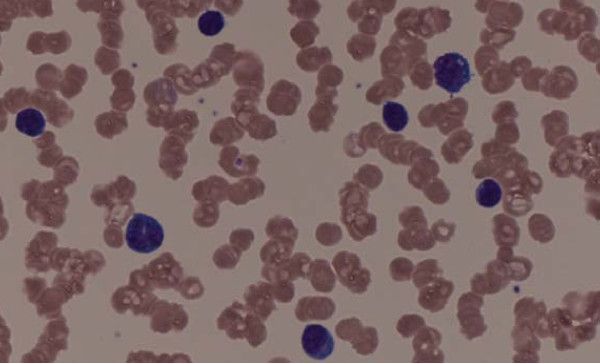
The patient, who had longstanding painful neuropathy, had presented to urgent care with a new-onset left facial nerve palsy, was then diagnosed with left Bell’s palsy, and began treatment with valacyclovir and prednisone.
The left-sided facial weakness gradually progressed to total paralysis of the left lower face and inability to close the left eye, and 2 weeks later, he developed right facial weakness that ran a similar course. The patient had a complicated clinical course that included symptomatic acute-on-chronic subdural hematoma, among other complications; eventually the patient’s symptoms stabilized and cranial neuropathies gradually improved, according to the report.
Bilateral facial nerve palsy is an extremely rare condition, occurring in just 0.3%-2% of all facial nerve palsy cases, according to the authors. By contrast, unilateral facial nerve palsy (or Bell’s palsy) is far more common, but it still occurs in only 25 patients per 100,000 population, they said.
Most cases of bilateral facial nerve palsy are caused by underlying Guillain-Barré syndrome, though some are congenital, related to trauma, or caused by etiologies that are metabolic, immunologic, or neoplastic in nature. While various types of neurological disturbances – from ischemic and hemorrhagic events to meningoencephalitis – have been documented to occur in up to a quarter of patients with Waldenstrom disease.
“Given the large differential that comprises the assessment of a bilateral facial nerve palsy, it warrants for an extensive work-up, and Waldenstrom’s macroglobulinemia should be sought as an additional possible etiology,” the authors wrote.
Dr. Torrealba-Acosta and coauthors reported having no financial disclosures.
SOURCE: Torrealba-Acosta G et al. J Clin Neurosci. 2017. doi: 10.1016/j.jocn.2017.10.081.
Bilateral facial nerve palsy has been associated with underlying Waldenstrom disease in only one other known published case report, which was published in 2014. In a more recent case report published in the Journal of Clinical Neuroscience, Gabriel Torrealba-Acosta, MD, and colleagues in the department of neurology at Massachusetts General Hospital, Boston, described a second case involving a 67-year-old Hispanic man with a history of Waldenstrom disease who presented with subacute onset of bilateral facial weakness.
The patient, who had longstanding painful neuropathy, had presented to urgent care with a new-onset left facial nerve palsy, was then diagnosed with left Bell’s palsy, and began treatment with valacyclovir and prednisone.
The left-sided facial weakness gradually progressed to total paralysis of the left lower face and inability to close the left eye, and 2 weeks later, he developed right facial weakness that ran a similar course. The patient had a complicated clinical course that included symptomatic acute-on-chronic subdural hematoma, among other complications; eventually the patient’s symptoms stabilized and cranial neuropathies gradually improved, according to the report.
Bilateral facial nerve palsy is an extremely rare condition, occurring in just 0.3%-2% of all facial nerve palsy cases, according to the authors. By contrast, unilateral facial nerve palsy (or Bell’s palsy) is far more common, but it still occurs in only 25 patients per 100,000 population, they said.
Most cases of bilateral facial nerve palsy are caused by underlying Guillain-Barré syndrome, though some are congenital, related to trauma, or caused by etiologies that are metabolic, immunologic, or neoplastic in nature. While various types of neurological disturbances – from ischemic and hemorrhagic events to meningoencephalitis – have been documented to occur in up to a quarter of patients with Waldenstrom disease.
“Given the large differential that comprises the assessment of a bilateral facial nerve palsy, it warrants for an extensive work-up, and Waldenstrom’s macroglobulinemia should be sought as an additional possible etiology,” the authors wrote.
Dr. Torrealba-Acosta and coauthors reported having no financial disclosures.
SOURCE: Torrealba-Acosta G et al. J Clin Neurosci. 2017. doi: 10.1016/j.jocn.2017.10.081.
Bilateral facial nerve palsy has been associated with underlying Waldenstrom disease in only one other known published case report, which was published in 2014. In a more recent case report published in the Journal of Clinical Neuroscience, Gabriel Torrealba-Acosta, MD, and colleagues in the department of neurology at Massachusetts General Hospital, Boston, described a second case involving a 67-year-old Hispanic man with a history of Waldenstrom disease who presented with subacute onset of bilateral facial weakness.
The patient, who had longstanding painful neuropathy, had presented to urgent care with a new-onset left facial nerve palsy, was then diagnosed with left Bell’s palsy, and began treatment with valacyclovir and prednisone.
The left-sided facial weakness gradually progressed to total paralysis of the left lower face and inability to close the left eye, and 2 weeks later, he developed right facial weakness that ran a similar course. The patient had a complicated clinical course that included symptomatic acute-on-chronic subdural hematoma, among other complications; eventually the patient’s symptoms stabilized and cranial neuropathies gradually improved, according to the report.
Bilateral facial nerve palsy is an extremely rare condition, occurring in just 0.3%-2% of all facial nerve palsy cases, according to the authors. By contrast, unilateral facial nerve palsy (or Bell’s palsy) is far more common, but it still occurs in only 25 patients per 100,000 population, they said.
Most cases of bilateral facial nerve palsy are caused by underlying Guillain-Barré syndrome, though some are congenital, related to trauma, or caused by etiologies that are metabolic, immunologic, or neoplastic in nature. While various types of neurological disturbances – from ischemic and hemorrhagic events to meningoencephalitis – have been documented to occur in up to a quarter of patients with Waldenstrom disease.
“Given the large differential that comprises the assessment of a bilateral facial nerve palsy, it warrants for an extensive work-up, and Waldenstrom’s macroglobulinemia should be sought as an additional possible etiology,” the authors wrote.
Dr. Torrealba-Acosta and coauthors reported having no financial disclosures.
SOURCE: Torrealba-Acosta G et al. J Clin Neurosci. 2017. doi: 10.1016/j.jocn.2017.10.081.
FROM THE JOURNAL OF CLINICAL NEUROSCIENCE
Postmenopausal women who shed pounds see lower breast cancer risk
SAN ANTONIO – Postmenopausal women may be able to lower their risk of invasive breast cancer by simply losing some weight, according to an analysis of the large prospective Women’s Health Initiative Observational Study.
“While obesity is an established risk factor for postmenopausal breast cancer, studies of weight loss and breast cancer provide inconsistent results. It’s been very, very difficult to show that losing weight changes breast cancer incidence,” said lead investigator Rowan T. Chlebowski, MD, PhD, research professor in the department of medical oncology and therapeutics research at City of Hope in Duarte, Calif. “Consequently, the current public health message is limited to ‘avoid body fatness’ [N Engl J Med. 2016;375:794-8]. That’s not a very strong public health message.”

Results showed that compared with peers whose weight remained stable, women who lost at least 5% of their body weight (an average of about 17-20 pounds) had a significant 12% reduction in breast cancer risk, Dr. Chlebowski reported in a session and press briefing at the San Antonio Breast Cancer Symposium. Benefit was similar whether the weight loss was intentional or not, and whether women were normal weight, overweight, or obese at baseline.
“These findings suggest that interventions in postmenopausal women designed to generate weight loss may reduce breast cancer risk. I feel these are very optimistic findings in that they provide a lesson to postmenopausal women that even a moderate degree of weight loss may be associated with health benefits,” he said. “This is a relatively new finding, and I think it should have public health implications.”
Parsing the findings
“I hope that you can present this to general doctors rather than oncologists because those are the ones seeing healthy women, by and large,” said press briefing moderator C. Kent Osborne, MD, codirector of SABCS and director of the Dan L. Duncan Cancer Center at Baylor College of Medicine in Houston. “But in my patients, I’ve always suggested that they lose weight. Most of them with breast cancer are overweight, it seems. And I always had to do it because of diabetes and other factors. Now we can do it because we have a breast cancer endpoint that also suggests that losing weight will help with that as well.”

Additional results from the study showed that women who experienced a weight gain of at least 5% did not have a significantly elevated risk of breast cancer overall.
“Do you think that the women who gained a little bit of weight didn’t have an increase in incidence because they were already overweight?” Dr. Osborne asked.
“When we go over all these very complex mechanisms and the different drivers, there’s probably a threshold. So obesity’s association with inflammatory factors, I think that’s a driver to a certain degree. But then something else takes over, or maybe the main driver takes over,” Dr. Chlebowski replied. “We don’t have enough data to decide exactly what that threshold is, but that’s the ongoing hypothesis.”
In the session, attendee Daniel McGrail, PhD, of the MD Anderson Cancer Center, Houston, asked, “Since this [risk reduction with weight loss] occurred regardless of initial [body mass index], and you have all these covariates accounted for, does that imply that actually caloric deficits or decreasing caloric intake could be preventing breast cancer risk regardless of initial weight or any other parameters?”
“In all these western diseases, what we take for normal is probably less normal than it might have been 250 years ago or thousands of years ago when we were eating berries and being chased by animals,” Dr. Chlebowski replied. “So this raises a question as to whether the normal weight cutoff should be an ideal weight for western cancer prevention.”
Study details
The Women’s Health Initiative Observational Study recruited 93,676 postmenopausal women aged 50-79 years from 40 U.S. clinical centers during 1993-1998. The women had measurements taken of height and weight at baseline and at year 3 for calculation of BMI, and were asked about intentionality of any weight loss during that period.
Analyses were based on 61,335 women who had normal or higher body weight and were cancer free at baseline, survived at least 3 years, and had adequate data.
Overall, about 13.3% of women lost at least 5% of their body weight between baseline and year 3; 7.9% did so intentionally, losing an average of 19.6 pounds, and 5.5% did so unintentionally, losing an average of 16.9 pounds.
“We used the 5% decrease because this level has been shown to change some biochemical markers potentially associated with cancer. And it has been shown in a different study population, a randomized trial, to reduce the frequency of diabetes,” Dr. Chlebowski noted.
“There was nothing that the study did to induce the weight loss. And based on a partial look at the data, it doesn’t look like many of the women went to some kind of program to lose weight. So it was probably self-directed weight loss,” he noted. “Interestingly, the body mass index of this group was 29.9, so they were on the verge of going into obesity. We wondered in retrospect whether that was a motivating factor for them.”
In multivariate analysis, relative to peers having a stable weight over time, the women losing at least 5% of their weight had a lower risk of breast cancer (hazard ratio, 0.88; 95% confidence interval, 0.78-0.98; P = .02).
Findings were unchanged after further adjustment for mammography frequency. In addition, risk reduction was statistically indistinguishable whether the weight loss was intentional or not (P = .2 for interaction), and whether women were normal weight, overweight, or obese at baseline (P = .4 for interaction).
The 19.6% of women who had a weight gain of at least 5% did not have a significantly elevated risk of breast cancer overall, but they did have a significantly elevated risk of triple-negative breast cancer (HR, 1.54; 95% CI, 1.16-2.05). “We really don’t have a good explanation for this,” Dr. Chlebowski said.
Tackling the global obesity epidemic by conventional means to reduce cancer risk is an uphill battle, he concluded. “We are going to be looking for possible mediating factors. If you can find the mediating factors, pharmacologic intervention would have a much greater chance of success.”
Dr. Chlebowski disclosed that he had no relevant conflicts of interest. Research was supported by the National Heart, Lung and Blood Institute; National Institutes of Health; Department of Health and Human Services; and American Institute for Cancer Research.
SOURCE: Chlebowski et al., SABCS 2017 Abstract GS5-07
SAN ANTONIO – Postmenopausal women may be able to lower their risk of invasive breast cancer by simply losing some weight, according to an analysis of the large prospective Women’s Health Initiative Observational Study.
“While obesity is an established risk factor for postmenopausal breast cancer, studies of weight loss and breast cancer provide inconsistent results. It’s been very, very difficult to show that losing weight changes breast cancer incidence,” said lead investigator Rowan T. Chlebowski, MD, PhD, research professor in the department of medical oncology and therapeutics research at City of Hope in Duarte, Calif. “Consequently, the current public health message is limited to ‘avoid body fatness’ [N Engl J Med. 2016;375:794-8]. That’s not a very strong public health message.”
Results showed that compared with peers whose weight remained stable, women who lost at least 5% of their body weight (an average of about 17-20 pounds) had a significant 12% reduction in breast cancer risk, Dr. Chlebowski reported in a session and press briefing at the San Antonio Breast Cancer Symposium. Benefit was similar whether the weight loss was intentional or not, and whether women were normal weight, overweight, or obese at baseline.
“These findings suggest that interventions in postmenopausal women designed to generate weight loss may reduce breast cancer risk. I feel these are very optimistic findings in that they provide a lesson to postmenopausal women that even a moderate degree of weight loss may be associated with health benefits,” he said. “This is a relatively new finding, and I think it should have public health implications.”
Parsing the findings
“I hope that you can present this to general doctors rather than oncologists because those are the ones seeing healthy women, by and large,” said press briefing moderator C. Kent Osborne, MD, codirector of SABCS and director of the Dan L. Duncan Cancer Center at Baylor College of Medicine in Houston. “But in my patients, I’ve always suggested that they lose weight. Most of them with breast cancer are overweight, it seems. And I always had to do it because of diabetes and other factors. Now we can do it because we have a breast cancer endpoint that also suggests that losing weight will help with that as well.”
Additional results from the study showed that women who experienced a weight gain of at least 5% did not have a significantly elevated risk of breast cancer overall.
“Do you think that the women who gained a little bit of weight didn’t have an increase in incidence because they were already overweight?” Dr. Osborne asked.
“When we go over all these very complex mechanisms and the different drivers, there’s probably a threshold. So obesity’s association with inflammatory factors, I think that’s a driver to a certain degree. But then something else takes over, or maybe the main driver takes over,” Dr. Chlebowski replied. “We don’t have enough data to decide exactly what that threshold is, but that’s the ongoing hypothesis.”
In the session, attendee Daniel McGrail, PhD, of the MD Anderson Cancer Center, Houston, asked, “Since this [risk reduction with weight loss] occurred regardless of initial [body mass index], and you have all these covariates accounted for, does that imply that actually caloric deficits or decreasing caloric intake could be preventing breast cancer risk regardless of initial weight or any other parameters?”
“In all these western diseases, what we take for normal is probably less normal than it might have been 250 years ago or thousands of years ago when we were eating berries and being chased by animals,” Dr. Chlebowski replied. “So this raises a question as to whether the normal weight cutoff should be an ideal weight for western cancer prevention.”
Study details
The Women’s Health Initiative Observational Study recruited 93,676 postmenopausal women aged 50-79 years from 40 U.S. clinical centers during 1993-1998. The women had measurements taken of height and weight at baseline and at year 3 for calculation of BMI, and were asked about intentionality of any weight loss during that period.
Analyses were based on 61,335 women who had normal or higher body weight and were cancer free at baseline, survived at least 3 years, and had adequate data.
Overall, about 13.3% of women lost at least 5% of their body weight between baseline and year 3; 7.9% did so intentionally, losing an average of 19.6 pounds, and 5.5% did so unintentionally, losing an average of 16.9 pounds.
“We used the 5% decrease because this level has been shown to change some biochemical markers potentially associated with cancer. And it has been shown in a different study population, a randomized trial, to reduce the frequency of diabetes,” Dr. Chlebowski noted.
“There was nothing that the study did to induce the weight loss. And based on a partial look at the data, it doesn’t look like many of the women went to some kind of program to lose weight. So it was probably self-directed weight loss,” he noted. “Interestingly, the body mass index of this group was 29.9, so they were on the verge of going into obesity. We wondered in retrospect whether that was a motivating factor for them.”
In multivariate analysis, relative to peers having a stable weight over time, the women losing at least 5% of their weight had a lower risk of breast cancer (hazard ratio, 0.88; 95% confidence interval, 0.78-0.98; P = .02).
Findings were unchanged after further adjustment for mammography frequency. In addition, risk reduction was statistically indistinguishable whether the weight loss was intentional or not (P = .2 for interaction), and whether women were normal weight, overweight, or obese at baseline (P = .4 for interaction).
The 19.6% of women who had a weight gain of at least 5% did not have a significantly elevated risk of breast cancer overall, but they did have a significantly elevated risk of triple-negative breast cancer (HR, 1.54; 95% CI, 1.16-2.05). “We really don’t have a good explanation for this,” Dr. Chlebowski said.
Tackling the global obesity epidemic by conventional means to reduce cancer risk is an uphill battle, he concluded. “We are going to be looking for possible mediating factors. If you can find the mediating factors, pharmacologic intervention would have a much greater chance of success.”
Dr. Chlebowski disclosed that he had no relevant conflicts of interest. Research was supported by the National Heart, Lung and Blood Institute; National Institutes of Health; Department of Health and Human Services; and American Institute for Cancer Research.
SOURCE: Chlebowski et al., SABCS 2017 Abstract GS5-07
SAN ANTONIO – Postmenopausal women may be able to lower their risk of invasive breast cancer by simply losing some weight, according to an analysis of the large prospective Women’s Health Initiative Observational Study.
“While obesity is an established risk factor for postmenopausal breast cancer, studies of weight loss and breast cancer provide inconsistent results. It’s been very, very difficult to show that losing weight changes breast cancer incidence,” said lead investigator Rowan T. Chlebowski, MD, PhD, research professor in the department of medical oncology and therapeutics research at City of Hope in Duarte, Calif. “Consequently, the current public health message is limited to ‘avoid body fatness’ [N Engl J Med. 2016;375:794-8]. That’s not a very strong public health message.”
Results showed that compared with peers whose weight remained stable, women who lost at least 5% of their body weight (an average of about 17-20 pounds) had a significant 12% reduction in breast cancer risk, Dr. Chlebowski reported in a session and press briefing at the San Antonio Breast Cancer Symposium. Benefit was similar whether the weight loss was intentional or not, and whether women were normal weight, overweight, or obese at baseline.
“These findings suggest that interventions in postmenopausal women designed to generate weight loss may reduce breast cancer risk. I feel these are very optimistic findings in that they provide a lesson to postmenopausal women that even a moderate degree of weight loss may be associated with health benefits,” he said. “This is a relatively new finding, and I think it should have public health implications.”
Parsing the findings
“I hope that you can present this to general doctors rather than oncologists because those are the ones seeing healthy women, by and large,” said press briefing moderator C. Kent Osborne, MD, codirector of SABCS and director of the Dan L. Duncan Cancer Center at Baylor College of Medicine in Houston. “But in my patients, I’ve always suggested that they lose weight. Most of them with breast cancer are overweight, it seems. And I always had to do it because of diabetes and other factors. Now we can do it because we have a breast cancer endpoint that also suggests that losing weight will help with that as well.”
Additional results from the study showed that women who experienced a weight gain of at least 5% did not have a significantly elevated risk of breast cancer overall.
“Do you think that the women who gained a little bit of weight didn’t have an increase in incidence because they were already overweight?” Dr. Osborne asked.
“When we go over all these very complex mechanisms and the different drivers, there’s probably a threshold. So obesity’s association with inflammatory factors, I think that’s a driver to a certain degree. But then something else takes over, or maybe the main driver takes over,” Dr. Chlebowski replied. “We don’t have enough data to decide exactly what that threshold is, but that’s the ongoing hypothesis.”
In the session, attendee Daniel McGrail, PhD, of the MD Anderson Cancer Center, Houston, asked, “Since this [risk reduction with weight loss] occurred regardless of initial [body mass index], and you have all these covariates accounted for, does that imply that actually caloric deficits or decreasing caloric intake could be preventing breast cancer risk regardless of initial weight or any other parameters?”
“In all these western diseases, what we take for normal is probably less normal than it might have been 250 years ago or thousands of years ago when we were eating berries and being chased by animals,” Dr. Chlebowski replied. “So this raises a question as to whether the normal weight cutoff should be an ideal weight for western cancer prevention.”
Study details
The Women’s Health Initiative Observational Study recruited 93,676 postmenopausal women aged 50-79 years from 40 U.S. clinical centers during 1993-1998. The women had measurements taken of height and weight at baseline and at year 3 for calculation of BMI, and were asked about intentionality of any weight loss during that period.
Analyses were based on 61,335 women who had normal or higher body weight and were cancer free at baseline, survived at least 3 years, and had adequate data.
Overall, about 13.3% of women lost at least 5% of their body weight between baseline and year 3; 7.9% did so intentionally, losing an average of 19.6 pounds, and 5.5% did so unintentionally, losing an average of 16.9 pounds.
“We used the 5% decrease because this level has been shown to change some biochemical markers potentially associated with cancer. And it has been shown in a different study population, a randomized trial, to reduce the frequency of diabetes,” Dr. Chlebowski noted.
“There was nothing that the study did to induce the weight loss. And based on a partial look at the data, it doesn’t look like many of the women went to some kind of program to lose weight. So it was probably self-directed weight loss,” he noted. “Interestingly, the body mass index of this group was 29.9, so they were on the verge of going into obesity. We wondered in retrospect whether that was a motivating factor for them.”
In multivariate analysis, relative to peers having a stable weight over time, the women losing at least 5% of their weight had a lower risk of breast cancer (hazard ratio, 0.88; 95% confidence interval, 0.78-0.98; P = .02).
Findings were unchanged after further adjustment for mammography frequency. In addition, risk reduction was statistically indistinguishable whether the weight loss was intentional or not (P = .2 for interaction), and whether women were normal weight, overweight, or obese at baseline (P = .4 for interaction).
The 19.6% of women who had a weight gain of at least 5% did not have a significantly elevated risk of breast cancer overall, but they did have a significantly elevated risk of triple-negative breast cancer (HR, 1.54; 95% CI, 1.16-2.05). “We really don’t have a good explanation for this,” Dr. Chlebowski said.
Tackling the global obesity epidemic by conventional means to reduce cancer risk is an uphill battle, he concluded. “We are going to be looking for possible mediating factors. If you can find the mediating factors, pharmacologic intervention would have a much greater chance of success.”
Dr. Chlebowski disclosed that he had no relevant conflicts of interest. Research was supported by the National Heart, Lung and Blood Institute; National Institutes of Health; Department of Health and Human Services; and American Institute for Cancer Research.
SOURCE: Chlebowski et al., SABCS 2017 Abstract GS5-07
REPORTING FROM SABCS 2017
Key clinical point:
Major finding: Compared with peers who had stable weight, women who lost at least 5% of their body weight had a lower risk of invasive breast cancer (hazard ratio, 0.88; P = .02).
Data source: A prospective cohort study of 93,676 postmenopausal women from the Women’s Health Initiative Observational Study.
Disclosures: Dr. Chlebowski disclosed that he had no relevant conflicts of interest. Research was supported by the National Heart, Lung, and Blood Institute; National Institutes of Health; Department of Health and Human Services; and American Institute for Cancer Research.
Source: Chlebowski et al. SABCS 2017 Abstract GS5-07.

New DBS device gains approval for Parkinson’s disease
The approval is based on as-yet unpublished results of the INTREPID trial, which successfully met its primary endpoint of mean change in waking hours with good symptom control, according to an announcement from the device’s manufacturer, Boston Scientific. The INTREPID study is the first multicenter, prospective, double-blind, randomized, sham-controlled study of DBS for Parkinson’s disease in the United States and enrolled in 292 patients at 23 sites.
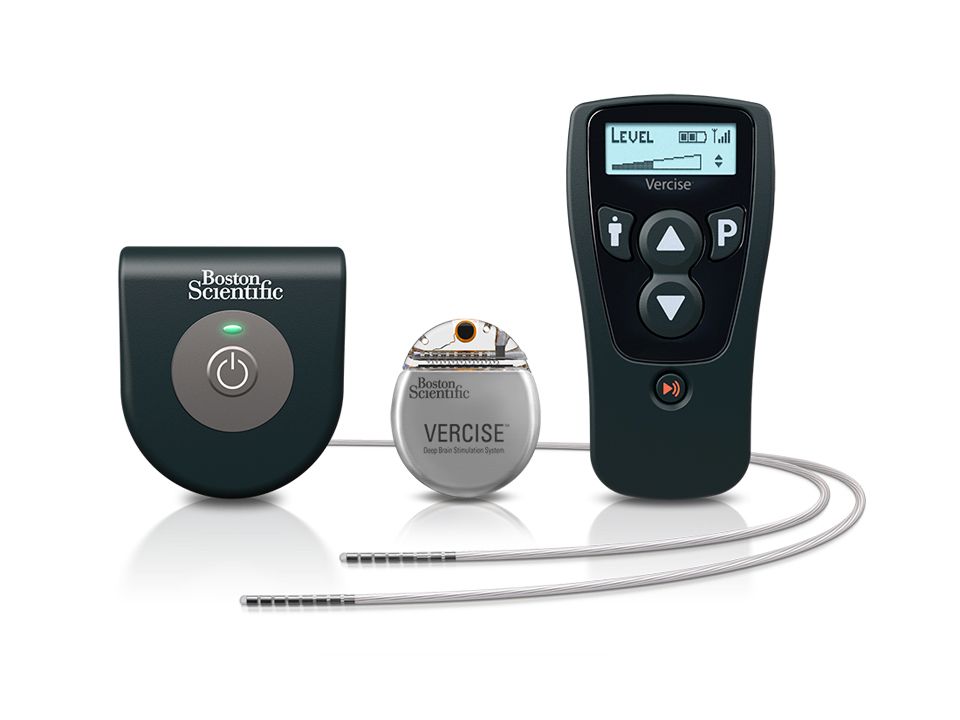
The implantable pulse generator of the device is “the smallest, rechargeable DBS device available in the U.S.,” according to Boston Scientific, and can independently control the amount of current delivered by each of the electrodes on the implanted leads, allowing them “to work together to address common challenges in DBS therapy such as fluctuations in symptoms and the progressive nature of the condition by offering more adaptable delivery of stimulation.”
“The Vercise DBS System changes the landscape of what physicians can do to help improve the quality of life for people living with Parkinson’s disease,” Jerry Vitek, MD, PhD, professor and chair of the department of neurology at the University of Minnesota, Minneapolis, and coordinating principal investigator for the INTREPID study said in the Boston Scientific announcement. “This system provides an ability to sculpt the current field in the DBS target using novel technology that offers flexibility in programming. This flexibility allows us to target different regions of the subthalamic nucleus, which we believe will improve outcomes while reducing side effects.”
The approval is based on as-yet unpublished results of the INTREPID trial, which successfully met its primary endpoint of mean change in waking hours with good symptom control, according to an announcement from the device’s manufacturer, Boston Scientific. The INTREPID study is the first multicenter, prospective, double-blind, randomized, sham-controlled study of DBS for Parkinson’s disease in the United States and enrolled in 292 patients at 23 sites.
The implantable pulse generator of the device is “the smallest, rechargeable DBS device available in the U.S.,” according to Boston Scientific, and can independently control the amount of current delivered by each of the electrodes on the implanted leads, allowing them “to work together to address common challenges in DBS therapy such as fluctuations in symptoms and the progressive nature of the condition by offering more adaptable delivery of stimulation.”
“The Vercise DBS System changes the landscape of what physicians can do to help improve the quality of life for people living with Parkinson’s disease,” Jerry Vitek, MD, PhD, professor and chair of the department of neurology at the University of Minnesota, Minneapolis, and coordinating principal investigator for the INTREPID study said in the Boston Scientific announcement. “This system provides an ability to sculpt the current field in the DBS target using novel technology that offers flexibility in programming. This flexibility allows us to target different regions of the subthalamic nucleus, which we believe will improve outcomes while reducing side effects.”
The approval is based on as-yet unpublished results of the INTREPID trial, which successfully met its primary endpoint of mean change in waking hours with good symptom control, according to an announcement from the device’s manufacturer, Boston Scientific. The INTREPID study is the first multicenter, prospective, double-blind, randomized, sham-controlled study of DBS for Parkinson’s disease in the United States and enrolled in 292 patients at 23 sites.
The implantable pulse generator of the device is “the smallest, rechargeable DBS device available in the U.S.,” according to Boston Scientific, and can independently control the amount of current delivered by each of the electrodes on the implanted leads, allowing them “to work together to address common challenges in DBS therapy such as fluctuations in symptoms and the progressive nature of the condition by offering more adaptable delivery of stimulation.”
“The Vercise DBS System changes the landscape of what physicians can do to help improve the quality of life for people living with Parkinson’s disease,” Jerry Vitek, MD, PhD, professor and chair of the department of neurology at the University of Minnesota, Minneapolis, and coordinating principal investigator for the INTREPID study said in the Boston Scientific announcement. “This system provides an ability to sculpt the current field in the DBS target using novel technology that offers flexibility in programming. This flexibility allows us to target different regions of the subthalamic nucleus, which we believe will improve outcomes while reducing side effects.”
Hospitals will feel the squeeze of DSH payment changes
Earlier this year, the Centers for Medicare and Medicaid Services finalized fundamental changes to how it reimburses hospitals for uncompensated care costs. When first proposed, the move raised alarm among physicians, hospitals, health systems, state health departments, and others around the country, and even prompted a lawsuit in New Hampshire.
In the months since the official adoption by the CMS, it remains unclear how the change will affect hospitals around the country, particularly the safety net hospitals that rely on these payments most.

In its final rule issued in April 2017 and finalized on August 2, 2017, the federal agency said the intent of the change is to more fairly distribute a fixed amount of DSH funds to the hospitals most in need. It also argued the change is a more consistent interpretation of the existing statute [Section 1923(g)], provides clarification around language that has been the subject of inquiry over the last decade, and promotes what it calls “fiscal integrity.”
“These allotments essentially establish a finite pool of available federal DSH funds that states use to pay the federal portion of payments to all qualifying hospitals in each state,” the final rule reads. “As states often use most or all of their federal DSH allotment, in practice, if one hospital gets more DSH funding, other DSH-eligible hospitals in the state may get less.”
This is not, however, the way all parties see it. For instance, in a comment submitted to the CMS in September 2016, the National Association of Urban Hospitals expressed its concern that DSH payments already are inadequate to cover the financial burden associated with providing care in low-income communities, such as translation services and the costs of employing physicians to practice in more challenged settings.2
In a letter to the CMS, the Minnesota Department of Human Services said it agrees with the agency that DSH payments should not be used to “subsidize costs that have been paid by Medicare and other insurers” but disagrees with the agency’s approach. Its argument includes a challenge to the CMS’ statutory authority to change the formula based on existing language.3
“I think the reason it’s contentious is because when you’re dealing with a fixed dollar amount and you’re talking about redistributing dollars, someone is going to lose,” said John McHugh, PhD, professor of health management at the Mailman School of Public Health at Columbia University. “A facility receiving DSH payments is already dealing with high levels of uncompensated care; the hospitals are operating on very thin margins. They are very often getting by because of these payments.”
Despite the CMS’ seemingly good intentions, Bradley Flansbaum, DO, MPH, MHM, a hospitalist at Geisinger Health System and member of the SHM Public Policy Committee, remains skeptical that the hospitals that need and deserve DSH payments will actually see more redistributed in their favor.

If hospitals in need see fewer DSH dollars, Dr. McHugh noted, they will feel the squeeze.
“It’s not easy to operate safety net hospitals,” he said. “And on top of that, hospitals have been operating under a certain assumption and it’s changing, and it takes time to incorporate those changes. There will probably be some fallout for the first couple of years as hospitals are adapting their practices. It could mean loss of services. It could mean the loss of quality physicians and quality staffing, and that can impact patient care.”
How will hospitals adapt?
The CMS did not give hospitals transition time. The reinterpretation became effective in June 2017, just 60 days after the agency issued the final rule. Dr. McHugh said he is not sure why the agency did not build in time for hospitals to adapt, particularly given the uncertainty around the national uninsured rate going forward, with so many potential changes to the American health care system under a new administration.
How any of these changes trickle down to hospitalists remains to be seen, said Dr. Flansbaum. Dr. McHugh believes it could lead to increased patient loads, higher turnover and churn, and fewer experienced physicians in safety net hospitals as younger doctors are hired and burn out. “At the end of the day, that feeds into patient care and patient satisfaction and quality,” he said.
However, hospitals across the country have been living with this “slow burn” for a long time, said Dr. Flansbaum, though not necessarily due to inadequate DSH payments. At least in some areas, reimbursements have gone down, hospital occupancy rates have declined, rural hospitals have closed, hospitals have consolidated, and people have been laid off.
It’s important to ensure the hospitals providing care for high levels of uninsured or underinsured patients receive the help they need, he said, and it’s also important to examine the role hospitals play as a whole in the American health care system.
“It’s an expensive system,” he said. “We have we created a system where, unlike other countries that have developed more vigorous primary or outpatient care, we have created an inpatient health system.”
With the CMS’ change, the government is the only entity that seems to win across the board, Dr. McHugh said. He said he would not be surprised if analysts looked to see how hospitals were affected by it in coming months.
But, he remains optimistic. In fact, the final rule also came with an $800 million increase in the amount of uncompensated care payments for acute care hospitals in fiscal year 2018, the CMS says.4
“Hospitals are adaptable,” Dr. McHugh said. “I think what you’ll see is this will spur some innovation in terms of patient care maybe a few years down the road. It may hit some stumbling blocks in the early going but there may be some positive changes in the future.”
References
1. Medicaid Program; Disproportionate Share Hospital Payments –Treatment of Third Party Payers in Calculating Uncompensated Care Costs. Centers for Medicare and Medicaid Services final rule. Citation 82 FR 16114. Published April 3, 2017. Last accessed August 14, 2017. https://www.federalregister.gov/documents/2017/04/03/2017-06538/medicaid-program-disproportionate-share-hospital-payments-treatment-of-third-party-payers-in
2. Kugler E. 2016-09-14 NAUH Medicaid Program DSH Payments – Treatment of Third Party Payer in Calculating Uncompensated Care Costs. September 14, 2016. Last accessed August 14, 2017. https://www.regulations.gov/document?D=CMS-2016-0144-0020
3. Berg A. Proposed Rule on Disproportionate Share Hospital Payments – Treatment of Third Party Payers in Calculating Uncompensated Care Costs, CMS-2399-P. September 14, 2016. Last accessed August 14, 2017. https://www.regulations.gov/document?D=CMS-2016-0144-0046
4. CMS finalizes 2018 payment and policy updates for Medicare hospital admissions. Published August 2, 2017. Last accessed August 14, 2017. https://www.cms.gov/Newsroom/MediaReleaseDatabase/Press-releases/2017-Press-releases-items/2017-08-02.html
Earlier this year, the Centers for Medicare and Medicaid Services finalized fundamental changes to how it reimburses hospitals for uncompensated care costs. When first proposed, the move raised alarm among physicians, hospitals, health systems, state health departments, and others around the country, and even prompted a lawsuit in New Hampshire.
In the months since the official adoption by the CMS, it remains unclear how the change will affect hospitals around the country, particularly the safety net hospitals that rely on these payments most.
In its final rule issued in April 2017 and finalized on August 2, 2017, the federal agency said the intent of the change is to more fairly distribute a fixed amount of DSH funds to the hospitals most in need. It also argued the change is a more consistent interpretation of the existing statute [Section 1923(g)], provides clarification around language that has been the subject of inquiry over the last decade, and promotes what it calls “fiscal integrity.”
“These allotments essentially establish a finite pool of available federal DSH funds that states use to pay the federal portion of payments to all qualifying hospitals in each state,” the final rule reads. “As states often use most or all of their federal DSH allotment, in practice, if one hospital gets more DSH funding, other DSH-eligible hospitals in the state may get less.”
This is not, however, the way all parties see it. For instance, in a comment submitted to the CMS in September 2016, the National Association of Urban Hospitals expressed its concern that DSH payments already are inadequate to cover the financial burden associated with providing care in low-income communities, such as translation services and the costs of employing physicians to practice in more challenged settings.2
In a letter to the CMS, the Minnesota Department of Human Services said it agrees with the agency that DSH payments should not be used to “subsidize costs that have been paid by Medicare and other insurers” but disagrees with the agency’s approach. Its argument includes a challenge to the CMS’ statutory authority to change the formula based on existing language.3
“I think the reason it’s contentious is because when you’re dealing with a fixed dollar amount and you’re talking about redistributing dollars, someone is going to lose,” said John McHugh, PhD, professor of health management at the Mailman School of Public Health at Columbia University. “A facility receiving DSH payments is already dealing with high levels of uncompensated care; the hospitals are operating on very thin margins. They are very often getting by because of these payments.”
Despite the CMS’ seemingly good intentions, Bradley Flansbaum, DO, MPH, MHM, a hospitalist at Geisinger Health System and member of the SHM Public Policy Committee, remains skeptical that the hospitals that need and deserve DSH payments will actually see more redistributed in their favor.
If hospitals in need see fewer DSH dollars, Dr. McHugh noted, they will feel the squeeze.
“It’s not easy to operate safety net hospitals,” he said. “And on top of that, hospitals have been operating under a certain assumption and it’s changing, and it takes time to incorporate those changes. There will probably be some fallout for the first couple of years as hospitals are adapting their practices. It could mean loss of services. It could mean the loss of quality physicians and quality staffing, and that can impact patient care.”
How will hospitals adapt?
The CMS did not give hospitals transition time. The reinterpretation became effective in June 2017, just 60 days after the agency issued the final rule. Dr. McHugh said he is not sure why the agency did not build in time for hospitals to adapt, particularly given the uncertainty around the national uninsured rate going forward, with so many potential changes to the American health care system under a new administration.
How any of these changes trickle down to hospitalists remains to be seen, said Dr. Flansbaum. Dr. McHugh believes it could lead to increased patient loads, higher turnover and churn, and fewer experienced physicians in safety net hospitals as younger doctors are hired and burn out. “At the end of the day, that feeds into patient care and patient satisfaction and quality,” he said.
However, hospitals across the country have been living with this “slow burn” for a long time, said Dr. Flansbaum, though not necessarily due to inadequate DSH payments. At least in some areas, reimbursements have gone down, hospital occupancy rates have declined, rural hospitals have closed, hospitals have consolidated, and people have been laid off.
It’s important to ensure the hospitals providing care for high levels of uninsured or underinsured patients receive the help they need, he said, and it’s also important to examine the role hospitals play as a whole in the American health care system.
“It’s an expensive system,” he said. “We have we created a system where, unlike other countries that have developed more vigorous primary or outpatient care, we have created an inpatient health system.”
With the CMS’ change, the government is the only entity that seems to win across the board, Dr. McHugh said. He said he would not be surprised if analysts looked to see how hospitals were affected by it in coming months.
But, he remains optimistic. In fact, the final rule also came with an $800 million increase in the amount of uncompensated care payments for acute care hospitals in fiscal year 2018, the CMS says.4
“Hospitals are adaptable,” Dr. McHugh said. “I think what you’ll see is this will spur some innovation in terms of patient care maybe a few years down the road. It may hit some stumbling blocks in the early going but there may be some positive changes in the future.”
References
1. Medicaid Program; Disproportionate Share Hospital Payments –Treatment of Third Party Payers in Calculating Uncompensated Care Costs. Centers for Medicare and Medicaid Services final rule. Citation 82 FR 16114. Published April 3, 2017. Last accessed August 14, 2017. https://www.federalregister.gov/documents/2017/04/03/2017-06538/medicaid-program-disproportionate-share-hospital-payments-treatment-of-third-party-payers-in
2. Kugler E. 2016-09-14 NAUH Medicaid Program DSH Payments – Treatment of Third Party Payer in Calculating Uncompensated Care Costs. September 14, 2016. Last accessed August 14, 2017. https://www.regulations.gov/document?D=CMS-2016-0144-0020
3. Berg A. Proposed Rule on Disproportionate Share Hospital Payments – Treatment of Third Party Payers in Calculating Uncompensated Care Costs, CMS-2399-P. September 14, 2016. Last accessed August 14, 2017. https://www.regulations.gov/document?D=CMS-2016-0144-0046
4. CMS finalizes 2018 payment and policy updates for Medicare hospital admissions. Published August 2, 2017. Last accessed August 14, 2017. https://www.cms.gov/Newsroom/MediaReleaseDatabase/Press-releases/2017-Press-releases-items/2017-08-02.html
Earlier this year, the Centers for Medicare and Medicaid Services finalized fundamental changes to how it reimburses hospitals for uncompensated care costs. When first proposed, the move raised alarm among physicians, hospitals, health systems, state health departments, and others around the country, and even prompted a lawsuit in New Hampshire.
In the months since the official adoption by the CMS, it remains unclear how the change will affect hospitals around the country, particularly the safety net hospitals that rely on these payments most.
In its final rule issued in April 2017 and finalized on August 2, 2017, the federal agency said the intent of the change is to more fairly distribute a fixed amount of DSH funds to the hospitals most in need. It also argued the change is a more consistent interpretation of the existing statute [Section 1923(g)], provides clarification around language that has been the subject of inquiry over the last decade, and promotes what it calls “fiscal integrity.”
“These allotments essentially establish a finite pool of available federal DSH funds that states use to pay the federal portion of payments to all qualifying hospitals in each state,” the final rule reads. “As states often use most or all of their federal DSH allotment, in practice, if one hospital gets more DSH funding, other DSH-eligible hospitals in the state may get less.”
This is not, however, the way all parties see it. For instance, in a comment submitted to the CMS in September 2016, the National Association of Urban Hospitals expressed its concern that DSH payments already are inadequate to cover the financial burden associated with providing care in low-income communities, such as translation services and the costs of employing physicians to practice in more challenged settings.2
In a letter to the CMS, the Minnesota Department of Human Services said it agrees with the agency that DSH payments should not be used to “subsidize costs that have been paid by Medicare and other insurers” but disagrees with the agency’s approach. Its argument includes a challenge to the CMS’ statutory authority to change the formula based on existing language.3
“I think the reason it’s contentious is because when you’re dealing with a fixed dollar amount and you’re talking about redistributing dollars, someone is going to lose,” said John McHugh, PhD, professor of health management at the Mailman School of Public Health at Columbia University. “A facility receiving DSH payments is already dealing with high levels of uncompensated care; the hospitals are operating on very thin margins. They are very often getting by because of these payments.”
Despite the CMS’ seemingly good intentions, Bradley Flansbaum, DO, MPH, MHM, a hospitalist at Geisinger Health System and member of the SHM Public Policy Committee, remains skeptical that the hospitals that need and deserve DSH payments will actually see more redistributed in their favor.
If hospitals in need see fewer DSH dollars, Dr. McHugh noted, they will feel the squeeze.
“It’s not easy to operate safety net hospitals,” he said. “And on top of that, hospitals have been operating under a certain assumption and it’s changing, and it takes time to incorporate those changes. There will probably be some fallout for the first couple of years as hospitals are adapting their practices. It could mean loss of services. It could mean the loss of quality physicians and quality staffing, and that can impact patient care.”
How will hospitals adapt?
The CMS did not give hospitals transition time. The reinterpretation became effective in June 2017, just 60 days after the agency issued the final rule. Dr. McHugh said he is not sure why the agency did not build in time for hospitals to adapt, particularly given the uncertainty around the national uninsured rate going forward, with so many potential changes to the American health care system under a new administration.
How any of these changes trickle down to hospitalists remains to be seen, said Dr. Flansbaum. Dr. McHugh believes it could lead to increased patient loads, higher turnover and churn, and fewer experienced physicians in safety net hospitals as younger doctors are hired and burn out. “At the end of the day, that feeds into patient care and patient satisfaction and quality,” he said.
However, hospitals across the country have been living with this “slow burn” for a long time, said Dr. Flansbaum, though not necessarily due to inadequate DSH payments. At least in some areas, reimbursements have gone down, hospital occupancy rates have declined, rural hospitals have closed, hospitals have consolidated, and people have been laid off.
It’s important to ensure the hospitals providing care for high levels of uninsured or underinsured patients receive the help they need, he said, and it’s also important to examine the role hospitals play as a whole in the American health care system.
“It’s an expensive system,” he said. “We have we created a system where, unlike other countries that have developed more vigorous primary or outpatient care, we have created an inpatient health system.”
With the CMS’ change, the government is the only entity that seems to win across the board, Dr. McHugh said. He said he would not be surprised if analysts looked to see how hospitals were affected by it in coming months.
But, he remains optimistic. In fact, the final rule also came with an $800 million increase in the amount of uncompensated care payments for acute care hospitals in fiscal year 2018, the CMS says.4
“Hospitals are adaptable,” Dr. McHugh said. “I think what you’ll see is this will spur some innovation in terms of patient care maybe a few years down the road. It may hit some stumbling blocks in the early going but there may be some positive changes in the future.”
References
1. Medicaid Program; Disproportionate Share Hospital Payments –Treatment of Third Party Payers in Calculating Uncompensated Care Costs. Centers for Medicare and Medicaid Services final rule. Citation 82 FR 16114. Published April 3, 2017. Last accessed August 14, 2017. https://www.federalregister.gov/documents/2017/04/03/2017-06538/medicaid-program-disproportionate-share-hospital-payments-treatment-of-third-party-payers-in
2. Kugler E. 2016-09-14 NAUH Medicaid Program DSH Payments – Treatment of Third Party Payer in Calculating Uncompensated Care Costs. September 14, 2016. Last accessed August 14, 2017. https://www.regulations.gov/document?D=CMS-2016-0144-0020
3. Berg A. Proposed Rule on Disproportionate Share Hospital Payments – Treatment of Third Party Payers in Calculating Uncompensated Care Costs, CMS-2399-P. September 14, 2016. Last accessed August 14, 2017. https://www.regulations.gov/document?D=CMS-2016-0144-0046
4. CMS finalizes 2018 payment and policy updates for Medicare hospital admissions. Published August 2, 2017. Last accessed August 14, 2017. https://www.cms.gov/Newsroom/MediaReleaseDatabase/Press-releases/2017-Press-releases-items/2017-08-02.html