User login
Things We Do For No Reason’ session highlights stress tests, VTE chemoprophylaxis
Stress testing for patients with low-risk chest pain and use of venous thromboembolism chemoprophylaxis in low-risk patients are the latest practices to come under scrutiny and were discussed during a special session at HM19.
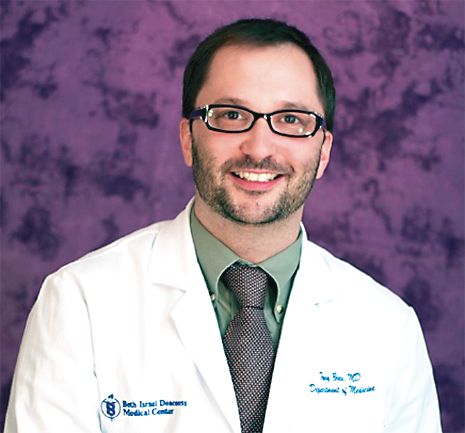
Anthony Breu, MD, a hospitalist and director of resident education in the Veterans Affairs Boston Healthcare System, presented “common practices that have low or no value.” He provided arguments against these practices based in both evidence and pathophysiology.
“Things We Do For No Reason: The 2019 Clinical Update for Hospitalists,” presented Tuesday morning, was the latest in a series of such sessions held during SHM’s Annual Conference. Leonard S. Feldman, MD, SFHM, from Johns Hopkins Medicine in Baltimore, presented the first “Things We Do For No Reason” session at the 2012 conference in San Diego, analyzing the 30% target hematocrit for cardiac patients, naso-gastric lavage in gastrointestinal bleeds, fractional excretion of sodium and urea in evaluating acute kidney injuries, and the use of daily chest x-rays in ICUs.
“For patients with low-risk chest pain, stress tests do not add value,” said Dr. Breu. There are a number of ways a hospitalist can determine whether a patient has low-risk chest pain, and the rates of acute MI and mortality at 30 days are “well below 1%” for these patients, he noted.
“Stress tests may lower this rate a bit, but they are unfortunately unable to identify all patients who will experience subsequent events,” he said. “Also, given that pretest probability of coronary artery disease is low in these patients, the false-positive rate approaches 50%.”
Dr. Breu attributed the continued use of stress tests in patients with low-risk chest pain to recent American College of Cardiology and American Heart Association statements on appropriate use of stress testing, which should occur during initial hospitalization or within 72 hours of discharge. In addition, many hospitalists believe a negative stress test result can help them rule out a diagnosis like coronary artery disease.
In a second example of suspect practices, the need for venous thromboembolism (VTE) chemoprophylaxis, such as with subcutaneous enoxaparin, in high-risk patients is based on evidence that shows a reduction in asymptomatic deep vein thrombosis (DVT). However, “the evidence is not as clear” on whether VTE chemoprophylaxis reduces symptomatic DVT or pulmonary embolism (PE), Dr. Breu said.
“When this is coupled with the fact that bleeding is increased with chemoprophylaxis, its use in low-risk patients should be avoided,” Dr. Breu said. “Unfortunately, there is evidence that many of us administer VTE prophylaxis to low-risk patients just as often as we do for high-risk patients.”
Dr. Breu said he suspects many providers “overestimate the benefits” of VTE chemoprophylaxis. “I suspect that if someone is on the fence about whether to administer VTE [chemoprophylaxis], many err on the side of administering, fearing that they will miss an opportunity to prevent a DVT or PE while not realizing the risk of bleeding is real.”
Dr. Breu presented evidence from the literature as support for his argument against the practice of ordering stress tests and administering VTE chemoprophylaxis in low-risk patients. The oldest study goes back to 1967, while the most recent study was published in February 2019, he said.
“My hope is that attendees will be less inclined to order stress tests in patients with low-risk chest pain,” Dr. Breu said in an interview. “I also hope that they will apply scoring systems to better identify patients who are at high risk for VTE and not administer chemoprophylaxis to all others.”
Dr. Breu reported having no relevant financial disclosures.
Stress testing for patients with low-risk chest pain and use of venous thromboembolism chemoprophylaxis in low-risk patients are the latest practices to come under scrutiny and were discussed during a special session at HM19.
Anthony Breu, MD, a hospitalist and director of resident education in the Veterans Affairs Boston Healthcare System, presented “common practices that have low or no value.” He provided arguments against these practices based in both evidence and pathophysiology.
“Things We Do For No Reason: The 2019 Clinical Update for Hospitalists,” presented Tuesday morning, was the latest in a series of such sessions held during SHM’s Annual Conference. Leonard S. Feldman, MD, SFHM, from Johns Hopkins Medicine in Baltimore, presented the first “Things We Do For No Reason” session at the 2012 conference in San Diego, analyzing the 30% target hematocrit for cardiac patients, naso-gastric lavage in gastrointestinal bleeds, fractional excretion of sodium and urea in evaluating acute kidney injuries, and the use of daily chest x-rays in ICUs.
“For patients with low-risk chest pain, stress tests do not add value,” said Dr. Breu. There are a number of ways a hospitalist can determine whether a patient has low-risk chest pain, and the rates of acute MI and mortality at 30 days are “well below 1%” for these patients, he noted.
“Stress tests may lower this rate a bit, but they are unfortunately unable to identify all patients who will experience subsequent events,” he said. “Also, given that pretest probability of coronary artery disease is low in these patients, the false-positive rate approaches 50%.”
Dr. Breu attributed the continued use of stress tests in patients with low-risk chest pain to recent American College of Cardiology and American Heart Association statements on appropriate use of stress testing, which should occur during initial hospitalization or within 72 hours of discharge. In addition, many hospitalists believe a negative stress test result can help them rule out a diagnosis like coronary artery disease.
In a second example of suspect practices, the need for venous thromboembolism (VTE) chemoprophylaxis, such as with subcutaneous enoxaparin, in high-risk patients is based on evidence that shows a reduction in asymptomatic deep vein thrombosis (DVT). However, “the evidence is not as clear” on whether VTE chemoprophylaxis reduces symptomatic DVT or pulmonary embolism (PE), Dr. Breu said.
“When this is coupled with the fact that bleeding is increased with chemoprophylaxis, its use in low-risk patients should be avoided,” Dr. Breu said. “Unfortunately, there is evidence that many of us administer VTE prophylaxis to low-risk patients just as often as we do for high-risk patients.”
Dr. Breu said he suspects many providers “overestimate the benefits” of VTE chemoprophylaxis. “I suspect that if someone is on the fence about whether to administer VTE [chemoprophylaxis], many err on the side of administering, fearing that they will miss an opportunity to prevent a DVT or PE while not realizing the risk of bleeding is real.”
Dr. Breu presented evidence from the literature as support for his argument against the practice of ordering stress tests and administering VTE chemoprophylaxis in low-risk patients. The oldest study goes back to 1967, while the most recent study was published in February 2019, he said.
“My hope is that attendees will be less inclined to order stress tests in patients with low-risk chest pain,” Dr. Breu said in an interview. “I also hope that they will apply scoring systems to better identify patients who are at high risk for VTE and not administer chemoprophylaxis to all others.”
Dr. Breu reported having no relevant financial disclosures.
Stress testing for patients with low-risk chest pain and use of venous thromboembolism chemoprophylaxis in low-risk patients are the latest practices to come under scrutiny and were discussed during a special session at HM19.
Anthony Breu, MD, a hospitalist and director of resident education in the Veterans Affairs Boston Healthcare System, presented “common practices that have low or no value.” He provided arguments against these practices based in both evidence and pathophysiology.
“Things We Do For No Reason: The 2019 Clinical Update for Hospitalists,” presented Tuesday morning, was the latest in a series of such sessions held during SHM’s Annual Conference. Leonard S. Feldman, MD, SFHM, from Johns Hopkins Medicine in Baltimore, presented the first “Things We Do For No Reason” session at the 2012 conference in San Diego, analyzing the 30% target hematocrit for cardiac patients, naso-gastric lavage in gastrointestinal bleeds, fractional excretion of sodium and urea in evaluating acute kidney injuries, and the use of daily chest x-rays in ICUs.
“For patients with low-risk chest pain, stress tests do not add value,” said Dr. Breu. There are a number of ways a hospitalist can determine whether a patient has low-risk chest pain, and the rates of acute MI and mortality at 30 days are “well below 1%” for these patients, he noted.
“Stress tests may lower this rate a bit, but they are unfortunately unable to identify all patients who will experience subsequent events,” he said. “Also, given that pretest probability of coronary artery disease is low in these patients, the false-positive rate approaches 50%.”
Dr. Breu attributed the continued use of stress tests in patients with low-risk chest pain to recent American College of Cardiology and American Heart Association statements on appropriate use of stress testing, which should occur during initial hospitalization or within 72 hours of discharge. In addition, many hospitalists believe a negative stress test result can help them rule out a diagnosis like coronary artery disease.
In a second example of suspect practices, the need for venous thromboembolism (VTE) chemoprophylaxis, such as with subcutaneous enoxaparin, in high-risk patients is based on evidence that shows a reduction in asymptomatic deep vein thrombosis (DVT). However, “the evidence is not as clear” on whether VTE chemoprophylaxis reduces symptomatic DVT or pulmonary embolism (PE), Dr. Breu said.
“When this is coupled with the fact that bleeding is increased with chemoprophylaxis, its use in low-risk patients should be avoided,” Dr. Breu said. “Unfortunately, there is evidence that many of us administer VTE prophylaxis to low-risk patients just as often as we do for high-risk patients.”
Dr. Breu said he suspects many providers “overestimate the benefits” of VTE chemoprophylaxis. “I suspect that if someone is on the fence about whether to administer VTE [chemoprophylaxis], many err on the side of administering, fearing that they will miss an opportunity to prevent a DVT or PE while not realizing the risk of bleeding is real.”
Dr. Breu presented evidence from the literature as support for his argument against the practice of ordering stress tests and administering VTE chemoprophylaxis in low-risk patients. The oldest study goes back to 1967, while the most recent study was published in February 2019, he said.
“My hope is that attendees will be less inclined to order stress tests in patients with low-risk chest pain,” Dr. Breu said in an interview. “I also hope that they will apply scoring systems to better identify patients who are at high risk for VTE and not administer chemoprophylaxis to all others.”
Dr. Breu reported having no relevant financial disclosures.
Speakers discuss benefits, use cases of telemedicine for hospitalists
The word “hospitalist” is clear and concise. It declares that this type of physician is directly tied to hospitals, as much of a fixture as emergency departments, ICUs, and cafeterias. But what if a hospitalist appears on a screen instead of standing at bedside? Is that still hospital medicine?
Absolutely, according to hospitalists Ameet Doshi, MD, MBA, of HealthPartners in Bloomington, Minn.; and Ryan Brown, MD, FHM, and Brian Schroeder, MHA, FHM, FACHE, of Atrium Health in Charlotte, N.C. In an interview before the session, Dr. Doshi said telemedicine can help hospitalists and health care organizations address patient care challenges, ranging from staffing in rural hospitals to handling cross-cover surges, but telemedicine can help providers in any kind of care environment or location.
Currently, he said in the pre-session interview, “many groups are using real-time video capabilities to deliver hospitalist care where in-person providers are not available. This could be for nocturnist coverage at rural hospitals or even providing cross-cover services at larger hospitals where the in-person providers are at capacity.”
During the session, the presenters gave several use cases for telemedicine in rural health, critical care, and acute care environments. Dr. Doshi is a telehospitalist with HealthPartners, which provides inpatient telemedicine services to five hospitals across Minnesota and Wisconsin.
Dr. Brown, whose group provides telemedicine services at 12 facilities, said they allow hospitalists to interact virtually with patients, conduct physical exams, and perform many more duties.
As he explained, “we do nighttime cross-cover, perform admissions and consults, supervise NP/PAs in low-risk units, handle census surge situations, provide care in rural and critical-access hospitals that find recruiting difficult, use subspecialty support to keep patients at hospitals closer to their homes, triage transfers into our health care system, and see postdischarge patients for follow-ups in their homes from our transition clinic. Done correctly, telemedicine can be effectively used in many different care scenarios.”
Patients love telemedicine, he said. “The increased access to care where and when they want it is very attractive.” While objective data is not yet available, he noted in a survey of 124 patients in his institution, 37.1% of patients rated their overall care through telemedicine as a 10 out of 10, while 26.6% of patients and 20.2% of patients rated care at a 9 and an 8 out of 10, respectively.
During the HM19 session, Dr. Doshi and colleagues discussed several of the drivers behind the advent of telemedicine, including specific health care situations in which it can be applicable as well as the structural and financial requirements that will help an organization create a viable telemedicine service.
In the big picture, he said, “the biggest take-home we can give to our audience is the idea that telemedicine is not an esoteric, flight-of-fancy program that is only a niche issue. There are a plethora of situations where patient care can be optimally delivered with telemedicine, and we want to outline these situations as well as give the framework for how telemedicine can be organically grown within any organization.”
Randy Dotinga contributed to this report.
The word “hospitalist” is clear and concise. It declares that this type of physician is directly tied to hospitals, as much of a fixture as emergency departments, ICUs, and cafeterias. But what if a hospitalist appears on a screen instead of standing at bedside? Is that still hospital medicine?
Absolutely, according to hospitalists Ameet Doshi, MD, MBA, of HealthPartners in Bloomington, Minn.; and Ryan Brown, MD, FHM, and Brian Schroeder, MHA, FHM, FACHE, of Atrium Health in Charlotte, N.C. In an interview before the session, Dr. Doshi said telemedicine can help hospitalists and health care organizations address patient care challenges, ranging from staffing in rural hospitals to handling cross-cover surges, but telemedicine can help providers in any kind of care environment or location.
Currently, he said in the pre-session interview, “many groups are using real-time video capabilities to deliver hospitalist care where in-person providers are not available. This could be for nocturnist coverage at rural hospitals or even providing cross-cover services at larger hospitals where the in-person providers are at capacity.”
During the session, the presenters gave several use cases for telemedicine in rural health, critical care, and acute care environments. Dr. Doshi is a telehospitalist with HealthPartners, which provides inpatient telemedicine services to five hospitals across Minnesota and Wisconsin.
Dr. Brown, whose group provides telemedicine services at 12 facilities, said they allow hospitalists to interact virtually with patients, conduct physical exams, and perform many more duties.
As he explained, “we do nighttime cross-cover, perform admissions and consults, supervise NP/PAs in low-risk units, handle census surge situations, provide care in rural and critical-access hospitals that find recruiting difficult, use subspecialty support to keep patients at hospitals closer to their homes, triage transfers into our health care system, and see postdischarge patients for follow-ups in their homes from our transition clinic. Done correctly, telemedicine can be effectively used in many different care scenarios.”
Patients love telemedicine, he said. “The increased access to care where and when they want it is very attractive.” While objective data is not yet available, he noted in a survey of 124 patients in his institution, 37.1% of patients rated their overall care through telemedicine as a 10 out of 10, while 26.6% of patients and 20.2% of patients rated care at a 9 and an 8 out of 10, respectively.
During the HM19 session, Dr. Doshi and colleagues discussed several of the drivers behind the advent of telemedicine, including specific health care situations in which it can be applicable as well as the structural and financial requirements that will help an organization create a viable telemedicine service.
In the big picture, he said, “the biggest take-home we can give to our audience is the idea that telemedicine is not an esoteric, flight-of-fancy program that is only a niche issue. There are a plethora of situations where patient care can be optimally delivered with telemedicine, and we want to outline these situations as well as give the framework for how telemedicine can be organically grown within any organization.”
Randy Dotinga contributed to this report.
The word “hospitalist” is clear and concise. It declares that this type of physician is directly tied to hospitals, as much of a fixture as emergency departments, ICUs, and cafeterias. But what if a hospitalist appears on a screen instead of standing at bedside? Is that still hospital medicine?
Absolutely, according to hospitalists Ameet Doshi, MD, MBA, of HealthPartners in Bloomington, Minn.; and Ryan Brown, MD, FHM, and Brian Schroeder, MHA, FHM, FACHE, of Atrium Health in Charlotte, N.C. In an interview before the session, Dr. Doshi said telemedicine can help hospitalists and health care organizations address patient care challenges, ranging from staffing in rural hospitals to handling cross-cover surges, but telemedicine can help providers in any kind of care environment or location.
Currently, he said in the pre-session interview, “many groups are using real-time video capabilities to deliver hospitalist care where in-person providers are not available. This could be for nocturnist coverage at rural hospitals or even providing cross-cover services at larger hospitals where the in-person providers are at capacity.”
During the session, the presenters gave several use cases for telemedicine in rural health, critical care, and acute care environments. Dr. Doshi is a telehospitalist with HealthPartners, which provides inpatient telemedicine services to five hospitals across Minnesota and Wisconsin.
Dr. Brown, whose group provides telemedicine services at 12 facilities, said they allow hospitalists to interact virtually with patients, conduct physical exams, and perform many more duties.
As he explained, “we do nighttime cross-cover, perform admissions and consults, supervise NP/PAs in low-risk units, handle census surge situations, provide care in rural and critical-access hospitals that find recruiting difficult, use subspecialty support to keep patients at hospitals closer to their homes, triage transfers into our health care system, and see postdischarge patients for follow-ups in their homes from our transition clinic. Done correctly, telemedicine can be effectively used in many different care scenarios.”
Patients love telemedicine, he said. “The increased access to care where and when they want it is very attractive.” While objective data is not yet available, he noted in a survey of 124 patients in his institution, 37.1% of patients rated their overall care through telemedicine as a 10 out of 10, while 26.6% of patients and 20.2% of patients rated care at a 9 and an 8 out of 10, respectively.
During the HM19 session, Dr. Doshi and colleagues discussed several of the drivers behind the advent of telemedicine, including specific health care situations in which it can be applicable as well as the structural and financial requirements that will help an organization create a viable telemedicine service.
In the big picture, he said, “the biggest take-home we can give to our audience is the idea that telemedicine is not an esoteric, flight-of-fancy program that is only a niche issue. There are a plethora of situations where patient care can be optimally delivered with telemedicine, and we want to outline these situations as well as give the framework for how telemedicine can be organically grown within any organization.”
Randy Dotinga contributed to this report.
Corticosteroids: What is their place in pneumonia and sepsis?
Two experts drew on both personal experience and extant literature in the debate “Steroids for Pneumonia and Sepsis ... Do You Believe?” on Tuesday.
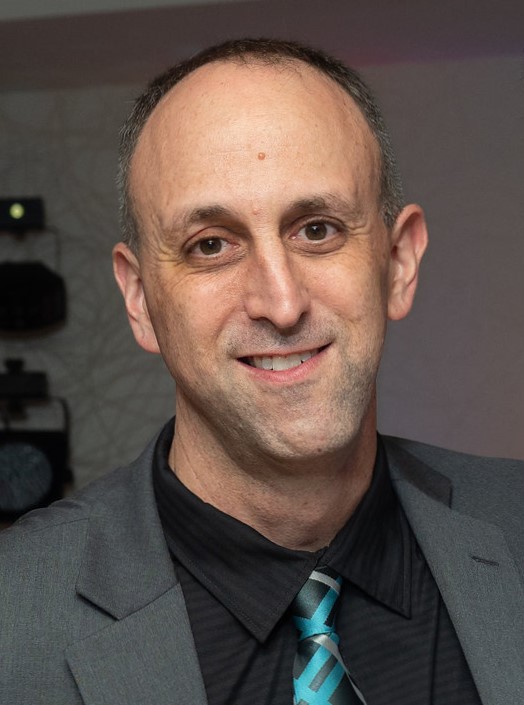
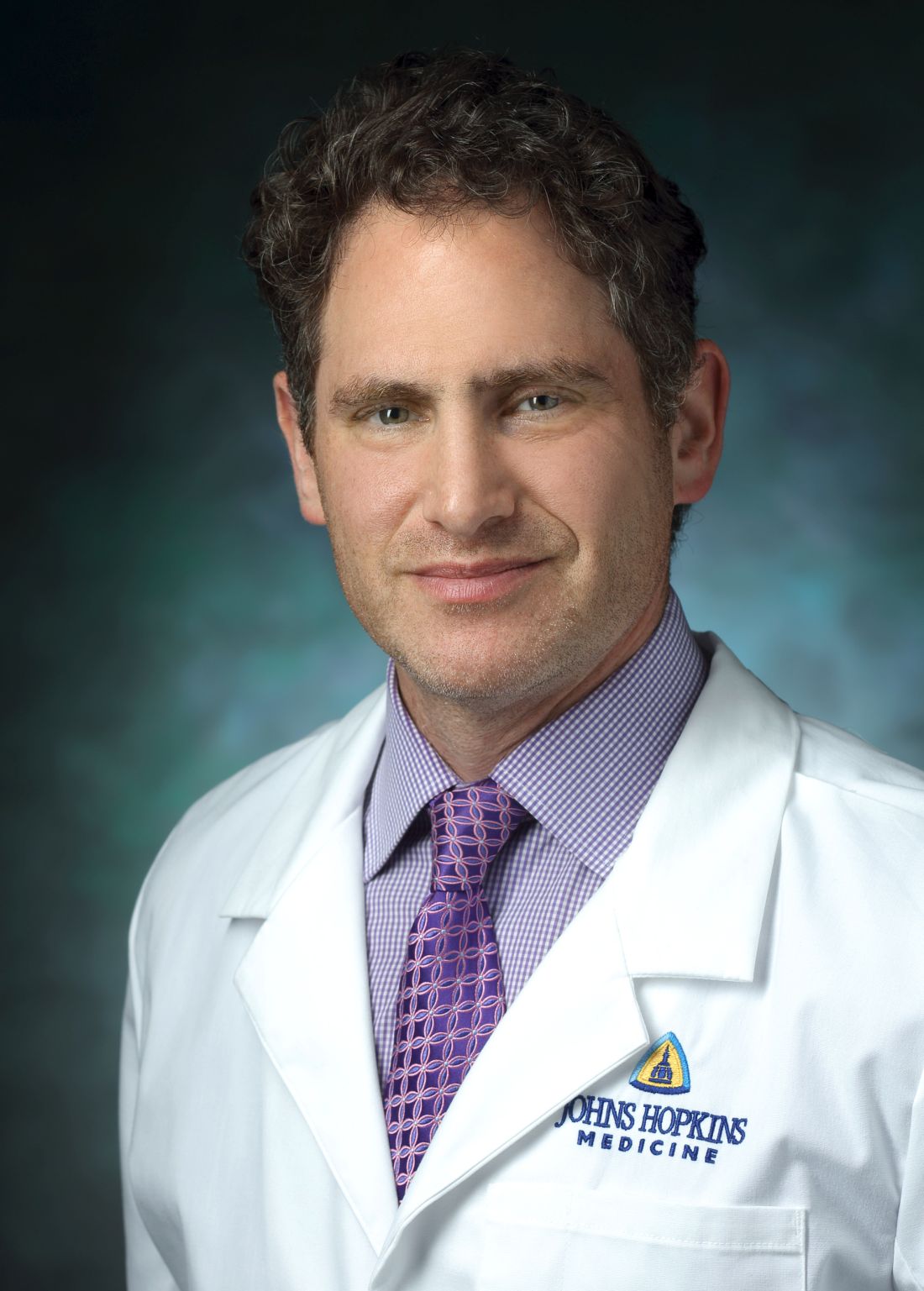
Daniel Dressler, MD, MSC, SFHM, of Emory University, Atlanta, and Daniel J. Brotman, MD, SFHM, director of the hospitalist program at Johns Hopkins Hospital, Baltimore, used a series of case studies to illustrate the conundrum. Despite their “pro” and “con” stances, though, both agreed in the end: First, do no harm.
There are no blanket recommendations for the use of steroids for pneumonia, because historically, studies have come to varied conclusions. However, Dr. Dressler, who advocated for the medications, said in an interview that recent publications paint a more complete picture.
“I think the newer studies in 2015 have made us more comfortable, because they look like there is more benefit” for steroids, especially among more severely ill patients, he noted. These international studies added more than 800 cases to the literature. A Spanish trial randomized 120 patients with high C-reactive protein to placebo or 0.5 mg/kg methylpred-nisolone every 12 hours for 5 days. There were fewer treatment failures in the prednisone group (13% vs. 31%), and fewer adverse clinical outcomes of intubation, shock, or death (3% vs. 14%). The number needed to treat to prevent one event was just six. (JAMA. 2015;313[7]:677-86).
In addition, a Cochrane meta-analysis analyzed 13 randomized trials, comprising more than 2,000 hospitalized patients. It found consistently lower rates of mortality, acute respiratory distress syndrome, early treatment failure, and hyperglycemia (Cochrane Database Syst Rev. 2017 Dec 13;12:CD007720).
“My recommendation is that inpatient clinicians should consider a brief course [5-7 days] of moderate-dose steroids (20-60 mg of prednisone equivalent) in patients admitted with CAP [community acquired pneumonia],” he said in an interview. “I personally give 40 mg prednisone for 5 days. I give even stronger consideration for severe CAP.”
Dr. Brotman countered with another set of articles from the literature, citing several studies with different conclusions. A separate meta-analysis of 12 trials appeared in the Annals of Internal Medicine (2015;163[7]:519-28). Half of the studies looked at outcomes in severe CAP, and the other half in less-severe cases. In the severe population, corticosteroids were associated with an overall decrease of about 40% in mortality, but that finding was driven largely by a single study; the others found nonsignificant decreases. The picture was less equivocal in the milder cases: Corticosteroids did not significantly reduce the risk of death.
In both groups, however, the drugs did significantly reduce the amount of hospital time. But this reduction came at a price, according to another review published in Clinical Infectious Diseases (2018 Jan 18;66[3]:346-54). Hospital stay was indeed reduced by a day, but there was no significant reduced risk of death (5.0% vs. 5.9% placebo). Similar rates of ICU admission and treatment failure, a doubling in the risk of hyperglycemia that required insulin, and a significantly higher risk of CAP-related rehospitalization (5.0% vs. 2.7%) rounded out the findings.
“Steroids may help patients feel better and have more reassuring vital signs and get out sooner, but at the expense of some toxicity, which might account for the readmissions,” Dr. Brotman said in an interview.
He then turned to the subject of sepsis. Before administering steroids for sepsis, physicians need to determine whether the powerful anti-inflammatory effect is worth the risks they carry. Adrenal failure is the biggest risk, Dr. Brotman said, citing last year’s ADRENAL study of 3,658 mechanically ventilated patients (N Engl J Med. 2018;378:797-808). They were randomized to a week of hydrocortisone 200 mg per day or placebo. The overall death rate was 28%, and steroids reduced the risk by only 5% (odds ratio, 0.95). The treatment group also had higher mean arterial pressure and lactate, a slower heart rate, and more serious diverse events, including hyperglycemia, hypernatremia, myopathy, and encephalopathy.
Initially, treated patients appeared to do better clinically, with a shorter period of ventilation, a shorter discharge from intensive care. But overall, there was no difference in ventilator-free days or hospital length of stay.“You may be improving clinical outcomes, but if you’re suppressing inflammation completely, you’re also suppressing a healthy response to an infectious process. There are some infections we need to be particularly cautious with, including tuberculosis,” Dr. Brotman added in the interview.
For his part, Dr. Dressler stated that the steroids-for-sepsis issue is “slightly murky.”
“A couple of new trials came out recently, and they lead us to reassess our thinking on this,” he said. Together, the studies comprised about 5,000 patients with septic shock – more than doubling the already studied cohort in 1 year. The reassessment came by means of a 2018 meta-analysis of all 9,000 patients. The findings actually led to new treatment guidelines, which were published in the British Medical Journal last year (2018;362:k3284).
The conclusion made a “weak recommendation” for corticosteroids in patients with sepsis. “Both steroids and no steroids are reasonable management options,” when also considering the overall clinical picture. For example, the recommendations advise against giving steroids to pregnant women, neonates, and patients with preexisting adrenal insufficiency.
However, the article noted, “Fully informed patients who value avoiding death over quality of life and function would likely choose corticosteroids.”
“I’m not sure these [studies] are changing what most people are doing,” Dr. Brotman countered in his interview. “I think the studies do help somewhat, because now we have enough numbers to suggest we can achieve a statistically significantly benefit. Septic shock is a life-threatening situation with a 40% risk of death. Now we can see that for every 50 people we treat with steroids, we can prevent 1 death. But that’s not the whole picture. Steroids won’t change the morality rate from 40% to 10%, but these studies do suggest that we can capture a small percent of people who may otherwise die.”
Dr. Dressler reported no financial disclosures. Dr. Brotman reported relationships with Bristol-Myers Squibb, Pfizer, and Portola.
Two experts drew on both personal experience and extant literature in the debate “Steroids for Pneumonia and Sepsis ... Do You Believe?” on Tuesday.
Daniel Dressler, MD, MSC, SFHM, of Emory University, Atlanta, and Daniel J. Brotman, MD, SFHM, director of the hospitalist program at Johns Hopkins Hospital, Baltimore, used a series of case studies to illustrate the conundrum. Despite their “pro” and “con” stances, though, both agreed in the end: First, do no harm.
There are no blanket recommendations for the use of steroids for pneumonia, because historically, studies have come to varied conclusions. However, Dr. Dressler, who advocated for the medications, said in an interview that recent publications paint a more complete picture.
“I think the newer studies in 2015 have made us more comfortable, because they look like there is more benefit” for steroids, especially among more severely ill patients, he noted. These international studies added more than 800 cases to the literature. A Spanish trial randomized 120 patients with high C-reactive protein to placebo or 0.5 mg/kg methylpred-nisolone every 12 hours for 5 days. There were fewer treatment failures in the prednisone group (13% vs. 31%), and fewer adverse clinical outcomes of intubation, shock, or death (3% vs. 14%). The number needed to treat to prevent one event was just six. (JAMA. 2015;313[7]:677-86).
In addition, a Cochrane meta-analysis analyzed 13 randomized trials, comprising more than 2,000 hospitalized patients. It found consistently lower rates of mortality, acute respiratory distress syndrome, early treatment failure, and hyperglycemia (Cochrane Database Syst Rev. 2017 Dec 13;12:CD007720).
“My recommendation is that inpatient clinicians should consider a brief course [5-7 days] of moderate-dose steroids (20-60 mg of prednisone equivalent) in patients admitted with CAP [community acquired pneumonia],” he said in an interview. “I personally give 40 mg prednisone for 5 days. I give even stronger consideration for severe CAP.”
Dr. Brotman countered with another set of articles from the literature, citing several studies with different conclusions. A separate meta-analysis of 12 trials appeared in the Annals of Internal Medicine (2015;163[7]:519-28). Half of the studies looked at outcomes in severe CAP, and the other half in less-severe cases. In the severe population, corticosteroids were associated with an overall decrease of about 40% in mortality, but that finding was driven largely by a single study; the others found nonsignificant decreases. The picture was less equivocal in the milder cases: Corticosteroids did not significantly reduce the risk of death.
In both groups, however, the drugs did significantly reduce the amount of hospital time. But this reduction came at a price, according to another review published in Clinical Infectious Diseases (2018 Jan 18;66[3]:346-54). Hospital stay was indeed reduced by a day, but there was no significant reduced risk of death (5.0% vs. 5.9% placebo). Similar rates of ICU admission and treatment failure, a doubling in the risk of hyperglycemia that required insulin, and a significantly higher risk of CAP-related rehospitalization (5.0% vs. 2.7%) rounded out the findings.
“Steroids may help patients feel better and have more reassuring vital signs and get out sooner, but at the expense of some toxicity, which might account for the readmissions,” Dr. Brotman said in an interview.
He then turned to the subject of sepsis. Before administering steroids for sepsis, physicians need to determine whether the powerful anti-inflammatory effect is worth the risks they carry. Adrenal failure is the biggest risk, Dr. Brotman said, citing last year’s ADRENAL study of 3,658 mechanically ventilated patients (N Engl J Med. 2018;378:797-808). They were randomized to a week of hydrocortisone 200 mg per day or placebo. The overall death rate was 28%, and steroids reduced the risk by only 5% (odds ratio, 0.95). The treatment group also had higher mean arterial pressure and lactate, a slower heart rate, and more serious diverse events, including hyperglycemia, hypernatremia, myopathy, and encephalopathy.
Initially, treated patients appeared to do better clinically, with a shorter period of ventilation, a shorter discharge from intensive care. But overall, there was no difference in ventilator-free days or hospital length of stay.“You may be improving clinical outcomes, but if you’re suppressing inflammation completely, you’re also suppressing a healthy response to an infectious process. There are some infections we need to be particularly cautious with, including tuberculosis,” Dr. Brotman added in the interview.
For his part, Dr. Dressler stated that the steroids-for-sepsis issue is “slightly murky.”
“A couple of new trials came out recently, and they lead us to reassess our thinking on this,” he said. Together, the studies comprised about 5,000 patients with septic shock – more than doubling the already studied cohort in 1 year. The reassessment came by means of a 2018 meta-analysis of all 9,000 patients. The findings actually led to new treatment guidelines, which were published in the British Medical Journal last year (2018;362:k3284).
The conclusion made a “weak recommendation” for corticosteroids in patients with sepsis. “Both steroids and no steroids are reasonable management options,” when also considering the overall clinical picture. For example, the recommendations advise against giving steroids to pregnant women, neonates, and patients with preexisting adrenal insufficiency.
However, the article noted, “Fully informed patients who value avoiding death over quality of life and function would likely choose corticosteroids.”
“I’m not sure these [studies] are changing what most people are doing,” Dr. Brotman countered in his interview. “I think the studies do help somewhat, because now we have enough numbers to suggest we can achieve a statistically significantly benefit. Septic shock is a life-threatening situation with a 40% risk of death. Now we can see that for every 50 people we treat with steroids, we can prevent 1 death. But that’s not the whole picture. Steroids won’t change the morality rate from 40% to 10%, but these studies do suggest that we can capture a small percent of people who may otherwise die.”
Dr. Dressler reported no financial disclosures. Dr. Brotman reported relationships with Bristol-Myers Squibb, Pfizer, and Portola.
Two experts drew on both personal experience and extant literature in the debate “Steroids for Pneumonia and Sepsis ... Do You Believe?” on Tuesday.
Daniel Dressler, MD, MSC, SFHM, of Emory University, Atlanta, and Daniel J. Brotman, MD, SFHM, director of the hospitalist program at Johns Hopkins Hospital, Baltimore, used a series of case studies to illustrate the conundrum. Despite their “pro” and “con” stances, though, both agreed in the end: First, do no harm.
There are no blanket recommendations for the use of steroids for pneumonia, because historically, studies have come to varied conclusions. However, Dr. Dressler, who advocated for the medications, said in an interview that recent publications paint a more complete picture.
“I think the newer studies in 2015 have made us more comfortable, because they look like there is more benefit” for steroids, especially among more severely ill patients, he noted. These international studies added more than 800 cases to the literature. A Spanish trial randomized 120 patients with high C-reactive protein to placebo or 0.5 mg/kg methylpred-nisolone every 12 hours for 5 days. There were fewer treatment failures in the prednisone group (13% vs. 31%), and fewer adverse clinical outcomes of intubation, shock, or death (3% vs. 14%). The number needed to treat to prevent one event was just six. (JAMA. 2015;313[7]:677-86).
In addition, a Cochrane meta-analysis analyzed 13 randomized trials, comprising more than 2,000 hospitalized patients. It found consistently lower rates of mortality, acute respiratory distress syndrome, early treatment failure, and hyperglycemia (Cochrane Database Syst Rev. 2017 Dec 13;12:CD007720).
“My recommendation is that inpatient clinicians should consider a brief course [5-7 days] of moderate-dose steroids (20-60 mg of prednisone equivalent) in patients admitted with CAP [community acquired pneumonia],” he said in an interview. “I personally give 40 mg prednisone for 5 days. I give even stronger consideration for severe CAP.”
Dr. Brotman countered with another set of articles from the literature, citing several studies with different conclusions. A separate meta-analysis of 12 trials appeared in the Annals of Internal Medicine (2015;163[7]:519-28). Half of the studies looked at outcomes in severe CAP, and the other half in less-severe cases. In the severe population, corticosteroids were associated with an overall decrease of about 40% in mortality, but that finding was driven largely by a single study; the others found nonsignificant decreases. The picture was less equivocal in the milder cases: Corticosteroids did not significantly reduce the risk of death.
In both groups, however, the drugs did significantly reduce the amount of hospital time. But this reduction came at a price, according to another review published in Clinical Infectious Diseases (2018 Jan 18;66[3]:346-54). Hospital stay was indeed reduced by a day, but there was no significant reduced risk of death (5.0% vs. 5.9% placebo). Similar rates of ICU admission and treatment failure, a doubling in the risk of hyperglycemia that required insulin, and a significantly higher risk of CAP-related rehospitalization (5.0% vs. 2.7%) rounded out the findings.
“Steroids may help patients feel better and have more reassuring vital signs and get out sooner, but at the expense of some toxicity, which might account for the readmissions,” Dr. Brotman said in an interview.
He then turned to the subject of sepsis. Before administering steroids for sepsis, physicians need to determine whether the powerful anti-inflammatory effect is worth the risks they carry. Adrenal failure is the biggest risk, Dr. Brotman said, citing last year’s ADRENAL study of 3,658 mechanically ventilated patients (N Engl J Med. 2018;378:797-808). They were randomized to a week of hydrocortisone 200 mg per day or placebo. The overall death rate was 28%, and steroids reduced the risk by only 5% (odds ratio, 0.95). The treatment group also had higher mean arterial pressure and lactate, a slower heart rate, and more serious diverse events, including hyperglycemia, hypernatremia, myopathy, and encephalopathy.
Initially, treated patients appeared to do better clinically, with a shorter period of ventilation, a shorter discharge from intensive care. But overall, there was no difference in ventilator-free days or hospital length of stay.“You may be improving clinical outcomes, but if you’re suppressing inflammation completely, you’re also suppressing a healthy response to an infectious process. There are some infections we need to be particularly cautious with, including tuberculosis,” Dr. Brotman added in the interview.
For his part, Dr. Dressler stated that the steroids-for-sepsis issue is “slightly murky.”
“A couple of new trials came out recently, and they lead us to reassess our thinking on this,” he said. Together, the studies comprised about 5,000 patients with septic shock – more than doubling the already studied cohort in 1 year. The reassessment came by means of a 2018 meta-analysis of all 9,000 patients. The findings actually led to new treatment guidelines, which were published in the British Medical Journal last year (2018;362:k3284).
The conclusion made a “weak recommendation” for corticosteroids in patients with sepsis. “Both steroids and no steroids are reasonable management options,” when also considering the overall clinical picture. For example, the recommendations advise against giving steroids to pregnant women, neonates, and patients with preexisting adrenal insufficiency.
However, the article noted, “Fully informed patients who value avoiding death over quality of life and function would likely choose corticosteroids.”
“I’m not sure these [studies] are changing what most people are doing,” Dr. Brotman countered in his interview. “I think the studies do help somewhat, because now we have enough numbers to suggest we can achieve a statistically significantly benefit. Septic shock is a life-threatening situation with a 40% risk of death. Now we can see that for every 50 people we treat with steroids, we can prevent 1 death. But that’s not the whole picture. Steroids won’t change the morality rate from 40% to 10%, but these studies do suggest that we can capture a small percent of people who may otherwise die.”
Dr. Dressler reported no financial disclosures. Dr. Brotman reported relationships with Bristol-Myers Squibb, Pfizer, and Portola.

Best of RIV highlights delirium, alcohol detox, and med rec projects
A project to improve how hospitalists address inpatient delirium, which has led to reductions in length of stay and cost, took center stage on Tuesday morning at HM19 in the Best of RIV plenary session.
The project, conducted at the University of California, San Francisco (UCSF), was presented alongside projects on alcohol detox at the Cleveland Veterans Affairs Medical Center and on medication reconciliation at Brigham and Women’s Hospital in Boston.
“The plenary is the top three of the 1,000 that are out there – so, impressive work,” said Benji Mathews, MD, SFHM, the chair of the Research, Innovations and Vignettes competition.
At UCSF, the project was meant to tackle the huge problem of delirium in the hospital, said Catherine Lau, MD, SFHM, associate professor of medicine there. Each year delirium affects more than 7 million people who are hospitalized, and hospital-acquired delirium is linked with prolonged stays and more emergency department visits and hospital readmissions. But research has found that as many as a third of these hospital-acquired cases can be prevented, Dr. Lau said.
New admissions and transfers – a total of more than 2,800 patients – were assessed for delirium risk, and those deemed high risk were entered into a delirium care plan, aimed at prevention with nonpharmacologic steps such as maximizing their mobility and helping them sleep at night.
All patients also were screened on every nursing shift for delirium, and those diagnosed with the disorder were placed in the delirium care plan, with notification of the patient’s team for treatment.
The average length of stay decreased by 0.8 days (P less than .001), with a decrease of 1.9 days in patients with delirium, compared with outcomes for nearly 2,600 patients before the intervention was implemented, Dr. Lau said. Researchers also found a decrease in $850 spent per patient (P less than .001), with a direct savings to the hospital of a total of $997,000, she said. The 30-day readmission rate also fell significantly, from 18.9% to 15.9% (P = .03).
The screening itself seemed to be the most important factor in the project, Dr. Lau said.
“Just the recognition that their patient was at risk for delirium or actually had delirium really raised awareness,” she said.
The project on alcohol detox used careful risk assessments at emergency department discharge, e-consults, protocols to limit benzodiazepine prescribing, and telephone follow-up to reduce hospital admissions and 30-day readmissions, as well as length of stay.
Researchers used scores on CIWA – a 10-question measurement of the severity of someone’s alcohol withdrawal – and history of complicated alcohol-use withdrawal to determine whether ED patients should be admitted to the floor or sent home with or without prescriptions for gabapentin and lorazepam, said Robert Patrick, MD, a hospitalist at the Cleveland VA.
Perhaps the most innovative feature of the program was using systolic blood pressure and heart rate in addition to CIWA to determine whether someone should receive a benzodiazepine, he said. Someone with a CIWA of 9-12, for instance, would be prescribed one of these drugs only if their vitals were elevated, Dr. Patrick said.
He encouraged other hospitalists to try a similar program at their centers.
“You don’t have to be at a VA to do this,” he said. “And most importantly, you don’t have to have a cooperative ED to do this. You can do this just within your hospitalist group.”
In another presentation, Jeffrey Schnipper, MD, MPH, FHM, associate professor of medicine at Harvard Medical School, Boston, described the results from a project in which SHM’s MARQUIS program – an evidence-based “toolkit” on medication reconciliation – was implemented at 18 hospitals. The kit offers a plan to get the best possible medication history, give medication counseling on discharge, and identify patients at risk for medication discrepancies. The 18 sites were coached, with areas of improvement identified.
By months 13-18 of the study period, the number of medication discrepancies had fallen to 0.93 per patient for those who’d received at least one form of intervention, compared with 2.69 per patient among those who’d received none.
“The MARQUIS interventions, including the toolkit and mentored implementation,” Dr. Schnipper said, “are associated with a marked reduction in medication discrepancies.”
A project to improve how hospitalists address inpatient delirium, which has led to reductions in length of stay and cost, took center stage on Tuesday morning at HM19 in the Best of RIV plenary session.
The project, conducted at the University of California, San Francisco (UCSF), was presented alongside projects on alcohol detox at the Cleveland Veterans Affairs Medical Center and on medication reconciliation at Brigham and Women’s Hospital in Boston.
“The plenary is the top three of the 1,000 that are out there – so, impressive work,” said Benji Mathews, MD, SFHM, the chair of the Research, Innovations and Vignettes competition.
At UCSF, the project was meant to tackle the huge problem of delirium in the hospital, said Catherine Lau, MD, SFHM, associate professor of medicine there. Each year delirium affects more than 7 million people who are hospitalized, and hospital-acquired delirium is linked with prolonged stays and more emergency department visits and hospital readmissions. But research has found that as many as a third of these hospital-acquired cases can be prevented, Dr. Lau said.
New admissions and transfers – a total of more than 2,800 patients – were assessed for delirium risk, and those deemed high risk were entered into a delirium care plan, aimed at prevention with nonpharmacologic steps such as maximizing their mobility and helping them sleep at night.
All patients also were screened on every nursing shift for delirium, and those diagnosed with the disorder were placed in the delirium care plan, with notification of the patient’s team for treatment.
The average length of stay decreased by 0.8 days (P less than .001), with a decrease of 1.9 days in patients with delirium, compared with outcomes for nearly 2,600 patients before the intervention was implemented, Dr. Lau said. Researchers also found a decrease in $850 spent per patient (P less than .001), with a direct savings to the hospital of a total of $997,000, she said. The 30-day readmission rate also fell significantly, from 18.9% to 15.9% (P = .03).
The screening itself seemed to be the most important factor in the project, Dr. Lau said.
“Just the recognition that their patient was at risk for delirium or actually had delirium really raised awareness,” she said.
The project on alcohol detox used careful risk assessments at emergency department discharge, e-consults, protocols to limit benzodiazepine prescribing, and telephone follow-up to reduce hospital admissions and 30-day readmissions, as well as length of stay.
Researchers used scores on CIWA – a 10-question measurement of the severity of someone’s alcohol withdrawal – and history of complicated alcohol-use withdrawal to determine whether ED patients should be admitted to the floor or sent home with or without prescriptions for gabapentin and lorazepam, said Robert Patrick, MD, a hospitalist at the Cleveland VA.
Perhaps the most innovative feature of the program was using systolic blood pressure and heart rate in addition to CIWA to determine whether someone should receive a benzodiazepine, he said. Someone with a CIWA of 9-12, for instance, would be prescribed one of these drugs only if their vitals were elevated, Dr. Patrick said.
He encouraged other hospitalists to try a similar program at their centers.
“You don’t have to be at a VA to do this,” he said. “And most importantly, you don’t have to have a cooperative ED to do this. You can do this just within your hospitalist group.”
In another presentation, Jeffrey Schnipper, MD, MPH, FHM, associate professor of medicine at Harvard Medical School, Boston, described the results from a project in which SHM’s MARQUIS program – an evidence-based “toolkit” on medication reconciliation – was implemented at 18 hospitals. The kit offers a plan to get the best possible medication history, give medication counseling on discharge, and identify patients at risk for medication discrepancies. The 18 sites were coached, with areas of improvement identified.
By months 13-18 of the study period, the number of medication discrepancies had fallen to 0.93 per patient for those who’d received at least one form of intervention, compared with 2.69 per patient among those who’d received none.
“The MARQUIS interventions, including the toolkit and mentored implementation,” Dr. Schnipper said, “are associated with a marked reduction in medication discrepancies.”
A project to improve how hospitalists address inpatient delirium, which has led to reductions in length of stay and cost, took center stage on Tuesday morning at HM19 in the Best of RIV plenary session.
The project, conducted at the University of California, San Francisco (UCSF), was presented alongside projects on alcohol detox at the Cleveland Veterans Affairs Medical Center and on medication reconciliation at Brigham and Women’s Hospital in Boston.
“The plenary is the top three of the 1,000 that are out there – so, impressive work,” said Benji Mathews, MD, SFHM, the chair of the Research, Innovations and Vignettes competition.
At UCSF, the project was meant to tackle the huge problem of delirium in the hospital, said Catherine Lau, MD, SFHM, associate professor of medicine there. Each year delirium affects more than 7 million people who are hospitalized, and hospital-acquired delirium is linked with prolonged stays and more emergency department visits and hospital readmissions. But research has found that as many as a third of these hospital-acquired cases can be prevented, Dr. Lau said.
New admissions and transfers – a total of more than 2,800 patients – were assessed for delirium risk, and those deemed high risk were entered into a delirium care plan, aimed at prevention with nonpharmacologic steps such as maximizing their mobility and helping them sleep at night.
All patients also were screened on every nursing shift for delirium, and those diagnosed with the disorder were placed in the delirium care plan, with notification of the patient’s team for treatment.
The average length of stay decreased by 0.8 days (P less than .001), with a decrease of 1.9 days in patients with delirium, compared with outcomes for nearly 2,600 patients before the intervention was implemented, Dr. Lau said. Researchers also found a decrease in $850 spent per patient (P less than .001), with a direct savings to the hospital of a total of $997,000, she said. The 30-day readmission rate also fell significantly, from 18.9% to 15.9% (P = .03).
The screening itself seemed to be the most important factor in the project, Dr. Lau said.
“Just the recognition that their patient was at risk for delirium or actually had delirium really raised awareness,” she said.
The project on alcohol detox used careful risk assessments at emergency department discharge, e-consults, protocols to limit benzodiazepine prescribing, and telephone follow-up to reduce hospital admissions and 30-day readmissions, as well as length of stay.
Researchers used scores on CIWA – a 10-question measurement of the severity of someone’s alcohol withdrawal – and history of complicated alcohol-use withdrawal to determine whether ED patients should be admitted to the floor or sent home with or without prescriptions for gabapentin and lorazepam, said Robert Patrick, MD, a hospitalist at the Cleveland VA.
Perhaps the most innovative feature of the program was using systolic blood pressure and heart rate in addition to CIWA to determine whether someone should receive a benzodiazepine, he said. Someone with a CIWA of 9-12, for instance, would be prescribed one of these drugs only if their vitals were elevated, Dr. Patrick said.
He encouraged other hospitalists to try a similar program at their centers.
“You don’t have to be at a VA to do this,” he said. “And most importantly, you don’t have to have a cooperative ED to do this. You can do this just within your hospitalist group.”
In another presentation, Jeffrey Schnipper, MD, MPH, FHM, associate professor of medicine at Harvard Medical School, Boston, described the results from a project in which SHM’s MARQUIS program – an evidence-based “toolkit” on medication reconciliation – was implemented at 18 hospitals. The kit offers a plan to get the best possible medication history, give medication counseling on discharge, and identify patients at risk for medication discrepancies. The 18 sites were coached, with areas of improvement identified.
By months 13-18 of the study period, the number of medication discrepancies had fallen to 0.93 per patient for those who’d received at least one form of intervention, compared with 2.69 per patient among those who’d received none.
“The MARQUIS interventions, including the toolkit and mentored implementation,” Dr. Schnipper said, “are associated with a marked reduction in medication discrepancies.”
Session encourages action on improving gender equity
How to develop and employ strategies to advance gender equality in hospital medicine was the focus of Tuesday’s Quick Talk “Lead In: Advancing Gender Equity in Hospital Medicine.”

Attendees heard the importance of taking action now to improve gender equality in hospital medicine to better the climate for current and future physicians. The session’s aim was to be informative and serve as a call-to-action, said presenter Vineet Arora, MD, MAPP, MPM, a professor of medicine and assistant dean for scholarship and discovery at the University of Chicago.
“Without deliberate focus and attention, it will take 200 years to close the gender equity gap worldwide,” Dr. Arora said in an interview. “This is a call to action for us to not only help current women but also future generations to come. To make a dent, gender inequity needs to be treated like a never event, much like how we have approached patient safety for the past 20 years, for us to change the culture and make actual progress.”
During the presentation, Dr. Arora discussed various strategies that hospital medicine program leaders can utilize to recognize and empower women in the workplace and that center on making women seen, heard, and known among work teams and leadership. For example, prominent women leaders can be displayed through photos in the building to draw recognition. Supporting and expanding on ideas made by women with appropriate attribution also is key, Dr. Arora noted. She discussed a strategy used by women staffers in the Obama administration during meetings. When one woman staffer made a key point, another woman staffer would repeat the point and give credit to its author, which compelled men in the room to acknowledge the idea while preventing them from claiming the idea as their own later.
Dr. Arora stressed the importance of sponsoring women in their career endeavors, supporting women who are successful, and recognizing gender bias in yourself. She noted a recent study that found when female residents struggled, they received discordant feedback on autonomy and assertiveness.
The take-home message for attendees is that today is the right time to make changes and improve gender equality, said Dr. Arora, who is a founding member of TIME’S UP Healthcare, an organization that addresses gender inequalities and sexual harassment.
“I hope attendees will take immediate action to address gender equity, including create sponsorship programs, make sure women are not only seen but also heard, and address any implicit bias that may be hampering advancement of women,” she said.
How to develop and employ strategies to advance gender equality in hospital medicine was the focus of Tuesday’s Quick Talk “Lead In: Advancing Gender Equity in Hospital Medicine.”
Attendees heard the importance of taking action now to improve gender equality in hospital medicine to better the climate for current and future physicians. The session’s aim was to be informative and serve as a call-to-action, said presenter Vineet Arora, MD, MAPP, MPM, a professor of medicine and assistant dean for scholarship and discovery at the University of Chicago.
“Without deliberate focus and attention, it will take 200 years to close the gender equity gap worldwide,” Dr. Arora said in an interview. “This is a call to action for us to not only help current women but also future generations to come. To make a dent, gender inequity needs to be treated like a never event, much like how we have approached patient safety for the past 20 years, for us to change the culture and make actual progress.”
During the presentation, Dr. Arora discussed various strategies that hospital medicine program leaders can utilize to recognize and empower women in the workplace and that center on making women seen, heard, and known among work teams and leadership. For example, prominent women leaders can be displayed through photos in the building to draw recognition. Supporting and expanding on ideas made by women with appropriate attribution also is key, Dr. Arora noted. She discussed a strategy used by women staffers in the Obama administration during meetings. When one woman staffer made a key point, another woman staffer would repeat the point and give credit to its author, which compelled men in the room to acknowledge the idea while preventing them from claiming the idea as their own later.
Dr. Arora stressed the importance of sponsoring women in their career endeavors, supporting women who are successful, and recognizing gender bias in yourself. She noted a recent study that found when female residents struggled, they received discordant feedback on autonomy and assertiveness.
The take-home message for attendees is that today is the right time to make changes and improve gender equality, said Dr. Arora, who is a founding member of TIME’S UP Healthcare, an organization that addresses gender inequalities and sexual harassment.
“I hope attendees will take immediate action to address gender equity, including create sponsorship programs, make sure women are not only seen but also heard, and address any implicit bias that may be hampering advancement of women,” she said.
How to develop and employ strategies to advance gender equality in hospital medicine was the focus of Tuesday’s Quick Talk “Lead In: Advancing Gender Equity in Hospital Medicine.”
Attendees heard the importance of taking action now to improve gender equality in hospital medicine to better the climate for current and future physicians. The session’s aim was to be informative and serve as a call-to-action, said presenter Vineet Arora, MD, MAPP, MPM, a professor of medicine and assistant dean for scholarship and discovery at the University of Chicago.
“Without deliberate focus and attention, it will take 200 years to close the gender equity gap worldwide,” Dr. Arora said in an interview. “This is a call to action for us to not only help current women but also future generations to come. To make a dent, gender inequity needs to be treated like a never event, much like how we have approached patient safety for the past 20 years, for us to change the culture and make actual progress.”
During the presentation, Dr. Arora discussed various strategies that hospital medicine program leaders can utilize to recognize and empower women in the workplace and that center on making women seen, heard, and known among work teams and leadership. For example, prominent women leaders can be displayed through photos in the building to draw recognition. Supporting and expanding on ideas made by women with appropriate attribution also is key, Dr. Arora noted. She discussed a strategy used by women staffers in the Obama administration during meetings. When one woman staffer made a key point, another woman staffer would repeat the point and give credit to its author, which compelled men in the room to acknowledge the idea while preventing them from claiming the idea as their own later.
Dr. Arora stressed the importance of sponsoring women in their career endeavors, supporting women who are successful, and recognizing gender bias in yourself. She noted a recent study that found when female residents struggled, they received discordant feedback on autonomy and assertiveness.
The take-home message for attendees is that today is the right time to make changes and improve gender equality, said Dr. Arora, who is a founding member of TIME’S UP Healthcare, an organization that addresses gender inequalities and sexual harassment.
“I hope attendees will take immediate action to address gender equity, including create sponsorship programs, make sure women are not only seen but also heard, and address any implicit bias that may be hampering advancement of women,” she said.

Medical cannabis brings complexity to hospitals
As the legalization of medical cannabis becomes more widespread, more and more patients admitted to the hospital are taking it. But once a patient crosses the hospital threshold, how do you incorporate into your care a product that is still illegal at the federal level?

Charles Reznikoff, MD, a physician and addiction specialist who treats medically complex hospitalized patients, walked the audience through the complexities of use of medical cannabis in these patients in a session Tuesday here at HM19. Dr. Reznikoff, from the Hennepin County (Minn.) Medical Center (HCMC), in the Minneapolis area, also discussed medical cannabis indications and contraindications in hospitalized patients.
In 2014, Minnesota passed a law allowing the use of state-based medical cannabis program products in the hospital setting. Two hospitals in the state – HCMC and the Mayo Clinic, which began allowing its use at those centers 3 years ago – illustrate the divergent ways in which different centers manage and oversee the products’ use, as they are forced to navigate nuances particular to their settings.
At Mayo, the medical cannabis is centrally stored, maintained, and administered by hospital nurses, physicians, and pharmacists. At HCMC, the situation is very different.
“Our nursing union told us, ‘Don’t make us handle schedule I substances,’ ” Dr. Reznikoff said. In addition, the hospital’s security officers – who are often off-duty police officers – said that their only interaction with medical cannabis would be to destroy it because of its illegal federal status.
So, at HCMC, the hospital documents which patients have medical cannabis, and the patients let nurses know when they take it and administer it themselves, with that administration documented. Only edibles and tinctures are allowed for use in the hospital – vaping is prohibited.
Despite the departure from the normal use of the hospital’s own formulary and pharmacy, the procedures have worked out, he said.
“For HCMC, it has been pretty straightforward – patients are happy and it has been a piece of cake,” he said, adding that in a few instances patients have been unaware that they could use their medical cannabis, or staff has been confused about the protocol.
Physicians in these situations should be on the lookout for contraindications and potential side effects, Dr. Reznikoff said.
“Medical cannabis has not a ton, but some, important side effects worth knowing about,” he said. “It can cause falls, it can cause dizziness. It can cause a little bit of tachycardia ... If they stop it, people can have mild withdrawal.”
Contraindications include altered mental status such as delirium, having had falls or having a risk of falling, hypotension or hypovolemia, and psychosis.
“For our patients, it is mostly HIV/AIDS and cancer patients who have contraindications, and that comes in the form of infectious diseases and their complications,” he said in an interview.
In the realm of palliative care, cancer, AIDS, and end-of-life care, the use of medical cannabis is a potential tool and should hinge on what patients report back as helpful or not helpful, he said.
But some claims being made about cannabidiol oil, whether as immunotherapy for autoimmune diseases, as an antipsychotic for schizophrenia, or as a cure for heroin addiction, for example, stretch credibility, Dr. Reznikoff said. But the evidence in favor of its use for seizure-reduction, for example, is persuasive, he added.
Overall, medical cannabis for hospitalized patients is no simple matter, but it is worth the fuss for some patients, he said.
“There are a few niches for it – and I think they are niches, but they’re there,” he said. “I don’t love medical cannabis. I think there are a lot of issues with it. I think a lot of physicians are very frustrated with it. But I think also, when we’re talking about palliative care–type issues and seizure disorders not otherwise treated by conventional means ... it’s very reasonable to bring cannabis into the hospital.”
As the legalization of medical cannabis becomes more widespread, more and more patients admitted to the hospital are taking it. But once a patient crosses the hospital threshold, how do you incorporate into your care a product that is still illegal at the federal level?
Charles Reznikoff, MD, a physician and addiction specialist who treats medically complex hospitalized patients, walked the audience through the complexities of use of medical cannabis in these patients in a session Tuesday here at HM19. Dr. Reznikoff, from the Hennepin County (Minn.) Medical Center (HCMC), in the Minneapolis area, also discussed medical cannabis indications and contraindications in hospitalized patients.
In 2014, Minnesota passed a law allowing the use of state-based medical cannabis program products in the hospital setting. Two hospitals in the state – HCMC and the Mayo Clinic, which began allowing its use at those centers 3 years ago – illustrate the divergent ways in which different centers manage and oversee the products’ use, as they are forced to navigate nuances particular to their settings.
At Mayo, the medical cannabis is centrally stored, maintained, and administered by hospital nurses, physicians, and pharmacists. At HCMC, the situation is very different.
“Our nursing union told us, ‘Don’t make us handle schedule I substances,’ ” Dr. Reznikoff said. In addition, the hospital’s security officers – who are often off-duty police officers – said that their only interaction with medical cannabis would be to destroy it because of its illegal federal status.
So, at HCMC, the hospital documents which patients have medical cannabis, and the patients let nurses know when they take it and administer it themselves, with that administration documented. Only edibles and tinctures are allowed for use in the hospital – vaping is prohibited.
Despite the departure from the normal use of the hospital’s own formulary and pharmacy, the procedures have worked out, he said.
“For HCMC, it has been pretty straightforward – patients are happy and it has been a piece of cake,” he said, adding that in a few instances patients have been unaware that they could use their medical cannabis, or staff has been confused about the protocol.
Physicians in these situations should be on the lookout for contraindications and potential side effects, Dr. Reznikoff said.
“Medical cannabis has not a ton, but some, important side effects worth knowing about,” he said. “It can cause falls, it can cause dizziness. It can cause a little bit of tachycardia ... If they stop it, people can have mild withdrawal.”
Contraindications include altered mental status such as delirium, having had falls or having a risk of falling, hypotension or hypovolemia, and psychosis.
“For our patients, it is mostly HIV/AIDS and cancer patients who have contraindications, and that comes in the form of infectious diseases and their complications,” he said in an interview.
In the realm of palliative care, cancer, AIDS, and end-of-life care, the use of medical cannabis is a potential tool and should hinge on what patients report back as helpful or not helpful, he said.
But some claims being made about cannabidiol oil, whether as immunotherapy for autoimmune diseases, as an antipsychotic for schizophrenia, or as a cure for heroin addiction, for example, stretch credibility, Dr. Reznikoff said. But the evidence in favor of its use for seizure-reduction, for example, is persuasive, he added.
Overall, medical cannabis for hospitalized patients is no simple matter, but it is worth the fuss for some patients, he said.
“There are a few niches for it – and I think they are niches, but they’re there,” he said. “I don’t love medical cannabis. I think there are a lot of issues with it. I think a lot of physicians are very frustrated with it. But I think also, when we’re talking about palliative care–type issues and seizure disorders not otherwise treated by conventional means ... it’s very reasonable to bring cannabis into the hospital.”
As the legalization of medical cannabis becomes more widespread, more and more patients admitted to the hospital are taking it. But once a patient crosses the hospital threshold, how do you incorporate into your care a product that is still illegal at the federal level?
Charles Reznikoff, MD, a physician and addiction specialist who treats medically complex hospitalized patients, walked the audience through the complexities of use of medical cannabis in these patients in a session Tuesday here at HM19. Dr. Reznikoff, from the Hennepin County (Minn.) Medical Center (HCMC), in the Minneapolis area, also discussed medical cannabis indications and contraindications in hospitalized patients.
In 2014, Minnesota passed a law allowing the use of state-based medical cannabis program products in the hospital setting. Two hospitals in the state – HCMC and the Mayo Clinic, which began allowing its use at those centers 3 years ago – illustrate the divergent ways in which different centers manage and oversee the products’ use, as they are forced to navigate nuances particular to their settings.
At Mayo, the medical cannabis is centrally stored, maintained, and administered by hospital nurses, physicians, and pharmacists. At HCMC, the situation is very different.
“Our nursing union told us, ‘Don’t make us handle schedule I substances,’ ” Dr. Reznikoff said. In addition, the hospital’s security officers – who are often off-duty police officers – said that their only interaction with medical cannabis would be to destroy it because of its illegal federal status.
So, at HCMC, the hospital documents which patients have medical cannabis, and the patients let nurses know when they take it and administer it themselves, with that administration documented. Only edibles and tinctures are allowed for use in the hospital – vaping is prohibited.
Despite the departure from the normal use of the hospital’s own formulary and pharmacy, the procedures have worked out, he said.
“For HCMC, it has been pretty straightforward – patients are happy and it has been a piece of cake,” he said, adding that in a few instances patients have been unaware that they could use their medical cannabis, or staff has been confused about the protocol.
Physicians in these situations should be on the lookout for contraindications and potential side effects, Dr. Reznikoff said.
“Medical cannabis has not a ton, but some, important side effects worth knowing about,” he said. “It can cause falls, it can cause dizziness. It can cause a little bit of tachycardia ... If they stop it, people can have mild withdrawal.”
Contraindications include altered mental status such as delirium, having had falls or having a risk of falling, hypotension or hypovolemia, and psychosis.
“For our patients, it is mostly HIV/AIDS and cancer patients who have contraindications, and that comes in the form of infectious diseases and their complications,” he said in an interview.
In the realm of palliative care, cancer, AIDS, and end-of-life care, the use of medical cannabis is a potential tool and should hinge on what patients report back as helpful or not helpful, he said.
But some claims being made about cannabidiol oil, whether as immunotherapy for autoimmune diseases, as an antipsychotic for schizophrenia, or as a cure for heroin addiction, for example, stretch credibility, Dr. Reznikoff said. But the evidence in favor of its use for seizure-reduction, for example, is persuasive, he added.
Overall, medical cannabis for hospitalized patients is no simple matter, but it is worth the fuss for some patients, he said.
“There are a few niches for it – and I think they are niches, but they’re there,” he said. “I don’t love medical cannabis. I think there are a lot of issues with it. I think a lot of physicians are very frustrated with it. But I think also, when we’re talking about palliative care–type issues and seizure disorders not otherwise treated by conventional means ... it’s very reasonable to bring cannabis into the hospital.”

Fezolinetant looks good for hot flashes in phase 2b trial
NEW ORLEANS – Hot flash frequency was reduced by up to threefold in phase 2b results for fezolinetant, a novel nonhormonal therapy.

The neurokinin-3–receptor (NK3R) antagonist showed a significant reduction of 1.8-2.6 mean hot flashes daily from placebo in twice-daily dosing at the end of 12 weeks, despite a strong 55% response rate to placebo, Graeme Fraser, PhD, said at the annual meeting of the Endocrine Society.
Once-daily dosing also significantly dropped the frequency of moderate to severe vasomotor symptoms by 2.1-2.6 events daily, compared with placebo at the end of 12 weeks.
“This phase 2b trial was really about looking at different dose levels and looking at the once-daily versus twice-daily dosing,” Dr. Fraser said in a video interview. “The efficacy of both, with regard to once-daily and twice-daily dosing, was clear.”
The investigators looked at doses ranging from 15 mg to 90 mg twice daily and 30-120 mg daily. Significant reductions in frequency of moderate to severe hot flashes were seen at all doses and frequencies at 4 weeks and 12 weeks.
A coprimary endpoint, vasomotor severity, was also significantly reduced at 12 weeks for the two highest twice-daily doses. Hot flash severity was similarly reduced at 12 weeks for the two highest once-daily doses.
The safety profile was generally good; there were no signs of suicidality, no changes in endometrial thickness judged by ultrasound or endometrial biopsy, and estradiol levels were unchanged. Plasma bone markers, other laboratory values, and electrocardiograms were also unchanged.
A total of nine women experienced asymptomatic elevations in liver enzymes without bilirubin elevation. Most of these elevations were below three times the upper limit of normal.
Across 51 study sites in the United States, a total of 352 women received one dose of study drug and were included in the safety analysis. Efficacy was analyzed for 349 women, and 287 (81%) were considered completers.
Women were included in the randomized, double-blind, placebo-controlled study if they were naturally or surgically menopausal and aged 40-65 years, and experiencing at least 50 moderate to severe hot flashes weekly.
Fezolinetant acts on the KNDy neuron by replacing estrogen’s inhibitory effects. “Normally the firing is controlled by estrogen, but of course, in menopause, estrogen levels drop, and that control is lost,” explained Dr. Fraser. Fezolinetant exerts antagonism on the KNDy neuron’s NK3 receptor. “Why that’s important is that this neuron synapses at the thermoregulatory centers of the brain.”
Dr. Fraser said that discussions are underway with regulatory authorities to proceed to phase 3 clinical trials.
Dr. Fraser is a consultant to Astellas and was formerly a principal in Ogeda, the developer of fezolinetant. Ogeda is now a wholly owned subsidiary of Astellas, which funded the phase 2B trial.
NEW ORLEANS – Hot flash frequency was reduced by up to threefold in phase 2b results for fezolinetant, a novel nonhormonal therapy.
The neurokinin-3–receptor (NK3R) antagonist showed a significant reduction of 1.8-2.6 mean hot flashes daily from placebo in twice-daily dosing at the end of 12 weeks, despite a strong 55% response rate to placebo, Graeme Fraser, PhD, said at the annual meeting of the Endocrine Society.
Once-daily dosing also significantly dropped the frequency of moderate to severe vasomotor symptoms by 2.1-2.6 events daily, compared with placebo at the end of 12 weeks.
“This phase 2b trial was really about looking at different dose levels and looking at the once-daily versus twice-daily dosing,” Dr. Fraser said in a video interview. “The efficacy of both, with regard to once-daily and twice-daily dosing, was clear.”
The investigators looked at doses ranging from 15 mg to 90 mg twice daily and 30-120 mg daily. Significant reductions in frequency of moderate to severe hot flashes were seen at all doses and frequencies at 4 weeks and 12 weeks.
A coprimary endpoint, vasomotor severity, was also significantly reduced at 12 weeks for the two highest twice-daily doses. Hot flash severity was similarly reduced at 12 weeks for the two highest once-daily doses.
The safety profile was generally good; there were no signs of suicidality, no changes in endometrial thickness judged by ultrasound or endometrial biopsy, and estradiol levels were unchanged. Plasma bone markers, other laboratory values, and electrocardiograms were also unchanged.
A total of nine women experienced asymptomatic elevations in liver enzymes without bilirubin elevation. Most of these elevations were below three times the upper limit of normal.
Across 51 study sites in the United States, a total of 352 women received one dose of study drug and were included in the safety analysis. Efficacy was analyzed for 349 women, and 287 (81%) were considered completers.
Women were included in the randomized, double-blind, placebo-controlled study if they were naturally or surgically menopausal and aged 40-65 years, and experiencing at least 50 moderate to severe hot flashes weekly.
Fezolinetant acts on the KNDy neuron by replacing estrogen’s inhibitory effects. “Normally the firing is controlled by estrogen, but of course, in menopause, estrogen levels drop, and that control is lost,” explained Dr. Fraser. Fezolinetant exerts antagonism on the KNDy neuron’s NK3 receptor. “Why that’s important is that this neuron synapses at the thermoregulatory centers of the brain.”
Dr. Fraser said that discussions are underway with regulatory authorities to proceed to phase 3 clinical trials.
Dr. Fraser is a consultant to Astellas and was formerly a principal in Ogeda, the developer of fezolinetant. Ogeda is now a wholly owned subsidiary of Astellas, which funded the phase 2B trial.
NEW ORLEANS – Hot flash frequency was reduced by up to threefold in phase 2b results for fezolinetant, a novel nonhormonal therapy.
The neurokinin-3–receptor (NK3R) antagonist showed a significant reduction of 1.8-2.6 mean hot flashes daily from placebo in twice-daily dosing at the end of 12 weeks, despite a strong 55% response rate to placebo, Graeme Fraser, PhD, said at the annual meeting of the Endocrine Society.
Once-daily dosing also significantly dropped the frequency of moderate to severe vasomotor symptoms by 2.1-2.6 events daily, compared with placebo at the end of 12 weeks.
“This phase 2b trial was really about looking at different dose levels and looking at the once-daily versus twice-daily dosing,” Dr. Fraser said in a video interview. “The efficacy of both, with regard to once-daily and twice-daily dosing, was clear.”
The investigators looked at doses ranging from 15 mg to 90 mg twice daily and 30-120 mg daily. Significant reductions in frequency of moderate to severe hot flashes were seen at all doses and frequencies at 4 weeks and 12 weeks.
A coprimary endpoint, vasomotor severity, was also significantly reduced at 12 weeks for the two highest twice-daily doses. Hot flash severity was similarly reduced at 12 weeks for the two highest once-daily doses.
The safety profile was generally good; there were no signs of suicidality, no changes in endometrial thickness judged by ultrasound or endometrial biopsy, and estradiol levels were unchanged. Plasma bone markers, other laboratory values, and electrocardiograms were also unchanged.
A total of nine women experienced asymptomatic elevations in liver enzymes without bilirubin elevation. Most of these elevations were below three times the upper limit of normal.
Across 51 study sites in the United States, a total of 352 women received one dose of study drug and were included in the safety analysis. Efficacy was analyzed for 349 women, and 287 (81%) were considered completers.
Women were included in the randomized, double-blind, placebo-controlled study if they were naturally or surgically menopausal and aged 40-65 years, and experiencing at least 50 moderate to severe hot flashes weekly.
Fezolinetant acts on the KNDy neuron by replacing estrogen’s inhibitory effects. “Normally the firing is controlled by estrogen, but of course, in menopause, estrogen levels drop, and that control is lost,” explained Dr. Fraser. Fezolinetant exerts antagonism on the KNDy neuron’s NK3 receptor. “Why that’s important is that this neuron synapses at the thermoregulatory centers of the brain.”
Dr. Fraser said that discussions are underway with regulatory authorities to proceed to phase 3 clinical trials.
Dr. Fraser is a consultant to Astellas and was formerly a principal in Ogeda, the developer of fezolinetant. Ogeda is now a wholly owned subsidiary of Astellas, which funded the phase 2B trial.
REPORTING FROM ENDO 2019
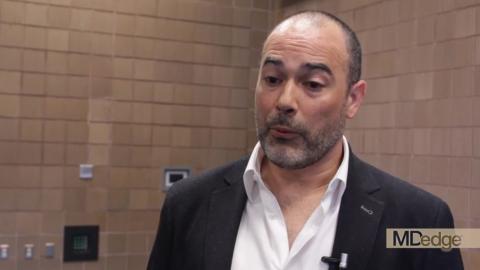
What did you learn at the Annual Conference today? (VIDEO)
HM19 attendees explain what they learned at the meeting today.

HM19 attendees explain what they learned at the meeting today.
HM19 attendees explain what they learned at the meeting today.

Learning from the history of hospitals
Every year SHM’s Annual Conference Committee examines prior attendee surveys, reviews the content presented the preceding year, and asks itself what new areas of learning are needed by hospitalists, said Dustin Smith, MD, SFHM, associate professor of medicine at Emory University in Atlanta, and HM19 course director.
“The conference’s schedule-at-a-glance of content can be overwhelming, so we have tried to use distinct educational tracks to provide focus and clarity for conference attendees,” he said. “Every year there are a few areas where questions often come up about complex clinical situations in which established medical guidelines aren’t much help.”
As a result, for HM19 an educational mini-track called “Between the Guidelines” was developed to gather up several of these areas of clinical complexity where what’s available in established clinical practice guidelines doesn’t offer clear answers, Dr. Smith said. These include controversies around antithrombotic therapy in patients with major bleeds, and a debate on controversial aspects of guidelines to direct inpatient care.
A Wednesday session, “The History of Hospitals via Arts and Stories,” fits nicely into this mini-track.
“It’s a history lesson you can’t glean from medical guidelines, which maybe point us toward what to incorporate and what not to repeat from across the history of hospitals,” he said. “That could help us better appreciate the work hospitalists are doing today and into the future.”
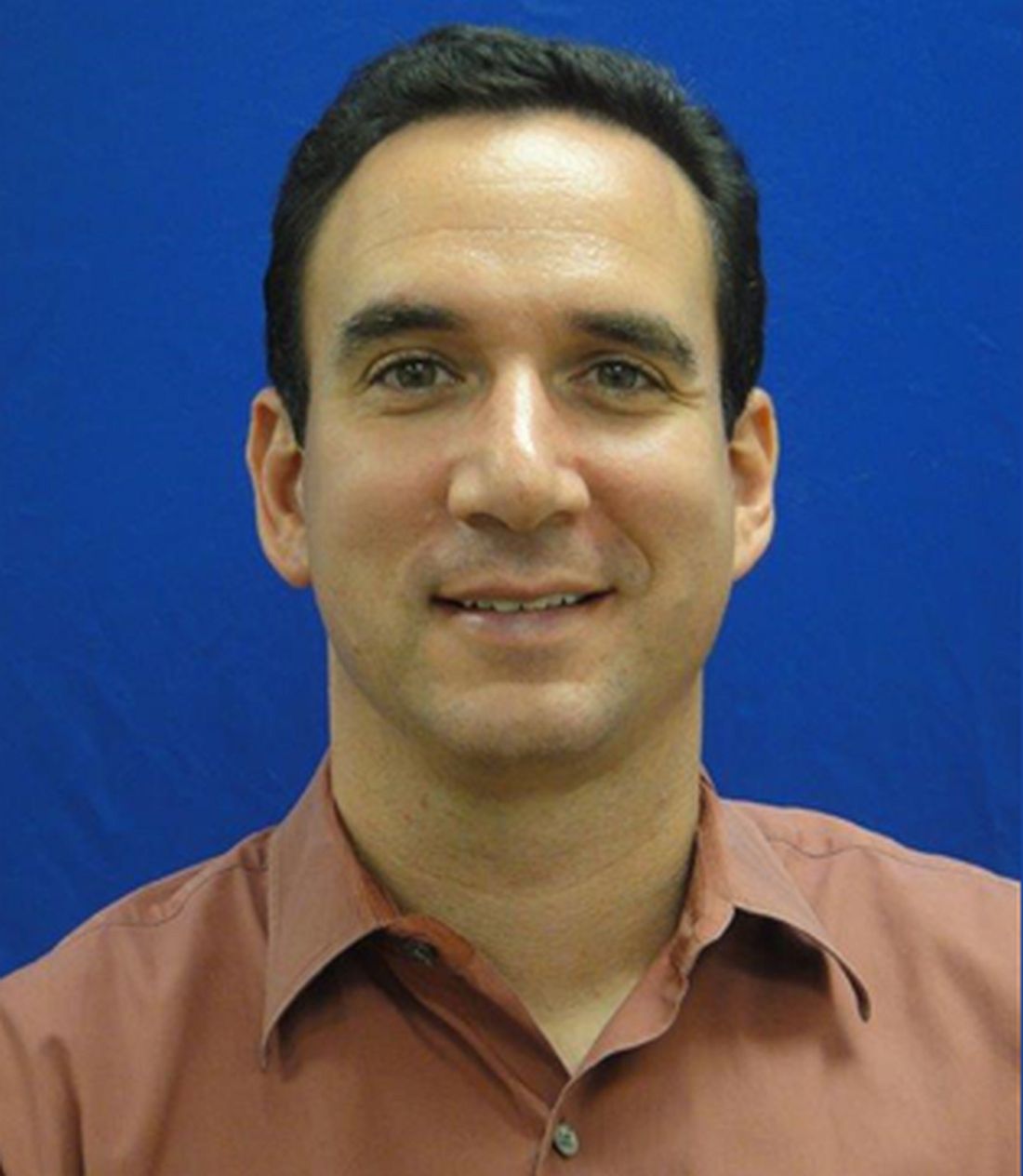
Jordan Messler, MD, SFHM, a hospitalist with the Morton Plant Hospitalist group in Clearwater, Fla., will lead the session and thinks that modern physicians can learn a great deal from both the history of medicine and the evolution of hospitals, starting with the ancient Greek physician, Galen (129-200 AD), who directed the celebrated Asclepeion or hospital in Pergamon (present-day Bergama, Turkey). Dr. Messler said this ancient hospital’s treatment of disease also addressed the senses, the emotions, and the spirit – an early prototype for whole-person care – with an em-phasis on self-therapy through rest, relaxation, exercise, and the promotion of healthy lifestyles.
A different perspective on hospitals
“People used to travel to Pergamon for healing at the Asclepeion, next to the amphitheater, where plays and music were presented, and to be outdoors in the natural elements. Now we’re seeing hospitals being built with healing gardens, and a new emphasis on how artwork and music and environmental design can assist in healing,” Dr. Messler said.
Dr. Messler explained that his “History of Hospitals” presentation also will survey the advent of more recent hospitals in France in the 18th century, pioneering work done at Johns Hopkins Hospital in Baltimore and Bellevue Hospital in New York, and the influence of nursing pioneer Florence Nightingale (1820-1910) on the modern hospital. Dr. Messler said Ms. Nightingale helped improve hospitals in her day, which still influences their modern design, and fundamentally changed the role of nursing in hospitals, introducing professional training standards for nurses.

Part of the goal for “Between the Guidelines” is to take a break from more clinically focused presentations and to think about the hospital from a different perspective, Dr. Messler said. His session will emphasize the power of stories and storytelling to inform and inspire medical practice.
“This is not something that can be applied clinically the next day, but lessons from the past can inform the design of hospitals and how we manage patients,” he said. “We need to ask ourselves, ‘How can we analyze hospital history to inform what we do today?’ ”
Origins Not Forgotten: The History of Hospitals via Arts and Stories
Wednesday, 12:30-1:10 p.m.
Woodrow Wilson A
Every year SHM’s Annual Conference Committee examines prior attendee surveys, reviews the content presented the preceding year, and asks itself what new areas of learning are needed by hospitalists, said Dustin Smith, MD, SFHM, associate professor of medicine at Emory University in Atlanta, and HM19 course director.
“The conference’s schedule-at-a-glance of content can be overwhelming, so we have tried to use distinct educational tracks to provide focus and clarity for conference attendees,” he said. “Every year there are a few areas where questions often come up about complex clinical situations in which established medical guidelines aren’t much help.”
As a result, for HM19 an educational mini-track called “Between the Guidelines” was developed to gather up several of these areas of clinical complexity where what’s available in established clinical practice guidelines doesn’t offer clear answers, Dr. Smith said. These include controversies around antithrombotic therapy in patients with major bleeds, and a debate on controversial aspects of guidelines to direct inpatient care.
A Wednesday session, “The History of Hospitals via Arts and Stories,” fits nicely into this mini-track.
“It’s a history lesson you can’t glean from medical guidelines, which maybe point us toward what to incorporate and what not to repeat from across the history of hospitals,” he said. “That could help us better appreciate the work hospitalists are doing today and into the future.”
Jordan Messler, MD, SFHM, a hospitalist with the Morton Plant Hospitalist group in Clearwater, Fla., will lead the session and thinks that modern physicians can learn a great deal from both the history of medicine and the evolution of hospitals, starting with the ancient Greek physician, Galen (129-200 AD), who directed the celebrated Asclepeion or hospital in Pergamon (present-day Bergama, Turkey). Dr. Messler said this ancient hospital’s treatment of disease also addressed the senses, the emotions, and the spirit – an early prototype for whole-person care – with an em-phasis on self-therapy through rest, relaxation, exercise, and the promotion of healthy lifestyles.
A different perspective on hospitals
“People used to travel to Pergamon for healing at the Asclepeion, next to the amphitheater, where plays and music were presented, and to be outdoors in the natural elements. Now we’re seeing hospitals being built with healing gardens, and a new emphasis on how artwork and music and environmental design can assist in healing,” Dr. Messler said.
Dr. Messler explained that his “History of Hospitals” presentation also will survey the advent of more recent hospitals in France in the 18th century, pioneering work done at Johns Hopkins Hospital in Baltimore and Bellevue Hospital in New York, and the influence of nursing pioneer Florence Nightingale (1820-1910) on the modern hospital. Dr. Messler said Ms. Nightingale helped improve hospitals in her day, which still influences their modern design, and fundamentally changed the role of nursing in hospitals, introducing professional training standards for nurses.
Part of the goal for “Between the Guidelines” is to take a break from more clinically focused presentations and to think about the hospital from a different perspective, Dr. Messler said. His session will emphasize the power of stories and storytelling to inform and inspire medical practice.
“This is not something that can be applied clinically the next day, but lessons from the past can inform the design of hospitals and how we manage patients,” he said. “We need to ask ourselves, ‘How can we analyze hospital history to inform what we do today?’ ”
Origins Not Forgotten: The History of Hospitals via Arts and Stories
Wednesday, 12:30-1:10 p.m.
Woodrow Wilson A
Every year SHM’s Annual Conference Committee examines prior attendee surveys, reviews the content presented the preceding year, and asks itself what new areas of learning are needed by hospitalists, said Dustin Smith, MD, SFHM, associate professor of medicine at Emory University in Atlanta, and HM19 course director.
“The conference’s schedule-at-a-glance of content can be overwhelming, so we have tried to use distinct educational tracks to provide focus and clarity for conference attendees,” he said. “Every year there are a few areas where questions often come up about complex clinical situations in which established medical guidelines aren’t much help.”
As a result, for HM19 an educational mini-track called “Between the Guidelines” was developed to gather up several of these areas of clinical complexity where what’s available in established clinical practice guidelines doesn’t offer clear answers, Dr. Smith said. These include controversies around antithrombotic therapy in patients with major bleeds, and a debate on controversial aspects of guidelines to direct inpatient care.
A Wednesday session, “The History of Hospitals via Arts and Stories,” fits nicely into this mini-track.
“It’s a history lesson you can’t glean from medical guidelines, which maybe point us toward what to incorporate and what not to repeat from across the history of hospitals,” he said. “That could help us better appreciate the work hospitalists are doing today and into the future.”
Jordan Messler, MD, SFHM, a hospitalist with the Morton Plant Hospitalist group in Clearwater, Fla., will lead the session and thinks that modern physicians can learn a great deal from both the history of medicine and the evolution of hospitals, starting with the ancient Greek physician, Galen (129-200 AD), who directed the celebrated Asclepeion or hospital in Pergamon (present-day Bergama, Turkey). Dr. Messler said this ancient hospital’s treatment of disease also addressed the senses, the emotions, and the spirit – an early prototype for whole-person care – with an em-phasis on self-therapy through rest, relaxation, exercise, and the promotion of healthy lifestyles.
A different perspective on hospitals
“People used to travel to Pergamon for healing at the Asclepeion, next to the amphitheater, where plays and music were presented, and to be outdoors in the natural elements. Now we’re seeing hospitals being built with healing gardens, and a new emphasis on how artwork and music and environmental design can assist in healing,” Dr. Messler said.
Dr. Messler explained that his “History of Hospitals” presentation also will survey the advent of more recent hospitals in France in the 18th century, pioneering work done at Johns Hopkins Hospital in Baltimore and Bellevue Hospital in New York, and the influence of nursing pioneer Florence Nightingale (1820-1910) on the modern hospital. Dr. Messler said Ms. Nightingale helped improve hospitals in her day, which still influences their modern design, and fundamentally changed the role of nursing in hospitals, introducing professional training standards for nurses.
Part of the goal for “Between the Guidelines” is to take a break from more clinically focused presentations and to think about the hospital from a different perspective, Dr. Messler said. His session will emphasize the power of stories and storytelling to inform and inspire medical practice.
“This is not something that can be applied clinically the next day, but lessons from the past can inform the design of hospitals and how we manage patients,” he said. “We need to ask ourselves, ‘How can we analyze hospital history to inform what we do today?’ ”
Origins Not Forgotten: The History of Hospitals via Arts and Stories
Wednesday, 12:30-1:10 p.m.
Woodrow Wilson A
Bariatric surgery may be appropriate for class 1 obesity
LAS VEGAS – Once reserved for the most obese patients, bariatric surgery is on the road to becoming an option for millions of Americans who are just a step beyond overweight, even those with a body mass index as low as 30 kg/m2.
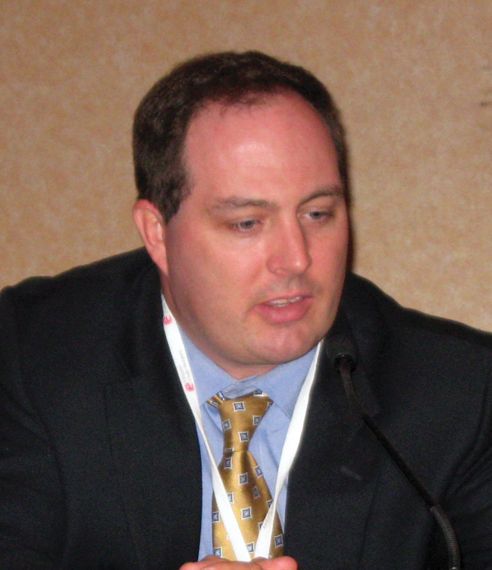
In regard to patients with lower levels of obesity, “we should be intervening in this chronic disease earlier rather than later,” said Stacy A. Brethauer, MD, professor of surgery at the Ohio State University, Columbus, in a presentation about new standards for bariatric surgery at the 2019 Annual Minimally Invasive Surgery Symposium by Global Academy for Medical Education.
Bariatric treatment “should be offered after nonsurgical [weight-loss] therapy has failed,” he said. “That’s not where you stop. You continue to escalate as you would for heart disease or cancer.”
As Dr. Brethauer noted, research suggests that all categories of obesity – including so-called class 1 obesity (defined as a BMI from 30.0 to 34.9 kg/m2) – boost the risk of multiple diseases, including hypertension, coronary artery disease, congestive heart failure, stroke, asthma, pulmonary embolism, gallbladder disease, several types of cancer, osteoarthritis, knee pain and chronic back pain.
“There is no question that class 1 obesity is clearly putting people at risk,” he said. “Ultimately, you can conclude from all this evidence that class 1 is a chronic disease, and it deserves to be treated effectively.”
There are, of course, various nonsurgical treatments for obesity, including diet and exercise and pharmacotherapy. However, systematic reviews have found that people find it extremely difficult to keep the weight off after 1 year regardless of the strategy they adopt.
Beyond a year, Dr. Brethauer said, “you get poor maintenance of weight control, and you get poor control of metabolic burden. You don’t have a durable efficacy.”
In the past, bariatric surgery wasn’t considered an option for patients with class 1 obesity. It’s traditionally been reserved for patients with BMIs at or above 35 kg/m2. But this standard has evolved in recent years.
In 2018, Dr. Brethauer coauthored an updated position statement by the American Society for Metabolic and Bariatric Surgery that encouraged bariatric surgery in certain mildly obese patients.
“For most people with class I obesity,” the statement on bariatric surgery states, “it is clear that the nonsurgical group of therapies will not provide a durable solution to their disease of obesity.”
The statement went on to say that “surgical intervention should be considered after failure of nonsurgical treatments” in the class 1 population.
Bariatric surgery in the class 1 population does more than reduce obesity, Dr. Brethauer said. “Over the last 5 years or so, a large body of literature has emerged,” he said, and both systematic reviews and randomized trails have shown significant postsurgery improvements in comorbidities such as diabetes.
“It’s important to emphasize that these patients don’t become underweight,” he said. “The body finds a healthy set point. They don’t become underweight or malnourished because you’re operating on a lower-weight group.”
Are weight-loss operations safe in class 1 patients? The American Society for Metabolic and Bariatric Surgery statement says that research has found “bariatric surgery is associated with modest morbidity and very low mortality in patients with class I obesity.”
In fact, Dr. Brethauer said, the mortality rate in this population is “less than gallbladder surgery, less than hip surgery, less than hysterectomy, less than knee surgery – operations people are being referred for and undergoing all the time.”
He added: “The case can be made very clearly based on this data that these operations are safe in this patient population. Not only are they safe, they have durable and significant impact on comorbidities.”
Global Academy for Medical Education and this news organization are owned by the same parent company. Dr. Brethauer discloses relationships with Medtronic (speaker) and GI Windows (consultant).
LAS VEGAS – Once reserved for the most obese patients, bariatric surgery is on the road to becoming an option for millions of Americans who are just a step beyond overweight, even those with a body mass index as low as 30 kg/m2.
In regard to patients with lower levels of obesity, “we should be intervening in this chronic disease earlier rather than later,” said Stacy A. Brethauer, MD, professor of surgery at the Ohio State University, Columbus, in a presentation about new standards for bariatric surgery at the 2019 Annual Minimally Invasive Surgery Symposium by Global Academy for Medical Education.
Bariatric treatment “should be offered after nonsurgical [weight-loss] therapy has failed,” he said. “That’s not where you stop. You continue to escalate as you would for heart disease or cancer.”
As Dr. Brethauer noted, research suggests that all categories of obesity – including so-called class 1 obesity (defined as a BMI from 30.0 to 34.9 kg/m2) – boost the risk of multiple diseases, including hypertension, coronary artery disease, congestive heart failure, stroke, asthma, pulmonary embolism, gallbladder disease, several types of cancer, osteoarthritis, knee pain and chronic back pain.
“There is no question that class 1 obesity is clearly putting people at risk,” he said. “Ultimately, you can conclude from all this evidence that class 1 is a chronic disease, and it deserves to be treated effectively.”
There are, of course, various nonsurgical treatments for obesity, including diet and exercise and pharmacotherapy. However, systematic reviews have found that people find it extremely difficult to keep the weight off after 1 year regardless of the strategy they adopt.
Beyond a year, Dr. Brethauer said, “you get poor maintenance of weight control, and you get poor control of metabolic burden. You don’t have a durable efficacy.”
In the past, bariatric surgery wasn’t considered an option for patients with class 1 obesity. It’s traditionally been reserved for patients with BMIs at or above 35 kg/m2. But this standard has evolved in recent years.
In 2018, Dr. Brethauer coauthored an updated position statement by the American Society for Metabolic and Bariatric Surgery that encouraged bariatric surgery in certain mildly obese patients.
“For most people with class I obesity,” the statement on bariatric surgery states, “it is clear that the nonsurgical group of therapies will not provide a durable solution to their disease of obesity.”
The statement went on to say that “surgical intervention should be considered after failure of nonsurgical treatments” in the class 1 population.
Bariatric surgery in the class 1 population does more than reduce obesity, Dr. Brethauer said. “Over the last 5 years or so, a large body of literature has emerged,” he said, and both systematic reviews and randomized trails have shown significant postsurgery improvements in comorbidities such as diabetes.
“It’s important to emphasize that these patients don’t become underweight,” he said. “The body finds a healthy set point. They don’t become underweight or malnourished because you’re operating on a lower-weight group.”
Are weight-loss operations safe in class 1 patients? The American Society for Metabolic and Bariatric Surgery statement says that research has found “bariatric surgery is associated with modest morbidity and very low mortality in patients with class I obesity.”
In fact, Dr. Brethauer said, the mortality rate in this population is “less than gallbladder surgery, less than hip surgery, less than hysterectomy, less than knee surgery – operations people are being referred for and undergoing all the time.”
He added: “The case can be made very clearly based on this data that these operations are safe in this patient population. Not only are they safe, they have durable and significant impact on comorbidities.”
Global Academy for Medical Education and this news organization are owned by the same parent company. Dr. Brethauer discloses relationships with Medtronic (speaker) and GI Windows (consultant).
LAS VEGAS – Once reserved for the most obese patients, bariatric surgery is on the road to becoming an option for millions of Americans who are just a step beyond overweight, even those with a body mass index as low as 30 kg/m2.
In regard to patients with lower levels of obesity, “we should be intervening in this chronic disease earlier rather than later,” said Stacy A. Brethauer, MD, professor of surgery at the Ohio State University, Columbus, in a presentation about new standards for bariatric surgery at the 2019 Annual Minimally Invasive Surgery Symposium by Global Academy for Medical Education.
Bariatric treatment “should be offered after nonsurgical [weight-loss] therapy has failed,” he said. “That’s not where you stop. You continue to escalate as you would for heart disease or cancer.”
As Dr. Brethauer noted, research suggests that all categories of obesity – including so-called class 1 obesity (defined as a BMI from 30.0 to 34.9 kg/m2) – boost the risk of multiple diseases, including hypertension, coronary artery disease, congestive heart failure, stroke, asthma, pulmonary embolism, gallbladder disease, several types of cancer, osteoarthritis, knee pain and chronic back pain.
“There is no question that class 1 obesity is clearly putting people at risk,” he said. “Ultimately, you can conclude from all this evidence that class 1 is a chronic disease, and it deserves to be treated effectively.”
There are, of course, various nonsurgical treatments for obesity, including diet and exercise and pharmacotherapy. However, systematic reviews have found that people find it extremely difficult to keep the weight off after 1 year regardless of the strategy they adopt.
Beyond a year, Dr. Brethauer said, “you get poor maintenance of weight control, and you get poor control of metabolic burden. You don’t have a durable efficacy.”
In the past, bariatric surgery wasn’t considered an option for patients with class 1 obesity. It’s traditionally been reserved for patients with BMIs at or above 35 kg/m2. But this standard has evolved in recent years.
In 2018, Dr. Brethauer coauthored an updated position statement by the American Society for Metabolic and Bariatric Surgery that encouraged bariatric surgery in certain mildly obese patients.
“For most people with class I obesity,” the statement on bariatric surgery states, “it is clear that the nonsurgical group of therapies will not provide a durable solution to their disease of obesity.”
The statement went on to say that “surgical intervention should be considered after failure of nonsurgical treatments” in the class 1 population.
Bariatric surgery in the class 1 population does more than reduce obesity, Dr. Brethauer said. “Over the last 5 years or so, a large body of literature has emerged,” he said, and both systematic reviews and randomized trails have shown significant postsurgery improvements in comorbidities such as diabetes.
“It’s important to emphasize that these patients don’t become underweight,” he said. “The body finds a healthy set point. They don’t become underweight or malnourished because you’re operating on a lower-weight group.”
Are weight-loss operations safe in class 1 patients? The American Society for Metabolic and Bariatric Surgery statement says that research has found “bariatric surgery is associated with modest morbidity and very low mortality in patients with class I obesity.”
In fact, Dr. Brethauer said, the mortality rate in this population is “less than gallbladder surgery, less than hip surgery, less than hysterectomy, less than knee surgery – operations people are being referred for and undergoing all the time.”
He added: “The case can be made very clearly based on this data that these operations are safe in this patient population. Not only are they safe, they have durable and significant impact on comorbidities.”
Global Academy for Medical Education and this news organization are owned by the same parent company. Dr. Brethauer discloses relationships with Medtronic (speaker) and GI Windows (consultant).
REPORTING FROM MISS