User login
The Official Newspaper of the American Association for Thoracic Surgery
Improve Your Skills at AATS Grant Writing Workshop in March 2015
The 2015 Grant Writing Workshop, organized by the AATS Scientific Affairs and Government Relations Committee, will offer a better understanding of the complexities of grant preparation and submission, as well as techniques for writing top quality submissions. This full-day program is for academic cardiothoracic surgeons on all levels.
March 27, 2015
Doubletree Bethesda
Bethesda, MD (nine miles from Washington, DC)
Course Directors
David R. Jones, Memorial Sloan-Kettering
Y. Joseph Woo, Stanford University
Workshop Elements
Attendees will hear presentations and interact with well-known cardiothoracic surgery leaders and NIH staff during a didactic session, interactive panel discussions and a mock study session.
By the end of the program, they will have learned how to:
• Create Career Development and Training Grants.
• Analyze Outcomes Research and Clinical Research Networks.
• Assess the Structure and Components of a Grant.
• Identify Extramural Program and Funding Opportunities — NCI and NHLBI.
• Become a NIH investigator.
The workshop program, registration and housing information are available by clicking here.
The 2015 Grant Writing Workshop, organized by the AATS Scientific Affairs and Government Relations Committee, will offer a better understanding of the complexities of grant preparation and submission, as well as techniques for writing top quality submissions. This full-day program is for academic cardiothoracic surgeons on all levels.
March 27, 2015
Doubletree Bethesda
Bethesda, MD (nine miles from Washington, DC)
Course Directors
David R. Jones, Memorial Sloan-Kettering
Y. Joseph Woo, Stanford University
Workshop Elements
Attendees will hear presentations and interact with well-known cardiothoracic surgery leaders and NIH staff during a didactic session, interactive panel discussions and a mock study session.
By the end of the program, they will have learned how to:
• Create Career Development and Training Grants.
• Analyze Outcomes Research and Clinical Research Networks.
• Assess the Structure and Components of a Grant.
• Identify Extramural Program and Funding Opportunities — NCI and NHLBI.
• Become a NIH investigator.
The workshop program, registration and housing information are available by clicking here.
The 2015 Grant Writing Workshop, organized by the AATS Scientific Affairs and Government Relations Committee, will offer a better understanding of the complexities of grant preparation and submission, as well as techniques for writing top quality submissions. This full-day program is for academic cardiothoracic surgeons on all levels.
March 27, 2015
Doubletree Bethesda
Bethesda, MD (nine miles from Washington, DC)
Course Directors
David R. Jones, Memorial Sloan-Kettering
Y. Joseph Woo, Stanford University
Workshop Elements
Attendees will hear presentations and interact with well-known cardiothoracic surgery leaders and NIH staff during a didactic session, interactive panel discussions and a mock study session.
By the end of the program, they will have learned how to:
• Create Career Development and Training Grants.
• Analyze Outcomes Research and Clinical Research Networks.
• Assess the Structure and Components of a Grant.
• Identify Extramural Program and Funding Opportunities — NCI and NHLBI.
• Become a NIH investigator.
The workshop program, registration and housing information are available by clicking here.
Elevated troponin present in 40% with T2D and stable heart disease
CHICAGO– Abnormal levels of high-sensitivity cardiac troponin T are present in 40% of type 2 diabetic patients with stable ischemic heart disease, and they do not bode well, according to a new secondary analysis of the BARI 2D study.
In BARI 2D, an abnormal high-sensitivity cardiac troponin T (hsTnT), defined as 14 ng/L or greater, a powerful marker of ongoing myocardial injury, was independently associated with a doubled 5-year risk of the composite endpoint of cardiovascular death, MI, or stroke. Moreover, and discouragingly so, prompt coronary revascularization did nothing to mitigate that risk, Dr. Brendan M. Everett reported at the American Heart Association Scientific Sessions.
Further, early coronary revascularization did not result in a reduction in abnormal hsTnT at 1 year of follow-up, said Dr. Everett, director of the general cardiology inpatient service at Brigham and Women’s Hospital, Boston.
“To better address the risk represented by an abnormal hsTnT, we need to gain an improved understanding of the biology of troponin release in this population,” he observed. “The fact that we saw an overall decrease of about 0.5% in hemoglobin A1c and an LDL reduction of 16 mg/dL at 1 year and still there was no change in hsTnT leaves me scratching my head. The abnormal hsTnT is clearly a marker of badness, but where is it coming from? Can we address it? Or are we just left to look at it and worry about our patients who have an abnormal hsTnT?”
The BARI 2D trial was designed to learn whether patients with type 2 diabetes and stable ischemic heart disease benefit from prompt coronary revascularization plus intensive medical therapy as compared with intensive medical therapy alone. As previously reported (N. Engl. J. Med. 2009;360:2503-15), this proved not to be the case; prompt revascularization conferred no outcome advantage.
The aim of Dr. Everett’s new secondary analysis of BARI 2D was to learn if the hsTnT assay can be used to identify a subgroup of patients with type 2 diabetes and stable ischemic heart disease who might benefit from prompt coronary revascularization. The rationale was that, in patients with acute coronary syndromes, it’s well established that an abnormal hsTnT is associated with poor prognosis, and such patients would benefit from early revascularization.
The secondary analysis included 2,285 type 2 diabetics with stable ischemic heart disease whose physicians first decided whether they were better candidates for percutaneous coronary intervention or CABG surgery. Patients were then randomized to prompt revascularization by the preferred method plus intensive medical therapy or to intensive medical therapy alone.
Forty percent of participants had an abnormal hsTnT at baseline. Their 5-year rate of the composite primary endpoint of cardiovascular death, MI, or stroke was 27.1%, compared with 12.9% in patients with a baseline hsTnT below 14 ng/mL. After adjusting in a multivariate analysis for various potential confounders – including age, race, and the standard cardiovascular risk factors – the group with an abnormal baseline hsTnT had a 2.09-fold increased risk of a major cardiovascular event.
Early revascularization, regardless of whether by percutaneous coronary intervention or coronary artery bypass graft surgery, provided no benefit no matter what the patient’s baseline hsTnT level. In patients with an hsTnT of 14 ng/L or greater, the 5-year rate of the composite outcome was 26.5% with early revascularization compared with 27.6% with intensive medical therapy. In those with an hsTnT below 14 ng/L, the rate was 11.8% in the early revascularization group and 14% with medical management, a trend favoring prompt revascularization that didn’t achieve statistical significance, according to Dr. Everett.
Of patients with an abnormal hsTnT at baseline, 77% still had an abnormal value at 1 year, regardless of whether they underwent prompt revascularization or intensive medical therapy alone.
Session moderator Dr. Mikhail N. Kosiborod commented that the new BARI 2D substudy highlights a dilemma: “We know that a large population of patients with diabetes, and to some extent those with prediabetes, have elevated hsTnT levels, and we know those patients don’t do well. What we don’t know is what to do about it.”
“What [Dr. Everett’s] study clearly demonstrates is that this does not appear to be driven by epicardial coronary artery disease. If we fix the epicardial CAD, it has absolutely no impact on the outcomes nor on the actual troponin level at follow-up. As far as I can tell, it doesn’t appear to be a glycemic control issue, either. It appears that this is a humoral issue. There are ‘evil humors’ – whatever they are – and we don’t really understand what they are or what to do about it,” said Dr. Kosiborod, professor of medicine at the University of Missouri, Kansas City.
“The truth of the matter is we have no idea what’s causing this low-grade myocardial necrosis, and it’s a hugely important thing,” he continued. “There is absolutely no question that elevated hsTnT, even at very low levels, has a huge impact on subsequent risk of heart failure. We know what the public health effects of heart failure are. And patients with diabetes and heart failure tend to do particularly poorly.”
The BARI 2D trial was funded by the National Institutes of Health. Dr. Everett’s secondary analysis was funded by Roche Diagnostics. He reported receiving research grants from Roche and Novartis.
CHICAGO– Abnormal levels of high-sensitivity cardiac troponin T are present in 40% of type 2 diabetic patients with stable ischemic heart disease, and they do not bode well, according to a new secondary analysis of the BARI 2D study.
In BARI 2D, an abnormal high-sensitivity cardiac troponin T (hsTnT), defined as 14 ng/L or greater, a powerful marker of ongoing myocardial injury, was independently associated with a doubled 5-year risk of the composite endpoint of cardiovascular death, MI, or stroke. Moreover, and discouragingly so, prompt coronary revascularization did nothing to mitigate that risk, Dr. Brendan M. Everett reported at the American Heart Association Scientific Sessions.
Further, early coronary revascularization did not result in a reduction in abnormal hsTnT at 1 year of follow-up, said Dr. Everett, director of the general cardiology inpatient service at Brigham and Women’s Hospital, Boston.
“To better address the risk represented by an abnormal hsTnT, we need to gain an improved understanding of the biology of troponin release in this population,” he observed. “The fact that we saw an overall decrease of about 0.5% in hemoglobin A1c and an LDL reduction of 16 mg/dL at 1 year and still there was no change in hsTnT leaves me scratching my head. The abnormal hsTnT is clearly a marker of badness, but where is it coming from? Can we address it? Or are we just left to look at it and worry about our patients who have an abnormal hsTnT?”
The BARI 2D trial was designed to learn whether patients with type 2 diabetes and stable ischemic heart disease benefit from prompt coronary revascularization plus intensive medical therapy as compared with intensive medical therapy alone. As previously reported (N. Engl. J. Med. 2009;360:2503-15), this proved not to be the case; prompt revascularization conferred no outcome advantage.
The aim of Dr. Everett’s new secondary analysis of BARI 2D was to learn if the hsTnT assay can be used to identify a subgroup of patients with type 2 diabetes and stable ischemic heart disease who might benefit from prompt coronary revascularization. The rationale was that, in patients with acute coronary syndromes, it’s well established that an abnormal hsTnT is associated with poor prognosis, and such patients would benefit from early revascularization.
The secondary analysis included 2,285 type 2 diabetics with stable ischemic heart disease whose physicians first decided whether they were better candidates for percutaneous coronary intervention or CABG surgery. Patients were then randomized to prompt revascularization by the preferred method plus intensive medical therapy or to intensive medical therapy alone.
Forty percent of participants had an abnormal hsTnT at baseline. Their 5-year rate of the composite primary endpoint of cardiovascular death, MI, or stroke was 27.1%, compared with 12.9% in patients with a baseline hsTnT below 14 ng/mL. After adjusting in a multivariate analysis for various potential confounders – including age, race, and the standard cardiovascular risk factors – the group with an abnormal baseline hsTnT had a 2.09-fold increased risk of a major cardiovascular event.
Early revascularization, regardless of whether by percutaneous coronary intervention or coronary artery bypass graft surgery, provided no benefit no matter what the patient’s baseline hsTnT level. In patients with an hsTnT of 14 ng/L or greater, the 5-year rate of the composite outcome was 26.5% with early revascularization compared with 27.6% with intensive medical therapy. In those with an hsTnT below 14 ng/L, the rate was 11.8% in the early revascularization group and 14% with medical management, a trend favoring prompt revascularization that didn’t achieve statistical significance, according to Dr. Everett.
Of patients with an abnormal hsTnT at baseline, 77% still had an abnormal value at 1 year, regardless of whether they underwent prompt revascularization or intensive medical therapy alone.
Session moderator Dr. Mikhail N. Kosiborod commented that the new BARI 2D substudy highlights a dilemma: “We know that a large population of patients with diabetes, and to some extent those with prediabetes, have elevated hsTnT levels, and we know those patients don’t do well. What we don’t know is what to do about it.”
“What [Dr. Everett’s] study clearly demonstrates is that this does not appear to be driven by epicardial coronary artery disease. If we fix the epicardial CAD, it has absolutely no impact on the outcomes nor on the actual troponin level at follow-up. As far as I can tell, it doesn’t appear to be a glycemic control issue, either. It appears that this is a humoral issue. There are ‘evil humors’ – whatever they are – and we don’t really understand what they are or what to do about it,” said Dr. Kosiborod, professor of medicine at the University of Missouri, Kansas City.
“The truth of the matter is we have no idea what’s causing this low-grade myocardial necrosis, and it’s a hugely important thing,” he continued. “There is absolutely no question that elevated hsTnT, even at very low levels, has a huge impact on subsequent risk of heart failure. We know what the public health effects of heart failure are. And patients with diabetes and heart failure tend to do particularly poorly.”
The BARI 2D trial was funded by the National Institutes of Health. Dr. Everett’s secondary analysis was funded by Roche Diagnostics. He reported receiving research grants from Roche and Novartis.
CHICAGO– Abnormal levels of high-sensitivity cardiac troponin T are present in 40% of type 2 diabetic patients with stable ischemic heart disease, and they do not bode well, according to a new secondary analysis of the BARI 2D study.
In BARI 2D, an abnormal high-sensitivity cardiac troponin T (hsTnT), defined as 14 ng/L or greater, a powerful marker of ongoing myocardial injury, was independently associated with a doubled 5-year risk of the composite endpoint of cardiovascular death, MI, or stroke. Moreover, and discouragingly so, prompt coronary revascularization did nothing to mitigate that risk, Dr. Brendan M. Everett reported at the American Heart Association Scientific Sessions.
Further, early coronary revascularization did not result in a reduction in abnormal hsTnT at 1 year of follow-up, said Dr. Everett, director of the general cardiology inpatient service at Brigham and Women’s Hospital, Boston.
“To better address the risk represented by an abnormal hsTnT, we need to gain an improved understanding of the biology of troponin release in this population,” he observed. “The fact that we saw an overall decrease of about 0.5% in hemoglobin A1c and an LDL reduction of 16 mg/dL at 1 year and still there was no change in hsTnT leaves me scratching my head. The abnormal hsTnT is clearly a marker of badness, but where is it coming from? Can we address it? Or are we just left to look at it and worry about our patients who have an abnormal hsTnT?”
The BARI 2D trial was designed to learn whether patients with type 2 diabetes and stable ischemic heart disease benefit from prompt coronary revascularization plus intensive medical therapy as compared with intensive medical therapy alone. As previously reported (N. Engl. J. Med. 2009;360:2503-15), this proved not to be the case; prompt revascularization conferred no outcome advantage.
The aim of Dr. Everett’s new secondary analysis of BARI 2D was to learn if the hsTnT assay can be used to identify a subgroup of patients with type 2 diabetes and stable ischemic heart disease who might benefit from prompt coronary revascularization. The rationale was that, in patients with acute coronary syndromes, it’s well established that an abnormal hsTnT is associated with poor prognosis, and such patients would benefit from early revascularization.
The secondary analysis included 2,285 type 2 diabetics with stable ischemic heart disease whose physicians first decided whether they were better candidates for percutaneous coronary intervention or CABG surgery. Patients were then randomized to prompt revascularization by the preferred method plus intensive medical therapy or to intensive medical therapy alone.
Forty percent of participants had an abnormal hsTnT at baseline. Their 5-year rate of the composite primary endpoint of cardiovascular death, MI, or stroke was 27.1%, compared with 12.9% in patients with a baseline hsTnT below 14 ng/mL. After adjusting in a multivariate analysis for various potential confounders – including age, race, and the standard cardiovascular risk factors – the group with an abnormal baseline hsTnT had a 2.09-fold increased risk of a major cardiovascular event.
Early revascularization, regardless of whether by percutaneous coronary intervention or coronary artery bypass graft surgery, provided no benefit no matter what the patient’s baseline hsTnT level. In patients with an hsTnT of 14 ng/L or greater, the 5-year rate of the composite outcome was 26.5% with early revascularization compared with 27.6% with intensive medical therapy. In those with an hsTnT below 14 ng/L, the rate was 11.8% in the early revascularization group and 14% with medical management, a trend favoring prompt revascularization that didn’t achieve statistical significance, according to Dr. Everett.
Of patients with an abnormal hsTnT at baseline, 77% still had an abnormal value at 1 year, regardless of whether they underwent prompt revascularization or intensive medical therapy alone.
Session moderator Dr. Mikhail N. Kosiborod commented that the new BARI 2D substudy highlights a dilemma: “We know that a large population of patients with diabetes, and to some extent those with prediabetes, have elevated hsTnT levels, and we know those patients don’t do well. What we don’t know is what to do about it.”
“What [Dr. Everett’s] study clearly demonstrates is that this does not appear to be driven by epicardial coronary artery disease. If we fix the epicardial CAD, it has absolutely no impact on the outcomes nor on the actual troponin level at follow-up. As far as I can tell, it doesn’t appear to be a glycemic control issue, either. It appears that this is a humoral issue. There are ‘evil humors’ – whatever they are – and we don’t really understand what they are or what to do about it,” said Dr. Kosiborod, professor of medicine at the University of Missouri, Kansas City.
“The truth of the matter is we have no idea what’s causing this low-grade myocardial necrosis, and it’s a hugely important thing,” he continued. “There is absolutely no question that elevated hsTnT, even at very low levels, has a huge impact on subsequent risk of heart failure. We know what the public health effects of heart failure are. And patients with diabetes and heart failure tend to do particularly poorly.”
The BARI 2D trial was funded by the National Institutes of Health. Dr. Everett’s secondary analysis was funded by Roche Diagnostics. He reported receiving research grants from Roche and Novartis.
AT THE AHA SCIENTIFIC SESSIONS
Key clinical point: Forty percent of patients with type 2 diabetes and stable ischemic heart disease are walking around with abnormal levels of hsTnT, placing them at substantial risk of a major cardiovascular event within 5 years.
Major finding: Prompt coronary revascularization does not reduce this risk, nor does it reduce the elevated troponin T level.
Data source: A secondary analysis of the randomized, prospective BARI 2D study involving 2,285 participants with type 2 diabetes and stable ischemic heart disease.
Disclosures: The BARI 2D study was funded by the National Institutes of Health. This new secondary analysis was funded by a research grant from Roche Diagnostics.
Feds release quality data on diabetes, heart disease, infections
Medicare officials have released a slew of new data demonstrating physicians’ and hospitals’ performance on quality measures related to diabetes, cardiovascular care, and hospital-acquired infections and injuries.
The quality data were posted on Medicare’s Physician Compare and Hospital Compare websites, which aim to provide consumers with the information they need to help them select physicians and other health care providers. The information is also available on data.medicare.gov.
“The Compare sites empower consumers with information to help with health care decisions, encourage providers to strive for higher levels of quality, drive overall health system improvement,” Dr. Patrick Conway, chief medical officer and deputy administrator for innovation and quality at the Center for Medicare & Medicaid Services, wrote in a blog post.
For physicians, CMS is posting four measures related to diabetes and heart disease: controlling hemoglobin A1c (less than 8%); controlling blood pressure; prescribing aspirin to patients with diabetes and ischemic vascular disease; and prescribing ACE inhibitors or angiotensin receptor blockers for patients with coronary artery disease and diabetes or left ventricular systolic dysfunction.
The data come from 139 physician group practices, 214 shared savings program accountable care organizations, and 23 Pioneer ACOs.
To make the data more user-friendly, CMS uses stars, followed by a percentage score, to show group performance on individual measures. For instance, if a practice scored 80% on a measure, four stars would be shown along with the 80% score.
This is the second time that CMS officials have added quality data to Physician Compare – the first posting was in February 2014. CMS plans to expand the number of quality measures and the number of providers who are listed on the website. By late 2015, CMS plans to post quality data for group practices of all sizes and some data on individual physicians.
For hospitals, CMS posted performance on reducing hospital-acquired conditions, including central line–associated bloodstream infections, catheter-associated urinary tract infections, pressure ulcers, and accidental punctures and lacerations.
The agency also added data from its Hospital Readmissions Reduction Program, including 30-day readmission rates following elective and primary total hip and/or total knee replacement and the 30-day rate of unplanned readmission for chronic obstructive pulmonary disease.
CMS also released data on payment adjustments made as part of the 2015 Hospital Value-Based Purchasing Program, which ties payment to performance on certain quality measures. In fiscal year 2015 – the third year of the program – 1,714 hospitals will see their payments go up as a result of bonus payments from the program, compared with 1,375 that will see their payments decline, according to CMS.
mschneider@frontlinemedcom.com
On Twitter @maryellenny
Medicare officials have released a slew of new data demonstrating physicians’ and hospitals’ performance on quality measures related to diabetes, cardiovascular care, and hospital-acquired infections and injuries.
The quality data were posted on Medicare’s Physician Compare and Hospital Compare websites, which aim to provide consumers with the information they need to help them select physicians and other health care providers. The information is also available on data.medicare.gov.
“The Compare sites empower consumers with information to help with health care decisions, encourage providers to strive for higher levels of quality, drive overall health system improvement,” Dr. Patrick Conway, chief medical officer and deputy administrator for innovation and quality at the Center for Medicare & Medicaid Services, wrote in a blog post.
For physicians, CMS is posting four measures related to diabetes and heart disease: controlling hemoglobin A1c (less than 8%); controlling blood pressure; prescribing aspirin to patients with diabetes and ischemic vascular disease; and prescribing ACE inhibitors or angiotensin receptor blockers for patients with coronary artery disease and diabetes or left ventricular systolic dysfunction.
The data come from 139 physician group practices, 214 shared savings program accountable care organizations, and 23 Pioneer ACOs.
To make the data more user-friendly, CMS uses stars, followed by a percentage score, to show group performance on individual measures. For instance, if a practice scored 80% on a measure, four stars would be shown along with the 80% score.
This is the second time that CMS officials have added quality data to Physician Compare – the first posting was in February 2014. CMS plans to expand the number of quality measures and the number of providers who are listed on the website. By late 2015, CMS plans to post quality data for group practices of all sizes and some data on individual physicians.
For hospitals, CMS posted performance on reducing hospital-acquired conditions, including central line–associated bloodstream infections, catheter-associated urinary tract infections, pressure ulcers, and accidental punctures and lacerations.
The agency also added data from its Hospital Readmissions Reduction Program, including 30-day readmission rates following elective and primary total hip and/or total knee replacement and the 30-day rate of unplanned readmission for chronic obstructive pulmonary disease.
CMS also released data on payment adjustments made as part of the 2015 Hospital Value-Based Purchasing Program, which ties payment to performance on certain quality measures. In fiscal year 2015 – the third year of the program – 1,714 hospitals will see their payments go up as a result of bonus payments from the program, compared with 1,375 that will see their payments decline, according to CMS.
mschneider@frontlinemedcom.com
On Twitter @maryellenny
Medicare officials have released a slew of new data demonstrating physicians’ and hospitals’ performance on quality measures related to diabetes, cardiovascular care, and hospital-acquired infections and injuries.
The quality data were posted on Medicare’s Physician Compare and Hospital Compare websites, which aim to provide consumers with the information they need to help them select physicians and other health care providers. The information is also available on data.medicare.gov.
“The Compare sites empower consumers with information to help with health care decisions, encourage providers to strive for higher levels of quality, drive overall health system improvement,” Dr. Patrick Conway, chief medical officer and deputy administrator for innovation and quality at the Center for Medicare & Medicaid Services, wrote in a blog post.
For physicians, CMS is posting four measures related to diabetes and heart disease: controlling hemoglobin A1c (less than 8%); controlling blood pressure; prescribing aspirin to patients with diabetes and ischemic vascular disease; and prescribing ACE inhibitors or angiotensin receptor blockers for patients with coronary artery disease and diabetes or left ventricular systolic dysfunction.
The data come from 139 physician group practices, 214 shared savings program accountable care organizations, and 23 Pioneer ACOs.
To make the data more user-friendly, CMS uses stars, followed by a percentage score, to show group performance on individual measures. For instance, if a practice scored 80% on a measure, four stars would be shown along with the 80% score.
This is the second time that CMS officials have added quality data to Physician Compare – the first posting was in February 2014. CMS plans to expand the number of quality measures and the number of providers who are listed on the website. By late 2015, CMS plans to post quality data for group practices of all sizes and some data on individual physicians.
For hospitals, CMS posted performance on reducing hospital-acquired conditions, including central line–associated bloodstream infections, catheter-associated urinary tract infections, pressure ulcers, and accidental punctures and lacerations.
The agency also added data from its Hospital Readmissions Reduction Program, including 30-day readmission rates following elective and primary total hip and/or total knee replacement and the 30-day rate of unplanned readmission for chronic obstructive pulmonary disease.
CMS also released data on payment adjustments made as part of the 2015 Hospital Value-Based Purchasing Program, which ties payment to performance on certain quality measures. In fiscal year 2015 – the third year of the program – 1,714 hospitals will see their payments go up as a result of bonus payments from the program, compared with 1,375 that will see their payments decline, according to CMS.
mschneider@frontlinemedcom.com
On Twitter @maryellenny
Congress leaves SGR, Medicaid parity, ICD-10 undone
The year is ending on a sour note for physicians, as Congress is recessing without addressing the Medicare Sustainable Growth Rate formula or acting on a number of other doctors’ priorities.
Congress did not extend a pay increase for primary care physicians who serve Medicaid recipients, nor did it delay the implementation of the ICD-10 code set nor enact any legislative solutions to help physicians better grapple with meaningful use of health information technology.
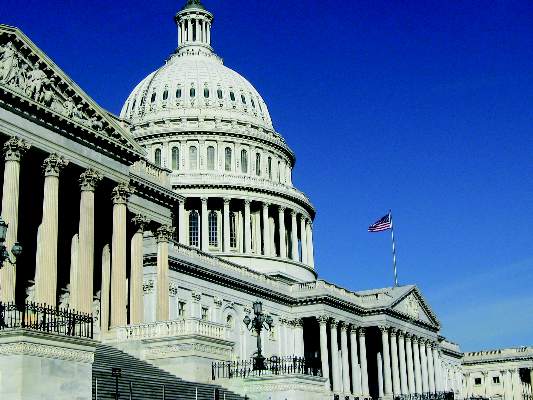
Physicians held out hope until the closing days of the 113th Congress, as legislators battled over what would be put into a massive spending bill that was needed to keep the government in operation beyond Dec. 11. That $1.1 trillion bill was approved by the House just before the government was to run out of money, and by the Senate two days later.
Physicians were not able to point out much that was positive in either the spending bill or the 2014 legislative session.
“We’ve had a Congress that’s just been much more interested in fighting with each other than with constructing meaningful legislation,” Dr. R. Mack Harrell, president of the American Association of Clinical Endocrinologists, said in an interview. “For physicians that means we’re stuck with an SGR system that everyone agrees is just not good for health care and not good for patients.”

Many physician groups said that the failure to repeal the SGR was their biggest disappointment.
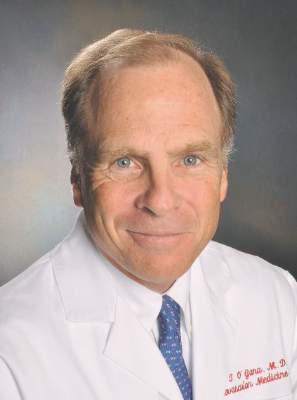
“We were cautiously optimistic that this seventeeth year of trying to repeal the SGR might have been the successful one,” Dr. Patrick T. O’Gara, president of the American College of Cardiology, said in an interview. He said that the sticking point seemed to be that “there was no politically viable way to pay for it.”
American College of Physicians President Dr. David A. Fleming noted in a statement that finding the money had hung up what otherwise was huge progress: a bill that members of the House and Senate, Republicans and Democrats had put together, and that ultimately passed the House.
The current SGR patch expires Mar. 31, 2015, giving physicians little time to convince a new Congress of the merits of replacing the formula.
Noting that there is about 37 days between when the new Congress begins in January and when a 21% pay cut goes into effect in April, American Medical Association President Robert M. Wah, said in an interview, “We’re already really up against the end of the current patch.”
Even so, physician groups say that they’ll try to start where they left off – with the bill that had gained such widespread support 2014. “We fully expect that this bill will be considered by the new 114th Congress next year, and we will redouble our efforts to get Congress to act upon it before the current patch expires on March 31,” Dr. Fleming said in the statement.

Dr. O’Gara said that the ACC would take a pragmatic approach. “It would likely not be successful to mount a campaign to repeal it between January and March.”
Dr. Robert Wergin, president of the American Academy of Family Physicians, said that having a framework that already exists – and that was supported by most physicians – should help get the ball rolling more quickly in 2015.
The AAFP and other primary care physicians were also disappointed that the Medicaid pay parity provision – which puts reimbursement on par with Medicare for primary care services – was not extended. Dr. Wergin said going back to Medicaid pay rates amounts to essentially a 41% cut.
In a recent report, the Urban Institute estimated that fees increased an average 73% and that the federal government had spent an estimated $5.6 billion on the pay bump by June 2014. The institute said it’s not entirely clear whether the increase in fees has led to more access, or to an easing of pressures on physician practices. And it’s not clear how many states might choose to continue the program without federal help. According to a Kaiser Family Foundation survey published in late October, 15 states said they will continue a pay raise in 2015; 24 states said they would not, and 12 states were undecided.
Many physicians were also disappointed that legislators did not find a way to further delay ICD-10, which is scheduled to go into effect Oct. 1, 2015. Prospects for a delay next year seem slimmer now that two key House Republicans -- Rep. Fred Upton (R-Mich.) and Rep. Pete Sessions (R-Tex.) have said they won’t consider a delay. But, they said, in a joint statement, they also are willing to help physicians and others meet the deadline, and make sure that everything goes smoothly.
ICD-10 “is an important milestone in the future of health care technologies, and it is essential that we understand the state of preparedness at CMS,” they said.
The year is ending on a sour note for physicians, as Congress is recessing without addressing the Medicare Sustainable Growth Rate formula or acting on a number of other doctors’ priorities.
Congress did not extend a pay increase for primary care physicians who serve Medicaid recipients, nor did it delay the implementation of the ICD-10 code set nor enact any legislative solutions to help physicians better grapple with meaningful use of health information technology.
Physicians held out hope until the closing days of the 113th Congress, as legislators battled over what would be put into a massive spending bill that was needed to keep the government in operation beyond Dec. 11. That $1.1 trillion bill was approved by the House just before the government was to run out of money, and by the Senate two days later.
Physicians were not able to point out much that was positive in either the spending bill or the 2014 legislative session.
“We’ve had a Congress that’s just been much more interested in fighting with each other than with constructing meaningful legislation,” Dr. R. Mack Harrell, president of the American Association of Clinical Endocrinologists, said in an interview. “For physicians that means we’re stuck with an SGR system that everyone agrees is just not good for health care and not good for patients.”
Many physician groups said that the failure to repeal the SGR was their biggest disappointment.
“We were cautiously optimistic that this seventeeth year of trying to repeal the SGR might have been the successful one,” Dr. Patrick T. O’Gara, president of the American College of Cardiology, said in an interview. He said that the sticking point seemed to be that “there was no politically viable way to pay for it.”
American College of Physicians President Dr. David A. Fleming noted in a statement that finding the money had hung up what otherwise was huge progress: a bill that members of the House and Senate, Republicans and Democrats had put together, and that ultimately passed the House.
The current SGR patch expires Mar. 31, 2015, giving physicians little time to convince a new Congress of the merits of replacing the formula.
Noting that there is about 37 days between when the new Congress begins in January and when a 21% pay cut goes into effect in April, American Medical Association President Robert M. Wah, said in an interview, “We’re already really up against the end of the current patch.”
Even so, physician groups say that they’ll try to start where they left off – with the bill that had gained such widespread support 2014. “We fully expect that this bill will be considered by the new 114th Congress next year, and we will redouble our efforts to get Congress to act upon it before the current patch expires on March 31,” Dr. Fleming said in the statement.
Dr. O’Gara said that the ACC would take a pragmatic approach. “It would likely not be successful to mount a campaign to repeal it between January and March.”
Dr. Robert Wergin, president of the American Academy of Family Physicians, said that having a framework that already exists – and that was supported by most physicians – should help get the ball rolling more quickly in 2015.
The AAFP and other primary care physicians were also disappointed that the Medicaid pay parity provision – which puts reimbursement on par with Medicare for primary care services – was not extended. Dr. Wergin said going back to Medicaid pay rates amounts to essentially a 41% cut.
In a recent report, the Urban Institute estimated that fees increased an average 73% and that the federal government had spent an estimated $5.6 billion on the pay bump by June 2014. The institute said it’s not entirely clear whether the increase in fees has led to more access, or to an easing of pressures on physician practices. And it’s not clear how many states might choose to continue the program without federal help. According to a Kaiser Family Foundation survey published in late October, 15 states said they will continue a pay raise in 2015; 24 states said they would not, and 12 states were undecided.
Many physicians were also disappointed that legislators did not find a way to further delay ICD-10, which is scheduled to go into effect Oct. 1, 2015. Prospects for a delay next year seem slimmer now that two key House Republicans -- Rep. Fred Upton (R-Mich.) and Rep. Pete Sessions (R-Tex.) have said they won’t consider a delay. But, they said, in a joint statement, they also are willing to help physicians and others meet the deadline, and make sure that everything goes smoothly.
ICD-10 “is an important milestone in the future of health care technologies, and it is essential that we understand the state of preparedness at CMS,” they said.
The year is ending on a sour note for physicians, as Congress is recessing without addressing the Medicare Sustainable Growth Rate formula or acting on a number of other doctors’ priorities.
Congress did not extend a pay increase for primary care physicians who serve Medicaid recipients, nor did it delay the implementation of the ICD-10 code set nor enact any legislative solutions to help physicians better grapple with meaningful use of health information technology.
Physicians held out hope until the closing days of the 113th Congress, as legislators battled over what would be put into a massive spending bill that was needed to keep the government in operation beyond Dec. 11. That $1.1 trillion bill was approved by the House just before the government was to run out of money, and by the Senate two days later.
Physicians were not able to point out much that was positive in either the spending bill or the 2014 legislative session.
“We’ve had a Congress that’s just been much more interested in fighting with each other than with constructing meaningful legislation,” Dr. R. Mack Harrell, president of the American Association of Clinical Endocrinologists, said in an interview. “For physicians that means we’re stuck with an SGR system that everyone agrees is just not good for health care and not good for patients.”
Many physician groups said that the failure to repeal the SGR was their biggest disappointment.
“We were cautiously optimistic that this seventeeth year of trying to repeal the SGR might have been the successful one,” Dr. Patrick T. O’Gara, president of the American College of Cardiology, said in an interview. He said that the sticking point seemed to be that “there was no politically viable way to pay for it.”
American College of Physicians President Dr. David A. Fleming noted in a statement that finding the money had hung up what otherwise was huge progress: a bill that members of the House and Senate, Republicans and Democrats had put together, and that ultimately passed the House.
The current SGR patch expires Mar. 31, 2015, giving physicians little time to convince a new Congress of the merits of replacing the formula.
Noting that there is about 37 days between when the new Congress begins in January and when a 21% pay cut goes into effect in April, American Medical Association President Robert M. Wah, said in an interview, “We’re already really up against the end of the current patch.”
Even so, physician groups say that they’ll try to start where they left off – with the bill that had gained such widespread support 2014. “We fully expect that this bill will be considered by the new 114th Congress next year, and we will redouble our efforts to get Congress to act upon it before the current patch expires on March 31,” Dr. Fleming said in the statement.
Dr. O’Gara said that the ACC would take a pragmatic approach. “It would likely not be successful to mount a campaign to repeal it between January and March.”
Dr. Robert Wergin, president of the American Academy of Family Physicians, said that having a framework that already exists – and that was supported by most physicians – should help get the ball rolling more quickly in 2015.
The AAFP and other primary care physicians were also disappointed that the Medicaid pay parity provision – which puts reimbursement on par with Medicare for primary care services – was not extended. Dr. Wergin said going back to Medicaid pay rates amounts to essentially a 41% cut.
In a recent report, the Urban Institute estimated that fees increased an average 73% and that the federal government had spent an estimated $5.6 billion on the pay bump by June 2014. The institute said it’s not entirely clear whether the increase in fees has led to more access, or to an easing of pressures on physician practices. And it’s not clear how many states might choose to continue the program without federal help. According to a Kaiser Family Foundation survey published in late October, 15 states said they will continue a pay raise in 2015; 24 states said they would not, and 12 states were undecided.
Many physicians were also disappointed that legislators did not find a way to further delay ICD-10, which is scheduled to go into effect Oct. 1, 2015. Prospects for a delay next year seem slimmer now that two key House Republicans -- Rep. Fred Upton (R-Mich.) and Rep. Pete Sessions (R-Tex.) have said they won’t consider a delay. But, they said, in a joint statement, they also are willing to help physicians and others meet the deadline, and make sure that everything goes smoothly.
ICD-10 “is an important milestone in the future of health care technologies, and it is essential that we understand the state of preparedness at CMS,” they said.
CABG plus mitral repair put under spotlight
CHICAGO – Early results from a randomized trial cast doubt on the benefits of routinely repairing a leaky mitral valve during coronary artery bypass grafting in patients with moderate ischemic mitral regurgitation.
At 1 year, there was no significant difference between patients undergoing CABG alone or CABG plus mitral repair in the primary endpoint of left ventricular reverse modeling, as defined by changes in LV end-systolic volume index (LVESVI) at 1 year (z score 0.50).
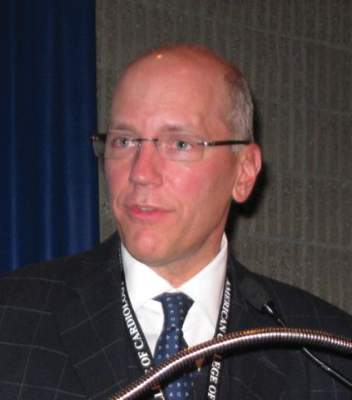
Both groups achieved significant reductions in LVESVI, with a median reduction of about 6 mL/m2 from baseline, Dr. Robert Michler, chair of cardiovascular and thoracic surgery at Montefiore Medical Center, New York, reported at the American Heart Association scientific sessions.
At 1 year, patients who underwent CABG and mitral valve repair had significantly less residual moderate or severe mitral regurgitation (11% vs. 31%; P < .001).
On the other hand, the combination procedure was associated with significantly higher rates of any neurologic event (9.6% vs. 3.1%; P = .03), longer cross-clamp (117 vs. 74 minutes) and cardiopulmonary bypass times (163 vs. 106 minutes; P values both < .001), and longer ICU (4.8 vs. 4.0 days; P = .006) and hospital length of stay (11.3 vs. 9.4 days; P = .002), according to the results, also published online (N. Engl. J. Med. 2014 [doi: 10.1056/NEJMoa1410490]).
“The trial did not demonstrate a clinically meaningful advantage to the routine addition of mitral valve repair to CABG,” Dr. Michler said, on behalf of the Cardiothoracic Surgical Trials Network investigators.
The 2014 AHA/American College of Cardiology mitral valve guidelines give a weak class IIb recommendation for mitral valve repair for patients with chronic mitral regurgitation (MR) who are undergoing other cardiac surgery, he noted.
The study evenly randomized 301 patients with moderate ischemic mitral regurgitation to CABG alone or CABG plus valve repair with an undersized ring (average, 28.3 mm for men and 27.1 mm for women).
The mean LVESVI at baseline was 54.8 mL/m2 in the CABG-alone group and 59.6 mL/m2 in the combined procedure group.
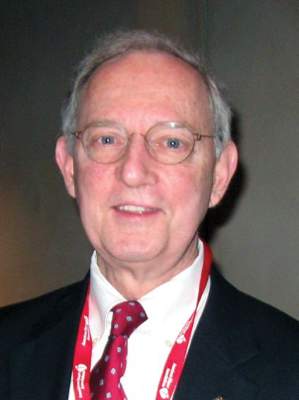
At 12 months, mean LVESVIs were 46.1 mL/m2 and 49.6 mL/m2, respectively.
The trial lacked a clinical primary endpoint, and longer follow-up is ongoing to determine whether the lower incidence of moderate or severe MR at 1 year will translate into a net clinical benefit for patients undergoing CABG plus mitral repair, Dr. Michler said.
Designated discussant Dr. David Adams, director of Mount Sinai Hospital’s mitral valve repair reference center in New York, cautioned the audience on the length of the study and called for a full 5 years of follow-up rather than the 2 years as planned.
“Ischemic mitral regurgitation is a disease that hurts you over time. That’s in patients that have had MI, had previous CABG, had attempted mitral valve repair, and had PCI [percutaneous coronary intervention]. So we need much longer term follow-up of this very important data set to really understand its implications,” he said.
In light of roughly half of the patients being in heart failure at baseline, session cochair Dr. Robert Bonow, vice chair of medicine, Northwestern University, Chicago, questioned whether there were differences in outcomes related to changes in baseline ejection fraction (EF) or whether improvement in EF in patients with low EF correlated with reduction in mitral regurgitation with CABG alone.
What is known right now is that mean LVEF increased to the same degree after CABG in both groups, Dr. Michler responded. This was true despite this being a “sick population of patients,” with more than half having diabetes, 50% with heart failure, 20% with renal insufficiency, 10% with prior stroke, and a mean ejection fraction of 40% in both groups.
“What we have yet to identify and plan to explore is the correlation between reverse ventricular remodeling, ejection fraction, and outcome, meaning both the degree of mitral regurgitation and whether there is any signal with respect to repeat hospitalizations, heart failure, or possibly even mortality,” Dr. Michler said.
Both Dr. Michler and Dr. Adams remarked that surgery was extremely safe for the CABG alone and CABG plus MR groups, as reflected by the low mortality at 30 days (2.7% vs. 1.3%) and 1 year (7.3% vs. 6.7%).
The composite endpoint of major adverse cardiac or cerebrovascular events was also similar between groups.
The trial was funded by the National Institutes of Health and the Canadian Institutes for Health Research. Dr. Michler reported grant support from NIH during the conduct of the study. Dr. Adams reported coinventing a mitral valve repair ring.
CHICAGO – Early results from a randomized trial cast doubt on the benefits of routinely repairing a leaky mitral valve during coronary artery bypass grafting in patients with moderate ischemic mitral regurgitation.
At 1 year, there was no significant difference between patients undergoing CABG alone or CABG plus mitral repair in the primary endpoint of left ventricular reverse modeling, as defined by changes in LV end-systolic volume index (LVESVI) at 1 year (z score 0.50).
Both groups achieved significant reductions in LVESVI, with a median reduction of about 6 mL/m2 from baseline, Dr. Robert Michler, chair of cardiovascular and thoracic surgery at Montefiore Medical Center, New York, reported at the American Heart Association scientific sessions.
At 1 year, patients who underwent CABG and mitral valve repair had significantly less residual moderate or severe mitral regurgitation (11% vs. 31%; P < .001).
On the other hand, the combination procedure was associated with significantly higher rates of any neurologic event (9.6% vs. 3.1%; P = .03), longer cross-clamp (117 vs. 74 minutes) and cardiopulmonary bypass times (163 vs. 106 minutes; P values both < .001), and longer ICU (4.8 vs. 4.0 days; P = .006) and hospital length of stay (11.3 vs. 9.4 days; P = .002), according to the results, also published online (N. Engl. J. Med. 2014 [doi: 10.1056/NEJMoa1410490]).
“The trial did not demonstrate a clinically meaningful advantage to the routine addition of mitral valve repair to CABG,” Dr. Michler said, on behalf of the Cardiothoracic Surgical Trials Network investigators.
The 2014 AHA/American College of Cardiology mitral valve guidelines give a weak class IIb recommendation for mitral valve repair for patients with chronic mitral regurgitation (MR) who are undergoing other cardiac surgery, he noted.
The study evenly randomized 301 patients with moderate ischemic mitral regurgitation to CABG alone or CABG plus valve repair with an undersized ring (average, 28.3 mm for men and 27.1 mm for women).
The mean LVESVI at baseline was 54.8 mL/m2 in the CABG-alone group and 59.6 mL/m2 in the combined procedure group.
At 12 months, mean LVESVIs were 46.1 mL/m2 and 49.6 mL/m2, respectively.
The trial lacked a clinical primary endpoint, and longer follow-up is ongoing to determine whether the lower incidence of moderate or severe MR at 1 year will translate into a net clinical benefit for patients undergoing CABG plus mitral repair, Dr. Michler said.
Designated discussant Dr. David Adams, director of Mount Sinai Hospital’s mitral valve repair reference center in New York, cautioned the audience on the length of the study and called for a full 5 years of follow-up rather than the 2 years as planned.
“Ischemic mitral regurgitation is a disease that hurts you over time. That’s in patients that have had MI, had previous CABG, had attempted mitral valve repair, and had PCI [percutaneous coronary intervention]. So we need much longer term follow-up of this very important data set to really understand its implications,” he said.
In light of roughly half of the patients being in heart failure at baseline, session cochair Dr. Robert Bonow, vice chair of medicine, Northwestern University, Chicago, questioned whether there were differences in outcomes related to changes in baseline ejection fraction (EF) or whether improvement in EF in patients with low EF correlated with reduction in mitral regurgitation with CABG alone.
What is known right now is that mean LVEF increased to the same degree after CABG in both groups, Dr. Michler responded. This was true despite this being a “sick population of patients,” with more than half having diabetes, 50% with heart failure, 20% with renal insufficiency, 10% with prior stroke, and a mean ejection fraction of 40% in both groups.
“What we have yet to identify and plan to explore is the correlation between reverse ventricular remodeling, ejection fraction, and outcome, meaning both the degree of mitral regurgitation and whether there is any signal with respect to repeat hospitalizations, heart failure, or possibly even mortality,” Dr. Michler said.
Both Dr. Michler and Dr. Adams remarked that surgery was extremely safe for the CABG alone and CABG plus MR groups, as reflected by the low mortality at 30 days (2.7% vs. 1.3%) and 1 year (7.3% vs. 6.7%).
The composite endpoint of major adverse cardiac or cerebrovascular events was also similar between groups.
The trial was funded by the National Institutes of Health and the Canadian Institutes for Health Research. Dr. Michler reported grant support from NIH during the conduct of the study. Dr. Adams reported coinventing a mitral valve repair ring.
CHICAGO – Early results from a randomized trial cast doubt on the benefits of routinely repairing a leaky mitral valve during coronary artery bypass grafting in patients with moderate ischemic mitral regurgitation.
At 1 year, there was no significant difference between patients undergoing CABG alone or CABG plus mitral repair in the primary endpoint of left ventricular reverse modeling, as defined by changes in LV end-systolic volume index (LVESVI) at 1 year (z score 0.50).
Both groups achieved significant reductions in LVESVI, with a median reduction of about 6 mL/m2 from baseline, Dr. Robert Michler, chair of cardiovascular and thoracic surgery at Montefiore Medical Center, New York, reported at the American Heart Association scientific sessions.
At 1 year, patients who underwent CABG and mitral valve repair had significantly less residual moderate or severe mitral regurgitation (11% vs. 31%; P < .001).
On the other hand, the combination procedure was associated with significantly higher rates of any neurologic event (9.6% vs. 3.1%; P = .03), longer cross-clamp (117 vs. 74 minutes) and cardiopulmonary bypass times (163 vs. 106 minutes; P values both < .001), and longer ICU (4.8 vs. 4.0 days; P = .006) and hospital length of stay (11.3 vs. 9.4 days; P = .002), according to the results, also published online (N. Engl. J. Med. 2014 [doi: 10.1056/NEJMoa1410490]).
“The trial did not demonstrate a clinically meaningful advantage to the routine addition of mitral valve repair to CABG,” Dr. Michler said, on behalf of the Cardiothoracic Surgical Trials Network investigators.
The 2014 AHA/American College of Cardiology mitral valve guidelines give a weak class IIb recommendation for mitral valve repair for patients with chronic mitral regurgitation (MR) who are undergoing other cardiac surgery, he noted.
The study evenly randomized 301 patients with moderate ischemic mitral regurgitation to CABG alone or CABG plus valve repair with an undersized ring (average, 28.3 mm for men and 27.1 mm for women).
The mean LVESVI at baseline was 54.8 mL/m2 in the CABG-alone group and 59.6 mL/m2 in the combined procedure group.
At 12 months, mean LVESVIs were 46.1 mL/m2 and 49.6 mL/m2, respectively.
The trial lacked a clinical primary endpoint, and longer follow-up is ongoing to determine whether the lower incidence of moderate or severe MR at 1 year will translate into a net clinical benefit for patients undergoing CABG plus mitral repair, Dr. Michler said.
Designated discussant Dr. David Adams, director of Mount Sinai Hospital’s mitral valve repair reference center in New York, cautioned the audience on the length of the study and called for a full 5 years of follow-up rather than the 2 years as planned.
“Ischemic mitral regurgitation is a disease that hurts you over time. That’s in patients that have had MI, had previous CABG, had attempted mitral valve repair, and had PCI [percutaneous coronary intervention]. So we need much longer term follow-up of this very important data set to really understand its implications,” he said.
In light of roughly half of the patients being in heart failure at baseline, session cochair Dr. Robert Bonow, vice chair of medicine, Northwestern University, Chicago, questioned whether there were differences in outcomes related to changes in baseline ejection fraction (EF) or whether improvement in EF in patients with low EF correlated with reduction in mitral regurgitation with CABG alone.
What is known right now is that mean LVEF increased to the same degree after CABG in both groups, Dr. Michler responded. This was true despite this being a “sick population of patients,” with more than half having diabetes, 50% with heart failure, 20% with renal insufficiency, 10% with prior stroke, and a mean ejection fraction of 40% in both groups.
“What we have yet to identify and plan to explore is the correlation between reverse ventricular remodeling, ejection fraction, and outcome, meaning both the degree of mitral regurgitation and whether there is any signal with respect to repeat hospitalizations, heart failure, or possibly even mortality,” Dr. Michler said.
Both Dr. Michler and Dr. Adams remarked that surgery was extremely safe for the CABG alone and CABG plus MR groups, as reflected by the low mortality at 30 days (2.7% vs. 1.3%) and 1 year (7.3% vs. 6.7%).
The composite endpoint of major adverse cardiac or cerebrovascular events was also similar between groups.
The trial was funded by the National Institutes of Health and the Canadian Institutes for Health Research. Dr. Michler reported grant support from NIH during the conduct of the study. Dr. Adams reported coinventing a mitral valve repair ring.
AT THE AHA SCIENTIFIC SESSIONS 2014
Key clinical point: CABG plus mitral repair did not significantly improve left ventricular remodeling at 1 year, and was associated with some untoward events.
Major finding: At 12 months, mean LVESVI was 46.1 mL/m2 with CABG alone and 49.6 mL/m2 with CABG plus mitral repair.
Data source: A randomized trial in 301 patients with moderate mitral regurgitation.
Disclosures: The trial was funded by the National Institutes of Health and the Canadian Institutes for Health Research. Dr. Michler reported grant support from NIH during the conduct of the study. Dr. Adams reported coinventing a mitral valve repair ring.
Imaging helps cut TAVR’s paravalvular leaks
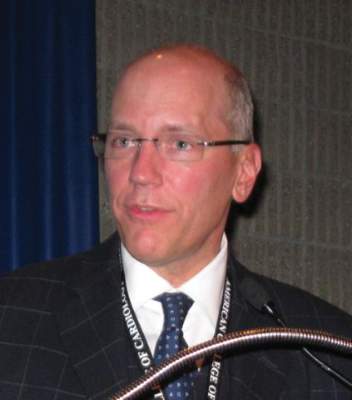
VIENNA – Routine use of CT or three-dimensional echocardiography before and during transcatheter aortic valve replacement has contributed to a dramatic drop in paravalvular leaks, the procedure’s Achilles heel, based on the experience at a single, high-volume U.S. center.
In recent months, during testing of the SAPIEN 3 transcatheter aortic valve replacement (TAVR) system under development by Edwards, no patients developed moderate or severe paravalvular regurgitation during follow-up, and mild paravalvular leaks occurred at a rate of 7%-9%, Dr. Rebecca T. Hahn said at the annual meeting of the European Association of Cardiovascular Imaging. She and her associates tallied these rates recently at their institution, Columbia University Medical Center in New York, during their participation in PARTNER II, a multicenter study of the SAPIEN 3 device.
Dr. Hahn attributed these unprecedentedly low rates to three factors: preprocedure imaging with CT or 3-D echocardiography to select the best-sized valve for each patient, routine use of intraprocedural 3-D echo to guide precise valve placement and monitor for complications, and the SAPIEN 3 valve.
To put these regurgitation rates in context, in results from the pivotal CoreValve trial reported last May, the 30-day rate of moderate or severe paravalvular regurgitation was 9%, and the rate of mild paravalvular regurgitation was 36% (N. Engl. J. Med. 2014;370:1790-8). The most recent data on paravalvular leak reported from a large trial using a SAPIEN valve currently on the U.S. market was from the PARTNER II trial of inoperable patients, which documented a roughly 20% rate of moderate or severe paravalvular regurgitation using either the SAPIEN XT or the original SAPIEN system.
Dr. Hahn acknowledged that one major factor contributing to the disappearance of moderate or severe leaks following TAVR was the design of the new SAPIEN 3 TAVR valve she is working with, which features a flexible layer around the outer perimeter of the valve to better seal it into the patient’s aortic valve annulus and prevent blood from leaking through gaps around the edge.
But she also credited intraprocedural 3-D echo as a major factor in the improved outcomes, as well as the use of CT or 3-D echo to accurately size the annulus before TAVR starts so that the patient’s annulus size can be matched with the most appropriately sized replacement valve.
“Each valve has a sweet spot” for the annulus size it will fit into, and CT imaging of the annulus to measure the size, or using three-dimensional echo when CT is not good enough, is the way that TAVR heart teams now make sure they use the valve size with a sweet spot for the patient receiving the valve, said Dr. Hahn, director of invasive and valvular echocardiography at Columbia. A key task for either imaging method is to measure annulus size on the “virtual” annular plane, a plane that is challenging to identify as it is defined by only the three hinge points of the aortic valve’s leaflets. “Three-dimensional echo allows us to quantify [annular size] in ways that we couldn’t before,” she said in an interview.
During the procedure, 3-D echocardiography is the only good imaging option. In addition to clarifying unusual morphologies of the annulus and surrounding tissues and blood vessels, and giving precise information on wire and valve placement, 3-D echo allows for rapid assessment of a hemodynamic emergency if one occurs during a TAVR procedure. Three-dimensional echo also affords the best way to assess the location and severity of paravalvular regurgitation. 3-D echo “allows us to make decisions during the procedure on what to do about paravalvular regurgitation,” Dr. Hahn said.
On Twitter @mitchelzoler
VIENNA – Routine use of CT or three-dimensional echocardiography before and during transcatheter aortic valve replacement has contributed to a dramatic drop in paravalvular leaks, the procedure’s Achilles heel, based on the experience at a single, high-volume U.S. center.
In recent months, during testing of the SAPIEN 3 transcatheter aortic valve replacement (TAVR) system under development by Edwards, no patients developed moderate or severe paravalvular regurgitation during follow-up, and mild paravalvular leaks occurred at a rate of 7%-9%, Dr. Rebecca T. Hahn said at the annual meeting of the European Association of Cardiovascular Imaging. She and her associates tallied these rates recently at their institution, Columbia University Medical Center in New York, during their participation in PARTNER II, a multicenter study of the SAPIEN 3 device.
Dr. Hahn attributed these unprecedentedly low rates to three factors: preprocedure imaging with CT or 3-D echocardiography to select the best-sized valve for each patient, routine use of intraprocedural 3-D echo to guide precise valve placement and monitor for complications, and the SAPIEN 3 valve.
To put these regurgitation rates in context, in results from the pivotal CoreValve trial reported last May, the 30-day rate of moderate or severe paravalvular regurgitation was 9%, and the rate of mild paravalvular regurgitation was 36% (N. Engl. J. Med. 2014;370:1790-8). The most recent data on paravalvular leak reported from a large trial using a SAPIEN valve currently on the U.S. market was from the PARTNER II trial of inoperable patients, which documented a roughly 20% rate of moderate or severe paravalvular regurgitation using either the SAPIEN XT or the original SAPIEN system.
Dr. Hahn acknowledged that one major factor contributing to the disappearance of moderate or severe leaks following TAVR was the design of the new SAPIEN 3 TAVR valve she is working with, which features a flexible layer around the outer perimeter of the valve to better seal it into the patient’s aortic valve annulus and prevent blood from leaking through gaps around the edge.
But she also credited intraprocedural 3-D echo as a major factor in the improved outcomes, as well as the use of CT or 3-D echo to accurately size the annulus before TAVR starts so that the patient’s annulus size can be matched with the most appropriately sized replacement valve.
“Each valve has a sweet spot” for the annulus size it will fit into, and CT imaging of the annulus to measure the size, or using three-dimensional echo when CT is not good enough, is the way that TAVR heart teams now make sure they use the valve size with a sweet spot for the patient receiving the valve, said Dr. Hahn, director of invasive and valvular echocardiography at Columbia. A key task for either imaging method is to measure annulus size on the “virtual” annular plane, a plane that is challenging to identify as it is defined by only the three hinge points of the aortic valve’s leaflets. “Three-dimensional echo allows us to quantify [annular size] in ways that we couldn’t before,” she said in an interview.
During the procedure, 3-D echocardiography is the only good imaging option. In addition to clarifying unusual morphologies of the annulus and surrounding tissues and blood vessels, and giving precise information on wire and valve placement, 3-D echo allows for rapid assessment of a hemodynamic emergency if one occurs during a TAVR procedure. Three-dimensional echo also affords the best way to assess the location and severity of paravalvular regurgitation. 3-D echo “allows us to make decisions during the procedure on what to do about paravalvular regurgitation,” Dr. Hahn said.
On Twitter @mitchelzoler
VIENNA – Routine use of CT or three-dimensional echocardiography before and during transcatheter aortic valve replacement has contributed to a dramatic drop in paravalvular leaks, the procedure’s Achilles heel, based on the experience at a single, high-volume U.S. center.
In recent months, during testing of the SAPIEN 3 transcatheter aortic valve replacement (TAVR) system under development by Edwards, no patients developed moderate or severe paravalvular regurgitation during follow-up, and mild paravalvular leaks occurred at a rate of 7%-9%, Dr. Rebecca T. Hahn said at the annual meeting of the European Association of Cardiovascular Imaging. She and her associates tallied these rates recently at their institution, Columbia University Medical Center in New York, during their participation in PARTNER II, a multicenter study of the SAPIEN 3 device.
Dr. Hahn attributed these unprecedentedly low rates to three factors: preprocedure imaging with CT or 3-D echocardiography to select the best-sized valve for each patient, routine use of intraprocedural 3-D echo to guide precise valve placement and monitor for complications, and the SAPIEN 3 valve.
To put these regurgitation rates in context, in results from the pivotal CoreValve trial reported last May, the 30-day rate of moderate or severe paravalvular regurgitation was 9%, and the rate of mild paravalvular regurgitation was 36% (N. Engl. J. Med. 2014;370:1790-8). The most recent data on paravalvular leak reported from a large trial using a SAPIEN valve currently on the U.S. market was from the PARTNER II trial of inoperable patients, which documented a roughly 20% rate of moderate or severe paravalvular regurgitation using either the SAPIEN XT or the original SAPIEN system.
Dr. Hahn acknowledged that one major factor contributing to the disappearance of moderate or severe leaks following TAVR was the design of the new SAPIEN 3 TAVR valve she is working with, which features a flexible layer around the outer perimeter of the valve to better seal it into the patient’s aortic valve annulus and prevent blood from leaking through gaps around the edge.
But she also credited intraprocedural 3-D echo as a major factor in the improved outcomes, as well as the use of CT or 3-D echo to accurately size the annulus before TAVR starts so that the patient’s annulus size can be matched with the most appropriately sized replacement valve.
“Each valve has a sweet spot” for the annulus size it will fit into, and CT imaging of the annulus to measure the size, or using three-dimensional echo when CT is not good enough, is the way that TAVR heart teams now make sure they use the valve size with a sweet spot for the patient receiving the valve, said Dr. Hahn, director of invasive and valvular echocardiography at Columbia. A key task for either imaging method is to measure annulus size on the “virtual” annular plane, a plane that is challenging to identify as it is defined by only the three hinge points of the aortic valve’s leaflets. “Three-dimensional echo allows us to quantify [annular size] in ways that we couldn’t before,” she said in an interview.
During the procedure, 3-D echocardiography is the only good imaging option. In addition to clarifying unusual morphologies of the annulus and surrounding tissues and blood vessels, and giving precise information on wire and valve placement, 3-D echo allows for rapid assessment of a hemodynamic emergency if one occurs during a TAVR procedure. Three-dimensional echo also affords the best way to assess the location and severity of paravalvular regurgitation. 3-D echo “allows us to make decisions during the procedure on what to do about paravalvular regurgitation,” Dr. Hahn said.
On Twitter @mitchelzoler
AT EUROECHO-IMAGING 2014
Key clinical point: Routine CT and three-dimensional echocardiography before and during transcatheter aortic valve replacement helped dramatically cut the incidence and severity of paravalvular leaks.
Major finding: Transcatheter aortic valve replacement with the SAPIEN 3 system produced no moderate or severe paravalvular leaks and a 7%-9% rate of mild leaks.
Data source: Recent, anecdotal single-center experience in the PARTNER II trial.
Disclosures: PARTNER II is sponsored by Edwards, the company developing the SAPIEN 3 TAVR system. Dr. Hahn is an investigator in the PARTNER II trial, and has received honoraria as a speaker on behalf of Boston Scientific, St. Jude, and Philips.
Enhanced communications from JTCVS
I assumed the position of Editor with the October issue very appreciative of the current status of the Journal. The impact factor is at an all-time high and we have an excellent cadre of Associate Editors, Editorial Board members and reviewers. Over the next few years, we hope to further increase the impact of the Journal for our specialty and improve the efficiency of the review process. Most important, we aim to enhance the communication with our readers by providing content they want in formats they prefer.
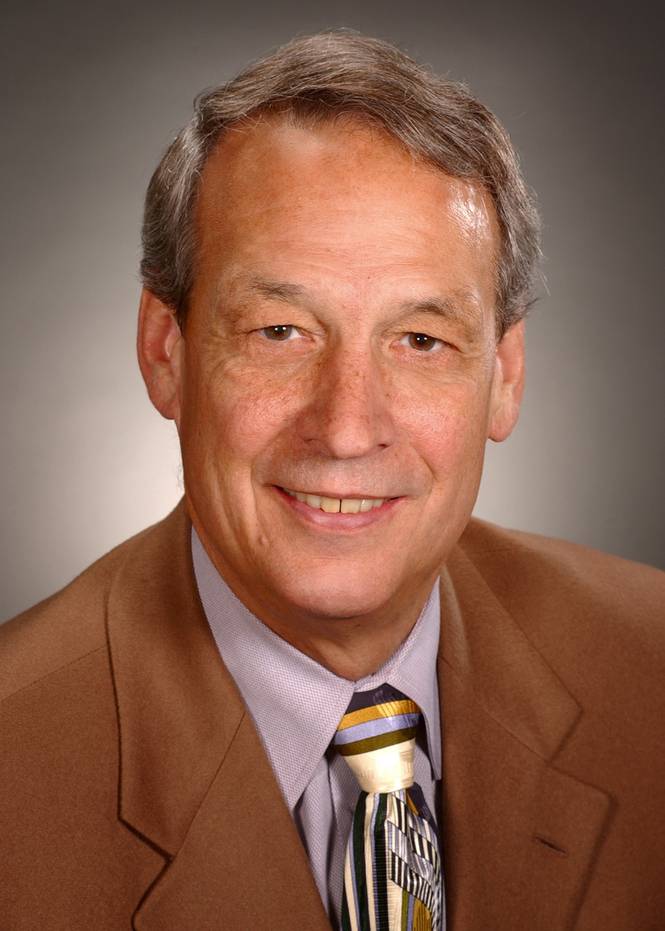
The newly developed mission of the Journal is “Advancing Excellence and Impact on the Specialty.” To facilitate this mission we have identified several factors which contribute to the number of citations, hits, and downloads for any given article. These three metrics are the most important indicators of high quality papers for our specialty. Therefore, in pursuit of increasing the excellence and impact of our content, the Associate Editors and reviewers will provide the highest priority to prospective multi-centered reports with long term follow-up which garner the most usage and recognition from our peers interested in cardiothoracic diseases. In addition, we have recruited a group of specialized reviewers to work in concert with the Statistical Editor to ensure that all accepted papers have conclusions supported by convincing statistics.
With increased efficiency, the time to our first response to authors has been reduced and moving forward we hope to minimize that time to 14 days from the time of manuscript submission. We have nearly eliminated the backlog and papers will soon be published less than 3 months after acceptance.
To facilitate usage and enhance Journal content, we will be providing our readers the reasons for selecting each paper and what impact we anticipate the information will have on the field. Authors will be asked to explain the significance of their observations in a section entitled “Authors Perspective.” Each paper will also have a central picture which will identify the chief contribution of the publication. In addition, we will publish an Editorial Commentary with almost every paper that will describe the importance and relevance to our specialty. The AATS is currently working on several Guidelines and we will publish additional Expert Opinions and Expert Reviews.
In the future, we hope to improve communication with our readers, and welcome ideas on how to best to enrich the delivery of our content. We are excited to soon be able to offer improved platforms to deliver our material in print, on computers, tablets, and smartphones. You may have already noticed some of these initiatives and we will continue to roll out additional modifications over time. Our efforts to enhance the Journal and our communications with our readers are our top priority.
If you have any questions or comments for the Journal as part of our communication effort, email us at JTCVS@aats.org. My hope is that the changes we are instituting will improve the experience and increase value of our Journal.
Sincerely,
Richard D. Weisel, MD
Editor, Journal of Thoracic and Cardiovascular Surgery
I assumed the position of Editor with the October issue very appreciative of the current status of the Journal. The impact factor is at an all-time high and we have an excellent cadre of Associate Editors, Editorial Board members and reviewers. Over the next few years, we hope to further increase the impact of the Journal for our specialty and improve the efficiency of the review process. Most important, we aim to enhance the communication with our readers by providing content they want in formats they prefer.
The newly developed mission of the Journal is “Advancing Excellence and Impact on the Specialty.” To facilitate this mission we have identified several factors which contribute to the number of citations, hits, and downloads for any given article. These three metrics are the most important indicators of high quality papers for our specialty. Therefore, in pursuit of increasing the excellence and impact of our content, the Associate Editors and reviewers will provide the highest priority to prospective multi-centered reports with long term follow-up which garner the most usage and recognition from our peers interested in cardiothoracic diseases. In addition, we have recruited a group of specialized reviewers to work in concert with the Statistical Editor to ensure that all accepted papers have conclusions supported by convincing statistics.
With increased efficiency, the time to our first response to authors has been reduced and moving forward we hope to minimize that time to 14 days from the time of manuscript submission. We have nearly eliminated the backlog and papers will soon be published less than 3 months after acceptance.
To facilitate usage and enhance Journal content, we will be providing our readers the reasons for selecting each paper and what impact we anticipate the information will have on the field. Authors will be asked to explain the significance of their observations in a section entitled “Authors Perspective.” Each paper will also have a central picture which will identify the chief contribution of the publication. In addition, we will publish an Editorial Commentary with almost every paper that will describe the importance and relevance to our specialty. The AATS is currently working on several Guidelines and we will publish additional Expert Opinions and Expert Reviews.
In the future, we hope to improve communication with our readers, and welcome ideas on how to best to enrich the delivery of our content. We are excited to soon be able to offer improved platforms to deliver our material in print, on computers, tablets, and smartphones. You may have already noticed some of these initiatives and we will continue to roll out additional modifications over time. Our efforts to enhance the Journal and our communications with our readers are our top priority.
If you have any questions or comments for the Journal as part of our communication effort, email us at JTCVS@aats.org. My hope is that the changes we are instituting will improve the experience and increase value of our Journal.
Sincerely,
Richard D. Weisel, MD
Editor, Journal of Thoracic and Cardiovascular Surgery
I assumed the position of Editor with the October issue very appreciative of the current status of the Journal. The impact factor is at an all-time high and we have an excellent cadre of Associate Editors, Editorial Board members and reviewers. Over the next few years, we hope to further increase the impact of the Journal for our specialty and improve the efficiency of the review process. Most important, we aim to enhance the communication with our readers by providing content they want in formats they prefer.
The newly developed mission of the Journal is “Advancing Excellence and Impact on the Specialty.” To facilitate this mission we have identified several factors which contribute to the number of citations, hits, and downloads for any given article. These three metrics are the most important indicators of high quality papers for our specialty. Therefore, in pursuit of increasing the excellence and impact of our content, the Associate Editors and reviewers will provide the highest priority to prospective multi-centered reports with long term follow-up which garner the most usage and recognition from our peers interested in cardiothoracic diseases. In addition, we have recruited a group of specialized reviewers to work in concert with the Statistical Editor to ensure that all accepted papers have conclusions supported by convincing statistics.
With increased efficiency, the time to our first response to authors has been reduced and moving forward we hope to minimize that time to 14 days from the time of manuscript submission. We have nearly eliminated the backlog and papers will soon be published less than 3 months after acceptance.
To facilitate usage and enhance Journal content, we will be providing our readers the reasons for selecting each paper and what impact we anticipate the information will have on the field. Authors will be asked to explain the significance of their observations in a section entitled “Authors Perspective.” Each paper will also have a central picture which will identify the chief contribution of the publication. In addition, we will publish an Editorial Commentary with almost every paper that will describe the importance and relevance to our specialty. The AATS is currently working on several Guidelines and we will publish additional Expert Opinions and Expert Reviews.
In the future, we hope to improve communication with our readers, and welcome ideas on how to best to enrich the delivery of our content. We are excited to soon be able to offer improved platforms to deliver our material in print, on computers, tablets, and smartphones. You may have already noticed some of these initiatives and we will continue to roll out additional modifications over time. Our efforts to enhance the Journal and our communications with our readers are our top priority.
If you have any questions or comments for the Journal as part of our communication effort, email us at JTCVS@aats.org. My hope is that the changes we are instituting will improve the experience and increase value of our Journal.
Sincerely,
Richard D. Weisel, MD
Editor, Journal of Thoracic and Cardiovascular Surgery

VIDEO: Study reignites dental antibiotic prophylaxis controversy
CHICAGO – The first guidelines recommending antibiotic prophylaxis for invasive dental procedures were issued in 1955, and controversy has gone hand in hand with each revision that has called for shorter treatment duration and fewer eligible patients.
A study presented at the American Heart Association scientific sessions adds to that controversy – and has prompted the United Kingdom’s National Institute for Health and Care Excellence to immediately review its 2008 guidelines.
Those guidelines recommend that antibiotics should not be prescribed to prevent infective endocarditis (IE) for people undergoing dental procedures or procedures in the upper and lower gastrointestinal tract, genitourinary tract, and upper and lower respiratory tract.
Five years post NICE, the new study found that antibiotic prophylaxis prescribing fell almost 90% in the United Kingdom, from 10,900 prescriptions per month to 1,307 per month in the last 6 months of the study, reported Dr. Mark Dayer of Taunton and Somerset NHS Trust, Somerset, England. The study was simultaneously published in the Lancet (2014 Nov. 18[doi:10.1016/S0140-6736(14)62007-9]).
In a video interview, study coauthor Dr. Martin Thornhill of the University of Sheffield, England, and AHA President-Elect Dr. Mark Creager, director of the vascular center at Brigham and Women’s Hospital, Boston, talked about the findings, their potential limitations, and whether it’s time for clinicians to change their approach to antibiotic prophylaxis.
The study was funded by the National Institutes of Dental and Cranofacial Research, Heart Research–UK, and Simplyhealth. Dr. Thornhill and Dr. Creager reported no conflicting interests.
CHICAGO – The first guidelines recommending antibiotic prophylaxis for invasive dental procedures were issued in 1955, and controversy has gone hand in hand with each revision that has called for shorter treatment duration and fewer eligible patients.
A study presented at the American Heart Association scientific sessions adds to that controversy – and has prompted the United Kingdom’s National Institute for Health and Care Excellence to immediately review its 2008 guidelines.
Those guidelines recommend that antibiotics should not be prescribed to prevent infective endocarditis (IE) for people undergoing dental procedures or procedures in the upper and lower gastrointestinal tract, genitourinary tract, and upper and lower respiratory tract.
Five years post NICE, the new study found that antibiotic prophylaxis prescribing fell almost 90% in the United Kingdom, from 10,900 prescriptions per month to 1,307 per month in the last 6 months of the study, reported Dr. Mark Dayer of Taunton and Somerset NHS Trust, Somerset, England. The study was simultaneously published in the Lancet (2014 Nov. 18[doi:10.1016/S0140-6736(14)62007-9]).
In a video interview, study coauthor Dr. Martin Thornhill of the University of Sheffield, England, and AHA President-Elect Dr. Mark Creager, director of the vascular center at Brigham and Women’s Hospital, Boston, talked about the findings, their potential limitations, and whether it’s time for clinicians to change their approach to antibiotic prophylaxis.
The study was funded by the National Institutes of Dental and Cranofacial Research, Heart Research–UK, and Simplyhealth. Dr. Thornhill and Dr. Creager reported no conflicting interests.
CHICAGO – The first guidelines recommending antibiotic prophylaxis for invasive dental procedures were issued in 1955, and controversy has gone hand in hand with each revision that has called for shorter treatment duration and fewer eligible patients.
A study presented at the American Heart Association scientific sessions adds to that controversy – and has prompted the United Kingdom’s National Institute for Health and Care Excellence to immediately review its 2008 guidelines.
Those guidelines recommend that antibiotics should not be prescribed to prevent infective endocarditis (IE) for people undergoing dental procedures or procedures in the upper and lower gastrointestinal tract, genitourinary tract, and upper and lower respiratory tract.
Five years post NICE, the new study found that antibiotic prophylaxis prescribing fell almost 90% in the United Kingdom, from 10,900 prescriptions per month to 1,307 per month in the last 6 months of the study, reported Dr. Mark Dayer of Taunton and Somerset NHS Trust, Somerset, England. The study was simultaneously published in the Lancet (2014 Nov. 18[doi:10.1016/S0140-6736(14)62007-9]).
In a video interview, study coauthor Dr. Martin Thornhill of the University of Sheffield, England, and AHA President-Elect Dr. Mark Creager, director of the vascular center at Brigham and Women’s Hospital, Boston, talked about the findings, their potential limitations, and whether it’s time for clinicians to change their approach to antibiotic prophylaxis.
The study was funded by the National Institutes of Dental and Cranofacial Research, Heart Research–UK, and Simplyhealth. Dr. Thornhill and Dr. Creager reported no conflicting interests.
AT THE AHA SCIENTIFIC SESSIONS
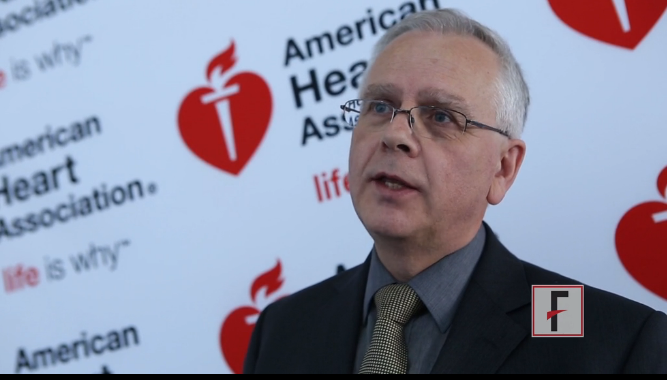
Save the Date: AATS 95th Annual Meeting April 25-29
Mark your calendar to join cardiothoracic surgery professionals from around the world for a five-day program of state-of-the-art presentations by renowned experts. Attendees will enhance their knowledge and skills in a wide-range of subjects including general and specialized cardiac surgery, emerging technologies, congenital heart disease, critical care and aortic/endovascular.
AATS 95th Annual Meeting
April 25 – 29, 2015
Washington State Convention Center
Seattle, WA, USA
President & Annual Meeting Chair
Pedro J. del Nido
Annual Meeting Co-Chair
David H. Adams
Yolonda L. Colson
AATS is excited to be hosting its Annual Meeting in Seattle for the first time. This vibrant city combines sophisticated urbanity with the unpretentious natural surroundings of the Pacific Northwest. Nicknamed the “Emerald City” for its lush evergreen forests, Seattle has something for everyone — culture, entertainment, shopping, restaurants, and outdoor activities. And, Seattle is the home of great coffee, which can be purchased from carts on every corner.
The meeting site — the recently renovated Washington State Convention Center — is located in the heart of downtown. Within walking distance is Seattle’s famous Space Needle, where visitors can view the city, Cascade Mountains and Mt. Rainer, the waters of Elliott Bay, and surrounding forests from the 520-foot observation deck. Other attractions nearby are the Pike Place Market, Pioneer Square, water tours, and ferries. Visitors and Seattleites enjoy Seattle’s lively downtown, great shopping, wonderful restaurants, espresso carts on every corner, and thriving community full of live theatre and museums.
Don’t Miss the Saturday and Sunday Symposia Including:
Saturday, April 25th
▶ Adult Cardiac Skills: How I Would Like My Operation Done
▶ Congenital Heart Disease Skills: Dealing with Challenging Conditions – Pearls and Pitfalls
▶ General Thoracic Skills: Implementing Innovation: What Future Leaders Need to Know
▶ Allied Health Personnel Symposium: Advancing the Team Based Care Management Model in Cardiothoracic Surgery
▶ Therapies for End-Stage Thoracic Organ Failure with an Emphasis on ECMO, MCS, and Transplant
Sunday, April 26th
▶ AATS/STS Adult Cardiac Surgery Symposium: Decision Making in Adult Cardiac Surgery
▶ AATS/STS Congenital Heart Disease Symposium: Unsettled and Unanswered Questions in Congenital Heart Surgery
▶ AATS/STS General Thoracic Surgery Symposium: The Evolving Role of Thoracic Surgeons
View full Saturday and Sunday programs online.
Visit www.aats.org/annualmeeting.
Saturday and Sunday Registration Covers All Courses/Symposium for the Day
When you register for the Saturday course and Sunday symposia, you will be able to attend any of the courses or symposia taking place on that day.
Registration and Housing for the Annual Meeting will open in December.
For more information, please visit www.aats.org/annualmeeting
Mark your calendar to join cardiothoracic surgery professionals from around the world for a five-day program of state-of-the-art presentations by renowned experts. Attendees will enhance their knowledge and skills in a wide-range of subjects including general and specialized cardiac surgery, emerging technologies, congenital heart disease, critical care and aortic/endovascular.
AATS 95th Annual Meeting
April 25 – 29, 2015
Washington State Convention Center
Seattle, WA, USA
President & Annual Meeting Chair
Pedro J. del Nido
Annual Meeting Co-Chair
David H. Adams
Yolonda L. Colson
AATS is excited to be hosting its Annual Meeting in Seattle for the first time. This vibrant city combines sophisticated urbanity with the unpretentious natural surroundings of the Pacific Northwest. Nicknamed the “Emerald City” for its lush evergreen forests, Seattle has something for everyone — culture, entertainment, shopping, restaurants, and outdoor activities. And, Seattle is the home of great coffee, which can be purchased from carts on every corner.
The meeting site — the recently renovated Washington State Convention Center — is located in the heart of downtown. Within walking distance is Seattle’s famous Space Needle, where visitors can view the city, Cascade Mountains and Mt. Rainer, the waters of Elliott Bay, and surrounding forests from the 520-foot observation deck. Other attractions nearby are the Pike Place Market, Pioneer Square, water tours, and ferries. Visitors and Seattleites enjoy Seattle’s lively downtown, great shopping, wonderful restaurants, espresso carts on every corner, and thriving community full of live theatre and museums.
Don’t Miss the Saturday and Sunday Symposia Including:
Saturday, April 25th
▶ Adult Cardiac Skills: How I Would Like My Operation Done
▶ Congenital Heart Disease Skills: Dealing with Challenging Conditions – Pearls and Pitfalls
▶ General Thoracic Skills: Implementing Innovation: What Future Leaders Need to Know
▶ Allied Health Personnel Symposium: Advancing the Team Based Care Management Model in Cardiothoracic Surgery
▶ Therapies for End-Stage Thoracic Organ Failure with an Emphasis on ECMO, MCS, and Transplant
Sunday, April 26th
▶ AATS/STS Adult Cardiac Surgery Symposium: Decision Making in Adult Cardiac Surgery
▶ AATS/STS Congenital Heart Disease Symposium: Unsettled and Unanswered Questions in Congenital Heart Surgery
▶ AATS/STS General Thoracic Surgery Symposium: The Evolving Role of Thoracic Surgeons
View full Saturday and Sunday programs online.
Visit www.aats.org/annualmeeting.
Saturday and Sunday Registration Covers All Courses/Symposium for the Day
When you register for the Saturday course and Sunday symposia, you will be able to attend any of the courses or symposia taking place on that day.
Registration and Housing for the Annual Meeting will open in December.
For more information, please visit www.aats.org/annualmeeting
Mark your calendar to join cardiothoracic surgery professionals from around the world for a five-day program of state-of-the-art presentations by renowned experts. Attendees will enhance their knowledge and skills in a wide-range of subjects including general and specialized cardiac surgery, emerging technologies, congenital heart disease, critical care and aortic/endovascular.
AATS 95th Annual Meeting
April 25 – 29, 2015
Washington State Convention Center
Seattle, WA, USA
President & Annual Meeting Chair
Pedro J. del Nido
Annual Meeting Co-Chair
David H. Adams
Yolonda L. Colson
AATS is excited to be hosting its Annual Meeting in Seattle for the first time. This vibrant city combines sophisticated urbanity with the unpretentious natural surroundings of the Pacific Northwest. Nicknamed the “Emerald City” for its lush evergreen forests, Seattle has something for everyone — culture, entertainment, shopping, restaurants, and outdoor activities. And, Seattle is the home of great coffee, which can be purchased from carts on every corner.
The meeting site — the recently renovated Washington State Convention Center — is located in the heart of downtown. Within walking distance is Seattle’s famous Space Needle, where visitors can view the city, Cascade Mountains and Mt. Rainer, the waters of Elliott Bay, and surrounding forests from the 520-foot observation deck. Other attractions nearby are the Pike Place Market, Pioneer Square, water tours, and ferries. Visitors and Seattleites enjoy Seattle’s lively downtown, great shopping, wonderful restaurants, espresso carts on every corner, and thriving community full of live theatre and museums.
Don’t Miss the Saturday and Sunday Symposia Including:
Saturday, April 25th
▶ Adult Cardiac Skills: How I Would Like My Operation Done
▶ Congenital Heart Disease Skills: Dealing with Challenging Conditions – Pearls and Pitfalls
▶ General Thoracic Skills: Implementing Innovation: What Future Leaders Need to Know
▶ Allied Health Personnel Symposium: Advancing the Team Based Care Management Model in Cardiothoracic Surgery
▶ Therapies for End-Stage Thoracic Organ Failure with an Emphasis on ECMO, MCS, and Transplant
Sunday, April 26th
▶ AATS/STS Adult Cardiac Surgery Symposium: Decision Making in Adult Cardiac Surgery
▶ AATS/STS Congenital Heart Disease Symposium: Unsettled and Unanswered Questions in Congenital Heart Surgery
▶ AATS/STS General Thoracic Surgery Symposium: The Evolving Role of Thoracic Surgeons
View full Saturday and Sunday programs online.
Visit www.aats.org/annualmeeting.
Saturday and Sunday Registration Covers All Courses/Symposium for the Day
When you register for the Saturday course and Sunday symposia, you will be able to attend any of the courses or symposia taking place on that day.
Registration and Housing for the Annual Meeting will open in December.
For more information, please visit www.aats.org/annualmeeting
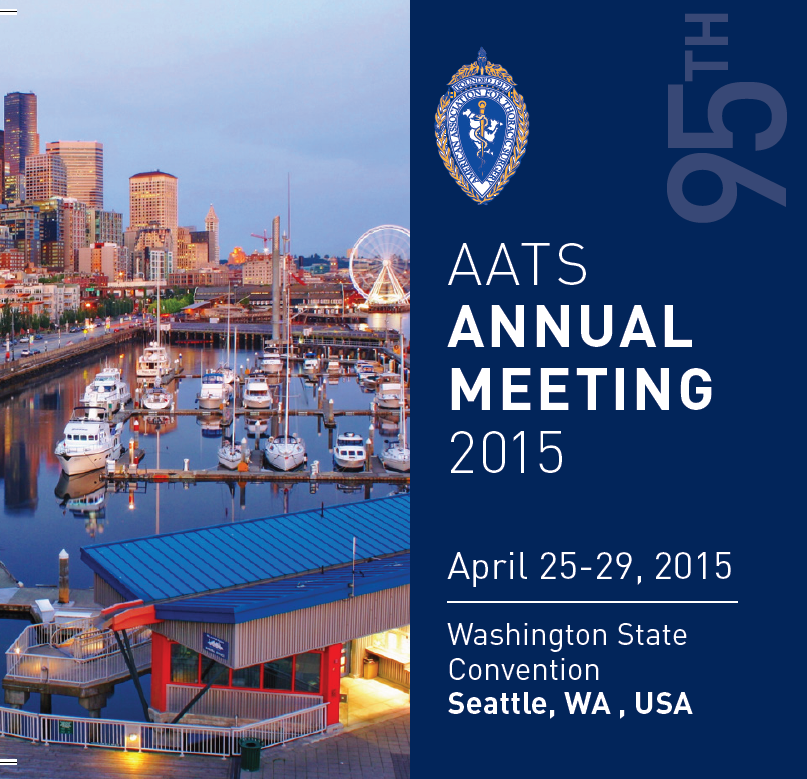
AATS Graham Foundation Is Proud to Announce Its Fall Awardees. Congratulations!
Third Alton Oschsner Research Scholarship awardees: Dr. Jonathan Spicer (McGill University) and Dr. Prashanth Vallabhajosyula (University of Pennsylvania).
Dr. Jonathan Spicer will conduct research on the role of neutrophil extracellular traps in cancer metastasis. McGill will receive $80,000 over a two-year period in support of his research.
Dr. Prashanth Vallabhajosyula will conduct research on donor Heart-Specific Exosome Platform for Monitoring Rejection in Heart Transplantation. The University of Pennsylvania will receive $80,000 over a two-year period in support of his research.
Learn more about the scholarship: http://aats.org/research/Grants/Research_Scholarship.cgi.
The Evarts A. Graham Memorial Traveling Fellowship recipient: Dr. Yaxing Shen (Zhongsham Hospital/Fudan University).

Dr. Yaxing Shen will spend his Fellowship at Duke University under the guidance of Dr. Thomas D’Amico. Dr. Shen will use additional time to visit Drs. Alec Patterson (Washington University) and Mark Ferguson (University of Chicago).
Learn more about the Evarts A. Graham Memorial Traveling Fellowship: http://aats.org/EducationTraining/ClinicalFellowships/GrahamMemorial.cgi.
Cardiothoracic Ethics Forum Scholarship awardees: Drs. Jennifer Ellis (MedStar Washington Hospital), John Entwistle (Thomas Jefferson University), and Kathleen Fenton (International Children’s Heart Foundation)
This new scholarship provides opportunities for intellectual development and preparation for leadership roles in CT ethics.

Dr. Jennifer Ellis will be attending the Intensive Bioethics Course at Georgetown University.
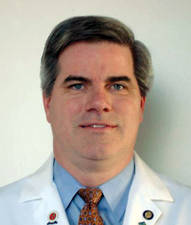
Dr. John Entwistle will be attending the Intensive Bioethics Course at Georgetown University.

Dr. Kathleen Fenton will be enrolling in the Bioethics program at Albany Medical College.
Learn more about the scholarship: http://www.ctsnet.org/cardiothoracic-ethics-forum-scholarship.
Third Alton Oschsner Research Scholarship awardees: Dr. Jonathan Spicer (McGill University) and Dr. Prashanth Vallabhajosyula (University of Pennsylvania).
Dr. Jonathan Spicer will conduct research on the role of neutrophil extracellular traps in cancer metastasis. McGill will receive $80,000 over a two-year period in support of his research.
Dr. Prashanth Vallabhajosyula will conduct research on donor Heart-Specific Exosome Platform for Monitoring Rejection in Heart Transplantation. The University of Pennsylvania will receive $80,000 over a two-year period in support of his research.
Learn more about the scholarship: http://aats.org/research/Grants/Research_Scholarship.cgi.
The Evarts A. Graham Memorial Traveling Fellowship recipient: Dr. Yaxing Shen (Zhongsham Hospital/Fudan University).
Dr. Yaxing Shen will spend his Fellowship at Duke University under the guidance of Dr. Thomas D’Amico. Dr. Shen will use additional time to visit Drs. Alec Patterson (Washington University) and Mark Ferguson (University of Chicago).
Learn more about the Evarts A. Graham Memorial Traveling Fellowship: http://aats.org/EducationTraining/ClinicalFellowships/GrahamMemorial.cgi.
Cardiothoracic Ethics Forum Scholarship awardees: Drs. Jennifer Ellis (MedStar Washington Hospital), John Entwistle (Thomas Jefferson University), and Kathleen Fenton (International Children’s Heart Foundation)
This new scholarship provides opportunities for intellectual development and preparation for leadership roles in CT ethics.
Dr. Jennifer Ellis will be attending the Intensive Bioethics Course at Georgetown University.
Dr. John Entwistle will be attending the Intensive Bioethics Course at Georgetown University.
Dr. Kathleen Fenton will be enrolling in the Bioethics program at Albany Medical College.
Learn more about the scholarship: http://www.ctsnet.org/cardiothoracic-ethics-forum-scholarship.
Third Alton Oschsner Research Scholarship awardees: Dr. Jonathan Spicer (McGill University) and Dr. Prashanth Vallabhajosyula (University of Pennsylvania).
Dr. Jonathan Spicer will conduct research on the role of neutrophil extracellular traps in cancer metastasis. McGill will receive $80,000 over a two-year period in support of his research.
Dr. Prashanth Vallabhajosyula will conduct research on donor Heart-Specific Exosome Platform for Monitoring Rejection in Heart Transplantation. The University of Pennsylvania will receive $80,000 over a two-year period in support of his research.
Learn more about the scholarship: http://aats.org/research/Grants/Research_Scholarship.cgi.
The Evarts A. Graham Memorial Traveling Fellowship recipient: Dr. Yaxing Shen (Zhongsham Hospital/Fudan University).
Dr. Yaxing Shen will spend his Fellowship at Duke University under the guidance of Dr. Thomas D’Amico. Dr. Shen will use additional time to visit Drs. Alec Patterson (Washington University) and Mark Ferguson (University of Chicago).
Learn more about the Evarts A. Graham Memorial Traveling Fellowship: http://aats.org/EducationTraining/ClinicalFellowships/GrahamMemorial.cgi.
Cardiothoracic Ethics Forum Scholarship awardees: Drs. Jennifer Ellis (MedStar Washington Hospital), John Entwistle (Thomas Jefferson University), and Kathleen Fenton (International Children’s Heart Foundation)
This new scholarship provides opportunities for intellectual development and preparation for leadership roles in CT ethics.
Dr. Jennifer Ellis will be attending the Intensive Bioethics Course at Georgetown University.
Dr. John Entwistle will be attending the Intensive Bioethics Course at Georgetown University.
Dr. Kathleen Fenton will be enrolling in the Bioethics program at Albany Medical College.
Learn more about the scholarship: http://www.ctsnet.org/cardiothoracic-ethics-forum-scholarship.