User login
Rosacea linked to increased Parkinson’s disease risk
Individuals with rosacea were nearly twice as likely to develop Parkinson’s disease as those without rosacea, based on an analysis of results of a nationwide cohort study of 5.4 million people conducted in Denmark. The findings were published online March 21 in JAMA Neurology.
Data from previous studies suggest a link between rosacea and Parkinson’s disease (PD), as both may stem from elevated activity of matrix metalloproteinases, wrote Dr. Alexander Egeberg of the University of Copenhagen, and his associates.
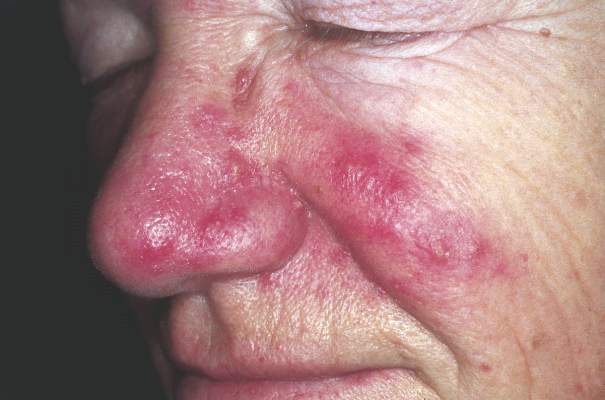
To explore the possible link between rosacea and Parkinson’s disease, the researchers reviewed data on about 5.4 million adults in a Danish database of all citizens aged 18 and older, over a 15-year period from January 1, 1997, to December 31, 2011. A total of 22,387 individuals were diagnosed with Parkinson’s disease and 68,053 were diagnosed with rosacea (JAMA Neurol. 2016 Mar 21. doi: 10.1001/jamaneurol.2016.0022).
The incidence of Parkinson’s disease was 7.62 per 10,000 person-years among rosacea patients vs. 3.54 per 10,000 person-years in the general population, the researchers noted.
Overall, the Parkinson’s disease risk was significantly higher among rosacea patients, with an adjusted incidence rate ratio (IRR) of 1.71 for rosacea patients compared with the general population. The IRR was even higher in patients with ocular rosacea (adjusted IRR, 2.03).
However, treatment with tetracycline appeared to reduce the Parkinson’s risk in the rosacea patients: After controlling for multiple variables, having filled a prescription for tetracycline was associated with a 2% drop in the risk of PD (adjusted IRR, 0.98).
A sensitivity analysis showed no dose-dependent relationship with disease severity; the IRRs for Parkinson’s disease in patients with mild rosacea and moderate to severe rosacea were 1.82 and 1.84, respectively. However, moderate to severe rosacea was defined as cases where tetracyclines were used, and the neuroprotective effect of tetracyclines might impact the relationship between rosacea and Parkinson’s disease, the researchers noted.
“It is tempting to speculate that, in patients with coexistent rosacea, Parkinson’s disease may display other phenotypic characteristics, and it is possible that rosacea-associated features, such as facial flushing, may contribute to support a Parkinson’s disease diagnosis at an early phase of the disease,” the researchers noted.
Limitations of the study include its observational design, which does not allow the establishment of causation, the researchers noted, and additional research is needed to confirm the observations and clinical consequences.
Lead author Dr. Egeberg was employed by Pfizer at the time of the study; one of the coauthors was supported by an unrestricted research scholarship from the Novo Nordisk Foundation.
An intriguing aspect of the study was the lack of disease severity impact on the incidence rate ratio (IRR) on Parkinson’s disease, Dr. Thomas S. Wingo wrote in an accompanying editorial. He added: “In other words, people with moderate to severe rosacea have the same IRR for PD as do those who have moderate disease. To explain this result, the authors hypothesized that a disease-severity effect might be blunted by the treatment of moderate to severe rosacea with tetracycline. The reason for this possible effect is that tetracycline is chemically similar to minocycline, which has shown evidence for exerting a protective effect in animal models of PD, although this effect has not been consistently seen.”
Dr. Wingo noted that the “intriguing finding that increased tetracycline use is associated with a small but appreciable reduction in the risk of PD should be further explored. Of particular interest would be to understand the temporal association between the use of tetracycline and effect on PD risk” (JAMA Neurol. 2016 Mar 21. doi: 10.1001/jamaneurol.2016.0291).
Dr. Wingo is a member of the departments of neurology and human genetics at Emory University, Atlanta. He had no financial conflicts to disclose.
An intriguing aspect of the study was the lack of disease severity impact on the incidence rate ratio (IRR) on Parkinson’s disease, Dr. Thomas S. Wingo wrote in an accompanying editorial. He added: “In other words, people with moderate to severe rosacea have the same IRR for PD as do those who have moderate disease. To explain this result, the authors hypothesized that a disease-severity effect might be blunted by the treatment of moderate to severe rosacea with tetracycline. The reason for this possible effect is that tetracycline is chemically similar to minocycline, which has shown evidence for exerting a protective effect in animal models of PD, although this effect has not been consistently seen.”
Dr. Wingo noted that the “intriguing finding that increased tetracycline use is associated with a small but appreciable reduction in the risk of PD should be further explored. Of particular interest would be to understand the temporal association between the use of tetracycline and effect on PD risk” (JAMA Neurol. 2016 Mar 21. doi: 10.1001/jamaneurol.2016.0291).
Dr. Wingo is a member of the departments of neurology and human genetics at Emory University, Atlanta. He had no financial conflicts to disclose.
An intriguing aspect of the study was the lack of disease severity impact on the incidence rate ratio (IRR) on Parkinson’s disease, Dr. Thomas S. Wingo wrote in an accompanying editorial. He added: “In other words, people with moderate to severe rosacea have the same IRR for PD as do those who have moderate disease. To explain this result, the authors hypothesized that a disease-severity effect might be blunted by the treatment of moderate to severe rosacea with tetracycline. The reason for this possible effect is that tetracycline is chemically similar to minocycline, which has shown evidence for exerting a protective effect in animal models of PD, although this effect has not been consistently seen.”
Dr. Wingo noted that the “intriguing finding that increased tetracycline use is associated with a small but appreciable reduction in the risk of PD should be further explored. Of particular interest would be to understand the temporal association between the use of tetracycline and effect on PD risk” (JAMA Neurol. 2016 Mar 21. doi: 10.1001/jamaneurol.2016.0291).
Dr. Wingo is a member of the departments of neurology and human genetics at Emory University, Atlanta. He had no financial conflicts to disclose.
Individuals with rosacea were nearly twice as likely to develop Parkinson’s disease as those without rosacea, based on an analysis of results of a nationwide cohort study of 5.4 million people conducted in Denmark. The findings were published online March 21 in JAMA Neurology.
Data from previous studies suggest a link between rosacea and Parkinson’s disease (PD), as both may stem from elevated activity of matrix metalloproteinases, wrote Dr. Alexander Egeberg of the University of Copenhagen, and his associates.
To explore the possible link between rosacea and Parkinson’s disease, the researchers reviewed data on about 5.4 million adults in a Danish database of all citizens aged 18 and older, over a 15-year period from January 1, 1997, to December 31, 2011. A total of 22,387 individuals were diagnosed with Parkinson’s disease and 68,053 were diagnosed with rosacea (JAMA Neurol. 2016 Mar 21. doi: 10.1001/jamaneurol.2016.0022).
The incidence of Parkinson’s disease was 7.62 per 10,000 person-years among rosacea patients vs. 3.54 per 10,000 person-years in the general population, the researchers noted.
Overall, the Parkinson’s disease risk was significantly higher among rosacea patients, with an adjusted incidence rate ratio (IRR) of 1.71 for rosacea patients compared with the general population. The IRR was even higher in patients with ocular rosacea (adjusted IRR, 2.03).
However, treatment with tetracycline appeared to reduce the Parkinson’s risk in the rosacea patients: After controlling for multiple variables, having filled a prescription for tetracycline was associated with a 2% drop in the risk of PD (adjusted IRR, 0.98).
A sensitivity analysis showed no dose-dependent relationship with disease severity; the IRRs for Parkinson’s disease in patients with mild rosacea and moderate to severe rosacea were 1.82 and 1.84, respectively. However, moderate to severe rosacea was defined as cases where tetracyclines were used, and the neuroprotective effect of tetracyclines might impact the relationship between rosacea and Parkinson’s disease, the researchers noted.
“It is tempting to speculate that, in patients with coexistent rosacea, Parkinson’s disease may display other phenotypic characteristics, and it is possible that rosacea-associated features, such as facial flushing, may contribute to support a Parkinson’s disease diagnosis at an early phase of the disease,” the researchers noted.
Limitations of the study include its observational design, which does not allow the establishment of causation, the researchers noted, and additional research is needed to confirm the observations and clinical consequences.
Lead author Dr. Egeberg was employed by Pfizer at the time of the study; one of the coauthors was supported by an unrestricted research scholarship from the Novo Nordisk Foundation.
Individuals with rosacea were nearly twice as likely to develop Parkinson’s disease as those without rosacea, based on an analysis of results of a nationwide cohort study of 5.4 million people conducted in Denmark. The findings were published online March 21 in JAMA Neurology.
Data from previous studies suggest a link between rosacea and Parkinson’s disease (PD), as both may stem from elevated activity of matrix metalloproteinases, wrote Dr. Alexander Egeberg of the University of Copenhagen, and his associates.
To explore the possible link between rosacea and Parkinson’s disease, the researchers reviewed data on about 5.4 million adults in a Danish database of all citizens aged 18 and older, over a 15-year period from January 1, 1997, to December 31, 2011. A total of 22,387 individuals were diagnosed with Parkinson’s disease and 68,053 were diagnosed with rosacea (JAMA Neurol. 2016 Mar 21. doi: 10.1001/jamaneurol.2016.0022).
The incidence of Parkinson’s disease was 7.62 per 10,000 person-years among rosacea patients vs. 3.54 per 10,000 person-years in the general population, the researchers noted.
Overall, the Parkinson’s disease risk was significantly higher among rosacea patients, with an adjusted incidence rate ratio (IRR) of 1.71 for rosacea patients compared with the general population. The IRR was even higher in patients with ocular rosacea (adjusted IRR, 2.03).
However, treatment with tetracycline appeared to reduce the Parkinson’s risk in the rosacea patients: After controlling for multiple variables, having filled a prescription for tetracycline was associated with a 2% drop in the risk of PD (adjusted IRR, 0.98).
A sensitivity analysis showed no dose-dependent relationship with disease severity; the IRRs for Parkinson’s disease in patients with mild rosacea and moderate to severe rosacea were 1.82 and 1.84, respectively. However, moderate to severe rosacea was defined as cases where tetracyclines were used, and the neuroprotective effect of tetracyclines might impact the relationship between rosacea and Parkinson’s disease, the researchers noted.
“It is tempting to speculate that, in patients with coexistent rosacea, Parkinson’s disease may display other phenotypic characteristics, and it is possible that rosacea-associated features, such as facial flushing, may contribute to support a Parkinson’s disease diagnosis at an early phase of the disease,” the researchers noted.
Limitations of the study include its observational design, which does not allow the establishment of causation, the researchers noted, and additional research is needed to confirm the observations and clinical consequences.
Lead author Dr. Egeberg was employed by Pfizer at the time of the study; one of the coauthors was supported by an unrestricted research scholarship from the Novo Nordisk Foundation.
FROM JAMA NEUROLOGY
Key clinical point: Rosacea was found to be an independent risk factor for Parkinson’s disease, an effect reduced by the use of tetracycline.
Major finding: The incidence of Parkinson’s disease was 7.62 per 10,000 person-years among people with rosacea vs. 3.54 per 10,000 person-years in the general population over a 15-year follow-up period.
Data source: The data come from a nationwide cohort study conducted in Denmark that included 5.4 million adults aged 18 years and older.
Disclosures: Lead author Dr. Alexander Egeberg was employed by Pfizer at the time of the study; a study coauthor was supported by an unrestricted research scholarship from the Novo Nordisk Foundation.
Options to Treat Hyperhidrosis Are Increasing
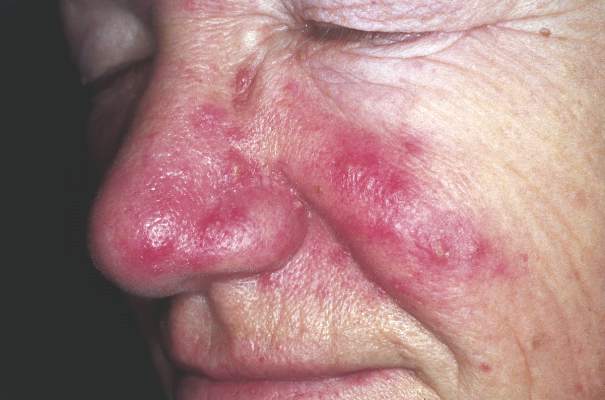
Clinicians have an expanding range of options to offer patients with persistent hyperhidrosis, Dr. David M. Pariser said at the Caribbean Dermatology Symposium.
Hyperhidrosis currently affects an estimated 7.8 million individuals in the United States. About half have axillary hyperhidrosis, and include about 1.3 million people who report hyperhidrosis that is “barely tolerable” or “intolerable,” Dr. Pariser said at the meeting, provided by Global Academy for Medical Education.

The treatment options include next generation antiperspirants that contain aluminum zirconium trichlorohydrex, which he said are more effective and less irritating than previously available products.
Although many patients apply antiperspirant as part of their morning routines, topical antiperspirants with aluminum chloride are effective when applied overnight, or for at least 6-8 hours, according to Dr. Pariser, professor of dermatology at Eastern Virginia Medical School, Norfolk, Va. To avoid irritating acid formation, patients should make sure the skin is dry before application, but if irritation occurs, he recommends that it should be washed off in the morning “before sweating begins.”
Aluminum chloride products should be applied nightly until patients see improvement, and then they can decrease the frequency of use. Concerns about a potential link between aluminum and Alzheimer’s disease stem from a 1960s study that was never successfully replicated, he pointed out.
In general, topical agents are a useful adjunct to other hyperhidrosis treatments, such as onabotulinumtoxinA, Dr. Pariser said. “Many insurance companies consider treatment of hyperhidrosis with iontophoresis or botulinum toxin medically necessary when topical aluminum chloride or other extra strength antiperspirants are ineffective or result in irritation,” he noted.
Other new topical products on the horizon for hyperhidrosis include glycopyrrolate wipes and gel, oxybutynin gel, and topical botulinum toxins, he added.
Patients suffering from generalized hyperhidrosis or hyperhidrosis of a spinal cord injury may benefit from systemic treatment, although no systemic agents are currently approved by the Food and Drug Administration for this purpose, Dr. Pariser said.
Glycopyrrolate is the preferred systemic medication for off-label hyperhidrosis treatment, and patients typically start at 1 mg twice daily, increasing the dose by 1 mg a day each week until they achieve the desired improvement or are unable to tolerate adverse effects, he said. Data also support the use of oral oxybutynin for hyperhidrosis, he noted.
Patients seeking more “permanent” treatment for hyperhidrosis might consider microwave thermolysis with an FDA-cleared device designed to stop sweating by using microwaves to destroy the eccrine glands, which do not regenerate, Dr. Pariser said. The device works by delivering microwave energy precisely in the dermal-fat interface region. Deeper tissue is unaffected, and contact cooling protects the epidermis and upper dermis.
Side effects from microwave thermolysis are usually minimal and transient, he noted. “The most common side effects are swelling and tenderness in the treated area, which can last up to a few weeks.”
By contrast, the effects of botulinum toxin on hyperhidrosis are not permanent, but patients report a high level of satisfaction and improved quality of life with this treatment option, he said. Duration of treatment varies, but data from a 16-month, randomized, double-blind trial of 207 patients showed a mean duration of 7 months between treatments.
Overall, treatment of patients with focal hyperhidrosis “leads to greater improvement of a patient’s quality of life than treatment of any other dermatologic disorder,” Dr. Pariser said. Treatments are relatively easy to learn, economically viable, and easily incorporated into a routine office practice, he said.
Dr. Pariser disclosed ties with Allergan, Dermira, Watson Labs, Ulthera, Brickell Biotech, Revance, Anterios, and Theravida.
Global Academy and this news organization are owned by the same parent company.
Clinicians have an expanding range of options to offer patients with persistent hyperhidrosis, Dr. David M. Pariser said at the Caribbean Dermatology Symposium.
Hyperhidrosis currently affects an estimated 7.8 million individuals in the United States. About half have axillary hyperhidrosis, and include about 1.3 million people who report hyperhidrosis that is “barely tolerable” or “intolerable,” Dr. Pariser said at the meeting, provided by Global Academy for Medical Education.
The treatment options include next generation antiperspirants that contain aluminum zirconium trichlorohydrex, which he said are more effective and less irritating than previously available products.
Although many patients apply antiperspirant as part of their morning routines, topical antiperspirants with aluminum chloride are effective when applied overnight, or for at least 6-8 hours, according to Dr. Pariser, professor of dermatology at Eastern Virginia Medical School, Norfolk, Va. To avoid irritating acid formation, patients should make sure the skin is dry before application, but if irritation occurs, he recommends that it should be washed off in the morning “before sweating begins.”
Aluminum chloride products should be applied nightly until patients see improvement, and then they can decrease the frequency of use. Concerns about a potential link between aluminum and Alzheimer’s disease stem from a 1960s study that was never successfully replicated, he pointed out.
In general, topical agents are a useful adjunct to other hyperhidrosis treatments, such as onabotulinumtoxinA, Dr. Pariser said. “Many insurance companies consider treatment of hyperhidrosis with iontophoresis or botulinum toxin medically necessary when topical aluminum chloride or other extra strength antiperspirants are ineffective or result in irritation,” he noted.
Other new topical products on the horizon for hyperhidrosis include glycopyrrolate wipes and gel, oxybutynin gel, and topical botulinum toxins, he added.
Patients suffering from generalized hyperhidrosis or hyperhidrosis of a spinal cord injury may benefit from systemic treatment, although no systemic agents are currently approved by the Food and Drug Administration for this purpose, Dr. Pariser said.
Glycopyrrolate is the preferred systemic medication for off-label hyperhidrosis treatment, and patients typically start at 1 mg twice daily, increasing the dose by 1 mg a day each week until they achieve the desired improvement or are unable to tolerate adverse effects, he said. Data also support the use of oral oxybutynin for hyperhidrosis, he noted.
Patients seeking more “permanent” treatment for hyperhidrosis might consider microwave thermolysis with an FDA-cleared device designed to stop sweating by using microwaves to destroy the eccrine glands, which do not regenerate, Dr. Pariser said. The device works by delivering microwave energy precisely in the dermal-fat interface region. Deeper tissue is unaffected, and contact cooling protects the epidermis and upper dermis.
Side effects from microwave thermolysis are usually minimal and transient, he noted. “The most common side effects are swelling and tenderness in the treated area, which can last up to a few weeks.”
By contrast, the effects of botulinum toxin on hyperhidrosis are not permanent, but patients report a high level of satisfaction and improved quality of life with this treatment option, he said. Duration of treatment varies, but data from a 16-month, randomized, double-blind trial of 207 patients showed a mean duration of 7 months between treatments.
Overall, treatment of patients with focal hyperhidrosis “leads to greater improvement of a patient’s quality of life than treatment of any other dermatologic disorder,” Dr. Pariser said. Treatments are relatively easy to learn, economically viable, and easily incorporated into a routine office practice, he said.
Dr. Pariser disclosed ties with Allergan, Dermira, Watson Labs, Ulthera, Brickell Biotech, Revance, Anterios, and Theravida.
Global Academy and this news organization are owned by the same parent company.
Clinicians have an expanding range of options to offer patients with persistent hyperhidrosis, Dr. David M. Pariser said at the Caribbean Dermatology Symposium.
Hyperhidrosis currently affects an estimated 7.8 million individuals in the United States. About half have axillary hyperhidrosis, and include about 1.3 million people who report hyperhidrosis that is “barely tolerable” or “intolerable,” Dr. Pariser said at the meeting, provided by Global Academy for Medical Education.
The treatment options include next generation antiperspirants that contain aluminum zirconium trichlorohydrex, which he said are more effective and less irritating than previously available products.
Although many patients apply antiperspirant as part of their morning routines, topical antiperspirants with aluminum chloride are effective when applied overnight, or for at least 6-8 hours, according to Dr. Pariser, professor of dermatology at Eastern Virginia Medical School, Norfolk, Va. To avoid irritating acid formation, patients should make sure the skin is dry before application, but if irritation occurs, he recommends that it should be washed off in the morning “before sweating begins.”
Aluminum chloride products should be applied nightly until patients see improvement, and then they can decrease the frequency of use. Concerns about a potential link between aluminum and Alzheimer’s disease stem from a 1960s study that was never successfully replicated, he pointed out.
In general, topical agents are a useful adjunct to other hyperhidrosis treatments, such as onabotulinumtoxinA, Dr. Pariser said. “Many insurance companies consider treatment of hyperhidrosis with iontophoresis or botulinum toxin medically necessary when topical aluminum chloride or other extra strength antiperspirants are ineffective or result in irritation,” he noted.
Other new topical products on the horizon for hyperhidrosis include glycopyrrolate wipes and gel, oxybutynin gel, and topical botulinum toxins, he added.
Patients suffering from generalized hyperhidrosis or hyperhidrosis of a spinal cord injury may benefit from systemic treatment, although no systemic agents are currently approved by the Food and Drug Administration for this purpose, Dr. Pariser said.
Glycopyrrolate is the preferred systemic medication for off-label hyperhidrosis treatment, and patients typically start at 1 mg twice daily, increasing the dose by 1 mg a day each week until they achieve the desired improvement or are unable to tolerate adverse effects, he said. Data also support the use of oral oxybutynin for hyperhidrosis, he noted.
Patients seeking more “permanent” treatment for hyperhidrosis might consider microwave thermolysis with an FDA-cleared device designed to stop sweating by using microwaves to destroy the eccrine glands, which do not regenerate, Dr. Pariser said. The device works by delivering microwave energy precisely in the dermal-fat interface region. Deeper tissue is unaffected, and contact cooling protects the epidermis and upper dermis.
Side effects from microwave thermolysis are usually minimal and transient, he noted. “The most common side effects are swelling and tenderness in the treated area, which can last up to a few weeks.”
By contrast, the effects of botulinum toxin on hyperhidrosis are not permanent, but patients report a high level of satisfaction and improved quality of life with this treatment option, he said. Duration of treatment varies, but data from a 16-month, randomized, double-blind trial of 207 patients showed a mean duration of 7 months between treatments.
Overall, treatment of patients with focal hyperhidrosis “leads to greater improvement of a patient’s quality of life than treatment of any other dermatologic disorder,” Dr. Pariser said. Treatments are relatively easy to learn, economically viable, and easily incorporated into a routine office practice, he said.
Dr. Pariser disclosed ties with Allergan, Dermira, Watson Labs, Ulthera, Brickell Biotech, Revance, Anterios, and Theravida.
Global Academy and this news organization are owned by the same parent company.
EXPERT ANALYSIS FROM THE CARIBBEAN DERMATOLOGY SYMPOSIUM

Options to treat hyperhidrosis are increasing
Clinicians have an expanding range of options to offer patients with persistent hyperhidrosis, Dr. David M. Pariser said at the Caribbean Dermatology Symposium.
Hyperhidrosis currently affects an estimated 7.8 million individuals in the United States. About half have axillary hyperhidrosis, and include about 1.3 million people who report hyperhidrosis that is “barely tolerable” or “intolerable,” Dr. Pariser said at the meeting, provided by Global Academy for Medical Education.

The treatment options include next generation antiperspirants that contain aluminum zirconium trichlorohydrex, which he said are more effective and less irritating than previously available products.
Although many patients apply antiperspirant as part of their morning routines, topical antiperspirants with aluminum chloride are effective when applied overnight, or for at least 6-8 hours, according to Dr. Pariser, professor of dermatology at Eastern Virginia Medical School, Norfolk, Va. To avoid irritating acid formation, patients should make sure the skin is dry before application, but if irritation occurs, he recommends that it should be washed off in the morning “before sweating begins.”
Aluminum chloride products should be applied nightly until patients see improvement, and then they can decrease the frequency of use. Concerns about a potential link between aluminum and Alzheimer’s disease stem from a 1960s study that was never successfully replicated, he pointed out.
In general, topical agents are a useful adjunct to other hyperhidrosis treatments, such as onabotulinumtoxinA, Dr. Pariser said. “Many insurance companies consider treatment of hyperhidrosis with iontophoresis or botulinum toxin medically necessary when topical aluminum chloride or other extra strength antiperspirants are ineffective or result in irritation,” he noted.
Other new topical products on the horizon for hyperhidrosis include glycopyrrolate wipes and gel, oxybutynin gel, and topical botulinum toxins, he added.
Patients suffering from generalized hyperhidrosis or hyperhidrosis of a spinal cord injury may benefit from systemic treatment, although no systemic agents are currently approved by the Food and Drug Administration for this purpose, Dr. Pariser said.
Glycopyrrolate is the preferred systemic medication for off-label hyperhidrosis treatment, and patients typically start at 1 mg twice daily, increasing the dose by 1 mg a day each week until they achieve the desired improvement or are unable to tolerate adverse effects, he said. Data also support the use of oral oxybutynin for hyperhidrosis, he noted.
Patients seeking more “permanent” treatment for hyperhidrosis might consider microwave thermolysis with an FDA-cleared device designed to stop sweating by using microwaves to destroy the eccrine glands, which do not regenerate, Dr. Pariser said. The device works by delivering microwave energy precisely in the dermal-fat interface region. Deeper tissue is unaffected, and contact cooling protects the epidermis and upper dermis.
Side effects from microwave thermolysis are usually minimal and transient, he noted. “The most common side effects are swelling and tenderness in the treated area, which can last up to a few weeks.”
By contrast, the effects of botulinum toxin on hyperhidrosis are not permanent, but patients report a high level of satisfaction and improved quality of life with this treatment option, he said. Duration of treatment varies, but data from a 16-month, randomized, double-blind trial of 207 patients showed a mean duration of 7 months between treatments.
Overall, treatment of patients with focal hyperhidrosis “leads to greater improvement of a patient’s quality of life than treatment of any other dermatologic disorder,” Dr. Pariser said. Treatments are relatively easy to learn, economically viable, and easily incorporated into a routine office practice, he said.
Dr. Pariser disclosed ties with Allergan, Dermira, Watson Labs, Ulthera, Brickell Biotech, Revance, Anterios, and Theravida.
Global Academy and this news organization are owned by the same parent company.
Clinicians have an expanding range of options to offer patients with persistent hyperhidrosis, Dr. David M. Pariser said at the Caribbean Dermatology Symposium.
Hyperhidrosis currently affects an estimated 7.8 million individuals in the United States. About half have axillary hyperhidrosis, and include about 1.3 million people who report hyperhidrosis that is “barely tolerable” or “intolerable,” Dr. Pariser said at the meeting, provided by Global Academy for Medical Education.
The treatment options include next generation antiperspirants that contain aluminum zirconium trichlorohydrex, which he said are more effective and less irritating than previously available products.
Although many patients apply antiperspirant as part of their morning routines, topical antiperspirants with aluminum chloride are effective when applied overnight, or for at least 6-8 hours, according to Dr. Pariser, professor of dermatology at Eastern Virginia Medical School, Norfolk, Va. To avoid irritating acid formation, patients should make sure the skin is dry before application, but if irritation occurs, he recommends that it should be washed off in the morning “before sweating begins.”
Aluminum chloride products should be applied nightly until patients see improvement, and then they can decrease the frequency of use. Concerns about a potential link between aluminum and Alzheimer’s disease stem from a 1960s study that was never successfully replicated, he pointed out.
In general, topical agents are a useful adjunct to other hyperhidrosis treatments, such as onabotulinumtoxinA, Dr. Pariser said. “Many insurance companies consider treatment of hyperhidrosis with iontophoresis or botulinum toxin medically necessary when topical aluminum chloride or other extra strength antiperspirants are ineffective or result in irritation,” he noted.
Other new topical products on the horizon for hyperhidrosis include glycopyrrolate wipes and gel, oxybutynin gel, and topical botulinum toxins, he added.
Patients suffering from generalized hyperhidrosis or hyperhidrosis of a spinal cord injury may benefit from systemic treatment, although no systemic agents are currently approved by the Food and Drug Administration for this purpose, Dr. Pariser said.
Glycopyrrolate is the preferred systemic medication for off-label hyperhidrosis treatment, and patients typically start at 1 mg twice daily, increasing the dose by 1 mg a day each week until they achieve the desired improvement or are unable to tolerate adverse effects, he said. Data also support the use of oral oxybutynin for hyperhidrosis, he noted.
Patients seeking more “permanent” treatment for hyperhidrosis might consider microwave thermolysis with an FDA-cleared device designed to stop sweating by using microwaves to destroy the eccrine glands, which do not regenerate, Dr. Pariser said. The device works by delivering microwave energy precisely in the dermal-fat interface region. Deeper tissue is unaffected, and contact cooling protects the epidermis and upper dermis.
Side effects from microwave thermolysis are usually minimal and transient, he noted. “The most common side effects are swelling and tenderness in the treated area, which can last up to a few weeks.”
By contrast, the effects of botulinum toxin on hyperhidrosis are not permanent, but patients report a high level of satisfaction and improved quality of life with this treatment option, he said. Duration of treatment varies, but data from a 16-month, randomized, double-blind trial of 207 patients showed a mean duration of 7 months between treatments.
Overall, treatment of patients with focal hyperhidrosis “leads to greater improvement of a patient’s quality of life than treatment of any other dermatologic disorder,” Dr. Pariser said. Treatments are relatively easy to learn, economically viable, and easily incorporated into a routine office practice, he said.
Dr. Pariser disclosed ties with Allergan, Dermira, Watson Labs, Ulthera, Brickell Biotech, Revance, Anterios, and Theravida.
Global Academy and this news organization are owned by the same parent company.
Clinicians have an expanding range of options to offer patients with persistent hyperhidrosis, Dr. David M. Pariser said at the Caribbean Dermatology Symposium.
Hyperhidrosis currently affects an estimated 7.8 million individuals in the United States. About half have axillary hyperhidrosis, and include about 1.3 million people who report hyperhidrosis that is “barely tolerable” or “intolerable,” Dr. Pariser said at the meeting, provided by Global Academy for Medical Education.
The treatment options include next generation antiperspirants that contain aluminum zirconium trichlorohydrex, which he said are more effective and less irritating than previously available products.
Although many patients apply antiperspirant as part of their morning routines, topical antiperspirants with aluminum chloride are effective when applied overnight, or for at least 6-8 hours, according to Dr. Pariser, professor of dermatology at Eastern Virginia Medical School, Norfolk, Va. To avoid irritating acid formation, patients should make sure the skin is dry before application, but if irritation occurs, he recommends that it should be washed off in the morning “before sweating begins.”
Aluminum chloride products should be applied nightly until patients see improvement, and then they can decrease the frequency of use. Concerns about a potential link between aluminum and Alzheimer’s disease stem from a 1960s study that was never successfully replicated, he pointed out.
In general, topical agents are a useful adjunct to other hyperhidrosis treatments, such as onabotulinumtoxinA, Dr. Pariser said. “Many insurance companies consider treatment of hyperhidrosis with iontophoresis or botulinum toxin medically necessary when topical aluminum chloride or other extra strength antiperspirants are ineffective or result in irritation,” he noted.
Other new topical products on the horizon for hyperhidrosis include glycopyrrolate wipes and gel, oxybutynin gel, and topical botulinum toxins, he added.
Patients suffering from generalized hyperhidrosis or hyperhidrosis of a spinal cord injury may benefit from systemic treatment, although no systemic agents are currently approved by the Food and Drug Administration for this purpose, Dr. Pariser said.
Glycopyrrolate is the preferred systemic medication for off-label hyperhidrosis treatment, and patients typically start at 1 mg twice daily, increasing the dose by 1 mg a day each week until they achieve the desired improvement or are unable to tolerate adverse effects, he said. Data also support the use of oral oxybutynin for hyperhidrosis, he noted.
Patients seeking more “permanent” treatment for hyperhidrosis might consider microwave thermolysis with an FDA-cleared device designed to stop sweating by using microwaves to destroy the eccrine glands, which do not regenerate, Dr. Pariser said. The device works by delivering microwave energy precisely in the dermal-fat interface region. Deeper tissue is unaffected, and contact cooling protects the epidermis and upper dermis.
Side effects from microwave thermolysis are usually minimal and transient, he noted. “The most common side effects are swelling and tenderness in the treated area, which can last up to a few weeks.”
By contrast, the effects of botulinum toxin on hyperhidrosis are not permanent, but patients report a high level of satisfaction and improved quality of life with this treatment option, he said. Duration of treatment varies, but data from a 16-month, randomized, double-blind trial of 207 patients showed a mean duration of 7 months between treatments.
Overall, treatment of patients with focal hyperhidrosis “leads to greater improvement of a patient’s quality of life than treatment of any other dermatologic disorder,” Dr. Pariser said. Treatments are relatively easy to learn, economically viable, and easily incorporated into a routine office practice, he said.
Dr. Pariser disclosed ties with Allergan, Dermira, Watson Labs, Ulthera, Brickell Biotech, Revance, Anterios, and Theravida.
Global Academy and this news organization are owned by the same parent company.
EXPERT ANALYSIS FROM THE CARIBBEAN DERMATOLOGY SYMPOSIUM

FDA invites involvement in guidance plans
The Food and Drug Administration wants to become more transparent and informative in its drug regulatory decision making, Dr. Jonathan Wilkin said at the Caribbean Dermatology Symposium.
“Part of this approach is the structured benefit-risk assessment tool,” he said in an interview.
The Prescription Drug User Fee Act (PDUFA) is reauthorized every 5 years, most recently in 2013, Dr. Wilkin said at the meeting, provided by Global Academy for Medical Education.
Two notable changes to PDUFA V (the fifth authorization of PDUFA) from previous versions are a focus on getting input from patients and their families on what constitutes a clinically meaningful improvement, and the publication of the FDA’s draft document on Structured Benefit-Risk Assessment, which is written for FDA staff and regulated drug manufacturers, explained Dr. Wilkin, a dermatologist in the Cayman Islands.
These changes are playing out with specific steps to increase patient participation and informing into the FDA’s decision-making process, said Dr. Wilkin, a former director of the Food and Drug Administration’s Division of Dermatologic and Dental Drug Products.
“Patients, their families, and patient advocacy groups are being invited to attend meetings with FDA to discuss patient needs in specific diseases, such as psoriasis and alopecia areata. This is expected to lead to perspectives on the benefit-risk assessments by the patients, for example, what risks they are willing to accept for what level of direct benefit, and their relationship to patient-reported outcome measures in clinical trials,” he said. “In the future, these patient reported outcome measures may be in package inserts and could be useful in physicians' discussions of therapeutic options with patients.”
The FDA’s guidance documents are designed to represent the current thinking of the FDA on a particular topic, said Dr. Wilkin. The guidance documents are written to be generally applicable, and are not binding. “Other approaches may be used as long as they comply with governing statutes and regulations,” he said at the meeting.
In addition, it may even be possible that under some circumstances FDA guidance documents may be deemed inappropriate, and the FDA reserves the right to adopt a different approach if the circumstances require it, he added.
Clinicians need not stay on the sidelines when it comes to guidance documents, said Dr. Wilkin, who highlighted several ways dermatologists can get involved in the process:
• Offer input on works in progress: Clinicians can provide input on FDA guidance documents under development.
• Propose something new: Clinicians can make a case for why a guidance document is needed in a particular area.
• Draft your own: Clinicians can even submit drafts of their proposed guidance documents for consideration by the FDA. To submit a draft for the FDA’s consideration, mark the document “Guidance Document Submission,” and send it to: Division of Dockets Management (HFA-305), 5630 Fishers Lane, Room 1061, Rockville, MD, 20852.
• Suggest a revision: Clinicians can, at any time, suggest that the FDA revise or withdraw an already existing guidance document. The suggestion should address why the revision or withdrawal is needed, and how it should be revised, if applicable.
• Leave a comment: Once a year, the FDA publishes a list of potential topics for guidance document development or revision in the next year. The list is published in the Federal Register and online. Clinicians can comment on the list by proposing alternative topics or making recommendations related to the topics being considered.
“To participate in the development and issuance of guidance documents through one of the mechanisms described, contact the center or office that is responsible for the regulatory activity covered by the guidance document,” Dr. Wilkin said.
Global Academy and this news organization are owned by the same parent company. Dr. Wilkin had no relevant financial conflicts to disclose.
This article was updated 3/21/16.
The Food and Drug Administration wants to become more transparent and informative in its drug regulatory decision making, Dr. Jonathan Wilkin said at the Caribbean Dermatology Symposium.
“Part of this approach is the structured benefit-risk assessment tool,” he said in an interview.
The Prescription Drug User Fee Act (PDUFA) is reauthorized every 5 years, most recently in 2013, Dr. Wilkin said at the meeting, provided by Global Academy for Medical Education.
Two notable changes to PDUFA V (the fifth authorization of PDUFA) from previous versions are a focus on getting input from patients and their families on what constitutes a clinically meaningful improvement, and the publication of the FDA’s draft document on Structured Benefit-Risk Assessment, which is written for FDA staff and regulated drug manufacturers, explained Dr. Wilkin, a dermatologist in the Cayman Islands.
These changes are playing out with specific steps to increase patient participation and informing into the FDA’s decision-making process, said Dr. Wilkin, a former director of the Food and Drug Administration’s Division of Dermatologic and Dental Drug Products.
“Patients, their families, and patient advocacy groups are being invited to attend meetings with FDA to discuss patient needs in specific diseases, such as psoriasis and alopecia areata. This is expected to lead to perspectives on the benefit-risk assessments by the patients, for example, what risks they are willing to accept for what level of direct benefit, and their relationship to patient-reported outcome measures in clinical trials,” he said. “In the future, these patient reported outcome measures may be in package inserts and could be useful in physicians' discussions of therapeutic options with patients.”
The FDA’s guidance documents are designed to represent the current thinking of the FDA on a particular topic, said Dr. Wilkin. The guidance documents are written to be generally applicable, and are not binding. “Other approaches may be used as long as they comply with governing statutes and regulations,” he said at the meeting.
In addition, it may even be possible that under some circumstances FDA guidance documents may be deemed inappropriate, and the FDA reserves the right to adopt a different approach if the circumstances require it, he added.
Clinicians need not stay on the sidelines when it comes to guidance documents, said Dr. Wilkin, who highlighted several ways dermatologists can get involved in the process:
• Offer input on works in progress: Clinicians can provide input on FDA guidance documents under development.
• Propose something new: Clinicians can make a case for why a guidance document is needed in a particular area.
• Draft your own: Clinicians can even submit drafts of their proposed guidance documents for consideration by the FDA. To submit a draft for the FDA’s consideration, mark the document “Guidance Document Submission,” and send it to: Division of Dockets Management (HFA-305), 5630 Fishers Lane, Room 1061, Rockville, MD, 20852.
• Suggest a revision: Clinicians can, at any time, suggest that the FDA revise or withdraw an already existing guidance document. The suggestion should address why the revision or withdrawal is needed, and how it should be revised, if applicable.
• Leave a comment: Once a year, the FDA publishes a list of potential topics for guidance document development or revision in the next year. The list is published in the Federal Register and online. Clinicians can comment on the list by proposing alternative topics or making recommendations related to the topics being considered.
“To participate in the development and issuance of guidance documents through one of the mechanisms described, contact the center or office that is responsible for the regulatory activity covered by the guidance document,” Dr. Wilkin said.
Global Academy and this news organization are owned by the same parent company. Dr. Wilkin had no relevant financial conflicts to disclose.
This article was updated 3/21/16.
The Food and Drug Administration wants to become more transparent and informative in its drug regulatory decision making, Dr. Jonathan Wilkin said at the Caribbean Dermatology Symposium.
“Part of this approach is the structured benefit-risk assessment tool,” he said in an interview.
The Prescription Drug User Fee Act (PDUFA) is reauthorized every 5 years, most recently in 2013, Dr. Wilkin said at the meeting, provided by Global Academy for Medical Education.
Two notable changes to PDUFA V (the fifth authorization of PDUFA) from previous versions are a focus on getting input from patients and their families on what constitutes a clinically meaningful improvement, and the publication of the FDA’s draft document on Structured Benefit-Risk Assessment, which is written for FDA staff and regulated drug manufacturers, explained Dr. Wilkin, a dermatologist in the Cayman Islands.
These changes are playing out with specific steps to increase patient participation and informing into the FDA’s decision-making process, said Dr. Wilkin, a former director of the Food and Drug Administration’s Division of Dermatologic and Dental Drug Products.
“Patients, their families, and patient advocacy groups are being invited to attend meetings with FDA to discuss patient needs in specific diseases, such as psoriasis and alopecia areata. This is expected to lead to perspectives on the benefit-risk assessments by the patients, for example, what risks they are willing to accept for what level of direct benefit, and their relationship to patient-reported outcome measures in clinical trials,” he said. “In the future, these patient reported outcome measures may be in package inserts and could be useful in physicians' discussions of therapeutic options with patients.”
The FDA’s guidance documents are designed to represent the current thinking of the FDA on a particular topic, said Dr. Wilkin. The guidance documents are written to be generally applicable, and are not binding. “Other approaches may be used as long as they comply with governing statutes and regulations,” he said at the meeting.
In addition, it may even be possible that under some circumstances FDA guidance documents may be deemed inappropriate, and the FDA reserves the right to adopt a different approach if the circumstances require it, he added.
Clinicians need not stay on the sidelines when it comes to guidance documents, said Dr. Wilkin, who highlighted several ways dermatologists can get involved in the process:
• Offer input on works in progress: Clinicians can provide input on FDA guidance documents under development.
• Propose something new: Clinicians can make a case for why a guidance document is needed in a particular area.
• Draft your own: Clinicians can even submit drafts of their proposed guidance documents for consideration by the FDA. To submit a draft for the FDA’s consideration, mark the document “Guidance Document Submission,” and send it to: Division of Dockets Management (HFA-305), 5630 Fishers Lane, Room 1061, Rockville, MD, 20852.
• Suggest a revision: Clinicians can, at any time, suggest that the FDA revise or withdraw an already existing guidance document. The suggestion should address why the revision or withdrawal is needed, and how it should be revised, if applicable.
• Leave a comment: Once a year, the FDA publishes a list of potential topics for guidance document development or revision in the next year. The list is published in the Federal Register and online. Clinicians can comment on the list by proposing alternative topics or making recommendations related to the topics being considered.
“To participate in the development and issuance of guidance documents through one of the mechanisms described, contact the center or office that is responsible for the regulatory activity covered by the guidance document,” Dr. Wilkin said.
Global Academy and this news organization are owned by the same parent company. Dr. Wilkin had no relevant financial conflicts to disclose.
This article was updated 3/21/16.
EXPERT ANALYSIS FROM THE CARIBBEAN DERMATOLOGY SYMPOSIUM
HPV Vaccination Protects High-risk Girls From Cervical Cancer
Full or partial vaccination with the quadrivalent human papillomavirus vaccine reduced the overall risk of abnormal cervical pathology by 36%, based on data from a retrospective cohort study of just over 4,000 high-risk girls and young adult women.
Early vaccination (ages 11-14 years) was the most protective, with reductions in risk of abnormal cervical pathology of 64% with at least one dose and 73% for three doses (JAMA Pediatr. 2016 March 14. doi: 10.1001/jamapediatrics.2015.3926).

“This study provides crucial information about the HPV vaccine in minority populations and females engaging in high-risk sexual behaviors who arguably were underrepresented in the HPV vaccine clinical trials and postlicensure studies, yet are at increased risk for cervical cancer,” wrote Dr. Annika M. Hofstetter of the University of Washington, Seattle, and her colleagues.
The researchers reviewed data from 4,127 girls and young women aged 11-20 years who were seen at 16 locations in New York City. Most (92%) of the patients were publicly insured, and 58% were Spanish speakers.
Overall, the risk for abnormal cervical pathology was lower in vaccinated vs. unvaccinated individuals, (hazard ratio 0.64) and even lower in those who received all three recommended doses (HR 0.48). Detection rates were 58 per 1,000 person-years in those vaccinated vs. 126 per 1,000 person-years among the unvaccinated.
The next steps for research should include a larger sample and a longer follow-up period after greater uptake of the nonavalent HPV vaccine, the researchers added.
Dr. Hofstetter has received funding for a separate investigator-initiated study from the Pfizer Medical Education Group, and the study was funded in part by a grant from the Merck Investigator-Initiated Studies Program.
Full or partial vaccination with the quadrivalent human papillomavirus vaccine reduced the overall risk of abnormal cervical pathology by 36%, based on data from a retrospective cohort study of just over 4,000 high-risk girls and young adult women.
Early vaccination (ages 11-14 years) was the most protective, with reductions in risk of abnormal cervical pathology of 64% with at least one dose and 73% for three doses (JAMA Pediatr. 2016 March 14. doi: 10.1001/jamapediatrics.2015.3926).
“This study provides crucial information about the HPV vaccine in minority populations and females engaging in high-risk sexual behaviors who arguably were underrepresented in the HPV vaccine clinical trials and postlicensure studies, yet are at increased risk for cervical cancer,” wrote Dr. Annika M. Hofstetter of the University of Washington, Seattle, and her colleagues.
The researchers reviewed data from 4,127 girls and young women aged 11-20 years who were seen at 16 locations in New York City. Most (92%) of the patients were publicly insured, and 58% were Spanish speakers.
Overall, the risk for abnormal cervical pathology was lower in vaccinated vs. unvaccinated individuals, (hazard ratio 0.64) and even lower in those who received all three recommended doses (HR 0.48). Detection rates were 58 per 1,000 person-years in those vaccinated vs. 126 per 1,000 person-years among the unvaccinated.
The next steps for research should include a larger sample and a longer follow-up period after greater uptake of the nonavalent HPV vaccine, the researchers added.
Dr. Hofstetter has received funding for a separate investigator-initiated study from the Pfizer Medical Education Group, and the study was funded in part by a grant from the Merck Investigator-Initiated Studies Program.
Full or partial vaccination with the quadrivalent human papillomavirus vaccine reduced the overall risk of abnormal cervical pathology by 36%, based on data from a retrospective cohort study of just over 4,000 high-risk girls and young adult women.
Early vaccination (ages 11-14 years) was the most protective, with reductions in risk of abnormal cervical pathology of 64% with at least one dose and 73% for three doses (JAMA Pediatr. 2016 March 14. doi: 10.1001/jamapediatrics.2015.3926).
“This study provides crucial information about the HPV vaccine in minority populations and females engaging in high-risk sexual behaviors who arguably were underrepresented in the HPV vaccine clinical trials and postlicensure studies, yet are at increased risk for cervical cancer,” wrote Dr. Annika M. Hofstetter of the University of Washington, Seattle, and her colleagues.
The researchers reviewed data from 4,127 girls and young women aged 11-20 years who were seen at 16 locations in New York City. Most (92%) of the patients were publicly insured, and 58% were Spanish speakers.
Overall, the risk for abnormal cervical pathology was lower in vaccinated vs. unvaccinated individuals, (hazard ratio 0.64) and even lower in those who received all three recommended doses (HR 0.48). Detection rates were 58 per 1,000 person-years in those vaccinated vs. 126 per 1,000 person-years among the unvaccinated.
The next steps for research should include a larger sample and a longer follow-up period after greater uptake of the nonavalent HPV vaccine, the researchers added.
Dr. Hofstetter has received funding for a separate investigator-initiated study from the Pfizer Medical Education Group, and the study was funded in part by a grant from the Merck Investigator-Initiated Studies Program.
FROM JAMA PEDIATRICS

HPV vaccination protects high-risk girls from cervical cancer
Full or partial vaccination with the quadrivalent human papillomavirus vaccine reduced the overall risk of abnormal cervical pathology by 36%, based on data from a retrospective cohort study of just over 4,000 high-risk girls and young adult women.
Early vaccination (ages 11-14 years) was the most protective, with reductions in risk of abnormal cervical pathology of 64% with at least one dose and 73% for three doses (JAMA Pediatr. 2016 March 14. doi: 10.1001/jamapediatrics.2015.3926).

“This study provides crucial information about the HPV vaccine in minority populations and females engaging in high-risk sexual behaviors who arguably were underrepresented in the HPV vaccine clinical trials and postlicensure studies, yet are at increased risk for cervical cancer,” wrote Dr. Annika M. Hofstetter of the University of Washington, Seattle, and her colleagues.
The researchers reviewed data from 4,127 girls and young women aged 11-20 years who were seen at 16 locations in New York City. Most (92%) of the patients were publicly insured, and 58% were Spanish speakers.
Overall, the risk for abnormal cervical pathology was lower in vaccinated vs. unvaccinated individuals, (hazard ratio 0.64) and even lower in those who received all three recommended doses (HR 0.48). Detection rates were 58 per 1,000 person-years in those vaccinated vs. 126 per 1,000 person-years among the unvaccinated.
The next steps for research should include a larger sample and a longer follow-up period after greater uptake of the nonavalent HPV vaccine, the researchers added.
Dr. Hofstetter has received funding for a separate investigator-initiated study from the Pfizer Medical Education Group, and the study was funded in part by a grant from the Merck Investigator-Initiated Studies Program.
Full or partial vaccination with the quadrivalent human papillomavirus vaccine reduced the overall risk of abnormal cervical pathology by 36%, based on data from a retrospective cohort study of just over 4,000 high-risk girls and young adult women.
Early vaccination (ages 11-14 years) was the most protective, with reductions in risk of abnormal cervical pathology of 64% with at least one dose and 73% for three doses (JAMA Pediatr. 2016 March 14. doi: 10.1001/jamapediatrics.2015.3926).
“This study provides crucial information about the HPV vaccine in minority populations and females engaging in high-risk sexual behaviors who arguably were underrepresented in the HPV vaccine clinical trials and postlicensure studies, yet are at increased risk for cervical cancer,” wrote Dr. Annika M. Hofstetter of the University of Washington, Seattle, and her colleagues.
The researchers reviewed data from 4,127 girls and young women aged 11-20 years who were seen at 16 locations in New York City. Most (92%) of the patients were publicly insured, and 58% were Spanish speakers.
Overall, the risk for abnormal cervical pathology was lower in vaccinated vs. unvaccinated individuals, (hazard ratio 0.64) and even lower in those who received all three recommended doses (HR 0.48). Detection rates were 58 per 1,000 person-years in those vaccinated vs. 126 per 1,000 person-years among the unvaccinated.
The next steps for research should include a larger sample and a longer follow-up period after greater uptake of the nonavalent HPV vaccine, the researchers added.
Dr. Hofstetter has received funding for a separate investigator-initiated study from the Pfizer Medical Education Group, and the study was funded in part by a grant from the Merck Investigator-Initiated Studies Program.
Full or partial vaccination with the quadrivalent human papillomavirus vaccine reduced the overall risk of abnormal cervical pathology by 36%, based on data from a retrospective cohort study of just over 4,000 high-risk girls and young adult women.
Early vaccination (ages 11-14 years) was the most protective, with reductions in risk of abnormal cervical pathology of 64% with at least one dose and 73% for three doses (JAMA Pediatr. 2016 March 14. doi: 10.1001/jamapediatrics.2015.3926).
“This study provides crucial information about the HPV vaccine in minority populations and females engaging in high-risk sexual behaviors who arguably were underrepresented in the HPV vaccine clinical trials and postlicensure studies, yet are at increased risk for cervical cancer,” wrote Dr. Annika M. Hofstetter of the University of Washington, Seattle, and her colleagues.
The researchers reviewed data from 4,127 girls and young women aged 11-20 years who were seen at 16 locations in New York City. Most (92%) of the patients were publicly insured, and 58% were Spanish speakers.
Overall, the risk for abnormal cervical pathology was lower in vaccinated vs. unvaccinated individuals, (hazard ratio 0.64) and even lower in those who received all three recommended doses (HR 0.48). Detection rates were 58 per 1,000 person-years in those vaccinated vs. 126 per 1,000 person-years among the unvaccinated.
The next steps for research should include a larger sample and a longer follow-up period after greater uptake of the nonavalent HPV vaccine, the researchers added.
Dr. Hofstetter has received funding for a separate investigator-initiated study from the Pfizer Medical Education Group, and the study was funded in part by a grant from the Merck Investigator-Initiated Studies Program.
FROM JAMA PEDIATRICS
Key clinical point: HPV vaccination, even partial vaccination, was protective against cervical cancer in minority girls at increased risk for infection.
Major finding: Abnormal cervical cytology was 36% lower in girls and young women who received any amount of HPV vaccine and 73% lower in those who were fully vaccinated, compared with those who were unvaccinated.
Data source: A retrospective cohort study including data from 4,127 females aged 11-20 years.
Disclosures: Dr. Hofstetter has received funding for a separate investigator-initiated study from the Pfizer Medical Education Group, and the study was funded in part by a grant from the Merck Investigator-Initiated Studies Program.

Obesity, oral contraceptive use are risk factors for cerebral venous thrombosis in women
Obese women taking oral contraceptives had a 30-fold increased odds for cerebral venous thrombosis (CVT), compared with normal-weight women, in an unmatched case-control study of 186 CVT cases and 6,134 controls.
The association between a body-mass index of 30 kg/m2 or higher and increased odds of CVT “appears to be fully attributable to a strongly increased risk in women who use oral contraceptives [OCs],” said Dr. Susanna M. Zuurbier of the Academic Medical Centre in Amsterdam, and her colleagues.

“Although the relative risks are increased substantially, the absolute risks of CVT are still small,” the researchers said. “Moreover, withholding oral contraceptives may lead to an increase in unintended pregnancies and thus the number of pregnancy-related thrombosis cases.”
After controlling for multiple variables, CVT was 2.63 times more likely to occur in obese individuals, compared with those of normal weight. When the findings were stratified by sex, a BMI greater than 30 kg/m2 had no significant impact on CVT in men, but the odds rose 3.5-fold in women, the investigators reported online March 14 in JAMA Neurology (JAMA Neurol. 2016 Mar 14. doi: 10.1001/jamaneurol.2016.000100).
On further analysis, overweight and obesity had a dose-dependent impact on the odds of CVT among women who used OCs. Adjusted odds ratios were 11.87 for those with BMIs ranging from 25 kg/m2 to 29 kg/m2, and 29.26 for those with BMIs of 30 kg/m2 or higher when compared against normal-weight women who did not use OCs. No association was found between obesity and CVT risk in women who did not use OCs, the researchers noted.
Patients with CVT were recruited in 2006-2014 from two medical centers, one in the Netherlands and the other in Switzerland. The controls were part of the Dutch Multiple Environmental and Genetic Assessment of Risk Factors for Venous Thrombosis (MEGA) study. Overall, patients with CVT were more likely to be younger than controls (median age 40 years vs. 48 years). They also were more likely than controls to be female (72% vs. 53%), users of oral contraceptives (73% vs. 24%) and have a history of cancer (9% vs. 4%).
The study was limited by several factors, including the small number of CVT cases, the lack of complete BMI data for the study population, and time difference in recruitment of cases and controls, the researchers noted, but they advised clinicians to keep the risk in mind when counseling obese women about OC use.
“Alternative methods of contraception that are not associated with thrombosis, such as an intrauterine device, might be offered to these women,” they wrote.
The study was funded by grants from the Netherlands Organisation for Scientific Research, the Dutch Thrombosis Society, the Remmert Adriaan Laan Foundation, and the Swiss Heart Foundation. Study coauthor Dr. Marcel Arnold disclosed receiving honoraria for giving lectures and serving on advisory boards for Bayer, Boehringer Ingelheim, Bristol-Myers Squibb, Pfizer, and Covidien.
“The discovery of increased rates of asymptomatic atherosclerosis in patients with VTE led to the systematic study of cardiovascular risk factors, such as obesity, in VTE,” but the possible association between obesity and CVT has not been explored, Dr. Chirantan Banerjee wrote in an accompanying editorial.
The current study results are “novel and in concordance with prior studies on obesity and OC use as risk factors for VTE,” Dr. Banerjee noted. The study’s strengths lie in the inclusion of appropriate subgroups, controls, and confounding variables. In addition to further research to validate the findings, “studies investigating the effect of inherited thrombophilia on the association between obesity and CVT would also be important because the current study did not have this data,” he noted. “Other potential confounders, such as obstructive sleep apnea and anemia, should be included in future studies.
In the meantime, “the authors correctly point out that despite the manifold increased relative risk, the absolute risk of CVT in obese women taking OCs still remains low and should not preclude OC use among them,” Dr. Banerjee said.
Dr. Banerjee is a member of the department of neurology at the Medical University of Charleston, S.C., and had no financial conflicts to disclose. These comments were taken from his editorial accompanying Dr. Zuurbier and colleagues’ report (JAMA Neurol. 2016 Mar 14. doi: 10.1001/jamaneurol.2015.5107).
“The discovery of increased rates of asymptomatic atherosclerosis in patients with VTE led to the systematic study of cardiovascular risk factors, such as obesity, in VTE,” but the possible association between obesity and CVT has not been explored, Dr. Chirantan Banerjee wrote in an accompanying editorial.
The current study results are “novel and in concordance with prior studies on obesity and OC use as risk factors for VTE,” Dr. Banerjee noted. The study’s strengths lie in the inclusion of appropriate subgroups, controls, and confounding variables. In addition to further research to validate the findings, “studies investigating the effect of inherited thrombophilia on the association between obesity and CVT would also be important because the current study did not have this data,” he noted. “Other potential confounders, such as obstructive sleep apnea and anemia, should be included in future studies.
In the meantime, “the authors correctly point out that despite the manifold increased relative risk, the absolute risk of CVT in obese women taking OCs still remains low and should not preclude OC use among them,” Dr. Banerjee said.
Dr. Banerjee is a member of the department of neurology at the Medical University of Charleston, S.C., and had no financial conflicts to disclose. These comments were taken from his editorial accompanying Dr. Zuurbier and colleagues’ report (JAMA Neurol. 2016 Mar 14. doi: 10.1001/jamaneurol.2015.5107).
“The discovery of increased rates of asymptomatic atherosclerosis in patients with VTE led to the systematic study of cardiovascular risk factors, such as obesity, in VTE,” but the possible association between obesity and CVT has not been explored, Dr. Chirantan Banerjee wrote in an accompanying editorial.
The current study results are “novel and in concordance with prior studies on obesity and OC use as risk factors for VTE,” Dr. Banerjee noted. The study’s strengths lie in the inclusion of appropriate subgroups, controls, and confounding variables. In addition to further research to validate the findings, “studies investigating the effect of inherited thrombophilia on the association between obesity and CVT would also be important because the current study did not have this data,” he noted. “Other potential confounders, such as obstructive sleep apnea and anemia, should be included in future studies.
In the meantime, “the authors correctly point out that despite the manifold increased relative risk, the absolute risk of CVT in obese women taking OCs still remains low and should not preclude OC use among them,” Dr. Banerjee said.
Dr. Banerjee is a member of the department of neurology at the Medical University of Charleston, S.C., and had no financial conflicts to disclose. These comments were taken from his editorial accompanying Dr. Zuurbier and colleagues’ report (JAMA Neurol. 2016 Mar 14. doi: 10.1001/jamaneurol.2015.5107).
Obese women taking oral contraceptives had a 30-fold increased odds for cerebral venous thrombosis (CVT), compared with normal-weight women, in an unmatched case-control study of 186 CVT cases and 6,134 controls.
The association between a body-mass index of 30 kg/m2 or higher and increased odds of CVT “appears to be fully attributable to a strongly increased risk in women who use oral contraceptives [OCs],” said Dr. Susanna M. Zuurbier of the Academic Medical Centre in Amsterdam, and her colleagues.
“Although the relative risks are increased substantially, the absolute risks of CVT are still small,” the researchers said. “Moreover, withholding oral contraceptives may lead to an increase in unintended pregnancies and thus the number of pregnancy-related thrombosis cases.”
After controlling for multiple variables, CVT was 2.63 times more likely to occur in obese individuals, compared with those of normal weight. When the findings were stratified by sex, a BMI greater than 30 kg/m2 had no significant impact on CVT in men, but the odds rose 3.5-fold in women, the investigators reported online March 14 in JAMA Neurology (JAMA Neurol. 2016 Mar 14. doi: 10.1001/jamaneurol.2016.000100).
On further analysis, overweight and obesity had a dose-dependent impact on the odds of CVT among women who used OCs. Adjusted odds ratios were 11.87 for those with BMIs ranging from 25 kg/m2 to 29 kg/m2, and 29.26 for those with BMIs of 30 kg/m2 or higher when compared against normal-weight women who did not use OCs. No association was found between obesity and CVT risk in women who did not use OCs, the researchers noted.
Patients with CVT were recruited in 2006-2014 from two medical centers, one in the Netherlands and the other in Switzerland. The controls were part of the Dutch Multiple Environmental and Genetic Assessment of Risk Factors for Venous Thrombosis (MEGA) study. Overall, patients with CVT were more likely to be younger than controls (median age 40 years vs. 48 years). They also were more likely than controls to be female (72% vs. 53%), users of oral contraceptives (73% vs. 24%) and have a history of cancer (9% vs. 4%).
The study was limited by several factors, including the small number of CVT cases, the lack of complete BMI data for the study population, and time difference in recruitment of cases and controls, the researchers noted, but they advised clinicians to keep the risk in mind when counseling obese women about OC use.
“Alternative methods of contraception that are not associated with thrombosis, such as an intrauterine device, might be offered to these women,” they wrote.
The study was funded by grants from the Netherlands Organisation for Scientific Research, the Dutch Thrombosis Society, the Remmert Adriaan Laan Foundation, and the Swiss Heart Foundation. Study coauthor Dr. Marcel Arnold disclosed receiving honoraria for giving lectures and serving on advisory boards for Bayer, Boehringer Ingelheim, Bristol-Myers Squibb, Pfizer, and Covidien.
Obese women taking oral contraceptives had a 30-fold increased odds for cerebral venous thrombosis (CVT), compared with normal-weight women, in an unmatched case-control study of 186 CVT cases and 6,134 controls.
The association between a body-mass index of 30 kg/m2 or higher and increased odds of CVT “appears to be fully attributable to a strongly increased risk in women who use oral contraceptives [OCs],” said Dr. Susanna M. Zuurbier of the Academic Medical Centre in Amsterdam, and her colleagues.
“Although the relative risks are increased substantially, the absolute risks of CVT are still small,” the researchers said. “Moreover, withholding oral contraceptives may lead to an increase in unintended pregnancies and thus the number of pregnancy-related thrombosis cases.”
After controlling for multiple variables, CVT was 2.63 times more likely to occur in obese individuals, compared with those of normal weight. When the findings were stratified by sex, a BMI greater than 30 kg/m2 had no significant impact on CVT in men, but the odds rose 3.5-fold in women, the investigators reported online March 14 in JAMA Neurology (JAMA Neurol. 2016 Mar 14. doi: 10.1001/jamaneurol.2016.000100).
On further analysis, overweight and obesity had a dose-dependent impact on the odds of CVT among women who used OCs. Adjusted odds ratios were 11.87 for those with BMIs ranging from 25 kg/m2 to 29 kg/m2, and 29.26 for those with BMIs of 30 kg/m2 or higher when compared against normal-weight women who did not use OCs. No association was found between obesity and CVT risk in women who did not use OCs, the researchers noted.
Patients with CVT were recruited in 2006-2014 from two medical centers, one in the Netherlands and the other in Switzerland. The controls were part of the Dutch Multiple Environmental and Genetic Assessment of Risk Factors for Venous Thrombosis (MEGA) study. Overall, patients with CVT were more likely to be younger than controls (median age 40 years vs. 48 years). They also were more likely than controls to be female (72% vs. 53%), users of oral contraceptives (73% vs. 24%) and have a history of cancer (9% vs. 4%).
The study was limited by several factors, including the small number of CVT cases, the lack of complete BMI data for the study population, and time difference in recruitment of cases and controls, the researchers noted, but they advised clinicians to keep the risk in mind when counseling obese women about OC use.
“Alternative methods of contraception that are not associated with thrombosis, such as an intrauterine device, might be offered to these women,” they wrote.
The study was funded by grants from the Netherlands Organisation for Scientific Research, the Dutch Thrombosis Society, the Remmert Adriaan Laan Foundation, and the Swiss Heart Foundation. Study coauthor Dr. Marcel Arnold disclosed receiving honoraria for giving lectures and serving on advisory boards for Bayer, Boehringer Ingelheim, Bristol-Myers Squibb, Pfizer, and Covidien.
FROM JAMA NEUROLOGY
Key clinical point: Obesity and oral contraceptive use significantly increased the odds for cerebral venous thrombosis in adults.
Major finding: The risk of CVT was 2.63 times more likely among obese women compared to nonobese women, and nearly 30 times more likely in women taking oral contraceptives.
Data source: An unmatched, case-control study of 186 CVT patients and 6,134 healthy controls.
Disclosures: The study was funded by grants from the Netherlands Organisation for Scientific Research, the Dutch Thrombosis Society, the Remmert Adriaan Laan Foundation, and the Swiss Heart Foundation. Study coauthor Dr. Marcel Arnold disclosed receiving honoraria for giving lectures and serving on advisory boards for Bayer, Boehringer Ingelheim, Bristol-Myers Squibb, Pfizer, and Covidien.

AD patients start antidepressants before diagnosis
The incidence of antidepressant use was almost twice as high among adults later diagnosed with Alzheimer’s disease compared with adults who were not diagnosed with the illness, according to a study of 62,104 Alzheimer’s cases and 62,104 controls.
Using data from the Medication Use Among Persons with Alzheimer’s Disease (MEDALZ) study, Arto Puranen and colleagues found that 9 years before the Alzheimer’s diagnosis, the incidence of antidepressant use was higher among the cohort that developed disease than it was among those who did not. “The reason for this remains unknown but cannot be explained by burden of psychiatric disorders,” wrote Mr. Puranen of the University of Eastern Finland, Kuopio, Finland, and his colleagues.
The study period covered 9 years before and 4 years after diagnosis of Alzheimer’s. The mean ages of antidepressant users were comparable (77.7 years for those with AD and 78.2 years for those without). Selective serotonin reuptake inhibitors were the most often initiated antidepressant in patients with and without Alzheimer’s (88% and 73%, respectively).
The researchers found the high incidence of antidepressants in future Alzheimer’s patients 9 years prior to diagnosis “somewhat surprising.” However, they noted that AD takes hold several years before a diagnosis, and that depressive symptoms often occur in this early stage.
Careful monitoring of depressive symptoms in older patients may help identify cognitive decline earlier, they added.
Find the study here (Int J Geriatr Psychiatry. 2016. doi: 10.1002/gps.4450).
The incidence of antidepressant use was almost twice as high among adults later diagnosed with Alzheimer’s disease compared with adults who were not diagnosed with the illness, according to a study of 62,104 Alzheimer’s cases and 62,104 controls.
Using data from the Medication Use Among Persons with Alzheimer’s Disease (MEDALZ) study, Arto Puranen and colleagues found that 9 years before the Alzheimer’s diagnosis, the incidence of antidepressant use was higher among the cohort that developed disease than it was among those who did not. “The reason for this remains unknown but cannot be explained by burden of psychiatric disorders,” wrote Mr. Puranen of the University of Eastern Finland, Kuopio, Finland, and his colleagues.
The study period covered 9 years before and 4 years after diagnosis of Alzheimer’s. The mean ages of antidepressant users were comparable (77.7 years for those with AD and 78.2 years for those without). Selective serotonin reuptake inhibitors were the most often initiated antidepressant in patients with and without Alzheimer’s (88% and 73%, respectively).
The researchers found the high incidence of antidepressants in future Alzheimer’s patients 9 years prior to diagnosis “somewhat surprising.” However, they noted that AD takes hold several years before a diagnosis, and that depressive symptoms often occur in this early stage.
Careful monitoring of depressive symptoms in older patients may help identify cognitive decline earlier, they added.
Find the study here (Int J Geriatr Psychiatry. 2016. doi: 10.1002/gps.4450).
The incidence of antidepressant use was almost twice as high among adults later diagnosed with Alzheimer’s disease compared with adults who were not diagnosed with the illness, according to a study of 62,104 Alzheimer’s cases and 62,104 controls.
Using data from the Medication Use Among Persons with Alzheimer’s Disease (MEDALZ) study, Arto Puranen and colleagues found that 9 years before the Alzheimer’s diagnosis, the incidence of antidepressant use was higher among the cohort that developed disease than it was among those who did not. “The reason for this remains unknown but cannot be explained by burden of psychiatric disorders,” wrote Mr. Puranen of the University of Eastern Finland, Kuopio, Finland, and his colleagues.
The study period covered 9 years before and 4 years after diagnosis of Alzheimer’s. The mean ages of antidepressant users were comparable (77.7 years for those with AD and 78.2 years for those without). Selective serotonin reuptake inhibitors were the most often initiated antidepressant in patients with and without Alzheimer’s (88% and 73%, respectively).
The researchers found the high incidence of antidepressants in future Alzheimer’s patients 9 years prior to diagnosis “somewhat surprising.” However, they noted that AD takes hold several years before a diagnosis, and that depressive symptoms often occur in this early stage.
Careful monitoring of depressive symptoms in older patients may help identify cognitive decline earlier, they added.
Find the study here (Int J Geriatr Psychiatry. 2016. doi: 10.1002/gps.4450).
FROM THE INTERNATIONAL JOURNAL OF GERIATRIC PSYCHIATRY
Urine test use to guide treatment reduced TB mortality in HIV patients
Use of a low-cost urine test to guide tuberculosis treatment significantly improved mortality in HIV-positive patients, based on data from a randomized, multicenter trial including 2,528 adults at 10 locations in Africa.
The test involved a urine-based, lateral flow, point-of-care, lipoarabinomannan assay (LAM), and no associated adverse events were reported in this study.

Mortality at 8 weeks after LAM was significantly lower among patients who received LAM-guided antituberculosis treatment (21%), compared with control patients (25%). The relative risk reduction with LAM was 17%, and use of LAM improved the time to treatment initiation at all study locations, the researchers noted.
“The implementation of LAM testing is likely to offer the greatest benefit in hospitals where diagnostic resources are most limited, and where patients often present with severe illness, advanced immunosuppression, and an inability to self-expectorate sputum,” wrote Jonny G. Peter, Ph.D., of the University of Cape Town, South Africa, and colleagues.
Read the full study in the Lancet (2016 Mar 9. doi: 10.1016/S0140-6736(15)01092-2).
Use of a low-cost urine test to guide tuberculosis treatment significantly improved mortality in HIV-positive patients, based on data from a randomized, multicenter trial including 2,528 adults at 10 locations in Africa.
The test involved a urine-based, lateral flow, point-of-care, lipoarabinomannan assay (LAM), and no associated adverse events were reported in this study.
Mortality at 8 weeks after LAM was significantly lower among patients who received LAM-guided antituberculosis treatment (21%), compared with control patients (25%). The relative risk reduction with LAM was 17%, and use of LAM improved the time to treatment initiation at all study locations, the researchers noted.
“The implementation of LAM testing is likely to offer the greatest benefit in hospitals where diagnostic resources are most limited, and where patients often present with severe illness, advanced immunosuppression, and an inability to self-expectorate sputum,” wrote Jonny G. Peter, Ph.D., of the University of Cape Town, South Africa, and colleagues.
Read the full study in the Lancet (2016 Mar 9. doi: 10.1016/S0140-6736(15)01092-2).
Use of a low-cost urine test to guide tuberculosis treatment significantly improved mortality in HIV-positive patients, based on data from a randomized, multicenter trial including 2,528 adults at 10 locations in Africa.
The test involved a urine-based, lateral flow, point-of-care, lipoarabinomannan assay (LAM), and no associated adverse events were reported in this study.
Mortality at 8 weeks after LAM was significantly lower among patients who received LAM-guided antituberculosis treatment (21%), compared with control patients (25%). The relative risk reduction with LAM was 17%, and use of LAM improved the time to treatment initiation at all study locations, the researchers noted.
“The implementation of LAM testing is likely to offer the greatest benefit in hospitals where diagnostic resources are most limited, and where patients often present with severe illness, advanced immunosuppression, and an inability to self-expectorate sputum,” wrote Jonny G. Peter, Ph.D., of the University of Cape Town, South Africa, and colleagues.
Read the full study in the Lancet (2016 Mar 9. doi: 10.1016/S0140-6736(15)01092-2).
FROM THE LANCET

Low incidence, mortality described for mixed connective tissue disease
Mixed connective tissue disease (MCTD) occurred with an annual incidence of 1.9 cases per 100,000 individuals in a population-based study of adults conducted during 1985-2014 in Olmsted County, Minnesota.
The study also is the first to report a standardized mortality ratio for MCTD, at 1.1 (95% confidence interval, 0.4-2.6), which was not different from the general population, according to Dr. Patompong Ungprasert and other researchers from the Mayo Clinic, Rochester, Minn. They identified Raynaud’s phenomenon as the most common initial symptom of MCTD (in 50% of patients), followed by arthralgia (30%) and swollen hands (16%).
The proportion of patients whose MCTD evolved to other diagnoses was relatively low, occurring in only 10% of the cohort (4% to systemic sclerosis and 6% to systemic lupus erythematosus), corresponding to 10-year rates of 6.3% and 8.5%, respectively. The findings serve as additional “evidence to support the existence of MCTD as distinct entity, not just a transitional stage to other connective tissue diseases,” wrote the investigators, who reviewed data from 50 patients who met criteria for MCTD.
Read the full study in Arthritis Care & Research.
Mixed connective tissue disease (MCTD) occurred with an annual incidence of 1.9 cases per 100,000 individuals in a population-based study of adults conducted during 1985-2014 in Olmsted County, Minnesota.
The study also is the first to report a standardized mortality ratio for MCTD, at 1.1 (95% confidence interval, 0.4-2.6), which was not different from the general population, according to Dr. Patompong Ungprasert and other researchers from the Mayo Clinic, Rochester, Minn. They identified Raynaud’s phenomenon as the most common initial symptom of MCTD (in 50% of patients), followed by arthralgia (30%) and swollen hands (16%).
The proportion of patients whose MCTD evolved to other diagnoses was relatively low, occurring in only 10% of the cohort (4% to systemic sclerosis and 6% to systemic lupus erythematosus), corresponding to 10-year rates of 6.3% and 8.5%, respectively. The findings serve as additional “evidence to support the existence of MCTD as distinct entity, not just a transitional stage to other connective tissue diseases,” wrote the investigators, who reviewed data from 50 patients who met criteria for MCTD.
Read the full study in Arthritis Care & Research.
Mixed connective tissue disease (MCTD) occurred with an annual incidence of 1.9 cases per 100,000 individuals in a population-based study of adults conducted during 1985-2014 in Olmsted County, Minnesota.
The study also is the first to report a standardized mortality ratio for MCTD, at 1.1 (95% confidence interval, 0.4-2.6), which was not different from the general population, according to Dr. Patompong Ungprasert and other researchers from the Mayo Clinic, Rochester, Minn. They identified Raynaud’s phenomenon as the most common initial symptom of MCTD (in 50% of patients), followed by arthralgia (30%) and swollen hands (16%).
The proportion of patients whose MCTD evolved to other diagnoses was relatively low, occurring in only 10% of the cohort (4% to systemic sclerosis and 6% to systemic lupus erythematosus), corresponding to 10-year rates of 6.3% and 8.5%, respectively. The findings serve as additional “evidence to support the existence of MCTD as distinct entity, not just a transitional stage to other connective tissue diseases,” wrote the investigators, who reviewed data from 50 patients who met criteria for MCTD.
Read the full study in Arthritis Care & Research.
FROM ARTHRITIS CARE & RESEARCH