User login
Handheld ultrasound outperforms cardiologist's physical exam
SAN FRANCISCO – Handheld ultrasound proved "vastly superior" to physical examination conducted by cardiologists for the evaluation of a variety of cardiovascular complaints in a head-to-head prospective trial.
All 250 study participants underwent a clinically indicated standard 2-D and Doppler transthoracic echocardiography exam. But first they received an initial clinical assessment with both a point-of-care, handheld ultrasound scan and a physical exam performed by randomly assigned cardiologists who had widely varying degrees of experience. The cardiologists’ physical exam took an average of 5 minutes, while the limited ultrasound evaluation performed with the commercially available VScan device took a mean of 8.2 minutes, Dr. Manish Mehta reported at the annual meeting of the American College of Cardiology.
Ultrasound had a far higher correct-diagnosis rate than did cardiologists’ physical exam for nearly all of the heart conditions the cardiologists encountered. For example, ultrasound correctly diagnosed moderate or severe mitral regurgitation as confirmed by standard echocardiography in 20 of 20 affected patients, compared with 12 of 20 diagnosed correctly as a result of the physical exam. Ultrasound was threefold more accurate than was physical exam in diagnosis of left ventricular dysfunction in the 54 affected patients. It was also significantly more accurate in the diagnosis of right ventricular dysfunction, tricuspid regurgitation, moderate or severe valve abnormalities, and a miscellaneous category comprising 107 patients with pleural, pericardial, aortic, or congenital heart disease.
In the other two diagnostic categories – pulmonary hypertension and elevated right atrial pressure – ultrasound outperformed physical exam, but not by a statistically significant margin, added Dr. Mehta of Oregon Health and Science University, Portland.
"Routine incorporation of a hand-carried ultrasound device into the physical exam facilitates early and accurate diagnosis of cardiac pathology, which can result in more efficient delivery of care and [can] potentially reduce cost," he concluded.
Dr. Mehta said he and his coinvestigators conducted this study because hand-carried ultrasound has not caught on in cardiology practice to date the way they feel it should. They wanted to provide further supporting evidence for its routine use.
The study was funded by GE Healthcare, which markets the VScan system. Dr. Mehta reported having no financial conflicts.
SAN FRANCISCO – Handheld ultrasound proved "vastly superior" to physical examination conducted by cardiologists for the evaluation of a variety of cardiovascular complaints in a head-to-head prospective trial.
All 250 study participants underwent a clinically indicated standard 2-D and Doppler transthoracic echocardiography exam. But first they received an initial clinical assessment with both a point-of-care, handheld ultrasound scan and a physical exam performed by randomly assigned cardiologists who had widely varying degrees of experience. The cardiologists’ physical exam took an average of 5 minutes, while the limited ultrasound evaluation performed with the commercially available VScan device took a mean of 8.2 minutes, Dr. Manish Mehta reported at the annual meeting of the American College of Cardiology.
Ultrasound had a far higher correct-diagnosis rate than did cardiologists’ physical exam for nearly all of the heart conditions the cardiologists encountered. For example, ultrasound correctly diagnosed moderate or severe mitral regurgitation as confirmed by standard echocardiography in 20 of 20 affected patients, compared with 12 of 20 diagnosed correctly as a result of the physical exam. Ultrasound was threefold more accurate than was physical exam in diagnosis of left ventricular dysfunction in the 54 affected patients. It was also significantly more accurate in the diagnosis of right ventricular dysfunction, tricuspid regurgitation, moderate or severe valve abnormalities, and a miscellaneous category comprising 107 patients with pleural, pericardial, aortic, or congenital heart disease.
In the other two diagnostic categories – pulmonary hypertension and elevated right atrial pressure – ultrasound outperformed physical exam, but not by a statistically significant margin, added Dr. Mehta of Oregon Health and Science University, Portland.
"Routine incorporation of a hand-carried ultrasound device into the physical exam facilitates early and accurate diagnosis of cardiac pathology, which can result in more efficient delivery of care and [can] potentially reduce cost," he concluded.
Dr. Mehta said he and his coinvestigators conducted this study because hand-carried ultrasound has not caught on in cardiology practice to date the way they feel it should. They wanted to provide further supporting evidence for its routine use.
The study was funded by GE Healthcare, which markets the VScan system. Dr. Mehta reported having no financial conflicts.
SAN FRANCISCO – Handheld ultrasound proved "vastly superior" to physical examination conducted by cardiologists for the evaluation of a variety of cardiovascular complaints in a head-to-head prospective trial.
All 250 study participants underwent a clinically indicated standard 2-D and Doppler transthoracic echocardiography exam. But first they received an initial clinical assessment with both a point-of-care, handheld ultrasound scan and a physical exam performed by randomly assigned cardiologists who had widely varying degrees of experience. The cardiologists’ physical exam took an average of 5 minutes, while the limited ultrasound evaluation performed with the commercially available VScan device took a mean of 8.2 minutes, Dr. Manish Mehta reported at the annual meeting of the American College of Cardiology.
Ultrasound had a far higher correct-diagnosis rate than did cardiologists’ physical exam for nearly all of the heart conditions the cardiologists encountered. For example, ultrasound correctly diagnosed moderate or severe mitral regurgitation as confirmed by standard echocardiography in 20 of 20 affected patients, compared with 12 of 20 diagnosed correctly as a result of the physical exam. Ultrasound was threefold more accurate than was physical exam in diagnosis of left ventricular dysfunction in the 54 affected patients. It was also significantly more accurate in the diagnosis of right ventricular dysfunction, tricuspid regurgitation, moderate or severe valve abnormalities, and a miscellaneous category comprising 107 patients with pleural, pericardial, aortic, or congenital heart disease.
In the other two diagnostic categories – pulmonary hypertension and elevated right atrial pressure – ultrasound outperformed physical exam, but not by a statistically significant margin, added Dr. Mehta of Oregon Health and Science University, Portland.
"Routine incorporation of a hand-carried ultrasound device into the physical exam facilitates early and accurate diagnosis of cardiac pathology, which can result in more efficient delivery of care and [can] potentially reduce cost," he concluded.
Dr. Mehta said he and his coinvestigators conducted this study because hand-carried ultrasound has not caught on in cardiology practice to date the way they feel it should. They wanted to provide further supporting evidence for its routine use.
The study was funded by GE Healthcare, which markets the VScan system. Dr. Mehta reported having no financial conflicts.
AT ACC 13
Major Finding: Handheld, point-of-care echocardiography proved far more accurate than did physical examination by cardiologists in the initial assessment of patients with a variety of cardiovascular conditions.
Data Source: A prospective head-to-head comparative study in which 250 cardiology inpatients and outpatients underwent a limited scan with a hand-carried ultrasound device as well as a physical exam by a cardiologist prior to a clinically indicated standard 2-D and Doppler transthoracic echo exam, which provided the definitive diagnosis.
Disclosures: The study was funded by GE Healthcare. The presenter reported having no financial conflicts.
Antidepressant-induced cardioprotection after event reverses with a vengeance
SAN FRANCISCO – If ever a study drove home the point that depression – including post–acute coronary syndrome depression – is a chronic relapsing disorder requiring long-term maintenance therapy, it’s the COPES trial.
COPES (Collaborative Psychosocial Evaluation Studies) was a randomized, prospective, single-blind trial in which patients with persistent depressive symptoms after an ACS event received 6 months of enhanced, centralized antidepressant therapy or usual care. Six months post randomization, the intervention group showed significantly lower depression scores than controls did, together with an accompanying impressive reduction in the combined endpoint of death, myocardial infarction (MI), or unstable angina.

That’s the good news. The COPES message that effective antidepressant therapy appears to reduce the risk of recurrent cardiac events has met with a warm reception.
Now the bad news: A just-completed 2-year follow-up of COPES participants showed that the cardioprotective benefit didn’t persist. Between 6 months and 2 years, a catch-up phenomenon occurred, such that at the 2-year mark the cumulative cardiac event rate in the intervention and usual-care arms was essentially the same, Dr. Siqin Ye reported at the annual meeting of the American College of Cardiology.
"Depression is a relapsing, remitting chronic illness, and the effect of brief enhanced depression therapy after ACS may diminish over time. In future studies we’re going to need to examine how the benefits of short-term depression therapy can be sustained long-term in post-ACS patients with depression," said Dr. Ye, a cardiologist at the Center for Behavioral Cardiovascular Health of Columbia University Medical Center, New York.
That should not be difficult to accomplish, he explained in an interview. The main form of antidepressant therapy utilized in COPES, known as problem-solving therapy, can be delivered over the phone or on the Internet, making it amenable to ongoing, periodic, low-cost maintenance therapy sessions.
COPES included 157 patients with persistent depressive symptoms after an ACS event as defined by a Beck Depression Inventory score of 10 or more both during their initial hospitalization and 3 months later. They were randomized to enhanced depression therapy involving their choice of problem-solving therapy and/or antidepressant medication using a stepped-care approach with reevaluation and adjustments every 8 weeks, or to usual care. The primary care physicians and cardiologists of patients in the usual-care group received a letter from the investigators informing them that their patient had elevated depressive symptoms.
Three-quarters of patients in the intervention group opted for problem-solving therapy, 20% chose medication, and the rest picked dual therapy. Once the 6-month intervention ended, there were no more problem-solving therapy sessions, and continuation of antidepressant medications was left up to the patient’s own physicians.
Problem-solving therapy is a brief, protocol-driven therapy in which patients are taught how to evaluate and address their psychosocial problems. It was originally developed for use in the IMPACT (Improving Mood-Promoting Access to Collaborative Treatment) trial (JAMA 2002;288:2836-45). In COPES, patients had weekly individual sessions with a psychiatrist or other mental health professional trained in problem-solving therapy that lasted 30-45 minutes.
During the 6-month intervention, 3 major cardiac events occurred in the intervention group, compared with 11 in the usual-care arm. However, between 6 months and 2 years, there were 2 deaths and 9 hospitalizations for acute MI or unstable angina in the original intervention group, compared with 1 death and 2 hospitalizations among controls. Thus, the 2-year total was 14 events in each group.
Stated another way, the risk of a major cardiac event in the enhanced depression therapy group was 77% lower than in the usual-care group during the 6 months of the intervention, but afterward it was 3.4-fold higher than in the usual-care group, according to Dr. Ye.
The COPES trial was funded by the National Heart, Lung, and Blood Institute. Dr. Ye reported having no financial conflicts.
SAN FRANCISCO – If ever a study drove home the point that depression – including post–acute coronary syndrome depression – is a chronic relapsing disorder requiring long-term maintenance therapy, it’s the COPES trial.
COPES (Collaborative Psychosocial Evaluation Studies) was a randomized, prospective, single-blind trial in which patients with persistent depressive symptoms after an ACS event received 6 months of enhanced, centralized antidepressant therapy or usual care. Six months post randomization, the intervention group showed significantly lower depression scores than controls did, together with an accompanying impressive reduction in the combined endpoint of death, myocardial infarction (MI), or unstable angina.
That’s the good news. The COPES message that effective antidepressant therapy appears to reduce the risk of recurrent cardiac events has met with a warm reception.
Now the bad news: A just-completed 2-year follow-up of COPES participants showed that the cardioprotective benefit didn’t persist. Between 6 months and 2 years, a catch-up phenomenon occurred, such that at the 2-year mark the cumulative cardiac event rate in the intervention and usual-care arms was essentially the same, Dr. Siqin Ye reported at the annual meeting of the American College of Cardiology.
"Depression is a relapsing, remitting chronic illness, and the effect of brief enhanced depression therapy after ACS may diminish over time. In future studies we’re going to need to examine how the benefits of short-term depression therapy can be sustained long-term in post-ACS patients with depression," said Dr. Ye, a cardiologist at the Center for Behavioral Cardiovascular Health of Columbia University Medical Center, New York.
That should not be difficult to accomplish, he explained in an interview. The main form of antidepressant therapy utilized in COPES, known as problem-solving therapy, can be delivered over the phone or on the Internet, making it amenable to ongoing, periodic, low-cost maintenance therapy sessions.
COPES included 157 patients with persistent depressive symptoms after an ACS event as defined by a Beck Depression Inventory score of 10 or more both during their initial hospitalization and 3 months later. They were randomized to enhanced depression therapy involving their choice of problem-solving therapy and/or antidepressant medication using a stepped-care approach with reevaluation and adjustments every 8 weeks, or to usual care. The primary care physicians and cardiologists of patients in the usual-care group received a letter from the investigators informing them that their patient had elevated depressive symptoms.
Three-quarters of patients in the intervention group opted for problem-solving therapy, 20% chose medication, and the rest picked dual therapy. Once the 6-month intervention ended, there were no more problem-solving therapy sessions, and continuation of antidepressant medications was left up to the patient’s own physicians.
Problem-solving therapy is a brief, protocol-driven therapy in which patients are taught how to evaluate and address their psychosocial problems. It was originally developed for use in the IMPACT (Improving Mood-Promoting Access to Collaborative Treatment) trial (JAMA 2002;288:2836-45). In COPES, patients had weekly individual sessions with a psychiatrist or other mental health professional trained in problem-solving therapy that lasted 30-45 minutes.
During the 6-month intervention, 3 major cardiac events occurred in the intervention group, compared with 11 in the usual-care arm. However, between 6 months and 2 years, there were 2 deaths and 9 hospitalizations for acute MI or unstable angina in the original intervention group, compared with 1 death and 2 hospitalizations among controls. Thus, the 2-year total was 14 events in each group.
Stated another way, the risk of a major cardiac event in the enhanced depression therapy group was 77% lower than in the usual-care group during the 6 months of the intervention, but afterward it was 3.4-fold higher than in the usual-care group, according to Dr. Ye.
The COPES trial was funded by the National Heart, Lung, and Blood Institute. Dr. Ye reported having no financial conflicts.
SAN FRANCISCO – If ever a study drove home the point that depression – including post–acute coronary syndrome depression – is a chronic relapsing disorder requiring long-term maintenance therapy, it’s the COPES trial.
COPES (Collaborative Psychosocial Evaluation Studies) was a randomized, prospective, single-blind trial in which patients with persistent depressive symptoms after an ACS event received 6 months of enhanced, centralized antidepressant therapy or usual care. Six months post randomization, the intervention group showed significantly lower depression scores than controls did, together with an accompanying impressive reduction in the combined endpoint of death, myocardial infarction (MI), or unstable angina.
That’s the good news. The COPES message that effective antidepressant therapy appears to reduce the risk of recurrent cardiac events has met with a warm reception.
Now the bad news: A just-completed 2-year follow-up of COPES participants showed that the cardioprotective benefit didn’t persist. Between 6 months and 2 years, a catch-up phenomenon occurred, such that at the 2-year mark the cumulative cardiac event rate in the intervention and usual-care arms was essentially the same, Dr. Siqin Ye reported at the annual meeting of the American College of Cardiology.
"Depression is a relapsing, remitting chronic illness, and the effect of brief enhanced depression therapy after ACS may diminish over time. In future studies we’re going to need to examine how the benefits of short-term depression therapy can be sustained long-term in post-ACS patients with depression," said Dr. Ye, a cardiologist at the Center for Behavioral Cardiovascular Health of Columbia University Medical Center, New York.
That should not be difficult to accomplish, he explained in an interview. The main form of antidepressant therapy utilized in COPES, known as problem-solving therapy, can be delivered over the phone or on the Internet, making it amenable to ongoing, periodic, low-cost maintenance therapy sessions.
COPES included 157 patients with persistent depressive symptoms after an ACS event as defined by a Beck Depression Inventory score of 10 or more both during their initial hospitalization and 3 months later. They were randomized to enhanced depression therapy involving their choice of problem-solving therapy and/or antidepressant medication using a stepped-care approach with reevaluation and adjustments every 8 weeks, or to usual care. The primary care physicians and cardiologists of patients in the usual-care group received a letter from the investigators informing them that their patient had elevated depressive symptoms.
Three-quarters of patients in the intervention group opted for problem-solving therapy, 20% chose medication, and the rest picked dual therapy. Once the 6-month intervention ended, there were no more problem-solving therapy sessions, and continuation of antidepressant medications was left up to the patient’s own physicians.
Problem-solving therapy is a brief, protocol-driven therapy in which patients are taught how to evaluate and address their psychosocial problems. It was originally developed for use in the IMPACT (Improving Mood-Promoting Access to Collaborative Treatment) trial (JAMA 2002;288:2836-45). In COPES, patients had weekly individual sessions with a psychiatrist or other mental health professional trained in problem-solving therapy that lasted 30-45 minutes.
During the 6-month intervention, 3 major cardiac events occurred in the intervention group, compared with 11 in the usual-care arm. However, between 6 months and 2 years, there were 2 deaths and 9 hospitalizations for acute MI or unstable angina in the original intervention group, compared with 1 death and 2 hospitalizations among controls. Thus, the 2-year total was 14 events in each group.
Stated another way, the risk of a major cardiac event in the enhanced depression therapy group was 77% lower than in the usual-care group during the 6 months of the intervention, but afterward it was 3.4-fold higher than in the usual-care group, according to Dr. Ye.
The COPES trial was funded by the National Heart, Lung, and Blood Institute. Dr. Ye reported having no financial conflicts.
AT ACC 13
Major finding: Patients with persistent depression post acute coronary syndrome had a 77% reduction in death, MI, or unstable angina during the 6 months they were on enhanced antidepressant therapy, compared with similar patients on usual care. However, a rebound effect was seen such that their risk of a major cardiac event during the next 18 months was 3.4-fold greater than in controls.
Data source: The COPES trial was a randomized, prospective, multicenter, single-blind trial involving 157 patients with persistent depression after ACS.
Disclosures: The COPES trial was funded by the National Heart, Lung, and Blood Institute. The presenter reported having no financial conflicts.

Turn your laser into a Swiss Army knife!
WAILEA, HAWAII – Laser manufacturers want to convince dermatologists to buy a different device for every application. Nothing doing: With an understanding of laser physics and the laser/tissue interaction, a dermatologist can coax a laser to perform a variety of tasks, according to Dr. E. Victor Ross.
"Making the lasers you already have smarter can really save you money. The critical thing, especially if you’re in a private practice, is to take three or four lasers, or maybe just one or two, and make those lasers do as many things as they can. Play to their strengths. Take the tool you have and make it like a Swiss Army knife. You want a multiple-trick pony, not a one-trick pony," he said at the Hawaii Dermatology Seminar sponsored by the Global Academy for Medical Education/Skin Disease Education Foundation.

It’s all about knowing the laser energy’s relative absorption by blood, melanin, and water, according to Dr. Ross, director of the laser and cosmetic dermatology center at the Scripps Clinic, San Diego.
Armed with this understanding, here is some of the multitasking that popular dermatologic lasers are capable of:
• 810-nm diode laser: A popular device for hair removal, it’s also effective in treating deeper venous lakes and reticular facial veins with the handpiece placed against the skin and cooling turned on. With the cooling off, the 810-nm diode laser is also useful in treating various epidermal pigmented lesions.
• Nonfractional CO2 laser: An old dog capable of many new tricks, according to Dr. Ross. Among them are treatment of seborrheic keratoses, skin tags, nevi, hidrocystomas, and lyomas and lasering and curettage of basal cell carcinomas. With several treatment sessions, roughly 90% of the ink in red lip-liner tattoos can be eliminated.
"I use this laser every day. I’m still a big fan," the dermatologist said.
• Pulsed-dye laser: This laser have been typecast for years as a tool for removal of port wine stains, but it can be applied to anything that’s red and inflammatory. It works particularly well for red striae on fair-skinned patients, scars, warts, sebaceous hyperplasia, lentigo, and red fibrous papules. Dr. Ross said he’s had mixed results with pulsed dye laser therapy for granuloma annulare. He has even used the laser to treat superficial basal cell carcinomas.
"You have to hit them hard, with stacked pulses at about 14 Joules/cm2, no cooling, at a duration of 1.5-3.0 millisec. But I have to say, I think excision and curettage works about as well," the dermatologist continued.
• KTP laser: The potassium titanyl phosphate laser is among the devices Dr. Ross turns to most often. It’s the best laser out there for vascular lesions. But it’s well suited for any red or brown lesions, including seborrheic keratoses, red fibrous papules, leg veins, poikiloderma, warts, and dermatosis papulosa nigra.
• Q-switched YAG: Often employed for tattoo removal. But it can also be utilized for treatment of scars, Hori’s nevus, melasma, and for laser skin toning. In addition, it works very well for compound nevi.
"Hit them multiple times with 10 Hz at about 12 Joules/cm2. After two or three treatments, they’re gone," according to Dr. Ross.
• Long-pulsed alexandrite laser: It’s normally used for hair removal. But it’s also excellent for epidermal pigmented lesions. In addition, it can provide good single-treatment results for venous lakes, telangiectasias, vascular lesions, seborrheic keratoses, and port wine stains.
"Put numbing cream on about 45 minutes beforehand, turn the cooling off, and blast away," the dermatologist advised.
• Nonfractional erbium YAG: A good laser in addressing stucco keratoses, flesh-colored fibrous papules on the nose, large sebaceous hyperplasia lesions, and seborrheic keratoses.
• Intense pulsed light devices: Lots of applications for these, including activation of photodynamic therapy, removal of port wine stains, and eradication of warts. Templates can be used to mask the beam, allowing high-energy treatment of focal lesions while sparing normal skin.
The SDEF and this news organization are owned by the same parent company.
Dr. Ross reported financial relationships with Alma, Lumenis, Miramar Laboratories, Palomar, and Synernon.
WAILEA, HAWAII – Laser manufacturers want to convince dermatologists to buy a different device for every application. Nothing doing: With an understanding of laser physics and the laser/tissue interaction, a dermatologist can coax a laser to perform a variety of tasks, according to Dr. E. Victor Ross.
"Making the lasers you already have smarter can really save you money. The critical thing, especially if you’re in a private practice, is to take three or four lasers, or maybe just one or two, and make those lasers do as many things as they can. Play to their strengths. Take the tool you have and make it like a Swiss Army knife. You want a multiple-trick pony, not a one-trick pony," he said at the Hawaii Dermatology Seminar sponsored by the Global Academy for Medical Education/Skin Disease Education Foundation.
It’s all about knowing the laser energy’s relative absorption by blood, melanin, and water, according to Dr. Ross, director of the laser and cosmetic dermatology center at the Scripps Clinic, San Diego.
Armed with this understanding, here is some of the multitasking that popular dermatologic lasers are capable of:
• 810-nm diode laser: A popular device for hair removal, it’s also effective in treating deeper venous lakes and reticular facial veins with the handpiece placed against the skin and cooling turned on. With the cooling off, the 810-nm diode laser is also useful in treating various epidermal pigmented lesions.
• Nonfractional CO2 laser: An old dog capable of many new tricks, according to Dr. Ross. Among them are treatment of seborrheic keratoses, skin tags, nevi, hidrocystomas, and lyomas and lasering and curettage of basal cell carcinomas. With several treatment sessions, roughly 90% of the ink in red lip-liner tattoos can be eliminated.
"I use this laser every day. I’m still a big fan," the dermatologist said.
• Pulsed-dye laser: This laser have been typecast for years as a tool for removal of port wine stains, but it can be applied to anything that’s red and inflammatory. It works particularly well for red striae on fair-skinned patients, scars, warts, sebaceous hyperplasia, lentigo, and red fibrous papules. Dr. Ross said he’s had mixed results with pulsed dye laser therapy for granuloma annulare. He has even used the laser to treat superficial basal cell carcinomas.
"You have to hit them hard, with stacked pulses at about 14 Joules/cm2, no cooling, at a duration of 1.5-3.0 millisec. But I have to say, I think excision and curettage works about as well," the dermatologist continued.
• KTP laser: The potassium titanyl phosphate laser is among the devices Dr. Ross turns to most often. It’s the best laser out there for vascular lesions. But it’s well suited for any red or brown lesions, including seborrheic keratoses, red fibrous papules, leg veins, poikiloderma, warts, and dermatosis papulosa nigra.
• Q-switched YAG: Often employed for tattoo removal. But it can also be utilized for treatment of scars, Hori’s nevus, melasma, and for laser skin toning. In addition, it works very well for compound nevi.
"Hit them multiple times with 10 Hz at about 12 Joules/cm2. After two or three treatments, they’re gone," according to Dr. Ross.
• Long-pulsed alexandrite laser: It’s normally used for hair removal. But it’s also excellent for epidermal pigmented lesions. In addition, it can provide good single-treatment results for venous lakes, telangiectasias, vascular lesions, seborrheic keratoses, and port wine stains.
"Put numbing cream on about 45 minutes beforehand, turn the cooling off, and blast away," the dermatologist advised.
• Nonfractional erbium YAG: A good laser in addressing stucco keratoses, flesh-colored fibrous papules on the nose, large sebaceous hyperplasia lesions, and seborrheic keratoses.
• Intense pulsed light devices: Lots of applications for these, including activation of photodynamic therapy, removal of port wine stains, and eradication of warts. Templates can be used to mask the beam, allowing high-energy treatment of focal lesions while sparing normal skin.
The SDEF and this news organization are owned by the same parent company.
Dr. Ross reported financial relationships with Alma, Lumenis, Miramar Laboratories, Palomar, and Synernon.
WAILEA, HAWAII – Laser manufacturers want to convince dermatologists to buy a different device for every application. Nothing doing: With an understanding of laser physics and the laser/tissue interaction, a dermatologist can coax a laser to perform a variety of tasks, according to Dr. E. Victor Ross.
"Making the lasers you already have smarter can really save you money. The critical thing, especially if you’re in a private practice, is to take three or four lasers, or maybe just one or two, and make those lasers do as many things as they can. Play to their strengths. Take the tool you have and make it like a Swiss Army knife. You want a multiple-trick pony, not a one-trick pony," he said at the Hawaii Dermatology Seminar sponsored by the Global Academy for Medical Education/Skin Disease Education Foundation.
It’s all about knowing the laser energy’s relative absorption by blood, melanin, and water, according to Dr. Ross, director of the laser and cosmetic dermatology center at the Scripps Clinic, San Diego.
Armed with this understanding, here is some of the multitasking that popular dermatologic lasers are capable of:
• 810-nm diode laser: A popular device for hair removal, it’s also effective in treating deeper venous lakes and reticular facial veins with the handpiece placed against the skin and cooling turned on. With the cooling off, the 810-nm diode laser is also useful in treating various epidermal pigmented lesions.
• Nonfractional CO2 laser: An old dog capable of many new tricks, according to Dr. Ross. Among them are treatment of seborrheic keratoses, skin tags, nevi, hidrocystomas, and lyomas and lasering and curettage of basal cell carcinomas. With several treatment sessions, roughly 90% of the ink in red lip-liner tattoos can be eliminated.
"I use this laser every day. I’m still a big fan," the dermatologist said.
• Pulsed-dye laser: This laser have been typecast for years as a tool for removal of port wine stains, but it can be applied to anything that’s red and inflammatory. It works particularly well for red striae on fair-skinned patients, scars, warts, sebaceous hyperplasia, lentigo, and red fibrous papules. Dr. Ross said he’s had mixed results with pulsed dye laser therapy for granuloma annulare. He has even used the laser to treat superficial basal cell carcinomas.
"You have to hit them hard, with stacked pulses at about 14 Joules/cm2, no cooling, at a duration of 1.5-3.0 millisec. But I have to say, I think excision and curettage works about as well," the dermatologist continued.
• KTP laser: The potassium titanyl phosphate laser is among the devices Dr. Ross turns to most often. It’s the best laser out there for vascular lesions. But it’s well suited for any red or brown lesions, including seborrheic keratoses, red fibrous papules, leg veins, poikiloderma, warts, and dermatosis papulosa nigra.
• Q-switched YAG: Often employed for tattoo removal. But it can also be utilized for treatment of scars, Hori’s nevus, melasma, and for laser skin toning. In addition, it works very well for compound nevi.
"Hit them multiple times with 10 Hz at about 12 Joules/cm2. After two or three treatments, they’re gone," according to Dr. Ross.
• Long-pulsed alexandrite laser: It’s normally used for hair removal. But it’s also excellent for epidermal pigmented lesions. In addition, it can provide good single-treatment results for venous lakes, telangiectasias, vascular lesions, seborrheic keratoses, and port wine stains.
"Put numbing cream on about 45 minutes beforehand, turn the cooling off, and blast away," the dermatologist advised.
• Nonfractional erbium YAG: A good laser in addressing stucco keratoses, flesh-colored fibrous papules on the nose, large sebaceous hyperplasia lesions, and seborrheic keratoses.
• Intense pulsed light devices: Lots of applications for these, including activation of photodynamic therapy, removal of port wine stains, and eradication of warts. Templates can be used to mask the beam, allowing high-energy treatment of focal lesions while sparing normal skin.
The SDEF and this news organization are owned by the same parent company.
Dr. Ross reported financial relationships with Alma, Lumenis, Miramar Laboratories, Palomar, and Synernon.
EXPERT OPINION FROM SDEF HAWAII DERMATOLOGY SEMINAR

Maximize your resources for treating rosacea
MAUI, HAWAII – Within the next year or two, two promising new topical medications may join the roster of products for managing rosacea, according to Dr. Joseph F. Fowler Jr.
The two coming attractions are brimonidine tartrate 0.5% gel and oxymetazoline cream. Brimonidine is further along in development; Galderma has submitted an application for Food and Drug Administration marketing approval of the product. Phase II studies of oxymetazoline cream are ongoing.
"Having seen both of these drugs in studies, I think both are going to be effective," said Dr. Fowler, of the University of Louisville (Ky.). "I have no idea if one will be more effective than the other, but I can tell you that both of them are probably going to be a lot better than anything else we have now for the erythema of rosacea," he noted.
"It usually takes around a year after that for a drug to reach the market, assuming no problems arise," Dr. Fowler said at the Hawaii Dermatology Seminar sponsored by Global Academy for Medical Education/Skin Disease Education Foundation.

Both drugs are vasoconstrictors; they are already marketed in other formulations for indications other than rosacea. Oxymetazoline is used as a decongestant in some versions of Afrin nasal spray. Brimonidine is an alpha-2 agonist formulated as a prescription eye drop for the treatment of glaucoma, said Dr. Fowler, who was codirector of the seminar.
The only two topical therapies currently approved for treatment of rosacea – metronidazole and azelaic acid – don’t do much at all to improve the erythematous component of rosacea, in Dr. Fowler’s view. They do reduce inflammatory lesion counts, but not the background redness, he said.
In a separate presentation during the seminar, Dr. Guy W. Webster described his off-label experience in treating rosacea using oxymetazoline and brimonidine in their current formulations.
"These are two off-label products that really work," he said. "I have rosacea patients who are such spectacular flushers that they can’t go outside in the wintertime, but many of them do great with one of these two off-label medicines. It’s something to think about" when other efforts to improve erythema and flushing fail, said Dr. Webster of Thomas Jefferson University, Philadelphia.
Of the two products, the brimonidine eye drops work better when applied to the skin, said Dr. Webster. In fact, the eye drops are so effective that patients require careful instruction in off-label use or they will end up with white streaking on a background of untreated redness that may last for 4-8 hours, he said. Dr. Webster also recommends a preemptive phone call to a patient’s pharmacist to confirm that the "apply to cheeks" instruction on the prescription for the glaucoma medication is in fact correct.
Alternatively, the version of Afrin that contains oxymetazoline can be sprayed on the cheeks for temporary relief of rosacea. However, the investigational cream formulation works better, Dr. Webster said.
Dr. Webster also discussed the use of the two approved topical agents for rosacea and several other drugs with well-established off-label use.
Topical metronidazole 0.75% was the first the original concentration approved for rosacea, but the more recently approved 1% concentration is "vastly superior," in Dr. Webster’s view.
"Unfortunately, a lot of our insurers make patients get the old generic form, which I find is like a placebo," he noted.
Dr. Webster said that some of his patients respond to azelaic acid – the other FDA-approved topical drug – but not to metronidazole, and vice versa.
Topical benzoyl peroxide/clindamycin products often improve papular inflammatory rosacea, although the mechanism of action is unclear, he added.
Dr. Webster said he is unimpressed with the efficacy of sodium sulfacetamide/sulfur for rosacea. "For the amount of activity it gives, it’s almost not worth the expense," he said.
In Dr. Webster’s experience, tacrolimus and pimecrolimus are not useful in uncomplicated rosacea, but he said he finds the topical calcineurin inhibitors invaluable in patients whose rosacea is exacerbated by comorbid atopic dermatitis or seborrheic dermatitis.
"I find I can’t get the rosacea better when it’s being tweaked by a coexisting inflammatory disease unless I get the atopic dermatitis or seborrheic dermatitis better. These two drugs, off label, are critical to getting the rosacea to be able to respond because rosacea is provoked by other inflammation," he explained.
Dr. Webster serves as a consultant to half a dozen pharmaceutical companies, including Galderma and Allergan, which are developing brimonidine gel and oxymetazoline cream, respectively, as rosacea drugs.
Dr. Fowler is a consultant to multiple pharmaceutical companies, including Galderma, and is a research investigator for multiple companies including Galderma and Allergan.
SDEF and this news organization are owned by the same parent company.
MAUI, HAWAII – Within the next year or two, two promising new topical medications may join the roster of products for managing rosacea, according to Dr. Joseph F. Fowler Jr.
The two coming attractions are brimonidine tartrate 0.5% gel and oxymetazoline cream. Brimonidine is further along in development; Galderma has submitted an application for Food and Drug Administration marketing approval of the product. Phase II studies of oxymetazoline cream are ongoing.
"Having seen both of these drugs in studies, I think both are going to be effective," said Dr. Fowler, of the University of Louisville (Ky.). "I have no idea if one will be more effective than the other, but I can tell you that both of them are probably going to be a lot better than anything else we have now for the erythema of rosacea," he noted.
"It usually takes around a year after that for a drug to reach the market, assuming no problems arise," Dr. Fowler said at the Hawaii Dermatology Seminar sponsored by Global Academy for Medical Education/Skin Disease Education Foundation.
Both drugs are vasoconstrictors; they are already marketed in other formulations for indications other than rosacea. Oxymetazoline is used as a decongestant in some versions of Afrin nasal spray. Brimonidine is an alpha-2 agonist formulated as a prescription eye drop for the treatment of glaucoma, said Dr. Fowler, who was codirector of the seminar.
The only two topical therapies currently approved for treatment of rosacea – metronidazole and azelaic acid – don’t do much at all to improve the erythematous component of rosacea, in Dr. Fowler’s view. They do reduce inflammatory lesion counts, but not the background redness, he said.
In a separate presentation during the seminar, Dr. Guy W. Webster described his off-label experience in treating rosacea using oxymetazoline and brimonidine in their current formulations.
"These are two off-label products that really work," he said. "I have rosacea patients who are such spectacular flushers that they can’t go outside in the wintertime, but many of them do great with one of these two off-label medicines. It’s something to think about" when other efforts to improve erythema and flushing fail, said Dr. Webster of Thomas Jefferson University, Philadelphia.
Of the two products, the brimonidine eye drops work better when applied to the skin, said Dr. Webster. In fact, the eye drops are so effective that patients require careful instruction in off-label use or they will end up with white streaking on a background of untreated redness that may last for 4-8 hours, he said. Dr. Webster also recommends a preemptive phone call to a patient’s pharmacist to confirm that the "apply to cheeks" instruction on the prescription for the glaucoma medication is in fact correct.
Alternatively, the version of Afrin that contains oxymetazoline can be sprayed on the cheeks for temporary relief of rosacea. However, the investigational cream formulation works better, Dr. Webster said.
Dr. Webster also discussed the use of the two approved topical agents for rosacea and several other drugs with well-established off-label use.
Topical metronidazole 0.75% was the first the original concentration approved for rosacea, but the more recently approved 1% concentration is "vastly superior," in Dr. Webster’s view.
"Unfortunately, a lot of our insurers make patients get the old generic form, which I find is like a placebo," he noted.
Dr. Webster said that some of his patients respond to azelaic acid – the other FDA-approved topical drug – but not to metronidazole, and vice versa.
Topical benzoyl peroxide/clindamycin products often improve papular inflammatory rosacea, although the mechanism of action is unclear, he added.
Dr. Webster said he is unimpressed with the efficacy of sodium sulfacetamide/sulfur for rosacea. "For the amount of activity it gives, it’s almost not worth the expense," he said.
In Dr. Webster’s experience, tacrolimus and pimecrolimus are not useful in uncomplicated rosacea, but he said he finds the topical calcineurin inhibitors invaluable in patients whose rosacea is exacerbated by comorbid atopic dermatitis or seborrheic dermatitis.
"I find I can’t get the rosacea better when it’s being tweaked by a coexisting inflammatory disease unless I get the atopic dermatitis or seborrheic dermatitis better. These two drugs, off label, are critical to getting the rosacea to be able to respond because rosacea is provoked by other inflammation," he explained.
Dr. Webster serves as a consultant to half a dozen pharmaceutical companies, including Galderma and Allergan, which are developing brimonidine gel and oxymetazoline cream, respectively, as rosacea drugs.
Dr. Fowler is a consultant to multiple pharmaceutical companies, including Galderma, and is a research investigator for multiple companies including Galderma and Allergan.
SDEF and this news organization are owned by the same parent company.
MAUI, HAWAII – Within the next year or two, two promising new topical medications may join the roster of products for managing rosacea, according to Dr. Joseph F. Fowler Jr.
The two coming attractions are brimonidine tartrate 0.5% gel and oxymetazoline cream. Brimonidine is further along in development; Galderma has submitted an application for Food and Drug Administration marketing approval of the product. Phase II studies of oxymetazoline cream are ongoing.
"Having seen both of these drugs in studies, I think both are going to be effective," said Dr. Fowler, of the University of Louisville (Ky.). "I have no idea if one will be more effective than the other, but I can tell you that both of them are probably going to be a lot better than anything else we have now for the erythema of rosacea," he noted.
"It usually takes around a year after that for a drug to reach the market, assuming no problems arise," Dr. Fowler said at the Hawaii Dermatology Seminar sponsored by Global Academy for Medical Education/Skin Disease Education Foundation.
Both drugs are vasoconstrictors; they are already marketed in other formulations for indications other than rosacea. Oxymetazoline is used as a decongestant in some versions of Afrin nasal spray. Brimonidine is an alpha-2 agonist formulated as a prescription eye drop for the treatment of glaucoma, said Dr. Fowler, who was codirector of the seminar.
The only two topical therapies currently approved for treatment of rosacea – metronidazole and azelaic acid – don’t do much at all to improve the erythematous component of rosacea, in Dr. Fowler’s view. They do reduce inflammatory lesion counts, but not the background redness, he said.
In a separate presentation during the seminar, Dr. Guy W. Webster described his off-label experience in treating rosacea using oxymetazoline and brimonidine in their current formulations.
"These are two off-label products that really work," he said. "I have rosacea patients who are such spectacular flushers that they can’t go outside in the wintertime, but many of them do great with one of these two off-label medicines. It’s something to think about" when other efforts to improve erythema and flushing fail, said Dr. Webster of Thomas Jefferson University, Philadelphia.
Of the two products, the brimonidine eye drops work better when applied to the skin, said Dr. Webster. In fact, the eye drops are so effective that patients require careful instruction in off-label use or they will end up with white streaking on a background of untreated redness that may last for 4-8 hours, he said. Dr. Webster also recommends a preemptive phone call to a patient’s pharmacist to confirm that the "apply to cheeks" instruction on the prescription for the glaucoma medication is in fact correct.
Alternatively, the version of Afrin that contains oxymetazoline can be sprayed on the cheeks for temporary relief of rosacea. However, the investigational cream formulation works better, Dr. Webster said.
Dr. Webster also discussed the use of the two approved topical agents for rosacea and several other drugs with well-established off-label use.
Topical metronidazole 0.75% was the first the original concentration approved for rosacea, but the more recently approved 1% concentration is "vastly superior," in Dr. Webster’s view.
"Unfortunately, a lot of our insurers make patients get the old generic form, which I find is like a placebo," he noted.
Dr. Webster said that some of his patients respond to azelaic acid – the other FDA-approved topical drug – but not to metronidazole, and vice versa.
Topical benzoyl peroxide/clindamycin products often improve papular inflammatory rosacea, although the mechanism of action is unclear, he added.
Dr. Webster said he is unimpressed with the efficacy of sodium sulfacetamide/sulfur for rosacea. "For the amount of activity it gives, it’s almost not worth the expense," he said.
In Dr. Webster’s experience, tacrolimus and pimecrolimus are not useful in uncomplicated rosacea, but he said he finds the topical calcineurin inhibitors invaluable in patients whose rosacea is exacerbated by comorbid atopic dermatitis or seborrheic dermatitis.
"I find I can’t get the rosacea better when it’s being tweaked by a coexisting inflammatory disease unless I get the atopic dermatitis or seborrheic dermatitis better. These two drugs, off label, are critical to getting the rosacea to be able to respond because rosacea is provoked by other inflammation," he explained.
Dr. Webster serves as a consultant to half a dozen pharmaceutical companies, including Galderma and Allergan, which are developing brimonidine gel and oxymetazoline cream, respectively, as rosacea drugs.
Dr. Fowler is a consultant to multiple pharmaceutical companies, including Galderma, and is a research investigator for multiple companies including Galderma and Allergan.
SDEF and this news organization are owned by the same parent company.
EXPERT ANALYSIS FROM SDEF HAWAII DERMATOLOGY SEMINAR

Role of food allergy in eczema downplayed
Earn 0.25 hours AMA PRA Category 1 credit: Read this article, and click the link at the end to take the post-test.
MAUI, HAWAII – Current thinking on the role of food allergy in pediatric atopic dermatitis suggests a greatly diminished role for allergy testing compared with times past, according to Dr. Joseph F. Fowler Jr.
Guidelines issued by a National Institute of Allergy and Infectious Diseases expert consensus panel – mostly allergists, with little input from dermatologists – concluded that food allergy is actually fairly uncommon in atopics. It affects less than 10% of children under age 2 who have eczema, and a far smaller percentage of older atopic children.
Moreover, the voluminous 58-page report (J. Allergy Clin. Immunol. 2010;126:S1-58) makes the point that allergy testing is time consuming, costly, and not terribly reliable due to high false-positive rates for both scratch testing and RAST (radioallergosorbent tests).
"The bottom line on all this is you probably don’t need to do food allergy testing very often at all in atopics because in those few who did have an allergy to foods, the big three – eggs, milk, and peanuts – accounted for the vast majority of food allergy. So if you’re not sure, what you can do is eliminate those three from the diet, then add them back in one at a time after a few weeks of elimination. That ought to give you a sense of whether there’s really and truly a food allergy operative in that individual," Dr. Fowler said at the Hawaii Dermatology Seminar sponsored by Global Academy for Medical Education/Skin Disease Education Foundation.
"It’s true that occasionally you see allergy to wheat or fish or chocolate or soy or who knows whatever else, but all those other things are very, very uncommon. So while I wouldn’t say you should never do food allergy testing or send a little atopic with recalcitrant eczema for food allergy testing, I think the yield is really going to be relatively low. Doing the elimination trial first is probably the best thing. A good, motivated, observant caregiver is going to be more informative than what the test will tell you," said Dr. Fowler, clinical professor of dermatology at the University of Louisville (Ky.) and codirector of the SDEF seminar.
SDEF and this news organization are owned by the same parent company.
Dr. Fowler is on the speakers bureaus of Galderma, Ranbaxy, and SmartPractice and has received research grants from numerous pharmaceutical companies.
To earn 0.25 hours AMA PRA Category 1 credit after reading this article, take the post-test here.
Earn 0.25 hours AMA PRA Category 1 credit: Read this article, and click the link at the end to take the post-test.
MAUI, HAWAII – Current thinking on the role of food allergy in pediatric atopic dermatitis suggests a greatly diminished role for allergy testing compared with times past, according to Dr. Joseph F. Fowler Jr.
Guidelines issued by a National Institute of Allergy and Infectious Diseases expert consensus panel – mostly allergists, with little input from dermatologists – concluded that food allergy is actually fairly uncommon in atopics. It affects less than 10% of children under age 2 who have eczema, and a far smaller percentage of older atopic children.
Moreover, the voluminous 58-page report (J. Allergy Clin. Immunol. 2010;126:S1-58) makes the point that allergy testing is time consuming, costly, and not terribly reliable due to high false-positive rates for both scratch testing and RAST (radioallergosorbent tests).
"The bottom line on all this is you probably don’t need to do food allergy testing very often at all in atopics because in those few who did have an allergy to foods, the big three – eggs, milk, and peanuts – accounted for the vast majority of food allergy. So if you’re not sure, what you can do is eliminate those three from the diet, then add them back in one at a time after a few weeks of elimination. That ought to give you a sense of whether there’s really and truly a food allergy operative in that individual," Dr. Fowler said at the Hawaii Dermatology Seminar sponsored by Global Academy for Medical Education/Skin Disease Education Foundation.
"It’s true that occasionally you see allergy to wheat or fish or chocolate or soy or who knows whatever else, but all those other things are very, very uncommon. So while I wouldn’t say you should never do food allergy testing or send a little atopic with recalcitrant eczema for food allergy testing, I think the yield is really going to be relatively low. Doing the elimination trial first is probably the best thing. A good, motivated, observant caregiver is going to be more informative than what the test will tell you," said Dr. Fowler, clinical professor of dermatology at the University of Louisville (Ky.) and codirector of the SDEF seminar.
SDEF and this news organization are owned by the same parent company.
Dr. Fowler is on the speakers bureaus of Galderma, Ranbaxy, and SmartPractice and has received research grants from numerous pharmaceutical companies.
To earn 0.25 hours AMA PRA Category 1 credit after reading this article, take the post-test here.
Earn 0.25 hours AMA PRA Category 1 credit: Read this article, and click the link at the end to take the post-test.
MAUI, HAWAII – Current thinking on the role of food allergy in pediatric atopic dermatitis suggests a greatly diminished role for allergy testing compared with times past, according to Dr. Joseph F. Fowler Jr.
Guidelines issued by a National Institute of Allergy and Infectious Diseases expert consensus panel – mostly allergists, with little input from dermatologists – concluded that food allergy is actually fairly uncommon in atopics. It affects less than 10% of children under age 2 who have eczema, and a far smaller percentage of older atopic children.
Moreover, the voluminous 58-page report (J. Allergy Clin. Immunol. 2010;126:S1-58) makes the point that allergy testing is time consuming, costly, and not terribly reliable due to high false-positive rates for both scratch testing and RAST (radioallergosorbent tests).
"The bottom line on all this is you probably don’t need to do food allergy testing very often at all in atopics because in those few who did have an allergy to foods, the big three – eggs, milk, and peanuts – accounted for the vast majority of food allergy. So if you’re not sure, what you can do is eliminate those three from the diet, then add them back in one at a time after a few weeks of elimination. That ought to give you a sense of whether there’s really and truly a food allergy operative in that individual," Dr. Fowler said at the Hawaii Dermatology Seminar sponsored by Global Academy for Medical Education/Skin Disease Education Foundation.
"It’s true that occasionally you see allergy to wheat or fish or chocolate or soy or who knows whatever else, but all those other things are very, very uncommon. So while I wouldn’t say you should never do food allergy testing or send a little atopic with recalcitrant eczema for food allergy testing, I think the yield is really going to be relatively low. Doing the elimination trial first is probably the best thing. A good, motivated, observant caregiver is going to be more informative than what the test will tell you," said Dr. Fowler, clinical professor of dermatology at the University of Louisville (Ky.) and codirector of the SDEF seminar.
SDEF and this news organization are owned by the same parent company.
Dr. Fowler is on the speakers bureaus of Galderma, Ranbaxy, and SmartPractice and has received research grants from numerous pharmaceutical companies.
To earn 0.25 hours AMA PRA Category 1 credit after reading this article, take the post-test here.
EXPERT ANALYSIS FROM SDEF HAWAII DERMATOLOGY SEMINAR

Role of food allergy in eczema downplayed
MAUI, HAWAII – Current thinking on the role of food allergy in pediatric atopic dermatitis suggests a greatly diminished role for allergy testing compared with times past, according to Dr. Joseph F. Fowler Jr.
Guidelines issued by a National Institute of Allergy and Infectious Diseases expert consensus panel – mostly allergists, with little input from dermatologists – concluded that food allergy is actually fairly uncommon in atopics. It affects less than 10% of children under age 2 who have eczema, and a far smaller percentage of older atopic children.

Moreover, the voluminous 58-page report (J. Allergy Clin. Immunol. 2010;126:S1-58) makes the point that allergy testing is time consuming, costly, and not terribly reliable due to high false-positive rates for both scratch testing and RAST (radioallergosorbent tests).
"The bottom line on all this is you probably don’t need to do food allergy testing very often at all in atopics because in those few who did have an allergy to foods, the big three – eggs, milk, and peanuts – accounted for the vast majority of food allergy. So if you’re not sure, what you can do is eliminate those three from the diet, then add them back in one at a time after a few weeks of elimination. That ought to give you a sense of whether there’s really and truly a food allergy operative in that individual," Dr. Fowler said at the Hawaii Dermatology Seminar sponsored by Global Academy for Medical Education/Skin Disease Education Foundation.
"It’s true that occasionally you see allergy to wheat or fish or chocolate or soy or who knows whatever else, but all those other things are very, very uncommon. So while I wouldn’t say you should never do food allergy testing or send a little atopic with recalcitrant eczema for food allergy testing, I think the yield is really going to be relatively low. Doing the elimination trial first is probably the best thing. A good, motivated, observant caregiver is going to be more informative than what the test will tell you," said Dr. Fowler, clinical professor of dermatology at the University of Louisville (Ky.) and codirector of the SDEF seminar.
SDEF and this news organization are owned by the same parent company.
Dr. Fowler is on the speakers bureaus of Galderma, Ranbaxy, and SmartPractice and has received research grants from numerous pharmaceutical companies.
MAUI, HAWAII – Current thinking on the role of food allergy in pediatric atopic dermatitis suggests a greatly diminished role for allergy testing compared with times past, according to Dr. Joseph F. Fowler Jr.
Guidelines issued by a National Institute of Allergy and Infectious Diseases expert consensus panel – mostly allergists, with little input from dermatologists – concluded that food allergy is actually fairly uncommon in atopics. It affects less than 10% of children under age 2 who have eczema, and a far smaller percentage of older atopic children.
Moreover, the voluminous 58-page report (J. Allergy Clin. Immunol. 2010;126:S1-58) makes the point that allergy testing is time consuming, costly, and not terribly reliable due to high false-positive rates for both scratch testing and RAST (radioallergosorbent tests).
"The bottom line on all this is you probably don’t need to do food allergy testing very often at all in atopics because in those few who did have an allergy to foods, the big three – eggs, milk, and peanuts – accounted for the vast majority of food allergy. So if you’re not sure, what you can do is eliminate those three from the diet, then add them back in one at a time after a few weeks of elimination. That ought to give you a sense of whether there’s really and truly a food allergy operative in that individual," Dr. Fowler said at the Hawaii Dermatology Seminar sponsored by Global Academy for Medical Education/Skin Disease Education Foundation.
"It’s true that occasionally you see allergy to wheat or fish or chocolate or soy or who knows whatever else, but all those other things are very, very uncommon. So while I wouldn’t say you should never do food allergy testing or send a little atopic with recalcitrant eczema for food allergy testing, I think the yield is really going to be relatively low. Doing the elimination trial first is probably the best thing. A good, motivated, observant caregiver is going to be more informative than what the test will tell you," said Dr. Fowler, clinical professor of dermatology at the University of Louisville (Ky.) and codirector of the SDEF seminar.
SDEF and this news organization are owned by the same parent company.
Dr. Fowler is on the speakers bureaus of Galderma, Ranbaxy, and SmartPractice and has received research grants from numerous pharmaceutical companies.
MAUI, HAWAII – Current thinking on the role of food allergy in pediatric atopic dermatitis suggests a greatly diminished role for allergy testing compared with times past, according to Dr. Joseph F. Fowler Jr.
Guidelines issued by a National Institute of Allergy and Infectious Diseases expert consensus panel – mostly allergists, with little input from dermatologists – concluded that food allergy is actually fairly uncommon in atopics. It affects less than 10% of children under age 2 who have eczema, and a far smaller percentage of older atopic children.
Moreover, the voluminous 58-page report (J. Allergy Clin. Immunol. 2010;126:S1-58) makes the point that allergy testing is time consuming, costly, and not terribly reliable due to high false-positive rates for both scratch testing and RAST (radioallergosorbent tests).
"The bottom line on all this is you probably don’t need to do food allergy testing very often at all in atopics because in those few who did have an allergy to foods, the big three – eggs, milk, and peanuts – accounted for the vast majority of food allergy. So if you’re not sure, what you can do is eliminate those three from the diet, then add them back in one at a time after a few weeks of elimination. That ought to give you a sense of whether there’s really and truly a food allergy operative in that individual," Dr. Fowler said at the Hawaii Dermatology Seminar sponsored by Global Academy for Medical Education/Skin Disease Education Foundation.
"It’s true that occasionally you see allergy to wheat or fish or chocolate or soy or who knows whatever else, but all those other things are very, very uncommon. So while I wouldn’t say you should never do food allergy testing or send a little atopic with recalcitrant eczema for food allergy testing, I think the yield is really going to be relatively low. Doing the elimination trial first is probably the best thing. A good, motivated, observant caregiver is going to be more informative than what the test will tell you," said Dr. Fowler, clinical professor of dermatology at the University of Louisville (Ky.) and codirector of the SDEF seminar.
SDEF and this news organization are owned by the same parent company.
Dr. Fowler is on the speakers bureaus of Galderma, Ranbaxy, and SmartPractice and has received research grants from numerous pharmaceutical companies.
EXPERT ANALYSIS FROM SDEF HAWAII DERMATOLOGY SEMINAR

Eat fish and avoid acne?
MAUI, HAWAII – The relationship between diet and acne risk has grown more intriguing as a consequence of a recent Italian study linking milk consumption to an increased risk, while eating fish had a protective effect.
"This was a well-done, very large, multicenter case-control study," said Dr. Lawrence F. Eichenfield, who presented highlights of the Italian investigation at the Hawaii Dermatology Seminar sponsored by Global Academy for Medical Education/Skin Disease Education Foundation.

A diet-acne link has been an endless topic of debate for many years among dermatologists and dieticians, with the public looking on attentively. Conventional wisdom formerly held that chocolate and greasy foods exacerbated acne, a notion that later was dispelled. A recent literature review of 27 published studies implicated high-glycemic-index foods and milk (J. Acad. Nutr. Diet. 2013;113:416-30).
The Italian study Dr. Eichenfield spotlighted included 205 consecutive patients aged 10-24 years who were newly diagnosed with moderate to severe acne. The control group consisted of 358 patients with no or only mild acne who consulted a dermatologist for a concern other than acne. Investigators inquired about family history, diet, personal habits, and menstrual history.
Family history of acne emerged as a strong risk factor. A history of acne in a first-degree relative was associated with a 3.4-fold increased risk of moderate to severe acne.
Drinking milk more than three times per week was associated with a 1.8-fold increased risk of significant acne. The risk was more pronounced in skim-milk drinkers than whole-milk drinkers, with consumption of more than three servings per week of nonfat milk being associated with a 2.2-fold increased risk of moderate to severe acne (J. Am. Acad. Dermatol. 2012;67:1129-35).
In contrast, regular consumption of fish was associated with a 32% reduction in the likelihood of having moderate to severe acne.
Body mass index was *directly associated with acne: Adolescents and young adults with a BMI greater than 18.5 kg/m2 were at 1.9-fold greater risk of significant acne than those with a smaller BMI. This protective effect of a low BMI was stronger in male than female subjects.
Neither menstrual factors nor smoking showed any relationship with acne risk in the Italian study, noted Dr. Eichenfield, professor of clinical pediatrics and medicine at the University of California, San Diego.
"How do I take this new information and use it in the clinic? The answer is, I don’t, because I really don’t know what the impact will be of dietary changes in my actual care of individuals with acne who come to me. But this whole issue of diet and acne is a really fascinating one," the pediatric dermatologist commented.
SDEF and this news organization are owned by the same parent company.
Dr. Eichenfield reported receiving research grants for clinical investigations from half a dozen pharmaceutical companies.
*Correction (04/09/13): A previous version of this story mischaracterized the association between BMI and acne in one instance. This story has been updated.
MAUI, HAWAII – The relationship between diet and acne risk has grown more intriguing as a consequence of a recent Italian study linking milk consumption to an increased risk, while eating fish had a protective effect.
"This was a well-done, very large, multicenter case-control study," said Dr. Lawrence F. Eichenfield, who presented highlights of the Italian investigation at the Hawaii Dermatology Seminar sponsored by Global Academy for Medical Education/Skin Disease Education Foundation.
A diet-acne link has been an endless topic of debate for many years among dermatologists and dieticians, with the public looking on attentively. Conventional wisdom formerly held that chocolate and greasy foods exacerbated acne, a notion that later was dispelled. A recent literature review of 27 published studies implicated high-glycemic-index foods and milk (J. Acad. Nutr. Diet. 2013;113:416-30).
The Italian study Dr. Eichenfield spotlighted included 205 consecutive patients aged 10-24 years who were newly diagnosed with moderate to severe acne. The control group consisted of 358 patients with no or only mild acne who consulted a dermatologist for a concern other than acne. Investigators inquired about family history, diet, personal habits, and menstrual history.
Family history of acne emerged as a strong risk factor. A history of acne in a first-degree relative was associated with a 3.4-fold increased risk of moderate to severe acne.
Drinking milk more than three times per week was associated with a 1.8-fold increased risk of significant acne. The risk was more pronounced in skim-milk drinkers than whole-milk drinkers, with consumption of more than three servings per week of nonfat milk being associated with a 2.2-fold increased risk of moderate to severe acne (J. Am. Acad. Dermatol. 2012;67:1129-35).
In contrast, regular consumption of fish was associated with a 32% reduction in the likelihood of having moderate to severe acne.
Body mass index was *directly associated with acne: Adolescents and young adults with a BMI greater than 18.5 kg/m2 were at 1.9-fold greater risk of significant acne than those with a smaller BMI. This protective effect of a low BMI was stronger in male than female subjects.
Neither menstrual factors nor smoking showed any relationship with acne risk in the Italian study, noted Dr. Eichenfield, professor of clinical pediatrics and medicine at the University of California, San Diego.
"How do I take this new information and use it in the clinic? The answer is, I don’t, because I really don’t know what the impact will be of dietary changes in my actual care of individuals with acne who come to me. But this whole issue of diet and acne is a really fascinating one," the pediatric dermatologist commented.
SDEF and this news organization are owned by the same parent company.
Dr. Eichenfield reported receiving research grants for clinical investigations from half a dozen pharmaceutical companies.
*Correction (04/09/13): A previous version of this story mischaracterized the association between BMI and acne in one instance. This story has been updated.
MAUI, HAWAII – The relationship between diet and acne risk has grown more intriguing as a consequence of a recent Italian study linking milk consumption to an increased risk, while eating fish had a protective effect.
"This was a well-done, very large, multicenter case-control study," said Dr. Lawrence F. Eichenfield, who presented highlights of the Italian investigation at the Hawaii Dermatology Seminar sponsored by Global Academy for Medical Education/Skin Disease Education Foundation.
A diet-acne link has been an endless topic of debate for many years among dermatologists and dieticians, with the public looking on attentively. Conventional wisdom formerly held that chocolate and greasy foods exacerbated acne, a notion that later was dispelled. A recent literature review of 27 published studies implicated high-glycemic-index foods and milk (J. Acad. Nutr. Diet. 2013;113:416-30).
The Italian study Dr. Eichenfield spotlighted included 205 consecutive patients aged 10-24 years who were newly diagnosed with moderate to severe acne. The control group consisted of 358 patients with no or only mild acne who consulted a dermatologist for a concern other than acne. Investigators inquired about family history, diet, personal habits, and menstrual history.
Family history of acne emerged as a strong risk factor. A history of acne in a first-degree relative was associated with a 3.4-fold increased risk of moderate to severe acne.
Drinking milk more than three times per week was associated with a 1.8-fold increased risk of significant acne. The risk was more pronounced in skim-milk drinkers than whole-milk drinkers, with consumption of more than three servings per week of nonfat milk being associated with a 2.2-fold increased risk of moderate to severe acne (J. Am. Acad. Dermatol. 2012;67:1129-35).
In contrast, regular consumption of fish was associated with a 32% reduction in the likelihood of having moderate to severe acne.
Body mass index was *directly associated with acne: Adolescents and young adults with a BMI greater than 18.5 kg/m2 were at 1.9-fold greater risk of significant acne than those with a smaller BMI. This protective effect of a low BMI was stronger in male than female subjects.
Neither menstrual factors nor smoking showed any relationship with acne risk in the Italian study, noted Dr. Eichenfield, professor of clinical pediatrics and medicine at the University of California, San Diego.
"How do I take this new information and use it in the clinic? The answer is, I don’t, because I really don’t know what the impact will be of dietary changes in my actual care of individuals with acne who come to me. But this whole issue of diet and acne is a really fascinating one," the pediatric dermatologist commented.
SDEF and this news organization are owned by the same parent company.
Dr. Eichenfield reported receiving research grants for clinical investigations from half a dozen pharmaceutical companies.
*Correction (04/09/13): A previous version of this story mischaracterized the association between BMI and acne in one instance. This story has been updated.
EXPERT OPINION FROM SDEF HAWAII DERMATOLOGY SEMINAR

Diet explains black Americans' high stroke risk
HONOLULU – Nearly two-thirds of the racial disparity in stroke risk is explainable by African Americans’ greater adherence to a dietary pattern high in fat, salt, and sugar, according to a major national study.
Investigators in the REGARDS (Reasons for Geographic and Racial Differences in Stroke) study named this dietary pattern the "Southern diet" because that’s where its following is greatest. It is one of five broad U.S. dietary patterns identified in the study, which involved detailed assessment of 30,239 black and white participants aged 45 years and older.
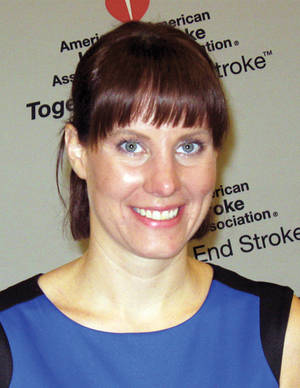
The Southern diet was the one that stood out in terms of increased stroke risk. It features heavy consumption of fried foods, including fried vegetables, as well as organ meats, processed meats, full-fat milk, and sugar-sweetened drinks, while downplaying fruits, salads, and whole grains.
The Southern diet is a dietary pattern that’s far more popular among blacks than whites, including blacks living in the so-called "stroke belt" in the Southeast. Enthusiasm for the dietary pattern, however, is by no means limited to the South: Among the top-10 states with the greatest adherence to the Southern diet are Delaware, Illinois, and Michigan, Suzanne Judd, Ph.D., noted at the International Stroke Conference, which was sponsored by the American Heart Association.
It is well established that African Americans are at sharply higher risk of stroke than are their same-age white counterparts. Mathematical modeling of the REGARDS data showed that the Southern diet explains 63% of the excess stroke risk among black Americans under age 65 years.
"That’s something we’re very excited to know because it’s something we could intervene in and make changes to reduce this racial disparity in stroke," observed Dr. Judd, a nutritional epidemiologist at the University of Alabama, Birmingham.
People who ate Southern diet–type foods six times per week had a 41% higher stroke risk than did those who ate such foods once a month. In a multivariate analysis that adjusted for age, race, gender, location, socioeconomic and educational status, total energy intake, smoking, and sedentary behavior, adherence to the Southern diet was independently associated with stroke risk in a dose-response fashion. The stroke rate climbed by 30% as adherence to the dietary pattern increased from the lowest to the highest quartile.
"I think that it’s a very positive message to show that even small changes in adding some of these plant-based foods into the diet seem to be protective against stroke in this population." -Dr. Suzanne Judd
Although it’s customary in dietary studies not to include factors that could lie in the causal pathway between diet and stroke, even when major known stroke risk factors such as hypertension, diabetes, atrial fibrillation, and prior MI were included in the modeling, there was still an association between adherence to the Southern dietary pattern and stroke risk, albeit an attenuated one, she noted.
The other four major dietary patterns identified by Dr. Judd and her associates were the Convenience pattern, typified by take-out pizza, Mexican and Chinese foods, and pastas – a diet favored by busy young working people; the Plant-based diet; the Sweets diet; and the Alcohol and Salads diet, which emphasizes beer, wine, liquor, salads, nuts and seeds, butter, and coffee. Dr. Judd conceded that the Alcohol and Salads pattern is poorly understood and is a construct that requires further study.
The Plant-based diet emphasizes cruciferous, green leafy, and other vegetables, fruits, beans, whole grains, yogurt, fish, and poultry. In the multivariate analysis, subjects in the second through fourth quartiles in terms of adherence to this dietary pattern enjoyed roughly a 20% reduction in stroke risk.
"I really want to highlight this Plant-based pattern. I think that it’s a very positive message to show that even small changes in adding some of these plant-based foods into the diet seem to be protective against stroke in this population," Dr. Judd said.
The REGARDS study was funded by the National Institute of Neurological Disorders and Stroke. Dr. Judd reported having no financial conflicts.
HONOLULU – Nearly two-thirds of the racial disparity in stroke risk is explainable by African Americans’ greater adherence to a dietary pattern high in fat, salt, and sugar, according to a major national study.
Investigators in the REGARDS (Reasons for Geographic and Racial Differences in Stroke) study named this dietary pattern the "Southern diet" because that’s where its following is greatest. It is one of five broad U.S. dietary patterns identified in the study, which involved detailed assessment of 30,239 black and white participants aged 45 years and older.
The Southern diet was the one that stood out in terms of increased stroke risk. It features heavy consumption of fried foods, including fried vegetables, as well as organ meats, processed meats, full-fat milk, and sugar-sweetened drinks, while downplaying fruits, salads, and whole grains.
The Southern diet is a dietary pattern that’s far more popular among blacks than whites, including blacks living in the so-called "stroke belt" in the Southeast. Enthusiasm for the dietary pattern, however, is by no means limited to the South: Among the top-10 states with the greatest adherence to the Southern diet are Delaware, Illinois, and Michigan, Suzanne Judd, Ph.D., noted at the International Stroke Conference, which was sponsored by the American Heart Association.
It is well established that African Americans are at sharply higher risk of stroke than are their same-age white counterparts. Mathematical modeling of the REGARDS data showed that the Southern diet explains 63% of the excess stroke risk among black Americans under age 65 years.
"That’s something we’re very excited to know because it’s something we could intervene in and make changes to reduce this racial disparity in stroke," observed Dr. Judd, a nutritional epidemiologist at the University of Alabama, Birmingham.
People who ate Southern diet–type foods six times per week had a 41% higher stroke risk than did those who ate such foods once a month. In a multivariate analysis that adjusted for age, race, gender, location, socioeconomic and educational status, total energy intake, smoking, and sedentary behavior, adherence to the Southern diet was independently associated with stroke risk in a dose-response fashion. The stroke rate climbed by 30% as adherence to the dietary pattern increased from the lowest to the highest quartile.
"I think that it’s a very positive message to show that even small changes in adding some of these plant-based foods into the diet seem to be protective against stroke in this population." -Dr. Suzanne Judd
Although it’s customary in dietary studies not to include factors that could lie in the causal pathway between diet and stroke, even when major known stroke risk factors such as hypertension, diabetes, atrial fibrillation, and prior MI were included in the modeling, there was still an association between adherence to the Southern dietary pattern and stroke risk, albeit an attenuated one, she noted.
The other four major dietary patterns identified by Dr. Judd and her associates were the Convenience pattern, typified by take-out pizza, Mexican and Chinese foods, and pastas – a diet favored by busy young working people; the Plant-based diet; the Sweets diet; and the Alcohol and Salads diet, which emphasizes beer, wine, liquor, salads, nuts and seeds, butter, and coffee. Dr. Judd conceded that the Alcohol and Salads pattern is poorly understood and is a construct that requires further study.
The Plant-based diet emphasizes cruciferous, green leafy, and other vegetables, fruits, beans, whole grains, yogurt, fish, and poultry. In the multivariate analysis, subjects in the second through fourth quartiles in terms of adherence to this dietary pattern enjoyed roughly a 20% reduction in stroke risk.
"I really want to highlight this Plant-based pattern. I think that it’s a very positive message to show that even small changes in adding some of these plant-based foods into the diet seem to be protective against stroke in this population," Dr. Judd said.
The REGARDS study was funded by the National Institute of Neurological Disorders and Stroke. Dr. Judd reported having no financial conflicts.
HONOLULU – Nearly two-thirds of the racial disparity in stroke risk is explainable by African Americans’ greater adherence to a dietary pattern high in fat, salt, and sugar, according to a major national study.
Investigators in the REGARDS (Reasons for Geographic and Racial Differences in Stroke) study named this dietary pattern the "Southern diet" because that’s where its following is greatest. It is one of five broad U.S. dietary patterns identified in the study, which involved detailed assessment of 30,239 black and white participants aged 45 years and older.
The Southern diet was the one that stood out in terms of increased stroke risk. It features heavy consumption of fried foods, including fried vegetables, as well as organ meats, processed meats, full-fat milk, and sugar-sweetened drinks, while downplaying fruits, salads, and whole grains.
The Southern diet is a dietary pattern that’s far more popular among blacks than whites, including blacks living in the so-called "stroke belt" in the Southeast. Enthusiasm for the dietary pattern, however, is by no means limited to the South: Among the top-10 states with the greatest adherence to the Southern diet are Delaware, Illinois, and Michigan, Suzanne Judd, Ph.D., noted at the International Stroke Conference, which was sponsored by the American Heart Association.
It is well established that African Americans are at sharply higher risk of stroke than are their same-age white counterparts. Mathematical modeling of the REGARDS data showed that the Southern diet explains 63% of the excess stroke risk among black Americans under age 65 years.
"That’s something we’re very excited to know because it’s something we could intervene in and make changes to reduce this racial disparity in stroke," observed Dr. Judd, a nutritional epidemiologist at the University of Alabama, Birmingham.
People who ate Southern diet–type foods six times per week had a 41% higher stroke risk than did those who ate such foods once a month. In a multivariate analysis that adjusted for age, race, gender, location, socioeconomic and educational status, total energy intake, smoking, and sedentary behavior, adherence to the Southern diet was independently associated with stroke risk in a dose-response fashion. The stroke rate climbed by 30% as adherence to the dietary pattern increased from the lowest to the highest quartile.
"I think that it’s a very positive message to show that even small changes in adding some of these plant-based foods into the diet seem to be protective against stroke in this population." -Dr. Suzanne Judd
Although it’s customary in dietary studies not to include factors that could lie in the causal pathway between diet and stroke, even when major known stroke risk factors such as hypertension, diabetes, atrial fibrillation, and prior MI were included in the modeling, there was still an association between adherence to the Southern dietary pattern and stroke risk, albeit an attenuated one, she noted.
The other four major dietary patterns identified by Dr. Judd and her associates were the Convenience pattern, typified by take-out pizza, Mexican and Chinese foods, and pastas – a diet favored by busy young working people; the Plant-based diet; the Sweets diet; and the Alcohol and Salads diet, which emphasizes beer, wine, liquor, salads, nuts and seeds, butter, and coffee. Dr. Judd conceded that the Alcohol and Salads pattern is poorly understood and is a construct that requires further study.
The Plant-based diet emphasizes cruciferous, green leafy, and other vegetables, fruits, beans, whole grains, yogurt, fish, and poultry. In the multivariate analysis, subjects in the second through fourth quartiles in terms of adherence to this dietary pattern enjoyed roughly a 20% reduction in stroke risk.
"I really want to highlight this Plant-based pattern. I think that it’s a very positive message to show that even small changes in adding some of these plant-based foods into the diet seem to be protective against stroke in this population," Dr. Judd said.
The REGARDS study was funded by the National Institute of Neurological Disorders and Stroke. Dr. Judd reported having no financial conflicts.
AT THE INTERNATIONAL STROKE CONFERENCE
Major Finding: Adherence to the so-called Southern diet explains 63% of the increased stroke risk in African Americans, compared with same-age whites.
Data Source: The REGARDS study examined the relationship between diet and stroke in 30,239 black and white Americans aged 45 years and older.
Disclosures: The study was sponsored by the National Institute of Neurological Disorders and Stroke. The presenter reported having no financial conflicts.
Childhood acne: When to worry
WAILEA, HAWAII – Acne arising in a 1- to 7-year-old means "it’s time to worry," according to Dr. Lawrence F. Eichenfield.
Acne originating in this midchildhood age range is very uncommon. It signals the need for a detailed endocrinologic work-up. Possible underlying causes include precocious adrenarche, congenital adrenal hyperplasia, Cushing’s syndrome, precocious puberty, and a gonadal or adrenal tumor, he noted at the Hawaii Dermatology Seminar sponsored by the Global Academy for Medical Education/Skin Disease Education Foundation.

"If you want to take it on yourself you can, but the standard is going to be an evaluation that includes a growth chart, a bone age assessment, Tanner staging, and measurement of total and free testosterone, LH [luteinizing hormone], FSH [follicle-stimulating hormone], prolactin, DHEAS [dehydroepiandrosterone sulfate], andrestenedione, and 17-hydroxyprogesterone. Generally we say refer to a pediatric endocrinologist," said Dr. Eichenfield, professor of clinical pediatrics and medicine (dermatology) at the University of California, San Diego.
He noted that acne occurring at age 1-7 is prominently identified as a red flag in guidelines for the management of pediatric acne developed by the American Acne and Rosacea Society and subsequently approved by the American Academy of Pediatrics. Dr. Eichenfield was cochair of the expert panel that crafted the guidelines.
The comprehensive guidelines – the first ever to specifically address acne in the pediatric age range – include a general acne categorization scheme based upon age. While acne in a 1- to 7-year-old is characterized as a cause for concern, acne arising in a seemingly healthy slightly older preadolescent – roughly age 7-12 – is not.
"Acne in a child in this age group who otherwise looks well and has no signs or history that would make you suspicious of an underlying endocrinopathy is essentially a normal variant we now call preadolescent acne. You do not need to refer that patient for further evaluation," the pediatric dermatologist explained.
Nonworrisome preadolescent acne presents as comedone-predominant disease typically concentrated on the forehead and midface, with truncal involvement much less frequent. The acne may precede other signs of puberty. There is solid evidence that the more pronounced the expression of early preadolescent acne – that is, the greater the number of facial comedones present – the more severe the acne will be in adolescence. Indeed, severe preadolescent acne is often a harbinger of the later need for isotretinoin.
Acne developing within the first 6 weeks of life is most often an erythematous papulopustular eruption categorized in the guidelines as neonatal acne, also known as neonatal cephalic pustulosis. It is not true acne, but rather a self-limited condition associated with Malassezia globosa and M. sympodialis.
In contrast, infantile acne is true acne, mainly comedonal, which typically doesn’t show up until a baby is several months old and lasts for up to about a year.
The guidelines put forth detailed treatment algorithms featuring multiple options available for each acne age category and degree of severity. Of note, benzoyl peroxide is listed as a first-line treatment across the board, either as monotherapy or in combination with an antibiotic or topical retinoid.
"There is a theme that whenever one is using an antibiotic – whether a systemic drug or a topical product like clindamycin – benzoyl peroxide is advised in the regimen of care because of the feeling that if you use an unopposed antibiotic, you can have the development of bacterial resistance," Dr. Eichenfield noted.
He reported receiving research grants for clinical investigations from half a dozen pharmaceutical companies.
SDEF and this news organization are owned by the same parent company.
WAILEA, HAWAII – Acne arising in a 1- to 7-year-old means "it’s time to worry," according to Dr. Lawrence F. Eichenfield.
Acne originating in this midchildhood age range is very uncommon. It signals the need for a detailed endocrinologic work-up. Possible underlying causes include precocious adrenarche, congenital adrenal hyperplasia, Cushing’s syndrome, precocious puberty, and a gonadal or adrenal tumor, he noted at the Hawaii Dermatology Seminar sponsored by the Global Academy for Medical Education/Skin Disease Education Foundation.
"If you want to take it on yourself you can, but the standard is going to be an evaluation that includes a growth chart, a bone age assessment, Tanner staging, and measurement of total and free testosterone, LH [luteinizing hormone], FSH [follicle-stimulating hormone], prolactin, DHEAS [dehydroepiandrosterone sulfate], andrestenedione, and 17-hydroxyprogesterone. Generally we say refer to a pediatric endocrinologist," said Dr. Eichenfield, professor of clinical pediatrics and medicine (dermatology) at the University of California, San Diego.
He noted that acne occurring at age 1-7 is prominently identified as a red flag in guidelines for the management of pediatric acne developed by the American Acne and Rosacea Society and subsequently approved by the American Academy of Pediatrics. Dr. Eichenfield was cochair of the expert panel that crafted the guidelines.
The comprehensive guidelines – the first ever to specifically address acne in the pediatric age range – include a general acne categorization scheme based upon age. While acne in a 1- to 7-year-old is characterized as a cause for concern, acne arising in a seemingly healthy slightly older preadolescent – roughly age 7-12 – is not.
"Acne in a child in this age group who otherwise looks well and has no signs or history that would make you suspicious of an underlying endocrinopathy is essentially a normal variant we now call preadolescent acne. You do not need to refer that patient for further evaluation," the pediatric dermatologist explained.
Nonworrisome preadolescent acne presents as comedone-predominant disease typically concentrated on the forehead and midface, with truncal involvement much less frequent. The acne may precede other signs of puberty. There is solid evidence that the more pronounced the expression of early preadolescent acne – that is, the greater the number of facial comedones present – the more severe the acne will be in adolescence. Indeed, severe preadolescent acne is often a harbinger of the later need for isotretinoin.
Acne developing within the first 6 weeks of life is most often an erythematous papulopustular eruption categorized in the guidelines as neonatal acne, also known as neonatal cephalic pustulosis. It is not true acne, but rather a self-limited condition associated with Malassezia globosa and M. sympodialis.
In contrast, infantile acne is true acne, mainly comedonal, which typically doesn’t show up until a baby is several months old and lasts for up to about a year.
The guidelines put forth detailed treatment algorithms featuring multiple options available for each acne age category and degree of severity. Of note, benzoyl peroxide is listed as a first-line treatment across the board, either as monotherapy or in combination with an antibiotic or topical retinoid.
"There is a theme that whenever one is using an antibiotic – whether a systemic drug or a topical product like clindamycin – benzoyl peroxide is advised in the regimen of care because of the feeling that if you use an unopposed antibiotic, you can have the development of bacterial resistance," Dr. Eichenfield noted.
He reported receiving research grants for clinical investigations from half a dozen pharmaceutical companies.
SDEF and this news organization are owned by the same parent company.
WAILEA, HAWAII – Acne arising in a 1- to 7-year-old means "it’s time to worry," according to Dr. Lawrence F. Eichenfield.
Acne originating in this midchildhood age range is very uncommon. It signals the need for a detailed endocrinologic work-up. Possible underlying causes include precocious adrenarche, congenital adrenal hyperplasia, Cushing’s syndrome, precocious puberty, and a gonadal or adrenal tumor, he noted at the Hawaii Dermatology Seminar sponsored by the Global Academy for Medical Education/Skin Disease Education Foundation.
"If you want to take it on yourself you can, but the standard is going to be an evaluation that includes a growth chart, a bone age assessment, Tanner staging, and measurement of total and free testosterone, LH [luteinizing hormone], FSH [follicle-stimulating hormone], prolactin, DHEAS [dehydroepiandrosterone sulfate], andrestenedione, and 17-hydroxyprogesterone. Generally we say refer to a pediatric endocrinologist," said Dr. Eichenfield, professor of clinical pediatrics and medicine (dermatology) at the University of California, San Diego.
He noted that acne occurring at age 1-7 is prominently identified as a red flag in guidelines for the management of pediatric acne developed by the American Acne and Rosacea Society and subsequently approved by the American Academy of Pediatrics. Dr. Eichenfield was cochair of the expert panel that crafted the guidelines.
The comprehensive guidelines – the first ever to specifically address acne in the pediatric age range – include a general acne categorization scheme based upon age. While acne in a 1- to 7-year-old is characterized as a cause for concern, acne arising in a seemingly healthy slightly older preadolescent – roughly age 7-12 – is not.
"Acne in a child in this age group who otherwise looks well and has no signs or history that would make you suspicious of an underlying endocrinopathy is essentially a normal variant we now call preadolescent acne. You do not need to refer that patient for further evaluation," the pediatric dermatologist explained.
Nonworrisome preadolescent acne presents as comedone-predominant disease typically concentrated on the forehead and midface, with truncal involvement much less frequent. The acne may precede other signs of puberty. There is solid evidence that the more pronounced the expression of early preadolescent acne – that is, the greater the number of facial comedones present – the more severe the acne will be in adolescence. Indeed, severe preadolescent acne is often a harbinger of the later need for isotretinoin.
Acne developing within the first 6 weeks of life is most often an erythematous papulopustular eruption categorized in the guidelines as neonatal acne, also known as neonatal cephalic pustulosis. It is not true acne, but rather a self-limited condition associated with Malassezia globosa and M. sympodialis.
In contrast, infantile acne is true acne, mainly comedonal, which typically doesn’t show up until a baby is several months old and lasts for up to about a year.
The guidelines put forth detailed treatment algorithms featuring multiple options available for each acne age category and degree of severity. Of note, benzoyl peroxide is listed as a first-line treatment across the board, either as monotherapy or in combination with an antibiotic or topical retinoid.
"There is a theme that whenever one is using an antibiotic – whether a systemic drug or a topical product like clindamycin – benzoyl peroxide is advised in the regimen of care because of the feeling that if you use an unopposed antibiotic, you can have the development of bacterial resistance," Dr. Eichenfield noted.
He reported receiving research grants for clinical investigations from half a dozen pharmaceutical companies.
SDEF and this news organization are owned by the same parent company.
EXPERT OPINION FROM SDEF HAWAII DERMATOLOGY SEMINAR

Plantar wart therapy smackdown: Cryotherapy vs. salicylic acid
MAUI, HAWAII – Are British academic podiatrists out to bring down dermatology?
That possibility was raised, tongue firmly in cheek, by Dr. Andrew C. Krakowski at the Hawaii Dermatology Seminar sponsored by Global Academy for Medical Education/Skin Disease Education Foundation in light of the results of the EVerT (Effective Verruca Treatments) trial.
EVerT was a multicenter clinical trial in which university podiatrists in England, Scotland, and Ireland randomized 240 patients with plantar warts to one of two venerable treatments: cryotherapy or salicylic acid.
The investigators declared salicylic acid the winner – or as they put it in more rococo British fashion, "cryotherapy is the dominated alternative" – on the grounds that although the two treatments showed equal efficacy, cryotherapy cost an average of 101 British pounds (U.S.$153) more per patient over the course of the 12-week study.
"Will dermatologists be out of business? Cryotherapy is sort of our livelihood. It’s something we all do every day," noted Dr. Krakowski, a pediatric dermatologist at the University of California, San Diego.
So, is this the end of the line for a bread-and-butter dermatologic procedure? Not bloody likely. While the EVerT trial is sure to draw the attention of U.K. health policy makers – it was, after all, funded by the U.K. National Institute for Health Research Health Technology Assessment Programme – the study was a bit of a dog’s breakfast, with numerous methodologic flaws that undermined the investigators’ conclusions, in Dr. Krakowski’s view.
Patients in the cryotherapy arm received up to four liquid-nitrogen treatments 2-3 weeks apart. Those assigned to salicylic acid were instructed to file and pare the wart and apply 50% salicylic acid at home daily for up to 8 weeks. The primary endpoint – complete plantar wart clearance at 12 weeks by photographic assessment – was attained in 14.3% of the salicylic acid group and 13.6% of cryotherapy-treated patients, a nonsignificant difference.
Fourteen adverse events, none serious, were noted in each study arm. Self-reported clearance of warts at 6 months was similar in both groups as well: 31% in the salicylic acid group and 34% with cryotherapy (BMJ 2011;342:d3271).
A subsequent comprehensive cost-effectiveness analysis tabulated the mean total cost of cryotherapy through 12 weeks at 150.39 pounds ($228), compared with 49.22 pounds ($75) for treatment with salicylic acid (J. Foot Ankle Res. 2012;5:28).
From the perspective of a dermatologist, however, there are problems aplenty with EVerT, according to Dr. Krakowski.
For one, the cryotherapy was done mainly by nurses; dermatologists – the acknowledged experts in cryotherapy – weren’t part of the study. The technique wasn’t standardized, and it’s not clear that all cryotherapy applications followed the accepted 10-second freeze/create-an-iceball approach. In addition, the notion that patients would be compliant with a home regimen entailing daily wart filing and application of salicylic acid requires a considerable leap of faith. Moreover, basing outcome analysis on evaluation of photographs was considerably less convincing than if wart clearance was assessed by direct patient examination by a dermatologist using a dermoscope, which can show definitively whether a wart is completely gone.
Last, the investigators downplayed the importance of their patient satisfaction data: 62% of patients whose plantar warts were treated using liquid nitrogen pronounced themselves "happy with their treatment," compared with just 41% of those in the salicylic acid group, Dr. Krakowski noted.
He added that his own "best and most used" treatment for cutaneous warts, including plantar warts, combines both elements of the EVerT trial: paring with duct tape with application of salicylic acid at home along with in-office cryotherapy.
"I freeze it, then in the next 2 days there may or may not be some home therapy that goes on, although that’s what I try to push. Then I see the patients back in a month and freeze the wart again," the dermatologist explained.
One of his favorite techniques is to utilize a hemostat or tweezers to tackle warts in challenging locations.
"The thing I do the most for any wart that’s tricky is I’ll grab an Adson forceps with teeth and freeze it – just drop it into a Styrofoam cup and put in liquid nitrogen to make the tip cold – then I’ll pick up the forceps very carefully, sometimes using gauze to protect my fingers, and I’ll either grab the wart with the forceps or just touch it. You can be very careful in that way such that the surrounding skin isn’t even affected," according to Dr. Krakowski.
SDEF and this news organization are owned by the same parent company.
Dr. Krakowski reported having no financial conflicts.
MAUI, HAWAII – Are British academic podiatrists out to bring down dermatology?
That possibility was raised, tongue firmly in cheek, by Dr. Andrew C. Krakowski at the Hawaii Dermatology Seminar sponsored by Global Academy for Medical Education/Skin Disease Education Foundation in light of the results of the EVerT (Effective Verruca Treatments) trial.
EVerT was a multicenter clinical trial in which university podiatrists in England, Scotland, and Ireland randomized 240 patients with plantar warts to one of two venerable treatments: cryotherapy or salicylic acid.
The investigators declared salicylic acid the winner – or as they put it in more rococo British fashion, "cryotherapy is the dominated alternative" – on the grounds that although the two treatments showed equal efficacy, cryotherapy cost an average of 101 British pounds (U.S.$153) more per patient over the course of the 12-week study.
"Will dermatologists be out of business? Cryotherapy is sort of our livelihood. It’s something we all do every day," noted Dr. Krakowski, a pediatric dermatologist at the University of California, San Diego.
So, is this the end of the line for a bread-and-butter dermatologic procedure? Not bloody likely. While the EVerT trial is sure to draw the attention of U.K. health policy makers – it was, after all, funded by the U.K. National Institute for Health Research Health Technology Assessment Programme – the study was a bit of a dog’s breakfast, with numerous methodologic flaws that undermined the investigators’ conclusions, in Dr. Krakowski’s view.
Patients in the cryotherapy arm received up to four liquid-nitrogen treatments 2-3 weeks apart. Those assigned to salicylic acid were instructed to file and pare the wart and apply 50% salicylic acid at home daily for up to 8 weeks. The primary endpoint – complete plantar wart clearance at 12 weeks by photographic assessment – was attained in 14.3% of the salicylic acid group and 13.6% of cryotherapy-treated patients, a nonsignificant difference.
Fourteen adverse events, none serious, were noted in each study arm. Self-reported clearance of warts at 6 months was similar in both groups as well: 31% in the salicylic acid group and 34% with cryotherapy (BMJ 2011;342:d3271).
A subsequent comprehensive cost-effectiveness analysis tabulated the mean total cost of cryotherapy through 12 weeks at 150.39 pounds ($228), compared with 49.22 pounds ($75) for treatment with salicylic acid (J. Foot Ankle Res. 2012;5:28).
From the perspective of a dermatologist, however, there are problems aplenty with EVerT, according to Dr. Krakowski.
For one, the cryotherapy was done mainly by nurses; dermatologists – the acknowledged experts in cryotherapy – weren’t part of the study. The technique wasn’t standardized, and it’s not clear that all cryotherapy applications followed the accepted 10-second freeze/create-an-iceball approach. In addition, the notion that patients would be compliant with a home regimen entailing daily wart filing and application of salicylic acid requires a considerable leap of faith. Moreover, basing outcome analysis on evaluation of photographs was considerably less convincing than if wart clearance was assessed by direct patient examination by a dermatologist using a dermoscope, which can show definitively whether a wart is completely gone.
Last, the investigators downplayed the importance of their patient satisfaction data: 62% of patients whose plantar warts were treated using liquid nitrogen pronounced themselves "happy with their treatment," compared with just 41% of those in the salicylic acid group, Dr. Krakowski noted.
He added that his own "best and most used" treatment for cutaneous warts, including plantar warts, combines both elements of the EVerT trial: paring with duct tape with application of salicylic acid at home along with in-office cryotherapy.
"I freeze it, then in the next 2 days there may or may not be some home therapy that goes on, although that’s what I try to push. Then I see the patients back in a month and freeze the wart again," the dermatologist explained.
One of his favorite techniques is to utilize a hemostat or tweezers to tackle warts in challenging locations.
"The thing I do the most for any wart that’s tricky is I’ll grab an Adson forceps with teeth and freeze it – just drop it into a Styrofoam cup and put in liquid nitrogen to make the tip cold – then I’ll pick up the forceps very carefully, sometimes using gauze to protect my fingers, and I’ll either grab the wart with the forceps or just touch it. You can be very careful in that way such that the surrounding skin isn’t even affected," according to Dr. Krakowski.
SDEF and this news organization are owned by the same parent company.
Dr. Krakowski reported having no financial conflicts.
MAUI, HAWAII – Are British academic podiatrists out to bring down dermatology?
That possibility was raised, tongue firmly in cheek, by Dr. Andrew C. Krakowski at the Hawaii Dermatology Seminar sponsored by Global Academy for Medical Education/Skin Disease Education Foundation in light of the results of the EVerT (Effective Verruca Treatments) trial.
EVerT was a multicenter clinical trial in which university podiatrists in England, Scotland, and Ireland randomized 240 patients with plantar warts to one of two venerable treatments: cryotherapy or salicylic acid.
The investigators declared salicylic acid the winner – or as they put it in more rococo British fashion, "cryotherapy is the dominated alternative" – on the grounds that although the two treatments showed equal efficacy, cryotherapy cost an average of 101 British pounds (U.S.$153) more per patient over the course of the 12-week study.
"Will dermatologists be out of business? Cryotherapy is sort of our livelihood. It’s something we all do every day," noted Dr. Krakowski, a pediatric dermatologist at the University of California, San Diego.
So, is this the end of the line for a bread-and-butter dermatologic procedure? Not bloody likely. While the EVerT trial is sure to draw the attention of U.K. health policy makers – it was, after all, funded by the U.K. National Institute for Health Research Health Technology Assessment Programme – the study was a bit of a dog’s breakfast, with numerous methodologic flaws that undermined the investigators’ conclusions, in Dr. Krakowski’s view.
Patients in the cryotherapy arm received up to four liquid-nitrogen treatments 2-3 weeks apart. Those assigned to salicylic acid were instructed to file and pare the wart and apply 50% salicylic acid at home daily for up to 8 weeks. The primary endpoint – complete plantar wart clearance at 12 weeks by photographic assessment – was attained in 14.3% of the salicylic acid group and 13.6% of cryotherapy-treated patients, a nonsignificant difference.
Fourteen adverse events, none serious, were noted in each study arm. Self-reported clearance of warts at 6 months was similar in both groups as well: 31% in the salicylic acid group and 34% with cryotherapy (BMJ 2011;342:d3271).
A subsequent comprehensive cost-effectiveness analysis tabulated the mean total cost of cryotherapy through 12 weeks at 150.39 pounds ($228), compared with 49.22 pounds ($75) for treatment with salicylic acid (J. Foot Ankle Res. 2012;5:28).
From the perspective of a dermatologist, however, there are problems aplenty with EVerT, according to Dr. Krakowski.
For one, the cryotherapy was done mainly by nurses; dermatologists – the acknowledged experts in cryotherapy – weren’t part of the study. The technique wasn’t standardized, and it’s not clear that all cryotherapy applications followed the accepted 10-second freeze/create-an-iceball approach. In addition, the notion that patients would be compliant with a home regimen entailing daily wart filing and application of salicylic acid requires a considerable leap of faith. Moreover, basing outcome analysis on evaluation of photographs was considerably less convincing than if wart clearance was assessed by direct patient examination by a dermatologist using a dermoscope, which can show definitively whether a wart is completely gone.
Last, the investigators downplayed the importance of their patient satisfaction data: 62% of patients whose plantar warts were treated using liquid nitrogen pronounced themselves "happy with their treatment," compared with just 41% of those in the salicylic acid group, Dr. Krakowski noted.
He added that his own "best and most used" treatment for cutaneous warts, including plantar warts, combines both elements of the EVerT trial: paring with duct tape with application of salicylic acid at home along with in-office cryotherapy.
"I freeze it, then in the next 2 days there may or may not be some home therapy that goes on, although that’s what I try to push. Then I see the patients back in a month and freeze the wart again," the dermatologist explained.
One of his favorite techniques is to utilize a hemostat or tweezers to tackle warts in challenging locations.
"The thing I do the most for any wart that’s tricky is I’ll grab an Adson forceps with teeth and freeze it – just drop it into a Styrofoam cup and put in liquid nitrogen to make the tip cold – then I’ll pick up the forceps very carefully, sometimes using gauze to protect my fingers, and I’ll either grab the wart with the forceps or just touch it. You can be very careful in that way such that the surrounding skin isn’t even affected," according to Dr. Krakowski.
SDEF and this news organization are owned by the same parent company.
Dr. Krakowski reported having no financial conflicts.
EXPERT OPINION FROM SDEF HAWAII DERMATOLOGY SEMINAR