User login
Double the dose of antihypertensive meds?
A 50-year-old man returns for follow-up of hypertension. He is currently taking 20 mg of lisinopril. His blood pressure readings over the past month are 150/96, 155/98, 160/94, and 162/96. His renal function is normal, and he has been taking his lisinopril regularly.
What do you recommend?
A. Increase his lisinopril to 20 mg twice a day.
B. Switch to valsartan.
C. Add amlodipine.

But is there much benefit in doubling the dose of antihypertensive medications?
H.J. Gomez and colleagues studied the dose response of lisinopril in essential hypertension.2 Patients received very-low-dose (1.25 mg or 5 mg), moderate-dose (20 mg), or high-dose (80 mg) lisinopril. The difference in blood pressure reduction between 20 mg and 80 mg was modest (5 mm/3 mm less in those receiving 80 mg, compared with 20 mg). There was no clinical effect at 1.25 mg of lisinopril, but a relatively flat dose response above 20 mg.
A similar finding was reported by J.R. Benz and colleagues in regard to escalating doses of valsartan.3 The study looked at blood pressure in response to valsartan at doses of 80 mg and 160 mg, and in combination with hydrochlorothiazide. The difference in blood pressure between valsartan 160 mg and 80 mg was 3 mm/0.8 mm. The difference in blood pressure between patients taking 80 mg of valsartan and 25 mg hydrochlorothiazide, compared with those taking 80 mg of valsartan, was 12/6.
In a meta-analysis of 354 randomized trials of fixed-dose blood pressure medications, M.R. Law and colleagues found that cutting the doses in half only reduced effectiveness of lowering BP by 20%.4 The average reduction in systolic BP was 9.1 mm Hg, and reduction in diastolic BP was 5.5mm Hg – which only was reduced to 7.1 mm Hg/4.4 mm Hg when the doses of medications were cut in half. Side effects attributed to beta-blockers, calcium channel blockers, and diuretics were very dose related, whereas the side effects attributed to ACE inhibitors were not.
In another meta-analysis comparing monotherapy vs. combination therapy for lowering blood pressure, adding another drug lowered blood pressure fivefold more than doubling the dose of the initial antihypertensive drug.5
I think the right answer in this case would be to add amlodipine instead of doubling the dose of lisinopril or switching to valsartan as a single agent. The data are striking on how little effect there is in increasing antihypertensive medication doses. Adding another antihypertensive medication should be the standard practice when the first medication started does not achieve the desired goal.
Dr. Paauw is professor of medicine in the division of general internal medicine at the University of Washington, Seattle, and he serves as third-year medical student clerkship director at the University of Washington. Contact Dr. Paauw at dpaauw@uw.edu.
References
1. JAMA. 2003 May 21;289(19):2560-72.
2. Br J Clin Pharm. 1989;28:415-20.
3. J Hum Hypertens. 1998 Dec;12(12):861-6.
4. BMJ. 2003 Jun 28;326(7404):1427.
5. Am J Med. 2009 Mar;122(3):290-300.
A 50-year-old man returns for follow-up of hypertension. He is currently taking 20 mg of lisinopril. His blood pressure readings over the past month are 150/96, 155/98, 160/94, and 162/96. His renal function is normal, and he has been taking his lisinopril regularly.
What do you recommend?
A. Increase his lisinopril to 20 mg twice a day.
B. Switch to valsartan.
C. Add amlodipine.
But is there much benefit in doubling the dose of antihypertensive medications?
H.J. Gomez and colleagues studied the dose response of lisinopril in essential hypertension.2 Patients received very-low-dose (1.25 mg or 5 mg), moderate-dose (20 mg), or high-dose (80 mg) lisinopril. The difference in blood pressure reduction between 20 mg and 80 mg was modest (5 mm/3 mm less in those receiving 80 mg, compared with 20 mg). There was no clinical effect at 1.25 mg of lisinopril, but a relatively flat dose response above 20 mg.
A similar finding was reported by J.R. Benz and colleagues in regard to escalating doses of valsartan.3 The study looked at blood pressure in response to valsartan at doses of 80 mg and 160 mg, and in combination with hydrochlorothiazide. The difference in blood pressure between valsartan 160 mg and 80 mg was 3 mm/0.8 mm. The difference in blood pressure between patients taking 80 mg of valsartan and 25 mg hydrochlorothiazide, compared with those taking 80 mg of valsartan, was 12/6.
In a meta-analysis of 354 randomized trials of fixed-dose blood pressure medications, M.R. Law and colleagues found that cutting the doses in half only reduced effectiveness of lowering BP by 20%.4 The average reduction in systolic BP was 9.1 mm Hg, and reduction in diastolic BP was 5.5mm Hg – which only was reduced to 7.1 mm Hg/4.4 mm Hg when the doses of medications were cut in half. Side effects attributed to beta-blockers, calcium channel blockers, and diuretics were very dose related, whereas the side effects attributed to ACE inhibitors were not.
In another meta-analysis comparing monotherapy vs. combination therapy for lowering blood pressure, adding another drug lowered blood pressure fivefold more than doubling the dose of the initial antihypertensive drug.5
I think the right answer in this case would be to add amlodipine instead of doubling the dose of lisinopril or switching to valsartan as a single agent. The data are striking on how little effect there is in increasing antihypertensive medication doses. Adding another antihypertensive medication should be the standard practice when the first medication started does not achieve the desired goal.
Dr. Paauw is professor of medicine in the division of general internal medicine at the University of Washington, Seattle, and he serves as third-year medical student clerkship director at the University of Washington. Contact Dr. Paauw at dpaauw@uw.edu.
References
1. JAMA. 2003 May 21;289(19):2560-72.
2. Br J Clin Pharm. 1989;28:415-20.
3. J Hum Hypertens. 1998 Dec;12(12):861-6.
4. BMJ. 2003 Jun 28;326(7404):1427.
5. Am J Med. 2009 Mar;122(3):290-300.
A 50-year-old man returns for follow-up of hypertension. He is currently taking 20 mg of lisinopril. His blood pressure readings over the past month are 150/96, 155/98, 160/94, and 162/96. His renal function is normal, and he has been taking his lisinopril regularly.
What do you recommend?
A. Increase his lisinopril to 20 mg twice a day.
B. Switch to valsartan.
C. Add amlodipine.
But is there much benefit in doubling the dose of antihypertensive medications?
H.J. Gomez and colleagues studied the dose response of lisinopril in essential hypertension.2 Patients received very-low-dose (1.25 mg or 5 mg), moderate-dose (20 mg), or high-dose (80 mg) lisinopril. The difference in blood pressure reduction between 20 mg and 80 mg was modest (5 mm/3 mm less in those receiving 80 mg, compared with 20 mg). There was no clinical effect at 1.25 mg of lisinopril, but a relatively flat dose response above 20 mg.
A similar finding was reported by J.R. Benz and colleagues in regard to escalating doses of valsartan.3 The study looked at blood pressure in response to valsartan at doses of 80 mg and 160 mg, and in combination with hydrochlorothiazide. The difference in blood pressure between valsartan 160 mg and 80 mg was 3 mm/0.8 mm. The difference in blood pressure between patients taking 80 mg of valsartan and 25 mg hydrochlorothiazide, compared with those taking 80 mg of valsartan, was 12/6.
In a meta-analysis of 354 randomized trials of fixed-dose blood pressure medications, M.R. Law and colleagues found that cutting the doses in half only reduced effectiveness of lowering BP by 20%.4 The average reduction in systolic BP was 9.1 mm Hg, and reduction in diastolic BP was 5.5mm Hg – which only was reduced to 7.1 mm Hg/4.4 mm Hg when the doses of medications were cut in half. Side effects attributed to beta-blockers, calcium channel blockers, and diuretics were very dose related, whereas the side effects attributed to ACE inhibitors were not.
In another meta-analysis comparing monotherapy vs. combination therapy for lowering blood pressure, adding another drug lowered blood pressure fivefold more than doubling the dose of the initial antihypertensive drug.5
I think the right answer in this case would be to add amlodipine instead of doubling the dose of lisinopril or switching to valsartan as a single agent. The data are striking on how little effect there is in increasing antihypertensive medication doses. Adding another antihypertensive medication should be the standard practice when the first medication started does not achieve the desired goal.
Dr. Paauw is professor of medicine in the division of general internal medicine at the University of Washington, Seattle, and he serves as third-year medical student clerkship director at the University of Washington. Contact Dr. Paauw at dpaauw@uw.edu.
References
1. JAMA. 2003 May 21;289(19):2560-72.
2. Br J Clin Pharm. 1989;28:415-20.
3. J Hum Hypertens. 1998 Dec;12(12):861-6.
4. BMJ. 2003 Jun 28;326(7404):1427.
5. Am J Med. 2009 Mar;122(3):290-300.
Gray hair
Besides skin wrinkling, volume shifts, and photoaging, graying hair can also be a telltale sign of aging. While it was recently a fashionable trend for younger persons to dye their hair white or gray, graying hair can make a younger person appear older, even in those with naturally premature graying of the hair.
In a study recently published in Genes & Development, researchers at the University of Texas Southwestern Medical Center, Dallas, identified hair shaft progenitors in the matrix that are specific to the hair shaft and not to follicular epithelial cells.1 These hair shaft progenitors express transcription factor KROX20, which expresses stem cell growth factor necessary for hair pigmentation by maintenance of differentiated melanocytes. When KROX20+ is depleted, hair growth is halted and hair turns gray, proving its important role in both hair growth and graying pathways.

Other mechanisms for hair graying include oxidative stress to the hair, at the level of the melanocyte stem cell or at the end-stage of the hair melanocyte, resulting in follicular melanocyte death. With aging and certain genetic mutations (such as that seen in Chediak-Higashi syndrome), reduction of catalase and sometimes downregulation of antioxidant proteins such as BCL-2 and TRP-2 are reduced, resulting in higher reactive oxygen species (ROS) that lead to bulbar melanocyte malfunction and death.
Last year, for the first time, researchers at University College of London identified a gene involved in gray hair, the interferon regulatory factor 4 gene (IRF4).2 The IRF4 gene is involved in regulating production and storage of melanin.
Besides photoprotection and vitamin antioxidants as a preventive measure, therapies that have been developed to target the reduction of ROS in hair have been largely unsatisfactory in treating gray hair. Most people either allow their hair to gray or dye their hair, which can be time consuming and costly and is required on a more frequent basis over time – not to mention the distress related to allergic contact dermatitis caused by some components of some hair dyes, including paraphenylenediamine, which we sometimes see in our profession.
Knowledge of KROX20+, the IRF4 gene, and other pathways involved may be useful in developing novel treatments to prevent or treat graying hair. Information regarding the use of platelet rich plasma (PRP) for hair growth is increasingly being published in the literature. While some physicians purport seeing a reversal in graying with scalp PRP injections, the majority say the results are not universal.
Currently, there are no published studies evaluating the effects of PRP on gray hair. Perhaps providing stem cell factors via injections of PRP or other growth factors may aid not only in hair regrowth but in preserving pigmentation and repigmentation.
Dr. Wesley and Dr. Talakoub are cocontributors to this column. Dr. Wesley practices dermatology in Beverly Hills, Calif. Dr. Talakoub is in private practice in McLean, Va. This month’s column is by Dr. Wesley. Write to them at dermnews@frontlinemedcom.com. They had no relevant disclosures.
References:
1. Genes Dev. 2017 May 2. doi: 10.1101/gad.298703.117.
2. Nat Commun. 2016 Mar 1;7:10815.
Besides skin wrinkling, volume shifts, and photoaging, graying hair can also be a telltale sign of aging. While it was recently a fashionable trend for younger persons to dye their hair white or gray, graying hair can make a younger person appear older, even in those with naturally premature graying of the hair.
In a study recently published in Genes & Development, researchers at the University of Texas Southwestern Medical Center, Dallas, identified hair shaft progenitors in the matrix that are specific to the hair shaft and not to follicular epithelial cells.1 These hair shaft progenitors express transcription factor KROX20, which expresses stem cell growth factor necessary for hair pigmentation by maintenance of differentiated melanocytes. When KROX20+ is depleted, hair growth is halted and hair turns gray, proving its important role in both hair growth and graying pathways.
Other mechanisms for hair graying include oxidative stress to the hair, at the level of the melanocyte stem cell or at the end-stage of the hair melanocyte, resulting in follicular melanocyte death. With aging and certain genetic mutations (such as that seen in Chediak-Higashi syndrome), reduction of catalase and sometimes downregulation of antioxidant proteins such as BCL-2 and TRP-2 are reduced, resulting in higher reactive oxygen species (ROS) that lead to bulbar melanocyte malfunction and death.
Last year, for the first time, researchers at University College of London identified a gene involved in gray hair, the interferon regulatory factor 4 gene (IRF4).2 The IRF4 gene is involved in regulating production and storage of melanin.
Besides photoprotection and vitamin antioxidants as a preventive measure, therapies that have been developed to target the reduction of ROS in hair have been largely unsatisfactory in treating gray hair. Most people either allow their hair to gray or dye their hair, which can be time consuming and costly and is required on a more frequent basis over time – not to mention the distress related to allergic contact dermatitis caused by some components of some hair dyes, including paraphenylenediamine, which we sometimes see in our profession.
Knowledge of KROX20+, the IRF4 gene, and other pathways involved may be useful in developing novel treatments to prevent or treat graying hair. Information regarding the use of platelet rich plasma (PRP) for hair growth is increasingly being published in the literature. While some physicians purport seeing a reversal in graying with scalp PRP injections, the majority say the results are not universal.
Currently, there are no published studies evaluating the effects of PRP on gray hair. Perhaps providing stem cell factors via injections of PRP or other growth factors may aid not only in hair regrowth but in preserving pigmentation and repigmentation.
Dr. Wesley and Dr. Talakoub are cocontributors to this column. Dr. Wesley practices dermatology in Beverly Hills, Calif. Dr. Talakoub is in private practice in McLean, Va. This month’s column is by Dr. Wesley. Write to them at dermnews@frontlinemedcom.com. They had no relevant disclosures.
References:
1. Genes Dev. 2017 May 2. doi: 10.1101/gad.298703.117.
2. Nat Commun. 2016 Mar 1;7:10815.
Besides skin wrinkling, volume shifts, and photoaging, graying hair can also be a telltale sign of aging. While it was recently a fashionable trend for younger persons to dye their hair white or gray, graying hair can make a younger person appear older, even in those with naturally premature graying of the hair.
In a study recently published in Genes & Development, researchers at the University of Texas Southwestern Medical Center, Dallas, identified hair shaft progenitors in the matrix that are specific to the hair shaft and not to follicular epithelial cells.1 These hair shaft progenitors express transcription factor KROX20, which expresses stem cell growth factor necessary for hair pigmentation by maintenance of differentiated melanocytes. When KROX20+ is depleted, hair growth is halted and hair turns gray, proving its important role in both hair growth and graying pathways.
Other mechanisms for hair graying include oxidative stress to the hair, at the level of the melanocyte stem cell or at the end-stage of the hair melanocyte, resulting in follicular melanocyte death. With aging and certain genetic mutations (such as that seen in Chediak-Higashi syndrome), reduction of catalase and sometimes downregulation of antioxidant proteins such as BCL-2 and TRP-2 are reduced, resulting in higher reactive oxygen species (ROS) that lead to bulbar melanocyte malfunction and death.
Last year, for the first time, researchers at University College of London identified a gene involved in gray hair, the interferon regulatory factor 4 gene (IRF4).2 The IRF4 gene is involved in regulating production and storage of melanin.
Besides photoprotection and vitamin antioxidants as a preventive measure, therapies that have been developed to target the reduction of ROS in hair have been largely unsatisfactory in treating gray hair. Most people either allow their hair to gray or dye their hair, which can be time consuming and costly and is required on a more frequent basis over time – not to mention the distress related to allergic contact dermatitis caused by some components of some hair dyes, including paraphenylenediamine, which we sometimes see in our profession.
Knowledge of KROX20+, the IRF4 gene, and other pathways involved may be useful in developing novel treatments to prevent or treat graying hair. Information regarding the use of platelet rich plasma (PRP) for hair growth is increasingly being published in the literature. While some physicians purport seeing a reversal in graying with scalp PRP injections, the majority say the results are not universal.
Currently, there are no published studies evaluating the effects of PRP on gray hair. Perhaps providing stem cell factors via injections of PRP or other growth factors may aid not only in hair regrowth but in preserving pigmentation and repigmentation.
Dr. Wesley and Dr. Talakoub are cocontributors to this column. Dr. Wesley practices dermatology in Beverly Hills, Calif. Dr. Talakoub is in private practice in McLean, Va. This month’s column is by Dr. Wesley. Write to them at dermnews@frontlinemedcom.com. They had no relevant disclosures.
References:
1. Genes Dev. 2017 May 2. doi: 10.1101/gad.298703.117.
2. Nat Commun. 2016 Mar 1;7:10815.
Can prenatal choline lead to prevention of Alzheimer’s?
As psychiatrists, we are the advocates for inserting the biological thread into the tapestry of understanding human behavior. Try as they may, other mental health professionals are not biologists at heart. Accordingly, psychiatrists bring important thoughtfulness to any consideration about mental health and wellness and about the treatment and prevention of problematic thoughts, feelings, and behaviors.
Throughout my career, my main focus has been on identifying strategies and treatments that can prevent mental illness. For example, I wrote a column about prevention for Clinical Psychiatry News from 2004 to 2011, and, as a member of the publication’s Editorial Advisory Board, I continue to try to steer our attention to biological aspects of prevention.

Recently, I have been seeing psychiatric articles on fetal health and mental health, and, because I am excited about the prospect of understanding fetal alcohol exposure, I feel the need to share. A recent article in the American Journal of Psychiatry was provocatively entitled, “Fetal origins of mental health: The developmental origins of health and disease hypothesis (2016. doi: 10.1176/appi.2016.16020138).
Disappointedly, the authors overlooked the biology of fetal alcohol exposure and focused on how psychosocial issues of maternal anxiety, depression, and anxiety could influence neurodevelopment, which could affect mental health outcomes after birth. Of course, I thought, “What about fetal alcohol exposure?” Meanwhile, a commentary in JAMA Psychiatry entitled “Prenatal nutritional deficiency and psychosis: Where do we go from here?” referred to prenatal choline supplementation along with other supplements (2017;74(4):349-50).
When I first stumbled upon the high prevalence of fetal alcohol exposure in low-income African American populations, it occurred to me that, since choline was involved with the psychopathology of fetal alcohol spectrum disorders and acetylcholine seemed to be involved in the psychopathology of Alzheimer’s disease, there might be a relationship between the two (Psychiatric Serv. 2015 May 1. doi: 10.1176/appi.ps.201400162). Such possible links are especially intriguing in light of the Alzheimer’s Association suggestion that Alzheimer’s disease is a “silent epidemic” among African Americans. The association notes that the prevalence among African Americans ranges from 14% to 100% higher than among whites. The problem – how to make the connection, if there were one, between the adults I was seeing and fetal alcohol exposure – proved difficult, because the time between fetal health and adult mental illness was huge. The time from fetal health and geriatric Alzheimer’s disease was even greater.
However, modern biologic science came through again. Maternal choline supplementation has been touted as a potential prenatal treatment for Down syndrome and Alzheimer’s disease (Curr Alzheimer Res. 2016;13[1]:97-106). Using mice that are genetically altered to show the development of Down syndrome and Alzheimer’s disease changes in the brain at 6 months, allowing researchers to seek prevention strategies for this pathophysiology, researchers have found that maternal choline supplementation protects against basal forebrain cholinergic neuron degeneration seen in these animals.
Thus, it would seem the problem of choline deficiency in pregnancy, most exacerbated by fetal alcohol exposure, is preventable by increasing the amount of choline available during pregnancy. So, it makes sense to increase the amount of choline in prenatal vitamins, as it appears that this biotechnical intervention not only would reduce the scourge of fetal alcohol spectrum disorders but also of Alzheimer’s disease (J Fam Med Dis Prev. 2016 Nov 29;2[6]:1-3).
Finally, the Office of Juvenile Justice and Delinquency Prevention has finally released a paper – “Fetal alcohol spectrum disorders listening session report” – from a session held in June 2013 that documents the extent of the problem in juvenile justice facilities.
Unfortunately, many of us have abdicated our role as biologists. We’ve got evidence showing the power of prenatal choline. It is time to stop counting all of the problems that stem from deficiency of choline during pregnancy and start doing something about it.
Dr. Bell is a staff psychiatrist at Jackson Park Hospital Family Medicine Clinic in Chicago, clinical psychiatrist emeritus in the department of psychiatry at the University of Illinois at Chicago, former president/CEO of Community Mental Health Council, and former director of the Institute for Juvenile Research (birthplace of child psychiatry), also in Chicago.
As psychiatrists, we are the advocates for inserting the biological thread into the tapestry of understanding human behavior. Try as they may, other mental health professionals are not biologists at heart. Accordingly, psychiatrists bring important thoughtfulness to any consideration about mental health and wellness and about the treatment and prevention of problematic thoughts, feelings, and behaviors.
Throughout my career, my main focus has been on identifying strategies and treatments that can prevent mental illness. For example, I wrote a column about prevention for Clinical Psychiatry News from 2004 to 2011, and, as a member of the publication’s Editorial Advisory Board, I continue to try to steer our attention to biological aspects of prevention.
Recently, I have been seeing psychiatric articles on fetal health and mental health, and, because I am excited about the prospect of understanding fetal alcohol exposure, I feel the need to share. A recent article in the American Journal of Psychiatry was provocatively entitled, “Fetal origins of mental health: The developmental origins of health and disease hypothesis (2016. doi: 10.1176/appi.2016.16020138).
Disappointedly, the authors overlooked the biology of fetal alcohol exposure and focused on how psychosocial issues of maternal anxiety, depression, and anxiety could influence neurodevelopment, which could affect mental health outcomes after birth. Of course, I thought, “What about fetal alcohol exposure?” Meanwhile, a commentary in JAMA Psychiatry entitled “Prenatal nutritional deficiency and psychosis: Where do we go from here?” referred to prenatal choline supplementation along with other supplements (2017;74(4):349-50).
When I first stumbled upon the high prevalence of fetal alcohol exposure in low-income African American populations, it occurred to me that, since choline was involved with the psychopathology of fetal alcohol spectrum disorders and acetylcholine seemed to be involved in the psychopathology of Alzheimer’s disease, there might be a relationship between the two (Psychiatric Serv. 2015 May 1. doi: 10.1176/appi.ps.201400162). Such possible links are especially intriguing in light of the Alzheimer’s Association suggestion that Alzheimer’s disease is a “silent epidemic” among African Americans. The association notes that the prevalence among African Americans ranges from 14% to 100% higher than among whites. The problem – how to make the connection, if there were one, between the adults I was seeing and fetal alcohol exposure – proved difficult, because the time between fetal health and adult mental illness was huge. The time from fetal health and geriatric Alzheimer’s disease was even greater.
However, modern biologic science came through again. Maternal choline supplementation has been touted as a potential prenatal treatment for Down syndrome and Alzheimer’s disease (Curr Alzheimer Res. 2016;13[1]:97-106). Using mice that are genetically altered to show the development of Down syndrome and Alzheimer’s disease changes in the brain at 6 months, allowing researchers to seek prevention strategies for this pathophysiology, researchers have found that maternal choline supplementation protects against basal forebrain cholinergic neuron degeneration seen in these animals.
Thus, it would seem the problem of choline deficiency in pregnancy, most exacerbated by fetal alcohol exposure, is preventable by increasing the amount of choline available during pregnancy. So, it makes sense to increase the amount of choline in prenatal vitamins, as it appears that this biotechnical intervention not only would reduce the scourge of fetal alcohol spectrum disorders but also of Alzheimer’s disease (J Fam Med Dis Prev. 2016 Nov 29;2[6]:1-3).
Finally, the Office of Juvenile Justice and Delinquency Prevention has finally released a paper – “Fetal alcohol spectrum disorders listening session report” – from a session held in June 2013 that documents the extent of the problem in juvenile justice facilities.
Unfortunately, many of us have abdicated our role as biologists. We’ve got evidence showing the power of prenatal choline. It is time to stop counting all of the problems that stem from deficiency of choline during pregnancy and start doing something about it.
Dr. Bell is a staff psychiatrist at Jackson Park Hospital Family Medicine Clinic in Chicago, clinical psychiatrist emeritus in the department of psychiatry at the University of Illinois at Chicago, former president/CEO of Community Mental Health Council, and former director of the Institute for Juvenile Research (birthplace of child psychiatry), also in Chicago.
As psychiatrists, we are the advocates for inserting the biological thread into the tapestry of understanding human behavior. Try as they may, other mental health professionals are not biologists at heart. Accordingly, psychiatrists bring important thoughtfulness to any consideration about mental health and wellness and about the treatment and prevention of problematic thoughts, feelings, and behaviors.
Throughout my career, my main focus has been on identifying strategies and treatments that can prevent mental illness. For example, I wrote a column about prevention for Clinical Psychiatry News from 2004 to 2011, and, as a member of the publication’s Editorial Advisory Board, I continue to try to steer our attention to biological aspects of prevention.
Recently, I have been seeing psychiatric articles on fetal health and mental health, and, because I am excited about the prospect of understanding fetal alcohol exposure, I feel the need to share. A recent article in the American Journal of Psychiatry was provocatively entitled, “Fetal origins of mental health: The developmental origins of health and disease hypothesis (2016. doi: 10.1176/appi.2016.16020138).
Disappointedly, the authors overlooked the biology of fetal alcohol exposure and focused on how psychosocial issues of maternal anxiety, depression, and anxiety could influence neurodevelopment, which could affect mental health outcomes after birth. Of course, I thought, “What about fetal alcohol exposure?” Meanwhile, a commentary in JAMA Psychiatry entitled “Prenatal nutritional deficiency and psychosis: Where do we go from here?” referred to prenatal choline supplementation along with other supplements (2017;74(4):349-50).
When I first stumbled upon the high prevalence of fetal alcohol exposure in low-income African American populations, it occurred to me that, since choline was involved with the psychopathology of fetal alcohol spectrum disorders and acetylcholine seemed to be involved in the psychopathology of Alzheimer’s disease, there might be a relationship between the two (Psychiatric Serv. 2015 May 1. doi: 10.1176/appi.ps.201400162). Such possible links are especially intriguing in light of the Alzheimer’s Association suggestion that Alzheimer’s disease is a “silent epidemic” among African Americans. The association notes that the prevalence among African Americans ranges from 14% to 100% higher than among whites. The problem – how to make the connection, if there were one, between the adults I was seeing and fetal alcohol exposure – proved difficult, because the time between fetal health and adult mental illness was huge. The time from fetal health and geriatric Alzheimer’s disease was even greater.
However, modern biologic science came through again. Maternal choline supplementation has been touted as a potential prenatal treatment for Down syndrome and Alzheimer’s disease (Curr Alzheimer Res. 2016;13[1]:97-106). Using mice that are genetically altered to show the development of Down syndrome and Alzheimer’s disease changes in the brain at 6 months, allowing researchers to seek prevention strategies for this pathophysiology, researchers have found that maternal choline supplementation protects against basal forebrain cholinergic neuron degeneration seen in these animals.
Thus, it would seem the problem of choline deficiency in pregnancy, most exacerbated by fetal alcohol exposure, is preventable by increasing the amount of choline available during pregnancy. So, it makes sense to increase the amount of choline in prenatal vitamins, as it appears that this biotechnical intervention not only would reduce the scourge of fetal alcohol spectrum disorders but also of Alzheimer’s disease (J Fam Med Dis Prev. 2016 Nov 29;2[6]:1-3).
Finally, the Office of Juvenile Justice and Delinquency Prevention has finally released a paper – “Fetal alcohol spectrum disorders listening session report” – from a session held in June 2013 that documents the extent of the problem in juvenile justice facilities.
Unfortunately, many of us have abdicated our role as biologists. We’ve got evidence showing the power of prenatal choline. It is time to stop counting all of the problems that stem from deficiency of choline during pregnancy and start doing something about it.
Dr. Bell is a staff psychiatrist at Jackson Park Hospital Family Medicine Clinic in Chicago, clinical psychiatrist emeritus in the department of psychiatry at the University of Illinois at Chicago, former president/CEO of Community Mental Health Council, and former director of the Institute for Juvenile Research (birthplace of child psychiatry), also in Chicago.
Confronting the open chest – Samuel J. Meltzer and the first AATS annual meeting
In retrospect, the founding of the American Association for Thoracic Surgery (AATS) in 1917 may seem surprisingly optimistic, given the status of cardiothoracic surgery as a discipline at that time. While important strides had been made in dealing with open chest wounds, to the modern eye, the field in the second decade of the 20th century seems more characterized by what was not yet possible rather than by what was.
One of the most critical issues holding back the development of cardiothoracic surgery in this early period was the problem of acute pneumothorax that occurred whenever the chest was opened.
As Willy Meyer (1858-1932), second president of the AATS, described the problem at the first AATS annual meeting in 1917: “What is it that happens when the thorax is opened, let us say [for example] by a stab wound in an intercostal space in an affray on the street? Immediately air rushes into the pleural cavity and this normal atmospheric pressure, being greater than the normal pressure within ... the lung contracts to a very small organ around its hilum. Air fills the space formerly occupied by the lung. This condition, with its immediate clinical pathologic consequences, is called ‘acute pneumothorax.’ It has been the stumbling block for almost a century to the proper development of the surgery of the chest. … Carbonic acid is retained in the blood … The accumulation of CO, with its deleterious effect increases, finally ending in the patient’s death.”
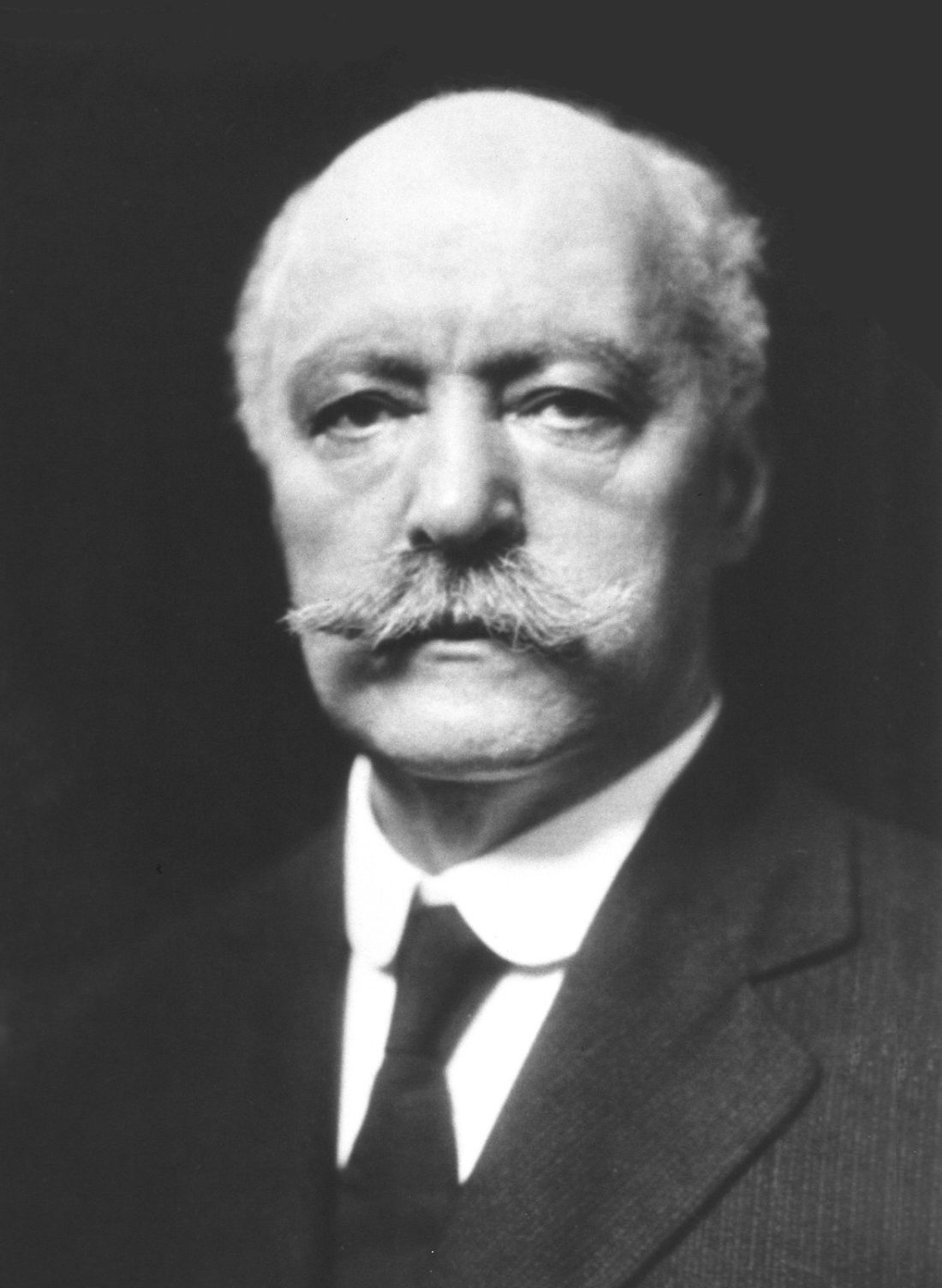
But in the first decade of the 20th century, two major and competing techniques evolved to solve the problem, each one represented by the first and second presidents of the fledgling AATS. For a short period of time a controversy seemed to separate the two men, but their views were expressly reconciled at the first annual meeting of the AATS.
The Meltzer/Auer technique was significantly improved upon by the addition of a carbon dioxide absorption method and the creation of a closed circuit apparatus by Dennis Jackson, MD (1878-1980) in 1915. “This fulfilled the criteria of oxygen supply, carbon dioxide absorption, and ether regulation with a hand bag-breather. With this apparatus, respiration could be maintained with the open thorax,” said pioneering thoracic surgeon Rudolf Nissen, MD, and Roger H.L. Wilson, MD, in their Pages in the History of Chest Surgery (Springfield, IL: Charles C. Thomas, 1960).
However, insufflation was not universally applauded when it was first introduced. It was considered a poor second by many who instead embraced the alternate method of preventing chest collapse – the differential pressure–maintaining Sauerbruch chamber. The Sauerbruch chamber was developed by Ernst Ferdinand Sauerbruch (1875-1951) and first reported in 1904 in his paper, “The pathology of open pneumothorax and the bases of my methods for its elimination.”
As described by Nissen and Wilson, “He transformed the operating room into a kind of extended or enlarged pleural cavity, lowering the atmospheric pressure by vacuum. The head of the patient was outside the operating room, tightly sealed at the neck. This ‘pneumatic chamber’ solved in an ideal way the problem of negative pleural pressure.”
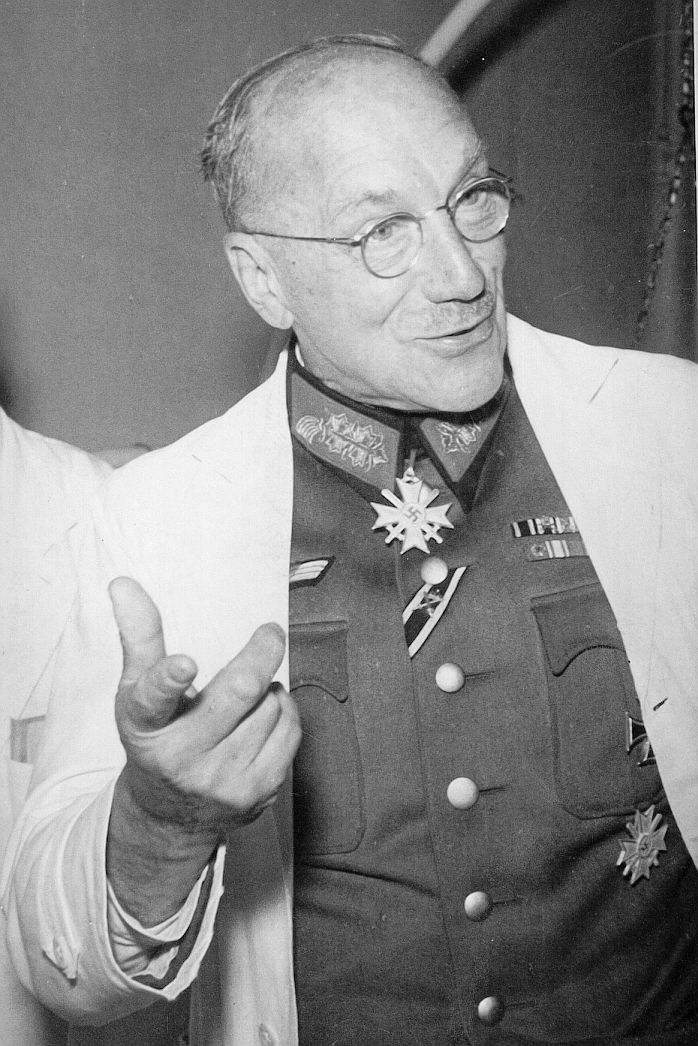
Sauerbruch was aware of the Meltzer/Auer technique, but specifically rejected it, and his powerful influence in Germany helped to prevent it from being adopted there.
Among the earliest and most vocal advocates of using the Sauerbruch negative pressure chamber approach in the United States was Dr. Meyer. Both he and Dr. Meltzer addressed the issue and the controversy at the first meeting of the AATS in 1917.
“You probably remember the little battle between differential pressure and intratracheal insufflation. It occurred only 8 years ago; but it seems now like history. When I presented my paper on intratracheal insufflation at the New York Academy of Medicine, my views were opposed, in the interest of conservatism in surgery, by three able surgeons,” Dr. Meltzer said in his address.
“Now, these same surgeons are among the principal founders of the American Association for Thoracic Surgery, and my being the first presiding officer of the Association is due exclusively to their generous spirit and not to any merits of mine. This is my little story of how the introduction of a stomach tube carried a mere medical man into the presidential chair of a national surgical association.”
Dr. Meyer, one of the three surgeons mentioned by Dr. Meltzer, responded shortly thereafter in his own speech at the meeting: “Dr. Meltzer mentioned in his inaugural address today that, in the discussion following his presentation of the matter before the New York Academy of Medicine his views were opposed, in the interest of conservatism in surgery, by three surgeons.
“Inasmuch as I was one of the three, I would, in explanation, here state that ... at that very time it was reported to me that Dr. Meltzer had stated that in his opinion thoracic operations on human beings could be done in a much simpler way than by working in the negative chamber; that a catheter in the trachea and bellows was all that was needed. He, a physiologist who had always done scientific surgical work on animals, certainly found these paraphernalia sufficient. I personally had meanwhile seen and learned to admire the absolutely reliable working of the mechanism of the chamber, without the possibility of doing the slightest harm to the patient.
“In my remarks on that memorable evening at the New York Academy of Medicine, I therefore tried to impress upon my colleagues the great importance of absolute safety. I stated that no matter what apparatus we might use in thoracic surgery on the usually much run down human being, it must be so constructed that it could not possibly do harm to the patient. I further stated that I would be only too happy to personally use intratracheal insufflation as soon as it was sufficiently perfected to render it safe under all conditions. … I want to lay stress upon the statement that I for my part have never been in opposition, but rather in full accord with his splendid discovery. The fact is that I personally have been among the very first in New York to use intratracheal insufflation in thoracic operations upon the human subject,” said Dr. Meyer.
“But, please bear in mind … that only the use of the differential pressure method – no matter what the apparatus – enables the surgeon to work in the thorax with the same equanimity and tranquility as in the abdomen,” he summarized.
So by the early years of the founding of the AATS, no matter the barriers that remained, the fact that thoracic surgery had reached the same level of confidence in terms of attempting operations as had already existed for the abdomen permitted the fledgling association to move forward with a confidence and optimism that had not existed before, when opening the chest in the operating room was generally considered deadly.
Sources
Meltzer, S. J., 1917. First President’s Address. http://t.aats.org/annualmeeting/Program-Books/50th-Anniversary-Book/First-Presidents-Address.cgi
Meyer, W., 1917. Surgery Within the Past Fourteen Years. http://t.aats.org/annualmeeting/Program-Books/50th-Anniversary-Book/A-Review-of-the-Evolution-of-Thoracic-Surgery-Within-the-Pas.cgi
Nissen, R., Wilson, R.H.L. Pages in the History of Chest Surgery. Springfield, IL: Charles C. Thomas, 1960.
In retrospect, the founding of the American Association for Thoracic Surgery (AATS) in 1917 may seem surprisingly optimistic, given the status of cardiothoracic surgery as a discipline at that time. While important strides had been made in dealing with open chest wounds, to the modern eye, the field in the second decade of the 20th century seems more characterized by what was not yet possible rather than by what was.
One of the most critical issues holding back the development of cardiothoracic surgery in this early period was the problem of acute pneumothorax that occurred whenever the chest was opened.
As Willy Meyer (1858-1932), second president of the AATS, described the problem at the first AATS annual meeting in 1917: “What is it that happens when the thorax is opened, let us say [for example] by a stab wound in an intercostal space in an affray on the street? Immediately air rushes into the pleural cavity and this normal atmospheric pressure, being greater than the normal pressure within ... the lung contracts to a very small organ around its hilum. Air fills the space formerly occupied by the lung. This condition, with its immediate clinical pathologic consequences, is called ‘acute pneumothorax.’ It has been the stumbling block for almost a century to the proper development of the surgery of the chest. … Carbonic acid is retained in the blood … The accumulation of CO, with its deleterious effect increases, finally ending in the patient’s death.”
But in the first decade of the 20th century, two major and competing techniques evolved to solve the problem, each one represented by the first and second presidents of the fledgling AATS. For a short period of time a controversy seemed to separate the two men, but their views were expressly reconciled at the first annual meeting of the AATS.
The Meltzer/Auer technique was significantly improved upon by the addition of a carbon dioxide absorption method and the creation of a closed circuit apparatus by Dennis Jackson, MD (1878-1980) in 1915. “This fulfilled the criteria of oxygen supply, carbon dioxide absorption, and ether regulation with a hand bag-breather. With this apparatus, respiration could be maintained with the open thorax,” said pioneering thoracic surgeon Rudolf Nissen, MD, and Roger H.L. Wilson, MD, in their Pages in the History of Chest Surgery (Springfield, IL: Charles C. Thomas, 1960).
However, insufflation was not universally applauded when it was first introduced. It was considered a poor second by many who instead embraced the alternate method of preventing chest collapse – the differential pressure–maintaining Sauerbruch chamber. The Sauerbruch chamber was developed by Ernst Ferdinand Sauerbruch (1875-1951) and first reported in 1904 in his paper, “The pathology of open pneumothorax and the bases of my methods for its elimination.”
As described by Nissen and Wilson, “He transformed the operating room into a kind of extended or enlarged pleural cavity, lowering the atmospheric pressure by vacuum. The head of the patient was outside the operating room, tightly sealed at the neck. This ‘pneumatic chamber’ solved in an ideal way the problem of negative pleural pressure.”
Sauerbruch was aware of the Meltzer/Auer technique, but specifically rejected it, and his powerful influence in Germany helped to prevent it from being adopted there.
Among the earliest and most vocal advocates of using the Sauerbruch negative pressure chamber approach in the United States was Dr. Meyer. Both he and Dr. Meltzer addressed the issue and the controversy at the first meeting of the AATS in 1917.
“You probably remember the little battle between differential pressure and intratracheal insufflation. It occurred only 8 years ago; but it seems now like history. When I presented my paper on intratracheal insufflation at the New York Academy of Medicine, my views were opposed, in the interest of conservatism in surgery, by three able surgeons,” Dr. Meltzer said in his address.
“Now, these same surgeons are among the principal founders of the American Association for Thoracic Surgery, and my being the first presiding officer of the Association is due exclusively to their generous spirit and not to any merits of mine. This is my little story of how the introduction of a stomach tube carried a mere medical man into the presidential chair of a national surgical association.”
Dr. Meyer, one of the three surgeons mentioned by Dr. Meltzer, responded shortly thereafter in his own speech at the meeting: “Dr. Meltzer mentioned in his inaugural address today that, in the discussion following his presentation of the matter before the New York Academy of Medicine his views were opposed, in the interest of conservatism in surgery, by three surgeons.
“Inasmuch as I was one of the three, I would, in explanation, here state that ... at that very time it was reported to me that Dr. Meltzer had stated that in his opinion thoracic operations on human beings could be done in a much simpler way than by working in the negative chamber; that a catheter in the trachea and bellows was all that was needed. He, a physiologist who had always done scientific surgical work on animals, certainly found these paraphernalia sufficient. I personally had meanwhile seen and learned to admire the absolutely reliable working of the mechanism of the chamber, without the possibility of doing the slightest harm to the patient.
“In my remarks on that memorable evening at the New York Academy of Medicine, I therefore tried to impress upon my colleagues the great importance of absolute safety. I stated that no matter what apparatus we might use in thoracic surgery on the usually much run down human being, it must be so constructed that it could not possibly do harm to the patient. I further stated that I would be only too happy to personally use intratracheal insufflation as soon as it was sufficiently perfected to render it safe under all conditions. … I want to lay stress upon the statement that I for my part have never been in opposition, but rather in full accord with his splendid discovery. The fact is that I personally have been among the very first in New York to use intratracheal insufflation in thoracic operations upon the human subject,” said Dr. Meyer.
“But, please bear in mind … that only the use of the differential pressure method – no matter what the apparatus – enables the surgeon to work in the thorax with the same equanimity and tranquility as in the abdomen,” he summarized.
So by the early years of the founding of the AATS, no matter the barriers that remained, the fact that thoracic surgery had reached the same level of confidence in terms of attempting operations as had already existed for the abdomen permitted the fledgling association to move forward with a confidence and optimism that had not existed before, when opening the chest in the operating room was generally considered deadly.
Sources
Meltzer, S. J., 1917. First President’s Address. http://t.aats.org/annualmeeting/Program-Books/50th-Anniversary-Book/First-Presidents-Address.cgi
Meyer, W., 1917. Surgery Within the Past Fourteen Years. http://t.aats.org/annualmeeting/Program-Books/50th-Anniversary-Book/A-Review-of-the-Evolution-of-Thoracic-Surgery-Within-the-Pas.cgi
Nissen, R., Wilson, R.H.L. Pages in the History of Chest Surgery. Springfield, IL: Charles C. Thomas, 1960.
In retrospect, the founding of the American Association for Thoracic Surgery (AATS) in 1917 may seem surprisingly optimistic, given the status of cardiothoracic surgery as a discipline at that time. While important strides had been made in dealing with open chest wounds, to the modern eye, the field in the second decade of the 20th century seems more characterized by what was not yet possible rather than by what was.
One of the most critical issues holding back the development of cardiothoracic surgery in this early period was the problem of acute pneumothorax that occurred whenever the chest was opened.
As Willy Meyer (1858-1932), second president of the AATS, described the problem at the first AATS annual meeting in 1917: “What is it that happens when the thorax is opened, let us say [for example] by a stab wound in an intercostal space in an affray on the street? Immediately air rushes into the pleural cavity and this normal atmospheric pressure, being greater than the normal pressure within ... the lung contracts to a very small organ around its hilum. Air fills the space formerly occupied by the lung. This condition, with its immediate clinical pathologic consequences, is called ‘acute pneumothorax.’ It has been the stumbling block for almost a century to the proper development of the surgery of the chest. … Carbonic acid is retained in the blood … The accumulation of CO, with its deleterious effect increases, finally ending in the patient’s death.”
But in the first decade of the 20th century, two major and competing techniques evolved to solve the problem, each one represented by the first and second presidents of the fledgling AATS. For a short period of time a controversy seemed to separate the two men, but their views were expressly reconciled at the first annual meeting of the AATS.
The Meltzer/Auer technique was significantly improved upon by the addition of a carbon dioxide absorption method and the creation of a closed circuit apparatus by Dennis Jackson, MD (1878-1980) in 1915. “This fulfilled the criteria of oxygen supply, carbon dioxide absorption, and ether regulation with a hand bag-breather. With this apparatus, respiration could be maintained with the open thorax,” said pioneering thoracic surgeon Rudolf Nissen, MD, and Roger H.L. Wilson, MD, in their Pages in the History of Chest Surgery (Springfield, IL: Charles C. Thomas, 1960).
However, insufflation was not universally applauded when it was first introduced. It was considered a poor second by many who instead embraced the alternate method of preventing chest collapse – the differential pressure–maintaining Sauerbruch chamber. The Sauerbruch chamber was developed by Ernst Ferdinand Sauerbruch (1875-1951) and first reported in 1904 in his paper, “The pathology of open pneumothorax and the bases of my methods for its elimination.”
As described by Nissen and Wilson, “He transformed the operating room into a kind of extended or enlarged pleural cavity, lowering the atmospheric pressure by vacuum. The head of the patient was outside the operating room, tightly sealed at the neck. This ‘pneumatic chamber’ solved in an ideal way the problem of negative pleural pressure.”
Sauerbruch was aware of the Meltzer/Auer technique, but specifically rejected it, and his powerful influence in Germany helped to prevent it from being adopted there.
Among the earliest and most vocal advocates of using the Sauerbruch negative pressure chamber approach in the United States was Dr. Meyer. Both he and Dr. Meltzer addressed the issue and the controversy at the first meeting of the AATS in 1917.
“You probably remember the little battle between differential pressure and intratracheal insufflation. It occurred only 8 years ago; but it seems now like history. When I presented my paper on intratracheal insufflation at the New York Academy of Medicine, my views were opposed, in the interest of conservatism in surgery, by three able surgeons,” Dr. Meltzer said in his address.
“Now, these same surgeons are among the principal founders of the American Association for Thoracic Surgery, and my being the first presiding officer of the Association is due exclusively to their generous spirit and not to any merits of mine. This is my little story of how the introduction of a stomach tube carried a mere medical man into the presidential chair of a national surgical association.”
Dr. Meyer, one of the three surgeons mentioned by Dr. Meltzer, responded shortly thereafter in his own speech at the meeting: “Dr. Meltzer mentioned in his inaugural address today that, in the discussion following his presentation of the matter before the New York Academy of Medicine his views were opposed, in the interest of conservatism in surgery, by three surgeons.
“Inasmuch as I was one of the three, I would, in explanation, here state that ... at that very time it was reported to me that Dr. Meltzer had stated that in his opinion thoracic operations on human beings could be done in a much simpler way than by working in the negative chamber; that a catheter in the trachea and bellows was all that was needed. He, a physiologist who had always done scientific surgical work on animals, certainly found these paraphernalia sufficient. I personally had meanwhile seen and learned to admire the absolutely reliable working of the mechanism of the chamber, without the possibility of doing the slightest harm to the patient.
“In my remarks on that memorable evening at the New York Academy of Medicine, I therefore tried to impress upon my colleagues the great importance of absolute safety. I stated that no matter what apparatus we might use in thoracic surgery on the usually much run down human being, it must be so constructed that it could not possibly do harm to the patient. I further stated that I would be only too happy to personally use intratracheal insufflation as soon as it was sufficiently perfected to render it safe under all conditions. … I want to lay stress upon the statement that I for my part have never been in opposition, but rather in full accord with his splendid discovery. The fact is that I personally have been among the very first in New York to use intratracheal insufflation in thoracic operations upon the human subject,” said Dr. Meyer.
“But, please bear in mind … that only the use of the differential pressure method – no matter what the apparatus – enables the surgeon to work in the thorax with the same equanimity and tranquility as in the abdomen,” he summarized.
So by the early years of the founding of the AATS, no matter the barriers that remained, the fact that thoracic surgery had reached the same level of confidence in terms of attempting operations as had already existed for the abdomen permitted the fledgling association to move forward with a confidence and optimism that had not existed before, when opening the chest in the operating room was generally considered deadly.
Sources
Meltzer, S. J., 1917. First President’s Address. http://t.aats.org/annualmeeting/Program-Books/50th-Anniversary-Book/First-Presidents-Address.cgi
Meyer, W., 1917. Surgery Within the Past Fourteen Years. http://t.aats.org/annualmeeting/Program-Books/50th-Anniversary-Book/A-Review-of-the-Evolution-of-Thoracic-Surgery-Within-the-Pas.cgi
Nissen, R., Wilson, R.H.L. Pages in the History of Chest Surgery. Springfield, IL: Charles C. Thomas, 1960.
Digital transference: New dangers in a new world
We are in a new age of psychiatric practice caught in the wider shift from an industrial to a technology-based society. Although this transformation has been occurring over the past half-century, the last decade has seen a rapid acceleration driven by mobile phones, social networking, and the Internet.
Thomas Friedman, in his book “Thank you for Being Late: An Optimist’s Guide to Thriving in the Age of Accelerations” (New York: Farrar, Straus & Girous, 2016), cites 2007 as the year our world changed with the launching of the iPhone, the globalization of Facebook and Twitter, the release of the Kindle and Android, the founding of Airbnb, Google’s purchase of YouTube, and IBM’s creation of its AI system, Watson. Psychiatry has been gradually incorporating technology into everyday practice using mobile devices, email, videoconferencing, Internet, and electronic medical records, as well as being impacted by more rapidly evolving technologies, such as texting and social networking platforms.

Transference remains a core tenant in the psychiatric conceptualization of the psychiatrist-patient relationship. There are numerous formal definitions of this phenomenon. This article will use a broad reductionist definition of transference as the “unconscious projection of a past relationship/experience onto a current relationship” and combine the terms transference (from patient to psychiatrist) and countertransference (from psychiatrist to patient; often defined as a psychiatrist’s reaction to a patient’s transference).
How do a psychiatrist and patient dyad’s previous experiences with technology and technology-based relationships affect a current clinical relationship? How does the type of technology being used influence shared meanings and assumptions? Does technology introduce new implicit biases that go unrecognized? Does distant communication increase the risk of missing contextual clues more apparent for in-person interactions? These critical questions have largely gone unaddressed, but what is known raises concerns. The question is not whether to use these technologies, which have demonstrated utility to transform care. Rather, concerns around our lack of understanding of the technologies’ strengths, weaknesses, and influences on the doctor-patient relationship need to be explored. Below we will briefly examine each of these questions.
A relatively new paradigm has been inserting itself from the field of education into medicine that describes a patient’s previous technology experiences. “Digital immigrants” is a term for those who did not grow up with today’s technology and began using our current technologies as adults. They contrast with “digital natives,” who have grown up incorporating technology into their daily lives. Broad assumptions are that digital natives tend to be more comfortable, flexible, and adaptable with technologies, compared with digital immigrants, who are more hesitant and slower to adopt and integrate technology. However, the experience of a specific patient with technology is multifactorial and more nuanced than the digital native vs. digital immigrant classification. There are those who argue that technology use from an early age is altering on a biological level the way the human brain processes both information and emotion. Depending on their experiences and backgrounds (immigrant vs. native), a psychiatrist and patient using videoconferencing to enable remote access could have initial as well as ongoing positive or negative transferences to treatment.
The specific technology being used also sets parameters for communication that influence interpretation. Text and email communication are very different from live interactive video conferencing and involve use of language that may not be shared between the psychiatrist and patient, such as text abbreviations and emojis. Lack of visual and auditory information necessitates more interpretation by the receiver to fill in tone, meaning, and intent drawn from their past conscious and unconscious experiences and assumptions. The opportunity for misinterpretation is further compounded by implicit bias built into the technology. Although biases embedded in medical technologies have yet to be examined, there are some alarming examples from society in general.
A recent report by the Georgetown University’s Center on Privacy & Technology drew attention to inherent racial bias in facial recognition technology used by law enforcement agencies. This bias was a product of both the underlying software and programming, as well as the real world implementation of these systems. As the field of medicine increasingly turns to artificial intelligence for help with pattern recognition, data management, and population health, what implicit biases are being built into these systems? Could a web-assisted, evidence-based therapy that uses an algorithmic approach have built-in biases for certain populations of patients, affecting the therapeutic interaction?
A final issue worth considering is the power of technology to distort shared context. When a psychiatrist meets with a patient in person, they are sharing the same environmental context at the same point of time during treatment. When communicating over distance, they are occupying different environments and, with asynchronous communication (for example, email), different points in time. These disparate contexts may lend themselves to additional assumptions that get projected onto the clinical relationship. For example, a telepsychiatrist working with Northern Plains Indian Communities via videoconferencing has a new patient in a new clinic setting visually similar to other clinics they have visited in the past. If not mindful of context, the telepsychiatrist may risk making unwarranted assumptions about the patient’s environmental context based on the physician’s previous work. In a different example, a psychiatrist sees a patient for an in-person visit and then reads an email sent 12 hours prior to the visit by the patient expressing upset at psychiatrist’s structuring of treatment. This issue was not addressed in the session that just ended. What is the impact of this email to both the psychiatrist and patient, and their current feelings about the therapeutic relationship? Is this now current or past context for the patient and psychiatrist?
For many, questions about bias, context, and previous experiences with technology can be seen as “grist for the mill” for psychiatrists to understand the transferences and other processes within doctor-patient relationships. This knowledge can then be leveraged to appropriately attend to the therapeutic relationship. The danger in the age of hybrid relationships is when there are embedded issues that psychiatry as a field and individual psychiatrists are unaware of and not attending to in treatment. As the acknowledged experts in medicine in the doctor-patient relationship say, psychiatrists need to take leadership roles in better understanding the impact of technologies on clinical processes – both for those processes on the surface, as well as those that lurk beneath the digital waves.
Dr. Shore chairs the American Psychiatric Association’s Committee on Telepsychiatry and is director of telemedicine at the Helen & Arthur E. Johnson Depression Center at the University of Colorado at Denver, Aurora. He also serves as associate professor of psychiatry at the university.
We are in a new age of psychiatric practice caught in the wider shift from an industrial to a technology-based society. Although this transformation has been occurring over the past half-century, the last decade has seen a rapid acceleration driven by mobile phones, social networking, and the Internet.
Thomas Friedman, in his book “Thank you for Being Late: An Optimist’s Guide to Thriving in the Age of Accelerations” (New York: Farrar, Straus & Girous, 2016), cites 2007 as the year our world changed with the launching of the iPhone, the globalization of Facebook and Twitter, the release of the Kindle and Android, the founding of Airbnb, Google’s purchase of YouTube, and IBM’s creation of its AI system, Watson. Psychiatry has been gradually incorporating technology into everyday practice using mobile devices, email, videoconferencing, Internet, and electronic medical records, as well as being impacted by more rapidly evolving technologies, such as texting and social networking platforms.
Transference remains a core tenant in the psychiatric conceptualization of the psychiatrist-patient relationship. There are numerous formal definitions of this phenomenon. This article will use a broad reductionist definition of transference as the “unconscious projection of a past relationship/experience onto a current relationship” and combine the terms transference (from patient to psychiatrist) and countertransference (from psychiatrist to patient; often defined as a psychiatrist’s reaction to a patient’s transference).
How do a psychiatrist and patient dyad’s previous experiences with technology and technology-based relationships affect a current clinical relationship? How does the type of technology being used influence shared meanings and assumptions? Does technology introduce new implicit biases that go unrecognized? Does distant communication increase the risk of missing contextual clues more apparent for in-person interactions? These critical questions have largely gone unaddressed, but what is known raises concerns. The question is not whether to use these technologies, which have demonstrated utility to transform care. Rather, concerns around our lack of understanding of the technologies’ strengths, weaknesses, and influences on the doctor-patient relationship need to be explored. Below we will briefly examine each of these questions.
A relatively new paradigm has been inserting itself from the field of education into medicine that describes a patient’s previous technology experiences. “Digital immigrants” is a term for those who did not grow up with today’s technology and began using our current technologies as adults. They contrast with “digital natives,” who have grown up incorporating technology into their daily lives. Broad assumptions are that digital natives tend to be more comfortable, flexible, and adaptable with technologies, compared with digital immigrants, who are more hesitant and slower to adopt and integrate technology. However, the experience of a specific patient with technology is multifactorial and more nuanced than the digital native vs. digital immigrant classification. There are those who argue that technology use from an early age is altering on a biological level the way the human brain processes both information and emotion. Depending on their experiences and backgrounds (immigrant vs. native), a psychiatrist and patient using videoconferencing to enable remote access could have initial as well as ongoing positive or negative transferences to treatment.
The specific technology being used also sets parameters for communication that influence interpretation. Text and email communication are very different from live interactive video conferencing and involve use of language that may not be shared between the psychiatrist and patient, such as text abbreviations and emojis. Lack of visual and auditory information necessitates more interpretation by the receiver to fill in tone, meaning, and intent drawn from their past conscious and unconscious experiences and assumptions. The opportunity for misinterpretation is further compounded by implicit bias built into the technology. Although biases embedded in medical technologies have yet to be examined, there are some alarming examples from society in general.
A recent report by the Georgetown University’s Center on Privacy & Technology drew attention to inherent racial bias in facial recognition technology used by law enforcement agencies. This bias was a product of both the underlying software and programming, as well as the real world implementation of these systems. As the field of medicine increasingly turns to artificial intelligence for help with pattern recognition, data management, and population health, what implicit biases are being built into these systems? Could a web-assisted, evidence-based therapy that uses an algorithmic approach have built-in biases for certain populations of patients, affecting the therapeutic interaction?
A final issue worth considering is the power of technology to distort shared context. When a psychiatrist meets with a patient in person, they are sharing the same environmental context at the same point of time during treatment. When communicating over distance, they are occupying different environments and, with asynchronous communication (for example, email), different points in time. These disparate contexts may lend themselves to additional assumptions that get projected onto the clinical relationship. For example, a telepsychiatrist working with Northern Plains Indian Communities via videoconferencing has a new patient in a new clinic setting visually similar to other clinics they have visited in the past. If not mindful of context, the telepsychiatrist may risk making unwarranted assumptions about the patient’s environmental context based on the physician’s previous work. In a different example, a psychiatrist sees a patient for an in-person visit and then reads an email sent 12 hours prior to the visit by the patient expressing upset at psychiatrist’s structuring of treatment. This issue was not addressed in the session that just ended. What is the impact of this email to both the psychiatrist and patient, and their current feelings about the therapeutic relationship? Is this now current or past context for the patient and psychiatrist?
For many, questions about bias, context, and previous experiences with technology can be seen as “grist for the mill” for psychiatrists to understand the transferences and other processes within doctor-patient relationships. This knowledge can then be leveraged to appropriately attend to the therapeutic relationship. The danger in the age of hybrid relationships is when there are embedded issues that psychiatry as a field and individual psychiatrists are unaware of and not attending to in treatment. As the acknowledged experts in medicine in the doctor-patient relationship say, psychiatrists need to take leadership roles in better understanding the impact of technologies on clinical processes – both for those processes on the surface, as well as those that lurk beneath the digital waves.
Dr. Shore chairs the American Psychiatric Association’s Committee on Telepsychiatry and is director of telemedicine at the Helen & Arthur E. Johnson Depression Center at the University of Colorado at Denver, Aurora. He also serves as associate professor of psychiatry at the university.
We are in a new age of psychiatric practice caught in the wider shift from an industrial to a technology-based society. Although this transformation has been occurring over the past half-century, the last decade has seen a rapid acceleration driven by mobile phones, social networking, and the Internet.
Thomas Friedman, in his book “Thank you for Being Late: An Optimist’s Guide to Thriving in the Age of Accelerations” (New York: Farrar, Straus & Girous, 2016), cites 2007 as the year our world changed with the launching of the iPhone, the globalization of Facebook and Twitter, the release of the Kindle and Android, the founding of Airbnb, Google’s purchase of YouTube, and IBM’s creation of its AI system, Watson. Psychiatry has been gradually incorporating technology into everyday practice using mobile devices, email, videoconferencing, Internet, and electronic medical records, as well as being impacted by more rapidly evolving technologies, such as texting and social networking platforms.
Transference remains a core tenant in the psychiatric conceptualization of the psychiatrist-patient relationship. There are numerous formal definitions of this phenomenon. This article will use a broad reductionist definition of transference as the “unconscious projection of a past relationship/experience onto a current relationship” and combine the terms transference (from patient to psychiatrist) and countertransference (from psychiatrist to patient; often defined as a psychiatrist’s reaction to a patient’s transference).
How do a psychiatrist and patient dyad’s previous experiences with technology and technology-based relationships affect a current clinical relationship? How does the type of technology being used influence shared meanings and assumptions? Does technology introduce new implicit biases that go unrecognized? Does distant communication increase the risk of missing contextual clues more apparent for in-person interactions? These critical questions have largely gone unaddressed, but what is known raises concerns. The question is not whether to use these technologies, which have demonstrated utility to transform care. Rather, concerns around our lack of understanding of the technologies’ strengths, weaknesses, and influences on the doctor-patient relationship need to be explored. Below we will briefly examine each of these questions.
A relatively new paradigm has been inserting itself from the field of education into medicine that describes a patient’s previous technology experiences. “Digital immigrants” is a term for those who did not grow up with today’s technology and began using our current technologies as adults. They contrast with “digital natives,” who have grown up incorporating technology into their daily lives. Broad assumptions are that digital natives tend to be more comfortable, flexible, and adaptable with technologies, compared with digital immigrants, who are more hesitant and slower to adopt and integrate technology. However, the experience of a specific patient with technology is multifactorial and more nuanced than the digital native vs. digital immigrant classification. There are those who argue that technology use from an early age is altering on a biological level the way the human brain processes both information and emotion. Depending on their experiences and backgrounds (immigrant vs. native), a psychiatrist and patient using videoconferencing to enable remote access could have initial as well as ongoing positive or negative transferences to treatment.
The specific technology being used also sets parameters for communication that influence interpretation. Text and email communication are very different from live interactive video conferencing and involve use of language that may not be shared between the psychiatrist and patient, such as text abbreviations and emojis. Lack of visual and auditory information necessitates more interpretation by the receiver to fill in tone, meaning, and intent drawn from their past conscious and unconscious experiences and assumptions. The opportunity for misinterpretation is further compounded by implicit bias built into the technology. Although biases embedded in medical technologies have yet to be examined, there are some alarming examples from society in general.
A recent report by the Georgetown University’s Center on Privacy & Technology drew attention to inherent racial bias in facial recognition technology used by law enforcement agencies. This bias was a product of both the underlying software and programming, as well as the real world implementation of these systems. As the field of medicine increasingly turns to artificial intelligence for help with pattern recognition, data management, and population health, what implicit biases are being built into these systems? Could a web-assisted, evidence-based therapy that uses an algorithmic approach have built-in biases for certain populations of patients, affecting the therapeutic interaction?
A final issue worth considering is the power of technology to distort shared context. When a psychiatrist meets with a patient in person, they are sharing the same environmental context at the same point of time during treatment. When communicating over distance, they are occupying different environments and, with asynchronous communication (for example, email), different points in time. These disparate contexts may lend themselves to additional assumptions that get projected onto the clinical relationship. For example, a telepsychiatrist working with Northern Plains Indian Communities via videoconferencing has a new patient in a new clinic setting visually similar to other clinics they have visited in the past. If not mindful of context, the telepsychiatrist may risk making unwarranted assumptions about the patient’s environmental context based on the physician’s previous work. In a different example, a psychiatrist sees a patient for an in-person visit and then reads an email sent 12 hours prior to the visit by the patient expressing upset at psychiatrist’s structuring of treatment. This issue was not addressed in the session that just ended. What is the impact of this email to both the psychiatrist and patient, and their current feelings about the therapeutic relationship? Is this now current or past context for the patient and psychiatrist?
For many, questions about bias, context, and previous experiences with technology can be seen as “grist for the mill” for psychiatrists to understand the transferences and other processes within doctor-patient relationships. This knowledge can then be leveraged to appropriately attend to the therapeutic relationship. The danger in the age of hybrid relationships is when there are embedded issues that psychiatry as a field and individual psychiatrists are unaware of and not attending to in treatment. As the acknowledged experts in medicine in the doctor-patient relationship say, psychiatrists need to take leadership roles in better understanding the impact of technologies on clinical processes – both for those processes on the surface, as well as those that lurk beneath the digital waves.
Dr. Shore chairs the American Psychiatric Association’s Committee on Telepsychiatry and is director of telemedicine at the Helen & Arthur E. Johnson Depression Center at the University of Colorado at Denver, Aurora. He also serves as associate professor of psychiatry at the university.
Idle hands
If you consider yourself a busy pediatrician and haven’t seen a Fidget Spinner, you are either a neonatologist or have been on maternity leave for the last 3 months. Because I no longer see patients, my introduction to Fidget Spinners came via my 10-year-old grandson, Peter. Last week, I was tasked with meeting him after school and accompanying him on his bike ride to our house. Instead of a hi-grampy-smile he shouted, “Look what Jonah gave me!”
Peter held in his hand a collection of stainless steel nuts, a bolt, and a pair of roller blade wheel bearings that had been epoxified together so that they would spin with the flick of a finger. This was a homemade Fidget. This wasn’t a “gadget,” a term that would imply to me that it might have some function. No, this was a Fidget, and its sole purpose was to keep the user’s hands busy, usually by spinning it.

Of course ,within days of my enlightening, I discovered articles about the Fidget tsunami in several national newspapers. The most complete chronology of the Fidget’s trajectory from its unheralded birth in the 1990s to its explosive entry on grade school scene in the last 6 months appeared in the New York Times. (Alex Williams. “How Fidget Spinners Became the Hula-Hoop for Generation Z.” May 6, 2017).
For a brief period of time, Fidget Spinners were touted by some “experts” as calming devices for both adults and children who have been labeled with ADHD. I assume this unsubstantiated benefit was in part based on the aphorism attributed to St. Jerome that “idle hands are the Devil’s workshop.” However, when Fidgets escaped from their niche for the distractable and inattentive and entered the mainstream, educators and school administrators quickly realized that, what might have been a cure for some students, can become an intolerable distraction for the entire classroom. Not surprisingly, hastily enacted rules and restrictions have only made the spinners even more popular, must-have items.
While Fidget Spinners are the latest rage for the grade-school crowd, the attraction between palm-sized objects and young children has probably existed since the first Neanderthal infant picked up a shiny stream-polished pebble or a dried seed pod that rattled. I suspect that, if you begin keeping a record, you will discover that, on an average day, at least half of your patients under the age of 4 years have arrived with some temporarily treasured object clutched in their hands – a smooth stone, a matchbox truck, or a Lego or Playmobil figure. These treasures are not to be confused with the plushy and soft security or transition objects that are primarily sleep associated.
What I’m talking about are the recently found items that fulfill a primordial need of little hands to hold something ... anything. For the most part, they are ephemeral and will be replaced in a day or a week with another palm-sized tactile companion.
This compulsion to hold something seems to persist longer in boys and becomes stronger when they are exposed to objects that spin, roll, or make noise. Even Peter, at age 10, invariably shows up at a restaurant with a fidgetable item in his hand to help him endure the interminable wait for his pasta or pizza to arrive at the table. As distracting as it may be to his fellow diners, it certainly beats the alternative of kicking his sister under the table.
Dr. Wilkoff practiced primary care pediatrics in Brunswick, Maine, for nearly 40 years. He has authored several books on behavioral pediatrics, including “How to Say No to Your Toddler.” Email him at pdnews@frontlinemedcom.com.
If you consider yourself a busy pediatrician and haven’t seen a Fidget Spinner, you are either a neonatologist or have been on maternity leave for the last 3 months. Because I no longer see patients, my introduction to Fidget Spinners came via my 10-year-old grandson, Peter. Last week, I was tasked with meeting him after school and accompanying him on his bike ride to our house. Instead of a hi-grampy-smile he shouted, “Look what Jonah gave me!”
Peter held in his hand a collection of stainless steel nuts, a bolt, and a pair of roller blade wheel bearings that had been epoxified together so that they would spin with the flick of a finger. This was a homemade Fidget. This wasn’t a “gadget,” a term that would imply to me that it might have some function. No, this was a Fidget, and its sole purpose was to keep the user’s hands busy, usually by spinning it.
Of course ,within days of my enlightening, I discovered articles about the Fidget tsunami in several national newspapers. The most complete chronology of the Fidget’s trajectory from its unheralded birth in the 1990s to its explosive entry on grade school scene in the last 6 months appeared in the New York Times. (Alex Williams. “How Fidget Spinners Became the Hula-Hoop for Generation Z.” May 6, 2017).
For a brief period of time, Fidget Spinners were touted by some “experts” as calming devices for both adults and children who have been labeled with ADHD. I assume this unsubstantiated benefit was in part based on the aphorism attributed to St. Jerome that “idle hands are the Devil’s workshop.” However, when Fidgets escaped from their niche for the distractable and inattentive and entered the mainstream, educators and school administrators quickly realized that, what might have been a cure for some students, can become an intolerable distraction for the entire classroom. Not surprisingly, hastily enacted rules and restrictions have only made the spinners even more popular, must-have items.
While Fidget Spinners are the latest rage for the grade-school crowd, the attraction between palm-sized objects and young children has probably existed since the first Neanderthal infant picked up a shiny stream-polished pebble or a dried seed pod that rattled. I suspect that, if you begin keeping a record, you will discover that, on an average day, at least half of your patients under the age of 4 years have arrived with some temporarily treasured object clutched in their hands – a smooth stone, a matchbox truck, or a Lego or Playmobil figure. These treasures are not to be confused with the plushy and soft security or transition objects that are primarily sleep associated.
What I’m talking about are the recently found items that fulfill a primordial need of little hands to hold something ... anything. For the most part, they are ephemeral and will be replaced in a day or a week with another palm-sized tactile companion.
This compulsion to hold something seems to persist longer in boys and becomes stronger when they are exposed to objects that spin, roll, or make noise. Even Peter, at age 10, invariably shows up at a restaurant with a fidgetable item in his hand to help him endure the interminable wait for his pasta or pizza to arrive at the table. As distracting as it may be to his fellow diners, it certainly beats the alternative of kicking his sister under the table.
Dr. Wilkoff practiced primary care pediatrics in Brunswick, Maine, for nearly 40 years. He has authored several books on behavioral pediatrics, including “How to Say No to Your Toddler.” Email him at pdnews@frontlinemedcom.com.
If you consider yourself a busy pediatrician and haven’t seen a Fidget Spinner, you are either a neonatologist or have been on maternity leave for the last 3 months. Because I no longer see patients, my introduction to Fidget Spinners came via my 10-year-old grandson, Peter. Last week, I was tasked with meeting him after school and accompanying him on his bike ride to our house. Instead of a hi-grampy-smile he shouted, “Look what Jonah gave me!”
Peter held in his hand a collection of stainless steel nuts, a bolt, and a pair of roller blade wheel bearings that had been epoxified together so that they would spin with the flick of a finger. This was a homemade Fidget. This wasn’t a “gadget,” a term that would imply to me that it might have some function. No, this was a Fidget, and its sole purpose was to keep the user’s hands busy, usually by spinning it.
Of course ,within days of my enlightening, I discovered articles about the Fidget tsunami in several national newspapers. The most complete chronology of the Fidget’s trajectory from its unheralded birth in the 1990s to its explosive entry on grade school scene in the last 6 months appeared in the New York Times. (Alex Williams. “How Fidget Spinners Became the Hula-Hoop for Generation Z.” May 6, 2017).
For a brief period of time, Fidget Spinners were touted by some “experts” as calming devices for both adults and children who have been labeled with ADHD. I assume this unsubstantiated benefit was in part based on the aphorism attributed to St. Jerome that “idle hands are the Devil’s workshop.” However, when Fidgets escaped from their niche for the distractable and inattentive and entered the mainstream, educators and school administrators quickly realized that, what might have been a cure for some students, can become an intolerable distraction for the entire classroom. Not surprisingly, hastily enacted rules and restrictions have only made the spinners even more popular, must-have items.
While Fidget Spinners are the latest rage for the grade-school crowd, the attraction between palm-sized objects and young children has probably existed since the first Neanderthal infant picked up a shiny stream-polished pebble or a dried seed pod that rattled. I suspect that, if you begin keeping a record, you will discover that, on an average day, at least half of your patients under the age of 4 years have arrived with some temporarily treasured object clutched in their hands – a smooth stone, a matchbox truck, or a Lego or Playmobil figure. These treasures are not to be confused with the plushy and soft security or transition objects that are primarily sleep associated.
What I’m talking about are the recently found items that fulfill a primordial need of little hands to hold something ... anything. For the most part, they are ephemeral and will be replaced in a day or a week with another palm-sized tactile companion.
This compulsion to hold something seems to persist longer in boys and becomes stronger when they are exposed to objects that spin, roll, or make noise. Even Peter, at age 10, invariably shows up at a restaurant with a fidgetable item in his hand to help him endure the interminable wait for his pasta or pizza to arrive at the table. As distracting as it may be to his fellow diners, it certainly beats the alternative of kicking his sister under the table.
Dr. Wilkoff practiced primary care pediatrics in Brunswick, Maine, for nearly 40 years. He has authored several books on behavioral pediatrics, including “How to Say No to Your Toddler.” Email him at pdnews@frontlinemedcom.com.
Changing ethics of pediatric health care: The last 50 years
The ethics of pediatric health care have changed radically in the past 50 years. “History,” they say, “is written by the victors.” So, if you are not careful, you will only get part of the story. Clinical ethicists learn to seek out, involve, and empower the voices of all stakeholders. To fully appreciate how much things have changed, you must learn more than one side of the story. Indeed, piecing together the history of medical ethics reminds me of the Indian story of five blind men describing an elephant, in which each can only describe a part of an ultimately much bigger animal.
If you ask philosophers about the history of medical ethics, they will point to events 50 years ago as the beginning of the modern era. In the 1960s, physicians tended to be paternalistic authoritarians. Some considered it best not to even tell a patient that he had cancer. There was minimal patient education provided. Medications were prescribed as orders for the patient to follow. Medical research had harmed volunteers, and new protections were needed.
In 1995, the American Academy of Pediatrics Section on Bioethics emphasized the importance of obtaining the child’s assent in addition to the parent’s consent.2 Most states have passed laws permitting minors to give consent for treatment for pregnancy, sexually transmitted diseases, drug addiction, and mental health care.
Technology alters ethics
At the same time, technology has been changing medicine. New life sustaining technologies in the 1960s – such as dialysis and ventilators – created new issues of extreme financial cost, allocation of scarce resources, and even the existential question of when life ends. In 1968, an ad hoc committee at Harvard created criteria for what is colloquially called “brain death.”3 Many landmark legal cases further developed the ethics of end-of-life care.

The boundaries were even less clear at the beginning of life. Technological advances in ventilators, improvements in nursing care by neonatal intensive care unit nurses, and the whole new subspecialty of neonatology progressively lowered the gestational age for survival. The distinction between clinical care and experimental care was again blurry as neonatologists sought to overcome previously unknown complications, like retinopathy of prematurity resulting from too much oxygen and bronchopulmonary dysplasia from the ventilator. Many babies survived with profound physical and neurological compromise. The ethical dilemmas were continuously present.

Change in the status of children
There is more to the story than philosophy, law, and technology. Pediatric ethics has been profoundly impacted by a change in the status of the children. One change from 50 years ago has been the social response to child abuse.4 Norms changed. Before, fathers pretty much could raise their children any way they saw fit, including corporal punishment. Neighbors didn’t intervene. The proverb was “spare the rod and spoil the child,” but abuse was not motivated by discipline. It was cruel, authoritarian, and demeaning. The landmark article describing the Battered Child Syndrome was published in 1962.5 By 1967, the local Society for the Prevention of Cruelty to Children had become nearly obsolete, but understaffed local government agencies were just beginning to respond. In 1974, federal action produced the Child Abuse Prevention and Treatment Act.6 Medical personnel became mandatory reporters, developed expertise, and, in 2009, child abuse became a boarded subspecialty in pediatrics.

Then, in 1971, a documentary “Who Should Survive?” explored the ethical decision making for babies with birth defects.7 The harms of institutionalization became recognized. The benefits of early intervention and special education have been established. Support for an Individual Education Plan has progressed through successive laws beginning in 1975 until the Individuals with Disabilities Education Improvement Act of 2004.
This is just another example of how ethics develops from a philosophical ideal to a change in social status, followed by consciousness raising, civil rights legislation, enabling legislation, funding, and program development and implementation.
It takes a village of philosophers, activists, lawyers, legislators, physicians, and other experts to implement ethics. There are also countervailing forces. The mainstreaming of children with disabilities is one factor in the movement of children into private schools and the pressure for a voucher system, as advocated by the new Secretary of Education, Betty DeVos.
There also has been a change in the status of children as future providers. Historically, children were relied upon to provide for the parents in their old age. With decreases in infant mortality, the availability of birth control, and legalized abortions, smaller families became the social norm. Worldwide, there has been a marked drop in fertility rates in developed nations. Governmental programs such as Social Security, particularly with the introduction of Medicare in 1965, meant that the elderly were less dependent on their descendants. China found that acceptance of the One Child policy was heavily dependent on convincing parents that the State would provide for them in their old age. The modern political state has assumed duties previously performed by the family.
More recent changes
Pediatric health care is strongly impacted by public health measures. Infant mortality has been reduced by improved nutrition and public health, not medication and surgery. Mass immunization programs were viewed as an appropriate function of civic government.
The introduction of polio vaccine in the 1950s made a large impact. Families lined up at any opportunity to get the vaccine. Polio went from hundreds of thousands of cases of paralysis each summer down to zero cases of wild polio transmitted within the western hemisphere. Measles cases went from 450,000 cases a year in the early 1960s down to zero, until a fraudulent link to autism led to a significant number of parents not immunizing their children. Vaccine refusal, previously a rare ethical issue related to religious liberty, became corrupted by efforts at boutique medicine and alternative facts. In modern America, the ethics of individualism and personal rights have eclipsed civic responsibility. With herd immunity compromised, a blip up to 100 cases of measles per year was histrionically described as a huge epidemic. That spin shows ignorance of the historical record, but the risk was enough for the liberal state of California in 2015 to ban philosophical exemptions to vaccination with one of the strictest state laws in the nation.
Ethics is about values. So, as I look at the changes over 50 years, the areas that have failed to make progress are illuminating. Mental health care for children has not made the same progress achieved with vaccines and cancer therapy. My most recent clinical ethics case involved a teenager who had made a suicidal gesture by taking a handful of pills. The nurses were caught between caring for their patient and meeting the demands of an upset, authoritarian parent in a world where customer satisfaction is critical. I spent much of the night exploring hospital policy and state law. I solicited and listened to widely disparate interpretations of law, medical ethics, and hospital policy from the floor nurse, the nursing supervisor, the nursing staff on the adult inpatient psychiatric unit, three ED docs, a social worker, a government agency, and a judge’s representative. The physician of 1967 was captain of the ship and would not recognize the chaotic teamwork of modern medicine. The exercise showed me how little progress we have made in mental health care for adolescents during my 25 years of practice.
It also reminded me that I have the luxury to debate ethical minutia like vaccine hesitancy and adolescent consent in a world with Syrian refugee camps and starvation in South Sudan. Mahatma Gandhi said, “There are people in the world so hungry that God cannot appear to them except in the form of bread.” That, unfortunately, has not changed in 50 years.
Dr. Powell is a pediatric hospitalist and clinical ethics consultant living in St. Louis. Email him at pdnews@frontlinemedcom.com.
References
1. www.hhs.gov/ohrp/regulations-and-policy/belmont-report/
2. Pediatrics 1995;95:314-7.
3. JAMA. 1968;205(6):337-40.
4. Family Law Quarterly. 2008 Fall;42(3):449-63.
5. JAMA. 1962;181(1):17-24.
6. National Child Abuse and Neglect Training and Publications Project (2014). The Child Abuse Prevention and Treatment Act: 40 years of safeguarding America’s children. Washington: U.S. Department of Health and Human Services, Children’s Bureau.
7. Kennedy Inst Ethics J. 2006 Sep;16(3):205-24.
The ethics of pediatric health care have changed radically in the past 50 years. “History,” they say, “is written by the victors.” So, if you are not careful, you will only get part of the story. Clinical ethicists learn to seek out, involve, and empower the voices of all stakeholders. To fully appreciate how much things have changed, you must learn more than one side of the story. Indeed, piecing together the history of medical ethics reminds me of the Indian story of five blind men describing an elephant, in which each can only describe a part of an ultimately much bigger animal.
If you ask philosophers about the history of medical ethics, they will point to events 50 years ago as the beginning of the modern era. In the 1960s, physicians tended to be paternalistic authoritarians. Some considered it best not to even tell a patient that he had cancer. There was minimal patient education provided. Medications were prescribed as orders for the patient to follow. Medical research had harmed volunteers, and new protections were needed.
In 1995, the American Academy of Pediatrics Section on Bioethics emphasized the importance of obtaining the child’s assent in addition to the parent’s consent.2 Most states have passed laws permitting minors to give consent for treatment for pregnancy, sexually transmitted diseases, drug addiction, and mental health care.
Technology alters ethics
At the same time, technology has been changing medicine. New life sustaining technologies in the 1960s – such as dialysis and ventilators – created new issues of extreme financial cost, allocation of scarce resources, and even the existential question of when life ends. In 1968, an ad hoc committee at Harvard created criteria for what is colloquially called “brain death.”3 Many landmark legal cases further developed the ethics of end-of-life care.
The boundaries were even less clear at the beginning of life. Technological advances in ventilators, improvements in nursing care by neonatal intensive care unit nurses, and the whole new subspecialty of neonatology progressively lowered the gestational age for survival. The distinction between clinical care and experimental care was again blurry as neonatologists sought to overcome previously unknown complications, like retinopathy of prematurity resulting from too much oxygen and bronchopulmonary dysplasia from the ventilator. Many babies survived with profound physical and neurological compromise. The ethical dilemmas were continuously present.
Change in the status of children
There is more to the story than philosophy, law, and technology. Pediatric ethics has been profoundly impacted by a change in the status of the children. One change from 50 years ago has been the social response to child abuse.4 Norms changed. Before, fathers pretty much could raise their children any way they saw fit, including corporal punishment. Neighbors didn’t intervene. The proverb was “spare the rod and spoil the child,” but abuse was not motivated by discipline. It was cruel, authoritarian, and demeaning. The landmark article describing the Battered Child Syndrome was published in 1962.5 By 1967, the local Society for the Prevention of Cruelty to Children had become nearly obsolete, but understaffed local government agencies were just beginning to respond. In 1974, federal action produced the Child Abuse Prevention and Treatment Act.6 Medical personnel became mandatory reporters, developed expertise, and, in 2009, child abuse became a boarded subspecialty in pediatrics.
Then, in 1971, a documentary “Who Should Survive?” explored the ethical decision making for babies with birth defects.7 The harms of institutionalization became recognized. The benefits of early intervention and special education have been established. Support for an Individual Education Plan has progressed through successive laws beginning in 1975 until the Individuals with Disabilities Education Improvement Act of 2004.
This is just another example of how ethics develops from a philosophical ideal to a change in social status, followed by consciousness raising, civil rights legislation, enabling legislation, funding, and program development and implementation.
It takes a village of philosophers, activists, lawyers, legislators, physicians, and other experts to implement ethics. There are also countervailing forces. The mainstreaming of children with disabilities is one factor in the movement of children into private schools and the pressure for a voucher system, as advocated by the new Secretary of Education, Betty DeVos.
There also has been a change in the status of children as future providers. Historically, children were relied upon to provide for the parents in their old age. With decreases in infant mortality, the availability of birth control, and legalized abortions, smaller families became the social norm. Worldwide, there has been a marked drop in fertility rates in developed nations. Governmental programs such as Social Security, particularly with the introduction of Medicare in 1965, meant that the elderly were less dependent on their descendants. China found that acceptance of the One Child policy was heavily dependent on convincing parents that the State would provide for them in their old age. The modern political state has assumed duties previously performed by the family.
More recent changes
Pediatric health care is strongly impacted by public health measures. Infant mortality has been reduced by improved nutrition and public health, not medication and surgery. Mass immunization programs were viewed as an appropriate function of civic government.
The introduction of polio vaccine in the 1950s made a large impact. Families lined up at any opportunity to get the vaccine. Polio went from hundreds of thousands of cases of paralysis each summer down to zero cases of wild polio transmitted within the western hemisphere. Measles cases went from 450,000 cases a year in the early 1960s down to zero, until a fraudulent link to autism led to a significant number of parents not immunizing their children. Vaccine refusal, previously a rare ethical issue related to religious liberty, became corrupted by efforts at boutique medicine and alternative facts. In modern America, the ethics of individualism and personal rights have eclipsed civic responsibility. With herd immunity compromised, a blip up to 100 cases of measles per year was histrionically described as a huge epidemic. That spin shows ignorance of the historical record, but the risk was enough for the liberal state of California in 2015 to ban philosophical exemptions to vaccination with one of the strictest state laws in the nation.
Ethics is about values. So, as I look at the changes over 50 years, the areas that have failed to make progress are illuminating. Mental health care for children has not made the same progress achieved with vaccines and cancer therapy. My most recent clinical ethics case involved a teenager who had made a suicidal gesture by taking a handful of pills. The nurses were caught between caring for their patient and meeting the demands of an upset, authoritarian parent in a world where customer satisfaction is critical. I spent much of the night exploring hospital policy and state law. I solicited and listened to widely disparate interpretations of law, medical ethics, and hospital policy from the floor nurse, the nursing supervisor, the nursing staff on the adult inpatient psychiatric unit, three ED docs, a social worker, a government agency, and a judge’s representative. The physician of 1967 was captain of the ship and would not recognize the chaotic teamwork of modern medicine. The exercise showed me how little progress we have made in mental health care for adolescents during my 25 years of practice.
It also reminded me that I have the luxury to debate ethical minutia like vaccine hesitancy and adolescent consent in a world with Syrian refugee camps and starvation in South Sudan. Mahatma Gandhi said, “There are people in the world so hungry that God cannot appear to them except in the form of bread.” That, unfortunately, has not changed in 50 years.
Dr. Powell is a pediatric hospitalist and clinical ethics consultant living in St. Louis. Email him at pdnews@frontlinemedcom.com.
References
1. www.hhs.gov/ohrp/regulations-and-policy/belmont-report/
2. Pediatrics 1995;95:314-7.
3. JAMA. 1968;205(6):337-40.
4. Family Law Quarterly. 2008 Fall;42(3):449-63.
5. JAMA. 1962;181(1):17-24.
6. National Child Abuse and Neglect Training and Publications Project (2014). The Child Abuse Prevention and Treatment Act: 40 years of safeguarding America’s children. Washington: U.S. Department of Health and Human Services, Children’s Bureau.
7. Kennedy Inst Ethics J. 2006 Sep;16(3):205-24.
The ethics of pediatric health care have changed radically in the past 50 years. “History,” they say, “is written by the victors.” So, if you are not careful, you will only get part of the story. Clinical ethicists learn to seek out, involve, and empower the voices of all stakeholders. To fully appreciate how much things have changed, you must learn more than one side of the story. Indeed, piecing together the history of medical ethics reminds me of the Indian story of five blind men describing an elephant, in which each can only describe a part of an ultimately much bigger animal.
If you ask philosophers about the history of medical ethics, they will point to events 50 years ago as the beginning of the modern era. In the 1960s, physicians tended to be paternalistic authoritarians. Some considered it best not to even tell a patient that he had cancer. There was minimal patient education provided. Medications were prescribed as orders for the patient to follow. Medical research had harmed volunteers, and new protections were needed.
In 1995, the American Academy of Pediatrics Section on Bioethics emphasized the importance of obtaining the child’s assent in addition to the parent’s consent.2 Most states have passed laws permitting minors to give consent for treatment for pregnancy, sexually transmitted diseases, drug addiction, and mental health care.
Technology alters ethics
At the same time, technology has been changing medicine. New life sustaining technologies in the 1960s – such as dialysis and ventilators – created new issues of extreme financial cost, allocation of scarce resources, and even the existential question of when life ends. In 1968, an ad hoc committee at Harvard created criteria for what is colloquially called “brain death.”3 Many landmark legal cases further developed the ethics of end-of-life care.
The boundaries were even less clear at the beginning of life. Technological advances in ventilators, improvements in nursing care by neonatal intensive care unit nurses, and the whole new subspecialty of neonatology progressively lowered the gestational age for survival. The distinction between clinical care and experimental care was again blurry as neonatologists sought to overcome previously unknown complications, like retinopathy of prematurity resulting from too much oxygen and bronchopulmonary dysplasia from the ventilator. Many babies survived with profound physical and neurological compromise. The ethical dilemmas were continuously present.
Change in the status of children
There is more to the story than philosophy, law, and technology. Pediatric ethics has been profoundly impacted by a change in the status of the children. One change from 50 years ago has been the social response to child abuse.4 Norms changed. Before, fathers pretty much could raise their children any way they saw fit, including corporal punishment. Neighbors didn’t intervene. The proverb was “spare the rod and spoil the child,” but abuse was not motivated by discipline. It was cruel, authoritarian, and demeaning. The landmark article describing the Battered Child Syndrome was published in 1962.5 By 1967, the local Society for the Prevention of Cruelty to Children had become nearly obsolete, but understaffed local government agencies were just beginning to respond. In 1974, federal action produced the Child Abuse Prevention and Treatment Act.6 Medical personnel became mandatory reporters, developed expertise, and, in 2009, child abuse became a boarded subspecialty in pediatrics.
Then, in 1971, a documentary “Who Should Survive?” explored the ethical decision making for babies with birth defects.7 The harms of institutionalization became recognized. The benefits of early intervention and special education have been established. Support for an Individual Education Plan has progressed through successive laws beginning in 1975 until the Individuals with Disabilities Education Improvement Act of 2004.
This is just another example of how ethics develops from a philosophical ideal to a change in social status, followed by consciousness raising, civil rights legislation, enabling legislation, funding, and program development and implementation.
It takes a village of philosophers, activists, lawyers, legislators, physicians, and other experts to implement ethics. There are also countervailing forces. The mainstreaming of children with disabilities is one factor in the movement of children into private schools and the pressure for a voucher system, as advocated by the new Secretary of Education, Betty DeVos.
There also has been a change in the status of children as future providers. Historically, children were relied upon to provide for the parents in their old age. With decreases in infant mortality, the availability of birth control, and legalized abortions, smaller families became the social norm. Worldwide, there has been a marked drop in fertility rates in developed nations. Governmental programs such as Social Security, particularly with the introduction of Medicare in 1965, meant that the elderly were less dependent on their descendants. China found that acceptance of the One Child policy was heavily dependent on convincing parents that the State would provide for them in their old age. The modern political state has assumed duties previously performed by the family.
More recent changes
Pediatric health care is strongly impacted by public health measures. Infant mortality has been reduced by improved nutrition and public health, not medication and surgery. Mass immunization programs were viewed as an appropriate function of civic government.
The introduction of polio vaccine in the 1950s made a large impact. Families lined up at any opportunity to get the vaccine. Polio went from hundreds of thousands of cases of paralysis each summer down to zero cases of wild polio transmitted within the western hemisphere. Measles cases went from 450,000 cases a year in the early 1960s down to zero, until a fraudulent link to autism led to a significant number of parents not immunizing their children. Vaccine refusal, previously a rare ethical issue related to religious liberty, became corrupted by efforts at boutique medicine and alternative facts. In modern America, the ethics of individualism and personal rights have eclipsed civic responsibility. With herd immunity compromised, a blip up to 100 cases of measles per year was histrionically described as a huge epidemic. That spin shows ignorance of the historical record, but the risk was enough for the liberal state of California in 2015 to ban philosophical exemptions to vaccination with one of the strictest state laws in the nation.
Ethics is about values. So, as I look at the changes over 50 years, the areas that have failed to make progress are illuminating. Mental health care for children has not made the same progress achieved with vaccines and cancer therapy. My most recent clinical ethics case involved a teenager who had made a suicidal gesture by taking a handful of pills. The nurses were caught between caring for their patient and meeting the demands of an upset, authoritarian parent in a world where customer satisfaction is critical. I spent much of the night exploring hospital policy and state law. I solicited and listened to widely disparate interpretations of law, medical ethics, and hospital policy from the floor nurse, the nursing supervisor, the nursing staff on the adult inpatient psychiatric unit, three ED docs, a social worker, a government agency, and a judge’s representative. The physician of 1967 was captain of the ship and would not recognize the chaotic teamwork of modern medicine. The exercise showed me how little progress we have made in mental health care for adolescents during my 25 years of practice.
It also reminded me that I have the luxury to debate ethical minutia like vaccine hesitancy and adolescent consent in a world with Syrian refugee camps and starvation in South Sudan. Mahatma Gandhi said, “There are people in the world so hungry that God cannot appear to them except in the form of bread.” That, unfortunately, has not changed in 50 years.
Dr. Powell is a pediatric hospitalist and clinical ethics consultant living in St. Louis. Email him at pdnews@frontlinemedcom.com.
References
1. www.hhs.gov/ohrp/regulations-and-policy/belmont-report/
2. Pediatrics 1995;95:314-7.
3. JAMA. 1968;205(6):337-40.
4. Family Law Quarterly. 2008 Fall;42(3):449-63.
5. JAMA. 1962;181(1):17-24.
6. National Child Abuse and Neglect Training and Publications Project (2014). The Child Abuse Prevention and Treatment Act: 40 years of safeguarding America’s children. Washington: U.S. Department of Health and Human Services, Children’s Bureau.
7. Kennedy Inst Ethics J. 2006 Sep;16(3):205-24.
A note about OpenNotes
“He is a frequent flyer.” This is a term we reserve for patients who consume a lot of services. In the outpatient clinic, it’s the type of patient who comes for frequent visits, perhaps more often than medically necessary. Oftentimes, more than we’d like. They can be demanding. They can also be an invaluable resource: None of your patients will likely be more forthright with you than those who are so motivated.
I saw one of my frequent flyer patients recently. He, like all patients, has medical problems, but, unlike most, he never misses an opportunity to schedule an appointment to solve them. A once red-, now gray-haired engineer, he has quite a record of skin issues and has meticulously documented all of them himself.
I felt myself stiffening. I added him on to my schedule today because I’m a good guy, yet he wants a piece of me? Bring it.
“So, you can read my notes online?” I asked. “Yes,” he replied, “for some reason I can read all of my charts for dermatology visits.”
“Well, that’s because I volunteered for our OpenNotes program,” I said. As a participant, all of my patients are able to read all of my notes, if they choose to do so. They can access them but cannot make any changes.
Yeah, great idea, Jeff.
“I just want to know, why would you put that if you didn’t do it?” he asked.
“Well, it’s not a lie. We did discuss the risks and benefits of my freezing your AKs previously, right?” “Yes, we did,” he replied. “Did you not want me to freeze them?” I asked. “No, I did,” he answered. “I just wanted you to know that I can see what you write about me, and I don’t want you to say anything you don’t want me to read because I really trust you.”
“I won’t,” I said.
That’s because I understand that you are my patient, and all patients deserve my unmitigated care. It’s what makes me a doctor.
I’ve since added to my EMR template: “Previously discussed risks and benefits.” Not because it really matters. But because it matters to him. And that matters to me.
Dr. Benabio is director of Healthcare Transformation and chief of dermatology at Kaiser Permanente San Diego. The opinions expressed in this column are his own and do not represent those of Kaiser Permanente. Dr. Benabio is @dermdoc on Twitter. Write to him at dermnews@frontlinemedcom.com.
“He is a frequent flyer.” This is a term we reserve for patients who consume a lot of services. In the outpatient clinic, it’s the type of patient who comes for frequent visits, perhaps more often than medically necessary. Oftentimes, more than we’d like. They can be demanding. They can also be an invaluable resource: None of your patients will likely be more forthright with you than those who are so motivated.
I saw one of my frequent flyer patients recently. He, like all patients, has medical problems, but, unlike most, he never misses an opportunity to schedule an appointment to solve them. A once red-, now gray-haired engineer, he has quite a record of skin issues and has meticulously documented all of them himself.
I felt myself stiffening. I added him on to my schedule today because I’m a good guy, yet he wants a piece of me? Bring it.
“So, you can read my notes online?” I asked. “Yes,” he replied, “for some reason I can read all of my charts for dermatology visits.”
“Well, that’s because I volunteered for our OpenNotes program,” I said. As a participant, all of my patients are able to read all of my notes, if they choose to do so. They can access them but cannot make any changes.
Yeah, great idea, Jeff.
“I just want to know, why would you put that if you didn’t do it?” he asked.
“Well, it’s not a lie. We did discuss the risks and benefits of my freezing your AKs previously, right?” “Yes, we did,” he replied. “Did you not want me to freeze them?” I asked. “No, I did,” he answered. “I just wanted you to know that I can see what you write about me, and I don’t want you to say anything you don’t want me to read because I really trust you.”
“I won’t,” I said.
That’s because I understand that you are my patient, and all patients deserve my unmitigated care. It’s what makes me a doctor.
I’ve since added to my EMR template: “Previously discussed risks and benefits.” Not because it really matters. But because it matters to him. And that matters to me.
Dr. Benabio is director of Healthcare Transformation and chief of dermatology at Kaiser Permanente San Diego. The opinions expressed in this column are his own and do not represent those of Kaiser Permanente. Dr. Benabio is @dermdoc on Twitter. Write to him at dermnews@frontlinemedcom.com.
“He is a frequent flyer.” This is a term we reserve for patients who consume a lot of services. In the outpatient clinic, it’s the type of patient who comes for frequent visits, perhaps more often than medically necessary. Oftentimes, more than we’d like. They can be demanding. They can also be an invaluable resource: None of your patients will likely be more forthright with you than those who are so motivated.
I saw one of my frequent flyer patients recently. He, like all patients, has medical problems, but, unlike most, he never misses an opportunity to schedule an appointment to solve them. A once red-, now gray-haired engineer, he has quite a record of skin issues and has meticulously documented all of them himself.
I felt myself stiffening. I added him on to my schedule today because I’m a good guy, yet he wants a piece of me? Bring it.
“So, you can read my notes online?” I asked. “Yes,” he replied, “for some reason I can read all of my charts for dermatology visits.”
“Well, that’s because I volunteered for our OpenNotes program,” I said. As a participant, all of my patients are able to read all of my notes, if they choose to do so. They can access them but cannot make any changes.
Yeah, great idea, Jeff.
“I just want to know, why would you put that if you didn’t do it?” he asked.
“Well, it’s not a lie. We did discuss the risks and benefits of my freezing your AKs previously, right?” “Yes, we did,” he replied. “Did you not want me to freeze them?” I asked. “No, I did,” he answered. “I just wanted you to know that I can see what you write about me, and I don’t want you to say anything you don’t want me to read because I really trust you.”
“I won’t,” I said.
That’s because I understand that you are my patient, and all patients deserve my unmitigated care. It’s what makes me a doctor.
I’ve since added to my EMR template: “Previously discussed risks and benefits.” Not because it really matters. But because it matters to him. And that matters to me.
Dr. Benabio is director of Healthcare Transformation and chief of dermatology at Kaiser Permanente San Diego. The opinions expressed in this column are his own and do not represent those of Kaiser Permanente. Dr. Benabio is @dermdoc on Twitter. Write to him at dermnews@frontlinemedcom.com.
Determining patients’ decisional capacity
Question: Mrs. Wong, age 80 years, has vascular dementia, and for the last 2 years has lived in a nursing home. She is forgetful and disoriented to time, person, and place, and totally dependent on others for all of her daily living needs. But she remains verbal and recognizes family members.
Recently, her glomerular filtration rate declined to less than 10% normal, and she has developed symptoms of uremia, i.e., nausea, vomiting, and intractable hiccups. The nephrologist has diagnosed end-stage renal failure and recommends hemodialysis, which will improve her renal symptoms and may extend her life by 1-2 years. But it will do nothing for her underlying dementia, which is progressive and irreversible.
Should she undergo hemodialysis? Choose the best single answer:
A. Mrs. Wong definitely lacks the capacity to decide whether to undergo hemodialysis.
B. A court-appointed guardian should make the decision.
C. Hemodialysis is futile and is medically contraindicated, inhumane, and unethical.
D. Hemodialysis is a life-extending form of comfort care, and therefore cannot be withheld.
E. The choice is hers if she understands the procedure and the consequences of her decision.
Answer: E. The terms competence and capacity are often used interchangeably in the health care context, although there are distinctions. Technically, a patient remains competent until a court says otherwise. On the other hand, the determination of medical decision-making capacity can be made by the attending physician and does not ordinarily require a court hearing.
Medical capacity can be determined by the use of the four-point test, which asks whether:
1. The patient understands the nature of the intervention.
2. The patient understands the consequences of the decision (especially refusal of treatment).
3. The patient is able to communicate his/her wishes.
4. Those wishes are compatible with the patient’s known values.

Courts tend to rule in favor of a finding of capacity. In one case, the court found no evidence that the patient’s “forgetfulness and confusion cause, or relate in any way to, impairment of her ability to understand that, in rejecting the amputation, she is, in effect, choosing death over life.”1
In another, the court opined, “However humble the background, sad and deprived the way of life, each individual should have the choice as to what is done to his body, if he is capable of understanding the consequences. This patient, although suffering from an organic brain disease, in the court’s opinion understands the consequences of his refusal. … I find that he has sufficient capacity and competence to consent to or refuse the proposed surgery.”2
Sometimes capacity is truly lacking. In a Tennessee case, Mary Northern, an elderly woman, refused amputation, denying that gangrene had caused her feet to be “dead, black, shriveled, rotting, and stinking.”3 Instead, she believed that they were merely blackened by soot or dust.
The court declared her incompetent, because she was “incapable of recognizing facts which would be obvious to a person of normal perception.” The court said that if she had acknowledged that her legs were gangrenous but refused amputation because she preferred death to the loss of her feet, she would have been considered competent to refuse surgery.
When the patient lacks capacity, a surrogate steps in. This may be a person previously designated by the patient as having durable power of attorney for health care decisions, and he/she is obligated to give voice to what the patient would have wanted. This is called substituted judgment.
Often, no surrogate has been formally mentioned, and a family member assumes the role; rarely, a court-appointed guardian takes over. When there is no knowledge of the patient’s wishes, the decision is then made in the patient’s best interests.
That a surrogate can make life and death decisions was first enunciated in the seminal case of Karen Ann Quinlan, where the New Jersey Supreme Court famously wrote, “The sad truth, however, is that she is grossly incompetent, and we cannot discern her supposed choice based on the testimony of her previous conversations with friends, where such testimony is without sufficient probative weight. Nevertheless, we have concluded that Karen’s right of privacy may be asserted on her behalf by her guardian under the peculiar circumstances here present.”4
The U.S. Supreme Court in Cruzan v. Director Missouri Department of Health has similarly held that an “incompetent person is not able to make an informed and voluntary choice to exercise a hypothetical right to refuse treatment or any other right. Such a ‘right’ must be exercised for her, if at all, by some sort of surrogate.”5 The court also opined that a state – in this case, Missouri – may apply a clear and convincing evidentiary standard in proceedings where a guardian seeks to discontinue nutrition and hydration.
Clear and convincing evidence is said to exist where there is a finding of high probability, based on evidence “so clear as to leave no substantial doubt” and “sufficiently strong to command the unhesitating assent of every reasonable mind.”
However, where a patient’s wishes are not clear and convincing, a court will be reluctant to order cessation of treatment, as in the landmark case of Wendland v. Wendland, where the California Supreme Court unanimously disallowed the discontinuation of a patient’s tube feedings.6
The patient, Robert Wendland, had regained consciousness after 14 months in a coma, but was left hemiparetic and incontinent, and could not feed by mouth or dress, bathe, and communicate consistently. He did not have an advance directive, but had made statements to the effect he would not want to live in a vegetative state.
His wife, Rose, refused to authorize reinsertion of his dislodged feeding tube, believing that Robert would not have wanted it replaced. The patient’s daughter and brother, as well as the hospital’s ethics committee, county ombudsman, and a court-appointed counsel, all agreed with the decision.
But the patient’s mother, Florence, went to court to block the action. The court determined that Robert’s statements were not clear and convincing, because they did not address his current condition, were not sufficiently specific, and were not necessarily intended to direct his medical care. Further, the patient’s spouse had failed to provide sufficient evidence that her decision was in her husband’s best interests.
Issues surrounding treatment at the end of life can be difficult and elusive. Even where there is an advance medical directive, statements made by patients in the document do not always comport with their eventual treatment decisions.
In a telling study, the authors found that only two-thirds of the time were decisions consistent.7 One-third of patients changed their preferences in the face of actual illness, usually in favor of treatments rejected in advance. Surrogate agreement was only 58%, and surrogates tended to overestimate their loved one’s desire for treatment.
The designation of who may be the legitimate alternative decision maker is another contentious issue, with laws varying widely from state to state.8
All of this may have in part prompted Singapore’s newly enacted Mental Capacity Act,9 which permits a surrogate to make wide-ranging decisions on behalf of an incapacitated person, to specifically exclude decisions regarding life-sustaining treatment and any measure that the physician “reasonably believes is necessary to prevent a serious deterioration” in the patient’s condition.
The decisional responsibility resides in the treating physician, who is obligated by law to make an effort to assist the patient to come to a decision, failing which it is made in the patient’s best interests.
Dr. Tan is emeritus professor of medicine and former adjunct professor of law at the University of Hawaii, Honolulu. This article is meant to be educational and does not constitute medical, ethical, or legal advice. For additional information, readers may contact the author at siang@hawaii.edu.
References
1. Lane v. Candura, 6 Mass. App. 377 (1978).
2. Matter of Roosevelt Hospital, N.Y.L.J. 13 Jan 1977 p. 7 (Sup. Ct., New York Co.).
3. State Dept Human Resources v. Northern, 563 SW 2d 197 (Tenn. Ct. App., 1978).
4. In the matter of Karen Quinlan, 355 A.2d 647 (N.J., 1976).
5. Cruzan v. Director Missouri Department of Health, 110 S. Ct. 2841 (1990).
6. Wendland v. Wendland, 28 P.3d 151 (Cal., 2001).
7. J Clin Ethics. 1998 Fall;9(3):258-62.
8. N Engl J Med. 2017 Apr 13;376(15):1478-82.
9. Singapore’s Mental Capacity Act (Chapter 177A).
Question: Mrs. Wong, age 80 years, has vascular dementia, and for the last 2 years has lived in a nursing home. She is forgetful and disoriented to time, person, and place, and totally dependent on others for all of her daily living needs. But she remains verbal and recognizes family members.
Recently, her glomerular filtration rate declined to less than 10% normal, and she has developed symptoms of uremia, i.e., nausea, vomiting, and intractable hiccups. The nephrologist has diagnosed end-stage renal failure and recommends hemodialysis, which will improve her renal symptoms and may extend her life by 1-2 years. But it will do nothing for her underlying dementia, which is progressive and irreversible.
Should she undergo hemodialysis? Choose the best single answer:
A. Mrs. Wong definitely lacks the capacity to decide whether to undergo hemodialysis.
B. A court-appointed guardian should make the decision.
C. Hemodialysis is futile and is medically contraindicated, inhumane, and unethical.
D. Hemodialysis is a life-extending form of comfort care, and therefore cannot be withheld.
E. The choice is hers if she understands the procedure and the consequences of her decision.
Answer: E. The terms competence and capacity are often used interchangeably in the health care context, although there are distinctions. Technically, a patient remains competent until a court says otherwise. On the other hand, the determination of medical decision-making capacity can be made by the attending physician and does not ordinarily require a court hearing.
Medical capacity can be determined by the use of the four-point test, which asks whether:
1. The patient understands the nature of the intervention.
2. The patient understands the consequences of the decision (especially refusal of treatment).
3. The patient is able to communicate his/her wishes.
4. Those wishes are compatible with the patient’s known values.
Courts tend to rule in favor of a finding of capacity. In one case, the court found no evidence that the patient’s “forgetfulness and confusion cause, or relate in any way to, impairment of her ability to understand that, in rejecting the amputation, she is, in effect, choosing death over life.”1
In another, the court opined, “However humble the background, sad and deprived the way of life, each individual should have the choice as to what is done to his body, if he is capable of understanding the consequences. This patient, although suffering from an organic brain disease, in the court’s opinion understands the consequences of his refusal. … I find that he has sufficient capacity and competence to consent to or refuse the proposed surgery.”2
Sometimes capacity is truly lacking. In a Tennessee case, Mary Northern, an elderly woman, refused amputation, denying that gangrene had caused her feet to be “dead, black, shriveled, rotting, and stinking.”3 Instead, she believed that they were merely blackened by soot or dust.
The court declared her incompetent, because she was “incapable of recognizing facts which would be obvious to a person of normal perception.” The court said that if she had acknowledged that her legs were gangrenous but refused amputation because she preferred death to the loss of her feet, she would have been considered competent to refuse surgery.
When the patient lacks capacity, a surrogate steps in. This may be a person previously designated by the patient as having durable power of attorney for health care decisions, and he/she is obligated to give voice to what the patient would have wanted. This is called substituted judgment.
Often, no surrogate has been formally mentioned, and a family member assumes the role; rarely, a court-appointed guardian takes over. When there is no knowledge of the patient’s wishes, the decision is then made in the patient’s best interests.
That a surrogate can make life and death decisions was first enunciated in the seminal case of Karen Ann Quinlan, where the New Jersey Supreme Court famously wrote, “The sad truth, however, is that she is grossly incompetent, and we cannot discern her supposed choice based on the testimony of her previous conversations with friends, where such testimony is without sufficient probative weight. Nevertheless, we have concluded that Karen’s right of privacy may be asserted on her behalf by her guardian under the peculiar circumstances here present.”4
The U.S. Supreme Court in Cruzan v. Director Missouri Department of Health has similarly held that an “incompetent person is not able to make an informed and voluntary choice to exercise a hypothetical right to refuse treatment or any other right. Such a ‘right’ must be exercised for her, if at all, by some sort of surrogate.”5 The court also opined that a state – in this case, Missouri – may apply a clear and convincing evidentiary standard in proceedings where a guardian seeks to discontinue nutrition and hydration.
Clear and convincing evidence is said to exist where there is a finding of high probability, based on evidence “so clear as to leave no substantial doubt” and “sufficiently strong to command the unhesitating assent of every reasonable mind.”
However, where a patient’s wishes are not clear and convincing, a court will be reluctant to order cessation of treatment, as in the landmark case of Wendland v. Wendland, where the California Supreme Court unanimously disallowed the discontinuation of a patient’s tube feedings.6
The patient, Robert Wendland, had regained consciousness after 14 months in a coma, but was left hemiparetic and incontinent, and could not feed by mouth or dress, bathe, and communicate consistently. He did not have an advance directive, but had made statements to the effect he would not want to live in a vegetative state.
His wife, Rose, refused to authorize reinsertion of his dislodged feeding tube, believing that Robert would not have wanted it replaced. The patient’s daughter and brother, as well as the hospital’s ethics committee, county ombudsman, and a court-appointed counsel, all agreed with the decision.
But the patient’s mother, Florence, went to court to block the action. The court determined that Robert’s statements were not clear and convincing, because they did not address his current condition, were not sufficiently specific, and were not necessarily intended to direct his medical care. Further, the patient’s spouse had failed to provide sufficient evidence that her decision was in her husband’s best interests.
Issues surrounding treatment at the end of life can be difficult and elusive. Even where there is an advance medical directive, statements made by patients in the document do not always comport with their eventual treatment decisions.
In a telling study, the authors found that only two-thirds of the time were decisions consistent.7 One-third of patients changed their preferences in the face of actual illness, usually in favor of treatments rejected in advance. Surrogate agreement was only 58%, and surrogates tended to overestimate their loved one’s desire for treatment.
The designation of who may be the legitimate alternative decision maker is another contentious issue, with laws varying widely from state to state.8
All of this may have in part prompted Singapore’s newly enacted Mental Capacity Act,9 which permits a surrogate to make wide-ranging decisions on behalf of an incapacitated person, to specifically exclude decisions regarding life-sustaining treatment and any measure that the physician “reasonably believes is necessary to prevent a serious deterioration” in the patient’s condition.
The decisional responsibility resides in the treating physician, who is obligated by law to make an effort to assist the patient to come to a decision, failing which it is made in the patient’s best interests.
Dr. Tan is emeritus professor of medicine and former adjunct professor of law at the University of Hawaii, Honolulu. This article is meant to be educational and does not constitute medical, ethical, or legal advice. For additional information, readers may contact the author at siang@hawaii.edu.
References
1. Lane v. Candura, 6 Mass. App. 377 (1978).
2. Matter of Roosevelt Hospital, N.Y.L.J. 13 Jan 1977 p. 7 (Sup. Ct., New York Co.).
3. State Dept Human Resources v. Northern, 563 SW 2d 197 (Tenn. Ct. App., 1978).
4. In the matter of Karen Quinlan, 355 A.2d 647 (N.J., 1976).
5. Cruzan v. Director Missouri Department of Health, 110 S. Ct. 2841 (1990).
6. Wendland v. Wendland, 28 P.3d 151 (Cal., 2001).
7. J Clin Ethics. 1998 Fall;9(3):258-62.
8. N Engl J Med. 2017 Apr 13;376(15):1478-82.
9. Singapore’s Mental Capacity Act (Chapter 177A).
Question: Mrs. Wong, age 80 years, has vascular dementia, and for the last 2 years has lived in a nursing home. She is forgetful and disoriented to time, person, and place, and totally dependent on others for all of her daily living needs. But she remains verbal and recognizes family members.
Recently, her glomerular filtration rate declined to less than 10% normal, and she has developed symptoms of uremia, i.e., nausea, vomiting, and intractable hiccups. The nephrologist has diagnosed end-stage renal failure and recommends hemodialysis, which will improve her renal symptoms and may extend her life by 1-2 years. But it will do nothing for her underlying dementia, which is progressive and irreversible.
Should she undergo hemodialysis? Choose the best single answer:
A. Mrs. Wong definitely lacks the capacity to decide whether to undergo hemodialysis.
B. A court-appointed guardian should make the decision.
C. Hemodialysis is futile and is medically contraindicated, inhumane, and unethical.
D. Hemodialysis is a life-extending form of comfort care, and therefore cannot be withheld.
E. The choice is hers if she understands the procedure and the consequences of her decision.
Answer: E. The terms competence and capacity are often used interchangeably in the health care context, although there are distinctions. Technically, a patient remains competent until a court says otherwise. On the other hand, the determination of medical decision-making capacity can be made by the attending physician and does not ordinarily require a court hearing.
Medical capacity can be determined by the use of the four-point test, which asks whether:
1. The patient understands the nature of the intervention.
2. The patient understands the consequences of the decision (especially refusal of treatment).
3. The patient is able to communicate his/her wishes.
4. Those wishes are compatible with the patient’s known values.
Courts tend to rule in favor of a finding of capacity. In one case, the court found no evidence that the patient’s “forgetfulness and confusion cause, or relate in any way to, impairment of her ability to understand that, in rejecting the amputation, she is, in effect, choosing death over life.”1
In another, the court opined, “However humble the background, sad and deprived the way of life, each individual should have the choice as to what is done to his body, if he is capable of understanding the consequences. This patient, although suffering from an organic brain disease, in the court’s opinion understands the consequences of his refusal. … I find that he has sufficient capacity and competence to consent to or refuse the proposed surgery.”2
Sometimes capacity is truly lacking. In a Tennessee case, Mary Northern, an elderly woman, refused amputation, denying that gangrene had caused her feet to be “dead, black, shriveled, rotting, and stinking.”3 Instead, she believed that they were merely blackened by soot or dust.
The court declared her incompetent, because she was “incapable of recognizing facts which would be obvious to a person of normal perception.” The court said that if she had acknowledged that her legs were gangrenous but refused amputation because she preferred death to the loss of her feet, she would have been considered competent to refuse surgery.
When the patient lacks capacity, a surrogate steps in. This may be a person previously designated by the patient as having durable power of attorney for health care decisions, and he/she is obligated to give voice to what the patient would have wanted. This is called substituted judgment.
Often, no surrogate has been formally mentioned, and a family member assumes the role; rarely, a court-appointed guardian takes over. When there is no knowledge of the patient’s wishes, the decision is then made in the patient’s best interests.
That a surrogate can make life and death decisions was first enunciated in the seminal case of Karen Ann Quinlan, where the New Jersey Supreme Court famously wrote, “The sad truth, however, is that she is grossly incompetent, and we cannot discern her supposed choice based on the testimony of her previous conversations with friends, where such testimony is without sufficient probative weight. Nevertheless, we have concluded that Karen’s right of privacy may be asserted on her behalf by her guardian under the peculiar circumstances here present.”4
The U.S. Supreme Court in Cruzan v. Director Missouri Department of Health has similarly held that an “incompetent person is not able to make an informed and voluntary choice to exercise a hypothetical right to refuse treatment or any other right. Such a ‘right’ must be exercised for her, if at all, by some sort of surrogate.”5 The court also opined that a state – in this case, Missouri – may apply a clear and convincing evidentiary standard in proceedings where a guardian seeks to discontinue nutrition and hydration.
Clear and convincing evidence is said to exist where there is a finding of high probability, based on evidence “so clear as to leave no substantial doubt” and “sufficiently strong to command the unhesitating assent of every reasonable mind.”
However, where a patient’s wishes are not clear and convincing, a court will be reluctant to order cessation of treatment, as in the landmark case of Wendland v. Wendland, where the California Supreme Court unanimously disallowed the discontinuation of a patient’s tube feedings.6
The patient, Robert Wendland, had regained consciousness after 14 months in a coma, but was left hemiparetic and incontinent, and could not feed by mouth or dress, bathe, and communicate consistently. He did not have an advance directive, but had made statements to the effect he would not want to live in a vegetative state.
His wife, Rose, refused to authorize reinsertion of his dislodged feeding tube, believing that Robert would not have wanted it replaced. The patient’s daughter and brother, as well as the hospital’s ethics committee, county ombudsman, and a court-appointed counsel, all agreed with the decision.
But the patient’s mother, Florence, went to court to block the action. The court determined that Robert’s statements were not clear and convincing, because they did not address his current condition, were not sufficiently specific, and were not necessarily intended to direct his medical care. Further, the patient’s spouse had failed to provide sufficient evidence that her decision was in her husband’s best interests.
Issues surrounding treatment at the end of life can be difficult and elusive. Even where there is an advance medical directive, statements made by patients in the document do not always comport with their eventual treatment decisions.
In a telling study, the authors found that only two-thirds of the time were decisions consistent.7 One-third of patients changed their preferences in the face of actual illness, usually in favor of treatments rejected in advance. Surrogate agreement was only 58%, and surrogates tended to overestimate their loved one’s desire for treatment.
The designation of who may be the legitimate alternative decision maker is another contentious issue, with laws varying widely from state to state.8
All of this may have in part prompted Singapore’s newly enacted Mental Capacity Act,9 which permits a surrogate to make wide-ranging decisions on behalf of an incapacitated person, to specifically exclude decisions regarding life-sustaining treatment and any measure that the physician “reasonably believes is necessary to prevent a serious deterioration” in the patient’s condition.
The decisional responsibility resides in the treating physician, who is obligated by law to make an effort to assist the patient to come to a decision, failing which it is made in the patient’s best interests.
Dr. Tan is emeritus professor of medicine and former adjunct professor of law at the University of Hawaii, Honolulu. This article is meant to be educational and does not constitute medical, ethical, or legal advice. For additional information, readers may contact the author at siang@hawaii.edu.
References
1. Lane v. Candura, 6 Mass. App. 377 (1978).
2. Matter of Roosevelt Hospital, N.Y.L.J. 13 Jan 1977 p. 7 (Sup. Ct., New York Co.).
3. State Dept Human Resources v. Northern, 563 SW 2d 197 (Tenn. Ct. App., 1978).
4. In the matter of Karen Quinlan, 355 A.2d 647 (N.J., 1976).
5. Cruzan v. Director Missouri Department of Health, 110 S. Ct. 2841 (1990).
6. Wendland v. Wendland, 28 P.3d 151 (Cal., 2001).
7. J Clin Ethics. 1998 Fall;9(3):258-62.
8. N Engl J Med. 2017 Apr 13;376(15):1478-82.
9. Singapore’s Mental Capacity Act (Chapter 177A).
Is the doctor in?
Within hospital medicine, there has been a recent increase in programs that provide virtual or telehealth hospitalists, primarily to hospitals that are small, remote, and/or understaffed. According to a 2013 Cisco health care customer experience report, the number of telehealth consumers will likely markedly increase to at least 7 million by 2018.1
Since telehospitalist programs are still relatively new, there are many questions about why and how they exist and how they are (and can be) funded. Questions also remain about some limitations of telehospitalist programs for both the “givers” and the “receivers” of the services. I tackle some of these questions in this article.
What is a telehospitalist?
What are the drivers of telehospitalist programs?
One primary driver of telehealth (and specifically telehospitalist) programs is an ongoing shortage of hospitalists, especially in remote areas and critical access hospitals where coverage issues are especially prominent at night and/or on weekends. In many hospitals, there is also a growing unwillingness on the part of physicians to be routinely on call at night. Although working on call used to be on par with being a physician, many younger-generation physicians are less willing to blur “work and life.” This increases the need for dedicated night coverage in many hospitals.
Another driver for some programs (especially at tertiary care medical centers) is a desire to more thoroughly assess patients prior to transfer to their respective centers (the alternative being a phone conversation with the transferring center about the patient’s status). There is also a growing desire to keep patients local if possible, which is usually better for the patient and the family and can decrease the total cost of their care.
Another catalyst to telehospitalist program growth is the growing cultural comfort level with two-way video interactions, such as Skype and FaceTime. Since videoconferencing has permeated most of our professional and personal lives, telehealth seems familiar and comfortable for both providers and patients. In a recent consumer survey, three out of every four consumers responded that they are very comfortable communicating with providers via technology, as opposed to seeing them in person.1
Another driver for some programs is financial. Depending on the way the program is structured, it can be not only financially feasible but financially beneficial, especially if the program can consolidate coverage across multiple sites (more on this later).
One other driver for some health care systems is the need to cover areas with on-site nurse practitioners and physician assistants. Using a telehospitalist makes it easier to get appropriate and required oversight for this coverage model across time and space.
What are the advantages of being a telehospitalist?
Some of the career advantages of being a telehospitalist include the shift flexibility and convenience. This work allows a hospitalist to serve a shift from anywhere in the world and from the convenience of their home. Some telehospitalists can easily work local night shifts when they live many time zones away (and therefore, don’t actually have to work a night shift). Many programs are designed to have a single hospitalist cover many hospitals over a wide geography, which would be logistically impossible to do in person. This is especially appealing for multihospital systems that cannot afford to have a hospitalist on site at each location.
The earning potential can also be appealing, depending on the number of shifts a hospitalist is willing to work.
What are the limitations of being a telehospitalist?
There are limits to what a telehospitalist can perform, many of which depend on the manner in which the program and the technology are arranged. Telehealth can vary from a cart-based videoconferencing system that is transported into a patient’s room to an independent robot that travels throughout sites. The primary limitation is the need to rely on someone in the patient’s room to act as virtual hands. This usually falls to the bedside nurse and requires a good working relationship and patience on their part. The bedside nurses have to “buy into” the program in advance and may need to have scripting for how to explain the process to the patients.
Another major challenge is interacting with different electronic health record systems. Becoming agile with a single EHR is challenging enough, but maneuvering several of them in a single shift can be extremely trying. Telehospitalists can also be challenged by technology glitches or failures that need troubleshooting both on their end and on-site. Although these problems are rare, there will always be a concern that the patient will not get his or her needs met if the technology fails.
How does the financing work?
Although this is a rapidly changing landscape, telehospitalists are not currently able to generate much revenue from professional billing. Unlike in-person visits, Medicare will not reimburse professional fees for telehospitalist visits. Although each payer is unique, most other (nonMedicare) payers are also not willing to reimburse for televisits. This may change in the future, however, as Medicare does pay for virtual specialty services such as telestroke. In addition, many states have enacted telemedicine parity laws, which require private payers to pay for all health care services equally, regardless of modality (audio, video, or in person).
For now, the financial case for employing telehospitalists for most programs has to be made using benfits other than the generation of professional fees. For telehospitalist programs that can cover several sites, the cost is substantially less than employing individual on-site hospitalists to do low-volume work. Telehospitalist programs are also, likely, less costly than is locum tenens staffing. For programs that evaluate the need for transfers, a case can be made that keeping a patient in a smaller, low-cost venue, rather than transferring them to a larger, higher-cost venue, can also reduce overall cost for a health care system.
What about licensing and credentialing?
Telehospitalists can be hindered by the need to have a license in several states and to be credentialed in several systems. This can be cumbersome, time-consuming, and expensive. To ease the multistate licensing burden, the Interstate Medical Licensure Compact has been established.2 This is an accelerated licensure process for eligible physicians that improves license portability across states. There are currently 18 states that participate, and the number continues to increase.
For credentialing, most hospitals require initial credentialing and full recredentialing every 2 years. Maintaining credentials at several sites can be extremely time consuming. To ease this burden, some hospitals with telehealth programs have adopted “credentialing by proxy,” which means that one hospital will accept the credentialing process of another facility.
What next?
In summary, there has been and will likely continue to be explosive growth of telehospitalist programs and providers for all the reasons outlined above. Although some barriers to efficient and effective practice do exist, many of those barriers are being overcome quite rapidly. I expect this growth to continue for the betterment of hospitalists, our patients, and the systems in which we work. For a more in-depth look into telemedicine in hospital medicine, view a report created by a work group of SHM's Practice Management Committee.
Dr. Scheurer is a hospitalist and chief quality officer at the Medical University of South Carolina in Charleston. She is physician editor of The Hospitalist. Email her at scheured@musc.edu.
References
1.Cisco. (2013 March 4). Cisco Study Reveals 74 Percent of Consumers Open to Virtual Doctor Visit. Cisco: The Network. Retrieved from https://newsroom.cisco.com/press-release-content?type=webcontent&articleId=1148539.
2. Interstate Medical Licensure Compact Commission. (2017). Interstate Medical Licensure Compact. Retrieved from http://www.licenseportability.org/index.html.
Within hospital medicine, there has been a recent increase in programs that provide virtual or telehealth hospitalists, primarily to hospitals that are small, remote, and/or understaffed. According to a 2013 Cisco health care customer experience report, the number of telehealth consumers will likely markedly increase to at least 7 million by 2018.1
Since telehospitalist programs are still relatively new, there are many questions about why and how they exist and how they are (and can be) funded. Questions also remain about some limitations of telehospitalist programs for both the “givers” and the “receivers” of the services. I tackle some of these questions in this article.
What is a telehospitalist?
What are the drivers of telehospitalist programs?
One primary driver of telehealth (and specifically telehospitalist) programs is an ongoing shortage of hospitalists, especially in remote areas and critical access hospitals where coverage issues are especially prominent at night and/or on weekends. In many hospitals, there is also a growing unwillingness on the part of physicians to be routinely on call at night. Although working on call used to be on par with being a physician, many younger-generation physicians are less willing to blur “work and life.” This increases the need for dedicated night coverage in many hospitals.
Another driver for some programs (especially at tertiary care medical centers) is a desire to more thoroughly assess patients prior to transfer to their respective centers (the alternative being a phone conversation with the transferring center about the patient’s status). There is also a growing desire to keep patients local if possible, which is usually better for the patient and the family and can decrease the total cost of their care.
Another catalyst to telehospitalist program growth is the growing cultural comfort level with two-way video interactions, such as Skype and FaceTime. Since videoconferencing has permeated most of our professional and personal lives, telehealth seems familiar and comfortable for both providers and patients. In a recent consumer survey, three out of every four consumers responded that they are very comfortable communicating with providers via technology, as opposed to seeing them in person.1
Another driver for some programs is financial. Depending on the way the program is structured, it can be not only financially feasible but financially beneficial, especially if the program can consolidate coverage across multiple sites (more on this later).
One other driver for some health care systems is the need to cover areas with on-site nurse practitioners and physician assistants. Using a telehospitalist makes it easier to get appropriate and required oversight for this coverage model across time and space.
What are the advantages of being a telehospitalist?
Some of the career advantages of being a telehospitalist include the shift flexibility and convenience. This work allows a hospitalist to serve a shift from anywhere in the world and from the convenience of their home. Some telehospitalists can easily work local night shifts when they live many time zones away (and therefore, don’t actually have to work a night shift). Many programs are designed to have a single hospitalist cover many hospitals over a wide geography, which would be logistically impossible to do in person. This is especially appealing for multihospital systems that cannot afford to have a hospitalist on site at each location.
The earning potential can also be appealing, depending on the number of shifts a hospitalist is willing to work.
What are the limitations of being a telehospitalist?
There are limits to what a telehospitalist can perform, many of which depend on the manner in which the program and the technology are arranged. Telehealth can vary from a cart-based videoconferencing system that is transported into a patient’s room to an independent robot that travels throughout sites. The primary limitation is the need to rely on someone in the patient’s room to act as virtual hands. This usually falls to the bedside nurse and requires a good working relationship and patience on their part. The bedside nurses have to “buy into” the program in advance and may need to have scripting for how to explain the process to the patients.
Another major challenge is interacting with different electronic health record systems. Becoming agile with a single EHR is challenging enough, but maneuvering several of them in a single shift can be extremely trying. Telehospitalists can also be challenged by technology glitches or failures that need troubleshooting both on their end and on-site. Although these problems are rare, there will always be a concern that the patient will not get his or her needs met if the technology fails.
How does the financing work?
Although this is a rapidly changing landscape, telehospitalists are not currently able to generate much revenue from professional billing. Unlike in-person visits, Medicare will not reimburse professional fees for telehospitalist visits. Although each payer is unique, most other (nonMedicare) payers are also not willing to reimburse for televisits. This may change in the future, however, as Medicare does pay for virtual specialty services such as telestroke. In addition, many states have enacted telemedicine parity laws, which require private payers to pay for all health care services equally, regardless of modality (audio, video, or in person).
For now, the financial case for employing telehospitalists for most programs has to be made using benfits other than the generation of professional fees. For telehospitalist programs that can cover several sites, the cost is substantially less than employing individual on-site hospitalists to do low-volume work. Telehospitalist programs are also, likely, less costly than is locum tenens staffing. For programs that evaluate the need for transfers, a case can be made that keeping a patient in a smaller, low-cost venue, rather than transferring them to a larger, higher-cost venue, can also reduce overall cost for a health care system.
What about licensing and credentialing?
Telehospitalists can be hindered by the need to have a license in several states and to be credentialed in several systems. This can be cumbersome, time-consuming, and expensive. To ease the multistate licensing burden, the Interstate Medical Licensure Compact has been established.2 This is an accelerated licensure process for eligible physicians that improves license portability across states. There are currently 18 states that participate, and the number continues to increase.
For credentialing, most hospitals require initial credentialing and full recredentialing every 2 years. Maintaining credentials at several sites can be extremely time consuming. To ease this burden, some hospitals with telehealth programs have adopted “credentialing by proxy,” which means that one hospital will accept the credentialing process of another facility.
What next?
In summary, there has been and will likely continue to be explosive growth of telehospitalist programs and providers for all the reasons outlined above. Although some barriers to efficient and effective practice do exist, many of those barriers are being overcome quite rapidly. I expect this growth to continue for the betterment of hospitalists, our patients, and the systems in which we work. For a more in-depth look into telemedicine in hospital medicine, view a report created by a work group of SHM's Practice Management Committee.
Dr. Scheurer is a hospitalist and chief quality officer at the Medical University of South Carolina in Charleston. She is physician editor of The Hospitalist. Email her at scheured@musc.edu.
References
1.Cisco. (2013 March 4). Cisco Study Reveals 74 Percent of Consumers Open to Virtual Doctor Visit. Cisco: The Network. Retrieved from https://newsroom.cisco.com/press-release-content?type=webcontent&articleId=1148539.
2. Interstate Medical Licensure Compact Commission. (2017). Interstate Medical Licensure Compact. Retrieved from http://www.licenseportability.org/index.html.
Within hospital medicine, there has been a recent increase in programs that provide virtual or telehealth hospitalists, primarily to hospitals that are small, remote, and/or understaffed. According to a 2013 Cisco health care customer experience report, the number of telehealth consumers will likely markedly increase to at least 7 million by 2018.1
Since telehospitalist programs are still relatively new, there are many questions about why and how they exist and how they are (and can be) funded. Questions also remain about some limitations of telehospitalist programs for both the “givers” and the “receivers” of the services. I tackle some of these questions in this article.
What is a telehospitalist?
What are the drivers of telehospitalist programs?
One primary driver of telehealth (and specifically telehospitalist) programs is an ongoing shortage of hospitalists, especially in remote areas and critical access hospitals where coverage issues are especially prominent at night and/or on weekends. In many hospitals, there is also a growing unwillingness on the part of physicians to be routinely on call at night. Although working on call used to be on par with being a physician, many younger-generation physicians are less willing to blur “work and life.” This increases the need for dedicated night coverage in many hospitals.
Another driver for some programs (especially at tertiary care medical centers) is a desire to more thoroughly assess patients prior to transfer to their respective centers (the alternative being a phone conversation with the transferring center about the patient’s status). There is also a growing desire to keep patients local if possible, which is usually better for the patient and the family and can decrease the total cost of their care.
Another catalyst to telehospitalist program growth is the growing cultural comfort level with two-way video interactions, such as Skype and FaceTime. Since videoconferencing has permeated most of our professional and personal lives, telehealth seems familiar and comfortable for both providers and patients. In a recent consumer survey, three out of every four consumers responded that they are very comfortable communicating with providers via technology, as opposed to seeing them in person.1
Another driver for some programs is financial. Depending on the way the program is structured, it can be not only financially feasible but financially beneficial, especially if the program can consolidate coverage across multiple sites (more on this later).
One other driver for some health care systems is the need to cover areas with on-site nurse practitioners and physician assistants. Using a telehospitalist makes it easier to get appropriate and required oversight for this coverage model across time and space.
What are the advantages of being a telehospitalist?
Some of the career advantages of being a telehospitalist include the shift flexibility and convenience. This work allows a hospitalist to serve a shift from anywhere in the world and from the convenience of their home. Some telehospitalists can easily work local night shifts when they live many time zones away (and therefore, don’t actually have to work a night shift). Many programs are designed to have a single hospitalist cover many hospitals over a wide geography, which would be logistically impossible to do in person. This is especially appealing for multihospital systems that cannot afford to have a hospitalist on site at each location.
The earning potential can also be appealing, depending on the number of shifts a hospitalist is willing to work.
What are the limitations of being a telehospitalist?
There are limits to what a telehospitalist can perform, many of which depend on the manner in which the program and the technology are arranged. Telehealth can vary from a cart-based videoconferencing system that is transported into a patient’s room to an independent robot that travels throughout sites. The primary limitation is the need to rely on someone in the patient’s room to act as virtual hands. This usually falls to the bedside nurse and requires a good working relationship and patience on their part. The bedside nurses have to “buy into” the program in advance and may need to have scripting for how to explain the process to the patients.
Another major challenge is interacting with different electronic health record systems. Becoming agile with a single EHR is challenging enough, but maneuvering several of them in a single shift can be extremely trying. Telehospitalists can also be challenged by technology glitches or failures that need troubleshooting both on their end and on-site. Although these problems are rare, there will always be a concern that the patient will not get his or her needs met if the technology fails.
How does the financing work?
Although this is a rapidly changing landscape, telehospitalists are not currently able to generate much revenue from professional billing. Unlike in-person visits, Medicare will not reimburse professional fees for telehospitalist visits. Although each payer is unique, most other (nonMedicare) payers are also not willing to reimburse for televisits. This may change in the future, however, as Medicare does pay for virtual specialty services such as telestroke. In addition, many states have enacted telemedicine parity laws, which require private payers to pay for all health care services equally, regardless of modality (audio, video, or in person).
For now, the financial case for employing telehospitalists for most programs has to be made using benfits other than the generation of professional fees. For telehospitalist programs that can cover several sites, the cost is substantially less than employing individual on-site hospitalists to do low-volume work. Telehospitalist programs are also, likely, less costly than is locum tenens staffing. For programs that evaluate the need for transfers, a case can be made that keeping a patient in a smaller, low-cost venue, rather than transferring them to a larger, higher-cost venue, can also reduce overall cost for a health care system.
What about licensing and credentialing?
Telehospitalists can be hindered by the need to have a license in several states and to be credentialed in several systems. This can be cumbersome, time-consuming, and expensive. To ease the multistate licensing burden, the Interstate Medical Licensure Compact has been established.2 This is an accelerated licensure process for eligible physicians that improves license portability across states. There are currently 18 states that participate, and the number continues to increase.
For credentialing, most hospitals require initial credentialing and full recredentialing every 2 years. Maintaining credentials at several sites can be extremely time consuming. To ease this burden, some hospitals with telehealth programs have adopted “credentialing by proxy,” which means that one hospital will accept the credentialing process of another facility.
What next?
In summary, there has been and will likely continue to be explosive growth of telehospitalist programs and providers for all the reasons outlined above. Although some barriers to efficient and effective practice do exist, many of those barriers are being overcome quite rapidly. I expect this growth to continue for the betterment of hospitalists, our patients, and the systems in which we work. For a more in-depth look into telemedicine in hospital medicine, view a report created by a work group of SHM's Practice Management Committee.
Dr. Scheurer is a hospitalist and chief quality officer at the Medical University of South Carolina in Charleston. She is physician editor of The Hospitalist. Email her at scheured@musc.edu.
References
1.Cisco. (2013 March 4). Cisco Study Reveals 74 Percent of Consumers Open to Virtual Doctor Visit. Cisco: The Network. Retrieved from https://newsroom.cisco.com/press-release-content?type=webcontent&articleId=1148539.
2. Interstate Medical Licensure Compact Commission. (2017). Interstate Medical Licensure Compact. Retrieved from http://www.licenseportability.org/index.html.