User login
PRECISE-DAPT Score Predicts GI Bleeding Risk Among Post-PCI Patients
PHILADELPHIA — Gastrointestinal (GI) bleeding after percutaneous coronary intervention (PCI) among patients on dual antiplatelet therapy (DAPT) remains risky in terms of morbidity and mortality, but the Predicting Bleeding Complications in Patients Undergoing Stent Implantation and Subsequent Dual Antiplatelet Therapy (PRECISE-DAPT) score could help predict that risk, according to a study presented at the American College of Gastroenterology (ACG) 2024 Annual Scientific Meeting.
In a predominantly Hispanic population in Texas, 2.5% of post-PCI patients on DAPT had GI bleeding in the first year.
“Our study established that the PRECISE-DAPT score possesses a moderate predictive accuracy not only for overall bleeding risk but also specifically for gastrointestinal bleeding,” said lead author Jesus Guzman, MD, a gastroenterology fellow at the Texas Tech University Health Sciences Center El Paso.
Current guidelines from the American College of Cardiology and American Heart Association recommend DAPT for 6-12 months post-PCI, with consideration for shorter durations in patients with lower ischemic risks but higher bleeding risks.
“Interestingly, some of these patients were on DAPT for more than 2 years, which goes beyond the guidelines,” he said. “In this patient population, this has to do with them being lost to follow-up and getting reestablished, and they kept refilling their prescriptions.”
Guzman and colleagues conducted a retrospective cohort study of patients receiving DAPT after PCI from 2014 to 2021. They looked for GI bleeding rates at 1 year and across the duration of the study period, as well as endoscopic indications, findings, concurrent antiplatelet therapy, and the primary cause of bleeding.
In addition, the research team evaluated the predictive value of the PRECISE-DAPT score, which categorizes patients based on low risk (≤ 17), moderate risk (18-24), and high risk (≥ 25) for bleeding. The score aims to optimize the balance between bleeding and ischemic risks, Guzman said, by incorporating five factors: Age, creatinine clearance, hemoglobin, white blood cell count, and history of spontaneous bleeding.
Among 1067 patients, 563 (57.9%) received clopidogrel and 409 (42%) received ticagrelor. The overall cohort was 66.6% men, 77.1% Hispanic, and had a mean age of 62 years.
The GI bleeding rate was 2.5% at 1-year post-PCI among 27 patients and 3.7% for the study duration among 39 patients, with a median follow-up of 2.2 years.
Among the 39 GI bleeds, 41% were lower GI bleeds, 28% were upper GI bleeds, 15% were small bowel bleeds, and 15% were undetermined. The most frequent etiology was colon cancer, accounting for 18% of bleeds, followed by 15% for gastric ulcers, 10% for diverticular bleeds, and 10% for hemorrhoidal bleeds.
In general, analyses indicated no significant differences in GI bleeding between patients on clopidogrel (21.2%) and those on ticagrelor (19.2%).
However, the odds of GI bleeding were significantly higher in patients with high-risk PRECISE-DAPT scores (odds ratio [OR], 2.5) and moderate-risk scores (OR, 2.8) than in those with low-risk scores. The majority of patients without GI bleeding had scores < 17, whereas the majority of patients with GI bleeding had scores > 24. An optimal threshold for the PRECISE-DAPT score was identified as ≥ 19.
“When patients on DAPT present with GI bleeding, it can be a clinical conundrum for gastroenterologists and cardiologists, especially when it can be a life-or-death event, and stopping DAPT can increase risk of thrombosis,” said Jeff Taclob, MD, a hepatology fellow at The University of Tennessee Health Science Center in Memphis. Taclob, who wasn’t involved with the study, attended the conference session.
“In this population in El Paso, in particular, many patients don’t have adequate healthcare, may be lost to follow-up, and get their prescriptions filled elsewhere, such as Juárez, Mexico,” he said. “Then they come in with this life-threatening bleed, so we need to focus more on their risks.”
Paying attention to specific patient populations, cultures, and values remains important for patient communication and clinical decision-making, Taclob noted.
“In this population of older men, there’s often a macho persona where they don’t want to seek help,” he said. “DAPT criteria could differ in other populations, but here, the PRECISE-DAPT score appeared to help.”
The study was awarded the ACG Outstanding Research Award in the GI Bleeding Category (Trainee). Guzman and Taclob reported no relevant disclosures.
A version of this article first appeared on Medscape.com.
PHILADELPHIA — Gastrointestinal (GI) bleeding after percutaneous coronary intervention (PCI) among patients on dual antiplatelet therapy (DAPT) remains risky in terms of morbidity and mortality, but the Predicting Bleeding Complications in Patients Undergoing Stent Implantation and Subsequent Dual Antiplatelet Therapy (PRECISE-DAPT) score could help predict that risk, according to a study presented at the American College of Gastroenterology (ACG) 2024 Annual Scientific Meeting.
In a predominantly Hispanic population in Texas, 2.5% of post-PCI patients on DAPT had GI bleeding in the first year.
“Our study established that the PRECISE-DAPT score possesses a moderate predictive accuracy not only for overall bleeding risk but also specifically for gastrointestinal bleeding,” said lead author Jesus Guzman, MD, a gastroenterology fellow at the Texas Tech University Health Sciences Center El Paso.
Current guidelines from the American College of Cardiology and American Heart Association recommend DAPT for 6-12 months post-PCI, with consideration for shorter durations in patients with lower ischemic risks but higher bleeding risks.
“Interestingly, some of these patients were on DAPT for more than 2 years, which goes beyond the guidelines,” he said. “In this patient population, this has to do with them being lost to follow-up and getting reestablished, and they kept refilling their prescriptions.”
Guzman and colleagues conducted a retrospective cohort study of patients receiving DAPT after PCI from 2014 to 2021. They looked for GI bleeding rates at 1 year and across the duration of the study period, as well as endoscopic indications, findings, concurrent antiplatelet therapy, and the primary cause of bleeding.
In addition, the research team evaluated the predictive value of the PRECISE-DAPT score, which categorizes patients based on low risk (≤ 17), moderate risk (18-24), and high risk (≥ 25) for bleeding. The score aims to optimize the balance between bleeding and ischemic risks, Guzman said, by incorporating five factors: Age, creatinine clearance, hemoglobin, white blood cell count, and history of spontaneous bleeding.
Among 1067 patients, 563 (57.9%) received clopidogrel and 409 (42%) received ticagrelor. The overall cohort was 66.6% men, 77.1% Hispanic, and had a mean age of 62 years.
The GI bleeding rate was 2.5% at 1-year post-PCI among 27 patients and 3.7% for the study duration among 39 patients, with a median follow-up of 2.2 years.
Among the 39 GI bleeds, 41% were lower GI bleeds, 28% were upper GI bleeds, 15% were small bowel bleeds, and 15% were undetermined. The most frequent etiology was colon cancer, accounting for 18% of bleeds, followed by 15% for gastric ulcers, 10% for diverticular bleeds, and 10% for hemorrhoidal bleeds.
In general, analyses indicated no significant differences in GI bleeding between patients on clopidogrel (21.2%) and those on ticagrelor (19.2%).
However, the odds of GI bleeding were significantly higher in patients with high-risk PRECISE-DAPT scores (odds ratio [OR], 2.5) and moderate-risk scores (OR, 2.8) than in those with low-risk scores. The majority of patients without GI bleeding had scores < 17, whereas the majority of patients with GI bleeding had scores > 24. An optimal threshold for the PRECISE-DAPT score was identified as ≥ 19.
“When patients on DAPT present with GI bleeding, it can be a clinical conundrum for gastroenterologists and cardiologists, especially when it can be a life-or-death event, and stopping DAPT can increase risk of thrombosis,” said Jeff Taclob, MD, a hepatology fellow at The University of Tennessee Health Science Center in Memphis. Taclob, who wasn’t involved with the study, attended the conference session.
“In this population in El Paso, in particular, many patients don’t have adequate healthcare, may be lost to follow-up, and get their prescriptions filled elsewhere, such as Juárez, Mexico,” he said. “Then they come in with this life-threatening bleed, so we need to focus more on their risks.”
Paying attention to specific patient populations, cultures, and values remains important for patient communication and clinical decision-making, Taclob noted.
“In this population of older men, there’s often a macho persona where they don’t want to seek help,” he said. “DAPT criteria could differ in other populations, but here, the PRECISE-DAPT score appeared to help.”
The study was awarded the ACG Outstanding Research Award in the GI Bleeding Category (Trainee). Guzman and Taclob reported no relevant disclosures.
A version of this article first appeared on Medscape.com.
PHILADELPHIA — Gastrointestinal (GI) bleeding after percutaneous coronary intervention (PCI) among patients on dual antiplatelet therapy (DAPT) remains risky in terms of morbidity and mortality, but the Predicting Bleeding Complications in Patients Undergoing Stent Implantation and Subsequent Dual Antiplatelet Therapy (PRECISE-DAPT) score could help predict that risk, according to a study presented at the American College of Gastroenterology (ACG) 2024 Annual Scientific Meeting.
In a predominantly Hispanic population in Texas, 2.5% of post-PCI patients on DAPT had GI bleeding in the first year.
“Our study established that the PRECISE-DAPT score possesses a moderate predictive accuracy not only for overall bleeding risk but also specifically for gastrointestinal bleeding,” said lead author Jesus Guzman, MD, a gastroenterology fellow at the Texas Tech University Health Sciences Center El Paso.
Current guidelines from the American College of Cardiology and American Heart Association recommend DAPT for 6-12 months post-PCI, with consideration for shorter durations in patients with lower ischemic risks but higher bleeding risks.
“Interestingly, some of these patients were on DAPT for more than 2 years, which goes beyond the guidelines,” he said. “In this patient population, this has to do with them being lost to follow-up and getting reestablished, and they kept refilling their prescriptions.”
Guzman and colleagues conducted a retrospective cohort study of patients receiving DAPT after PCI from 2014 to 2021. They looked for GI bleeding rates at 1 year and across the duration of the study period, as well as endoscopic indications, findings, concurrent antiplatelet therapy, and the primary cause of bleeding.
In addition, the research team evaluated the predictive value of the PRECISE-DAPT score, which categorizes patients based on low risk (≤ 17), moderate risk (18-24), and high risk (≥ 25) for bleeding. The score aims to optimize the balance between bleeding and ischemic risks, Guzman said, by incorporating five factors: Age, creatinine clearance, hemoglobin, white blood cell count, and history of spontaneous bleeding.
Among 1067 patients, 563 (57.9%) received clopidogrel and 409 (42%) received ticagrelor. The overall cohort was 66.6% men, 77.1% Hispanic, and had a mean age of 62 years.
The GI bleeding rate was 2.5% at 1-year post-PCI among 27 patients and 3.7% for the study duration among 39 patients, with a median follow-up of 2.2 years.
Among the 39 GI bleeds, 41% were lower GI bleeds, 28% were upper GI bleeds, 15% were small bowel bleeds, and 15% were undetermined. The most frequent etiology was colon cancer, accounting for 18% of bleeds, followed by 15% for gastric ulcers, 10% for diverticular bleeds, and 10% for hemorrhoidal bleeds.
In general, analyses indicated no significant differences in GI bleeding between patients on clopidogrel (21.2%) and those on ticagrelor (19.2%).
However, the odds of GI bleeding were significantly higher in patients with high-risk PRECISE-DAPT scores (odds ratio [OR], 2.5) and moderate-risk scores (OR, 2.8) than in those with low-risk scores. The majority of patients without GI bleeding had scores < 17, whereas the majority of patients with GI bleeding had scores > 24. An optimal threshold for the PRECISE-DAPT score was identified as ≥ 19.
“When patients on DAPT present with GI bleeding, it can be a clinical conundrum for gastroenterologists and cardiologists, especially when it can be a life-or-death event, and stopping DAPT can increase risk of thrombosis,” said Jeff Taclob, MD, a hepatology fellow at The University of Tennessee Health Science Center in Memphis. Taclob, who wasn’t involved with the study, attended the conference session.
“In this population in El Paso, in particular, many patients don’t have adequate healthcare, may be lost to follow-up, and get their prescriptions filled elsewhere, such as Juárez, Mexico,” he said. “Then they come in with this life-threatening bleed, so we need to focus more on their risks.”
Paying attention to specific patient populations, cultures, and values remains important for patient communication and clinical decision-making, Taclob noted.
“In this population of older men, there’s often a macho persona where they don’t want to seek help,” he said. “DAPT criteria could differ in other populations, but here, the PRECISE-DAPT score appeared to help.”
The study was awarded the ACG Outstanding Research Award in the GI Bleeding Category (Trainee). Guzman and Taclob reported no relevant disclosures.
A version of this article first appeared on Medscape.com.
FROM ACG 2024
From Mexico City to the Heights of Leukemia Medicine
His work has helped transform CML into an often-survivable disease instead of one that took the lives of most patients within 5 years.
“It’s been remarkable to see the evolution in CML and to be part of that transition as a fellow, as faculty, and as leader of some of the trials,” said Cortes, who directs the Georgia Cancer Center at Augusta University. “I’m the luckiest person in the world.”
In an interview, Cortes talked about his youth in Mexico, his research path, and his close connections to cancer medicine in Latin America.
Q: You grew up in Mexico City. What was your family like?
A: “My father grew up very poor in a small town in Michoacán in the southwest part of Mexico. In Mexico City, he had a tiny grocery store in an old-fashioned market, and we were lower middle class.
One of the things I learned was to work hard. There’s nobody I know who worked as hard as my father. He opened his store every day of the year, [Mexican] Independence Day or New Year’s or Christmas. He worked hard so we could have a better life than he did.
We learned English from a very young age. My elementary school was called Westminster School because he wanted a school where we would learn English.
As for my mother, she stayed with us [at home] and made sure we did our homework and were taken care of. I learned about being honest and dedicating to what you were doing.”
Q: You trained at the Salvador Zubirán National Institute of Health Sciences and Nutrition in Mexico City. Then what happened?
A: “Through encouragement by my dermatologist older brother and a mentor at the institution where I was training as a hematologist, I decided to come to the United States.
My initial focus was going to be on coagulation and thrombosis. I came to Houston (Texas) for a fellowship at the University of Texas Health Science Center.
Then I started doing my rotation for the malignant part of the fellowship at MD Anderson Cancer Center [Houston]. One of my first rotations was with Susan M. O’Brien, [MD,] who became my greatest mentor throughout my career. I really enjoyed my rotation. I thought she was great clinically, and she was doing research and teaching. That’s what I wanted for my career.”
Q: What drew you to leukemia specifically?
A: “Dr O’Brien worked in leukemia during my initial rotation, and I really loved it. It was hard work, but it was very inspiring to see the clinical research and the things you could for patients. She had a lot of joy doing that.
I told my program director I’d change and transfer to MD Anderson, and I ended up staying at MD Anderson for 23 years.”
Q: What was leukemia research like in those days?
A: “We didn’t have the understanding of the biology and the new drugs that we have now. When I started in Mexico, we didn’t even have hydroxyurea. What we were doing was much more basic. But still, the field sounded like a great field to be involved with because they were doing so many trials and had an outstanding database.
Because of the influence of Dr [Moshe] Talpaz, [MD,] I started getting very involved with CML. In my initial years as a young faculty, I started working with him on interferon. Then imatinib appeared. I saw even from the phase 1 study how impressive the outcomes were in patients who had no response to anything and were in bad shape.”
Q: What CML medications have you worked on?
A: “I’ve been involved with all of them. Imatinib early on, then I led trials with dasatinib and nilotinib. Then, I led the registration trials of bosutinib and ponatinib. More recently, I was part of the development of asciminib.”
Q: What were some of the biggest challenges in CML research?
A: “We had an opportunity to do a lot of analysis about TKIs [tyrosine kinase inhibitors] when these were new drugs. It was a very steep curve of learning, how to monitor and manage side effects.
Then patients were starting to have resistance to two to three TKIs. Ponatinib came along, and it was an incredibly effective drug. But after it was approved, we started to recognize the occurrence of heart attacks and strokes.
That was unexpected and not something that was known for any TKI. It was a big challenge. The drug was taken off the market for some time, and trials were put on hold by the FDA [US Food and Drug Administration].
We scrambled to understand the mechanism of action. For a year or two, it was a stressful time. But eventually we moved past it, and we learned a lot.”
Q: What sort of work have you done in Latin America?
A: “I’ve always been very close to Latin America. I have many good friends and colleagues there, and I’ve always been interested in working with them.
We’ve done research and studies and created an organization called Latin American Leukemia Net to develop more trials in Latin America. The most rewarding thing has been the educational programs for patients that we’ve done, helping them understand the disease, the treatments, and the goals of treatment.
We’ve conducted a number of programs, and they have been effective, well-attended, and well received. I still work with my colleagues to develop local guidelines and do collaborative research.”
Q: What convinced you to leave MD Anderson for Georgia?
A: “I never thought I’d leave MD Anderson. I had my well-oiled machine of clinical trials, my clinic, and my fellowship program. But the one thing that I wanted to see if I could try next was to develop an institution.
That was the goal here, to take the Georgia Cancer Center to NCI [National Cancer Institute] designation. So, I thought, ‘That’s a nice challenge.’ It may be a good opportunity to try a different aspect of what it means to be an oncologist.
There are days that you think, ‘What am I doing here?’ when you have to deal with budgets and personnel and all these things. But it’s part of the process. It’s still good to know that we have a goal, and that we’re going to make it.
Also, I still see my patients, and I enjoy that I still do some research and mentoring.”
Q: What’s the current state of CML treatment?
A: “Many patients have a pretty much normal life expectancy while [on therapy]. Still, one of the goals of many patients is to stop therapy. But that’s a reality only for a small percentage of patients. How can we make that happen for more patients?”
Q: By stopping therapy, do you mean curing the cancer?
A: “Yes, pretty much. You have a good response, you stop the therapy, and it doesn’t come back.
There are also patients who really don’t do well. We hear about CML being with a disease with such a good outcome, but we have patients for whom nothing works. Is it a matter of [needing] another TKI, or do we need to look at something else?”
Q: What do you see on the horizon?
A: “We are developing new approaches like combination therapies. We’re scratching the surface on that. We need to understand which combinations work, and where and when.
And we can make more efficient uses of the drugs we have now in terms of which ones to use when, the doses, the safety profiles. I think we can do better.”
Cortes disclosed consulting for Amphivena, Astellas, Bio-Path, BioLineRx, Bristol Myers Squibb, Daiichi Sankyo, Jazz, Novartis, Pfizer, and Takeda and research funding from Astellas Pharma, Bristol Myers Squibb, Daiichi Sankyo, Immunogen, Jazz, Merus, Novartis, Pfizer, Sun Pharma, Takeda, Tolero and Trovagene.
A version of this article appeared on Medscape.com.
His work has helped transform CML into an often-survivable disease instead of one that took the lives of most patients within 5 years.
“It’s been remarkable to see the evolution in CML and to be part of that transition as a fellow, as faculty, and as leader of some of the trials,” said Cortes, who directs the Georgia Cancer Center at Augusta University. “I’m the luckiest person in the world.”
In an interview, Cortes talked about his youth in Mexico, his research path, and his close connections to cancer medicine in Latin America.
Q: You grew up in Mexico City. What was your family like?
A: “My father grew up very poor in a small town in Michoacán in the southwest part of Mexico. In Mexico City, he had a tiny grocery store in an old-fashioned market, and we were lower middle class.
One of the things I learned was to work hard. There’s nobody I know who worked as hard as my father. He opened his store every day of the year, [Mexican] Independence Day or New Year’s or Christmas. He worked hard so we could have a better life than he did.
We learned English from a very young age. My elementary school was called Westminster School because he wanted a school where we would learn English.
As for my mother, she stayed with us [at home] and made sure we did our homework and were taken care of. I learned about being honest and dedicating to what you were doing.”
Q: You trained at the Salvador Zubirán National Institute of Health Sciences and Nutrition in Mexico City. Then what happened?
A: “Through encouragement by my dermatologist older brother and a mentor at the institution where I was training as a hematologist, I decided to come to the United States.
My initial focus was going to be on coagulation and thrombosis. I came to Houston (Texas) for a fellowship at the University of Texas Health Science Center.
Then I started doing my rotation for the malignant part of the fellowship at MD Anderson Cancer Center [Houston]. One of my first rotations was with Susan M. O’Brien, [MD,] who became my greatest mentor throughout my career. I really enjoyed my rotation. I thought she was great clinically, and she was doing research and teaching. That’s what I wanted for my career.”
Q: What drew you to leukemia specifically?
A: “Dr O’Brien worked in leukemia during my initial rotation, and I really loved it. It was hard work, but it was very inspiring to see the clinical research and the things you could for patients. She had a lot of joy doing that.
I told my program director I’d change and transfer to MD Anderson, and I ended up staying at MD Anderson for 23 years.”
Q: What was leukemia research like in those days?
A: “We didn’t have the understanding of the biology and the new drugs that we have now. When I started in Mexico, we didn’t even have hydroxyurea. What we were doing was much more basic. But still, the field sounded like a great field to be involved with because they were doing so many trials and had an outstanding database.
Because of the influence of Dr [Moshe] Talpaz, [MD,] I started getting very involved with CML. In my initial years as a young faculty, I started working with him on interferon. Then imatinib appeared. I saw even from the phase 1 study how impressive the outcomes were in patients who had no response to anything and were in bad shape.”
Q: What CML medications have you worked on?
A: “I’ve been involved with all of them. Imatinib early on, then I led trials with dasatinib and nilotinib. Then, I led the registration trials of bosutinib and ponatinib. More recently, I was part of the development of asciminib.”
Q: What were some of the biggest challenges in CML research?
A: “We had an opportunity to do a lot of analysis about TKIs [tyrosine kinase inhibitors] when these were new drugs. It was a very steep curve of learning, how to monitor and manage side effects.
Then patients were starting to have resistance to two to three TKIs. Ponatinib came along, and it was an incredibly effective drug. But after it was approved, we started to recognize the occurrence of heart attacks and strokes.
That was unexpected and not something that was known for any TKI. It was a big challenge. The drug was taken off the market for some time, and trials were put on hold by the FDA [US Food and Drug Administration].
We scrambled to understand the mechanism of action. For a year or two, it was a stressful time. But eventually we moved past it, and we learned a lot.”
Q: What sort of work have you done in Latin America?
A: “I’ve always been very close to Latin America. I have many good friends and colleagues there, and I’ve always been interested in working with them.
We’ve done research and studies and created an organization called Latin American Leukemia Net to develop more trials in Latin America. The most rewarding thing has been the educational programs for patients that we’ve done, helping them understand the disease, the treatments, and the goals of treatment.
We’ve conducted a number of programs, and they have been effective, well-attended, and well received. I still work with my colleagues to develop local guidelines and do collaborative research.”
Q: What convinced you to leave MD Anderson for Georgia?
A: “I never thought I’d leave MD Anderson. I had my well-oiled machine of clinical trials, my clinic, and my fellowship program. But the one thing that I wanted to see if I could try next was to develop an institution.
That was the goal here, to take the Georgia Cancer Center to NCI [National Cancer Institute] designation. So, I thought, ‘That’s a nice challenge.’ It may be a good opportunity to try a different aspect of what it means to be an oncologist.
There are days that you think, ‘What am I doing here?’ when you have to deal with budgets and personnel and all these things. But it’s part of the process. It’s still good to know that we have a goal, and that we’re going to make it.
Also, I still see my patients, and I enjoy that I still do some research and mentoring.”
Q: What’s the current state of CML treatment?
A: “Many patients have a pretty much normal life expectancy while [on therapy]. Still, one of the goals of many patients is to stop therapy. But that’s a reality only for a small percentage of patients. How can we make that happen for more patients?”
Q: By stopping therapy, do you mean curing the cancer?
A: “Yes, pretty much. You have a good response, you stop the therapy, and it doesn’t come back.
There are also patients who really don’t do well. We hear about CML being with a disease with such a good outcome, but we have patients for whom nothing works. Is it a matter of [needing] another TKI, or do we need to look at something else?”
Q: What do you see on the horizon?
A: “We are developing new approaches like combination therapies. We’re scratching the surface on that. We need to understand which combinations work, and where and when.
And we can make more efficient uses of the drugs we have now in terms of which ones to use when, the doses, the safety profiles. I think we can do better.”
Cortes disclosed consulting for Amphivena, Astellas, Bio-Path, BioLineRx, Bristol Myers Squibb, Daiichi Sankyo, Jazz, Novartis, Pfizer, and Takeda and research funding from Astellas Pharma, Bristol Myers Squibb, Daiichi Sankyo, Immunogen, Jazz, Merus, Novartis, Pfizer, Sun Pharma, Takeda, Tolero and Trovagene.
A version of this article appeared on Medscape.com.
His work has helped transform CML into an often-survivable disease instead of one that took the lives of most patients within 5 years.
“It’s been remarkable to see the evolution in CML and to be part of that transition as a fellow, as faculty, and as leader of some of the trials,” said Cortes, who directs the Georgia Cancer Center at Augusta University. “I’m the luckiest person in the world.”
In an interview, Cortes talked about his youth in Mexico, his research path, and his close connections to cancer medicine in Latin America.
Q: You grew up in Mexico City. What was your family like?
A: “My father grew up very poor in a small town in Michoacán in the southwest part of Mexico. In Mexico City, he had a tiny grocery store in an old-fashioned market, and we were lower middle class.
One of the things I learned was to work hard. There’s nobody I know who worked as hard as my father. He opened his store every day of the year, [Mexican] Independence Day or New Year’s or Christmas. He worked hard so we could have a better life than he did.
We learned English from a very young age. My elementary school was called Westminster School because he wanted a school where we would learn English.
As for my mother, she stayed with us [at home] and made sure we did our homework and were taken care of. I learned about being honest and dedicating to what you were doing.”
Q: You trained at the Salvador Zubirán National Institute of Health Sciences and Nutrition in Mexico City. Then what happened?
A: “Through encouragement by my dermatologist older brother and a mentor at the institution where I was training as a hematologist, I decided to come to the United States.
My initial focus was going to be on coagulation and thrombosis. I came to Houston (Texas) for a fellowship at the University of Texas Health Science Center.
Then I started doing my rotation for the malignant part of the fellowship at MD Anderson Cancer Center [Houston]. One of my first rotations was with Susan M. O’Brien, [MD,] who became my greatest mentor throughout my career. I really enjoyed my rotation. I thought she was great clinically, and she was doing research and teaching. That’s what I wanted for my career.”
Q: What drew you to leukemia specifically?
A: “Dr O’Brien worked in leukemia during my initial rotation, and I really loved it. It was hard work, but it was very inspiring to see the clinical research and the things you could for patients. She had a lot of joy doing that.
I told my program director I’d change and transfer to MD Anderson, and I ended up staying at MD Anderson for 23 years.”
Q: What was leukemia research like in those days?
A: “We didn’t have the understanding of the biology and the new drugs that we have now. When I started in Mexico, we didn’t even have hydroxyurea. What we were doing was much more basic. But still, the field sounded like a great field to be involved with because they were doing so many trials and had an outstanding database.
Because of the influence of Dr [Moshe] Talpaz, [MD,] I started getting very involved with CML. In my initial years as a young faculty, I started working with him on interferon. Then imatinib appeared. I saw even from the phase 1 study how impressive the outcomes were in patients who had no response to anything and were in bad shape.”
Q: What CML medications have you worked on?
A: “I’ve been involved with all of them. Imatinib early on, then I led trials with dasatinib and nilotinib. Then, I led the registration trials of bosutinib and ponatinib. More recently, I was part of the development of asciminib.”
Q: What were some of the biggest challenges in CML research?
A: “We had an opportunity to do a lot of analysis about TKIs [tyrosine kinase inhibitors] when these were new drugs. It was a very steep curve of learning, how to monitor and manage side effects.
Then patients were starting to have resistance to two to three TKIs. Ponatinib came along, and it was an incredibly effective drug. But after it was approved, we started to recognize the occurrence of heart attacks and strokes.
That was unexpected and not something that was known for any TKI. It was a big challenge. The drug was taken off the market for some time, and trials were put on hold by the FDA [US Food and Drug Administration].
We scrambled to understand the mechanism of action. For a year or two, it was a stressful time. But eventually we moved past it, and we learned a lot.”
Q: What sort of work have you done in Latin America?
A: “I’ve always been very close to Latin America. I have many good friends and colleagues there, and I’ve always been interested in working with them.
We’ve done research and studies and created an organization called Latin American Leukemia Net to develop more trials in Latin America. The most rewarding thing has been the educational programs for patients that we’ve done, helping them understand the disease, the treatments, and the goals of treatment.
We’ve conducted a number of programs, and they have been effective, well-attended, and well received. I still work with my colleagues to develop local guidelines and do collaborative research.”
Q: What convinced you to leave MD Anderson for Georgia?
A: “I never thought I’d leave MD Anderson. I had my well-oiled machine of clinical trials, my clinic, and my fellowship program. But the one thing that I wanted to see if I could try next was to develop an institution.
That was the goal here, to take the Georgia Cancer Center to NCI [National Cancer Institute] designation. So, I thought, ‘That’s a nice challenge.’ It may be a good opportunity to try a different aspect of what it means to be an oncologist.
There are days that you think, ‘What am I doing here?’ when you have to deal with budgets and personnel and all these things. But it’s part of the process. It’s still good to know that we have a goal, and that we’re going to make it.
Also, I still see my patients, and I enjoy that I still do some research and mentoring.”
Q: What’s the current state of CML treatment?
A: “Many patients have a pretty much normal life expectancy while [on therapy]. Still, one of the goals of many patients is to stop therapy. But that’s a reality only for a small percentage of patients. How can we make that happen for more patients?”
Q: By stopping therapy, do you mean curing the cancer?
A: “Yes, pretty much. You have a good response, you stop the therapy, and it doesn’t come back.
There are also patients who really don’t do well. We hear about CML being with a disease with such a good outcome, but we have patients for whom nothing works. Is it a matter of [needing] another TKI, or do we need to look at something else?”
Q: What do you see on the horizon?
A: “We are developing new approaches like combination therapies. We’re scratching the surface on that. We need to understand which combinations work, and where and when.
And we can make more efficient uses of the drugs we have now in terms of which ones to use when, the doses, the safety profiles. I think we can do better.”
Cortes disclosed consulting for Amphivena, Astellas, Bio-Path, BioLineRx, Bristol Myers Squibb, Daiichi Sankyo, Jazz, Novartis, Pfizer, and Takeda and research funding from Astellas Pharma, Bristol Myers Squibb, Daiichi Sankyo, Immunogen, Jazz, Merus, Novartis, Pfizer, Sun Pharma, Takeda, Tolero and Trovagene.
A version of this article appeared on Medscape.com.
‘No Hint of Benefit’ in Large Colchicine Trial
WASHINGTON —
The CLEAR SYNERGY (OASIS 9) study, called “the largest trial ever of colchicine in acute MI,” showed no hint of benefit in an adverse event curve for colchicine relative to placebo over 5 years, which suggests that the role of this drug after myocardial infarction (MI) “is uncertain,” Sanjit Jolly, MD, an interventional cardiologist at Hamilton Health Sciences and a professor of medicine at McMaster University in Hamilton, Ontario, Canada, reported at Transcatheter Cardiovascular Therapeutics (TCT) 2024.
For the primary composite outcome — cardiovascular death, MI, stroke, and ischemia-driven revascularization — the event curves in the colchicine and placebo groups remained essentially superimposed over 5 years of follow-up, with only a slight separation after 4 years. The hazard ratio for the primary endpoint showed a 1% difference in favor of colchicine (hazard ratio [HR], 0.99; P = .93).
There were no meaningful differences in any of the individual endpoint components; all 95% CIs straddled the line of unity. Rates of cardiovascular death (3.3% vs 3.2%) and stroke (1.4% vs 1.2%) were numerically higher in the colchicine group than in the placebo group. Rates of MI (2.9% vs 3.1%) and ischemia-driven revascularization (4.6% vs 4.7%) were numerically lower in the colchicine group.
No Difference
No adverse outcomes, including all-cause death (4.6% vs 5.1%), approached significance, with the exception of noncardiovascular death (13.0% vs 1.9%). For this outcome, the 95% CI stopped just short of the line of unity (HR, 0.68; 95% CI, 0.46-0.99).
Rates of adverse events (31.9% vs 31.7%; P = .86), serious adverse events (6.7% vs 7.4%; P = .22), and serious infections (2.5% vs 2.9%; P = .85) were similar in the colchicine and placebo groups, but diarrhea, a known side effect of colchicine, was higher in the colchicine group (10.2% vs 6.6%; P < .001).
Given these results, a panelist questioned the use of the word “uncertain” to describe the findings during the late-breaker session in which these results were presented.
“I think you are selling yourself short,” said J. Dawn Abbott, MD, director of the Interventional Cardiology Fellowship Training Program at the Lifespan Cardiovascular Institute, Brown University in Providence, Rhode Island. Based on the size and conduct of this trial, she called the results “definitive” and suggested that the guidelines should be adjusted.
The OASIS 9 Trial
In OASIS 9, 3528 patients were randomized to colchicine, and 3534 were randomized to placebo. A second randomization in both groups was to spironolactone or placebo; these results will be presented at the upcoming American Heart Association (AHA) 2024 meeting. Both analyses will be published in The New England Journal of Medicine at that time, Jolly reported.
The study involved 104 sites in Australia, Egypt, Europe, Nepal, and North America. Follow-up in both groups exceeded 99%. Most patients had an ST-elevation MI (STEMI), but about 5% of those enrolled had a non-STEMI. Less than 10% of patients had experienced a previous MI.
Less than 5% of patients were discharged on sodium-glucose cotransporter 2 therapy, and more than 95% were discharged on aspirin and a statin. Nearly 80% were discharged on an angiotensin-converting enzyme inhibitor, and most patients received an anticoagulant. More than 95% of patients were implanted with a drug-eluting stent.
At month 3, C-reactive protein levels were significantly lower in the colchicine group than in the placebo group. C-reactive protein is a biomarker for the anti-inflammatory effect that is considered to be colchicine’s primary mechanism of action. An anti-inflammatory effect has been cited as the probable explanation for the positive results shown in the COLCOT and LODOCO2 trials, published in 2019 and 2020, respectively.
In COLCOT, which randomized 4745 patients who experienced an acute MI in the previous 30 days, colchicine was associated with a 23% reduction in a composite major cardiovascular adverse events endpoint relative to placebo (HR, 0.77; P = .02). In LODOCO2, which randomized 5522 patients with chronic coronary disease, colchicine was associated with a 31% reduction in an adverse event composite endpoint (HR, 0.68; P < .0001).
However, two more recent trials — CONVINCE and CHANCE-3 — showed no difference between colchicine and placebo for the endpoint of recurrent stroke at 90 days. CONVINCE, with approximately 3000 patients, was relatively small, whereas CHANCE-3 randomized more than 8000 patients and showed no effect on the risk for stroke (HR, 0.98; 95% CI, 0.83-1.16).
New Data Challenge Guidelines
Of these trials, COLCOT was the most similar to OASIS 9, according to Jolly. Among the differences, OASIS 9 was initiated earlier and was larger than the other trials, so it had more power to address the study question.
Given the absence of benefit, Jolly indicated that OASIS 9 might disrupt both the joint American College of Cardiology and AHA guidelines, which gave colchicine a class 2b recommendation in 2023, and the European Society of Cardiology guidelines, which gave colchicine a 2a recommendation.
“This is a big deal for me,” said Ajay J. Kirtane, director of the Interventional Cardiovascular Care program at Columbia University in New York City. As someone who is now using colchicine routinely, these data have changed his opinion.
The previous data supporting the use of colchicine “were just so-so,” he explained. “Now I have a good rationale” for foregoing the routine use of this therapy.
Jolly said that he had put his own father on colchicine after an acute MI on the basis of the guidelines, but immediately took him off this therapy when the data from OASIS 9 were unblinded.
“The only signal from this trial was an increased risk of diarrhea,” Jolly said. The results, at the very least, suggest that colchicine “is not for everyone” after an acute MI, although he emphasized that these results do not rule out the potential for benefit from anti-inflammatory therapy. Ongoing trials, including one targeting interleukin 6, a cytokine associated with inflammation, remain of interest, he added.
A version of this article first appeared on Medscape.com.
WASHINGTON —
The CLEAR SYNERGY (OASIS 9) study, called “the largest trial ever of colchicine in acute MI,” showed no hint of benefit in an adverse event curve for colchicine relative to placebo over 5 years, which suggests that the role of this drug after myocardial infarction (MI) “is uncertain,” Sanjit Jolly, MD, an interventional cardiologist at Hamilton Health Sciences and a professor of medicine at McMaster University in Hamilton, Ontario, Canada, reported at Transcatheter Cardiovascular Therapeutics (TCT) 2024.
For the primary composite outcome — cardiovascular death, MI, stroke, and ischemia-driven revascularization — the event curves in the colchicine and placebo groups remained essentially superimposed over 5 years of follow-up, with only a slight separation after 4 years. The hazard ratio for the primary endpoint showed a 1% difference in favor of colchicine (hazard ratio [HR], 0.99; P = .93).
There were no meaningful differences in any of the individual endpoint components; all 95% CIs straddled the line of unity. Rates of cardiovascular death (3.3% vs 3.2%) and stroke (1.4% vs 1.2%) were numerically higher in the colchicine group than in the placebo group. Rates of MI (2.9% vs 3.1%) and ischemia-driven revascularization (4.6% vs 4.7%) were numerically lower in the colchicine group.
No Difference
No adverse outcomes, including all-cause death (4.6% vs 5.1%), approached significance, with the exception of noncardiovascular death (13.0% vs 1.9%). For this outcome, the 95% CI stopped just short of the line of unity (HR, 0.68; 95% CI, 0.46-0.99).
Rates of adverse events (31.9% vs 31.7%; P = .86), serious adverse events (6.7% vs 7.4%; P = .22), and serious infections (2.5% vs 2.9%; P = .85) were similar in the colchicine and placebo groups, but diarrhea, a known side effect of colchicine, was higher in the colchicine group (10.2% vs 6.6%; P < .001).
Given these results, a panelist questioned the use of the word “uncertain” to describe the findings during the late-breaker session in which these results were presented.
“I think you are selling yourself short,” said J. Dawn Abbott, MD, director of the Interventional Cardiology Fellowship Training Program at the Lifespan Cardiovascular Institute, Brown University in Providence, Rhode Island. Based on the size and conduct of this trial, she called the results “definitive” and suggested that the guidelines should be adjusted.
The OASIS 9 Trial
In OASIS 9, 3528 patients were randomized to colchicine, and 3534 were randomized to placebo. A second randomization in both groups was to spironolactone or placebo; these results will be presented at the upcoming American Heart Association (AHA) 2024 meeting. Both analyses will be published in The New England Journal of Medicine at that time, Jolly reported.
The study involved 104 sites in Australia, Egypt, Europe, Nepal, and North America. Follow-up in both groups exceeded 99%. Most patients had an ST-elevation MI (STEMI), but about 5% of those enrolled had a non-STEMI. Less than 10% of patients had experienced a previous MI.
Less than 5% of patients were discharged on sodium-glucose cotransporter 2 therapy, and more than 95% were discharged on aspirin and a statin. Nearly 80% were discharged on an angiotensin-converting enzyme inhibitor, and most patients received an anticoagulant. More than 95% of patients were implanted with a drug-eluting stent.
At month 3, C-reactive protein levels were significantly lower in the colchicine group than in the placebo group. C-reactive protein is a biomarker for the anti-inflammatory effect that is considered to be colchicine’s primary mechanism of action. An anti-inflammatory effect has been cited as the probable explanation for the positive results shown in the COLCOT and LODOCO2 trials, published in 2019 and 2020, respectively.
In COLCOT, which randomized 4745 patients who experienced an acute MI in the previous 30 days, colchicine was associated with a 23% reduction in a composite major cardiovascular adverse events endpoint relative to placebo (HR, 0.77; P = .02). In LODOCO2, which randomized 5522 patients with chronic coronary disease, colchicine was associated with a 31% reduction in an adverse event composite endpoint (HR, 0.68; P < .0001).
However, two more recent trials — CONVINCE and CHANCE-3 — showed no difference between colchicine and placebo for the endpoint of recurrent stroke at 90 days. CONVINCE, with approximately 3000 patients, was relatively small, whereas CHANCE-3 randomized more than 8000 patients and showed no effect on the risk for stroke (HR, 0.98; 95% CI, 0.83-1.16).
New Data Challenge Guidelines
Of these trials, COLCOT was the most similar to OASIS 9, according to Jolly. Among the differences, OASIS 9 was initiated earlier and was larger than the other trials, so it had more power to address the study question.
Given the absence of benefit, Jolly indicated that OASIS 9 might disrupt both the joint American College of Cardiology and AHA guidelines, which gave colchicine a class 2b recommendation in 2023, and the European Society of Cardiology guidelines, which gave colchicine a 2a recommendation.
“This is a big deal for me,” said Ajay J. Kirtane, director of the Interventional Cardiovascular Care program at Columbia University in New York City. As someone who is now using colchicine routinely, these data have changed his opinion.
The previous data supporting the use of colchicine “were just so-so,” he explained. “Now I have a good rationale” for foregoing the routine use of this therapy.
Jolly said that he had put his own father on colchicine after an acute MI on the basis of the guidelines, but immediately took him off this therapy when the data from OASIS 9 were unblinded.
“The only signal from this trial was an increased risk of diarrhea,” Jolly said. The results, at the very least, suggest that colchicine “is not for everyone” after an acute MI, although he emphasized that these results do not rule out the potential for benefit from anti-inflammatory therapy. Ongoing trials, including one targeting interleukin 6, a cytokine associated with inflammation, remain of interest, he added.
A version of this article first appeared on Medscape.com.
WASHINGTON —
The CLEAR SYNERGY (OASIS 9) study, called “the largest trial ever of colchicine in acute MI,” showed no hint of benefit in an adverse event curve for colchicine relative to placebo over 5 years, which suggests that the role of this drug after myocardial infarction (MI) “is uncertain,” Sanjit Jolly, MD, an interventional cardiologist at Hamilton Health Sciences and a professor of medicine at McMaster University in Hamilton, Ontario, Canada, reported at Transcatheter Cardiovascular Therapeutics (TCT) 2024.
For the primary composite outcome — cardiovascular death, MI, stroke, and ischemia-driven revascularization — the event curves in the colchicine and placebo groups remained essentially superimposed over 5 years of follow-up, with only a slight separation after 4 years. The hazard ratio for the primary endpoint showed a 1% difference in favor of colchicine (hazard ratio [HR], 0.99; P = .93).
There were no meaningful differences in any of the individual endpoint components; all 95% CIs straddled the line of unity. Rates of cardiovascular death (3.3% vs 3.2%) and stroke (1.4% vs 1.2%) were numerically higher in the colchicine group than in the placebo group. Rates of MI (2.9% vs 3.1%) and ischemia-driven revascularization (4.6% vs 4.7%) were numerically lower in the colchicine group.
No Difference
No adverse outcomes, including all-cause death (4.6% vs 5.1%), approached significance, with the exception of noncardiovascular death (13.0% vs 1.9%). For this outcome, the 95% CI stopped just short of the line of unity (HR, 0.68; 95% CI, 0.46-0.99).
Rates of adverse events (31.9% vs 31.7%; P = .86), serious adverse events (6.7% vs 7.4%; P = .22), and serious infections (2.5% vs 2.9%; P = .85) were similar in the colchicine and placebo groups, but diarrhea, a known side effect of colchicine, was higher in the colchicine group (10.2% vs 6.6%; P < .001).
Given these results, a panelist questioned the use of the word “uncertain” to describe the findings during the late-breaker session in which these results were presented.
“I think you are selling yourself short,” said J. Dawn Abbott, MD, director of the Interventional Cardiology Fellowship Training Program at the Lifespan Cardiovascular Institute, Brown University in Providence, Rhode Island. Based on the size and conduct of this trial, she called the results “definitive” and suggested that the guidelines should be adjusted.
The OASIS 9 Trial
In OASIS 9, 3528 patients were randomized to colchicine, and 3534 were randomized to placebo. A second randomization in both groups was to spironolactone or placebo; these results will be presented at the upcoming American Heart Association (AHA) 2024 meeting. Both analyses will be published in The New England Journal of Medicine at that time, Jolly reported.
The study involved 104 sites in Australia, Egypt, Europe, Nepal, and North America. Follow-up in both groups exceeded 99%. Most patients had an ST-elevation MI (STEMI), but about 5% of those enrolled had a non-STEMI. Less than 10% of patients had experienced a previous MI.
Less than 5% of patients were discharged on sodium-glucose cotransporter 2 therapy, and more than 95% were discharged on aspirin and a statin. Nearly 80% were discharged on an angiotensin-converting enzyme inhibitor, and most patients received an anticoagulant. More than 95% of patients were implanted with a drug-eluting stent.
At month 3, C-reactive protein levels were significantly lower in the colchicine group than in the placebo group. C-reactive protein is a biomarker for the anti-inflammatory effect that is considered to be colchicine’s primary mechanism of action. An anti-inflammatory effect has been cited as the probable explanation for the positive results shown in the COLCOT and LODOCO2 trials, published in 2019 and 2020, respectively.
In COLCOT, which randomized 4745 patients who experienced an acute MI in the previous 30 days, colchicine was associated with a 23% reduction in a composite major cardiovascular adverse events endpoint relative to placebo (HR, 0.77; P = .02). In LODOCO2, which randomized 5522 patients with chronic coronary disease, colchicine was associated with a 31% reduction in an adverse event composite endpoint (HR, 0.68; P < .0001).
However, two more recent trials — CONVINCE and CHANCE-3 — showed no difference between colchicine and placebo for the endpoint of recurrent stroke at 90 days. CONVINCE, with approximately 3000 patients, was relatively small, whereas CHANCE-3 randomized more than 8000 patients and showed no effect on the risk for stroke (HR, 0.98; 95% CI, 0.83-1.16).
New Data Challenge Guidelines
Of these trials, COLCOT was the most similar to OASIS 9, according to Jolly. Among the differences, OASIS 9 was initiated earlier and was larger than the other trials, so it had more power to address the study question.
Given the absence of benefit, Jolly indicated that OASIS 9 might disrupt both the joint American College of Cardiology and AHA guidelines, which gave colchicine a class 2b recommendation in 2023, and the European Society of Cardiology guidelines, which gave colchicine a 2a recommendation.
“This is a big deal for me,” said Ajay J. Kirtane, director of the Interventional Cardiovascular Care program at Columbia University in New York City. As someone who is now using colchicine routinely, these data have changed his opinion.
The previous data supporting the use of colchicine “were just so-so,” he explained. “Now I have a good rationale” for foregoing the routine use of this therapy.
Jolly said that he had put his own father on colchicine after an acute MI on the basis of the guidelines, but immediately took him off this therapy when the data from OASIS 9 were unblinded.
“The only signal from this trial was an increased risk of diarrhea,” Jolly said. The results, at the very least, suggest that colchicine “is not for everyone” after an acute MI, although he emphasized that these results do not rule out the potential for benefit from anti-inflammatory therapy. Ongoing trials, including one targeting interleukin 6, a cytokine associated with inflammation, remain of interest, he added.
A version of this article first appeared on Medscape.com.
FROM TCT 2024
Does Antibiotic Use During Influenza Infection Worsen Lung Immunity?
TOPLINE:
Antibiotic use during influenza infection increases lung eosinophils, impairing immunity against secondary bacterial pneumonia. This study highlights the detrimental effects of antibiotics on lung health during viral infections.
METHODOLOGY:
- Researchers conducted a murine model study to evaluate the impact of antibiotic use during influenza infection on lung immunity. Mice were treated with a broad-spectrum antibiotic cocktail (vancomycin, neomycin, ampicillin, and metronidazole) starting 7 days before influenza infection.
- The study included intranasal infection with influenza virus followed by a secondary challenge with methicillin-resistant Staphylococcus aureus (MRSA).
- Finally, in sub-study, a total of three cohorts of hospitalized patients were evaluated to correlate eosinophil levels with antibiotic use, systemic inflammation, and outcomes.
TAKEAWAY:
- Antibiotic use during influenza infection impairs lung immunity, leading to increased lung eosinophils and reduced macrophage function.
- The study found that antibiotic treatment during influenza infection caused fungal dysbiosis, driving lung eosinophilia and impairing MRSA clearance.
- The detrimental effects of antibiotics on lung immunity were specific to the two-hit model of influenza followed by MRSA infection in mice.
- In hospitalized patients, eosinophil levels positively correlated with antibiotic use, systemic inflammation, and worsened outcomes.
IN PRACTICE:
“Our study highlights the pernicious effects of antibiotic use during viral infections and defines a mechanism whereby antibiotics perturb the gut mycobiome and result in lung eosinophilia. In turn, lung eosinophils, via release of MBP-1, suppress alveolar macrophage clearance of bacteria,” the authors of the study wrote.
SOURCE:
This study was led by Marilia Sanches Santos Rizzo Zuttion, Cedars-Sinai Medical Center in Los Angeles. It was published online in The Journal of Clinical Investigation.
LIMITATIONS:
This study’s limitations included the use of a murine model, which may not fully replicate human immune responses. Additionally, the study focused on a specific antibiotic cocktail, and results may vary with different antibiotics. The findings were also specific to the two-hit model of influenza followed by MRSA infection, limiting generalizability to other infections.
DISCLOSURES:
This study was supported by grants from the National Institutes of Health. Marilia Sanches Santos Rizzo Zuttion received research funding from Pfizer Inc. Additional disclosures are noted in the original article.
This article was created using several editorial tools, including AI, as part of the process. Human editors reviewed this content before publication. A version of this article appeared on Medscape.com.
TOPLINE:
Antibiotic use during influenza infection increases lung eosinophils, impairing immunity against secondary bacterial pneumonia. This study highlights the detrimental effects of antibiotics on lung health during viral infections.
METHODOLOGY:
- Researchers conducted a murine model study to evaluate the impact of antibiotic use during influenza infection on lung immunity. Mice were treated with a broad-spectrum antibiotic cocktail (vancomycin, neomycin, ampicillin, and metronidazole) starting 7 days before influenza infection.
- The study included intranasal infection with influenza virus followed by a secondary challenge with methicillin-resistant Staphylococcus aureus (MRSA).
- Finally, in sub-study, a total of three cohorts of hospitalized patients were evaluated to correlate eosinophil levels with antibiotic use, systemic inflammation, and outcomes.
TAKEAWAY:
- Antibiotic use during influenza infection impairs lung immunity, leading to increased lung eosinophils and reduced macrophage function.
- The study found that antibiotic treatment during influenza infection caused fungal dysbiosis, driving lung eosinophilia and impairing MRSA clearance.
- The detrimental effects of antibiotics on lung immunity were specific to the two-hit model of influenza followed by MRSA infection in mice.
- In hospitalized patients, eosinophil levels positively correlated with antibiotic use, systemic inflammation, and worsened outcomes.
IN PRACTICE:
“Our study highlights the pernicious effects of antibiotic use during viral infections and defines a mechanism whereby antibiotics perturb the gut mycobiome and result in lung eosinophilia. In turn, lung eosinophils, via release of MBP-1, suppress alveolar macrophage clearance of bacteria,” the authors of the study wrote.
SOURCE:
This study was led by Marilia Sanches Santos Rizzo Zuttion, Cedars-Sinai Medical Center in Los Angeles. It was published online in The Journal of Clinical Investigation.
LIMITATIONS:
This study’s limitations included the use of a murine model, which may not fully replicate human immune responses. Additionally, the study focused on a specific antibiotic cocktail, and results may vary with different antibiotics. The findings were also specific to the two-hit model of influenza followed by MRSA infection, limiting generalizability to other infections.
DISCLOSURES:
This study was supported by grants from the National Institutes of Health. Marilia Sanches Santos Rizzo Zuttion received research funding from Pfizer Inc. Additional disclosures are noted in the original article.
This article was created using several editorial tools, including AI, as part of the process. Human editors reviewed this content before publication. A version of this article appeared on Medscape.com.
TOPLINE:
Antibiotic use during influenza infection increases lung eosinophils, impairing immunity against secondary bacterial pneumonia. This study highlights the detrimental effects of antibiotics on lung health during viral infections.
METHODOLOGY:
- Researchers conducted a murine model study to evaluate the impact of antibiotic use during influenza infection on lung immunity. Mice were treated with a broad-spectrum antibiotic cocktail (vancomycin, neomycin, ampicillin, and metronidazole) starting 7 days before influenza infection.
- The study included intranasal infection with influenza virus followed by a secondary challenge with methicillin-resistant Staphylococcus aureus (MRSA).
- Finally, in sub-study, a total of three cohorts of hospitalized patients were evaluated to correlate eosinophil levels with antibiotic use, systemic inflammation, and outcomes.
TAKEAWAY:
- Antibiotic use during influenza infection impairs lung immunity, leading to increased lung eosinophils and reduced macrophage function.
- The study found that antibiotic treatment during influenza infection caused fungal dysbiosis, driving lung eosinophilia and impairing MRSA clearance.
- The detrimental effects of antibiotics on lung immunity were specific to the two-hit model of influenza followed by MRSA infection in mice.
- In hospitalized patients, eosinophil levels positively correlated with antibiotic use, systemic inflammation, and worsened outcomes.
IN PRACTICE:
“Our study highlights the pernicious effects of antibiotic use during viral infections and defines a mechanism whereby antibiotics perturb the gut mycobiome and result in lung eosinophilia. In turn, lung eosinophils, via release of MBP-1, suppress alveolar macrophage clearance of bacteria,” the authors of the study wrote.
SOURCE:
This study was led by Marilia Sanches Santos Rizzo Zuttion, Cedars-Sinai Medical Center in Los Angeles. It was published online in The Journal of Clinical Investigation.
LIMITATIONS:
This study’s limitations included the use of a murine model, which may not fully replicate human immune responses. Additionally, the study focused on a specific antibiotic cocktail, and results may vary with different antibiotics. The findings were also specific to the two-hit model of influenza followed by MRSA infection, limiting generalizability to other infections.
DISCLOSURES:
This study was supported by grants from the National Institutes of Health. Marilia Sanches Santos Rizzo Zuttion received research funding from Pfizer Inc. Additional disclosures are noted in the original article.
This article was created using several editorial tools, including AI, as part of the process. Human editors reviewed this content before publication. A version of this article appeared on Medscape.com.
Retire? Not Me! A Physician’s Journey of Reinvention
I’ve tried to retire from medicine. Really. Proofs of my sincerity include a true retirement from performing procedures and the closing of two office practices. I even attended the wonderful retirement party my daughters threw for me.
I had great plans for my newfound leisure time. I purchased about a thousand colored pencils to map my family ancestry. I wore out many magic erasers in my cleaning efforts. I cajoled my husband, Tony, to help me build not one, but three, gardens in our yard. Upon realizing I had no more weeds or closets to conquer, I began a Dante-like descent into a dark abyss. I felt my sadness was justified. After all, I had immensely enjoyed my early medical life.
From Private Practice to Being Employed
I had a joint cardiology practice with the great Jim Whiteside, MD, in South Central Kentucky for 24 years. Our schedule was always bursting at the seams in the heart of tobacco country. We opened the first cath lab in our hospital, inspired the purchase of a new nuclear scanner, and expanded the stress echo lab. After a 6-year odyssey, we successfully championed primary PCI without surgery on site (along with Ephraim McDowell Regional Medical Center in Danville, Kentucky). As our services expanded, we remodeled to accommodate three cardiologists and two nurse practitioners. Simultaneously, we lobbied our city council and mayor to pass smoke-free legislation, a lightning rod topic in a culture still loyal to a burning weed whose worth had paled in comparison to the cost of its carnage. We were “running wide open” and believed that we were doing important work.
But then our forward-thinking, appreciative CEO and friend died suddenly, and the open communication and innovation seemingly vanished. Those events inspired my first “retirement.” After this, I became employed for the first time and was blessed once again with a wonderful partner and colleagues. But despite those blessings, the global practice of medicine had begun to change. Physicians were now seen by some as widgets; their worth measured in productivity. A few years in, I needed part-time work to care for my aging parents. My employer needed more, thus inspiring my second “retirement”.
My Second ‘Retirement’
My parents died within 4 months of each other in 2020. Suddenly, I was untethered from both my professional persona and role as caregiver. It was then that my sadness accelerated toward what seemed like the second circle of Hell, with many more to come.
To many, my sadness made no sense. Our accountant reassured us that we no longer “needed” to work, and I was (and still am) happily married to my high school sweetheart. Our beautiful daughters were healthy and thriving. Although I mouthed appreciation for my blessings in prayer, I could not prevent myself from sinking further.
My always supportive husband was worried. Tony had skipped happily into his retirement from teaching. He had hoped I would do that same. “You cannot sit on that couch and mope for the rest of your life,” he said, exasperated.
I thought about doing just that, until one day I answered a phone call to hear, “Doctor, have you ever been to Montana?” Before I could cut her off, the woman charged into the description of a job opening for a locums cardiologist. I immediately sat up. “No office work?” I questioned.
“No, this is strictly hospital call, rounds, and reading studies.” I didn’t know such jobs existed.
“What is the salary, and what do you cover?” I asked trying to conceal the fact that Tony would have gladly paid her to get me off the couch.
Finding What Suits Me
If I’m honest, since my training days, hospital work is all I have ever wanted. I’ve always felt trapped by the imaginary timer that is part of every office visit. I found running a code less challenging than having to stand and end an office visit that might leave a patient wanting more.
On hospital days, there are no scheduled time slots. I can triage patients according to their needs. My deadlines are self-imposed: To have a morning coffee with Tony. To deliver the best care possible. To educate as much as time will allow. To beat the midnight clock, after which billing is a little more difficult.
I will soon begin my seventh year as an inpatient, acute-care cardiologist. Although I was flattered to be considered for full-time work, I couldn’t do that to Tony (who declined to move from Kentucky). We struck a deal that we’d travel to the same facility, where I work seven to nine jobs a year.
Tony golfs while I work and he jokes that he is a “real go-getter,” explaining that “I take her to work in the morning and then at night, I go get her!”
For those considering this line of work, it’s not for the faint of heart. My workday can stretch to over 16 hours. But I work in the best of hospital settings. On morning rounds, we present every single patient on the service. Our ER is staffed 100% of the time with at least four board-certified emergency medicine trained physicians. Everyone I work with shares a patient-first philosophy.
Because of this, I have quite easily ascended from Dante’s inferno. I am happy again in my professional life.
I know I’ll eventually have to retire for real, and I hope it will be at a time of my choosing and not enforced by the failings of modern medicine. I believe that these past few years will help ease that transition. And when that time comes, I’ll able to look back and know that I was blessed with a long and mostly satisfying career.
Until then, my magic erasers, colored pencils and gardening will have to wait.
Dr. Walton-Shirley is a clinical cardiologist from Nashville, Tennessee. She reported no relevant conflicts of interest.
A version of this article first appeared on Medscape.com.
I’ve tried to retire from medicine. Really. Proofs of my sincerity include a true retirement from performing procedures and the closing of two office practices. I even attended the wonderful retirement party my daughters threw for me.
I had great plans for my newfound leisure time. I purchased about a thousand colored pencils to map my family ancestry. I wore out many magic erasers in my cleaning efforts. I cajoled my husband, Tony, to help me build not one, but three, gardens in our yard. Upon realizing I had no more weeds or closets to conquer, I began a Dante-like descent into a dark abyss. I felt my sadness was justified. After all, I had immensely enjoyed my early medical life.
From Private Practice to Being Employed
I had a joint cardiology practice with the great Jim Whiteside, MD, in South Central Kentucky for 24 years. Our schedule was always bursting at the seams in the heart of tobacco country. We opened the first cath lab in our hospital, inspired the purchase of a new nuclear scanner, and expanded the stress echo lab. After a 6-year odyssey, we successfully championed primary PCI without surgery on site (along with Ephraim McDowell Regional Medical Center in Danville, Kentucky). As our services expanded, we remodeled to accommodate three cardiologists and two nurse practitioners. Simultaneously, we lobbied our city council and mayor to pass smoke-free legislation, a lightning rod topic in a culture still loyal to a burning weed whose worth had paled in comparison to the cost of its carnage. We were “running wide open” and believed that we were doing important work.
But then our forward-thinking, appreciative CEO and friend died suddenly, and the open communication and innovation seemingly vanished. Those events inspired my first “retirement.” After this, I became employed for the first time and was blessed once again with a wonderful partner and colleagues. But despite those blessings, the global practice of medicine had begun to change. Physicians were now seen by some as widgets; their worth measured in productivity. A few years in, I needed part-time work to care for my aging parents. My employer needed more, thus inspiring my second “retirement”.
My Second ‘Retirement’
My parents died within 4 months of each other in 2020. Suddenly, I was untethered from both my professional persona and role as caregiver. It was then that my sadness accelerated toward what seemed like the second circle of Hell, with many more to come.
To many, my sadness made no sense. Our accountant reassured us that we no longer “needed” to work, and I was (and still am) happily married to my high school sweetheart. Our beautiful daughters were healthy and thriving. Although I mouthed appreciation for my blessings in prayer, I could not prevent myself from sinking further.
My always supportive husband was worried. Tony had skipped happily into his retirement from teaching. He had hoped I would do that same. “You cannot sit on that couch and mope for the rest of your life,” he said, exasperated.
I thought about doing just that, until one day I answered a phone call to hear, “Doctor, have you ever been to Montana?” Before I could cut her off, the woman charged into the description of a job opening for a locums cardiologist. I immediately sat up. “No office work?” I questioned.
“No, this is strictly hospital call, rounds, and reading studies.” I didn’t know such jobs existed.
“What is the salary, and what do you cover?” I asked trying to conceal the fact that Tony would have gladly paid her to get me off the couch.
Finding What Suits Me
If I’m honest, since my training days, hospital work is all I have ever wanted. I’ve always felt trapped by the imaginary timer that is part of every office visit. I found running a code less challenging than having to stand and end an office visit that might leave a patient wanting more.
On hospital days, there are no scheduled time slots. I can triage patients according to their needs. My deadlines are self-imposed: To have a morning coffee with Tony. To deliver the best care possible. To educate as much as time will allow. To beat the midnight clock, after which billing is a little more difficult.
I will soon begin my seventh year as an inpatient, acute-care cardiologist. Although I was flattered to be considered for full-time work, I couldn’t do that to Tony (who declined to move from Kentucky). We struck a deal that we’d travel to the same facility, where I work seven to nine jobs a year.
Tony golfs while I work and he jokes that he is a “real go-getter,” explaining that “I take her to work in the morning and then at night, I go get her!”
For those considering this line of work, it’s not for the faint of heart. My workday can stretch to over 16 hours. But I work in the best of hospital settings. On morning rounds, we present every single patient on the service. Our ER is staffed 100% of the time with at least four board-certified emergency medicine trained physicians. Everyone I work with shares a patient-first philosophy.
Because of this, I have quite easily ascended from Dante’s inferno. I am happy again in my professional life.
I know I’ll eventually have to retire for real, and I hope it will be at a time of my choosing and not enforced by the failings of modern medicine. I believe that these past few years will help ease that transition. And when that time comes, I’ll able to look back and know that I was blessed with a long and mostly satisfying career.
Until then, my magic erasers, colored pencils and gardening will have to wait.
Dr. Walton-Shirley is a clinical cardiologist from Nashville, Tennessee. She reported no relevant conflicts of interest.
A version of this article first appeared on Medscape.com.
I’ve tried to retire from medicine. Really. Proofs of my sincerity include a true retirement from performing procedures and the closing of two office practices. I even attended the wonderful retirement party my daughters threw for me.
I had great plans for my newfound leisure time. I purchased about a thousand colored pencils to map my family ancestry. I wore out many magic erasers in my cleaning efforts. I cajoled my husband, Tony, to help me build not one, but three, gardens in our yard. Upon realizing I had no more weeds or closets to conquer, I began a Dante-like descent into a dark abyss. I felt my sadness was justified. After all, I had immensely enjoyed my early medical life.
From Private Practice to Being Employed
I had a joint cardiology practice with the great Jim Whiteside, MD, in South Central Kentucky for 24 years. Our schedule was always bursting at the seams in the heart of tobacco country. We opened the first cath lab in our hospital, inspired the purchase of a new nuclear scanner, and expanded the stress echo lab. After a 6-year odyssey, we successfully championed primary PCI without surgery on site (along with Ephraim McDowell Regional Medical Center in Danville, Kentucky). As our services expanded, we remodeled to accommodate three cardiologists and two nurse practitioners. Simultaneously, we lobbied our city council and mayor to pass smoke-free legislation, a lightning rod topic in a culture still loyal to a burning weed whose worth had paled in comparison to the cost of its carnage. We were “running wide open” and believed that we were doing important work.
But then our forward-thinking, appreciative CEO and friend died suddenly, and the open communication and innovation seemingly vanished. Those events inspired my first “retirement.” After this, I became employed for the first time and was blessed once again with a wonderful partner and colleagues. But despite those blessings, the global practice of medicine had begun to change. Physicians were now seen by some as widgets; their worth measured in productivity. A few years in, I needed part-time work to care for my aging parents. My employer needed more, thus inspiring my second “retirement”.
My Second ‘Retirement’
My parents died within 4 months of each other in 2020. Suddenly, I was untethered from both my professional persona and role as caregiver. It was then that my sadness accelerated toward what seemed like the second circle of Hell, with many more to come.
To many, my sadness made no sense. Our accountant reassured us that we no longer “needed” to work, and I was (and still am) happily married to my high school sweetheart. Our beautiful daughters were healthy and thriving. Although I mouthed appreciation for my blessings in prayer, I could not prevent myself from sinking further.
My always supportive husband was worried. Tony had skipped happily into his retirement from teaching. He had hoped I would do that same. “You cannot sit on that couch and mope for the rest of your life,” he said, exasperated.
I thought about doing just that, until one day I answered a phone call to hear, “Doctor, have you ever been to Montana?” Before I could cut her off, the woman charged into the description of a job opening for a locums cardiologist. I immediately sat up. “No office work?” I questioned.
“No, this is strictly hospital call, rounds, and reading studies.” I didn’t know such jobs existed.
“What is the salary, and what do you cover?” I asked trying to conceal the fact that Tony would have gladly paid her to get me off the couch.
Finding What Suits Me
If I’m honest, since my training days, hospital work is all I have ever wanted. I’ve always felt trapped by the imaginary timer that is part of every office visit. I found running a code less challenging than having to stand and end an office visit that might leave a patient wanting more.
On hospital days, there are no scheduled time slots. I can triage patients according to their needs. My deadlines are self-imposed: To have a morning coffee with Tony. To deliver the best care possible. To educate as much as time will allow. To beat the midnight clock, after which billing is a little more difficult.
I will soon begin my seventh year as an inpatient, acute-care cardiologist. Although I was flattered to be considered for full-time work, I couldn’t do that to Tony (who declined to move from Kentucky). We struck a deal that we’d travel to the same facility, where I work seven to nine jobs a year.
Tony golfs while I work and he jokes that he is a “real go-getter,” explaining that “I take her to work in the morning and then at night, I go get her!”
For those considering this line of work, it’s not for the faint of heart. My workday can stretch to over 16 hours. But I work in the best of hospital settings. On morning rounds, we present every single patient on the service. Our ER is staffed 100% of the time with at least four board-certified emergency medicine trained physicians. Everyone I work with shares a patient-first philosophy.
Because of this, I have quite easily ascended from Dante’s inferno. I am happy again in my professional life.
I know I’ll eventually have to retire for real, and I hope it will be at a time of my choosing and not enforced by the failings of modern medicine. I believe that these past few years will help ease that transition. And when that time comes, I’ll able to look back and know that I was blessed with a long and mostly satisfying career.
Until then, my magic erasers, colored pencils and gardening will have to wait.
Dr. Walton-Shirley is a clinical cardiologist from Nashville, Tennessee. She reported no relevant conflicts of interest.
A version of this article first appeared on Medscape.com.
Reassuring Data on GLP-1 RAs and Pancreatic Cancer Risk
PHILADELPHIA —
Instead, the large electronic health record (EHR) analysis of patients with type 2 diabetes (T2D) found those taking GLP-1 RAs had a significantly lower risk for pancreatic cancer than peers on other antidiabetic medications.
“Although there were previous reports suggesting possible association between pancreatic cancer and GLP-1 receptor agonist medications, this study provides reassurance that there is no observed increased incidence of pancreatic cancer in patients prescribed these medications,” said Khaled Alsabbagh Alchirazi, MD, a gastroenterology fellow with Aurora Healthcare in Brookfield, Wisconsin.
He presented the study findings at the American College of Gastroenterology (ACG) 2024 Annual Scientific Meeting.
Important Topic
Patients with T2D are at increased risk for several malignancies, including pancreatic cancer. Given the unique mechanism of action of GLP-1 RAs in the pancreas, it was important to investigate the relationship between use of these drugs and incidence of pancreatic cancer, he explained.
Using the TriNetX database, the study team identified 4.95 million antidiabetic drug naive T2D patients who were prescribed antidiabetic medications for the first time between 2005 and 2020. None had a history of pancreatic cancer.
A total of 245,532 were prescribed a GLP-1 RA. The researchers compared GLP-1 RAs users to users of other antidiabetic medications — namely, insulin, metformin, alpha-glucosidase inhibitors, dipeptidyl-peptidase 4 inhibitors (DPP-4i), sodium-glucose cotransporter-2 inhibitors (SGLT2i), sulfonylureas, and thiazolidinediones.
Patients were propensity score-matched based on demographics, health determinants, lifestyle factors, medical history, family history of cancers, and acute/chronic pancreatitis.
The risk for pancreatic cancer was significantly lower among patients on GLP-1 RAs vs insulin (hazard ratio [HR], 0.47; 95% CI, 0.40-0.55), DPP-4i (HR, 0.80; 95% CI, 0.73-0.89), SGLT2i (HR, 0.78; 95% CI, 0.69-0.89), and sulfonylureas (HR, 0.84; 95% CI, 0.74-0.95), Alchirazi reported.
The results were consistent across different groups, including patients with obesity/ overweight on GLP-1 RAs vs insulin (HR, 0.53; 95% CI, 0.43-0.65) and SGLT2i (HR, 0.81; 95% CI, 0.69-0.96).
Strengths of the analysis included the large and diverse cohort of propensity score-matched patients. Limitations included the retrospective design and use of claims data that did not provide granular data on pathology reports.
The study by Alchirazi and colleagues aligns with a large population-based cohort study from Israel that found no evidence that GLP-1 RAs increase risk for pancreatic cancer over 7 years following initiation.
Separately, a study of more than 1.6 million patients with T2D found that treatment with a GLP-1 RA (vs insulin or metformin) was associated with lower risks for specific types of obesity-related cancers, including pancreatic cancer.
The study had no specific funding. Alchirazi had no relevant disclosures.
A version of this article appeared on Medscape.com.
PHILADELPHIA —
Instead, the large electronic health record (EHR) analysis of patients with type 2 diabetes (T2D) found those taking GLP-1 RAs had a significantly lower risk for pancreatic cancer than peers on other antidiabetic medications.
“Although there were previous reports suggesting possible association between pancreatic cancer and GLP-1 receptor agonist medications, this study provides reassurance that there is no observed increased incidence of pancreatic cancer in patients prescribed these medications,” said Khaled Alsabbagh Alchirazi, MD, a gastroenterology fellow with Aurora Healthcare in Brookfield, Wisconsin.
He presented the study findings at the American College of Gastroenterology (ACG) 2024 Annual Scientific Meeting.
Important Topic
Patients with T2D are at increased risk for several malignancies, including pancreatic cancer. Given the unique mechanism of action of GLP-1 RAs in the pancreas, it was important to investigate the relationship between use of these drugs and incidence of pancreatic cancer, he explained.
Using the TriNetX database, the study team identified 4.95 million antidiabetic drug naive T2D patients who were prescribed antidiabetic medications for the first time between 2005 and 2020. None had a history of pancreatic cancer.
A total of 245,532 were prescribed a GLP-1 RA. The researchers compared GLP-1 RAs users to users of other antidiabetic medications — namely, insulin, metformin, alpha-glucosidase inhibitors, dipeptidyl-peptidase 4 inhibitors (DPP-4i), sodium-glucose cotransporter-2 inhibitors (SGLT2i), sulfonylureas, and thiazolidinediones.
Patients were propensity score-matched based on demographics, health determinants, lifestyle factors, medical history, family history of cancers, and acute/chronic pancreatitis.
The risk for pancreatic cancer was significantly lower among patients on GLP-1 RAs vs insulin (hazard ratio [HR], 0.47; 95% CI, 0.40-0.55), DPP-4i (HR, 0.80; 95% CI, 0.73-0.89), SGLT2i (HR, 0.78; 95% CI, 0.69-0.89), and sulfonylureas (HR, 0.84; 95% CI, 0.74-0.95), Alchirazi reported.
The results were consistent across different groups, including patients with obesity/ overweight on GLP-1 RAs vs insulin (HR, 0.53; 95% CI, 0.43-0.65) and SGLT2i (HR, 0.81; 95% CI, 0.69-0.96).
Strengths of the analysis included the large and diverse cohort of propensity score-matched patients. Limitations included the retrospective design and use of claims data that did not provide granular data on pathology reports.
The study by Alchirazi and colleagues aligns with a large population-based cohort study from Israel that found no evidence that GLP-1 RAs increase risk for pancreatic cancer over 7 years following initiation.
Separately, a study of more than 1.6 million patients with T2D found that treatment with a GLP-1 RA (vs insulin or metformin) was associated with lower risks for specific types of obesity-related cancers, including pancreatic cancer.
The study had no specific funding. Alchirazi had no relevant disclosures.
A version of this article appeared on Medscape.com.
PHILADELPHIA —
Instead, the large electronic health record (EHR) analysis of patients with type 2 diabetes (T2D) found those taking GLP-1 RAs had a significantly lower risk for pancreatic cancer than peers on other antidiabetic medications.
“Although there were previous reports suggesting possible association between pancreatic cancer and GLP-1 receptor agonist medications, this study provides reassurance that there is no observed increased incidence of pancreatic cancer in patients prescribed these medications,” said Khaled Alsabbagh Alchirazi, MD, a gastroenterology fellow with Aurora Healthcare in Brookfield, Wisconsin.
He presented the study findings at the American College of Gastroenterology (ACG) 2024 Annual Scientific Meeting.
Important Topic
Patients with T2D are at increased risk for several malignancies, including pancreatic cancer. Given the unique mechanism of action of GLP-1 RAs in the pancreas, it was important to investigate the relationship between use of these drugs and incidence of pancreatic cancer, he explained.
Using the TriNetX database, the study team identified 4.95 million antidiabetic drug naive T2D patients who were prescribed antidiabetic medications for the first time between 2005 and 2020. None had a history of pancreatic cancer.
A total of 245,532 were prescribed a GLP-1 RA. The researchers compared GLP-1 RAs users to users of other antidiabetic medications — namely, insulin, metformin, alpha-glucosidase inhibitors, dipeptidyl-peptidase 4 inhibitors (DPP-4i), sodium-glucose cotransporter-2 inhibitors (SGLT2i), sulfonylureas, and thiazolidinediones.
Patients were propensity score-matched based on demographics, health determinants, lifestyle factors, medical history, family history of cancers, and acute/chronic pancreatitis.
The risk for pancreatic cancer was significantly lower among patients on GLP-1 RAs vs insulin (hazard ratio [HR], 0.47; 95% CI, 0.40-0.55), DPP-4i (HR, 0.80; 95% CI, 0.73-0.89), SGLT2i (HR, 0.78; 95% CI, 0.69-0.89), and sulfonylureas (HR, 0.84; 95% CI, 0.74-0.95), Alchirazi reported.
The results were consistent across different groups, including patients with obesity/ overweight on GLP-1 RAs vs insulin (HR, 0.53; 95% CI, 0.43-0.65) and SGLT2i (HR, 0.81; 95% CI, 0.69-0.96).
Strengths of the analysis included the large and diverse cohort of propensity score-matched patients. Limitations included the retrospective design and use of claims data that did not provide granular data on pathology reports.
The study by Alchirazi and colleagues aligns with a large population-based cohort study from Israel that found no evidence that GLP-1 RAs increase risk for pancreatic cancer over 7 years following initiation.
Separately, a study of more than 1.6 million patients with T2D found that treatment with a GLP-1 RA (vs insulin or metformin) was associated with lower risks for specific types of obesity-related cancers, including pancreatic cancer.
The study had no specific funding. Alchirazi had no relevant disclosures.
A version of this article appeared on Medscape.com.
FROM ACG 2024
Topical Retinoids a Key Component of Acne Treatment Regimens
LAS VEGAS —
Patients with successfully treated acne typically use an average of 2.53 different medications, Baldwin, director of the Acne Treatment & Research Center, Brooklyn, New York, said at the Society of Dermatology Physician Associates (SDPA) 22nd Annual Fall Dermatology Conference.
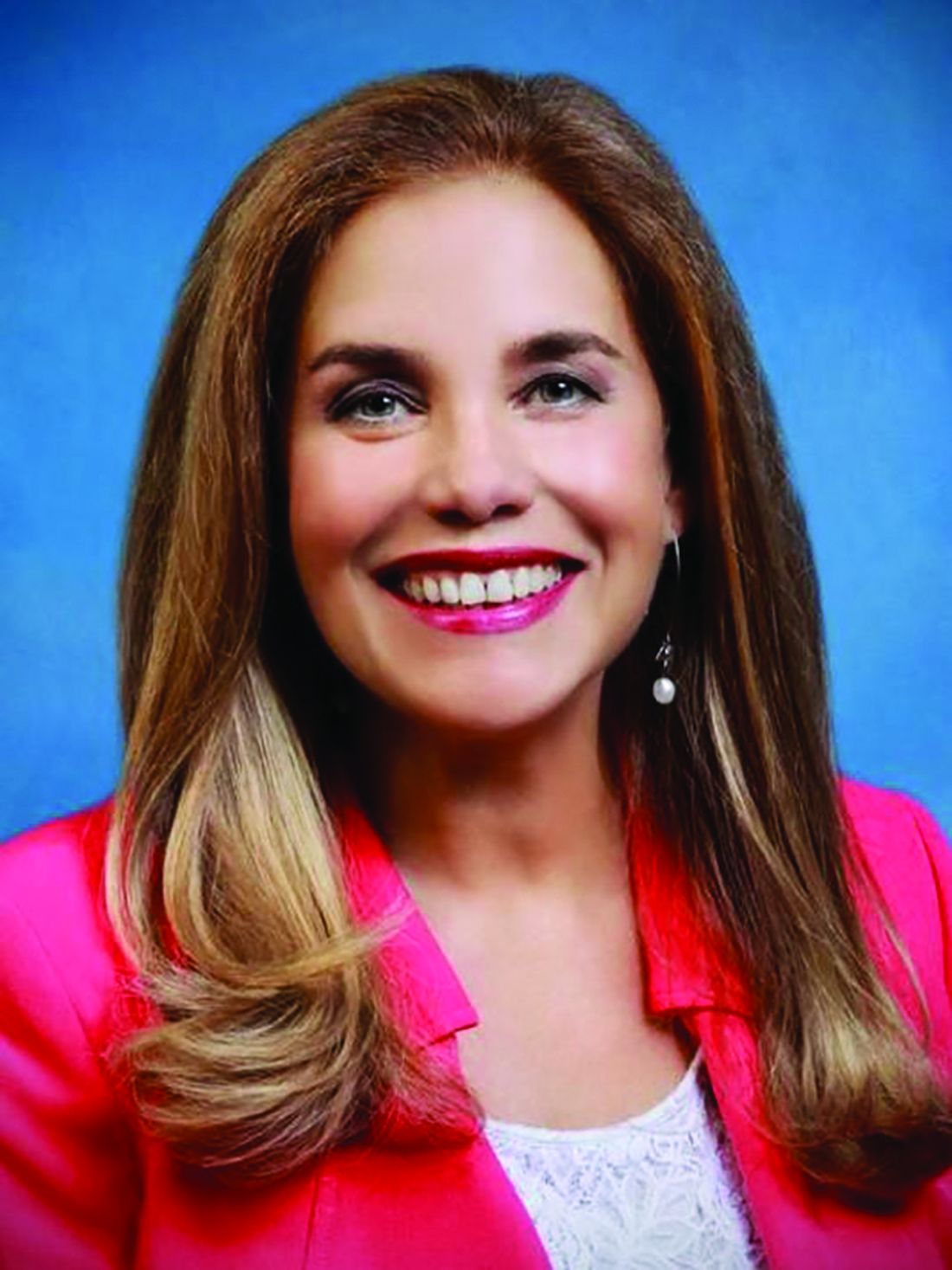
“Combination treatment is the name of the game, but how do we convince our patients that what we chose is carefully orchestrated?” she said. “Combination therapy is much more effective, yet we’re always told, ‘keep it simple.’ The trick is to use combination products that have two or three medications in them — fixed combinations and products with excellent vehicles.”
No matter what treatment regimen is recommended for patients with acne, she continued, it should always include a topical retinoid. Tretinoin was the first topical retinoid approved for acne treatment in 1971, followed by adapalene in 1996, tazarotene in 1997, and trifarotene in 2019. According to a review article , topical retinoids inhibit the formation of microcomedones, reduce mature comedones and inflammatory lesions, enhance penetration of other drugs, reduce and prevent scarring, reduce hyperpigmentation, and maintain remission of acne.
More recently, authors of the 2024 American Academy of Dermatology guidelines of care for the management of acne vulgaris strongly recommended the use of topical retinoids based on moderate certainty evidence in the medial literature. Strong recommendations are also made for benzoyl peroxide, topical antibiotics, and oral doxycycline.
Baldwin noted that the benefits of retinoids include their comedolytic and anti-comedogenic properties, their effectiveness in treating inflammatory lesions, and their suitability for long-term maintenance. However, their drawbacks involve the potential for irritancy, which can be concentration- and vehicle-dependent.
Irritancy “maxes out at 1-2 weeks, but the problem is you lose the patient at 2 weeks unless they know it’s coming,” she said, noting that she once heard the 2-week mark characterized as a “crisis of confidence.” Patients “came in with a bunch of pimples, and now they’re red and flaky and burning and stinging [from the retinoid], yet they still have pimples,” Baldwin said. “You really need to talk them through that 2-week mark [or] they’re going to stop the medication.”
To improve retinoid tolerability, Baldwin offered the following tips:
- Use a pea-sized amount for the entire affected area and avoid spot treatments.
- Start with every other day application.
- Moisturize regularly, possibly applying moisturizer before the retinoid.
- Consider switching to a different formulation with an alternative vehicle or retinoid delivery system. Adapalene and tazarotene are the only retinoids that have proven to be stable in the presence of benzoyl peroxide, she said.
- Be persistent. “There is no such thing as a patient who cannot tolerate a retinoid,” said Baldwin, the lead author of a review on the evolution of topical retinoids for acne. “It’s because of a provider who failed to provide a sufficient amount of information to allow the patient to eventually be able to tolerate a retinoid.”
Baldwin also referred to an independent meta-analysis of 221 trials comparing the efficacy of pharmacological therapies for acne in patients of any age, which found that the percentage reduction in total lesion count, compared with placebo, was the highest with oral isotretinoin (mean difference [MD], 48.41; P = 1.00), followed by triple therapy containing a topical antibiotic, a topical retinoid, and benzoyl peroxide (MD, 38.15; P = .95), and by triple therapy containing an oral antibiotic, a topical retinoid, and benzoyl peroxide (MD, 34.83; P = .90).
Baldwin is a former president of the American Acne & Rosacea Society and is the SDPA conference medical director. She disclosed being a speaker, consultant, and/or an advisory board member for Almirall, Arcutis, Bausch, Beiersdorf, Cutera, Galderma, Journey, Kenvue, La Roche-Posay, L’Oreal, Sanofi, Sun Pharma, and Tarsus Pharmaceuticals.
A version of this article appeared on Medscape.com.
LAS VEGAS —
Patients with successfully treated acne typically use an average of 2.53 different medications, Baldwin, director of the Acne Treatment & Research Center, Brooklyn, New York, said at the Society of Dermatology Physician Associates (SDPA) 22nd Annual Fall Dermatology Conference.
“Combination treatment is the name of the game, but how do we convince our patients that what we chose is carefully orchestrated?” she said. “Combination therapy is much more effective, yet we’re always told, ‘keep it simple.’ The trick is to use combination products that have two or three medications in them — fixed combinations and products with excellent vehicles.”
No matter what treatment regimen is recommended for patients with acne, she continued, it should always include a topical retinoid. Tretinoin was the first topical retinoid approved for acne treatment in 1971, followed by adapalene in 1996, tazarotene in 1997, and trifarotene in 2019. According to a review article , topical retinoids inhibit the formation of microcomedones, reduce mature comedones and inflammatory lesions, enhance penetration of other drugs, reduce and prevent scarring, reduce hyperpigmentation, and maintain remission of acne.
More recently, authors of the 2024 American Academy of Dermatology guidelines of care for the management of acne vulgaris strongly recommended the use of topical retinoids based on moderate certainty evidence in the medial literature. Strong recommendations are also made for benzoyl peroxide, topical antibiotics, and oral doxycycline.
Baldwin noted that the benefits of retinoids include their comedolytic and anti-comedogenic properties, their effectiveness in treating inflammatory lesions, and their suitability for long-term maintenance. However, their drawbacks involve the potential for irritancy, which can be concentration- and vehicle-dependent.
Irritancy “maxes out at 1-2 weeks, but the problem is you lose the patient at 2 weeks unless they know it’s coming,” she said, noting that she once heard the 2-week mark characterized as a “crisis of confidence.” Patients “came in with a bunch of pimples, and now they’re red and flaky and burning and stinging [from the retinoid], yet they still have pimples,” Baldwin said. “You really need to talk them through that 2-week mark [or] they’re going to stop the medication.”
To improve retinoid tolerability, Baldwin offered the following tips:
- Use a pea-sized amount for the entire affected area and avoid spot treatments.
- Start with every other day application.
- Moisturize regularly, possibly applying moisturizer before the retinoid.
- Consider switching to a different formulation with an alternative vehicle or retinoid delivery system. Adapalene and tazarotene are the only retinoids that have proven to be stable in the presence of benzoyl peroxide, she said.
- Be persistent. “There is no such thing as a patient who cannot tolerate a retinoid,” said Baldwin, the lead author of a review on the evolution of topical retinoids for acne. “It’s because of a provider who failed to provide a sufficient amount of information to allow the patient to eventually be able to tolerate a retinoid.”
Baldwin also referred to an independent meta-analysis of 221 trials comparing the efficacy of pharmacological therapies for acne in patients of any age, which found that the percentage reduction in total lesion count, compared with placebo, was the highest with oral isotretinoin (mean difference [MD], 48.41; P = 1.00), followed by triple therapy containing a topical antibiotic, a topical retinoid, and benzoyl peroxide (MD, 38.15; P = .95), and by triple therapy containing an oral antibiotic, a topical retinoid, and benzoyl peroxide (MD, 34.83; P = .90).
Baldwin is a former president of the American Acne & Rosacea Society and is the SDPA conference medical director. She disclosed being a speaker, consultant, and/or an advisory board member for Almirall, Arcutis, Bausch, Beiersdorf, Cutera, Galderma, Journey, Kenvue, La Roche-Posay, L’Oreal, Sanofi, Sun Pharma, and Tarsus Pharmaceuticals.
A version of this article appeared on Medscape.com.
LAS VEGAS —
Patients with successfully treated acne typically use an average of 2.53 different medications, Baldwin, director of the Acne Treatment & Research Center, Brooklyn, New York, said at the Society of Dermatology Physician Associates (SDPA) 22nd Annual Fall Dermatology Conference.
“Combination treatment is the name of the game, but how do we convince our patients that what we chose is carefully orchestrated?” she said. “Combination therapy is much more effective, yet we’re always told, ‘keep it simple.’ The trick is to use combination products that have two or three medications in them — fixed combinations and products with excellent vehicles.”
No matter what treatment regimen is recommended for patients with acne, she continued, it should always include a topical retinoid. Tretinoin was the first topical retinoid approved for acne treatment in 1971, followed by adapalene in 1996, tazarotene in 1997, and trifarotene in 2019. According to a review article , topical retinoids inhibit the formation of microcomedones, reduce mature comedones and inflammatory lesions, enhance penetration of other drugs, reduce and prevent scarring, reduce hyperpigmentation, and maintain remission of acne.
More recently, authors of the 2024 American Academy of Dermatology guidelines of care for the management of acne vulgaris strongly recommended the use of topical retinoids based on moderate certainty evidence in the medial literature. Strong recommendations are also made for benzoyl peroxide, topical antibiotics, and oral doxycycline.
Baldwin noted that the benefits of retinoids include their comedolytic and anti-comedogenic properties, their effectiveness in treating inflammatory lesions, and their suitability for long-term maintenance. However, their drawbacks involve the potential for irritancy, which can be concentration- and vehicle-dependent.
Irritancy “maxes out at 1-2 weeks, but the problem is you lose the patient at 2 weeks unless they know it’s coming,” she said, noting that she once heard the 2-week mark characterized as a “crisis of confidence.” Patients “came in with a bunch of pimples, and now they’re red and flaky and burning and stinging [from the retinoid], yet they still have pimples,” Baldwin said. “You really need to talk them through that 2-week mark [or] they’re going to stop the medication.”
To improve retinoid tolerability, Baldwin offered the following tips:
- Use a pea-sized amount for the entire affected area and avoid spot treatments.
- Start with every other day application.
- Moisturize regularly, possibly applying moisturizer before the retinoid.
- Consider switching to a different formulation with an alternative vehicle or retinoid delivery system. Adapalene and tazarotene are the only retinoids that have proven to be stable in the presence of benzoyl peroxide, she said.
- Be persistent. “There is no such thing as a patient who cannot tolerate a retinoid,” said Baldwin, the lead author of a review on the evolution of topical retinoids for acne. “It’s because of a provider who failed to provide a sufficient amount of information to allow the patient to eventually be able to tolerate a retinoid.”
Baldwin also referred to an independent meta-analysis of 221 trials comparing the efficacy of pharmacological therapies for acne in patients of any age, which found that the percentage reduction in total lesion count, compared with placebo, was the highest with oral isotretinoin (mean difference [MD], 48.41; P = 1.00), followed by triple therapy containing a topical antibiotic, a topical retinoid, and benzoyl peroxide (MD, 38.15; P = .95), and by triple therapy containing an oral antibiotic, a topical retinoid, and benzoyl peroxide (MD, 34.83; P = .90).
Baldwin is a former president of the American Acne & Rosacea Society and is the SDPA conference medical director. She disclosed being a speaker, consultant, and/or an advisory board member for Almirall, Arcutis, Bausch, Beiersdorf, Cutera, Galderma, Journey, Kenvue, La Roche-Posay, L’Oreal, Sanofi, Sun Pharma, and Tarsus Pharmaceuticals.
A version of this article appeared on Medscape.com.
FROM SDPA 2024
A New and Early Predictor of Dementia?
, in new findings that may provide a potential opportunity to identify high-risk populations for targeted enrollment in clinical trials of dementia prevention and treatment.
Results of an international study assessing frailty trajectories showed frailty levels notably increased in the 4-9 years before dementia diagnosis. Even among study participants whose baseline frailty measurement was taken prior to that acceleration period, frailty was still positively associated with dementia risk, the investigators noted.
“We found that with every four to five additional health problems, there is on average a 40% higher risk of developing dementia, while the risk is lower for people who are more physically fit,” said study investigator David Ward, PhD, of the Centre for Health Services Research, The University of Queensland, Brisbane, Australia.
The findings were published online in JAMA Neurology.
A Promising Biomarker
An accessible biomarker for both biologic age and dementia risk is essential for advancing dementia prevention and treatment strategies, the investigators noted, adding that growing evidence suggests frailty may be a promising candidate for this role.
To learn more about the association between frailty and dementia, Ward and his team analyzed data on 29,849 participants aged 60 years or above (mean age, 71.6 years; 62% women) who participated in four cohort studies: the English Longitudinal Study of Ageing (ELSA; n = 6771), the Health and Retirement Study (HRS; n = 9045), the Rush Memory and Aging Project (MAP; n = 1451), and the National Alzheimer’s Coordinating Center (NACC; n = 12,582).
The primary outcome was all-cause dementia. Depending on the cohort, dementia diagnoses were determined through cognitive testing, self- or family report of physician diagnosis, or a diagnosis by the study physician. Participants were excluded if they had cognitive impairment at baseline.
Investigators retrospectively determined frailty index scores by gathering information on health and functional outcomes for participants from each cohort. Only participants with frailty data on at least 30 deficits were included.
Commonly included deficits included high blood pressure, cancer, and chronic pain, as well as functional problems such as hearing impairment, difficulty with mobility, and challenges managing finances.
Investigators conducted follow-up visits with participants until they developed dementia or until the study ended, with follow-up periods varying across cohorts.
After adjustment for potential confounders, frailty scores were modeled using backward time scales.
Among participants who developed incident dementia (n = 3154), covariate-adjusted expected frailty index scores were, on average, higher in women than in men by 18.5% in ELSA, 20.9% in HRS, and 16.2% in MAP. There were no differences in frailty scores between sexes in the NACC cohort.
When measured on a timeline, as compared with those who didn’t develop dementia, frailty scores were significantly and consistently higher in the dementia groups 8-20 before dementia onset (20 years in HRS; 13 in MAP; 12 in ELSA; 8 in NACC).
Increases in the rates of frailty index scores began accelerating 4-9 years before dementia onset for the various cohorts, investigators noted.
In all four cohorts, each 0.1 increase in frailty scores was positively associated with increased dementia risk.
Adjusted hazard ratios [aHRs] ranged from 1.18 in the HRS cohort to 1.73 in the NACC cohort, which showed the strongest association.
In participants whose baseline frailty measurement was conducted before the predementia acceleration period began, the association of frailty scores and dementia risk was positive. These aHRs ranged from 1.18 in the HRS cohort to 1.43 in the NACC cohort.
The ‘Four Pillars’ of Prevention
The good news, investigators said, is that the long trajectory of frailty symptoms preceding dementia onset provides plenty of opportunity for intervention.
To slow the development of frailty, Ward suggested adhering to the “four pillars of frailty prevention and management,” which include good nutrition with plenty of protein, exercise, optimizing medications for chronic conditions, and maintaining a strong social network.
Ward suggested neurologists track frailty in their patients and pointed to a recent article focused on helping neurologists use frailty measures to influence care planning.
Study limitations include the possibility of reverse causality and the fact that investigators could not adjust for genetic risk for dementia.
Unclear Pathway
Commenting on the findings, Lycia Neumann, PhD, senior director of Health Services Research at the Alzheimer’s Association, noted that many studies over the years have shown a link between frailty and dementia. However, she cautioned that a link does not imply causation.
The pathway from frailty to dementia is not 100% clear, and both are complex conditions, said Neumann, who was not part of the study.
“Adopting healthy lifestyle behaviors early and consistently can help decrease the risk of — or postpone the onset of — both frailty and cognitive decline,” she said. Neumann added that physical activity, a healthy diet, social engagement, and controlling diabetes and blood pressure can also reduce the risk for dementia as well as cardiovascular disease.
The study was funded in part by the Deep Dementia Phenotyping Network through the Frailty and Dementia Special Interest Group. Ward and Neumann reported no relevant financial relationships.
A version of this article appeared on Medscape.com.
, in new findings that may provide a potential opportunity to identify high-risk populations for targeted enrollment in clinical trials of dementia prevention and treatment.
Results of an international study assessing frailty trajectories showed frailty levels notably increased in the 4-9 years before dementia diagnosis. Even among study participants whose baseline frailty measurement was taken prior to that acceleration period, frailty was still positively associated with dementia risk, the investigators noted.
“We found that with every four to five additional health problems, there is on average a 40% higher risk of developing dementia, while the risk is lower for people who are more physically fit,” said study investigator David Ward, PhD, of the Centre for Health Services Research, The University of Queensland, Brisbane, Australia.
The findings were published online in JAMA Neurology.
A Promising Biomarker
An accessible biomarker for both biologic age and dementia risk is essential for advancing dementia prevention and treatment strategies, the investigators noted, adding that growing evidence suggests frailty may be a promising candidate for this role.
To learn more about the association between frailty and dementia, Ward and his team analyzed data on 29,849 participants aged 60 years or above (mean age, 71.6 years; 62% women) who participated in four cohort studies: the English Longitudinal Study of Ageing (ELSA; n = 6771), the Health and Retirement Study (HRS; n = 9045), the Rush Memory and Aging Project (MAP; n = 1451), and the National Alzheimer’s Coordinating Center (NACC; n = 12,582).
The primary outcome was all-cause dementia. Depending on the cohort, dementia diagnoses were determined through cognitive testing, self- or family report of physician diagnosis, or a diagnosis by the study physician. Participants were excluded if they had cognitive impairment at baseline.
Investigators retrospectively determined frailty index scores by gathering information on health and functional outcomes for participants from each cohort. Only participants with frailty data on at least 30 deficits were included.
Commonly included deficits included high blood pressure, cancer, and chronic pain, as well as functional problems such as hearing impairment, difficulty with mobility, and challenges managing finances.
Investigators conducted follow-up visits with participants until they developed dementia or until the study ended, with follow-up periods varying across cohorts.
After adjustment for potential confounders, frailty scores were modeled using backward time scales.
Among participants who developed incident dementia (n = 3154), covariate-adjusted expected frailty index scores were, on average, higher in women than in men by 18.5% in ELSA, 20.9% in HRS, and 16.2% in MAP. There were no differences in frailty scores between sexes in the NACC cohort.
When measured on a timeline, as compared with those who didn’t develop dementia, frailty scores were significantly and consistently higher in the dementia groups 8-20 before dementia onset (20 years in HRS; 13 in MAP; 12 in ELSA; 8 in NACC).
Increases in the rates of frailty index scores began accelerating 4-9 years before dementia onset for the various cohorts, investigators noted.
In all four cohorts, each 0.1 increase in frailty scores was positively associated with increased dementia risk.
Adjusted hazard ratios [aHRs] ranged from 1.18 in the HRS cohort to 1.73 in the NACC cohort, which showed the strongest association.
In participants whose baseline frailty measurement was conducted before the predementia acceleration period began, the association of frailty scores and dementia risk was positive. These aHRs ranged from 1.18 in the HRS cohort to 1.43 in the NACC cohort.
The ‘Four Pillars’ of Prevention
The good news, investigators said, is that the long trajectory of frailty symptoms preceding dementia onset provides plenty of opportunity for intervention.
To slow the development of frailty, Ward suggested adhering to the “four pillars of frailty prevention and management,” which include good nutrition with plenty of protein, exercise, optimizing medications for chronic conditions, and maintaining a strong social network.
Ward suggested neurologists track frailty in their patients and pointed to a recent article focused on helping neurologists use frailty measures to influence care planning.
Study limitations include the possibility of reverse causality and the fact that investigators could not adjust for genetic risk for dementia.
Unclear Pathway
Commenting on the findings, Lycia Neumann, PhD, senior director of Health Services Research at the Alzheimer’s Association, noted that many studies over the years have shown a link between frailty and dementia. However, she cautioned that a link does not imply causation.
The pathway from frailty to dementia is not 100% clear, and both are complex conditions, said Neumann, who was not part of the study.
“Adopting healthy lifestyle behaviors early and consistently can help decrease the risk of — or postpone the onset of — both frailty and cognitive decline,” she said. Neumann added that physical activity, a healthy diet, social engagement, and controlling diabetes and blood pressure can also reduce the risk for dementia as well as cardiovascular disease.
The study was funded in part by the Deep Dementia Phenotyping Network through the Frailty and Dementia Special Interest Group. Ward and Neumann reported no relevant financial relationships.
A version of this article appeared on Medscape.com.
, in new findings that may provide a potential opportunity to identify high-risk populations for targeted enrollment in clinical trials of dementia prevention and treatment.
Results of an international study assessing frailty trajectories showed frailty levels notably increased in the 4-9 years before dementia diagnosis. Even among study participants whose baseline frailty measurement was taken prior to that acceleration period, frailty was still positively associated with dementia risk, the investigators noted.
“We found that with every four to five additional health problems, there is on average a 40% higher risk of developing dementia, while the risk is lower for people who are more physically fit,” said study investigator David Ward, PhD, of the Centre for Health Services Research, The University of Queensland, Brisbane, Australia.
The findings were published online in JAMA Neurology.
A Promising Biomarker
An accessible biomarker for both biologic age and dementia risk is essential for advancing dementia prevention and treatment strategies, the investigators noted, adding that growing evidence suggests frailty may be a promising candidate for this role.
To learn more about the association between frailty and dementia, Ward and his team analyzed data on 29,849 participants aged 60 years or above (mean age, 71.6 years; 62% women) who participated in four cohort studies: the English Longitudinal Study of Ageing (ELSA; n = 6771), the Health and Retirement Study (HRS; n = 9045), the Rush Memory and Aging Project (MAP; n = 1451), and the National Alzheimer’s Coordinating Center (NACC; n = 12,582).
The primary outcome was all-cause dementia. Depending on the cohort, dementia diagnoses were determined through cognitive testing, self- or family report of physician diagnosis, or a diagnosis by the study physician. Participants were excluded if they had cognitive impairment at baseline.
Investigators retrospectively determined frailty index scores by gathering information on health and functional outcomes for participants from each cohort. Only participants with frailty data on at least 30 deficits were included.
Commonly included deficits included high blood pressure, cancer, and chronic pain, as well as functional problems such as hearing impairment, difficulty with mobility, and challenges managing finances.
Investigators conducted follow-up visits with participants until they developed dementia or until the study ended, with follow-up periods varying across cohorts.
After adjustment for potential confounders, frailty scores were modeled using backward time scales.
Among participants who developed incident dementia (n = 3154), covariate-adjusted expected frailty index scores were, on average, higher in women than in men by 18.5% in ELSA, 20.9% in HRS, and 16.2% in MAP. There were no differences in frailty scores between sexes in the NACC cohort.
When measured on a timeline, as compared with those who didn’t develop dementia, frailty scores were significantly and consistently higher in the dementia groups 8-20 before dementia onset (20 years in HRS; 13 in MAP; 12 in ELSA; 8 in NACC).
Increases in the rates of frailty index scores began accelerating 4-9 years before dementia onset for the various cohorts, investigators noted.
In all four cohorts, each 0.1 increase in frailty scores was positively associated with increased dementia risk.
Adjusted hazard ratios [aHRs] ranged from 1.18 in the HRS cohort to 1.73 in the NACC cohort, which showed the strongest association.
In participants whose baseline frailty measurement was conducted before the predementia acceleration period began, the association of frailty scores and dementia risk was positive. These aHRs ranged from 1.18 in the HRS cohort to 1.43 in the NACC cohort.
The ‘Four Pillars’ of Prevention
The good news, investigators said, is that the long trajectory of frailty symptoms preceding dementia onset provides plenty of opportunity for intervention.
To slow the development of frailty, Ward suggested adhering to the “four pillars of frailty prevention and management,” which include good nutrition with plenty of protein, exercise, optimizing medications for chronic conditions, and maintaining a strong social network.
Ward suggested neurologists track frailty in their patients and pointed to a recent article focused on helping neurologists use frailty measures to influence care planning.
Study limitations include the possibility of reverse causality and the fact that investigators could not adjust for genetic risk for dementia.
Unclear Pathway
Commenting on the findings, Lycia Neumann, PhD, senior director of Health Services Research at the Alzheimer’s Association, noted that many studies over the years have shown a link between frailty and dementia. However, she cautioned that a link does not imply causation.
The pathway from frailty to dementia is not 100% clear, and both are complex conditions, said Neumann, who was not part of the study.
“Adopting healthy lifestyle behaviors early and consistently can help decrease the risk of — or postpone the onset of — both frailty and cognitive decline,” she said. Neumann added that physical activity, a healthy diet, social engagement, and controlling diabetes and blood pressure can also reduce the risk for dementia as well as cardiovascular disease.
The study was funded in part by the Deep Dementia Phenotyping Network through the Frailty and Dementia Special Interest Group. Ward and Neumann reported no relevant financial relationships.
A version of this article appeared on Medscape.com.
A Child’s Picky Eating: Normal Phase or Health Concern?
PARIS — “My child is a poor eater” is a complaint frequently heard during medical consultations. Such concerns are often unjustified but a source of much parental frustration.
Marc Bellaïche, MD, a pediatrician at Robert-Debré Hospital in Paris, addressed this issue at France’s annual general medicine conference (JNMG 2024). His presentation focused on distinguishing between parental perception, typical childhood behaviors, and feeding issues that require intervention.
In assessing parental worries, tools such as The Montreal Children’s Hospital Feeding Scale for children aged 6 months to 6 years and the Baby Eating Behavior Questionnaire for those under 6 months can help identify and monitor feeding issues. Observing the child eat, when possible, is also valuable.
Key Phases and Development
Bellaïche focused on children under 6 years, as they frequently experience feeding challenges during critical development phases, such as weaning or when the child is able to sit up.
A phase of neophilia (interest in new foods) typically occurs before 12 months, followed by a phase of neophobia (fear of new foods) between ages 1 and 3 years. This neophobia is a normal part of neuropsychological, sensory, and taste development and can persist if a key developmental moment is marked by a choking incident, mealtime stress, or forced feeding. “Challenges differ between a difficult 3-year-old and a 6- or 7-year-old who still refuses new foods,” he explained.
Parental Pressure and Nutritional Balance
Nutritional balance is essential, but “parental pressure is often too high.” Parents worry because they see food as a “nutraceutical.” Bellaïche recommended defusing anxiety by keeping mealtimes calm, allowing the child to eat at their pace, avoiding force-feeding, keeping meals brief, and avoiding snacks. While “it’s important to stay vigilant — as it’s incorrect to assume a child won’t let themselves starve — most cases can be managed in general practice through parental guidance, empathy, and a positive approach.”
Monitoring growth and weight curves is crucial, with the Kanawati index (ratio of arm circumference to head circumference) being a reliable indicator for specialist referral if < 0.31. A varied diet is important for nutritional balance; when this isn’t achieved, continued consumption of toddler formula after age 3 can prevent iron and calcium deficiencies.
When eating difficulties are documented, healthcare providers should investigate for underlying organic, digestive, or extra-digestive diseases (neurologic, cardiac, renal, etc.). “It’s best not to hastily diagnose cow’s milk protein allergy,” Bellaïche advised, as cases are relatively rare and unnecessarily eliminating milk can complicate a child’s relationship with food. Similarly, gastroesophageal reflux disease should be objectively diagnosed to avoid unnecessary proton pump inhibitor treatment and associated side effects.
For children with low birth weight, mild congenital heart disease, or suggestive dysmorphology, consider evaluating for a genetic syndrome.
Avoidant/Restrictive Food Intake Disorder (ARFID)
ARFID is marked by a lack of interest in food and avoidance due to sensory characteristics. Often observed in anxious children, ARFID is diagnosed in approximately 20% of children with autism spectrum disorder, where food selectivity is prevalent. This condition can hinder a child’s development and may necessitate nutritional supplementation.
Case Profiles in Eating Issues
Bellaïche outlined three typical cases among children considered “picky eaters”:
- The small eater: Often near the lower growth curve limits, this child “grazes and doesn’t sit still.” These children are usually active and have a family history of similar eating habits. Parents should encourage psychomotor activities, discourage snacks outside of mealtimes, and consider fun family picnics on the floor, offering a mezze-style variety of foods.
- The child with a history of trauma: Children with trauma (from intubation, nasogastric tubes, severe vomiting, forced feeding, or choking) may develop aversions requiring behavioral intervention.
- The child with high sensory sensitivity: This child dislikes getting the hands dirty, avoids mouthing objects, or resists certain textures, such as grass and sand. Gradual behavioral approaches with sensory play and visually appealing new foods can be beneficial. Guided self-led food exploration (baby-led weaning) may also help, though dairy intake is often needed to prevent deficiencies during this stage.
Finally, gastroesophageal reflux disease or constipation can contribute to appetite loss. Studies have shown that treating these issues can improve appetite in small eaters.
This story was translated from Univadis France using several editorial tools, including AI, as part of the process. Human editors reviewed this content before publication. A version of this article appeared on Medscape.com.
PARIS — “My child is a poor eater” is a complaint frequently heard during medical consultations. Such concerns are often unjustified but a source of much parental frustration.
Marc Bellaïche, MD, a pediatrician at Robert-Debré Hospital in Paris, addressed this issue at France’s annual general medicine conference (JNMG 2024). His presentation focused on distinguishing between parental perception, typical childhood behaviors, and feeding issues that require intervention.
In assessing parental worries, tools such as The Montreal Children’s Hospital Feeding Scale for children aged 6 months to 6 years and the Baby Eating Behavior Questionnaire for those under 6 months can help identify and monitor feeding issues. Observing the child eat, when possible, is also valuable.
Key Phases and Development
Bellaïche focused on children under 6 years, as they frequently experience feeding challenges during critical development phases, such as weaning or when the child is able to sit up.
A phase of neophilia (interest in new foods) typically occurs before 12 months, followed by a phase of neophobia (fear of new foods) between ages 1 and 3 years. This neophobia is a normal part of neuropsychological, sensory, and taste development and can persist if a key developmental moment is marked by a choking incident, mealtime stress, or forced feeding. “Challenges differ between a difficult 3-year-old and a 6- or 7-year-old who still refuses new foods,” he explained.
Parental Pressure and Nutritional Balance
Nutritional balance is essential, but “parental pressure is often too high.” Parents worry because they see food as a “nutraceutical.” Bellaïche recommended defusing anxiety by keeping mealtimes calm, allowing the child to eat at their pace, avoiding force-feeding, keeping meals brief, and avoiding snacks. While “it’s important to stay vigilant — as it’s incorrect to assume a child won’t let themselves starve — most cases can be managed in general practice through parental guidance, empathy, and a positive approach.”
Monitoring growth and weight curves is crucial, with the Kanawati index (ratio of arm circumference to head circumference) being a reliable indicator for specialist referral if < 0.31. A varied diet is important for nutritional balance; when this isn’t achieved, continued consumption of toddler formula after age 3 can prevent iron and calcium deficiencies.
When eating difficulties are documented, healthcare providers should investigate for underlying organic, digestive, or extra-digestive diseases (neurologic, cardiac, renal, etc.). “It’s best not to hastily diagnose cow’s milk protein allergy,” Bellaïche advised, as cases are relatively rare and unnecessarily eliminating milk can complicate a child’s relationship with food. Similarly, gastroesophageal reflux disease should be objectively diagnosed to avoid unnecessary proton pump inhibitor treatment and associated side effects.
For children with low birth weight, mild congenital heart disease, or suggestive dysmorphology, consider evaluating for a genetic syndrome.
Avoidant/Restrictive Food Intake Disorder (ARFID)
ARFID is marked by a lack of interest in food and avoidance due to sensory characteristics. Often observed in anxious children, ARFID is diagnosed in approximately 20% of children with autism spectrum disorder, where food selectivity is prevalent. This condition can hinder a child’s development and may necessitate nutritional supplementation.
Case Profiles in Eating Issues
Bellaïche outlined three typical cases among children considered “picky eaters”:
- The small eater: Often near the lower growth curve limits, this child “grazes and doesn’t sit still.” These children are usually active and have a family history of similar eating habits. Parents should encourage psychomotor activities, discourage snacks outside of mealtimes, and consider fun family picnics on the floor, offering a mezze-style variety of foods.
- The child with a history of trauma: Children with trauma (from intubation, nasogastric tubes, severe vomiting, forced feeding, or choking) may develop aversions requiring behavioral intervention.
- The child with high sensory sensitivity: This child dislikes getting the hands dirty, avoids mouthing objects, or resists certain textures, such as grass and sand. Gradual behavioral approaches with sensory play and visually appealing new foods can be beneficial. Guided self-led food exploration (baby-led weaning) may also help, though dairy intake is often needed to prevent deficiencies during this stage.
Finally, gastroesophageal reflux disease or constipation can contribute to appetite loss. Studies have shown that treating these issues can improve appetite in small eaters.
This story was translated from Univadis France using several editorial tools, including AI, as part of the process. Human editors reviewed this content before publication. A version of this article appeared on Medscape.com.
PARIS — “My child is a poor eater” is a complaint frequently heard during medical consultations. Such concerns are often unjustified but a source of much parental frustration.
Marc Bellaïche, MD, a pediatrician at Robert-Debré Hospital in Paris, addressed this issue at France’s annual general medicine conference (JNMG 2024). His presentation focused on distinguishing between parental perception, typical childhood behaviors, and feeding issues that require intervention.
In assessing parental worries, tools such as The Montreal Children’s Hospital Feeding Scale for children aged 6 months to 6 years and the Baby Eating Behavior Questionnaire for those under 6 months can help identify and monitor feeding issues. Observing the child eat, when possible, is also valuable.
Key Phases and Development
Bellaïche focused on children under 6 years, as they frequently experience feeding challenges during critical development phases, such as weaning or when the child is able to sit up.
A phase of neophilia (interest in new foods) typically occurs before 12 months, followed by a phase of neophobia (fear of new foods) between ages 1 and 3 years. This neophobia is a normal part of neuropsychological, sensory, and taste development and can persist if a key developmental moment is marked by a choking incident, mealtime stress, or forced feeding. “Challenges differ between a difficult 3-year-old and a 6- or 7-year-old who still refuses new foods,” he explained.
Parental Pressure and Nutritional Balance
Nutritional balance is essential, but “parental pressure is often too high.” Parents worry because they see food as a “nutraceutical.” Bellaïche recommended defusing anxiety by keeping mealtimes calm, allowing the child to eat at their pace, avoiding force-feeding, keeping meals brief, and avoiding snacks. While “it’s important to stay vigilant — as it’s incorrect to assume a child won’t let themselves starve — most cases can be managed in general practice through parental guidance, empathy, and a positive approach.”
Monitoring growth and weight curves is crucial, with the Kanawati index (ratio of arm circumference to head circumference) being a reliable indicator for specialist referral if < 0.31. A varied diet is important for nutritional balance; when this isn’t achieved, continued consumption of toddler formula after age 3 can prevent iron and calcium deficiencies.
When eating difficulties are documented, healthcare providers should investigate for underlying organic, digestive, or extra-digestive diseases (neurologic, cardiac, renal, etc.). “It’s best not to hastily diagnose cow’s milk protein allergy,” Bellaïche advised, as cases are relatively rare and unnecessarily eliminating milk can complicate a child’s relationship with food. Similarly, gastroesophageal reflux disease should be objectively diagnosed to avoid unnecessary proton pump inhibitor treatment and associated side effects.
For children with low birth weight, mild congenital heart disease, or suggestive dysmorphology, consider evaluating for a genetic syndrome.
Avoidant/Restrictive Food Intake Disorder (ARFID)
ARFID is marked by a lack of interest in food and avoidance due to sensory characteristics. Often observed in anxious children, ARFID is diagnosed in approximately 20% of children with autism spectrum disorder, where food selectivity is prevalent. This condition can hinder a child’s development and may necessitate nutritional supplementation.
Case Profiles in Eating Issues
Bellaïche outlined three typical cases among children considered “picky eaters”:
- The small eater: Often near the lower growth curve limits, this child “grazes and doesn’t sit still.” These children are usually active and have a family history of similar eating habits. Parents should encourage psychomotor activities, discourage snacks outside of mealtimes, and consider fun family picnics on the floor, offering a mezze-style variety of foods.
- The child with a history of trauma: Children with trauma (from intubation, nasogastric tubes, severe vomiting, forced feeding, or choking) may develop aversions requiring behavioral intervention.
- The child with high sensory sensitivity: This child dislikes getting the hands dirty, avoids mouthing objects, or resists certain textures, such as grass and sand. Gradual behavioral approaches with sensory play and visually appealing new foods can be beneficial. Guided self-led food exploration (baby-led weaning) may also help, though dairy intake is often needed to prevent deficiencies during this stage.
Finally, gastroesophageal reflux disease or constipation can contribute to appetite loss. Studies have shown that treating these issues can improve appetite in small eaters.
This story was translated from Univadis France using several editorial tools, including AI, as part of the process. Human editors reviewed this content before publication. A version of this article appeared on Medscape.com.
FROM JNMG 2024
GLP-1 Prescribing Decisions: Compounded or Brand-Name?
Both Eli Lilly and Novo Nordisk have asked the Food and Drug Administration (FDA) to place their GLP-1 medications, tirzepatide and semaglutide, on its Demonstrable Difficulties for Compounding or DDC Lists, which would prohibit compounding the medications. Lawsuits are another issue. The Outsourcing Facility Association, a trade group, filed a lawsuit against the FDA, calling on it to restore tirzepatide to the shortage list after the FDA removed it on October 2, despite pharmacies still experiencing shortages, according to the association. The FDA is reevaluating the decision and won’t take action against compounders in the interim, with a joint status report scheduled for November 21.
In the midst of the lawsuits and pending decisions, healthcare providers are taking a variety of approaches when they need to decide between compounded vs brand-name GLP-1s for obesity treatment. The Alliance for Pharmacy Compounding, another trade group, offers a number of suggestions for doctors faced with compound or brand-name decisions and has a website tool to be sure a compounding pharmacy meets standards.
According to the FDA, a drug may be compounded for a patient who can’t be treated with an FDA-approved medication, such as a patient who has an allergy to a certain ingredient and needs medication to be made without it, or for a medication that appears on the FDA Drug Shortages List.
Here’s how five healthcare providers make the decision.
Physicians Weigh in
Hard pass: “I have no experience with compounded formulations by choice,” said W. Timothy Garvey, MD, MACE, an obesity specialist and the Charles E. Butterworth Jr professor and university professor at the University of Alabama at Birmingham. “I think our patients deserve better.”
However, he acknowledged: “This is a difficult situation when there is a lack of access to medications patients need.” Even so, “online prescriptions [for compounded medications] are often done without an evaluation for obesity complications and related diseases and ongoing active management, making a complications-centric approach to care impossible.”
That’s not the optimal approach to treating obesity or other chronic diseases, he said in an interview.
Rather than prescribe compounded GLP-1s for weight loss, he said, other options exist. Among them: Prescribe Ozempic off label for obesity.
“Plus, we have a good first-generation obesity medication — phentermine/topiramate — that gets close to 10% weight loss on average in clinical trials that is available and less expensive.”
Other options, he said, are to switch to lower doses of the brand name that may be available until the treatment dose needed is out of shortage status or, the less desirable option, wait for availability, which means the patient may be off the medication for a month or more.
He acknowledged none of these options solves “the problem of high costs [for brand-name drugs] and lack of insurance coverage.”
In agreement is Caroline Apovian, MD, codirector of the Center for Weight Management and Wellness at Brigham and Women’s Hospital and professor of medicine at Harvard Medical School, both in Boston, Massachusetts.
“Doctors who are obesity medicine specialists like myself in academic centers do not prescribe compounded semaglutide or tirzepatide,” she said.
Many of the compounded prescriptions, she said, come from telehealth virtual–only companies interested in profits.
Brand names preferred: “Brand-name versions as far as I’m concerned are always preferred,” said Sarah Stombaugh, MD, an obesity medicine and family medicine physician in Charlottesville, Virginia. She terms it irresponsible for a prescriber to give a patient a compounded GLP-1 if the patient has prescription coverage and the brand name is available.
Her approach: She first checks the patients’ coverage. Do they have coverage for these medications for obesity? If so, she said, she will do a prior authorization to get the brand name approved. If a brand name is available but not covered, she explores other options. One is the cash pay option for Zepbound in vials. It’s more affordable than the typical $1000 cash price for the brand name GLP-1s but still pricey, at about $400-$549 for lower doses.
She looks at drug makers’ discount coupons, or whether a patient with a history of cardiovascular issues might qualify for coverage on Wegovy. Another option is to give the patient a prescription for Mounjaro or Ozempic to fill from a Canadian pharmacy for about $400 a month.
“I think a lot of people jump quickly to compounding,” she said.
She views it as a last resort and reminds other healthcare providers that the compounded medications aren’t cheap, either, typically costing $100-$500 a month depending on dosage. And, she said, “we have many who get the brand name for $25 a month [by using discount cards and insurance coverage].”
When prescribing a compounded medication is necessary, it’s important for healthcare providers to know that the quality of the compounding pharmacies varies greatly, Stombaugh said. A prescriber needs to pick the compounding pharmacy, not the patient, and needs to vet it, she said, asking about protocols it follows for sterility and for chemical analysis, for instance.
Stombaugh is hopeful that several new medications under study and now in phase 3 trials will soon provide enough competition to drive down the price of the current brand-name GLP-1s.
History of mistrust: Robert Dubin, MD, associate professor of research at the Pennington Biomedical Research Center at Louisiana State University, Baton Rouge, and program director for its obesity medicine fellowship, sees a role for compounding and has for several years, but acknowledged that many in his community are against it.
He estimates that about 75% of his colleagues in the Baton Rouge area are opposed to prescribing compounded GLP-1s. He chalks it up to a “track record of distrust,” based on reports of infractions called out by the FDA for some compounding pharmacies as well as physicians not being familiar with the process.
Dubin said he will prescribe a compounded medication if the brand name isn’t available. Cost is also a consideration. “If there’s not a problem with availability and there’s not a problem with cost, then why compound?”
For anyone considering prescribing compounded GLP-1s, he said, “The first step, I believe, is having a relationship with the compounding pharmacy. If you don’t have that, it could be very difficult. We don’t want to send people to a black hole, and we aren’t sure what is going to happen.” He urges colleagues to educate themselves about compounding pharmacies.
Official shortage list vs real world: “The official shortage list doesn’t always reflect the real world,” said Amanda Guarniere, NP, a nurse practitioner with a self-pay telehealth and in-person practice and director of growth for Collaborating Docs, a service based in Arlington, Virginia, that pairs nurse practitioners with supervising physicians.
“When Zepbound and Mounjaro came off the [FDA] shortage list a few weeks ago, patients were still calling around and couldn’t find it in their county.”
It’s important to vet compounding pharmacies before dealing with them, she said.
“I have accounts with two compounding pharmacies who I trust,” she said. She’s researched their quality control provided and is comfortable with their standards. When appropriate, the cost savings of compounded GLP-1s over brand name is “pretty significant,” with compounded medicine costs about 20% of brand-name costs.
When the brand name is back, how might a prescriber still write a prescription for a compounded version? “Compounded versions are typically compounded with something else,” Guarniere said.
For instance, compounded tirzepatide often includes vitamin B12 and other B vitamins, which may help with the side effect of nausea. So a prescriber might decide that the compounded prescription is more appropriate and justified because the patient would benefit from the additive, she said.
What Else to Know: Alliance Views
On November 7, the Alliance for Pharmacy Compounding, a trade group, responded to Lilly’s request to put tirzepatide on the “demonstrably difficult to compound (DDC)” list, asking the FDA to deny it. The group also took issue with criticism of compounded GLP-1s from the Novo Nordisk CEO.
The alliance offers perspective and a number of suggestions for doctors faced with compound or brand-name decisions, including using its website tool called “Is It Legit?” to be sure a compounding pharmacy meets standards.
“When these [GLP-1] drugs came out, I don’t think anybody anticipated them to be such blockbusters,” said Tenille Davis, PharmD, a board-certified sterile compounding pharmacist and chief advocacy officer for the Alliance for Pharmacy Compounding. Shortages have plagued the GLP-1s since their approvals, with Wegovy approved on June 4, 2021, and Eli Lilly’s Zepbound on November 8, 2023.
The proposed “Demonstrably Difficult to Compound (DDC)” rule, published in March 2024, aims to finalize the six criteria for a medication to land on that list, she said. No drugs are currently on this list, Davis said.
For now, she said, prescribers faced with a compound vs brand-name decision should be aware of the pending lawsuit concerning tirzepatide and that the FDA has said it will cease most enforcement action until 2 weeks after it reviews the decision to remove the medication from the shortage list and issues a new determination.
Davis suggests prescribers have conversations now with their patients about their options and to tell them it may be necessary to transition from the compounded medicines to brand name. “This may require insurance prior authorizations, so if they are going to transition from compounded tirzepatide to Zepbound and Mounjaro, it’s good to start the process sooner rather than later so there isn’t an interruption in care.”
Earlier in 2024, the three leading obesity organizations issued a statement, advising patients that they do not recommend the use of compounded GLP-1s.
Garvey is a consultant on advisory boards for Eli Lilly, Novo Nordisk, and several other pharmaceutical companies. Apovian had no relevant disclosures. Stombaugh, Dubin, and Guarniere had no disclosures.
A version of this article appeared on Medscape.com.
Both Eli Lilly and Novo Nordisk have asked the Food and Drug Administration (FDA) to place their GLP-1 medications, tirzepatide and semaglutide, on its Demonstrable Difficulties for Compounding or DDC Lists, which would prohibit compounding the medications. Lawsuits are another issue. The Outsourcing Facility Association, a trade group, filed a lawsuit against the FDA, calling on it to restore tirzepatide to the shortage list after the FDA removed it on October 2, despite pharmacies still experiencing shortages, according to the association. The FDA is reevaluating the decision and won’t take action against compounders in the interim, with a joint status report scheduled for November 21.
In the midst of the lawsuits and pending decisions, healthcare providers are taking a variety of approaches when they need to decide between compounded vs brand-name GLP-1s for obesity treatment. The Alliance for Pharmacy Compounding, another trade group, offers a number of suggestions for doctors faced with compound or brand-name decisions and has a website tool to be sure a compounding pharmacy meets standards.
According to the FDA, a drug may be compounded for a patient who can’t be treated with an FDA-approved medication, such as a patient who has an allergy to a certain ingredient and needs medication to be made without it, or for a medication that appears on the FDA Drug Shortages List.
Here’s how five healthcare providers make the decision.
Physicians Weigh in
Hard pass: “I have no experience with compounded formulations by choice,” said W. Timothy Garvey, MD, MACE, an obesity specialist and the Charles E. Butterworth Jr professor and university professor at the University of Alabama at Birmingham. “I think our patients deserve better.”
However, he acknowledged: “This is a difficult situation when there is a lack of access to medications patients need.” Even so, “online prescriptions [for compounded medications] are often done without an evaluation for obesity complications and related diseases and ongoing active management, making a complications-centric approach to care impossible.”
That’s not the optimal approach to treating obesity or other chronic diseases, he said in an interview.
Rather than prescribe compounded GLP-1s for weight loss, he said, other options exist. Among them: Prescribe Ozempic off label for obesity.
“Plus, we have a good first-generation obesity medication — phentermine/topiramate — that gets close to 10% weight loss on average in clinical trials that is available and less expensive.”
Other options, he said, are to switch to lower doses of the brand name that may be available until the treatment dose needed is out of shortage status or, the less desirable option, wait for availability, which means the patient may be off the medication for a month or more.
He acknowledged none of these options solves “the problem of high costs [for brand-name drugs] and lack of insurance coverage.”
In agreement is Caroline Apovian, MD, codirector of the Center for Weight Management and Wellness at Brigham and Women’s Hospital and professor of medicine at Harvard Medical School, both in Boston, Massachusetts.
“Doctors who are obesity medicine specialists like myself in academic centers do not prescribe compounded semaglutide or tirzepatide,” she said.
Many of the compounded prescriptions, she said, come from telehealth virtual–only companies interested in profits.
Brand names preferred: “Brand-name versions as far as I’m concerned are always preferred,” said Sarah Stombaugh, MD, an obesity medicine and family medicine physician in Charlottesville, Virginia. She terms it irresponsible for a prescriber to give a patient a compounded GLP-1 if the patient has prescription coverage and the brand name is available.
Her approach: She first checks the patients’ coverage. Do they have coverage for these medications for obesity? If so, she said, she will do a prior authorization to get the brand name approved. If a brand name is available but not covered, she explores other options. One is the cash pay option for Zepbound in vials. It’s more affordable than the typical $1000 cash price for the brand name GLP-1s but still pricey, at about $400-$549 for lower doses.
She looks at drug makers’ discount coupons, or whether a patient with a history of cardiovascular issues might qualify for coverage on Wegovy. Another option is to give the patient a prescription for Mounjaro or Ozempic to fill from a Canadian pharmacy for about $400 a month.
“I think a lot of people jump quickly to compounding,” she said.
She views it as a last resort and reminds other healthcare providers that the compounded medications aren’t cheap, either, typically costing $100-$500 a month depending on dosage. And, she said, “we have many who get the brand name for $25 a month [by using discount cards and insurance coverage].”
When prescribing a compounded medication is necessary, it’s important for healthcare providers to know that the quality of the compounding pharmacies varies greatly, Stombaugh said. A prescriber needs to pick the compounding pharmacy, not the patient, and needs to vet it, she said, asking about protocols it follows for sterility and for chemical analysis, for instance.
Stombaugh is hopeful that several new medications under study and now in phase 3 trials will soon provide enough competition to drive down the price of the current brand-name GLP-1s.
History of mistrust: Robert Dubin, MD, associate professor of research at the Pennington Biomedical Research Center at Louisiana State University, Baton Rouge, and program director for its obesity medicine fellowship, sees a role for compounding and has for several years, but acknowledged that many in his community are against it.
He estimates that about 75% of his colleagues in the Baton Rouge area are opposed to prescribing compounded GLP-1s. He chalks it up to a “track record of distrust,” based on reports of infractions called out by the FDA for some compounding pharmacies as well as physicians not being familiar with the process.
Dubin said he will prescribe a compounded medication if the brand name isn’t available. Cost is also a consideration. “If there’s not a problem with availability and there’s not a problem with cost, then why compound?”
For anyone considering prescribing compounded GLP-1s, he said, “The first step, I believe, is having a relationship with the compounding pharmacy. If you don’t have that, it could be very difficult. We don’t want to send people to a black hole, and we aren’t sure what is going to happen.” He urges colleagues to educate themselves about compounding pharmacies.
Official shortage list vs real world: “The official shortage list doesn’t always reflect the real world,” said Amanda Guarniere, NP, a nurse practitioner with a self-pay telehealth and in-person practice and director of growth for Collaborating Docs, a service based in Arlington, Virginia, that pairs nurse practitioners with supervising physicians.
“When Zepbound and Mounjaro came off the [FDA] shortage list a few weeks ago, patients were still calling around and couldn’t find it in their county.”
It’s important to vet compounding pharmacies before dealing with them, she said.
“I have accounts with two compounding pharmacies who I trust,” she said. She’s researched their quality control provided and is comfortable with their standards. When appropriate, the cost savings of compounded GLP-1s over brand name is “pretty significant,” with compounded medicine costs about 20% of brand-name costs.
When the brand name is back, how might a prescriber still write a prescription for a compounded version? “Compounded versions are typically compounded with something else,” Guarniere said.
For instance, compounded tirzepatide often includes vitamin B12 and other B vitamins, which may help with the side effect of nausea. So a prescriber might decide that the compounded prescription is more appropriate and justified because the patient would benefit from the additive, she said.
What Else to Know: Alliance Views
On November 7, the Alliance for Pharmacy Compounding, a trade group, responded to Lilly’s request to put tirzepatide on the “demonstrably difficult to compound (DDC)” list, asking the FDA to deny it. The group also took issue with criticism of compounded GLP-1s from the Novo Nordisk CEO.
The alliance offers perspective and a number of suggestions for doctors faced with compound or brand-name decisions, including using its website tool called “Is It Legit?” to be sure a compounding pharmacy meets standards.
“When these [GLP-1] drugs came out, I don’t think anybody anticipated them to be such blockbusters,” said Tenille Davis, PharmD, a board-certified sterile compounding pharmacist and chief advocacy officer for the Alliance for Pharmacy Compounding. Shortages have plagued the GLP-1s since their approvals, with Wegovy approved on June 4, 2021, and Eli Lilly’s Zepbound on November 8, 2023.
The proposed “Demonstrably Difficult to Compound (DDC)” rule, published in March 2024, aims to finalize the six criteria for a medication to land on that list, she said. No drugs are currently on this list, Davis said.
For now, she said, prescribers faced with a compound vs brand-name decision should be aware of the pending lawsuit concerning tirzepatide and that the FDA has said it will cease most enforcement action until 2 weeks after it reviews the decision to remove the medication from the shortage list and issues a new determination.
Davis suggests prescribers have conversations now with their patients about their options and to tell them it may be necessary to transition from the compounded medicines to brand name. “This may require insurance prior authorizations, so if they are going to transition from compounded tirzepatide to Zepbound and Mounjaro, it’s good to start the process sooner rather than later so there isn’t an interruption in care.”
Earlier in 2024, the three leading obesity organizations issued a statement, advising patients that they do not recommend the use of compounded GLP-1s.
Garvey is a consultant on advisory boards for Eli Lilly, Novo Nordisk, and several other pharmaceutical companies. Apovian had no relevant disclosures. Stombaugh, Dubin, and Guarniere had no disclosures.
A version of this article appeared on Medscape.com.
Both Eli Lilly and Novo Nordisk have asked the Food and Drug Administration (FDA) to place their GLP-1 medications, tirzepatide and semaglutide, on its Demonstrable Difficulties for Compounding or DDC Lists, which would prohibit compounding the medications. Lawsuits are another issue. The Outsourcing Facility Association, a trade group, filed a lawsuit against the FDA, calling on it to restore tirzepatide to the shortage list after the FDA removed it on October 2, despite pharmacies still experiencing shortages, according to the association. The FDA is reevaluating the decision and won’t take action against compounders in the interim, with a joint status report scheduled for November 21.
In the midst of the lawsuits and pending decisions, healthcare providers are taking a variety of approaches when they need to decide between compounded vs brand-name GLP-1s for obesity treatment. The Alliance for Pharmacy Compounding, another trade group, offers a number of suggestions for doctors faced with compound or brand-name decisions and has a website tool to be sure a compounding pharmacy meets standards.
According to the FDA, a drug may be compounded for a patient who can’t be treated with an FDA-approved medication, such as a patient who has an allergy to a certain ingredient and needs medication to be made without it, or for a medication that appears on the FDA Drug Shortages List.
Here’s how five healthcare providers make the decision.
Physicians Weigh in
Hard pass: “I have no experience with compounded formulations by choice,” said W. Timothy Garvey, MD, MACE, an obesity specialist and the Charles E. Butterworth Jr professor and university professor at the University of Alabama at Birmingham. “I think our patients deserve better.”
However, he acknowledged: “This is a difficult situation when there is a lack of access to medications patients need.” Even so, “online prescriptions [for compounded medications] are often done without an evaluation for obesity complications and related diseases and ongoing active management, making a complications-centric approach to care impossible.”
That’s not the optimal approach to treating obesity or other chronic diseases, he said in an interview.
Rather than prescribe compounded GLP-1s for weight loss, he said, other options exist. Among them: Prescribe Ozempic off label for obesity.
“Plus, we have a good first-generation obesity medication — phentermine/topiramate — that gets close to 10% weight loss on average in clinical trials that is available and less expensive.”
Other options, he said, are to switch to lower doses of the brand name that may be available until the treatment dose needed is out of shortage status or, the less desirable option, wait for availability, which means the patient may be off the medication for a month or more.
He acknowledged none of these options solves “the problem of high costs [for brand-name drugs] and lack of insurance coverage.”
In agreement is Caroline Apovian, MD, codirector of the Center for Weight Management and Wellness at Brigham and Women’s Hospital and professor of medicine at Harvard Medical School, both in Boston, Massachusetts.
“Doctors who are obesity medicine specialists like myself in academic centers do not prescribe compounded semaglutide or tirzepatide,” she said.
Many of the compounded prescriptions, she said, come from telehealth virtual–only companies interested in profits.
Brand names preferred: “Brand-name versions as far as I’m concerned are always preferred,” said Sarah Stombaugh, MD, an obesity medicine and family medicine physician in Charlottesville, Virginia. She terms it irresponsible for a prescriber to give a patient a compounded GLP-1 if the patient has prescription coverage and the brand name is available.
Her approach: She first checks the patients’ coverage. Do they have coverage for these medications for obesity? If so, she said, she will do a prior authorization to get the brand name approved. If a brand name is available but not covered, she explores other options. One is the cash pay option for Zepbound in vials. It’s more affordable than the typical $1000 cash price for the brand name GLP-1s but still pricey, at about $400-$549 for lower doses.
She looks at drug makers’ discount coupons, or whether a patient with a history of cardiovascular issues might qualify for coverage on Wegovy. Another option is to give the patient a prescription for Mounjaro or Ozempic to fill from a Canadian pharmacy for about $400 a month.
“I think a lot of people jump quickly to compounding,” she said.
She views it as a last resort and reminds other healthcare providers that the compounded medications aren’t cheap, either, typically costing $100-$500 a month depending on dosage. And, she said, “we have many who get the brand name for $25 a month [by using discount cards and insurance coverage].”
When prescribing a compounded medication is necessary, it’s important for healthcare providers to know that the quality of the compounding pharmacies varies greatly, Stombaugh said. A prescriber needs to pick the compounding pharmacy, not the patient, and needs to vet it, she said, asking about protocols it follows for sterility and for chemical analysis, for instance.
Stombaugh is hopeful that several new medications under study and now in phase 3 trials will soon provide enough competition to drive down the price of the current brand-name GLP-1s.
History of mistrust: Robert Dubin, MD, associate professor of research at the Pennington Biomedical Research Center at Louisiana State University, Baton Rouge, and program director for its obesity medicine fellowship, sees a role for compounding and has for several years, but acknowledged that many in his community are against it.
He estimates that about 75% of his colleagues in the Baton Rouge area are opposed to prescribing compounded GLP-1s. He chalks it up to a “track record of distrust,” based on reports of infractions called out by the FDA for some compounding pharmacies as well as physicians not being familiar with the process.
Dubin said he will prescribe a compounded medication if the brand name isn’t available. Cost is also a consideration. “If there’s not a problem with availability and there’s not a problem with cost, then why compound?”
For anyone considering prescribing compounded GLP-1s, he said, “The first step, I believe, is having a relationship with the compounding pharmacy. If you don’t have that, it could be very difficult. We don’t want to send people to a black hole, and we aren’t sure what is going to happen.” He urges colleagues to educate themselves about compounding pharmacies.
Official shortage list vs real world: “The official shortage list doesn’t always reflect the real world,” said Amanda Guarniere, NP, a nurse practitioner with a self-pay telehealth and in-person practice and director of growth for Collaborating Docs, a service based in Arlington, Virginia, that pairs nurse practitioners with supervising physicians.
“When Zepbound and Mounjaro came off the [FDA] shortage list a few weeks ago, patients were still calling around and couldn’t find it in their county.”
It’s important to vet compounding pharmacies before dealing with them, she said.
“I have accounts with two compounding pharmacies who I trust,” she said. She’s researched their quality control provided and is comfortable with their standards. When appropriate, the cost savings of compounded GLP-1s over brand name is “pretty significant,” with compounded medicine costs about 20% of brand-name costs.
When the brand name is back, how might a prescriber still write a prescription for a compounded version? “Compounded versions are typically compounded with something else,” Guarniere said.
For instance, compounded tirzepatide often includes vitamin B12 and other B vitamins, which may help with the side effect of nausea. So a prescriber might decide that the compounded prescription is more appropriate and justified because the patient would benefit from the additive, she said.
What Else to Know: Alliance Views
On November 7, the Alliance for Pharmacy Compounding, a trade group, responded to Lilly’s request to put tirzepatide on the “demonstrably difficult to compound (DDC)” list, asking the FDA to deny it. The group also took issue with criticism of compounded GLP-1s from the Novo Nordisk CEO.
The alliance offers perspective and a number of suggestions for doctors faced with compound or brand-name decisions, including using its website tool called “Is It Legit?” to be sure a compounding pharmacy meets standards.
“When these [GLP-1] drugs came out, I don’t think anybody anticipated them to be such blockbusters,” said Tenille Davis, PharmD, a board-certified sterile compounding pharmacist and chief advocacy officer for the Alliance for Pharmacy Compounding. Shortages have plagued the GLP-1s since their approvals, with Wegovy approved on June 4, 2021, and Eli Lilly’s Zepbound on November 8, 2023.
The proposed “Demonstrably Difficult to Compound (DDC)” rule, published in March 2024, aims to finalize the six criteria for a medication to land on that list, she said. No drugs are currently on this list, Davis said.
For now, she said, prescribers faced with a compound vs brand-name decision should be aware of the pending lawsuit concerning tirzepatide and that the FDA has said it will cease most enforcement action until 2 weeks after it reviews the decision to remove the medication from the shortage list and issues a new determination.
Davis suggests prescribers have conversations now with their patients about their options and to tell them it may be necessary to transition from the compounded medicines to brand name. “This may require insurance prior authorizations, so if they are going to transition from compounded tirzepatide to Zepbound and Mounjaro, it’s good to start the process sooner rather than later so there isn’t an interruption in care.”
Earlier in 2024, the three leading obesity organizations issued a statement, advising patients that they do not recommend the use of compounded GLP-1s.
Garvey is a consultant on advisory boards for Eli Lilly, Novo Nordisk, and several other pharmaceutical companies. Apovian had no relevant disclosures. Stombaugh, Dubin, and Guarniere had no disclosures.
A version of this article appeared on Medscape.com.