User login
VIDEO: Caring for transgender youth will require care across specialties
BALTIMORE – Training in transgender care needs to be amplified across all specialties, including pediatrics, as the number of transgender individuals, both young and old, continues to climb.
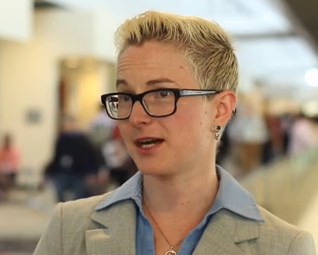
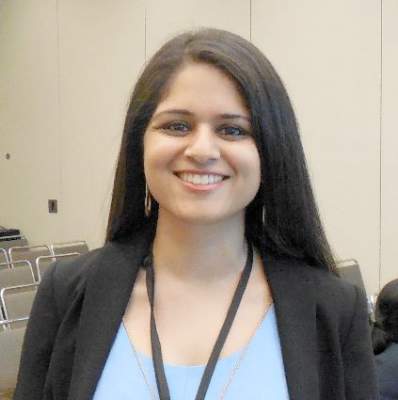
“We all have a gender, we all have a gender identity, we all have a way in which we express that to the world around us, and to ignore that part of a human being [and] a patient would be a real detriment [to] our society,” explained Dr. Kristen Eckstrand a resident in the child psychiatry program at the University of Pittsburgh.
In an interview at the annual meeting of the Pediatric Academic Societies, Dr. Eckstrand discussed strategies for talking to transgender patients to provide the best care for them, and the importance of working across professions and specialties when the situation calls for it.
Dr. Eckstrand did not report any relevant financial disclosures.
The video associated with this article is no longer available on this site. Please view all of our videos on the MDedge YouTube channel
Go to LGBT Youth Consult on our site for articles on the nature of sexuality and gender identity and how they affect health, advice on how to talk with your patients about these topics, and how to make your office a safe place for LGBT youth.
BALTIMORE – Training in transgender care needs to be amplified across all specialties, including pediatrics, as the number of transgender individuals, both young and old, continues to climb.
“We all have a gender, we all have a gender identity, we all have a way in which we express that to the world around us, and to ignore that part of a human being [and] a patient would be a real detriment [to] our society,” explained Dr. Kristen Eckstrand a resident in the child psychiatry program at the University of Pittsburgh.
In an interview at the annual meeting of the Pediatric Academic Societies, Dr. Eckstrand discussed strategies for talking to transgender patients to provide the best care for them, and the importance of working across professions and specialties when the situation calls for it.
Dr. Eckstrand did not report any relevant financial disclosures.
The video associated with this article is no longer available on this site. Please view all of our videos on the MDedge YouTube channel
Go to LGBT Youth Consult on our site for articles on the nature of sexuality and gender identity and how they affect health, advice on how to talk with your patients about these topics, and how to make your office a safe place for LGBT youth.
BALTIMORE – Training in transgender care needs to be amplified across all specialties, including pediatrics, as the number of transgender individuals, both young and old, continues to climb.
“We all have a gender, we all have a gender identity, we all have a way in which we express that to the world around us, and to ignore that part of a human being [and] a patient would be a real detriment [to] our society,” explained Dr. Kristen Eckstrand a resident in the child psychiatry program at the University of Pittsburgh.
In an interview at the annual meeting of the Pediatric Academic Societies, Dr. Eckstrand discussed strategies for talking to transgender patients to provide the best care for them, and the importance of working across professions and specialties when the situation calls for it.
Dr. Eckstrand did not report any relevant financial disclosures.
The video associated with this article is no longer available on this site. Please view all of our videos on the MDedge YouTube channel
Go to LGBT Youth Consult on our site for articles on the nature of sexuality and gender identity and how they affect health, advice on how to talk with your patients about these topics, and how to make your office a safe place for LGBT youth.
AT THE PAS ANNUAL MEETING
Family’s Psychosocial Problems Complicate Pediatric Obesity
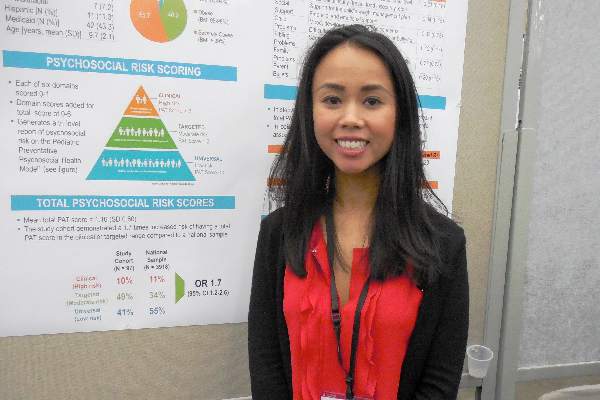
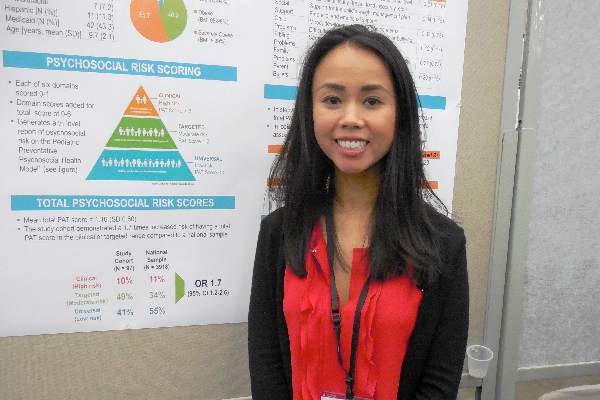
BALTIMORE – Childhood obesity can result from more than just poor diet, not enough exercise, and too much screen time; it also often occurs in families with parents who have a significantly increased prevalence of psychosocial problems, judging from findings from a pilot, single-center study involving 97 parents who brought their child to a tertiary-care pediatric obesity center.
This preliminary finding “supports the need for universal psychosocial screening in this population, with particular attention to families whose children have comorbid behavioral health problems,” Dr. Thao-Ly T. Phan said while presenting a poster at the annual meeting of the Pediatric Academic Societies.

“You might think that when a child is brought to an obesity clinic, you just need to ask what foods the child eats, how often the child exercises and how much television they watch, but we also need to ask about problems in the families and address those problems,” said Dr. Phan, a pediatrician and weight management specialist at the Alfred I. duPont Hospital for Children in Wilmington, Del.
Dr. Phan said although a key next step in this research is to assess how interventions aimed at family psychosocial problems affect a child’s obesity and well-being, her experience so far suggests that the psychosocial setting where a child lives can play a significant role in the etiology and maintenance of obesity.
“We find that families at higher psychosocial risk don’t come back for treatment, and when that happens the children don’t do well. That’s a reason to screen [for such problems] and intervene with psychological and social work support,” she said in an interview.
“A lot of our messages to families focus on things like screen time and eating more fruits and vegetables, but if the family can’t implement that, then we’re missing the boat,” Dr. Phan said.
She and her associates used the Psychosocial Assessment Tool (PAT), a screening tool for parents that takes about 5-10 minutes to complete and that was developed by researchers at the Children’s Hospital of Philadelphia (ACTA Oncologica. 2015 May;54[5]:574-80). The PAT poses a series of questions that deal with a spectrum of potential psychosocial issues including financial status, a child’s problems at school, parents’ mood and substance abuse, and parental views of weight and health issues.
The investigators administered the PAT to 97 parents of children aged 4-12 years old who had their first visit to the tertiary-care pediatric obesity clinic at Alfred I. duPont. The children had body mass index levels that averaged close to the 99th percentile, with 56% of the children classified as severely obese with a BMI at or above the 99th percentile, 40% classified as obese with a BMI in the 95th-98th percentile, and 4% classified as overweight with a BMI at the 85th-94th percentile.
The PAT scores in these 97 parents identified 41% with a low risk for having psychosocial problems, 49% with a moderate risk, and 10% with a higher risk. In contrast, a historical control group of 3,918 representative U.S. parents who took the PAT showed 55% at low risk, 34% at moderate risk, and 11% at high risk, which meant that the parents of the children at the clinic had a statistically significant 70% increased prevalence of being in a high- or moderate-risk group for psychosocial problems, compared with parents in the general U.S. population, Dr. Phan reported.
A stepwise linear regression analysis of the PAT results identified two factors that significantly linked with higher PAT scores in these parents: attention- deficit/hyperactivity disorder in the child, and mood disorder in a parent. Logistic regression analysis further narrowed this down to just the child’s attention-deficit/hyperactivity disorder as the only significant correlate with higher PAT scores. The analysis showed that the severity of obesity had no significant correlation with psychosocial risk scores.
The next steps are to assess more parents of obese children this way, see whether the questions posed in the PAT can be better focused for this setting to make the screening simpler and easier to administer, and determine how interventions aimed at the identified risks improve child outcomes, Dr. Phan said.
Another goal of this research is to raise the profile of family psychosocial problems as an important factor in the development and maintenance of obesity in children, she said. “I think that people who work at pediatric weight management clinics have recognized the role of family psychosocial problems, but it is less recognized by the general pediatric community.”
Dr. Phan had no relevant financial disclosures.
BALTIMORE – Childhood obesity can result from more than just poor diet, not enough exercise, and too much screen time; it also often occurs in families with parents who have a significantly increased prevalence of psychosocial problems, judging from findings from a pilot, single-center study involving 97 parents who brought their child to a tertiary-care pediatric obesity center.
This preliminary finding “supports the need for universal psychosocial screening in this population, with particular attention to families whose children have comorbid behavioral health problems,” Dr. Thao-Ly T. Phan said while presenting a poster at the annual meeting of the Pediatric Academic Societies.
“You might think that when a child is brought to an obesity clinic, you just need to ask what foods the child eats, how often the child exercises and how much television they watch, but we also need to ask about problems in the families and address those problems,” said Dr. Phan, a pediatrician and weight management specialist at the Alfred I. duPont Hospital for Children in Wilmington, Del.
Dr. Phan said although a key next step in this research is to assess how interventions aimed at family psychosocial problems affect a child’s obesity and well-being, her experience so far suggests that the psychosocial setting where a child lives can play a significant role in the etiology and maintenance of obesity.
“We find that families at higher psychosocial risk don’t come back for treatment, and when that happens the children don’t do well. That’s a reason to screen [for such problems] and intervene with psychological and social work support,” she said in an interview.
“A lot of our messages to families focus on things like screen time and eating more fruits and vegetables, but if the family can’t implement that, then we’re missing the boat,” Dr. Phan said.
She and her associates used the Psychosocial Assessment Tool (PAT), a screening tool for parents that takes about 5-10 minutes to complete and that was developed by researchers at the Children’s Hospital of Philadelphia (ACTA Oncologica. 2015 May;54[5]:574-80). The PAT poses a series of questions that deal with a spectrum of potential psychosocial issues including financial status, a child’s problems at school, parents’ mood and substance abuse, and parental views of weight and health issues.
The investigators administered the PAT to 97 parents of children aged 4-12 years old who had their first visit to the tertiary-care pediatric obesity clinic at Alfred I. duPont. The children had body mass index levels that averaged close to the 99th percentile, with 56% of the children classified as severely obese with a BMI at or above the 99th percentile, 40% classified as obese with a BMI in the 95th-98th percentile, and 4% classified as overweight with a BMI at the 85th-94th percentile.
The PAT scores in these 97 parents identified 41% with a low risk for having psychosocial problems, 49% with a moderate risk, and 10% with a higher risk. In contrast, a historical control group of 3,918 representative U.S. parents who took the PAT showed 55% at low risk, 34% at moderate risk, and 11% at high risk, which meant that the parents of the children at the clinic had a statistically significant 70% increased prevalence of being in a high- or moderate-risk group for psychosocial problems, compared with parents in the general U.S. population, Dr. Phan reported.
A stepwise linear regression analysis of the PAT results identified two factors that significantly linked with higher PAT scores in these parents: attention- deficit/hyperactivity disorder in the child, and mood disorder in a parent. Logistic regression analysis further narrowed this down to just the child’s attention-deficit/hyperactivity disorder as the only significant correlate with higher PAT scores. The analysis showed that the severity of obesity had no significant correlation with psychosocial risk scores.
The next steps are to assess more parents of obese children this way, see whether the questions posed in the PAT can be better focused for this setting to make the screening simpler and easier to administer, and determine how interventions aimed at the identified risks improve child outcomes, Dr. Phan said.
Another goal of this research is to raise the profile of family psychosocial problems as an important factor in the development and maintenance of obesity in children, she said. “I think that people who work at pediatric weight management clinics have recognized the role of family psychosocial problems, but it is less recognized by the general pediatric community.”
Dr. Phan had no relevant financial disclosures.
BALTIMORE – Childhood obesity can result from more than just poor diet, not enough exercise, and too much screen time; it also often occurs in families with parents who have a significantly increased prevalence of psychosocial problems, judging from findings from a pilot, single-center study involving 97 parents who brought their child to a tertiary-care pediatric obesity center.
This preliminary finding “supports the need for universal psychosocial screening in this population, with particular attention to families whose children have comorbid behavioral health problems,” Dr. Thao-Ly T. Phan said while presenting a poster at the annual meeting of the Pediatric Academic Societies.
“You might think that when a child is brought to an obesity clinic, you just need to ask what foods the child eats, how often the child exercises and how much television they watch, but we also need to ask about problems in the families and address those problems,” said Dr. Phan, a pediatrician and weight management specialist at the Alfred I. duPont Hospital for Children in Wilmington, Del.
Dr. Phan said although a key next step in this research is to assess how interventions aimed at family psychosocial problems affect a child’s obesity and well-being, her experience so far suggests that the psychosocial setting where a child lives can play a significant role in the etiology and maintenance of obesity.
“We find that families at higher psychosocial risk don’t come back for treatment, and when that happens the children don’t do well. That’s a reason to screen [for such problems] and intervene with psychological and social work support,” she said in an interview.
“A lot of our messages to families focus on things like screen time and eating more fruits and vegetables, but if the family can’t implement that, then we’re missing the boat,” Dr. Phan said.
She and her associates used the Psychosocial Assessment Tool (PAT), a screening tool for parents that takes about 5-10 minutes to complete and that was developed by researchers at the Children’s Hospital of Philadelphia (ACTA Oncologica. 2015 May;54[5]:574-80). The PAT poses a series of questions that deal with a spectrum of potential psychosocial issues including financial status, a child’s problems at school, parents’ mood and substance abuse, and parental views of weight and health issues.
The investigators administered the PAT to 97 parents of children aged 4-12 years old who had their first visit to the tertiary-care pediatric obesity clinic at Alfred I. duPont. The children had body mass index levels that averaged close to the 99th percentile, with 56% of the children classified as severely obese with a BMI at or above the 99th percentile, 40% classified as obese with a BMI in the 95th-98th percentile, and 4% classified as overweight with a BMI at the 85th-94th percentile.
The PAT scores in these 97 parents identified 41% with a low risk for having psychosocial problems, 49% with a moderate risk, and 10% with a higher risk. In contrast, a historical control group of 3,918 representative U.S. parents who took the PAT showed 55% at low risk, 34% at moderate risk, and 11% at high risk, which meant that the parents of the children at the clinic had a statistically significant 70% increased prevalence of being in a high- or moderate-risk group for psychosocial problems, compared with parents in the general U.S. population, Dr. Phan reported.
A stepwise linear regression analysis of the PAT results identified two factors that significantly linked with higher PAT scores in these parents: attention- deficit/hyperactivity disorder in the child, and mood disorder in a parent. Logistic regression analysis further narrowed this down to just the child’s attention-deficit/hyperactivity disorder as the only significant correlate with higher PAT scores. The analysis showed that the severity of obesity had no significant correlation with psychosocial risk scores.
The next steps are to assess more parents of obese children this way, see whether the questions posed in the PAT can be better focused for this setting to make the screening simpler and easier to administer, and determine how interventions aimed at the identified risks improve child outcomes, Dr. Phan said.
Another goal of this research is to raise the profile of family psychosocial problems as an important factor in the development and maintenance of obesity in children, she said. “I think that people who work at pediatric weight management clinics have recognized the role of family psychosocial problems, but it is less recognized by the general pediatric community.”
Dr. Phan had no relevant financial disclosures.
AT THE PAS ANNUAL MEETING
Family’s psychosocial problems complicate pediatric obesity
BALTIMORE – Childhood obesity can result from more than just poor diet, not enough exercise, and too much screen time; it also often occurs in families with parents who have a significantly increased prevalence of psychosocial problems, judging from findings from a pilot, single-center study involving 97 parents who brought their child to a tertiary-care pediatric obesity center.
This preliminary finding “supports the need for universal psychosocial screening in this population, with particular attention to families whose children have comorbid behavioral health problems,” Dr. Thao-Ly T. Phan said while presenting a poster at the annual meeting of the Pediatric Academic Societies.

“You might think that when a child is brought to an obesity clinic, you just need to ask what foods the child eats, how often the child exercises and how much television they watch, but we also need to ask about problems in the families and address those problems,” said Dr. Phan, a pediatrician and weight management specialist at the Alfred I. duPont Hospital for Children in Wilmington, Del.
Dr. Phan said although a key next step in this research is to assess how interventions aimed at family psychosocial problems affect a child’s obesity and well-being, her experience so far suggests that the psychosocial setting where a child lives can play a significant role in the etiology and maintenance of obesity.
“We find that families at higher psychosocial risk don’t come back for treatment, and when that happens the children don’t do well. That’s a reason to screen [for such problems] and intervene with psychological and social work support,” she said in an interview.
“A lot of our messages to families focus on things like screen time and eating more fruits and vegetables, but if the family can’t implement that, then we’re missing the boat,” Dr. Phan said.
She and her associates used the Psychosocial Assessment Tool (PAT), a screening tool for parents that takes about 5-10 minutes to complete and that was developed by researchers at the Children’s Hospital of Philadelphia (ACTA Oncologica. 2015 May;54[5]:574-80). The PAT poses a series of questions that deal with a spectrum of potential psychosocial issues including financial status, a child’s problems at school, parents’ mood and substance abuse, and parental views of weight and health issues.
The investigators administered the PAT to 97 parents of children aged 4-12 years old who had their first visit to the tertiary-care pediatric obesity clinic at Alfred I. duPont. The children had body mass index levels that averaged close to the 99th percentile, with 56% of the children classified as severely obese with a BMI at or above the 99th percentile, 40% classified as obese with a BMI in the 95th-98th percentile, and 4% classified as overweight with a BMI at the 85th-94th percentile.
The PAT scores in these 97 parents identified 41% with a low risk for having psychosocial problems, 49% with a moderate risk, and 10% with a higher risk. In contrast, a historical control group of 3,918 representative U.S. parents who took the PAT showed 55% at low risk, 34% at moderate risk, and 11% at high risk, which meant that the parents of the children at the clinic had a statistically significant 70% increased prevalence of being in a high- or moderate-risk group for psychosocial problems, compared with parents in the general U.S. population, Dr. Phan reported.
A stepwise linear regression analysis of the PAT results identified two factors that significantly linked with higher PAT scores in these parents: attention- deficit/hyperactivity disorder in the child, and mood disorder in a parent. Logistic regression analysis further narrowed this down to just the child’s attention-deficit/hyperactivity disorder as the only significant correlate with higher PAT scores. The analysis showed that the severity of obesity had no significant correlation with psychosocial risk scores.
The next steps are to assess more parents of obese children this way, see whether the questions posed in the PAT can be better focused for this setting to make the screening simpler and easier to administer, and determine how interventions aimed at the identified risks improve child outcomes, Dr. Phan said.
Another goal of this research is to raise the profile of family psychosocial problems as an important factor in the development and maintenance of obesity in children, she said. “I think that people who work at pediatric weight management clinics have recognized the role of family psychosocial problems, but it is less recognized by the general pediatric community.”
Dr. Phan had no relevant financial disclosures.
mzoler@frontlinemedcom.com
On Twitter @mitchelzoler
BALTIMORE – Childhood obesity can result from more than just poor diet, not enough exercise, and too much screen time; it also often occurs in families with parents who have a significantly increased prevalence of psychosocial problems, judging from findings from a pilot, single-center study involving 97 parents who brought their child to a tertiary-care pediatric obesity center.
This preliminary finding “supports the need for universal psychosocial screening in this population, with particular attention to families whose children have comorbid behavioral health problems,” Dr. Thao-Ly T. Phan said while presenting a poster at the annual meeting of the Pediatric Academic Societies.
“You might think that when a child is brought to an obesity clinic, you just need to ask what foods the child eats, how often the child exercises and how much television they watch, but we also need to ask about problems in the families and address those problems,” said Dr. Phan, a pediatrician and weight management specialist at the Alfred I. duPont Hospital for Children in Wilmington, Del.
Dr. Phan said although a key next step in this research is to assess how interventions aimed at family psychosocial problems affect a child’s obesity and well-being, her experience so far suggests that the psychosocial setting where a child lives can play a significant role in the etiology and maintenance of obesity.
“We find that families at higher psychosocial risk don’t come back for treatment, and when that happens the children don’t do well. That’s a reason to screen [for such problems] and intervene with psychological and social work support,” she said in an interview.
“A lot of our messages to families focus on things like screen time and eating more fruits and vegetables, but if the family can’t implement that, then we’re missing the boat,” Dr. Phan said.
She and her associates used the Psychosocial Assessment Tool (PAT), a screening tool for parents that takes about 5-10 minutes to complete and that was developed by researchers at the Children’s Hospital of Philadelphia (ACTA Oncologica. 2015 May;54[5]:574-80). The PAT poses a series of questions that deal with a spectrum of potential psychosocial issues including financial status, a child’s problems at school, parents’ mood and substance abuse, and parental views of weight and health issues.
The investigators administered the PAT to 97 parents of children aged 4-12 years old who had their first visit to the tertiary-care pediatric obesity clinic at Alfred I. duPont. The children had body mass index levels that averaged close to the 99th percentile, with 56% of the children classified as severely obese with a BMI at or above the 99th percentile, 40% classified as obese with a BMI in the 95th-98th percentile, and 4% classified as overweight with a BMI at the 85th-94th percentile.
The PAT scores in these 97 parents identified 41% with a low risk for having psychosocial problems, 49% with a moderate risk, and 10% with a higher risk. In contrast, a historical control group of 3,918 representative U.S. parents who took the PAT showed 55% at low risk, 34% at moderate risk, and 11% at high risk, which meant that the parents of the children at the clinic had a statistically significant 70% increased prevalence of being in a high- or moderate-risk group for psychosocial problems, compared with parents in the general U.S. population, Dr. Phan reported.
A stepwise linear regression analysis of the PAT results identified two factors that significantly linked with higher PAT scores in these parents: attention- deficit/hyperactivity disorder in the child, and mood disorder in a parent. Logistic regression analysis further narrowed this down to just the child’s attention-deficit/hyperactivity disorder as the only significant correlate with higher PAT scores. The analysis showed that the severity of obesity had no significant correlation with psychosocial risk scores.
The next steps are to assess more parents of obese children this way, see whether the questions posed in the PAT can be better focused for this setting to make the screening simpler and easier to administer, and determine how interventions aimed at the identified risks improve child outcomes, Dr. Phan said.
Another goal of this research is to raise the profile of family psychosocial problems as an important factor in the development and maintenance of obesity in children, she said. “I think that people who work at pediatric weight management clinics have recognized the role of family psychosocial problems, but it is less recognized by the general pediatric community.”
Dr. Phan had no relevant financial disclosures.
mzoler@frontlinemedcom.com
On Twitter @mitchelzoler
BALTIMORE – Childhood obesity can result from more than just poor diet, not enough exercise, and too much screen time; it also often occurs in families with parents who have a significantly increased prevalence of psychosocial problems, judging from findings from a pilot, single-center study involving 97 parents who brought their child to a tertiary-care pediatric obesity center.
This preliminary finding “supports the need for universal psychosocial screening in this population, with particular attention to families whose children have comorbid behavioral health problems,” Dr. Thao-Ly T. Phan said while presenting a poster at the annual meeting of the Pediatric Academic Societies.
“You might think that when a child is brought to an obesity clinic, you just need to ask what foods the child eats, how often the child exercises and how much television they watch, but we also need to ask about problems in the families and address those problems,” said Dr. Phan, a pediatrician and weight management specialist at the Alfred I. duPont Hospital for Children in Wilmington, Del.
Dr. Phan said although a key next step in this research is to assess how interventions aimed at family psychosocial problems affect a child’s obesity and well-being, her experience so far suggests that the psychosocial setting where a child lives can play a significant role in the etiology and maintenance of obesity.
“We find that families at higher psychosocial risk don’t come back for treatment, and when that happens the children don’t do well. That’s a reason to screen [for such problems] and intervene with psychological and social work support,” she said in an interview.
“A lot of our messages to families focus on things like screen time and eating more fruits and vegetables, but if the family can’t implement that, then we’re missing the boat,” Dr. Phan said.
She and her associates used the Psychosocial Assessment Tool (PAT), a screening tool for parents that takes about 5-10 minutes to complete and that was developed by researchers at the Children’s Hospital of Philadelphia (ACTA Oncologica. 2015 May;54[5]:574-80). The PAT poses a series of questions that deal with a spectrum of potential psychosocial issues including financial status, a child’s problems at school, parents’ mood and substance abuse, and parental views of weight and health issues.
The investigators administered the PAT to 97 parents of children aged 4-12 years old who had their first visit to the tertiary-care pediatric obesity clinic at Alfred I. duPont. The children had body mass index levels that averaged close to the 99th percentile, with 56% of the children classified as severely obese with a BMI at or above the 99th percentile, 40% classified as obese with a BMI in the 95th-98th percentile, and 4% classified as overweight with a BMI at the 85th-94th percentile.
The PAT scores in these 97 parents identified 41% with a low risk for having psychosocial problems, 49% with a moderate risk, and 10% with a higher risk. In contrast, a historical control group of 3,918 representative U.S. parents who took the PAT showed 55% at low risk, 34% at moderate risk, and 11% at high risk, which meant that the parents of the children at the clinic had a statistically significant 70% increased prevalence of being in a high- or moderate-risk group for psychosocial problems, compared with parents in the general U.S. population, Dr. Phan reported.
A stepwise linear regression analysis of the PAT results identified two factors that significantly linked with higher PAT scores in these parents: attention- deficit/hyperactivity disorder in the child, and mood disorder in a parent. Logistic regression analysis further narrowed this down to just the child’s attention-deficit/hyperactivity disorder as the only significant correlate with higher PAT scores. The analysis showed that the severity of obesity had no significant correlation with psychosocial risk scores.
The next steps are to assess more parents of obese children this way, see whether the questions posed in the PAT can be better focused for this setting to make the screening simpler and easier to administer, and determine how interventions aimed at the identified risks improve child outcomes, Dr. Phan said.
Another goal of this research is to raise the profile of family psychosocial problems as an important factor in the development and maintenance of obesity in children, she said. “I think that people who work at pediatric weight management clinics have recognized the role of family psychosocial problems, but it is less recognized by the general pediatric community.”
Dr. Phan had no relevant financial disclosures.
mzoler@frontlinemedcom.com
On Twitter @mitchelzoler
AT THE PAS ANNUAL MEETING
Key clinical point: Parents of children who came to a tertiary-care pediatric obesity clinic showed a relatively high prevalence of psychosocial problems, suggesting a new intervention target for refractory childhood obesity.
Major finding: Parents of children presenting to a referral obesity clinic had a psychosocial risk score 70% higher than the U.S. average.
Data source: A single-center study of 97 parents of children initially presenting to a tertiary-care pediatric obesity clinic.
Disclosures: Dr. Phan had no relevant financial disclosures.
NSAIDs work best in selected systemic JIA kids
BALTIMORE – Children with systemic juvenile idiopathic arthritis have the best odds for responding to initial treatment with a nonsteroidal anti-inflammatory drug if they are no older than 6 years old, have five or fewer involved joints, and have a serum level of C-reactive protein that is at or below 13 mg/dL, based on a review of 57 children with systemic juvenile idiopathic arthritis treated with these drugs at a single U.S. center during 2000-2014.
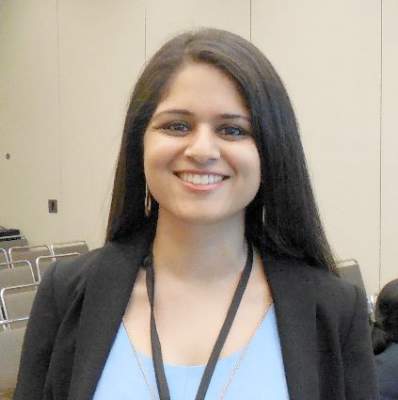
“We recommend a trial of NSAID [nonsteroidal anti-inflammatory drug] monotherapy for these patients with systemic juvenile idiopathic arthritis [JIA],” Dr. Anjali S. Sura said at the annual meeting of the Pediatric Academic Societies. A reasonable trial of NSAID monotherapy would last 6 weeks; if patients failed to adequately respond at the end of 6 weeks, it would be reasonable to switch to another of the first-line drugs recommended for children starting treatment for JIA, either a glucocorticoid or the biological agent anakinra (Kineret), said Dr. Sura, a pediatrician at the University of Michigan in Ann Arbor.
Initial treatment with a NSAID is preferred, even though it will probably work in only about a quarter of patients, because it generally has the best safety profile among these three options, Dr. Sura said in an interview. “If we can risk-stratify children with systemic JIA for NSAID therapy” using these three criteria, “then NSAID monotherapy may be more effective,” she explained.
The NSAIDs most commonly used to treat systemic JIA are naproxen or indomethacin, at anti-inflammatory dosages, which for naproxen is 15-20 mg/kg per day, and for indomethacin 3-4 mg/kg per day, she said.
But Dr. Sura also cautioned that the analysis she presented focused on a relatively small and selected group of children with systemic JIA who received initial NSAID monotherapy. The series she and her associates reviewed included 99 patients, of whom 57 received NSAID monotherapy; 35 of these patients were 6 years old or younger.
The researchers compared the 15 NSAID responders (26%), defined as patients who had clinically inactive disease, with the 42 nonresponders and identified the three clinical and demographic characteristics that occurred much more often among responders. The ideal candidates for initial NSAID monotherapy should fulfill all three criteria: age, number of affected joints, and serum level of C-reactive protein, Dr. Sura said in her report.
Dr. Sura noted that a panel of the American College of Rheumatology said that NSAIDs, glucocorticoids, and anakinra were equally good options for initial treatment of JIA in their 2013 update of JIA recommendations (Arthritis Rheum. 2013 Oct;65[10]:2499-512). This 2013 update excepted patients with no actively affected joints, whom the panel said should specifically receive an NSAID, and excepted patients with a high global severity score as rated by their physicians, whom the panel said should receive either a glucocorticoid or anakinra but not NSAID monotherapy. The European League Against Rheumatism has not issued recommendations for managing systemic JIA.
Dr. Sura had no disclosures.
On Twitter @mitchelzoler
BALTIMORE – Children with systemic juvenile idiopathic arthritis have the best odds for responding to initial treatment with a nonsteroidal anti-inflammatory drug if they are no older than 6 years old, have five or fewer involved joints, and have a serum level of C-reactive protein that is at or below 13 mg/dL, based on a review of 57 children with systemic juvenile idiopathic arthritis treated with these drugs at a single U.S. center during 2000-2014.
“We recommend a trial of NSAID [nonsteroidal anti-inflammatory drug] monotherapy for these patients with systemic juvenile idiopathic arthritis [JIA],” Dr. Anjali S. Sura said at the annual meeting of the Pediatric Academic Societies. A reasonable trial of NSAID monotherapy would last 6 weeks; if patients failed to adequately respond at the end of 6 weeks, it would be reasonable to switch to another of the first-line drugs recommended for children starting treatment for JIA, either a glucocorticoid or the biological agent anakinra (Kineret), said Dr. Sura, a pediatrician at the University of Michigan in Ann Arbor.
Initial treatment with a NSAID is preferred, even though it will probably work in only about a quarter of patients, because it generally has the best safety profile among these three options, Dr. Sura said in an interview. “If we can risk-stratify children with systemic JIA for NSAID therapy” using these three criteria, “then NSAID monotherapy may be more effective,” she explained.
The NSAIDs most commonly used to treat systemic JIA are naproxen or indomethacin, at anti-inflammatory dosages, which for naproxen is 15-20 mg/kg per day, and for indomethacin 3-4 mg/kg per day, she said.
But Dr. Sura also cautioned that the analysis she presented focused on a relatively small and selected group of children with systemic JIA who received initial NSAID monotherapy. The series she and her associates reviewed included 99 patients, of whom 57 received NSAID monotherapy; 35 of these patients were 6 years old or younger.
The researchers compared the 15 NSAID responders (26%), defined as patients who had clinically inactive disease, with the 42 nonresponders and identified the three clinical and demographic characteristics that occurred much more often among responders. The ideal candidates for initial NSAID monotherapy should fulfill all three criteria: age, number of affected joints, and serum level of C-reactive protein, Dr. Sura said in her report.
Dr. Sura noted that a panel of the American College of Rheumatology said that NSAIDs, glucocorticoids, and anakinra were equally good options for initial treatment of JIA in their 2013 update of JIA recommendations (Arthritis Rheum. 2013 Oct;65[10]:2499-512). This 2013 update excepted patients with no actively affected joints, whom the panel said should specifically receive an NSAID, and excepted patients with a high global severity score as rated by their physicians, whom the panel said should receive either a glucocorticoid or anakinra but not NSAID monotherapy. The European League Against Rheumatism has not issued recommendations for managing systemic JIA.
Dr. Sura had no disclosures.
On Twitter @mitchelzoler
BALTIMORE – Children with systemic juvenile idiopathic arthritis have the best odds for responding to initial treatment with a nonsteroidal anti-inflammatory drug if they are no older than 6 years old, have five or fewer involved joints, and have a serum level of C-reactive protein that is at or below 13 mg/dL, based on a review of 57 children with systemic juvenile idiopathic arthritis treated with these drugs at a single U.S. center during 2000-2014.
“We recommend a trial of NSAID [nonsteroidal anti-inflammatory drug] monotherapy for these patients with systemic juvenile idiopathic arthritis [JIA],” Dr. Anjali S. Sura said at the annual meeting of the Pediatric Academic Societies. A reasonable trial of NSAID monotherapy would last 6 weeks; if patients failed to adequately respond at the end of 6 weeks, it would be reasonable to switch to another of the first-line drugs recommended for children starting treatment for JIA, either a glucocorticoid or the biological agent anakinra (Kineret), said Dr. Sura, a pediatrician at the University of Michigan in Ann Arbor.
Initial treatment with a NSAID is preferred, even though it will probably work in only about a quarter of patients, because it generally has the best safety profile among these three options, Dr. Sura said in an interview. “If we can risk-stratify children with systemic JIA for NSAID therapy” using these three criteria, “then NSAID monotherapy may be more effective,” she explained.
The NSAIDs most commonly used to treat systemic JIA are naproxen or indomethacin, at anti-inflammatory dosages, which for naproxen is 15-20 mg/kg per day, and for indomethacin 3-4 mg/kg per day, she said.
But Dr. Sura also cautioned that the analysis she presented focused on a relatively small and selected group of children with systemic JIA who received initial NSAID monotherapy. The series she and her associates reviewed included 99 patients, of whom 57 received NSAID monotherapy; 35 of these patients were 6 years old or younger.
The researchers compared the 15 NSAID responders (26%), defined as patients who had clinically inactive disease, with the 42 nonresponders and identified the three clinical and demographic characteristics that occurred much more often among responders. The ideal candidates for initial NSAID monotherapy should fulfill all three criteria: age, number of affected joints, and serum level of C-reactive protein, Dr. Sura said in her report.
Dr. Sura noted that a panel of the American College of Rheumatology said that NSAIDs, glucocorticoids, and anakinra were equally good options for initial treatment of JIA in their 2013 update of JIA recommendations (Arthritis Rheum. 2013 Oct;65[10]:2499-512). This 2013 update excepted patients with no actively affected joints, whom the panel said should specifically receive an NSAID, and excepted patients with a high global severity score as rated by their physicians, whom the panel said should receive either a glucocorticoid or anakinra but not NSAID monotherapy. The European League Against Rheumatism has not issued recommendations for managing systemic JIA.
Dr. Sura had no disclosures.
On Twitter @mitchelzoler
AT THE PAS ANNUAL MEETING
Key clinical point: Three clinical parameters identified the children with systemic juvenile idiopathic arthritis who historically responded best to initial treatment with a nonsteroidal anti-inflammatory drug.
Major finding: Five or fewer involved joints, 6 years old or younger, and C-reactive protein of 13 mg/dL or less identified the best NSAID responders.
Data source: Review of 57 children with systemic juvenile idiopathic arthritis treated initially with NSAID monotherapy at one U.S. center.
Disclosures: Dr. Sura had no disclosures.
Patient-centered medical homes boost likelihood of preventive care in teens
Adolescents and young adults enrolled in patient-centered medical homes were more likely to receive most kinds of preventive care, according to Dr. Diego Garcia-Huidobro of the University of Minnesota, Minneapolis, and his associates.

Compared with patients of the same age who were not enrolled in PCMHs, patients aged 10-24 years enrolled in PCMHs were most likely to receive long-acting reversible contraceptive (LARC) prescriptions, with an adjusted odds ratio (aOR) of 2.66. PCMH enrollees were more likely to receive preventative visits (aOR, 1.10), meningococcal vaccines (aOR, 1.53) and HPV vaccines (aOR, 1.53), sexually transmitted disease screening (aOR, 1.68), any kind of contraceptive prescription (aOR, 2.18), and cervical cancer screening (aOR, 1.14), but were slightly less likely to receive influenza vaccinations (aOR, 0.89).
The average age of PCMH patients was 19 years, and nearly 60% were female. Nearly 65% were Hispanic/Latino, and 26% were non-Hispanic blacks. Just under 58% of patients were publicly insured, and 3% had private insurance. Non-PCMH patients tended to be older (21 years), and 56% were female. Forty-two percent were Hispanic/Latino, and 33% were non-Hispanic blacks. About 47% had public insurance and 11% had private insurance.
“This finding highlights the value of this model of care at addressing not only the specific needs of patients but also improving their preventive care,” the investigators concluded.
Find the full study in Pediatrics (2016. doi: 10.1542/peds.2015-3813).
Adolescents and young adults enrolled in patient-centered medical homes were more likely to receive most kinds of preventive care, according to Dr. Diego Garcia-Huidobro of the University of Minnesota, Minneapolis, and his associates.
Compared with patients of the same age who were not enrolled in PCMHs, patients aged 10-24 years enrolled in PCMHs were most likely to receive long-acting reversible contraceptive (LARC) prescriptions, with an adjusted odds ratio (aOR) of 2.66. PCMH enrollees were more likely to receive preventative visits (aOR, 1.10), meningococcal vaccines (aOR, 1.53) and HPV vaccines (aOR, 1.53), sexually transmitted disease screening (aOR, 1.68), any kind of contraceptive prescription (aOR, 2.18), and cervical cancer screening (aOR, 1.14), but were slightly less likely to receive influenza vaccinations (aOR, 0.89).
The average age of PCMH patients was 19 years, and nearly 60% were female. Nearly 65% were Hispanic/Latino, and 26% were non-Hispanic blacks. Just under 58% of patients were publicly insured, and 3% had private insurance. Non-PCMH patients tended to be older (21 years), and 56% were female. Forty-two percent were Hispanic/Latino, and 33% were non-Hispanic blacks. About 47% had public insurance and 11% had private insurance.
“This finding highlights the value of this model of care at addressing not only the specific needs of patients but also improving their preventive care,” the investigators concluded.
Find the full study in Pediatrics (2016. doi: 10.1542/peds.2015-3813).
Adolescents and young adults enrolled in patient-centered medical homes were more likely to receive most kinds of preventive care, according to Dr. Diego Garcia-Huidobro of the University of Minnesota, Minneapolis, and his associates.
Compared with patients of the same age who were not enrolled in PCMHs, patients aged 10-24 years enrolled in PCMHs were most likely to receive long-acting reversible contraceptive (LARC) prescriptions, with an adjusted odds ratio (aOR) of 2.66. PCMH enrollees were more likely to receive preventative visits (aOR, 1.10), meningococcal vaccines (aOR, 1.53) and HPV vaccines (aOR, 1.53), sexually transmitted disease screening (aOR, 1.68), any kind of contraceptive prescription (aOR, 2.18), and cervical cancer screening (aOR, 1.14), but were slightly less likely to receive influenza vaccinations (aOR, 0.89).
The average age of PCMH patients was 19 years, and nearly 60% were female. Nearly 65% were Hispanic/Latino, and 26% were non-Hispanic blacks. Just under 58% of patients were publicly insured, and 3% had private insurance. Non-PCMH patients tended to be older (21 years), and 56% were female. Forty-two percent were Hispanic/Latino, and 33% were non-Hispanic blacks. About 47% had public insurance and 11% had private insurance.
“This finding highlights the value of this model of care at addressing not only the specific needs of patients but also improving their preventive care,” the investigators concluded.
Find the full study in Pediatrics (2016. doi: 10.1542/peds.2015-3813).
FROM PEDIATRICS

Primary care residents’ approach to HPV vaccine vary by specialty
SAN DIEGO – Among U.S. resident trainees in the primary care specialties, ob.gyn. and internal medicine resident physicians are the clear laggards when it comes to counseling appropriate candidates to receive the human papillomavirus (HPV) vaccine, Dr. Tiffany Zigras reported at the annual meeting of the Society of Gynecologic Oncology.
Pediatric residents led the way in self-reported “always” counseling eligible patients to receive the three-dose HPV vaccine series in her national survey, with family medicine residents in firm command of second place.

Although the HPV vaccine was approved by the Food and Drug Administration in 2006, uptake remains low. A 2014 report based upon National Health Interview Survey data concluded only 13.6% of U.S. women ages 18-26 had received all three doses of the vaccine. A national Status of Cancer report concluded that only 32% of females ages 13-17 years had been vaccinated; in the uninsured population this rate fell to a mere 14.1% (Am J Public Health. 2014 May;104(5):946-53), noted Dr. Zigras of Bridgeport (Conn.) Hospital/Yale New Haven Health.
Since physician recommendation is known to play a key role in vaccine uptake and the approach taken by primary care residents hadn’t previously been studied, Dr. Zigras and her coinvestigators created a 37-item electronic survey and sent it to residency program directors in the various primary care disciplines with a request that they share the web link with their trainees.
The survey was completed by 1,549 resident physicians. Fully 82% of the pediatric residents indicated that they “always” recommend the HPV vaccine as an important means of cancer prevention. So did 64% of family medicine residents, 39% of ob.gyn. residents, and 28% of internal medicine residents.
Overall, female primary care residents were three times more likely than their male counterparts to always recommend the HPV vaccine to their eligible patients.
Primary care residents cited parental disapproval as a major reason for vaccine refusal in 49% of cases, fear of vaccines in general as an insurmountable issue in 34%, and fear of needles as a significant factor in 14%.
Whether or not respondent residents had received education about the vaccine during medical school had no bearing on their current self-described rate of HPV vaccine recommendation. However, residents who reported receiving education about the risks, benefits, and value of the vaccine during their residency training were significantly more likely to always recommend it for eligible patients.
“Residents have a unique opportunity to capture a subset of patients who may otherwise not have an opportunity to receive the HPV vaccine,” Dr. Zigras observed. “Education about the HPV vaccine in resident curriculum is critical to improve the uptake of the HPV vaccine in the United States.”
She reported no financial conflicts with regard to her study.
SAN DIEGO – Among U.S. resident trainees in the primary care specialties, ob.gyn. and internal medicine resident physicians are the clear laggards when it comes to counseling appropriate candidates to receive the human papillomavirus (HPV) vaccine, Dr. Tiffany Zigras reported at the annual meeting of the Society of Gynecologic Oncology.
Pediatric residents led the way in self-reported “always” counseling eligible patients to receive the three-dose HPV vaccine series in her national survey, with family medicine residents in firm command of second place.
Although the HPV vaccine was approved by the Food and Drug Administration in 2006, uptake remains low. A 2014 report based upon National Health Interview Survey data concluded only 13.6% of U.S. women ages 18-26 had received all three doses of the vaccine. A national Status of Cancer report concluded that only 32% of females ages 13-17 years had been vaccinated; in the uninsured population this rate fell to a mere 14.1% (Am J Public Health. 2014 May;104(5):946-53), noted Dr. Zigras of Bridgeport (Conn.) Hospital/Yale New Haven Health.
Since physician recommendation is known to play a key role in vaccine uptake and the approach taken by primary care residents hadn’t previously been studied, Dr. Zigras and her coinvestigators created a 37-item electronic survey and sent it to residency program directors in the various primary care disciplines with a request that they share the web link with their trainees.
The survey was completed by 1,549 resident physicians. Fully 82% of the pediatric residents indicated that they “always” recommend the HPV vaccine as an important means of cancer prevention. So did 64% of family medicine residents, 39% of ob.gyn. residents, and 28% of internal medicine residents.
Overall, female primary care residents were three times more likely than their male counterparts to always recommend the HPV vaccine to their eligible patients.
Primary care residents cited parental disapproval as a major reason for vaccine refusal in 49% of cases, fear of vaccines in general as an insurmountable issue in 34%, and fear of needles as a significant factor in 14%.
Whether or not respondent residents had received education about the vaccine during medical school had no bearing on their current self-described rate of HPV vaccine recommendation. However, residents who reported receiving education about the risks, benefits, and value of the vaccine during their residency training were significantly more likely to always recommend it for eligible patients.
“Residents have a unique opportunity to capture a subset of patients who may otherwise not have an opportunity to receive the HPV vaccine,” Dr. Zigras observed. “Education about the HPV vaccine in resident curriculum is critical to improve the uptake of the HPV vaccine in the United States.”
She reported no financial conflicts with regard to her study.
SAN DIEGO – Among U.S. resident trainees in the primary care specialties, ob.gyn. and internal medicine resident physicians are the clear laggards when it comes to counseling appropriate candidates to receive the human papillomavirus (HPV) vaccine, Dr. Tiffany Zigras reported at the annual meeting of the Society of Gynecologic Oncology.
Pediatric residents led the way in self-reported “always” counseling eligible patients to receive the three-dose HPV vaccine series in her national survey, with family medicine residents in firm command of second place.
Although the HPV vaccine was approved by the Food and Drug Administration in 2006, uptake remains low. A 2014 report based upon National Health Interview Survey data concluded only 13.6% of U.S. women ages 18-26 had received all three doses of the vaccine. A national Status of Cancer report concluded that only 32% of females ages 13-17 years had been vaccinated; in the uninsured population this rate fell to a mere 14.1% (Am J Public Health. 2014 May;104(5):946-53), noted Dr. Zigras of Bridgeport (Conn.) Hospital/Yale New Haven Health.
Since physician recommendation is known to play a key role in vaccine uptake and the approach taken by primary care residents hadn’t previously been studied, Dr. Zigras and her coinvestigators created a 37-item electronic survey and sent it to residency program directors in the various primary care disciplines with a request that they share the web link with their trainees.
The survey was completed by 1,549 resident physicians. Fully 82% of the pediatric residents indicated that they “always” recommend the HPV vaccine as an important means of cancer prevention. So did 64% of family medicine residents, 39% of ob.gyn. residents, and 28% of internal medicine residents.
Overall, female primary care residents were three times more likely than their male counterparts to always recommend the HPV vaccine to their eligible patients.
Primary care residents cited parental disapproval as a major reason for vaccine refusal in 49% of cases, fear of vaccines in general as an insurmountable issue in 34%, and fear of needles as a significant factor in 14%.
Whether or not respondent residents had received education about the vaccine during medical school had no bearing on their current self-described rate of HPV vaccine recommendation. However, residents who reported receiving education about the risks, benefits, and value of the vaccine during their residency training were significantly more likely to always recommend it for eligible patients.
“Residents have a unique opportunity to capture a subset of patients who may otherwise not have an opportunity to receive the HPV vaccine,” Dr. Zigras observed. “Education about the HPV vaccine in resident curriculum is critical to improve the uptake of the HPV vaccine in the United States.”
She reported no financial conflicts with regard to her study.
AT THE ANNUAL MEETING ON WOMEN’S CANCER
Key clinical point: Nationally, pediatric and family medicine residents are tops among primary care trainees in terms of consistently recommending the HPV vaccine for eligible patients.
Major finding: Of pediatric residents, 82% report “always” recommending the HPV vaccine to appropriate candidates, compared with just 28% of internal medicine residents.
Data source: This 37-item electronic survey was completed by nearly 1,600 U.S. primary care resident physicians.
Disclosures: The study presenter reported having no financial conflicts of interest.

Crisaborole’s safety holds up in long-term atopic dermatitis trial
SCOTTSDALE, ARIZ. – The phosphodiesterase-4 inhibitor crisaborole was well tolerated over 6 to 12 months, yielding no major safety signals during a multicenter, open-label extension study of patients with mild-to-moderate atopic dermatitis.
These safety results held up across age groups and over time, said Dr. Lawrence Eichenfield, a dermatologist at Children’s Hospital, San Diego, and at the University of San Diego School of Medicine. “The majority of treatment-emergent adverse events were considered mild to moderate and not related to treatment. There were no reports of long-term cutaneous reactions, such as atrophy or telangiectasia,” he and his associates added.
Atopic dermatitis has lacked widely accepted treatment options. Despite attempts to educate patients and parents about topical steroids, many are afraid to use them, and topical calcineurin inhibitors have a black box warning for cancer risk. Not surprisingly, therefore, a 2% ointment of crisaborole made headlines in 2015 after meeting its efficacy and safety endpoints in two pivotal phase III trials of patients with mild-to-moderate atopic dermatitis. Based on those results, Anacor Pharmaceuticals filed a new drug application for the novel boron-based small molecule in January 2016.
The pivotal trials lasted just 28 days, so to assess long-term safety, Dr. Eichenfield and his associates enrolled a subgroup of 517 patients aged 2 to 72 years into a single-arm, open-label, 48-week extension study of crisaborole. About 31% of participants had received the control vehicle during the pivotal trials, while the rest had received crisaborole and tolerated it well enough to continue using it. Patients applied crisaborole twice daily during treatment cycles of 28 days, and were evaluated on days 1, 8, and 29 for up to 12 treatment cycles. Patients whose skin became clear or almost clear went off treatment, but they were still assessed for adverse effects at the same frequency.
In all, 396 patients used crisaborole for at least 6 months, and 271 completed 12 months of treatment, the researchers reported at the annual meeting of the Society for Investigative Dermatology. Only nine (1.7%) patients stopped treatment during the extension study because of treatment-emergent adverse effects. A total of 65% of patients had at least one treatment-emergent adverse event during the initial phase III trials, the extension study, or both. These were usually mildly or moderately severe and included nasopharyngitis, upper respiratory infections, cough, and/or fever, all of which were considered unrelated to treatment.
Treatment-related adverse events included flares of atopic dermatitis, burning or stinging at the application site, and application site infection, which affected 3.1%, 2.3%, and 1.2%, respectively, of patients in the extension study. None of these events were considered serious. Notably, 11% of patients experienced atopic dermatitis flares in the original phase III trials, the researchers reported. Patients who could not tolerate crisaborole were excluded from the extension study, which might help explain the lower flare rate (3%) with long-term treatment.
“Crisaborole topical ointment, 2%, demonstrated a favorable long-term safety profile for the treatment of patients aged 2 years and older with mild-to-moderate atopic dermatitis,” the researchers concluded. The Food and Drug Administration accepted the new drug application in March.
Anacor Pharmaceuticals makes crisaborole and funded the study. Dr. Eichenfield has served as an investigator and consultant to Anacor. Three coinvestigators also reported affiliations with Anacor.
SCOTTSDALE, ARIZ. – The phosphodiesterase-4 inhibitor crisaborole was well tolerated over 6 to 12 months, yielding no major safety signals during a multicenter, open-label extension study of patients with mild-to-moderate atopic dermatitis.
These safety results held up across age groups and over time, said Dr. Lawrence Eichenfield, a dermatologist at Children’s Hospital, San Diego, and at the University of San Diego School of Medicine. “The majority of treatment-emergent adverse events were considered mild to moderate and not related to treatment. There were no reports of long-term cutaneous reactions, such as atrophy or telangiectasia,” he and his associates added.
Atopic dermatitis has lacked widely accepted treatment options. Despite attempts to educate patients and parents about topical steroids, many are afraid to use them, and topical calcineurin inhibitors have a black box warning for cancer risk. Not surprisingly, therefore, a 2% ointment of crisaborole made headlines in 2015 after meeting its efficacy and safety endpoints in two pivotal phase III trials of patients with mild-to-moderate atopic dermatitis. Based on those results, Anacor Pharmaceuticals filed a new drug application for the novel boron-based small molecule in January 2016.
The pivotal trials lasted just 28 days, so to assess long-term safety, Dr. Eichenfield and his associates enrolled a subgroup of 517 patients aged 2 to 72 years into a single-arm, open-label, 48-week extension study of crisaborole. About 31% of participants had received the control vehicle during the pivotal trials, while the rest had received crisaborole and tolerated it well enough to continue using it. Patients applied crisaborole twice daily during treatment cycles of 28 days, and were evaluated on days 1, 8, and 29 for up to 12 treatment cycles. Patients whose skin became clear or almost clear went off treatment, but they were still assessed for adverse effects at the same frequency.
In all, 396 patients used crisaborole for at least 6 months, and 271 completed 12 months of treatment, the researchers reported at the annual meeting of the Society for Investigative Dermatology. Only nine (1.7%) patients stopped treatment during the extension study because of treatment-emergent adverse effects. A total of 65% of patients had at least one treatment-emergent adverse event during the initial phase III trials, the extension study, or both. These were usually mildly or moderately severe and included nasopharyngitis, upper respiratory infections, cough, and/or fever, all of which were considered unrelated to treatment.
Treatment-related adverse events included flares of atopic dermatitis, burning or stinging at the application site, and application site infection, which affected 3.1%, 2.3%, and 1.2%, respectively, of patients in the extension study. None of these events were considered serious. Notably, 11% of patients experienced atopic dermatitis flares in the original phase III trials, the researchers reported. Patients who could not tolerate crisaborole were excluded from the extension study, which might help explain the lower flare rate (3%) with long-term treatment.
“Crisaborole topical ointment, 2%, demonstrated a favorable long-term safety profile for the treatment of patients aged 2 years and older with mild-to-moderate atopic dermatitis,” the researchers concluded. The Food and Drug Administration accepted the new drug application in March.
Anacor Pharmaceuticals makes crisaborole and funded the study. Dr. Eichenfield has served as an investigator and consultant to Anacor. Three coinvestigators also reported affiliations with Anacor.
SCOTTSDALE, ARIZ. – The phosphodiesterase-4 inhibitor crisaborole was well tolerated over 6 to 12 months, yielding no major safety signals during a multicenter, open-label extension study of patients with mild-to-moderate atopic dermatitis.
These safety results held up across age groups and over time, said Dr. Lawrence Eichenfield, a dermatologist at Children’s Hospital, San Diego, and at the University of San Diego School of Medicine. “The majority of treatment-emergent adverse events were considered mild to moderate and not related to treatment. There were no reports of long-term cutaneous reactions, such as atrophy or telangiectasia,” he and his associates added.
Atopic dermatitis has lacked widely accepted treatment options. Despite attempts to educate patients and parents about topical steroids, many are afraid to use them, and topical calcineurin inhibitors have a black box warning for cancer risk. Not surprisingly, therefore, a 2% ointment of crisaborole made headlines in 2015 after meeting its efficacy and safety endpoints in two pivotal phase III trials of patients with mild-to-moderate atopic dermatitis. Based on those results, Anacor Pharmaceuticals filed a new drug application for the novel boron-based small molecule in January 2016.
The pivotal trials lasted just 28 days, so to assess long-term safety, Dr. Eichenfield and his associates enrolled a subgroup of 517 patients aged 2 to 72 years into a single-arm, open-label, 48-week extension study of crisaborole. About 31% of participants had received the control vehicle during the pivotal trials, while the rest had received crisaborole and tolerated it well enough to continue using it. Patients applied crisaborole twice daily during treatment cycles of 28 days, and were evaluated on days 1, 8, and 29 for up to 12 treatment cycles. Patients whose skin became clear or almost clear went off treatment, but they were still assessed for adverse effects at the same frequency.
In all, 396 patients used crisaborole for at least 6 months, and 271 completed 12 months of treatment, the researchers reported at the annual meeting of the Society for Investigative Dermatology. Only nine (1.7%) patients stopped treatment during the extension study because of treatment-emergent adverse effects. A total of 65% of patients had at least one treatment-emergent adverse event during the initial phase III trials, the extension study, or both. These were usually mildly or moderately severe and included nasopharyngitis, upper respiratory infections, cough, and/or fever, all of which were considered unrelated to treatment.
Treatment-related adverse events included flares of atopic dermatitis, burning or stinging at the application site, and application site infection, which affected 3.1%, 2.3%, and 1.2%, respectively, of patients in the extension study. None of these events were considered serious. Notably, 11% of patients experienced atopic dermatitis flares in the original phase III trials, the researchers reported. Patients who could not tolerate crisaborole were excluded from the extension study, which might help explain the lower flare rate (3%) with long-term treatment.
“Crisaborole topical ointment, 2%, demonstrated a favorable long-term safety profile for the treatment of patients aged 2 years and older with mild-to-moderate atopic dermatitis,” the researchers concluded. The Food and Drug Administration accepted the new drug application in March.
Anacor Pharmaceuticals makes crisaborole and funded the study. Dr. Eichenfield has served as an investigator and consultant to Anacor. Three coinvestigators also reported affiliations with Anacor.
AT THE 2016 SID ANNUAL MEETING
Key clinical point: The topical phosphodiesterase-4 inhibitor crisaborole was safe and well tolerated for up to 48 weeks in patients with mild-to-moderate atopic dermatitis.
Major finding: The most common treatment–related adverse events were atopic dermatitis flare (3%), stinging and burning at the application site (2%), and application site infection (1%). None were serious.
Data source: A single-arm, multicenter, open-label, 48-week extension study of 517 patients with mild-to-moderate atopic dermatitis.
Disclosures: Anacor Pharmaceuticals makes crisaborole and funded the study. Dr. Eichenfield has served as an investigator and consultant to Anacor. Three coinvestigators also reported affiliations with Anacor.

Atopic Dermatitis Increases Risk for ADHD, Comorbidities Add to It
Atopic dermatitis (AD) is associated with an increased risk for attention-deficit/hyperactivity disorder (ADHD) in children and adults, and a host of factors and comorbid conditions increase this risk, according to a study published in the British Journal of Dermatology.
Mark A. Strom and his associates at Northwestern University in Chicago examined data from 19 U.S. population-based surveys on 354,416 children ages 2-17 years and 34,613 adults over the age of 18 to determine if childhood and adult AD and the severity of AD were associated with ADHD. Additionally, the investigators sought to identify factors contributing to this association (Br J Dermatol. 2016 Apr 23. doi: 10.1111/bjd.14697).

The prevalence of ADHD was 9.4% in children with AD and 7.1% in children without AD. For children, the study results obtained from multivariate models adjusting for age, sex, sociodemographic variables, allergic disease, and health care utilization confirmed the previously established increase in risk for ADHD in those with AD for an adjusted odds ratio of 1.14. Severe AD and sleep disturbance were found to independently and synergistically contribute to the increased risk of ADHD. Also, the presence of AD in the absence of other allergic disease was associated with an increased risk for ADHD. Obesity, headaches, and anemia were found to further increase the risk for ADHD in those with AD.
Results from the adjusted multivariate models also established an increased risk for ADHD among adults with AD, for an adjusted odds ratio of 1.61. The presence of asthma, headaches, and insomnia increased this risk. The analysis additionally revealed that a body mass index indicative of underweight status in adults with AD was protective against the risk for developing ADHD.
Mr. Strom and his associates found a significant decrease in their initial odds ratios when they added outpatient health care visitation to their multivariate models, which resulted in an overall pooled odds ratio for the relationship between AD and ADHD just above statistical significance. They speculated that children with AD or ADHD would be more likely to visit health care providers, which could increase the likelihood for diagnosis of comorbid conditions.
Funding was provided by the Agency for Healthcare Research and Quality and the Dermatology Foundation. The authors reported no conflicts of interest.
Atopic dermatitis (AD) is associated with an increased risk for attention-deficit/hyperactivity disorder (ADHD) in children and adults, and a host of factors and comorbid conditions increase this risk, according to a study published in the British Journal of Dermatology.
Mark A. Strom and his associates at Northwestern University in Chicago examined data from 19 U.S. population-based surveys on 354,416 children ages 2-17 years and 34,613 adults over the age of 18 to determine if childhood and adult AD and the severity of AD were associated with ADHD. Additionally, the investigators sought to identify factors contributing to this association (Br J Dermatol. 2016 Apr 23. doi: 10.1111/bjd.14697).
The prevalence of ADHD was 9.4% in children with AD and 7.1% in children without AD. For children, the study results obtained from multivariate models adjusting for age, sex, sociodemographic variables, allergic disease, and health care utilization confirmed the previously established increase in risk for ADHD in those with AD for an adjusted odds ratio of 1.14. Severe AD and sleep disturbance were found to independently and synergistically contribute to the increased risk of ADHD. Also, the presence of AD in the absence of other allergic disease was associated with an increased risk for ADHD. Obesity, headaches, and anemia were found to further increase the risk for ADHD in those with AD.
Results from the adjusted multivariate models also established an increased risk for ADHD among adults with AD, for an adjusted odds ratio of 1.61. The presence of asthma, headaches, and insomnia increased this risk. The analysis additionally revealed that a body mass index indicative of underweight status in adults with AD was protective against the risk for developing ADHD.
Mr. Strom and his associates found a significant decrease in their initial odds ratios when they added outpatient health care visitation to their multivariate models, which resulted in an overall pooled odds ratio for the relationship between AD and ADHD just above statistical significance. They speculated that children with AD or ADHD would be more likely to visit health care providers, which could increase the likelihood for diagnosis of comorbid conditions.
Funding was provided by the Agency for Healthcare Research and Quality and the Dermatology Foundation. The authors reported no conflicts of interest.
Atopic dermatitis (AD) is associated with an increased risk for attention-deficit/hyperactivity disorder (ADHD) in children and adults, and a host of factors and comorbid conditions increase this risk, according to a study published in the British Journal of Dermatology.
Mark A. Strom and his associates at Northwestern University in Chicago examined data from 19 U.S. population-based surveys on 354,416 children ages 2-17 years and 34,613 adults over the age of 18 to determine if childhood and adult AD and the severity of AD were associated with ADHD. Additionally, the investigators sought to identify factors contributing to this association (Br J Dermatol. 2016 Apr 23. doi: 10.1111/bjd.14697).
The prevalence of ADHD was 9.4% in children with AD and 7.1% in children without AD. For children, the study results obtained from multivariate models adjusting for age, sex, sociodemographic variables, allergic disease, and health care utilization confirmed the previously established increase in risk for ADHD in those with AD for an adjusted odds ratio of 1.14. Severe AD and sleep disturbance were found to independently and synergistically contribute to the increased risk of ADHD. Also, the presence of AD in the absence of other allergic disease was associated with an increased risk for ADHD. Obesity, headaches, and anemia were found to further increase the risk for ADHD in those with AD.
Results from the adjusted multivariate models also established an increased risk for ADHD among adults with AD, for an adjusted odds ratio of 1.61. The presence of asthma, headaches, and insomnia increased this risk. The analysis additionally revealed that a body mass index indicative of underweight status in adults with AD was protective against the risk for developing ADHD.
Mr. Strom and his associates found a significant decrease in their initial odds ratios when they added outpatient health care visitation to their multivariate models, which resulted in an overall pooled odds ratio for the relationship between AD and ADHD just above statistical significance. They speculated that children with AD or ADHD would be more likely to visit health care providers, which could increase the likelihood for diagnosis of comorbid conditions.
Funding was provided by the Agency for Healthcare Research and Quality and the Dermatology Foundation. The authors reported no conflicts of interest.
FROM THE BRITISH JOURNAL OF DERMATOLOGY

Atopic dermatitis increases risk of ADHD, comorbidities add to it
Atopic dermatitis (AD) is associated with an increased risk for attention-deficit/hyperactivity disorder (ADHD) in children and adults, and a host of factors and comorbid conditions increase this risk, according to a study published in the British Journal of Dermatology.
Mark A. Strom and his associates at Northwestern University in Chicago examined data from 19 U.S. population-based surveys on 354,416 children ages 2-17 years and 34,613 adults over the age of 18 to determine if childhood and adult AD and the severity of AD were associated with ADHD. Additionally, the investigators sought to identify factors contributing to this association (Br J Dermatol. 2016 Apr 23. doi: 10.1111/bjd.14697).

The prevalence of ADHD was 9.4% in children with AD and 7.1% in children without AD. For children, the study results obtained from multivariate models adjusting for age, sex, sociodemographic variables, allergic disease, and health care utilization confirmed the previously established increase in risk for ADHD in those with AD for an adjusted odds ratio of 1.14. Severe AD and sleep disturbance were found to independently and synergistically contribute to the increased risk of ADHD. Also, the presence of AD in the absence of other allergic disease was associated with an increased risk for ADHD. Obesity, headaches, and anemia were found to further increase the risk for ADHD in those with AD.
Results from the adjusted multivariate models also established an increased risk for ADHD among adults with AD, for an adjusted odds ratio of 1.61. The presence of asthma, headaches, and insomnia increased this risk. The analysis additionally revealed that a body mass index indicative of underweight status in adults with AD was protective against the risk for developing ADHD.
Mr. Strom and his associates found a significant decrease in their initial odds ratios when they added outpatient health care visitation to their multivariate models, which resulted in an overall pooled odds ratio for the relationship between AD and ADHD just above statistical significance. They speculated that children with AD or ADHD would be more likely to visit health care providers, which could increase the likelihood for diagnosis of comorbid conditions.
Funding was provided by the Agency for Healthcare Research and Quality and the Dermatology Foundation. The authors reported no conflicts of interest.
Atopic dermatitis (AD) is associated with an increased risk for attention-deficit/hyperactivity disorder (ADHD) in children and adults, and a host of factors and comorbid conditions increase this risk, according to a study published in the British Journal of Dermatology.
Mark A. Strom and his associates at Northwestern University in Chicago examined data from 19 U.S. population-based surveys on 354,416 children ages 2-17 years and 34,613 adults over the age of 18 to determine if childhood and adult AD and the severity of AD were associated with ADHD. Additionally, the investigators sought to identify factors contributing to this association (Br J Dermatol. 2016 Apr 23. doi: 10.1111/bjd.14697).
The prevalence of ADHD was 9.4% in children with AD and 7.1% in children without AD. For children, the study results obtained from multivariate models adjusting for age, sex, sociodemographic variables, allergic disease, and health care utilization confirmed the previously established increase in risk for ADHD in those with AD for an adjusted odds ratio of 1.14. Severe AD and sleep disturbance were found to independently and synergistically contribute to the increased risk of ADHD. Also, the presence of AD in the absence of other allergic disease was associated with an increased risk for ADHD. Obesity, headaches, and anemia were found to further increase the risk for ADHD in those with AD.
Results from the adjusted multivariate models also established an increased risk for ADHD among adults with AD, for an adjusted odds ratio of 1.61. The presence of asthma, headaches, and insomnia increased this risk. The analysis additionally revealed that a body mass index indicative of underweight status in adults with AD was protective against the risk for developing ADHD.
Mr. Strom and his associates found a significant decrease in their initial odds ratios when they added outpatient health care visitation to their multivariate models, which resulted in an overall pooled odds ratio for the relationship between AD and ADHD just above statistical significance. They speculated that children with AD or ADHD would be more likely to visit health care providers, which could increase the likelihood for diagnosis of comorbid conditions.
Funding was provided by the Agency for Healthcare Research and Quality and the Dermatology Foundation. The authors reported no conflicts of interest.
Atopic dermatitis (AD) is associated with an increased risk for attention-deficit/hyperactivity disorder (ADHD) in children and adults, and a host of factors and comorbid conditions increase this risk, according to a study published in the British Journal of Dermatology.
Mark A. Strom and his associates at Northwestern University in Chicago examined data from 19 U.S. population-based surveys on 354,416 children ages 2-17 years and 34,613 adults over the age of 18 to determine if childhood and adult AD and the severity of AD were associated with ADHD. Additionally, the investigators sought to identify factors contributing to this association (Br J Dermatol. 2016 Apr 23. doi: 10.1111/bjd.14697).
The prevalence of ADHD was 9.4% in children with AD and 7.1% in children without AD. For children, the study results obtained from multivariate models adjusting for age, sex, sociodemographic variables, allergic disease, and health care utilization confirmed the previously established increase in risk for ADHD in those with AD for an adjusted odds ratio of 1.14. Severe AD and sleep disturbance were found to independently and synergistically contribute to the increased risk of ADHD. Also, the presence of AD in the absence of other allergic disease was associated with an increased risk for ADHD. Obesity, headaches, and anemia were found to further increase the risk for ADHD in those with AD.
Results from the adjusted multivariate models also established an increased risk for ADHD among adults with AD, for an adjusted odds ratio of 1.61. The presence of asthma, headaches, and insomnia increased this risk. The analysis additionally revealed that a body mass index indicative of underweight status in adults with AD was protective against the risk for developing ADHD.
Mr. Strom and his associates found a significant decrease in their initial odds ratios when they added outpatient health care visitation to their multivariate models, which resulted in an overall pooled odds ratio for the relationship between AD and ADHD just above statistical significance. They speculated that children with AD or ADHD would be more likely to visit health care providers, which could increase the likelihood for diagnosis of comorbid conditions.
Funding was provided by the Agency for Healthcare Research and Quality and the Dermatology Foundation. The authors reported no conflicts of interest.
FROM THE BRITISH JOURNAL OF DERMATOLOGY
Key clinical point: Several factors contribute to the increased risk for ADHD in children and adults with atopic dermatitis.
Major finding: Children and adults with atopic dermatitis had increased odds of having ADHD of 1.14, which were further increased by the presence of certain comorbidities.
Data sources: Nineteen U.S. population-based surveys on 354,416 children aged 2-17 and 34,613 adults over the age of 18.
Disclosures: Funding was provided by the Agency for Healthcare Research and Quality and the Dermatology Foundation. The authors reported no conflicts of interest.

Drug may reduce severity of AEs from dexamethasone

Photo by Bill Branson
Adding a physiologic dose of hydrocortisone to treatment with dexamethasone can reduce the severity of certain adverse effects (AEs) in pediatric patients with acute lymphoblastic leukemia (ALL), according to researchers.
Hydrocortisone did not decrease the incidence of psychosocial problems or sleep-related issues in these patients, but the drug did reduce the severity of these problems among patients who experienced them.
Lidewij T. Warris, MD, of Erasmus MC-Sophia Children’s Hospital in Rotterdam, the Netherlands, and her colleagues reported these results in the Journal of Clinical Oncology.
The team conducted this study to determine whether a physiologic dose of hydrocortisone could reduce neuropsychologic and metabolic AEs in children with ALL who were receiving dexamethasone.
The study enrolled 50 patients (ages 3 to 16) who were set to receive 2 consecutive courses of dexamethasone in accordance with Dutch Childhood Oncology Group ALL protocols.
The patients were randomized to receive either hydrocortisone or placebo in a circadian rhythm (10 mg/m2/d) during their first dexamethasone course. During their second course, the patients were assigned to the opposite arm.
The treatment groups were similar with regard to age, type of leukemia, treatment protocol, and CNS status at diagnosis.
Psychosocial problems
The researchers assessed psychosocial problems by having parents complete the Strength and Difficulties Questionnaire (SDQ). Forty-six parents completed the questionnaire at all 4 time points tested.
The results showed that 4 days of dexamethasone treatment significantly increased patient problems, as reported by all SDQ scales and subscales. However, one-third of the population did not have any increase in SDQ total difficulties with dexamethasone.
The addition of hydrocortisone did not affect patients’ total difficulties score (mean difference, -0.8 ± 5.5; P=0.33), emotional symptoms (mean difference, -0.6 ± 2.3; P=0.08), conduct problems (mean difference, 0.0 ± 1.5; P=1.00), or other SDQ subscales.
However, hydrocortisone did have a clinically significant effect in the subset of 16 patients who had clinically relevant dexamethasone-related AEs. This was defined as an increase of ≥5 in their SDQ total difficulties score.
In these patients, hydrocortisone improved the total difficulties delta-score (median difference, -5.0; IQR, -7.8 to -3.0), emotional symptoms score (median difference, -1.5; IQR, -4.0 to -1.0), conduct problems score (median difference, -1.0; IQR, -2.0 to 0.0), and impact of stress score (median difference, -1.0; IQR, -2.0 to 0.0).
Sleep issues
The researchers used the Sleep Disturbance Scale for Children (SDSC) to assess sleep quality and sleep disturbances. Forty-seven parents completed the questionnaire at all 4 time points tested.
Results showed that dexamethasone significantly increased disorders of arousal (P=0.04), sleep-wake transition disorders (P=0.01), and disorders of excessive somnolence (P=0.01).
The addition of hydrocortisone had no significant effect on patients’ total SDSC score (P=0.84), disorders of initiating and maintaining sleep (P=0.74), disorders of excessive somnolence (P=0.29), or sleep-wake transition disorder (P=0.29).
However, hydrocortisone did have a clinically significant effect in the subset of 9 children who had clinically relevant dexamethasone-induced sleeping problems, which were defined as a change of ≥7 in SDSC total score.
Hydrocortisone reduced SDSC total scores (median difference, -11.0; IQR, -16.0 to 0.0) and disorders of initiating and maintaining sleep scores (median difference, -3.0; IQR, -7.0 to –0.5).
Other outcomes
The researchers also found that dexamethasone treatment alone did not affect patients’ attention, visual-spatial functions, memory, or processing speed.
However, the addition of hydrocortisone significantly improved patients’ long-term visual memory (P=0.01).
Hydrocortisone did not have any effect on other neuropsychological tests or on metabolic parameters. 
Photo by Bill Branson
Adding a physiologic dose of hydrocortisone to treatment with dexamethasone can reduce the severity of certain adverse effects (AEs) in pediatric patients with acute lymphoblastic leukemia (ALL), according to researchers.
Hydrocortisone did not decrease the incidence of psychosocial problems or sleep-related issues in these patients, but the drug did reduce the severity of these problems among patients who experienced them.
Lidewij T. Warris, MD, of Erasmus MC-Sophia Children’s Hospital in Rotterdam, the Netherlands, and her colleagues reported these results in the Journal of Clinical Oncology.
The team conducted this study to determine whether a physiologic dose of hydrocortisone could reduce neuropsychologic and metabolic AEs in children with ALL who were receiving dexamethasone.
The study enrolled 50 patients (ages 3 to 16) who were set to receive 2 consecutive courses of dexamethasone in accordance with Dutch Childhood Oncology Group ALL protocols.
The patients were randomized to receive either hydrocortisone or placebo in a circadian rhythm (10 mg/m2/d) during their first dexamethasone course. During their second course, the patients were assigned to the opposite arm.
The treatment groups were similar with regard to age, type of leukemia, treatment protocol, and CNS status at diagnosis.
Psychosocial problems
The researchers assessed psychosocial problems by having parents complete the Strength and Difficulties Questionnaire (SDQ). Forty-six parents completed the questionnaire at all 4 time points tested.
The results showed that 4 days of dexamethasone treatment significantly increased patient problems, as reported by all SDQ scales and subscales. However, one-third of the population did not have any increase in SDQ total difficulties with dexamethasone.
The addition of hydrocortisone did not affect patients’ total difficulties score (mean difference, -0.8 ± 5.5; P=0.33), emotional symptoms (mean difference, -0.6 ± 2.3; P=0.08), conduct problems (mean difference, 0.0 ± 1.5; P=1.00), or other SDQ subscales.
However, hydrocortisone did have a clinically significant effect in the subset of 16 patients who had clinically relevant dexamethasone-related AEs. This was defined as an increase of ≥5 in their SDQ total difficulties score.
In these patients, hydrocortisone improved the total difficulties delta-score (median difference, -5.0; IQR, -7.8 to -3.0), emotional symptoms score (median difference, -1.5; IQR, -4.0 to -1.0), conduct problems score (median difference, -1.0; IQR, -2.0 to 0.0), and impact of stress score (median difference, -1.0; IQR, -2.0 to 0.0).
Sleep issues
The researchers used the Sleep Disturbance Scale for Children (SDSC) to assess sleep quality and sleep disturbances. Forty-seven parents completed the questionnaire at all 4 time points tested.
Results showed that dexamethasone significantly increased disorders of arousal (P=0.04), sleep-wake transition disorders (P=0.01), and disorders of excessive somnolence (P=0.01).
The addition of hydrocortisone had no significant effect on patients’ total SDSC score (P=0.84), disorders of initiating and maintaining sleep (P=0.74), disorders of excessive somnolence (P=0.29), or sleep-wake transition disorder (P=0.29).
However, hydrocortisone did have a clinically significant effect in the subset of 9 children who had clinically relevant dexamethasone-induced sleeping problems, which were defined as a change of ≥7 in SDSC total score.
Hydrocortisone reduced SDSC total scores (median difference, -11.0; IQR, -16.0 to 0.0) and disorders of initiating and maintaining sleep scores (median difference, -3.0; IQR, -7.0 to –0.5).
Other outcomes
The researchers also found that dexamethasone treatment alone did not affect patients’ attention, visual-spatial functions, memory, or processing speed.
However, the addition of hydrocortisone significantly improved patients’ long-term visual memory (P=0.01).
Hydrocortisone did not have any effect on other neuropsychological tests or on metabolic parameters.
Photo by Bill Branson
Adding a physiologic dose of hydrocortisone to treatment with dexamethasone can reduce the severity of certain adverse effects (AEs) in pediatric patients with acute lymphoblastic leukemia (ALL), according to researchers.
Hydrocortisone did not decrease the incidence of psychosocial problems or sleep-related issues in these patients, but the drug did reduce the severity of these problems among patients who experienced them.
Lidewij T. Warris, MD, of Erasmus MC-Sophia Children’s Hospital in Rotterdam, the Netherlands, and her colleagues reported these results in the Journal of Clinical Oncology.
The team conducted this study to determine whether a physiologic dose of hydrocortisone could reduce neuropsychologic and metabolic AEs in children with ALL who were receiving dexamethasone.
The study enrolled 50 patients (ages 3 to 16) who were set to receive 2 consecutive courses of dexamethasone in accordance with Dutch Childhood Oncology Group ALL protocols.
The patients were randomized to receive either hydrocortisone or placebo in a circadian rhythm (10 mg/m2/d) during their first dexamethasone course. During their second course, the patients were assigned to the opposite arm.
The treatment groups were similar with regard to age, type of leukemia, treatment protocol, and CNS status at diagnosis.
Psychosocial problems
The researchers assessed psychosocial problems by having parents complete the Strength and Difficulties Questionnaire (SDQ). Forty-six parents completed the questionnaire at all 4 time points tested.
The results showed that 4 days of dexamethasone treatment significantly increased patient problems, as reported by all SDQ scales and subscales. However, one-third of the population did not have any increase in SDQ total difficulties with dexamethasone.
The addition of hydrocortisone did not affect patients’ total difficulties score (mean difference, -0.8 ± 5.5; P=0.33), emotional symptoms (mean difference, -0.6 ± 2.3; P=0.08), conduct problems (mean difference, 0.0 ± 1.5; P=1.00), or other SDQ subscales.
However, hydrocortisone did have a clinically significant effect in the subset of 16 patients who had clinically relevant dexamethasone-related AEs. This was defined as an increase of ≥5 in their SDQ total difficulties score.
In these patients, hydrocortisone improved the total difficulties delta-score (median difference, -5.0; IQR, -7.8 to -3.0), emotional symptoms score (median difference, -1.5; IQR, -4.0 to -1.0), conduct problems score (median difference, -1.0; IQR, -2.0 to 0.0), and impact of stress score (median difference, -1.0; IQR, -2.0 to 0.0).
Sleep issues
The researchers used the Sleep Disturbance Scale for Children (SDSC) to assess sleep quality and sleep disturbances. Forty-seven parents completed the questionnaire at all 4 time points tested.
Results showed that dexamethasone significantly increased disorders of arousal (P=0.04), sleep-wake transition disorders (P=0.01), and disorders of excessive somnolence (P=0.01).
The addition of hydrocortisone had no significant effect on patients’ total SDSC score (P=0.84), disorders of initiating and maintaining sleep (P=0.74), disorders of excessive somnolence (P=0.29), or sleep-wake transition disorder (P=0.29).
However, hydrocortisone did have a clinically significant effect in the subset of 9 children who had clinically relevant dexamethasone-induced sleeping problems, which were defined as a change of ≥7 in SDSC total score.
Hydrocortisone reduced SDSC total scores (median difference, -11.0; IQR, -16.0 to 0.0) and disorders of initiating and maintaining sleep scores (median difference, -3.0; IQR, -7.0 to –0.5).
Other outcomes
The researchers also found that dexamethasone treatment alone did not affect patients’ attention, visual-spatial functions, memory, or processing speed.
However, the addition of hydrocortisone significantly improved patients’ long-term visual memory (P=0.01).
Hydrocortisone did not have any effect on other neuropsychological tests or on metabolic parameters.