User login
CHMP recommends approval of nilotinib for kids
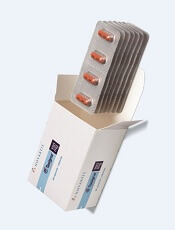
The European Medicines Agency’s Committee for Medicinal Products for Human Use (CHMP) has recommended expanding the authorized use for nilotinib (Tasigna) to include pediatric patients.
At present, nilotinib is approved for use in the European Economic Area to treat adults with chronic myeloid leukemia (CML).
The drug is used to treat adults with newly diagnosed, Philadelphia-chromosome-positive (Ph+), chronic phase CML and adults with chronic or accelerated phase, Ph+ CML with resistance or intolerance to prior therapy, including imatinib.
The CHMP has recommended expanding the marketing authorization of nilotinib to include pediatric patients with newly diagnosed, Ph+, chronic phase CML and pediatric patients with chronic phase, Ph+ CML with resistance or intolerance to prior therapy, including imatinib.
Detailed recommendations for the use of nilotinib will be described in the updated summary of product characteristics, which will be published in the revised European public assessment report. It will be available in all official European Union languages after a decision on this change to the marketing authorization has been granted by the European Commission (EC).
The EC typically adheres to the CHMP’s recommendations and delivers its final decision within 67 days of the CHMP’s recommendation.
The EC’s decision will be applicable to the entire European Economic Area—all member states of the European Union plus Iceland, Liechtenstein, and Norway. 
The European Medicines Agency’s Committee for Medicinal Products for Human Use (CHMP) has recommended expanding the authorized use for nilotinib (Tasigna) to include pediatric patients.
At present, nilotinib is approved for use in the European Economic Area to treat adults with chronic myeloid leukemia (CML).
The drug is used to treat adults with newly diagnosed, Philadelphia-chromosome-positive (Ph+), chronic phase CML and adults with chronic or accelerated phase, Ph+ CML with resistance or intolerance to prior therapy, including imatinib.
The CHMP has recommended expanding the marketing authorization of nilotinib to include pediatric patients with newly diagnosed, Ph+, chronic phase CML and pediatric patients with chronic phase, Ph+ CML with resistance or intolerance to prior therapy, including imatinib.
Detailed recommendations for the use of nilotinib will be described in the updated summary of product characteristics, which will be published in the revised European public assessment report. It will be available in all official European Union languages after a decision on this change to the marketing authorization has been granted by the European Commission (EC).
The EC typically adheres to the CHMP’s recommendations and delivers its final decision within 67 days of the CHMP’s recommendation.
The EC’s decision will be applicable to the entire European Economic Area—all member states of the European Union plus Iceland, Liechtenstein, and Norway.
The European Medicines Agency’s Committee for Medicinal Products for Human Use (CHMP) has recommended expanding the authorized use for nilotinib (Tasigna) to include pediatric patients.
At present, nilotinib is approved for use in the European Economic Area to treat adults with chronic myeloid leukemia (CML).
The drug is used to treat adults with newly diagnosed, Philadelphia-chromosome-positive (Ph+), chronic phase CML and adults with chronic or accelerated phase, Ph+ CML with resistance or intolerance to prior therapy, including imatinib.
The CHMP has recommended expanding the marketing authorization of nilotinib to include pediatric patients with newly diagnosed, Ph+, chronic phase CML and pediatric patients with chronic phase, Ph+ CML with resistance or intolerance to prior therapy, including imatinib.
Detailed recommendations for the use of nilotinib will be described in the updated summary of product characteristics, which will be published in the revised European public assessment report. It will be available in all official European Union languages after a decision on this change to the marketing authorization has been granted by the European Commission (EC).
The EC typically adheres to the CHMP’s recommendations and delivers its final decision within 67 days of the CHMP’s recommendation.
The EC’s decision will be applicable to the entire European Economic Area—all member states of the European Union plus Iceland, Liechtenstein, and Norway.
Acquiring a REDcap data entry skill set
Editor’s Note: The Society of Hospital Medicine’s (SHM’s) Physician in Training Committee launched a scholarship program in 2015 for medical students to help transform health care and revolutionize patient care. The program has been expanded for the 2017-2018 year, offering two options for students to receive funding and engage in scholarly work during their first, second, and third years of medical school. As a part of the program, recipients are required to write about their experience on a biweekly basis.
To give a status update on my project, I am almost finished collecting data for the Emergency ICU Transfer cases in Cincinnati Children’s Hospital. The project timeline is going as planned, and I should be finishing my data collection within the next week or so. I have begun to match control subjects by age strata, time of transfer and hospital unit to the Emergency ICU Transfer cases, and hope to finish that within the next week as well.

To streamline data collection and make it available for analysis in the near future, I set up a REDcap data entry form for my project. This was initially a challenge because even though I have entered data using this online tool before, I had no experience creating my own forms. With a lot of help from Google, people who worked around me, and our campus REDcap administrators, I was able to set this up pretty quickly and independently. I have noticed that this tool is widely used for clinical research, and am glad that being able create project instruments within REDcap is now part of my skill set. This was a unique learning experience for me that I wasn’t expecting to gain. It helped me understand what needs to be done specifically in order to execute a clinical research project, such as the one I’m working on alongside my mentor.
I have also learned a little medical knowledge from reading patient charts as I’m collecting data. For example, for procedures such as intubation, I have been seeing what specific medications are being administered for the pediatric patient. It has been interesting to learn some medical details behind lifesaving procedures, before even having clinical exposure in my medical training.
Farah Hussain is a 2nd-year medical student at University of Cincinnati College of Medicine and student researcher at Cincinnati Children’s Hospital Medical Center. Her research interests involve bettering patient care to vulnerable populations.
Editor’s Note: The Society of Hospital Medicine’s (SHM’s) Physician in Training Committee launched a scholarship program in 2015 for medical students to help transform health care and revolutionize patient care. The program has been expanded for the 2017-2018 year, offering two options for students to receive funding and engage in scholarly work during their first, second, and third years of medical school. As a part of the program, recipients are required to write about their experience on a biweekly basis.
To give a status update on my project, I am almost finished collecting data for the Emergency ICU Transfer cases in Cincinnati Children’s Hospital. The project timeline is going as planned, and I should be finishing my data collection within the next week or so. I have begun to match control subjects by age strata, time of transfer and hospital unit to the Emergency ICU Transfer cases, and hope to finish that within the next week as well.
To streamline data collection and make it available for analysis in the near future, I set up a REDcap data entry form for my project. This was initially a challenge because even though I have entered data using this online tool before, I had no experience creating my own forms. With a lot of help from Google, people who worked around me, and our campus REDcap administrators, I was able to set this up pretty quickly and independently. I have noticed that this tool is widely used for clinical research, and am glad that being able create project instruments within REDcap is now part of my skill set. This was a unique learning experience for me that I wasn’t expecting to gain. It helped me understand what needs to be done specifically in order to execute a clinical research project, such as the one I’m working on alongside my mentor.
I have also learned a little medical knowledge from reading patient charts as I’m collecting data. For example, for procedures such as intubation, I have been seeing what specific medications are being administered for the pediatric patient. It has been interesting to learn some medical details behind lifesaving procedures, before even having clinical exposure in my medical training.
Farah Hussain is a 2nd-year medical student at University of Cincinnati College of Medicine and student researcher at Cincinnati Children’s Hospital Medical Center. Her research interests involve bettering patient care to vulnerable populations.
Editor’s Note: The Society of Hospital Medicine’s (SHM’s) Physician in Training Committee launched a scholarship program in 2015 for medical students to help transform health care and revolutionize patient care. The program has been expanded for the 2017-2018 year, offering two options for students to receive funding and engage in scholarly work during their first, second, and third years of medical school. As a part of the program, recipients are required to write about their experience on a biweekly basis.
To give a status update on my project, I am almost finished collecting data for the Emergency ICU Transfer cases in Cincinnati Children’s Hospital. The project timeline is going as planned, and I should be finishing my data collection within the next week or so. I have begun to match control subjects by age strata, time of transfer and hospital unit to the Emergency ICU Transfer cases, and hope to finish that within the next week as well.
To streamline data collection and make it available for analysis in the near future, I set up a REDcap data entry form for my project. This was initially a challenge because even though I have entered data using this online tool before, I had no experience creating my own forms. With a lot of help from Google, people who worked around me, and our campus REDcap administrators, I was able to set this up pretty quickly and independently. I have noticed that this tool is widely used for clinical research, and am glad that being able create project instruments within REDcap is now part of my skill set. This was a unique learning experience for me that I wasn’t expecting to gain. It helped me understand what needs to be done specifically in order to execute a clinical research project, such as the one I’m working on alongside my mentor.
I have also learned a little medical knowledge from reading patient charts as I’m collecting data. For example, for procedures such as intubation, I have been seeing what specific medications are being administered for the pediatric patient. It has been interesting to learn some medical details behind lifesaving procedures, before even having clinical exposure in my medical training.
Farah Hussain is a 2nd-year medical student at University of Cincinnati College of Medicine and student researcher at Cincinnati Children’s Hospital Medical Center. Her research interests involve bettering patient care to vulnerable populations.
HPV vaccine pioneers win 2017 Lasker-DeBakey Clinical Medical Research Award
Douglas R. Lowy, MD, and John T. Schiller, PhD, received the 2017 Lasker-DeBakey Clinical Medical Research Award for their development of the virus-like particle technology used to create the human papillomavirus (HPV) vaccine. Their team discovered that proteins making up the outer shell of HPV could form virus-like particles that closely resemble the original virus but are not infectious, and these particles could trigger the immune system to produce protective antibodies that could neutralize HPV in a later infection. These particles eventually became the basis of the HPV vaccines Gardasil, Gardasil 9, and Cervarix.

HPV causes cervical cancer and other cancers such as cancer of the vulva, vagina, penis, or anus, as well as oropharyngeal cancer. Two of the high-risk types of HPV – HPV-16 and HPV-18 – cause about 70% of cervical cancers worldwide; it ranks 14th in frequency in the United States, according to the National Cancer Institute. The HPV vaccines are very effective in preventing persistent infections with HPV-16 and HPV-18. The Centers for Disease Control and Prevention’s Advisory Committee on Immunization Practices continues to recommend routine HPV vaccination for girls and boys at age 11 or 12 years, with a second vaccine given 6-12 months later.
Douglas R. Lowy, MD, and John T. Schiller, PhD, received the 2017 Lasker-DeBakey Clinical Medical Research Award for their development of the virus-like particle technology used to create the human papillomavirus (HPV) vaccine. Their team discovered that proteins making up the outer shell of HPV could form virus-like particles that closely resemble the original virus but are not infectious, and these particles could trigger the immune system to produce protective antibodies that could neutralize HPV in a later infection. These particles eventually became the basis of the HPV vaccines Gardasil, Gardasil 9, and Cervarix.
HPV causes cervical cancer and other cancers such as cancer of the vulva, vagina, penis, or anus, as well as oropharyngeal cancer. Two of the high-risk types of HPV – HPV-16 and HPV-18 – cause about 70% of cervical cancers worldwide; it ranks 14th in frequency in the United States, according to the National Cancer Institute. The HPV vaccines are very effective in preventing persistent infections with HPV-16 and HPV-18. The Centers for Disease Control and Prevention’s Advisory Committee on Immunization Practices continues to recommend routine HPV vaccination for girls and boys at age 11 or 12 years, with a second vaccine given 6-12 months later.
Douglas R. Lowy, MD, and John T. Schiller, PhD, received the 2017 Lasker-DeBakey Clinical Medical Research Award for their development of the virus-like particle technology used to create the human papillomavirus (HPV) vaccine. Their team discovered that proteins making up the outer shell of HPV could form virus-like particles that closely resemble the original virus but are not infectious, and these particles could trigger the immune system to produce protective antibodies that could neutralize HPV in a later infection. These particles eventually became the basis of the HPV vaccines Gardasil, Gardasil 9, and Cervarix.
HPV causes cervical cancer and other cancers such as cancer of the vulva, vagina, penis, or anus, as well as oropharyngeal cancer. Two of the high-risk types of HPV – HPV-16 and HPV-18 – cause about 70% of cervical cancers worldwide; it ranks 14th in frequency in the United States, according to the National Cancer Institute. The HPV vaccines are very effective in preventing persistent infections with HPV-16 and HPV-18. The Centers for Disease Control and Prevention’s Advisory Committee on Immunization Practices continues to recommend routine HPV vaccination for girls and boys at age 11 or 12 years, with a second vaccine given 6-12 months later.
Briviact gets monotherapy approval for partial-onset seizures
A supplemental new drug application for Briviact (brivaracetam) CV as a monotherapy treatment for partial-onset seizures in patients aged 16 years and older with epilepsy received approval from the Food and Drug Administration on Sept. 15, according to an announcement from its manufacturer, UCB.
Brivaracetam is already approved in the United States as an adjunctive treatment for partial-onset seizures in patients in this age group. As a result, adults and adolescents aged 16 years and older with partial-onset seizures in the United States can now be initiated on brivaracetam as monotherapy or adjunctive therapy.
Brivaracetam is the newest antiepileptic drug (AED) in the ‘racetam’ class of medicines and demonstrates a high and selective affinity for synaptic vesicle protein 2A (SV2A) in the brain, which may contribute to its anticonvulsant effects. Gradual dose escalation is not required when initiating treatment with brivaracetam for monotherapy or adjunctive therapy. According to the prescribing information, it is available in three formulations: film-coated tablets (10-mg, 25-mg, 50-mg, 75-mg, and 100-mg strengths), oral solution (10 mg/mL), and injection (50 mg in a 5-mL single-dose vial).
Common adverse reactions reported in at least 5% of brivaracetam users and at least 2% more frequently than placebo are somnolence and sedation, dizziness, fatigue, and nausea and vomiting.
“This new monotherapy indication builds on an already strong and compelling clinical profile for Briviact, providing doctors the flexibility to tailor their choice of AED to match individual patient needs and circumstances,” explained Pavel Klein, MD, director of the Mid-Atlantic Epilepsy and Sleep Center, Bethesda, Md., in the UCB announcement. “In helping to progress their journey towards seizure freedom by providing a choice of treatment which can be initiated as monotherapy, at a therapeutic dose, from day 1, Briviact provides an additional treatment choice for neurologists and their patients.”
A supplemental new drug application for Briviact (brivaracetam) CV as a monotherapy treatment for partial-onset seizures in patients aged 16 years and older with epilepsy received approval from the Food and Drug Administration on Sept. 15, according to an announcement from its manufacturer, UCB.
Brivaracetam is already approved in the United States as an adjunctive treatment for partial-onset seizures in patients in this age group. As a result, adults and adolescents aged 16 years and older with partial-onset seizures in the United States can now be initiated on brivaracetam as monotherapy or adjunctive therapy.
Brivaracetam is the newest antiepileptic drug (AED) in the ‘racetam’ class of medicines and demonstrates a high and selective affinity for synaptic vesicle protein 2A (SV2A) in the brain, which may contribute to its anticonvulsant effects. Gradual dose escalation is not required when initiating treatment with brivaracetam for monotherapy or adjunctive therapy. According to the prescribing information, it is available in three formulations: film-coated tablets (10-mg, 25-mg, 50-mg, 75-mg, and 100-mg strengths), oral solution (10 mg/mL), and injection (50 mg in a 5-mL single-dose vial).
Common adverse reactions reported in at least 5% of brivaracetam users and at least 2% more frequently than placebo are somnolence and sedation, dizziness, fatigue, and nausea and vomiting.
“This new monotherapy indication builds on an already strong and compelling clinical profile for Briviact, providing doctors the flexibility to tailor their choice of AED to match individual patient needs and circumstances,” explained Pavel Klein, MD, director of the Mid-Atlantic Epilepsy and Sleep Center, Bethesda, Md., in the UCB announcement. “In helping to progress their journey towards seizure freedom by providing a choice of treatment which can be initiated as monotherapy, at a therapeutic dose, from day 1, Briviact provides an additional treatment choice for neurologists and their patients.”
A supplemental new drug application for Briviact (brivaracetam) CV as a monotherapy treatment for partial-onset seizures in patients aged 16 years and older with epilepsy received approval from the Food and Drug Administration on Sept. 15, according to an announcement from its manufacturer, UCB.
Brivaracetam is already approved in the United States as an adjunctive treatment for partial-onset seizures in patients in this age group. As a result, adults and adolescents aged 16 years and older with partial-onset seizures in the United States can now be initiated on brivaracetam as monotherapy or adjunctive therapy.
Brivaracetam is the newest antiepileptic drug (AED) in the ‘racetam’ class of medicines and demonstrates a high and selective affinity for synaptic vesicle protein 2A (SV2A) in the brain, which may contribute to its anticonvulsant effects. Gradual dose escalation is not required when initiating treatment with brivaracetam for monotherapy or adjunctive therapy. According to the prescribing information, it is available in three formulations: film-coated tablets (10-mg, 25-mg, 50-mg, 75-mg, and 100-mg strengths), oral solution (10 mg/mL), and injection (50 mg in a 5-mL single-dose vial).
Common adverse reactions reported in at least 5% of brivaracetam users and at least 2% more frequently than placebo are somnolence and sedation, dizziness, fatigue, and nausea and vomiting.
“This new monotherapy indication builds on an already strong and compelling clinical profile for Briviact, providing doctors the flexibility to tailor their choice of AED to match individual patient needs and circumstances,” explained Pavel Klein, MD, director of the Mid-Atlantic Epilepsy and Sleep Center, Bethesda, Md., in the UCB announcement. “In helping to progress their journey towards seizure freedom by providing a choice of treatment which can be initiated as monotherapy, at a therapeutic dose, from day 1, Briviact provides an additional treatment choice for neurologists and their patients.”
VIDEO: What’s new in AAP’s pediatric hypertension guidelines
SAN FRANCISCO – The American Academy of Pediatrics recently released new hypertension guidelines for children and adolescents.
Some of the advice is similar to the group’s last effort in 2004, but there are a few key changes that clinicians need to know, according to lead author Joseph Flynn, MD, professor of pediatrics and chief of nephrology at Seattle Children’s Hospital. He explained what they are, and the reasons behind them, in an interview at the joint hypertension scientific sessions sponsored by the American Heart Association and the American Society of Hypertension (Pediatrics. 2017 Aug 21. doi: 10.1542/peds.2017-1904).
The prevalence of pediatric hypertension, he said, now rivals asthma.
SAN FRANCISCO – The American Academy of Pediatrics recently released new hypertension guidelines for children and adolescents.
Some of the advice is similar to the group’s last effort in 2004, but there are a few key changes that clinicians need to know, according to lead author Joseph Flynn, MD, professor of pediatrics and chief of nephrology at Seattle Children’s Hospital. He explained what they are, and the reasons behind them, in an interview at the joint hypertension scientific sessions sponsored by the American Heart Association and the American Society of Hypertension (Pediatrics. 2017 Aug 21. doi: 10.1542/peds.2017-1904).
The prevalence of pediatric hypertension, he said, now rivals asthma.
SAN FRANCISCO – The American Academy of Pediatrics recently released new hypertension guidelines for children and adolescents.
Some of the advice is similar to the group’s last effort in 2004, but there are a few key changes that clinicians need to know, according to lead author Joseph Flynn, MD, professor of pediatrics and chief of nephrology at Seattle Children’s Hospital. He explained what they are, and the reasons behind them, in an interview at the joint hypertension scientific sessions sponsored by the American Heart Association and the American Society of Hypertension (Pediatrics. 2017 Aug 21. doi: 10.1542/peds.2017-1904).
The prevalence of pediatric hypertension, he said, now rivals asthma.
EXPERT ANALYSIS FROM THE AHA/ASH JOINT SCIENTIFIC SESSIONS

Aptiom approved for pediatric partial-onset seizures
The Food and Drug Administration has approved Aptiom (eslicarbazepine acetate) for the treatment of partial-onset seizures in children aged 4-17 years, according to an announcement from Sunovion Pharmaceuticals.
The approval was based on results of three clinical trials where eslicarbazepine was shown to be safe and well tolerated in pediatric populations. The efficacy of eslicarbazepine has been illustrated in clinical trials in adult populations, and data were extrapolated to support usage in pediatric patients. Eslicarbazepine has previously been approved to treat partial-onset seizures in adults.
Pediatric dosing of eslicarbazepine is based on weight, and the tablets, available in 200-mg, 400-mg, 600-mg, and 800-mg strengths, can be taken whole or crushed, with or without food, according to the prescribing information.
“The unpredictable nature of seizures can be disruptive in the lives of these young people and their families, friends, and community. It is important that physicians have additional treatment options that address patient needs,” Steven Wolf, MD, director of pediatric epilepsy at Mount Sinai Health System, said in the announcement.
The Food and Drug Administration has approved Aptiom (eslicarbazepine acetate) for the treatment of partial-onset seizures in children aged 4-17 years, according to an announcement from Sunovion Pharmaceuticals.
The approval was based on results of three clinical trials where eslicarbazepine was shown to be safe and well tolerated in pediatric populations. The efficacy of eslicarbazepine has been illustrated in clinical trials in adult populations, and data were extrapolated to support usage in pediatric patients. Eslicarbazepine has previously been approved to treat partial-onset seizures in adults.
Pediatric dosing of eslicarbazepine is based on weight, and the tablets, available in 200-mg, 400-mg, 600-mg, and 800-mg strengths, can be taken whole or crushed, with or without food, according to the prescribing information.
“The unpredictable nature of seizures can be disruptive in the lives of these young people and their families, friends, and community. It is important that physicians have additional treatment options that address patient needs,” Steven Wolf, MD, director of pediatric epilepsy at Mount Sinai Health System, said in the announcement.
The Food and Drug Administration has approved Aptiom (eslicarbazepine acetate) for the treatment of partial-onset seizures in children aged 4-17 years, according to an announcement from Sunovion Pharmaceuticals.
The approval was based on results of three clinical trials where eslicarbazepine was shown to be safe and well tolerated in pediatric populations. The efficacy of eslicarbazepine has been illustrated in clinical trials in adult populations, and data were extrapolated to support usage in pediatric patients. Eslicarbazepine has previously been approved to treat partial-onset seizures in adults.
Pediatric dosing of eslicarbazepine is based on weight, and the tablets, available in 200-mg, 400-mg, 600-mg, and 800-mg strengths, can be taken whole or crushed, with or without food, according to the prescribing information.
“The unpredictable nature of seizures can be disruptive in the lives of these young people and their families, friends, and community. It is important that physicians have additional treatment options that address patient needs,” Steven Wolf, MD, director of pediatric epilepsy at Mount Sinai Health System, said in the announcement.
Parents of very preterm and VLBW infants have resilient quality of life decades later
A prospective cohort study of parents whose children were born very preterm (VP) or very low birth weight (VLBW) showed that their quality of life once their children reached adulthood was comparable to that of parents of term children. What did predict a poorer quality of life for these parents was whether their children had mental health problems or worse peer relationships in childhood.
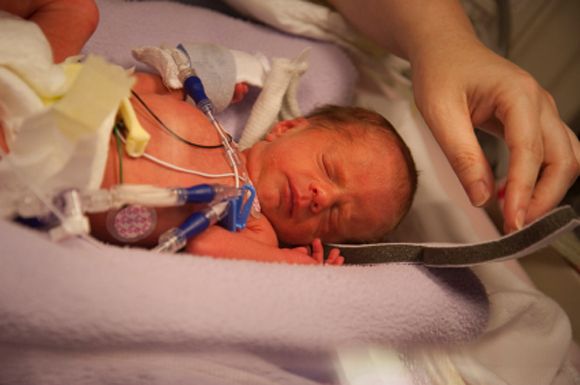
The questionnaire used was the World Health Organization Quality of Life instrument, Short Edition, which assesses physical health, psychological health, social relationships, and environment in 26 items. Parents also answered the five-item Satisfaction with Life Scale.
“The overall Quality of Life factor score of parents of VP and VLBW and term offspring was not different (VP and VLBW: mean standardized factor score −0.02; 95% confidence interval, −0.13 to 0.08; term controls: mean standardized factor score 0.02; 95% CI, −0.07 to 0.12; P greater than .05),” wrote Dieter Wolke, PhD, of the University of Warwick (England) and his coauthors.
VP and VLBW, disabilities, poorer academic achievement, and poorer parent-child relationships did not predict a lower quality of life for the parents. However, “in offspring, better mental health and peer relationships in childhood (independently of whether they were born VP or VLBW or term) still predicted parents’ quality of life more than a decade later,” they said.
Thus, taking measures to improve children’s mental health and peer relationships likely would aid both the children and their parents, they observed.
One thing that the authors do not remark on is that a significant number of the VP and VLBW infants in the Bavarian study’s initial sample died in the hospital (172 of 682; 25%), with another 12 deaths between the infants’ discharge and adulthood; the cohort study’s focus, therefore, is limited to the quality of life of parents whose children are still alive. Some other eligible parents dropped out, although the authors noted that they tried to control for factors differing between the dropouts and the participants.
Read more at Pediatrics (2017 Sep;140[3]:e20171263)
A prospective cohort study of parents whose children were born very preterm (VP) or very low birth weight (VLBW) showed that their quality of life once their children reached adulthood was comparable to that of parents of term children. What did predict a poorer quality of life for these parents was whether their children had mental health problems or worse peer relationships in childhood.
The questionnaire used was the World Health Organization Quality of Life instrument, Short Edition, which assesses physical health, psychological health, social relationships, and environment in 26 items. Parents also answered the five-item Satisfaction with Life Scale.
“The overall Quality of Life factor score of parents of VP and VLBW and term offspring was not different (VP and VLBW: mean standardized factor score −0.02; 95% confidence interval, −0.13 to 0.08; term controls: mean standardized factor score 0.02; 95% CI, −0.07 to 0.12; P greater than .05),” wrote Dieter Wolke, PhD, of the University of Warwick (England) and his coauthors.
VP and VLBW, disabilities, poorer academic achievement, and poorer parent-child relationships did not predict a lower quality of life for the parents. However, “in offspring, better mental health and peer relationships in childhood (independently of whether they were born VP or VLBW or term) still predicted parents’ quality of life more than a decade later,” they said.
Thus, taking measures to improve children’s mental health and peer relationships likely would aid both the children and their parents, they observed.
One thing that the authors do not remark on is that a significant number of the VP and VLBW infants in the Bavarian study’s initial sample died in the hospital (172 of 682; 25%), with another 12 deaths between the infants’ discharge and adulthood; the cohort study’s focus, therefore, is limited to the quality of life of parents whose children are still alive. Some other eligible parents dropped out, although the authors noted that they tried to control for factors differing between the dropouts and the participants.
Read more at Pediatrics (2017 Sep;140[3]:e20171263)
A prospective cohort study of parents whose children were born very preterm (VP) or very low birth weight (VLBW) showed that their quality of life once their children reached adulthood was comparable to that of parents of term children. What did predict a poorer quality of life for these parents was whether their children had mental health problems or worse peer relationships in childhood.
The questionnaire used was the World Health Organization Quality of Life instrument, Short Edition, which assesses physical health, psychological health, social relationships, and environment in 26 items. Parents also answered the five-item Satisfaction with Life Scale.
“The overall Quality of Life factor score of parents of VP and VLBW and term offspring was not different (VP and VLBW: mean standardized factor score −0.02; 95% confidence interval, −0.13 to 0.08; term controls: mean standardized factor score 0.02; 95% CI, −0.07 to 0.12; P greater than .05),” wrote Dieter Wolke, PhD, of the University of Warwick (England) and his coauthors.
VP and VLBW, disabilities, poorer academic achievement, and poorer parent-child relationships did not predict a lower quality of life for the parents. However, “in offspring, better mental health and peer relationships in childhood (independently of whether they were born VP or VLBW or term) still predicted parents’ quality of life more than a decade later,” they said.
Thus, taking measures to improve children’s mental health and peer relationships likely would aid both the children and their parents, they observed.
One thing that the authors do not remark on is that a significant number of the VP and VLBW infants in the Bavarian study’s initial sample died in the hospital (172 of 682; 25%), with another 12 deaths between the infants’ discharge and adulthood; the cohort study’s focus, therefore, is limited to the quality of life of parents whose children are still alive. Some other eligible parents dropped out, although the authors noted that they tried to control for factors differing between the dropouts and the participants.
Read more at Pediatrics (2017 Sep;140[3]:e20171263)
FROM PEDIATRICS
Report details progress, obstacles in cancer research and care
Deaths from cancer are on the decline in the US, but new cases of cancer are on the rise, according to the 7th annual American Association for Cancer Research (AACR) Cancer Progress Report.
The data suggest the cancer death rate declined by 35% from 1991 to 2014 for children and by 25% for adults, a reduction that translates to 2.1 million cancer deaths avoided.
However, 600,920 people in the US are projected to die from cancer in 2017.
And the number of new cancer cases is predicted to rise from 1.7 million in 2017 to 2.3 million in 2030.
The report also estimates there will be 62,130 new cases of leukemia in 2017 and 24,500 leukemia deaths this year.
This includes:
- 5970 cases of acute lymphocytic leukemia and 1440 deaths
- 20,110 cases of chronic lymphocytic leukemia and 4660 deaths
- 21,380 cases of acute myeloid leukemia (AML) and 10,590 deaths
- 8950 cases of chronic myeloid leukemia and 1080 deaths.
The estimate for lymphomas is 80,500 new cases and 21,210 deaths.
This includes:
- 8260 cases of Hodgkin lymphoma (HL) and 1070 deaths
- 72,240 cases of non-Hodgkin lymphoma and 20,140 deaths.
The estimate for myeloma is 30,280 new cases and 12,590 deaths.
The report says the estimated new cases of cancer are based on cancer incidence rates from 49 states and the District of Columbia from 1995 through 2013, as reported by the North American Association of Central Cancer Registries. This represents about 98% of the US population.
The estimated deaths are based on US mortality data from 1997 through 2013, taken from the National Center for Health Statistics of the Centers for Disease Control and Prevention.
Drug approvals
The AACR report notes that, between August 1, 2016, and July 31, 2017, the US Food and Drug Administration (FDA) approved new uses for 15 anticancer agents, 9 of which had no previous FDA approval.
Five of the agents are immunotherapies, which the report dubs “revolutionary treatments that are increasing survival and improving quality of life for patients.”
Among the recently approved therapies are 3 used for hematology indications:
- Ibrutinib (Imbruvica), approved to treat patients with relapsed/refractory marginal zone lymphoma who require systemic therapy and have received at least 1 prior anti-CD20-based therapy
- Midostaurin (Rydapt), approved as monotherapy for adults with advanced systemic mastocytosis and for use in combination with standard cytarabine and daunorubicin induction, followed by cytarabine consolidation, in adults with newly diagnosed AML who are FLT3 mutation-positive, as detected by an FDA-approved test.
- Pembrolizumab (Keytruda), approved to treat adult and pediatric patients with refractory classical HL or those with classical HL who have relapsed after 3 or more prior lines of therapy.
Disparities and costs
The AACR report points out that advances against cancer have not benefited everyone equally, and cancer health disparities are some of the most pressing challenges.
Among the disparities listed is the fact that adolescents and young adults (ages 15 to 39) with AML have a 5-year relative survival rate that is 22% lower than that of children (ages 1 to 14) with AML.
And Hispanic children are 24% more likely to develop leukemia than non-Hispanic children.
Another concern mentioned in the report is the cost of cancer care. The direct medical costs of cancer care in 2014 were estimated to be nearly $87.6 billion. This number does not include the indirect costs of lost productivity due to cancer-related morbidity and mortality.
With this in mind, the AACR is calling for a $2 billion increase in funding for the National Institutes of Health in fiscal year 2018, for a total funding level of $36.2 billion.
The AACR also recommends an $80 million increase in the FDA budget, bringing it to $2.8 billion for fiscal year 2018.
Deaths from cancer are on the decline in the US, but new cases of cancer are on the rise, according to the 7th annual American Association for Cancer Research (AACR) Cancer Progress Report.
The data suggest the cancer death rate declined by 35% from 1991 to 2014 for children and by 25% for adults, a reduction that translates to 2.1 million cancer deaths avoided.
However, 600,920 people in the US are projected to die from cancer in 2017.
And the number of new cancer cases is predicted to rise from 1.7 million in 2017 to 2.3 million in 2030.
The report also estimates there will be 62,130 new cases of leukemia in 2017 and 24,500 leukemia deaths this year.
This includes:
- 5970 cases of acute lymphocytic leukemia and 1440 deaths
- 20,110 cases of chronic lymphocytic leukemia and 4660 deaths
- 21,380 cases of acute myeloid leukemia (AML) and 10,590 deaths
- 8950 cases of chronic myeloid leukemia and 1080 deaths.
The estimate for lymphomas is 80,500 new cases and 21,210 deaths.
This includes:
- 8260 cases of Hodgkin lymphoma (HL) and 1070 deaths
- 72,240 cases of non-Hodgkin lymphoma and 20,140 deaths.
The estimate for myeloma is 30,280 new cases and 12,590 deaths.
The report says the estimated new cases of cancer are based on cancer incidence rates from 49 states and the District of Columbia from 1995 through 2013, as reported by the North American Association of Central Cancer Registries. This represents about 98% of the US population.
The estimated deaths are based on US mortality data from 1997 through 2013, taken from the National Center for Health Statistics of the Centers for Disease Control and Prevention.
Drug approvals
The AACR report notes that, between August 1, 2016, and July 31, 2017, the US Food and Drug Administration (FDA) approved new uses for 15 anticancer agents, 9 of which had no previous FDA approval.
Five of the agents are immunotherapies, which the report dubs “revolutionary treatments that are increasing survival and improving quality of life for patients.”
Among the recently approved therapies are 3 used for hematology indications:
- Ibrutinib (Imbruvica), approved to treat patients with relapsed/refractory marginal zone lymphoma who require systemic therapy and have received at least 1 prior anti-CD20-based therapy
- Midostaurin (Rydapt), approved as monotherapy for adults with advanced systemic mastocytosis and for use in combination with standard cytarabine and daunorubicin induction, followed by cytarabine consolidation, in adults with newly diagnosed AML who are FLT3 mutation-positive, as detected by an FDA-approved test.
- Pembrolizumab (Keytruda), approved to treat adult and pediatric patients with refractory classical HL or those with classical HL who have relapsed after 3 or more prior lines of therapy.
Disparities and costs
The AACR report points out that advances against cancer have not benefited everyone equally, and cancer health disparities are some of the most pressing challenges.
Among the disparities listed is the fact that adolescents and young adults (ages 15 to 39) with AML have a 5-year relative survival rate that is 22% lower than that of children (ages 1 to 14) with AML.
And Hispanic children are 24% more likely to develop leukemia than non-Hispanic children.
Another concern mentioned in the report is the cost of cancer care. The direct medical costs of cancer care in 2014 were estimated to be nearly $87.6 billion. This number does not include the indirect costs of lost productivity due to cancer-related morbidity and mortality.
With this in mind, the AACR is calling for a $2 billion increase in funding for the National Institutes of Health in fiscal year 2018, for a total funding level of $36.2 billion.
The AACR also recommends an $80 million increase in the FDA budget, bringing it to $2.8 billion for fiscal year 2018.
Deaths from cancer are on the decline in the US, but new cases of cancer are on the rise, according to the 7th annual American Association for Cancer Research (AACR) Cancer Progress Report.
The data suggest the cancer death rate declined by 35% from 1991 to 2014 for children and by 25% for adults, a reduction that translates to 2.1 million cancer deaths avoided.
However, 600,920 people in the US are projected to die from cancer in 2017.
And the number of new cancer cases is predicted to rise from 1.7 million in 2017 to 2.3 million in 2030.
The report also estimates there will be 62,130 new cases of leukemia in 2017 and 24,500 leukemia deaths this year.
This includes:
- 5970 cases of acute lymphocytic leukemia and 1440 deaths
- 20,110 cases of chronic lymphocytic leukemia and 4660 deaths
- 21,380 cases of acute myeloid leukemia (AML) and 10,590 deaths
- 8950 cases of chronic myeloid leukemia and 1080 deaths.
The estimate for lymphomas is 80,500 new cases and 21,210 deaths.
This includes:
- 8260 cases of Hodgkin lymphoma (HL) and 1070 deaths
- 72,240 cases of non-Hodgkin lymphoma and 20,140 deaths.
The estimate for myeloma is 30,280 new cases and 12,590 deaths.
The report says the estimated new cases of cancer are based on cancer incidence rates from 49 states and the District of Columbia from 1995 through 2013, as reported by the North American Association of Central Cancer Registries. This represents about 98% of the US population.
The estimated deaths are based on US mortality data from 1997 through 2013, taken from the National Center for Health Statistics of the Centers for Disease Control and Prevention.
Drug approvals
The AACR report notes that, between August 1, 2016, and July 31, 2017, the US Food and Drug Administration (FDA) approved new uses for 15 anticancer agents, 9 of which had no previous FDA approval.
Five of the agents are immunotherapies, which the report dubs “revolutionary treatments that are increasing survival and improving quality of life for patients.”
Among the recently approved therapies are 3 used for hematology indications:
- Ibrutinib (Imbruvica), approved to treat patients with relapsed/refractory marginal zone lymphoma who require systemic therapy and have received at least 1 prior anti-CD20-based therapy
- Midostaurin (Rydapt), approved as monotherapy for adults with advanced systemic mastocytosis and for use in combination with standard cytarabine and daunorubicin induction, followed by cytarabine consolidation, in adults with newly diagnosed AML who are FLT3 mutation-positive, as detected by an FDA-approved test.
- Pembrolizumab (Keytruda), approved to treat adult and pediatric patients with refractory classical HL or those with classical HL who have relapsed after 3 or more prior lines of therapy.
Disparities and costs
The AACR report points out that advances against cancer have not benefited everyone equally, and cancer health disparities are some of the most pressing challenges.
Among the disparities listed is the fact that adolescents and young adults (ages 15 to 39) with AML have a 5-year relative survival rate that is 22% lower than that of children (ages 1 to 14) with AML.
And Hispanic children are 24% more likely to develop leukemia than non-Hispanic children.
Another concern mentioned in the report is the cost of cancer care. The direct medical costs of cancer care in 2014 were estimated to be nearly $87.6 billion. This number does not include the indirect costs of lost productivity due to cancer-related morbidity and mortality.
With this in mind, the AACR is calling for a $2 billion increase in funding for the National Institutes of Health in fiscal year 2018, for a total funding level of $36.2 billion.
The AACR also recommends an $80 million increase in the FDA budget, bringing it to $2.8 billion for fiscal year 2018.
Targeted therapy may be possible for pityriasis rubra pilaris
CHICAGO – If you’ve ever found that making a diagnosis of pityriasis rubra pilaris is difficult, you’re not alone.
In a recent case series of 100 patients with a median age of 61 years, only 50 patients had an undeniable diagnosis of pityriasis rubra pilaris (PRP). Of those patients, only 26% were diagnosed at initial presentation. The mean delay to diagnosis was 29 months, and 54% required two or more biopsies (JAMA Derm. 2016 Jun 1;152[6]:670-5).
“This is one of those conditions that sometimes you’re going to follow patients and not know what it is right away,” Patricia M. Witman, MD, said at the World Congress of Pediatric Dermatology. Although eczema and contact dermatitis are common diseases where the diagnosis is missed, it’s easy to mistake pityriasis rubra pilaris for psoriasis.
“On the flip side, follicular psoriasis is easy to mistake for PRP,” said Dr. Witman, chief of the division of dermatology at Nationwide Children’s Hospital, Columbus, Ohio. “It’s an uncommon variant that occurs in only about 2.1% of all pediatric psoriasis. These patients can have keratoderma, but they have classic psoriasis on biopsy. Pediatric patients with this subtype do not typically have classic psoriasis plaques.”
PRP is an anti-inflammatory papulosquamous disease with an incidence that ranges between 1:3,500 and 1:400,000. It occurs equally in men and women and has a bimodal onset, with 52%-60% of cases occurring in the 6th or 7th decade of life, and 6%-12% occurring in the 1st or 2nd decade of life, with a mean age of 7 years. Characteristic clinical features include cephalocaudal spread, keratotic follicular papules, well-demarcated orange/red plaques, fine scale, islands of sparing, erythroderma, and palmoplantar keratoderma.
“Even though it’s characteristic, there is a wide spread in the type of disease manifestations,” Dr. Witman said. “There are six different types based on how old you are and on the presentation.”
She limited her presentation to a discussion of three types:
- Classic juvenile type. This type usually presents between ages 5 and 10 and resembles the type I, or classic adult, type, with cephalocaudal spread, follicular keratotic erythematous papules coalescing into plaques, islands of sparing, and typically keratoderma. The scalp dermatitis it causes “often has a little finer scale than the thick micaceous scale we see in psoriasis,” she noted. “Patients can have a photoaggravated presentation with relative sparing of areas protected from the sun.”
- Circumscribed juvenile type. This is the most common pediatric variant. It usually presents between the ages of 3 and 10, with a mean age of 6. It is characterized by sharply demarcated plaques on extensor elbows and knees, as well as follicular hyperkeratosis. About 70% will also have keratoderma. “The Achilles tendon involvement is considered to be fairly pathognomonic for this condition and helps differentiate it from psoriasis, as well as an orange to yellow color of the keratoderma,” Dr. Witman said.
- The atypical juvenile type, or type V. This the familial variant of PRP. It’s also the rarest, occurring in just 6.5% of cases. “It’s autosomal dominant and has incomplete penetrance and variable expression,” she said. “It typically presents in infancy or in the first few years of life. Patients with this form also tend to have a more sclerodermoid palmoplantar keratoderma and ichthyosiform features. It is typically a lifelong condition, but there have been occasional case reports of self-resolution.”
The clinical features of PRP often overlap with psoriasis.
“Although there are some things that are more pathognomonic for PRP, like the Achilles tendon involvement and the keratoderma, for psoriasis we have nail pitting, which we don’t usually see in PRP,” Dr. Witman said. “Sometimes, it’s the skin biopsy that helps us distinguish those defining features, and it may take more than one biopsy to make the diagnosis.”
Dermoscopy can also be helpful. One analysis found that dermoscopy features of PRP include multiple keratotic papules with peripheral rings of erythema that coalesce into a yellow-orange plaque, linear vessels at the periphery of papules, and papules centered on hair (J Am Acad Dermatol. 2015 Jan;72[1]:S58-9).
“Even when you have that definite diagnosis of PRP, you have to remember that PRP can be seen within the context of other disease,” Dr. Witman cautioned. “Malignancy is usually limited to our adult patients with PRP, but infection can certainly trigger PRP in our pediatric patients, most commonly streptococcus. Medication reactions, especially to the biologics, have also been reported to cause PRP-like reactions, as well as autoimmune disease.”
One such entity is referred to as “Wong-like” dermatomyositis, in which patients present with a rash that looks identical to PRP (Ped Dermatol. 2007;24[2]:155-6). “It can occur in both the juvenile and adult populations,” she said. “It has clinical and histopathologic features of PRP, yet it may precede or occur concurrently with a diagnosis of dermatomyositis.”
In 2012, a group of researchers discovered that a gain of function mutation in CARD14 leads to atypical juvenile-type PRP (Am J Hum Genet. 2012 Jul 13;91:163-70). CARD14 is a member of a protein family known as caspase recruitment domain, family member 14, which also is mutated in a variant of familial psoriasis.
“It’s a protein that’s predominantly expressed in the skin, and it’s a known activator of transcription factor nuclear factor kappa light chain enhancer in activated B cells [NFkB], which is responsible for inflammation in the epidermis,” Dr. Witman explained. “What we know is that if you have a gain of function mutation in CARD14, we think that this activates the NFkB pathway and leads to increased inflammation of the skin. The same process would be expected in cases of familial psoriasis.”
Current treatment of PRP is challenging, he said. A recent survey of patients found that 76% found emollients most effective, followed by topical steroids (50%) and salicylic acid (45%) (JAMA Derm. 2016 Jun 1;152[6]:670-5). When it came to systemic therapies, 59% found retinoids most effective, followed by methotrexate (42%) and tumor necrosis factor inhibitors (40%). Only 8% found phototherapy helpful.
Dr. Witman noted that the discovery of the CARD14 mutation as the cause of the familial variant “brings us closer to an understanding of juvenile PRP,” and to the potential for targeted therapy.
“This really raises the question: Do ustekinumab and similar drugs have a future role in the treatment of PRP?” she asked. “We do see anecdotal evidence of clearance in adults using ustekinumab, both those with and without type V PRP and a CARD14 mutation. It has been tried in adult patients, predominantly in those who have failed multiple therapies. But this is anecdotal evidence with isolated case reports. These patients did respond to dosing that is typical for psoriasis.
“At this point, it is not approved for PRP, nor is it approved in children – but it’s something to think about once we have more information,” Dr. Witman noted. “The newer biologics targeting IL[interleukin]-23 and IL-17 may hold promise for PRP, based on what we have learned in psoriasis. But at this point, the safest and most effective therapy for the different variants of PRP in our pediatric patients remains to be seen.”
Dr. Witman reported having no relevant financial disclosures.
CHICAGO – If you’ve ever found that making a diagnosis of pityriasis rubra pilaris is difficult, you’re not alone.
In a recent case series of 100 patients with a median age of 61 years, only 50 patients had an undeniable diagnosis of pityriasis rubra pilaris (PRP). Of those patients, only 26% were diagnosed at initial presentation. The mean delay to diagnosis was 29 months, and 54% required two or more biopsies (JAMA Derm. 2016 Jun 1;152[6]:670-5).
“This is one of those conditions that sometimes you’re going to follow patients and not know what it is right away,” Patricia M. Witman, MD, said at the World Congress of Pediatric Dermatology. Although eczema and contact dermatitis are common diseases where the diagnosis is missed, it’s easy to mistake pityriasis rubra pilaris for psoriasis.
“On the flip side, follicular psoriasis is easy to mistake for PRP,” said Dr. Witman, chief of the division of dermatology at Nationwide Children’s Hospital, Columbus, Ohio. “It’s an uncommon variant that occurs in only about 2.1% of all pediatric psoriasis. These patients can have keratoderma, but they have classic psoriasis on biopsy. Pediatric patients with this subtype do not typically have classic psoriasis plaques.”
PRP is an anti-inflammatory papulosquamous disease with an incidence that ranges between 1:3,500 and 1:400,000. It occurs equally in men and women and has a bimodal onset, with 52%-60% of cases occurring in the 6th or 7th decade of life, and 6%-12% occurring in the 1st or 2nd decade of life, with a mean age of 7 years. Characteristic clinical features include cephalocaudal spread, keratotic follicular papules, well-demarcated orange/red plaques, fine scale, islands of sparing, erythroderma, and palmoplantar keratoderma.
“Even though it’s characteristic, there is a wide spread in the type of disease manifestations,” Dr. Witman said. “There are six different types based on how old you are and on the presentation.”
She limited her presentation to a discussion of three types:
- Classic juvenile type. This type usually presents between ages 5 and 10 and resembles the type I, or classic adult, type, with cephalocaudal spread, follicular keratotic erythematous papules coalescing into plaques, islands of sparing, and typically keratoderma. The scalp dermatitis it causes “often has a little finer scale than the thick micaceous scale we see in psoriasis,” she noted. “Patients can have a photoaggravated presentation with relative sparing of areas protected from the sun.”
- Circumscribed juvenile type. This is the most common pediatric variant. It usually presents between the ages of 3 and 10, with a mean age of 6. It is characterized by sharply demarcated plaques on extensor elbows and knees, as well as follicular hyperkeratosis. About 70% will also have keratoderma. “The Achilles tendon involvement is considered to be fairly pathognomonic for this condition and helps differentiate it from psoriasis, as well as an orange to yellow color of the keratoderma,” Dr. Witman said.
- The atypical juvenile type, or type V. This the familial variant of PRP. It’s also the rarest, occurring in just 6.5% of cases. “It’s autosomal dominant and has incomplete penetrance and variable expression,” she said. “It typically presents in infancy or in the first few years of life. Patients with this form also tend to have a more sclerodermoid palmoplantar keratoderma and ichthyosiform features. It is typically a lifelong condition, but there have been occasional case reports of self-resolution.”
The clinical features of PRP often overlap with psoriasis.
“Although there are some things that are more pathognomonic for PRP, like the Achilles tendon involvement and the keratoderma, for psoriasis we have nail pitting, which we don’t usually see in PRP,” Dr. Witman said. “Sometimes, it’s the skin biopsy that helps us distinguish those defining features, and it may take more than one biopsy to make the diagnosis.”
Dermoscopy can also be helpful. One analysis found that dermoscopy features of PRP include multiple keratotic papules with peripheral rings of erythema that coalesce into a yellow-orange plaque, linear vessels at the periphery of papules, and papules centered on hair (J Am Acad Dermatol. 2015 Jan;72[1]:S58-9).
“Even when you have that definite diagnosis of PRP, you have to remember that PRP can be seen within the context of other disease,” Dr. Witman cautioned. “Malignancy is usually limited to our adult patients with PRP, but infection can certainly trigger PRP in our pediatric patients, most commonly streptococcus. Medication reactions, especially to the biologics, have also been reported to cause PRP-like reactions, as well as autoimmune disease.”
One such entity is referred to as “Wong-like” dermatomyositis, in which patients present with a rash that looks identical to PRP (Ped Dermatol. 2007;24[2]:155-6). “It can occur in both the juvenile and adult populations,” she said. “It has clinical and histopathologic features of PRP, yet it may precede or occur concurrently with a diagnosis of dermatomyositis.”
In 2012, a group of researchers discovered that a gain of function mutation in CARD14 leads to atypical juvenile-type PRP (Am J Hum Genet. 2012 Jul 13;91:163-70). CARD14 is a member of a protein family known as caspase recruitment domain, family member 14, which also is mutated in a variant of familial psoriasis.
“It’s a protein that’s predominantly expressed in the skin, and it’s a known activator of transcription factor nuclear factor kappa light chain enhancer in activated B cells [NFkB], which is responsible for inflammation in the epidermis,” Dr. Witman explained. “What we know is that if you have a gain of function mutation in CARD14, we think that this activates the NFkB pathway and leads to increased inflammation of the skin. The same process would be expected in cases of familial psoriasis.”
Current treatment of PRP is challenging, he said. A recent survey of patients found that 76% found emollients most effective, followed by topical steroids (50%) and salicylic acid (45%) (JAMA Derm. 2016 Jun 1;152[6]:670-5). When it came to systemic therapies, 59% found retinoids most effective, followed by methotrexate (42%) and tumor necrosis factor inhibitors (40%). Only 8% found phototherapy helpful.
Dr. Witman noted that the discovery of the CARD14 mutation as the cause of the familial variant “brings us closer to an understanding of juvenile PRP,” and to the potential for targeted therapy.
“This really raises the question: Do ustekinumab and similar drugs have a future role in the treatment of PRP?” she asked. “We do see anecdotal evidence of clearance in adults using ustekinumab, both those with and without type V PRP and a CARD14 mutation. It has been tried in adult patients, predominantly in those who have failed multiple therapies. But this is anecdotal evidence with isolated case reports. These patients did respond to dosing that is typical for psoriasis.
“At this point, it is not approved for PRP, nor is it approved in children – but it’s something to think about once we have more information,” Dr. Witman noted. “The newer biologics targeting IL[interleukin]-23 and IL-17 may hold promise for PRP, based on what we have learned in psoriasis. But at this point, the safest and most effective therapy for the different variants of PRP in our pediatric patients remains to be seen.”
Dr. Witman reported having no relevant financial disclosures.
CHICAGO – If you’ve ever found that making a diagnosis of pityriasis rubra pilaris is difficult, you’re not alone.
In a recent case series of 100 patients with a median age of 61 years, only 50 patients had an undeniable diagnosis of pityriasis rubra pilaris (PRP). Of those patients, only 26% were diagnosed at initial presentation. The mean delay to diagnosis was 29 months, and 54% required two or more biopsies (JAMA Derm. 2016 Jun 1;152[6]:670-5).
“This is one of those conditions that sometimes you’re going to follow patients and not know what it is right away,” Patricia M. Witman, MD, said at the World Congress of Pediatric Dermatology. Although eczema and contact dermatitis are common diseases where the diagnosis is missed, it’s easy to mistake pityriasis rubra pilaris for psoriasis.
“On the flip side, follicular psoriasis is easy to mistake for PRP,” said Dr. Witman, chief of the division of dermatology at Nationwide Children’s Hospital, Columbus, Ohio. “It’s an uncommon variant that occurs in only about 2.1% of all pediatric psoriasis. These patients can have keratoderma, but they have classic psoriasis on biopsy. Pediatric patients with this subtype do not typically have classic psoriasis plaques.”
PRP is an anti-inflammatory papulosquamous disease with an incidence that ranges between 1:3,500 and 1:400,000. It occurs equally in men and women and has a bimodal onset, with 52%-60% of cases occurring in the 6th or 7th decade of life, and 6%-12% occurring in the 1st or 2nd decade of life, with a mean age of 7 years. Characteristic clinical features include cephalocaudal spread, keratotic follicular papules, well-demarcated orange/red plaques, fine scale, islands of sparing, erythroderma, and palmoplantar keratoderma.
“Even though it’s characteristic, there is a wide spread in the type of disease manifestations,” Dr. Witman said. “There are six different types based on how old you are and on the presentation.”
She limited her presentation to a discussion of three types:
- Classic juvenile type. This type usually presents between ages 5 and 10 and resembles the type I, or classic adult, type, with cephalocaudal spread, follicular keratotic erythematous papules coalescing into plaques, islands of sparing, and typically keratoderma. The scalp dermatitis it causes “often has a little finer scale than the thick micaceous scale we see in psoriasis,” she noted. “Patients can have a photoaggravated presentation with relative sparing of areas protected from the sun.”
- Circumscribed juvenile type. This is the most common pediatric variant. It usually presents between the ages of 3 and 10, with a mean age of 6. It is characterized by sharply demarcated plaques on extensor elbows and knees, as well as follicular hyperkeratosis. About 70% will also have keratoderma. “The Achilles tendon involvement is considered to be fairly pathognomonic for this condition and helps differentiate it from psoriasis, as well as an orange to yellow color of the keratoderma,” Dr. Witman said.
- The atypical juvenile type, or type V. This the familial variant of PRP. It’s also the rarest, occurring in just 6.5% of cases. “It’s autosomal dominant and has incomplete penetrance and variable expression,” she said. “It typically presents in infancy or in the first few years of life. Patients with this form also tend to have a more sclerodermoid palmoplantar keratoderma and ichthyosiform features. It is typically a lifelong condition, but there have been occasional case reports of self-resolution.”
The clinical features of PRP often overlap with psoriasis.
“Although there are some things that are more pathognomonic for PRP, like the Achilles tendon involvement and the keratoderma, for psoriasis we have nail pitting, which we don’t usually see in PRP,” Dr. Witman said. “Sometimes, it’s the skin biopsy that helps us distinguish those defining features, and it may take more than one biopsy to make the diagnosis.”
Dermoscopy can also be helpful. One analysis found that dermoscopy features of PRP include multiple keratotic papules with peripheral rings of erythema that coalesce into a yellow-orange plaque, linear vessels at the periphery of papules, and papules centered on hair (J Am Acad Dermatol. 2015 Jan;72[1]:S58-9).
“Even when you have that definite diagnosis of PRP, you have to remember that PRP can be seen within the context of other disease,” Dr. Witman cautioned. “Malignancy is usually limited to our adult patients with PRP, but infection can certainly trigger PRP in our pediatric patients, most commonly streptococcus. Medication reactions, especially to the biologics, have also been reported to cause PRP-like reactions, as well as autoimmune disease.”
One such entity is referred to as “Wong-like” dermatomyositis, in which patients present with a rash that looks identical to PRP (Ped Dermatol. 2007;24[2]:155-6). “It can occur in both the juvenile and adult populations,” she said. “It has clinical and histopathologic features of PRP, yet it may precede or occur concurrently with a diagnosis of dermatomyositis.”
In 2012, a group of researchers discovered that a gain of function mutation in CARD14 leads to atypical juvenile-type PRP (Am J Hum Genet. 2012 Jul 13;91:163-70). CARD14 is a member of a protein family known as caspase recruitment domain, family member 14, which also is mutated in a variant of familial psoriasis.
“It’s a protein that’s predominantly expressed in the skin, and it’s a known activator of transcription factor nuclear factor kappa light chain enhancer in activated B cells [NFkB], which is responsible for inflammation in the epidermis,” Dr. Witman explained. “What we know is that if you have a gain of function mutation in CARD14, we think that this activates the NFkB pathway and leads to increased inflammation of the skin. The same process would be expected in cases of familial psoriasis.”
Current treatment of PRP is challenging, he said. A recent survey of patients found that 76% found emollients most effective, followed by topical steroids (50%) and salicylic acid (45%) (JAMA Derm. 2016 Jun 1;152[6]:670-5). When it came to systemic therapies, 59% found retinoids most effective, followed by methotrexate (42%) and tumor necrosis factor inhibitors (40%). Only 8% found phototherapy helpful.
Dr. Witman noted that the discovery of the CARD14 mutation as the cause of the familial variant “brings us closer to an understanding of juvenile PRP,” and to the potential for targeted therapy.
“This really raises the question: Do ustekinumab and similar drugs have a future role in the treatment of PRP?” she asked. “We do see anecdotal evidence of clearance in adults using ustekinumab, both those with and without type V PRP and a CARD14 mutation. It has been tried in adult patients, predominantly in those who have failed multiple therapies. But this is anecdotal evidence with isolated case reports. These patients did respond to dosing that is typical for psoriasis.
“At this point, it is not approved for PRP, nor is it approved in children – but it’s something to think about once we have more information,” Dr. Witman noted. “The newer biologics targeting IL[interleukin]-23 and IL-17 may hold promise for PRP, based on what we have learned in psoriasis. But at this point, the safest and most effective therapy for the different variants of PRP in our pediatric patients remains to be seen.”
Dr. Witman reported having no relevant financial disclosures.
AT WCPD 2017
New assay helps differentiate between viral and bacterial infections in children
An assay testing the presence of three blood-borne host-proteins shows promise in accurately identifying viral and bacterial infections in febrile children, a validation study found.
The three proteins that the ImmunoXpert assay uses to differentiate between viral and bacterial infections are: viral-induced tumor necrosis factor-related apoptosis–inducing ligand (TRAIL), interferon gamma-induced protein-10 (IP-10), and bacterial-induced C-reactive protein (CRP). TRAIL and IP-10 are novel identifiers, while CRP has been used in traditional bacterial detecting assays, Isaac Srugo, MD, and his colleagues reported.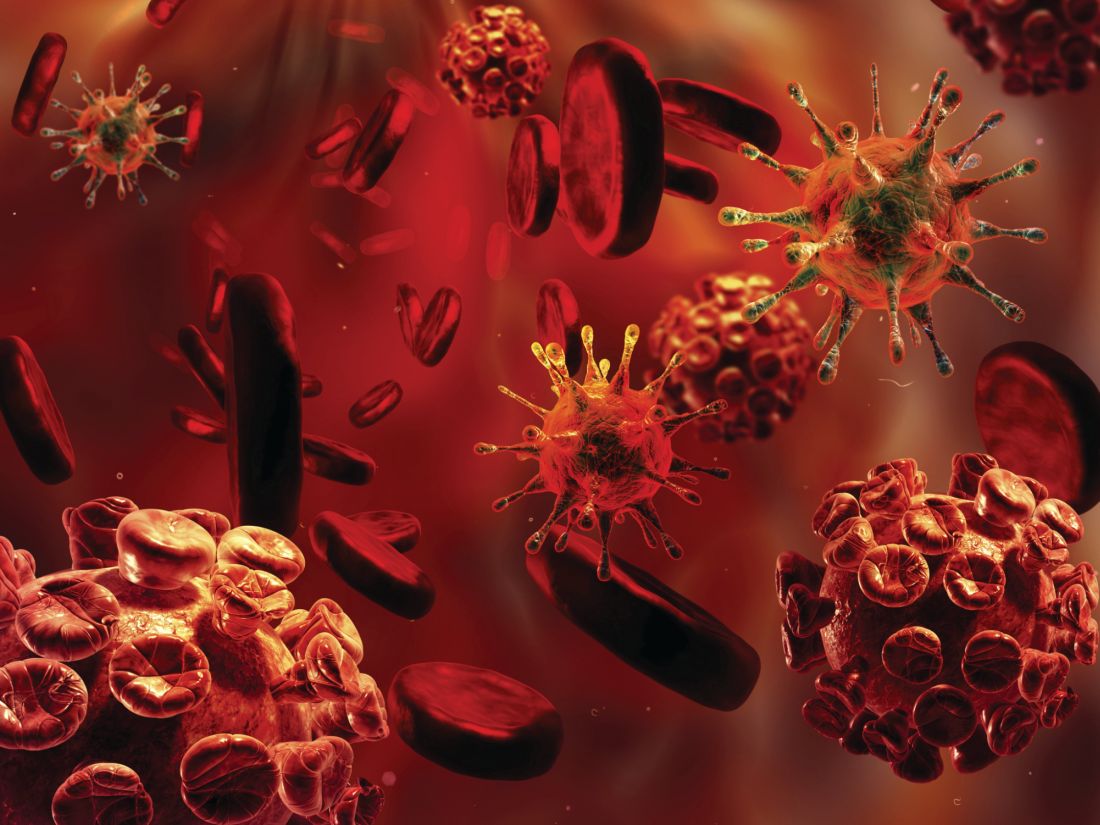
Of the 361 patients whose samples were selected for testing, the assay identified 209 patients (58%) with a viral infection, 99 patients (27%) with a bacterial infection, and the remaining 53 patients (15%) with an equivocal outcome, according to Dr. Srugo of the Ruth and Bruce Rappaport Faculty of Medicine, Technion-Israel Institute of Technology, Haifa, Israel, and his colleagues. The 307 patients with a bacterial or viral diagnosis had sensitivity of 93.8% (95% confidence interval, 87.8%-99.8%) and specificity of 89.8% (CI, 85.6%-94.0%). There were 4 false-negative and 21 false-positive findings.
The levels of TRAIL and IP-10 were present in higher levels in children with viral infections than children with bacterial infections. The opposite was true of CRP results, with levels being drastically lower in children with viral infections than in children with bacterial infections.
“Notably, among the indeterminate diagnosis patients without a reference standard, the assay gave a bacterial or viral outcome for 69% of the cases (the rest were equivocal), with half of these yielding a score associated with a particularly high degree of assay diagnostic confidence,” investigators said. “This finding suggests that the assay may be applicable to ‘harder to diagnose’ cases in real-life clinical settings.”
Also, the assay “exhibits consistent performance across a wide range of ages [3 months to 18 years], time from symptom onset, and clinical syndromes,” Dr. Srugo and his associates said.
Dr. Srugo has no relevant financial disclosures. Nine of the investigators are employees of MeMed, receiving salaries as well as stock options. Dr. Robert Cohen has received grants and revenue unrelated to the study from AstraZeneca, GlaxoSmithKline, Merck, Pfizer, and Sanofi Pasteur. All other authors have no relevant financial disclosures.
Being able to accurately determine if a child is suffering from a serious bacterial infection that requires hospitalization or a viral infection that can be treated at home is a difficult decision. Physicians are wary of prescribing antibiotics due to overuse, resulting in poor outcomes for patients, society, and the health care system, but have not had the diagnostic tests to accurately determine infection types in pediatric patients.
The work of Srugo et al. and the development of the ImmunoXpert assay have added another diagnostic tool to help physicians more effectively treat infections in children. When determining the effectiveness of a diagnostic test, the sensitivity and specificity of the test must be scrutinized. Compared with traditional laboratory tests, the ImmunoXpert assay displayed higher specificity and sensitivity and a superior positive likelihood ratio. With a positive likelihood near 10 and a negative likelihood ratio of 0.07, the “test results may be able to be used meaningfully in the management of patients to a degree that currently does not exist.”
Although the ImmunoXpert assay shows promise as a diagnostic tool, confirmatory investigations must be done to determine if the assay will work in a more real world manner, using refrigerated instead of frozen specimens, and testing the assay in children under 3 months of age.
David Kimberlin, MD, is a professor of pediatrics, vice chair for clinical and translational research, as well as the codirector of the division of pediatric infections diseases at the University of Alabama, Birmingham. Claudette L. Poole, MD, is a Dixon Fellow of Infections Diseases at the university. These comments were published in a commentary accompanying the Srugo et al. article in Pediatrics (2017;140[4]:e20171210).
Being able to accurately determine if a child is suffering from a serious bacterial infection that requires hospitalization or a viral infection that can be treated at home is a difficult decision. Physicians are wary of prescribing antibiotics due to overuse, resulting in poor outcomes for patients, society, and the health care system, but have not had the diagnostic tests to accurately determine infection types in pediatric patients.
The work of Srugo et al. and the development of the ImmunoXpert assay have added another diagnostic tool to help physicians more effectively treat infections in children. When determining the effectiveness of a diagnostic test, the sensitivity and specificity of the test must be scrutinized. Compared with traditional laboratory tests, the ImmunoXpert assay displayed higher specificity and sensitivity and a superior positive likelihood ratio. With a positive likelihood near 10 and a negative likelihood ratio of 0.07, the “test results may be able to be used meaningfully in the management of patients to a degree that currently does not exist.”
Although the ImmunoXpert assay shows promise as a diagnostic tool, confirmatory investigations must be done to determine if the assay will work in a more real world manner, using refrigerated instead of frozen specimens, and testing the assay in children under 3 months of age.
David Kimberlin, MD, is a professor of pediatrics, vice chair for clinical and translational research, as well as the codirector of the division of pediatric infections diseases at the University of Alabama, Birmingham. Claudette L. Poole, MD, is a Dixon Fellow of Infections Diseases at the university. These comments were published in a commentary accompanying the Srugo et al. article in Pediatrics (2017;140[4]:e20171210).
Being able to accurately determine if a child is suffering from a serious bacterial infection that requires hospitalization or a viral infection that can be treated at home is a difficult decision. Physicians are wary of prescribing antibiotics due to overuse, resulting in poor outcomes for patients, society, and the health care system, but have not had the diagnostic tests to accurately determine infection types in pediatric patients.
The work of Srugo et al. and the development of the ImmunoXpert assay have added another diagnostic tool to help physicians more effectively treat infections in children. When determining the effectiveness of a diagnostic test, the sensitivity and specificity of the test must be scrutinized. Compared with traditional laboratory tests, the ImmunoXpert assay displayed higher specificity and sensitivity and a superior positive likelihood ratio. With a positive likelihood near 10 and a negative likelihood ratio of 0.07, the “test results may be able to be used meaningfully in the management of patients to a degree that currently does not exist.”
Although the ImmunoXpert assay shows promise as a diagnostic tool, confirmatory investigations must be done to determine if the assay will work in a more real world manner, using refrigerated instead of frozen specimens, and testing the assay in children under 3 months of age.
David Kimberlin, MD, is a professor of pediatrics, vice chair for clinical and translational research, as well as the codirector of the division of pediatric infections diseases at the University of Alabama, Birmingham. Claudette L. Poole, MD, is a Dixon Fellow of Infections Diseases at the university. These comments were published in a commentary accompanying the Srugo et al. article in Pediatrics (2017;140[4]:e20171210).
An assay testing the presence of three blood-borne host-proteins shows promise in accurately identifying viral and bacterial infections in febrile children, a validation study found.
The three proteins that the ImmunoXpert assay uses to differentiate between viral and bacterial infections are: viral-induced tumor necrosis factor-related apoptosis–inducing ligand (TRAIL), interferon gamma-induced protein-10 (IP-10), and bacterial-induced C-reactive protein (CRP). TRAIL and IP-10 are novel identifiers, while CRP has been used in traditional bacterial detecting assays, Isaac Srugo, MD, and his colleagues reported.
Of the 361 patients whose samples were selected for testing, the assay identified 209 patients (58%) with a viral infection, 99 patients (27%) with a bacterial infection, and the remaining 53 patients (15%) with an equivocal outcome, according to Dr. Srugo of the Ruth and Bruce Rappaport Faculty of Medicine, Technion-Israel Institute of Technology, Haifa, Israel, and his colleagues. The 307 patients with a bacterial or viral diagnosis had sensitivity of 93.8% (95% confidence interval, 87.8%-99.8%) and specificity of 89.8% (CI, 85.6%-94.0%). There were 4 false-negative and 21 false-positive findings.
The levels of TRAIL and IP-10 were present in higher levels in children with viral infections than children with bacterial infections. The opposite was true of CRP results, with levels being drastically lower in children with viral infections than in children with bacterial infections.
“Notably, among the indeterminate diagnosis patients without a reference standard, the assay gave a bacterial or viral outcome for 69% of the cases (the rest were equivocal), with half of these yielding a score associated with a particularly high degree of assay diagnostic confidence,” investigators said. “This finding suggests that the assay may be applicable to ‘harder to diagnose’ cases in real-life clinical settings.”
Also, the assay “exhibits consistent performance across a wide range of ages [3 months to 18 years], time from symptom onset, and clinical syndromes,” Dr. Srugo and his associates said.
Dr. Srugo has no relevant financial disclosures. Nine of the investigators are employees of MeMed, receiving salaries as well as stock options. Dr. Robert Cohen has received grants and revenue unrelated to the study from AstraZeneca, GlaxoSmithKline, Merck, Pfizer, and Sanofi Pasteur. All other authors have no relevant financial disclosures.
An assay testing the presence of three blood-borne host-proteins shows promise in accurately identifying viral and bacterial infections in febrile children, a validation study found.
The three proteins that the ImmunoXpert assay uses to differentiate between viral and bacterial infections are: viral-induced tumor necrosis factor-related apoptosis–inducing ligand (TRAIL), interferon gamma-induced protein-10 (IP-10), and bacterial-induced C-reactive protein (CRP). TRAIL and IP-10 are novel identifiers, while CRP has been used in traditional bacterial detecting assays, Isaac Srugo, MD, and his colleagues reported.
Of the 361 patients whose samples were selected for testing, the assay identified 209 patients (58%) with a viral infection, 99 patients (27%) with a bacterial infection, and the remaining 53 patients (15%) with an equivocal outcome, according to Dr. Srugo of the Ruth and Bruce Rappaport Faculty of Medicine, Technion-Israel Institute of Technology, Haifa, Israel, and his colleagues. The 307 patients with a bacterial or viral diagnosis had sensitivity of 93.8% (95% confidence interval, 87.8%-99.8%) and specificity of 89.8% (CI, 85.6%-94.0%). There were 4 false-negative and 21 false-positive findings.
The levels of TRAIL and IP-10 were present in higher levels in children with viral infections than children with bacterial infections. The opposite was true of CRP results, with levels being drastically lower in children with viral infections than in children with bacterial infections.
“Notably, among the indeterminate diagnosis patients without a reference standard, the assay gave a bacterial or viral outcome for 69% of the cases (the rest were equivocal), with half of these yielding a score associated with a particularly high degree of assay diagnostic confidence,” investigators said. “This finding suggests that the assay may be applicable to ‘harder to diagnose’ cases in real-life clinical settings.”
Also, the assay “exhibits consistent performance across a wide range of ages [3 months to 18 years], time from symptom onset, and clinical syndromes,” Dr. Srugo and his associates said.
Dr. Srugo has no relevant financial disclosures. Nine of the investigators are employees of MeMed, receiving salaries as well as stock options. Dr. Robert Cohen has received grants and revenue unrelated to the study from AstraZeneca, GlaxoSmithKline, Merck, Pfizer, and Sanofi Pasteur. All other authors have no relevant financial disclosures.
FROM PEDIATRICS
Key clinical point:
Major finding: In 361 patients, the assay identified infections as 209 (58%) viral, 99 (27%) bacterial, and 53 (15%) equivocal with high sensitivity and specificity.
Data source: Double-blind study with multiple evaluation sites using frozen serum sample from five pediatric emergency departments and two wards. Of 529 potential candidates, only 361 met selection criteria.
Disclosures: Dr. Srugo has no relevant financial disclosures. Nine of the investigators are employees of MeMed, receiving salaries as well as stock options. Dr. Robert Cohen has received grants and revenue unrelated to the study from AstraZeneca, GlaxoSmithKline, Merck, Pfizer, and Sanofi Pasteur. All other authors have no relevant financial disclosures.