User login
FDA approves topical antibiotic for impetigo infections
The Food and Drug Administration has approved in patients aged 2 months or older.
This is the first topical treatment for impetigo to be approved in more than 10 years, according to the press release from the manufacturer, Medimetriks Pharmaceuticals.
Ozenoxacin is a quinolone antimicrobial. The prescribing information is available on the FDA website.
The Food and Drug Administration has approved in patients aged 2 months or older.
This is the first topical treatment for impetigo to be approved in more than 10 years, according to the press release from the manufacturer, Medimetriks Pharmaceuticals.
Ozenoxacin is a quinolone antimicrobial. The prescribing information is available on the FDA website.
The Food and Drug Administration has approved in patients aged 2 months or older.
This is the first topical treatment for impetigo to be approved in more than 10 years, according to the press release from the manufacturer, Medimetriks Pharmaceuticals.
Ozenoxacin is a quinolone antimicrobial. The prescribing information is available on the FDA website.
Justin Gover
The video associated with this article is no longer available on this site. Please view all of our videos on the MDedge YouTube channel
The video associated with this article is no longer available on this site. Please view all of our videos on the MDedge YouTube channel
The video associated with this article is no longer available on this site. Please view all of our videos on the MDedge YouTube channel

Counseling parents may curb nonmedical vaccine exemptions
Nonmedical vaccine exemptions for children in Washington State decreased by 40% after the implementation of a law requiring parent counseling and a signed form from a medical provider, based on data from a regression analysis of kindergarten students during time periods before and after the law took effect.

The Washington State Senate Bill 5005 (SB5005), implemented in 2011, requires parents seeking exemptions to file a certificate of exemption (COE) signed by a Washington-licensed health care provider. It documents that the parents have discussed “the benefits and risks of immunizations” with the provider, the researchers wrote.
The researchers examined the effect of the parent counseling and signature requirement on exemption rates by reviewing data on kindergarten students.
Overall, the significant relative decrease of 40% translated to a significant absolute reduction of 2.9% in immunization exemption rates, and vaccine coverage increased or remained the same across all vaccines required for school. The greatest decline in exemption rates occurred in geographic areas with historically high rates before the bill was passed, the researchers said.

Based on the Washington findings, “states in the United States and jurisdictions in other countries should consider adding parental counseling as a requirement for obtaining exemptions to vaccination requirements,” they concluded.
Dr. Omer had no financial conflicts to disclose. One of the coauthors disclosed ties to vaccine manufacturers, and another’s organization had such ties. The study was supported by the Robert Wood Johnson Foundation.
Restoring community immunity requires diligence on the part of medical professionals, policymakers, and parents, wrote California state senator Richard J. Pan, MD, MPH, in an accompanying editorial.
Laws requiring that children be vaccinated before starting school are designed to protect the vaccinated children and the community at large, wrote Dr. Pan, but the passage of certain laws resulted in nonmedical exemptions that can reduce the effectiveness of childhood vaccinations on community health. In the past, parents rarely chose nonmedical exemptions because they recognized the dangers of diseases such as polio and measles and acknowledged the safety and effectiveness of the vaccines to protect against them, said Dr. Pan.
“However, some saw the opportunity to exploit these circumstances for personal gain by spreading vaccine misinformation over the Internet and social media to fuel parental anxiety and promote sales of their supplements and books, leading to increased use of nonmedical exemptions,” he said.
In Dr. Pan’s view, community immunity can be restored by creating stricter policies for vaccination and eliminating nonmedical exemptions. He authored a bill in California to abolish these exemptions, and the vaccination rate was 96% among kindergartners in California during the first year the policy was in place.
But antivaccine groups are well organized. One study found that “half of all Twitter posts about vaccines contain antivaccine beliefs. Just this year [2017] in Minnesota, antivaccine groups targeted a community, causing a significant drop in vaccination rates. The resulting measles outbreak exposed more than 8,000 people, sickened 79 (of which 73 were less than 10 years old), and hospitalized 22,” Dr. Pan said.
Pediatricians and other child health advocates must continue to work to address medical exemptions as well and to define the standards for what constitutes a medical exemption, Dr. Pan said. By educating and working with parents, legislators, and other health care professionals, “pediatricians need to build the political will to pass effective vaccine policy,” he said.
Dr. Pan is a California state senator in Sacramento. He had no financial conflicts to disclose. He commented in an editorial accompanying the study by Omer et al. (Pediatrics. 2017 Dec 18;141[1]:e20173449).
Restoring community immunity requires diligence on the part of medical professionals, policymakers, and parents, wrote California state senator Richard J. Pan, MD, MPH, in an accompanying editorial.
Laws requiring that children be vaccinated before starting school are designed to protect the vaccinated children and the community at large, wrote Dr. Pan, but the passage of certain laws resulted in nonmedical exemptions that can reduce the effectiveness of childhood vaccinations on community health. In the past, parents rarely chose nonmedical exemptions because they recognized the dangers of diseases such as polio and measles and acknowledged the safety and effectiveness of the vaccines to protect against them, said Dr. Pan.
“However, some saw the opportunity to exploit these circumstances for personal gain by spreading vaccine misinformation over the Internet and social media to fuel parental anxiety and promote sales of their supplements and books, leading to increased use of nonmedical exemptions,” he said.
In Dr. Pan’s view, community immunity can be restored by creating stricter policies for vaccination and eliminating nonmedical exemptions. He authored a bill in California to abolish these exemptions, and the vaccination rate was 96% among kindergartners in California during the first year the policy was in place.
But antivaccine groups are well organized. One study found that “half of all Twitter posts about vaccines contain antivaccine beliefs. Just this year [2017] in Minnesota, antivaccine groups targeted a community, causing a significant drop in vaccination rates. The resulting measles outbreak exposed more than 8,000 people, sickened 79 (of which 73 were less than 10 years old), and hospitalized 22,” Dr. Pan said.
Pediatricians and other child health advocates must continue to work to address medical exemptions as well and to define the standards for what constitutes a medical exemption, Dr. Pan said. By educating and working with parents, legislators, and other health care professionals, “pediatricians need to build the political will to pass effective vaccine policy,” he said.
Dr. Pan is a California state senator in Sacramento. He had no financial conflicts to disclose. He commented in an editorial accompanying the study by Omer et al. (Pediatrics. 2017 Dec 18;141[1]:e20173449).
Restoring community immunity requires diligence on the part of medical professionals, policymakers, and parents, wrote California state senator Richard J. Pan, MD, MPH, in an accompanying editorial.
Laws requiring that children be vaccinated before starting school are designed to protect the vaccinated children and the community at large, wrote Dr. Pan, but the passage of certain laws resulted in nonmedical exemptions that can reduce the effectiveness of childhood vaccinations on community health. In the past, parents rarely chose nonmedical exemptions because they recognized the dangers of diseases such as polio and measles and acknowledged the safety and effectiveness of the vaccines to protect against them, said Dr. Pan.
“However, some saw the opportunity to exploit these circumstances for personal gain by spreading vaccine misinformation over the Internet and social media to fuel parental anxiety and promote sales of their supplements and books, leading to increased use of nonmedical exemptions,” he said.
In Dr. Pan’s view, community immunity can be restored by creating stricter policies for vaccination and eliminating nonmedical exemptions. He authored a bill in California to abolish these exemptions, and the vaccination rate was 96% among kindergartners in California during the first year the policy was in place.
But antivaccine groups are well organized. One study found that “half of all Twitter posts about vaccines contain antivaccine beliefs. Just this year [2017] in Minnesota, antivaccine groups targeted a community, causing a significant drop in vaccination rates. The resulting measles outbreak exposed more than 8,000 people, sickened 79 (of which 73 were less than 10 years old), and hospitalized 22,” Dr. Pan said.
Pediatricians and other child health advocates must continue to work to address medical exemptions as well and to define the standards for what constitutes a medical exemption, Dr. Pan said. By educating and working with parents, legislators, and other health care professionals, “pediatricians need to build the political will to pass effective vaccine policy,” he said.
Dr. Pan is a California state senator in Sacramento. He had no financial conflicts to disclose. He commented in an editorial accompanying the study by Omer et al. (Pediatrics. 2017 Dec 18;141[1]:e20173449).
Nonmedical vaccine exemptions for children in Washington State decreased by 40% after the implementation of a law requiring parent counseling and a signed form from a medical provider, based on data from a regression analysis of kindergarten students during time periods before and after the law took effect.
The Washington State Senate Bill 5005 (SB5005), implemented in 2011, requires parents seeking exemptions to file a certificate of exemption (COE) signed by a Washington-licensed health care provider. It documents that the parents have discussed “the benefits and risks of immunizations” with the provider, the researchers wrote.
The researchers examined the effect of the parent counseling and signature requirement on exemption rates by reviewing data on kindergarten students.
Overall, the significant relative decrease of 40% translated to a significant absolute reduction of 2.9% in immunization exemption rates, and vaccine coverage increased or remained the same across all vaccines required for school. The greatest decline in exemption rates occurred in geographic areas with historically high rates before the bill was passed, the researchers said.
Based on the Washington findings, “states in the United States and jurisdictions in other countries should consider adding parental counseling as a requirement for obtaining exemptions to vaccination requirements,” they concluded.
Dr. Omer had no financial conflicts to disclose. One of the coauthors disclosed ties to vaccine manufacturers, and another’s organization had such ties. The study was supported by the Robert Wood Johnson Foundation.
Nonmedical vaccine exemptions for children in Washington State decreased by 40% after the implementation of a law requiring parent counseling and a signed form from a medical provider, based on data from a regression analysis of kindergarten students during time periods before and after the law took effect.
The Washington State Senate Bill 5005 (SB5005), implemented in 2011, requires parents seeking exemptions to file a certificate of exemption (COE) signed by a Washington-licensed health care provider. It documents that the parents have discussed “the benefits and risks of immunizations” with the provider, the researchers wrote.
The researchers examined the effect of the parent counseling and signature requirement on exemption rates by reviewing data on kindergarten students.
Overall, the significant relative decrease of 40% translated to a significant absolute reduction of 2.9% in immunization exemption rates, and vaccine coverage increased or remained the same across all vaccines required for school. The greatest decline in exemption rates occurred in geographic areas with historically high rates before the bill was passed, the researchers said.
Based on the Washington findings, “states in the United States and jurisdictions in other countries should consider adding parental counseling as a requirement for obtaining exemptions to vaccination requirements,” they concluded.
Dr. Omer had no financial conflicts to disclose. One of the coauthors disclosed ties to vaccine manufacturers, and another’s organization had such ties. The study was supported by the Robert Wood Johnson Foundation.
FROM PEDIATRICS
Key clinical point:
Major finding: After the implementation of SB5005 in Washington State, the rate of exemptions decreased by 40%.
Data source: The data come from a regression analysis of immunization coverage and exemption rates in Washington State for the school years 1997-1998 through 2013-2014.
Disclosures: Dr. Omer had no financial conflicts to disclose. One of the coauthors disclosed ties to vaccine manufacturers, and another’s organization had such ties. The study was supported by the Robert Wood Johnson Foundation.
Source: Omer SB et al. Pediatrics. 2018;141(1):e20172364.
MMRV vaccine cut chickenpox hospitalizations in young Brazilian children
(VZV) in children aged 1-4 years, said Marcelo Comerlato Scotta and associates at Pontifícia Universidade Católica do Rio Grande do Sul, Porto Alegre, Brazil.
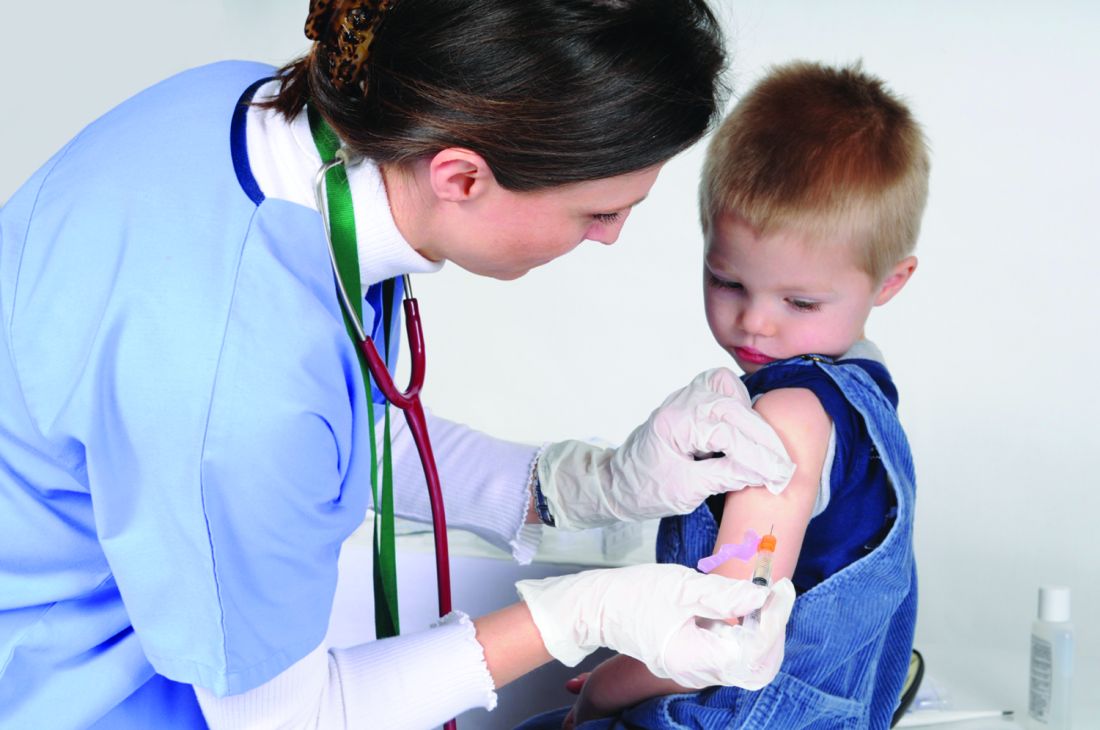
Of the 69,791 admissions caused by VZV in Brazilian patients younger than 20 years, the rate of such hospitalizations for children aged 1-4 years significantly decreased from 27 cases per 100,000 children per year to 14 cases per 100,000 children per year after the vaccine was introduced, a reduction of 48% (P < .001). Changes in other age groups were not significant. That decrease in the rate of VZV admissions remained statistically significant in the vaccinated group after adjusting for seasonality (P < .001).
Direct costs of VZV-related admissions dropped 38% after introducing the MMRV vaccine, the researchers said. “Further studies are needed to evaluate long-term direct and indirect impact on the epidemiology of VZV infections.”
Read more in Vaccine (2017 Dec 1. doi: 10.1016/j.vaccine.2017.11.057.)
(VZV) in children aged 1-4 years, said Marcelo Comerlato Scotta and associates at Pontifícia Universidade Católica do Rio Grande do Sul, Porto Alegre, Brazil.
Of the 69,791 admissions caused by VZV in Brazilian patients younger than 20 years, the rate of such hospitalizations for children aged 1-4 years significantly decreased from 27 cases per 100,000 children per year to 14 cases per 100,000 children per year after the vaccine was introduced, a reduction of 48% (P < .001). Changes in other age groups were not significant. That decrease in the rate of VZV admissions remained statistically significant in the vaccinated group after adjusting for seasonality (P < .001).
Direct costs of VZV-related admissions dropped 38% after introducing the MMRV vaccine, the researchers said. “Further studies are needed to evaluate long-term direct and indirect impact on the epidemiology of VZV infections.”
Read more in Vaccine (2017 Dec 1. doi: 10.1016/j.vaccine.2017.11.057.)
(VZV) in children aged 1-4 years, said Marcelo Comerlato Scotta and associates at Pontifícia Universidade Católica do Rio Grande do Sul, Porto Alegre, Brazil.
Of the 69,791 admissions caused by VZV in Brazilian patients younger than 20 years, the rate of such hospitalizations for children aged 1-4 years significantly decreased from 27 cases per 100,000 children per year to 14 cases per 100,000 children per year after the vaccine was introduced, a reduction of 48% (P < .001). Changes in other age groups were not significant. That decrease in the rate of VZV admissions remained statistically significant in the vaccinated group after adjusting for seasonality (P < .001).
Direct costs of VZV-related admissions dropped 38% after introducing the MMRV vaccine, the researchers said. “Further studies are needed to evaluate long-term direct and indirect impact on the epidemiology of VZV infections.”
Read more in Vaccine (2017 Dec 1. doi: 10.1016/j.vaccine.2017.11.057.)
FROM VACCINE
Providers endorse medical marijuana for kids with cancer
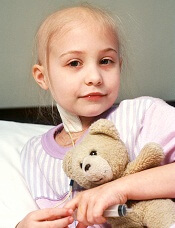
A survey of nearly 300 US medical providers revealed that many were open to helping children with cancer access medical marijuana (MM).
However, most of the providers surveyed did not know state-specific regulations pertaining to MM.
Providers who were legally eligible to certify (ETC) for MM were less open to endorsing its use.
The lack of standards on formulations, dosing, and potency of MM was identified as the greatest barrier to recommending MM for children with cancer.
Kelly Michelson, MD, of Ann & Robert H. Lurie Children’s Hospital of Chicago in Illinois, and her colleagues reported these findings in Pediatrics.
The researchers used a 32-item survey to assess MM practices, knowledge, attitudes, and barriers for pediatric oncology providers in Illinois, Massachusetts, and Washington.
The survey was sent to providers at Dana-Farber/Boston Children’s Cancer and Blood Disorders Center, Seattle Children’s Cancer and Blood Disorders Center, and Lurie Children’s Center for Cancer and Blood Disorders.
There were 288 respondents, and 33% were legally ETC for MM. Eighty-six percent of ETC providers were physicians, and 14% were nurse practitioners or physician assistants.
Of the non-ETC providers, 89% were nurses, 8% were nurse practitioners or physician assistants, 2% were psychosocial providers, and 2% were “other” providers.
Thirty percent of all providers said they had received at least 1 request for MM in the previous month. And 14% of these providers facilitated patient access to MM.
Ninety-two percent of providers said they were willing to help pediatric cancer patients access MM. Fifty-seven percent of providers approved of patients smoking MM, 89% approved of oral formulations, 67% approved of using MM as cancer-directed therapy, and 92% approved of using MM to manage symptoms.
Fifty-nine percent of providers knew that MM is against federal laws, and 86% knew that their state had legalized MM, but only 5% knew state-specific regulations.
ETC providers were less likely to report willingness to help patients access MM. These providers were also less likely to approve of MM use by smoking, oral formulations, as cancer-directed therapy, or to manage symptoms.
“It is not surprising that providers who are eligible to certify for medical marijuana were more cautious about recommending it, given that their licensure could be jeopardized due to federal prohibition,” Dr Michelson said.
“Institutional policies also may have influenced their attitudes. Lurie Children’s, for example, prohibits pediatric providers from facilitating medical marijuana access in accordance with the federal law, even though it is legal in Illinois.”
Most providers considered MM more permissible for use in children with advanced cancer or near the end of life than in earlier stages of cancer treatment. This is consistent with the current American Academy of Pediatrics position that sanctions MM use for “children with life-limiting or seriously debilitating conditions.”
Only 2% of providers reported that MM was never appropriate for a child with cancer.
Most providers (63%) were not concerned about substance abuse in children who receive MM or about being prosecuted for helping patients access MM (80%).
The greatest concern (listed by 46% of providers) was the absence of standards around prescribing MM to children with cancer.
“In addition to unclear dosage guidelines, the lack of high quality scientific data that medical marijuana benefits outweigh possible harm is a huge concern for providers accustomed to evidence-based practice,” Dr Michelson said. “We need rigorously designed clinical trials on the use of medical marijuana in children with cancer.” 
A survey of nearly 300 US medical providers revealed that many were open to helping children with cancer access medical marijuana (MM).
However, most of the providers surveyed did not know state-specific regulations pertaining to MM.
Providers who were legally eligible to certify (ETC) for MM were less open to endorsing its use.
The lack of standards on formulations, dosing, and potency of MM was identified as the greatest barrier to recommending MM for children with cancer.
Kelly Michelson, MD, of Ann & Robert H. Lurie Children’s Hospital of Chicago in Illinois, and her colleagues reported these findings in Pediatrics.
The researchers used a 32-item survey to assess MM practices, knowledge, attitudes, and barriers for pediatric oncology providers in Illinois, Massachusetts, and Washington.
The survey was sent to providers at Dana-Farber/Boston Children’s Cancer and Blood Disorders Center, Seattle Children’s Cancer and Blood Disorders Center, and Lurie Children’s Center for Cancer and Blood Disorders.
There were 288 respondents, and 33% were legally ETC for MM. Eighty-six percent of ETC providers were physicians, and 14% were nurse practitioners or physician assistants.
Of the non-ETC providers, 89% were nurses, 8% were nurse practitioners or physician assistants, 2% were psychosocial providers, and 2% were “other” providers.
Thirty percent of all providers said they had received at least 1 request for MM in the previous month. And 14% of these providers facilitated patient access to MM.
Ninety-two percent of providers said they were willing to help pediatric cancer patients access MM. Fifty-seven percent of providers approved of patients smoking MM, 89% approved of oral formulations, 67% approved of using MM as cancer-directed therapy, and 92% approved of using MM to manage symptoms.
Fifty-nine percent of providers knew that MM is against federal laws, and 86% knew that their state had legalized MM, but only 5% knew state-specific regulations.
ETC providers were less likely to report willingness to help patients access MM. These providers were also less likely to approve of MM use by smoking, oral formulations, as cancer-directed therapy, or to manage symptoms.
“It is not surprising that providers who are eligible to certify for medical marijuana were more cautious about recommending it, given that their licensure could be jeopardized due to federal prohibition,” Dr Michelson said.
“Institutional policies also may have influenced their attitudes. Lurie Children’s, for example, prohibits pediatric providers from facilitating medical marijuana access in accordance with the federal law, even though it is legal in Illinois.”
Most providers considered MM more permissible for use in children with advanced cancer or near the end of life than in earlier stages of cancer treatment. This is consistent with the current American Academy of Pediatrics position that sanctions MM use for “children with life-limiting or seriously debilitating conditions.”
Only 2% of providers reported that MM was never appropriate for a child with cancer.
Most providers (63%) were not concerned about substance abuse in children who receive MM or about being prosecuted for helping patients access MM (80%).
The greatest concern (listed by 46% of providers) was the absence of standards around prescribing MM to children with cancer.
“In addition to unclear dosage guidelines, the lack of high quality scientific data that medical marijuana benefits outweigh possible harm is a huge concern for providers accustomed to evidence-based practice,” Dr Michelson said. “We need rigorously designed clinical trials on the use of medical marijuana in children with cancer.”
A survey of nearly 300 US medical providers revealed that many were open to helping children with cancer access medical marijuana (MM).
However, most of the providers surveyed did not know state-specific regulations pertaining to MM.
Providers who were legally eligible to certify (ETC) for MM were less open to endorsing its use.
The lack of standards on formulations, dosing, and potency of MM was identified as the greatest barrier to recommending MM for children with cancer.
Kelly Michelson, MD, of Ann & Robert H. Lurie Children’s Hospital of Chicago in Illinois, and her colleagues reported these findings in Pediatrics.
The researchers used a 32-item survey to assess MM practices, knowledge, attitudes, and barriers for pediatric oncology providers in Illinois, Massachusetts, and Washington.
The survey was sent to providers at Dana-Farber/Boston Children’s Cancer and Blood Disorders Center, Seattle Children’s Cancer and Blood Disorders Center, and Lurie Children’s Center for Cancer and Blood Disorders.
There were 288 respondents, and 33% were legally ETC for MM. Eighty-six percent of ETC providers were physicians, and 14% were nurse practitioners or physician assistants.
Of the non-ETC providers, 89% were nurses, 8% were nurse practitioners or physician assistants, 2% were psychosocial providers, and 2% were “other” providers.
Thirty percent of all providers said they had received at least 1 request for MM in the previous month. And 14% of these providers facilitated patient access to MM.
Ninety-two percent of providers said they were willing to help pediatric cancer patients access MM. Fifty-seven percent of providers approved of patients smoking MM, 89% approved of oral formulations, 67% approved of using MM as cancer-directed therapy, and 92% approved of using MM to manage symptoms.
Fifty-nine percent of providers knew that MM is against federal laws, and 86% knew that their state had legalized MM, but only 5% knew state-specific regulations.
ETC providers were less likely to report willingness to help patients access MM. These providers were also less likely to approve of MM use by smoking, oral formulations, as cancer-directed therapy, or to manage symptoms.
“It is not surprising that providers who are eligible to certify for medical marijuana were more cautious about recommending it, given that their licensure could be jeopardized due to federal prohibition,” Dr Michelson said.
“Institutional policies also may have influenced their attitudes. Lurie Children’s, for example, prohibits pediatric providers from facilitating medical marijuana access in accordance with the federal law, even though it is legal in Illinois.”
Most providers considered MM more permissible for use in children with advanced cancer or near the end of life than in earlier stages of cancer treatment. This is consistent with the current American Academy of Pediatrics position that sanctions MM use for “children with life-limiting or seriously debilitating conditions.”
Only 2% of providers reported that MM was never appropriate for a child with cancer.
Most providers (63%) were not concerned about substance abuse in children who receive MM or about being prosecuted for helping patients access MM (80%).
The greatest concern (listed by 46% of providers) was the absence of standards around prescribing MM to children with cancer.
“In addition to unclear dosage guidelines, the lack of high quality scientific data that medical marijuana benefits outweigh possible harm is a huge concern for providers accustomed to evidence-based practice,” Dr Michelson said. “We need rigorously designed clinical trials on the use of medical marijuana in children with cancer.”
Clinic eases pediatric-adult transition in sickle cell disease
CONCORD, N.C. – Teenage sickle cell disease patients transitioning to adulthood can often find the move to adult providers challenging, causing some patients to lose interest in self-care at a critical point in life, but a transitional program can help them develop the skills they need to manage their disease and avoid risky behaviors, according to psychologist Anya Griffin, PhD.
Managing pain in teenagers and young adults with sickle cell disease (SCD) is fraught with challenges, said Dr. Griffin, who led the SCD transition program at Children’s Healthcare of Atlanta and is now the clinical director of the Stanford (Calif.) Children’s Health Pediatric Rehabilitation Program, an intensive pain management program for pediatric chronic pain.
“Think about who you are when you’re a teenager, when you’re a young adult, what’s going on: dating, sex, parties, college, all-night study sessions,” she said at a Sickle Cell Disease Symposium held by Carolinas Health Care System. “But in the world of sickle cell, these are critical choices that have dire consequences.” Those consequences include dehydration from drinking, fatigue from lack of sleep, and pain crises.
Compounding these challenges is the prevalence of depression and other psychological complications in this age group. And among SCD patients, there can be a sense of grief, Dr. Griffin said.
“Grief is something we tend not to talk too much about,” she said. That grief can manifest in excessive absences from school or work. “Sudden academic declines are something we really have to pay attention to,” Dr. Griffin said.
Silent strokes are also of concern in this age group. “I don’t know if we fully understand the impact on each individual unless we do neuropsychological testing,” she said. The intervals for neuropsychological testing should be in childhood to determine a baseline, then again in adolescence and adulthood. For college-bound students, testing may be a requirement for them to receive medical and physical accommodations, Dr. Griffin said.
While in their late teens and early twenties, SCD patients often rely on pediatric care and can get caught between pediatric and adult providers, she said. That prompted Children’s Healthcare of Atlanta to start a program that essentially hands off those patients from pediatric to adult providers and works with patients to reduce their risks.
As teens approach age 18, they come to the clinic to meet with adult providers and tour the facility. The program involves social workers, vocational and school counselors, and mentors and peer support. “It takes an entire village to address the concerns of transition,” Dr. Griffin said.
Support groups and home visits by providers can also play a key role in the transition protocol, as can telemedicine. “The technology is now there; now we have to figure out how we’re going to start using it,” she said.
This full transitional process can involve multiple appointments with a variety of providers. It’s also important that patients – not parents – interact with providers, Dr. Griffin said.
From January 2007 to September 2012, 74 patients participated in the SCD transition at Children’s Healthcare of Atlanta. Participants who attended more than one transition clinic visit in Atlanta (n = 9) had an average baseline score of 60% on an SCD knowledge questionnaire. But 6 months later, those scores improved to 80%, on average. “We found that teenagers who came to that type of clinic more than once improved pretty well,” Dr. Griffin said.
Dr. Griffin reported having no relevant financial disclosures.
CONCORD, N.C. – Teenage sickle cell disease patients transitioning to adulthood can often find the move to adult providers challenging, causing some patients to lose interest in self-care at a critical point in life, but a transitional program can help them develop the skills they need to manage their disease and avoid risky behaviors, according to psychologist Anya Griffin, PhD.
Managing pain in teenagers and young adults with sickle cell disease (SCD) is fraught with challenges, said Dr. Griffin, who led the SCD transition program at Children’s Healthcare of Atlanta and is now the clinical director of the Stanford (Calif.) Children’s Health Pediatric Rehabilitation Program, an intensive pain management program for pediatric chronic pain.
“Think about who you are when you’re a teenager, when you’re a young adult, what’s going on: dating, sex, parties, college, all-night study sessions,” she said at a Sickle Cell Disease Symposium held by Carolinas Health Care System. “But in the world of sickle cell, these are critical choices that have dire consequences.” Those consequences include dehydration from drinking, fatigue from lack of sleep, and pain crises.
Compounding these challenges is the prevalence of depression and other psychological complications in this age group. And among SCD patients, there can be a sense of grief, Dr. Griffin said.
“Grief is something we tend not to talk too much about,” she said. That grief can manifest in excessive absences from school or work. “Sudden academic declines are something we really have to pay attention to,” Dr. Griffin said.
Silent strokes are also of concern in this age group. “I don’t know if we fully understand the impact on each individual unless we do neuropsychological testing,” she said. The intervals for neuropsychological testing should be in childhood to determine a baseline, then again in adolescence and adulthood. For college-bound students, testing may be a requirement for them to receive medical and physical accommodations, Dr. Griffin said.
While in their late teens and early twenties, SCD patients often rely on pediatric care and can get caught between pediatric and adult providers, she said. That prompted Children’s Healthcare of Atlanta to start a program that essentially hands off those patients from pediatric to adult providers and works with patients to reduce their risks.
As teens approach age 18, they come to the clinic to meet with adult providers and tour the facility. The program involves social workers, vocational and school counselors, and mentors and peer support. “It takes an entire village to address the concerns of transition,” Dr. Griffin said.
Support groups and home visits by providers can also play a key role in the transition protocol, as can telemedicine. “The technology is now there; now we have to figure out how we’re going to start using it,” she said.
This full transitional process can involve multiple appointments with a variety of providers. It’s also important that patients – not parents – interact with providers, Dr. Griffin said.
From January 2007 to September 2012, 74 patients participated in the SCD transition at Children’s Healthcare of Atlanta. Participants who attended more than one transition clinic visit in Atlanta (n = 9) had an average baseline score of 60% on an SCD knowledge questionnaire. But 6 months later, those scores improved to 80%, on average. “We found that teenagers who came to that type of clinic more than once improved pretty well,” Dr. Griffin said.
Dr. Griffin reported having no relevant financial disclosures.
CONCORD, N.C. – Teenage sickle cell disease patients transitioning to adulthood can often find the move to adult providers challenging, causing some patients to lose interest in self-care at a critical point in life, but a transitional program can help them develop the skills they need to manage their disease and avoid risky behaviors, according to psychologist Anya Griffin, PhD.
Managing pain in teenagers and young adults with sickle cell disease (SCD) is fraught with challenges, said Dr. Griffin, who led the SCD transition program at Children’s Healthcare of Atlanta and is now the clinical director of the Stanford (Calif.) Children’s Health Pediatric Rehabilitation Program, an intensive pain management program for pediatric chronic pain.
“Think about who you are when you’re a teenager, when you’re a young adult, what’s going on: dating, sex, parties, college, all-night study sessions,” she said at a Sickle Cell Disease Symposium held by Carolinas Health Care System. “But in the world of sickle cell, these are critical choices that have dire consequences.” Those consequences include dehydration from drinking, fatigue from lack of sleep, and pain crises.
Compounding these challenges is the prevalence of depression and other psychological complications in this age group. And among SCD patients, there can be a sense of grief, Dr. Griffin said.
“Grief is something we tend not to talk too much about,” she said. That grief can manifest in excessive absences from school or work. “Sudden academic declines are something we really have to pay attention to,” Dr. Griffin said.
Silent strokes are also of concern in this age group. “I don’t know if we fully understand the impact on each individual unless we do neuropsychological testing,” she said. The intervals for neuropsychological testing should be in childhood to determine a baseline, then again in adolescence and adulthood. For college-bound students, testing may be a requirement for them to receive medical and physical accommodations, Dr. Griffin said.
While in their late teens and early twenties, SCD patients often rely on pediatric care and can get caught between pediatric and adult providers, she said. That prompted Children’s Healthcare of Atlanta to start a program that essentially hands off those patients from pediatric to adult providers and works with patients to reduce their risks.
As teens approach age 18, they come to the clinic to meet with adult providers and tour the facility. The program involves social workers, vocational and school counselors, and mentors and peer support. “It takes an entire village to address the concerns of transition,” Dr. Griffin said.
Support groups and home visits by providers can also play a key role in the transition protocol, as can telemedicine. “The technology is now there; now we have to figure out how we’re going to start using it,” she said.
This full transitional process can involve multiple appointments with a variety of providers. It’s also important that patients – not parents – interact with providers, Dr. Griffin said.
From January 2007 to September 2012, 74 patients participated in the SCD transition at Children’s Healthcare of Atlanta. Participants who attended more than one transition clinic visit in Atlanta (n = 9) had an average baseline score of 60% on an SCD knowledge questionnaire. But 6 months later, those scores improved to 80%, on average. “We found that teenagers who came to that type of clinic more than once improved pretty well,” Dr. Griffin said.
Dr. Griffin reported having no relevant financial disclosures.
EXPERT ANALYSIS FROM A MEETING ON SICKLE CELL DISEASE
A broadly effective meningitis B vaccine has been proved effective in a Danish study
MenB-FHbp, a licensed meningococcal B vaccine that targets factor H-binding protein, a surface-exposed bacterial lipoprotein, has been shown to provide broad immunological protection against 4 primary and 10 additional strains of meningococcal B disease in teens and young adults, suggesting the potential to reduce the number of shots needed to protect this population, according to two phase 3 randomized, controlled, observer-blinded, multicenter trials.

After the third dose of MenB-FHbp, the percentage of patients whose antibody titers of serum bactericidal assays with human complement (hSBA) had increased by a factor of four rose as high as 78.8%-90.2% in adolescents and 78.9%-89.7% in young adults in the modified intention-to-treat population, depending on which strain was tested. This population was made up of randomized patients who had at least one valid and determinate assay. Among participants, 82% of adolescents and 84.5% of young adults had the composite response, which was defined as the proportion of patients who had an hSBA titer response that reached or exceeded the limit of quantitation for all primary test strains combined at 1 month after the third MenB-FHbp vaccine dose was administered.
Using the hSBA responses to the primary strains, a positive predictive value analysis predicted the immune responses to other meningitis strains with H-binding protein. For subfamily A strains among adolescents, the positive predictive values for patient responses were 64.4%-100% after dose 2 and 75.6%-99.6% after dose 3. Among young adults, the positive predictive values after dose 2 and 3 were 61.6%-100% and 72.2%-100%, respectively.
A similar pattern was observed for subfamily B strains.* Among adolescents the positive predictive values for patient responses were 78.9%-100% and 86.4%-99.6% after doses 2 and 3, respectively. Young adults also had high positive predictive values after doses 2 and 3, with values of 70%-100% and 80.5%-98.8%, respectively.
Injection site reactions and systemic events were both observed in response to MenB-FHbp in both adolescents and young adults. The most common injection site reaction was pain, which often occurred occurring after the first dose. Six adolescents and three young adults, one of whom received a saline injection, withdrew from the study because of injection site reactions. The most common systemic events among adolescents were headaches and fatigue. The events that caused patients to withdraw were associated with fever, chills, and mild arthralgia and moder myalgia.
“By demonstrating with positive–predictive value analyses the ability of 4 primary test strains to predict coverage with the use of 10 additional test strains, our findings provide assurance that observed immune responses to the primary strains are representative and indicative of vaccine responses to diverse disease-causing meningococcal B strains,” wrote Lars Ostergaard, MD, of the Aarhus (Denmark) University Hospital and his colleagues.
The studies were supported by Pfizer, and all researchers reported having received various forms of support from that company. Although many of the researchers hold patents, or have patents pending, that are relevant to these studies, they had no other.
SOURCE: Ostergaard L et al. N Engl J Med. 2017 Dec 14;377(24):2350-62.
Correction 12/14/17: An earlier version of this story misstated the findings concerning this subfamily.
MenB-FHbp, a licensed meningococcal B vaccine that targets factor H-binding protein, a surface-exposed bacterial lipoprotein, has been shown to provide broad immunological protection against 4 primary and 10 additional strains of meningococcal B disease in teens and young adults, suggesting the potential to reduce the number of shots needed to protect this population, according to two phase 3 randomized, controlled, observer-blinded, multicenter trials.
After the third dose of MenB-FHbp, the percentage of patients whose antibody titers of serum bactericidal assays with human complement (hSBA) had increased by a factor of four rose as high as 78.8%-90.2% in adolescents and 78.9%-89.7% in young adults in the modified intention-to-treat population, depending on which strain was tested. This population was made up of randomized patients who had at least one valid and determinate assay. Among participants, 82% of adolescents and 84.5% of young adults had the composite response, which was defined as the proportion of patients who had an hSBA titer response that reached or exceeded the limit of quantitation for all primary test strains combined at 1 month after the third MenB-FHbp vaccine dose was administered.
Using the hSBA responses to the primary strains, a positive predictive value analysis predicted the immune responses to other meningitis strains with H-binding protein. For subfamily A strains among adolescents, the positive predictive values for patient responses were 64.4%-100% after dose 2 and 75.6%-99.6% after dose 3. Among young adults, the positive predictive values after dose 2 and 3 were 61.6%-100% and 72.2%-100%, respectively.
A similar pattern was observed for subfamily B strains.* Among adolescents the positive predictive values for patient responses were 78.9%-100% and 86.4%-99.6% after doses 2 and 3, respectively. Young adults also had high positive predictive values after doses 2 and 3, with values of 70%-100% and 80.5%-98.8%, respectively.
Injection site reactions and systemic events were both observed in response to MenB-FHbp in both adolescents and young adults. The most common injection site reaction was pain, which often occurred occurring after the first dose. Six adolescents and three young adults, one of whom received a saline injection, withdrew from the study because of injection site reactions. The most common systemic events among adolescents were headaches and fatigue. The events that caused patients to withdraw were associated with fever, chills, and mild arthralgia and moder myalgia.
“By demonstrating with positive–predictive value analyses the ability of 4 primary test strains to predict coverage with the use of 10 additional test strains, our findings provide assurance that observed immune responses to the primary strains are representative and indicative of vaccine responses to diverse disease-causing meningococcal B strains,” wrote Lars Ostergaard, MD, of the Aarhus (Denmark) University Hospital and his colleagues.
The studies were supported by Pfizer, and all researchers reported having received various forms of support from that company. Although many of the researchers hold patents, or have patents pending, that are relevant to these studies, they had no other.
SOURCE: Ostergaard L et al. N Engl J Med. 2017 Dec 14;377(24):2350-62.
Correction 12/14/17: An earlier version of this story misstated the findings concerning this subfamily.
MenB-FHbp, a licensed meningococcal B vaccine that targets factor H-binding protein, a surface-exposed bacterial lipoprotein, has been shown to provide broad immunological protection against 4 primary and 10 additional strains of meningococcal B disease in teens and young adults, suggesting the potential to reduce the number of shots needed to protect this population, according to two phase 3 randomized, controlled, observer-blinded, multicenter trials.
After the third dose of MenB-FHbp, the percentage of patients whose antibody titers of serum bactericidal assays with human complement (hSBA) had increased by a factor of four rose as high as 78.8%-90.2% in adolescents and 78.9%-89.7% in young adults in the modified intention-to-treat population, depending on which strain was tested. This population was made up of randomized patients who had at least one valid and determinate assay. Among participants, 82% of adolescents and 84.5% of young adults had the composite response, which was defined as the proportion of patients who had an hSBA titer response that reached or exceeded the limit of quantitation for all primary test strains combined at 1 month after the third MenB-FHbp vaccine dose was administered.
Using the hSBA responses to the primary strains, a positive predictive value analysis predicted the immune responses to other meningitis strains with H-binding protein. For subfamily A strains among adolescents, the positive predictive values for patient responses were 64.4%-100% after dose 2 and 75.6%-99.6% after dose 3. Among young adults, the positive predictive values after dose 2 and 3 were 61.6%-100% and 72.2%-100%, respectively.
A similar pattern was observed for subfamily B strains.* Among adolescents the positive predictive values for patient responses were 78.9%-100% and 86.4%-99.6% after doses 2 and 3, respectively. Young adults also had high positive predictive values after doses 2 and 3, with values of 70%-100% and 80.5%-98.8%, respectively.
Injection site reactions and systemic events were both observed in response to MenB-FHbp in both adolescents and young adults. The most common injection site reaction was pain, which often occurred occurring after the first dose. Six adolescents and three young adults, one of whom received a saline injection, withdrew from the study because of injection site reactions. The most common systemic events among adolescents were headaches and fatigue. The events that caused patients to withdraw were associated with fever, chills, and mild arthralgia and moder myalgia.
“By demonstrating with positive–predictive value analyses the ability of 4 primary test strains to predict coverage with the use of 10 additional test strains, our findings provide assurance that observed immune responses to the primary strains are representative and indicative of vaccine responses to diverse disease-causing meningococcal B strains,” wrote Lars Ostergaard, MD, of the Aarhus (Denmark) University Hospital and his colleagues.
The studies were supported by Pfizer, and all researchers reported having received various forms of support from that company. Although many of the researchers hold patents, or have patents pending, that are relevant to these studies, they had no other.
SOURCE: Ostergaard L et al. N Engl J Med. 2017 Dec 14;377(24):2350-62.
Correction 12/14/17: An earlier version of this story misstated the findings concerning this subfamily.
FROM THE NEW ENGLAND JOURNAL OF MEDICINE
Key clinical point: A surface protein–focused vaccine is broadly effective against meningitis B.
Major finding: After the third dose of MenB-FHbp, hSBA titers against each primary strain increased by a factor of four or more in 78.8%-90.2% of adolescents and 78.9%-89.7% of young adults in the modified intention-to-treat population, depending on which strain was tested.
Study details: Two phase 3 randomized, controlled, observer-blinded, multicenter trials of 3,596 adolescents recruited between April 18, 2013, and June 17, 2015, and 3,304 young adults recruited between May 3, 2013, and July 9, 2015.
Disclosures: The studies were supported by Pfizer, and all researchers reported having received various forms of support from that company. Although many of the researchers hold patents, or have patents pending, that are relevant to these studies, they had no other.
Source: Ostergaard L et al. N Engl J Med. 2017 Dec 14;377(24):2350-62.
Intrauterine exposure to methylphenidate tied to increased cardiac risk
The use of methylphenidate by pregnant women is associated with a small increased risk of congenital cardiac malformations in newborns. However, a comparable increased risk is not found with intrauterine exposure to stimulants, according to a population-based cohort study published Dec. 13.
Krista F. Huybrechts, PhD, and her associates analyzed data from more than 1 million pregnancies in the United States. They found that the overall incidence of congenital malformations among the 1,813,894 pregnancies was 35 per 1,000 control infants, compared with 45.9 per 1,000 infants whose mothers used methylphenidate and 45.4 per 1,000 infants whose mothers used amphetamines. 
For the subset of infants with cardiac malformations, the risk per 1,000 infants was 12.7 for controls, 18.8 for methylphenidate exposure, and 15.4 for amphetamine exposure. The researchers identified an adjusted relative risk of 1.11 for overall congenital abnormalities and 1.28 for cardiac abnormalities with methylphenidate exposure, compared with a relative risk of 1.05 for overall congenital abnormalities and 0.96 for cardiac abnormalities with stimulant exposure.
An analysis among 2,560,069 pregnancies in Denmark, Finland, Iceland, Norway, and Sweden yielded a similarly significant relative risk of 1.28 for cardiac malformations associated with methylphenidate exposure (JAMA Psychiatry 2017. doi: 10.1001/jamapsychiatry.2017.3644).
“We found a 28% increased prevalence of cardiac malformations after first-trimester exposure to methylphenidate,” wrote Dr. Huybrechts of Brigham and Women’s Hospital, Boston, and her associates. “Although the absolute risk is small, it is nevertheless important evidence to consider when weighing the potential risks and benefits of different treatment strategies for [attention-deficit/hyperactivity disorder] in young women of reproductive age and in pregnant women.”
The researchers had no financial conflicts to disclose. The study was supported in part by grants from the National Institutes of Mental Health, the Eunice Kennedy Shriver National Institute for Child Health & Human Development, and the Söderström König Foundation.
The use of methylphenidate by pregnant women is associated with a small increased risk of congenital cardiac malformations in newborns. However, a comparable increased risk is not found with intrauterine exposure to stimulants, according to a population-based cohort study published Dec. 13.
Krista F. Huybrechts, PhD, and her associates analyzed data from more than 1 million pregnancies in the United States. They found that the overall incidence of congenital malformations among the 1,813,894 pregnancies was 35 per 1,000 control infants, compared with 45.9 per 1,000 infants whose mothers used methylphenidate and 45.4 per 1,000 infants whose mothers used amphetamines.
For the subset of infants with cardiac malformations, the risk per 1,000 infants was 12.7 for controls, 18.8 for methylphenidate exposure, and 15.4 for amphetamine exposure. The researchers identified an adjusted relative risk of 1.11 for overall congenital abnormalities and 1.28 for cardiac abnormalities with methylphenidate exposure, compared with a relative risk of 1.05 for overall congenital abnormalities and 0.96 for cardiac abnormalities with stimulant exposure.
An analysis among 2,560,069 pregnancies in Denmark, Finland, Iceland, Norway, and Sweden yielded a similarly significant relative risk of 1.28 for cardiac malformations associated with methylphenidate exposure (JAMA Psychiatry 2017. doi: 10.1001/jamapsychiatry.2017.3644).
“We found a 28% increased prevalence of cardiac malformations after first-trimester exposure to methylphenidate,” wrote Dr. Huybrechts of Brigham and Women’s Hospital, Boston, and her associates. “Although the absolute risk is small, it is nevertheless important evidence to consider when weighing the potential risks and benefits of different treatment strategies for [attention-deficit/hyperactivity disorder] in young women of reproductive age and in pregnant women.”
The researchers had no financial conflicts to disclose. The study was supported in part by grants from the National Institutes of Mental Health, the Eunice Kennedy Shriver National Institute for Child Health & Human Development, and the Söderström König Foundation.
The use of methylphenidate by pregnant women is associated with a small increased risk of congenital cardiac malformations in newborns. However, a comparable increased risk is not found with intrauterine exposure to stimulants, according to a population-based cohort study published Dec. 13.
Krista F. Huybrechts, PhD, and her associates analyzed data from more than 1 million pregnancies in the United States. They found that the overall incidence of congenital malformations among the 1,813,894 pregnancies was 35 per 1,000 control infants, compared with 45.9 per 1,000 infants whose mothers used methylphenidate and 45.4 per 1,000 infants whose mothers used amphetamines.
For the subset of infants with cardiac malformations, the risk per 1,000 infants was 12.7 for controls, 18.8 for methylphenidate exposure, and 15.4 for amphetamine exposure. The researchers identified an adjusted relative risk of 1.11 for overall congenital abnormalities and 1.28 for cardiac abnormalities with methylphenidate exposure, compared with a relative risk of 1.05 for overall congenital abnormalities and 0.96 for cardiac abnormalities with stimulant exposure.
An analysis among 2,560,069 pregnancies in Denmark, Finland, Iceland, Norway, and Sweden yielded a similarly significant relative risk of 1.28 for cardiac malformations associated with methylphenidate exposure (JAMA Psychiatry 2017. doi: 10.1001/jamapsychiatry.2017.3644).
“We found a 28% increased prevalence of cardiac malformations after first-trimester exposure to methylphenidate,” wrote Dr. Huybrechts of Brigham and Women’s Hospital, Boston, and her associates. “Although the absolute risk is small, it is nevertheless important evidence to consider when weighing the potential risks and benefits of different treatment strategies for [attention-deficit/hyperactivity disorder] in young women of reproductive age and in pregnant women.”
The researchers had no financial conflicts to disclose. The study was supported in part by grants from the National Institutes of Mental Health, the Eunice Kennedy Shriver National Institute for Child Health & Human Development, and the Söderström König Foundation.
FROM JAMA PSYCHIATRY
Social Media Creates Anxiety for Teenagers With Acne
Adolescents with acne experience anxiety over using social media, according to a recent online survey of teenagers in the United States. The results of the survey, conducted by Harris Poll on behalf of Cutanea Life Sciences, Inc, demonstrate the negative impact of acne on body image and self-esteem.
Of 1010 teens surveyed (age range, 15–19 years), 86% said they have had acne, and a majority of respondents said that acne has a negative effect on their body image and attractiveness (71%) as well as their self-esteem (67%). Fifty-one percent of respondents who use social media said it makes having acne harder and 72% agreed most teenagers with acne are self-conscious about showing their acne on social media. As a result, 68% reported that most of their peers with acne edit or alter their photographs on social media, and 58% have offered to take a photograph to avoid being in a picture. Half of the respondents have taken at least 1 of the following actions to avoid displaying their acne on social media:
- Chose not to include a photograph on social media
- Deleted or untagged a photograph that showed their acne
- Asked someone else to take down a photograph because it showed their acne
- Altered, edited, retouched, or cropped a photograph to try and hide their acne
- Avoided having their picture taken with someone who had clearer skin
- Stayed off social media so they would not have to post or see photographs of themselves
Dermatologists should be aware of the psychosocial impact of acne in teenagers to provide effective management strategies. Although the majority of teens (61%) said they were doing everything possible to manage their acne, 1 in 3 respondents admitted to having difficulty managing their condition. To effectively treat acne, more than three-quarters said that it was at least very important to use a therapy that worked quickly (83%) and was affordable (80%) and easy to use (78%). Be sure to address the psychosocial impact of acne with your teenaged patients, especially pertaining to social media.
Adolescents with acne experience anxiety over using social media, according to a recent online survey of teenagers in the United States. The results of the survey, conducted by Harris Poll on behalf of Cutanea Life Sciences, Inc, demonstrate the negative impact of acne on body image and self-esteem.
Of 1010 teens surveyed (age range, 15–19 years), 86% said they have had acne, and a majority of respondents said that acne has a negative effect on their body image and attractiveness (71%) as well as their self-esteem (67%). Fifty-one percent of respondents who use social media said it makes having acne harder and 72% agreed most teenagers with acne are self-conscious about showing their acne on social media. As a result, 68% reported that most of their peers with acne edit or alter their photographs on social media, and 58% have offered to take a photograph to avoid being in a picture. Half of the respondents have taken at least 1 of the following actions to avoid displaying their acne on social media:
- Chose not to include a photograph on social media
- Deleted or untagged a photograph that showed their acne
- Asked someone else to take down a photograph because it showed their acne
- Altered, edited, retouched, or cropped a photograph to try and hide their acne
- Avoided having their picture taken with someone who had clearer skin
- Stayed off social media so they would not have to post or see photographs of themselves
Dermatologists should be aware of the psychosocial impact of acne in teenagers to provide effective management strategies. Although the majority of teens (61%) said they were doing everything possible to manage their acne, 1 in 3 respondents admitted to having difficulty managing their condition. To effectively treat acne, more than three-quarters said that it was at least very important to use a therapy that worked quickly (83%) and was affordable (80%) and easy to use (78%). Be sure to address the psychosocial impact of acne with your teenaged patients, especially pertaining to social media.
Adolescents with acne experience anxiety over using social media, according to a recent online survey of teenagers in the United States. The results of the survey, conducted by Harris Poll on behalf of Cutanea Life Sciences, Inc, demonstrate the negative impact of acne on body image and self-esteem.
Of 1010 teens surveyed (age range, 15–19 years), 86% said they have had acne, and a majority of respondents said that acne has a negative effect on their body image and attractiveness (71%) as well as their self-esteem (67%). Fifty-one percent of respondents who use social media said it makes having acne harder and 72% agreed most teenagers with acne are self-conscious about showing their acne on social media. As a result, 68% reported that most of their peers with acne edit or alter their photographs on social media, and 58% have offered to take a photograph to avoid being in a picture. Half of the respondents have taken at least 1 of the following actions to avoid displaying their acne on social media:
- Chose not to include a photograph on social media
- Deleted or untagged a photograph that showed their acne
- Asked someone else to take down a photograph because it showed their acne
- Altered, edited, retouched, or cropped a photograph to try and hide their acne
- Avoided having their picture taken with someone who had clearer skin
- Stayed off social media so they would not have to post or see photographs of themselves
Dermatologists should be aware of the psychosocial impact of acne in teenagers to provide effective management strategies. Although the majority of teens (61%) said they were doing everything possible to manage their acne, 1 in 3 respondents admitted to having difficulty managing their condition. To effectively treat acne, more than three-quarters said that it was at least very important to use a therapy that worked quickly (83%) and was affordable (80%) and easy to use (78%). Be sure to address the psychosocial impact of acne with your teenaged patients, especially pertaining to social media.
Psychotic symptoms predict persistent problems in adolescents
BERLIN – Teens who reported psychotic symptoms – especially hallucinations – on a baseline mental health screening were twice as likely to develop persistent psychiatric symptoms over the next year as were those without such experiences.
Hallucinations in particular predicted a persistent course, nearly tripling the risk (odds ratio, 2.74), Saliha El-Bouhaddani said at the meeting of the World Psychiatric Association.
“This is quite informative and quite clinically relevant,” said Ms. El-Bouhaddani, a doctoral student in psychology at the Parnassia Group, Rotterdam, the Netherlands. Because mental health symptoms in young people may be self-limiting, it’s not easy to identify which teens are at high risk for developing persistent problems that can predispose them to a full-blown mental disorder. “But we can see here that psychotic experiences may be very useful in detecting which adolescents may have persistency of symptoms. I believe that screening tools for teenagers should involve questions about psychotic symptoms, because the answer may help us discriminate who will have a self-limiting course and who will have a persistent course.”
Ms. El-Bouhaddani described MasterMind, a longitudinal cohort study of adolescents drawn from the general population. Each teen completed self-report questionnaires on psychotic experiences and psychosocial problems at two time points over a 2-year period. The study was divided into two phases: a 1-year observational period, followed by an intervention for those at risk, and then a 1-year treatment and follow-up period. She reported only the results of the observational phase.
The study enrolled 1,827 young people, who completed four questionnaires: the Strengths & Difficulties Questionnaire, and questionnaires about psychotic experiences, trauma, and self-esteem. One year later, 1,521 of the participants returned and completed the same surveys.
Ms. El-Bouhaddani constructed four potential pathways from baseline to follow-up: no psychiatric symptoms, remitting symptoms (baseline psychosocial symptoms that remitted by 1 year), incident symptoms (symptoms that appeared only at 1 year), and persistent symptoms (symptoms at both baseline and 1 year). Her goal was to identify any baseline characteristics that might predict a persistent course.
At the 1-year point, the cohort was a mean of 13.5 years old. Most subjects (1,134) had no symptoms at either time point. Incident symptoms were present in 151, remitting symptoms in 181, and persistent symptoms in 46.
Several baseline characteristics significantly separated the group with remitting symptoms from all other groups: They were significantly more likely to have a low education level (61%), to have divorced parents (38%), to report frequent household moves (22%), to have repeated a grade (31%), to report low self-esteem (15%), and to have somatic symptoms (3%). Teens with persistent symptoms also reported more somatic symptoms (3%), but they were significantly more likely than any of the other groups to report having had at least one traumatic event (45%).
At follow-up, psychotic incidents were significantly more common in the remitting and persistent groups (40% and 62%, respectively) than in the nonsymptomatic and incident groups (10% and 11%).
Ms. El-Bouhaddani then broke psychotic experiences down into hallucinations and delusions, and examined their relationships to symptom course. Hallucinations were significantly more common than delusions among those with a persistent course (58% vs. 42%).
She conducted a logistic regression analysis, which determined that any psychotic experience nearly doubled the risk of a persistent course of psychiatric symptoms (OR, 1.92). Hallucinations nearly tripled the risk (OR, 2.74), as did traumatic experiences (OR, 3.0). Delusions increased the risk by close to 60% (OR, 1.59).
The SDQ does not contain questions about psychotic experiences or trauma – the two most powerful predictors of persistent symptoms. It’s time to change this, Ms. El-Bouhaddani said.
“From these results it seems as though we should be asking adolescents about psychotic experiences and trauma. Perhaps it’s time for a new version of the SDQ.”
She had no relevant financial disclosures.
msullivan@frontlinemedcom.comw
On Twitter @alz_gal
SOURCE: El-Bouhaddani S et al. WPA 2017 Abstract S-023 002.
BERLIN – Teens who reported psychotic symptoms – especially hallucinations – on a baseline mental health screening were twice as likely to develop persistent psychiatric symptoms over the next year as were those without such experiences.
Hallucinations in particular predicted a persistent course, nearly tripling the risk (odds ratio, 2.74), Saliha El-Bouhaddani said at the meeting of the World Psychiatric Association.
“This is quite informative and quite clinically relevant,” said Ms. El-Bouhaddani, a doctoral student in psychology at the Parnassia Group, Rotterdam, the Netherlands. Because mental health symptoms in young people may be self-limiting, it’s not easy to identify which teens are at high risk for developing persistent problems that can predispose them to a full-blown mental disorder. “But we can see here that psychotic experiences may be very useful in detecting which adolescents may have persistency of symptoms. I believe that screening tools for teenagers should involve questions about psychotic symptoms, because the answer may help us discriminate who will have a self-limiting course and who will have a persistent course.”
Ms. El-Bouhaddani described MasterMind, a longitudinal cohort study of adolescents drawn from the general population. Each teen completed self-report questionnaires on psychotic experiences and psychosocial problems at two time points over a 2-year period. The study was divided into two phases: a 1-year observational period, followed by an intervention for those at risk, and then a 1-year treatment and follow-up period. She reported only the results of the observational phase.
The study enrolled 1,827 young people, who completed four questionnaires: the Strengths & Difficulties Questionnaire, and questionnaires about psychotic experiences, trauma, and self-esteem. One year later, 1,521 of the participants returned and completed the same surveys.
Ms. El-Bouhaddani constructed four potential pathways from baseline to follow-up: no psychiatric symptoms, remitting symptoms (baseline psychosocial symptoms that remitted by 1 year), incident symptoms (symptoms that appeared only at 1 year), and persistent symptoms (symptoms at both baseline and 1 year). Her goal was to identify any baseline characteristics that might predict a persistent course.
At the 1-year point, the cohort was a mean of 13.5 years old. Most subjects (1,134) had no symptoms at either time point. Incident symptoms were present in 151, remitting symptoms in 181, and persistent symptoms in 46.
Several baseline characteristics significantly separated the group with remitting symptoms from all other groups: They were significantly more likely to have a low education level (61%), to have divorced parents (38%), to report frequent household moves (22%), to have repeated a grade (31%), to report low self-esteem (15%), and to have somatic symptoms (3%). Teens with persistent symptoms also reported more somatic symptoms (3%), but they were significantly more likely than any of the other groups to report having had at least one traumatic event (45%).
At follow-up, psychotic incidents were significantly more common in the remitting and persistent groups (40% and 62%, respectively) than in the nonsymptomatic and incident groups (10% and 11%).
Ms. El-Bouhaddani then broke psychotic experiences down into hallucinations and delusions, and examined their relationships to symptom course. Hallucinations were significantly more common than delusions among those with a persistent course (58% vs. 42%).
She conducted a logistic regression analysis, which determined that any psychotic experience nearly doubled the risk of a persistent course of psychiatric symptoms (OR, 1.92). Hallucinations nearly tripled the risk (OR, 2.74), as did traumatic experiences (OR, 3.0). Delusions increased the risk by close to 60% (OR, 1.59).
The SDQ does not contain questions about psychotic experiences or trauma – the two most powerful predictors of persistent symptoms. It’s time to change this, Ms. El-Bouhaddani said.
“From these results it seems as though we should be asking adolescents about psychotic experiences and trauma. Perhaps it’s time for a new version of the SDQ.”
She had no relevant financial disclosures.
msullivan@frontlinemedcom.comw
On Twitter @alz_gal
SOURCE: El-Bouhaddani S et al. WPA 2017 Abstract S-023 002.
BERLIN – Teens who reported psychotic symptoms – especially hallucinations – on a baseline mental health screening were twice as likely to develop persistent psychiatric symptoms over the next year as were those without such experiences.
Hallucinations in particular predicted a persistent course, nearly tripling the risk (odds ratio, 2.74), Saliha El-Bouhaddani said at the meeting of the World Psychiatric Association.
“This is quite informative and quite clinically relevant,” said Ms. El-Bouhaddani, a doctoral student in psychology at the Parnassia Group, Rotterdam, the Netherlands. Because mental health symptoms in young people may be self-limiting, it’s not easy to identify which teens are at high risk for developing persistent problems that can predispose them to a full-blown mental disorder. “But we can see here that psychotic experiences may be very useful in detecting which adolescents may have persistency of symptoms. I believe that screening tools for teenagers should involve questions about psychotic symptoms, because the answer may help us discriminate who will have a self-limiting course and who will have a persistent course.”
Ms. El-Bouhaddani described MasterMind, a longitudinal cohort study of adolescents drawn from the general population. Each teen completed self-report questionnaires on psychotic experiences and psychosocial problems at two time points over a 2-year period. The study was divided into two phases: a 1-year observational period, followed by an intervention for those at risk, and then a 1-year treatment and follow-up period. She reported only the results of the observational phase.
The study enrolled 1,827 young people, who completed four questionnaires: the Strengths & Difficulties Questionnaire, and questionnaires about psychotic experiences, trauma, and self-esteem. One year later, 1,521 of the participants returned and completed the same surveys.
Ms. El-Bouhaddani constructed four potential pathways from baseline to follow-up: no psychiatric symptoms, remitting symptoms (baseline psychosocial symptoms that remitted by 1 year), incident symptoms (symptoms that appeared only at 1 year), and persistent symptoms (symptoms at both baseline and 1 year). Her goal was to identify any baseline characteristics that might predict a persistent course.
At the 1-year point, the cohort was a mean of 13.5 years old. Most subjects (1,134) had no symptoms at either time point. Incident symptoms were present in 151, remitting symptoms in 181, and persistent symptoms in 46.
Several baseline characteristics significantly separated the group with remitting symptoms from all other groups: They were significantly more likely to have a low education level (61%), to have divorced parents (38%), to report frequent household moves (22%), to have repeated a grade (31%), to report low self-esteem (15%), and to have somatic symptoms (3%). Teens with persistent symptoms also reported more somatic symptoms (3%), but they were significantly more likely than any of the other groups to report having had at least one traumatic event (45%).
At follow-up, psychotic incidents were significantly more common in the remitting and persistent groups (40% and 62%, respectively) than in the nonsymptomatic and incident groups (10% and 11%).
Ms. El-Bouhaddani then broke psychotic experiences down into hallucinations and delusions, and examined their relationships to symptom course. Hallucinations were significantly more common than delusions among those with a persistent course (58% vs. 42%).
She conducted a logistic regression analysis, which determined that any psychotic experience nearly doubled the risk of a persistent course of psychiatric symptoms (OR, 1.92). Hallucinations nearly tripled the risk (OR, 2.74), as did traumatic experiences (OR, 3.0). Delusions increased the risk by close to 60% (OR, 1.59).
The SDQ does not contain questions about psychotic experiences or trauma – the two most powerful predictors of persistent symptoms. It’s time to change this, Ms. El-Bouhaddani said.
“From these results it seems as though we should be asking adolescents about psychotic experiences and trauma. Perhaps it’s time for a new version of the SDQ.”
She had no relevant financial disclosures.
msullivan@frontlinemedcom.comw
On Twitter @alz_gal
SOURCE: El-Bouhaddani S et al. WPA 2017 Abstract S-023 002.
REPORTING FROM WPA 2017
Key clinical point: Among teens, psychotic symptoms predicted a persistent course of psychosocial problems.
Major finding: Psychotic experiences at baseline doubled the risk of a persistent course of psychosocial problems (odds ratio, 1.94).
Study details: A prospective longitudinal cohort study of 1,521 teens.
Disclosures: Ms. El-Bouhaddani had no relevant financial disclosures.
Source: El-Bouhaddani S et al. WPA 2017 Abstract S-023 002.