User login
Reactive aggressive disorder in children with ADHD is looking for a name
NEW YORK – according to Robert L. Findling, MD.
Emphasizing the reactive component to this behavioral problem, he said: “They look okay until someone bumps into them at school. They do not have a mood disorder. They have a disorder of reactivity.”
The hurdle is that there is no accepted terminology to encourage clinicians to identify and initiate treatment in children with this behavior. The term conduct disorder has been used in the past, but Dr. Findling said that care delivered for conduct disorder is not reimbursable. This may be among the reasons that aggressive reactive behavior of ADHD is overlooked – even though treatment is likely to improve long-term outcome.
“I wish I had a magic label for this, but I don’t,” Dr. Findling said. However, he maintained that most clinicians who work with ADHD children are familiar with this type of behavior. Indeed, clinicians “grapple with this day to day. We all see these kids, and they are oftentimes the most impaired kids in our practices,” he said at a pediatric psychopharmacology update held by the American Academy of Child and Adolescent Psychiatry.
This behavior should not be confused with the aggression associated with mood disorders, such as disruptive mood dysregulation disorder (DMDD) or bipolar disease, according to Dr. Findling. Children with DMDD, for example, are chronically irritable or angry. Although bipolar disorder patients with aggressive behavior are not necessarily angry between episodes, they also have persistent mood disturbances.
In contrast, preadolescent children with ADHD who have episodes of aggression, a symptom far more common among males than females, do not otherwise exhibit disturbances in mood. In addition, the episodes of impulsive, reactive aggression are provoked. They require a perceived insult, threat, or similar trigger.
While many of these children continue to have episodes of impulsive aggressive behavior even on treatment effective for other ADHD symptoms, Dr. Findling said, “The good news is that there are treatments for aggression.” In addition to psychosocial support aimed at reducing aggressive behavior, once the diagnosis has been made, these include adjusting ADHD treatments to better target symptoms of episodic aggression. If needed, therapies known to treat aggression, such as atypical antipsychotics, anticonvulsants, or lithium also are options.
Dr. Findling did review one older double-blind study that associated methylphenidate with a reduction in aggression in children with conduct disorder, but said he believes that there is no guarantee for a response from any treatment. Rather, he recommended empirical strategies for symptom management and keeping in mind the benefit-to-risk relationship when considering treatments that impose a high burden of adverse events.
However, the first step to treatment is recognizing the problem.
“In my opinion, what is missing is the nosology for these kids,” Dr. Findling said. An evidence-based label will help increase awareness of the problem and encourage more extensive clinical study, he said.
“These children are not rare and they are really impaired. It is heartbreaking, because when you talk to them when they are still little, they know what people think of them. They know their teachers don’t like them. They know their parents think they’re bad. They know their peers are scared of them, and they cannot make friends,” he said. However, there is a potential for reversing these problems if treatment is initiated early.
“As you watch them get older, you watch them scarring over,” he added.
Dr. Findling reported financial ties with numerous pharmaceutical companies.
SOURCE: Findling RL. Psychopharmacology Update Institute
NEW YORK – according to Robert L. Findling, MD.
Emphasizing the reactive component to this behavioral problem, he said: “They look okay until someone bumps into them at school. They do not have a mood disorder. They have a disorder of reactivity.”
The hurdle is that there is no accepted terminology to encourage clinicians to identify and initiate treatment in children with this behavior. The term conduct disorder has been used in the past, but Dr. Findling said that care delivered for conduct disorder is not reimbursable. This may be among the reasons that aggressive reactive behavior of ADHD is overlooked – even though treatment is likely to improve long-term outcome.
“I wish I had a magic label for this, but I don’t,” Dr. Findling said. However, he maintained that most clinicians who work with ADHD children are familiar with this type of behavior. Indeed, clinicians “grapple with this day to day. We all see these kids, and they are oftentimes the most impaired kids in our practices,” he said at a pediatric psychopharmacology update held by the American Academy of Child and Adolescent Psychiatry.
This behavior should not be confused with the aggression associated with mood disorders, such as disruptive mood dysregulation disorder (DMDD) or bipolar disease, according to Dr. Findling. Children with DMDD, for example, are chronically irritable or angry. Although bipolar disorder patients with aggressive behavior are not necessarily angry between episodes, they also have persistent mood disturbances.
In contrast, preadolescent children with ADHD who have episodes of aggression, a symptom far more common among males than females, do not otherwise exhibit disturbances in mood. In addition, the episodes of impulsive, reactive aggression are provoked. They require a perceived insult, threat, or similar trigger.
While many of these children continue to have episodes of impulsive aggressive behavior even on treatment effective for other ADHD symptoms, Dr. Findling said, “The good news is that there are treatments for aggression.” In addition to psychosocial support aimed at reducing aggressive behavior, once the diagnosis has been made, these include adjusting ADHD treatments to better target symptoms of episodic aggression. If needed, therapies known to treat aggression, such as atypical antipsychotics, anticonvulsants, or lithium also are options.
Dr. Findling did review one older double-blind study that associated methylphenidate with a reduction in aggression in children with conduct disorder, but said he believes that there is no guarantee for a response from any treatment. Rather, he recommended empirical strategies for symptom management and keeping in mind the benefit-to-risk relationship when considering treatments that impose a high burden of adverse events.
However, the first step to treatment is recognizing the problem.
“In my opinion, what is missing is the nosology for these kids,” Dr. Findling said. An evidence-based label will help increase awareness of the problem and encourage more extensive clinical study, he said.
“These children are not rare and they are really impaired. It is heartbreaking, because when you talk to them when they are still little, they know what people think of them. They know their teachers don’t like them. They know their parents think they’re bad. They know their peers are scared of them, and they cannot make friends,” he said. However, there is a potential for reversing these problems if treatment is initiated early.
“As you watch them get older, you watch them scarring over,” he added.
Dr. Findling reported financial ties with numerous pharmaceutical companies.
SOURCE: Findling RL. Psychopharmacology Update Institute
NEW YORK – according to Robert L. Findling, MD.
Emphasizing the reactive component to this behavioral problem, he said: “They look okay until someone bumps into them at school. They do not have a mood disorder. They have a disorder of reactivity.”
The hurdle is that there is no accepted terminology to encourage clinicians to identify and initiate treatment in children with this behavior. The term conduct disorder has been used in the past, but Dr. Findling said that care delivered for conduct disorder is not reimbursable. This may be among the reasons that aggressive reactive behavior of ADHD is overlooked – even though treatment is likely to improve long-term outcome.
“I wish I had a magic label for this, but I don’t,” Dr. Findling said. However, he maintained that most clinicians who work with ADHD children are familiar with this type of behavior. Indeed, clinicians “grapple with this day to day. We all see these kids, and they are oftentimes the most impaired kids in our practices,” he said at a pediatric psychopharmacology update held by the American Academy of Child and Adolescent Psychiatry.
This behavior should not be confused with the aggression associated with mood disorders, such as disruptive mood dysregulation disorder (DMDD) or bipolar disease, according to Dr. Findling. Children with DMDD, for example, are chronically irritable or angry. Although bipolar disorder patients with aggressive behavior are not necessarily angry between episodes, they also have persistent mood disturbances.
In contrast, preadolescent children with ADHD who have episodes of aggression, a symptom far more common among males than females, do not otherwise exhibit disturbances in mood. In addition, the episodes of impulsive, reactive aggression are provoked. They require a perceived insult, threat, or similar trigger.
While many of these children continue to have episodes of impulsive aggressive behavior even on treatment effective for other ADHD symptoms, Dr. Findling said, “The good news is that there are treatments for aggression.” In addition to psychosocial support aimed at reducing aggressive behavior, once the diagnosis has been made, these include adjusting ADHD treatments to better target symptoms of episodic aggression. If needed, therapies known to treat aggression, such as atypical antipsychotics, anticonvulsants, or lithium also are options.
Dr. Findling did review one older double-blind study that associated methylphenidate with a reduction in aggression in children with conduct disorder, but said he believes that there is no guarantee for a response from any treatment. Rather, he recommended empirical strategies for symptom management and keeping in mind the benefit-to-risk relationship when considering treatments that impose a high burden of adverse events.
However, the first step to treatment is recognizing the problem.
“In my opinion, what is missing is the nosology for these kids,” Dr. Findling said. An evidence-based label will help increase awareness of the problem and encourage more extensive clinical study, he said.
“These children are not rare and they are really impaired. It is heartbreaking, because when you talk to them when they are still little, they know what people think of them. They know their teachers don’t like them. They know their parents think they’re bad. They know their peers are scared of them, and they cannot make friends,” he said. However, there is a potential for reversing these problems if treatment is initiated early.
“As you watch them get older, you watch them scarring over,” he added.
Dr. Findling reported financial ties with numerous pharmaceutical companies.
SOURCE: Findling RL. Psychopharmacology Update Institute
REPORTING FROM THE PSYCHOPHARMACOLOGY UPDATE INSTITUTE
The care of ‘down there’
Let face it, it’s hard enough to get a teen girl to look up long enough to answer basic questions during an exam, let alone start a completely uncomfortable conversation about vaginal hygiene. Realistically, though, if we don’t have the conversation, who will? Sure, moms give some instructions on how to wipe properly and remind teens to change their pads frequently, but are they giving the correct advice? Are many women just suffering in silence, assuming it’s just something women deal with? Or are they continuing harmful practices that have been passed down through the generations?

Bacterial vaginosis
Bacterial vaginosis (BV) is a polymicrobial syndrome characterized by an imbalance of resident bacteria flora in the vagina.1 The normal flora is predominantly lactobacilli and produces hydrogen peroxide, which keeps the vaginal pH around 4.5. When normal flora is disrupted, other bacteria such as Gardnerella vaginalis, Mycoplasma hominis, and Prevotella bacteroides, to name just a few, can take over, resulting in an unpleasant odor, a watery discharge, and a lower pH. Although originally thought to be sexually transmitted, BV can occur at any age and without having intercourse.2
The incidence of BV varies among races, among socioeconomic classes, and with age. Cultural practices and resources play more of a role than physiologic differences.2 For example, African American women, particularly Caribbean blacks, have higher rates than white women, but douching also is more common among African American and Caribbean blacks than whites. Washing with harsh antiseptics or perfumed soaps also can increase risk, and BV can be sexually transmitted, so the number of partners a woman has can increase that risk.
The presence of BV also has significant social, interpersonal, and work effects and, for some women, is the source of extreme anxiety and distress, which is why many women turn to extreme measures such as douching to control it.3,5
Furthermore, BV is associated with preterm labor and low birth weight infants. Studies have shown that women who are culture positive in their second trimester are at greater risk for adverse outcomes.6
Douching
Douching began in the mid-1800s with the advent of the Eguisier irrigator, which was sold in French pharmacies and consisted of a plunger and a nozzle and was used to prevent pregnancy. Then, in the 1920’s, Lysol was used as the antiseptic, with claims that it acted as a spermicide. Rinsing out the vagina after coitus was believed to kill any sperm in the body and prevent pregnancy. It wasn’t until the 1980’s that the ill effects of Lysol on the vagina were acknowledged and the practice was discontinued.4
Although, generally, douching has fallen out of favor and most authorities advise against it,studies have shown that there can be a benefit when used for vaginosis or vaginitis in relieving symptoms.5,2 Those benefits do not outweigh the possible adverse effects. The process of douching allows for a pressurized solution to be injected into the vagina, thereby flushing bacteria throughout the vagina and into the uterus. In adolescence, the endothelial lining is more prone to adherence of the bacteria, so contracting a sexually transmitted infection is more likely and can increase the risk for ectopic pregnancy.2 The mucus lining of the vagina also tends to be thick; using harsh soaps thins the mucosa, again increasing the likelihood of infections. Furthermore, studies have confirmed that there also is a higher transmission rate of HIV and chlamydia when BV is present.2
Treating and preventing BV
The treatment of choice for BV is metronidazole taken orally or introduced vaginally. Studies have shown that recolonization of the lactobacilli can be slow, so the addition of lactic acid can be helpful. Clindamycin orally or vaginally also is a reasonable choice. Given that most of the bacteria causing BV have beta-lactamase, penicillin is not effective.7
Probiotics taken orally have a natural migration to the vaginal area and promote recolonization.7 Taking 250 mg of vitamin C 6 days/month for 6 months also has been shown to be helpful in recolonization and prevention of recurrence.8
A discussion of proper vaginal hygiene is important for adolescents and teens. Poor hygiene can significantly affect their social and interpersonal relationships, as well as their self-esteem. It puts them at greater risk for contracting sexually transmitted infections, and if they become pregnant, of having an adverse outcome.
In addition, inform them that douching with harsh or perfumed soaps changes the pH of the vagina, which can lead to bacterial overgrowth, so douching should be avoided. Advise them to change pads used during the menstrual cycle every 4-6 hours, and that cotton underwear and loose-fitting clothes also can reduce vaginal irritation. Lastly, advise teens to drink lots of fluids, eat yogurt, and take vitamin C and probiotics to reduce the risk of recurrence.

Dr. Pearce is a pediatrician in Frankfort, Ill. She said she had no relevant financial disclosures.
References
1. Das P et al. PLoS One. 2015 Jun 30;10(6):e0130777.
2. Martino JL et al. Epidemiologic reviews. 2002;24(2):109-24.
3. Bilardi JE et al. PLoS ONE 2013;8(9):e74378.
4. www.Timeline.com/sexist-history-douching-bcc39f3d216c. 2016 Aug 14.
5. Fashemi B et al. Microb Ecol Health Dis. 2013 Feb 25. doi: 10.3402/mehd.v24i0.19703.
6. Hillier SL et al. N Engl J Med. 1995 Dec 28;333(26):1737-42.
7. Kumar N et al. J Pharm Bioallied Sci. 2011 Oct;3(4):496-503.
8. Krasnopolsky VN et al. J Clin Med Res. 2013 Aug;5(4):309-15..
Let face it, it’s hard enough to get a teen girl to look up long enough to answer basic questions during an exam, let alone start a completely uncomfortable conversation about vaginal hygiene. Realistically, though, if we don’t have the conversation, who will? Sure, moms give some instructions on how to wipe properly and remind teens to change their pads frequently, but are they giving the correct advice? Are many women just suffering in silence, assuming it’s just something women deal with? Or are they continuing harmful practices that have been passed down through the generations?
Bacterial vaginosis
Bacterial vaginosis (BV) is a polymicrobial syndrome characterized by an imbalance of resident bacteria flora in the vagina.1 The normal flora is predominantly lactobacilli and produces hydrogen peroxide, which keeps the vaginal pH around 4.5. When normal flora is disrupted, other bacteria such as Gardnerella vaginalis, Mycoplasma hominis, and Prevotella bacteroides, to name just a few, can take over, resulting in an unpleasant odor, a watery discharge, and a lower pH. Although originally thought to be sexually transmitted, BV can occur at any age and without having intercourse.2
The incidence of BV varies among races, among socioeconomic classes, and with age. Cultural practices and resources play more of a role than physiologic differences.2 For example, African American women, particularly Caribbean blacks, have higher rates than white women, but douching also is more common among African American and Caribbean blacks than whites. Washing with harsh antiseptics or perfumed soaps also can increase risk, and BV can be sexually transmitted, so the number of partners a woman has can increase that risk.
The presence of BV also has significant social, interpersonal, and work effects and, for some women, is the source of extreme anxiety and distress, which is why many women turn to extreme measures such as douching to control it.3,5
Furthermore, BV is associated with preterm labor and low birth weight infants. Studies have shown that women who are culture positive in their second trimester are at greater risk for adverse outcomes.6
Douching
Douching began in the mid-1800s with the advent of the Eguisier irrigator, which was sold in French pharmacies and consisted of a plunger and a nozzle and was used to prevent pregnancy. Then, in the 1920’s, Lysol was used as the antiseptic, with claims that it acted as a spermicide. Rinsing out the vagina after coitus was believed to kill any sperm in the body and prevent pregnancy. It wasn’t until the 1980’s that the ill effects of Lysol on the vagina were acknowledged and the practice was discontinued.4
Although, generally, douching has fallen out of favor and most authorities advise against it,studies have shown that there can be a benefit when used for vaginosis or vaginitis in relieving symptoms.5,2 Those benefits do not outweigh the possible adverse effects. The process of douching allows for a pressurized solution to be injected into the vagina, thereby flushing bacteria throughout the vagina and into the uterus. In adolescence, the endothelial lining is more prone to adherence of the bacteria, so contracting a sexually transmitted infection is more likely and can increase the risk for ectopic pregnancy.2 The mucus lining of the vagina also tends to be thick; using harsh soaps thins the mucosa, again increasing the likelihood of infections. Furthermore, studies have confirmed that there also is a higher transmission rate of HIV and chlamydia when BV is present.2
Treating and preventing BV
The treatment of choice for BV is metronidazole taken orally or introduced vaginally. Studies have shown that recolonization of the lactobacilli can be slow, so the addition of lactic acid can be helpful. Clindamycin orally or vaginally also is a reasonable choice. Given that most of the bacteria causing BV have beta-lactamase, penicillin is not effective.7
Probiotics taken orally have a natural migration to the vaginal area and promote recolonization.7 Taking 250 mg of vitamin C 6 days/month for 6 months also has been shown to be helpful in recolonization and prevention of recurrence.8
A discussion of proper vaginal hygiene is important for adolescents and teens. Poor hygiene can significantly affect their social and interpersonal relationships, as well as their self-esteem. It puts them at greater risk for contracting sexually transmitted infections, and if they become pregnant, of having an adverse outcome.
In addition, inform them that douching with harsh or perfumed soaps changes the pH of the vagina, which can lead to bacterial overgrowth, so douching should be avoided. Advise them to change pads used during the menstrual cycle every 4-6 hours, and that cotton underwear and loose-fitting clothes also can reduce vaginal irritation. Lastly, advise teens to drink lots of fluids, eat yogurt, and take vitamin C and probiotics to reduce the risk of recurrence.
Dr. Pearce is a pediatrician in Frankfort, Ill. She said she had no relevant financial disclosures.
References
1. Das P et al. PLoS One. 2015 Jun 30;10(6):e0130777.
2. Martino JL et al. Epidemiologic reviews. 2002;24(2):109-24.
3. Bilardi JE et al. PLoS ONE 2013;8(9):e74378.
4. www.Timeline.com/sexist-history-douching-bcc39f3d216c. 2016 Aug 14.
5. Fashemi B et al. Microb Ecol Health Dis. 2013 Feb 25. doi: 10.3402/mehd.v24i0.19703.
6. Hillier SL et al. N Engl J Med. 1995 Dec 28;333(26):1737-42.
7. Kumar N et al. J Pharm Bioallied Sci. 2011 Oct;3(4):496-503.
8. Krasnopolsky VN et al. J Clin Med Res. 2013 Aug;5(4):309-15..
Let face it, it’s hard enough to get a teen girl to look up long enough to answer basic questions during an exam, let alone start a completely uncomfortable conversation about vaginal hygiene. Realistically, though, if we don’t have the conversation, who will? Sure, moms give some instructions on how to wipe properly and remind teens to change their pads frequently, but are they giving the correct advice? Are many women just suffering in silence, assuming it’s just something women deal with? Or are they continuing harmful practices that have been passed down through the generations?
Bacterial vaginosis
Bacterial vaginosis (BV) is a polymicrobial syndrome characterized by an imbalance of resident bacteria flora in the vagina.1 The normal flora is predominantly lactobacilli and produces hydrogen peroxide, which keeps the vaginal pH around 4.5. When normal flora is disrupted, other bacteria such as Gardnerella vaginalis, Mycoplasma hominis, and Prevotella bacteroides, to name just a few, can take over, resulting in an unpleasant odor, a watery discharge, and a lower pH. Although originally thought to be sexually transmitted, BV can occur at any age and without having intercourse.2
The incidence of BV varies among races, among socioeconomic classes, and with age. Cultural practices and resources play more of a role than physiologic differences.2 For example, African American women, particularly Caribbean blacks, have higher rates than white women, but douching also is more common among African American and Caribbean blacks than whites. Washing with harsh antiseptics or perfumed soaps also can increase risk, and BV can be sexually transmitted, so the number of partners a woman has can increase that risk.
The presence of BV also has significant social, interpersonal, and work effects and, for some women, is the source of extreme anxiety and distress, which is why many women turn to extreme measures such as douching to control it.3,5
Furthermore, BV is associated with preterm labor and low birth weight infants. Studies have shown that women who are culture positive in their second trimester are at greater risk for adverse outcomes.6
Douching
Douching began in the mid-1800s with the advent of the Eguisier irrigator, which was sold in French pharmacies and consisted of a plunger and a nozzle and was used to prevent pregnancy. Then, in the 1920’s, Lysol was used as the antiseptic, with claims that it acted as a spermicide. Rinsing out the vagina after coitus was believed to kill any sperm in the body and prevent pregnancy. It wasn’t until the 1980’s that the ill effects of Lysol on the vagina were acknowledged and the practice was discontinued.4
Although, generally, douching has fallen out of favor and most authorities advise against it,studies have shown that there can be a benefit when used for vaginosis or vaginitis in relieving symptoms.5,2 Those benefits do not outweigh the possible adverse effects. The process of douching allows for a pressurized solution to be injected into the vagina, thereby flushing bacteria throughout the vagina and into the uterus. In adolescence, the endothelial lining is more prone to adherence of the bacteria, so contracting a sexually transmitted infection is more likely and can increase the risk for ectopic pregnancy.2 The mucus lining of the vagina also tends to be thick; using harsh soaps thins the mucosa, again increasing the likelihood of infections. Furthermore, studies have confirmed that there also is a higher transmission rate of HIV and chlamydia when BV is present.2
Treating and preventing BV
The treatment of choice for BV is metronidazole taken orally or introduced vaginally. Studies have shown that recolonization of the lactobacilli can be slow, so the addition of lactic acid can be helpful. Clindamycin orally or vaginally also is a reasonable choice. Given that most of the bacteria causing BV have beta-lactamase, penicillin is not effective.7
Probiotics taken orally have a natural migration to the vaginal area and promote recolonization.7 Taking 250 mg of vitamin C 6 days/month for 6 months also has been shown to be helpful in recolonization and prevention of recurrence.8
A discussion of proper vaginal hygiene is important for adolescents and teens. Poor hygiene can significantly affect their social and interpersonal relationships, as well as their self-esteem. It puts them at greater risk for contracting sexually transmitted infections, and if they become pregnant, of having an adverse outcome.
In addition, inform them that douching with harsh or perfumed soaps changes the pH of the vagina, which can lead to bacterial overgrowth, so douching should be avoided. Advise them to change pads used during the menstrual cycle every 4-6 hours, and that cotton underwear and loose-fitting clothes also can reduce vaginal irritation. Lastly, advise teens to drink lots of fluids, eat yogurt, and take vitamin C and probiotics to reduce the risk of recurrence.
Dr. Pearce is a pediatrician in Frankfort, Ill. She said she had no relevant financial disclosures.
References
1. Das P et al. PLoS One. 2015 Jun 30;10(6):e0130777.
2. Martino JL et al. Epidemiologic reviews. 2002;24(2):109-24.
3. Bilardi JE et al. PLoS ONE 2013;8(9):e74378.
4. www.Timeline.com/sexist-history-douching-bcc39f3d216c. 2016 Aug 14.
5. Fashemi B et al. Microb Ecol Health Dis. 2013 Feb 25. doi: 10.3402/mehd.v24i0.19703.
6. Hillier SL et al. N Engl J Med. 1995 Dec 28;333(26):1737-42.
7. Kumar N et al. J Pharm Bioallied Sci. 2011 Oct;3(4):496-503.
8. Krasnopolsky VN et al. J Clin Med Res. 2013 Aug;5(4):309-15..
Characterize duration when seeking etiology of tantrums in children
NEW YORK – Although explosive outbursts or tantrums accompany nearly every psychiatric illness that affects children, the specific features may help identify an etiology, according to Gabrielle A. Carlson, MD.
“There are two components of irritability,” explained Dr. Carlson, professor of psychiatry and pediatrics, Stony Brook (N.Y.) University Medical Center. “One is how often the child loses his or her temper, and the other is what they do when they lose their temper.”

To be useful in identifying the source, the characterization of explosive outbursts must be undertaken in the context of the patient’s history and the duration and types of tantrum-related behaviors, particularly aggressive behavior toward others, according to Dr. Carlson.
Presenting a diagnostic algorithm relevant to children with frequent explosive outbursts, Dr. Carlson suggested that pathways differ for young children and adolescents. Yet, the first step – which is evaluating whether or not irritability is a feature of the patient’s disposition when not in the midst of a tantrum – is common to both groups.
In young children with new onset of explosive outbursts, stressors in school, such as bullying, or family, such as abuse, represent an appropriate initial focus. In adolescents, initial attention should be paid to the potential role of mood disorders, particularly depression, mania, or anxiety, according to Dr. Carlson.
For most patients and most etiologies, tantrums follow a trigger and then resolve quickly. When tantrums do not resolve quickly in patients who remain generally irritable even when they are not having a tantrum, there is an increased likelihood of disruptive mood dysregulation disorder (DMDD).
Relative to tantrums associated with attention deficit hyperactive disorder (ADHD), oppositional defiant disorder (ODD), or affective disorders, explosive outbursts associated with DMDD are also more likely to include aggression toward others.
Physical restraint to safeguard the patient or others during a tantrum is uncommon in most conditions associated with tantrums, with the exception of DMDD. Greater aggression tracks with greater DMDD severity. According to data presented by Dr. Carlson, 92% of a clinical sample of DMDD patients exhibited physical aggression, compared with none of those in a community sample.
Tantrums lasting more than 30 minutes were observed in 60% of the clinic sample, versus only 12.5% of the community sample.
Explosive outbursts “are not an uncommon or trivial problem,” according to Dr. Carlson, who cited data suggesting that 70% of children between the ages of 5 and 12 years hospitalized for a psychiatric diseases are referred for an explosive outburst.
She believes that a systematic approach toward characterizing the tantrum will be helpful in understanding the underlying etiology and appropriate treatment. Using such tools as the Irritability and Rages Inventory or the Affective Reactivity Index Child Form, clinicians should seek to evaluate the frequency of tantrums, the duration, and the patient’s symptom burden between tantrums.
If explosive outbursts are rare, they are unlikely to be due to DMDD or affective disorders, such as bipolar disease. If frequent in a patient with chronic psychopathology, those who are generally “fine until frustrated” are the ones more likely to have ADHD or even oppositional defiant disorder (ODD).
The less common profile, which is rage that does not completely resolve, suggests DMDD, a condition that Dr. Carlson described with the mnemonic OI VEY to convey key features. The letters stand for Outbursts that are frequent, Irritable mood in the absence of an outburst, Very chronic (more than 1 per year), Explained by other co-existing conditions, such as mania, and Young (starts between ages 6 and 10 years).
Although tantrums are the way in which children with a broad array of psychiatric conditions express frustration, Dr. Carlson said it is not clear if the mechanisms for irritability and explosive outbursts are shared across conditions. Despite the guidance she offered for linking specific tantrum features with DMDD, she also reiterated that tantrums cannot be considered a symptom specific to any single etiology. The difference between etiologies for irritable children having a tantrum “is not how they feel, the difference is what they do,” Dr. Carlson suggested.
Dr. Carlson reported no relevant financial relationships.
NEW YORK – Although explosive outbursts or tantrums accompany nearly every psychiatric illness that affects children, the specific features may help identify an etiology, according to Gabrielle A. Carlson, MD.
“There are two components of irritability,” explained Dr. Carlson, professor of psychiatry and pediatrics, Stony Brook (N.Y.) University Medical Center. “One is how often the child loses his or her temper, and the other is what they do when they lose their temper.”
To be useful in identifying the source, the characterization of explosive outbursts must be undertaken in the context of the patient’s history and the duration and types of tantrum-related behaviors, particularly aggressive behavior toward others, according to Dr. Carlson.
Presenting a diagnostic algorithm relevant to children with frequent explosive outbursts, Dr. Carlson suggested that pathways differ for young children and adolescents. Yet, the first step – which is evaluating whether or not irritability is a feature of the patient’s disposition when not in the midst of a tantrum – is common to both groups.
In young children with new onset of explosive outbursts, stressors in school, such as bullying, or family, such as abuse, represent an appropriate initial focus. In adolescents, initial attention should be paid to the potential role of mood disorders, particularly depression, mania, or anxiety, according to Dr. Carlson.
For most patients and most etiologies, tantrums follow a trigger and then resolve quickly. When tantrums do not resolve quickly in patients who remain generally irritable even when they are not having a tantrum, there is an increased likelihood of disruptive mood dysregulation disorder (DMDD).
Relative to tantrums associated with attention deficit hyperactive disorder (ADHD), oppositional defiant disorder (ODD), or affective disorders, explosive outbursts associated with DMDD are also more likely to include aggression toward others.
Physical restraint to safeguard the patient or others during a tantrum is uncommon in most conditions associated with tantrums, with the exception of DMDD. Greater aggression tracks with greater DMDD severity. According to data presented by Dr. Carlson, 92% of a clinical sample of DMDD patients exhibited physical aggression, compared with none of those in a community sample.
Tantrums lasting more than 30 minutes were observed in 60% of the clinic sample, versus only 12.5% of the community sample.
Explosive outbursts “are not an uncommon or trivial problem,” according to Dr. Carlson, who cited data suggesting that 70% of children between the ages of 5 and 12 years hospitalized for a psychiatric diseases are referred for an explosive outburst.
She believes that a systematic approach toward characterizing the tantrum will be helpful in understanding the underlying etiology and appropriate treatment. Using such tools as the Irritability and Rages Inventory or the Affective Reactivity Index Child Form, clinicians should seek to evaluate the frequency of tantrums, the duration, and the patient’s symptom burden between tantrums.
If explosive outbursts are rare, they are unlikely to be due to DMDD or affective disorders, such as bipolar disease. If frequent in a patient with chronic psychopathology, those who are generally “fine until frustrated” are the ones more likely to have ADHD or even oppositional defiant disorder (ODD).
The less common profile, which is rage that does not completely resolve, suggests DMDD, a condition that Dr. Carlson described with the mnemonic OI VEY to convey key features. The letters stand for Outbursts that are frequent, Irritable mood in the absence of an outburst, Very chronic (more than 1 per year), Explained by other co-existing conditions, such as mania, and Young (starts between ages 6 and 10 years).
Although tantrums are the way in which children with a broad array of psychiatric conditions express frustration, Dr. Carlson said it is not clear if the mechanisms for irritability and explosive outbursts are shared across conditions. Despite the guidance she offered for linking specific tantrum features with DMDD, she also reiterated that tantrums cannot be considered a symptom specific to any single etiology. The difference between etiologies for irritable children having a tantrum “is not how they feel, the difference is what they do,” Dr. Carlson suggested.
Dr. Carlson reported no relevant financial relationships.
NEW YORK – Although explosive outbursts or tantrums accompany nearly every psychiatric illness that affects children, the specific features may help identify an etiology, according to Gabrielle A. Carlson, MD.
“There are two components of irritability,” explained Dr. Carlson, professor of psychiatry and pediatrics, Stony Brook (N.Y.) University Medical Center. “One is how often the child loses his or her temper, and the other is what they do when they lose their temper.”
To be useful in identifying the source, the characterization of explosive outbursts must be undertaken in the context of the patient’s history and the duration and types of tantrum-related behaviors, particularly aggressive behavior toward others, according to Dr. Carlson.
Presenting a diagnostic algorithm relevant to children with frequent explosive outbursts, Dr. Carlson suggested that pathways differ for young children and adolescents. Yet, the first step – which is evaluating whether or not irritability is a feature of the patient’s disposition when not in the midst of a tantrum – is common to both groups.
In young children with new onset of explosive outbursts, stressors in school, such as bullying, or family, such as abuse, represent an appropriate initial focus. In adolescents, initial attention should be paid to the potential role of mood disorders, particularly depression, mania, or anxiety, according to Dr. Carlson.
For most patients and most etiologies, tantrums follow a trigger and then resolve quickly. When tantrums do not resolve quickly in patients who remain generally irritable even when they are not having a tantrum, there is an increased likelihood of disruptive mood dysregulation disorder (DMDD).
Relative to tantrums associated with attention deficit hyperactive disorder (ADHD), oppositional defiant disorder (ODD), or affective disorders, explosive outbursts associated with DMDD are also more likely to include aggression toward others.
Physical restraint to safeguard the patient or others during a tantrum is uncommon in most conditions associated with tantrums, with the exception of DMDD. Greater aggression tracks with greater DMDD severity. According to data presented by Dr. Carlson, 92% of a clinical sample of DMDD patients exhibited physical aggression, compared with none of those in a community sample.
Tantrums lasting more than 30 minutes were observed in 60% of the clinic sample, versus only 12.5% of the community sample.
Explosive outbursts “are not an uncommon or trivial problem,” according to Dr. Carlson, who cited data suggesting that 70% of children between the ages of 5 and 12 years hospitalized for a psychiatric diseases are referred for an explosive outburst.
She believes that a systematic approach toward characterizing the tantrum will be helpful in understanding the underlying etiology and appropriate treatment. Using such tools as the Irritability and Rages Inventory or the Affective Reactivity Index Child Form, clinicians should seek to evaluate the frequency of tantrums, the duration, and the patient’s symptom burden between tantrums.
If explosive outbursts are rare, they are unlikely to be due to DMDD or affective disorders, such as bipolar disease. If frequent in a patient with chronic psychopathology, those who are generally “fine until frustrated” are the ones more likely to have ADHD or even oppositional defiant disorder (ODD).
The less common profile, which is rage that does not completely resolve, suggests DMDD, a condition that Dr. Carlson described with the mnemonic OI VEY to convey key features. The letters stand for Outbursts that are frequent, Irritable mood in the absence of an outburst, Very chronic (more than 1 per year), Explained by other co-existing conditions, such as mania, and Young (starts between ages 6 and 10 years).
Although tantrums are the way in which children with a broad array of psychiatric conditions express frustration, Dr. Carlson said it is not clear if the mechanisms for irritability and explosive outbursts are shared across conditions. Despite the guidance she offered for linking specific tantrum features with DMDD, she also reiterated that tantrums cannot be considered a symptom specific to any single etiology. The difference between etiologies for irritable children having a tantrum “is not how they feel, the difference is what they do,” Dr. Carlson suggested.
Dr. Carlson reported no relevant financial relationships.
REPORTING FROM THE PSYCHOPHARMACOLOGY UPDATE INSTITUTE
Whatever the substance, adolescents’ abuse shares common links
SAN DIEGO – Among adolescent daily cigarette smokers, the individual and concomitant use of alcohol, marijuana, and tobacco have unique and common associations with reinforcement sensitivity, with negative affect, and with electrophysiological signatures of reward function, results from a novel study demonstrated.
“The co-use of alcohol, marijuana, and tobacco in youth are associated bidirectionally with higher rates of substance use, higher levels of addiction severity, and with poorer treatment outcomes for youth who present for treatment,” lead study author Christopher J. Hammond, MD, said at the annual meeting and scientific symposium of the American Academy of Addiction Psychiatry.

Currently, the effects of combined alcohol, marijuana, and tobacco use on brain function are poorly understood, noted Dr. Hammond of the division of child and adolescent psychiatry at Johns Hopkins Bayview Medical Center, Baltimore.
Published studies to date suggest that alcohol, marijuana, and tobacco use disorders are linked separately to dysfunction in the neural substrates of reward and punishment processing, but none has examined co-use or comorbid disorders in adolescents.
In a cross-sectional, single-visit study, Dr. Hammond and his associates examined a population of 36 adolescent non-deprived daily cigarette smokers and 29 healthy controls from the greater New Haven, Conn., area, matched for age, gender, and grade level. The subjects ranged in age from 14 to 20 years and were administered self-report measures characterizing tobacco, marijuana, and alcohol use. The researchers also collected urine and breathalyzer measures to characterize tobacco and cannabis use.
All subjects completed a number of self-report questionnaires characterizing their substance use patterns, their addiction severity, impulsivity, sensitivity to reward and punishment, and depression. They also underwent a 45-minute EEG, during which they completed a resting EEG test and completed a reward task.
The adolescent daily cigarette smoker group had blunted or decreased sensitivity to punishment and increased impulsivity, compared with the healthy controls, Dr. Hammond reported.
Co-occurring drug use was high in the adolescent daily smoker group, with 80% reporting heavy marijuana use (defined as using it over 100 times during adolescence), and 67% reporting heavy episodic binge drinking (defined as consuming greater than four alcoholic beverages for females during one sitting and greater than five for males at least two or more times a month).
One out of two of the daily cigarette smokers were also daily marijuana smokers, and about 75% of the adolescent smokers had a positive urine drug screen for marijuana. They smoked an average of eight cigarettes per day, used cannabis about 17 days out of the month, and they had about 1.5 binge drinking episodes per month.
Next, the researchers used linear regression analyses to examine which of the psychological variables were associated with alcohol, marijuana, and tobacco use severity within the smoker group, after co-varying for age, gender, race/ethnicity, and full-scale IQ.
“For alcohol use, we found that depression, sensitivity to reward, and impulsivity were significantly associated with alcohol problem severity scores, even after controlling for sociodemographics and other drug use (P less than .05),” Dr. Hammond said.
“For marijuana use, we found that sensitivity to reward and impulsivity were significantly associated with cannabis problem severity, even after controlling for demographics and alcohol and other drug use (P less than .01),” he continued. “For tobacco use, we found that anxiety sensitivity was significantly associated with nicotine dependence scores, even after controlling for demographics and alcohol and marijuana use (P less than .001).”
On EEG analyses, the researchers found no main effects for group or group by condition for the feedback-related negativity (FRN) signal or for the event-related Theta oscillation between the adolescent non-deprived smokers and the healthy controls.
However, examination of the smoker subgroups revealed a unique and shared association between alcohol, marijuana, and tobacco and the EEG signals.
“With regard to substance use associations with the FRN smokers, regression analyses showed that cannabis use problem severity was associated with an increased FRN amplitude during the reward condition only,” Dr. Hammond said. “This finding remained significant after co-varying for demographics, for other drug use, for nicotine dependence and alcohol severity as well.
“We also found an association between alcohol problem severity and mean FRN amplitude, but with no differences across conditions,” he added. There was an association also “ between nicotine dependence and decreased FRN latency, but only during the reward and draw conditions, suggesting a nicotine severity association with speed of processing salient reward and stimuli.”
While the findings need to be better studied and replicated, “these associations may be leveraged to better personalize our interventions for these different substances of abuse,” Dr. Hammond observed. “The study also provides preliminary evidence for a dual-process model of substance use, specifically for cannabis. Cannabis severity in adolescent smokers is associated with increased bottom-up reward signaling and impaired top-down cognitive control over a salient or rewarding stimulus.”
The study was supported by the American Academy of Child and Adolescent Psychiatry and the National Institute on Drug Abuse. Dr. Hammond disclosed that he receives research funding from both organizations.
SOURCE: Hammond et al. AAAP 2017. Paper session A3.
SAN DIEGO – Among adolescent daily cigarette smokers, the individual and concomitant use of alcohol, marijuana, and tobacco have unique and common associations with reinforcement sensitivity, with negative affect, and with electrophysiological signatures of reward function, results from a novel study demonstrated.
“The co-use of alcohol, marijuana, and tobacco in youth are associated bidirectionally with higher rates of substance use, higher levels of addiction severity, and with poorer treatment outcomes for youth who present for treatment,” lead study author Christopher J. Hammond, MD, said at the annual meeting and scientific symposium of the American Academy of Addiction Psychiatry.
Currently, the effects of combined alcohol, marijuana, and tobacco use on brain function are poorly understood, noted Dr. Hammond of the division of child and adolescent psychiatry at Johns Hopkins Bayview Medical Center, Baltimore.
Published studies to date suggest that alcohol, marijuana, and tobacco use disorders are linked separately to dysfunction in the neural substrates of reward and punishment processing, but none has examined co-use or comorbid disorders in adolescents.
In a cross-sectional, single-visit study, Dr. Hammond and his associates examined a population of 36 adolescent non-deprived daily cigarette smokers and 29 healthy controls from the greater New Haven, Conn., area, matched for age, gender, and grade level. The subjects ranged in age from 14 to 20 years and were administered self-report measures characterizing tobacco, marijuana, and alcohol use. The researchers also collected urine and breathalyzer measures to characterize tobacco and cannabis use.
All subjects completed a number of self-report questionnaires characterizing their substance use patterns, their addiction severity, impulsivity, sensitivity to reward and punishment, and depression. They also underwent a 45-minute EEG, during which they completed a resting EEG test and completed a reward task.
The adolescent daily cigarette smoker group had blunted or decreased sensitivity to punishment and increased impulsivity, compared with the healthy controls, Dr. Hammond reported.
Co-occurring drug use was high in the adolescent daily smoker group, with 80% reporting heavy marijuana use (defined as using it over 100 times during adolescence), and 67% reporting heavy episodic binge drinking (defined as consuming greater than four alcoholic beverages for females during one sitting and greater than five for males at least two or more times a month).
One out of two of the daily cigarette smokers were also daily marijuana smokers, and about 75% of the adolescent smokers had a positive urine drug screen for marijuana. They smoked an average of eight cigarettes per day, used cannabis about 17 days out of the month, and they had about 1.5 binge drinking episodes per month.
Next, the researchers used linear regression analyses to examine which of the psychological variables were associated with alcohol, marijuana, and tobacco use severity within the smoker group, after co-varying for age, gender, race/ethnicity, and full-scale IQ.
“For alcohol use, we found that depression, sensitivity to reward, and impulsivity were significantly associated with alcohol problem severity scores, even after controlling for sociodemographics and other drug use (P less than .05),” Dr. Hammond said.
“For marijuana use, we found that sensitivity to reward and impulsivity were significantly associated with cannabis problem severity, even after controlling for demographics and alcohol and other drug use (P less than .01),” he continued. “For tobacco use, we found that anxiety sensitivity was significantly associated with nicotine dependence scores, even after controlling for demographics and alcohol and marijuana use (P less than .001).”
On EEG analyses, the researchers found no main effects for group or group by condition for the feedback-related negativity (FRN) signal or for the event-related Theta oscillation between the adolescent non-deprived smokers and the healthy controls.
However, examination of the smoker subgroups revealed a unique and shared association between alcohol, marijuana, and tobacco and the EEG signals.
“With regard to substance use associations with the FRN smokers, regression analyses showed that cannabis use problem severity was associated with an increased FRN amplitude during the reward condition only,” Dr. Hammond said. “This finding remained significant after co-varying for demographics, for other drug use, for nicotine dependence and alcohol severity as well.
“We also found an association between alcohol problem severity and mean FRN amplitude, but with no differences across conditions,” he added. There was an association also “ between nicotine dependence and decreased FRN latency, but only during the reward and draw conditions, suggesting a nicotine severity association with speed of processing salient reward and stimuli.”
While the findings need to be better studied and replicated, “these associations may be leveraged to better personalize our interventions for these different substances of abuse,” Dr. Hammond observed. “The study also provides preliminary evidence for a dual-process model of substance use, specifically for cannabis. Cannabis severity in adolescent smokers is associated with increased bottom-up reward signaling and impaired top-down cognitive control over a salient or rewarding stimulus.”
The study was supported by the American Academy of Child and Adolescent Psychiatry and the National Institute on Drug Abuse. Dr. Hammond disclosed that he receives research funding from both organizations.
SOURCE: Hammond et al. AAAP 2017. Paper session A3.
SAN DIEGO – Among adolescent daily cigarette smokers, the individual and concomitant use of alcohol, marijuana, and tobacco have unique and common associations with reinforcement sensitivity, with negative affect, and with electrophysiological signatures of reward function, results from a novel study demonstrated.
“The co-use of alcohol, marijuana, and tobacco in youth are associated bidirectionally with higher rates of substance use, higher levels of addiction severity, and with poorer treatment outcomes for youth who present for treatment,” lead study author Christopher J. Hammond, MD, said at the annual meeting and scientific symposium of the American Academy of Addiction Psychiatry.
Currently, the effects of combined alcohol, marijuana, and tobacco use on brain function are poorly understood, noted Dr. Hammond of the division of child and adolescent psychiatry at Johns Hopkins Bayview Medical Center, Baltimore.
Published studies to date suggest that alcohol, marijuana, and tobacco use disorders are linked separately to dysfunction in the neural substrates of reward and punishment processing, but none has examined co-use or comorbid disorders in adolescents.
In a cross-sectional, single-visit study, Dr. Hammond and his associates examined a population of 36 adolescent non-deprived daily cigarette smokers and 29 healthy controls from the greater New Haven, Conn., area, matched for age, gender, and grade level. The subjects ranged in age from 14 to 20 years and were administered self-report measures characterizing tobacco, marijuana, and alcohol use. The researchers also collected urine and breathalyzer measures to characterize tobacco and cannabis use.
All subjects completed a number of self-report questionnaires characterizing their substance use patterns, their addiction severity, impulsivity, sensitivity to reward and punishment, and depression. They also underwent a 45-minute EEG, during which they completed a resting EEG test and completed a reward task.
The adolescent daily cigarette smoker group had blunted or decreased sensitivity to punishment and increased impulsivity, compared with the healthy controls, Dr. Hammond reported.
Co-occurring drug use was high in the adolescent daily smoker group, with 80% reporting heavy marijuana use (defined as using it over 100 times during adolescence), and 67% reporting heavy episodic binge drinking (defined as consuming greater than four alcoholic beverages for females during one sitting and greater than five for males at least two or more times a month).
One out of two of the daily cigarette smokers were also daily marijuana smokers, and about 75% of the adolescent smokers had a positive urine drug screen for marijuana. They smoked an average of eight cigarettes per day, used cannabis about 17 days out of the month, and they had about 1.5 binge drinking episodes per month.
Next, the researchers used linear regression analyses to examine which of the psychological variables were associated with alcohol, marijuana, and tobacco use severity within the smoker group, after co-varying for age, gender, race/ethnicity, and full-scale IQ.
“For alcohol use, we found that depression, sensitivity to reward, and impulsivity were significantly associated with alcohol problem severity scores, even after controlling for sociodemographics and other drug use (P less than .05),” Dr. Hammond said.
“For marijuana use, we found that sensitivity to reward and impulsivity were significantly associated with cannabis problem severity, even after controlling for demographics and alcohol and other drug use (P less than .01),” he continued. “For tobacco use, we found that anxiety sensitivity was significantly associated with nicotine dependence scores, even after controlling for demographics and alcohol and marijuana use (P less than .001).”
On EEG analyses, the researchers found no main effects for group or group by condition for the feedback-related negativity (FRN) signal or for the event-related Theta oscillation between the adolescent non-deprived smokers and the healthy controls.
However, examination of the smoker subgroups revealed a unique and shared association between alcohol, marijuana, and tobacco and the EEG signals.
“With regard to substance use associations with the FRN smokers, regression analyses showed that cannabis use problem severity was associated with an increased FRN amplitude during the reward condition only,” Dr. Hammond said. “This finding remained significant after co-varying for demographics, for other drug use, for nicotine dependence and alcohol severity as well.
“We also found an association between alcohol problem severity and mean FRN amplitude, but with no differences across conditions,” he added. There was an association also “ between nicotine dependence and decreased FRN latency, but only during the reward and draw conditions, suggesting a nicotine severity association with speed of processing salient reward and stimuli.”
While the findings need to be better studied and replicated, “these associations may be leveraged to better personalize our interventions for these different substances of abuse,” Dr. Hammond observed. “The study also provides preliminary evidence for a dual-process model of substance use, specifically for cannabis. Cannabis severity in adolescent smokers is associated with increased bottom-up reward signaling and impaired top-down cognitive control over a salient or rewarding stimulus.”
The study was supported by the American Academy of Child and Adolescent Psychiatry and the National Institute on Drug Abuse. Dr. Hammond disclosed that he receives research funding from both organizations.
SOURCE: Hammond et al. AAAP 2017. Paper session A3.
REPORTING FROM AAAP
Key clinical point:
Major finding: Among adolescents who smoked cigarettes daily, 80% reported co-occurring heavy marijuana use, and 67% reported heavy episodic binge drinking.
Study details: A cross-sectional, single visit study of 36 adolescent nondeprived daily cigarette smokers and 29 healthy, age-matched controls.
Disclosures: The study was supported by the American Academy of Child and Adolescent Psychiatry and the National Institute on Drug Abuse. Dr. Hammond disclosed that he receives research funding from both organizations.
Source: Hammond et al. AAAP 2017. Paper session A3.
Pediatric Dermatology Consult - January 2018
Morphea, also known as localized scleroderma, is a rare fibrosing disorder of the skin and the underlying tissue that encompasses a variety of distinct subtypes classified by pattern and depth of lesion involvement. It may involve fat, fascia, muscle, and bone, and rarely, the central nervous system. Morphea is easily differentiated from systemic sclerosis by its primarily cutaneous involvement, although a minority of patients may have associated extracutaneous findings. Systemic sclerosis describes a well-defined disorder of skin sclerosis with a specific pattern of internal organ involvement.
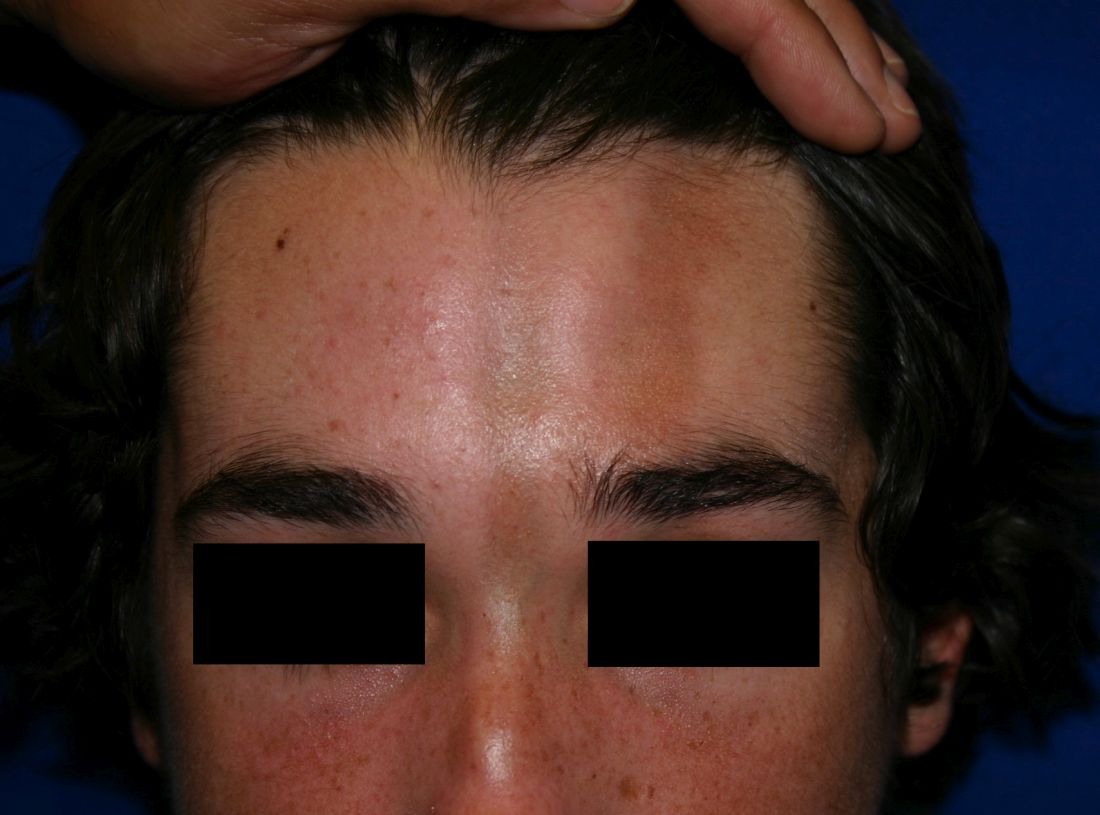
Classification of the different subtypes of morphea are based on clinical presentation of the lesions. The most widely used system characterizes morphea into linear, circumscribed, generalized, pansclerotic, and mixed morphea subtypes.1 Mixed morphea describes the presence of two or more patterns of disease and affects 15% of patients. Morphea lesions initially present as erythematous to violaceous patches and plaques that eventually become white and sclerotic, with resulting destruction of the surrounding structures.
Linear scleroderma is the most common subtype of morphea in children and adolescents, affecting 42%-67% of children with morphea.1 It is characterized by linear plaques, often on the extremities, face, or scalp, that tend to follow Blaschko lines.4 These lesions may extend past the dermis to the subcutaneous tissue, muscle, and even bone, resulting in significant deformities. When on the scalp or face, particularly the forehead, the linear lesion may be referred to as the en coup de sabre variant. Ocular and CNS involvement should be of concern in these patients. When subcutaneous atrophy on the unilateral face is present with unaffected overlaying skin, this is known as the Parry-Romberg syndrome or progressive hemifacial atrophy. Involvement of the extremities is common, and unfortunately, may lead to muscle atrophy of the affected limb, contractures in areas overlying joint spaces, and occasionally limb length discrepancies.
Circumscribed morphea describes three or fewer discrete, oval, or round indurated plaques, with central whitening and a violaceous periphery. They generally are found on the trunk. When lesions have deeper involvement, delving past the dermis to involve the underlying fascia and muscle, the patient may experience a “bound down” sensation. Most lesions soften over 3-5 years.
Generalized morphea is used to describe the presence of at least four plaques, larger than 3 cm, that become confluent in at least two different locations on the body. Patients with generalized morphea have higher rates of systemic symptoms such as arthritis and fatigue.
Pansclerotic morphea, the most severe subtype, is characterized by significant body surface area involvement coupled with deep depth of involvement, often to the bone. The widespread blistering associated with pansclerotic morphea may lead to chronic ulceration and, later on, a higher risk of squamous cell carcinoma development. Despite its extensive distribution, pansclerotic morphea does not cause the severe organ and vascular fibrosis that is characteristically seen in systemic sclerosis. Raynaud’s phenomenon, abnormal nailfold capillaries, and sclerodactyly also will be absent in pansclerotic morphea.
Extracutaneous findings are present in up to 22% of patients with morphea.5 Arthritis is the most common associated finding, and often is correlated with a positive rheumatoid factor. Neurologic involvement most frequently is seen in patients with facial morphea and may present as seizures, as in this patient. MRI abnormalities such as calcifications and white matter changes may be seen. Other common extracutaneous features include fatigue, vascular abnormalities, and ocular findings, such as uveitis.
Morphea and systemic sclerosis appear similar on histology. In early morphea, lymphocytic perivascular infiltrates may be seen in the reticular dermis. In late morphea, the inflammatory cells are replaced by an abundance of collagen bundles infiltrating the dermis.
although the instigating factor activating this pathway is unknown. Multiple factors have been associated with the development of morphea, including autoimmunity, trauma, Borrelia and cytomegalovirus infections, radiation, and certain medications in case reports. Patients with morphea have higher rates of concomitant autoimmune diseases than that found in the general population6 and also have higher rates of autoantibody positivity. In a 750-patient, multicenter study of children with morphea, 42% of patients had positive antinuclear antibodies.7
Diagnosis
Morphea is diagnosed clinically, based on the characteristic appearance of the lesions. A biopsy may be helpful if the presentation is atypical. Although patients with morphea have higher rates of autoantibody positivity, there are no specific laboratory tests that consistently or reliably offer diagnostic value.8 Imaging modalities such as MRI may be utilized to view depth of involvement. Other noninvasive measures, such as thermography and ultrasonography, may be used to determine disease activity.9

Treatment
Treatment for morphea often is multidisciplinary and depends on the severity of involvement and extent to which it impedes functionality and quality of life. Localized plaques that do not restrict movement may be treated with topical corticosteroids, calcipotriene, and tacrolimus. However, topical corticosteroids should be discontinued if there are no signs of improvement in 2-3 months.
For patients with deforming or functionally significant disease, systemic treatment is advised. Methotrexate with or without systemic corticosteroids has been frequently studied, and is the most commonly recommended systemic therapy.11 Some experts have recommended treatment for at least 2-3 years, with at least 1 year of disease inactivity, before discontinuing treatment. Despite this duration of treatment, up to one-quarter of patients, especially those with linear morphea, will still experience recurrence of disease. Management of morphea may be aided by rheumatology and/or dermatology consultation.

Ms. Han is a medical student at the University of California, San Diego. Dr. Eichenfield is chief of pediatric and adolescent dermatology at Rady Children’s Hospital–San Diego. He is vice chair of the department of dermatology and a professor of dermatology and pediatrics at the University of California, San Diego. Ms. Han and Dr. Eichenfield had no conflicts of interest or financial disclosures.
References
1. Fett N et al. J Am Acad Dermatol. 2011 Feb;64(2):217-28.
2. Condie D et al. Arthritis Rheumatol. 2014 Dec;66(12):3496-504.
3. Zulian F et al. J Pediatr. 2006 Aug;149(2):248-51.
4. Weibel L et al. Br J Dermatol. 2008 Jul;159(1):175-81.
5. Zulian F et al. Arthritis Rheum. 2005 Sep;52(9):2873-81.
6. Leitenberger JJ et al. Arch Dermatol. 2009 May;145(5):545-50.
7. Zulian F et al. Rheumatology (Oxford). 2006 May;45(5):614-20.
8. Dharamsi JW et al. JAMA Dermatol. 2013 Oct;149(10):1159-65.
9. Zulian F et al. Curr Opin Rheumatol. 2013 Sep;25(5):643-50.
10. Pope E et al. Pediatr Clin North Am. 2014 Apr;61(2):309-19.
11. Strickland N et al. Am Acad Dermatol. 2015 Apr; 72(4): 727-8.
12. Schoch JJ et al. Pediatr Dermatol. 2018. 35(1): 43-6.
Morphea, also known as localized scleroderma, is a rare fibrosing disorder of the skin and the underlying tissue that encompasses a variety of distinct subtypes classified by pattern and depth of lesion involvement. It may involve fat, fascia, muscle, and bone, and rarely, the central nervous system. Morphea is easily differentiated from systemic sclerosis by its primarily cutaneous involvement, although a minority of patients may have associated extracutaneous findings. Systemic sclerosis describes a well-defined disorder of skin sclerosis with a specific pattern of internal organ involvement.
Classification of the different subtypes of morphea are based on clinical presentation of the lesions. The most widely used system characterizes morphea into linear, circumscribed, generalized, pansclerotic, and mixed morphea subtypes.1 Mixed morphea describes the presence of two or more patterns of disease and affects 15% of patients. Morphea lesions initially present as erythematous to violaceous patches and plaques that eventually become white and sclerotic, with resulting destruction of the surrounding structures.
Linear scleroderma is the most common subtype of morphea in children and adolescents, affecting 42%-67% of children with morphea.1 It is characterized by linear plaques, often on the extremities, face, or scalp, that tend to follow Blaschko lines.4 These lesions may extend past the dermis to the subcutaneous tissue, muscle, and even bone, resulting in significant deformities. When on the scalp or face, particularly the forehead, the linear lesion may be referred to as the en coup de sabre variant. Ocular and CNS involvement should be of concern in these patients. When subcutaneous atrophy on the unilateral face is present with unaffected overlaying skin, this is known as the Parry-Romberg syndrome or progressive hemifacial atrophy. Involvement of the extremities is common, and unfortunately, may lead to muscle atrophy of the affected limb, contractures in areas overlying joint spaces, and occasionally limb length discrepancies.
Circumscribed morphea describes three or fewer discrete, oval, or round indurated plaques, with central whitening and a violaceous periphery. They generally are found on the trunk. When lesions have deeper involvement, delving past the dermis to involve the underlying fascia and muscle, the patient may experience a “bound down” sensation. Most lesions soften over 3-5 years.
Generalized morphea is used to describe the presence of at least four plaques, larger than 3 cm, that become confluent in at least two different locations on the body. Patients with generalized morphea have higher rates of systemic symptoms such as arthritis and fatigue.
Pansclerotic morphea, the most severe subtype, is characterized by significant body surface area involvement coupled with deep depth of involvement, often to the bone. The widespread blistering associated with pansclerotic morphea may lead to chronic ulceration and, later on, a higher risk of squamous cell carcinoma development. Despite its extensive distribution, pansclerotic morphea does not cause the severe organ and vascular fibrosis that is characteristically seen in systemic sclerosis. Raynaud’s phenomenon, abnormal nailfold capillaries, and sclerodactyly also will be absent in pansclerotic morphea.
Extracutaneous findings are present in up to 22% of patients with morphea.5 Arthritis is the most common associated finding, and often is correlated with a positive rheumatoid factor. Neurologic involvement most frequently is seen in patients with facial morphea and may present as seizures, as in this patient. MRI abnormalities such as calcifications and white matter changes may be seen. Other common extracutaneous features include fatigue, vascular abnormalities, and ocular findings, such as uveitis.
Morphea and systemic sclerosis appear similar on histology. In early morphea, lymphocytic perivascular infiltrates may be seen in the reticular dermis. In late morphea, the inflammatory cells are replaced by an abundance of collagen bundles infiltrating the dermis.
although the instigating factor activating this pathway is unknown. Multiple factors have been associated with the development of morphea, including autoimmunity, trauma, Borrelia and cytomegalovirus infections, radiation, and certain medications in case reports. Patients with morphea have higher rates of concomitant autoimmune diseases than that found in the general population6 and also have higher rates of autoantibody positivity. In a 750-patient, multicenter study of children with morphea, 42% of patients had positive antinuclear antibodies.7
Diagnosis
Morphea is diagnosed clinically, based on the characteristic appearance of the lesions. A biopsy may be helpful if the presentation is atypical. Although patients with morphea have higher rates of autoantibody positivity, there are no specific laboratory tests that consistently or reliably offer diagnostic value.8 Imaging modalities such as MRI may be utilized to view depth of involvement. Other noninvasive measures, such as thermography and ultrasonography, may be used to determine disease activity.9
Treatment
Treatment for morphea often is multidisciplinary and depends on the severity of involvement and extent to which it impedes functionality and quality of life. Localized plaques that do not restrict movement may be treated with topical corticosteroids, calcipotriene, and tacrolimus. However, topical corticosteroids should be discontinued if there are no signs of improvement in 2-3 months.
For patients with deforming or functionally significant disease, systemic treatment is advised. Methotrexate with or without systemic corticosteroids has been frequently studied, and is the most commonly recommended systemic therapy.11 Some experts have recommended treatment for at least 2-3 years, with at least 1 year of disease inactivity, before discontinuing treatment. Despite this duration of treatment, up to one-quarter of patients, especially those with linear morphea, will still experience recurrence of disease. Management of morphea may be aided by rheumatology and/or dermatology consultation.
Ms. Han is a medical student at the University of California, San Diego. Dr. Eichenfield is chief of pediatric and adolescent dermatology at Rady Children’s Hospital–San Diego. He is vice chair of the department of dermatology and a professor of dermatology and pediatrics at the University of California, San Diego. Ms. Han and Dr. Eichenfield had no conflicts of interest or financial disclosures.
References
1. Fett N et al. J Am Acad Dermatol. 2011 Feb;64(2):217-28.
2. Condie D et al. Arthritis Rheumatol. 2014 Dec;66(12):3496-504.
3. Zulian F et al. J Pediatr. 2006 Aug;149(2):248-51.
4. Weibel L et al. Br J Dermatol. 2008 Jul;159(1):175-81.
5. Zulian F et al. Arthritis Rheum. 2005 Sep;52(9):2873-81.
6. Leitenberger JJ et al. Arch Dermatol. 2009 May;145(5):545-50.
7. Zulian F et al. Rheumatology (Oxford). 2006 May;45(5):614-20.
8. Dharamsi JW et al. JAMA Dermatol. 2013 Oct;149(10):1159-65.
9. Zulian F et al. Curr Opin Rheumatol. 2013 Sep;25(5):643-50.
10. Pope E et al. Pediatr Clin North Am. 2014 Apr;61(2):309-19.
11. Strickland N et al. Am Acad Dermatol. 2015 Apr; 72(4): 727-8.
12. Schoch JJ et al. Pediatr Dermatol. 2018. 35(1): 43-6.
Morphea, also known as localized scleroderma, is a rare fibrosing disorder of the skin and the underlying tissue that encompasses a variety of distinct subtypes classified by pattern and depth of lesion involvement. It may involve fat, fascia, muscle, and bone, and rarely, the central nervous system. Morphea is easily differentiated from systemic sclerosis by its primarily cutaneous involvement, although a minority of patients may have associated extracutaneous findings. Systemic sclerosis describes a well-defined disorder of skin sclerosis with a specific pattern of internal organ involvement.
Classification of the different subtypes of morphea are based on clinical presentation of the lesions. The most widely used system characterizes morphea into linear, circumscribed, generalized, pansclerotic, and mixed morphea subtypes.1 Mixed morphea describes the presence of two or more patterns of disease and affects 15% of patients. Morphea lesions initially present as erythematous to violaceous patches and plaques that eventually become white and sclerotic, with resulting destruction of the surrounding structures.
Linear scleroderma is the most common subtype of morphea in children and adolescents, affecting 42%-67% of children with morphea.1 It is characterized by linear plaques, often on the extremities, face, or scalp, that tend to follow Blaschko lines.4 These lesions may extend past the dermis to the subcutaneous tissue, muscle, and even bone, resulting in significant deformities. When on the scalp or face, particularly the forehead, the linear lesion may be referred to as the en coup de sabre variant. Ocular and CNS involvement should be of concern in these patients. When subcutaneous atrophy on the unilateral face is present with unaffected overlaying skin, this is known as the Parry-Romberg syndrome or progressive hemifacial atrophy. Involvement of the extremities is common, and unfortunately, may lead to muscle atrophy of the affected limb, contractures in areas overlying joint spaces, and occasionally limb length discrepancies.
Circumscribed morphea describes three or fewer discrete, oval, or round indurated plaques, with central whitening and a violaceous periphery. They generally are found on the trunk. When lesions have deeper involvement, delving past the dermis to involve the underlying fascia and muscle, the patient may experience a “bound down” sensation. Most lesions soften over 3-5 years.
Generalized morphea is used to describe the presence of at least four plaques, larger than 3 cm, that become confluent in at least two different locations on the body. Patients with generalized morphea have higher rates of systemic symptoms such as arthritis and fatigue.
Pansclerotic morphea, the most severe subtype, is characterized by significant body surface area involvement coupled with deep depth of involvement, often to the bone. The widespread blistering associated with pansclerotic morphea may lead to chronic ulceration and, later on, a higher risk of squamous cell carcinoma development. Despite its extensive distribution, pansclerotic morphea does not cause the severe organ and vascular fibrosis that is characteristically seen in systemic sclerosis. Raynaud’s phenomenon, abnormal nailfold capillaries, and sclerodactyly also will be absent in pansclerotic morphea.
Extracutaneous findings are present in up to 22% of patients with morphea.5 Arthritis is the most common associated finding, and often is correlated with a positive rheumatoid factor. Neurologic involvement most frequently is seen in patients with facial morphea and may present as seizures, as in this patient. MRI abnormalities such as calcifications and white matter changes may be seen. Other common extracutaneous features include fatigue, vascular abnormalities, and ocular findings, such as uveitis.
Morphea and systemic sclerosis appear similar on histology. In early morphea, lymphocytic perivascular infiltrates may be seen in the reticular dermis. In late morphea, the inflammatory cells are replaced by an abundance of collagen bundles infiltrating the dermis.
although the instigating factor activating this pathway is unknown. Multiple factors have been associated with the development of morphea, including autoimmunity, trauma, Borrelia and cytomegalovirus infections, radiation, and certain medications in case reports. Patients with morphea have higher rates of concomitant autoimmune diseases than that found in the general population6 and also have higher rates of autoantibody positivity. In a 750-patient, multicenter study of children with morphea, 42% of patients had positive antinuclear antibodies.7
Diagnosis
Morphea is diagnosed clinically, based on the characteristic appearance of the lesions. A biopsy may be helpful if the presentation is atypical. Although patients with morphea have higher rates of autoantibody positivity, there are no specific laboratory tests that consistently or reliably offer diagnostic value.8 Imaging modalities such as MRI may be utilized to view depth of involvement. Other noninvasive measures, such as thermography and ultrasonography, may be used to determine disease activity.9
Treatment
Treatment for morphea often is multidisciplinary and depends on the severity of involvement and extent to which it impedes functionality and quality of life. Localized plaques that do not restrict movement may be treated with topical corticosteroids, calcipotriene, and tacrolimus. However, topical corticosteroids should be discontinued if there are no signs of improvement in 2-3 months.
For patients with deforming or functionally significant disease, systemic treatment is advised. Methotrexate with or without systemic corticosteroids has been frequently studied, and is the most commonly recommended systemic therapy.11 Some experts have recommended treatment for at least 2-3 years, with at least 1 year of disease inactivity, before discontinuing treatment. Despite this duration of treatment, up to one-quarter of patients, especially those with linear morphea, will still experience recurrence of disease. Management of morphea may be aided by rheumatology and/or dermatology consultation.
Ms. Han is a medical student at the University of California, San Diego. Dr. Eichenfield is chief of pediatric and adolescent dermatology at Rady Children’s Hospital–San Diego. He is vice chair of the department of dermatology and a professor of dermatology and pediatrics at the University of California, San Diego. Ms. Han and Dr. Eichenfield had no conflicts of interest or financial disclosures.
References
1. Fett N et al. J Am Acad Dermatol. 2011 Feb;64(2):217-28.
2. Condie D et al. Arthritis Rheumatol. 2014 Dec;66(12):3496-504.
3. Zulian F et al. J Pediatr. 2006 Aug;149(2):248-51.
4. Weibel L et al. Br J Dermatol. 2008 Jul;159(1):175-81.
5. Zulian F et al. Arthritis Rheum. 2005 Sep;52(9):2873-81.
6. Leitenberger JJ et al. Arch Dermatol. 2009 May;145(5):545-50.
7. Zulian F et al. Rheumatology (Oxford). 2006 May;45(5):614-20.
8. Dharamsi JW et al. JAMA Dermatol. 2013 Oct;149(10):1159-65.
9. Zulian F et al. Curr Opin Rheumatol. 2013 Sep;25(5):643-50.
10. Pope E et al. Pediatr Clin North Am. 2014 Apr;61(2):309-19.
11. Strickland N et al. Am Acad Dermatol. 2015 Apr; 72(4): 727-8.
12. Schoch JJ et al. Pediatr Dermatol. 2018. 35(1): 43-6.
A 14-year-old patient presents to a dermatology clinic for a depression on his forehead, which has been there for about 2 years. A few years ago, he used to have a pruritic pink lesion on the forehead where the depression is now. He denies any symptoms.
Anxiety in teens
It seems that every week there is a new headline about the rising rates of anxiety in today’s adolescents. Schools often are asked to address high levels of stress and anxiety in their students, and the pediatrician’s office is often the first place worried parents will call. We will try to help you differentiate between what is normal – even healthy – adolescent stress, and what might represent treatable psychiatric problems. And we will review how to approach stress management with your patients and their parents. For all adolescents, even those with psychiatric diagnoses, learning to manage stress and anxiety is critical to their healthiest development into capable, confident, resilient adults.
Stress is the mental or emotional strain resulting from demanding or adverse circumstances. Anxiety is a feeling of unease about an imminent event with an uncertain outcome. An anxiety disorder is a psychiatric illness characterized by a state of excessive unease leading to functional impairment. These distinctions are critical, as both stress and anxiety are normal-but-uncomfortable parts of the adolescent experience. When all of a teenager’s stress and anxiety is medicalized, it promotes avoidance, which in turn may worsen your patient’s functional impairment rather than improving it.
This is not to suggest that there are not real (and common) psychiatric illnesses that can affect the levels of anxiety in your patients. Anxiety disorders start the earliest, with separation anxiety disorder, specific phobia, and social phobia all having a mean onset before puberty. Anxiety disorders are the most prevalent psychiatric disorders in youth (30% of youth psychiatric illness), and anxiety also may be related to substance use disorders (25%), disruptive behavior disorders (20%), and mood disorders (17%). Despite the excited news coverage, there is no evidence of a statistically significant increase in the incidence of anxiety or mood disorders in young people over the past decade.
It is not difficult to imagine that the challenges facing adolescents are considerable. Of course, adolescence is a time of major change starting with puberty, in which young people actively develop independence, identity, and a rich array of deep relationships beyond their families. Typically, this is a 5- to 10-year process of risk-taking, new experiences, setbacks, delight, heartbreak, and triumphs all alongside growing autonomy.
These forces may make their parents even more stressed than the adolescents themselves, but there is one dramatically different feature of adolescent life today: the constant presence of smartphones. While these devices can improve connectedness to school, family, and friends, use of smartphones also means that today’s teenagers often have little downtime cognitively or socially. Use of smartphones can facilitate both supportive affirmation from friends and relentless social pressures, and the feeling of being excluded or bullied. Smartphone use can interfere with restful sleep, and some virtual activities may compete with the genuine experimentation and exploration where teenagers discover their interests and abilities and develop meaningful confidence and independence.

Several factors might impair an adolescent’s ability to cope with challenge and stress. Those teenagers who have not had the opportunity to face and manage modest setbacks, difficulties, and discomforts during their elementary and middle school years may be overwhelmed by starting with the higher-stakes strains of adolescence. This can happen when young children have not explored many new activities, have been shielded from the consequences of failures, or have tried only activities that came easily to them. Certainly, teenagers who are managing a depressive or anxiety disorder as well as those with learning disabilities may have limited ability to cope with routine stress, although those who have a well-treated disorder often have robust coping skills.
Perhaps obvious, but still very important, chronic sleep deprivation can leave adolescents irritable, impatient, and distractible, all of which make coping with a challenge very difficult. Likewise, substance use can directly impair coping skills, and can create the habit of trying to escape stress rather than manage it.
So what does this mean for you? If your patient has an anxiety, depressive, or substance use disorder, refer for appropriate therapy. For both those who screen in and those who do not, your next task is to help them improve their coping skills. What specifically has them so stressed?

Are there family stressors or unrealistic expectations that can be addressed? Can they see their situation as a challenge and focus on what is within their control to do in response? Remind your patients that challenges are uncomfortable. Mastery comes with practice and, inevitably, some setbacks and failures. Have they identified personal goals or a transcendent purpose? This can improve motivation and keep a challenge in perspective. They might focus on learning about their coping style: Do they do better with a slow, steady, methodical approach or intense bursts of effort? Talk with them about self-care. Adequate sleep, regular exercise, putting effort into relaxation as well as work, and spending time with their actual (not just virtual) friends all are essential to keeping their batteries charged while doing the intense work of normal adolescence.
For those patients who do not meet criteria for depression or anxiety disorders, there are circumstances in which a referral for therapy can be helpful. If they are noticeably disconnected from their parents or their parents seem to be more reactive to the stress and pressures than they are, an outside therapist can be a meaningful support as they build skills. Those patients who are socially isolated and stressed, are using substances regularly, are withdrawing from other interests to manage their source of stress, or are having difficulty telling facts from feelings are at risk for failing to adequately manage their stress and for the development of psychiatric problems. Starting early, helping them to build autonomy as preadolescents, experiencing successes and failures, begins the cultivation of resilience and meaningful confidence they will need during adolescence. Your attention and guidance can help all of your adolescent patients improve their coping and lower both their stress and their anxiety.
It seems that every week there is a new headline about the rising rates of anxiety in today’s adolescents. Schools often are asked to address high levels of stress and anxiety in their students, and the pediatrician’s office is often the first place worried parents will call. We will try to help you differentiate between what is normal – even healthy – adolescent stress, and what might represent treatable psychiatric problems. And we will review how to approach stress management with your patients and their parents. For all adolescents, even those with psychiatric diagnoses, learning to manage stress and anxiety is critical to their healthiest development into capable, confident, resilient adults.
Stress is the mental or emotional strain resulting from demanding or adverse circumstances. Anxiety is a feeling of unease about an imminent event with an uncertain outcome. An anxiety disorder is a psychiatric illness characterized by a state of excessive unease leading to functional impairment. These distinctions are critical, as both stress and anxiety are normal-but-uncomfortable parts of the adolescent experience. When all of a teenager’s stress and anxiety is medicalized, it promotes avoidance, which in turn may worsen your patient’s functional impairment rather than improving it.
This is not to suggest that there are not real (and common) psychiatric illnesses that can affect the levels of anxiety in your patients. Anxiety disorders start the earliest, with separation anxiety disorder, specific phobia, and social phobia all having a mean onset before puberty. Anxiety disorders are the most prevalent psychiatric disorders in youth (30% of youth psychiatric illness), and anxiety also may be related to substance use disorders (25%), disruptive behavior disorders (20%), and mood disorders (17%). Despite the excited news coverage, there is no evidence of a statistically significant increase in the incidence of anxiety or mood disorders in young people over the past decade.
It is not difficult to imagine that the challenges facing adolescents are considerable. Of course, adolescence is a time of major change starting with puberty, in which young people actively develop independence, identity, and a rich array of deep relationships beyond their families. Typically, this is a 5- to 10-year process of risk-taking, new experiences, setbacks, delight, heartbreak, and triumphs all alongside growing autonomy.
These forces may make their parents even more stressed than the adolescents themselves, but there is one dramatically different feature of adolescent life today: the constant presence of smartphones. While these devices can improve connectedness to school, family, and friends, use of smartphones also means that today’s teenagers often have little downtime cognitively or socially. Use of smartphones can facilitate both supportive affirmation from friends and relentless social pressures, and the feeling of being excluded or bullied. Smartphone use can interfere with restful sleep, and some virtual activities may compete with the genuine experimentation and exploration where teenagers discover their interests and abilities and develop meaningful confidence and independence.
Several factors might impair an adolescent’s ability to cope with challenge and stress. Those teenagers who have not had the opportunity to face and manage modest setbacks, difficulties, and discomforts during their elementary and middle school years may be overwhelmed by starting with the higher-stakes strains of adolescence. This can happen when young children have not explored many new activities, have been shielded from the consequences of failures, or have tried only activities that came easily to them. Certainly, teenagers who are managing a depressive or anxiety disorder as well as those with learning disabilities may have limited ability to cope with routine stress, although those who have a well-treated disorder often have robust coping skills.
Perhaps obvious, but still very important, chronic sleep deprivation can leave adolescents irritable, impatient, and distractible, all of which make coping with a challenge very difficult. Likewise, substance use can directly impair coping skills, and can create the habit of trying to escape stress rather than manage it.
So what does this mean for you? If your patient has an anxiety, depressive, or substance use disorder, refer for appropriate therapy. For both those who screen in and those who do not, your next task is to help them improve their coping skills. What specifically has them so stressed?
Are there family stressors or unrealistic expectations that can be addressed? Can they see their situation as a challenge and focus on what is within their control to do in response? Remind your patients that challenges are uncomfortable. Mastery comes with practice and, inevitably, some setbacks and failures. Have they identified personal goals or a transcendent purpose? This can improve motivation and keep a challenge in perspective. They might focus on learning about their coping style: Do they do better with a slow, steady, methodical approach or intense bursts of effort? Talk with them about self-care. Adequate sleep, regular exercise, putting effort into relaxation as well as work, and spending time with their actual (not just virtual) friends all are essential to keeping their batteries charged while doing the intense work of normal adolescence.
For those patients who do not meet criteria for depression or anxiety disorders, there are circumstances in which a referral for therapy can be helpful. If they are noticeably disconnected from their parents or their parents seem to be more reactive to the stress and pressures than they are, an outside therapist can be a meaningful support as they build skills. Those patients who are socially isolated and stressed, are using substances regularly, are withdrawing from other interests to manage their source of stress, or are having difficulty telling facts from feelings are at risk for failing to adequately manage their stress and for the development of psychiatric problems. Starting early, helping them to build autonomy as preadolescents, experiencing successes and failures, begins the cultivation of resilience and meaningful confidence they will need during adolescence. Your attention and guidance can help all of your adolescent patients improve their coping and lower both their stress and their anxiety.
It seems that every week there is a new headline about the rising rates of anxiety in today’s adolescents. Schools often are asked to address high levels of stress and anxiety in their students, and the pediatrician’s office is often the first place worried parents will call. We will try to help you differentiate between what is normal – even healthy – adolescent stress, and what might represent treatable psychiatric problems. And we will review how to approach stress management with your patients and their parents. For all adolescents, even those with psychiatric diagnoses, learning to manage stress and anxiety is critical to their healthiest development into capable, confident, resilient adults.
Stress is the mental or emotional strain resulting from demanding or adverse circumstances. Anxiety is a feeling of unease about an imminent event with an uncertain outcome. An anxiety disorder is a psychiatric illness characterized by a state of excessive unease leading to functional impairment. These distinctions are critical, as both stress and anxiety are normal-but-uncomfortable parts of the adolescent experience. When all of a teenager’s stress and anxiety is medicalized, it promotes avoidance, which in turn may worsen your patient’s functional impairment rather than improving it.
This is not to suggest that there are not real (and common) psychiatric illnesses that can affect the levels of anxiety in your patients. Anxiety disorders start the earliest, with separation anxiety disorder, specific phobia, and social phobia all having a mean onset before puberty. Anxiety disorders are the most prevalent psychiatric disorders in youth (30% of youth psychiatric illness), and anxiety also may be related to substance use disorders (25%), disruptive behavior disorders (20%), and mood disorders (17%). Despite the excited news coverage, there is no evidence of a statistically significant increase in the incidence of anxiety or mood disorders in young people over the past decade.
It is not difficult to imagine that the challenges facing adolescents are considerable. Of course, adolescence is a time of major change starting with puberty, in which young people actively develop independence, identity, and a rich array of deep relationships beyond their families. Typically, this is a 5- to 10-year process of risk-taking, new experiences, setbacks, delight, heartbreak, and triumphs all alongside growing autonomy.
These forces may make their parents even more stressed than the adolescents themselves, but there is one dramatically different feature of adolescent life today: the constant presence of smartphones. While these devices can improve connectedness to school, family, and friends, use of smartphones also means that today’s teenagers often have little downtime cognitively or socially. Use of smartphones can facilitate both supportive affirmation from friends and relentless social pressures, and the feeling of being excluded or bullied. Smartphone use can interfere with restful sleep, and some virtual activities may compete with the genuine experimentation and exploration where teenagers discover their interests and abilities and develop meaningful confidence and independence.
Several factors might impair an adolescent’s ability to cope with challenge and stress. Those teenagers who have not had the opportunity to face and manage modest setbacks, difficulties, and discomforts during their elementary and middle school years may be overwhelmed by starting with the higher-stakes strains of adolescence. This can happen when young children have not explored many new activities, have been shielded from the consequences of failures, or have tried only activities that came easily to them. Certainly, teenagers who are managing a depressive or anxiety disorder as well as those with learning disabilities may have limited ability to cope with routine stress, although those who have a well-treated disorder often have robust coping skills.
Perhaps obvious, but still very important, chronic sleep deprivation can leave adolescents irritable, impatient, and distractible, all of which make coping with a challenge very difficult. Likewise, substance use can directly impair coping skills, and can create the habit of trying to escape stress rather than manage it.
So what does this mean for you? If your patient has an anxiety, depressive, or substance use disorder, refer for appropriate therapy. For both those who screen in and those who do not, your next task is to help them improve their coping skills. What specifically has them so stressed?
Are there family stressors or unrealistic expectations that can be addressed? Can they see their situation as a challenge and focus on what is within their control to do in response? Remind your patients that challenges are uncomfortable. Mastery comes with practice and, inevitably, some setbacks and failures. Have they identified personal goals or a transcendent purpose? This can improve motivation and keep a challenge in perspective. They might focus on learning about their coping style: Do they do better with a slow, steady, methodical approach or intense bursts of effort? Talk with them about self-care. Adequate sleep, regular exercise, putting effort into relaxation as well as work, and spending time with their actual (not just virtual) friends all are essential to keeping their batteries charged while doing the intense work of normal adolescence.
For those patients who do not meet criteria for depression or anxiety disorders, there are circumstances in which a referral for therapy can be helpful. If they are noticeably disconnected from their parents or their parents seem to be more reactive to the stress and pressures than they are, an outside therapist can be a meaningful support as they build skills. Those patients who are socially isolated and stressed, are using substances regularly, are withdrawing from other interests to manage their source of stress, or are having difficulty telling facts from feelings are at risk for failing to adequately manage their stress and for the development of psychiatric problems. Starting early, helping them to build autonomy as preadolescents, experiencing successes and failures, begins the cultivation of resilience and meaningful confidence they will need during adolescence. Your attention and guidance can help all of your adolescent patients improve their coping and lower both their stress and their anxiety.

Nutrition early in life has long-term effects on neurodevelopment
Nutrition within the first 1,000 days of childhood are pivotal in a child’s neurodevelopment and lifelong health, according to an American Academy of Pediatrics policy statement.
“Healthy, normal neurodevelopment is a complex process involving cellular and structural changes in the brain that proceed in a specified sequence,” wrote Sara Jane Schwarzenberg, MD and Michael K. Georgieff, MD, both of the University of Minnesota Masonic Children’s Hospital, Minneapolis, and the AAP Committee on Nutrition. “Changes that are too rapid or too slow in one part of the brain may result in the failure of crucial pathway connections to other parts of the brain. Timing is crucial; once a particular developmental sequence fails, it may not be possible to retrieve all the lost function,” the investigators and committee noted in a report published in Pediatrics (Pediatrics. 2018; 141[2]:e20173716).
The importance of macronutrients was highlighted in a study of rural Guatemalan children during 1969-1989 who received high-calorie or low-calorie protein supplements. Children who received the high-calorie/high protein supplements before age 2 years had higher test scores, better reading and vocabulary skills, and faster information processing abilities, compared with their low-calorie/low-protein counterparts.
Like the low-calorie/low-protein Guatemalans, there are many populations that lack access to high-quality macronutrient sources or have access to only low-quality macronutrients. In the United States in 2015, 16.6% of households (6.4 million) were food insecure. This was even more pronounced in households with incomes below the poverty line, with 36.8% being food insecure, according to studies from the Department of Agriculture.
Food insecurity is not limited to macronutrients but extends to micronutrients such as vitamins and minerals like zinc; iron; choline; folate; iodine; vitamins A, D, B6, and B12; and long-chain polyunsaturated fatty acids. A lack of any of these micronutrients in early childhood can lead to neurodevelopmental issues later in life, Dr. Schwarzenberg, Dr. Georgieff, and the committee emphasized. An important source of micronutrients is human milk, provided by breastfeeding. Studies have shown that breastfeeding of preterm and term infants improves cognitive performance, compared with infants who consume formula (J Pediatr. 2016;177:133-9.e1; Curr Opin Pediatr. 2016;28[4]:559-66).
Because proper consumption of macronutrients and micronutrients is so important, a number of government-sponsored programs exist that provide nutritional support to women, infants, and young children. The Special Supplemental Nutrition Program for Women, Infants, and Children (WIC) is one of the most important programs, helping 53% of children under the age of 1 year. The Supplemental Nutrition Assistance Program (SNAP) also supplies economic aid to buy nutritious foods; it kept approximately 4.9 million children out of poverty in 2012, the researchers said. SNAP Nutrition Education, a partnership between SNAP and the Department of Agriculture, gives SNAP participants and eligible nonparticipants skills and information to help them to make healthy food choices with limited money.
The article highlights some important information, but is not an exhaustive discussion of the AAP policy statement. To make the information from the policy statement more applicable, Dr. Schwarzenberg, Dr. Georgieff, and the committee provided 10 takeaway recommendations for pediatricians.
1. Be knowledgeable about breastfeeding and help breastfeeding mothers. The AAP recommends exclusive breastfeeding for the first 6 months of a child’s life and to continue breastfeeding with the addition of food for at least the first year of life, and even after that if the mother and child so desire.
2. Advocate at the local, state, and federal levels to preserve and strengthen nutritional and assistance programs focusing on prenatal and neonatal nutrition. This can help support proper neurodevelopment and minimize negative environmental factors.
3. Openly discuss proper nutritions effects on infant neurodevelopment with parents. Know which nutrients are at risk in the breastfed infant after 6 months, such as zinc, iron, and vitamin D. A good resource is “Pediatric Nutrition, 7th edition” (Itasca, Ill. American Academy of Pediatrics, 2014).
4. Convey that eating healthy is a positive choice, not just an avoidance of unhealthy foods.
5. Inform food pantries and soup kitchens that the food packages and meals they provide should have higher levels of macronutrients and micronutrients.
6. Encourage parents to make use of programs like WIC and SNAP, and advocate for removing barriers that parents face in enrolling or reenrolling in such programs.
7. Oppose changes in eligibility to assistance programs that would adversely affect children.
8. Anticipate neurodevelopmental issues with children and address the issue early. For example, educate yourself about which nutrients are at risk for deficiency and at what ages.
9. Work with obstetricians to encourage improvements in maternal diet, which will affect the micronutrients available for the developing fetus.
10. Become advocates in the “Hunger Community,” working to reduce hunger at the local level across the United States. A chart in the article lists organizations focused on hunger, such as Feeding America, 1,000 Days, Share Our Strength, and others.
There was no external funding for this research, and the authors had no relevant financial disclosures or potential conflicts of interest to report.
While you might not typically put chopped or blended, unsalted, boiled canned oysters on your usual list of recommended infant and toddler foods, maybe you should.
The AAP just published a new policy statement on advocacy to improve child nutrition in the first 1,000 days (from conception to age 2 years). The statement emphasizes the importance of nutrition to optimal brain development. Pediatricians are encouraged to be familiar with community services to support optimal nutrition such as the Special Supplemental Nutrition Program for Women, Infants, and Children, the Supplemental Nutrition Assistance Program, the Child and Adult Care Food Program, and food pantries and soup kitchens, but also to get beyond recommending a “good diet” to something more specific which is high in key nutrients important for brain development such as protein; zinc; iron; choline; folate; iodine; vitamins A, D, B6, and B12; and polyunsaturated fatty acids. That’s where the boiled oysters, a decent source of the listed nutrients and especially loaded with zinc, iron, and vitamin B12, come in. While not everyone is going to rush out to buy their baby such an unexpected (and for many, unfamiliar) food, the statement reminds pediatricians to recommend foods that are good sources of the nutrients that babies and toddlers need most. Other foods that fit the bill include oatmeal, meat and poultry, fish like salmon and tuna, eggs, tofu and soybeans, and other legumes and beans like chickpeas and lentils.
Natalie D. Muth, MD, is a pediatrician at Children’s Primary Care Medical Group in Carlsbad, Calif. She has no relevant financial disclosures.
While you might not typically put chopped or blended, unsalted, boiled canned oysters on your usual list of recommended infant and toddler foods, maybe you should.
The AAP just published a new policy statement on advocacy to improve child nutrition in the first 1,000 days (from conception to age 2 years). The statement emphasizes the importance of nutrition to optimal brain development. Pediatricians are encouraged to be familiar with community services to support optimal nutrition such as the Special Supplemental Nutrition Program for Women, Infants, and Children, the Supplemental Nutrition Assistance Program, the Child and Adult Care Food Program, and food pantries and soup kitchens, but also to get beyond recommending a “good diet” to something more specific which is high in key nutrients important for brain development such as protein; zinc; iron; choline; folate; iodine; vitamins A, D, B6, and B12; and polyunsaturated fatty acids. That’s where the boiled oysters, a decent source of the listed nutrients and especially loaded with zinc, iron, and vitamin B12, come in. While not everyone is going to rush out to buy their baby such an unexpected (and for many, unfamiliar) food, the statement reminds pediatricians to recommend foods that are good sources of the nutrients that babies and toddlers need most. Other foods that fit the bill include oatmeal, meat and poultry, fish like salmon and tuna, eggs, tofu and soybeans, and other legumes and beans like chickpeas and lentils.
Natalie D. Muth, MD, is a pediatrician at Children’s Primary Care Medical Group in Carlsbad, Calif. She has no relevant financial disclosures.
While you might not typically put chopped or blended, unsalted, boiled canned oysters on your usual list of recommended infant and toddler foods, maybe you should.
The AAP just published a new policy statement on advocacy to improve child nutrition in the first 1,000 days (from conception to age 2 years). The statement emphasizes the importance of nutrition to optimal brain development. Pediatricians are encouraged to be familiar with community services to support optimal nutrition such as the Special Supplemental Nutrition Program for Women, Infants, and Children, the Supplemental Nutrition Assistance Program, the Child and Adult Care Food Program, and food pantries and soup kitchens, but also to get beyond recommending a “good diet” to something more specific which is high in key nutrients important for brain development such as protein; zinc; iron; choline; folate; iodine; vitamins A, D, B6, and B12; and polyunsaturated fatty acids. That’s where the boiled oysters, a decent source of the listed nutrients and especially loaded with zinc, iron, and vitamin B12, come in. While not everyone is going to rush out to buy their baby such an unexpected (and for many, unfamiliar) food, the statement reminds pediatricians to recommend foods that are good sources of the nutrients that babies and toddlers need most. Other foods that fit the bill include oatmeal, meat and poultry, fish like salmon and tuna, eggs, tofu and soybeans, and other legumes and beans like chickpeas and lentils.
Natalie D. Muth, MD, is a pediatrician at Children’s Primary Care Medical Group in Carlsbad, Calif. She has no relevant financial disclosures.
Nutrition within the first 1,000 days of childhood are pivotal in a child’s neurodevelopment and lifelong health, according to an American Academy of Pediatrics policy statement.
“Healthy, normal neurodevelopment is a complex process involving cellular and structural changes in the brain that proceed in a specified sequence,” wrote Sara Jane Schwarzenberg, MD and Michael K. Georgieff, MD, both of the University of Minnesota Masonic Children’s Hospital, Minneapolis, and the AAP Committee on Nutrition. “Changes that are too rapid or too slow in one part of the brain may result in the failure of crucial pathway connections to other parts of the brain. Timing is crucial; once a particular developmental sequence fails, it may not be possible to retrieve all the lost function,” the investigators and committee noted in a report published in Pediatrics (Pediatrics. 2018; 141[2]:e20173716).
The importance of macronutrients was highlighted in a study of rural Guatemalan children during 1969-1989 who received high-calorie or low-calorie protein supplements. Children who received the high-calorie/high protein supplements before age 2 years had higher test scores, better reading and vocabulary skills, and faster information processing abilities, compared with their low-calorie/low-protein counterparts.
Like the low-calorie/low-protein Guatemalans, there are many populations that lack access to high-quality macronutrient sources or have access to only low-quality macronutrients. In the United States in 2015, 16.6% of households (6.4 million) were food insecure. This was even more pronounced in households with incomes below the poverty line, with 36.8% being food insecure, according to studies from the Department of Agriculture.
Food insecurity is not limited to macronutrients but extends to micronutrients such as vitamins and minerals like zinc; iron; choline; folate; iodine; vitamins A, D, B6, and B12; and long-chain polyunsaturated fatty acids. A lack of any of these micronutrients in early childhood can lead to neurodevelopmental issues later in life, Dr. Schwarzenberg, Dr. Georgieff, and the committee emphasized. An important source of micronutrients is human milk, provided by breastfeeding. Studies have shown that breastfeeding of preterm and term infants improves cognitive performance, compared with infants who consume formula (J Pediatr. 2016;177:133-9.e1; Curr Opin Pediatr. 2016;28[4]:559-66).
Because proper consumption of macronutrients and micronutrients is so important, a number of government-sponsored programs exist that provide nutritional support to women, infants, and young children. The Special Supplemental Nutrition Program for Women, Infants, and Children (WIC) is one of the most important programs, helping 53% of children under the age of 1 year. The Supplemental Nutrition Assistance Program (SNAP) also supplies economic aid to buy nutritious foods; it kept approximately 4.9 million children out of poverty in 2012, the researchers said. SNAP Nutrition Education, a partnership between SNAP and the Department of Agriculture, gives SNAP participants and eligible nonparticipants skills and information to help them to make healthy food choices with limited money.
The article highlights some important information, but is not an exhaustive discussion of the AAP policy statement. To make the information from the policy statement more applicable, Dr. Schwarzenberg, Dr. Georgieff, and the committee provided 10 takeaway recommendations for pediatricians.
1. Be knowledgeable about breastfeeding and help breastfeeding mothers. The AAP recommends exclusive breastfeeding for the first 6 months of a child’s life and to continue breastfeeding with the addition of food for at least the first year of life, and even after that if the mother and child so desire.
2. Advocate at the local, state, and federal levels to preserve and strengthen nutritional and assistance programs focusing on prenatal and neonatal nutrition. This can help support proper neurodevelopment and minimize negative environmental factors.
3. Openly discuss proper nutritions effects on infant neurodevelopment with parents. Know which nutrients are at risk in the breastfed infant after 6 months, such as zinc, iron, and vitamin D. A good resource is “Pediatric Nutrition, 7th edition” (Itasca, Ill. American Academy of Pediatrics, 2014).
4. Convey that eating healthy is a positive choice, not just an avoidance of unhealthy foods.
5. Inform food pantries and soup kitchens that the food packages and meals they provide should have higher levels of macronutrients and micronutrients.
6. Encourage parents to make use of programs like WIC and SNAP, and advocate for removing barriers that parents face in enrolling or reenrolling in such programs.
7. Oppose changes in eligibility to assistance programs that would adversely affect children.
8. Anticipate neurodevelopmental issues with children and address the issue early. For example, educate yourself about which nutrients are at risk for deficiency and at what ages.
9. Work with obstetricians to encourage improvements in maternal diet, which will affect the micronutrients available for the developing fetus.
10. Become advocates in the “Hunger Community,” working to reduce hunger at the local level across the United States. A chart in the article lists organizations focused on hunger, such as Feeding America, 1,000 Days, Share Our Strength, and others.
There was no external funding for this research, and the authors had no relevant financial disclosures or potential conflicts of interest to report.
Nutrition within the first 1,000 days of childhood are pivotal in a child’s neurodevelopment and lifelong health, according to an American Academy of Pediatrics policy statement.
“Healthy, normal neurodevelopment is a complex process involving cellular and structural changes in the brain that proceed in a specified sequence,” wrote Sara Jane Schwarzenberg, MD and Michael K. Georgieff, MD, both of the University of Minnesota Masonic Children’s Hospital, Minneapolis, and the AAP Committee on Nutrition. “Changes that are too rapid or too slow in one part of the brain may result in the failure of crucial pathway connections to other parts of the brain. Timing is crucial; once a particular developmental sequence fails, it may not be possible to retrieve all the lost function,” the investigators and committee noted in a report published in Pediatrics (Pediatrics. 2018; 141[2]:e20173716).
The importance of macronutrients was highlighted in a study of rural Guatemalan children during 1969-1989 who received high-calorie or low-calorie protein supplements. Children who received the high-calorie/high protein supplements before age 2 years had higher test scores, better reading and vocabulary skills, and faster information processing abilities, compared with their low-calorie/low-protein counterparts.
Like the low-calorie/low-protein Guatemalans, there are many populations that lack access to high-quality macronutrient sources or have access to only low-quality macronutrients. In the United States in 2015, 16.6% of households (6.4 million) were food insecure. This was even more pronounced in households with incomes below the poverty line, with 36.8% being food insecure, according to studies from the Department of Agriculture.
Food insecurity is not limited to macronutrients but extends to micronutrients such as vitamins and minerals like zinc; iron; choline; folate; iodine; vitamins A, D, B6, and B12; and long-chain polyunsaturated fatty acids. A lack of any of these micronutrients in early childhood can lead to neurodevelopmental issues later in life, Dr. Schwarzenberg, Dr. Georgieff, and the committee emphasized. An important source of micronutrients is human milk, provided by breastfeeding. Studies have shown that breastfeeding of preterm and term infants improves cognitive performance, compared with infants who consume formula (J Pediatr. 2016;177:133-9.e1; Curr Opin Pediatr. 2016;28[4]:559-66).
Because proper consumption of macronutrients and micronutrients is so important, a number of government-sponsored programs exist that provide nutritional support to women, infants, and young children. The Special Supplemental Nutrition Program for Women, Infants, and Children (WIC) is one of the most important programs, helping 53% of children under the age of 1 year. The Supplemental Nutrition Assistance Program (SNAP) also supplies economic aid to buy nutritious foods; it kept approximately 4.9 million children out of poverty in 2012, the researchers said. SNAP Nutrition Education, a partnership between SNAP and the Department of Agriculture, gives SNAP participants and eligible nonparticipants skills and information to help them to make healthy food choices with limited money.
The article highlights some important information, but is not an exhaustive discussion of the AAP policy statement. To make the information from the policy statement more applicable, Dr. Schwarzenberg, Dr. Georgieff, and the committee provided 10 takeaway recommendations for pediatricians.
1. Be knowledgeable about breastfeeding and help breastfeeding mothers. The AAP recommends exclusive breastfeeding for the first 6 months of a child’s life and to continue breastfeeding with the addition of food for at least the first year of life, and even after that if the mother and child so desire.
2. Advocate at the local, state, and federal levels to preserve and strengthen nutritional and assistance programs focusing on prenatal and neonatal nutrition. This can help support proper neurodevelopment and minimize negative environmental factors.
3. Openly discuss proper nutritions effects on infant neurodevelopment with parents. Know which nutrients are at risk in the breastfed infant after 6 months, such as zinc, iron, and vitamin D. A good resource is “Pediatric Nutrition, 7th edition” (Itasca, Ill. American Academy of Pediatrics, 2014).
4. Convey that eating healthy is a positive choice, not just an avoidance of unhealthy foods.
5. Inform food pantries and soup kitchens that the food packages and meals they provide should have higher levels of macronutrients and micronutrients.
6. Encourage parents to make use of programs like WIC and SNAP, and advocate for removing barriers that parents face in enrolling or reenrolling in such programs.
7. Oppose changes in eligibility to assistance programs that would adversely affect children.
8. Anticipate neurodevelopmental issues with children and address the issue early. For example, educate yourself about which nutrients are at risk for deficiency and at what ages.
9. Work with obstetricians to encourage improvements in maternal diet, which will affect the micronutrients available for the developing fetus.
10. Become advocates in the “Hunger Community,” working to reduce hunger at the local level across the United States. A chart in the article lists organizations focused on hunger, such as Feeding America, 1,000 Days, Share Our Strength, and others.
There was no external funding for this research, and the authors had no relevant financial disclosures or potential conflicts of interest to report.
FROM PEDIATRICS
Junk food, energy drinks may damage teen brains
.
The latest evidence on how the teenage brain is particularly vulnerable to environmental influences, both good and bad, as it matures into adulthood is marshaled into review articles featured in a special issue of the journal Birth Defects Research entitled “The dynamic and vulnerable teenage brain” issued by the Teratology Society.
Junk food – soda, potato chips, and the like – is one of the bad influences, and not just on the waistline, according to a review by Amy Reichelt, PhD, and Michelle M. Rank, PhD, of the Royal Melbourne Institute of Technology University in Melbourne (Birth Defects Res. 2017 Dec 1. doi: 10.1002/bdr2.1173).
Under construction
“Because key neurotransmitter systems in the brain responsible for inhibition and reward signaling are still developing during the teen years, existing primarily on junk food could negatively affect decision making, increase reward-seeking behavior and influence poor eating habits throughout adulthood,” Dr. Reichelt said in a press release about the special issue.
The good news is that “the heightened neuroplasticity during adolescence ... offers a window in which diet-induced cognitive decline may be particularly amenable to intervention. This provides opportunities for nutritional intervention strategies in high-risk individuals,” she and Dr. Rank concluded in the review.
Although the literature is thinner than with junk food, there are similar concerns about the effects of energy drinks and their high levels of caffeine and taurine. Energy drinks likely are detrimental to the brain function of children and adolescents, especially when mixed with alcohol, according a second review by Christine Perdan Curran, PhD, and Cécile A. Marczinski, PhD, of Northern Kentucky University, Highland Heights. (Birth Defects Res. 2017 Dec 1. doi: 10.1002/bdr2.1177).
“We don’t know enough about the effects of high consumption of energy drinks and the ingredients found in them at this critical time in mammalian brain development,” but “our recent findings in adolescent and young adult mice exposed to high taurine levels indicate there can be adverse effects on learning and memory and increased alcohol consumption in females,” Dr. Curran said in the press release.
In short, energy drinks in adolescence raise “serious concerns about adverse effects on the brain,” the researchers concluded in their review.
It’s a happier story with exercise, according to two more reviews in the teenage brain issue.
Less couch time
“It is clear that helping adolescents dedicate more of their time to exercise, especially high intensity or aerobic activities, may not only better their physical health but also positively influence the way their brain is structured and how it functions,” said Megan Herting, PhD, and Xiaofang Chu of the University of Southern California, Los Angeles (Birth Defects Res. 2017 Dec 1. doi: 10.1002/bdr2.1178).
Aerobic exercise in the teenage years seems to improve attention, planning, problem solving, working memory, and inhibitory control. MRI studies, meanwhile, suggest that higher aerobic fitness correlates with beneficial cortical, subcortical, and white matter structural connectivity profiles in older adolescents. In a functional MRI study of 15- to 18-year-old boys, Dr. Herting and B.J. Nagel, PhD, found that the hippocampus of 17 less fit adolescents was significantly more active than that their 17 fitter peers during a word recall test, suggesting “that exercise may influence how the brain encodes new memories and that lower-fit teens may need to utilize additional brain resources to learn something new” (J Cogn Neurosci. 2013 Apr;25[4]:595-612).
Boosting the benefit
Exercise also helps with substance abuse, an effect that “appears to be attributable to more than just time occupied by the activities,” according to a review led by Nora L. Nock, PhD, of Case Western Reserve University, Cleveland (Birth Defects Res. 2017 Dec 1. doi: 10.1002/bdr2.1182).
“Substance use in adolescence has been associated with adverse structural and functional brain changes, and may further exacerbate the natural imbalance” between inhibitory and excitatory neurotransmitters, “leading to further heightened impulsive and reward-driven behaviors,” the authors said.
Exercise offsets the effects by inducing structural and functional changes in the brain, including neurogenesis and angiogenesis. “If integrated during adolescence, a window of heightened reward sensitivity and neural plasticity, exercise may help to reinforce ‘naïve’ or underdeveloped connections between neurological reward and regulatory processes ... and, in turn, help offset or dampen reward seeking from substances while concomitantly improving cardiovascular health as well as academic and social achievement,” Dr. Nock and her colleagues said.
The team is studying “assisted exercise,” which helps people peddle about 35% faster on a stationary bike than they would be able to on their own. “It may be able to provide even greater effects in suppressing reward from substance use due to potentially larger increases in neurotransmitters (e.g., dopamine) and neurotrophic factors (e.g., BDNF [brain-derived neurotrophic factor]), which may be particularly beneficial in adolescents with SUD (substance use disorder) having a dopamine deficit due to genetic variation and/or lower levels of striatal dopamine receptors ... during substance abstinence,” they said.
Given those and other findings, Dr. Nock and her colleagues proposed that exercise “be initiated during early abstinence and, potentially, started before integrating other cognitive behavioral treatment components” in adolescents with SUDs.
The authors did not report any industry disclosures.
.
The latest evidence on how the teenage brain is particularly vulnerable to environmental influences, both good and bad, as it matures into adulthood is marshaled into review articles featured in a special issue of the journal Birth Defects Research entitled “The dynamic and vulnerable teenage brain” issued by the Teratology Society.
Junk food – soda, potato chips, and the like – is one of the bad influences, and not just on the waistline, according to a review by Amy Reichelt, PhD, and Michelle M. Rank, PhD, of the Royal Melbourne Institute of Technology University in Melbourne (Birth Defects Res. 2017 Dec 1. doi: 10.1002/bdr2.1173).
Under construction
“Because key neurotransmitter systems in the brain responsible for inhibition and reward signaling are still developing during the teen years, existing primarily on junk food could negatively affect decision making, increase reward-seeking behavior and influence poor eating habits throughout adulthood,” Dr. Reichelt said in a press release about the special issue.
The good news is that “the heightened neuroplasticity during adolescence ... offers a window in which diet-induced cognitive decline may be particularly amenable to intervention. This provides opportunities for nutritional intervention strategies in high-risk individuals,” she and Dr. Rank concluded in the review.
Although the literature is thinner than with junk food, there are similar concerns about the effects of energy drinks and their high levels of caffeine and taurine. Energy drinks likely are detrimental to the brain function of children and adolescents, especially when mixed with alcohol, according a second review by Christine Perdan Curran, PhD, and Cécile A. Marczinski, PhD, of Northern Kentucky University, Highland Heights. (Birth Defects Res. 2017 Dec 1. doi: 10.1002/bdr2.1177).
“We don’t know enough about the effects of high consumption of energy drinks and the ingredients found in them at this critical time in mammalian brain development,” but “our recent findings in adolescent and young adult mice exposed to high taurine levels indicate there can be adverse effects on learning and memory and increased alcohol consumption in females,” Dr. Curran said in the press release.
In short, energy drinks in adolescence raise “serious concerns about adverse effects on the brain,” the researchers concluded in their review.
It’s a happier story with exercise, according to two more reviews in the teenage brain issue.
Less couch time
“It is clear that helping adolescents dedicate more of their time to exercise, especially high intensity or aerobic activities, may not only better their physical health but also positively influence the way their brain is structured and how it functions,” said Megan Herting, PhD, and Xiaofang Chu of the University of Southern California, Los Angeles (Birth Defects Res. 2017 Dec 1. doi: 10.1002/bdr2.1178).
Aerobic exercise in the teenage years seems to improve attention, planning, problem solving, working memory, and inhibitory control. MRI studies, meanwhile, suggest that higher aerobic fitness correlates with beneficial cortical, subcortical, and white matter structural connectivity profiles in older adolescents. In a functional MRI study of 15- to 18-year-old boys, Dr. Herting and B.J. Nagel, PhD, found that the hippocampus of 17 less fit adolescents was significantly more active than that their 17 fitter peers during a word recall test, suggesting “that exercise may influence how the brain encodes new memories and that lower-fit teens may need to utilize additional brain resources to learn something new” (J Cogn Neurosci. 2013 Apr;25[4]:595-612).
Boosting the benefit
Exercise also helps with substance abuse, an effect that “appears to be attributable to more than just time occupied by the activities,” according to a review led by Nora L. Nock, PhD, of Case Western Reserve University, Cleveland (Birth Defects Res. 2017 Dec 1. doi: 10.1002/bdr2.1182).
“Substance use in adolescence has been associated with adverse structural and functional brain changes, and may further exacerbate the natural imbalance” between inhibitory and excitatory neurotransmitters, “leading to further heightened impulsive and reward-driven behaviors,” the authors said.
Exercise offsets the effects by inducing structural and functional changes in the brain, including neurogenesis and angiogenesis. “If integrated during adolescence, a window of heightened reward sensitivity and neural plasticity, exercise may help to reinforce ‘naïve’ or underdeveloped connections between neurological reward and regulatory processes ... and, in turn, help offset or dampen reward seeking from substances while concomitantly improving cardiovascular health as well as academic and social achievement,” Dr. Nock and her colleagues said.
The team is studying “assisted exercise,” which helps people peddle about 35% faster on a stationary bike than they would be able to on their own. “It may be able to provide even greater effects in suppressing reward from substance use due to potentially larger increases in neurotransmitters (e.g., dopamine) and neurotrophic factors (e.g., BDNF [brain-derived neurotrophic factor]), which may be particularly beneficial in adolescents with SUD (substance use disorder) having a dopamine deficit due to genetic variation and/or lower levels of striatal dopamine receptors ... during substance abstinence,” they said.
Given those and other findings, Dr. Nock and her colleagues proposed that exercise “be initiated during early abstinence and, potentially, started before integrating other cognitive behavioral treatment components” in adolescents with SUDs.
The authors did not report any industry disclosures.
.
The latest evidence on how the teenage brain is particularly vulnerable to environmental influences, both good and bad, as it matures into adulthood is marshaled into review articles featured in a special issue of the journal Birth Defects Research entitled “The dynamic and vulnerable teenage brain” issued by the Teratology Society.
Junk food – soda, potato chips, and the like – is one of the bad influences, and not just on the waistline, according to a review by Amy Reichelt, PhD, and Michelle M. Rank, PhD, of the Royal Melbourne Institute of Technology University in Melbourne (Birth Defects Res. 2017 Dec 1. doi: 10.1002/bdr2.1173).
Under construction
“Because key neurotransmitter systems in the brain responsible for inhibition and reward signaling are still developing during the teen years, existing primarily on junk food could negatively affect decision making, increase reward-seeking behavior and influence poor eating habits throughout adulthood,” Dr. Reichelt said in a press release about the special issue.
The good news is that “the heightened neuroplasticity during adolescence ... offers a window in which diet-induced cognitive decline may be particularly amenable to intervention. This provides opportunities for nutritional intervention strategies in high-risk individuals,” she and Dr. Rank concluded in the review.
Although the literature is thinner than with junk food, there are similar concerns about the effects of energy drinks and their high levels of caffeine and taurine. Energy drinks likely are detrimental to the brain function of children and adolescents, especially when mixed with alcohol, according a second review by Christine Perdan Curran, PhD, and Cécile A. Marczinski, PhD, of Northern Kentucky University, Highland Heights. (Birth Defects Res. 2017 Dec 1. doi: 10.1002/bdr2.1177).
“We don’t know enough about the effects of high consumption of energy drinks and the ingredients found in them at this critical time in mammalian brain development,” but “our recent findings in adolescent and young adult mice exposed to high taurine levels indicate there can be adverse effects on learning and memory and increased alcohol consumption in females,” Dr. Curran said in the press release.
In short, energy drinks in adolescence raise “serious concerns about adverse effects on the brain,” the researchers concluded in their review.
It’s a happier story with exercise, according to two more reviews in the teenage brain issue.
Less couch time
“It is clear that helping adolescents dedicate more of their time to exercise, especially high intensity or aerobic activities, may not only better their physical health but also positively influence the way their brain is structured and how it functions,” said Megan Herting, PhD, and Xiaofang Chu of the University of Southern California, Los Angeles (Birth Defects Res. 2017 Dec 1. doi: 10.1002/bdr2.1178).
Aerobic exercise in the teenage years seems to improve attention, planning, problem solving, working memory, and inhibitory control. MRI studies, meanwhile, suggest that higher aerobic fitness correlates with beneficial cortical, subcortical, and white matter structural connectivity profiles in older adolescents. In a functional MRI study of 15- to 18-year-old boys, Dr. Herting and B.J. Nagel, PhD, found that the hippocampus of 17 less fit adolescents was significantly more active than that their 17 fitter peers during a word recall test, suggesting “that exercise may influence how the brain encodes new memories and that lower-fit teens may need to utilize additional brain resources to learn something new” (J Cogn Neurosci. 2013 Apr;25[4]:595-612).
Boosting the benefit
Exercise also helps with substance abuse, an effect that “appears to be attributable to more than just time occupied by the activities,” according to a review led by Nora L. Nock, PhD, of Case Western Reserve University, Cleveland (Birth Defects Res. 2017 Dec 1. doi: 10.1002/bdr2.1182).
“Substance use in adolescence has been associated with adverse structural and functional brain changes, and may further exacerbate the natural imbalance” between inhibitory and excitatory neurotransmitters, “leading to further heightened impulsive and reward-driven behaviors,” the authors said.
Exercise offsets the effects by inducing structural and functional changes in the brain, including neurogenesis and angiogenesis. “If integrated during adolescence, a window of heightened reward sensitivity and neural plasticity, exercise may help to reinforce ‘naïve’ or underdeveloped connections between neurological reward and regulatory processes ... and, in turn, help offset or dampen reward seeking from substances while concomitantly improving cardiovascular health as well as academic and social achievement,” Dr. Nock and her colleagues said.
The team is studying “assisted exercise,” which helps people peddle about 35% faster on a stationary bike than they would be able to on their own. “It may be able to provide even greater effects in suppressing reward from substance use due to potentially larger increases in neurotransmitters (e.g., dopamine) and neurotrophic factors (e.g., BDNF [brain-derived neurotrophic factor]), which may be particularly beneficial in adolescents with SUD (substance use disorder) having a dopamine deficit due to genetic variation and/or lower levels of striatal dopamine receptors ... during substance abstinence,” they said.
Given those and other findings, Dr. Nock and her colleagues proposed that exercise “be initiated during early abstinence and, potentially, started before integrating other cognitive behavioral treatment components” in adolescents with SUDs.
The authors did not report any industry disclosures.
FROM BIRTH DEFECTS RESEARCH
Anxiety disorders: Psychopharmacologic treatment update
Anxiety disorders, including separation anxiety disorder, social anxiety disorder, and generalized anxiety disorder, are some of the most common psychiatric conditions of childhood and adolescence, affecting up to 20% of youth.1 Patients commonly present with a mix of symptoms that often span multiple anxiety disorder diagnoses. While this pattern can present somewhat of a diagnostic conundrum, it can be reassuring to know that such constellations of symptoms are the rule rather than the exception. Further, given that both the pharmacologic and nonpharmacologic treatment strategies don’t change much among the various anxiety disorders, the lack of a definitive single diagnosis should not delay intervention. Be alert to the possibility that anxiety and anxiety disorders can be the engine that drives what on the surface appears to be more disruptive and oppositional behavior.
Although medications can be a useful part of treatment, they are not recommended as a stand-alone intervention. Nonpharmacologic treatments generally should be tried before medications are considered. Among the different types of psychotherapy, cognitive-behavioral therapy (CBT) has the most empirical support from research trials, although other modalities such as mindfulness-based treatments show some promise. As anxiety disorders often run in families, it also can be very useful to explore the possibility that one or more parents also struggle with an anxiety disorder, which, if untreated, might complicate the child’s course.

With regard to medications, it is being increasingly appreciated that, despite SSRIs being most popularly known as antidepressants, these medications actually may be as efficacious or even more efficacious in the management of anxiety disorders. This class remains the cornerstone of medication treatment, and a brief review of current options follows.
SSRIs and SNRIs
A 2015 meta-analysis that examined nine randomized controlled trials of SSRIs and serotonin and norepinephrine reuptake inhibitors (SNRIs) for pediatric anxiety disorders concluded that these agents provided a benefit of modest effect size. No significant increase in treatment-emergent suicidality was found, and the medications were generally well tolerated.2 This analysis also found some evidence that greater efficacy was related to a medication with more specific serotonergic properties, suggesting improved response with “true” SSRIs versus SNRIs such as venlafaxine and duloxetine. One major study using sertraline found that, at least in the short term, combined use of sertraline with CBT resulted in better efficacy than either treatment alone.3 Dosing of SSRIs should start low: A general rule is to begin at half of the smallest dosage made, depending on the age and size of the patient. One question that often comes up after a successful trial is how long to continue the medications. A recent meta-analysis in adults concluded that there was evidence that stopping medication prior to 1 year resulted in an increased risk of relapse with little to guide clinicians after that 1-year mark.4
Benzodiazepines
Even though benzodiazepines have been around for a long time, data supporting their efficacy and safety in pediatric populations remain extremely limited, and what has been reported has not been particularly positive. Thus, most experts do not suggest using benzodiazepines for anxiety disorders, with the exception of helping children through single or rare events, such as medical procedures or enabling an adolescent who has been fearful of attending school to get to the building on the first day back after a long absence.
Guanfacine
In a recent exploratory trial of guanfacine for children with mixed anxiety disorders,5 the medication was well tolerated overall but did not result in statistically significant improvement relative to placebo on primary anxiety rating scales. However, a higher number of children were rated as improved on a clinician-rated scale. This medication is usually started at 0.5 mg/day and increased as tolerated, while checking vital signs, to a maximum of 4 mg/day.
Atomoxetine
A randomized control trial of pediatric patients with both ADHD and an anxiety disorder showed reductions in both symptom domains with atomoxetine dosed at an average of 1.3 mg/kg per day.6 There is little evidence to suggest its use in primary anxiety disorders without comorbid ADHD.
Buspirone
This 5-hydroxytryptamine 1a agonist has Food and Drug Administration approval for generalized anxiety disorder in adults and is generally well tolerated. Unfortunately, two randomized controlled studies in children and adolescents did not find statistically significant improvement relative to placebo, although some methodological problems may have played a role.7
Antipsychotics
Although sometimes used to augment an SSRI in adult anxiety disorders, there are little data to support the use of antipsychotics in pediatric populations, especially given the antecedent risks of the drugs.
Summary
Pharmacotherapy for anxiety disorders often includes the advice that, if medications are indicated in conjunction with psychotherapy, to start with an SSRI; and if that is not effective to try a different one.7 An SNRI such as venlafaxine or duloxetine may then be a third-line alternative, although for youth with comorbid ADHD, consideration of either atomoxetine or guanfacine is also reasonable. Beyond that point, there unfortunately are little systematic data to guide pharmacologic decision making, and increased potential risks of other classes of medications suggest the need for caution and consultation.

Looking for more mental health training? Attend the 12th annual Child Psychiatry in Primary Care conference in Burlington, on May 4, 2018,organized by the University of Vermont with Dr. Rettew as course director. Go to http://www.med.uvm.edu/cme/conferences.
References
1. Merikangas KR et al. J Am Acad Child Adolesc Psychiatry. 2010 Oct;49(10):980-9.
2. Strawn JR et al. Depress Anxiety. 2015 Mar;32(3):149-57.
3. Walkup J et al. N Engl J Med. 2008 Dec 25;359(26):2753-66.
4. Batelaan N et al. BMJ. 2017 Sep 13;358:j3927.
5. Strawn JR et al. J Child Adolesc Psychopharm. 2017 Feb;27(1): 29-37..
6. Geller D et al. J Am Acad Child Adolesc Psychiatry. 2007 Sep;46(9):1119-27.
7. Strawn JR et al. J Child Adolesc Psychopharm. 2017 Feb;28(1): 2-9.
Anxiety disorders, including separation anxiety disorder, social anxiety disorder, and generalized anxiety disorder, are some of the most common psychiatric conditions of childhood and adolescence, affecting up to 20% of youth.1 Patients commonly present with a mix of symptoms that often span multiple anxiety disorder diagnoses. While this pattern can present somewhat of a diagnostic conundrum, it can be reassuring to know that such constellations of symptoms are the rule rather than the exception. Further, given that both the pharmacologic and nonpharmacologic treatment strategies don’t change much among the various anxiety disorders, the lack of a definitive single diagnosis should not delay intervention. Be alert to the possibility that anxiety and anxiety disorders can be the engine that drives what on the surface appears to be more disruptive and oppositional behavior.
Although medications can be a useful part of treatment, they are not recommended as a stand-alone intervention. Nonpharmacologic treatments generally should be tried before medications are considered. Among the different types of psychotherapy, cognitive-behavioral therapy (CBT) has the most empirical support from research trials, although other modalities such as mindfulness-based treatments show some promise. As anxiety disorders often run in families, it also can be very useful to explore the possibility that one or more parents also struggle with an anxiety disorder, which, if untreated, might complicate the child’s course.
With regard to medications, it is being increasingly appreciated that, despite SSRIs being most popularly known as antidepressants, these medications actually may be as efficacious or even more efficacious in the management of anxiety disorders. This class remains the cornerstone of medication treatment, and a brief review of current options follows.
SSRIs and SNRIs
A 2015 meta-analysis that examined nine randomized controlled trials of SSRIs and serotonin and norepinephrine reuptake inhibitors (SNRIs) for pediatric anxiety disorders concluded that these agents provided a benefit of modest effect size. No significant increase in treatment-emergent suicidality was found, and the medications were generally well tolerated.2 This analysis also found some evidence that greater efficacy was related to a medication with more specific serotonergic properties, suggesting improved response with “true” SSRIs versus SNRIs such as venlafaxine and duloxetine. One major study using sertraline found that, at least in the short term, combined use of sertraline with CBT resulted in better efficacy than either treatment alone.3 Dosing of SSRIs should start low: A general rule is to begin at half of the smallest dosage made, depending on the age and size of the patient. One question that often comes up after a successful trial is how long to continue the medications. A recent meta-analysis in adults concluded that there was evidence that stopping medication prior to 1 year resulted in an increased risk of relapse with little to guide clinicians after that 1-year mark.4
Benzodiazepines
Even though benzodiazepines have been around for a long time, data supporting their efficacy and safety in pediatric populations remain extremely limited, and what has been reported has not been particularly positive. Thus, most experts do not suggest using benzodiazepines for anxiety disorders, with the exception of helping children through single or rare events, such as medical procedures or enabling an adolescent who has been fearful of attending school to get to the building on the first day back after a long absence.
Guanfacine
In a recent exploratory trial of guanfacine for children with mixed anxiety disorders,5 the medication was well tolerated overall but did not result in statistically significant improvement relative to placebo on primary anxiety rating scales. However, a higher number of children were rated as improved on a clinician-rated scale. This medication is usually started at 0.5 mg/day and increased as tolerated, while checking vital signs, to a maximum of 4 mg/day.
Atomoxetine
A randomized control trial of pediatric patients with both ADHD and an anxiety disorder showed reductions in both symptom domains with atomoxetine dosed at an average of 1.3 mg/kg per day.6 There is little evidence to suggest its use in primary anxiety disorders without comorbid ADHD.
Buspirone
This 5-hydroxytryptamine 1a agonist has Food and Drug Administration approval for generalized anxiety disorder in adults and is generally well tolerated. Unfortunately, two randomized controlled studies in children and adolescents did not find statistically significant improvement relative to placebo, although some methodological problems may have played a role.7
Antipsychotics
Although sometimes used to augment an SSRI in adult anxiety disorders, there are little data to support the use of antipsychotics in pediatric populations, especially given the antecedent risks of the drugs.
Summary
Pharmacotherapy for anxiety disorders often includes the advice that, if medications are indicated in conjunction with psychotherapy, to start with an SSRI; and if that is not effective to try a different one.7 An SNRI such as venlafaxine or duloxetine may then be a third-line alternative, although for youth with comorbid ADHD, consideration of either atomoxetine or guanfacine is also reasonable. Beyond that point, there unfortunately are little systematic data to guide pharmacologic decision making, and increased potential risks of other classes of medications suggest the need for caution and consultation.
Looking for more mental health training? Attend the 12th annual Child Psychiatry in Primary Care conference in Burlington, on May 4, 2018,organized by the University of Vermont with Dr. Rettew as course director. Go to http://www.med.uvm.edu/cme/conferences.
References
1. Merikangas KR et al. J Am Acad Child Adolesc Psychiatry. 2010 Oct;49(10):980-9.
2. Strawn JR et al. Depress Anxiety. 2015 Mar;32(3):149-57.
3. Walkup J et al. N Engl J Med. 2008 Dec 25;359(26):2753-66.
4. Batelaan N et al. BMJ. 2017 Sep 13;358:j3927.
5. Strawn JR et al. J Child Adolesc Psychopharm. 2017 Feb;27(1): 29-37..
6. Geller D et al. J Am Acad Child Adolesc Psychiatry. 2007 Sep;46(9):1119-27.
7. Strawn JR et al. J Child Adolesc Psychopharm. 2017 Feb;28(1): 2-9.
Anxiety disorders, including separation anxiety disorder, social anxiety disorder, and generalized anxiety disorder, are some of the most common psychiatric conditions of childhood and adolescence, affecting up to 20% of youth.1 Patients commonly present with a mix of symptoms that often span multiple anxiety disorder diagnoses. While this pattern can present somewhat of a diagnostic conundrum, it can be reassuring to know that such constellations of symptoms are the rule rather than the exception. Further, given that both the pharmacologic and nonpharmacologic treatment strategies don’t change much among the various anxiety disorders, the lack of a definitive single diagnosis should not delay intervention. Be alert to the possibility that anxiety and anxiety disorders can be the engine that drives what on the surface appears to be more disruptive and oppositional behavior.
Although medications can be a useful part of treatment, they are not recommended as a stand-alone intervention. Nonpharmacologic treatments generally should be tried before medications are considered. Among the different types of psychotherapy, cognitive-behavioral therapy (CBT) has the most empirical support from research trials, although other modalities such as mindfulness-based treatments show some promise. As anxiety disorders often run in families, it also can be very useful to explore the possibility that one or more parents also struggle with an anxiety disorder, which, if untreated, might complicate the child’s course.
With regard to medications, it is being increasingly appreciated that, despite SSRIs being most popularly known as antidepressants, these medications actually may be as efficacious or even more efficacious in the management of anxiety disorders. This class remains the cornerstone of medication treatment, and a brief review of current options follows.
SSRIs and SNRIs
A 2015 meta-analysis that examined nine randomized controlled trials of SSRIs and serotonin and norepinephrine reuptake inhibitors (SNRIs) for pediatric anxiety disorders concluded that these agents provided a benefit of modest effect size. No significant increase in treatment-emergent suicidality was found, and the medications were generally well tolerated.2 This analysis also found some evidence that greater efficacy was related to a medication with more specific serotonergic properties, suggesting improved response with “true” SSRIs versus SNRIs such as venlafaxine and duloxetine. One major study using sertraline found that, at least in the short term, combined use of sertraline with CBT resulted in better efficacy than either treatment alone.3 Dosing of SSRIs should start low: A general rule is to begin at half of the smallest dosage made, depending on the age and size of the patient. One question that often comes up after a successful trial is how long to continue the medications. A recent meta-analysis in adults concluded that there was evidence that stopping medication prior to 1 year resulted in an increased risk of relapse with little to guide clinicians after that 1-year mark.4
Benzodiazepines
Even though benzodiazepines have been around for a long time, data supporting their efficacy and safety in pediatric populations remain extremely limited, and what has been reported has not been particularly positive. Thus, most experts do not suggest using benzodiazepines for anxiety disorders, with the exception of helping children through single or rare events, such as medical procedures or enabling an adolescent who has been fearful of attending school to get to the building on the first day back after a long absence.
Guanfacine
In a recent exploratory trial of guanfacine for children with mixed anxiety disorders,5 the medication was well tolerated overall but did not result in statistically significant improvement relative to placebo on primary anxiety rating scales. However, a higher number of children were rated as improved on a clinician-rated scale. This medication is usually started at 0.5 mg/day and increased as tolerated, while checking vital signs, to a maximum of 4 mg/day.
Atomoxetine
A randomized control trial of pediatric patients with both ADHD and an anxiety disorder showed reductions in both symptom domains with atomoxetine dosed at an average of 1.3 mg/kg per day.6 There is little evidence to suggest its use in primary anxiety disorders without comorbid ADHD.
Buspirone
This 5-hydroxytryptamine 1a agonist has Food and Drug Administration approval for generalized anxiety disorder in adults and is generally well tolerated. Unfortunately, two randomized controlled studies in children and adolescents did not find statistically significant improvement relative to placebo, although some methodological problems may have played a role.7
Antipsychotics
Although sometimes used to augment an SSRI in adult anxiety disorders, there are little data to support the use of antipsychotics in pediatric populations, especially given the antecedent risks of the drugs.
Summary
Pharmacotherapy for anxiety disorders often includes the advice that, if medications are indicated in conjunction with psychotherapy, to start with an SSRI; and if that is not effective to try a different one.7 An SNRI such as venlafaxine or duloxetine may then be a third-line alternative, although for youth with comorbid ADHD, consideration of either atomoxetine or guanfacine is also reasonable. Beyond that point, there unfortunately are little systematic data to guide pharmacologic decision making, and increased potential risks of other classes of medications suggest the need for caution and consultation.
Looking for more mental health training? Attend the 12th annual Child Psychiatry in Primary Care conference in Burlington, on May 4, 2018,organized by the University of Vermont with Dr. Rettew as course director. Go to http://www.med.uvm.edu/cme/conferences.
References
1. Merikangas KR et al. J Am Acad Child Adolesc Psychiatry. 2010 Oct;49(10):980-9.
2. Strawn JR et al. Depress Anxiety. 2015 Mar;32(3):149-57.
3. Walkup J et al. N Engl J Med. 2008 Dec 25;359(26):2753-66.
4. Batelaan N et al. BMJ. 2017 Sep 13;358:j3927.
5. Strawn JR et al. J Child Adolesc Psychopharm. 2017 Feb;27(1): 29-37..
6. Geller D et al. J Am Acad Child Adolesc Psychiatry. 2007 Sep;46(9):1119-27.
7. Strawn JR et al. J Child Adolesc Psychopharm. 2017 Feb;28(1): 2-9.
Zika-linked birth defects climbing in U.S. hot spots
The prevalence of birth defects strongly linked with congenital Zika virus infection increased 21% from the first to the second half of 2016 in areas of the United States with local, endemic transmission: Puerto Rico, south Florida, and southern Texas, according to a report in the Jan. 26 edition of Morbidity and Mortality Weekly Report.
In those areas, complications strongly associated with Zika – including microcephaly; brain and eye abnormalities; and neurogenic hip dislocation, clubfoot, hearing loss, and arthrogryposis – jumped from 2.0 to 2.4 cases per 1,000 live births, with 140 cases in the first half of the year and 169 cases in the second (P = .009). Microcephaly and brain abnormalities were the most common problems.
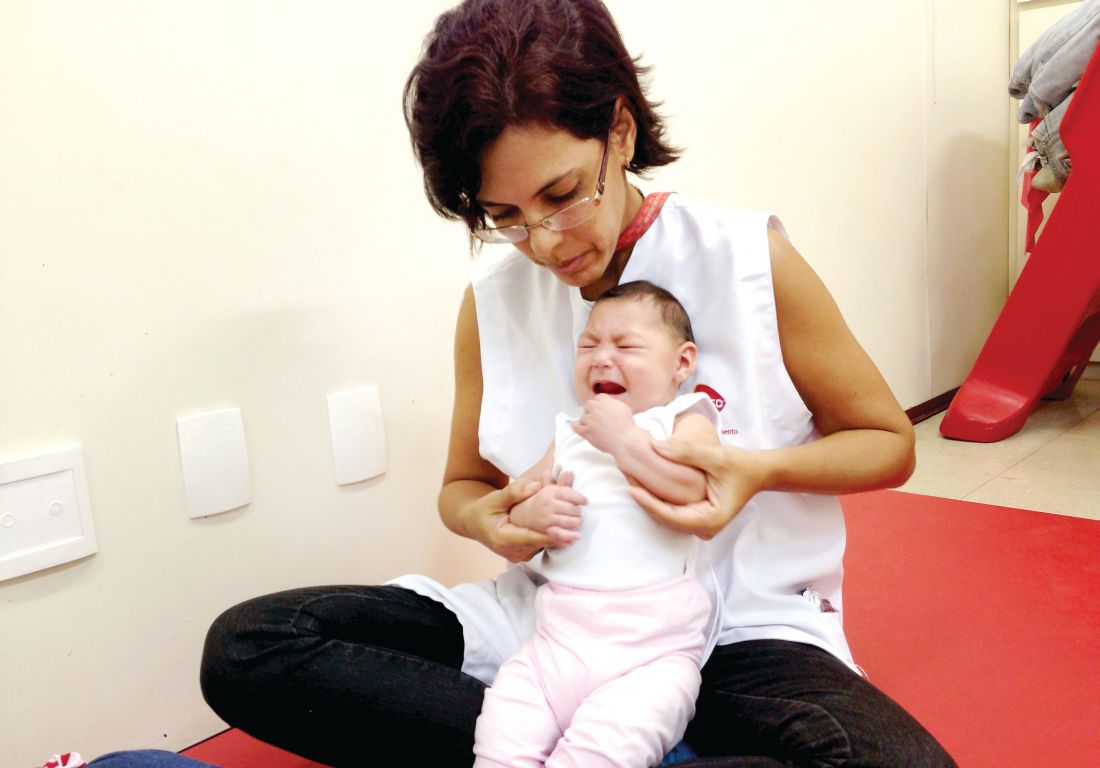
In places with less than one confirmed Zika case from travel per 100,000 residents, such as Hawaii and Utah, the prevalence of birth defects strongly linked to Zika actually dropped from 2.8 cases per 1,000 live births to 2.4 in 2016.
The 15 U.S. jurisdictions in the study included nearly 1 million live births, representing approximately one fourth of the total live births in the United States in 2016. The live birth rate was 92% among the 2,962 infants and fetuses with Zika-associated birth defects.
All the jurisdictions had existing birth defects surveillance systems that quickly adapted to monitor for potential Zika defects. However, although strongly associated with Zika, there’s no guarantee that the birth defects in the study were actually caused by the virus, the researchers noted.
“These data will help communities plan for needed resources to care for affected patients and families and can serve as a foundation for linking and evaluating health and developmental outcomes of affected children,” said the investigators, led by Augustina Delaney, PhD, of the National Center on Birth Defects and Developmental Disabilities at the Centers for Disease Control and Prevention in Atlanta.
The work was the first population-based birth defect surveillance report for Zika. The CDC follows confirmed Zika cases in pregnant women and their offspring closely, but only a small portion of women are actually tested, so there’s likely far more cases of congenital Zika infection than show up in registries. Despite its limits, birth defect surveillance likely provides a more accurate picture of the actual extent of the problem.
It’s not known why Zika-linked birth defects dropped off in areas with low or no travel-associated cases. “However ... further case ascertainment from the final quarter of 2016 is anticipated in all jurisdictions,” so the numbers could change, the authors said.
They had no conflicts of interest.
SOURCE: Delaney A, et. al. MMWR Morb Mortal Wkly Rep. 2018 Jan 26;67(3):91-6
Although these birth defects are not specific to congenital Zika virus infection, only those defects found previously to be most closely aligned with congenital Zika infection had increased prevalence.

It is critical that public health surveillance programs continue reporting the occurrence of these birth defects to monitor for trends following the Zika virus outbreak.
Brenda Fitzgerald , MD, is the director of the Centers for Disease Control and Prevention in Atlanta. Coleen A. Boyle , PhD, is the director of the CDC National Center on Birth Defects and Developmental Disabilities, and Margaret Honein , PhD, is chief of the agency’s Birth Defects Branch. They made their comments Jan. 25 in JAMA, and had no conflicts of interest (Jama. 2018 Jan 25. doi: 10.1001/jama.2018.0126).
Although these birth defects are not specific to congenital Zika virus infection, only those defects found previously to be most closely aligned with congenital Zika infection had increased prevalence.
It is critical that public health surveillance programs continue reporting the occurrence of these birth defects to monitor for trends following the Zika virus outbreak.
Brenda Fitzgerald , MD, is the director of the Centers for Disease Control and Prevention in Atlanta. Coleen A. Boyle , PhD, is the director of the CDC National Center on Birth Defects and Developmental Disabilities, and Margaret Honein , PhD, is chief of the agency’s Birth Defects Branch. They made their comments Jan. 25 in JAMA, and had no conflicts of interest (Jama. 2018 Jan 25. doi: 10.1001/jama.2018.0126).
Although these birth defects are not specific to congenital Zika virus infection, only those defects found previously to be most closely aligned with congenital Zika infection had increased prevalence.
It is critical that public health surveillance programs continue reporting the occurrence of these birth defects to monitor for trends following the Zika virus outbreak.
Brenda Fitzgerald , MD, is the director of the Centers for Disease Control and Prevention in Atlanta. Coleen A. Boyle , PhD, is the director of the CDC National Center on Birth Defects and Developmental Disabilities, and Margaret Honein , PhD, is chief of the agency’s Birth Defects Branch. They made their comments Jan. 25 in JAMA, and had no conflicts of interest (Jama. 2018 Jan 25. doi: 10.1001/jama.2018.0126).
The prevalence of birth defects strongly linked with congenital Zika virus infection increased 21% from the first to the second half of 2016 in areas of the United States with local, endemic transmission: Puerto Rico, south Florida, and southern Texas, according to a report in the Jan. 26 edition of Morbidity and Mortality Weekly Report.
In those areas, complications strongly associated with Zika – including microcephaly; brain and eye abnormalities; and neurogenic hip dislocation, clubfoot, hearing loss, and arthrogryposis – jumped from 2.0 to 2.4 cases per 1,000 live births, with 140 cases in the first half of the year and 169 cases in the second (P = .009). Microcephaly and brain abnormalities were the most common problems.
In places with less than one confirmed Zika case from travel per 100,000 residents, such as Hawaii and Utah, the prevalence of birth defects strongly linked to Zika actually dropped from 2.8 cases per 1,000 live births to 2.4 in 2016.
The 15 U.S. jurisdictions in the study included nearly 1 million live births, representing approximately one fourth of the total live births in the United States in 2016. The live birth rate was 92% among the 2,962 infants and fetuses with Zika-associated birth defects.
All the jurisdictions had existing birth defects surveillance systems that quickly adapted to monitor for potential Zika defects. However, although strongly associated with Zika, there’s no guarantee that the birth defects in the study were actually caused by the virus, the researchers noted.
“These data will help communities plan for needed resources to care for affected patients and families and can serve as a foundation for linking and evaluating health and developmental outcomes of affected children,” said the investigators, led by Augustina Delaney, PhD, of the National Center on Birth Defects and Developmental Disabilities at the Centers for Disease Control and Prevention in Atlanta.
The work was the first population-based birth defect surveillance report for Zika. The CDC follows confirmed Zika cases in pregnant women and their offspring closely, but only a small portion of women are actually tested, so there’s likely far more cases of congenital Zika infection than show up in registries. Despite its limits, birth defect surveillance likely provides a more accurate picture of the actual extent of the problem.
It’s not known why Zika-linked birth defects dropped off in areas with low or no travel-associated cases. “However ... further case ascertainment from the final quarter of 2016 is anticipated in all jurisdictions,” so the numbers could change, the authors said.
They had no conflicts of interest.
SOURCE: Delaney A, et. al. MMWR Morb Mortal Wkly Rep. 2018 Jan 26;67(3):91-6
The prevalence of birth defects strongly linked with congenital Zika virus infection increased 21% from the first to the second half of 2016 in areas of the United States with local, endemic transmission: Puerto Rico, south Florida, and southern Texas, according to a report in the Jan. 26 edition of Morbidity and Mortality Weekly Report.
In those areas, complications strongly associated with Zika – including microcephaly; brain and eye abnormalities; and neurogenic hip dislocation, clubfoot, hearing loss, and arthrogryposis – jumped from 2.0 to 2.4 cases per 1,000 live births, with 140 cases in the first half of the year and 169 cases in the second (P = .009). Microcephaly and brain abnormalities were the most common problems.
In places with less than one confirmed Zika case from travel per 100,000 residents, such as Hawaii and Utah, the prevalence of birth defects strongly linked to Zika actually dropped from 2.8 cases per 1,000 live births to 2.4 in 2016.
The 15 U.S. jurisdictions in the study included nearly 1 million live births, representing approximately one fourth of the total live births in the United States in 2016. The live birth rate was 92% among the 2,962 infants and fetuses with Zika-associated birth defects.
All the jurisdictions had existing birth defects surveillance systems that quickly adapted to monitor for potential Zika defects. However, although strongly associated with Zika, there’s no guarantee that the birth defects in the study were actually caused by the virus, the researchers noted.
“These data will help communities plan for needed resources to care for affected patients and families and can serve as a foundation for linking and evaluating health and developmental outcomes of affected children,” said the investigators, led by Augustina Delaney, PhD, of the National Center on Birth Defects and Developmental Disabilities at the Centers for Disease Control and Prevention in Atlanta.
The work was the first population-based birth defect surveillance report for Zika. The CDC follows confirmed Zika cases in pregnant women and their offspring closely, but only a small portion of women are actually tested, so there’s likely far more cases of congenital Zika infection than show up in registries. Despite its limits, birth defect surveillance likely provides a more accurate picture of the actual extent of the problem.
It’s not known why Zika-linked birth defects dropped off in areas with low or no travel-associated cases. “However ... further case ascertainment from the final quarter of 2016 is anticipated in all jurisdictions,” so the numbers could change, the authors said.
They had no conflicts of interest.
SOURCE: Delaney A, et. al. MMWR Morb Mortal Wkly Rep. 2018 Jan 26;67(3):91-6
FROM MMWR
Key clinical point: Although microcephaly and other birth defects strongly associated with Zika virus are holding steady or even decreasing elsewhere in the United States, there was an uptick in 2016 in areas with endemic transmission.
Major finding: The prevalence of birth defects strongly related to congenital Zika virus infection increased 21% from the first to the second half of 2016 in southern Texas, south Florida, and Puerto Rico.
Study details: Birth defects surveillance in about a quarter of the infants born in the United States in 2016.
Disclosures: The investigators had no conflicts of interest.
Source: Delaney A, et. al. MMWR Morb Mortal Wkly Rep. 2018 Jan 26;67(3):91-6