User login
Immunotherapy Targeting PD-1 Pathway Strikes Chord Across Cancers
CHICAGO – Nearly one-quarter of patients with a range of heavily pretreated solid tumors responded to a new immunotherapy called BMS-936558, with some responses persisting for more than 1 year.
"One of the remarkable features about this therapy is that it can induce very durable responses in patients with otherwise treatment-refractory disease," lead author Dr. Suzanne Topalian said at a press briefing at the annual meeting of the American Society of Clinical Oncology.
BMS-936558 is a monoclonal antibody that blocks the programmed death (PD)-1 receptor on the surface of activated T cells. Inhibition of the PD-1 and the PD-1 ligand (PD-L1) pathway rescues exhausted T-cells and enhances anti-tumor immunity.
When tested in the phase I trial, objective responses, defined as complete regression or significant partial regression, were reported in 18%-28% of 236 evaluable patients.
Serious side effects were observed in 14% of the 296 patients in the entire cohort, said Dr. Topalian, who will present the results at the ASCO meeting.
This sets BMS-936558 apart from other immunotherapies such as ipilimumab (Yervoy), which results in response rates of 10%-15% in metastatic melanoma but also clinically significant toxic effects in 20%-30% of patients.
Three treatment-related deaths occurred as a result of pneumonitis or lung inflammation, although better methods have been developed for aggressive treatment and early recognition of patients at risk for this side effect, she said.
BMS-936558 is also unique in that it was clinically active in lung cancer, which historically has been resistant to immunotherapy. In this subset, the objective response rate was 18%, with 7% achieving stable disease lasting 24 weeks or more. Notably, 55% of patients had received at least three prior lines of therapy, said Dr. Topalian, director of the melanoma program and professor of surgery and oncology at Johns Hopkins University in Baltimore.
"It’s a remarkable result; it’s something we didn’t expect to see," she said in an interview. "I’ve been in the field of cancer immunotherapy since 1985 and this was a genuine surprise."
Although the data should be interpreted with caution because of the small patient numbers, BMS-936558 appears to be more beneficial in squamous tumors, for which the response rate was 33%, compared with 12% among nonsquamous tumors, she added.
The results represent years of basic science and proof-of-concept that targeting the PD-1 pathway is valuable in cancer therapy. The early phase trial is generating enough excitement to be simultaneously published in the New England Journal of Medicine (N. Engl. J. Med. 2012 [doi:10.1056/NEJMoa1200690]), along with a second study involving PD-L1 blockade that reported slightly lower response and adverse event rates (N. Engl. J. Med. 2012 [doi:10.1056/NEJMoa1200694]).
Taken together, "these initial observations suggest that antibodies blocking PD-1 or PD-L1 are likely to provide a new benchmark for antitumor activity in immunotherapy," wrote Dr. Antoni Ribas in an editorial accompanying the studies (doi:10.1056/NEJMe1205943).
Dr. Topalian and her associates administered BMS-936558 at doses of 1.0, 3.0, or 10 mg/kg of body weight as an intravenous infusion every 2 weeks for up to 2 years in 296 patients with metastatic melanoma, colorectal, non–small-cell lung cancer, prostate, and renal cancer that had progressed after at least one and up to five previous therapies.
Objective responses were observed in 28% of patients with melanoma and 27% with renal cell cancer, with stable disease reported in 6% and 27%, respectively. Patients with colon and prostate* cancer did not have tumor responses, Dr. Topalian said.
Overall, 31 patients had a response that occurred at least 1 year ago and, of these, 20 responses persisted for more than 1 year.
The most common adverse events were fatigue, rash, diarrhea, pruritus, nausea, decreased appetite or hemoglobin, and pyrexia. Grade 3/4 treatment-related adverse events were similar across all doses, and included vitiligo, colitis, hepatitis, hypophysitis, and thyroiditis in addition to pneumonitis.
Ultimately, BMS-936558 may be used first line or in combination with other immunotherapies or targeted therapies in advanced disease, Dr. Topalian said.
"There may be rational ways to combine these agents, that by themselves have limitations, but when combined with PD-1 blockade there is a synergistic effect," she said. "And there is laboratory evidence to suggest that certain kinds of combinations can be synergistic."
A trial evaluating the combination of ipilimumab and BMS-936558 is already underway at Memorial Sloan Kettering Cancer Center, she observed. Phase III trials also are being planned in non–small-cell lung cancer, melanoma, and renal cell cancer.
Finally, an immunohistochemical analysis performed on 42 pretreatment tumor specimens suggests that PD-L1 expression could serve as a potential marker of treatment response. In all, 9 of 25 patients with PD-L1–positive tumors had an objective response, compared with no objective responses among 17 patients with PD-L1–negative tumors (P value = .006).
In his editorial, Dr. Ribas, director of the tumor immunology program at the University of California, Los Angeles, Jonsson Comprehensive Cancer Center, remarked: "The use of PD-1 blockade – with its reduced rate of toxic effects and potential ability to further select patients who have increased likelihood of tumor response – may well have a major effect on cancer treatment."
The study was supported by Bristol-Myers Squibb, Ono Pharmaceuticals, and grants from the National Institutes of Health and the Melanoma Research Alliance. Dr. Topalian also reported consulting for BMS and Amplimmune, and her coauthors reported financial relationships with BMS, including stock ownership, employment, and leadership positions. Dr. Ribas reported no relevant conflicts of interest.
*Correction, 6/21/2012: An earlier version of this story mischaracterized the patients that did not have tumor responses.
CHICAGO – Nearly one-quarter of patients with a range of heavily pretreated solid tumors responded to a new immunotherapy called BMS-936558, with some responses persisting for more than 1 year.
"One of the remarkable features about this therapy is that it can induce very durable responses in patients with otherwise treatment-refractory disease," lead author Dr. Suzanne Topalian said at a press briefing at the annual meeting of the American Society of Clinical Oncology.
BMS-936558 is a monoclonal antibody that blocks the programmed death (PD)-1 receptor on the surface of activated T cells. Inhibition of the PD-1 and the PD-1 ligand (PD-L1) pathway rescues exhausted T-cells and enhances anti-tumor immunity.
When tested in the phase I trial, objective responses, defined as complete regression or significant partial regression, were reported in 18%-28% of 236 evaluable patients.
Serious side effects were observed in 14% of the 296 patients in the entire cohort, said Dr. Topalian, who will present the results at the ASCO meeting.
This sets BMS-936558 apart from other immunotherapies such as ipilimumab (Yervoy), which results in response rates of 10%-15% in metastatic melanoma but also clinically significant toxic effects in 20%-30% of patients.
Three treatment-related deaths occurred as a result of pneumonitis or lung inflammation, although better methods have been developed for aggressive treatment and early recognition of patients at risk for this side effect, she said.
BMS-936558 is also unique in that it was clinically active in lung cancer, which historically has been resistant to immunotherapy. In this subset, the objective response rate was 18%, with 7% achieving stable disease lasting 24 weeks or more. Notably, 55% of patients had received at least three prior lines of therapy, said Dr. Topalian, director of the melanoma program and professor of surgery and oncology at Johns Hopkins University in Baltimore.
"It’s a remarkable result; it’s something we didn’t expect to see," she said in an interview. "I’ve been in the field of cancer immunotherapy since 1985 and this was a genuine surprise."
Although the data should be interpreted with caution because of the small patient numbers, BMS-936558 appears to be more beneficial in squamous tumors, for which the response rate was 33%, compared with 12% among nonsquamous tumors, she added.
The results represent years of basic science and proof-of-concept that targeting the PD-1 pathway is valuable in cancer therapy. The early phase trial is generating enough excitement to be simultaneously published in the New England Journal of Medicine (N. Engl. J. Med. 2012 [doi:10.1056/NEJMoa1200690]), along with a second study involving PD-L1 blockade that reported slightly lower response and adverse event rates (N. Engl. J. Med. 2012 [doi:10.1056/NEJMoa1200694]).
Taken together, "these initial observations suggest that antibodies blocking PD-1 or PD-L1 are likely to provide a new benchmark for antitumor activity in immunotherapy," wrote Dr. Antoni Ribas in an editorial accompanying the studies (doi:10.1056/NEJMe1205943).
Dr. Topalian and her associates administered BMS-936558 at doses of 1.0, 3.0, or 10 mg/kg of body weight as an intravenous infusion every 2 weeks for up to 2 years in 296 patients with metastatic melanoma, colorectal, non–small-cell lung cancer, prostate, and renal cancer that had progressed after at least one and up to five previous therapies.
Objective responses were observed in 28% of patients with melanoma and 27% with renal cell cancer, with stable disease reported in 6% and 27%, respectively. Patients with colon and prostate* cancer did not have tumor responses, Dr. Topalian said.
Overall, 31 patients had a response that occurred at least 1 year ago and, of these, 20 responses persisted for more than 1 year.
The most common adverse events were fatigue, rash, diarrhea, pruritus, nausea, decreased appetite or hemoglobin, and pyrexia. Grade 3/4 treatment-related adverse events were similar across all doses, and included vitiligo, colitis, hepatitis, hypophysitis, and thyroiditis in addition to pneumonitis.
Ultimately, BMS-936558 may be used first line or in combination with other immunotherapies or targeted therapies in advanced disease, Dr. Topalian said.
"There may be rational ways to combine these agents, that by themselves have limitations, but when combined with PD-1 blockade there is a synergistic effect," she said. "And there is laboratory evidence to suggest that certain kinds of combinations can be synergistic."
A trial evaluating the combination of ipilimumab and BMS-936558 is already underway at Memorial Sloan Kettering Cancer Center, she observed. Phase III trials also are being planned in non–small-cell lung cancer, melanoma, and renal cell cancer.
Finally, an immunohistochemical analysis performed on 42 pretreatment tumor specimens suggests that PD-L1 expression could serve as a potential marker of treatment response. In all, 9 of 25 patients with PD-L1–positive tumors had an objective response, compared with no objective responses among 17 patients with PD-L1–negative tumors (P value = .006).
In his editorial, Dr. Ribas, director of the tumor immunology program at the University of California, Los Angeles, Jonsson Comprehensive Cancer Center, remarked: "The use of PD-1 blockade – with its reduced rate of toxic effects and potential ability to further select patients who have increased likelihood of tumor response – may well have a major effect on cancer treatment."
The study was supported by Bristol-Myers Squibb, Ono Pharmaceuticals, and grants from the National Institutes of Health and the Melanoma Research Alliance. Dr. Topalian also reported consulting for BMS and Amplimmune, and her coauthors reported financial relationships with BMS, including stock ownership, employment, and leadership positions. Dr. Ribas reported no relevant conflicts of interest.
*Correction, 6/21/2012: An earlier version of this story mischaracterized the patients that did not have tumor responses.
CHICAGO – Nearly one-quarter of patients with a range of heavily pretreated solid tumors responded to a new immunotherapy called BMS-936558, with some responses persisting for more than 1 year.
"One of the remarkable features about this therapy is that it can induce very durable responses in patients with otherwise treatment-refractory disease," lead author Dr. Suzanne Topalian said at a press briefing at the annual meeting of the American Society of Clinical Oncology.
BMS-936558 is a monoclonal antibody that blocks the programmed death (PD)-1 receptor on the surface of activated T cells. Inhibition of the PD-1 and the PD-1 ligand (PD-L1) pathway rescues exhausted T-cells and enhances anti-tumor immunity.
When tested in the phase I trial, objective responses, defined as complete regression or significant partial regression, were reported in 18%-28% of 236 evaluable patients.
Serious side effects were observed in 14% of the 296 patients in the entire cohort, said Dr. Topalian, who will present the results at the ASCO meeting.
This sets BMS-936558 apart from other immunotherapies such as ipilimumab (Yervoy), which results in response rates of 10%-15% in metastatic melanoma but also clinically significant toxic effects in 20%-30% of patients.
Three treatment-related deaths occurred as a result of pneumonitis or lung inflammation, although better methods have been developed for aggressive treatment and early recognition of patients at risk for this side effect, she said.
BMS-936558 is also unique in that it was clinically active in lung cancer, which historically has been resistant to immunotherapy. In this subset, the objective response rate was 18%, with 7% achieving stable disease lasting 24 weeks or more. Notably, 55% of patients had received at least three prior lines of therapy, said Dr. Topalian, director of the melanoma program and professor of surgery and oncology at Johns Hopkins University in Baltimore.
"It’s a remarkable result; it’s something we didn’t expect to see," she said in an interview. "I’ve been in the field of cancer immunotherapy since 1985 and this was a genuine surprise."
Although the data should be interpreted with caution because of the small patient numbers, BMS-936558 appears to be more beneficial in squamous tumors, for which the response rate was 33%, compared with 12% among nonsquamous tumors, she added.
The results represent years of basic science and proof-of-concept that targeting the PD-1 pathway is valuable in cancer therapy. The early phase trial is generating enough excitement to be simultaneously published in the New England Journal of Medicine (N. Engl. J. Med. 2012 [doi:10.1056/NEJMoa1200690]), along with a second study involving PD-L1 blockade that reported slightly lower response and adverse event rates (N. Engl. J. Med. 2012 [doi:10.1056/NEJMoa1200694]).
Taken together, "these initial observations suggest that antibodies blocking PD-1 or PD-L1 are likely to provide a new benchmark for antitumor activity in immunotherapy," wrote Dr. Antoni Ribas in an editorial accompanying the studies (doi:10.1056/NEJMe1205943).
Dr. Topalian and her associates administered BMS-936558 at doses of 1.0, 3.0, or 10 mg/kg of body weight as an intravenous infusion every 2 weeks for up to 2 years in 296 patients with metastatic melanoma, colorectal, non–small-cell lung cancer, prostate, and renal cancer that had progressed after at least one and up to five previous therapies.
Objective responses were observed in 28% of patients with melanoma and 27% with renal cell cancer, with stable disease reported in 6% and 27%, respectively. Patients with colon and prostate* cancer did not have tumor responses, Dr. Topalian said.
Overall, 31 patients had a response that occurred at least 1 year ago and, of these, 20 responses persisted for more than 1 year.
The most common adverse events were fatigue, rash, diarrhea, pruritus, nausea, decreased appetite or hemoglobin, and pyrexia. Grade 3/4 treatment-related adverse events were similar across all doses, and included vitiligo, colitis, hepatitis, hypophysitis, and thyroiditis in addition to pneumonitis.
Ultimately, BMS-936558 may be used first line or in combination with other immunotherapies or targeted therapies in advanced disease, Dr. Topalian said.
"There may be rational ways to combine these agents, that by themselves have limitations, but when combined with PD-1 blockade there is a synergistic effect," she said. "And there is laboratory evidence to suggest that certain kinds of combinations can be synergistic."
A trial evaluating the combination of ipilimumab and BMS-936558 is already underway at Memorial Sloan Kettering Cancer Center, she observed. Phase III trials also are being planned in non–small-cell lung cancer, melanoma, and renal cell cancer.
Finally, an immunohistochemical analysis performed on 42 pretreatment tumor specimens suggests that PD-L1 expression could serve as a potential marker of treatment response. In all, 9 of 25 patients with PD-L1–positive tumors had an objective response, compared with no objective responses among 17 patients with PD-L1–negative tumors (P value = .006).
In his editorial, Dr. Ribas, director of the tumor immunology program at the University of California, Los Angeles, Jonsson Comprehensive Cancer Center, remarked: "The use of PD-1 blockade – with its reduced rate of toxic effects and potential ability to further select patients who have increased likelihood of tumor response – may well have a major effect on cancer treatment."
The study was supported by Bristol-Myers Squibb, Ono Pharmaceuticals, and grants from the National Institutes of Health and the Melanoma Research Alliance. Dr. Topalian also reported consulting for BMS and Amplimmune, and her coauthors reported financial relationships with BMS, including stock ownership, employment, and leadership positions. Dr. Ribas reported no relevant conflicts of interest.
*Correction, 6/21/2012: An earlier version of this story mischaracterized the patients that did not have tumor responses.
FROM THE ANNUAL MEETING OF THE AMERICAN SOCIETY OF CLINICAL ONCOLOGY
Major Finding: Objective responses rates were 28% in melanoma, 27% in kidney cancer, and 18% in NSCLC, with stable disease in 6%, 27%, and 7%.
Data Source: The phase I trial involved 296 patients with advanced melanoma, colorectal, non–small-cell lung cancer, prostate, and renal cancer.
Disclosures: The study was supported by Bristol-Myers Squibb, Ono Pharmaceuticals, and grants from the National Institutes of Health and the Melanoma Research Alliance. Dr. Topalian also reported consulting for BMS and Amplimmune, Her coauthors reported financial relationships with BMS, including stock ownership, employment, and leadership positions. Dr. Ribas reported no relevant conflicts of interest.
Melanoma in the Skin of Color Population

Vismodegib Proves Promising for Operable BCCs
RALEIGH, N.C. – Vismodegib, the Hedgehog pathway inhibitor approved earlier this year for the treatment of advanced basal cell carcinomas, is now being studied for the treatment of newly diagnosed, operable, nodular BCCs.
In the just-completed first part of an ongoing three-part phase II study, 23 of 24 patients (96%) showed a clinical response to 12 weeks of treatment with vismodegib (Erivedge) at the approved dosage of 150 mg once daily, Dr. Ivor Caro reported at the annual meeting of the Society for Investigative Dermatology.
Ten patients (42%) demonstrated complete histologic clearance at 12 weeks as assessed through independent review by two dermatopathologists after Mohs surgery, noted Dr. Caro, a dermatologist employed by Genentech in San Francisco.
Of note, complete histologic clearance didn’t correlate with the investigator-assessed clinical response at the 12-week time point. That is, of the 10 patients with complete histologic clearance of their tumor, only 5 were rated by clinicians as having a complete response. Another four were characterized by clinicians as having a partial response, and one was scored as having stable disease.
Adverse events were common, and rates were consistent with those seen in other studies of vismodegib. Muscle spasms occurred in 19 of 24 patients, dysgeusia or ageusia in 19, alopecia in 9, fatigue in 5, and nausea in 5 patients. Seven patients collectively experienced nine grade 3 adverse events, mostly muscle spasms.
The second part of the ongoing phase II study is aimed at evaluating the durability of vismodegib-induced complete histologic clearances. Twenty-five patients with newly diagnosed operable nodular BCCs are undergoing 12 weeks of once-daily therapy, followed by 24 weeks of observation, then excision for pathologic review and Mohs surgery for margin assessment.
The third part of the study, just now underway, will evaluate a dosing regimen designed to boost treatment efficacy through longer drug exposure while also improving tolerability. Twenty-five patients will receive once-daily vismodegib for 8 weeks, then 4 weeks off, followed by another 8 weeks of vismodegib, then excision and Mohs surgery.
"This approach is based upon the observation that when the drug is discontinued, adverse events recover very rapidly," Dr. Caro explained.
Roughly 80% of the 2.1 million nonmelanoma skin cancers diagnosed annually in the United States are BCCs, and about 60% of them are nodular BCCs. More than 90% of all BCCs have abnormalities in the Hedgehog signaling pathway that promote carcinogenesis and are hence potentially susceptible to vismodegib.
Dr. Caro is an employee of Genentech, sponsor of the phase II study.
RALEIGH, N.C. – Vismodegib, the Hedgehog pathway inhibitor approved earlier this year for the treatment of advanced basal cell carcinomas, is now being studied for the treatment of newly diagnosed, operable, nodular BCCs.
In the just-completed first part of an ongoing three-part phase II study, 23 of 24 patients (96%) showed a clinical response to 12 weeks of treatment with vismodegib (Erivedge) at the approved dosage of 150 mg once daily, Dr. Ivor Caro reported at the annual meeting of the Society for Investigative Dermatology.
Ten patients (42%) demonstrated complete histologic clearance at 12 weeks as assessed through independent review by two dermatopathologists after Mohs surgery, noted Dr. Caro, a dermatologist employed by Genentech in San Francisco.
Of note, complete histologic clearance didn’t correlate with the investigator-assessed clinical response at the 12-week time point. That is, of the 10 patients with complete histologic clearance of their tumor, only 5 were rated by clinicians as having a complete response. Another four were characterized by clinicians as having a partial response, and one was scored as having stable disease.
Adverse events were common, and rates were consistent with those seen in other studies of vismodegib. Muscle spasms occurred in 19 of 24 patients, dysgeusia or ageusia in 19, alopecia in 9, fatigue in 5, and nausea in 5 patients. Seven patients collectively experienced nine grade 3 adverse events, mostly muscle spasms.
The second part of the ongoing phase II study is aimed at evaluating the durability of vismodegib-induced complete histologic clearances. Twenty-five patients with newly diagnosed operable nodular BCCs are undergoing 12 weeks of once-daily therapy, followed by 24 weeks of observation, then excision for pathologic review and Mohs surgery for margin assessment.
The third part of the study, just now underway, will evaluate a dosing regimen designed to boost treatment efficacy through longer drug exposure while also improving tolerability. Twenty-five patients will receive once-daily vismodegib for 8 weeks, then 4 weeks off, followed by another 8 weeks of vismodegib, then excision and Mohs surgery.
"This approach is based upon the observation that when the drug is discontinued, adverse events recover very rapidly," Dr. Caro explained.
Roughly 80% of the 2.1 million nonmelanoma skin cancers diagnosed annually in the United States are BCCs, and about 60% of them are nodular BCCs. More than 90% of all BCCs have abnormalities in the Hedgehog signaling pathway that promote carcinogenesis and are hence potentially susceptible to vismodegib.
Dr. Caro is an employee of Genentech, sponsor of the phase II study.
RALEIGH, N.C. – Vismodegib, the Hedgehog pathway inhibitor approved earlier this year for the treatment of advanced basal cell carcinomas, is now being studied for the treatment of newly diagnosed, operable, nodular BCCs.
In the just-completed first part of an ongoing three-part phase II study, 23 of 24 patients (96%) showed a clinical response to 12 weeks of treatment with vismodegib (Erivedge) at the approved dosage of 150 mg once daily, Dr. Ivor Caro reported at the annual meeting of the Society for Investigative Dermatology.
Ten patients (42%) demonstrated complete histologic clearance at 12 weeks as assessed through independent review by two dermatopathologists after Mohs surgery, noted Dr. Caro, a dermatologist employed by Genentech in San Francisco.
Of note, complete histologic clearance didn’t correlate with the investigator-assessed clinical response at the 12-week time point. That is, of the 10 patients with complete histologic clearance of their tumor, only 5 were rated by clinicians as having a complete response. Another four were characterized by clinicians as having a partial response, and one was scored as having stable disease.
Adverse events were common, and rates were consistent with those seen in other studies of vismodegib. Muscle spasms occurred in 19 of 24 patients, dysgeusia or ageusia in 19, alopecia in 9, fatigue in 5, and nausea in 5 patients. Seven patients collectively experienced nine grade 3 adverse events, mostly muscle spasms.
The second part of the ongoing phase II study is aimed at evaluating the durability of vismodegib-induced complete histologic clearances. Twenty-five patients with newly diagnosed operable nodular BCCs are undergoing 12 weeks of once-daily therapy, followed by 24 weeks of observation, then excision for pathologic review and Mohs surgery for margin assessment.
The third part of the study, just now underway, will evaluate a dosing regimen designed to boost treatment efficacy through longer drug exposure while also improving tolerability. Twenty-five patients will receive once-daily vismodegib for 8 weeks, then 4 weeks off, followed by another 8 weeks of vismodegib, then excision and Mohs surgery.
"This approach is based upon the observation that when the drug is discontinued, adverse events recover very rapidly," Dr. Caro explained.
Roughly 80% of the 2.1 million nonmelanoma skin cancers diagnosed annually in the United States are BCCs, and about 60% of them are nodular BCCs. More than 90% of all BCCs have abnormalities in the Hedgehog signaling pathway that promote carcinogenesis and are hence potentially susceptible to vismodegib.
Dr. Caro is an employee of Genentech, sponsor of the phase II study.
FROM THE ANNUAL MEETING OF THE SOCIETY FOR INVESTIGATIVE DERMATOLOGY
Major Finding: Twelve weeks of once-daily oral vismodegib resulted in complete histologic clearance in 10 of 24 patients with newly diagnosed, operable, nodular BCCs.
Data Source: An open-label phase II study involving 24 patients.
Disclosures: Dr. Caro is an employee of Genentech, sponsor of the study.
Key Moments in the History of Dermatologic Surgery (1952-2000)
C. William Hanke, MD, MPH, FACP
The history of surgery in dermatology (“dermatologic surgery”) is rich with significant developments and advances by multiple individuals. Only a few of these pioneers can be highlighted in this report because of space limitations. My apologies to colleagues and friends who have not been included or mentioned in this article. The Timeline: Major milestones in the history of dermatologic surgery in this article tells some of the story. The biographic pieces on 15 outstanding physicians add additional detail and perspective. Many major developments have occurred since 2000, but they are beyond the scope of this article.
*For a PDF of the full article, click on the link to the left of this introduction.
C. William Hanke, MD, MPH, FACP
The history of surgery in dermatology (“dermatologic surgery”) is rich with significant developments and advances by multiple individuals. Only a few of these pioneers can be highlighted in this report because of space limitations. My apologies to colleagues and friends who have not been included or mentioned in this article. The Timeline: Major milestones in the history of dermatologic surgery in this article tells some of the story. The biographic pieces on 15 outstanding physicians add additional detail and perspective. Many major developments have occurred since 2000, but they are beyond the scope of this article.
*For a PDF of the full article, click on the link to the left of this introduction.
C. William Hanke, MD, MPH, FACP
The history of surgery in dermatology (“dermatologic surgery”) is rich with significant developments and advances by multiple individuals. Only a few of these pioneers can be highlighted in this report because of space limitations. My apologies to colleagues and friends who have not been included or mentioned in this article. The Timeline: Major milestones in the history of dermatologic surgery in this article tells some of the story. The biographic pieces on 15 outstanding physicians add additional detail and perspective. Many major developments have occurred since 2000, but they are beyond the scope of this article.
*For a PDF of the full article, click on the link to the left of this introduction.
The Stegman Papers: Biography of a Leader in Dermatologic Surgery
Kelley P. Redbord, MD, and C. William Hanke, MD, MPH, FACP
The Stegman Papers is a biography of Dr. Samuel J. Stegman. The papers were collected by Dr. Stegman during his lifetime as a dermatologic surgeon and leader. The manuscript includes a time line of Dr. Stegman’s life and listing of his accomplishments, including significant publications.
*For a PDF of the full article, click on the link to the left of this introduction.
Kelley P. Redbord, MD, and C. William Hanke, MD, MPH, FACP
The Stegman Papers is a biography of Dr. Samuel J. Stegman. The papers were collected by Dr. Stegman during his lifetime as a dermatologic surgeon and leader. The manuscript includes a time line of Dr. Stegman’s life and listing of his accomplishments, including significant publications.
*For a PDF of the full article, click on the link to the left of this introduction.
Kelley P. Redbord, MD, and C. William Hanke, MD, MPH, FACP
The Stegman Papers is a biography of Dr. Samuel J. Stegman. The papers were collected by Dr. Stegman during his lifetime as a dermatologic surgeon and leader. The manuscript includes a time line of Dr. Stegman’s life and listing of his accomplishments, including significant publications.
*For a PDF of the full article, click on the link to the left of this introduction.
Cutting Edge in Medical Management of Cutaneous Oncology
Kim Chong, MD, Adil Daud, MD, Susana Ortiz-Urda, MD, PhD, and Sarah T. Arron, MD, PhD; for the UCSF High Risk Skin Cancer Program
Traditional chemotherapy has resulted in only a modest response, if any, for the 3 most common cutaneous malignancies of basal cell carcinoma, squamous cell carcinoma, and melanoma. Recent advances in understanding of the defects in the pathways driving tumorigenesis have changed the way that we think of these cancers and paved the way to targeted therapy for specific tumors. In this review, we will introduce the novel systemic treatments currently available for these cancers in the context of what is understood about the tumor pathogenesis. We will also introduce ongoing studies that will hopefully broaden our options for highly effective and tolerable treatment.
*For a PDF of the full article, click on the link to the left of this introduction.
Kim Chong, MD, Adil Daud, MD, Susana Ortiz-Urda, MD, PhD, and Sarah T. Arron, MD, PhD; for the UCSF High Risk Skin Cancer Program
Traditional chemotherapy has resulted in only a modest response, if any, for the 3 most common cutaneous malignancies of basal cell carcinoma, squamous cell carcinoma, and melanoma. Recent advances in understanding of the defects in the pathways driving tumorigenesis have changed the way that we think of these cancers and paved the way to targeted therapy for specific tumors. In this review, we will introduce the novel systemic treatments currently available for these cancers in the context of what is understood about the tumor pathogenesis. We will also introduce ongoing studies that will hopefully broaden our options for highly effective and tolerable treatment.
*For a PDF of the full article, click on the link to the left of this introduction.
Kim Chong, MD, Adil Daud, MD, Susana Ortiz-Urda, MD, PhD, and Sarah T. Arron, MD, PhD; for the UCSF High Risk Skin Cancer Program
Traditional chemotherapy has resulted in only a modest response, if any, for the 3 most common cutaneous malignancies of basal cell carcinoma, squamous cell carcinoma, and melanoma. Recent advances in understanding of the defects in the pathways driving tumorigenesis have changed the way that we think of these cancers and paved the way to targeted therapy for specific tumors. In this review, we will introduce the novel systemic treatments currently available for these cancers in the context of what is understood about the tumor pathogenesis. We will also introduce ongoing studies that will hopefully broaden our options for highly effective and tolerable treatment.
*For a PDF of the full article, click on the link to the left of this introduction.
Development of Squamous Cell Carcinoma on an Inflammatory Linear Verrucous Epidermal Nevus in the Genital Area
Update on the Earth’s Natural Sunscreen
It’s a good news/bad news story.
First, the good news: The ozone layer is recovering. The once-ominous news about depletion of the protective ozone surrounding the earth is now much sunnier, Drusilla Hufford of the U.S. Environmental Protection Agency said.

"It is likely we will have an ozone layer that recovers to what it was before human intervention by 2050 or 2065," Ms. Hufford said at the Florida Society of Dermatology & Dermatologic Surgery (FSDDS) annual meeting.
The bad news is that is still at least 38 years away.
"This is ultimately a self-righting system, but it will not happen immediately," said Ms. Hufford, director of the EPA’s Stratospheric Protection Division. Chlorofluorocarbons (CFCs) and other ozone-depleting substances last a long time. So even though levels are decreasing, we are still at risk of increased UV exposure in the meantime.

In fact, 2011 featured one of the largest holes in the ozone layer in the Southern hemisphere. NASA compiled a great video of daily satellite images from July to December 2011 that shows the ozone hole forming and dissipating as part of its normal seasonal fluctuation.
Despite the 2011 event, Ms. Hufford remains optimistic. "Global ozone was likely to get a lot worse in absence of the Montreal Protocol, and it has not."
The EPA is going beyond the science to help physicians and others deliver effective sun protection messages. For example, if you are looking for a new angle on your sun protection message, consider pointing your patients to the EPA SunWise site. They can find a daily UV index forecast by city or zip code. Want help convincing patients to move outdoor activities earlier or later in the day to avoid peak sun exposure? The EPA service, provided in conjunction with the National Weather Service, also breaks down UV levels by hour of the day.
If you have a patient who likes technology, they can get even more precise information. Have them scan this QR code from the SunWise program with their smartphone. It provides real-time UV exposure data for their precise location using the phone’s GPS technology.
The question remains: How bad would the future have been if we’d done nothing? NASA scientist Paul Newman and colleagues at NASA’s Goddard Space Flight Center developed ‘The World We Avoided’ simulation to answer that question. It shows what earth could have been like if 193 countries had not signed the Montreal Protocol and agreed to curtail production of ozone depleting chemicals starting about 25 years ago
Here is an excerpt: "The year is 2065. Nearly two-thirds of Earth’s ozone is gone — not just over the poles, but everywhere. The infamous ozone hole over Antarctica, first discovered in the 1980s, is a year-round fixture, with a twin over the North Pole. The ultraviolet (UV) radiation falling on mid-latitude cities like Washington, D.C., is strong enough to cause sunburn in just 5 minutes. DNA-mutating UV radiation is up 650%, with likely harmful effects on plants, animals, and human skin cancer rates."
Ms. Hufford added, "Not only has the Montreal Protocol been enormously successful worldwide in preventing massive destructive of ozone layer, it is also likely helping with climate change."
– Damian McNamara (@MedReporter on Twitter)
It’s a good news/bad news story.
First, the good news: The ozone layer is recovering. The once-ominous news about depletion of the protective ozone surrounding the earth is now much sunnier, Drusilla Hufford of the U.S. Environmental Protection Agency said.
"It is likely we will have an ozone layer that recovers to what it was before human intervention by 2050 or 2065," Ms. Hufford said at the Florida Society of Dermatology & Dermatologic Surgery (FSDDS) annual meeting.
The bad news is that is still at least 38 years away.
"This is ultimately a self-righting system, but it will not happen immediately," said Ms. Hufford, director of the EPA’s Stratospheric Protection Division. Chlorofluorocarbons (CFCs) and other ozone-depleting substances last a long time. So even though levels are decreasing, we are still at risk of increased UV exposure in the meantime.
In fact, 2011 featured one of the largest holes in the ozone layer in the Southern hemisphere. NASA compiled a great video of daily satellite images from July to December 2011 that shows the ozone hole forming and dissipating as part of its normal seasonal fluctuation.
Despite the 2011 event, Ms. Hufford remains optimistic. "Global ozone was likely to get a lot worse in absence of the Montreal Protocol, and it has not."
The EPA is going beyond the science to help physicians and others deliver effective sun protection messages. For example, if you are looking for a new angle on your sun protection message, consider pointing your patients to the EPA SunWise site. They can find a daily UV index forecast by city or zip code. Want help convincing patients to move outdoor activities earlier or later in the day to avoid peak sun exposure? The EPA service, provided in conjunction with the National Weather Service, also breaks down UV levels by hour of the day.
If you have a patient who likes technology, they can get even more precise information. Have them scan this QR code from the SunWise program with their smartphone. It provides real-time UV exposure data for their precise location using the phone’s GPS technology.
The question remains: How bad would the future have been if we’d done nothing? NASA scientist Paul Newman and colleagues at NASA’s Goddard Space Flight Center developed ‘The World We Avoided’ simulation to answer that question. It shows what earth could have been like if 193 countries had not signed the Montreal Protocol and agreed to curtail production of ozone depleting chemicals starting about 25 years ago
Here is an excerpt: "The year is 2065. Nearly two-thirds of Earth’s ozone is gone — not just over the poles, but everywhere. The infamous ozone hole over Antarctica, first discovered in the 1980s, is a year-round fixture, with a twin over the North Pole. The ultraviolet (UV) radiation falling on mid-latitude cities like Washington, D.C., is strong enough to cause sunburn in just 5 minutes. DNA-mutating UV radiation is up 650%, with likely harmful effects on plants, animals, and human skin cancer rates."
Ms. Hufford added, "Not only has the Montreal Protocol been enormously successful worldwide in preventing massive destructive of ozone layer, it is also likely helping with climate change."
– Damian McNamara (@MedReporter on Twitter)
It’s a good news/bad news story.
First, the good news: The ozone layer is recovering. The once-ominous news about depletion of the protective ozone surrounding the earth is now much sunnier, Drusilla Hufford of the U.S. Environmental Protection Agency said.
"It is likely we will have an ozone layer that recovers to what it was before human intervention by 2050 or 2065," Ms. Hufford said at the Florida Society of Dermatology & Dermatologic Surgery (FSDDS) annual meeting.
The bad news is that is still at least 38 years away.
"This is ultimately a self-righting system, but it will not happen immediately," said Ms. Hufford, director of the EPA’s Stratospheric Protection Division. Chlorofluorocarbons (CFCs) and other ozone-depleting substances last a long time. So even though levels are decreasing, we are still at risk of increased UV exposure in the meantime.
In fact, 2011 featured one of the largest holes in the ozone layer in the Southern hemisphere. NASA compiled a great video of daily satellite images from July to December 2011 that shows the ozone hole forming and dissipating as part of its normal seasonal fluctuation.
Despite the 2011 event, Ms. Hufford remains optimistic. "Global ozone was likely to get a lot worse in absence of the Montreal Protocol, and it has not."
The EPA is going beyond the science to help physicians and others deliver effective sun protection messages. For example, if you are looking for a new angle on your sun protection message, consider pointing your patients to the EPA SunWise site. They can find a daily UV index forecast by city or zip code. Want help convincing patients to move outdoor activities earlier or later in the day to avoid peak sun exposure? The EPA service, provided in conjunction with the National Weather Service, also breaks down UV levels by hour of the day.
If you have a patient who likes technology, they can get even more precise information. Have them scan this QR code from the SunWise program with their smartphone. It provides real-time UV exposure data for their precise location using the phone’s GPS technology.
The question remains: How bad would the future have been if we’d done nothing? NASA scientist Paul Newman and colleagues at NASA’s Goddard Space Flight Center developed ‘The World We Avoided’ simulation to answer that question. It shows what earth could have been like if 193 countries had not signed the Montreal Protocol and agreed to curtail production of ozone depleting chemicals starting about 25 years ago
Here is an excerpt: "The year is 2065. Nearly two-thirds of Earth’s ozone is gone — not just over the poles, but everywhere. The infamous ozone hole over Antarctica, first discovered in the 1980s, is a year-round fixture, with a twin over the North Pole. The ultraviolet (UV) radiation falling on mid-latitude cities like Washington, D.C., is strong enough to cause sunburn in just 5 minutes. DNA-mutating UV radiation is up 650%, with likely harmful effects on plants, animals, and human skin cancer rates."
Ms. Hufford added, "Not only has the Montreal Protocol been enormously successful worldwide in preventing massive destructive of ozone layer, it is also likely helping with climate change."
– Damian McNamara (@MedReporter on Twitter)
Dermatology Societies Publish Appropriate Use Criteria for Mohs
Four dermatology societies joined together to create the first appropriate use criteria for Mohs surgery, consenting that in two-thirds of nearly 300 possible scenarios the micrographic procedure is appropriate.
The American Academy of Dermatology (AAD) developed the appropriate use criteria (AUC) for 270 scenarios for Mohs surgery in collaboration with the American College of Mohs Surgery, the American Society for Dermatologic Surgery, and the American Society for Mohs Surgery.
The main driver behind the creation of the 46-page document, which is the first of its kind for any test or treatment option in the field of dermatology, is Medicare, said Dr. Mark J. Zalla, a member of the report’s ad hoc task force that developed the indications.
"The intent of the criteria is to help us maintain the value of Mohs in terms of reimbursement," added Dr. Zalla, who is in private practice in Florence, Ky.
Use of Mohs surgery increased by 400% between 1995 and 2009. (Dermatol. Clin. 2012;30:167-75). "And when Medicare sees use of a specific code increasing significantly over several years, they get concerned," said Dr. Zalla. Some Medicare carriers have already threatened to impose certain criteria for Mohs surgery reimbursement. "And if one carrier does it, it’s possible that [the criteria will become applicable] nationwide," he said.
But Dr. Zalla and advocates for the procedure argue that the sharp increase doesn’t necessarily mean that it is being overutilized. Rather, it’s most likely the result of several factors, including the nation’s skin cancer epidemic and an increase in the number of fellows trained in Mohs surgery.
The ACMS has been ramping up its efforts to raise awareness about the surgery among payers and policy makers. The college has so far spent $20,000 in education lobbying this year, according to the Center for Responsive Politics.
"The bottom line is that dermatologists and Mohs surgeons are the good guys," said Dr. Brett M. Coldiron, president of ACMS and a member of the AUC ad hoc task force. "We are part of the solution, not the problem."
The scenarios represent roughly 85% of anticipated clinical scenarios, the authors noted in their report.
The members of a 17-member rating panel, made up of Mohs surgeons and non-Mohs dermatologists, scored the scenarios on a 9-point scale. Scenarios scoring 7-9 were deemed appropriate, those scoring 4-6 were uncertain, and those scoring 1-3 were inappropriate.
"Those clinical situations for which use of Mohs was rated as uncertain are areas ripe for productive clinical research," said Dr. Suzanne M. Connolly, chair of the AUC task force.
The document breaks down the appropriateness of Mohs surgery by the following skin cancer types:
• For 69 basal cell carcinoma scenarios, 53 were rated appropriate, 6 uncertain, 10 inappropriate.
• For 143 squamous cell carcinoma scenarios, 102 were rated appropriate, 7 uncertain, and 34 inappropriate.
• For 12 lentigo maligna and melanoma in situ scenarios, 10 were rated appropriate, and 2 uncertain.
• For 46 rare cutaneous malignancies scenarios, 35 were rated appropriate, 9 uncertain, and 2 inappropriate.
• Invasive melanoma was not included in the AUC "due to the complexity of the issue," according to the task force.
A small number of low-risk tumors in trunk and extremities were rated as inappropriate for Mohs surgery.
Dr. Zalla said he anticipates a good reaction to the AUC. "There will be some minor changes in practice for some surgeons," he speculated.
Florida dermatologist and Mohs surgeon Terrence A Cronin Jr. noted in an interview that he was not expecting the AUC to change his practice. "But I think, optimistically, that this will help the lay people in the insurance world have a greater understanding of where Mohs is often the best choice for the treatment of skin cancer," noted Dr. Cronin, who was a member of the AUC’s ratings panel.
The document was approved by all four of the societies’ boards during the American Academy of Dermatology’s annual meeting in March. It will be published in the Journal of the American Academy of Dermatology and Dermatologic Surgery later this year.
Four dermatology societies joined together to create the first appropriate use criteria for Mohs surgery, consenting that in two-thirds of nearly 300 possible scenarios the micrographic procedure is appropriate.
The American Academy of Dermatology (AAD) developed the appropriate use criteria (AUC) for 270 scenarios for Mohs surgery in collaboration with the American College of Mohs Surgery, the American Society for Dermatologic Surgery, and the American Society for Mohs Surgery.
The main driver behind the creation of the 46-page document, which is the first of its kind for any test or treatment option in the field of dermatology, is Medicare, said Dr. Mark J. Zalla, a member of the report’s ad hoc task force that developed the indications.
"The intent of the criteria is to help us maintain the value of Mohs in terms of reimbursement," added Dr. Zalla, who is in private practice in Florence, Ky.
Use of Mohs surgery increased by 400% between 1995 and 2009. (Dermatol. Clin. 2012;30:167-75). "And when Medicare sees use of a specific code increasing significantly over several years, they get concerned," said Dr. Zalla. Some Medicare carriers have already threatened to impose certain criteria for Mohs surgery reimbursement. "And if one carrier does it, it’s possible that [the criteria will become applicable] nationwide," he said.
But Dr. Zalla and advocates for the procedure argue that the sharp increase doesn’t necessarily mean that it is being overutilized. Rather, it’s most likely the result of several factors, including the nation’s skin cancer epidemic and an increase in the number of fellows trained in Mohs surgery.
The ACMS has been ramping up its efforts to raise awareness about the surgery among payers and policy makers. The college has so far spent $20,000 in education lobbying this year, according to the Center for Responsive Politics.
"The bottom line is that dermatologists and Mohs surgeons are the good guys," said Dr. Brett M. Coldiron, president of ACMS and a member of the AUC ad hoc task force. "We are part of the solution, not the problem."
The scenarios represent roughly 85% of anticipated clinical scenarios, the authors noted in their report.
The members of a 17-member rating panel, made up of Mohs surgeons and non-Mohs dermatologists, scored the scenarios on a 9-point scale. Scenarios scoring 7-9 were deemed appropriate, those scoring 4-6 were uncertain, and those scoring 1-3 were inappropriate.
"Those clinical situations for which use of Mohs was rated as uncertain are areas ripe for productive clinical research," said Dr. Suzanne M. Connolly, chair of the AUC task force.
The document breaks down the appropriateness of Mohs surgery by the following skin cancer types:
• For 69 basal cell carcinoma scenarios, 53 were rated appropriate, 6 uncertain, 10 inappropriate.
• For 143 squamous cell carcinoma scenarios, 102 were rated appropriate, 7 uncertain, and 34 inappropriate.
• For 12 lentigo maligna and melanoma in situ scenarios, 10 were rated appropriate, and 2 uncertain.
• For 46 rare cutaneous malignancies scenarios, 35 were rated appropriate, 9 uncertain, and 2 inappropriate.
• Invasive melanoma was not included in the AUC "due to the complexity of the issue," according to the task force.
A small number of low-risk tumors in trunk and extremities were rated as inappropriate for Mohs surgery.
Dr. Zalla said he anticipates a good reaction to the AUC. "There will be some minor changes in practice for some surgeons," he speculated.
Florida dermatologist and Mohs surgeon Terrence A Cronin Jr. noted in an interview that he was not expecting the AUC to change his practice. "But I think, optimistically, that this will help the lay people in the insurance world have a greater understanding of where Mohs is often the best choice for the treatment of skin cancer," noted Dr. Cronin, who was a member of the AUC’s ratings panel.
The document was approved by all four of the societies’ boards during the American Academy of Dermatology’s annual meeting in March. It will be published in the Journal of the American Academy of Dermatology and Dermatologic Surgery later this year.
Four dermatology societies joined together to create the first appropriate use criteria for Mohs surgery, consenting that in two-thirds of nearly 300 possible scenarios the micrographic procedure is appropriate.
The American Academy of Dermatology (AAD) developed the appropriate use criteria (AUC) for 270 scenarios for Mohs surgery in collaboration with the American College of Mohs Surgery, the American Society for Dermatologic Surgery, and the American Society for Mohs Surgery.
The main driver behind the creation of the 46-page document, which is the first of its kind for any test or treatment option in the field of dermatology, is Medicare, said Dr. Mark J. Zalla, a member of the report’s ad hoc task force that developed the indications.
"The intent of the criteria is to help us maintain the value of Mohs in terms of reimbursement," added Dr. Zalla, who is in private practice in Florence, Ky.
Use of Mohs surgery increased by 400% between 1995 and 2009. (Dermatol. Clin. 2012;30:167-75). "And when Medicare sees use of a specific code increasing significantly over several years, they get concerned," said Dr. Zalla. Some Medicare carriers have already threatened to impose certain criteria for Mohs surgery reimbursement. "And if one carrier does it, it’s possible that [the criteria will become applicable] nationwide," he said.
But Dr. Zalla and advocates for the procedure argue that the sharp increase doesn’t necessarily mean that it is being overutilized. Rather, it’s most likely the result of several factors, including the nation’s skin cancer epidemic and an increase in the number of fellows trained in Mohs surgery.
The ACMS has been ramping up its efforts to raise awareness about the surgery among payers and policy makers. The college has so far spent $20,000 in education lobbying this year, according to the Center for Responsive Politics.
"The bottom line is that dermatologists and Mohs surgeons are the good guys," said Dr. Brett M. Coldiron, president of ACMS and a member of the AUC ad hoc task force. "We are part of the solution, not the problem."
The scenarios represent roughly 85% of anticipated clinical scenarios, the authors noted in their report.
The members of a 17-member rating panel, made up of Mohs surgeons and non-Mohs dermatologists, scored the scenarios on a 9-point scale. Scenarios scoring 7-9 were deemed appropriate, those scoring 4-6 were uncertain, and those scoring 1-3 were inappropriate.
"Those clinical situations for which use of Mohs was rated as uncertain are areas ripe for productive clinical research," said Dr. Suzanne M. Connolly, chair of the AUC task force.
The document breaks down the appropriateness of Mohs surgery by the following skin cancer types:
• For 69 basal cell carcinoma scenarios, 53 were rated appropriate, 6 uncertain, 10 inappropriate.
• For 143 squamous cell carcinoma scenarios, 102 were rated appropriate, 7 uncertain, and 34 inappropriate.
• For 12 lentigo maligna and melanoma in situ scenarios, 10 were rated appropriate, and 2 uncertain.
• For 46 rare cutaneous malignancies scenarios, 35 were rated appropriate, 9 uncertain, and 2 inappropriate.
• Invasive melanoma was not included in the AUC "due to the complexity of the issue," according to the task force.
A small number of low-risk tumors in trunk and extremities were rated as inappropriate for Mohs surgery.
Dr. Zalla said he anticipates a good reaction to the AUC. "There will be some minor changes in practice for some surgeons," he speculated.
Florida dermatologist and Mohs surgeon Terrence A Cronin Jr. noted in an interview that he was not expecting the AUC to change his practice. "But I think, optimistically, that this will help the lay people in the insurance world have a greater understanding of where Mohs is often the best choice for the treatment of skin cancer," noted Dr. Cronin, who was a member of the AUC’s ratings panel.
The document was approved by all four of the societies’ boards during the American Academy of Dermatology’s annual meeting in March. It will be published in the Journal of the American Academy of Dermatology and Dermatologic Surgery later this year.
SCREEN: Melanoma Deaths Reduced by Half in Largest Study Ever
RALEIGH, N.C. – A population-based total-body skin cancer screening program reduces melanoma mortality, according to the results of a landmark German project presented at the annual meeting of the Society for Investigative Dermatology.
"I would argue that this is the most important presentation anywhere at this meeting," Dr. Martin A. Weinstock said during his presentation of the SCREEN (Skin Cancer Research to Provide Evidence for Effectiveness of Screening in Northern Germany) project.
"The reason I make that argument is very simply because melanoma accounts for more deaths than anything else in the dermatology world. If we want to reduce that number of deaths, the best way is [through] early detection – and SCREEN provides the best evidence to date that we can do that," explained Dr. Weinstock, professor of dermatology and epidemiology at Brown University, Providence, R.I., and a SCREEN project organizer.
SCREEN was a population-based skin cancer screening program in which all residents over age 20 in the German federal state of Schleswig-Holstein were encouraged to undergo a standardized whole-body skin examination between July 2003 and June 2004. Nineteen percent of the state’s eligible population – 360,288 individuals – participated. Half of the 1,169 melanomas diagnosed in Schleswig-Holstein during the study period were detected via the SCREEN program.
Before the skin cancer screening period (1998-1999), the melanoma mortality rate was 1.9 per 100,000 men and 1.4 per 100,000 women. The key study finding was that melanoma mortality fell by 48% in Schleswig-Holstein by 2008-2009 to 1.0 per 100,000 men to 0.7 per 100,000 women.
Nothing parallel occurred in the rest of Germany, or in Schleswig-Holstein’s neighbor to the north, Denmark.
The observed melanoma mortality rate in Schleswig-Holstein during 2008-2009 was 1.0 per 100,000 for men and 0.7 per 100,000 for women, compared with 1.8 and 1.2, respectively, in Germany as a whole excluding Schleswig-Holstein.
During 2000-2009, the most recent 10-year period for which official German mortality statistics are available, melanoma mortality in Schleswig-Holstein declined by 7.4% annually. In contrast, melanoma mortality rates were stable over time in each of the four adjacent states to the north, south, east, and west, none of which had a skin cancer screening program.
A bump in the incidence of melanoma was recorded in Schleswig-Holstein during the screening year, but not elsewhere, according to Dr. Weinstock.
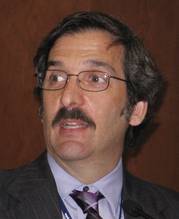
The standardized total-body skin examinations were performed by physicians, who had to complete an 8-hour, day-long training course in order to participate. Of note, 116 of the 118 dermatologists practicing in Schleswig-Holstein participated in SCREEN, as did 64% of primary care physicians. Physicians were paid to perform the screens, and the public was encouraged to undergo screening via an extensive multimedia campaign.
The screening had a two-tiered structure. More than three-quarters of individuals were initially screened by primary care physicians. Participants with suspicious findings were sent to a dermatologist, who performed a second whole-body skin examination and performed biopsies as warranted.
Total-body skin examination as a means of reducing melanoma mortality has long been a controversial issue. The U.S. Preventive Services Task Force has recommended that there is not enough evidence to recommend screening the general adult population (Ann. Intern. Med. 2009;150:188-93). However, according to Dr. Weinstock, the recommendation will need to be revisited in light of the new evidence from Germany.
He observed that although SCREEN was an observational study, and, hence, doesn’t constitute absolute proof that a skin cancer screening program saves lives, it was the most ambitious effort to screen for melanoma ever conducted anywhere in the world. And it provides what is probably the strongest evidence that will ever be available, in his view, given the great expense and many years of follow-up required for a randomized controlled trial of skin cancer screening.
As he and his coauthors wrote in a new report from the SCREEN project, "In the public health arena, absolute proof is not necessarily required when lives are at stake" (Cancer 2012 April 19 [doi: 10.1002/cncr.27566]).
German dermatologists, flush with the SCREEN success, had proposed to follow-up the project with a definitive randomized controlled trial of melanoma screening, but were overruled. Federal health officials found the SCREEN results so persuasive that they launched an ongoing national skin cancer screening program. All 45 million Germans aged 35 years and older are now eligible for a total-body skin examination every 2 years.
The SCREEN investigators ruled out improvements in melanoma therapy as a potential explanation for the observed reduction in mortality, since there were none during the study years. Nor were there any changes in coding practices in the Schleswig-Holstein statistics office. And no major melanoma primary prevention programs were introduced.
Melanoma mortality rates in Schleswig-Holstein were fairly constant from 1990 to 2003, then dropped during and immediately after introduction of the statewide SCREEN program. All of which points to the skin cancer screening program as the almost-certain explanation for the melanoma mortality reduction, he said.
Dr. Weinstock promised there will be much more information and analysis to come from the SCREEN project, including tumor thickness–specific incidence rates. Also, by examining the incidence of melanoma in Schleswig-Holstein in the years following the screening program, it will be possible to create models that provide an idea of the optimal screening interval.
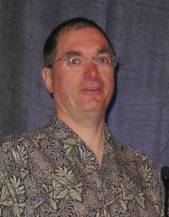
In a presentation at the Hawaii Dermatology Seminar sponsored by the Skin Disease Education Foundation (SDEF) in Waikoloa, Hawaii, Dr. Andreas Blum noted that while the main purpose of whole-body skin examination is to save lives through early detection of melanoma, the SCREEN project also detected basal cell carcinomas at a rate of 5.4 malignancies per 1,000 persons screened, and squamous cell carcinomas at a rate of 1.1 per 1,000.
Five lesion excisions had to be performed in order to detect one malignancy, according to Dr. Blum, professor of dermatology at the University of Tübingen (Germany).
He predicted that the cost involved in routine total-body skin examinations is likely to be a critical source of controversy. Using the U.S. National Cancer Institute’s estimate that 12.5% of melanomas are fatal, and assuming the cost of a total-body skin exam to be $50 per person, he estimated that routine total-body skin exams in the SCREEN project cost $240,000 per melanoma death avoided.
Meanwhile, in a recently reported multicenter study in which more than 14,000 subjects underwent a total-body skin exam, 400 patients had to be screened in order to find 1 melanoma (J. Am. Acad. Dermatol. 2012;66:212-9). Again, assuming a cost of $50 per total-body skin exam, that would work out to roughly $140,000 per melanoma death avoided, Dr. Blum said.
He added that in his own specialized skin cancer clinic, where he and his colleagues see a relatively select patient population, routine total-body skin exams cost an estimated $65,000 per melanoma death avoided. And when he plugged in the numbers provided by session chair Dr. Ashfaq A. Margoob from the skin cancer clinic at Memorial Sloan-Kettering Cancer Center in New York, Dr. Blum once again came up with a figure of roughly $65,000 per melanoma death avoided, which is close to one-fourth of the estimated cost per melanoma death avoided in the SCREEN project.
"The range is quite large. I think the cost debate will continue," Dr. Blum said.
Dr. Weinstock and Dr. Blum reported having no financial conflicts.
SDEF and this news organization are owned by Elsevier.
RALEIGH, N.C. – A population-based total-body skin cancer screening program reduces melanoma mortality, according to the results of a landmark German project presented at the annual meeting of the Society for Investigative Dermatology.
"I would argue that this is the most important presentation anywhere at this meeting," Dr. Martin A. Weinstock said during his presentation of the SCREEN (Skin Cancer Research to Provide Evidence for Effectiveness of Screening in Northern Germany) project.
"The reason I make that argument is very simply because melanoma accounts for more deaths than anything else in the dermatology world. If we want to reduce that number of deaths, the best way is [through] early detection – and SCREEN provides the best evidence to date that we can do that," explained Dr. Weinstock, professor of dermatology and epidemiology at Brown University, Providence, R.I., and a SCREEN project organizer.
SCREEN was a population-based skin cancer screening program in which all residents over age 20 in the German federal state of Schleswig-Holstein were encouraged to undergo a standardized whole-body skin examination between July 2003 and June 2004. Nineteen percent of the state’s eligible population – 360,288 individuals – participated. Half of the 1,169 melanomas diagnosed in Schleswig-Holstein during the study period were detected via the SCREEN program.
Before the skin cancer screening period (1998-1999), the melanoma mortality rate was 1.9 per 100,000 men and 1.4 per 100,000 women. The key study finding was that melanoma mortality fell by 48% in Schleswig-Holstein by 2008-2009 to 1.0 per 100,000 men to 0.7 per 100,000 women.
Nothing parallel occurred in the rest of Germany, or in Schleswig-Holstein’s neighbor to the north, Denmark.
The observed melanoma mortality rate in Schleswig-Holstein during 2008-2009 was 1.0 per 100,000 for men and 0.7 per 100,000 for women, compared with 1.8 and 1.2, respectively, in Germany as a whole excluding Schleswig-Holstein.
During 2000-2009, the most recent 10-year period for which official German mortality statistics are available, melanoma mortality in Schleswig-Holstein declined by 7.4% annually. In contrast, melanoma mortality rates were stable over time in each of the four adjacent states to the north, south, east, and west, none of which had a skin cancer screening program.
A bump in the incidence of melanoma was recorded in Schleswig-Holstein during the screening year, but not elsewhere, according to Dr. Weinstock.
The standardized total-body skin examinations were performed by physicians, who had to complete an 8-hour, day-long training course in order to participate. Of note, 116 of the 118 dermatologists practicing in Schleswig-Holstein participated in SCREEN, as did 64% of primary care physicians. Physicians were paid to perform the screens, and the public was encouraged to undergo screening via an extensive multimedia campaign.
The screening had a two-tiered structure. More than three-quarters of individuals were initially screened by primary care physicians. Participants with suspicious findings were sent to a dermatologist, who performed a second whole-body skin examination and performed biopsies as warranted.
Total-body skin examination as a means of reducing melanoma mortality has long been a controversial issue. The U.S. Preventive Services Task Force has recommended that there is not enough evidence to recommend screening the general adult population (Ann. Intern. Med. 2009;150:188-93). However, according to Dr. Weinstock, the recommendation will need to be revisited in light of the new evidence from Germany.
He observed that although SCREEN was an observational study, and, hence, doesn’t constitute absolute proof that a skin cancer screening program saves lives, it was the most ambitious effort to screen for melanoma ever conducted anywhere in the world. And it provides what is probably the strongest evidence that will ever be available, in his view, given the great expense and many years of follow-up required for a randomized controlled trial of skin cancer screening.
As he and his coauthors wrote in a new report from the SCREEN project, "In the public health arena, absolute proof is not necessarily required when lives are at stake" (Cancer 2012 April 19 [doi: 10.1002/cncr.27566]).
German dermatologists, flush with the SCREEN success, had proposed to follow-up the project with a definitive randomized controlled trial of melanoma screening, but were overruled. Federal health officials found the SCREEN results so persuasive that they launched an ongoing national skin cancer screening program. All 45 million Germans aged 35 years and older are now eligible for a total-body skin examination every 2 years.
The SCREEN investigators ruled out improvements in melanoma therapy as a potential explanation for the observed reduction in mortality, since there were none during the study years. Nor were there any changes in coding practices in the Schleswig-Holstein statistics office. And no major melanoma primary prevention programs were introduced.
Melanoma mortality rates in Schleswig-Holstein were fairly constant from 1990 to 2003, then dropped during and immediately after introduction of the statewide SCREEN program. All of which points to the skin cancer screening program as the almost-certain explanation for the melanoma mortality reduction, he said.
Dr. Weinstock promised there will be much more information and analysis to come from the SCREEN project, including tumor thickness–specific incidence rates. Also, by examining the incidence of melanoma in Schleswig-Holstein in the years following the screening program, it will be possible to create models that provide an idea of the optimal screening interval.
In a presentation at the Hawaii Dermatology Seminar sponsored by the Skin Disease Education Foundation (SDEF) in Waikoloa, Hawaii, Dr. Andreas Blum noted that while the main purpose of whole-body skin examination is to save lives through early detection of melanoma, the SCREEN project also detected basal cell carcinomas at a rate of 5.4 malignancies per 1,000 persons screened, and squamous cell carcinomas at a rate of 1.1 per 1,000.
Five lesion excisions had to be performed in order to detect one malignancy, according to Dr. Blum, professor of dermatology at the University of Tübingen (Germany).
He predicted that the cost involved in routine total-body skin examinations is likely to be a critical source of controversy. Using the U.S. National Cancer Institute’s estimate that 12.5% of melanomas are fatal, and assuming the cost of a total-body skin exam to be $50 per person, he estimated that routine total-body skin exams in the SCREEN project cost $240,000 per melanoma death avoided.
Meanwhile, in a recently reported multicenter study in which more than 14,000 subjects underwent a total-body skin exam, 400 patients had to be screened in order to find 1 melanoma (J. Am. Acad. Dermatol. 2012;66:212-9). Again, assuming a cost of $50 per total-body skin exam, that would work out to roughly $140,000 per melanoma death avoided, Dr. Blum said.
He added that in his own specialized skin cancer clinic, where he and his colleagues see a relatively select patient population, routine total-body skin exams cost an estimated $65,000 per melanoma death avoided. And when he plugged in the numbers provided by session chair Dr. Ashfaq A. Margoob from the skin cancer clinic at Memorial Sloan-Kettering Cancer Center in New York, Dr. Blum once again came up with a figure of roughly $65,000 per melanoma death avoided, which is close to one-fourth of the estimated cost per melanoma death avoided in the SCREEN project.
"The range is quite large. I think the cost debate will continue," Dr. Blum said.
Dr. Weinstock and Dr. Blum reported having no financial conflicts.
SDEF and this news organization are owned by Elsevier.
RALEIGH, N.C. – A population-based total-body skin cancer screening program reduces melanoma mortality, according to the results of a landmark German project presented at the annual meeting of the Society for Investigative Dermatology.
"I would argue that this is the most important presentation anywhere at this meeting," Dr. Martin A. Weinstock said during his presentation of the SCREEN (Skin Cancer Research to Provide Evidence for Effectiveness of Screening in Northern Germany) project.
"The reason I make that argument is very simply because melanoma accounts for more deaths than anything else in the dermatology world. If we want to reduce that number of deaths, the best way is [through] early detection – and SCREEN provides the best evidence to date that we can do that," explained Dr. Weinstock, professor of dermatology and epidemiology at Brown University, Providence, R.I., and a SCREEN project organizer.
SCREEN was a population-based skin cancer screening program in which all residents over age 20 in the German federal state of Schleswig-Holstein were encouraged to undergo a standardized whole-body skin examination between July 2003 and June 2004. Nineteen percent of the state’s eligible population – 360,288 individuals – participated. Half of the 1,169 melanomas diagnosed in Schleswig-Holstein during the study period were detected via the SCREEN program.
Before the skin cancer screening period (1998-1999), the melanoma mortality rate was 1.9 per 100,000 men and 1.4 per 100,000 women. The key study finding was that melanoma mortality fell by 48% in Schleswig-Holstein by 2008-2009 to 1.0 per 100,000 men to 0.7 per 100,000 women.
Nothing parallel occurred in the rest of Germany, or in Schleswig-Holstein’s neighbor to the north, Denmark.
The observed melanoma mortality rate in Schleswig-Holstein during 2008-2009 was 1.0 per 100,000 for men and 0.7 per 100,000 for women, compared with 1.8 and 1.2, respectively, in Germany as a whole excluding Schleswig-Holstein.
During 2000-2009, the most recent 10-year period for which official German mortality statistics are available, melanoma mortality in Schleswig-Holstein declined by 7.4% annually. In contrast, melanoma mortality rates were stable over time in each of the four adjacent states to the north, south, east, and west, none of which had a skin cancer screening program.
A bump in the incidence of melanoma was recorded in Schleswig-Holstein during the screening year, but not elsewhere, according to Dr. Weinstock.
The standardized total-body skin examinations were performed by physicians, who had to complete an 8-hour, day-long training course in order to participate. Of note, 116 of the 118 dermatologists practicing in Schleswig-Holstein participated in SCREEN, as did 64% of primary care physicians. Physicians were paid to perform the screens, and the public was encouraged to undergo screening via an extensive multimedia campaign.
The screening had a two-tiered structure. More than three-quarters of individuals were initially screened by primary care physicians. Participants with suspicious findings were sent to a dermatologist, who performed a second whole-body skin examination and performed biopsies as warranted.
Total-body skin examination as a means of reducing melanoma mortality has long been a controversial issue. The U.S. Preventive Services Task Force has recommended that there is not enough evidence to recommend screening the general adult population (Ann. Intern. Med. 2009;150:188-93). However, according to Dr. Weinstock, the recommendation will need to be revisited in light of the new evidence from Germany.
He observed that although SCREEN was an observational study, and, hence, doesn’t constitute absolute proof that a skin cancer screening program saves lives, it was the most ambitious effort to screen for melanoma ever conducted anywhere in the world. And it provides what is probably the strongest evidence that will ever be available, in his view, given the great expense and many years of follow-up required for a randomized controlled trial of skin cancer screening.
As he and his coauthors wrote in a new report from the SCREEN project, "In the public health arena, absolute proof is not necessarily required when lives are at stake" (Cancer 2012 April 19 [doi: 10.1002/cncr.27566]).
German dermatologists, flush with the SCREEN success, had proposed to follow-up the project with a definitive randomized controlled trial of melanoma screening, but were overruled. Federal health officials found the SCREEN results so persuasive that they launched an ongoing national skin cancer screening program. All 45 million Germans aged 35 years and older are now eligible for a total-body skin examination every 2 years.
The SCREEN investigators ruled out improvements in melanoma therapy as a potential explanation for the observed reduction in mortality, since there were none during the study years. Nor were there any changes in coding practices in the Schleswig-Holstein statistics office. And no major melanoma primary prevention programs were introduced.
Melanoma mortality rates in Schleswig-Holstein were fairly constant from 1990 to 2003, then dropped during and immediately after introduction of the statewide SCREEN program. All of which points to the skin cancer screening program as the almost-certain explanation for the melanoma mortality reduction, he said.
Dr. Weinstock promised there will be much more information and analysis to come from the SCREEN project, including tumor thickness–specific incidence rates. Also, by examining the incidence of melanoma in Schleswig-Holstein in the years following the screening program, it will be possible to create models that provide an idea of the optimal screening interval.
In a presentation at the Hawaii Dermatology Seminar sponsored by the Skin Disease Education Foundation (SDEF) in Waikoloa, Hawaii, Dr. Andreas Blum noted that while the main purpose of whole-body skin examination is to save lives through early detection of melanoma, the SCREEN project also detected basal cell carcinomas at a rate of 5.4 malignancies per 1,000 persons screened, and squamous cell carcinomas at a rate of 1.1 per 1,000.
Five lesion excisions had to be performed in order to detect one malignancy, according to Dr. Blum, professor of dermatology at the University of Tübingen (Germany).
He predicted that the cost involved in routine total-body skin examinations is likely to be a critical source of controversy. Using the U.S. National Cancer Institute’s estimate that 12.5% of melanomas are fatal, and assuming the cost of a total-body skin exam to be $50 per person, he estimated that routine total-body skin exams in the SCREEN project cost $240,000 per melanoma death avoided.
Meanwhile, in a recently reported multicenter study in which more than 14,000 subjects underwent a total-body skin exam, 400 patients had to be screened in order to find 1 melanoma (J. Am. Acad. Dermatol. 2012;66:212-9). Again, assuming a cost of $50 per total-body skin exam, that would work out to roughly $140,000 per melanoma death avoided, Dr. Blum said.
He added that in his own specialized skin cancer clinic, where he and his colleagues see a relatively select patient population, routine total-body skin exams cost an estimated $65,000 per melanoma death avoided. And when he plugged in the numbers provided by session chair Dr. Ashfaq A. Margoob from the skin cancer clinic at Memorial Sloan-Kettering Cancer Center in New York, Dr. Blum once again came up with a figure of roughly $65,000 per melanoma death avoided, which is close to one-fourth of the estimated cost per melanoma death avoided in the SCREEN project.
"The range is quite large. I think the cost debate will continue," Dr. Blum said.
Dr. Weinstock and Dr. Blum reported having no financial conflicts.
SDEF and this news organization are owned by Elsevier.
FROM THE ANNUAL MEETING OF THE SOCIETY FOR INVESTIGATIVE DERMATOLOGY