User login
MDedge conference coverage features onsite reporting of the latest study results and expert perspectives from leading researchers.
Investigational drug reduces brain lesions in highly active MS
new research suggests. After 12 weeks of treatment, MRI revealed the drug, a Bruton tyrosine kinase inhibitor, was associated with a 93% reduction in new gadolinium-enhancing lesions and an 89% reduction in new and enlarging T2 lesions, compared with placebo.

The analysis supports that tolebrutinib is as effective in this group of patients with highly active relapsing remitting MS as it is in the overall patient population, study investigator said Anthony Traboulsee, MD, professor and research chair of the MS Society of Canada at the University of British Columbia, Vancouver.
“What is additionally exciting is that this effect was seen within a relatively short period of time – within 3 months. This will be important for patients and physicians to know how soon to expect a treatment to work if they have high-risk baseline features,” he added.
The findings were presented at the 2021 annual meeting of the American Academy of Neurology.
New drug class
BTK inhibitors are a new class of oral therapies, and phase 2 trials in patients with relapsing remitting MS show they are safe and effective. BTK inhibitors modulate B lymphocytes without causing depletion, thus reducing the risk for lymphopenia or immunoglobulin depletion.
Tolebrutinib is a covalent, irreversible BTK inhibitor that penetrates the central nervous system well. In a previous randomized, double-blind, phase 2b trial, it was well tolerated and was associated with a dose-dependent reduction in new or enlarging MRI lesions. Of the four doses studied, the 60-mg dose was the most effective.
Because highly active MS is associated with a more aggressive disease course, the investigators examined tolebrutinib’s efficacy and safety in patients with highly active disease who were participants in the phase 2b trial. This subgroup analysis had been predefined in the study’s statistical analysis plan.
The investigators defined highly active disease as one relapse in the year before screening and one or more gadolinium-enhancing lesions on MRI performed within 6 months before screening, or nine or more T2 lesions at baseline, or two or more relapses in the year before screening.
Of the 130 participants enrolled in the study, 61 (47%) met criteria for highly active disease at baseline. These patients represented 44% of the placebo group (29 of 66 participants) who later crossed over to tolebrutinib treatment.
At baseline, demographics in patients with highly active disease were similar to those of the overall study population, although it was slightly younger with slightly shorter disease duration, slightly less disability, and a greater likelihood of gadolinium-enhancing lesions at baseline versus the overall study population.
The proportion of patients with highly active disease was 36% in the 5-mg group, 59% in the 15-mg group, 48% in the 30-mg group, and 44% in the 60-mg group.
The study’s primary objective was to examine the dose-response relationship after 12 weeks of treatment with tolebrutinib.
Good safety, tolerability
After 12 weeks, the mean number of new gadolinium-enhancing lesions in patients with highly active disease was 0.82 in the 5-mg group, 0.50 in the 15-mg group, 0.38 in the 30-mg group, and 0.08 in the 60-mg group. The corresponding measurements in the overall study population were 1.39 in the 5-mg group, 0.77 in the 15-mg group, 0.76 in the 30-mg group, and 0.13 in the 60-mg group.
After 12 weeks, numbers of new or enlarging T2 lesions among patients with highly active disease were 1.09 (5 mg), 0.89 (15 mg), 0.75 (30 mg) and 0.15 (60 mg). The corresponding measurements in the overall population were 1.90 (5 mg), 1.32 (15 mg) 1.30 (30 mg) and 0.23 (60 mg).
Tolebrutinib had excellent safety and tolerability in patients with highly active disease and in the overall population, said Dr. Traboulsee.
No adverse events were linked to the study drug. One patient with highly active disease who received 60 mg of tolebrutinib had transient elevated ALT levels greater than three times the upper limit of normal. This patient also previously had elevated ALT at baseline.
One serious adverse event occurred during the study. One patient was hospitalized for MS relapse. The patient had been assigned to the 60-mg dose of tolebrutinib. The patient recovered and remained on study treatment.
Two independent studies have indicated that BTK inhibition is an effective treatment approach for relapsing remitting MS. The main advantage of tolebrutinib is its ability to penetrate the CNS.
“Most, if not all, MS therapies mostly affect the peripheral immune system, preventing autoreactive lymphocytes crossing the blood-brain barrier and causing damage,” said Dr. Traboulsee.
Therapies that enter the CNS can target abnormal immune cells, including microglia that are believed to promote disease progression. “If this is an important target, then we now have a highly CNS-penetrant drug that could potentially change the course of progression,” said Dr. Traboulsee.
Serum biomarkers and advanced imaging data collected during the phase 2 trial could help clarify the mechanisms of disease progression and the effects of tolebrutinib, he added. “Ultimately though, it is the clinical outcomes in the phase 3 programs that are essential to know where to place tolebrutinib in the future care of relapsing and progressive forms of MS.”
Not an unmet need
Commenting on the findings, Joseph R. Berger, MD, professor of neurology and associate chief of the MS division at the University of Pennsylvania, Philadelphia, said there are several available treatments that effectively suppress clinical and radiologic evidence of acute inflammation in relapsing remitting MS.

“Any new drug that is to be added to that pharmacological armamentarium should have distinct advantages over what is currently available. Treating relapsing remitting MS is not, in my opinion, an unmet need in MS; treating progressive disease is,” he said.
Dr. Berger said that tolebrutinib appears to be better than placebo in suppressing disease activity, particularly at higher doses. “However, the study is small – only 61 patients,” noted Dr. Berger, who was not involved in the study.
In addition, disease activity was assessed after 4 weeks with placebo and at 12 weeks with tolebrutinib treatment.
“As there is a regression to the mean with respect to disease activity, the interpretation of the apparent response to tolebrutinib needs to be tempered with that in mind,” said Dr. Berger.
Evaluating how tolebrutinib compares with other BTK inhibitors will require a head-to-head trial. “I’d be more interested in whether the drug has an effect on progressive disease,” Dr. Berger concluded.
The study was supported by Sanofi Genzyme, which is developing tolebrutinib. Dr. Traboulsee has received research grant support, honoraria for consulting, and honoraria for participating in a speakers’ bureau from Sanofi Genzyme. Dr. Berger disclosed no relevant financial relationships.
A version of this article first appeared on Medscape.com.
new research suggests. After 12 weeks of treatment, MRI revealed the drug, a Bruton tyrosine kinase inhibitor, was associated with a 93% reduction in new gadolinium-enhancing lesions and an 89% reduction in new and enlarging T2 lesions, compared with placebo.
The analysis supports that tolebrutinib is as effective in this group of patients with highly active relapsing remitting MS as it is in the overall patient population, study investigator said Anthony Traboulsee, MD, professor and research chair of the MS Society of Canada at the University of British Columbia, Vancouver.
“What is additionally exciting is that this effect was seen within a relatively short period of time – within 3 months. This will be important for patients and physicians to know how soon to expect a treatment to work if they have high-risk baseline features,” he added.
The findings were presented at the 2021 annual meeting of the American Academy of Neurology.
New drug class
BTK inhibitors are a new class of oral therapies, and phase 2 trials in patients with relapsing remitting MS show they are safe and effective. BTK inhibitors modulate B lymphocytes without causing depletion, thus reducing the risk for lymphopenia or immunoglobulin depletion.
Tolebrutinib is a covalent, irreversible BTK inhibitor that penetrates the central nervous system well. In a previous randomized, double-blind, phase 2b trial, it was well tolerated and was associated with a dose-dependent reduction in new or enlarging MRI lesions. Of the four doses studied, the 60-mg dose was the most effective.
Because highly active MS is associated with a more aggressive disease course, the investigators examined tolebrutinib’s efficacy and safety in patients with highly active disease who were participants in the phase 2b trial. This subgroup analysis had been predefined in the study’s statistical analysis plan.
The investigators defined highly active disease as one relapse in the year before screening and one or more gadolinium-enhancing lesions on MRI performed within 6 months before screening, or nine or more T2 lesions at baseline, or two or more relapses in the year before screening.
Of the 130 participants enrolled in the study, 61 (47%) met criteria for highly active disease at baseline. These patients represented 44% of the placebo group (29 of 66 participants) who later crossed over to tolebrutinib treatment.
At baseline, demographics in patients with highly active disease were similar to those of the overall study population, although it was slightly younger with slightly shorter disease duration, slightly less disability, and a greater likelihood of gadolinium-enhancing lesions at baseline versus the overall study population.
The proportion of patients with highly active disease was 36% in the 5-mg group, 59% in the 15-mg group, 48% in the 30-mg group, and 44% in the 60-mg group.
The study’s primary objective was to examine the dose-response relationship after 12 weeks of treatment with tolebrutinib.
Good safety, tolerability
After 12 weeks, the mean number of new gadolinium-enhancing lesions in patients with highly active disease was 0.82 in the 5-mg group, 0.50 in the 15-mg group, 0.38 in the 30-mg group, and 0.08 in the 60-mg group. The corresponding measurements in the overall study population were 1.39 in the 5-mg group, 0.77 in the 15-mg group, 0.76 in the 30-mg group, and 0.13 in the 60-mg group.
After 12 weeks, numbers of new or enlarging T2 lesions among patients with highly active disease were 1.09 (5 mg), 0.89 (15 mg), 0.75 (30 mg) and 0.15 (60 mg). The corresponding measurements in the overall population were 1.90 (5 mg), 1.32 (15 mg) 1.30 (30 mg) and 0.23 (60 mg).
Tolebrutinib had excellent safety and tolerability in patients with highly active disease and in the overall population, said Dr. Traboulsee.
No adverse events were linked to the study drug. One patient with highly active disease who received 60 mg of tolebrutinib had transient elevated ALT levels greater than three times the upper limit of normal. This patient also previously had elevated ALT at baseline.
One serious adverse event occurred during the study. One patient was hospitalized for MS relapse. The patient had been assigned to the 60-mg dose of tolebrutinib. The patient recovered and remained on study treatment.
Two independent studies have indicated that BTK inhibition is an effective treatment approach for relapsing remitting MS. The main advantage of tolebrutinib is its ability to penetrate the CNS.
“Most, if not all, MS therapies mostly affect the peripheral immune system, preventing autoreactive lymphocytes crossing the blood-brain barrier and causing damage,” said Dr. Traboulsee.
Therapies that enter the CNS can target abnormal immune cells, including microglia that are believed to promote disease progression. “If this is an important target, then we now have a highly CNS-penetrant drug that could potentially change the course of progression,” said Dr. Traboulsee.
Serum biomarkers and advanced imaging data collected during the phase 2 trial could help clarify the mechanisms of disease progression and the effects of tolebrutinib, he added. “Ultimately though, it is the clinical outcomes in the phase 3 programs that are essential to know where to place tolebrutinib in the future care of relapsing and progressive forms of MS.”
Not an unmet need
Commenting on the findings, Joseph R. Berger, MD, professor of neurology and associate chief of the MS division at the University of Pennsylvania, Philadelphia, said there are several available treatments that effectively suppress clinical and radiologic evidence of acute inflammation in relapsing remitting MS.
“Any new drug that is to be added to that pharmacological armamentarium should have distinct advantages over what is currently available. Treating relapsing remitting MS is not, in my opinion, an unmet need in MS; treating progressive disease is,” he said.
Dr. Berger said that tolebrutinib appears to be better than placebo in suppressing disease activity, particularly at higher doses. “However, the study is small – only 61 patients,” noted Dr. Berger, who was not involved in the study.
In addition, disease activity was assessed after 4 weeks with placebo and at 12 weeks with tolebrutinib treatment.
“As there is a regression to the mean with respect to disease activity, the interpretation of the apparent response to tolebrutinib needs to be tempered with that in mind,” said Dr. Berger.
Evaluating how tolebrutinib compares with other BTK inhibitors will require a head-to-head trial. “I’d be more interested in whether the drug has an effect on progressive disease,” Dr. Berger concluded.
The study was supported by Sanofi Genzyme, which is developing tolebrutinib. Dr. Traboulsee has received research grant support, honoraria for consulting, and honoraria for participating in a speakers’ bureau from Sanofi Genzyme. Dr. Berger disclosed no relevant financial relationships.
A version of this article first appeared on Medscape.com.
new research suggests. After 12 weeks of treatment, MRI revealed the drug, a Bruton tyrosine kinase inhibitor, was associated with a 93% reduction in new gadolinium-enhancing lesions and an 89% reduction in new and enlarging T2 lesions, compared with placebo.
The analysis supports that tolebrutinib is as effective in this group of patients with highly active relapsing remitting MS as it is in the overall patient population, study investigator said Anthony Traboulsee, MD, professor and research chair of the MS Society of Canada at the University of British Columbia, Vancouver.
“What is additionally exciting is that this effect was seen within a relatively short period of time – within 3 months. This will be important for patients and physicians to know how soon to expect a treatment to work if they have high-risk baseline features,” he added.
The findings were presented at the 2021 annual meeting of the American Academy of Neurology.
New drug class
BTK inhibitors are a new class of oral therapies, and phase 2 trials in patients with relapsing remitting MS show they are safe and effective. BTK inhibitors modulate B lymphocytes without causing depletion, thus reducing the risk for lymphopenia or immunoglobulin depletion.
Tolebrutinib is a covalent, irreversible BTK inhibitor that penetrates the central nervous system well. In a previous randomized, double-blind, phase 2b trial, it was well tolerated and was associated with a dose-dependent reduction in new or enlarging MRI lesions. Of the four doses studied, the 60-mg dose was the most effective.
Because highly active MS is associated with a more aggressive disease course, the investigators examined tolebrutinib’s efficacy and safety in patients with highly active disease who were participants in the phase 2b trial. This subgroup analysis had been predefined in the study’s statistical analysis plan.
The investigators defined highly active disease as one relapse in the year before screening and one or more gadolinium-enhancing lesions on MRI performed within 6 months before screening, or nine or more T2 lesions at baseline, or two or more relapses in the year before screening.
Of the 130 participants enrolled in the study, 61 (47%) met criteria for highly active disease at baseline. These patients represented 44% of the placebo group (29 of 66 participants) who later crossed over to tolebrutinib treatment.
At baseline, demographics in patients with highly active disease were similar to those of the overall study population, although it was slightly younger with slightly shorter disease duration, slightly less disability, and a greater likelihood of gadolinium-enhancing lesions at baseline versus the overall study population.
The proportion of patients with highly active disease was 36% in the 5-mg group, 59% in the 15-mg group, 48% in the 30-mg group, and 44% in the 60-mg group.
The study’s primary objective was to examine the dose-response relationship after 12 weeks of treatment with tolebrutinib.
Good safety, tolerability
After 12 weeks, the mean number of new gadolinium-enhancing lesions in patients with highly active disease was 0.82 in the 5-mg group, 0.50 in the 15-mg group, 0.38 in the 30-mg group, and 0.08 in the 60-mg group. The corresponding measurements in the overall study population were 1.39 in the 5-mg group, 0.77 in the 15-mg group, 0.76 in the 30-mg group, and 0.13 in the 60-mg group.
After 12 weeks, numbers of new or enlarging T2 lesions among patients with highly active disease were 1.09 (5 mg), 0.89 (15 mg), 0.75 (30 mg) and 0.15 (60 mg). The corresponding measurements in the overall population were 1.90 (5 mg), 1.32 (15 mg) 1.30 (30 mg) and 0.23 (60 mg).
Tolebrutinib had excellent safety and tolerability in patients with highly active disease and in the overall population, said Dr. Traboulsee.
No adverse events were linked to the study drug. One patient with highly active disease who received 60 mg of tolebrutinib had transient elevated ALT levels greater than three times the upper limit of normal. This patient also previously had elevated ALT at baseline.
One serious adverse event occurred during the study. One patient was hospitalized for MS relapse. The patient had been assigned to the 60-mg dose of tolebrutinib. The patient recovered and remained on study treatment.
Two independent studies have indicated that BTK inhibition is an effective treatment approach for relapsing remitting MS. The main advantage of tolebrutinib is its ability to penetrate the CNS.
“Most, if not all, MS therapies mostly affect the peripheral immune system, preventing autoreactive lymphocytes crossing the blood-brain barrier and causing damage,” said Dr. Traboulsee.
Therapies that enter the CNS can target abnormal immune cells, including microglia that are believed to promote disease progression. “If this is an important target, then we now have a highly CNS-penetrant drug that could potentially change the course of progression,” said Dr. Traboulsee.
Serum biomarkers and advanced imaging data collected during the phase 2 trial could help clarify the mechanisms of disease progression and the effects of tolebrutinib, he added. “Ultimately though, it is the clinical outcomes in the phase 3 programs that are essential to know where to place tolebrutinib in the future care of relapsing and progressive forms of MS.”
Not an unmet need
Commenting on the findings, Joseph R. Berger, MD, professor of neurology and associate chief of the MS division at the University of Pennsylvania, Philadelphia, said there are several available treatments that effectively suppress clinical and radiologic evidence of acute inflammation in relapsing remitting MS.
“Any new drug that is to be added to that pharmacological armamentarium should have distinct advantages over what is currently available. Treating relapsing remitting MS is not, in my opinion, an unmet need in MS; treating progressive disease is,” he said.
Dr. Berger said that tolebrutinib appears to be better than placebo in suppressing disease activity, particularly at higher doses. “However, the study is small – only 61 patients,” noted Dr. Berger, who was not involved in the study.
In addition, disease activity was assessed after 4 weeks with placebo and at 12 weeks with tolebrutinib treatment.
“As there is a regression to the mean with respect to disease activity, the interpretation of the apparent response to tolebrutinib needs to be tempered with that in mind,” said Dr. Berger.
Evaluating how tolebrutinib compares with other BTK inhibitors will require a head-to-head trial. “I’d be more interested in whether the drug has an effect on progressive disease,” Dr. Berger concluded.
The study was supported by Sanofi Genzyme, which is developing tolebrutinib. Dr. Traboulsee has received research grant support, honoraria for consulting, and honoraria for participating in a speakers’ bureau from Sanofi Genzyme. Dr. Berger disclosed no relevant financial relationships.
A version of this article first appeared on Medscape.com.
FROM AAN 2021
Rituximab benefits seen in neuropsychiatric lupus
Patients with neuropsychiatric manifestations of systemic lupus erythematosus (NPSLE) seem to benefit from rituximab (Rituxan) therapy, according to data from the British Isles Lupus Assessment Group Biologics Register (BILAG-BR).
Indeed, the percentage of patients with active disease, as scored by the BILAG-2004 index or SLEDAI-2K (SLE Disease Activity Index 2000), fell significantly (P < .0001) when comparing pre- and postrituximab treatment scores. There was also a reduction in the dose of oral steroids used.
Interestingly, the use of concomitant cyclophosphamide might enhance the level of improvement seen in some patients, Trixy David, MBBS, reported during an abstract session at the British Society for Rheumatology annual conference.
“Larger-scale studies are warranted to establish the effectiveness of rituximab alone, or in combination with cyclophosphamide, in the treatment neuropsychiatric lupus,” said Dr. David, a clinical research fellow at the University of Manchester (England) and specialist registrar in rheumatology at the Manchester University National Health Service Foundation Trust.
Neil Basu, MBChB, PhD, who chaired the virtual session, called the findings “enlightening” and “descriptive.”
The study “provides some interesting data, which should be tested in a robust, randomized clinical trial,” he agreed, and not that clinicians should now start using rituximab for their NPSLE cases.
Dr. Basu, who is a clinical senior lecturer in rheumatology and honorary consultant rheumatologist at the Institute of Infection, Immunity and Inflammation at the University of Glasgow, added: “It is really important that we do these studies to help support a rationale for such a trial, which are obviously very expensive and require strong evidence before we go down that track. I think these data have really been quite enlightening in that respect.”
Rationale for rituximab in neuropsychiatric lupus
Managing patients with NPSLE remains an area of substantial unmet need. According to a recent review in Rheumatology, “there is a dearth of controlled clinical trials to guide management” and “therapeutic options include symptomatic, antithrombotic, and immunosuppressive agents that are supported by observational cohort studies.”
Despite being seen in at least half of all patients with SLE, neuropsychiatric disease “is not very well studied in patients with lupus, as a lot of large-scale trials tend to exclude patients with active neurological disease,” Dr. David said.
Although it is unclear why neuropsychiatric disease occurs in SLE, it could be “as a result of vascular injury or disruption of the blood brain barrier, thereby allowing the passive diffusion of autoantibodies and cytokines across through the cerebral spinal fluid, thereby generating a proinflammatory response,” Dr. David suggested.
“We know B cells are involved in the pathogenesis of lupus, and rituximab is a chimeric monoclonal antibody that selectively targets CD20-positive B cells and mediates transient B-cell depletion,” she said. Notably, there have been some small studies suggesting that rituximab may be effective in neuropsychiatric lupus, and it is currently widely used to treat refractory lupus in the United Kingdom.
About the BILAG-BR and results
“Our aim was to describe the baseline characteristics and short-term effectiveness of rituximab in patients treated for neuropsychiatric lupus within the BILAG-BR,” Dr. David explained.
Started in 2009, the BILAG-BR now contains information on more than 1,400 individuals with SLE who have been recruited at 62 centers in the United Kingdom. Its purpose is to evaluate the long-term safety and effectiveness of biologic drugs versus standard immunosuppressive therapy such as azathioprine, mycophenolate mofetil, cyclophosphamide, and cyclosporine. To date, 1,229 patients have been treated with biologics, of whom 1,056 have received rituximab.
A total of 74 rituximab-treated patients were identified as having active neuropsychiatric disease, making this “the largest prospective observational cohort to date, to our knowledge,” Dr. David said.
The median age of patients was 45.5 years, the majority was female (82%) and White (74%). The median disease duration was 11.5 years.
A total of 96% had multiple organ involvement and not just neuropsychiatric disease, and 91% were positive for antineutrophil antibodies.
The top six neuropsychiatric manifestations were cognitive dysfunction and lupus headache (both affecting 27.5% of patients); acute confessional state or mononeuropathy (each seen in 10% of patients); and seizure disorder and polyneuropathy, seen in a respective 8.6% and 8.7% of patients. These findings are in line with a 2011 meta-analysis, Dr. David pointed out.
BILAG-2004 scores before and after rituximab treatment were available for 50 patients. The number of patients with a BILAG A score dropped from 24 (48%) at baseline to 7 (14%) after treatment with rituximab, and the number with a BILAG B score declined from 26 (52%) at baseline to 4 (8%) after rituximab (both P < .0001).
There was also a reduction following rituximab treatment in the percentage of patients categorized as having mainly central nervous system disease (70% vs. 11%), peripheral nervous system disease (19% vs. 6%), or both (11% vs. 8%).
Total SLEDAI-2K scores were also reduced following rituximab treatment, from a median of 12 at baseline to 2 (P < .0001).
Pre- and postrituximab oral prednisolone doses were a median of 15 mg and 10 mg (P = .009).
Limitations
“Our data are from a real-world setting of patients who had active neuropsychiatric disease and were treated with rituximab,” Dr. David said. There are of course many limitations that go hand in hand with observational studies.
“There was the issue of missing data,” Dr. David said. It was difficult or not possible to determine what doses of steroids patients were taking after rituximab therapy, particularly in terms of intravenous steroids, and what doses of any other concomitant disease-modifying therapy might have been around the time that patients initiated or stopped rituximab treatment.
“These could have acted as potential confounders,” she acknowledged.
Dr. Basu noted: “My major haziness from it is the uncertainty of knowing why these patients improved. Yes, they had rituximab, but I’m sure also that they probably received high doses of steroids if they had quite severe CNS lupus which was categorized as a BILAG-A or a B.”
Patients may also be given methylprednisolone when clinicians are really concerned, he continued, and “as was quite clearly pointed out,” there was quite a lot of missing data from a steroid perspective.
Dr. David and coinvestigators reported having no conflicts of interest. The BILAG-BR is supported by funding from Lupus UK, GlaxoSmithKline, and Roche. Dr. Basu did not state having any disclosures.
Patients with neuropsychiatric manifestations of systemic lupus erythematosus (NPSLE) seem to benefit from rituximab (Rituxan) therapy, according to data from the British Isles Lupus Assessment Group Biologics Register (BILAG-BR).
Indeed, the percentage of patients with active disease, as scored by the BILAG-2004 index or SLEDAI-2K (SLE Disease Activity Index 2000), fell significantly (P < .0001) when comparing pre- and postrituximab treatment scores. There was also a reduction in the dose of oral steroids used.
Interestingly, the use of concomitant cyclophosphamide might enhance the level of improvement seen in some patients, Trixy David, MBBS, reported during an abstract session at the British Society for Rheumatology annual conference.
“Larger-scale studies are warranted to establish the effectiveness of rituximab alone, or in combination with cyclophosphamide, in the treatment neuropsychiatric lupus,” said Dr. David, a clinical research fellow at the University of Manchester (England) and specialist registrar in rheumatology at the Manchester University National Health Service Foundation Trust.
Neil Basu, MBChB, PhD, who chaired the virtual session, called the findings “enlightening” and “descriptive.”
The study “provides some interesting data, which should be tested in a robust, randomized clinical trial,” he agreed, and not that clinicians should now start using rituximab for their NPSLE cases.
Dr. Basu, who is a clinical senior lecturer in rheumatology and honorary consultant rheumatologist at the Institute of Infection, Immunity and Inflammation at the University of Glasgow, added: “It is really important that we do these studies to help support a rationale for such a trial, which are obviously very expensive and require strong evidence before we go down that track. I think these data have really been quite enlightening in that respect.”
Rationale for rituximab in neuropsychiatric lupus
Managing patients with NPSLE remains an area of substantial unmet need. According to a recent review in Rheumatology, “there is a dearth of controlled clinical trials to guide management” and “therapeutic options include symptomatic, antithrombotic, and immunosuppressive agents that are supported by observational cohort studies.”
Despite being seen in at least half of all patients with SLE, neuropsychiatric disease “is not very well studied in patients with lupus, as a lot of large-scale trials tend to exclude patients with active neurological disease,” Dr. David said.
Although it is unclear why neuropsychiatric disease occurs in SLE, it could be “as a result of vascular injury or disruption of the blood brain barrier, thereby allowing the passive diffusion of autoantibodies and cytokines across through the cerebral spinal fluid, thereby generating a proinflammatory response,” Dr. David suggested.
“We know B cells are involved in the pathogenesis of lupus, and rituximab is a chimeric monoclonal antibody that selectively targets CD20-positive B cells and mediates transient B-cell depletion,” she said. Notably, there have been some small studies suggesting that rituximab may be effective in neuropsychiatric lupus, and it is currently widely used to treat refractory lupus in the United Kingdom.
About the BILAG-BR and results
“Our aim was to describe the baseline characteristics and short-term effectiveness of rituximab in patients treated for neuropsychiatric lupus within the BILAG-BR,” Dr. David explained.
Started in 2009, the BILAG-BR now contains information on more than 1,400 individuals with SLE who have been recruited at 62 centers in the United Kingdom. Its purpose is to evaluate the long-term safety and effectiveness of biologic drugs versus standard immunosuppressive therapy such as azathioprine, mycophenolate mofetil, cyclophosphamide, and cyclosporine. To date, 1,229 patients have been treated with biologics, of whom 1,056 have received rituximab.
A total of 74 rituximab-treated patients were identified as having active neuropsychiatric disease, making this “the largest prospective observational cohort to date, to our knowledge,” Dr. David said.
The median age of patients was 45.5 years, the majority was female (82%) and White (74%). The median disease duration was 11.5 years.
A total of 96% had multiple organ involvement and not just neuropsychiatric disease, and 91% were positive for antineutrophil antibodies.
The top six neuropsychiatric manifestations were cognitive dysfunction and lupus headache (both affecting 27.5% of patients); acute confessional state or mononeuropathy (each seen in 10% of patients); and seizure disorder and polyneuropathy, seen in a respective 8.6% and 8.7% of patients. These findings are in line with a 2011 meta-analysis, Dr. David pointed out.
BILAG-2004 scores before and after rituximab treatment were available for 50 patients. The number of patients with a BILAG A score dropped from 24 (48%) at baseline to 7 (14%) after treatment with rituximab, and the number with a BILAG B score declined from 26 (52%) at baseline to 4 (8%) after rituximab (both P < .0001).
There was also a reduction following rituximab treatment in the percentage of patients categorized as having mainly central nervous system disease (70% vs. 11%), peripheral nervous system disease (19% vs. 6%), or both (11% vs. 8%).
Total SLEDAI-2K scores were also reduced following rituximab treatment, from a median of 12 at baseline to 2 (P < .0001).
Pre- and postrituximab oral prednisolone doses were a median of 15 mg and 10 mg (P = .009).
Limitations
“Our data are from a real-world setting of patients who had active neuropsychiatric disease and were treated with rituximab,” Dr. David said. There are of course many limitations that go hand in hand with observational studies.
“There was the issue of missing data,” Dr. David said. It was difficult or not possible to determine what doses of steroids patients were taking after rituximab therapy, particularly in terms of intravenous steroids, and what doses of any other concomitant disease-modifying therapy might have been around the time that patients initiated or stopped rituximab treatment.
“These could have acted as potential confounders,” she acknowledged.
Dr. Basu noted: “My major haziness from it is the uncertainty of knowing why these patients improved. Yes, they had rituximab, but I’m sure also that they probably received high doses of steroids if they had quite severe CNS lupus which was categorized as a BILAG-A or a B.”
Patients may also be given methylprednisolone when clinicians are really concerned, he continued, and “as was quite clearly pointed out,” there was quite a lot of missing data from a steroid perspective.
Dr. David and coinvestigators reported having no conflicts of interest. The BILAG-BR is supported by funding from Lupus UK, GlaxoSmithKline, and Roche. Dr. Basu did not state having any disclosures.
Patients with neuropsychiatric manifestations of systemic lupus erythematosus (NPSLE) seem to benefit from rituximab (Rituxan) therapy, according to data from the British Isles Lupus Assessment Group Biologics Register (BILAG-BR).
Indeed, the percentage of patients with active disease, as scored by the BILAG-2004 index or SLEDAI-2K (SLE Disease Activity Index 2000), fell significantly (P < .0001) when comparing pre- and postrituximab treatment scores. There was also a reduction in the dose of oral steroids used.
Interestingly, the use of concomitant cyclophosphamide might enhance the level of improvement seen in some patients, Trixy David, MBBS, reported during an abstract session at the British Society for Rheumatology annual conference.
“Larger-scale studies are warranted to establish the effectiveness of rituximab alone, or in combination with cyclophosphamide, in the treatment neuropsychiatric lupus,” said Dr. David, a clinical research fellow at the University of Manchester (England) and specialist registrar in rheumatology at the Manchester University National Health Service Foundation Trust.
Neil Basu, MBChB, PhD, who chaired the virtual session, called the findings “enlightening” and “descriptive.”
The study “provides some interesting data, which should be tested in a robust, randomized clinical trial,” he agreed, and not that clinicians should now start using rituximab for their NPSLE cases.
Dr. Basu, who is a clinical senior lecturer in rheumatology and honorary consultant rheumatologist at the Institute of Infection, Immunity and Inflammation at the University of Glasgow, added: “It is really important that we do these studies to help support a rationale for such a trial, which are obviously very expensive and require strong evidence before we go down that track. I think these data have really been quite enlightening in that respect.”
Rationale for rituximab in neuropsychiatric lupus
Managing patients with NPSLE remains an area of substantial unmet need. According to a recent review in Rheumatology, “there is a dearth of controlled clinical trials to guide management” and “therapeutic options include symptomatic, antithrombotic, and immunosuppressive agents that are supported by observational cohort studies.”
Despite being seen in at least half of all patients with SLE, neuropsychiatric disease “is not very well studied in patients with lupus, as a lot of large-scale trials tend to exclude patients with active neurological disease,” Dr. David said.
Although it is unclear why neuropsychiatric disease occurs in SLE, it could be “as a result of vascular injury or disruption of the blood brain barrier, thereby allowing the passive diffusion of autoantibodies and cytokines across through the cerebral spinal fluid, thereby generating a proinflammatory response,” Dr. David suggested.
“We know B cells are involved in the pathogenesis of lupus, and rituximab is a chimeric monoclonal antibody that selectively targets CD20-positive B cells and mediates transient B-cell depletion,” she said. Notably, there have been some small studies suggesting that rituximab may be effective in neuropsychiatric lupus, and it is currently widely used to treat refractory lupus in the United Kingdom.
About the BILAG-BR and results
“Our aim was to describe the baseline characteristics and short-term effectiveness of rituximab in patients treated for neuropsychiatric lupus within the BILAG-BR,” Dr. David explained.
Started in 2009, the BILAG-BR now contains information on more than 1,400 individuals with SLE who have been recruited at 62 centers in the United Kingdom. Its purpose is to evaluate the long-term safety and effectiveness of biologic drugs versus standard immunosuppressive therapy such as azathioprine, mycophenolate mofetil, cyclophosphamide, and cyclosporine. To date, 1,229 patients have been treated with biologics, of whom 1,056 have received rituximab.
A total of 74 rituximab-treated patients were identified as having active neuropsychiatric disease, making this “the largest prospective observational cohort to date, to our knowledge,” Dr. David said.
The median age of patients was 45.5 years, the majority was female (82%) and White (74%). The median disease duration was 11.5 years.
A total of 96% had multiple organ involvement and not just neuropsychiatric disease, and 91% were positive for antineutrophil antibodies.
The top six neuropsychiatric manifestations were cognitive dysfunction and lupus headache (both affecting 27.5% of patients); acute confessional state or mononeuropathy (each seen in 10% of patients); and seizure disorder and polyneuropathy, seen in a respective 8.6% and 8.7% of patients. These findings are in line with a 2011 meta-analysis, Dr. David pointed out.
BILAG-2004 scores before and after rituximab treatment were available for 50 patients. The number of patients with a BILAG A score dropped from 24 (48%) at baseline to 7 (14%) after treatment with rituximab, and the number with a BILAG B score declined from 26 (52%) at baseline to 4 (8%) after rituximab (both P < .0001).
There was also a reduction following rituximab treatment in the percentage of patients categorized as having mainly central nervous system disease (70% vs. 11%), peripheral nervous system disease (19% vs. 6%), or both (11% vs. 8%).
Total SLEDAI-2K scores were also reduced following rituximab treatment, from a median of 12 at baseline to 2 (P < .0001).
Pre- and postrituximab oral prednisolone doses were a median of 15 mg and 10 mg (P = .009).
Limitations
“Our data are from a real-world setting of patients who had active neuropsychiatric disease and were treated with rituximab,” Dr. David said. There are of course many limitations that go hand in hand with observational studies.
“There was the issue of missing data,” Dr. David said. It was difficult or not possible to determine what doses of steroids patients were taking after rituximab therapy, particularly in terms of intravenous steroids, and what doses of any other concomitant disease-modifying therapy might have been around the time that patients initiated or stopped rituximab treatment.
“These could have acted as potential confounders,” she acknowledged.
Dr. Basu noted: “My major haziness from it is the uncertainty of knowing why these patients improved. Yes, they had rituximab, but I’m sure also that they probably received high doses of steroids if they had quite severe CNS lupus which was categorized as a BILAG-A or a B.”
Patients may also be given methylprednisolone when clinicians are really concerned, he continued, and “as was quite clearly pointed out,” there was quite a lot of missing data from a steroid perspective.
Dr. David and coinvestigators reported having no conflicts of interest. The BILAG-BR is supported by funding from Lupus UK, GlaxoSmithKline, and Roche. Dr. Basu did not state having any disclosures.
FROM BSR 2021
Potential first-in-class schizophrenia drug cuts negative symptoms
The novel antipsychotic agent SEP-363856 (Sunovion Pharmaceuticals) has a significant and ongoing effect on negative symptoms in patients with schizophrenia, new research shows.

Results of a phase 2, placebo-controlled trial show SEP-363856 significantly decreased total scores on the Brief Negative Symptom Scale (BNSS), and lowered subscale scores for such symptoms as alogia and asociality, compared with placebo.
The active-treatment group also showed significantly lower scores on the negative subscale of the Positive and Negative Syndrome Scale (PANSS). During an open-label extension of the study, both BNSS total scores and PANSS negative symptom scores continued to decrease.
Overall, the results “provide further confirmation of the effectiveness of SEP-363856 in treating schizophrenia,” study investigator Kenneth Koblan, PhD, of Sunovion said in an interview.
He added that the compound also showed “a favorable safety and tolerability profile that is differentiated from first and second generation antipsychotics, and which is consistent with the absence of D2-receptor binding.”
The findings were presented at the 2021 annual congress of the Schizophrenia International Research Society.
FDA breakthrough designation
SEP-363856 has a completely different mechanism of action from currently available antipsychotics.
In May 2019, it was granted breakthrough therapy designation by the Food and Drug Administration as a novel treatment for patients with schizophrenia.
Phase 2 data published in the New England Journal of Medicine in 2020 showed it achieved significant and clinically meaningful improvements in PANSS total scores after 4 weeks in patients hospitalized with an acute exacerbation of schizophrenia. It also showed durable effects out to 26 weeks.
In the current analysis, the investigators focused on negative symptoms, both in the initial acute treatment phase and an open-label extension.
They analyzed data from the previous phase 2 trial using a validated Uncorrelated PANSS Score Matrix (UPSM) transformation of the PANSS to isolate the effects of the drug on apathy/avolition and deficit of expression. They also used the BNSS.
Patients aged 18-40 years with an acute exacerbation of schizophrenia were randomly assigned to receive either 50 mg or 75 mg of SEP-363856 per day (n = 120) or matching placebo (n = 125) for 4 weeks. Completers were eligible for enrollment in a 26-week phase 2 extension study of 25 mg, 50 mg, or 75 mg of SEP-363856 per day.
The mean age of the participants was 30 years, and 64% were men. The treatment groups were balanced in terms of demographics.
Significant improvement
The BNSS total score decreased significantly with SEP-363856 over placebo during the 4-week acute treatment period, at a mean reduction of 7.1 versus 2.7, or an effect size of 0.48 (P < .001).
Scores on the PANSS negative subscale also decreased significantly with the active drugs, with an effect size of 0.37 versus placebo (P < .05), as did scores on the UPSM apathy/avolition and deficit of expression subscales (effect size, 0.32; P < .05 for both).
In addition, there were significant reductions with SEP-363856 over placebo for the BNSS alogia, asociality, anhedonia, avolition, and blunted-affect subscales (P < .05 for all comparisons) but not for the distress subscale.
During the open-label extension, mean BNSS total scores continued to decrease for the SEP-363856 group, at an average reduction versus extension enrollment across the whole cohort of 11.3.
PANSS negative symptom scores also decreased by an average of 5.2 points, while UPSM apathy/volition scores decreased by 0.4 points on average. UPSM deficit expression scores decreased by 0.5 points.
When the researchers restricted the analysis to those who received SEP-363856 during the acute treatment phase and then continued using the drug during the open-label extension, they found BNSS total scores decreased by an additional 8 points.
Similarly, PANSS negative symptom scores decreased during the open-label extension by an average of 4 points. For UPSM apathy/avolition and deficit of expression, the additional decrease was 0.3 points on average.
In addition, an analysis of the drug’s safety and tolerability showed that, compared with the commonly prescribed antipsychotic lurasidone, it had a significantly lower risk of adverse effects. In addition, the drug was not associated with extrapyramidal symptoms and had no adverse cardiometabolic effects, Dr. Koblan reported.
Still in development
Commenting on the findings, René S. Kahn, MD, PhD, chair of the department of psychiatry, Icahn School of Medicine at Mount Sinai, New York, noted that, although the results showed that the drug had a “nice effect” on negative symptoms, it’s still in development.
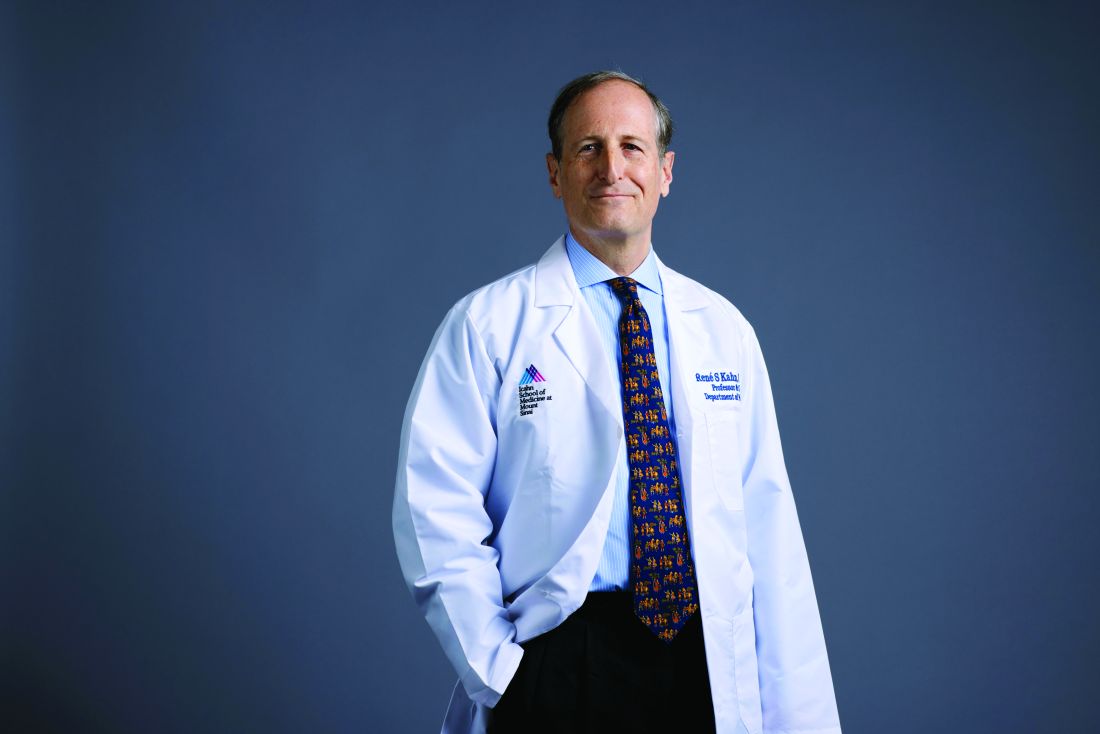
Dr. Kahn, who was not involved in the research, said “we’ve all seen” drugs that were extremely promising in phase 2 trials that have then failed in phase 3 trials. he added.
“Obviously I hope it’s going to work out, because we are in desperate need of new drugs, especially with a new mechanism of action and not ‘me too’ drugs. And this definitely not a ‘me too’ drug,” Dr. Kahn said. However, “we’ll have to wait.”
He noted that psychosis is often the primary focus of schizophrenia management. However, he added, cognitive and negative symptoms are also “very relevant” to the disorder.
“In fact, both of them may be more important in determining the long-term outcome of schizophrenia than psychosis, [and] most of the antipsychotics that we currently have are not very effective against negative symptoms,” he said.
“So it would really be a breakthrough if we have a drug that is really effective not only against positive psychotic symptoms, but also against negative and possibly cognitive, symptoms,” Dr. Kahn added.
Commenting on the drug’s safety, Dr. Kahn said there is a need for head-to-head studies of active drugs before any firm conclusions can be drawn.
However, he noted the exploratory analysis suggests it has a different side effect profile, compared with other medications on the market.
The study was supported by Sunovion Pharmaceuticals. Dr. Koblan and his coinvestigators are employees of Sunovion.
A version of this article first appeared on Medscape.com.
The novel antipsychotic agent SEP-363856 (Sunovion Pharmaceuticals) has a significant and ongoing effect on negative symptoms in patients with schizophrenia, new research shows.
Results of a phase 2, placebo-controlled trial show SEP-363856 significantly decreased total scores on the Brief Negative Symptom Scale (BNSS), and lowered subscale scores for such symptoms as alogia and asociality, compared with placebo.
The active-treatment group also showed significantly lower scores on the negative subscale of the Positive and Negative Syndrome Scale (PANSS). During an open-label extension of the study, both BNSS total scores and PANSS negative symptom scores continued to decrease.
Overall, the results “provide further confirmation of the effectiveness of SEP-363856 in treating schizophrenia,” study investigator Kenneth Koblan, PhD, of Sunovion said in an interview.
He added that the compound also showed “a favorable safety and tolerability profile that is differentiated from first and second generation antipsychotics, and which is consistent with the absence of D2-receptor binding.”
The findings were presented at the 2021 annual congress of the Schizophrenia International Research Society.
FDA breakthrough designation
SEP-363856 has a completely different mechanism of action from currently available antipsychotics.
In May 2019, it was granted breakthrough therapy designation by the Food and Drug Administration as a novel treatment for patients with schizophrenia.
Phase 2 data published in the New England Journal of Medicine in 2020 showed it achieved significant and clinically meaningful improvements in PANSS total scores after 4 weeks in patients hospitalized with an acute exacerbation of schizophrenia. It also showed durable effects out to 26 weeks.
In the current analysis, the investigators focused on negative symptoms, both in the initial acute treatment phase and an open-label extension.
They analyzed data from the previous phase 2 trial using a validated Uncorrelated PANSS Score Matrix (UPSM) transformation of the PANSS to isolate the effects of the drug on apathy/avolition and deficit of expression. They also used the BNSS.
Patients aged 18-40 years with an acute exacerbation of schizophrenia were randomly assigned to receive either 50 mg or 75 mg of SEP-363856 per day (n = 120) or matching placebo (n = 125) for 4 weeks. Completers were eligible for enrollment in a 26-week phase 2 extension study of 25 mg, 50 mg, or 75 mg of SEP-363856 per day.
The mean age of the participants was 30 years, and 64% were men. The treatment groups were balanced in terms of demographics.
Significant improvement
The BNSS total score decreased significantly with SEP-363856 over placebo during the 4-week acute treatment period, at a mean reduction of 7.1 versus 2.7, or an effect size of 0.48 (P < .001).
Scores on the PANSS negative subscale also decreased significantly with the active drugs, with an effect size of 0.37 versus placebo (P < .05), as did scores on the UPSM apathy/avolition and deficit of expression subscales (effect size, 0.32; P < .05 for both).
In addition, there were significant reductions with SEP-363856 over placebo for the BNSS alogia, asociality, anhedonia, avolition, and blunted-affect subscales (P < .05 for all comparisons) but not for the distress subscale.
During the open-label extension, mean BNSS total scores continued to decrease for the SEP-363856 group, at an average reduction versus extension enrollment across the whole cohort of 11.3.
PANSS negative symptom scores also decreased by an average of 5.2 points, while UPSM apathy/volition scores decreased by 0.4 points on average. UPSM deficit expression scores decreased by 0.5 points.
When the researchers restricted the analysis to those who received SEP-363856 during the acute treatment phase and then continued using the drug during the open-label extension, they found BNSS total scores decreased by an additional 8 points.
Similarly, PANSS negative symptom scores decreased during the open-label extension by an average of 4 points. For UPSM apathy/avolition and deficit of expression, the additional decrease was 0.3 points on average.
In addition, an analysis of the drug’s safety and tolerability showed that, compared with the commonly prescribed antipsychotic lurasidone, it had a significantly lower risk of adverse effects. In addition, the drug was not associated with extrapyramidal symptoms and had no adverse cardiometabolic effects, Dr. Koblan reported.
Still in development
Commenting on the findings, René S. Kahn, MD, PhD, chair of the department of psychiatry, Icahn School of Medicine at Mount Sinai, New York, noted that, although the results showed that the drug had a “nice effect” on negative symptoms, it’s still in development.
Dr. Kahn, who was not involved in the research, said “we’ve all seen” drugs that were extremely promising in phase 2 trials that have then failed in phase 3 trials. he added.
“Obviously I hope it’s going to work out, because we are in desperate need of new drugs, especially with a new mechanism of action and not ‘me too’ drugs. And this definitely not a ‘me too’ drug,” Dr. Kahn said. However, “we’ll have to wait.”
He noted that psychosis is often the primary focus of schizophrenia management. However, he added, cognitive and negative symptoms are also “very relevant” to the disorder.
“In fact, both of them may be more important in determining the long-term outcome of schizophrenia than psychosis, [and] most of the antipsychotics that we currently have are not very effective against negative symptoms,” he said.
“So it would really be a breakthrough if we have a drug that is really effective not only against positive psychotic symptoms, but also against negative and possibly cognitive, symptoms,” Dr. Kahn added.
Commenting on the drug’s safety, Dr. Kahn said there is a need for head-to-head studies of active drugs before any firm conclusions can be drawn.
However, he noted the exploratory analysis suggests it has a different side effect profile, compared with other medications on the market.
The study was supported by Sunovion Pharmaceuticals. Dr. Koblan and his coinvestigators are employees of Sunovion.
A version of this article first appeared on Medscape.com.
The novel antipsychotic agent SEP-363856 (Sunovion Pharmaceuticals) has a significant and ongoing effect on negative symptoms in patients with schizophrenia, new research shows.
Results of a phase 2, placebo-controlled trial show SEP-363856 significantly decreased total scores on the Brief Negative Symptom Scale (BNSS), and lowered subscale scores for such symptoms as alogia and asociality, compared with placebo.
The active-treatment group also showed significantly lower scores on the negative subscale of the Positive and Negative Syndrome Scale (PANSS). During an open-label extension of the study, both BNSS total scores and PANSS negative symptom scores continued to decrease.
Overall, the results “provide further confirmation of the effectiveness of SEP-363856 in treating schizophrenia,” study investigator Kenneth Koblan, PhD, of Sunovion said in an interview.
He added that the compound also showed “a favorable safety and tolerability profile that is differentiated from first and second generation antipsychotics, and which is consistent with the absence of D2-receptor binding.”
The findings were presented at the 2021 annual congress of the Schizophrenia International Research Society.
FDA breakthrough designation
SEP-363856 has a completely different mechanism of action from currently available antipsychotics.
In May 2019, it was granted breakthrough therapy designation by the Food and Drug Administration as a novel treatment for patients with schizophrenia.
Phase 2 data published in the New England Journal of Medicine in 2020 showed it achieved significant and clinically meaningful improvements in PANSS total scores after 4 weeks in patients hospitalized with an acute exacerbation of schizophrenia. It also showed durable effects out to 26 weeks.
In the current analysis, the investigators focused on negative symptoms, both in the initial acute treatment phase and an open-label extension.
They analyzed data from the previous phase 2 trial using a validated Uncorrelated PANSS Score Matrix (UPSM) transformation of the PANSS to isolate the effects of the drug on apathy/avolition and deficit of expression. They also used the BNSS.
Patients aged 18-40 years with an acute exacerbation of schizophrenia were randomly assigned to receive either 50 mg or 75 mg of SEP-363856 per day (n = 120) or matching placebo (n = 125) for 4 weeks. Completers were eligible for enrollment in a 26-week phase 2 extension study of 25 mg, 50 mg, or 75 mg of SEP-363856 per day.
The mean age of the participants was 30 years, and 64% were men. The treatment groups were balanced in terms of demographics.
Significant improvement
The BNSS total score decreased significantly with SEP-363856 over placebo during the 4-week acute treatment period, at a mean reduction of 7.1 versus 2.7, or an effect size of 0.48 (P < .001).
Scores on the PANSS negative subscale also decreased significantly with the active drugs, with an effect size of 0.37 versus placebo (P < .05), as did scores on the UPSM apathy/avolition and deficit of expression subscales (effect size, 0.32; P < .05 for both).
In addition, there were significant reductions with SEP-363856 over placebo for the BNSS alogia, asociality, anhedonia, avolition, and blunted-affect subscales (P < .05 for all comparisons) but not for the distress subscale.
During the open-label extension, mean BNSS total scores continued to decrease for the SEP-363856 group, at an average reduction versus extension enrollment across the whole cohort of 11.3.
PANSS negative symptom scores also decreased by an average of 5.2 points, while UPSM apathy/volition scores decreased by 0.4 points on average. UPSM deficit expression scores decreased by 0.5 points.
When the researchers restricted the analysis to those who received SEP-363856 during the acute treatment phase and then continued using the drug during the open-label extension, they found BNSS total scores decreased by an additional 8 points.
Similarly, PANSS negative symptom scores decreased during the open-label extension by an average of 4 points. For UPSM apathy/avolition and deficit of expression, the additional decrease was 0.3 points on average.
In addition, an analysis of the drug’s safety and tolerability showed that, compared with the commonly prescribed antipsychotic lurasidone, it had a significantly lower risk of adverse effects. In addition, the drug was not associated with extrapyramidal symptoms and had no adverse cardiometabolic effects, Dr. Koblan reported.
Still in development
Commenting on the findings, René S. Kahn, MD, PhD, chair of the department of psychiatry, Icahn School of Medicine at Mount Sinai, New York, noted that, although the results showed that the drug had a “nice effect” on negative symptoms, it’s still in development.
Dr. Kahn, who was not involved in the research, said “we’ve all seen” drugs that were extremely promising in phase 2 trials that have then failed in phase 3 trials. he added.
“Obviously I hope it’s going to work out, because we are in desperate need of new drugs, especially with a new mechanism of action and not ‘me too’ drugs. And this definitely not a ‘me too’ drug,” Dr. Kahn said. However, “we’ll have to wait.”
He noted that psychosis is often the primary focus of schizophrenia management. However, he added, cognitive and negative symptoms are also “very relevant” to the disorder.
“In fact, both of them may be more important in determining the long-term outcome of schizophrenia than psychosis, [and] most of the antipsychotics that we currently have are not very effective against negative symptoms,” he said.
“So it would really be a breakthrough if we have a drug that is really effective not only against positive psychotic symptoms, but also against negative and possibly cognitive, symptoms,” Dr. Kahn added.
Commenting on the drug’s safety, Dr. Kahn said there is a need for head-to-head studies of active drugs before any firm conclusions can be drawn.
However, he noted the exploratory analysis suggests it has a different side effect profile, compared with other medications on the market.
The study was supported by Sunovion Pharmaceuticals. Dr. Koblan and his coinvestigators are employees of Sunovion.
A version of this article first appeared on Medscape.com.
TNF inhibitors linked to threefold increased risk of psoriasis in JIA patients
Children with juvenile idiopathic arthritis (JIA) have nearly triple the risk of developing psoriasis after they begin therapy with tumor necrosis factor (TNF) inhibitors, according to preliminary research shared at the annual meeting of the Childhood Arthritis and Rheumatology Research Alliance (CARRA).

Previous retrospective research at the Children’s Hospital of Philadelphia had found similar results, so the goal of this study was to look at prospectively collected data from the CARRA registry that represented a broader patient population than that of a single institution, lead author Yongdong (Dan) Zhao, MD, PhD, assistant professor of rheumatology at the University of Washington, Seattle, and pediatric rheumatologist at Seattle Children’s Hospital, said in an interview.
“The take-home message is that we confirmed this finding, and everyone who prescribed this should be aware [of the risk] and also make the family aware because often the family just thinks this is eczema and they self-manage without reporting it to the physician,” Dr. Zhao said. He advised that physicians look for evidence of psoriasis at visits and, depending on the severity, be prepared with a management plan if needed.
The researchers analyzed data from patients with JIA enrolled in the CARRA registry during June 2015–January 2020. They excluded patients with a diagnosis of inflammatory bowel disease, psoriasis at or before their JIA diagnosis, or missing data regarding the timing of psoriasis diagnosis or starting TNF inhibitors.
Among 8,222 children (29% of whom were male), just over half (54%) had ever used TNF inhibitors. Most of the patients (76%) were White, and their average age at the time of JIA diagnosis was 7 years. Compared to those with no exposure to the drugs, patients who had ever been prescribed a TNF inhibitor were three times more likely to receive a diagnosis of psoriasis afterward (unadjusted hazard ratio [HR] = 3.01; P < .01). The risk dropped only slightly (HR = 2.93; P < .01) after adjustment for gender, race, family history of psoriasis, initial International League of Associations for Rheumatology classification category, and ever having taken methotrexate.
Overall median follow-up time for the cohort was 46.7 months. The overall incidence of psoriasis in the cohort was 5.28 cases per 1,000 person-years, which split into 3.24 cases for those never exposed to TNF inhibitors and 8.49 for those ever exposed. The incidence was similar (8.31 cases per 1,000 person-years) after only the first course of TNF inhibitors.
The risk appeared greatest for adalimumab, with an incidence of 12.2 cases per 1,000 person-years after a first course in TNF inhibitor-naive patients, compared to etanercept (6.31 cases) and infliximab (9.04 cases), which did not reach statistical significance. Incidence for cumulative exposure was greater for adalimumab: 13.17 cases per 1,000 person-years, compared to 5.19 cases for etanercept and 8.77 cases for infliximab.
TNF inhibitors are first-line biologic treatment for JIA and have a longer track record for safety and effectiveness than that of newer drugs, Dr. Zhao said. They’re also commonly used for children with psoriasis, said Pamela Weiss, MD, associate professor of pediatrics and epidemiology, at the University of Pennsylvania, Philadelphia, and clinical research director of rheumatology at Children’s Hospital of Philadelphia. She was not involved in the study.

“TNF inhibitors are an incredibly useful class of medications for children with arthritis, including psoriatic arthritis,” Dr. Weiss said in an interview. “I don’t think these findings impact the risk-benefit profile of TNF inhibitors as paradoxical psoriasis is a known side effect of the medication and something most of us already counsel our families and patients about before starting a TNF inhibitor medication.”
Dr. Zhao likewise did not think the findings changed these drugs’ benefit-risk profile as long as people are aware of it. If the psoriasis is mild, he said, it’s often possible to continue the TNF inhibitor therapy along with a topical medication for the psoriasis, “but if it’s really severe, or by patient preference, you may have to switch to a different TNF inhibitor or stop it,” he said. Occasionally, he has added an additional biologic to treat the psoriasis because the underlying JIA disease in the patient couldn’t be controlled without the TNF inhibitor.
Dr. Weiss similarly said that management will depend on the severity and on shared decision-making between the physician, patient, and family.
“If it’s a small area, it can often be managed with topical corticosteroids,” Dr. Weiss said. “If it involves a large area of the body or severely affects the scalp, then stopping the TNF inhibitor therapy and starting another therapy that targets a different pathway might be considered.”
The research was funded by CARRA. Dr. Zhao has received research funding from Bristol-Myers Squibb and has consulted for Novartis. Dr. Weiss has received consulting fees from Pfizer and Lilly.
Children with juvenile idiopathic arthritis (JIA) have nearly triple the risk of developing psoriasis after they begin therapy with tumor necrosis factor (TNF) inhibitors, according to preliminary research shared at the annual meeting of the Childhood Arthritis and Rheumatology Research Alliance (CARRA).
Previous retrospective research at the Children’s Hospital of Philadelphia had found similar results, so the goal of this study was to look at prospectively collected data from the CARRA registry that represented a broader patient population than that of a single institution, lead author Yongdong (Dan) Zhao, MD, PhD, assistant professor of rheumatology at the University of Washington, Seattle, and pediatric rheumatologist at Seattle Children’s Hospital, said in an interview.
“The take-home message is that we confirmed this finding, and everyone who prescribed this should be aware [of the risk] and also make the family aware because often the family just thinks this is eczema and they self-manage without reporting it to the physician,” Dr. Zhao said. He advised that physicians look for evidence of psoriasis at visits and, depending on the severity, be prepared with a management plan if needed.
The researchers analyzed data from patients with JIA enrolled in the CARRA registry during June 2015–January 2020. They excluded patients with a diagnosis of inflammatory bowel disease, psoriasis at or before their JIA diagnosis, or missing data regarding the timing of psoriasis diagnosis or starting TNF inhibitors.
Among 8,222 children (29% of whom were male), just over half (54%) had ever used TNF inhibitors. Most of the patients (76%) were White, and their average age at the time of JIA diagnosis was 7 years. Compared to those with no exposure to the drugs, patients who had ever been prescribed a TNF inhibitor were three times more likely to receive a diagnosis of psoriasis afterward (unadjusted hazard ratio [HR] = 3.01; P < .01). The risk dropped only slightly (HR = 2.93; P < .01) after adjustment for gender, race, family history of psoriasis, initial International League of Associations for Rheumatology classification category, and ever having taken methotrexate.
Overall median follow-up time for the cohort was 46.7 months. The overall incidence of psoriasis in the cohort was 5.28 cases per 1,000 person-years, which split into 3.24 cases for those never exposed to TNF inhibitors and 8.49 for those ever exposed. The incidence was similar (8.31 cases per 1,000 person-years) after only the first course of TNF inhibitors.
The risk appeared greatest for adalimumab, with an incidence of 12.2 cases per 1,000 person-years after a first course in TNF inhibitor-naive patients, compared to etanercept (6.31 cases) and infliximab (9.04 cases), which did not reach statistical significance. Incidence for cumulative exposure was greater for adalimumab: 13.17 cases per 1,000 person-years, compared to 5.19 cases for etanercept and 8.77 cases for infliximab.
TNF inhibitors are first-line biologic treatment for JIA and have a longer track record for safety and effectiveness than that of newer drugs, Dr. Zhao said. They’re also commonly used for children with psoriasis, said Pamela Weiss, MD, associate professor of pediatrics and epidemiology, at the University of Pennsylvania, Philadelphia, and clinical research director of rheumatology at Children’s Hospital of Philadelphia. She was not involved in the study.
“TNF inhibitors are an incredibly useful class of medications for children with arthritis, including psoriatic arthritis,” Dr. Weiss said in an interview. “I don’t think these findings impact the risk-benefit profile of TNF inhibitors as paradoxical psoriasis is a known side effect of the medication and something most of us already counsel our families and patients about before starting a TNF inhibitor medication.”
Dr. Zhao likewise did not think the findings changed these drugs’ benefit-risk profile as long as people are aware of it. If the psoriasis is mild, he said, it’s often possible to continue the TNF inhibitor therapy along with a topical medication for the psoriasis, “but if it’s really severe, or by patient preference, you may have to switch to a different TNF inhibitor or stop it,” he said. Occasionally, he has added an additional biologic to treat the psoriasis because the underlying JIA disease in the patient couldn’t be controlled without the TNF inhibitor.
Dr. Weiss similarly said that management will depend on the severity and on shared decision-making between the physician, patient, and family.
“If it’s a small area, it can often be managed with topical corticosteroids,” Dr. Weiss said. “If it involves a large area of the body or severely affects the scalp, then stopping the TNF inhibitor therapy and starting another therapy that targets a different pathway might be considered.”
The research was funded by CARRA. Dr. Zhao has received research funding from Bristol-Myers Squibb and has consulted for Novartis. Dr. Weiss has received consulting fees from Pfizer and Lilly.
Children with juvenile idiopathic arthritis (JIA) have nearly triple the risk of developing psoriasis after they begin therapy with tumor necrosis factor (TNF) inhibitors, according to preliminary research shared at the annual meeting of the Childhood Arthritis and Rheumatology Research Alliance (CARRA).
Previous retrospective research at the Children’s Hospital of Philadelphia had found similar results, so the goal of this study was to look at prospectively collected data from the CARRA registry that represented a broader patient population than that of a single institution, lead author Yongdong (Dan) Zhao, MD, PhD, assistant professor of rheumatology at the University of Washington, Seattle, and pediatric rheumatologist at Seattle Children’s Hospital, said in an interview.
“The take-home message is that we confirmed this finding, and everyone who prescribed this should be aware [of the risk] and also make the family aware because often the family just thinks this is eczema and they self-manage without reporting it to the physician,” Dr. Zhao said. He advised that physicians look for evidence of psoriasis at visits and, depending on the severity, be prepared with a management plan if needed.
The researchers analyzed data from patients with JIA enrolled in the CARRA registry during June 2015–January 2020. They excluded patients with a diagnosis of inflammatory bowel disease, psoriasis at or before their JIA diagnosis, or missing data regarding the timing of psoriasis diagnosis or starting TNF inhibitors.
Among 8,222 children (29% of whom were male), just over half (54%) had ever used TNF inhibitors. Most of the patients (76%) were White, and their average age at the time of JIA diagnosis was 7 years. Compared to those with no exposure to the drugs, patients who had ever been prescribed a TNF inhibitor were three times more likely to receive a diagnosis of psoriasis afterward (unadjusted hazard ratio [HR] = 3.01; P < .01). The risk dropped only slightly (HR = 2.93; P < .01) after adjustment for gender, race, family history of psoriasis, initial International League of Associations for Rheumatology classification category, and ever having taken methotrexate.
Overall median follow-up time for the cohort was 46.7 months. The overall incidence of psoriasis in the cohort was 5.28 cases per 1,000 person-years, which split into 3.24 cases for those never exposed to TNF inhibitors and 8.49 for those ever exposed. The incidence was similar (8.31 cases per 1,000 person-years) after only the first course of TNF inhibitors.
The risk appeared greatest for adalimumab, with an incidence of 12.2 cases per 1,000 person-years after a first course in TNF inhibitor-naive patients, compared to etanercept (6.31 cases) and infliximab (9.04 cases), which did not reach statistical significance. Incidence for cumulative exposure was greater for adalimumab: 13.17 cases per 1,000 person-years, compared to 5.19 cases for etanercept and 8.77 cases for infliximab.
TNF inhibitors are first-line biologic treatment for JIA and have a longer track record for safety and effectiveness than that of newer drugs, Dr. Zhao said. They’re also commonly used for children with psoriasis, said Pamela Weiss, MD, associate professor of pediatrics and epidemiology, at the University of Pennsylvania, Philadelphia, and clinical research director of rheumatology at Children’s Hospital of Philadelphia. She was not involved in the study.
“TNF inhibitors are an incredibly useful class of medications for children with arthritis, including psoriatic arthritis,” Dr. Weiss said in an interview. “I don’t think these findings impact the risk-benefit profile of TNF inhibitors as paradoxical psoriasis is a known side effect of the medication and something most of us already counsel our families and patients about before starting a TNF inhibitor medication.”
Dr. Zhao likewise did not think the findings changed these drugs’ benefit-risk profile as long as people are aware of it. If the psoriasis is mild, he said, it’s often possible to continue the TNF inhibitor therapy along with a topical medication for the psoriasis, “but if it’s really severe, or by patient preference, you may have to switch to a different TNF inhibitor or stop it,” he said. Occasionally, he has added an additional biologic to treat the psoriasis because the underlying JIA disease in the patient couldn’t be controlled without the TNF inhibitor.
Dr. Weiss similarly said that management will depend on the severity and on shared decision-making between the physician, patient, and family.
“If it’s a small area, it can often be managed with topical corticosteroids,” Dr. Weiss said. “If it involves a large area of the body or severely affects the scalp, then stopping the TNF inhibitor therapy and starting another therapy that targets a different pathway might be considered.”
The research was funded by CARRA. Dr. Zhao has received research funding from Bristol-Myers Squibb and has consulted for Novartis. Dr. Weiss has received consulting fees from Pfizer and Lilly.
FROM CARRA 2021
Some MS treatments may heighten COVID risk
, according to a new analysis of an Italian cohort of patients with MS. The study confirmed that steroid exposure in the month before COVID-19 symptom onset is tied to more severe disease, and anti-CD20 therapy poses similar risks. But the researchers noted that interferon and possibly teriflunomide were associated with a protective effect in the multivariate analysis.

Maria Pia Sormani, PhD, who is a professor of biostatistics at the University of Genoa, presented the study at the 2021 annual meeting of the American Academy of Neurology.
The results confirm some previous analyses, and add to the body of evidence clinicians rely on, according to Jiwon Oh, MD, PhD, who moderated the session. “These data about the risk with the anti-CD20 therapies have been around for a while, but it seems that risk is pretty apparent, with this registry and other registries around the world. It affects counseling to patients on anti-CD20 therapies. We would counsel them to be cautious, obviously, follow public health precautions, but maybe be even more cautious. It affects our recommendations about the urgency of vaccination in these folks, how high priority they should be,” Dr. Oh said in an interview. She is the clinical director of the Barlo MS Center at St. Michael’s Unity Health in Toronto.
The analysis also hinted at complexities within demographics that might help explain some of the differing outcomes of infections. “We have learned that the course of the viral infection per se may not be the cause of severe outcomes, but the exaggerated inflammatory response to the virus is mainly responsible for intubations and deaths. The hypothesis we are investigating is whether anti-CD20 therapies can cause a more severe viral infection (that is something already known for other viral infections) but do not play a crucial role in causing the explosion of the inflammatory process,” said Dr. Sormani in an email.
The group plans to look at the risk of anti-CD20 therapies in different age groups, “to try to understand the underlying mechanism through which anti-CD20 increases the risk of more severe outcome,” she said.
Dr. Sormani presented an analysis of 3,274 patients with MS who contracted COVID-19 in Italy. The mean age was 44, the median Expanded Disability Status Scale (EDSS) score was 2, Among the study cohort, 68.6% were female; 14% had progressive MS and 26 patients died. Patients who died had a mean age of 63, 48% were female, 73% had progressive MS, and 50% were not on any DMT.
The researchers used ordinal logistic regression that “orders” outcome on a severity scale of 0 (mild disease, no pneumonia or hospitalization), 1 (pneumonia or hospitalization, n = 184), or 2 (ICU admission or death, n = 36). They calculated the odds ratio of moving from 0 to 1, or 1 to 2, and carried the assumption that the risk is the same. For example, an odds ratio of 2 for males versus females would mean that males are twice as likely to be hospitalized and twice as likely to go from being hospitalized to going to the ICU or dying.
The researchers found that older age, male sex, and comorbidities increase risk of worse COVID-19 outcomes. Exposure to methylprednisolone 1 month before COVID-19 symptom onset carried an increased risk (OR, 2.33; P = .03). Compared with no therapy, receiving interferon was associated with lower risk (OR, 0.34; P = .009) and teriflunomide trended towards an association with better outcomes (OR, 0.49; P = .054). Anti-CD20 treatment (ocrelizumab or rituximab) was linked to worse outcomes (OR, 1.89; P = .012) overall, which held up when ocrelizumab (OR, 1.71; P = .04) and rituximab (OR, 2.77; P = .03) were considered separately.
To understand why the risk of ocrelizumab might be lower, the researchers examined risk by duration of anti-CD20 treatment, and found that risk increased with increased duration of treatment, with the lowest risk at treatment duration less than 6 months (OR, 1.56; 95% CI, 0.65-3.77; not significant), followed by 6 months to 1 year (OR, 1.68; 95% CI, 0.69-4.03; P < .001), 1-2 years (OR, 1.74; 95% CI, 0.83-3.64; trend), and the highest risk at more than 2 years (OR, 2.75; 95% CI, 1.28-5.88).
Dr. Sormani suggested that the greater risk associated with rituximab may be because of a tendency towards longer treatment length, since patients treated with rituximab were more often treated for greater lengths of time; 11% had been treated for 6 months or less (vs. 24% of ocrelizumab patients); 26%, 6-12 months (vs. 18% ocrelizumab); 19%, 1-2 years (vs. 37% ocrelizumab); and 44%, 2 years or longer (vs. 21% ocrelizumab).
Dr. Sormani has received consulting fees from Biogen, GeNeuro, Genzyme, MedDay, Merck KGaA, Novartis, Roche, and Immunic. The platform for data collection was donated by Merck. Dr. Oh has consulted for Roche, Celgene, Biogen-Idec, EMD-Serono, Sanofi-Genzyme, Novartis, Alexion. She has been on a scientific advisory or data safety monitoring board for Roche, Biogen-Idec, and Sanofi-Genzyme.
, according to a new analysis of an Italian cohort of patients with MS. The study confirmed that steroid exposure in the month before COVID-19 symptom onset is tied to more severe disease, and anti-CD20 therapy poses similar risks. But the researchers noted that interferon and possibly teriflunomide were associated with a protective effect in the multivariate analysis.
Maria Pia Sormani, PhD, who is a professor of biostatistics at the University of Genoa, presented the study at the 2021 annual meeting of the American Academy of Neurology.
The results confirm some previous analyses, and add to the body of evidence clinicians rely on, according to Jiwon Oh, MD, PhD, who moderated the session. “These data about the risk with the anti-CD20 therapies have been around for a while, but it seems that risk is pretty apparent, with this registry and other registries around the world. It affects counseling to patients on anti-CD20 therapies. We would counsel them to be cautious, obviously, follow public health precautions, but maybe be even more cautious. It affects our recommendations about the urgency of vaccination in these folks, how high priority they should be,” Dr. Oh said in an interview. She is the clinical director of the Barlo MS Center at St. Michael’s Unity Health in Toronto.
The analysis also hinted at complexities within demographics that might help explain some of the differing outcomes of infections. “We have learned that the course of the viral infection per se may not be the cause of severe outcomes, but the exaggerated inflammatory response to the virus is mainly responsible for intubations and deaths. The hypothesis we are investigating is whether anti-CD20 therapies can cause a more severe viral infection (that is something already known for other viral infections) but do not play a crucial role in causing the explosion of the inflammatory process,” said Dr. Sormani in an email.
The group plans to look at the risk of anti-CD20 therapies in different age groups, “to try to understand the underlying mechanism through which anti-CD20 increases the risk of more severe outcome,” she said.
Dr. Sormani presented an analysis of 3,274 patients with MS who contracted COVID-19 in Italy. The mean age was 44, the median Expanded Disability Status Scale (EDSS) score was 2, Among the study cohort, 68.6% were female; 14% had progressive MS and 26 patients died. Patients who died had a mean age of 63, 48% were female, 73% had progressive MS, and 50% were not on any DMT.
The researchers used ordinal logistic regression that “orders” outcome on a severity scale of 0 (mild disease, no pneumonia or hospitalization), 1 (pneumonia or hospitalization, n = 184), or 2 (ICU admission or death, n = 36). They calculated the odds ratio of moving from 0 to 1, or 1 to 2, and carried the assumption that the risk is the same. For example, an odds ratio of 2 for males versus females would mean that males are twice as likely to be hospitalized and twice as likely to go from being hospitalized to going to the ICU or dying.
The researchers found that older age, male sex, and comorbidities increase risk of worse COVID-19 outcomes. Exposure to methylprednisolone 1 month before COVID-19 symptom onset carried an increased risk (OR, 2.33; P = .03). Compared with no therapy, receiving interferon was associated with lower risk (OR, 0.34; P = .009) and teriflunomide trended towards an association with better outcomes (OR, 0.49; P = .054). Anti-CD20 treatment (ocrelizumab or rituximab) was linked to worse outcomes (OR, 1.89; P = .012) overall, which held up when ocrelizumab (OR, 1.71; P = .04) and rituximab (OR, 2.77; P = .03) were considered separately.
To understand why the risk of ocrelizumab might be lower, the researchers examined risk by duration of anti-CD20 treatment, and found that risk increased with increased duration of treatment, with the lowest risk at treatment duration less than 6 months (OR, 1.56; 95% CI, 0.65-3.77; not significant), followed by 6 months to 1 year (OR, 1.68; 95% CI, 0.69-4.03; P < .001), 1-2 years (OR, 1.74; 95% CI, 0.83-3.64; trend), and the highest risk at more than 2 years (OR, 2.75; 95% CI, 1.28-5.88).
Dr. Sormani suggested that the greater risk associated with rituximab may be because of a tendency towards longer treatment length, since patients treated with rituximab were more often treated for greater lengths of time; 11% had been treated for 6 months or less (vs. 24% of ocrelizumab patients); 26%, 6-12 months (vs. 18% ocrelizumab); 19%, 1-2 years (vs. 37% ocrelizumab); and 44%, 2 years or longer (vs. 21% ocrelizumab).
Dr. Sormani has received consulting fees from Biogen, GeNeuro, Genzyme, MedDay, Merck KGaA, Novartis, Roche, and Immunic. The platform for data collection was donated by Merck. Dr. Oh has consulted for Roche, Celgene, Biogen-Idec, EMD-Serono, Sanofi-Genzyme, Novartis, Alexion. She has been on a scientific advisory or data safety monitoring board for Roche, Biogen-Idec, and Sanofi-Genzyme.
, according to a new analysis of an Italian cohort of patients with MS. The study confirmed that steroid exposure in the month before COVID-19 symptom onset is tied to more severe disease, and anti-CD20 therapy poses similar risks. But the researchers noted that interferon and possibly teriflunomide were associated with a protective effect in the multivariate analysis.
Maria Pia Sormani, PhD, who is a professor of biostatistics at the University of Genoa, presented the study at the 2021 annual meeting of the American Academy of Neurology.
The results confirm some previous analyses, and add to the body of evidence clinicians rely on, according to Jiwon Oh, MD, PhD, who moderated the session. “These data about the risk with the anti-CD20 therapies have been around for a while, but it seems that risk is pretty apparent, with this registry and other registries around the world. It affects counseling to patients on anti-CD20 therapies. We would counsel them to be cautious, obviously, follow public health precautions, but maybe be even more cautious. It affects our recommendations about the urgency of vaccination in these folks, how high priority they should be,” Dr. Oh said in an interview. She is the clinical director of the Barlo MS Center at St. Michael’s Unity Health in Toronto.
The analysis also hinted at complexities within demographics that might help explain some of the differing outcomes of infections. “We have learned that the course of the viral infection per se may not be the cause of severe outcomes, but the exaggerated inflammatory response to the virus is mainly responsible for intubations and deaths. The hypothesis we are investigating is whether anti-CD20 therapies can cause a more severe viral infection (that is something already known for other viral infections) but do not play a crucial role in causing the explosion of the inflammatory process,” said Dr. Sormani in an email.
The group plans to look at the risk of anti-CD20 therapies in different age groups, “to try to understand the underlying mechanism through which anti-CD20 increases the risk of more severe outcome,” she said.
Dr. Sormani presented an analysis of 3,274 patients with MS who contracted COVID-19 in Italy. The mean age was 44, the median Expanded Disability Status Scale (EDSS) score was 2, Among the study cohort, 68.6% were female; 14% had progressive MS and 26 patients died. Patients who died had a mean age of 63, 48% were female, 73% had progressive MS, and 50% were not on any DMT.
The researchers used ordinal logistic regression that “orders” outcome on a severity scale of 0 (mild disease, no pneumonia or hospitalization), 1 (pneumonia or hospitalization, n = 184), or 2 (ICU admission or death, n = 36). They calculated the odds ratio of moving from 0 to 1, or 1 to 2, and carried the assumption that the risk is the same. For example, an odds ratio of 2 for males versus females would mean that males are twice as likely to be hospitalized and twice as likely to go from being hospitalized to going to the ICU or dying.
The researchers found that older age, male sex, and comorbidities increase risk of worse COVID-19 outcomes. Exposure to methylprednisolone 1 month before COVID-19 symptom onset carried an increased risk (OR, 2.33; P = .03). Compared with no therapy, receiving interferon was associated with lower risk (OR, 0.34; P = .009) and teriflunomide trended towards an association with better outcomes (OR, 0.49; P = .054). Anti-CD20 treatment (ocrelizumab or rituximab) was linked to worse outcomes (OR, 1.89; P = .012) overall, which held up when ocrelizumab (OR, 1.71; P = .04) and rituximab (OR, 2.77; P = .03) were considered separately.
To understand why the risk of ocrelizumab might be lower, the researchers examined risk by duration of anti-CD20 treatment, and found that risk increased with increased duration of treatment, with the lowest risk at treatment duration less than 6 months (OR, 1.56; 95% CI, 0.65-3.77; not significant), followed by 6 months to 1 year (OR, 1.68; 95% CI, 0.69-4.03; P < .001), 1-2 years (OR, 1.74; 95% CI, 0.83-3.64; trend), and the highest risk at more than 2 years (OR, 2.75; 95% CI, 1.28-5.88).
Dr. Sormani suggested that the greater risk associated with rituximab may be because of a tendency towards longer treatment length, since patients treated with rituximab were more often treated for greater lengths of time; 11% had been treated for 6 months or less (vs. 24% of ocrelizumab patients); 26%, 6-12 months (vs. 18% ocrelizumab); 19%, 1-2 years (vs. 37% ocrelizumab); and 44%, 2 years or longer (vs. 21% ocrelizumab).
Dr. Sormani has received consulting fees from Biogen, GeNeuro, Genzyme, MedDay, Merck KGaA, Novartis, Roche, and Immunic. The platform for data collection was donated by Merck. Dr. Oh has consulted for Roche, Celgene, Biogen-Idec, EMD-Serono, Sanofi-Genzyme, Novartis, Alexion. She has been on a scientific advisory or data safety monitoring board for Roche, Biogen-Idec, and Sanofi-Genzyme.
FROM AAN 2021

VNS plus rehab is a powerful poststroke combination
according to preliminary results of a randomized clinical trial at the 2021 annual meeting of the American Academy of Neurology.
“We believe that vagus nerve stimulation combined with rehabilitation is an acceptable and effective intervention for improving upper-limb impairment and function in people with moderate to severe arm weakness a long time VNS-REHAB pivotal study is a randomized, blinded, controlled trial of 108 people who had upper-extremity weakness after having a stroke at least 9 months before enrollment. The average for the group was 3 years post stroke after ischemic stroke,” said Jesse Dawson, MD, a professor at the University of Glasgow.
The Fifty-three patients were assigned active VNS followed by 6 weeks of in-clinic rehabilitation and then 90 days of home-based rehab. At in-clinic rehab, the therapist initiated a 5-second burst of VNS stimulation during each movement. In home-base treatment, the device was activated by a magnet.
Fifty-five patients were assigned sham VNS. After 90 days, the sham group crossed over to receive VNS for 6 weeks and then 90 days of home exercise. This crossover group was the focus of the data Dr. Dawson presented at AAN 2021. The overall trial results have been published in the Lancet.
“The hypothesis is based on the knowledge that the VNS stimulates the release of proneuroplastic neuromodulators norepinephrine and acetylcholine,” Dr. Dawson said. “By pairing VNS with task-specific movement, we hypothesize that we will increase task-specific neuroplasticity.”
The main study showed “a statistically significant difference across all primary and secondary endpoints at all time points in favor of rehabilitation paired with VNS,” Dr. Dawson said. The primary outcome was improvement in Fugl-Meyer Upper Extremity (FMA-UE) outcome, with the active VNS group having a significantly higher percentage of responders. For example, 47% of the active VNS patients had a greater than 6-point response on FMA-UE improvement versus 27% of the sham group (P = .010).
When the sham group crossed over to active VNS, the improvement in arm function matched that of the treatment group in the main study, Dr. Dawson said. “If you look at specifically what happened after they completed the control phase, there was a further small increase in Fugl-Meyer score, but, more importantly between 20% and 35% achieved a clinically important response on the Fugl-Meyer assessment or the Wolf Motor Function Test, giving a number need to treat ranging from three to five,” he said.
Dr. Dawson said that data on adverse events was presented in the Lancet publication. “These were observed at expected frequencies,” he said.
In an interview, he explained the significance of reporting the number to treat. “The number needed to treat helps give an idea of how many times you need to do something to achieve the desired outcome. So for VNS paired with rehab versus rehab alone, you need to treat four people to get one extra clinically important response, compared with just doing therapy.”
The next steps for his group’s research, he said, “will be to try and explore whether we can predict who responds best, and we would like to see if people with other types of stroke benefit.”

In providing comment on the study, Andreas Luft, MD, a professor at the University Hospital Zürich, noted that the FME-UE score improvements reported “are significant and meaningful. ... However, they may also be achieved by increasing the intensity of training. Many medical systems offer their patients high rehabilitation intensities and achieve similar improvements. Whether VNS can further boost higher-intensity training ‘beyond its limits’ is probable but remains to be demonstrated.”
Dr. Luft noted the study advances the knowledge of combining a therapeutic approach with training. “More such approaches are necessary to increase the therapeutic instrumentation of neurorehabilitation,” he said.
Dr. Dawson reported a financial relationship with MicroTransponder. His coauthors reported relationships with MicroTransponder, SanBio, Fujifilm Toyoma Chemical, Medtronic, TRCare, SAEBO, Allergan/AbbVie, Ipsen, Merz, Ottobock/Hangar Orthopedics, Parker Hannifin, Revance Therapeutics, ReWallk, and Sword Health. Three coauthors are employees of MicroTransponder. Dr. Luft has no relevant relationships to disclose.
according to preliminary results of a randomized clinical trial at the 2021 annual meeting of the American Academy of Neurology.
“We believe that vagus nerve stimulation combined with rehabilitation is an acceptable and effective intervention for improving upper-limb impairment and function in people with moderate to severe arm weakness a long time VNS-REHAB pivotal study is a randomized, blinded, controlled trial of 108 people who had upper-extremity weakness after having a stroke at least 9 months before enrollment. The average for the group was 3 years post stroke after ischemic stroke,” said Jesse Dawson, MD, a professor at the University of Glasgow.
The Fifty-three patients were assigned active VNS followed by 6 weeks of in-clinic rehabilitation and then 90 days of home-based rehab. At in-clinic rehab, the therapist initiated a 5-second burst of VNS stimulation during each movement. In home-base treatment, the device was activated by a magnet.
Fifty-five patients were assigned sham VNS. After 90 days, the sham group crossed over to receive VNS for 6 weeks and then 90 days of home exercise. This crossover group was the focus of the data Dr. Dawson presented at AAN 2021. The overall trial results have been published in the Lancet.
“The hypothesis is based on the knowledge that the VNS stimulates the release of proneuroplastic neuromodulators norepinephrine and acetylcholine,” Dr. Dawson said. “By pairing VNS with task-specific movement, we hypothesize that we will increase task-specific neuroplasticity.”
The main study showed “a statistically significant difference across all primary and secondary endpoints at all time points in favor of rehabilitation paired with VNS,” Dr. Dawson said. The primary outcome was improvement in Fugl-Meyer Upper Extremity (FMA-UE) outcome, with the active VNS group having a significantly higher percentage of responders. For example, 47% of the active VNS patients had a greater than 6-point response on FMA-UE improvement versus 27% of the sham group (P = .010).
When the sham group crossed over to active VNS, the improvement in arm function matched that of the treatment group in the main study, Dr. Dawson said. “If you look at specifically what happened after they completed the control phase, there was a further small increase in Fugl-Meyer score, but, more importantly between 20% and 35% achieved a clinically important response on the Fugl-Meyer assessment or the Wolf Motor Function Test, giving a number need to treat ranging from three to five,” he said.
Dr. Dawson said that data on adverse events was presented in the Lancet publication. “These were observed at expected frequencies,” he said.
In an interview, he explained the significance of reporting the number to treat. “The number needed to treat helps give an idea of how many times you need to do something to achieve the desired outcome. So for VNS paired with rehab versus rehab alone, you need to treat four people to get one extra clinically important response, compared with just doing therapy.”
The next steps for his group’s research, he said, “will be to try and explore whether we can predict who responds best, and we would like to see if people with other types of stroke benefit.”
In providing comment on the study, Andreas Luft, MD, a professor at the University Hospital Zürich, noted that the FME-UE score improvements reported “are significant and meaningful. ... However, they may also be achieved by increasing the intensity of training. Many medical systems offer their patients high rehabilitation intensities and achieve similar improvements. Whether VNS can further boost higher-intensity training ‘beyond its limits’ is probable but remains to be demonstrated.”
Dr. Luft noted the study advances the knowledge of combining a therapeutic approach with training. “More such approaches are necessary to increase the therapeutic instrumentation of neurorehabilitation,” he said.
Dr. Dawson reported a financial relationship with MicroTransponder. His coauthors reported relationships with MicroTransponder, SanBio, Fujifilm Toyoma Chemical, Medtronic, TRCare, SAEBO, Allergan/AbbVie, Ipsen, Merz, Ottobock/Hangar Orthopedics, Parker Hannifin, Revance Therapeutics, ReWallk, and Sword Health. Three coauthors are employees of MicroTransponder. Dr. Luft has no relevant relationships to disclose.
according to preliminary results of a randomized clinical trial at the 2021 annual meeting of the American Academy of Neurology.
“We believe that vagus nerve stimulation combined with rehabilitation is an acceptable and effective intervention for improving upper-limb impairment and function in people with moderate to severe arm weakness a long time VNS-REHAB pivotal study is a randomized, blinded, controlled trial of 108 people who had upper-extremity weakness after having a stroke at least 9 months before enrollment. The average for the group was 3 years post stroke after ischemic stroke,” said Jesse Dawson, MD, a professor at the University of Glasgow.
The Fifty-three patients were assigned active VNS followed by 6 weeks of in-clinic rehabilitation and then 90 days of home-based rehab. At in-clinic rehab, the therapist initiated a 5-second burst of VNS stimulation during each movement. In home-base treatment, the device was activated by a magnet.
Fifty-five patients were assigned sham VNS. After 90 days, the sham group crossed over to receive VNS for 6 weeks and then 90 days of home exercise. This crossover group was the focus of the data Dr. Dawson presented at AAN 2021. The overall trial results have been published in the Lancet.
“The hypothesis is based on the knowledge that the VNS stimulates the release of proneuroplastic neuromodulators norepinephrine and acetylcholine,” Dr. Dawson said. “By pairing VNS with task-specific movement, we hypothesize that we will increase task-specific neuroplasticity.”
The main study showed “a statistically significant difference across all primary and secondary endpoints at all time points in favor of rehabilitation paired with VNS,” Dr. Dawson said. The primary outcome was improvement in Fugl-Meyer Upper Extremity (FMA-UE) outcome, with the active VNS group having a significantly higher percentage of responders. For example, 47% of the active VNS patients had a greater than 6-point response on FMA-UE improvement versus 27% of the sham group (P = .010).
When the sham group crossed over to active VNS, the improvement in arm function matched that of the treatment group in the main study, Dr. Dawson said. “If you look at specifically what happened after they completed the control phase, there was a further small increase in Fugl-Meyer score, but, more importantly between 20% and 35% achieved a clinically important response on the Fugl-Meyer assessment or the Wolf Motor Function Test, giving a number need to treat ranging from three to five,” he said.
Dr. Dawson said that data on adverse events was presented in the Lancet publication. “These were observed at expected frequencies,” he said.
In an interview, he explained the significance of reporting the number to treat. “The number needed to treat helps give an idea of how many times you need to do something to achieve the desired outcome. So for VNS paired with rehab versus rehab alone, you need to treat four people to get one extra clinically important response, compared with just doing therapy.”
The next steps for his group’s research, he said, “will be to try and explore whether we can predict who responds best, and we would like to see if people with other types of stroke benefit.”
In providing comment on the study, Andreas Luft, MD, a professor at the University Hospital Zürich, noted that the FME-UE score improvements reported “are significant and meaningful. ... However, they may also be achieved by increasing the intensity of training. Many medical systems offer their patients high rehabilitation intensities and achieve similar improvements. Whether VNS can further boost higher-intensity training ‘beyond its limits’ is probable but remains to be demonstrated.”
Dr. Luft noted the study advances the knowledge of combining a therapeutic approach with training. “More such approaches are necessary to increase the therapeutic instrumentation of neurorehabilitation,” he said.
Dr. Dawson reported a financial relationship with MicroTransponder. His coauthors reported relationships with MicroTransponder, SanBio, Fujifilm Toyoma Chemical, Medtronic, TRCare, SAEBO, Allergan/AbbVie, Ipsen, Merz, Ottobock/Hangar Orthopedics, Parker Hannifin, Revance Therapeutics, ReWallk, and Sword Health. Three coauthors are employees of MicroTransponder. Dr. Luft has no relevant relationships to disclose.
FROM AAN 2021
Psoriasis associated with an increased risk of COVID-19 in real-world study
in patients, compared with those on topical therapy, a new study finds.
“Our study results suggest that psoriasis is an independent risk factor for COVID-19 illness,” study coauthor Jeffrey Liu, a medical student at the University of Southern California, Los Angeles, said in an interview after he presented the findings at the American Academy of Dermatology Virtual Meeting Experience. “And our findings are consistent with the hypothesis that certain systemic agents may confer a protective effect against COVID-19 illness.”
Mr. Liu and coinvestigators used a Symphony Health dataset to analyze the health records of 167,027 U.S. patients diagnosed with psoriasis and a control group of 1,002,162 patients. The participants, all at least 20 years old, had been treated for psoriasis or psoriatic arthritis from May 2019 through Jan. 1, 2020, and were tracked until Nov. 11, 2020.
The ages and races of peoples in the two groups were roughly similar. Overall, 55% were women and 75% were White, and their average age was 58 years. Type 2 diabetes was more common in the psoriasis group than the control group (23% vs. 16%), as was obesity (27% vs. 15%). Of the patients with psoriasis, 60% were on topical treatments, 19% were on oral therapies, and 22% were on biologic therapy, with only a few taking both oral and biologic therapies.
After adjustment for age and gender, patients with psoriasis were 33% more likely than the control group to develop COVID-19 (adjusted incidence rate ratio, 1.33; 95% confidence interval, 1.23-1.38; P < .0001).
In a separate analysis, the gap persisted after adjustment for demographics and comorbidities: Patients with psoriasis had a higher rate of COVID-19 infection vs. controls (adjusted odds ratio, 1.18; 95% CI, 1.13-1.23; P < .0001). Among all patients, non-White race, older age, and comorbidities were all linked to higher risk of COVID-19 (all P < .0001).
Psoriasis might make patients more vulnerable to COVID-19 because the presence of up-regulated genes in psoriatic skin “may lead to systemic hyperinflammation and sensitization of patients with psoriasis to proinflammatory cytokine storm,” Mr. Liu said. This, in turn, may trigger more severe symptomatic disease that requires medical treatment, he said.
Reduced risk, compared with topical therapies
After adjustment for age and gender, those treated with TNF-alpha inhibitors, methotrexate, and apremilast (Otezla) all had statistically lower risks of COVID-19 vs. those on topical therapy (aIRR, 0.82; 95% CI, 0.69-0.95; P < .0029 for TNF-alpha inhibitors; aIRR, 0.75; 95% CI, 0.67-0.86; P < .0001 for methotrexate; and aIRR, 0.69; 95% CI, 0.55-0.85; P < .0006 for apremilast).
Reduced risk held true for those in the separate analysis after adjustment for comorbidities and demographics (respectively, aOR, 0.87; 95% CI, 0.77-1.00; P < .0469; aOR, 0.81; 95% CI, 0.71-0.92; P < .0011; and aOR, 0.70; 95% CI, 0.57-0.87; P < .0014).
Apremilast and methotrexate may boost protection against COVID-19 by inhibiting the body’s production of cytokines, Mr. Liu said.
One message of the study is that “dermatologists should not be scared of prescribing biologics or oral therapies for psoriasis,” the study’s lead author Jashin J. Wu, MD, of the Dermatology Research and Education Foundation in Irvine, Calif., said in an interview.
However, the results on the effects of systemic therapies were not all positive. Interleukin (IL)–17 inhibitors were an outlier: After adjustment for age and gender, patients treated with this class of drugs were 36% more likely to develop COVID-19 than those on oral agents (aIRR, 1.36; 95% CI, 1.13-1.63; P < .0009).
Among patients on biologics, those taking IL-17 inhibitors had the highest risk of COVID-19, Mr. Liu said. “The risk was higher in this class regardless of reference group – general population, the topical cohort, and the oral cohort,” he said. “This may relate to the observation that this biologic class exerts more broad immunosuppressive effects on antiviral host immunity. Notably, large meta-estimates of pivotal trials have observed increased risk of respiratory tract infections for patients on IL-17 inhibitors.”
In an interview, Erica Dommasch, MD, MPH, of the department of dermatology at Beth Israel Deaconess Medical Center, Boston, cautioned that “the data from this study is very hard to interpret.”
It’s likely that some patients with psoriasis on systemic medications “may have been the most careful about limiting exposures,” she said. “Thus, it’s hard to account for behavioral changes in individuals that may have led to the decreased incidence in psoriasis in patients on systemic agents versus topical therapy alone.”
Patients with psoriasis may also be tested more often for COVID-19, and unmeasured comorbidities like chronic kidney disease may play a role too, she said. Still, she added, “it’s reassuring that the authors did not find an increased rate of COVID among psoriasis patients on systemic agents versus topicals alone.” And she agreed with Dr. Wu about the importance of treating psoriasis with therapy beyond topical treatments during the pandemic: “Providers should feel comfortable prescribing systemic medications to psoriasis patients when otherwise appropriate.”
As for the next steps, Dr. Wu said, “we will be exploring more about the prognosis of COVID-19 infection in psoriasis patients. In addition, we will be exploring the relationship of COVID-19 infection with other inflammatory skin diseases, such as atopic dermatitis.”
No study funding is reported. Dr. Wu discloses investigator, consultant, or speaker relationships with AbbVie, Almirall, Amgen, Arcutis, Aristea Therapeutics, Boehringer Ingelheim, Bristol-Myers Squibb, Dermavant, Dr. Reddy’s Laboratories, Eli Lilly, Galderma, Janssen, LEO Pharma, Mindera, Novartis, Regeneron, Sanofi Genzyme, Solius, Sun Pharmaceutical, UCB, Valeant Pharmaceuticals North America, and Zerigo Health. Mr. Liu and Dr. Dommasch have no disclosures.
in patients, compared with those on topical therapy, a new study finds.
“Our study results suggest that psoriasis is an independent risk factor for COVID-19 illness,” study coauthor Jeffrey Liu, a medical student at the University of Southern California, Los Angeles, said in an interview after he presented the findings at the American Academy of Dermatology Virtual Meeting Experience. “And our findings are consistent with the hypothesis that certain systemic agents may confer a protective effect against COVID-19 illness.”
Mr. Liu and coinvestigators used a Symphony Health dataset to analyze the health records of 167,027 U.S. patients diagnosed with psoriasis and a control group of 1,002,162 patients. The participants, all at least 20 years old, had been treated for psoriasis or psoriatic arthritis from May 2019 through Jan. 1, 2020, and were tracked until Nov. 11, 2020.
The ages and races of peoples in the two groups were roughly similar. Overall, 55% were women and 75% were White, and their average age was 58 years. Type 2 diabetes was more common in the psoriasis group than the control group (23% vs. 16%), as was obesity (27% vs. 15%). Of the patients with psoriasis, 60% were on topical treatments, 19% were on oral therapies, and 22% were on biologic therapy, with only a few taking both oral and biologic therapies.
After adjustment for age and gender, patients with psoriasis were 33% more likely than the control group to develop COVID-19 (adjusted incidence rate ratio, 1.33; 95% confidence interval, 1.23-1.38; P < .0001).
In a separate analysis, the gap persisted after adjustment for demographics and comorbidities: Patients with psoriasis had a higher rate of COVID-19 infection vs. controls (adjusted odds ratio, 1.18; 95% CI, 1.13-1.23; P < .0001). Among all patients, non-White race, older age, and comorbidities were all linked to higher risk of COVID-19 (all P < .0001).
Psoriasis might make patients more vulnerable to COVID-19 because the presence of up-regulated genes in psoriatic skin “may lead to systemic hyperinflammation and sensitization of patients with psoriasis to proinflammatory cytokine storm,” Mr. Liu said. This, in turn, may trigger more severe symptomatic disease that requires medical treatment, he said.
Reduced risk, compared with topical therapies
After adjustment for age and gender, those treated with TNF-alpha inhibitors, methotrexate, and apremilast (Otezla) all had statistically lower risks of COVID-19 vs. those on topical therapy (aIRR, 0.82; 95% CI, 0.69-0.95; P < .0029 for TNF-alpha inhibitors; aIRR, 0.75; 95% CI, 0.67-0.86; P < .0001 for methotrexate; and aIRR, 0.69; 95% CI, 0.55-0.85; P < .0006 for apremilast).
Reduced risk held true for those in the separate analysis after adjustment for comorbidities and demographics (respectively, aOR, 0.87; 95% CI, 0.77-1.00; P < .0469; aOR, 0.81; 95% CI, 0.71-0.92; P < .0011; and aOR, 0.70; 95% CI, 0.57-0.87; P < .0014).
Apremilast and methotrexate may boost protection against COVID-19 by inhibiting the body’s production of cytokines, Mr. Liu said.
One message of the study is that “dermatologists should not be scared of prescribing biologics or oral therapies for psoriasis,” the study’s lead author Jashin J. Wu, MD, of the Dermatology Research and Education Foundation in Irvine, Calif., said in an interview.
However, the results on the effects of systemic therapies were not all positive. Interleukin (IL)–17 inhibitors were an outlier: After adjustment for age and gender, patients treated with this class of drugs were 36% more likely to develop COVID-19 than those on oral agents (aIRR, 1.36; 95% CI, 1.13-1.63; P < .0009).
Among patients on biologics, those taking IL-17 inhibitors had the highest risk of COVID-19, Mr. Liu said. “The risk was higher in this class regardless of reference group – general population, the topical cohort, and the oral cohort,” he said. “This may relate to the observation that this biologic class exerts more broad immunosuppressive effects on antiviral host immunity. Notably, large meta-estimates of pivotal trials have observed increased risk of respiratory tract infections for patients on IL-17 inhibitors.”
In an interview, Erica Dommasch, MD, MPH, of the department of dermatology at Beth Israel Deaconess Medical Center, Boston, cautioned that “the data from this study is very hard to interpret.”
It’s likely that some patients with psoriasis on systemic medications “may have been the most careful about limiting exposures,” she said. “Thus, it’s hard to account for behavioral changes in individuals that may have led to the decreased incidence in psoriasis in patients on systemic agents versus topical therapy alone.”
Patients with psoriasis may also be tested more often for COVID-19, and unmeasured comorbidities like chronic kidney disease may play a role too, she said. Still, she added, “it’s reassuring that the authors did not find an increased rate of COVID among psoriasis patients on systemic agents versus topicals alone.” And she agreed with Dr. Wu about the importance of treating psoriasis with therapy beyond topical treatments during the pandemic: “Providers should feel comfortable prescribing systemic medications to psoriasis patients when otherwise appropriate.”
As for the next steps, Dr. Wu said, “we will be exploring more about the prognosis of COVID-19 infection in psoriasis patients. In addition, we will be exploring the relationship of COVID-19 infection with other inflammatory skin diseases, such as atopic dermatitis.”
No study funding is reported. Dr. Wu discloses investigator, consultant, or speaker relationships with AbbVie, Almirall, Amgen, Arcutis, Aristea Therapeutics, Boehringer Ingelheim, Bristol-Myers Squibb, Dermavant, Dr. Reddy’s Laboratories, Eli Lilly, Galderma, Janssen, LEO Pharma, Mindera, Novartis, Regeneron, Sanofi Genzyme, Solius, Sun Pharmaceutical, UCB, Valeant Pharmaceuticals North America, and Zerigo Health. Mr. Liu and Dr. Dommasch have no disclosures.
in patients, compared with those on topical therapy, a new study finds.
“Our study results suggest that psoriasis is an independent risk factor for COVID-19 illness,” study coauthor Jeffrey Liu, a medical student at the University of Southern California, Los Angeles, said in an interview after he presented the findings at the American Academy of Dermatology Virtual Meeting Experience. “And our findings are consistent with the hypothesis that certain systemic agents may confer a protective effect against COVID-19 illness.”
Mr. Liu and coinvestigators used a Symphony Health dataset to analyze the health records of 167,027 U.S. patients diagnosed with psoriasis and a control group of 1,002,162 patients. The participants, all at least 20 years old, had been treated for psoriasis or psoriatic arthritis from May 2019 through Jan. 1, 2020, and were tracked until Nov. 11, 2020.
The ages and races of peoples in the two groups were roughly similar. Overall, 55% were women and 75% were White, and their average age was 58 years. Type 2 diabetes was more common in the psoriasis group than the control group (23% vs. 16%), as was obesity (27% vs. 15%). Of the patients with psoriasis, 60% were on topical treatments, 19% were on oral therapies, and 22% were on biologic therapy, with only a few taking both oral and biologic therapies.
After adjustment for age and gender, patients with psoriasis were 33% more likely than the control group to develop COVID-19 (adjusted incidence rate ratio, 1.33; 95% confidence interval, 1.23-1.38; P < .0001).
In a separate analysis, the gap persisted after adjustment for demographics and comorbidities: Patients with psoriasis had a higher rate of COVID-19 infection vs. controls (adjusted odds ratio, 1.18; 95% CI, 1.13-1.23; P < .0001). Among all patients, non-White race, older age, and comorbidities were all linked to higher risk of COVID-19 (all P < .0001).
Psoriasis might make patients more vulnerable to COVID-19 because the presence of up-regulated genes in psoriatic skin “may lead to systemic hyperinflammation and sensitization of patients with psoriasis to proinflammatory cytokine storm,” Mr. Liu said. This, in turn, may trigger more severe symptomatic disease that requires medical treatment, he said.
Reduced risk, compared with topical therapies
After adjustment for age and gender, those treated with TNF-alpha inhibitors, methotrexate, and apremilast (Otezla) all had statistically lower risks of COVID-19 vs. those on topical therapy (aIRR, 0.82; 95% CI, 0.69-0.95; P < .0029 for TNF-alpha inhibitors; aIRR, 0.75; 95% CI, 0.67-0.86; P < .0001 for methotrexate; and aIRR, 0.69; 95% CI, 0.55-0.85; P < .0006 for apremilast).
Reduced risk held true for those in the separate analysis after adjustment for comorbidities and demographics (respectively, aOR, 0.87; 95% CI, 0.77-1.00; P < .0469; aOR, 0.81; 95% CI, 0.71-0.92; P < .0011; and aOR, 0.70; 95% CI, 0.57-0.87; P < .0014).
Apremilast and methotrexate may boost protection against COVID-19 by inhibiting the body’s production of cytokines, Mr. Liu said.
One message of the study is that “dermatologists should not be scared of prescribing biologics or oral therapies for psoriasis,” the study’s lead author Jashin J. Wu, MD, of the Dermatology Research and Education Foundation in Irvine, Calif., said in an interview.
However, the results on the effects of systemic therapies were not all positive. Interleukin (IL)–17 inhibitors were an outlier: After adjustment for age and gender, patients treated with this class of drugs were 36% more likely to develop COVID-19 than those on oral agents (aIRR, 1.36; 95% CI, 1.13-1.63; P < .0009).
Among patients on biologics, those taking IL-17 inhibitors had the highest risk of COVID-19, Mr. Liu said. “The risk was higher in this class regardless of reference group – general population, the topical cohort, and the oral cohort,” he said. “This may relate to the observation that this biologic class exerts more broad immunosuppressive effects on antiviral host immunity. Notably, large meta-estimates of pivotal trials have observed increased risk of respiratory tract infections for patients on IL-17 inhibitors.”
In an interview, Erica Dommasch, MD, MPH, of the department of dermatology at Beth Israel Deaconess Medical Center, Boston, cautioned that “the data from this study is very hard to interpret.”
It’s likely that some patients with psoriasis on systemic medications “may have been the most careful about limiting exposures,” she said. “Thus, it’s hard to account for behavioral changes in individuals that may have led to the decreased incidence in psoriasis in patients on systemic agents versus topical therapy alone.”
Patients with psoriasis may also be tested more often for COVID-19, and unmeasured comorbidities like chronic kidney disease may play a role too, she said. Still, she added, “it’s reassuring that the authors did not find an increased rate of COVID among psoriasis patients on systemic agents versus topicals alone.” And she agreed with Dr. Wu about the importance of treating psoriasis with therapy beyond topical treatments during the pandemic: “Providers should feel comfortable prescribing systemic medications to psoriasis patients when otherwise appropriate.”
As for the next steps, Dr. Wu said, “we will be exploring more about the prognosis of COVID-19 infection in psoriasis patients. In addition, we will be exploring the relationship of COVID-19 infection with other inflammatory skin diseases, such as atopic dermatitis.”
No study funding is reported. Dr. Wu discloses investigator, consultant, or speaker relationships with AbbVie, Almirall, Amgen, Arcutis, Aristea Therapeutics, Boehringer Ingelheim, Bristol-Myers Squibb, Dermavant, Dr. Reddy’s Laboratories, Eli Lilly, Galderma, Janssen, LEO Pharma, Mindera, Novartis, Regeneron, Sanofi Genzyme, Solius, Sun Pharmaceutical, UCB, Valeant Pharmaceuticals North America, and Zerigo Health. Mr. Liu and Dr. Dommasch have no disclosures.
FROM AAD VMX 2021
Line of therapy matters for assessing biologic’s serious infection risk in RA
The order in which tocilizumab (Actemra) is used in the sequence of treatments for rheumatoid arthritis could be muddying the waters when it comes to evaluating patients’ risk for serious infection.
According to new data emerging from the British Society for Rheumatology Biologics Register – Rheumatoid Arthritis (BSRBR-RA), the line of therapy is a confounding factor when examining the risk for serious infection with not only tocilizumab but also other biologic agents.
The good news for patients, however, is that there doesn’t appear to be any overall greater risk for serious infection with one biologic over another when the line of therapy is taken into account.
“We don’t have any strong signal that there is an increased risk of serious infections with tocilizumab, compared to TNF inhibitors,” rheumatologist Kim Lauper, MD, of Geneva University Hospitals, said in an interview after presenting the data at the annual conference of the British Society for Rheumatology.
This is in contrast to studies where an increased risk of infections with tocilizumab has been seen when compared to TNF inhibitors. However, those studies did not account for the line of therapy, explained Dr. Lauper, who is also a clinical research fellow in the Centre for Epidemiology Versus Arthritis at the University of Manchester (England), where the BSRBR-RA is managed.
“Tocilizumab is a treatment that we often give to patients after several other treatments, so they’re really different patients,” Dr. Lauper observed. Indeed, in the “real-world” setting, patients taking tocilizumab tend to be older, have longer disease duration, and have worse functional status than do those who might receive other biologics.
To look at the effect of line of therapy on the serious infection risk associated with commonly used biologic drugs, Dr. Lauper and associates examined data on more than 33,000 treatment courses, representing more than 62,500 patient-years.
Using etanercept as the comparator – because it represents the largest group of patients in the BSRBR-RA – the serious infection risk for tocilizumab, rituximab, adalimumab, infliximab, certolizumab pegol, and abatacept were calculated as an overall rate, and for their use as first-, second-, third-, fourth-, or fifth-line therapy.
The researchers adjusted their analysis for some clear baseline differences between the treatment groups, including age, prior treatment, disease duration, and comorbidities. Seropositivity, smoking status, general health status, and disease activity scores were also adjusted for in the analysis.
Crude hazard ratios (HRs), compared with etanercept, before and after adjusting for these already-known confounding factors were 1.0 and 1.2 for tocilizumab, 1.1 and 1.1 for adalimumab, 1.4 and 1.3 for infliximab, 0.6 and 0.8 for certolizumab pegol, 0.9 and 1.0 for rituximab, and 0.9 and 1.2 for abatacept.
Stratifying by line of therapy, however, changed the results: HRs were no longer significantly different, compared with etanercept, for tocilizumab, adalimumab, and infliximab for most lines of therapy.
Indeed, while the risk for serious infection occurring with tocilizumab was 20% higher overall, compared with etanercept, that risk was actually lower if tocilizumab had been used as first- or fifth-line therapy (HRs for both, 0.9) but higher if it had been used as a third- or fourth-line therapy (HR of 1.4 for both).
“We often use tocilizumab as a second-line, third-line, or even fourth-line therapy, and if we don’t adjust for anything, we can have the impression that there are more infections with tocilizumab. But then, when we adjust for confounding factors and the line of therapy, we don’t have this anymore,” Dr. Lauper said.
“Line of therapy in itself is not a risk for serious infections,” she said in qualifying the conclusions that could be drawn from the study. “It may be a marker of the disease or some patient characteristic that is associated with a higher risk of infections.” Nevertheless, it should be taken into account when evaluating serious outcomes and possibly other safety and effectiveness outcomes.
“I understand concentrating on the hospitalized infections because the data are so much more robust,” observed consultant rheumatologist Jon Packham, BM, DM, of Haywood Hospital in Stoke-on-Trent, England, who chaired the session. He queried if there were any data on milder or just antibiotic-treated infections. At present, there aren’t those data to look at, Dr. Lauper responded, as this is something that’s difficult for registers to capture because doctors often do not log them in the databases.
There are also too few data on Janus kinase (JAK) inhibitors currently in the BSRBR-RA at present to be able to look at their rate of serious infection by line of therapy, Dr. Lauper noted. Because JAK inhibitors act on cytokines different from those affected by biologics for RA, there may be a difference there, but more data are needed on the JAK inhibitors before that question can be analyzed.
Dr. Lauper did not state having any disclosures. The BSRBR-RA is funded by the BSR via restricted income grants from several U.K. pharmaceutical companies, which has included or currently includes AbbVie, Celltrion, Hospira, Pfizer, UCB, Roche, Swedish Orphan Biovitrum, and Merck.
The order in which tocilizumab (Actemra) is used in the sequence of treatments for rheumatoid arthritis could be muddying the waters when it comes to evaluating patients’ risk for serious infection.
According to new data emerging from the British Society for Rheumatology Biologics Register – Rheumatoid Arthritis (BSRBR-RA), the line of therapy is a confounding factor when examining the risk for serious infection with not only tocilizumab but also other biologic agents.
The good news for patients, however, is that there doesn’t appear to be any overall greater risk for serious infection with one biologic over another when the line of therapy is taken into account.
“We don’t have any strong signal that there is an increased risk of serious infections with tocilizumab, compared to TNF inhibitors,” rheumatologist Kim Lauper, MD, of Geneva University Hospitals, said in an interview after presenting the data at the annual conference of the British Society for Rheumatology.
This is in contrast to studies where an increased risk of infections with tocilizumab has been seen when compared to TNF inhibitors. However, those studies did not account for the line of therapy, explained Dr. Lauper, who is also a clinical research fellow in the Centre for Epidemiology Versus Arthritis at the University of Manchester (England), where the BSRBR-RA is managed.
“Tocilizumab is a treatment that we often give to patients after several other treatments, so they’re really different patients,” Dr. Lauper observed. Indeed, in the “real-world” setting, patients taking tocilizumab tend to be older, have longer disease duration, and have worse functional status than do those who might receive other biologics.
To look at the effect of line of therapy on the serious infection risk associated with commonly used biologic drugs, Dr. Lauper and associates examined data on more than 33,000 treatment courses, representing more than 62,500 patient-years.
Using etanercept as the comparator – because it represents the largest group of patients in the BSRBR-RA – the serious infection risk for tocilizumab, rituximab, adalimumab, infliximab, certolizumab pegol, and abatacept were calculated as an overall rate, and for their use as first-, second-, third-, fourth-, or fifth-line therapy.
The researchers adjusted their analysis for some clear baseline differences between the treatment groups, including age, prior treatment, disease duration, and comorbidities. Seropositivity, smoking status, general health status, and disease activity scores were also adjusted for in the analysis.
Crude hazard ratios (HRs), compared with etanercept, before and after adjusting for these already-known confounding factors were 1.0 and 1.2 for tocilizumab, 1.1 and 1.1 for adalimumab, 1.4 and 1.3 for infliximab, 0.6 and 0.8 for certolizumab pegol, 0.9 and 1.0 for rituximab, and 0.9 and 1.2 for abatacept.
Stratifying by line of therapy, however, changed the results: HRs were no longer significantly different, compared with etanercept, for tocilizumab, adalimumab, and infliximab for most lines of therapy.
Indeed, while the risk for serious infection occurring with tocilizumab was 20% higher overall, compared with etanercept, that risk was actually lower if tocilizumab had been used as first- or fifth-line therapy (HRs for both, 0.9) but higher if it had been used as a third- or fourth-line therapy (HR of 1.4 for both).
“We often use tocilizumab as a second-line, third-line, or even fourth-line therapy, and if we don’t adjust for anything, we can have the impression that there are more infections with tocilizumab. But then, when we adjust for confounding factors and the line of therapy, we don’t have this anymore,” Dr. Lauper said.
“Line of therapy in itself is not a risk for serious infections,” she said in qualifying the conclusions that could be drawn from the study. “It may be a marker of the disease or some patient characteristic that is associated with a higher risk of infections.” Nevertheless, it should be taken into account when evaluating serious outcomes and possibly other safety and effectiveness outcomes.
“I understand concentrating on the hospitalized infections because the data are so much more robust,” observed consultant rheumatologist Jon Packham, BM, DM, of Haywood Hospital in Stoke-on-Trent, England, who chaired the session. He queried if there were any data on milder or just antibiotic-treated infections. At present, there aren’t those data to look at, Dr. Lauper responded, as this is something that’s difficult for registers to capture because doctors often do not log them in the databases.
There are also too few data on Janus kinase (JAK) inhibitors currently in the BSRBR-RA at present to be able to look at their rate of serious infection by line of therapy, Dr. Lauper noted. Because JAK inhibitors act on cytokines different from those affected by biologics for RA, there may be a difference there, but more data are needed on the JAK inhibitors before that question can be analyzed.
Dr. Lauper did not state having any disclosures. The BSRBR-RA is funded by the BSR via restricted income grants from several U.K. pharmaceutical companies, which has included or currently includes AbbVie, Celltrion, Hospira, Pfizer, UCB, Roche, Swedish Orphan Biovitrum, and Merck.
The order in which tocilizumab (Actemra) is used in the sequence of treatments for rheumatoid arthritis could be muddying the waters when it comes to evaluating patients’ risk for serious infection.
According to new data emerging from the British Society for Rheumatology Biologics Register – Rheumatoid Arthritis (BSRBR-RA), the line of therapy is a confounding factor when examining the risk for serious infection with not only tocilizumab but also other biologic agents.
The good news for patients, however, is that there doesn’t appear to be any overall greater risk for serious infection with one biologic over another when the line of therapy is taken into account.
“We don’t have any strong signal that there is an increased risk of serious infections with tocilizumab, compared to TNF inhibitors,” rheumatologist Kim Lauper, MD, of Geneva University Hospitals, said in an interview after presenting the data at the annual conference of the British Society for Rheumatology.
This is in contrast to studies where an increased risk of infections with tocilizumab has been seen when compared to TNF inhibitors. However, those studies did not account for the line of therapy, explained Dr. Lauper, who is also a clinical research fellow in the Centre for Epidemiology Versus Arthritis at the University of Manchester (England), where the BSRBR-RA is managed.
“Tocilizumab is a treatment that we often give to patients after several other treatments, so they’re really different patients,” Dr. Lauper observed. Indeed, in the “real-world” setting, patients taking tocilizumab tend to be older, have longer disease duration, and have worse functional status than do those who might receive other biologics.
To look at the effect of line of therapy on the serious infection risk associated with commonly used biologic drugs, Dr. Lauper and associates examined data on more than 33,000 treatment courses, representing more than 62,500 patient-years.
Using etanercept as the comparator – because it represents the largest group of patients in the BSRBR-RA – the serious infection risk for tocilizumab, rituximab, adalimumab, infliximab, certolizumab pegol, and abatacept were calculated as an overall rate, and for their use as first-, second-, third-, fourth-, or fifth-line therapy.
The researchers adjusted their analysis for some clear baseline differences between the treatment groups, including age, prior treatment, disease duration, and comorbidities. Seropositivity, smoking status, general health status, and disease activity scores were also adjusted for in the analysis.
Crude hazard ratios (HRs), compared with etanercept, before and after adjusting for these already-known confounding factors were 1.0 and 1.2 for tocilizumab, 1.1 and 1.1 for adalimumab, 1.4 and 1.3 for infliximab, 0.6 and 0.8 for certolizumab pegol, 0.9 and 1.0 for rituximab, and 0.9 and 1.2 for abatacept.
Stratifying by line of therapy, however, changed the results: HRs were no longer significantly different, compared with etanercept, for tocilizumab, adalimumab, and infliximab for most lines of therapy.
Indeed, while the risk for serious infection occurring with tocilizumab was 20% higher overall, compared with etanercept, that risk was actually lower if tocilizumab had been used as first- or fifth-line therapy (HRs for both, 0.9) but higher if it had been used as a third- or fourth-line therapy (HR of 1.4 for both).
“We often use tocilizumab as a second-line, third-line, or even fourth-line therapy, and if we don’t adjust for anything, we can have the impression that there are more infections with tocilizumab. But then, when we adjust for confounding factors and the line of therapy, we don’t have this anymore,” Dr. Lauper said.
“Line of therapy in itself is not a risk for serious infections,” she said in qualifying the conclusions that could be drawn from the study. “It may be a marker of the disease or some patient characteristic that is associated with a higher risk of infections.” Nevertheless, it should be taken into account when evaluating serious outcomes and possibly other safety and effectiveness outcomes.
“I understand concentrating on the hospitalized infections because the data are so much more robust,” observed consultant rheumatologist Jon Packham, BM, DM, of Haywood Hospital in Stoke-on-Trent, England, who chaired the session. He queried if there were any data on milder or just antibiotic-treated infections. At present, there aren’t those data to look at, Dr. Lauper responded, as this is something that’s difficult for registers to capture because doctors often do not log them in the databases.
There are also too few data on Janus kinase (JAK) inhibitors currently in the BSRBR-RA at present to be able to look at their rate of serious infection by line of therapy, Dr. Lauper noted. Because JAK inhibitors act on cytokines different from those affected by biologics for RA, there may be a difference there, but more data are needed on the JAK inhibitors before that question can be analyzed.
Dr. Lauper did not state having any disclosures. The BSRBR-RA is funded by the BSR via restricted income grants from several U.K. pharmaceutical companies, which has included or currently includes AbbVie, Celltrion, Hospira, Pfizer, UCB, Roche, Swedish Orphan Biovitrum, and Merck.
FROM BSR 2021
Half of patients in hospital for COVID-19 get acute kidney injury
in two independent, European case series presented recently at the International Society of Nephrology: 2021 World Congress. Many of the cases progressed to more severe, stage 3 AKI. Factors linked with incident AKI in the two reports included use of mechanical ventilation, vasopressors, or diuretics, and elevations in inflammatory markers.

The new findings confirm several U.S. reports published during the past year. In those reports, roughly a third of patients hospitalized for COVID-19 developed AKI during their hospital stay, said Jay L. Koyner, MD, during another renal conference, the National Kidney Foundation 2021 Spring Clinical Meetings.
Experience has shown it’s bad news when hospitalized COVID-19 patients develop AKI, which can prove fatal or can lead to the development or worsening of chronic kidney disease (CKD), which in some cases rapidly progresses to end-stage disease.
COVID-19 giving nephrologists an opportunity to improve AKI care
“COVID is giving us an opportunity to do a better job of taking care of patients who develop AKI, which is something that nephrologists have not often excelled at doing,” said Dr. Koyner, professor and director of the nephrology ICU at the University of Chicago.
“Many studies will look at how we can manage COVID-19 patients better after they develop AKI, because I suspect a large number of these patients will wind up with CKD,” Dr. Koyner said during his talk.
He cited several lessons from reports of AKI that occurs in patients hospitalized for COVID-19:
- Preexisting CKD, , and severe COVID-19 appear to be risk factors for developing COVID-related AKI.
- Patients who develop AKI during acutely severe COVID-19 may have slightly worse outcomes than patients without COVID-19 who develop AKI.
- Certain genetic susceptibilities may play a role in developing COVID-19–related AKI.
- Routine follow-up of AKI is generally inadequate and is not standardized, whether AKI develops while ill with COVID-19 or in other settings.
The most encouraging AKI takeaway from COVID-19’s first year is that its incidence among patients hospitalized with COVID-19 appears to have dropped from very high rates early on, possibly because of more routine use of steroids for critically ill patients with COVID-19 and a reduction in the use of ventilators, Dr. Koyner suggested.
In-hospital diuretic treatment links with AKI
One of the World Congress of Nephrology reports involved 1,248 patients admitted with confirmed COVID-19 at two tertiary care hospitals in London during March–May 2020. The average age of the patients was 69 years, 59% were men, and 17% had CKD at admission, as determined on the basis of estimated glomerular filtration rate <60 mL/min per 1.73 m2.
During hospitalization, 487 patients (39%) developed AKI, including 175 (14%) with stage 3 AKI and 109 (9%) who required renal replacement therapy (dialysis or kidney transplant). The incidence of AKI peaked 5 weeks after COVID-19 admission, Paul Jewell and associates from King’s College Hospital, London, reported in a poster.
Multivariate analysis identified several demographic and clinical variables that were significantly linked with an increased risk of developing AKI: male sex (which boosted risk by 55%), Black race (79% higher risk), CKD at admission (triple the risk), being hypertensive on admission (73% higher risk), and being administered diuretics during hospitalization (69% higher risk).
The findings of a risk linked with diuretic use “supports the cautious use of diuretics in patients hospitalized with COVID-19, especially in the presence of background renal impairment,” the authors said.
For patients with incident AKI, the 30-day mortality rate was significantly increased; mortality was 59% higher among patients who developed stage 1 AKI and was roughly triple among patients who developed stage 2 or 3 AKI.
Second report links ventilation, vasopressors with worse AKI
A separate report from clinicians at Charité Hospital, Berlin, retrospectively analyzed 223 patients admitted with symptomatic COVID-19 to three Charité sites during March–June 2020. During hospitalization, 117 patients (52%) developed AKI, including 70 (31%) with stage 3 disease; 67 (30%) required renal replacement therapy. Half the patients with stage 3 AKI required ICU admission.
Compared with patients with less severe AKI, patients who developed stage 3 AKI were more often male, older, and had a higher body mass index.
In a multivariate model, compared with patients who developed less severe AKI, those who developed stage 3 disease also were significantly more likely to have received mechanical ventilation or vasopressor drugs and were more likely to have increased levels of leukocytes or procalcitonin, two inflammatory markers, Jan-Hendrink B. Hardenburg, MD, a Charité nephrologist, and associates reported in a poster at the meeting.
Mechanical ventilation was linked with a sixfold higher rate of stage 3 AKI, and treatment with vasopressor drugs was linked with a threefold higher rate. Elevations in procalcitonin or leukocyte levels were linked with about 60% increases in rates of stage 3 AKI. For both of these risk factors, temporal relationships were tighter; increases in both values appeared just before onset of stage 3 disease.
Dr. Joyner has been a speaker on behalf of NXStage Medical; a consultant to Astute Medical, Baxter, Mallinckrodt, Pfizer, and Sphingotec; and he has received research funding from Astute, Bioporto, NxStage, and Satellite Healthcare. Mr. Jewell and Dr. Hardenburg disclosed no relevant financial relationships.
A version of this article first appeared on Medscape.com.
in two independent, European case series presented recently at the International Society of Nephrology: 2021 World Congress. Many of the cases progressed to more severe, stage 3 AKI. Factors linked with incident AKI in the two reports included use of mechanical ventilation, vasopressors, or diuretics, and elevations in inflammatory markers.
The new findings confirm several U.S. reports published during the past year. In those reports, roughly a third of patients hospitalized for COVID-19 developed AKI during their hospital stay, said Jay L. Koyner, MD, during another renal conference, the National Kidney Foundation 2021 Spring Clinical Meetings.
Experience has shown it’s bad news when hospitalized COVID-19 patients develop AKI, which can prove fatal or can lead to the development or worsening of chronic kidney disease (CKD), which in some cases rapidly progresses to end-stage disease.
COVID-19 giving nephrologists an opportunity to improve AKI care
“COVID is giving us an opportunity to do a better job of taking care of patients who develop AKI, which is something that nephrologists have not often excelled at doing,” said Dr. Koyner, professor and director of the nephrology ICU at the University of Chicago.
“Many studies will look at how we can manage COVID-19 patients better after they develop AKI, because I suspect a large number of these patients will wind up with CKD,” Dr. Koyner said during his talk.
He cited several lessons from reports of AKI that occurs in patients hospitalized for COVID-19:
- Preexisting CKD, , and severe COVID-19 appear to be risk factors for developing COVID-related AKI.
- Patients who develop AKI during acutely severe COVID-19 may have slightly worse outcomes than patients without COVID-19 who develop AKI.
- Certain genetic susceptibilities may play a role in developing COVID-19–related AKI.
- Routine follow-up of AKI is generally inadequate and is not standardized, whether AKI develops while ill with COVID-19 or in other settings.
The most encouraging AKI takeaway from COVID-19’s first year is that its incidence among patients hospitalized with COVID-19 appears to have dropped from very high rates early on, possibly because of more routine use of steroids for critically ill patients with COVID-19 and a reduction in the use of ventilators, Dr. Koyner suggested.
In-hospital diuretic treatment links with AKI
One of the World Congress of Nephrology reports involved 1,248 patients admitted with confirmed COVID-19 at two tertiary care hospitals in London during March–May 2020. The average age of the patients was 69 years, 59% were men, and 17% had CKD at admission, as determined on the basis of estimated glomerular filtration rate <60 mL/min per 1.73 m2.
During hospitalization, 487 patients (39%) developed AKI, including 175 (14%) with stage 3 AKI and 109 (9%) who required renal replacement therapy (dialysis or kidney transplant). The incidence of AKI peaked 5 weeks after COVID-19 admission, Paul Jewell and associates from King’s College Hospital, London, reported in a poster.
Multivariate analysis identified several demographic and clinical variables that were significantly linked with an increased risk of developing AKI: male sex (which boosted risk by 55%), Black race (79% higher risk), CKD at admission (triple the risk), being hypertensive on admission (73% higher risk), and being administered diuretics during hospitalization (69% higher risk).
The findings of a risk linked with diuretic use “supports the cautious use of diuretics in patients hospitalized with COVID-19, especially in the presence of background renal impairment,” the authors said.
For patients with incident AKI, the 30-day mortality rate was significantly increased; mortality was 59% higher among patients who developed stage 1 AKI and was roughly triple among patients who developed stage 2 or 3 AKI.
Second report links ventilation, vasopressors with worse AKI
A separate report from clinicians at Charité Hospital, Berlin, retrospectively analyzed 223 patients admitted with symptomatic COVID-19 to three Charité sites during March–June 2020. During hospitalization, 117 patients (52%) developed AKI, including 70 (31%) with stage 3 disease; 67 (30%) required renal replacement therapy. Half the patients with stage 3 AKI required ICU admission.
Compared with patients with less severe AKI, patients who developed stage 3 AKI were more often male, older, and had a higher body mass index.
In a multivariate model, compared with patients who developed less severe AKI, those who developed stage 3 disease also were significantly more likely to have received mechanical ventilation or vasopressor drugs and were more likely to have increased levels of leukocytes or procalcitonin, two inflammatory markers, Jan-Hendrink B. Hardenburg, MD, a Charité nephrologist, and associates reported in a poster at the meeting.
Mechanical ventilation was linked with a sixfold higher rate of stage 3 AKI, and treatment with vasopressor drugs was linked with a threefold higher rate. Elevations in procalcitonin or leukocyte levels were linked with about 60% increases in rates of stage 3 AKI. For both of these risk factors, temporal relationships were tighter; increases in both values appeared just before onset of stage 3 disease.
Dr. Joyner has been a speaker on behalf of NXStage Medical; a consultant to Astute Medical, Baxter, Mallinckrodt, Pfizer, and Sphingotec; and he has received research funding from Astute, Bioporto, NxStage, and Satellite Healthcare. Mr. Jewell and Dr. Hardenburg disclosed no relevant financial relationships.
A version of this article first appeared on Medscape.com.
in two independent, European case series presented recently at the International Society of Nephrology: 2021 World Congress. Many of the cases progressed to more severe, stage 3 AKI. Factors linked with incident AKI in the two reports included use of mechanical ventilation, vasopressors, or diuretics, and elevations in inflammatory markers.
The new findings confirm several U.S. reports published during the past year. In those reports, roughly a third of patients hospitalized for COVID-19 developed AKI during their hospital stay, said Jay L. Koyner, MD, during another renal conference, the National Kidney Foundation 2021 Spring Clinical Meetings.
Experience has shown it’s bad news when hospitalized COVID-19 patients develop AKI, which can prove fatal or can lead to the development or worsening of chronic kidney disease (CKD), which in some cases rapidly progresses to end-stage disease.
COVID-19 giving nephrologists an opportunity to improve AKI care
“COVID is giving us an opportunity to do a better job of taking care of patients who develop AKI, which is something that nephrologists have not often excelled at doing,” said Dr. Koyner, professor and director of the nephrology ICU at the University of Chicago.
“Many studies will look at how we can manage COVID-19 patients better after they develop AKI, because I suspect a large number of these patients will wind up with CKD,” Dr. Koyner said during his talk.
He cited several lessons from reports of AKI that occurs in patients hospitalized for COVID-19:
- Preexisting CKD, , and severe COVID-19 appear to be risk factors for developing COVID-related AKI.
- Patients who develop AKI during acutely severe COVID-19 may have slightly worse outcomes than patients without COVID-19 who develop AKI.
- Certain genetic susceptibilities may play a role in developing COVID-19–related AKI.
- Routine follow-up of AKI is generally inadequate and is not standardized, whether AKI develops while ill with COVID-19 or in other settings.
The most encouraging AKI takeaway from COVID-19’s first year is that its incidence among patients hospitalized with COVID-19 appears to have dropped from very high rates early on, possibly because of more routine use of steroids for critically ill patients with COVID-19 and a reduction in the use of ventilators, Dr. Koyner suggested.
In-hospital diuretic treatment links with AKI
One of the World Congress of Nephrology reports involved 1,248 patients admitted with confirmed COVID-19 at two tertiary care hospitals in London during March–May 2020. The average age of the patients was 69 years, 59% were men, and 17% had CKD at admission, as determined on the basis of estimated glomerular filtration rate <60 mL/min per 1.73 m2.
During hospitalization, 487 patients (39%) developed AKI, including 175 (14%) with stage 3 AKI and 109 (9%) who required renal replacement therapy (dialysis or kidney transplant). The incidence of AKI peaked 5 weeks after COVID-19 admission, Paul Jewell and associates from King’s College Hospital, London, reported in a poster.
Multivariate analysis identified several demographic and clinical variables that were significantly linked with an increased risk of developing AKI: male sex (which boosted risk by 55%), Black race (79% higher risk), CKD at admission (triple the risk), being hypertensive on admission (73% higher risk), and being administered diuretics during hospitalization (69% higher risk).
The findings of a risk linked with diuretic use “supports the cautious use of diuretics in patients hospitalized with COVID-19, especially in the presence of background renal impairment,” the authors said.
For patients with incident AKI, the 30-day mortality rate was significantly increased; mortality was 59% higher among patients who developed stage 1 AKI and was roughly triple among patients who developed stage 2 or 3 AKI.
Second report links ventilation, vasopressors with worse AKI
A separate report from clinicians at Charité Hospital, Berlin, retrospectively analyzed 223 patients admitted with symptomatic COVID-19 to three Charité sites during March–June 2020. During hospitalization, 117 patients (52%) developed AKI, including 70 (31%) with stage 3 disease; 67 (30%) required renal replacement therapy. Half the patients with stage 3 AKI required ICU admission.
Compared with patients with less severe AKI, patients who developed stage 3 AKI were more often male, older, and had a higher body mass index.
In a multivariate model, compared with patients who developed less severe AKI, those who developed stage 3 disease also were significantly more likely to have received mechanical ventilation or vasopressor drugs and were more likely to have increased levels of leukocytes or procalcitonin, two inflammatory markers, Jan-Hendrink B. Hardenburg, MD, a Charité nephrologist, and associates reported in a poster at the meeting.
Mechanical ventilation was linked with a sixfold higher rate of stage 3 AKI, and treatment with vasopressor drugs was linked with a threefold higher rate. Elevations in procalcitonin or leukocyte levels were linked with about 60% increases in rates of stage 3 AKI. For both of these risk factors, temporal relationships were tighter; increases in both values appeared just before onset of stage 3 disease.
Dr. Joyner has been a speaker on behalf of NXStage Medical; a consultant to Astute Medical, Baxter, Mallinckrodt, Pfizer, and Sphingotec; and he has received research funding from Astute, Bioporto, NxStage, and Satellite Healthcare. Mr. Jewell and Dr. Hardenburg disclosed no relevant financial relationships.
A version of this article first appeared on Medscape.com.
Infective endocarditis from IV drug use tied to hemorrhagic stroke
One consequence of the ongoing opioid epidemic in the United States may be an increase in the number of hemorrhagic strokes caused by infective endocarditis, research suggests.
Intravenous drug use (IVDU) can cause this bacterial infection of the heart. In a single-center study, infective endocarditis was associated with an increase in the risk for hemorrhagic stroke as well as an increase in health care use and costs.
“Patients who are known IV drug users who have endocarditis should be more carefully screened for symptoms of cardiovascular disease,” Shahid M. Nimjee, MD, PhD, associate professor of neurosurgery and surgical director of the Comprehensive Stroke Center at the Ohio State University Wexner Medical Center, Columbus, said in a press release.
The findings were presented at the International Stroke Conference sponsored by the American Heart Association.
In the United States, 47,000 patients are treated in the hospital for endocarditis each year. Endocarditis increases the risk for stroke, which can entail significant morbidity and mortality, the authors noted.
IVDU is a risk factor for endocarditis. In the context of the opioid epidemic, Dr. Nimjee and colleagues sought to compare the risk for stroke among patients with endocarditis from IVDU with the risk among patients with endocarditis from other causes.
They retrospectively studied patients who had undergone treatment for infective endocarditis at Wexner Medical Center between Jan. 1, 2014, and July 1, 2018. They examined patients’ concomitant intravenous drug abuse and evaluated demographics, risk factors, and associated costs.
Dramatic increase
In all, 351 patients met the study’s inclusion criteria, and 170 (48%) had a history of IVDU-associated endocarditis. The incidence of patients with IVDU-associated endocarditis increased 630% from 2014 to 2018.
The prevalence of overall intracranial hemorrhage was increased among patients with IVDU, compared with those without (25.9% vs. 13.9%; P = .005).
This increase in prevalence included increases in intraparenchymal hemorrhage (12.4% vs. 5.1%; P = .012), subarachnoid hemorrhage (17.6% vs. 4.4%; P = .0001), and cerebral microbleeds (14.1% vs. 7.2%; P = .022).
IVDU also was associated with an increase in prevalence of infectious intracranial aneurysm (10.6% vs. 1.8%; P = .0001) and brain abscess (4.7% vs. 1.1%; P = .025).
Compared with patients with endocarditis from other causes, significantly higher numbers of patients with IVDU-associated endocarditis were homeless (5.9% vs. 1.1%; P = .014), uninsured (10.0% vs. 2.8%; P = .005), and unemployed (75.9% vs. 31.7%; P = .0001).
Medical costs were more than twice as high among patients with endocarditis from IVDU than among those with endocarditis from other causes. The difference in health care costs during admission per patient was more than $100,000.
“The wider societal impact of the opioid epidemic is not well understood,” Dr. Nimjee said in the press release. “Our research suggests that the impact of the opioid epidemic is far-reaching and contributes to increased costs in the criminal justice, health care systems, and the workplace. The increased costs can be particularly substantial for stroke care.”
Nationwide data desirable
“Past publications from the U.S. have shown an increase in incidence of IVDU-related endocarditis, and the current publication emphasizes this worrying trend,” Manuel Bolognese, MD, head of the stroke center at the Lucerne (Switzerland) Cantonal Hospital, said in an interview. “The higher degree of hemorrhagic strokes and brain abscesses as further complications is alarming as well and shows that IVDU-related endocarditis is becoming a more and more relevant medical problem in the U.S., with high morbidity and mortality.”
The study period is long enough to show a clear trend of increasing incidence of IVDU-related endocarditis, Dr. Bolognese said. The study’s biggest weaknesses are its retrospective design and restriction to a single center.
“Without knowing the prevalence of drug abuse and the socioeconomical situation in Columbus, it is difficult to generalize these findings to other regions in the U.S.A. or even abroad,” he said.
Also, the abstract does not provide some essential information, said Dr. Bolognese. It would be important to know which valve was affected in each patient, which bacteria were identified, whether patients also used nonopioid drugs, and what each patient’s immune status was.
A lack of sterile material such as syringes could explain the apparent association between IVDU-associated endocarditis and low socioeconomic status, said Dr. Bolognese. Delayed presentation to medical institutions because of a lack of insurance could have led to a more complicated course.
“It would be interesting to see numbers from a broader spectrum in a nationwide registry,” said Dr. Bolognese. “It might be worth studying interventions to improve the hygienic aspects (like supply of sterile material, especially in the most vulnerable groups, like homeless people) or to provide easier access to emergency health care despite lack of insurance, which could decrease the incidence of IVDU.”
Dr. Nimjee and Dr. Bolognese disclosed no relevant financial relationships.
A version of this article first appeared on Medscape.com.
One consequence of the ongoing opioid epidemic in the United States may be an increase in the number of hemorrhagic strokes caused by infective endocarditis, research suggests.
Intravenous drug use (IVDU) can cause this bacterial infection of the heart. In a single-center study, infective endocarditis was associated with an increase in the risk for hemorrhagic stroke as well as an increase in health care use and costs.
“Patients who are known IV drug users who have endocarditis should be more carefully screened for symptoms of cardiovascular disease,” Shahid M. Nimjee, MD, PhD, associate professor of neurosurgery and surgical director of the Comprehensive Stroke Center at the Ohio State University Wexner Medical Center, Columbus, said in a press release.
The findings were presented at the International Stroke Conference sponsored by the American Heart Association.
In the United States, 47,000 patients are treated in the hospital for endocarditis each year. Endocarditis increases the risk for stroke, which can entail significant morbidity and mortality, the authors noted.
IVDU is a risk factor for endocarditis. In the context of the opioid epidemic, Dr. Nimjee and colleagues sought to compare the risk for stroke among patients with endocarditis from IVDU with the risk among patients with endocarditis from other causes.
They retrospectively studied patients who had undergone treatment for infective endocarditis at Wexner Medical Center between Jan. 1, 2014, and July 1, 2018. They examined patients’ concomitant intravenous drug abuse and evaluated demographics, risk factors, and associated costs.
Dramatic increase
In all, 351 patients met the study’s inclusion criteria, and 170 (48%) had a history of IVDU-associated endocarditis. The incidence of patients with IVDU-associated endocarditis increased 630% from 2014 to 2018.
The prevalence of overall intracranial hemorrhage was increased among patients with IVDU, compared with those without (25.9% vs. 13.9%; P = .005).
This increase in prevalence included increases in intraparenchymal hemorrhage (12.4% vs. 5.1%; P = .012), subarachnoid hemorrhage (17.6% vs. 4.4%; P = .0001), and cerebral microbleeds (14.1% vs. 7.2%; P = .022).
IVDU also was associated with an increase in prevalence of infectious intracranial aneurysm (10.6% vs. 1.8%; P = .0001) and brain abscess (4.7% vs. 1.1%; P = .025).
Compared with patients with endocarditis from other causes, significantly higher numbers of patients with IVDU-associated endocarditis were homeless (5.9% vs. 1.1%; P = .014), uninsured (10.0% vs. 2.8%; P = .005), and unemployed (75.9% vs. 31.7%; P = .0001).
Medical costs were more than twice as high among patients with endocarditis from IVDU than among those with endocarditis from other causes. The difference in health care costs during admission per patient was more than $100,000.
“The wider societal impact of the opioid epidemic is not well understood,” Dr. Nimjee said in the press release. “Our research suggests that the impact of the opioid epidemic is far-reaching and contributes to increased costs in the criminal justice, health care systems, and the workplace. The increased costs can be particularly substantial for stroke care.”
Nationwide data desirable
“Past publications from the U.S. have shown an increase in incidence of IVDU-related endocarditis, and the current publication emphasizes this worrying trend,” Manuel Bolognese, MD, head of the stroke center at the Lucerne (Switzerland) Cantonal Hospital, said in an interview. “The higher degree of hemorrhagic strokes and brain abscesses as further complications is alarming as well and shows that IVDU-related endocarditis is becoming a more and more relevant medical problem in the U.S., with high morbidity and mortality.”
The study period is long enough to show a clear trend of increasing incidence of IVDU-related endocarditis, Dr. Bolognese said. The study’s biggest weaknesses are its retrospective design and restriction to a single center.
“Without knowing the prevalence of drug abuse and the socioeconomical situation in Columbus, it is difficult to generalize these findings to other regions in the U.S.A. or even abroad,” he said.
Also, the abstract does not provide some essential information, said Dr. Bolognese. It would be important to know which valve was affected in each patient, which bacteria were identified, whether patients also used nonopioid drugs, and what each patient’s immune status was.
A lack of sterile material such as syringes could explain the apparent association between IVDU-associated endocarditis and low socioeconomic status, said Dr. Bolognese. Delayed presentation to medical institutions because of a lack of insurance could have led to a more complicated course.
“It would be interesting to see numbers from a broader spectrum in a nationwide registry,” said Dr. Bolognese. “It might be worth studying interventions to improve the hygienic aspects (like supply of sterile material, especially in the most vulnerable groups, like homeless people) or to provide easier access to emergency health care despite lack of insurance, which could decrease the incidence of IVDU.”
Dr. Nimjee and Dr. Bolognese disclosed no relevant financial relationships.
A version of this article first appeared on Medscape.com.
One consequence of the ongoing opioid epidemic in the United States may be an increase in the number of hemorrhagic strokes caused by infective endocarditis, research suggests.
Intravenous drug use (IVDU) can cause this bacterial infection of the heart. In a single-center study, infective endocarditis was associated with an increase in the risk for hemorrhagic stroke as well as an increase in health care use and costs.
“Patients who are known IV drug users who have endocarditis should be more carefully screened for symptoms of cardiovascular disease,” Shahid M. Nimjee, MD, PhD, associate professor of neurosurgery and surgical director of the Comprehensive Stroke Center at the Ohio State University Wexner Medical Center, Columbus, said in a press release.
The findings were presented at the International Stroke Conference sponsored by the American Heart Association.
In the United States, 47,000 patients are treated in the hospital for endocarditis each year. Endocarditis increases the risk for stroke, which can entail significant morbidity and mortality, the authors noted.
IVDU is a risk factor for endocarditis. In the context of the opioid epidemic, Dr. Nimjee and colleagues sought to compare the risk for stroke among patients with endocarditis from IVDU with the risk among patients with endocarditis from other causes.
They retrospectively studied patients who had undergone treatment for infective endocarditis at Wexner Medical Center between Jan. 1, 2014, and July 1, 2018. They examined patients’ concomitant intravenous drug abuse and evaluated demographics, risk factors, and associated costs.
Dramatic increase
In all, 351 patients met the study’s inclusion criteria, and 170 (48%) had a history of IVDU-associated endocarditis. The incidence of patients with IVDU-associated endocarditis increased 630% from 2014 to 2018.
The prevalence of overall intracranial hemorrhage was increased among patients with IVDU, compared with those without (25.9% vs. 13.9%; P = .005).
This increase in prevalence included increases in intraparenchymal hemorrhage (12.4% vs. 5.1%; P = .012), subarachnoid hemorrhage (17.6% vs. 4.4%; P = .0001), and cerebral microbleeds (14.1% vs. 7.2%; P = .022).
IVDU also was associated with an increase in prevalence of infectious intracranial aneurysm (10.6% vs. 1.8%; P = .0001) and brain abscess (4.7% vs. 1.1%; P = .025).
Compared with patients with endocarditis from other causes, significantly higher numbers of patients with IVDU-associated endocarditis were homeless (5.9% vs. 1.1%; P = .014), uninsured (10.0% vs. 2.8%; P = .005), and unemployed (75.9% vs. 31.7%; P = .0001).
Medical costs were more than twice as high among patients with endocarditis from IVDU than among those with endocarditis from other causes. The difference in health care costs during admission per patient was more than $100,000.
“The wider societal impact of the opioid epidemic is not well understood,” Dr. Nimjee said in the press release. “Our research suggests that the impact of the opioid epidemic is far-reaching and contributes to increased costs in the criminal justice, health care systems, and the workplace. The increased costs can be particularly substantial for stroke care.”
Nationwide data desirable
“Past publications from the U.S. have shown an increase in incidence of IVDU-related endocarditis, and the current publication emphasizes this worrying trend,” Manuel Bolognese, MD, head of the stroke center at the Lucerne (Switzerland) Cantonal Hospital, said in an interview. “The higher degree of hemorrhagic strokes and brain abscesses as further complications is alarming as well and shows that IVDU-related endocarditis is becoming a more and more relevant medical problem in the U.S., with high morbidity and mortality.”
The study period is long enough to show a clear trend of increasing incidence of IVDU-related endocarditis, Dr. Bolognese said. The study’s biggest weaknesses are its retrospective design and restriction to a single center.
“Without knowing the prevalence of drug abuse and the socioeconomical situation in Columbus, it is difficult to generalize these findings to other regions in the U.S.A. or even abroad,” he said.
Also, the abstract does not provide some essential information, said Dr. Bolognese. It would be important to know which valve was affected in each patient, which bacteria were identified, whether patients also used nonopioid drugs, and what each patient’s immune status was.
A lack of sterile material such as syringes could explain the apparent association between IVDU-associated endocarditis and low socioeconomic status, said Dr. Bolognese. Delayed presentation to medical institutions because of a lack of insurance could have led to a more complicated course.
“It would be interesting to see numbers from a broader spectrum in a nationwide registry,” said Dr. Bolognese. “It might be worth studying interventions to improve the hygienic aspects (like supply of sterile material, especially in the most vulnerable groups, like homeless people) or to provide easier access to emergency health care despite lack of insurance, which could decrease the incidence of IVDU.”
Dr. Nimjee and Dr. Bolognese disclosed no relevant financial relationships.
A version of this article first appeared on Medscape.com.