User login
From the Washington Office: Avoid Medicare Penalties
In the August edition of this column, I wrote at length about the requirement for surgeons to successfully report Medicare quality data in the current calendar year of 2015 in order to avoid Medicare payment penalties of up to 9 percent in 2017. It is absolutely imperative that surgeons take the time necessary to comply with the requirements of Medicare’s three current law quality programs in order to avoid the penalties associated with such.
Even though the MACRA legislation passed earlier this year mandates significant changes in the way Medicare payment updates to physicians are calculated, those changes will not go into effect until 2019. In the meantime, penalties remain in effect for Medicare’s three current law quality programs: PQRS (Physician Quality Reporting System), VBM (Value-Based Modifier) and EHR-MU (Electronic Health Record-Meaningful Use).

While it is certainly understandable that one could deem this requirement to be an unnecessary administrative burden taking time away from otherwise already busy and complex lives, successful compliance is not as daunting as one might imagine. Specifically, only one key action is necessary to avoid the Medicare penalties otherwise imposed by both PQRS and the VBM. That key action is compliance with the requirements of PQRS. Additionally, there are several resources available to you through the College’s website specifically designed to facilitate successful reporting in the most efficient way possible and minimize the time on task necessary to comply.
As was recently communicated to all Fellows in an e-mail communication from Dr. Hoyt, the ACS Surgeon Specific Registry (SSR) allows surgeons to track their cases and also facilitates compliance with the regulatory requirements of PQRS. Registration for the SSR can be found at: https://www.facs.org/quality-programs/ssr
The SSR allows surgeons to report on:
1) PQRS General Surgery Measures Group
2) PQRS Individual Measures
3) ACS SSR QCDR – Trauma Measures Option
Surgeons can utilize any of the three options to meet the requirements for PQRS compliance. A list of all the reportable measures available for each of the above can be found at: https://www.facs.org/quality-programs/ssr/pqrs/options.
For those surgeons for whom it could be applicable, the PQRS General Surgery Measure Group option is perhaps the least onerous. With this option, surgeons need to report on only twenty patients, eleven of whom must be Medicare Part B patients. Should this option be selected, Fellows need to be certain to complete the information by reporting on ALL seven of the included measures along with all nine risk factor variables for each of the twenty patients.
The deadline for submission of calendar year 2015 data into the SSR is January 31, 2016. The SSR will submit PQRS data on behalf of surgeons to Centers for Medicare and Medicaid Services (CMS).
The SSR is free of charge to ACS members.
Links to additional resources which provide further information include:
1) Glossary of Terms: https://www.facs.org/advocacy/regulatory/medicare-penalties/glossary
2) “How to Avoid Medicare Penalties” – summary document: https://www.facs.org/advocacy/regulatory/medicare-penalties
3) Step by Step Flowchart of Participation in Medicare Quality Programs: https://www.facs.org/advocacy/quality/medicare-programs
As always, ACS staff in both the Washington and Chicago offices are available to answer questions and assist members in participating in the 2015 PQRS program:
General PQRS questions: ACS Division of Advocacy and Health Policy, 202/337-6701 or QualityDC@facs.org.
Specific SSR questions: ACS Division of Research and Optimal Patient Care, 312/202-5000 or ssr@facs.org.
In closing, I will again highly encourage all Fellows to invest the time necessary to successfully comply with the PQRS requirement through the SSR and thereby avoid penalties of up to 9 percent in their 2017 Medicare payment.
Until next month...
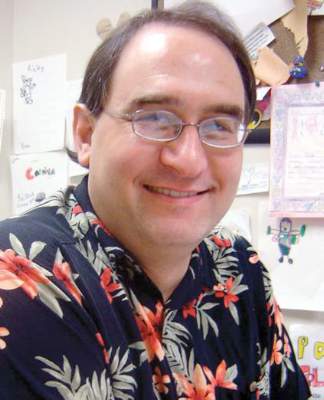
Dr. Bailey is a pediatric surgeon and Medical Director, Advocacy for the Division of Advocacy and Health Policy in the ACS offices in Washington.
In the August edition of this column, I wrote at length about the requirement for surgeons to successfully report Medicare quality data in the current calendar year of 2015 in order to avoid Medicare payment penalties of up to 9 percent in 2017. It is absolutely imperative that surgeons take the time necessary to comply with the requirements of Medicare’s three current law quality programs in order to avoid the penalties associated with such.
Even though the MACRA legislation passed earlier this year mandates significant changes in the way Medicare payment updates to physicians are calculated, those changes will not go into effect until 2019. In the meantime, penalties remain in effect for Medicare’s three current law quality programs: PQRS (Physician Quality Reporting System), VBM (Value-Based Modifier) and EHR-MU (Electronic Health Record-Meaningful Use).
While it is certainly understandable that one could deem this requirement to be an unnecessary administrative burden taking time away from otherwise already busy and complex lives, successful compliance is not as daunting as one might imagine. Specifically, only one key action is necessary to avoid the Medicare penalties otherwise imposed by both PQRS and the VBM. That key action is compliance with the requirements of PQRS. Additionally, there are several resources available to you through the College’s website specifically designed to facilitate successful reporting in the most efficient way possible and minimize the time on task necessary to comply.
As was recently communicated to all Fellows in an e-mail communication from Dr. Hoyt, the ACS Surgeon Specific Registry (SSR) allows surgeons to track their cases and also facilitates compliance with the regulatory requirements of PQRS. Registration for the SSR can be found at: https://www.facs.org/quality-programs/ssr
The SSR allows surgeons to report on:
1) PQRS General Surgery Measures Group
2) PQRS Individual Measures
3) ACS SSR QCDR – Trauma Measures Option
Surgeons can utilize any of the three options to meet the requirements for PQRS compliance. A list of all the reportable measures available for each of the above can be found at: https://www.facs.org/quality-programs/ssr/pqrs/options.
For those surgeons for whom it could be applicable, the PQRS General Surgery Measure Group option is perhaps the least onerous. With this option, surgeons need to report on only twenty patients, eleven of whom must be Medicare Part B patients. Should this option be selected, Fellows need to be certain to complete the information by reporting on ALL seven of the included measures along with all nine risk factor variables for each of the twenty patients.
The deadline for submission of calendar year 2015 data into the SSR is January 31, 2016. The SSR will submit PQRS data on behalf of surgeons to Centers for Medicare and Medicaid Services (CMS).
The SSR is free of charge to ACS members.
Links to additional resources which provide further information include:
1) Glossary of Terms: https://www.facs.org/advocacy/regulatory/medicare-penalties/glossary
2) “How to Avoid Medicare Penalties” – summary document: https://www.facs.org/advocacy/regulatory/medicare-penalties
3) Step by Step Flowchart of Participation in Medicare Quality Programs: https://www.facs.org/advocacy/quality/medicare-programs
As always, ACS staff in both the Washington and Chicago offices are available to answer questions and assist members in participating in the 2015 PQRS program:
General PQRS questions: ACS Division of Advocacy and Health Policy, 202/337-6701 or QualityDC@facs.org.
Specific SSR questions: ACS Division of Research and Optimal Patient Care, 312/202-5000 or ssr@facs.org.
In closing, I will again highly encourage all Fellows to invest the time necessary to successfully comply with the PQRS requirement through the SSR and thereby avoid penalties of up to 9 percent in their 2017 Medicare payment.
Until next month...
Dr. Bailey is a pediatric surgeon and Medical Director, Advocacy for the Division of Advocacy and Health Policy in the ACS offices in Washington.
In the August edition of this column, I wrote at length about the requirement for surgeons to successfully report Medicare quality data in the current calendar year of 2015 in order to avoid Medicare payment penalties of up to 9 percent in 2017. It is absolutely imperative that surgeons take the time necessary to comply with the requirements of Medicare’s three current law quality programs in order to avoid the penalties associated with such.
Even though the MACRA legislation passed earlier this year mandates significant changes in the way Medicare payment updates to physicians are calculated, those changes will not go into effect until 2019. In the meantime, penalties remain in effect for Medicare’s three current law quality programs: PQRS (Physician Quality Reporting System), VBM (Value-Based Modifier) and EHR-MU (Electronic Health Record-Meaningful Use).
While it is certainly understandable that one could deem this requirement to be an unnecessary administrative burden taking time away from otherwise already busy and complex lives, successful compliance is not as daunting as one might imagine. Specifically, only one key action is necessary to avoid the Medicare penalties otherwise imposed by both PQRS and the VBM. That key action is compliance with the requirements of PQRS. Additionally, there are several resources available to you through the College’s website specifically designed to facilitate successful reporting in the most efficient way possible and minimize the time on task necessary to comply.
As was recently communicated to all Fellows in an e-mail communication from Dr. Hoyt, the ACS Surgeon Specific Registry (SSR) allows surgeons to track their cases and also facilitates compliance with the regulatory requirements of PQRS. Registration for the SSR can be found at: https://www.facs.org/quality-programs/ssr
The SSR allows surgeons to report on:
1) PQRS General Surgery Measures Group
2) PQRS Individual Measures
3) ACS SSR QCDR – Trauma Measures Option
Surgeons can utilize any of the three options to meet the requirements for PQRS compliance. A list of all the reportable measures available for each of the above can be found at: https://www.facs.org/quality-programs/ssr/pqrs/options.
For those surgeons for whom it could be applicable, the PQRS General Surgery Measure Group option is perhaps the least onerous. With this option, surgeons need to report on only twenty patients, eleven of whom must be Medicare Part B patients. Should this option be selected, Fellows need to be certain to complete the information by reporting on ALL seven of the included measures along with all nine risk factor variables for each of the twenty patients.
The deadline for submission of calendar year 2015 data into the SSR is January 31, 2016. The SSR will submit PQRS data on behalf of surgeons to Centers for Medicare and Medicaid Services (CMS).
The SSR is free of charge to ACS members.
Links to additional resources which provide further information include:
1) Glossary of Terms: https://www.facs.org/advocacy/regulatory/medicare-penalties/glossary
2) “How to Avoid Medicare Penalties” – summary document: https://www.facs.org/advocacy/regulatory/medicare-penalties
3) Step by Step Flowchart of Participation in Medicare Quality Programs: https://www.facs.org/advocacy/quality/medicare-programs
As always, ACS staff in both the Washington and Chicago offices are available to answer questions and assist members in participating in the 2015 PQRS program:
General PQRS questions: ACS Division of Advocacy and Health Policy, 202/337-6701 or QualityDC@facs.org.
Specific SSR questions: ACS Division of Research and Optimal Patient Care, 312/202-5000 or ssr@facs.org.
In closing, I will again highly encourage all Fellows to invest the time necessary to successfully comply with the PQRS requirement through the SSR and thereby avoid penalties of up to 9 percent in their 2017 Medicare payment.
Until next month...
Dr. Bailey is a pediatric surgeon and Medical Director, Advocacy for the Division of Advocacy and Health Policy in the ACS offices in Washington.

We hold the pen, but who writes the story?
Mrs. J, a physically frail but mentally sharp 75-year-old with known metastatic gastric cancer was admitted to the hospital 2 days ago with a small bowel obstruction. Despite appropriate conservative management, her symptoms are worsening. Her prior cancer treatment consisted of gastric resection with reconstruction and chemo and radiation therapy. The probability of identifying a treatable cause for her bowel obstruction during exploratory laparotomy is believed to be small.
Mr. S, a debilitated 58-year-old previously treated with primary chemotherapy and radiation for cancer at the base of his tongue, presents to your office with severe pain due to recurrent disease. The cancer is potentially resectable, but it will require an extensive resection necessitating complex free flap reconstruction in this previously irradiated field.
Is an operation indicated in either/both of these patients? The risk of causing harm with these operations may outweigh the potential benefits, so how do you decide?
Surgery residents have a lot to learn during their residency training. Not only must they gain a mastery of the pathophysiology of surgical disease, they must learn a multitude of operations while they hone their manual dexterity skills. And they must learn how to take care of a multitude of patients.
Less understood and explicitly taught is how to determine whether an operation is appropriate for this specific patient. Understanding the pathophysiology of the patient’s illness is not enough; it requires an ability to effectively communicate with the patient, to understand that person’s hopes and goals, and then honestly determine whether an operation is in fact indicated. It may sound like the antithesis of surgical training, but learning when not to operate is as important as learning when to do so.
Sometimes it’s easy. When the underlying condition is easily treatable by an operation and without it the previously healthy patient will likely die, operation is usually warranted and accepted. For the critically ill patient who will not survive transfer to the operating room and induction of anesthesia, an operation would be impossible.
As illustrated by the patients described at the beginning of this piece, the decision making can be a bit more complicated.
These are the type of patients the surgeon intuitively believes will not do well, but they are referred for an operation and what surgeons do, is ... operate. “To cut is to cure,” is the old adage, not “To cut is to care.”
These are some of the toughest decisions a surgeon can make and are the ones surgeons seem to remember. The enormous responsibility that accompanies the decision to take someone to the operating room and through a potentially difficult postoperative period can be burdensome for the surgeon and potentially fraught with suffering for all.
Understanding how to address goals of care with patients and families can make these decisions easier. Yet these communication skills are not necessarily emphasized during surgical training, and in fact, they are not the forte of many physicians in general, which has led to the growth of the specialty of palliative medicine. Palliative medicine specialists are trained experts in these communication techniques.
One of the cardinal goals of palliative medicine is to help patients and families think about and clarify their treatment goals. Asking questions about “code status” is not the same as exploring someone’s overall treatment goals. Goals can range from wanting to stay alive no matter in what condition to wanting to be kept comfortable at home surrounded by loved ones even if it means a potentially shorter lifespan. By having patients clarify their ultimate goals it may become apparent that a high-risk operation is not the best way to proceed. Perhaps aggressive pain management and arranging effective home support better meets the patient’s overall goals.
You don’t have to be a palliative medicine specialist to have these conversations with patients, but it does require specific communication skills, which can be taught.
For example, many clinicians start their patient encounters by giving a brief overview of the current situation or skip straight to discussions concerning the various treatment options. But are you sure you and your patient are really starting from the same place? You can’t assume that the patient/family truly understands the medical condition, no matter what may be implied in the medical record or the referring physician’s notes. And you can’t assume a patient wants an operation just because he or she shows up in your office.
A more effective way to start the conversation is to begin by asking patients what they understand about their conditions. This will ensure your subsequent discussion corrects any misinformation and better clarifies their understanding of the situation. Starting your encounter in this fashion is critical and can avoid misunderstandings that can lead to treatments the patients do not actually want, and mistrust should complications arise.
An elective rotation with palliative medicine providers to learn these skills can be a great addition to surgical residency training. These conversations can be some of the most meaningful patient interactions a physician can experience. Incorporating an elective rotation with a palliative medicine team into surgical residency training can add value to residency training and have long-lasting benefit for future surgeons, and ultimately, for their patients, as they venture on in their surgical careers.
Nadine B. Semer, M.D., MPH, FACS, is board certified in general surgery, plastic surgery, and palliative medicine. As a reconstructive plastic surgeon, she has worked not only in the United States, but has had the privilege of taking her skills to underserved and resource-poor areas throughout the world. She currently is practicing palliative medicine full time, and is an assistant professor at UT Southwestern Medical School, in Dallas, based at Parkland Hospital.
Mrs. J, a physically frail but mentally sharp 75-year-old with known metastatic gastric cancer was admitted to the hospital 2 days ago with a small bowel obstruction. Despite appropriate conservative management, her symptoms are worsening. Her prior cancer treatment consisted of gastric resection with reconstruction and chemo and radiation therapy. The probability of identifying a treatable cause for her bowel obstruction during exploratory laparotomy is believed to be small.
Mr. S, a debilitated 58-year-old previously treated with primary chemotherapy and radiation for cancer at the base of his tongue, presents to your office with severe pain due to recurrent disease. The cancer is potentially resectable, but it will require an extensive resection necessitating complex free flap reconstruction in this previously irradiated field.
Is an operation indicated in either/both of these patients? The risk of causing harm with these operations may outweigh the potential benefits, so how do you decide?
Surgery residents have a lot to learn during their residency training. Not only must they gain a mastery of the pathophysiology of surgical disease, they must learn a multitude of operations while they hone their manual dexterity skills. And they must learn how to take care of a multitude of patients.
Less understood and explicitly taught is how to determine whether an operation is appropriate for this specific patient. Understanding the pathophysiology of the patient’s illness is not enough; it requires an ability to effectively communicate with the patient, to understand that person’s hopes and goals, and then honestly determine whether an operation is in fact indicated. It may sound like the antithesis of surgical training, but learning when not to operate is as important as learning when to do so.
Sometimes it’s easy. When the underlying condition is easily treatable by an operation and without it the previously healthy patient will likely die, operation is usually warranted and accepted. For the critically ill patient who will not survive transfer to the operating room and induction of anesthesia, an operation would be impossible.
As illustrated by the patients described at the beginning of this piece, the decision making can be a bit more complicated.
These are the type of patients the surgeon intuitively believes will not do well, but they are referred for an operation and what surgeons do, is ... operate. “To cut is to cure,” is the old adage, not “To cut is to care.”
These are some of the toughest decisions a surgeon can make and are the ones surgeons seem to remember. The enormous responsibility that accompanies the decision to take someone to the operating room and through a potentially difficult postoperative period can be burdensome for the surgeon and potentially fraught with suffering for all.
Understanding how to address goals of care with patients and families can make these decisions easier. Yet these communication skills are not necessarily emphasized during surgical training, and in fact, they are not the forte of many physicians in general, which has led to the growth of the specialty of palliative medicine. Palliative medicine specialists are trained experts in these communication techniques.
One of the cardinal goals of palliative medicine is to help patients and families think about and clarify their treatment goals. Asking questions about “code status” is not the same as exploring someone’s overall treatment goals. Goals can range from wanting to stay alive no matter in what condition to wanting to be kept comfortable at home surrounded by loved ones even if it means a potentially shorter lifespan. By having patients clarify their ultimate goals it may become apparent that a high-risk operation is not the best way to proceed. Perhaps aggressive pain management and arranging effective home support better meets the patient’s overall goals.
You don’t have to be a palliative medicine specialist to have these conversations with patients, but it does require specific communication skills, which can be taught.
For example, many clinicians start their patient encounters by giving a brief overview of the current situation or skip straight to discussions concerning the various treatment options. But are you sure you and your patient are really starting from the same place? You can’t assume that the patient/family truly understands the medical condition, no matter what may be implied in the medical record or the referring physician’s notes. And you can’t assume a patient wants an operation just because he or she shows up in your office.
A more effective way to start the conversation is to begin by asking patients what they understand about their conditions. This will ensure your subsequent discussion corrects any misinformation and better clarifies their understanding of the situation. Starting your encounter in this fashion is critical and can avoid misunderstandings that can lead to treatments the patients do not actually want, and mistrust should complications arise.
An elective rotation with palliative medicine providers to learn these skills can be a great addition to surgical residency training. These conversations can be some of the most meaningful patient interactions a physician can experience. Incorporating an elective rotation with a palliative medicine team into surgical residency training can add value to residency training and have long-lasting benefit for future surgeons, and ultimately, for their patients, as they venture on in their surgical careers.
Nadine B. Semer, M.D., MPH, FACS, is board certified in general surgery, plastic surgery, and palliative medicine. As a reconstructive plastic surgeon, she has worked not only in the United States, but has had the privilege of taking her skills to underserved and resource-poor areas throughout the world. She currently is practicing palliative medicine full time, and is an assistant professor at UT Southwestern Medical School, in Dallas, based at Parkland Hospital.
Mrs. J, a physically frail but mentally sharp 75-year-old with known metastatic gastric cancer was admitted to the hospital 2 days ago with a small bowel obstruction. Despite appropriate conservative management, her symptoms are worsening. Her prior cancer treatment consisted of gastric resection with reconstruction and chemo and radiation therapy. The probability of identifying a treatable cause for her bowel obstruction during exploratory laparotomy is believed to be small.
Mr. S, a debilitated 58-year-old previously treated with primary chemotherapy and radiation for cancer at the base of his tongue, presents to your office with severe pain due to recurrent disease. The cancer is potentially resectable, but it will require an extensive resection necessitating complex free flap reconstruction in this previously irradiated field.
Is an operation indicated in either/both of these patients? The risk of causing harm with these operations may outweigh the potential benefits, so how do you decide?
Surgery residents have a lot to learn during their residency training. Not only must they gain a mastery of the pathophysiology of surgical disease, they must learn a multitude of operations while they hone their manual dexterity skills. And they must learn how to take care of a multitude of patients.
Less understood and explicitly taught is how to determine whether an operation is appropriate for this specific patient. Understanding the pathophysiology of the patient’s illness is not enough; it requires an ability to effectively communicate with the patient, to understand that person’s hopes and goals, and then honestly determine whether an operation is in fact indicated. It may sound like the antithesis of surgical training, but learning when not to operate is as important as learning when to do so.
Sometimes it’s easy. When the underlying condition is easily treatable by an operation and without it the previously healthy patient will likely die, operation is usually warranted and accepted. For the critically ill patient who will not survive transfer to the operating room and induction of anesthesia, an operation would be impossible.
As illustrated by the patients described at the beginning of this piece, the decision making can be a bit more complicated.
These are the type of patients the surgeon intuitively believes will not do well, but they are referred for an operation and what surgeons do, is ... operate. “To cut is to cure,” is the old adage, not “To cut is to care.”
These are some of the toughest decisions a surgeon can make and are the ones surgeons seem to remember. The enormous responsibility that accompanies the decision to take someone to the operating room and through a potentially difficult postoperative period can be burdensome for the surgeon and potentially fraught with suffering for all.
Understanding how to address goals of care with patients and families can make these decisions easier. Yet these communication skills are not necessarily emphasized during surgical training, and in fact, they are not the forte of many physicians in general, which has led to the growth of the specialty of palliative medicine. Palliative medicine specialists are trained experts in these communication techniques.
One of the cardinal goals of palliative medicine is to help patients and families think about and clarify their treatment goals. Asking questions about “code status” is not the same as exploring someone’s overall treatment goals. Goals can range from wanting to stay alive no matter in what condition to wanting to be kept comfortable at home surrounded by loved ones even if it means a potentially shorter lifespan. By having patients clarify their ultimate goals it may become apparent that a high-risk operation is not the best way to proceed. Perhaps aggressive pain management and arranging effective home support better meets the patient’s overall goals.
You don’t have to be a palliative medicine specialist to have these conversations with patients, but it does require specific communication skills, which can be taught.
For example, many clinicians start their patient encounters by giving a brief overview of the current situation or skip straight to discussions concerning the various treatment options. But are you sure you and your patient are really starting from the same place? You can’t assume that the patient/family truly understands the medical condition, no matter what may be implied in the medical record or the referring physician’s notes. And you can’t assume a patient wants an operation just because he or she shows up in your office.
A more effective way to start the conversation is to begin by asking patients what they understand about their conditions. This will ensure your subsequent discussion corrects any misinformation and better clarifies their understanding of the situation. Starting your encounter in this fashion is critical and can avoid misunderstandings that can lead to treatments the patients do not actually want, and mistrust should complications arise.
An elective rotation with palliative medicine providers to learn these skills can be a great addition to surgical residency training. These conversations can be some of the most meaningful patient interactions a physician can experience. Incorporating an elective rotation with a palliative medicine team into surgical residency training can add value to residency training and have long-lasting benefit for future surgeons, and ultimately, for their patients, as they venture on in their surgical careers.
Nadine B. Semer, M.D., MPH, FACS, is board certified in general surgery, plastic surgery, and palliative medicine. As a reconstructive plastic surgeon, she has worked not only in the United States, but has had the privilege of taking her skills to underserved and resource-poor areas throughout the world. She currently is practicing palliative medicine full time, and is an assistant professor at UT Southwestern Medical School, in Dallas, based at Parkland Hospital.
Leading Innovation
Life is not the way it was 20 years ago, or even 10 years ago, and it will not be the same 20 years from now. Health care is changing all around us and it behooves us to be informed and proactive to keep up with the inevitable evolution. Awareness of the many factors that currently impinge or will impinge on our daily practice and patient care is a perfect opportunity for innovation.
“Mindless habitual behavior is the enemy of innovation.”
—Rosabeth Moss Kanter
Take a minute to think about a roadblock in your practice or something that occurs every day and ask yourself why it is done that way and if it could be done better. Keep it in mind for later or jot it down on scrap paper. Maybe prior authorizations are monopolizing your nurses’ time, or you have always sutured punch biopsies.
Innovation is not a conscious part of most people’s routine daily activities and is not a focus during the course of medical training. As a matter of fact, “As medicine has become more standardized and increasingly regulated, it turns out there is much less room for innovation.”1 It often falls into the category of “when I have some time,” but time never seems to come. It may not seem urgent, but it certainly is important and requires attention. Time, however small, should be allotted for innovation.
“Creativity is thinking up new things. Innovation is doing new things.”
—Theodore Levitt
Often people think of new drug and device development or technological advances when they hear “innovation,” but it could come in the form of new job descriptions, new models of care, or better processes and approaches to what we have always done. It can be thought of as fixing what is broken or creating something new.2
Innovation is not just the generation of creative ideas but their distillation and implementation. It is an active process that starts with inspiration; identifying what is broken, or better yet, what we can do better. The challenge that follows from this inspiration is the gauntlet that is thrown down to the team. The group should be given free reign to generate ideas, practical or outlandish, that can then be combined, amalgamated, and considered before implementation.3
“If you look at history, innovation doesn’t come just from giving people incentives; it comes from creating environments where their ideas can
connect.”
—Steven Johnson
We may not be able to teach creativity or dictate innovation, but we can foster it or at least stop hindering it. Innovation typically occurs from brainstorming and interacting when ideas are assimilated and put into action. How do you foster it? Hold meetings, or parts of meetings, on opportunities instead of problems. Improve mingling of participants at all levels to stimulate the collaboration of ideas and acknowledge that everyone’s perspective and creativity is valuable.
It is essential to empower the team and encourage an open, receptive, and questioning culture. Encourage the team to challenge assumptions and inferred rules that really are only habit. Once the ideas start flowing, do not stop with the first “good” idea. Allow the brainstorming to continue and refine it into the “best” idea. Leaders should work to remove as many roadblocks of implementation as possible and strive to tolerate the ambiguity that will remain. Insistence on hard data can result in analysis paralysis and lack of follow-through. Consider any failure to be a discovery of what does not work without looking for blame. Recognize and reward successful and attempted innovation to create a supportive atmosphere.
Creating such a culture is often more about conscious avoidance of actions that stifle innovation. Leaders may naturally avoid conflict by surrounding themselves with yes men, but without the lateral thinkers the team will be stuck in groupthink. If necessary, assign someone to play devil’s advocate. As adults, we tend to compare ideas with our internal database for what is wrong rather than asking what is right about the idea and playing with the possibilities. Avoid playing whack-a-mole with ideas and using phrases such as “it will never work,” “we tried that before,” “but we have always done it this way,” or “if it ain’t broke, don’t fix it.”
When change is imminent we can argue, complain, and wait for others to find ways to adjust, or we can make innovation a deliberate focus by establishing a culture that fosters it and educates the team about the innovative process. Go back to the roadblocks and/or habits in your practice that you considered earlier, present the challenge to your group, and get innovating!
- Shaywitz DA, Ausiello DA. Preserving creativity in medicine. PLoS Med. 2004;1:e34
- Prather C. Manager’s Guide to Fostering Innovation and Creativity in Teams. New York, NY: McGraw-Hill Companies, Inc; 2010.
- Baumgartner J. The innovation process. Jeffrey Baumgartner Web site. http://www.creativejeffrey.com /creative/innovationprocess.php?topic=creative. Accessed September 21, 2015.
Life is not the way it was 20 years ago, or even 10 years ago, and it will not be the same 20 years from now. Health care is changing all around us and it behooves us to be informed and proactive to keep up with the inevitable evolution. Awareness of the many factors that currently impinge or will impinge on our daily practice and patient care is a perfect opportunity for innovation.
“Mindless habitual behavior is the enemy of innovation.”
—Rosabeth Moss Kanter
Take a minute to think about a roadblock in your practice or something that occurs every day and ask yourself why it is done that way and if it could be done better. Keep it in mind for later or jot it down on scrap paper. Maybe prior authorizations are monopolizing your nurses’ time, or you have always sutured punch biopsies.
Innovation is not a conscious part of most people’s routine daily activities and is not a focus during the course of medical training. As a matter of fact, “As medicine has become more standardized and increasingly regulated, it turns out there is much less room for innovation.”1 It often falls into the category of “when I have some time,” but time never seems to come. It may not seem urgent, but it certainly is important and requires attention. Time, however small, should be allotted for innovation.
“Creativity is thinking up new things. Innovation is doing new things.”
—Theodore Levitt
Often people think of new drug and device development or technological advances when they hear “innovation,” but it could come in the form of new job descriptions, new models of care, or better processes and approaches to what we have always done. It can be thought of as fixing what is broken or creating something new.2
Innovation is not just the generation of creative ideas but their distillation and implementation. It is an active process that starts with inspiration; identifying what is broken, or better yet, what we can do better. The challenge that follows from this inspiration is the gauntlet that is thrown down to the team. The group should be given free reign to generate ideas, practical or outlandish, that can then be combined, amalgamated, and considered before implementation.3
“If you look at history, innovation doesn’t come just from giving people incentives; it comes from creating environments where their ideas can
connect.”
—Steven Johnson
We may not be able to teach creativity or dictate innovation, but we can foster it or at least stop hindering it. Innovation typically occurs from brainstorming and interacting when ideas are assimilated and put into action. How do you foster it? Hold meetings, or parts of meetings, on opportunities instead of problems. Improve mingling of participants at all levels to stimulate the collaboration of ideas and acknowledge that everyone’s perspective and creativity is valuable.
It is essential to empower the team and encourage an open, receptive, and questioning culture. Encourage the team to challenge assumptions and inferred rules that really are only habit. Once the ideas start flowing, do not stop with the first “good” idea. Allow the brainstorming to continue and refine it into the “best” idea. Leaders should work to remove as many roadblocks of implementation as possible and strive to tolerate the ambiguity that will remain. Insistence on hard data can result in analysis paralysis and lack of follow-through. Consider any failure to be a discovery of what does not work without looking for blame. Recognize and reward successful and attempted innovation to create a supportive atmosphere.
Creating such a culture is often more about conscious avoidance of actions that stifle innovation. Leaders may naturally avoid conflict by surrounding themselves with yes men, but without the lateral thinkers the team will be stuck in groupthink. If necessary, assign someone to play devil’s advocate. As adults, we tend to compare ideas with our internal database for what is wrong rather than asking what is right about the idea and playing with the possibilities. Avoid playing whack-a-mole with ideas and using phrases such as “it will never work,” “we tried that before,” “but we have always done it this way,” or “if it ain’t broke, don’t fix it.”
When change is imminent we can argue, complain, and wait for others to find ways to adjust, or we can make innovation a deliberate focus by establishing a culture that fosters it and educates the team about the innovative process. Go back to the roadblocks and/or habits in your practice that you considered earlier, present the challenge to your group, and get innovating!
Life is not the way it was 20 years ago, or even 10 years ago, and it will not be the same 20 years from now. Health care is changing all around us and it behooves us to be informed and proactive to keep up with the inevitable evolution. Awareness of the many factors that currently impinge or will impinge on our daily practice and patient care is a perfect opportunity for innovation.
“Mindless habitual behavior is the enemy of innovation.”
—Rosabeth Moss Kanter
Take a minute to think about a roadblock in your practice or something that occurs every day and ask yourself why it is done that way and if it could be done better. Keep it in mind for later or jot it down on scrap paper. Maybe prior authorizations are monopolizing your nurses’ time, or you have always sutured punch biopsies.
Innovation is not a conscious part of most people’s routine daily activities and is not a focus during the course of medical training. As a matter of fact, “As medicine has become more standardized and increasingly regulated, it turns out there is much less room for innovation.”1 It often falls into the category of “when I have some time,” but time never seems to come. It may not seem urgent, but it certainly is important and requires attention. Time, however small, should be allotted for innovation.
“Creativity is thinking up new things. Innovation is doing new things.”
—Theodore Levitt
Often people think of new drug and device development or technological advances when they hear “innovation,” but it could come in the form of new job descriptions, new models of care, or better processes and approaches to what we have always done. It can be thought of as fixing what is broken or creating something new.2
Innovation is not just the generation of creative ideas but their distillation and implementation. It is an active process that starts with inspiration; identifying what is broken, or better yet, what we can do better. The challenge that follows from this inspiration is the gauntlet that is thrown down to the team. The group should be given free reign to generate ideas, practical or outlandish, that can then be combined, amalgamated, and considered before implementation.3
“If you look at history, innovation doesn’t come just from giving people incentives; it comes from creating environments where their ideas can
connect.”
—Steven Johnson
We may not be able to teach creativity or dictate innovation, but we can foster it or at least stop hindering it. Innovation typically occurs from brainstorming and interacting when ideas are assimilated and put into action. How do you foster it? Hold meetings, or parts of meetings, on opportunities instead of problems. Improve mingling of participants at all levels to stimulate the collaboration of ideas and acknowledge that everyone’s perspective and creativity is valuable.
It is essential to empower the team and encourage an open, receptive, and questioning culture. Encourage the team to challenge assumptions and inferred rules that really are only habit. Once the ideas start flowing, do not stop with the first “good” idea. Allow the brainstorming to continue and refine it into the “best” idea. Leaders should work to remove as many roadblocks of implementation as possible and strive to tolerate the ambiguity that will remain. Insistence on hard data can result in analysis paralysis and lack of follow-through. Consider any failure to be a discovery of what does not work without looking for blame. Recognize and reward successful and attempted innovation to create a supportive atmosphere.
Creating such a culture is often more about conscious avoidance of actions that stifle innovation. Leaders may naturally avoid conflict by surrounding themselves with yes men, but without the lateral thinkers the team will be stuck in groupthink. If necessary, assign someone to play devil’s advocate. As adults, we tend to compare ideas with our internal database for what is wrong rather than asking what is right about the idea and playing with the possibilities. Avoid playing whack-a-mole with ideas and using phrases such as “it will never work,” “we tried that before,” “but we have always done it this way,” or “if it ain’t broke, don’t fix it.”
When change is imminent we can argue, complain, and wait for others to find ways to adjust, or we can make innovation a deliberate focus by establishing a culture that fosters it and educates the team about the innovative process. Go back to the roadblocks and/or habits in your practice that you considered earlier, present the challenge to your group, and get innovating!
- Shaywitz DA, Ausiello DA. Preserving creativity in medicine. PLoS Med. 2004;1:e34
- Prather C. Manager’s Guide to Fostering Innovation and Creativity in Teams. New York, NY: McGraw-Hill Companies, Inc; 2010.
- Baumgartner J. The innovation process. Jeffrey Baumgartner Web site. http://www.creativejeffrey.com /creative/innovationprocess.php?topic=creative. Accessed September 21, 2015.
- Shaywitz DA, Ausiello DA. Preserving creativity in medicine. PLoS Med. 2004;1:e34
- Prather C. Manager’s Guide to Fostering Innovation and Creativity in Teams. New York, NY: McGraw-Hill Companies, Inc; 2010.
- Baumgartner J. The innovation process. Jeffrey Baumgartner Web site. http://www.creativejeffrey.com /creative/innovationprocess.php?topic=creative. Accessed September 21, 2015.

A primer on sexuality and gender identity
I am a relatively young physician. When I started medical school 10 years ago, I thought that most medical school campuses would be fairly progressive. This was not the case for me.
My school did not have a nondiscrimination policy on sexual orientation or gender identity at the time, nor do I recall any lectures about this patient population. So during my first year of medical school, I embarked on a mission to educate both my classmates and the faculty about sexual orientation, gender identity, and related health disparities. My fellow classmates and the administration received my efforts warmly; nevertheless, this effort to educate was an incredible challenge for me. Surely other medical school campuses were already discussing the importance of sexuality and gender identity, I thought.
Fast forward to the year 2011. A study in JAMA found that many medical schools fall short in teaching the next generation of physicians about lesbian, gay, bisexual, and transgender (LGBT) health (JAMA. 2011;306[9]:971-7).

Things may have improved for LGBT people, but the world of medicine has yet to catch up. If LGBT medical education is lacking today, imagine how lacking it was for those who went to medical school decades ago. It is my hope that with this new column, we as a medical community can make up for lost time.
Why should physicians, especially pediatricians, care about LGBT health? Although LGBT youth comprise less than 10% of the adolescent population, they have a disproportionate share of health problems compared with their heterosexual peers. LGBT youth are three times as likely to attempt suicide and almost two times as likely to abuse alcohol and drugs compared with heterosexual youth. Among homeless teens in the United States, a whopping 40% are LGBT. HIV still plagues young gay males – especially those of color – and young gay and bisexual women experience an inordinate amount of dating violence from both men and women. Most appalling of all, every 3 days, a transgender person is murdered. These sobering statistics highlight the impact sexual orientation and gender identity have on health.
Why do LGBT youth experience such enormous health problems? A rich body of evidence points to stigma and discrimination as a likely cause. We are familiar with stories of how LGBT youth are kicked out of their homes after coming out to their parents or how male teens suffered bullying for being perceived as “too feminine.” Nonetheless, we tend to ignore the more subtle ways LGBT youth experience stigma and discrimination through our heterosexist language and behavior. Although we could dismiss the phrase “that’s so gay” as just another variation of “that’s so dumb,” an LGBT teen might think “if something is that dumb, then so am I.”
My fellow columnists and I hope that this column will help you get to know a very vulnerable, yet special, population. We will ask you to rethink what you have learned about sexuality and gender. Here, we will start with the basics.
What is the difference between sex and gender?
Sex is the biological distinction between male and female that is determined chromosomally (XX versus XY, although there are variations) and phenotypically, such as organs like the penis or vagina. Gender is a range of characteristics that a culture assigns as typically male and female, which encompasses both anatomy and behaviors. For example, an individual assigned as male because he was born with a penis is also expected to be proactive, a problem solver, stoic, and the breadwinner of the family. Although we’d like to believe that there are clear distinctions between the two solely on the basis of anatomy, we often see many people diverge from behaviors that are typically assigned to a gender. In modern day U.S. society, there are an increasing number of men who stay home to take care of their children – a typically female role. In other words, gender is a spectrum ranging from the very masculine to the very feminine and everything else in between.
What is gender identity?
Gender identity is our own sense of maleness or femaleness. This identity can be based on a variety of factors, including the sex organ one is born with and the culture one is raised in. It also is possible for some people to feel that they do not fit neatly into male or female categories. At the end of the day, only you can determine your gender identity, despite beliefs and attitudes in society about which appearances and behaviors are stereotypically male or female.
Transgender people are individuals who experience a mismatch between their gender identity and their assigned sex at birth. The word “trans” is Latin for “the other side,” highlighting the discrepancy between one’s gender identity and assigned sex. In contrast, people who identify as their assigned sex would be called cisgender. The word “cis” is Latin for “the same side.” A transgender male is someone who was assigned female at birth, but identifies as a male, whereas a transgender female is someone who was assigned male at birth, but identifies as a female. You also may also hear the terms “FTM” (female to male) and “MTF” (male to female) to describe transgender males and females, respectively.
What is sexual orientation?
Sexual orientation refers to our pattern of emotional and/or physical attraction to people who are the same or the opposite gender. The most common in this society is heterosexual, where one finds the opposite gender attractive. Those who identify as gay or lesbian find the same gender attractive. A person who identifies as bisexual finds both genders attractive. There are other sexual orientations that are not as commonly known. Someone who is pansexual is attracted to any sex or gender identity. Asexuals are individuals who don’t find anyone sexually attractive, but could be attracted to someone romantically or emotionally irrespective of sex or gender.
Just as gender is fluid, so is sexuality. Alfred Kinsey, a well-known sexologist, introduced the concept of sexual fluidity with the Kinsey Scale. With this scale, people rate themselves on how attracted they are to each sex, ranging from 0 – meaning exclusively attracted to the opposite sex – to 3 – equally attracted to both sexes – to 6 – exclusively attracted to the same sex. It is possible to move along the spectrum in either direction over time or stay in one place. It is also possible for our sexual identity (i.e. lesbian, gay, bisexual) and sexual behavior (i.e. whom we are having sex with) to not perfectly overlap; attraction is complex. Finally, people often confuse gender identity and sexual orientation. These are two separate concepts and not dependent on each other. For example, someone who was assigned female at birth but now identifies as male can still be attracted to men.
This primer is by no means complete or comprehensive and runs the risk of being oversimplistic. Nevertheless, I hope it will get you thinking about the nature of sexuality and gender identity and how they affect health. In the next couple of months, you will read more on the complexities of sexuality and gender identity, advice on how to talk to your patients about these topics, how to make your clinic a safe place for LGBT youth, the transition process for transgender youth, and much more. I encourage you stick around to learn how you can help this vulnerable, but amazing, group of young people. Until next time …
Dr. Montano is an adolescent medicine fellow at Children’s Hospital of Pittsburgh of UPMC and a postdoctoral fellow in the department of pediatrics the University of Pittsburgh.
I am a relatively young physician. When I started medical school 10 years ago, I thought that most medical school campuses would be fairly progressive. This was not the case for me.
My school did not have a nondiscrimination policy on sexual orientation or gender identity at the time, nor do I recall any lectures about this patient population. So during my first year of medical school, I embarked on a mission to educate both my classmates and the faculty about sexual orientation, gender identity, and related health disparities. My fellow classmates and the administration received my efforts warmly; nevertheless, this effort to educate was an incredible challenge for me. Surely other medical school campuses were already discussing the importance of sexuality and gender identity, I thought.
Fast forward to the year 2011. A study in JAMA found that many medical schools fall short in teaching the next generation of physicians about lesbian, gay, bisexual, and transgender (LGBT) health (JAMA. 2011;306[9]:971-7).
Things may have improved for LGBT people, but the world of medicine has yet to catch up. If LGBT medical education is lacking today, imagine how lacking it was for those who went to medical school decades ago. It is my hope that with this new column, we as a medical community can make up for lost time.
Why should physicians, especially pediatricians, care about LGBT health? Although LGBT youth comprise less than 10% of the adolescent population, they have a disproportionate share of health problems compared with their heterosexual peers. LGBT youth are three times as likely to attempt suicide and almost two times as likely to abuse alcohol and drugs compared with heterosexual youth. Among homeless teens in the United States, a whopping 40% are LGBT. HIV still plagues young gay males – especially those of color – and young gay and bisexual women experience an inordinate amount of dating violence from both men and women. Most appalling of all, every 3 days, a transgender person is murdered. These sobering statistics highlight the impact sexual orientation and gender identity have on health.
Why do LGBT youth experience such enormous health problems? A rich body of evidence points to stigma and discrimination as a likely cause. We are familiar with stories of how LGBT youth are kicked out of their homes after coming out to their parents or how male teens suffered bullying for being perceived as “too feminine.” Nonetheless, we tend to ignore the more subtle ways LGBT youth experience stigma and discrimination through our heterosexist language and behavior. Although we could dismiss the phrase “that’s so gay” as just another variation of “that’s so dumb,” an LGBT teen might think “if something is that dumb, then so am I.”
My fellow columnists and I hope that this column will help you get to know a very vulnerable, yet special, population. We will ask you to rethink what you have learned about sexuality and gender. Here, we will start with the basics.
What is the difference between sex and gender?
Sex is the biological distinction between male and female that is determined chromosomally (XX versus XY, although there are variations) and phenotypically, such as organs like the penis or vagina. Gender is a range of characteristics that a culture assigns as typically male and female, which encompasses both anatomy and behaviors. For example, an individual assigned as male because he was born with a penis is also expected to be proactive, a problem solver, stoic, and the breadwinner of the family. Although we’d like to believe that there are clear distinctions between the two solely on the basis of anatomy, we often see many people diverge from behaviors that are typically assigned to a gender. In modern day U.S. society, there are an increasing number of men who stay home to take care of their children – a typically female role. In other words, gender is a spectrum ranging from the very masculine to the very feminine and everything else in between.
What is gender identity?
Gender identity is our own sense of maleness or femaleness. This identity can be based on a variety of factors, including the sex organ one is born with and the culture one is raised in. It also is possible for some people to feel that they do not fit neatly into male or female categories. At the end of the day, only you can determine your gender identity, despite beliefs and attitudes in society about which appearances and behaviors are stereotypically male or female.
Transgender people are individuals who experience a mismatch between their gender identity and their assigned sex at birth. The word “trans” is Latin for “the other side,” highlighting the discrepancy between one’s gender identity and assigned sex. In contrast, people who identify as their assigned sex would be called cisgender. The word “cis” is Latin for “the same side.” A transgender male is someone who was assigned female at birth, but identifies as a male, whereas a transgender female is someone who was assigned male at birth, but identifies as a female. You also may also hear the terms “FTM” (female to male) and “MTF” (male to female) to describe transgender males and females, respectively.
What is sexual orientation?
Sexual orientation refers to our pattern of emotional and/or physical attraction to people who are the same or the opposite gender. The most common in this society is heterosexual, where one finds the opposite gender attractive. Those who identify as gay or lesbian find the same gender attractive. A person who identifies as bisexual finds both genders attractive. There are other sexual orientations that are not as commonly known. Someone who is pansexual is attracted to any sex or gender identity. Asexuals are individuals who don’t find anyone sexually attractive, but could be attracted to someone romantically or emotionally irrespective of sex or gender.
Just as gender is fluid, so is sexuality. Alfred Kinsey, a well-known sexologist, introduced the concept of sexual fluidity with the Kinsey Scale. With this scale, people rate themselves on how attracted they are to each sex, ranging from 0 – meaning exclusively attracted to the opposite sex – to 3 – equally attracted to both sexes – to 6 – exclusively attracted to the same sex. It is possible to move along the spectrum in either direction over time or stay in one place. It is also possible for our sexual identity (i.e. lesbian, gay, bisexual) and sexual behavior (i.e. whom we are having sex with) to not perfectly overlap; attraction is complex. Finally, people often confuse gender identity and sexual orientation. These are two separate concepts and not dependent on each other. For example, someone who was assigned female at birth but now identifies as male can still be attracted to men.
This primer is by no means complete or comprehensive and runs the risk of being oversimplistic. Nevertheless, I hope it will get you thinking about the nature of sexuality and gender identity and how they affect health. In the next couple of months, you will read more on the complexities of sexuality and gender identity, advice on how to talk to your patients about these topics, how to make your clinic a safe place for LGBT youth, the transition process for transgender youth, and much more. I encourage you stick around to learn how you can help this vulnerable, but amazing, group of young people. Until next time …
Dr. Montano is an adolescent medicine fellow at Children’s Hospital of Pittsburgh of UPMC and a postdoctoral fellow in the department of pediatrics the University of Pittsburgh.
I am a relatively young physician. When I started medical school 10 years ago, I thought that most medical school campuses would be fairly progressive. This was not the case for me.
My school did not have a nondiscrimination policy on sexual orientation or gender identity at the time, nor do I recall any lectures about this patient population. So during my first year of medical school, I embarked on a mission to educate both my classmates and the faculty about sexual orientation, gender identity, and related health disparities. My fellow classmates and the administration received my efforts warmly; nevertheless, this effort to educate was an incredible challenge for me. Surely other medical school campuses were already discussing the importance of sexuality and gender identity, I thought.
Fast forward to the year 2011. A study in JAMA found that many medical schools fall short in teaching the next generation of physicians about lesbian, gay, bisexual, and transgender (LGBT) health (JAMA. 2011;306[9]:971-7).
Things may have improved for LGBT people, but the world of medicine has yet to catch up. If LGBT medical education is lacking today, imagine how lacking it was for those who went to medical school decades ago. It is my hope that with this new column, we as a medical community can make up for lost time.
Why should physicians, especially pediatricians, care about LGBT health? Although LGBT youth comprise less than 10% of the adolescent population, they have a disproportionate share of health problems compared with their heterosexual peers. LGBT youth are three times as likely to attempt suicide and almost two times as likely to abuse alcohol and drugs compared with heterosexual youth. Among homeless teens in the United States, a whopping 40% are LGBT. HIV still plagues young gay males – especially those of color – and young gay and bisexual women experience an inordinate amount of dating violence from both men and women. Most appalling of all, every 3 days, a transgender person is murdered. These sobering statistics highlight the impact sexual orientation and gender identity have on health.
Why do LGBT youth experience such enormous health problems? A rich body of evidence points to stigma and discrimination as a likely cause. We are familiar with stories of how LGBT youth are kicked out of their homes after coming out to their parents or how male teens suffered bullying for being perceived as “too feminine.” Nonetheless, we tend to ignore the more subtle ways LGBT youth experience stigma and discrimination through our heterosexist language and behavior. Although we could dismiss the phrase “that’s so gay” as just another variation of “that’s so dumb,” an LGBT teen might think “if something is that dumb, then so am I.”
My fellow columnists and I hope that this column will help you get to know a very vulnerable, yet special, population. We will ask you to rethink what you have learned about sexuality and gender. Here, we will start with the basics.
What is the difference between sex and gender?
Sex is the biological distinction between male and female that is determined chromosomally (XX versus XY, although there are variations) and phenotypically, such as organs like the penis or vagina. Gender is a range of characteristics that a culture assigns as typically male and female, which encompasses both anatomy and behaviors. For example, an individual assigned as male because he was born with a penis is also expected to be proactive, a problem solver, stoic, and the breadwinner of the family. Although we’d like to believe that there are clear distinctions between the two solely on the basis of anatomy, we often see many people diverge from behaviors that are typically assigned to a gender. In modern day U.S. society, there are an increasing number of men who stay home to take care of their children – a typically female role. In other words, gender is a spectrum ranging from the very masculine to the very feminine and everything else in between.
What is gender identity?
Gender identity is our own sense of maleness or femaleness. This identity can be based on a variety of factors, including the sex organ one is born with and the culture one is raised in. It also is possible for some people to feel that they do not fit neatly into male or female categories. At the end of the day, only you can determine your gender identity, despite beliefs and attitudes in society about which appearances and behaviors are stereotypically male or female.
Transgender people are individuals who experience a mismatch between their gender identity and their assigned sex at birth. The word “trans” is Latin for “the other side,” highlighting the discrepancy between one’s gender identity and assigned sex. In contrast, people who identify as their assigned sex would be called cisgender. The word “cis” is Latin for “the same side.” A transgender male is someone who was assigned female at birth, but identifies as a male, whereas a transgender female is someone who was assigned male at birth, but identifies as a female. You also may also hear the terms “FTM” (female to male) and “MTF” (male to female) to describe transgender males and females, respectively.
What is sexual orientation?
Sexual orientation refers to our pattern of emotional and/or physical attraction to people who are the same or the opposite gender. The most common in this society is heterosexual, where one finds the opposite gender attractive. Those who identify as gay or lesbian find the same gender attractive. A person who identifies as bisexual finds both genders attractive. There are other sexual orientations that are not as commonly known. Someone who is pansexual is attracted to any sex or gender identity. Asexuals are individuals who don’t find anyone sexually attractive, but could be attracted to someone romantically or emotionally irrespective of sex or gender.
Just as gender is fluid, so is sexuality. Alfred Kinsey, a well-known sexologist, introduced the concept of sexual fluidity with the Kinsey Scale. With this scale, people rate themselves on how attracted they are to each sex, ranging from 0 – meaning exclusively attracted to the opposite sex – to 3 – equally attracted to both sexes – to 6 – exclusively attracted to the same sex. It is possible to move along the spectrum in either direction over time or stay in one place. It is also possible for our sexual identity (i.e. lesbian, gay, bisexual) and sexual behavior (i.e. whom we are having sex with) to not perfectly overlap; attraction is complex. Finally, people often confuse gender identity and sexual orientation. These are two separate concepts and not dependent on each other. For example, someone who was assigned female at birth but now identifies as male can still be attracted to men.
This primer is by no means complete or comprehensive and runs the risk of being oversimplistic. Nevertheless, I hope it will get you thinking about the nature of sexuality and gender identity and how they affect health. In the next couple of months, you will read more on the complexities of sexuality and gender identity, advice on how to talk to your patients about these topics, how to make your clinic a safe place for LGBT youth, the transition process for transgender youth, and much more. I encourage you stick around to learn how you can help this vulnerable, but amazing, group of young people. Until next time …
Dr. Montano is an adolescent medicine fellow at Children’s Hospital of Pittsburgh of UPMC and a postdoctoral fellow in the department of pediatrics the University of Pittsburgh.

Screening for speech/language disorders: The case for pediatrician involvement
In an effort to update nearly decade-old guidance on the effectiveness of brief, formal screening in primary care for speech and language delays in young children, the U.S. Preventive Services Task Force (USPSTF) recently issued a new review on the topic. Its final recommendation: The current evidence is insufficient to assess the balance of benefits and harms of screening for speech and language delay and disorders in children age 5 years and younger.
The task force’s recommendation is troubling for several reasons. Undoubtedly, more research in this area is needed. However, insufficient evidence for screening is not counter-evidence. I fear this may be easily interpreted as such based on the limited language put forth by the USPSTF. Especially concerning is the possibility that current screening practices will be scaled back in some way based upon this recommendation.
The good news is the speech and language disorders are treatable. The bad: They appear to be spiking among U.S. children.
A 2014 study published in Pediatrics (doi: 10.1542/peds.2014-0594) showed a 63% increase in disability associated with speech problems in children from 2001 to 2011. While some of that rise is probably attributable to cases of autism spectrum disorder, which were not tracked for this particular study, there is no doubt speech and language problems are trending upward.
Clearly, this is not the time to cut back on screening for conditions that stand to be debilitative and life-altering if left unchecked. Without general population screening, I fear many diagnoses will be missed during children’s most critical developmental window. This could be especially true for some of society’s most vulnerable – children who live in poverty. Doing away with screening could contribute to holding them down and back their whole lives.
Despite the USPSTF review panel’s ultimate recommendation, its recent article in Pediatrics (doi: 10.1542/peds.2014-3889) actually made a strong case for screening:
“Young children with speech and language delay in the preschool years may be at increased risk for learning disabilities once they reach school age.”
“Estimates of the increased risk for poor reading outcomes in grade school are 4 to 5 times greater for children with speech and language impairment than for children with appropriate development; risk persists into adulthood.”
“Adults who had speech and language disorders as children may hold lower-skilled jobs and are more likely to experience unemployment than other adults.”
“Behavior problems and impaired psychosocial adjustment associated with speech and language may also persist into adulthood.”
Moreover, building on the USPSTF’s 2006 review on the same topic, the new review did find evidence that supports the effectiveness of treating speech and language delays and disorders in children.
Beyond the substantial benefits of early intervention, a number of other factors argue for pediatrician involvement in screening. These include:
• Ease and appropriateness of screening at well-child visits. Screening has already been successfully incorporated into routine pediatrician visits at times when a variety of other developmental milestones also are being tracked. As pediatricians are the only health professionals that most children reliably see during their early years when intervention is key, another opportunity for screening would be difficult to identify.
• Lack of evidence of harm from screenings. There is inadequate evidence of any harm from screening in primary care settings. I struggle to find a downside that comes anywhere close to the potential benefit of identifying a child early.
• Evidence of effective screening tools. There is robust evidence that at least two parent-administered screenings have high sensitivity and specificity, and can accurately identify children for diagnostic evaluations and interventions. This is included in the USPSTF review, but it is not highlighted.
• Availability of specialized professionals. There are more than 148,000 certified speech-language pathologists nationwide who are extensively trained to identify and treat speech and language disorders. Pediatricians are encouraged to refer any patients with suspected problems to these certified professionals. A searchable directory is available at www.asha.org/profind. More information about certification and credentials is available at www.ASHACertified.org.
Current American Academy of Pediatrics clinical guidelines recommend surveillance at well-child visits. They specify ages 9, 18, and 24 or 30 months as appropriate for screening. While the USPSTF review raises the need for more research and other important points, I encourage pediatricians to continue the practice of general screening. Doing so will be to the benefit of our nation’s children, who are increasingly grappling with communication and other developmental disorders.
Dr. Page is the 2015 president of the American Speech-Language-Hearing Association and an associate professor in the division of communication sciences and disorders at the University of Kentucky, Lexington.
In an effort to update nearly decade-old guidance on the effectiveness of brief, formal screening in primary care for speech and language delays in young children, the U.S. Preventive Services Task Force (USPSTF) recently issued a new review on the topic. Its final recommendation: The current evidence is insufficient to assess the balance of benefits and harms of screening for speech and language delay and disorders in children age 5 years and younger.
The task force’s recommendation is troubling for several reasons. Undoubtedly, more research in this area is needed. However, insufficient evidence for screening is not counter-evidence. I fear this may be easily interpreted as such based on the limited language put forth by the USPSTF. Especially concerning is the possibility that current screening practices will be scaled back in some way based upon this recommendation.
The good news is the speech and language disorders are treatable. The bad: They appear to be spiking among U.S. children.
A 2014 study published in Pediatrics (doi: 10.1542/peds.2014-0594) showed a 63% increase in disability associated with speech problems in children from 2001 to 2011. While some of that rise is probably attributable to cases of autism spectrum disorder, which were not tracked for this particular study, there is no doubt speech and language problems are trending upward.
Clearly, this is not the time to cut back on screening for conditions that stand to be debilitative and life-altering if left unchecked. Without general population screening, I fear many diagnoses will be missed during children’s most critical developmental window. This could be especially true for some of society’s most vulnerable – children who live in poverty. Doing away with screening could contribute to holding them down and back their whole lives.
Despite the USPSTF review panel’s ultimate recommendation, its recent article in Pediatrics (doi: 10.1542/peds.2014-3889) actually made a strong case for screening:
“Young children with speech and language delay in the preschool years may be at increased risk for learning disabilities once they reach school age.”
“Estimates of the increased risk for poor reading outcomes in grade school are 4 to 5 times greater for children with speech and language impairment than for children with appropriate development; risk persists into adulthood.”
“Adults who had speech and language disorders as children may hold lower-skilled jobs and are more likely to experience unemployment than other adults.”
“Behavior problems and impaired psychosocial adjustment associated with speech and language may also persist into adulthood.”
Moreover, building on the USPSTF’s 2006 review on the same topic, the new review did find evidence that supports the effectiveness of treating speech and language delays and disorders in children.
Beyond the substantial benefits of early intervention, a number of other factors argue for pediatrician involvement in screening. These include:
• Ease and appropriateness of screening at well-child visits. Screening has already been successfully incorporated into routine pediatrician visits at times when a variety of other developmental milestones also are being tracked. As pediatricians are the only health professionals that most children reliably see during their early years when intervention is key, another opportunity for screening would be difficult to identify.
• Lack of evidence of harm from screenings. There is inadequate evidence of any harm from screening in primary care settings. I struggle to find a downside that comes anywhere close to the potential benefit of identifying a child early.
• Evidence of effective screening tools. There is robust evidence that at least two parent-administered screenings have high sensitivity and specificity, and can accurately identify children for diagnostic evaluations and interventions. This is included in the USPSTF review, but it is not highlighted.
• Availability of specialized professionals. There are more than 148,000 certified speech-language pathologists nationwide who are extensively trained to identify and treat speech and language disorders. Pediatricians are encouraged to refer any patients with suspected problems to these certified professionals. A searchable directory is available at www.asha.org/profind. More information about certification and credentials is available at www.ASHACertified.org.
Current American Academy of Pediatrics clinical guidelines recommend surveillance at well-child visits. They specify ages 9, 18, and 24 or 30 months as appropriate for screening. While the USPSTF review raises the need for more research and other important points, I encourage pediatricians to continue the practice of general screening. Doing so will be to the benefit of our nation’s children, who are increasingly grappling with communication and other developmental disorders.
Dr. Page is the 2015 president of the American Speech-Language-Hearing Association and an associate professor in the division of communication sciences and disorders at the University of Kentucky, Lexington.
In an effort to update nearly decade-old guidance on the effectiveness of brief, formal screening in primary care for speech and language delays in young children, the U.S. Preventive Services Task Force (USPSTF) recently issued a new review on the topic. Its final recommendation: The current evidence is insufficient to assess the balance of benefits and harms of screening for speech and language delay and disorders in children age 5 years and younger.
The task force’s recommendation is troubling for several reasons. Undoubtedly, more research in this area is needed. However, insufficient evidence for screening is not counter-evidence. I fear this may be easily interpreted as such based on the limited language put forth by the USPSTF. Especially concerning is the possibility that current screening practices will be scaled back in some way based upon this recommendation.
The good news is the speech and language disorders are treatable. The bad: They appear to be spiking among U.S. children.
A 2014 study published in Pediatrics (doi: 10.1542/peds.2014-0594) showed a 63% increase in disability associated with speech problems in children from 2001 to 2011. While some of that rise is probably attributable to cases of autism spectrum disorder, which were not tracked for this particular study, there is no doubt speech and language problems are trending upward.
Clearly, this is not the time to cut back on screening for conditions that stand to be debilitative and life-altering if left unchecked. Without general population screening, I fear many diagnoses will be missed during children’s most critical developmental window. This could be especially true for some of society’s most vulnerable – children who live in poverty. Doing away with screening could contribute to holding them down and back their whole lives.
Despite the USPSTF review panel’s ultimate recommendation, its recent article in Pediatrics (doi: 10.1542/peds.2014-3889) actually made a strong case for screening:
“Young children with speech and language delay in the preschool years may be at increased risk for learning disabilities once they reach school age.”
“Estimates of the increased risk for poor reading outcomes in grade school are 4 to 5 times greater for children with speech and language impairment than for children with appropriate development; risk persists into adulthood.”
“Adults who had speech and language disorders as children may hold lower-skilled jobs and are more likely to experience unemployment than other adults.”
“Behavior problems and impaired psychosocial adjustment associated with speech and language may also persist into adulthood.”
Moreover, building on the USPSTF’s 2006 review on the same topic, the new review did find evidence that supports the effectiveness of treating speech and language delays and disorders in children.
Beyond the substantial benefits of early intervention, a number of other factors argue for pediatrician involvement in screening. These include:
• Ease and appropriateness of screening at well-child visits. Screening has already been successfully incorporated into routine pediatrician visits at times when a variety of other developmental milestones also are being tracked. As pediatricians are the only health professionals that most children reliably see during their early years when intervention is key, another opportunity for screening would be difficult to identify.
• Lack of evidence of harm from screenings. There is inadequate evidence of any harm from screening in primary care settings. I struggle to find a downside that comes anywhere close to the potential benefit of identifying a child early.
• Evidence of effective screening tools. There is robust evidence that at least two parent-administered screenings have high sensitivity and specificity, and can accurately identify children for diagnostic evaluations and interventions. This is included in the USPSTF review, but it is not highlighted.
• Availability of specialized professionals. There are more than 148,000 certified speech-language pathologists nationwide who are extensively trained to identify and treat speech and language disorders. Pediatricians are encouraged to refer any patients with suspected problems to these certified professionals. A searchable directory is available at www.asha.org/profind. More information about certification and credentials is available at www.ASHACertified.org.
Current American Academy of Pediatrics clinical guidelines recommend surveillance at well-child visits. They specify ages 9, 18, and 24 or 30 months as appropriate for screening. While the USPSTF review raises the need for more research and other important points, I encourage pediatricians to continue the practice of general screening. Doing so will be to the benefit of our nation’s children, who are increasingly grappling with communication and other developmental disorders.
Dr. Page is the 2015 president of the American Speech-Language-Hearing Association and an associate professor in the division of communication sciences and disorders at the University of Kentucky, Lexington.
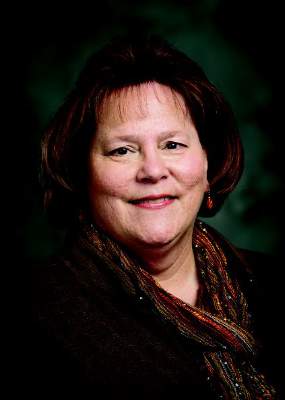
Washington legislative conference: Driving home the unfairness of narrow networks
I just returned from the American Academy of Dermatology’s Washington “fly-in” and wanted to share some of my experiences. Every year, 180 or so dermatologists (all are invited!) and patient advocates spend 3 days in D.C., getting informed, trained, and organized to deliver our message to Congress. Each year, members and AAD staff winnow our many “wants” down to three reasonable “asks.” Background is given and our message rehearsed, for delivery in congressional and Senate offices. On the third day, appointments are kept with your representatives, and you get to try and convince them that your particular ask is beneficial to the country and, most importantly, patients.
This year, our “asks” were for better access to medications, specifically the ability to compound medications in the office (think diluting Kenalog for injection, come on!), which new Food and Drug Administration rules will interfere with; emphasizing the unfairness of narrow Medicare advantage networks; and our last, and usually annual, request for increased research funding for skin disease research.
The fly-in is a fascinating, and often fun, experience, which does affect how the U.S. government works. Truly, the squeaky (and most coherent and organized, thanks to AAD staff) wheel gets the grease.
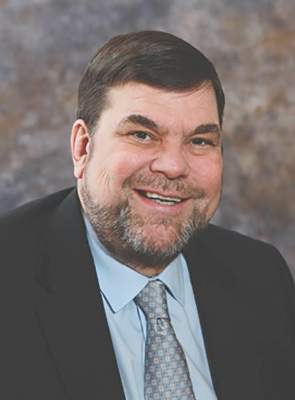
This year, we had the additional weapon of a Government Accountability Office report released the day before our Hill visit, which independently confirmed our allegations regarding the unfairness of narrow networks to patients.
You may recall that last year, the Center for Medicare & Medicaid Services published detailed rules on increasing the accuracy of provider networks, which would have corrected many of the current problems we face. The only deficiency was that CMS has no procedures to review, audit, or enforce the rules they wrote. At the prodding of the AAD, the GAO took CMS to the mat and pummeled them, including such choice quotes as “99% of current provider networks have never been reviewed for accuracy” and “exemptions to insurers with inadequate provider access are approved routinely and never reviewed again.” The GAO made several sweeping recommendations for increased accountability, and the Department of Health & Human Services agreed with all of them.
Boring? Hardly. Think of this as taking the wooden stake created by your AAD, which was adopted by one government agency, and having it driven through the heart of insurance company deceit by another. It made for great emphasis on the Hill, and I expect big changes (and moaning and groaning from Medicare advantage plan insurance providers) in the coming months.
We also made great progress (you can tell by the interest by the staffers and members in our topics) on our other issues. I want to emphasize how effective our patient advocates were in explaining how expensive generics and cost of new drugs adversely affects them, how they have seen their doctors “delisted” from their insurance because their care is expensive, and why research into skin disease is so important to them. They “tie it all together” and bring it home.
I often talk about my “Washington Epiphany,” which can be summarized as, “politicians don’t worry about doctors, but they do about patients.” When you talk to politicians, bureaucrats, policy wonks, or the public about the woes of medical practice, always align it with the needs of patients, and you will be well received. In short, take care of your patients and they will take care of you.
Dr. Coldiron is a past president of the American Academy of Dermatology. He is currently in private practice, but maintains a clinical assistant professorship at the University of Cincinnati. He cares for patients, teaches medical students and residents, and has several active clinical research projects. Dr. Coldiron is the author of more than 80 scientific letters, papers, and several book chapters, and he speaks frequently on a variety of topics. Reach him at dermnews@frontlinemedcom.com.
I just returned from the American Academy of Dermatology’s Washington “fly-in” and wanted to share some of my experiences. Every year, 180 or so dermatologists (all are invited!) and patient advocates spend 3 days in D.C., getting informed, trained, and organized to deliver our message to Congress. Each year, members and AAD staff winnow our many “wants” down to three reasonable “asks.” Background is given and our message rehearsed, for delivery in congressional and Senate offices. On the third day, appointments are kept with your representatives, and you get to try and convince them that your particular ask is beneficial to the country and, most importantly, patients.
This year, our “asks” were for better access to medications, specifically the ability to compound medications in the office (think diluting Kenalog for injection, come on!), which new Food and Drug Administration rules will interfere with; emphasizing the unfairness of narrow Medicare advantage networks; and our last, and usually annual, request for increased research funding for skin disease research.
The fly-in is a fascinating, and often fun, experience, which does affect how the U.S. government works. Truly, the squeaky (and most coherent and organized, thanks to AAD staff) wheel gets the grease.
This year, we had the additional weapon of a Government Accountability Office report released the day before our Hill visit, which independently confirmed our allegations regarding the unfairness of narrow networks to patients.
You may recall that last year, the Center for Medicare & Medicaid Services published detailed rules on increasing the accuracy of provider networks, which would have corrected many of the current problems we face. The only deficiency was that CMS has no procedures to review, audit, or enforce the rules they wrote. At the prodding of the AAD, the GAO took CMS to the mat and pummeled them, including such choice quotes as “99% of current provider networks have never been reviewed for accuracy” and “exemptions to insurers with inadequate provider access are approved routinely and never reviewed again.” The GAO made several sweeping recommendations for increased accountability, and the Department of Health & Human Services agreed with all of them.
Boring? Hardly. Think of this as taking the wooden stake created by your AAD, which was adopted by one government agency, and having it driven through the heart of insurance company deceit by another. It made for great emphasis on the Hill, and I expect big changes (and moaning and groaning from Medicare advantage plan insurance providers) in the coming months.
We also made great progress (you can tell by the interest by the staffers and members in our topics) on our other issues. I want to emphasize how effective our patient advocates were in explaining how expensive generics and cost of new drugs adversely affects them, how they have seen their doctors “delisted” from their insurance because their care is expensive, and why research into skin disease is so important to them. They “tie it all together” and bring it home.
I often talk about my “Washington Epiphany,” which can be summarized as, “politicians don’t worry about doctors, but they do about patients.” When you talk to politicians, bureaucrats, policy wonks, or the public about the woes of medical practice, always align it with the needs of patients, and you will be well received. In short, take care of your patients and they will take care of you.
Dr. Coldiron is a past president of the American Academy of Dermatology. He is currently in private practice, but maintains a clinical assistant professorship at the University of Cincinnati. He cares for patients, teaches medical students and residents, and has several active clinical research projects. Dr. Coldiron is the author of more than 80 scientific letters, papers, and several book chapters, and he speaks frequently on a variety of topics. Reach him at dermnews@frontlinemedcom.com.
I just returned from the American Academy of Dermatology’s Washington “fly-in” and wanted to share some of my experiences. Every year, 180 or so dermatologists (all are invited!) and patient advocates spend 3 days in D.C., getting informed, trained, and organized to deliver our message to Congress. Each year, members and AAD staff winnow our many “wants” down to three reasonable “asks.” Background is given and our message rehearsed, for delivery in congressional and Senate offices. On the third day, appointments are kept with your representatives, and you get to try and convince them that your particular ask is beneficial to the country and, most importantly, patients.
This year, our “asks” were for better access to medications, specifically the ability to compound medications in the office (think diluting Kenalog for injection, come on!), which new Food and Drug Administration rules will interfere with; emphasizing the unfairness of narrow Medicare advantage networks; and our last, and usually annual, request for increased research funding for skin disease research.
The fly-in is a fascinating, and often fun, experience, which does affect how the U.S. government works. Truly, the squeaky (and most coherent and organized, thanks to AAD staff) wheel gets the grease.
This year, we had the additional weapon of a Government Accountability Office report released the day before our Hill visit, which independently confirmed our allegations regarding the unfairness of narrow networks to patients.
You may recall that last year, the Center for Medicare & Medicaid Services published detailed rules on increasing the accuracy of provider networks, which would have corrected many of the current problems we face. The only deficiency was that CMS has no procedures to review, audit, or enforce the rules they wrote. At the prodding of the AAD, the GAO took CMS to the mat and pummeled them, including such choice quotes as “99% of current provider networks have never been reviewed for accuracy” and “exemptions to insurers with inadequate provider access are approved routinely and never reviewed again.” The GAO made several sweeping recommendations for increased accountability, and the Department of Health & Human Services agreed with all of them.
Boring? Hardly. Think of this as taking the wooden stake created by your AAD, which was adopted by one government agency, and having it driven through the heart of insurance company deceit by another. It made for great emphasis on the Hill, and I expect big changes (and moaning and groaning from Medicare advantage plan insurance providers) in the coming months.
We also made great progress (you can tell by the interest by the staffers and members in our topics) on our other issues. I want to emphasize how effective our patient advocates were in explaining how expensive generics and cost of new drugs adversely affects them, how they have seen their doctors “delisted” from their insurance because their care is expensive, and why research into skin disease is so important to them. They “tie it all together” and bring it home.
I often talk about my “Washington Epiphany,” which can be summarized as, “politicians don’t worry about doctors, but they do about patients.” When you talk to politicians, bureaucrats, policy wonks, or the public about the woes of medical practice, always align it with the needs of patients, and you will be well received. In short, take care of your patients and they will take care of you.
Dr. Coldiron is a past president of the American Academy of Dermatology. He is currently in private practice, but maintains a clinical assistant professorship at the University of Cincinnati. He cares for patients, teaches medical students and residents, and has several active clinical research projects. Dr. Coldiron is the author of more than 80 scientific letters, papers, and several book chapters, and he speaks frequently on a variety of topics. Reach him at dermnews@frontlinemedcom.com.
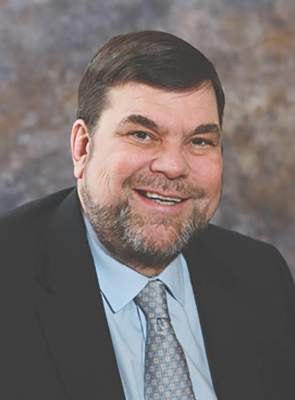
Learned helplessness
Apparently, it is well known among canine behavior specialists that under similar situations dogs will look at human faces while wolves continue about their business – usually eating (“Why Is That Dog Looking at Me?” by James Gorman, New York Times, Sept. 15, 2015).
It also has been shown that when presented with the challenge of opening a food container that has been sealed shut, dogs will give up quickly and look to a nearby human, presumably for help. On the other hand, wolves raised by humans don’t look for help, suggesting that this looking to humans for help behavior may have a genetic component.
If the container of food has been altered so that it can be opened, but only with significant effort, the wolves will persist until they succeed. The adult dogs give up too quickly to succeed and instead look to humans. But, it is very interesting that in some preexperiment trials, at least one 8-month-old puppy kept at it until he was able to open the container, suggesting that in addition to some genetic influence, hanging around humans may foster what we might consider learned helplessness.
This observation wouldn’t surprise the product engineers tasked with developing child-resistant closures that can be easily opened by an adult. And I’m sure this evidence of learned helplessness in an animal wouldn’t surprise those who believe that welfare in any form is an abomination. As a card-carrying centrist, I will leave that argument to the polarizers on both ends of the political spectrum.
But I think this observation is most interesting because it raises the question of how often today’s parents are contributing to their children’s sense of helplessness. You only have to watch a child or grandchild tackle and construct a Lego project to realize that children are natural problem solvers. They get the trial-and-error thing. The problem is that too often we adults intervene at the first hint of failure, and in doing so, screw up the beautiful simplicity of the trial-and-error method of learning.
Watching someone struggle with a challenge for which you know the solution is difficult, particularly difficult if the struggler is your child or spouse. It is tempting to step forward and offer, “Here, let me show you how to do it.” Or, even worse, “Let me do it for you.”
To return to the canine world, consider the dog that brings a ball or stick to his/her master and then sits patiently waiting for the object to be tossed. If nothing is thrown, the dog will eventually give up and curl up for a nap. Puppies, on the other hand, don’t expect someone to initiate the game. They will paw at the ball until it moves or chase some unsuspecting insect playmate.
While offering children the chance to participate in organized sports is preferable to having them sit inside watching television or glued to a computer screen, the pendulum has swung a little too far toward the “organized” side of things. Too many parents seem unaware that if children are placed in an environment with room to run, a ball or two, and a few older children from whom they can model behavior, the children will organize themselves. They will figure out how to choose teams, make rules, and settle disputes.
The sad thing is that too many children have been offered so few opportunities to exercise their own powers of invention that they believe they are helpless to organize themselves. To them a sport is just a miniature version of what they see on television and comes complete with full uniforms, organized teams, sidelines lined with adoring fans ... and – of course – team pictures and trophies for everyone at the end of the season.
Dr. Wilkoff practiced primary care pediatrics in Brunswick, Maine, for nearly 40 years. He has authored several books on behavioral pediatrics, including “Coping with a Picky Eater.” Email him at pdnews@frontlinemedcom.com.
Apparently, it is well known among canine behavior specialists that under similar situations dogs will look at human faces while wolves continue about their business – usually eating (“Why Is That Dog Looking at Me?” by James Gorman, New York Times, Sept. 15, 2015).
It also has been shown that when presented with the challenge of opening a food container that has been sealed shut, dogs will give up quickly and look to a nearby human, presumably for help. On the other hand, wolves raised by humans don’t look for help, suggesting that this looking to humans for help behavior may have a genetic component.
If the container of food has been altered so that it can be opened, but only with significant effort, the wolves will persist until they succeed. The adult dogs give up too quickly to succeed and instead look to humans. But, it is very interesting that in some preexperiment trials, at least one 8-month-old puppy kept at it until he was able to open the container, suggesting that in addition to some genetic influence, hanging around humans may foster what we might consider learned helplessness.
This observation wouldn’t surprise the product engineers tasked with developing child-resistant closures that can be easily opened by an adult. And I’m sure this evidence of learned helplessness in an animal wouldn’t surprise those who believe that welfare in any form is an abomination. As a card-carrying centrist, I will leave that argument to the polarizers on both ends of the political spectrum.
But I think this observation is most interesting because it raises the question of how often today’s parents are contributing to their children’s sense of helplessness. You only have to watch a child or grandchild tackle and construct a Lego project to realize that children are natural problem solvers. They get the trial-and-error thing. The problem is that too often we adults intervene at the first hint of failure, and in doing so, screw up the beautiful simplicity of the trial-and-error method of learning.
Watching someone struggle with a challenge for which you know the solution is difficult, particularly difficult if the struggler is your child or spouse. It is tempting to step forward and offer, “Here, let me show you how to do it.” Or, even worse, “Let me do it for you.”
To return to the canine world, consider the dog that brings a ball or stick to his/her master and then sits patiently waiting for the object to be tossed. If nothing is thrown, the dog will eventually give up and curl up for a nap. Puppies, on the other hand, don’t expect someone to initiate the game. They will paw at the ball until it moves or chase some unsuspecting insect playmate.
While offering children the chance to participate in organized sports is preferable to having them sit inside watching television or glued to a computer screen, the pendulum has swung a little too far toward the “organized” side of things. Too many parents seem unaware that if children are placed in an environment with room to run, a ball or two, and a few older children from whom they can model behavior, the children will organize themselves. They will figure out how to choose teams, make rules, and settle disputes.
The sad thing is that too many children have been offered so few opportunities to exercise their own powers of invention that they believe they are helpless to organize themselves. To them a sport is just a miniature version of what they see on television and comes complete with full uniforms, organized teams, sidelines lined with adoring fans ... and – of course – team pictures and trophies for everyone at the end of the season.
Dr. Wilkoff practiced primary care pediatrics in Brunswick, Maine, for nearly 40 years. He has authored several books on behavioral pediatrics, including “Coping with a Picky Eater.” Email him at pdnews@frontlinemedcom.com.
Apparently, it is well known among canine behavior specialists that under similar situations dogs will look at human faces while wolves continue about their business – usually eating (“Why Is That Dog Looking at Me?” by James Gorman, New York Times, Sept. 15, 2015).
It also has been shown that when presented with the challenge of opening a food container that has been sealed shut, dogs will give up quickly and look to a nearby human, presumably for help. On the other hand, wolves raised by humans don’t look for help, suggesting that this looking to humans for help behavior may have a genetic component.
If the container of food has been altered so that it can be opened, but only with significant effort, the wolves will persist until they succeed. The adult dogs give up too quickly to succeed and instead look to humans. But, it is very interesting that in some preexperiment trials, at least one 8-month-old puppy kept at it until he was able to open the container, suggesting that in addition to some genetic influence, hanging around humans may foster what we might consider learned helplessness.
This observation wouldn’t surprise the product engineers tasked with developing child-resistant closures that can be easily opened by an adult. And I’m sure this evidence of learned helplessness in an animal wouldn’t surprise those who believe that welfare in any form is an abomination. As a card-carrying centrist, I will leave that argument to the polarizers on both ends of the political spectrum.
But I think this observation is most interesting because it raises the question of how often today’s parents are contributing to their children’s sense of helplessness. You only have to watch a child or grandchild tackle and construct a Lego project to realize that children are natural problem solvers. They get the trial-and-error thing. The problem is that too often we adults intervene at the first hint of failure, and in doing so, screw up the beautiful simplicity of the trial-and-error method of learning.
Watching someone struggle with a challenge for which you know the solution is difficult, particularly difficult if the struggler is your child or spouse. It is tempting to step forward and offer, “Here, let me show you how to do it.” Or, even worse, “Let me do it for you.”
To return to the canine world, consider the dog that brings a ball or stick to his/her master and then sits patiently waiting for the object to be tossed. If nothing is thrown, the dog will eventually give up and curl up for a nap. Puppies, on the other hand, don’t expect someone to initiate the game. They will paw at the ball until it moves or chase some unsuspecting insect playmate.
While offering children the chance to participate in organized sports is preferable to having them sit inside watching television or glued to a computer screen, the pendulum has swung a little too far toward the “organized” side of things. Too many parents seem unaware that if children are placed in an environment with room to run, a ball or two, and a few older children from whom they can model behavior, the children will organize themselves. They will figure out how to choose teams, make rules, and settle disputes.
The sad thing is that too many children have been offered so few opportunities to exercise their own powers of invention that they believe they are helpless to organize themselves. To them a sport is just a miniature version of what they see on television and comes complete with full uniforms, organized teams, sidelines lined with adoring fans ... and – of course – team pictures and trophies for everyone at the end of the season.
Dr. Wilkoff practiced primary care pediatrics in Brunswick, Maine, for nearly 40 years. He has authored several books on behavioral pediatrics, including “Coping with a Picky Eater.” Email him at pdnews@frontlinemedcom.com.

BLOG: Cardiologists quickly adopt SPRINT’s 120-mm Hg blood pressure target
Heart failure physicians were quick to embrace the sub–120 mm Hg systolic blood pressure target for both patients and at-risk people fewer than 3 weeks after the early-release news came out from the SPRINT trial that treating to this level produced a significant cut in cardiovascular disease events, compared with a less stringent systolic blood-pressure target of below 140 mm Hg.
At the annual meeting of the Heart Failure Society of America this week – one of the first cardiology gatherings held since the SPRINT announcement on Sept. 11 – at least 10 heart failure specialists offered their opinion at various times during the sessions on what the results have already meant for their practice. What was most striking was their unanimity in accepting this new blood pressure treatment target for heart failure patients and for people at increased risk for developing heart failure, and the rapidity at which they had come to their decision despite the absence so far of details about the trial’s results.
The unifying theme was that these physicians constituted a highly receptive audience for the SPRINT message, several of these specialists said in interviews. They appeared poised to pounce on a scientific rationale as soon as it became available to adopt a more aggressive blood pressure goal. It’s certainly no coincidence that most (if not all) these physicians now see uncontrolled hypertension as one of the top drivers of both heart failure onset and progression.
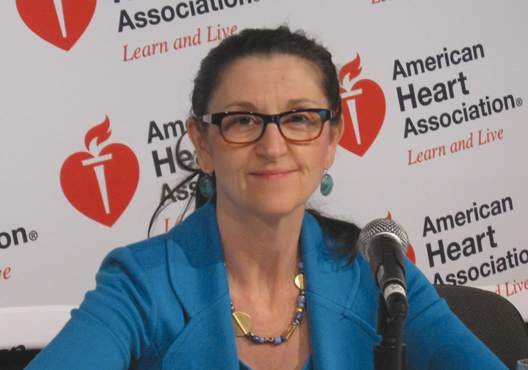
“We’ve all had some misgivings” about the systolic blood pressure targets set by the JNC 8 panel members last year of less than 150 mm Hg or less than 140 mm Hg (depending on age), and as a result of those misgivings, “I think people were ready to do a reverse and accept a new, lower target,” said Dr. Margaret M. Redfield, a heart failure specialist who was among those at the meeting who voiced endorsement for a new, sub–120 mm Hg target. “We don’t have the [SPRINT] data yet, but it’s very unusual for the NHLBI to release trial information ahead of time, so it must be very dramatic,” she added.
“The data and safety monitoring board had strict rules to govern early stopping,” said Dr. Clyde W. Yancy, a heart failure cardiologist and a member of the SPRINT data and safety monitoring panel. While careful not to prematurely provide any unreleased details of the SPRINT results, Dr. Yancy tried to frame what the September announcement meant in objective terms, while also rationalizing the quick uptake of the finding by so many of his colleagues.

“The decision to stop early must have been driven by some high level of evidence,” he told me, “You can infer a significant scientific rational” for a new target of less than 120 mm Hg “and you have to also surmise that there was no signal of harm.”
And, of course, some cardiologists had decided even before the SPRINT results came out in September that a lower target was better even without any evidence to back up that instinct.
“I love the 120s; a 140-mm Hg target has always been too high for me,” said Dr. Ileana L. Piña, a heart failure specialist at Montefiore Medical Center, Bronx, N.Y.
Another question, following so many endorsements of the 120-mm Hg goal, was whether these physicians believed people stood a good chance to reach this ambitious target.
“It’s a target; it’s not that everyone will get to it, but we need to apply the same rigor for blood pressure control as we use in heart failure clinics,” Dr. Redfield said. “We need to use a system” for patient support and monitoring and to promote adherence to treatment, “and keep pushing” patients to work toward their goal, she said.
Dr. Yancy predicted that a more aggressive blood pressure goal will help generate a stronger and more innovative infrastructure of drugs and monitoring tools to help patients get there.
“If a target blood pressure of 120/80 mm Hg gains credibility in guidelines, I think that industry will respond” with more combined drug formulations, new drugs, and innovative methods for easier blood pressure measurement, he said.
On Twitter @mitchelzoler
Heart failure physicians were quick to embrace the sub–120 mm Hg systolic blood pressure target for both patients and at-risk people fewer than 3 weeks after the early-release news came out from the SPRINT trial that treating to this level produced a significant cut in cardiovascular disease events, compared with a less stringent systolic blood-pressure target of below 140 mm Hg.
At the annual meeting of the Heart Failure Society of America this week – one of the first cardiology gatherings held since the SPRINT announcement on Sept. 11 – at least 10 heart failure specialists offered their opinion at various times during the sessions on what the results have already meant for their practice. What was most striking was their unanimity in accepting this new blood pressure treatment target for heart failure patients and for people at increased risk for developing heart failure, and the rapidity at which they had come to their decision despite the absence so far of details about the trial’s results.
The unifying theme was that these physicians constituted a highly receptive audience for the SPRINT message, several of these specialists said in interviews. They appeared poised to pounce on a scientific rationale as soon as it became available to adopt a more aggressive blood pressure goal. It’s certainly no coincidence that most (if not all) these physicians now see uncontrolled hypertension as one of the top drivers of both heart failure onset and progression.
“We’ve all had some misgivings” about the systolic blood pressure targets set by the JNC 8 panel members last year of less than 150 mm Hg or less than 140 mm Hg (depending on age), and as a result of those misgivings, “I think people were ready to do a reverse and accept a new, lower target,” said Dr. Margaret M. Redfield, a heart failure specialist who was among those at the meeting who voiced endorsement for a new, sub–120 mm Hg target. “We don’t have the [SPRINT] data yet, but it’s very unusual for the NHLBI to release trial information ahead of time, so it must be very dramatic,” she added.
“The data and safety monitoring board had strict rules to govern early stopping,” said Dr. Clyde W. Yancy, a heart failure cardiologist and a member of the SPRINT data and safety monitoring panel. While careful not to prematurely provide any unreleased details of the SPRINT results, Dr. Yancy tried to frame what the September announcement meant in objective terms, while also rationalizing the quick uptake of the finding by so many of his colleagues.
“The decision to stop early must have been driven by some high level of evidence,” he told me, “You can infer a significant scientific rational” for a new target of less than 120 mm Hg “and you have to also surmise that there was no signal of harm.”
And, of course, some cardiologists had decided even before the SPRINT results came out in September that a lower target was better even without any evidence to back up that instinct.
“I love the 120s; a 140-mm Hg target has always been too high for me,” said Dr. Ileana L. Piña, a heart failure specialist at Montefiore Medical Center, Bronx, N.Y.
Another question, following so many endorsements of the 120-mm Hg goal, was whether these physicians believed people stood a good chance to reach this ambitious target.
“It’s a target; it’s not that everyone will get to it, but we need to apply the same rigor for blood pressure control as we use in heart failure clinics,” Dr. Redfield said. “We need to use a system” for patient support and monitoring and to promote adherence to treatment, “and keep pushing” patients to work toward their goal, she said.
Dr. Yancy predicted that a more aggressive blood pressure goal will help generate a stronger and more innovative infrastructure of drugs and monitoring tools to help patients get there.
“If a target blood pressure of 120/80 mm Hg gains credibility in guidelines, I think that industry will respond” with more combined drug formulations, new drugs, and innovative methods for easier blood pressure measurement, he said.
On Twitter @mitchelzoler
Heart failure physicians were quick to embrace the sub–120 mm Hg systolic blood pressure target for both patients and at-risk people fewer than 3 weeks after the early-release news came out from the SPRINT trial that treating to this level produced a significant cut in cardiovascular disease events, compared with a less stringent systolic blood-pressure target of below 140 mm Hg.
At the annual meeting of the Heart Failure Society of America this week – one of the first cardiology gatherings held since the SPRINT announcement on Sept. 11 – at least 10 heart failure specialists offered their opinion at various times during the sessions on what the results have already meant for their practice. What was most striking was their unanimity in accepting this new blood pressure treatment target for heart failure patients and for people at increased risk for developing heart failure, and the rapidity at which they had come to their decision despite the absence so far of details about the trial’s results.
The unifying theme was that these physicians constituted a highly receptive audience for the SPRINT message, several of these specialists said in interviews. They appeared poised to pounce on a scientific rationale as soon as it became available to adopt a more aggressive blood pressure goal. It’s certainly no coincidence that most (if not all) these physicians now see uncontrolled hypertension as one of the top drivers of both heart failure onset and progression.
“We’ve all had some misgivings” about the systolic blood pressure targets set by the JNC 8 panel members last year of less than 150 mm Hg or less than 140 mm Hg (depending on age), and as a result of those misgivings, “I think people were ready to do a reverse and accept a new, lower target,” said Dr. Margaret M. Redfield, a heart failure specialist who was among those at the meeting who voiced endorsement for a new, sub–120 mm Hg target. “We don’t have the [SPRINT] data yet, but it’s very unusual for the NHLBI to release trial information ahead of time, so it must be very dramatic,” she added.
“The data and safety monitoring board had strict rules to govern early stopping,” said Dr. Clyde W. Yancy, a heart failure cardiologist and a member of the SPRINT data and safety monitoring panel. While careful not to prematurely provide any unreleased details of the SPRINT results, Dr. Yancy tried to frame what the September announcement meant in objective terms, while also rationalizing the quick uptake of the finding by so many of his colleagues.
“The decision to stop early must have been driven by some high level of evidence,” he told me, “You can infer a significant scientific rational” for a new target of less than 120 mm Hg “and you have to also surmise that there was no signal of harm.”
And, of course, some cardiologists had decided even before the SPRINT results came out in September that a lower target was better even without any evidence to back up that instinct.
“I love the 120s; a 140-mm Hg target has always been too high for me,” said Dr. Ileana L. Piña, a heart failure specialist at Montefiore Medical Center, Bronx, N.Y.
Another question, following so many endorsements of the 120-mm Hg goal, was whether these physicians believed people stood a good chance to reach this ambitious target.
“It’s a target; it’s not that everyone will get to it, but we need to apply the same rigor for blood pressure control as we use in heart failure clinics,” Dr. Redfield said. “We need to use a system” for patient support and monitoring and to promote adherence to treatment, “and keep pushing” patients to work toward their goal, she said.
Dr. Yancy predicted that a more aggressive blood pressure goal will help generate a stronger and more innovative infrastructure of drugs and monitoring tools to help patients get there.
“If a target blood pressure of 120/80 mm Hg gains credibility in guidelines, I think that industry will respond” with more combined drug formulations, new drugs, and innovative methods for easier blood pressure measurement, he said.
On Twitter @mitchelzoler
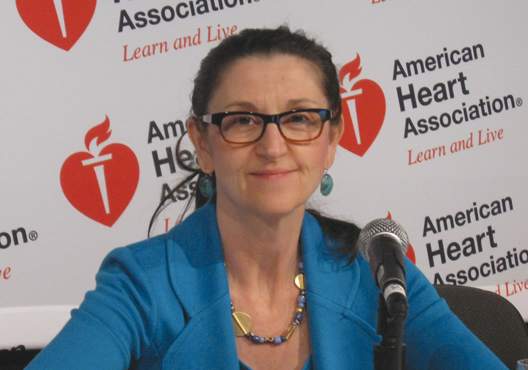
Dear insurance companies: Stop sending me unnecessary reminder letters
I am, apparently, not a very good doctor. At least, that’s what some mailings I get from insurance companies make me think.
You probably get the same ones. They tell me what guidelines I’m not following or drug interactions I’m not mindful of. I suppose I should be grateful for their efforts to protect patients.
Letters I’ve gotten in the last week have reminded me that:
• Patients with elevated fasting blood sugars should be started on metformin.
• A lady on Eliquis (apixaban) after developing a deep-vein thrombosis should be considered for a less costly alternative, such as warfarin, to help her save money.
• An antihypertensive agent is recommended for a young man with persistently elevated blood pressures.
• An older gentleman’s lipid-lowering agent may interfere with his diabetes medication.
What do these have to do with anything that I, as a neurologist, am doing for the patient? Nothing.
Why are they being sent to me, as opposed to an internist or cardiologist? I have no idea. Of course, for all I know, the other docs might be getting recommendations on how to manage Parkinson’s disease or multiple sclerosis.
The insurance companies pay the bills. They obviously know which doctors are seeing who and prescribing what. Their billing systems track who practices what specialty. If I were to try submitting a claim for pulmonary evaluation, I’m sure they’d immediately notice and deny it.
So why can’t they get this straight? It seems like a big waste of time, paper, and postage all around.
On rare occasions, they actually get it right … sort of. About a month ago, I received a letter about a migraine patient, telling me that, for those with frequent migraines, a preventive medication should be considered. It even listed her current prescriptions to help me understand.
I absolutely agree with the letter, but it completely ignored that her medication list already included topiramate and nortriptyline, both commonly used for migraine prophylaxis. Since she has no other reason to be on either, I have no idea why they thought I’d use them. These kinds of notes all end with some generic comment that these are just suggestions, and only I and my patient can make the correct decisions about treatment, etc. etc.
That letter may be well intentioned, perhaps, but it is also inaccurate, unnecessary, and – to me – even a little demeaning. If you don’t think I know what I’m doing, then why are you sending patients to me? Maybe the software you’re using to screen charts and send these letters should open its own practice instead.
If the real goal of these letters is to save money (and we all know it is), then why is the company wasting it on redundant and inaccurate letters, usually not even sent to the correct doctor?
Dr. Block has a solo neurology practice in Scottsdale, Ariz.
I am, apparently, not a very good doctor. At least, that’s what some mailings I get from insurance companies make me think.
You probably get the same ones. They tell me what guidelines I’m not following or drug interactions I’m not mindful of. I suppose I should be grateful for their efforts to protect patients.
Letters I’ve gotten in the last week have reminded me that:
• Patients with elevated fasting blood sugars should be started on metformin.
• A lady on Eliquis (apixaban) after developing a deep-vein thrombosis should be considered for a less costly alternative, such as warfarin, to help her save money.
• An antihypertensive agent is recommended for a young man with persistently elevated blood pressures.
• An older gentleman’s lipid-lowering agent may interfere with his diabetes medication.
What do these have to do with anything that I, as a neurologist, am doing for the patient? Nothing.
Why are they being sent to me, as opposed to an internist or cardiologist? I have no idea. Of course, for all I know, the other docs might be getting recommendations on how to manage Parkinson’s disease or multiple sclerosis.
The insurance companies pay the bills. They obviously know which doctors are seeing who and prescribing what. Their billing systems track who practices what specialty. If I were to try submitting a claim for pulmonary evaluation, I’m sure they’d immediately notice and deny it.
So why can’t they get this straight? It seems like a big waste of time, paper, and postage all around.
On rare occasions, they actually get it right … sort of. About a month ago, I received a letter about a migraine patient, telling me that, for those with frequent migraines, a preventive medication should be considered. It even listed her current prescriptions to help me understand.
I absolutely agree with the letter, but it completely ignored that her medication list already included topiramate and nortriptyline, both commonly used for migraine prophylaxis. Since she has no other reason to be on either, I have no idea why they thought I’d use them. These kinds of notes all end with some generic comment that these are just suggestions, and only I and my patient can make the correct decisions about treatment, etc. etc.
That letter may be well intentioned, perhaps, but it is also inaccurate, unnecessary, and – to me – even a little demeaning. If you don’t think I know what I’m doing, then why are you sending patients to me? Maybe the software you’re using to screen charts and send these letters should open its own practice instead.
If the real goal of these letters is to save money (and we all know it is), then why is the company wasting it on redundant and inaccurate letters, usually not even sent to the correct doctor?
Dr. Block has a solo neurology practice in Scottsdale, Ariz.
I am, apparently, not a very good doctor. At least, that’s what some mailings I get from insurance companies make me think.
You probably get the same ones. They tell me what guidelines I’m not following or drug interactions I’m not mindful of. I suppose I should be grateful for their efforts to protect patients.
Letters I’ve gotten in the last week have reminded me that:
• Patients with elevated fasting blood sugars should be started on metformin.
• A lady on Eliquis (apixaban) after developing a deep-vein thrombosis should be considered for a less costly alternative, such as warfarin, to help her save money.
• An antihypertensive agent is recommended for a young man with persistently elevated blood pressures.
• An older gentleman’s lipid-lowering agent may interfere with his diabetes medication.
What do these have to do with anything that I, as a neurologist, am doing for the patient? Nothing.
Why are they being sent to me, as opposed to an internist or cardiologist? I have no idea. Of course, for all I know, the other docs might be getting recommendations on how to manage Parkinson’s disease or multiple sclerosis.
The insurance companies pay the bills. They obviously know which doctors are seeing who and prescribing what. Their billing systems track who practices what specialty. If I were to try submitting a claim for pulmonary evaluation, I’m sure they’d immediately notice and deny it.
So why can’t they get this straight? It seems like a big waste of time, paper, and postage all around.
On rare occasions, they actually get it right … sort of. About a month ago, I received a letter about a migraine patient, telling me that, for those with frequent migraines, a preventive medication should be considered. It even listed her current prescriptions to help me understand.
I absolutely agree with the letter, but it completely ignored that her medication list already included topiramate and nortriptyline, both commonly used for migraine prophylaxis. Since she has no other reason to be on either, I have no idea why they thought I’d use them. These kinds of notes all end with some generic comment that these are just suggestions, and only I and my patient can make the correct decisions about treatment, etc. etc.
That letter may be well intentioned, perhaps, but it is also inaccurate, unnecessary, and – to me – even a little demeaning. If you don’t think I know what I’m doing, then why are you sending patients to me? Maybe the software you’re using to screen charts and send these letters should open its own practice instead.
If the real goal of these letters is to save money (and we all know it is), then why is the company wasting it on redundant and inaccurate letters, usually not even sent to the correct doctor?
Dr. Block has a solo neurology practice in Scottsdale, Ariz.
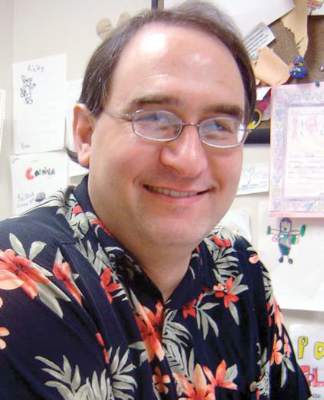
Dear insurance companies: Stop sending me unnecessary reminder letters
I am, apparently, not a very good doctor. At least, that’s what some mailings I get from insurance companies make me think.
You probably get the same ones. They tell me what guidelines I’m not following or drug interactions I’m not mindful of. I suppose I should be grateful for their efforts to protect patients.
Letters I’ve gotten in the last week have reminded me that:
• Patients with elevated fasting blood sugars should be started on metformin.
• A lady on Eliquis (apixaban) after developing a deep-vein thrombosis should be considered for a less costly alternative, such as warfarin, to help her save money.
• An antihypertensive agent is recommended for a young man with persistently elevated blood pressures.
• An older gentleman’s lipid-lowering agent may interfere with his diabetes medication.
What do these have to do with anything that I, as a neurologist, am doing for the patient? Nothing.
Why are they being sent to me, as opposed to an internist or cardiologist? I have no idea. Of course, for all I know, the other docs might be getting recommendations on how to manage Parkinson’s disease or multiple sclerosis.
The insurance companies pay the bills. They obviously know which doctors are seeing who and prescribing what. Their billing systems track who practices what specialty. If I were to try submitting a claim for pulmonary evaluation, I’m sure they’d immediately notice and deny it.
So why can’t they get this straight? It seems like a big waste of time, paper, and postage all around.
On rare occasions, they actually get it right … sort of. About a month ago, I received a letter about a migraine patient, telling me that, for those with frequent migraines, a preventive medication should be considered. It even listed her current prescriptions to help me understand.
I absolutely agree with the letter, but it completely ignored that her medication list already included topiramate and nortriptyline, both commonly used for migraine prophylaxis. Since she has no other reason to be on either, I have no idea why they thought I’d use them. These kinds of notes all end with some generic comment that these are just suggestions, and only I and my patient can make the correct decisions about treatment, etc. etc.
That letter may be well intentioned, perhaps, but it is also inaccurate, unnecessary, and – to me – even a little demeaning. If you don’t think I know what I’m doing, then why are you sending patients to me? Maybe the software you’re using to screen charts and send these letters should open its own practice instead.
If the real goal of these letters is to save money (and we all know it is), then why is the company wasting it on redundant and inaccurate letters, usually not even sent to the correct doctor?
Dr. Block has a solo neurology practice in Scottsdale, Ariz.
I am, apparently, not a very good doctor. At least, that’s what some mailings I get from insurance companies make me think.
You probably get the same ones. They tell me what guidelines I’m not following or drug interactions I’m not mindful of. I suppose I should be grateful for their efforts to protect patients.
Letters I’ve gotten in the last week have reminded me that:
• Patients with elevated fasting blood sugars should be started on metformin.
• A lady on Eliquis (apixaban) after developing a deep-vein thrombosis should be considered for a less costly alternative, such as warfarin, to help her save money.
• An antihypertensive agent is recommended for a young man with persistently elevated blood pressures.
• An older gentleman’s lipid-lowering agent may interfere with his diabetes medication.
What do these have to do with anything that I, as a neurologist, am doing for the patient? Nothing.
Why are they being sent to me, as opposed to an internist or cardiologist? I have no idea. Of course, for all I know, the other docs might be getting recommendations on how to manage Parkinson’s disease or multiple sclerosis.
The insurance companies pay the bills. They obviously know which doctors are seeing who and prescribing what. Their billing systems track who practices what specialty. If I were to try submitting a claim for pulmonary evaluation, I’m sure they’d immediately notice and deny it.
So why can’t they get this straight? It seems like a big waste of time, paper, and postage all around.
On rare occasions, they actually get it right … sort of. About a month ago, I received a letter about a migraine patient, telling me that, for those with frequent migraines, a preventive medication should be considered. It even listed her current prescriptions to help me understand.
I absolutely agree with the letter, but it completely ignored that her medication list already included topiramate and nortriptyline, both commonly used for migraine prophylaxis. Since she has no other reason to be on either, I have no idea why they thought I’d use them. These kinds of notes all end with some generic comment that these are just suggestions, and only I and my patient can make the correct decisions about treatment, etc. etc.
That letter may be well intentioned, perhaps, but it is also inaccurate, unnecessary, and – to me – even a little demeaning. If you don’t think I know what I’m doing, then why are you sending patients to me? Maybe the software you’re using to screen charts and send these letters should open its own practice instead.
If the real goal of these letters is to save money (and we all know it is), then why is the company wasting it on redundant and inaccurate letters, usually not even sent to the correct doctor?
Dr. Block has a solo neurology practice in Scottsdale, Ariz.
I am, apparently, not a very good doctor. At least, that’s what some mailings I get from insurance companies make me think.
You probably get the same ones. They tell me what guidelines I’m not following or drug interactions I’m not mindful of. I suppose I should be grateful for their efforts to protect patients.
Letters I’ve gotten in the last week have reminded me that:
• Patients with elevated fasting blood sugars should be started on metformin.
• A lady on Eliquis (apixaban) after developing a deep-vein thrombosis should be considered for a less costly alternative, such as warfarin, to help her save money.
• An antihypertensive agent is recommended for a young man with persistently elevated blood pressures.
• An older gentleman’s lipid-lowering agent may interfere with his diabetes medication.
What do these have to do with anything that I, as a neurologist, am doing for the patient? Nothing.
Why are they being sent to me, as opposed to an internist or cardiologist? I have no idea. Of course, for all I know, the other docs might be getting recommendations on how to manage Parkinson’s disease or multiple sclerosis.
The insurance companies pay the bills. They obviously know which doctors are seeing who and prescribing what. Their billing systems track who practices what specialty. If I were to try submitting a claim for pulmonary evaluation, I’m sure they’d immediately notice and deny it.
So why can’t they get this straight? It seems like a big waste of time, paper, and postage all around.
On rare occasions, they actually get it right … sort of. About a month ago, I received a letter about a migraine patient, telling me that, for those with frequent migraines, a preventive medication should be considered. It even listed her current prescriptions to help me understand.
I absolutely agree with the letter, but it completely ignored that her medication list already included topiramate and nortriptyline, both commonly used for migraine prophylaxis. Since she has no other reason to be on either, I have no idea why they thought I’d use them. These kinds of notes all end with some generic comment that these are just suggestions, and only I and my patient can make the correct decisions about treatment, etc. etc.
That letter may be well intentioned, perhaps, but it is also inaccurate, unnecessary, and – to me – even a little demeaning. If you don’t think I know what I’m doing, then why are you sending patients to me? Maybe the software you’re using to screen charts and send these letters should open its own practice instead.
If the real goal of these letters is to save money (and we all know it is), then why is the company wasting it on redundant and inaccurate letters, usually not even sent to the correct doctor?
Dr. Block has a solo neurology practice in Scottsdale, Ariz.