User login
The merger of personal and professional: A psychologist’s experience with the effects of COVID-19
The concepts of days, weeks, and months have all but lost their meaning during the times of coronavirus. This became all too clear when I found myself weeks into June before realizing that we were in the second half of 2020. The world has been in the grips of COVID-19 (the disease caused by SARS-CoV-2) for over half a year, and the end is still not in sight. Even more chilling is the fact that the virus’s effects will continue to be felt by humanity for years to come.
By now, most of us have been affected by COVID-19, whether directly or indirectly. Consequently, we’ve seen that the psychological toll the pandemic takes is as wide ranging as the disease caused by the novel coronavirus itself. Confusion, denial, fear, anxiety, depression/sadness, and emotional dysregulation have become all too common an experience. Many mental health experts have even likened our psychological response to COVID-19 to that of trauma survivors.
In early 2020, triggered by two separate but related threats. In addition to concerns regarding COVID-19, we also began to experience fear for our physical safety as anti-Chinese sentiment began to rise across the country and the world. Discrimination and acts of violence toward Chinese people worldwide began to spread almost as rapidly as the virus itself. Anxiety and fear became a common daily experience of countless people, myself included.
In late March, amid coping with existing stressors, my situation became significantly worse when my brother, a New York City firefighter, contracted COVID-19 while working on the front lines. Shortly thereafter, my parents, both aged 60 years and older, with whom my brother shares a home, contracted the virus as well. My anxiety triggers related to the spread of the virus and xenophobia suddenly became a distant memory. I now found myself grappling with the much greater fear of losing my entire family.
At the time, the availability of testing was very limited, even for those working on the front lines. Although not without a short delay, my brother was able to access testing through Fire Department of New York connections. After about 3 weeks in self-isolation at home and with the use of over the counter pain relievers, he made a full recovery and returned to work. My parents, on the other hand, were placed at the end of a weeks-long line for testing, during which time their conditions deteriorated. Nine days following the onset of my mother’s symptoms, her condition had gotten so bad, she required hospitalization. Six days later, my father followed suit.
Being in the epicenter of the COVID-19 outbreak, New York hospitals were severely overwhelmed. Upon admission, my mother was held in the ED and other temporary open spaces in the hospital for nearly 24 hours because there was a lack of available patient rooms. During this time, she was packed into small spaces with dozens of other patients afflicted with the same disease. Four days later, she was transferred to a different hospital 10 miles away to make room for new patients. Decisions needed to be made rapidly and often with limited communication, which made for a roller coaster of emotions that would not relent.
Confusion. One of the few things we know with certainty about coronavirus is how much we don’t know. The Centers for Disease Control and Prevention data indicate that older adults with underlying health conditions have worse outcomes. Yet my mother, who is younger and in better physical health than my father, became much sicker in a drastically shorter period of time. Furthermore, my parents’ symptoms were completely inconsistent with one another’s. Based on their symptoms alone, it appeared as though they were suffering with different conditions entirely. My mother experienced body aches and gastrointestinal symptoms, whereas my father developed the typical cough and fever associated with COVID-19. In addition to confusion regarding their symptoms and, therefore, in determining the best at-home supportive care prior to their hospitalizations, the lack of available testing made the very question of whether they even had COVID-19 an uncertainty.
Denial. When my family members first became symptomatic, I found myself in a state of denial not unlike that of individuals experiencing grief. I frequently engaged in both internal and external dialogues in which I would attempt to convince myself of the reasons why my family did not have COVID-19.
“My brother wears PPE while at work.”
“My father’s cough was mild.”
“My mother does not have a cough or a fever.”
Despite knowing better, I was initially unable to accept that everyone in my family had contracted a disease that had already claimed the lives of tens of thousands globally.
Fear. In order to prevent the spread of infection, many hospitals made changes to their visitor policies, placing greater restrictions on who can come and go. This has meant hospital patients who have died from COVID-19 complications have done so separated from their loved ones. After transporting my mother to the hospital ED, I was politely but firmly asked to leave per the new visitor policy. I felt as though there were cinder blocks attached to my feet as I reluctantly walked away, not knowing if it would be the last time I would see her. I experienced a fear and sadness so intense, it continues to elicit an emotional response today as I think back on that moment.
Anxiety. The difference between fear and anxiety is fear is an emotional response to a known threat or danger, and anxiety is a response to an unknown threat or danger. The days that followed my parents’ hospitalizations were riddled with anxiety that would come in waves. How were they doing? Could they breathe? Do the overwhelmed hospital staff have time to take care of them? What can I do to help? Is there anything I can do to help? The worrisome thoughts and unanswerable questions were incessant and seemed unresponsive to my efforts to quell them.
Sadness. To feel sadness is to be human. In my work as a psychologist, I emphasize the value in experiencing this emotion when therapeutically beneficial. This technique is used as part of acceptance and commitment therapy (ACT), which emphasizes the value of being present or in touch with one’s thoughts and emotions, instead of working to eliminate them. During these scary times, I leaned into this notion more than ever. I gave myself permission to not feel okay, to cry more than I had in a long time, and to be unapologetically sad. I flip-flopped between states of near-despair and hopeful, with the switch usually following a call from a member of the hospital care team with updates on my parents’ conditions.
My parents’ road to recovery extended far beyond their discharge from the hospital and was not without incident, but with support and appropriate follow-up care, they have since made full recoveries from COVID-19. Although the relief and happiness this brings me is immeasurable, the experience has left a lasting impression on me as both a person and a psychologist. Speaking as a person, I cannot overstate the value of relying on one’s social support network while coping with stressors related to COVID-19. Whether you are directly or indirectly affected by the disease, the emotional effects can feel equally intense. As in times of happiness and celebration, times of sadness can and should be shared by those who are equipped to provide support. This can be tricky in an era during which isolation is prescribed for our safety, but we have more options today for connecting virtually with others than ever before, including video conferencing, email, and that old friend, the telephone. Furthermore, identify and assert your boundaries. Sometimes, saying no to others is the best way to say yes to yourself. Certain work, chores, and social obligations that can wait, should wait.
As a psychologist, my experience has given me a renewed appreciation for the power of the therapeutic use of self in psychotherapy. The factor with the greatest effects on psychotherapy outcomes is the quality of the therapeutic alliance, a concept introduced by Sigmund Freud in 1912. I believe a therapist’s willingness to show that we, too, experience life’s ups and downs strengthens our ability to demonstrate empathy and further promote a sense of alliance. Therapists are not immune to the effects of COVID-19, and to acknowledge this fact allows us to relate to our patients on a basic human level, which is more important now than ever.
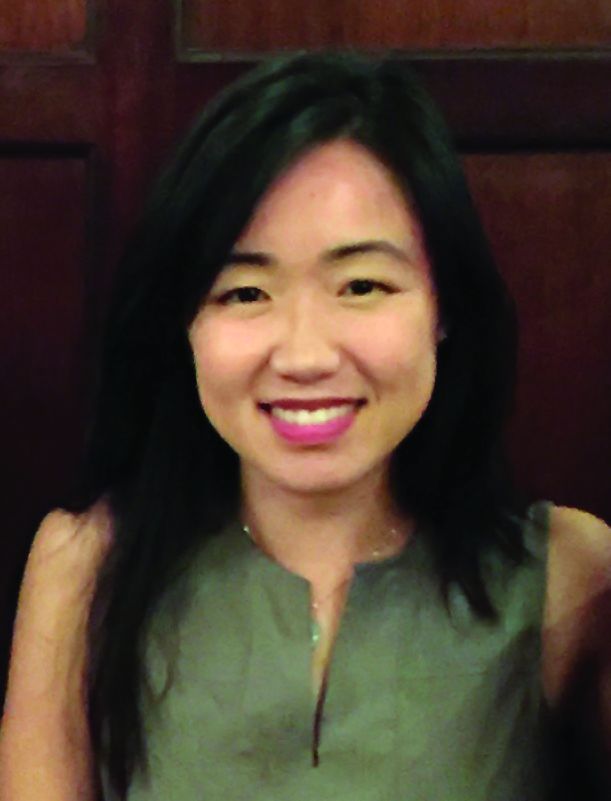
Dr. Tseng, a licensed clinical psychologist, is in private practice in New York. She disclosed no relevant financial relationships.
The concepts of days, weeks, and months have all but lost their meaning during the times of coronavirus. This became all too clear when I found myself weeks into June before realizing that we were in the second half of 2020. The world has been in the grips of COVID-19 (the disease caused by SARS-CoV-2) for over half a year, and the end is still not in sight. Even more chilling is the fact that the virus’s effects will continue to be felt by humanity for years to come.
By now, most of us have been affected by COVID-19, whether directly or indirectly. Consequently, we’ve seen that the psychological toll the pandemic takes is as wide ranging as the disease caused by the novel coronavirus itself. Confusion, denial, fear, anxiety, depression/sadness, and emotional dysregulation have become all too common an experience. Many mental health experts have even likened our psychological response to COVID-19 to that of trauma survivors.
In early 2020, triggered by two separate but related threats. In addition to concerns regarding COVID-19, we also began to experience fear for our physical safety as anti-Chinese sentiment began to rise across the country and the world. Discrimination and acts of violence toward Chinese people worldwide began to spread almost as rapidly as the virus itself. Anxiety and fear became a common daily experience of countless people, myself included.
In late March, amid coping with existing stressors, my situation became significantly worse when my brother, a New York City firefighter, contracted COVID-19 while working on the front lines. Shortly thereafter, my parents, both aged 60 years and older, with whom my brother shares a home, contracted the virus as well. My anxiety triggers related to the spread of the virus and xenophobia suddenly became a distant memory. I now found myself grappling with the much greater fear of losing my entire family.
At the time, the availability of testing was very limited, even for those working on the front lines. Although not without a short delay, my brother was able to access testing through Fire Department of New York connections. After about 3 weeks in self-isolation at home and with the use of over the counter pain relievers, he made a full recovery and returned to work. My parents, on the other hand, were placed at the end of a weeks-long line for testing, during which time their conditions deteriorated. Nine days following the onset of my mother’s symptoms, her condition had gotten so bad, she required hospitalization. Six days later, my father followed suit.
Being in the epicenter of the COVID-19 outbreak, New York hospitals were severely overwhelmed. Upon admission, my mother was held in the ED and other temporary open spaces in the hospital for nearly 24 hours because there was a lack of available patient rooms. During this time, she was packed into small spaces with dozens of other patients afflicted with the same disease. Four days later, she was transferred to a different hospital 10 miles away to make room for new patients. Decisions needed to be made rapidly and often with limited communication, which made for a roller coaster of emotions that would not relent.
Confusion. One of the few things we know with certainty about coronavirus is how much we don’t know. The Centers for Disease Control and Prevention data indicate that older adults with underlying health conditions have worse outcomes. Yet my mother, who is younger and in better physical health than my father, became much sicker in a drastically shorter period of time. Furthermore, my parents’ symptoms were completely inconsistent with one another’s. Based on their symptoms alone, it appeared as though they were suffering with different conditions entirely. My mother experienced body aches and gastrointestinal symptoms, whereas my father developed the typical cough and fever associated with COVID-19. In addition to confusion regarding their symptoms and, therefore, in determining the best at-home supportive care prior to their hospitalizations, the lack of available testing made the very question of whether they even had COVID-19 an uncertainty.
Denial. When my family members first became symptomatic, I found myself in a state of denial not unlike that of individuals experiencing grief. I frequently engaged in both internal and external dialogues in which I would attempt to convince myself of the reasons why my family did not have COVID-19.
“My brother wears PPE while at work.”
“My father’s cough was mild.”
“My mother does not have a cough or a fever.”
Despite knowing better, I was initially unable to accept that everyone in my family had contracted a disease that had already claimed the lives of tens of thousands globally.
Fear. In order to prevent the spread of infection, many hospitals made changes to their visitor policies, placing greater restrictions on who can come and go. This has meant hospital patients who have died from COVID-19 complications have done so separated from their loved ones. After transporting my mother to the hospital ED, I was politely but firmly asked to leave per the new visitor policy. I felt as though there were cinder blocks attached to my feet as I reluctantly walked away, not knowing if it would be the last time I would see her. I experienced a fear and sadness so intense, it continues to elicit an emotional response today as I think back on that moment.
Anxiety. The difference between fear and anxiety is fear is an emotional response to a known threat or danger, and anxiety is a response to an unknown threat or danger. The days that followed my parents’ hospitalizations were riddled with anxiety that would come in waves. How were they doing? Could they breathe? Do the overwhelmed hospital staff have time to take care of them? What can I do to help? Is there anything I can do to help? The worrisome thoughts and unanswerable questions were incessant and seemed unresponsive to my efforts to quell them.
Sadness. To feel sadness is to be human. In my work as a psychologist, I emphasize the value in experiencing this emotion when therapeutically beneficial. This technique is used as part of acceptance and commitment therapy (ACT), which emphasizes the value of being present or in touch with one’s thoughts and emotions, instead of working to eliminate them. During these scary times, I leaned into this notion more than ever. I gave myself permission to not feel okay, to cry more than I had in a long time, and to be unapologetically sad. I flip-flopped between states of near-despair and hopeful, with the switch usually following a call from a member of the hospital care team with updates on my parents’ conditions.
My parents’ road to recovery extended far beyond their discharge from the hospital and was not without incident, but with support and appropriate follow-up care, they have since made full recoveries from COVID-19. Although the relief and happiness this brings me is immeasurable, the experience has left a lasting impression on me as both a person and a psychologist. Speaking as a person, I cannot overstate the value of relying on one’s social support network while coping with stressors related to COVID-19. Whether you are directly or indirectly affected by the disease, the emotional effects can feel equally intense. As in times of happiness and celebration, times of sadness can and should be shared by those who are equipped to provide support. This can be tricky in an era during which isolation is prescribed for our safety, but we have more options today for connecting virtually with others than ever before, including video conferencing, email, and that old friend, the telephone. Furthermore, identify and assert your boundaries. Sometimes, saying no to others is the best way to say yes to yourself. Certain work, chores, and social obligations that can wait, should wait.
As a psychologist, my experience has given me a renewed appreciation for the power of the therapeutic use of self in psychotherapy. The factor with the greatest effects on psychotherapy outcomes is the quality of the therapeutic alliance, a concept introduced by Sigmund Freud in 1912. I believe a therapist’s willingness to show that we, too, experience life’s ups and downs strengthens our ability to demonstrate empathy and further promote a sense of alliance. Therapists are not immune to the effects of COVID-19, and to acknowledge this fact allows us to relate to our patients on a basic human level, which is more important now than ever.
Dr. Tseng, a licensed clinical psychologist, is in private practice in New York. She disclosed no relevant financial relationships.
The concepts of days, weeks, and months have all but lost their meaning during the times of coronavirus. This became all too clear when I found myself weeks into June before realizing that we were in the second half of 2020. The world has been in the grips of COVID-19 (the disease caused by SARS-CoV-2) for over half a year, and the end is still not in sight. Even more chilling is the fact that the virus’s effects will continue to be felt by humanity for years to come.
By now, most of us have been affected by COVID-19, whether directly or indirectly. Consequently, we’ve seen that the psychological toll the pandemic takes is as wide ranging as the disease caused by the novel coronavirus itself. Confusion, denial, fear, anxiety, depression/sadness, and emotional dysregulation have become all too common an experience. Many mental health experts have even likened our psychological response to COVID-19 to that of trauma survivors.
In early 2020, triggered by two separate but related threats. In addition to concerns regarding COVID-19, we also began to experience fear for our physical safety as anti-Chinese sentiment began to rise across the country and the world. Discrimination and acts of violence toward Chinese people worldwide began to spread almost as rapidly as the virus itself. Anxiety and fear became a common daily experience of countless people, myself included.
In late March, amid coping with existing stressors, my situation became significantly worse when my brother, a New York City firefighter, contracted COVID-19 while working on the front lines. Shortly thereafter, my parents, both aged 60 years and older, with whom my brother shares a home, contracted the virus as well. My anxiety triggers related to the spread of the virus and xenophobia suddenly became a distant memory. I now found myself grappling with the much greater fear of losing my entire family.
At the time, the availability of testing was very limited, even for those working on the front lines. Although not without a short delay, my brother was able to access testing through Fire Department of New York connections. After about 3 weeks in self-isolation at home and with the use of over the counter pain relievers, he made a full recovery and returned to work. My parents, on the other hand, were placed at the end of a weeks-long line for testing, during which time their conditions deteriorated. Nine days following the onset of my mother’s symptoms, her condition had gotten so bad, she required hospitalization. Six days later, my father followed suit.
Being in the epicenter of the COVID-19 outbreak, New York hospitals were severely overwhelmed. Upon admission, my mother was held in the ED and other temporary open spaces in the hospital for nearly 24 hours because there was a lack of available patient rooms. During this time, she was packed into small spaces with dozens of other patients afflicted with the same disease. Four days later, she was transferred to a different hospital 10 miles away to make room for new patients. Decisions needed to be made rapidly and often with limited communication, which made for a roller coaster of emotions that would not relent.
Confusion. One of the few things we know with certainty about coronavirus is how much we don’t know. The Centers for Disease Control and Prevention data indicate that older adults with underlying health conditions have worse outcomes. Yet my mother, who is younger and in better physical health than my father, became much sicker in a drastically shorter period of time. Furthermore, my parents’ symptoms were completely inconsistent with one another’s. Based on their symptoms alone, it appeared as though they were suffering with different conditions entirely. My mother experienced body aches and gastrointestinal symptoms, whereas my father developed the typical cough and fever associated with COVID-19. In addition to confusion regarding their symptoms and, therefore, in determining the best at-home supportive care prior to their hospitalizations, the lack of available testing made the very question of whether they even had COVID-19 an uncertainty.
Denial. When my family members first became symptomatic, I found myself in a state of denial not unlike that of individuals experiencing grief. I frequently engaged in both internal and external dialogues in which I would attempt to convince myself of the reasons why my family did not have COVID-19.
“My brother wears PPE while at work.”
“My father’s cough was mild.”
“My mother does not have a cough or a fever.”
Despite knowing better, I was initially unable to accept that everyone in my family had contracted a disease that had already claimed the lives of tens of thousands globally.
Fear. In order to prevent the spread of infection, many hospitals made changes to their visitor policies, placing greater restrictions on who can come and go. This has meant hospital patients who have died from COVID-19 complications have done so separated from their loved ones. After transporting my mother to the hospital ED, I was politely but firmly asked to leave per the new visitor policy. I felt as though there were cinder blocks attached to my feet as I reluctantly walked away, not knowing if it would be the last time I would see her. I experienced a fear and sadness so intense, it continues to elicit an emotional response today as I think back on that moment.
Anxiety. The difference between fear and anxiety is fear is an emotional response to a known threat or danger, and anxiety is a response to an unknown threat or danger. The days that followed my parents’ hospitalizations were riddled with anxiety that would come in waves. How were they doing? Could they breathe? Do the overwhelmed hospital staff have time to take care of them? What can I do to help? Is there anything I can do to help? The worrisome thoughts and unanswerable questions were incessant and seemed unresponsive to my efforts to quell them.
Sadness. To feel sadness is to be human. In my work as a psychologist, I emphasize the value in experiencing this emotion when therapeutically beneficial. This technique is used as part of acceptance and commitment therapy (ACT), which emphasizes the value of being present or in touch with one’s thoughts and emotions, instead of working to eliminate them. During these scary times, I leaned into this notion more than ever. I gave myself permission to not feel okay, to cry more than I had in a long time, and to be unapologetically sad. I flip-flopped between states of near-despair and hopeful, with the switch usually following a call from a member of the hospital care team with updates on my parents’ conditions.
My parents’ road to recovery extended far beyond their discharge from the hospital and was not without incident, but with support and appropriate follow-up care, they have since made full recoveries from COVID-19. Although the relief and happiness this brings me is immeasurable, the experience has left a lasting impression on me as both a person and a psychologist. Speaking as a person, I cannot overstate the value of relying on one’s social support network while coping with stressors related to COVID-19. Whether you are directly or indirectly affected by the disease, the emotional effects can feel equally intense. As in times of happiness and celebration, times of sadness can and should be shared by those who are equipped to provide support. This can be tricky in an era during which isolation is prescribed for our safety, but we have more options today for connecting virtually with others than ever before, including video conferencing, email, and that old friend, the telephone. Furthermore, identify and assert your boundaries. Sometimes, saying no to others is the best way to say yes to yourself. Certain work, chores, and social obligations that can wait, should wait.
As a psychologist, my experience has given me a renewed appreciation for the power of the therapeutic use of self in psychotherapy. The factor with the greatest effects on psychotherapy outcomes is the quality of the therapeutic alliance, a concept introduced by Sigmund Freud in 1912. I believe a therapist’s willingness to show that we, too, experience life’s ups and downs strengthens our ability to demonstrate empathy and further promote a sense of alliance. Therapists are not immune to the effects of COVID-19, and to acknowledge this fact allows us to relate to our patients on a basic human level, which is more important now than ever.
Dr. Tseng, a licensed clinical psychologist, is in private practice in New York. She disclosed no relevant financial relationships.
George Floyd, race, and psychiatry: How to talk to patients
Editor’s Note: This transcript from the June 5 special episode of the Psychcast has been edited for clarity.
Nick Andrews: This is the Psychcast, the official podcast of MDedge Psychiatry. I am the voice of the MDedge podcasts, Nick Andrews. We are bringing this special edition of the Psychcast from MDedge in response to all of the unrest, peaceful or otherwise, in the United States in the aftermath of the shocking murder of George Floyd in late May of 2020.
Dr. Lorenzo Norris agreed to have this “after hours” discussion, believing the most appropriate response would be for us to have a real conversation about it. So welcome aboard.
Lorenzo Norris, MD: I’m happy to be here, Nick, and I’m so pleased to be talking with our guest, Dr. Brandon Newsome, a young black male psychiatrist. Dr. Newsome, sir, tell us a little about yourself and where you’re coming from.
Brandon Newsome, MD: I’m a 4th-year psychiatry resident at Boston Medical Center, so I’m about to graduate and to become a first-year fellow, as of July, at Children’s National Medical Center in Washington, D.C. I was born and raised in the South so I can talk about those experiences, and now I’ve been in the Northeast for the past 4 years.
Dr. Norris: Let’s get right into it. This is a time in our country that we’ve not seen – I shouldn’t say we, because depending on where you live in America, you have seen this and you’ve seen this multiple times.
I see a lot of myself in Dr. Newsome right now, and I am struggling with this: I’m talking to you about the same stuff I was talking about when I was a 4th-year resident. I’m talking to you about the same stuff I was talking about when I was a college student. I’m still talking about the same stuff I was talking about when I was a medical student. I’m still talking about the same things that were the impetus for the hip-hop generation regarding police brutality and violence.
We are still talking about the use of lethal force and abuse of power, particularly by police or law enforcement officers, and how that is perpetrated against African American men in particular, and the unfortunate and tragic murder of Mr. George Floyd. Dr. Newsome, tell me how you’re thinking about this. Before we even get into how our patients or our colleagues are doing, how are you doing with this?
Dr. Newsome: It’s been difficult. Like you, I’ve heard this story time and time again. I was just on a panel, having a conversation about race and policing, and I realized we had the same conversation during my first or second year of residency because there had been another death. But even though all of these unfortunate deaths are triggering us, this one is a little different for me for a few reasons. As you know, this is happening with the backdrop of the COVID-19 crisis and we’re already seeing so many people, especially from black and brown communities, dying from that.
And then I’m witnessing what happened, watching that video and thinking about all the interventions we’ve already tried. We tried body cameras, and the dude was wearing a body camera. We tried to get our police officers to be engaged, to try to check their roles, but people were there, witnessing everything, and nothing happened. An upstander was there, a white upstander, a firefighter who was telling them to check his pulse. Still nothing happened; it didn’t stop them.
I believe the backdrop of the COVID-19 crisis makes it a whole lot more painful for me and many others. I am part of a black physician email group and it’s been triggering for all of us because we all imagine that this could be me one day, especially when you think about the Amy Coopers of the world, among other things.
Dr. Norris: I completely agree. We’re dealing with loss of life due to a virus, including, [personally speaking] that of my departed grandmother Why am I bringing this up? I bring it up because, regardless of one’s socioeconomic strata or title or whatnot, particularly in the black community, this is the kind of mess we’re dealing with. We’re dealing with the stress of COVID-19 that is disproportionately affecting African Americans. We’re dealing with social isolation, we’re dealing with the economic recession and the collapse that everyone else is dealing with, and on top of that we are now dealing with another murder. But this particular murder resonates very differently because, as you said, it seemed like every single thing that could have been done was done.
You will read reports that Mr. Floyd was resisting arrest. But you look at this video; this is not a man resisting arrest. This is a man trying to say, please, you are killing me. These are other people saying the same thing. These are police officers not acting right. This is so many different things going on, and when you hear this and look at this video, you can come to no other conclusion than it is murder.
As psychiatrists, we frequently have to restrain people, and it is always understood that restraint can turn into assault extremely quickly. But in this particular case, there was no thought or concern about this man’s life or his health. There are many good police officers that do think of that, and so this was shocking. It was jarring. It was another thing piled on an already taxed black America. I was talking with my black male colleagues about this, and I think a lot of people don’t actually realize that, while there are black male psychiatrists, there are only a few of us.
Dr. Newsome: True that.
Dr. Norris: There are only so many black male physicians, period, and black male psychiatrists in particular. At different points in time we are called on to take leadership roles, and to talk, to speak on things and be a voice. Well, I have to tell you, after a while, this is pretty goddamn tiring for us to contain our disappointment, our anger, and our rage and still stay hopeful, optimistic, and still be a voice for those who are not able to speak.
Dr. Newsome: I agree that sometimes it can be tiring to have to take leadership roles and continue to talk about all these things, but I also feel that, at least for me, it gives me some sort of route to address the angst and do something with it. I believe all of us are just figuring out how to deal with these feelings that we shouldn’t have to feel because of a murder that was televised.
Dr. Norris: Thank you. For a murder that was televised; that was tweeted; that was broadbanded; that was streamed.
Now we’ve laid the framework, in terms of what we’re feeling. Let’s move on to why you and I are in this profession, and that’s our patients. What are you seeing on the front lines? What are you seeing with our patients?
Dr. Newsome: I was speaking with one of my black male patients, and he was fearful. He had been perfectly fine, even in the COVID crisis, he was doing well. But when you get this milieu of police violence, now he’s feeling this intense fear. Should I be walking alone at night? What happens if I am the one who is at the wrong place at the wrong time?
I also find that some of my nonminority patients sometimes find difficulty making sense of it. Minority individuals already know these things are happening. But some of the nonminorities are wondering how or why would something like this happen in America? This is just how America is for the black folks.
Dr. Norris: Could you elaborate on that? I always found that to be a very interesting dynamic for those who are not minorities or people of color. I will have folks in a psychotherapy session who are just bewildered by events like this. It is not the America they think they know – they are shocked that this is actually what’s going on.
Dr. Newsome: It’s all about experiences. If you didn’t grow up around a lot of minorities, you haven’t necessarily had these conversations. Even speaking for myself, sometimes I don’t want to discuss these things; you never know what you’re going to get. You might find an ally, or you might find someone who isn’t at all supportive. I think the surprise is from lack of exposure. If you don’t have to live through racism, you can most certainly have blinders on and not notice.
Dr. Norris: Can you comment on the fear you’re seeing in some folks? Can it get to the point of reactivating PTSD?
Dr. Newsome: I notice it more with black individuals, a fear that they might be the ones who may die; or with black mothers, wondering, what about my child? Is this what they are going to have to live with for the rest of their lives? Older people would say that we fought already and it’s still going on. What are the fruits of the labor we put in?
Dr. Norris: I agree with you completely. What are the fruits? You’re going to see those strong reactions. You’re going to see fear, you’re going to see anger, and you’re also going to see guilt that they could not stop this. I’m speaking particularly about some of my nonminority patients. It goes along with that confusion. This manifests in a desperate need to do something.
But here’s the problem: You don’t really know what to do because no one is educated on it. And as you said before, race is a very polarized subject. No one even likes to talk about racism because it’s so, oh my goodness. We’ve run away from it so much to the point that we can’t deal with it. We all have to start to own that. You can’t just stay siloed, because eventually, it’s going to come back and affect you.
I could easily be Mr. Floyd, but at the same time, due to my station and things of that nature, I have a certain level of privilege and autonomy. There could be a tendency to put your head under the sand, you know, look at how far we’ve come, Barack Obama. But you’ve got to say, no, we still have enormous amounts of work to do.
We’ve been talking about the patients. What have you noticed in your colleagues and how they’ve been feeling about this?
Dr. Newsome: Again, I see them feeling saddened by the events. One of the other things I’ve noticed is that some people are in environments where they have program directors and chairs who will directly condemn certain behaviors and say, “This is racist, this shouldn’t happen.” But then there are other programs that have been more silent. I’ve had people say that this is the first time that they have felt isolated in a long while.
We all participate in these physician WhatsApp groups, and according to some of the comments, people are realizing that these folks that they were just on the front lines with, fighting COVID, are perhaps not the allies that they originally thought they were, based on the things these people are saying.
Dr. Norris: Wow. It’s good that we’re talking about this from the viewpoint of two different generations. You’ve got the WhatsApp group and Google Hangouts and all that kind of good stuff, and I’m still with pagers and such. That’s interesting – the reality that folks you thought were your allies turn out not to be, because you’re bringing up difficult conversations that we don’t normally talk about.
I have noticed that some people around me have been silent because they don’t know what to say. They’re so concerned that I’m going to be offended or they’re going to hurt me or say the wrong thing, so they stay quiet. As I reflect now, this is the wrong thing to do. Own your concern. I’ve been in two large meetings now, and I’ve had multiple people whom I consider friends say, I wanted to email or text you right then and ask you how you’re doing, but I didn’t because I didn’t know what to say. I have entered meetings recently, and the meeting felt tense, and I’m thinking, what’s going on? And now I realize they did not know what to say or how to approach it.
That’s been a very interesting dynamic and tells us where we are with this. Today, for example, I was pleased to have the support of my dean’s group. I felt I had to speak out, I just had to straight out tell them. Do you want to know what I’m feeling? I’m feeling rage. I’m feeling rage. And you all have to understand that, because I have to speak for those who aren’t necessarily going to be able to express themselves. More importantly, I have to speak for myself and I’m feeling rage.
How our colleagues are processing this and how they’re thinking about this runs the gamut. But I think about people not necessarily knowing what to say or how to approach it. I absolutely agree that with the leadership, you’re going to get many different responses, and sometimes you’re left to wonder, do I have to watch what I say? But I’m definitely supported at my institution.
What else are you seeing out there in terms of your colleagues or how people think about it?
Dr. Newsome: This also spurs some folks to activism. Some have been participating in protests. There will be White Coats for Black Lives protests, among other things. So it’s spurred folks to action, and it’s also spurred folks to try to be part of a community. Of course, with the whole COVID crisis, we can’t necessarily come together, so we’ve been doing Zoom gatherings more than anything else. But it has encouraged folks to want to do that more, too, because they want to check in on their brother or their sister to make sure they are doing well, and also to be able to express what’s going on with them in a community where they know they can get validation.
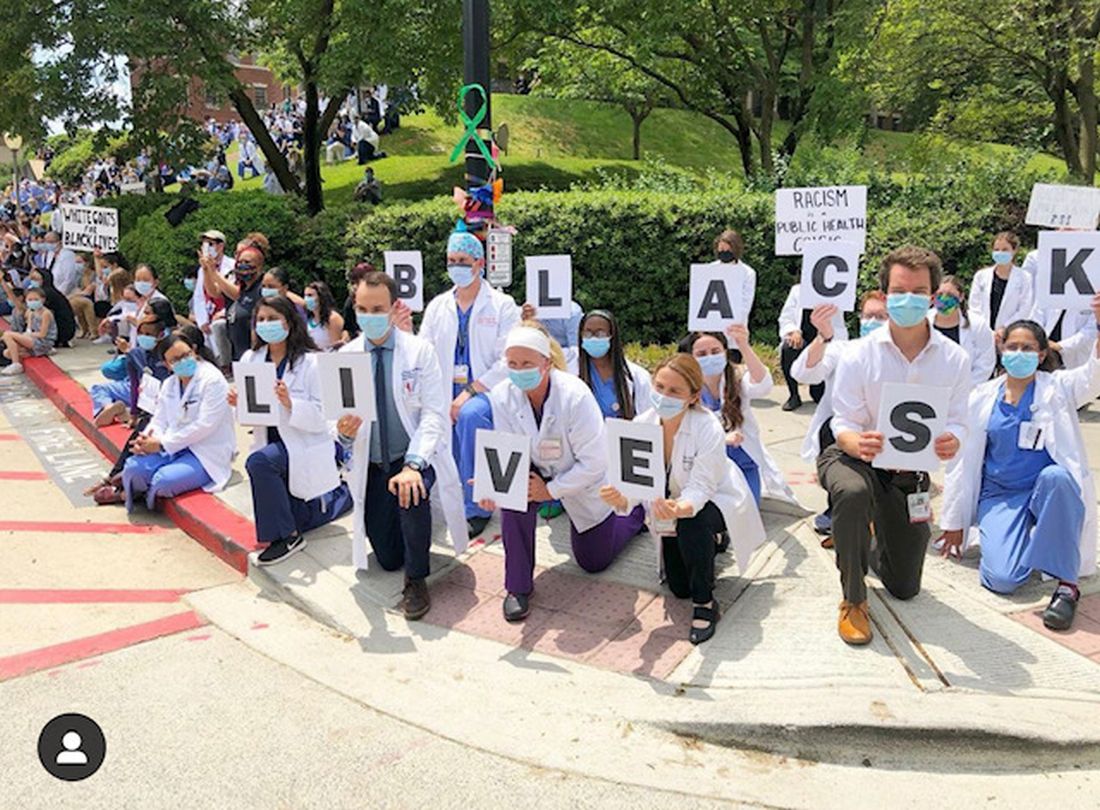
Dr. Norris: I’m going to push you a bit because I detect in your tone something similar to what I’m feeling. I just got the email, the White Coats For Black Lives email. But I think your feeling is similar to mine – I’ve done this before. I’ve done White Coats for Black Lives. You all may have protested. But this display in Washington, D.C., of the use of military and law enforcement to clear a public square of peaceful protesters is above and beyond the pale of anything I’ve ever seen in my life. We have to label that for the danger it is, for the threat to everything this country and the people that bled for this country stand for.
So while I’m going to participate in White Coats for Black Lives and many other things, I am looking for what is actually going to move the needle. I think the protests are great, but at this point in time I want institutions, I want money, I want lawyers, I want a systematic approach.
Dr. Newsome: I most certainly agree. Of course, the protests are really important, but depending on where you are, you have a different lens. As physicians, especially as black physicians, since there are so few of us, we have a unique opportunity to leverage that, whether that means communicating through op-eds or calling your senators and talking with them to try to move things forward.
Physicians are mobilizing. In the last few days, a physician created a Zoom event and hundreds of physicians joined to try to figure out how we can structurally fix this problem. So I most certainly believe that in this effort to address racism, we physicians will need to lend our voices and our privilege to move the needle as best we can.
Dr. Norris: Some of our colleagues in Black Psychiatrists of America have put out a press release on racism in which they propose some actions that should be taken immediately. I think this is a useful thing to talk about.
The first action: “Declare racism a public health problem and establish national goals for addressing this as a health equity issue. Give priority to addressing the issues of health care disparities, including the mental health needs of historically marginalized communities across the U.S.”
What do you think about that?
Dr. Newsome: Those are two extremely important steps. The question is: How do you make that happen?
Dr. Norris: You’re reading my mind. I love that our colleagues put that out there, but that was my next question.
Dr. Newsome: There is going to be a town hall about this and I’m hoping that we can plan how we envision this happening. I can imagine that 20 or 30 years ago there was also a fear in society that there would be episodes of police brutality. I can imagine that there were similar ideals and hopes. But I think we need to put all of our minds together and ask: How are we going to accomplish this? Is this going to be something we’re going to put our money into? Is this going to be something we’re going to get senators and legislatures onboard with to make policy?
Dr. Norris: Let me read off some of the other action points they put out. There are six of them.
“Establish a governmental multidisciplinary and ethnically diverse commission with representatives from the major health care professional associations in medicine, nursing, psychiatry, public health, psychology, social work, etc., and the faith-based community to provide recommendations to Congress regarding policies on how to best improve the health and well-being of our nation’s black citizens.”
That’s a very solid overall recommendation. My question is, doesn’t that, in some way, shape, or form already exist? Could we not put up policy statements from all of these folks regarding racism and things of that nature? I agree with what they’re saying, but part of me wonders why certain things in the current system aren’t working. That becomes the question. Are we not integrated enough? Do we not have enough cross talk? Do we not have enough money behind it? So I agree with that goal, but I would be curious if that doesn’t already exist. What are your thoughts about that, Dr. Newsome?
Dr. Newsome: I would imagine that the National Institute on Minority Mental Health and Health Disparities would have something similar. I believe one of the things you mentioned is really important. In addition to making these recommendations, we need to be looking at where these leaks are occurring that keep them from working. What is the current structure and why is it the way it is with regard to the governance?
Dr. Norris: Here is another of their action statements: “Declare ‘civic mental health’ a national priority and incorporate it into the educational curriculum from K through college, as well as in the training of local, state, and national officials, law enforcement, and the criminal justice system.”
Let me be clear, I like every single one of these action statements. I encourage everyone to participate in dialogue and discussion. You may agree with some of these, and some of them you may not, but if there is one you agree with, that you really are motivated about, that’s one that you need to explore and dig into a bit more, because it’s too big for us to handle on our own, just like racism and equality.
I’m going to tell you, I like this statement. I do like this. Obviously these are broad points, but I do like the idea of training law enforcement officers about “civic mental health.” For example, Dr. Michael Compton, who has done a lot of great work in the area of mental health and prevention, has worked with police officers to help them interact with those with mental health conditions by modulating their own emotional response. I’m very interested in these types of recommendations that particularly target law enforcement officers, and helping with that ”emotional quotient.” I’m interested in seeing how far that can spread in the country. What do you think, Dr. Newsome?
Dr. Newsome: Educating police officers about how to interact would be quite important. I believe the National Alliance on Mental Illness does some of that work, partnering with law enforcement agencies, talking about mental health and cues to look at. There also are some programs where people ride along with mental health clinicians and police officers, which I find to be really helpful. But clearly, what’s going on right now isn’t working. So I would be open to any reasonable idea.
Dr. Norris: Here’s one last action point: “Establish police community review boards with power to take action in areas of police misconduct pending formal review by the appropriate authorities. This will offer a level of empowerment when communities feel they have a voice that can be heard.”
This is where I want my focus to be, as I move forward to try to do something sustainable. To deal with police brutality and abuse of power in general, but specifically as it relates to African American men and the lethal use of force. We need to work on policies that will enable African American men to make it to court, so that every encounter with a police officer is not literally viewed as a potentially lethal encounter.
A lot of people aren’t going to like me saying that, but it’s the absolute truth. You have to think like that, as an African American male, regardless of your station, regardless of where you live, this is the reality. There are many, many good police officers out there. I have a few friends who are law enforcement officers. I work with security at the George Washington Hospital constantly. But that still does not change the fact that if I get pulled over at a traffic stop, I know precisely certain things I need to do and not do, or the encounter could end badly. By that I mean loss of life.
So I encourage anything where we can start to take a systematic look at law enforcement and empower communities to look at who is doing it right and who is doing it wrong. Information is coming out now about the man who murdered Mr. Floyd, and this was not the first time he was involved in misconduct. There were red flags; we have to start to confront this. We have to learn from every single one of these situations and grow because another one is going to happen next week, it’s just whether or not you hear about it. That’s the reality of the state of America. You may not like to hear it, but that’s just a fact.
To hear the entire conversation, go to mdedge.com/podcasts or listen wherever you find your podcasts.
Editor’s Note: This transcript from the June 5 special episode of the Psychcast has been edited for clarity.
Nick Andrews: This is the Psychcast, the official podcast of MDedge Psychiatry. I am the voice of the MDedge podcasts, Nick Andrews. We are bringing this special edition of the Psychcast from MDedge in response to all of the unrest, peaceful or otherwise, in the United States in the aftermath of the shocking murder of George Floyd in late May of 2020.
Dr. Lorenzo Norris agreed to have this “after hours” discussion, believing the most appropriate response would be for us to have a real conversation about it. So welcome aboard.
Lorenzo Norris, MD: I’m happy to be here, Nick, and I’m so pleased to be talking with our guest, Dr. Brandon Newsome, a young black male psychiatrist. Dr. Newsome, sir, tell us a little about yourself and where you’re coming from.
Brandon Newsome, MD: I’m a 4th-year psychiatry resident at Boston Medical Center, so I’m about to graduate and to become a first-year fellow, as of July, at Children’s National Medical Center in Washington, D.C. I was born and raised in the South so I can talk about those experiences, and now I’ve been in the Northeast for the past 4 years.
Dr. Norris: Let’s get right into it. This is a time in our country that we’ve not seen – I shouldn’t say we, because depending on where you live in America, you have seen this and you’ve seen this multiple times.
I see a lot of myself in Dr. Newsome right now, and I am struggling with this: I’m talking to you about the same stuff I was talking about when I was a 4th-year resident. I’m talking to you about the same stuff I was talking about when I was a college student. I’m still talking about the same stuff I was talking about when I was a medical student. I’m still talking about the same things that were the impetus for the hip-hop generation regarding police brutality and violence.
We are still talking about the use of lethal force and abuse of power, particularly by police or law enforcement officers, and how that is perpetrated against African American men in particular, and the unfortunate and tragic murder of Mr. George Floyd. Dr. Newsome, tell me how you’re thinking about this. Before we even get into how our patients or our colleagues are doing, how are you doing with this?
Dr. Newsome: It’s been difficult. Like you, I’ve heard this story time and time again. I was just on a panel, having a conversation about race and policing, and I realized we had the same conversation during my first or second year of residency because there had been another death. But even though all of these unfortunate deaths are triggering us, this one is a little different for me for a few reasons. As you know, this is happening with the backdrop of the COVID-19 crisis and we’re already seeing so many people, especially from black and brown communities, dying from that.
And then I’m witnessing what happened, watching that video and thinking about all the interventions we’ve already tried. We tried body cameras, and the dude was wearing a body camera. We tried to get our police officers to be engaged, to try to check their roles, but people were there, witnessing everything, and nothing happened. An upstander was there, a white upstander, a firefighter who was telling them to check his pulse. Still nothing happened; it didn’t stop them.
I believe the backdrop of the COVID-19 crisis makes it a whole lot more painful for me and many others. I am part of a black physician email group and it’s been triggering for all of us because we all imagine that this could be me one day, especially when you think about the Amy Coopers of the world, among other things.
Dr. Norris: I completely agree. We’re dealing with loss of life due to a virus, including, [personally speaking] that of my departed grandmother Why am I bringing this up? I bring it up because, regardless of one’s socioeconomic strata or title or whatnot, particularly in the black community, this is the kind of mess we’re dealing with. We’re dealing with the stress of COVID-19 that is disproportionately affecting African Americans. We’re dealing with social isolation, we’re dealing with the economic recession and the collapse that everyone else is dealing with, and on top of that we are now dealing with another murder. But this particular murder resonates very differently because, as you said, it seemed like every single thing that could have been done was done.
You will read reports that Mr. Floyd was resisting arrest. But you look at this video; this is not a man resisting arrest. This is a man trying to say, please, you are killing me. These are other people saying the same thing. These are police officers not acting right. This is so many different things going on, and when you hear this and look at this video, you can come to no other conclusion than it is murder.
As psychiatrists, we frequently have to restrain people, and it is always understood that restraint can turn into assault extremely quickly. But in this particular case, there was no thought or concern about this man’s life or his health. There are many good police officers that do think of that, and so this was shocking. It was jarring. It was another thing piled on an already taxed black America. I was talking with my black male colleagues about this, and I think a lot of people don’t actually realize that, while there are black male psychiatrists, there are only a few of us.
Dr. Newsome: True that.
Dr. Norris: There are only so many black male physicians, period, and black male psychiatrists in particular. At different points in time we are called on to take leadership roles, and to talk, to speak on things and be a voice. Well, I have to tell you, after a while, this is pretty goddamn tiring for us to contain our disappointment, our anger, and our rage and still stay hopeful, optimistic, and still be a voice for those who are not able to speak.
Dr. Newsome: I agree that sometimes it can be tiring to have to take leadership roles and continue to talk about all these things, but I also feel that, at least for me, it gives me some sort of route to address the angst and do something with it. I believe all of us are just figuring out how to deal with these feelings that we shouldn’t have to feel because of a murder that was televised.
Dr. Norris: Thank you. For a murder that was televised; that was tweeted; that was broadbanded; that was streamed.
Now we’ve laid the framework, in terms of what we’re feeling. Let’s move on to why you and I are in this profession, and that’s our patients. What are you seeing on the front lines? What are you seeing with our patients?
Dr. Newsome: I was speaking with one of my black male patients, and he was fearful. He had been perfectly fine, even in the COVID crisis, he was doing well. But when you get this milieu of police violence, now he’s feeling this intense fear. Should I be walking alone at night? What happens if I am the one who is at the wrong place at the wrong time?
I also find that some of my nonminority patients sometimes find difficulty making sense of it. Minority individuals already know these things are happening. But some of the nonminorities are wondering how or why would something like this happen in America? This is just how America is for the black folks.
Dr. Norris: Could you elaborate on that? I always found that to be a very interesting dynamic for those who are not minorities or people of color. I will have folks in a psychotherapy session who are just bewildered by events like this. It is not the America they think they know – they are shocked that this is actually what’s going on.
Dr. Newsome: It’s all about experiences. If you didn’t grow up around a lot of minorities, you haven’t necessarily had these conversations. Even speaking for myself, sometimes I don’t want to discuss these things; you never know what you’re going to get. You might find an ally, or you might find someone who isn’t at all supportive. I think the surprise is from lack of exposure. If you don’t have to live through racism, you can most certainly have blinders on and not notice.
Dr. Norris: Can you comment on the fear you’re seeing in some folks? Can it get to the point of reactivating PTSD?
Dr. Newsome: I notice it more with black individuals, a fear that they might be the ones who may die; or with black mothers, wondering, what about my child? Is this what they are going to have to live with for the rest of their lives? Older people would say that we fought already and it’s still going on. What are the fruits of the labor we put in?
Dr. Norris: I agree with you completely. What are the fruits? You’re going to see those strong reactions. You’re going to see fear, you’re going to see anger, and you’re also going to see guilt that they could not stop this. I’m speaking particularly about some of my nonminority patients. It goes along with that confusion. This manifests in a desperate need to do something.
But here’s the problem: You don’t really know what to do because no one is educated on it. And as you said before, race is a very polarized subject. No one even likes to talk about racism because it’s so, oh my goodness. We’ve run away from it so much to the point that we can’t deal with it. We all have to start to own that. You can’t just stay siloed, because eventually, it’s going to come back and affect you.
I could easily be Mr. Floyd, but at the same time, due to my station and things of that nature, I have a certain level of privilege and autonomy. There could be a tendency to put your head under the sand, you know, look at how far we’ve come, Barack Obama. But you’ve got to say, no, we still have enormous amounts of work to do.
We’ve been talking about the patients. What have you noticed in your colleagues and how they’ve been feeling about this?
Dr. Newsome: Again, I see them feeling saddened by the events. One of the other things I’ve noticed is that some people are in environments where they have program directors and chairs who will directly condemn certain behaviors and say, “This is racist, this shouldn’t happen.” But then there are other programs that have been more silent. I’ve had people say that this is the first time that they have felt isolated in a long while.
We all participate in these physician WhatsApp groups, and according to some of the comments, people are realizing that these folks that they were just on the front lines with, fighting COVID, are perhaps not the allies that they originally thought they were, based on the things these people are saying.
Dr. Norris: Wow. It’s good that we’re talking about this from the viewpoint of two different generations. You’ve got the WhatsApp group and Google Hangouts and all that kind of good stuff, and I’m still with pagers and such. That’s interesting – the reality that folks you thought were your allies turn out not to be, because you’re bringing up difficult conversations that we don’t normally talk about.
I have noticed that some people around me have been silent because they don’t know what to say. They’re so concerned that I’m going to be offended or they’re going to hurt me or say the wrong thing, so they stay quiet. As I reflect now, this is the wrong thing to do. Own your concern. I’ve been in two large meetings now, and I’ve had multiple people whom I consider friends say, I wanted to email or text you right then and ask you how you’re doing, but I didn’t because I didn’t know what to say. I have entered meetings recently, and the meeting felt tense, and I’m thinking, what’s going on? And now I realize they did not know what to say or how to approach it.
That’s been a very interesting dynamic and tells us where we are with this. Today, for example, I was pleased to have the support of my dean’s group. I felt I had to speak out, I just had to straight out tell them. Do you want to know what I’m feeling? I’m feeling rage. I’m feeling rage. And you all have to understand that, because I have to speak for those who aren’t necessarily going to be able to express themselves. More importantly, I have to speak for myself and I’m feeling rage.
How our colleagues are processing this and how they’re thinking about this runs the gamut. But I think about people not necessarily knowing what to say or how to approach it. I absolutely agree that with the leadership, you’re going to get many different responses, and sometimes you’re left to wonder, do I have to watch what I say? But I’m definitely supported at my institution.
What else are you seeing out there in terms of your colleagues or how people think about it?
Dr. Newsome: This also spurs some folks to activism. Some have been participating in protests. There will be White Coats for Black Lives protests, among other things. So it’s spurred folks to action, and it’s also spurred folks to try to be part of a community. Of course, with the whole COVID crisis, we can’t necessarily come together, so we’ve been doing Zoom gatherings more than anything else. But it has encouraged folks to want to do that more, too, because they want to check in on their brother or their sister to make sure they are doing well, and also to be able to express what’s going on with them in a community where they know they can get validation.
Dr. Norris: I’m going to push you a bit because I detect in your tone something similar to what I’m feeling. I just got the email, the White Coats For Black Lives email. But I think your feeling is similar to mine – I’ve done this before. I’ve done White Coats for Black Lives. You all may have protested. But this display in Washington, D.C., of the use of military and law enforcement to clear a public square of peaceful protesters is above and beyond the pale of anything I’ve ever seen in my life. We have to label that for the danger it is, for the threat to everything this country and the people that bled for this country stand for.
So while I’m going to participate in White Coats for Black Lives and many other things, I am looking for what is actually going to move the needle. I think the protests are great, but at this point in time I want institutions, I want money, I want lawyers, I want a systematic approach.
Dr. Newsome: I most certainly agree. Of course, the protests are really important, but depending on where you are, you have a different lens. As physicians, especially as black physicians, since there are so few of us, we have a unique opportunity to leverage that, whether that means communicating through op-eds or calling your senators and talking with them to try to move things forward.
Physicians are mobilizing. In the last few days, a physician created a Zoom event and hundreds of physicians joined to try to figure out how we can structurally fix this problem. So I most certainly believe that in this effort to address racism, we physicians will need to lend our voices and our privilege to move the needle as best we can.
Dr. Norris: Some of our colleagues in Black Psychiatrists of America have put out a press release on racism in which they propose some actions that should be taken immediately. I think this is a useful thing to talk about.
The first action: “Declare racism a public health problem and establish national goals for addressing this as a health equity issue. Give priority to addressing the issues of health care disparities, including the mental health needs of historically marginalized communities across the U.S.”
What do you think about that?
Dr. Newsome: Those are two extremely important steps. The question is: How do you make that happen?
Dr. Norris: You’re reading my mind. I love that our colleagues put that out there, but that was my next question.
Dr. Newsome: There is going to be a town hall about this and I’m hoping that we can plan how we envision this happening. I can imagine that 20 or 30 years ago there was also a fear in society that there would be episodes of police brutality. I can imagine that there were similar ideals and hopes. But I think we need to put all of our minds together and ask: How are we going to accomplish this? Is this going to be something we’re going to put our money into? Is this going to be something we’re going to get senators and legislatures onboard with to make policy?
Dr. Norris: Let me read off some of the other action points they put out. There are six of them.
“Establish a governmental multidisciplinary and ethnically diverse commission with representatives from the major health care professional associations in medicine, nursing, psychiatry, public health, psychology, social work, etc., and the faith-based community to provide recommendations to Congress regarding policies on how to best improve the health and well-being of our nation’s black citizens.”
That’s a very solid overall recommendation. My question is, doesn’t that, in some way, shape, or form already exist? Could we not put up policy statements from all of these folks regarding racism and things of that nature? I agree with what they’re saying, but part of me wonders why certain things in the current system aren’t working. That becomes the question. Are we not integrated enough? Do we not have enough cross talk? Do we not have enough money behind it? So I agree with that goal, but I would be curious if that doesn’t already exist. What are your thoughts about that, Dr. Newsome?
Dr. Newsome: I would imagine that the National Institute on Minority Mental Health and Health Disparities would have something similar. I believe one of the things you mentioned is really important. In addition to making these recommendations, we need to be looking at where these leaks are occurring that keep them from working. What is the current structure and why is it the way it is with regard to the governance?
Dr. Norris: Here is another of their action statements: “Declare ‘civic mental health’ a national priority and incorporate it into the educational curriculum from K through college, as well as in the training of local, state, and national officials, law enforcement, and the criminal justice system.”
Let me be clear, I like every single one of these action statements. I encourage everyone to participate in dialogue and discussion. You may agree with some of these, and some of them you may not, but if there is one you agree with, that you really are motivated about, that’s one that you need to explore and dig into a bit more, because it’s too big for us to handle on our own, just like racism and equality.
I’m going to tell you, I like this statement. I do like this. Obviously these are broad points, but I do like the idea of training law enforcement officers about “civic mental health.” For example, Dr. Michael Compton, who has done a lot of great work in the area of mental health and prevention, has worked with police officers to help them interact with those with mental health conditions by modulating their own emotional response. I’m very interested in these types of recommendations that particularly target law enforcement officers, and helping with that ”emotional quotient.” I’m interested in seeing how far that can spread in the country. What do you think, Dr. Newsome?
Dr. Newsome: Educating police officers about how to interact would be quite important. I believe the National Alliance on Mental Illness does some of that work, partnering with law enforcement agencies, talking about mental health and cues to look at. There also are some programs where people ride along with mental health clinicians and police officers, which I find to be really helpful. But clearly, what’s going on right now isn’t working. So I would be open to any reasonable idea.
Dr. Norris: Here’s one last action point: “Establish police community review boards with power to take action in areas of police misconduct pending formal review by the appropriate authorities. This will offer a level of empowerment when communities feel they have a voice that can be heard.”
This is where I want my focus to be, as I move forward to try to do something sustainable. To deal with police brutality and abuse of power in general, but specifically as it relates to African American men and the lethal use of force. We need to work on policies that will enable African American men to make it to court, so that every encounter with a police officer is not literally viewed as a potentially lethal encounter.
A lot of people aren’t going to like me saying that, but it’s the absolute truth. You have to think like that, as an African American male, regardless of your station, regardless of where you live, this is the reality. There are many, many good police officers out there. I have a few friends who are law enforcement officers. I work with security at the George Washington Hospital constantly. But that still does not change the fact that if I get pulled over at a traffic stop, I know precisely certain things I need to do and not do, or the encounter could end badly. By that I mean loss of life.
So I encourage anything where we can start to take a systematic look at law enforcement and empower communities to look at who is doing it right and who is doing it wrong. Information is coming out now about the man who murdered Mr. Floyd, and this was not the first time he was involved in misconduct. There were red flags; we have to start to confront this. We have to learn from every single one of these situations and grow because another one is going to happen next week, it’s just whether or not you hear about it. That’s the reality of the state of America. You may not like to hear it, but that’s just a fact.
To hear the entire conversation, go to mdedge.com/podcasts or listen wherever you find your podcasts.
Editor’s Note: This transcript from the June 5 special episode of the Psychcast has been edited for clarity.
Nick Andrews: This is the Psychcast, the official podcast of MDedge Psychiatry. I am the voice of the MDedge podcasts, Nick Andrews. We are bringing this special edition of the Psychcast from MDedge in response to all of the unrest, peaceful or otherwise, in the United States in the aftermath of the shocking murder of George Floyd in late May of 2020.
Dr. Lorenzo Norris agreed to have this “after hours” discussion, believing the most appropriate response would be for us to have a real conversation about it. So welcome aboard.
Lorenzo Norris, MD: I’m happy to be here, Nick, and I’m so pleased to be talking with our guest, Dr. Brandon Newsome, a young black male psychiatrist. Dr. Newsome, sir, tell us a little about yourself and where you’re coming from.
Brandon Newsome, MD: I’m a 4th-year psychiatry resident at Boston Medical Center, so I’m about to graduate and to become a first-year fellow, as of July, at Children’s National Medical Center in Washington, D.C. I was born and raised in the South so I can talk about those experiences, and now I’ve been in the Northeast for the past 4 years.
Dr. Norris: Let’s get right into it. This is a time in our country that we’ve not seen – I shouldn’t say we, because depending on where you live in America, you have seen this and you’ve seen this multiple times.
I see a lot of myself in Dr. Newsome right now, and I am struggling with this: I’m talking to you about the same stuff I was talking about when I was a 4th-year resident. I’m talking to you about the same stuff I was talking about when I was a college student. I’m still talking about the same stuff I was talking about when I was a medical student. I’m still talking about the same things that were the impetus for the hip-hop generation regarding police brutality and violence.
We are still talking about the use of lethal force and abuse of power, particularly by police or law enforcement officers, and how that is perpetrated against African American men in particular, and the unfortunate and tragic murder of Mr. George Floyd. Dr. Newsome, tell me how you’re thinking about this. Before we even get into how our patients or our colleagues are doing, how are you doing with this?
Dr. Newsome: It’s been difficult. Like you, I’ve heard this story time and time again. I was just on a panel, having a conversation about race and policing, and I realized we had the same conversation during my first or second year of residency because there had been another death. But even though all of these unfortunate deaths are triggering us, this one is a little different for me for a few reasons. As you know, this is happening with the backdrop of the COVID-19 crisis and we’re already seeing so many people, especially from black and brown communities, dying from that.
And then I’m witnessing what happened, watching that video and thinking about all the interventions we’ve already tried. We tried body cameras, and the dude was wearing a body camera. We tried to get our police officers to be engaged, to try to check their roles, but people were there, witnessing everything, and nothing happened. An upstander was there, a white upstander, a firefighter who was telling them to check his pulse. Still nothing happened; it didn’t stop them.
I believe the backdrop of the COVID-19 crisis makes it a whole lot more painful for me and many others. I am part of a black physician email group and it’s been triggering for all of us because we all imagine that this could be me one day, especially when you think about the Amy Coopers of the world, among other things.
Dr. Norris: I completely agree. We’re dealing with loss of life due to a virus, including, [personally speaking] that of my departed grandmother Why am I bringing this up? I bring it up because, regardless of one’s socioeconomic strata or title or whatnot, particularly in the black community, this is the kind of mess we’re dealing with. We’re dealing with the stress of COVID-19 that is disproportionately affecting African Americans. We’re dealing with social isolation, we’re dealing with the economic recession and the collapse that everyone else is dealing with, and on top of that we are now dealing with another murder. But this particular murder resonates very differently because, as you said, it seemed like every single thing that could have been done was done.
You will read reports that Mr. Floyd was resisting arrest. But you look at this video; this is not a man resisting arrest. This is a man trying to say, please, you are killing me. These are other people saying the same thing. These are police officers not acting right. This is so many different things going on, and when you hear this and look at this video, you can come to no other conclusion than it is murder.
As psychiatrists, we frequently have to restrain people, and it is always understood that restraint can turn into assault extremely quickly. But in this particular case, there was no thought or concern about this man’s life or his health. There are many good police officers that do think of that, and so this was shocking. It was jarring. It was another thing piled on an already taxed black America. I was talking with my black male colleagues about this, and I think a lot of people don’t actually realize that, while there are black male psychiatrists, there are only a few of us.
Dr. Newsome: True that.
Dr. Norris: There are only so many black male physicians, period, and black male psychiatrists in particular. At different points in time we are called on to take leadership roles, and to talk, to speak on things and be a voice. Well, I have to tell you, after a while, this is pretty goddamn tiring for us to contain our disappointment, our anger, and our rage and still stay hopeful, optimistic, and still be a voice for those who are not able to speak.
Dr. Newsome: I agree that sometimes it can be tiring to have to take leadership roles and continue to talk about all these things, but I also feel that, at least for me, it gives me some sort of route to address the angst and do something with it. I believe all of us are just figuring out how to deal with these feelings that we shouldn’t have to feel because of a murder that was televised.
Dr. Norris: Thank you. For a murder that was televised; that was tweeted; that was broadbanded; that was streamed.
Now we’ve laid the framework, in terms of what we’re feeling. Let’s move on to why you and I are in this profession, and that’s our patients. What are you seeing on the front lines? What are you seeing with our patients?
Dr. Newsome: I was speaking with one of my black male patients, and he was fearful. He had been perfectly fine, even in the COVID crisis, he was doing well. But when you get this milieu of police violence, now he’s feeling this intense fear. Should I be walking alone at night? What happens if I am the one who is at the wrong place at the wrong time?
I also find that some of my nonminority patients sometimes find difficulty making sense of it. Minority individuals already know these things are happening. But some of the nonminorities are wondering how or why would something like this happen in America? This is just how America is for the black folks.
Dr. Norris: Could you elaborate on that? I always found that to be a very interesting dynamic for those who are not minorities or people of color. I will have folks in a psychotherapy session who are just bewildered by events like this. It is not the America they think they know – they are shocked that this is actually what’s going on.
Dr. Newsome: It’s all about experiences. If you didn’t grow up around a lot of minorities, you haven’t necessarily had these conversations. Even speaking for myself, sometimes I don’t want to discuss these things; you never know what you’re going to get. You might find an ally, or you might find someone who isn’t at all supportive. I think the surprise is from lack of exposure. If you don’t have to live through racism, you can most certainly have blinders on and not notice.
Dr. Norris: Can you comment on the fear you’re seeing in some folks? Can it get to the point of reactivating PTSD?
Dr. Newsome: I notice it more with black individuals, a fear that they might be the ones who may die; or with black mothers, wondering, what about my child? Is this what they are going to have to live with for the rest of their lives? Older people would say that we fought already and it’s still going on. What are the fruits of the labor we put in?
Dr. Norris: I agree with you completely. What are the fruits? You’re going to see those strong reactions. You’re going to see fear, you’re going to see anger, and you’re also going to see guilt that they could not stop this. I’m speaking particularly about some of my nonminority patients. It goes along with that confusion. This manifests in a desperate need to do something.
But here’s the problem: You don’t really know what to do because no one is educated on it. And as you said before, race is a very polarized subject. No one even likes to talk about racism because it’s so, oh my goodness. We’ve run away from it so much to the point that we can’t deal with it. We all have to start to own that. You can’t just stay siloed, because eventually, it’s going to come back and affect you.
I could easily be Mr. Floyd, but at the same time, due to my station and things of that nature, I have a certain level of privilege and autonomy. There could be a tendency to put your head under the sand, you know, look at how far we’ve come, Barack Obama. But you’ve got to say, no, we still have enormous amounts of work to do.
We’ve been talking about the patients. What have you noticed in your colleagues and how they’ve been feeling about this?
Dr. Newsome: Again, I see them feeling saddened by the events. One of the other things I’ve noticed is that some people are in environments where they have program directors and chairs who will directly condemn certain behaviors and say, “This is racist, this shouldn’t happen.” But then there are other programs that have been more silent. I’ve had people say that this is the first time that they have felt isolated in a long while.
We all participate in these physician WhatsApp groups, and according to some of the comments, people are realizing that these folks that they were just on the front lines with, fighting COVID, are perhaps not the allies that they originally thought they were, based on the things these people are saying.
Dr. Norris: Wow. It’s good that we’re talking about this from the viewpoint of two different generations. You’ve got the WhatsApp group and Google Hangouts and all that kind of good stuff, and I’m still with pagers and such. That’s interesting – the reality that folks you thought were your allies turn out not to be, because you’re bringing up difficult conversations that we don’t normally talk about.
I have noticed that some people around me have been silent because they don’t know what to say. They’re so concerned that I’m going to be offended or they’re going to hurt me or say the wrong thing, so they stay quiet. As I reflect now, this is the wrong thing to do. Own your concern. I’ve been in two large meetings now, and I’ve had multiple people whom I consider friends say, I wanted to email or text you right then and ask you how you’re doing, but I didn’t because I didn’t know what to say. I have entered meetings recently, and the meeting felt tense, and I’m thinking, what’s going on? And now I realize they did not know what to say or how to approach it.
That’s been a very interesting dynamic and tells us where we are with this. Today, for example, I was pleased to have the support of my dean’s group. I felt I had to speak out, I just had to straight out tell them. Do you want to know what I’m feeling? I’m feeling rage. I’m feeling rage. And you all have to understand that, because I have to speak for those who aren’t necessarily going to be able to express themselves. More importantly, I have to speak for myself and I’m feeling rage.
How our colleagues are processing this and how they’re thinking about this runs the gamut. But I think about people not necessarily knowing what to say or how to approach it. I absolutely agree that with the leadership, you’re going to get many different responses, and sometimes you’re left to wonder, do I have to watch what I say? But I’m definitely supported at my institution.
What else are you seeing out there in terms of your colleagues or how people think about it?
Dr. Newsome: This also spurs some folks to activism. Some have been participating in protests. There will be White Coats for Black Lives protests, among other things. So it’s spurred folks to action, and it’s also spurred folks to try to be part of a community. Of course, with the whole COVID crisis, we can’t necessarily come together, so we’ve been doing Zoom gatherings more than anything else. But it has encouraged folks to want to do that more, too, because they want to check in on their brother or their sister to make sure they are doing well, and also to be able to express what’s going on with them in a community where they know they can get validation.
Dr. Norris: I’m going to push you a bit because I detect in your tone something similar to what I’m feeling. I just got the email, the White Coats For Black Lives email. But I think your feeling is similar to mine – I’ve done this before. I’ve done White Coats for Black Lives. You all may have protested. But this display in Washington, D.C., of the use of military and law enforcement to clear a public square of peaceful protesters is above and beyond the pale of anything I’ve ever seen in my life. We have to label that for the danger it is, for the threat to everything this country and the people that bled for this country stand for.
So while I’m going to participate in White Coats for Black Lives and many other things, I am looking for what is actually going to move the needle. I think the protests are great, but at this point in time I want institutions, I want money, I want lawyers, I want a systematic approach.
Dr. Newsome: I most certainly agree. Of course, the protests are really important, but depending on where you are, you have a different lens. As physicians, especially as black physicians, since there are so few of us, we have a unique opportunity to leverage that, whether that means communicating through op-eds or calling your senators and talking with them to try to move things forward.
Physicians are mobilizing. In the last few days, a physician created a Zoom event and hundreds of physicians joined to try to figure out how we can structurally fix this problem. So I most certainly believe that in this effort to address racism, we physicians will need to lend our voices and our privilege to move the needle as best we can.
Dr. Norris: Some of our colleagues in Black Psychiatrists of America have put out a press release on racism in which they propose some actions that should be taken immediately. I think this is a useful thing to talk about.
The first action: “Declare racism a public health problem and establish national goals for addressing this as a health equity issue. Give priority to addressing the issues of health care disparities, including the mental health needs of historically marginalized communities across the U.S.”
What do you think about that?
Dr. Newsome: Those are two extremely important steps. The question is: How do you make that happen?
Dr. Norris: You’re reading my mind. I love that our colleagues put that out there, but that was my next question.
Dr. Newsome: There is going to be a town hall about this and I’m hoping that we can plan how we envision this happening. I can imagine that 20 or 30 years ago there was also a fear in society that there would be episodes of police brutality. I can imagine that there were similar ideals and hopes. But I think we need to put all of our minds together and ask: How are we going to accomplish this? Is this going to be something we’re going to put our money into? Is this going to be something we’re going to get senators and legislatures onboard with to make policy?
Dr. Norris: Let me read off some of the other action points they put out. There are six of them.
“Establish a governmental multidisciplinary and ethnically diverse commission with representatives from the major health care professional associations in medicine, nursing, psychiatry, public health, psychology, social work, etc., and the faith-based community to provide recommendations to Congress regarding policies on how to best improve the health and well-being of our nation’s black citizens.”
That’s a very solid overall recommendation. My question is, doesn’t that, in some way, shape, or form already exist? Could we not put up policy statements from all of these folks regarding racism and things of that nature? I agree with what they’re saying, but part of me wonders why certain things in the current system aren’t working. That becomes the question. Are we not integrated enough? Do we not have enough cross talk? Do we not have enough money behind it? So I agree with that goal, but I would be curious if that doesn’t already exist. What are your thoughts about that, Dr. Newsome?
Dr. Newsome: I would imagine that the National Institute on Minority Mental Health and Health Disparities would have something similar. I believe one of the things you mentioned is really important. In addition to making these recommendations, we need to be looking at where these leaks are occurring that keep them from working. What is the current structure and why is it the way it is with regard to the governance?
Dr. Norris: Here is another of their action statements: “Declare ‘civic mental health’ a national priority and incorporate it into the educational curriculum from K through college, as well as in the training of local, state, and national officials, law enforcement, and the criminal justice system.”
Let me be clear, I like every single one of these action statements. I encourage everyone to participate in dialogue and discussion. You may agree with some of these, and some of them you may not, but if there is one you agree with, that you really are motivated about, that’s one that you need to explore and dig into a bit more, because it’s too big for us to handle on our own, just like racism and equality.
I’m going to tell you, I like this statement. I do like this. Obviously these are broad points, but I do like the idea of training law enforcement officers about “civic mental health.” For example, Dr. Michael Compton, who has done a lot of great work in the area of mental health and prevention, has worked with police officers to help them interact with those with mental health conditions by modulating their own emotional response. I’m very interested in these types of recommendations that particularly target law enforcement officers, and helping with that ”emotional quotient.” I’m interested in seeing how far that can spread in the country. What do you think, Dr. Newsome?
Dr. Newsome: Educating police officers about how to interact would be quite important. I believe the National Alliance on Mental Illness does some of that work, partnering with law enforcement agencies, talking about mental health and cues to look at. There also are some programs where people ride along with mental health clinicians and police officers, which I find to be really helpful. But clearly, what’s going on right now isn’t working. So I would be open to any reasonable idea.
Dr. Norris: Here’s one last action point: “Establish police community review boards with power to take action in areas of police misconduct pending formal review by the appropriate authorities. This will offer a level of empowerment when communities feel they have a voice that can be heard.”
This is where I want my focus to be, as I move forward to try to do something sustainable. To deal with police brutality and abuse of power in general, but specifically as it relates to African American men and the lethal use of force. We need to work on policies that will enable African American men to make it to court, so that every encounter with a police officer is not literally viewed as a potentially lethal encounter.
A lot of people aren’t going to like me saying that, but it’s the absolute truth. You have to think like that, as an African American male, regardless of your station, regardless of where you live, this is the reality. There are many, many good police officers out there. I have a few friends who are law enforcement officers. I work with security at the George Washington Hospital constantly. But that still does not change the fact that if I get pulled over at a traffic stop, I know precisely certain things I need to do and not do, or the encounter could end badly. By that I mean loss of life.
So I encourage anything where we can start to take a systematic look at law enforcement and empower communities to look at who is doing it right and who is doing it wrong. Information is coming out now about the man who murdered Mr. Floyd, and this was not the first time he was involved in misconduct. There were red flags; we have to start to confront this. We have to learn from every single one of these situations and grow because another one is going to happen next week, it’s just whether or not you hear about it. That’s the reality of the state of America. You may not like to hear it, but that’s just a fact.
To hear the entire conversation, go to mdedge.com/podcasts or listen wherever you find your podcasts.
What COVID-19 has taught us about senior care
Across the globe, there are marked differences in how countries responded to the COVID-19 outbreak, with varying degrees of success in limiting the spread of the virus. Some countries learned important lessons from previous outbreaks, including SARS and MERS, and put policies in place that contributed to lower infection and death rates from COVID-19 in these countries. Others struggled to respond appropriately to the outbreak.

The United States and most of the world was not affected significantly by SARS and MERS. Hence there is a need for different perspectives and observations on lessons that can be learned from this outbreak to help develop effective strategies and policies for the future. It also makes sense to focus intently on the demographic most affected by COVID-19 – the elderly.
Medical care, for the most part, is governed by protocols that clearly detail processes to be followed for the prevention and treatment of disease. Caring for older patients requires going above and beyond the protocols. That is one of the lessons learned from the COVID-19 pandemic – a wake-up call for a more proactive approach for at-risk patients, in this case everyone over the age of 60 years.
In this context, it is important for medical outreach to continue with the senior population long after the pandemic has run its course. Many seniors, particularly those susceptible to other illnesses or exhibiting ongoing issues, would benefit from a consistent and preplanned pattern of contacts by medical professionals and agencies that work with the aging population. These proactive follow-ups can facilitate prevention and treatment and, at the same time, reduce costs that would otherwise increase when health care is reactive.
Lessons in infectious disease containment
As COVID-19 spread globally, there were contrasting responses from individual countries in their efforts to contain the disease. Unfortunately, Italy suffered from its decision to lock down only specific regions of the country initially. The leadership in Italy may have ignored the advice of medical experts and been caught off guard by the intensity of the spread of COVID-19. In fact, they might not have taken strict actions right away because they did not want their responses to be viewed as an overreaction to the disease.
The government decided to shut down areas where the infection rates were high (“red zones”) rather than implement restrictions nationally. This may have inadvertently increased the spread as Italians vacated those “red zones” for other areas of the country not yet affected by COVID-19. Italy’s decentralized health care system also played a part in the effects of the disease, with some regions demonstrating more success in slowing the reach of the disease. According to an article in the Harvard Business Review, the neighboring regions of Lombardy and Veneto applied similar approaches to social distancing and retail closures. Veneto was more proactive, and its response to the outbreak was multipronged, including putting a “strong emphasis on home diagnosis and care” and “specific efforts to monitor and protect health care and other essential workers.” These measures most likely contributed to a slowdown of the spread of the disease in Veneto’s health care facilities, which lessened the load on medical providers.1
Conversely, Taiwan implemented proactive measures swiftly after learning about COVID-19. Taiwan was impacted adversely by the SARS outbreak in 2003 and, afterward, revised their medical policies and procedures to respond quickly to future infectious disease crises. In the beginning, little was known about COVID-19 or how it spread. However, Taiwan’s swift public health response to COVID-19 included early travel restrictions, patient screening, and quarantining of symptomatic patients. The government emphasized education and created real-time digital updates and alerts sent to their citizens, as well as partnering with media to broadcast crucial proactive health information and quickly disproving false information related to COVID-19. They coordinated with organizations throughout the country to increase supplies of personal protective equipment (PPE).2
Although countries and even cities within a country differ in terms of population demographics, health resources, government policies, and cultural practices, initial success stories have some similarities, including the following:
- Early travel restrictions from countries with positive cases, with some circumstances requiring compulsory quarantine periods and testing before entry.
- Extensive testing and proactive tracing of symptomatic cases early. Contacts of people testing positive were also tested, irrespective of being symptomatic or asymptomatic. If testing kits were unavailable, the contacts were self-quarantined.
- Emphasis on avoiding overburdening hospitals by having the public health infrastructure to divert people exhibiting symptoms, including using public health hotlines to send patients to dedicated testing sites and drive-through testing, rather than have patients presenting to emergency rooms and hospitals. This approach protected medical staff from exposure and allowed the focus to remain on treating severe symptomatic patients.

The vastly different response to the COVID-19 outbreak in these two countries illuminates the need for better preparation in the United States. At the onset of this outbreak, emergency room medical professionals, hospitalists, and outpatient primary care providers did not know how to screen for or treat this virus. Additionally, there was limited information on the most effective contact protocols for medical professionals, patients, and visitors. Finally, the lack of PPE and COVID-19 test kits hindered the U.S. response. Once the country is on the road to recovery from COVID-19, it is imperative to set the groundwork to prepare for future outbreaks and create mechanisms to quickly identify vulnerable populations when outbreaks occur.
Senior care in future infectious disease outbreaks
How can medical providers translate lessons learned from this outbreak into improving the quality of care for seniors? The National Institute on Aging (NIA) maintains a website with information about healthy aging. Seniors and their caregivers can use this website to learn more about chronic diseases, lifestyle modifications, disease prevention, and mental health.
In times of a pandemic, this website provides consistent and accurate information and education. One recommendation for reaching the elderly population during future outbreaks is for NIA to develop and implement strategies to increase the use of the website, including adding more audio and visual interfaces and developing a mobile app. Other recommendations for improving the quality of care for seniors include the following:
1. Identify which populations may be most affected when future outbreaks occur.
2. Consider nontraditional platforms, including social media, for communicating with the general population and for medical providers worldwide to learn from each other about new diseases, including the signs, symptoms, and treatment plans. Some medical professionals created specific WhatsApp groups to communicate, and the World Health Organization sent updated information about COVID-19 to anyone who texted them via WhatsApp.3
3. Create a checklist of signs and symptoms related to current infectious diseases and assess every vulnerable patient.
4. Share these guidelines with medical facilities that treat these populations, such as senior care, assisted living and rehabilitation facilities, hospitals, and outpatient treatment centers. Teach the staff at these medical facilities how to screen patients for signs and symptoms of the disease.
5. Implement social isolation strategies, travel and visitor restrictions, and testing and screening as soon as possible at these medical facilities.
6. Recognize that these strategies may affect the psychological and emotional well-being of seniors, increasing their risk for depression and anxiety and negatively affecting their immunity and mental health. Additionally, the use of PPE, either by the medical providers or the patient, may cause anxiety in seniors and those with mild cognitive impairment.
7. Encourage these medical facilities to improve coping strategies with older patients, such as incorporating communication technology that helps seniors stay connected with their families, and participating in physical and mental exercise, as well as religious activities.
8. Ask these medical facilities to create isolation or quarantine rooms for infected seniors.
9. Work with family members to proactively report to medical professionals any symptoms noticed in their senior relatives. Educate seniors to report symptoms earlier.
10. Offer incentives for medical professionals to conduct on-site testing in primary care offices or senior care facilities instead of sending patients to hospital emergency rooms for evaluation. This will only be effective if there are enough test kits available.
11. Urge insurance companies and Medicare to allow additional medical visits for screening vulnerable populations. Encourage the use of telemedicine in place of in-office visits (preferably billed at the same rate as an in-office visit) where appropriate, especially with nonambulatory patients or those with transportation issues. Many insurance companies, including Medicare, approved COVID-19–related coverage of telemedicine in place of office visits to limit the spread of the disease.
12. Provide community health care and integration and better coordination of local, state, and national health care.
13. Hold regular epidemic and pandemic preparedness exercises in every hospital, nursing home, and assisted living facility.
Proactive health care outreach
It is easier to identify the signs and symptoms of already identified infectious diseases as opposed to a novel one like COVID-19. The United States faced a steep learning curve with COVID-19. Hospitalists and other medical professionals were not able to learn about COVID-19 in a journal. At first, they did not know how to screen patients coming into the ER, how to protect staff, or what the treatment plan was for this new disease. As a result, the medical system experienced disorder and confusion. Investing in community health care and better coordination of local, state, and national health care resources is a priority.
The senior citizen population appears to be most vulnerable to this virus and may be just as vulnerable in future outbreaks. Yet the insights gained from this pandemic can lead to a more comprehensive outreach to senior patients and increased screenings for comorbidities and future contagious diseases. An emphasis on proactive health care and outreach for seniors, with a focus on identifying and treating comorbid conditions, improves the medical care system overall and may prevent or slow future community outbreaks.
Dr. Kasarla is a hospitalist with APOGEE Physicians at Wise Surgical at Parkway in Fort Worth, Tex. He did his internal medicine residency at Mercy Hospital & Medical Center, Chicago. Readers can contact him at madhukarreddy.kasarla@apogeephysicians.com. Dr. Devireddy is a family physician at Positive Health Medical Center, Kingston, Jamaica. Contact him at drjaisheel@gmail.com.
References
1. Pisano GP et al. Lessons from Italy’s response to coronavirus. Harvard Business Review. 2020 Mar 27. https://hbr.org/2020/03/lessons-from-italys-response-to-coronavirus.
2. Tu C. Lessons from Taiwan’s experience with COVID-19. New Atlanticist. 2020 Apr 7. https://atlanticcouncil.org/blogs/new-atlanticist/lessons-from-taiwans-experience-with-covid-19/.
3. Newman LH. WhatsApp is at the center of coronavirus response. WIRED. 2020 Mar 20. https://www.wired.com/story/whatsapp-coronavirus-who-information-app/.
Across the globe, there are marked differences in how countries responded to the COVID-19 outbreak, with varying degrees of success in limiting the spread of the virus. Some countries learned important lessons from previous outbreaks, including SARS and MERS, and put policies in place that contributed to lower infection and death rates from COVID-19 in these countries. Others struggled to respond appropriately to the outbreak.
The United States and most of the world was not affected significantly by SARS and MERS. Hence there is a need for different perspectives and observations on lessons that can be learned from this outbreak to help develop effective strategies and policies for the future. It also makes sense to focus intently on the demographic most affected by COVID-19 – the elderly.
Medical care, for the most part, is governed by protocols that clearly detail processes to be followed for the prevention and treatment of disease. Caring for older patients requires going above and beyond the protocols. That is one of the lessons learned from the COVID-19 pandemic – a wake-up call for a more proactive approach for at-risk patients, in this case everyone over the age of 60 years.
In this context, it is important for medical outreach to continue with the senior population long after the pandemic has run its course. Many seniors, particularly those susceptible to other illnesses or exhibiting ongoing issues, would benefit from a consistent and preplanned pattern of contacts by medical professionals and agencies that work with the aging population. These proactive follow-ups can facilitate prevention and treatment and, at the same time, reduce costs that would otherwise increase when health care is reactive.
Lessons in infectious disease containment
As COVID-19 spread globally, there were contrasting responses from individual countries in their efforts to contain the disease. Unfortunately, Italy suffered from its decision to lock down only specific regions of the country initially. The leadership in Italy may have ignored the advice of medical experts and been caught off guard by the intensity of the spread of COVID-19. In fact, they might not have taken strict actions right away because they did not want their responses to be viewed as an overreaction to the disease.
The government decided to shut down areas where the infection rates were high (“red zones”) rather than implement restrictions nationally. This may have inadvertently increased the spread as Italians vacated those “red zones” for other areas of the country not yet affected by COVID-19. Italy’s decentralized health care system also played a part in the effects of the disease, with some regions demonstrating more success in slowing the reach of the disease. According to an article in the Harvard Business Review, the neighboring regions of Lombardy and Veneto applied similar approaches to social distancing and retail closures. Veneto was more proactive, and its response to the outbreak was multipronged, including putting a “strong emphasis on home diagnosis and care” and “specific efforts to monitor and protect health care and other essential workers.” These measures most likely contributed to a slowdown of the spread of the disease in Veneto’s health care facilities, which lessened the load on medical providers.1
Conversely, Taiwan implemented proactive measures swiftly after learning about COVID-19. Taiwan was impacted adversely by the SARS outbreak in 2003 and, afterward, revised their medical policies and procedures to respond quickly to future infectious disease crises. In the beginning, little was known about COVID-19 or how it spread. However, Taiwan’s swift public health response to COVID-19 included early travel restrictions, patient screening, and quarantining of symptomatic patients. The government emphasized education and created real-time digital updates and alerts sent to their citizens, as well as partnering with media to broadcast crucial proactive health information and quickly disproving false information related to COVID-19. They coordinated with organizations throughout the country to increase supplies of personal protective equipment (PPE).2
Although countries and even cities within a country differ in terms of population demographics, health resources, government policies, and cultural practices, initial success stories have some similarities, including the following:
- Early travel restrictions from countries with positive cases, with some circumstances requiring compulsory quarantine periods and testing before entry.
- Extensive testing and proactive tracing of symptomatic cases early. Contacts of people testing positive were also tested, irrespective of being symptomatic or asymptomatic. If testing kits were unavailable, the contacts were self-quarantined.
- Emphasis on avoiding overburdening hospitals by having the public health infrastructure to divert people exhibiting symptoms, including using public health hotlines to send patients to dedicated testing sites and drive-through testing, rather than have patients presenting to emergency rooms and hospitals. This approach protected medical staff from exposure and allowed the focus to remain on treating severe symptomatic patients.
The vastly different response to the COVID-19 outbreak in these two countries illuminates the need for better preparation in the United States. At the onset of this outbreak, emergency room medical professionals, hospitalists, and outpatient primary care providers did not know how to screen for or treat this virus. Additionally, there was limited information on the most effective contact protocols for medical professionals, patients, and visitors. Finally, the lack of PPE and COVID-19 test kits hindered the U.S. response. Once the country is on the road to recovery from COVID-19, it is imperative to set the groundwork to prepare for future outbreaks and create mechanisms to quickly identify vulnerable populations when outbreaks occur.
Senior care in future infectious disease outbreaks
How can medical providers translate lessons learned from this outbreak into improving the quality of care for seniors? The National Institute on Aging (NIA) maintains a website with information about healthy aging. Seniors and their caregivers can use this website to learn more about chronic diseases, lifestyle modifications, disease prevention, and mental health.
In times of a pandemic, this website provides consistent and accurate information and education. One recommendation for reaching the elderly population during future outbreaks is for NIA to develop and implement strategies to increase the use of the website, including adding more audio and visual interfaces and developing a mobile app. Other recommendations for improving the quality of care for seniors include the following:
1. Identify which populations may be most affected when future outbreaks occur.
2. Consider nontraditional platforms, including social media, for communicating with the general population and for medical providers worldwide to learn from each other about new diseases, including the signs, symptoms, and treatment plans. Some medical professionals created specific WhatsApp groups to communicate, and the World Health Organization sent updated information about COVID-19 to anyone who texted them via WhatsApp.3
3. Create a checklist of signs and symptoms related to current infectious diseases and assess every vulnerable patient.
4. Share these guidelines with medical facilities that treat these populations, such as senior care, assisted living and rehabilitation facilities, hospitals, and outpatient treatment centers. Teach the staff at these medical facilities how to screen patients for signs and symptoms of the disease.
5. Implement social isolation strategies, travel and visitor restrictions, and testing and screening as soon as possible at these medical facilities.
6. Recognize that these strategies may affect the psychological and emotional well-being of seniors, increasing their risk for depression and anxiety and negatively affecting their immunity and mental health. Additionally, the use of PPE, either by the medical providers or the patient, may cause anxiety in seniors and those with mild cognitive impairment.
7. Encourage these medical facilities to improve coping strategies with older patients, such as incorporating communication technology that helps seniors stay connected with their families, and participating in physical and mental exercise, as well as religious activities.
8. Ask these medical facilities to create isolation or quarantine rooms for infected seniors.
9. Work with family members to proactively report to medical professionals any symptoms noticed in their senior relatives. Educate seniors to report symptoms earlier.
10. Offer incentives for medical professionals to conduct on-site testing in primary care offices or senior care facilities instead of sending patients to hospital emergency rooms for evaluation. This will only be effective if there are enough test kits available.
11. Urge insurance companies and Medicare to allow additional medical visits for screening vulnerable populations. Encourage the use of telemedicine in place of in-office visits (preferably billed at the same rate as an in-office visit) where appropriate, especially with nonambulatory patients or those with transportation issues. Many insurance companies, including Medicare, approved COVID-19–related coverage of telemedicine in place of office visits to limit the spread of the disease.
12. Provide community health care and integration and better coordination of local, state, and national health care.
13. Hold regular epidemic and pandemic preparedness exercises in every hospital, nursing home, and assisted living facility.
Proactive health care outreach
It is easier to identify the signs and symptoms of already identified infectious diseases as opposed to a novel one like COVID-19. The United States faced a steep learning curve with COVID-19. Hospitalists and other medical professionals were not able to learn about COVID-19 in a journal. At first, they did not know how to screen patients coming into the ER, how to protect staff, or what the treatment plan was for this new disease. As a result, the medical system experienced disorder and confusion. Investing in community health care and better coordination of local, state, and national health care resources is a priority.
The senior citizen population appears to be most vulnerable to this virus and may be just as vulnerable in future outbreaks. Yet the insights gained from this pandemic can lead to a more comprehensive outreach to senior patients and increased screenings for comorbidities and future contagious diseases. An emphasis on proactive health care and outreach for seniors, with a focus on identifying and treating comorbid conditions, improves the medical care system overall and may prevent or slow future community outbreaks.
Dr. Kasarla is a hospitalist with APOGEE Physicians at Wise Surgical at Parkway in Fort Worth, Tex. He did his internal medicine residency at Mercy Hospital & Medical Center, Chicago. Readers can contact him at madhukarreddy.kasarla@apogeephysicians.com. Dr. Devireddy is a family physician at Positive Health Medical Center, Kingston, Jamaica. Contact him at drjaisheel@gmail.com.
References
1. Pisano GP et al. Lessons from Italy’s response to coronavirus. Harvard Business Review. 2020 Mar 27. https://hbr.org/2020/03/lessons-from-italys-response-to-coronavirus.
2. Tu C. Lessons from Taiwan’s experience with COVID-19. New Atlanticist. 2020 Apr 7. https://atlanticcouncil.org/blogs/new-atlanticist/lessons-from-taiwans-experience-with-covid-19/.
3. Newman LH. WhatsApp is at the center of coronavirus response. WIRED. 2020 Mar 20. https://www.wired.com/story/whatsapp-coronavirus-who-information-app/.
Across the globe, there are marked differences in how countries responded to the COVID-19 outbreak, with varying degrees of success in limiting the spread of the virus. Some countries learned important lessons from previous outbreaks, including SARS and MERS, and put policies in place that contributed to lower infection and death rates from COVID-19 in these countries. Others struggled to respond appropriately to the outbreak.
The United States and most of the world was not affected significantly by SARS and MERS. Hence there is a need for different perspectives and observations on lessons that can be learned from this outbreak to help develop effective strategies and policies for the future. It also makes sense to focus intently on the demographic most affected by COVID-19 – the elderly.
Medical care, for the most part, is governed by protocols that clearly detail processes to be followed for the prevention and treatment of disease. Caring for older patients requires going above and beyond the protocols. That is one of the lessons learned from the COVID-19 pandemic – a wake-up call for a more proactive approach for at-risk patients, in this case everyone over the age of 60 years.
In this context, it is important for medical outreach to continue with the senior population long after the pandemic has run its course. Many seniors, particularly those susceptible to other illnesses or exhibiting ongoing issues, would benefit from a consistent and preplanned pattern of contacts by medical professionals and agencies that work with the aging population. These proactive follow-ups can facilitate prevention and treatment and, at the same time, reduce costs that would otherwise increase when health care is reactive.
Lessons in infectious disease containment
As COVID-19 spread globally, there were contrasting responses from individual countries in their efforts to contain the disease. Unfortunately, Italy suffered from its decision to lock down only specific regions of the country initially. The leadership in Italy may have ignored the advice of medical experts and been caught off guard by the intensity of the spread of COVID-19. In fact, they might not have taken strict actions right away because they did not want their responses to be viewed as an overreaction to the disease.
The government decided to shut down areas where the infection rates were high (“red zones”) rather than implement restrictions nationally. This may have inadvertently increased the spread as Italians vacated those “red zones” for other areas of the country not yet affected by COVID-19. Italy’s decentralized health care system also played a part in the effects of the disease, with some regions demonstrating more success in slowing the reach of the disease. According to an article in the Harvard Business Review, the neighboring regions of Lombardy and Veneto applied similar approaches to social distancing and retail closures. Veneto was more proactive, and its response to the outbreak was multipronged, including putting a “strong emphasis on home diagnosis and care” and “specific efforts to monitor and protect health care and other essential workers.” These measures most likely contributed to a slowdown of the spread of the disease in Veneto’s health care facilities, which lessened the load on medical providers.1
Conversely, Taiwan implemented proactive measures swiftly after learning about COVID-19. Taiwan was impacted adversely by the SARS outbreak in 2003 and, afterward, revised their medical policies and procedures to respond quickly to future infectious disease crises. In the beginning, little was known about COVID-19 or how it spread. However, Taiwan’s swift public health response to COVID-19 included early travel restrictions, patient screening, and quarantining of symptomatic patients. The government emphasized education and created real-time digital updates and alerts sent to their citizens, as well as partnering with media to broadcast crucial proactive health information and quickly disproving false information related to COVID-19. They coordinated with organizations throughout the country to increase supplies of personal protective equipment (PPE).2
Although countries and even cities within a country differ in terms of population demographics, health resources, government policies, and cultural practices, initial success stories have some similarities, including the following:
- Early travel restrictions from countries with positive cases, with some circumstances requiring compulsory quarantine periods and testing before entry.
- Extensive testing and proactive tracing of symptomatic cases early. Contacts of people testing positive were also tested, irrespective of being symptomatic or asymptomatic. If testing kits were unavailable, the contacts were self-quarantined.
- Emphasis on avoiding overburdening hospitals by having the public health infrastructure to divert people exhibiting symptoms, including using public health hotlines to send patients to dedicated testing sites and drive-through testing, rather than have patients presenting to emergency rooms and hospitals. This approach protected medical staff from exposure and allowed the focus to remain on treating severe symptomatic patients.
The vastly different response to the COVID-19 outbreak in these two countries illuminates the need for better preparation in the United States. At the onset of this outbreak, emergency room medical professionals, hospitalists, and outpatient primary care providers did not know how to screen for or treat this virus. Additionally, there was limited information on the most effective contact protocols for medical professionals, patients, and visitors. Finally, the lack of PPE and COVID-19 test kits hindered the U.S. response. Once the country is on the road to recovery from COVID-19, it is imperative to set the groundwork to prepare for future outbreaks and create mechanisms to quickly identify vulnerable populations when outbreaks occur.
Senior care in future infectious disease outbreaks
How can medical providers translate lessons learned from this outbreak into improving the quality of care for seniors? The National Institute on Aging (NIA) maintains a website with information about healthy aging. Seniors and their caregivers can use this website to learn more about chronic diseases, lifestyle modifications, disease prevention, and mental health.
In times of a pandemic, this website provides consistent and accurate information and education. One recommendation for reaching the elderly population during future outbreaks is for NIA to develop and implement strategies to increase the use of the website, including adding more audio and visual interfaces and developing a mobile app. Other recommendations for improving the quality of care for seniors include the following:
1. Identify which populations may be most affected when future outbreaks occur.
2. Consider nontraditional platforms, including social media, for communicating with the general population and for medical providers worldwide to learn from each other about new diseases, including the signs, symptoms, and treatment plans. Some medical professionals created specific WhatsApp groups to communicate, and the World Health Organization sent updated information about COVID-19 to anyone who texted them via WhatsApp.3
3. Create a checklist of signs and symptoms related to current infectious diseases and assess every vulnerable patient.
4. Share these guidelines with medical facilities that treat these populations, such as senior care, assisted living and rehabilitation facilities, hospitals, and outpatient treatment centers. Teach the staff at these medical facilities how to screen patients for signs and symptoms of the disease.
5. Implement social isolation strategies, travel and visitor restrictions, and testing and screening as soon as possible at these medical facilities.
6. Recognize that these strategies may affect the psychological and emotional well-being of seniors, increasing their risk for depression and anxiety and negatively affecting their immunity and mental health. Additionally, the use of PPE, either by the medical providers or the patient, may cause anxiety in seniors and those with mild cognitive impairment.
7. Encourage these medical facilities to improve coping strategies with older patients, such as incorporating communication technology that helps seniors stay connected with their families, and participating in physical and mental exercise, as well as religious activities.
8. Ask these medical facilities to create isolation or quarantine rooms for infected seniors.
9. Work with family members to proactively report to medical professionals any symptoms noticed in their senior relatives. Educate seniors to report symptoms earlier.
10. Offer incentives for medical professionals to conduct on-site testing in primary care offices or senior care facilities instead of sending patients to hospital emergency rooms for evaluation. This will only be effective if there are enough test kits available.
11. Urge insurance companies and Medicare to allow additional medical visits for screening vulnerable populations. Encourage the use of telemedicine in place of in-office visits (preferably billed at the same rate as an in-office visit) where appropriate, especially with nonambulatory patients or those with transportation issues. Many insurance companies, including Medicare, approved COVID-19–related coverage of telemedicine in place of office visits to limit the spread of the disease.
12. Provide community health care and integration and better coordination of local, state, and national health care.
13. Hold regular epidemic and pandemic preparedness exercises in every hospital, nursing home, and assisted living facility.
Proactive health care outreach
It is easier to identify the signs and symptoms of already identified infectious diseases as opposed to a novel one like COVID-19. The United States faced a steep learning curve with COVID-19. Hospitalists and other medical professionals were not able to learn about COVID-19 in a journal. At first, they did not know how to screen patients coming into the ER, how to protect staff, or what the treatment plan was for this new disease. As a result, the medical system experienced disorder and confusion. Investing in community health care and better coordination of local, state, and national health care resources is a priority.
The senior citizen population appears to be most vulnerable to this virus and may be just as vulnerable in future outbreaks. Yet the insights gained from this pandemic can lead to a more comprehensive outreach to senior patients and increased screenings for comorbidities and future contagious diseases. An emphasis on proactive health care and outreach for seniors, with a focus on identifying and treating comorbid conditions, improves the medical care system overall and may prevent or slow future community outbreaks.
Dr. Kasarla is a hospitalist with APOGEE Physicians at Wise Surgical at Parkway in Fort Worth, Tex. He did his internal medicine residency at Mercy Hospital & Medical Center, Chicago. Readers can contact him at madhukarreddy.kasarla@apogeephysicians.com. Dr. Devireddy is a family physician at Positive Health Medical Center, Kingston, Jamaica. Contact him at drjaisheel@gmail.com.
References
1. Pisano GP et al. Lessons from Italy’s response to coronavirus. Harvard Business Review. 2020 Mar 27. https://hbr.org/2020/03/lessons-from-italys-response-to-coronavirus.
2. Tu C. Lessons from Taiwan’s experience with COVID-19. New Atlanticist. 2020 Apr 7. https://atlanticcouncil.org/blogs/new-atlanticist/lessons-from-taiwans-experience-with-covid-19/.
3. Newman LH. WhatsApp is at the center of coronavirus response. WIRED. 2020 Mar 20. https://www.wired.com/story/whatsapp-coronavirus-who-information-app/.
A tribute to Edward Ross Ritvo, MD, 1930-2020
Reflections on loss amid COVID-19
I sit here on Father’s Day during a global pandemic and can’t help but think of Mark Twain’s quote, “Truth is stranger than fiction.” Isn’t that what calls us to our profession? When friends ask if I have watched a particular movie or TV show, I almost always say no. Why would I? Day after day at “work” I am hearing the most remarkable stories – many unfolding right before my eyes.
My Dad’s story is no less remarkable. As he was a pioneer in our field, I hope you will allow me to share a few recollections.
June 10, just 10 days after turning 90, Dad died peacefully in his home. His obituary, written by James McCracken, MD, says: “He was an internationally known child psychiatrist who, with colleagues, formed the vanguard of UCLA researchers establishing the biomedical basis of autism in the 1960s despite the prevailing psychological theories of the day ... who would later break new ground in identifying the role of genetics, sleep, and neurophysiological differences, perinatal risk factors, and biomarkers relating to autism and autism risk.”
Dad had extensive training in psychoanalysis and worked hard to maintain expertise in both the psychological and biological arenas. While he helped established autism as a neurologic disease and advocated for DSM criteria changes, he continued teaching Psychodynamic Theory of Personality to the UCLA medical students and maintained a clinical practice based in psychotherapeutic techniques. He was practicing biopsychosocial medicine long before the concept was articulated.

He conducted the first epidemiologic survey of autism in the state of Utah. He chose Utah because the Mormons keep perfect genealogical records. He identified multiple families with more than one child affected as well as examining, pre-, peri-, and postnatal factors affecting these families. Being a maverick has its challenges. One paper about parents with mild autism was rejected from publication seven times before a watered-down version of clinical vignettes finally got accepted. In collaboration with his wife, Riva Ariella Ritvo, he developed the Ritvo Autism Asperger Diagnostic Scale–Revised, (RAADS-R) still in use today.
Dad’s career was complicated by medical issues beginning in his 40s when he had a near-fatal heart attack at the top of Mammoth Mountain while skiing. After struggling for 20 years, he ultimately had a heart transplant at Cedars-Sinai Medical Center at 69 years old. Months after the transplant, he was back at work. He was unstoppable and maintained his optimism and great sense of humor throughout this complicated ordeal. He always remembered his commitment to his donor and his new heart, and worked out every day. Living to 90 was against all the odds.
Dad also persevered throughout his youngest son’s 10-year battle with Ewing’s sarcoma. Despite losing Max in 2016, Dad was active in research and clinical practice until the very end. He was doing telepsychiatry with patients in prisons and rehabilitation hospitals the last few years because he was too weak to travel to an office. He continued his research, and his last paper on eye movement responses as a possible biological marker of autism was published in February 2020.
Although Dad did not have COVID-19, the social isolation and stress of the last few months hastened his decline. The last week in the hospital with no visitors was too much for such a social man, and he died days after he was discharged. Always a trailblazer, Dad’s Zoom funeral was watched across the country by his children, grandchildren, extended family, and friends. Choosing to honor his wish to be cautious in this pandemic, we remained sheltering in place.

As Dad was the ultimate professor, I know he would want us to learn from his life and his passing. We are in an accelerated growth phase now as our lives and the lives of our patients are radically altered.
I hope, like Dad, we can choose to feel nourished by our meaningful work as we travel through life’s ups and downs. We must learn new ways to care for ourselves, our families, and our patients during these challenging times. We must find ways to mourn and celebrate those lost during the pandemic.
I know Dad would love synchronicity that I spent Father’s Day writing about him for Clinical Psychiatry News! Thank you for giving me this gift of reflection on this special day.
Dr. Ritvo, a psychiatrist with more than 25 years’ experience, practices in Miami Beach. She is the author of “Bekindr – The Transformative Power of Kindness” (Hellertown, Pa.: Momosa Publishing, 2018) and is the founder of the Bekindr Global Initiative, a movement aimed at cultivating kindness in the world. Dr. Ritvo also is the cofounder of the Bold Beauty Project, a nonprofit group that pairs women with disabilities with photographers who create art exhibitions to raise awareness.
Reflections on loss amid COVID-19
Reflections on loss amid COVID-19
I sit here on Father’s Day during a global pandemic and can’t help but think of Mark Twain’s quote, “Truth is stranger than fiction.” Isn’t that what calls us to our profession? When friends ask if I have watched a particular movie or TV show, I almost always say no. Why would I? Day after day at “work” I am hearing the most remarkable stories – many unfolding right before my eyes.
My Dad’s story is no less remarkable. As he was a pioneer in our field, I hope you will allow me to share a few recollections.
June 10, just 10 days after turning 90, Dad died peacefully in his home. His obituary, written by James McCracken, MD, says: “He was an internationally known child psychiatrist who, with colleagues, formed the vanguard of UCLA researchers establishing the biomedical basis of autism in the 1960s despite the prevailing psychological theories of the day ... who would later break new ground in identifying the role of genetics, sleep, and neurophysiological differences, perinatal risk factors, and biomarkers relating to autism and autism risk.”
Dad had extensive training in psychoanalysis and worked hard to maintain expertise in both the psychological and biological arenas. While he helped established autism as a neurologic disease and advocated for DSM criteria changes, he continued teaching Psychodynamic Theory of Personality to the UCLA medical students and maintained a clinical practice based in psychotherapeutic techniques. He was practicing biopsychosocial medicine long before the concept was articulated.
He conducted the first epidemiologic survey of autism in the state of Utah. He chose Utah because the Mormons keep perfect genealogical records. He identified multiple families with more than one child affected as well as examining, pre-, peri-, and postnatal factors affecting these families. Being a maverick has its challenges. One paper about parents with mild autism was rejected from publication seven times before a watered-down version of clinical vignettes finally got accepted. In collaboration with his wife, Riva Ariella Ritvo, he developed the Ritvo Autism Asperger Diagnostic Scale–Revised, (RAADS-R) still in use today.
Dad’s career was complicated by medical issues beginning in his 40s when he had a near-fatal heart attack at the top of Mammoth Mountain while skiing. After struggling for 20 years, he ultimately had a heart transplant at Cedars-Sinai Medical Center at 69 years old. Months after the transplant, he was back at work. He was unstoppable and maintained his optimism and great sense of humor throughout this complicated ordeal. He always remembered his commitment to his donor and his new heart, and worked out every day. Living to 90 was against all the odds.
Dad also persevered throughout his youngest son’s 10-year battle with Ewing’s sarcoma. Despite losing Max in 2016, Dad was active in research and clinical practice until the very end. He was doing telepsychiatry with patients in prisons and rehabilitation hospitals the last few years because he was too weak to travel to an office. He continued his research, and his last paper on eye movement responses as a possible biological marker of autism was published in February 2020.
Although Dad did not have COVID-19, the social isolation and stress of the last few months hastened his decline. The last week in the hospital with no visitors was too much for such a social man, and he died days after he was discharged. Always a trailblazer, Dad’s Zoom funeral was watched across the country by his children, grandchildren, extended family, and friends. Choosing to honor his wish to be cautious in this pandemic, we remained sheltering in place.
As Dad was the ultimate professor, I know he would want us to learn from his life and his passing. We are in an accelerated growth phase now as our lives and the lives of our patients are radically altered.
I hope, like Dad, we can choose to feel nourished by our meaningful work as we travel through life’s ups and downs. We must learn new ways to care for ourselves, our families, and our patients during these challenging times. We must find ways to mourn and celebrate those lost during the pandemic.
I know Dad would love synchronicity that I spent Father’s Day writing about him for Clinical Psychiatry News! Thank you for giving me this gift of reflection on this special day.
Dr. Ritvo, a psychiatrist with more than 25 years’ experience, practices in Miami Beach. She is the author of “Bekindr – The Transformative Power of Kindness” (Hellertown, Pa.: Momosa Publishing, 2018) and is the founder of the Bekindr Global Initiative, a movement aimed at cultivating kindness in the world. Dr. Ritvo also is the cofounder of the Bold Beauty Project, a nonprofit group that pairs women with disabilities with photographers who create art exhibitions to raise awareness.
I sit here on Father’s Day during a global pandemic and can’t help but think of Mark Twain’s quote, “Truth is stranger than fiction.” Isn’t that what calls us to our profession? When friends ask if I have watched a particular movie or TV show, I almost always say no. Why would I? Day after day at “work” I am hearing the most remarkable stories – many unfolding right before my eyes.
My Dad’s story is no less remarkable. As he was a pioneer in our field, I hope you will allow me to share a few recollections.
June 10, just 10 days after turning 90, Dad died peacefully in his home. His obituary, written by James McCracken, MD, says: “He was an internationally known child psychiatrist who, with colleagues, formed the vanguard of UCLA researchers establishing the biomedical basis of autism in the 1960s despite the prevailing psychological theories of the day ... who would later break new ground in identifying the role of genetics, sleep, and neurophysiological differences, perinatal risk factors, and biomarkers relating to autism and autism risk.”
Dad had extensive training in psychoanalysis and worked hard to maintain expertise in both the psychological and biological arenas. While he helped established autism as a neurologic disease and advocated for DSM criteria changes, he continued teaching Psychodynamic Theory of Personality to the UCLA medical students and maintained a clinical practice based in psychotherapeutic techniques. He was practicing biopsychosocial medicine long before the concept was articulated.
He conducted the first epidemiologic survey of autism in the state of Utah. He chose Utah because the Mormons keep perfect genealogical records. He identified multiple families with more than one child affected as well as examining, pre-, peri-, and postnatal factors affecting these families. Being a maverick has its challenges. One paper about parents with mild autism was rejected from publication seven times before a watered-down version of clinical vignettes finally got accepted. In collaboration with his wife, Riva Ariella Ritvo, he developed the Ritvo Autism Asperger Diagnostic Scale–Revised, (RAADS-R) still in use today.
Dad’s career was complicated by medical issues beginning in his 40s when he had a near-fatal heart attack at the top of Mammoth Mountain while skiing. After struggling for 20 years, he ultimately had a heart transplant at Cedars-Sinai Medical Center at 69 years old. Months after the transplant, he was back at work. He was unstoppable and maintained his optimism and great sense of humor throughout this complicated ordeal. He always remembered his commitment to his donor and his new heart, and worked out every day. Living to 90 was against all the odds.
Dad also persevered throughout his youngest son’s 10-year battle with Ewing’s sarcoma. Despite losing Max in 2016, Dad was active in research and clinical practice until the very end. He was doing telepsychiatry with patients in prisons and rehabilitation hospitals the last few years because he was too weak to travel to an office. He continued his research, and his last paper on eye movement responses as a possible biological marker of autism was published in February 2020.
Although Dad did not have COVID-19, the social isolation and stress of the last few months hastened his decline. The last week in the hospital with no visitors was too much for such a social man, and he died days after he was discharged. Always a trailblazer, Dad’s Zoom funeral was watched across the country by his children, grandchildren, extended family, and friends. Choosing to honor his wish to be cautious in this pandemic, we remained sheltering in place.
As Dad was the ultimate professor, I know he would want us to learn from his life and his passing. We are in an accelerated growth phase now as our lives and the lives of our patients are radically altered.
I hope, like Dad, we can choose to feel nourished by our meaningful work as we travel through life’s ups and downs. We must learn new ways to care for ourselves, our families, and our patients during these challenging times. We must find ways to mourn and celebrate those lost during the pandemic.
I know Dad would love synchronicity that I spent Father’s Day writing about him for Clinical Psychiatry News! Thank you for giving me this gift of reflection on this special day.
Dr. Ritvo, a psychiatrist with more than 25 years’ experience, practices in Miami Beach. She is the author of “Bekindr – The Transformative Power of Kindness” (Hellertown, Pa.: Momosa Publishing, 2018) and is the founder of the Bekindr Global Initiative, a movement aimed at cultivating kindness in the world. Dr. Ritvo also is the cofounder of the Bold Beauty Project, a nonprofit group that pairs women with disabilities with photographers who create art exhibitions to raise awareness.
School daze
A few weeks ago I was asked by the head of our local parks and recreation department for my opinion on whether the town should open its summer recreation camps program. He had been receiving multiple inquiries from parents who in the past had relied on the day camps for day care. The director already had surveyed health care administrators and other providers in the town and his team had crafted a plan based on what guidelines they could glean from state and federal advisory groups. The feedback he had received from town officials and health care representatives was that they felt opening would be a bad decision. One physician observed that there is just “so much we don’t know about the virus at this point.”
I certainly agreed that we still have much to learn about COVID-19, but I told the director that we know enough that I would feel comfortable with opening the day camps, which have traditionally been held outdoors under open-sided tents. If group sizes were kept small, staff personnel were dedicated to just one group, and temperatures were taken at the beginning and at the midpoint of each daily session, I felt that the risk of triggering an outbreak was small. I told him that in my mind the Achilles heel of the plan was whether the camp staff, who are generally high school and college-age young people, could be trusted to follow rigorous social distancing in their off-work hours.
Eventually the decision was made by the traditionally risk-averse town officials to open the camps. I hope that this step forward will spur the process of reopening the schools in the fall by demonstrating that, at least in an open-air environment, some simple common sense measures could create a safe environment for children to congregate in. Unfortunately, the long delay in formulating the plan and a basic hesitancy on the part of some parents has resulted in disappointing enrollment figures so far.
I suspect that many of you have been asked to participate in the planning and decision-making processes for opening the school systems in your community or at least have some thoughts of your own about how best to begin the reopening process.
I suspect you agree that, if the number of new cases detected each day in your state is still rising and/or your state’s ability to test, track, case find, and quarantine is inadequate, reopening schools is probably just asking for trouble. However, a recent study has found that children and young adults under the age of 20 years were almost half as likely to become infected as those over the age of 20 (Nat Med. 2020 Jun 16. doi: 10.1038/s41591-020-0962-9). We already know that, in general, children are presenting with less severe illness. Although the authors observe that we still need to learn more about the transmissibility of subclinical infections, particularly in children, they suggest that “interventions aimed at children might have relatively little impact on reducing SARS-CoV-2 transmission.” It is sounding like reopening schools will place the children at relatively low risk. However, until we know more about transmissibility we have to assume reopening schools may place the community at an increased risk.

If this new information is confirmed by other studies, how would this change the recommendations you would make to the community about reopening its schools? What about masks? We are learning that they make a difference for adults, but is this true for very young children as well? Masks should probably remain part of the hygiene education program as well for at least the foreseeable future.
Do you think your school system can broaden its focus beyond surface cleaning to air handling and ventilation? Here in Maine, keeping the windows open for more than a few weeks a year is going to present problems that may be expensive to remedy.
There are always more questions than answers, but my hope is that here in Maine our apparent success on a state level will allow us to reopen the schools as long as we remain vigilant for the first signs that we need to return to lock down. How do you feel about your community’s situation?
Dr. Wilkoff practiced primary care pediatrics in Brunswick, Maine, for nearly 40 years. He has authored several books on behavioral pediatrics, including “How to Say No to Your Toddler.” Email him at pdnews@mdedge.com.
A few weeks ago I was asked by the head of our local parks and recreation department for my opinion on whether the town should open its summer recreation camps program. He had been receiving multiple inquiries from parents who in the past had relied on the day camps for day care. The director already had surveyed health care administrators and other providers in the town and his team had crafted a plan based on what guidelines they could glean from state and federal advisory groups. The feedback he had received from town officials and health care representatives was that they felt opening would be a bad decision. One physician observed that there is just “so much we don’t know about the virus at this point.”
I certainly agreed that we still have much to learn about COVID-19, but I told the director that we know enough that I would feel comfortable with opening the day camps, which have traditionally been held outdoors under open-sided tents. If group sizes were kept small, staff personnel were dedicated to just one group, and temperatures were taken at the beginning and at the midpoint of each daily session, I felt that the risk of triggering an outbreak was small. I told him that in my mind the Achilles heel of the plan was whether the camp staff, who are generally high school and college-age young people, could be trusted to follow rigorous social distancing in their off-work hours.
Eventually the decision was made by the traditionally risk-averse town officials to open the camps. I hope that this step forward will spur the process of reopening the schools in the fall by demonstrating that, at least in an open-air environment, some simple common sense measures could create a safe environment for children to congregate in. Unfortunately, the long delay in formulating the plan and a basic hesitancy on the part of some parents has resulted in disappointing enrollment figures so far.
I suspect that many of you have been asked to participate in the planning and decision-making processes for opening the school systems in your community or at least have some thoughts of your own about how best to begin the reopening process.
I suspect you agree that, if the number of new cases detected each day in your state is still rising and/or your state’s ability to test, track, case find, and quarantine is inadequate, reopening schools is probably just asking for trouble. However, a recent study has found that children and young adults under the age of 20 years were almost half as likely to become infected as those over the age of 20 (Nat Med. 2020 Jun 16. doi: 10.1038/s41591-020-0962-9). We already know that, in general, children are presenting with less severe illness. Although the authors observe that we still need to learn more about the transmissibility of subclinical infections, particularly in children, they suggest that “interventions aimed at children might have relatively little impact on reducing SARS-CoV-2 transmission.” It is sounding like reopening schools will place the children at relatively low risk. However, until we know more about transmissibility we have to assume reopening schools may place the community at an increased risk.
If this new information is confirmed by other studies, how would this change the recommendations you would make to the community about reopening its schools? What about masks? We are learning that they make a difference for adults, but is this true for very young children as well? Masks should probably remain part of the hygiene education program as well for at least the foreseeable future.
Do you think your school system can broaden its focus beyond surface cleaning to air handling and ventilation? Here in Maine, keeping the windows open for more than a few weeks a year is going to present problems that may be expensive to remedy.
There are always more questions than answers, but my hope is that here in Maine our apparent success on a state level will allow us to reopen the schools as long as we remain vigilant for the first signs that we need to return to lock down. How do you feel about your community’s situation?
Dr. Wilkoff practiced primary care pediatrics in Brunswick, Maine, for nearly 40 years. He has authored several books on behavioral pediatrics, including “How to Say No to Your Toddler.” Email him at pdnews@mdedge.com.
A few weeks ago I was asked by the head of our local parks and recreation department for my opinion on whether the town should open its summer recreation camps program. He had been receiving multiple inquiries from parents who in the past had relied on the day camps for day care. The director already had surveyed health care administrators and other providers in the town and his team had crafted a plan based on what guidelines they could glean from state and federal advisory groups. The feedback he had received from town officials and health care representatives was that they felt opening would be a bad decision. One physician observed that there is just “so much we don’t know about the virus at this point.”
I certainly agreed that we still have much to learn about COVID-19, but I told the director that we know enough that I would feel comfortable with opening the day camps, which have traditionally been held outdoors under open-sided tents. If group sizes were kept small, staff personnel were dedicated to just one group, and temperatures were taken at the beginning and at the midpoint of each daily session, I felt that the risk of triggering an outbreak was small. I told him that in my mind the Achilles heel of the plan was whether the camp staff, who are generally high school and college-age young people, could be trusted to follow rigorous social distancing in their off-work hours.
Eventually the decision was made by the traditionally risk-averse town officials to open the camps. I hope that this step forward will spur the process of reopening the schools in the fall by demonstrating that, at least in an open-air environment, some simple common sense measures could create a safe environment for children to congregate in. Unfortunately, the long delay in formulating the plan and a basic hesitancy on the part of some parents has resulted in disappointing enrollment figures so far.
I suspect that many of you have been asked to participate in the planning and decision-making processes for opening the school systems in your community or at least have some thoughts of your own about how best to begin the reopening process.
I suspect you agree that, if the number of new cases detected each day in your state is still rising and/or your state’s ability to test, track, case find, and quarantine is inadequate, reopening schools is probably just asking for trouble. However, a recent study has found that children and young adults under the age of 20 years were almost half as likely to become infected as those over the age of 20 (Nat Med. 2020 Jun 16. doi: 10.1038/s41591-020-0962-9). We already know that, in general, children are presenting with less severe illness. Although the authors observe that we still need to learn more about the transmissibility of subclinical infections, particularly in children, they suggest that “interventions aimed at children might have relatively little impact on reducing SARS-CoV-2 transmission.” It is sounding like reopening schools will place the children at relatively low risk. However, until we know more about transmissibility we have to assume reopening schools may place the community at an increased risk.
If this new information is confirmed by other studies, how would this change the recommendations you would make to the community about reopening its schools? What about masks? We are learning that they make a difference for adults, but is this true for very young children as well? Masks should probably remain part of the hygiene education program as well for at least the foreseeable future.
Do you think your school system can broaden its focus beyond surface cleaning to air handling and ventilation? Here in Maine, keeping the windows open for more than a few weeks a year is going to present problems that may be expensive to remedy.
There are always more questions than answers, but my hope is that here in Maine our apparent success on a state level will allow us to reopen the schools as long as we remain vigilant for the first signs that we need to return to lock down. How do you feel about your community’s situation?
Dr. Wilkoff practiced primary care pediatrics in Brunswick, Maine, for nearly 40 years. He has authored several books on behavioral pediatrics, including “How to Say No to Your Toddler.” Email him at pdnews@mdedge.com.
Telehealth and medical liability
The COVID-19 pandemic has led to the rapid uptake of telehealth nationwide in primary care and specialty practices. Over the last few months many practices have actually performed more telehealth visits than traditional in-person visits. The use of telehealth, which had been increasing slowly for the last few years, accelerated rapidly during the pandemic. Long term, telehealth has the potential to increase access to primary care and specialists, and make follow-up easier for many patients, changing how health care is delivered to millions of patients throughout the world.
Since telehealth will be a regular part of our practices from now on, it is important for clinicians to recognize how telehealth visits are viewed in a legal arena.
As is often the case with technological advances, the law needs time to adapt. Will a health care provider treating a patient using telemedicine be held to the same standard of care applicable to an in-person encounter? Stated differently, will consideration be given to the obvious limitations imposed by a telemedicine exam?
Standard of care in medical malpractice cases
The central question in most medical malpractice cases is whether the provider complied with the generally accepted standard of care when evaluating, diagnosing, or treating a patient. This standard typically takes into consideration the provider’s particular specialty as well as all the circumstances surrounding the encounter.1 Medical providers, not state legislators, usually define the standard of care for medical professionals. In malpractice cases, medical experts explain the applicable standard of care to the jury and guide its determination of whether, in the particular case, the standard of care was met. In this way, the law has long recognized that the medical profession itself is best suited to establish the appropriate standards of care under any particular set of circumstances. This standard of care is often referred to as the “reasonable professional under the circumstances” standard of care.
Telemedicine standard of care
Despite the fact that the complex and often nebulous concept of standard of care has been traditionally left to the medical experts to define, state legislators and regulators throughout the nation have chosen to weigh in on this issue in the context of telemedicine. Most states with telemedicine regulations have followed the model policy adopted by the Federation of State Medical Boards in April 2014 which states that “[t]reatment and consultation recommendations made in an online setting … will be held to the same standards of appropriate practice as those in traditional (in-person) settings.”2 States that have adopted this model policy have effectively created a “legal fiction” requiring a jury to ignore the fact that the care was provided virtually by telemedicine technologies and instead assume that the physician treated the patient in person, i.e, applying an “in-person” standard of care. Hawaii appears to be the lone notable exception. Its telemedicine law recognizes that an in-person standard of care should not be applied if there was not a face-to-face visit.3
Proponents of the in-person telemedicine standard claim that it is necessary to ensure patient safety, thus justifying the “legal fiction.” Holding the provider to the in-person standard, it is argued, forces the physician to err on the side of caution and require an actual in-person encounter to ensure the advantages of sight, touch, and sense of things are fully available.4 This discourages the use of telemedicine and deprives the population of its many benefits.
Telemedicine can overcome geographical barriers, increase clinical support, improve health outcomes, reduce health care costs, encourage patient input, reduce travel, and foster continuity of care. The pandemic, which has significantly limited the ability of providers to see patients in person, only underscores the benefits of telemedicine.
The legislatively imposed in-person telemedicine standard of care should be replaced with the “reasonable professional under the circumstances” standard in order to fairly judge physicians’ care and promote overall population health. The “reasonable professional under the circumstances” standard has applied to physicians and other health care professionals outside of telemedicine for decades, and it has served the medical community and public well. It is unfortunate that legislators felt the need to weigh in and define a distinctly different standard of care for telemedicine than for the rest of medicine, as this may present unforeseen obstacles to the use of telemedicine.
The in-person telemedicine standard of care remains a significant barrier for long-term telemedicine. Eliminating this legal fiction has the potential to further expand physicians’ use of telemedicine and fulfill its promise of improving access to care and improving population health.
Mr. Horner (partner), Mr. Milewski (partner), and Mr. Gajer (associate) are attorneys with White and Williams. They specialize in defending health care providers in medical malpractice lawsuits and other health care–related matters. Dr. Skolnik is professor of family and community Medicine at the Sidney Kimmel Medical College, Philadelphia, and associate director of the family medicine residency program at Abington (Pa.) Jefferson Health. Follow Dr. Skolnik, and feel free to submit questions to him on Twitter: @neilskolnik. The authors have no financial conflicts related to the content of this piece.
References
1. Cowan v. Doering, 111 N.J. 451-62,.1988.
2. Model Policy For The Appropriate Use Of Telemedicine Technologies In The Practice Of Medicine. State Medical Boards Appropriate Regulation of Telemedicine. April 2014..
3. Haw. Rev. Stat. Ann. § 453-1.3(c).
4. Kaspar BJ. Iowa Law Review. 2014 Jan;99:839-59.
The COVID-19 pandemic has led to the rapid uptake of telehealth nationwide in primary care and specialty practices. Over the last few months many practices have actually performed more telehealth visits than traditional in-person visits. The use of telehealth, which had been increasing slowly for the last few years, accelerated rapidly during the pandemic. Long term, telehealth has the potential to increase access to primary care and specialists, and make follow-up easier for many patients, changing how health care is delivered to millions of patients throughout the world.
Since telehealth will be a regular part of our practices from now on, it is important for clinicians to recognize how telehealth visits are viewed in a legal arena.
As is often the case with technological advances, the law needs time to adapt. Will a health care provider treating a patient using telemedicine be held to the same standard of care applicable to an in-person encounter? Stated differently, will consideration be given to the obvious limitations imposed by a telemedicine exam?
Standard of care in medical malpractice cases
The central question in most medical malpractice cases is whether the provider complied with the generally accepted standard of care when evaluating, diagnosing, or treating a patient. This standard typically takes into consideration the provider’s particular specialty as well as all the circumstances surrounding the encounter.1 Medical providers, not state legislators, usually define the standard of care for medical professionals. In malpractice cases, medical experts explain the applicable standard of care to the jury and guide its determination of whether, in the particular case, the standard of care was met. In this way, the law has long recognized that the medical profession itself is best suited to establish the appropriate standards of care under any particular set of circumstances. This standard of care is often referred to as the “reasonable professional under the circumstances” standard of care.
Telemedicine standard of care
Despite the fact that the complex and often nebulous concept of standard of care has been traditionally left to the medical experts to define, state legislators and regulators throughout the nation have chosen to weigh in on this issue in the context of telemedicine. Most states with telemedicine regulations have followed the model policy adopted by the Federation of State Medical Boards in April 2014 which states that “[t]reatment and consultation recommendations made in an online setting … will be held to the same standards of appropriate practice as those in traditional (in-person) settings.”2 States that have adopted this model policy have effectively created a “legal fiction” requiring a jury to ignore the fact that the care was provided virtually by telemedicine technologies and instead assume that the physician treated the patient in person, i.e, applying an “in-person” standard of care. Hawaii appears to be the lone notable exception. Its telemedicine law recognizes that an in-person standard of care should not be applied if there was not a face-to-face visit.3
Proponents of the in-person telemedicine standard claim that it is necessary to ensure patient safety, thus justifying the “legal fiction.” Holding the provider to the in-person standard, it is argued, forces the physician to err on the side of caution and require an actual in-person encounter to ensure the advantages of sight, touch, and sense of things are fully available.4 This discourages the use of telemedicine and deprives the population of its many benefits.
Telemedicine can overcome geographical barriers, increase clinical support, improve health outcomes, reduce health care costs, encourage patient input, reduce travel, and foster continuity of care. The pandemic, which has significantly limited the ability of providers to see patients in person, only underscores the benefits of telemedicine.
The legislatively imposed in-person telemedicine standard of care should be replaced with the “reasonable professional under the circumstances” standard in order to fairly judge physicians’ care and promote overall population health. The “reasonable professional under the circumstances” standard has applied to physicians and other health care professionals outside of telemedicine for decades, and it has served the medical community and public well. It is unfortunate that legislators felt the need to weigh in and define a distinctly different standard of care for telemedicine than for the rest of medicine, as this may present unforeseen obstacles to the use of telemedicine.
The in-person telemedicine standard of care remains a significant barrier for long-term telemedicine. Eliminating this legal fiction has the potential to further expand physicians’ use of telemedicine and fulfill its promise of improving access to care and improving population health.
Mr. Horner (partner), Mr. Milewski (partner), and Mr. Gajer (associate) are attorneys with White and Williams. They specialize in defending health care providers in medical malpractice lawsuits and other health care–related matters. Dr. Skolnik is professor of family and community Medicine at the Sidney Kimmel Medical College, Philadelphia, and associate director of the family medicine residency program at Abington (Pa.) Jefferson Health. Follow Dr. Skolnik, and feel free to submit questions to him on Twitter: @neilskolnik. The authors have no financial conflicts related to the content of this piece.
References
1. Cowan v. Doering, 111 N.J. 451-62,.1988.
2. Model Policy For The Appropriate Use Of Telemedicine Technologies In The Practice Of Medicine. State Medical Boards Appropriate Regulation of Telemedicine. April 2014..
3. Haw. Rev. Stat. Ann. § 453-1.3(c).
4. Kaspar BJ. Iowa Law Review. 2014 Jan;99:839-59.
The COVID-19 pandemic has led to the rapid uptake of telehealth nationwide in primary care and specialty practices. Over the last few months many practices have actually performed more telehealth visits than traditional in-person visits. The use of telehealth, which had been increasing slowly for the last few years, accelerated rapidly during the pandemic. Long term, telehealth has the potential to increase access to primary care and specialists, and make follow-up easier for many patients, changing how health care is delivered to millions of patients throughout the world.
Since telehealth will be a regular part of our practices from now on, it is important for clinicians to recognize how telehealth visits are viewed in a legal arena.
As is often the case with technological advances, the law needs time to adapt. Will a health care provider treating a patient using telemedicine be held to the same standard of care applicable to an in-person encounter? Stated differently, will consideration be given to the obvious limitations imposed by a telemedicine exam?
Standard of care in medical malpractice cases
The central question in most medical malpractice cases is whether the provider complied with the generally accepted standard of care when evaluating, diagnosing, or treating a patient. This standard typically takes into consideration the provider’s particular specialty as well as all the circumstances surrounding the encounter.1 Medical providers, not state legislators, usually define the standard of care for medical professionals. In malpractice cases, medical experts explain the applicable standard of care to the jury and guide its determination of whether, in the particular case, the standard of care was met. In this way, the law has long recognized that the medical profession itself is best suited to establish the appropriate standards of care under any particular set of circumstances. This standard of care is often referred to as the “reasonable professional under the circumstances” standard of care.
Telemedicine standard of care
Despite the fact that the complex and often nebulous concept of standard of care has been traditionally left to the medical experts to define, state legislators and regulators throughout the nation have chosen to weigh in on this issue in the context of telemedicine. Most states with telemedicine regulations have followed the model policy adopted by the Federation of State Medical Boards in April 2014 which states that “[t]reatment and consultation recommendations made in an online setting … will be held to the same standards of appropriate practice as those in traditional (in-person) settings.”2 States that have adopted this model policy have effectively created a “legal fiction” requiring a jury to ignore the fact that the care was provided virtually by telemedicine technologies and instead assume that the physician treated the patient in person, i.e, applying an “in-person” standard of care. Hawaii appears to be the lone notable exception. Its telemedicine law recognizes that an in-person standard of care should not be applied if there was not a face-to-face visit.3
Proponents of the in-person telemedicine standard claim that it is necessary to ensure patient safety, thus justifying the “legal fiction.” Holding the provider to the in-person standard, it is argued, forces the physician to err on the side of caution and require an actual in-person encounter to ensure the advantages of sight, touch, and sense of things are fully available.4 This discourages the use of telemedicine and deprives the population of its many benefits.
Telemedicine can overcome geographical barriers, increase clinical support, improve health outcomes, reduce health care costs, encourage patient input, reduce travel, and foster continuity of care. The pandemic, which has significantly limited the ability of providers to see patients in person, only underscores the benefits of telemedicine.
The legislatively imposed in-person telemedicine standard of care should be replaced with the “reasonable professional under the circumstances” standard in order to fairly judge physicians’ care and promote overall population health. The “reasonable professional under the circumstances” standard has applied to physicians and other health care professionals outside of telemedicine for decades, and it has served the medical community and public well. It is unfortunate that legislators felt the need to weigh in and define a distinctly different standard of care for telemedicine than for the rest of medicine, as this may present unforeseen obstacles to the use of telemedicine.
The in-person telemedicine standard of care remains a significant barrier for long-term telemedicine. Eliminating this legal fiction has the potential to further expand physicians’ use of telemedicine and fulfill its promise of improving access to care and improving population health.
Mr. Horner (partner), Mr. Milewski (partner), and Mr. Gajer (associate) are attorneys with White and Williams. They specialize in defending health care providers in medical malpractice lawsuits and other health care–related matters. Dr. Skolnik is professor of family and community Medicine at the Sidney Kimmel Medical College, Philadelphia, and associate director of the family medicine residency program at Abington (Pa.) Jefferson Health. Follow Dr. Skolnik, and feel free to submit questions to him on Twitter: @neilskolnik. The authors have no financial conflicts related to the content of this piece.
References
1. Cowan v. Doering, 111 N.J. 451-62,.1988.
2. Model Policy For The Appropriate Use Of Telemedicine Technologies In The Practice Of Medicine. State Medical Boards Appropriate Regulation of Telemedicine. April 2014..
3. Haw. Rev. Stat. Ann. § 453-1.3(c).
4. Kaspar BJ. Iowa Law Review. 2014 Jan;99:839-59.
Guidance on infection prevention for health care personnel
As we reopen our offices we are faced with the challenge of determining the best way to do it safely – protecting ourselves, our staff, and our patients.
In this column we will focus on selected details of the recommendations from IDSA and the CDC that may be helpful in primary care offices.
Face masks
Many clinicians have asked whether a physician should use a mask while seeing patients without COVID-19 in the office, and if yes, which type. The IDSA guideline states that mask usage is imperative for reducing the risk of health care workers contracting COVID-19.1 The evidence is derived from a number of sources, including a retrospective study from Wuhan (China) University that examined two groups of health care workers during the outbreak. The first group wore N95 masks and washed their hands frequently, while the second group did not wear masks and washed their hands less frequently. In the group that took greater actions to protect themselves, none of the 493 staff members contracted COVID-19, compared with 10 of 213 staff members in the other group. The decrease in infection rate occurred in the group that wore masks despite the fact that this group had 733% more exposure to COVID-19 patients.2 Further evidence came from a case-control study done in hospitals in Hong Kong during the 2003 SARS-CoV outbreak.3 This study showed that mask wearing was the most significant intervention for reducing infection, followed by gowning, and then handwashing. These findings make it clear that mask usage is a must for all health care providers who may be caring for patients who could have COVID-19.
The guideline also reviews evidence about the use of surgical masks versus N95 masks. On reviewing indirect evidence from the SARS-CoV epidemic, IDSA found that wearing any mask – surgical or N95 – led to a large reduction in the risk of developing an infection. In this systematic review of five observational studies in health care personnel, for those wearing surgical masks, the odds ratio for developing an infection was 0.13 (95% CI, 0.03-0.62), and for those wearing N95 masks, the odds ratio was 0.12 (95% CI, 0.06-0.26). There was not a significant difference between risk reductions for those who wore surgical masks and N95 masks, respectively.1,4 The IDSA guideline panel recommended “that health care personnel caring for patients with suspected or known COVID-19 use either a surgical mask or N95 respirator ... as part of appropriate PPE.” Since there is not a significant difference in outcomes between those who use surgical masks and those who use N95 respirators, and the IDSA guideline states either type of mask is considered appropriate when taking care of patients with suspected or known COVID-19, in our opinion, use of surgical masks rather than N95s is sufficient when performing low-risk activities. Such activities include seeing patients who do not have a high likelihood of COVID-19 in the office setting.

The IDSA recommendation also discusses universal masking, defined as both patients and clinicians wearing masks. The recommendation is supported by the findings of a study in which universal mask usage was used to prevent the spread of H1N 1 during the 2009 outbreak. In this study of staff members and patients exposed to H1N1 who all wore masks, only 0.48% of 836 acquired infection. In the same study, not wearing a mask by either the provider or patient increased the risk of infection.5 Also, in a prospective study of hematopoietic stem cell transplant patients, universal masking caused infection rates to drop from 10.3% to 4.4%.6
The IDSA guideline states the following: “There may be some, albeit uncertain, benefit to universal masking in the absence of resource constraints. However, the benefits of universal masking with surgical masks should be weighed against the risk of increasing the PPE burn rate and contextualized to the background COVID-19 prevalence rate for asymptomatic or minimally symptomatic HCPs [health care providers] and visitors.”1
The CDC’s guidance statement says the following: “Continued community transmission has increased the number of individuals potentially exposed to and infectious with SARS-CoV-2. Fever and symptom screening have proven to be relatively ineffective in identifying all infected individuals, including HCPs. Symptom screening also will not identify individuals who are infected but otherwise asymptomatic or pre-symptomatic; additional interventions are needed to limit the unrecognized introduction of SARS-CoV-2 into healthcare settings by these individuals. As part of aggressive source control measures, healthcare facilities should consider implementing policies requiring everyone entering the facility to wear a cloth face covering (if tolerated) while in the building, regardless of symptoms.”7
It is our opinion, based on the CDC and IDSA recommendations, that both clinicians and patients should be required to wear masks when patients are seen in the office if possible. Many offices have instituted a policy that says, if a patient refuses to wear a mask during an office visit, then the patient will not be seen.
Eye protection
Many clinicians are uncertain about whether eye protection needs to be used when seeing asymptomatic patients. The IDSA acknowledges that there are not studies that have looked critically at eye protection, but the society also acknowledges “appropriate personal protective equipment includes, in addition to a mask or respirator, eye protection, gown and gloves.”1 In addition, the CDC recommends that, for healthcare workers located in areas with moderate or higher prevalence of COVID-19, HCPs should wear eye protection in addition to facemasks since they may encounter asymptomatic individuals with COVID-19.
Gowns and gloves
Gowns and gloves are recommended as a part of personal protective gear when caring for patients who have COVID-19. The IDSA guideline is clear in its recommendations, but does not cite evidence for having no gloves versus having gloves. Furthermore, they state that the evidence is insufficient to recommend double gloves, with the top glove used to take off a personal protective gown, and the inner glove discarded after the gown is removed. The CDC do not make recommendations for routine use of gloves in the care of patients who do not have COVID-19, even in areas where there may be asymptomatic COVID-19, and recommends standard precautions, specifically practicing hand hygiene before and after patient contact.8
The Bottom Line
When seeing patients with COVID-19, N-95 masks, goggles or face shields, gowns, and gloves should be used, with hand hygiene routinely practiced before and after seeing patients. For offices seeing patients not suspected of having COVID-19, the IDSA guideline clarifies that there is not a statistical difference in acquisition of infection with the use of surgical face masks vs N95 respirators. According to the CDC recommendations, eye protection in addition to facemasks should be used by the health care provider, and masks should be worn by patients. Hand hygiene should be used routinely before and after all patient contact. With use of these approaches, it should be safe for offices to reopen and see patients.
Neil Skolnik, MD, is professor of family and community medicine at the Thomas Jefferson University, Philadelphia, and associate director of the Family Medicine Residency Program at Abington (Pa.) Jefferson Health. Jeffrey Matthews, DO, is a second-year resident in the Family Medicine Residency at Abington Jefferson Health. For questions or comments, feel free to contact Dr. Skolnik on Twitter @NeilSkolnik.
References
1. Lynch JB, Davitkov P, Anderson DJ, et al. COVID-19 Guideline, Part 2: Infection Prevention. IDSA Home. https://www.idsociety.org/practice-guideline/covid-19-guideline-infection-prevention/. April 27, 2020. Accessed June 10, 2020.
2. J Hosp Infect. 2020 May;105(1):104-5.
3. Lancet. 2003;361(9368):1519-20.
4. Influenza Other Respir Viruses. 2020 Apr 4. doi: 2020;10.1111/irv.12745.
5. J Hosp Infect. 2010;74(3):271-7.
6. Clin Infect Dis. 2016;63(8):999-1006.
7. Centers for Disease Control and Prevention. Interim Infection Prevention and Control Recommendations for Patients with Suspected or Confirmed Coronavirus Disease 2019 (COVID-19) in Healthcare Settings. https://www.cdc.gov/coronavirus/2019-ncov/hcp/infection-control-recommendations.html. Accessed Jun 16, 2020.
8. Centers for Disease Control and Prevention. Healthcare Infection Prevention and Control FAQs for COVID-19. https://www.cdc.gov/coronavirus/2019-ncov/hcp/infection-control-faq.html. Accessed June 15, 2020.
As we reopen our offices we are faced with the challenge of determining the best way to do it safely – protecting ourselves, our staff, and our patients.
In this column we will focus on selected details of the recommendations from IDSA and the CDC that may be helpful in primary care offices.
Face masks
Many clinicians have asked whether a physician should use a mask while seeing patients without COVID-19 in the office, and if yes, which type. The IDSA guideline states that mask usage is imperative for reducing the risk of health care workers contracting COVID-19.1 The evidence is derived from a number of sources, including a retrospective study from Wuhan (China) University that examined two groups of health care workers during the outbreak. The first group wore N95 masks and washed their hands frequently, while the second group did not wear masks and washed their hands less frequently. In the group that took greater actions to protect themselves, none of the 493 staff members contracted COVID-19, compared with 10 of 213 staff members in the other group. The decrease in infection rate occurred in the group that wore masks despite the fact that this group had 733% more exposure to COVID-19 patients.2 Further evidence came from a case-control study done in hospitals in Hong Kong during the 2003 SARS-CoV outbreak.3 This study showed that mask wearing was the most significant intervention for reducing infection, followed by gowning, and then handwashing. These findings make it clear that mask usage is a must for all health care providers who may be caring for patients who could have COVID-19.
The guideline also reviews evidence about the use of surgical masks versus N95 masks. On reviewing indirect evidence from the SARS-CoV epidemic, IDSA found that wearing any mask – surgical or N95 – led to a large reduction in the risk of developing an infection. In this systematic review of five observational studies in health care personnel, for those wearing surgical masks, the odds ratio for developing an infection was 0.13 (95% CI, 0.03-0.62), and for those wearing N95 masks, the odds ratio was 0.12 (95% CI, 0.06-0.26). There was not a significant difference between risk reductions for those who wore surgical masks and N95 masks, respectively.1,4 The IDSA guideline panel recommended “that health care personnel caring for patients with suspected or known COVID-19 use either a surgical mask or N95 respirator ... as part of appropriate PPE.” Since there is not a significant difference in outcomes between those who use surgical masks and those who use N95 respirators, and the IDSA guideline states either type of mask is considered appropriate when taking care of patients with suspected or known COVID-19, in our opinion, use of surgical masks rather than N95s is sufficient when performing low-risk activities. Such activities include seeing patients who do not have a high likelihood of COVID-19 in the office setting.
The IDSA recommendation also discusses universal masking, defined as both patients and clinicians wearing masks. The recommendation is supported by the findings of a study in which universal mask usage was used to prevent the spread of H1N 1 during the 2009 outbreak. In this study of staff members and patients exposed to H1N1 who all wore masks, only 0.48% of 836 acquired infection. In the same study, not wearing a mask by either the provider or patient increased the risk of infection.5 Also, in a prospective study of hematopoietic stem cell transplant patients, universal masking caused infection rates to drop from 10.3% to 4.4%.6
The IDSA guideline states the following: “There may be some, albeit uncertain, benefit to universal masking in the absence of resource constraints. However, the benefits of universal masking with surgical masks should be weighed against the risk of increasing the PPE burn rate and contextualized to the background COVID-19 prevalence rate for asymptomatic or minimally symptomatic HCPs [health care providers] and visitors.”1
The CDC’s guidance statement says the following: “Continued community transmission has increased the number of individuals potentially exposed to and infectious with SARS-CoV-2. Fever and symptom screening have proven to be relatively ineffective in identifying all infected individuals, including HCPs. Symptom screening also will not identify individuals who are infected but otherwise asymptomatic or pre-symptomatic; additional interventions are needed to limit the unrecognized introduction of SARS-CoV-2 into healthcare settings by these individuals. As part of aggressive source control measures, healthcare facilities should consider implementing policies requiring everyone entering the facility to wear a cloth face covering (if tolerated) while in the building, regardless of symptoms.”7
It is our opinion, based on the CDC and IDSA recommendations, that both clinicians and patients should be required to wear masks when patients are seen in the office if possible. Many offices have instituted a policy that says, if a patient refuses to wear a mask during an office visit, then the patient will not be seen.
Eye protection
Many clinicians are uncertain about whether eye protection needs to be used when seeing asymptomatic patients. The IDSA acknowledges that there are not studies that have looked critically at eye protection, but the society also acknowledges “appropriate personal protective equipment includes, in addition to a mask or respirator, eye protection, gown and gloves.”1 In addition, the CDC recommends that, for healthcare workers located in areas with moderate or higher prevalence of COVID-19, HCPs should wear eye protection in addition to facemasks since they may encounter asymptomatic individuals with COVID-19.
Gowns and gloves
Gowns and gloves are recommended as a part of personal protective gear when caring for patients who have COVID-19. The IDSA guideline is clear in its recommendations, but does not cite evidence for having no gloves versus having gloves. Furthermore, they state that the evidence is insufficient to recommend double gloves, with the top glove used to take off a personal protective gown, and the inner glove discarded after the gown is removed. The CDC do not make recommendations for routine use of gloves in the care of patients who do not have COVID-19, even in areas where there may be asymptomatic COVID-19, and recommends standard precautions, specifically practicing hand hygiene before and after patient contact.8
The Bottom Line
When seeing patients with COVID-19, N-95 masks, goggles or face shields, gowns, and gloves should be used, with hand hygiene routinely practiced before and after seeing patients. For offices seeing patients not suspected of having COVID-19, the IDSA guideline clarifies that there is not a statistical difference in acquisition of infection with the use of surgical face masks vs N95 respirators. According to the CDC recommendations, eye protection in addition to facemasks should be used by the health care provider, and masks should be worn by patients. Hand hygiene should be used routinely before and after all patient contact. With use of these approaches, it should be safe for offices to reopen and see patients.
Neil Skolnik, MD, is professor of family and community medicine at the Thomas Jefferson University, Philadelphia, and associate director of the Family Medicine Residency Program at Abington (Pa.) Jefferson Health. Jeffrey Matthews, DO, is a second-year resident in the Family Medicine Residency at Abington Jefferson Health. For questions or comments, feel free to contact Dr. Skolnik on Twitter @NeilSkolnik.
References
1. Lynch JB, Davitkov P, Anderson DJ, et al. COVID-19 Guideline, Part 2: Infection Prevention. IDSA Home. https://www.idsociety.org/practice-guideline/covid-19-guideline-infection-prevention/. April 27, 2020. Accessed June 10, 2020.
2. J Hosp Infect. 2020 May;105(1):104-5.
3. Lancet. 2003;361(9368):1519-20.
4. Influenza Other Respir Viruses. 2020 Apr 4. doi: 2020;10.1111/irv.12745.
5. J Hosp Infect. 2010;74(3):271-7.
6. Clin Infect Dis. 2016;63(8):999-1006.
7. Centers for Disease Control and Prevention. Interim Infection Prevention and Control Recommendations for Patients with Suspected or Confirmed Coronavirus Disease 2019 (COVID-19) in Healthcare Settings. https://www.cdc.gov/coronavirus/2019-ncov/hcp/infection-control-recommendations.html. Accessed Jun 16, 2020.
8. Centers for Disease Control and Prevention. Healthcare Infection Prevention and Control FAQs for COVID-19. https://www.cdc.gov/coronavirus/2019-ncov/hcp/infection-control-faq.html. Accessed June 15, 2020.
As we reopen our offices we are faced with the challenge of determining the best way to do it safely – protecting ourselves, our staff, and our patients.
In this column we will focus on selected details of the recommendations from IDSA and the CDC that may be helpful in primary care offices.
Face masks
Many clinicians have asked whether a physician should use a mask while seeing patients without COVID-19 in the office, and if yes, which type. The IDSA guideline states that mask usage is imperative for reducing the risk of health care workers contracting COVID-19.1 The evidence is derived from a number of sources, including a retrospective study from Wuhan (China) University that examined two groups of health care workers during the outbreak. The first group wore N95 masks and washed their hands frequently, while the second group did not wear masks and washed their hands less frequently. In the group that took greater actions to protect themselves, none of the 493 staff members contracted COVID-19, compared with 10 of 213 staff members in the other group. The decrease in infection rate occurred in the group that wore masks despite the fact that this group had 733% more exposure to COVID-19 patients.2 Further evidence came from a case-control study done in hospitals in Hong Kong during the 2003 SARS-CoV outbreak.3 This study showed that mask wearing was the most significant intervention for reducing infection, followed by gowning, and then handwashing. These findings make it clear that mask usage is a must for all health care providers who may be caring for patients who could have COVID-19.
The guideline also reviews evidence about the use of surgical masks versus N95 masks. On reviewing indirect evidence from the SARS-CoV epidemic, IDSA found that wearing any mask – surgical or N95 – led to a large reduction in the risk of developing an infection. In this systematic review of five observational studies in health care personnel, for those wearing surgical masks, the odds ratio for developing an infection was 0.13 (95% CI, 0.03-0.62), and for those wearing N95 masks, the odds ratio was 0.12 (95% CI, 0.06-0.26). There was not a significant difference between risk reductions for those who wore surgical masks and N95 masks, respectively.1,4 The IDSA guideline panel recommended “that health care personnel caring for patients with suspected or known COVID-19 use either a surgical mask or N95 respirator ... as part of appropriate PPE.” Since there is not a significant difference in outcomes between those who use surgical masks and those who use N95 respirators, and the IDSA guideline states either type of mask is considered appropriate when taking care of patients with suspected or known COVID-19, in our opinion, use of surgical masks rather than N95s is sufficient when performing low-risk activities. Such activities include seeing patients who do not have a high likelihood of COVID-19 in the office setting.
The IDSA recommendation also discusses universal masking, defined as both patients and clinicians wearing masks. The recommendation is supported by the findings of a study in which universal mask usage was used to prevent the spread of H1N 1 during the 2009 outbreak. In this study of staff members and patients exposed to H1N1 who all wore masks, only 0.48% of 836 acquired infection. In the same study, not wearing a mask by either the provider or patient increased the risk of infection.5 Also, in a prospective study of hematopoietic stem cell transplant patients, universal masking caused infection rates to drop from 10.3% to 4.4%.6
The IDSA guideline states the following: “There may be some, albeit uncertain, benefit to universal masking in the absence of resource constraints. However, the benefits of universal masking with surgical masks should be weighed against the risk of increasing the PPE burn rate and contextualized to the background COVID-19 prevalence rate for asymptomatic or minimally symptomatic HCPs [health care providers] and visitors.”1
The CDC’s guidance statement says the following: “Continued community transmission has increased the number of individuals potentially exposed to and infectious with SARS-CoV-2. Fever and symptom screening have proven to be relatively ineffective in identifying all infected individuals, including HCPs. Symptom screening also will not identify individuals who are infected but otherwise asymptomatic or pre-symptomatic; additional interventions are needed to limit the unrecognized introduction of SARS-CoV-2 into healthcare settings by these individuals. As part of aggressive source control measures, healthcare facilities should consider implementing policies requiring everyone entering the facility to wear a cloth face covering (if tolerated) while in the building, regardless of symptoms.”7
It is our opinion, based on the CDC and IDSA recommendations, that both clinicians and patients should be required to wear masks when patients are seen in the office if possible. Many offices have instituted a policy that says, if a patient refuses to wear a mask during an office visit, then the patient will not be seen.
Eye protection
Many clinicians are uncertain about whether eye protection needs to be used when seeing asymptomatic patients. The IDSA acknowledges that there are not studies that have looked critically at eye protection, but the society also acknowledges “appropriate personal protective equipment includes, in addition to a mask or respirator, eye protection, gown and gloves.”1 In addition, the CDC recommends that, for healthcare workers located in areas with moderate or higher prevalence of COVID-19, HCPs should wear eye protection in addition to facemasks since they may encounter asymptomatic individuals with COVID-19.
Gowns and gloves
Gowns and gloves are recommended as a part of personal protective gear when caring for patients who have COVID-19. The IDSA guideline is clear in its recommendations, but does not cite evidence for having no gloves versus having gloves. Furthermore, they state that the evidence is insufficient to recommend double gloves, with the top glove used to take off a personal protective gown, and the inner glove discarded after the gown is removed. The CDC do not make recommendations for routine use of gloves in the care of patients who do not have COVID-19, even in areas where there may be asymptomatic COVID-19, and recommends standard precautions, specifically practicing hand hygiene before and after patient contact.8
The Bottom Line
When seeing patients with COVID-19, N-95 masks, goggles or face shields, gowns, and gloves should be used, with hand hygiene routinely practiced before and after seeing patients. For offices seeing patients not suspected of having COVID-19, the IDSA guideline clarifies that there is not a statistical difference in acquisition of infection with the use of surgical face masks vs N95 respirators. According to the CDC recommendations, eye protection in addition to facemasks should be used by the health care provider, and masks should be worn by patients. Hand hygiene should be used routinely before and after all patient contact. With use of these approaches, it should be safe for offices to reopen and see patients.
Neil Skolnik, MD, is professor of family and community medicine at the Thomas Jefferson University, Philadelphia, and associate director of the Family Medicine Residency Program at Abington (Pa.) Jefferson Health. Jeffrey Matthews, DO, is a second-year resident in the Family Medicine Residency at Abington Jefferson Health. For questions or comments, feel free to contact Dr. Skolnik on Twitter @NeilSkolnik.
References
1. Lynch JB, Davitkov P, Anderson DJ, et al. COVID-19 Guideline, Part 2: Infection Prevention. IDSA Home. https://www.idsociety.org/practice-guideline/covid-19-guideline-infection-prevention/. April 27, 2020. Accessed June 10, 2020.
2. J Hosp Infect. 2020 May;105(1):104-5.
3. Lancet. 2003;361(9368):1519-20.
4. Influenza Other Respir Viruses. 2020 Apr 4. doi: 2020;10.1111/irv.12745.
5. J Hosp Infect. 2010;74(3):271-7.
6. Clin Infect Dis. 2016;63(8):999-1006.
7. Centers for Disease Control and Prevention. Interim Infection Prevention and Control Recommendations for Patients with Suspected or Confirmed Coronavirus Disease 2019 (COVID-19) in Healthcare Settings. https://www.cdc.gov/coronavirus/2019-ncov/hcp/infection-control-recommendations.html. Accessed Jun 16, 2020.
8. Centers for Disease Control and Prevention. Healthcare Infection Prevention and Control FAQs for COVID-19. https://www.cdc.gov/coronavirus/2019-ncov/hcp/infection-control-faq.html. Accessed June 15, 2020.
Management of race in psychotherapy and supervision
On the Friday evening after the public execution of George Floyd, we were painfully reminded of the urgency to address the inadequate management of race, racism, and anti-blackness in medical education, residency training, and postgraduate continuing medical education.

The reminder did not originate from the rioting that was occurring in some cities, though we could feel the ground shifting beneath our feet as civic protests that began in U.S. cities spread around the globe. Instead, it occurred during a webinar we were hosting for psychiatry residents focused on techniques for eliminating blind spots in the management of race in clinical psychotherapy supervision. (Dr. Jessica Isom chaired the webinar, Dr. Flavia DeSouza and Dr. Myra Mathis comoderated, and Dr. Ebony Dennis and Dr. Constance E. Dunlap served as discussants.)
Our panel had presented an ambitious agenda that included reviewing how the disavowal of bias, race, racism, and anti-blackness contributes to ineffective psychotherapy, undermines the quality of medical care, and perpetuates mental health disparities. We spent some time exploring how unacknowledged and unexamined conscious and unconscious racial stereotypes affect interpersonal relationships, the psychotherapeutic process, and the supervisory experience. Our presentation included a clinical vignette demonstrating how racism, colorism, and anti-blackness have global impact, influencing the self-esteem, identity formation, and identity consolidation of immigrants as they grapple with the unique form of racism that exists in America. Other clinical vignettes demonstrated blind spots that were retroactively identified though omitted in supervisory discussions. We also discussed alternative interventions and interpretations of the material presented.1-5
Because 21st-century trainees are generally psychologically astute and committed to social justice, we did two things. First, before the webinar, we provided them access to a prerecorded explanation of object relations theorist Melanie Klein’s paranoid-schizoid and depressive positions concepts, which were applied to theoretically explain the development of race, specifically the defenses used by early colonists that contributed to the development of “whiteness” and “blackness” as social constructs, and their influence on the development of the U.S. psyche. For example, as early colonists attempted to develop new and improved identities distinct from those they had in their homelands, they used enslaved black people (and other vulnerable groups) to “other.” What we mean here by othering is the process of using an other to project one’s badness into in order to relieve the self of uncomfortable aspects and feelings originating within the self. If this other accepts the projection (which is often the case with vulnerable parties), the self recognizes, that is, identifies (locates) the bad they just projected in the other, who is now experienced as a bad-other. This is projection in action. If the other accepts the projection and behaves accordingly, for example, in a manner that reflects badness, this becomes projective identification. Conversely, if the other does not accept these projections, the self (who projects) is left to cope with aspects of the self s/he might not have the capacity to manage. By capacity, we are speaking of the Bionian idea of the ability to experience an extreme emotion while also being able to think. Without the ego strength to cope with bad aspects of the self, the ego either collapses (and is unable to think) or further projection is attempted.6-8
We have seen this latter dynamic play out repeatedly when police officers fatally shoot black citizens and then claim that they feared for their lives; these same officers have been exonerated by juries by continuing to portray the deceased victims as threatening, dangerous objects not worthy of living. We are also seeing a global movement of black and nonblack people who are in touch with a justified rage that has motivated them to return these projections by collectively protesting, and in some cases, by rioting.
Back to the webinar
In anticipating the residents’ curiosity, impatience, and anger about the lack of progress, the second thing we did was to show a segment from the “Black Psychoanalysts Speak” trailer. In the clip played, senior psychoanalyst Kirkland C. Vaughans, PhD, shares: “The issue of race so prompts excessive anxiety that it blocks off our ability to think.”
We showed this clip to validate the trainees’ frustrations about the difficulty the broader establishment has had with addressing this serious, longstanding public health problem. We wanted these young psychiatrists to know that there are psychoanalysts, psychiatrists, psychologists, and social workers who have been committed to this work, even though the contributions of this diverse group have curiously been omitted from education and training curricula.9
So, what happened? What was the painful reminder? After the formal panel presentations, a black male psychiatry resident recounted his experience in a clinical supervision meeting that had occurred several days after the murder of George Floyd. In short, a patient had shared his reactions to yet another incident of fatal police use of force and paused to ask how the resident physician, Dr. A., was doing. The question was experienced as sincere concern about the psychiatrist’s mental well-being. The resident was not sure how to answer this question since it was a matter of self-disclosure, which was a reasonable and thoughtful consideration for a seasoned clinician and, certainly, for a novice therapist. The supervisor, Dr. B., seemingly eager to move on, to not think about this, responded to the resident by saying: “Now tell me about the patient.” In other words, what had just been shared by the resident – material that featured a patient’s reaction to another killing of a black man by police and the patient’s expressed concern for his black psychiatrist, and this resident physician appropriately seeking space in supervision to process and receive guidance about how to respond – all of this was considered separate (split off from) and extraneous to the patient’s treatment and the resident’s training. This is a problem. And, unfortunately, this problem or some variation of it is not rare.
Why is this still the state of affairs when we have identified racism as a major health concern and our patients and our trainees are asking for help?
Rethinking a metaphor
Despite calls to action over the last 50 years to encourage medicine to effectively address race and racism, deficits remain in didactic education, clinical rotations, and supervisory experiences of trainees learning how to do psychodynamic psychotherapy.8-10 Earlier that evening, we used the metaphor of a vehicular blind spot to capture what we believe occurs insupervision. Like drivers, supervisors generally have the ability to see. However, there are places (times) and positions (stances) that block their vision (awareness). Racism – whether institutionalized, interpersonally mediated, or internalized – also contributes to this blindness.
As is true of drivers managing a blind spot, what is required is for the drivers – the supervisors – to lean forward or reposition themselves so as to avoid collisions, maintain safety, and continue on course. We use this metaphor because it is understood that any clinician providing psychodynamic supervision to psychiatry residents, regardless of professional discipline, has the requisite skills and training.10-13
Until May 25, we thought eliminating blind spots would be effective. But, in the aftermath of the police killing of George Floyd, our eyes have been opened.
Hiding behind the blue wall of silence is an establishment that has looked the other way while black and brown women, men, and children have come to live in fear as a result of the state-sanctioned violence that repeatedly occurs across the nation. Excessive police use of force is a public health issue of crisis magnitude. However, the house of medicine, like many other established structures in society, has colluded with the societal constructs that have supported law enforcement by remaining willfully blind, often neutral, and by refusing to make the necessary adjustments, including connecting the dots between police violence and physical and mental health.
For example, racism has never been listed even in the index of the American Psychiatric Association’s (APA) Diagnostic and Statistical Manual of Mental Disorders.14 Being the victim of police use of force is not generally regarded as an adverse childhood experience, even though communities that are heavily policed experience harassment by law enforcement on a regular basis. The 12 causes of trauma listed on the website15 of the National Child Traumatic Stress Network – bullying, community violence, complex trauma, disasters, early childhood trauma, intimate partner violence, medical trauma, physical abuse, refugee trauma, sexual abuse, terrorism and violence, and traumatic grief – do not include maltreatment, abuse, or trauma resulting from interactions with members of law enforcement. Much of the adverse childhood experiences literature focuses on white, upper middle class children and on experiences within the home. When community level experiences, such as discrimination based on race or ethnicity, are included, as in the Philadelphia ACES study,16 as many as 40% reported ACE scores of greater than 4 for community level exposures.
As psychiatrists, we recognize the psychic underpinnings and parallels between the psychic projections onto black and brown people and the actual bullets pumped into the bodies of black and brown people; there is a lurid propensity to use these others as repositories. Those who have the privilege of being protected by law enforcement and the ability to avoid being used as containers for the psychic projections and bullets of some police officers also have the privilege of compartmentalizing and looking the other way when excessive acts of force – projections and projectiles – are used on other human beings. This partly explains why the injuries and deaths of black and brown people caused by police officers’ excessive use of force have continued even though these unjustified deaths are widely televised and disseminated via various social media platforms.
Prior to the death of George Floyd on May 25, other than the American Public Health Association, the National Medical Association (NMA) was the only major medical organization to issue a call to consider police use of force as a public health issue. In its July 2016 press release, provided in the aftermath of the death of Freddie Gray while in the custody of Baltimore police officers, the NMA summarized the scope of injuries citizens sustain during “the pre-custody (commission of a crime, during a fight, chase, and apprehension, during a siege or hostage situation, or during restraint or submission), custody (soon after being admitted to jail, during interrogation, during incarceration, or legal execution), and post-custody (revenge by police or rival criminals or after reentry into the community)” periods. It is noteworthy that the scope of these injuries is comparable to those encountered in a combat zone.17,18 According to the NMA:
“Injuries sustained by civilians at the hands of law enforcement include gunshot wounds, skull fractures, cervical spine injuries, facial fractures, broken legs, blunt trauma orbital floor fractures, laryngeal cartilage fractures, shoulder dislocations, cuts and bruises, concussions, hemorrhage, choking (positional or due to upper body holds), abdominal trauma, hemothorax, and pneumothorax. Complications of such injuries include posttraumatic brain swelling, infections following open fractures and lacerations, hydrocephalus due to blood or infection, as well as subdural and epidural hematomas and, in the most severe cases, death.”
In addition, there are multiple emotional and psychiatric sequelae of these injuries for the victims, families, upstanders, bystanders, and those viewing these images via various social media platforms. Increasingly, many are experiencing retraumatization each time a new death is reported. How do we explain that we are turning away from this as physicians and trainers of physicians? Seeing and not seeing – all of the methods used to avert one’s gaze and look the other way (to protect the psyches of nonmarginalized members of society from being disturbed and possibly traumatized) – these key defense mechanisms creep into consulting rooms and become fertile ground for the enactment described above.
Yet, there is reason to believe in change. It’s not simply because we are mental health professionals and that’s what we do. With the posting of position statements issued by major corporations and a growing number of medical organizations, many of us are experiencing a mixture of hope, anger, and sadness. Hope that widespread awareness will continue to tilt the axis of our country in a manner that opens eyes – and hearts – so that real work can be done; and anger and sadness because it has taken 400 years to receive even this level of validation.
In the meantime, we are encouraged by a joint position statement recently issued by the APA and the NMA, the first joint effort by these two medical organizations to partner and advocate for criminal justice reform. We mention this statement because the NMA has been committed to the needs of the black community since its inception in 1895, and the APA has as its mission a commitment to serve “the needs of evolving, diverse, underrepresented, and underserved patient populations” ... and the resources to do so. This is the kind of partnership that could transform words into meaningful action.19,20
Of course, resident psychiatrist Dr. A. had begun supervision with the discussion of his dyadic experience with his patient, which is set in the context of a global coronavirus pandemic that is disproportionately affecting black and brown people. And, while his peers are marching in protest, he and his fellow trainees deserve our support as they deal with their own psychic pain and prepare to steady themselves. For these psychiatrists will be called to provide care to those who will consult them once they begin to grapple with the experiences and, in some cases, traumas that have compelled them to take action and literally risk their safety and lives while protesting.
That evening, the residents were hungry for methods to fill the gaps in their training and supervision. In some cases, we provided scripts to be taken back to supervision. For example, the following is a potential scripted response for the supervisor in the enactment described above:
Resident speaking to supervisor: This is a black patient who, like many others, is affected by the chronic, repeated televised images of black men killed by police. I am also a black man.
I think what I have shared is pertinent to the patient’s care and my experience as a black male psychiatrist who will need to learn how to address this in my patients who are black and for other racialized groups, as well as with whites who might have rarely been cared for by a black man. Can we discuss this?
We also anticipated that some residents would need to exercise their right to request reassignment to another supervisor. And, until we do better at listening, seeing, and deepening our understanding, outside and inside the consulting room and in supervision, more residents might need to steer around those who have the potential to undermine training and adversely affect treatment. But, as a professional medical community in crisis, do we really want to proceed in such an ad hoc fashion?
Dr. Dunlap is a psychiatrist and psychoanalyst, and clinical professor of psychiatry and behavioral sciences at George Washington University. She is interested in the management of “difference” – race, gender, ethnicity, and intersectionality – in dyadic relationships and group dynamics; and the impact of racism on interpersonal relationships in institutional structures. Dr. Dunlap practices in Washington and has no disclosures.
Dr. Dennis is a clinical psychologist and psychoanalyst. Her interests are in gender and ethnic diversity, health equity, and supervision and training. Dr. Dennis practices in Washington and has no disclosures.
Dr. DeSouza is a PGY-4 psychiatry resident and public psychiatry fellow in the department of psychiatry at Yale University, New Haven, Conn. Her professional interests include health services development and delivery in low- and middle-income settings, as well as the intersection of mental health and spirituality. She has no disclosures.
Dr. Isom is a staff psychiatrist at the Codman Square Health Center in Dorchester, Mass., and Boston Medical Center. Her interests include racial mental health equity and population health approaches to community psychiatry. She has no disclosures.
Dr. Mathis is an addictions fellow in the department of psychiatry at Yale University and former programwide chief resident at Yale. Her interests include the intersection of racial justice and mental health, health equity, and spirituality. She has no disclosures.
References
1. Mental Health: Culture, Race, and Ethnicity. A Supplement to Mental Health: A Report of the Surgeon General. Rockville, Md.: Substance Abuse and Mental Health Services Administration, 2001.
2. Banaji MR and Greenwald AG. Blindspot: Hidden Biases of Good People. New York: Delacorte Press, 2013.
3. Anekwe ON. Voices in Bioethics. 2014.
4. Soute BJ. The American Psychoanalyst Magazine. 2017 Winter/Spring.
5. Powell DR. J Am Psychoanal Assoc. 2019 Jan 8. doi: 10.1177/000306511881847.
6. Allen TW. The Invention of the White Race. London: Verso, 1994.
7. Klein M. Int J Psychoanal. 1946;27(pt.3-4):99-100.
8. Bion WR. (1962b). Psychoanal Q. 2013 Apr;82(2):301-10.
9. Black Psychoanalysts Speak trailer.
10. Thomas A and Sillen S. Racism and Psychiatry. New York: Brunner/Mazel, 1972.
11. Jones BE et al. Am J Psychiatry. 1970 Dec;127(6):798-803.
12. Sabshin M et al. Am J Psychiatry. 1970 Dec;126(6):787-93.
13. Medlock M et al. Am J Psychiatry. 2017 May 9. doi: 10.1176/appi.ajp-rj.2016.110206.
14. Diagnostic and Statistical Manual of Mental Disorders, fifth edition (DSM-5). Arlington, Va.: American Psychiatric Association, 2013.
15. “What is Child Trauma?” The National Child Traumatic Stress Network.
16. The Philadelphia Project. Philadelphia ACE Survey.
17. “Addressing law enforcement violence as a public health issue.” Washington: American Public Health Association. 2018 Nov 13. Policy# 20811.
18. National Medical Association position statement on police use of force. NMA 2016.
19. “APA and NMA jointly condemn systemic racism in America.” 2020 Jun 16.
20. APA Strategic Plan. 2015 Mar.
On the Friday evening after the public execution of George Floyd, we were painfully reminded of the urgency to address the inadequate management of race, racism, and anti-blackness in medical education, residency training, and postgraduate continuing medical education.
The reminder did not originate from the rioting that was occurring in some cities, though we could feel the ground shifting beneath our feet as civic protests that began in U.S. cities spread around the globe. Instead, it occurred during a webinar we were hosting for psychiatry residents focused on techniques for eliminating blind spots in the management of race in clinical psychotherapy supervision. (Dr. Jessica Isom chaired the webinar, Dr. Flavia DeSouza and Dr. Myra Mathis comoderated, and Dr. Ebony Dennis and Dr. Constance E. Dunlap served as discussants.)
Our panel had presented an ambitious agenda that included reviewing how the disavowal of bias, race, racism, and anti-blackness contributes to ineffective psychotherapy, undermines the quality of medical care, and perpetuates mental health disparities. We spent some time exploring how unacknowledged and unexamined conscious and unconscious racial stereotypes affect interpersonal relationships, the psychotherapeutic process, and the supervisory experience. Our presentation included a clinical vignette demonstrating how racism, colorism, and anti-blackness have global impact, influencing the self-esteem, identity formation, and identity consolidation of immigrants as they grapple with the unique form of racism that exists in America. Other clinical vignettes demonstrated blind spots that were retroactively identified though omitted in supervisory discussions. We also discussed alternative interventions and interpretations of the material presented.1-5
Because 21st-century trainees are generally psychologically astute and committed to social justice, we did two things. First, before the webinar, we provided them access to a prerecorded explanation of object relations theorist Melanie Klein’s paranoid-schizoid and depressive positions concepts, which were applied to theoretically explain the development of race, specifically the defenses used by early colonists that contributed to the development of “whiteness” and “blackness” as social constructs, and their influence on the development of the U.S. psyche. For example, as early colonists attempted to develop new and improved identities distinct from those they had in their homelands, they used enslaved black people (and other vulnerable groups) to “other.” What we mean here by othering is the process of using an other to project one’s badness into in order to relieve the self of uncomfortable aspects and feelings originating within the self. If this other accepts the projection (which is often the case with vulnerable parties), the self recognizes, that is, identifies (locates) the bad they just projected in the other, who is now experienced as a bad-other. This is projection in action. If the other accepts the projection and behaves accordingly, for example, in a manner that reflects badness, this becomes projective identification. Conversely, if the other does not accept these projections, the self (who projects) is left to cope with aspects of the self s/he might not have the capacity to manage. By capacity, we are speaking of the Bionian idea of the ability to experience an extreme emotion while also being able to think. Without the ego strength to cope with bad aspects of the self, the ego either collapses (and is unable to think) or further projection is attempted.6-8
We have seen this latter dynamic play out repeatedly when police officers fatally shoot black citizens and then claim that they feared for their lives; these same officers have been exonerated by juries by continuing to portray the deceased victims as threatening, dangerous objects not worthy of living. We are also seeing a global movement of black and nonblack people who are in touch with a justified rage that has motivated them to return these projections by collectively protesting, and in some cases, by rioting.
Back to the webinar
In anticipating the residents’ curiosity, impatience, and anger about the lack of progress, the second thing we did was to show a segment from the “Black Psychoanalysts Speak” trailer. In the clip played, senior psychoanalyst Kirkland C. Vaughans, PhD, shares: “The issue of race so prompts excessive anxiety that it blocks off our ability to think.”
We showed this clip to validate the trainees’ frustrations about the difficulty the broader establishment has had with addressing this serious, longstanding public health problem. We wanted these young psychiatrists to know that there are psychoanalysts, psychiatrists, psychologists, and social workers who have been committed to this work, even though the contributions of this diverse group have curiously been omitted from education and training curricula.9
So, what happened? What was the painful reminder? After the formal panel presentations, a black male psychiatry resident recounted his experience in a clinical supervision meeting that had occurred several days after the murder of George Floyd. In short, a patient had shared his reactions to yet another incident of fatal police use of force and paused to ask how the resident physician, Dr. A., was doing. The question was experienced as sincere concern about the psychiatrist’s mental well-being. The resident was not sure how to answer this question since it was a matter of self-disclosure, which was a reasonable and thoughtful consideration for a seasoned clinician and, certainly, for a novice therapist. The supervisor, Dr. B., seemingly eager to move on, to not think about this, responded to the resident by saying: “Now tell me about the patient.” In other words, what had just been shared by the resident – material that featured a patient’s reaction to another killing of a black man by police and the patient’s expressed concern for his black psychiatrist, and this resident physician appropriately seeking space in supervision to process and receive guidance about how to respond – all of this was considered separate (split off from) and extraneous to the patient’s treatment and the resident’s training. This is a problem. And, unfortunately, this problem or some variation of it is not rare.
Why is this still the state of affairs when we have identified racism as a major health concern and our patients and our trainees are asking for help?
Rethinking a metaphor
Despite calls to action over the last 50 years to encourage medicine to effectively address race and racism, deficits remain in didactic education, clinical rotations, and supervisory experiences of trainees learning how to do psychodynamic psychotherapy.8-10 Earlier that evening, we used the metaphor of a vehicular blind spot to capture what we believe occurs insupervision. Like drivers, supervisors generally have the ability to see. However, there are places (times) and positions (stances) that block their vision (awareness). Racism – whether institutionalized, interpersonally mediated, or internalized – also contributes to this blindness.
As is true of drivers managing a blind spot, what is required is for the drivers – the supervisors – to lean forward or reposition themselves so as to avoid collisions, maintain safety, and continue on course. We use this metaphor because it is understood that any clinician providing psychodynamic supervision to psychiatry residents, regardless of professional discipline, has the requisite skills and training.10-13
Until May 25, we thought eliminating blind spots would be effective. But, in the aftermath of the police killing of George Floyd, our eyes have been opened.
Hiding behind the blue wall of silence is an establishment that has looked the other way while black and brown women, men, and children have come to live in fear as a result of the state-sanctioned violence that repeatedly occurs across the nation. Excessive police use of force is a public health issue of crisis magnitude. However, the house of medicine, like many other established structures in society, has colluded with the societal constructs that have supported law enforcement by remaining willfully blind, often neutral, and by refusing to make the necessary adjustments, including connecting the dots between police violence and physical and mental health.
For example, racism has never been listed even in the index of the American Psychiatric Association’s (APA) Diagnostic and Statistical Manual of Mental Disorders.14 Being the victim of police use of force is not generally regarded as an adverse childhood experience, even though communities that are heavily policed experience harassment by law enforcement on a regular basis. The 12 causes of trauma listed on the website15 of the National Child Traumatic Stress Network – bullying, community violence, complex trauma, disasters, early childhood trauma, intimate partner violence, medical trauma, physical abuse, refugee trauma, sexual abuse, terrorism and violence, and traumatic grief – do not include maltreatment, abuse, or trauma resulting from interactions with members of law enforcement. Much of the adverse childhood experiences literature focuses on white, upper middle class children and on experiences within the home. When community level experiences, such as discrimination based on race or ethnicity, are included, as in the Philadelphia ACES study,16 as many as 40% reported ACE scores of greater than 4 for community level exposures.
As psychiatrists, we recognize the psychic underpinnings and parallels between the psychic projections onto black and brown people and the actual bullets pumped into the bodies of black and brown people; there is a lurid propensity to use these others as repositories. Those who have the privilege of being protected by law enforcement and the ability to avoid being used as containers for the psychic projections and bullets of some police officers also have the privilege of compartmentalizing and looking the other way when excessive acts of force – projections and projectiles – are used on other human beings. This partly explains why the injuries and deaths of black and brown people caused by police officers’ excessive use of force have continued even though these unjustified deaths are widely televised and disseminated via various social media platforms.
Prior to the death of George Floyd on May 25, other than the American Public Health Association, the National Medical Association (NMA) was the only major medical organization to issue a call to consider police use of force as a public health issue. In its July 2016 press release, provided in the aftermath of the death of Freddie Gray while in the custody of Baltimore police officers, the NMA summarized the scope of injuries citizens sustain during “the pre-custody (commission of a crime, during a fight, chase, and apprehension, during a siege or hostage situation, or during restraint or submission), custody (soon after being admitted to jail, during interrogation, during incarceration, or legal execution), and post-custody (revenge by police or rival criminals or after reentry into the community)” periods. It is noteworthy that the scope of these injuries is comparable to those encountered in a combat zone.17,18 According to the NMA:
“Injuries sustained by civilians at the hands of law enforcement include gunshot wounds, skull fractures, cervical spine injuries, facial fractures, broken legs, blunt trauma orbital floor fractures, laryngeal cartilage fractures, shoulder dislocations, cuts and bruises, concussions, hemorrhage, choking (positional or due to upper body holds), abdominal trauma, hemothorax, and pneumothorax. Complications of such injuries include posttraumatic brain swelling, infections following open fractures and lacerations, hydrocephalus due to blood or infection, as well as subdural and epidural hematomas and, in the most severe cases, death.”
In addition, there are multiple emotional and psychiatric sequelae of these injuries for the victims, families, upstanders, bystanders, and those viewing these images via various social media platforms. Increasingly, many are experiencing retraumatization each time a new death is reported. How do we explain that we are turning away from this as physicians and trainers of physicians? Seeing and not seeing – all of the methods used to avert one’s gaze and look the other way (to protect the psyches of nonmarginalized members of society from being disturbed and possibly traumatized) – these key defense mechanisms creep into consulting rooms and become fertile ground for the enactment described above.
Yet, there is reason to believe in change. It’s not simply because we are mental health professionals and that’s what we do. With the posting of position statements issued by major corporations and a growing number of medical organizations, many of us are experiencing a mixture of hope, anger, and sadness. Hope that widespread awareness will continue to tilt the axis of our country in a manner that opens eyes – and hearts – so that real work can be done; and anger and sadness because it has taken 400 years to receive even this level of validation.
In the meantime, we are encouraged by a joint position statement recently issued by the APA and the NMA, the first joint effort by these two medical organizations to partner and advocate for criminal justice reform. We mention this statement because the NMA has been committed to the needs of the black community since its inception in 1895, and the APA has as its mission a commitment to serve “the needs of evolving, diverse, underrepresented, and underserved patient populations” ... and the resources to do so. This is the kind of partnership that could transform words into meaningful action.19,20
Of course, resident psychiatrist Dr. A. had begun supervision with the discussion of his dyadic experience with his patient, which is set in the context of a global coronavirus pandemic that is disproportionately affecting black and brown people. And, while his peers are marching in protest, he and his fellow trainees deserve our support as they deal with their own psychic pain and prepare to steady themselves. For these psychiatrists will be called to provide care to those who will consult them once they begin to grapple with the experiences and, in some cases, traumas that have compelled them to take action and literally risk their safety and lives while protesting.
That evening, the residents were hungry for methods to fill the gaps in their training and supervision. In some cases, we provided scripts to be taken back to supervision. For example, the following is a potential scripted response for the supervisor in the enactment described above:
Resident speaking to supervisor: This is a black patient who, like many others, is affected by the chronic, repeated televised images of black men killed by police. I am also a black man.
I think what I have shared is pertinent to the patient’s care and my experience as a black male psychiatrist who will need to learn how to address this in my patients who are black and for other racialized groups, as well as with whites who might have rarely been cared for by a black man. Can we discuss this?
We also anticipated that some residents would need to exercise their right to request reassignment to another supervisor. And, until we do better at listening, seeing, and deepening our understanding, outside and inside the consulting room and in supervision, more residents might need to steer around those who have the potential to undermine training and adversely affect treatment. But, as a professional medical community in crisis, do we really want to proceed in such an ad hoc fashion?
Dr. Dunlap is a psychiatrist and psychoanalyst, and clinical professor of psychiatry and behavioral sciences at George Washington University. She is interested in the management of “difference” – race, gender, ethnicity, and intersectionality – in dyadic relationships and group dynamics; and the impact of racism on interpersonal relationships in institutional structures. Dr. Dunlap practices in Washington and has no disclosures.
Dr. Dennis is a clinical psychologist and psychoanalyst. Her interests are in gender and ethnic diversity, health equity, and supervision and training. Dr. Dennis practices in Washington and has no disclosures.
Dr. DeSouza is a PGY-4 psychiatry resident and public psychiatry fellow in the department of psychiatry at Yale University, New Haven, Conn. Her professional interests include health services development and delivery in low- and middle-income settings, as well as the intersection of mental health and spirituality. She has no disclosures.
Dr. Isom is a staff psychiatrist at the Codman Square Health Center in Dorchester, Mass., and Boston Medical Center. Her interests include racial mental health equity and population health approaches to community psychiatry. She has no disclosures.
Dr. Mathis is an addictions fellow in the department of psychiatry at Yale University and former programwide chief resident at Yale. Her interests include the intersection of racial justice and mental health, health equity, and spirituality. She has no disclosures.
References
1. Mental Health: Culture, Race, and Ethnicity. A Supplement to Mental Health: A Report of the Surgeon General. Rockville, Md.: Substance Abuse and Mental Health Services Administration, 2001.
2. Banaji MR and Greenwald AG. Blindspot: Hidden Biases of Good People. New York: Delacorte Press, 2013.
3. Anekwe ON. Voices in Bioethics. 2014.
4. Soute BJ. The American Psychoanalyst Magazine. 2017 Winter/Spring.
5. Powell DR. J Am Psychoanal Assoc. 2019 Jan 8. doi: 10.1177/000306511881847.
6. Allen TW. The Invention of the White Race. London: Verso, 1994.
7. Klein M. Int J Psychoanal. 1946;27(pt.3-4):99-100.
8. Bion WR. (1962b). Psychoanal Q. 2013 Apr;82(2):301-10.
9. Black Psychoanalysts Speak trailer.
10. Thomas A and Sillen S. Racism and Psychiatry. New York: Brunner/Mazel, 1972.
11. Jones BE et al. Am J Psychiatry. 1970 Dec;127(6):798-803.
12. Sabshin M et al. Am J Psychiatry. 1970 Dec;126(6):787-93.
13. Medlock M et al. Am J Psychiatry. 2017 May 9. doi: 10.1176/appi.ajp-rj.2016.110206.
14. Diagnostic and Statistical Manual of Mental Disorders, fifth edition (DSM-5). Arlington, Va.: American Psychiatric Association, 2013.
15. “What is Child Trauma?” The National Child Traumatic Stress Network.
16. The Philadelphia Project. Philadelphia ACE Survey.
17. “Addressing law enforcement violence as a public health issue.” Washington: American Public Health Association. 2018 Nov 13. Policy# 20811.
18. National Medical Association position statement on police use of force. NMA 2016.
19. “APA and NMA jointly condemn systemic racism in America.” 2020 Jun 16.
20. APA Strategic Plan. 2015 Mar.
On the Friday evening after the public execution of George Floyd, we were painfully reminded of the urgency to address the inadequate management of race, racism, and anti-blackness in medical education, residency training, and postgraduate continuing medical education.
The reminder did not originate from the rioting that was occurring in some cities, though we could feel the ground shifting beneath our feet as civic protests that began in U.S. cities spread around the globe. Instead, it occurred during a webinar we were hosting for psychiatry residents focused on techniques for eliminating blind spots in the management of race in clinical psychotherapy supervision. (Dr. Jessica Isom chaired the webinar, Dr. Flavia DeSouza and Dr. Myra Mathis comoderated, and Dr. Ebony Dennis and Dr. Constance E. Dunlap served as discussants.)
Our panel had presented an ambitious agenda that included reviewing how the disavowal of bias, race, racism, and anti-blackness contributes to ineffective psychotherapy, undermines the quality of medical care, and perpetuates mental health disparities. We spent some time exploring how unacknowledged and unexamined conscious and unconscious racial stereotypes affect interpersonal relationships, the psychotherapeutic process, and the supervisory experience. Our presentation included a clinical vignette demonstrating how racism, colorism, and anti-blackness have global impact, influencing the self-esteem, identity formation, and identity consolidation of immigrants as they grapple with the unique form of racism that exists in America. Other clinical vignettes demonstrated blind spots that were retroactively identified though omitted in supervisory discussions. We also discussed alternative interventions and interpretations of the material presented.1-5
Because 21st-century trainees are generally psychologically astute and committed to social justice, we did two things. First, before the webinar, we provided them access to a prerecorded explanation of object relations theorist Melanie Klein’s paranoid-schizoid and depressive positions concepts, which were applied to theoretically explain the development of race, specifically the defenses used by early colonists that contributed to the development of “whiteness” and “blackness” as social constructs, and their influence on the development of the U.S. psyche. For example, as early colonists attempted to develop new and improved identities distinct from those they had in their homelands, they used enslaved black people (and other vulnerable groups) to “other.” What we mean here by othering is the process of using an other to project one’s badness into in order to relieve the self of uncomfortable aspects and feelings originating within the self. If this other accepts the projection (which is often the case with vulnerable parties), the self recognizes, that is, identifies (locates) the bad they just projected in the other, who is now experienced as a bad-other. This is projection in action. If the other accepts the projection and behaves accordingly, for example, in a manner that reflects badness, this becomes projective identification. Conversely, if the other does not accept these projections, the self (who projects) is left to cope with aspects of the self s/he might not have the capacity to manage. By capacity, we are speaking of the Bionian idea of the ability to experience an extreme emotion while also being able to think. Without the ego strength to cope with bad aspects of the self, the ego either collapses (and is unable to think) or further projection is attempted.6-8
We have seen this latter dynamic play out repeatedly when police officers fatally shoot black citizens and then claim that they feared for their lives; these same officers have been exonerated by juries by continuing to portray the deceased victims as threatening, dangerous objects not worthy of living. We are also seeing a global movement of black and nonblack people who are in touch with a justified rage that has motivated them to return these projections by collectively protesting, and in some cases, by rioting.
Back to the webinar
In anticipating the residents’ curiosity, impatience, and anger about the lack of progress, the second thing we did was to show a segment from the “Black Psychoanalysts Speak” trailer. In the clip played, senior psychoanalyst Kirkland C. Vaughans, PhD, shares: “The issue of race so prompts excessive anxiety that it blocks off our ability to think.”
We showed this clip to validate the trainees’ frustrations about the difficulty the broader establishment has had with addressing this serious, longstanding public health problem. We wanted these young psychiatrists to know that there are psychoanalysts, psychiatrists, psychologists, and social workers who have been committed to this work, even though the contributions of this diverse group have curiously been omitted from education and training curricula.9
So, what happened? What was the painful reminder? After the formal panel presentations, a black male psychiatry resident recounted his experience in a clinical supervision meeting that had occurred several days after the murder of George Floyd. In short, a patient had shared his reactions to yet another incident of fatal police use of force and paused to ask how the resident physician, Dr. A., was doing. The question was experienced as sincere concern about the psychiatrist’s mental well-being. The resident was not sure how to answer this question since it was a matter of self-disclosure, which was a reasonable and thoughtful consideration for a seasoned clinician and, certainly, for a novice therapist. The supervisor, Dr. B., seemingly eager to move on, to not think about this, responded to the resident by saying: “Now tell me about the patient.” In other words, what had just been shared by the resident – material that featured a patient’s reaction to another killing of a black man by police and the patient’s expressed concern for his black psychiatrist, and this resident physician appropriately seeking space in supervision to process and receive guidance about how to respond – all of this was considered separate (split off from) and extraneous to the patient’s treatment and the resident’s training. This is a problem. And, unfortunately, this problem or some variation of it is not rare.
Why is this still the state of affairs when we have identified racism as a major health concern and our patients and our trainees are asking for help?
Rethinking a metaphor
Despite calls to action over the last 50 years to encourage medicine to effectively address race and racism, deficits remain in didactic education, clinical rotations, and supervisory experiences of trainees learning how to do psychodynamic psychotherapy.8-10 Earlier that evening, we used the metaphor of a vehicular blind spot to capture what we believe occurs insupervision. Like drivers, supervisors generally have the ability to see. However, there are places (times) and positions (stances) that block their vision (awareness). Racism – whether institutionalized, interpersonally mediated, or internalized – also contributes to this blindness.
As is true of drivers managing a blind spot, what is required is for the drivers – the supervisors – to lean forward or reposition themselves so as to avoid collisions, maintain safety, and continue on course. We use this metaphor because it is understood that any clinician providing psychodynamic supervision to psychiatry residents, regardless of professional discipline, has the requisite skills and training.10-13
Until May 25, we thought eliminating blind spots would be effective. But, in the aftermath of the police killing of George Floyd, our eyes have been opened.
Hiding behind the blue wall of silence is an establishment that has looked the other way while black and brown women, men, and children have come to live in fear as a result of the state-sanctioned violence that repeatedly occurs across the nation. Excessive police use of force is a public health issue of crisis magnitude. However, the house of medicine, like many other established structures in society, has colluded with the societal constructs that have supported law enforcement by remaining willfully blind, often neutral, and by refusing to make the necessary adjustments, including connecting the dots between police violence and physical and mental health.
For example, racism has never been listed even in the index of the American Psychiatric Association’s (APA) Diagnostic and Statistical Manual of Mental Disorders.14 Being the victim of police use of force is not generally regarded as an adverse childhood experience, even though communities that are heavily policed experience harassment by law enforcement on a regular basis. The 12 causes of trauma listed on the website15 of the National Child Traumatic Stress Network – bullying, community violence, complex trauma, disasters, early childhood trauma, intimate partner violence, medical trauma, physical abuse, refugee trauma, sexual abuse, terrorism and violence, and traumatic grief – do not include maltreatment, abuse, or trauma resulting from interactions with members of law enforcement. Much of the adverse childhood experiences literature focuses on white, upper middle class children and on experiences within the home. When community level experiences, such as discrimination based on race or ethnicity, are included, as in the Philadelphia ACES study,16 as many as 40% reported ACE scores of greater than 4 for community level exposures.
As psychiatrists, we recognize the psychic underpinnings and parallels between the psychic projections onto black and brown people and the actual bullets pumped into the bodies of black and brown people; there is a lurid propensity to use these others as repositories. Those who have the privilege of being protected by law enforcement and the ability to avoid being used as containers for the psychic projections and bullets of some police officers also have the privilege of compartmentalizing and looking the other way when excessive acts of force – projections and projectiles – are used on other human beings. This partly explains why the injuries and deaths of black and brown people caused by police officers’ excessive use of force have continued even though these unjustified deaths are widely televised and disseminated via various social media platforms.
Prior to the death of George Floyd on May 25, other than the American Public Health Association, the National Medical Association (NMA) was the only major medical organization to issue a call to consider police use of force as a public health issue. In its July 2016 press release, provided in the aftermath of the death of Freddie Gray while in the custody of Baltimore police officers, the NMA summarized the scope of injuries citizens sustain during “the pre-custody (commission of a crime, during a fight, chase, and apprehension, during a siege or hostage situation, or during restraint or submission), custody (soon after being admitted to jail, during interrogation, during incarceration, or legal execution), and post-custody (revenge by police or rival criminals or after reentry into the community)” periods. It is noteworthy that the scope of these injuries is comparable to those encountered in a combat zone.17,18 According to the NMA:
“Injuries sustained by civilians at the hands of law enforcement include gunshot wounds, skull fractures, cervical spine injuries, facial fractures, broken legs, blunt trauma orbital floor fractures, laryngeal cartilage fractures, shoulder dislocations, cuts and bruises, concussions, hemorrhage, choking (positional or due to upper body holds), abdominal trauma, hemothorax, and pneumothorax. Complications of such injuries include posttraumatic brain swelling, infections following open fractures and lacerations, hydrocephalus due to blood or infection, as well as subdural and epidural hematomas and, in the most severe cases, death.”
In addition, there are multiple emotional and psychiatric sequelae of these injuries for the victims, families, upstanders, bystanders, and those viewing these images via various social media platforms. Increasingly, many are experiencing retraumatization each time a new death is reported. How do we explain that we are turning away from this as physicians and trainers of physicians? Seeing and not seeing – all of the methods used to avert one’s gaze and look the other way (to protect the psyches of nonmarginalized members of society from being disturbed and possibly traumatized) – these key defense mechanisms creep into consulting rooms and become fertile ground for the enactment described above.
Yet, there is reason to believe in change. It’s not simply because we are mental health professionals and that’s what we do. With the posting of position statements issued by major corporations and a growing number of medical organizations, many of us are experiencing a mixture of hope, anger, and sadness. Hope that widespread awareness will continue to tilt the axis of our country in a manner that opens eyes – and hearts – so that real work can be done; and anger and sadness because it has taken 400 years to receive even this level of validation.
In the meantime, we are encouraged by a joint position statement recently issued by the APA and the NMA, the first joint effort by these two medical organizations to partner and advocate for criminal justice reform. We mention this statement because the NMA has been committed to the needs of the black community since its inception in 1895, and the APA has as its mission a commitment to serve “the needs of evolving, diverse, underrepresented, and underserved patient populations” ... and the resources to do so. This is the kind of partnership that could transform words into meaningful action.19,20
Of course, resident psychiatrist Dr. A. had begun supervision with the discussion of his dyadic experience with his patient, which is set in the context of a global coronavirus pandemic that is disproportionately affecting black and brown people. And, while his peers are marching in protest, he and his fellow trainees deserve our support as they deal with their own psychic pain and prepare to steady themselves. For these psychiatrists will be called to provide care to those who will consult them once they begin to grapple with the experiences and, in some cases, traumas that have compelled them to take action and literally risk their safety and lives while protesting.
That evening, the residents were hungry for methods to fill the gaps in their training and supervision. In some cases, we provided scripts to be taken back to supervision. For example, the following is a potential scripted response for the supervisor in the enactment described above:
Resident speaking to supervisor: This is a black patient who, like many others, is affected by the chronic, repeated televised images of black men killed by police. I am also a black man.
I think what I have shared is pertinent to the patient’s care and my experience as a black male psychiatrist who will need to learn how to address this in my patients who are black and for other racialized groups, as well as with whites who might have rarely been cared for by a black man. Can we discuss this?
We also anticipated that some residents would need to exercise their right to request reassignment to another supervisor. And, until we do better at listening, seeing, and deepening our understanding, outside and inside the consulting room and in supervision, more residents might need to steer around those who have the potential to undermine training and adversely affect treatment. But, as a professional medical community in crisis, do we really want to proceed in such an ad hoc fashion?
Dr. Dunlap is a psychiatrist and psychoanalyst, and clinical professor of psychiatry and behavioral sciences at George Washington University. She is interested in the management of “difference” – race, gender, ethnicity, and intersectionality – in dyadic relationships and group dynamics; and the impact of racism on interpersonal relationships in institutional structures. Dr. Dunlap practices in Washington and has no disclosures.
Dr. Dennis is a clinical psychologist and psychoanalyst. Her interests are in gender and ethnic diversity, health equity, and supervision and training. Dr. Dennis practices in Washington and has no disclosures.
Dr. DeSouza is a PGY-4 psychiatry resident and public psychiatry fellow in the department of psychiatry at Yale University, New Haven, Conn. Her professional interests include health services development and delivery in low- and middle-income settings, as well as the intersection of mental health and spirituality. She has no disclosures.
Dr. Isom is a staff psychiatrist at the Codman Square Health Center in Dorchester, Mass., and Boston Medical Center. Her interests include racial mental health equity and population health approaches to community psychiatry. She has no disclosures.
Dr. Mathis is an addictions fellow in the department of psychiatry at Yale University and former programwide chief resident at Yale. Her interests include the intersection of racial justice and mental health, health equity, and spirituality. She has no disclosures.
References
1. Mental Health: Culture, Race, and Ethnicity. A Supplement to Mental Health: A Report of the Surgeon General. Rockville, Md.: Substance Abuse and Mental Health Services Administration, 2001.
2. Banaji MR and Greenwald AG. Blindspot: Hidden Biases of Good People. New York: Delacorte Press, 2013.
3. Anekwe ON. Voices in Bioethics. 2014.
4. Soute BJ. The American Psychoanalyst Magazine. 2017 Winter/Spring.
5. Powell DR. J Am Psychoanal Assoc. 2019 Jan 8. doi: 10.1177/000306511881847.
6. Allen TW. The Invention of the White Race. London: Verso, 1994.
7. Klein M. Int J Psychoanal. 1946;27(pt.3-4):99-100.
8. Bion WR. (1962b). Psychoanal Q. 2013 Apr;82(2):301-10.
9. Black Psychoanalysts Speak trailer.
10. Thomas A and Sillen S. Racism and Psychiatry. New York: Brunner/Mazel, 1972.
11. Jones BE et al. Am J Psychiatry. 1970 Dec;127(6):798-803.
12. Sabshin M et al. Am J Psychiatry. 1970 Dec;126(6):787-93.
13. Medlock M et al. Am J Psychiatry. 2017 May 9. doi: 10.1176/appi.ajp-rj.2016.110206.
14. Diagnostic and Statistical Manual of Mental Disorders, fifth edition (DSM-5). Arlington, Va.: American Psychiatric Association, 2013.
15. “What is Child Trauma?” The National Child Traumatic Stress Network.
16. The Philadelphia Project. Philadelphia ACE Survey.
17. “Addressing law enforcement violence as a public health issue.” Washington: American Public Health Association. 2018 Nov 13. Policy# 20811.
18. National Medical Association position statement on police use of force. NMA 2016.
19. “APA and NMA jointly condemn systemic racism in America.” 2020 Jun 16.
20. APA Strategic Plan. 2015 Mar.
‘COVID-sorting’: How we decide whom to get close to and whom to avoid
I was recently interviewed, as a gay psychiatrist treating gay patients who lived through the AIDS epidemic, about my perspectives on living through a COVID pandemic: Were there parallels and contrasts between the two? A month later, listening to patients remotely via teletherapy, I’m experiencing an unsettling similarity to serosorting, a phenomenon that emerged during the AIDS epidemic.
Serosorting is the practice of choosing a sexual partner based on their HIV serostatus. Sorting out who was positive from who was negative allowed people to give themselves permission to have unprotected sex without risk of getting HIV. However, it was not uncommon to make those decisions without really knowing a potential partner’s actual serostatus. In fact, a lot of people serosorted by guessing.
Why not just ask a potential partner, “What’s your serostatus?” Apparently, for some, introducing the subject of HIV was deemed a sexual buzzkill. Instead, assumptions were made based on outer appearances.
Did someone look healthy? Were they well built? Were they overweight, meaning not emaciated from AIDS? If so, they were presumed negative and safe to have risky, unprotected sex with them.
Some imagined age correlated with serostatus. Since anyone older than some arbitrary age – like 30, to pull a number out of a hat – was expected to be more likely to have HIV than someone under 30, they would use that guideline in choosing sexual partners. However, these decisions were made without factual knowledge, like a blood test, but using some internal reasoning process.
Which brings us to what might be called “COVID-sorting.”
Some of my patients believe they had COVID-19, although they’d not been tested to either confirm or disprove that belief. Others had positive COVID-19 antibody tests, which they believe provides immunity. Among that group, some had symptoms, others did not.
Yet regardless of what they actually know or don’t know, patients are making calculations about managing physical distancing using their own internal formulas. They make risk calculations having little to do with actual knowledge of public health precautions on preventing COVID’s spread.
For example, one patient was planning a Memorial Day weekend in a shared Fire Island house with five friends and acquaintances. All six live alone and, as far as he knows, all are physically distancing. Consequently, my patient doesn’t think house-sharing is anything to worry about, even though he doesn’t know how scrupulously others have followed distancing guidelines.
Another patient, recovering at home after being ill with COVID-19, felt safe inviting someone over for sex who had also been ill and recovered. He didn’t think they could infect each other, presuming, not altogether unreasonably, they were both immune.
Finally, there are those who don’t know whether they had COVID-19, but think they did because they experienced influenza-like symptoms. They are giving themselves permission to meet up with others who feel the same.
Yet a Mount Sinai study, which has not yet been peer-reviewed, raises fascinating issues about immunity. The study included 719 people who suspected they had COVID-19 based on some respiratory symptoms. The majority, 62%, had no antibodies. Researchers believe they mistook influenza, another viral infection, or allergies for COVID-19 (medRxiv. 2020 May 5. doi: 10.1101/2020.04.04.2008516).
The study also included 624 people who tested positive for the virus and recovered. All but three developed antibodies. Many assume those who are antibody-positive are now immune. They may be right. However, we don’t know definitively that they are, and if they are, we do not yet know how long immunity may last. Further, as reported in the New York Times, just because you test positive for antibodies, doesn’t mean you have them.
It should be underscored that COVID-sorting is not limited to gay men or psychiatric patients. And as many states have begun opening up restrictions on social gatherings, we are seeing an all-too-human psychological mindset with wider implications – rising numbers of cases. As we move forward, all of us will have to decide for ourselves, and not only in sexual situations, how to get on with our lives in a post–COVID-19 era.
Given how much is still unknown, it is likely each of us will come up with our own algorithm of risk assessment. It is likely that the formulas used will not necessarily be based on scientific facts, although that would be ideal. If past epidemic and recent pandemic behaviors are any indicators, people’s actions will reflect some combination of their own needs and desires, their own comfort level with risk-taking, and their relative understanding of complex subjects like virology, immunology, epidemiology, and public health. The challenge faced by public health officials today is to translate complex scientific and medical issues into messages average people can understand.
What exactly can be done? I’m not exactly sure, but I hope that improved education and communication can help. In the first 2 decades of the AIDS epidemic, efforts were made to change and tailor HIV-prevention messages to specific, at-risk demographic groups. Today, public health messages aimed at preventing COVID-19’s spread that resonate with older people can fall on a younger person’s deaf ears. One message size does not fit all. Hopefully, public health officials and government leaders will act on this sooner rather than later.
Dr. Drescher, a psychoanalyst, is clinical professor of psychiatry at Columbia University, and training and supervising analyst at the William A. White Institute, both in New York. He also is emeritus editor of the Journal of Gay & Lesbian Mental Health. Dr. Drescher has no other disclosures.
I was recently interviewed, as a gay psychiatrist treating gay patients who lived through the AIDS epidemic, about my perspectives on living through a COVID pandemic: Were there parallels and contrasts between the two? A month later, listening to patients remotely via teletherapy, I’m experiencing an unsettling similarity to serosorting, a phenomenon that emerged during the AIDS epidemic.
Serosorting is the practice of choosing a sexual partner based on their HIV serostatus. Sorting out who was positive from who was negative allowed people to give themselves permission to have unprotected sex without risk of getting HIV. However, it was not uncommon to make those decisions without really knowing a potential partner’s actual serostatus. In fact, a lot of people serosorted by guessing.
Why not just ask a potential partner, “What’s your serostatus?” Apparently, for some, introducing the subject of HIV was deemed a sexual buzzkill. Instead, assumptions were made based on outer appearances.
Did someone look healthy? Were they well built? Were they overweight, meaning not emaciated from AIDS? If so, they were presumed negative and safe to have risky, unprotected sex with them.
Some imagined age correlated with serostatus. Since anyone older than some arbitrary age – like 30, to pull a number out of a hat – was expected to be more likely to have HIV than someone under 30, they would use that guideline in choosing sexual partners. However, these decisions were made without factual knowledge, like a blood test, but using some internal reasoning process.
Which brings us to what might be called “COVID-sorting.”
Some of my patients believe they had COVID-19, although they’d not been tested to either confirm or disprove that belief. Others had positive COVID-19 antibody tests, which they believe provides immunity. Among that group, some had symptoms, others did not.
Yet regardless of what they actually know or don’t know, patients are making calculations about managing physical distancing using their own internal formulas. They make risk calculations having little to do with actual knowledge of public health precautions on preventing COVID’s spread.
For example, one patient was planning a Memorial Day weekend in a shared Fire Island house with five friends and acquaintances. All six live alone and, as far as he knows, all are physically distancing. Consequently, my patient doesn’t think house-sharing is anything to worry about, even though he doesn’t know how scrupulously others have followed distancing guidelines.
Another patient, recovering at home after being ill with COVID-19, felt safe inviting someone over for sex who had also been ill and recovered. He didn’t think they could infect each other, presuming, not altogether unreasonably, they were both immune.
Finally, there are those who don’t know whether they had COVID-19, but think they did because they experienced influenza-like symptoms. They are giving themselves permission to meet up with others who feel the same.
Yet a Mount Sinai study, which has not yet been peer-reviewed, raises fascinating issues about immunity. The study included 719 people who suspected they had COVID-19 based on some respiratory symptoms. The majority, 62%, had no antibodies. Researchers believe they mistook influenza, another viral infection, or allergies for COVID-19 (medRxiv. 2020 May 5. doi: 10.1101/2020.04.04.2008516).
The study also included 624 people who tested positive for the virus and recovered. All but three developed antibodies. Many assume those who are antibody-positive are now immune. They may be right. However, we don’t know definitively that they are, and if they are, we do not yet know how long immunity may last. Further, as reported in the New York Times, just because you test positive for antibodies, doesn’t mean you have them.
It should be underscored that COVID-sorting is not limited to gay men or psychiatric patients. And as many states have begun opening up restrictions on social gatherings, we are seeing an all-too-human psychological mindset with wider implications – rising numbers of cases. As we move forward, all of us will have to decide for ourselves, and not only in sexual situations, how to get on with our lives in a post–COVID-19 era.
Given how much is still unknown, it is likely each of us will come up with our own algorithm of risk assessment. It is likely that the formulas used will not necessarily be based on scientific facts, although that would be ideal. If past epidemic and recent pandemic behaviors are any indicators, people’s actions will reflect some combination of their own needs and desires, their own comfort level with risk-taking, and their relative understanding of complex subjects like virology, immunology, epidemiology, and public health. The challenge faced by public health officials today is to translate complex scientific and medical issues into messages average people can understand.
What exactly can be done? I’m not exactly sure, but I hope that improved education and communication can help. In the first 2 decades of the AIDS epidemic, efforts were made to change and tailor HIV-prevention messages to specific, at-risk demographic groups. Today, public health messages aimed at preventing COVID-19’s spread that resonate with older people can fall on a younger person’s deaf ears. One message size does not fit all. Hopefully, public health officials and government leaders will act on this sooner rather than later.
Dr. Drescher, a psychoanalyst, is clinical professor of psychiatry at Columbia University, and training and supervising analyst at the William A. White Institute, both in New York. He also is emeritus editor of the Journal of Gay & Lesbian Mental Health. Dr. Drescher has no other disclosures.
I was recently interviewed, as a gay psychiatrist treating gay patients who lived through the AIDS epidemic, about my perspectives on living through a COVID pandemic: Were there parallels and contrasts between the two? A month later, listening to patients remotely via teletherapy, I’m experiencing an unsettling similarity to serosorting, a phenomenon that emerged during the AIDS epidemic.
Serosorting is the practice of choosing a sexual partner based on their HIV serostatus. Sorting out who was positive from who was negative allowed people to give themselves permission to have unprotected sex without risk of getting HIV. However, it was not uncommon to make those decisions without really knowing a potential partner’s actual serostatus. In fact, a lot of people serosorted by guessing.
Why not just ask a potential partner, “What’s your serostatus?” Apparently, for some, introducing the subject of HIV was deemed a sexual buzzkill. Instead, assumptions were made based on outer appearances.
Did someone look healthy? Were they well built? Were they overweight, meaning not emaciated from AIDS? If so, they were presumed negative and safe to have risky, unprotected sex with them.
Some imagined age correlated with serostatus. Since anyone older than some arbitrary age – like 30, to pull a number out of a hat – was expected to be more likely to have HIV than someone under 30, they would use that guideline in choosing sexual partners. However, these decisions were made without factual knowledge, like a blood test, but using some internal reasoning process.
Which brings us to what might be called “COVID-sorting.”
Some of my patients believe they had COVID-19, although they’d not been tested to either confirm or disprove that belief. Others had positive COVID-19 antibody tests, which they believe provides immunity. Among that group, some had symptoms, others did not.
Yet regardless of what they actually know or don’t know, patients are making calculations about managing physical distancing using their own internal formulas. They make risk calculations having little to do with actual knowledge of public health precautions on preventing COVID’s spread.
For example, one patient was planning a Memorial Day weekend in a shared Fire Island house with five friends and acquaintances. All six live alone and, as far as he knows, all are physically distancing. Consequently, my patient doesn’t think house-sharing is anything to worry about, even though he doesn’t know how scrupulously others have followed distancing guidelines.
Another patient, recovering at home after being ill with COVID-19, felt safe inviting someone over for sex who had also been ill and recovered. He didn’t think they could infect each other, presuming, not altogether unreasonably, they were both immune.
Finally, there are those who don’t know whether they had COVID-19, but think they did because they experienced influenza-like symptoms. They are giving themselves permission to meet up with others who feel the same.
Yet a Mount Sinai study, which has not yet been peer-reviewed, raises fascinating issues about immunity. The study included 719 people who suspected they had COVID-19 based on some respiratory symptoms. The majority, 62%, had no antibodies. Researchers believe they mistook influenza, another viral infection, or allergies for COVID-19 (medRxiv. 2020 May 5. doi: 10.1101/2020.04.04.2008516).
The study also included 624 people who tested positive for the virus and recovered. All but three developed antibodies. Many assume those who are antibody-positive are now immune. They may be right. However, we don’t know definitively that they are, and if they are, we do not yet know how long immunity may last. Further, as reported in the New York Times, just because you test positive for antibodies, doesn’t mean you have them.
It should be underscored that COVID-sorting is not limited to gay men or psychiatric patients. And as many states have begun opening up restrictions on social gatherings, we are seeing an all-too-human psychological mindset with wider implications – rising numbers of cases. As we move forward, all of us will have to decide for ourselves, and not only in sexual situations, how to get on with our lives in a post–COVID-19 era.
Given how much is still unknown, it is likely each of us will come up with our own algorithm of risk assessment. It is likely that the formulas used will not necessarily be based on scientific facts, although that would be ideal. If past epidemic and recent pandemic behaviors are any indicators, people’s actions will reflect some combination of their own needs and desires, their own comfort level with risk-taking, and their relative understanding of complex subjects like virology, immunology, epidemiology, and public health. The challenge faced by public health officials today is to translate complex scientific and medical issues into messages average people can understand.
What exactly can be done? I’m not exactly sure, but I hope that improved education and communication can help. In the first 2 decades of the AIDS epidemic, efforts were made to change and tailor HIV-prevention messages to specific, at-risk demographic groups. Today, public health messages aimed at preventing COVID-19’s spread that resonate with older people can fall on a younger person’s deaf ears. One message size does not fit all. Hopefully, public health officials and government leaders will act on this sooner rather than later.
Dr. Drescher, a psychoanalyst, is clinical professor of psychiatry at Columbia University, and training and supervising analyst at the William A. White Institute, both in New York. He also is emeritus editor of the Journal of Gay & Lesbian Mental Health. Dr. Drescher has no other disclosures.
Race and race relations: Be curious, not furious
Racism has been around for a very long time, and we still have a long way to go to eradicate it, in all of its forms. Racism can be subtle, such as not offering employment to a fully qualified candidate or lowering your level of care because of the color of a person’s skin. Also, you never know if the future will place you in the same position as that of the person you are discriminating against or excluding. Diversity through the mixture of cultures and races is what provides a richness to our communities and our country.
No matter what race we may be, we all are human and deserve to be treated and respected as such. The patient you misunderstood, feared, or dismissed could be the same person who helps you become a better physician. For instance, one of my teenage patients of Chinese descent confessed one day that she was feeling depressed, sometimes to the point of suicidal ideation. However, she was adamant that I not report this condition to her parents. From her, I learned that mental illness, such as depression, are taboo subjects in Asian cultures. This information enabled me to be more sensitive with handling this patient’s condition and treatment.
In many cities across America, people have been protesting the recent tragic death of Mr. George Floyd, an African American man killed by a white police officer. In the past few months, unfortunately, we have seen similar cases of racist acts against African Americans. Sadly, this is nothing new.
There are examples of racist acts against other racial groups as well. Since the coronavirus pandemic became global news, Asian Americans have faced a wave of intense xenophobia in the United States. Be mindful that one race suffering injustice in one country could themselves be racist against another group given the opportunity. An example of this was reported in an April 16, 2020, article in the Los Angeles Times. The events took place in Guangzhou, China. The article reported that Africans living there were harassed, targeted, and evicted from their homes in the port city following the positive COVID-19 tests of five Nigerians. Instead of imposing quarantine based on contact history, China’s response has been based on race amid the coronavirus crisis. Stories like this remind us that racism is not just black and white, but can occur by any dominant culture against the minority. To be clear, not everyone is a racist.
Fear of the unknown causes misunderstanding and weakens the relationship between a pediatrician and the patient. Instead, let us “be curious and not furious.”1 We may look different on the outside, but inside we are all human, with feelings, desires, and dreams. An example of being misunderstood is commonly observed as others stereotype African American populations. For example, an African American mother may be described as rude, loud, and disrespectful by those in your office. Such labeling fails to take the time necessary to understand the other’s perspective, and it dismisses her. Why might she be acting this way? What false assumptions are you making? How would you react if you were frequently disrespected or dismissed? How would you react if you had to worry about being physically harmed? Your visage could appear to be angry or guarded – not exactly welcoming or pleasant. It is much easier to quickly dismiss such a patient and not be sincerely interested in what she or her child’s medical needs may be. Such a disposition only results in frustrating outcomes and the destruction of trust between a patient and the provider.

Although I encounter racism daily in my work, I strive to put aside those violations as I treat my patients and interact with their parents. The decision to be inquisitive and empathetic is a conscious one, which can disarm strangers, allowing for trust to be built. It can engender a smile as well.
Teachers frequently refer parents to us when their children are having learning or behavioral difficulties in school. One challenging case for me involved a Latino boy with learning difficulties. The mother, who does not speak English, had been struggling with getting help for her son. I decided to attend a meeting for the patient’s Individualized Education Plan (IEP) at his school (an IEP is a requirement of the Individuals with Disabilities Education Act, or IDEA). My presence at the meeting, given that I am also fluent in Spanish, provided a bridge in communication between the parent and the teachers. Moreover, my presence persuaded the patient’s teachers to be more aggressive in designing an individualized plan to truly help my patient. Latino and African American students commonly suffer from disparities in health and education. In my own practice, I also work toward improving disparities within Latino and African American communities through medical education initiatives. There is so much we, as pediatricians, can do to advocate for these communities.
The absence of empathy leading to the killing of Mr. Floyd admittedly is not the same as what generates an inadequate IEP or the desire to avoid a “loud” parent. Even so, any lack of empathy lowers the quality of patient care. It takes conscious effort to be open to helping someone you do not innately understand. Quality pediatric care cannot happen where racism and misunderstanding exist between a patient and provider. Until we truly stop being selfish, the issue of racism will continue to resurface. One impactful way the majority population can help people of color is by not being a bystander to injustice. Inaction makes you an accomplice to the racist act. We must be brave – “be curious, not furious.” Remember that an injustice to one culture eventually becomes an injustice against us all. Being open to what is different, new, or not well known is how a culture becomes richer and even better.
Dr. Mba Wright is a primary care pediatrician practicing in Sacramento, Calif., for more than 14 years. She has no relevant financial disclosures. Email her at pdnews@mdedge.com.
Reference
1. “Going the Distance: Finding and Keeping Lifelong Love” (New York, N.Y.: Doubleday, 1991).
Racism has been around for a very long time, and we still have a long way to go to eradicate it, in all of its forms. Racism can be subtle, such as not offering employment to a fully qualified candidate or lowering your level of care because of the color of a person’s skin. Also, you never know if the future will place you in the same position as that of the person you are discriminating against or excluding. Diversity through the mixture of cultures and races is what provides a richness to our communities and our country.
No matter what race we may be, we all are human and deserve to be treated and respected as such. The patient you misunderstood, feared, or dismissed could be the same person who helps you become a better physician. For instance, one of my teenage patients of Chinese descent confessed one day that she was feeling depressed, sometimes to the point of suicidal ideation. However, she was adamant that I not report this condition to her parents. From her, I learned that mental illness, such as depression, are taboo subjects in Asian cultures. This information enabled me to be more sensitive with handling this patient’s condition and treatment.
In many cities across America, people have been protesting the recent tragic death of Mr. George Floyd, an African American man killed by a white police officer. In the past few months, unfortunately, we have seen similar cases of racist acts against African Americans. Sadly, this is nothing new.
There are examples of racist acts against other racial groups as well. Since the coronavirus pandemic became global news, Asian Americans have faced a wave of intense xenophobia in the United States. Be mindful that one race suffering injustice in one country could themselves be racist against another group given the opportunity. An example of this was reported in an April 16, 2020, article in the Los Angeles Times. The events took place in Guangzhou, China. The article reported that Africans living there were harassed, targeted, and evicted from their homes in the port city following the positive COVID-19 tests of five Nigerians. Instead of imposing quarantine based on contact history, China’s response has been based on race amid the coronavirus crisis. Stories like this remind us that racism is not just black and white, but can occur by any dominant culture against the minority. To be clear, not everyone is a racist.
Fear of the unknown causes misunderstanding and weakens the relationship between a pediatrician and the patient. Instead, let us “be curious and not furious.”1 We may look different on the outside, but inside we are all human, with feelings, desires, and dreams. An example of being misunderstood is commonly observed as others stereotype African American populations. For example, an African American mother may be described as rude, loud, and disrespectful by those in your office. Such labeling fails to take the time necessary to understand the other’s perspective, and it dismisses her. Why might she be acting this way? What false assumptions are you making? How would you react if you were frequently disrespected or dismissed? How would you react if you had to worry about being physically harmed? Your visage could appear to be angry or guarded – not exactly welcoming or pleasant. It is much easier to quickly dismiss such a patient and not be sincerely interested in what she or her child’s medical needs may be. Such a disposition only results in frustrating outcomes and the destruction of trust between a patient and the provider.
Although I encounter racism daily in my work, I strive to put aside those violations as I treat my patients and interact with their parents. The decision to be inquisitive and empathetic is a conscious one, which can disarm strangers, allowing for trust to be built. It can engender a smile as well.
Teachers frequently refer parents to us when their children are having learning or behavioral difficulties in school. One challenging case for me involved a Latino boy with learning difficulties. The mother, who does not speak English, had been struggling with getting help for her son. I decided to attend a meeting for the patient’s Individualized Education Plan (IEP) at his school (an IEP is a requirement of the Individuals with Disabilities Education Act, or IDEA). My presence at the meeting, given that I am also fluent in Spanish, provided a bridge in communication between the parent and the teachers. Moreover, my presence persuaded the patient’s teachers to be more aggressive in designing an individualized plan to truly help my patient. Latino and African American students commonly suffer from disparities in health and education. In my own practice, I also work toward improving disparities within Latino and African American communities through medical education initiatives. There is so much we, as pediatricians, can do to advocate for these communities.
The absence of empathy leading to the killing of Mr. Floyd admittedly is not the same as what generates an inadequate IEP or the desire to avoid a “loud” parent. Even so, any lack of empathy lowers the quality of patient care. It takes conscious effort to be open to helping someone you do not innately understand. Quality pediatric care cannot happen where racism and misunderstanding exist between a patient and provider. Until we truly stop being selfish, the issue of racism will continue to resurface. One impactful way the majority population can help people of color is by not being a bystander to injustice. Inaction makes you an accomplice to the racist act. We must be brave – “be curious, not furious.” Remember that an injustice to one culture eventually becomes an injustice against us all. Being open to what is different, new, or not well known is how a culture becomes richer and even better.
Dr. Mba Wright is a primary care pediatrician practicing in Sacramento, Calif., for more than 14 years. She has no relevant financial disclosures. Email her at pdnews@mdedge.com.
Reference
1. “Going the Distance: Finding and Keeping Lifelong Love” (New York, N.Y.: Doubleday, 1991).
Racism has been around for a very long time, and we still have a long way to go to eradicate it, in all of its forms. Racism can be subtle, such as not offering employment to a fully qualified candidate or lowering your level of care because of the color of a person’s skin. Also, you never know if the future will place you in the same position as that of the person you are discriminating against or excluding. Diversity through the mixture of cultures and races is what provides a richness to our communities and our country.
No matter what race we may be, we all are human and deserve to be treated and respected as such. The patient you misunderstood, feared, or dismissed could be the same person who helps you become a better physician. For instance, one of my teenage patients of Chinese descent confessed one day that she was feeling depressed, sometimes to the point of suicidal ideation. However, she was adamant that I not report this condition to her parents. From her, I learned that mental illness, such as depression, are taboo subjects in Asian cultures. This information enabled me to be more sensitive with handling this patient’s condition and treatment.
In many cities across America, people have been protesting the recent tragic death of Mr. George Floyd, an African American man killed by a white police officer. In the past few months, unfortunately, we have seen similar cases of racist acts against African Americans. Sadly, this is nothing new.
There are examples of racist acts against other racial groups as well. Since the coronavirus pandemic became global news, Asian Americans have faced a wave of intense xenophobia in the United States. Be mindful that one race suffering injustice in one country could themselves be racist against another group given the opportunity. An example of this was reported in an April 16, 2020, article in the Los Angeles Times. The events took place in Guangzhou, China. The article reported that Africans living there were harassed, targeted, and evicted from their homes in the port city following the positive COVID-19 tests of five Nigerians. Instead of imposing quarantine based on contact history, China’s response has been based on race amid the coronavirus crisis. Stories like this remind us that racism is not just black and white, but can occur by any dominant culture against the minority. To be clear, not everyone is a racist.
Fear of the unknown causes misunderstanding and weakens the relationship between a pediatrician and the patient. Instead, let us “be curious and not furious.”1 We may look different on the outside, but inside we are all human, with feelings, desires, and dreams. An example of being misunderstood is commonly observed as others stereotype African American populations. For example, an African American mother may be described as rude, loud, and disrespectful by those in your office. Such labeling fails to take the time necessary to understand the other’s perspective, and it dismisses her. Why might she be acting this way? What false assumptions are you making? How would you react if you were frequently disrespected or dismissed? How would you react if you had to worry about being physically harmed? Your visage could appear to be angry or guarded – not exactly welcoming or pleasant. It is much easier to quickly dismiss such a patient and not be sincerely interested in what she or her child’s medical needs may be. Such a disposition only results in frustrating outcomes and the destruction of trust between a patient and the provider.
Although I encounter racism daily in my work, I strive to put aside those violations as I treat my patients and interact with their parents. The decision to be inquisitive and empathetic is a conscious one, which can disarm strangers, allowing for trust to be built. It can engender a smile as well.
Teachers frequently refer parents to us when their children are having learning or behavioral difficulties in school. One challenging case for me involved a Latino boy with learning difficulties. The mother, who does not speak English, had been struggling with getting help for her son. I decided to attend a meeting for the patient’s Individualized Education Plan (IEP) at his school (an IEP is a requirement of the Individuals with Disabilities Education Act, or IDEA). My presence at the meeting, given that I am also fluent in Spanish, provided a bridge in communication between the parent and the teachers. Moreover, my presence persuaded the patient’s teachers to be more aggressive in designing an individualized plan to truly help my patient. Latino and African American students commonly suffer from disparities in health and education. In my own practice, I also work toward improving disparities within Latino and African American communities through medical education initiatives. There is so much we, as pediatricians, can do to advocate for these communities.
The absence of empathy leading to the killing of Mr. Floyd admittedly is not the same as what generates an inadequate IEP or the desire to avoid a “loud” parent. Even so, any lack of empathy lowers the quality of patient care. It takes conscious effort to be open to helping someone you do not innately understand. Quality pediatric care cannot happen where racism and misunderstanding exist between a patient and provider. Until we truly stop being selfish, the issue of racism will continue to resurface. One impactful way the majority population can help people of color is by not being a bystander to injustice. Inaction makes you an accomplice to the racist act. We must be brave – “be curious, not furious.” Remember that an injustice to one culture eventually becomes an injustice against us all. Being open to what is different, new, or not well known is how a culture becomes richer and even better.
Dr. Mba Wright is a primary care pediatrician practicing in Sacramento, Calif., for more than 14 years. She has no relevant financial disclosures. Email her at pdnews@mdedge.com.
Reference
1. “Going the Distance: Finding and Keeping Lifelong Love” (New York, N.Y.: Doubleday, 1991).