User login
Cannabis users at highest psychosis risk may elect to quit
Cannabis users who experience symptoms suggestive of psychosis are more likely to stop using the drug – or report wanting to stop – than are those who report more pleasurable experiences.
This finding, published March 23 in Psychological Medicine, might help explain an epidemiological conundrum related to cannabis use.
Yet, despite evidence of increasing cannabis potency and cannabis use over the last 15 years, levels of psychotic disorders, such as schizophrenia, “are stable and have remained stable over time,” said Musa Basseer Sami, MD, the study’s lead author, in an interview. “This is a big stumbling block for anyone who says pot is associated with psychosis.”
Dr. Sami’s findings suggest that people who report psychosis-like experiences with cannabis might be those most likely to stop consuming it, in turn reducing their risk. “If people are discontinuing after bad experiences, and if such experiences are a risk factor for developing a psychotic disorder, they may be deselecting themselves” out of the cannabis-using population, said Dr. Sami of King’s College London.
For their research, the investigators conducted a cross-sectional online survey study of more than 1,200 current or previous cannabis users, about three-quarters of whom reported current use. To do this, they modified a validated survey tool called the Cannabis Experiences Questionnaire, which measures the euphoric and paranoid-dysphoric effects of cannabis. They also collected qualitative data from respondents explaining how their experiences shaped their attitudes on whether to continue using.

Current users who said they intended to quit cannabis reported greater psychosis-like experiences (OR, 1.131; 95% CI, 1.044-1.225; P less than 0.003). People who expressed a desire to continue, meanwhile, reported increased pleasurable experiences (OR, 0.892; 95% CI, 0.814-0.978; P less than 0.015).
The differences remained statistically significant across groups when age, sex, frequency of use, age of first use, and other drug use were accounted for.
Dr. Sami said. “And even if you continue using, you’re more likely to say you’re going to stop using in the future.”
Dr. Sami noted that nearly 40% of survey respondents reported having been treated for, or sought treatment for, a mental health complaint but cautioned against assuming these were attributable to cannabis use. “It’s very difficult to tease out whether they were using cannabis to self-medicate,” he said.
The new findings could help guide clinicians whose patients express a desire to quit and report psychosis-like experiences associated with cannabis. Helping patients elucidate those experiences could help inform conversations about risk and plans to quit, he said.
Currently, “we don’t really treat people who have these kind of experiences. If you came to me, as a psychiatrist, and asked me why I’m getting paranoid when I use cannabis, I’d tell you to stop using cannabis,” he said.
“But people who continue to use cannabis have a higher risk of psychotic disorder. And we’re now finding out that people who have psychotic-like experiences when they use cannabis tend to be more likely to develop psychotic disorders. So if I smoke weed and I start hearing voices and become suspicious, it might be a marker for me to develop schizophrenia.”
Dr. Sami and his colleagues are continuing to examine, by way of an online survey, why people might have very different experiences with the same drug. The survey is open to all adults whether they use cannabis or not at thecannabissurvey.com.
The research group declared support from the U.K. National Institute for Health Research, King’s College London, the Medical Research Council, and the U.K. Society for the Study of Addiction. The researchers reported no financial conflicts of interest.
SOURCE: Sami MB et al. Psychol Med. 2018 Mar 23. doi: 10.1017/S0033291718000569.
Cannabis users who experience symptoms suggestive of psychosis are more likely to stop using the drug – or report wanting to stop – than are those who report more pleasurable experiences.
This finding, published March 23 in Psychological Medicine, might help explain an epidemiological conundrum related to cannabis use.
Yet, despite evidence of increasing cannabis potency and cannabis use over the last 15 years, levels of psychotic disorders, such as schizophrenia, “are stable and have remained stable over time,” said Musa Basseer Sami, MD, the study’s lead author, in an interview. “This is a big stumbling block for anyone who says pot is associated with psychosis.”
Dr. Sami’s findings suggest that people who report psychosis-like experiences with cannabis might be those most likely to stop consuming it, in turn reducing their risk. “If people are discontinuing after bad experiences, and if such experiences are a risk factor for developing a psychotic disorder, they may be deselecting themselves” out of the cannabis-using population, said Dr. Sami of King’s College London.
For their research, the investigators conducted a cross-sectional online survey study of more than 1,200 current or previous cannabis users, about three-quarters of whom reported current use. To do this, they modified a validated survey tool called the Cannabis Experiences Questionnaire, which measures the euphoric and paranoid-dysphoric effects of cannabis. They also collected qualitative data from respondents explaining how their experiences shaped their attitudes on whether to continue using.
Current users who said they intended to quit cannabis reported greater psychosis-like experiences (OR, 1.131; 95% CI, 1.044-1.225; P less than 0.003). People who expressed a desire to continue, meanwhile, reported increased pleasurable experiences (OR, 0.892; 95% CI, 0.814-0.978; P less than 0.015).
The differences remained statistically significant across groups when age, sex, frequency of use, age of first use, and other drug use were accounted for.
Dr. Sami said. “And even if you continue using, you’re more likely to say you’re going to stop using in the future.”
Dr. Sami noted that nearly 40% of survey respondents reported having been treated for, or sought treatment for, a mental health complaint but cautioned against assuming these were attributable to cannabis use. “It’s very difficult to tease out whether they were using cannabis to self-medicate,” he said.
The new findings could help guide clinicians whose patients express a desire to quit and report psychosis-like experiences associated with cannabis. Helping patients elucidate those experiences could help inform conversations about risk and plans to quit, he said.
Currently, “we don’t really treat people who have these kind of experiences. If you came to me, as a psychiatrist, and asked me why I’m getting paranoid when I use cannabis, I’d tell you to stop using cannabis,” he said.
“But people who continue to use cannabis have a higher risk of psychotic disorder. And we’re now finding out that people who have psychotic-like experiences when they use cannabis tend to be more likely to develop psychotic disorders. So if I smoke weed and I start hearing voices and become suspicious, it might be a marker for me to develop schizophrenia.”
Dr. Sami and his colleagues are continuing to examine, by way of an online survey, why people might have very different experiences with the same drug. The survey is open to all adults whether they use cannabis or not at thecannabissurvey.com.
The research group declared support from the U.K. National Institute for Health Research, King’s College London, the Medical Research Council, and the U.K. Society for the Study of Addiction. The researchers reported no financial conflicts of interest.
SOURCE: Sami MB et al. Psychol Med. 2018 Mar 23. doi: 10.1017/S0033291718000569.
Cannabis users who experience symptoms suggestive of psychosis are more likely to stop using the drug – or report wanting to stop – than are those who report more pleasurable experiences.
This finding, published March 23 in Psychological Medicine, might help explain an epidemiological conundrum related to cannabis use.
Yet, despite evidence of increasing cannabis potency and cannabis use over the last 15 years, levels of psychotic disorders, such as schizophrenia, “are stable and have remained stable over time,” said Musa Basseer Sami, MD, the study’s lead author, in an interview. “This is a big stumbling block for anyone who says pot is associated with psychosis.”
Dr. Sami’s findings suggest that people who report psychosis-like experiences with cannabis might be those most likely to stop consuming it, in turn reducing their risk. “If people are discontinuing after bad experiences, and if such experiences are a risk factor for developing a psychotic disorder, they may be deselecting themselves” out of the cannabis-using population, said Dr. Sami of King’s College London.
For their research, the investigators conducted a cross-sectional online survey study of more than 1,200 current or previous cannabis users, about three-quarters of whom reported current use. To do this, they modified a validated survey tool called the Cannabis Experiences Questionnaire, which measures the euphoric and paranoid-dysphoric effects of cannabis. They also collected qualitative data from respondents explaining how their experiences shaped their attitudes on whether to continue using.
Current users who said they intended to quit cannabis reported greater psychosis-like experiences (OR, 1.131; 95% CI, 1.044-1.225; P less than 0.003). People who expressed a desire to continue, meanwhile, reported increased pleasurable experiences (OR, 0.892; 95% CI, 0.814-0.978; P less than 0.015).
The differences remained statistically significant across groups when age, sex, frequency of use, age of first use, and other drug use were accounted for.
Dr. Sami said. “And even if you continue using, you’re more likely to say you’re going to stop using in the future.”
Dr. Sami noted that nearly 40% of survey respondents reported having been treated for, or sought treatment for, a mental health complaint but cautioned against assuming these were attributable to cannabis use. “It’s very difficult to tease out whether they were using cannabis to self-medicate,” he said.
The new findings could help guide clinicians whose patients express a desire to quit and report psychosis-like experiences associated with cannabis. Helping patients elucidate those experiences could help inform conversations about risk and plans to quit, he said.
Currently, “we don’t really treat people who have these kind of experiences. If you came to me, as a psychiatrist, and asked me why I’m getting paranoid when I use cannabis, I’d tell you to stop using cannabis,” he said.
“But people who continue to use cannabis have a higher risk of psychotic disorder. And we’re now finding out that people who have psychotic-like experiences when they use cannabis tend to be more likely to develop psychotic disorders. So if I smoke weed and I start hearing voices and become suspicious, it might be a marker for me to develop schizophrenia.”
Dr. Sami and his colleagues are continuing to examine, by way of an online survey, why people might have very different experiences with the same drug. The survey is open to all adults whether they use cannabis or not at thecannabissurvey.com.
The research group declared support from the U.K. National Institute for Health Research, King’s College London, the Medical Research Council, and the U.K. Society for the Study of Addiction. The researchers reported no financial conflicts of interest.
SOURCE: Sami MB et al. Psychol Med. 2018 Mar 23. doi: 10.1017/S0033291718000569.
FROM PSYCHOLOGICAL MEDICINE
Key clinical point: Psychosis-like experiences with cannabis use predict cannabis cessation and the desire to quit.
Major finding: Cessation of cannabis use was associated with having greater self-reported psychosis-like experiences (odds ratio, 1.262; 95% confidence interval, 1.179-1.351; P less than 0.001).
Study details: An online survey of 1,231 cannabis users (69% male; n = 926 current users) measuring the effects of psychosis-like and pleasurable experiences on quitting or intending to quit.
Disclosures: The research group declared support from the U.K. National Institute for Health Research, King’s College London, the Medical Research Council, and the U.K. Society for the Study of Addiction. The researchers reported no financial conflicts of interest.
Source: Sami MB et al. Psychol Med. 2018 Mar 23. doi: 10.1017/S0033291718000569.

Abstract: The Opioid Crisis and the Need for Compassion in Pain Management
The video associated with this article is no longer available on this site. Please view all of our videos on the MDedge YouTube channel
Rothstein, M.A., Am J Publ Health 107(8):1253, August 2017
The author, from the University of Louisville School of Medicine, comments on the unintended consequences of restricting opioid prescribing. Causes and outcomes of the opioid addiction epidemic are well documented, including aggressive marketing by pharmaceutical companies without full disclosure of risk and a four-fold increase in US opioid-related deaths between 1999 and 2014 alone. Countermeasures include prescription drug monitoring programs to restrict use, legal limits on pill numbers per prescription, opioid patient “contracts,” and drug testing to ensure compliance. For fear of medicolegal risk, many physicians have decided to stop prescribing opioids for patients with chronic pain, limiting use to postoperative pain, cancer pain and terminal illness. In some cases, patients with severe pain turn to illicit drugs as the only alternative, leading to diseases such as HIV and hepatitis, as well as more overdose deaths. Eliminating opioids entirely as an option for chronic pain shows a lack of compassion and violates both standards of care and medical ethics. Many patients with severe pain due to chronic conditions legitimately need potent analgesics such as opioids, especially during acute episodes, because over-the-counter analgesics are completely ineffective. Patients who became addicted after using a lawful prescription also cannot be abandoned but need proper management. Stakeholders at all levels must address the undertreatment of pain with research, education and policy changes to acknowledge both the problem of opioid abuse and the needs of patients with chronic pain. After all, policies “should not presume that all physicians are reckless prescribers or that all patients are deceitful drug seekers.” 7 references (mark.rothstein@louisville.edu – no reprints)
The video associated with this article is no longer available on this site. Please view all of our videos on the MDedge YouTube channel
Rothstein, M.A., Am J Publ Health 107(8):1253, August 2017
The author, from the University of Louisville School of Medicine, comments on the unintended consequences of restricting opioid prescribing. Causes and outcomes of the opioid addiction epidemic are well documented, including aggressive marketing by pharmaceutical companies without full disclosure of risk and a four-fold increase in US opioid-related deaths between 1999 and 2014 alone. Countermeasures include prescription drug monitoring programs to restrict use, legal limits on pill numbers per prescription, opioid patient “contracts,” and drug testing to ensure compliance. For fear of medicolegal risk, many physicians have decided to stop prescribing opioids for patients with chronic pain, limiting use to postoperative pain, cancer pain and terminal illness. In some cases, patients with severe pain turn to illicit drugs as the only alternative, leading to diseases such as HIV and hepatitis, as well as more overdose deaths. Eliminating opioids entirely as an option for chronic pain shows a lack of compassion and violates both standards of care and medical ethics. Many patients with severe pain due to chronic conditions legitimately need potent analgesics such as opioids, especially during acute episodes, because over-the-counter analgesics are completely ineffective. Patients who became addicted after using a lawful prescription also cannot be abandoned but need proper management. Stakeholders at all levels must address the undertreatment of pain with research, education and policy changes to acknowledge both the problem of opioid abuse and the needs of patients with chronic pain. After all, policies “should not presume that all physicians are reckless prescribers or that all patients are deceitful drug seekers.” 7 references (mark.rothstein@louisville.edu – no reprints)
The video associated with this article is no longer available on this site. Please view all of our videos on the MDedge YouTube channel
Rothstein, M.A., Am J Publ Health 107(8):1253, August 2017
The author, from the University of Louisville School of Medicine, comments on the unintended consequences of restricting opioid prescribing. Causes and outcomes of the opioid addiction epidemic are well documented, including aggressive marketing by pharmaceutical companies without full disclosure of risk and a four-fold increase in US opioid-related deaths between 1999 and 2014 alone. Countermeasures include prescription drug monitoring programs to restrict use, legal limits on pill numbers per prescription, opioid patient “contracts,” and drug testing to ensure compliance. For fear of medicolegal risk, many physicians have decided to stop prescribing opioids for patients with chronic pain, limiting use to postoperative pain, cancer pain and terminal illness. In some cases, patients with severe pain turn to illicit drugs as the only alternative, leading to diseases such as HIV and hepatitis, as well as more overdose deaths. Eliminating opioids entirely as an option for chronic pain shows a lack of compassion and violates both standards of care and medical ethics. Many patients with severe pain due to chronic conditions legitimately need potent analgesics such as opioids, especially during acute episodes, because over-the-counter analgesics are completely ineffective. Patients who became addicted after using a lawful prescription also cannot be abandoned but need proper management. Stakeholders at all levels must address the undertreatment of pain with research, education and policy changes to acknowledge both the problem of opioid abuse and the needs of patients with chronic pain. After all, policies “should not presume that all physicians are reckless prescribers or that all patients are deceitful drug seekers.” 7 references (mark.rothstein@louisville.edu – no reprints)
Learn more about the Primary Care Medical Abstracts and podcasts, for which you can earn up to 9 CME credits per month.
Copyright © The Center for Medical Education
Interventions urged to stop rising NAS, stem Medicaid costs
The incidence of neonatal abstinence syndrome (NAS) and the corresponding costs to Medicaid are unlikely to decline unless interventions focus on stopping opioid use by low-income mothers, said Tyler N.A. Winkelman, MD, of Hennepin County Medical Center, Minneapolis, and his associates.

Dr. Winkelman and his associates conducted a serial cross-sectional analysis that used 9,115,457 birth discharge records from the 2004-2014 National Inpatient Sample (NIS), which were representative of 43.6 million weighted births. Overall, 3,991,336 infants were covered by Medicaid, which were representative of 19.1 million weighted births. There were 35,629 (0.89%) infants with a diagnosis of NAS, which were representative of 173,384 weighted births. Medicaid was the primary payer for 74% (95% confidence interval, 68.9%-77.9%) of NAS-related births in 2004 and 82% (95% CI, 80.5%-83.5%) of NAS-related births in 2014.
Infants with NAS who were enrolled in Medicaid were significantly more likely to be male, live in a rural county, and have comorbidities reflective of the syndrome than were infants without NAS who were enrolled in Medicaid, the researchers wrote in Pediatrics.
from 1.5 per 1,000 hospital births (95% CI, 1.2-1.9) to 8 per 1,000 hospital births (95% CI, 7.2-8.7), as the opioid epidemic worsened in the country.
Infants with NAS who were covered by Medicaid had a greater chance of being transferred to another hospital for care (9% vs. 7%; P = .02) and stay in the hospital longer (17 days vs. 15 days; P less than .001), compared with infants with NAS who were covered by private insurance.
NAS is costly. In the 2011-2014 era, mean hospital costs for a NAS infant covered by Medicaid were more than fivefold higher than for an infant without NAS ($19,340/birth vs. $3,700/birth; P less than .001). After adjustment for inflation, mean hospital costs for infants with NAS who were covered by Medicaid increased 26% between 2004-2006 and 2011-2014 ($15,350 vs. $19,340; P less than .001), the researchers reported. Annual hospital costs, which were adjusted for inflation to 2014 U.S. dollars, for all infants with NAS who were covered by Medicaid rose from $65.4 million in 2004 to $462 million in 2014.
“With the disproportionate impact of NAS on the Medicaid population, we suggest that NAS incidence rates are unlikely to improve without interventions targeted at low-income mothers and infants,” Dr. Winkelman and his associates concluded.
Nonpharmacologic interventions are available to help NAS infants. “Systematic implementation of policies that support rooming-in, breastfeeding, swaddling, on-demand feeding schedules, and minimization of sleep disruption may reduce symptoms of NAS and reduce the duration of, or even eliminate the need for, pharmacologic treatment of NAS,” the researchers said. “Pharmacologic treatment with buprenorphine, for example, has been shown to reduce hospital length of stay by 35%.”
Another intervention is medication-assisted treatment during pregnancy, which studies have shown “improves outcomes and reduces costs associated with NAS, compared with attempted abstinence,” Dr. Winkelman and his associates said. It does not necessarily reduce NAS incidence, but “it may prevent prolonged hospital stays due to preterm birth, reduce NICU [neonatal intensive care unit] admissions, decrease the severity of NAS symptoms, and improve birth outcomes for some infants.”
The researchers also endorsed screening, referral, and treatment for substance abuse and mental health disorders among reproductive age women, including adolescents, because these are risk factors for opioid abuse.
One author was supported by an award from the National Institute on Drug Abuse. None of the other authors had relevant financial disclosures.
SOURCE: Winkelman TNA et al. Pediatrics. 2018;141(4):e20173520.
The incidence of neonatal abstinence syndrome (NAS) and the corresponding costs to Medicaid are unlikely to decline unless interventions focus on stopping opioid use by low-income mothers, said Tyler N.A. Winkelman, MD, of Hennepin County Medical Center, Minneapolis, and his associates.
Dr. Winkelman and his associates conducted a serial cross-sectional analysis that used 9,115,457 birth discharge records from the 2004-2014 National Inpatient Sample (NIS), which were representative of 43.6 million weighted births. Overall, 3,991,336 infants were covered by Medicaid, which were representative of 19.1 million weighted births. There were 35,629 (0.89%) infants with a diagnosis of NAS, which were representative of 173,384 weighted births. Medicaid was the primary payer for 74% (95% confidence interval, 68.9%-77.9%) of NAS-related births in 2004 and 82% (95% CI, 80.5%-83.5%) of NAS-related births in 2014.
Infants with NAS who were enrolled in Medicaid were significantly more likely to be male, live in a rural county, and have comorbidities reflective of the syndrome than were infants without NAS who were enrolled in Medicaid, the researchers wrote in Pediatrics.
from 1.5 per 1,000 hospital births (95% CI, 1.2-1.9) to 8 per 1,000 hospital births (95% CI, 7.2-8.7), as the opioid epidemic worsened in the country.
Infants with NAS who were covered by Medicaid had a greater chance of being transferred to another hospital for care (9% vs. 7%; P = .02) and stay in the hospital longer (17 days vs. 15 days; P less than .001), compared with infants with NAS who were covered by private insurance.
NAS is costly. In the 2011-2014 era, mean hospital costs for a NAS infant covered by Medicaid were more than fivefold higher than for an infant without NAS ($19,340/birth vs. $3,700/birth; P less than .001). After adjustment for inflation, mean hospital costs for infants with NAS who were covered by Medicaid increased 26% between 2004-2006 and 2011-2014 ($15,350 vs. $19,340; P less than .001), the researchers reported. Annual hospital costs, which were adjusted for inflation to 2014 U.S. dollars, for all infants with NAS who were covered by Medicaid rose from $65.4 million in 2004 to $462 million in 2014.
“With the disproportionate impact of NAS on the Medicaid population, we suggest that NAS incidence rates are unlikely to improve without interventions targeted at low-income mothers and infants,” Dr. Winkelman and his associates concluded.
Nonpharmacologic interventions are available to help NAS infants. “Systematic implementation of policies that support rooming-in, breastfeeding, swaddling, on-demand feeding schedules, and minimization of sleep disruption may reduce symptoms of NAS and reduce the duration of, or even eliminate the need for, pharmacologic treatment of NAS,” the researchers said. “Pharmacologic treatment with buprenorphine, for example, has been shown to reduce hospital length of stay by 35%.”
Another intervention is medication-assisted treatment during pregnancy, which studies have shown “improves outcomes and reduces costs associated with NAS, compared with attempted abstinence,” Dr. Winkelman and his associates said. It does not necessarily reduce NAS incidence, but “it may prevent prolonged hospital stays due to preterm birth, reduce NICU [neonatal intensive care unit] admissions, decrease the severity of NAS symptoms, and improve birth outcomes for some infants.”
The researchers also endorsed screening, referral, and treatment for substance abuse and mental health disorders among reproductive age women, including adolescents, because these are risk factors for opioid abuse.
One author was supported by an award from the National Institute on Drug Abuse. None of the other authors had relevant financial disclosures.
SOURCE: Winkelman TNA et al. Pediatrics. 2018;141(4):e20173520.
The incidence of neonatal abstinence syndrome (NAS) and the corresponding costs to Medicaid are unlikely to decline unless interventions focus on stopping opioid use by low-income mothers, said Tyler N.A. Winkelman, MD, of Hennepin County Medical Center, Minneapolis, and his associates.
Dr. Winkelman and his associates conducted a serial cross-sectional analysis that used 9,115,457 birth discharge records from the 2004-2014 National Inpatient Sample (NIS), which were representative of 43.6 million weighted births. Overall, 3,991,336 infants were covered by Medicaid, which were representative of 19.1 million weighted births. There were 35,629 (0.89%) infants with a diagnosis of NAS, which were representative of 173,384 weighted births. Medicaid was the primary payer for 74% (95% confidence interval, 68.9%-77.9%) of NAS-related births in 2004 and 82% (95% CI, 80.5%-83.5%) of NAS-related births in 2014.
Infants with NAS who were enrolled in Medicaid were significantly more likely to be male, live in a rural county, and have comorbidities reflective of the syndrome than were infants without NAS who were enrolled in Medicaid, the researchers wrote in Pediatrics.
from 1.5 per 1,000 hospital births (95% CI, 1.2-1.9) to 8 per 1,000 hospital births (95% CI, 7.2-8.7), as the opioid epidemic worsened in the country.
Infants with NAS who were covered by Medicaid had a greater chance of being transferred to another hospital for care (9% vs. 7%; P = .02) and stay in the hospital longer (17 days vs. 15 days; P less than .001), compared with infants with NAS who were covered by private insurance.
NAS is costly. In the 2011-2014 era, mean hospital costs for a NAS infant covered by Medicaid were more than fivefold higher than for an infant without NAS ($19,340/birth vs. $3,700/birth; P less than .001). After adjustment for inflation, mean hospital costs for infants with NAS who were covered by Medicaid increased 26% between 2004-2006 and 2011-2014 ($15,350 vs. $19,340; P less than .001), the researchers reported. Annual hospital costs, which were adjusted for inflation to 2014 U.S. dollars, for all infants with NAS who were covered by Medicaid rose from $65.4 million in 2004 to $462 million in 2014.
“With the disproportionate impact of NAS on the Medicaid population, we suggest that NAS incidence rates are unlikely to improve without interventions targeted at low-income mothers and infants,” Dr. Winkelman and his associates concluded.
Nonpharmacologic interventions are available to help NAS infants. “Systematic implementation of policies that support rooming-in, breastfeeding, swaddling, on-demand feeding schedules, and minimization of sleep disruption may reduce symptoms of NAS and reduce the duration of, or even eliminate the need for, pharmacologic treatment of NAS,” the researchers said. “Pharmacologic treatment with buprenorphine, for example, has been shown to reduce hospital length of stay by 35%.”
Another intervention is medication-assisted treatment during pregnancy, which studies have shown “improves outcomes and reduces costs associated with NAS, compared with attempted abstinence,” Dr. Winkelman and his associates said. It does not necessarily reduce NAS incidence, but “it may prevent prolonged hospital stays due to preterm birth, reduce NICU [neonatal intensive care unit] admissions, decrease the severity of NAS symptoms, and improve birth outcomes for some infants.”
The researchers also endorsed screening, referral, and treatment for substance abuse and mental health disorders among reproductive age women, including adolescents, because these are risk factors for opioid abuse.
One author was supported by an award from the National Institute on Drug Abuse. None of the other authors had relevant financial disclosures.
SOURCE: Winkelman TNA et al. Pediatrics. 2018;141(4):e20173520.
FROM PEDIATRICS
Key clinical point:
Major finding: In 2011-2014, mean hospital costs for NAS infants covered by Medicaid were more than fivefold higher than for infants without NAS ($19,340/birth vs. $3,700/birth).
Study details: A serial cross-sectional analysis that usd data from the 2004-2014 National Inpatient Sample (NIS) of 9,115,457 birth discharge records.
Disclosures: Stephen W. Patrick, MD, was supported by an award from the National Institute on Drug Abuse. None of the other authors had relevant financial disclosures.
Source: Winkelman TNA et al. Pediatrics. 2018;141(4):e20173520.

Siponimod trial ‘first’ to show delayed disability in secondary progressive MS
Phase 3 data with siponimod, Novartis’ investigational treatment for multiple sclerosis, show a 21% reduction in the time to disease progression versus placebo in patients with the secondary progressive subtype of the disease.
A significantly lower percentage of patients with secondary progressive multiple sclerosis (SPMS) treated with siponimod met the primary endpoint of confirmed disease progression (CDP) at 3 months, compared with those who received placebo in the EXPAND trial (26% vs. 32% of patients; hazard ratio [HR], 0.79; 95% confidence interval [CI], 0.65–0.95; P = .013).
No significant difference between siponimod and placebo was seen in one of the two main secondary outcomes of the study – the time to 3-month confirmed worsening of the timed 25-foot walk test (T25FW). This result led Luanne Metz, MD, and Wei-Qiao Liu, MD, both of the department of clinical neurosciences and the Hotchkiss Brain Institute at the University of Calgary (Alta.), to take a cautionary view of the findings in an editorial about the trial’s results.
“Although siponimod seems to reduce the time to confirmed disability in SPMS, the treatment effect was small,” Dr. Metz and Dr. Liu argued.
“In our opinion, the reduction in the proportion of participants reaching the primary endpoint of only 6% and the absence of a significant difference for the key secondary clinical outcome [T25FW] are disappointing results and do not suggest that siponimod is an effective treatment for SPMS,” the two wrote.
“Confidence in the treatment benefit of siponimod in progressive MS will, in our opinion, require confirmation in a second trial. Trials of other novel treatments that target noninflammatory mechanisms are still needed,” they said.
EXPAND (Exploring the efficacy and safety of siponimod in patients with secondary progressive multiple sclerosis) was an event- and exposure-driven double-blind trial that recruited patients with SPMS over a 2-year period starting in February 2013. Of 1,651 patients who were recruited, randomized, and actually received treatment, 1,099 were treated with oral siponimod, 2 mg once daily, and 546 were given a matching placebo.
Treatment was for up to 3 years or until 374 CDP events assessed via the Expanded Disability Status Scale (EDSS) had occurred. Patients who had CDP after 6 months in the double-blind trial could be re-consented and continue with double-blind treatment, switch to open-label siponimod, or stop study treatment and either remain on no treatment or receive another disease-modifying treatment.
On average, the patients had been diagnosed with SPMS for a mean of 3.8 years and had been first diagnosed with MS around 17 years prior to this.
The primary endpoint of the trial – CDP at 3 months – was first reported in 2016 at the annual congress of the European Committee for Treatment and Research in Multiple Sclerosis (ECTRIMS). CDP was defined as a 0.5- to 1-point increase in EDSS depending on the baseline score.
A host of additional secondary endpoints were studied, with the risk of 6-month CDP being significantly reduced by siponimod versus placebo (HR, 0.74; 95% CI, 0.60-0.92; P = .0058).
The change from baseline in T2 lesion volume – the second of the two main secondary endpoints studied – showed a potential benefit of siponimod treatment over placebo, with a lower mean-adjusted increase in lesion volume over months 12 and 24 (183.9 mm3 vs. 879.2 mm3; P less than .0001).
More patients receiving siponimod than placebo were free from new or enlarging T2 lesions (57% vs. 37%) or T1 gadolinium-enhancing lesions (89% vs. 67%), and brain volume decreased at a lower rate with siponimod than with placebo.
Adverse events occurred at a higher rate with siponimod than with placebo (89% of patients vs. 82%), of which 18% and 15%, respectively, were defined as serious.
Adverse events seen more commonly in siponimod- than in placebo-treated patients were lymphopenia (1% vs. 0%), abnormal liver-related investigations (12% vs. 4%), hypertension (10% vs. 8%), and bradycardia (4% vs. 3%) and bradyarrhythmia (3% vs. 0.4%) at the start of treatment, which were mitigated by dose titration. Other adverse events that occurred less often but more frequently with siponimod included macular edema (2% vs. less than 1%), reactivation of varicella zoster (2% vs. 1%), and convulsions (2% vs. less than 1%).
“The safety profile of siponimod in EXPAND was generally aligned with that of other drugs in the class,” Dr. Kappos and his colleagues observed.
Siponimod, also known as BAF312, is a selective sphingosine 1-phosphate (S1P) receptor modulator that targets the targets the S1P 1 and 5 receptor subtypes; the other currently approved drug in its class is fingolimod (Gilenya), which is currently indicated for treating the relapsing-remitting form of multiple sclerosis (RRMS).
Phase 2 data have shown that siponimod could also be a promising treatment for RRMS, with reduced relapse rates and fewer brain lesions seen versus placebo (JAMA Neurol. 2016;73[9]:1089-98).
The EXPAND study was funded by Novartis. The lead author Dr. Kappos has received research and educational support funding via his institution from Novartis and multiple other pharmaceutical companies. Editorial author Dr. Metz has received grants from Roche and Biogen and personal fees from EMD Serono. The other editorial author, Dr. Liu, reported receiving personal fees from Novartis and personal fees and grants from EMD Serono. Dr. Liu was a back-up treating neurologist in the EXPAND trial.
SOURCE: Kappos L et al. Lancet. 2018 Mar 22. doi: 10.1016/S0140-6736(18)30475-6, and Metz L and Liu W. Lancet. 2018 Mar 22. doi: 10.1016/S0140-6736(18)30426-4.
Phase 3 data with siponimod, Novartis’ investigational treatment for multiple sclerosis, show a 21% reduction in the time to disease progression versus placebo in patients with the secondary progressive subtype of the disease.
A significantly lower percentage of patients with secondary progressive multiple sclerosis (SPMS) treated with siponimod met the primary endpoint of confirmed disease progression (CDP) at 3 months, compared with those who received placebo in the EXPAND trial (26% vs. 32% of patients; hazard ratio [HR], 0.79; 95% confidence interval [CI], 0.65–0.95; P = .013).
No significant difference between siponimod and placebo was seen in one of the two main secondary outcomes of the study – the time to 3-month confirmed worsening of the timed 25-foot walk test (T25FW). This result led Luanne Metz, MD, and Wei-Qiao Liu, MD, both of the department of clinical neurosciences and the Hotchkiss Brain Institute at the University of Calgary (Alta.), to take a cautionary view of the findings in an editorial about the trial’s results.
“Although siponimod seems to reduce the time to confirmed disability in SPMS, the treatment effect was small,” Dr. Metz and Dr. Liu argued.
“In our opinion, the reduction in the proportion of participants reaching the primary endpoint of only 6% and the absence of a significant difference for the key secondary clinical outcome [T25FW] are disappointing results and do not suggest that siponimod is an effective treatment for SPMS,” the two wrote.
“Confidence in the treatment benefit of siponimod in progressive MS will, in our opinion, require confirmation in a second trial. Trials of other novel treatments that target noninflammatory mechanisms are still needed,” they said.
EXPAND (Exploring the efficacy and safety of siponimod in patients with secondary progressive multiple sclerosis) was an event- and exposure-driven double-blind trial that recruited patients with SPMS over a 2-year period starting in February 2013. Of 1,651 patients who were recruited, randomized, and actually received treatment, 1,099 were treated with oral siponimod, 2 mg once daily, and 546 were given a matching placebo.
Treatment was for up to 3 years or until 374 CDP events assessed via the Expanded Disability Status Scale (EDSS) had occurred. Patients who had CDP after 6 months in the double-blind trial could be re-consented and continue with double-blind treatment, switch to open-label siponimod, or stop study treatment and either remain on no treatment or receive another disease-modifying treatment.
On average, the patients had been diagnosed with SPMS for a mean of 3.8 years and had been first diagnosed with MS around 17 years prior to this.
The primary endpoint of the trial – CDP at 3 months – was first reported in 2016 at the annual congress of the European Committee for Treatment and Research in Multiple Sclerosis (ECTRIMS). CDP was defined as a 0.5- to 1-point increase in EDSS depending on the baseline score.
A host of additional secondary endpoints were studied, with the risk of 6-month CDP being significantly reduced by siponimod versus placebo (HR, 0.74; 95% CI, 0.60-0.92; P = .0058).
The change from baseline in T2 lesion volume – the second of the two main secondary endpoints studied – showed a potential benefit of siponimod treatment over placebo, with a lower mean-adjusted increase in lesion volume over months 12 and 24 (183.9 mm3 vs. 879.2 mm3; P less than .0001).
More patients receiving siponimod than placebo were free from new or enlarging T2 lesions (57% vs. 37%) or T1 gadolinium-enhancing lesions (89% vs. 67%), and brain volume decreased at a lower rate with siponimod than with placebo.
Adverse events occurred at a higher rate with siponimod than with placebo (89% of patients vs. 82%), of which 18% and 15%, respectively, were defined as serious.
Adverse events seen more commonly in siponimod- than in placebo-treated patients were lymphopenia (1% vs. 0%), abnormal liver-related investigations (12% vs. 4%), hypertension (10% vs. 8%), and bradycardia (4% vs. 3%) and bradyarrhythmia (3% vs. 0.4%) at the start of treatment, which were mitigated by dose titration. Other adverse events that occurred less often but more frequently with siponimod included macular edema (2% vs. less than 1%), reactivation of varicella zoster (2% vs. 1%), and convulsions (2% vs. less than 1%).
“The safety profile of siponimod in EXPAND was generally aligned with that of other drugs in the class,” Dr. Kappos and his colleagues observed.
Siponimod, also known as BAF312, is a selective sphingosine 1-phosphate (S1P) receptor modulator that targets the targets the S1P 1 and 5 receptor subtypes; the other currently approved drug in its class is fingolimod (Gilenya), which is currently indicated for treating the relapsing-remitting form of multiple sclerosis (RRMS).
Phase 2 data have shown that siponimod could also be a promising treatment for RRMS, with reduced relapse rates and fewer brain lesions seen versus placebo (JAMA Neurol. 2016;73[9]:1089-98).
The EXPAND study was funded by Novartis. The lead author Dr. Kappos has received research and educational support funding via his institution from Novartis and multiple other pharmaceutical companies. Editorial author Dr. Metz has received grants from Roche and Biogen and personal fees from EMD Serono. The other editorial author, Dr. Liu, reported receiving personal fees from Novartis and personal fees and grants from EMD Serono. Dr. Liu was a back-up treating neurologist in the EXPAND trial.
SOURCE: Kappos L et al. Lancet. 2018 Mar 22. doi: 10.1016/S0140-6736(18)30475-6, and Metz L and Liu W. Lancet. 2018 Mar 22. doi: 10.1016/S0140-6736(18)30426-4.
Phase 3 data with siponimod, Novartis’ investigational treatment for multiple sclerosis, show a 21% reduction in the time to disease progression versus placebo in patients with the secondary progressive subtype of the disease.
A significantly lower percentage of patients with secondary progressive multiple sclerosis (SPMS) treated with siponimod met the primary endpoint of confirmed disease progression (CDP) at 3 months, compared with those who received placebo in the EXPAND trial (26% vs. 32% of patients; hazard ratio [HR], 0.79; 95% confidence interval [CI], 0.65–0.95; P = .013).
No significant difference between siponimod and placebo was seen in one of the two main secondary outcomes of the study – the time to 3-month confirmed worsening of the timed 25-foot walk test (T25FW). This result led Luanne Metz, MD, and Wei-Qiao Liu, MD, both of the department of clinical neurosciences and the Hotchkiss Brain Institute at the University of Calgary (Alta.), to take a cautionary view of the findings in an editorial about the trial’s results.
“Although siponimod seems to reduce the time to confirmed disability in SPMS, the treatment effect was small,” Dr. Metz and Dr. Liu argued.
“In our opinion, the reduction in the proportion of participants reaching the primary endpoint of only 6% and the absence of a significant difference for the key secondary clinical outcome [T25FW] are disappointing results and do not suggest that siponimod is an effective treatment for SPMS,” the two wrote.
“Confidence in the treatment benefit of siponimod in progressive MS will, in our opinion, require confirmation in a second trial. Trials of other novel treatments that target noninflammatory mechanisms are still needed,” they said.
EXPAND (Exploring the efficacy and safety of siponimod in patients with secondary progressive multiple sclerosis) was an event- and exposure-driven double-blind trial that recruited patients with SPMS over a 2-year period starting in February 2013. Of 1,651 patients who were recruited, randomized, and actually received treatment, 1,099 were treated with oral siponimod, 2 mg once daily, and 546 were given a matching placebo.
Treatment was for up to 3 years or until 374 CDP events assessed via the Expanded Disability Status Scale (EDSS) had occurred. Patients who had CDP after 6 months in the double-blind trial could be re-consented and continue with double-blind treatment, switch to open-label siponimod, or stop study treatment and either remain on no treatment or receive another disease-modifying treatment.
On average, the patients had been diagnosed with SPMS for a mean of 3.8 years and had been first diagnosed with MS around 17 years prior to this.
The primary endpoint of the trial – CDP at 3 months – was first reported in 2016 at the annual congress of the European Committee for Treatment and Research in Multiple Sclerosis (ECTRIMS). CDP was defined as a 0.5- to 1-point increase in EDSS depending on the baseline score.
A host of additional secondary endpoints were studied, with the risk of 6-month CDP being significantly reduced by siponimod versus placebo (HR, 0.74; 95% CI, 0.60-0.92; P = .0058).
The change from baseline in T2 lesion volume – the second of the two main secondary endpoints studied – showed a potential benefit of siponimod treatment over placebo, with a lower mean-adjusted increase in lesion volume over months 12 and 24 (183.9 mm3 vs. 879.2 mm3; P less than .0001).
More patients receiving siponimod than placebo were free from new or enlarging T2 lesions (57% vs. 37%) or T1 gadolinium-enhancing lesions (89% vs. 67%), and brain volume decreased at a lower rate with siponimod than with placebo.
Adverse events occurred at a higher rate with siponimod than with placebo (89% of patients vs. 82%), of which 18% and 15%, respectively, were defined as serious.
Adverse events seen more commonly in siponimod- than in placebo-treated patients were lymphopenia (1% vs. 0%), abnormal liver-related investigations (12% vs. 4%), hypertension (10% vs. 8%), and bradycardia (4% vs. 3%) and bradyarrhythmia (3% vs. 0.4%) at the start of treatment, which were mitigated by dose titration. Other adverse events that occurred less often but more frequently with siponimod included macular edema (2% vs. less than 1%), reactivation of varicella zoster (2% vs. 1%), and convulsions (2% vs. less than 1%).
“The safety profile of siponimod in EXPAND was generally aligned with that of other drugs in the class,” Dr. Kappos and his colleagues observed.
Siponimod, also known as BAF312, is a selective sphingosine 1-phosphate (S1P) receptor modulator that targets the targets the S1P 1 and 5 receptor subtypes; the other currently approved drug in its class is fingolimod (Gilenya), which is currently indicated for treating the relapsing-remitting form of multiple sclerosis (RRMS).
Phase 2 data have shown that siponimod could also be a promising treatment for RRMS, with reduced relapse rates and fewer brain lesions seen versus placebo (JAMA Neurol. 2016;73[9]:1089-98).
The EXPAND study was funded by Novartis. The lead author Dr. Kappos has received research and educational support funding via his institution from Novartis and multiple other pharmaceutical companies. Editorial author Dr. Metz has received grants from Roche and Biogen and personal fees from EMD Serono. The other editorial author, Dr. Liu, reported receiving personal fees from Novartis and personal fees and grants from EMD Serono. Dr. Liu was a back-up treating neurologist in the EXPAND trial.
SOURCE: Kappos L et al. Lancet. 2018 Mar 22. doi: 10.1016/S0140-6736(18)30475-6, and Metz L and Liu W. Lancet. 2018 Mar 22. doi: 10.1016/S0140-6736(18)30426-4.
FROM THE LANCET
Key clinical point:
Major finding: A significantly lower percentage of patients had confirmed disease progression at 3 months if treated with siponimod (26% vs. 32% with placebo; hazard ratio, 0.79; 95% confidence interval, 0.65–0.95; P = .013).
Study details: A double-blind, randomized, multicenter, placebo-controlled, phase 3 study of siponimod involving 1,651 patients with SPMS.
Disclosures: The EXPAND study was funded by Novartis. The lead author Dr. Kappos has received research and educational support funding via his institution from Novartis and multiple other pharmaceutical companies. Editorial author Dr. Metz has received grants from Roche and Biogen and personal fees from EMD Serono. The other editorial author, Dr. Liu, reported receiving personal fees from Novartis and personal fees and grants from EMD Serono. Dr. Liu was a back-up treating neurologist in the EXPAND trial.
Source: Kappos L et al. Lancet. 2018 Mar 22. doi: 10.1016/S0140-6736(18)30475-6, and Metz L and Liu W. Lancet. 2018 Mar 22. doi: 10.1016/S0140-6736(18)30426-4.

Adapting consumer technology into GI practice
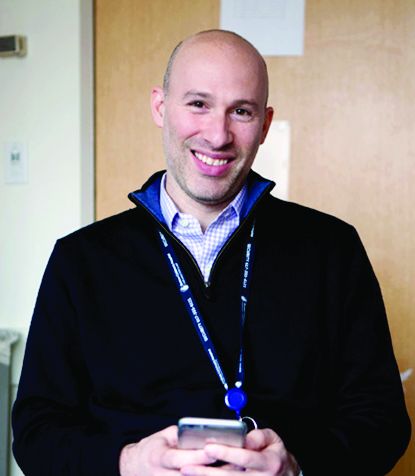
BOSTON – You can command Alexa to order pizza and spool up your favorite flick, but accessing digital health data remains a struggle. Michael Docktor, MD, wants to change that.
A pediatric gastroenterologist and the clinical director of innovation at Boston Children’s Hospital, Dr. Docktor believes that it’s just a matter of time before consumer-driven digital technology fundamentally changes the way physicians and patients interact.
“In medicine, we are often in the habit of trying to recreate the wheel,” he said during the “Digital Health in GI Disease” session at the 2018 AGA Tech Summit, sponsored by the AGA Center for GI Innovation and Technology. “My hope and belief is that we can borrow from the best of the consumer technology world and apply that to our world in health care and GI specifically.”
Dr. Docktor shared some of the “tools and toys” that have come of his group’s program and also “exposed folks to things that they may not be thinking about traditionally in medicine.”
In particular, one area he focused on was how certain voice technologies are enhancing health care delivery, such as integration of Amazon’s Alexa. Consider Alexa a nurse on call.
he said. “We have placed a fairly large bet on voice in health care and built some skills for Alexa.”
He also highlighted a new virtual reality tool that was recently launched by Boston Children’s Hospital to help gastroenterologists better educate their patients.
HealthVoyager was developed in conjunction with Klick Health. The kid-friendly app lets children take a virtual ride through their GI tract. Clinicians draw in abnormal findings on a simplified template. The app then recreates those findings – lesions, polyps, or inflammatory changes – in the positions they actually occupy in the patient. It generates a QR code that’s given to the patient, allowing the child to access her imaging in a HIPAA-compliant manner.
It’s cool, sure, Dr. Docktor said. But does it bring any value to the physician-patient interaction?
“The challenge of digital health is to prove that there’s actual value, it’s not just a bunch of snazzy tech. Are patients really using it? Sharing it? Are they educating themselves and their family and their community? We want to study this clinically and validate whether or not it results in improved adherence and improved patient satisfaction.”
He covered other technologies, such as Chatbox and blockchain, and the roles they can play in health care.
In the not-too-distant future, Dr. Docktor envisions voice assistants integrated into daily medical practice. Amazon’s Alexa provides an aspirational goal, he said.
“We are seeing the rise of the voice assistant. By 2020, researchers predict that 50% of all Internet searches will happen just by voice. Voice interface, I believe, will be driving health care by interfacing with patients at home. I predict that over the next 5 years, most of us will have a medical encounter on a device like this. Technology is not a limiting factor in this scenario. It’s just red tape on the payer and provider side at this point.”
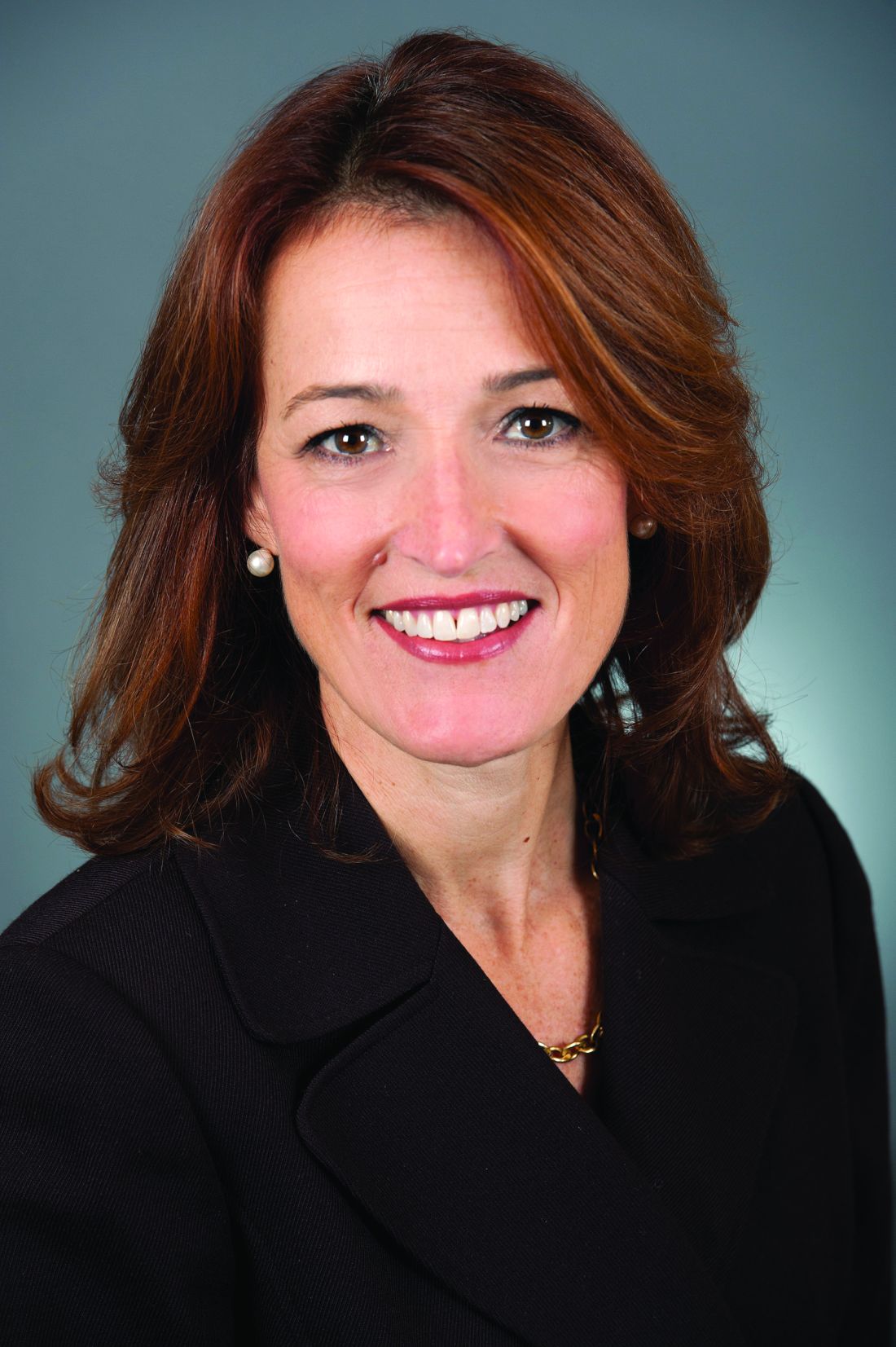
Dr. Docktor’s colleague, Carla E. Small, senior director of the Innovation & Digital Health Accelerator at Boston Children’s Hospital, provided another real-life example of his digital vision. The Innovation & Digital Health Accelerator is a division within the hospital devoted to identifying, nurturing, and implementing digital health care solutions.
“The world has moved to a technology-enabled health care environment, and we all have to be there along with it,” she said. “That also creates a great opportunity for those who have an interest in innovation. There is a lot of ground for changing the way we do things and really leveraging that creativity and innovation.”
One Accelerator product that’s up and running is Thermia. The online tool guides parents through the anxiety of managing a child’s fever.
Thermia quickly and easily allows concerned parents to interpret a child’s temperature and understand which steps they should consider taking. Parents enter their child’s age, temperature, weight, any associated symptoms like rash, sore throat, or GI upset, as well as comorbid medical conditions. An algorithm issues advice for treatment at home or, if the data suggest a risk or serious problem, suggests a visit to the pediatrician or the emergency room. Thermia also automatically calculates the dosage of over-the-counter antipyretic medications based on age and weight.
The Accelerator is investigating a host of other digital health products in different stages of concept, design, and execution. Health care simply has to embrace the digital trends that are changing the way people interact with their world.
The AGA Center for GI Innovation and Technology wants to hear the unique ways gastroenterologists are leveraging consumer technology in their practices. Send us an email at cgit@gastro.org.
gtwachtman@mdedge.com
msullivan@mdedge.com
BOSTON – You can command Alexa to order pizza and spool up your favorite flick, but accessing digital health data remains a struggle. Michael Docktor, MD, wants to change that.
A pediatric gastroenterologist and the clinical director of innovation at Boston Children’s Hospital, Dr. Docktor believes that it’s just a matter of time before consumer-driven digital technology fundamentally changes the way physicians and patients interact.
“In medicine, we are often in the habit of trying to recreate the wheel,” he said during the “Digital Health in GI Disease” session at the 2018 AGA Tech Summit, sponsored by the AGA Center for GI Innovation and Technology. “My hope and belief is that we can borrow from the best of the consumer technology world and apply that to our world in health care and GI specifically.”
Dr. Docktor shared some of the “tools and toys” that have come of his group’s program and also “exposed folks to things that they may not be thinking about traditionally in medicine.”
In particular, one area he focused on was how certain voice technologies are enhancing health care delivery, such as integration of Amazon’s Alexa. Consider Alexa a nurse on call.
he said. “We have placed a fairly large bet on voice in health care and built some skills for Alexa.”
He also highlighted a new virtual reality tool that was recently launched by Boston Children’s Hospital to help gastroenterologists better educate their patients.
HealthVoyager was developed in conjunction with Klick Health. The kid-friendly app lets children take a virtual ride through their GI tract. Clinicians draw in abnormal findings on a simplified template. The app then recreates those findings – lesions, polyps, or inflammatory changes – in the positions they actually occupy in the patient. It generates a QR code that’s given to the patient, allowing the child to access her imaging in a HIPAA-compliant manner.
It’s cool, sure, Dr. Docktor said. But does it bring any value to the physician-patient interaction?
“The challenge of digital health is to prove that there’s actual value, it’s not just a bunch of snazzy tech. Are patients really using it? Sharing it? Are they educating themselves and their family and their community? We want to study this clinically and validate whether or not it results in improved adherence and improved patient satisfaction.”
He covered other technologies, such as Chatbox and blockchain, and the roles they can play in health care.
In the not-too-distant future, Dr. Docktor envisions voice assistants integrated into daily medical practice. Amazon’s Alexa provides an aspirational goal, he said.
“We are seeing the rise of the voice assistant. By 2020, researchers predict that 50% of all Internet searches will happen just by voice. Voice interface, I believe, will be driving health care by interfacing with patients at home. I predict that over the next 5 years, most of us will have a medical encounter on a device like this. Technology is not a limiting factor in this scenario. It’s just red tape on the payer and provider side at this point.”
Dr. Docktor’s colleague, Carla E. Small, senior director of the Innovation & Digital Health Accelerator at Boston Children’s Hospital, provided another real-life example of his digital vision. The Innovation & Digital Health Accelerator is a division within the hospital devoted to identifying, nurturing, and implementing digital health care solutions.
“The world has moved to a technology-enabled health care environment, and we all have to be there along with it,” she said. “That also creates a great opportunity for those who have an interest in innovation. There is a lot of ground for changing the way we do things and really leveraging that creativity and innovation.”
One Accelerator product that’s up and running is Thermia. The online tool guides parents through the anxiety of managing a child’s fever.
Thermia quickly and easily allows concerned parents to interpret a child’s temperature and understand which steps they should consider taking. Parents enter their child’s age, temperature, weight, any associated symptoms like rash, sore throat, or GI upset, as well as comorbid medical conditions. An algorithm issues advice for treatment at home or, if the data suggest a risk or serious problem, suggests a visit to the pediatrician or the emergency room. Thermia also automatically calculates the dosage of over-the-counter antipyretic medications based on age and weight.
The Accelerator is investigating a host of other digital health products in different stages of concept, design, and execution. Health care simply has to embrace the digital trends that are changing the way people interact with their world.
The AGA Center for GI Innovation and Technology wants to hear the unique ways gastroenterologists are leveraging consumer technology in their practices. Send us an email at cgit@gastro.org.
gtwachtman@mdedge.com
msullivan@mdedge.com
BOSTON – You can command Alexa to order pizza and spool up your favorite flick, but accessing digital health data remains a struggle. Michael Docktor, MD, wants to change that.
A pediatric gastroenterologist and the clinical director of innovation at Boston Children’s Hospital, Dr. Docktor believes that it’s just a matter of time before consumer-driven digital technology fundamentally changes the way physicians and patients interact.
“In medicine, we are often in the habit of trying to recreate the wheel,” he said during the “Digital Health in GI Disease” session at the 2018 AGA Tech Summit, sponsored by the AGA Center for GI Innovation and Technology. “My hope and belief is that we can borrow from the best of the consumer technology world and apply that to our world in health care and GI specifically.”
Dr. Docktor shared some of the “tools and toys” that have come of his group’s program and also “exposed folks to things that they may not be thinking about traditionally in medicine.”
In particular, one area he focused on was how certain voice technologies are enhancing health care delivery, such as integration of Amazon’s Alexa. Consider Alexa a nurse on call.
he said. “We have placed a fairly large bet on voice in health care and built some skills for Alexa.”
He also highlighted a new virtual reality tool that was recently launched by Boston Children’s Hospital to help gastroenterologists better educate their patients.
HealthVoyager was developed in conjunction with Klick Health. The kid-friendly app lets children take a virtual ride through their GI tract. Clinicians draw in abnormal findings on a simplified template. The app then recreates those findings – lesions, polyps, or inflammatory changes – in the positions they actually occupy in the patient. It generates a QR code that’s given to the patient, allowing the child to access her imaging in a HIPAA-compliant manner.
It’s cool, sure, Dr. Docktor said. But does it bring any value to the physician-patient interaction?
“The challenge of digital health is to prove that there’s actual value, it’s not just a bunch of snazzy tech. Are patients really using it? Sharing it? Are they educating themselves and their family and their community? We want to study this clinically and validate whether or not it results in improved adherence and improved patient satisfaction.”
He covered other technologies, such as Chatbox and blockchain, and the roles they can play in health care.
In the not-too-distant future, Dr. Docktor envisions voice assistants integrated into daily medical practice. Amazon’s Alexa provides an aspirational goal, he said.
“We are seeing the rise of the voice assistant. By 2020, researchers predict that 50% of all Internet searches will happen just by voice. Voice interface, I believe, will be driving health care by interfacing with patients at home. I predict that over the next 5 years, most of us will have a medical encounter on a device like this. Technology is not a limiting factor in this scenario. It’s just red tape on the payer and provider side at this point.”
Dr. Docktor’s colleague, Carla E. Small, senior director of the Innovation & Digital Health Accelerator at Boston Children’s Hospital, provided another real-life example of his digital vision. The Innovation & Digital Health Accelerator is a division within the hospital devoted to identifying, nurturing, and implementing digital health care solutions.
“The world has moved to a technology-enabled health care environment, and we all have to be there along with it,” she said. “That also creates a great opportunity for those who have an interest in innovation. There is a lot of ground for changing the way we do things and really leveraging that creativity and innovation.”
One Accelerator product that’s up and running is Thermia. The online tool guides parents through the anxiety of managing a child’s fever.
Thermia quickly and easily allows concerned parents to interpret a child’s temperature and understand which steps they should consider taking. Parents enter their child’s age, temperature, weight, any associated symptoms like rash, sore throat, or GI upset, as well as comorbid medical conditions. An algorithm issues advice for treatment at home or, if the data suggest a risk or serious problem, suggests a visit to the pediatrician or the emergency room. Thermia also automatically calculates the dosage of over-the-counter antipyretic medications based on age and weight.
The Accelerator is investigating a host of other digital health products in different stages of concept, design, and execution. Health care simply has to embrace the digital trends that are changing the way people interact with their world.
The AGA Center for GI Innovation and Technology wants to hear the unique ways gastroenterologists are leveraging consumer technology in their practices. Send us an email at cgit@gastro.org.
gtwachtman@mdedge.com
msullivan@mdedge.com
REPORTING FROM THE 2018 AGA TECH SUMMIT
Cost, coverage concerns cited as barriers to acne medication adherence
Patients with acne who did not follow through with treatment cited high prices and insurance barriers as their main reasons for medication nonadherence, in a study published in JAMA Dermatology.
In the study, more than half of the 26 participants interviewed reported that they intended to fill the acne prescriptions but were not able to do so because of cost- or insurance-related concerns, reported Kira L. Ryskina, MD, of the Leonard Davis Institute of Health Economics at the University of Pennsylvania, Philadelphia, and her coauthors.
Of the initial 385 patients, 26 agreed to participate and met inclusion criteria. Most (58%) were aged 26-40 years, 19% were over aged 40, and 23% were younger than aged 26; 73% were female. Almost 40% had Medicaid coverage, 54% had commercial insurance, and the rest had “other.” Structured interviews were conducted via telephone between November 30, 2016, and January 31, 2017. Based on recorded interviews, five major themes were identified by investigator consensus: medication costs, poor understanding of prior authorization, physician-patient communication about costs, solutions and back-up plans offered by physicians, and reservations about treatment.
Lack of insurance coverage was a concern for 10 patients (38%), and high out-of-pocket costs were a concern for 11 patients (42%), the authors reported. Additionally, 5 participants (19%) said they had received inconsistent information from physicians, physician’s office staff, and pharmacy staff about the prior authorization process.
Participants reported having discussions with providers about treatment side effects and instructions for use – but not about price concerns. In addition, patients “did not expect physicians to know medication cost or insurance coverage,” the authors said. The patients also described various approaches recommended by providers to address problems obtaining medication, including asking patients to call the office back (7%), shopping around for medication (7%), suggesting alternatives to first-line treatment (7%), and offering coupons (4%). Backup plans (offered when the medication was not available) were received positively by 23% of the patients, as was a candid conversation about cost (19%), whereas shopping around and calling the office back were not, the authors said.
Overall, 10 patients (38%) reported reservations about treatment, which included concerns about possible adverse effects (15%), unwillingness to start a “strong” medication (8%), desire to try homeopathic treatment (3%), and belief that their acne was not serious enough to require medication (12%).
The results suggest that “physician-level interventions to improve primary adherence should incorporate discussion of medication costs and provide specific alternative plans in case the patient is unable to fill the prescription, rather than asking patients to call back,” the authors wrote. “Physicians who discuss medication costs and provide a concrete alternative plan may be able to improve primary adherence among their patients,” they concluded.
Limitations of the study include its qualitative nature and its limited generalizability because all participants were part of the same Philadelphia health system.
The study was funded by a Pfizer grant from the American Academy of Dermatology and was cosponsored by the Pennsylvania Academy of Dermatology and Dermatologic Surgery.
SOURCE: Ryskina K et al. JAMA Dermatol. 2018 Feb 28. doi: 10.1001/jamadermatol.2017.6144.
Patients with acne who did not follow through with treatment cited high prices and insurance barriers as their main reasons for medication nonadherence, in a study published in JAMA Dermatology.
In the study, more than half of the 26 participants interviewed reported that they intended to fill the acne prescriptions but were not able to do so because of cost- or insurance-related concerns, reported Kira L. Ryskina, MD, of the Leonard Davis Institute of Health Economics at the University of Pennsylvania, Philadelphia, and her coauthors.
Of the initial 385 patients, 26 agreed to participate and met inclusion criteria. Most (58%) were aged 26-40 years, 19% were over aged 40, and 23% were younger than aged 26; 73% were female. Almost 40% had Medicaid coverage, 54% had commercial insurance, and the rest had “other.” Structured interviews were conducted via telephone between November 30, 2016, and January 31, 2017. Based on recorded interviews, five major themes were identified by investigator consensus: medication costs, poor understanding of prior authorization, physician-patient communication about costs, solutions and back-up plans offered by physicians, and reservations about treatment.
Lack of insurance coverage was a concern for 10 patients (38%), and high out-of-pocket costs were a concern for 11 patients (42%), the authors reported. Additionally, 5 participants (19%) said they had received inconsistent information from physicians, physician’s office staff, and pharmacy staff about the prior authorization process.
Participants reported having discussions with providers about treatment side effects and instructions for use – but not about price concerns. In addition, patients “did not expect physicians to know medication cost or insurance coverage,” the authors said. The patients also described various approaches recommended by providers to address problems obtaining medication, including asking patients to call the office back (7%), shopping around for medication (7%), suggesting alternatives to first-line treatment (7%), and offering coupons (4%). Backup plans (offered when the medication was not available) were received positively by 23% of the patients, as was a candid conversation about cost (19%), whereas shopping around and calling the office back were not, the authors said.
Overall, 10 patients (38%) reported reservations about treatment, which included concerns about possible adverse effects (15%), unwillingness to start a “strong” medication (8%), desire to try homeopathic treatment (3%), and belief that their acne was not serious enough to require medication (12%).
The results suggest that “physician-level interventions to improve primary adherence should incorporate discussion of medication costs and provide specific alternative plans in case the patient is unable to fill the prescription, rather than asking patients to call back,” the authors wrote. “Physicians who discuss medication costs and provide a concrete alternative plan may be able to improve primary adherence among their patients,” they concluded.
Limitations of the study include its qualitative nature and its limited generalizability because all participants were part of the same Philadelphia health system.
The study was funded by a Pfizer grant from the American Academy of Dermatology and was cosponsored by the Pennsylvania Academy of Dermatology and Dermatologic Surgery.
SOURCE: Ryskina K et al. JAMA Dermatol. 2018 Feb 28. doi: 10.1001/jamadermatol.2017.6144.
Patients with acne who did not follow through with treatment cited high prices and insurance barriers as their main reasons for medication nonadherence, in a study published in JAMA Dermatology.
In the study, more than half of the 26 participants interviewed reported that they intended to fill the acne prescriptions but were not able to do so because of cost- or insurance-related concerns, reported Kira L. Ryskina, MD, of the Leonard Davis Institute of Health Economics at the University of Pennsylvania, Philadelphia, and her coauthors.
Of the initial 385 patients, 26 agreed to participate and met inclusion criteria. Most (58%) were aged 26-40 years, 19% were over aged 40, and 23% were younger than aged 26; 73% were female. Almost 40% had Medicaid coverage, 54% had commercial insurance, and the rest had “other.” Structured interviews were conducted via telephone between November 30, 2016, and January 31, 2017. Based on recorded interviews, five major themes were identified by investigator consensus: medication costs, poor understanding of prior authorization, physician-patient communication about costs, solutions and back-up plans offered by physicians, and reservations about treatment.
Lack of insurance coverage was a concern for 10 patients (38%), and high out-of-pocket costs were a concern for 11 patients (42%), the authors reported. Additionally, 5 participants (19%) said they had received inconsistent information from physicians, physician’s office staff, and pharmacy staff about the prior authorization process.
Participants reported having discussions with providers about treatment side effects and instructions for use – but not about price concerns. In addition, patients “did not expect physicians to know medication cost or insurance coverage,” the authors said. The patients also described various approaches recommended by providers to address problems obtaining medication, including asking patients to call the office back (7%), shopping around for medication (7%), suggesting alternatives to first-line treatment (7%), and offering coupons (4%). Backup plans (offered when the medication was not available) were received positively by 23% of the patients, as was a candid conversation about cost (19%), whereas shopping around and calling the office back were not, the authors said.
Overall, 10 patients (38%) reported reservations about treatment, which included concerns about possible adverse effects (15%), unwillingness to start a “strong” medication (8%), desire to try homeopathic treatment (3%), and belief that their acne was not serious enough to require medication (12%).
The results suggest that “physician-level interventions to improve primary adherence should incorporate discussion of medication costs and provide specific alternative plans in case the patient is unable to fill the prescription, rather than asking patients to call back,” the authors wrote. “Physicians who discuss medication costs and provide a concrete alternative plan may be able to improve primary adherence among their patients,” they concluded.
Limitations of the study include its qualitative nature and its limited generalizability because all participants were part of the same Philadelphia health system.
The study was funded by a Pfizer grant from the American Academy of Dermatology and was cosponsored by the Pennsylvania Academy of Dermatology and Dermatologic Surgery.
SOURCE: Ryskina K et al. JAMA Dermatol. 2018 Feb 28. doi: 10.1001/jamadermatol.2017.6144.
FROM JAMA DERMATOLOGY
Key clinical point: Most patients cited high prescription costs and insurance coverage concerns as reasons for medication nonadherence.
Major finding: Of the patients in the study, 65% reported being unable to fill prescriptions because of price or insurance coverage concerns.
Data source: A qualitative analysis of structured interviews with 26 acne patients in Philadelphia.
Disclosures: The study was funded by a Pfizer grant from the American Academy of Dermatology and was cosponsored by the Pennsylvania Academy of Dermatology and Dermatologic Surgery.
Source: Ryskina K et al. JAMA Dermatol. 2018 Feb 28. doi: 10.1001/jamadermatol.2017.6144.

FDA approves certolizumab label update for pregnancy, breastfeeding
The manufacturer of certolizumab pegol, UCB, announced March 22 that the Food and Drug Administration approved a label update to the biologic that includes pharmacokinetic data showing negligible to low transfer of the biologic through the placenta and minimal mother-to-infant transfer from breast milk.

In the CRIB study, certolizumab levels were below the lower limit of quantification (defined as 0.032 mcg/mL) in 13 out of 15 infant blood samples at birth and in all samples at weeks 4 and 8. No anticertolizumab antibodies were detected in mothers, umbilical cords, or infants.
In the CRADLE study, 56% of 137 breast milk samples from 17 mothers had no measurable certolizumab, and the remaining samples showed minimal levels of the biologic. No serious adverse reactions were noted in the 17 infants in the study.
“It is well recognized that women with chronic inflammatory disease face uncertainty during motherhood given the lack of information on treatment during pregnancy and breastfeeding. Many women with chronic inflammatory disease discontinue their biologic treatment during pregnancy, often when they need disease control the most,” said CRADLE lead study author Megan E. B. Clowse, MD, of Duke University, Durham, N.C., in a press release issued by UCB. “These data for Cimzia provide important information to empower women and healthcare providers making decisions about treatment during pregnancy and breastfeeding.”
UCB said that limited data from an ongoing pregnancy registry regarding the use of certolizumab in pregnant women are not sufficient to inform a risk of major birth defects or other adverse pregnancy outcomes.
The manufacturer of certolizumab pegol, UCB, announced March 22 that the Food and Drug Administration approved a label update to the biologic that includes pharmacokinetic data showing negligible to low transfer of the biologic through the placenta and minimal mother-to-infant transfer from breast milk.
In the CRIB study, certolizumab levels were below the lower limit of quantification (defined as 0.032 mcg/mL) in 13 out of 15 infant blood samples at birth and in all samples at weeks 4 and 8. No anticertolizumab antibodies were detected in mothers, umbilical cords, or infants.
In the CRADLE study, 56% of 137 breast milk samples from 17 mothers had no measurable certolizumab, and the remaining samples showed minimal levels of the biologic. No serious adverse reactions were noted in the 17 infants in the study.
“It is well recognized that women with chronic inflammatory disease face uncertainty during motherhood given the lack of information on treatment during pregnancy and breastfeeding. Many women with chronic inflammatory disease discontinue their biologic treatment during pregnancy, often when they need disease control the most,” said CRADLE lead study author Megan E. B. Clowse, MD, of Duke University, Durham, N.C., in a press release issued by UCB. “These data for Cimzia provide important information to empower women and healthcare providers making decisions about treatment during pregnancy and breastfeeding.”
UCB said that limited data from an ongoing pregnancy registry regarding the use of certolizumab in pregnant women are not sufficient to inform a risk of major birth defects or other adverse pregnancy outcomes.
The manufacturer of certolizumab pegol, UCB, announced March 22 that the Food and Drug Administration approved a label update to the biologic that includes pharmacokinetic data showing negligible to low transfer of the biologic through the placenta and minimal mother-to-infant transfer from breast milk.
In the CRIB study, certolizumab levels were below the lower limit of quantification (defined as 0.032 mcg/mL) in 13 out of 15 infant blood samples at birth and in all samples at weeks 4 and 8. No anticertolizumab antibodies were detected in mothers, umbilical cords, or infants.
In the CRADLE study, 56% of 137 breast milk samples from 17 mothers had no measurable certolizumab, and the remaining samples showed minimal levels of the biologic. No serious adverse reactions were noted in the 17 infants in the study.
“It is well recognized that women with chronic inflammatory disease face uncertainty during motherhood given the lack of information on treatment during pregnancy and breastfeeding. Many women with chronic inflammatory disease discontinue their biologic treatment during pregnancy, often when they need disease control the most,” said CRADLE lead study author Megan E. B. Clowse, MD, of Duke University, Durham, N.C., in a press release issued by UCB. “These data for Cimzia provide important information to empower women and healthcare providers making decisions about treatment during pregnancy and breastfeeding.”
UCB said that limited data from an ongoing pregnancy registry regarding the use of certolizumab in pregnant women are not sufficient to inform a risk of major birth defects or other adverse pregnancy outcomes.

What’s in the way of you and new tech?
BOSTON – Bringing new technology to your practice is not as simple as flipping a switch, as attendees of the Thursday afternoon AGA Tech Summit session “Physician Perspective on Barriers to Incorporating New Technology” learned. The Tech Summit is sponsored by the AGA Center for GI Innovation and Technology.
“As physicians think about being a part of taking on new technology, there are varying perspectives, including the perspective they have about their patients and the perspective they have for themselves,” Richard Rothstein, MD, chair of the department of medicine at Geisel School of Medicine at Dartmouth, Hanover, N.H., said in an interview. “However, there are other perspectives as well, like the perspectives of the hospital or the ambulatory endoscopy center in which they work.”
He presented an intriguing historical example. Within months of the first demonstration of anesthetized surgery in 1846, the use of ether and the machine to deliver it were spreading rapidly through hospitals in large U.S. cities. European adoption soon followed.
However, decades passed before there was wide acceptance of Lister’s ideas on carbolic acid as a surgical antiseptic.
“Why was one technology adopted early and one later? Incentives to adopt both went in the same direction – improved patient outcomes. Both were based on ideas that violated prior beliefs. Both were technically complex. But one combatted a visible and immediate problem: pain. The other combatted an invisible and unproven problem: germs. Both made life better for the patient – but only one made life better for the surgeon. And that one, anesthesia, was the one that was quickly adopted.”
Even today, clinicians are the main drivers of the adoption of novel medical technology. They fall into two general categories, Dr. Rothstein said: early adopters, who want to be the first to offer an exciting new procedure, and late adopters, who wait for more information and want all the issues of that technology to be sorted out before diving in.
Each one stands in the same circle, however, forced to evaluate the issues that come along with adopting new tech, including training, credentialing and insurance, facility support, and how the new tool or procedure might affect the entire clinical team
Facilities have to tussle with these issues, too, Dr. Rothstein said.
Administrations wonder, “‘Will I get paid for this? Will it displace something else that’s equally effective that could be making more money? What resources do I need to implement it? Will it impact malpractice insurance rates for clinicians who work at my facility?’”
Patient choice also plays into the matter. Third-party payers may or may not have cutting-edge tech on their payment ledger. The specter of a self-pay procedure, no matter how potentially effective, is an enormous deterrent for patients, especially when figuring in the possibility of footing the bill for any associated complications. And of course, new technology and procedures lack the deep pool of efficacy and safety data that established ones lean upon – another potential sticking point for both clinicians and patients, Dr. Rothstein said.
“There are a lot of great ideas out there, and a lot of innovative devices, but without addressing the barriers to adoption, the technology will never get to the targeted goal of delivering better care to our patients,” he said.
BOSTON – Bringing new technology to your practice is not as simple as flipping a switch, as attendees of the Thursday afternoon AGA Tech Summit session “Physician Perspective on Barriers to Incorporating New Technology” learned. The Tech Summit is sponsored by the AGA Center for GI Innovation and Technology.
“As physicians think about being a part of taking on new technology, there are varying perspectives, including the perspective they have about their patients and the perspective they have for themselves,” Richard Rothstein, MD, chair of the department of medicine at Geisel School of Medicine at Dartmouth, Hanover, N.H., said in an interview. “However, there are other perspectives as well, like the perspectives of the hospital or the ambulatory endoscopy center in which they work.”
He presented an intriguing historical example. Within months of the first demonstration of anesthetized surgery in 1846, the use of ether and the machine to deliver it were spreading rapidly through hospitals in large U.S. cities. European adoption soon followed.
However, decades passed before there was wide acceptance of Lister’s ideas on carbolic acid as a surgical antiseptic.
“Why was one technology adopted early and one later? Incentives to adopt both went in the same direction – improved patient outcomes. Both were based on ideas that violated prior beliefs. Both were technically complex. But one combatted a visible and immediate problem: pain. The other combatted an invisible and unproven problem: germs. Both made life better for the patient – but only one made life better for the surgeon. And that one, anesthesia, was the one that was quickly adopted.”
Even today, clinicians are the main drivers of the adoption of novel medical technology. They fall into two general categories, Dr. Rothstein said: early adopters, who want to be the first to offer an exciting new procedure, and late adopters, who wait for more information and want all the issues of that technology to be sorted out before diving in.
Each one stands in the same circle, however, forced to evaluate the issues that come along with adopting new tech, including training, credentialing and insurance, facility support, and how the new tool or procedure might affect the entire clinical team
Facilities have to tussle with these issues, too, Dr. Rothstein said.
Administrations wonder, “‘Will I get paid for this? Will it displace something else that’s equally effective that could be making more money? What resources do I need to implement it? Will it impact malpractice insurance rates for clinicians who work at my facility?’”
Patient choice also plays into the matter. Third-party payers may or may not have cutting-edge tech on their payment ledger. The specter of a self-pay procedure, no matter how potentially effective, is an enormous deterrent for patients, especially when figuring in the possibility of footing the bill for any associated complications. And of course, new technology and procedures lack the deep pool of efficacy and safety data that established ones lean upon – another potential sticking point for both clinicians and patients, Dr. Rothstein said.
“There are a lot of great ideas out there, and a lot of innovative devices, but without addressing the barriers to adoption, the technology will never get to the targeted goal of delivering better care to our patients,” he said.
BOSTON – Bringing new technology to your practice is not as simple as flipping a switch, as attendees of the Thursday afternoon AGA Tech Summit session “Physician Perspective on Barriers to Incorporating New Technology” learned. The Tech Summit is sponsored by the AGA Center for GI Innovation and Technology.
“As physicians think about being a part of taking on new technology, there are varying perspectives, including the perspective they have about their patients and the perspective they have for themselves,” Richard Rothstein, MD, chair of the department of medicine at Geisel School of Medicine at Dartmouth, Hanover, N.H., said in an interview. “However, there are other perspectives as well, like the perspectives of the hospital or the ambulatory endoscopy center in which they work.”
He presented an intriguing historical example. Within months of the first demonstration of anesthetized surgery in 1846, the use of ether and the machine to deliver it were spreading rapidly through hospitals in large U.S. cities. European adoption soon followed.
However, decades passed before there was wide acceptance of Lister’s ideas on carbolic acid as a surgical antiseptic.
“Why was one technology adopted early and one later? Incentives to adopt both went in the same direction – improved patient outcomes. Both were based on ideas that violated prior beliefs. Both were technically complex. But one combatted a visible and immediate problem: pain. The other combatted an invisible and unproven problem: germs. Both made life better for the patient – but only one made life better for the surgeon. And that one, anesthesia, was the one that was quickly adopted.”
Even today, clinicians are the main drivers of the adoption of novel medical technology. They fall into two general categories, Dr. Rothstein said: early adopters, who want to be the first to offer an exciting new procedure, and late adopters, who wait for more information and want all the issues of that technology to be sorted out before diving in.
Each one stands in the same circle, however, forced to evaluate the issues that come along with adopting new tech, including training, credentialing and insurance, facility support, and how the new tool or procedure might affect the entire clinical team
Facilities have to tussle with these issues, too, Dr. Rothstein said.
Administrations wonder, “‘Will I get paid for this? Will it displace something else that’s equally effective that could be making more money? What resources do I need to implement it? Will it impact malpractice insurance rates for clinicians who work at my facility?’”
Patient choice also plays into the matter. Third-party payers may or may not have cutting-edge tech on their payment ledger. The specter of a self-pay procedure, no matter how potentially effective, is an enormous deterrent for patients, especially when figuring in the possibility of footing the bill for any associated complications. And of course, new technology and procedures lack the deep pool of efficacy and safety data that established ones lean upon – another potential sticking point for both clinicians and patients, Dr. Rothstein said.
“There are a lot of great ideas out there, and a lot of innovative devices, but without addressing the barriers to adoption, the technology will never get to the targeted goal of delivering better care to our patients,” he said.
REPORTING FROM 2018 AGA TECH SUMMIT
Experimental voxtalisib shows mixed results in phase 2 study
Voxtalisib, an investigational agent that targets both mTOR and multiple isoforms of PI3K, showed “promising” efficacy with acceptable safety in patients with relapsed or refractory follicular lymphoma (FL), results of a phase 2 trial indicate.
Among 46 patients with FL, the overall response rate was 41.3%, including five (10.9%) complete responses. The median progression-free survival in this group was 58 weeks, reported Jennifer R. Brown, MD, PhD, of the Dana-Farber Cancer Institute in Boston, and her colleagues.
“The observed activity of voxtalisib in relapsed or refractory follicular lymphoma, notable for inducing complete responses in 10.9% of patients, warrants further study,” the investigators wrote in a study published in the Lancet Haematology.
Efficacy of the drug was limited, however, against aggressive malignancies, including mantle cell lymphoma (MCL), diffuse large B-cell lymphoma (DLBCL), or chronic lymphocytic leukemia/small lymphocytic lymphoma (CLL/SLL).
Voxtalisib (XL765) is a potent inhibitor of all four class I PI3Ks, as well as a less robust inhibitor of the mammalian target of rapamycin (mTOR). In contrast, idelalisib (Zydelig) – which is approved by the Food and Drug Administration for treatment of relapsed/refractory FL or for CLL, in combination with rituximab – inhibits only the delta isoform of PI3K, and does not have marked anti–mTOR properties.
The investigators conducted an open-label, nonrandomized trial of voxtalisib in 30 centers in the United States, Belgium, France, Germany, the Netherlands, and Australia.
Adults 18 years or older with relapsed or refractory MCL, FL, DLBCL or CLL/SLL with Eastern Cooperative Oncology Group performance status of 2 or less were enrolled. All patients received voxtalisib 50 mg orally twice daily in 28-day continuous dosing cycles until progression or unacceptable toxicity.
All patients who received more the 4 weeks of treatment and had both a baseline and one or more on-treatment tumor assessments were included in the efficacy analysis. Patients with lymphoma had received a median of three prior lines of therapy, and those with CLL had received a median of four prior lines.
The overall response rate in the entire study population was 18.3% (30 patients), including 22 partial and 8 complete responses. ORR rates were as follows:
- FL: 41.3% (19 of 46 patients).
- MCL: 11.9% (5 of 42 patients).
- DLBCL: 4.9% (2 of 41 patients).
- CLL/SLL: 11.4% (4 of 35 patients).
The safety analysis, which included all 167 patients enrolled, was consistent with that of previous studies of voxtalisib, the investigators said. The most frequently reported adverse events of any grade or type were diarrhea in 35% of patients, fatigue in 32%, nausea in 27%, pyrexia in 26%, cough 24%, and decreased appetite in 21%.
Grade 3 or greater adverse events include anemia in 12%, and pneumonia and thrombocytopenia in 8% each. Slightly more than half of all patients (58.1%) had a serious adverse event.
The investigators noted that voxtalisib’s short plasma half-life may explain the drug’s lack of efficacy against the aggressive lymphomas and CLL/SLL. Longer-acting formulations of the drug or more frequent dosing might address this problem, although the latter solution could be challenging for patients to follow, the investigators acknowledged.
In light of the results, no further studies of voxtalisib in CLL are planned, thought investigation of the drug alone or in combination with chemoimmunotherapy is warranted for patients with follicular lymphoma, the investigators wrote.
The study was funded by Sanofi. Dr. Brown reported consulting for Janssen, Gilead, Celgene, Sun BioPharma, Novartis, AbbVie, Pfizer, AstraZeneca, Astellas, RedX, Pharmacyclics, Genentech/Roche, Verastem, and TG Therapeutics, and grants from Gilead and Sun BioPharma.
SOURCE: Brown J et al. Lancet Haematol. 2018 Mar 14. doi: 10.1016/S2352-3026(18)30030-9.
Voxtalisib, an investigational agent that targets both mTOR and multiple isoforms of PI3K, showed “promising” efficacy with acceptable safety in patients with relapsed or refractory follicular lymphoma (FL), results of a phase 2 trial indicate.
Among 46 patients with FL, the overall response rate was 41.3%, including five (10.9%) complete responses. The median progression-free survival in this group was 58 weeks, reported Jennifer R. Brown, MD, PhD, of the Dana-Farber Cancer Institute in Boston, and her colleagues.
“The observed activity of voxtalisib in relapsed or refractory follicular lymphoma, notable for inducing complete responses in 10.9% of patients, warrants further study,” the investigators wrote in a study published in the Lancet Haematology.
Efficacy of the drug was limited, however, against aggressive malignancies, including mantle cell lymphoma (MCL), diffuse large B-cell lymphoma (DLBCL), or chronic lymphocytic leukemia/small lymphocytic lymphoma (CLL/SLL).
Voxtalisib (XL765) is a potent inhibitor of all four class I PI3Ks, as well as a less robust inhibitor of the mammalian target of rapamycin (mTOR). In contrast, idelalisib (Zydelig) – which is approved by the Food and Drug Administration for treatment of relapsed/refractory FL or for CLL, in combination with rituximab – inhibits only the delta isoform of PI3K, and does not have marked anti–mTOR properties.
The investigators conducted an open-label, nonrandomized trial of voxtalisib in 30 centers in the United States, Belgium, France, Germany, the Netherlands, and Australia.
Adults 18 years or older with relapsed or refractory MCL, FL, DLBCL or CLL/SLL with Eastern Cooperative Oncology Group performance status of 2 or less were enrolled. All patients received voxtalisib 50 mg orally twice daily in 28-day continuous dosing cycles until progression or unacceptable toxicity.
All patients who received more the 4 weeks of treatment and had both a baseline and one or more on-treatment tumor assessments were included in the efficacy analysis. Patients with lymphoma had received a median of three prior lines of therapy, and those with CLL had received a median of four prior lines.
The overall response rate in the entire study population was 18.3% (30 patients), including 22 partial and 8 complete responses. ORR rates were as follows:
- FL: 41.3% (19 of 46 patients).
- MCL: 11.9% (5 of 42 patients).
- DLBCL: 4.9% (2 of 41 patients).
- CLL/SLL: 11.4% (4 of 35 patients).
The safety analysis, which included all 167 patients enrolled, was consistent with that of previous studies of voxtalisib, the investigators said. The most frequently reported adverse events of any grade or type were diarrhea in 35% of patients, fatigue in 32%, nausea in 27%, pyrexia in 26%, cough 24%, and decreased appetite in 21%.
Grade 3 or greater adverse events include anemia in 12%, and pneumonia and thrombocytopenia in 8% each. Slightly more than half of all patients (58.1%) had a serious adverse event.
The investigators noted that voxtalisib’s short plasma half-life may explain the drug’s lack of efficacy against the aggressive lymphomas and CLL/SLL. Longer-acting formulations of the drug or more frequent dosing might address this problem, although the latter solution could be challenging for patients to follow, the investigators acknowledged.
In light of the results, no further studies of voxtalisib in CLL are planned, thought investigation of the drug alone or in combination with chemoimmunotherapy is warranted for patients with follicular lymphoma, the investigators wrote.
The study was funded by Sanofi. Dr. Brown reported consulting for Janssen, Gilead, Celgene, Sun BioPharma, Novartis, AbbVie, Pfizer, AstraZeneca, Astellas, RedX, Pharmacyclics, Genentech/Roche, Verastem, and TG Therapeutics, and grants from Gilead and Sun BioPharma.
SOURCE: Brown J et al. Lancet Haematol. 2018 Mar 14. doi: 10.1016/S2352-3026(18)30030-9.
Voxtalisib, an investigational agent that targets both mTOR and multiple isoforms of PI3K, showed “promising” efficacy with acceptable safety in patients with relapsed or refractory follicular lymphoma (FL), results of a phase 2 trial indicate.
Among 46 patients with FL, the overall response rate was 41.3%, including five (10.9%) complete responses. The median progression-free survival in this group was 58 weeks, reported Jennifer R. Brown, MD, PhD, of the Dana-Farber Cancer Institute in Boston, and her colleagues.
“The observed activity of voxtalisib in relapsed or refractory follicular lymphoma, notable for inducing complete responses in 10.9% of patients, warrants further study,” the investigators wrote in a study published in the Lancet Haematology.
Efficacy of the drug was limited, however, against aggressive malignancies, including mantle cell lymphoma (MCL), diffuse large B-cell lymphoma (DLBCL), or chronic lymphocytic leukemia/small lymphocytic lymphoma (CLL/SLL).
Voxtalisib (XL765) is a potent inhibitor of all four class I PI3Ks, as well as a less robust inhibitor of the mammalian target of rapamycin (mTOR). In contrast, idelalisib (Zydelig) – which is approved by the Food and Drug Administration for treatment of relapsed/refractory FL or for CLL, in combination with rituximab – inhibits only the delta isoform of PI3K, and does not have marked anti–mTOR properties.
The investigators conducted an open-label, nonrandomized trial of voxtalisib in 30 centers in the United States, Belgium, France, Germany, the Netherlands, and Australia.
Adults 18 years or older with relapsed or refractory MCL, FL, DLBCL or CLL/SLL with Eastern Cooperative Oncology Group performance status of 2 or less were enrolled. All patients received voxtalisib 50 mg orally twice daily in 28-day continuous dosing cycles until progression or unacceptable toxicity.
All patients who received more the 4 weeks of treatment and had both a baseline and one or more on-treatment tumor assessments were included in the efficacy analysis. Patients with lymphoma had received a median of three prior lines of therapy, and those with CLL had received a median of four prior lines.
The overall response rate in the entire study population was 18.3% (30 patients), including 22 partial and 8 complete responses. ORR rates were as follows:
- FL: 41.3% (19 of 46 patients).
- MCL: 11.9% (5 of 42 patients).
- DLBCL: 4.9% (2 of 41 patients).
- CLL/SLL: 11.4% (4 of 35 patients).
The safety analysis, which included all 167 patients enrolled, was consistent with that of previous studies of voxtalisib, the investigators said. The most frequently reported adverse events of any grade or type were diarrhea in 35% of patients, fatigue in 32%, nausea in 27%, pyrexia in 26%, cough 24%, and decreased appetite in 21%.
Grade 3 or greater adverse events include anemia in 12%, and pneumonia and thrombocytopenia in 8% each. Slightly more than half of all patients (58.1%) had a serious adverse event.
The investigators noted that voxtalisib’s short plasma half-life may explain the drug’s lack of efficacy against the aggressive lymphomas and CLL/SLL. Longer-acting formulations of the drug or more frequent dosing might address this problem, although the latter solution could be challenging for patients to follow, the investigators acknowledged.
In light of the results, no further studies of voxtalisib in CLL are planned, thought investigation of the drug alone or in combination with chemoimmunotherapy is warranted for patients with follicular lymphoma, the investigators wrote.
The study was funded by Sanofi. Dr. Brown reported consulting for Janssen, Gilead, Celgene, Sun BioPharma, Novartis, AbbVie, Pfizer, AstraZeneca, Astellas, RedX, Pharmacyclics, Genentech/Roche, Verastem, and TG Therapeutics, and grants from Gilead and Sun BioPharma.
SOURCE: Brown J et al. Lancet Haematol. 2018 Mar 14. doi: 10.1016/S2352-3026(18)30030-9.
FROM THE LANCET HAEMATOLOGY
Key clinical point:
Major finding: The overall response rate in patients with relapsed/refractory FL was 41.3%.
Study details: Open-label, nonrandomized trial in 167 patients from 30 centers in six countries.
Disclosures: The study was funded by Sanofi. Dr. Brown disclosed consulting for Janssen, Gilead, Celgene, Sun BioPharma, Novartis, AbbVie, Pfizer, AstraZeneca, Astellas, RedX, Pharmacyclics, Genentech/Roche, Verastem, and TG Therapeutics, and grants from Gilead and Sun BioPharma.
Source: Brown J et al. Lancet Haematol. 2018 Mar 14. doi: 10.1016/S2352-3026(18)30030-9.
VIDEO: Digital health technologies are here to be embraced
BOSTON – One of the innovations in gastroenterology that is used on a day-to-day basis is digital technology, said Sri Komanduri, MD, in a video interview at the 2018 AGA Tech Summit, which is sponsored by the AGA Center for GI Innovation and Technology.
Everything from Internet rate-your-doctor sites to bowel prep apps and EHRs qualify as digital health technology, said Dr. Komanduri, the medical director of the GI laboratory and director of interventional endoscopy at Northwestern University in Chicago and vice chair of the AGA Center for GI Innovation and Technology.
Digital technology can facilitate endoscopy procedures, help patients communicate with their doctors about chronic conditions, and help patients better understand their illness. The role of the physician is to embrace those technologies that improve the quality of care.
BOSTON – One of the innovations in gastroenterology that is used on a day-to-day basis is digital technology, said Sri Komanduri, MD, in a video interview at the 2018 AGA Tech Summit, which is sponsored by the AGA Center for GI Innovation and Technology.
Everything from Internet rate-your-doctor sites to bowel prep apps and EHRs qualify as digital health technology, said Dr. Komanduri, the medical director of the GI laboratory and director of interventional endoscopy at Northwestern University in Chicago and vice chair of the AGA Center for GI Innovation and Technology.
Digital technology can facilitate endoscopy procedures, help patients communicate with their doctors about chronic conditions, and help patients better understand their illness. The role of the physician is to embrace those technologies that improve the quality of care.
BOSTON – One of the innovations in gastroenterology that is used on a day-to-day basis is digital technology, said Sri Komanduri, MD, in a video interview at the 2018 AGA Tech Summit, which is sponsored by the AGA Center for GI Innovation and Technology.
Everything from Internet rate-your-doctor sites to bowel prep apps and EHRs qualify as digital health technology, said Dr. Komanduri, the medical director of the GI laboratory and director of interventional endoscopy at Northwestern University in Chicago and vice chair of the AGA Center for GI Innovation and Technology.
Digital technology can facilitate endoscopy procedures, help patients communicate with their doctors about chronic conditions, and help patients better understand their illness. The role of the physician is to embrace those technologies that improve the quality of care.
FROM THE 2018 AGA TECH SUMMIT