User login
Voxelotor cut transfusions in compassionate use sickle cell cohort
WASHINGTON – An investigational drug for sickle cell disease (SCD) boosted hemoglobin levels while reducing hospitalizations and transfusion needs by approximately two-thirds in a small cohort of severely affected patients.

Lanetta Bronté, MD, who presented the findings at the annual meeting of the Foundation for Sickle Cell Disease Research, reviewed the FDA’s requirements for allowing expanded access to an investigational drug. The key point, she said, is that expanded access may be granted “for treatment of patients with serious or immediately life-threatening diseases or conditions that lack therapeutic alternatives.” And, she said, the potential for benefit should outweigh potential risk of taking the investigational drug.
Current treatments don’t really address serious disease-related complications for patients with advanced SCD, she said. Furthermore, these patients will often be excluded from clinical trials of new SCD therapies.
Voxelotor is a novel small molecule that stabilizes the sickle hemoglobin molecule as a monomer in its high oxygen state. Thus, polymerization of the hemoglobin molecules is inhibited, which decreases the amount of red blood cell damage. Other beneficial effects of voxelotor include improved rheology and reduced hemolysis, as well as a boost to the oxygen-carrying capacity of the sickle hemoglobin molecules, Dr. Bronté explained.
For the seven patients in Dr. Bronté’s clinic who were granted expanded access to voxelator, the disease burden of their end-stage SCD was heavy. All participants had iron overload, five were receiving frequent transfusions, two required chronic oxygen supplementation, and four had severe fatigue. One patient had end-stage renal disease, and another had experienced multiple organ failure and prolonged hospitalizations.
None of the patients qualified for participation in ongoing clinical trials of voxelotor, said Dr. Bronté, who is president of the Foundation for Sickle Cell Disease Research. She also maintains a private practice in Hollywood, Fla.
The four women and three men, aged 22-67 years, were treated with voxelotor for a range of 6-17 months under the FDA’s Expanded Access Program. All patients saw rapid increases in serum hemoglobin, with increases of at least 1 g/dL in five of the seven. Across the participants, increases ranged from 0.5-5.4 g/dL at 24 weeks, up from baseline values of 5.2-7.8 g/dL.
One marker of clinical efficacy that Dr. Bronté and her coauthors examined was the number of hospitalizations for pain from vaso-occlusive crises (VOCs). In the 24 weeks before beginning voxelotor, participants had a summed total of 28 hospitalizations. In the first 24 weeks of treatment, there were a total of nine VOC-related hospitalizations among the participants, a 67% decrease.
The total number of red blood cell transfusions required by the study population declined by a similar proportion, from 33 during the 24 weeks before voxelotor treatment to 13 during the first 24 weeks of treatment, a decrease of 60%.
Individual patients saw improvements related to some of their most troublesome SCD complications, Dr. Bronté reported. All four patients whose oxygen saturation levels had been below 95% on room air saw oxygen saturations improve to 98%-99% on voxelotor. The two patients who had moderate or moderately severe depression, as assessed by the Patient Health Questionnaire 9-item, had minimal or no depression on retest after 24 weeks of voxelotor treatment.
Voxelotor was generally well tolerated at a 900-mg once-daily oral dose. One patient developed grade 2 diarrhea after increasing the dose to 1,500 mg, but symptoms resolved after returning to the 900-mg dose. Another patient had transient mild diarrhea on 900 mg of voxelotor; the symptoms resolved without changing or stopping the drug, Dr. Bronté said. There were no serious treatment-related adverse events.
Among this seriously ill population, two patients died after beginning voxelotor treatment, but both deaths were judged to be unrelated to the treatment. Dr. Bronté reported that the two deceased patients, one of whom was on voxelotor for 16 months and the other for 7 months, did experience reduced transfusion needs and reduced VOC-related hospitalizations while on the drug, experiences that were similar to the surviving members of the cohort.
“Voxelotor administered via compassionate use demonstrated large improvements in anemia and hemolysis, including in patients with lower baseline hemoglobin than studied in clinical trials to date,” Dr. Bronté said.
Taken together with clinical improvements and improved patient-focused outcomes among a severely affected population, “these data … support ongoing investigation in controlled clinical trials to confirm the benefits of voxelotor in a broad range of patients with SCD,” she said.
The study was supported by Global Blood Therapeutics, the manufacturer of voxelotor. Dr. Bronté reported having no other conflicts of interest.
WASHINGTON – An investigational drug for sickle cell disease (SCD) boosted hemoglobin levels while reducing hospitalizations and transfusion needs by approximately two-thirds in a small cohort of severely affected patients.
Lanetta Bronté, MD, who presented the findings at the annual meeting of the Foundation for Sickle Cell Disease Research, reviewed the FDA’s requirements for allowing expanded access to an investigational drug. The key point, she said, is that expanded access may be granted “for treatment of patients with serious or immediately life-threatening diseases or conditions that lack therapeutic alternatives.” And, she said, the potential for benefit should outweigh potential risk of taking the investigational drug.
Current treatments don’t really address serious disease-related complications for patients with advanced SCD, she said. Furthermore, these patients will often be excluded from clinical trials of new SCD therapies.
Voxelotor is a novel small molecule that stabilizes the sickle hemoglobin molecule as a monomer in its high oxygen state. Thus, polymerization of the hemoglobin molecules is inhibited, which decreases the amount of red blood cell damage. Other beneficial effects of voxelotor include improved rheology and reduced hemolysis, as well as a boost to the oxygen-carrying capacity of the sickle hemoglobin molecules, Dr. Bronté explained.
For the seven patients in Dr. Bronté’s clinic who were granted expanded access to voxelator, the disease burden of their end-stage SCD was heavy. All participants had iron overload, five were receiving frequent transfusions, two required chronic oxygen supplementation, and four had severe fatigue. One patient had end-stage renal disease, and another had experienced multiple organ failure and prolonged hospitalizations.
None of the patients qualified for participation in ongoing clinical trials of voxelotor, said Dr. Bronté, who is president of the Foundation for Sickle Cell Disease Research. She also maintains a private practice in Hollywood, Fla.
The four women and three men, aged 22-67 years, were treated with voxelotor for a range of 6-17 months under the FDA’s Expanded Access Program. All patients saw rapid increases in serum hemoglobin, with increases of at least 1 g/dL in five of the seven. Across the participants, increases ranged from 0.5-5.4 g/dL at 24 weeks, up from baseline values of 5.2-7.8 g/dL.
One marker of clinical efficacy that Dr. Bronté and her coauthors examined was the number of hospitalizations for pain from vaso-occlusive crises (VOCs). In the 24 weeks before beginning voxelotor, participants had a summed total of 28 hospitalizations. In the first 24 weeks of treatment, there were a total of nine VOC-related hospitalizations among the participants, a 67% decrease.
The total number of red blood cell transfusions required by the study population declined by a similar proportion, from 33 during the 24 weeks before voxelotor treatment to 13 during the first 24 weeks of treatment, a decrease of 60%.
Individual patients saw improvements related to some of their most troublesome SCD complications, Dr. Bronté reported. All four patients whose oxygen saturation levels had been below 95% on room air saw oxygen saturations improve to 98%-99% on voxelotor. The two patients who had moderate or moderately severe depression, as assessed by the Patient Health Questionnaire 9-item, had minimal or no depression on retest after 24 weeks of voxelotor treatment.
Voxelotor was generally well tolerated at a 900-mg once-daily oral dose. One patient developed grade 2 diarrhea after increasing the dose to 1,500 mg, but symptoms resolved after returning to the 900-mg dose. Another patient had transient mild diarrhea on 900 mg of voxelotor; the symptoms resolved without changing or stopping the drug, Dr. Bronté said. There were no serious treatment-related adverse events.
Among this seriously ill population, two patients died after beginning voxelotor treatment, but both deaths were judged to be unrelated to the treatment. Dr. Bronté reported that the two deceased patients, one of whom was on voxelotor for 16 months and the other for 7 months, did experience reduced transfusion needs and reduced VOC-related hospitalizations while on the drug, experiences that were similar to the surviving members of the cohort.
“Voxelotor administered via compassionate use demonstrated large improvements in anemia and hemolysis, including in patients with lower baseline hemoglobin than studied in clinical trials to date,” Dr. Bronté said.
Taken together with clinical improvements and improved patient-focused outcomes among a severely affected population, “these data … support ongoing investigation in controlled clinical trials to confirm the benefits of voxelotor in a broad range of patients with SCD,” she said.
The study was supported by Global Blood Therapeutics, the manufacturer of voxelotor. Dr. Bronté reported having no other conflicts of interest.
WASHINGTON – An investigational drug for sickle cell disease (SCD) boosted hemoglobin levels while reducing hospitalizations and transfusion needs by approximately two-thirds in a small cohort of severely affected patients.
Lanetta Bronté, MD, who presented the findings at the annual meeting of the Foundation for Sickle Cell Disease Research, reviewed the FDA’s requirements for allowing expanded access to an investigational drug. The key point, she said, is that expanded access may be granted “for treatment of patients with serious or immediately life-threatening diseases or conditions that lack therapeutic alternatives.” And, she said, the potential for benefit should outweigh potential risk of taking the investigational drug.
Current treatments don’t really address serious disease-related complications for patients with advanced SCD, she said. Furthermore, these patients will often be excluded from clinical trials of new SCD therapies.
Voxelotor is a novel small molecule that stabilizes the sickle hemoglobin molecule as a monomer in its high oxygen state. Thus, polymerization of the hemoglobin molecules is inhibited, which decreases the amount of red blood cell damage. Other beneficial effects of voxelotor include improved rheology and reduced hemolysis, as well as a boost to the oxygen-carrying capacity of the sickle hemoglobin molecules, Dr. Bronté explained.
For the seven patients in Dr. Bronté’s clinic who were granted expanded access to voxelator, the disease burden of their end-stage SCD was heavy. All participants had iron overload, five were receiving frequent transfusions, two required chronic oxygen supplementation, and four had severe fatigue. One patient had end-stage renal disease, and another had experienced multiple organ failure and prolonged hospitalizations.
None of the patients qualified for participation in ongoing clinical trials of voxelotor, said Dr. Bronté, who is president of the Foundation for Sickle Cell Disease Research. She also maintains a private practice in Hollywood, Fla.
The four women and three men, aged 22-67 years, were treated with voxelotor for a range of 6-17 months under the FDA’s Expanded Access Program. All patients saw rapid increases in serum hemoglobin, with increases of at least 1 g/dL in five of the seven. Across the participants, increases ranged from 0.5-5.4 g/dL at 24 weeks, up from baseline values of 5.2-7.8 g/dL.
One marker of clinical efficacy that Dr. Bronté and her coauthors examined was the number of hospitalizations for pain from vaso-occlusive crises (VOCs). In the 24 weeks before beginning voxelotor, participants had a summed total of 28 hospitalizations. In the first 24 weeks of treatment, there were a total of nine VOC-related hospitalizations among the participants, a 67% decrease.
The total number of red blood cell transfusions required by the study population declined by a similar proportion, from 33 during the 24 weeks before voxelotor treatment to 13 during the first 24 weeks of treatment, a decrease of 60%.
Individual patients saw improvements related to some of their most troublesome SCD complications, Dr. Bronté reported. All four patients whose oxygen saturation levels had been below 95% on room air saw oxygen saturations improve to 98%-99% on voxelotor. The two patients who had moderate or moderately severe depression, as assessed by the Patient Health Questionnaire 9-item, had minimal or no depression on retest after 24 weeks of voxelotor treatment.
Voxelotor was generally well tolerated at a 900-mg once-daily oral dose. One patient developed grade 2 diarrhea after increasing the dose to 1,500 mg, but symptoms resolved after returning to the 900-mg dose. Another patient had transient mild diarrhea on 900 mg of voxelotor; the symptoms resolved without changing or stopping the drug, Dr. Bronté said. There were no serious treatment-related adverse events.
Among this seriously ill population, two patients died after beginning voxelotor treatment, but both deaths were judged to be unrelated to the treatment. Dr. Bronté reported that the two deceased patients, one of whom was on voxelotor for 16 months and the other for 7 months, did experience reduced transfusion needs and reduced VOC-related hospitalizations while on the drug, experiences that were similar to the surviving members of the cohort.
“Voxelotor administered via compassionate use demonstrated large improvements in anemia and hemolysis, including in patients with lower baseline hemoglobin than studied in clinical trials to date,” Dr. Bronté said.
Taken together with clinical improvements and improved patient-focused outcomes among a severely affected population, “these data … support ongoing investigation in controlled clinical trials to confirm the benefits of voxelotor in a broad range of patients with SCD,” she said.
The study was supported by Global Blood Therapeutics, the manufacturer of voxelotor. Dr. Bronté reported having no other conflicts of interest.
REPORTING FROM FSCDR 2018
Key clinical point:
Major finding: Transfusion requirements were cut by 60% in the first 24 weeks on voxelotor.
Study details: Open label case series of seven patients with end-stage SCD at a single center.
Disclosures: The study was funded by Global Blood Therapeutics, which manufactures voxelotor. Dr. Bronté reported having no other conflicts of interest.

In JIA, etanercept associated with lower uveitis risk compared with methotrexate
AMSTERDAM – Etanercept does not appear to increase the risk of uveitis relative to methotrexate in children with juvenile idiopathic arthritis (JIA), according to a large retrospective cohort study presented at the EULAR 2018 Congress.
“When we added in a fully adjusted hazard ratio, it showed a lower risk in the development of uveitis in patients on etanercept [compared with methotrexate],” reported Rebecca Davies, a research assistant at the University of Manchester (England).
These data were characterized as reassuring for JIA patients being considered for etanercept, but Ms. Davies was cautious about suggesting that etanercept has a protective effect. Even though hazard ratios were calculated with propensity-adjusted Cox regression analyses, Ms. Davies believes the best interpretation of these data is that etanercept therapy is not likely to contribute significantly to the risk of uveitis.
The substantial differences between the comparator groups provide one reason to refrain from speculating that etanercept is protective against uveitis. The risk of uveitis is greater both in younger patients and in the first year after diagnosis. Patients in the etanercept group were older than patients in the methotrexate group and they started etanercept a longer time after the JIA diagnosis.
“The initiation of etanercept later in the disease may mean that more of these patients had already passed through the window of greatest risk,” Ms. Davies explained.
The data for this study were drawn from a British Society for Pediatric and Adolescent Rheumatology cohort registry. Confined to patients first starting as opposed to restarting therapy, 1,009 patients initiating etanercept were compared to 508 patients initiating methotrexate.
In addition to an older age (11 vs. 9 years) and disease duration at start of therapy (3 vs. 1 years), a lower proportion of patients in the etanercept group had a persistent oligoarthritis subtype (5% vs. 17%). During follow-up, there were 15 cases (0.15%) of uveitis in the etanercept group and 18 (3.5%) in the methotrexate group.
The crude incidence of uveitis was 0.6 per 100 patient-years for etanercept versus 2.4 per 100 patient-years for methotrexate, according to Ms. Davies. After adjustment for a broad number of variables, including age, gender, disease scores, disease duration, baseline steroid use, and the presence of comorbidities, there was still a 70% lower risk of uveitis among those treated with etanercept (hazard ratio 0.30; 95% confidence interval, 0.1-0.9).
The low relative rate of uveitis after starting etanercept is discordant with several previous studies, according to Ms. Davies. In two retrospective studies conducted in the United States and one in Canada, etanercept treatment was associated with higher rates of uveitis than other tumor necrosis factor inhibitors. In a German study, etanercept was associated with a higher risk of uveitis than that of methotrexate.
Although a highly effective anti-inflammatory agent such as etanercept might be expected to have a protective effect against uveitis, at least relative to methotrexate, Ms. Davies suggested that the previous reports of potential causal association and the limitations of this retrospective analysis require a more cautious interpretation.
“It is possible that those considered to be at high risk of developing uveitis were kept away from etanercept,” said Ms. Davis, providing one of several explanations why skepticism is needed in regard to assuming uveitis protection from etanercept.
With up to 1 in 10 patients with JIA eventually developing sight-threatening uveitis, risk management is a priority, according to Ms. Davies. Current guidelines in the United Kingdom call for an ophthalmologist consult within 6 weeks of a diagnosis. Although several risk factors for uveitis have been published, the goal of this study was to determine whether exposure to etanercept is among these risks. According to Ms. Davies, these data suggest that this is not the case, but prospective studies comparing etanercept to other biologics would be particularly helpful in determining which therapy is most appropriate in order to reduce uveitis risk.
SOURCE: EULAR 2018 Congress. Abstract OP0351.
AMSTERDAM – Etanercept does not appear to increase the risk of uveitis relative to methotrexate in children with juvenile idiopathic arthritis (JIA), according to a large retrospective cohort study presented at the EULAR 2018 Congress.
“When we added in a fully adjusted hazard ratio, it showed a lower risk in the development of uveitis in patients on etanercept [compared with methotrexate],” reported Rebecca Davies, a research assistant at the University of Manchester (England).
These data were characterized as reassuring for JIA patients being considered for etanercept, but Ms. Davies was cautious about suggesting that etanercept has a protective effect. Even though hazard ratios were calculated with propensity-adjusted Cox regression analyses, Ms. Davies believes the best interpretation of these data is that etanercept therapy is not likely to contribute significantly to the risk of uveitis.
The substantial differences between the comparator groups provide one reason to refrain from speculating that etanercept is protective against uveitis. The risk of uveitis is greater both in younger patients and in the first year after diagnosis. Patients in the etanercept group were older than patients in the methotrexate group and they started etanercept a longer time after the JIA diagnosis.
“The initiation of etanercept later in the disease may mean that more of these patients had already passed through the window of greatest risk,” Ms. Davies explained.
The data for this study were drawn from a British Society for Pediatric and Adolescent Rheumatology cohort registry. Confined to patients first starting as opposed to restarting therapy, 1,009 patients initiating etanercept were compared to 508 patients initiating methotrexate.
In addition to an older age (11 vs. 9 years) and disease duration at start of therapy (3 vs. 1 years), a lower proportion of patients in the etanercept group had a persistent oligoarthritis subtype (5% vs. 17%). During follow-up, there were 15 cases (0.15%) of uveitis in the etanercept group and 18 (3.5%) in the methotrexate group.
The crude incidence of uveitis was 0.6 per 100 patient-years for etanercept versus 2.4 per 100 patient-years for methotrexate, according to Ms. Davies. After adjustment for a broad number of variables, including age, gender, disease scores, disease duration, baseline steroid use, and the presence of comorbidities, there was still a 70% lower risk of uveitis among those treated with etanercept (hazard ratio 0.30; 95% confidence interval, 0.1-0.9).
The low relative rate of uveitis after starting etanercept is discordant with several previous studies, according to Ms. Davies. In two retrospective studies conducted in the United States and one in Canada, etanercept treatment was associated with higher rates of uveitis than other tumor necrosis factor inhibitors. In a German study, etanercept was associated with a higher risk of uveitis than that of methotrexate.
Although a highly effective anti-inflammatory agent such as etanercept might be expected to have a protective effect against uveitis, at least relative to methotrexate, Ms. Davies suggested that the previous reports of potential causal association and the limitations of this retrospective analysis require a more cautious interpretation.
“It is possible that those considered to be at high risk of developing uveitis were kept away from etanercept,” said Ms. Davis, providing one of several explanations why skepticism is needed in regard to assuming uveitis protection from etanercept.
With up to 1 in 10 patients with JIA eventually developing sight-threatening uveitis, risk management is a priority, according to Ms. Davies. Current guidelines in the United Kingdom call for an ophthalmologist consult within 6 weeks of a diagnosis. Although several risk factors for uveitis have been published, the goal of this study was to determine whether exposure to etanercept is among these risks. According to Ms. Davies, these data suggest that this is not the case, but prospective studies comparing etanercept to other biologics would be particularly helpful in determining which therapy is most appropriate in order to reduce uveitis risk.
SOURCE: EULAR 2018 Congress. Abstract OP0351.
AMSTERDAM – Etanercept does not appear to increase the risk of uveitis relative to methotrexate in children with juvenile idiopathic arthritis (JIA), according to a large retrospective cohort study presented at the EULAR 2018 Congress.
“When we added in a fully adjusted hazard ratio, it showed a lower risk in the development of uveitis in patients on etanercept [compared with methotrexate],” reported Rebecca Davies, a research assistant at the University of Manchester (England).
These data were characterized as reassuring for JIA patients being considered for etanercept, but Ms. Davies was cautious about suggesting that etanercept has a protective effect. Even though hazard ratios were calculated with propensity-adjusted Cox regression analyses, Ms. Davies believes the best interpretation of these data is that etanercept therapy is not likely to contribute significantly to the risk of uveitis.
The substantial differences between the comparator groups provide one reason to refrain from speculating that etanercept is protective against uveitis. The risk of uveitis is greater both in younger patients and in the first year after diagnosis. Patients in the etanercept group were older than patients in the methotrexate group and they started etanercept a longer time after the JIA diagnosis.
“The initiation of etanercept later in the disease may mean that more of these patients had already passed through the window of greatest risk,” Ms. Davies explained.
The data for this study were drawn from a British Society for Pediatric and Adolescent Rheumatology cohort registry. Confined to patients first starting as opposed to restarting therapy, 1,009 patients initiating etanercept were compared to 508 patients initiating methotrexate.
In addition to an older age (11 vs. 9 years) and disease duration at start of therapy (3 vs. 1 years), a lower proportion of patients in the etanercept group had a persistent oligoarthritis subtype (5% vs. 17%). During follow-up, there were 15 cases (0.15%) of uveitis in the etanercept group and 18 (3.5%) in the methotrexate group.
The crude incidence of uveitis was 0.6 per 100 patient-years for etanercept versus 2.4 per 100 patient-years for methotrexate, according to Ms. Davies. After adjustment for a broad number of variables, including age, gender, disease scores, disease duration, baseline steroid use, and the presence of comorbidities, there was still a 70% lower risk of uveitis among those treated with etanercept (hazard ratio 0.30; 95% confidence interval, 0.1-0.9).
The low relative rate of uveitis after starting etanercept is discordant with several previous studies, according to Ms. Davies. In two retrospective studies conducted in the United States and one in Canada, etanercept treatment was associated with higher rates of uveitis than other tumor necrosis factor inhibitors. In a German study, etanercept was associated with a higher risk of uveitis than that of methotrexate.
Although a highly effective anti-inflammatory agent such as etanercept might be expected to have a protective effect against uveitis, at least relative to methotrexate, Ms. Davies suggested that the previous reports of potential causal association and the limitations of this retrospective analysis require a more cautious interpretation.
“It is possible that those considered to be at high risk of developing uveitis were kept away from etanercept,” said Ms. Davis, providing one of several explanations why skepticism is needed in regard to assuming uveitis protection from etanercept.
With up to 1 in 10 patients with JIA eventually developing sight-threatening uveitis, risk management is a priority, according to Ms. Davies. Current guidelines in the United Kingdom call for an ophthalmologist consult within 6 weeks of a diagnosis. Although several risk factors for uveitis have been published, the goal of this study was to determine whether exposure to etanercept is among these risks. According to Ms. Davies, these data suggest that this is not the case, but prospective studies comparing etanercept to other biologics would be particularly helpful in determining which therapy is most appropriate in order to reduce uveitis risk.
SOURCE: EULAR 2018 Congress. Abstract OP0351.
REPORTING FROM THE EULAR 2018 CONGRESS
Key clinical point:
Major finding: In children on new medication, the incidence of uveitis per 100 patients was 0.6 for etanercept and 2.4 for methotrexate.
Study details: Retrospective cohort registry.
Disclosures: The study was not funded by industry. Ms. Davies reports no potential conflicts of interest.
Source: EULAR 2018 Congress. Abstract OP0351.
Ob.gyn. workforce shortage looms
The average age of ob.gyns. is rising across the country, signaling physician shortages that are projected to worsen over the next several decades. The pinch may be felt especially in areas with high birth rates and few younger ob.gyns., according to a report from Doximity.
Doximity’s geographic projections paint a fine-grained picture in agreement with the American College of Obstetricians and Gynecologists’ projections of a national shortfall of up to 8,800 ob.gyns. by 2020, with the deficit of ob.gyns. potentially climbing to 22,000 by 2050.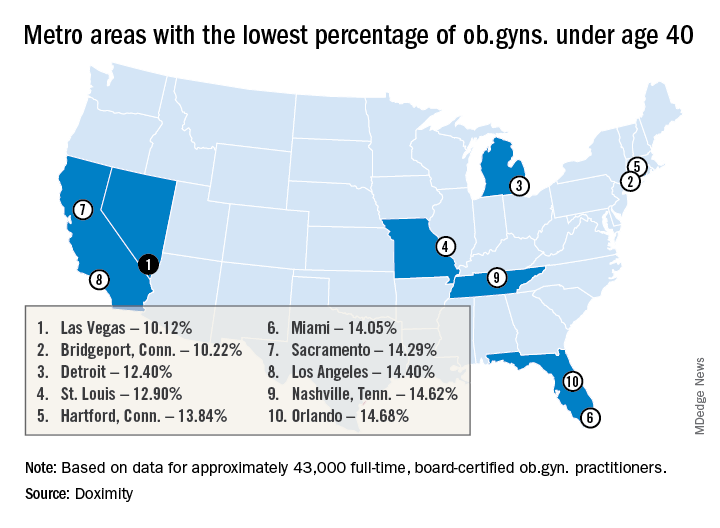
Pittsburgh and Bridgeport, Conn. top the list of metropolitan areas with the oldest average age of practicing ob.gyns., with average ages of 52.32 and 52.12 years, respectively. Las Vegas, Detroit, Miami, Los Angeles, New York, Boston, and Chicago all also made the top 15 cities in this list.
Because ob.gyns. start to leave the work force at age 59 years and retire at a median age of 64 years, this aging physician population could affect access to women’s health services within the decade, said Dr. Whaley. The fact that the burnout rate for ob.gyns. is only topped by emergency room physicians represents another area for concern, said Dr. Whaley of the University of California, Berkeley.
The report drew on data from the Centers for Medicare and Medicaid Services and board certification data. Doximity’s self-reported information from about 43,000 full-time board-certified ob.gyns. was also factored in. The top metropolitan areas were determined by 2010 census data and birth statistics came from federal databases.
With the data sliced another way, Pittsburgh also had the highest percentage of ob.gyns. aged 55 years or older, with 41.92% falling into this age group. Of the 50 metropolitan areas included in the Doximity report, 32 have an ob.gyn. workforce with at least one-third aged 55 years and up.
And there are many metropolitan areas where there’s a paucity of young ob.gyns., signaling future serious shortages, according to Doximity. In 12 of the metropolitan areas studied, less than 15% of the ob.gyn. workforce is aged 40 years or younger. Some of the cities with a potential “double hit” of older ob.gyns. and few younger physicians entering the profession include Las Vegas, Miami, Los Angeles, New York, and Chicago.
The Doximity methodology also took into account the average workload, in terms of the number of live births per physician per year, for ob.gyns. in the various metropolitan areas. There was a large variation in workload calculated this way: St. Louis has 247 live births per ob.gyn per year, while Louisville, Ky., has just 64, according to the report.
Factoring in workload information as well, the report gives a “shortage risk index” listing. Here, Las Vegas, Los Angeles, and Miami top the list. Cities considered at lowest risk for shortages according to this methodology include Baltimore, Denver, Portland, Ore., and Cleveland.
According to a 2017 ACOG workforce report, though women make up nearly half of those entering medical school, over four in five physicians entering ob.gyn. residencies (82.3% in 2016) are women. Further, women made up 58.7% of the ob.gyns. in active practice in 2017, outstripping all other surgical and medical specialties save pediatrics. Within 10 years, two-thirds of all ob.gyns. will be female, according to ACOG.
“While this study cannot determine causation for the variation in workloads, compensation, or shortages across metropolitan areas, we hope it will continue to serve as a baseline for the size of the challenge and prove helpful to health care employers, policymakers, patient advocates, and others interested in further study of this topic,” wrote Dr. Whaley and the report’s coauthors. “This information may also be helpful for ob.gyns. looking to live in areas with an increasing need for their expertise,” they said.
Dr. Whaley has received consulting fees from Castlight Health, Crossover Health, Doximity, Livongo, and Norwest Venture Partners. Doximity funded the production of the report.
The average age of ob.gyns. is rising across the country, signaling physician shortages that are projected to worsen over the next several decades. The pinch may be felt especially in areas with high birth rates and few younger ob.gyns., according to a report from Doximity.
Doximity’s geographic projections paint a fine-grained picture in agreement with the American College of Obstetricians and Gynecologists’ projections of a national shortfall of up to 8,800 ob.gyns. by 2020, with the deficit of ob.gyns. potentially climbing to 22,000 by 2050.
Pittsburgh and Bridgeport, Conn. top the list of metropolitan areas with the oldest average age of practicing ob.gyns., with average ages of 52.32 and 52.12 years, respectively. Las Vegas, Detroit, Miami, Los Angeles, New York, Boston, and Chicago all also made the top 15 cities in this list.
Because ob.gyns. start to leave the work force at age 59 years and retire at a median age of 64 years, this aging physician population could affect access to women’s health services within the decade, said Dr. Whaley. The fact that the burnout rate for ob.gyns. is only topped by emergency room physicians represents another area for concern, said Dr. Whaley of the University of California, Berkeley.
The report drew on data from the Centers for Medicare and Medicaid Services and board certification data. Doximity’s self-reported information from about 43,000 full-time board-certified ob.gyns. was also factored in. The top metropolitan areas were determined by 2010 census data and birth statistics came from federal databases.
With the data sliced another way, Pittsburgh also had the highest percentage of ob.gyns. aged 55 years or older, with 41.92% falling into this age group. Of the 50 metropolitan areas included in the Doximity report, 32 have an ob.gyn. workforce with at least one-third aged 55 years and up.
And there are many metropolitan areas where there’s a paucity of young ob.gyns., signaling future serious shortages, according to Doximity. In 12 of the metropolitan areas studied, less than 15% of the ob.gyn. workforce is aged 40 years or younger. Some of the cities with a potential “double hit” of older ob.gyns. and few younger physicians entering the profession include Las Vegas, Miami, Los Angeles, New York, and Chicago.
The Doximity methodology also took into account the average workload, in terms of the number of live births per physician per year, for ob.gyns. in the various metropolitan areas. There was a large variation in workload calculated this way: St. Louis has 247 live births per ob.gyn per year, while Louisville, Ky., has just 64, according to the report.
Factoring in workload information as well, the report gives a “shortage risk index” listing. Here, Las Vegas, Los Angeles, and Miami top the list. Cities considered at lowest risk for shortages according to this methodology include Baltimore, Denver, Portland, Ore., and Cleveland.
According to a 2017 ACOG workforce report, though women make up nearly half of those entering medical school, over four in five physicians entering ob.gyn. residencies (82.3% in 2016) are women. Further, women made up 58.7% of the ob.gyns. in active practice in 2017, outstripping all other surgical and medical specialties save pediatrics. Within 10 years, two-thirds of all ob.gyns. will be female, according to ACOG.
“While this study cannot determine causation for the variation in workloads, compensation, or shortages across metropolitan areas, we hope it will continue to serve as a baseline for the size of the challenge and prove helpful to health care employers, policymakers, patient advocates, and others interested in further study of this topic,” wrote Dr. Whaley and the report’s coauthors. “This information may also be helpful for ob.gyns. looking to live in areas with an increasing need for their expertise,” they said.
Dr. Whaley has received consulting fees from Castlight Health, Crossover Health, Doximity, Livongo, and Norwest Venture Partners. Doximity funded the production of the report.
The average age of ob.gyns. is rising across the country, signaling physician shortages that are projected to worsen over the next several decades. The pinch may be felt especially in areas with high birth rates and few younger ob.gyns., according to a report from Doximity.
Doximity’s geographic projections paint a fine-grained picture in agreement with the American College of Obstetricians and Gynecologists’ projections of a national shortfall of up to 8,800 ob.gyns. by 2020, with the deficit of ob.gyns. potentially climbing to 22,000 by 2050.
Pittsburgh and Bridgeport, Conn. top the list of metropolitan areas with the oldest average age of practicing ob.gyns., with average ages of 52.32 and 52.12 years, respectively. Las Vegas, Detroit, Miami, Los Angeles, New York, Boston, and Chicago all also made the top 15 cities in this list.
Because ob.gyns. start to leave the work force at age 59 years and retire at a median age of 64 years, this aging physician population could affect access to women’s health services within the decade, said Dr. Whaley. The fact that the burnout rate for ob.gyns. is only topped by emergency room physicians represents another area for concern, said Dr. Whaley of the University of California, Berkeley.
The report drew on data from the Centers for Medicare and Medicaid Services and board certification data. Doximity’s self-reported information from about 43,000 full-time board-certified ob.gyns. was also factored in. The top metropolitan areas were determined by 2010 census data and birth statistics came from federal databases.
With the data sliced another way, Pittsburgh also had the highest percentage of ob.gyns. aged 55 years or older, with 41.92% falling into this age group. Of the 50 metropolitan areas included in the Doximity report, 32 have an ob.gyn. workforce with at least one-third aged 55 years and up.
And there are many metropolitan areas where there’s a paucity of young ob.gyns., signaling future serious shortages, according to Doximity. In 12 of the metropolitan areas studied, less than 15% of the ob.gyn. workforce is aged 40 years or younger. Some of the cities with a potential “double hit” of older ob.gyns. and few younger physicians entering the profession include Las Vegas, Miami, Los Angeles, New York, and Chicago.
The Doximity methodology also took into account the average workload, in terms of the number of live births per physician per year, for ob.gyns. in the various metropolitan areas. There was a large variation in workload calculated this way: St. Louis has 247 live births per ob.gyn per year, while Louisville, Ky., has just 64, according to the report.
Factoring in workload information as well, the report gives a “shortage risk index” listing. Here, Las Vegas, Los Angeles, and Miami top the list. Cities considered at lowest risk for shortages according to this methodology include Baltimore, Denver, Portland, Ore., and Cleveland.
According to a 2017 ACOG workforce report, though women make up nearly half of those entering medical school, over four in five physicians entering ob.gyn. residencies (82.3% in 2016) are women. Further, women made up 58.7% of the ob.gyns. in active practice in 2017, outstripping all other surgical and medical specialties save pediatrics. Within 10 years, two-thirds of all ob.gyns. will be female, according to ACOG.
“While this study cannot determine causation for the variation in workloads, compensation, or shortages across metropolitan areas, we hope it will continue to serve as a baseline for the size of the challenge and prove helpful to health care employers, policymakers, patient advocates, and others interested in further study of this topic,” wrote Dr. Whaley and the report’s coauthors. “This information may also be helpful for ob.gyns. looking to live in areas with an increasing need for their expertise,” they said.
Dr. Whaley has received consulting fees from Castlight Health, Crossover Health, Doximity, Livongo, and Norwest Venture Partners. Doximity funded the production of the report.
Geriatric assessments could fine-tune cancer care for older adults

Fewer than 25% of older cancer patients currently get these assessments, which evaluate a person’s functioning (what he can and cannot do), psychological status, nutrition, cognition, social circumstances, and other, coexisting medical conditions, and which can predict the potential toxicity of chemotherapy.
The new guideline, ASCO’s first in the field of “geriatric oncology,” may have significant potential to change medical practice. “These recommendations will capture the attention of oncologists, I think, and that will be incredibly valuable,” said Corinne Leach, PhD, strategic director of cancer and aging research at the American Cancer Society.
They recognize a shifting demographic reality for cancer specialists, who are treating increasingly older patients as life spans lengthen across the globe. In the United States, 60% of patients newly diagnosed with cancer (an estimated 1.7 million people this year) are aged 65 years or older, as are more than 60% of cancer survivors.
Yet evidence about how best to treat older adults with cancer is weak because older adults are underrepresented in clinical trials. And most oncologists have received little training in how to manage older patients’ unique vulnerabilities.
When researchers asked 305 community oncologists about evaluating older patients, 89% acknowledged “the care of older adults with cancer needs to be improved,” according to a recently published study. Fewer than 25% said they were “very confident” they could identify dementia or accurately assess a patient’s functioning or risk of falling – factors associated with poorer outcomes for cancer treatment.
Still, resistance to change is evident. “We’re all inundated with trying to keep up with new standards of care, and I doubt there will be any broad acceptance of the rigor called for in this guideline,” said Frederick Schnell, MD, medical director of the Community Oncology Alliance.
The burden on physicians shouldn’t be significant, however: The streamlined assessments recommended in the ASCO guideline take only about 20 minutes to complete. Patients fill out surveys during most of that time; about five minutes is required for a nurse or physician assistant to administer several brief tests.
The assessment can identify people at increased risk of experiencing serious side effects from chemotherapy – infections, fatigue, diarrhea, dehydration and other problems that affect more than half of older patients. Physicians can then take steps to address these vulnerabilities, such as prescribing physical therapy for an older patient with muscle weakness or ordering a nutritional consultation for someone who has become malnourished. Also, they can alter chemotherapy regimens to minimize the potential for harm.
Currently, most oncologists decide whether older patients can benefit from chemotherapy by using the “eyeball test,” an assessment that relies primarily on their experience and judgment. “This isn’t enough to understand factors that put older adults at risk; it takes a deeper dive,” said Arti Hurria, MD, director of the Center for Cancer and Aging and professor of medical oncology and therapeutics research at City of Hope, a comprehensive cancer center in Duarte, Calif., and cochair of the panel that produced the new guidelines.
An oncologist walking into a room in a busy clinic might find an older patient already on the exam table, for instance, and miss the fact that he needed assistance getting out of a chair and getting into a gown – important signs of functional impairment that could be aggravated by chemotherapy, Dr. Hurria said. Or, “a very pleasant older patient might smile kindly at you and agree with everything you’re saying, and she might not have understood a thing you said” because of undetected cognitive impairment that could worsen and interfere with treatment, she explained.
William Dale, MD, a geriatrician and Arthur M. Coppola Family Chair in Supportive Care Medicine at City of Hope and another cochair of the guideline panel, tells of an 83-year-old woman whom he saw several years ago, with lung cancer metastasized to her brain. Her family requested a consultation because she’d become withdrawn and forgetful – a sign of accelerating cognitive impairment, they suspected.
Should she have chemotherapy and whole brain radiation, or would that worsen her memory lapses, the patient and family wondered?
One result stood out when Dale ordered a geriatric assessment: This older woman wasn’t cognitively impaired, she was psychologically distressed. “She wasn’t eating, she wasn’t interacting with other people, she appeared not to want treatment, but all this was due to depression,” Dr. Dale recalled. With counseling, the patient decided to undergo chemotherapy and radiation treatment, which he called “remarkably successful.”
Just as genetic tests are being used to personalize care for older cancer patients, geriatric assessments can be employed for this purpose – at considerably less expense, said Supriya Gupta Mohile, MD, editor in chief of the Journal of Geriatric Oncology and director of geriatric oncology at the James Wilmot Cancer Institute at the University of Rochester (N.Y.).
She tells of a 78-year-old man with invasive bladder cancer who came in for a consultation. From the medical chart, she learned the patient had hypertension, diabetes, and depression, all reasonably well controlled. From a geriatric assessment, she discovered that he lived alone, had cognitive impairment, relied on his daughter to deliver meals, and was at high risk of falling.
“The patient and his daughter were worried about his safety at home, his cognition getting worse, and fatigue [he was dealing with] and how that might affect his ability to function,” Dr. Mohile said. “His goal was to stay independent, at home, and not be hospitalized or go to rehabilitation.”
The standard of care for this condition was 3-4 months of chemotherapy before surgery, but Dr. Mohile recommended that the older patient skip chemotherapy and have surgery immediately, after reviewing the geriatric assessment with her patient and his family.
Every older patient considering chemotherapy should request an evaluation of this kind, even if your physician doesn’t offer it, said Heidi D. Klepin, MD, associate professor of hematology and oncology at Wake Forest University, Winston-Salem, N.C. “Ask for your doctor to consider your ability to do the things you most care about doing and for care to be individualized to your unique circumstances.”
KHN’s coverage of these topics is supported by John A. Hartford Foundation, Gordon and Betty Moore Foundation, and The SCAN Foundation. Kaiser Health News is a nonprofit national health policy news service. It is an editorially independent program of the Henry J. Kaiser Family Foundation that is not affiliated with Kaiser Permanente.
Fewer than 25% of older cancer patients currently get these assessments, which evaluate a person’s functioning (what he can and cannot do), psychological status, nutrition, cognition, social circumstances, and other, coexisting medical conditions, and which can predict the potential toxicity of chemotherapy.
The new guideline, ASCO’s first in the field of “geriatric oncology,” may have significant potential to change medical practice. “These recommendations will capture the attention of oncologists, I think, and that will be incredibly valuable,” said Corinne Leach, PhD, strategic director of cancer and aging research at the American Cancer Society.
They recognize a shifting demographic reality for cancer specialists, who are treating increasingly older patients as life spans lengthen across the globe. In the United States, 60% of patients newly diagnosed with cancer (an estimated 1.7 million people this year) are aged 65 years or older, as are more than 60% of cancer survivors.
Yet evidence about how best to treat older adults with cancer is weak because older adults are underrepresented in clinical trials. And most oncologists have received little training in how to manage older patients’ unique vulnerabilities.
When researchers asked 305 community oncologists about evaluating older patients, 89% acknowledged “the care of older adults with cancer needs to be improved,” according to a recently published study. Fewer than 25% said they were “very confident” they could identify dementia or accurately assess a patient’s functioning or risk of falling – factors associated with poorer outcomes for cancer treatment.
Still, resistance to change is evident. “We’re all inundated with trying to keep up with new standards of care, and I doubt there will be any broad acceptance of the rigor called for in this guideline,” said Frederick Schnell, MD, medical director of the Community Oncology Alliance.
The burden on physicians shouldn’t be significant, however: The streamlined assessments recommended in the ASCO guideline take only about 20 minutes to complete. Patients fill out surveys during most of that time; about five minutes is required for a nurse or physician assistant to administer several brief tests.
The assessment can identify people at increased risk of experiencing serious side effects from chemotherapy – infections, fatigue, diarrhea, dehydration and other problems that affect more than half of older patients. Physicians can then take steps to address these vulnerabilities, such as prescribing physical therapy for an older patient with muscle weakness or ordering a nutritional consultation for someone who has become malnourished. Also, they can alter chemotherapy regimens to minimize the potential for harm.
Currently, most oncologists decide whether older patients can benefit from chemotherapy by using the “eyeball test,” an assessment that relies primarily on their experience and judgment. “This isn’t enough to understand factors that put older adults at risk; it takes a deeper dive,” said Arti Hurria, MD, director of the Center for Cancer and Aging and professor of medical oncology and therapeutics research at City of Hope, a comprehensive cancer center in Duarte, Calif., and cochair of the panel that produced the new guidelines.
An oncologist walking into a room in a busy clinic might find an older patient already on the exam table, for instance, and miss the fact that he needed assistance getting out of a chair and getting into a gown – important signs of functional impairment that could be aggravated by chemotherapy, Dr. Hurria said. Or, “a very pleasant older patient might smile kindly at you and agree with everything you’re saying, and she might not have understood a thing you said” because of undetected cognitive impairment that could worsen and interfere with treatment, she explained.
William Dale, MD, a geriatrician and Arthur M. Coppola Family Chair in Supportive Care Medicine at City of Hope and another cochair of the guideline panel, tells of an 83-year-old woman whom he saw several years ago, with lung cancer metastasized to her brain. Her family requested a consultation because she’d become withdrawn and forgetful – a sign of accelerating cognitive impairment, they suspected.
Should she have chemotherapy and whole brain radiation, or would that worsen her memory lapses, the patient and family wondered?
One result stood out when Dale ordered a geriatric assessment: This older woman wasn’t cognitively impaired, she was psychologically distressed. “She wasn’t eating, she wasn’t interacting with other people, she appeared not to want treatment, but all this was due to depression,” Dr. Dale recalled. With counseling, the patient decided to undergo chemotherapy and radiation treatment, which he called “remarkably successful.”
Just as genetic tests are being used to personalize care for older cancer patients, geriatric assessments can be employed for this purpose – at considerably less expense, said Supriya Gupta Mohile, MD, editor in chief of the Journal of Geriatric Oncology and director of geriatric oncology at the James Wilmot Cancer Institute at the University of Rochester (N.Y.).
She tells of a 78-year-old man with invasive bladder cancer who came in for a consultation. From the medical chart, she learned the patient had hypertension, diabetes, and depression, all reasonably well controlled. From a geriatric assessment, she discovered that he lived alone, had cognitive impairment, relied on his daughter to deliver meals, and was at high risk of falling.
“The patient and his daughter were worried about his safety at home, his cognition getting worse, and fatigue [he was dealing with] and how that might affect his ability to function,” Dr. Mohile said. “His goal was to stay independent, at home, and not be hospitalized or go to rehabilitation.”
The standard of care for this condition was 3-4 months of chemotherapy before surgery, but Dr. Mohile recommended that the older patient skip chemotherapy and have surgery immediately, after reviewing the geriatric assessment with her patient and his family.
Every older patient considering chemotherapy should request an evaluation of this kind, even if your physician doesn’t offer it, said Heidi D. Klepin, MD, associate professor of hematology and oncology at Wake Forest University, Winston-Salem, N.C. “Ask for your doctor to consider your ability to do the things you most care about doing and for care to be individualized to your unique circumstances.”
KHN’s coverage of these topics is supported by John A. Hartford Foundation, Gordon and Betty Moore Foundation, and The SCAN Foundation. Kaiser Health News is a nonprofit national health policy news service. It is an editorially independent program of the Henry J. Kaiser Family Foundation that is not affiliated with Kaiser Permanente.
Fewer than 25% of older cancer patients currently get these assessments, which evaluate a person’s functioning (what he can and cannot do), psychological status, nutrition, cognition, social circumstances, and other, coexisting medical conditions, and which can predict the potential toxicity of chemotherapy.
The new guideline, ASCO’s first in the field of “geriatric oncology,” may have significant potential to change medical practice. “These recommendations will capture the attention of oncologists, I think, and that will be incredibly valuable,” said Corinne Leach, PhD, strategic director of cancer and aging research at the American Cancer Society.
They recognize a shifting demographic reality for cancer specialists, who are treating increasingly older patients as life spans lengthen across the globe. In the United States, 60% of patients newly diagnosed with cancer (an estimated 1.7 million people this year) are aged 65 years or older, as are more than 60% of cancer survivors.
Yet evidence about how best to treat older adults with cancer is weak because older adults are underrepresented in clinical trials. And most oncologists have received little training in how to manage older patients’ unique vulnerabilities.
When researchers asked 305 community oncologists about evaluating older patients, 89% acknowledged “the care of older adults with cancer needs to be improved,” according to a recently published study. Fewer than 25% said they were “very confident” they could identify dementia or accurately assess a patient’s functioning or risk of falling – factors associated with poorer outcomes for cancer treatment.
Still, resistance to change is evident. “We’re all inundated with trying to keep up with new standards of care, and I doubt there will be any broad acceptance of the rigor called for in this guideline,” said Frederick Schnell, MD, medical director of the Community Oncology Alliance.
The burden on physicians shouldn’t be significant, however: The streamlined assessments recommended in the ASCO guideline take only about 20 minutes to complete. Patients fill out surveys during most of that time; about five minutes is required for a nurse or physician assistant to administer several brief tests.
The assessment can identify people at increased risk of experiencing serious side effects from chemotherapy – infections, fatigue, diarrhea, dehydration and other problems that affect more than half of older patients. Physicians can then take steps to address these vulnerabilities, such as prescribing physical therapy for an older patient with muscle weakness or ordering a nutritional consultation for someone who has become malnourished. Also, they can alter chemotherapy regimens to minimize the potential for harm.
Currently, most oncologists decide whether older patients can benefit from chemotherapy by using the “eyeball test,” an assessment that relies primarily on their experience and judgment. “This isn’t enough to understand factors that put older adults at risk; it takes a deeper dive,” said Arti Hurria, MD, director of the Center for Cancer and Aging and professor of medical oncology and therapeutics research at City of Hope, a comprehensive cancer center in Duarte, Calif., and cochair of the panel that produced the new guidelines.
An oncologist walking into a room in a busy clinic might find an older patient already on the exam table, for instance, and miss the fact that he needed assistance getting out of a chair and getting into a gown – important signs of functional impairment that could be aggravated by chemotherapy, Dr. Hurria said. Or, “a very pleasant older patient might smile kindly at you and agree with everything you’re saying, and she might not have understood a thing you said” because of undetected cognitive impairment that could worsen and interfere with treatment, she explained.
William Dale, MD, a geriatrician and Arthur M. Coppola Family Chair in Supportive Care Medicine at City of Hope and another cochair of the guideline panel, tells of an 83-year-old woman whom he saw several years ago, with lung cancer metastasized to her brain. Her family requested a consultation because she’d become withdrawn and forgetful – a sign of accelerating cognitive impairment, they suspected.
Should she have chemotherapy and whole brain radiation, or would that worsen her memory lapses, the patient and family wondered?
One result stood out when Dale ordered a geriatric assessment: This older woman wasn’t cognitively impaired, she was psychologically distressed. “She wasn’t eating, she wasn’t interacting with other people, she appeared not to want treatment, but all this was due to depression,” Dr. Dale recalled. With counseling, the patient decided to undergo chemotherapy and radiation treatment, which he called “remarkably successful.”
Just as genetic tests are being used to personalize care for older cancer patients, geriatric assessments can be employed for this purpose – at considerably less expense, said Supriya Gupta Mohile, MD, editor in chief of the Journal of Geriatric Oncology and director of geriatric oncology at the James Wilmot Cancer Institute at the University of Rochester (N.Y.).
She tells of a 78-year-old man with invasive bladder cancer who came in for a consultation. From the medical chart, she learned the patient had hypertension, diabetes, and depression, all reasonably well controlled. From a geriatric assessment, she discovered that he lived alone, had cognitive impairment, relied on his daughter to deliver meals, and was at high risk of falling.
“The patient and his daughter were worried about his safety at home, his cognition getting worse, and fatigue [he was dealing with] and how that might affect his ability to function,” Dr. Mohile said. “His goal was to stay independent, at home, and not be hospitalized or go to rehabilitation.”
The standard of care for this condition was 3-4 months of chemotherapy before surgery, but Dr. Mohile recommended that the older patient skip chemotherapy and have surgery immediately, after reviewing the geriatric assessment with her patient and his family.
Every older patient considering chemotherapy should request an evaluation of this kind, even if your physician doesn’t offer it, said Heidi D. Klepin, MD, associate professor of hematology and oncology at Wake Forest University, Winston-Salem, N.C. “Ask for your doctor to consider your ability to do the things you most care about doing and for care to be individualized to your unique circumstances.”
KHN’s coverage of these topics is supported by John A. Hartford Foundation, Gordon and Betty Moore Foundation, and The SCAN Foundation. Kaiser Health News is a nonprofit national health policy news service. It is an editorially independent program of the Henry J. Kaiser Family Foundation that is not affiliated with Kaiser Permanente.

Dupilumab reduces exacerbations, cuts glucocorticoid use in moderate to severe asthma
Among patients with moderate to severe asthma, dupilumab reduced exacerbations by almost 50%, while also allowing glucocorticoid-treated patients to cut their use of that medication by 70%, with no increased risk of exacerbation.
The pair of placebo-controlled studies – Liberty Asthma Quest and Liberty Asthma Venture – also showed treatment-associated stability in forced expiratory volume (FEV1) evidence of lung remodeling among those who took the antibody, Mario Castro, MD, of Washington University, St. Louis, and his colleagues reported in the New England Journal of Medicine.
By week 12, FEV1 it had already increased by 0.32 L, they said.
“An analysis of the postbronchodilator FEV1 slope showed a loss of lung function in patients who received placebo and no loss in those who received dupilumab, findings that suggest a potential effect of dupilumab on airway remodeling,” wrote Dr. Castro and his colleagues. “The slope analysis showed that patients who received placebo lost, on average, approximately 40 mL annually, which is consistent with data from other cohorts of patients with asthma.”
Dupilumab is an anti–interleukin-4 alpha antibody that blocks both IL-4 and IL-13. The Quest trial examined efficacy and safety of two doses (200 mg and 300 mg every 2 weeks), compared with placebo in patients with uncontrolled asthma. Venture examined efficacy and safety of 300 mg or placebo as add-on therapy for patients with severe asthma who were taking glucocorticoids.
Liberty Asthma Quest
This 52-week study randomized 1,902 patients with severe, uncontrolled asthma to placebo or dupilumab 200 mg or 300 mg every other week. The primary endpoints were annual rate of severe asthma exacerbations and the change in FEV1 by week 12. The study also looked at these endpoints in patients whose baseline eosinophil count was greater than 300 per cubic millimeter.
Patients were a mean of 48 years old with a mean baseline FEV1 of about 1.75 L (about 58% of the predicted normal value). They had a mean of two exacerbations per year and an average eosinophil count of about 350 per cubic millimeter.
Both doses outperformed placebo in all endpoints.
Among those taking 200 mg, the annual relapse rate was 0.46 versus 0.87 among those taking placebo – a significant 47.7% risk reduction. Among those taking 300 mg, the exacerbation rate was 0.52 versus 0.97; this translated to a significant 46% risk reduction.
The response rate was even greater among those with an eosinophil count greater than 300 per cubic millimeter: 0.37 for 200 mg and 0.40 for 300 mg versus the placebo rates of 1.08 and 1.24. This translated to risk reductions of 65.8% and 67.4%, respectively.
By week 12, FEV1 had significantly increased by 0.32 L in the 200-mg group and by 0.34 L in the 300-mg group, compared with nonsignificant increases among those taking placebo.
Again, patients with the high eosinophil counts experienced the greatest benefits, with FEV1 increasing by a mean of 0.43 L at 12 weeks in the 200-mg group and by 0.47 L in the 300-mg group, significantly better than either placebo comparator.
The benefit was already noticeable by the 2-week evaluation, the investigators noted.
Dupilumab appeared safe; injection-site reactions were the most common adverse event, occurring in 15% of the low-dose group and 18% of the high-dose group. However, 52 patients taking the drug experienced eosinophilia, compared with four of those taking placebo (4.1% vs. 0.6%).
Four of those taking the study drug experienced clinical symptoms associated with eosinophilia, including worsening eosinophilia and chronic eosinophilic pneumonia.
Liberty Asthma Venture
In this study, the effect of dupilumab on glucocorticoid use among 210 patients with severe asthma was examined. Patients were randomized to add-on dupilumab 300 mg every 2 weeks for 24 weeks. Glucocorticoids were tapered downward from weeks 4 to 20. The primary endpoints were percent reduction in glucocorticoid dose at week 24, and the percentage of patients who experienced a reduction of at least 50% in glucocorticoid dose.
These patients were a mean of 51 years old, with a mean of two severe asthma exacerbations in the past year. Their mean daily oral glucocorticoid dose at randomization was about 11 mg per day. Their mean prebronchodilator FEV1 was about 1.6 liters – about 52% of predicted value.
Oral glucocorticoid use decreased by a mean of 70.1% in the active group, compared with 41.9% in the placebo group, a statistically significant difference, Klaus F. Rabe, MD, of Christian Albrechts University, Kiel, Germany, and his coauthors wrote in the New England Journal of Medicine. The median change was even better: A 100% reduction in the active group and 50% reduction in the placebo group.
By week 24, 80% of those taking dupilumab had decreased their glucocorticoid intake by at least 50%, compared with 50% of the placebo group reaching this goal. The glucocorticoid dose was less than 5 mg/day in 69% of the dupilumab group, compared with 33% of the placebo group.
Like Quest, Venture showed a treatment advantage among patients with high baseline eosinophil count. “The magnitude of the effect was largest in patients with a higher eosinophil count at baseline,” the investigators wrote. “… The odds ratios [a 50% glucocorticoid reduction] for dupilumab versus placebo were 6.59 among patients with 300 or more cells per cubic millimeter at baseline and 2.91 among those with less than 300 cells per cubic millimeter at baseline.”
In a fully adjusted model at week 24, 48% of the patients in the dupilumab group were able to stop oral glucocorticoids entirely, compared with 25% of the placebo group.
Dupilumab was also associated with a significant 59% reduction in severe annual asthma exacerbations. FEV1 among the active group was 0.22 L better than that in the placebo group at week 24.
Again, patients with a higher baseline blood eosinophil count experienced greater treatment benefit; among these, the rate of severe asthma exacerbations was 71% lower than the rate in the placebo group, and FEV1 was 0.32 L higher.
The most frequent adverse events were viral infections (9% of the patients in the dupilumab group vs. 18% of those in the placebo group), bronchitis (7% vs. 6%), sinusitis (7% vs. 4%), influenza (3% vs. 6%), and eosinophilia (14% vs. 1%). Injection-site reactions occurred in 9% of those taking dupilumab and 4% of those taking placebo.
Antidrug antibodies developed in five patients in each group, without clinical effect.
Both trials were funded by Sanofi and Regeneron. Dr. Castro has received grant support from Sanofi. Dr. Rabe has received consulting and lecture fees from AstraZeneca, Boehringer Ingelheim, Novartis, Sanofi, and Teva Pharmaceutical Industries.
SOURCES: Castro M et al. N Engl J Med. 2018;378:2486-96; KF Rabe et al. N Engl J Med. 2018;378:2475-85.
Among patients with moderate to severe asthma, dupilumab reduced exacerbations by almost 50%, while also allowing glucocorticoid-treated patients to cut their use of that medication by 70%, with no increased risk of exacerbation.
The pair of placebo-controlled studies – Liberty Asthma Quest and Liberty Asthma Venture – also showed treatment-associated stability in forced expiratory volume (FEV1) evidence of lung remodeling among those who took the antibody, Mario Castro, MD, of Washington University, St. Louis, and his colleagues reported in the New England Journal of Medicine.
By week 12, FEV1 it had already increased by 0.32 L, they said.
“An analysis of the postbronchodilator FEV1 slope showed a loss of lung function in patients who received placebo and no loss in those who received dupilumab, findings that suggest a potential effect of dupilumab on airway remodeling,” wrote Dr. Castro and his colleagues. “The slope analysis showed that patients who received placebo lost, on average, approximately 40 mL annually, which is consistent with data from other cohorts of patients with asthma.”
Dupilumab is an anti–interleukin-4 alpha antibody that blocks both IL-4 and IL-13. The Quest trial examined efficacy and safety of two doses (200 mg and 300 mg every 2 weeks), compared with placebo in patients with uncontrolled asthma. Venture examined efficacy and safety of 300 mg or placebo as add-on therapy for patients with severe asthma who were taking glucocorticoids.
Liberty Asthma Quest
This 52-week study randomized 1,902 patients with severe, uncontrolled asthma to placebo or dupilumab 200 mg or 300 mg every other week. The primary endpoints were annual rate of severe asthma exacerbations and the change in FEV1 by week 12. The study also looked at these endpoints in patients whose baseline eosinophil count was greater than 300 per cubic millimeter.
Patients were a mean of 48 years old with a mean baseline FEV1 of about 1.75 L (about 58% of the predicted normal value). They had a mean of two exacerbations per year and an average eosinophil count of about 350 per cubic millimeter.
Both doses outperformed placebo in all endpoints.
Among those taking 200 mg, the annual relapse rate was 0.46 versus 0.87 among those taking placebo – a significant 47.7% risk reduction. Among those taking 300 mg, the exacerbation rate was 0.52 versus 0.97; this translated to a significant 46% risk reduction.
The response rate was even greater among those with an eosinophil count greater than 300 per cubic millimeter: 0.37 for 200 mg and 0.40 for 300 mg versus the placebo rates of 1.08 and 1.24. This translated to risk reductions of 65.8% and 67.4%, respectively.
By week 12, FEV1 had significantly increased by 0.32 L in the 200-mg group and by 0.34 L in the 300-mg group, compared with nonsignificant increases among those taking placebo.
Again, patients with the high eosinophil counts experienced the greatest benefits, with FEV1 increasing by a mean of 0.43 L at 12 weeks in the 200-mg group and by 0.47 L in the 300-mg group, significantly better than either placebo comparator.
The benefit was already noticeable by the 2-week evaluation, the investigators noted.
Dupilumab appeared safe; injection-site reactions were the most common adverse event, occurring in 15% of the low-dose group and 18% of the high-dose group. However, 52 patients taking the drug experienced eosinophilia, compared with four of those taking placebo (4.1% vs. 0.6%).
Four of those taking the study drug experienced clinical symptoms associated with eosinophilia, including worsening eosinophilia and chronic eosinophilic pneumonia.
Liberty Asthma Venture
In this study, the effect of dupilumab on glucocorticoid use among 210 patients with severe asthma was examined. Patients were randomized to add-on dupilumab 300 mg every 2 weeks for 24 weeks. Glucocorticoids were tapered downward from weeks 4 to 20. The primary endpoints were percent reduction in glucocorticoid dose at week 24, and the percentage of patients who experienced a reduction of at least 50% in glucocorticoid dose.
These patients were a mean of 51 years old, with a mean of two severe asthma exacerbations in the past year. Their mean daily oral glucocorticoid dose at randomization was about 11 mg per day. Their mean prebronchodilator FEV1 was about 1.6 liters – about 52% of predicted value.
Oral glucocorticoid use decreased by a mean of 70.1% in the active group, compared with 41.9% in the placebo group, a statistically significant difference, Klaus F. Rabe, MD, of Christian Albrechts University, Kiel, Germany, and his coauthors wrote in the New England Journal of Medicine. The median change was even better: A 100% reduction in the active group and 50% reduction in the placebo group.
By week 24, 80% of those taking dupilumab had decreased their glucocorticoid intake by at least 50%, compared with 50% of the placebo group reaching this goal. The glucocorticoid dose was less than 5 mg/day in 69% of the dupilumab group, compared with 33% of the placebo group.
Like Quest, Venture showed a treatment advantage among patients with high baseline eosinophil count. “The magnitude of the effect was largest in patients with a higher eosinophil count at baseline,” the investigators wrote. “… The odds ratios [a 50% glucocorticoid reduction] for dupilumab versus placebo were 6.59 among patients with 300 or more cells per cubic millimeter at baseline and 2.91 among those with less than 300 cells per cubic millimeter at baseline.”
In a fully adjusted model at week 24, 48% of the patients in the dupilumab group were able to stop oral glucocorticoids entirely, compared with 25% of the placebo group.
Dupilumab was also associated with a significant 59% reduction in severe annual asthma exacerbations. FEV1 among the active group was 0.22 L better than that in the placebo group at week 24.
Again, patients with a higher baseline blood eosinophil count experienced greater treatment benefit; among these, the rate of severe asthma exacerbations was 71% lower than the rate in the placebo group, and FEV1 was 0.32 L higher.
The most frequent adverse events were viral infections (9% of the patients in the dupilumab group vs. 18% of those in the placebo group), bronchitis (7% vs. 6%), sinusitis (7% vs. 4%), influenza (3% vs. 6%), and eosinophilia (14% vs. 1%). Injection-site reactions occurred in 9% of those taking dupilumab and 4% of those taking placebo.
Antidrug antibodies developed in five patients in each group, without clinical effect.
Both trials were funded by Sanofi and Regeneron. Dr. Castro has received grant support from Sanofi. Dr. Rabe has received consulting and lecture fees from AstraZeneca, Boehringer Ingelheim, Novartis, Sanofi, and Teva Pharmaceutical Industries.
SOURCES: Castro M et al. N Engl J Med. 2018;378:2486-96; KF Rabe et al. N Engl J Med. 2018;378:2475-85.
Among patients with moderate to severe asthma, dupilumab reduced exacerbations by almost 50%, while also allowing glucocorticoid-treated patients to cut their use of that medication by 70%, with no increased risk of exacerbation.
The pair of placebo-controlled studies – Liberty Asthma Quest and Liberty Asthma Venture – also showed treatment-associated stability in forced expiratory volume (FEV1) evidence of lung remodeling among those who took the antibody, Mario Castro, MD, of Washington University, St. Louis, and his colleagues reported in the New England Journal of Medicine.
By week 12, FEV1 it had already increased by 0.32 L, they said.
“An analysis of the postbronchodilator FEV1 slope showed a loss of lung function in patients who received placebo and no loss in those who received dupilumab, findings that suggest a potential effect of dupilumab on airway remodeling,” wrote Dr. Castro and his colleagues. “The slope analysis showed that patients who received placebo lost, on average, approximately 40 mL annually, which is consistent with data from other cohorts of patients with asthma.”
Dupilumab is an anti–interleukin-4 alpha antibody that blocks both IL-4 and IL-13. The Quest trial examined efficacy and safety of two doses (200 mg and 300 mg every 2 weeks), compared with placebo in patients with uncontrolled asthma. Venture examined efficacy and safety of 300 mg or placebo as add-on therapy for patients with severe asthma who were taking glucocorticoids.
Liberty Asthma Quest
This 52-week study randomized 1,902 patients with severe, uncontrolled asthma to placebo or dupilumab 200 mg or 300 mg every other week. The primary endpoints were annual rate of severe asthma exacerbations and the change in FEV1 by week 12. The study also looked at these endpoints in patients whose baseline eosinophil count was greater than 300 per cubic millimeter.
Patients were a mean of 48 years old with a mean baseline FEV1 of about 1.75 L (about 58% of the predicted normal value). They had a mean of two exacerbations per year and an average eosinophil count of about 350 per cubic millimeter.
Both doses outperformed placebo in all endpoints.
Among those taking 200 mg, the annual relapse rate was 0.46 versus 0.87 among those taking placebo – a significant 47.7% risk reduction. Among those taking 300 mg, the exacerbation rate was 0.52 versus 0.97; this translated to a significant 46% risk reduction.
The response rate was even greater among those with an eosinophil count greater than 300 per cubic millimeter: 0.37 for 200 mg and 0.40 for 300 mg versus the placebo rates of 1.08 and 1.24. This translated to risk reductions of 65.8% and 67.4%, respectively.
By week 12, FEV1 had significantly increased by 0.32 L in the 200-mg group and by 0.34 L in the 300-mg group, compared with nonsignificant increases among those taking placebo.
Again, patients with the high eosinophil counts experienced the greatest benefits, with FEV1 increasing by a mean of 0.43 L at 12 weeks in the 200-mg group and by 0.47 L in the 300-mg group, significantly better than either placebo comparator.
The benefit was already noticeable by the 2-week evaluation, the investigators noted.
Dupilumab appeared safe; injection-site reactions were the most common adverse event, occurring in 15% of the low-dose group and 18% of the high-dose group. However, 52 patients taking the drug experienced eosinophilia, compared with four of those taking placebo (4.1% vs. 0.6%).
Four of those taking the study drug experienced clinical symptoms associated with eosinophilia, including worsening eosinophilia and chronic eosinophilic pneumonia.
Liberty Asthma Venture
In this study, the effect of dupilumab on glucocorticoid use among 210 patients with severe asthma was examined. Patients were randomized to add-on dupilumab 300 mg every 2 weeks for 24 weeks. Glucocorticoids were tapered downward from weeks 4 to 20. The primary endpoints were percent reduction in glucocorticoid dose at week 24, and the percentage of patients who experienced a reduction of at least 50% in glucocorticoid dose.
These patients were a mean of 51 years old, with a mean of two severe asthma exacerbations in the past year. Their mean daily oral glucocorticoid dose at randomization was about 11 mg per day. Their mean prebronchodilator FEV1 was about 1.6 liters – about 52% of predicted value.
Oral glucocorticoid use decreased by a mean of 70.1% in the active group, compared with 41.9% in the placebo group, a statistically significant difference, Klaus F. Rabe, MD, of Christian Albrechts University, Kiel, Germany, and his coauthors wrote in the New England Journal of Medicine. The median change was even better: A 100% reduction in the active group and 50% reduction in the placebo group.
By week 24, 80% of those taking dupilumab had decreased their glucocorticoid intake by at least 50%, compared with 50% of the placebo group reaching this goal. The glucocorticoid dose was less than 5 mg/day in 69% of the dupilumab group, compared with 33% of the placebo group.
Like Quest, Venture showed a treatment advantage among patients with high baseline eosinophil count. “The magnitude of the effect was largest in patients with a higher eosinophil count at baseline,” the investigators wrote. “… The odds ratios [a 50% glucocorticoid reduction] for dupilumab versus placebo were 6.59 among patients with 300 or more cells per cubic millimeter at baseline and 2.91 among those with less than 300 cells per cubic millimeter at baseline.”
In a fully adjusted model at week 24, 48% of the patients in the dupilumab group were able to stop oral glucocorticoids entirely, compared with 25% of the placebo group.
Dupilumab was also associated with a significant 59% reduction in severe annual asthma exacerbations. FEV1 among the active group was 0.22 L better than that in the placebo group at week 24.
Again, patients with a higher baseline blood eosinophil count experienced greater treatment benefit; among these, the rate of severe asthma exacerbations was 71% lower than the rate in the placebo group, and FEV1 was 0.32 L higher.
The most frequent adverse events were viral infections (9% of the patients in the dupilumab group vs. 18% of those in the placebo group), bronchitis (7% vs. 6%), sinusitis (7% vs. 4%), influenza (3% vs. 6%), and eosinophilia (14% vs. 1%). Injection-site reactions occurred in 9% of those taking dupilumab and 4% of those taking placebo.
Antidrug antibodies developed in five patients in each group, without clinical effect.
Both trials were funded by Sanofi and Regeneron. Dr. Castro has received grant support from Sanofi. Dr. Rabe has received consulting and lecture fees from AstraZeneca, Boehringer Ingelheim, Novartis, Sanofi, and Teva Pharmaceutical Industries.
SOURCES: Castro M et al. N Engl J Med. 2018;378:2486-96; KF Rabe et al. N Engl J Med. 2018;378:2475-85.
FROM THE NEW ENGLAND JOURNAL OF MEDICINE
Key clinical point: Dupilumab allowed asthma patients to decrease glucocorticoids with no risk of asthma exacerbation.
Major finding: Dupilumab reduced exacerbations by almost 50%, while also allowing glucocorticoid-treated patients to cut their use of that medication by 70%.
Study details: Liberty Asthma Quest comprised 1,902 patients and Liberty Asthma Venture comprised 210. Both were randomized, placebo-controlled trials.
Disclosures: Both trials were funded by Sanofi and Regeneron. Dr. Castro has received grant support from Sanofi. Dr. Rabe has received consulting and lecture fees from AstraZeneca, Boehringer Ingelheim, Novartis, Sanofi, and Teva Pharmaceutical Industries.
Sources: Castro M et al. N Engl J Med. 2018;378:2486-96; Rabe KF et al. N Engl J Med. 2018;378:2475-85.
Intravascular Involvement of Cutaneous Squamous Cell Carcinoma
Cutaneous squamous cell carcinoma (cSCC) is the second most common form of skin cancer after basal cell carcinoma.1 With an estimated 700,000 cases reported annually in the United States, the incidence of cSCC continues to increase.2 Most patients with cSCC have an excellent prognosis after surgical clearance, with Mohs micrographic surgery (MMS) being the most successful treatment, followed by excision and electrodesiccation and curettage. A subset of patients with cSCC carry an increased risk of local recurrence, lymph node metastasis, and disease-specific death. A meta-analysis of 36 studies found that statistically significant risk factors for recurrence of cSCC included thickness greater than 2 mm (risk ratio [RR], 9.64; 95% CI, 1.30-1.52), invasion beyond the subcutaneous fat (RR, 7.61; 95% CI, 4.17-13.88), perineural invasion (RR, 4.30; 95% CI, 2.80-6.60), diameter greater than 20 mm (RR, 3.22; 95% CI, 1.91-5.45), location on temple (RR, 3.20; 95% CI, 1.12-9.15), and poor differentiation (RR, 2.66; 95% CI, 1.72-4.14).3 Additional risk factors for cSCC metastasis included location on the temple, ear, or lip, as well as a history of immunosuppression. Factors for disease-specific death were diameter greater than 20 mm, poor differentiation, location on the ear or lip, invasion beyond the subcutaneous fat, and perineural invasion.3 Perineural and/or lymphovascular invasion is considered high risk, but despite being linked to negative outcomes, there are no treatment guidelines based on lymphovascular (intravascular) invasion.4 We present a case of intravascular involvement found during MMS and treated with adjuvant radiotherapy after surgery. We share this case with the goal of discussing management in such cases and highlighting the need for improved definitive guidelines for high-risk cSCCs.
Case Report
A 72-year-old man presented with a rapidly growing lesion on the left side of the forehead of 1 year’s duration. His medical history was remarkable for B-cell lymphoma, which was currently in remission following chemotherapy 10 years prior. The lesion started as a small, red, dry patch that the patient initially thought was eczema. The site progressively enlarged to a red tumor measuring 2.4×2.0 cm (Figure 1), and the patient presented to the dermatology department for further evaluation. There was no clinical evidence of lymphadenopathy. A skin biopsy confirmed a moderately differentiated cSCC with a positive deep margin (Figure 2). Due to the tumor’s location, histology, size, and poorly defined borders, the patient was referred for treatment with MMS. The lesion was removed in a total of 2 stages and 4 sections. In addition to a proliferation of spindled tumor cells seen during surgery, which was consistent with cSCC, an intravascular component was noted despite clear margins after the surgery (Figure 3). The aggressive histology of intravascular involvement was subsequently confirmed by the academic dermatopathologist at our institution. With the evidence of an intravascular component of this patient’s cSCC, there was concern about further metastatic disease. After discussing the more aggressive histology type and size of the cSCC with the patient, he underwent subsequent computed tomography of the head, neck, and chest. Fortunately, this imaging did not show evidence of metastatic disease; thus, final staging of the cSCC was cT2N0M0. After interdisciplinary discussion and consultation with radiation oncology, the site of the cSCC was treated with adjuvant radiotherapy. The patient received a total of 6600 cGy delivered in 33 fractions of 200 cGy, each using an en face technique and 6 eV over a total treatment course of 48 days.
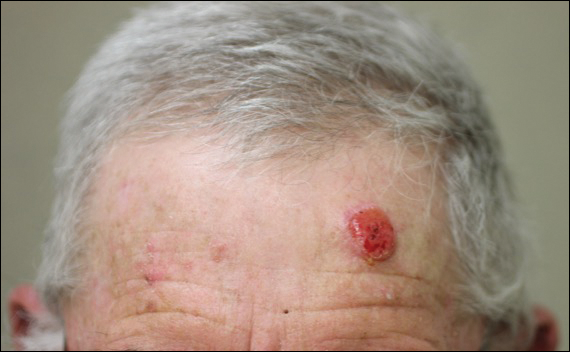
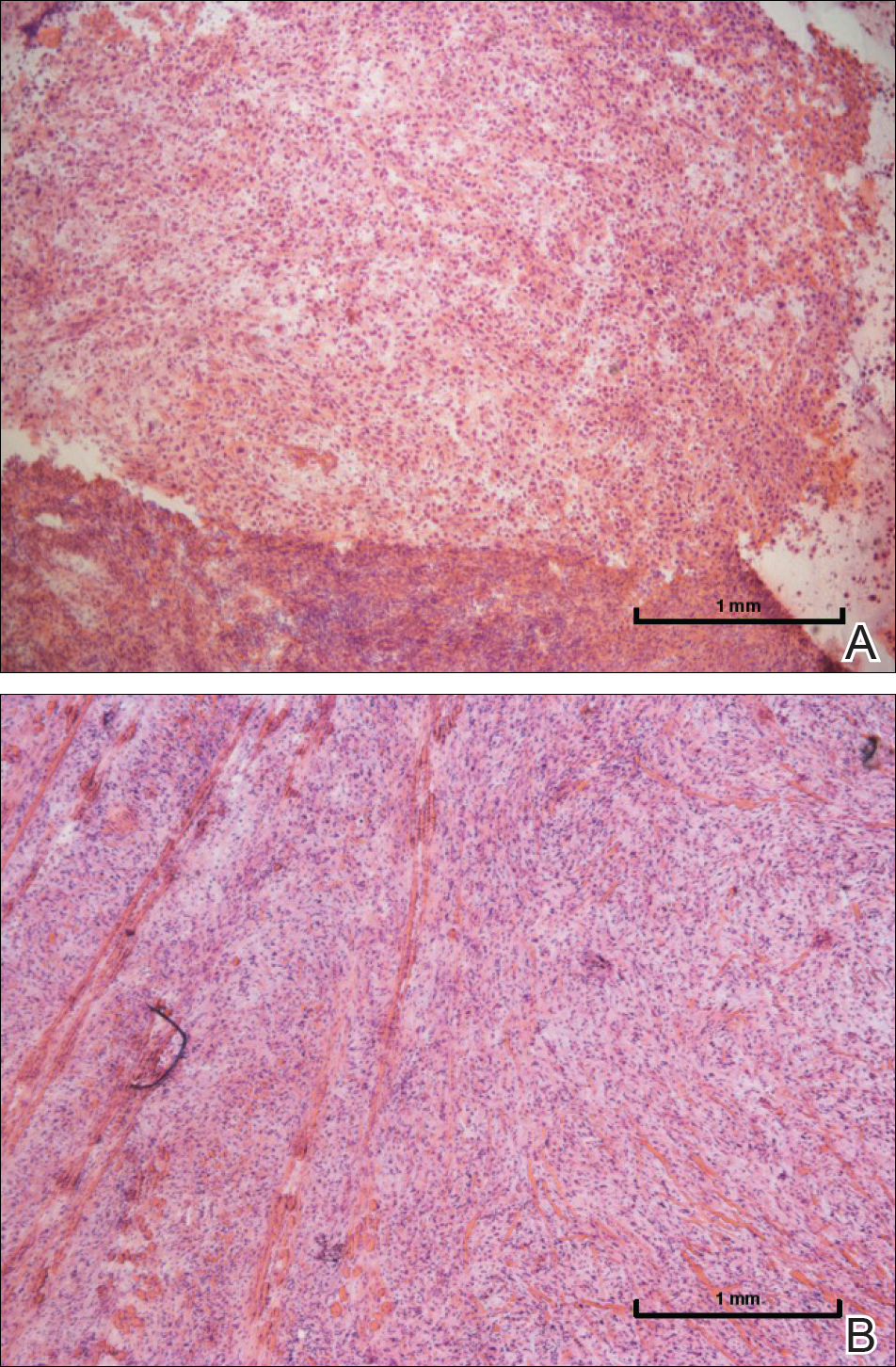
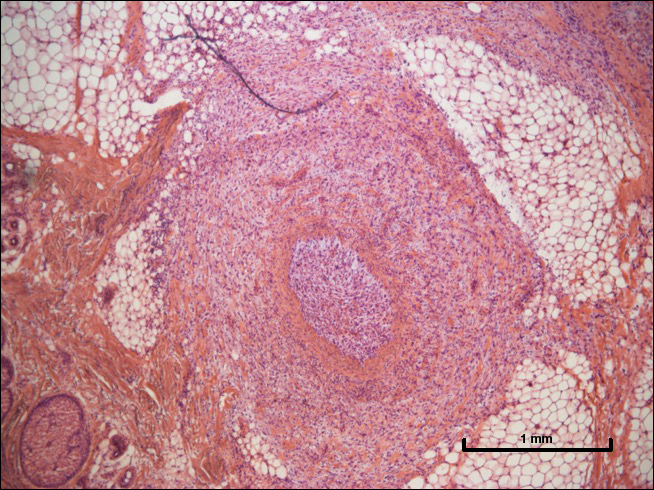
One year after undergoing MMS and adjuvant radiotherapy, the patient remains free of cSCC recurrence or metastases and still undergoes regular interdisciplinary monitoring. Without clear guidelines on the treatment of patients with intravascular involvement of cSCC, we relied on prior experience with similar cases.
Comment
This case highlights the challenge in managing patients with high-risk cSCC, as the current guidelines provided by the American Joint Committee on Cancer (AJCC) and the National Comprehensive Cancer Network (NCCN) vary on the inclusion of intravascular involvement of cSCC as high risk and treatment is at the discretion of the provider in such circumstances.5-7 Both the AJCC and the NCCN have defined high-risk factors and staging for cSCC. The AJCC 8th edition (AJCC-8) revised guidelines include several high-risk factors of cSCC, including tumor diameter of 4 cm or larger leading to upstaging of a tumor from T2 to T3, invasion into or beyond the level of the subcutaneous tissue, depth of invasion greater than 6 mm, and large-caliber perineural invasion, and removed poorly differentiated histology from the AJCC-8 guidelines compared to the AJCC-7 guidelines. According to the AJCC-8 guidelines, location on the ear or lip, desmoplastic or spindle cell features, lymphovascular invasion, and immunosuppression do not affect tumor staging. The AJCC’s criteria for its TNM staging system strictly focus on features of the primary tumor and do not include clinical risk factors such as recurrence or immunosuppression. In contrast, the NCCN does include lymphovascular invasion as a high-risk factor of cSCC.
Intravascular invasion plays a considerable role in patient survival in certain cancers (eg, breast, gastric, prostate). In cutaneous malignancies, such as melanoma and SCC, metastasis more commonly occurs via lymphatic spread. When present, vascular invasion typically coexists with lymphatic involvement. The presence of microscopic lymphovascular invasion in cSCCs has not been definitively proven to increase the risk of metastases.8 However, multivariate analysis has shown that lymphovascular invasion independently predicts nodal metastasis and disease-specific death.9 As such, there are no guidelines on sentinel lymph node biopsy or adjuvant therapy in the setting of lymphovascular involvement of cSCCs. A survey-based study of 117 Mohs surgeons found a lack of consistency in their approaches to evaluation and management of high-risk SCCs. Most respondents noted perineural invasion and in-transit metastasis as the main findings that would lead to radiologic nodal staging, sentinel lymph node biopsy, or adjuvant radiotherapy, but they highlighted the lack of evidence-based treatment guidelines.4 High-risk cSCC can be treated via MMS or conventional surgery with safe excision margins. Adjuvant radiotherapy can reduce tumor recurrence and improve survival and therefore should be considered in cases of advanced or high-risk cSCCs, such as in our case.
The lack of consensus over the definition of high-risk cSCCs, a lack of high-quality therapeutic studies, and the absence of a prognostic model that integrates multiple risk factors all have made the prediction of outcomes and the formation of definitive management of cSCCs challenging. Multidisciplinary teams and vigilant monitoring are crucial in the successful management of high-risk cSCC, but further studies and reports are needed to develop definitive treatment algorithms.
- Karia PS, Han J, Schmults CD. Cutaneous squamous cell carcinoma: estimated incidence of disease, nodal metastasis, and deaths from disease in the United States, 2012. J Am Acad Dermatol. 2013;68:957-966.
- Rogers HW, Weinstock MA, Harris AR, et al. Incidence estimate of nonmelanoma skin cancer in the United States, 2006. Arch Dermatol. 2010;146:283-287.
- Thompson AK, Kelley BF, Prokop LJ, et al. Risk factors for cutaneous squamous cell carcinoma recurrence, metastasis, and disease-specific death: a systematic review and meta-analysis. JAMA Dermatol. 2016;152:419-428.
- Jambusaria-Pahlajani A, Hess SD, Katz KA, et al. Uncertainty in the perioperative management of high-risk cutaneous squamous cell carcinoma among Mohs surgeons. Arch Dermatol. 2010;146:1225-1231.
- Motaparthi K, Kapil JP, Velazquez EF. Cutaneous squamous cell carcinoma: review of the eighth edition of the American Joint Committee on Cancer Staging Guidelines, prognostic factors, and histopathologic variants. Adv Anat Pathol. 2017;24:171-194.
- Amin MD, Edge SB, Greene FL, et al, eds. AJCC Cancer Staging Manual. 8th ed. New York, NY: Springer; 2017.
- National Comprehensive Cancer Network. Squamous Cell Skin Cancer (Version 2.2018). https://www.nccn.org/professionals/physician_gls/pdf/squamous.pdf. Accessed June 27, 2018.
- Lonie S, Niumsawatt V, Castley A. A prognostic dilemma of basal cell carcinoma with intravascular invasion. Plast Reconstr Surg Glob Open. 2016;4:e1046.
- Carter JB, Johnson MM, Chua TL, et al. Outcomes of primary cutaneous squamous cell carcinoma with perineural invasion: an 11-year cohort study. JAMA Dermatol. 2013;149:35-41.
Cutaneous squamous cell carcinoma (cSCC) is the second most common form of skin cancer after basal cell carcinoma.1 With an estimated 700,000 cases reported annually in the United States, the incidence of cSCC continues to increase.2 Most patients with cSCC have an excellent prognosis after surgical clearance, with Mohs micrographic surgery (MMS) being the most successful treatment, followed by excision and electrodesiccation and curettage. A subset of patients with cSCC carry an increased risk of local recurrence, lymph node metastasis, and disease-specific death. A meta-analysis of 36 studies found that statistically significant risk factors for recurrence of cSCC included thickness greater than 2 mm (risk ratio [RR], 9.64; 95% CI, 1.30-1.52), invasion beyond the subcutaneous fat (RR, 7.61; 95% CI, 4.17-13.88), perineural invasion (RR, 4.30; 95% CI, 2.80-6.60), diameter greater than 20 mm (RR, 3.22; 95% CI, 1.91-5.45), location on temple (RR, 3.20; 95% CI, 1.12-9.15), and poor differentiation (RR, 2.66; 95% CI, 1.72-4.14).3 Additional risk factors for cSCC metastasis included location on the temple, ear, or lip, as well as a history of immunosuppression. Factors for disease-specific death were diameter greater than 20 mm, poor differentiation, location on the ear or lip, invasion beyond the subcutaneous fat, and perineural invasion.3 Perineural and/or lymphovascular invasion is considered high risk, but despite being linked to negative outcomes, there are no treatment guidelines based on lymphovascular (intravascular) invasion.4 We present a case of intravascular involvement found during MMS and treated with adjuvant radiotherapy after surgery. We share this case with the goal of discussing management in such cases and highlighting the need for improved definitive guidelines for high-risk cSCCs.
Case Report
A 72-year-old man presented with a rapidly growing lesion on the left side of the forehead of 1 year’s duration. His medical history was remarkable for B-cell lymphoma, which was currently in remission following chemotherapy 10 years prior. The lesion started as a small, red, dry patch that the patient initially thought was eczema. The site progressively enlarged to a red tumor measuring 2.4×2.0 cm (Figure 1), and the patient presented to the dermatology department for further evaluation. There was no clinical evidence of lymphadenopathy. A skin biopsy confirmed a moderately differentiated cSCC with a positive deep margin (Figure 2). Due to the tumor’s location, histology, size, and poorly defined borders, the patient was referred for treatment with MMS. The lesion was removed in a total of 2 stages and 4 sections. In addition to a proliferation of spindled tumor cells seen during surgery, which was consistent with cSCC, an intravascular component was noted despite clear margins after the surgery (Figure 3). The aggressive histology of intravascular involvement was subsequently confirmed by the academic dermatopathologist at our institution. With the evidence of an intravascular component of this patient’s cSCC, there was concern about further metastatic disease. After discussing the more aggressive histology type and size of the cSCC with the patient, he underwent subsequent computed tomography of the head, neck, and chest. Fortunately, this imaging did not show evidence of metastatic disease; thus, final staging of the cSCC was cT2N0M0. After interdisciplinary discussion and consultation with radiation oncology, the site of the cSCC was treated with adjuvant radiotherapy. The patient received a total of 6600 cGy delivered in 33 fractions of 200 cGy, each using an en face technique and 6 eV over a total treatment course of 48 days.
One year after undergoing MMS and adjuvant radiotherapy, the patient remains free of cSCC recurrence or metastases and still undergoes regular interdisciplinary monitoring. Without clear guidelines on the treatment of patients with intravascular involvement of cSCC, we relied on prior experience with similar cases.
Comment
This case highlights the challenge in managing patients with high-risk cSCC, as the current guidelines provided by the American Joint Committee on Cancer (AJCC) and the National Comprehensive Cancer Network (NCCN) vary on the inclusion of intravascular involvement of cSCC as high risk and treatment is at the discretion of the provider in such circumstances.5-7 Both the AJCC and the NCCN have defined high-risk factors and staging for cSCC. The AJCC 8th edition (AJCC-8) revised guidelines include several high-risk factors of cSCC, including tumor diameter of 4 cm or larger leading to upstaging of a tumor from T2 to T3, invasion into or beyond the level of the subcutaneous tissue, depth of invasion greater than 6 mm, and large-caliber perineural invasion, and removed poorly differentiated histology from the AJCC-8 guidelines compared to the AJCC-7 guidelines. According to the AJCC-8 guidelines, location on the ear or lip, desmoplastic or spindle cell features, lymphovascular invasion, and immunosuppression do not affect tumor staging. The AJCC’s criteria for its TNM staging system strictly focus on features of the primary tumor and do not include clinical risk factors such as recurrence or immunosuppression. In contrast, the NCCN does include lymphovascular invasion as a high-risk factor of cSCC.
Intravascular invasion plays a considerable role in patient survival in certain cancers (eg, breast, gastric, prostate). In cutaneous malignancies, such as melanoma and SCC, metastasis more commonly occurs via lymphatic spread. When present, vascular invasion typically coexists with lymphatic involvement. The presence of microscopic lymphovascular invasion in cSCCs has not been definitively proven to increase the risk of metastases.8 However, multivariate analysis has shown that lymphovascular invasion independently predicts nodal metastasis and disease-specific death.9 As such, there are no guidelines on sentinel lymph node biopsy or adjuvant therapy in the setting of lymphovascular involvement of cSCCs. A survey-based study of 117 Mohs surgeons found a lack of consistency in their approaches to evaluation and management of high-risk SCCs. Most respondents noted perineural invasion and in-transit metastasis as the main findings that would lead to radiologic nodal staging, sentinel lymph node biopsy, or adjuvant radiotherapy, but they highlighted the lack of evidence-based treatment guidelines.4 High-risk cSCC can be treated via MMS or conventional surgery with safe excision margins. Adjuvant radiotherapy can reduce tumor recurrence and improve survival and therefore should be considered in cases of advanced or high-risk cSCCs, such as in our case.
The lack of consensus over the definition of high-risk cSCCs, a lack of high-quality therapeutic studies, and the absence of a prognostic model that integrates multiple risk factors all have made the prediction of outcomes and the formation of definitive management of cSCCs challenging. Multidisciplinary teams and vigilant monitoring are crucial in the successful management of high-risk cSCC, but further studies and reports are needed to develop definitive treatment algorithms.
Cutaneous squamous cell carcinoma (cSCC) is the second most common form of skin cancer after basal cell carcinoma.1 With an estimated 700,000 cases reported annually in the United States, the incidence of cSCC continues to increase.2 Most patients with cSCC have an excellent prognosis after surgical clearance, with Mohs micrographic surgery (MMS) being the most successful treatment, followed by excision and electrodesiccation and curettage. A subset of patients with cSCC carry an increased risk of local recurrence, lymph node metastasis, and disease-specific death. A meta-analysis of 36 studies found that statistically significant risk factors for recurrence of cSCC included thickness greater than 2 mm (risk ratio [RR], 9.64; 95% CI, 1.30-1.52), invasion beyond the subcutaneous fat (RR, 7.61; 95% CI, 4.17-13.88), perineural invasion (RR, 4.30; 95% CI, 2.80-6.60), diameter greater than 20 mm (RR, 3.22; 95% CI, 1.91-5.45), location on temple (RR, 3.20; 95% CI, 1.12-9.15), and poor differentiation (RR, 2.66; 95% CI, 1.72-4.14).3 Additional risk factors for cSCC metastasis included location on the temple, ear, or lip, as well as a history of immunosuppression. Factors for disease-specific death were diameter greater than 20 mm, poor differentiation, location on the ear or lip, invasion beyond the subcutaneous fat, and perineural invasion.3 Perineural and/or lymphovascular invasion is considered high risk, but despite being linked to negative outcomes, there are no treatment guidelines based on lymphovascular (intravascular) invasion.4 We present a case of intravascular involvement found during MMS and treated with adjuvant radiotherapy after surgery. We share this case with the goal of discussing management in such cases and highlighting the need for improved definitive guidelines for high-risk cSCCs.
Case Report
A 72-year-old man presented with a rapidly growing lesion on the left side of the forehead of 1 year’s duration. His medical history was remarkable for B-cell lymphoma, which was currently in remission following chemotherapy 10 years prior. The lesion started as a small, red, dry patch that the patient initially thought was eczema. The site progressively enlarged to a red tumor measuring 2.4×2.0 cm (Figure 1), and the patient presented to the dermatology department for further evaluation. There was no clinical evidence of lymphadenopathy. A skin biopsy confirmed a moderately differentiated cSCC with a positive deep margin (Figure 2). Due to the tumor’s location, histology, size, and poorly defined borders, the patient was referred for treatment with MMS. The lesion was removed in a total of 2 stages and 4 sections. In addition to a proliferation of spindled tumor cells seen during surgery, which was consistent with cSCC, an intravascular component was noted despite clear margins after the surgery (Figure 3). The aggressive histology of intravascular involvement was subsequently confirmed by the academic dermatopathologist at our institution. With the evidence of an intravascular component of this patient’s cSCC, there was concern about further metastatic disease. After discussing the more aggressive histology type and size of the cSCC with the patient, he underwent subsequent computed tomography of the head, neck, and chest. Fortunately, this imaging did not show evidence of metastatic disease; thus, final staging of the cSCC was cT2N0M0. After interdisciplinary discussion and consultation with radiation oncology, the site of the cSCC was treated with adjuvant radiotherapy. The patient received a total of 6600 cGy delivered in 33 fractions of 200 cGy, each using an en face technique and 6 eV over a total treatment course of 48 days.
One year after undergoing MMS and adjuvant radiotherapy, the patient remains free of cSCC recurrence or metastases and still undergoes regular interdisciplinary monitoring. Without clear guidelines on the treatment of patients with intravascular involvement of cSCC, we relied on prior experience with similar cases.
Comment
This case highlights the challenge in managing patients with high-risk cSCC, as the current guidelines provided by the American Joint Committee on Cancer (AJCC) and the National Comprehensive Cancer Network (NCCN) vary on the inclusion of intravascular involvement of cSCC as high risk and treatment is at the discretion of the provider in such circumstances.5-7 Both the AJCC and the NCCN have defined high-risk factors and staging for cSCC. The AJCC 8th edition (AJCC-8) revised guidelines include several high-risk factors of cSCC, including tumor diameter of 4 cm or larger leading to upstaging of a tumor from T2 to T3, invasion into or beyond the level of the subcutaneous tissue, depth of invasion greater than 6 mm, and large-caliber perineural invasion, and removed poorly differentiated histology from the AJCC-8 guidelines compared to the AJCC-7 guidelines. According to the AJCC-8 guidelines, location on the ear or lip, desmoplastic or spindle cell features, lymphovascular invasion, and immunosuppression do not affect tumor staging. The AJCC’s criteria for its TNM staging system strictly focus on features of the primary tumor and do not include clinical risk factors such as recurrence or immunosuppression. In contrast, the NCCN does include lymphovascular invasion as a high-risk factor of cSCC.
Intravascular invasion plays a considerable role in patient survival in certain cancers (eg, breast, gastric, prostate). In cutaneous malignancies, such as melanoma and SCC, metastasis more commonly occurs via lymphatic spread. When present, vascular invasion typically coexists with lymphatic involvement. The presence of microscopic lymphovascular invasion in cSCCs has not been definitively proven to increase the risk of metastases.8 However, multivariate analysis has shown that lymphovascular invasion independently predicts nodal metastasis and disease-specific death.9 As such, there are no guidelines on sentinel lymph node biopsy or adjuvant therapy in the setting of lymphovascular involvement of cSCCs. A survey-based study of 117 Mohs surgeons found a lack of consistency in their approaches to evaluation and management of high-risk SCCs. Most respondents noted perineural invasion and in-transit metastasis as the main findings that would lead to radiologic nodal staging, sentinel lymph node biopsy, or adjuvant radiotherapy, but they highlighted the lack of evidence-based treatment guidelines.4 High-risk cSCC can be treated via MMS or conventional surgery with safe excision margins. Adjuvant radiotherapy can reduce tumor recurrence and improve survival and therefore should be considered in cases of advanced or high-risk cSCCs, such as in our case.
The lack of consensus over the definition of high-risk cSCCs, a lack of high-quality therapeutic studies, and the absence of a prognostic model that integrates multiple risk factors all have made the prediction of outcomes and the formation of definitive management of cSCCs challenging. Multidisciplinary teams and vigilant monitoring are crucial in the successful management of high-risk cSCC, but further studies and reports are needed to develop definitive treatment algorithms.
- Karia PS, Han J, Schmults CD. Cutaneous squamous cell carcinoma: estimated incidence of disease, nodal metastasis, and deaths from disease in the United States, 2012. J Am Acad Dermatol. 2013;68:957-966.
- Rogers HW, Weinstock MA, Harris AR, et al. Incidence estimate of nonmelanoma skin cancer in the United States, 2006. Arch Dermatol. 2010;146:283-287.
- Thompson AK, Kelley BF, Prokop LJ, et al. Risk factors for cutaneous squamous cell carcinoma recurrence, metastasis, and disease-specific death: a systematic review and meta-analysis. JAMA Dermatol. 2016;152:419-428.
- Jambusaria-Pahlajani A, Hess SD, Katz KA, et al. Uncertainty in the perioperative management of high-risk cutaneous squamous cell carcinoma among Mohs surgeons. Arch Dermatol. 2010;146:1225-1231.
- Motaparthi K, Kapil JP, Velazquez EF. Cutaneous squamous cell carcinoma: review of the eighth edition of the American Joint Committee on Cancer Staging Guidelines, prognostic factors, and histopathologic variants. Adv Anat Pathol. 2017;24:171-194.
- Amin MD, Edge SB, Greene FL, et al, eds. AJCC Cancer Staging Manual. 8th ed. New York, NY: Springer; 2017.
- National Comprehensive Cancer Network. Squamous Cell Skin Cancer (Version 2.2018). https://www.nccn.org/professionals/physician_gls/pdf/squamous.pdf. Accessed June 27, 2018.
- Lonie S, Niumsawatt V, Castley A. A prognostic dilemma of basal cell carcinoma with intravascular invasion. Plast Reconstr Surg Glob Open. 2016;4:e1046.
- Carter JB, Johnson MM, Chua TL, et al. Outcomes of primary cutaneous squamous cell carcinoma with perineural invasion: an 11-year cohort study. JAMA Dermatol. 2013;149:35-41.
- Karia PS, Han J, Schmults CD. Cutaneous squamous cell carcinoma: estimated incidence of disease, nodal metastasis, and deaths from disease in the United States, 2012. J Am Acad Dermatol. 2013;68:957-966.
- Rogers HW, Weinstock MA, Harris AR, et al. Incidence estimate of nonmelanoma skin cancer in the United States, 2006. Arch Dermatol. 2010;146:283-287.
- Thompson AK, Kelley BF, Prokop LJ, et al. Risk factors for cutaneous squamous cell carcinoma recurrence, metastasis, and disease-specific death: a systematic review and meta-analysis. JAMA Dermatol. 2016;152:419-428.
- Jambusaria-Pahlajani A, Hess SD, Katz KA, et al. Uncertainty in the perioperative management of high-risk cutaneous squamous cell carcinoma among Mohs surgeons. Arch Dermatol. 2010;146:1225-1231.
- Motaparthi K, Kapil JP, Velazquez EF. Cutaneous squamous cell carcinoma: review of the eighth edition of the American Joint Committee on Cancer Staging Guidelines, prognostic factors, and histopathologic variants. Adv Anat Pathol. 2017;24:171-194.
- Amin MD, Edge SB, Greene FL, et al, eds. AJCC Cancer Staging Manual. 8th ed. New York, NY: Springer; 2017.
- National Comprehensive Cancer Network. Squamous Cell Skin Cancer (Version 2.2018). https://www.nccn.org/professionals/physician_gls/pdf/squamous.pdf. Accessed June 27, 2018.
- Lonie S, Niumsawatt V, Castley A. A prognostic dilemma of basal cell carcinoma with intravascular invasion. Plast Reconstr Surg Glob Open. 2016;4:e1046.
- Carter JB, Johnson MM, Chua TL, et al. Outcomes of primary cutaneous squamous cell carcinoma with perineural invasion: an 11-year cohort study. JAMA Dermatol. 2013;149:35-41.
Resident Pearl
- Intravascular (also referred to as lymphovascular when involving vessels and/or lymphatics) invasion of cutaneous squamous cell carcinoma can be considered a high-risk factor that may warrant adjuvant therapy.
New Survey on Burnout Coming to Members
Society for Vascular Surgery members are receiving an important email from the Mayo Clinic containing a survey from the SVS Wellness Task Force.
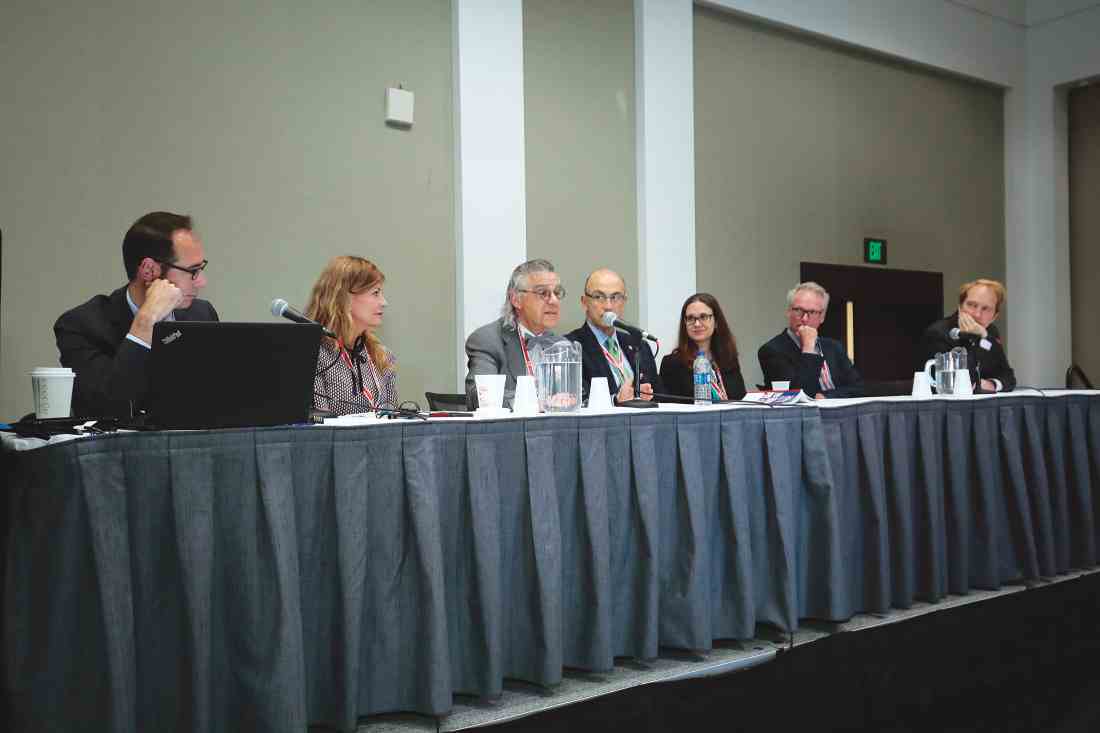
It is the second survey the task force has distributed, all aimed at ascertaining burnout and wellness statistics from SVS members.
“We need evidence,” said Malachi Sheahan, MD, who co-chairs the group with Dawn Coleman, MD. “We can’t make change without evidence.”
He issued a “Societal Call to Action” to SVS members at the end of a Friday session addressing burnout issues, “Promoting Physician Well-Being: Achieving Quadruple Aim.”
Dr. Sheahan disclosed statistics from the first task force survey, completed by 860 members. Collectively, members worked an average 73.5 hours a week, with five hours completing electronic medical records and 5.5 hours of administrative/scholarly activities added to 63 hours in the office.
“Eighty-nine percent feel burned out on occasion, everyone thinks they’re working too hard and when there are conflicts between work and personal life, they’re resolved in favor of the personal side only 8 percent of the time,” he said of the just-released data. He believes EMR will be the No. 1 conflict of vascular surgeons, with surgeons reporting they spend one hour charting for every one hour of patient time. “It’s just not working out,” he said.
Twenty percent said they had been sued for malpractice within the past two years, 37 percent reported being depressed within the month prior to completing the survey and the 8 percent who reported suicide ideation within the past year is double the national rate, Dr. Sheahan said. The second survey, launched Monday, focuses more on physical debility and should take fewer than 10 minutes to complete, he said. “Look for the survey, and please take it.”
He added that there are initiatives going forward that aim to change the environment and change the culture, including the SVS task force and the American Board of Surgery’s new lifelong learning initiative. “This is a call to action,” he said. “The main thing I want to say is that this is changeable. I don’t want you to think or say that we can’t do it. “We can. We just need evidence.”
Society for Vascular Surgery members are receiving an important email from the Mayo Clinic containing a survey from the SVS Wellness Task Force.
It is the second survey the task force has distributed, all aimed at ascertaining burnout and wellness statistics from SVS members.
“We need evidence,” said Malachi Sheahan, MD, who co-chairs the group with Dawn Coleman, MD. “We can’t make change without evidence.”
He issued a “Societal Call to Action” to SVS members at the end of a Friday session addressing burnout issues, “Promoting Physician Well-Being: Achieving Quadruple Aim.”
Dr. Sheahan disclosed statistics from the first task force survey, completed by 860 members. Collectively, members worked an average 73.5 hours a week, with five hours completing electronic medical records and 5.5 hours of administrative/scholarly activities added to 63 hours in the office.
“Eighty-nine percent feel burned out on occasion, everyone thinks they’re working too hard and when there are conflicts between work and personal life, they’re resolved in favor of the personal side only 8 percent of the time,” he said of the just-released data. He believes EMR will be the No. 1 conflict of vascular surgeons, with surgeons reporting they spend one hour charting for every one hour of patient time. “It’s just not working out,” he said.
Twenty percent said they had been sued for malpractice within the past two years, 37 percent reported being depressed within the month prior to completing the survey and the 8 percent who reported suicide ideation within the past year is double the national rate, Dr. Sheahan said. The second survey, launched Monday, focuses more on physical debility and should take fewer than 10 minutes to complete, he said. “Look for the survey, and please take it.”
He added that there are initiatives going forward that aim to change the environment and change the culture, including the SVS task force and the American Board of Surgery’s new lifelong learning initiative. “This is a call to action,” he said. “The main thing I want to say is that this is changeable. I don’t want you to think or say that we can’t do it. “We can. We just need evidence.”
Society for Vascular Surgery members are receiving an important email from the Mayo Clinic containing a survey from the SVS Wellness Task Force.
It is the second survey the task force has distributed, all aimed at ascertaining burnout and wellness statistics from SVS members.
“We need evidence,” said Malachi Sheahan, MD, who co-chairs the group with Dawn Coleman, MD. “We can’t make change without evidence.”
He issued a “Societal Call to Action” to SVS members at the end of a Friday session addressing burnout issues, “Promoting Physician Well-Being: Achieving Quadruple Aim.”
Dr. Sheahan disclosed statistics from the first task force survey, completed by 860 members. Collectively, members worked an average 73.5 hours a week, with five hours completing electronic medical records and 5.5 hours of administrative/scholarly activities added to 63 hours in the office.
“Eighty-nine percent feel burned out on occasion, everyone thinks they’re working too hard and when there are conflicts between work and personal life, they’re resolved in favor of the personal side only 8 percent of the time,” he said of the just-released data. He believes EMR will be the No. 1 conflict of vascular surgeons, with surgeons reporting they spend one hour charting for every one hour of patient time. “It’s just not working out,” he said.
Twenty percent said they had been sued for malpractice within the past two years, 37 percent reported being depressed within the month prior to completing the survey and the 8 percent who reported suicide ideation within the past year is double the national rate, Dr. Sheahan said. The second survey, launched Monday, focuses more on physical debility and should take fewer than 10 minutes to complete, he said. “Look for the survey, and please take it.”
He added that there are initiatives going forward that aim to change the environment and change the culture, including the SVS task force and the American Board of Surgery’s new lifelong learning initiative. “This is a call to action,” he said. “The main thing I want to say is that this is changeable. I don’t want you to think or say that we can’t do it. “We can. We just need evidence.”
Welcoming a New President, Presenting Awards
The Vascular Annual Meeting conducts important Society business at the SVS Annual Business Meeting. During Saturday’s meeting and luncheon, President R. Clement Darling III, MD, will hand over the leadership reins to President-Elect Michel S. Makaroun, MD.
The meeting is from 12 to 1:30 p.m. Saturday in Ballroom C of the Hynes Convention Center. Besides welcoming a new president, the meeting also will include acting on the 2018-2019 slate of officers.
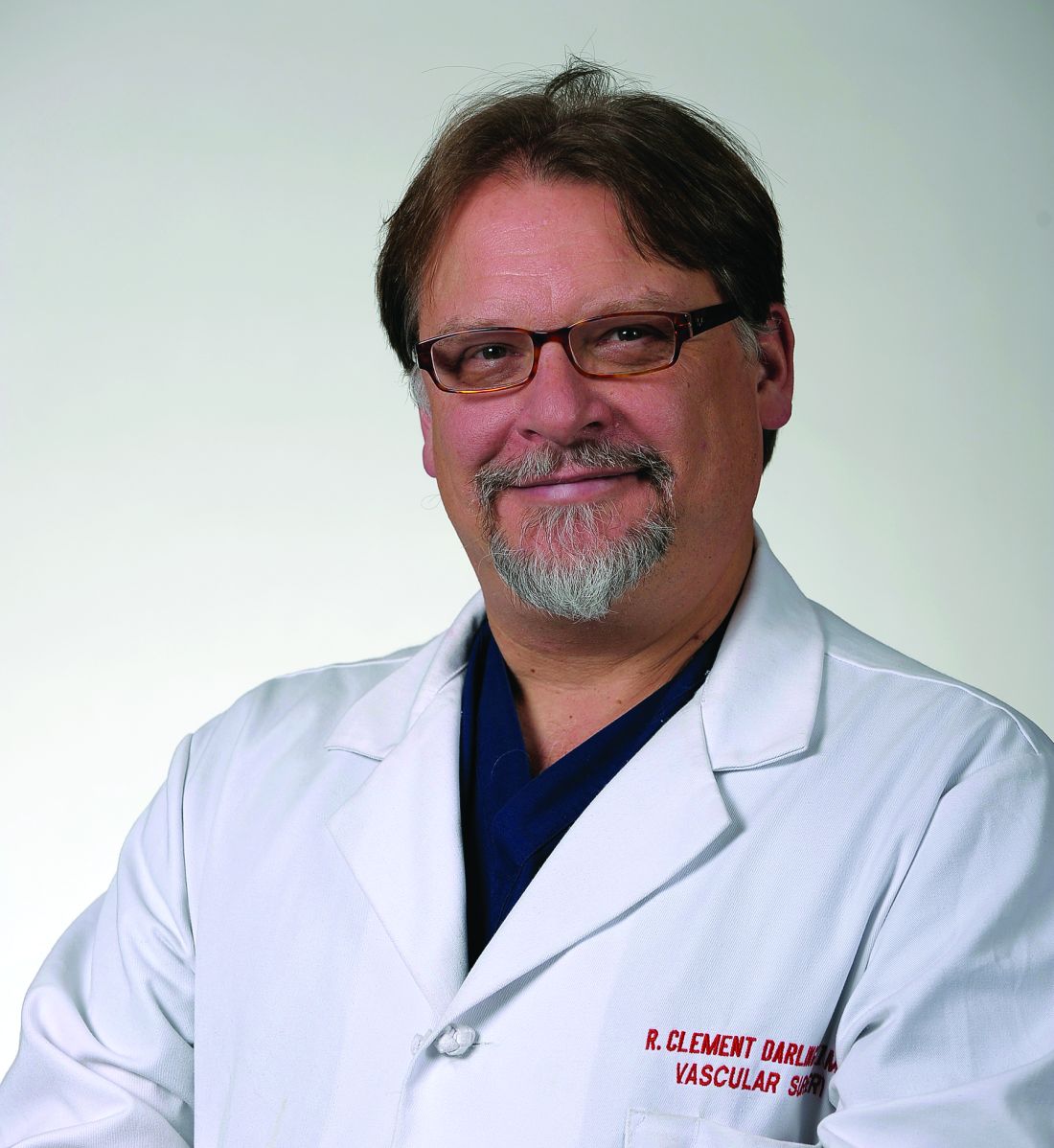
Members also recieved updates from officers and select committees and recognized outstanding achievements and awards from the Journal of Vascular Surgery, SVS Foundation and SVS. Award winners included the first recipients of the new SVS Foundation Community Awareness and Prevention Project Practice Grant.
The following people received awards during the luncheon:
SVS Presidential Citation Award
Drs. Kellie R. Brown, for her work as Chair of the Postgraduate Education Committee; O. William Brown, Chair of the Conflict of Interest Committee; Daniel G. Clair, Chair of the Education Council; Michael C. Dalsing, Chair of the Government Relations Committee; Alan Dardik, Chair of the Research Council; Dennis R. Gable, Chair of the Public and Professional Outreach Committee; Richard J. Fowl, Chair of the Ethics and Professional Conduct Committee; Brad L. Johnson, Chair of the Quality and Performance Measures Committee; Larry Kraiss, Chair of the SVS Patient Safety Organization; Walter J. McCarthy, Chair of the History Committee; Frank B. Pomposelli, Chair of the Clinical Practice Council; Jeffrey Raines; Amy Reed, Chair of the Fellows Committee; Edith Tzeng, Chair of the Research and Education Committee; Robert Zwolak, Chair of the VA Vascular Surgeons Committee; and Roger Gregory and James S.T. Yao, for their dedicated service in capturing the history of SVS.
SVS Awards
Women’s Leadership Training Grants
Drs. Dawn Coleman, Bao-Ngoc Nguyen and Margaret Tracci
SVS Vascular Surgery Trainee Advocacy Travel Scholarship
Dr. Anahita Dua
SVS Foundation Awards
SVS Foundation and American College of Surgeons Mentored Clinical Scientist Research Career Development Award (K08)
Dr. Bao-Ngoc Nguyen
SVS Foundation E.J. Wylie Traveling Fellowship
Dr. Omid Jazaeri
SVS Foundation Clinical Research Seed Grant
Drs. Samantha D. Minc and Bjoern D. Suckow, MD, MS
SVS Foundation Resident Research Award
Dr. Kaspar M. Trocha
SVS Foundation Research Career Development Travel Award
Drs. James Brooks, Kristina Giles, and Samir Shah, MD
Vascular Cures/ SVS Foundation Wylie Scholar Award
John Byrne, MB BCh, MD (by research), FRCSI
SVS Foundation Community Awareness and Prevention Project Practice Grant
Drs. Manish Mehta, MD, MPH; Elizabeth L. Detschelt, MD; and Marcus E. Semel, MD, MPH
Vascular Research Initiatives Conference Trainee Travel Scholarship
Drs. Frank M. Davis, Catherine Go, Omar Saffaf, and Karim M. Salem
SVS Foundation Student Research Fellowship Award
Arash Fereydooni* (Yale School of Medicine), Helen Genis* (University of Toronto), Nikolai Thomas Harroun (Washington University, St.Louis), Alice Jo* (Case Western Reserve University School of Medicine), Revanth Kosaraju* (Beth Israel Deaconess Medical Center), Alexa Mordhorst* (Vancouver General Hospital/University of British Columbia), Lindsey Anne Olivere (Duke University School of Medicine), Suzannah Patterson (Brigham and Women’s Hospital/Harvard Medical School), Joel L. Ramirez* (University of California, San Francisco), Sudie Ann Robinson* (SUNY Upstate Medical University), Muzammil Hussain Syed (St. Michael’s Hospital/McMaster University), Jeffrey W. Zhao* (Northwestern Feinberg School of Medicine)
(*Awarded a Society for Vascular Surgery General Surgery Resident/Medical Student VAM Travel Scholarship)
The Vascular Annual Meeting conducts important Society business at the SVS Annual Business Meeting. During Saturday’s meeting and luncheon, President R. Clement Darling III, MD, will hand over the leadership reins to President-Elect Michel S. Makaroun, MD.
The meeting is from 12 to 1:30 p.m. Saturday in Ballroom C of the Hynes Convention Center. Besides welcoming a new president, the meeting also will include acting on the 2018-2019 slate of officers.
Members also recieved updates from officers and select committees and recognized outstanding achievements and awards from the Journal of Vascular Surgery, SVS Foundation and SVS. Award winners included the first recipients of the new SVS Foundation Community Awareness and Prevention Project Practice Grant.
The following people received awards during the luncheon:
SVS Presidential Citation Award
Drs. Kellie R. Brown, for her work as Chair of the Postgraduate Education Committee; O. William Brown, Chair of the Conflict of Interest Committee; Daniel G. Clair, Chair of the Education Council; Michael C. Dalsing, Chair of the Government Relations Committee; Alan Dardik, Chair of the Research Council; Dennis R. Gable, Chair of the Public and Professional Outreach Committee; Richard J. Fowl, Chair of the Ethics and Professional Conduct Committee; Brad L. Johnson, Chair of the Quality and Performance Measures Committee; Larry Kraiss, Chair of the SVS Patient Safety Organization; Walter J. McCarthy, Chair of the History Committee; Frank B. Pomposelli, Chair of the Clinical Practice Council; Jeffrey Raines; Amy Reed, Chair of the Fellows Committee; Edith Tzeng, Chair of the Research and Education Committee; Robert Zwolak, Chair of the VA Vascular Surgeons Committee; and Roger Gregory and James S.T. Yao, for their dedicated service in capturing the history of SVS.
SVS Awards
Women’s Leadership Training Grants
Drs. Dawn Coleman, Bao-Ngoc Nguyen and Margaret Tracci
SVS Vascular Surgery Trainee Advocacy Travel Scholarship
Dr. Anahita Dua
SVS Foundation Awards
SVS Foundation and American College of Surgeons Mentored Clinical Scientist Research Career Development Award (K08)
Dr. Bao-Ngoc Nguyen
SVS Foundation E.J. Wylie Traveling Fellowship
Dr. Omid Jazaeri
SVS Foundation Clinical Research Seed Grant
Drs. Samantha D. Minc and Bjoern D. Suckow, MD, MS
SVS Foundation Resident Research Award
Dr. Kaspar M. Trocha
SVS Foundation Research Career Development Travel Award
Drs. James Brooks, Kristina Giles, and Samir Shah, MD
Vascular Cures/ SVS Foundation Wylie Scholar Award
John Byrne, MB BCh, MD (by research), FRCSI
SVS Foundation Community Awareness and Prevention Project Practice Grant
Drs. Manish Mehta, MD, MPH; Elizabeth L. Detschelt, MD; and Marcus E. Semel, MD, MPH
Vascular Research Initiatives Conference Trainee Travel Scholarship
Drs. Frank M. Davis, Catherine Go, Omar Saffaf, and Karim M. Salem
SVS Foundation Student Research Fellowship Award
Arash Fereydooni* (Yale School of Medicine), Helen Genis* (University of Toronto), Nikolai Thomas Harroun (Washington University, St.Louis), Alice Jo* (Case Western Reserve University School of Medicine), Revanth Kosaraju* (Beth Israel Deaconess Medical Center), Alexa Mordhorst* (Vancouver General Hospital/University of British Columbia), Lindsey Anne Olivere (Duke University School of Medicine), Suzannah Patterson (Brigham and Women’s Hospital/Harvard Medical School), Joel L. Ramirez* (University of California, San Francisco), Sudie Ann Robinson* (SUNY Upstate Medical University), Muzammil Hussain Syed (St. Michael’s Hospital/McMaster University), Jeffrey W. Zhao* (Northwestern Feinberg School of Medicine)
(*Awarded a Society for Vascular Surgery General Surgery Resident/Medical Student VAM Travel Scholarship)
The Vascular Annual Meeting conducts important Society business at the SVS Annual Business Meeting. During Saturday’s meeting and luncheon, President R. Clement Darling III, MD, will hand over the leadership reins to President-Elect Michel S. Makaroun, MD.
The meeting is from 12 to 1:30 p.m. Saturday in Ballroom C of the Hynes Convention Center. Besides welcoming a new president, the meeting also will include acting on the 2018-2019 slate of officers.
Members also recieved updates from officers and select committees and recognized outstanding achievements and awards from the Journal of Vascular Surgery, SVS Foundation and SVS. Award winners included the first recipients of the new SVS Foundation Community Awareness and Prevention Project Practice Grant.
The following people received awards during the luncheon:
SVS Presidential Citation Award
Drs. Kellie R. Brown, for her work as Chair of the Postgraduate Education Committee; O. William Brown, Chair of the Conflict of Interest Committee; Daniel G. Clair, Chair of the Education Council; Michael C. Dalsing, Chair of the Government Relations Committee; Alan Dardik, Chair of the Research Council; Dennis R. Gable, Chair of the Public and Professional Outreach Committee; Richard J. Fowl, Chair of the Ethics and Professional Conduct Committee; Brad L. Johnson, Chair of the Quality and Performance Measures Committee; Larry Kraiss, Chair of the SVS Patient Safety Organization; Walter J. McCarthy, Chair of the History Committee; Frank B. Pomposelli, Chair of the Clinical Practice Council; Jeffrey Raines; Amy Reed, Chair of the Fellows Committee; Edith Tzeng, Chair of the Research and Education Committee; Robert Zwolak, Chair of the VA Vascular Surgeons Committee; and Roger Gregory and James S.T. Yao, for their dedicated service in capturing the history of SVS.
SVS Awards
Women’s Leadership Training Grants
Drs. Dawn Coleman, Bao-Ngoc Nguyen and Margaret Tracci
SVS Vascular Surgery Trainee Advocacy Travel Scholarship
Dr. Anahita Dua
SVS Foundation Awards
SVS Foundation and American College of Surgeons Mentored Clinical Scientist Research Career Development Award (K08)
Dr. Bao-Ngoc Nguyen
SVS Foundation E.J. Wylie Traveling Fellowship
Dr. Omid Jazaeri
SVS Foundation Clinical Research Seed Grant
Drs. Samantha D. Minc and Bjoern D. Suckow, MD, MS
SVS Foundation Resident Research Award
Dr. Kaspar M. Trocha
SVS Foundation Research Career Development Travel Award
Drs. James Brooks, Kristina Giles, and Samir Shah, MD
Vascular Cures/ SVS Foundation Wylie Scholar Award
John Byrne, MB BCh, MD (by research), FRCSI
SVS Foundation Community Awareness and Prevention Project Practice Grant
Drs. Manish Mehta, MD, MPH; Elizabeth L. Detschelt, MD; and Marcus E. Semel, MD, MPH
Vascular Research Initiatives Conference Trainee Travel Scholarship
Drs. Frank M. Davis, Catherine Go, Omar Saffaf, and Karim M. Salem
SVS Foundation Student Research Fellowship Award
Arash Fereydooni* (Yale School of Medicine), Helen Genis* (University of Toronto), Nikolai Thomas Harroun (Washington University, St.Louis), Alice Jo* (Case Western Reserve University School of Medicine), Revanth Kosaraju* (Beth Israel Deaconess Medical Center), Alexa Mordhorst* (Vancouver General Hospital/University of British Columbia), Lindsey Anne Olivere (Duke University School of Medicine), Suzannah Patterson (Brigham and Women’s Hospital/Harvard Medical School), Joel L. Ramirez* (University of California, San Francisco), Sudie Ann Robinson* (SUNY Upstate Medical University), Muzammil Hussain Syed (St. Michael’s Hospital/McMaster University), Jeffrey W. Zhao* (Northwestern Feinberg School of Medicine)
(*Awarded a Society for Vascular Surgery General Surgery Resident/Medical Student VAM Travel Scholarship)
A Six-Year Review of the First U.S. Vascular Simulation Course
Duty hour restrictions, changing training paradigms, and diminishing open surgical case volumes have caused dramatic shifts in the vascular trainee experience, according to Malachi Sheahan, MD, and his colleagues from Louisiana State University, New Orleans.
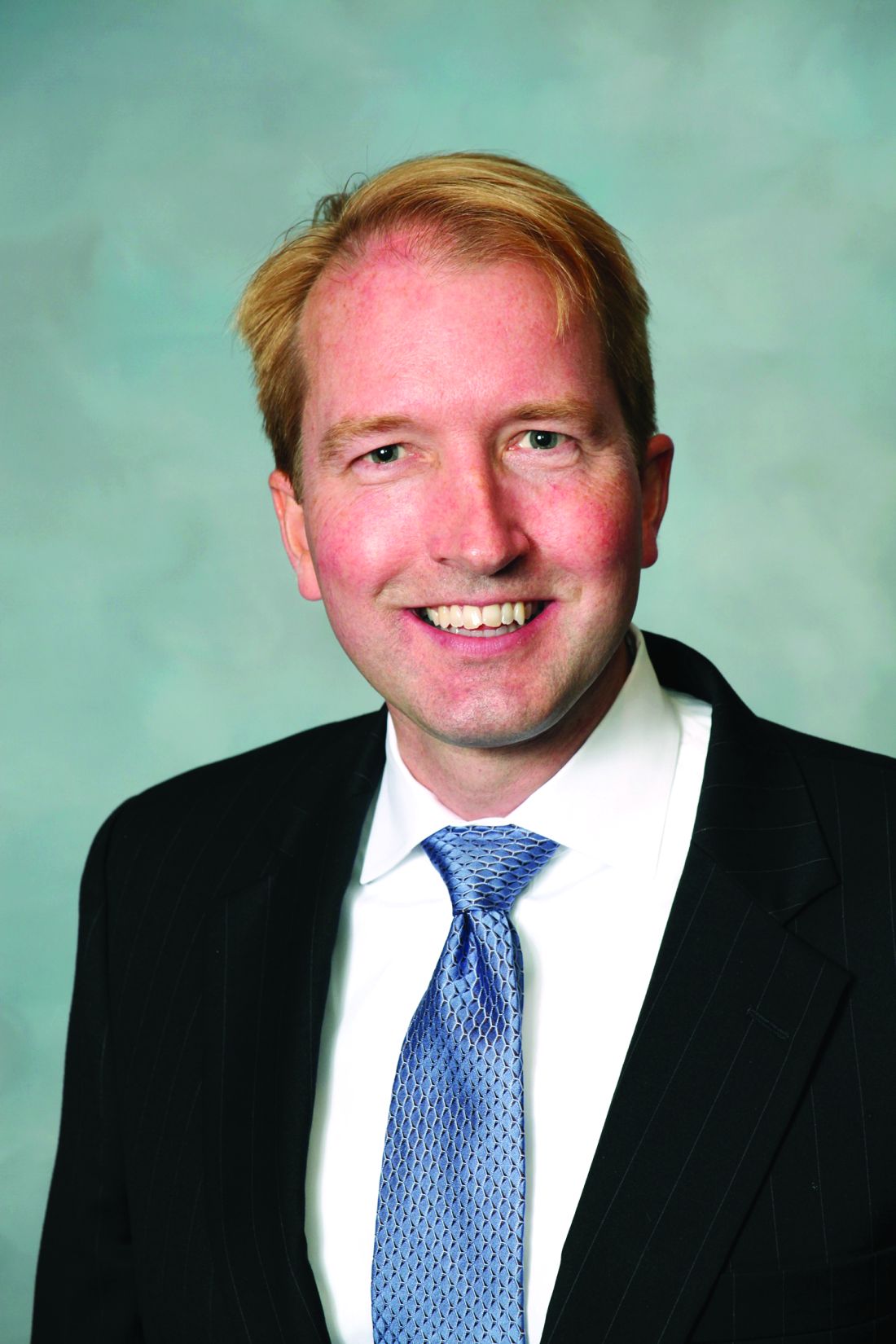
Dr. Sheahan and his colleagues examined the benefits of simulation courses as an augment to vascular training. They performed a 6-year review of the first simulation course established for vascular trainees in the United States.
The 3-day vascular simulation course studied was conducted at a dedicated learning center from 2012 to 2017. Attendees rated their confidence pre- and postcourse on a 6-point Likert scale ranging from 1 (none) to 6 (expert) across 8 different technical and cognitive categories. Participants were also asked to rate the value of each activity, according to Dr. Sheahan.
Assessments of each trainee were completed by the course director and sent to their program director. After 6 months, program directors and participants were surveyed on the lasting usefulness of the course. Full data were available for 98 vascular trainees: 59 categorized as Junior (PGY1-2); and 39 as Senior (PGY 3).
“Our study demonstrates that a brief, intensive simulation course can have a valuable and lasting impact on vascular resident education,” said Dr. Sheahan.
Overall, the participants rated all teaching activities as useful (4) or better, with anatomic exposures (5.8) and one-on-one suturing (5.5) rated most valuable. Both groups showed significant improvement in confidence in all measures, with Juniors improving significantly more than did Seniors in anastomoses, abdominal aortic aneurysm measurements, and tibial exposures.
Six-month follow-up with program directors found that 100% reported at least one lasting skill improvement and 85% stated that they modified their trainees curriculum based on the course assessment.
Duty hour restrictions, changing training paradigms, and diminishing open surgical case volumes have caused dramatic shifts in the vascular trainee experience, according to Malachi Sheahan, MD, and his colleagues from Louisiana State University, New Orleans.
Dr. Sheahan and his colleagues examined the benefits of simulation courses as an augment to vascular training. They performed a 6-year review of the first simulation course established for vascular trainees in the United States.
The 3-day vascular simulation course studied was conducted at a dedicated learning center from 2012 to 2017. Attendees rated their confidence pre- and postcourse on a 6-point Likert scale ranging from 1 (none) to 6 (expert) across 8 different technical and cognitive categories. Participants were also asked to rate the value of each activity, according to Dr. Sheahan.
Assessments of each trainee were completed by the course director and sent to their program director. After 6 months, program directors and participants were surveyed on the lasting usefulness of the course. Full data were available for 98 vascular trainees: 59 categorized as Junior (PGY1-2); and 39 as Senior (PGY 3).
“Our study demonstrates that a brief, intensive simulation course can have a valuable and lasting impact on vascular resident education,” said Dr. Sheahan.
Overall, the participants rated all teaching activities as useful (4) or better, with anatomic exposures (5.8) and one-on-one suturing (5.5) rated most valuable. Both groups showed significant improvement in confidence in all measures, with Juniors improving significantly more than did Seniors in anastomoses, abdominal aortic aneurysm measurements, and tibial exposures.
Six-month follow-up with program directors found that 100% reported at least one lasting skill improvement and 85% stated that they modified their trainees curriculum based on the course assessment.
Duty hour restrictions, changing training paradigms, and diminishing open surgical case volumes have caused dramatic shifts in the vascular trainee experience, according to Malachi Sheahan, MD, and his colleagues from Louisiana State University, New Orleans.
Dr. Sheahan and his colleagues examined the benefits of simulation courses as an augment to vascular training. They performed a 6-year review of the first simulation course established for vascular trainees in the United States.
The 3-day vascular simulation course studied was conducted at a dedicated learning center from 2012 to 2017. Attendees rated their confidence pre- and postcourse on a 6-point Likert scale ranging from 1 (none) to 6 (expert) across 8 different technical and cognitive categories. Participants were also asked to rate the value of each activity, according to Dr. Sheahan.
Assessments of each trainee were completed by the course director and sent to their program director. After 6 months, program directors and participants were surveyed on the lasting usefulness of the course. Full data were available for 98 vascular trainees: 59 categorized as Junior (PGY1-2); and 39 as Senior (PGY 3).
“Our study demonstrates that a brief, intensive simulation course can have a valuable and lasting impact on vascular resident education,” said Dr. Sheahan.
Overall, the participants rated all teaching activities as useful (4) or better, with anatomic exposures (5.8) and one-on-one suturing (5.5) rated most valuable. Both groups showed significant improvement in confidence in all measures, with Juniors improving significantly more than did Seniors in anastomoses, abdominal aortic aneurysm measurements, and tibial exposures.
Six-month follow-up with program directors found that 100% reported at least one lasting skill improvement and 85% stated that they modified their trainees curriculum based on the course assessment.
Crawford Critical Issues Forum Covers the National Shortage of Vascular Surgeons
This year’s E. Stanley Crawford Critical Issues Forum addressed the current status of the vascular surgery workforce, its existing geographic distribution, the potential for a worsening shortage, and proposed solutions to ensure future vascular care delivery.

As is tradition, the forum was organized and moderated by the SVS president-elect, this year Michel S. Makaroun, MD, co-director of the UPMC Heart and Vascular Institute in Pittsburgh. The session began with an overview from Dr. Makaroun on the critical nature of the growing problem.
He described how the current shortage of vascular surgeons is projected to worsen for two main reasons: First, newly trained vascular surgeons are not entering the workforce in adequate numbers to meet the increased demand presented by the nation’s aging population, even with the improvements projected from the new 0-5 training program; second, there is a large percentage of vascular surgeons currently practicing who are expected to retire in the next decade, with estimates reaching 35%-45%. He detailed the results of the 2017 survey of vascular surgeons that showed this and other concerning factors.
“We do not take vacations,” he said. “We have significant overwork.” In addition, “half of the surgeons who said they would retire, said they would retire before the age of 65.” In fact, nearly 50% of those surveyed have firm retirement plans, and nearly 20% were planning on retiring within the next five years.
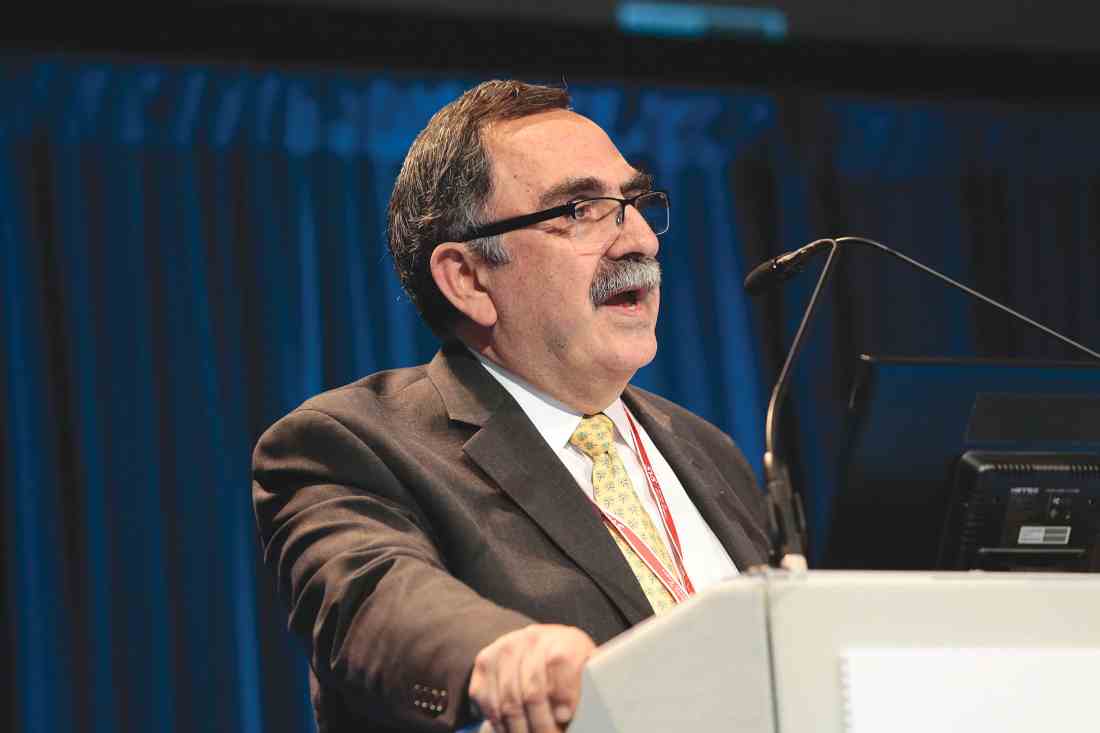
“To summarize, we have a pipeline, which at maximum would within the next five years introduce 608 new vascular resident and fellow graduates into the workforce, and at the same time we’ll be losing the same number of practicing vascular surgeons. So, at best, we will stay even,” said Dr. Makaroun.
“The Current Landscape of the Vascular Surgery Recruitment Market” was addressed by Jeremy Robinson of Merritt Hawkins. He pointed out the market evidence for a large scarcity of vascular surgeons, with a huge number of positions going unfilled, more than half of new trainees receiving more than 100 offers, and bidding wars going on among employers, including offering expansive salaries and benefits to vascular surgeons as part of recruitment efforts.
In his talk, “Where Did the Vascular Surgeons Go? Seven Years of Futile Recruitment Attempts,” Gerald Goldstein, MD, of the Western Maryland Health System, addressed the problem of attracting new vascular surgeons. His talk was key in pointing out the problems of large health care facilities in poor and rural areas. “We’re not a Band-Aid station. ... we’re a big hospital, we serve a large geographic area and a large cohort of patients,” he said. Still they have failed to recruit a single vascular surgeon. He pointed out how places such as his could not compete for vascular surgeons against more desirable urban centers with more amenities and sufficient backup surgeons to provide lower workloads and improved quality of life, which includes time off, not being on call, and collaboration and teamwork. He was not optimistic about solutions and was fighting the final solution: hospital contraction of services.
“Workforce Targets: How Can We Know Whether We Have Enough Vascular Surgeons?” was discussed by Mark Friedberg, MD, of the RAND Corporation. Dr. Friedberg pointed out that it was important to define what was meant by a shortage of vascular surgeons, asking whether a surgeon/population metric was the most valuable or should it include other components, such as geographic considerations, quality of care issues, patient waiting times, and more. In addition, he asked, for any metric chosen, how was the decision made in choosing the optimal level? What is the best ratio of vascular surgeons to population, and how do you decide it?
Finally, Anton Sidawy, MD, of the George Washington University Hospital, Washington, looked at possible solutions to the problem in his talk, “Pathways to Alleviate Shortages and Maldistributions of Vascular Surgeons.” Dr. Sidawy stressed the need for a multifaceted approach, including government at the federal, state, and local levels, as well as medical schools and training programs. He particularly stressed the need for improving the distribution of vascular surgeons to underserved rural areas, such as described by Dr. Goldstein. However, this would require thinking outside the box, perhaps involving redistribution of training to more underserved areas of the country and also recruitment of more individuals from those areas. This is more likely to produce vascular surgeons willing to remain or return to such areas to practice, as has been well documented.
Another possibility is to provide incentives for older vascular surgeons to delay retirement, perhaps with lowered workload, freedom from being on-call, and other benefits.
But perhaps his most radical suggestion is the idea of rethinking the role of vascular surgeons entirely, to include the ability to perform more general surgery operations, allowing them more flexibility to take on roles in smaller communities and organizations that could not afford a narrowly defined specialist.
The forum concluded with a panel discussion in which the panelists addressed questions from the audience.
This year’s E. Stanley Crawford Critical Issues Forum addressed the current status of the vascular surgery workforce, its existing geographic distribution, the potential for a worsening shortage, and proposed solutions to ensure future vascular care delivery.
As is tradition, the forum was organized and moderated by the SVS president-elect, this year Michel S. Makaroun, MD, co-director of the UPMC Heart and Vascular Institute in Pittsburgh. The session began with an overview from Dr. Makaroun on the critical nature of the growing problem.
He described how the current shortage of vascular surgeons is projected to worsen for two main reasons: First, newly trained vascular surgeons are not entering the workforce in adequate numbers to meet the increased demand presented by the nation’s aging population, even with the improvements projected from the new 0-5 training program; second, there is a large percentage of vascular surgeons currently practicing who are expected to retire in the next decade, with estimates reaching 35%-45%. He detailed the results of the 2017 survey of vascular surgeons that showed this and other concerning factors.
“We do not take vacations,” he said. “We have significant overwork.” In addition, “half of the surgeons who said they would retire, said they would retire before the age of 65.” In fact, nearly 50% of those surveyed have firm retirement plans, and nearly 20% were planning on retiring within the next five years.
“To summarize, we have a pipeline, which at maximum would within the next five years introduce 608 new vascular resident and fellow graduates into the workforce, and at the same time we’ll be losing the same number of practicing vascular surgeons. So, at best, we will stay even,” said Dr. Makaroun.
“The Current Landscape of the Vascular Surgery Recruitment Market” was addressed by Jeremy Robinson of Merritt Hawkins. He pointed out the market evidence for a large scarcity of vascular surgeons, with a huge number of positions going unfilled, more than half of new trainees receiving more than 100 offers, and bidding wars going on among employers, including offering expansive salaries and benefits to vascular surgeons as part of recruitment efforts.
In his talk, “Where Did the Vascular Surgeons Go? Seven Years of Futile Recruitment Attempts,” Gerald Goldstein, MD, of the Western Maryland Health System, addressed the problem of attracting new vascular surgeons. His talk was key in pointing out the problems of large health care facilities in poor and rural areas. “We’re not a Band-Aid station. ... we’re a big hospital, we serve a large geographic area and a large cohort of patients,” he said. Still they have failed to recruit a single vascular surgeon. He pointed out how places such as his could not compete for vascular surgeons against more desirable urban centers with more amenities and sufficient backup surgeons to provide lower workloads and improved quality of life, which includes time off, not being on call, and collaboration and teamwork. He was not optimistic about solutions and was fighting the final solution: hospital contraction of services.
“Workforce Targets: How Can We Know Whether We Have Enough Vascular Surgeons?” was discussed by Mark Friedberg, MD, of the RAND Corporation. Dr. Friedberg pointed out that it was important to define what was meant by a shortage of vascular surgeons, asking whether a surgeon/population metric was the most valuable or should it include other components, such as geographic considerations, quality of care issues, patient waiting times, and more. In addition, he asked, for any metric chosen, how was the decision made in choosing the optimal level? What is the best ratio of vascular surgeons to population, and how do you decide it?
Finally, Anton Sidawy, MD, of the George Washington University Hospital, Washington, looked at possible solutions to the problem in his talk, “Pathways to Alleviate Shortages and Maldistributions of Vascular Surgeons.” Dr. Sidawy stressed the need for a multifaceted approach, including government at the federal, state, and local levels, as well as medical schools and training programs. He particularly stressed the need for improving the distribution of vascular surgeons to underserved rural areas, such as described by Dr. Goldstein. However, this would require thinking outside the box, perhaps involving redistribution of training to more underserved areas of the country and also recruitment of more individuals from those areas. This is more likely to produce vascular surgeons willing to remain or return to such areas to practice, as has been well documented.
Another possibility is to provide incentives for older vascular surgeons to delay retirement, perhaps with lowered workload, freedom from being on-call, and other benefits.
But perhaps his most radical suggestion is the idea of rethinking the role of vascular surgeons entirely, to include the ability to perform more general surgery operations, allowing them more flexibility to take on roles in smaller communities and organizations that could not afford a narrowly defined specialist.
The forum concluded with a panel discussion in which the panelists addressed questions from the audience.
This year’s E. Stanley Crawford Critical Issues Forum addressed the current status of the vascular surgery workforce, its existing geographic distribution, the potential for a worsening shortage, and proposed solutions to ensure future vascular care delivery.
As is tradition, the forum was organized and moderated by the SVS president-elect, this year Michel S. Makaroun, MD, co-director of the UPMC Heart and Vascular Institute in Pittsburgh. The session began with an overview from Dr. Makaroun on the critical nature of the growing problem.
He described how the current shortage of vascular surgeons is projected to worsen for two main reasons: First, newly trained vascular surgeons are not entering the workforce in adequate numbers to meet the increased demand presented by the nation’s aging population, even with the improvements projected from the new 0-5 training program; second, there is a large percentage of vascular surgeons currently practicing who are expected to retire in the next decade, with estimates reaching 35%-45%. He detailed the results of the 2017 survey of vascular surgeons that showed this and other concerning factors.
“We do not take vacations,” he said. “We have significant overwork.” In addition, “half of the surgeons who said they would retire, said they would retire before the age of 65.” In fact, nearly 50% of those surveyed have firm retirement plans, and nearly 20% were planning on retiring within the next five years.
“To summarize, we have a pipeline, which at maximum would within the next five years introduce 608 new vascular resident and fellow graduates into the workforce, and at the same time we’ll be losing the same number of practicing vascular surgeons. So, at best, we will stay even,” said Dr. Makaroun.
“The Current Landscape of the Vascular Surgery Recruitment Market” was addressed by Jeremy Robinson of Merritt Hawkins. He pointed out the market evidence for a large scarcity of vascular surgeons, with a huge number of positions going unfilled, more than half of new trainees receiving more than 100 offers, and bidding wars going on among employers, including offering expansive salaries and benefits to vascular surgeons as part of recruitment efforts.
In his talk, “Where Did the Vascular Surgeons Go? Seven Years of Futile Recruitment Attempts,” Gerald Goldstein, MD, of the Western Maryland Health System, addressed the problem of attracting new vascular surgeons. His talk was key in pointing out the problems of large health care facilities in poor and rural areas. “We’re not a Band-Aid station. ... we’re a big hospital, we serve a large geographic area and a large cohort of patients,” he said. Still they have failed to recruit a single vascular surgeon. He pointed out how places such as his could not compete for vascular surgeons against more desirable urban centers with more amenities and sufficient backup surgeons to provide lower workloads and improved quality of life, which includes time off, not being on call, and collaboration and teamwork. He was not optimistic about solutions and was fighting the final solution: hospital contraction of services.
“Workforce Targets: How Can We Know Whether We Have Enough Vascular Surgeons?” was discussed by Mark Friedberg, MD, of the RAND Corporation. Dr. Friedberg pointed out that it was important to define what was meant by a shortage of vascular surgeons, asking whether a surgeon/population metric was the most valuable or should it include other components, such as geographic considerations, quality of care issues, patient waiting times, and more. In addition, he asked, for any metric chosen, how was the decision made in choosing the optimal level? What is the best ratio of vascular surgeons to population, and how do you decide it?
Finally, Anton Sidawy, MD, of the George Washington University Hospital, Washington, looked at possible solutions to the problem in his talk, “Pathways to Alleviate Shortages and Maldistributions of Vascular Surgeons.” Dr. Sidawy stressed the need for a multifaceted approach, including government at the federal, state, and local levels, as well as medical schools and training programs. He particularly stressed the need for improving the distribution of vascular surgeons to underserved rural areas, such as described by Dr. Goldstein. However, this would require thinking outside the box, perhaps involving redistribution of training to more underserved areas of the country and also recruitment of more individuals from those areas. This is more likely to produce vascular surgeons willing to remain or return to such areas to practice, as has been well documented.
Another possibility is to provide incentives for older vascular surgeons to delay retirement, perhaps with lowered workload, freedom from being on-call, and other benefits.
But perhaps his most radical suggestion is the idea of rethinking the role of vascular surgeons entirely, to include the ability to perform more general surgery operations, allowing them more flexibility to take on roles in smaller communities and organizations that could not afford a narrowly defined specialist.
The forum concluded with a panel discussion in which the panelists addressed questions from the audience.