User login
Postpartum LARC uptake increased with separate payment
The introduction of separate payment for the immediate postpartum implantation of long-acting reversible contraception was associated with increased use and a slow-down in the number of short-interval births in patients covered by South Carolina’s Medicaid program.
Immediate postpartum long-acting reversible contraception (IPP-LARC) is recommended to reduce the incidence of short pregnancy intervals – pregnancies within 6-24 months of each other. The global payment for hospital labor and delivery, however, may act as a disincentive to providing IPP-LARC, according to Maria W. Steenland of Brown University, Providence, R.I., and co-authors.
They looked at inpatient Medicaid claims data for 242,825 childbirth hospitalizations in South Carolina from 2010-2017; during that time the state Medicaid program began to provide an additional payment for IPP-LARC.
At the start of the study, just 0.07% of women received an IPP-LARC. After the change in reimbursement policy in March 2012, there was a steady 0.07 percentage point monthly increase in their use in adults and 0.1 percentage point increase per month in adolescents. In December 2017, 5.65% of adults and 10.48% of adolescents received an IPP-LARC (JAMA. 2019; doi: 10.1001/jama.2019.6854).
There was a corresponding, significant change in the trend of short-interval births among adolescents. Before the policy change, adolescent short-interval births had been increasing, but by March 2016 – 4 years after the payment change – the adolescent short-interval birth rate was 5.28 percentage points lower than what was expected had the increasing trend continued.
There was no significant change in the trend for short-interval births among adults.
“These findings suggest that IPP-LARC reimbursement could increase immediate postpartum contraceptive options and help adolescents avoid short-interval births,” the authors wrote, noting that as of February 2018, 36 other states’ Medicaid programs had began separately reimbursing for IPP-LARC.
They also raised the possibility that there may have been confounding due to other events that occurred at the same time as the policy changes.
The study was supported by the Eric M. Mindich Research Fund and one author was supported by National Institutes of Health. No conflicts of interest were declared.
SOURCE: Steenland M et al. JAMA 2019, DOI:10.1001/jama.2019.6854.
The introduction of separate payment for the immediate postpartum implantation of long-acting reversible contraception was associated with increased use and a slow-down in the number of short-interval births in patients covered by South Carolina’s Medicaid program.
Immediate postpartum long-acting reversible contraception (IPP-LARC) is recommended to reduce the incidence of short pregnancy intervals – pregnancies within 6-24 months of each other. The global payment for hospital labor and delivery, however, may act as a disincentive to providing IPP-LARC, according to Maria W. Steenland of Brown University, Providence, R.I., and co-authors.
They looked at inpatient Medicaid claims data for 242,825 childbirth hospitalizations in South Carolina from 2010-2017; during that time the state Medicaid program began to provide an additional payment for IPP-LARC.
At the start of the study, just 0.07% of women received an IPP-LARC. After the change in reimbursement policy in March 2012, there was a steady 0.07 percentage point monthly increase in their use in adults and 0.1 percentage point increase per month in adolescents. In December 2017, 5.65% of adults and 10.48% of adolescents received an IPP-LARC (JAMA. 2019; doi: 10.1001/jama.2019.6854).
There was a corresponding, significant change in the trend of short-interval births among adolescents. Before the policy change, adolescent short-interval births had been increasing, but by March 2016 – 4 years after the payment change – the adolescent short-interval birth rate was 5.28 percentage points lower than what was expected had the increasing trend continued.
There was no significant change in the trend for short-interval births among adults.
“These findings suggest that IPP-LARC reimbursement could increase immediate postpartum contraceptive options and help adolescents avoid short-interval births,” the authors wrote, noting that as of February 2018, 36 other states’ Medicaid programs had began separately reimbursing for IPP-LARC.
They also raised the possibility that there may have been confounding due to other events that occurred at the same time as the policy changes.
The study was supported by the Eric M. Mindich Research Fund and one author was supported by National Institutes of Health. No conflicts of interest were declared.
SOURCE: Steenland M et al. JAMA 2019, DOI:10.1001/jama.2019.6854.
The introduction of separate payment for the immediate postpartum implantation of long-acting reversible contraception was associated with increased use and a slow-down in the number of short-interval births in patients covered by South Carolina’s Medicaid program.
Immediate postpartum long-acting reversible contraception (IPP-LARC) is recommended to reduce the incidence of short pregnancy intervals – pregnancies within 6-24 months of each other. The global payment for hospital labor and delivery, however, may act as a disincentive to providing IPP-LARC, according to Maria W. Steenland of Brown University, Providence, R.I., and co-authors.
They looked at inpatient Medicaid claims data for 242,825 childbirth hospitalizations in South Carolina from 2010-2017; during that time the state Medicaid program began to provide an additional payment for IPP-LARC.
At the start of the study, just 0.07% of women received an IPP-LARC. After the change in reimbursement policy in March 2012, there was a steady 0.07 percentage point monthly increase in their use in adults and 0.1 percentage point increase per month in adolescents. In December 2017, 5.65% of adults and 10.48% of adolescents received an IPP-LARC (JAMA. 2019; doi: 10.1001/jama.2019.6854).
There was a corresponding, significant change in the trend of short-interval births among adolescents. Before the policy change, adolescent short-interval births had been increasing, but by March 2016 – 4 years after the payment change – the adolescent short-interval birth rate was 5.28 percentage points lower than what was expected had the increasing trend continued.
There was no significant change in the trend for short-interval births among adults.
“These findings suggest that IPP-LARC reimbursement could increase immediate postpartum contraceptive options and help adolescents avoid short-interval births,” the authors wrote, noting that as of February 2018, 36 other states’ Medicaid programs had began separately reimbursing for IPP-LARC.
They also raised the possibility that there may have been confounding due to other events that occurred at the same time as the policy changes.
The study was supported by the Eric M. Mindich Research Fund and one author was supported by National Institutes of Health. No conflicts of interest were declared.
SOURCE: Steenland M et al. JAMA 2019, DOI:10.1001/jama.2019.6854.
FROM JAMA
How to reverse type 2 diabetes with a crash diet: the DiRECT approach
SAN FRANCISCO – , according to United Kingdom investigators.
The odds of remission – meaning a hemoglobin A1c below 6.5% on repeat testing, off all medications – were directly related to the amount of weight patients lost; 60% of subjects who lost 22-33 pounds were free of type 2 disease at 2 years, versus 29% who lost 11-21 pounds, and 5% who lost less than 11 pounds.
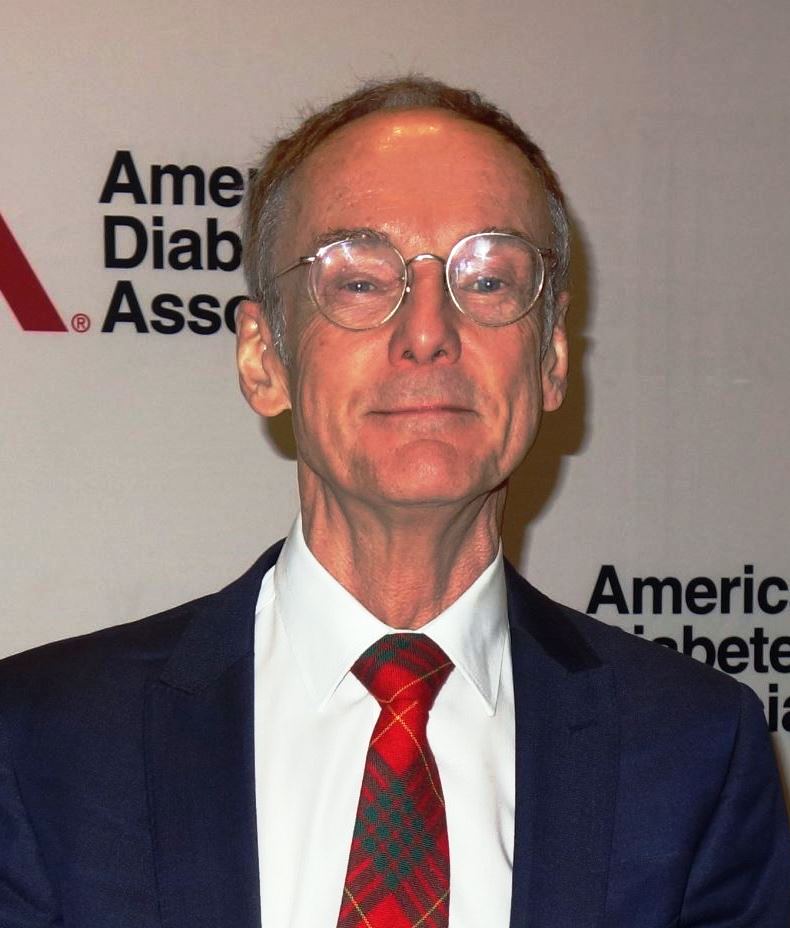
“If people lose” around 30 pounds “and keep it off for 2 years, there’s a two-thirds chance of them escaping type 2 [diabetes]. People want to understand their options, and this is an option. This is very good news for people with diabetes,” said senior investigator Roy Taylor, MD, a professor of medicine and metabolism at the University of Newcastle, Newcastle upon Tyne, England, who presented the findings of the Diabetes Remission Clinical Trial (DiRECT) at the annual scientific sessions of the American Diabetes Association (Lancet Diabetes Endocrinol. 2019 May;7(5):344-355).
A subgroup analysis he also presented found that beta cell function rebounds rapidly after weight loss and is pretty much normal at 2 years, so long as people keep the weight off.
The study is rooted in previous work by Dr. Taylor and his colleagues that found that very low-calorie diets normalized fasting plasma glucose in just 7 days in patients with type 2 diabetes due to a rapid fall in liver fat content and subsequent restoration of insulin sensitivity. That and other findings suggested that fast weight loss – instead of the traditional gradual approach – might help.
He and his team randomized 149 volunteers from primary care practices in the United Kingdom to standard care, and 149 others to rapid weight loss; more than a quarter of the patients who were asked agreed to participate.
Patients had diabetes for less than 6 years and were not insulin dependent. The baseline mean body mass index was 35 kg/m2, mean age 54 years, mean hemoglobin A1c 7.6%, and mean duration of disease 3 years; 176 subjects were men.
Diabetes drugs, anti-hypertensives, and diuretics were stopped in the weight loss group; the program consisted of three Optifast meal replacement shakes or soups per day – Optifast is one of many commercially available options – for a daily intake of 825-853 kcal. There was no other food, and alcohol was not permitted. The weight loss goal was 33 pounds or more over 3-5 months; almost 90% of the intervention group made it. The protocol did not include exercise.
Next came a 2-8 week stepped reintroduction to normal food, followed by counseling and other supportive care out to 2 years, plus some extra packets of Optifast, just in case.
“People [had] panic attacks when they [went] back into the kitchen, but that’s marvelous: we [had] a blank slate on which to write new dietary habits, building up knowledge of portion size and what to eat.” Dr. Taylor said.
At 1 year, 68 (46%) of the intervention participants were in remission off all drugs, and 36 (24%) had maintained at least a 33-pound weight loss. At 2 years, 53 (36%) were in remission, and 17 (11%) had maintained. Percent remission was linked to the extent of sustained weight loss.
Strokes, heart attacks, and other serious adverse outcomes were less common in the diet group, versus standard care, at both 1 and 2 years.
Among those who went into remission, the rapid initial response to a glucose bolus came back to near normal soon after food reintroduction, and “was sufficient to get nondiabetic blood glucose control,” with a mean hemoglobin A1c of 6% at 2 years. “We [also] saw, quite remarkably, was a slow steady return to almost completely normal” maximum beta cell capacity over the first 12 months, Dr. Taylor said.
The most likely explanation is that beta cells are overwhelmed and shut down in a milieu of too much fat and glucose, but are able to reconstitute their specialist function and come back online once it’s addressed, he added.
The study was funded by Diabetes UK. Dr. Taylor reported financial relationships with Self, Wilmington Healthcare, Lilly Diabetes, and Novartis AG.
SOURCE: Zhyzhneuskaya SV et al., ADA 2019 abstract 66-OR

Alvin Powers, MD, is director of the diabetes center and a professor of medicine at Vanderbilt University, Nashville. He moderated the presentation and had no relevant disclosures.
Alvin Powers, MD, is director of the diabetes center and a professor of medicine at Vanderbilt University, Nashville. He moderated the presentation and had no relevant disclosures.
Alvin Powers, MD, is director of the diabetes center and a professor of medicine at Vanderbilt University, Nashville. He moderated the presentation and had no relevant disclosures.
SAN FRANCISCO – , according to United Kingdom investigators.
The odds of remission – meaning a hemoglobin A1c below 6.5% on repeat testing, off all medications – were directly related to the amount of weight patients lost; 60% of subjects who lost 22-33 pounds were free of type 2 disease at 2 years, versus 29% who lost 11-21 pounds, and 5% who lost less than 11 pounds.
“If people lose” around 30 pounds “and keep it off for 2 years, there’s a two-thirds chance of them escaping type 2 [diabetes]. People want to understand their options, and this is an option. This is very good news for people with diabetes,” said senior investigator Roy Taylor, MD, a professor of medicine and metabolism at the University of Newcastle, Newcastle upon Tyne, England, who presented the findings of the Diabetes Remission Clinical Trial (DiRECT) at the annual scientific sessions of the American Diabetes Association (Lancet Diabetes Endocrinol. 2019 May;7(5):344-355).
A subgroup analysis he also presented found that beta cell function rebounds rapidly after weight loss and is pretty much normal at 2 years, so long as people keep the weight off.
The study is rooted in previous work by Dr. Taylor and his colleagues that found that very low-calorie diets normalized fasting plasma glucose in just 7 days in patients with type 2 diabetes due to a rapid fall in liver fat content and subsequent restoration of insulin sensitivity. That and other findings suggested that fast weight loss – instead of the traditional gradual approach – might help.
He and his team randomized 149 volunteers from primary care practices in the United Kingdom to standard care, and 149 others to rapid weight loss; more than a quarter of the patients who were asked agreed to participate.
Patients had diabetes for less than 6 years and were not insulin dependent. The baseline mean body mass index was 35 kg/m2, mean age 54 years, mean hemoglobin A1c 7.6%, and mean duration of disease 3 years; 176 subjects were men.
Diabetes drugs, anti-hypertensives, and diuretics were stopped in the weight loss group; the program consisted of three Optifast meal replacement shakes or soups per day – Optifast is one of many commercially available options – for a daily intake of 825-853 kcal. There was no other food, and alcohol was not permitted. The weight loss goal was 33 pounds or more over 3-5 months; almost 90% of the intervention group made it. The protocol did not include exercise.
Next came a 2-8 week stepped reintroduction to normal food, followed by counseling and other supportive care out to 2 years, plus some extra packets of Optifast, just in case.
“People [had] panic attacks when they [went] back into the kitchen, but that’s marvelous: we [had] a blank slate on which to write new dietary habits, building up knowledge of portion size and what to eat.” Dr. Taylor said.
At 1 year, 68 (46%) of the intervention participants were in remission off all drugs, and 36 (24%) had maintained at least a 33-pound weight loss. At 2 years, 53 (36%) were in remission, and 17 (11%) had maintained. Percent remission was linked to the extent of sustained weight loss.
Strokes, heart attacks, and other serious adverse outcomes were less common in the diet group, versus standard care, at both 1 and 2 years.
Among those who went into remission, the rapid initial response to a glucose bolus came back to near normal soon after food reintroduction, and “was sufficient to get nondiabetic blood glucose control,” with a mean hemoglobin A1c of 6% at 2 years. “We [also] saw, quite remarkably, was a slow steady return to almost completely normal” maximum beta cell capacity over the first 12 months, Dr. Taylor said.
The most likely explanation is that beta cells are overwhelmed and shut down in a milieu of too much fat and glucose, but are able to reconstitute their specialist function and come back online once it’s addressed, he added.
The study was funded by Diabetes UK. Dr. Taylor reported financial relationships with Self, Wilmington Healthcare, Lilly Diabetes, and Novartis AG.
SOURCE: Zhyzhneuskaya SV et al., ADA 2019 abstract 66-OR
SAN FRANCISCO – , according to United Kingdom investigators.
The odds of remission – meaning a hemoglobin A1c below 6.5% on repeat testing, off all medications – were directly related to the amount of weight patients lost; 60% of subjects who lost 22-33 pounds were free of type 2 disease at 2 years, versus 29% who lost 11-21 pounds, and 5% who lost less than 11 pounds.
“If people lose” around 30 pounds “and keep it off for 2 years, there’s a two-thirds chance of them escaping type 2 [diabetes]. People want to understand their options, and this is an option. This is very good news for people with diabetes,” said senior investigator Roy Taylor, MD, a professor of medicine and metabolism at the University of Newcastle, Newcastle upon Tyne, England, who presented the findings of the Diabetes Remission Clinical Trial (DiRECT) at the annual scientific sessions of the American Diabetes Association (Lancet Diabetes Endocrinol. 2019 May;7(5):344-355).
A subgroup analysis he also presented found that beta cell function rebounds rapidly after weight loss and is pretty much normal at 2 years, so long as people keep the weight off.
The study is rooted in previous work by Dr. Taylor and his colleagues that found that very low-calorie diets normalized fasting plasma glucose in just 7 days in patients with type 2 diabetes due to a rapid fall in liver fat content and subsequent restoration of insulin sensitivity. That and other findings suggested that fast weight loss – instead of the traditional gradual approach – might help.
He and his team randomized 149 volunteers from primary care practices in the United Kingdom to standard care, and 149 others to rapid weight loss; more than a quarter of the patients who were asked agreed to participate.
Patients had diabetes for less than 6 years and were not insulin dependent. The baseline mean body mass index was 35 kg/m2, mean age 54 years, mean hemoglobin A1c 7.6%, and mean duration of disease 3 years; 176 subjects were men.
Diabetes drugs, anti-hypertensives, and diuretics were stopped in the weight loss group; the program consisted of three Optifast meal replacement shakes or soups per day – Optifast is one of many commercially available options – for a daily intake of 825-853 kcal. There was no other food, and alcohol was not permitted. The weight loss goal was 33 pounds or more over 3-5 months; almost 90% of the intervention group made it. The protocol did not include exercise.
Next came a 2-8 week stepped reintroduction to normal food, followed by counseling and other supportive care out to 2 years, plus some extra packets of Optifast, just in case.
“People [had] panic attacks when they [went] back into the kitchen, but that’s marvelous: we [had] a blank slate on which to write new dietary habits, building up knowledge of portion size and what to eat.” Dr. Taylor said.
At 1 year, 68 (46%) of the intervention participants were in remission off all drugs, and 36 (24%) had maintained at least a 33-pound weight loss. At 2 years, 53 (36%) were in remission, and 17 (11%) had maintained. Percent remission was linked to the extent of sustained weight loss.
Strokes, heart attacks, and other serious adverse outcomes were less common in the diet group, versus standard care, at both 1 and 2 years.
Among those who went into remission, the rapid initial response to a glucose bolus came back to near normal soon after food reintroduction, and “was sufficient to get nondiabetic blood glucose control,” with a mean hemoglobin A1c of 6% at 2 years. “We [also] saw, quite remarkably, was a slow steady return to almost completely normal” maximum beta cell capacity over the first 12 months, Dr. Taylor said.
The most likely explanation is that beta cells are overwhelmed and shut down in a milieu of too much fat and glucose, but are able to reconstitute their specialist function and come back online once it’s addressed, he added.
The study was funded by Diabetes UK. Dr. Taylor reported financial relationships with Self, Wilmington Healthcare, Lilly Diabetes, and Novartis AG.
SOURCE: Zhyzhneuskaya SV et al., ADA 2019 abstract 66-OR
REPORTING FROM ADA 2019
Key clinical point: Type 2 diabetes patients can shed significant weight quickly and eliminate the disease.
Major finding: Seventy-percent of patients with type 2 diabetes who lost more than 33 pounds on a liquid diet over a few months, and kept it off, were free of the disease at 2 years.
Study details: Open-label, randomized trial with 298 patients
Disclosures: The study was funded by Diabetes UK. Dr. Taylor reported financial relationships with Self, Wilmington Healthcare, Lilly Diabetes, and Novartis AG.
Source: Zhyzhneuskaya SV et al., ADA 2019 abstract 66-OR
Balancing privacy, protection in at-risk MS patients
SEATTLE –
“There are some situations where concern for a patient’s safety overrides [confidentiality],” Lauren Sankary, an attorney and neuroethics fellow at the Cleveland Clinic, said at the annual meeting of the Consortium of Multiple Sclerosis Centers. “I want to empower you to feel confident to break confidentiality when it makes sense based on your professional judgment.”
It’s not clear whether suicide is more common in patients with MS. A systematic review from 2012 found that most studies reviewed documented a higher rate of suicide in patients with MS, compared with the general population (J Psychosom Res. 2012 Dec;73(6):411-7) while a report from 2017 noted that rates of suicidal intent were elevated in MS (Mult Scler. 2017 Jun;23(7):923-927). Conversely, a French study from 2017 found that excess suicide risk may not be true for MS patients (Mult Scler. 2017 May;23(6):864-871).
When considering breaking confidentiality to seek help for a patient, Ms. Sankary said, “the ethical tension is that on the one hand, disclosing protected health information may protect patient safety. But on the other hand, it may threaten the therapeutic relationship. It’s a true ethical dilemma, and part of what’s difficult is figuring out in which situations are we willing to accept these tradeoffs.”
Consider professional ethical guidelines, federal and local laws, and clinical protocols in the decision making process, she advised.
On the federal level, HIPAA allows the breaking of confidentiality when it “is necessary to prevent or lessen a serious and imminent threat to the health or safety of a person or the public.”
The U.S. Department of Health & Human Services’ Office of Civil Rights notes that “HIPAA permits a covered health care provider to notify a patient’s family members of a serious and imminent threat to the health or safety of the patient or others if those family members are in a position to lessen or avert the threat. Thus, to the extent that a provider determines that there is a serious and imminent threat of a patient physically harming self or others, HIPAA would permit the provider to warn the appropriate person(s) of the threat, consistent with his or her professional ethical obligations and State law requirements.”
Confidential information cannot be disclosed to just anyone, however. HIPAA notes that it must be disclosed only to “a person or persons reasonably able to prevent or lessen the threat, including the target of the threat.”
HIPAA doesn’t require medical professionals to report suicide risk, Ms. Sankary said, but some states require certain professionals to do so. And some states require certain professionals to alert parents if children are suicidal.
The laws mainly affect mental health professionals but may extend to physicians and nurses, according to the National Conference of State Legislators. For example, New Jersey professionals in several fields have a duty to warn in certain situations, including the risk of self-harm.
The American Medical Association’s Code of Medical Ethics suggests physicians must “inform the patient when there has been a significant infringement on privacy of which the patient would otherwise not be aware,” Ms. Sankary said.
Ms. Sankary reported no relevant disclosures.
SEATTLE –
“There are some situations where concern for a patient’s safety overrides [confidentiality],” Lauren Sankary, an attorney and neuroethics fellow at the Cleveland Clinic, said at the annual meeting of the Consortium of Multiple Sclerosis Centers. “I want to empower you to feel confident to break confidentiality when it makes sense based on your professional judgment.”
It’s not clear whether suicide is more common in patients with MS. A systematic review from 2012 found that most studies reviewed documented a higher rate of suicide in patients with MS, compared with the general population (J Psychosom Res. 2012 Dec;73(6):411-7) while a report from 2017 noted that rates of suicidal intent were elevated in MS (Mult Scler. 2017 Jun;23(7):923-927). Conversely, a French study from 2017 found that excess suicide risk may not be true for MS patients (Mult Scler. 2017 May;23(6):864-871).
When considering breaking confidentiality to seek help for a patient, Ms. Sankary said, “the ethical tension is that on the one hand, disclosing protected health information may protect patient safety. But on the other hand, it may threaten the therapeutic relationship. It’s a true ethical dilemma, and part of what’s difficult is figuring out in which situations are we willing to accept these tradeoffs.”
Consider professional ethical guidelines, federal and local laws, and clinical protocols in the decision making process, she advised.
On the federal level, HIPAA allows the breaking of confidentiality when it “is necessary to prevent or lessen a serious and imminent threat to the health or safety of a person or the public.”
The U.S. Department of Health & Human Services’ Office of Civil Rights notes that “HIPAA permits a covered health care provider to notify a patient’s family members of a serious and imminent threat to the health or safety of the patient or others if those family members are in a position to lessen or avert the threat. Thus, to the extent that a provider determines that there is a serious and imminent threat of a patient physically harming self or others, HIPAA would permit the provider to warn the appropriate person(s) of the threat, consistent with his or her professional ethical obligations and State law requirements.”
Confidential information cannot be disclosed to just anyone, however. HIPAA notes that it must be disclosed only to “a person or persons reasonably able to prevent or lessen the threat, including the target of the threat.”
HIPAA doesn’t require medical professionals to report suicide risk, Ms. Sankary said, but some states require certain professionals to do so. And some states require certain professionals to alert parents if children are suicidal.
The laws mainly affect mental health professionals but may extend to physicians and nurses, according to the National Conference of State Legislators. For example, New Jersey professionals in several fields have a duty to warn in certain situations, including the risk of self-harm.
The American Medical Association’s Code of Medical Ethics suggests physicians must “inform the patient when there has been a significant infringement on privacy of which the patient would otherwise not be aware,” Ms. Sankary said.
Ms. Sankary reported no relevant disclosures.
SEATTLE –
“There are some situations where concern for a patient’s safety overrides [confidentiality],” Lauren Sankary, an attorney and neuroethics fellow at the Cleveland Clinic, said at the annual meeting of the Consortium of Multiple Sclerosis Centers. “I want to empower you to feel confident to break confidentiality when it makes sense based on your professional judgment.”
It’s not clear whether suicide is more common in patients with MS. A systematic review from 2012 found that most studies reviewed documented a higher rate of suicide in patients with MS, compared with the general population (J Psychosom Res. 2012 Dec;73(6):411-7) while a report from 2017 noted that rates of suicidal intent were elevated in MS (Mult Scler. 2017 Jun;23(7):923-927). Conversely, a French study from 2017 found that excess suicide risk may not be true for MS patients (Mult Scler. 2017 May;23(6):864-871).
When considering breaking confidentiality to seek help for a patient, Ms. Sankary said, “the ethical tension is that on the one hand, disclosing protected health information may protect patient safety. But on the other hand, it may threaten the therapeutic relationship. It’s a true ethical dilemma, and part of what’s difficult is figuring out in which situations are we willing to accept these tradeoffs.”
Consider professional ethical guidelines, federal and local laws, and clinical protocols in the decision making process, she advised.
On the federal level, HIPAA allows the breaking of confidentiality when it “is necessary to prevent or lessen a serious and imminent threat to the health or safety of a person or the public.”
The U.S. Department of Health & Human Services’ Office of Civil Rights notes that “HIPAA permits a covered health care provider to notify a patient’s family members of a serious and imminent threat to the health or safety of the patient or others if those family members are in a position to lessen or avert the threat. Thus, to the extent that a provider determines that there is a serious and imminent threat of a patient physically harming self or others, HIPAA would permit the provider to warn the appropriate person(s) of the threat, consistent with his or her professional ethical obligations and State law requirements.”
Confidential information cannot be disclosed to just anyone, however. HIPAA notes that it must be disclosed only to “a person or persons reasonably able to prevent or lessen the threat, including the target of the threat.”
HIPAA doesn’t require medical professionals to report suicide risk, Ms. Sankary said, but some states require certain professionals to do so. And some states require certain professionals to alert parents if children are suicidal.
The laws mainly affect mental health professionals but may extend to physicians and nurses, according to the National Conference of State Legislators. For example, New Jersey professionals in several fields have a duty to warn in certain situations, including the risk of self-harm.
The American Medical Association’s Code of Medical Ethics suggests physicians must “inform the patient when there has been a significant infringement on privacy of which the patient would otherwise not be aware,” Ms. Sankary said.
Ms. Sankary reported no relevant disclosures.
REPORTING FROM CMSC 2019
Malnutrition Exacerbated Outcomes in Frail Elderly Patients Treated for PAD
Frailty increasingly has been seen as a factor in procedural outcomes, including vascular surgery. Nutrition factors among older adults have also become an issue of concern, and older adults undergoing interventions for peripheral arterial disease (PAD) may be at risk for malnutrition. In Friday’s Scientific Session 6, Laura Drudi, MD, of McGill University, Montreal, will report on a study that she and her colleagues performed to determine the association between preprocedural nutritional status and all-cause mortality in patients being treated for PAD.

Dr. Drudi will report on their post hoc analysis of the FRAILED (Frailty Assessment in Lower Extremity arterial Disease) prospective cohort, which comprised two centers recruiting patients during July 1, 2015–Oct.1, 2016. Individuals who underwent vascular interventions for Rutherford class 3 or higher PAD were enrolled.
Trained observers used the Mini Nutritional Assessment (MNA)–Short Form to assess the patients before their procedures. Scores less than or equal to 7 on a 14-point scale were considered malnourished, with scores of 8-11 indicated that patients were at risk for malnutrition.
The modified Essential Frailty Toolset (mEFT) was simultaneously used to measure frailty, with scores of 3 or less on a 5-point scale considered frail. The primary endpoint of the study was all-cause mortality at 12 months after the procedure. Dr. Drudi will report on the results of the cohort of 148 patients (39.2% women) with a mean age of 70 years, and a mean body mass index of 26.7 kg/m2. Among these patients, 59 (40%) had claudication and 89 (60%) had chronic limb-threatening ischemia. A total of 98 (66%) patients underwent endovascular revascularization and 50 (34%) underwent open or hybrid revascularization.
Overall, 3% of subjects were classified as malnourished and 33% were at risk for malnutrition. There were 9 (6%) deaths at 12 months. Mini Nutritional Assessment–Short Form scores were modestly but significantly correlated with the mEFT scores (Pearson’s R = –0.48; P less than .001).
”We found that patients with malnourishment or at risk of malnourishment had a 2.5-fold higher crude 1-year mortality, compared with those with normal nutritional status,” said Dr. Drudi.
In the 41% of patients deemed frail, malnutrition was associated with all-cause mortality (adjusted odds ratio, 2.08 per point decrease in MNA scores); whereas in the nonfrail patients, MNA scores had little or no effect on mortality (adjusted OR, 1.05).
“Preprocedural nutritional status is associated with mortality in frail older adults undergoing interventions for PAD. Clinical trials are needed to determine whether pre- and postprocedural nutritional interventions can improve clinical outcomes in these vulnerable individuals,” Dr. Drudi concluded.
Friday, June 21
1:30-3:00 p.m.
Gaylord National, Potomac A/B
S6: Scientific Session 6: RS16
Frailty increasingly has been seen as a factor in procedural outcomes, including vascular surgery. Nutrition factors among older adults have also become an issue of concern, and older adults undergoing interventions for peripheral arterial disease (PAD) may be at risk for malnutrition. In Friday’s Scientific Session 6, Laura Drudi, MD, of McGill University, Montreal, will report on a study that she and her colleagues performed to determine the association between preprocedural nutritional status and all-cause mortality in patients being treated for PAD.
Dr. Drudi will report on their post hoc analysis of the FRAILED (Frailty Assessment in Lower Extremity arterial Disease) prospective cohort, which comprised two centers recruiting patients during July 1, 2015–Oct.1, 2016. Individuals who underwent vascular interventions for Rutherford class 3 or higher PAD were enrolled.
Trained observers used the Mini Nutritional Assessment (MNA)–Short Form to assess the patients before their procedures. Scores less than or equal to 7 on a 14-point scale were considered malnourished, with scores of 8-11 indicated that patients were at risk for malnutrition.
The modified Essential Frailty Toolset (mEFT) was simultaneously used to measure frailty, with scores of 3 or less on a 5-point scale considered frail. The primary endpoint of the study was all-cause mortality at 12 months after the procedure. Dr. Drudi will report on the results of the cohort of 148 patients (39.2% women) with a mean age of 70 years, and a mean body mass index of 26.7 kg/m2. Among these patients, 59 (40%) had claudication and 89 (60%) had chronic limb-threatening ischemia. A total of 98 (66%) patients underwent endovascular revascularization and 50 (34%) underwent open or hybrid revascularization.
Overall, 3% of subjects were classified as malnourished and 33% were at risk for malnutrition. There were 9 (6%) deaths at 12 months. Mini Nutritional Assessment–Short Form scores were modestly but significantly correlated with the mEFT scores (Pearson’s R = –0.48; P less than .001).
”We found that patients with malnourishment or at risk of malnourishment had a 2.5-fold higher crude 1-year mortality, compared with those with normal nutritional status,” said Dr. Drudi.
In the 41% of patients deemed frail, malnutrition was associated with all-cause mortality (adjusted odds ratio, 2.08 per point decrease in MNA scores); whereas in the nonfrail patients, MNA scores had little or no effect on mortality (adjusted OR, 1.05).
“Preprocedural nutritional status is associated with mortality in frail older adults undergoing interventions for PAD. Clinical trials are needed to determine whether pre- and postprocedural nutritional interventions can improve clinical outcomes in these vulnerable individuals,” Dr. Drudi concluded.
Friday, June 21
1:30-3:00 p.m.
Gaylord National, Potomac A/B
S6: Scientific Session 6: RS16
Frailty increasingly has been seen as a factor in procedural outcomes, including vascular surgery. Nutrition factors among older adults have also become an issue of concern, and older adults undergoing interventions for peripheral arterial disease (PAD) may be at risk for malnutrition. In Friday’s Scientific Session 6, Laura Drudi, MD, of McGill University, Montreal, will report on a study that she and her colleagues performed to determine the association between preprocedural nutritional status and all-cause mortality in patients being treated for PAD.
Dr. Drudi will report on their post hoc analysis of the FRAILED (Frailty Assessment in Lower Extremity arterial Disease) prospective cohort, which comprised two centers recruiting patients during July 1, 2015–Oct.1, 2016. Individuals who underwent vascular interventions for Rutherford class 3 or higher PAD were enrolled.
Trained observers used the Mini Nutritional Assessment (MNA)–Short Form to assess the patients before their procedures. Scores less than or equal to 7 on a 14-point scale were considered malnourished, with scores of 8-11 indicated that patients were at risk for malnutrition.
The modified Essential Frailty Toolset (mEFT) was simultaneously used to measure frailty, with scores of 3 or less on a 5-point scale considered frail. The primary endpoint of the study was all-cause mortality at 12 months after the procedure. Dr. Drudi will report on the results of the cohort of 148 patients (39.2% women) with a mean age of 70 years, and a mean body mass index of 26.7 kg/m2. Among these patients, 59 (40%) had claudication and 89 (60%) had chronic limb-threatening ischemia. A total of 98 (66%) patients underwent endovascular revascularization and 50 (34%) underwent open or hybrid revascularization.
Overall, 3% of subjects were classified as malnourished and 33% were at risk for malnutrition. There were 9 (6%) deaths at 12 months. Mini Nutritional Assessment–Short Form scores were modestly but significantly correlated with the mEFT scores (Pearson’s R = –0.48; P less than .001).
”We found that patients with malnourishment or at risk of malnourishment had a 2.5-fold higher crude 1-year mortality, compared with those with normal nutritional status,” said Dr. Drudi.
In the 41% of patients deemed frail, malnutrition was associated with all-cause mortality (adjusted odds ratio, 2.08 per point decrease in MNA scores); whereas in the nonfrail patients, MNA scores had little or no effect on mortality (adjusted OR, 1.05).
“Preprocedural nutritional status is associated with mortality in frail older adults undergoing interventions for PAD. Clinical trials are needed to determine whether pre- and postprocedural nutritional interventions can improve clinical outcomes in these vulnerable individuals,” Dr. Drudi concluded.
Friday, June 21
1:30-3:00 p.m.
Gaylord National, Potomac A/B
S6: Scientific Session 6: RS16

Everyone Can Participate in Gala Silent Auction
After months of planning, the day is finally here! Friday evening, 500 people will be living the high life at the “Vascular Spectacular” gala, celebrating the specialty and each other.

But everyone, no matter where they are in the world, may participate in the gala’s Silent Auction, right until it closes this evening.
In fact, bidding on nearly 70 items began in late May. Here’s how to join in the fun:
• Sign up on vam19gala.givesmart.com and peruse the selections.
• Place a bid. All bidders will be identified by name.
• If desired, monitor the bidding, by setting up notifications to learn when someone else ups the ante.
• Continue to bid until the auction closes during the gala itself.
• Wait for your prizes to be mailed to you — and know you have contributed to continuing the important work of the SVS Foundation.
The live auction takes place at the gala in its entirety and only those present can bid.
The Gala Committee is comprised of Drs. Cynthia Shortell and Benjamin Starnes, cochairs; and Enrico Ascher, William Jordan Jr., Melina Kibbe, Richard Lynn, Matthew Mell, Ben Pearce, Amy Reed, Russell Samson, William Shutze, Mal Sheahan, Maureen Sheehan and Anton Sidawy.
What’s available? Dr. Clem Darling’s “Darling Magical Whiskery Tour” to sample top-tier whiskey in the mutually agreed-upon city; a stay in Lake Tahoe, a beach-front condo in Florida and a spacious townhome at the entrance to Rehoboth Beach, Del.; wildlife photos; fine art; jewelry; fine wine; portraits for people and pets; sports-related items; Maui Jim sunglasses; free admission to attractions from coast to coast and more. There are even one-on-one sessions with a number of vascular surgeons.
In addition, Cydar Medical is offering a one-year subscription to Cydar EV Fusion Imaging, the world’s first AI-powered image fusion platform, valued at $50,000.
All proceeds benefit the SVS Foundation.
After months of planning, the day is finally here! Friday evening, 500 people will be living the high life at the “Vascular Spectacular” gala, celebrating the specialty and each other.
But everyone, no matter where they are in the world, may participate in the gala’s Silent Auction, right until it closes this evening.
In fact, bidding on nearly 70 items began in late May. Here’s how to join in the fun:
• Sign up on vam19gala.givesmart.com and peruse the selections.
• Place a bid. All bidders will be identified by name.
• If desired, monitor the bidding, by setting up notifications to learn when someone else ups the ante.
• Continue to bid until the auction closes during the gala itself.
• Wait for your prizes to be mailed to you — and know you have contributed to continuing the important work of the SVS Foundation.
The live auction takes place at the gala in its entirety and only those present can bid.
The Gala Committee is comprised of Drs. Cynthia Shortell and Benjamin Starnes, cochairs; and Enrico Ascher, William Jordan Jr., Melina Kibbe, Richard Lynn, Matthew Mell, Ben Pearce, Amy Reed, Russell Samson, William Shutze, Mal Sheahan, Maureen Sheehan and Anton Sidawy.
What’s available? Dr. Clem Darling’s “Darling Magical Whiskery Tour” to sample top-tier whiskey in the mutually agreed-upon city; a stay in Lake Tahoe, a beach-front condo in Florida and a spacious townhome at the entrance to Rehoboth Beach, Del.; wildlife photos; fine art; jewelry; fine wine; portraits for people and pets; sports-related items; Maui Jim sunglasses; free admission to attractions from coast to coast and more. There are even one-on-one sessions with a number of vascular surgeons.
In addition, Cydar Medical is offering a one-year subscription to Cydar EV Fusion Imaging, the world’s first AI-powered image fusion platform, valued at $50,000.
All proceeds benefit the SVS Foundation.
After months of planning, the day is finally here! Friday evening, 500 people will be living the high life at the “Vascular Spectacular” gala, celebrating the specialty and each other.
But everyone, no matter where they are in the world, may participate in the gala’s Silent Auction, right until it closes this evening.
In fact, bidding on nearly 70 items began in late May. Here’s how to join in the fun:
• Sign up on vam19gala.givesmart.com and peruse the selections.
• Place a bid. All bidders will be identified by name.
• If desired, monitor the bidding, by setting up notifications to learn when someone else ups the ante.
• Continue to bid until the auction closes during the gala itself.
• Wait for your prizes to be mailed to you — and know you have contributed to continuing the important work of the SVS Foundation.
The live auction takes place at the gala in its entirety and only those present can bid.
The Gala Committee is comprised of Drs. Cynthia Shortell and Benjamin Starnes, cochairs; and Enrico Ascher, William Jordan Jr., Melina Kibbe, Richard Lynn, Matthew Mell, Ben Pearce, Amy Reed, Russell Samson, William Shutze, Mal Sheahan, Maureen Sheehan and Anton Sidawy.
What’s available? Dr. Clem Darling’s “Darling Magical Whiskery Tour” to sample top-tier whiskey in the mutually agreed-upon city; a stay in Lake Tahoe, a beach-front condo in Florida and a spacious townhome at the entrance to Rehoboth Beach, Del.; wildlife photos; fine art; jewelry; fine wine; portraits for people and pets; sports-related items; Maui Jim sunglasses; free admission to attractions from coast to coast and more. There are even one-on-one sessions with a number of vascular surgeons.
In addition, Cydar Medical is offering a one-year subscription to Cydar EV Fusion Imaging, the world’s first AI-powered image fusion platform, valued at $50,000.
All proceeds benefit the SVS Foundation.

Learn About Starting a Vascular Training Program
Starting a vascular surgery integrated program or fellowship can be a daunting process. There exist a number of misconceptions about required case volume, program affiliations, and required number of faculty.
Requirements for creating such programs have recently been lightened. And the SVS and the Association of Program Directors in Vascular Surgery have a number of initiatives in place to help.
SVS will host an informational session for anyone interested in starting a program from 9:30 to 10:30 a.m. Friday, June 14, in National Harbor 4. Most of the session will be interactive, with experienced program directors offering participants useful information and practical advice.
Starting a vascular surgery integrated program or fellowship can be a daunting process. There exist a number of misconceptions about required case volume, program affiliations, and required number of faculty.
Requirements for creating such programs have recently been lightened. And the SVS and the Association of Program Directors in Vascular Surgery have a number of initiatives in place to help.
SVS will host an informational session for anyone interested in starting a program from 9:30 to 10:30 a.m. Friday, June 14, in National Harbor 4. Most of the session will be interactive, with experienced program directors offering participants useful information and practical advice.
Starting a vascular surgery integrated program or fellowship can be a daunting process. There exist a number of misconceptions about required case volume, program affiliations, and required number of faculty.
Requirements for creating such programs have recently been lightened. And the SVS and the Association of Program Directors in Vascular Surgery have a number of initiatives in place to help.
SVS will host an informational session for anyone interested in starting a program from 9:30 to 10:30 a.m. Friday, June 14, in National Harbor 4. Most of the session will be interactive, with experienced program directors offering participants useful information and practical advice.
Olanzapine improves upon standard antiemetic therapy
CHICAGO – Olanzapine plus aprepitant, palonosetron, and dexamethasone (APD) can be considered a new standard antiemetic therapy for patients receiving cisplatin-based chemotherapy, according to a speaker at the annual meeting of the American Society for Clinical Oncology.
A 5 mg dose of olanzapine plus APD produced significantly higher complete response (CR) rates than APD plus placebo in a phase 3 trial, said Hironobu Hashimoto, BPharm, of the National Cancer Center Hospital in Tokyo.
In addition, olanzapine plus APD had a significantly longer time to treatment failure and produced higher rates of complete control and total control. However, rates of somnolence, dizziness, and dry mouth were significantly higher with olanzapine plus APD.
In the phase 3 J-FORCE study, Mr. Hashimoto and his colleagues evaluated olanzapine at 5 mg plus standard antiemetic therapy (APD) for the prevention of chemotherapy-induced nausea and vomiting.
The trial enrolled 710 patients, ages 22-75 years, who had malignant solid tumors and were receiving cisplatin-based chemotherapy for the first time. The patients were randomized to olanzapine plus APD or APD plus placebo.
There were 354 patients evaluable for efficacy in the olanzapine arm and 351 in the placebo arm. The primary endpoint was CR, which was defined as no vomiting and no rescue medications, in the delayed phase (24 hours to 120 hours).
The CR rate in the delayed phase was 79% in the olanzapine arm and 66% in the placebo arm (P less than .001). The CR rate in the acute phase (0 to 24 hours) was 95% and 89%, respectively (P equal to .002), and the overall CR rate was 78% and 64%, respectively (P less than .001).
The time to treatment failure was significantly longer in the olanzapine arm (P less than .001).
The rate of complete control in the overall period (0 to 120 hours) was 76% in the olanzapine arm and 61% in the placebo arm (P less than .001). Complete control was defined as no emesis, no rescue medication, and no nausea or low-grade nausea.
The rate of total control in the overall period was 59% in the olanzapine arm and 48% in the placebo arm (P = .005). Total control was defined as no emesis, no rescue medication, and no nausea.
Treatment-related adverse events (in the olanzapine and placebo arms, respectively) included constipation (15% and 11%), hiccups (10% and 6%), somnolence (43% and 33%), insomnia (5% and 7%), dizziness (8% and 3%), and dry mouth (21% and 9%).
Adverse events that occurred significantly more often with olanzapine were somnolence (P = .011), dizziness (P = .004), and dry mouth (P less than .001).
This study was sponsored by the Japan Agency for Medical Research and Development (AMED). Mr. Hashimoto said he had nothing to disclose. Other investigators involved in this study disclosed relationships with numerous pharmaceutical companies.
SOURCE: Hashimoto H et al. ASCO 2019. Abstract 11503.
CHICAGO – Olanzapine plus aprepitant, palonosetron, and dexamethasone (APD) can be considered a new standard antiemetic therapy for patients receiving cisplatin-based chemotherapy, according to a speaker at the annual meeting of the American Society for Clinical Oncology.
A 5 mg dose of olanzapine plus APD produced significantly higher complete response (CR) rates than APD plus placebo in a phase 3 trial, said Hironobu Hashimoto, BPharm, of the National Cancer Center Hospital in Tokyo.
In addition, olanzapine plus APD had a significantly longer time to treatment failure and produced higher rates of complete control and total control. However, rates of somnolence, dizziness, and dry mouth were significantly higher with olanzapine plus APD.
In the phase 3 J-FORCE study, Mr. Hashimoto and his colleagues evaluated olanzapine at 5 mg plus standard antiemetic therapy (APD) for the prevention of chemotherapy-induced nausea and vomiting.
The trial enrolled 710 patients, ages 22-75 years, who had malignant solid tumors and were receiving cisplatin-based chemotherapy for the first time. The patients were randomized to olanzapine plus APD or APD plus placebo.
There were 354 patients evaluable for efficacy in the olanzapine arm and 351 in the placebo arm. The primary endpoint was CR, which was defined as no vomiting and no rescue medications, in the delayed phase (24 hours to 120 hours).
The CR rate in the delayed phase was 79% in the olanzapine arm and 66% in the placebo arm (P less than .001). The CR rate in the acute phase (0 to 24 hours) was 95% and 89%, respectively (P equal to .002), and the overall CR rate was 78% and 64%, respectively (P less than .001).
The time to treatment failure was significantly longer in the olanzapine arm (P less than .001).
The rate of complete control in the overall period (0 to 120 hours) was 76% in the olanzapine arm and 61% in the placebo arm (P less than .001). Complete control was defined as no emesis, no rescue medication, and no nausea or low-grade nausea.
The rate of total control in the overall period was 59% in the olanzapine arm and 48% in the placebo arm (P = .005). Total control was defined as no emesis, no rescue medication, and no nausea.
Treatment-related adverse events (in the olanzapine and placebo arms, respectively) included constipation (15% and 11%), hiccups (10% and 6%), somnolence (43% and 33%), insomnia (5% and 7%), dizziness (8% and 3%), and dry mouth (21% and 9%).
Adverse events that occurred significantly more often with olanzapine were somnolence (P = .011), dizziness (P = .004), and dry mouth (P less than .001).
This study was sponsored by the Japan Agency for Medical Research and Development (AMED). Mr. Hashimoto said he had nothing to disclose. Other investigators involved in this study disclosed relationships with numerous pharmaceutical companies.
SOURCE: Hashimoto H et al. ASCO 2019. Abstract 11503.
CHICAGO – Olanzapine plus aprepitant, palonosetron, and dexamethasone (APD) can be considered a new standard antiemetic therapy for patients receiving cisplatin-based chemotherapy, according to a speaker at the annual meeting of the American Society for Clinical Oncology.
A 5 mg dose of olanzapine plus APD produced significantly higher complete response (CR) rates than APD plus placebo in a phase 3 trial, said Hironobu Hashimoto, BPharm, of the National Cancer Center Hospital in Tokyo.
In addition, olanzapine plus APD had a significantly longer time to treatment failure and produced higher rates of complete control and total control. However, rates of somnolence, dizziness, and dry mouth were significantly higher with olanzapine plus APD.
In the phase 3 J-FORCE study, Mr. Hashimoto and his colleagues evaluated olanzapine at 5 mg plus standard antiemetic therapy (APD) for the prevention of chemotherapy-induced nausea and vomiting.
The trial enrolled 710 patients, ages 22-75 years, who had malignant solid tumors and were receiving cisplatin-based chemotherapy for the first time. The patients were randomized to olanzapine plus APD or APD plus placebo.
There were 354 patients evaluable for efficacy in the olanzapine arm and 351 in the placebo arm. The primary endpoint was CR, which was defined as no vomiting and no rescue medications, in the delayed phase (24 hours to 120 hours).
The CR rate in the delayed phase was 79% in the olanzapine arm and 66% in the placebo arm (P less than .001). The CR rate in the acute phase (0 to 24 hours) was 95% and 89%, respectively (P equal to .002), and the overall CR rate was 78% and 64%, respectively (P less than .001).
The time to treatment failure was significantly longer in the olanzapine arm (P less than .001).
The rate of complete control in the overall period (0 to 120 hours) was 76% in the olanzapine arm and 61% in the placebo arm (P less than .001). Complete control was defined as no emesis, no rescue medication, and no nausea or low-grade nausea.
The rate of total control in the overall period was 59% in the olanzapine arm and 48% in the placebo arm (P = .005). Total control was defined as no emesis, no rescue medication, and no nausea.
Treatment-related adverse events (in the olanzapine and placebo arms, respectively) included constipation (15% and 11%), hiccups (10% and 6%), somnolence (43% and 33%), insomnia (5% and 7%), dizziness (8% and 3%), and dry mouth (21% and 9%).
Adverse events that occurred significantly more often with olanzapine were somnolence (P = .011), dizziness (P = .004), and dry mouth (P less than .001).
This study was sponsored by the Japan Agency for Medical Research and Development (AMED). Mr. Hashimoto said he had nothing to disclose. Other investigators involved in this study disclosed relationships with numerous pharmaceutical companies.
SOURCE: Hashimoto H et al. ASCO 2019. Abstract 11503.
REPORTING FROM ASCO 2019
CMS seeks answers on prior authorization, other hassles to eliminate
Got an idea on how to reduce administrative burden to help reduce the cost of delivering health care? The Centers for Medicare & Medicaid Services wants to hear from you.
In a request for information published June 6, the agency seeks parties across the health care spectrum “to recommend further changes to rules, policies, and procedures that would shift more of clinicians’ time and our health care system’s resources from needless paperwork to high-quality care that improves patient health,” CMS officials said in a statement.
The request for information, part of the agency’s Patients Over Paperwork initiative, seeks suggestions on how to reduce hassles associated with reporting and documentation, coding, prior authorization, rural issues, dual eligible patients, enrollment/eligibility determination and the agency’s own process for issuing regulations and policies.
“Patients over Paperwork has made great inroads in clearing away needlessly complex, outdated, or duplicative requirements that drain clinicians’ time but contribute little to quality of care or patient health,” CMS Administrator Seema Verma said in a statement. “Our goal is to ensure that doctors are spending more time with their patients and less time in administrative tasks.”
The request for information is scheduled to published in the Federal Register on June 11. Comments are due to the agency on Aug. 12. Comments can be made at www.regulations.gov and should refer to file code CMS-6082-NC.
SOURCE: Federal Register, CMS-6082-NC, https://federalregister.gov/d/2019-12215.
Got an idea on how to reduce administrative burden to help reduce the cost of delivering health care? The Centers for Medicare & Medicaid Services wants to hear from you.
In a request for information published June 6, the agency seeks parties across the health care spectrum “to recommend further changes to rules, policies, and procedures that would shift more of clinicians’ time and our health care system’s resources from needless paperwork to high-quality care that improves patient health,” CMS officials said in a statement.
The request for information, part of the agency’s Patients Over Paperwork initiative, seeks suggestions on how to reduce hassles associated with reporting and documentation, coding, prior authorization, rural issues, dual eligible patients, enrollment/eligibility determination and the agency’s own process for issuing regulations and policies.
“Patients over Paperwork has made great inroads in clearing away needlessly complex, outdated, or duplicative requirements that drain clinicians’ time but contribute little to quality of care or patient health,” CMS Administrator Seema Verma said in a statement. “Our goal is to ensure that doctors are spending more time with their patients and less time in administrative tasks.”
The request for information is scheduled to published in the Federal Register on June 11. Comments are due to the agency on Aug. 12. Comments can be made at www.regulations.gov and should refer to file code CMS-6082-NC.
SOURCE: Federal Register, CMS-6082-NC, https://federalregister.gov/d/2019-12215.
Got an idea on how to reduce administrative burden to help reduce the cost of delivering health care? The Centers for Medicare & Medicaid Services wants to hear from you.
In a request for information published June 6, the agency seeks parties across the health care spectrum “to recommend further changes to rules, policies, and procedures that would shift more of clinicians’ time and our health care system’s resources from needless paperwork to high-quality care that improves patient health,” CMS officials said in a statement.
The request for information, part of the agency’s Patients Over Paperwork initiative, seeks suggestions on how to reduce hassles associated with reporting and documentation, coding, prior authorization, rural issues, dual eligible patients, enrollment/eligibility determination and the agency’s own process for issuing regulations and policies.
“Patients over Paperwork has made great inroads in clearing away needlessly complex, outdated, or duplicative requirements that drain clinicians’ time but contribute little to quality of care or patient health,” CMS Administrator Seema Verma said in a statement. “Our goal is to ensure that doctors are spending more time with their patients and less time in administrative tasks.”
The request for information is scheduled to published in the Federal Register on June 11. Comments are due to the agency on Aug. 12. Comments can be made at www.regulations.gov and should refer to file code CMS-6082-NC.
SOURCE: Federal Register, CMS-6082-NC, https://federalregister.gov/d/2019-12215.
Vitamin D did not reduce progression to type 2 diabetes in D2d trial
SAN FRANCISCO – Vitamin D supplementation did not significantly reduce the risk of progression from prediabetes to type 2 diabetes, according to the landmark D2d study.

A possible reason why the observed reduction was not statistically significant was that most participants already had acceptable levels of vitamin D. Still, the intervention “did not significantly reduce the risk [of diabetes],” Anastassios G. Pittas, MD, professor of medicine at Tufts Medical Center, Boston, said at the annual scientific sessions of the American Diabetes Association.
Vitamin D supplementation has been a hot topic on a range of medical fronts. As a 2016 report noted, “low vitamin D levels are also associated with hypertension, cancer, and cardiovascular disease. In addition, [diabetes] and chronic kidney disease (CKD) are also related to vitamin D levels. Vitamin D deficiency has been linked to onset and progression of [diabetes],” (World J Diabetes. 2016;7[5]:89-100).
However, as the report noted, “evidence regarding vitamin D levels and [diabetes] is contradictory, and well-controlled studies are needed.”
For the D2d study, which was coordinated out of the division of endocrinology at Tufts Medical Center, Dr. Pittas and associates recruited 2,423 patients who were considered to have prediabetes, with at least 2 of 3 ADA criteria: fasting plasma glucose level of 100-125 mg/dL; plasma glucose level 2 hours after a 75-g oral glucose load of 140-199 mg/dL; and hemoglobin A1c (HbA1c) level of 5.7%-6.4%.
All of the patients were at least 30 years old with the exception of American Indians, Alaska Natives, Native Hawaiians and other Pacific Islanders who were allowed to be aged 25-30 years. About 22% had low vitamin D levels.
The mean age of the patients was 60 years, mean body mass index was 32, 45% were women, and 33% were non-white. The trial was powered to show a reduction of 25% or more in diabetes risk with vitamin D.
The researchers randomly assigned 1,211 patients to take a once-daily capsule of vitamin D3 (cholecalciferol; 4,000 IU per day); 1,212 received a placebo.
Patients in the vitamin D group greatly boosted their mean serum 25-hydroxyvitamin D levels, from 27.7 ng/mL at baseline to 54.3 ng/mL at 24 months. In contrast, those in the placebo group saw little change, going from 28.2 ng/mL at baseline to 28.8 ng/mL at 24 months.
At a median follow-up of 2.5 years, with 99% of the study participants remaining in the trial, 616 patients developed diabetes (293 in the vitamin D group, 323 in the placebo group).
The risk was lower in the vitamin D group although the difference was not statistically significant. An analysis revealed no clear differences in any of the subgroups (race, age, body mass index, latitude-based geographic location, calcium supplement intake, and others).
However, a post hoc analysis of patients with vitamin D deficiency, which is defined by the National Academy of Medicine as having a 25-hydroxyvitamin D level of less than 12 ng/mL, showed that the vitamin D group had a 62% reduction in risk of diabetes, compared with placebo.
“Response to a nutritional intervention depends on nutritional status at baseline. Thus, if vitamin D has an effect on diabetes prevention, then people with lower levels of serum 25-hydroxyvitamin D would be expected to have a larger effect from supplementation than would those with higher baseline levels,” Dr. Pittas said.
He noted that two recent, similar trials (one in Norway and one in Japan) reported nearly identical, statistically significant risk reductions in the vitamin D group.
There was also some good news in the findings: Vitamin D supplementation “did not lead to significantly more kidney stones, high serum calcium, or low glomerular filtration rate,” Dr. Pittas said.
Although the study findings are disappointing, vitamin D supplementation is still crucial in patients who have low levels, Victor Lawrence Roberts, MD, an endocrinologist in private practice in Orlando, Fla., said in an interview.
“I diagnose at least three or four people a day with vitamin D deficiency,” Dr. Roberts said. “I’ve found if you replace vitamin D in diabetes – get it to 30 ng/ml or better – their diabetes may improve in some cases, although it may be that they’re paying more attention to their health.”
In the big picture, he said, “if people are vitamin D deficient, the vitamin should be replaced no matter what it does to their blood sugar.”
The study was published simultaneously in the New England Journal of Medicine (N Engl J Med. 2019 Jun 7. doi: 10.1056/NEJMoa1900906).
The study was funded by the National Institute of Diabetes and Digestive and Kidney Diseases, the NIH Office of Dietary Supplements, and American Diabetes Association. Dr. Pittas reports grants from the same institutions during the conduct of the study. Many coauthors disclosed relationships with multiple drug companies, but none relevant to the topic under study.
SOURCE: Pittas AG et al. ADA 2019
This article was updated on 6/18/2019.
SAN FRANCISCO – Vitamin D supplementation did not significantly reduce the risk of progression from prediabetes to type 2 diabetes, according to the landmark D2d study.
A possible reason why the observed reduction was not statistically significant was that most participants already had acceptable levels of vitamin D. Still, the intervention “did not significantly reduce the risk [of diabetes],” Anastassios G. Pittas, MD, professor of medicine at Tufts Medical Center, Boston, said at the annual scientific sessions of the American Diabetes Association.
Vitamin D supplementation has been a hot topic on a range of medical fronts. As a 2016 report noted, “low vitamin D levels are also associated with hypertension, cancer, and cardiovascular disease. In addition, [diabetes] and chronic kidney disease (CKD) are also related to vitamin D levels. Vitamin D deficiency has been linked to onset and progression of [diabetes],” (World J Diabetes. 2016;7[5]:89-100).
However, as the report noted, “evidence regarding vitamin D levels and [diabetes] is contradictory, and well-controlled studies are needed.”
For the D2d study, which was coordinated out of the division of endocrinology at Tufts Medical Center, Dr. Pittas and associates recruited 2,423 patients who were considered to have prediabetes, with at least 2 of 3 ADA criteria: fasting plasma glucose level of 100-125 mg/dL; plasma glucose level 2 hours after a 75-g oral glucose load of 140-199 mg/dL; and hemoglobin A1c (HbA1c) level of 5.7%-6.4%.
All of the patients were at least 30 years old with the exception of American Indians, Alaska Natives, Native Hawaiians and other Pacific Islanders who were allowed to be aged 25-30 years. About 22% had low vitamin D levels.
The mean age of the patients was 60 years, mean body mass index was 32, 45% were women, and 33% were non-white. The trial was powered to show a reduction of 25% or more in diabetes risk with vitamin D.
The researchers randomly assigned 1,211 patients to take a once-daily capsule of vitamin D3 (cholecalciferol; 4,000 IU per day); 1,212 received a placebo.
Patients in the vitamin D group greatly boosted their mean serum 25-hydroxyvitamin D levels, from 27.7 ng/mL at baseline to 54.3 ng/mL at 24 months. In contrast, those in the placebo group saw little change, going from 28.2 ng/mL at baseline to 28.8 ng/mL at 24 months.
At a median follow-up of 2.5 years, with 99% of the study participants remaining in the trial, 616 patients developed diabetes (293 in the vitamin D group, 323 in the placebo group).
The risk was lower in the vitamin D group although the difference was not statistically significant. An analysis revealed no clear differences in any of the subgroups (race, age, body mass index, latitude-based geographic location, calcium supplement intake, and others).
However, a post hoc analysis of patients with vitamin D deficiency, which is defined by the National Academy of Medicine as having a 25-hydroxyvitamin D level of less than 12 ng/mL, showed that the vitamin D group had a 62% reduction in risk of diabetes, compared with placebo.
“Response to a nutritional intervention depends on nutritional status at baseline. Thus, if vitamin D has an effect on diabetes prevention, then people with lower levels of serum 25-hydroxyvitamin D would be expected to have a larger effect from supplementation than would those with higher baseline levels,” Dr. Pittas said.
He noted that two recent, similar trials (one in Norway and one in Japan) reported nearly identical, statistically significant risk reductions in the vitamin D group.
There was also some good news in the findings: Vitamin D supplementation “did not lead to significantly more kidney stones, high serum calcium, or low glomerular filtration rate,” Dr. Pittas said.
Although the study findings are disappointing, vitamin D supplementation is still crucial in patients who have low levels, Victor Lawrence Roberts, MD, an endocrinologist in private practice in Orlando, Fla., said in an interview.
“I diagnose at least three or four people a day with vitamin D deficiency,” Dr. Roberts said. “I’ve found if you replace vitamin D in diabetes – get it to 30 ng/ml or better – their diabetes may improve in some cases, although it may be that they’re paying more attention to their health.”
In the big picture, he said, “if people are vitamin D deficient, the vitamin should be replaced no matter what it does to their blood sugar.”
The study was published simultaneously in the New England Journal of Medicine (N Engl J Med. 2019 Jun 7. doi: 10.1056/NEJMoa1900906).
The study was funded by the National Institute of Diabetes and Digestive and Kidney Diseases, the NIH Office of Dietary Supplements, and American Diabetes Association. Dr. Pittas reports grants from the same institutions during the conduct of the study. Many coauthors disclosed relationships with multiple drug companies, but none relevant to the topic under study.
SOURCE: Pittas AG et al. ADA 2019
This article was updated on 6/18/2019.
SAN FRANCISCO – Vitamin D supplementation did not significantly reduce the risk of progression from prediabetes to type 2 diabetes, according to the landmark D2d study.
A possible reason why the observed reduction was not statistically significant was that most participants already had acceptable levels of vitamin D. Still, the intervention “did not significantly reduce the risk [of diabetes],” Anastassios G. Pittas, MD, professor of medicine at Tufts Medical Center, Boston, said at the annual scientific sessions of the American Diabetes Association.
Vitamin D supplementation has been a hot topic on a range of medical fronts. As a 2016 report noted, “low vitamin D levels are also associated with hypertension, cancer, and cardiovascular disease. In addition, [diabetes] and chronic kidney disease (CKD) are also related to vitamin D levels. Vitamin D deficiency has been linked to onset and progression of [diabetes],” (World J Diabetes. 2016;7[5]:89-100).
However, as the report noted, “evidence regarding vitamin D levels and [diabetes] is contradictory, and well-controlled studies are needed.”
For the D2d study, which was coordinated out of the division of endocrinology at Tufts Medical Center, Dr. Pittas and associates recruited 2,423 patients who were considered to have prediabetes, with at least 2 of 3 ADA criteria: fasting plasma glucose level of 100-125 mg/dL; plasma glucose level 2 hours after a 75-g oral glucose load of 140-199 mg/dL; and hemoglobin A1c (HbA1c) level of 5.7%-6.4%.
All of the patients were at least 30 years old with the exception of American Indians, Alaska Natives, Native Hawaiians and other Pacific Islanders who were allowed to be aged 25-30 years. About 22% had low vitamin D levels.
The mean age of the patients was 60 years, mean body mass index was 32, 45% were women, and 33% were non-white. The trial was powered to show a reduction of 25% or more in diabetes risk with vitamin D.
The researchers randomly assigned 1,211 patients to take a once-daily capsule of vitamin D3 (cholecalciferol; 4,000 IU per day); 1,212 received a placebo.
Patients in the vitamin D group greatly boosted their mean serum 25-hydroxyvitamin D levels, from 27.7 ng/mL at baseline to 54.3 ng/mL at 24 months. In contrast, those in the placebo group saw little change, going from 28.2 ng/mL at baseline to 28.8 ng/mL at 24 months.
At a median follow-up of 2.5 years, with 99% of the study participants remaining in the trial, 616 patients developed diabetes (293 in the vitamin D group, 323 in the placebo group).
The risk was lower in the vitamin D group although the difference was not statistically significant. An analysis revealed no clear differences in any of the subgroups (race, age, body mass index, latitude-based geographic location, calcium supplement intake, and others).
However, a post hoc analysis of patients with vitamin D deficiency, which is defined by the National Academy of Medicine as having a 25-hydroxyvitamin D level of less than 12 ng/mL, showed that the vitamin D group had a 62% reduction in risk of diabetes, compared with placebo.
“Response to a nutritional intervention depends on nutritional status at baseline. Thus, if vitamin D has an effect on diabetes prevention, then people with lower levels of serum 25-hydroxyvitamin D would be expected to have a larger effect from supplementation than would those with higher baseline levels,” Dr. Pittas said.
He noted that two recent, similar trials (one in Norway and one in Japan) reported nearly identical, statistically significant risk reductions in the vitamin D group.
There was also some good news in the findings: Vitamin D supplementation “did not lead to significantly more kidney stones, high serum calcium, or low glomerular filtration rate,” Dr. Pittas said.
Although the study findings are disappointing, vitamin D supplementation is still crucial in patients who have low levels, Victor Lawrence Roberts, MD, an endocrinologist in private practice in Orlando, Fla., said in an interview.
“I diagnose at least three or four people a day with vitamin D deficiency,” Dr. Roberts said. “I’ve found if you replace vitamin D in diabetes – get it to 30 ng/ml or better – their diabetes may improve in some cases, although it may be that they’re paying more attention to their health.”
In the big picture, he said, “if people are vitamin D deficient, the vitamin should be replaced no matter what it does to their blood sugar.”
The study was published simultaneously in the New England Journal of Medicine (N Engl J Med. 2019 Jun 7. doi: 10.1056/NEJMoa1900906).
The study was funded by the National Institute of Diabetes and Digestive and Kidney Diseases, the NIH Office of Dietary Supplements, and American Diabetes Association. Dr. Pittas reports grants from the same institutions during the conduct of the study. Many coauthors disclosed relationships with multiple drug companies, but none relevant to the topic under study.
SOURCE: Pittas AG et al. ADA 2019
This article was updated on 6/18/2019.
REPORTING FROM ADA 2019
Key clinical point: Vitamin D supplementation did significantly lower the risk of diabetes.
Major finding: Progression to diabetes occurred in 293 on vitamin D and 323 on placebo.
Study details: Randomized placebo controlled trial of 2,423 patients with prediabetes.
Disclosures: The study was funded by the NIDDK, NIH Office of Dietary Supplements, and American Diabetes Association. Dr. Pittas reports grants from the same institutions during the conduct of the study. Many coauthors disclosed relationships with multiple drug companies.
Source: Pittas AG et al. ADA 2019

National Survey Examines the Extent, Effects of Pain in Vascular Surgeons
Work-related pain and disability have been reported in the literature among various surgical specialties and can influence surgeon productivity and burnout. In Friday’s Scientific Session 4, Max Wohlauer, MD, of the University of Colorado, Denver, will report on a study that he and his colleagues performed to identify the prevalence and severity of pain symptoms in vascular surgeons.

Dr. Wohlauer will report on their survey, which was emailed to 2,910 members of the Society for Vascular Surgery. Pain was reported using the 0–10 Borg’s CR-10 scale, with 0 = no pain, 3 = moderate, 4 = somewhat strong, 5 = strong, and 10 = maximum pain.
Dr. Wohlauer and his colleagues received responses from 775 (26.6%) of the vascular surgeons; with retirees excluded from the study. Among those actively working, the mean age was 51.4 years, and the surgeons had a mean of 17.2 years in practice; 83.6% of the respondents were men.
According to the survey, after a full day of open surgery, the majority of vascular surgeons reported being in a somewhat strong amount of pain (mean score 4.4), while after a full day of endovascular procedures, most vascular surgeons reported being in a moderate amount of pain (mean score 3.9).
Pain following a day of open surgery was highest in the neck (45%) and lower back (39%);after endovascular procedures, respondents reported pain to be most severe in the lower back (44%) and neck (24%). Surgeons performing endovenous procedures report the lowest pain scores (mean 2.0).
In terms of treatment, 242 (36.9%) vascular surgeons reported having sought medical care for work-related issues, with 61 (8.3%) taking time away from the operating room. A total of 72 surgeons (10%) reported requiring surgery and other procedures (including traction), and 22 (3%) had been placed on short- or long-term disability.
In total, 193 (26.2%) of surgeons report pain severe enough that it interfered with sleep, with 9 (1.2%) leaving their career because of disability from work-related pain, and high work-related physical discomfort was significantly associated with Maslach Burnout Inventory single-item measure of burnout for open surgery, endovascular, and endovenous procedures, according to Dr. Wohlauer.
Altogether, 334 (50.6%) of the vascular surgeons surveyed reported that physical discomfort will affect the longevity of their career. This is borne out by the fact that, of the 39 respondents no longer practicing surgery, 26% (10) retired because of disability from work-related pain.
“Our study shows that the majority of practicing vascular surgeons are in pain after a day of operating. Work-related disability is significantly diminishing the workforce. Addressing work-related pain serves to improve the lives and careers of vascular surgeons, while enhancing surgical longevity would help address the current national workforce shortage,” Dr. Wohlauer concluded.
Friday
8-9:30 a.m.
Gaylor National, Potomac A/B
S4: Scientific Session 4: SS12
Work-related pain and disability have been reported in the literature among various surgical specialties and can influence surgeon productivity and burnout. In Friday’s Scientific Session 4, Max Wohlauer, MD, of the University of Colorado, Denver, will report on a study that he and his colleagues performed to identify the prevalence and severity of pain symptoms in vascular surgeons.
Dr. Wohlauer will report on their survey, which was emailed to 2,910 members of the Society for Vascular Surgery. Pain was reported using the 0–10 Borg’s CR-10 scale, with 0 = no pain, 3 = moderate, 4 = somewhat strong, 5 = strong, and 10 = maximum pain.
Dr. Wohlauer and his colleagues received responses from 775 (26.6%) of the vascular surgeons; with retirees excluded from the study. Among those actively working, the mean age was 51.4 years, and the surgeons had a mean of 17.2 years in practice; 83.6% of the respondents were men.
According to the survey, after a full day of open surgery, the majority of vascular surgeons reported being in a somewhat strong amount of pain (mean score 4.4), while after a full day of endovascular procedures, most vascular surgeons reported being in a moderate amount of pain (mean score 3.9).
Pain following a day of open surgery was highest in the neck (45%) and lower back (39%);after endovascular procedures, respondents reported pain to be most severe in the lower back (44%) and neck (24%). Surgeons performing endovenous procedures report the lowest pain scores (mean 2.0).
In terms of treatment, 242 (36.9%) vascular surgeons reported having sought medical care for work-related issues, with 61 (8.3%) taking time away from the operating room. A total of 72 surgeons (10%) reported requiring surgery and other procedures (including traction), and 22 (3%) had been placed on short- or long-term disability.
In total, 193 (26.2%) of surgeons report pain severe enough that it interfered with sleep, with 9 (1.2%) leaving their career because of disability from work-related pain, and high work-related physical discomfort was significantly associated with Maslach Burnout Inventory single-item measure of burnout for open surgery, endovascular, and endovenous procedures, according to Dr. Wohlauer.
Altogether, 334 (50.6%) of the vascular surgeons surveyed reported that physical discomfort will affect the longevity of their career. This is borne out by the fact that, of the 39 respondents no longer practicing surgery, 26% (10) retired because of disability from work-related pain.
“Our study shows that the majority of practicing vascular surgeons are in pain after a day of operating. Work-related disability is significantly diminishing the workforce. Addressing work-related pain serves to improve the lives and careers of vascular surgeons, while enhancing surgical longevity would help address the current national workforce shortage,” Dr. Wohlauer concluded.
Friday
8-9:30 a.m.
Gaylor National, Potomac A/B
S4: Scientific Session 4: SS12
Work-related pain and disability have been reported in the literature among various surgical specialties and can influence surgeon productivity and burnout. In Friday’s Scientific Session 4, Max Wohlauer, MD, of the University of Colorado, Denver, will report on a study that he and his colleagues performed to identify the prevalence and severity of pain symptoms in vascular surgeons.
Dr. Wohlauer will report on their survey, which was emailed to 2,910 members of the Society for Vascular Surgery. Pain was reported using the 0–10 Borg’s CR-10 scale, with 0 = no pain, 3 = moderate, 4 = somewhat strong, 5 = strong, and 10 = maximum pain.
Dr. Wohlauer and his colleagues received responses from 775 (26.6%) of the vascular surgeons; with retirees excluded from the study. Among those actively working, the mean age was 51.4 years, and the surgeons had a mean of 17.2 years in practice; 83.6% of the respondents were men.
According to the survey, after a full day of open surgery, the majority of vascular surgeons reported being in a somewhat strong amount of pain (mean score 4.4), while after a full day of endovascular procedures, most vascular surgeons reported being in a moderate amount of pain (mean score 3.9).
Pain following a day of open surgery was highest in the neck (45%) and lower back (39%);after endovascular procedures, respondents reported pain to be most severe in the lower back (44%) and neck (24%). Surgeons performing endovenous procedures report the lowest pain scores (mean 2.0).
In terms of treatment, 242 (36.9%) vascular surgeons reported having sought medical care for work-related issues, with 61 (8.3%) taking time away from the operating room. A total of 72 surgeons (10%) reported requiring surgery and other procedures (including traction), and 22 (3%) had been placed on short- or long-term disability.
In total, 193 (26.2%) of surgeons report pain severe enough that it interfered with sleep, with 9 (1.2%) leaving their career because of disability from work-related pain, and high work-related physical discomfort was significantly associated with Maslach Burnout Inventory single-item measure of burnout for open surgery, endovascular, and endovenous procedures, according to Dr. Wohlauer.
Altogether, 334 (50.6%) of the vascular surgeons surveyed reported that physical discomfort will affect the longevity of their career. This is borne out by the fact that, of the 39 respondents no longer practicing surgery, 26% (10) retired because of disability from work-related pain.
“Our study shows that the majority of practicing vascular surgeons are in pain after a day of operating. Work-related disability is significantly diminishing the workforce. Addressing work-related pain serves to improve the lives and careers of vascular surgeons, while enhancing surgical longevity would help address the current national workforce shortage,” Dr. Wohlauer concluded.
Friday
8-9:30 a.m.
Gaylor National, Potomac A/B
S4: Scientific Session 4: SS12