User login
Women with PCOS have greater risk of postpartum depression, preeclampsia, eclampsia
PHILADELPHIA – Women with polycystic ovary syndrome (PCOS) are at a higher risk for metabolic and psychiatric comorbidities prior to pregnancy, cardiometabolic complications during pregnancy, and cardiometabolic and psychiatric complications in the postpartum period, according to results from a prize paper at the annual meeting of the American Society for Reproductive Medicine.

“Our findings do support the ACOG [American College of Obstetricians and Gynecologists] recommendations that women with PCOS should be considered a high-risk group, and during the postpartum period should be screened for cardiovascular as well as psychiatric comorbidities,” Anuja Dokras, MD, PhD, director of the Penn Polycystic Ovary Syndrome Center at the University of Pennsylvania, Philadelphia, said in her presentation.
Dr. Dokras and colleagues performed a retrospective cohort study during 2000-2016 of patients aged 18-50 years, in the Optum claims database, which comprised 42,391 women with PCOS and 795,480 women without PCOS in 50 U.S. states. Women were included in the analysis if there were data available for at least 6 months to 1 year before pregnancy and between 6 weeks and 1 year after pregnancy. The researchers looked at risk factors prior to pregnancy, such as depression, hypertension, hyperlipidemia, diabetes, obesity, smoking, and use of assisted reproductive technology. During pregnancy, Dr. Dokras and colleagues analyzed complications such as preterm birth, multiple gestation, cesarean section, gestational hypertension and diabetes, preeclampsia and eclampsia, and depression in addition to outcomes in the postpartum period, such as hypertensive complications, thrombotic disease, peripartum cardiomyopathy, heart failure, arterial complications, perinatal and postpartum depression.
“Realizing that PCOS is underreported in administrative data sets, we looked at not only the diagnosis of PCOS but also tried to combine any menstrual irregularity and hirsutism occurring simultaneously, and then doing a sensitivity analysis and looking at the population,” said Dr. Dokras. “Similarly, knowing that misclassification can be an issue in these datasets, we did the same thing amongst the controls, looking for a single diagnosis of irregular menses and hirsutism.”
Prior to pregnancy, women with PCOS in the dataset tended to have a higher rate of obesity (14.7% vs. 4.7%), hyperlipidemia (11.3% vs. 5.3%), hypertension (6.2% vs. 2.5%), diabetes (5.3% vs. 1.2%), and depression (4.3% vs. 3.1%) and were also more likely to use assisted reproductive technology (5.2% vs. 1.0%) than were patients without PCOS (all P less than .001). During pregnancy, there was a higher rate of gestational diabetes (13.7% vs. 7.7%), preeclampsia (5.0% vs. 2.6%), preterm birth (16.9% vs. 12.2%), multiple gestation (6.6% vs. 2.5%), and cesarean section (45.1% vs. 32.9%) in patients with PCOS, compared with those without PCOS (all P less than .001).
For patients in the postpartum period, women with PCOS were more likely to experience postpartum thrombotic disease (adjusted odds ratio, 1.60; 95% confidence interval, 1.23-2.09; P = .001), hypertensive heart disease (aOR, 1.45; 95% CI, 1.04-2.01; P = .027), eclampsia (aOR, 1.45; 95% CI, 1.14-1.86; P = .003), heart failure (aOR, 1.33; 95% CI, 1.08-1.64; P = .007), preeclampsia (aOR, 1.30; 95% CI, 1.17-1.45; P = than .001), and peripartum cardiomyopathy (aOR, 1.26; 95% CI, 1.03-1.54; P = .027).
With regard to depression, women with PCOS also were at greater risk of developing perinatal (aOR, 1.27; 95% CI, 1.22-1.33) and postpartum (aOR, 1.46; 95% CI, 1.36-1.57) depression, compared with women without PCOS (both P less than .001).
Dr. Dokras acknowledged the limitations of administrative datasets and noted that prospective studies need to be conducted to verify their findings.
This study was funded by a grant from the National Institutes of Health. Dr. Dokras reported being a consultant for Medtronic, AbbVie, and Ferring.
SOURCE: Dokras A, et al. ASRM 2019. Abstract O-93.
PHILADELPHIA – Women with polycystic ovary syndrome (PCOS) are at a higher risk for metabolic and psychiatric comorbidities prior to pregnancy, cardiometabolic complications during pregnancy, and cardiometabolic and psychiatric complications in the postpartum period, according to results from a prize paper at the annual meeting of the American Society for Reproductive Medicine.
“Our findings do support the ACOG [American College of Obstetricians and Gynecologists] recommendations that women with PCOS should be considered a high-risk group, and during the postpartum period should be screened for cardiovascular as well as psychiatric comorbidities,” Anuja Dokras, MD, PhD, director of the Penn Polycystic Ovary Syndrome Center at the University of Pennsylvania, Philadelphia, said in her presentation.
Dr. Dokras and colleagues performed a retrospective cohort study during 2000-2016 of patients aged 18-50 years, in the Optum claims database, which comprised 42,391 women with PCOS and 795,480 women without PCOS in 50 U.S. states. Women were included in the analysis if there were data available for at least 6 months to 1 year before pregnancy and between 6 weeks and 1 year after pregnancy. The researchers looked at risk factors prior to pregnancy, such as depression, hypertension, hyperlipidemia, diabetes, obesity, smoking, and use of assisted reproductive technology. During pregnancy, Dr. Dokras and colleagues analyzed complications such as preterm birth, multiple gestation, cesarean section, gestational hypertension and diabetes, preeclampsia and eclampsia, and depression in addition to outcomes in the postpartum period, such as hypertensive complications, thrombotic disease, peripartum cardiomyopathy, heart failure, arterial complications, perinatal and postpartum depression.
“Realizing that PCOS is underreported in administrative data sets, we looked at not only the diagnosis of PCOS but also tried to combine any menstrual irregularity and hirsutism occurring simultaneously, and then doing a sensitivity analysis and looking at the population,” said Dr. Dokras. “Similarly, knowing that misclassification can be an issue in these datasets, we did the same thing amongst the controls, looking for a single diagnosis of irregular menses and hirsutism.”
Prior to pregnancy, women with PCOS in the dataset tended to have a higher rate of obesity (14.7% vs. 4.7%), hyperlipidemia (11.3% vs. 5.3%), hypertension (6.2% vs. 2.5%), diabetes (5.3% vs. 1.2%), and depression (4.3% vs. 3.1%) and were also more likely to use assisted reproductive technology (5.2% vs. 1.0%) than were patients without PCOS (all P less than .001). During pregnancy, there was a higher rate of gestational diabetes (13.7% vs. 7.7%), preeclampsia (5.0% vs. 2.6%), preterm birth (16.9% vs. 12.2%), multiple gestation (6.6% vs. 2.5%), and cesarean section (45.1% vs. 32.9%) in patients with PCOS, compared with those without PCOS (all P less than .001).
For patients in the postpartum period, women with PCOS were more likely to experience postpartum thrombotic disease (adjusted odds ratio, 1.60; 95% confidence interval, 1.23-2.09; P = .001), hypertensive heart disease (aOR, 1.45; 95% CI, 1.04-2.01; P = .027), eclampsia (aOR, 1.45; 95% CI, 1.14-1.86; P = .003), heart failure (aOR, 1.33; 95% CI, 1.08-1.64; P = .007), preeclampsia (aOR, 1.30; 95% CI, 1.17-1.45; P = than .001), and peripartum cardiomyopathy (aOR, 1.26; 95% CI, 1.03-1.54; P = .027).
With regard to depression, women with PCOS also were at greater risk of developing perinatal (aOR, 1.27; 95% CI, 1.22-1.33) and postpartum (aOR, 1.46; 95% CI, 1.36-1.57) depression, compared with women without PCOS (both P less than .001).
Dr. Dokras acknowledged the limitations of administrative datasets and noted that prospective studies need to be conducted to verify their findings.
This study was funded by a grant from the National Institutes of Health. Dr. Dokras reported being a consultant for Medtronic, AbbVie, and Ferring.
SOURCE: Dokras A, et al. ASRM 2019. Abstract O-93.
PHILADELPHIA – Women with polycystic ovary syndrome (PCOS) are at a higher risk for metabolic and psychiatric comorbidities prior to pregnancy, cardiometabolic complications during pregnancy, and cardiometabolic and psychiatric complications in the postpartum period, according to results from a prize paper at the annual meeting of the American Society for Reproductive Medicine.
“Our findings do support the ACOG [American College of Obstetricians and Gynecologists] recommendations that women with PCOS should be considered a high-risk group, and during the postpartum period should be screened for cardiovascular as well as psychiatric comorbidities,” Anuja Dokras, MD, PhD, director of the Penn Polycystic Ovary Syndrome Center at the University of Pennsylvania, Philadelphia, said in her presentation.
Dr. Dokras and colleagues performed a retrospective cohort study during 2000-2016 of patients aged 18-50 years, in the Optum claims database, which comprised 42,391 women with PCOS and 795,480 women without PCOS in 50 U.S. states. Women were included in the analysis if there were data available for at least 6 months to 1 year before pregnancy and between 6 weeks and 1 year after pregnancy. The researchers looked at risk factors prior to pregnancy, such as depression, hypertension, hyperlipidemia, diabetes, obesity, smoking, and use of assisted reproductive technology. During pregnancy, Dr. Dokras and colleagues analyzed complications such as preterm birth, multiple gestation, cesarean section, gestational hypertension and diabetes, preeclampsia and eclampsia, and depression in addition to outcomes in the postpartum period, such as hypertensive complications, thrombotic disease, peripartum cardiomyopathy, heart failure, arterial complications, perinatal and postpartum depression.
“Realizing that PCOS is underreported in administrative data sets, we looked at not only the diagnosis of PCOS but also tried to combine any menstrual irregularity and hirsutism occurring simultaneously, and then doing a sensitivity analysis and looking at the population,” said Dr. Dokras. “Similarly, knowing that misclassification can be an issue in these datasets, we did the same thing amongst the controls, looking for a single diagnosis of irregular menses and hirsutism.”
Prior to pregnancy, women with PCOS in the dataset tended to have a higher rate of obesity (14.7% vs. 4.7%), hyperlipidemia (11.3% vs. 5.3%), hypertension (6.2% vs. 2.5%), diabetes (5.3% vs. 1.2%), and depression (4.3% vs. 3.1%) and were also more likely to use assisted reproductive technology (5.2% vs. 1.0%) than were patients without PCOS (all P less than .001). During pregnancy, there was a higher rate of gestational diabetes (13.7% vs. 7.7%), preeclampsia (5.0% vs. 2.6%), preterm birth (16.9% vs. 12.2%), multiple gestation (6.6% vs. 2.5%), and cesarean section (45.1% vs. 32.9%) in patients with PCOS, compared with those without PCOS (all P less than .001).
For patients in the postpartum period, women with PCOS were more likely to experience postpartum thrombotic disease (adjusted odds ratio, 1.60; 95% confidence interval, 1.23-2.09; P = .001), hypertensive heart disease (aOR, 1.45; 95% CI, 1.04-2.01; P = .027), eclampsia (aOR, 1.45; 95% CI, 1.14-1.86; P = .003), heart failure (aOR, 1.33; 95% CI, 1.08-1.64; P = .007), preeclampsia (aOR, 1.30; 95% CI, 1.17-1.45; P = than .001), and peripartum cardiomyopathy (aOR, 1.26; 95% CI, 1.03-1.54; P = .027).
With regard to depression, women with PCOS also were at greater risk of developing perinatal (aOR, 1.27; 95% CI, 1.22-1.33) and postpartum (aOR, 1.46; 95% CI, 1.36-1.57) depression, compared with women without PCOS (both P less than .001).
Dr. Dokras acknowledged the limitations of administrative datasets and noted that prospective studies need to be conducted to verify their findings.
This study was funded by a grant from the National Institutes of Health. Dr. Dokras reported being a consultant for Medtronic, AbbVie, and Ferring.
SOURCE: Dokras A, et al. ASRM 2019. Abstract O-93.
REPORTING FROM ASRM 2019

Regular drinking a greater AFib risk than binge drinking
Regular low-level alcohol consumption may be a bigger risk factor for new-onset atrial fibrillation than binge drinking, according to a paper published online in EP Europace.

Alcohol consumption is known to have a dose-dependent association with the risk of new-onset atrial fibrillation (AFib), but the mechanism underlying this association was not clear, according to Yun Gi Kim, MD, from the Seoul National University (South Korea), and coauthors.
They analyzed data from the Korean National Health Insurance Service database for 9,776,956 individuals without atrial fibrillation at baseline, including health survey information about their alcohol consumption.
Overall, 51.3% of the study population were classified as nondrinkers, 32.1% were mild drinkers – defined as up to 105 g of alcohol consumed per week – 9.7% were moderate drinkers consuming 105-210 g/week, and 6.9% were heavy drinkers consuming 210 g or more per week.
The analysis revealed that heavy drinkers had the highest risk for new-onset AFib – 21.5% higher than mild drinkers – while nondrinkers had an 8.6% higher risk and moderate drinkers had a 7.7% higher risk, compared with mild drinkers.
It also showed an association between the number of drinking sessions per week and the development of new-onset atrial fibrillation. Individuals who only drank once per week had the lowest risk of AFib while those who drank every day had the highest.
“Although weekly alcohol intake was associated with the risk of new-onset [AFib], such association was lost when drinking frequency was included in the multivariate model,” the authors wrote.
They found a significant inverse relationship between the amount of alcohol consumed per drinking session, and the risk of new-onset AFib, such that individuals who consumed low amounts of alcohol per session had a higher risk, and the risk decreased as higher amounts were consumed.
“Regardless of whether weekly alcohol intake exceeded 210 g, the frequency of drinking was significantly associated with risk of new-onset [AFib],” they reported. “Patients who drink everyday represented the highest-risk group and those who drink once per week were the lowest-risk group for new-onset [AFib] in this investigation, respectively.”
The authors speculated that if alcohol consumption can trigger AFib, then multiple drinking episodes per week, regardless of amount, might trigger more episodes of AFib and potentially lead to the development of overt, new-onset disease. They also suggested that frequent drinking could lead to regular sleep disturbance, which might also contribute to the link with atrial fibrillation.
The study was supported by Korea University, Korea University Anam Hospital, Republic of Korea, the National Research Foundation of Korea, the Ministry of Education and the Ministry of Science, ICT, and Future Planning. No conflicts of interest were declared.
SOURCE: Kim YG et al. EP Europace. 2019 Oct 17. doi: 10.1093/europace/euz256.
Regular low-level alcohol consumption may be a bigger risk factor for new-onset atrial fibrillation than binge drinking, according to a paper published online in EP Europace.
Alcohol consumption is known to have a dose-dependent association with the risk of new-onset atrial fibrillation (AFib), but the mechanism underlying this association was not clear, according to Yun Gi Kim, MD, from the Seoul National University (South Korea), and coauthors.
They analyzed data from the Korean National Health Insurance Service database for 9,776,956 individuals without atrial fibrillation at baseline, including health survey information about their alcohol consumption.
Overall, 51.3% of the study population were classified as nondrinkers, 32.1% were mild drinkers – defined as up to 105 g of alcohol consumed per week – 9.7% were moderate drinkers consuming 105-210 g/week, and 6.9% were heavy drinkers consuming 210 g or more per week.
The analysis revealed that heavy drinkers had the highest risk for new-onset AFib – 21.5% higher than mild drinkers – while nondrinkers had an 8.6% higher risk and moderate drinkers had a 7.7% higher risk, compared with mild drinkers.
It also showed an association between the number of drinking sessions per week and the development of new-onset atrial fibrillation. Individuals who only drank once per week had the lowest risk of AFib while those who drank every day had the highest.
“Although weekly alcohol intake was associated with the risk of new-onset [AFib], such association was lost when drinking frequency was included in the multivariate model,” the authors wrote.
They found a significant inverse relationship between the amount of alcohol consumed per drinking session, and the risk of new-onset AFib, such that individuals who consumed low amounts of alcohol per session had a higher risk, and the risk decreased as higher amounts were consumed.
“Regardless of whether weekly alcohol intake exceeded 210 g, the frequency of drinking was significantly associated with risk of new-onset [AFib],” they reported. “Patients who drink everyday represented the highest-risk group and those who drink once per week were the lowest-risk group for new-onset [AFib] in this investigation, respectively.”
The authors speculated that if alcohol consumption can trigger AFib, then multiple drinking episodes per week, regardless of amount, might trigger more episodes of AFib and potentially lead to the development of overt, new-onset disease. They also suggested that frequent drinking could lead to regular sleep disturbance, which might also contribute to the link with atrial fibrillation.
The study was supported by Korea University, Korea University Anam Hospital, Republic of Korea, the National Research Foundation of Korea, the Ministry of Education and the Ministry of Science, ICT, and Future Planning. No conflicts of interest were declared.
SOURCE: Kim YG et al. EP Europace. 2019 Oct 17. doi: 10.1093/europace/euz256.
Regular low-level alcohol consumption may be a bigger risk factor for new-onset atrial fibrillation than binge drinking, according to a paper published online in EP Europace.
Alcohol consumption is known to have a dose-dependent association with the risk of new-onset atrial fibrillation (AFib), but the mechanism underlying this association was not clear, according to Yun Gi Kim, MD, from the Seoul National University (South Korea), and coauthors.
They analyzed data from the Korean National Health Insurance Service database for 9,776,956 individuals without atrial fibrillation at baseline, including health survey information about their alcohol consumption.
Overall, 51.3% of the study population were classified as nondrinkers, 32.1% were mild drinkers – defined as up to 105 g of alcohol consumed per week – 9.7% were moderate drinkers consuming 105-210 g/week, and 6.9% were heavy drinkers consuming 210 g or more per week.
The analysis revealed that heavy drinkers had the highest risk for new-onset AFib – 21.5% higher than mild drinkers – while nondrinkers had an 8.6% higher risk and moderate drinkers had a 7.7% higher risk, compared with mild drinkers.
It also showed an association between the number of drinking sessions per week and the development of new-onset atrial fibrillation. Individuals who only drank once per week had the lowest risk of AFib while those who drank every day had the highest.
“Although weekly alcohol intake was associated with the risk of new-onset [AFib], such association was lost when drinking frequency was included in the multivariate model,” the authors wrote.
They found a significant inverse relationship between the amount of alcohol consumed per drinking session, and the risk of new-onset AFib, such that individuals who consumed low amounts of alcohol per session had a higher risk, and the risk decreased as higher amounts were consumed.
“Regardless of whether weekly alcohol intake exceeded 210 g, the frequency of drinking was significantly associated with risk of new-onset [AFib],” they reported. “Patients who drink everyday represented the highest-risk group and those who drink once per week were the lowest-risk group for new-onset [AFib] in this investigation, respectively.”
The authors speculated that if alcohol consumption can trigger AFib, then multiple drinking episodes per week, regardless of amount, might trigger more episodes of AFib and potentially lead to the development of overt, new-onset disease. They also suggested that frequent drinking could lead to regular sleep disturbance, which might also contribute to the link with atrial fibrillation.
The study was supported by Korea University, Korea University Anam Hospital, Republic of Korea, the National Research Foundation of Korea, the Ministry of Education and the Ministry of Science, ICT, and Future Planning. No conflicts of interest were declared.
SOURCE: Kim YG et al. EP Europace. 2019 Oct 17. doi: 10.1093/europace/euz256.
FROM EP EUROPACE

Beta-blocker treatment did not reduce exacerbation risk in COPD
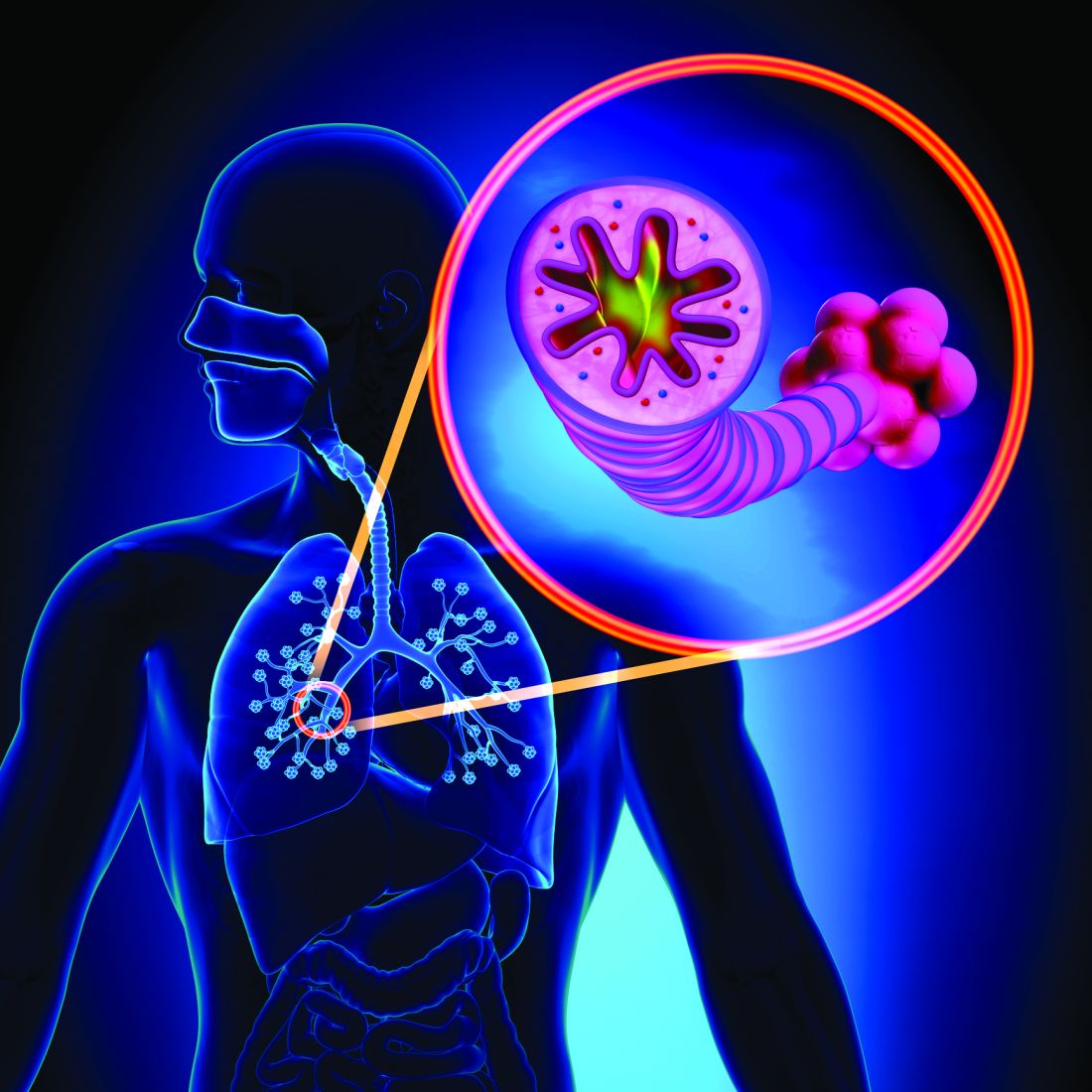
A new study has found that beta-blocker treatment did not prevent exacerbations in patients with moderate or severe chronic obstructive pulmonary disease (COPD).
“These results differ from previously reported findings from observational studies suggesting that beta-blockers reduce the risks of exacerbation and death from any cause in patients with COPD,” wrote Mark T. Dransfield, MD, of the University of Alabama at Birmingham and coauthors. Their findings were presented at the annual meeting of the American College of Chest Physicians and also were published simultaneously in the New England Journal of Medicine.
To determine the value of beta-blockers as a potential treatment for COPD, the researchers launched a prospective randomized trial called BLOCK COPD, consisting of 532 patients with moderate or severe COPD. They were assigned to two groups: those receiving extended-release metoprolol (n = 268) and those receiving placebo (n = 264). The mean age of all patients was 65 years.
The groups saw no significant difference in median time until the first exacerbation, which was 202 days (95% confidence interval, 162-282) in the metoprolol group and 222 days (95% CI, 189-295) in the placebo group (hazard ratio, 1.05; 95% CI, 0.84-1.32; P = .66). Metoprolol was associated with a higher risk of severe or very severe exacerbations leading to hospitalization (HR, 1.91; 95% CI, 1.29-2.83). During treatment, there were 11 deaths in the metoprolol group and 5 deaths in the placebo group.
Though there was no evidence of increases in patient-reported adverse events related to metoprolol, more discontinuations did occur in the metoprolol group compared with placebo (11.2% vs. 6.1%).
The authors acknowledged their study’s limitations, chiefly including the fact that the trial was ended early “on the basis of the conditional power analyses and concern about safety.” In addition, the reduction of heart rate and blood pressure in the metoprolol group made it impossible to fully blind the study. Finally, many patients in the trial had already suffered the effects of moderate to severe COPD, including previous hospitalization and the need for supplemental oxygen, leading to uncertainty as to “whether our results would apply to patients with mild airflow obstruction or a lower exacerbation risk.”
The study was supported by a grant from the Department of Defense. The authors reported numerous potential conflicts of interest, including receiving grants, personal fees and research funds from various pharmaceutical companies and government entities.
SOURCE: Dransfield MT et al. CHEST 2019. 2019 Oct 20. doi: 10.1056/NEJMoa1908142.
A new study has found that beta-blocker treatment did not prevent exacerbations in patients with moderate or severe chronic obstructive pulmonary disease (COPD).
“These results differ from previously reported findings from observational studies suggesting that beta-blockers reduce the risks of exacerbation and death from any cause in patients with COPD,” wrote Mark T. Dransfield, MD, of the University of Alabama at Birmingham and coauthors. Their findings were presented at the annual meeting of the American College of Chest Physicians and also were published simultaneously in the New England Journal of Medicine.
To determine the value of beta-blockers as a potential treatment for COPD, the researchers launched a prospective randomized trial called BLOCK COPD, consisting of 532 patients with moderate or severe COPD. They were assigned to two groups: those receiving extended-release metoprolol (n = 268) and those receiving placebo (n = 264). The mean age of all patients was 65 years.
The groups saw no significant difference in median time until the first exacerbation, which was 202 days (95% confidence interval, 162-282) in the metoprolol group and 222 days (95% CI, 189-295) in the placebo group (hazard ratio, 1.05; 95% CI, 0.84-1.32; P = .66). Metoprolol was associated with a higher risk of severe or very severe exacerbations leading to hospitalization (HR, 1.91; 95% CI, 1.29-2.83). During treatment, there were 11 deaths in the metoprolol group and 5 deaths in the placebo group.
Though there was no evidence of increases in patient-reported adverse events related to metoprolol, more discontinuations did occur in the metoprolol group compared with placebo (11.2% vs. 6.1%).
The authors acknowledged their study’s limitations, chiefly including the fact that the trial was ended early “on the basis of the conditional power analyses and concern about safety.” In addition, the reduction of heart rate and blood pressure in the metoprolol group made it impossible to fully blind the study. Finally, many patients in the trial had already suffered the effects of moderate to severe COPD, including previous hospitalization and the need for supplemental oxygen, leading to uncertainty as to “whether our results would apply to patients with mild airflow obstruction or a lower exacerbation risk.”
The study was supported by a grant from the Department of Defense. The authors reported numerous potential conflicts of interest, including receiving grants, personal fees and research funds from various pharmaceutical companies and government entities.
SOURCE: Dransfield MT et al. CHEST 2019. 2019 Oct 20. doi: 10.1056/NEJMoa1908142.
A new study has found that beta-blocker treatment did not prevent exacerbations in patients with moderate or severe chronic obstructive pulmonary disease (COPD).
“These results differ from previously reported findings from observational studies suggesting that beta-blockers reduce the risks of exacerbation and death from any cause in patients with COPD,” wrote Mark T. Dransfield, MD, of the University of Alabama at Birmingham and coauthors. Their findings were presented at the annual meeting of the American College of Chest Physicians and also were published simultaneously in the New England Journal of Medicine.
To determine the value of beta-blockers as a potential treatment for COPD, the researchers launched a prospective randomized trial called BLOCK COPD, consisting of 532 patients with moderate or severe COPD. They were assigned to two groups: those receiving extended-release metoprolol (n = 268) and those receiving placebo (n = 264). The mean age of all patients was 65 years.
The groups saw no significant difference in median time until the first exacerbation, which was 202 days (95% confidence interval, 162-282) in the metoprolol group and 222 days (95% CI, 189-295) in the placebo group (hazard ratio, 1.05; 95% CI, 0.84-1.32; P = .66). Metoprolol was associated with a higher risk of severe or very severe exacerbations leading to hospitalization (HR, 1.91; 95% CI, 1.29-2.83). During treatment, there were 11 deaths in the metoprolol group and 5 deaths in the placebo group.
Though there was no evidence of increases in patient-reported adverse events related to metoprolol, more discontinuations did occur in the metoprolol group compared with placebo (11.2% vs. 6.1%).
The authors acknowledged their study’s limitations, chiefly including the fact that the trial was ended early “on the basis of the conditional power analyses and concern about safety.” In addition, the reduction of heart rate and blood pressure in the metoprolol group made it impossible to fully blind the study. Finally, many patients in the trial had already suffered the effects of moderate to severe COPD, including previous hospitalization and the need for supplemental oxygen, leading to uncertainty as to “whether our results would apply to patients with mild airflow obstruction or a lower exacerbation risk.”
The study was supported by a grant from the Department of Defense. The authors reported numerous potential conflicts of interest, including receiving grants, personal fees and research funds from various pharmaceutical companies and government entities.
SOURCE: Dransfield MT et al. CHEST 2019. 2019 Oct 20. doi: 10.1056/NEJMoa1908142.
FROM CHEST 2019
Next-generation sequencing can shed light on neuropathy etiology
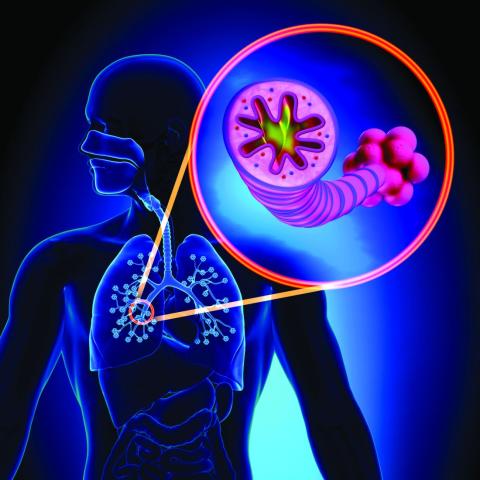
AUSTIN, TEX. – Patients with peripheral neuropathy may benefit from genetic testing to determine of the cause of their neuropathy even if they do not have a family history of the condition, according to new research.

The same research identified more than 80 genetic variants in patients with neuropathy who lacked any other known genetic mutations, potentially representing not-yet-identified pathogenic mutations.
Sasa Zivkovic, MD, PhD, of the University of Pittsburgh Medical Center (UPMC), and associates shared a poster of their findings at the annual meeting of the American Association for Neuromuscular and Electrodiagnostic Medicine.
The researchers conducted next-generation sequencing (NGS) on 85 adult patients with peripheral neuropathy at the UPMC Neuromuscular Clinic during May 2017–Feb. 2019. The targeted NGS panel included 70 genes. The patients, aged 60 years on average, were primarily from Allegheny County, Pa., and had neuropathy either suspected to be hereditary or of unknown etiology.
Among the 19% of patients (n = 16) who tested positive for a known pathogenic mutation, half had Charcot-Marie-Tooth disease type 1A (CMT1A). Two patients – 13% of those with pathogenic variants – had hereditary neuropathy with liability to pressure palsies, and two had CMT1X. The remaining four patients had CMT1B, CMT2B1, CMT2E, and hereditary sensory and autonomic neuropathy mutations.
Another 4% of the overall patient sample (n = 3) had likely pathogenic mutations in genes associated with CMT2S, CMT4C and CMT4F. A third of the patients (32%) tested negative for the full NGS panel, and, comprising the largest proportion of patients, 46% had variants of unknown significance.
“The high occurrence of variants of unknown significance has uncertain significance but some variations may represent unrecognized pathogenic mutations,” the authors noted.
They identified 81 of these variants, with the DST, PLEKHG5, and SPG11 genes most commonly affected, each found in six patients. Four patients had a variant in the next most commonly affected gene, SBF2. The following variants occurred in three people each: BICD2, NEFL3, PRX, SCN11A, SCN9A, SLC52A2, and WNK1.
Among the 73 patients who underwent electrodiagnostic testing, 44 had sporadic axonal neuropathy, 17 had sporadic demyelinating neuropathy, and 11 had mixed neuropathies; the 1 remaining patient was not accounted for. Positive genetic testing occurred in a third (32%) of those with familial neuropathy (n = 28) and in 12% of those with sporadic neuropathy (n = 57).
No external funding was noted, and the authors had no disclosures.
SOURCE: Zivkovic S et al. AANEM 2019. Abstract 160. Targeted genetic testing in the evaluation of neuropathy .
AUSTIN, TEX. – Patients with peripheral neuropathy may benefit from genetic testing to determine of the cause of their neuropathy even if they do not have a family history of the condition, according to new research.
The same research identified more than 80 genetic variants in patients with neuropathy who lacked any other known genetic mutations, potentially representing not-yet-identified pathogenic mutations.
Sasa Zivkovic, MD, PhD, of the University of Pittsburgh Medical Center (UPMC), and associates shared a poster of their findings at the annual meeting of the American Association for Neuromuscular and Electrodiagnostic Medicine.
The researchers conducted next-generation sequencing (NGS) on 85 adult patients with peripheral neuropathy at the UPMC Neuromuscular Clinic during May 2017–Feb. 2019. The targeted NGS panel included 70 genes. The patients, aged 60 years on average, were primarily from Allegheny County, Pa., and had neuropathy either suspected to be hereditary or of unknown etiology.
Among the 19% of patients (n = 16) who tested positive for a known pathogenic mutation, half had Charcot-Marie-Tooth disease type 1A (CMT1A). Two patients – 13% of those with pathogenic variants – had hereditary neuropathy with liability to pressure palsies, and two had CMT1X. The remaining four patients had CMT1B, CMT2B1, CMT2E, and hereditary sensory and autonomic neuropathy mutations.
Another 4% of the overall patient sample (n = 3) had likely pathogenic mutations in genes associated with CMT2S, CMT4C and CMT4F. A third of the patients (32%) tested negative for the full NGS panel, and, comprising the largest proportion of patients, 46% had variants of unknown significance.
“The high occurrence of variants of unknown significance has uncertain significance but some variations may represent unrecognized pathogenic mutations,” the authors noted.
They identified 81 of these variants, with the DST, PLEKHG5, and SPG11 genes most commonly affected, each found in six patients. Four patients had a variant in the next most commonly affected gene, SBF2. The following variants occurred in three people each: BICD2, NEFL3, PRX, SCN11A, SCN9A, SLC52A2, and WNK1.
Among the 73 patients who underwent electrodiagnostic testing, 44 had sporadic axonal neuropathy, 17 had sporadic demyelinating neuropathy, and 11 had mixed neuropathies; the 1 remaining patient was not accounted for. Positive genetic testing occurred in a third (32%) of those with familial neuropathy (n = 28) and in 12% of those with sporadic neuropathy (n = 57).
No external funding was noted, and the authors had no disclosures.
SOURCE: Zivkovic S et al. AANEM 2019. Abstract 160. Targeted genetic testing in the evaluation of neuropathy .
AUSTIN, TEX. – Patients with peripheral neuropathy may benefit from genetic testing to determine of the cause of their neuropathy even if they do not have a family history of the condition, according to new research.
The same research identified more than 80 genetic variants in patients with neuropathy who lacked any other known genetic mutations, potentially representing not-yet-identified pathogenic mutations.
Sasa Zivkovic, MD, PhD, of the University of Pittsburgh Medical Center (UPMC), and associates shared a poster of their findings at the annual meeting of the American Association for Neuromuscular and Electrodiagnostic Medicine.
The researchers conducted next-generation sequencing (NGS) on 85 adult patients with peripheral neuropathy at the UPMC Neuromuscular Clinic during May 2017–Feb. 2019. The targeted NGS panel included 70 genes. The patients, aged 60 years on average, were primarily from Allegheny County, Pa., and had neuropathy either suspected to be hereditary or of unknown etiology.
Among the 19% of patients (n = 16) who tested positive for a known pathogenic mutation, half had Charcot-Marie-Tooth disease type 1A (CMT1A). Two patients – 13% of those with pathogenic variants – had hereditary neuropathy with liability to pressure palsies, and two had CMT1X. The remaining four patients had CMT1B, CMT2B1, CMT2E, and hereditary sensory and autonomic neuropathy mutations.
Another 4% of the overall patient sample (n = 3) had likely pathogenic mutations in genes associated with CMT2S, CMT4C and CMT4F. A third of the patients (32%) tested negative for the full NGS panel, and, comprising the largest proportion of patients, 46% had variants of unknown significance.
“The high occurrence of variants of unknown significance has uncertain significance but some variations may represent unrecognized pathogenic mutations,” the authors noted.
They identified 81 of these variants, with the DST, PLEKHG5, and SPG11 genes most commonly affected, each found in six patients. Four patients had a variant in the next most commonly affected gene, SBF2. The following variants occurred in three people each: BICD2, NEFL3, PRX, SCN11A, SCN9A, SLC52A2, and WNK1.
Among the 73 patients who underwent electrodiagnostic testing, 44 had sporadic axonal neuropathy, 17 had sporadic demyelinating neuropathy, and 11 had mixed neuropathies; the 1 remaining patient was not accounted for. Positive genetic testing occurred in a third (32%) of those with familial neuropathy (n = 28) and in 12% of those with sporadic neuropathy (n = 57).
No external funding was noted, and the authors had no disclosures.
SOURCE: Zivkovic S et al. AANEM 2019. Abstract 160. Targeted genetic testing in the evaluation of neuropathy .
REPORTING FROM AANEM

The effect of smoking lingers
Lung function appears to continue to decline even decades after smoking cessation, according to new data from the National Heart, Lung, and Blood Institute Pooled Cohort Study. Compared with never-smokers, former smokers had a decline in forced expiratory volume in 1 second (FEV1) about 20% as severe as current smokers, but nevertheless higher than never-smokers. Low-intensity smokers also fared worse than never-smokers, suggesting that no amount of smoke exposure should be considered safe.

The increased decline occurred even decades after smoking cessation, according to the study published in Lancet Respiratory Medicine, which was led by Elizabeth Oelsner, MD, MPH, of Columbia University, New York. Smoking prevalence has decreased from 42% to 16% in the past 50 years, and many smokers report that they smoke fewer cigarettes per day, from an average of 21 to 14, according to the authors. Despite those trends, the prevalence of chronic obstructive pulmonary disease has continued to increase, and is now the third-leading cause of death worldwide.
A meta-analysis of 47 studies and 88,887 adults found no association between smoking and FEV1 decline, but many of the studies were small or focused on nonrepresentative populations, and they used variably standardized spirometry.
The study pooled data from nine individual U.S. cohorts, with 25,352 participants recruited during 1983-2016. Subjects included those who underwent at least two prebronchodilator spirometry tests following American Thoracic Society standards. After adjustment, former smokers had increased FEV1 decline of 1.82 mL/year (P less than .0001), compared with never-smokers. Current smokers had an increased decline of 9.21 mL/year (P less than .0001).
Even after decades of abstinence, the effects of smoking appeared to linger: 20-30 years later, FEV1 loss was accelerated by 2.50 mL/year (P less than .0001), and by 0.93 mL/year (P = .0104) after 30 years, compared with never-smokers.
Even low-intensity smokers (cumulative less than 10 pack-years) had an significantly accelerated FEV1 decline (0.87 mL; P = .0153).
The researchers also found a relationship between FEV1 decline and intensity of current smoking: Those smoking fewer than 5 cigarettes per day had a lower decline than those smoking 30 or more (7.65 mL; 95% confidence interval, 6.21-9.09 vs. 11.24 mL; 95% CI, 9.86-12.62).
The study is limited by the fact that smoking status and daily tobacco reporting were self-reported, which could result in information bias.
The study was funded by the National Institutes of Health, National Heart Lung and Blood Institute, and U.S. Environmental Protection Agency. The authors report personal fees, consultancy fees, or grants from a wide variety of pharmaceutical companies.
SOURCE: Oelsner EC et al. Lancet Respir Med. 2019 Oct 9. doi: 10.1016/S2213-2600(19)30276-0.
It is unclear whether the small increase in FEV1 decline (1.82 mL) seen among former smokers is clinically significant, though it suggests lasting damage from smoking. The increased decline in low-intensity smokers is an important observation confirming accumulating evidence that no amount of smoking is free of harm. This is a key message because some physicians and members of the public believe that low-intensity smoking and use of low-dose tobacco products can reduce or eliminate risk, according to Yunus Çolak, MD, and Peter Lange, MD, in their accompanying commentary (Lancet Respir Med. 2019 Oct 9. doi. org/10.1016/S2213-2600[19]30349-2). “More information is needed to manage patients with COPD [chronic obstructive pulmonary disease] in an era with decreasing smoking prevalence and an increasing proportion of smokers with low,” they added. “We should begin by questioning the arbitrary cutoff of 10 pack-years of cumulated tobacco exposure, which is currently the rule in most clinical trials of COPD. Additionally, we should not promote low-intensity smoking and use of low-dose tobacco products as a means of harm reduction but instead promote early smoking cessation,” they concluded.
Dr. Çolak and Dr. Lange are at the University of Copenhagen. The remarks are from their online commentary to the article. The reported receiving fees and grants from a variety of pharmaceutical companies.
It is unclear whether the small increase in FEV1 decline (1.82 mL) seen among former smokers is clinically significant, though it suggests lasting damage from smoking. The increased decline in low-intensity smokers is an important observation confirming accumulating evidence that no amount of smoking is free of harm. This is a key message because some physicians and members of the public believe that low-intensity smoking and use of low-dose tobacco products can reduce or eliminate risk, according to Yunus Çolak, MD, and Peter Lange, MD, in their accompanying commentary (Lancet Respir Med. 2019 Oct 9. doi. org/10.1016/S2213-2600[19]30349-2). “More information is needed to manage patients with COPD [chronic obstructive pulmonary disease] in an era with decreasing smoking prevalence and an increasing proportion of smokers with low,” they added. “We should begin by questioning the arbitrary cutoff of 10 pack-years of cumulated tobacco exposure, which is currently the rule in most clinical trials of COPD. Additionally, we should not promote low-intensity smoking and use of low-dose tobacco products as a means of harm reduction but instead promote early smoking cessation,” they concluded.
Dr. Çolak and Dr. Lange are at the University of Copenhagen. The remarks are from their online commentary to the article. The reported receiving fees and grants from a variety of pharmaceutical companies.
It is unclear whether the small increase in FEV1 decline (1.82 mL) seen among former smokers is clinically significant, though it suggests lasting damage from smoking. The increased decline in low-intensity smokers is an important observation confirming accumulating evidence that no amount of smoking is free of harm. This is a key message because some physicians and members of the public believe that low-intensity smoking and use of low-dose tobacco products can reduce or eliminate risk, according to Yunus Çolak, MD, and Peter Lange, MD, in their accompanying commentary (Lancet Respir Med. 2019 Oct 9. doi. org/10.1016/S2213-2600[19]30349-2). “More information is needed to manage patients with COPD [chronic obstructive pulmonary disease] in an era with decreasing smoking prevalence and an increasing proportion of smokers with low,” they added. “We should begin by questioning the arbitrary cutoff of 10 pack-years of cumulated tobacco exposure, which is currently the rule in most clinical trials of COPD. Additionally, we should not promote low-intensity smoking and use of low-dose tobacco products as a means of harm reduction but instead promote early smoking cessation,” they concluded.
Dr. Çolak and Dr. Lange are at the University of Copenhagen. The remarks are from their online commentary to the article. The reported receiving fees and grants from a variety of pharmaceutical companies.
Lung function appears to continue to decline even decades after smoking cessation, according to new data from the National Heart, Lung, and Blood Institute Pooled Cohort Study. Compared with never-smokers, former smokers had a decline in forced expiratory volume in 1 second (FEV1) about 20% as severe as current smokers, but nevertheless higher than never-smokers. Low-intensity smokers also fared worse than never-smokers, suggesting that no amount of smoke exposure should be considered safe.
The increased decline occurred even decades after smoking cessation, according to the study published in Lancet Respiratory Medicine, which was led by Elizabeth Oelsner, MD, MPH, of Columbia University, New York. Smoking prevalence has decreased from 42% to 16% in the past 50 years, and many smokers report that they smoke fewer cigarettes per day, from an average of 21 to 14, according to the authors. Despite those trends, the prevalence of chronic obstructive pulmonary disease has continued to increase, and is now the third-leading cause of death worldwide.
A meta-analysis of 47 studies and 88,887 adults found no association between smoking and FEV1 decline, but many of the studies were small or focused on nonrepresentative populations, and they used variably standardized spirometry.
The study pooled data from nine individual U.S. cohorts, with 25,352 participants recruited during 1983-2016. Subjects included those who underwent at least two prebronchodilator spirometry tests following American Thoracic Society standards. After adjustment, former smokers had increased FEV1 decline of 1.82 mL/year (P less than .0001), compared with never-smokers. Current smokers had an increased decline of 9.21 mL/year (P less than .0001).
Even after decades of abstinence, the effects of smoking appeared to linger: 20-30 years later, FEV1 loss was accelerated by 2.50 mL/year (P less than .0001), and by 0.93 mL/year (P = .0104) after 30 years, compared with never-smokers.
Even low-intensity smokers (cumulative less than 10 pack-years) had an significantly accelerated FEV1 decline (0.87 mL; P = .0153).
The researchers also found a relationship between FEV1 decline and intensity of current smoking: Those smoking fewer than 5 cigarettes per day had a lower decline than those smoking 30 or more (7.65 mL; 95% confidence interval, 6.21-9.09 vs. 11.24 mL; 95% CI, 9.86-12.62).
The study is limited by the fact that smoking status and daily tobacco reporting were self-reported, which could result in information bias.
The study was funded by the National Institutes of Health, National Heart Lung and Blood Institute, and U.S. Environmental Protection Agency. The authors report personal fees, consultancy fees, or grants from a wide variety of pharmaceutical companies.
SOURCE: Oelsner EC et al. Lancet Respir Med. 2019 Oct 9. doi: 10.1016/S2213-2600(19)30276-0.
Lung function appears to continue to decline even decades after smoking cessation, according to new data from the National Heart, Lung, and Blood Institute Pooled Cohort Study. Compared with never-smokers, former smokers had a decline in forced expiratory volume in 1 second (FEV1) about 20% as severe as current smokers, but nevertheless higher than never-smokers. Low-intensity smokers also fared worse than never-smokers, suggesting that no amount of smoke exposure should be considered safe.
The increased decline occurred even decades after smoking cessation, according to the study published in Lancet Respiratory Medicine, which was led by Elizabeth Oelsner, MD, MPH, of Columbia University, New York. Smoking prevalence has decreased from 42% to 16% in the past 50 years, and many smokers report that they smoke fewer cigarettes per day, from an average of 21 to 14, according to the authors. Despite those trends, the prevalence of chronic obstructive pulmonary disease has continued to increase, and is now the third-leading cause of death worldwide.
A meta-analysis of 47 studies and 88,887 adults found no association between smoking and FEV1 decline, but many of the studies were small or focused on nonrepresentative populations, and they used variably standardized spirometry.
The study pooled data from nine individual U.S. cohorts, with 25,352 participants recruited during 1983-2016. Subjects included those who underwent at least two prebronchodilator spirometry tests following American Thoracic Society standards. After adjustment, former smokers had increased FEV1 decline of 1.82 mL/year (P less than .0001), compared with never-smokers. Current smokers had an increased decline of 9.21 mL/year (P less than .0001).
Even after decades of abstinence, the effects of smoking appeared to linger: 20-30 years later, FEV1 loss was accelerated by 2.50 mL/year (P less than .0001), and by 0.93 mL/year (P = .0104) after 30 years, compared with never-smokers.
Even low-intensity smokers (cumulative less than 10 pack-years) had an significantly accelerated FEV1 decline (0.87 mL; P = .0153).
The researchers also found a relationship between FEV1 decline and intensity of current smoking: Those smoking fewer than 5 cigarettes per day had a lower decline than those smoking 30 or more (7.65 mL; 95% confidence interval, 6.21-9.09 vs. 11.24 mL; 95% CI, 9.86-12.62).
The study is limited by the fact that smoking status and daily tobacco reporting were self-reported, which could result in information bias.
The study was funded by the National Institutes of Health, National Heart Lung and Blood Institute, and U.S. Environmental Protection Agency. The authors report personal fees, consultancy fees, or grants from a wide variety of pharmaceutical companies.
SOURCE: Oelsner EC et al. Lancet Respir Med. 2019 Oct 9. doi: 10.1016/S2213-2600(19)30276-0.
REPORTING FROM LANCET RESPIRATORY MEDICINE

Eating disorders may add to poor type 2 control, but BMI confounds the issue
Type 2 diabetes patients with binge-eating psychopathology had worse glycemic control than did type 2 diabetes patients without eating disorders, but weight may be a modifying factor, according to a study of 70 outpatients with type 2 diabetes.
“Although the comorbidity of an ED [eating disorder] and T2DM [type 2 diabetes mellitus] has been observed across studies, the impact of this association on the clinical control of diabetes has been less consistent,” wrote Marcello Papelbaum, MD, of the State Institute of Diabetes and Endocrinology, Rio de Janeiro and colleagues.
In an exploratory study published in the Journal of Eating Disorders, the researchers assessed consecutive diabetes patients at a single center. The patients were aged 18-65 years, 77% were women, and 50% were obese. Glycemic control of diabetes was assessed measuring the levels of fasting blood glucose (FBG) and hemoglobin A1c. A total of 14 patients had an eating disorder, and 7 of them had binge eating disorder (BED). The BED patients were combined with three bulimic patients and four patients with subclinical BED and classified as binge-eating related ED.
Although FBG and HbA1c were significantly worse in patients with an eating disorder, compared with patients with normal eating patterns, the significance disappeared when body mass index (BMI) was added to the regression model. “Specifically, normal-BMI individuals exhibited a rate of ED of 8%, contrasted with a 26% prevalence of ED in obese patients,” the authors stated.
The findings were limited by the exploratory study design, small sample size, and lack of controlling for multiple variables, the researchers noted.
However, “although the objective negative clinical impact of an ED on type 2 diabetes control is yet to be confirmed, is possible to speculate that the remission of binge episodes could play a major role in diabetes treatment,” they said.
The researchers had no financial conflicts to disclose.
SOURCE: Papelbaum M et al. J Eat Disord. 2019 Sep 6. doi: 10.1186/s40337-019-0260-4.
Type 2 diabetes patients with binge-eating psychopathology had worse glycemic control than did type 2 diabetes patients without eating disorders, but weight may be a modifying factor, according to a study of 70 outpatients with type 2 diabetes.
“Although the comorbidity of an ED [eating disorder] and T2DM [type 2 diabetes mellitus] has been observed across studies, the impact of this association on the clinical control of diabetes has been less consistent,” wrote Marcello Papelbaum, MD, of the State Institute of Diabetes and Endocrinology, Rio de Janeiro and colleagues.
In an exploratory study published in the Journal of Eating Disorders, the researchers assessed consecutive diabetes patients at a single center. The patients were aged 18-65 years, 77% were women, and 50% were obese. Glycemic control of diabetes was assessed measuring the levels of fasting blood glucose (FBG) and hemoglobin A1c. A total of 14 patients had an eating disorder, and 7 of them had binge eating disorder (BED). The BED patients were combined with three bulimic patients and four patients with subclinical BED and classified as binge-eating related ED.
Although FBG and HbA1c were significantly worse in patients with an eating disorder, compared with patients with normal eating patterns, the significance disappeared when body mass index (BMI) was added to the regression model. “Specifically, normal-BMI individuals exhibited a rate of ED of 8%, contrasted with a 26% prevalence of ED in obese patients,” the authors stated.
The findings were limited by the exploratory study design, small sample size, and lack of controlling for multiple variables, the researchers noted.
However, “although the objective negative clinical impact of an ED on type 2 diabetes control is yet to be confirmed, is possible to speculate that the remission of binge episodes could play a major role in diabetes treatment,” they said.
The researchers had no financial conflicts to disclose.
SOURCE: Papelbaum M et al. J Eat Disord. 2019 Sep 6. doi: 10.1186/s40337-019-0260-4.
Type 2 diabetes patients with binge-eating psychopathology had worse glycemic control than did type 2 diabetes patients without eating disorders, but weight may be a modifying factor, according to a study of 70 outpatients with type 2 diabetes.
“Although the comorbidity of an ED [eating disorder] and T2DM [type 2 diabetes mellitus] has been observed across studies, the impact of this association on the clinical control of diabetes has been less consistent,” wrote Marcello Papelbaum, MD, of the State Institute of Diabetes and Endocrinology, Rio de Janeiro and colleagues.
In an exploratory study published in the Journal of Eating Disorders, the researchers assessed consecutive diabetes patients at a single center. The patients were aged 18-65 years, 77% were women, and 50% were obese. Glycemic control of diabetes was assessed measuring the levels of fasting blood glucose (FBG) and hemoglobin A1c. A total of 14 patients had an eating disorder, and 7 of them had binge eating disorder (BED). The BED patients were combined with three bulimic patients and four patients with subclinical BED and classified as binge-eating related ED.
Although FBG and HbA1c were significantly worse in patients with an eating disorder, compared with patients with normal eating patterns, the significance disappeared when body mass index (BMI) was added to the regression model. “Specifically, normal-BMI individuals exhibited a rate of ED of 8%, contrasted with a 26% prevalence of ED in obese patients,” the authors stated.
The findings were limited by the exploratory study design, small sample size, and lack of controlling for multiple variables, the researchers noted.
However, “although the objective negative clinical impact of an ED on type 2 diabetes control is yet to be confirmed, is possible to speculate that the remission of binge episodes could play a major role in diabetes treatment,” they said.
The researchers had no financial conflicts to disclose.
SOURCE: Papelbaum M et al. J Eat Disord. 2019 Sep 6. doi: 10.1186/s40337-019-0260-4.
FROM THE JOURNAL OF EATING DISORDERS
Duloxetine ‘sprinkle’ launches for patients with difficulty swallowing
Drizalma Sprinkle (duloxetine delayed-release capsule) has launched for the treatment of various neuropsychiatric and pain disorders in patients with difficulty swallowing, according to a release from Sun Pharma. It can be swallowed whole, sprinkled on applesauce, or administered via nasogastric tube.
Difficulty swallowing affects approximately 30%-35% of long-term care residents, but the main alternative – crushing tablets – introduces risks of its own to the administration process.
This sprinkle is indicated for the treatment of major depressive disorder in adults, generalized anxiety disorder in patients aged 7 years and older, diabetic peripheral neuropathic pain in adults, and chronic musculoskeletal pain in adults. It was approved by the Food and Drug Administration for these indications July 19, 2019.
It carries a boxed warning for suicidal thoughts and behaviors. The most common adverse reactions (5% or more of treated participants and twice the incidence with placebo) were nausea, dry mouth, somnolence, constipation, decreased appetite, and hyperhidrosis. The full prescribing information can be found on the FDA website.
cpalmer@mdedge.com
Drizalma Sprinkle (duloxetine delayed-release capsule) has launched for the treatment of various neuropsychiatric and pain disorders in patients with difficulty swallowing, according to a release from Sun Pharma. It can be swallowed whole, sprinkled on applesauce, or administered via nasogastric tube.
Difficulty swallowing affects approximately 30%-35% of long-term care residents, but the main alternative – crushing tablets – introduces risks of its own to the administration process.
This sprinkle is indicated for the treatment of major depressive disorder in adults, generalized anxiety disorder in patients aged 7 years and older, diabetic peripheral neuropathic pain in adults, and chronic musculoskeletal pain in adults. It was approved by the Food and Drug Administration for these indications July 19, 2019.
It carries a boxed warning for suicidal thoughts and behaviors. The most common adverse reactions (5% or more of treated participants and twice the incidence with placebo) were nausea, dry mouth, somnolence, constipation, decreased appetite, and hyperhidrosis. The full prescribing information can be found on the FDA website.
cpalmer@mdedge.com
Drizalma Sprinkle (duloxetine delayed-release capsule) has launched for the treatment of various neuropsychiatric and pain disorders in patients with difficulty swallowing, according to a release from Sun Pharma. It can be swallowed whole, sprinkled on applesauce, or administered via nasogastric tube.
Difficulty swallowing affects approximately 30%-35% of long-term care residents, but the main alternative – crushing tablets – introduces risks of its own to the administration process.
This sprinkle is indicated for the treatment of major depressive disorder in adults, generalized anxiety disorder in patients aged 7 years and older, diabetic peripheral neuropathic pain in adults, and chronic musculoskeletal pain in adults. It was approved by the Food and Drug Administration for these indications July 19, 2019.
It carries a boxed warning for suicidal thoughts and behaviors. The most common adverse reactions (5% or more of treated participants and twice the incidence with placebo) were nausea, dry mouth, somnolence, constipation, decreased appetite, and hyperhidrosis. The full prescribing information can be found on the FDA website.
cpalmer@mdedge.com
Yale-Brown Obsessive Scale shows value for assessing binge eating patients
Symptoms of binge eating disorder can be assessed with a modified version of the Yale-Brown Obsessive Compulsive Scale, based on data from an analysis of three phase III studies.
The Yale-Brown Obsessive Compulsive Scale Modified for Binge Eating (Y-BOCS-BE) is designed to assess symptoms of binge eating disorder (BED), including binge eating thoughts and compulsiveness. “Psychometric testing and analysis of the Y-BOCS-BE is being conducted as a multistage process to optimize the characterization of BED,” wrote Karen Yee, PhD, of Shire (now part of Takeda), Boston, and colleagues.
In a study published in Quality of Life Research, investigators examined the validity of the Y-BOCS-BE in terms of dimensionality, internal consistency, convergent validity, test-retest reliability, and determination of clinically meaningful improvement. The Y-BOCS-BE is a 10-item clinician-rated scale with total scores from 0 to 4 on which 0 equals no symptoms and 4 equals extreme symptoms.
Overall, the Y-BOCS-BE’s internal consistency and convergent validity were maximized at 12 weeks, and test-retest reliability was maximized in an 8-week retest interval, minimal clinically important improvement could not be assessed in the two short-term efficacy studies, but “estimates in score reductions of 12-17 points were taken to represent the best estimates of clinically meaningful improvement,” the researchers said.
The findings were limited by several factors including the use of a study population of BED patients without psychiatric comorbidities, and the inclusion only of those who did not relapse the researchers noted. However, the results “set the stage for normalizing the Y-BOCS-BE and increasing the understanding of the clinical significance of Y-BOCS-BE scores and score changes to be useful both for clinical practice and clinical research,” they said.
Dr. Yee disclosed being employed by Shire and owning stock in Takeda. The studies were funded by Shire.
SOURCE: Yee K et al. Qual Life Res. 2019 Aug 31. doi: 10.1007/s11136-019-02277-8 .
Symptoms of binge eating disorder can be assessed with a modified version of the Yale-Brown Obsessive Compulsive Scale, based on data from an analysis of three phase III studies.
The Yale-Brown Obsessive Compulsive Scale Modified for Binge Eating (Y-BOCS-BE) is designed to assess symptoms of binge eating disorder (BED), including binge eating thoughts and compulsiveness. “Psychometric testing and analysis of the Y-BOCS-BE is being conducted as a multistage process to optimize the characterization of BED,” wrote Karen Yee, PhD, of Shire (now part of Takeda), Boston, and colleagues.
In a study published in Quality of Life Research, investigators examined the validity of the Y-BOCS-BE in terms of dimensionality, internal consistency, convergent validity, test-retest reliability, and determination of clinically meaningful improvement. The Y-BOCS-BE is a 10-item clinician-rated scale with total scores from 0 to 4 on which 0 equals no symptoms and 4 equals extreme symptoms.
Overall, the Y-BOCS-BE’s internal consistency and convergent validity were maximized at 12 weeks, and test-retest reliability was maximized in an 8-week retest interval, minimal clinically important improvement could not be assessed in the two short-term efficacy studies, but “estimates in score reductions of 12-17 points were taken to represent the best estimates of clinically meaningful improvement,” the researchers said.
The findings were limited by several factors including the use of a study population of BED patients without psychiatric comorbidities, and the inclusion only of those who did not relapse the researchers noted. However, the results “set the stage for normalizing the Y-BOCS-BE and increasing the understanding of the clinical significance of Y-BOCS-BE scores and score changes to be useful both for clinical practice and clinical research,” they said.
Dr. Yee disclosed being employed by Shire and owning stock in Takeda. The studies were funded by Shire.
SOURCE: Yee K et al. Qual Life Res. 2019 Aug 31. doi: 10.1007/s11136-019-02277-8 .
Symptoms of binge eating disorder can be assessed with a modified version of the Yale-Brown Obsessive Compulsive Scale, based on data from an analysis of three phase III studies.
The Yale-Brown Obsessive Compulsive Scale Modified for Binge Eating (Y-BOCS-BE) is designed to assess symptoms of binge eating disorder (BED), including binge eating thoughts and compulsiveness. “Psychometric testing and analysis of the Y-BOCS-BE is being conducted as a multistage process to optimize the characterization of BED,” wrote Karen Yee, PhD, of Shire (now part of Takeda), Boston, and colleagues.
In a study published in Quality of Life Research, investigators examined the validity of the Y-BOCS-BE in terms of dimensionality, internal consistency, convergent validity, test-retest reliability, and determination of clinically meaningful improvement. The Y-BOCS-BE is a 10-item clinician-rated scale with total scores from 0 to 4 on which 0 equals no symptoms and 4 equals extreme symptoms.
Overall, the Y-BOCS-BE’s internal consistency and convergent validity were maximized at 12 weeks, and test-retest reliability was maximized in an 8-week retest interval, minimal clinically important improvement could not be assessed in the two short-term efficacy studies, but “estimates in score reductions of 12-17 points were taken to represent the best estimates of clinically meaningful improvement,” the researchers said.
The findings were limited by several factors including the use of a study population of BED patients without psychiatric comorbidities, and the inclusion only of those who did not relapse the researchers noted. However, the results “set the stage for normalizing the Y-BOCS-BE and increasing the understanding of the clinical significance of Y-BOCS-BE scores and score changes to be useful both for clinical practice and clinical research,” they said.
Dr. Yee disclosed being employed by Shire and owning stock in Takeda. The studies were funded by Shire.
SOURCE: Yee K et al. Qual Life Res. 2019 Aug 31. doi: 10.1007/s11136-019-02277-8 .
FROM QUALITY OF LIFE RESEARCH
Study: Half of college women exhibited binge eating symptoms
Approximately half of college-aged women exhibit binge eating symptoms, and these women scored significantly higher on measures of depression, stress, and anxiety than do non–binge eaters, based on data from 154 women at a Palestine Polytechnic University in Hebron.
Previous studies show that binge eating disorder is multifactorial and associated with depression and anxiety, however, “To our knowledge, no study has yet assessed the prevalence of binge eating symptoms among female university students,” wrote Manal M. Badrasawi, PhD, of An-Najah National University, Tulkarm, Palestine, and colleagues.
In a cross-sectional study published in the Journal of Eating Disorders, the researchers interviewed 154 female college students in Palestine using the using BEDS-7 (Binge Eating Disorder Screener-7). The average age of the participants was 20 years.
Overall, 50% of the students showed positive binge eating symptoms, and these individuals had significantly higher scores on measures of depression, stress, and anxiety compared to individuals without binge eating symptoms.
Binge eating also was significantly associated with greater frequency of eating between meals and increased snacking, but no significant association was noted between binge eating and sociodemographic variables, including place of residence, marital status, and years of study. Binge eating was not significantly associated with weight status.
The researchers had no financial conflicts to disclose.
SOURCE: Badrasawi MM et al. J Eat Disord. 2019 Oct 2;7:33. doi: 10.1186/s40337-019-0263-1.2019.
Approximately half of college-aged women exhibit binge eating symptoms, and these women scored significantly higher on measures of depression, stress, and anxiety than do non–binge eaters, based on data from 154 women at a Palestine Polytechnic University in Hebron.
Previous studies show that binge eating disorder is multifactorial and associated with depression and anxiety, however, “To our knowledge, no study has yet assessed the prevalence of binge eating symptoms among female university students,” wrote Manal M. Badrasawi, PhD, of An-Najah National University, Tulkarm, Palestine, and colleagues.
In a cross-sectional study published in the Journal of Eating Disorders, the researchers interviewed 154 female college students in Palestine using the using BEDS-7 (Binge Eating Disorder Screener-7). The average age of the participants was 20 years.
Overall, 50% of the students showed positive binge eating symptoms, and these individuals had significantly higher scores on measures of depression, stress, and anxiety compared to individuals without binge eating symptoms.
Binge eating also was significantly associated with greater frequency of eating between meals and increased snacking, but no significant association was noted between binge eating and sociodemographic variables, including place of residence, marital status, and years of study. Binge eating was not significantly associated with weight status.
The researchers had no financial conflicts to disclose.
SOURCE: Badrasawi MM et al. J Eat Disord. 2019 Oct 2;7:33. doi: 10.1186/s40337-019-0263-1.2019.
Approximately half of college-aged women exhibit binge eating symptoms, and these women scored significantly higher on measures of depression, stress, and anxiety than do non–binge eaters, based on data from 154 women at a Palestine Polytechnic University in Hebron.
Previous studies show that binge eating disorder is multifactorial and associated with depression and anxiety, however, “To our knowledge, no study has yet assessed the prevalence of binge eating symptoms among female university students,” wrote Manal M. Badrasawi, PhD, of An-Najah National University, Tulkarm, Palestine, and colleagues.
In a cross-sectional study published in the Journal of Eating Disorders, the researchers interviewed 154 female college students in Palestine using the using BEDS-7 (Binge Eating Disorder Screener-7). The average age of the participants was 20 years.
Overall, 50% of the students showed positive binge eating symptoms, and these individuals had significantly higher scores on measures of depression, stress, and anxiety compared to individuals without binge eating symptoms.
Binge eating also was significantly associated with greater frequency of eating between meals and increased snacking, but no significant association was noted between binge eating and sociodemographic variables, including place of residence, marital status, and years of study. Binge eating was not significantly associated with weight status.
The researchers had no financial conflicts to disclose.
SOURCE: Badrasawi MM et al. J Eat Disord. 2019 Oct 2;7:33. doi: 10.1186/s40337-019-0263-1.2019.
FROM THE JOURNAL OF EATING DISORDERS
One monoclonal dose gives preterm neonates season-long RSV protection
WASHINGTON – A single dose of a novel monoclonal antibody against a respiratory syncytial virus surface protein safely protected preterm infants against severe infections for 150 days during their first winter season in a randomized trial with more than 1,400 children.

One intramuscular injection of nirsevimab (also known as MEDI8897) administered to infants born at 29-35 weeks’ gestation at the start of the local respiratory syncytial virus (RSV) season (November in the Northern hemisphere) led to a 70% relative reduction in the rate of medically attended lower respiratory tract infections with RSV during the subsequent 150 days, compared with placebo, the study’s primary efficacy outcome, M. Pamela Griffin, MD, said at an annual scientific meeting on infectious diseases.
In a secondary efficacy measure, the rate of hospitalizations for RSV-caused lower respiratory tract infections, a single injection of nirsevimab dropped the incidence by 78%, relative to placebo. Both effects were statistically significant. The rate of total adverse events and serious adverse events was similar in the two treatment arms, reported Dr. Griffin, a clinical development lead with AstraZeneca.
These positive results for a single intramuscular injection of nirsevimab are the first findings from a series of studies aimed at getting the monoclonal antibody onto the U.S. market as a superior alternative to palivizumab (Synagis), which acts in a similar way to block RSV infection (albeit by targeting a different viral surface protein) but which requires administration every 30 days. This need for serial dosing of palivizumab in children younger than 1 year old for complete seasonal protection against RSV is probably a reason why the American Academy of Pediatrics, as well as other medical societies, have targeted using palivizumab only on certain types of high-risk infants: those born before 29 weeks’ gestational age, with chronic lung disease of prematurity, or with hemodynamically significant congenital heart disease (Pediatrics. 2014 Aug;134[2]:415-20). “It’s not feasible for most infants to come for five treatments during RSV season,” Dr. Griffin noted. A tweak in the structure of nirsevimab gives it a much longer blood half-life than palivizumab and allows a single dose to maintain efficacy for 5 months, the duration of RSV season.
“The big advantage of nirsevimab is one dose instead of five,” she said in an interview.
The study randomized 969 preterm infants to nirsevimab and 484 to placebo when the children averaged 3 months old and 4.5 kg. The incidence of the primary endpoint was 2.6% in the nirsevimab-treated infants and 9.5% in those who received placebo. The incidence of hospitalizations associated with an RSV lower respiratory tract infection was 0.8% in the nirsevimab group and 4.1% on placebo. Nirsevimab was equally effective regardless of RSV subtype, infant age, or sex. The rate of hypersensitivity reactions was low, less than 1%, and similar in the two treatment arms, as was the rate of detection of antidrug antibody, 3.8% with placebo and 5.6% with nirsevimab.
Two other large trials are underway to document the performance of nirsevimab in other types of infants. One study is examining the drug’s performance compared with placebo in term infants with a gestational age of at least 36 weeks, while another is comparing nirsevimab against a five-dose regimen of palivizumab in high-risk infants who are recommended to receive palivizumab by local medical societies. In the United States, this would be infants born at less than 29 weeks’ gestation, and those with either hemodynamically significant congenital heart disease or chronic lung disease of prematurity. In these studies, the researchers also will assess the cost effectiveness of nirsevimab relative to the costs for medical care needed by infants who receive comparator treatments, Dr. Griffin said.
The study was funded by AstraZeneca, the company developing nirsevimab. Dr. Griffin is an employee of and shareholder in AstraZeneca.
SOURCE: ClinicalTrials.gov identifier: NCT02878330.
WASHINGTON – A single dose of a novel monoclonal antibody against a respiratory syncytial virus surface protein safely protected preterm infants against severe infections for 150 days during their first winter season in a randomized trial with more than 1,400 children.
One intramuscular injection of nirsevimab (also known as MEDI8897) administered to infants born at 29-35 weeks’ gestation at the start of the local respiratory syncytial virus (RSV) season (November in the Northern hemisphere) led to a 70% relative reduction in the rate of medically attended lower respiratory tract infections with RSV during the subsequent 150 days, compared with placebo, the study’s primary efficacy outcome, M. Pamela Griffin, MD, said at an annual scientific meeting on infectious diseases.
In a secondary efficacy measure, the rate of hospitalizations for RSV-caused lower respiratory tract infections, a single injection of nirsevimab dropped the incidence by 78%, relative to placebo. Both effects were statistically significant. The rate of total adverse events and serious adverse events was similar in the two treatment arms, reported Dr. Griffin, a clinical development lead with AstraZeneca.
These positive results for a single intramuscular injection of nirsevimab are the first findings from a series of studies aimed at getting the monoclonal antibody onto the U.S. market as a superior alternative to palivizumab (Synagis), which acts in a similar way to block RSV infection (albeit by targeting a different viral surface protein) but which requires administration every 30 days. This need for serial dosing of palivizumab in children younger than 1 year old for complete seasonal protection against RSV is probably a reason why the American Academy of Pediatrics, as well as other medical societies, have targeted using palivizumab only on certain types of high-risk infants: those born before 29 weeks’ gestational age, with chronic lung disease of prematurity, or with hemodynamically significant congenital heart disease (Pediatrics. 2014 Aug;134[2]:415-20). “It’s not feasible for most infants to come for five treatments during RSV season,” Dr. Griffin noted. A tweak in the structure of nirsevimab gives it a much longer blood half-life than palivizumab and allows a single dose to maintain efficacy for 5 months, the duration of RSV season.
“The big advantage of nirsevimab is one dose instead of five,” she said in an interview.
The study randomized 969 preterm infants to nirsevimab and 484 to placebo when the children averaged 3 months old and 4.5 kg. The incidence of the primary endpoint was 2.6% in the nirsevimab-treated infants and 9.5% in those who received placebo. The incidence of hospitalizations associated with an RSV lower respiratory tract infection was 0.8% in the nirsevimab group and 4.1% on placebo. Nirsevimab was equally effective regardless of RSV subtype, infant age, or sex. The rate of hypersensitivity reactions was low, less than 1%, and similar in the two treatment arms, as was the rate of detection of antidrug antibody, 3.8% with placebo and 5.6% with nirsevimab.
Two other large trials are underway to document the performance of nirsevimab in other types of infants. One study is examining the drug’s performance compared with placebo in term infants with a gestational age of at least 36 weeks, while another is comparing nirsevimab against a five-dose regimen of palivizumab in high-risk infants who are recommended to receive palivizumab by local medical societies. In the United States, this would be infants born at less than 29 weeks’ gestation, and those with either hemodynamically significant congenital heart disease or chronic lung disease of prematurity. In these studies, the researchers also will assess the cost effectiveness of nirsevimab relative to the costs for medical care needed by infants who receive comparator treatments, Dr. Griffin said.
The study was funded by AstraZeneca, the company developing nirsevimab. Dr. Griffin is an employee of and shareholder in AstraZeneca.
SOURCE: ClinicalTrials.gov identifier: NCT02878330.
WASHINGTON – A single dose of a novel monoclonal antibody against a respiratory syncytial virus surface protein safely protected preterm infants against severe infections for 150 days during their first winter season in a randomized trial with more than 1,400 children.
One intramuscular injection of nirsevimab (also known as MEDI8897) administered to infants born at 29-35 weeks’ gestation at the start of the local respiratory syncytial virus (RSV) season (November in the Northern hemisphere) led to a 70% relative reduction in the rate of medically attended lower respiratory tract infections with RSV during the subsequent 150 days, compared with placebo, the study’s primary efficacy outcome, M. Pamela Griffin, MD, said at an annual scientific meeting on infectious diseases.
In a secondary efficacy measure, the rate of hospitalizations for RSV-caused lower respiratory tract infections, a single injection of nirsevimab dropped the incidence by 78%, relative to placebo. Both effects were statistically significant. The rate of total adverse events and serious adverse events was similar in the two treatment arms, reported Dr. Griffin, a clinical development lead with AstraZeneca.
These positive results for a single intramuscular injection of nirsevimab are the first findings from a series of studies aimed at getting the monoclonal antibody onto the U.S. market as a superior alternative to palivizumab (Synagis), which acts in a similar way to block RSV infection (albeit by targeting a different viral surface protein) but which requires administration every 30 days. This need for serial dosing of palivizumab in children younger than 1 year old for complete seasonal protection against RSV is probably a reason why the American Academy of Pediatrics, as well as other medical societies, have targeted using palivizumab only on certain types of high-risk infants: those born before 29 weeks’ gestational age, with chronic lung disease of prematurity, or with hemodynamically significant congenital heart disease (Pediatrics. 2014 Aug;134[2]:415-20). “It’s not feasible for most infants to come for five treatments during RSV season,” Dr. Griffin noted. A tweak in the structure of nirsevimab gives it a much longer blood half-life than palivizumab and allows a single dose to maintain efficacy for 5 months, the duration of RSV season.
“The big advantage of nirsevimab is one dose instead of five,” she said in an interview.
The study randomized 969 preterm infants to nirsevimab and 484 to placebo when the children averaged 3 months old and 4.5 kg. The incidence of the primary endpoint was 2.6% in the nirsevimab-treated infants and 9.5% in those who received placebo. The incidence of hospitalizations associated with an RSV lower respiratory tract infection was 0.8% in the nirsevimab group and 4.1% on placebo. Nirsevimab was equally effective regardless of RSV subtype, infant age, or sex. The rate of hypersensitivity reactions was low, less than 1%, and similar in the two treatment arms, as was the rate of detection of antidrug antibody, 3.8% with placebo and 5.6% with nirsevimab.
Two other large trials are underway to document the performance of nirsevimab in other types of infants. One study is examining the drug’s performance compared with placebo in term infants with a gestational age of at least 36 weeks, while another is comparing nirsevimab against a five-dose regimen of palivizumab in high-risk infants who are recommended to receive palivizumab by local medical societies. In the United States, this would be infants born at less than 29 weeks’ gestation, and those with either hemodynamically significant congenital heart disease or chronic lung disease of prematurity. In these studies, the researchers also will assess the cost effectiveness of nirsevimab relative to the costs for medical care needed by infants who receive comparator treatments, Dr. Griffin said.
The study was funded by AstraZeneca, the company developing nirsevimab. Dr. Griffin is an employee of and shareholder in AstraZeneca.
SOURCE: ClinicalTrials.gov identifier: NCT02878330.
REPORTING FROM ID WEEK 2019