User login
Adagrasib shows durable benefit in KRAS-mutated NSCLC
with previously treated, advanced non-small cell lung cancer (NSCLC) with tumors with KRAS G12C mutations.
“KRAS G12C mutations occur in over 10% of patients with NSCL [and] remain difficult to target, and outcomes for this patient population have remained poor,” co-investigator Joshua Sabari, MD, assistant professor of medicine, Perlmutter Cancer Center at NYU Langone, said in a statement.
“Our patients benefited clinically from this agent, and it appears to have improved overall survival (OS), compared with historical outcomes with docetaxel, a standard-of-care chemotherapy regimen, in the second-line setting,” he added.
New data on adagrasib were presented at the annual meeting of the American Society for Clinical Oncology and simultaneously published in the New England Journal of Medicine.
Adagrasib (developed by Mirati) is currently awaiting approval from the U.S. Food and Drug Administration as a treatment for patients with NSCLC harboring the KRAS G12C mutation who have received at least one prior systemic therapy. This would be an accelerated approval based on overall response data from the KRYSTAL-1 study detailed below. The company has an ongoing confirmatory Phase 3 trial, KRYSTAL-12, evaluating adagrasib versus docetaxel in patients previously treated for metastatic NSCLC with a KRAS G12C mutation.
If approved, adagrasib would be the second in this class of agents. The first KRASG12C inhibitor for use in lung cancer was sotorasib (Lumakras), approved by the U.S. Food and Drug Administration in May 2021.
Dr. Sabari noted that there are several differences between the two drugs. Adagrasib has CNS penetration and is the first KRASG12C inhibitor to demonstrate clinical activity in patients with KRAS G12C-mutated NSCLC with untreated active CNS metastases.
Published clinical data
The results published in the New England Journal of Medicine are from the company-funded KRYSTAL-1 clinical trial, which had the primary endpoint of objective response rate.
It was conducted in patients with KRAS G12C-mutated NSCLC who had previously received treatment with at least one platinum-containing chemotherapy regimen and checkpoint inhibitor therapy either sequentially or concurrently.
Patients were treated with oral adagrasib 600 mg twice a day until disease progression, unacceptable toxicity, or death.
On Oct. 15, 2021, the data cutoff date, a total of 116 patients had received at least one dose of adagrasib. At a median follow-up of 12.9 months, the confirmed objective response rate was 42.9% among 112 patients with measurable disease at baseline. One patient achieved a complete response: 42% achieved a partial response, and disease stabilized for a minimum of 6 weeks in over 36% of the group.
Only 5.4% of patients had progressive disease as their best overall response, investigators note. Among those patients who responded to twice-daily KRASG12C inhibition, the median time to response was 1.4 months and the median duration of response was 8.5 months. As of the data cutoff date, one-third of the group were still receiving treatment, the authors note.
Median progression-free survival (PFS) was 6.5 months and median OS was 11.7 months. With a longer median follow-up of 15.6 months, median OS was 12.6 months, and the estimated OS at 1 year was close to 51%.
“The majority of treatment-related adverse events were low-grade, started early in treatment, and quickly resolved after occurrence,” Dr. Sabari noted.
Grade 1-2 treatment-related adverse events occurred in 53% of patients while 45% had grade 3-4 treatment-related adverse events, and there were two fatal grade 5 treatment-related adverse events. The same events led to a dose reduction in 52% of the group overall and dose interruption in 61%, while in 7% of patients, treatment-related adverse events led to discontinuation of the drug.
CNS metastases
At baseline, some 42 patients had evidence of central nervous system (CNS) metastases. At a median follow-up of 15.4 months, an intracranial-confirmed objective response was achieved in one-third of this subgroup overall while median duration of the intracranial response was 11.2 months. Again, within the same subgroup, the median PFS was 5.4 months.
As Dr. Sabari noted, CNS metastases from KRAS mutant NSCLC are common. “Adagrasib demonstrated encouraging and durable CNS-specific activity in patients with KRAS G12C-mutant NSCLC and active, untreated CNS metastases,” he said.
The study was funded by Mirati Therapeutics.
A version of this article first appeared on Medscape.com.
with previously treated, advanced non-small cell lung cancer (NSCLC) with tumors with KRAS G12C mutations.
“KRAS G12C mutations occur in over 10% of patients with NSCL [and] remain difficult to target, and outcomes for this patient population have remained poor,” co-investigator Joshua Sabari, MD, assistant professor of medicine, Perlmutter Cancer Center at NYU Langone, said in a statement.
“Our patients benefited clinically from this agent, and it appears to have improved overall survival (OS), compared with historical outcomes with docetaxel, a standard-of-care chemotherapy regimen, in the second-line setting,” he added.
New data on adagrasib were presented at the annual meeting of the American Society for Clinical Oncology and simultaneously published in the New England Journal of Medicine.
Adagrasib (developed by Mirati) is currently awaiting approval from the U.S. Food and Drug Administration as a treatment for patients with NSCLC harboring the KRAS G12C mutation who have received at least one prior systemic therapy. This would be an accelerated approval based on overall response data from the KRYSTAL-1 study detailed below. The company has an ongoing confirmatory Phase 3 trial, KRYSTAL-12, evaluating adagrasib versus docetaxel in patients previously treated for metastatic NSCLC with a KRAS G12C mutation.
If approved, adagrasib would be the second in this class of agents. The first KRASG12C inhibitor for use in lung cancer was sotorasib (Lumakras), approved by the U.S. Food and Drug Administration in May 2021.
Dr. Sabari noted that there are several differences between the two drugs. Adagrasib has CNS penetration and is the first KRASG12C inhibitor to demonstrate clinical activity in patients with KRAS G12C-mutated NSCLC with untreated active CNS metastases.
Published clinical data
The results published in the New England Journal of Medicine are from the company-funded KRYSTAL-1 clinical trial, which had the primary endpoint of objective response rate.
It was conducted in patients with KRAS G12C-mutated NSCLC who had previously received treatment with at least one platinum-containing chemotherapy regimen and checkpoint inhibitor therapy either sequentially or concurrently.
Patients were treated with oral adagrasib 600 mg twice a day until disease progression, unacceptable toxicity, or death.
On Oct. 15, 2021, the data cutoff date, a total of 116 patients had received at least one dose of adagrasib. At a median follow-up of 12.9 months, the confirmed objective response rate was 42.9% among 112 patients with measurable disease at baseline. One patient achieved a complete response: 42% achieved a partial response, and disease stabilized for a minimum of 6 weeks in over 36% of the group.
Only 5.4% of patients had progressive disease as their best overall response, investigators note. Among those patients who responded to twice-daily KRASG12C inhibition, the median time to response was 1.4 months and the median duration of response was 8.5 months. As of the data cutoff date, one-third of the group were still receiving treatment, the authors note.
Median progression-free survival (PFS) was 6.5 months and median OS was 11.7 months. With a longer median follow-up of 15.6 months, median OS was 12.6 months, and the estimated OS at 1 year was close to 51%.
“The majority of treatment-related adverse events were low-grade, started early in treatment, and quickly resolved after occurrence,” Dr. Sabari noted.
Grade 1-2 treatment-related adverse events occurred in 53% of patients while 45% had grade 3-4 treatment-related adverse events, and there were two fatal grade 5 treatment-related adverse events. The same events led to a dose reduction in 52% of the group overall and dose interruption in 61%, while in 7% of patients, treatment-related adverse events led to discontinuation of the drug.
CNS metastases
At baseline, some 42 patients had evidence of central nervous system (CNS) metastases. At a median follow-up of 15.4 months, an intracranial-confirmed objective response was achieved in one-third of this subgroup overall while median duration of the intracranial response was 11.2 months. Again, within the same subgroup, the median PFS was 5.4 months.
As Dr. Sabari noted, CNS metastases from KRAS mutant NSCLC are common. “Adagrasib demonstrated encouraging and durable CNS-specific activity in patients with KRAS G12C-mutant NSCLC and active, untreated CNS metastases,” he said.
The study was funded by Mirati Therapeutics.
A version of this article first appeared on Medscape.com.
with previously treated, advanced non-small cell lung cancer (NSCLC) with tumors with KRAS G12C mutations.
“KRAS G12C mutations occur in over 10% of patients with NSCL [and] remain difficult to target, and outcomes for this patient population have remained poor,” co-investigator Joshua Sabari, MD, assistant professor of medicine, Perlmutter Cancer Center at NYU Langone, said in a statement.
“Our patients benefited clinically from this agent, and it appears to have improved overall survival (OS), compared with historical outcomes with docetaxel, a standard-of-care chemotherapy regimen, in the second-line setting,” he added.
New data on adagrasib were presented at the annual meeting of the American Society for Clinical Oncology and simultaneously published in the New England Journal of Medicine.
Adagrasib (developed by Mirati) is currently awaiting approval from the U.S. Food and Drug Administration as a treatment for patients with NSCLC harboring the KRAS G12C mutation who have received at least one prior systemic therapy. This would be an accelerated approval based on overall response data from the KRYSTAL-1 study detailed below. The company has an ongoing confirmatory Phase 3 trial, KRYSTAL-12, evaluating adagrasib versus docetaxel in patients previously treated for metastatic NSCLC with a KRAS G12C mutation.
If approved, adagrasib would be the second in this class of agents. The first KRASG12C inhibitor for use in lung cancer was sotorasib (Lumakras), approved by the U.S. Food and Drug Administration in May 2021.
Dr. Sabari noted that there are several differences between the two drugs. Adagrasib has CNS penetration and is the first KRASG12C inhibitor to demonstrate clinical activity in patients with KRAS G12C-mutated NSCLC with untreated active CNS metastases.
Published clinical data
The results published in the New England Journal of Medicine are from the company-funded KRYSTAL-1 clinical trial, which had the primary endpoint of objective response rate.
It was conducted in patients with KRAS G12C-mutated NSCLC who had previously received treatment with at least one platinum-containing chemotherapy regimen and checkpoint inhibitor therapy either sequentially or concurrently.
Patients were treated with oral adagrasib 600 mg twice a day until disease progression, unacceptable toxicity, or death.
On Oct. 15, 2021, the data cutoff date, a total of 116 patients had received at least one dose of adagrasib. At a median follow-up of 12.9 months, the confirmed objective response rate was 42.9% among 112 patients with measurable disease at baseline. One patient achieved a complete response: 42% achieved a partial response, and disease stabilized for a minimum of 6 weeks in over 36% of the group.
Only 5.4% of patients had progressive disease as their best overall response, investigators note. Among those patients who responded to twice-daily KRASG12C inhibition, the median time to response was 1.4 months and the median duration of response was 8.5 months. As of the data cutoff date, one-third of the group were still receiving treatment, the authors note.
Median progression-free survival (PFS) was 6.5 months and median OS was 11.7 months. With a longer median follow-up of 15.6 months, median OS was 12.6 months, and the estimated OS at 1 year was close to 51%.
“The majority of treatment-related adverse events were low-grade, started early in treatment, and quickly resolved after occurrence,” Dr. Sabari noted.
Grade 1-2 treatment-related adverse events occurred in 53% of patients while 45% had grade 3-4 treatment-related adverse events, and there were two fatal grade 5 treatment-related adverse events. The same events led to a dose reduction in 52% of the group overall and dose interruption in 61%, while in 7% of patients, treatment-related adverse events led to discontinuation of the drug.
CNS metastases
At baseline, some 42 patients had evidence of central nervous system (CNS) metastases. At a median follow-up of 15.4 months, an intracranial-confirmed objective response was achieved in one-third of this subgroup overall while median duration of the intracranial response was 11.2 months. Again, within the same subgroup, the median PFS was 5.4 months.
As Dr. Sabari noted, CNS metastases from KRAS mutant NSCLC are common. “Adagrasib demonstrated encouraging and durable CNS-specific activity in patients with KRAS G12C-mutant NSCLC and active, untreated CNS metastases,” he said.
The study was funded by Mirati Therapeutics.
A version of this article first appeared on Medscape.com.
FROM ASCO 2022
ctDNA identifies patients with colon cancer who can skip chemo
and also identifies those who are unlikely to benefit, allowing them to skip that treatment.
The results are from the phase 2 DYNAMIC trial.
“The strategy of using ctDNA results to inform treatment almost halved the number of patients who received chemotherapy postsurgery, from 28% down to 15%,” commented first author Jeanne Tie, MD, from the Walter and Eliza Hall Institute of Medical Research at the Peter MacCallum Cancer Centre, University of Melbourne.
The overall proportion of patients who were alive and cancer-free at 3 years after ctDNA-guided treatment was 92% – the same as in patients randomized to standard management, she added.
The chance of being alive and cancer-free was 86.4% and 92.5%, respectively, in ctDNA-positive patients who received adjuvant chemotherapy and in ctDNA-negative patients who did not, she said. Conversely, the risk of recurrence is greater than 80% without treatment in ctDNA-positive patients, said Dr. Tie.
Dr. Tie reported the results at the annual meeting of the American Society of Clinical Oncology, which were simultaneously published in the New England Journal of Medicine.
The study supports a ctDNA-guided approach to treatment in this patient population, Dr. Tie said, noting that this approach addresses what has been a clinical dilemma: Surgery can cure more than 80% of stage 2 patients, but the benefits of chemotherapy after surgery have been less clear – fewer than 1 in 20 patients will benefit, but the ability to predict which patients will benefit has been lacking.
The findings are practice-changing, commented Julie Gralow, MD, ASCO’s chief medical officer and executive vice president.
“I see this study as an important kind of new concept in cancers, where for the most part we have really very good survival and outcomes ... and now we’re starting to look at ways we can deescalate therapy in a subgroup who we know are going to do well while continuing the more intensive therapy, or even escalating therapy, in the group who we know are not going to do well with our conventional therapies,” Dr. Gralow said at a press briefing where the study was highlighted.
“I do believe the results are going to help us guide our selection of who benefits from chemo and who can avoid it – and all the toxicities of it – in stage 2 colon cancer,” she added.
They may also identify patients who may need more than standard treatment. This is a group in which “we might need to think outside the box and do even more besides just thinking about adjuvant chemo,” she told this news organization in a preconference interview. “Maybe this is a group we should be thinking about adjuvant immunotherapy, for example, or adjuvant EGFR-targeted therapy, or other things that we have shown [to have benefit] in the metastatic setting.”
Study details
For the DYNAMIC trial, Dr. Tie and colleagues enrolled 455 patients with resected stage 2 colon cancer at multiple centers between August 2015 and August 2019. Of those, 302 were randomized to receive ctDNA-guided chemotherapy and 153 received standard management based on conventional criteria, including tumor stage of disease, number of lymph nodes assessed, whether the tumor had perforated the bowel wall, and other factors.
The Safe-SeqS tumor-informed personalized ctDNA assay was used to detect ctDNA in the experimental group. Patients with a ctDNA-positive result at 4 or 7 weeks after surgery received oxaliplatin-based or fluoropyrimidine chemotherapy; those who were ctDNA-negative were observed during follow-up.
Fewer patients overall in the ctDNA-guided group, compared with the standard management group, received adjuvant chemotherapy (15.3% vs. 27.9%; odds ratio, 2.14).
Two-year recurrence-free survival (RFS) in the ctDNA-guided treatment group was noninferior to that in the standard management group (93.5% vs. 92.4%). Three-year RFS was 86.4% in ctDNA-positive patients who received chemotherapy, 92.5% in ctDNA-negative patients without chemotherapy, and 96.7% in a clinical low-risk subgroup.
ASCO expert Cathy Eng, MD, applauded the findings, stating in a press release that “thanks to the results of this study, we may now be able to use it to better identify which patient with stage 2 colon cancer would benefit from post surgery treatment with chemotherapy and which ones can be spared the additional treatment, without compromising relapse-free survival.”
Dr. Eng is the David H. Johnson Chair in Surgical and Medical Oncology, co-leader of the Gastrointestinal Cancer Research Program, co-director of GI oncology, and professor of medicine in hematology and oncology at Vanderbilt University, Nashville, Tenn.
Next steps
The authors note that a randomized trial is being considered in which ctDNA-positive and -negative patients would be randomized to treatment versus no treatment. This could provide more definitive evidence of treatment impact, or lack of impact, in each of the patient subsets, according to the press release.
The DYNAMIC trial was funded by the Australian National Health and Medical Research Council, U.S. National Institutes of Health, the Marcus Foundation, the Virginia and D.K. Ludwig Fund for Cancer Research, Lustgarten Foundation, the Conrad R. Hilton Foundation, the Sol Goldman Charitable Trust, John Templeton Foundation, and Eastern Health Research Foundation. Dr. Tie has reported receiving honoraria from Inivata and Servier and serving as a consultant or advisor for AstraZeneca/MedImmune, Bristol-Myers Squibb, Haystack Oncology, Inivata, MSD Oncology, and Pierre Fabre.
A version of this article first appeared on Medscape.com.
and also identifies those who are unlikely to benefit, allowing them to skip that treatment.
The results are from the phase 2 DYNAMIC trial.
“The strategy of using ctDNA results to inform treatment almost halved the number of patients who received chemotherapy postsurgery, from 28% down to 15%,” commented first author Jeanne Tie, MD, from the Walter and Eliza Hall Institute of Medical Research at the Peter MacCallum Cancer Centre, University of Melbourne.
The overall proportion of patients who were alive and cancer-free at 3 years after ctDNA-guided treatment was 92% – the same as in patients randomized to standard management, she added.
The chance of being alive and cancer-free was 86.4% and 92.5%, respectively, in ctDNA-positive patients who received adjuvant chemotherapy and in ctDNA-negative patients who did not, she said. Conversely, the risk of recurrence is greater than 80% without treatment in ctDNA-positive patients, said Dr. Tie.
Dr. Tie reported the results at the annual meeting of the American Society of Clinical Oncology, which were simultaneously published in the New England Journal of Medicine.
The study supports a ctDNA-guided approach to treatment in this patient population, Dr. Tie said, noting that this approach addresses what has been a clinical dilemma: Surgery can cure more than 80% of stage 2 patients, but the benefits of chemotherapy after surgery have been less clear – fewer than 1 in 20 patients will benefit, but the ability to predict which patients will benefit has been lacking.
The findings are practice-changing, commented Julie Gralow, MD, ASCO’s chief medical officer and executive vice president.
“I see this study as an important kind of new concept in cancers, where for the most part we have really very good survival and outcomes ... and now we’re starting to look at ways we can deescalate therapy in a subgroup who we know are going to do well while continuing the more intensive therapy, or even escalating therapy, in the group who we know are not going to do well with our conventional therapies,” Dr. Gralow said at a press briefing where the study was highlighted.
“I do believe the results are going to help us guide our selection of who benefits from chemo and who can avoid it – and all the toxicities of it – in stage 2 colon cancer,” she added.
They may also identify patients who may need more than standard treatment. This is a group in which “we might need to think outside the box and do even more besides just thinking about adjuvant chemo,” she told this news organization in a preconference interview. “Maybe this is a group we should be thinking about adjuvant immunotherapy, for example, or adjuvant EGFR-targeted therapy, or other things that we have shown [to have benefit] in the metastatic setting.”
Study details
For the DYNAMIC trial, Dr. Tie and colleagues enrolled 455 patients with resected stage 2 colon cancer at multiple centers between August 2015 and August 2019. Of those, 302 were randomized to receive ctDNA-guided chemotherapy and 153 received standard management based on conventional criteria, including tumor stage of disease, number of lymph nodes assessed, whether the tumor had perforated the bowel wall, and other factors.
The Safe-SeqS tumor-informed personalized ctDNA assay was used to detect ctDNA in the experimental group. Patients with a ctDNA-positive result at 4 or 7 weeks after surgery received oxaliplatin-based or fluoropyrimidine chemotherapy; those who were ctDNA-negative were observed during follow-up.
Fewer patients overall in the ctDNA-guided group, compared with the standard management group, received adjuvant chemotherapy (15.3% vs. 27.9%; odds ratio, 2.14).
Two-year recurrence-free survival (RFS) in the ctDNA-guided treatment group was noninferior to that in the standard management group (93.5% vs. 92.4%). Three-year RFS was 86.4% in ctDNA-positive patients who received chemotherapy, 92.5% in ctDNA-negative patients without chemotherapy, and 96.7% in a clinical low-risk subgroup.
ASCO expert Cathy Eng, MD, applauded the findings, stating in a press release that “thanks to the results of this study, we may now be able to use it to better identify which patient with stage 2 colon cancer would benefit from post surgery treatment with chemotherapy and which ones can be spared the additional treatment, without compromising relapse-free survival.”
Dr. Eng is the David H. Johnson Chair in Surgical and Medical Oncology, co-leader of the Gastrointestinal Cancer Research Program, co-director of GI oncology, and professor of medicine in hematology and oncology at Vanderbilt University, Nashville, Tenn.
Next steps
The authors note that a randomized trial is being considered in which ctDNA-positive and -negative patients would be randomized to treatment versus no treatment. This could provide more definitive evidence of treatment impact, or lack of impact, in each of the patient subsets, according to the press release.
The DYNAMIC trial was funded by the Australian National Health and Medical Research Council, U.S. National Institutes of Health, the Marcus Foundation, the Virginia and D.K. Ludwig Fund for Cancer Research, Lustgarten Foundation, the Conrad R. Hilton Foundation, the Sol Goldman Charitable Trust, John Templeton Foundation, and Eastern Health Research Foundation. Dr. Tie has reported receiving honoraria from Inivata and Servier and serving as a consultant or advisor for AstraZeneca/MedImmune, Bristol-Myers Squibb, Haystack Oncology, Inivata, MSD Oncology, and Pierre Fabre.
A version of this article first appeared on Medscape.com.
and also identifies those who are unlikely to benefit, allowing them to skip that treatment.
The results are from the phase 2 DYNAMIC trial.
“The strategy of using ctDNA results to inform treatment almost halved the number of patients who received chemotherapy postsurgery, from 28% down to 15%,” commented first author Jeanne Tie, MD, from the Walter and Eliza Hall Institute of Medical Research at the Peter MacCallum Cancer Centre, University of Melbourne.
The overall proportion of patients who were alive and cancer-free at 3 years after ctDNA-guided treatment was 92% – the same as in patients randomized to standard management, she added.
The chance of being alive and cancer-free was 86.4% and 92.5%, respectively, in ctDNA-positive patients who received adjuvant chemotherapy and in ctDNA-negative patients who did not, she said. Conversely, the risk of recurrence is greater than 80% without treatment in ctDNA-positive patients, said Dr. Tie.
Dr. Tie reported the results at the annual meeting of the American Society of Clinical Oncology, which were simultaneously published in the New England Journal of Medicine.
The study supports a ctDNA-guided approach to treatment in this patient population, Dr. Tie said, noting that this approach addresses what has been a clinical dilemma: Surgery can cure more than 80% of stage 2 patients, but the benefits of chemotherapy after surgery have been less clear – fewer than 1 in 20 patients will benefit, but the ability to predict which patients will benefit has been lacking.
The findings are practice-changing, commented Julie Gralow, MD, ASCO’s chief medical officer and executive vice president.
“I see this study as an important kind of new concept in cancers, where for the most part we have really very good survival and outcomes ... and now we’re starting to look at ways we can deescalate therapy in a subgroup who we know are going to do well while continuing the more intensive therapy, or even escalating therapy, in the group who we know are not going to do well with our conventional therapies,” Dr. Gralow said at a press briefing where the study was highlighted.
“I do believe the results are going to help us guide our selection of who benefits from chemo and who can avoid it – and all the toxicities of it – in stage 2 colon cancer,” she added.
They may also identify patients who may need more than standard treatment. This is a group in which “we might need to think outside the box and do even more besides just thinking about adjuvant chemo,” she told this news organization in a preconference interview. “Maybe this is a group we should be thinking about adjuvant immunotherapy, for example, or adjuvant EGFR-targeted therapy, or other things that we have shown [to have benefit] in the metastatic setting.”
Study details
For the DYNAMIC trial, Dr. Tie and colleagues enrolled 455 patients with resected stage 2 colon cancer at multiple centers between August 2015 and August 2019. Of those, 302 were randomized to receive ctDNA-guided chemotherapy and 153 received standard management based on conventional criteria, including tumor stage of disease, number of lymph nodes assessed, whether the tumor had perforated the bowel wall, and other factors.
The Safe-SeqS tumor-informed personalized ctDNA assay was used to detect ctDNA in the experimental group. Patients with a ctDNA-positive result at 4 or 7 weeks after surgery received oxaliplatin-based or fluoropyrimidine chemotherapy; those who were ctDNA-negative were observed during follow-up.
Fewer patients overall in the ctDNA-guided group, compared with the standard management group, received adjuvant chemotherapy (15.3% vs. 27.9%; odds ratio, 2.14).
Two-year recurrence-free survival (RFS) in the ctDNA-guided treatment group was noninferior to that in the standard management group (93.5% vs. 92.4%). Three-year RFS was 86.4% in ctDNA-positive patients who received chemotherapy, 92.5% in ctDNA-negative patients without chemotherapy, and 96.7% in a clinical low-risk subgroup.
ASCO expert Cathy Eng, MD, applauded the findings, stating in a press release that “thanks to the results of this study, we may now be able to use it to better identify which patient with stage 2 colon cancer would benefit from post surgery treatment with chemotherapy and which ones can be spared the additional treatment, without compromising relapse-free survival.”
Dr. Eng is the David H. Johnson Chair in Surgical and Medical Oncology, co-leader of the Gastrointestinal Cancer Research Program, co-director of GI oncology, and professor of medicine in hematology and oncology at Vanderbilt University, Nashville, Tenn.
Next steps
The authors note that a randomized trial is being considered in which ctDNA-positive and -negative patients would be randomized to treatment versus no treatment. This could provide more definitive evidence of treatment impact, or lack of impact, in each of the patient subsets, according to the press release.
The DYNAMIC trial was funded by the Australian National Health and Medical Research Council, U.S. National Institutes of Health, the Marcus Foundation, the Virginia and D.K. Ludwig Fund for Cancer Research, Lustgarten Foundation, the Conrad R. Hilton Foundation, the Sol Goldman Charitable Trust, John Templeton Foundation, and Eastern Health Research Foundation. Dr. Tie has reported receiving honoraria from Inivata and Servier and serving as a consultant or advisor for AstraZeneca/MedImmune, Bristol-Myers Squibb, Haystack Oncology, Inivata, MSD Oncology, and Pierre Fabre.
A version of this article first appeared on Medscape.com.
AT ASCO 2022
Will tirzepatide slow kidney function decline in type 2 diabetes?
The “twincretin” tirzepatide might become part of the “arsenal” against diabetic kidney disease, new research suggests. Notably, the drug significantly reduced the likelihood of macroalbuminuria, in a prespecified subanalysis of the SURPASS-4 clinical trial.
“Once-per-week tirzepatide compared to [daily] insulin glargine treatment resulted in a meaningful improvement in estimated glomerular filtration rate (eGFR) decline and reduced urine albumin-to-creatinine ratio (UACR) and the risk of end stage kidney disease (ESKD) – with low risk of clinically relevant hypoglycemia in participants with type 2 diabetes at high cardiovascular risk and varying degrees of chronic kidney disease (CKD),” lead investigator Hiddo J. L. Heerspink, PhD, PharmD, summarized in an email to this news organization.

The U.S. Food and Drug Administration has just approved tirzepatide (Mounjaro, Eli Lilly) – a novel, glucose-dependent insulinotropic polypeptide (GIP) combined with a glucagonlike peptide-1 (GLP-1) receptor agonist – to treat glycemia in patients with type 2 diabetes, based on five pivotal SURPASS trials.
Dr. Heerspink presented the new findings about tirzepatide’s impact on kidney function in an oral session at the annual scientific sessions of the American Diabetes Association.
40% reduced risk of kidney function decline
The main results of SURPASS-4 were published in the Lancet in October 2021, and showed that tirzepatide appeared superior to insulin glargine in lowering hemoglobin A1c in patients with type 2 diabetes at high cardiovascular risk who were inadequately controlled on oral diabetes treatments.
Now, Dr. Heerspink has shown that patients who received tirzepatide as opposed to insulin glargine were significantly less likely to have kidney function decline that included new-onset macroalbuminuria (hazard ratio, 0.59; P < .05).
“These are very large benefits and clearly indicate the potential of tirzepatide to be a very strong kidney protective drug,” said Dr. Heerspink, from the department of clinical pharmacy and pharmacology, University Medical Center Groningen (the Netherlands).
“Based on results from the SURPASS-4 trial, tirzepatide has significant kidney-protective effects in adults with type 2 diabetes with high cardiovascular risk and largely normal kidney function,” Christine Limonte, MD, chair of the session in which the analysis was presented, agreed, in an email to this news organization.
The approximate 40% reduced risk of kidney function decline in this population “is important because it suggests that this novel agent may contribute to the growing arsenal for preventing and treating diabetic kidney disease,” added Dr. Limonte, a clinical research fellow in the division of nephrology, University of Washington, Seattle.
“Over the last several years,” she noted, “sodium glucose cotransporter-2 [SGLT2] inhibitors and GLP-1 receptor agonists have been identified as having significant kidney-protective effects in type 2 diabetes, and as such are becoming first-line agents in the treatment of diabetic kidney disease.”
Additional studies are needed, she added, to assess the impacts of tirzepatide compared to these agents (particularly GLP-1 receptor agonists, which overlap in their mechanism of action).
“With the growing number of therapeutic options for diabetic kidney disease, future research should also focus on identifying combinations of agents which benefit individuals in a ‘targeted’ manner,” according to Dr. Limonte.
“Ensuring accessibility to kidney-protective agents by promoting access to health care and reducing drug costs is essential to improving outcomes in diabetic kidney disease,” she added.
Strongest reduction seen in risk of new macroalbuminuria
One in three adults with diabetes has CKD, according to a press release issued by the ADA. Therefore, there is a need for therapies to reduce the development and progression of CKD in patients with type 2 diabetes.
The prespecified analysis of SUPRESS-4 investigated potential renoprotective effects of tirzepatide.
The trial enrolled 1,995 patients with type 2 diabetes who were at increased risk of cardiovascular disease. The patients had a mean age of 63.6 years and a mean hemoglobin A1c of 8.5%.
Most patients had normal kidney function. The mean eGFR based on the Chronic Kidney Disease Epidemiology Collaboration (CKD-EPI) equation was 81.3 mL/min per 1.73 m2.
Few patients (17%) had moderately or severely reduced kidney function (eGFR <60 mL/min per 1.73 m2). Around a quarter of the patients (28%) had microalbuminuria (UACR 30-300 mg/g) and 8% had macroalbuminuria (UACR >300 mg/g).
The patients were randomized to receive a weekly injection of 5, 10, or 15 mg tirzepatide or a daily individualized injection of insulin glargine starting at 10 IU/day at bedtime, titrated to a fasting blood glucose <100 mg/dL, in addition to existing oral glucose-lowering agents. The primary outcomes in the subanalysis were:
- Endpoint 1: a composite of ≥40% decline in eGFR from baseline, renal death, progression to ESKD, and new-onset macroalbuminuria.
- Endpoint 2: the same as endpoint 1 excluding new-onset macroalbuminuria.
During a median follow up of 85 weeks and up to 104 weeks, patients who received tirzepatide versus insulin glargine were significantly less likely to reach endpoint 1 but not endpoint 2.
In addition, tirzepatide “very strongly” reduced the risk of new-onset macroalbuminuria, compared to insulin glargine, by approximately 60% in the complete study cohort (hazard ratio, 0.41; P < .05), Dr. Limonte noted.
Tirzepatide also reduced the risk of a >40% decline in eGFR, but this effect was not statistically significant, possibly because this outcome was underpowered. There were also too few kidney deaths and progressions to ESKD to meaningfully assess the effects of tirzepatide on these outcomes.
Therefore, Dr. Limonte noted, “it is likely that tirzepatide’s significant benefit on composite endpoint 1 was largely driven by this agent’s impact on reducing macroalbuminuria onset [explaining why a significant benefit was not seen with composite endpoint 2, which excluded new-onset macroalbuminuria].”
The study was funded by Eli Lilly. Dr. Heerspink disclosed that he is a consultant for AstraZeneca, Bayer AG, Boehringer Ingelheim, Chinook Therapeutics, CSL Behring, Gilead Sciences, Goldfinch Bio, Janssen Research & Development, Mitsubishi Tanabe Pharma, Mundipharma, and Traveere Pharmaceuticals, and has received research support from AstraZeneca, Boehringer Ingelheim, and Novo Nordisk.
Dr. Limonte disclosed that she receives funds from the American Kidney Fund’s Clinical Scientist in Nephrology Award.
A version of this article first appeared on Medscape.com.
The “twincretin” tirzepatide might become part of the “arsenal” against diabetic kidney disease, new research suggests. Notably, the drug significantly reduced the likelihood of macroalbuminuria, in a prespecified subanalysis of the SURPASS-4 clinical trial.
“Once-per-week tirzepatide compared to [daily] insulin glargine treatment resulted in a meaningful improvement in estimated glomerular filtration rate (eGFR) decline and reduced urine albumin-to-creatinine ratio (UACR) and the risk of end stage kidney disease (ESKD) – with low risk of clinically relevant hypoglycemia in participants with type 2 diabetes at high cardiovascular risk and varying degrees of chronic kidney disease (CKD),” lead investigator Hiddo J. L. Heerspink, PhD, PharmD, summarized in an email to this news organization.
The U.S. Food and Drug Administration has just approved tirzepatide (Mounjaro, Eli Lilly) – a novel, glucose-dependent insulinotropic polypeptide (GIP) combined with a glucagonlike peptide-1 (GLP-1) receptor agonist – to treat glycemia in patients with type 2 diabetes, based on five pivotal SURPASS trials.
Dr. Heerspink presented the new findings about tirzepatide’s impact on kidney function in an oral session at the annual scientific sessions of the American Diabetes Association.
40% reduced risk of kidney function decline
The main results of SURPASS-4 were published in the Lancet in October 2021, and showed that tirzepatide appeared superior to insulin glargine in lowering hemoglobin A1c in patients with type 2 diabetes at high cardiovascular risk who were inadequately controlled on oral diabetes treatments.
Now, Dr. Heerspink has shown that patients who received tirzepatide as opposed to insulin glargine were significantly less likely to have kidney function decline that included new-onset macroalbuminuria (hazard ratio, 0.59; P < .05).
“These are very large benefits and clearly indicate the potential of tirzepatide to be a very strong kidney protective drug,” said Dr. Heerspink, from the department of clinical pharmacy and pharmacology, University Medical Center Groningen (the Netherlands).
“Based on results from the SURPASS-4 trial, tirzepatide has significant kidney-protective effects in adults with type 2 diabetes with high cardiovascular risk and largely normal kidney function,” Christine Limonte, MD, chair of the session in which the analysis was presented, agreed, in an email to this news organization.
The approximate 40% reduced risk of kidney function decline in this population “is important because it suggests that this novel agent may contribute to the growing arsenal for preventing and treating diabetic kidney disease,” added Dr. Limonte, a clinical research fellow in the division of nephrology, University of Washington, Seattle.
“Over the last several years,” she noted, “sodium glucose cotransporter-2 [SGLT2] inhibitors and GLP-1 receptor agonists have been identified as having significant kidney-protective effects in type 2 diabetes, and as such are becoming first-line agents in the treatment of diabetic kidney disease.”
Additional studies are needed, she added, to assess the impacts of tirzepatide compared to these agents (particularly GLP-1 receptor agonists, which overlap in their mechanism of action).
“With the growing number of therapeutic options for diabetic kidney disease, future research should also focus on identifying combinations of agents which benefit individuals in a ‘targeted’ manner,” according to Dr. Limonte.
“Ensuring accessibility to kidney-protective agents by promoting access to health care and reducing drug costs is essential to improving outcomes in diabetic kidney disease,” she added.
Strongest reduction seen in risk of new macroalbuminuria
One in three adults with diabetes has CKD, according to a press release issued by the ADA. Therefore, there is a need for therapies to reduce the development and progression of CKD in patients with type 2 diabetes.
The prespecified analysis of SUPRESS-4 investigated potential renoprotective effects of tirzepatide.
The trial enrolled 1,995 patients with type 2 diabetes who were at increased risk of cardiovascular disease. The patients had a mean age of 63.6 years and a mean hemoglobin A1c of 8.5%.
Most patients had normal kidney function. The mean eGFR based on the Chronic Kidney Disease Epidemiology Collaboration (CKD-EPI) equation was 81.3 mL/min per 1.73 m2.
Few patients (17%) had moderately or severely reduced kidney function (eGFR <60 mL/min per 1.73 m2). Around a quarter of the patients (28%) had microalbuminuria (UACR 30-300 mg/g) and 8% had macroalbuminuria (UACR >300 mg/g).
The patients were randomized to receive a weekly injection of 5, 10, or 15 mg tirzepatide or a daily individualized injection of insulin glargine starting at 10 IU/day at bedtime, titrated to a fasting blood glucose <100 mg/dL, in addition to existing oral glucose-lowering agents. The primary outcomes in the subanalysis were:
- Endpoint 1: a composite of ≥40% decline in eGFR from baseline, renal death, progression to ESKD, and new-onset macroalbuminuria.
- Endpoint 2: the same as endpoint 1 excluding new-onset macroalbuminuria.
During a median follow up of 85 weeks and up to 104 weeks, patients who received tirzepatide versus insulin glargine were significantly less likely to reach endpoint 1 but not endpoint 2.
In addition, tirzepatide “very strongly” reduced the risk of new-onset macroalbuminuria, compared to insulin glargine, by approximately 60% in the complete study cohort (hazard ratio, 0.41; P < .05), Dr. Limonte noted.
Tirzepatide also reduced the risk of a >40% decline in eGFR, but this effect was not statistically significant, possibly because this outcome was underpowered. There were also too few kidney deaths and progressions to ESKD to meaningfully assess the effects of tirzepatide on these outcomes.
Therefore, Dr. Limonte noted, “it is likely that tirzepatide’s significant benefit on composite endpoint 1 was largely driven by this agent’s impact on reducing macroalbuminuria onset [explaining why a significant benefit was not seen with composite endpoint 2, which excluded new-onset macroalbuminuria].”
The study was funded by Eli Lilly. Dr. Heerspink disclosed that he is a consultant for AstraZeneca, Bayer AG, Boehringer Ingelheim, Chinook Therapeutics, CSL Behring, Gilead Sciences, Goldfinch Bio, Janssen Research & Development, Mitsubishi Tanabe Pharma, Mundipharma, and Traveere Pharmaceuticals, and has received research support from AstraZeneca, Boehringer Ingelheim, and Novo Nordisk.
Dr. Limonte disclosed that she receives funds from the American Kidney Fund’s Clinical Scientist in Nephrology Award.
A version of this article first appeared on Medscape.com.
The “twincretin” tirzepatide might become part of the “arsenal” against diabetic kidney disease, new research suggests. Notably, the drug significantly reduced the likelihood of macroalbuminuria, in a prespecified subanalysis of the SURPASS-4 clinical trial.
“Once-per-week tirzepatide compared to [daily] insulin glargine treatment resulted in a meaningful improvement in estimated glomerular filtration rate (eGFR) decline and reduced urine albumin-to-creatinine ratio (UACR) and the risk of end stage kidney disease (ESKD) – with low risk of clinically relevant hypoglycemia in participants with type 2 diabetes at high cardiovascular risk and varying degrees of chronic kidney disease (CKD),” lead investigator Hiddo J. L. Heerspink, PhD, PharmD, summarized in an email to this news organization.
The U.S. Food and Drug Administration has just approved tirzepatide (Mounjaro, Eli Lilly) – a novel, glucose-dependent insulinotropic polypeptide (GIP) combined with a glucagonlike peptide-1 (GLP-1) receptor agonist – to treat glycemia in patients with type 2 diabetes, based on five pivotal SURPASS trials.
Dr. Heerspink presented the new findings about tirzepatide’s impact on kidney function in an oral session at the annual scientific sessions of the American Diabetes Association.
40% reduced risk of kidney function decline
The main results of SURPASS-4 were published in the Lancet in October 2021, and showed that tirzepatide appeared superior to insulin glargine in lowering hemoglobin A1c in patients with type 2 diabetes at high cardiovascular risk who were inadequately controlled on oral diabetes treatments.
Now, Dr. Heerspink has shown that patients who received tirzepatide as opposed to insulin glargine were significantly less likely to have kidney function decline that included new-onset macroalbuminuria (hazard ratio, 0.59; P < .05).
“These are very large benefits and clearly indicate the potential of tirzepatide to be a very strong kidney protective drug,” said Dr. Heerspink, from the department of clinical pharmacy and pharmacology, University Medical Center Groningen (the Netherlands).
“Based on results from the SURPASS-4 trial, tirzepatide has significant kidney-protective effects in adults with type 2 diabetes with high cardiovascular risk and largely normal kidney function,” Christine Limonte, MD, chair of the session in which the analysis was presented, agreed, in an email to this news organization.
The approximate 40% reduced risk of kidney function decline in this population “is important because it suggests that this novel agent may contribute to the growing arsenal for preventing and treating diabetic kidney disease,” added Dr. Limonte, a clinical research fellow in the division of nephrology, University of Washington, Seattle.
“Over the last several years,” she noted, “sodium glucose cotransporter-2 [SGLT2] inhibitors and GLP-1 receptor agonists have been identified as having significant kidney-protective effects in type 2 diabetes, and as such are becoming first-line agents in the treatment of diabetic kidney disease.”
Additional studies are needed, she added, to assess the impacts of tirzepatide compared to these agents (particularly GLP-1 receptor agonists, which overlap in their mechanism of action).
“With the growing number of therapeutic options for diabetic kidney disease, future research should also focus on identifying combinations of agents which benefit individuals in a ‘targeted’ manner,” according to Dr. Limonte.
“Ensuring accessibility to kidney-protective agents by promoting access to health care and reducing drug costs is essential to improving outcomes in diabetic kidney disease,” she added.
Strongest reduction seen in risk of new macroalbuminuria
One in three adults with diabetes has CKD, according to a press release issued by the ADA. Therefore, there is a need for therapies to reduce the development and progression of CKD in patients with type 2 diabetes.
The prespecified analysis of SUPRESS-4 investigated potential renoprotective effects of tirzepatide.
The trial enrolled 1,995 patients with type 2 diabetes who were at increased risk of cardiovascular disease. The patients had a mean age of 63.6 years and a mean hemoglobin A1c of 8.5%.
Most patients had normal kidney function. The mean eGFR based on the Chronic Kidney Disease Epidemiology Collaboration (CKD-EPI) equation was 81.3 mL/min per 1.73 m2.
Few patients (17%) had moderately or severely reduced kidney function (eGFR <60 mL/min per 1.73 m2). Around a quarter of the patients (28%) had microalbuminuria (UACR 30-300 mg/g) and 8% had macroalbuminuria (UACR >300 mg/g).
The patients were randomized to receive a weekly injection of 5, 10, or 15 mg tirzepatide or a daily individualized injection of insulin glargine starting at 10 IU/day at bedtime, titrated to a fasting blood glucose <100 mg/dL, in addition to existing oral glucose-lowering agents. The primary outcomes in the subanalysis were:
- Endpoint 1: a composite of ≥40% decline in eGFR from baseline, renal death, progression to ESKD, and new-onset macroalbuminuria.
- Endpoint 2: the same as endpoint 1 excluding new-onset macroalbuminuria.
During a median follow up of 85 weeks and up to 104 weeks, patients who received tirzepatide versus insulin glargine were significantly less likely to reach endpoint 1 but not endpoint 2.
In addition, tirzepatide “very strongly” reduced the risk of new-onset macroalbuminuria, compared to insulin glargine, by approximately 60% in the complete study cohort (hazard ratio, 0.41; P < .05), Dr. Limonte noted.
Tirzepatide also reduced the risk of a >40% decline in eGFR, but this effect was not statistically significant, possibly because this outcome was underpowered. There were also too few kidney deaths and progressions to ESKD to meaningfully assess the effects of tirzepatide on these outcomes.
Therefore, Dr. Limonte noted, “it is likely that tirzepatide’s significant benefit on composite endpoint 1 was largely driven by this agent’s impact on reducing macroalbuminuria onset [explaining why a significant benefit was not seen with composite endpoint 2, which excluded new-onset macroalbuminuria].”
The study was funded by Eli Lilly. Dr. Heerspink disclosed that he is a consultant for AstraZeneca, Bayer AG, Boehringer Ingelheim, Chinook Therapeutics, CSL Behring, Gilead Sciences, Goldfinch Bio, Janssen Research & Development, Mitsubishi Tanabe Pharma, Mundipharma, and Traveere Pharmaceuticals, and has received research support from AstraZeneca, Boehringer Ingelheim, and Novo Nordisk.
Dr. Limonte disclosed that she receives funds from the American Kidney Fund’s Clinical Scientist in Nephrology Award.
A version of this article first appeared on Medscape.com.
FROM ADA 2022

Think it’s ILD? Tell it to the machines
SAN FRANCISCO – Interstitial lung disease is a difficult diagnosis to make, but a combination of artificial intelligence (AI) techniques and automated language processing could help clinicians identify the early signs of ILD and start patients on therapy, investigators say.
For example, applying an AI algorithm to spirometry readings taken from patients whose data were registered in the UK Biobank identified 27% as having ILD, and of this group, 66% had ostensibly normal lung function on spirometry but were later diagnosed with ILD, reported Marko Topalovic, PhD, from the AI company ArtiQ in Leuven, Belgium, at the American Thoracic Society’s international conference.
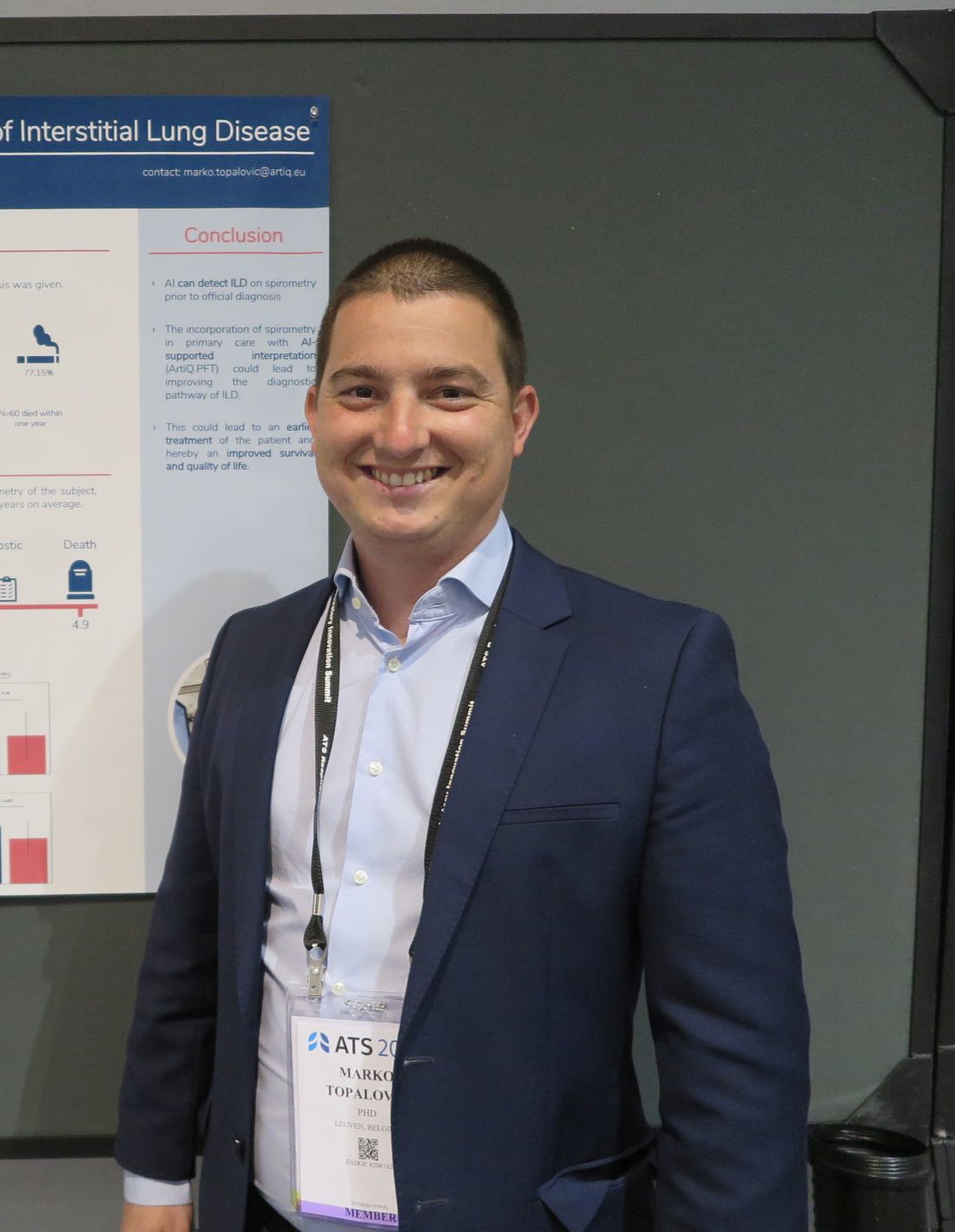
“A diagnosis of ILD is very challenging, so you have patients who are going to be misdiagnosed or have a very late diagnosis, so we aimed to apply our AI algorithm on spirometry to see whether we could detect ILD much earlier,” he said in an interview conducted during a poster discussion session.
AI detected ILD up to 6.8 years before a clinician’s diagnosis, Dr. Topalovic said.
Reading between the lines
In a separate study, investigators at the University of California, Davis, used language analysis software to scour electronic health records for words indicative of early ILD, and found that the technique dramatically shortened the median time to a pulmonary referral, compared with historical controls.
“This is a language processing program that can essentially look through the radiology reports and look for the key words that often describe interstitial lung disease, like traction, honeycomb, fibrotic, etc. With those studies being flagged, an actual pulmonologist will then further review the scan, and see whether it meets criteria for one of the interstitial lung diseases,” lead author William Leon, MD, a resident in the department of internal medicine at the University of California, Davis, said in an interview.
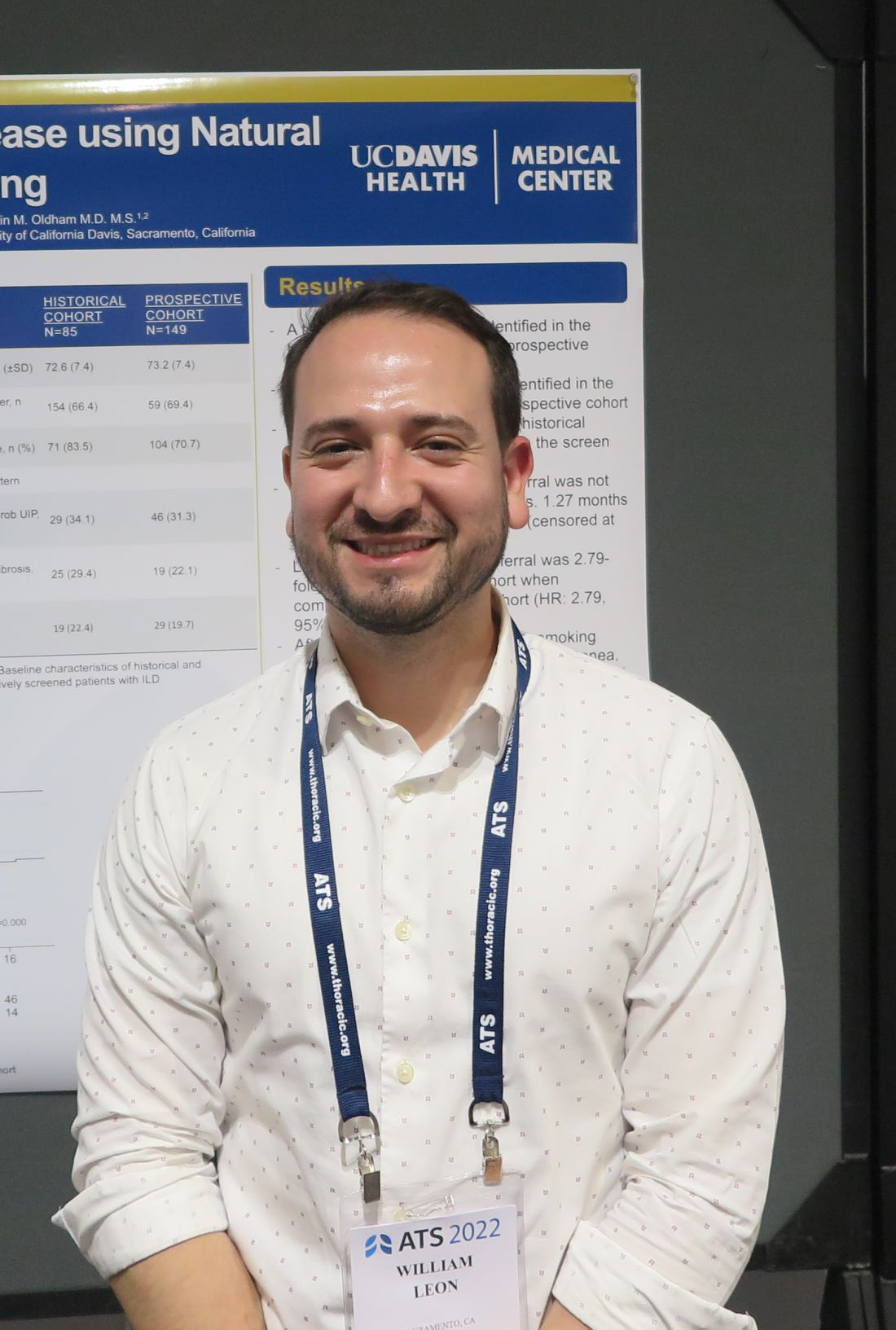
“We then sent the primary care doctor a message to say: ‘Hey, this patient has ILD. You need to send them to a pulmonologist,’ ” he added.
Putting it together
Philip L. Molyneaux, MRCP (UK), MBBS, BS (Hons), from Imperial College London, who comoderated the session but was not involved in the studies, speculated that combining these and other, nontechnical interventions also discussed could help to improve diagnosis of ILD and allow clinicians to prescribe therapy earlier in the disease course.
“What’s going to give you the biggest impact for patients? Everyone working individually is coming up with great advances, and if you put them all together it’s going to provide much greater benefit for our patients,” he said in an interview.
AI Spirometry details
In collaboration with colleagues at the Laboratory of Respiratory Disease at University Hospital in Leuven, Dr. Topalovic applied AI to results of spirometry performed prior to diagnosis of ILD among 109 patients registered in the UK Biobank, a repository of information on more than 500,000 volunteers.
The patients selected had ILD listed as their cause of death, had spirometry performed up to 7 years before their deaths, and did not receive a diagnosis of ILD on the day of the index spirometry.
In all 73% of patients were men, 27% women, with an average age of 64.6 years. A large majority of the sample (77.15%) had a history of smoking, and 60 of the patients (55%) died within one year of an ILD diagnosis.
The investigators plugged the spirometry data and each patients demographic information – including gender, age, height, weight, race, and smoking status – into the AI clinical decision support program, which yielded a statistical probability for each subject of having normal lung function, asthma, COPD, ILD, another obstructive disease, or another unidentifiable respiratory disease.
In 29 patients (27%) the software listed ILD as the highest probability, and of this group 19 patients (66%) had normal lung function according to standard interpretation guidelines.
Spirometry parameters among patients identified as having probable ILD were different from those where ILD was not detected. For example, forced vital capacity (FVC) was 76% of predicted among patients with likely ILD versus 87% of predicted in those who had a diagnosis later (P = .003). Similar differences were seen in the forced expiratory volume in 1 second to FVC ratio, at 0.82 vs. 0.75, respectively (P = .007).
There were no differences in mortality or in median time between spirometry and clinician diagnosis between the groups.
Language processing details
Dr. Leon and colleagues used a language analysis software package to review CT chest reports. Reports were flagged if they contained the words traction, honeycomb, fibrotic, fibrosis, reticular, or reticulation.
The CT scan accompanying each flagged reported was reviewed by a pulmonologist for the presence of ILD, and scans with ILD identified were referred to pulmonary specialists. The results of 2,198 prospective scans followed by prospective screening were compared with those of 1,690 historical controls seen in 2015 and 2016.
The investigators found that 85 incident cases of ILD were identified in the historical controls, compared with 143 in the prospective cohort, leading to 38 and 120 pulmonary referrals, respectively.
For the primary outcome of median time from CT to pulmonary referral, the authors found that it was 1.27 months for the prospective cohort, compared with not reached (censored after 18 months) in historical controls.
The hazard ratio for a pulmonary referral in the prospective versus historical cohort was 2.79, an association that was strengthened after adjusting for sex, age, race, smoking pack-years, cough, crackles, and dyspnea (HR, 4.54; both comparisons significant according to confidence intervals).
The studies were internally funded. Dr. Topalovic is CEO and cofounder of ArtiQ. Dr. Leon and Dr. Molyneaux reported no relevant conflicts of interest.
SAN FRANCISCO – Interstitial lung disease is a difficult diagnosis to make, but a combination of artificial intelligence (AI) techniques and automated language processing could help clinicians identify the early signs of ILD and start patients on therapy, investigators say.
For example, applying an AI algorithm to spirometry readings taken from patients whose data were registered in the UK Biobank identified 27% as having ILD, and of this group, 66% had ostensibly normal lung function on spirometry but were later diagnosed with ILD, reported Marko Topalovic, PhD, from the AI company ArtiQ in Leuven, Belgium, at the American Thoracic Society’s international conference.
“A diagnosis of ILD is very challenging, so you have patients who are going to be misdiagnosed or have a very late diagnosis, so we aimed to apply our AI algorithm on spirometry to see whether we could detect ILD much earlier,” he said in an interview conducted during a poster discussion session.
AI detected ILD up to 6.8 years before a clinician’s diagnosis, Dr. Topalovic said.
Reading between the lines
In a separate study, investigators at the University of California, Davis, used language analysis software to scour electronic health records for words indicative of early ILD, and found that the technique dramatically shortened the median time to a pulmonary referral, compared with historical controls.
“This is a language processing program that can essentially look through the radiology reports and look for the key words that often describe interstitial lung disease, like traction, honeycomb, fibrotic, etc. With those studies being flagged, an actual pulmonologist will then further review the scan, and see whether it meets criteria for one of the interstitial lung diseases,” lead author William Leon, MD, a resident in the department of internal medicine at the University of California, Davis, said in an interview.
“We then sent the primary care doctor a message to say: ‘Hey, this patient has ILD. You need to send them to a pulmonologist,’ ” he added.
Putting it together
Philip L. Molyneaux, MRCP (UK), MBBS, BS (Hons), from Imperial College London, who comoderated the session but was not involved in the studies, speculated that combining these and other, nontechnical interventions also discussed could help to improve diagnosis of ILD and allow clinicians to prescribe therapy earlier in the disease course.
“What’s going to give you the biggest impact for patients? Everyone working individually is coming up with great advances, and if you put them all together it’s going to provide much greater benefit for our patients,” he said in an interview.
AI Spirometry details
In collaboration with colleagues at the Laboratory of Respiratory Disease at University Hospital in Leuven, Dr. Topalovic applied AI to results of spirometry performed prior to diagnosis of ILD among 109 patients registered in the UK Biobank, a repository of information on more than 500,000 volunteers.
The patients selected had ILD listed as their cause of death, had spirometry performed up to 7 years before their deaths, and did not receive a diagnosis of ILD on the day of the index spirometry.
In all 73% of patients were men, 27% women, with an average age of 64.6 years. A large majority of the sample (77.15%) had a history of smoking, and 60 of the patients (55%) died within one year of an ILD diagnosis.
The investigators plugged the spirometry data and each patients demographic information – including gender, age, height, weight, race, and smoking status – into the AI clinical decision support program, which yielded a statistical probability for each subject of having normal lung function, asthma, COPD, ILD, another obstructive disease, or another unidentifiable respiratory disease.
In 29 patients (27%) the software listed ILD as the highest probability, and of this group 19 patients (66%) had normal lung function according to standard interpretation guidelines.
Spirometry parameters among patients identified as having probable ILD were different from those where ILD was not detected. For example, forced vital capacity (FVC) was 76% of predicted among patients with likely ILD versus 87% of predicted in those who had a diagnosis later (P = .003). Similar differences were seen in the forced expiratory volume in 1 second to FVC ratio, at 0.82 vs. 0.75, respectively (P = .007).
There were no differences in mortality or in median time between spirometry and clinician diagnosis between the groups.
Language processing details
Dr. Leon and colleagues used a language analysis software package to review CT chest reports. Reports were flagged if they contained the words traction, honeycomb, fibrotic, fibrosis, reticular, or reticulation.
The CT scan accompanying each flagged reported was reviewed by a pulmonologist for the presence of ILD, and scans with ILD identified were referred to pulmonary specialists. The results of 2,198 prospective scans followed by prospective screening were compared with those of 1,690 historical controls seen in 2015 and 2016.
The investigators found that 85 incident cases of ILD were identified in the historical controls, compared with 143 in the prospective cohort, leading to 38 and 120 pulmonary referrals, respectively.
For the primary outcome of median time from CT to pulmonary referral, the authors found that it was 1.27 months for the prospective cohort, compared with not reached (censored after 18 months) in historical controls.
The hazard ratio for a pulmonary referral in the prospective versus historical cohort was 2.79, an association that was strengthened after adjusting for sex, age, race, smoking pack-years, cough, crackles, and dyspnea (HR, 4.54; both comparisons significant according to confidence intervals).
The studies were internally funded. Dr. Topalovic is CEO and cofounder of ArtiQ. Dr. Leon and Dr. Molyneaux reported no relevant conflicts of interest.
SAN FRANCISCO – Interstitial lung disease is a difficult diagnosis to make, but a combination of artificial intelligence (AI) techniques and automated language processing could help clinicians identify the early signs of ILD and start patients on therapy, investigators say.
For example, applying an AI algorithm to spirometry readings taken from patients whose data were registered in the UK Biobank identified 27% as having ILD, and of this group, 66% had ostensibly normal lung function on spirometry but were later diagnosed with ILD, reported Marko Topalovic, PhD, from the AI company ArtiQ in Leuven, Belgium, at the American Thoracic Society’s international conference.
“A diagnosis of ILD is very challenging, so you have patients who are going to be misdiagnosed or have a very late diagnosis, so we aimed to apply our AI algorithm on spirometry to see whether we could detect ILD much earlier,” he said in an interview conducted during a poster discussion session.
AI detected ILD up to 6.8 years before a clinician’s diagnosis, Dr. Topalovic said.
Reading between the lines
In a separate study, investigators at the University of California, Davis, used language analysis software to scour electronic health records for words indicative of early ILD, and found that the technique dramatically shortened the median time to a pulmonary referral, compared with historical controls.
“This is a language processing program that can essentially look through the radiology reports and look for the key words that often describe interstitial lung disease, like traction, honeycomb, fibrotic, etc. With those studies being flagged, an actual pulmonologist will then further review the scan, and see whether it meets criteria for one of the interstitial lung diseases,” lead author William Leon, MD, a resident in the department of internal medicine at the University of California, Davis, said in an interview.
“We then sent the primary care doctor a message to say: ‘Hey, this patient has ILD. You need to send them to a pulmonologist,’ ” he added.
Putting it together
Philip L. Molyneaux, MRCP (UK), MBBS, BS (Hons), from Imperial College London, who comoderated the session but was not involved in the studies, speculated that combining these and other, nontechnical interventions also discussed could help to improve diagnosis of ILD and allow clinicians to prescribe therapy earlier in the disease course.
“What’s going to give you the biggest impact for patients? Everyone working individually is coming up with great advances, and if you put them all together it’s going to provide much greater benefit for our patients,” he said in an interview.
AI Spirometry details
In collaboration with colleagues at the Laboratory of Respiratory Disease at University Hospital in Leuven, Dr. Topalovic applied AI to results of spirometry performed prior to diagnosis of ILD among 109 patients registered in the UK Biobank, a repository of information on more than 500,000 volunteers.
The patients selected had ILD listed as their cause of death, had spirometry performed up to 7 years before their deaths, and did not receive a diagnosis of ILD on the day of the index spirometry.
In all 73% of patients were men, 27% women, with an average age of 64.6 years. A large majority of the sample (77.15%) had a history of smoking, and 60 of the patients (55%) died within one year of an ILD diagnosis.
The investigators plugged the spirometry data and each patients demographic information – including gender, age, height, weight, race, and smoking status – into the AI clinical decision support program, which yielded a statistical probability for each subject of having normal lung function, asthma, COPD, ILD, another obstructive disease, or another unidentifiable respiratory disease.
In 29 patients (27%) the software listed ILD as the highest probability, and of this group 19 patients (66%) had normal lung function according to standard interpretation guidelines.
Spirometry parameters among patients identified as having probable ILD were different from those where ILD was not detected. For example, forced vital capacity (FVC) was 76% of predicted among patients with likely ILD versus 87% of predicted in those who had a diagnosis later (P = .003). Similar differences were seen in the forced expiratory volume in 1 second to FVC ratio, at 0.82 vs. 0.75, respectively (P = .007).
There were no differences in mortality or in median time between spirometry and clinician diagnosis between the groups.
Language processing details
Dr. Leon and colleagues used a language analysis software package to review CT chest reports. Reports were flagged if they contained the words traction, honeycomb, fibrotic, fibrosis, reticular, or reticulation.
The CT scan accompanying each flagged reported was reviewed by a pulmonologist for the presence of ILD, and scans with ILD identified were referred to pulmonary specialists. The results of 2,198 prospective scans followed by prospective screening were compared with those of 1,690 historical controls seen in 2015 and 2016.
The investigators found that 85 incident cases of ILD were identified in the historical controls, compared with 143 in the prospective cohort, leading to 38 and 120 pulmonary referrals, respectively.
For the primary outcome of median time from CT to pulmonary referral, the authors found that it was 1.27 months for the prospective cohort, compared with not reached (censored after 18 months) in historical controls.
The hazard ratio for a pulmonary referral in the prospective versus historical cohort was 2.79, an association that was strengthened after adjusting for sex, age, race, smoking pack-years, cough, crackles, and dyspnea (HR, 4.54; both comparisons significant according to confidence intervals).
The studies were internally funded. Dr. Topalovic is CEO and cofounder of ArtiQ. Dr. Leon and Dr. Molyneaux reported no relevant conflicts of interest.
AT ATS 2022
First evidence of disease modification with methotrexate in pre-RA
COPENHAGEN – Temporary methotrexate in clinically suspected arthralgia delays but does not prevent clinical arthritis development; however, it does lead to sustained reduction of disease burden and MRI-detected inflammation in all at-risk groups, shows the 2-year Treat Earlier study.
“These data provide the first evidence for disease modification when intervening in ‘pre-RA [rheumatoid arthritis]’ or arthralgia,” said Doortje Krijbolder, MD, of Leiden (the Netherlands) University Medical Center, who presented her study at the annual European Congress of Rheumatology.

The randomized, double-blind, study aimed to find out if giving methotrexate in the pre-arthritis phase of arthralgia (with subclinical joint inflammation) prevents the development of clinical arthritis or reduces the burden of disease.
“This is the first trial that aims to reduce the burden of disease, and as such, in pre-RA, it is important that disease modification is sustained after temporary treatment otherwise patients will start regressing with disease activity,” said Dr. Krijbolder.
She explained that methotrexate is usually initiated as first-line treatment when arthritis becomes clinically apparent with joint swelling, but “disease processes begin long before this, and only become clinically recognizable when patients develop symptoms.”
Clinically detectable arthritis development
All 236 patients included in the study had arthralgia of the small joints that, because of the character of the symptoms, was found clinically suspect for progression to RA over time.
“Importantly, these participants had not yet developed clinical arthritis that could be detected on physical joint examination, and were clinically suspected of progressing to RA. They had all undergone an MRI and subclinical joint-inflammation had been detected that was more than prevalent in symptom-free controls,” said Dr. Krijbolder.
Patients were randomized (1:1) to either a single intramuscular glucocorticoid injection (120 mg methylprednisolone [Depo Medrol]) and a 1-year course of oral methotrexate (up to 25 mg/week), or to placebo injection and placebo tablets, and were then followed for a further year without medication to see whether disease progressed.
Treatment and placebo groups were matched with an average age of 46-47 years, 62%-68% were women, they had had symptoms (joint pain) for 27-28 weeks, C-reactive protein was increased in 27%-30%, and 20%-26% were anti-citrullinated protein autoantibody (ACPA) positive.
The primary endpoint was the development of clinically detectable arthritis (fulfilling the 2010 RA-criteria or involving ≥ 2 joints) that persisted for at least 2 weeks. The main secondary endpoints were related to disease burden, including patient-reported physical functioning, along with symptoms and workability (presenteeism at work – the percentage of productivity lost caused by the joint complaints), and measured every 4 months, said Dr. Krijbolder.
She and her colleagues also followed the course of MRI-detected inflammation, which comprised the sum of tenosynovitis, synovitis, and osteitis scored with the RA-MRI Scoring (RAMRIS) method.
Analysis was carried out on an intention-to-treat basis, and two prespecified subgroup analyses were also performed to obtain a better understanding of the effect of methotrexate and glucocorticoids in participants with high risk of clinical arthritis development (positive predictive value (PPV) ≥ 70%), and in patients stratified for ACPA status.
Delays but does not prevent
There was no difference between treatment and placebo groups in the development of persistent clinical arthritis over 2 years (80% vs. 82%, hazard ratio [HR] 0.81; 95% confidence interval [CI], 0.45, 1.48]); however, in the high-risk group subanalysis, 67% in the placebo group developed persistent clinical arthritis. For the treatment group, 7%developed persistent clinical arthritis at 6 months, 27% at 12 months, 40% at 18 months, and 67% at 24 months. For the placebo group: 56% developed persistent clinical arthritis at 6 months, and 67% at 12 months, 18 months, and 24 months.
“Strikingly, in the treatment group there was a statistically significant difference between 6 and 12 months, but in year 2, this difference disappeared, suggesting a delayed arthritis development but no prevention,” said Dr. Krijbolder.
Persistent clinical arthritis became similar at 24 months, at 67% in both groups. A similar, but less pronounced, delaying effect was seen with the ACPA-positive patients, with 48% and 52% developing persistent clinical arthritis at 24 months.
In joint pain, there was a decline in the treatment group compared with the placebo group and this persisted over 2 years (–9 on scale of 0 to 100: (95%CI, –12,–4; P < .001), and a similar effect was seen in high-risk and ACPA subgroups, reported Dr. Krijbolder.
Physical functioning improved more in the treatment-group compared with the placebo group during the first months and remained better (mean between-group difference over 2 years HAQ [health assessment questionnaire] –0.1 [–0.2, –0.03; P = .004]), and morning stiffness (–12 [95%CI, –16, –8; P < .001]), and presenteeism (–8% [95%CI, –13%, –3%; P = .001]) also showed improvement over time compared with placebo.
MRI-detected joint-inflammation was also persistently improved with a mean difference over 2 years –1.4 points (95%CI, –2.0, –0.9; P < .001). “As we know that symptoms and functional impairments are associated with MRI-detected joint inflammation, it was not surprising that treatment induced a decline in joint inflammation that persisted over time, also after the stop of the treatment in the second year,” explained Dr. Krijbolder.
In the high-risk subgroup, as well as in both ACPA-positive and ACPA-negative participants, a comparable statistically significant decline in MRI-detected inflammation was found.
“It may seem counterintuitive that on the one hand we found a delaying effect of treatment on persistent clinical arthritis but no prevention, while on the other, we saw a sustained treatment effect on MRI-detected joint-inflammation and related symptoms and functional impairments,” added Dr. Krijbolder.
To help understand this, the researchers performed a post hoc analysis in high-risk participants, comparing those who did not progress with those who did progress to arthritis. “Both progressors and nonprogressors showed a sustained treatment effect for pain and MRI-detected joint-inflammation, and in nonprogressors, there was almost a complete relief of pain and they nearly returned to the normal range of MRI-detected joint-inflammation as seen in symptom-free controls,” reported Dr. Krijbolder.
“In those who progressed to arthritis, there was less pain and less MRI-detected joint inflammation in the treatment group, but also at the time when they developed clinical arthritis. So both progressors and nonprogressors benefit from treatment,” she noted.
The number of serious adverse events was the same between the groups and adverse events were as expected from methotrexate.
Dr. Krijbolder said, “the results are encouraging and will open up a new treatment landscape in pre-RA at the future, but at the moment it is too early to give recommendations for clinical practice; we definitely do not want to advocate the start of treatment in all at-risk individuals from now on.”
More research should unravel the mechanisms within the joint that contribute to the development of clinical arthritis and disease chronicity, she said. “If we understand these, we may be able to use more targeted interventions in the future and prevent the development of clinical arthritis all together.
“We are also looking forward to learning more about the long-term beneficial effects of this early treatment in our ongoing observational extension of the trial.”
Hendrik Schulze-Koops, MD, of Ludwig-Maximilians-University of Munich, who moderated the session, asked Dr. Krijbolder, “As well as giving methotrexate to the participants in the treatment group, you also gave a single glucocorticoid injection at baseline, and a placebo injection in the placebo group, can you comment on that?”

Dr. Krijbolder replied that by the first study visit of 4 months, methotrexate would have already started working, and as such from her data it was not possible to distinguish what effect arose from the Depo Medrol injection, and what was from the methotrexate.
“Maybe there even is a synergetic effect, meaning that the two medications together work even better. To learn more about this would require a novel trial with a study design that would, for example, collect data quickly after the injection, for example after 2-4 weeks, because than the effect of the methotrexate would still be limited, or, of course, a novel trial with a treatment arm that only consists of a glucocorticoid injection,” she added.
No conflicts of interest were declared.
COPENHAGEN – Temporary methotrexate in clinically suspected arthralgia delays but does not prevent clinical arthritis development; however, it does lead to sustained reduction of disease burden and MRI-detected inflammation in all at-risk groups, shows the 2-year Treat Earlier study.
“These data provide the first evidence for disease modification when intervening in ‘pre-RA [rheumatoid arthritis]’ or arthralgia,” said Doortje Krijbolder, MD, of Leiden (the Netherlands) University Medical Center, who presented her study at the annual European Congress of Rheumatology.
The randomized, double-blind, study aimed to find out if giving methotrexate in the pre-arthritis phase of arthralgia (with subclinical joint inflammation) prevents the development of clinical arthritis or reduces the burden of disease.
“This is the first trial that aims to reduce the burden of disease, and as such, in pre-RA, it is important that disease modification is sustained after temporary treatment otherwise patients will start regressing with disease activity,” said Dr. Krijbolder.
She explained that methotrexate is usually initiated as first-line treatment when arthritis becomes clinically apparent with joint swelling, but “disease processes begin long before this, and only become clinically recognizable when patients develop symptoms.”
Clinically detectable arthritis development
All 236 patients included in the study had arthralgia of the small joints that, because of the character of the symptoms, was found clinically suspect for progression to RA over time.
“Importantly, these participants had not yet developed clinical arthritis that could be detected on physical joint examination, and were clinically suspected of progressing to RA. They had all undergone an MRI and subclinical joint-inflammation had been detected that was more than prevalent in symptom-free controls,” said Dr. Krijbolder.
Patients were randomized (1:1) to either a single intramuscular glucocorticoid injection (120 mg methylprednisolone [Depo Medrol]) and a 1-year course of oral methotrexate (up to 25 mg/week), or to placebo injection and placebo tablets, and were then followed for a further year without medication to see whether disease progressed.
Treatment and placebo groups were matched with an average age of 46-47 years, 62%-68% were women, they had had symptoms (joint pain) for 27-28 weeks, C-reactive protein was increased in 27%-30%, and 20%-26% were anti-citrullinated protein autoantibody (ACPA) positive.
The primary endpoint was the development of clinically detectable arthritis (fulfilling the 2010 RA-criteria or involving ≥ 2 joints) that persisted for at least 2 weeks. The main secondary endpoints were related to disease burden, including patient-reported physical functioning, along with symptoms and workability (presenteeism at work – the percentage of productivity lost caused by the joint complaints), and measured every 4 months, said Dr. Krijbolder.
She and her colleagues also followed the course of MRI-detected inflammation, which comprised the sum of tenosynovitis, synovitis, and osteitis scored with the RA-MRI Scoring (RAMRIS) method.
Analysis was carried out on an intention-to-treat basis, and two prespecified subgroup analyses were also performed to obtain a better understanding of the effect of methotrexate and glucocorticoids in participants with high risk of clinical arthritis development (positive predictive value (PPV) ≥ 70%), and in patients stratified for ACPA status.
Delays but does not prevent
There was no difference between treatment and placebo groups in the development of persistent clinical arthritis over 2 years (80% vs. 82%, hazard ratio [HR] 0.81; 95% confidence interval [CI], 0.45, 1.48]); however, in the high-risk group subanalysis, 67% in the placebo group developed persistent clinical arthritis. For the treatment group, 7%developed persistent clinical arthritis at 6 months, 27% at 12 months, 40% at 18 months, and 67% at 24 months. For the placebo group: 56% developed persistent clinical arthritis at 6 months, and 67% at 12 months, 18 months, and 24 months.
“Strikingly, in the treatment group there was a statistically significant difference between 6 and 12 months, but in year 2, this difference disappeared, suggesting a delayed arthritis development but no prevention,” said Dr. Krijbolder.
Persistent clinical arthritis became similar at 24 months, at 67% in both groups. A similar, but less pronounced, delaying effect was seen with the ACPA-positive patients, with 48% and 52% developing persistent clinical arthritis at 24 months.
In joint pain, there was a decline in the treatment group compared with the placebo group and this persisted over 2 years (–9 on scale of 0 to 100: (95%CI, –12,–4; P < .001), and a similar effect was seen in high-risk and ACPA subgroups, reported Dr. Krijbolder.
Physical functioning improved more in the treatment-group compared with the placebo group during the first months and remained better (mean between-group difference over 2 years HAQ [health assessment questionnaire] –0.1 [–0.2, –0.03; P = .004]), and morning stiffness (–12 [95%CI, –16, –8; P < .001]), and presenteeism (–8% [95%CI, –13%, –3%; P = .001]) also showed improvement over time compared with placebo.
MRI-detected joint-inflammation was also persistently improved with a mean difference over 2 years –1.4 points (95%CI, –2.0, –0.9; P < .001). “As we know that symptoms and functional impairments are associated with MRI-detected joint inflammation, it was not surprising that treatment induced a decline in joint inflammation that persisted over time, also after the stop of the treatment in the second year,” explained Dr. Krijbolder.
In the high-risk subgroup, as well as in both ACPA-positive and ACPA-negative participants, a comparable statistically significant decline in MRI-detected inflammation was found.
“It may seem counterintuitive that on the one hand we found a delaying effect of treatment on persistent clinical arthritis but no prevention, while on the other, we saw a sustained treatment effect on MRI-detected joint-inflammation and related symptoms and functional impairments,” added Dr. Krijbolder.
To help understand this, the researchers performed a post hoc analysis in high-risk participants, comparing those who did not progress with those who did progress to arthritis. “Both progressors and nonprogressors showed a sustained treatment effect for pain and MRI-detected joint-inflammation, and in nonprogressors, there was almost a complete relief of pain and they nearly returned to the normal range of MRI-detected joint-inflammation as seen in symptom-free controls,” reported Dr. Krijbolder.
“In those who progressed to arthritis, there was less pain and less MRI-detected joint inflammation in the treatment group, but also at the time when they developed clinical arthritis. So both progressors and nonprogressors benefit from treatment,” she noted.
The number of serious adverse events was the same between the groups and adverse events were as expected from methotrexate.
Dr. Krijbolder said, “the results are encouraging and will open up a new treatment landscape in pre-RA at the future, but at the moment it is too early to give recommendations for clinical practice; we definitely do not want to advocate the start of treatment in all at-risk individuals from now on.”
More research should unravel the mechanisms within the joint that contribute to the development of clinical arthritis and disease chronicity, she said. “If we understand these, we may be able to use more targeted interventions in the future and prevent the development of clinical arthritis all together.
“We are also looking forward to learning more about the long-term beneficial effects of this early treatment in our ongoing observational extension of the trial.”
Hendrik Schulze-Koops, MD, of Ludwig-Maximilians-University of Munich, who moderated the session, asked Dr. Krijbolder, “As well as giving methotrexate to the participants in the treatment group, you also gave a single glucocorticoid injection at baseline, and a placebo injection in the placebo group, can you comment on that?”
Dr. Krijbolder replied that by the first study visit of 4 months, methotrexate would have already started working, and as such from her data it was not possible to distinguish what effect arose from the Depo Medrol injection, and what was from the methotrexate.
“Maybe there even is a synergetic effect, meaning that the two medications together work even better. To learn more about this would require a novel trial with a study design that would, for example, collect data quickly after the injection, for example after 2-4 weeks, because than the effect of the methotrexate would still be limited, or, of course, a novel trial with a treatment arm that only consists of a glucocorticoid injection,” she added.
No conflicts of interest were declared.
COPENHAGEN – Temporary methotrexate in clinically suspected arthralgia delays but does not prevent clinical arthritis development; however, it does lead to sustained reduction of disease burden and MRI-detected inflammation in all at-risk groups, shows the 2-year Treat Earlier study.
“These data provide the first evidence for disease modification when intervening in ‘pre-RA [rheumatoid arthritis]’ or arthralgia,” said Doortje Krijbolder, MD, of Leiden (the Netherlands) University Medical Center, who presented her study at the annual European Congress of Rheumatology.
The randomized, double-blind, study aimed to find out if giving methotrexate in the pre-arthritis phase of arthralgia (with subclinical joint inflammation) prevents the development of clinical arthritis or reduces the burden of disease.
“This is the first trial that aims to reduce the burden of disease, and as such, in pre-RA, it is important that disease modification is sustained after temporary treatment otherwise patients will start regressing with disease activity,” said Dr. Krijbolder.
She explained that methotrexate is usually initiated as first-line treatment when arthritis becomes clinically apparent with joint swelling, but “disease processes begin long before this, and only become clinically recognizable when patients develop symptoms.”
Clinically detectable arthritis development
All 236 patients included in the study had arthralgia of the small joints that, because of the character of the symptoms, was found clinically suspect for progression to RA over time.
“Importantly, these participants had not yet developed clinical arthritis that could be detected on physical joint examination, and were clinically suspected of progressing to RA. They had all undergone an MRI and subclinical joint-inflammation had been detected that was more than prevalent in symptom-free controls,” said Dr. Krijbolder.
Patients were randomized (1:1) to either a single intramuscular glucocorticoid injection (120 mg methylprednisolone [Depo Medrol]) and a 1-year course of oral methotrexate (up to 25 mg/week), or to placebo injection and placebo tablets, and were then followed for a further year without medication to see whether disease progressed.
Treatment and placebo groups were matched with an average age of 46-47 years, 62%-68% were women, they had had symptoms (joint pain) for 27-28 weeks, C-reactive protein was increased in 27%-30%, and 20%-26% were anti-citrullinated protein autoantibody (ACPA) positive.
The primary endpoint was the development of clinically detectable arthritis (fulfilling the 2010 RA-criteria or involving ≥ 2 joints) that persisted for at least 2 weeks. The main secondary endpoints were related to disease burden, including patient-reported physical functioning, along with symptoms and workability (presenteeism at work – the percentage of productivity lost caused by the joint complaints), and measured every 4 months, said Dr. Krijbolder.
She and her colleagues also followed the course of MRI-detected inflammation, which comprised the sum of tenosynovitis, synovitis, and osteitis scored with the RA-MRI Scoring (RAMRIS) method.
Analysis was carried out on an intention-to-treat basis, and two prespecified subgroup analyses were also performed to obtain a better understanding of the effect of methotrexate and glucocorticoids in participants with high risk of clinical arthritis development (positive predictive value (PPV) ≥ 70%), and in patients stratified for ACPA status.
Delays but does not prevent
There was no difference between treatment and placebo groups in the development of persistent clinical arthritis over 2 years (80% vs. 82%, hazard ratio [HR] 0.81; 95% confidence interval [CI], 0.45, 1.48]); however, in the high-risk group subanalysis, 67% in the placebo group developed persistent clinical arthritis. For the treatment group, 7%developed persistent clinical arthritis at 6 months, 27% at 12 months, 40% at 18 months, and 67% at 24 months. For the placebo group: 56% developed persistent clinical arthritis at 6 months, and 67% at 12 months, 18 months, and 24 months.
“Strikingly, in the treatment group there was a statistically significant difference between 6 and 12 months, but in year 2, this difference disappeared, suggesting a delayed arthritis development but no prevention,” said Dr. Krijbolder.
Persistent clinical arthritis became similar at 24 months, at 67% in both groups. A similar, but less pronounced, delaying effect was seen with the ACPA-positive patients, with 48% and 52% developing persistent clinical arthritis at 24 months.
In joint pain, there was a decline in the treatment group compared with the placebo group and this persisted over 2 years (–9 on scale of 0 to 100: (95%CI, –12,–4; P < .001), and a similar effect was seen in high-risk and ACPA subgroups, reported Dr. Krijbolder.
Physical functioning improved more in the treatment-group compared with the placebo group during the first months and remained better (mean between-group difference over 2 years HAQ [health assessment questionnaire] –0.1 [–0.2, –0.03; P = .004]), and morning stiffness (–12 [95%CI, –16, –8; P < .001]), and presenteeism (–8% [95%CI, –13%, –3%; P = .001]) also showed improvement over time compared with placebo.
MRI-detected joint-inflammation was also persistently improved with a mean difference over 2 years –1.4 points (95%CI, –2.0, –0.9; P < .001). “As we know that symptoms and functional impairments are associated with MRI-detected joint inflammation, it was not surprising that treatment induced a decline in joint inflammation that persisted over time, also after the stop of the treatment in the second year,” explained Dr. Krijbolder.
In the high-risk subgroup, as well as in both ACPA-positive and ACPA-negative participants, a comparable statistically significant decline in MRI-detected inflammation was found.
“It may seem counterintuitive that on the one hand we found a delaying effect of treatment on persistent clinical arthritis but no prevention, while on the other, we saw a sustained treatment effect on MRI-detected joint-inflammation and related symptoms and functional impairments,” added Dr. Krijbolder.
To help understand this, the researchers performed a post hoc analysis in high-risk participants, comparing those who did not progress with those who did progress to arthritis. “Both progressors and nonprogressors showed a sustained treatment effect for pain and MRI-detected joint-inflammation, and in nonprogressors, there was almost a complete relief of pain and they nearly returned to the normal range of MRI-detected joint-inflammation as seen in symptom-free controls,” reported Dr. Krijbolder.
“In those who progressed to arthritis, there was less pain and less MRI-detected joint inflammation in the treatment group, but also at the time when they developed clinical arthritis. So both progressors and nonprogressors benefit from treatment,” she noted.
The number of serious adverse events was the same between the groups and adverse events were as expected from methotrexate.
Dr. Krijbolder said, “the results are encouraging and will open up a new treatment landscape in pre-RA at the future, but at the moment it is too early to give recommendations for clinical practice; we definitely do not want to advocate the start of treatment in all at-risk individuals from now on.”
More research should unravel the mechanisms within the joint that contribute to the development of clinical arthritis and disease chronicity, she said. “If we understand these, we may be able to use more targeted interventions in the future and prevent the development of clinical arthritis all together.
“We are also looking forward to learning more about the long-term beneficial effects of this early treatment in our ongoing observational extension of the trial.”
Hendrik Schulze-Koops, MD, of Ludwig-Maximilians-University of Munich, who moderated the session, asked Dr. Krijbolder, “As well as giving methotrexate to the participants in the treatment group, you also gave a single glucocorticoid injection at baseline, and a placebo injection in the placebo group, can you comment on that?”
Dr. Krijbolder replied that by the first study visit of 4 months, methotrexate would have already started working, and as such from her data it was not possible to distinguish what effect arose from the Depo Medrol injection, and what was from the methotrexate.
“Maybe there even is a synergetic effect, meaning that the two medications together work even better. To learn more about this would require a novel trial with a study design that would, for example, collect data quickly after the injection, for example after 2-4 weeks, because than the effect of the methotrexate would still be limited, or, of course, a novel trial with a treatment arm that only consists of a glucocorticoid injection,” she added.
No conflicts of interest were declared.
AT THE EULAR 2022 CONGRESS

B-cell level may affect COVID booster efficacy in MS
Patients with multiple sclerosis (MS) treated with the B-cell-depleting medication rituximab who have not yet been vaccinated against COVID-19 should get the initial vaccination as soon as possible but wait to get a booster shot until B-cell levels increase, new research suggests.
In a prospective cohort study, 90% of patients taking rituximab whose B-cell level was at least 40 cells/mcL had a sufficient antibody response to the Pfizer vaccine, whereas among those with lower levels, the antibody response was significantly lower.
Results also showed a wide variation in the length of time needed for adequate B-cell restoration. Some patients needed a year or longer for levels to become adequate.
The findings led the hospital where the study was conducted to suspend rituximab therapy until patients could be vaccinated. The findings also prompted researchers to call for new guidelines on vaccine scheduling that are based on B-cell levels and not on the current criteria of length of time since last treatment.
“It’s meaningless to just go by some recommendation covering time since the last treatment,” study investigator Joachim Burman, MD, PhD, a consultant neurologist at Uppsala University Hospital and an associate professor at Uppsala University, both in Sweden, told this news organization.
“It’s misleading and potentially harmful for patients,” Dr. Burman said.
The findings were published online in JAMA Network Open.
Finding the cutoff
Drugs such as rituximab target CD20, a protein found on the surface of B cells, resulting in B-cell depletion.
Rituximab is the most common MS therapy used in Sweden. The drug is approved in the United States to treat rheumatoid arthritis and some forms of cancer, but it is not approved for treatment of MS.
Prior research showed that antibody response to COVID-19 vaccines was lower in patients receiving B-cell therapy than in the general population. That was not altogether surprising, given the fact that studies have found a similarly weakened antibody response to other vaccines.
But before now, there was no known B-cell threshold sufficient to mount an acceptable antibody response following COVID vaccination.
Researchers enrolled 67 patients in the study. Of those patients, 60 had received rituximab treatment, and seven had not.
Approximately 6 months after the last rituximab dose, the B-cell count was lower than 10/mcL for 40% of patients. In that group, rituximab treatment duration was the only factor significantly associated with slower B-cell mobilization (median duration, 4.0 years, vs. 2.1; P = .002).
Close monitoring needed
Six weeks after vaccination with tozinameran, the mRNA vaccine manufactured by Pfizer, 28% of patients failed to generate a sufficient antibody response. Among those patients, the median B-cell count was 22/mcL, versus 51/mcL for the remainder of the cohort (P < .001).
A cutoff value of 40/mcL rendered adequate levels of anti-spike immunoglobulin G antibodies in 90% of patients and a strong response in anti-RBD antibodies in 72%.
Study participants did register an adequate T-cell response to the vaccine, suggesting at least some level of protection.
Because MS patients are at increased risk for serious illness from SARS-CoV-2 infection, the investigators recommend that patients with MS receive their initial COVID vaccines as soon as possible – but that they should hold off on receiving a booster until their B-cell counts reach 40/mcL.
Regarding when a clinician should re-vaccinate, “the results from our study strongly suggest that you should not do that right away or just follow some generic guideline,” Dr. Burman said.
“You should closely monitor the B-cell values, and re-vaccinate once those B- cells hit the level of 40 cells/mcL” he added.
Dr. Burman said he would expect that their findings would hold with the other mRNA vaccine and with any other B-cell therapy.
Too soon for B-cell measures?
Commenting for this news organization, Robert J. Fox, MD, staff neurologist at the Mellen Center for MS and vice-chair for research at the Neurological Institute at Cleveland Clinic, Ohio, said the B-cell threshold identified in the study is much higher than what is typically seen in patients who undergo treatment with ocrelizumab, an anti-CD20 B-cell therapy approved in the United States for treating MS.
“Decisions about treatment interval need to balance efficacy in treating MS with safety, including response to vaccines,” said Dr. Fox, who was not involved with the research.
“Given the unknown efficacy of these extended intervals, I don’t think we’re at the point of making management recommendations based upon B-cell counts,” he added.
And yet, Uppsala University Hospital, where the study was conducted, and other centers in Sweden decided to do just that. They suspended administering rituximab to patients with MS until the patients were vaccinated. For patients newly diagnosed with MS, therapy was initiated using another disease-modifying treatment, and for those who were due for a rituximab infusion, that treatment was delayed.
Only one patient experienced a mild MS relapse during the rituximab suspension, and that case went into remission within a week, Dr. Burman reported.
“Ever since the Bar-Or report showing that the humeral response to vaccines is markedly diminished in MS patients treated with anti-CD20 therapies, clinicians have been struggling to balance those safety concerns related to anti-CD20 monoclonal antibody treatments and the clinical benefit of this treatment class,” Dr. Fox said.
“Given the uncharted waters of the COVID pandemic, clinicians made judgments and decisions as best they could, given the paucity of data,” he noted.
“At this point, we don’t know which decisions were right or wrong, but I certainly don’t think we should judge clinicians for making decisions the best they could.”
The study was funded by the Engkvist Foundation, the Marianne and Marcus Wallenberg Foundation, and the Swedish Society for Medical Research. Dr. Burman reported no relevant financial relationships. Dr. Fox has received consulting fees from Genentech/Roche, Biogen, and other companies that promote MS therapies.
A version of this article first appeared on Medscape.com.
Patients with multiple sclerosis (MS) treated with the B-cell-depleting medication rituximab who have not yet been vaccinated against COVID-19 should get the initial vaccination as soon as possible but wait to get a booster shot until B-cell levels increase, new research suggests.
In a prospective cohort study, 90% of patients taking rituximab whose B-cell level was at least 40 cells/mcL had a sufficient antibody response to the Pfizer vaccine, whereas among those with lower levels, the antibody response was significantly lower.
Results also showed a wide variation in the length of time needed for adequate B-cell restoration. Some patients needed a year or longer for levels to become adequate.
The findings led the hospital where the study was conducted to suspend rituximab therapy until patients could be vaccinated. The findings also prompted researchers to call for new guidelines on vaccine scheduling that are based on B-cell levels and not on the current criteria of length of time since last treatment.
“It’s meaningless to just go by some recommendation covering time since the last treatment,” study investigator Joachim Burman, MD, PhD, a consultant neurologist at Uppsala University Hospital and an associate professor at Uppsala University, both in Sweden, told this news organization.
“It’s misleading and potentially harmful for patients,” Dr. Burman said.
The findings were published online in JAMA Network Open.
Finding the cutoff
Drugs such as rituximab target CD20, a protein found on the surface of B cells, resulting in B-cell depletion.
Rituximab is the most common MS therapy used in Sweden. The drug is approved in the United States to treat rheumatoid arthritis and some forms of cancer, but it is not approved for treatment of MS.
Prior research showed that antibody response to COVID-19 vaccines was lower in patients receiving B-cell therapy than in the general population. That was not altogether surprising, given the fact that studies have found a similarly weakened antibody response to other vaccines.
But before now, there was no known B-cell threshold sufficient to mount an acceptable antibody response following COVID vaccination.
Researchers enrolled 67 patients in the study. Of those patients, 60 had received rituximab treatment, and seven had not.
Approximately 6 months after the last rituximab dose, the B-cell count was lower than 10/mcL for 40% of patients. In that group, rituximab treatment duration was the only factor significantly associated with slower B-cell mobilization (median duration, 4.0 years, vs. 2.1; P = .002).
Close monitoring needed
Six weeks after vaccination with tozinameran, the mRNA vaccine manufactured by Pfizer, 28% of patients failed to generate a sufficient antibody response. Among those patients, the median B-cell count was 22/mcL, versus 51/mcL for the remainder of the cohort (P < .001).
A cutoff value of 40/mcL rendered adequate levels of anti-spike immunoglobulin G antibodies in 90% of patients and a strong response in anti-RBD antibodies in 72%.
Study participants did register an adequate T-cell response to the vaccine, suggesting at least some level of protection.
Because MS patients are at increased risk for serious illness from SARS-CoV-2 infection, the investigators recommend that patients with MS receive their initial COVID vaccines as soon as possible – but that they should hold off on receiving a booster until their B-cell counts reach 40/mcL.
Regarding when a clinician should re-vaccinate, “the results from our study strongly suggest that you should not do that right away or just follow some generic guideline,” Dr. Burman said.
“You should closely monitor the B-cell values, and re-vaccinate once those B- cells hit the level of 40 cells/mcL” he added.
Dr. Burman said he would expect that their findings would hold with the other mRNA vaccine and with any other B-cell therapy.
Too soon for B-cell measures?
Commenting for this news organization, Robert J. Fox, MD, staff neurologist at the Mellen Center for MS and vice-chair for research at the Neurological Institute at Cleveland Clinic, Ohio, said the B-cell threshold identified in the study is much higher than what is typically seen in patients who undergo treatment with ocrelizumab, an anti-CD20 B-cell therapy approved in the United States for treating MS.
“Decisions about treatment interval need to balance efficacy in treating MS with safety, including response to vaccines,” said Dr. Fox, who was not involved with the research.
“Given the unknown efficacy of these extended intervals, I don’t think we’re at the point of making management recommendations based upon B-cell counts,” he added.
And yet, Uppsala University Hospital, where the study was conducted, and other centers in Sweden decided to do just that. They suspended administering rituximab to patients with MS until the patients were vaccinated. For patients newly diagnosed with MS, therapy was initiated using another disease-modifying treatment, and for those who were due for a rituximab infusion, that treatment was delayed.
Only one patient experienced a mild MS relapse during the rituximab suspension, and that case went into remission within a week, Dr. Burman reported.
“Ever since the Bar-Or report showing that the humeral response to vaccines is markedly diminished in MS patients treated with anti-CD20 therapies, clinicians have been struggling to balance those safety concerns related to anti-CD20 monoclonal antibody treatments and the clinical benefit of this treatment class,” Dr. Fox said.
“Given the uncharted waters of the COVID pandemic, clinicians made judgments and decisions as best they could, given the paucity of data,” he noted.
“At this point, we don’t know which decisions were right or wrong, but I certainly don’t think we should judge clinicians for making decisions the best they could.”
The study was funded by the Engkvist Foundation, the Marianne and Marcus Wallenberg Foundation, and the Swedish Society for Medical Research. Dr. Burman reported no relevant financial relationships. Dr. Fox has received consulting fees from Genentech/Roche, Biogen, and other companies that promote MS therapies.
A version of this article first appeared on Medscape.com.
Patients with multiple sclerosis (MS) treated with the B-cell-depleting medication rituximab who have not yet been vaccinated against COVID-19 should get the initial vaccination as soon as possible but wait to get a booster shot until B-cell levels increase, new research suggests.
In a prospective cohort study, 90% of patients taking rituximab whose B-cell level was at least 40 cells/mcL had a sufficient antibody response to the Pfizer vaccine, whereas among those with lower levels, the antibody response was significantly lower.
Results also showed a wide variation in the length of time needed for adequate B-cell restoration. Some patients needed a year or longer for levels to become adequate.
The findings led the hospital where the study was conducted to suspend rituximab therapy until patients could be vaccinated. The findings also prompted researchers to call for new guidelines on vaccine scheduling that are based on B-cell levels and not on the current criteria of length of time since last treatment.
“It’s meaningless to just go by some recommendation covering time since the last treatment,” study investigator Joachim Burman, MD, PhD, a consultant neurologist at Uppsala University Hospital and an associate professor at Uppsala University, both in Sweden, told this news organization.
“It’s misleading and potentially harmful for patients,” Dr. Burman said.
The findings were published online in JAMA Network Open.
Finding the cutoff
Drugs such as rituximab target CD20, a protein found on the surface of B cells, resulting in B-cell depletion.
Rituximab is the most common MS therapy used in Sweden. The drug is approved in the United States to treat rheumatoid arthritis and some forms of cancer, but it is not approved for treatment of MS.
Prior research showed that antibody response to COVID-19 vaccines was lower in patients receiving B-cell therapy than in the general population. That was not altogether surprising, given the fact that studies have found a similarly weakened antibody response to other vaccines.
But before now, there was no known B-cell threshold sufficient to mount an acceptable antibody response following COVID vaccination.
Researchers enrolled 67 patients in the study. Of those patients, 60 had received rituximab treatment, and seven had not.
Approximately 6 months after the last rituximab dose, the B-cell count was lower than 10/mcL for 40% of patients. In that group, rituximab treatment duration was the only factor significantly associated with slower B-cell mobilization (median duration, 4.0 years, vs. 2.1; P = .002).
Close monitoring needed
Six weeks after vaccination with tozinameran, the mRNA vaccine manufactured by Pfizer, 28% of patients failed to generate a sufficient antibody response. Among those patients, the median B-cell count was 22/mcL, versus 51/mcL for the remainder of the cohort (P < .001).
A cutoff value of 40/mcL rendered adequate levels of anti-spike immunoglobulin G antibodies in 90% of patients and a strong response in anti-RBD antibodies in 72%.
Study participants did register an adequate T-cell response to the vaccine, suggesting at least some level of protection.
Because MS patients are at increased risk for serious illness from SARS-CoV-2 infection, the investigators recommend that patients with MS receive their initial COVID vaccines as soon as possible – but that they should hold off on receiving a booster until their B-cell counts reach 40/mcL.
Regarding when a clinician should re-vaccinate, “the results from our study strongly suggest that you should not do that right away or just follow some generic guideline,” Dr. Burman said.
“You should closely monitor the B-cell values, and re-vaccinate once those B- cells hit the level of 40 cells/mcL” he added.
Dr. Burman said he would expect that their findings would hold with the other mRNA vaccine and with any other B-cell therapy.
Too soon for B-cell measures?
Commenting for this news organization, Robert J. Fox, MD, staff neurologist at the Mellen Center for MS and vice-chair for research at the Neurological Institute at Cleveland Clinic, Ohio, said the B-cell threshold identified in the study is much higher than what is typically seen in patients who undergo treatment with ocrelizumab, an anti-CD20 B-cell therapy approved in the United States for treating MS.
“Decisions about treatment interval need to balance efficacy in treating MS with safety, including response to vaccines,” said Dr. Fox, who was not involved with the research.
“Given the unknown efficacy of these extended intervals, I don’t think we’re at the point of making management recommendations based upon B-cell counts,” he added.
And yet, Uppsala University Hospital, where the study was conducted, and other centers in Sweden decided to do just that. They suspended administering rituximab to patients with MS until the patients were vaccinated. For patients newly diagnosed with MS, therapy was initiated using another disease-modifying treatment, and for those who were due for a rituximab infusion, that treatment was delayed.
Only one patient experienced a mild MS relapse during the rituximab suspension, and that case went into remission within a week, Dr. Burman reported.
“Ever since the Bar-Or report showing that the humeral response to vaccines is markedly diminished in MS patients treated with anti-CD20 therapies, clinicians have been struggling to balance those safety concerns related to anti-CD20 monoclonal antibody treatments and the clinical benefit of this treatment class,” Dr. Fox said.
“Given the uncharted waters of the COVID pandemic, clinicians made judgments and decisions as best they could, given the paucity of data,” he noted.
“At this point, we don’t know which decisions were right or wrong, but I certainly don’t think we should judge clinicians for making decisions the best they could.”
The study was funded by the Engkvist Foundation, the Marianne and Marcus Wallenberg Foundation, and the Swedish Society for Medical Research. Dr. Burman reported no relevant financial relationships. Dr. Fox has received consulting fees from Genentech/Roche, Biogen, and other companies that promote MS therapies.
A version of this article first appeared on Medscape.com.
ECDC gives guidance on prevention and treatment of monkeypox
In a new risk-assessment document, the European Centre for Disease Prevention and Control summarizes what we currently know about monkeypox and recommends that European countries focus on the identification and management of the disease as well as contract tracing and prompt reporting of new cases of the virus.
Recent developments
From May 15 to May 23, in eight European Union member states (Belgium, France, Germany, Italy, the Netherlands, Portugal, Spain, and Sweden) a total of 85 cases of monkeypox were reported; they were acquired through autochthonous transmission. Current diagnosed cases of monkeypox have mainly been recorded in men who have sexual relations with other men, suggesting that transmission may occur during sexual intercourse, through infectious material coming into contact with mucosa or damaged skin, or via large respiratory droplets during prolonged face-to-face contact.
Andrea Ammon, MD, director of the ECDC, stated that “most current cases have presented with mild symptoms of the disease, and for the general population, the chance of diffusion is very low. However, the likelihood of a further spread of the virus through close contact, for example during sexual activities among people with multiple sexual partners, is considerably increased.”
Stella Kyriakides, European commissioner for health and food safety, added, “I am worried about the increase of cases of monkeypox in the EU and worldwide. We are currently monitoring the situation and, although, at the moment, the probability of it spreading to the general population is low, the situation is evolving. We should all remain alert, making sure that contact tracing and a sufficient diagnostic capacity are in place and guarantee that vaccines and antiviral drugs are available, as well as sufficient personal protective equipment [PPE] for health care professionals.”
Routes of transmission
Monkeypox is not easily spread among people. Person-to-person transmission occurs through close contact with infectious material, coming from skin lesions of an infected person, through air droplets in the case of prolonged face-to-face contact, and through fomites. So far, diagnosed cases suggest that transmission can occur through sexual intercourse.
The incubation period is 5-21 days, and patients are symptomatic for 2-4 weeks.
According to the ECDC, the likelihood of this infection spreading is increased among people who have more than one sexual partner. Although most current cases present with mild symptoms, monkeypox can cause severe disease in some groups (such as young children, pregnant women, and immunosuppressed people). However, the probability of severe disease cannot yet be estimated precisely.
The overall risk is considered moderate for people who have multiple sexual partners and low for the general population.
Clinical course
The disease initially presents with fever, myalgia, fatigue, and headache. Within 3 days of the onset of the prodromal symptoms, a centrifugal maculopapular rash appears on the site of primary infection and rapidly spreads to other parts of the body. The palms of the hands and bottoms of the feet are involved in cases where the rash has spread, which is a characteristic of the disease. Usually within 12 days, the lesions progress, simultaneously changing from macules to papules, blisters, pustules, and scabs before falling off. The lesions may have a central depression and be extremely itchy.
If the patient scratches them, a secondary bacterial infection may take hold (for which treatment with oral antihistamines is indicated). Lesions may also be present in the oral or ocular mucous membrane. Either before or at the same time as onset of the rash, patients may experience swelling of the lymph nodes, which usually is not seen with smallpox or chickenpox.
The onset of the rash is considered the start of the infectious period; however, people with prodromal symptoms may also transmit the virus.
Most cases in people present with mild or moderate symptoms. Complications seen in endemic countries include encephalitis, secondary bacterial skin infections, dehydration, conjunctivitis, keratitis, and pneumonia. The death rate ranges from 0% to 11% in endemic areas, with fatalities from the disease mostly occurring in younger children.
There is not a lot of information available on the disease in immunosuppressed individuals. In the 2017 Nigerian epidemic, patients with a concomitant HIV infection presented with more severe disease, with a greater number of skin lesions and genital ulcers, compared with HIV-negative individuals. No deaths were reported among seropositive patients. The main sequelae from the disease are usually disfiguring scars and permanent corneal lesions.
Treatment
No smallpox vaccines are authorized for use against monkeypox, however the third-generation smallpox vaccine Imvanex (Modified Vaccinia Ankara) has been authorized by the European Medicines Agency (EMA) for the EU market against smallpox and has demonstrated to provide protection in primates.
Old-generation smallpox vaccines have significant side effects, are no longer authorized, and should no longer be used. It is also important to note the lack of safety data for the use of Imvanex in immunocompromised people.
For this reason, National Immunization Technical Advisory Groups have been asked to develop specific guidelines for vaccination in close contacts of patients with monkeypox. The use of a smallpox vaccine for preexposure prophylaxis cannot be considered now, when taking into account the risk-benefit ratio.
In regard to treatment, tecovirimat is the only antiviral drug with an EMA-authorized indication for orthopoxvirus infection.
Brincidofovir is not authorized in the EU but has been authorized by the US Food and Drug Administration. However, availability on the European market is limited somewhat by the number of doses.
According to the ECDC, health care authorities should provide information about which groups should have priority access to treatment.
The use of antivirals for postexposure prophylaxis should be investigated further. Cidofovir is active in vitro for smallpox but has a pronounced nephrotoxicity profile that makes it unsuitable for first-line treatment.
The ECDC document also proposes an interim case definition for epidemiologic reporting. Further indications will also be provided for the management of monkeypox cases and close contacts. Those infected should remain in isolation until the scabs have fallen off and should, above all, avoid close contact with at-risk or immunosuppressed people as well as pets.
Most infected people can remain at home with supportive care.
Prevention
Close contacts for cases of monkeypox should monitor the development of their symptoms until 21 days have passed from their most recent exposure to the virus.
Health care workers should wear appropriate PPE (gloves, water-resistant gowns, FFP2 masks) during screening for suspected cases or when working with confirmed cases. Laboratory staff should also take precautions to avoid exposure in the workplace.
Close contacts of an infected person should not donate blood, organs, or bone marrow for at least 21 days from the last day of exposure.
Finally, the ECDC recommends increasing proactive communication of the risks to increase awareness and provide updates and indications to individuals who are at a greater risk, as well as to the general public. These messages should highlight that monkeypox is spread through close person-to-person contact, especially within the family unit, and also potentially through sexual intercourse. A balance, however, should be maintained between informing the individuals who are at greater risk and communicating that the virus is not easily spread and that the risk for the general population is low.
Human-to-animal transmission
A potential risk for human-to-animal transmission exists in Europe; therefore, a close collaboration is required between human and veterinary health care authorities, working together to manage domestic animals exposed to the virus and to prevent transmission of the disease to wildlife. To date, the European Food Safety Authority is not aware of any reports of animal infections (domestic or wild) within the EU.
There are still many unknown factors about this outbreak. The ECDC continues to closely monitor any developments and will update the risk assessment as soon as new data and information become available.
If human-to-animal transmission occurs and the virus spreads among animal populations, there is a risk that the disease could become an endemic in Europe. Therefore, human and veterinary health care authorities should work together closely to manage cases of domestic animals exposed to the virus and prevent transmission of the disease to wildlife.
A version of this article appeared on Medscape.com. This article was translated from Univadis Italy.
In a new risk-assessment document, the European Centre for Disease Prevention and Control summarizes what we currently know about monkeypox and recommends that European countries focus on the identification and management of the disease as well as contract tracing and prompt reporting of new cases of the virus.
Recent developments
From May 15 to May 23, in eight European Union member states (Belgium, France, Germany, Italy, the Netherlands, Portugal, Spain, and Sweden) a total of 85 cases of monkeypox were reported; they were acquired through autochthonous transmission. Current diagnosed cases of monkeypox have mainly been recorded in men who have sexual relations with other men, suggesting that transmission may occur during sexual intercourse, through infectious material coming into contact with mucosa or damaged skin, or via large respiratory droplets during prolonged face-to-face contact.
Andrea Ammon, MD, director of the ECDC, stated that “most current cases have presented with mild symptoms of the disease, and for the general population, the chance of diffusion is very low. However, the likelihood of a further spread of the virus through close contact, for example during sexual activities among people with multiple sexual partners, is considerably increased.”
Stella Kyriakides, European commissioner for health and food safety, added, “I am worried about the increase of cases of monkeypox in the EU and worldwide. We are currently monitoring the situation and, although, at the moment, the probability of it spreading to the general population is low, the situation is evolving. We should all remain alert, making sure that contact tracing and a sufficient diagnostic capacity are in place and guarantee that vaccines and antiviral drugs are available, as well as sufficient personal protective equipment [PPE] for health care professionals.”
Routes of transmission
Monkeypox is not easily spread among people. Person-to-person transmission occurs through close contact with infectious material, coming from skin lesions of an infected person, through air droplets in the case of prolonged face-to-face contact, and through fomites. So far, diagnosed cases suggest that transmission can occur through sexual intercourse.
The incubation period is 5-21 days, and patients are symptomatic for 2-4 weeks.
According to the ECDC, the likelihood of this infection spreading is increased among people who have more than one sexual partner. Although most current cases present with mild symptoms, monkeypox can cause severe disease in some groups (such as young children, pregnant women, and immunosuppressed people). However, the probability of severe disease cannot yet be estimated precisely.
The overall risk is considered moderate for people who have multiple sexual partners and low for the general population.
Clinical course
The disease initially presents with fever, myalgia, fatigue, and headache. Within 3 days of the onset of the prodromal symptoms, a centrifugal maculopapular rash appears on the site of primary infection and rapidly spreads to other parts of the body. The palms of the hands and bottoms of the feet are involved in cases where the rash has spread, which is a characteristic of the disease. Usually within 12 days, the lesions progress, simultaneously changing from macules to papules, blisters, pustules, and scabs before falling off. The lesions may have a central depression and be extremely itchy.
If the patient scratches them, a secondary bacterial infection may take hold (for which treatment with oral antihistamines is indicated). Lesions may also be present in the oral or ocular mucous membrane. Either before or at the same time as onset of the rash, patients may experience swelling of the lymph nodes, which usually is not seen with smallpox or chickenpox.
The onset of the rash is considered the start of the infectious period; however, people with prodromal symptoms may also transmit the virus.
Most cases in people present with mild or moderate symptoms. Complications seen in endemic countries include encephalitis, secondary bacterial skin infections, dehydration, conjunctivitis, keratitis, and pneumonia. The death rate ranges from 0% to 11% in endemic areas, with fatalities from the disease mostly occurring in younger children.
There is not a lot of information available on the disease in immunosuppressed individuals. In the 2017 Nigerian epidemic, patients with a concomitant HIV infection presented with more severe disease, with a greater number of skin lesions and genital ulcers, compared with HIV-negative individuals. No deaths were reported among seropositive patients. The main sequelae from the disease are usually disfiguring scars and permanent corneal lesions.
Treatment
No smallpox vaccines are authorized for use against monkeypox, however the third-generation smallpox vaccine Imvanex (Modified Vaccinia Ankara) has been authorized by the European Medicines Agency (EMA) for the EU market against smallpox and has demonstrated to provide protection in primates.
Old-generation smallpox vaccines have significant side effects, are no longer authorized, and should no longer be used. It is also important to note the lack of safety data for the use of Imvanex in immunocompromised people.
For this reason, National Immunization Technical Advisory Groups have been asked to develop specific guidelines for vaccination in close contacts of patients with monkeypox. The use of a smallpox vaccine for preexposure prophylaxis cannot be considered now, when taking into account the risk-benefit ratio.
In regard to treatment, tecovirimat is the only antiviral drug with an EMA-authorized indication for orthopoxvirus infection.
Brincidofovir is not authorized in the EU but has been authorized by the US Food and Drug Administration. However, availability on the European market is limited somewhat by the number of doses.
According to the ECDC, health care authorities should provide information about which groups should have priority access to treatment.
The use of antivirals for postexposure prophylaxis should be investigated further. Cidofovir is active in vitro for smallpox but has a pronounced nephrotoxicity profile that makes it unsuitable for first-line treatment.
The ECDC document also proposes an interim case definition for epidemiologic reporting. Further indications will also be provided for the management of monkeypox cases and close contacts. Those infected should remain in isolation until the scabs have fallen off and should, above all, avoid close contact with at-risk or immunosuppressed people as well as pets.
Most infected people can remain at home with supportive care.
Prevention
Close contacts for cases of monkeypox should monitor the development of their symptoms until 21 days have passed from their most recent exposure to the virus.
Health care workers should wear appropriate PPE (gloves, water-resistant gowns, FFP2 masks) during screening for suspected cases or when working with confirmed cases. Laboratory staff should also take precautions to avoid exposure in the workplace.
Close contacts of an infected person should not donate blood, organs, or bone marrow for at least 21 days from the last day of exposure.
Finally, the ECDC recommends increasing proactive communication of the risks to increase awareness and provide updates and indications to individuals who are at a greater risk, as well as to the general public. These messages should highlight that monkeypox is spread through close person-to-person contact, especially within the family unit, and also potentially through sexual intercourse. A balance, however, should be maintained between informing the individuals who are at greater risk and communicating that the virus is not easily spread and that the risk for the general population is low.
Human-to-animal transmission
A potential risk for human-to-animal transmission exists in Europe; therefore, a close collaboration is required between human and veterinary health care authorities, working together to manage domestic animals exposed to the virus and to prevent transmission of the disease to wildlife. To date, the European Food Safety Authority is not aware of any reports of animal infections (domestic or wild) within the EU.
There are still many unknown factors about this outbreak. The ECDC continues to closely monitor any developments and will update the risk assessment as soon as new data and information become available.
If human-to-animal transmission occurs and the virus spreads among animal populations, there is a risk that the disease could become an endemic in Europe. Therefore, human and veterinary health care authorities should work together closely to manage cases of domestic animals exposed to the virus and prevent transmission of the disease to wildlife.
A version of this article appeared on Medscape.com. This article was translated from Univadis Italy.
In a new risk-assessment document, the European Centre for Disease Prevention and Control summarizes what we currently know about monkeypox and recommends that European countries focus on the identification and management of the disease as well as contract tracing and prompt reporting of new cases of the virus.
Recent developments
From May 15 to May 23, in eight European Union member states (Belgium, France, Germany, Italy, the Netherlands, Portugal, Spain, and Sweden) a total of 85 cases of monkeypox were reported; they were acquired through autochthonous transmission. Current diagnosed cases of monkeypox have mainly been recorded in men who have sexual relations with other men, suggesting that transmission may occur during sexual intercourse, through infectious material coming into contact with mucosa or damaged skin, or via large respiratory droplets during prolonged face-to-face contact.
Andrea Ammon, MD, director of the ECDC, stated that “most current cases have presented with mild symptoms of the disease, and for the general population, the chance of diffusion is very low. However, the likelihood of a further spread of the virus through close contact, for example during sexual activities among people with multiple sexual partners, is considerably increased.”
Stella Kyriakides, European commissioner for health and food safety, added, “I am worried about the increase of cases of monkeypox in the EU and worldwide. We are currently monitoring the situation and, although, at the moment, the probability of it spreading to the general population is low, the situation is evolving. We should all remain alert, making sure that contact tracing and a sufficient diagnostic capacity are in place and guarantee that vaccines and antiviral drugs are available, as well as sufficient personal protective equipment [PPE] for health care professionals.”
Routes of transmission
Monkeypox is not easily spread among people. Person-to-person transmission occurs through close contact with infectious material, coming from skin lesions of an infected person, through air droplets in the case of prolonged face-to-face contact, and through fomites. So far, diagnosed cases suggest that transmission can occur through sexual intercourse.
The incubation period is 5-21 days, and patients are symptomatic for 2-4 weeks.
According to the ECDC, the likelihood of this infection spreading is increased among people who have more than one sexual partner. Although most current cases present with mild symptoms, monkeypox can cause severe disease in some groups (such as young children, pregnant women, and immunosuppressed people). However, the probability of severe disease cannot yet be estimated precisely.
The overall risk is considered moderate for people who have multiple sexual partners and low for the general population.
Clinical course
The disease initially presents with fever, myalgia, fatigue, and headache. Within 3 days of the onset of the prodromal symptoms, a centrifugal maculopapular rash appears on the site of primary infection and rapidly spreads to other parts of the body. The palms of the hands and bottoms of the feet are involved in cases where the rash has spread, which is a characteristic of the disease. Usually within 12 days, the lesions progress, simultaneously changing from macules to papules, blisters, pustules, and scabs before falling off. The lesions may have a central depression and be extremely itchy.
If the patient scratches them, a secondary bacterial infection may take hold (for which treatment with oral antihistamines is indicated). Lesions may also be present in the oral or ocular mucous membrane. Either before or at the same time as onset of the rash, patients may experience swelling of the lymph nodes, which usually is not seen with smallpox or chickenpox.
The onset of the rash is considered the start of the infectious period; however, people with prodromal symptoms may also transmit the virus.
Most cases in people present with mild or moderate symptoms. Complications seen in endemic countries include encephalitis, secondary bacterial skin infections, dehydration, conjunctivitis, keratitis, and pneumonia. The death rate ranges from 0% to 11% in endemic areas, with fatalities from the disease mostly occurring in younger children.
There is not a lot of information available on the disease in immunosuppressed individuals. In the 2017 Nigerian epidemic, patients with a concomitant HIV infection presented with more severe disease, with a greater number of skin lesions and genital ulcers, compared with HIV-negative individuals. No deaths were reported among seropositive patients. The main sequelae from the disease are usually disfiguring scars and permanent corneal lesions.
Treatment
No smallpox vaccines are authorized for use against monkeypox, however the third-generation smallpox vaccine Imvanex (Modified Vaccinia Ankara) has been authorized by the European Medicines Agency (EMA) for the EU market against smallpox and has demonstrated to provide protection in primates.
Old-generation smallpox vaccines have significant side effects, are no longer authorized, and should no longer be used. It is also important to note the lack of safety data for the use of Imvanex in immunocompromised people.
For this reason, National Immunization Technical Advisory Groups have been asked to develop specific guidelines for vaccination in close contacts of patients with monkeypox. The use of a smallpox vaccine for preexposure prophylaxis cannot be considered now, when taking into account the risk-benefit ratio.
In regard to treatment, tecovirimat is the only antiviral drug with an EMA-authorized indication for orthopoxvirus infection.
Brincidofovir is not authorized in the EU but has been authorized by the US Food and Drug Administration. However, availability on the European market is limited somewhat by the number of doses.
According to the ECDC, health care authorities should provide information about which groups should have priority access to treatment.
The use of antivirals for postexposure prophylaxis should be investigated further. Cidofovir is active in vitro for smallpox but has a pronounced nephrotoxicity profile that makes it unsuitable for first-line treatment.
The ECDC document also proposes an interim case definition for epidemiologic reporting. Further indications will also be provided for the management of monkeypox cases and close contacts. Those infected should remain in isolation until the scabs have fallen off and should, above all, avoid close contact with at-risk or immunosuppressed people as well as pets.
Most infected people can remain at home with supportive care.
Prevention
Close contacts for cases of monkeypox should monitor the development of their symptoms until 21 days have passed from their most recent exposure to the virus.
Health care workers should wear appropriate PPE (gloves, water-resistant gowns, FFP2 masks) during screening for suspected cases or when working with confirmed cases. Laboratory staff should also take precautions to avoid exposure in the workplace.
Close contacts of an infected person should not donate blood, organs, or bone marrow for at least 21 days from the last day of exposure.
Finally, the ECDC recommends increasing proactive communication of the risks to increase awareness and provide updates and indications to individuals who are at a greater risk, as well as to the general public. These messages should highlight that monkeypox is spread through close person-to-person contact, especially within the family unit, and also potentially through sexual intercourse. A balance, however, should be maintained between informing the individuals who are at greater risk and communicating that the virus is not easily spread and that the risk for the general population is low.
Human-to-animal transmission
A potential risk for human-to-animal transmission exists in Europe; therefore, a close collaboration is required between human and veterinary health care authorities, working together to manage domestic animals exposed to the virus and to prevent transmission of the disease to wildlife. To date, the European Food Safety Authority is not aware of any reports of animal infections (domestic or wild) within the EU.
There are still many unknown factors about this outbreak. The ECDC continues to closely monitor any developments and will update the risk assessment as soon as new data and information become available.
If human-to-animal transmission occurs and the virus spreads among animal populations, there is a risk that the disease could become an endemic in Europe. Therefore, human and veterinary health care authorities should work together closely to manage cases of domestic animals exposed to the virus and prevent transmission of the disease to wildlife.
A version of this article appeared on Medscape.com. This article was translated from Univadis Italy.
Oncologists flock to Chicago for ASCO, after 2 years online
And it appears many are eager to attend the American Society of Clinical Oncology annual meeting in person now that they can.
By early May, ASCO already had 30,000 registrations, of which 80% were in person – there were 27,000 hotel reservations.
“That’s almost identical to where we were in terms of numbers in 2019 at the same point in time,” Julie Gralow, MD, chief medical officer at ASCO, said in an interview.
These figures, which are from May 11, are likely to increase. In past years, there has been an upswing in registrations right before the meeting starts.
The annual meeting begins on Friday, June 3, and runs until Tuesday, June 7. It will be held in Chicago, yet again, in the vast McCormick Place, sections of which were transformed into field hospital wards when the pandemic hit in 2020.
But the meeting will also continue to be transmitted virtually, as it has been for the past 2 years, for those not attending in person.
“I do think that the hybrid model will move forward,” Dr. Gralow said. “We can get a lot of attendees, especially from very distant places, who can’t travel, or can’t easily travel, and we have learned how to make that experience better for them as well.”
Attendees can also change their minds if, for example, rising numbers of COVID cases as the meeting nears put them off traveling. “We are allowing people to change to virtual. So I think there may be a little bit of that, depending on what happens to COVID in different parts of the world,” Dr. Gralow commented.
For those who do attend, the organization is “doing the best that we can to keep people safe,” said Dr. Gralow, who was previously a professor of global health and is now a breast medical oncologist and clinical trialist.
To attend in person, ASCO is mandating proof of vaccination (which in the United States means two doses of the COVID vaccine). “If you prove in advance that you are vaccinated, we will send you your badge, so you don’t have to stand in line,” she added.
“As far as masks go, we are saying right now that we are complying with Chicago’s rules, which mean there is no mandatory indoor masking,” she continued. “We are recommending masking because this is a group of physicians who treat immunocompromised patients. So we are recommending that.”
This stance has gotten some push-back on Twitter from both physicians and patient advocates, with some surprised that masking is not mandatory.
“I know that ‘mask-optional’ meetings mean most will omit masks; I literally just saw this at my last meeting as one of the few masked MDs,” commented radiation oncologist Fumiko Ladd Chino, MD. She appealed to the organizers with a plea: “There’s still time to change #ASCO22 policies. We’re in it for patient health.”
Patient advocate Manju George, MVSc, PhD, a rectal cancer survivor, was also campaigning for a change in policy by setting up a letter that others could sign, adding that “ASCO leadership is being flooded with pleads from concerned HCPs.”
When asked whether it was considering a change in mask policy, ASCO replied: “As far as health and safety go, the protocols we’ve put in place meet or exceed current [World Health Organization, [Centers for Disease Control and Prevention, and city of Chicago guidelines. ASCO is also closely coordinating with both the city and the convention center and we are actively monitoring local conditions.”
“To protect the health and safety of all meeting attendees, our protocols require attendees to be fully vaccinated and self-test negative for COVID-19 within 48 hours prior to their arrival at the meeting. In addition, we expect all attendees to be masked when indoors and are encouraging regular self-testing. We fully expect members of our community to do their part to help keep everyone safe, and we’re making it easy for attendees to comply with our policies by providing medical-grade masks as well as both rapid antigen and [polymerase chain reaction] COVID-19 tests,” the organization said.
There will also be a notification system so attendees can select how they identify for closeness, with red meaning stand back, no hugs, no handshakes; yellow signifying something more intermediate; and green signaling the person is okay with contact with a handshake or a hug. This system has already been used during smaller ASCO subspecialty meetings earlier this year, and feedback from delegates was positive, Dr. Gralow commented.
Advancing equitable care
The theme of the 2022 meeting, chosen by ASCO President Everett Vokes, MD, is advancing equitable cancer care through innovation.
It builds on the theme of equity from 2021, chosen by previous president Lori Pierce, MD, which was “Equity: Every Patient. Every Day. Everywhere.”
Some of this relates to disparities in equity, commented Dr. Gralow. This is the focus of a premeeting press briefing on May 26 that will highlight a few abstracts that focus on disparities and what can be done to address them. One study (abstract 6511) focuses on telemedicine, which was increasingly used during the pandemic, but the results show not all U.S. patient populations could access the specialty care they needed in this way.
De-escalation of therapy
De-escalation of therapy is another theme running through the meeting.
“There are some cancers where we have achieved such good outcomes that it is time to look at de-escalating therapy because we know that we are probably way overtreating a component of those patients. ... So we are looking at whether we can find subpopulations where we can back off on therapy,” commented Dr. Gralow.
One example is the LUMINA trial in breast cancer (abstract LBA501), which looked at omitting radiotherapy after surgery. “In standard practice we have already been doing this, not based on solid data, but based on an accumulation of retrospective analyses and similar evidence,” commented Dr. Gralow. This trial tested the approach prospectively, lowered the age range of patients, and better defined which patients were likely to benefit.
Another example is the DYNAMIC trial in colorectal cancer (abstract LBA-100), which looks at omitting chemotherapy based on levels of circulating tumor DNA after surgery. These patients had stage 2 disease and generally do very well with surgery and adjuvant chemotherapy, Dr. Gralow stated. This trial aims to find the subset of patients who could do just as well without the chemotherapy; it may also identify those patients at the other end of the scale, who perhaps need a bit more treatment, she added.
Spotlight on innovation
The focus on innovation includes exploring drugs developed outside the United States. One example is nimotuzumab, which is already approved in China for use in nasopharyngeal cancer but is also being explored in other cancer types. At ASCO, data will be presented in patients with KRAS wild-type pancreatic cancer (abstract 4011). This study, like the other trials with nimotuzumab, was conducted in China.
This brings up an important point about the data the Food and Drug Administration requires for new drug approvals, commented Dr. Gralow.
She noted that the FDA recently rejected an application for sintilimab, a drug also developed in China, on the basis that all trial data submitted for approval were from China. The agency said it would like to see multiregional clinical trials and trials that reflect the U.S. cancer population.
Advice for attendees
A large trial in a rare cancer promises to establish a new standard of care, where previously a number of different regimens have been used in various parts of the world, and even at different hospitals within the same country. These are the results from an international trial in children and adolescents/young adults with Ewing’s sarcoma (abstract LBA-02). “I have been told by experts in the field that these results will change practice ... [and] will have a global impact,” commented Dr. Gralow.
In addition to the scientific sessions that will see new data, there are a number of educational sessions that will tackle tricky issues that clinicians sometimes face. “Microaggressions, Bias, and Equity in the Workplace” will be discussed in one session, while another promises, “Strategies to Address Moral Distress in Clinicians: What Should We Do When We Don’t Know What to Do?”
There is also a special session featuring the “Cancer Groundshot: Addressing the Global and National Inequities in Cancer Care.” This is a move spearheaded by Bishal Gyawali, MD, PhD, from Brigham and Women’s Hospital, Boston, who was reacting to the lofty goals of the presidential Cancer Moonshot, including the aim of “ending cancer as we know it.” In a blog post in 2016 he suggested “forget the moon; let’s get back to blood and flesh reality on the ground ... [and] research that can be immediately applied to every global community.” He recounts the journey from ‘Blog Post to ASCO Session’ in a recent commentary.
Dr. Gyawali also has some advice for those attending the ASCO annual meeting: Reach out to people you respect, trust that connections will happen, scrutinize the data, listen critically for jargon, and perhaps most importantly, have fun.
“There’s more to life than your job,” he wrote. “Don’t stress. Think about the bigger picture. Think about your patients. And remember, life is beautiful, even when it feels like it isn’t.”
A version of this article first appeared on Medscape.com.
And it appears many are eager to attend the American Society of Clinical Oncology annual meeting in person now that they can.
By early May, ASCO already had 30,000 registrations, of which 80% were in person – there were 27,000 hotel reservations.
“That’s almost identical to where we were in terms of numbers in 2019 at the same point in time,” Julie Gralow, MD, chief medical officer at ASCO, said in an interview.
These figures, which are from May 11, are likely to increase. In past years, there has been an upswing in registrations right before the meeting starts.
The annual meeting begins on Friday, June 3, and runs until Tuesday, June 7. It will be held in Chicago, yet again, in the vast McCormick Place, sections of which were transformed into field hospital wards when the pandemic hit in 2020.
But the meeting will also continue to be transmitted virtually, as it has been for the past 2 years, for those not attending in person.
“I do think that the hybrid model will move forward,” Dr. Gralow said. “We can get a lot of attendees, especially from very distant places, who can’t travel, or can’t easily travel, and we have learned how to make that experience better for them as well.”
Attendees can also change their minds if, for example, rising numbers of COVID cases as the meeting nears put them off traveling. “We are allowing people to change to virtual. So I think there may be a little bit of that, depending on what happens to COVID in different parts of the world,” Dr. Gralow commented.
For those who do attend, the organization is “doing the best that we can to keep people safe,” said Dr. Gralow, who was previously a professor of global health and is now a breast medical oncologist and clinical trialist.
To attend in person, ASCO is mandating proof of vaccination (which in the United States means two doses of the COVID vaccine). “If you prove in advance that you are vaccinated, we will send you your badge, so you don’t have to stand in line,” she added.
“As far as masks go, we are saying right now that we are complying with Chicago’s rules, which mean there is no mandatory indoor masking,” she continued. “We are recommending masking because this is a group of physicians who treat immunocompromised patients. So we are recommending that.”
This stance has gotten some push-back on Twitter from both physicians and patient advocates, with some surprised that masking is not mandatory.
“I know that ‘mask-optional’ meetings mean most will omit masks; I literally just saw this at my last meeting as one of the few masked MDs,” commented radiation oncologist Fumiko Ladd Chino, MD. She appealed to the organizers with a plea: “There’s still time to change #ASCO22 policies. We’re in it for patient health.”
Patient advocate Manju George, MVSc, PhD, a rectal cancer survivor, was also campaigning for a change in policy by setting up a letter that others could sign, adding that “ASCO leadership is being flooded with pleads from concerned HCPs.”
When asked whether it was considering a change in mask policy, ASCO replied: “As far as health and safety go, the protocols we’ve put in place meet or exceed current [World Health Organization, [Centers for Disease Control and Prevention, and city of Chicago guidelines. ASCO is also closely coordinating with both the city and the convention center and we are actively monitoring local conditions.”
“To protect the health and safety of all meeting attendees, our protocols require attendees to be fully vaccinated and self-test negative for COVID-19 within 48 hours prior to their arrival at the meeting. In addition, we expect all attendees to be masked when indoors and are encouraging regular self-testing. We fully expect members of our community to do their part to help keep everyone safe, and we’re making it easy for attendees to comply with our policies by providing medical-grade masks as well as both rapid antigen and [polymerase chain reaction] COVID-19 tests,” the organization said.
There will also be a notification system so attendees can select how they identify for closeness, with red meaning stand back, no hugs, no handshakes; yellow signifying something more intermediate; and green signaling the person is okay with contact with a handshake or a hug. This system has already been used during smaller ASCO subspecialty meetings earlier this year, and feedback from delegates was positive, Dr. Gralow commented.
Advancing equitable care
The theme of the 2022 meeting, chosen by ASCO President Everett Vokes, MD, is advancing equitable cancer care through innovation.
It builds on the theme of equity from 2021, chosen by previous president Lori Pierce, MD, which was “Equity: Every Patient. Every Day. Everywhere.”
Some of this relates to disparities in equity, commented Dr. Gralow. This is the focus of a premeeting press briefing on May 26 that will highlight a few abstracts that focus on disparities and what can be done to address them. One study (abstract 6511) focuses on telemedicine, which was increasingly used during the pandemic, but the results show not all U.S. patient populations could access the specialty care they needed in this way.
De-escalation of therapy
De-escalation of therapy is another theme running through the meeting.
“There are some cancers where we have achieved such good outcomes that it is time to look at de-escalating therapy because we know that we are probably way overtreating a component of those patients. ... So we are looking at whether we can find subpopulations where we can back off on therapy,” commented Dr. Gralow.
One example is the LUMINA trial in breast cancer (abstract LBA501), which looked at omitting radiotherapy after surgery. “In standard practice we have already been doing this, not based on solid data, but based on an accumulation of retrospective analyses and similar evidence,” commented Dr. Gralow. This trial tested the approach prospectively, lowered the age range of patients, and better defined which patients were likely to benefit.
Another example is the DYNAMIC trial in colorectal cancer (abstract LBA-100), which looks at omitting chemotherapy based on levels of circulating tumor DNA after surgery. These patients had stage 2 disease and generally do very well with surgery and adjuvant chemotherapy, Dr. Gralow stated. This trial aims to find the subset of patients who could do just as well without the chemotherapy; it may also identify those patients at the other end of the scale, who perhaps need a bit more treatment, she added.
Spotlight on innovation
The focus on innovation includes exploring drugs developed outside the United States. One example is nimotuzumab, which is already approved in China for use in nasopharyngeal cancer but is also being explored in other cancer types. At ASCO, data will be presented in patients with KRAS wild-type pancreatic cancer (abstract 4011). This study, like the other trials with nimotuzumab, was conducted in China.
This brings up an important point about the data the Food and Drug Administration requires for new drug approvals, commented Dr. Gralow.
She noted that the FDA recently rejected an application for sintilimab, a drug also developed in China, on the basis that all trial data submitted for approval were from China. The agency said it would like to see multiregional clinical trials and trials that reflect the U.S. cancer population.
Advice for attendees
A large trial in a rare cancer promises to establish a new standard of care, where previously a number of different regimens have been used in various parts of the world, and even at different hospitals within the same country. These are the results from an international trial in children and adolescents/young adults with Ewing’s sarcoma (abstract LBA-02). “I have been told by experts in the field that these results will change practice ... [and] will have a global impact,” commented Dr. Gralow.
In addition to the scientific sessions that will see new data, there are a number of educational sessions that will tackle tricky issues that clinicians sometimes face. “Microaggressions, Bias, and Equity in the Workplace” will be discussed in one session, while another promises, “Strategies to Address Moral Distress in Clinicians: What Should We Do When We Don’t Know What to Do?”
There is also a special session featuring the “Cancer Groundshot: Addressing the Global and National Inequities in Cancer Care.” This is a move spearheaded by Bishal Gyawali, MD, PhD, from Brigham and Women’s Hospital, Boston, who was reacting to the lofty goals of the presidential Cancer Moonshot, including the aim of “ending cancer as we know it.” In a blog post in 2016 he suggested “forget the moon; let’s get back to blood and flesh reality on the ground ... [and] research that can be immediately applied to every global community.” He recounts the journey from ‘Blog Post to ASCO Session’ in a recent commentary.
Dr. Gyawali also has some advice for those attending the ASCO annual meeting: Reach out to people you respect, trust that connections will happen, scrutinize the data, listen critically for jargon, and perhaps most importantly, have fun.
“There’s more to life than your job,” he wrote. “Don’t stress. Think about the bigger picture. Think about your patients. And remember, life is beautiful, even when it feels like it isn’t.”
A version of this article first appeared on Medscape.com.
And it appears many are eager to attend the American Society of Clinical Oncology annual meeting in person now that they can.
By early May, ASCO already had 30,000 registrations, of which 80% were in person – there were 27,000 hotel reservations.
“That’s almost identical to where we were in terms of numbers in 2019 at the same point in time,” Julie Gralow, MD, chief medical officer at ASCO, said in an interview.
These figures, which are from May 11, are likely to increase. In past years, there has been an upswing in registrations right before the meeting starts.
The annual meeting begins on Friday, June 3, and runs until Tuesday, June 7. It will be held in Chicago, yet again, in the vast McCormick Place, sections of which were transformed into field hospital wards when the pandemic hit in 2020.
But the meeting will also continue to be transmitted virtually, as it has been for the past 2 years, for those not attending in person.
“I do think that the hybrid model will move forward,” Dr. Gralow said. “We can get a lot of attendees, especially from very distant places, who can’t travel, or can’t easily travel, and we have learned how to make that experience better for them as well.”
Attendees can also change their minds if, for example, rising numbers of COVID cases as the meeting nears put them off traveling. “We are allowing people to change to virtual. So I think there may be a little bit of that, depending on what happens to COVID in different parts of the world,” Dr. Gralow commented.
For those who do attend, the organization is “doing the best that we can to keep people safe,” said Dr. Gralow, who was previously a professor of global health and is now a breast medical oncologist and clinical trialist.
To attend in person, ASCO is mandating proof of vaccination (which in the United States means two doses of the COVID vaccine). “If you prove in advance that you are vaccinated, we will send you your badge, so you don’t have to stand in line,” she added.
“As far as masks go, we are saying right now that we are complying with Chicago’s rules, which mean there is no mandatory indoor masking,” she continued. “We are recommending masking because this is a group of physicians who treat immunocompromised patients. So we are recommending that.”
This stance has gotten some push-back on Twitter from both physicians and patient advocates, with some surprised that masking is not mandatory.
“I know that ‘mask-optional’ meetings mean most will omit masks; I literally just saw this at my last meeting as one of the few masked MDs,” commented radiation oncologist Fumiko Ladd Chino, MD. She appealed to the organizers with a plea: “There’s still time to change #ASCO22 policies. We’re in it for patient health.”
Patient advocate Manju George, MVSc, PhD, a rectal cancer survivor, was also campaigning for a change in policy by setting up a letter that others could sign, adding that “ASCO leadership is being flooded with pleads from concerned HCPs.”
When asked whether it was considering a change in mask policy, ASCO replied: “As far as health and safety go, the protocols we’ve put in place meet or exceed current [World Health Organization, [Centers for Disease Control and Prevention, and city of Chicago guidelines. ASCO is also closely coordinating with both the city and the convention center and we are actively monitoring local conditions.”
“To protect the health and safety of all meeting attendees, our protocols require attendees to be fully vaccinated and self-test negative for COVID-19 within 48 hours prior to their arrival at the meeting. In addition, we expect all attendees to be masked when indoors and are encouraging regular self-testing. We fully expect members of our community to do their part to help keep everyone safe, and we’re making it easy for attendees to comply with our policies by providing medical-grade masks as well as both rapid antigen and [polymerase chain reaction] COVID-19 tests,” the organization said.
There will also be a notification system so attendees can select how they identify for closeness, with red meaning stand back, no hugs, no handshakes; yellow signifying something more intermediate; and green signaling the person is okay with contact with a handshake or a hug. This system has already been used during smaller ASCO subspecialty meetings earlier this year, and feedback from delegates was positive, Dr. Gralow commented.
Advancing equitable care
The theme of the 2022 meeting, chosen by ASCO President Everett Vokes, MD, is advancing equitable cancer care through innovation.
It builds on the theme of equity from 2021, chosen by previous president Lori Pierce, MD, which was “Equity: Every Patient. Every Day. Everywhere.”
Some of this relates to disparities in equity, commented Dr. Gralow. This is the focus of a premeeting press briefing on May 26 that will highlight a few abstracts that focus on disparities and what can be done to address them. One study (abstract 6511) focuses on telemedicine, which was increasingly used during the pandemic, but the results show not all U.S. patient populations could access the specialty care they needed in this way.
De-escalation of therapy
De-escalation of therapy is another theme running through the meeting.
“There are some cancers where we have achieved such good outcomes that it is time to look at de-escalating therapy because we know that we are probably way overtreating a component of those patients. ... So we are looking at whether we can find subpopulations where we can back off on therapy,” commented Dr. Gralow.
One example is the LUMINA trial in breast cancer (abstract LBA501), which looked at omitting radiotherapy after surgery. “In standard practice we have already been doing this, not based on solid data, but based on an accumulation of retrospective analyses and similar evidence,” commented Dr. Gralow. This trial tested the approach prospectively, lowered the age range of patients, and better defined which patients were likely to benefit.
Another example is the DYNAMIC trial in colorectal cancer (abstract LBA-100), which looks at omitting chemotherapy based on levels of circulating tumor DNA after surgery. These patients had stage 2 disease and generally do very well with surgery and adjuvant chemotherapy, Dr. Gralow stated. This trial aims to find the subset of patients who could do just as well without the chemotherapy; it may also identify those patients at the other end of the scale, who perhaps need a bit more treatment, she added.
Spotlight on innovation
The focus on innovation includes exploring drugs developed outside the United States. One example is nimotuzumab, which is already approved in China for use in nasopharyngeal cancer but is also being explored in other cancer types. At ASCO, data will be presented in patients with KRAS wild-type pancreatic cancer (abstract 4011). This study, like the other trials with nimotuzumab, was conducted in China.
This brings up an important point about the data the Food and Drug Administration requires for new drug approvals, commented Dr. Gralow.
She noted that the FDA recently rejected an application for sintilimab, a drug also developed in China, on the basis that all trial data submitted for approval were from China. The agency said it would like to see multiregional clinical trials and trials that reflect the U.S. cancer population.
Advice for attendees
A large trial in a rare cancer promises to establish a new standard of care, where previously a number of different regimens have been used in various parts of the world, and even at different hospitals within the same country. These are the results from an international trial in children and adolescents/young adults with Ewing’s sarcoma (abstract LBA-02). “I have been told by experts in the field that these results will change practice ... [and] will have a global impact,” commented Dr. Gralow.
In addition to the scientific sessions that will see new data, there are a number of educational sessions that will tackle tricky issues that clinicians sometimes face. “Microaggressions, Bias, and Equity in the Workplace” will be discussed in one session, while another promises, “Strategies to Address Moral Distress in Clinicians: What Should We Do When We Don’t Know What to Do?”
There is also a special session featuring the “Cancer Groundshot: Addressing the Global and National Inequities in Cancer Care.” This is a move spearheaded by Bishal Gyawali, MD, PhD, from Brigham and Women’s Hospital, Boston, who was reacting to the lofty goals of the presidential Cancer Moonshot, including the aim of “ending cancer as we know it.” In a blog post in 2016 he suggested “forget the moon; let’s get back to blood and flesh reality on the ground ... [and] research that can be immediately applied to every global community.” He recounts the journey from ‘Blog Post to ASCO Session’ in a recent commentary.
Dr. Gyawali also has some advice for those attending the ASCO annual meeting: Reach out to people you respect, trust that connections will happen, scrutinize the data, listen critically for jargon, and perhaps most importantly, have fun.
“There’s more to life than your job,” he wrote. “Don’t stress. Think about the bigger picture. Think about your patients. And remember, life is beautiful, even when it feels like it isn’t.”
A version of this article first appeared on Medscape.com.
Müllerian anomalies: Operative considerations


Telemedicine in cancer care: Not all patients can access
CHICAGO – for patients with cancer, but uptake of telemedicine was plagued by inequities, a retrospective study suggests.
Before March 2020, only a very small percentage of patients with cancer used telemedicine services.
By November 2021, nearly 16% of patients initiating cancer treatment were using this approach.
However, certain groups were less likely to use telemedicine, in particular, patients who were Black, uninsured, did not live in cities, and were less affluent, noted lead author Jenny S. Guadamuz, PhD, a quantitative scientist at Flatiron Health and a postdoctoral research associate at the University of Southern California, Los Angeles.
The results are concerning because they suggest that telemedicine expansion could widen cancer care disparities, Dr. Guadamuz said. Previous studies found racial disparities in care access and outcomes early on in the pandemic.
“These findings are critically important considering recent efforts to make coverage of telemedicine services permanent, instead of tied to the [Health and Human Services] public health emergency declaration,” she said. “There are also efforts to increase reimbursement rates for telemedicine services by Medicare, several Medicaid programs, and private insurers.”
This study was highlighted at a press briefing held in advance of the American Society of Clinical Oncology annual meeting, where it will be presented at a poster session (abstract 6511).
ASCO President Everett E. Vokes, MD, said telemedicine is “an important tool to communicate with patients” but that it is important to consider the “digital divide.”
He also emphasized the need “to expand and learn to use telehealth not in a crisis but as part of our regular care moving forward.” In July 2021, as telemedicine services were expanding, ASCO released practice recommendations specific to telehealth and oncology.
“Telemedicine can improve access to timely cancer care, but, as this study points out, telemedicine must be available equitably, so that every patient can access the care they need and deserve,” he said in a press statement.
Study details
For the study, Dr. Guadamuz and colleagues assessed telemedicine uptake by nearly 27,000 patients in a Flatiron electronic health record–derived deidentified database of patients who initiated treatment for any of 21 common cancers at about 280 community oncology clinics between March 2020 and November 2021.
They found that Black patients were significantly less likely than were White patients to use telemedicine (13.2% vs. 15.6%; odds ratio [OR], 0.82), as were patients without documented insurance, compared with those who were well insured (11.6% vs. 16.4%; OR, 0.68).
Those in rural and suburban areas were less likely than were those in urban areas to use telemedicine (9.7% and 13.0% vs. 17.7%; ORs, 0.50 and 0.69, respectively), and those in less affluent vs. more affluent areas were also less likely to use telemedicine (10.6% vs. 23.6%, OR, 0.39).
Dr. Guadamuz noted that the differences remained statistically significant after adjustment for clinical characteristics and that racial inequities were seen across cancer types and over time.
Future work should assess other potential characteristics associated with telemedicine inequities, evaluate whether health care delivered via telemedicine is of similar quality as in-person services, and determine the types of practice that are providing telemedicine more equitably to their patients, she concluded.
A version of this article first appeared on Medscape.com.
CHICAGO – for patients with cancer, but uptake of telemedicine was plagued by inequities, a retrospective study suggests.
Before March 2020, only a very small percentage of patients with cancer used telemedicine services.
By November 2021, nearly 16% of patients initiating cancer treatment were using this approach.
However, certain groups were less likely to use telemedicine, in particular, patients who were Black, uninsured, did not live in cities, and were less affluent, noted lead author Jenny S. Guadamuz, PhD, a quantitative scientist at Flatiron Health and a postdoctoral research associate at the University of Southern California, Los Angeles.
The results are concerning because they suggest that telemedicine expansion could widen cancer care disparities, Dr. Guadamuz said. Previous studies found racial disparities in care access and outcomes early on in the pandemic.
“These findings are critically important considering recent efforts to make coverage of telemedicine services permanent, instead of tied to the [Health and Human Services] public health emergency declaration,” she said. “There are also efforts to increase reimbursement rates for telemedicine services by Medicare, several Medicaid programs, and private insurers.”
This study was highlighted at a press briefing held in advance of the American Society of Clinical Oncology annual meeting, where it will be presented at a poster session (abstract 6511).
ASCO President Everett E. Vokes, MD, said telemedicine is “an important tool to communicate with patients” but that it is important to consider the “digital divide.”
He also emphasized the need “to expand and learn to use telehealth not in a crisis but as part of our regular care moving forward.” In July 2021, as telemedicine services were expanding, ASCO released practice recommendations specific to telehealth and oncology.
“Telemedicine can improve access to timely cancer care, but, as this study points out, telemedicine must be available equitably, so that every patient can access the care they need and deserve,” he said in a press statement.
Study details
For the study, Dr. Guadamuz and colleagues assessed telemedicine uptake by nearly 27,000 patients in a Flatiron electronic health record–derived deidentified database of patients who initiated treatment for any of 21 common cancers at about 280 community oncology clinics between March 2020 and November 2021.
They found that Black patients were significantly less likely than were White patients to use telemedicine (13.2% vs. 15.6%; odds ratio [OR], 0.82), as were patients without documented insurance, compared with those who were well insured (11.6% vs. 16.4%; OR, 0.68).
Those in rural and suburban areas were less likely than were those in urban areas to use telemedicine (9.7% and 13.0% vs. 17.7%; ORs, 0.50 and 0.69, respectively), and those in less affluent vs. more affluent areas were also less likely to use telemedicine (10.6% vs. 23.6%, OR, 0.39).
Dr. Guadamuz noted that the differences remained statistically significant after adjustment for clinical characteristics and that racial inequities were seen across cancer types and over time.
Future work should assess other potential characteristics associated with telemedicine inequities, evaluate whether health care delivered via telemedicine is of similar quality as in-person services, and determine the types of practice that are providing telemedicine more equitably to their patients, she concluded.
A version of this article first appeared on Medscape.com.
CHICAGO – for patients with cancer, but uptake of telemedicine was plagued by inequities, a retrospective study suggests.
Before March 2020, only a very small percentage of patients with cancer used telemedicine services.
By November 2021, nearly 16% of patients initiating cancer treatment were using this approach.
However, certain groups were less likely to use telemedicine, in particular, patients who were Black, uninsured, did not live in cities, and were less affluent, noted lead author Jenny S. Guadamuz, PhD, a quantitative scientist at Flatiron Health and a postdoctoral research associate at the University of Southern California, Los Angeles.
The results are concerning because they suggest that telemedicine expansion could widen cancer care disparities, Dr. Guadamuz said. Previous studies found racial disparities in care access and outcomes early on in the pandemic.
“These findings are critically important considering recent efforts to make coverage of telemedicine services permanent, instead of tied to the [Health and Human Services] public health emergency declaration,” she said. “There are also efforts to increase reimbursement rates for telemedicine services by Medicare, several Medicaid programs, and private insurers.”
This study was highlighted at a press briefing held in advance of the American Society of Clinical Oncology annual meeting, where it will be presented at a poster session (abstract 6511).
ASCO President Everett E. Vokes, MD, said telemedicine is “an important tool to communicate with patients” but that it is important to consider the “digital divide.”
He also emphasized the need “to expand and learn to use telehealth not in a crisis but as part of our regular care moving forward.” In July 2021, as telemedicine services were expanding, ASCO released practice recommendations specific to telehealth and oncology.
“Telemedicine can improve access to timely cancer care, but, as this study points out, telemedicine must be available equitably, so that every patient can access the care they need and deserve,” he said in a press statement.
Study details
For the study, Dr. Guadamuz and colleagues assessed telemedicine uptake by nearly 27,000 patients in a Flatiron electronic health record–derived deidentified database of patients who initiated treatment for any of 21 common cancers at about 280 community oncology clinics between March 2020 and November 2021.
They found that Black patients were significantly less likely than were White patients to use telemedicine (13.2% vs. 15.6%; odds ratio [OR], 0.82), as were patients without documented insurance, compared with those who were well insured (11.6% vs. 16.4%; OR, 0.68).
Those in rural and suburban areas were less likely than were those in urban areas to use telemedicine (9.7% and 13.0% vs. 17.7%; ORs, 0.50 and 0.69, respectively), and those in less affluent vs. more affluent areas were also less likely to use telemedicine (10.6% vs. 23.6%, OR, 0.39).
Dr. Guadamuz noted that the differences remained statistically significant after adjustment for clinical characteristics and that racial inequities were seen across cancer types and over time.
Future work should assess other potential characteristics associated with telemedicine inequities, evaluate whether health care delivered via telemedicine is of similar quality as in-person services, and determine the types of practice that are providing telemedicine more equitably to their patients, she concluded.
A version of this article first appeared on Medscape.com.
AT ASCO 2022