User login
The Official Newspaper of the American Association for Thoracic Surgery
Call for Submissions: Abstracts & Videos for AATS Week 2015
AATS Week will bring together renowned international scientists and clinicians for seven days of intensive instruction and state-of the art information on the latest in the field.
Submissions are now open for abstracts and videos for the 2015 Mitral Conclave and Annual Meeting.
Note: The abstract deadline for the Annual Meeting is October 14th.
2015 Mitral Conclave
April 23-24, New York, NY
Deadline: Sunday, January 4, 2015, 11:59 pm, ESTCategories
Degenerative Valve Disease
Mitral Regurgitation in Heart Failure
Ischemic Mitral Regurgitation
Rheumatic Mitral Valve Disease
Mitral Valve Endocarditis
Congenital Mitral Valve Disease
Other Mitral Valve Disease
Mitral Repair Techniques & Strategies
Mitral Valve Replacement
Long Term Outcomes
Atrial Fibrillation in Mitral Valve Disease
Tricuspid Valve Diseases
Tricuspid Valve Repair
Mitral & Tricuspid Valve Reoperations
Mitral Annular Calcification, Abscess, or Disruption
Imaging of Mitral Valve Disease
Challenging Clinical Cases
Minimally Invasive & Robotic Mitral Valve Repair
Transcatheter Mitral Valve Therapies
Mitral Valve Modeling
From Bench to Bedside: Mitral Valve Research
Instructions: Complete instructions can be found at http://aats.org/mitral/call-for-abstracts.cgi.
Program Director:
David H. Adams
Program Committee:
Anelechi C. Anyanwu
Tirone E. David
Pedro J. del Nido
Gilles D. Dreyfus
Volkmar Falk
Rakesh M. Suri
Hugo K.I. Vanermen
Francis C. Wells
95th Annual Meeting
April 25-29, Seattle, WA
Deadline: Tuesday, October 14, 2014, 11:59 pm, EDT
Presentation TypesAbstracts
Regular Session (Plenary and Simultaneous Sessions)
Laboratory Research Fora (Cardiac Surgery and General Thoracic Surgery)
Emerging Technologies and Techniques Forum
C. Walton Lillehei Resident Forum
Videos
Case Videos (for display in the AATS Learning Center located in the Exhibit Hall)
Categories/Regular Session Abstracts
Adult Cardiac
Congenital
General Thoracic
Perioperative Care
Categories/Case Videos
Adult Cardiac
Congenital
General Thoracic
Complete instructions can be found at http://aats.org/annualmeeting/Abstract-Submission.cgi.
Waiver of mandatory manuscript submission for publication in JTCVS may be requested at the time of submission.
AATS Week will bring together renowned international scientists and clinicians for seven days of intensive instruction and state-of the art information on the latest in the field.
Submissions are now open for abstracts and videos for the 2015 Mitral Conclave and Annual Meeting.
Note: The abstract deadline for the Annual Meeting is October 14th.
2015 Mitral Conclave
April 23-24, New York, NY
Deadline: Sunday, January 4, 2015, 11:59 pm, ESTCategories
Degenerative Valve Disease
Mitral Regurgitation in Heart Failure
Ischemic Mitral Regurgitation
Rheumatic Mitral Valve Disease
Mitral Valve Endocarditis
Congenital Mitral Valve Disease
Other Mitral Valve Disease
Mitral Repair Techniques & Strategies
Mitral Valve Replacement
Long Term Outcomes
Atrial Fibrillation in Mitral Valve Disease
Tricuspid Valve Diseases
Tricuspid Valve Repair
Mitral & Tricuspid Valve Reoperations
Mitral Annular Calcification, Abscess, or Disruption
Imaging of Mitral Valve Disease
Challenging Clinical Cases
Minimally Invasive & Robotic Mitral Valve Repair
Transcatheter Mitral Valve Therapies
Mitral Valve Modeling
From Bench to Bedside: Mitral Valve Research
Instructions: Complete instructions can be found at http://aats.org/mitral/call-for-abstracts.cgi.
Program Director:
David H. Adams
Program Committee:
Anelechi C. Anyanwu
Tirone E. David
Pedro J. del Nido
Gilles D. Dreyfus
Volkmar Falk
Rakesh M. Suri
Hugo K.I. Vanermen
Francis C. Wells
95th Annual Meeting
April 25-29, Seattle, WA
Deadline: Tuesday, October 14, 2014, 11:59 pm, EDT
Presentation TypesAbstracts
Regular Session (Plenary and Simultaneous Sessions)
Laboratory Research Fora (Cardiac Surgery and General Thoracic Surgery)
Emerging Technologies and Techniques Forum
C. Walton Lillehei Resident Forum
Videos
Case Videos (for display in the AATS Learning Center located in the Exhibit Hall)
Categories/Regular Session Abstracts
Adult Cardiac
Congenital
General Thoracic
Perioperative Care
Categories/Case Videos
Adult Cardiac
Congenital
General Thoracic
Complete instructions can be found at http://aats.org/annualmeeting/Abstract-Submission.cgi.
Waiver of mandatory manuscript submission for publication in JTCVS may be requested at the time of submission.
AATS Week will bring together renowned international scientists and clinicians for seven days of intensive instruction and state-of the art information on the latest in the field.
Submissions are now open for abstracts and videos for the 2015 Mitral Conclave and Annual Meeting.
Note: The abstract deadline for the Annual Meeting is October 14th.
2015 Mitral Conclave
April 23-24, New York, NY
Deadline: Sunday, January 4, 2015, 11:59 pm, ESTCategories
Degenerative Valve Disease
Mitral Regurgitation in Heart Failure
Ischemic Mitral Regurgitation
Rheumatic Mitral Valve Disease
Mitral Valve Endocarditis
Congenital Mitral Valve Disease
Other Mitral Valve Disease
Mitral Repair Techniques & Strategies
Mitral Valve Replacement
Long Term Outcomes
Atrial Fibrillation in Mitral Valve Disease
Tricuspid Valve Diseases
Tricuspid Valve Repair
Mitral & Tricuspid Valve Reoperations
Mitral Annular Calcification, Abscess, or Disruption
Imaging of Mitral Valve Disease
Challenging Clinical Cases
Minimally Invasive & Robotic Mitral Valve Repair
Transcatheter Mitral Valve Therapies
Mitral Valve Modeling
From Bench to Bedside: Mitral Valve Research
Instructions: Complete instructions can be found at http://aats.org/mitral/call-for-abstracts.cgi.
Program Director:
David H. Adams
Program Committee:
Anelechi C. Anyanwu
Tirone E. David
Pedro J. del Nido
Gilles D. Dreyfus
Volkmar Falk
Rakesh M. Suri
Hugo K.I. Vanermen
Francis C. Wells
95th Annual Meeting
April 25-29, Seattle, WA
Deadline: Tuesday, October 14, 2014, 11:59 pm, EDT
Presentation TypesAbstracts
Regular Session (Plenary and Simultaneous Sessions)
Laboratory Research Fora (Cardiac Surgery and General Thoracic Surgery)
Emerging Technologies and Techniques Forum
C. Walton Lillehei Resident Forum
Videos
Case Videos (for display in the AATS Learning Center located in the Exhibit Hall)
Categories/Regular Session Abstracts
Adult Cardiac
Congenital
General Thoracic
Perioperative Care
Categories/Case Videos
Adult Cardiac
Congenital
General Thoracic
Complete instructions can be found at http://aats.org/annualmeeting/Abstract-Submission.cgi.
Waiver of mandatory manuscript submission for publication in JTCVS may be requested at the time of submission.
Mark Your Calendar: AATS 95th Annual Meeting April 25-29, 2015
Mark your calendar to join cardiothoracic surgeons from around the world for a five-day program of state-of-the-art presentations by renowned experts. Attendees will enhance their knowledge and skills in a wide-range of subjects including general and specialized cardiac surgery, emerging technologies, congenital heart disease, critical care and aortic/endovascular.
AATS 95th Annual Meeting
April 25 – 29, 2015
Washington State Convention Center
Seattle, WA, USA
President & Annual Meeting Chair
Pedro J. del Nido
Annual Meeting Co-Chairs
David H. Adams
Yolonda L. Colson
AATS is excited to be hosting its Annual Meeting in Seattle for the first time. This vibrant city combines sophisticated urbanity with the unpretentious natural surroundings of the Pacific Northwest. Nicknamed the “Emerald City” for its lush evergreen forests, Seattle has something for everyone — culture, entertainment, shopping, restaurants and outdoor activities. And Seattle is the home of great coffee, which can be purchased from carts on every corner.
The meeting site — the recently renovated Washington State Convention Center — is located in the heart of downtown. Within walking distance is Seattle’s famous Space Needle, where visitors can view the city, Cascade Mountains and Mt. Rainer, the waters of Elliott Bay and surrounding forests from the 520-foot observation deck. Other attractions nearby are the Pike Place Market, Pioneer Square, water tours and ferries. Visitors and Seattleites enjoy Seattle’s lively downtown, great shopping, wonderful restaurants, espresso carts on every corner, and thriving community full of live theatre and museums.
Don’t Miss the Saturday Course and Sunday Symposia including:
Saturday, April 25th
Adult Cardiac Skills: How I Would Like My Operation Done
Congenital Heart Disease Skills: Dealing with Challenging Conditions –Pearls and Pitfalls
General Thoracic Skills: Implementing Innovation: What Future Leaders Need to Know
Allied Health Personnel Symposium: Advancing the Team Based Care Management Model in Cardiothoracic Surgery
Therapies for End-Stage Thoracic Organ Failure with an Emphasis on ECMO, MCS and Transplant
Sunday, April 26th
AATS/STS Adult Cardiac Surgery Symposium: Decision Making in Adult Cardiac Surgery
AATS/STS Congenital Heart Disease Symposium: Unsettled and Unanswered Questions in Congenital Heart Surgery
AATS/STS General Thoracic Surgery Symposium: The Evolving Role of Thoracic Surgeons
View full Saturday and Sunday programs online
Visit www.aats.org/annualmeeting.
Saturday and Sunday Registration Covers All Courses/Symposia for the Day
When you register for the Saturday course or Sunday symposia, you will be able to attend any of the courses or symposia taking place on that day.
Registration and Housing for the Annual Meeting will open in December.
For more information, please visit www.aats.org/annualmeeting.
Mark your calendar to join cardiothoracic surgeons from around the world for a five-day program of state-of-the-art presentations by renowned experts. Attendees will enhance their knowledge and skills in a wide-range of subjects including general and specialized cardiac surgery, emerging technologies, congenital heart disease, critical care and aortic/endovascular.
AATS 95th Annual Meeting
April 25 – 29, 2015
Washington State Convention Center
Seattle, WA, USA
President & Annual Meeting Chair
Pedro J. del Nido
Annual Meeting Co-Chairs
David H. Adams
Yolonda L. Colson
AATS is excited to be hosting its Annual Meeting in Seattle for the first time. This vibrant city combines sophisticated urbanity with the unpretentious natural surroundings of the Pacific Northwest. Nicknamed the “Emerald City” for its lush evergreen forests, Seattle has something for everyone — culture, entertainment, shopping, restaurants and outdoor activities. And Seattle is the home of great coffee, which can be purchased from carts on every corner.
The meeting site — the recently renovated Washington State Convention Center — is located in the heart of downtown. Within walking distance is Seattle’s famous Space Needle, where visitors can view the city, Cascade Mountains and Mt. Rainer, the waters of Elliott Bay and surrounding forests from the 520-foot observation deck. Other attractions nearby are the Pike Place Market, Pioneer Square, water tours and ferries. Visitors and Seattleites enjoy Seattle’s lively downtown, great shopping, wonderful restaurants, espresso carts on every corner, and thriving community full of live theatre and museums.
Don’t Miss the Saturday Course and Sunday Symposia including:
Saturday, April 25th
Adult Cardiac Skills: How I Would Like My Operation Done
Congenital Heart Disease Skills: Dealing with Challenging Conditions –Pearls and Pitfalls
General Thoracic Skills: Implementing Innovation: What Future Leaders Need to Know
Allied Health Personnel Symposium: Advancing the Team Based Care Management Model in Cardiothoracic Surgery
Therapies for End-Stage Thoracic Organ Failure with an Emphasis on ECMO, MCS and Transplant
Sunday, April 26th
AATS/STS Adult Cardiac Surgery Symposium: Decision Making in Adult Cardiac Surgery
AATS/STS Congenital Heart Disease Symposium: Unsettled and Unanswered Questions in Congenital Heart Surgery
AATS/STS General Thoracic Surgery Symposium: The Evolving Role of Thoracic Surgeons
View full Saturday and Sunday programs online
Visit www.aats.org/annualmeeting.
Saturday and Sunday Registration Covers All Courses/Symposia for the Day
When you register for the Saturday course or Sunday symposia, you will be able to attend any of the courses or symposia taking place on that day.
Registration and Housing for the Annual Meeting will open in December.
For more information, please visit www.aats.org/annualmeeting.
Mark your calendar to join cardiothoracic surgeons from around the world for a five-day program of state-of-the-art presentations by renowned experts. Attendees will enhance their knowledge and skills in a wide-range of subjects including general and specialized cardiac surgery, emerging technologies, congenital heart disease, critical care and aortic/endovascular.
AATS 95th Annual Meeting
April 25 – 29, 2015
Washington State Convention Center
Seattle, WA, USA
President & Annual Meeting Chair
Pedro J. del Nido
Annual Meeting Co-Chairs
David H. Adams
Yolonda L. Colson
AATS is excited to be hosting its Annual Meeting in Seattle for the first time. This vibrant city combines sophisticated urbanity with the unpretentious natural surroundings of the Pacific Northwest. Nicknamed the “Emerald City” for its lush evergreen forests, Seattle has something for everyone — culture, entertainment, shopping, restaurants and outdoor activities. And Seattle is the home of great coffee, which can be purchased from carts on every corner.
The meeting site — the recently renovated Washington State Convention Center — is located in the heart of downtown. Within walking distance is Seattle’s famous Space Needle, where visitors can view the city, Cascade Mountains and Mt. Rainer, the waters of Elliott Bay and surrounding forests from the 520-foot observation deck. Other attractions nearby are the Pike Place Market, Pioneer Square, water tours and ferries. Visitors and Seattleites enjoy Seattle’s lively downtown, great shopping, wonderful restaurants, espresso carts on every corner, and thriving community full of live theatre and museums.
Don’t Miss the Saturday Course and Sunday Symposia including:
Saturday, April 25th
Adult Cardiac Skills: How I Would Like My Operation Done
Congenital Heart Disease Skills: Dealing with Challenging Conditions –Pearls and Pitfalls
General Thoracic Skills: Implementing Innovation: What Future Leaders Need to Know
Allied Health Personnel Symposium: Advancing the Team Based Care Management Model in Cardiothoracic Surgery
Therapies for End-Stage Thoracic Organ Failure with an Emphasis on ECMO, MCS and Transplant
Sunday, April 26th
AATS/STS Adult Cardiac Surgery Symposium: Decision Making in Adult Cardiac Surgery
AATS/STS Congenital Heart Disease Symposium: Unsettled and Unanswered Questions in Congenital Heart Surgery
AATS/STS General Thoracic Surgery Symposium: The Evolving Role of Thoracic Surgeons
View full Saturday and Sunday programs online
Visit www.aats.org/annualmeeting.
Saturday and Sunday Registration Covers All Courses/Symposia for the Day
When you register for the Saturday course or Sunday symposia, you will be able to attend any of the courses or symposia taking place on that day.
Registration and Housing for the Annual Meeting will open in December.
For more information, please visit www.aats.org/annualmeeting.
Call for Abstracts: 2015 Allied Health Poster Competition 95th AATS Annual Meeting
Allied health care professionals are invited to submit an abstract for the 2015 AATS Allied Health Poster Competition.
95th AATS Annual Meeting
April 25-29, 2015
Seattle, WA
Deadline: Tuesday, January 6, 2015, 11:59 pm, EST
Purpose: Present research findings and share new and innovative ideas for successful approaches in the management of cardiothoracic patients.
Abstract Categories
Clinical research
Quality improvement
Innovative projects
Submissions can be related to all areas of cardiovascular and thoracic surgery. Findings that were previously presented at a national or international meeting may be submitted.
Instructions: Complete instructions can be found at http://aats.org/annualmeeting/Poster-Competition.cgi.
Allied health care professionals are invited to submit an abstract for the 2015 AATS Allied Health Poster Competition.
95th AATS Annual Meeting
April 25-29, 2015
Seattle, WA
Deadline: Tuesday, January 6, 2015, 11:59 pm, EST
Purpose: Present research findings and share new and innovative ideas for successful approaches in the management of cardiothoracic patients.
Abstract Categories
Clinical research
Quality improvement
Innovative projects
Submissions can be related to all areas of cardiovascular and thoracic surgery. Findings that were previously presented at a national or international meeting may be submitted.
Instructions: Complete instructions can be found at http://aats.org/annualmeeting/Poster-Competition.cgi.
Allied health care professionals are invited to submit an abstract for the 2015 AATS Allied Health Poster Competition.
95th AATS Annual Meeting
April 25-29, 2015
Seattle, WA
Deadline: Tuesday, January 6, 2015, 11:59 pm, EST
Purpose: Present research findings and share new and innovative ideas for successful approaches in the management of cardiothoracic patients.
Abstract Categories
Clinical research
Quality improvement
Innovative projects
Submissions can be related to all areas of cardiovascular and thoracic surgery. Findings that were previously presented at a national or international meeting may be submitted.
Instructions: Complete instructions can be found at http://aats.org/annualmeeting/Poster-Competition.cgi.
CMS releases data on $3.5B in industry payments to doctors, teaching hospitals
The federal government publicly released the first data about drug and device industry payments to physicians and hospitals, part of a push toward greater transparency that was mandated under the Affordable Care Act.
On Sept. 30, the Centers for Medicare & Medicaid Services published 4.4 million records of payments to about 546,000 individual physicians and nearly 1,360 teaching hospitals. In total, the records represent $3.5 billion in financial transactions between industry and health care providers.
The Open Payments program, known previously as the Sunshine Act, requires medical device manufacturers and pharmaceutical companies to report payments and transfers of value to physicians and teaching hospitals, including consulting fees, research grants, travel reimbursements, ownership interests, and other gifts.
The data released on Sept. 30 cover only payments made from August through December 2013. Data on payments made in 2014 are slated to be published in June 2015.
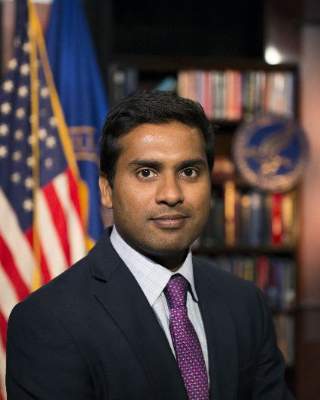
“We are taking a big step forward in shining the light on these financial arrangements between physicians and the health care industry,” said Dr. Shantanu Agrawal, director of the CMS Center for Program Integrity. “Using [these] new data, it is now possible to conduct a wide range of analyses of payments made by drug and device manufacturers that were never possible before.”
But the program has been plagued by delays and technical problems. CMS had to extend multiple times the 45-day “review and dispute” period, during which physicians could check the accuracy of data reported about them. It took the agency days to correct technical problems that had caused data to be intermingled, matching the wrong records to physicians with similar names.
Of the 4.4 million records released on Sept. 30, about 40% had to be deidentified either because of data inconsistencies that kept CMS from being able to match them to an individual physician or teaching hospital, or because the data were not available for review for the full 45-day period. CMS expects the data to be fully identified in 2015 once the manufacturers submit corrected information.
Another 199,000 records that were reported to the agency were not published at all, according to CMS. The vast majority of those records were unpublished at the request of the industry, since they related to ongoing research of unapproved treatments. About 9,000 records were not published because they are under active dispute, according to Dr. Agrawal.
While physicians and the industry have been generally supportive of CMS’s move toward greater openness about payments, there has been plenty of criticism of the implementation of the Open Payments program. The American Medical Association has said repeatedly that physicians have not had enough time to review the accuracy of the payments and that CMS is not providing adequate context about what the payments actually say about physician-industry relationships.
“Publicly reporting industry payments to individual physicians can imply, wrongly, that such payments are always inappropriate,” the AMA wrote in a guide for reporters covering the release of Open Payments data. “Some may be, but to be able to make an informed judgment, it is vital to be able to set the financial information in context. Just because a physician has a relationship with industry does not automatically mean that his or her professional judgment has been influenced inappropriately.”
The AMA also said that the process of registering and later reviewing payments was confusing and overly cumbersome for physicians. Only about 26,000 physicians and 400 teaching hospitals registered in the Open Payments system to review their data, according to CMS.
mschneider@frontlinemedcom.com
On Twitter @maryellenny
The federal government publicly released the first data about drug and device industry payments to physicians and hospitals, part of a push toward greater transparency that was mandated under the Affordable Care Act.
On Sept. 30, the Centers for Medicare & Medicaid Services published 4.4 million records of payments to about 546,000 individual physicians and nearly 1,360 teaching hospitals. In total, the records represent $3.5 billion in financial transactions between industry and health care providers.
The Open Payments program, known previously as the Sunshine Act, requires medical device manufacturers and pharmaceutical companies to report payments and transfers of value to physicians and teaching hospitals, including consulting fees, research grants, travel reimbursements, ownership interests, and other gifts.
The data released on Sept. 30 cover only payments made from August through December 2013. Data on payments made in 2014 are slated to be published in June 2015.
“We are taking a big step forward in shining the light on these financial arrangements between physicians and the health care industry,” said Dr. Shantanu Agrawal, director of the CMS Center for Program Integrity. “Using [these] new data, it is now possible to conduct a wide range of analyses of payments made by drug and device manufacturers that were never possible before.”
But the program has been plagued by delays and technical problems. CMS had to extend multiple times the 45-day “review and dispute” period, during which physicians could check the accuracy of data reported about them. It took the agency days to correct technical problems that had caused data to be intermingled, matching the wrong records to physicians with similar names.
Of the 4.4 million records released on Sept. 30, about 40% had to be deidentified either because of data inconsistencies that kept CMS from being able to match them to an individual physician or teaching hospital, or because the data were not available for review for the full 45-day period. CMS expects the data to be fully identified in 2015 once the manufacturers submit corrected information.
Another 199,000 records that were reported to the agency were not published at all, according to CMS. The vast majority of those records were unpublished at the request of the industry, since they related to ongoing research of unapproved treatments. About 9,000 records were not published because they are under active dispute, according to Dr. Agrawal.
While physicians and the industry have been generally supportive of CMS’s move toward greater openness about payments, there has been plenty of criticism of the implementation of the Open Payments program. The American Medical Association has said repeatedly that physicians have not had enough time to review the accuracy of the payments and that CMS is not providing adequate context about what the payments actually say about physician-industry relationships.
“Publicly reporting industry payments to individual physicians can imply, wrongly, that such payments are always inappropriate,” the AMA wrote in a guide for reporters covering the release of Open Payments data. “Some may be, but to be able to make an informed judgment, it is vital to be able to set the financial information in context. Just because a physician has a relationship with industry does not automatically mean that his or her professional judgment has been influenced inappropriately.”
The AMA also said that the process of registering and later reviewing payments was confusing and overly cumbersome for physicians. Only about 26,000 physicians and 400 teaching hospitals registered in the Open Payments system to review their data, according to CMS.
mschneider@frontlinemedcom.com
On Twitter @maryellenny
The federal government publicly released the first data about drug and device industry payments to physicians and hospitals, part of a push toward greater transparency that was mandated under the Affordable Care Act.
On Sept. 30, the Centers for Medicare & Medicaid Services published 4.4 million records of payments to about 546,000 individual physicians and nearly 1,360 teaching hospitals. In total, the records represent $3.5 billion in financial transactions between industry and health care providers.
The Open Payments program, known previously as the Sunshine Act, requires medical device manufacturers and pharmaceutical companies to report payments and transfers of value to physicians and teaching hospitals, including consulting fees, research grants, travel reimbursements, ownership interests, and other gifts.
The data released on Sept. 30 cover only payments made from August through December 2013. Data on payments made in 2014 are slated to be published in June 2015.
“We are taking a big step forward in shining the light on these financial arrangements between physicians and the health care industry,” said Dr. Shantanu Agrawal, director of the CMS Center for Program Integrity. “Using [these] new data, it is now possible to conduct a wide range of analyses of payments made by drug and device manufacturers that were never possible before.”
But the program has been plagued by delays and technical problems. CMS had to extend multiple times the 45-day “review and dispute” period, during which physicians could check the accuracy of data reported about them. It took the agency days to correct technical problems that had caused data to be intermingled, matching the wrong records to physicians with similar names.
Of the 4.4 million records released on Sept. 30, about 40% had to be deidentified either because of data inconsistencies that kept CMS from being able to match them to an individual physician or teaching hospital, or because the data were not available for review for the full 45-day period. CMS expects the data to be fully identified in 2015 once the manufacturers submit corrected information.
Another 199,000 records that were reported to the agency were not published at all, according to CMS. The vast majority of those records were unpublished at the request of the industry, since they related to ongoing research of unapproved treatments. About 9,000 records were not published because they are under active dispute, according to Dr. Agrawal.
While physicians and the industry have been generally supportive of CMS’s move toward greater openness about payments, there has been plenty of criticism of the implementation of the Open Payments program. The American Medical Association has said repeatedly that physicians have not had enough time to review the accuracy of the payments and that CMS is not providing adequate context about what the payments actually say about physician-industry relationships.
“Publicly reporting industry payments to individual physicians can imply, wrongly, that such payments are always inappropriate,” the AMA wrote in a guide for reporters covering the release of Open Payments data. “Some may be, but to be able to make an informed judgment, it is vital to be able to set the financial information in context. Just because a physician has a relationship with industry does not automatically mean that his or her professional judgment has been influenced inappropriately.”
The AMA also said that the process of registering and later reviewing payments was confusing and overly cumbersome for physicians. Only about 26,000 physicians and 400 teaching hospitals registered in the Open Payments system to review their data, according to CMS.
mschneider@frontlinemedcom.com
On Twitter @maryellenny
Esophageal cancer screen rarely incites legal claims
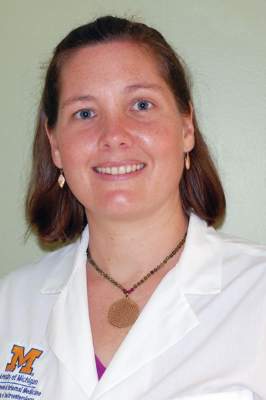
Physicians’ failure to screen patients for esophageal cancer rarely incites legal claims, according to a Research Letter published online September 30 in JAMA. Endoscopic screening for esophageal adenocarcinoma is recommended for patients with chronic symptoms of gastroesophageal reflux disease only if they have additional risk factors. But physician surveys indicate that many clinicians order or perform upper-GI endoscopy in symptomatic patients with no additional risk factors, out of fear of litigation for missing a cancer, said Dr. Megan A. Adams of the division of gastroenterology, University of Michigan, Ann Arbor, and her associates.
To assess the actual risk of such litigation, the investigators analyzed information from “the largest U.S. medical professional liability claims database,” which includes insurance companies that collectively cover more than two-thirds of private-practice physicians across the country. They identified 278,220 claims filed against physicians in 1985-2012, of which 761 were related to upper-GI endoscopy. Of the 268 claims that involved esophageal malignancies, 19 were filed for failure to screen a low-risk patient for esophageal cancer, and only 4 of those were paid to the claimants.
In comparison, 17 claims were filed and 8 were paid for complications arising from upper-GI endoscopies done for “questionable” indications. Thus, clinicians who perform the procedure because of fear of litigation for missing an esophageal cancer are just as likely to be sued for complications of an unnecessary endoscopy, noted Dr. Adams and her associates (JAMA 2014;312:1348-9).
“There may be legitimate reasons to screen for esophageal cancer in some [low-risk] patients, but our findings suggest that the risk of a medical professional liability claim for failing to screen is not one of them,” they noted.
Physicians’ failure to screen patients for esophageal cancer rarely incites legal claims, according to a Research Letter published online September 30 in JAMA. Endoscopic screening for esophageal adenocarcinoma is recommended for patients with chronic symptoms of gastroesophageal reflux disease only if they have additional risk factors. But physician surveys indicate that many clinicians order or perform upper-GI endoscopy in symptomatic patients with no additional risk factors, out of fear of litigation for missing a cancer, said Dr. Megan A. Adams of the division of gastroenterology, University of Michigan, Ann Arbor, and her associates.
To assess the actual risk of such litigation, the investigators analyzed information from “the largest U.S. medical professional liability claims database,” which includes insurance companies that collectively cover more than two-thirds of private-practice physicians across the country. They identified 278,220 claims filed against physicians in 1985-2012, of which 761 were related to upper-GI endoscopy. Of the 268 claims that involved esophageal malignancies, 19 were filed for failure to screen a low-risk patient for esophageal cancer, and only 4 of those were paid to the claimants.
In comparison, 17 claims were filed and 8 were paid for complications arising from upper-GI endoscopies done for “questionable” indications. Thus, clinicians who perform the procedure because of fear of litigation for missing an esophageal cancer are just as likely to be sued for complications of an unnecessary endoscopy, noted Dr. Adams and her associates (JAMA 2014;312:1348-9).
“There may be legitimate reasons to screen for esophageal cancer in some [low-risk] patients, but our findings suggest that the risk of a medical professional liability claim for failing to screen is not one of them,” they noted.
Physicians’ failure to screen patients for esophageal cancer rarely incites legal claims, according to a Research Letter published online September 30 in JAMA. Endoscopic screening for esophageal adenocarcinoma is recommended for patients with chronic symptoms of gastroesophageal reflux disease only if they have additional risk factors. But physician surveys indicate that many clinicians order or perform upper-GI endoscopy in symptomatic patients with no additional risk factors, out of fear of litigation for missing a cancer, said Dr. Megan A. Adams of the division of gastroenterology, University of Michigan, Ann Arbor, and her associates.
To assess the actual risk of such litigation, the investigators analyzed information from “the largest U.S. medical professional liability claims database,” which includes insurance companies that collectively cover more than two-thirds of private-practice physicians across the country. They identified 278,220 claims filed against physicians in 1985-2012, of which 761 were related to upper-GI endoscopy. Of the 268 claims that involved esophageal malignancies, 19 were filed for failure to screen a low-risk patient for esophageal cancer, and only 4 of those were paid to the claimants.
In comparison, 17 claims were filed and 8 were paid for complications arising from upper-GI endoscopies done for “questionable” indications. Thus, clinicians who perform the procedure because of fear of litigation for missing an esophageal cancer are just as likely to be sued for complications of an unnecessary endoscopy, noted Dr. Adams and her associates (JAMA 2014;312:1348-9).
“There may be legitimate reasons to screen for esophageal cancer in some [low-risk] patients, but our findings suggest that the risk of a medical professional liability claim for failing to screen is not one of them,” they noted.
Key clinical point: Physicians are rarely sued for failure to screen for esophageal cancer.
Major finding: Among 278,220 legal claims against physicians in 1985-2012, 19 of the 268 that involved esophageal malignancies were filed for failure to screen.
Data source: A medical professional liability claims database.
Disclosures: Dr. Adams reported having no financial disclosures.
AATS Grant Writing Workshop Scheduled for March 2015
The 2015 Grant Writing Workshop, organized by the AATS Scientific Affairs and Government Relations Committee, will offer a better understanding of the complexities of grant preparation and submission, as well as techniques for writing top quality submissions. This full-day program is for academic cardiothoracic surgeons on all levels.
March 6, 2015
Doubletree Bethesda, Bethesda, MD (nine miles from Washington, DC)
Course Directors
David R. Jones, Memorial Sloan-Kettering
Y. Joseph Woo, Stanford University
Workshop Elements
Attendees will hear presentations and interact with well-known cardiothoracic surgery leaders and NIH staff through a didactic session, interactive panel discussions and a mock study session.
By the end of the program, they will have learned how to:
- Create Career Development and Training Grants.
- Analyze Outcomes Research and Clinical Research Networks.
- Assess the Structure and Components of a Grant.
- Identify Extramural Program and Funding Opportunities — NCI and NHLBI.
- Become a NIH investigator.
The workshop program, registration and housing information are available at www.aats.org/EducationTraining/Grantsmanship/workshop.cgi.
Application deadline: February 10, 2015
The 2015 Grant Writing Workshop, organized by the AATS Scientific Affairs and Government Relations Committee, will offer a better understanding of the complexities of grant preparation and submission, as well as techniques for writing top quality submissions. This full-day program is for academic cardiothoracic surgeons on all levels.
March 6, 2015
Doubletree Bethesda, Bethesda, MD (nine miles from Washington, DC)
Course Directors
David R. Jones, Memorial Sloan-Kettering
Y. Joseph Woo, Stanford University
Workshop Elements
Attendees will hear presentations and interact with well-known cardiothoracic surgery leaders and NIH staff through a didactic session, interactive panel discussions and a mock study session.
By the end of the program, they will have learned how to:
- Create Career Development and Training Grants.
- Analyze Outcomes Research and Clinical Research Networks.
- Assess the Structure and Components of a Grant.
- Identify Extramural Program and Funding Opportunities — NCI and NHLBI.
- Become a NIH investigator.
The workshop program, registration and housing information are available at www.aats.org/EducationTraining/Grantsmanship/workshop.cgi.
Application deadline: February 10, 2015
The 2015 Grant Writing Workshop, organized by the AATS Scientific Affairs and Government Relations Committee, will offer a better understanding of the complexities of grant preparation and submission, as well as techniques for writing top quality submissions. This full-day program is for academic cardiothoracic surgeons on all levels.
March 6, 2015
Doubletree Bethesda, Bethesda, MD (nine miles from Washington, DC)
Course Directors
David R. Jones, Memorial Sloan-Kettering
Y. Joseph Woo, Stanford University
Workshop Elements
Attendees will hear presentations and interact with well-known cardiothoracic surgery leaders and NIH staff through a didactic session, interactive panel discussions and a mock study session.
By the end of the program, they will have learned how to:
- Create Career Development and Training Grants.
- Analyze Outcomes Research and Clinical Research Networks.
- Assess the Structure and Components of a Grant.
- Identify Extramural Program and Funding Opportunities — NCI and NHLBI.
- Become a NIH investigator.
The workshop program, registration and housing information are available at www.aats.org/EducationTraining/Grantsmanship/workshop.cgi.
Application deadline: February 10, 2015
November 1 Deadline for Edwards Lifesciences’ Advanced Treatments of Valve Disease Fellowship
The AATS Graham Foundation is pleased to announce that applications are available for the inaugural Edwards Lifesciences Advanced Treatments of Valve Disease Fellowship.
Purpose
The Fellowship is aimed at providing a young cardiothoracic surgeon with the educational opportunity to spend between three months (minimum) to one year studying clinical techniques at a host institution. The program focus is on enhancing the fellow’s expertise in advanced treatments of valve disease.
Fellowship Grant
A selected fellow will receive $25,000 to help defray related travel and living expenses incurred at the host institution.
Applicants should:
Hold a current academic or hospital appointment.
Be within the first five (5) years of post-CT training.
Meet all necessary criteria (license, visa, etc) for travel to and from the host medical center.
For more information and to submit an application, visit http://aatsgrahamfoundation.org/fellowship-Edwards-Lifesciences.cgi.
Deadline: Saturday, November 1, 2014, 11:59 pm, EST
The AATS Graham Foundation is pleased to announce that applications are available for the inaugural Edwards Lifesciences Advanced Treatments of Valve Disease Fellowship.
Purpose
The Fellowship is aimed at providing a young cardiothoracic surgeon with the educational opportunity to spend between three months (minimum) to one year studying clinical techniques at a host institution. The program focus is on enhancing the fellow’s expertise in advanced treatments of valve disease.
Fellowship Grant
A selected fellow will receive $25,000 to help defray related travel and living expenses incurred at the host institution.
Applicants should:
Hold a current academic or hospital appointment.
Be within the first five (5) years of post-CT training.
Meet all necessary criteria (license, visa, etc) for travel to and from the host medical center.
For more information and to submit an application, visit http://aatsgrahamfoundation.org/fellowship-Edwards-Lifesciences.cgi.
Deadline: Saturday, November 1, 2014, 11:59 pm, EST
The AATS Graham Foundation is pleased to announce that applications are available for the inaugural Edwards Lifesciences Advanced Treatments of Valve Disease Fellowship.
Purpose
The Fellowship is aimed at providing a young cardiothoracic surgeon with the educational opportunity to spend between three months (minimum) to one year studying clinical techniques at a host institution. The program focus is on enhancing the fellow’s expertise in advanced treatments of valve disease.
Fellowship Grant
A selected fellow will receive $25,000 to help defray related travel and living expenses incurred at the host institution.
Applicants should:
Hold a current academic or hospital appointment.
Be within the first five (5) years of post-CT training.
Meet all necessary criteria (license, visa, etc) for travel to and from the host medical center.
For more information and to submit an application, visit http://aatsgrahamfoundation.org/fellowship-Edwards-Lifesciences.cgi.
Deadline: Saturday, November 1, 2014, 11:59 pm, EST
Applications Open for AATS Leadership Academy
Friday, April 24, 2015
Seattle, WA
The 2015 AATS Leadership Academy is an intensive, didactic, interactive program for up to 20 surgeons who have demonstrated significant promise as prospective future division/department
chiefs or have recently assumed that role.
Program Goal
The goal of the program is to provide participants with the administrative, interpersonal, mentoring and negotiating skills necessary to successfully serve as a division chief. It also provides attendees with the opportunity to network with renowned leaders in thoracic surgery, who potentially may become personal mentors after the Academy’s conclusion.
Prerequisites
Applicants must have achieved the following qualifications:
Rank of associate professor.
Active/successful practice as a clinical surgeon.
Evidence of leadership ability in local and/or state/regional institution.
Proof of academic productivity, including peer-reviewed publications and presentations at regional or national scientific meetings
Funded research (preferable but not essential).
Deadline: Sunday, November 30, 2014, 11:59 pm EST
For more information and application: Visit http://aats.org/Association/news/AATS-Academy.cgi.
Selection: The Leadership Academy Committee will review applications. Selected participants will be notified no later than February 5, 2015.
Friday, April 24, 2015
Seattle, WA
The 2015 AATS Leadership Academy is an intensive, didactic, interactive program for up to 20 surgeons who have demonstrated significant promise as prospective future division/department
chiefs or have recently assumed that role.
Program Goal
The goal of the program is to provide participants with the administrative, interpersonal, mentoring and negotiating skills necessary to successfully serve as a division chief. It also provides attendees with the opportunity to network with renowned leaders in thoracic surgery, who potentially may become personal mentors after the Academy’s conclusion.
Prerequisites
Applicants must have achieved the following qualifications:
Rank of associate professor.
Active/successful practice as a clinical surgeon.
Evidence of leadership ability in local and/or state/regional institution.
Proof of academic productivity, including peer-reviewed publications and presentations at regional or national scientific meetings
Funded research (preferable but not essential).
Deadline: Sunday, November 30, 2014, 11:59 pm EST
For more information and application: Visit http://aats.org/Association/news/AATS-Academy.cgi.
Selection: The Leadership Academy Committee will review applications. Selected participants will be notified no later than February 5, 2015.
Friday, April 24, 2015
Seattle, WA
The 2015 AATS Leadership Academy is an intensive, didactic, interactive program for up to 20 surgeons who have demonstrated significant promise as prospective future division/department
chiefs or have recently assumed that role.
Program Goal
The goal of the program is to provide participants with the administrative, interpersonal, mentoring and negotiating skills necessary to successfully serve as a division chief. It also provides attendees with the opportunity to network with renowned leaders in thoracic surgery, who potentially may become personal mentors after the Academy’s conclusion.
Prerequisites
Applicants must have achieved the following qualifications:
Rank of associate professor.
Active/successful practice as a clinical surgeon.
Evidence of leadership ability in local and/or state/regional institution.
Proof of academic productivity, including peer-reviewed publications and presentations at regional or national scientific meetings
Funded research (preferable but not essential).
Deadline: Sunday, November 30, 2014, 11:59 pm EST
For more information and application: Visit http://aats.org/Association/news/AATS-Academy.cgi.
Selection: The Leadership Academy Committee will review applications. Selected participants will be notified no later than February 5, 2015.
The Commitment Process is Open for theAATS Cardiothoracic Surgery Resident Poster Competition
Submit a resident for participation to the AATS Cardiothoracic Surgery Resident Poster Competition funded by the AATS Graham Foundation. Winners will represent their institutions by presenting scientific posters of their clinical/investigative research at the 2015 AATS Annual Meeting in Seattle, Washington, April 25-29.
Open to:
Senior cardiothoracic surgery residents and/or congenital heart surgery fellows.
Candidate Prerequisites:
North American residents must be the most senior resident enrolled in either an ACGME-accredited or RCPSC-accredited cardiothoracic surgery residency program or congenital heart surgery fellowship.
International residents must be in their last year of a cardiothoracic training program at the institution of an AATS member.
Benefits to Participating Residents:
A stipend of $500 to offset travel and hotel costs.
Complimentary registration to the Annual Meeting, which will include one postgraduate and one skills course.
Deadline: Thursday, January 15, 2015
For more information, visit http://aats.org/scholarship/Cardiothoracic-Surgery-Resident-Poster-Session.cgi.
Submit a resident for participation to the AATS Cardiothoracic Surgery Resident Poster Competition funded by the AATS Graham Foundation. Winners will represent their institutions by presenting scientific posters of their clinical/investigative research at the 2015 AATS Annual Meeting in Seattle, Washington, April 25-29.
Open to:
Senior cardiothoracic surgery residents and/or congenital heart surgery fellows.
Candidate Prerequisites:
North American residents must be the most senior resident enrolled in either an ACGME-accredited or RCPSC-accredited cardiothoracic surgery residency program or congenital heart surgery fellowship.
International residents must be in their last year of a cardiothoracic training program at the institution of an AATS member.
Benefits to Participating Residents:
A stipend of $500 to offset travel and hotel costs.
Complimentary registration to the Annual Meeting, which will include one postgraduate and one skills course.
Deadline: Thursday, January 15, 2015
For more information, visit http://aats.org/scholarship/Cardiothoracic-Surgery-Resident-Poster-Session.cgi.
Submit a resident for participation to the AATS Cardiothoracic Surgery Resident Poster Competition funded by the AATS Graham Foundation. Winners will represent their institutions by presenting scientific posters of their clinical/investigative research at the 2015 AATS Annual Meeting in Seattle, Washington, April 25-29.
Open to:
Senior cardiothoracic surgery residents and/or congenital heart surgery fellows.
Candidate Prerequisites:
North American residents must be the most senior resident enrolled in either an ACGME-accredited or RCPSC-accredited cardiothoracic surgery residency program or congenital heart surgery fellowship.
International residents must be in their last year of a cardiothoracic training program at the institution of an AATS member.
Benefits to Participating Residents:
A stipend of $500 to offset travel and hotel costs.
Complimentary registration to the Annual Meeting, which will include one postgraduate and one skills course.
Deadline: Thursday, January 15, 2015
For more information, visit http://aats.org/scholarship/Cardiothoracic-Surgery-Resident-Poster-Session.cgi.
Pioneer Heart Surgeon, Dr. Michael DeBakey
Dr. Michael Ellis DeBakey, pioneer heart surgeon and medical device innovator, died July 11, 2008 in Houston, about 2 months shy of his 100th birthday on Sept. 7.
In his lifetime, Dr. DeBakey was renowned for his immense contributions to the progress of medical science, such that he was declared a "living legend" by the Library of Congress and was this year awarded a Congressional Gold Medal for his lifetime achievements, in particular his pioneering work as a heart surgeon.
Even before Dr. DeBakey received his medical degree from Tulane University in 1932, he began his contributions to modern medicine by developing a small continuous flow–roller pump designed to improve blood transfusion—a device that would later be used by Dr. John Gibbon as a crucial component of his heart-lung machine. And in 1939, with his mentor, Dr. Alton Ochsner, Dr. DeBakey suggested a strong link between smoking and lung cancer.
After internships in New Orleans and surgical training in Europe, Dr. DeBakey volunteered for service during World War II and was assigned to the U.S. Army Surgeon General’s office. From his observations in the field, he became convinced of the need for a mobile surgical unit that would give soldiers access to high-level medical treatment on the combat field and convinced the surgeon general to form what would become the mobile army surgical hospitals (MASH units)—an innovation that gained him the U.S. Army Legion of Merit in 1945.
His government service continued throughout his civilian career, as he helped to establish the Veterans Administration medical center research system. He also initiated the movement that in 1956 took the Army’s poorly housed medical library and used it to create the National Library of Medicine, of which he was first board member and then chairman. He served three terms on the National Heart, Lung, and Blood Advisory Council as well. He was responsible for helping establish health care systems in a host of countries, including Belgium, China, Egypt, England, Germany, Saudi Arabia, Australia, and numerous other Middle Eastern and Central and South American nations.
According to the Web site of Baylor College of Medicine’s department of surgery, where he spent almost his entire postwar career, Dr. DeBakey operated on more than 60,000 patients in the Houston area alone. But these were not all just standard operations. In 1953, he performed the first successful carotid endarterectomy, as well as the first successful removal and graft replacement of a fusiform thoracic aortic aneurysm, and in 1954, the first successful resection and graft replacement of an aneurysm of the distal aortic arch and upper descending thoracic aorta.
In 1955 he performed the first successful resection of a thoracoabdominal aortic aneurysm using the DeBakey Dacron graft—the first artificial arterial graft of its kind.
"If we now tried to develop the Dacron graft the way we developed it, I am not sure we would have it today with the way they regulate things. ...When I went down to the department store . . . they said ‘We are fresh out of nylon, but we do have a new material called Dacron.’ I felt it, and it looked good to me. So I bought a yard of it. . . . I took this yard of Dacron cloth, I cut two sheets the width I wanted, sewed the edges on each side, and made a tube out of it . . . .We put the graft on a stent, wrapped nylon thread around it, pushed it together, and baked it.. . . After about two or three years of laboratory work on my own [including experiments in dogs], I decided that it was time to put the graft in a human being. I did not have a committee to approve it. . . . In 1954, I put the first one in during an abdominal aortic aneurysm. That first patient lived, I think, for 13 years and never had any trouble," Dr. DeBakey related in an interview published in 1996 in the Journal of Vascular Surgery.
And among his other pioneering surgical developments, in 1964, Dr. DeBakey was the first to perform a successful coronary artery bypass, using a portion of leg vein as the graft, in what is now one of the most commonly performed heart operations—coronary artery bypass grafting.
As if surgically repairing failing hearts was not enough, Dr. DeBakey became a pioneer of artificial heart research and of cardiac assist devices. On July 18, 1963, after years of animal research, he performed the first successful human implantation of a left ventricular assist device (LVAD), one which he devised; the patient died after 4 days from causes unrelated to the technology. In 1966, Dr. DeBakey’s redesigned, extracorporeal pneumatic pump was used in a 37-year old woman who could not be weaned from the heart-lung machine after dual valve replacement. After 10 days of LVAD support, she recovered sufficiently for the pump to be removed and she survived. This pump served as the basis of Dr. DeBakey’s first total artificial heart model, created in 1968.
Dr. DeBakey was honored profusely throughout his lifetime by the medical community and the general public. Numerous medical facilities are named after him in this country and around the world. He received countless awards for his technical and social achievements in medicine. Among these honors were the American Medical Association’s Distinguished Service Award (1959), the Albert Lasker Award for Clinical Medical Research (1963), the Presidential Medal of Freedom (1969), and the National Medal of Science (1987). More recently, he was the first foreign member elected to the Russian Academy of Sciences (1999), was given the Library of Congress Bicentennial Living Legend Award (2000), and was awarded the Congressional Gold Medal in April 2008.
In his death, Dr. DeBakey was the first Houston resident given the honor of lying in state at City Hall and, at the request of his family, he lay dressed in his characteristic glasses, scrubs, and white coat for viewing by long lines of the general public.
Suggested readings
Dr. Michael Ellis DeBakey, pioneer heart surgeon and medical device innovator, died July 11, 2008 in Houston, about 2 months shy of his 100th birthday on Sept. 7.
In his lifetime, Dr. DeBakey was renowned for his immense contributions to the progress of medical science, such that he was declared a "living legend" by the Library of Congress and was this year awarded a Congressional Gold Medal for his lifetime achievements, in particular his pioneering work as a heart surgeon.
Even before Dr. DeBakey received his medical degree from Tulane University in 1932, he began his contributions to modern medicine by developing a small continuous flow–roller pump designed to improve blood transfusion—a device that would later be used by Dr. John Gibbon as a crucial component of his heart-lung machine. And in 1939, with his mentor, Dr. Alton Ochsner, Dr. DeBakey suggested a strong link between smoking and lung cancer.
After internships in New Orleans and surgical training in Europe, Dr. DeBakey volunteered for service during World War II and was assigned to the U.S. Army Surgeon General’s office. From his observations in the field, he became convinced of the need for a mobile surgical unit that would give soldiers access to high-level medical treatment on the combat field and convinced the surgeon general to form what would become the mobile army surgical hospitals (MASH units)—an innovation that gained him the U.S. Army Legion of Merit in 1945.
His government service continued throughout his civilian career, as he helped to establish the Veterans Administration medical center research system. He also initiated the movement that in 1956 took the Army’s poorly housed medical library and used it to create the National Library of Medicine, of which he was first board member and then chairman. He served three terms on the National Heart, Lung, and Blood Advisory Council as well. He was responsible for helping establish health care systems in a host of countries, including Belgium, China, Egypt, England, Germany, Saudi Arabia, Australia, and numerous other Middle Eastern and Central and South American nations.
According to the Web site of Baylor College of Medicine’s department of surgery, where he spent almost his entire postwar career, Dr. DeBakey operated on more than 60,000 patients in the Houston area alone. But these were not all just standard operations. In 1953, he performed the first successful carotid endarterectomy, as well as the first successful removal and graft replacement of a fusiform thoracic aortic aneurysm, and in 1954, the first successful resection and graft replacement of an aneurysm of the distal aortic arch and upper descending thoracic aorta.
In 1955 he performed the first successful resection of a thoracoabdominal aortic aneurysm using the DeBakey Dacron graft—the first artificial arterial graft of its kind.
"If we now tried to develop the Dacron graft the way we developed it, I am not sure we would have it today with the way they regulate things. ...When I went down to the department store . . . they said ‘We are fresh out of nylon, but we do have a new material called Dacron.’ I felt it, and it looked good to me. So I bought a yard of it. . . . I took this yard of Dacron cloth, I cut two sheets the width I wanted, sewed the edges on each side, and made a tube out of it . . . .We put the graft on a stent, wrapped nylon thread around it, pushed it together, and baked it.. . . After about two or three years of laboratory work on my own [including experiments in dogs], I decided that it was time to put the graft in a human being. I did not have a committee to approve it. . . . In 1954, I put the first one in during an abdominal aortic aneurysm. That first patient lived, I think, for 13 years and never had any trouble," Dr. DeBakey related in an interview published in 1996 in the Journal of Vascular Surgery.
And among his other pioneering surgical developments, in 1964, Dr. DeBakey was the first to perform a successful coronary artery bypass, using a portion of leg vein as the graft, in what is now one of the most commonly performed heart operations—coronary artery bypass grafting.
As if surgically repairing failing hearts was not enough, Dr. DeBakey became a pioneer of artificial heart research and of cardiac assist devices. On July 18, 1963, after years of animal research, he performed the first successful human implantation of a left ventricular assist device (LVAD), one which he devised; the patient died after 4 days from causes unrelated to the technology. In 1966, Dr. DeBakey’s redesigned, extracorporeal pneumatic pump was used in a 37-year old woman who could not be weaned from the heart-lung machine after dual valve replacement. After 10 days of LVAD support, she recovered sufficiently for the pump to be removed and she survived. This pump served as the basis of Dr. DeBakey’s first total artificial heart model, created in 1968.
Dr. DeBakey was honored profusely throughout his lifetime by the medical community and the general public. Numerous medical facilities are named after him in this country and around the world. He received countless awards for his technical and social achievements in medicine. Among these honors were the American Medical Association’s Distinguished Service Award (1959), the Albert Lasker Award for Clinical Medical Research (1963), the Presidential Medal of Freedom (1969), and the National Medal of Science (1987). More recently, he was the first foreign member elected to the Russian Academy of Sciences (1999), was given the Library of Congress Bicentennial Living Legend Award (2000), and was awarded the Congressional Gold Medal in April 2008.
In his death, Dr. DeBakey was the first Houston resident given the honor of lying in state at City Hall and, at the request of his family, he lay dressed in his characteristic glasses, scrubs, and white coat for viewing by long lines of the general public.
Suggested readings
Dr. Michael Ellis DeBakey, pioneer heart surgeon and medical device innovator, died July 11, 2008 in Houston, about 2 months shy of his 100th birthday on Sept. 7.
In his lifetime, Dr. DeBakey was renowned for his immense contributions to the progress of medical science, such that he was declared a "living legend" by the Library of Congress and was this year awarded a Congressional Gold Medal for his lifetime achievements, in particular his pioneering work as a heart surgeon.
Even before Dr. DeBakey received his medical degree from Tulane University in 1932, he began his contributions to modern medicine by developing a small continuous flow–roller pump designed to improve blood transfusion—a device that would later be used by Dr. John Gibbon as a crucial component of his heart-lung machine. And in 1939, with his mentor, Dr. Alton Ochsner, Dr. DeBakey suggested a strong link between smoking and lung cancer.
After internships in New Orleans and surgical training in Europe, Dr. DeBakey volunteered for service during World War II and was assigned to the U.S. Army Surgeon General’s office. From his observations in the field, he became convinced of the need for a mobile surgical unit that would give soldiers access to high-level medical treatment on the combat field and convinced the surgeon general to form what would become the mobile army surgical hospitals (MASH units)—an innovation that gained him the U.S. Army Legion of Merit in 1945.
His government service continued throughout his civilian career, as he helped to establish the Veterans Administration medical center research system. He also initiated the movement that in 1956 took the Army’s poorly housed medical library and used it to create the National Library of Medicine, of which he was first board member and then chairman. He served three terms on the National Heart, Lung, and Blood Advisory Council as well. He was responsible for helping establish health care systems in a host of countries, including Belgium, China, Egypt, England, Germany, Saudi Arabia, Australia, and numerous other Middle Eastern and Central and South American nations.
According to the Web site of Baylor College of Medicine’s department of surgery, where he spent almost his entire postwar career, Dr. DeBakey operated on more than 60,000 patients in the Houston area alone. But these were not all just standard operations. In 1953, he performed the first successful carotid endarterectomy, as well as the first successful removal and graft replacement of a fusiform thoracic aortic aneurysm, and in 1954, the first successful resection and graft replacement of an aneurysm of the distal aortic arch and upper descending thoracic aorta.
In 1955 he performed the first successful resection of a thoracoabdominal aortic aneurysm using the DeBakey Dacron graft—the first artificial arterial graft of its kind.
"If we now tried to develop the Dacron graft the way we developed it, I am not sure we would have it today with the way they regulate things. ...When I went down to the department store . . . they said ‘We are fresh out of nylon, but we do have a new material called Dacron.’ I felt it, and it looked good to me. So I bought a yard of it. . . . I took this yard of Dacron cloth, I cut two sheets the width I wanted, sewed the edges on each side, and made a tube out of it . . . .We put the graft on a stent, wrapped nylon thread around it, pushed it together, and baked it.. . . After about two or three years of laboratory work on my own [including experiments in dogs], I decided that it was time to put the graft in a human being. I did not have a committee to approve it. . . . In 1954, I put the first one in during an abdominal aortic aneurysm. That first patient lived, I think, for 13 years and never had any trouble," Dr. DeBakey related in an interview published in 1996 in the Journal of Vascular Surgery.
And among his other pioneering surgical developments, in 1964, Dr. DeBakey was the first to perform a successful coronary artery bypass, using a portion of leg vein as the graft, in what is now one of the most commonly performed heart operations—coronary artery bypass grafting.
As if surgically repairing failing hearts was not enough, Dr. DeBakey became a pioneer of artificial heart research and of cardiac assist devices. On July 18, 1963, after years of animal research, he performed the first successful human implantation of a left ventricular assist device (LVAD), one which he devised; the patient died after 4 days from causes unrelated to the technology. In 1966, Dr. DeBakey’s redesigned, extracorporeal pneumatic pump was used in a 37-year old woman who could not be weaned from the heart-lung machine after dual valve replacement. After 10 days of LVAD support, she recovered sufficiently for the pump to be removed and she survived. This pump served as the basis of Dr. DeBakey’s first total artificial heart model, created in 1968.
Dr. DeBakey was honored profusely throughout his lifetime by the medical community and the general public. Numerous medical facilities are named after him in this country and around the world. He received countless awards for his technical and social achievements in medicine. Among these honors were the American Medical Association’s Distinguished Service Award (1959), the Albert Lasker Award for Clinical Medical Research (1963), the Presidential Medal of Freedom (1969), and the National Medal of Science (1987). More recently, he was the first foreign member elected to the Russian Academy of Sciences (1999), was given the Library of Congress Bicentennial Living Legend Award (2000), and was awarded the Congressional Gold Medal in April 2008.
In his death, Dr. DeBakey was the first Houston resident given the honor of lying in state at City Hall and, at the request of his family, he lay dressed in his characteristic glasses, scrubs, and white coat for viewing by long lines of the general public.
Suggested readings